
July 29, 2026
The Complete Guide to Foot Health: Everyday Habits, Comfort, and Choosing the Right Shoes
By Gdefy

Summary
Your feet carry you through every ordinary day — the walk to the car, the hours on your feet at work, the errands, the evening stroll. Most of us only think about them when something starts to ache. Then we buy a new pair of shoes, feel better for a while, and go back to not thinking about them.
This foot health guide is the hub we wish everyone had from the start. It pulls together the things that actually matter day to day: what your feet are dealing with, how to understand your own foot shape and stride, what to look for in a shoe, and the small habits that keep comfort steady over weeks and months rather than days.
Footwear is not a medical solution. But the design of what you put on your feet — cushioning, support, shock absorption, and fit — plays a real role in how comfortable you feel by the end of the day. That is the lane this guide stays in.

What "Foot Health" Really Means Day to Day
"Foot health" sounds technical, but for most people it comes down to something much simpler: can I do what I want to do without my feet becoming the limiting factor?
Practically, that means a handful of everyday things:
- Comfort that lasts. Shoes that feel fine in the first hour and rough in the fifth are not really comfortable shoes.
- Stability you don't have to think about. Feeling planted on uneven ground, on grass, on hard floors.
- Room to move. Toes that can spread naturally instead of being squeezed into a narrow point.
- Consistency. Feet that feel roughly the same on a Thursday evening as they did on Monday morning.
- A reset overnight. Waking up feeling fresh rather than carrying yesterday forward.
Notice that none of those are medical outcomes. They are comfort outcomes — and comfort is something footwear design can genuinely influence.
Why Feet Feel Different at the End of a Long Day
Foot discomfort during ordinary activity usually is not one dramatic cause. It is an accumulation of small, unremarkable things.
Hours, Not Miles
Standing still on a hard floor for six hours can be harder on your feet than a brisk two-mile walk. Walking loads and unloads the foot in a rhythm; standing keeps the same structures under steady load with no break. Anyone who works retail, teaches, cooks, or handles inventory knows the difference in their body.
The Surfaces You Spend Time On
Concrete, tile, and polished warehouse floors give nothing back. Every step returns the impact straight up through the foot. Grass, track, and packed trail absorb some of it. If your day is spent on hard flat surfaces, the shoe becomes the only cushioning in the system — which is a good reason to be picky about it.
Footwear That Has Quietly Worn Out
This is the most common and least noticed cause. Midsoles compress gradually. The change is slow enough that you adapt to it without registering that anything happened — until a fresh pair reminds you what supportive felt like. Our guide to how shoes wear out and when to replace your footwear covers the signs worth checking.
A Shoe That Never Matched Your Foot
A well-made shoe in the wrong shape, width, or support level will still feel wrong. Length is the easy part; width, volume, and heel hold are where most fit problems actually live. See why proper shoe fit is key to all-day comfort for the details.
If you want the longer version of this section on its own, what causes foot discomfort when walking goes deeper.
Start by Understanding Your Own Feet
Generic advice fails because feet are not generic. Before you evaluate any shoe, it helps to know three things about yourself. None of this requires an appointment or equipment — just a few minutes at home.
1. Your Arch Height
Wet the bottom of your foot and step onto a paper bag or a dry concrete step. A footprint showing most of the sole suggests a lower arch. A footprint showing a narrow band along the outside suggests a higher arch. Most people land somewhere in between.
Arch height is not a problem to be corrected — it is information that tells you which support level will feel best. Start with how to choose shoes for your foot type, then read what arch support in shoes actually means for what firmness and heel structure do.
2. How You Move Through a Step
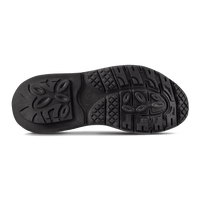
Look at the outsoles of a pair you have worn for a while. Wear concentrated on the inside edge, the outside edge, or spread fairly evenly tells you something about how your foot rolls through each stride. Two posts cover this in plain language: understanding pronation and supination and how gait analysis helps you choose better shoes.
3. Your Width and Volume — Not Just Your Size
Feet change shape over the years, and they swell during the day. Measure late in the afternoon, measure both feet, and buy for the larger one. If your foot spills over the edge of the footbed or your little toe presses the upper, you need a wider option, not a longer one.
Two feet on the same body can also want different things. Flat feet vs high arches: how each foot type uses the same shoe differently walks through how the same pair gets set up two ways.
What to Look for in a Shoe
Once you know your own feet, shopping gets much simpler. Five features do most of the work:
- Cushioning — helps absorb impact so hard surfaces feel less harsh underfoot.
- Support — helps maintain stability through the middle of the shoe so it doesn't collapse or twist.
- Shock absorption — reduces the harsh force that travels up from each step.
- Energy return — helps keep movement feeling efficient instead of flat and dead.
- Proper fit — correct length, width, and heel hold, with room for toes to spread.
A useful habit: pick up the shoe and try to twist it. A shoe that folds in half through the middle offers little structure underfoot. Some flexibility at the forefoot is good; a shoe that bends everywhere is not doing much.
Two related reads if you want to go further here: cushioning vs support — what's the difference? and what "support" really means in footwear. If you're curious what is physically inside a comfort shoe, what's inside a comfort walking shoe takes one apart layer by layer.
How G-Defy Approaches Comfort and Support
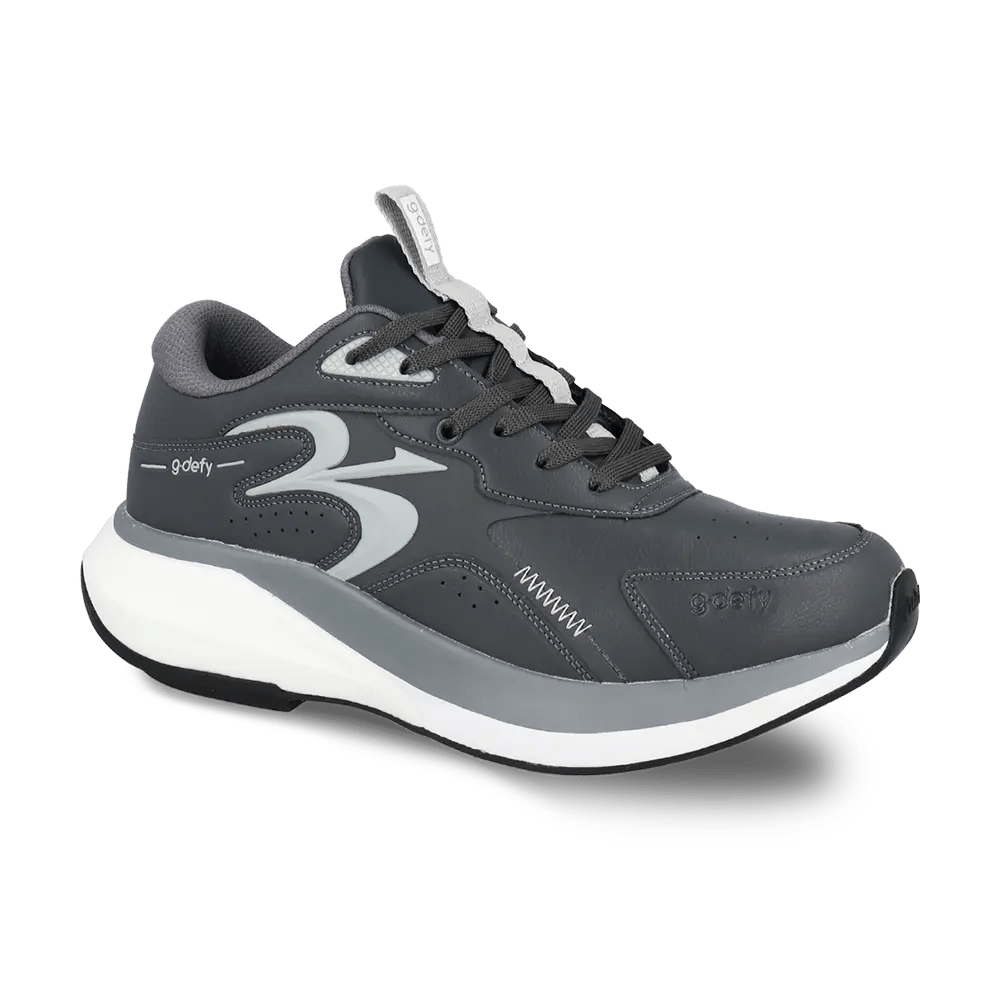
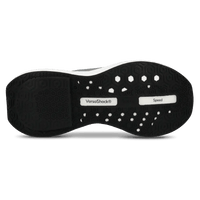
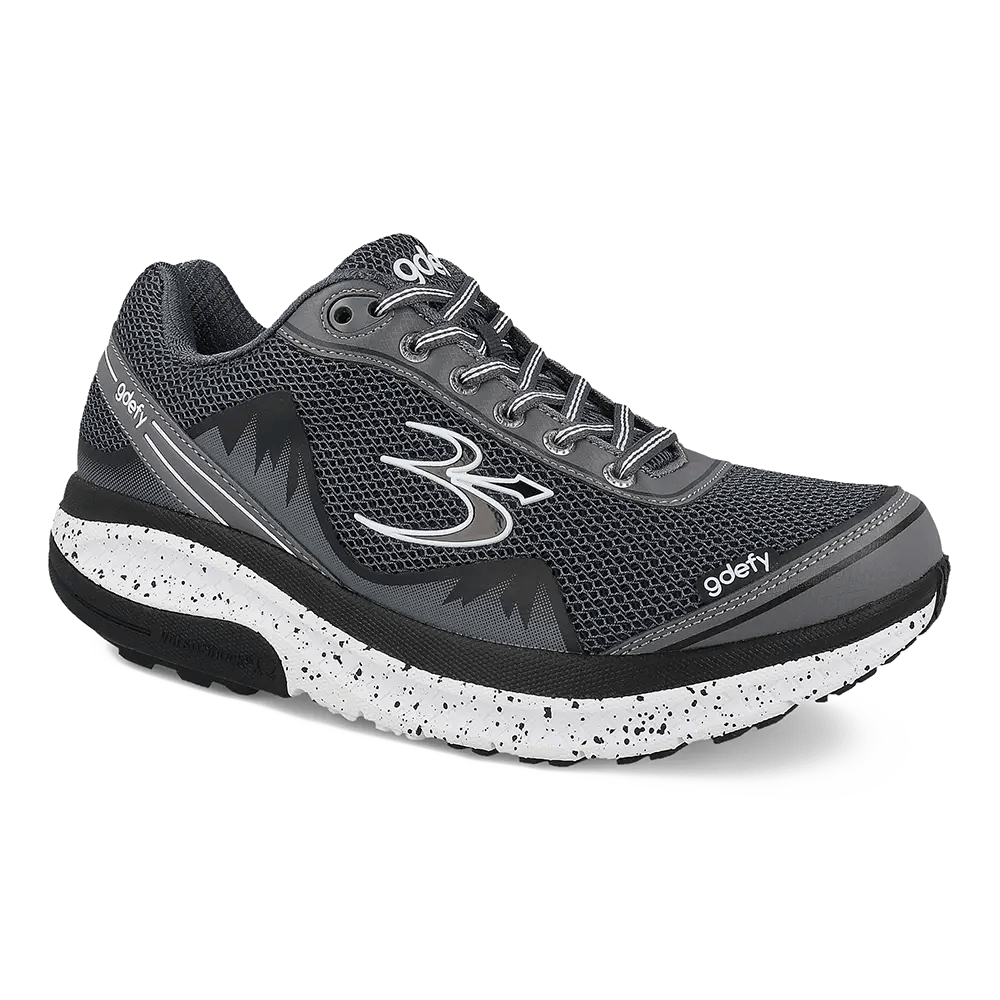
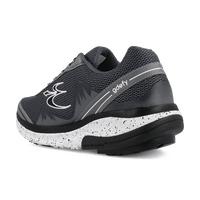
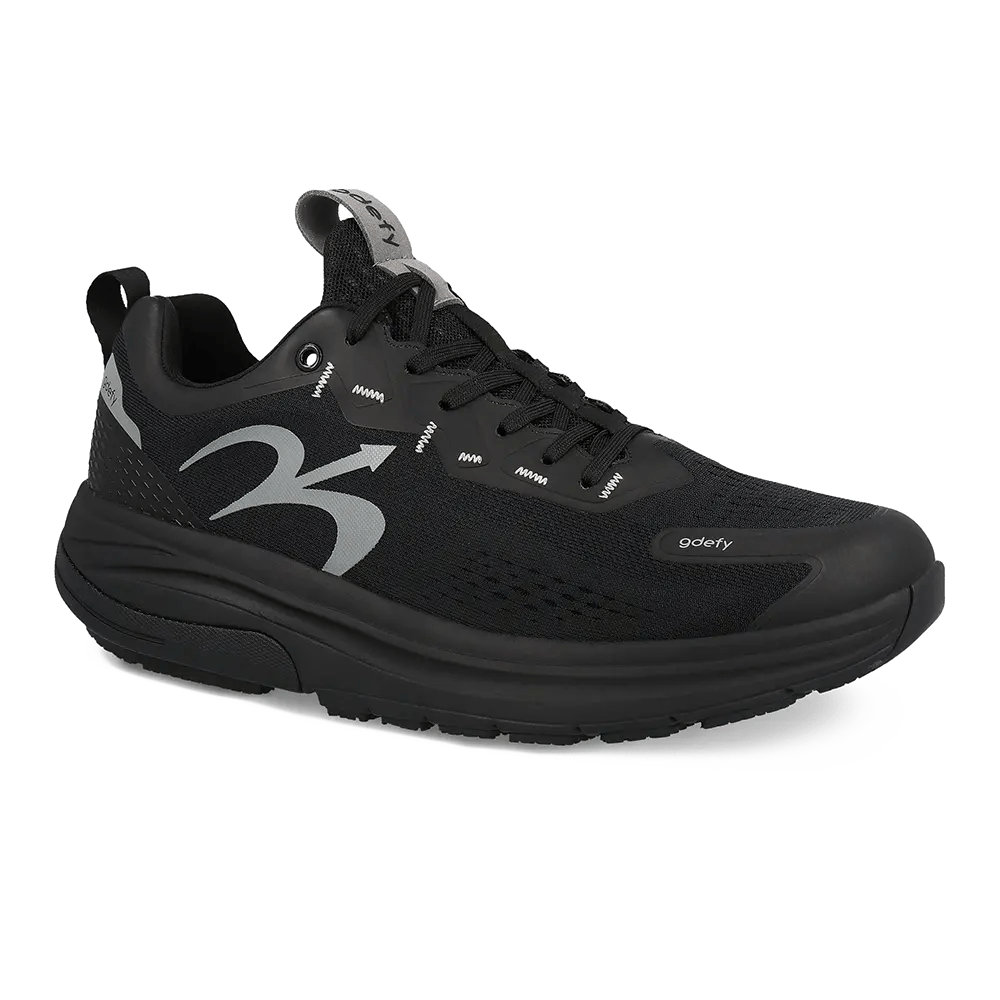
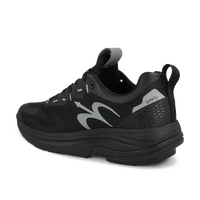
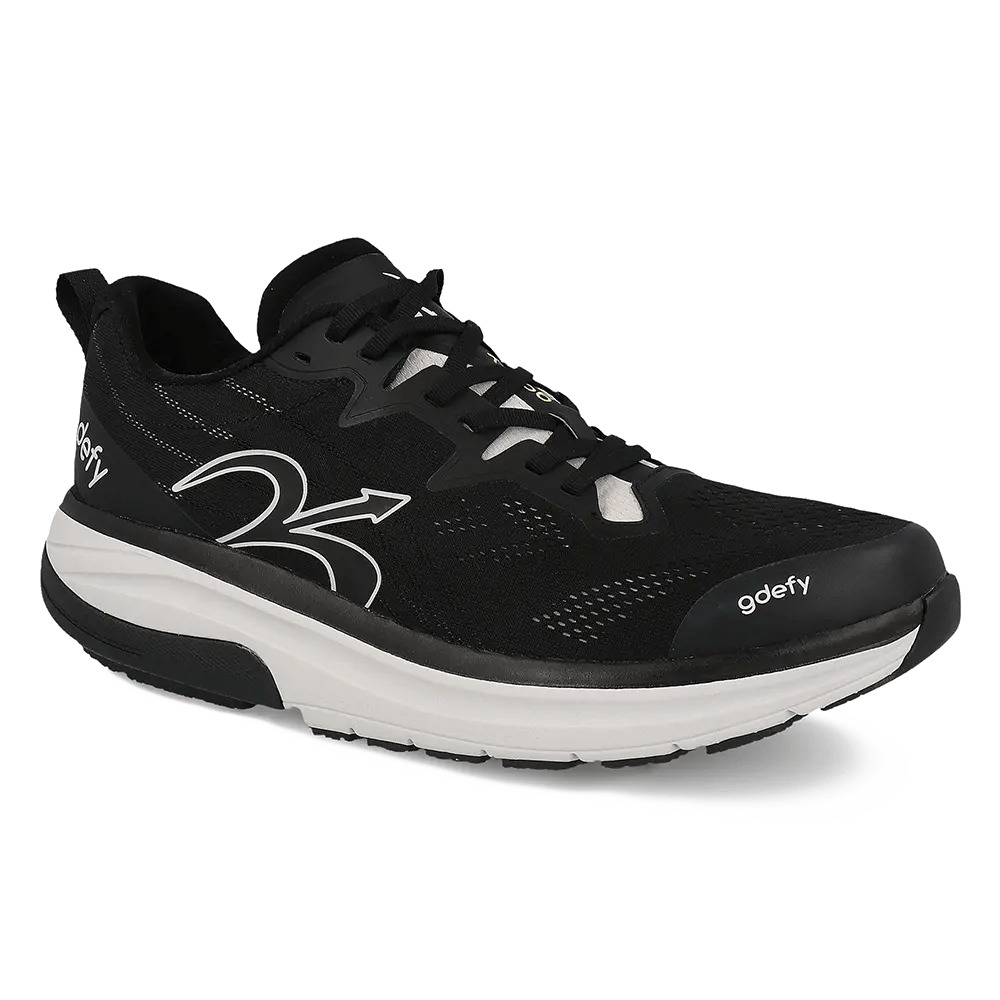
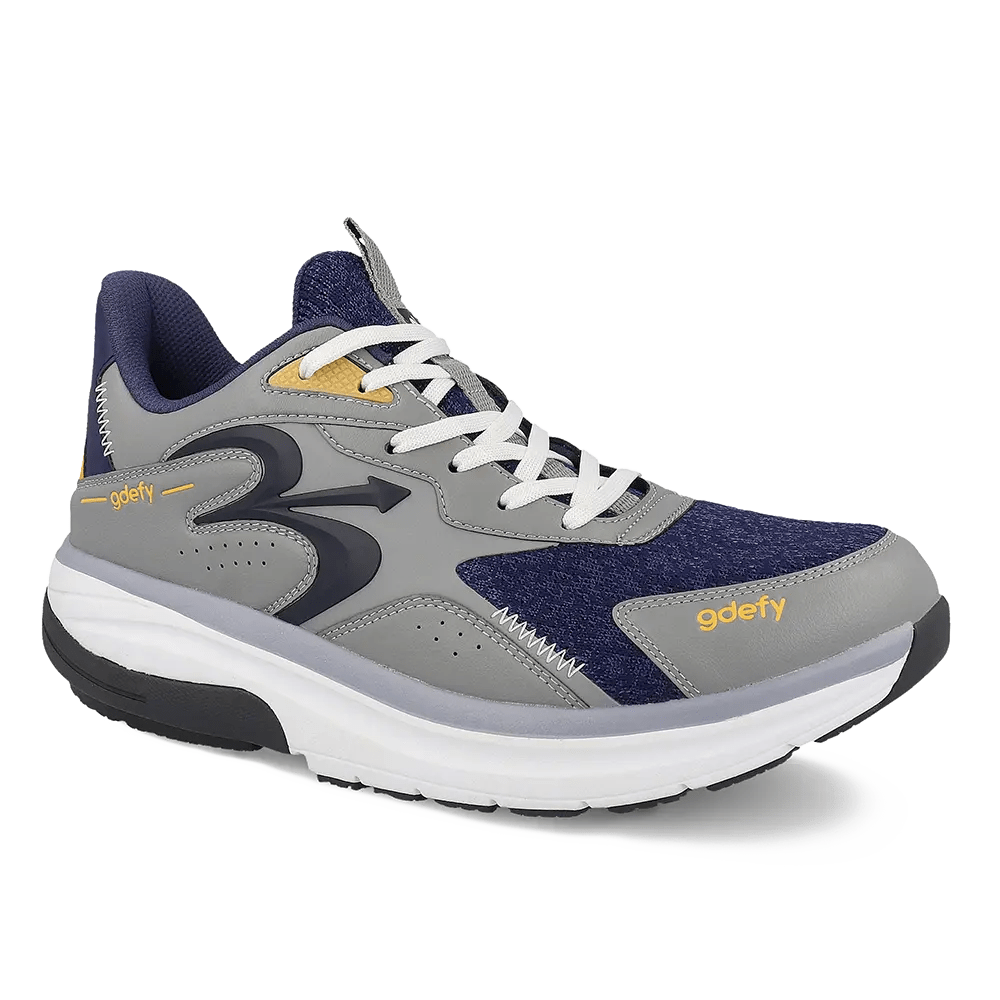
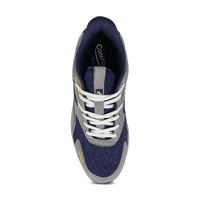
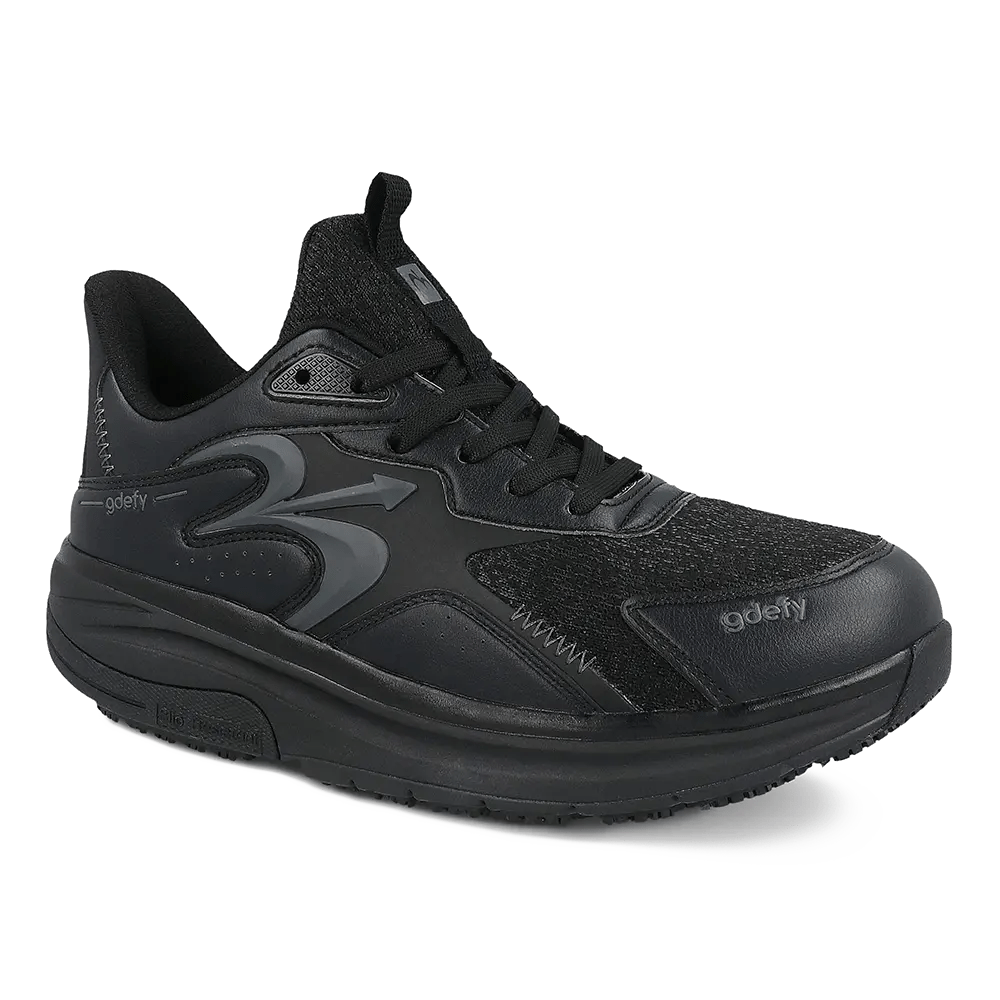
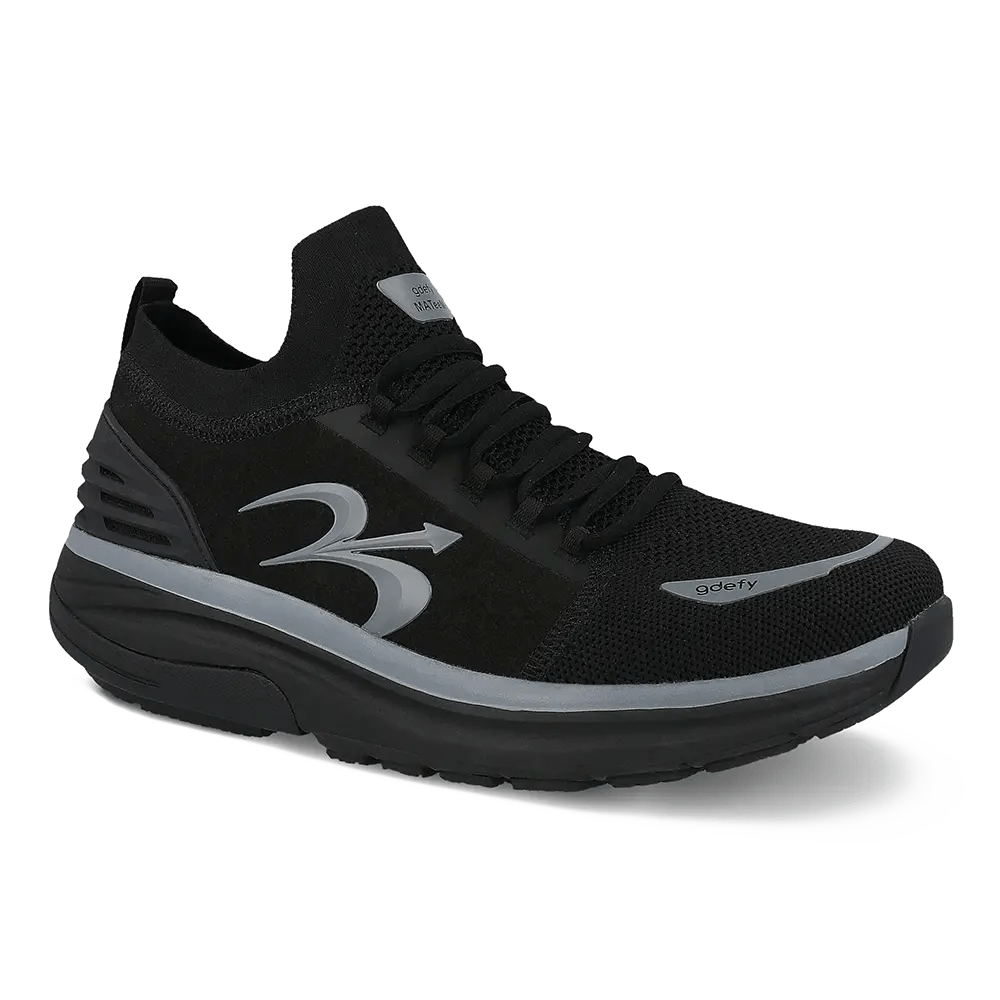
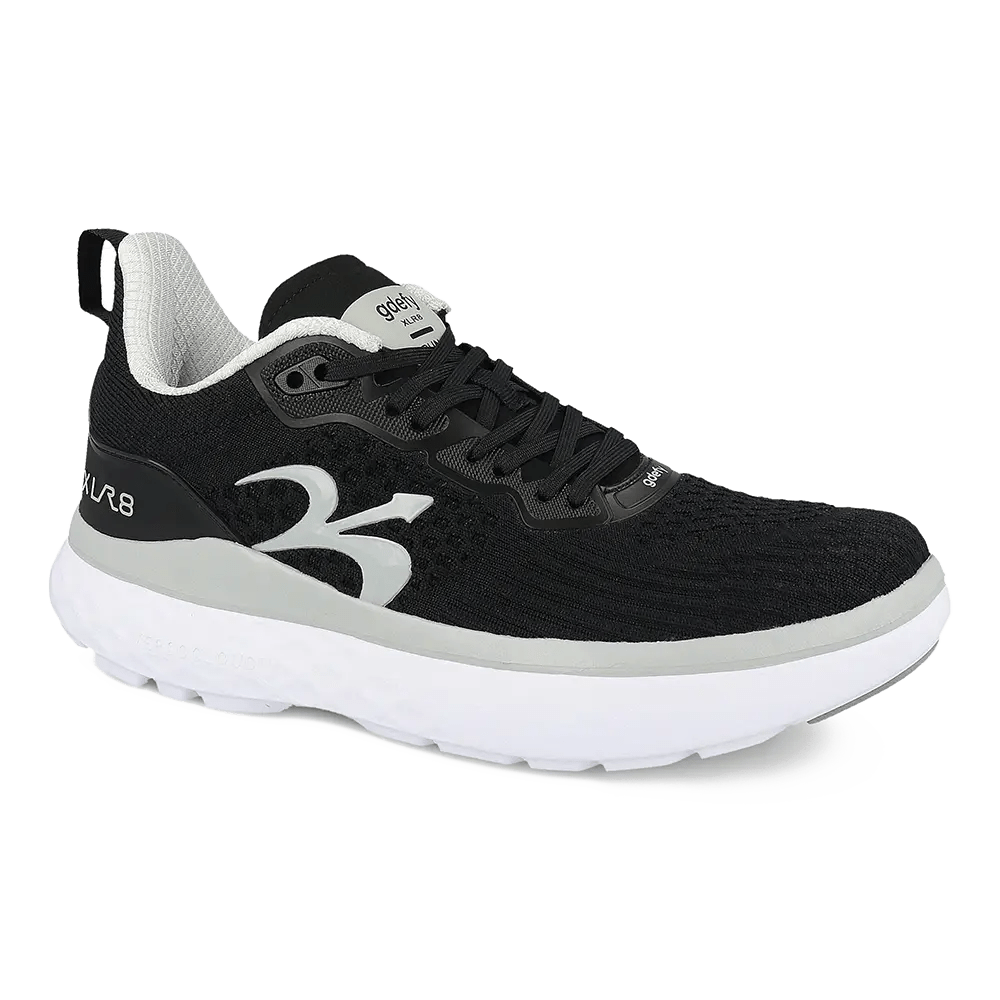
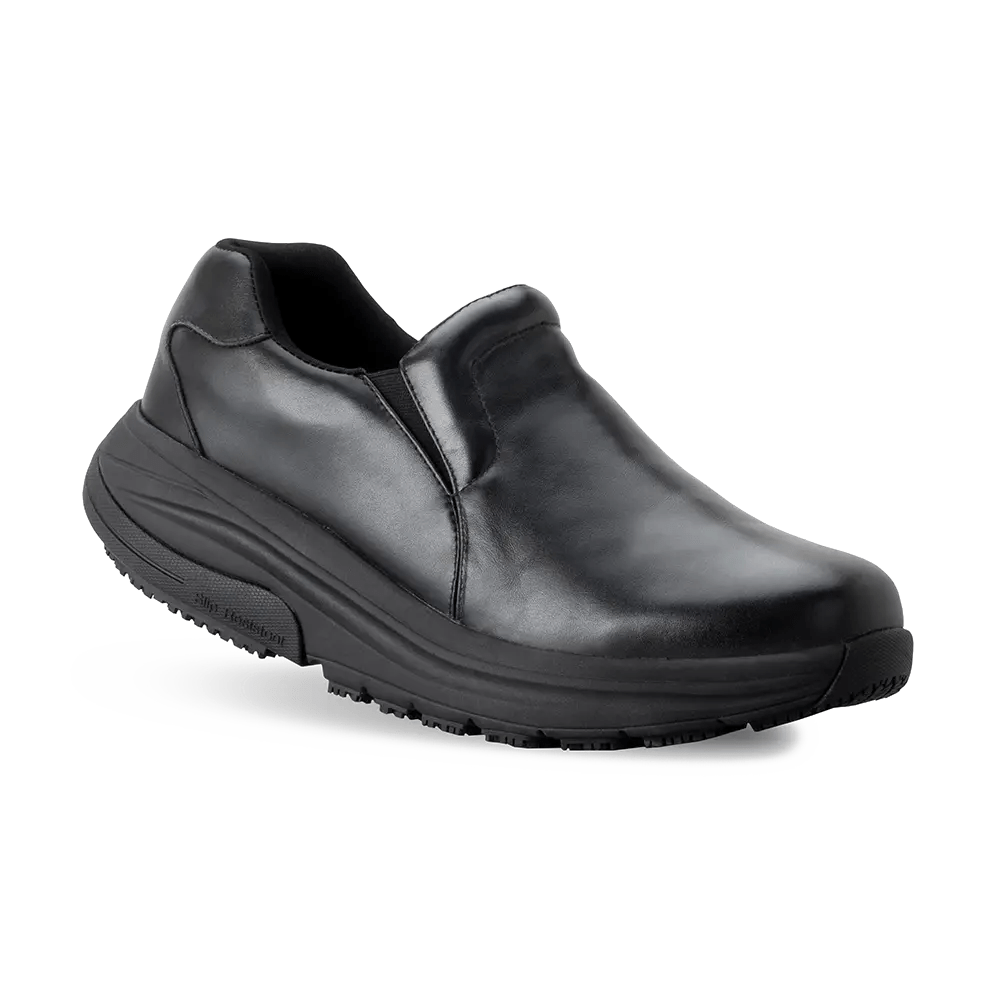
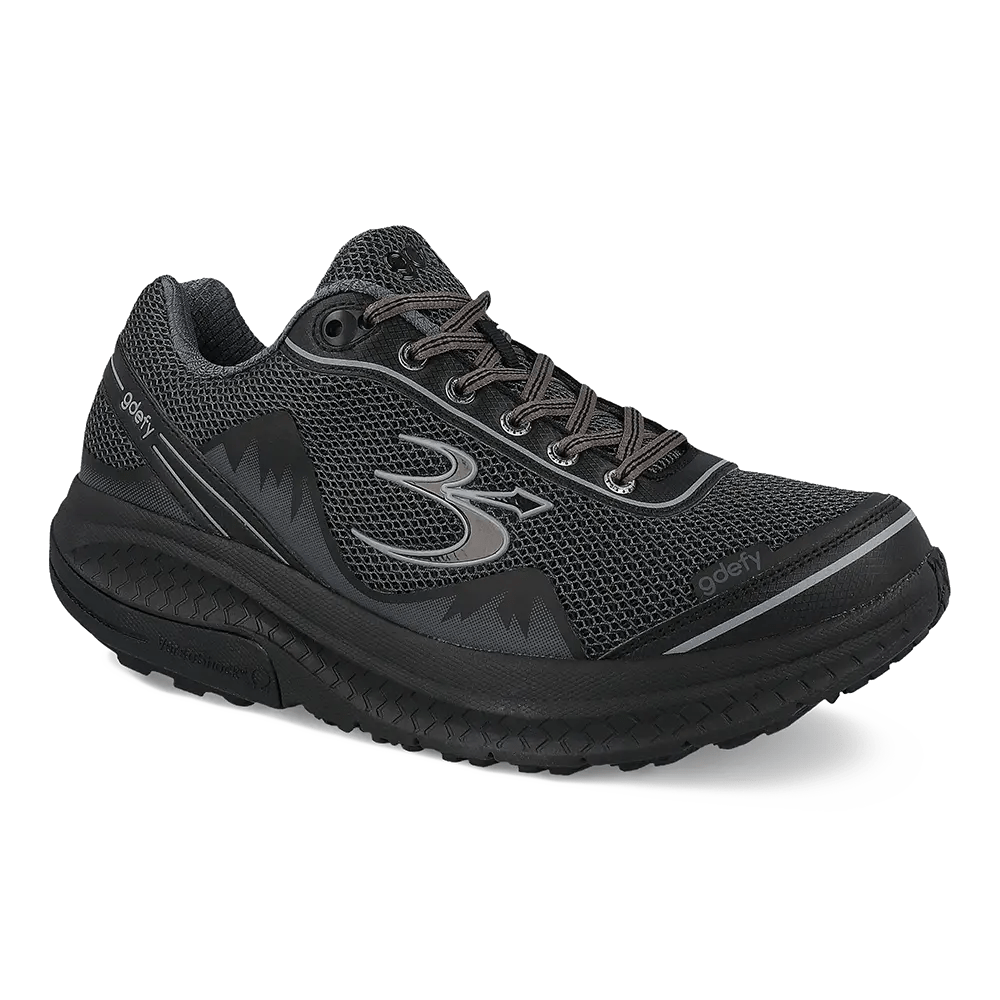
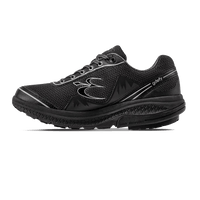
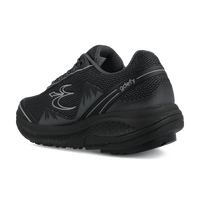
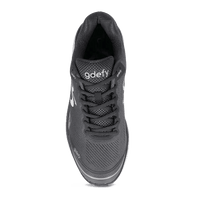
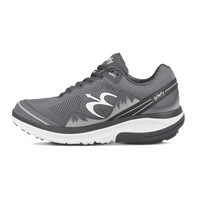
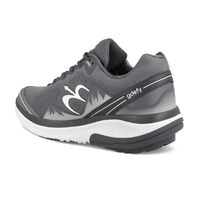
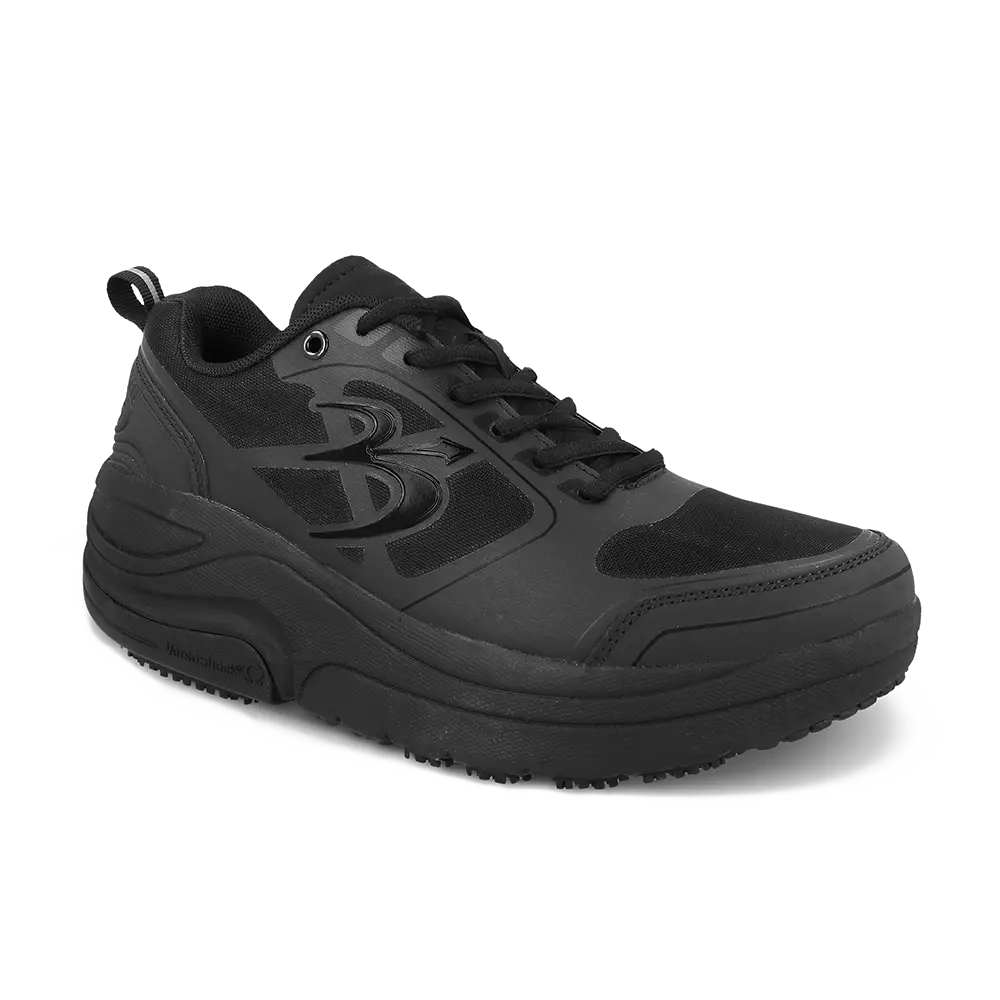
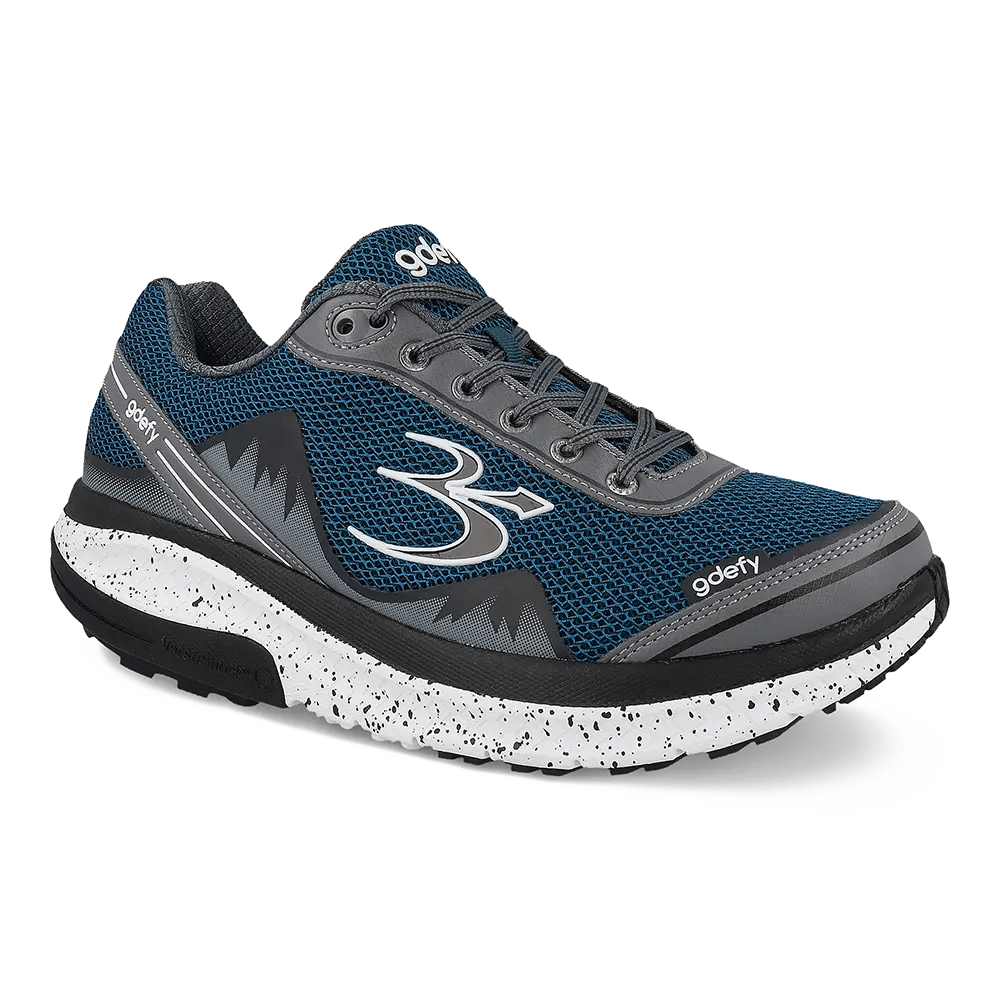
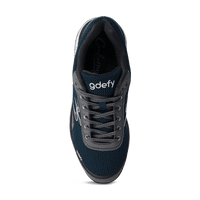
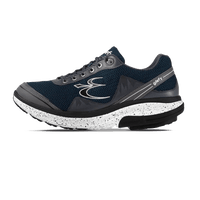
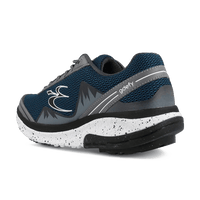
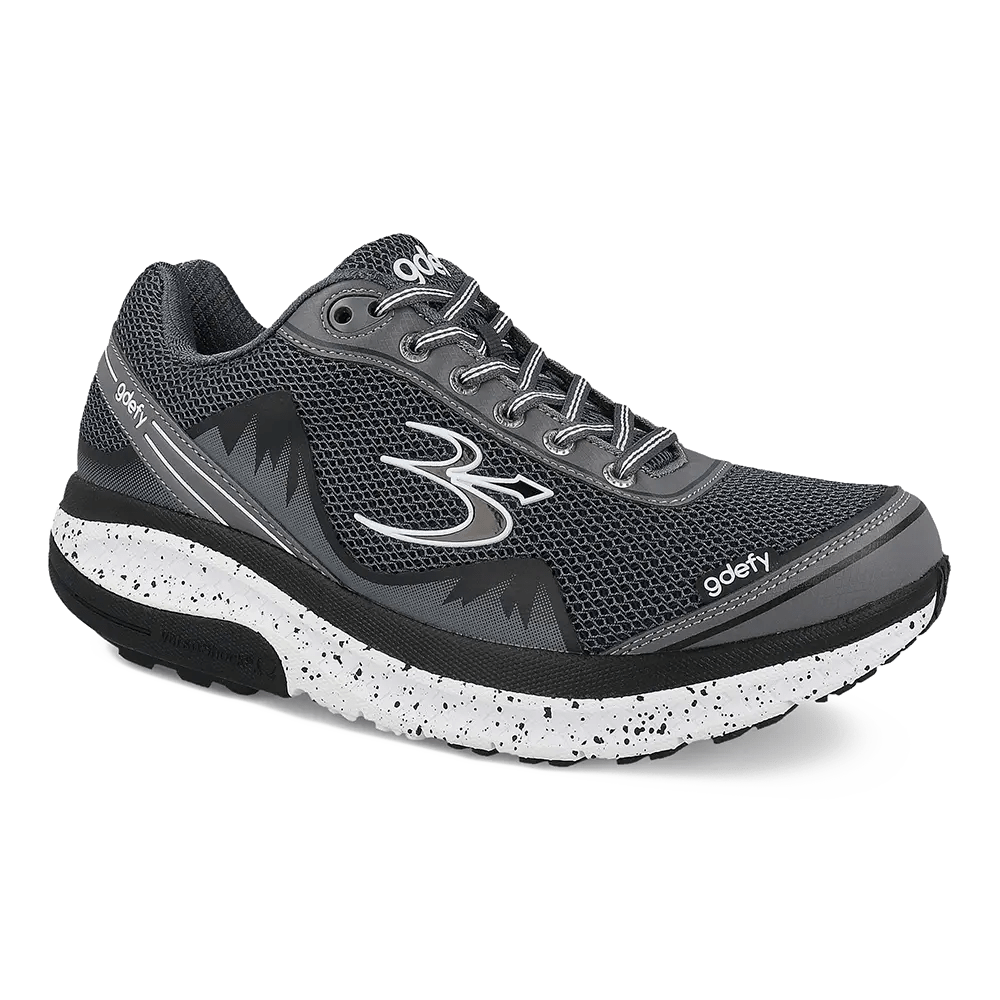
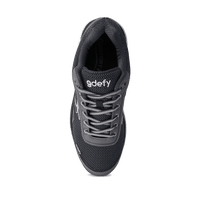
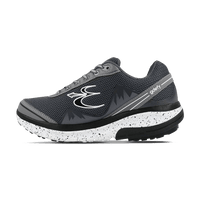
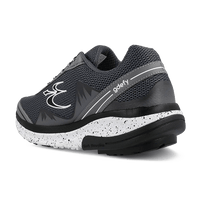
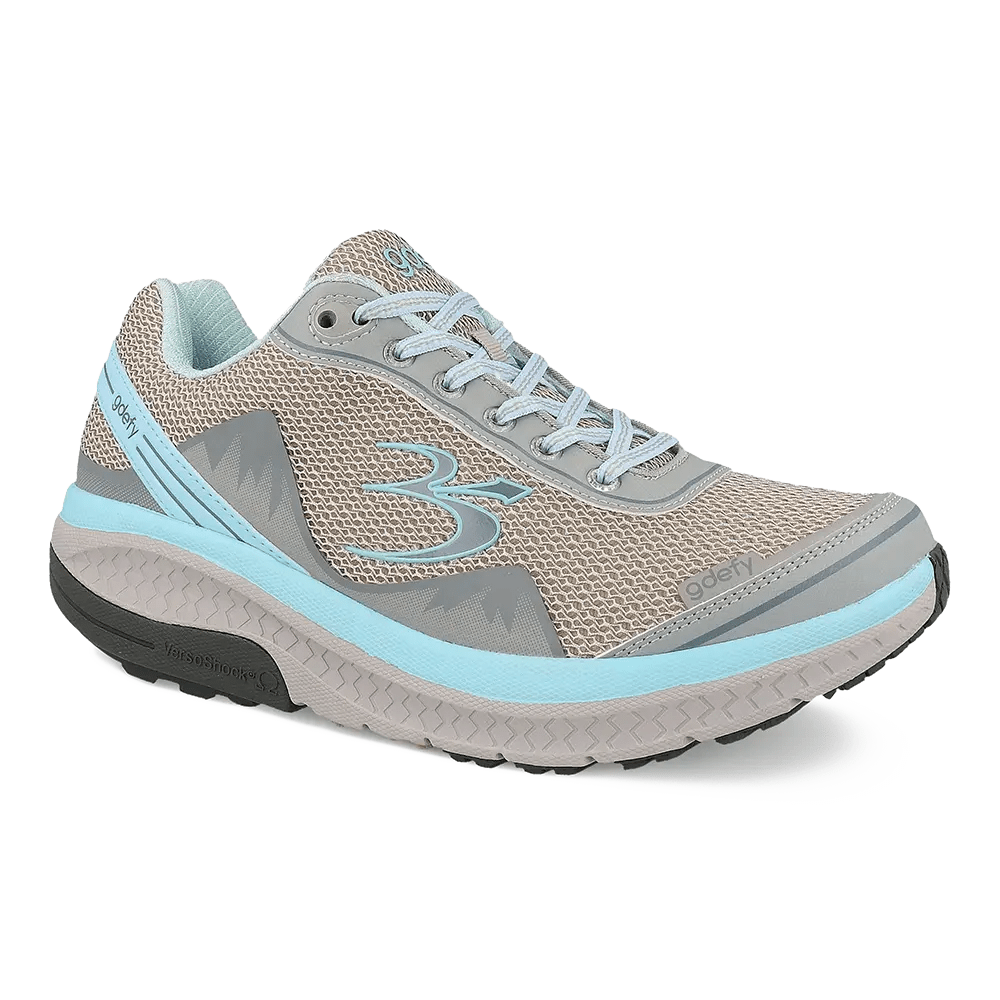
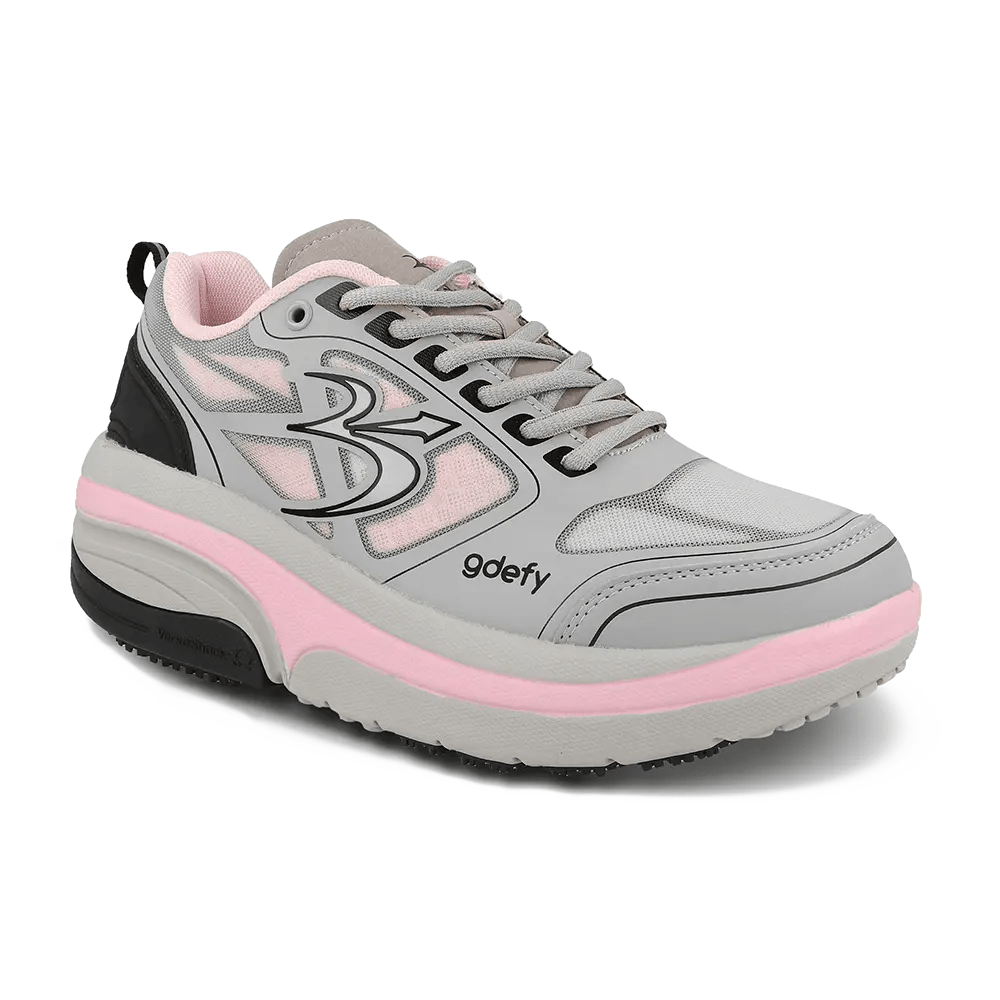
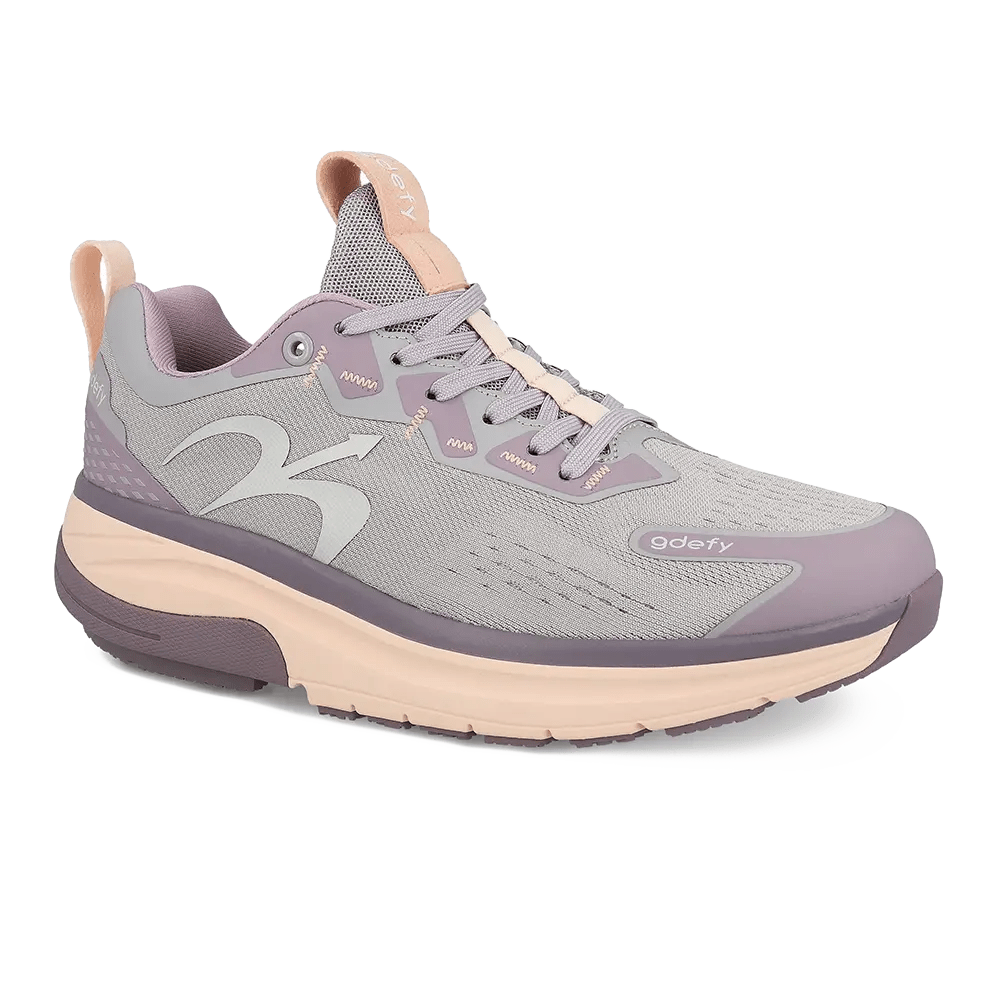
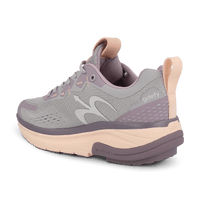
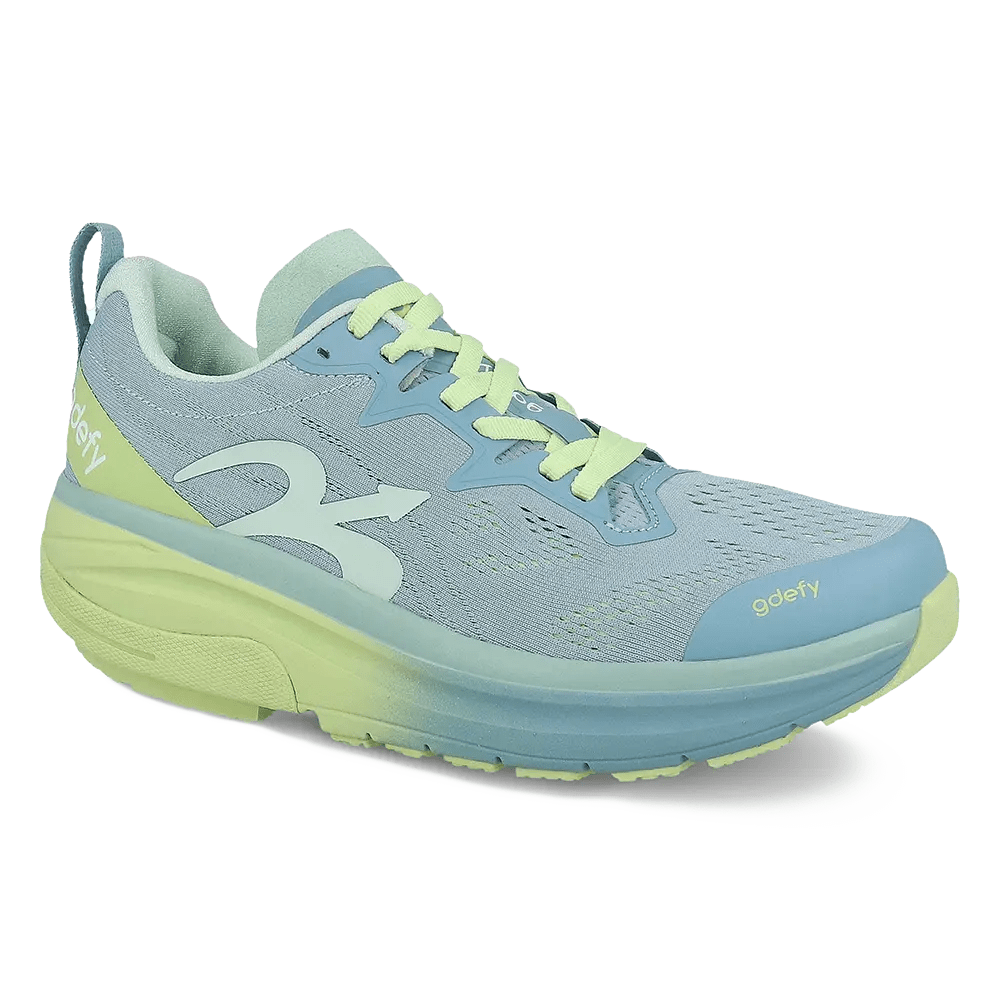
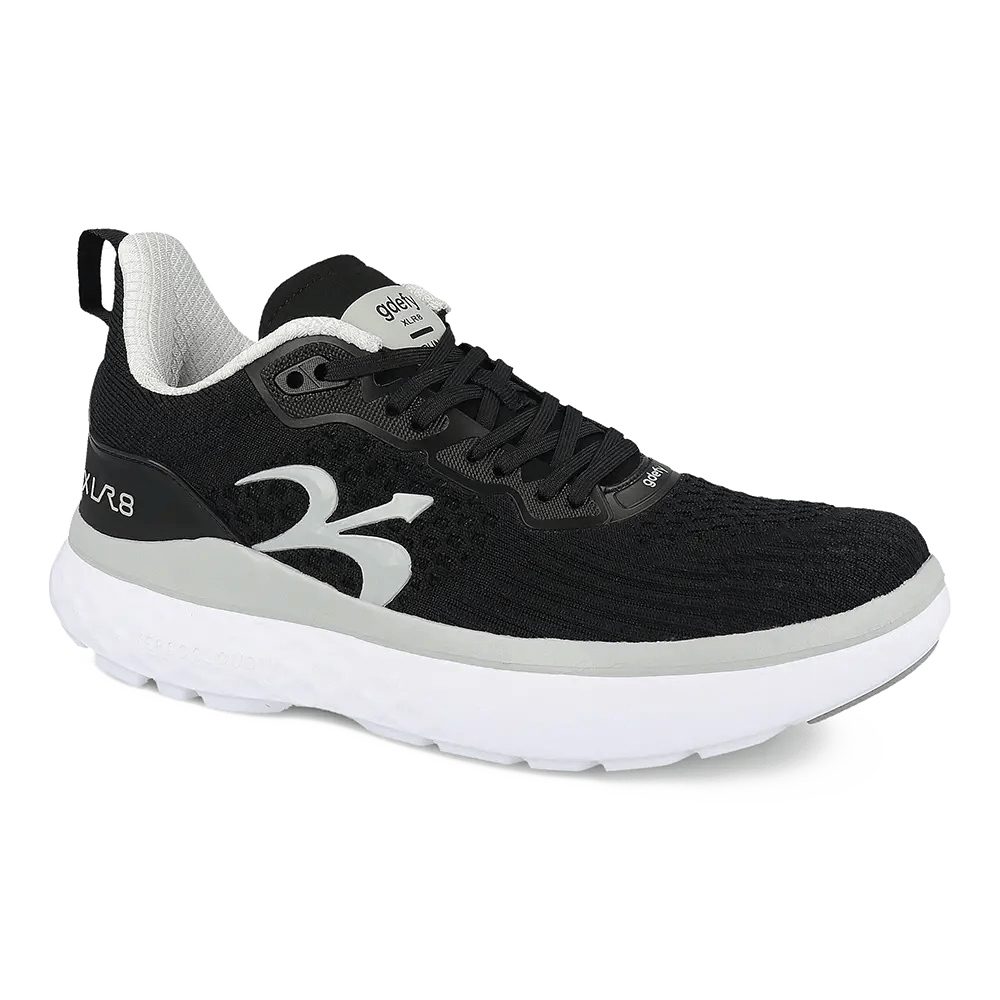
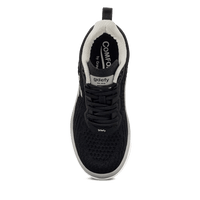
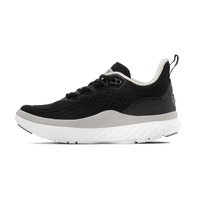
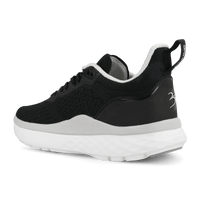
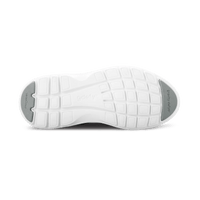
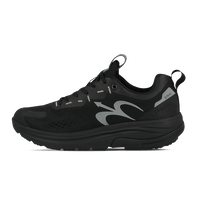
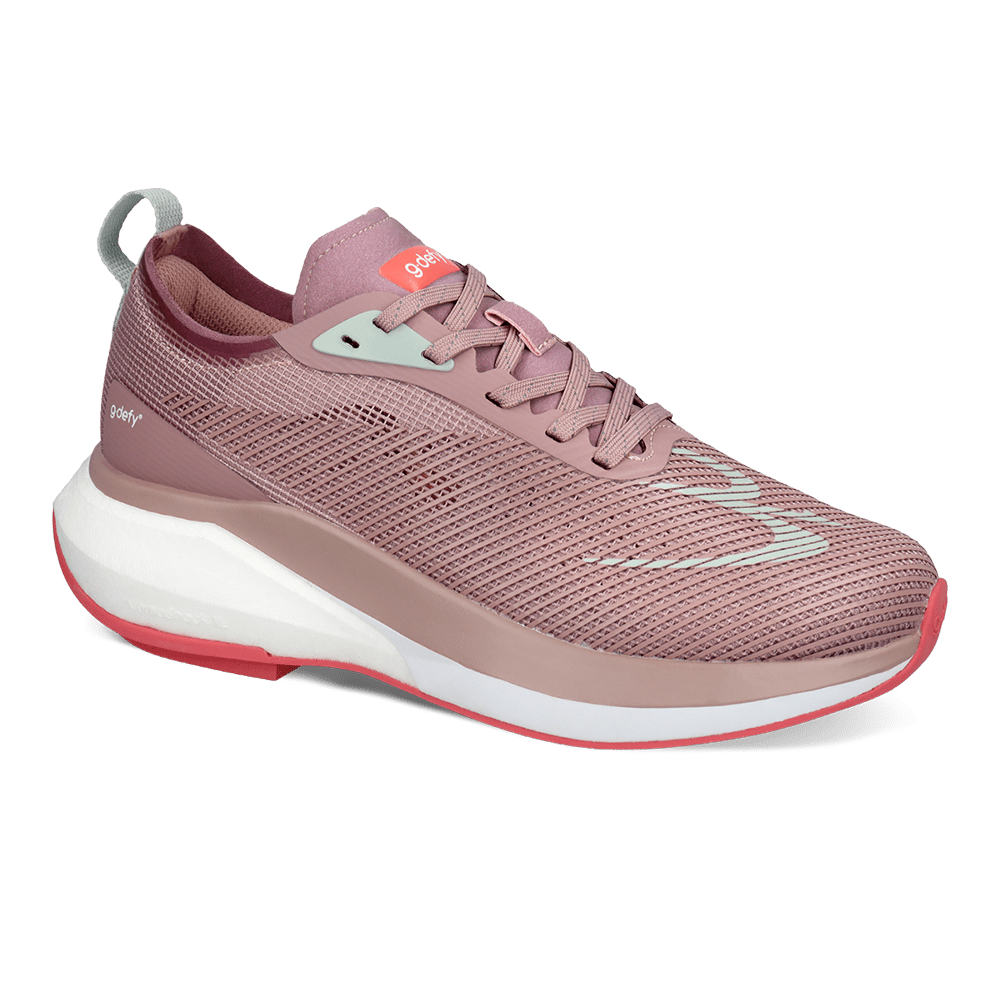
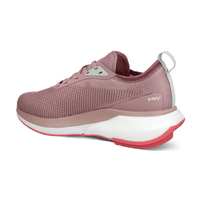
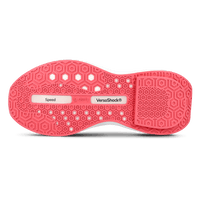
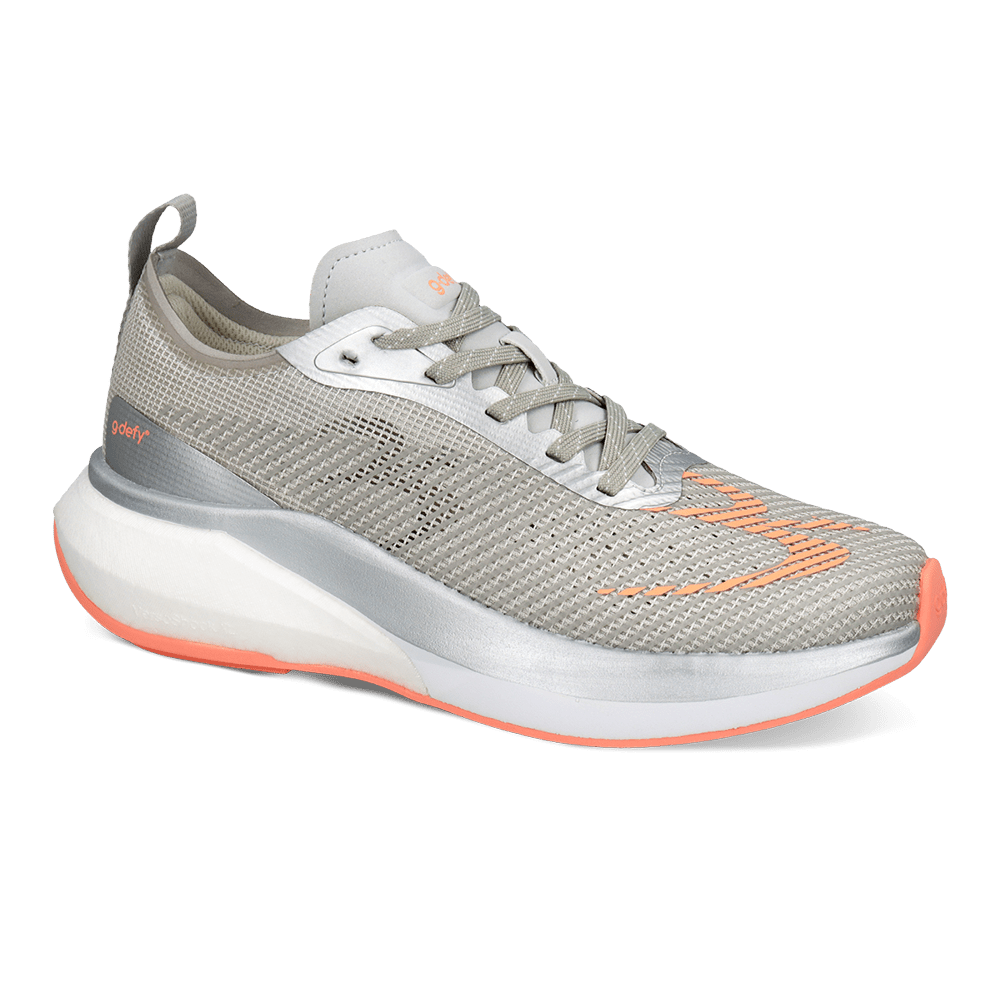
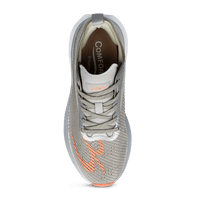
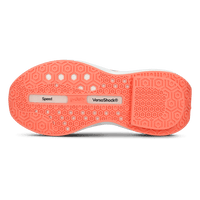
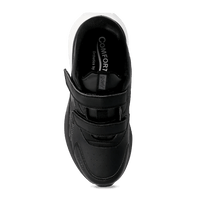
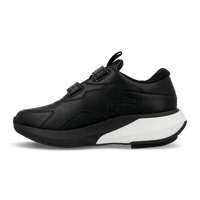
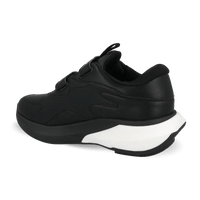
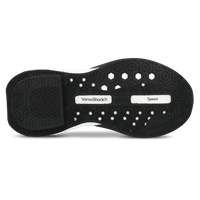
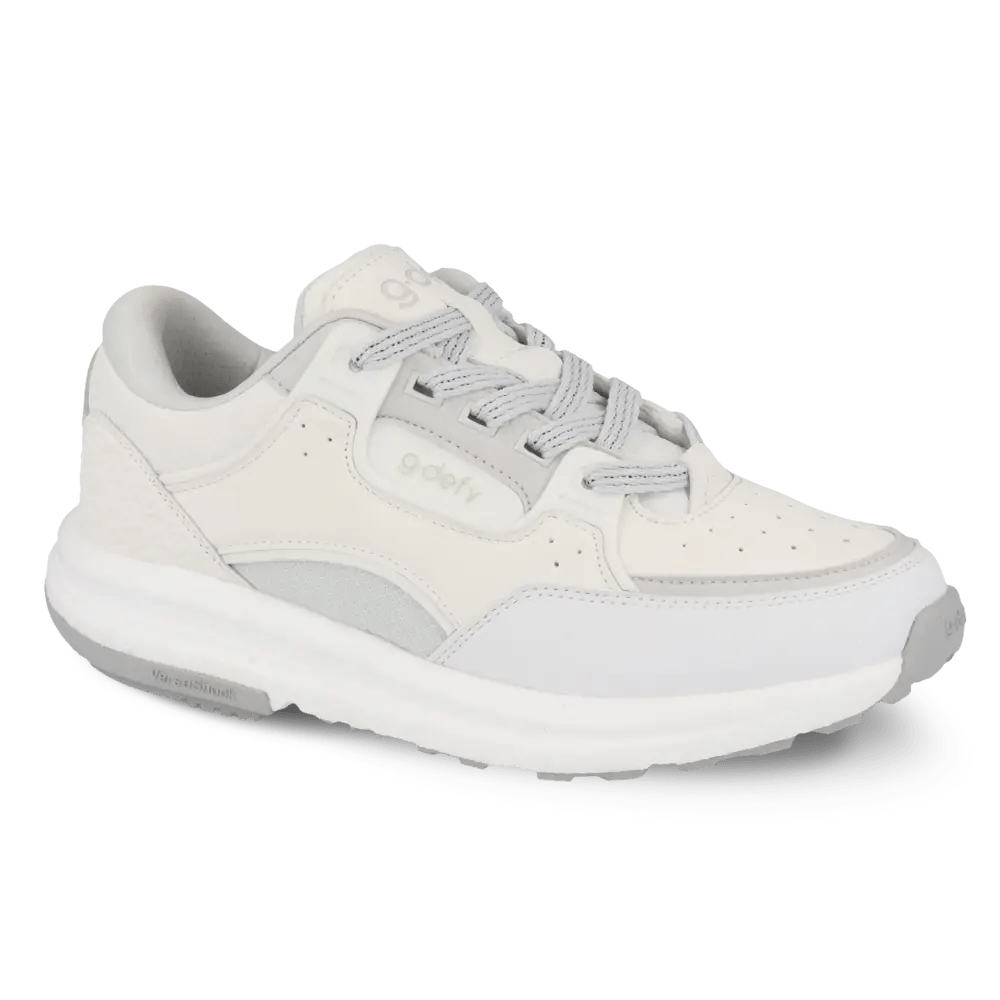
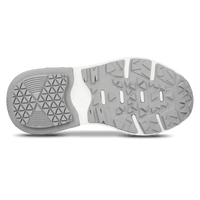
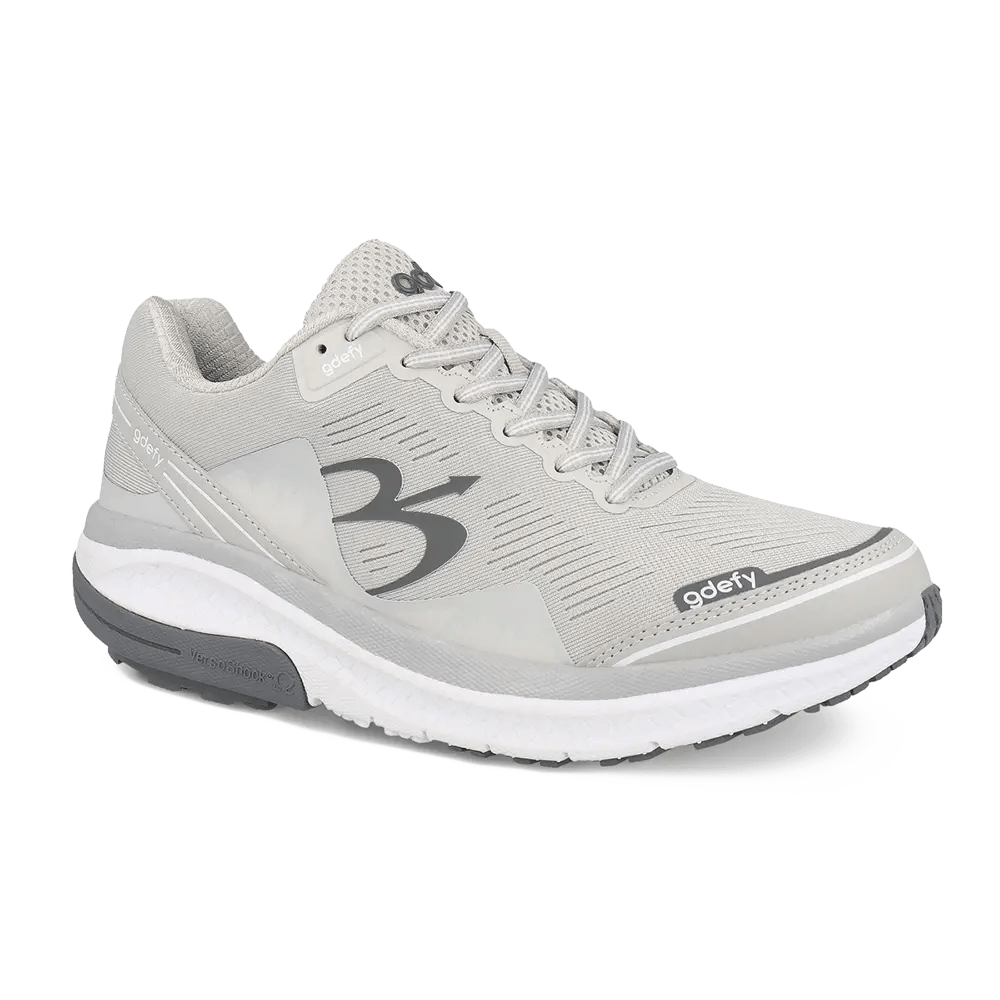
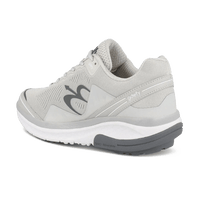
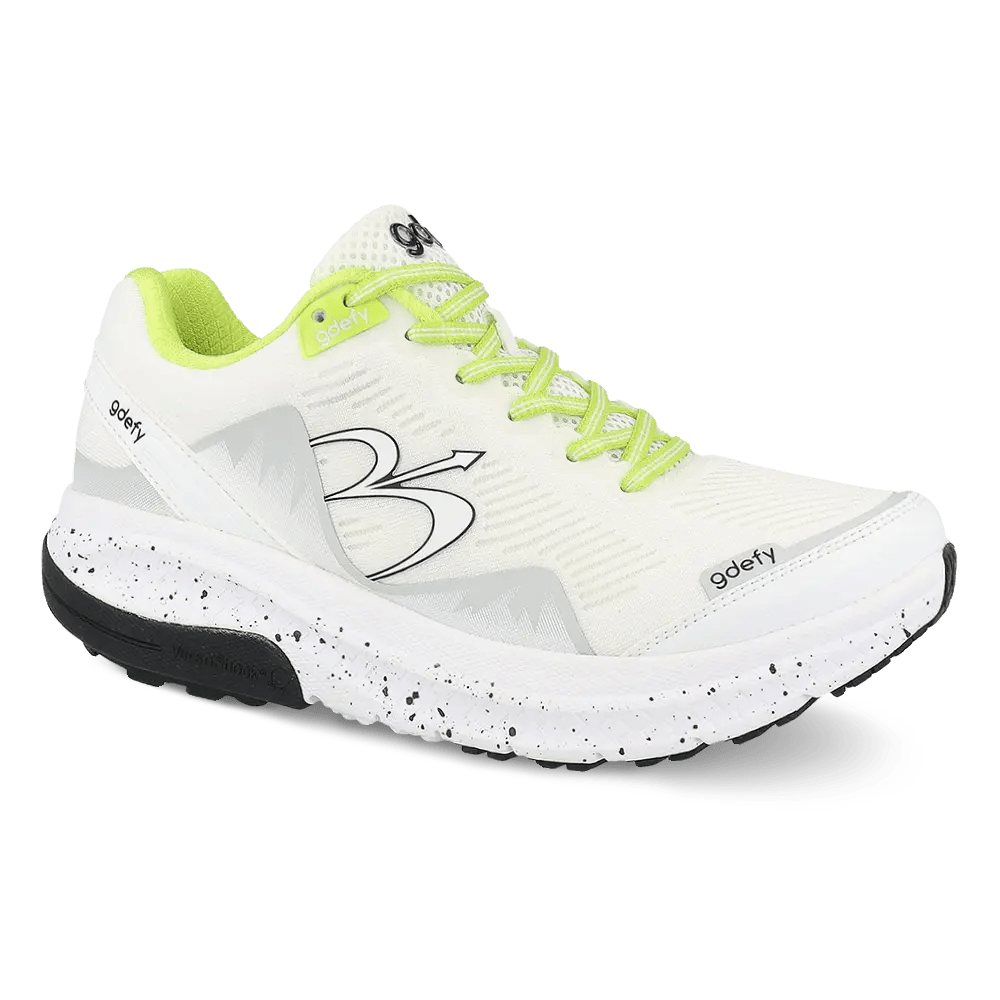
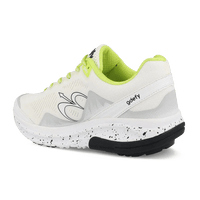
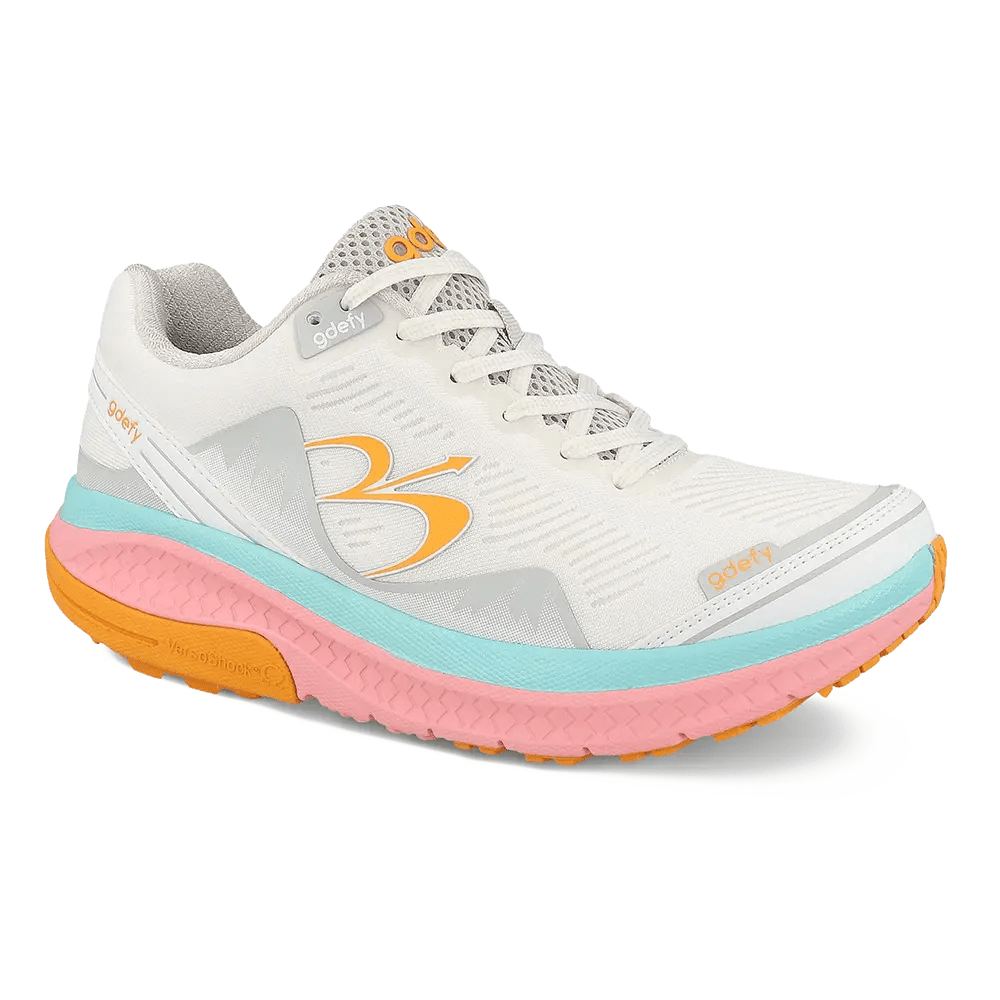
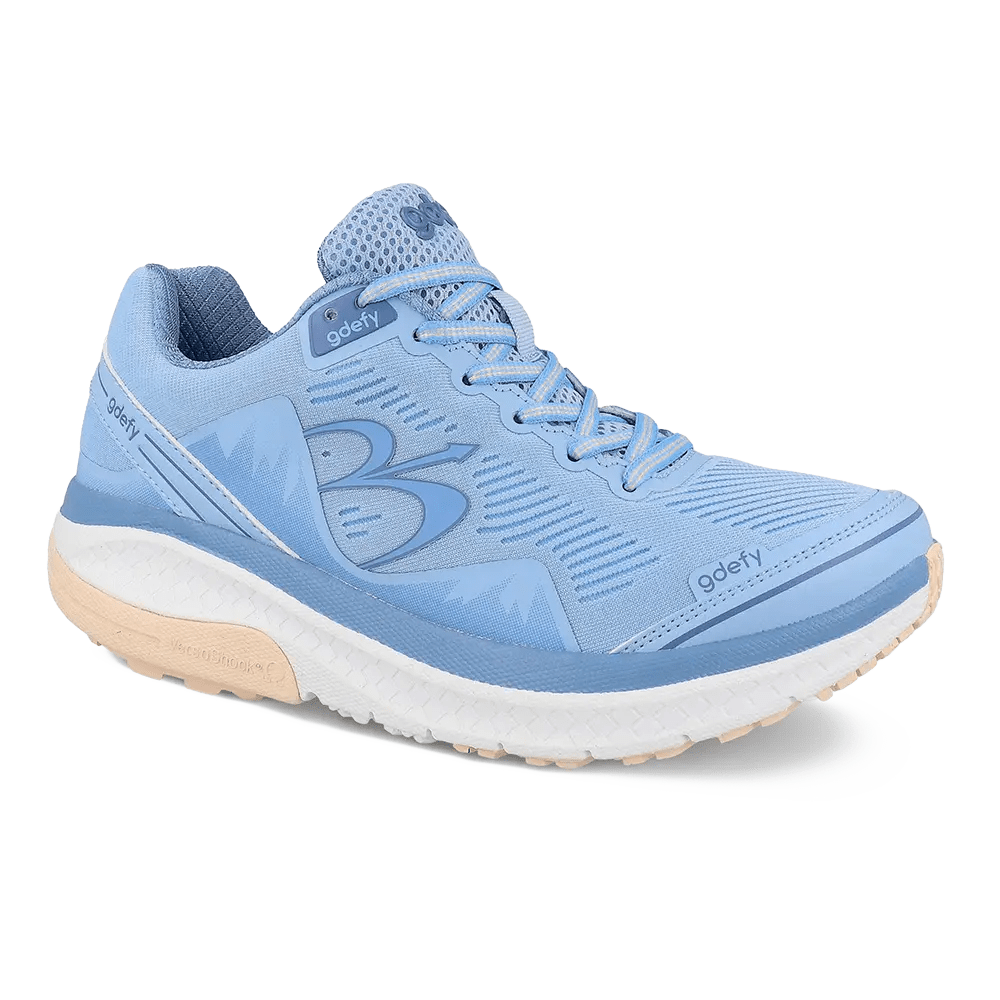
G-Defy shoes are engineered to provide comfort, support, and shock absorption. Featuring VersoShock® technology, they are designed to absorb impact and return energy with each step. A built-in stabilizer supports the foot during movement, while the front rolling design promotes a smooth walking experience. Each pair includes two removable orthotics to help customize comfort and support. G-Defy shoes help reduce pain from walking, running, and prolonged standing.
Four things work together in that design:
- VersoShock® shock absorption — a spring-based system built to absorb impact softly and gradually rather than bottoming out.
- Energy return — instead of compressing and staying flat, the system is designed to give energy back to support forward movement.
- A built-in stabilizer — structure through the midfoot that limits excessive bending and encourages a more controlled stride.
- A front rolling design — geometry that promotes a smooth heel-to-toe transition.
You can read the longer mechanical explanation in how VersoShock® technology works.
The Two Orthotics Are the Part People Miss
Every pair ships with two removable orthotics rather than one generic insole. ComfortFit® is built for low to medium arches and leans toward cushioning. CorrectiveFit® is built for medium to high arches and adds support. They are trademarked names for two support levels — swap them, wear one, wear the other on a longer day, and let your own comfort decide.
This is where knowing your arch height pays off directly: you are not guessing which insole to buy, you already own both.

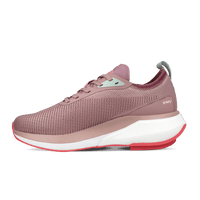
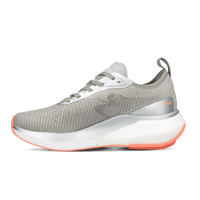
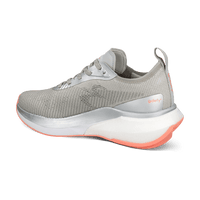
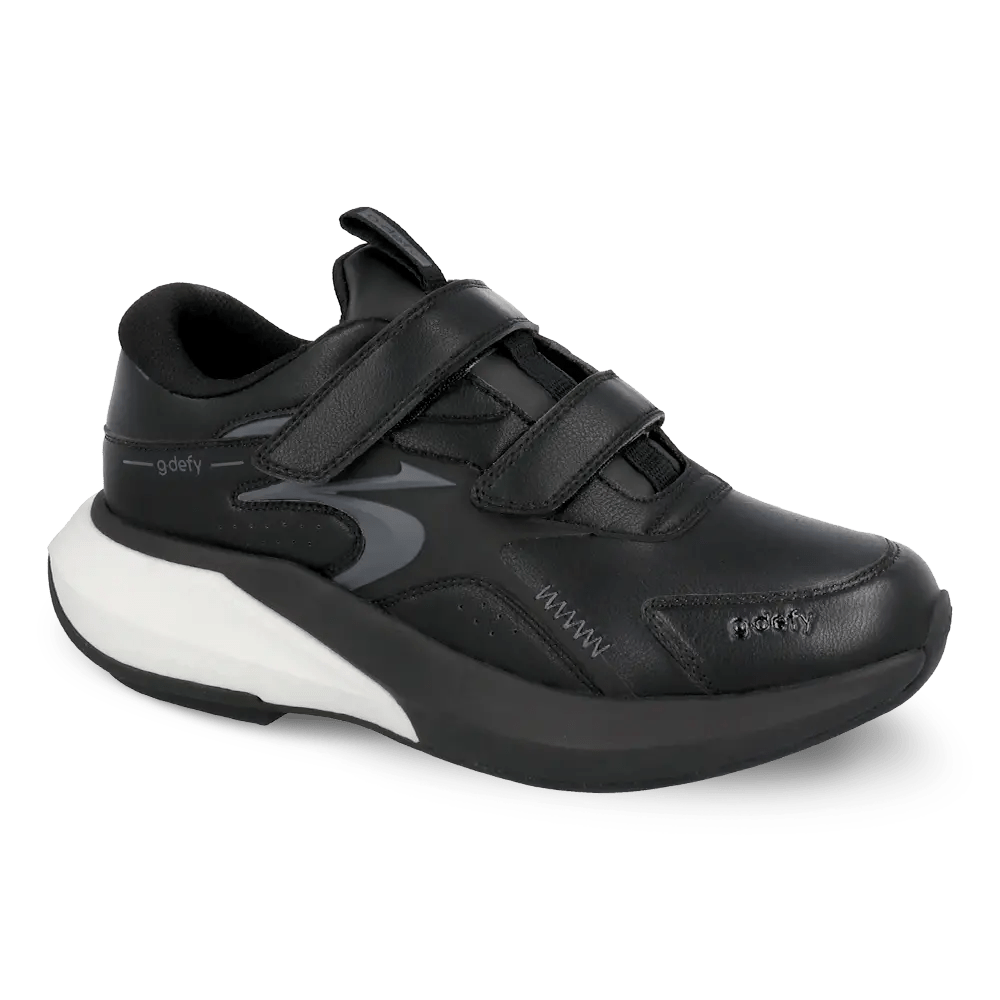
Two everyday starting points in the line: the Mighty Walk for men and the Mighty Walk for women are built for long walking and standing days. The G-Defy Ion is a lighter, more athletic silhouette for people who want the same technology in a sportier shoe.

Try a pair on your own floors, on your own schedule
Every G-Defy order includes a 60-day risk-free trial, free shipping, and free exchanges — so you can find your size and your orthotic without guessing.
Shop Men's Shoes Shop Women's ShoesEveryday Habits That Keep Feet Comfortable
The right shoe helps most when a few simple habits back it up. None of these are complicated — they are just easy to skip.
Rotate Between Two Pairs
Wearing the same shoes every single day gives the midsole no time to decompress between wears. Two pairs alternated will each feel more supportive for longer than one pair worn daily, and your feet get some variety in how they are loaded.
Replace Worn-Out Shoes Sooner Than Feels Necessary
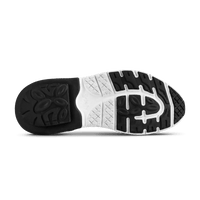
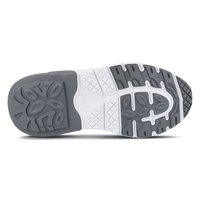
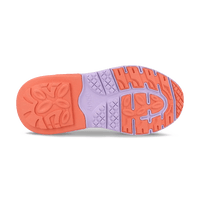
People tend to judge a shoe by the upper, which looks fine long after the midsole has flattened. Check the sole: creasing across the midsole, uneven tread wear, or a shoe that no longer sits level on a table are all signs the cushioning has given up.
Get the Fit Right at the End of the Day
Feet are at their largest in the late afternoon and evening. A shoe fitted first thing in the morning can feel tight by dinner. Try shoes late, with the socks you actually wear.
Don't Forget Socks
A thick sock can turn a well-fitting shoe into a tight one; a thin, slippery sock can let your heel move around. Keep one type of sock as your baseline when you evaluate fit.
Break New Shoes In Gradually
Wear a new pair for a couple of shorter days before committing to a twelve-hour shift or a long travel day. This is also the moment to test both orthotics rather than deciding after one wear.
Pay Attention to What You Wear at Home
People who are careful about work shoes often spend three hours a night barefoot on tile. If your evenings involve standing at a counter, a supportive pair kept by the door does more good than most gadgets. Barefoot vs cushioned shoes looks at the trade-offs.
Move, Then Move Differently
Standing still is harder on feet than moving. If your work keeps you in one spot, shifting weight, stepping side to side, or taking a short walk every hour changes how the load is distributed. Posture matters here too — see the relationship between posture and footwear and why stability matters in everyday footwear.
A Simple Comfort Check You Can Run Anytime
Once a month, spend five minutes on this:
| Check | What you're looking for | What to do about it |
|---|---|---|
| Sit the shoes on a flat table | Do they sit level, or lean in or out? | A lean means the midsole has compressed unevenly — time to replace |
| Look at the tread | Smooth patches, especially at the heel or forefoot | Note where you wear through — it tells you about your stride |
| Twist the shoe | Does it fold in half through the middle? | Too much give means little structure underfoot |
| Check the insole | Flattened arch area, worn heel cup | Swap to your other orthotic or a fresh one |
| Re-measure your feet | Length and width, late in the day, both feet | Sizes shift over the years — don't assume |
Comfort Changes Over the Years — And That's Normal
Feet at 30 and feet at 60 are not the same feet. Arches settle, feet get a little longer and wider, and the natural padding under the heel and forefoot thins out. That last change is why a shoe that felt fine for a decade can start feeling thin underfoot without anything else about your life changing.
The practical response is not resignation — it is re-measuring, and being willing to choose more cushioning than you needed at 35. Foot pain at different life stages covers what tends to shift decade by decade.
When to Talk to a Healthcare Provider
This guide is about comfort and footwear, not medical advice. Footwear is not a medical solution, and some things are worth a professional look rather than a new pair of shoes: discomfort that persists or worsens over weeks, swelling that doesn't settle overnight, numbness or tingling, a change in skin or nails, or anything that started with an injury. If you're managing a diagnosed condition of any kind, check with your healthcare provider before changing footwear.
Related Reading — The Full Foot Health Library
| If you want to know… | Read this |
|---|---|
| Which shoe features suit my foot type | How to Choose Shoes for Your Foot Type |
| What arch support actually does | What Is Arch Support in Shoes? |
| How to set one shoe up for two arch types | Flat Feet vs High Arches |
| Whether my stride is telling me something | Understanding Pronation and Supination |
| How to get fit right | Why Proper Shoe Fit Is Key |
| When to replace a pair | How Shoes Wear Out |
| How the technology works | How VersoShock® Technology Works |
Frequently Asked Questions
What is the most important thing in a foot health guide like this?
Fit, then structure. A shoe with excellent cushioning in the wrong width or length will still feel wrong, because your foot cannot sit where the shoe was designed for it to sit. Get length, width, and heel hold right first, then compare cushioning and support.
Can shoes help with foot pain during long days of walking or standing?
Supportive, cushioned footwear may improve overall comfort during walking and prolonged standing. Footwear is not a medical solution, so if discomfort persists, it is worth speaking with your healthcare provider.
How often should I replace my walking shoes?
It depends far more on hours and surfaces than on the calendar. Someone standing on concrete all day will flatten a midsole much faster than someone walking a mile a day on grass. Judge by the sole, not the date — if the shoe no longer sits level or the midsole is visibly creased, it's time.
Which of the two included orthotics should I start with?
If your wet footprint shows most of your sole, start with ComfortFit®. If it shows a narrow band along the outside, start with CorrectiveFit®. If you're in between, wear each for a couple of days and let comfort decide — there's no wrong answer, and many people rotate depending on the day.
Do I need a wide shoe or a bigger size?
If your foot spills over the edge of the footbed, or your little toe presses against the upper while your heel sits properly, you need width — not length. Going up a size to solve a width problem usually creates heel slip instead.
The Takeaway
Foot comfort is not one purchase. It is knowing your own arch height, width, and stride; choosing shoes with real cushioning, support, shock absorption, and fit; and keeping a few simple habits — rotating pairs, replacing worn-out shoes, fitting late in the day, breaking new pairs in gradually.
While footwear is not a medical solution, choosing shoes designed for comfort, support, and shock absorption can make a meaningful difference in how you feel throughout the day. Start with the section above that matches whatever is bothering you today, and work outward from there.