


May 28, 2026
How Shoes Wear Out: When to Replace Your Footwear
By Gdefy

Summary
Walking shoes do quiet, daily work. They cushion every footstep, support your arch, and absorb the impact of pavement, treadmills, errands, and long stretches of standing. Because that work is so steady and invisible, most people only notice their shoes when something feels off — a new ache after a familiar walk, a sole that suddenly feels too thin, a stride that doesn't quite spring back.
By the time you feel those signals, the shoes have usually been worn out for a while. The midsole foam — the part that does most of the cushioning — breaks down gradually, and the change is hard to see from the outside. The good news is that shoes give you several reliable clues before they fully give out. Knowing what to look for keeps you in supportive footwear, helps you protect your feet, knees, hips, and lower back, and saves you from chasing comfort with insoles that can't fix a tired sole.
While footwear is not a medical solution, choosing the right pair — and replacing it on time — plays a meaningful role in how the day feels under your feet.
Why Worn-Out Shoes Quietly Affect Your Comfort
The cushioning system inside a walking shoe is designed to deform on impact, then bounce back to its original shape between steps. That bounce-back is what gives a shoe its "fresh" feel. Over thousands of footfalls, the foam compresses just a little more each time, until the rebound is gone and the foam stays flat.
When the cushion is gone, the impact of each step transfers more directly into your foot, ankle, knee, hip, and lower back. You may not feel a single bad step, but the cumulative effect of walking on a flat midsole over weeks or months can leave you with stiffness, tired feet at the end of the day, or a dull soreness that wasn't there a few months ago.
Worn-out outsoles cause a different problem: traction loss. As tread wears smooth, your foot has less grip on wet floors, dewy grass, and slick lobbies. You instinctively shorten your stride to compensate, which can subtly change how you walk. Many people don't notice that their gait has shifted until they put on a fresh pair and feel the difference.

How Long Do Walking Shoes Last?
There's no single number that applies to every foot or every pair, but the most useful benchmarks are mileage, time, and use intensity.
Mileage. A general guideline used across the footwear industry is roughly 300 to 500 miles of walking before the midsole's cushioning begins to fade noticeably. Lightweight, highly-cushioned shoes can sit at the lower end of that range; sturdier, denser shoes can extend toward the upper end.
Time. If you don't track mileage, time is a close substitute. For someone walking 30 to 45 minutes a day, three to five days a week, a single primary pair is usually ready for replacement somewhere between four and six months. If your shoes are your only pair and you wear them every day — for errands, work, the gym, and walks — that window can shrink to three or four months.
Body weight and stride. Heavier walkers, people with a heavier heel-strike, and anyone who carries loads (a backpack, a baby, work gear) will compress midsole foam faster than the averages suggest. Plan to inspect those shoes more frequently.
Use intensity. A shoe that pulls double duty — long walks plus standing all day at work — sees more total compression than a shoe used only for short evening walks. Match the replacement window to how much of your day the shoes actually carry you through.
If you walk daily and want a simple cadence, set a reminder every three months to check your shoes against the signs below. Even if they pass the check, the habit keeps you ahead of the breakdown curve.
Six Signs Your Shoes Are Telling You It's Time
Most worn-out shoes show a combination of these signs before they fully lose support. You don't need every one to justify a replacement — two or three is usually enough.
Visible Midsole Compression
Set the shoe on a flat surface at eye level. Look at the midsole — the foam layer between the upper and the outsole — from the side. A healthy midsole has clean, even sidewalls. A compressed midsole shows wrinkling, creasing, or a collapsed look, especially under the heel or ball of the foot. Wrinkles on the foam are the single most reliable visible cue that the cushion is spent.
Outsole Tread Wear
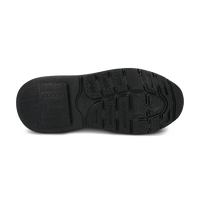
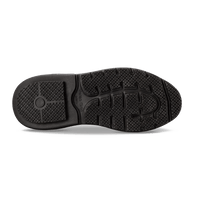
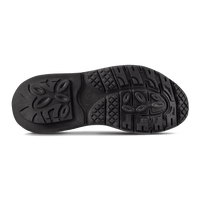
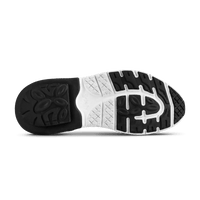
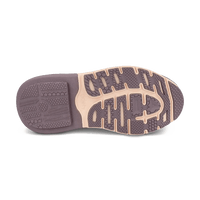
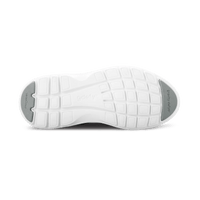
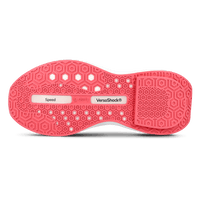
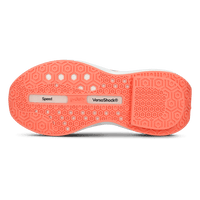
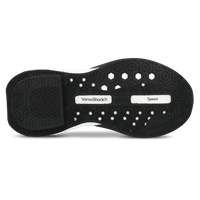
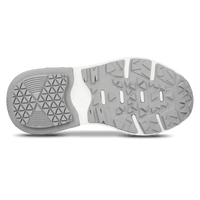
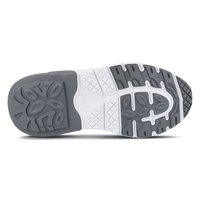
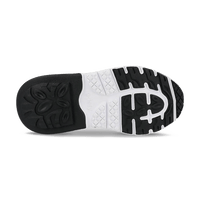
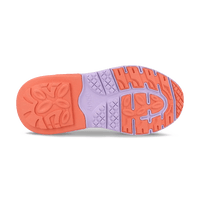
Flip the shoe over. Look for smooth, polished areas where the rubber pattern has worn down to a flat surface — often at the outer heel and under the big toe. A small amount of polish is normal. Bald spots, exposed midsole foam, or holes in the rubber are not. The tread is your traction; once it's gone, every wet or dusty surface becomes less predictable.
Heel Counter Breakdown
Stand the shoe upright. Press the heel counter — the firm cup at the back — between your thumb and forefinger. A fresh heel counter stays firm and snaps back. A worn one feels soft, collapsed, or creased inward, which means the shoe is no longer holding your heel in a stable position. An unstable heel changes how the whole foot loads with each step.
New Aches After Walking
Your body is often the first sensor. Pay attention to new soreness in the arches, the front of the shins, the knees, the hips, or the lower back after walks that used to feel fine. New aches in familiar routines are a strong cue that the cushioning under your foot is no longer doing its share of the work.
Loss of Cushion or Bounce
Walk a few steps in the shoes on a hard floor, then put on a brand-new comparable pair and walk the same steps. The difference in bounce, softness, and energy return is often striking. If you can't recall the last time your current shoes felt "fresh," they probably aren't anymore.
Uneven Wear Patterns
Place both shoes side by side on a flat surface. Look at them from behind at eye level. If one or both tilt inward or outward because the midsole has compressed unevenly, the shoe is no longer providing a level platform. Uneven wear can also be a sign your shoe is wearing in a way that doesn't match your natural stride — worth noting when you choose the next pair.

A Simple Bend Test You Can Do at Home
Hold the shoe at the heel and toe. Gently bend it in half. A supportive walking shoe should resist the bend — flexing only near the ball of the foot, where your toes naturally hinge during a step. If the shoe folds easily in half, or twists like a wrung-out towel, the midsole and shank have lost the structural firmness that keeps your arch supported through each step. That softness might feel pleasant for a few minutes; over a long walk, it puts more load on the foot's own stabilizing muscles.
A second quick test: press your thumb into the heel cushion. On a fresh shoe, the foam pushes back. On a worn shoe, it stays compressed for a beat before slowly recovering — or doesn't recover at all.
How G-Defy Engineers Shoes for Long-Lasting Comfort
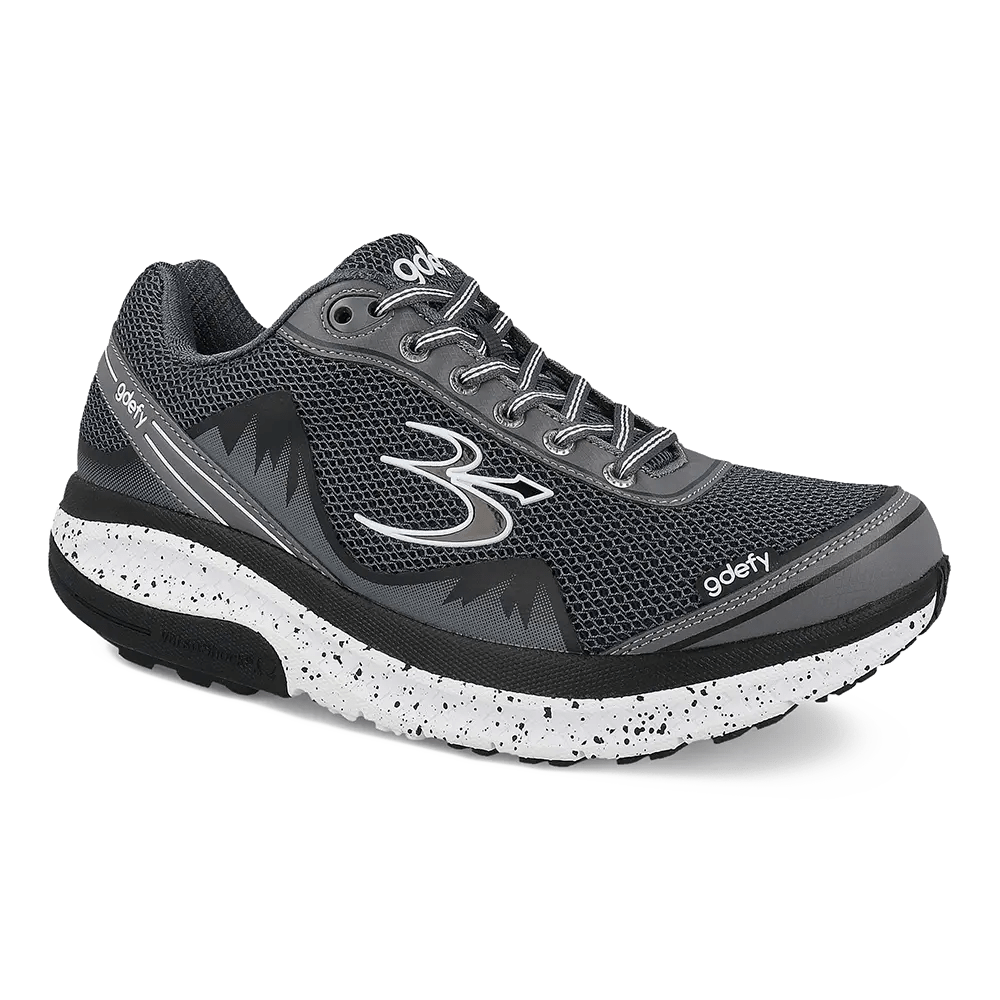
G-Defy walking shoes are built around a four-pillar comfort system designed to keep cushioning consistent and supportive through everyday use:
- VersoShock® shock absorption — patented spring-based midsole technology that absorbs impact under the heel and forefoot, designed to soften the harsh moments of every step.
- ComfortFit® removable orthotic — a cushioned insole that supports the arch and adapts to the natural shape of your foot.
- CorrectiveFit® orthotic option — a firmer insole option for walkers who prefer more pronounced arch support and a more guided stride.
- Front and rear rocker geometry — a gently curved outsole that helps your foot roll naturally from heel to toe, designed to reduce strain through the stride.
Because the dual orthotic system is removable, you can pull out the insoles to inspect them, swap them between firmness levels, or replace just the insoles when they're the part that needs refreshing. That's a different rhythm than glued-in foam beds, which wear out invisibly inside the shoe.
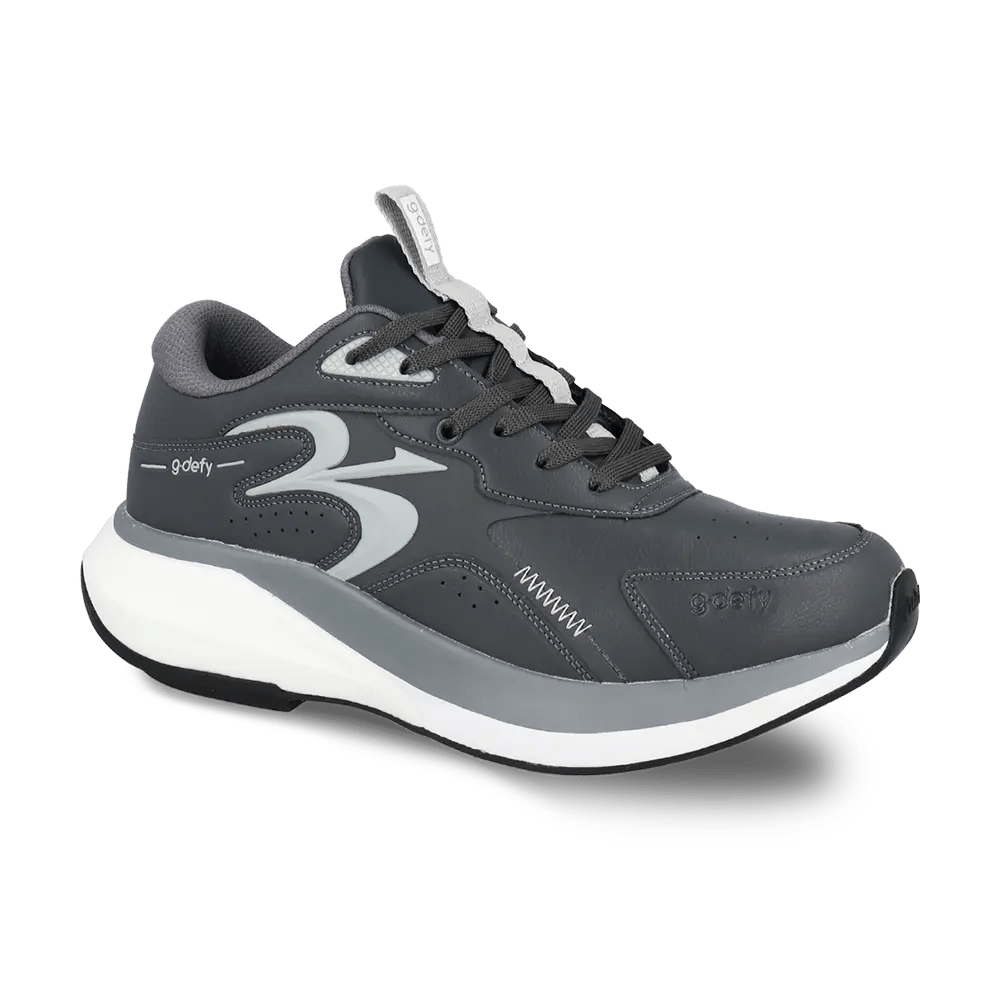
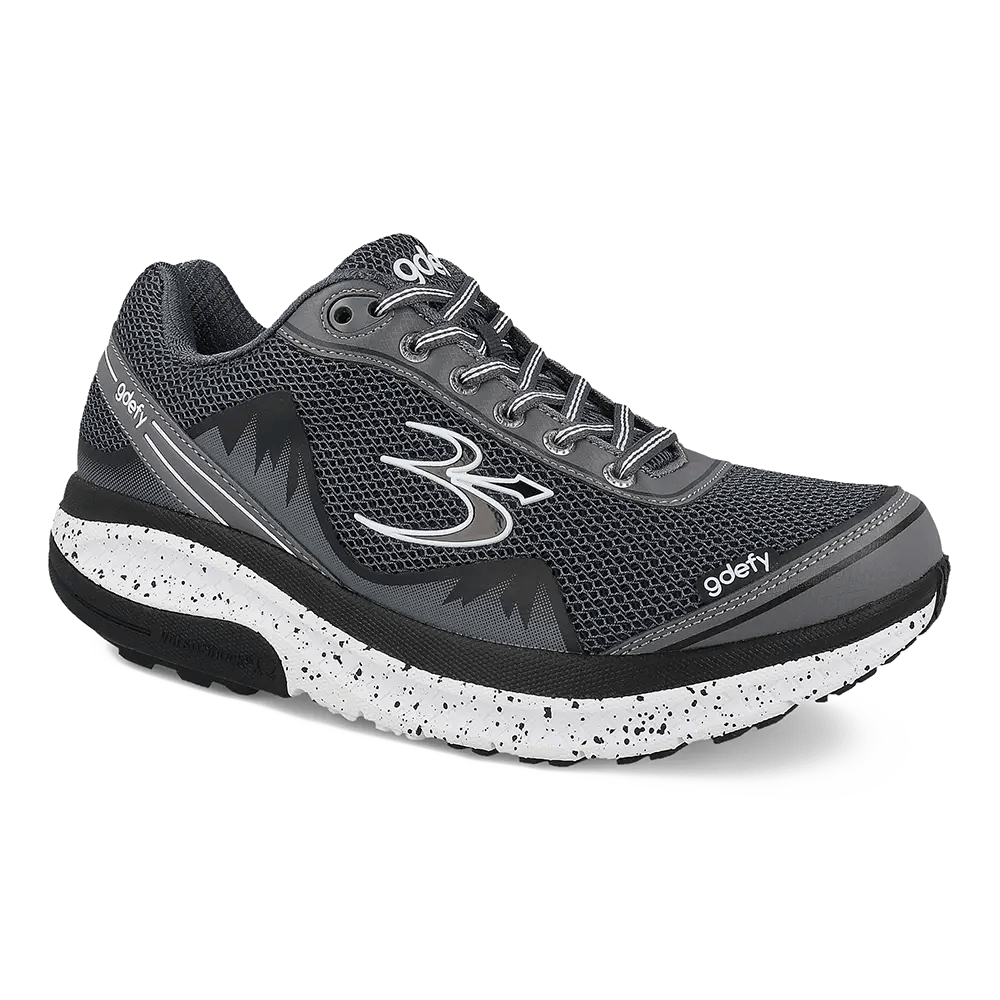
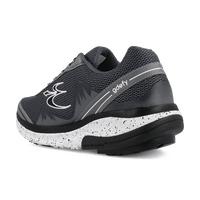
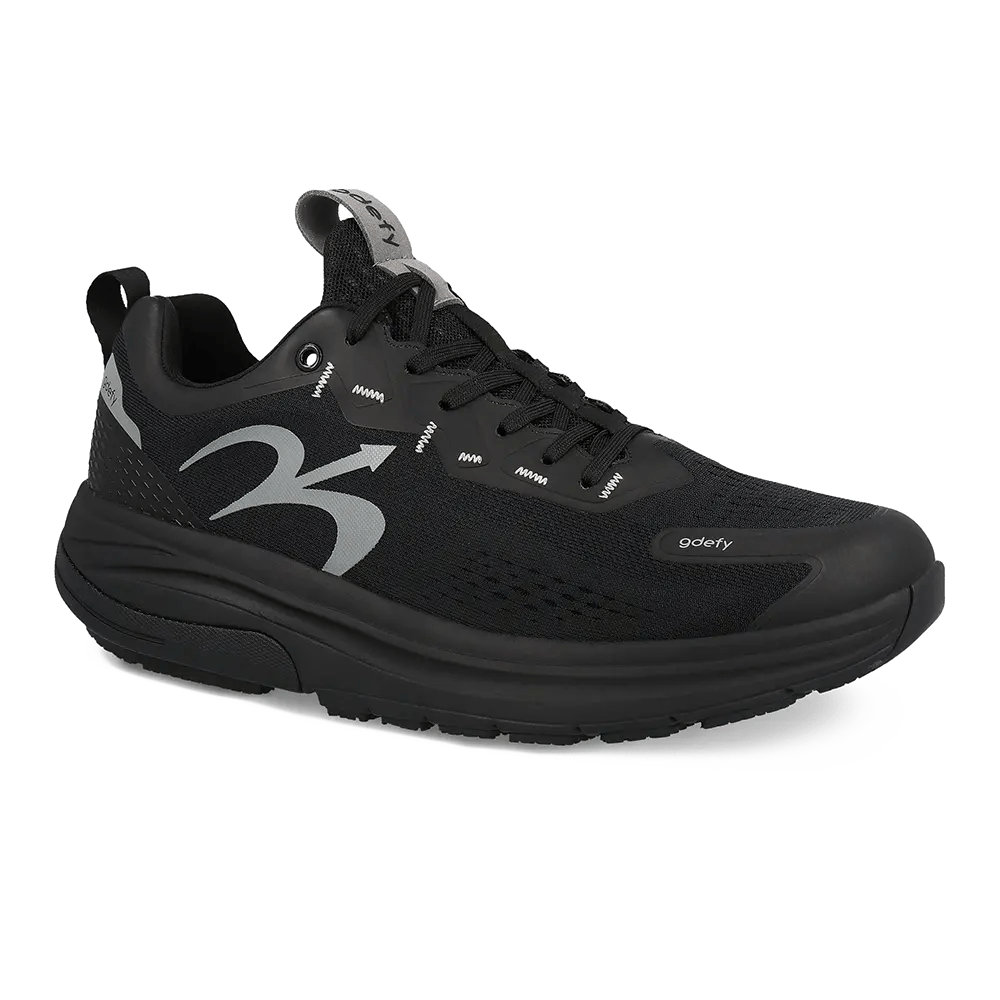
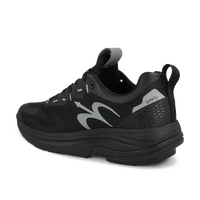
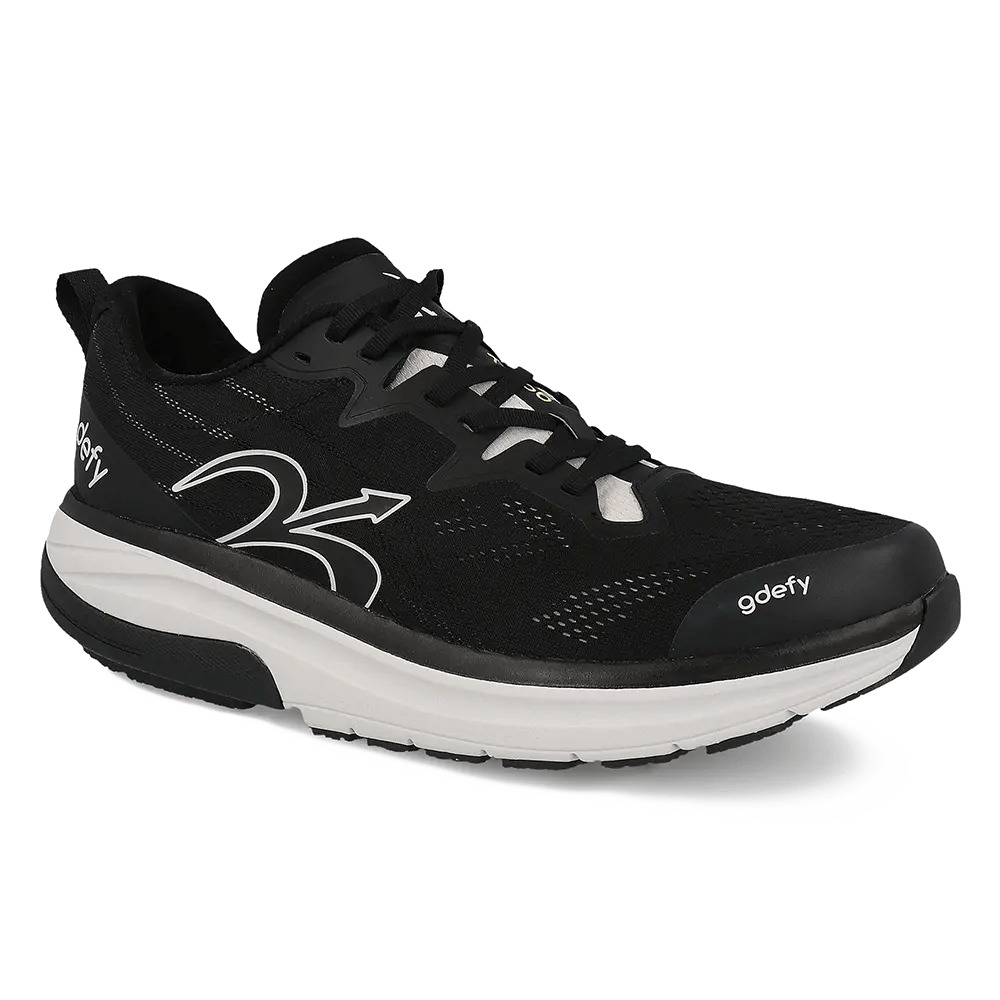
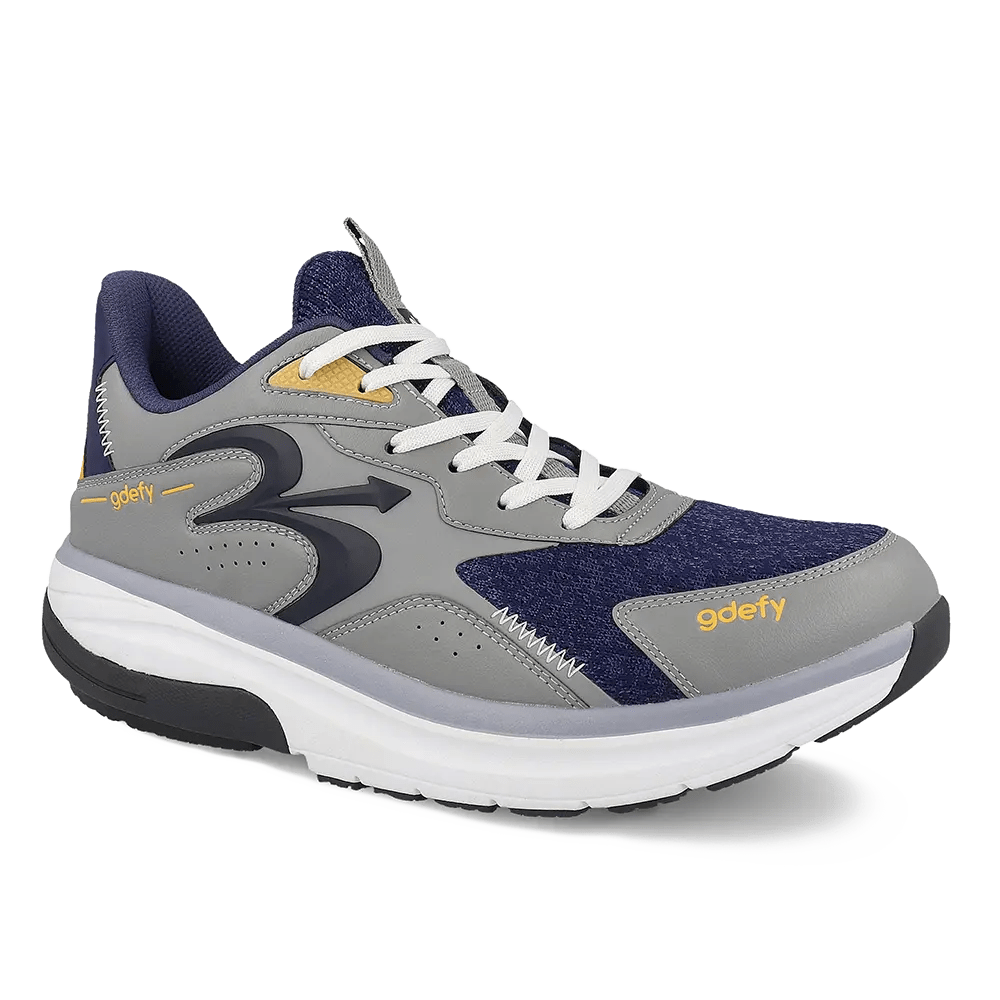
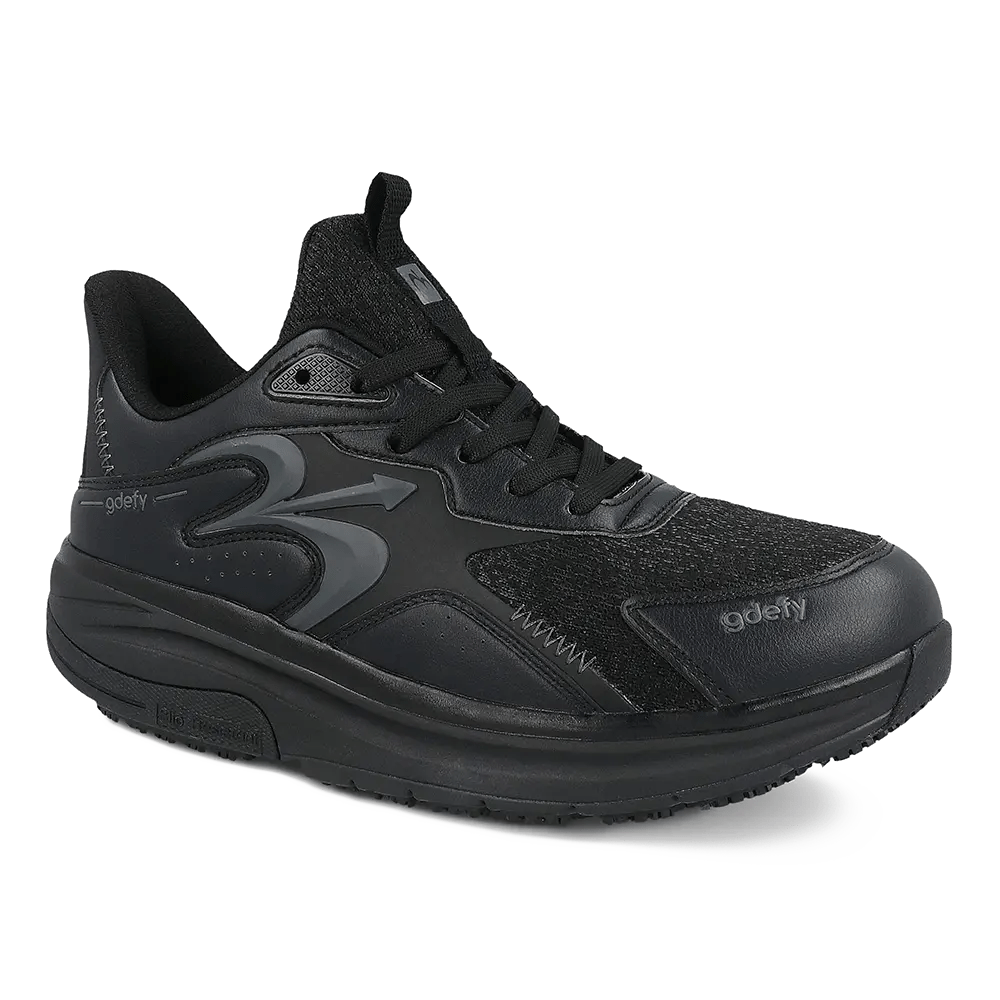
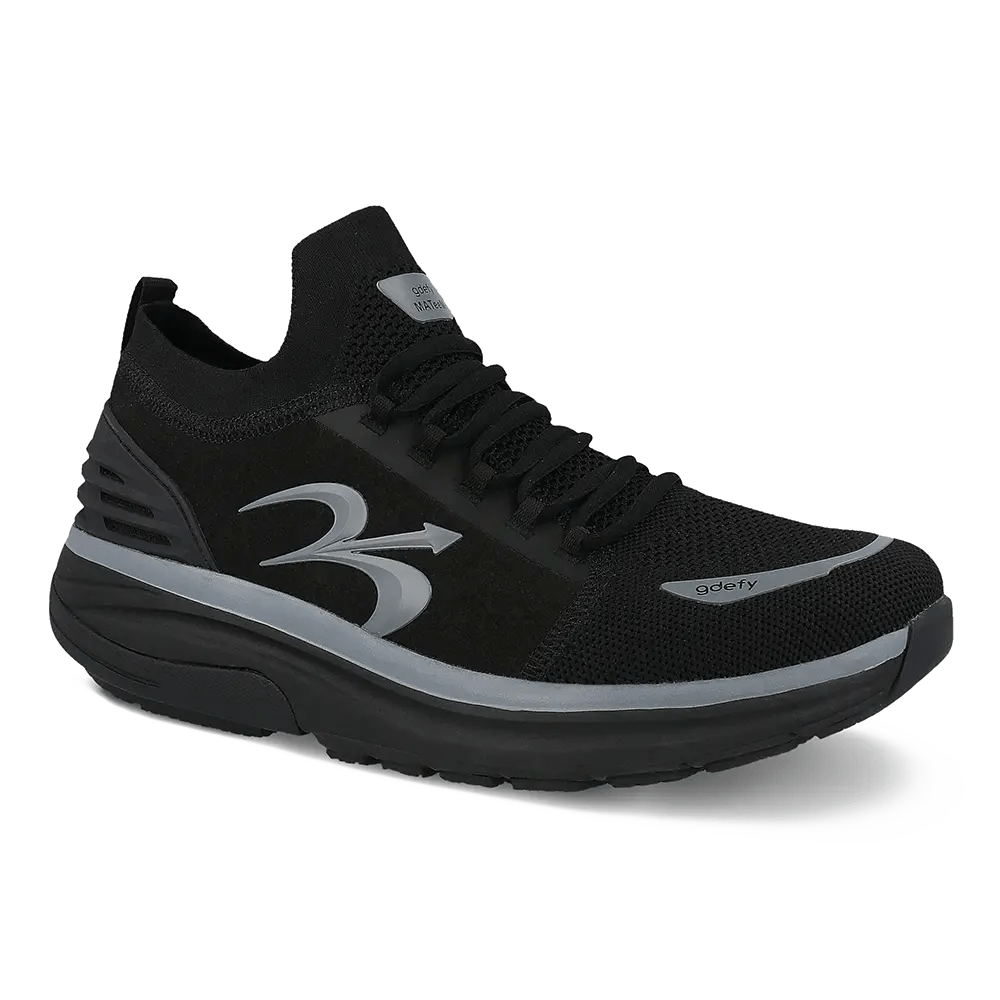
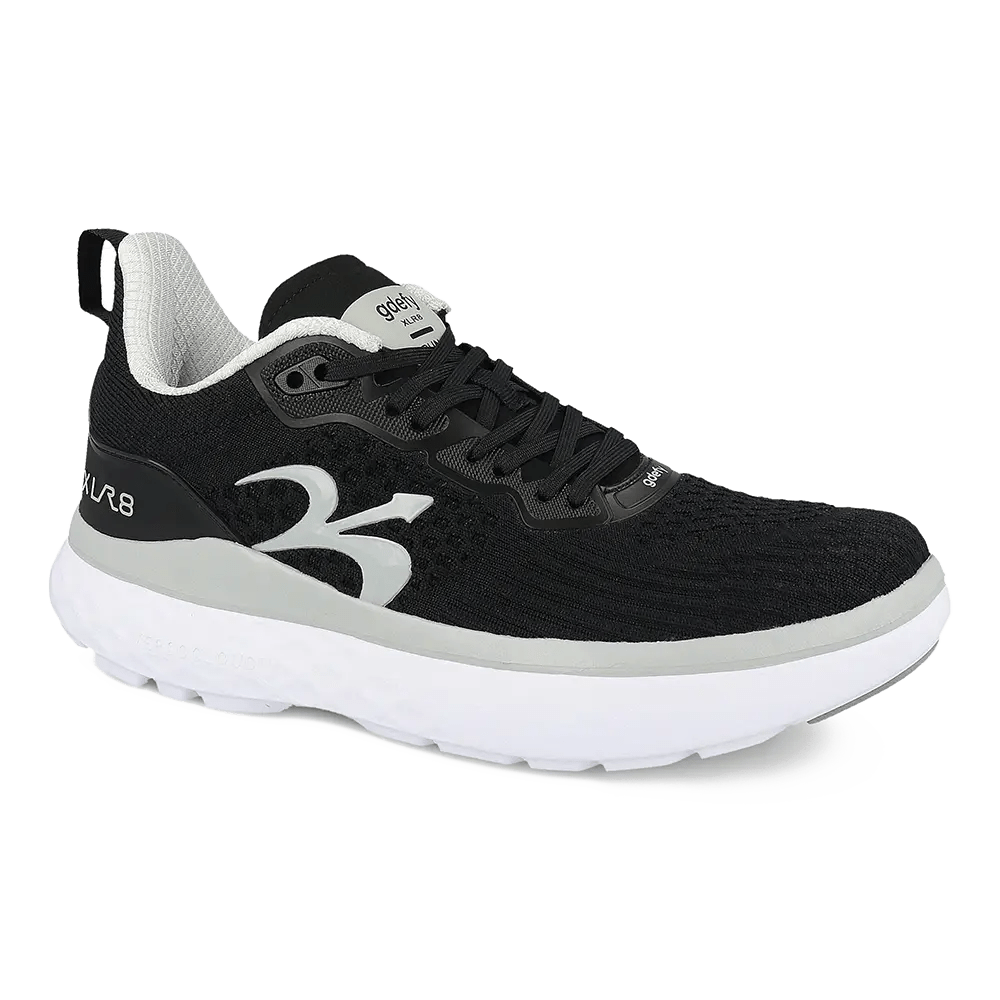
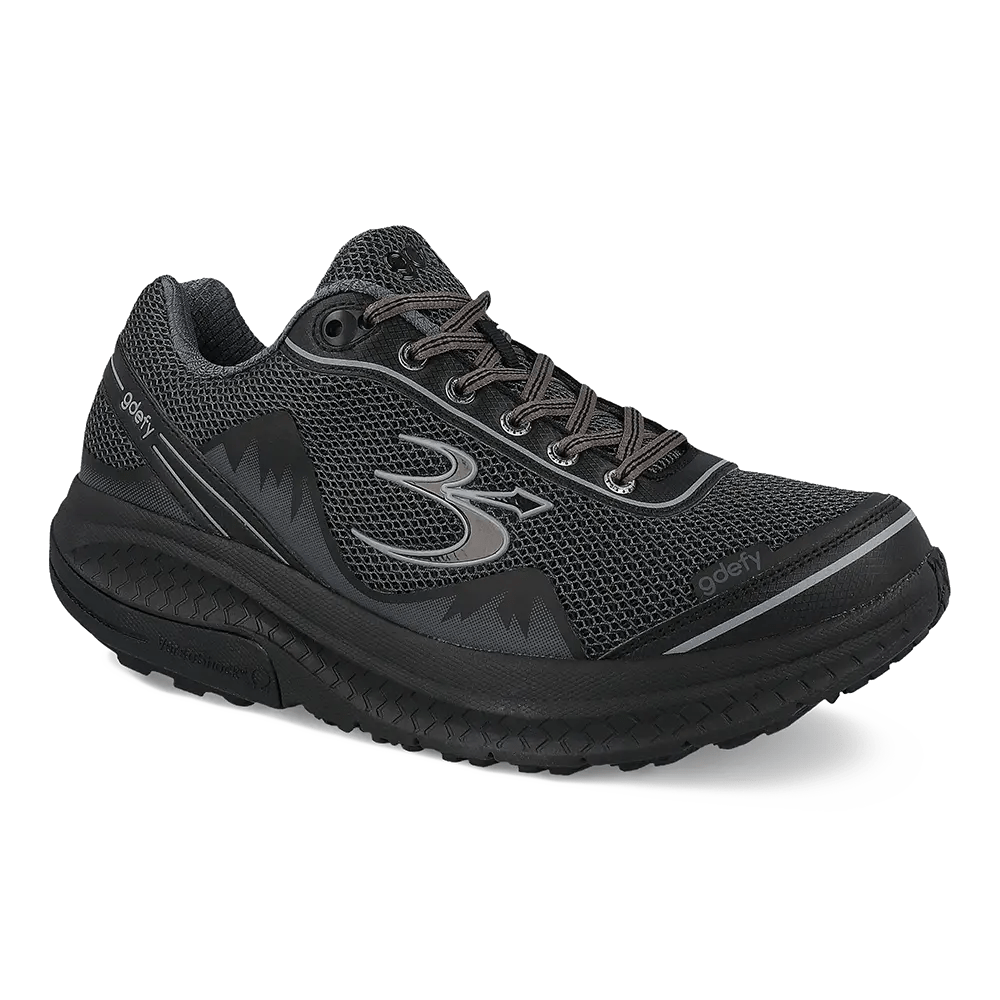
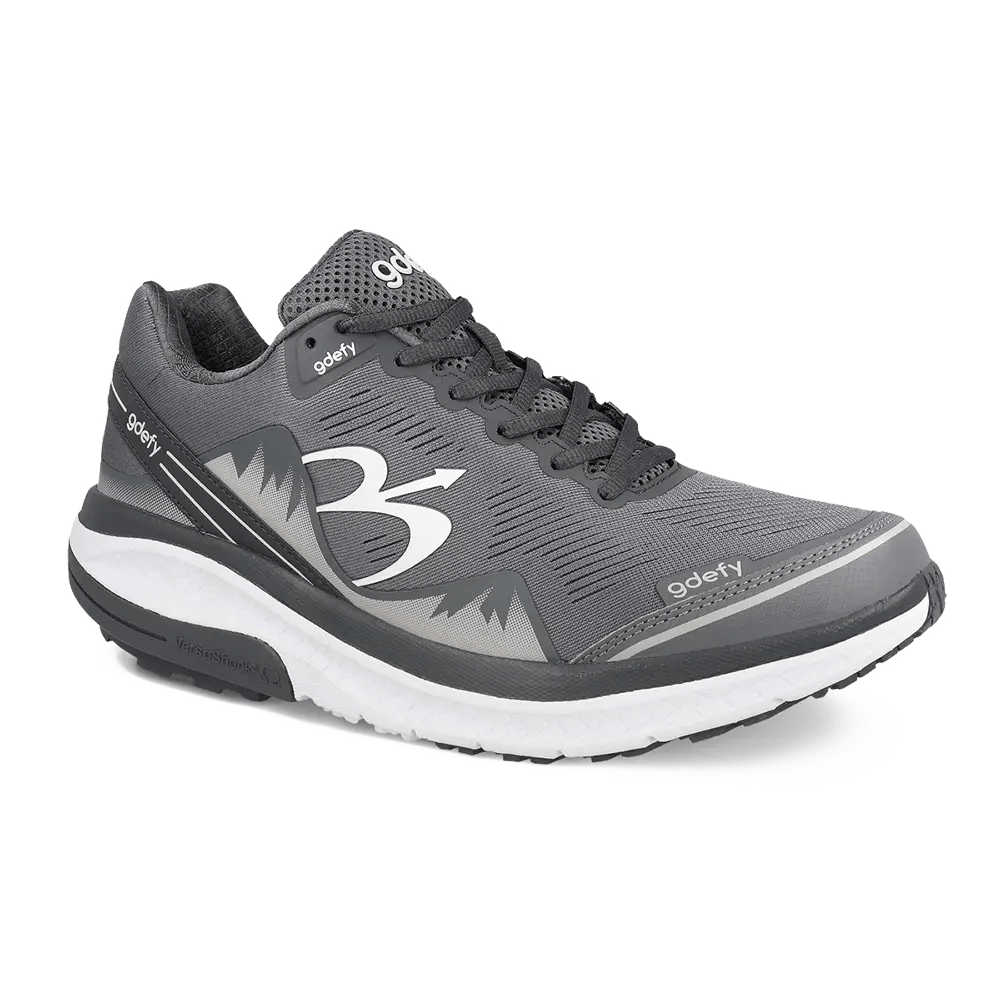
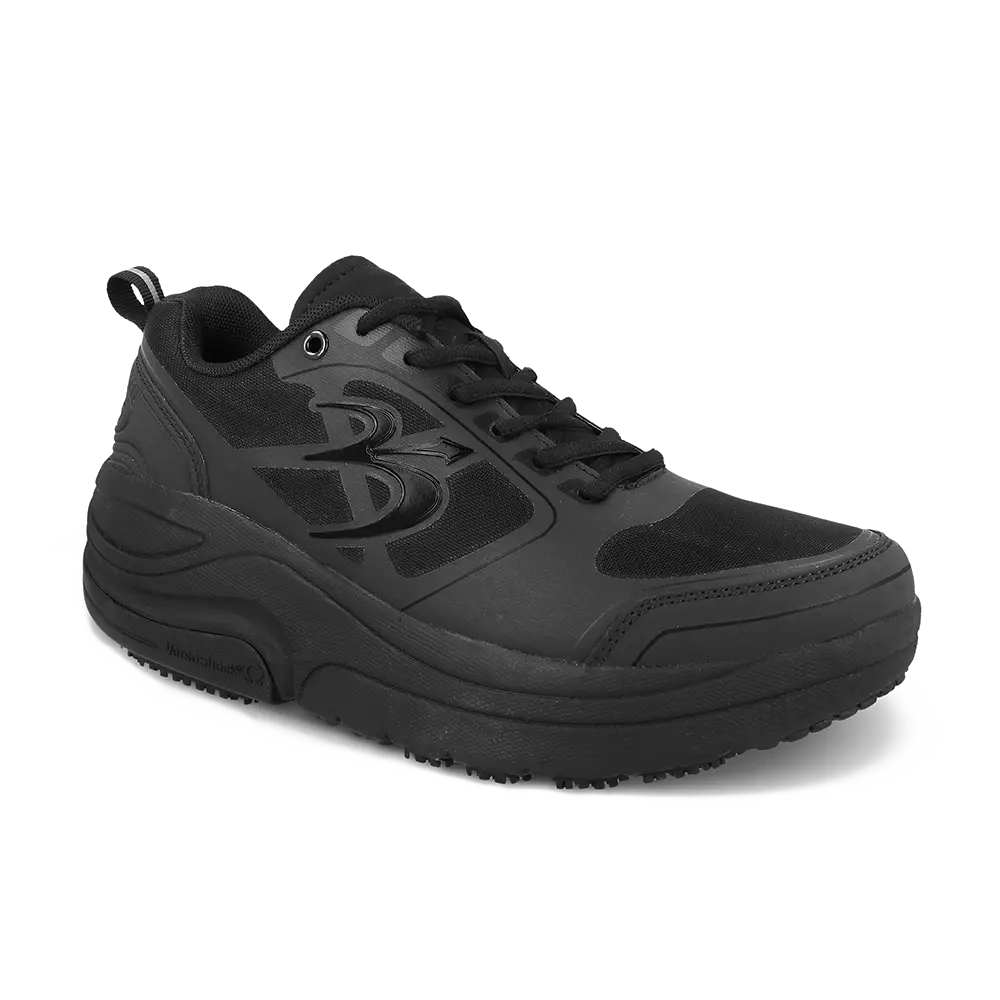
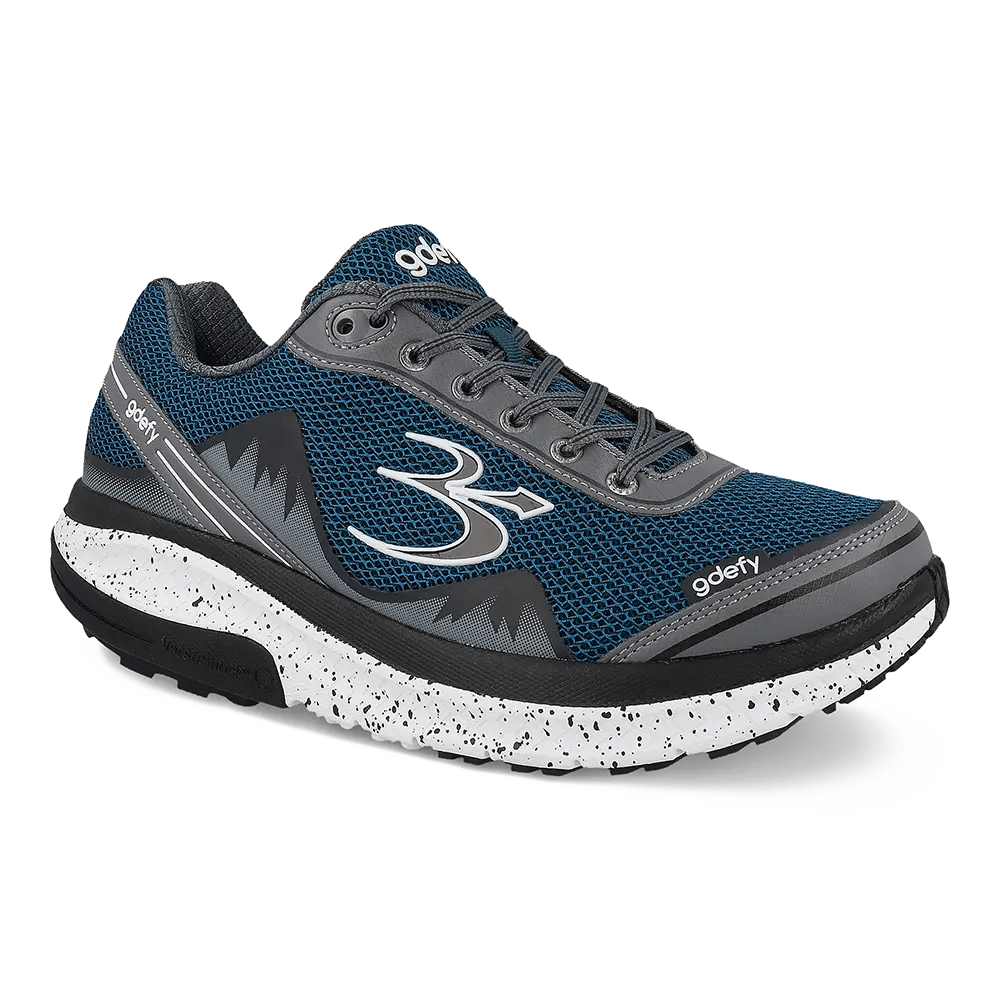
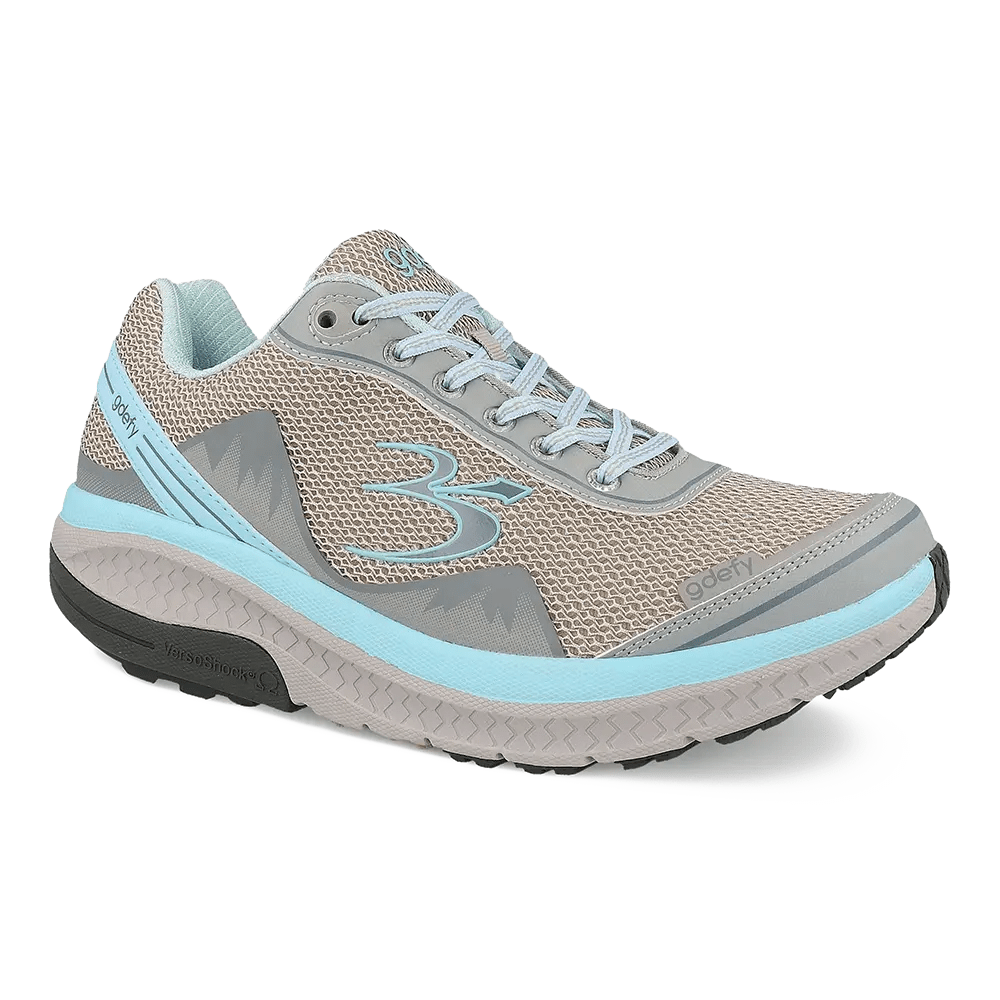
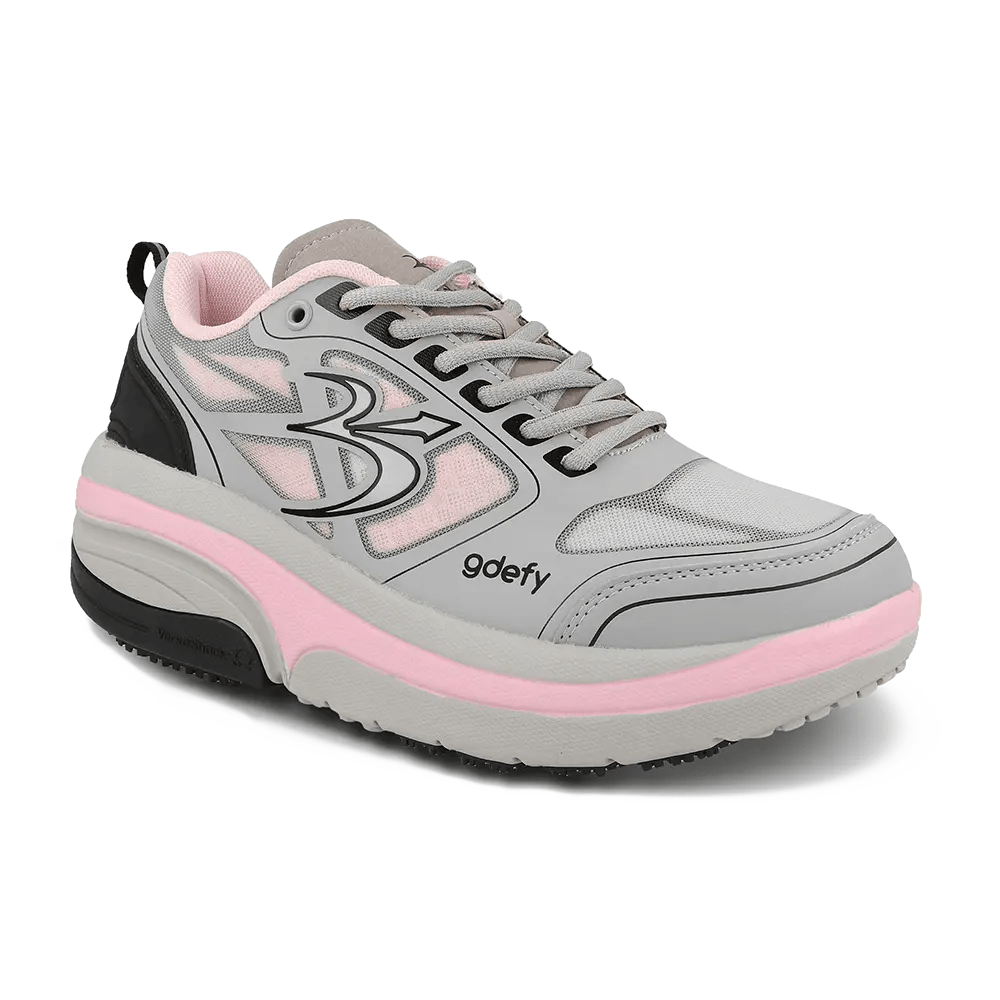
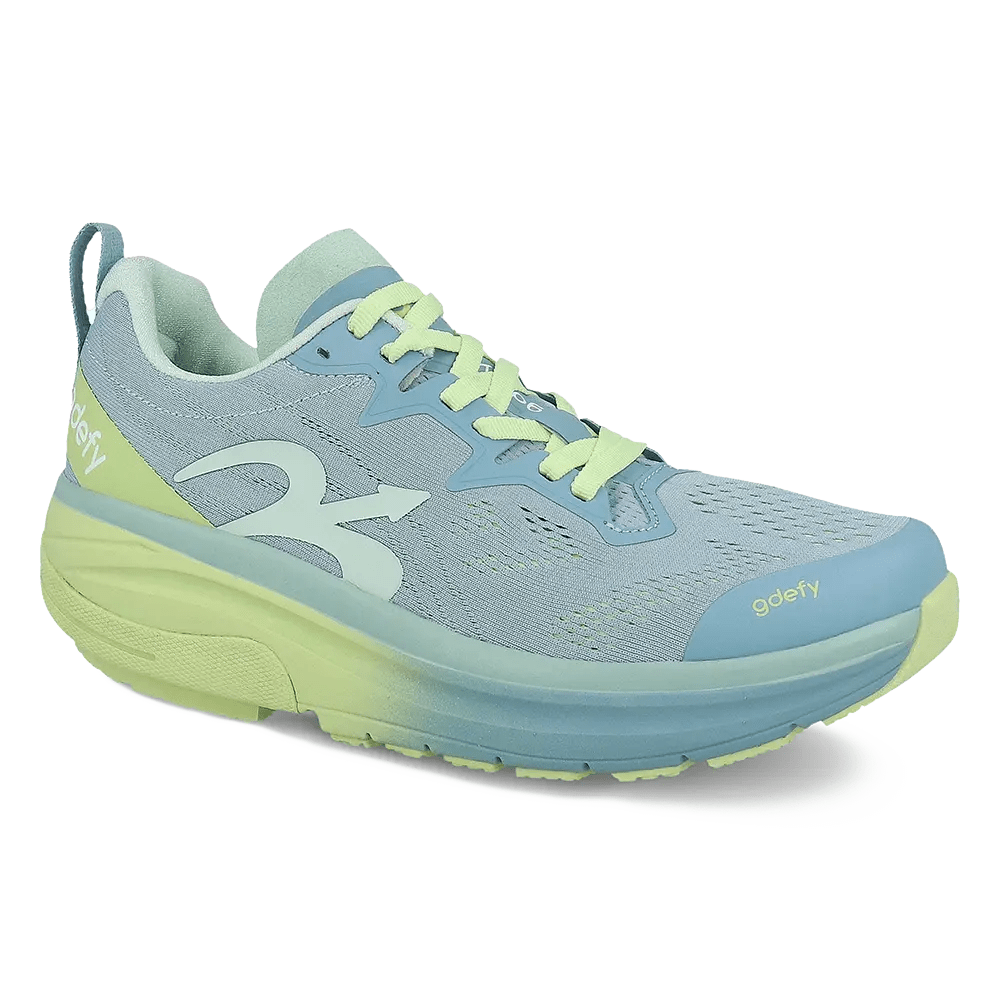
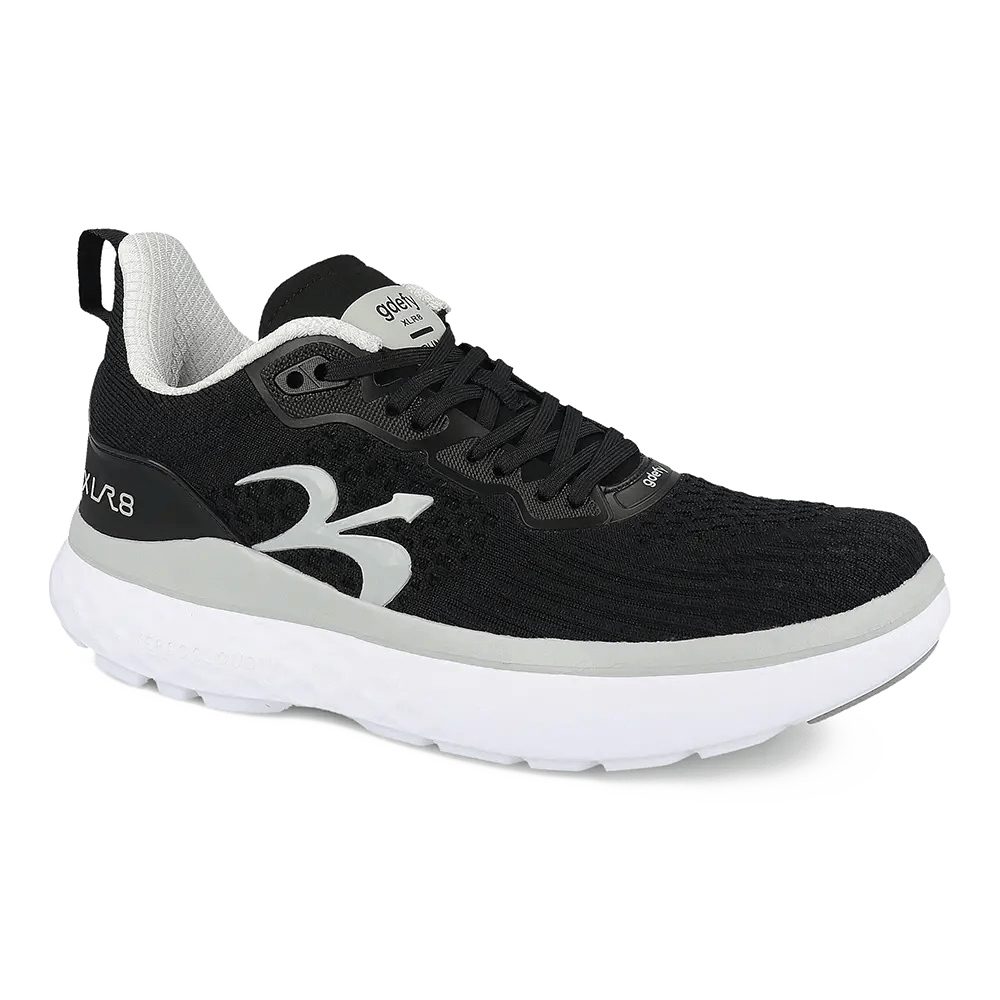
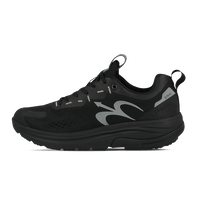
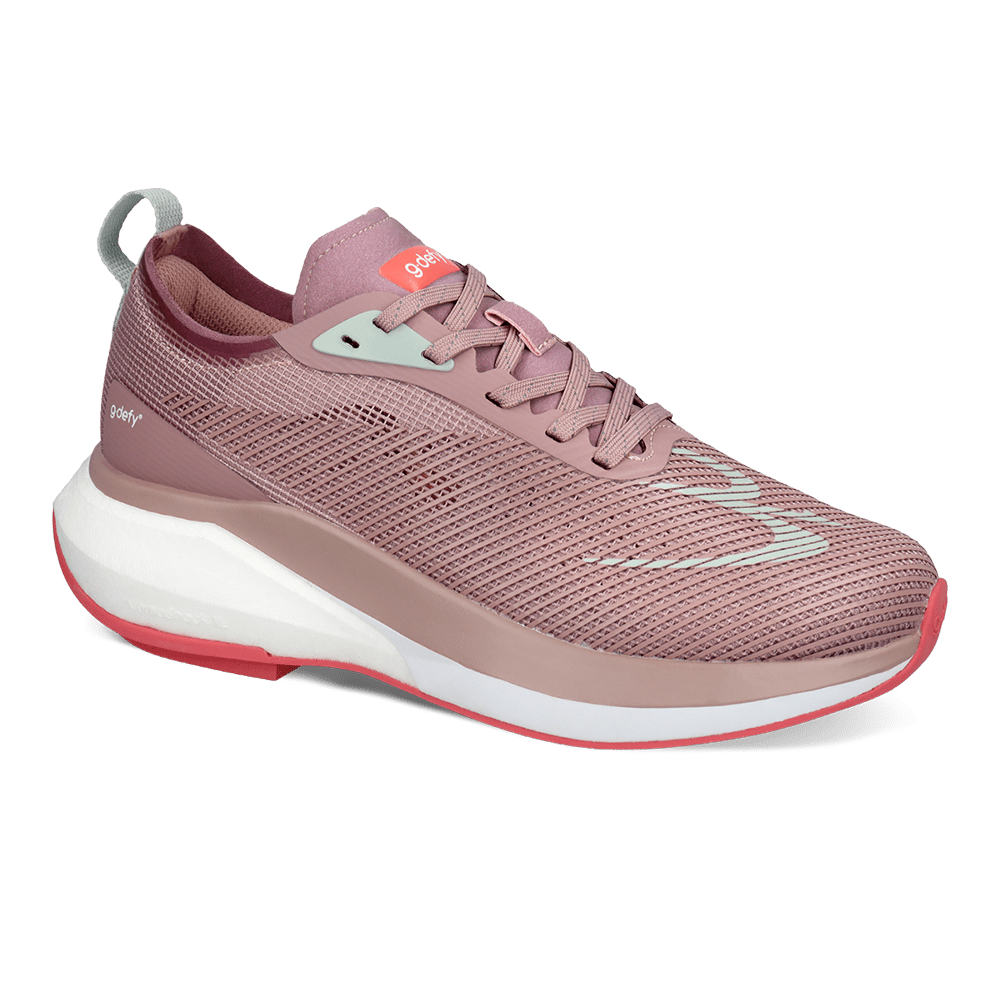
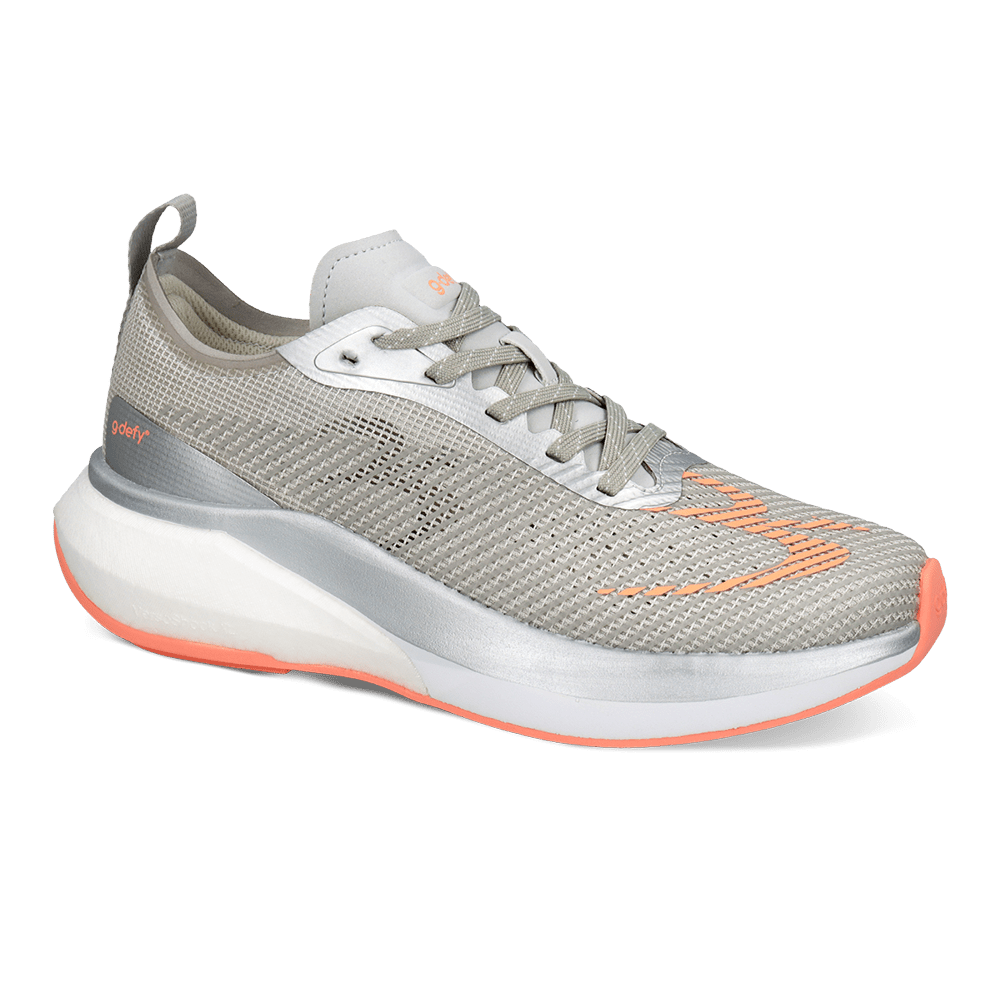
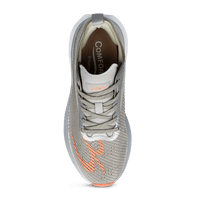
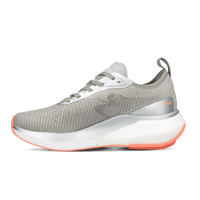
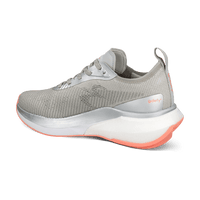
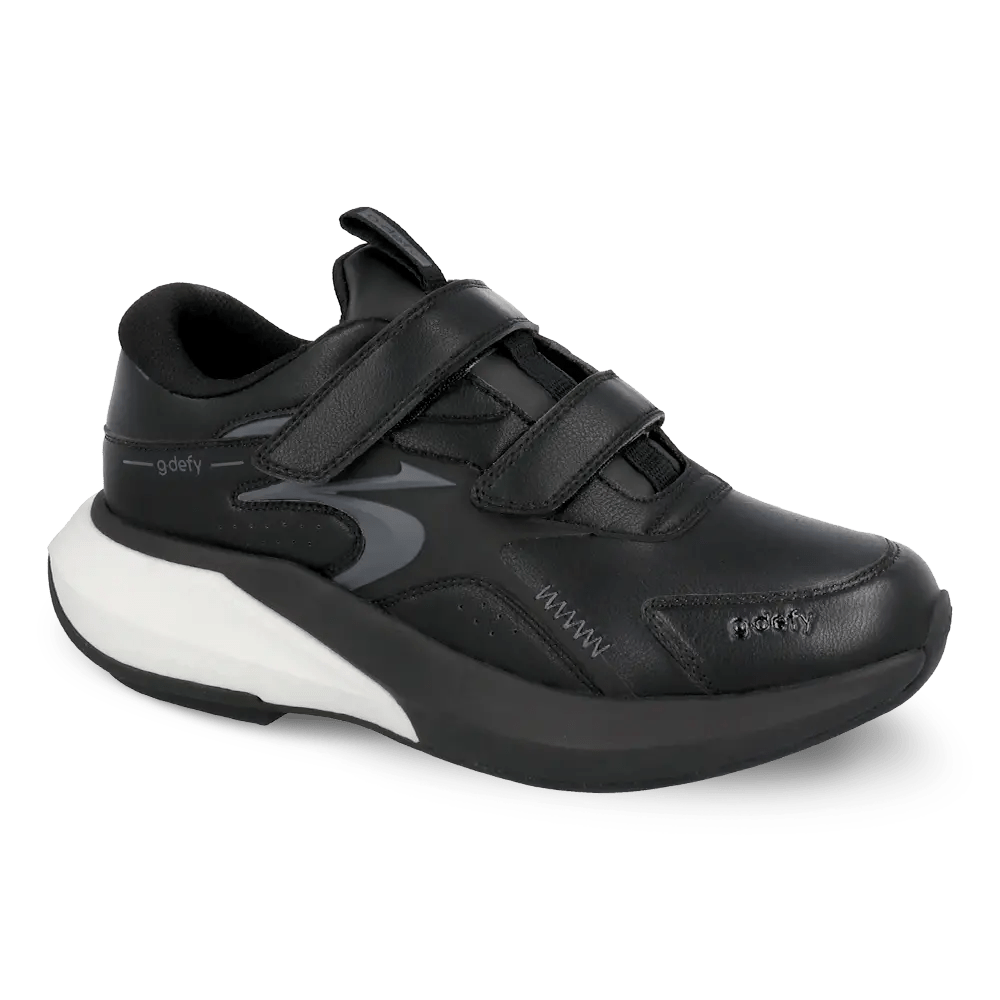
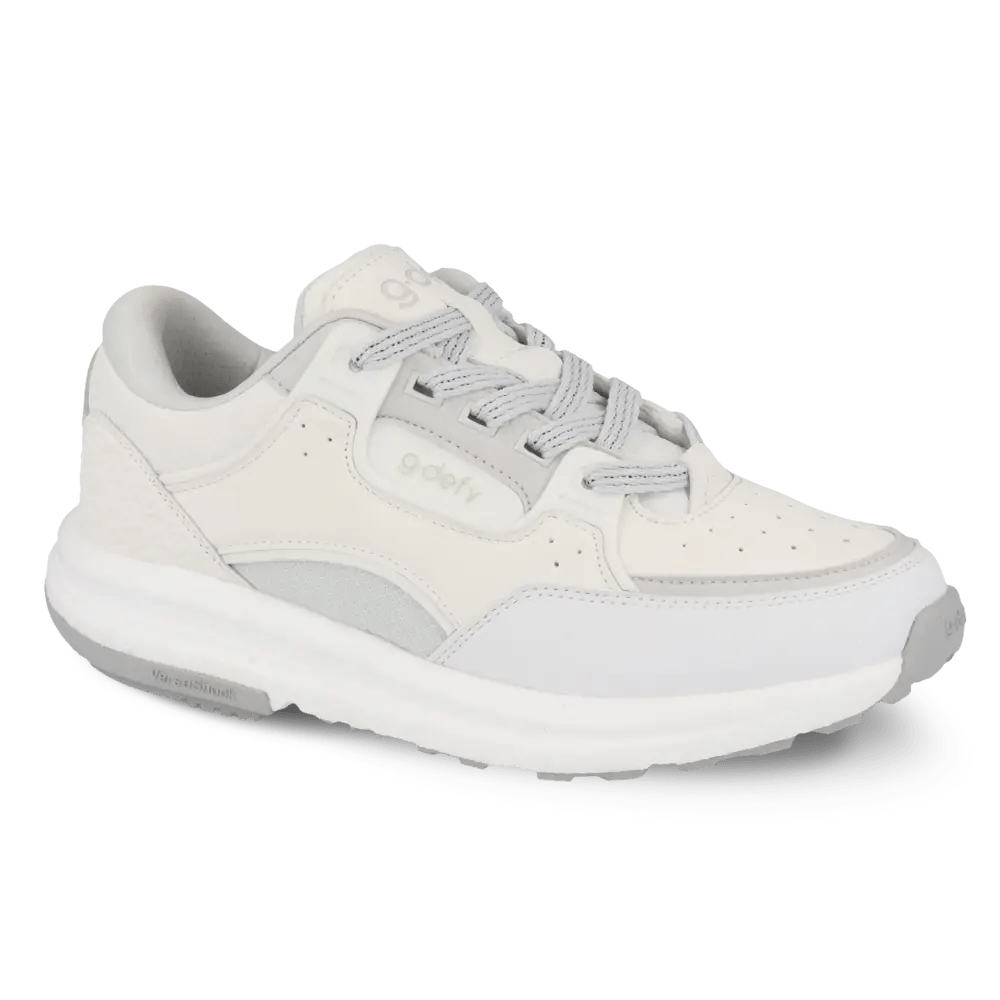
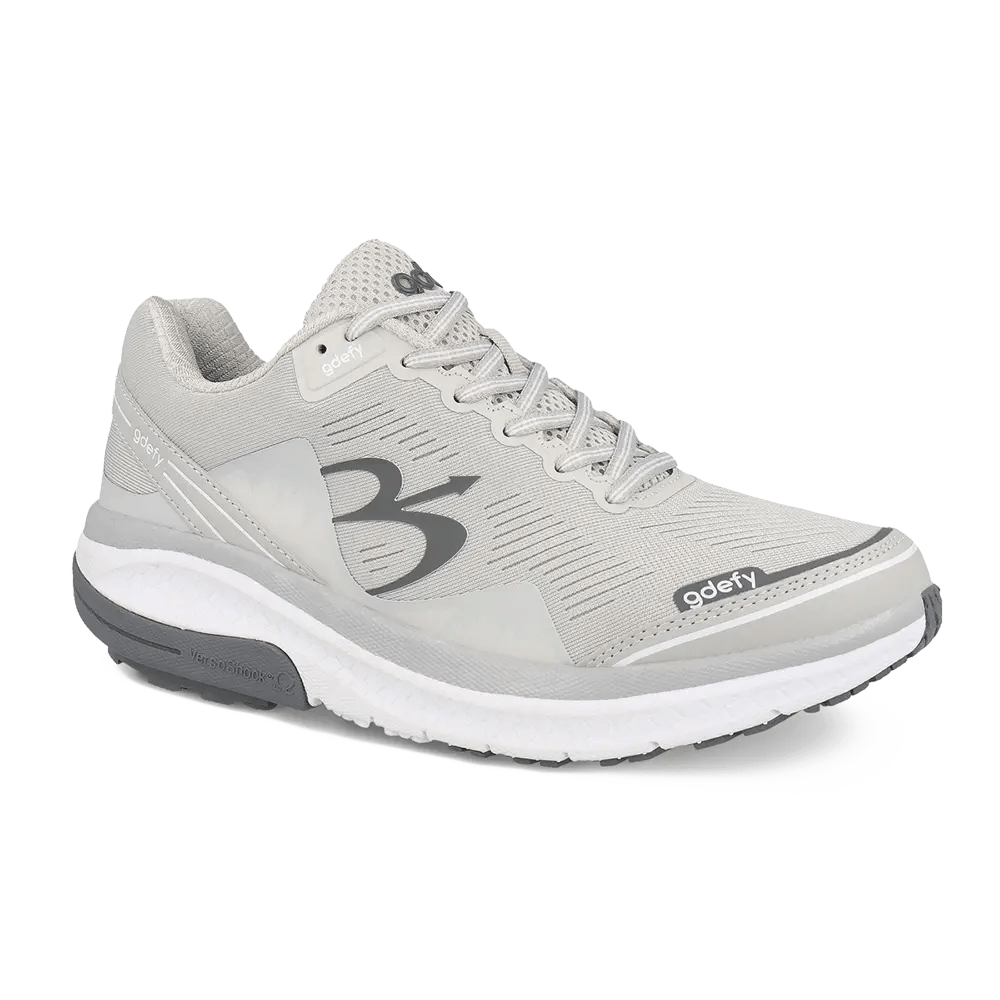
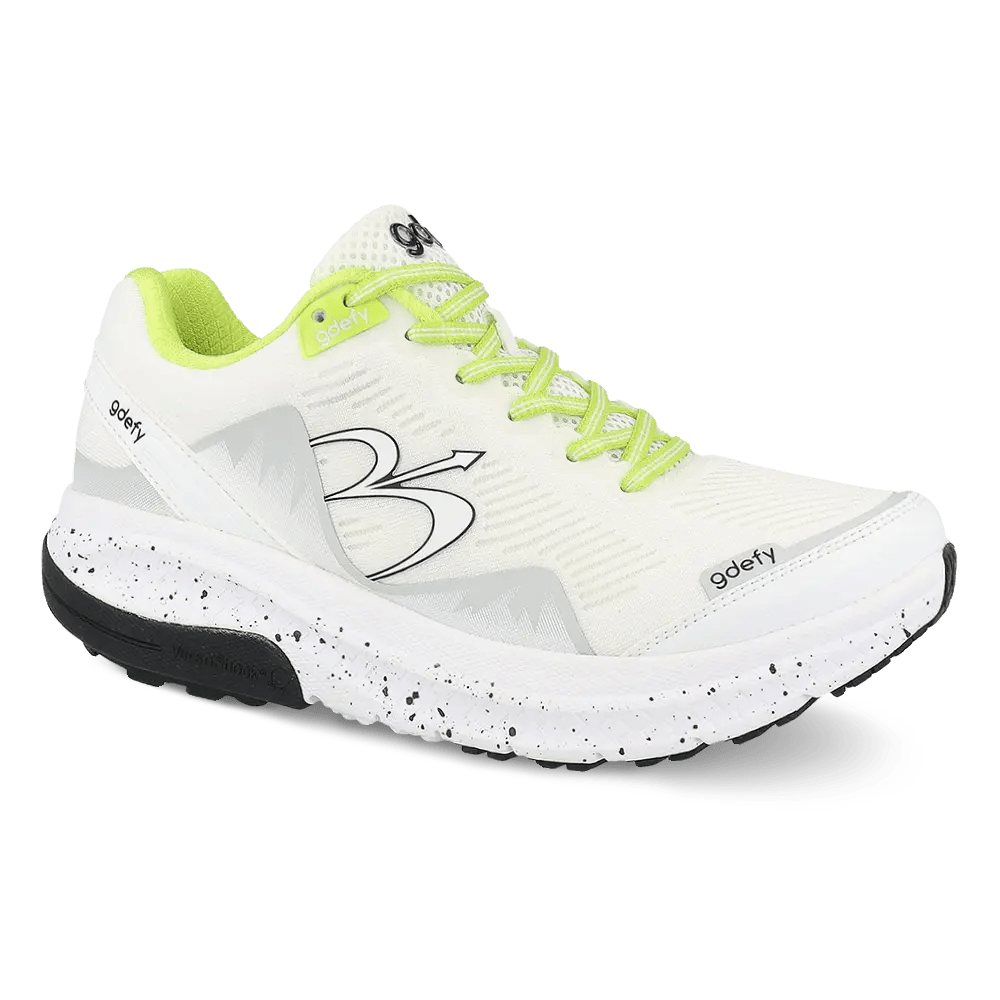
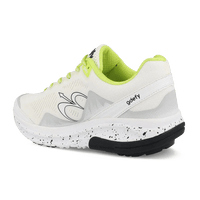
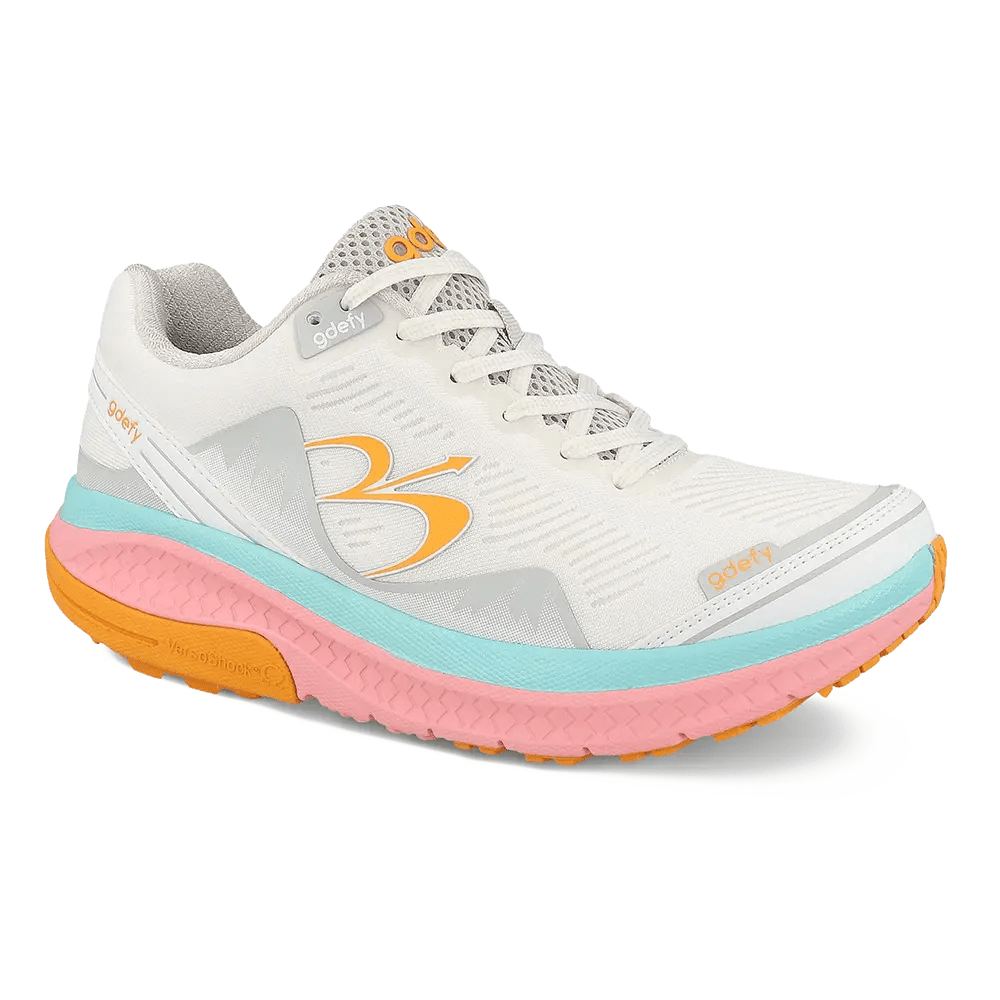
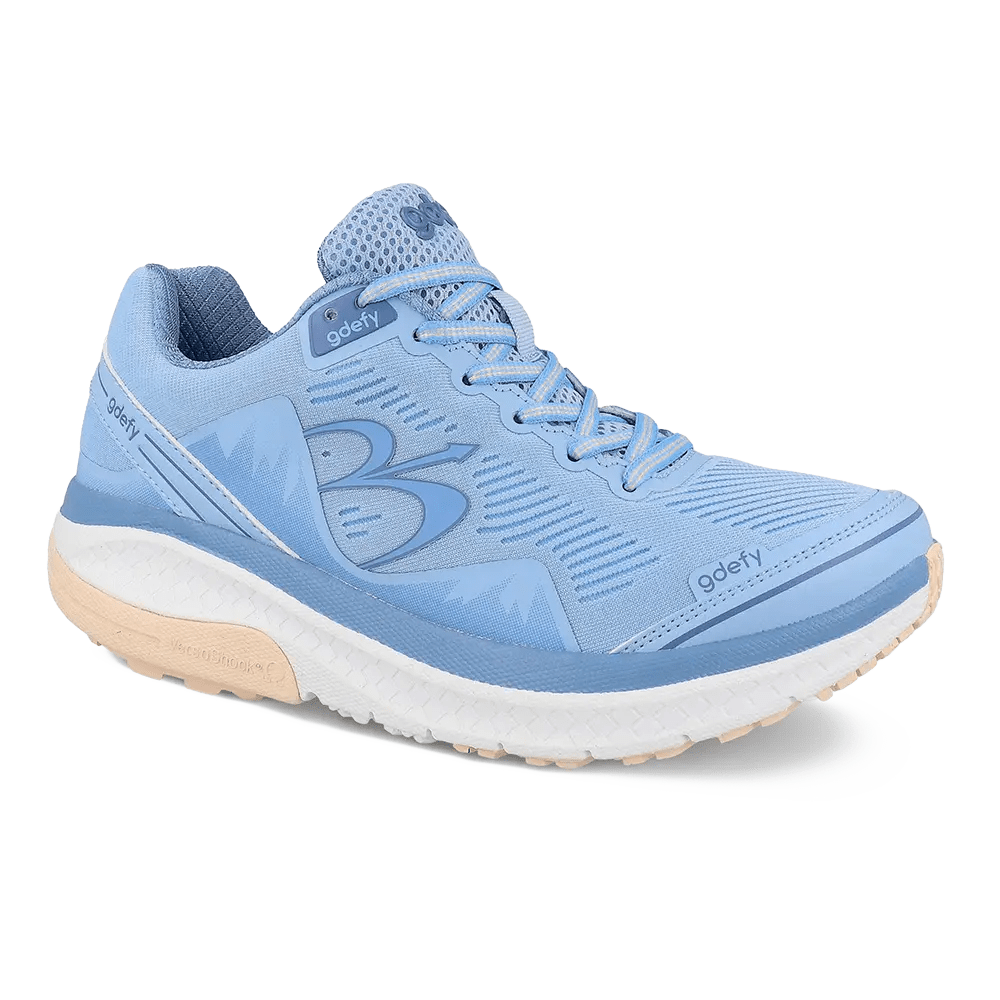
The G-Defy Mighty Walk is built for all-day walking and standing, with a wider rocker midsole and a roomy fit. The G-Defy Ion is the lighter, more athletic option for people who want a similar shock-absorbing platform in a slimmer, faster-feeling shoe. Both are designed to help reduce pain from walking, running, and prolonged standing, and both come with a 60-day risk-free trial — long enough to put them through a full month of real-life use before deciding.
If you want to read more about how the technology actually works under load, the VersoShock® technology page walks through the four pillars in more detail.

Ready for a fresh pair?
Try the G-Defy Mighty Walk or Ion risk-free for 60 days. Free shipping and free exchanges in the U.S.
Shop Mighty Walk Shop IonHabits That Extend Your Shoes' Useful Life
A few small habits can stretch the life of a good walking shoe without compromising support:
- Rotate two pairs. Foam needs time to fully decompress between wears. Alternating between two pairs lets each one recover its cushion overnight rather than getting compressed day after day.
- Reserve walking shoes for walking. Using your supportive shoes for yardwork, painting, or long ladder days accelerates outsole wear and can shorten the useful life of the midsole significantly.
- Untie and re-tie. Slipping your shoes on without untying stretches the heel counter and breaks down the structure that holds your heel in place.
- Air-dry, never machine-dry. Heat from a clothes dryer breaks down the adhesives and softens the foam. Pull out the insoles and let the shoe air-dry naturally if it gets wet.
- Store flat, not crammed. A shoe that lives wedged in the back of a closet can deform around the bend it's stored in. Give it room to keep its shape.
- Watch the insoles. If the rest of the shoe still looks good but the insoles are flat, see if your shoe's insole system is removable. Sometimes a fresh insole gives a tired-feeling shoe several more good weeks.
For more on choosing the right cushioning-vs-support balance for the next pair, our guide on Cushioning vs Support: What's the Difference? breaks down what each one actually does. And if you're curious how shoes connect to comfort further up the body, How Your Feet Affect Your Entire Body: The Kinetic Chain is a good starting point.
Frequently Asked Questions
How do I know when to replace my walking shoes if I don't track mileage?
Use time and visible signs together. For most daily walkers, four to six months is a reasonable replacement window. Combine that with a monthly check: look for midsole creasing, outsole bald spots, and any new aches after walks that used to feel fine. If two or three of those signs show up, it's time, regardless of how the calendar reads.
Are the upper and the tread good indicators of when shoes are worn out?
They're partial indicators. The upper (the fabric or mesh on top) can stay clean and intact long after the midsole has gone flat — so a shoe that looks fine from the outside may still be done supporting your feet. The tread is more honest: smooth, polished, or bald patches at the heel and ball of the foot mean the outsole has given what it can. But the midsole — the foam layer between them — usually wears out before either, and that's the layer that affects comfort the most.
Can new insoles bring a worn-out shoe back to life?
Sometimes, partly. If the insole is the only part that's flat and the midsole and outsole are still healthy, a fresh insole can restore some of the under-foot feel. But if the midsole foam is creased or the outsole tread is gone, new insoles can't replace the structure underneath. They'll feel better for a few walks, then the underlying breakdown will come through again. G-Defy shoes use removable ComfortFit® and CorrectiveFit® insoles, which makes that decision easier to make on the spot.
How often should I rotate to a new pair if I walk every day?
Every three to four months is a sensible cadence for daily walkers, especially if your routes include hard pavement, treadmills, or long standing shifts. Rotating between two pairs from the start spreads that wear out and can stretch each pair closer to the upper end of its useful life.
Will replacing my shoes help with foot, knee, or hip soreness?
It can play a meaningful role in overall comfort, but footwear is not a medical solution. Many people notice that a supportive, cushioned new pair takes pressure off familiar pressure points and makes long walks feel more comfortable again. If soreness persists after replacing your shoes, it's worth checking in with a healthcare provider who can look at the broader picture — fit, gait, activity level, and any underlying conditions footwear alone can't address.
A Practical Takeaway
You don't need to be a footwear expert to know when your shoes are done. Check the midsole, the outsole, and the heel counter once a month. Pay attention to new aches in familiar routes. Bend the shoe in your hands. Replace the pair before the breakdown turns into discomfort you carry around all day.
When it's time, choose a next pair built for the work you actually ask your shoes to do — daily walking, standing, errands, the gym — with cushioning, support, and shock absorption you can feel from step one. G-Defy designs its shoes around exactly that work, and the 60-day risk-free trial gives you a full month of real-life use to decide whether they're the right fit for your routine.
While footwear is not a medical solution, replacing worn-out shoes on time is one of the simplest, most underrated things you can do for your daily comfort.
Browse the full G-Defy comfort collection
Walking shoes, athletic shoes, and casual styles engineered with VersoShock® shock absorption. 60-day trial. Free shipping and exchanges in the U.S.
Shop Men's Shop Women'sResults vary by individual. G-Defy footwear is designed for everyday comfort and is not a medical device or substitute for medical care. If you experience persistent pain, please consult a qualified healthcare provider.


































.svg)



