
May 27, 2026
Cushioning vs Support: What's the Difference?
By Gdefy

Summary
If you have ever stood in a comfort-shoe aisle staring at one shoe marked "maximum cushioning" and another marked "stability and support," you are not alone. The two words sound similar. Both promise comfort. Both are used on dozens of walking shoes that look almost identical from the outside. Yet they describe two very different things — and choosing the wrong one for how you actually move can leave your feet, knees, and back working harder than they should.
This guide walks through what cushioning and support actually mean inside a shoe, why a soft shoe is not always a comfortable shoe, and how the two work together in well-designed footwear. It is written for active adults who want to feel better at the end of the day without having to learn the entire vocabulary of athletic shoe engineering.

Why People Confuse Cushioning and Support
In casual conversation, "cushioned" and "supportive" are often used to mean the same thing — comfortable. Shoe shopping makes the overlap worse. Marketing copy stacks the two words together. A package might promise "plush cushioning with all-day support" without explaining what either word is doing.
The truth is that cushioning and support are not synonyms. They are two separate jobs the shoe has to do. Cushioning manages impact. Support manages structure. A shoe can be excellent at one and poor at the other. When that happens, the foot may feel pampered for the first few minutes and tired by hour three.
Understanding the difference is the first step toward picking footwear that holds up across a full day on your feet.
What Is Cushioning in a Shoe?
Cushioning is the layer of material — usually foam — between your foot and the ground that compresses on impact. When your heel strikes the pavement during walking, a measurable force travels up through your foot, ankle, knee, hip, and lower back. Cushioning's job is to soften that initial impact so less of it reaches the joints above.
How Foam Midsoles Absorb Impact
Most modern comfort shoes use a midsole made from one or more foam types. EVA (ethylene-vinyl acetate) is the classic lightweight foam. Polyurethane is denser and lasts longer. Newer compounds blend the two or add air pockets, gel inserts, or proprietary materials to fine-tune how the foam responds.
The mechanics are simple. When the foot lands, the foam compresses. Energy that would have hit the joints gets absorbed by the deformation of the material. The foam then returns toward its original shape, ready for the next step. Cushioning is, at its core, shock absorption — and the better the shock absorption, the less work the rest of your body has to do.
Soft Doesn't Always Mean Better
Here is where most shoppers get tripped up. A shoe that feels like a marshmallow in the store can become a problem after twenty minutes of real walking. There are three reasons.
First, soft foam compresses easily, which feels great underfoot but leaves the foot sitting in a constantly shifting platform. The foot has to micro-adjust with every step to stay balanced.
Second, foam fatigues. The plush feel of a brand-new pair of maximally cushioned shoes can fade within a few months of regular wear, and once the foam packs down, the impact absorption fades with it.
Third, more cushion is not always more comfort if it comes at the cost of stability. A foot that is constantly being asked to find its footing will tire out faster than a foot resting on a firmer, more predictable platform.
Cushioning is essential. It is not, by itself, the whole answer.
What Is Support in a Shoe?
If cushioning is about absorbing impact, support is about controlling structure — keeping the foot in a stable, aligned position while it does the work of walking, standing, or running.

Structure, Stability, and Stride Control
Support shows up in several places inside a shoe. The midsole may include a denser piece of foam under the arch to slow inward roll. The heel counter — the cup that wraps the back of the foot — may be reinforced so the heel does not slide side to side. The midfoot may include a small plastic or composite shank that resists twisting. The footbed may be contoured to follow the natural curves of the foot.
All of these features have the same goal: keep the foot in roughly the position it is biomechanically built to move through. A foot that stays in line passes load efficiently up through the ankle and knee. A foot that rolls, twists, or collapses under load forces every joint above it to compensate, and compensation is where fatigue and discomfort tend to start.
Why a Firm Foundation Matters
People often describe a well-supported shoe as feeling "secure." That word matters. A foot resting on a stable platform does not have to constantly recruit small stabilizing muscles to stay balanced. Walking becomes more efficient. Standing for long stretches becomes more tolerable. The shoe is doing some of the work the foot would otherwise be doing on its own.
This is why a slightly firmer shoe with strong structure can feel more comfortable at the end of a long day than a softer shoe with very little structure — even though the firmer shoe felt less cushioned at first step.
Support is not the opposite of comfort. Support is comfort, stretched across hours instead of seconds.
Why You Actually Need Both
The cushioning-versus-support framing is useful for understanding what each feature does, but in real life, the question is rarely either-or. A good walking shoe needs both.
- Cushioning without support = a soft, mushy ride that gets tiring fast and offers little for the foot to push against.
- Support without cushioning = a stable, structured shoe that transmits too much impact to the joints above.
- Both together = a platform that absorbs the worst of the ground while keeping the foot in a clean, efficient position.
The trick is finding shoes that take both jobs seriously, not just one. Many shoes lead with one feature — usually cushioning, because "soft" is easy to feel in a quick try-on — and leave the other as an afterthought. The result is a shoe that feels great in the showroom and tires you out by mile two.
How G-Defy Brings Cushioning and Support Together
G-Defy shoes are engineered around the idea that the two jobs should be designed together, not stacked on top of each other.
The VersoShock® 4-Pillar System
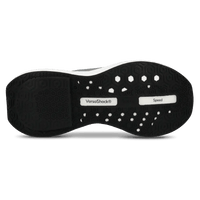
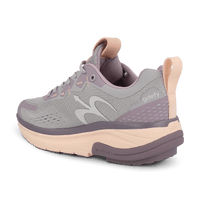
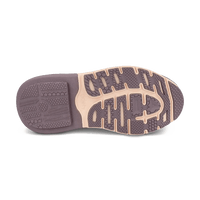
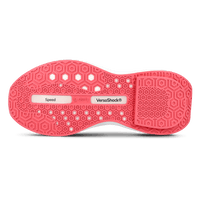
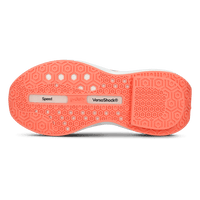
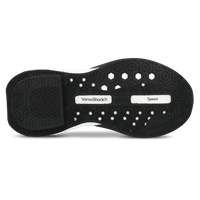
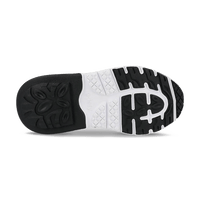
VersoShock® is G-Defy's patented technology platform, and it is built on four pillars working in concert:
- Shock absorption — a sprung midsole that compresses to absorb the energy of heel strike, then returns toward its original shape on push-off. This is the cushioning side of the equation.
- Energy return — the same spring mechanism that absorbed impact gives some of that energy back as the foot rolls forward, instead of sitting flat the way packed-down foam does.
- Structural stability — a firm, predictable platform underneath the shock absorption that keeps the foot from sinking into a soft layer with nowhere to push against.
- Foot alignment — a contoured footbed and rocker geometry that guides the foot through a clean, efficient stride.
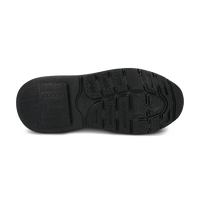
The pillars are designed to work as a system. Shock absorption does not undermine stability, because the structural platform sits below the shock element. Alignment does not fight cushioning, because the footbed is shaped to work with the way the foot lands and rolls. Cushioning and support are not stacked features — they are aspects of one mechanical design.
Dual Orthotics for Customization
Most shoes give you one fixed cushioning-versus-support balance. G-Defy includes a dual orthotic system — two ComfortFit® and CorrectiveFit® insole options — so wearers can adjust the firmness and arch contour to match their own foot mechanics. Someone with flatter arches who needs more guidance gets a different feel than someone with higher arches who wants more cushioning. The shoe stays the same. The interior is tunable.
This matters because cushioning-vs-support is not a single right answer that applies to every foot. It is a question every wearer answers a little differently.
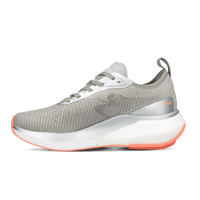
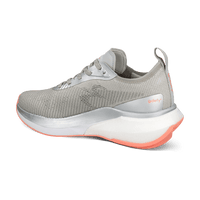
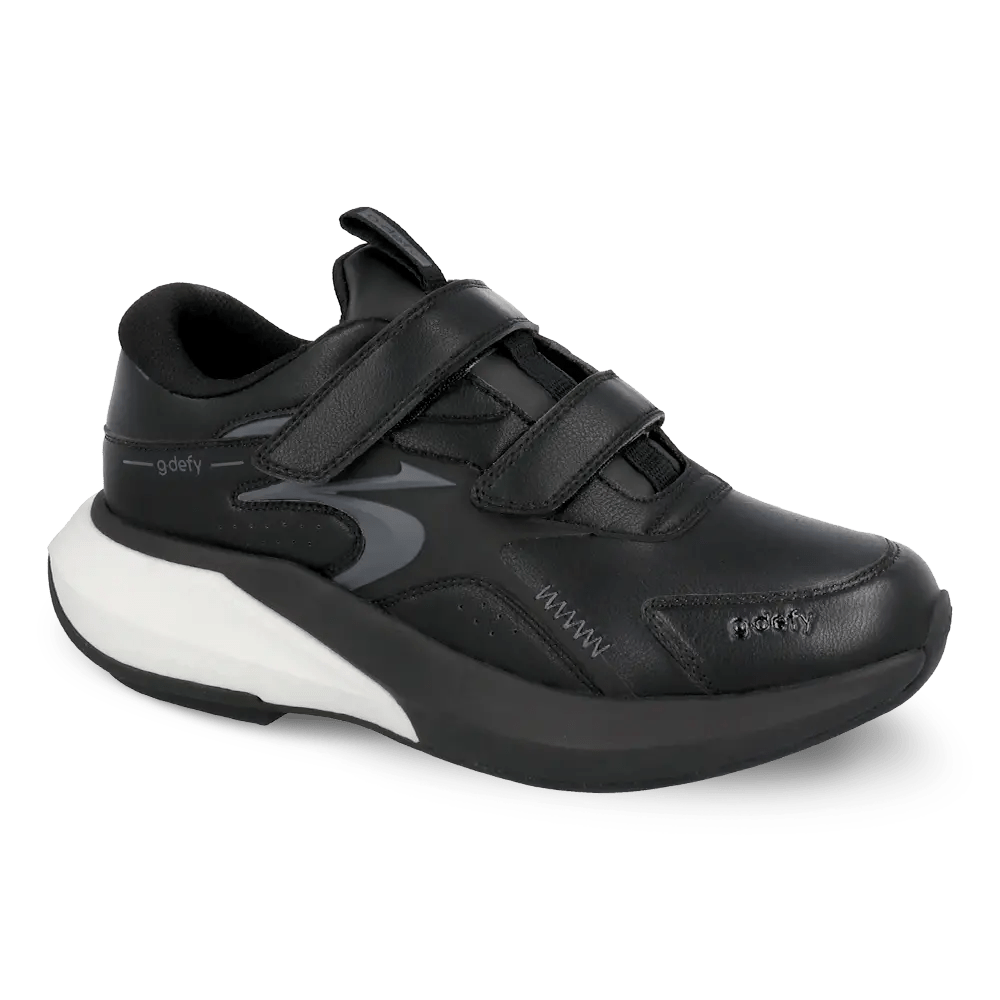
Featured: Mighty Walk and Ion
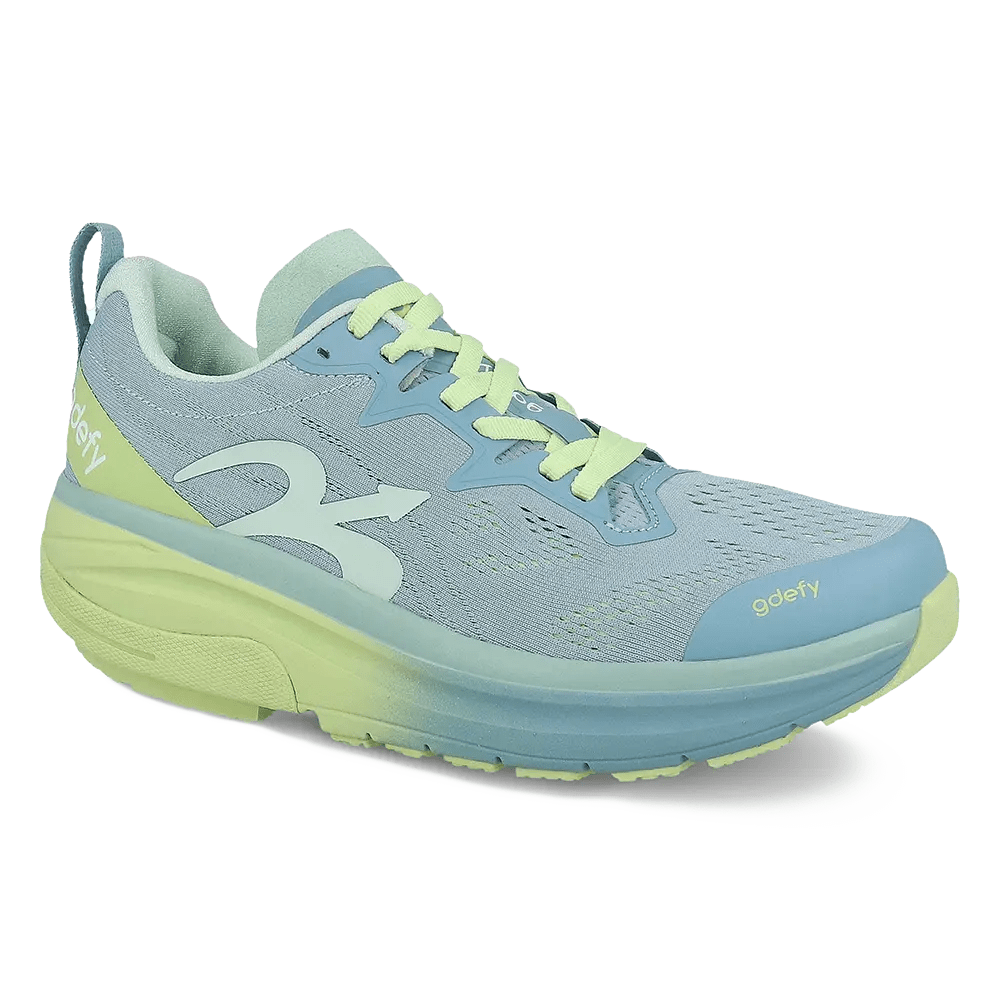
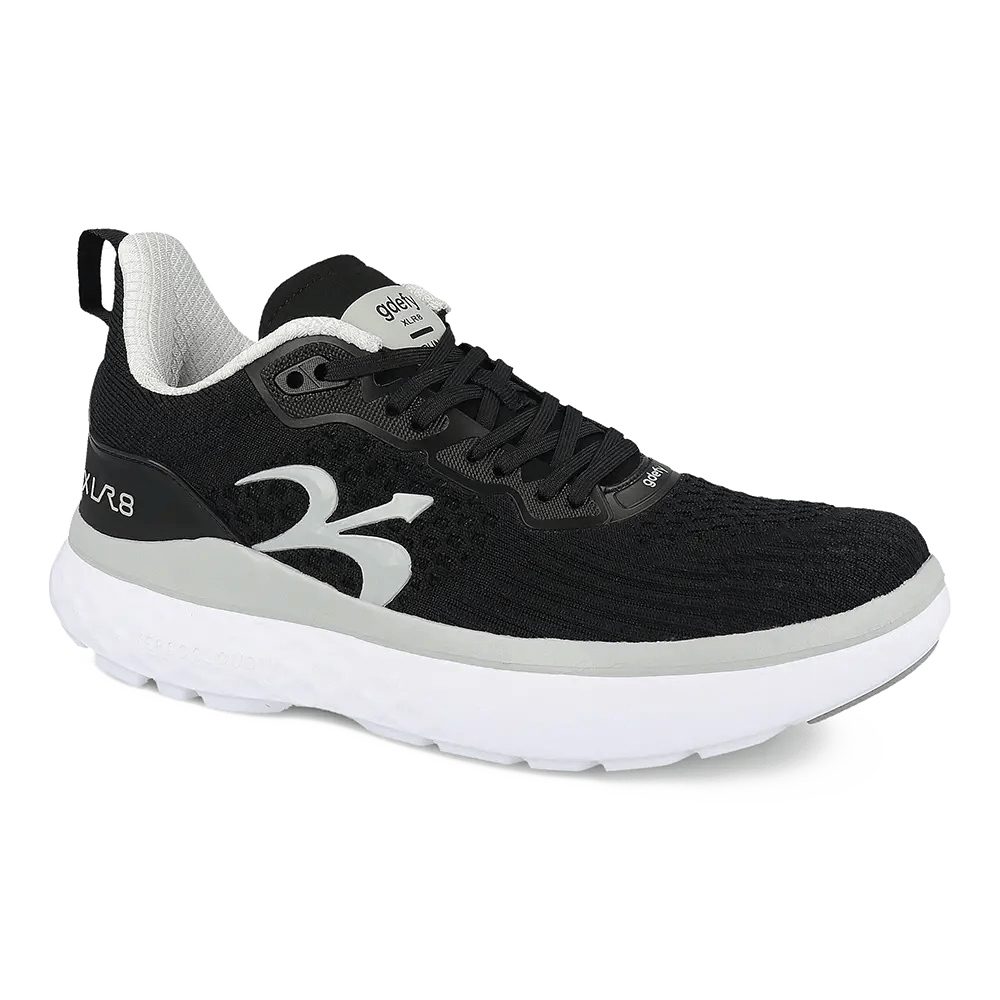
Two G-Defy styles show the system in action.
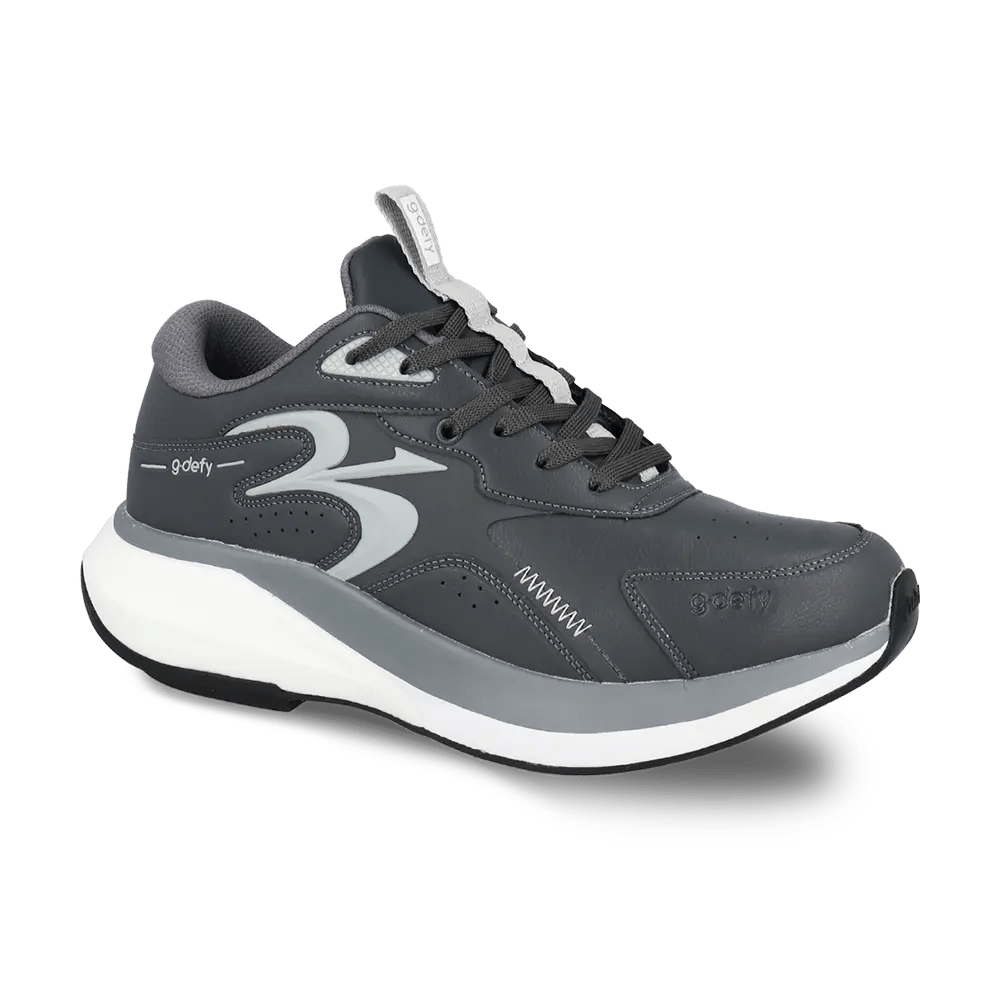
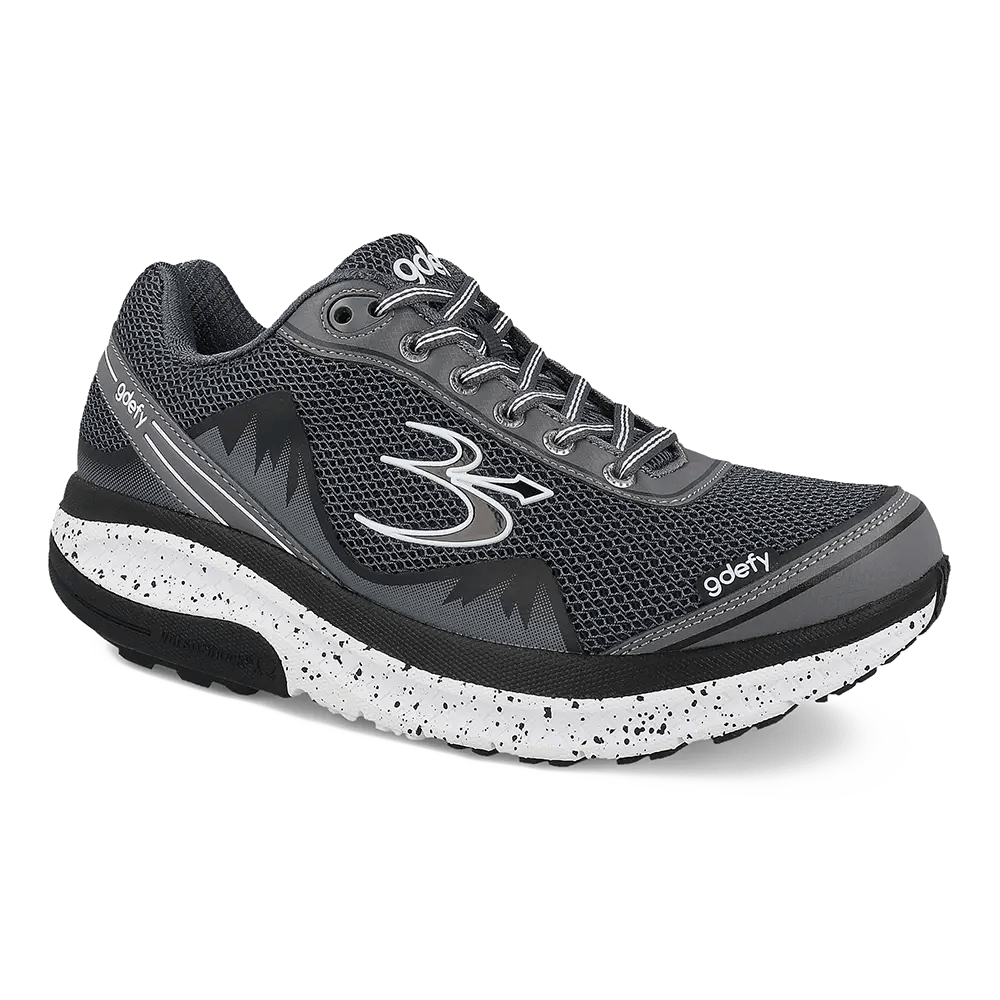
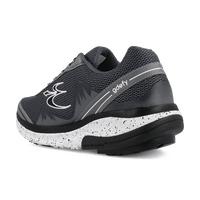
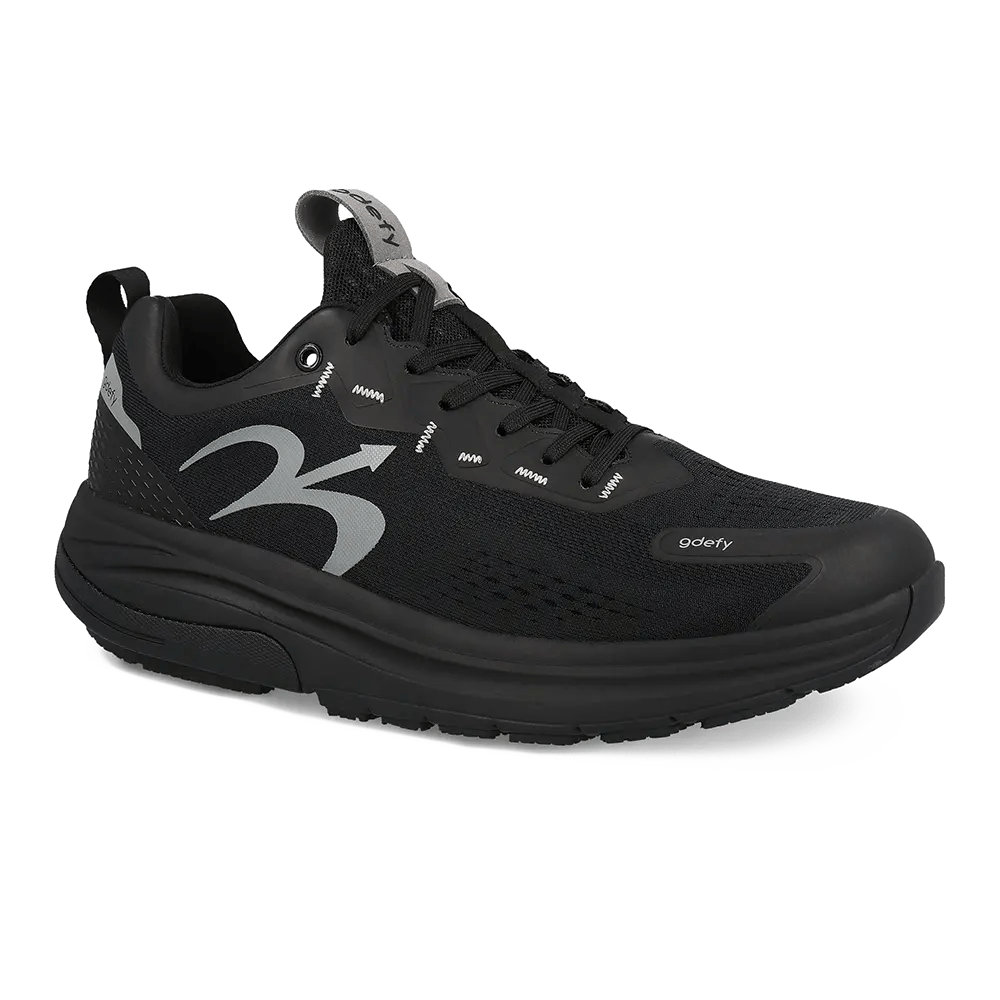
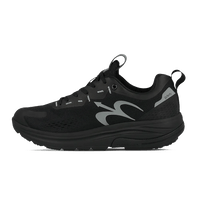
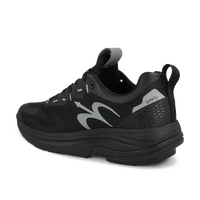
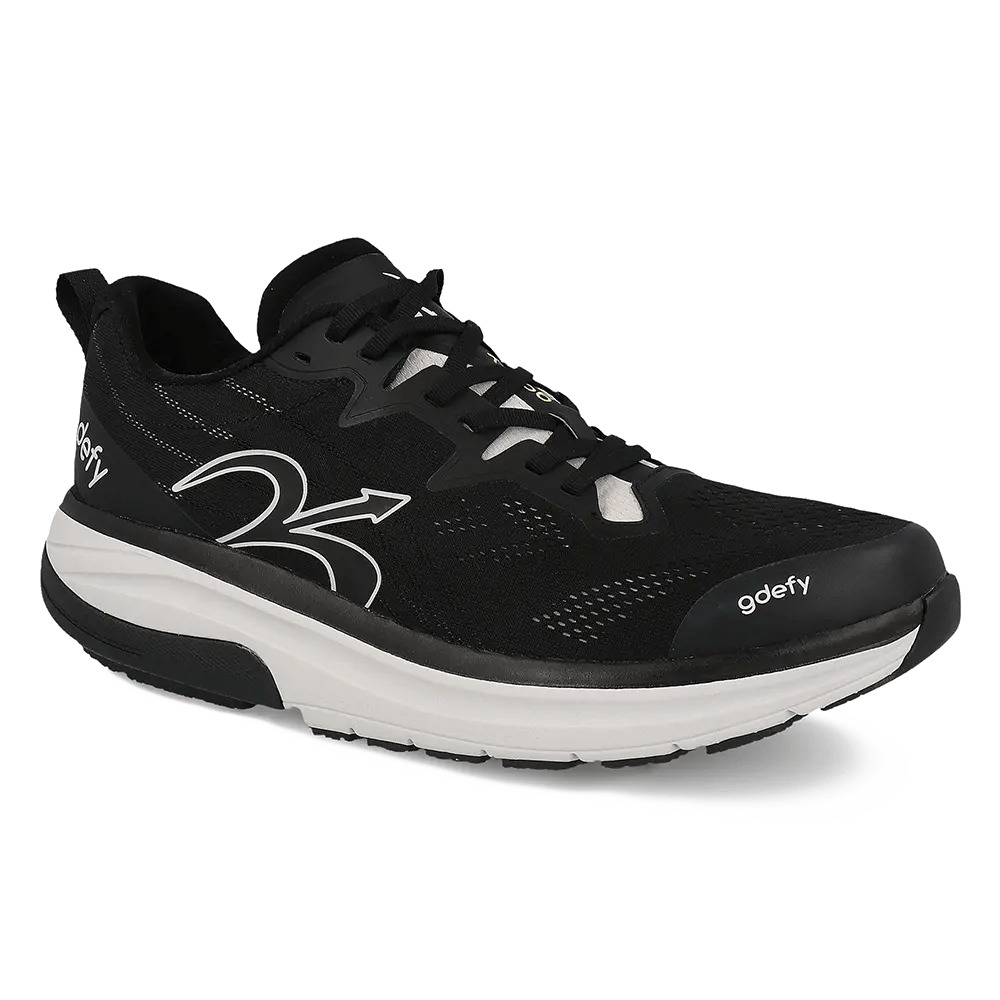
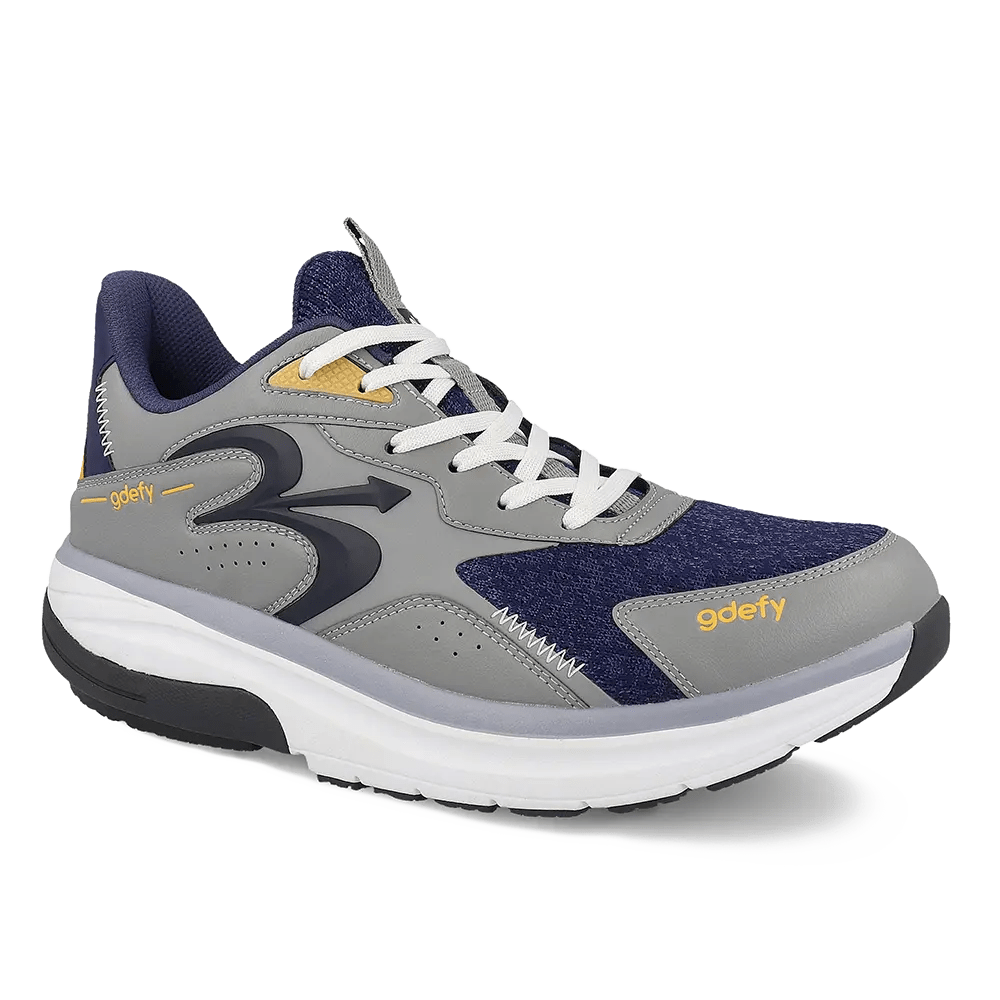
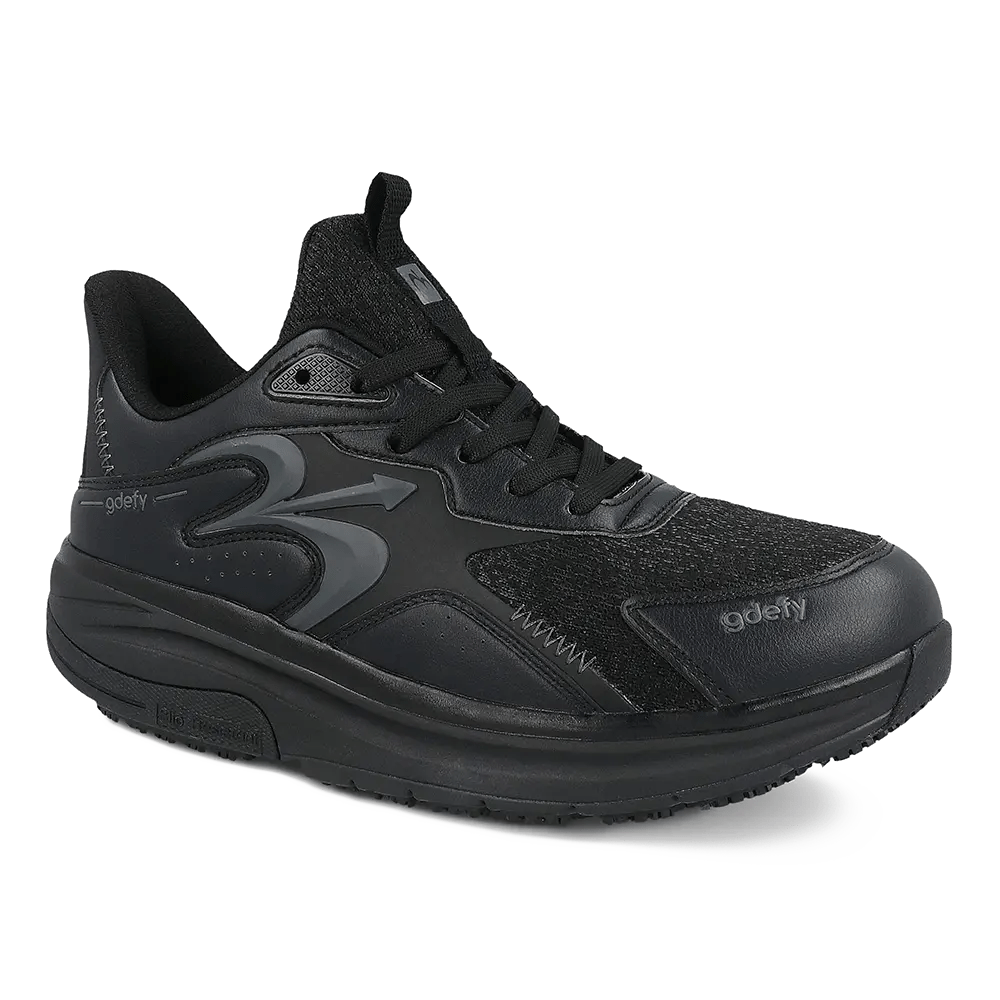
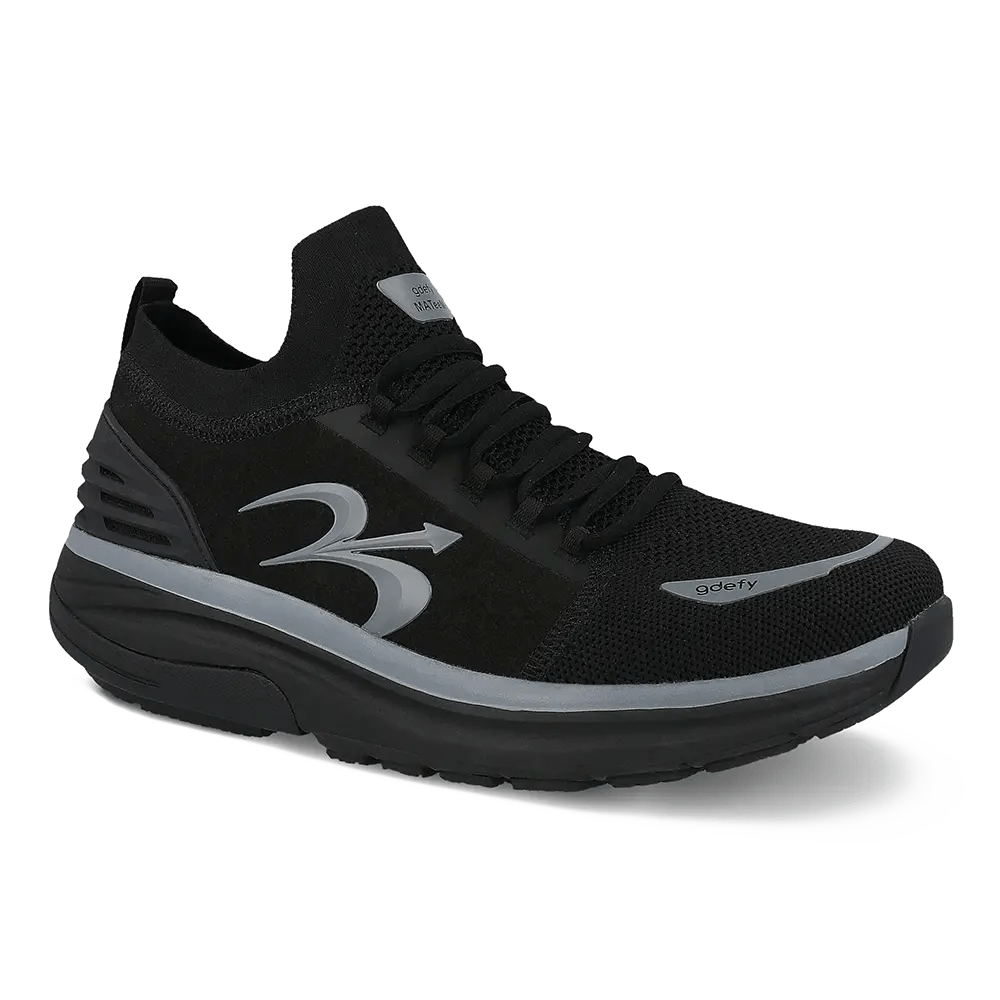
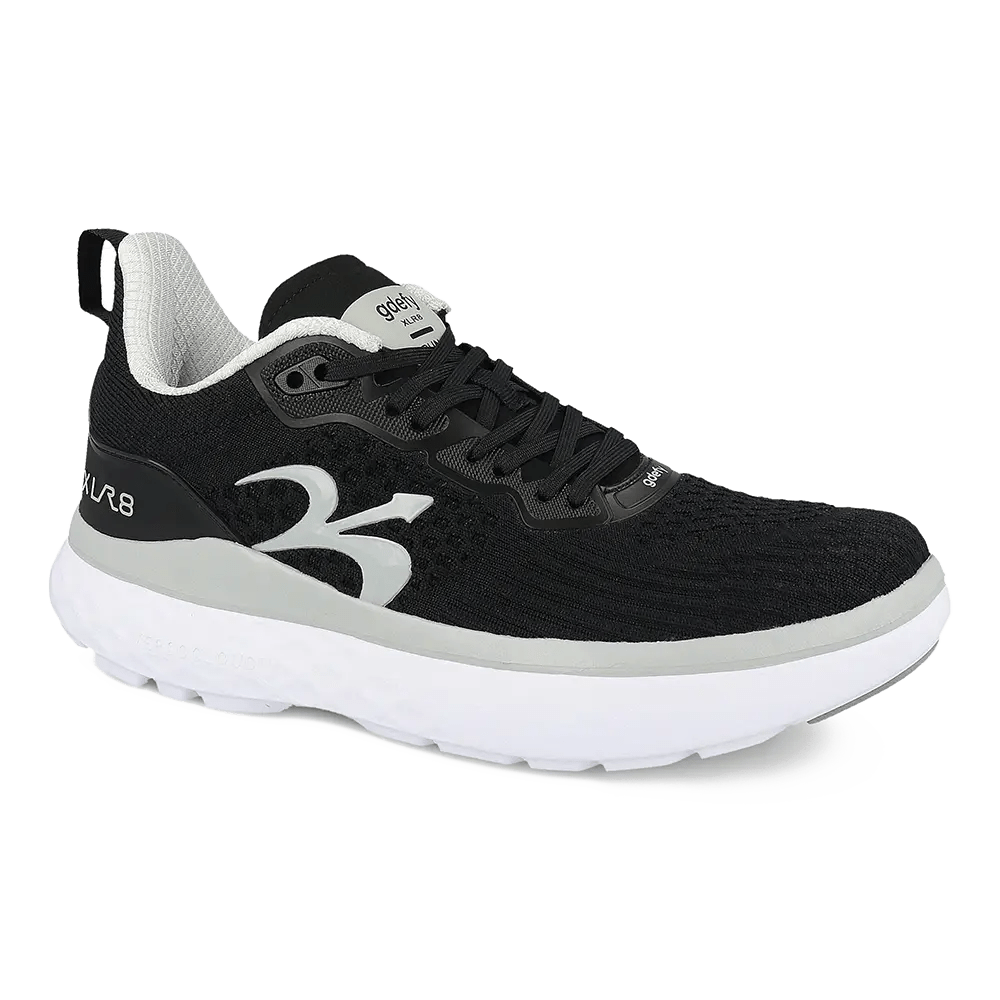
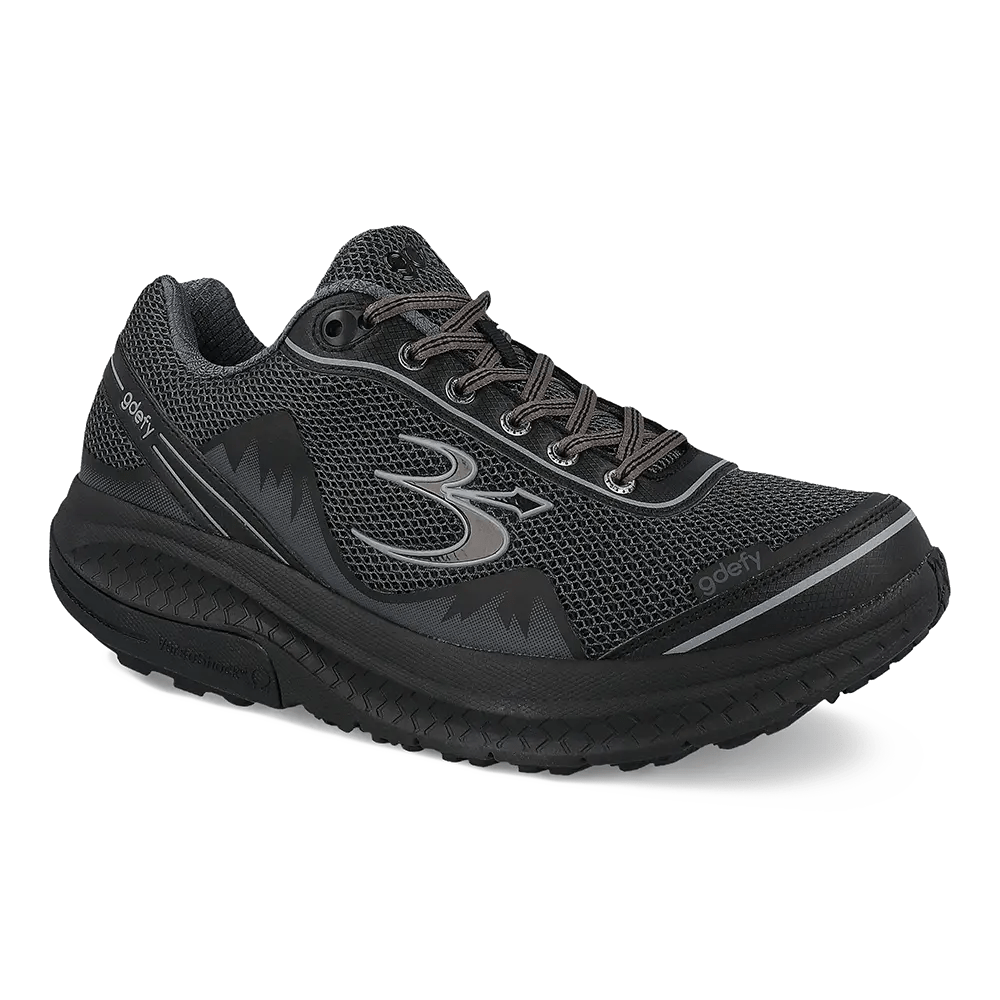
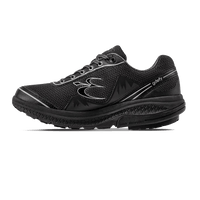
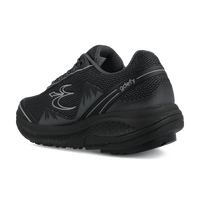
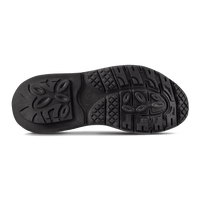
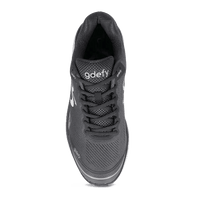
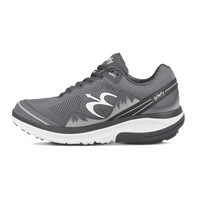
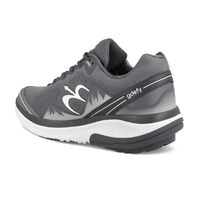
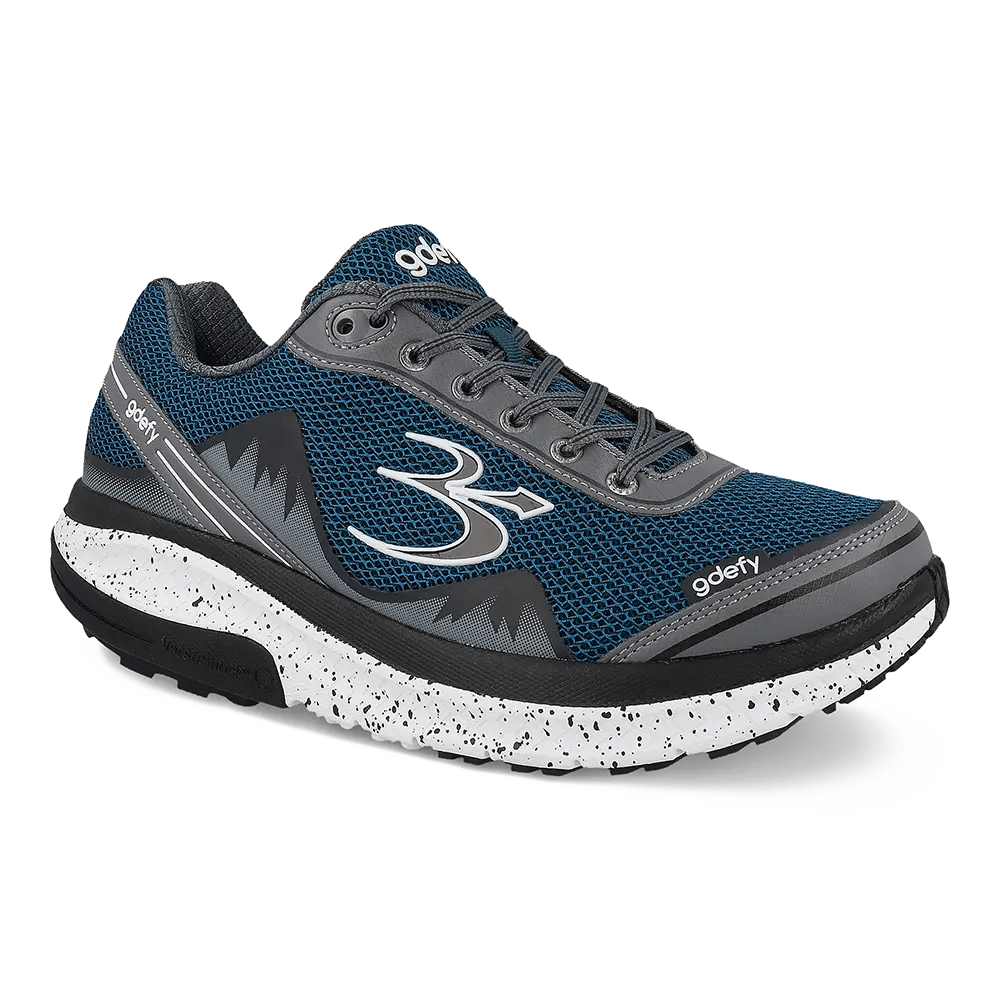
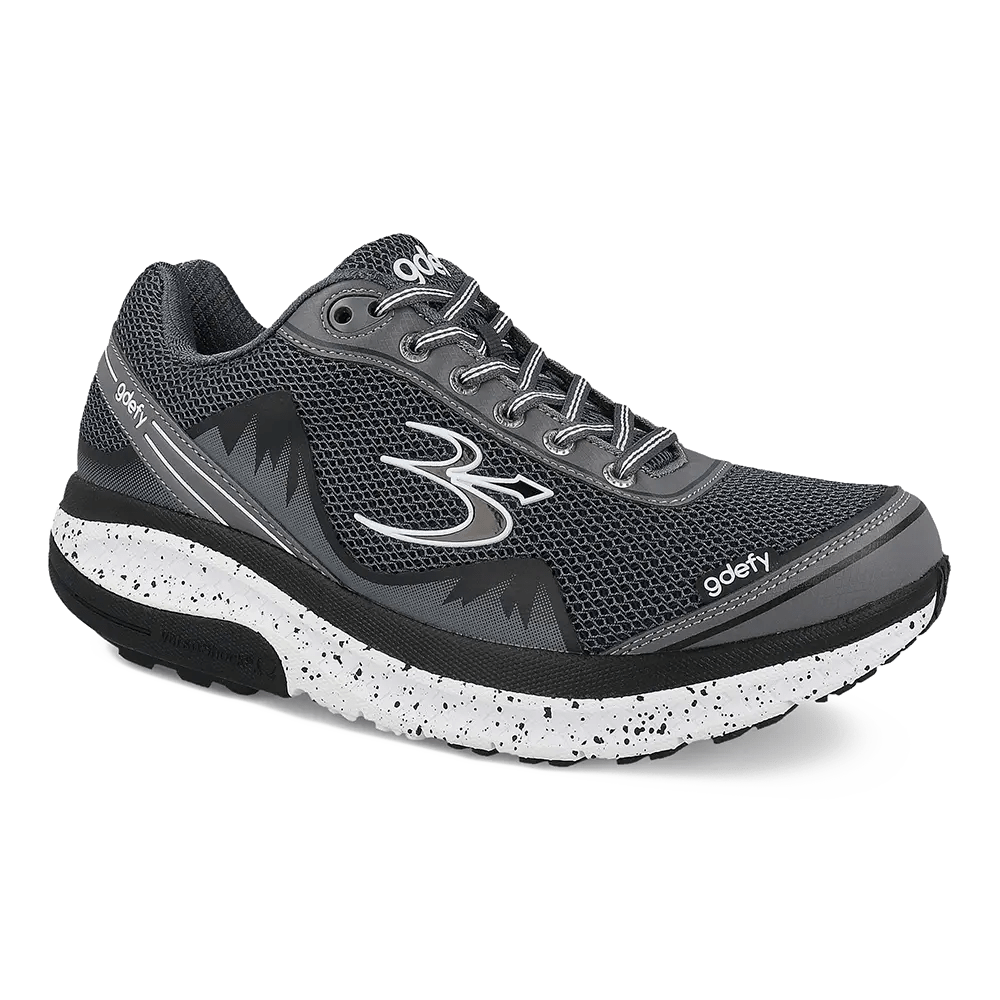
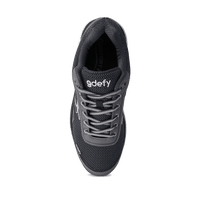
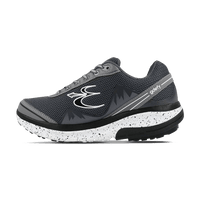
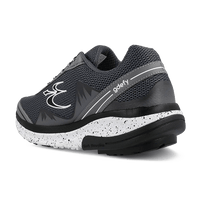
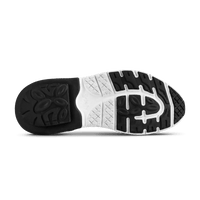
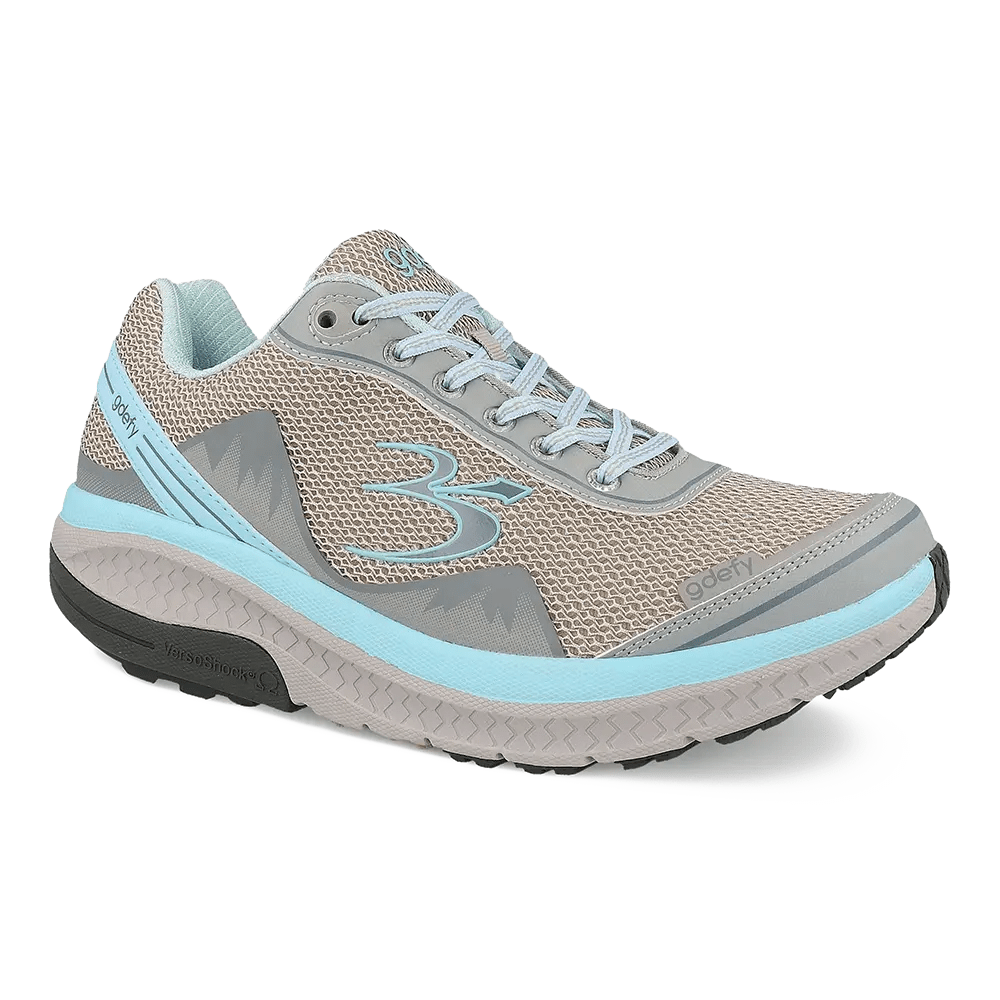
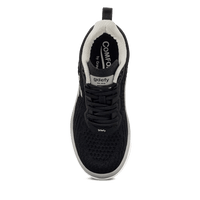
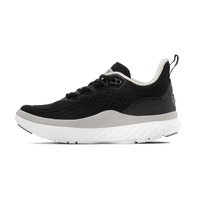
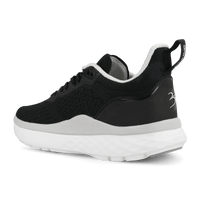
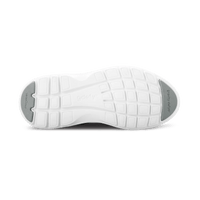
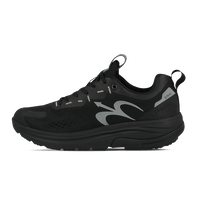
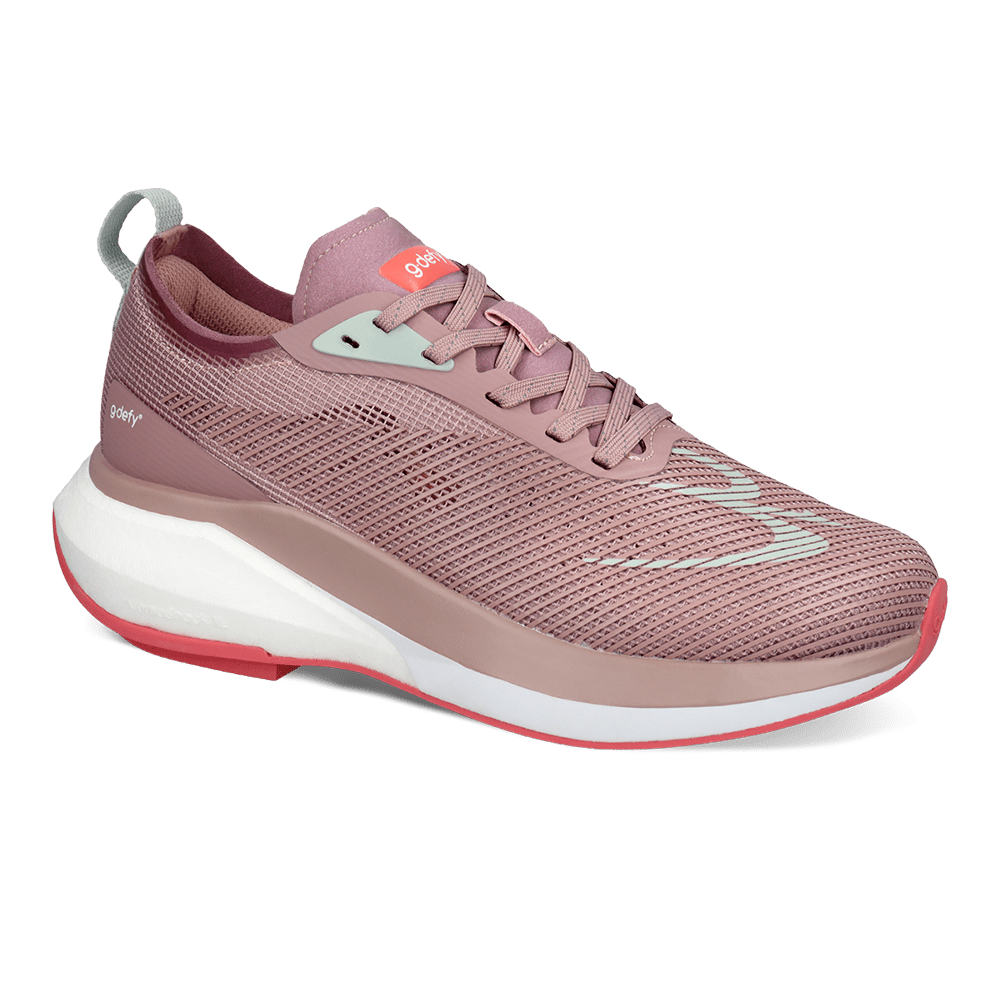
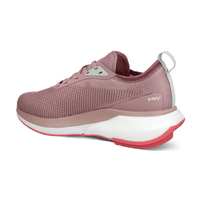
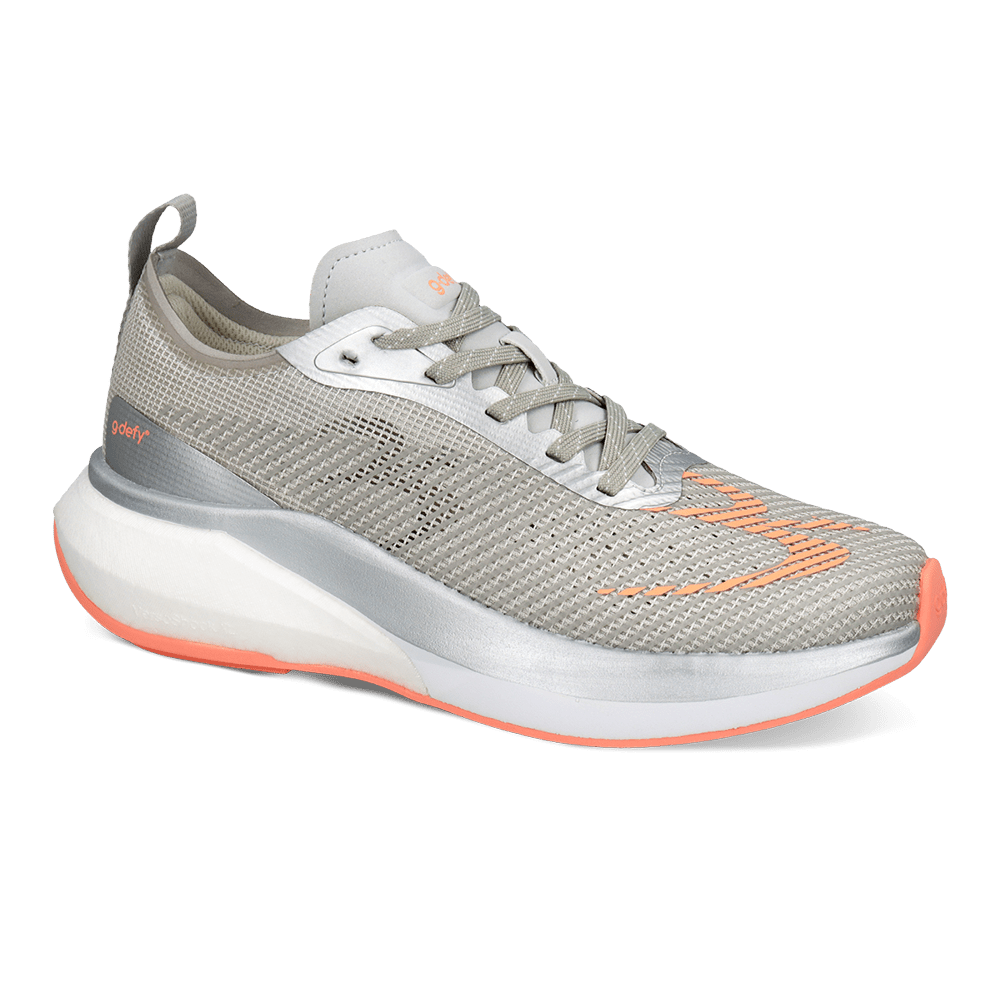
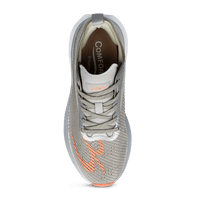
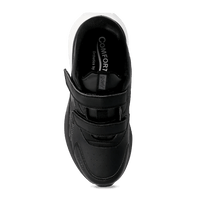
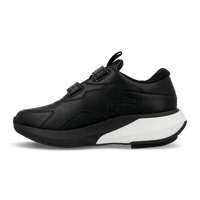
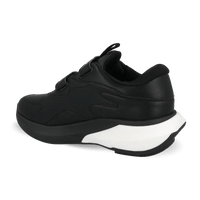
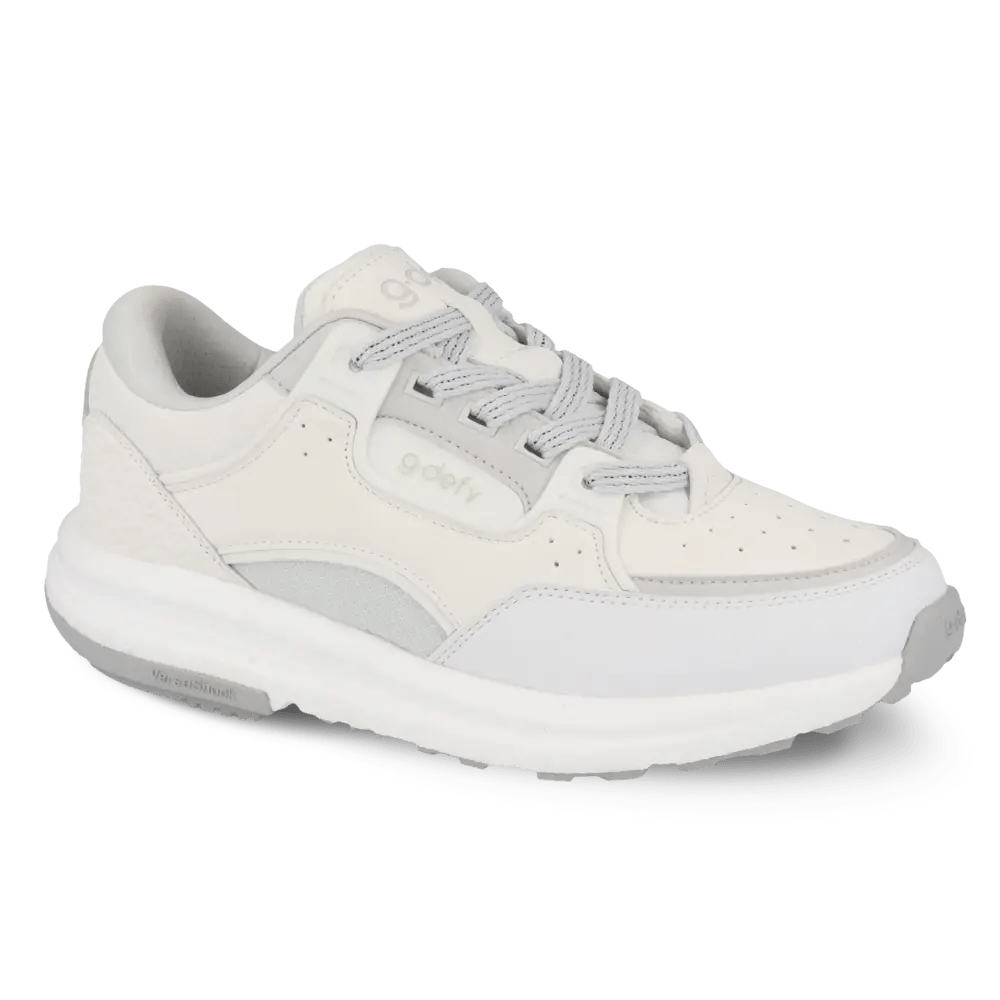
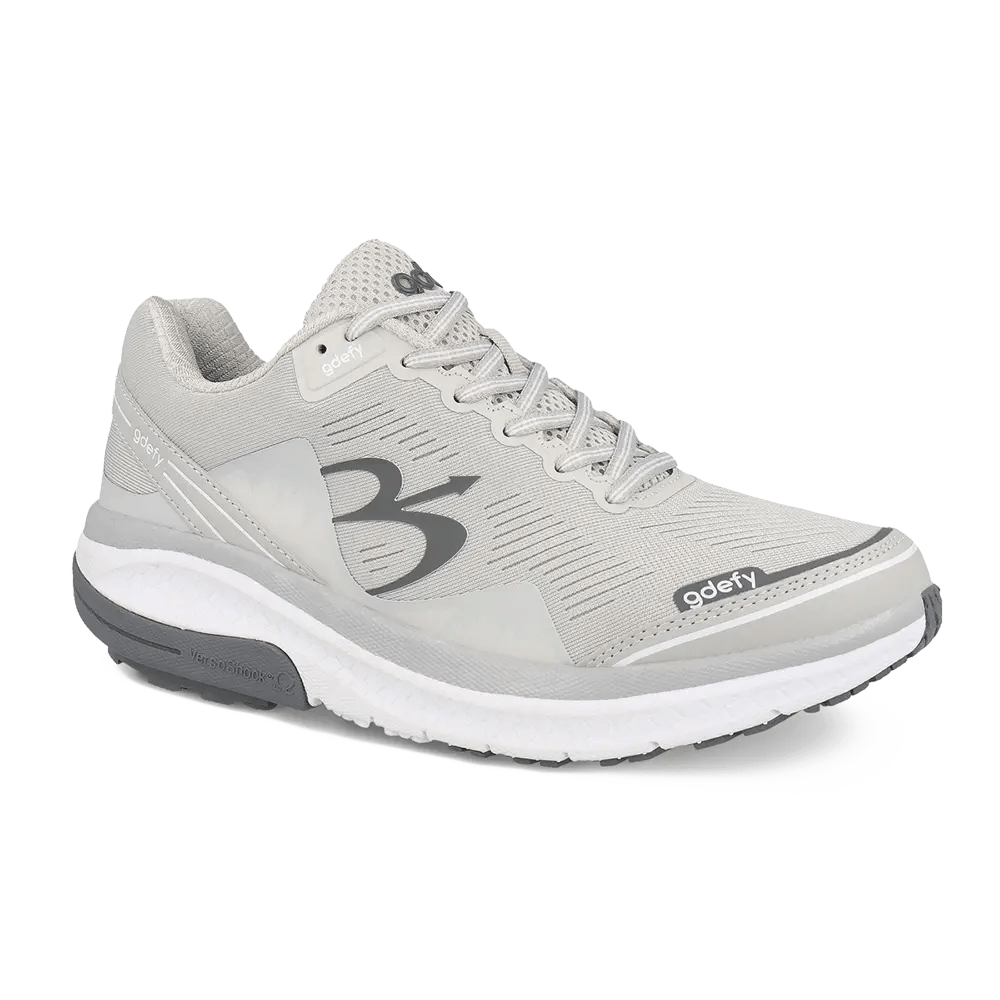
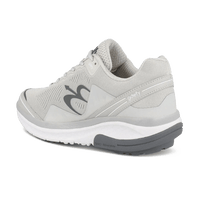
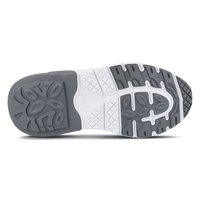
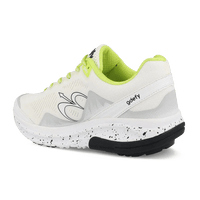
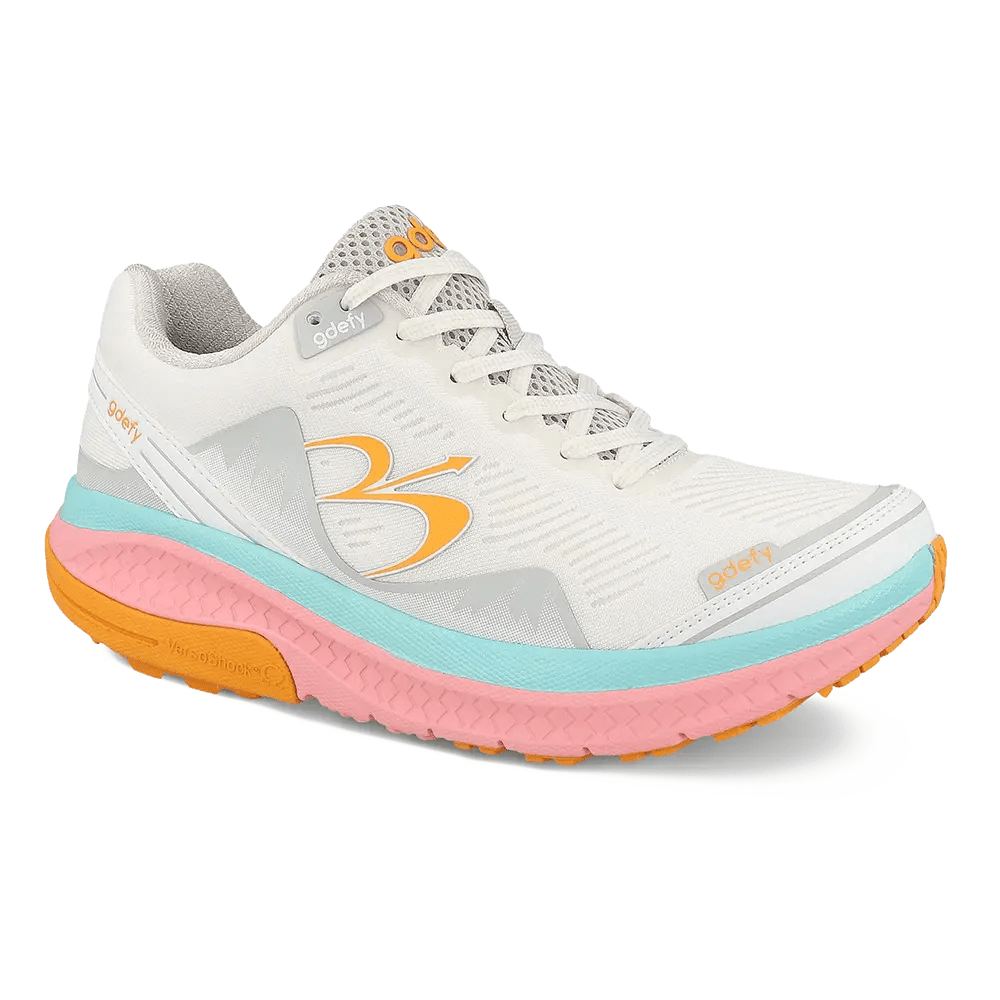
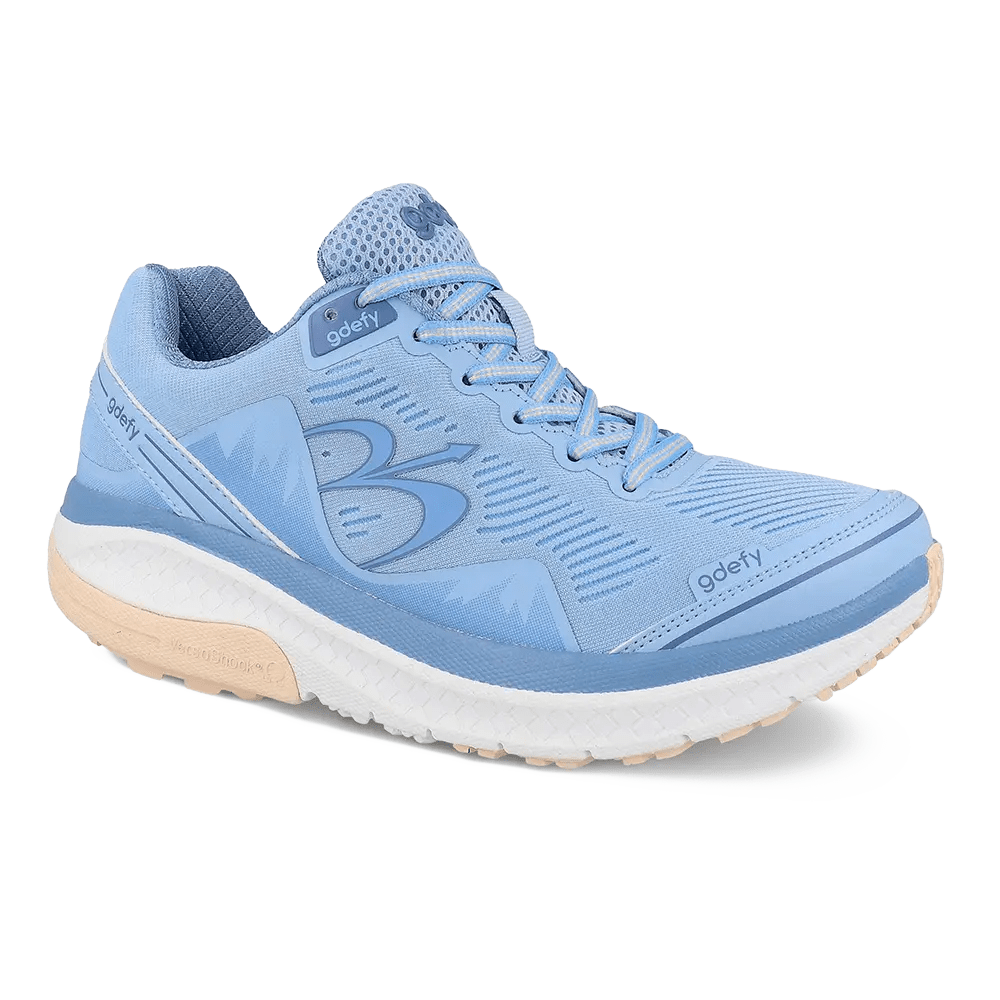
The Mighty Walk is built around all-day walking and standing. It pairs the full VersoShock® platform with a generous, supportive upper and a roomy toe box, which makes it a safe pick for anyone who spends long stretches on their feet and wants the cushioning-and-support balance leaning a little toward structure.
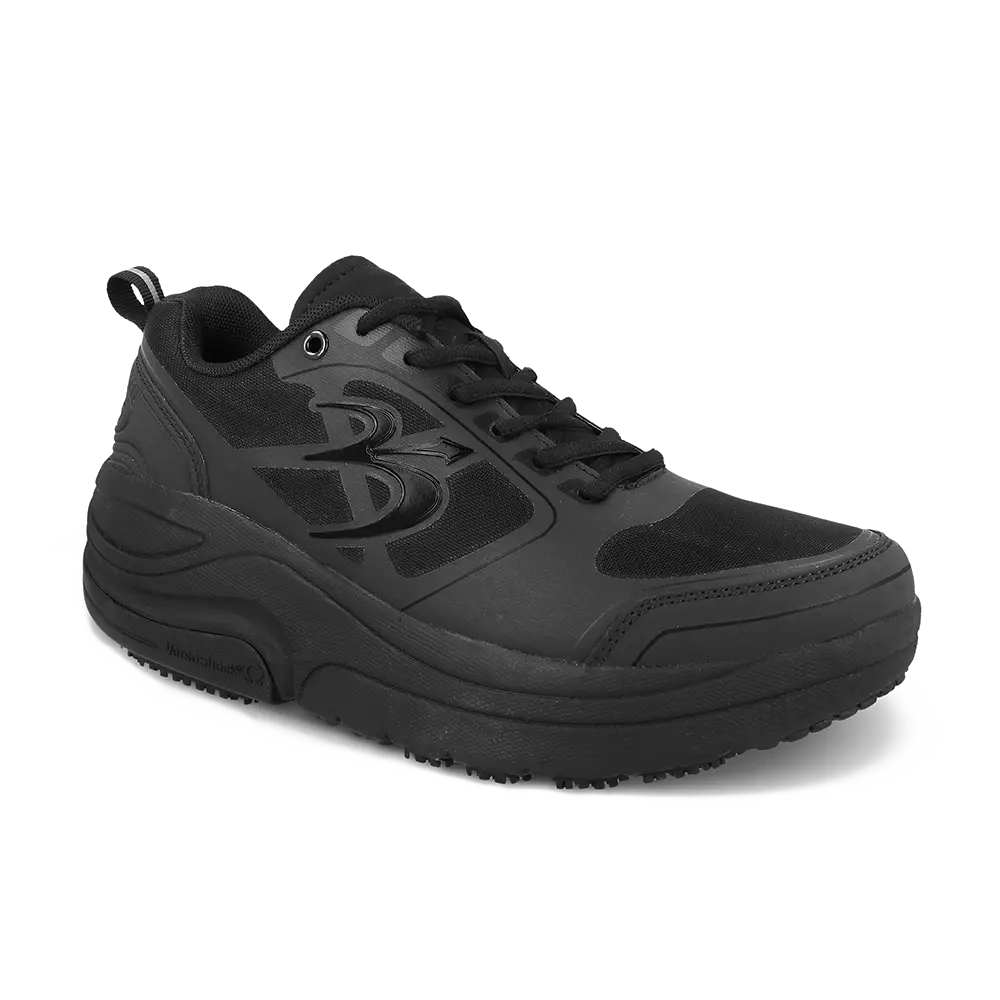
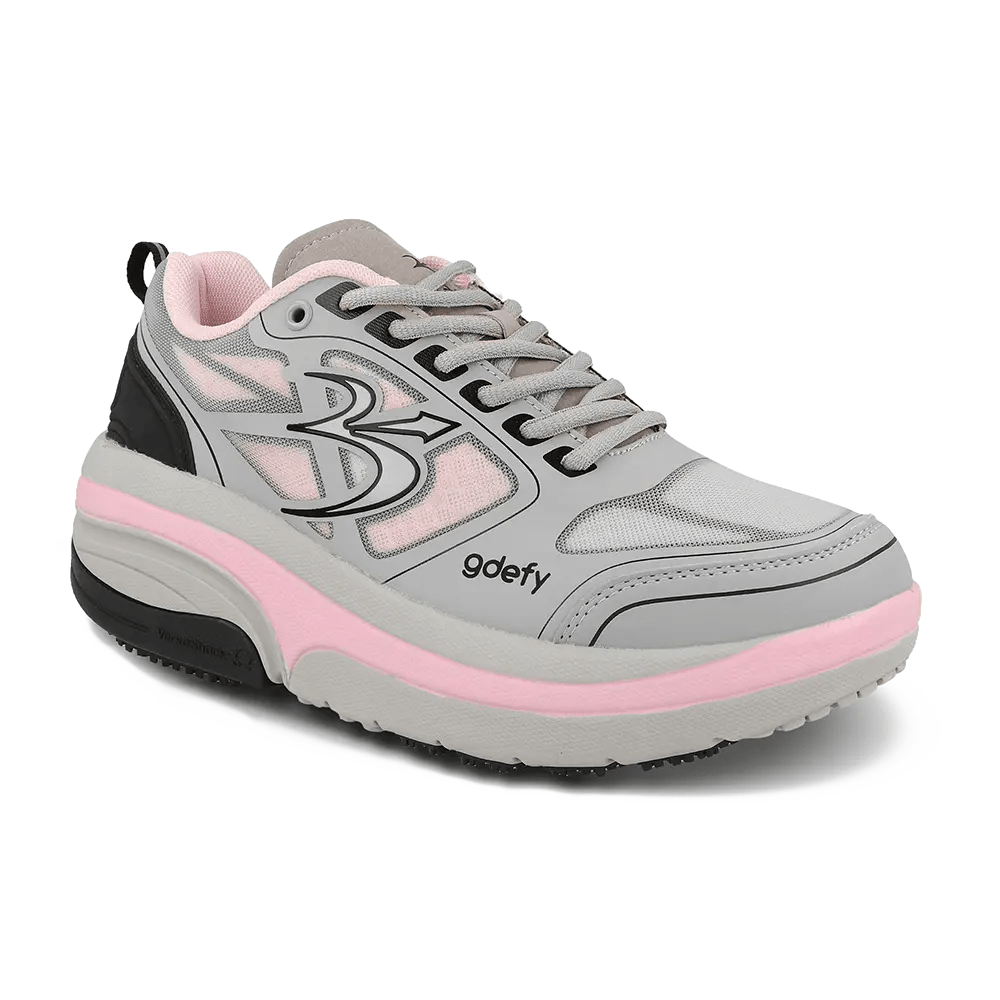
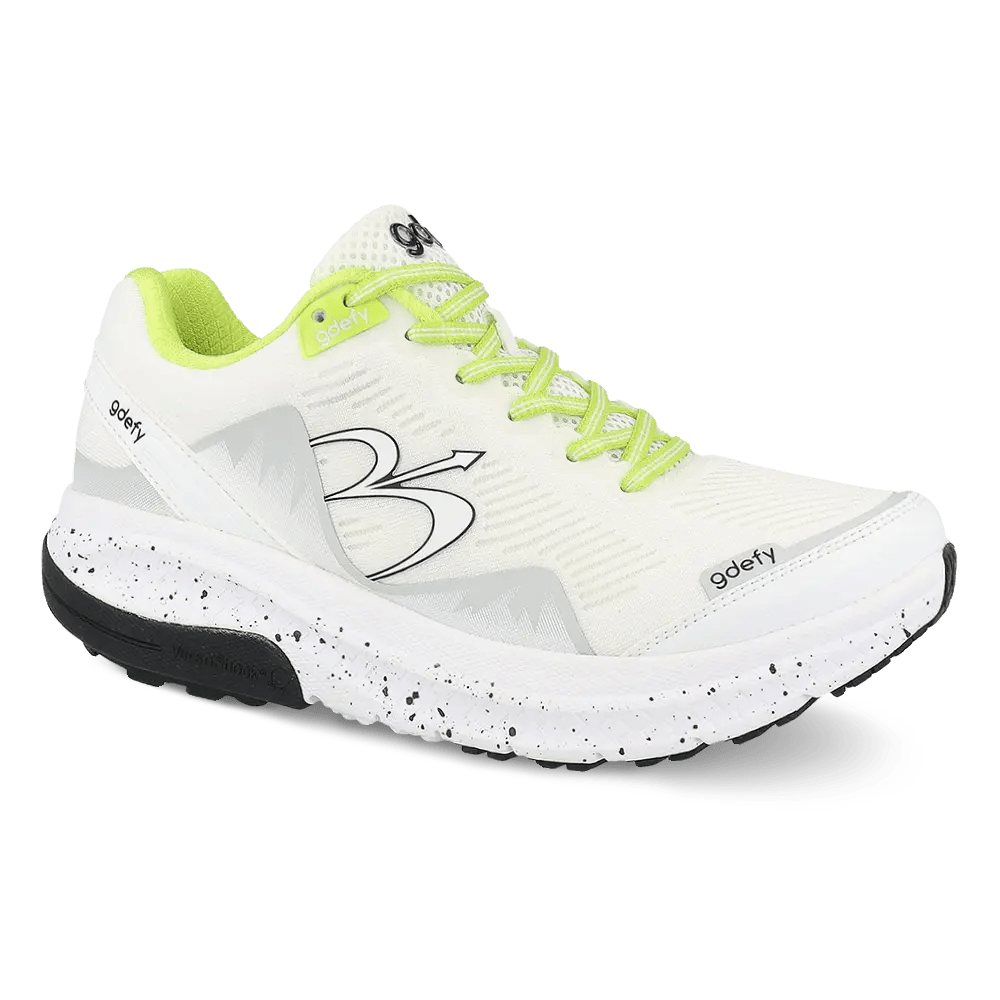
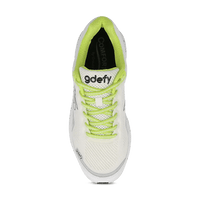
The Ion is built lighter, with the same four-pillar foundation in a more athletic, breathable upper. It is a good fit for active adults who want responsive cushioning without giving up the structural foundation.
Both shoes come with G-Defy's 60-day risk-free trial and free shipping and exchanges. If the balance is not right for your feet, you can swap or return — the trial is long enough to actually walk in the shoes and see how they feel at the end of a real day. Helps reduce pain from walking, running, and prolonged standing.
Try G-Defy with a 60-day risk-free trial
Walk in them for two full months. If the cushioning and support balance isn't right, send them back. Free shipping and exchanges.
Shop Mighty Walk Shop IonHow to Tell Which You Need More Of
Even with a balanced shoe, most wearers lean toward needing slightly more cushioning or slightly more support based on how they move. Three common patterns:

For Long-Hour Standers
If you spend most of your day standing — retail floor, classroom, hospital corridor, kitchen — you tend to benefit from a slight lean toward support. Standing puts steady, sustained load on the same parts of the foot for hours. A structured midsole and a firm heel counter give the foot something predictable to rest against, which is more useful than maximum softness when the impact load is low and the duration is long.
For Daily Walkers
If you spend most of your day walking — neighborhood loops, errands, dog walks, light hiking — you tend to benefit from a balanced lean. Walking is a cyclical impact, so cushioning matters. But each step also asks the foot to roll and push off cleanly, so structure matters too. A shoe that takes both jobs seriously is the right pick.
For People Returning to Activity
If you are coming back to walking or light running after a stretch off your feet, you tend to benefit from a lean toward shock absorption. Joints and soft tissue that have not been loaded recently are more sensitive to impact, so a shoe with strong cushioning gives the body more margin to adapt. Structure still matters — but the cushioning lean is the protective one in the first few weeks.
Practical Tips for Choosing Cushioning + Support
A few habits that make the cushioning-vs-support decision easier:
- Walk in the shoes for at least ten minutes before deciding. The first-step feel is dominated by the foam's softness. The all-day feel is dominated by structure. You cannot read the second one in two steps.
- Pay attention to the heel counter. Squeeze the back of the shoe with your fingers. A counter that collapses easily will not hold the heel in place. A firm counter is one of the cheapest, most reliable signals of real support.
- Look at the midfoot. A shoe that twists easily down the middle is missing the shank that helps the foot stay aligned. A shoe that resists the twist has structural support built in.
- Check the footbed. A flat, soft insole adds cushioning but little support. A contoured insole — or a removable orthotic system, like G-Defy's — adds both.
- Replace shoes when the structure goes. Most people swap shoes when the upper looks worn, but the midsole foam compresses long before the upper fails. If a once-supportive shoe now feels mushy, the foam has packed down and the support is gone — even if the shoe looks fine on the outside.
- Don't shop after a long day. Feet swell over the course of a day, which changes both the fit and the way cushioning feels. Mid-afternoon is a better test than first thing in the morning.
For a deeper look at the role of removable insoles, our guide on orthotic insoles vs built-in shoe support walks through when each makes sense. For the mechanical side of why impact matters, our piece on how your feet affect your entire body explains the kinetic chain in plain language.
Frequently Asked Questions
Is cushioning or support more important for walking shoes?
Both matter, and the right balance depends on how you spend your day. Walkers who cover real distance benefit from cushioning that absorbs each heel strike, but they also need structural support to keep the foot tracking efficiently. A shoe that does only one of the two jobs will leave you tired faster than a shoe that does both.
Are soft shoes always more comfortable than firm shoes?
No. A very soft shoe can feel pleasant in the first few minutes and tiring by the second hour, because the foot ends up working harder to stay balanced on the squishy platform. A firmer, more structured shoe often feels more comfortable across a full day, even if it is less plush at first step. Helps reduce pain from walking, running, and prolonged standing.
How can I tell if a shoe has real support and not just padding?
Three quick tests. Press your fingers into the back of the heel — a firm heel counter signals support. Try to twist the shoe along its length — a shoe that resists twisting has structural integrity through the midfoot. Look at the insole — a flat, generic insole offers little support, while a contoured or removable insole system signals real engineering for structure.
How does VersoShock® technology balance cushioning and support?
VersoShock® is built on four pillars — shock absorption, energy return, structural stability, and foot alignment — that are engineered to work as a single system. The shock absorption sits above a stable, structural platform, so the cushioning never comes at the cost of stability. The footbed and rocker geometry guide a clean stride, so support never gets in the way of a smooth feel.
Should I replace my shoes when the cushioning fades, even if they still look good?
Yes. Midsole foam compresses long before the upper looks worn. If a shoe that used to feel supportive now feels soft and unstable, the foam has packed down and the structural integrity is gone. Most active wearers replace walking shoes every six to twelve months depending on use, not appearance.
Do I need a different shoe for different activities?
Often, yes. A shoe tuned for long-hour standing is not the same as one tuned for brisk walking or light running. Some wearers keep one pair for work and one pair for activity. Others find a balanced shoe — one that combines cushioning and support well — that covers most of their day-to-day needs. The G-Defy men's collection and women's collection include styles tuned for different activity profiles built on the same four-pillar foundation.
The Takeaway
Cushioning and support are two different jobs. Cushioning manages impact. Support manages structure. The most comfortable shoes — the ones that still feel good at hour eight — do both jobs well, not just one. Soft is not the same as supportive. Firm is not the opposite of comfortable. The two features should be designed together, with cushioning sitting on top of a stable platform rather than instead of it.
G-Defy's VersoShock® technology is built on that principle, with four pillars — shock absorption, energy return, structural stability, and foot alignment — engineered as a single system. Paired with the dual ComfortFit® and CorrectiveFit® orthotic system, every wearer can fine-tune the cushioning-vs-support balance to match their own feet.
If you have been frustrated by shoes that feel soft in the store and tiring on the trail, the answer is not more padding. It is better engineering. While footwear is not a medical solution, choosing shoes designed for comfort, support, and shock absorption can make a meaningful difference in how you feel throughout the day.
For persistent foot, knee, or back discomfort, consult your healthcare provider for individualized guidance.
Shop G-Defy for cushioning and support, designed together
Backed by a 60-day risk-free trial, free shipping, and free exchanges.
Shop Men's Shop Women's