
May 24, 2026
Foot Pain at Different Life Stages: 30s, 40s, 50s, 60s+
By Gdefy

Summary
Most people are surprised when their feet start sending different signals than they used to. The mid-week ache that wasn't there last year. The morning stiffness that lingers a little longer. The afternoon fatigue after a day on your feet that used to feel routine.
Foot discomfort changes as you move through life because your feet themselves change. Tissue elasticity shifts. Cushioning structures wear in different ways. Daily mileage adds up. While footwear is not a medical solution, the right design can play a meaningful role in how comfortable and supported your feet feel at every life stage.
This guide walks through what tends to change in your 30s, 40s, 50s, and 60s — and what to look for in shoes designed for comfort and support across the years.

Why Foot Pain Patterns Shift With Age
Your feet carry your body weight through every step of every day. Over decades, that's a remarkable amount of work. Soft-tissue elasticity, foot pad cushioning, and connective-tissue resilience naturally change with time. So do daily habits — careers, hobbies, parenting, caregiving, and the cumulative miles all leave their mark.
Three general patterns tend to show up:
- Tissue and pad changes — the natural fat pad under the heel and ball of the foot can thin gradually, reducing built-in cushioning.
- Activity-load changes — the way you stand, walk, and exercise shifts across decades, often loading the feet differently.
- Habit changes — shoes that worked at 28 may not feel the same at 48, and many people don't pause to reassess. (For more on how foot mechanics ripple through the body, see our guide to how your feet affect your entire body.)
None of these are medical diagnoses. They're simply common life-stage observations. The good news is that shoe design has come a long way, and choosing footwear engineered for comfort, support, and shock absorption can make daily walking feel meaningfully different.
Foot Pain in Your 30s: Early Signs and What to Watch For
In your 30s, foot discomfort often shows up as a quiet background signal. The first long workday in unsupportive shoes that leaves the arches aching. A weekend hike that turns into next-day stiffness. The realization that the casual shoes from college aren't holding up the way they used to.
Common themes at this stage:
- Career-driven standing — retail, hospitality, healthcare, teaching, and trades all stack up hours on the feet.
- Higher-impact activity — running, fitness classes, and recreational sports load the heel and forefoot.
- First serious shoe purchase decisions — many adults in their 30s start replacing fashion-first footwear with comfort-driven options for the first time.
What helps in your 30s is footwear with real cushioning, shock absorption, and a stable platform — features that prevent small daily strains from compounding into bigger ones over time.
Foot Pain in Your 40s: When Daily Habits Catch Up
By the 40s, many people notice their feet talking back more often. Morning stiffness after a heavy day. Tightness in the arches after long drives. Tenderness in the heel after a weekend on hard floors.
This is often the decade when small daily habits — the unsupportive flats, the worn-out sneakers, the all-day standing without rotation — start producing more noticeable feedback. It's also the decade when family responsibilities, longer career hours, and shifting fitness patterns can change foot loading. (If you've noticed daily comfort shifting alongside weight changes, our piece on body weight and foot pain covers what to look for in supportive shoes.)
Common themes:
- Cumulative load — years of standing, walking, and pounding add up. Cushioning and shock absorption matter more.
- Tightness in the arch and heel — the connective tissue running along the bottom of the foot often feels less forgiving.
- Recovery feels different — what bounced back in a night now takes a day or two.
Footwear designed with cushioning, arch support, a stable midfoot, and impact-absorbing midsoles can support more comfortable daily wear at this stage. Pair that with rotating between two pairs of shoes during the week so each pair has time to decompress, and many people notice a real difference.

Foot Pain in Your 50s: Structural Changes and New Sensations
The 50s often bring new kinds of foot sensations. Tenderness across the forefoot from less natural cushioning under the ball of the foot. Arches that feel like they need more help than they used to. Heels that feel sharper against thin-soled shoes.
This is also the decade when many people start prioritizing daily comfort more deliberately — choosing supportive shoes for travel, walking workouts, gardening, and grandparenting alongside everyday wear.
Common themes:
- Fat pad changes under heel and forefoot — the natural padding under high-pressure points can thin, making cushioning in shoes more important.
- Arch fatigue — arches that held up fine in low-support shoes for years may now feel tired by mid-afternoon. (If you're weighing whether to add insoles or rely on the shoe itself, see orthotic insoles vs. built-in shoe support.)
- More time on feet outside of work — travel, walking-based hobbies, and active grandparenting all add daily miles.
Look for shoes with generous cushioning, a structured midfoot that supports the arch, and shock absorption that reduces the harshness of each step against hard surfaces.
Foot Pain in Your 60s and Beyond: Cushioning Loss and Sensitivity
Active adults in their 60s and beyond often notice that the surfaces they walk on matter more than they used to. Tile floors feel harder. Concrete sidewalks feel less forgiving. Long walks need shoes that handle the impact instead of letting feet absorb it.
This isn't a story about slowing down — many active adults in their 60s, 70s, and 80s are walking, traveling, and staying on their feet more than ever. What changes is the demand on footwear. Shoes that cushion, support, and stabilize the foot during movement become not just nice to have, but a meaningful part of staying comfortable through the day.
Common themes:
- Sensitivity to hard surfaces — what felt fine on a thinner sole at 30 often feels harsh at 65.
- Balance and stability priorities — a stable platform under the foot supports a confident, controlled stride.
- Volume and width preferences — feet can change shape with time; proper fit, including width options, matters more than ever.
Footwear engineered with deep cushioning, a stabilizer for structural support, and a smooth rolling motion can support a more comfortable walking experience at this stage and beyond.
What to Look for in Shoes at Every Life Stage
Across all decades, the same core shoe features support comfort. The emphasis shifts, but the underlying principles are consistent.
- Cushioning — helps absorb impact with each step. More valuable as natural foot padding changes.
- Shock absorption — reduces the harsh force of walking, running, and standing on hard surfaces.
- Arch support — maintains a stable platform under the foot, especially helpful as arches change.
- Energy return — supports a more efficient stride and reduces the feeling of "dead" shoes.
- A stabilizer — provides structural support through the midfoot, encouraging a controlled and balanced step.
- Proper fit — including width and toe-box room. Feet can change shape with time, so don't assume your size from 20 years ago is still right.
- A smooth heel-to-toe transition — encourages natural forward motion instead of fighting the shoe.
If a pair of shoes checks most of these boxes, it's likely to feel meaningfully better than a generic foam sole — and the difference grows the more time you spend on your feet.
How G-Defy Shoes Support Comfort Across the Years
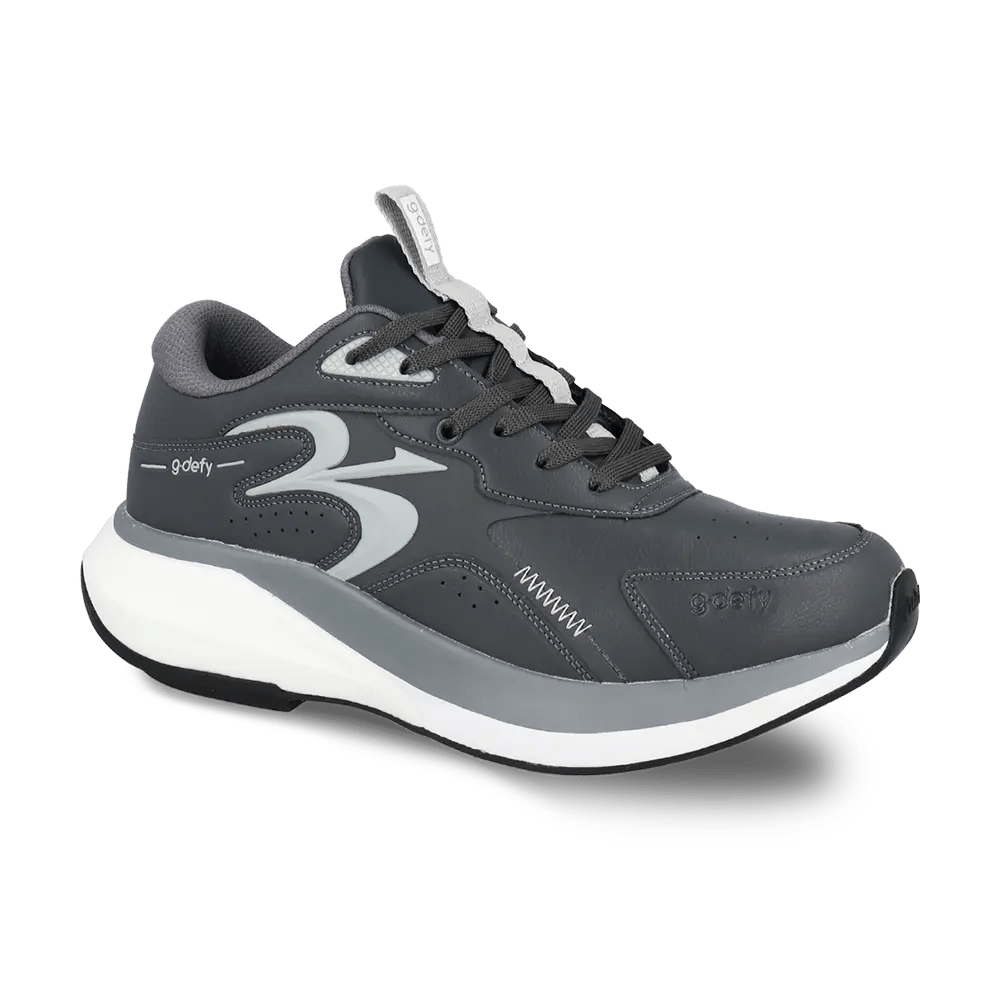
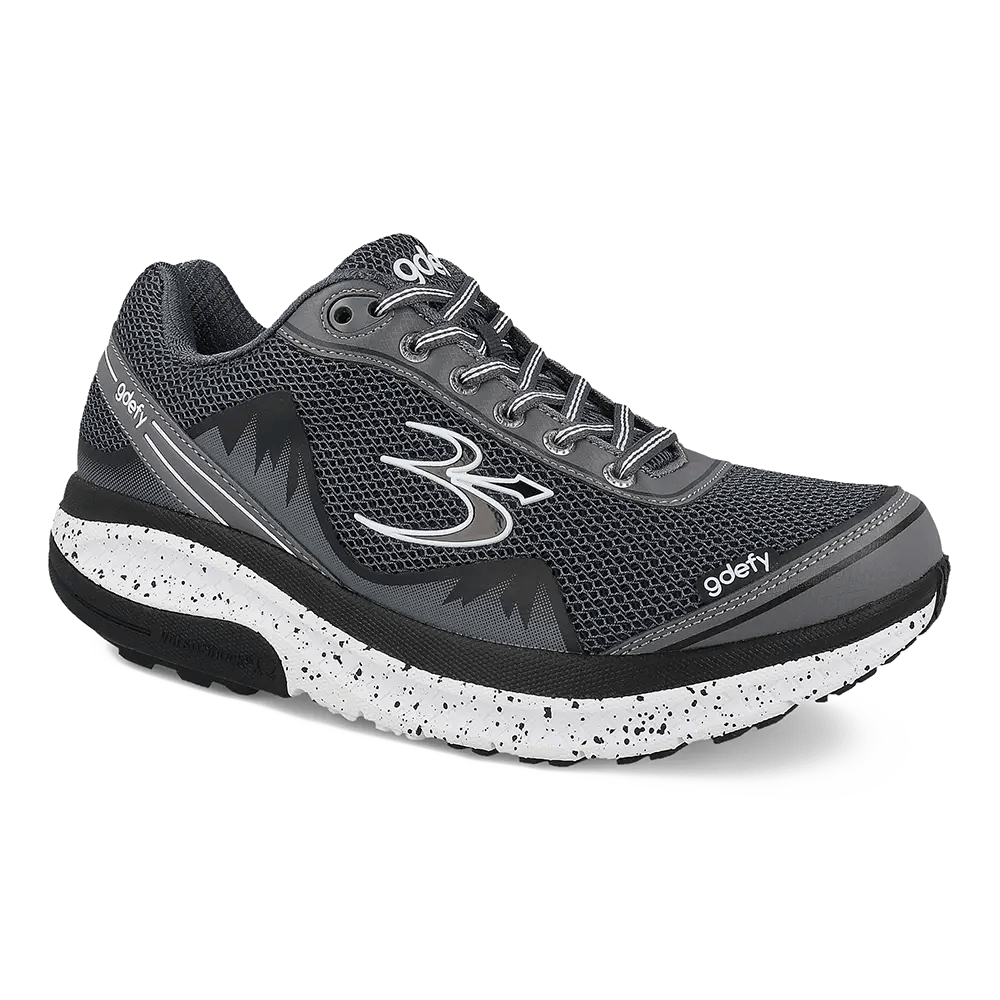
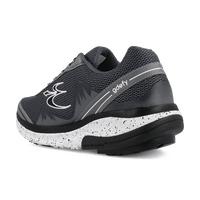
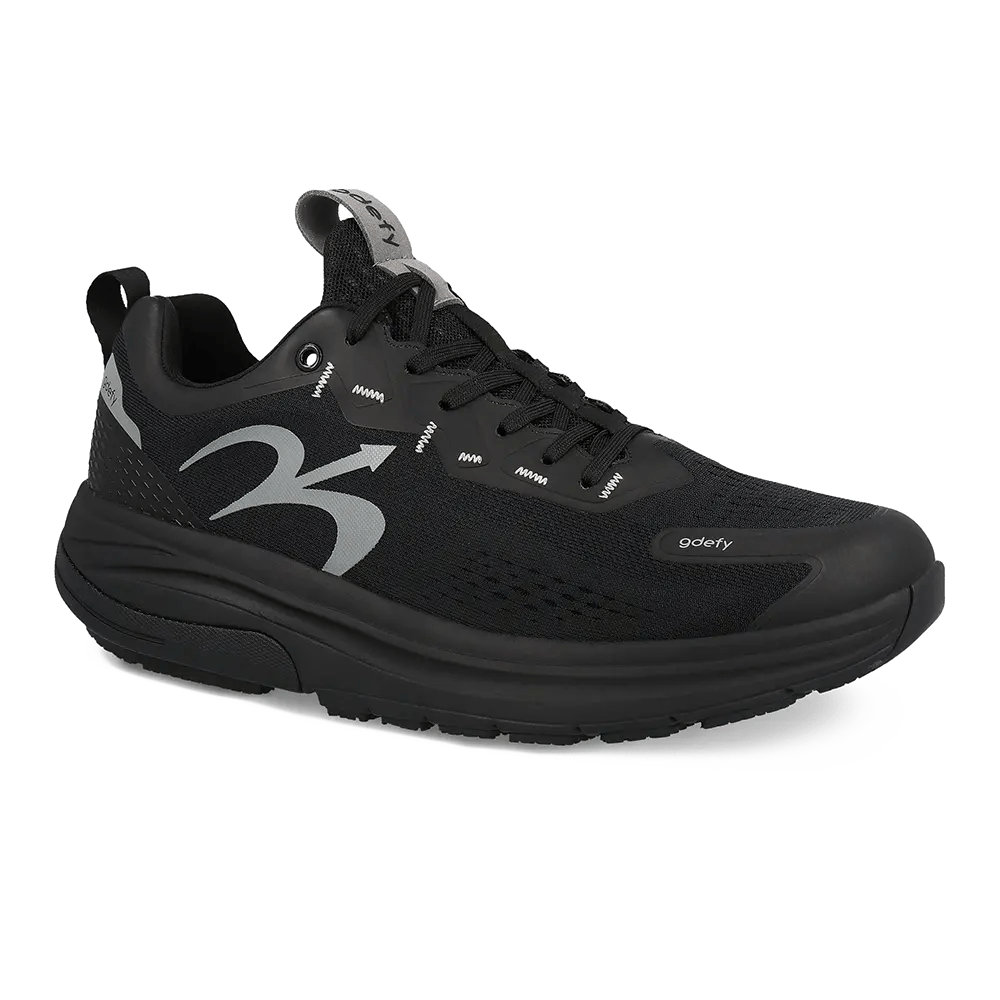
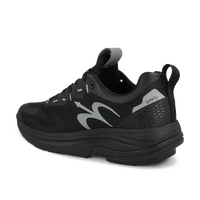
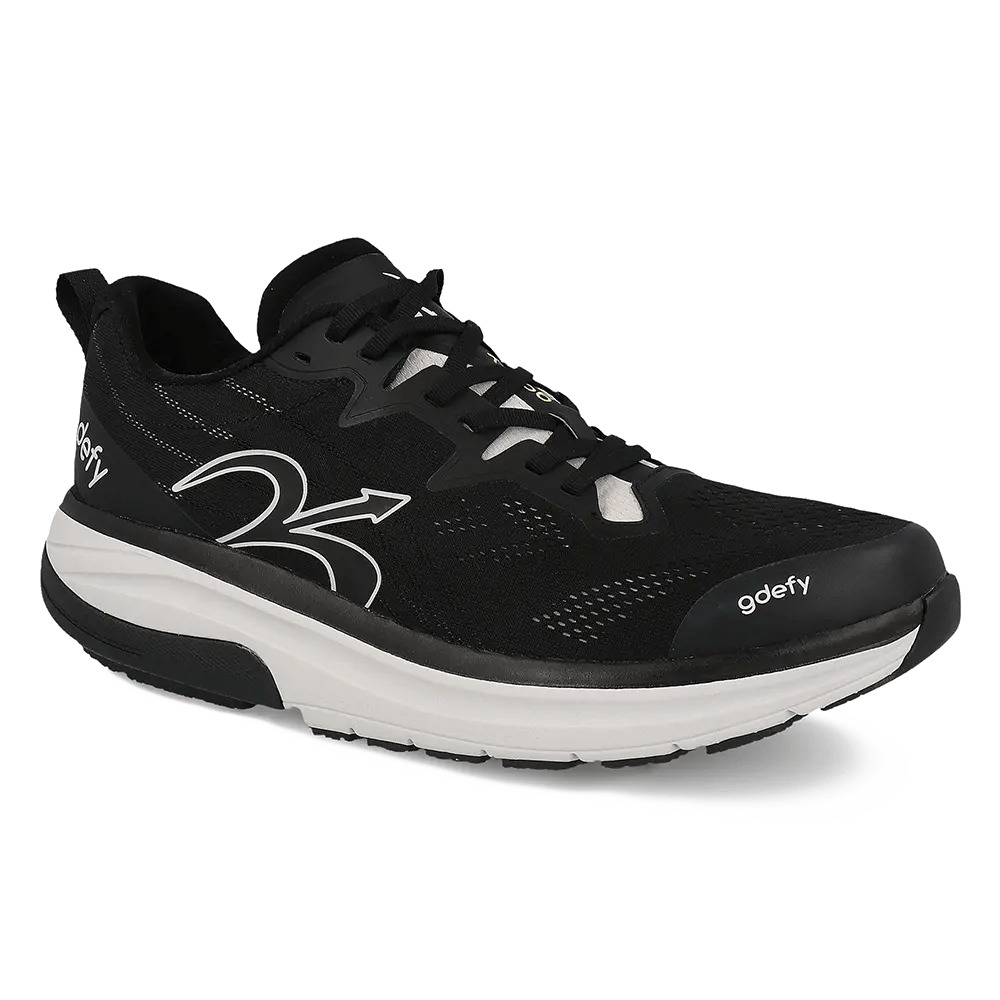
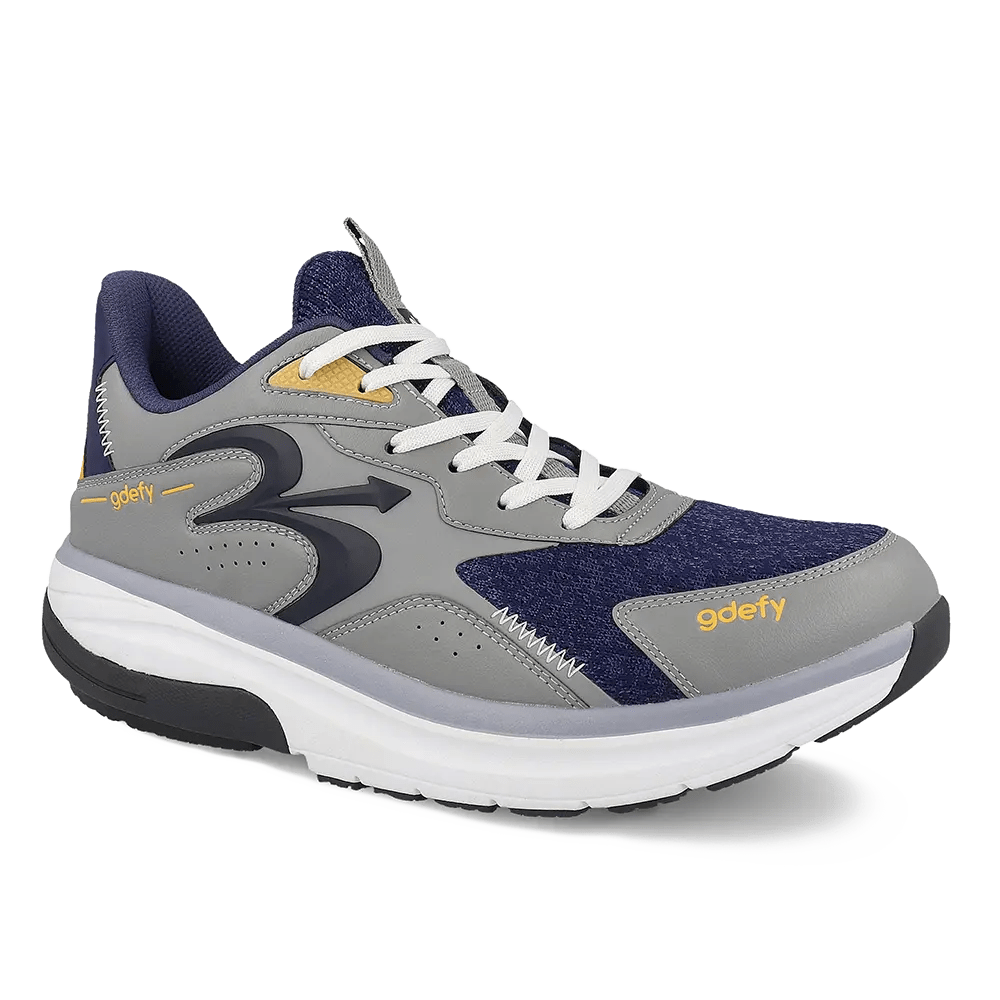
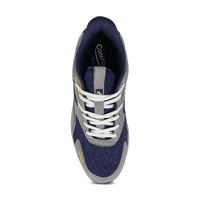
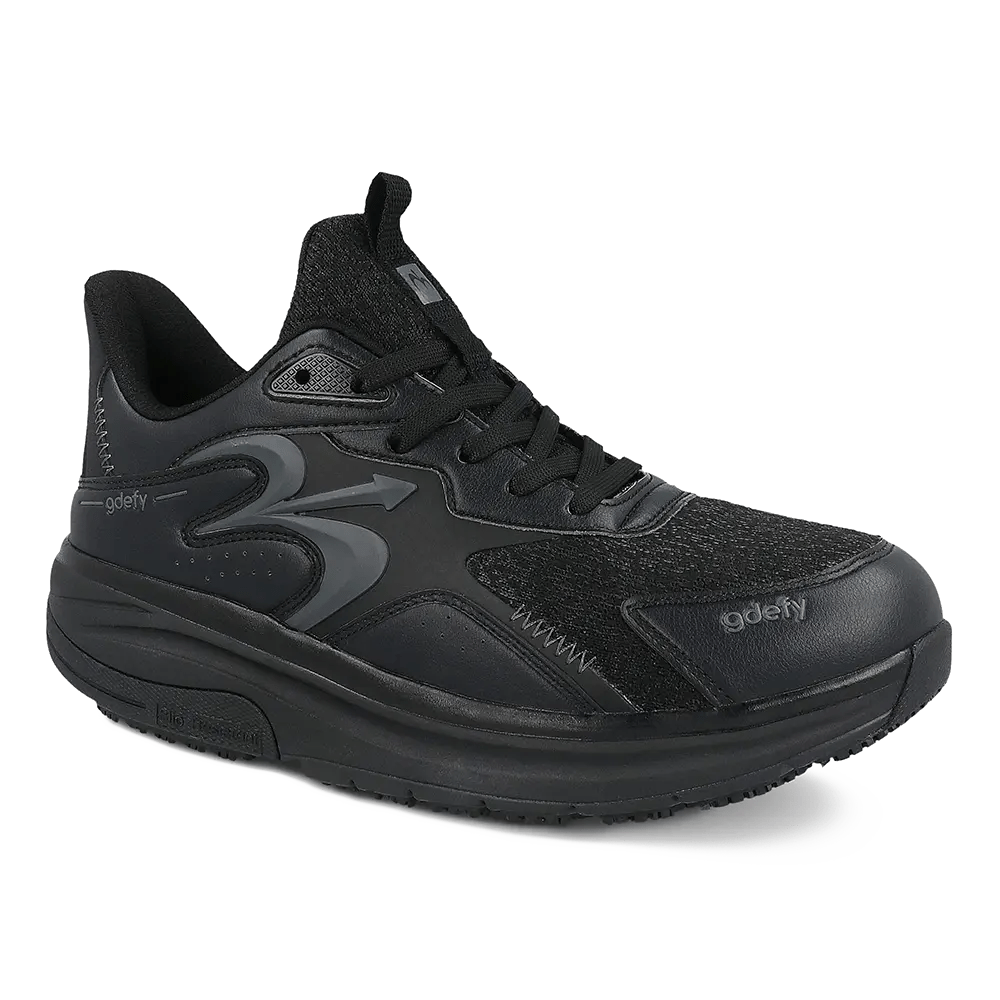
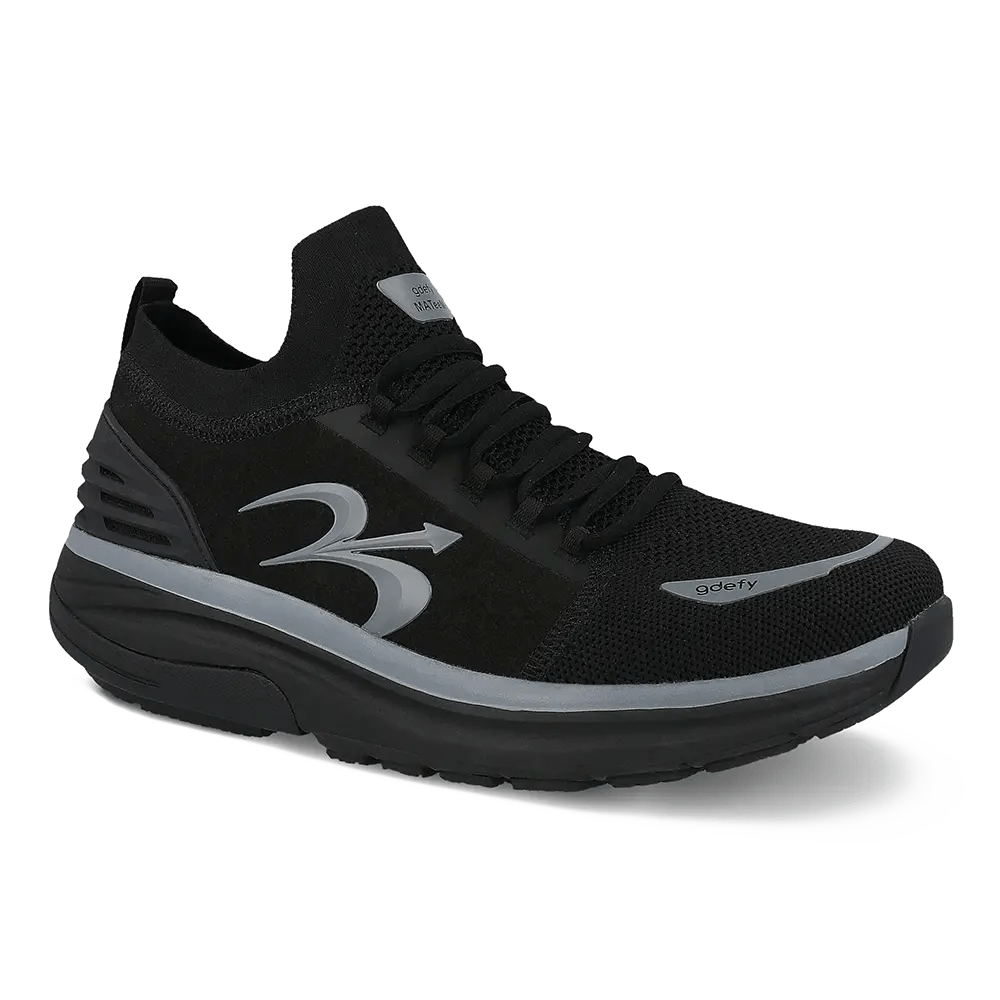
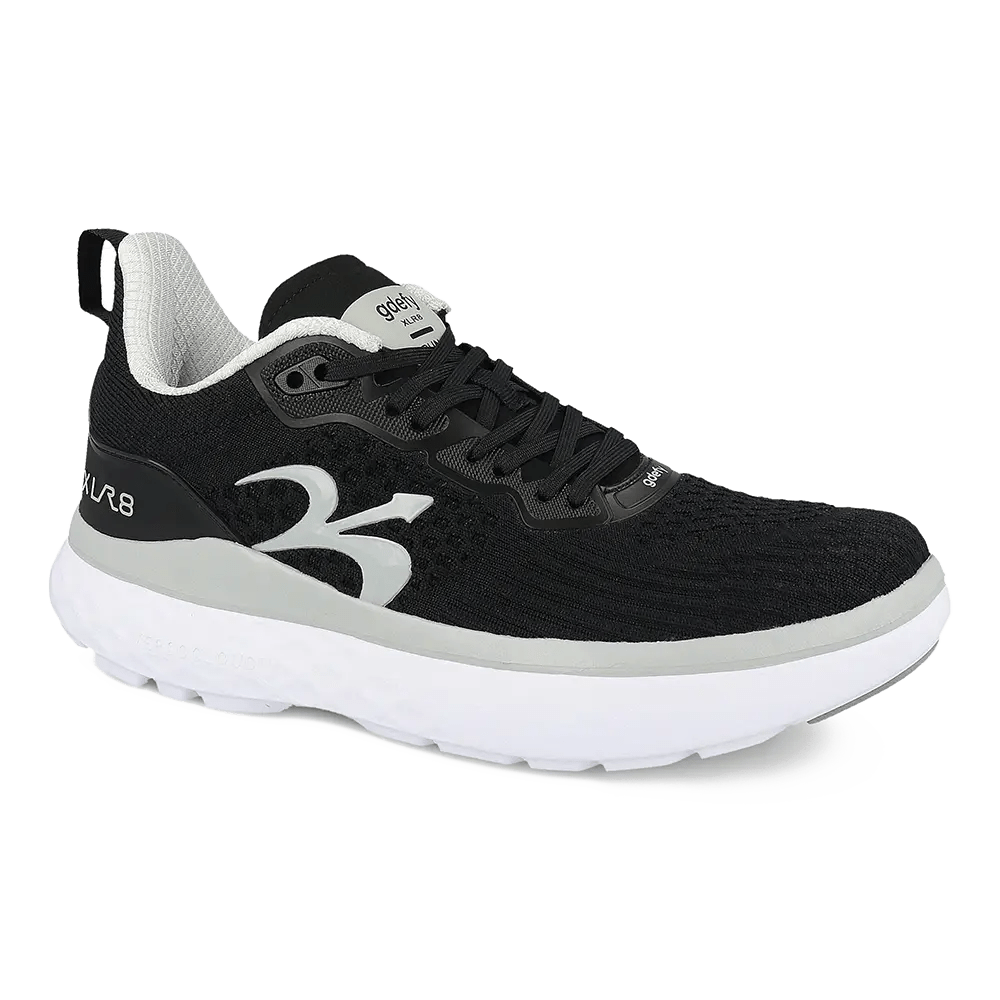
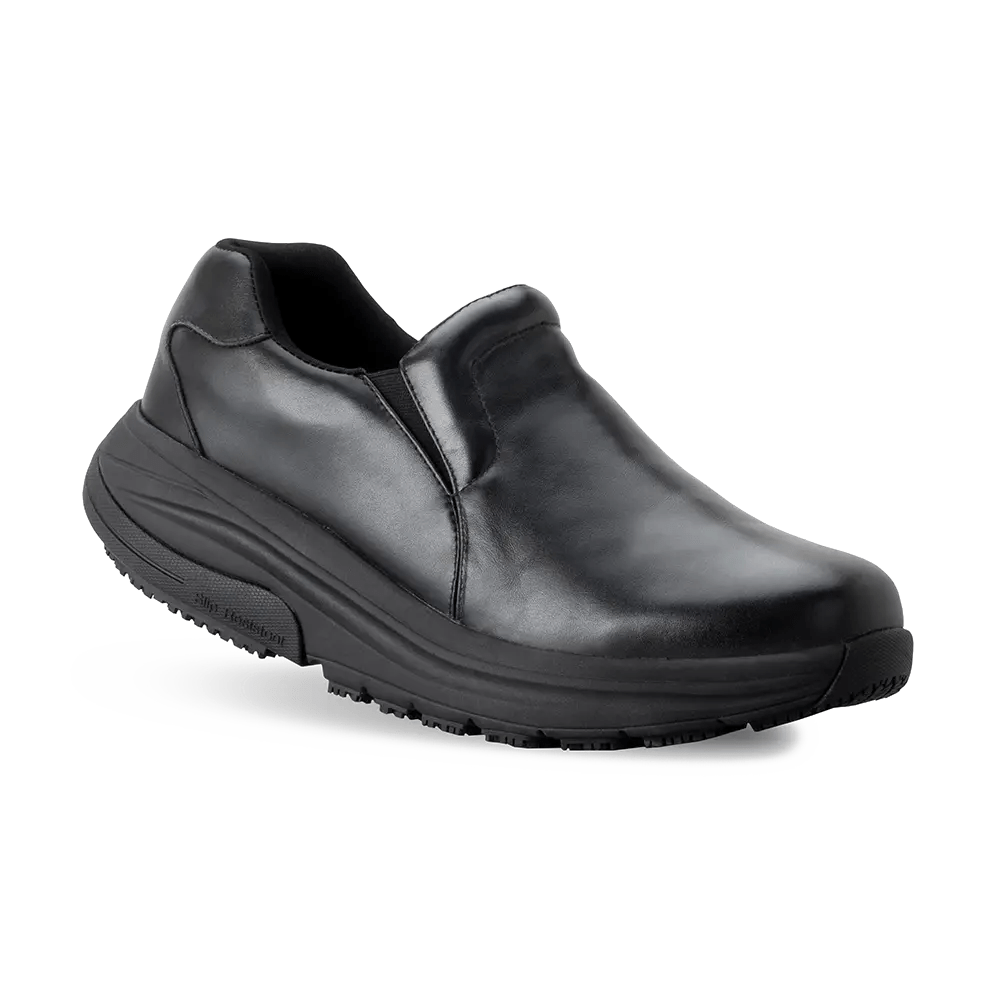
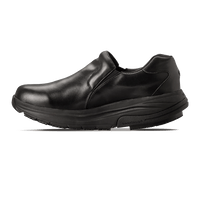
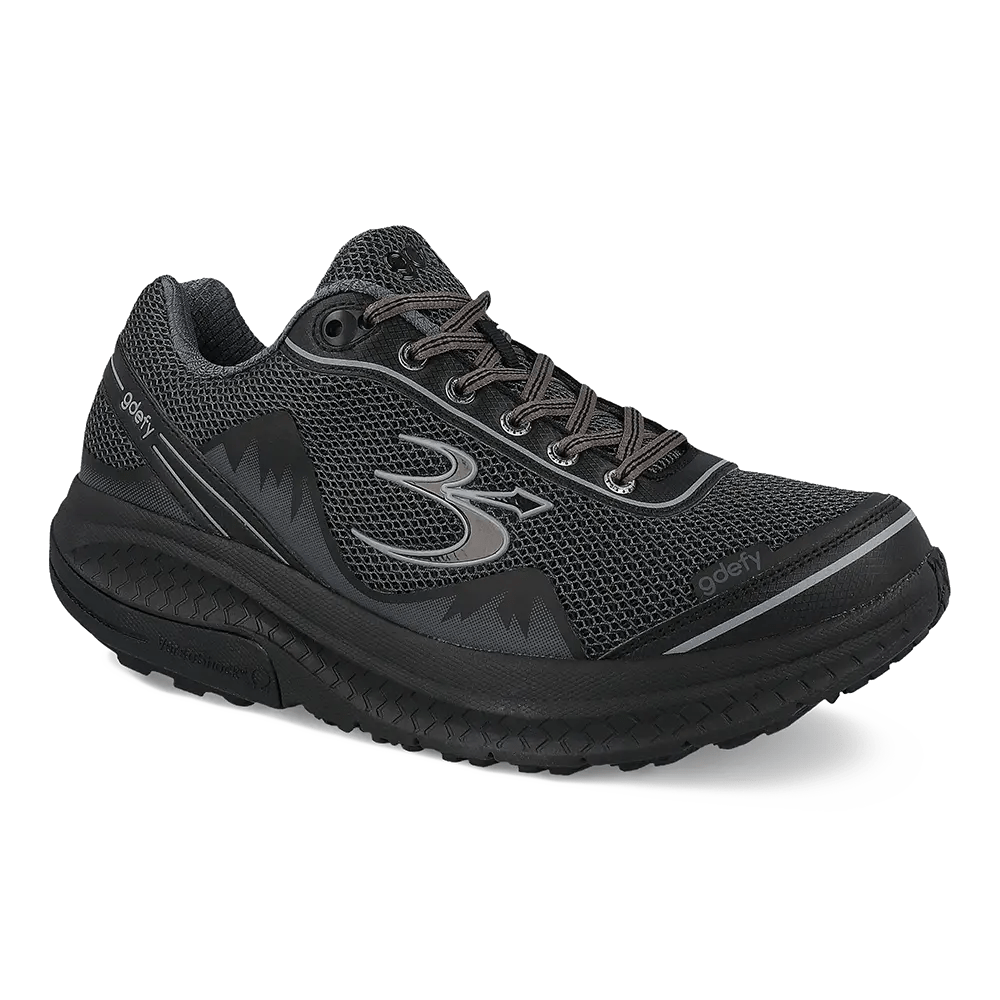
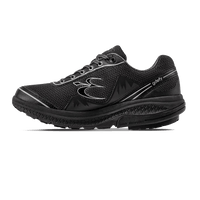
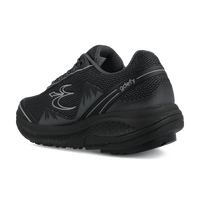
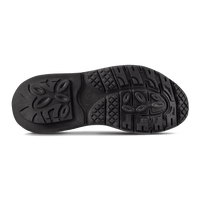
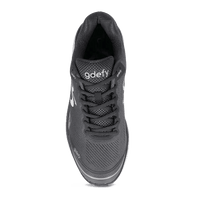
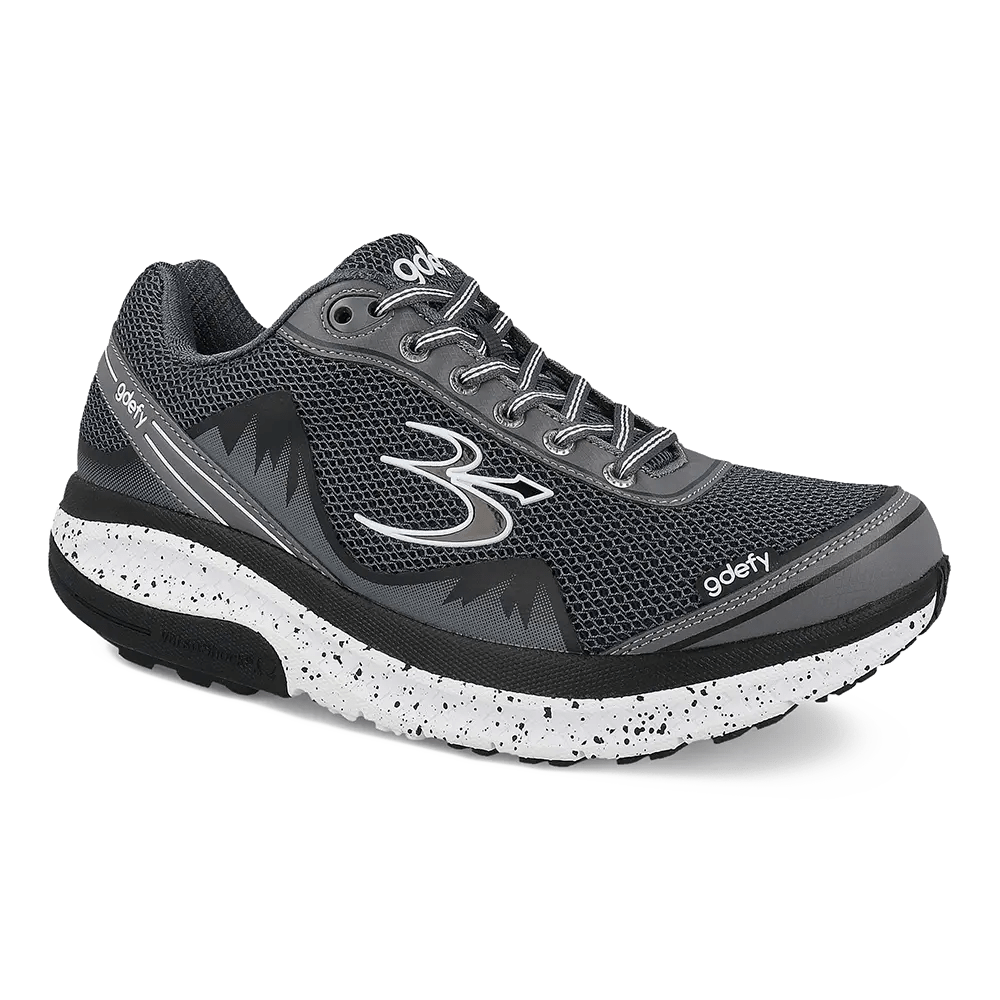
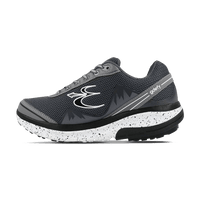
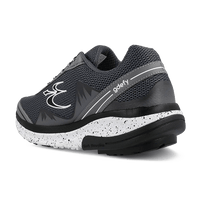
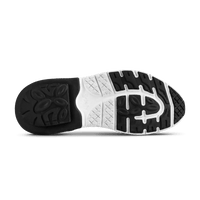
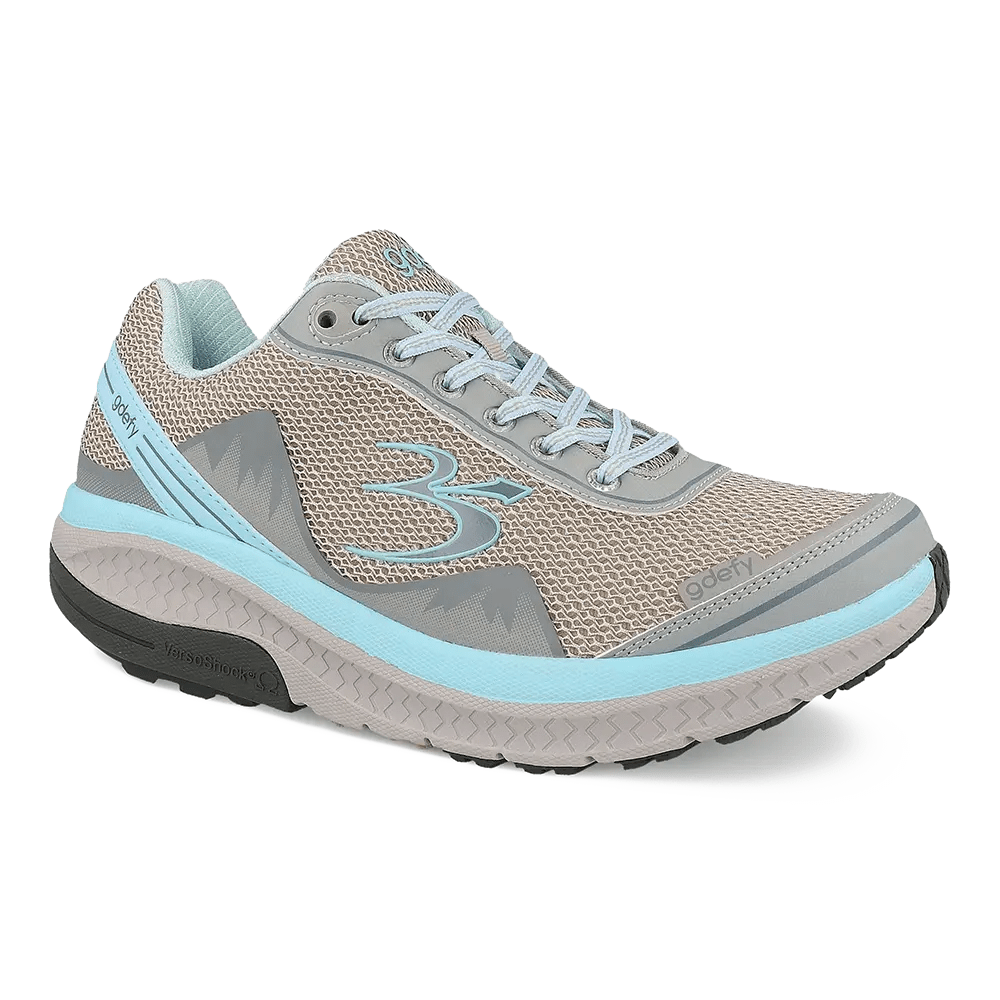
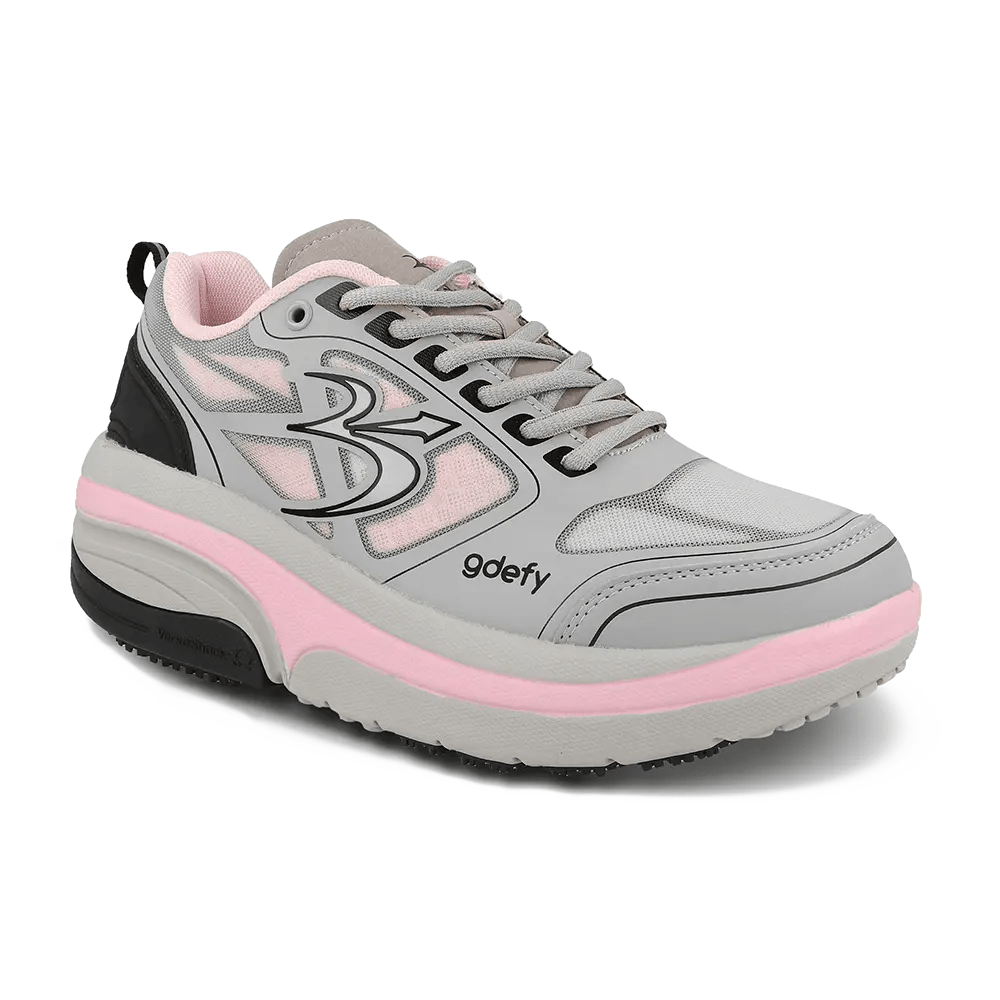
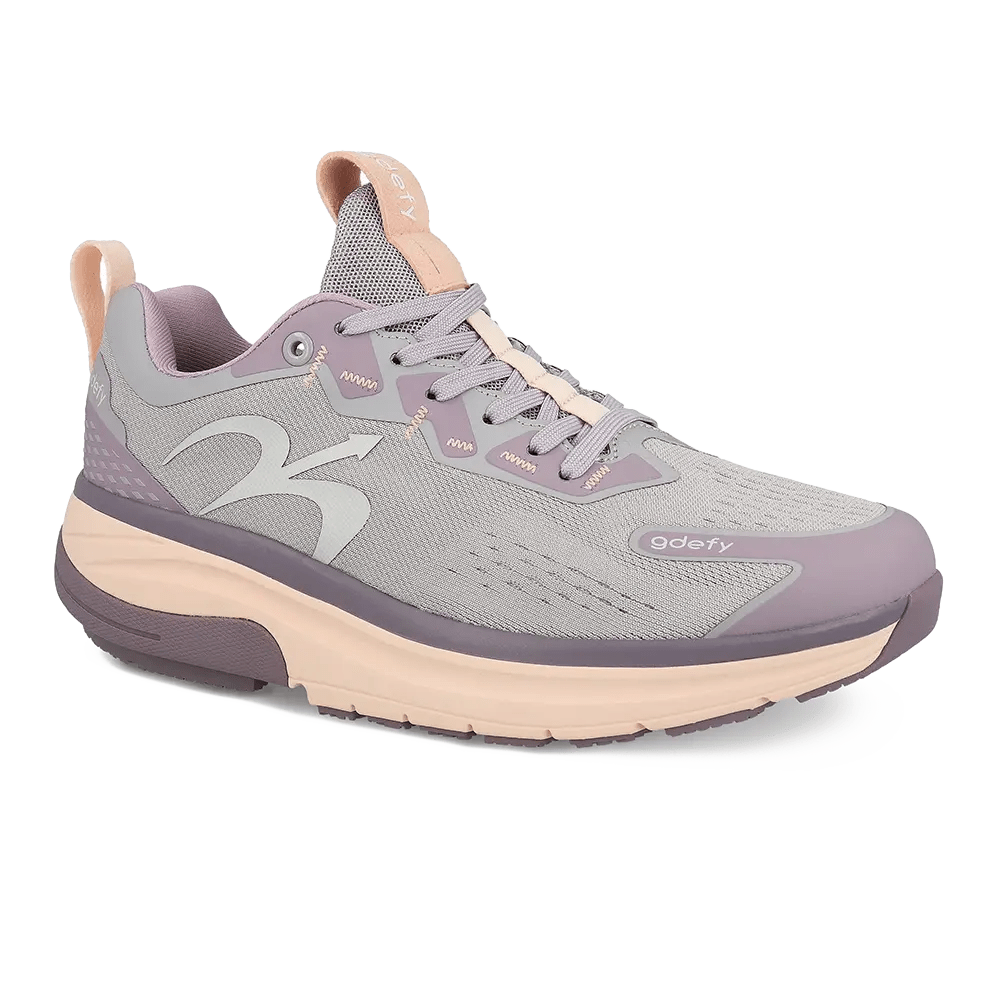
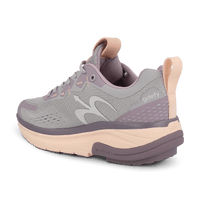
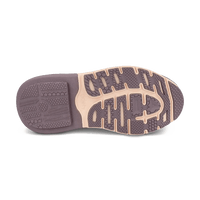
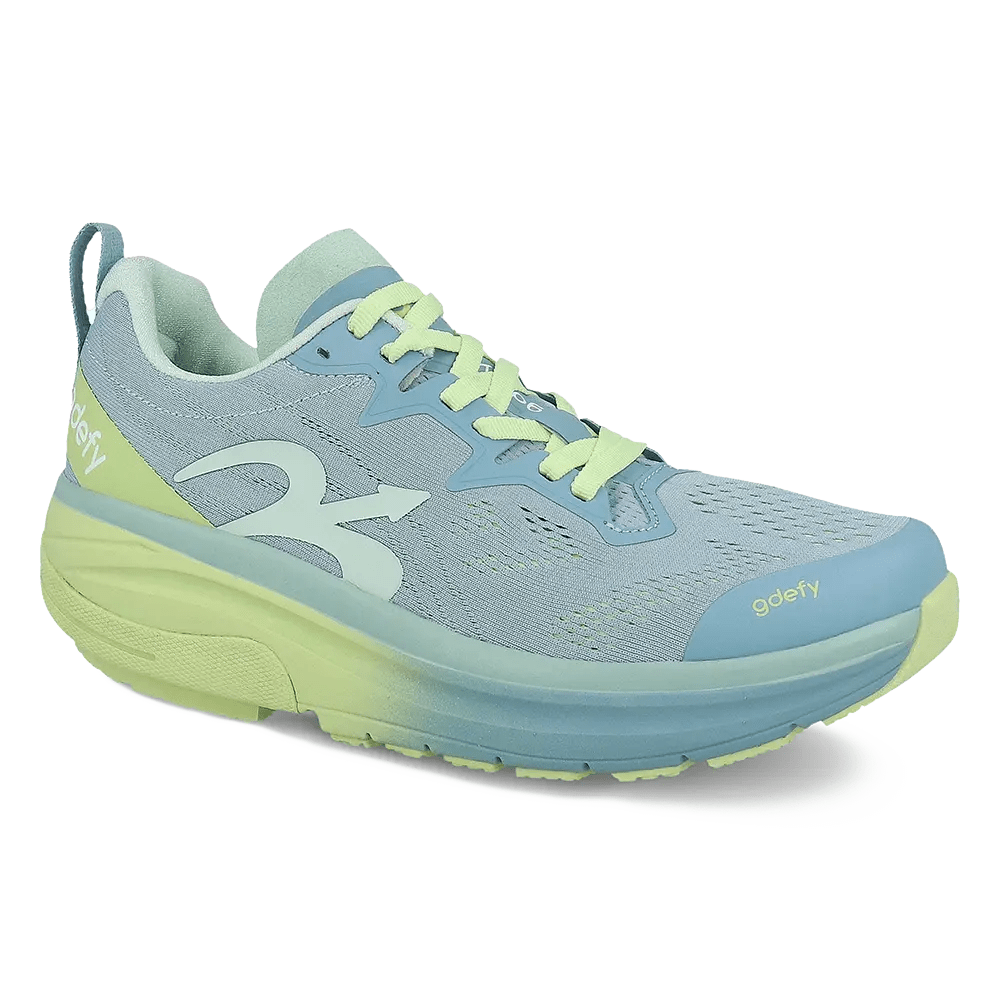
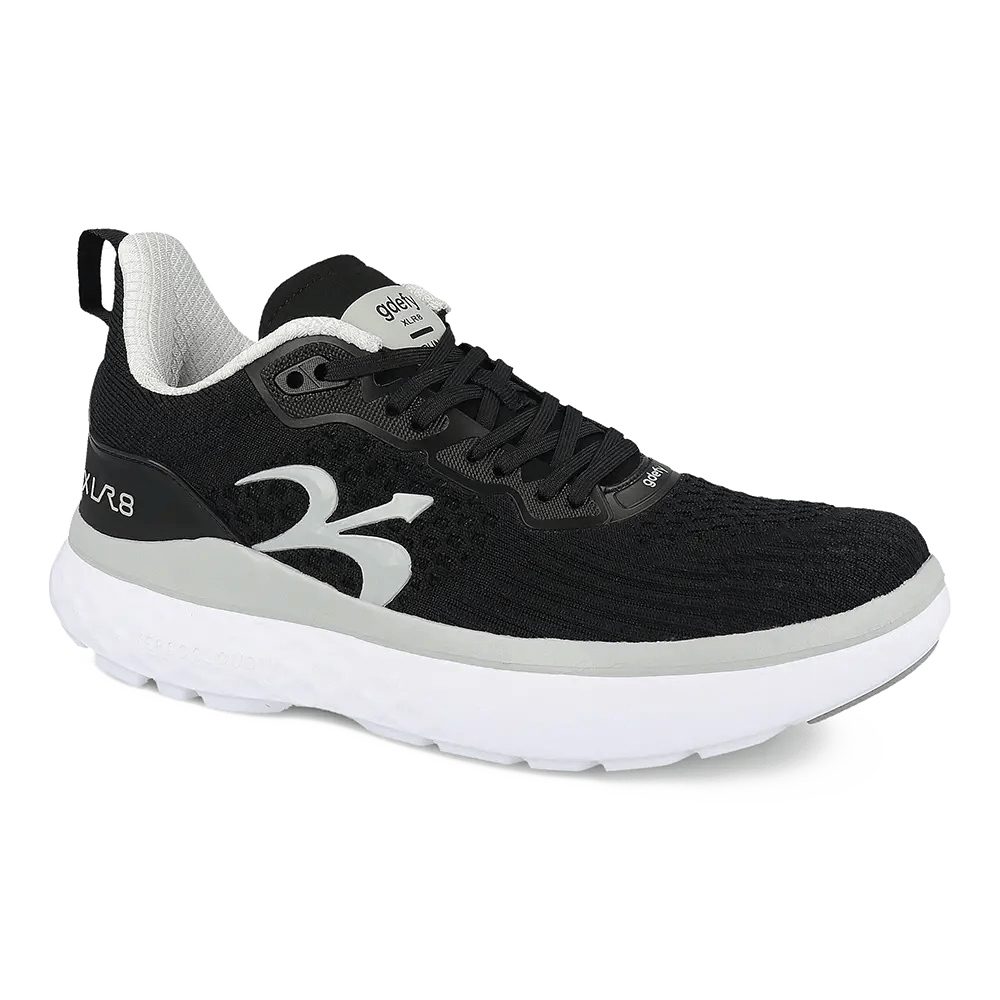
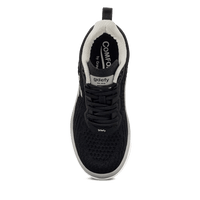
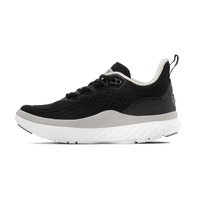
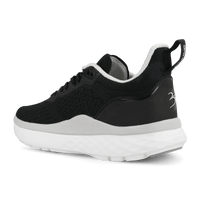
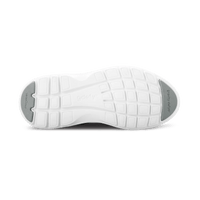
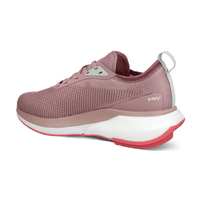
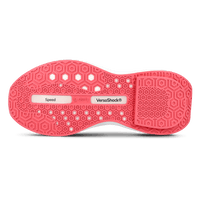
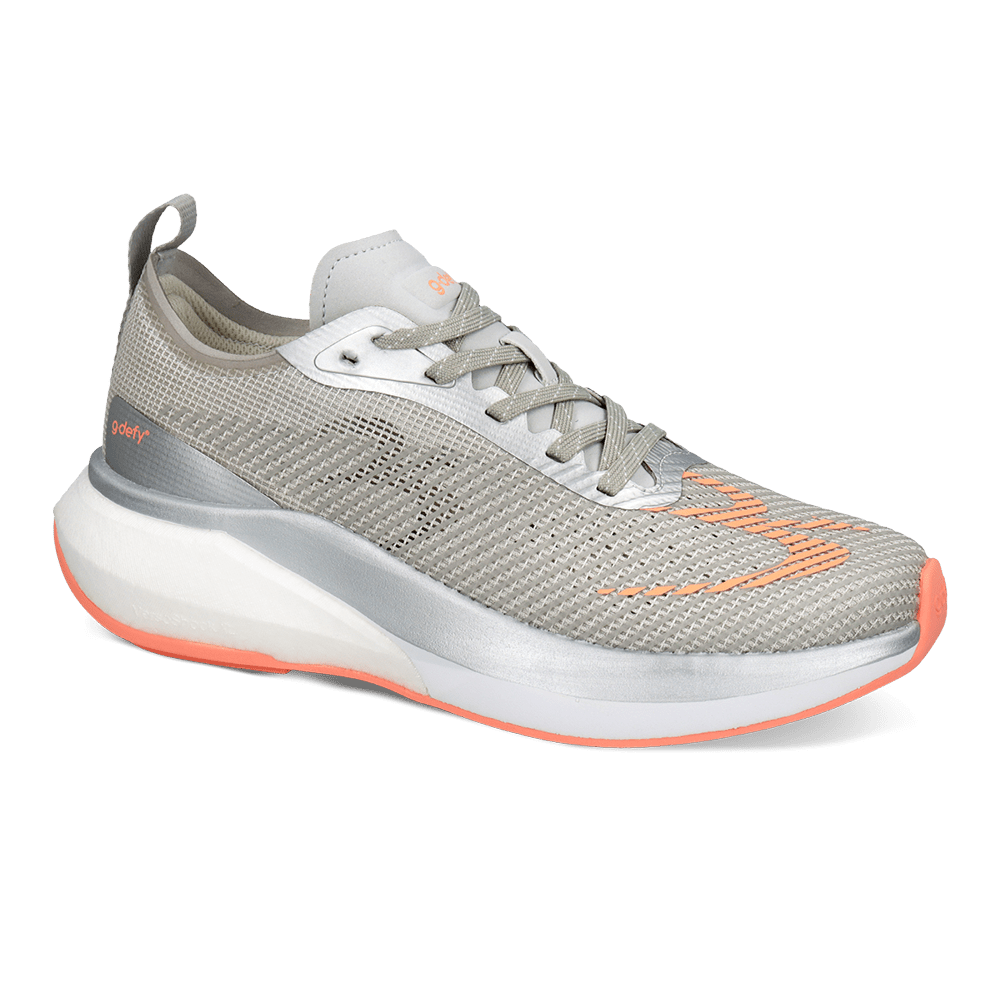
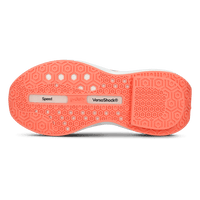
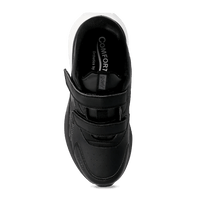
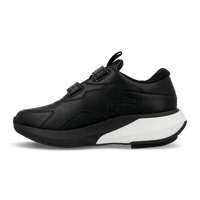
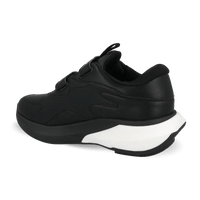
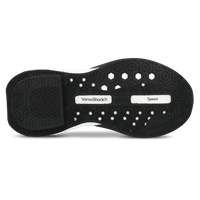
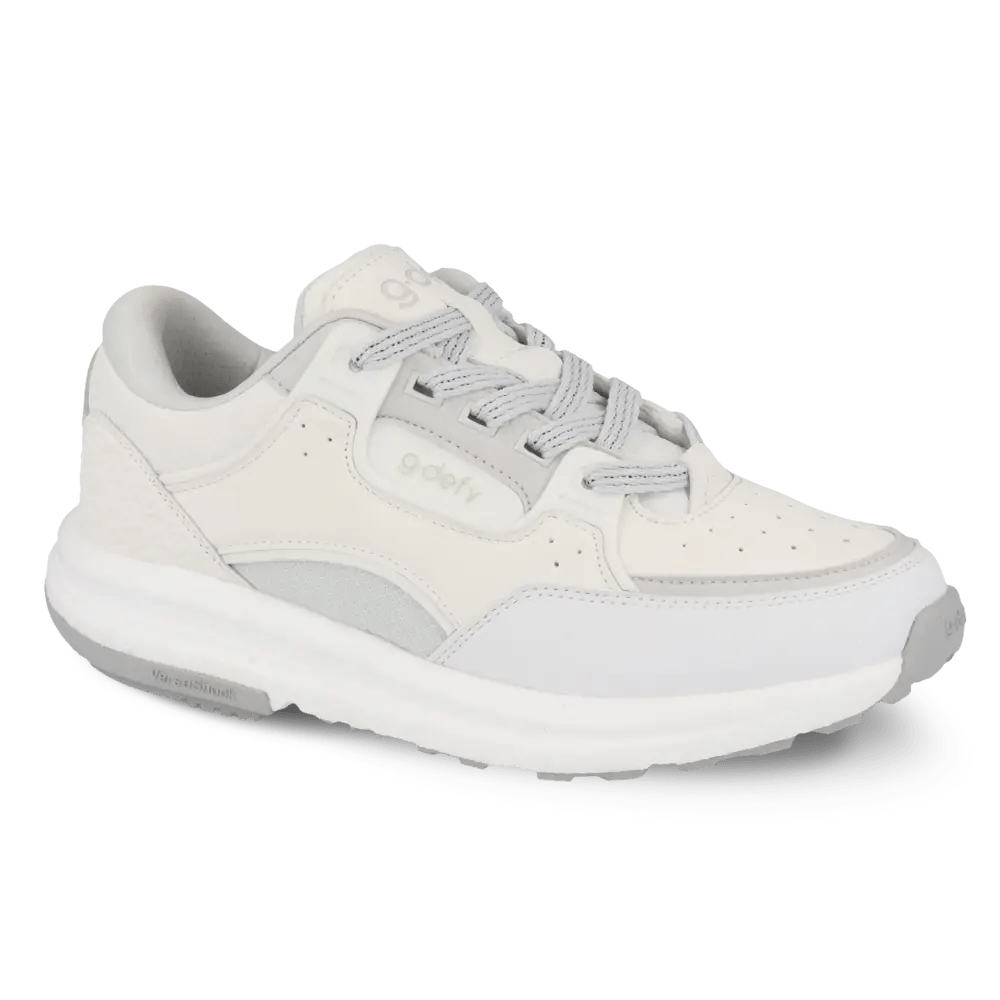
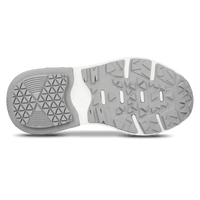
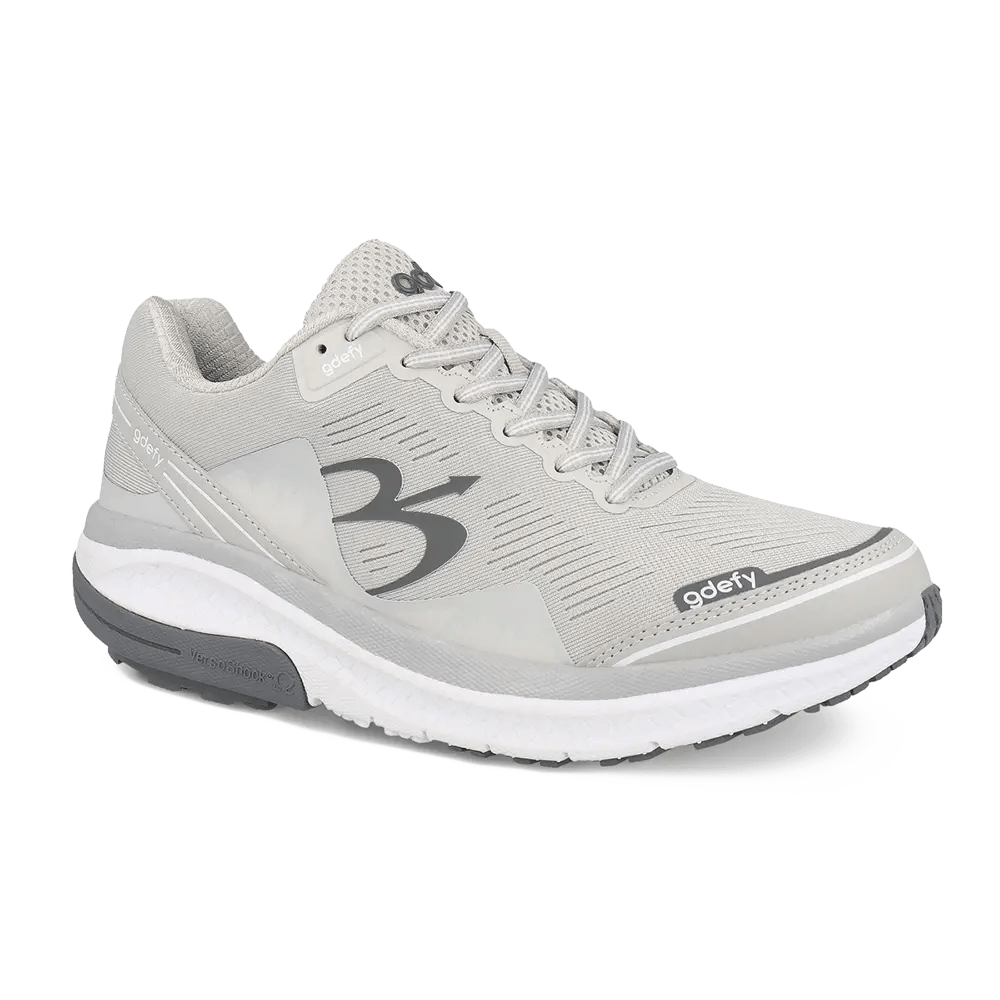
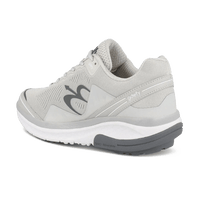
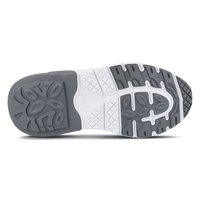
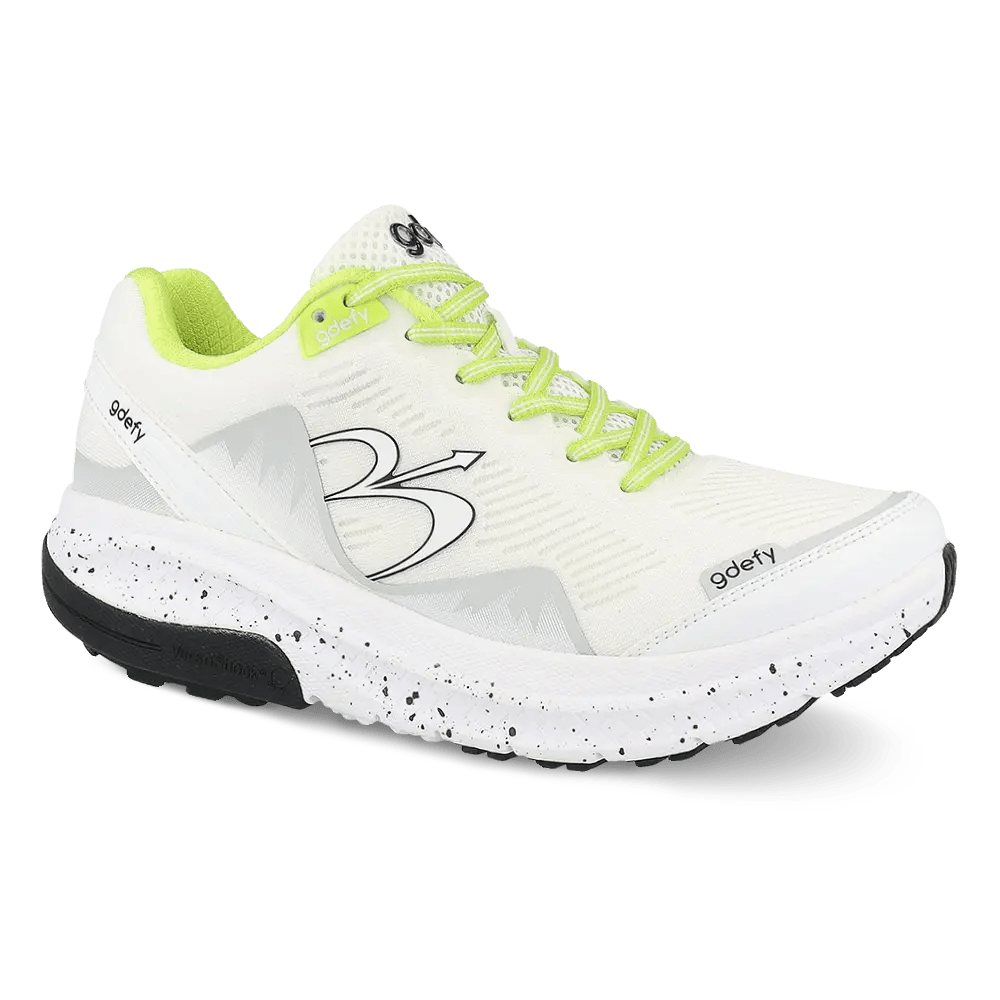
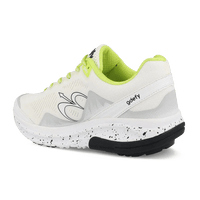
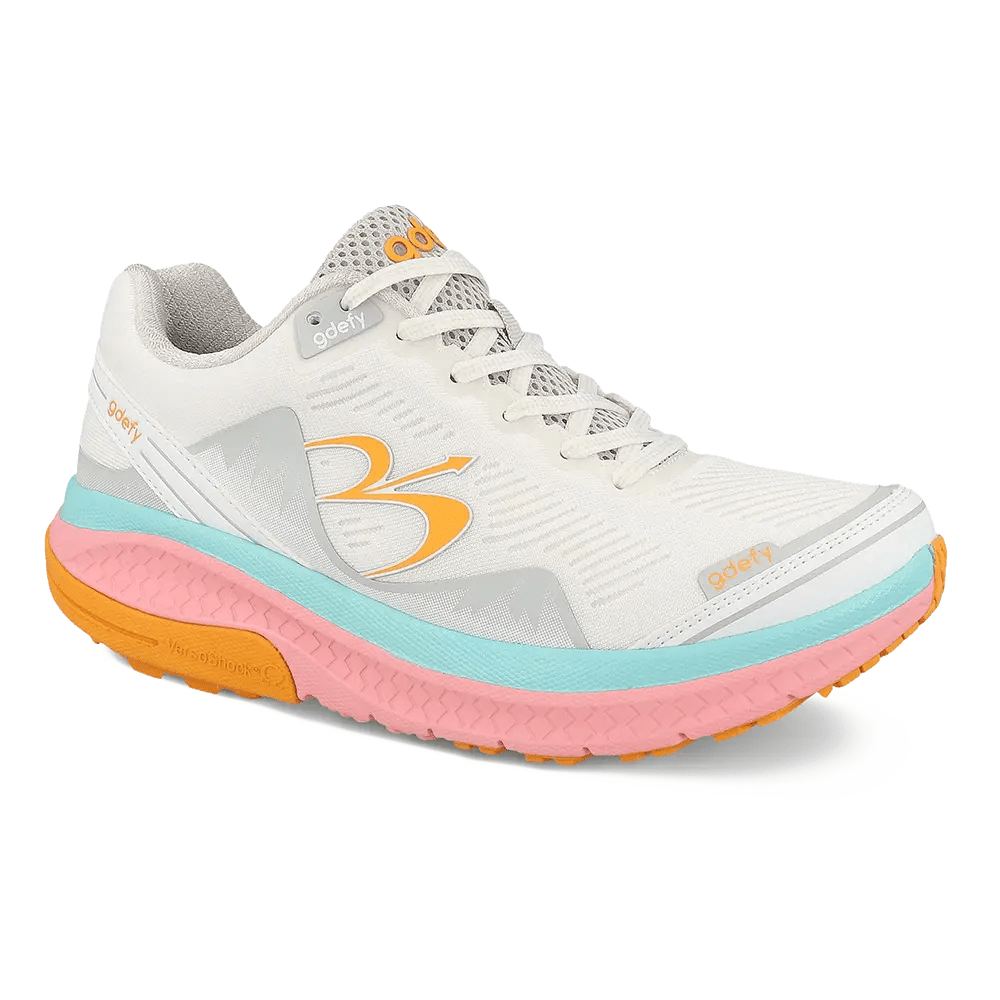
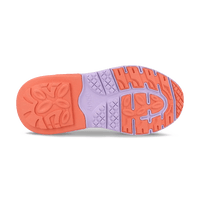
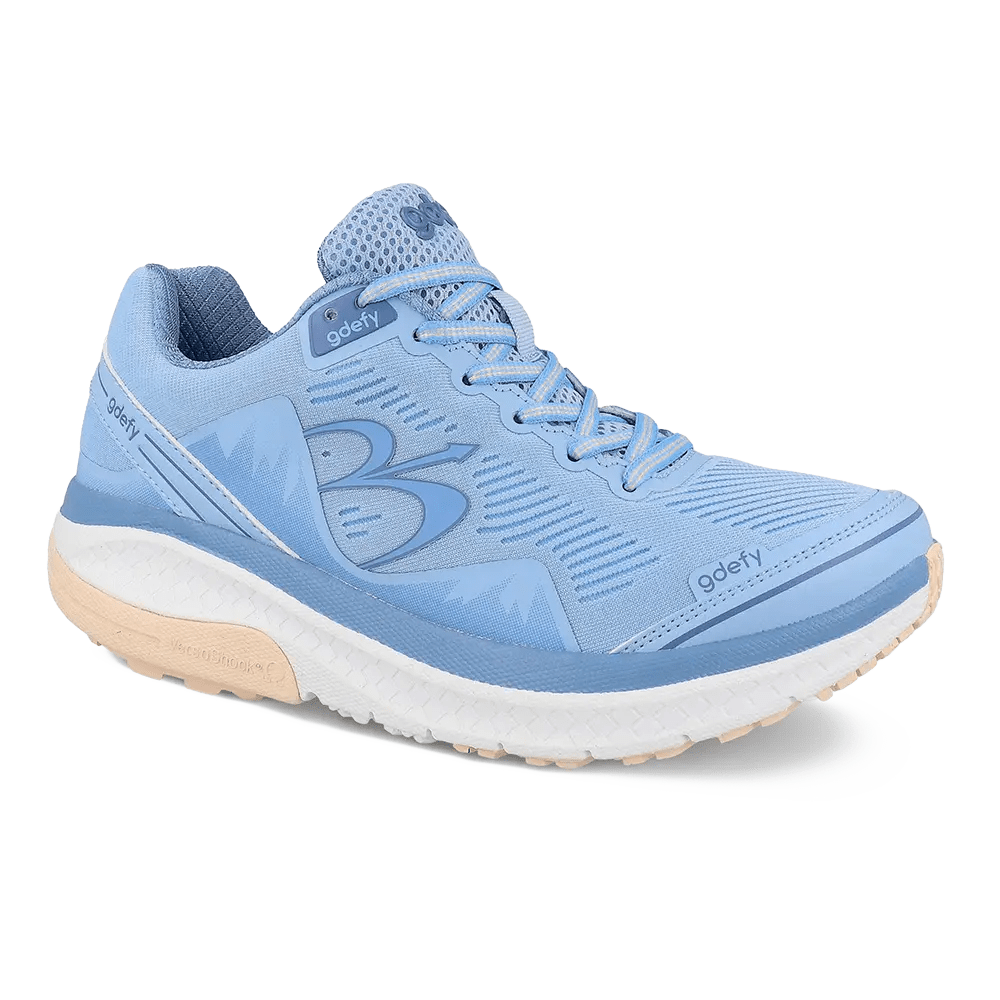
G-Defy shoes are engineered to provide comfort, support, and shock absorption during daily movement. Featuring VersoShock® technology, they are designed to absorb impact and return energy with each step. A built-in stabilizer supports the foot during movement, while the front rolling design promotes a smooth walking experience. Each pair includes two removable orthotics — ComfortFit® and CorrectiveFit® — to help customize comfort and support. G-Defy shoes help reduce pain from walking, running, and prolonged standing.
That combination — cushioning, energy return, a stabilizer, and a rolling design — is the four-pillar approach that powers every G-Defy shoe. It's designed to work whether you're in your 30s and on your feet at work, your 40s and rebalancing daily comfort, your 50s and prioritizing supportive everyday wear, or your 60s+ and staying active across long walks and travel.
Two popular picks across life stages:
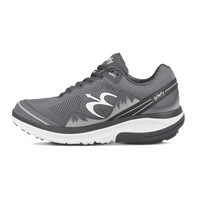
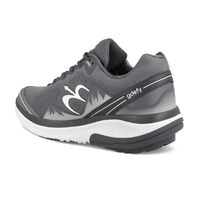
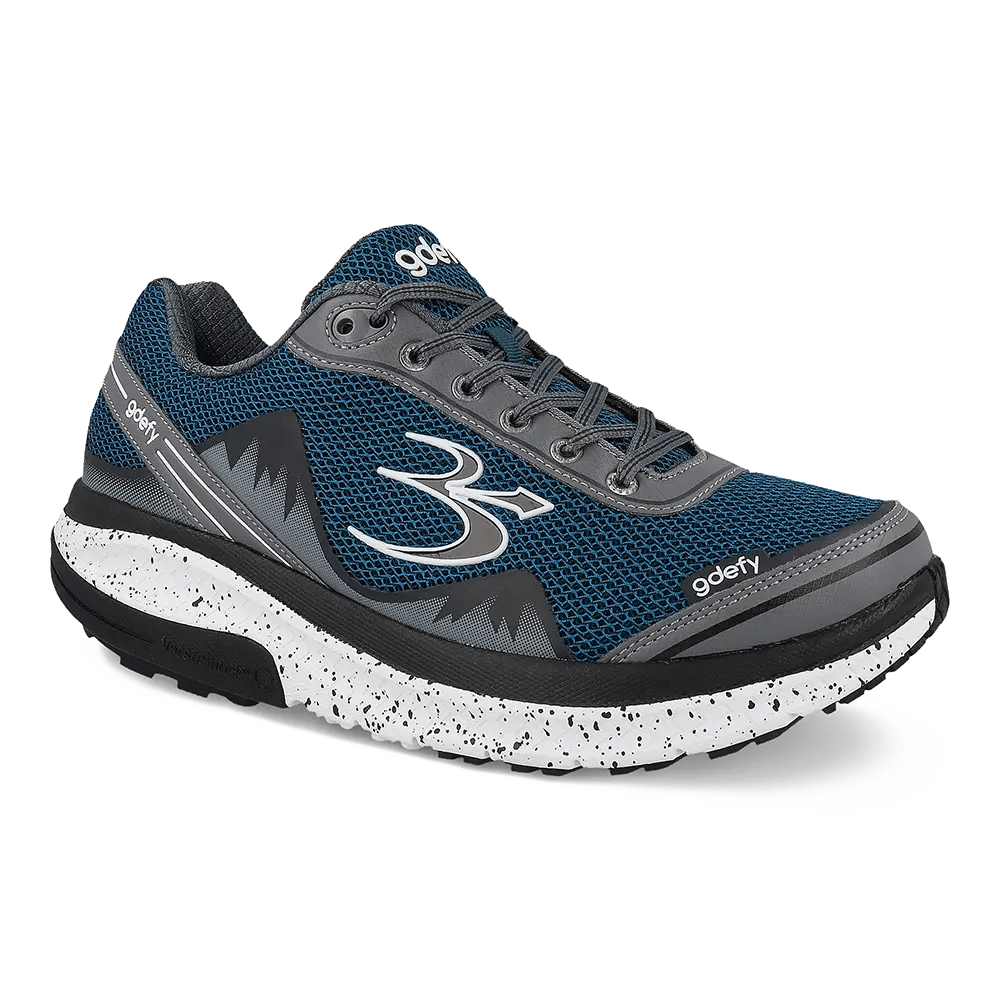
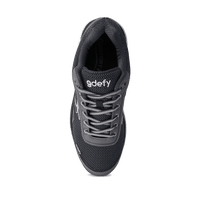
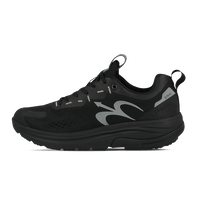
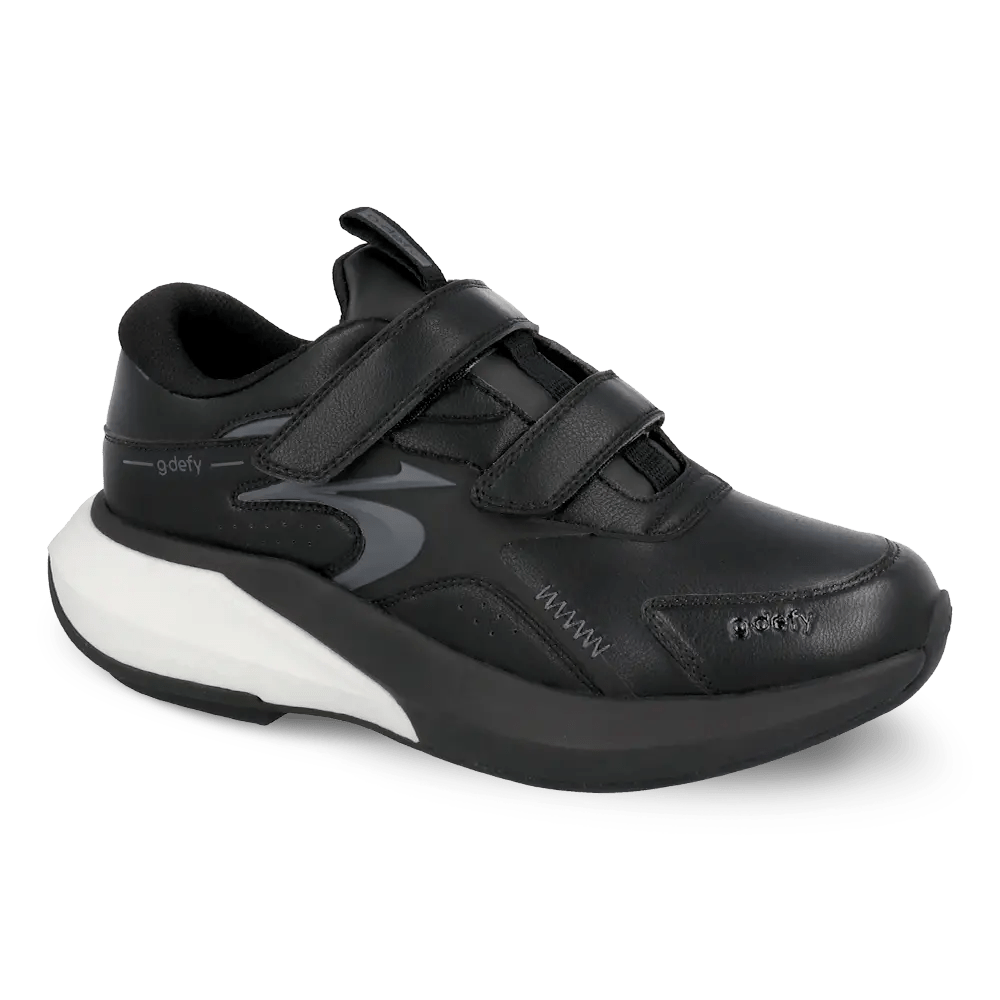
- The G-Defy Mighty Walk — a comfort walking shoe built around the four-pillar VersoShock® platform, designed for active adults who spend hours on their feet.
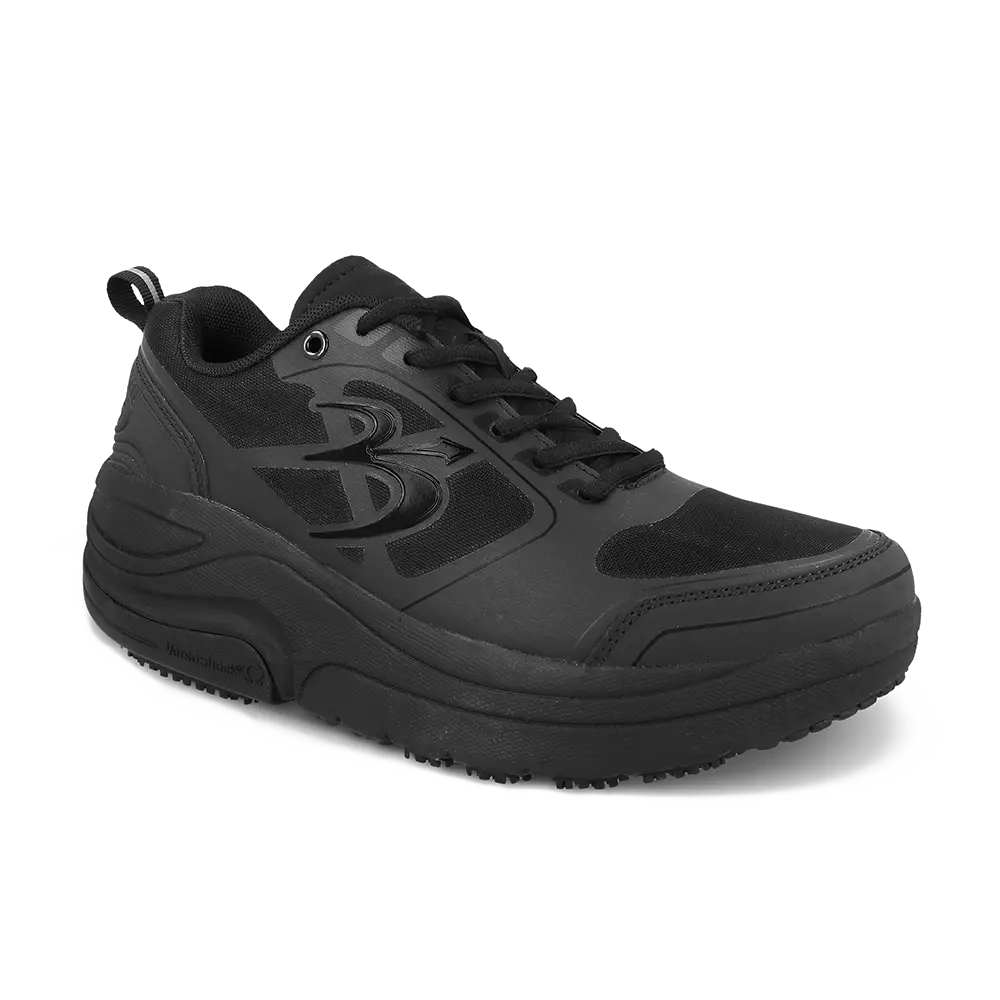
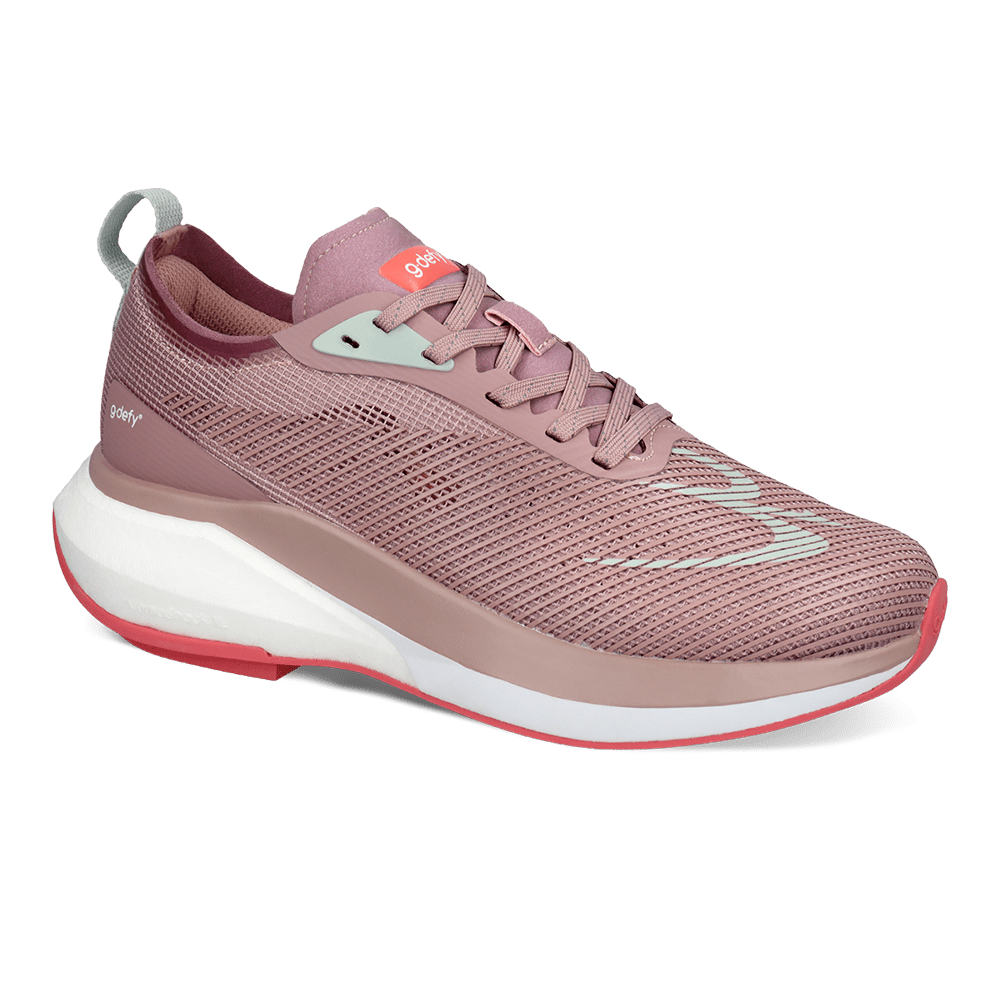
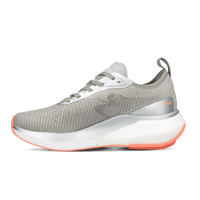
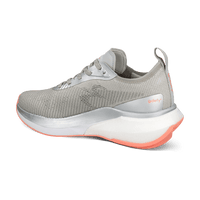
- The G-Defy Ion — a lightweight option with the same VersoShock® foundation, designed for all-day wear when you want a lighter feel.
You can also explore the men's collection or women's collection to find a fit that matches your daily routine.
Find Comfort That Fits Your Life Stage
Try G-Defy risk-free for 60 days with free shipping and free exchanges. If they're not the most comfortable shoes you've worn, return them — no questions asked.
Shop Mighty Walk Shop Ion
Daily Habits That Help Your Feet at Any Age
Footwear is one piece. Daily habits are the other. A few practical patterns that support foot comfort across life stages:
- Rotate between two pairs — alternating shoes lets cushioning decompress between wears.
- Replace worn shoes — when the midsole feels flat or the outsole tread is gone, it's time. Most comfort walking shoes earn their keep over 300–500 miles.
- Check your fit — feet can change shape with time. Get measured every few years, and don't be afraid to size up or try a wider width if your current shoes feel snug.
- Listen to early signals — small aches respond better to early changes (new shoes, better support, a few rest days) than to ignoring them.
- Move regularly — short walks throughout the day are easier on the feet than long sedentary stretches followed by sudden activity.
- Care for your feet — basic stretches for the calves and arches, plus a few minutes of foot care at the end of long days, go a long way.
None of this requires major lifestyle change. Most of it is just paying attention.
Frequently Asked Questions
Why do my feet hurt more as I get older even if I'm not doing more?
Foot tissue, natural padding, and connective-tissue resilience can change gradually with time, even if your daily activity hasn't increased. Many people also wear the same kinds of shoes for years without reassessing whether they still match their needs. Supportive and cushioned footwear may improve overall comfort during walking and prolonged standing.
Is foot pain a normal part of aging?
Foot discomfort becomes more common with time, but it isn't something to simply accept. Many comfort issues respond well to better-fitting, more supportive footwear and small daily habit changes. For persistent or worsening foot pain, consult your healthcare provider.
Do I need different shoes at 60 than I did at 30?
Often, yes. The same brand of unsupportive flat-soled shoe that felt fine in your 30s may feel harsh on hard surfaces in your 60s. As natural foot cushioning changes, shoes with more built-in cushioning, shock absorption, and arch support tend to feel more comfortable. G-Defy shoes are designed to deliver that combination across life stages — they help reduce pain from walking, running, and prolonged standing.
How often should I replace my comfort walking shoes?
A common guideline is every 300 to 500 miles of regular walking, or roughly every 8 to 12 months for daily wearers. If the midsole feels flat, the tread is worn, or you've started noticing afternoon foot fatigue you didn't have before, it's probably time.
What's a good way to know if a shoe is right for me?
Try it in the conditions you'll actually wear it — at the end of the day (when feet are slightly larger), with the socks you typically wear, and on the surfaces you usually walk on. A 60-day risk-free trial like G-Defy's makes this easier — you can wear them through real life and see how they feel before committing.
A Final Word
Your feet have carried you through every chapter of your life so far, and they'll carry you through many more. The way they feel will shift along the way — that's normal. What matters is meeting those changes with the right support.
While footwear is not a medical solution, choosing shoes designed for comfort, support, and shock absorption can make a meaningful difference in how you feel throughout the day — whether you're 32 and on your feet at work, 48 and rebalancing daily comfort, 58 and prioritizing supportive everyday wear, or 72 and still walking the neighborhood every morning. The right pair can help every life stage feel a little more comfortable.
Shop G-Defy by Collection
Find your fit with free shipping, free exchanges, and a 60-day comfort trial.
Men's Collection Women's Collection