
May 10, 2026
How Body Weight Affects Foot Pain and What to Look for in Supportive Walking Shoes
By Gdefy

Summary
Many adults notice their feet feel different over time. Daily activities like walking, standing, and running can begin to feel more demanding — especially when carrying extra body weight. While footwear isn't a medical solution, the right design can play a meaningful role in everyday comfort and support.
This guide explains how body weight affects the way your feet absorb impact during walking, what features to look for in supportive shoes, and how G-Defy footwear is engineered for comfort, support, and shock absorption during daily activity.

How Body Weight Affects Your Feet During Walking
Every step you take sends an impact force through your feet, ankles, knees, hips, and spine. As body weight increases, the load each foot absorbs with every stride increases proportionally. Over a typical day of walking and standing, that adds up to thousands of repetitions — and the cumulative impact is what most people describe as foot fatigue or foot pain by the end of the day.
Where the Pressure Tends to Show Up
When the foot carries more weight, three areas are commonly affected:
- The heel — receives the first major impact during the heel-strike phase of every step
- The arch — flattens slightly under load, which can fatigue the surrounding tissue
- The ball of the foot — bears the push-off force during toe-off, especially on hard surfaces
These areas don't all hurt at once. Most people notice discomfort in one spot first, then in another later in the day. Long hours on your feet, hard flooring, and worn-out shoes all amplify what your feet are already dealing with.
Common Sources of Foot Discomfort When Carrying Extra Weight
Foot discomfort is usually the result of several everyday factors stacking on top of one another. The body weight you carry is one of them, but it's rarely the only one.
- Daily strain from long hours standing or walking — kitchens, classrooms, retail floors, and factory shifts all place steady load on the feet
- Hard, unforgiving surfaces — concrete, tile, and finished wood return more shock than softer ground
- Footwear that has lost its cushioning — every shoe loses some of its impact-absorbing capacity over time, and that happens faster under heavier loads
- Flat soles or thin midsoles — without proper cushioning, the foot absorbs the full force of every step
- Poor fit — shoes that are too tight, too loose, or too narrow can change how your foot strikes the ground
None of this means walking is bad for you — quite the opposite. The goal is to give your feet the support they need so the activity feels good rather than draining.

What to Look for in Shoes If Body Weight Is a Factor
Not all walking shoes are built the same. When body weight plays a larger role in daily comfort, certain features matter more than others. Here is what to look for.
1. Substantial Cushioning
Cushioning is what stands between your feet and the ground. Heavier loads compress soft midsoles faster, so you need a system that can absorb impact without bottoming out by the end of the day. Look for a midsole with real depth and a noticeable softness underfoot.
2. Shock Absorption That Lasts
Standard foam compresses and gradually loses its bounce — especially under sustained heavier loads. A shock absorption system that uses something other than foam alone tends to maintain its responsiveness longer. This matters because the cushioning you feel on day one should still be there months later.
3. Stability and a Wide Base
A stable, wider sole helps distribute body weight evenly across the foot. Narrow platforms can feel tippy and force the foot to work harder to stay balanced. A built-in stabilizer in the midsole also helps prevent excessive bending in the middle of the shoe, which supports the foot through each step.
4. Strong Arch Support
When the arch flattens under load, the surrounding tissue takes more strain. Built-in arch support — or removable orthotics that match your arch type — helps maintain natural foot positioning during walking.
5. A Roomy Toe Box
Feet often spread slightly under body weight, especially after long hours on them. A wider toe box gives your toes room to move naturally without rubbing, which reduces friction-related discomfort and helps your stride feel more natural.
6. Proper Fit
This sounds basic, but it's the single biggest factor people get wrong. A shoe that fits well — true to length, comfortable through the width, secure at the heel — supports your feet far better than a poorly fitting shoe with great features. Try shoes on later in the day when feet are at their largest.
7. Durability Built for Daily Wear
A heavier walker wears shoes out faster than a lighter walker. Look for outsoles that resist wear, midsoles that hold their shape, and uppers that are stitched rather than just glued. Durability isn't only about value — a worn-out shoe stops protecting your feet long before it stops looking acceptable.
How G-Defy Shoes Are Built for Daily Comfort and Support
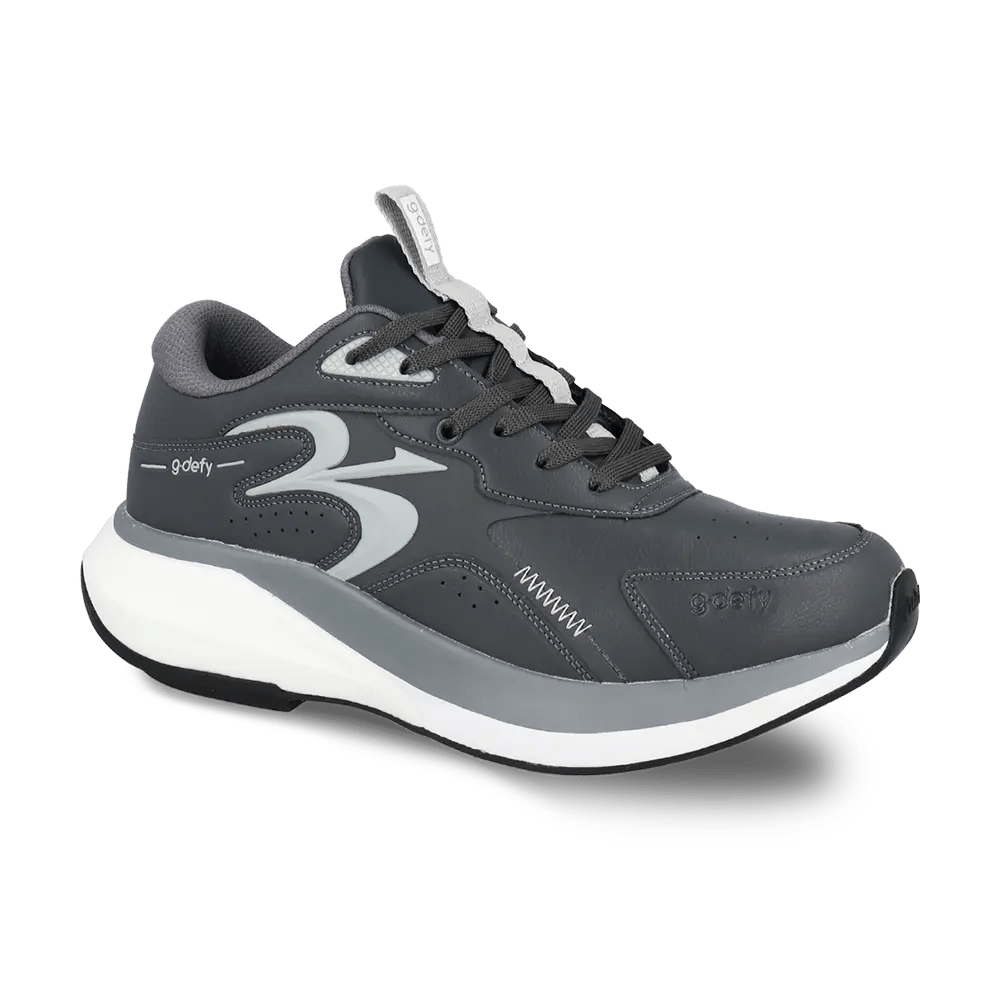
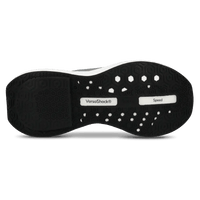
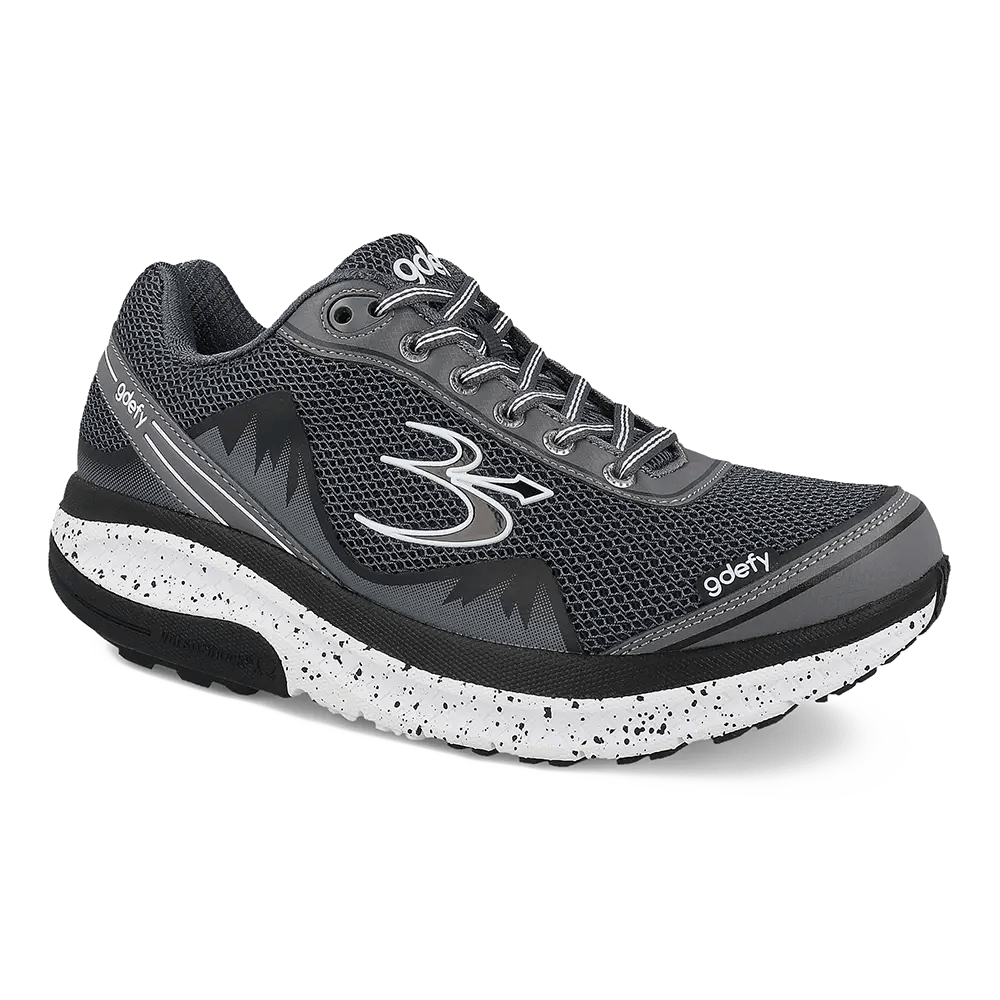
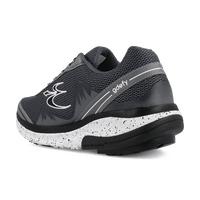
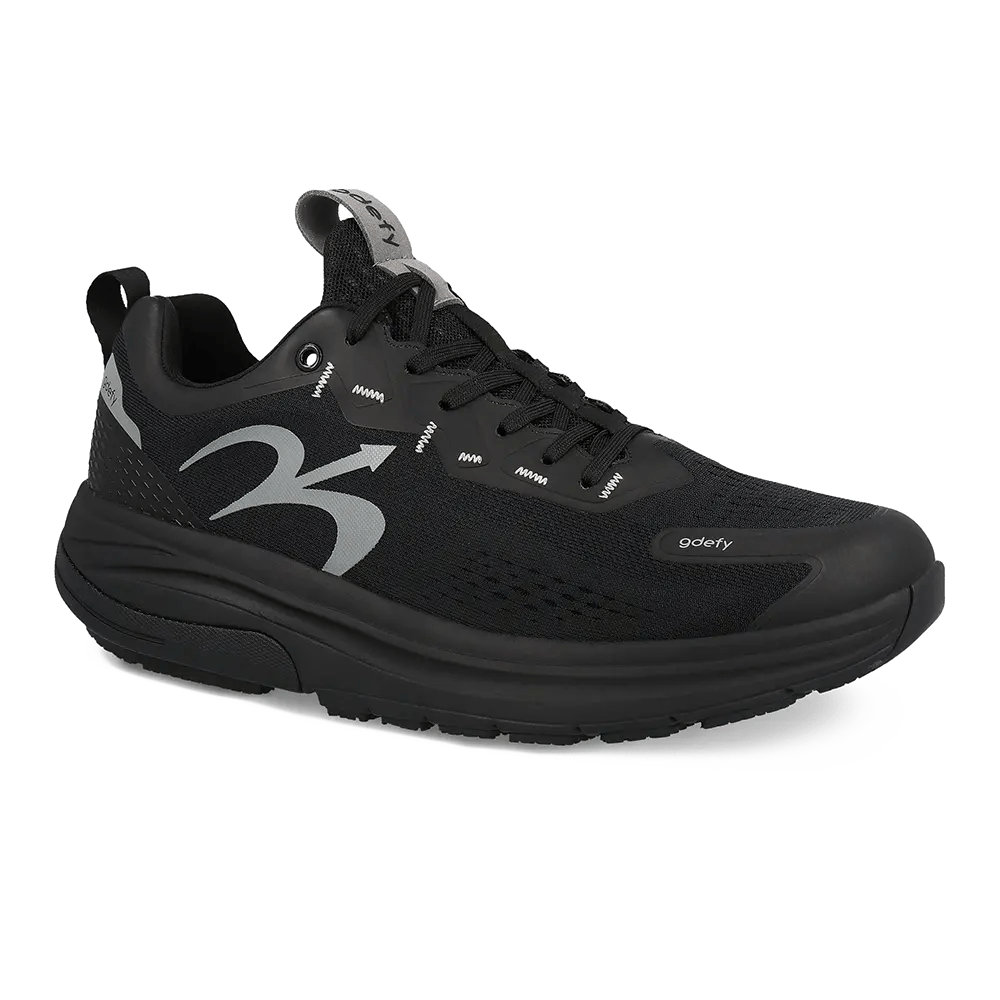
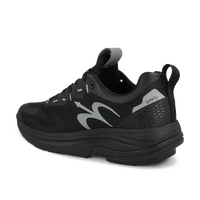
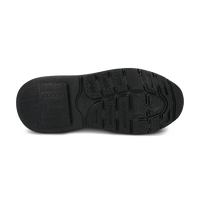
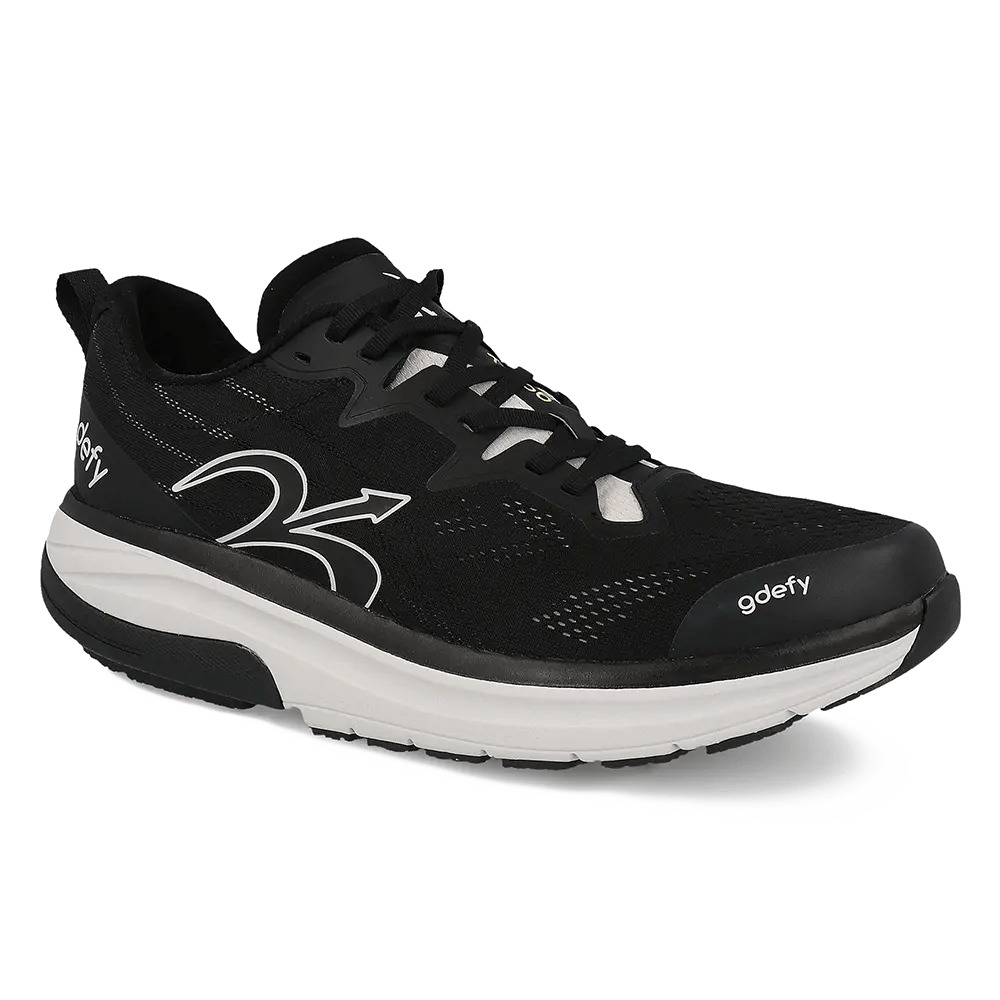
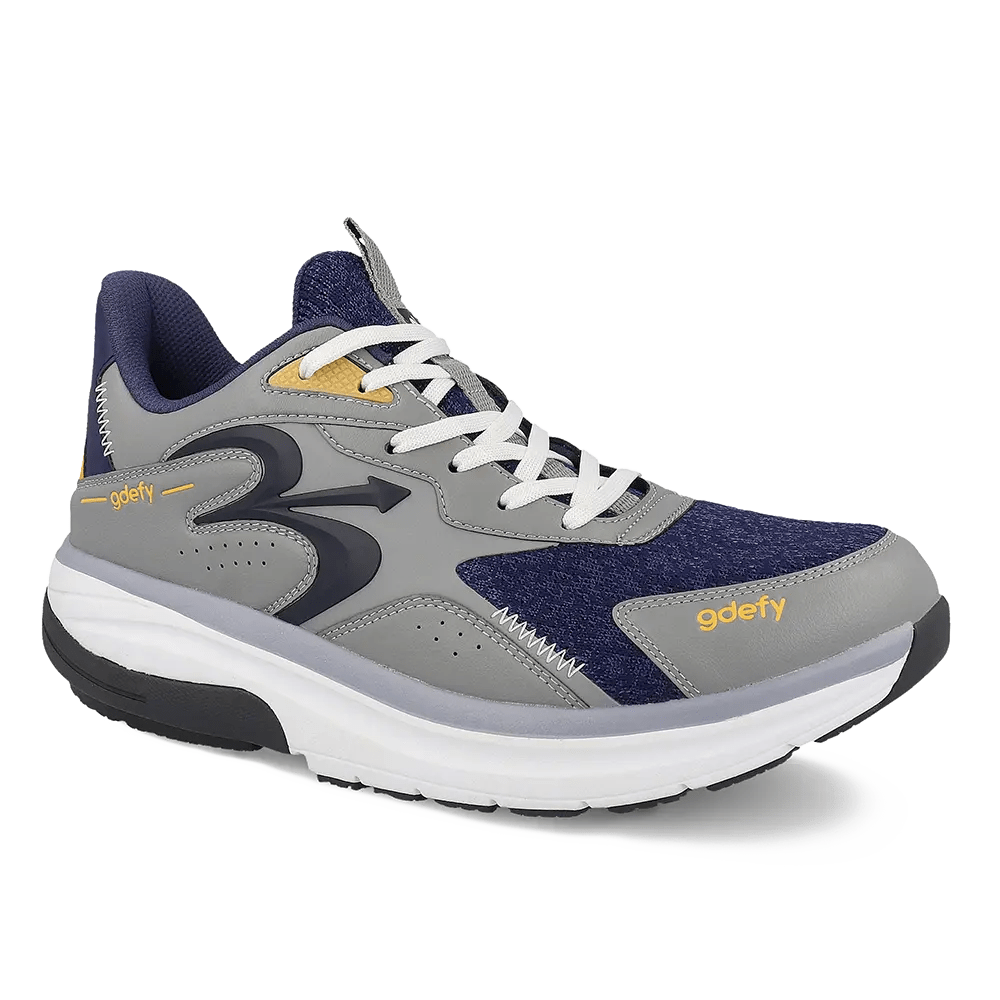
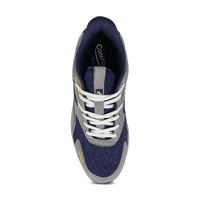
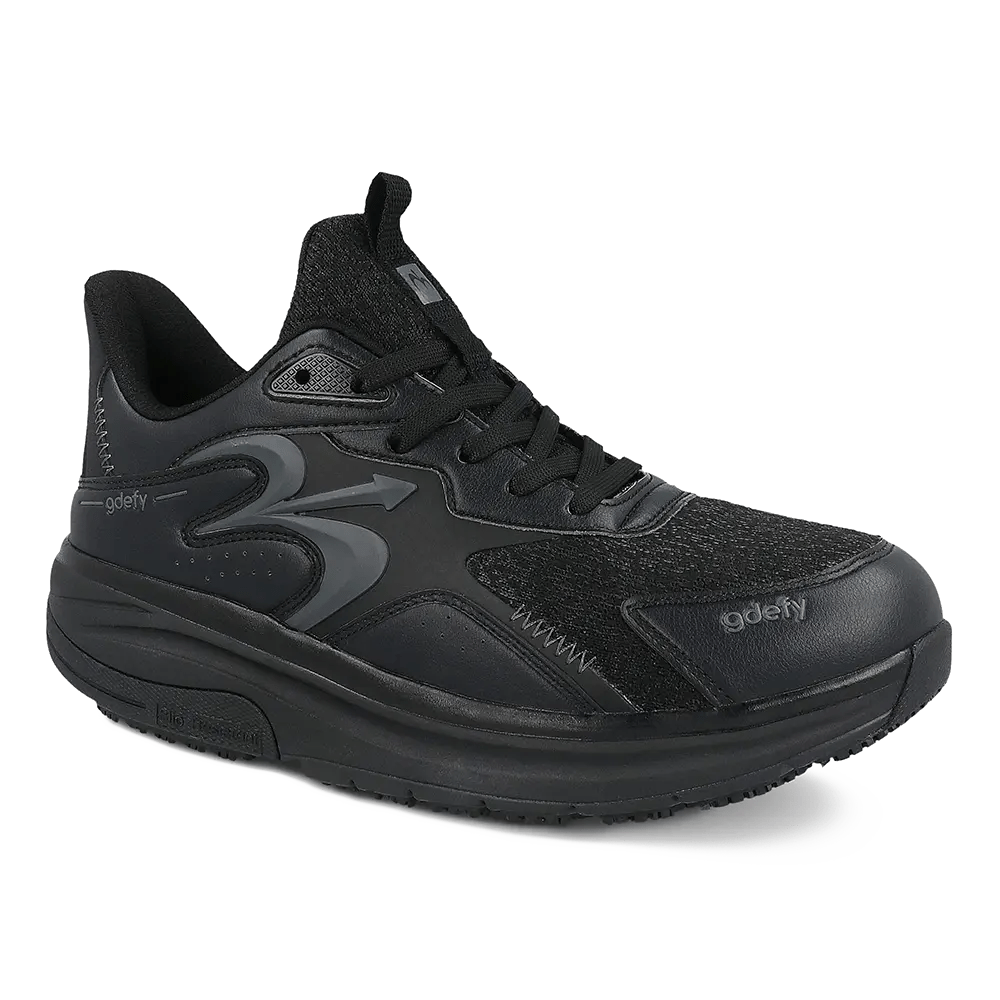
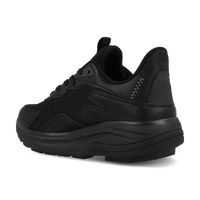
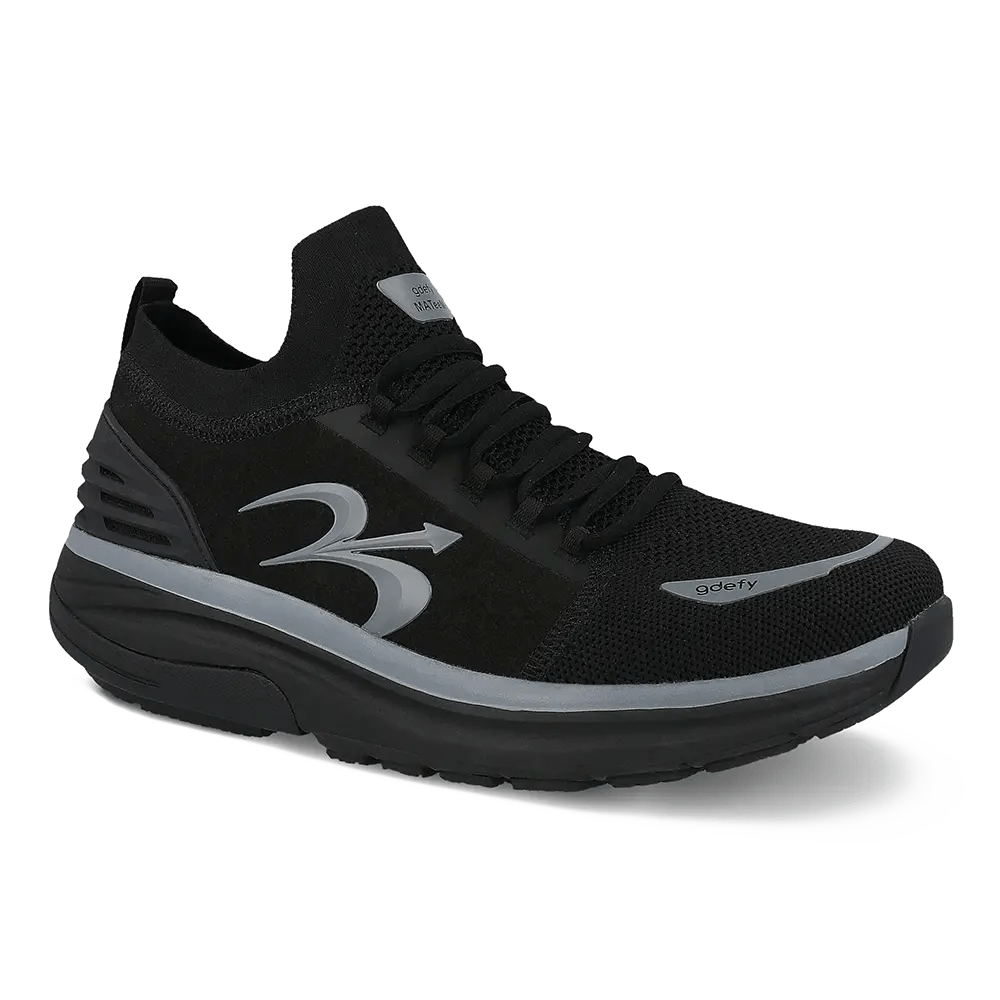
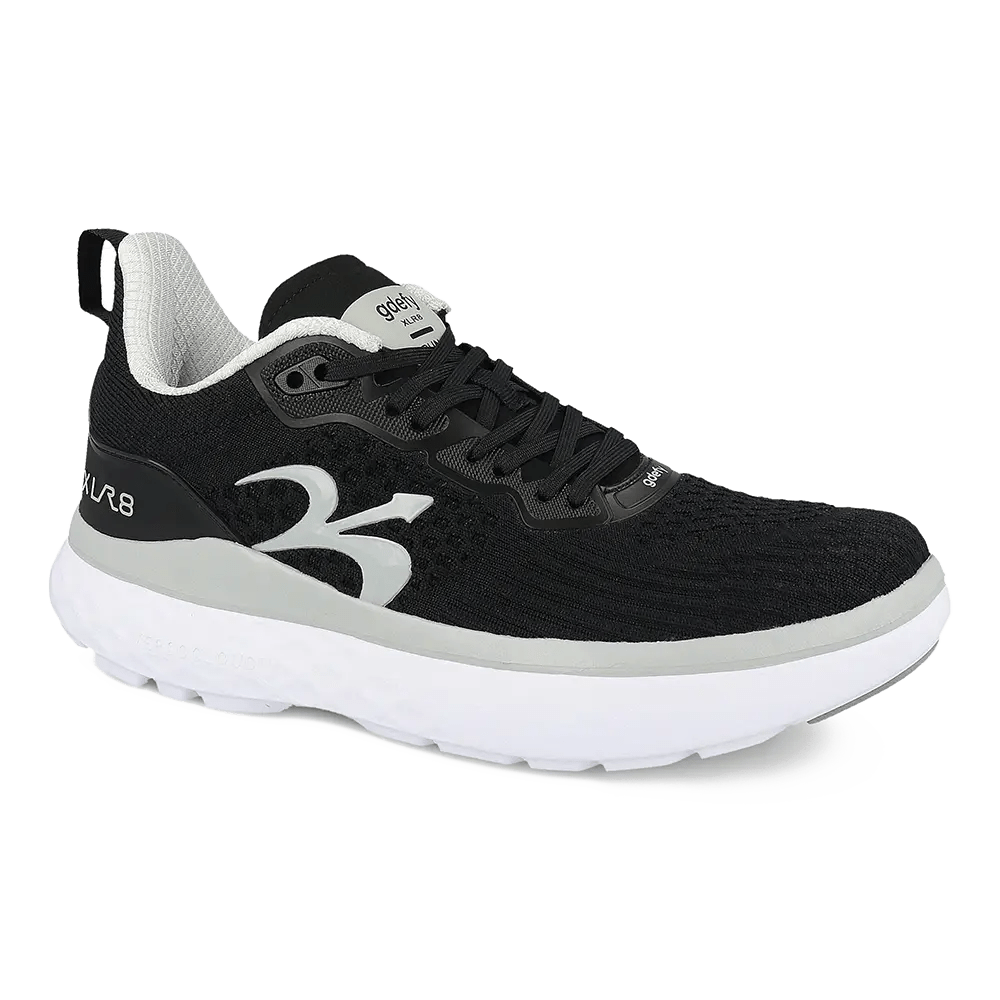
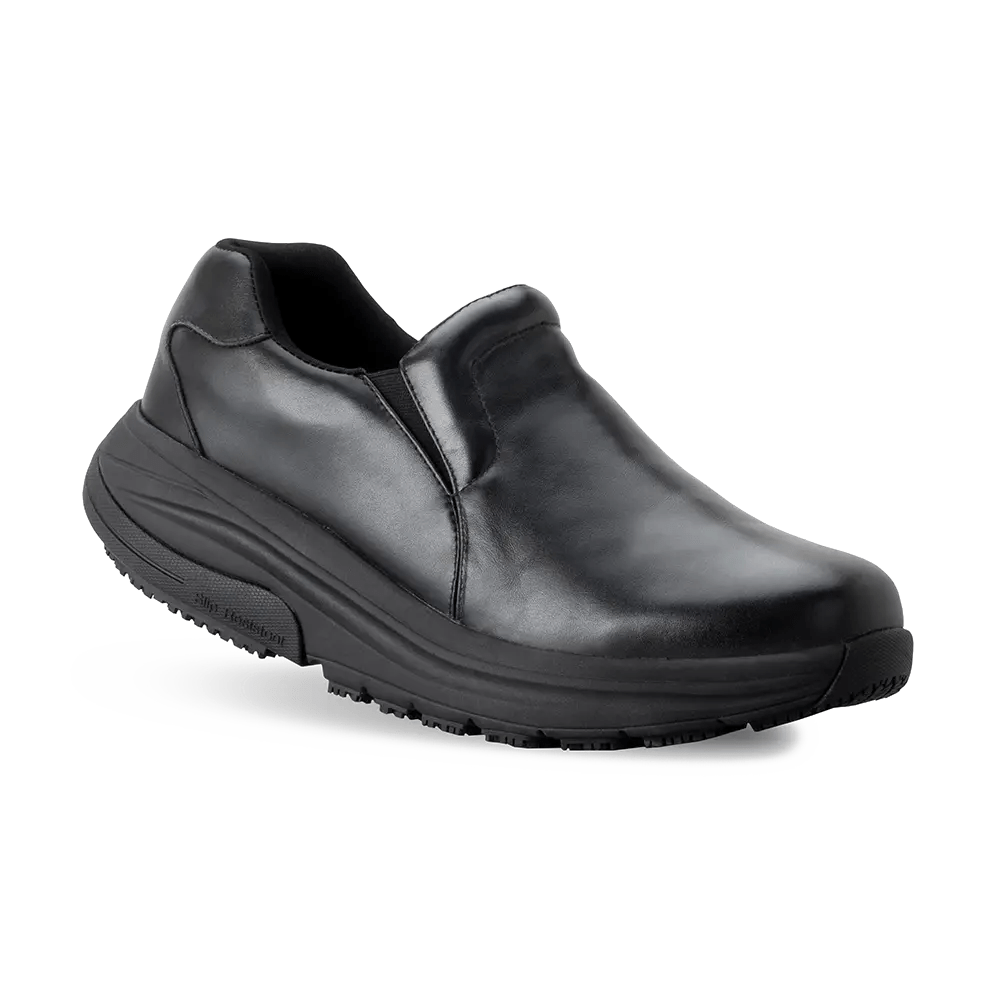
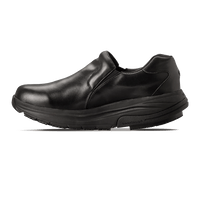
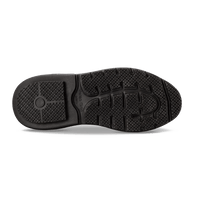
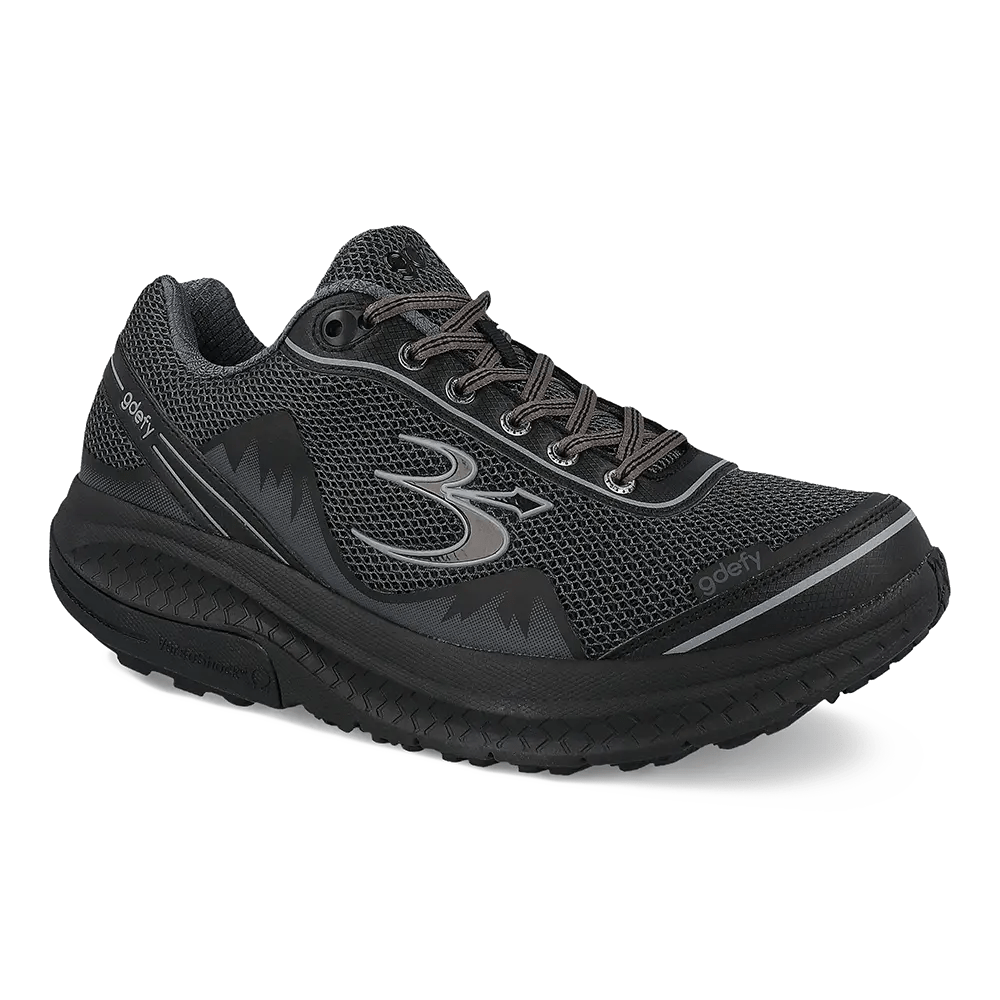
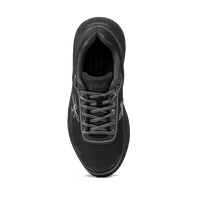
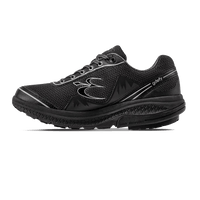
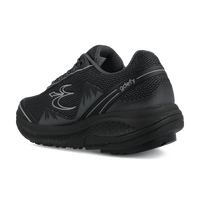
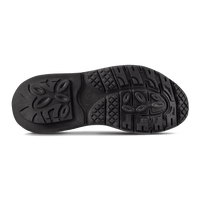
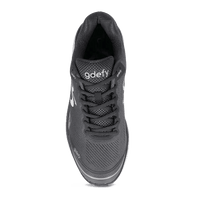
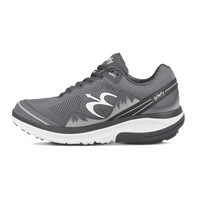
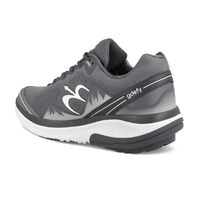
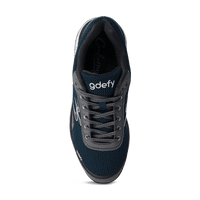
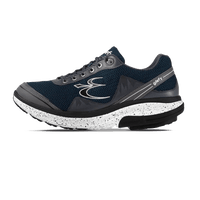
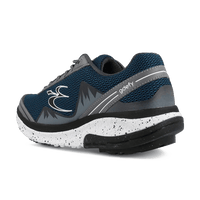
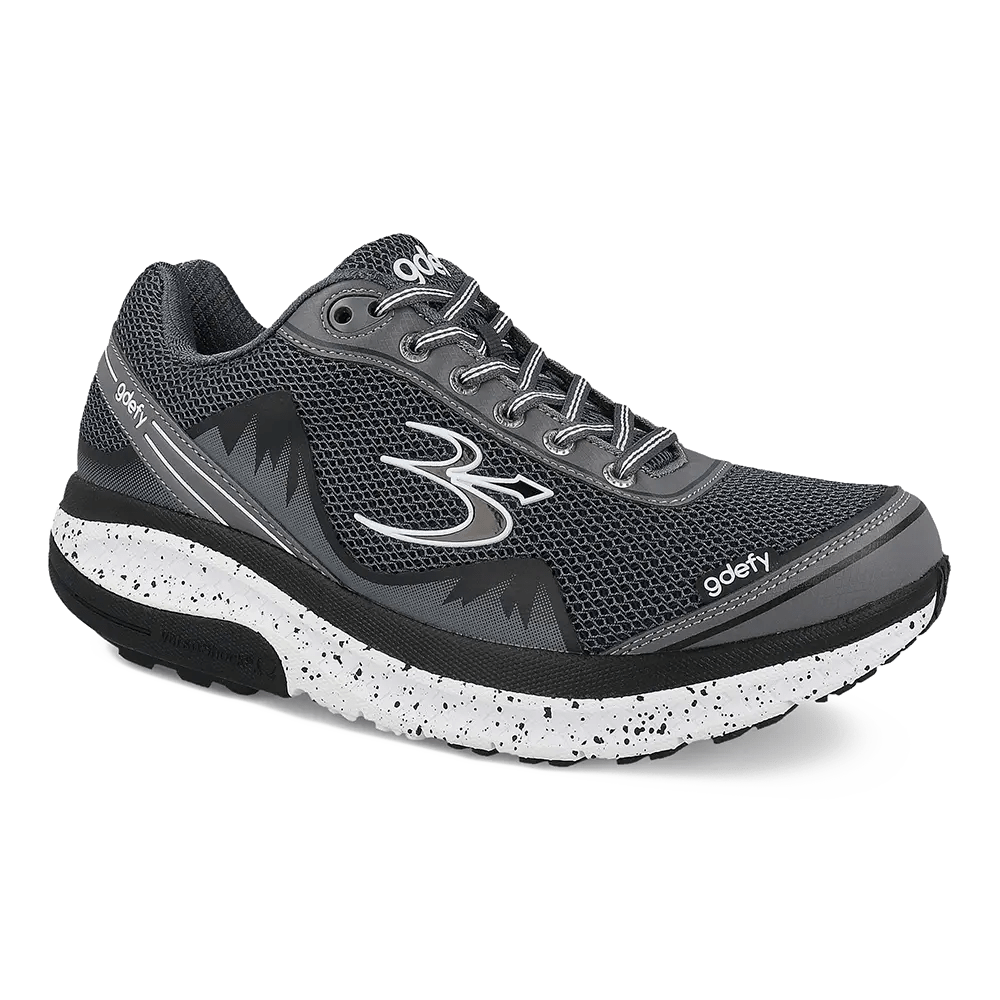
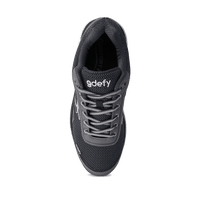
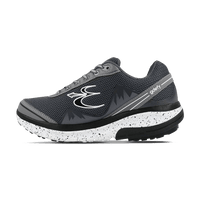
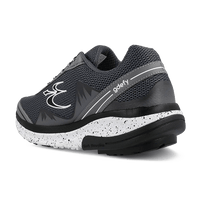
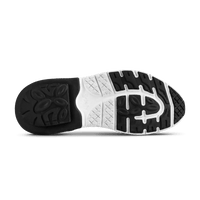
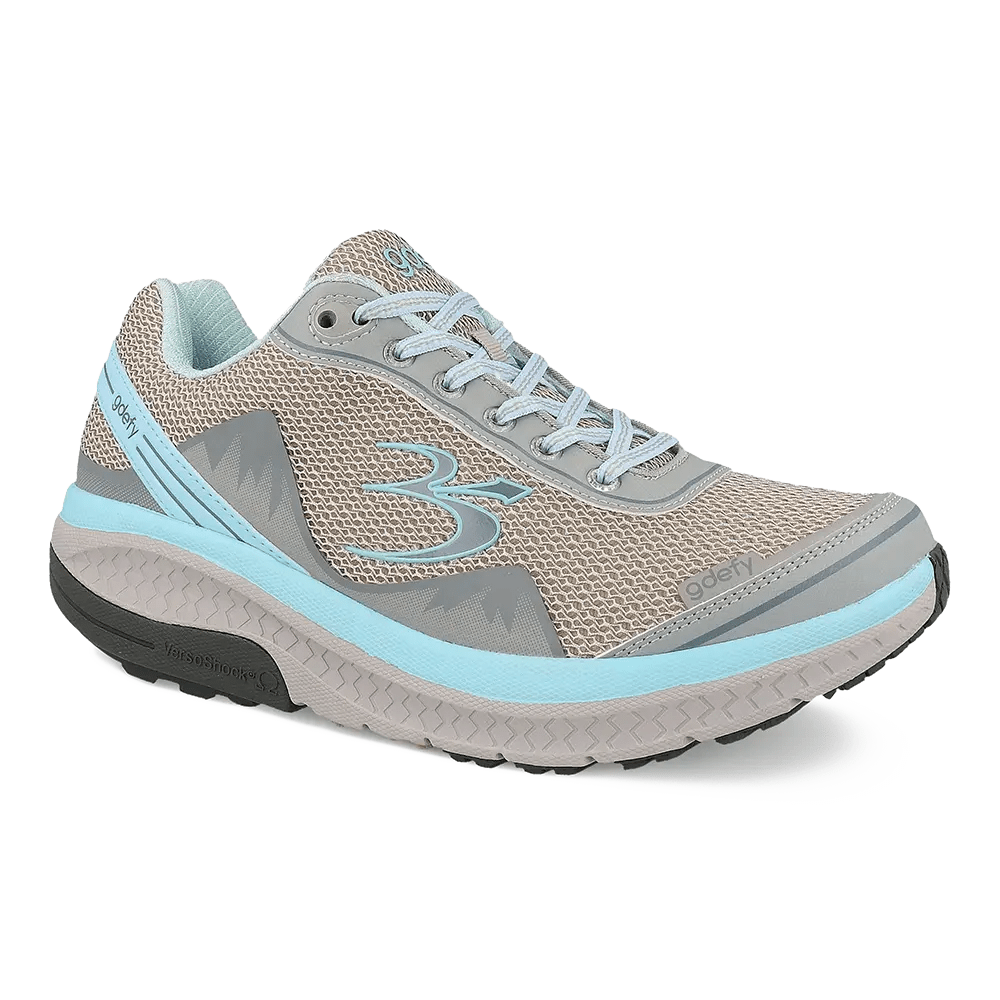
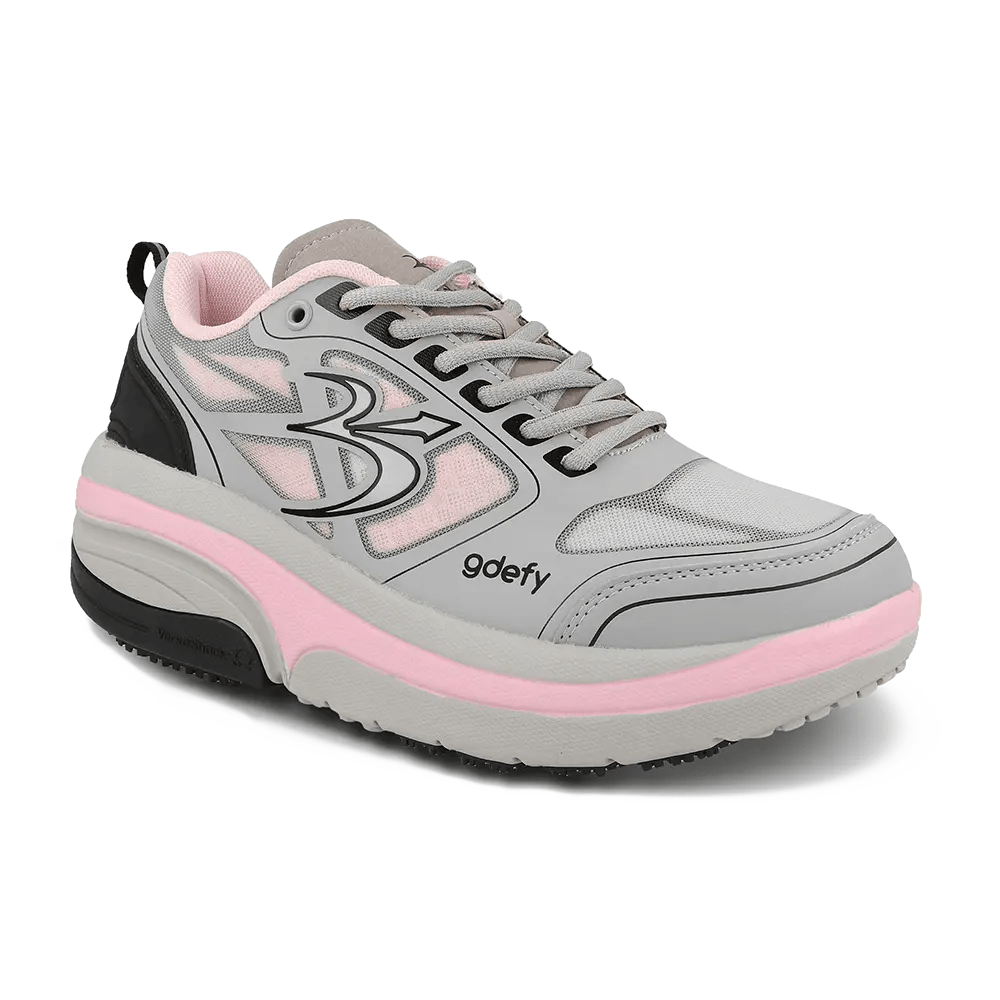
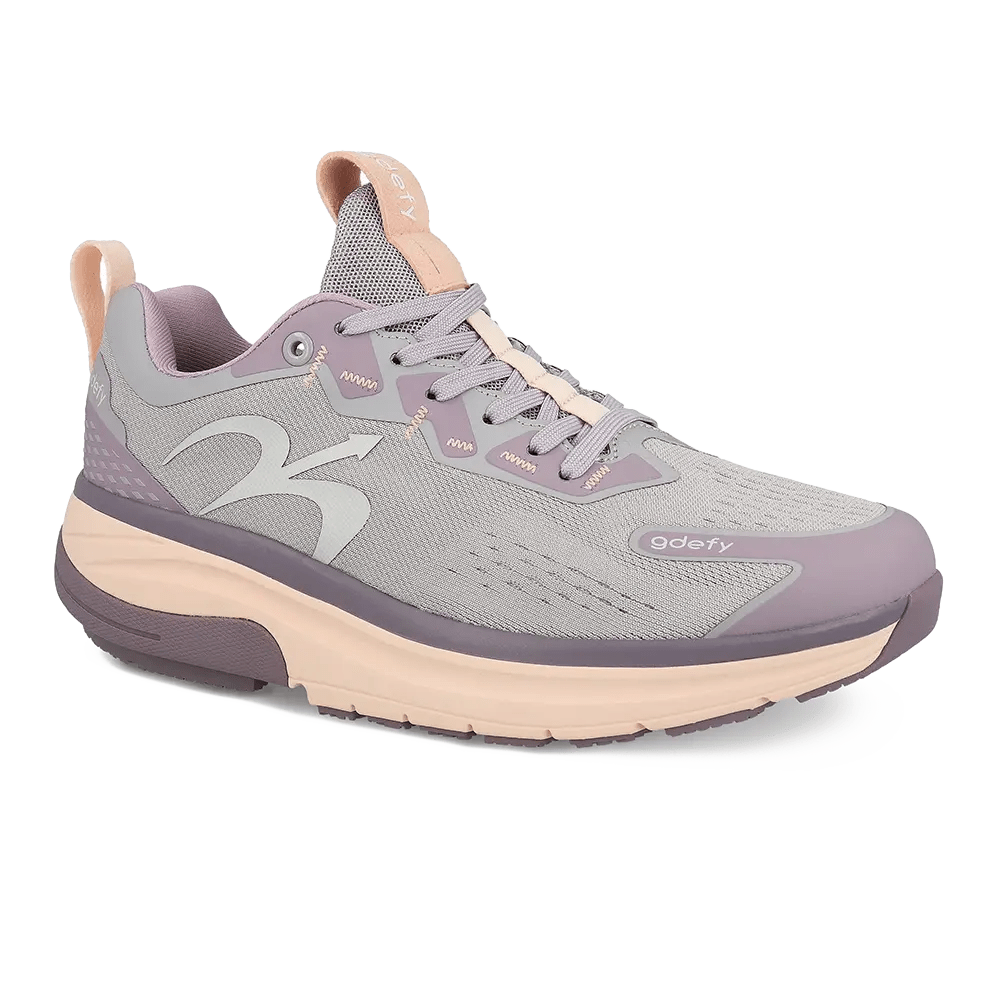
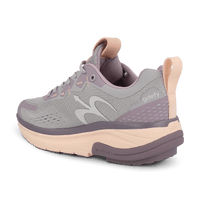
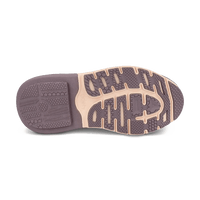
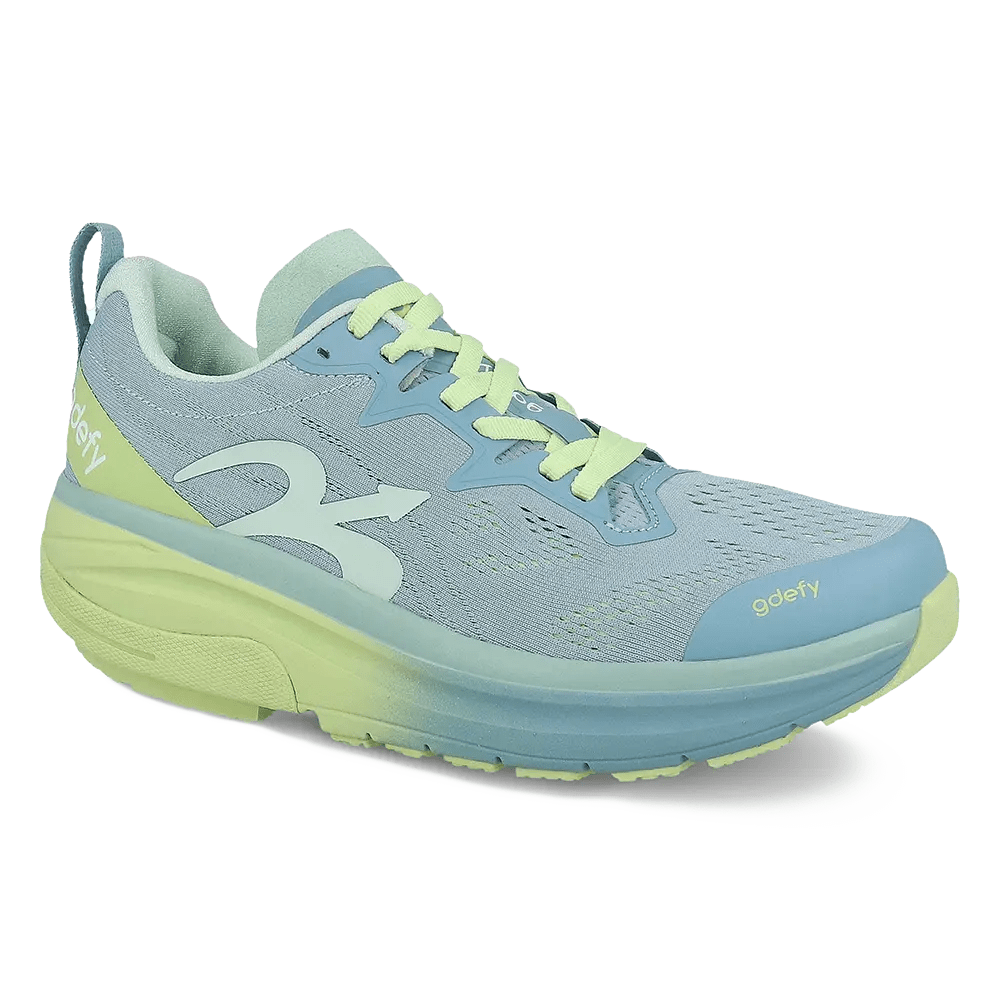
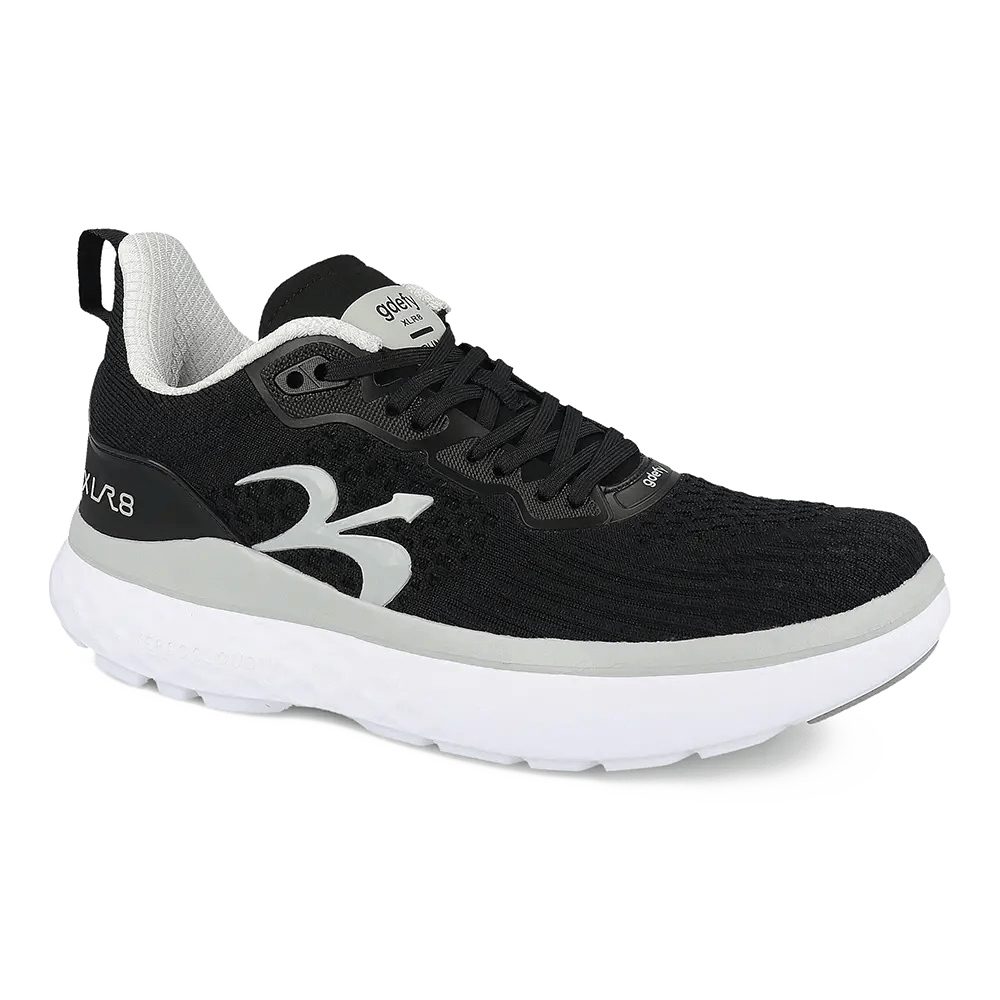
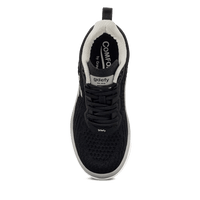
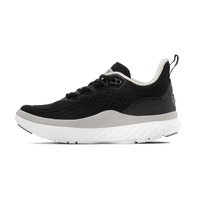
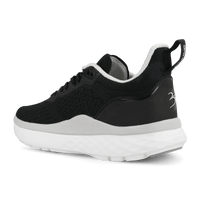
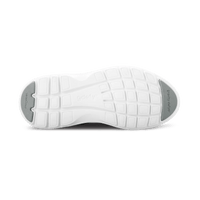
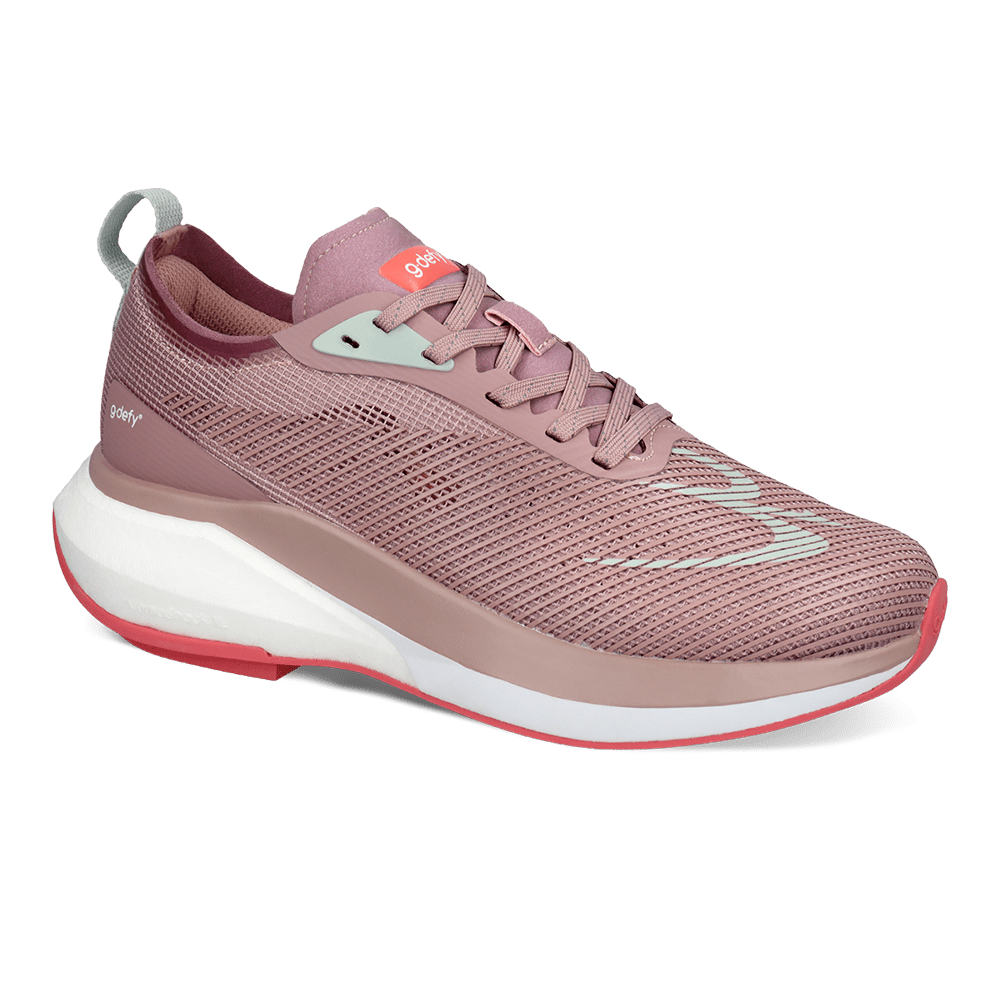
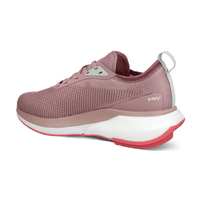
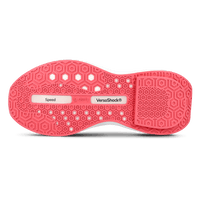
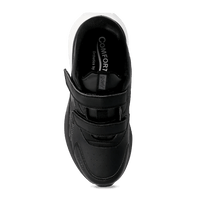
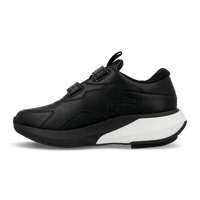
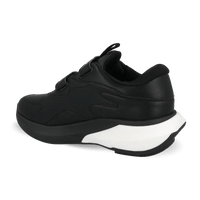
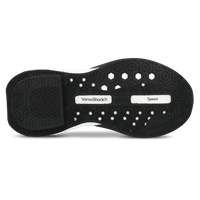
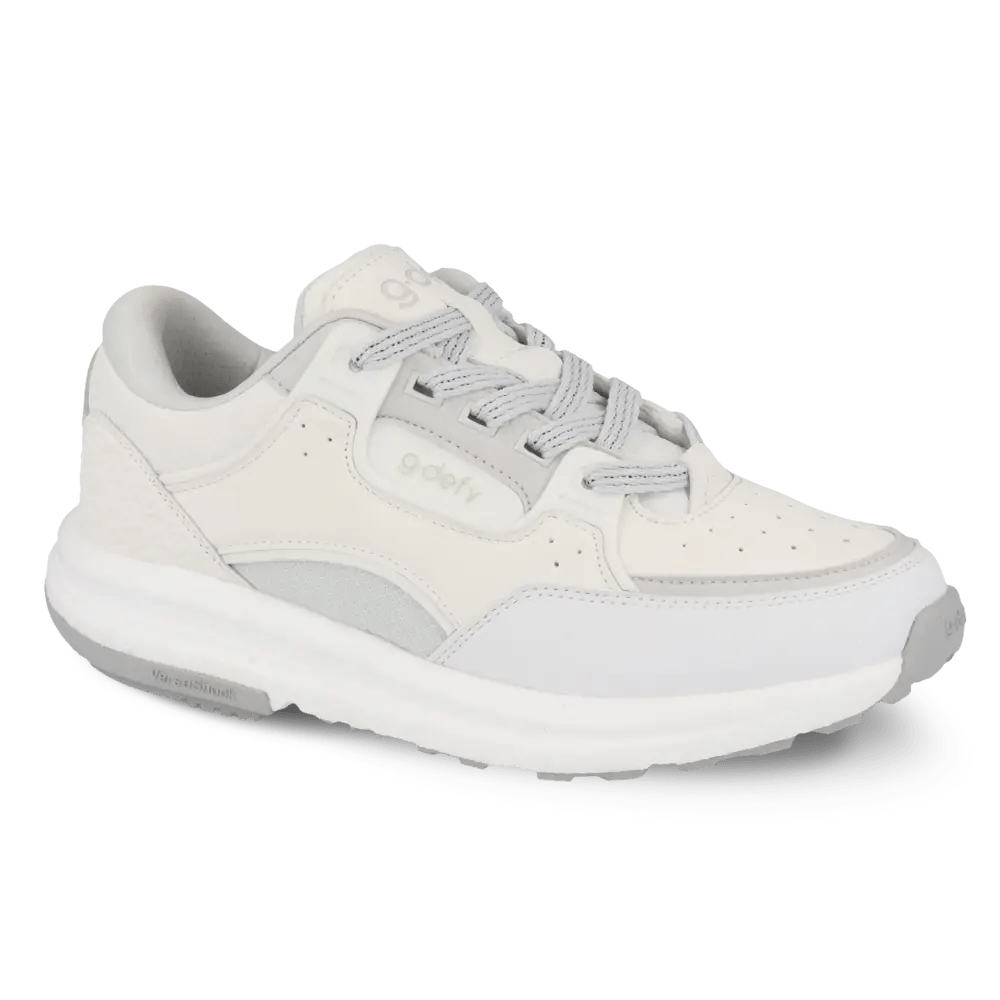
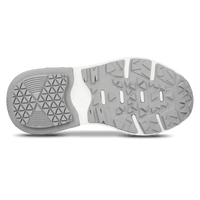
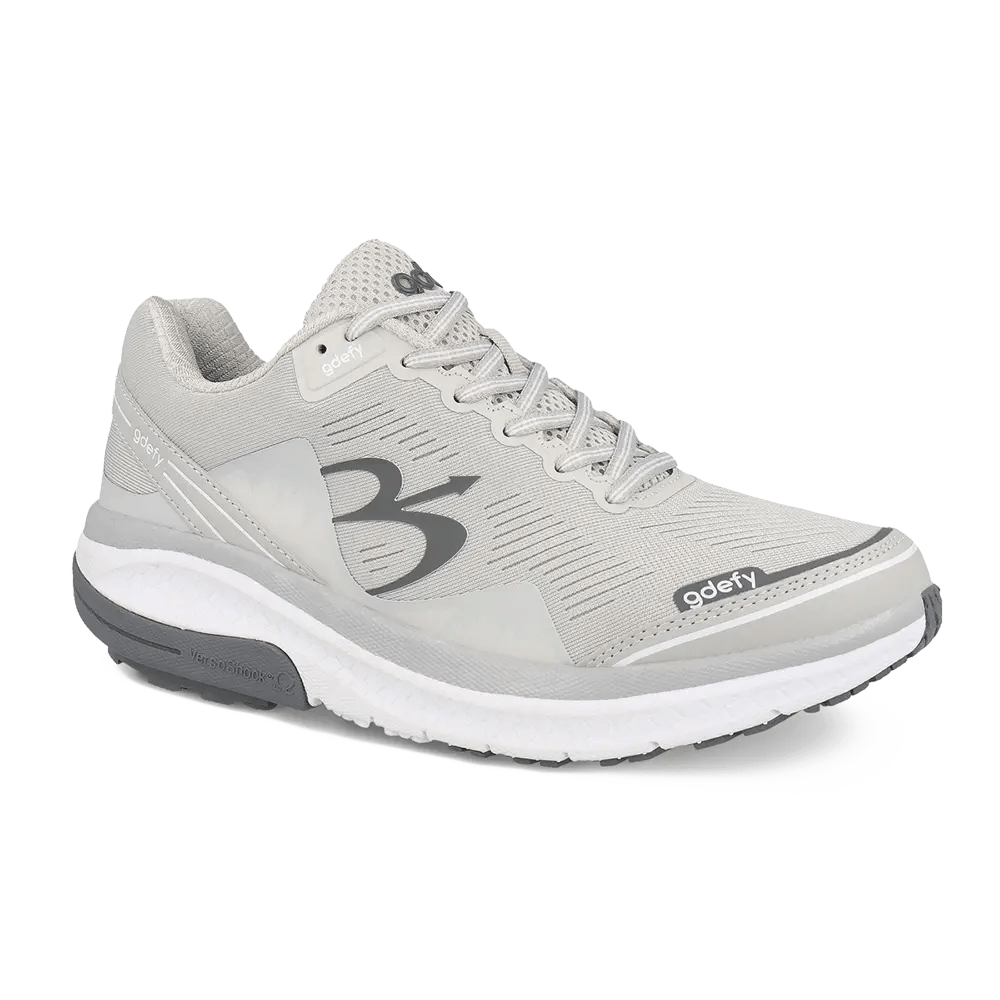
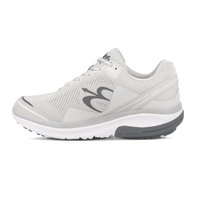
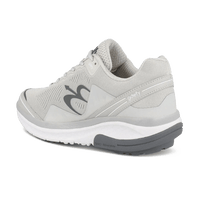
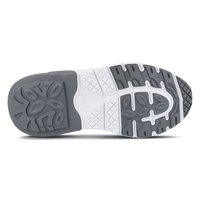
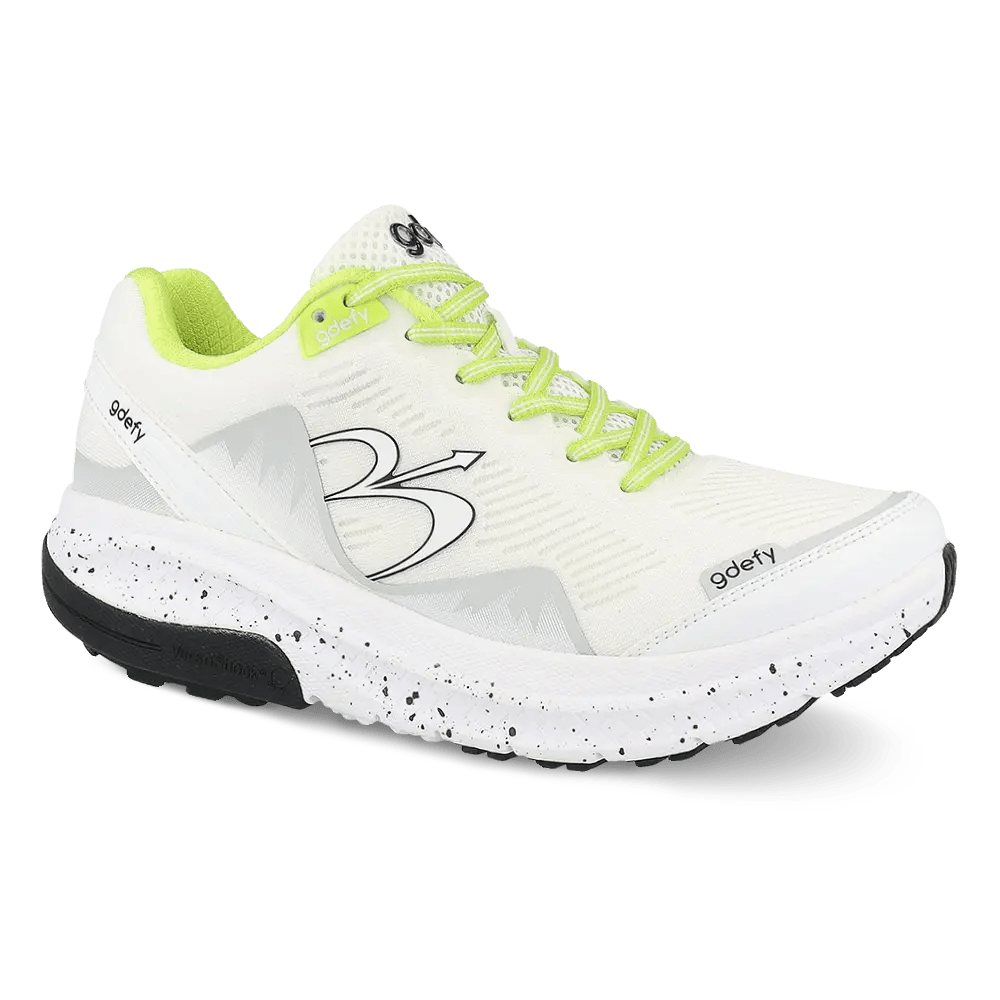
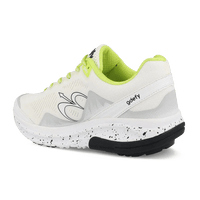
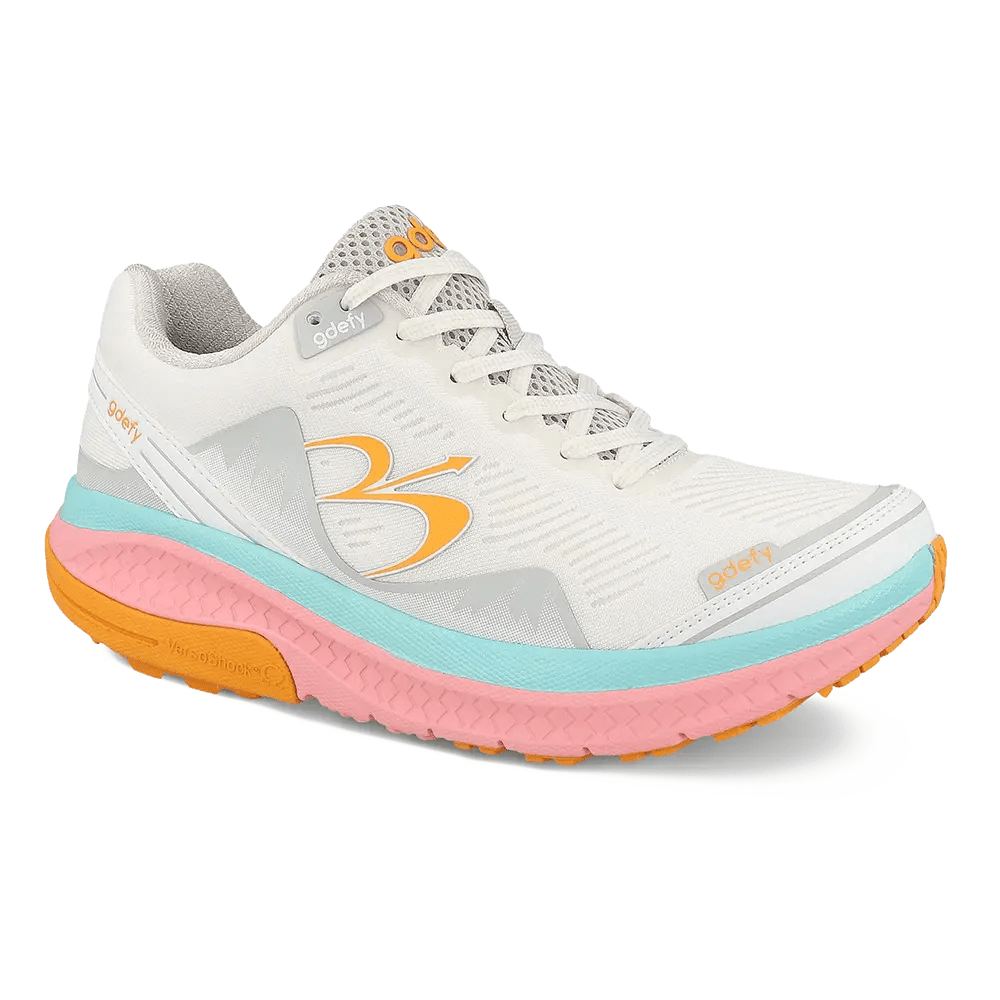
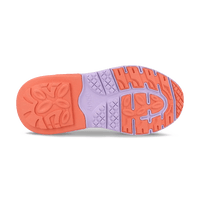
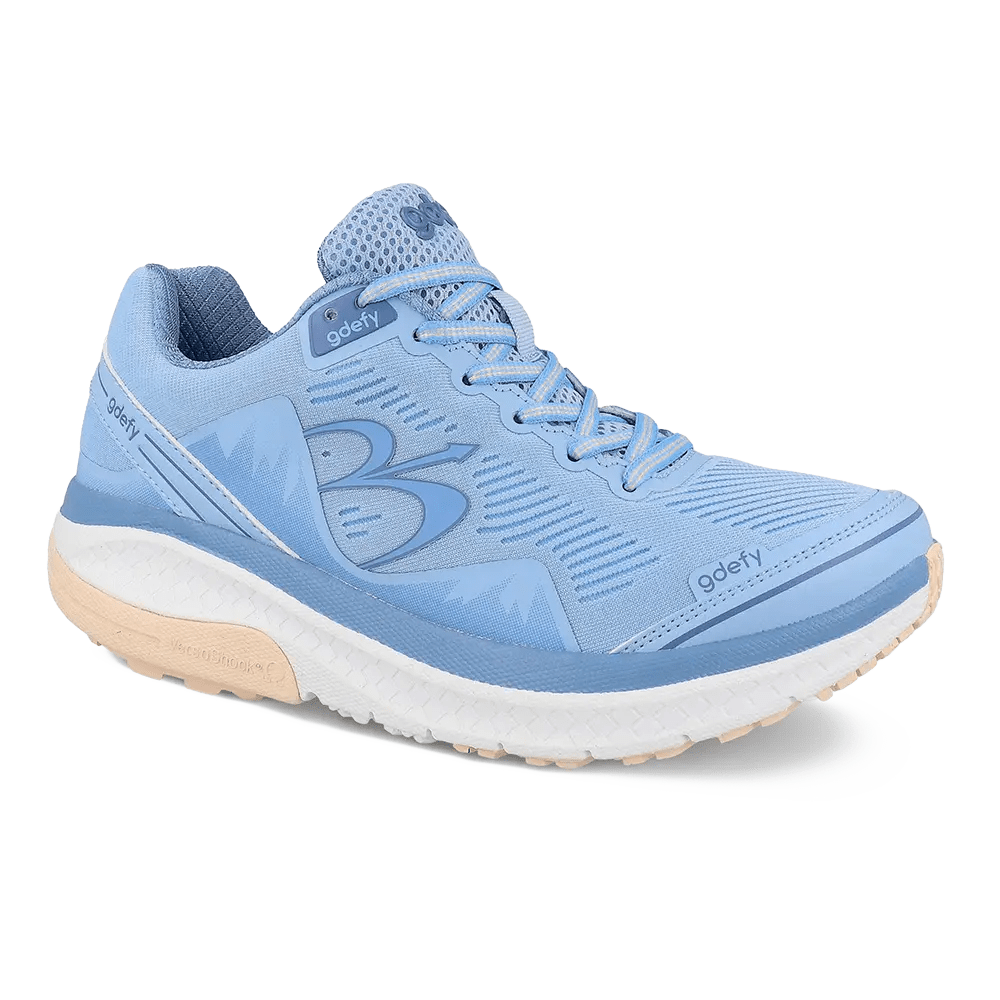
G-Defy shoes are engineered to provide comfort, support, and shock absorption. Featuring VersoShock® technology, they are designed to absorb impact and return energy with each step. A built-in stabilizer supports the foot during movement, while the front rolling design promotes a smooth walking experience. Each pair includes two removable orthotics to help customize comfort and support. G-Defy shoes help reduce pain from walking, running, and prolonged standing.
The four pillars of the G-Defy design come together to address exactly the kind of impact load that body weight puts on the feet:
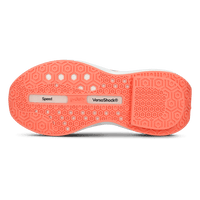
- VersoShock® shock absorption — a spring-based system designed to absorb impact softly rather than compress like standard foam
- Energy return — designed to help propel forward movement, supporting a more efficient stride
- Stabilizer system — a built-in shank that supports the foot structure during each step
- Front rolling design — encourages a natural heel-to-toe transition for a smoother walking motion
Every pair also includes two removable orthotics — the ComfortFit® orthotic for low to medium arches, and the CorrectiveFit® orthotic for medium to high arches — so you can match the support level to your foot type.
Featured G-Defy Shoes for All-Day Walking Comfort
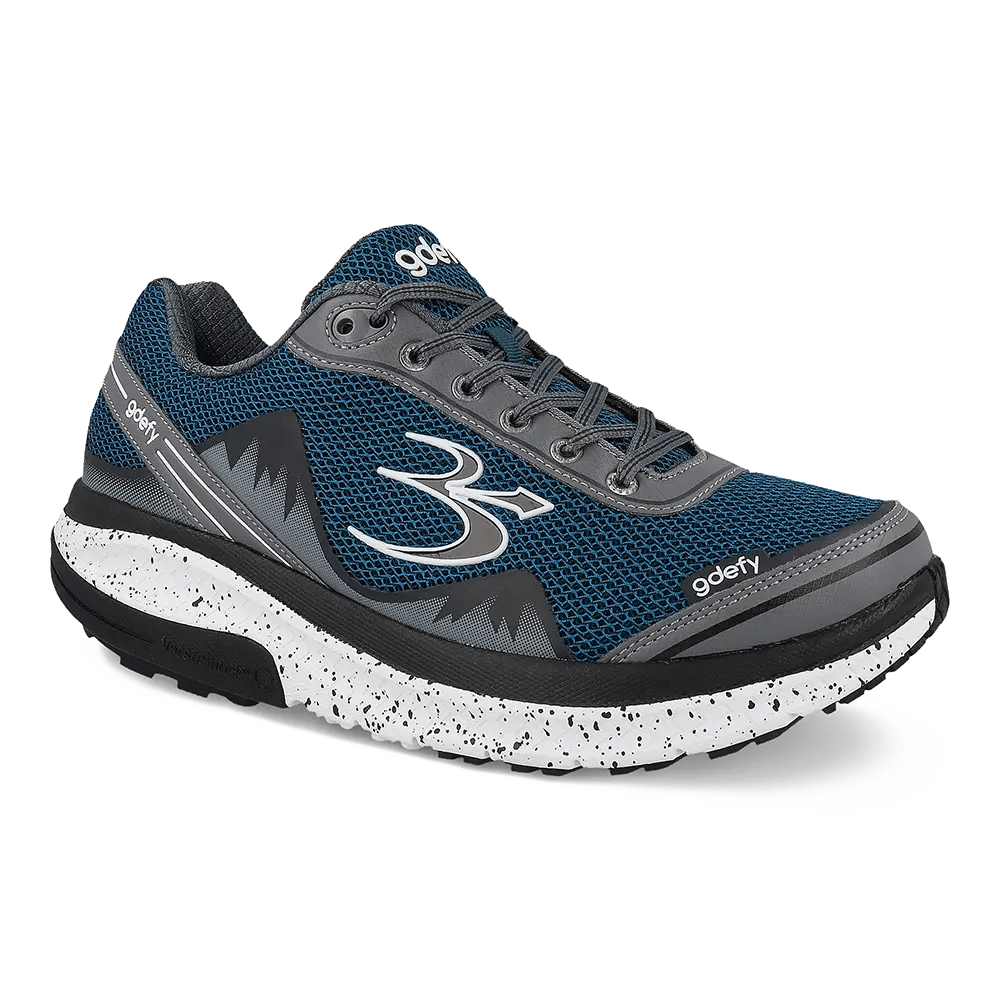
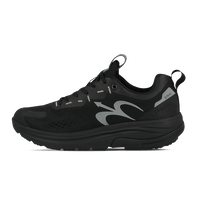
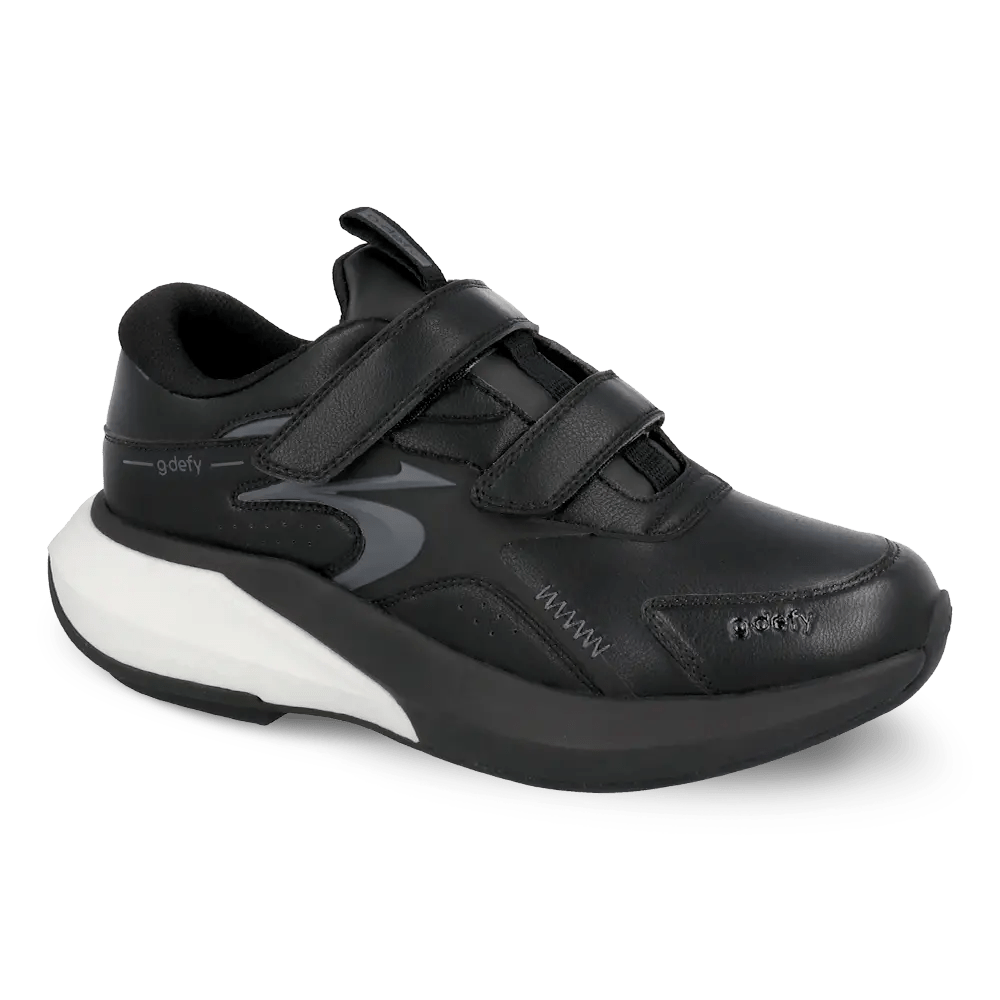
- Mighty Walk — engineered for maximum cushioning and support during walking, standing, and all-day wear. A strong choice for daily wear and long hours on your feet.
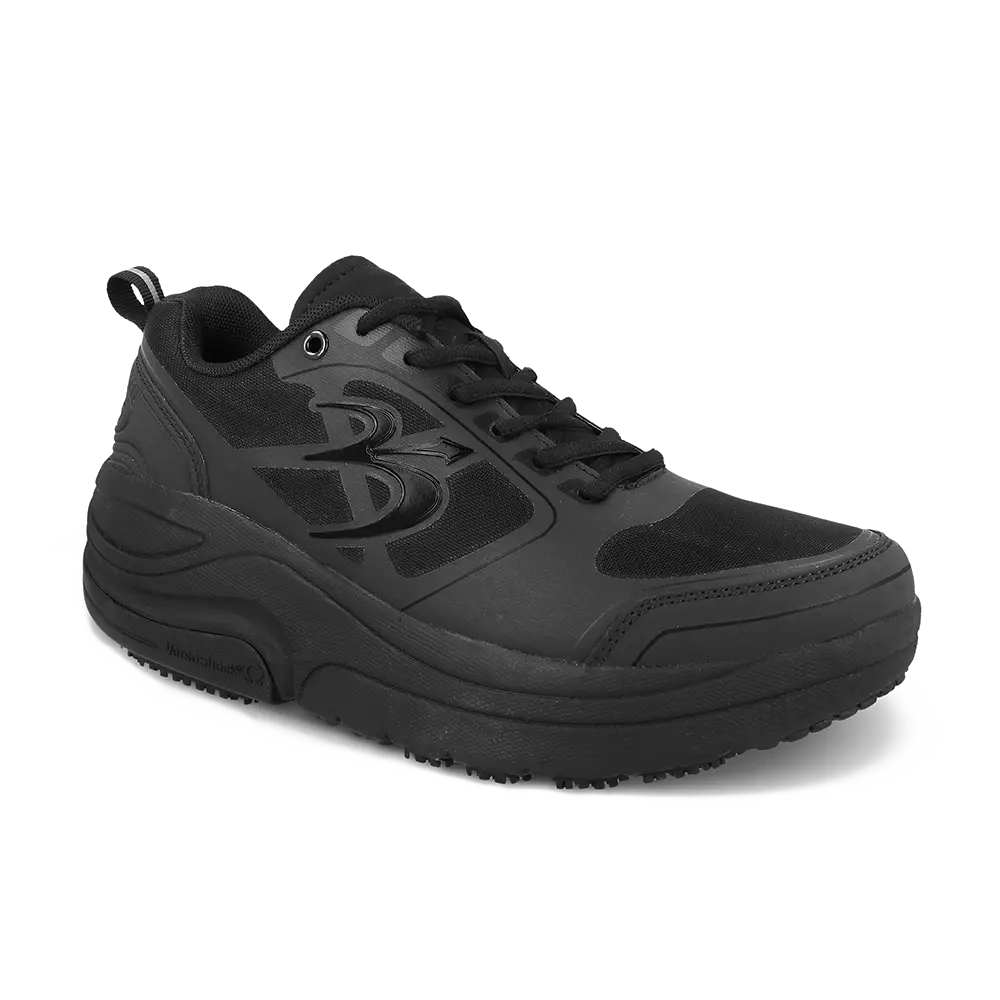
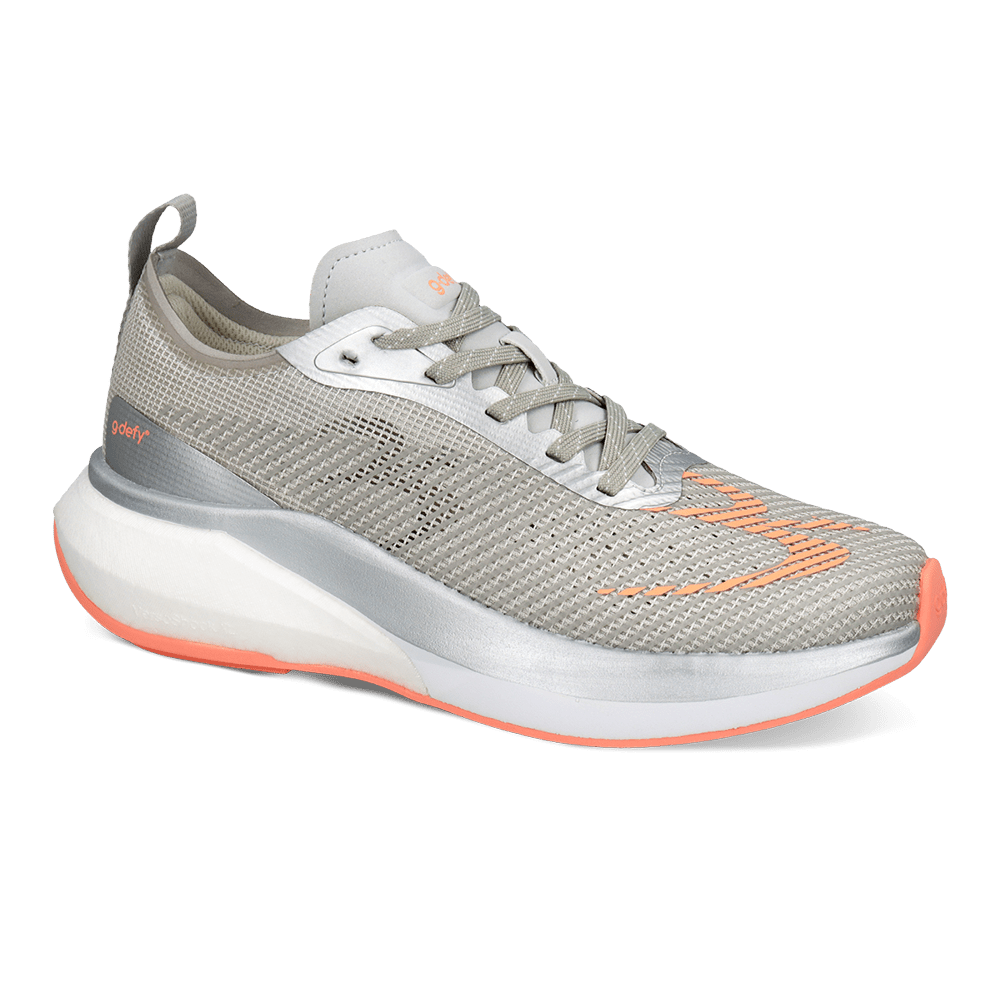
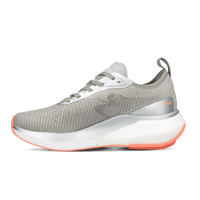
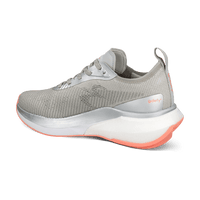
- G-Defy Ion — a lightweight option with the same VersoShock® system, designed for casual everyday comfort without feeling bulky.
Browse the full lineup in the men's collection or the women's collection.
Try G-Defy Risk-Free for 60 Days
Walk in them, stand in them, wear them on long days. If they're not the most comfortable shoes you've ever owned, send them back for a full refund. Free shipping on every order.
Shop Mighty Walk
Practical Daily Habits That Help
A great pair of shoes is the foundation, but a few small habits make a noticeable difference over a long day.
- Rotate your shoes. Wearing the same pair every day compresses the cushioning faster. Two pairs in rotation can extend the life of both.
- Replace worn-out shoes sooner rather than later. A heavier walker may wear through a pair faster than the average wearer. If the cushioning feels flat or the outsole is visibly worn, it's time.
- Build up walking time gradually. If you're returning to longer walks, add a few minutes each day rather than jumping straight to an hour.
- Swap your orthotics if needed. If your arch type changes or you want more or less support, the dual orthotic system makes that easy.
- Pay attention to where you stand. Anti-fatigue mats at home or work, even small ones, reduce the impact returned to the feet on hard floors.
- Stretch the calves and arches. A few minutes of calf and arch stretching in the morning helps prepare your feet for the day ahead.
Frequently Asked Questions
Does carrying extra body weight cause foot pain?
Body weight is one of several factors that can contribute to foot pain during walking and standing. Greater impact load with each step, combined with hard surfaces and worn-out shoes, can lead to fatigue and discomfort. Supportive and cushioned footwear may improve overall comfort during walking and prolonged standing.
What shoe features help most when body weight is a factor?
Look for substantial cushioning, a long-lasting shock absorption system, a stable wide base, strong arch support, a roomy toe box, and proper fit. Durable construction also matters because heavier loads compress midsoles and wear outsoles faster.
How often should heavier walkers replace their shoes?
There is no single right answer because it depends on how often the shoes are worn, the surfaces walked on, and the construction of the shoe. A practical signal: when the cushioning feels flat, the outsole is visibly worn, or the shoes no longer feel as supportive as they did when new, it's time to replace them. Rotating between two pairs can extend their useful life.
Can the right shoes really make a difference for daily comfort?
Yes — supportive footwear designed for shock absorption and stability can meaningfully improve how your feet feel during and after a long day on them. While shoes are not a medical solution, the right design supports a more comfortable stride during walking and standing.
Should I see a healthcare provider about persistent foot pain?
Yes. If you're experiencing persistent or worsening foot pain, consult your healthcare provider for personalized guidance. This article is for general educational purposes and is not a substitute for medical advice.
The Bottom Line
Body weight is one of several factors that shape how your feet feel during a long day on them — but it's a factor you can support with the right footwear. Shoes designed for substantial cushioning, durable shock absorption, a stable base, and proper fit help your feet handle the daily impact load with less fatigue.
While footwear is not a medical solution, choosing shoes designed for comfort, support, and shock absorption can make a meaningful difference in how you feel from your first step in the morning to your last step at night. With G-Defy's 60-day risk-free trial and free shipping on every order, there's nothing stopping you from finding out what supportive footwear can do for your daily comfort.
Find Your Most Comfortable Pair
Explore G-Defy shoes engineered with VersoShock® technology for comfort, support, and shock absorption during daily walking and standing.
Shop Women's Shop Men's