
July 07, 2026
What Causes Foot Discomfort When Walking?
By Gdefy

Summary

Walking is one of the simplest, most natural things we do — so it can be frustrating when your feet start aching partway through a walk around the block, a shopping trip, or a long day on your feet. Foot discomfort while walking is common, and it usually builds from a mix of everyday factors rather than one single cause.
While footwear isn't a medical solution, understanding what's happening beneath your feet can help you make better choices about the surfaces you walk on, the habits you keep, and the shoes you wear. In this guide, we'll break down the most common reasons feet feel tired, sore, or achy during walking — and what to look for in a shoe designed for comfort and support.
What Causes Foot Discomfort When You Walk?
Most walking-related foot discomfort comes from the repeated, low-level stress of movement adding up over time. It's rarely one dramatic thing — more often it's several small factors stacking together over a long day. Here are the everyday causes that most often play a role.
Long Hours and Repeated Impact
Every step you take sends a small amount of impact up through your feet. On a short walk, that's easy to shrug off. Over thousands of steps — a full day of errands, a shift at work, a day of travel — that repeated impact can leave the feet feeling tired and tender. The more time you spend on your feet, the more that cumulative stress adds up, which is why feet often feel fine in the morning but sore by evening.
Hard Walking Surfaces
Concrete, tile, and asphalt don't absorb any of the impact from your stride — your feet and legs have to do all the work instead. Walking on these unforgiving surfaces for long stretches is one of the most common reasons feet feel sore by the end of the day, especially compared with softer ground like grass or a cushioned track. If your daily routine keeps you on hard floors, the surface itself is doing you no favors.
Worn-Out or Unsupportive Shoes
Shoes don't last forever. As cushioning compresses and support breaks down, a shoe gradually loses its ability to soften each step. Walking in worn-out footwear — or in flat, thin-soled shoes that offered little support to begin with — leaves your feet doing more of the work on their own, which can lead to aching and fatigue. Many people keep wearing a favorite pair long past the point where it's still doing its job.
Poor Fit
A shoe that's too tight, too loose, too narrow, or too shallow forces your feet to compensate with every step. Cramped toes, heels that slip, and pressure across the top of the foot all create friction and strain that build into discomfort during longer walks. Fit problems are easy to overlook, but they're surprisingly common — and feet can change shape and size over the years, so a size that fit a decade ago may not fit today.
Foot Fatigue and How You Move
The muscles and soft tissues in your feet work constantly to keep you balanced and moving forward. When they tire — from distance, from carrying extra weight like grocery bags or luggage, or from an uneven stride — the feet can start to feel heavy, achy, and less stable. This kind of everyday foot fatigue is a normal response to a lot of walking, but the right support can help share the load and make it more manageable.
Where You Tend to Feel Foot Discomfort
Walking discomfort doesn't feel the same for everyone. Noticing where your feet bother you can help you understand what your shoes may be missing:
- The heel — often tied to repeated impact on hard surfaces or thin, unsupportive cushioning.
- The ball of the foot — pressure here can build during long periods of standing and walking, or in shoes with little padding underfoot.
- The arch or midfoot — a tired, achy arch can signal that a shoe isn't offering enough support through the middle.
- All over — general, whole-foot tiredness usually points to overall fatigue from time on your feet, hard ground, or footwear that's past its prime.
None of this is a diagnosis — it's simply a way to think about comfort. If discomfort is persistent or severe, a healthcare provider is the right person to ask.
How Your Feet Connect to the Rest of Your Body
Your feet are the foundation of nearly every movement you make. When they're tired or unsupported, the discomfort doesn't always stay put — it can change how you stand, how you walk, and how you carry yourself. This connection from the ground up is sometimes called the kinetic chain, and it's a good reminder that comfortable, well-supported feet are about more than just the feet themselves. Choosing footwear that keeps your stride smooth and stable is a simple way to support overall daily comfort.
What to Look for in Shoes for Everyday Walking Comfort
If your feet tend to ache during or after walking, the design of your shoes matters. Here are the features that make the biggest difference for everyday comfort:
- Cushioning — helps absorb impact so each step feels softer underfoot.
- Support — helps maintain stability and keeps the foot from working overtime.
- Shock absorption — reduces the harsh force that travels up from hard surfaces.
- Energy return — helps keep your stride feeling responsive instead of flat and tiring.
- A stable platform — encourages balanced, controlled movement step after step.
- Proper fit — enough room for your toes, a secure heel, and the right width all improve comfort.
No single feature does everything on its own. The most comfortable walking shoes combine cushioning, support, and shock absorption so your feet don't have to absorb all the impact themselves. It helps to understand the difference between cushioning and support and what support really means in a shoe, since the two work together.
How G-Defy Shoes Support Everyday Walking Comfort

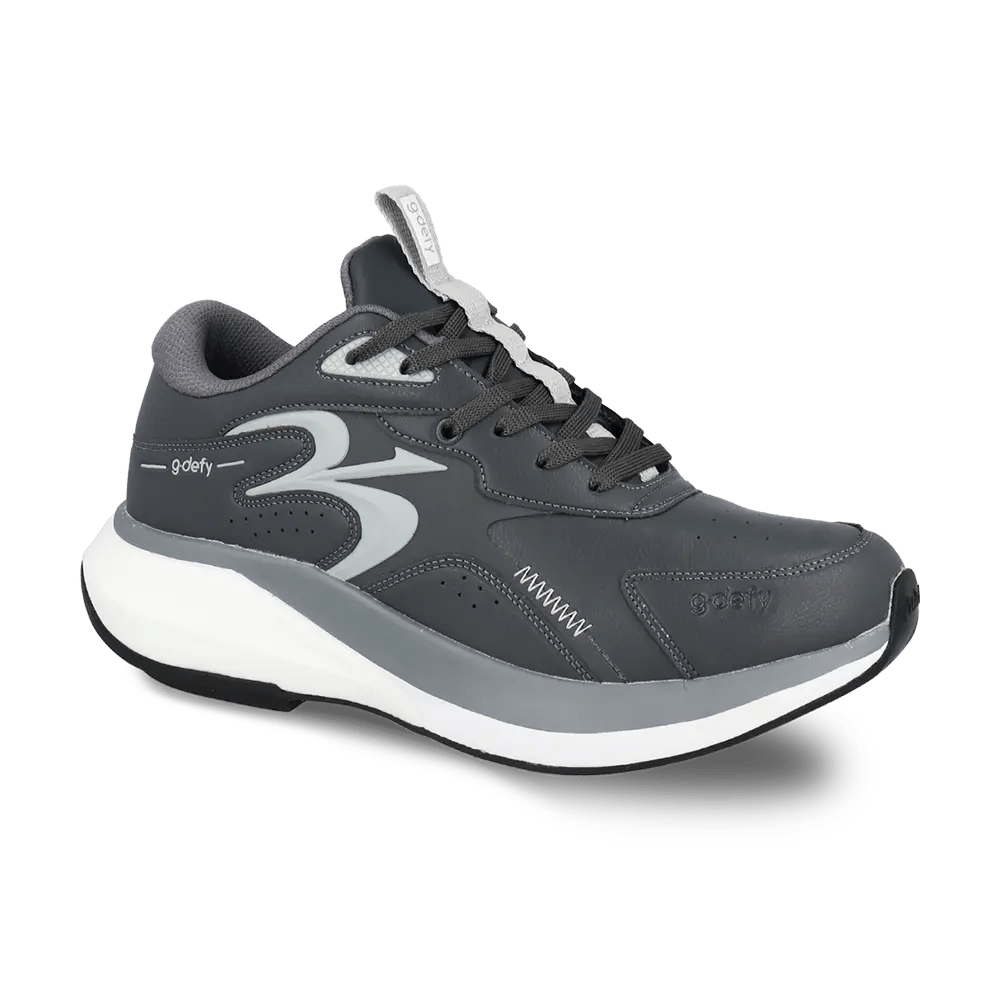
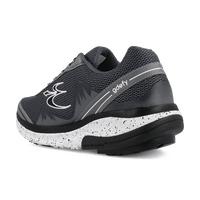
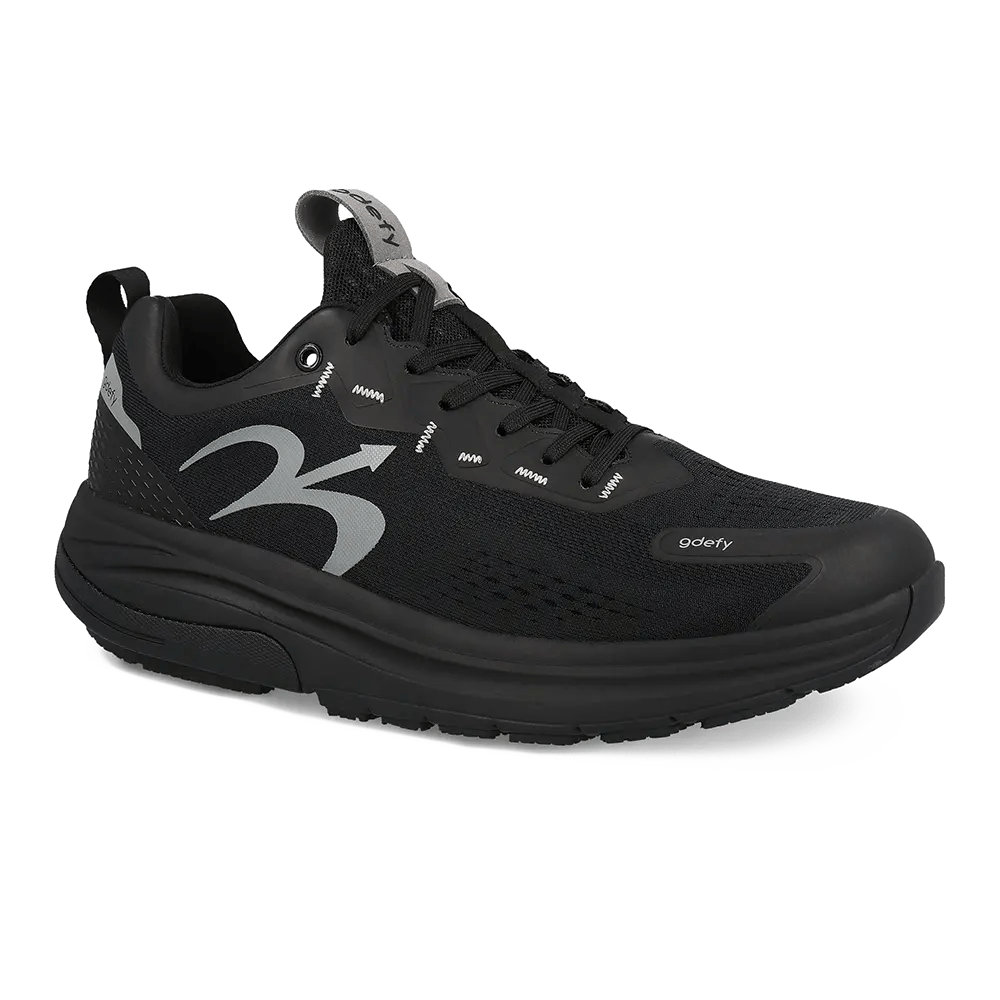
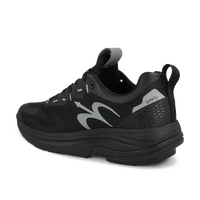
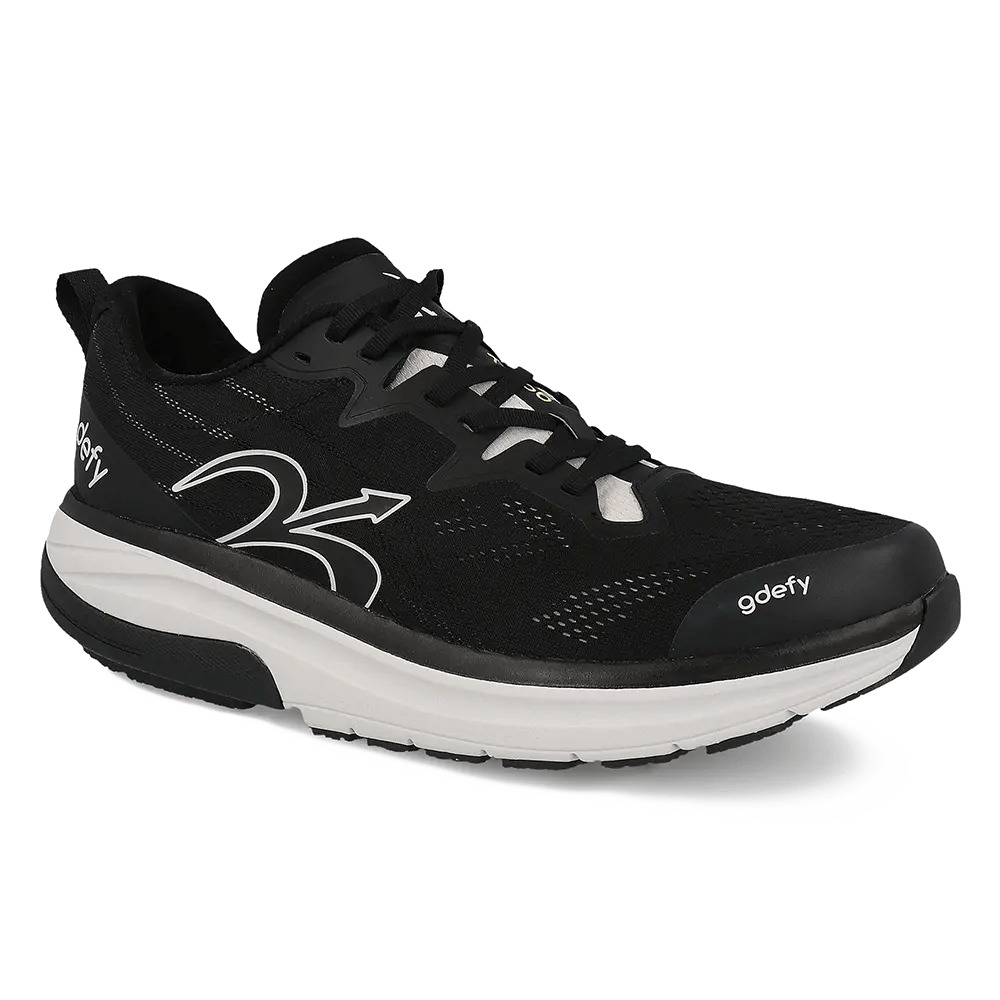
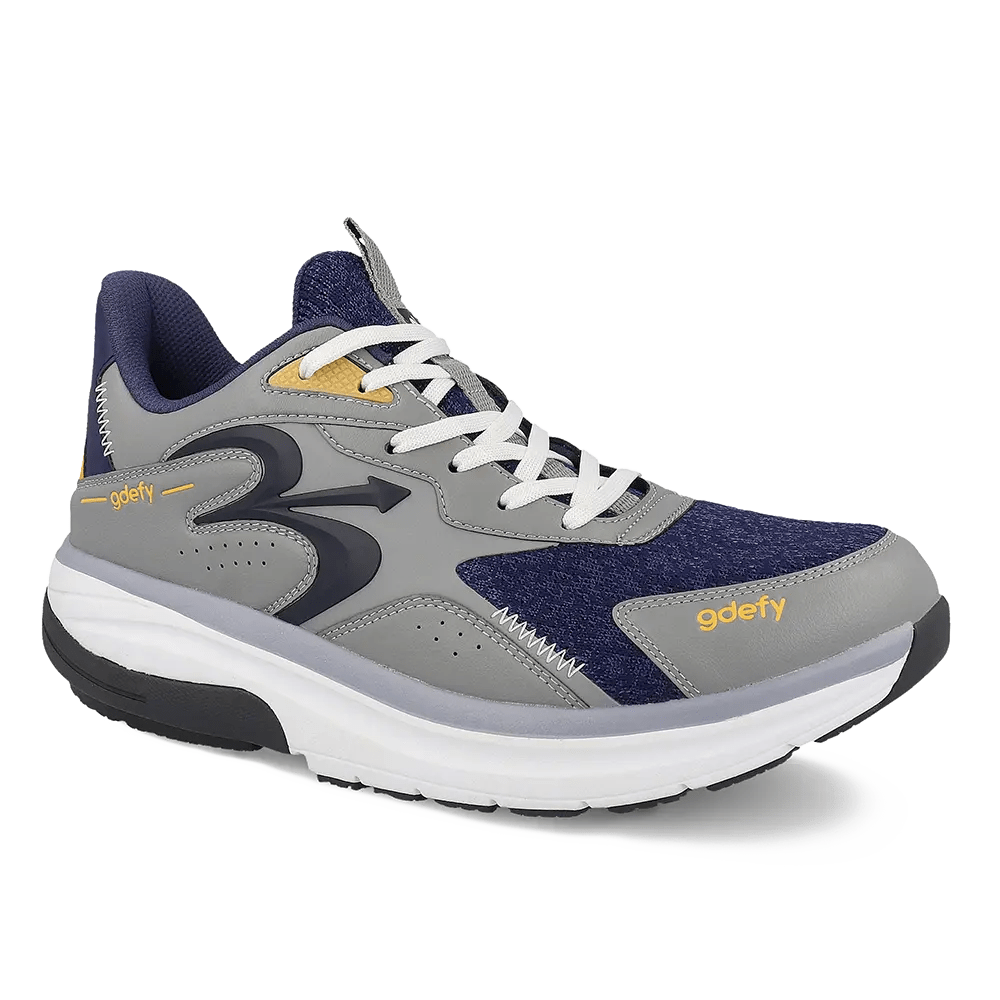
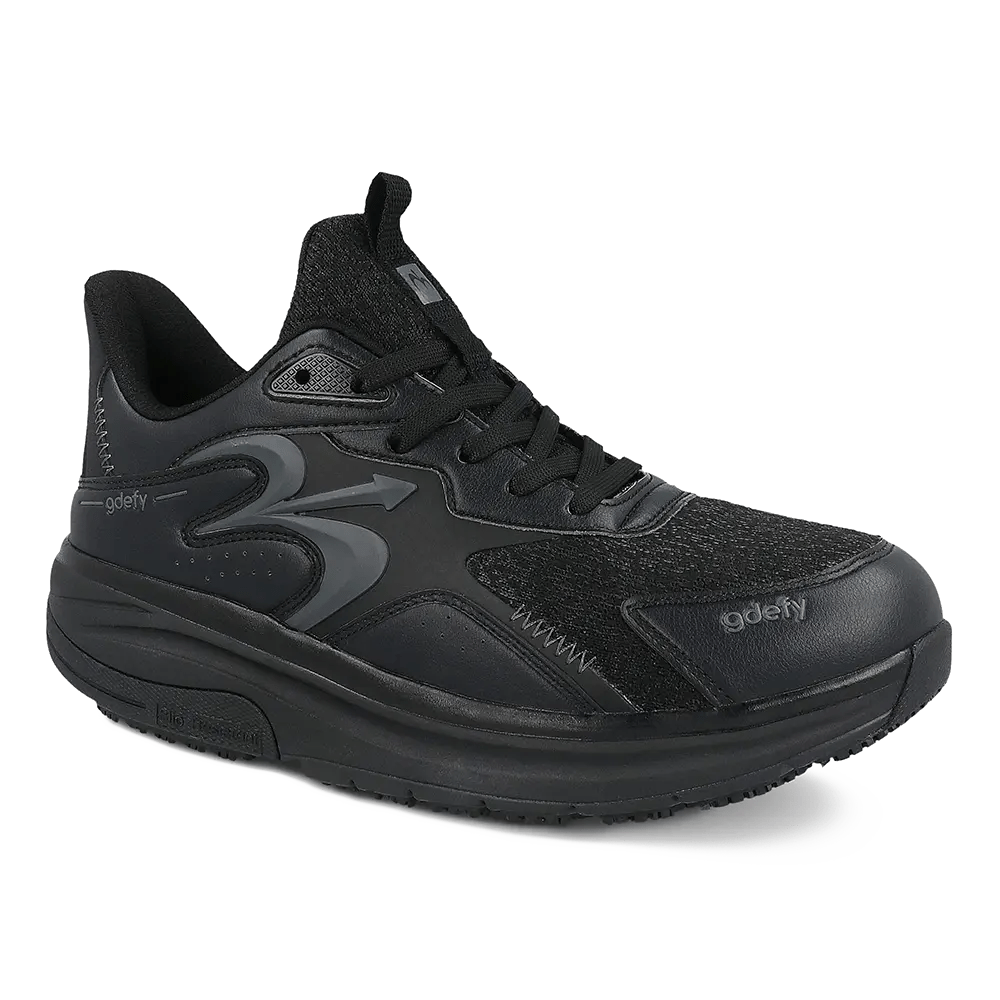
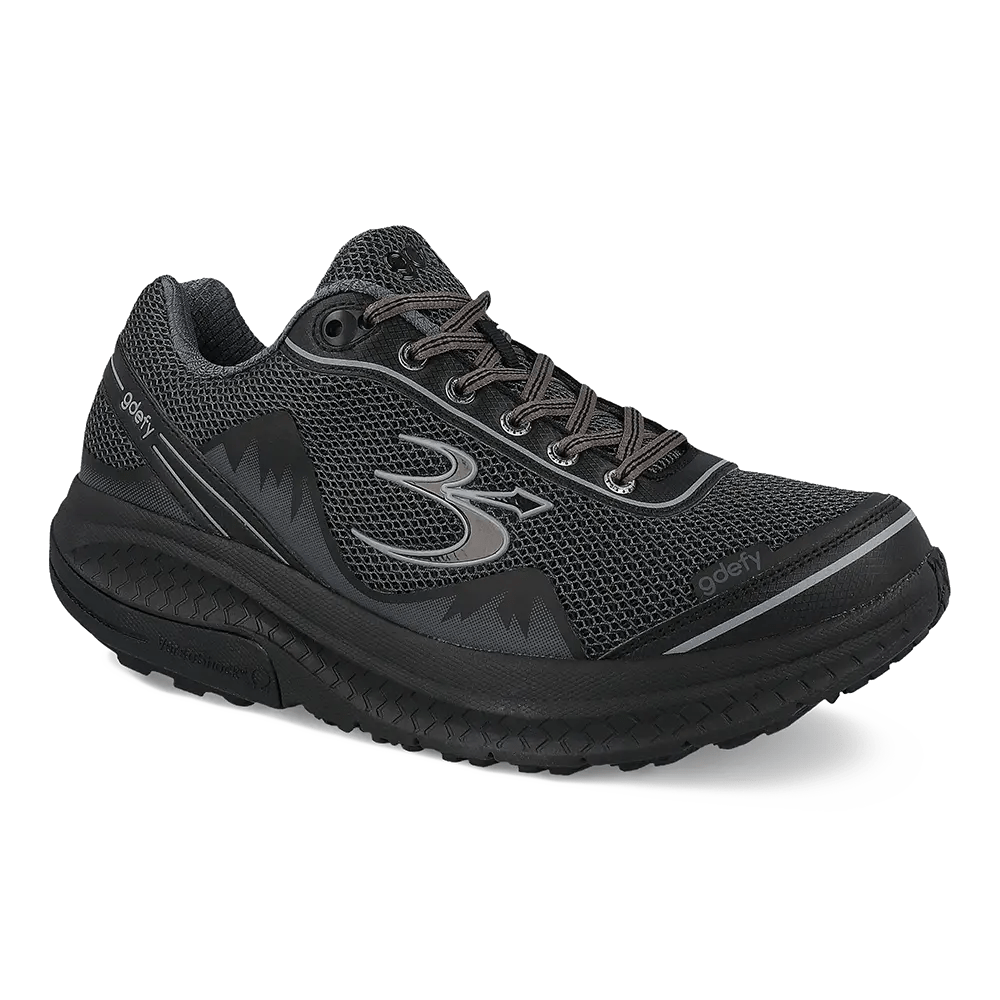
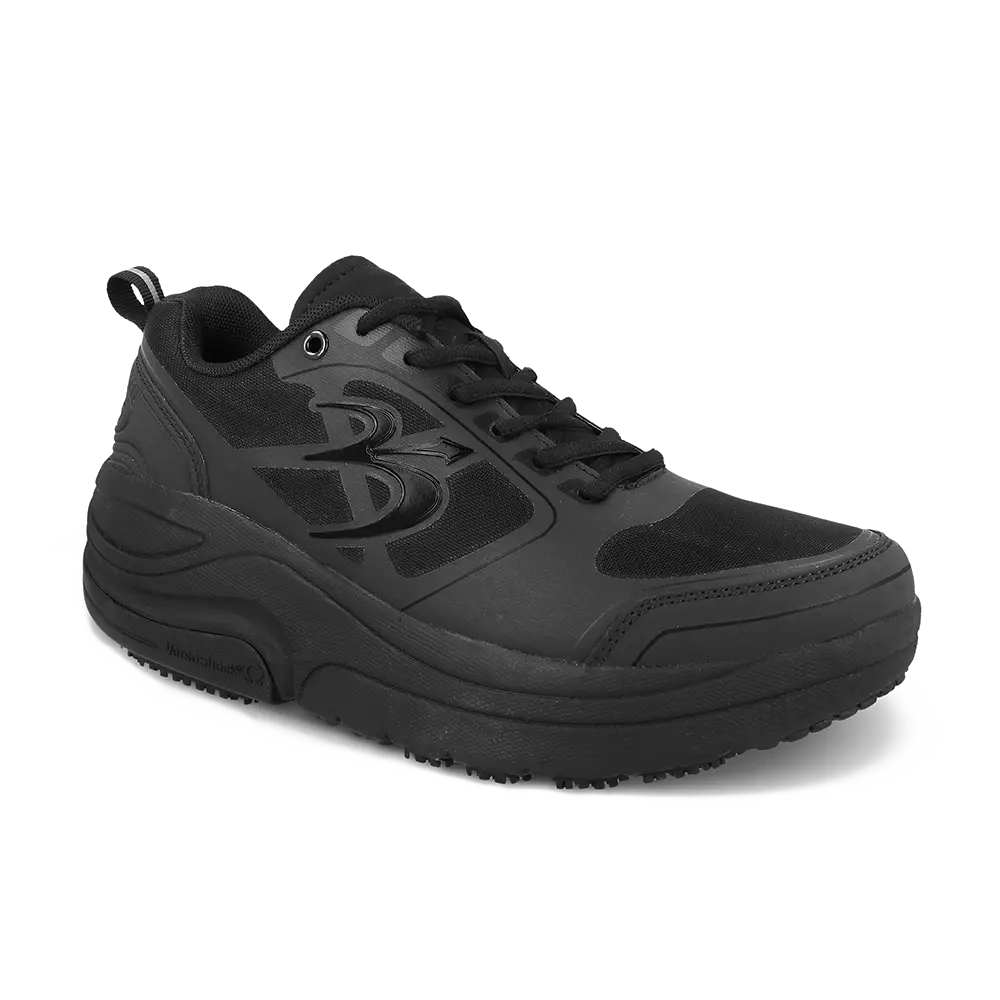
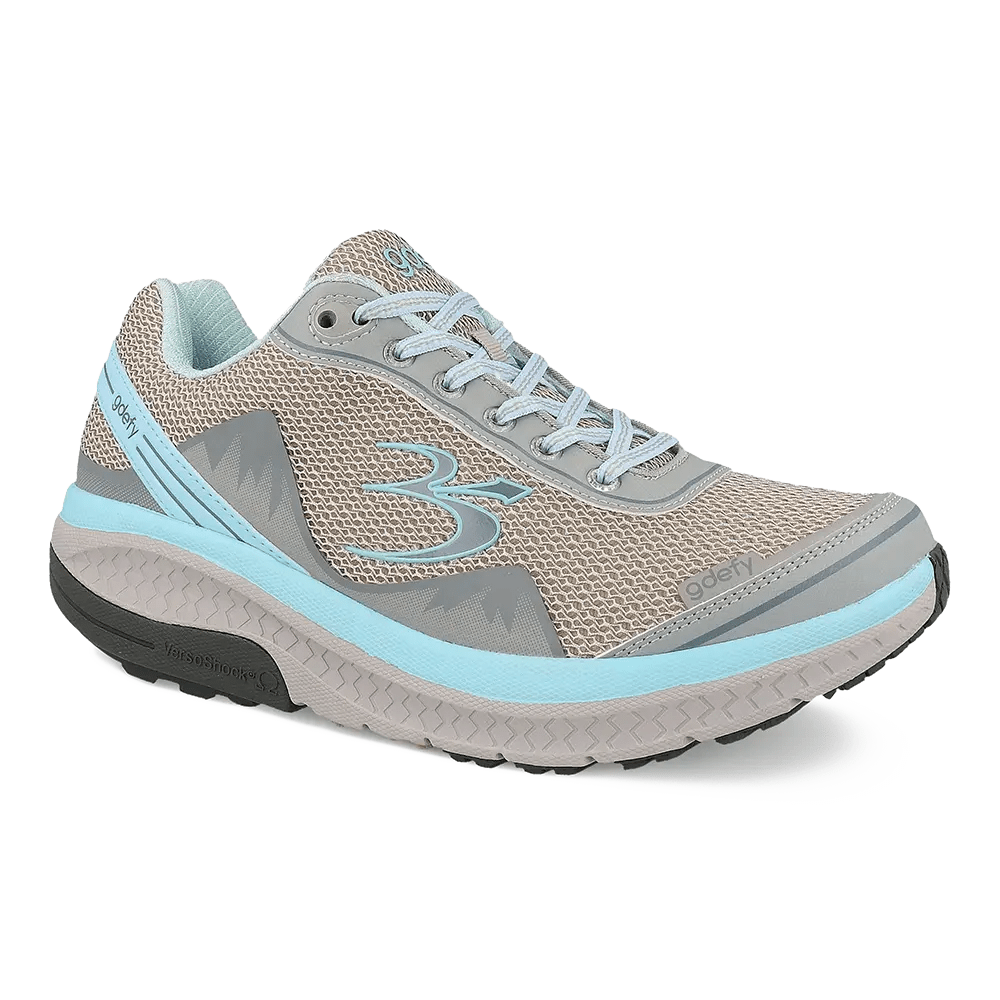
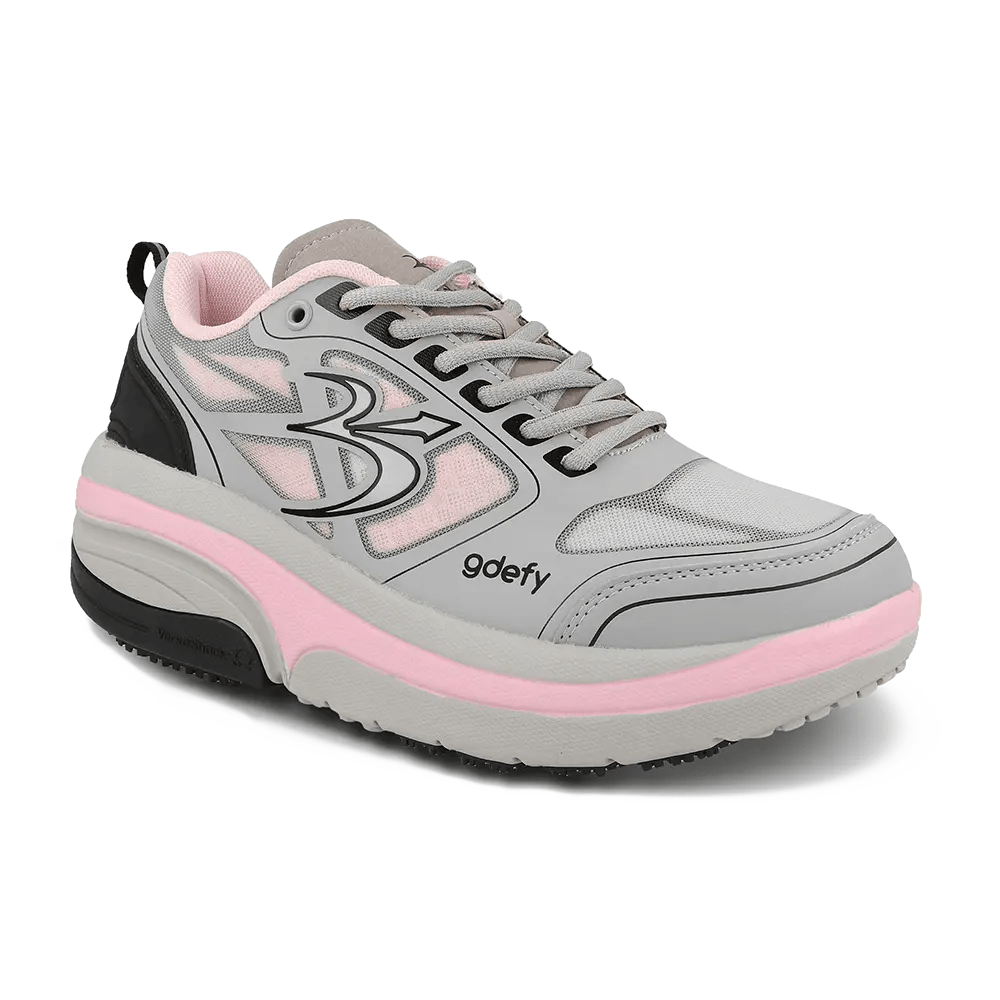
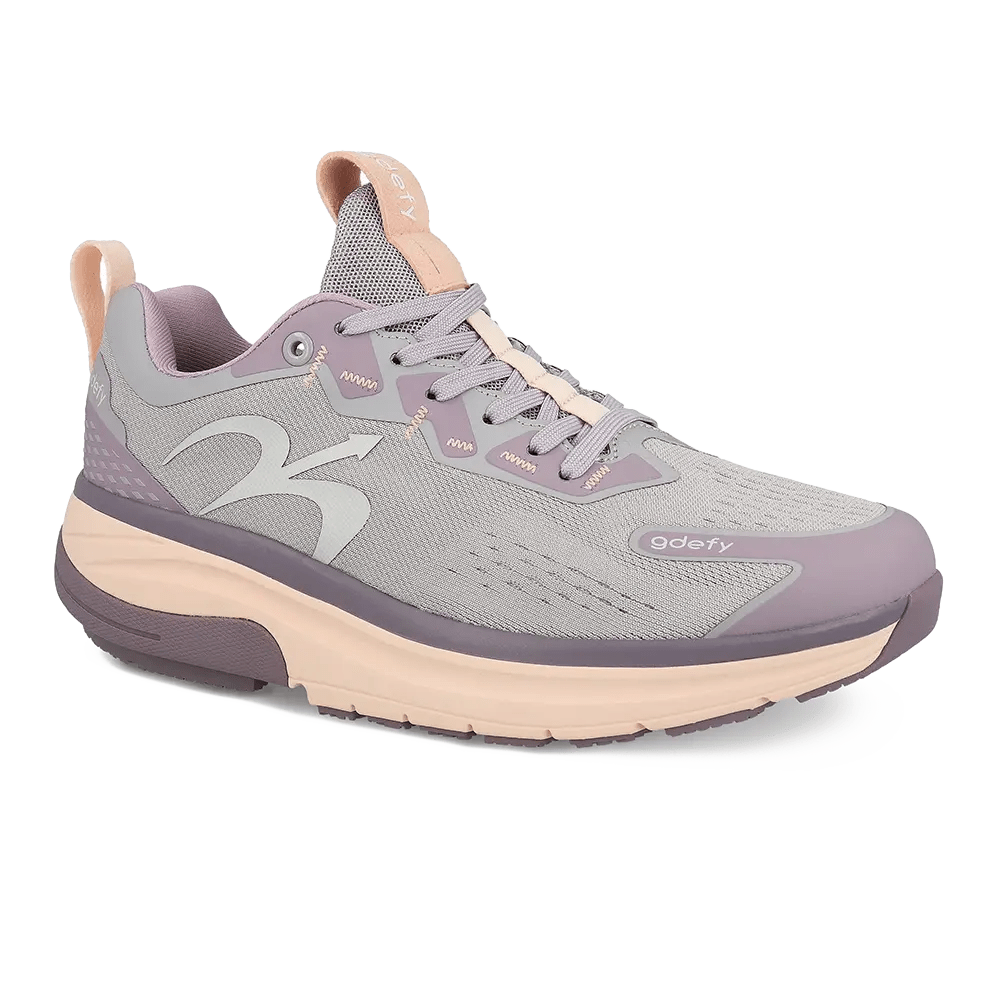
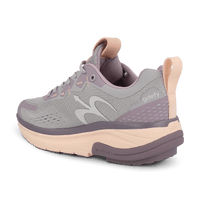
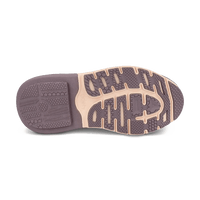
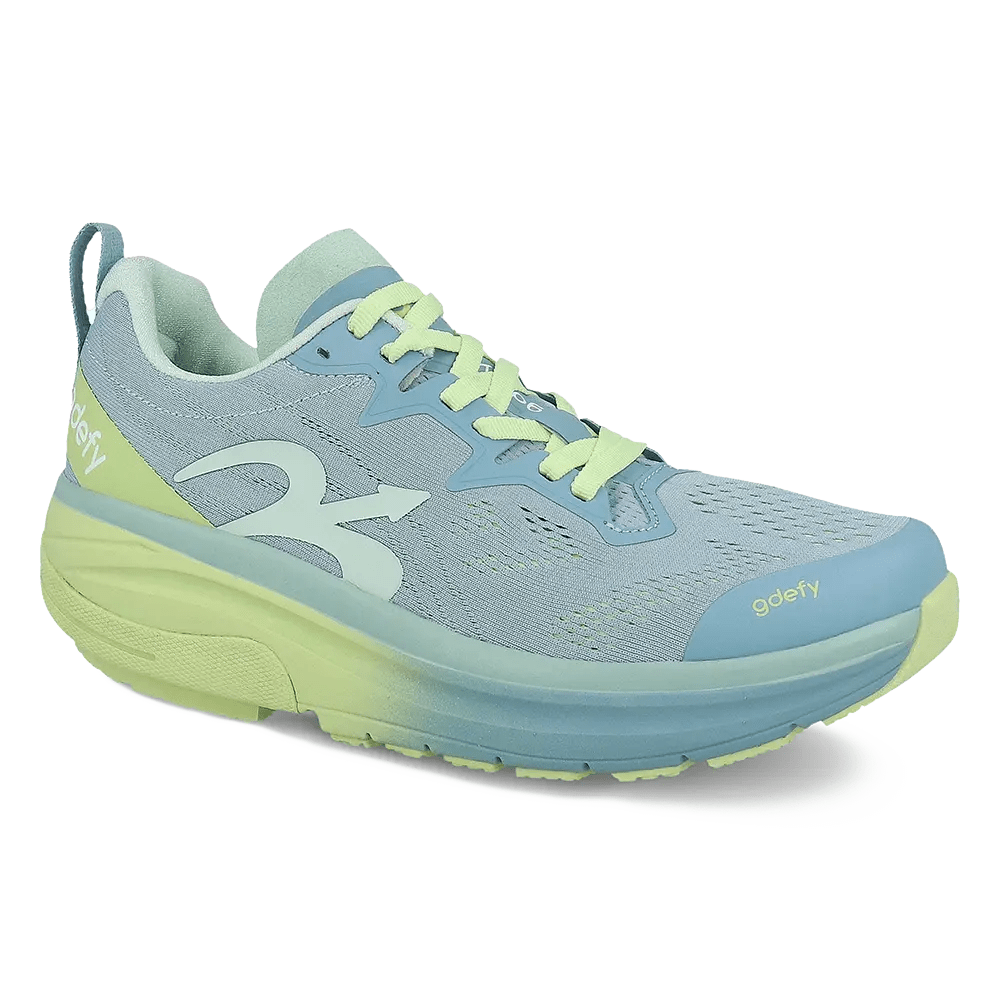
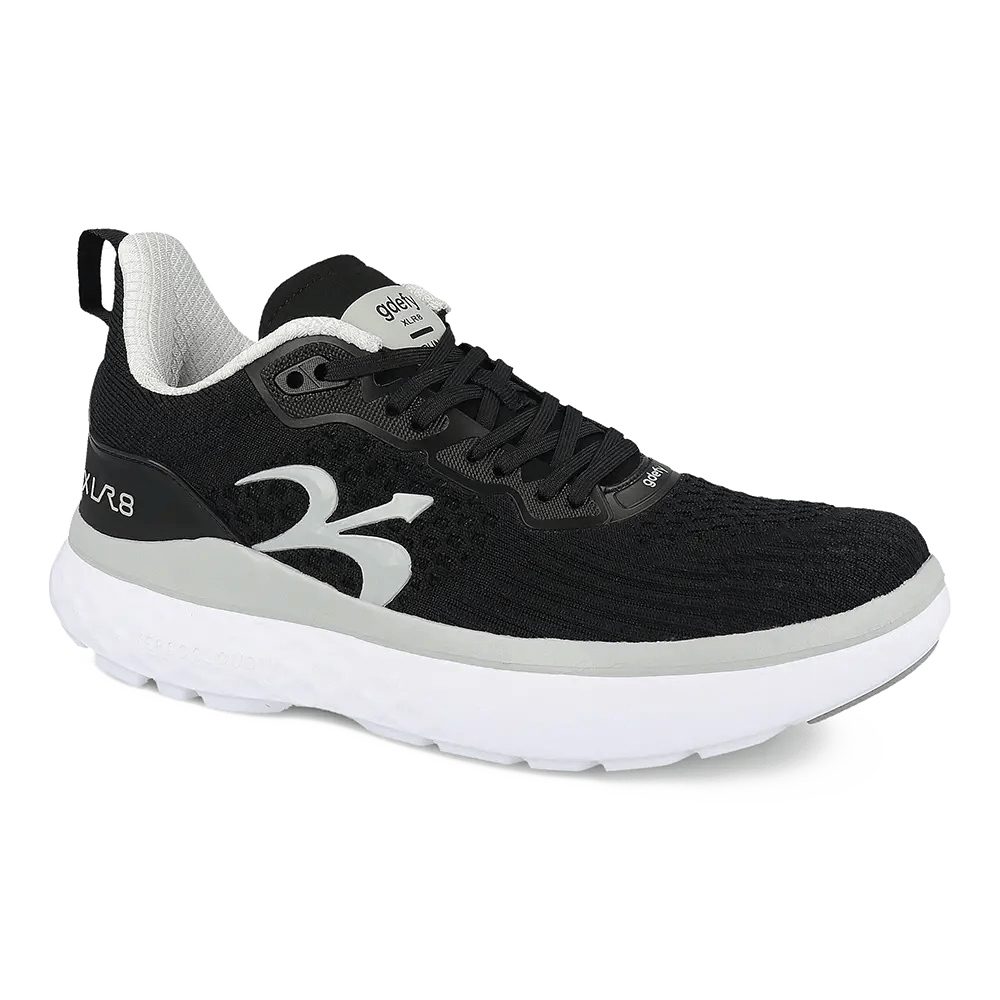
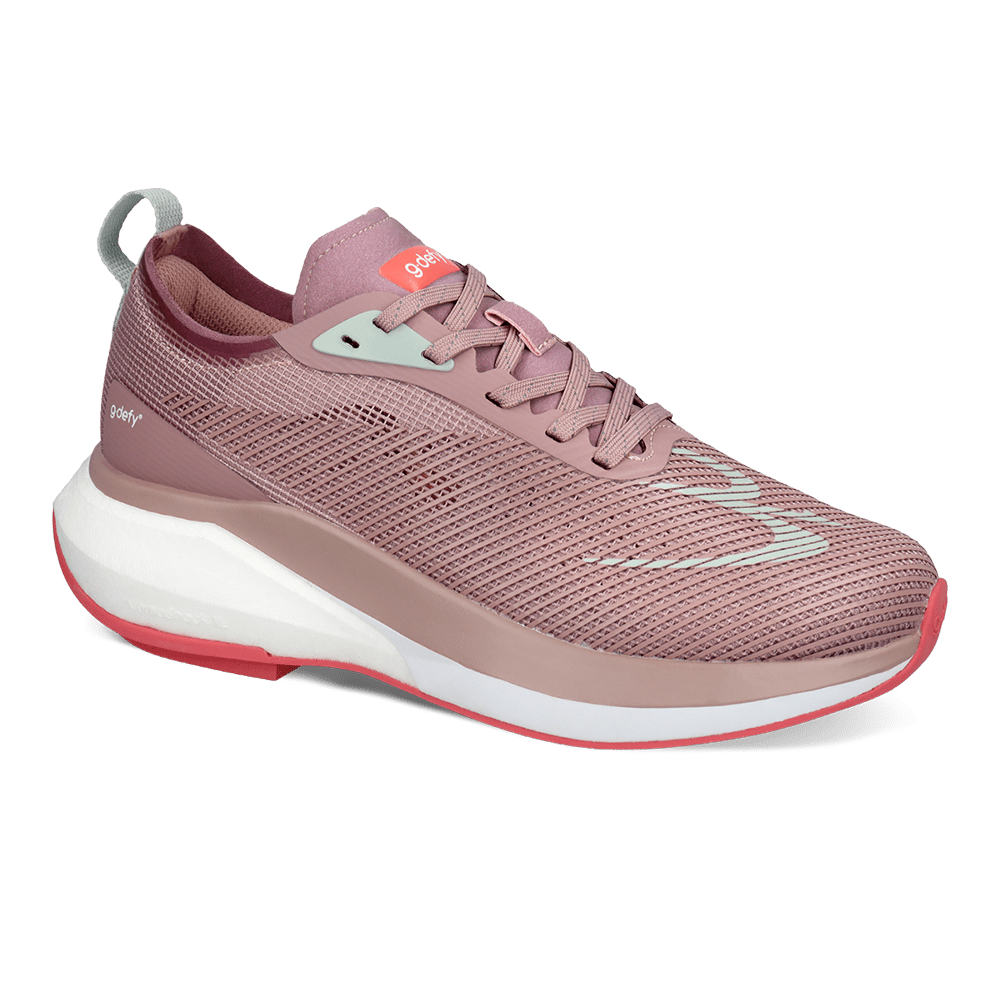
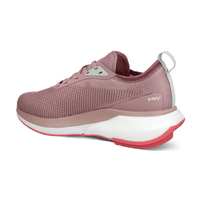
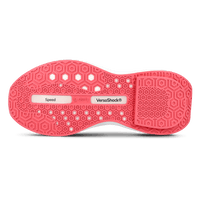
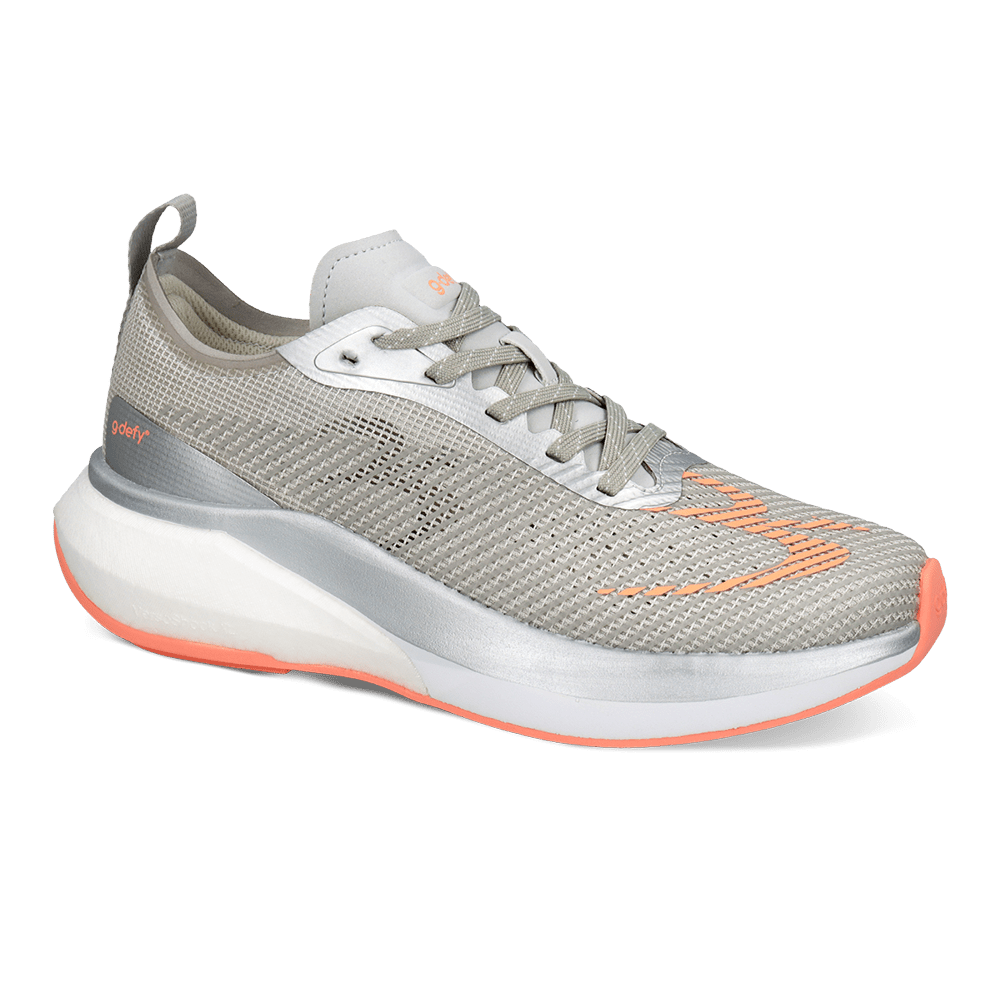
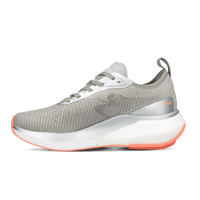
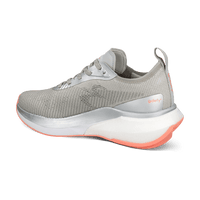
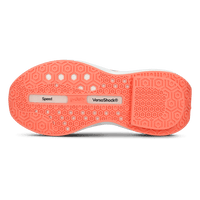
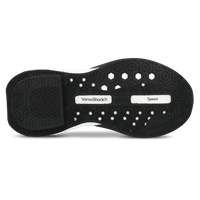
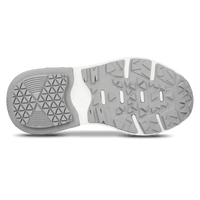
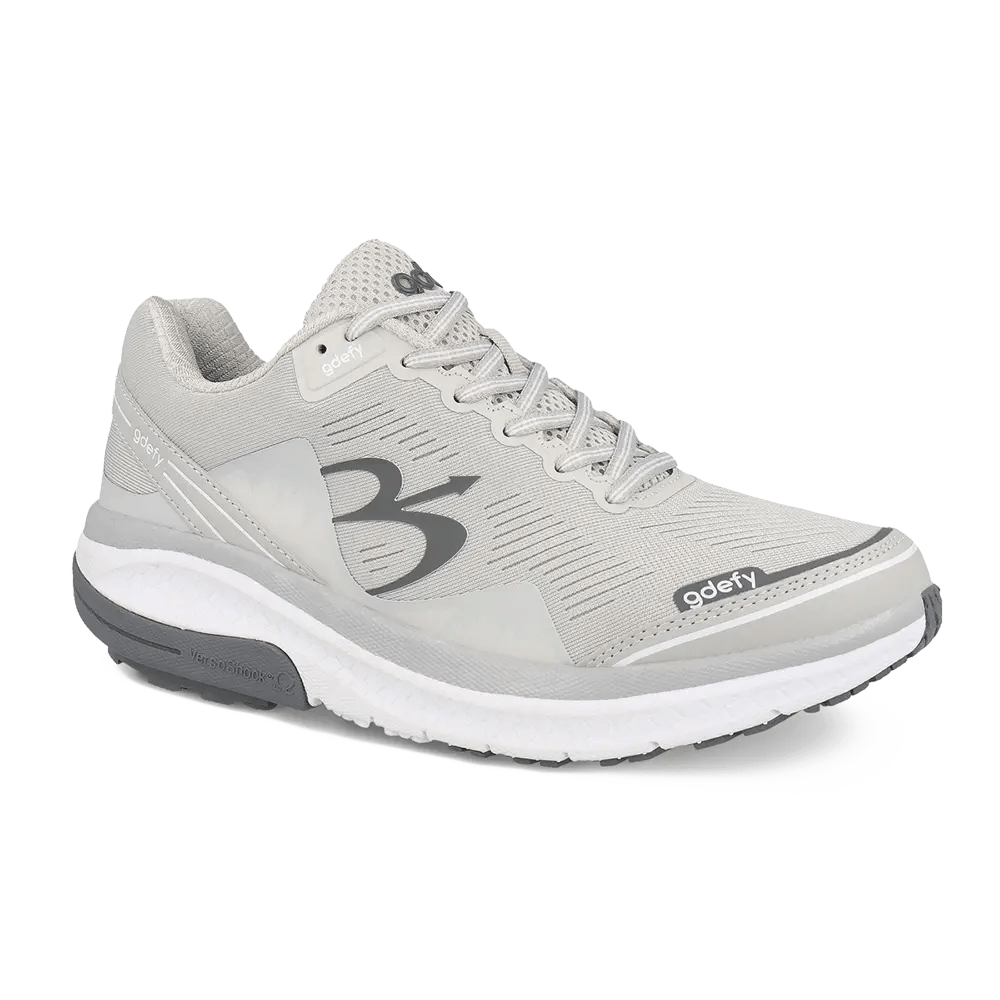
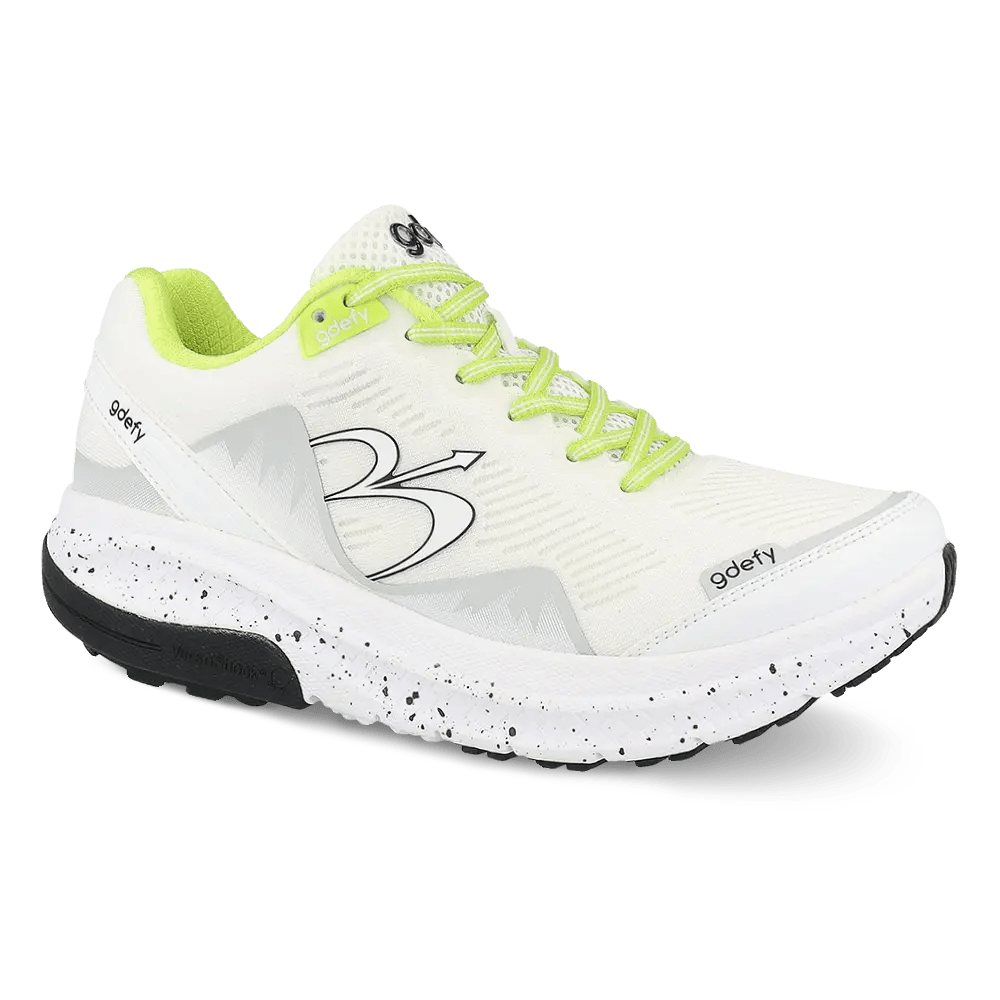
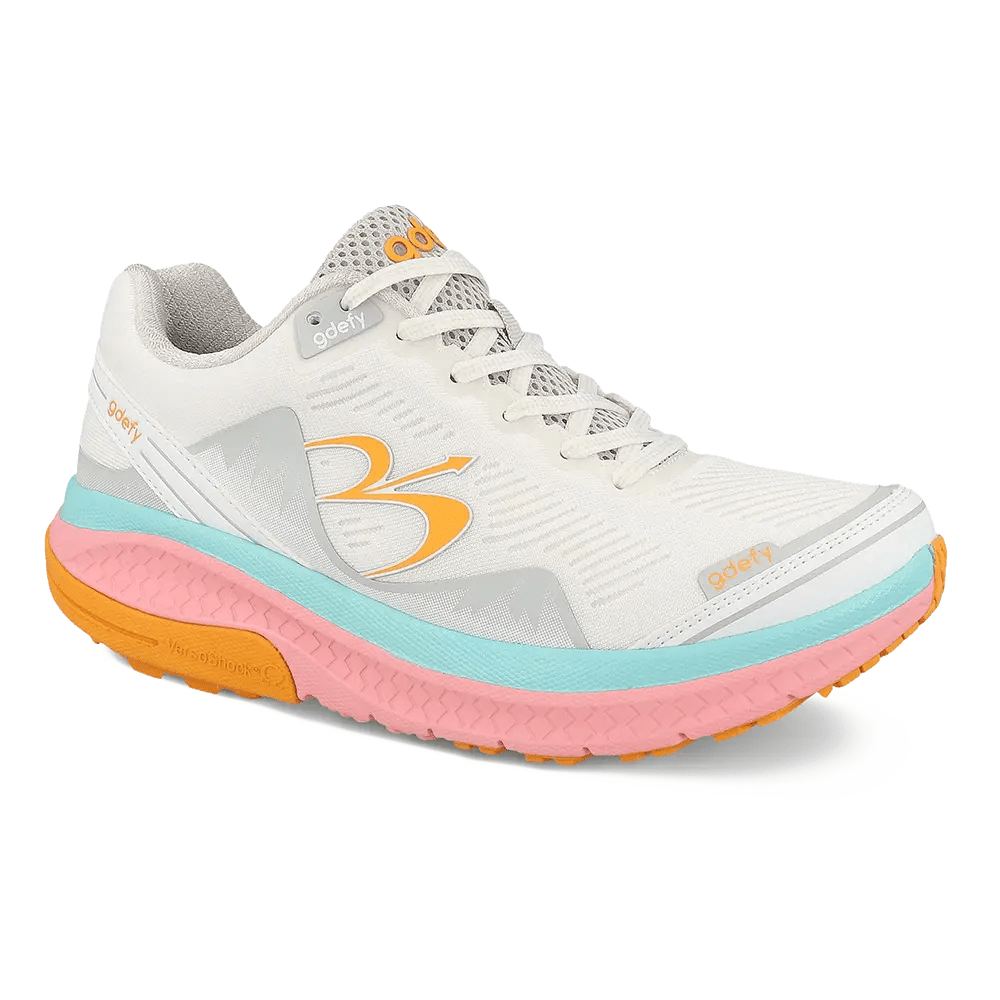
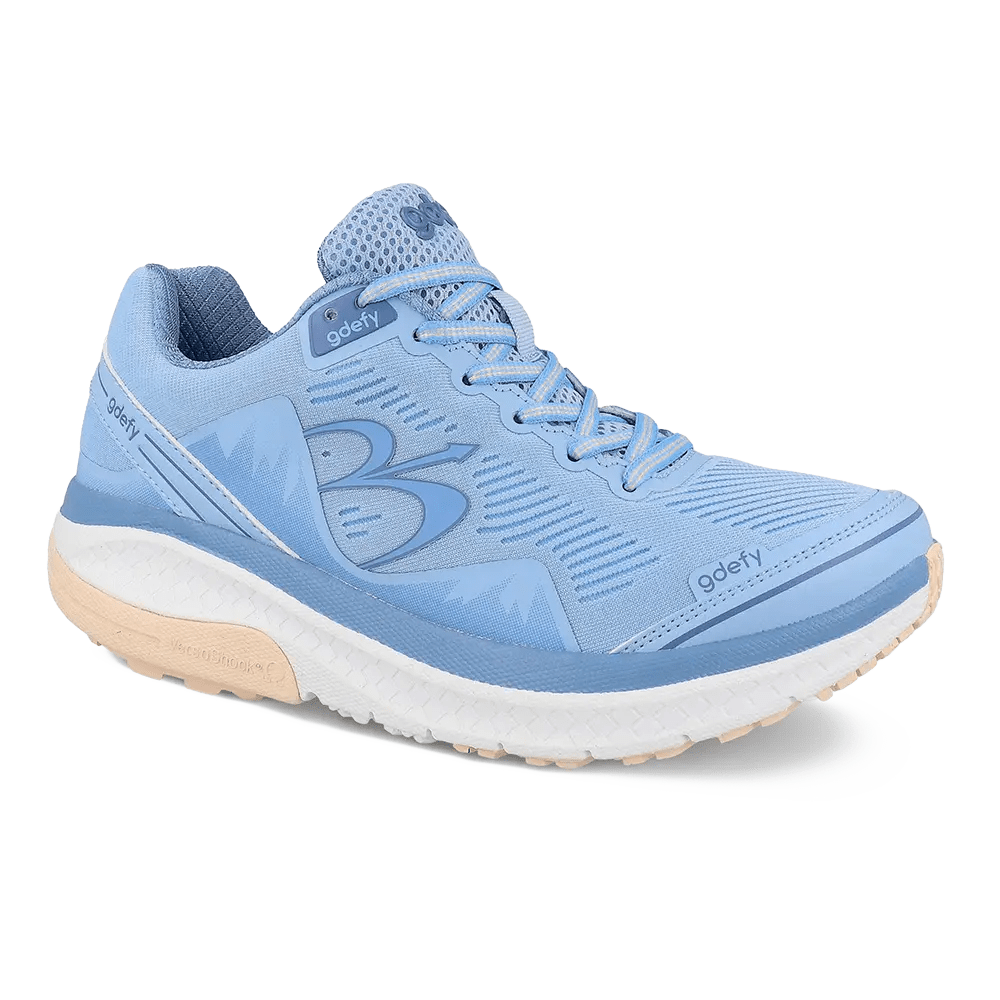
G-Defy shoes are engineered to provide comfort, support, and shock absorption during daily movement. At the center is VersoShock® technology — a spring-based system built around four key ideas:
- Shock absorption — designed to absorb impact softly with each step instead of passing it straight through to your feet.
- Energy return — engineered to return energy as you move, helping your stride feel more responsive.
- A built-in stabilizer — supports the foot and helps reduce excessive bending through the middle of the shoe.
- A front rolling design — encourages a smooth, natural heel-to-toe transition.
Every pair also includes two removable orthotics — the ComfortFit® orthotic for low to medium arches and the CorrectiveFit® orthotic for medium to high arches — so you can customize the level of support that feels best. Together, VersoShock® and the dual orthotic system help reduce pain from walking, running, and prolonged standing while supporting a more comfortable stride.
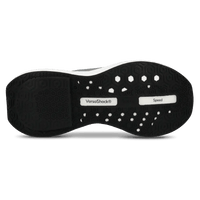
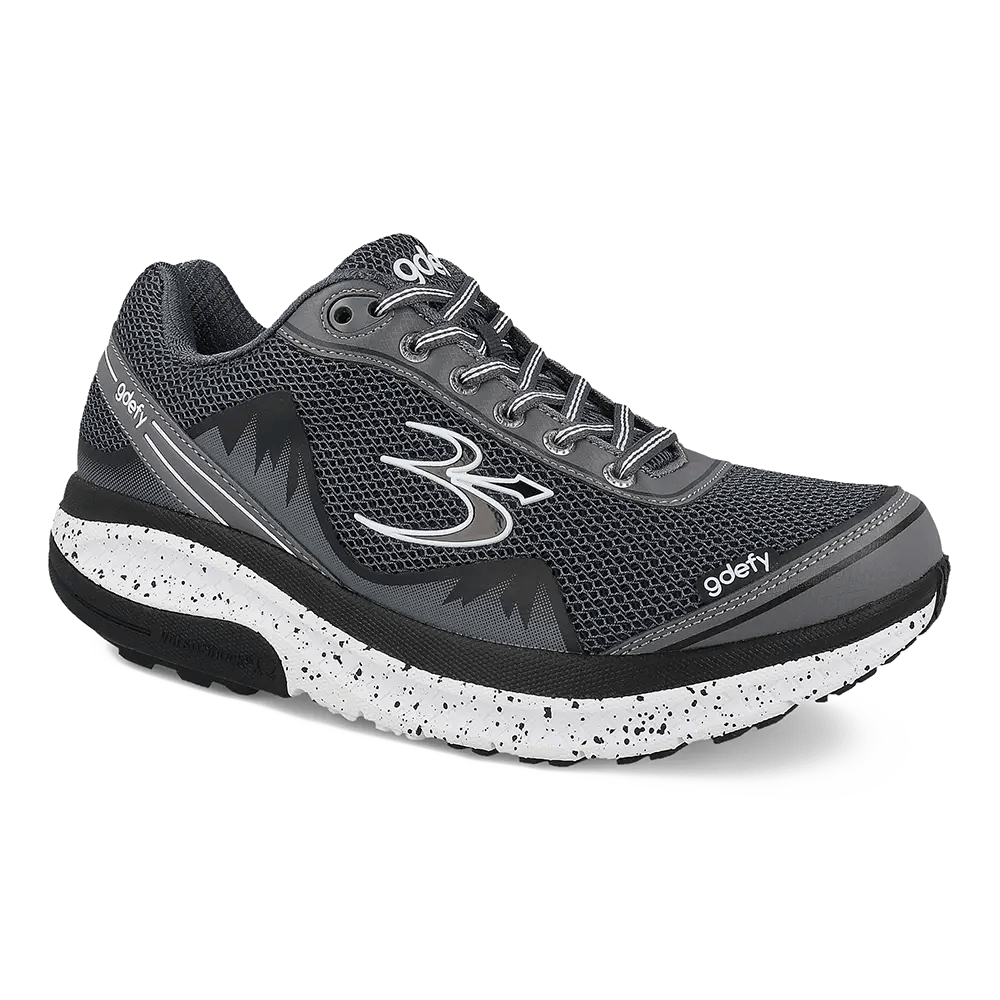
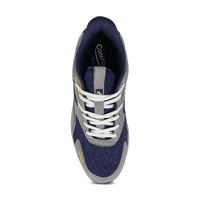
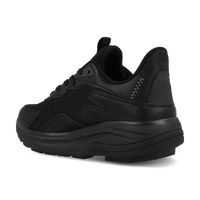
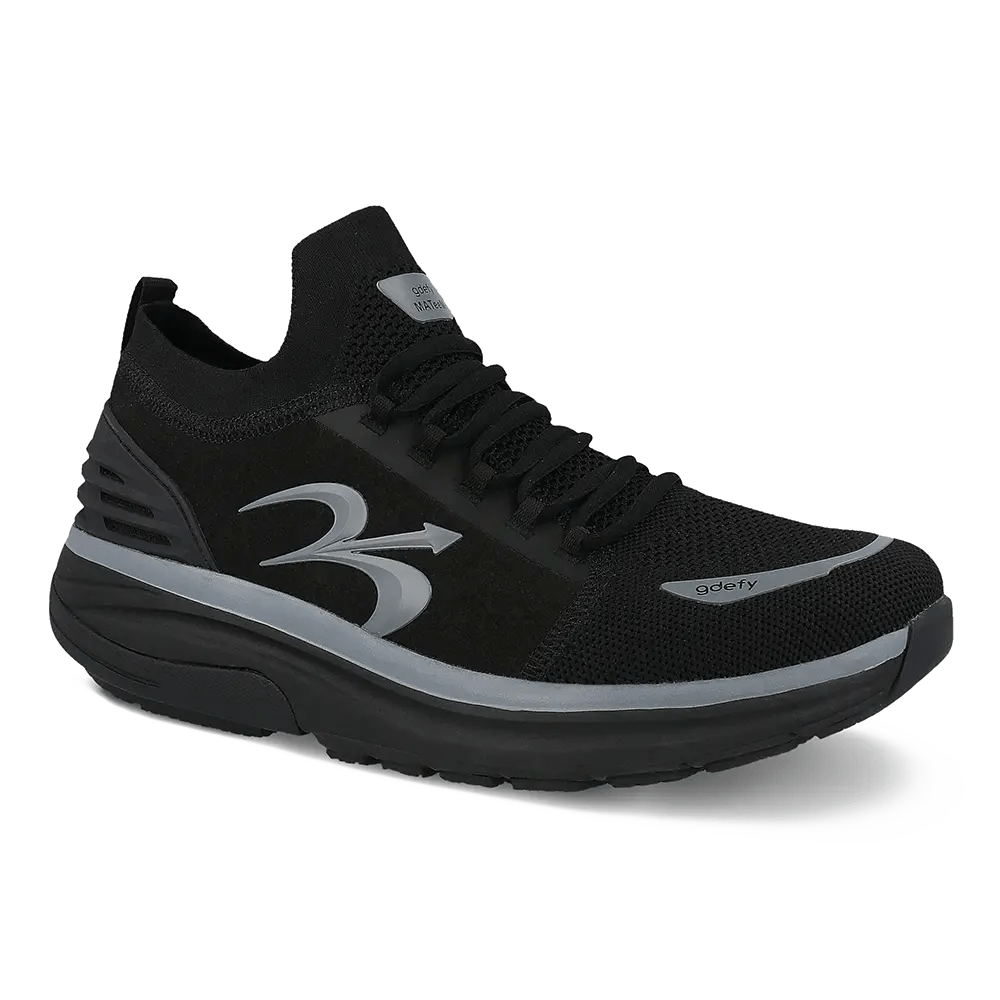
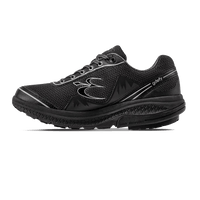
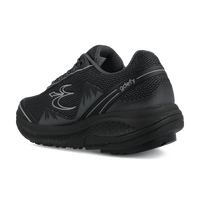
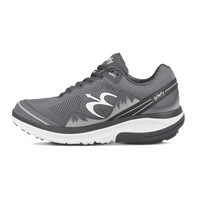
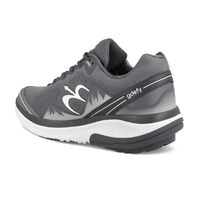
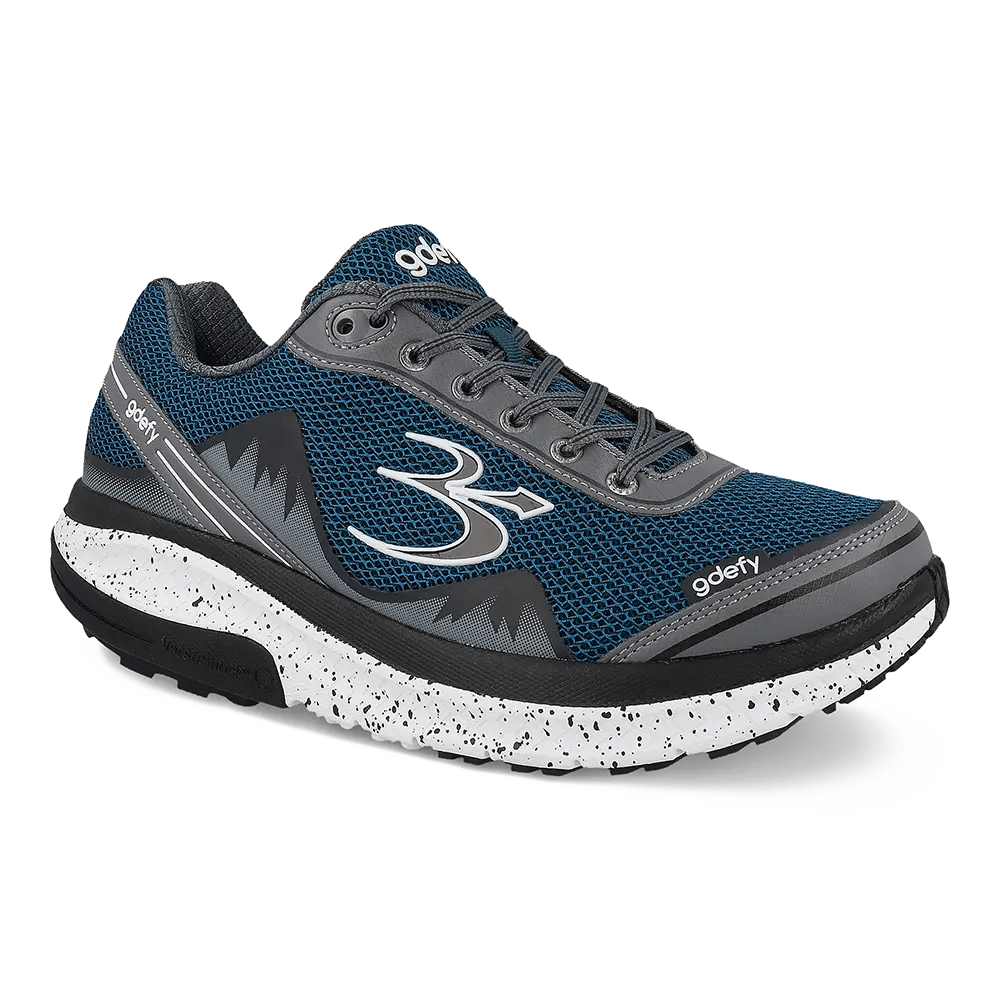
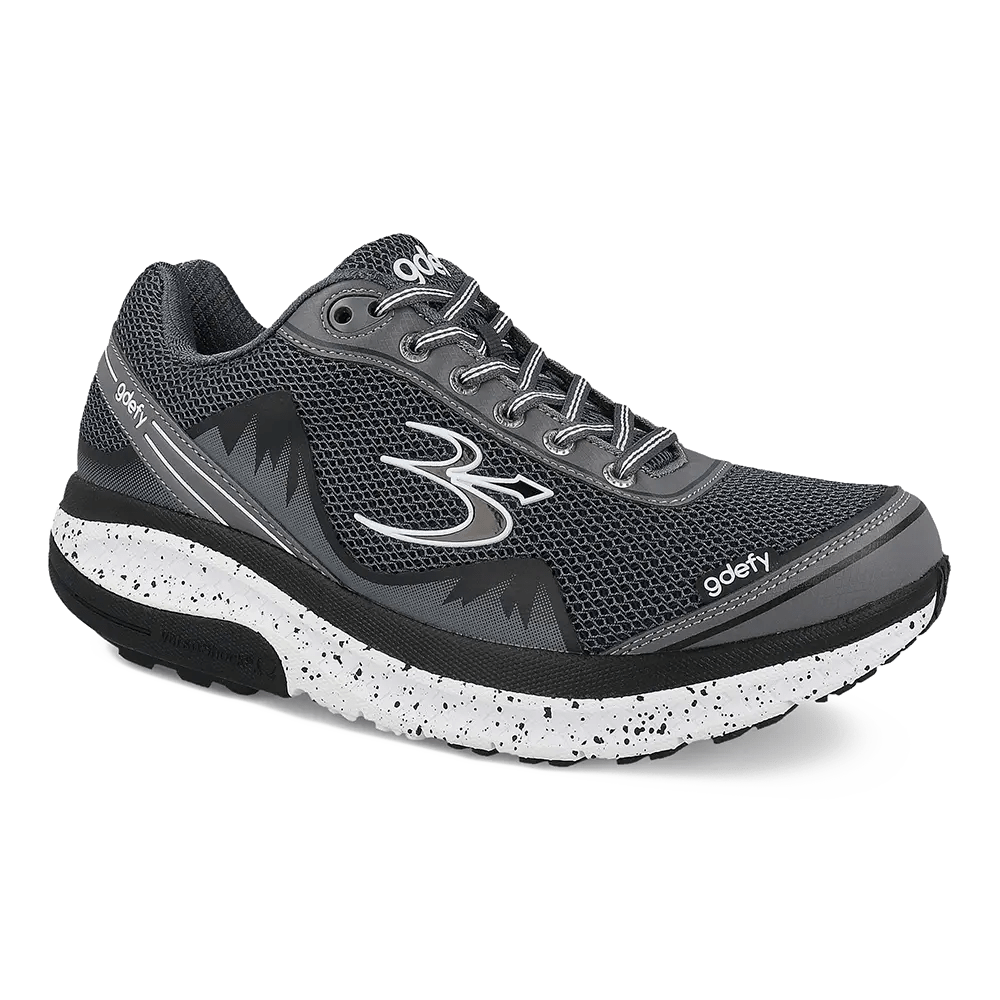
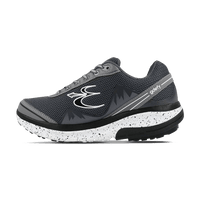
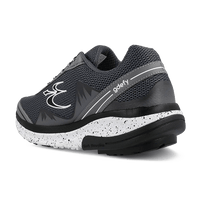
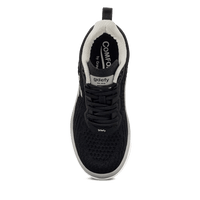
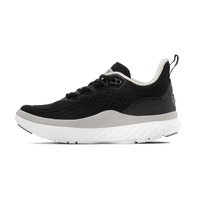
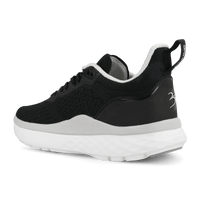
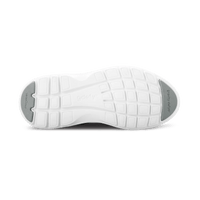
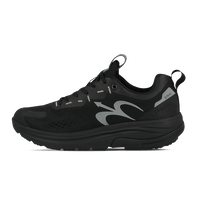
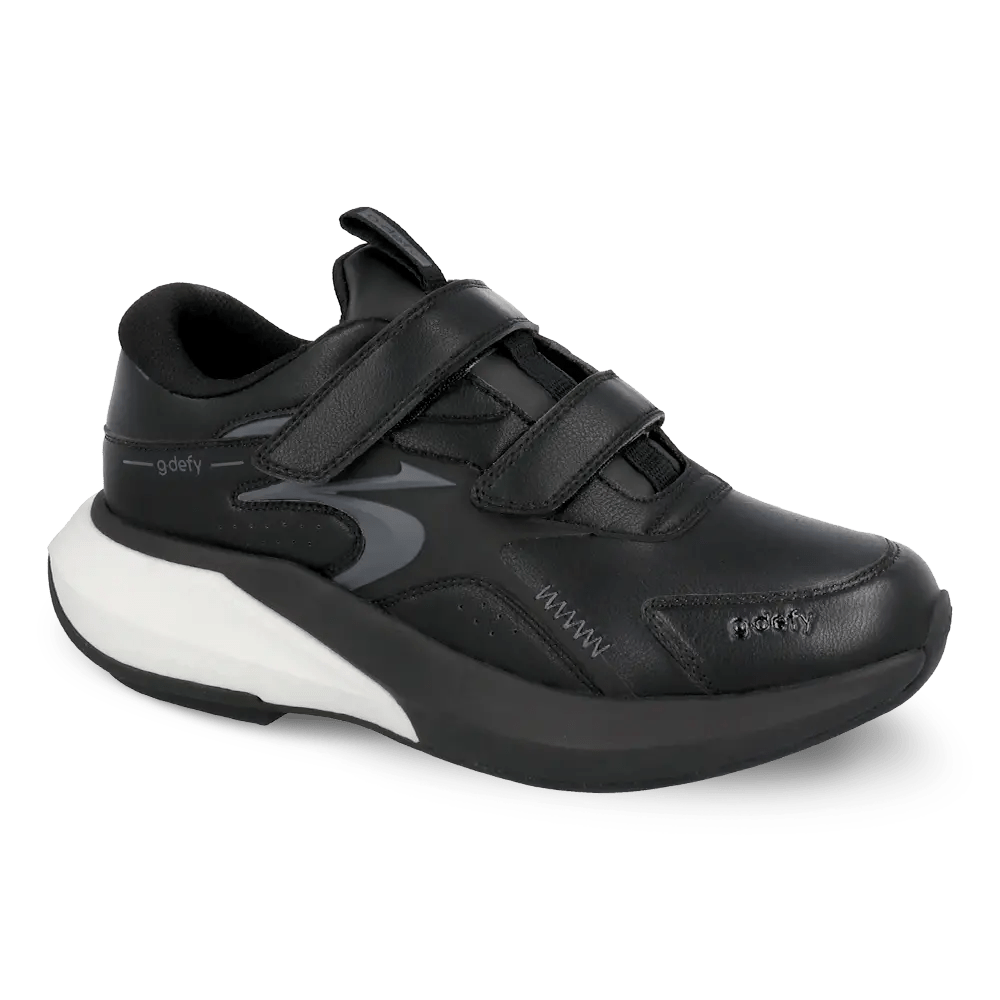
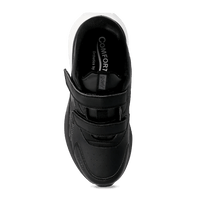
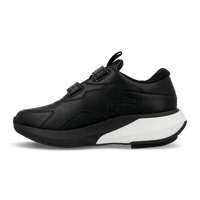
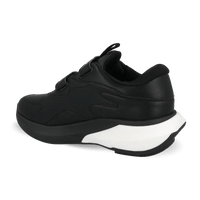
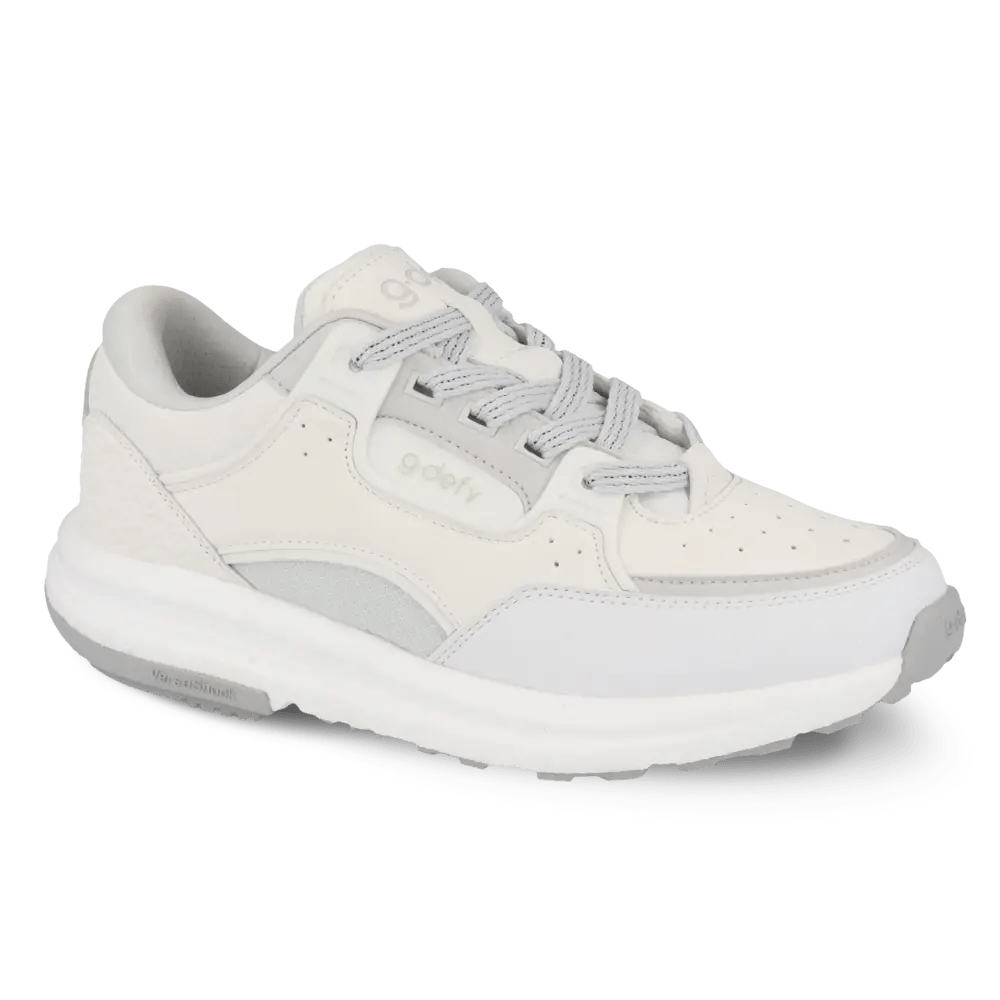
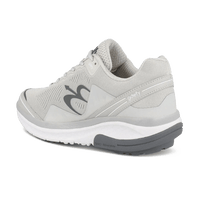
For all-day walking, the Mighty Walk is a popular choice, built for cushioning and support during everyday wear. You can explore it for men and women, and it comes in medium, wide, and extra-wide widths to help you get a comfortable, secure fit.
"I'm on my feet running errands and walking the neighborhood most days, and these are the first shoes that don't leave me aching by the afternoon. They feel more supportive than my previous pair." — Composite customer testimonial; results vary by individual.
Try G-Defy Risk-Free for 60 Days
Comfort, support, and shock absorption for your everyday walks — with free shipping and a 60-day risk-free trial. If they're not right for you, send them back for a full refund.
Shop Men Shop WomenPractical Tips to Reduce Foot Discomfort While Walking

A few simple habits can go a long way toward keeping your feet comfortable:
- Rotate your shoes. Giving cushioning time to recover between wears helps it last longer.
- Replace worn-out pairs. If the sole is compressed or the tread is smooth, it's time for a fresh pair. Learn the signs your shoes are wearing out.
- Get the fit right. Shop later in the day when feet are slightly swollen, and leave room at the toes. Here's why proper fit is key to all-day comfort.
- Ease into longer walks. Build up distance gradually rather than jumping into a marathon day out of nowhere.
- Choose supportive footwear for hard surfaces. If you spend a lot of time on concrete or tile, cushioning and shock absorption matter even more.
Frequently Asked Questions
Why do my feet hurt when I walk a lot?
Foot soreness after a lot of walking is usually the result of repeated impact adding up over many steps, especially on hard surfaces or in worn-out shoes. Supportive, cushioned footwear may improve overall comfort during walking and prolonged standing.
Can the right shoes make walking more comfortable?
Footwear isn't a medical solution, but shoes designed for cushioning, support, and shock absorption can make a meaningful difference in how your feet feel during and after walking.
What kind of shoes are best for walking on concrete all day?
Look for shoes with strong cushioning and shock absorption to help soften the impact from hard surfaces, plus a secure, supportive fit so your feet aren't working overtime.
Does foot discomfort while walking mean something is wrong?
Everyday tiredness and aching after a lot of walking is common. If discomfort is persistent, severe, or keeps returning, it's a good idea to consult your healthcare provider.
How often should I replace my walking shoes?
It depends on how much you wear them, but once the cushioning feels flat or the support has broken down, comfort drops off — that's usually the sign it's time for a new pair.
The Bottom Line
Foot discomfort while walking rarely comes from one thing. It's usually a combination of long hours, hard surfaces, worn-out or ill-fitting shoes, and everyday foot fatigue. While footwear is not a medical solution, choosing shoes designed for comfort, support, and shock absorption can make a real difference in how your feet feel throughout the day. If your current shoes leave you aching, it may simply be time for a pair built to do more of the work for you.