
June 24, 2026
Why Proper Shoe Fit Is Key to All-Day Comfort
By Gdefy

Summary

You can buy the most advanced, well-cushioned shoe on the market, but if it doesn't fit your foot correctly, it will never feel as good as it should. Fit is the quiet foundation of comfort — the thing most people overlook when they shop by brand, color, or price alone.
A shoe that's a half-size too short, a touch too narrow, or loose in the heel changes how every single step feels. Over a long day on your feet, those small mismatches add up: pressure on the toes, a slipping heel, tired arches, and that familiar urge to kick your shoes off the moment you get home.
The good news is that getting fit right isn't complicated once you know what to look for. This guide breaks down the key elements of a proper shoe fit, shows you simple ways to check your own fit, and explains how thoughtful shoe design — including the option to fine-tune fit by width and arch type — supports comfort from the first step to the last.
Why Fit Matters More Than Most People Realize
Your feet carry your entire body weight across thousands of steps each day. With every step, your foot lands, rolls through the stride, and pushes off — and the shoe around it either works with that motion or quietly fights it.
When a shoe fits well, your foot sits in a stable, supported position. The heel stays centered, the arch is cradled, and the toes have room to spread naturally as you push off. When a shoe fits poorly, your foot compensates: toes curl to grip, muscles work harder to keep the foot steady, and pressure concentrates in the wrong places.
This is why two people can wear the exact same model and have completely different experiences. Comfort isn't only about how much cushioning a shoe has — it's about how well that cushioning is positioned under your foot. A great shoe in the wrong size delivers a mediocre experience, while the right size in a well-built shoe feels supportive all day.
Fit also affects how the rest of your body feels during activity. Because your feet are the foundation your whole stride builds on, a secure, well-matched shoe supports a smoother, more balanced walking pattern. You can read more about that connection in our guide on how your feet affect the rest of your body.
The Key Elements of a Proper Shoe Fit
A proper fit is really five things working together. Get all five right and a shoe disappears on your foot — you stop noticing it and just move. Here is what each element does.
Length — Room at the Toe
Length is the dimension most people get wrong, usually by buying too short. When you stand up, you want about a thumb's width — roughly 3/8 to 1/2 inch — between your longest toe and the front of the shoe. That space gives your foot room to slide forward slightly with each step and lets your toes spread on push-off.
Keep in mind that your longest toe isn't always your big toe, and your two feet are rarely identical. Always fit to the larger foot, and check length while standing, not sitting — your foot lengthens under body weight.
Width — The Overlooked Dimension
Most shoppers know their length in numbers but never think about width. Yet width is often the difference between a shoe that pinches and one that feels effortless. A shoe that's correct in length but too narrow squeezes the sides of the foot, while one that's too wide lets the foot slide around and lose support.
Your foot should feel snug across the midfoot without any pinching or pressure on the sides. If the edges of your foot spill over the insole, or you feel the seams pressing in, the shoe is too narrow for you — and going up in length won't fix it. The right answer is a wider size, not a longer one. This is exactly why footwear offered in multiple widths makes such a difference for so many people.
The Toe Box — Space for Natural Movement
The toe box is the front chamber of the shoe that houses your toes. During each step, your toes splay outward as your weight rolls forward, and a roomy toe box lets that happen freely. A cramped toe box restricts natural splay and concentrates pressure across the front of the foot.
A simple check: with the shoe on, you should be able to wiggle all of your toes. If they feel stacked together or pressed against the top or sides, the toe box is too snug for comfortable all-day wear.
Heel Hold — A Secure Foundation
Your heel should feel locked in place, not loose. A little movement when you first slip the shoe on is normal, but once laced, your heel shouldn't lift or slide as you walk. A slipping heel is one of the most common sources of friction and end-of-day fatigue, and it usually means the shoe is too big or the heel counter is too soft.
A firm heel counter — the structured cup at the back of the shoe — keeps the heel centered and stable through each step. If you want to go deeper on secure, stable fit, our guide on how to choose shoes that feel secure and supportive covers it in detail.
Arch and Midfoot — Snug, Not Squeezed
The middle of the shoe should hug your arch and midfoot comfortably — supported and secure, but never tight. This is the area where arch support either matches your foot or doesn't. A footbed that suits your arch height keeps the foot in a comfortable, balanced position; one that's too flat or too aggressive throws everything off, even if the length and width are perfect.

How to Check Your Fit the Right Way
You don't need special equipment to evaluate a shoe's fit. A few simple tests tell you almost everything you need to know.
- The thumb test (length): Stand up and press your thumb just past your longest toe. You should feel about a thumb's width of space before the end of the shoe.
- The finger test (heel): Slide your foot forward until your toes touch the front, then see if one finger fits snugly behind your heel. If it slides in easily, the shoe is roughly the right length.
- The wiggle test (toe box): With the shoe laced, try to wiggle all your toes. No room to move means the toe box is too tight.
- The walk test (overall): Take a lap. Your heel shouldn't slip, your toes shouldn't hit the front, and nothing should pinch. A shoe that needs to be "broken in" to stop hurting is simply the wrong fit.
One more tip that matters more than people expect: check your fit later in the day. Feet naturally swell as the hours pass, so a shoe that fits perfectly at 9 a.m. can feel tight by evening. Fitting when your feet are at their largest gives you a more honest read on all-day comfort.
How G-Defy Is Built to Make a Better Fit Easier to Find
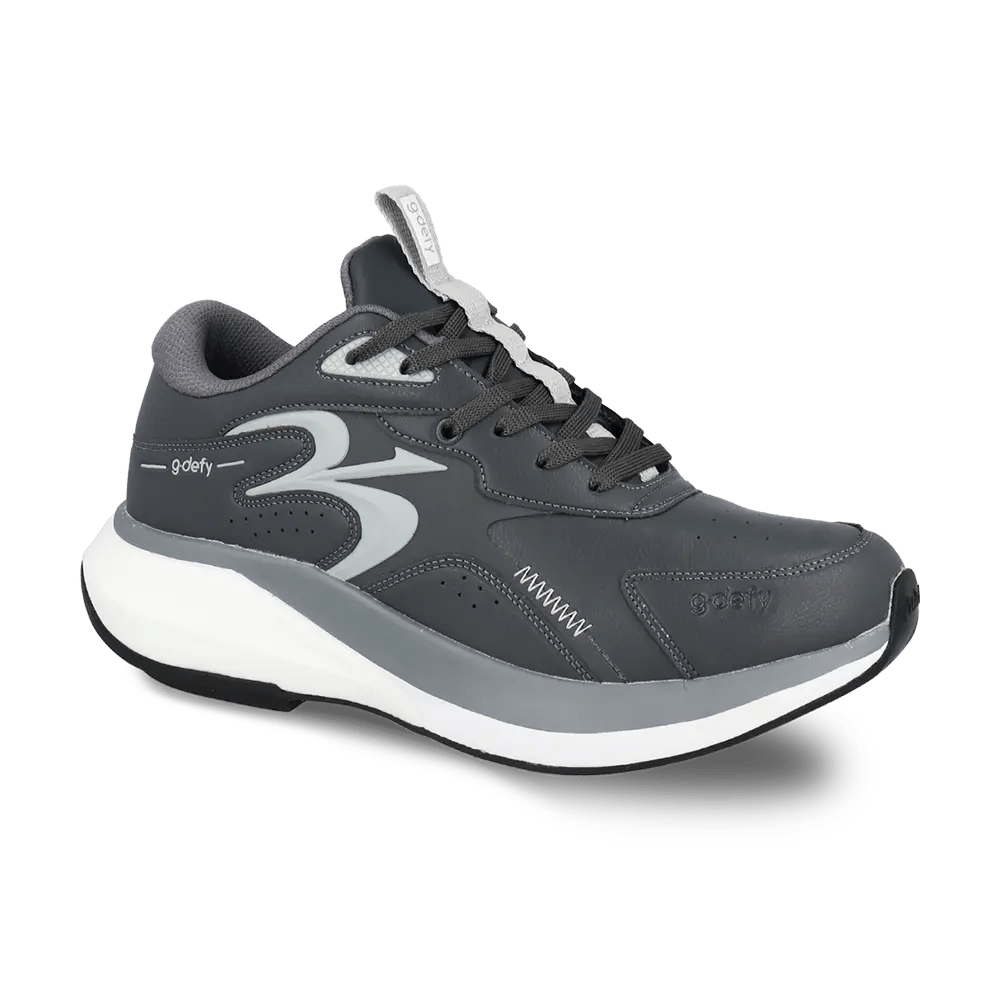
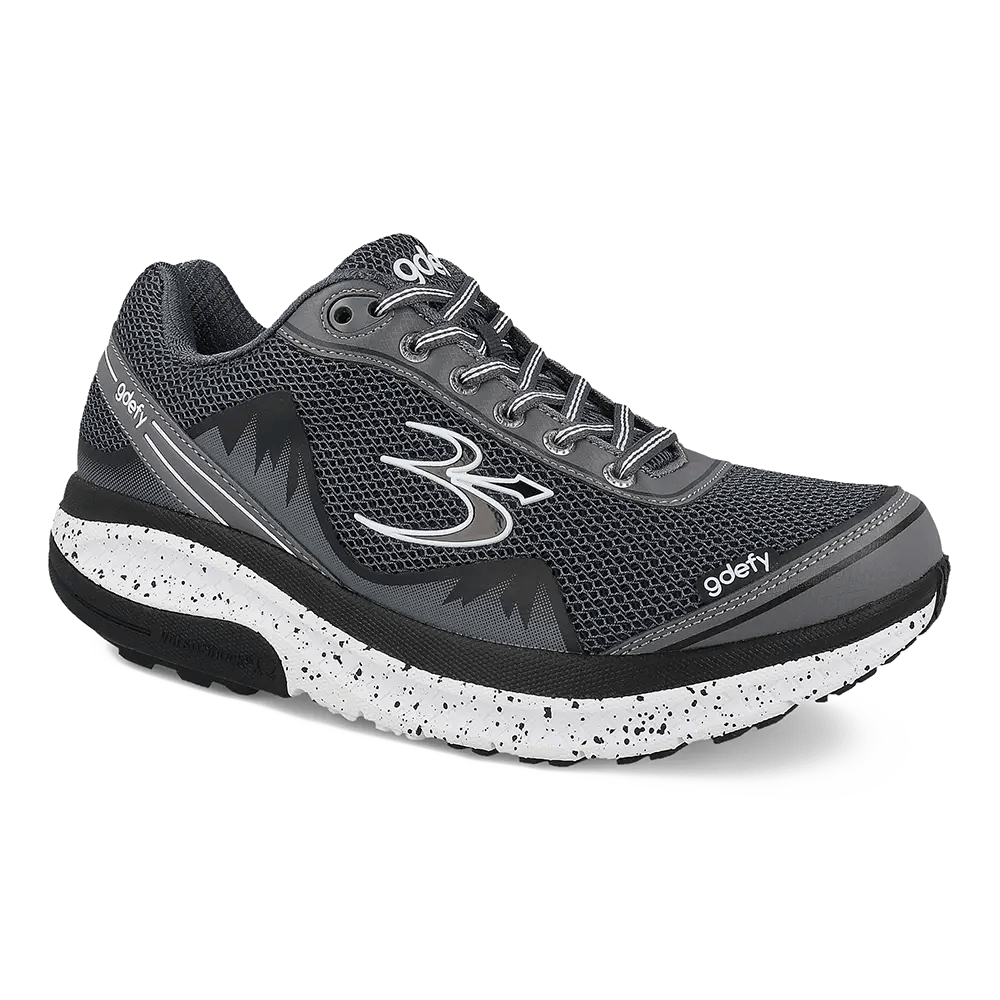
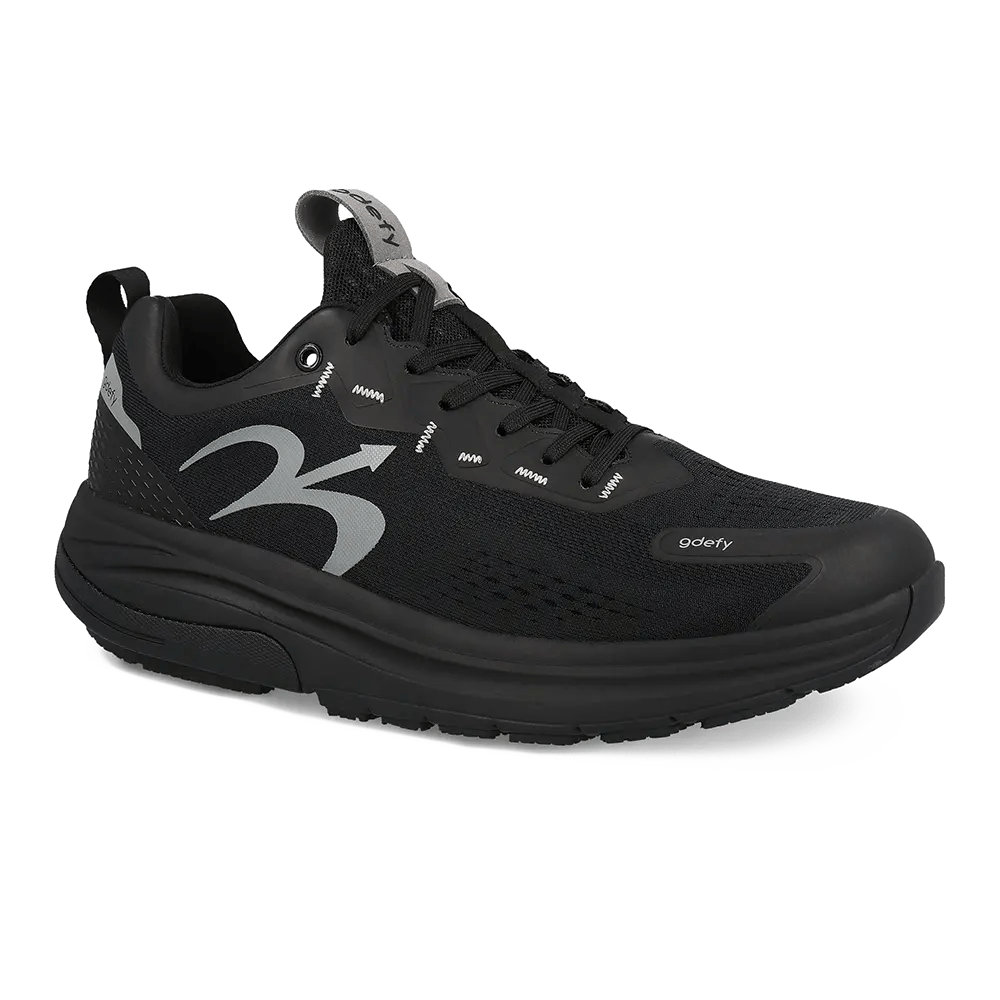
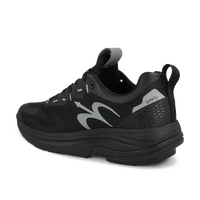
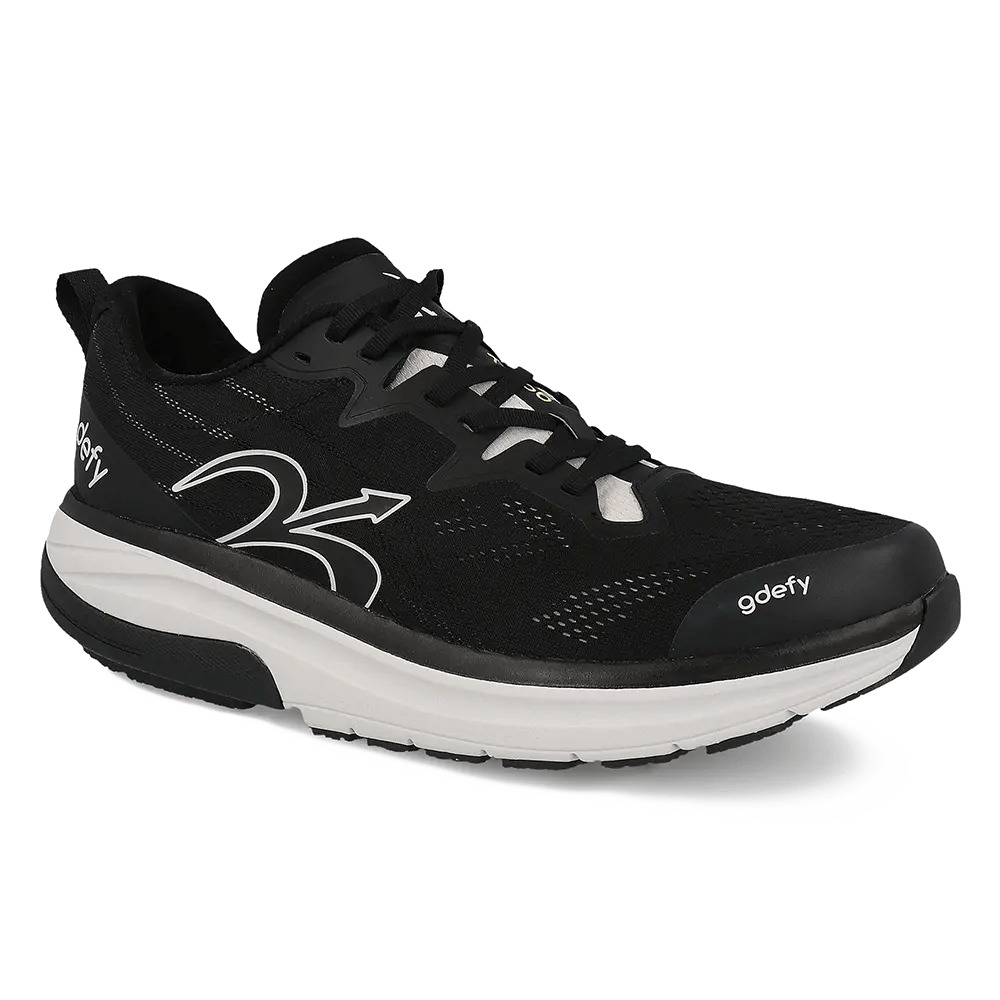
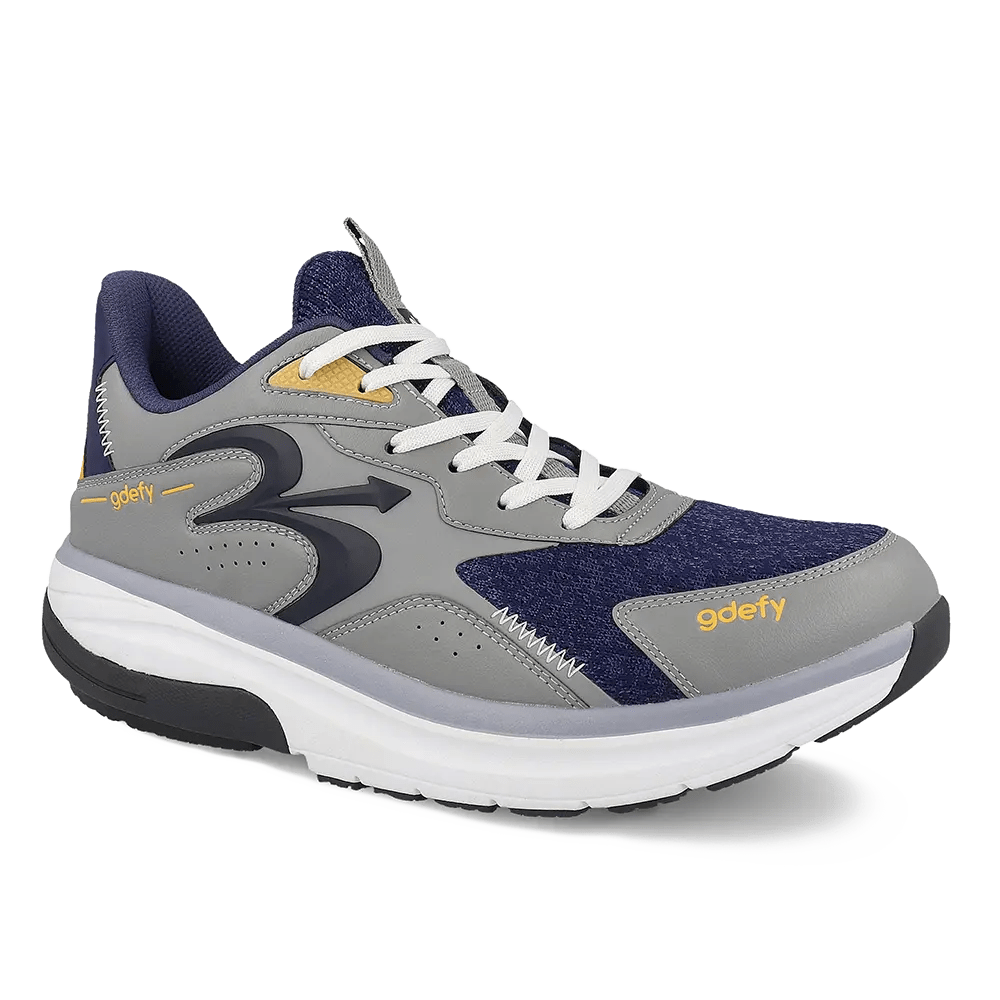
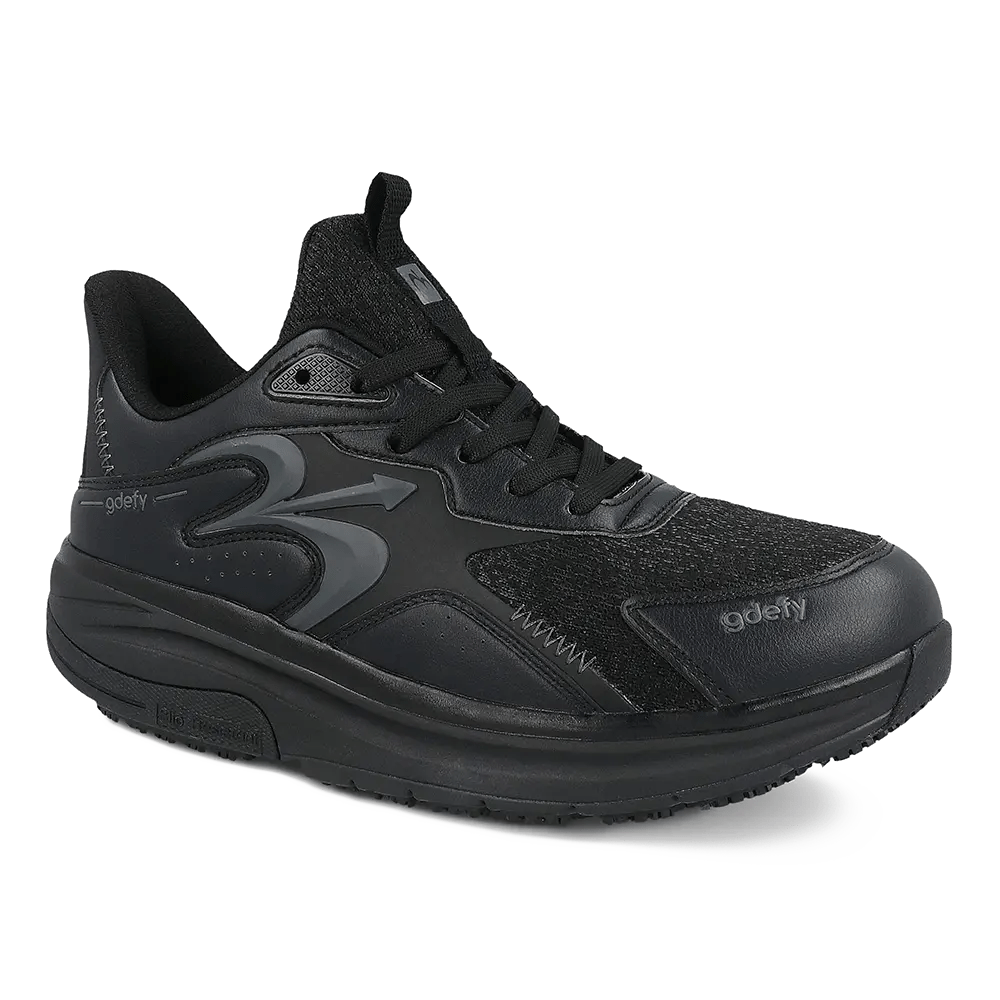
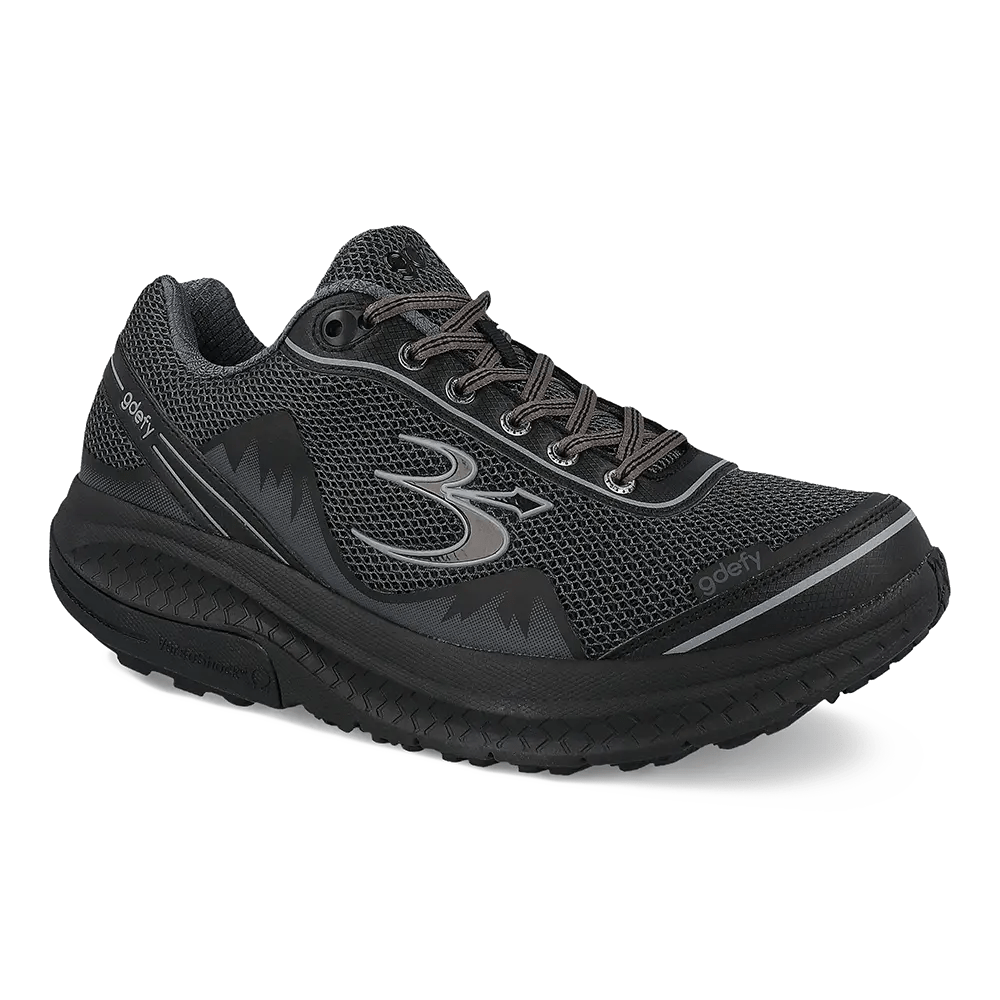
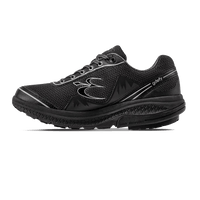
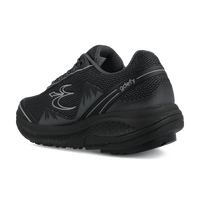
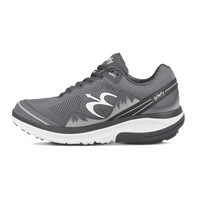
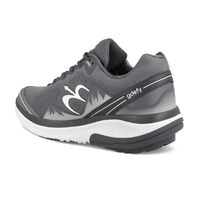
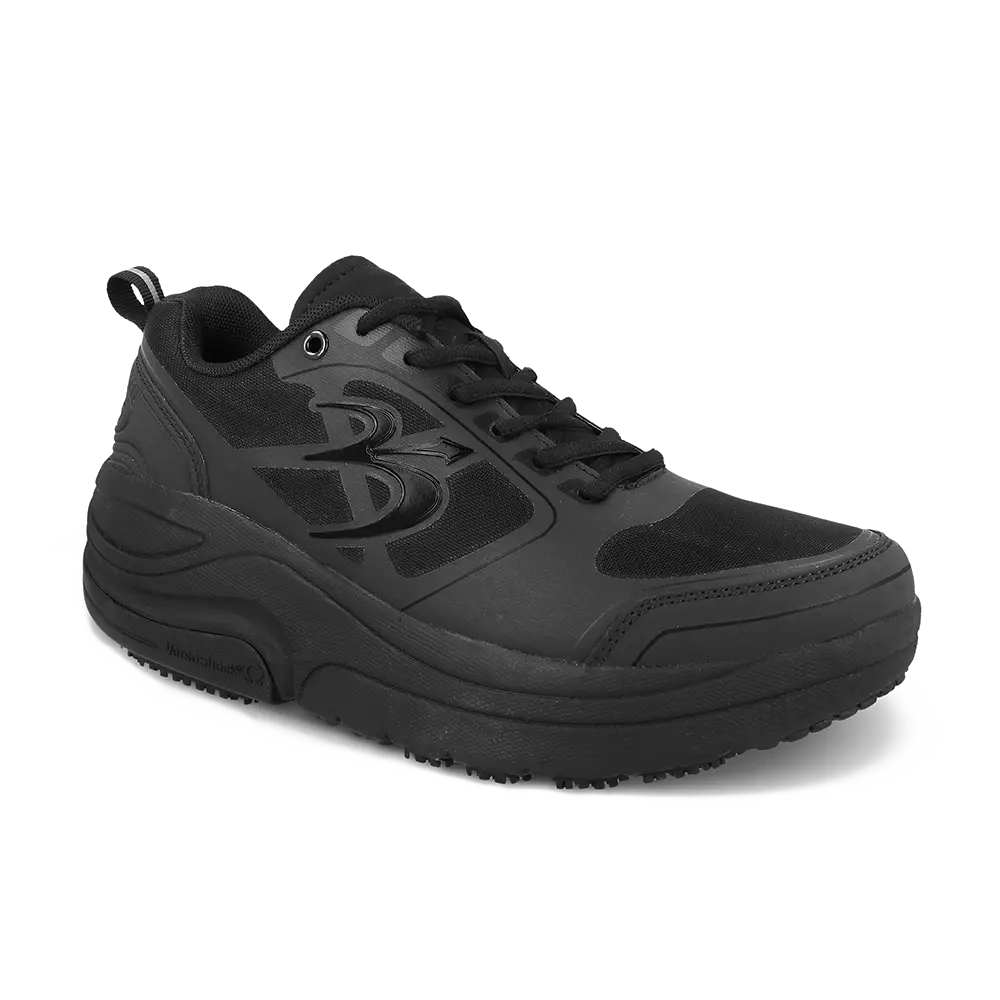
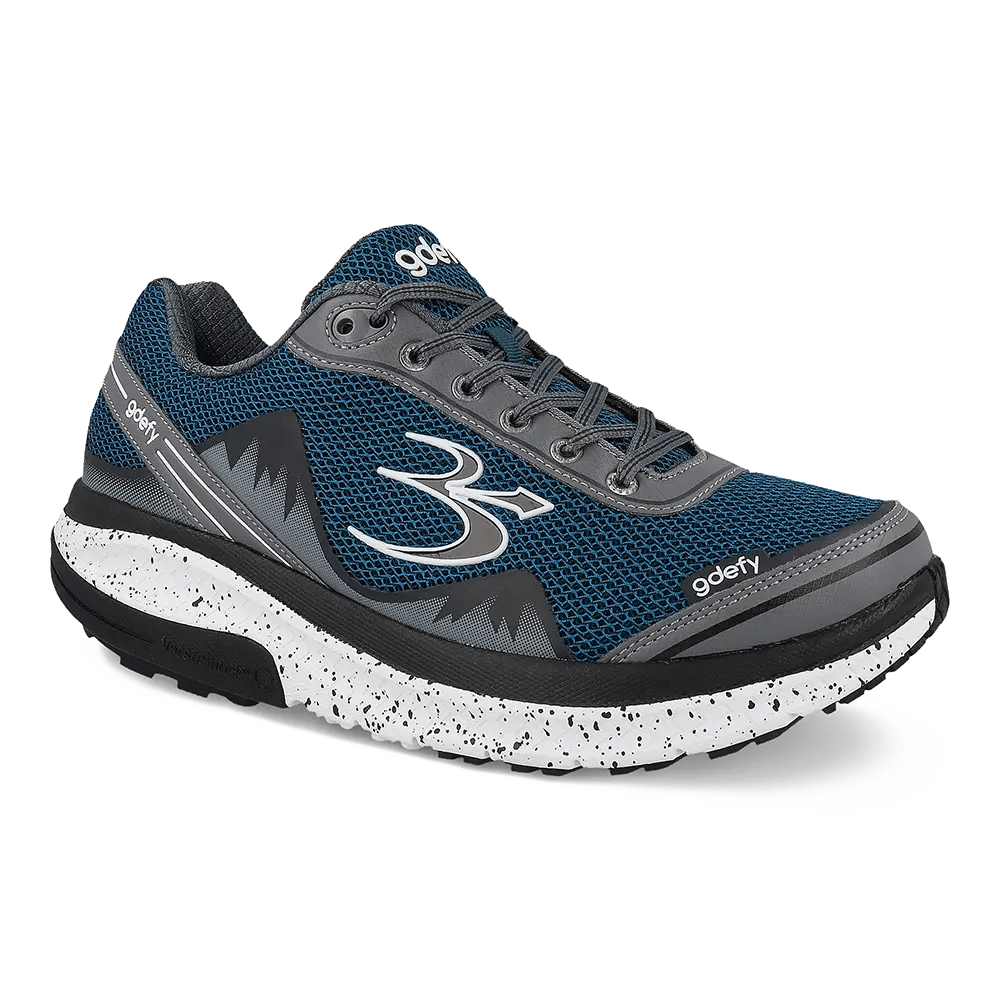
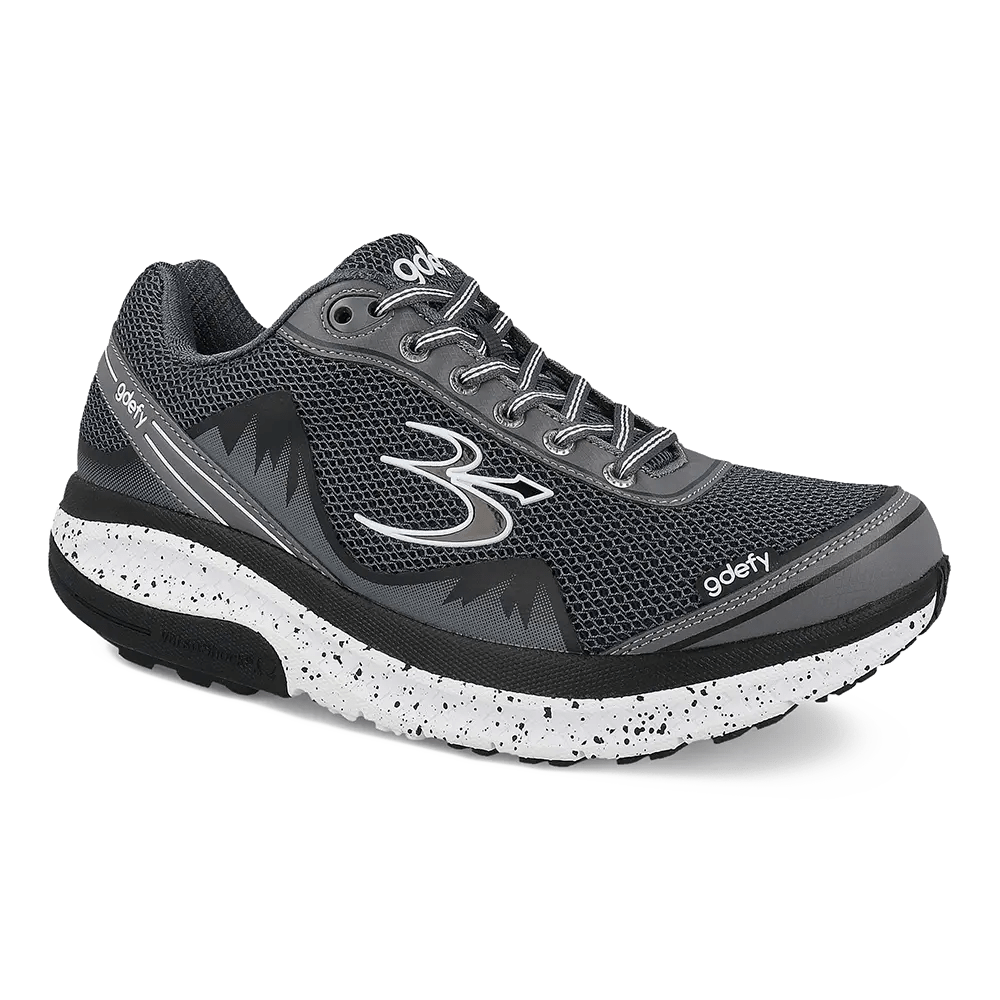
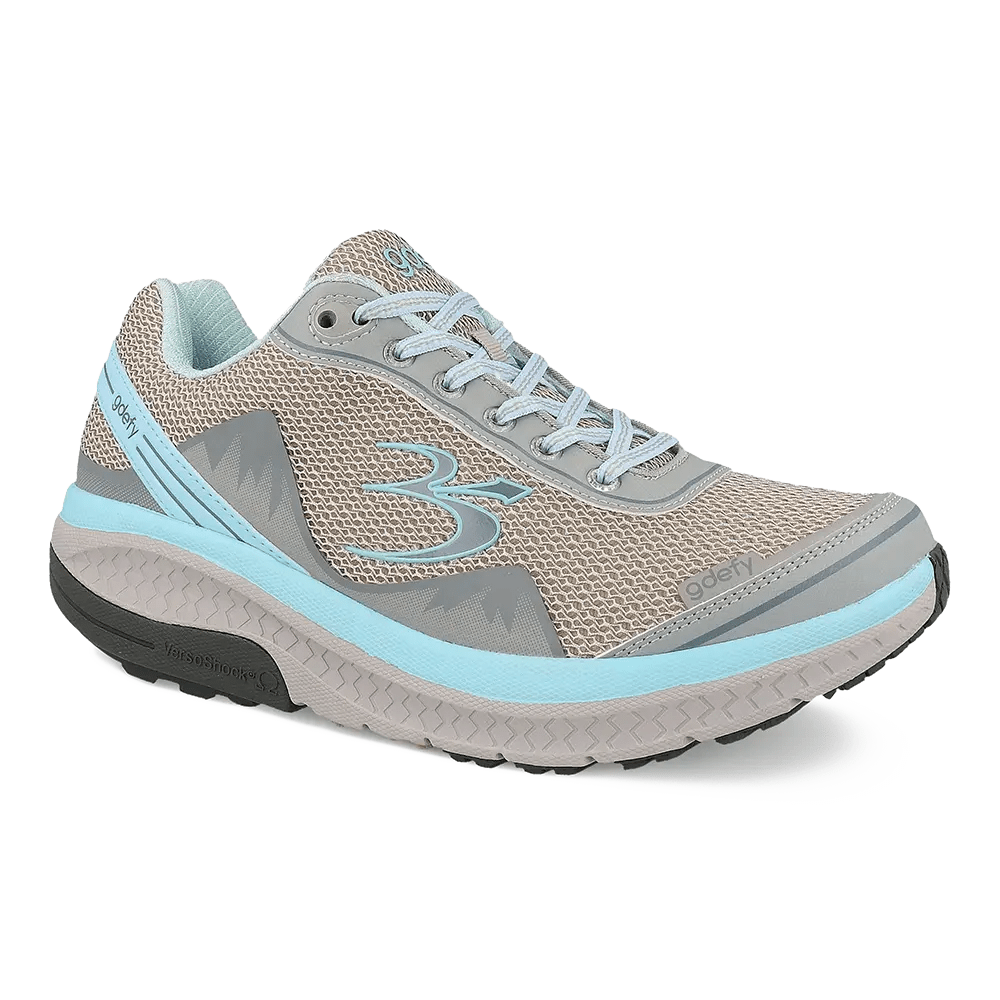
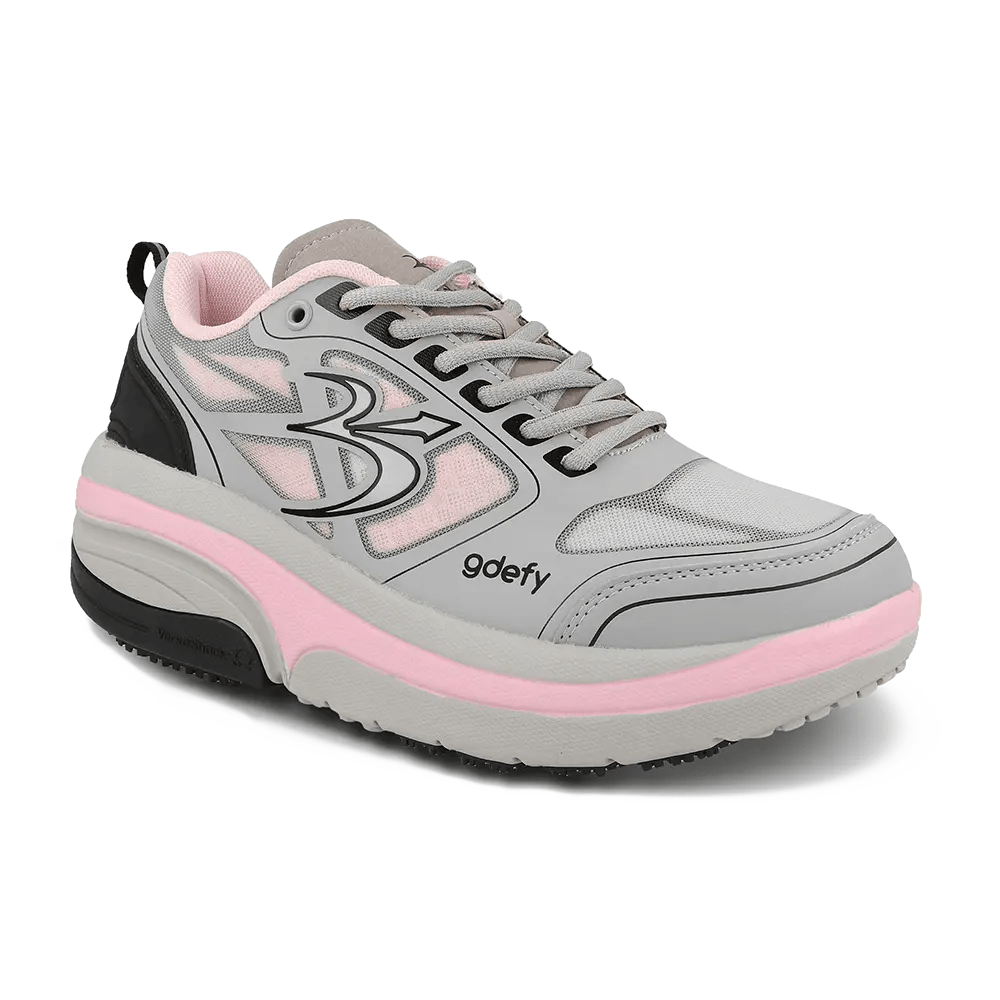
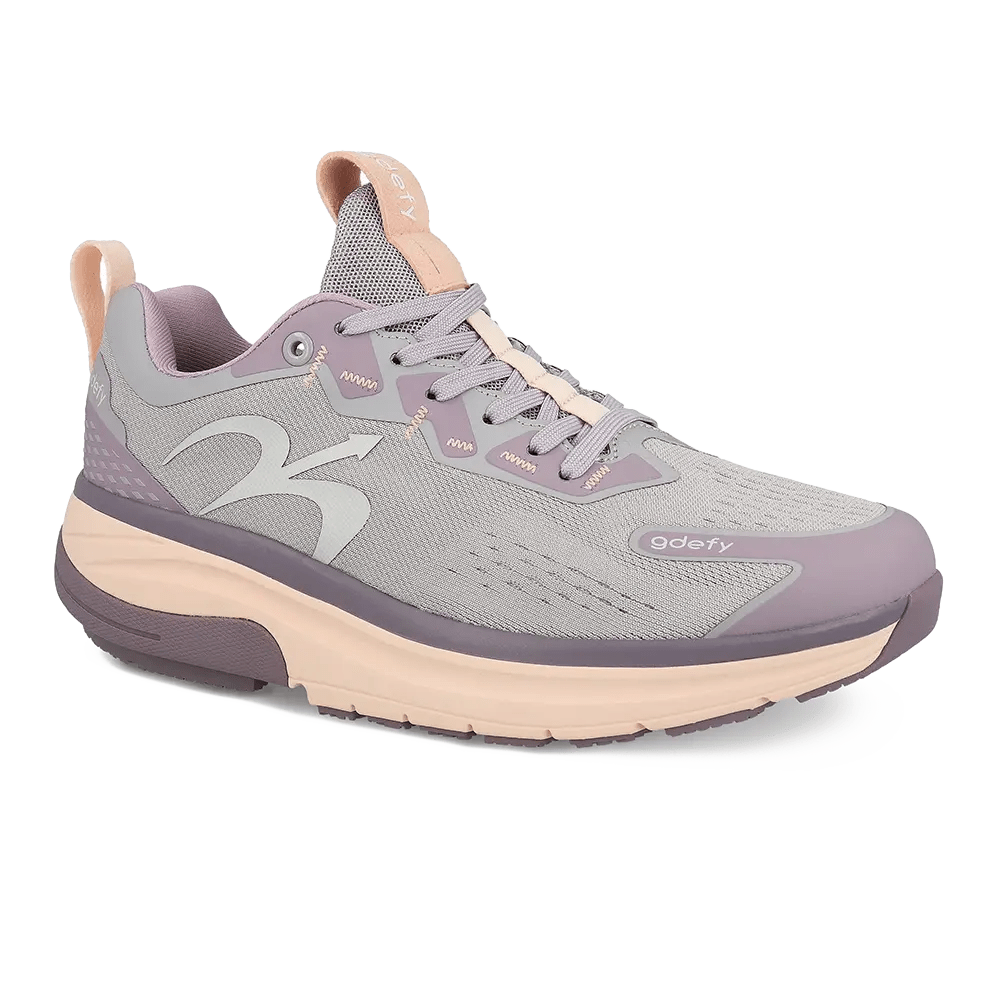
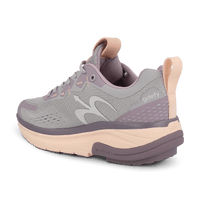
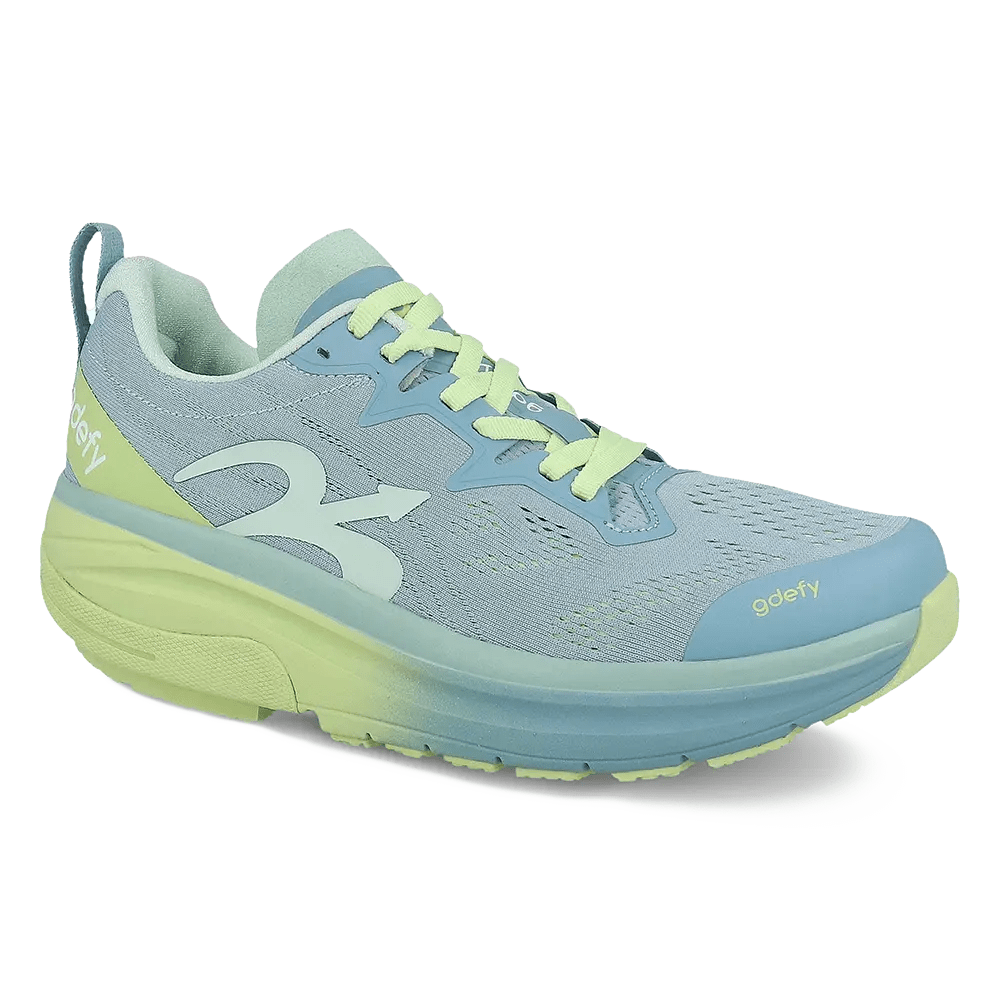
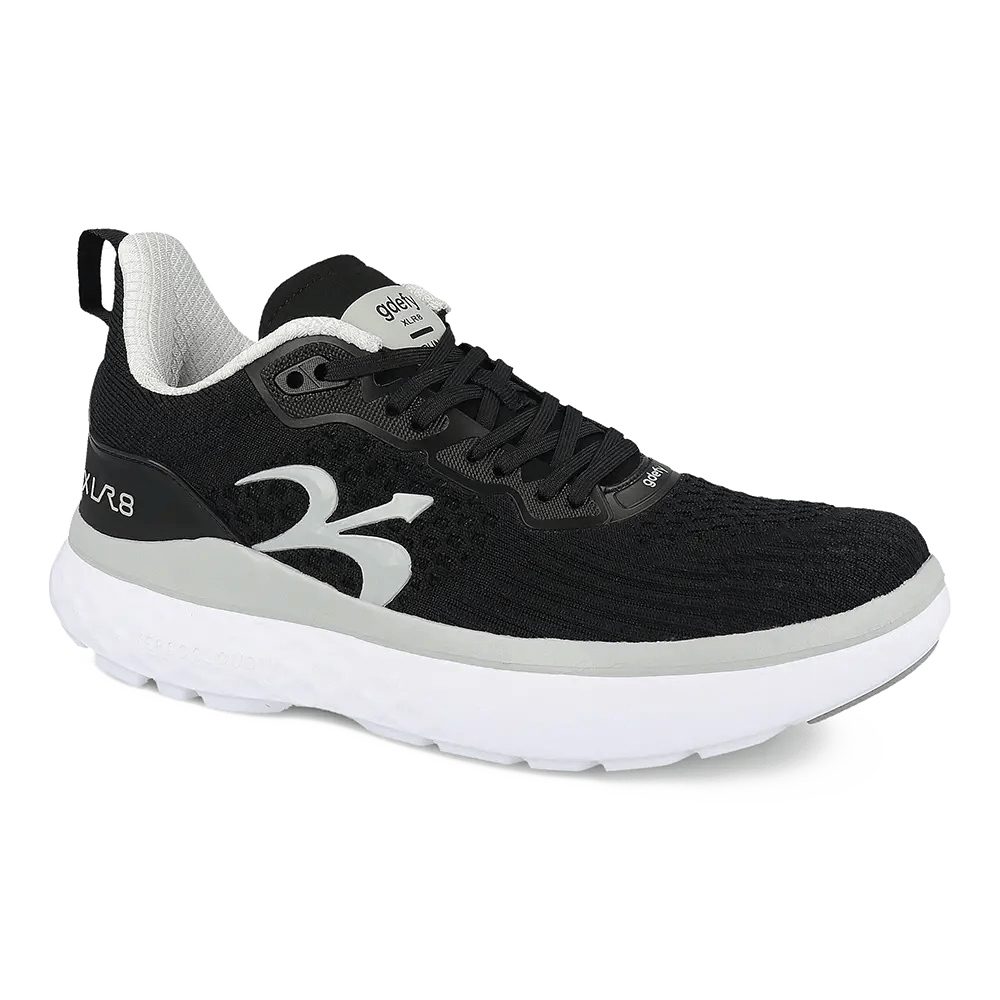
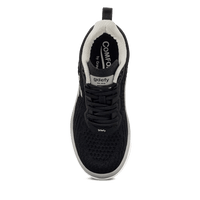
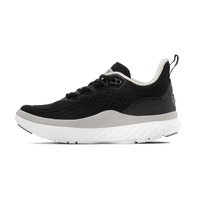
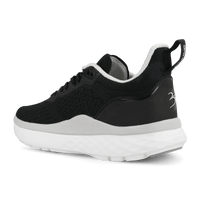
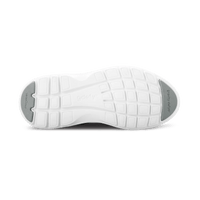
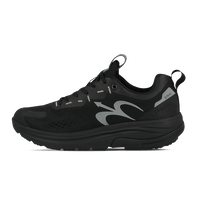
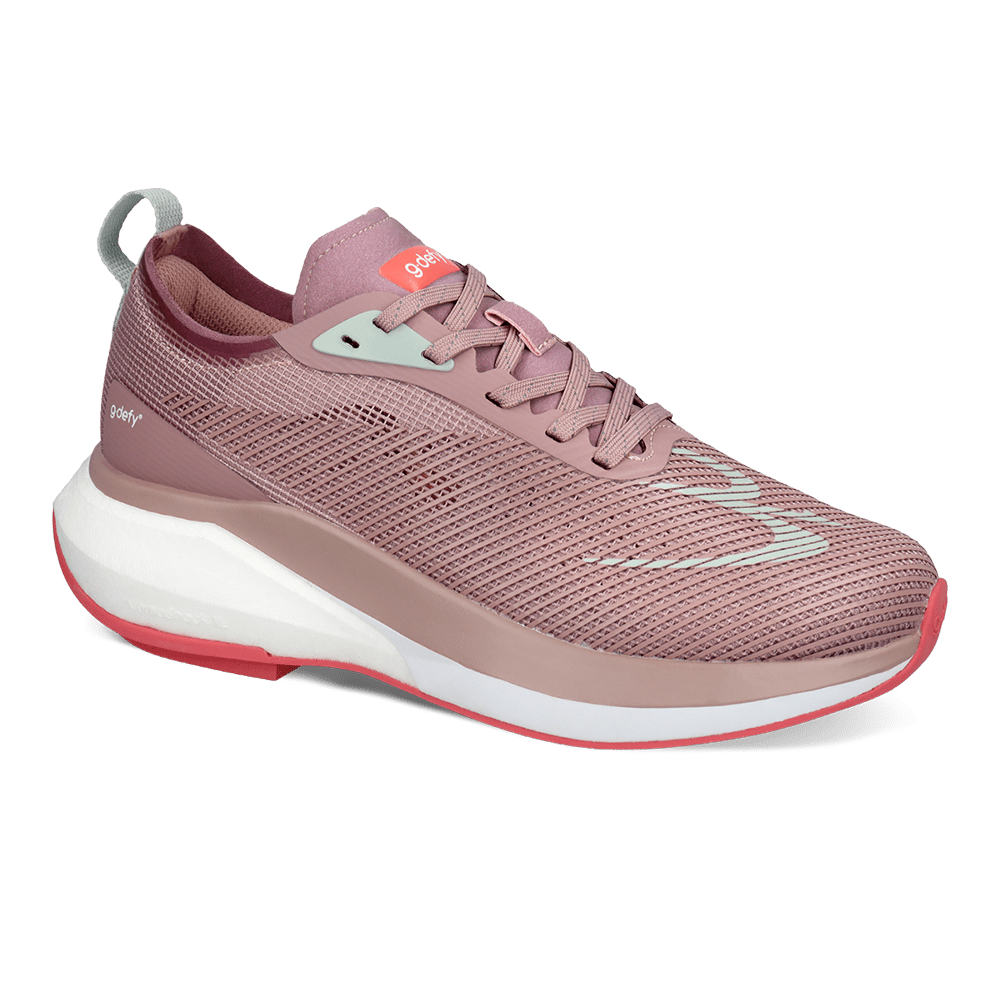
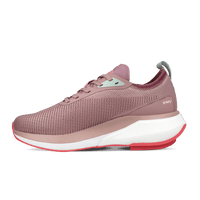
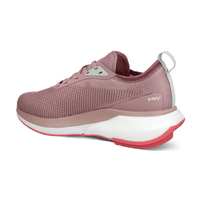
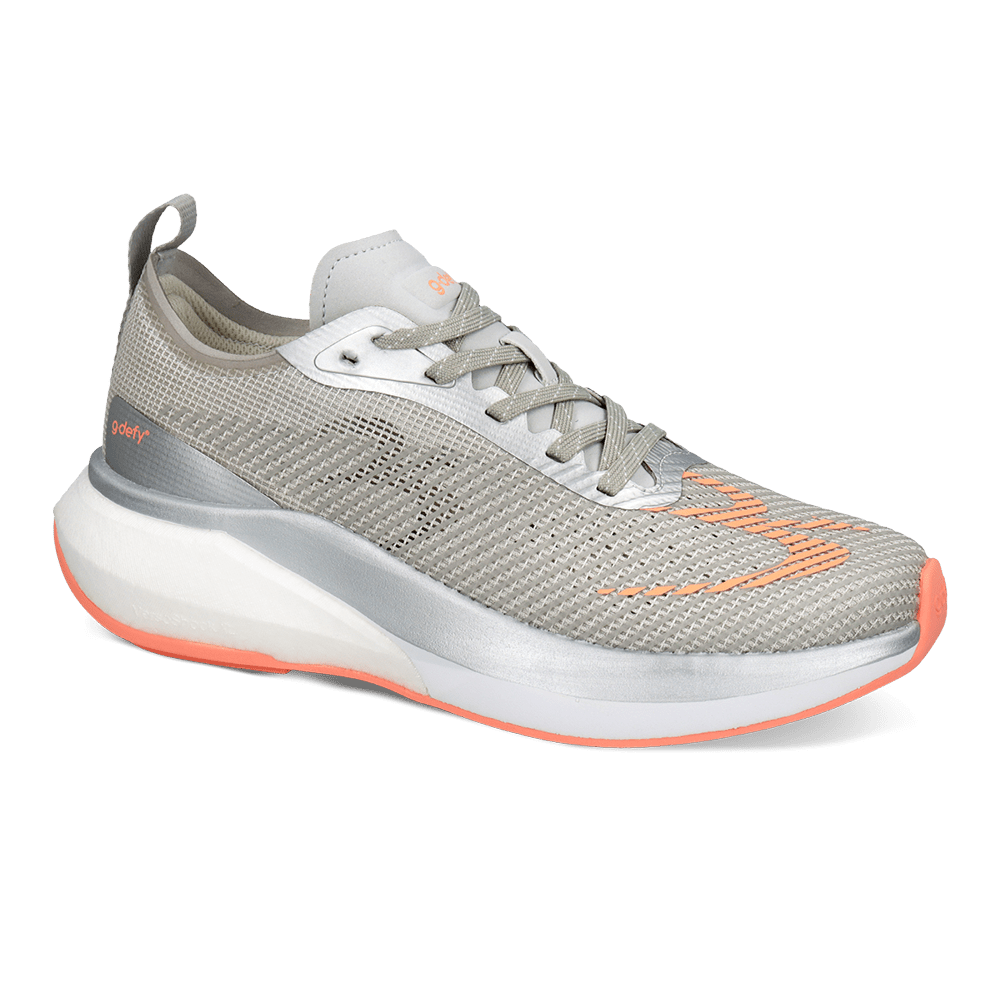
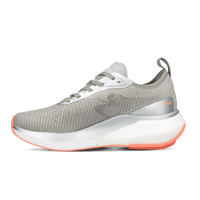
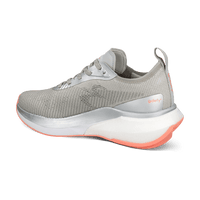
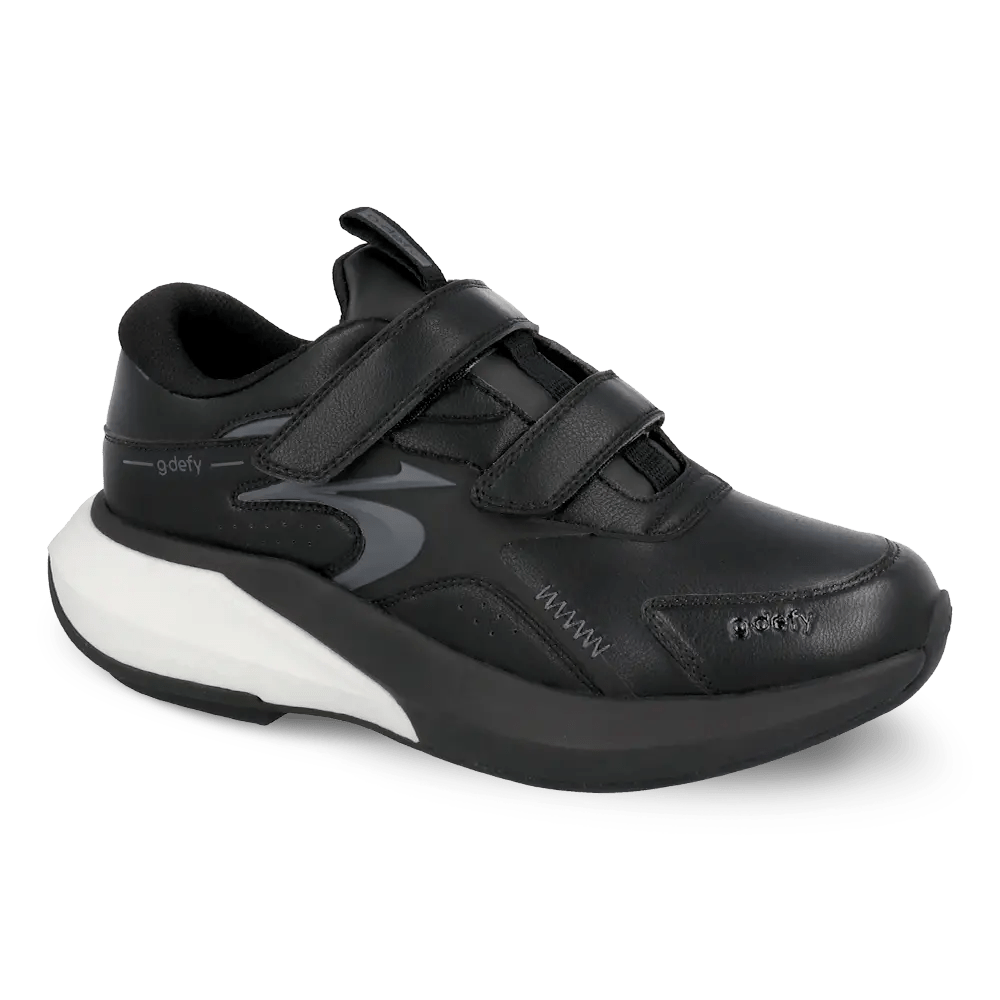
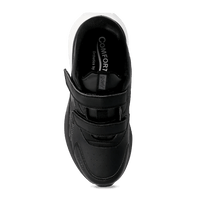
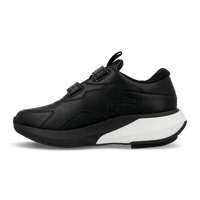
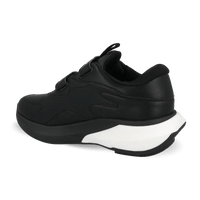
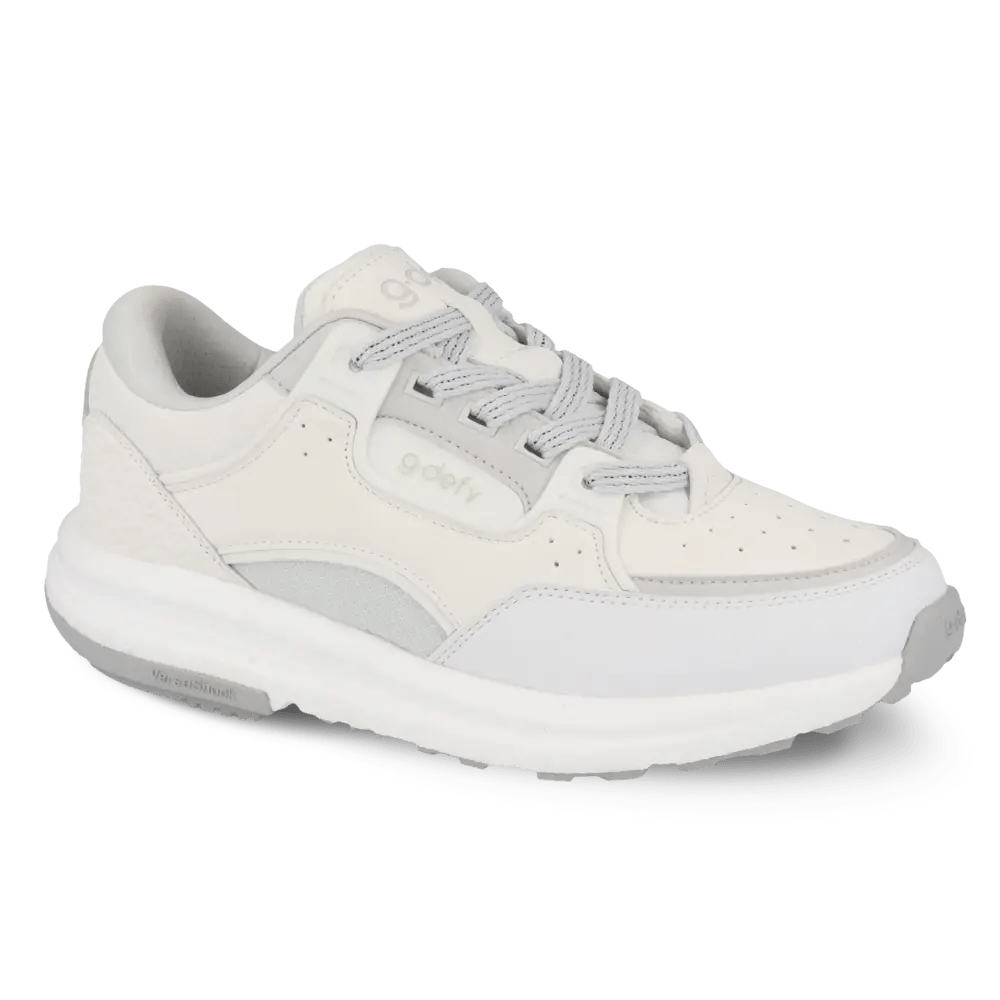
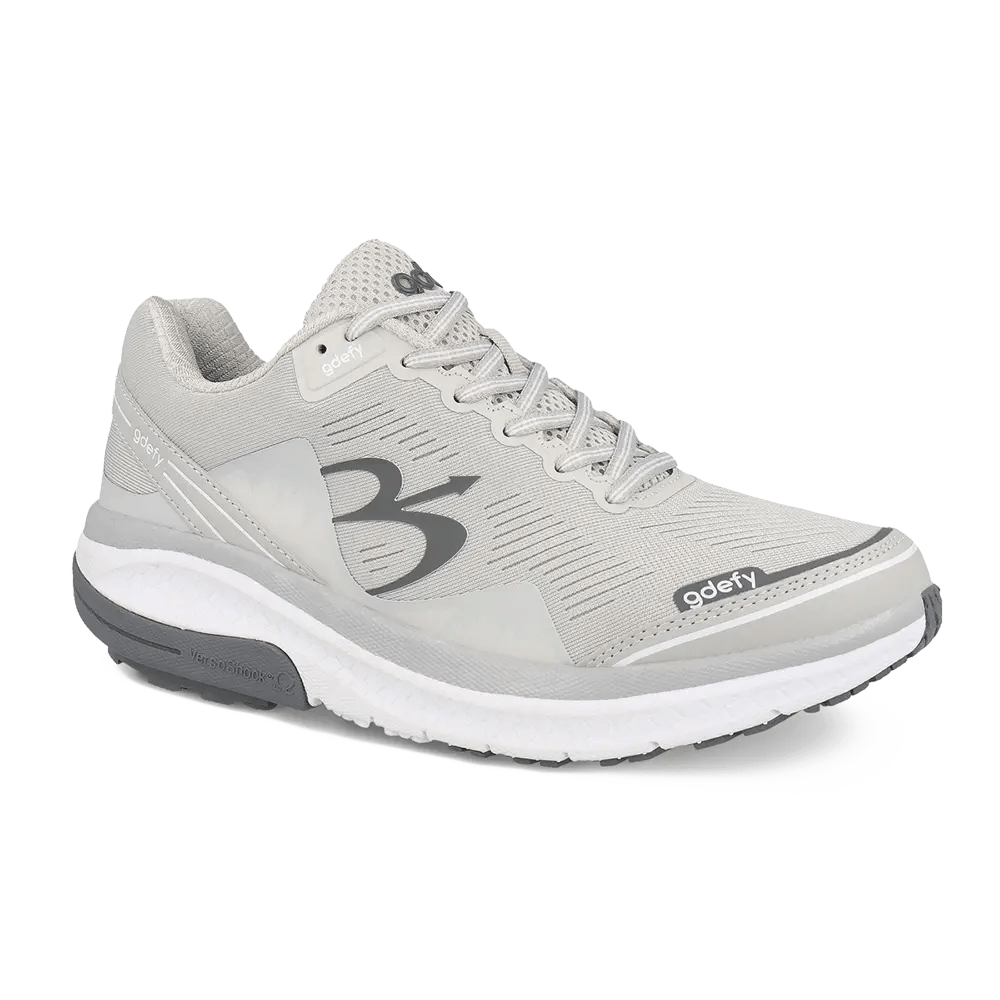
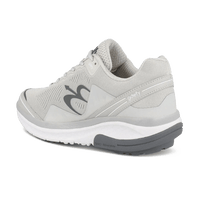
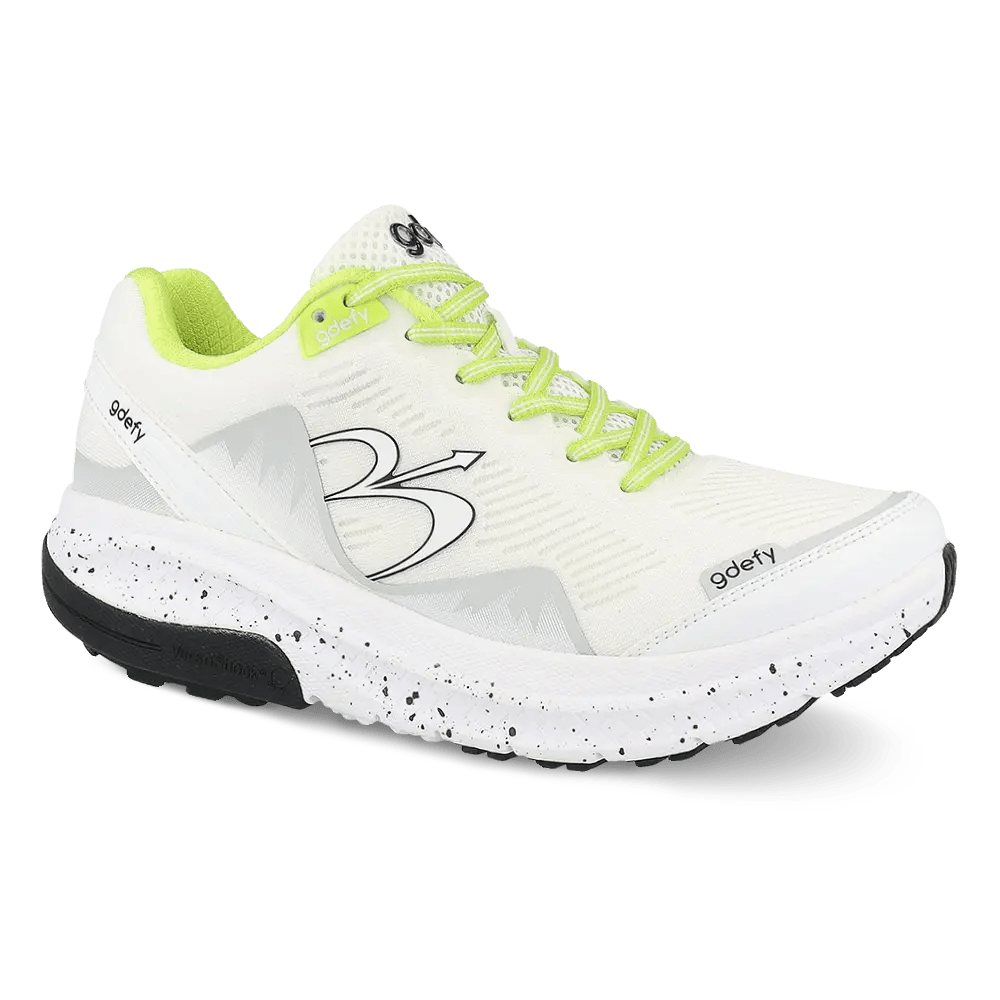
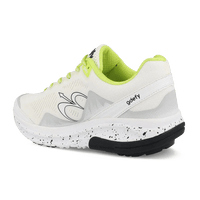
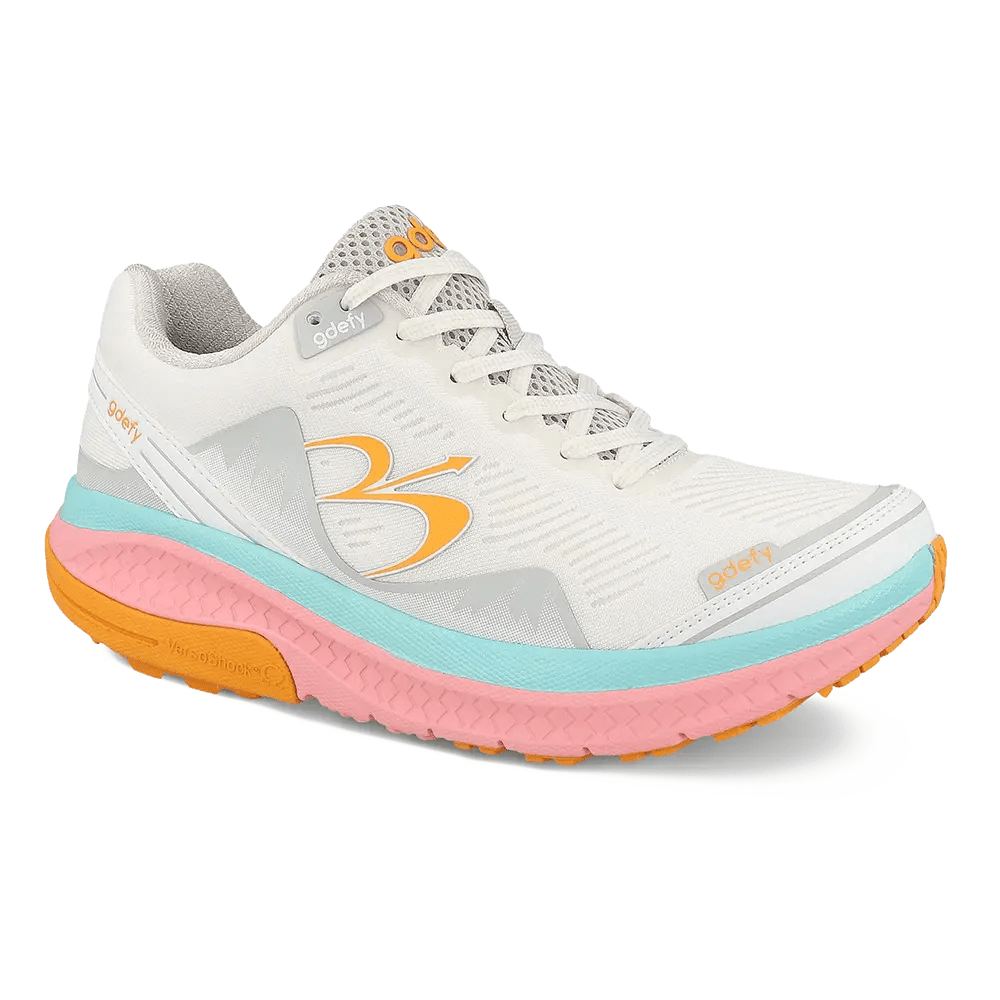
Great fit is partly about knowing what to look for — and partly about choosing footwear designed to accommodate real, differently shaped feet. G-Defy shoes are engineered to deliver comfort, support, and shock absorption, with several features built specifically to help you dial in the right fit.
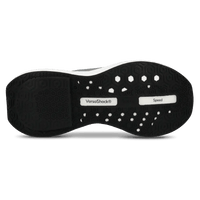
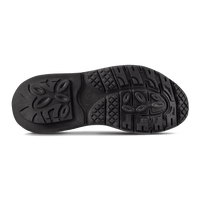
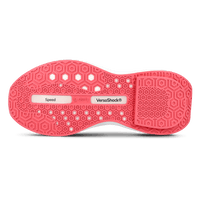
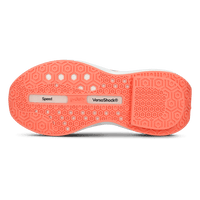
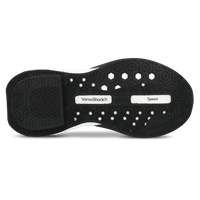
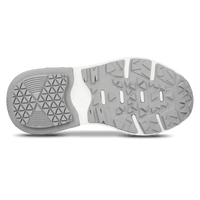
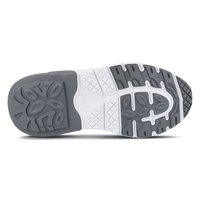
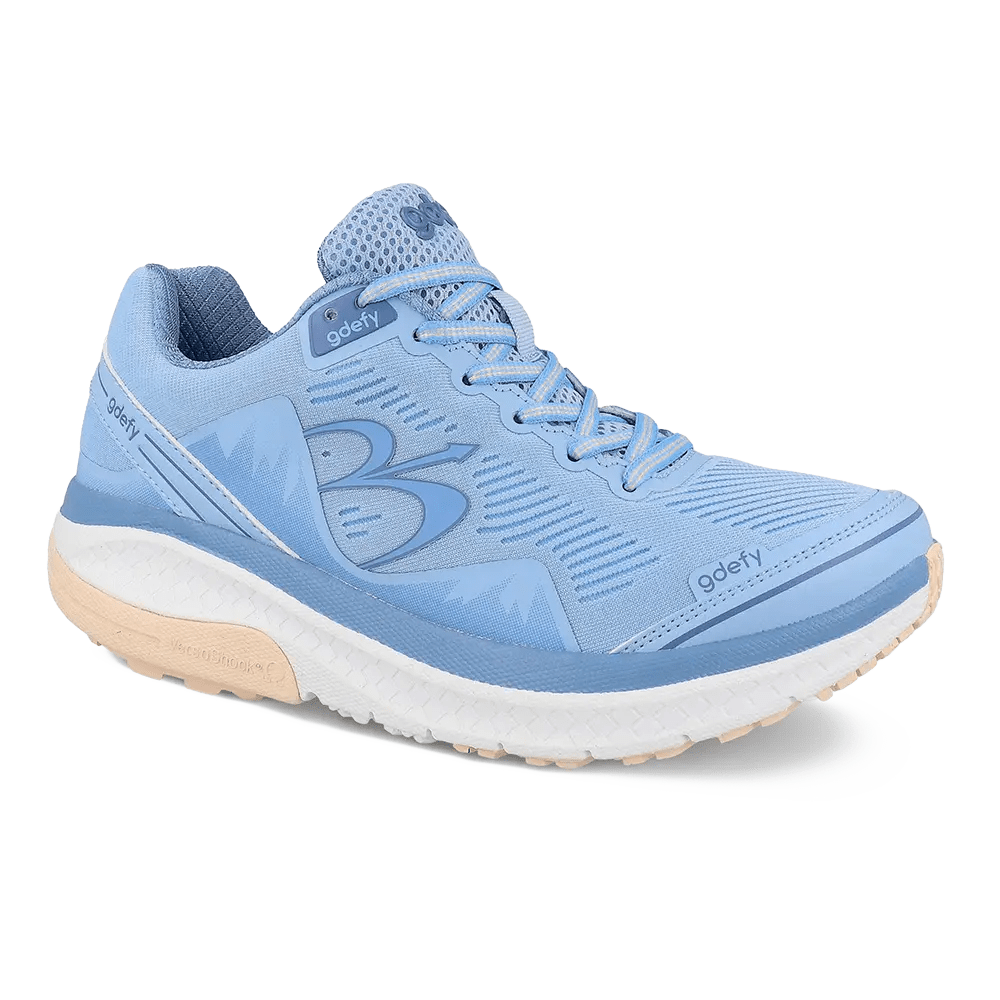
Featuring VersoShock® technology, G-Defy shoes are designed to absorb impact and return energy with each step, while a built-in stabilizer supports the foot through the stride and a front rolling design promotes a smooth heel-to-toe transition. But the features that matter most for fit are these:
- Multiple widths: Many G-Defy styles, including the Mighty Walk, are offered in Medium, Wide, and X-Wide so you can match the shoe to your foot's actual shape instead of forcing a narrow last to work.
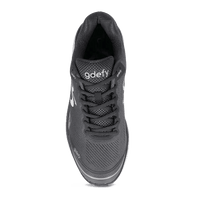
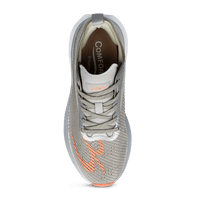
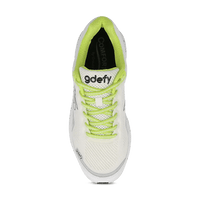
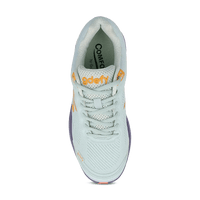
- An expanded toe box: The roomy front chamber gives your toes space to splay naturally on every push-off, helping reduce the pressure that builds up during long days.
- Two removable orthotics: Each pair includes a ComfortFit® orthotic for low to medium arches and a CorrectiveFit® orthotic for medium to high arches, so you can fine-tune support and snugness to your own foot. Because they're removable, you can also swap in a custom insole if you use one.
- A structured heel counter: The firm heel cup helps keep your heel centered and secure, reducing the slipping that leads to friction and fatigue.
Together, these design choices give you more ways to achieve a precise, personal fit — the kind that supports a more comfortable, supported stride. G-Defy shoes help reduce pain from walking, running, and prolonged standing, while letting you customize comfort to the foot you actually have.
Find your fit, risk-free for 60 days
Every G-Defy pair comes with a 60-day trial, free shipping, and free exchanges — so you can dial in the right size and width at home. Browse the collection and find the model that fits your foot and your day.

Practical Tips for Getting the Right Fit
A few simple habits make it much easier to land on a fit that stays comfortable over the long haul:
- Measure both feet. Foot size changes over the years, and your two feet often differ. Re-measure rather than assuming your size from a decade ago. Always fit to the larger foot.
- Shop later in the day. Fit when your feet are at their most swollen for the most realistic read on comfort.
- Wear your real socks. Try shoes on with the socks you'll actually wear them with — sock thickness changes the fit noticeably.
- Don't count on a "break-in." A well-fitting shoe feels good on the first walk. Persistent pinching or rubbing rarely disappears with time.
- Replace worn pairs. As a shoe breaks down, its fit and support change too. Our guide on when to replace your footwear covers the signs to watch for.
"After years of squeezing into whatever was on sale, switching to a pair in my actual width felt like a different category of comfort," shares one customer. "My feet aren't fighting my shoes anymore at the end of a long day." Composite testimonial; results vary by individual.
Frequently Asked Questions
How much room should there be at the end of a shoe?
About a thumb's width — roughly 3/8 to 1/2 inch — between your longest toe and the front of the shoe when you stand. That space lets your foot move forward slightly and your toes splay during each step. Less than that and your toes may feel cramped during longer wear.
How do I know if my shoes are too narrow?
If you feel pressure or pinching along the sides of your foot, see your foot spilling over the edges of the insole, or notice the upper straining when you lace up, the shoe is likely too narrow. Going up in length won't solve it — you need a wider size. Footwear offered in Medium, Wide, and X-Wide makes finding the right width much easier.
Can the wrong shoe fit cause foot pain?
Poorly fitting shoes are a common source of everyday foot discomfort, from a slipping heel to cramped toes. While footwear isn't a medical solution, choosing shoes that fit correctly and offer cushioning and support may improve overall comfort during walking and prolonged standing. For persistent foot pain, consult your healthcare provider.
Should I fit shoes to my bigger foot?
Yes. Most people have one foot slightly larger than the other, so fit to the larger foot and use lacing or the included orthotics to fine-tune the snugness of the smaller side. Fitting to the smaller foot almost always leaves the larger foot cramped.
Why do my shoes feel tighter at the end of the day?
Feet naturally swell over the course of a day, especially after long periods of standing or walking. A shoe that fits in the morning can feel snug by evening. That's why fitting your shoes later in the day — and leaving a little toe room — gives you a more comfortable all-day result.
The Bottom Line
Comfort doesn't start with the most expensive shoe or the most cushioning — it starts with the right fit. Length, width, toe box, heel hold, and arch support all have to match your foot before any of a shoe's other features can do their job. When you take a few minutes to check those elements and choose footwear designed to accommodate different foot shapes, you give yourself the best chance at all-day comfort.
While footwear is not a medical solution, choosing shoes that fit properly and are designed for comfort, support, and shock absorption can make a meaningful difference in how your feet — and the rest of you — feel throughout the day. To see how the pieces of a comfortable shoe work together, explore our look at what's inside a comfort walking shoe and the difference between cushioning and support.