July 13, 2026
Why Stability Matters in Everyday Footwear
By Gdefy

Summary
Every step you take depends on more than cushioning. Before a shoe can feel soft or springy, it has to keep you steady — planted, balanced, and moving with confidence across whatever the day throws at you. That quality is called stability, and it is one of the most underrated things to look for in everyday footwear.
While footwear is not a medical solution, a stable, supportive shoe can change how comfortable and confident you feel from morning to night. Here is what stability actually means in a shoe, why it matters for everyday comfort, and the features worth looking for when you shop.
What "Stability" Really Means in a Shoe
Stability is a shoe's ability to keep your foot supported and controlled as you move. It is the difference between a shoe that holds its shape under you and one that twists, folds, or wobbles with every step.
It is easy to confuse stability with stiffness, but they are not the same. A stable shoe still flexes where your foot naturally bends — at the ball of the foot — while resisting the kind of excess twisting and collapsing that leaves you feeling unsteady. Think of it as structure in the right places: firm where you need control, flexible where you need movement.
Good stability comes from how the whole shoe is built — the heel, the midsole, the base, and the fit all working together. When those pieces support each other, your foot feels centered and secure. When they do not, your body spends extra energy just keeping you balanced.
Why Stability Matters for Everyday Comfort
You feel stability most when it is missing. A shoe that shifts underfoot on a long day can leave your feet and legs working overtime, and that quiet effort adds up as fatigue by evening.
Everyday life is full of moments that ask for a steady base:
- Long hours standing or walking. A supportive, stable shoe helps you stay comfortable through a full day rather than fighting your footwear.
- Uneven or hard surfaces. Sidewalks, gravel paths, and hard floors are easier to move across confidently when your shoes keep your foot controlled.
- Carrying and reaching. Whether it is groceries, laundry, or a toddler, a steady platform helps you feel balanced while your hands are full.
- Staying active with confidence. Feeling secure underfoot makes it easier to keep moving and enjoy the things you love.
None of this is about a medical outcome — it is about comfort and confidence. When your shoes keep you steady, movement simply feels more natural, and you are free to think about your day instead of your feet.
Shoe Features That Support Stability
Stability is built, not added on. These are the design details that help a shoe keep you supported and balanced.
A Secure Heel Counter
The heel counter is the firm structure that cups the back of your foot. A well-built heel counter holds your heel in place so it does not slide or roll side to side, which is the foundation of a steady stride. If your heel feels locked in and centered, the rest of the shoe has something to work with.
A Supportive Midsole and Stabilizer
The midsole does more than cushion — it is where a lot of stability lives. A built-in stabilizer helps prevent the middle of the shoe from bending or twisting excessively, supporting your foot through each step and encouraging a more controlled, balanced motion from heel to toe.
A Balanced, Supportive Base
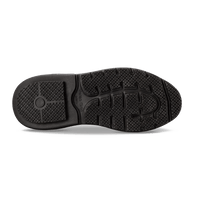
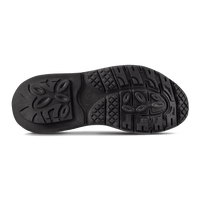
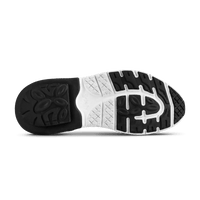
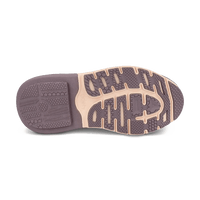
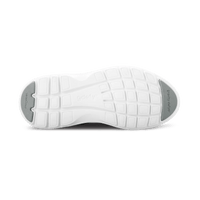
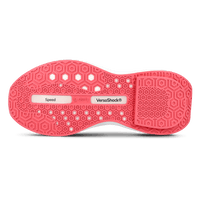
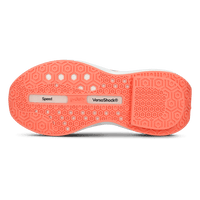
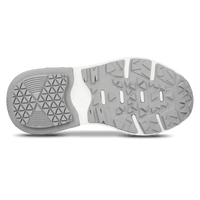
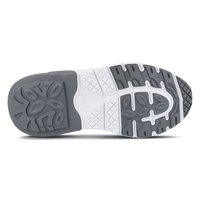
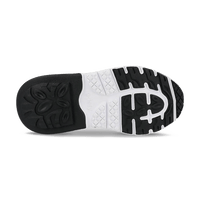
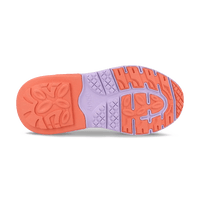
A shoe's base — the width and shape of the sole where it meets the ground — affects how planted you feel. A base that is too narrow can feel tippy, while a well-proportioned one gives you a broader, more reassuring platform to stand and move on.
A Secure Fit and Closure
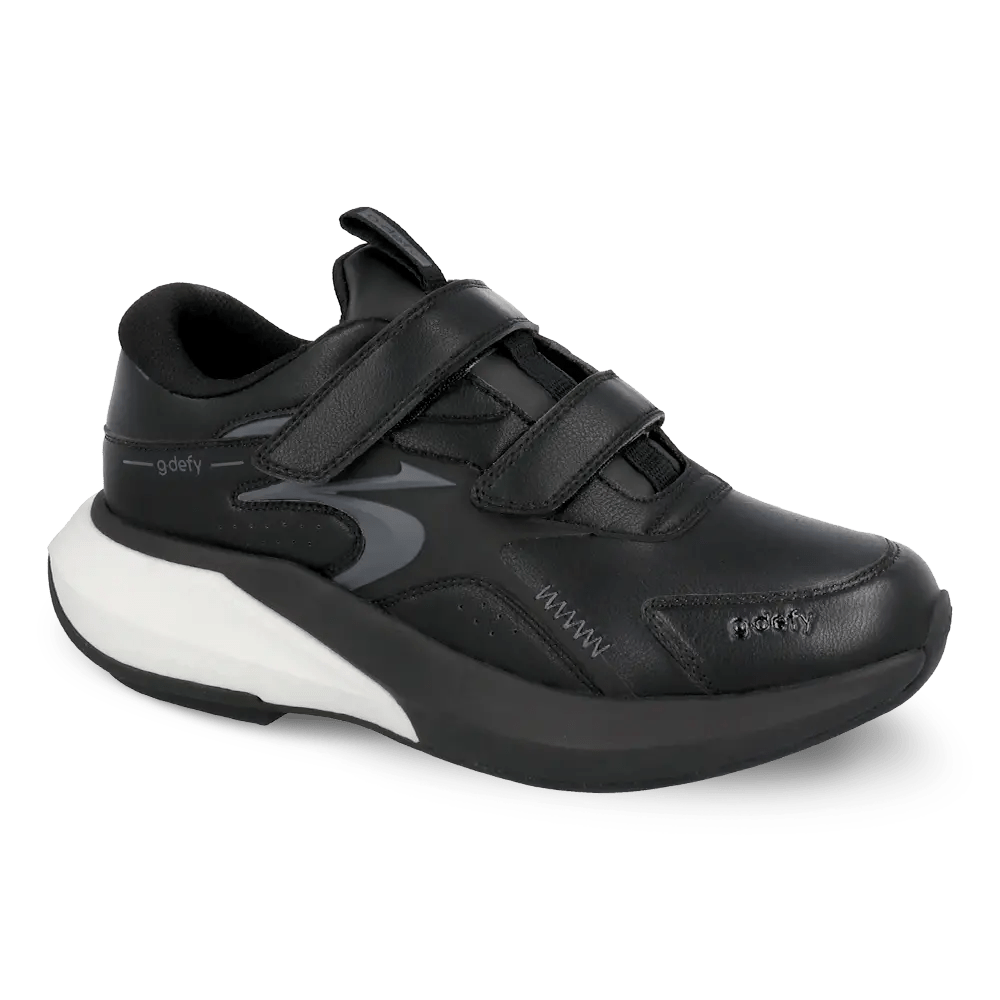
Even a well-built shoe cannot keep you steady if your foot slides around inside it. Laces or a secure closure let you lock the shoe to your foot, while a roomy toe box still lets your toes spread naturally for balance. The goal is a fit that feels connected, not constricting.
Cushioning That Doesn't Sacrifice Support
Softness feels great in the store, but too much squish with no structure can actually feel unstable. The best everyday shoes pair cushioning that softens impact with enough support to keep you controlled — comfort and stability working together rather than competing.
How G-Defy Builds Stability Into Every Pair
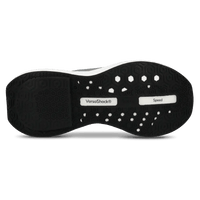
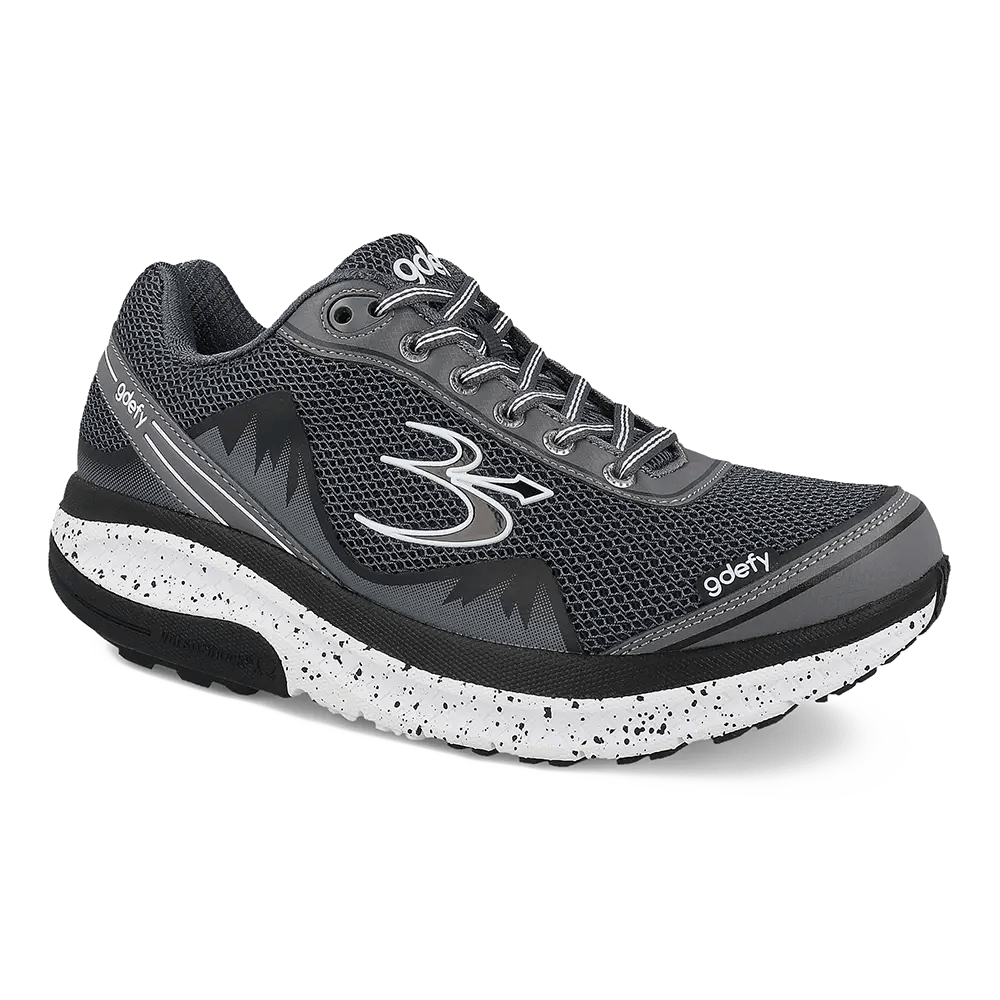
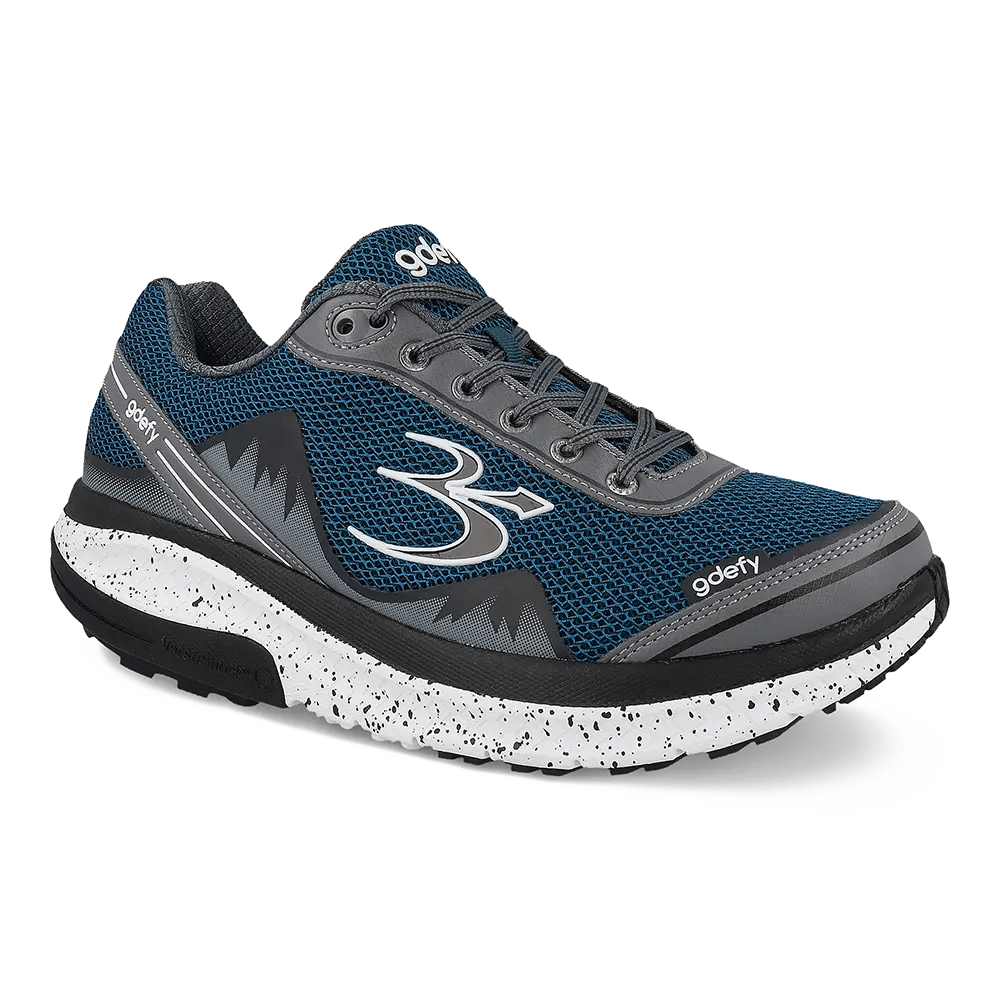
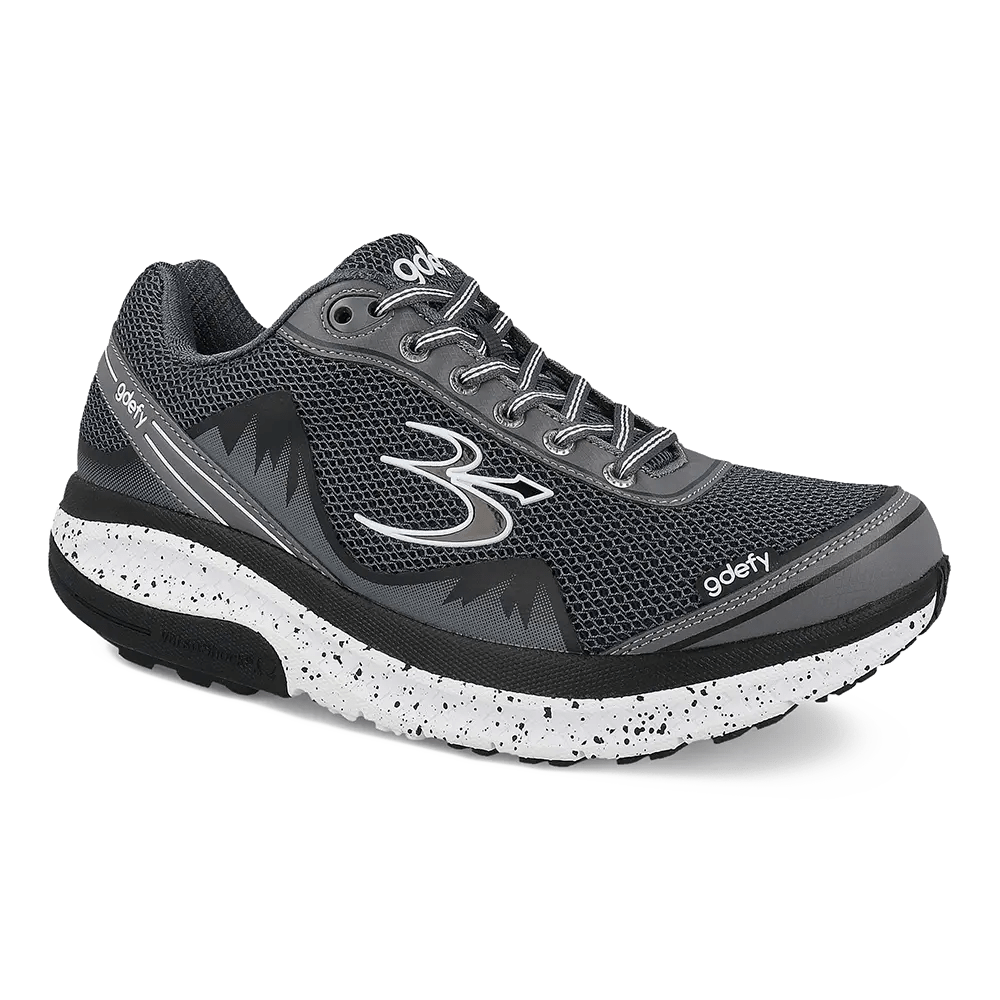
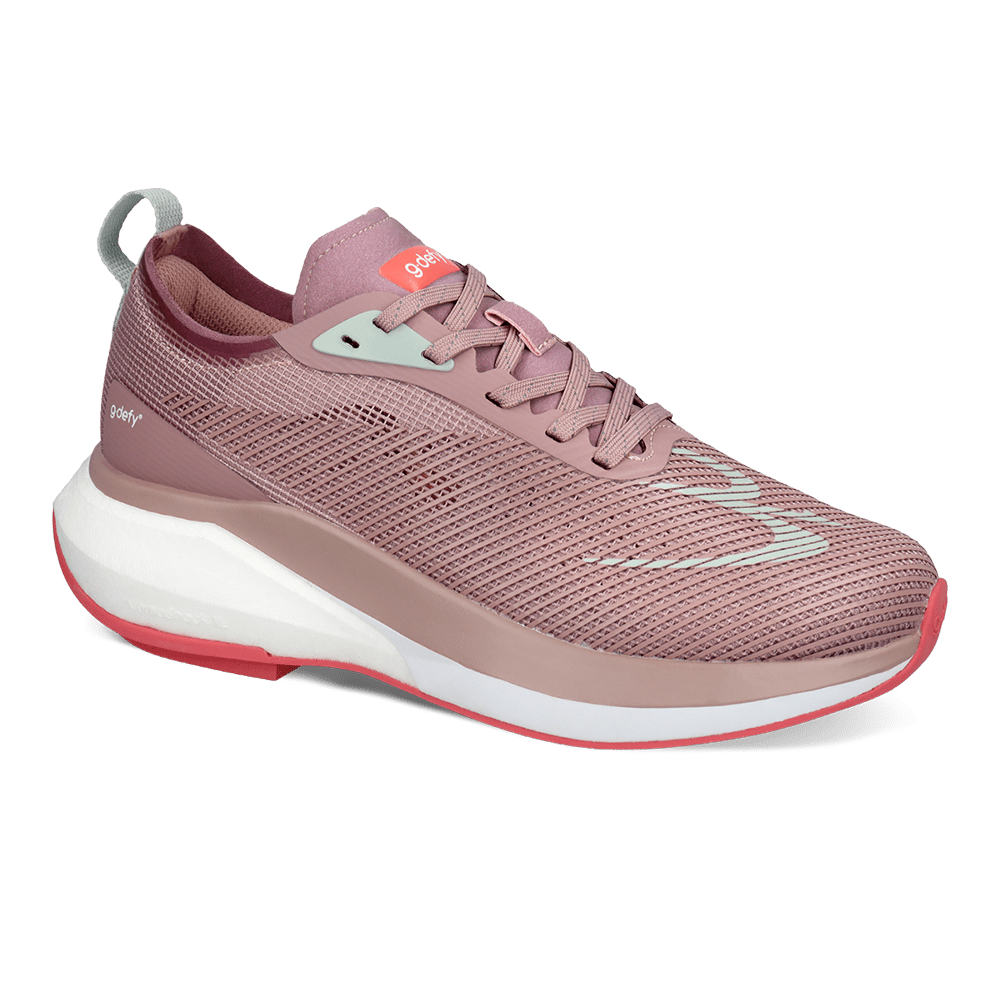
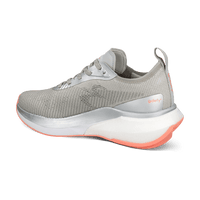
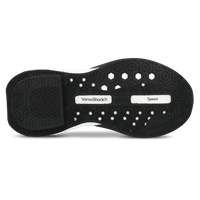
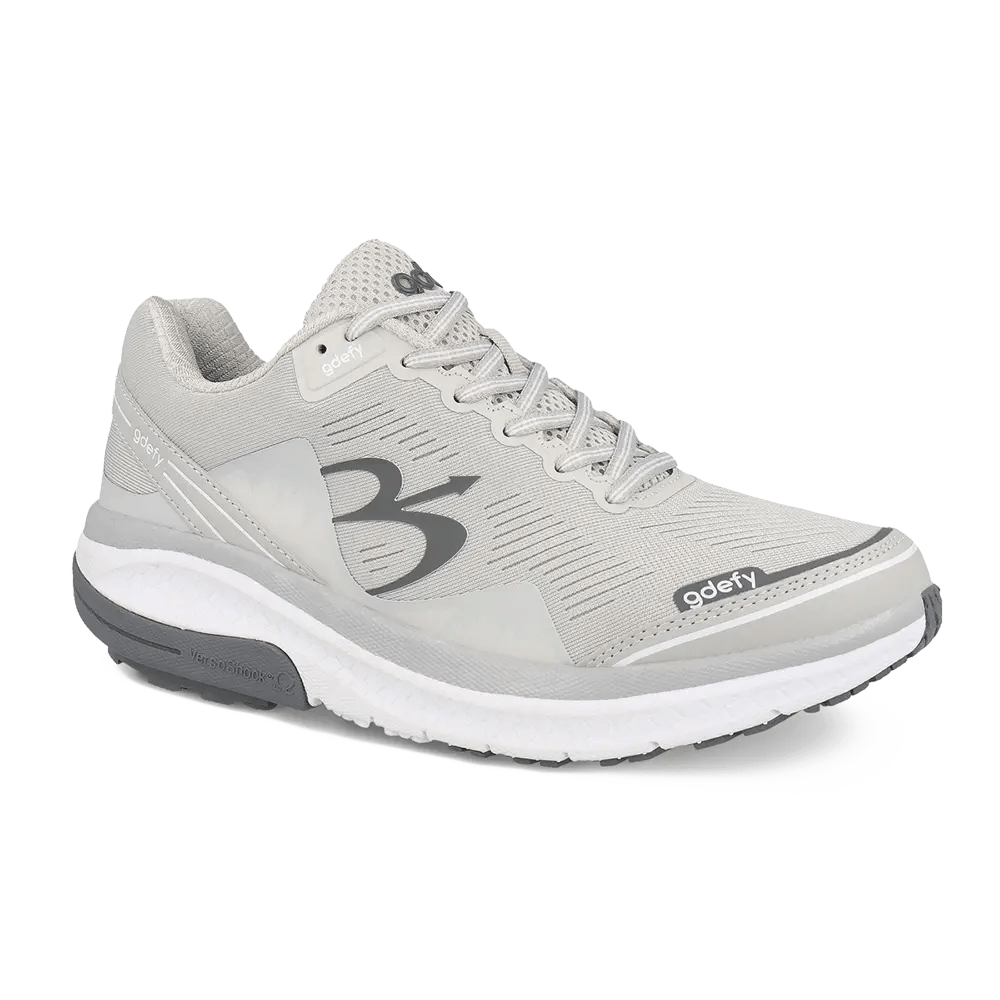
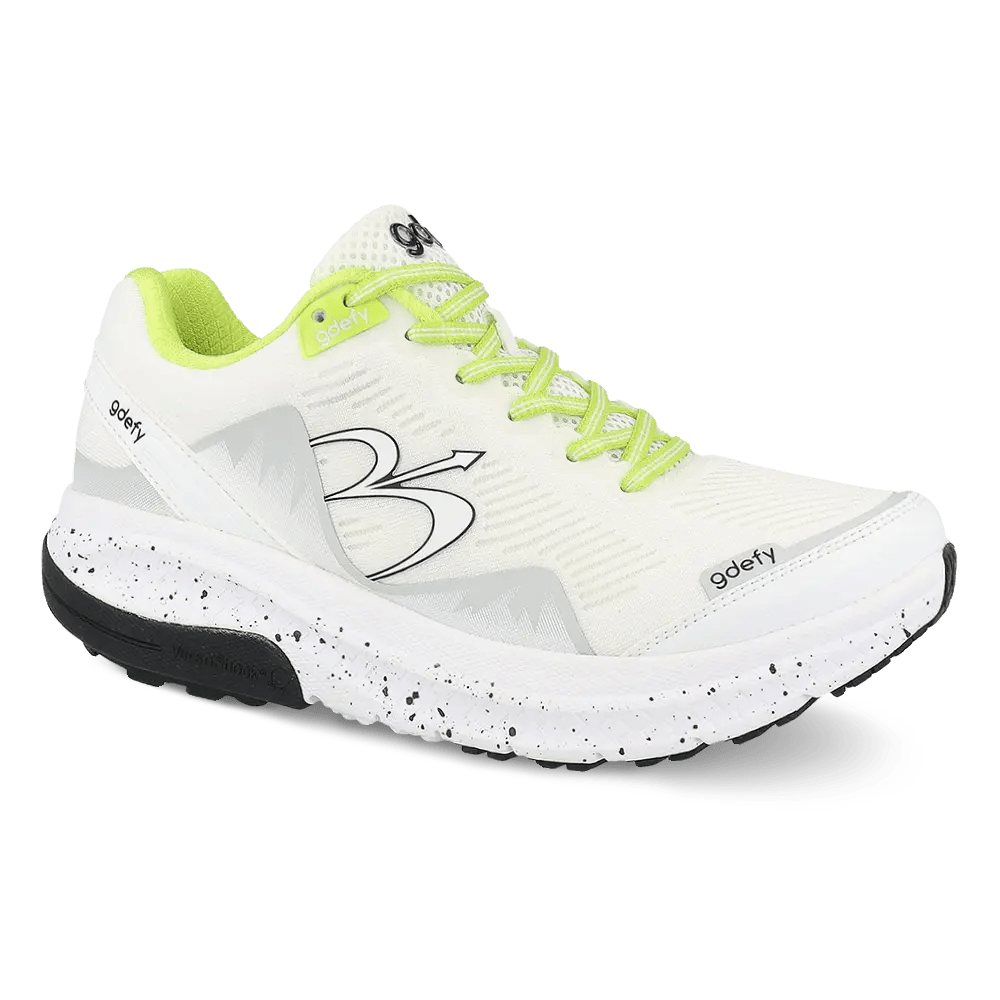
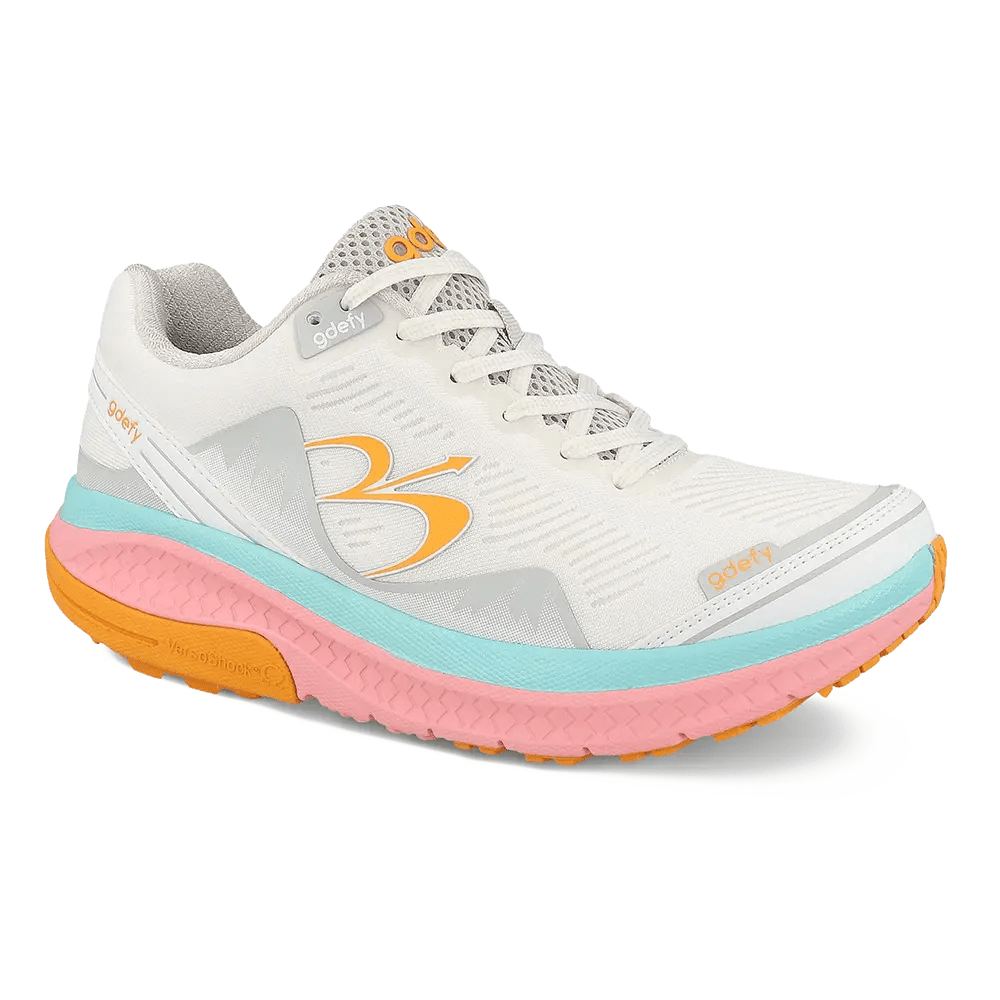
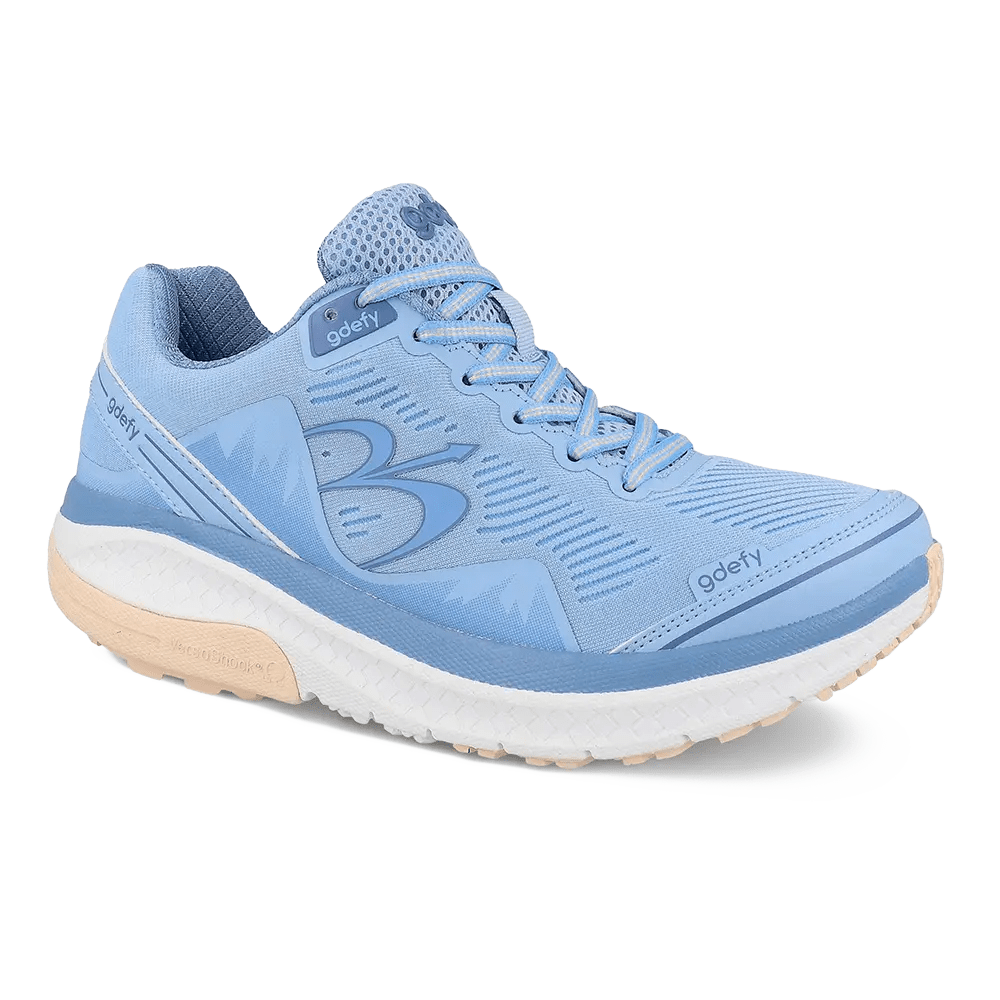
G-Defy shoes are engineered to deliver comfort, support, and shock absorption in one design — and stability is woven through all of it. At the core is VersoShock® technology, a spring-based system built to absorb impact softly and return energy with each step, so you get a cushioned ride that still feels controlled underfoot.

Around that core, every pair includes a built-in stabilizer that helps reduce excessive bending in the middle of the shoe, plus a front rolling design that promotes a smooth, controlled heel-to-toe transition. Each pair also comes with two removable orthotics — a ComfortFit® orthotic for low to medium arches and a CorrectiveFit® orthotic for medium to high arches — so you can dial in the support and fit that keeps you feeling most secure. Together, these features help reduce pain from walking, running, and prolonged standing while supporting a steady, confident stride.
Customers who spend long days on their feet often tell us the same thing in their own words — that a supportive pair simply feels more secure and comfortable than the flat, unstructured shoes they wore before. Comfort is personal, and results vary from person to person, which is why every pair comes with a 60-day risk-free trial so you can judge the fit and feel for yourself.
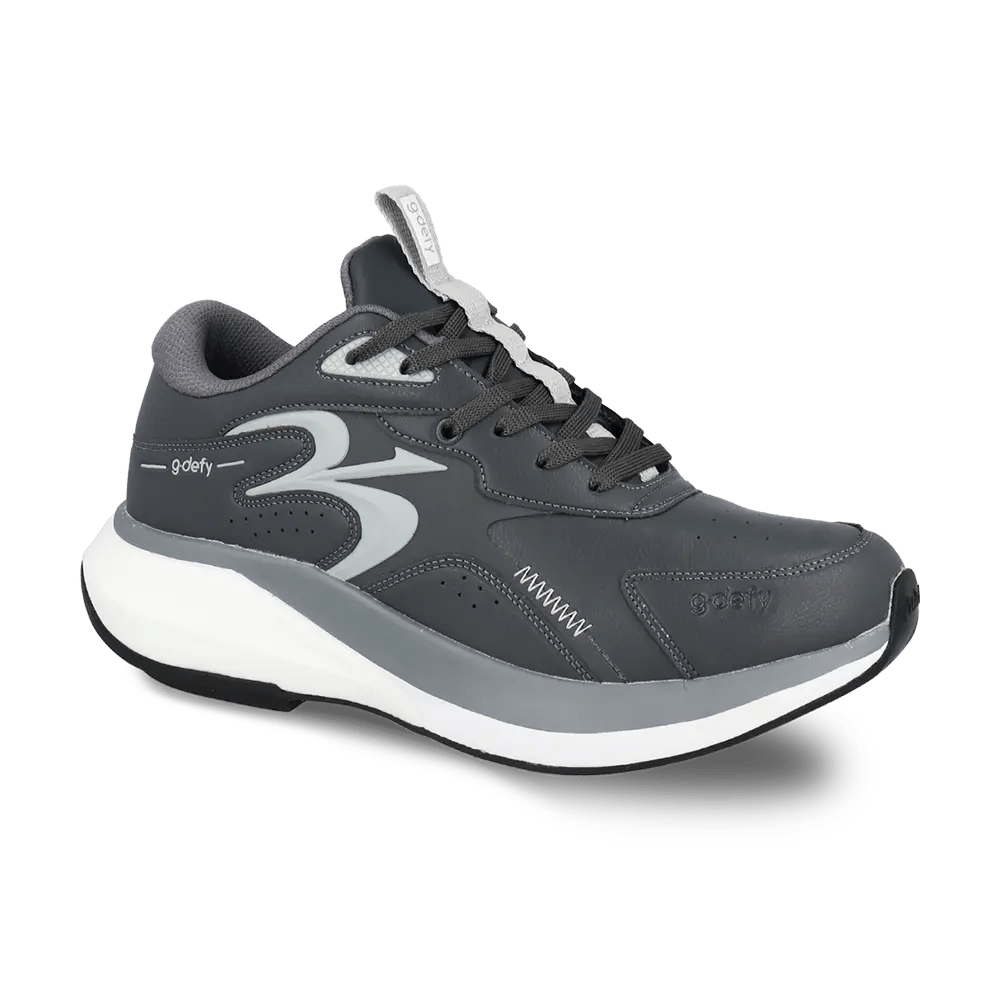
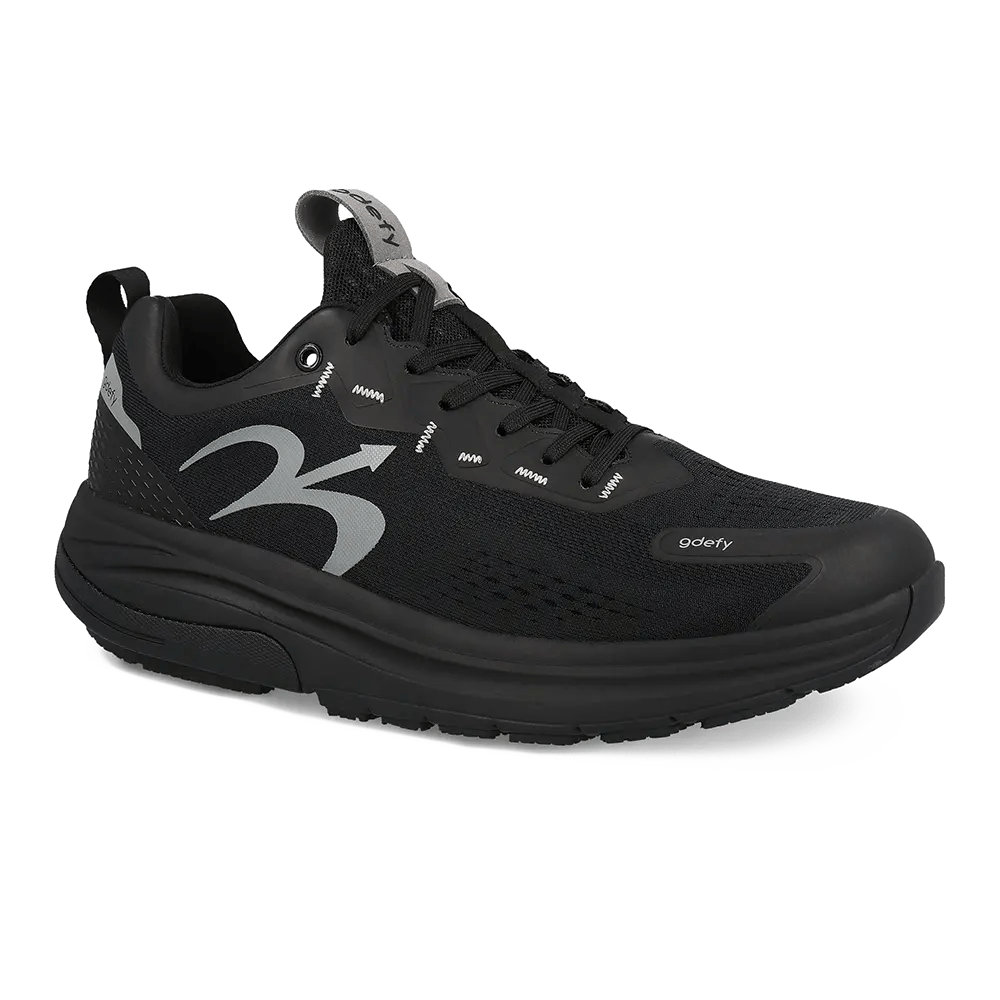
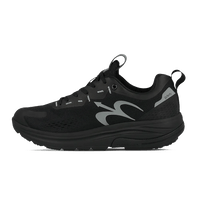
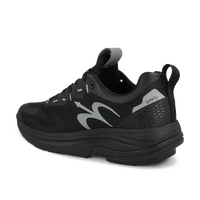
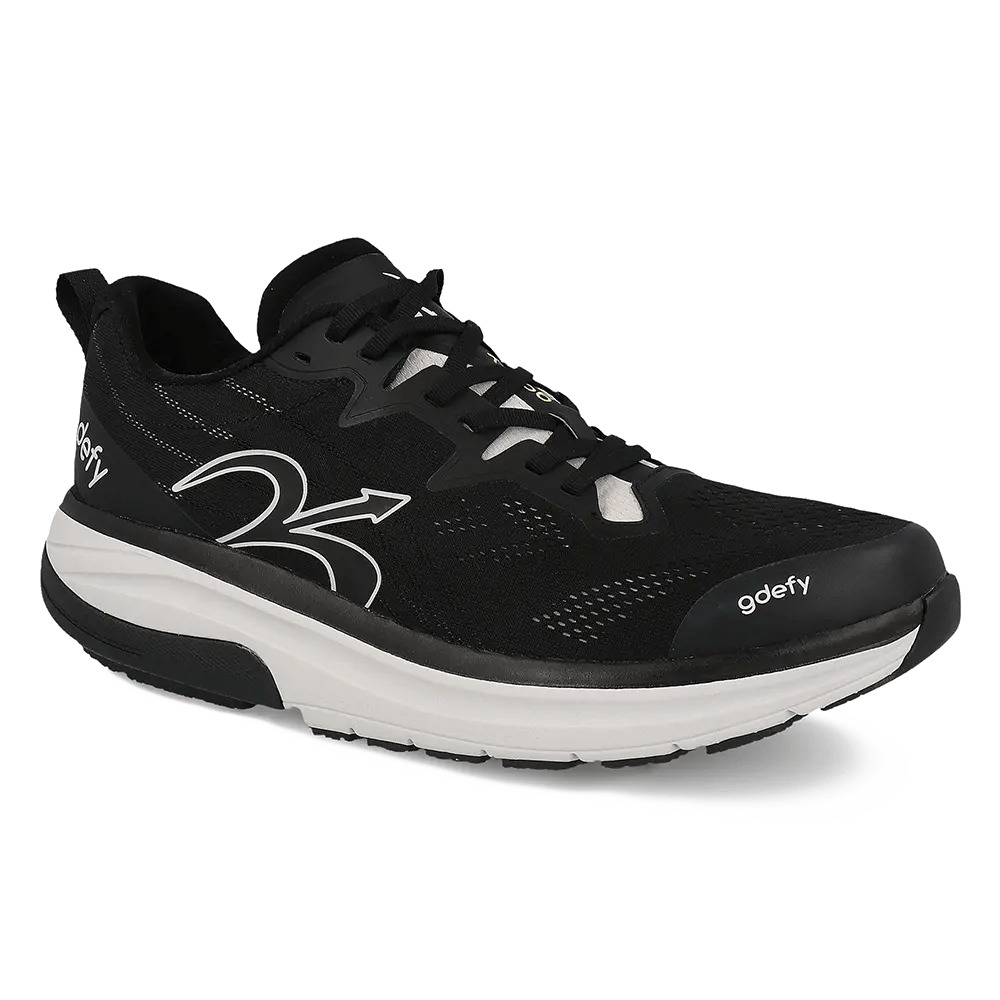
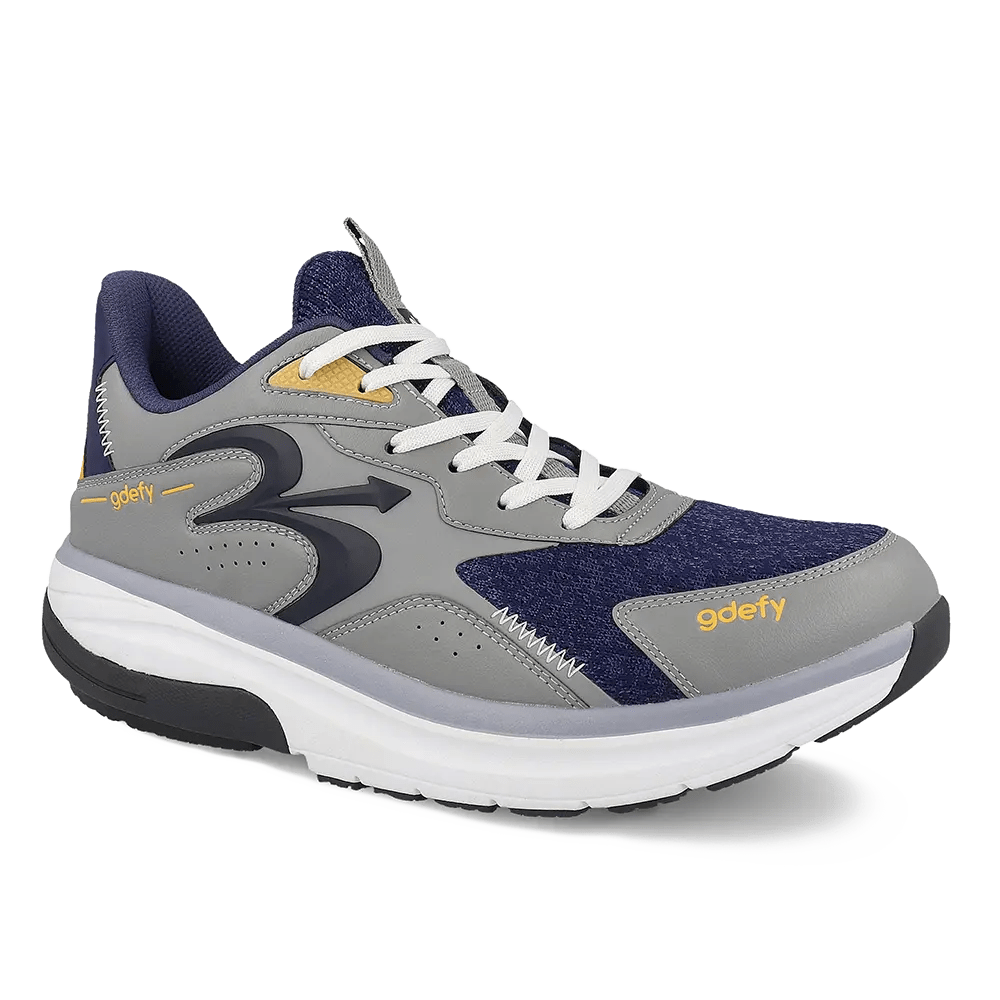
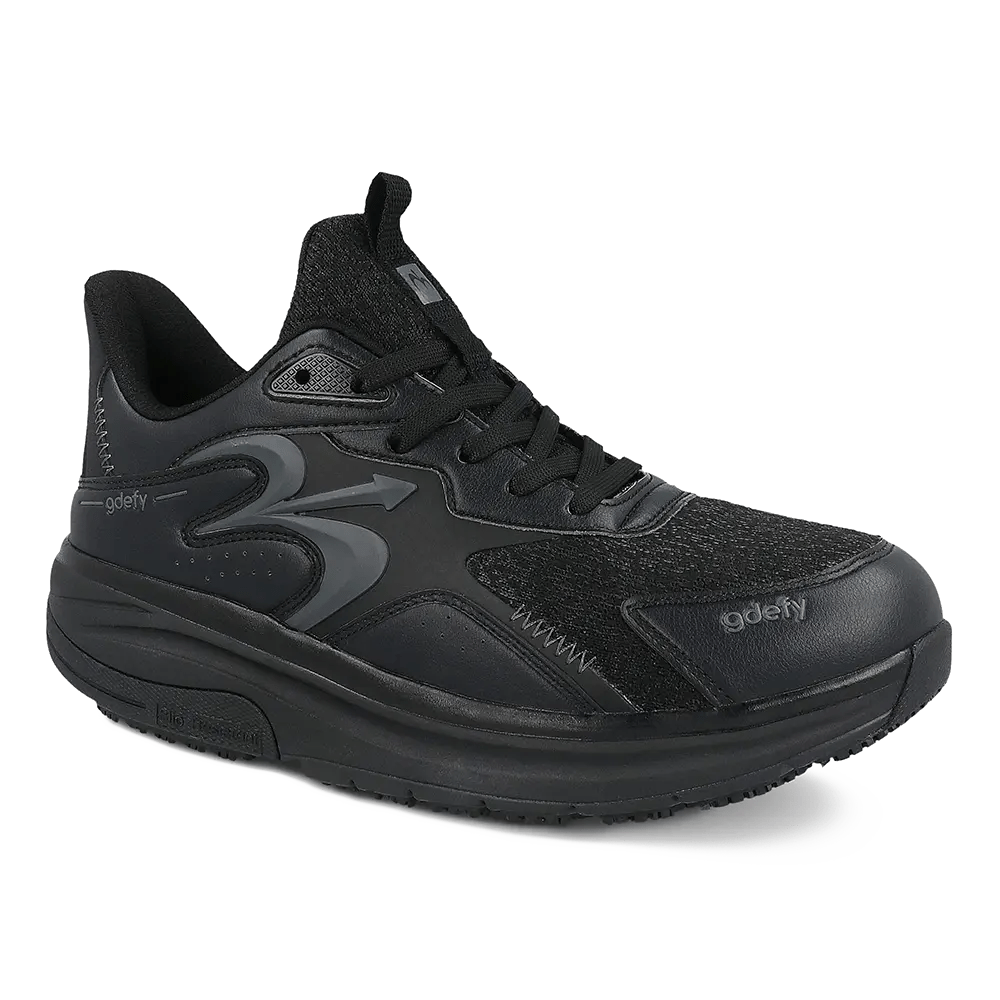
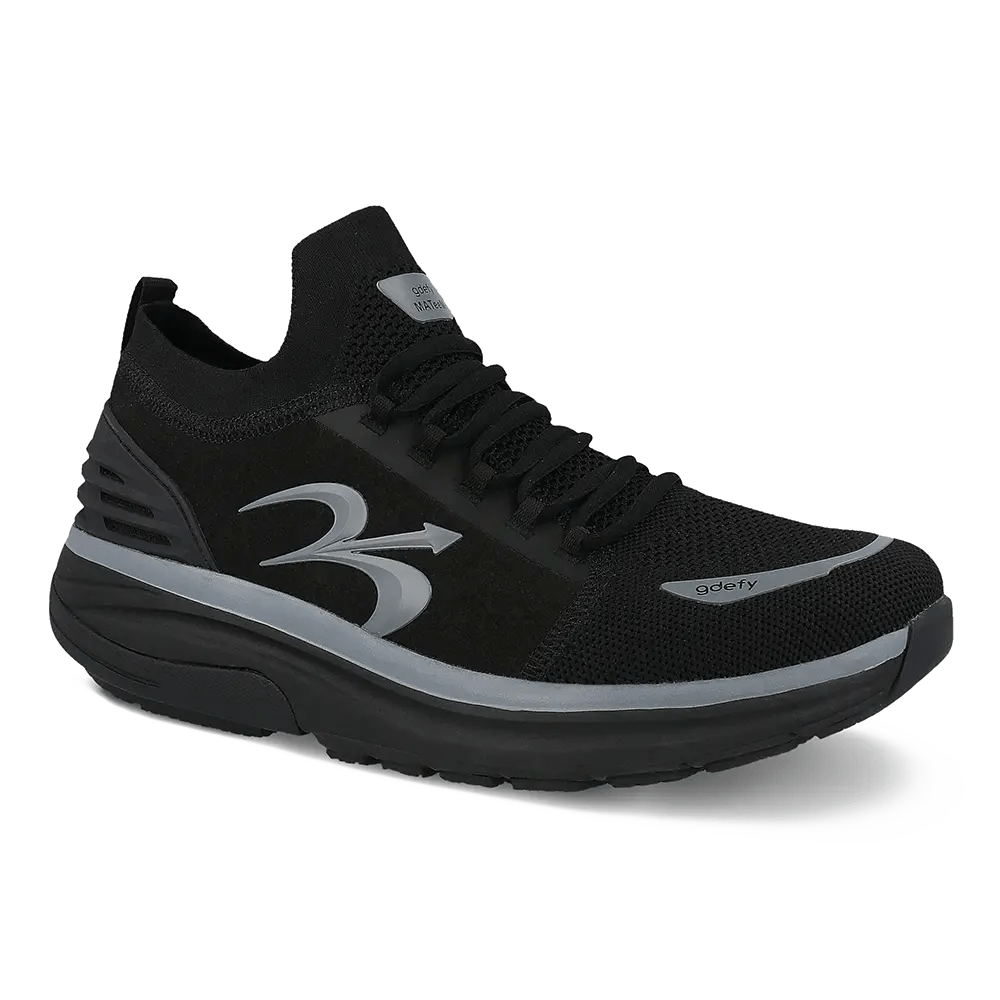
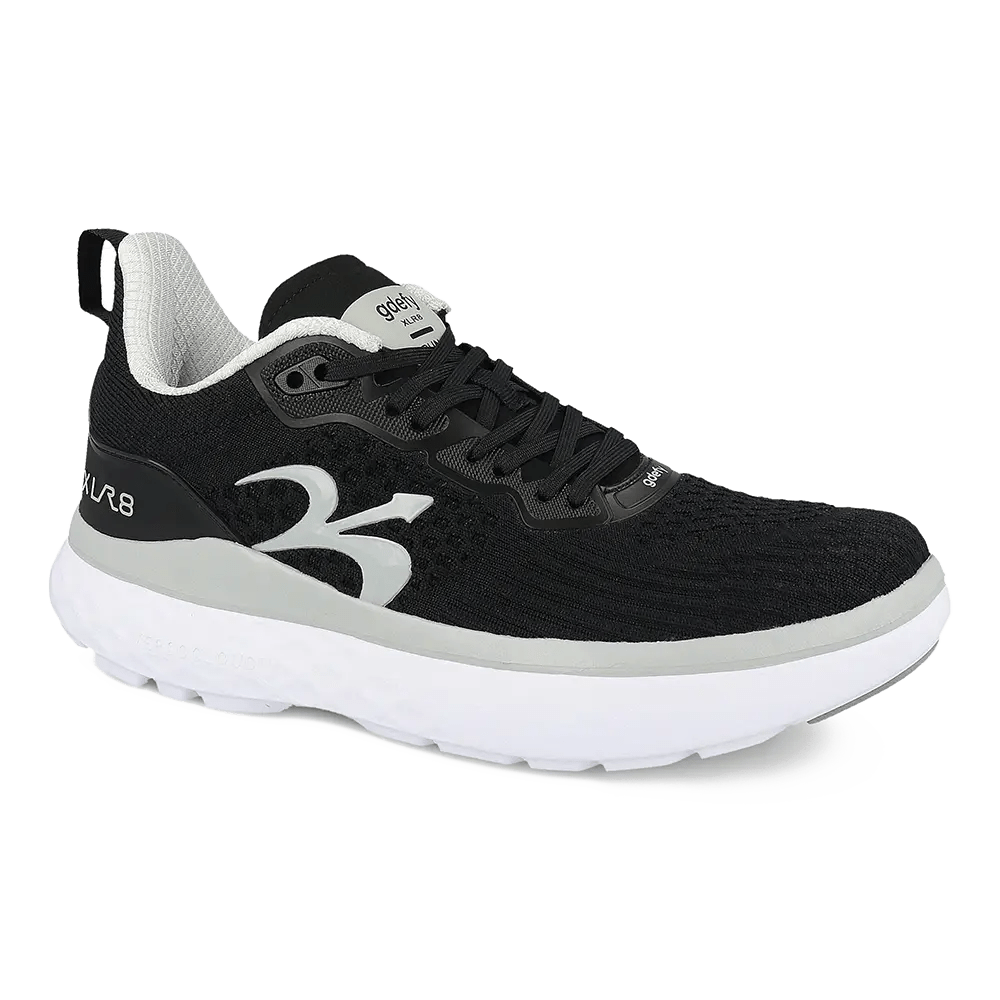
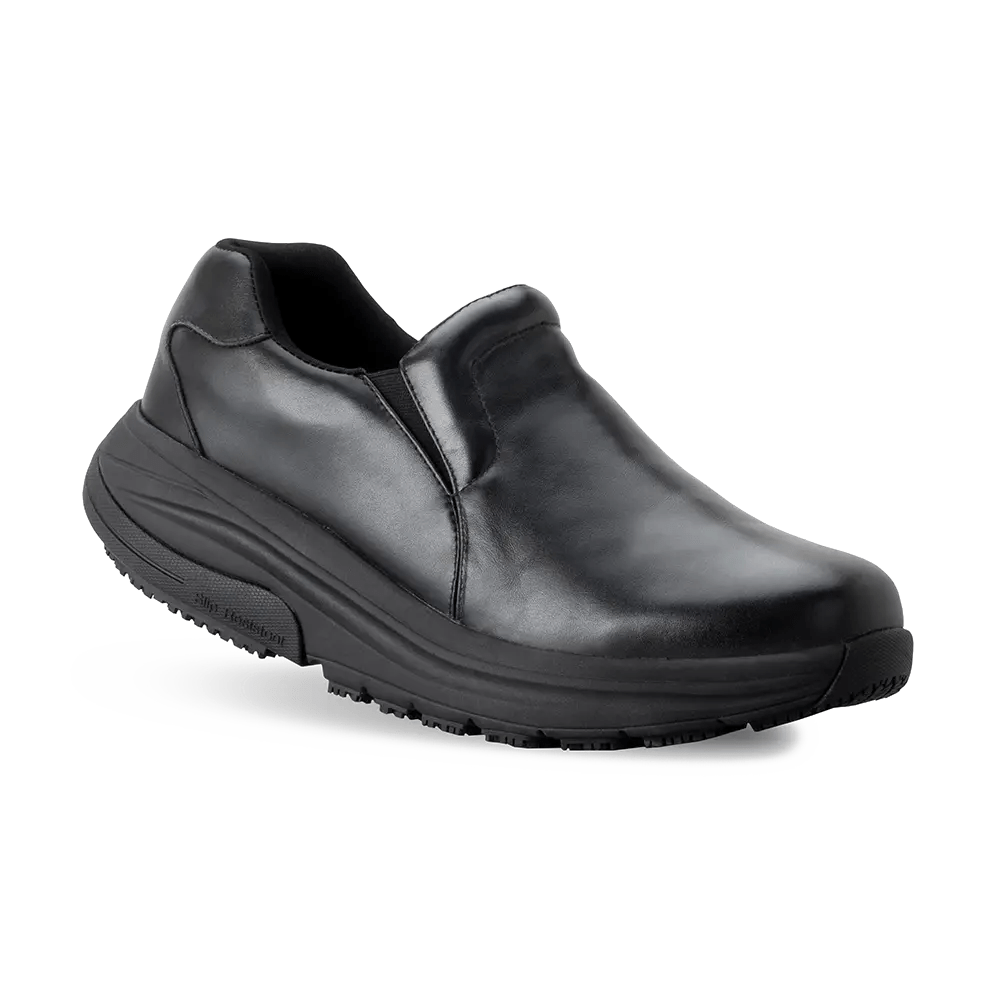
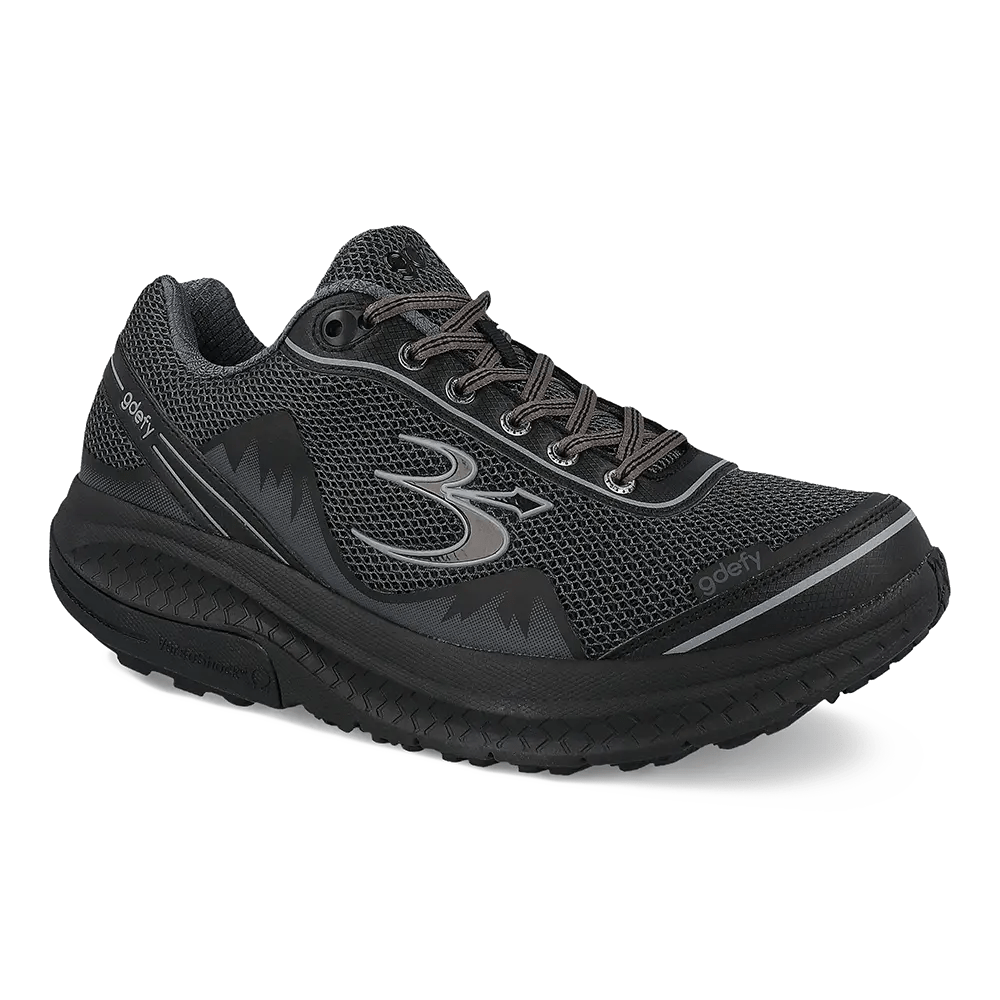
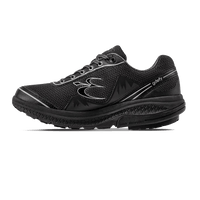
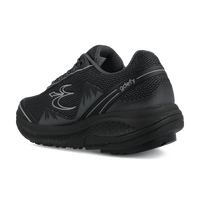
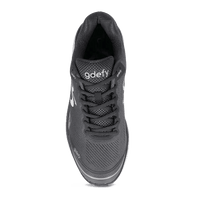
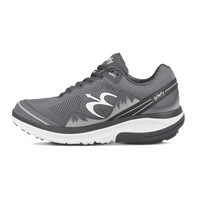
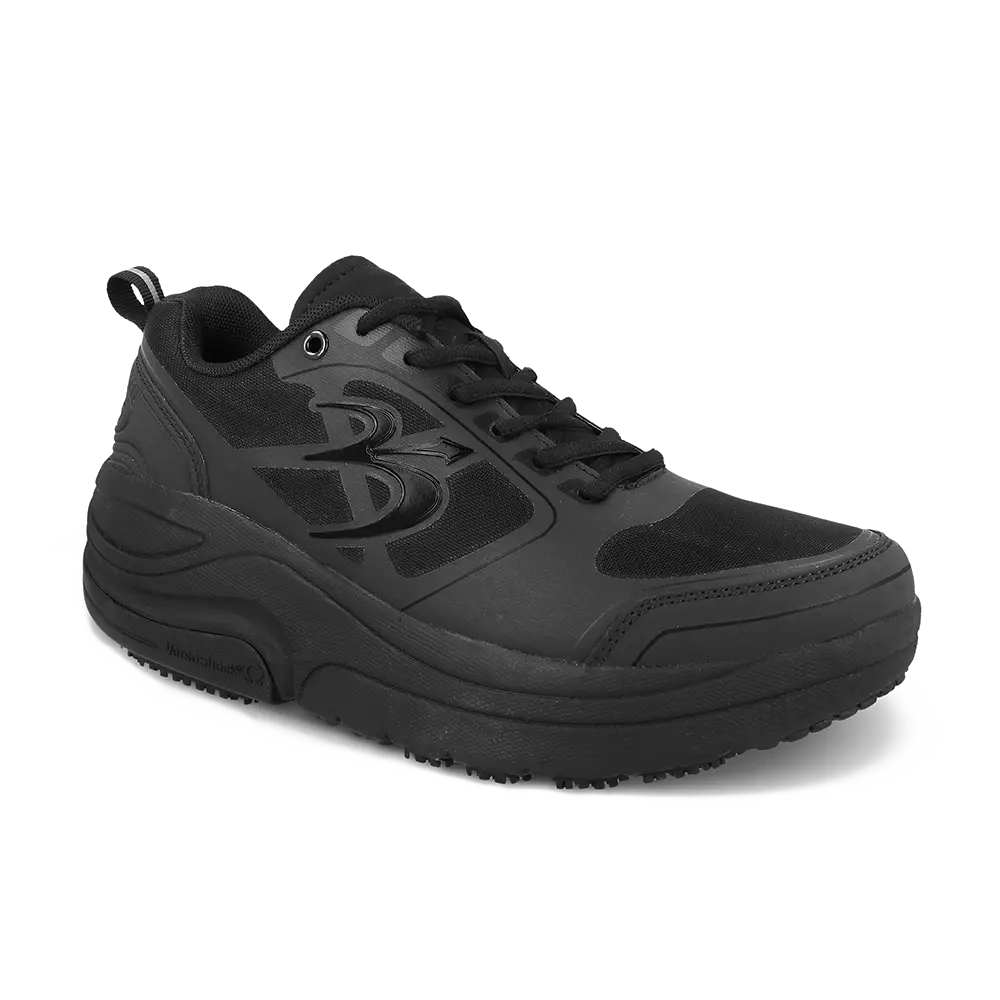
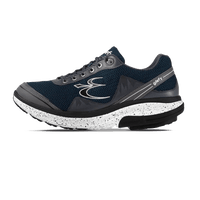
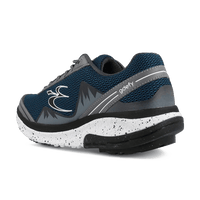
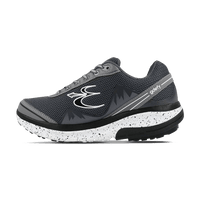
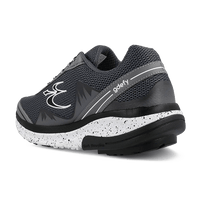
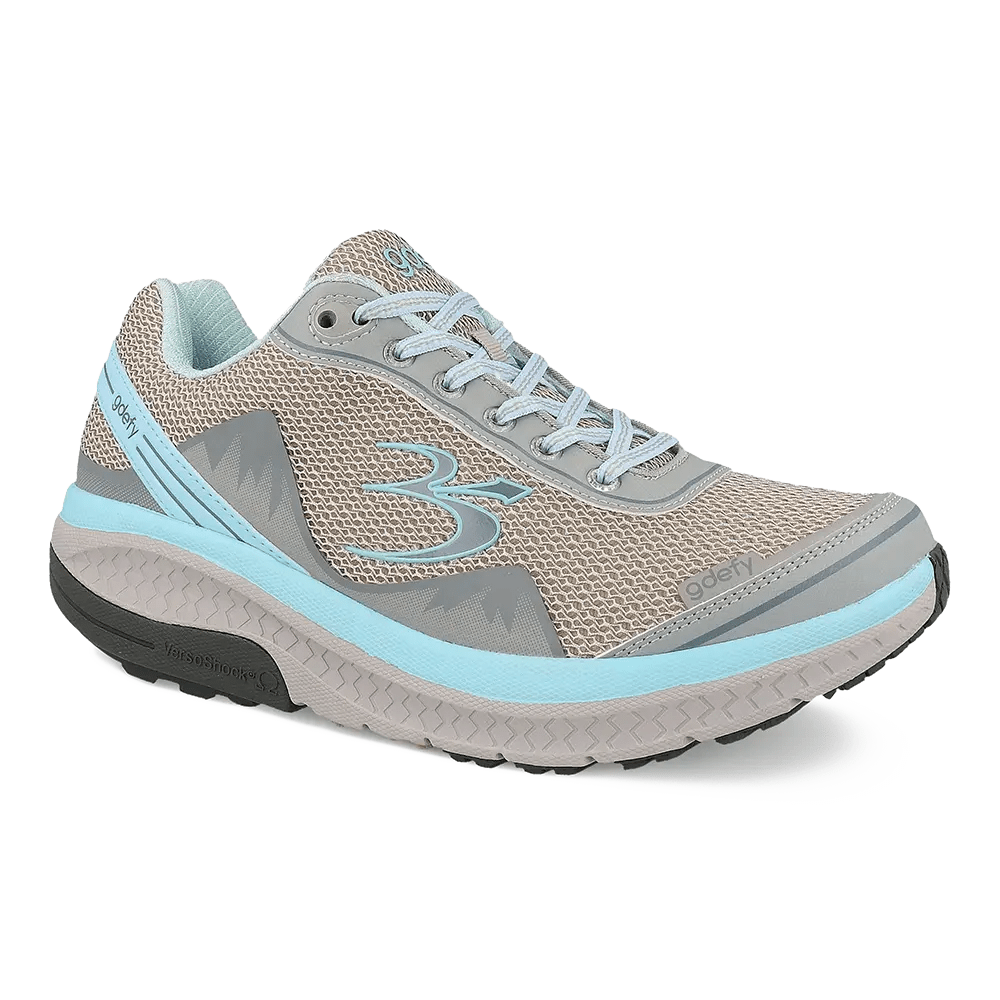
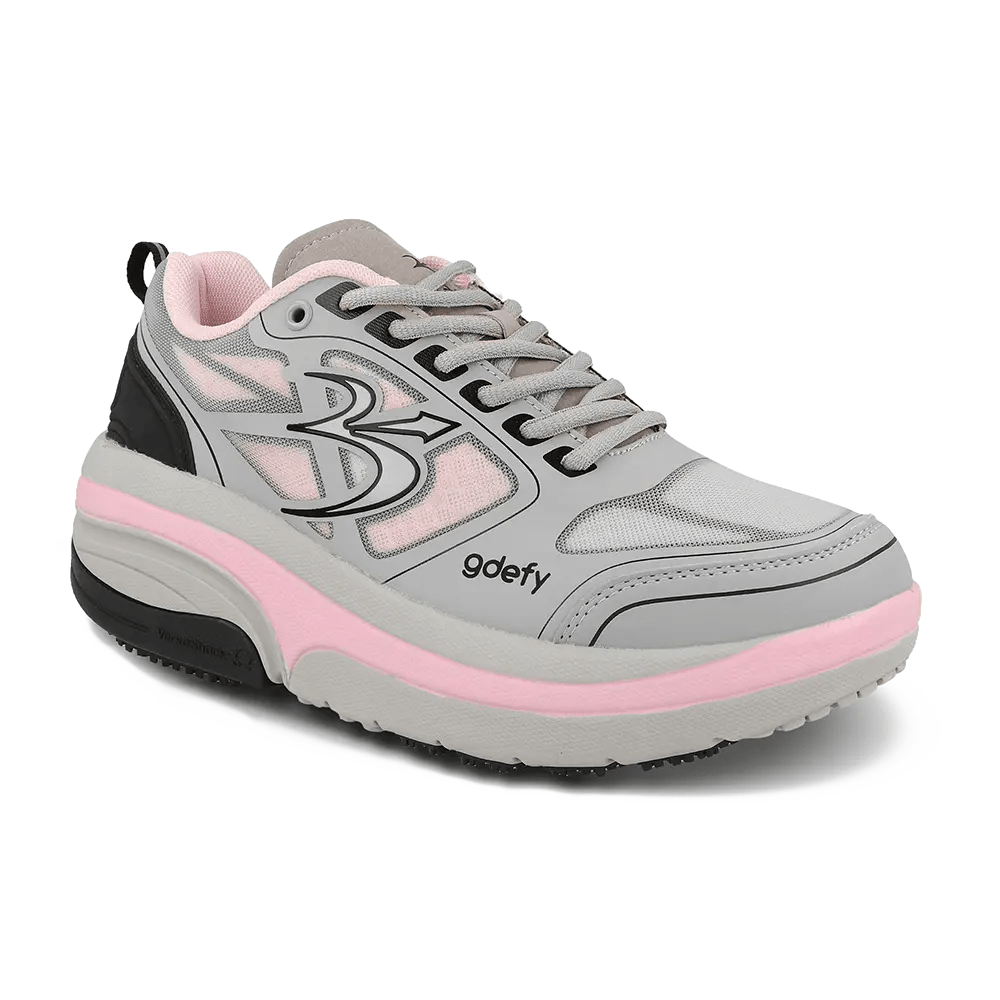
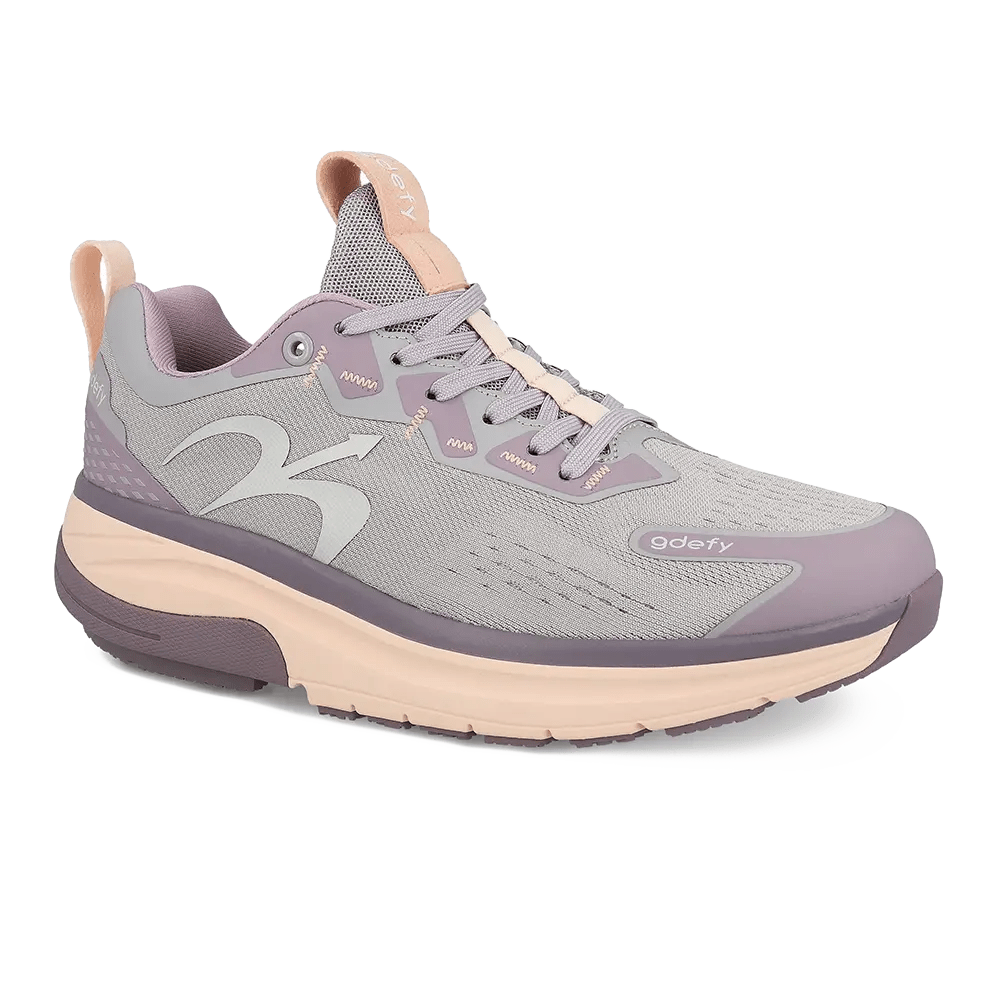
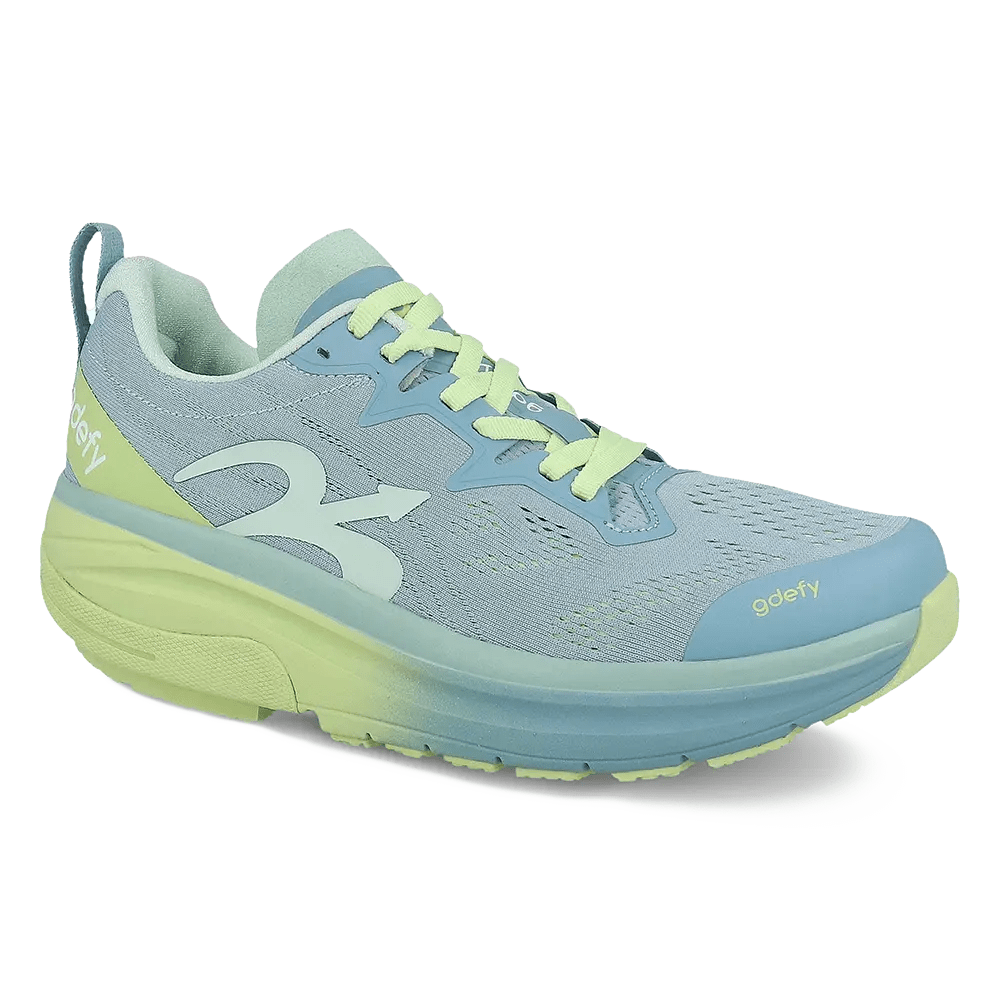
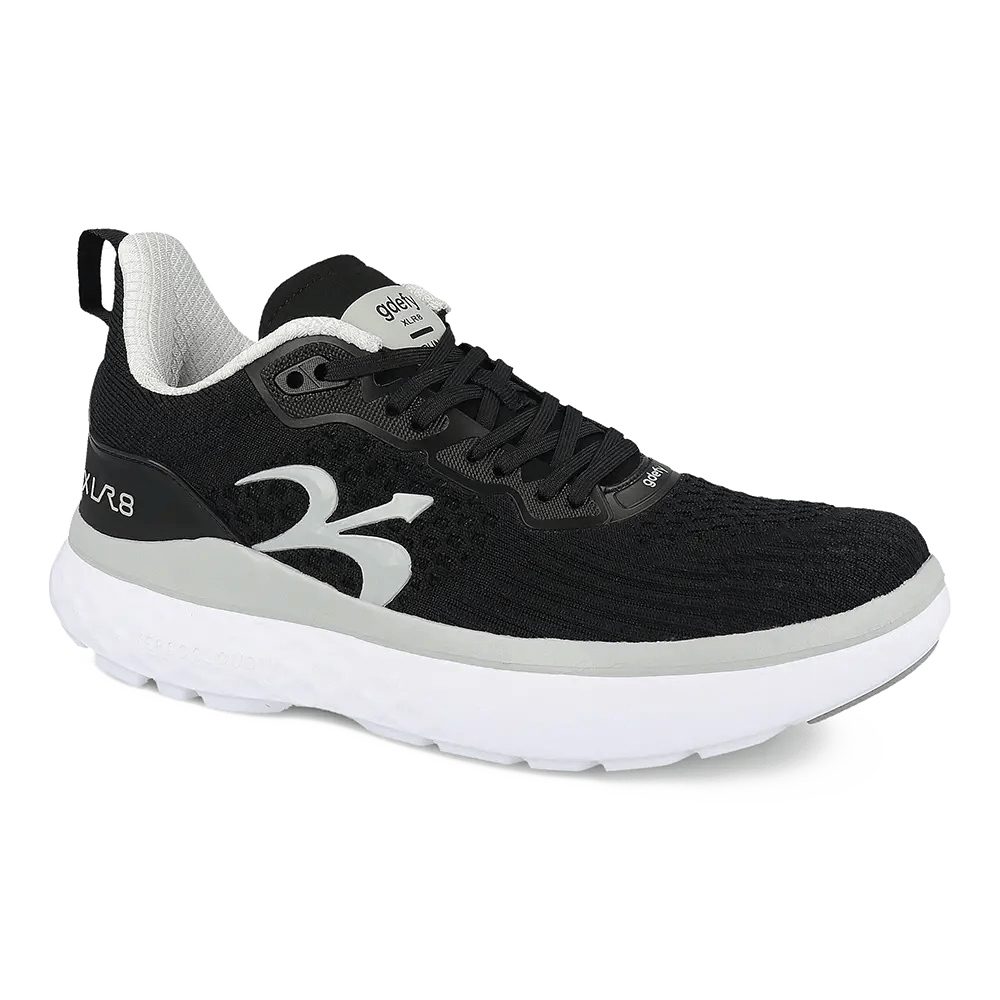
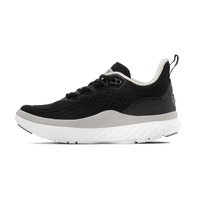
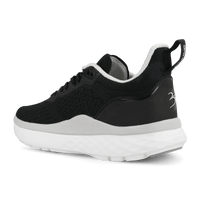
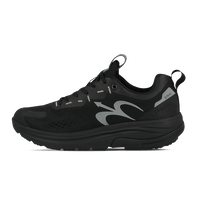
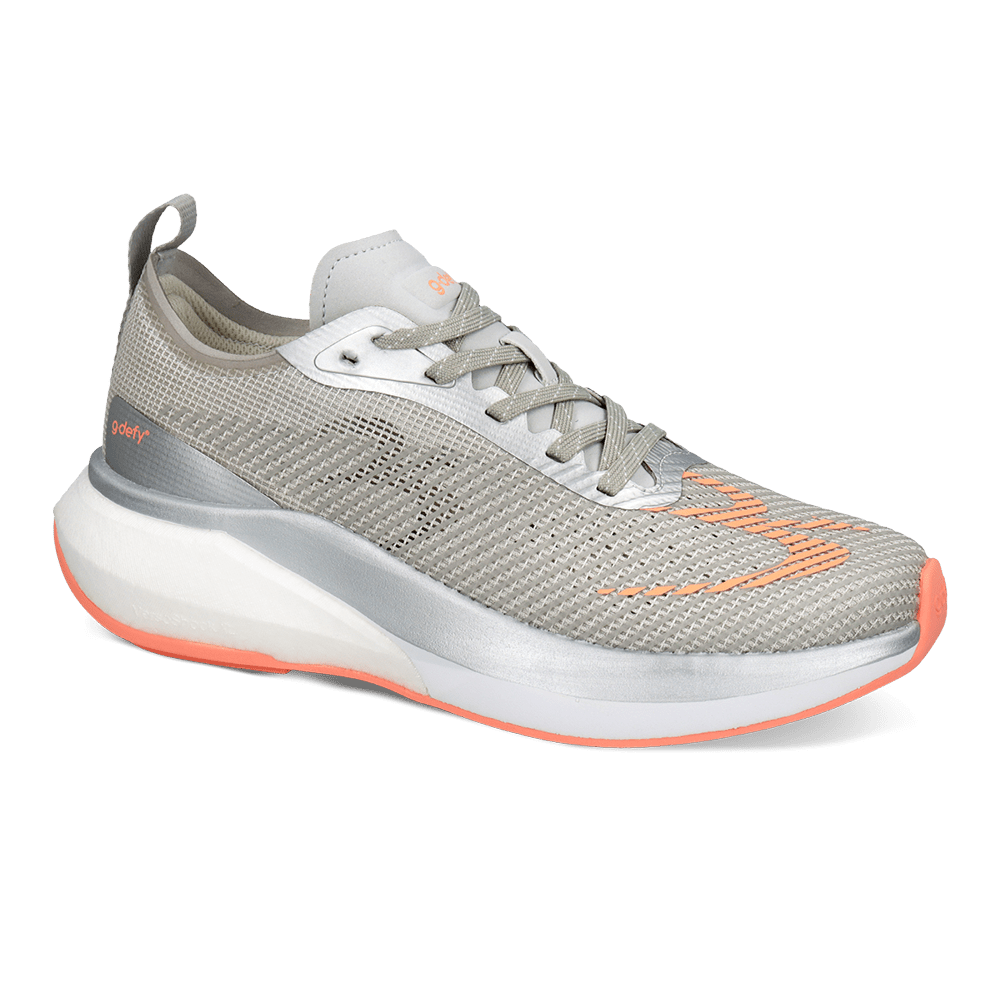
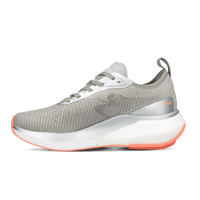
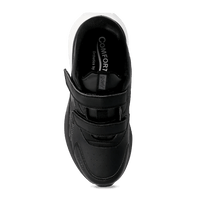
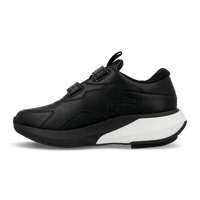
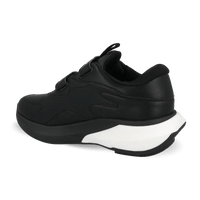
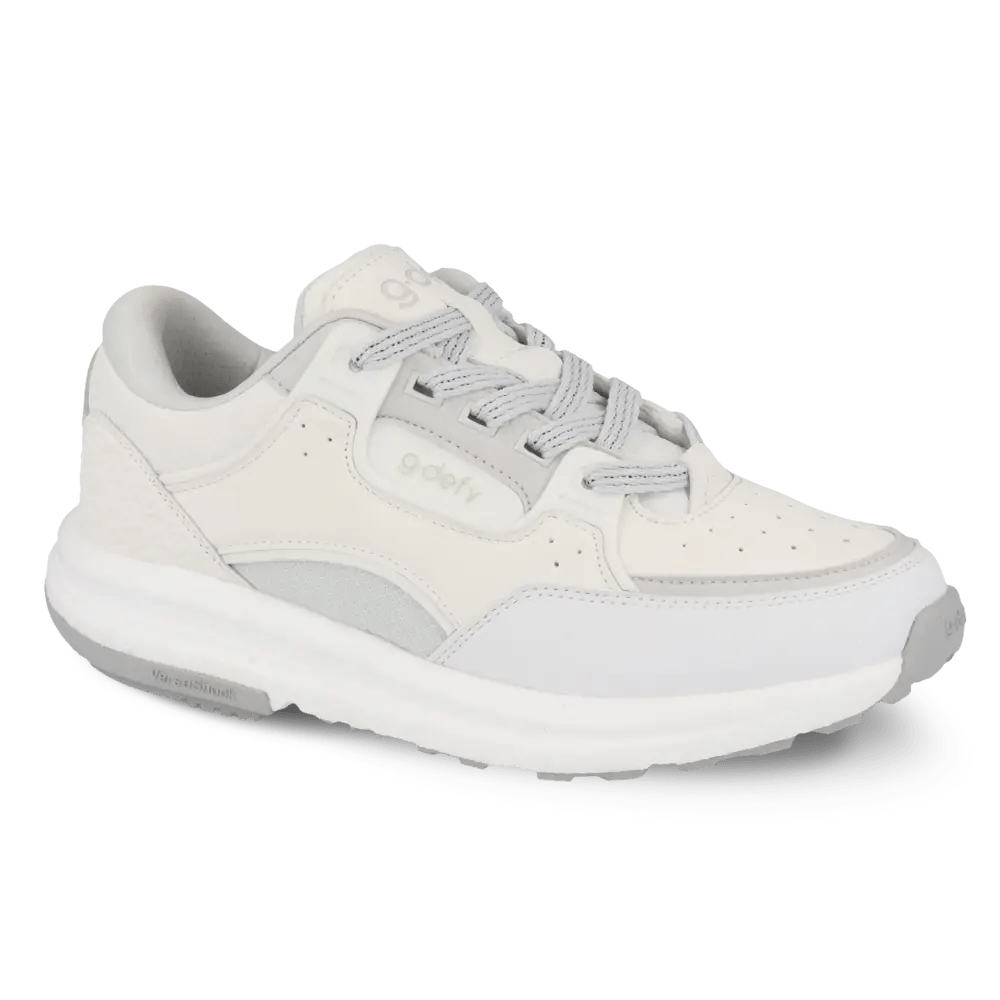
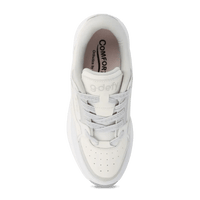
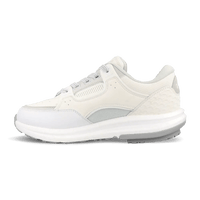
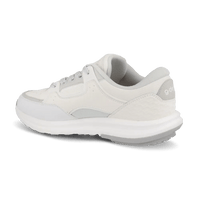
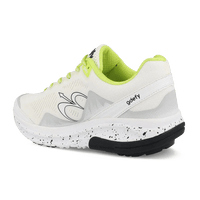
If you want a versatile everyday option, the G-Defy Mighty Walk pairs a secure fit with a supportive, stable base. For a lighter feel, the G-Defy Ion offers the same VersoShock® foundation in a lightweight design. You can explore the full lineup for men and women to find the fit and style that suits your day.
Feel Steady on Your Feet
Try G-Defy risk-free for 60 days, with free shipping and free exchanges. Experience how a stable, supportive shoe can change your day.
Shop the Mighty Walk
Practical Tips for Choosing Stable, Supportive Shoes
A few quick checks can help you judge whether a shoe will keep you steady:
- Test the heel hold. Slip the shoe on and gently lift your heel. A little grip and a snug, centered feel are good signs of a supportive heel counter.
- Twist the shoe gently. A stable shoe resists twisting through the middle while still flexing at the ball of the foot.
- Check the base. A broader, well-proportioned sole tends to feel more planted than a narrow, rounded one.
- Mind the fit. Lace or fasten the shoe so your foot feels connected without pinching, and make sure your toes still have room to spread.
- Replace worn shoes. As soles wear unevenly, shoes lose their stable footing. Refresh your pair before it starts to feel tippy.
Frequently Asked Questions
What makes a shoe stable?
Stability comes from the whole shoe working together — a secure heel counter, a supportive midsole with a built-in stabilizer, a balanced base, and a snug fit. These features help keep your foot controlled and centered as you move.
Is a stiffer shoe always more stable?
Not necessarily. A good shoe is firm where you need control and flexible where your foot naturally bends. Too much stiffness can feel awkward, while the right balance of structure and flex feels both stable and comfortable.
Can a stable shoe still be cushioned?
Yes. The best everyday shoes combine cushioning that softens impact with enough support to keep you controlled. Comfort and stability are meant to work together, not trade off against each other.
How do I know if my shoes have lost their support?
Watch for uneven tread wear, a midsole that feels flat or twists easily, and a general sense that you feel less steady than you used to. Those are good signs it is time to refresh your pair.
Does stability matter for everyday walking, or just sports?
It matters every day. Standing, walking on hard floors, running errands, and staying active all feel more comfortable and confident when your shoes keep you steady underfoot.
The Bottom Line
While footwear is not a medical solution, choosing shoes designed for stability, support, and shock absorption can make a real difference in how comfortable and confident you feel throughout the day. Look for a secure heel, a supportive stabilizing midsole, a balanced base, and a fit that keeps your foot connected — and you will have a practical way to judge whether a shoe will keep you steady on your feet.
Ready to feel the difference underfoot? Explore G-Defy shoes for men and women, and learn more in our guides to what "support" really means in footwear and how VersoShock® technology works.
For more on choosing comfortable, supportive shoes, see our related reads: what's inside a comfort walking shoe, why proper shoe fit is key to all-day comfort, and how pronation and supination affect your walking comfort.
Support That Keeps You Steady
Every G-Defy pair includes VersoShock® shock absorption, a built-in stabilizer, and two removable orthotics, backed by a 60-day risk-free trial with free shipping and exchanges.
Shop Women's Shop Men's