
August 11, 2026
What Causes Heel Pain After a Long Walk?
By Gdefy

Summary
You finish a long walk feeling good — and then you sit down. Twenty minutes later, when you stand back up, your heel lets you know exactly how far you went. That deep, bruised soreness under the back of the foot, sometimes stretching forward into the arch, is one of the most common complaints people have after a big walking day.
The confusing part is that the same distance does not always feel the same. Five miles spread across a day of errands can leave your feet fine. Five miles in one continuous stretch can leave your heels aching by evening. The distance is identical. What changed is how the load was delivered.
While footwear is not a medical solution, understanding what happens to your feet over the course of a long walk — and what your shoes are doing during those same hours — makes it much easier to choose footwear that keeps you comfortable from the first mile to the last.

Why a Long Walk Asks More of Your Feet Than a Short One
A long walk is not simply a short walk repeated. Several things change as the minutes add up, and they compound each other. Here is what shifts while you are still moving.
The load adds up step by step
Every step sends impact up through the heel and along the underside of the foot. A single step is trivial. An hour of walking is roughly six to seven thousand of them, and a two-hour walk can push past thirteen thousand. Nothing about any one of those steps is remarkable — but the arch and heel absorb every one of them in sequence, with no meaningful break in between.
Your feet change shape as you walk
Feet spread and swell during sustained activity. Shoes that felt roomy at the trailhead can feel snug an hour in, and laces that were comfortable at the start can begin to feel tight across the top of the foot. As the foot widens, the way it sits inside the shoe changes, and a heel that was seated securely at the start can begin to move slightly with each step.
Cushioning is working the entire time
A midsole compresses and rebounds on every footfall. Over thousands of consecutive steps, foam materials warm up and are slower to return to full height between strides. That means the cushioning underneath you late in a long walk is not performing the same way it was in the first ten minutes — a difference you feel most in the heel, where impact arrives first and hardest.
The muscles that support your arch get tired
Your arch is held up by a combination of its own structure and small muscles that work continuously while you are on your feet. Like any muscle, they fatigue. As they tire over a long walk, more of the job of supporting the arch shifts to the tissue underneath it and to whatever structure your shoe provides. This is the point in a long walk where footwear stops being a comfort preference and starts doing real work.
What Happens Over the Course of a Long Walk
If you want a simple picture of how a long walk unfolds underfoot, this is it. Times are approximate and will differ from person to person, but the sequence is consistent.
| Stage of the walk | What your feet are doing | What your shoes are doing |
|---|---|---|
| First 10–15 minutes | Muscles warm up, stride settles, everything feels easy | Cushioning at full height, rebounding quickly between steps |
| 30–60 minutes | Feet begin to swell slightly; laces start to feel tighter | Midsole has now absorbed several thousand impacts |
| 1–2 hours | Foot muscles fatigue; the arch works harder to hold its shape | The shoe's stabilizer and arch shape carry more of the load |
| Past 2 hours | Heel and arch feel sore and hot; feet feel wider in the shoe | Fit, heel hold, and support matter more than raw softness |
| After you stop | Tissue cools and stiffens; the first steps back up feel tender | Off duty — what you wear for the rest of the day now matters |
That last row explains the timing most people find puzzling. The soreness often arrives after the walk, not during it. You sit down for a coffee or a car ride, everything cools and tightens, and the first few steps afterward are the ones that hurt.
One Long Walk vs. Several Short Ones
This is the part that surprises people. Walking six miles in one push and walking six miles in three separate outings put the same total distance through your feet, but they are not equivalent experiences.
In three shorter walks, your feet get breaks. Swelling settles between outings. Foot muscles rest before the next round. Your cushioning has time to return to full height. Each walk starts closer to the "first ten minutes" row in the table above — the comfortable part.
In one continuous walk, you spend most of your time in the later rows. The final third of a long walk is done on tired foot muscles, slightly swollen feet, and cushioning that has already been working for an hour or more. That is why the last mile so often feels harder than the first three combined, and why heel soreness tends to show up on long-walk days rather than busy-errand days.
None of this means long walks are something to avoid. It means the shoes you wear for a long, continuous walk have a harder job than the shoes you wear for a quick trip to the store — and choosing accordingly is the single easiest change most walkers can make.
What to Look for in Shoes for Long Walking Days
When you know a walk is going to be a long one, these are the features that make the most difference in how your feet feel at the end of it.
- Shock absorption that lasts — the heel takes the first hit on every step. Look for a midsole built to absorb impact repeatedly rather than one that simply feels plush in the store.
- Energy return — a midsole that gives energy back helps keep your stride feeling responsive deep into a walk, when tired legs appreciate the assist.
- A firm heel counter — the cup around your heel keeps it seated as your foot swells and fatigues. A heel that slides around late in a walk is a common source of soreness.
- Midfoot structure — a shoe that resists twisting and folding through the middle supports the arch when the muscles holding it up have started to tire.
- Room for swelling — a slightly roomier toe area and a width that fits your foot at hour two, not just at minute one.
- Adjustable support — removable insoles let you match the amount of arch support to your foot type instead of accepting whatever came in the box.
For a deeper look at the individual features, our guides on what makes a shoe good at absorbing shock, energy return in shoes, and why stability matters in everyday footwear go feature by feature.
Planning a long walking day?
Try G-Defy shoes for 60 days with free shipping and free exchanges. If they are not right for your feet, send them back.
Shop Women's ShoesHow G-Defy Builds Shoes for Long Days on Your Feet
G-Defy shoes are engineered around a simple idea: the shoe should keep doing its job in hour three, not just in the first ten minutes.
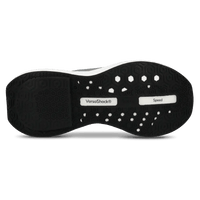
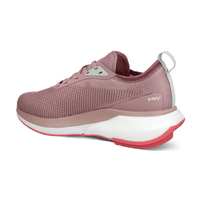
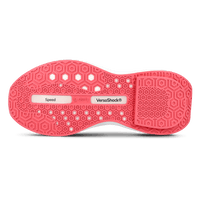
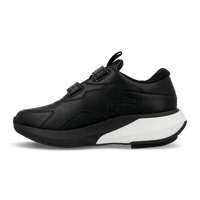
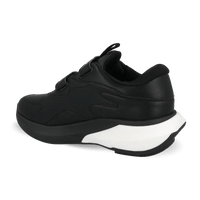
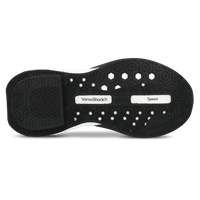
They use VersoShock® technology, a spring-based system designed to absorb impact softly and return energy with each step. Where a conventional foam midsole compresses and gives energy back slowly, a spring-based system is built to keep absorbing and rebounding through a long walk. Four elements work together:
- Shock absorption — VersoShock® is designed to absorb impact with each step, softening the force that arrives at the heel first.
- Energy return — the system returns energy to support forward movement, helping your stride stay responsive as the miles add up.
- Stabilizer system — a built-in shank resists excessive bending through the middle of the shoe, supporting the foot as its own muscles tire.
- Front rolling design — a rolling forefoot promotes a smooth heel-to-toe transition, encouraging a more natural walking motion.
Every pair also includes two removable orthotics: the ComfortFit® orthotic for low to medium arches, focused on cushioning, and the CorrectiveFit® orthotic for medium to high arches, which adds support. You can swap them to match your foot type — or start a long walk in one and know the other is an option for next time. G-Defy shoes help reduce pain from walking, running, and prolonged standing.
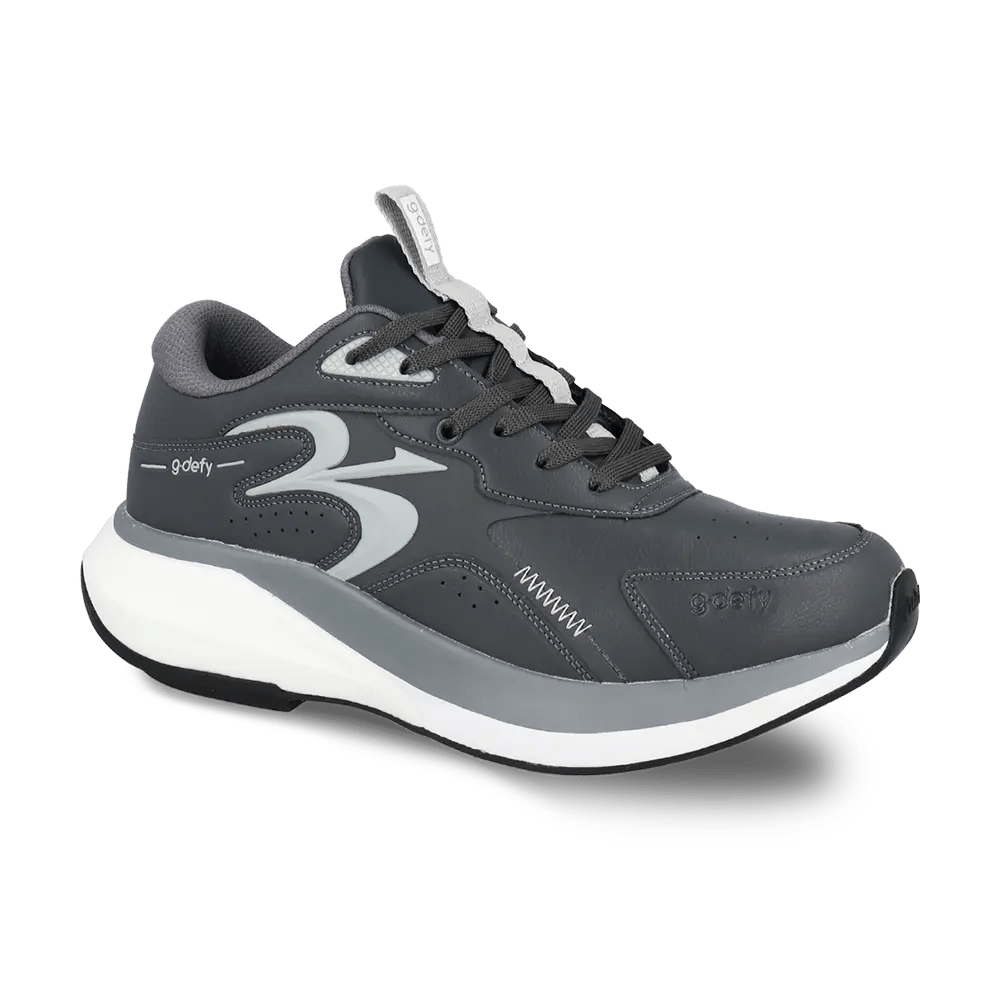
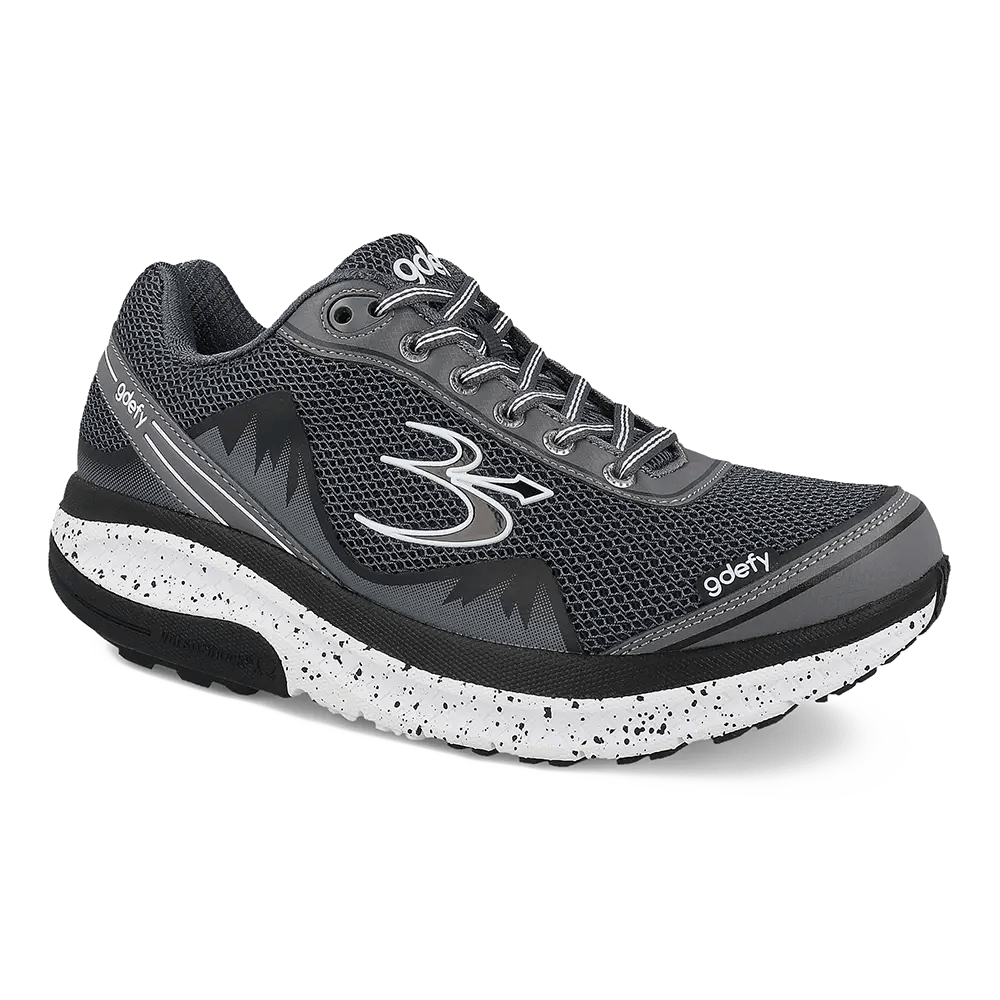
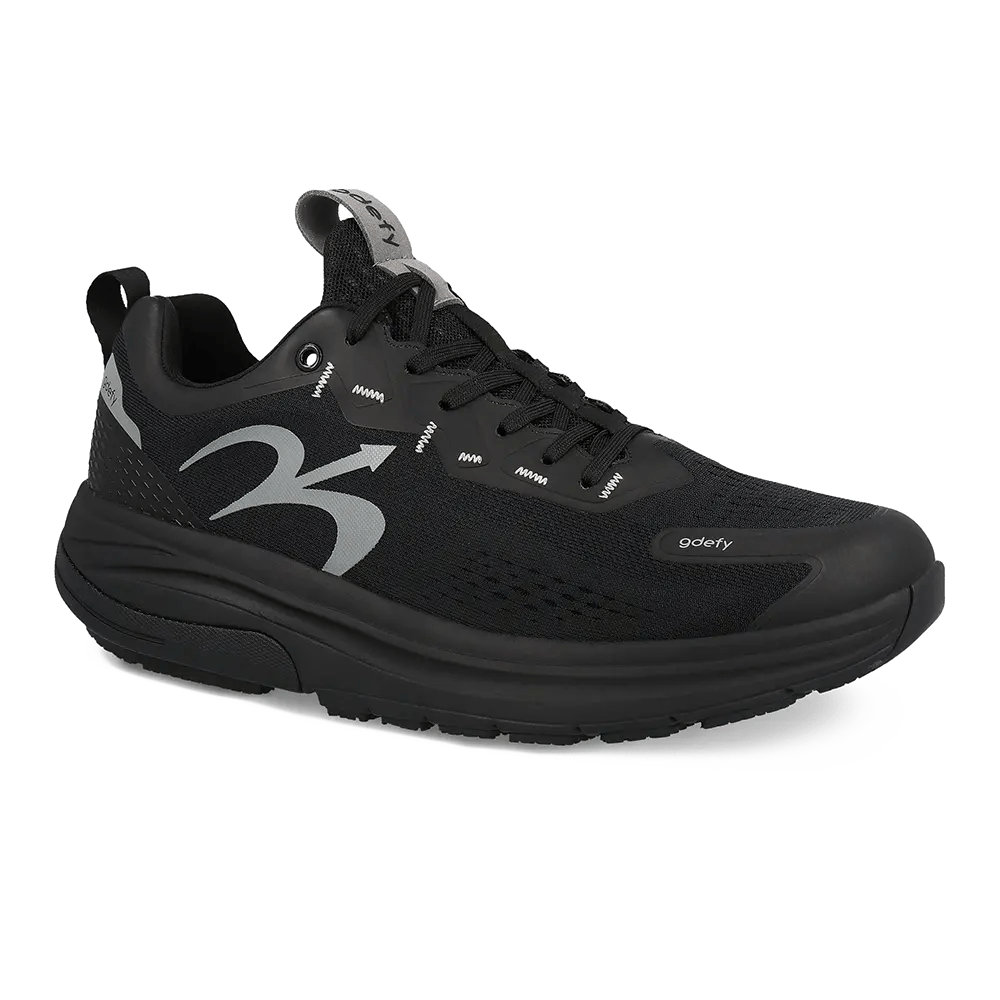
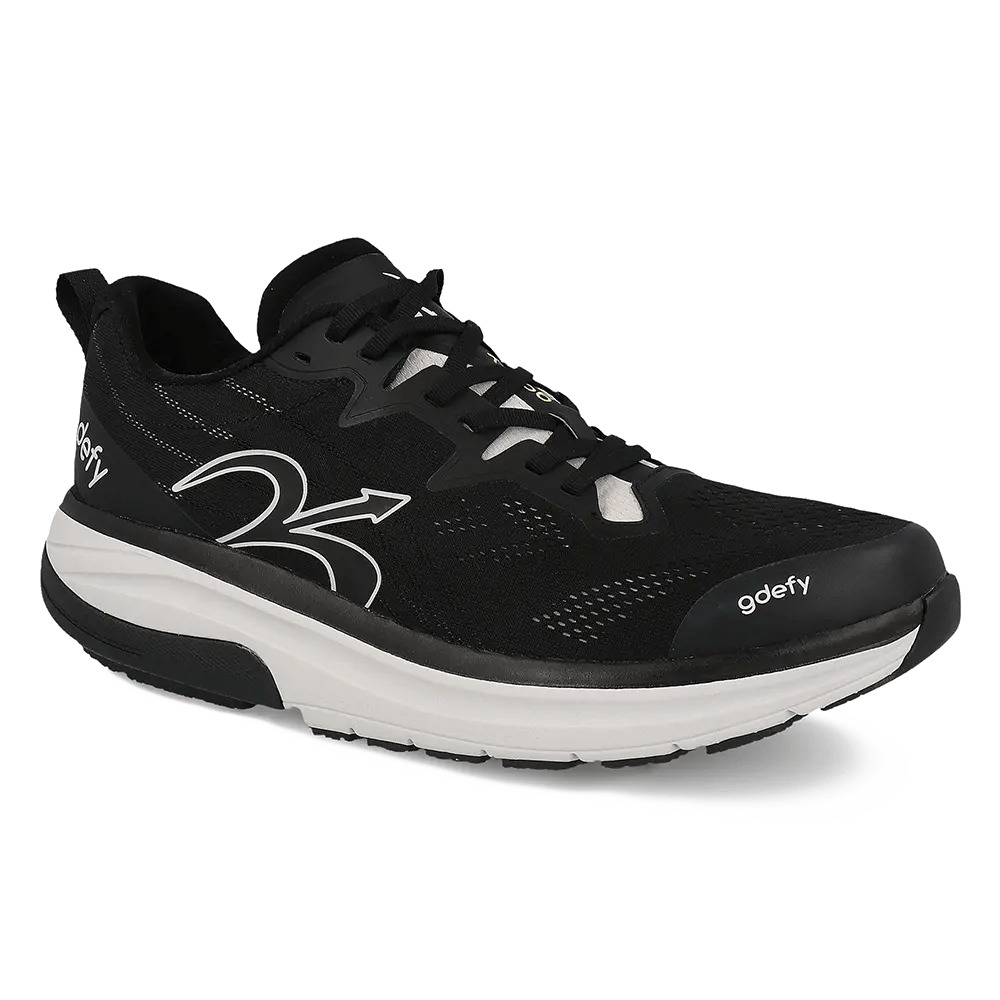
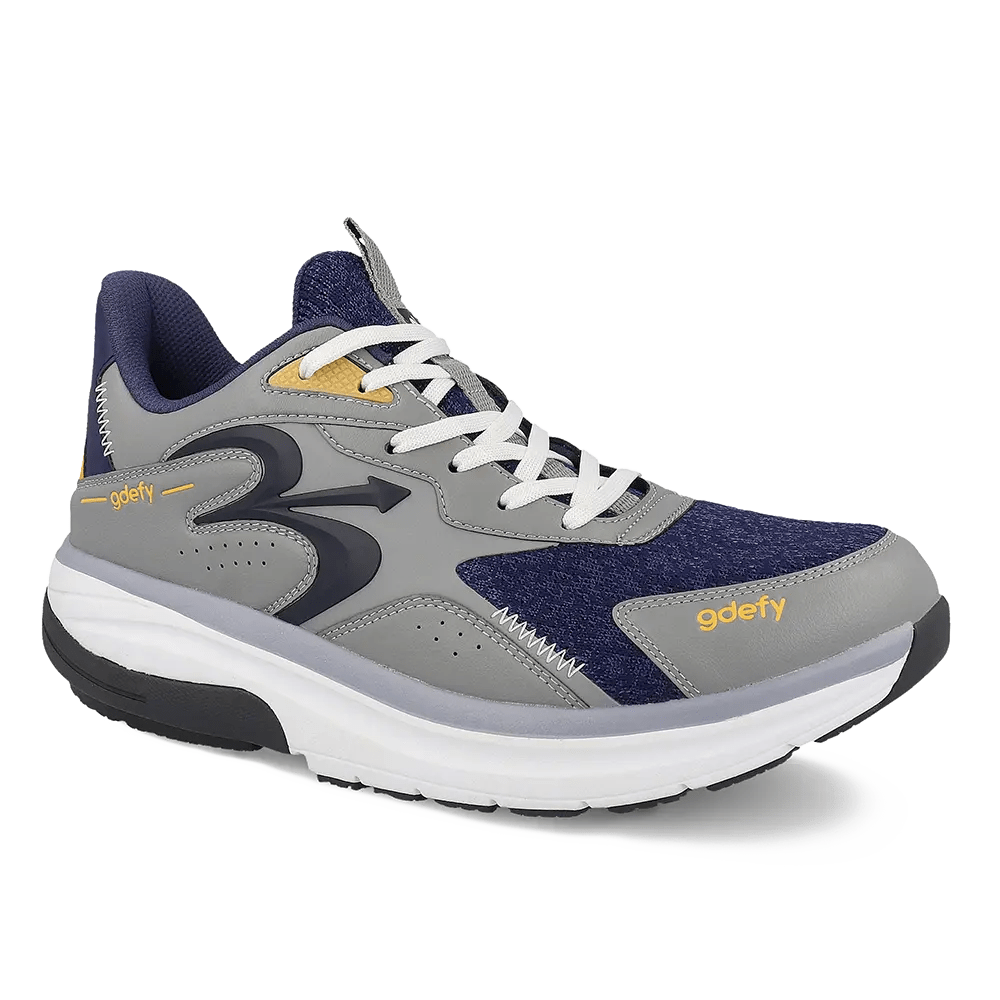
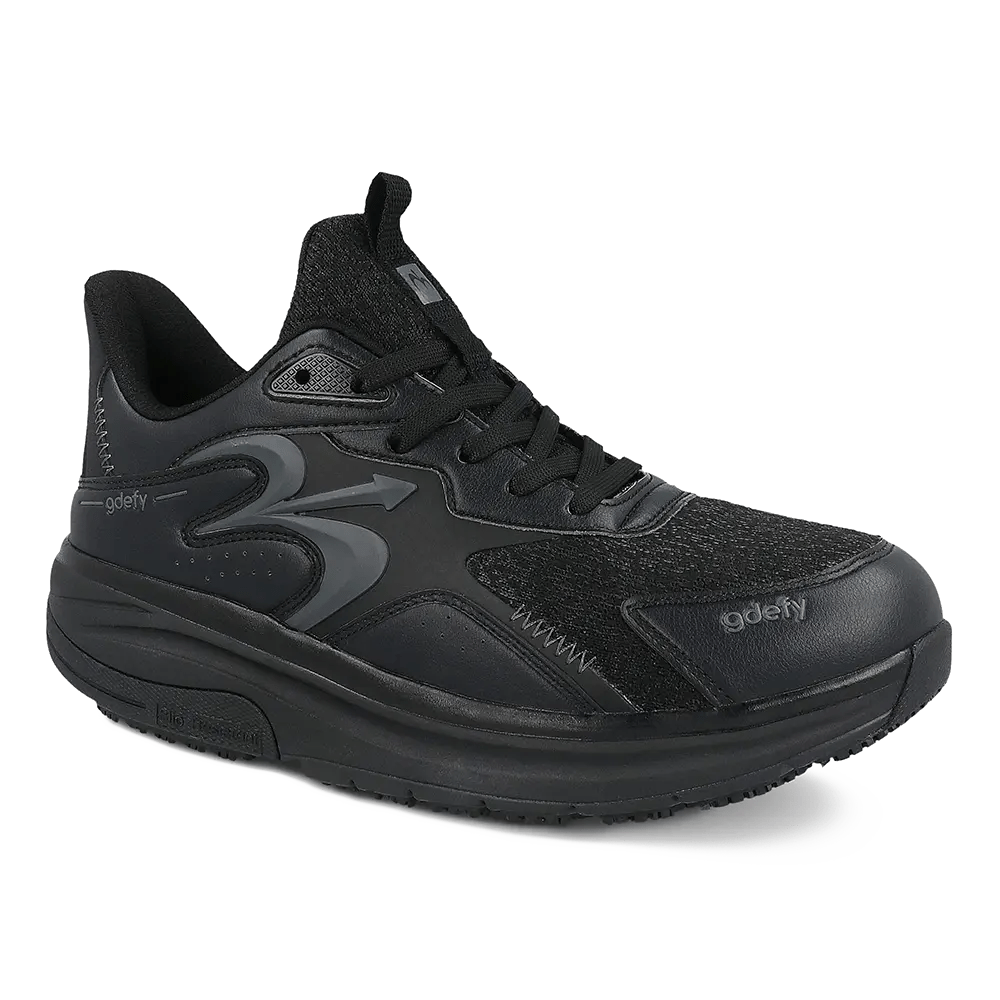
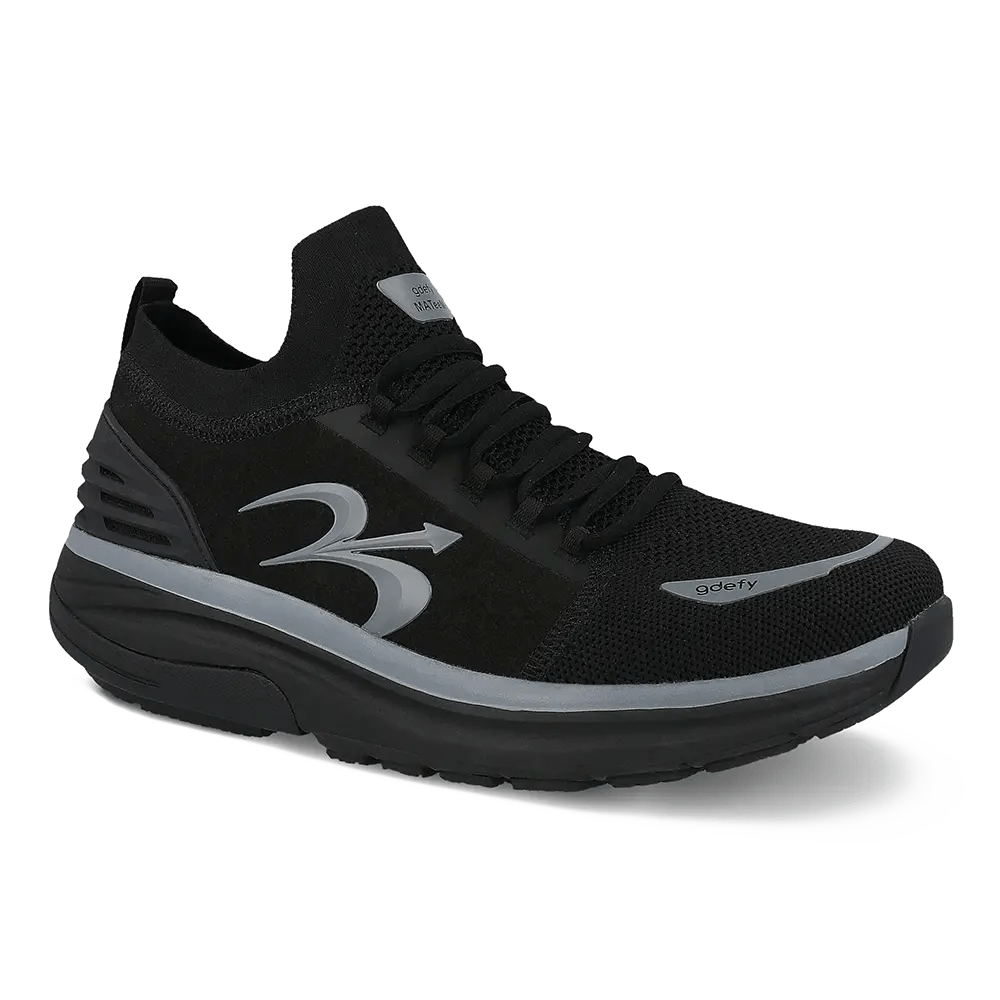
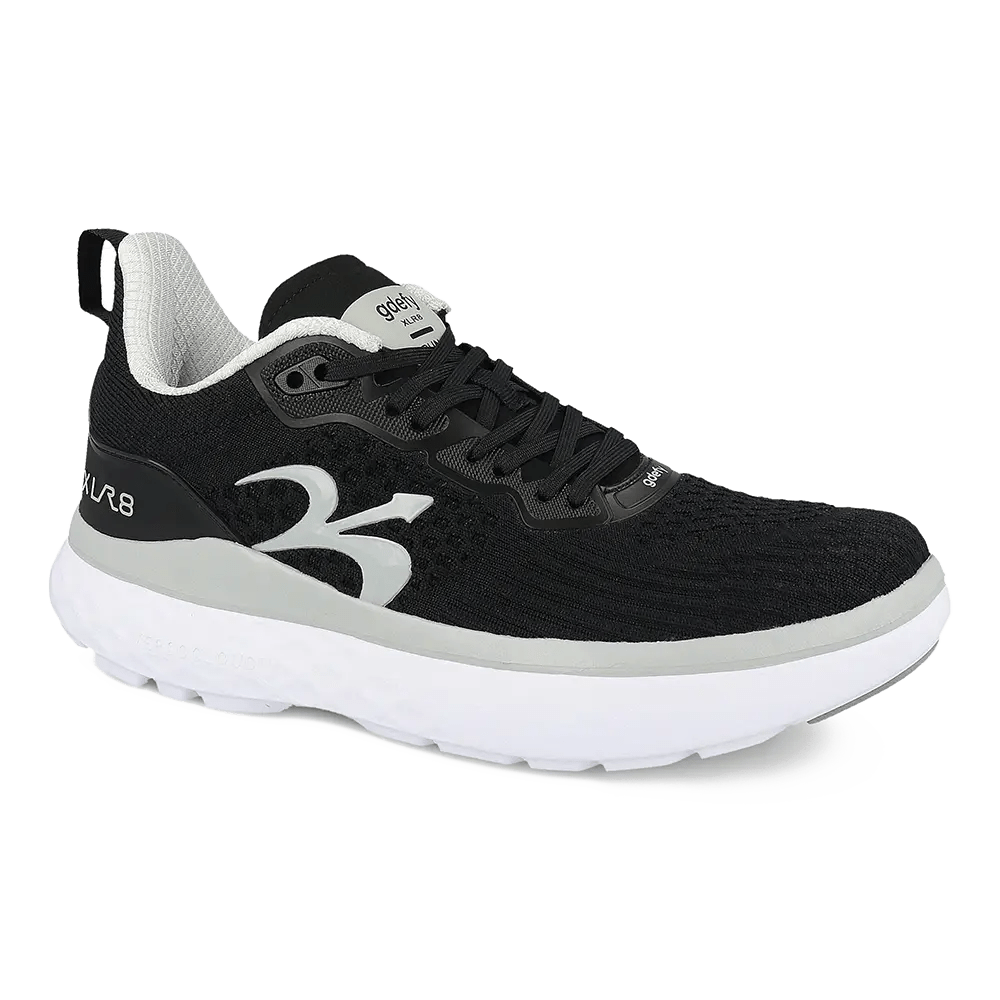
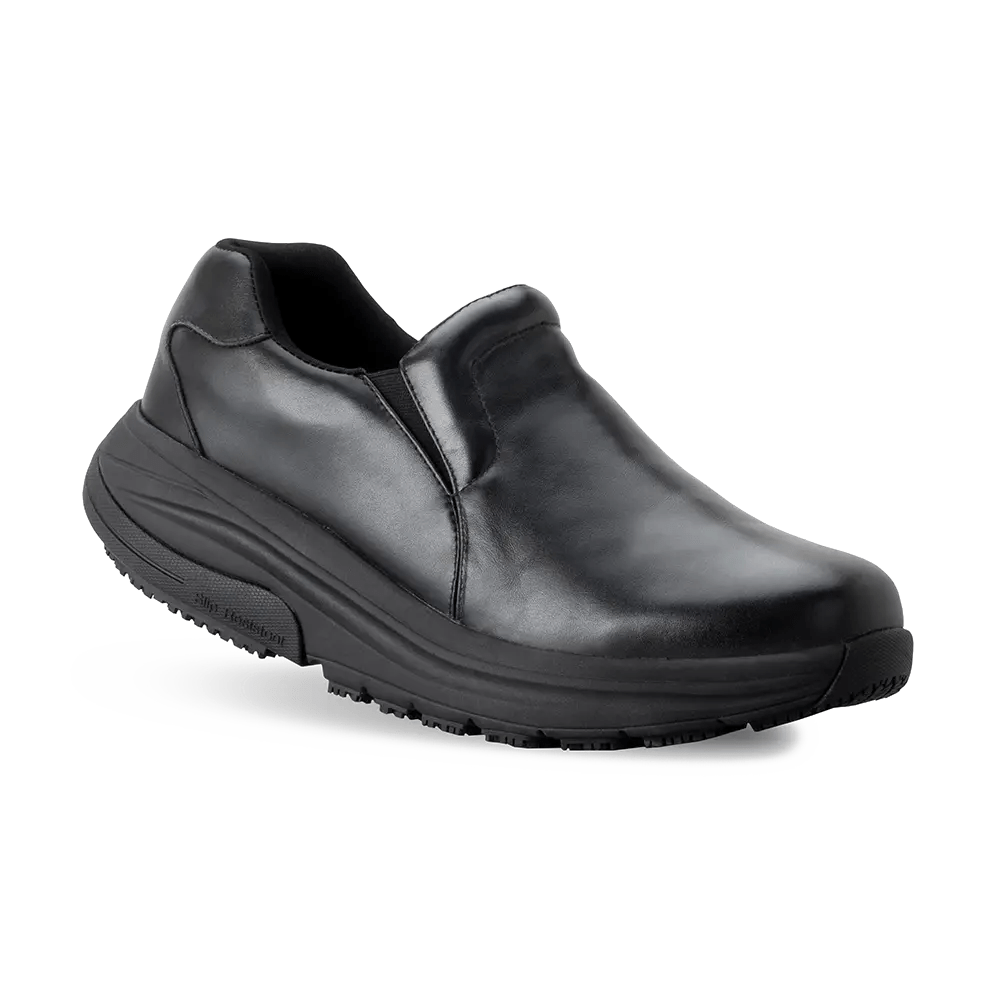
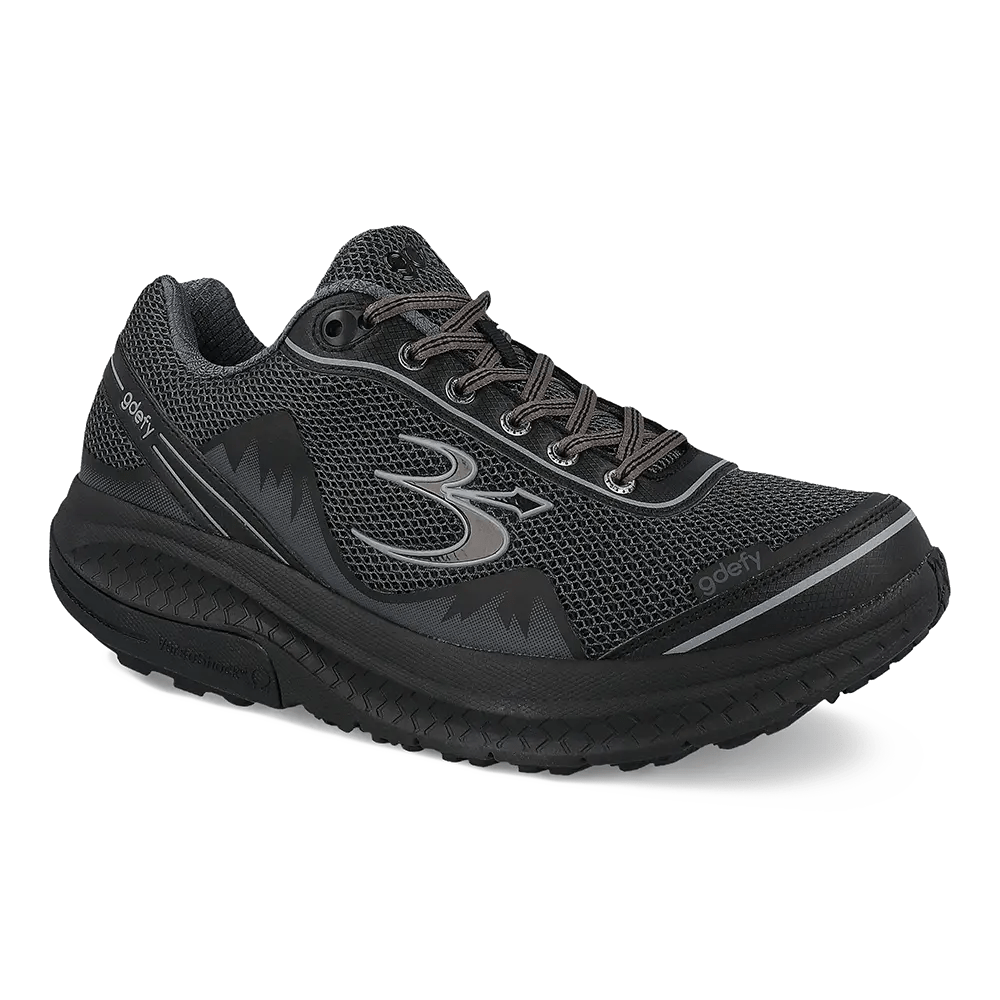
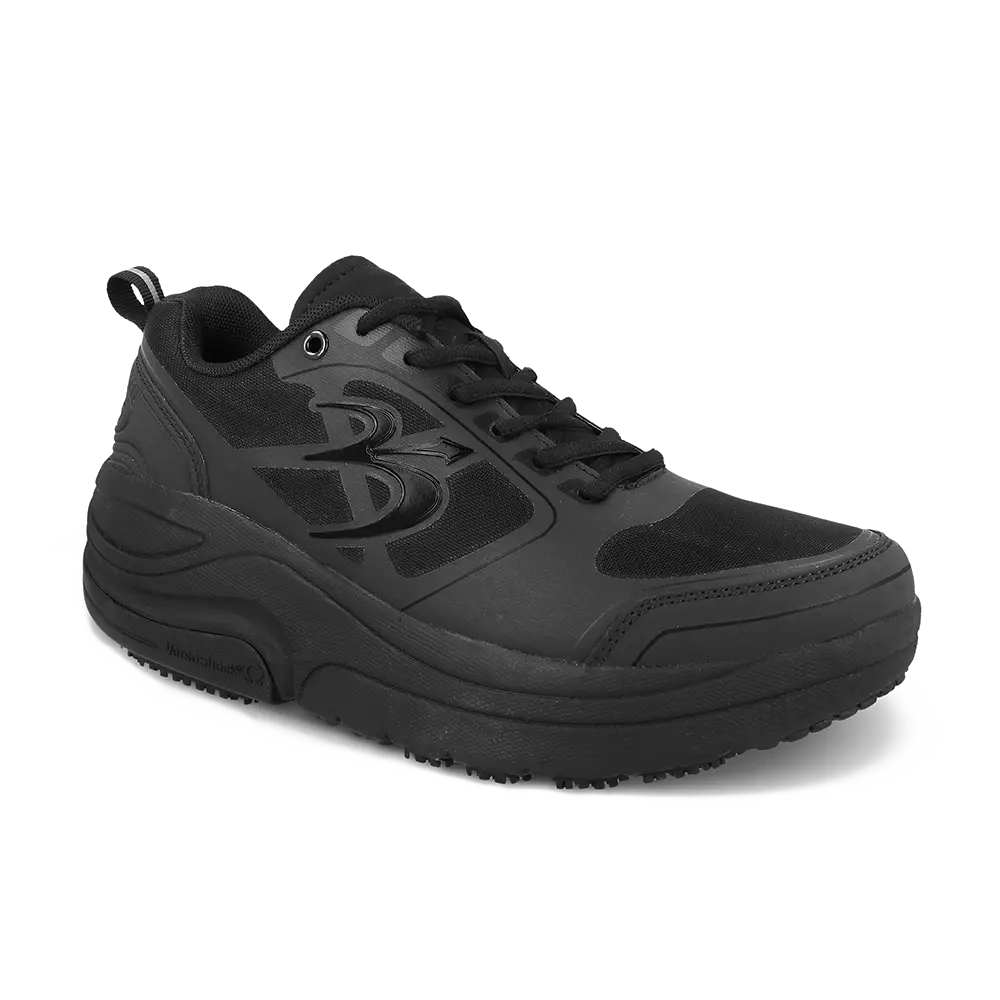
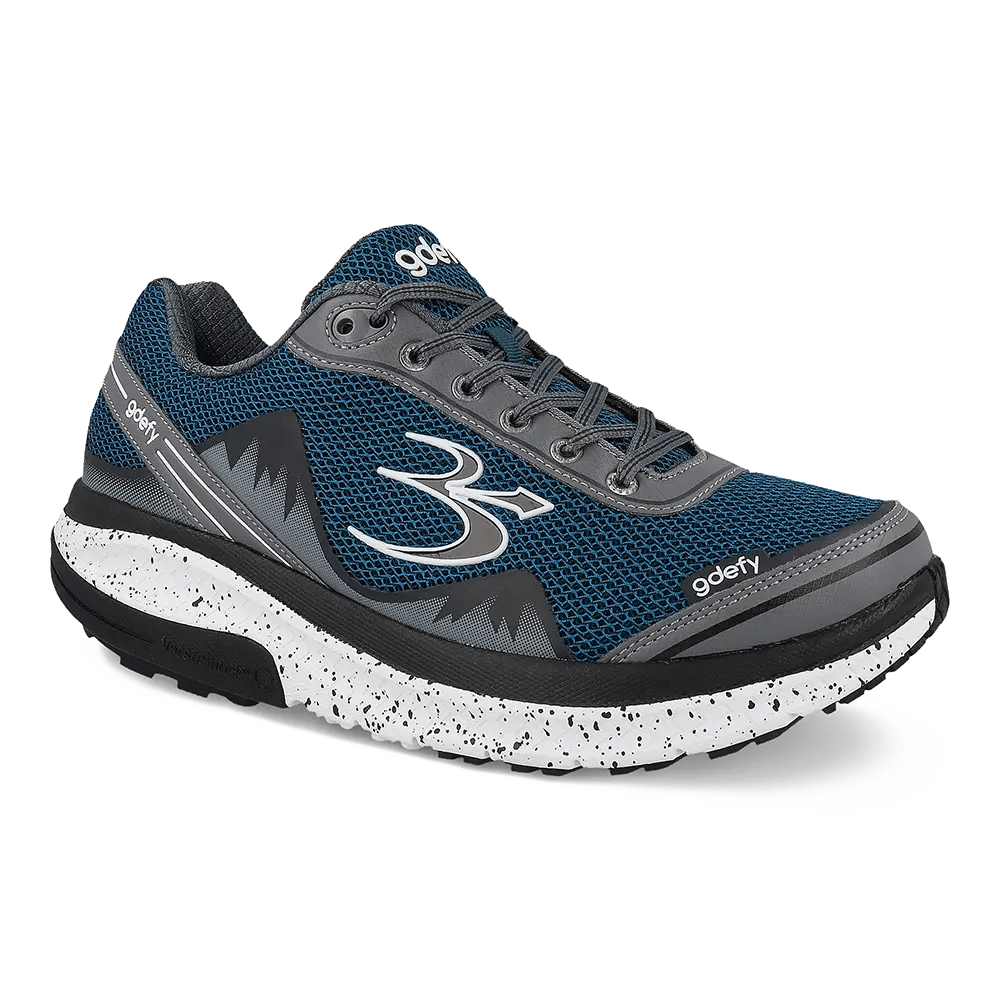
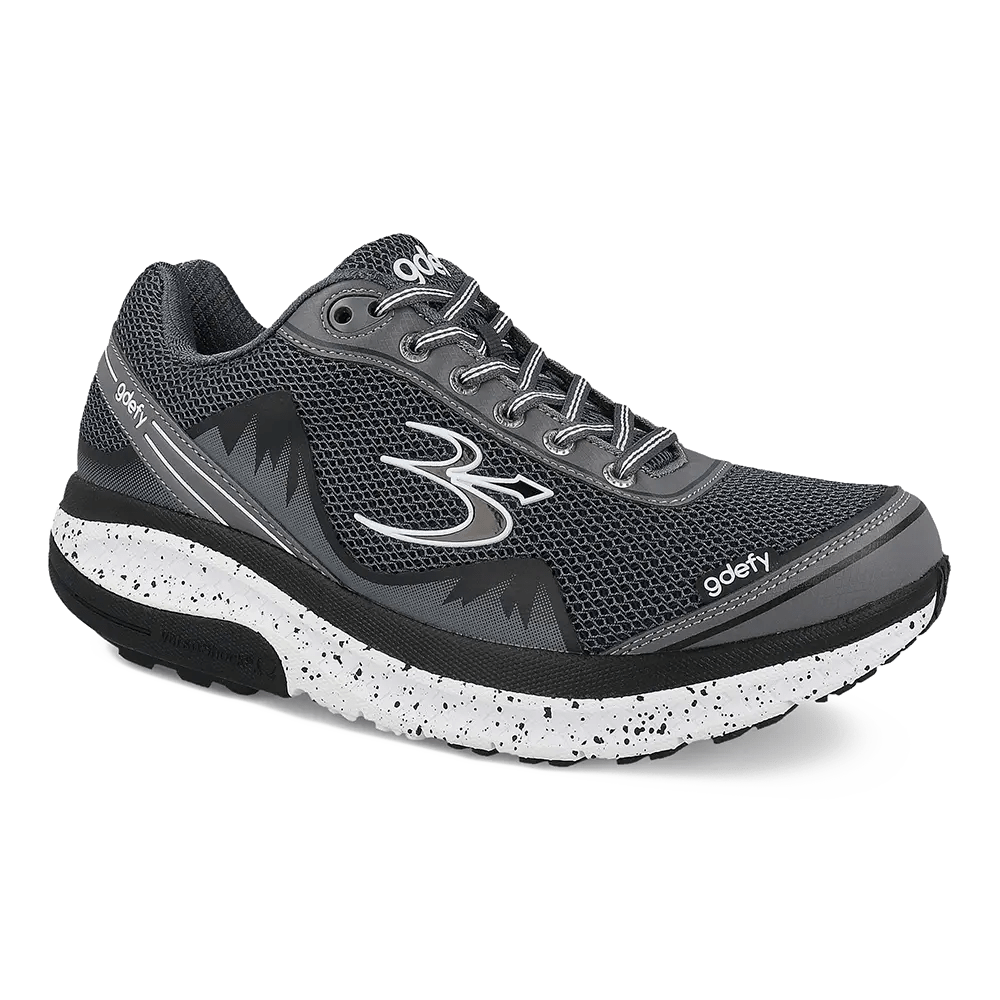
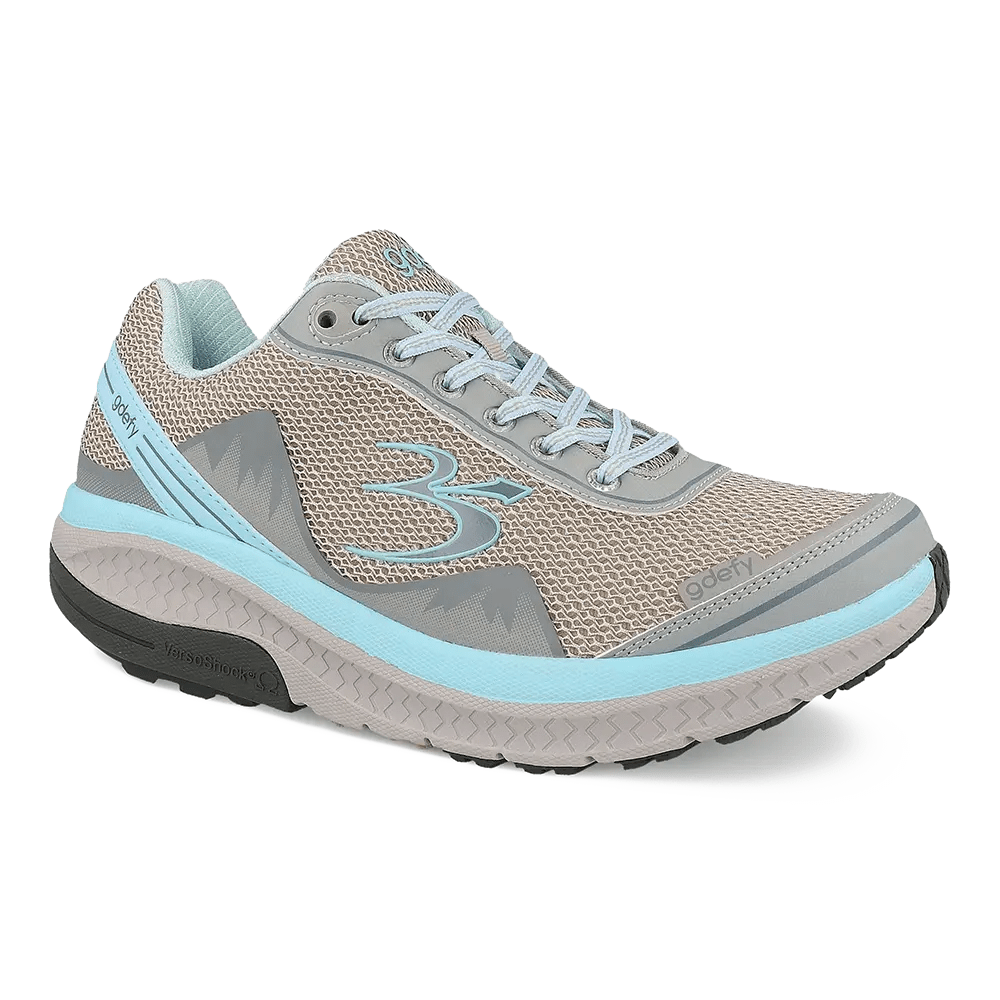
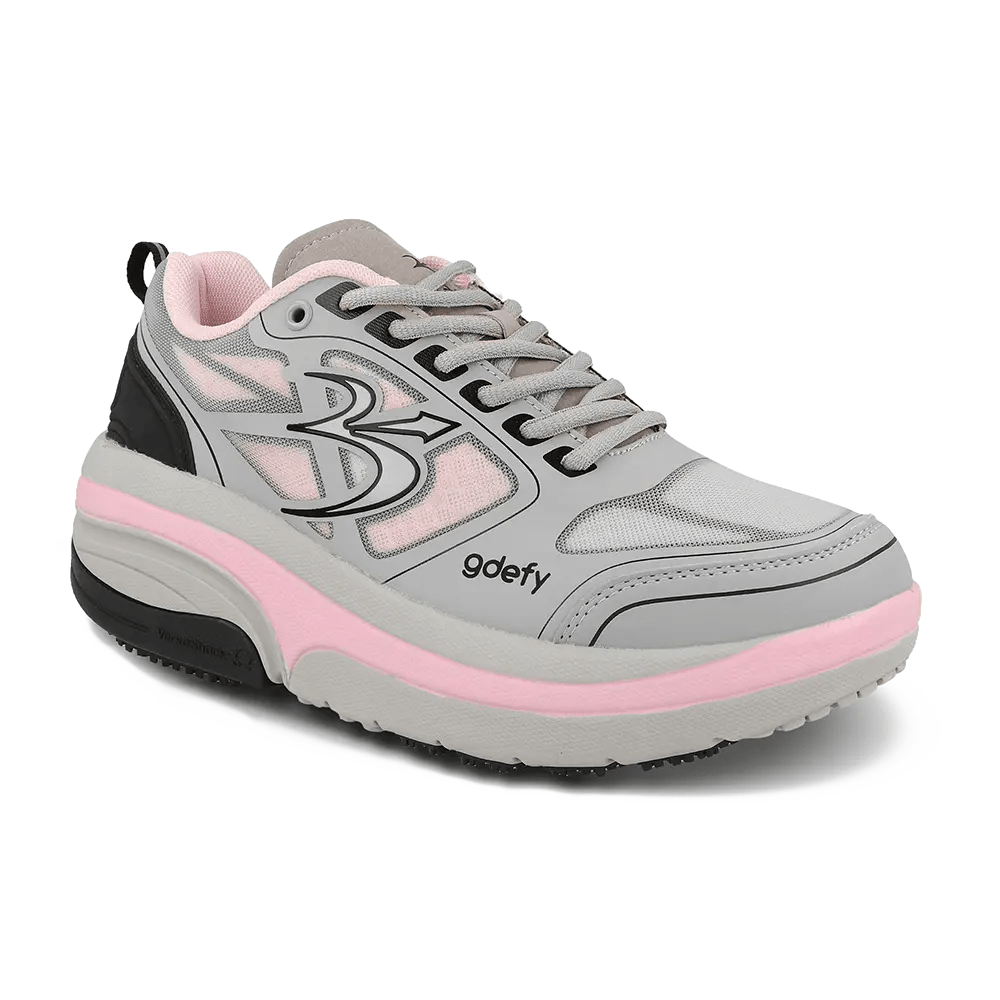
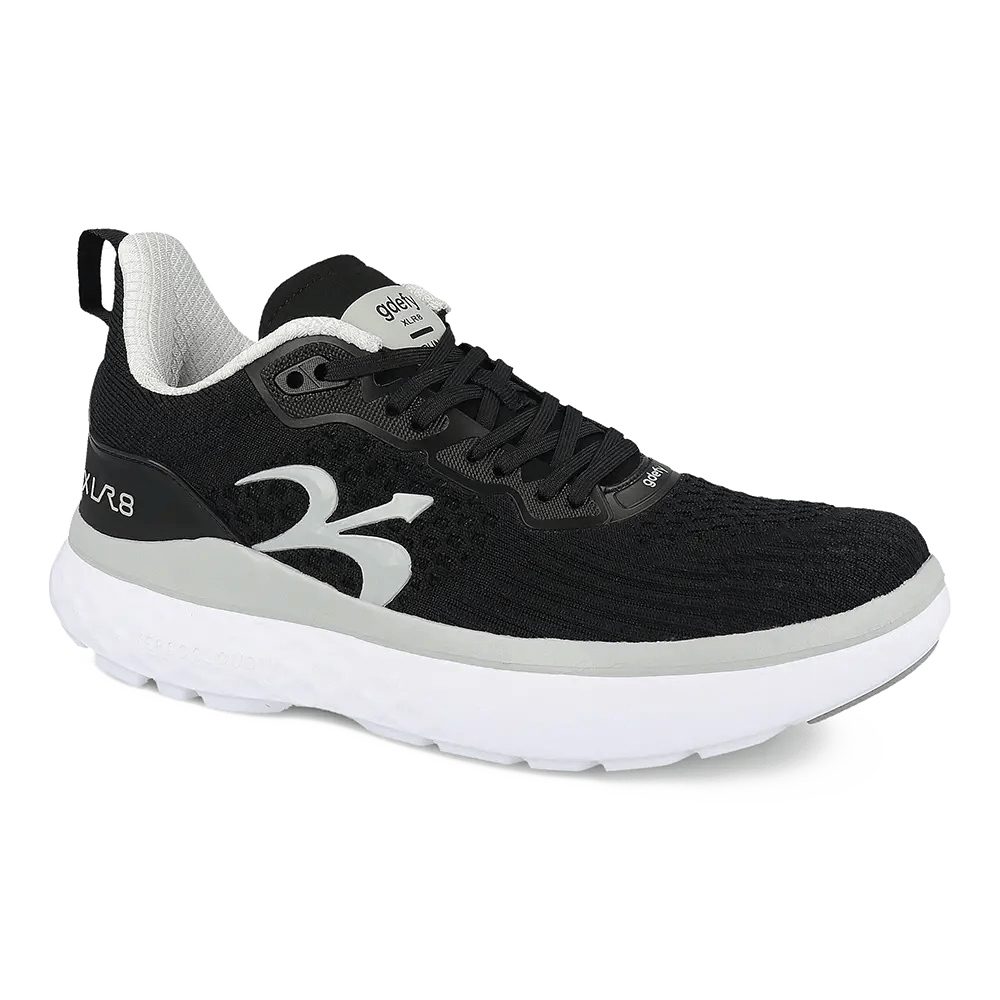
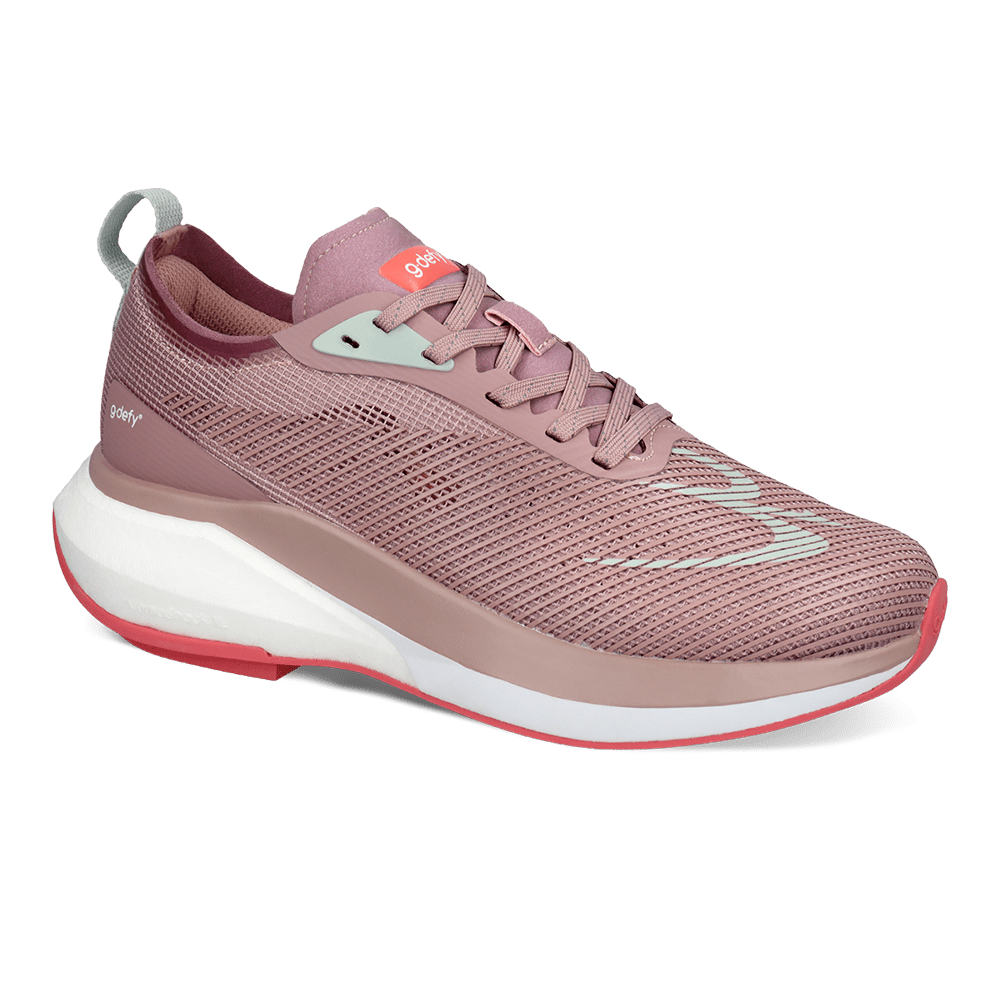
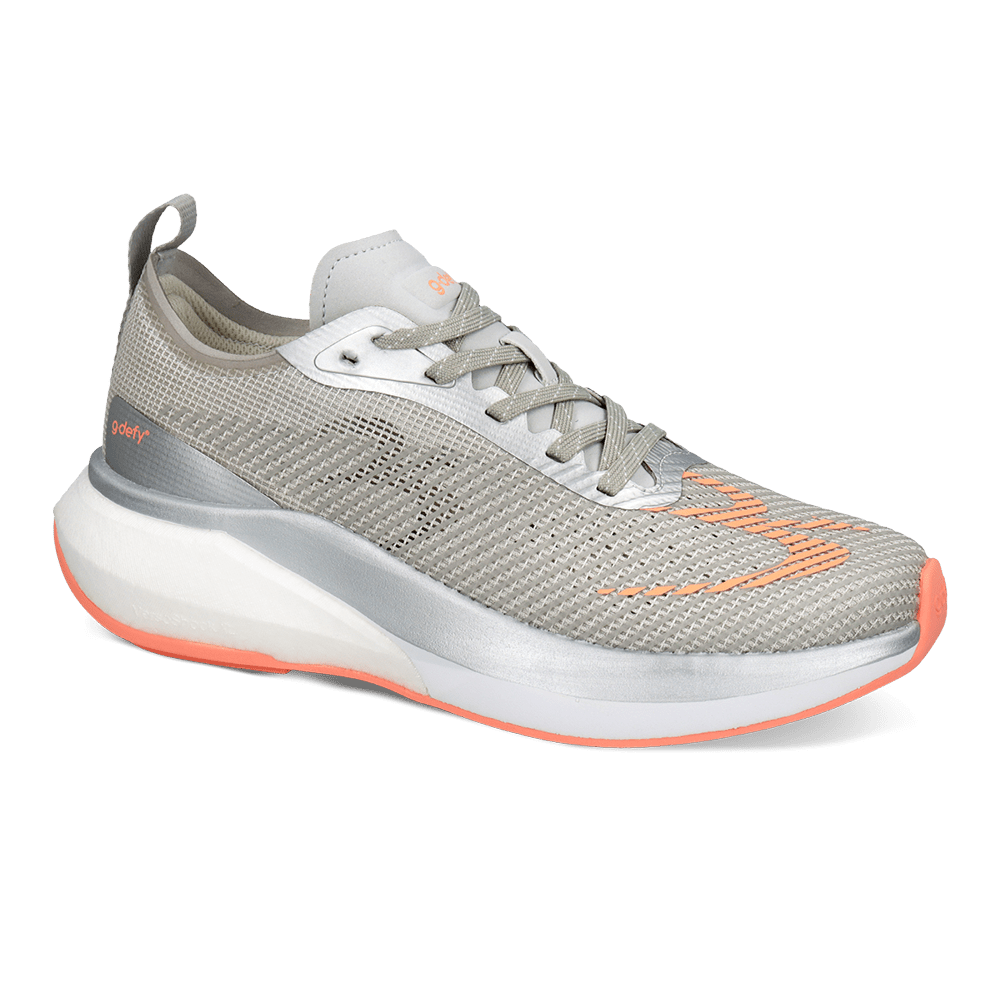
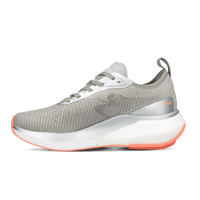
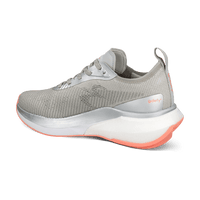
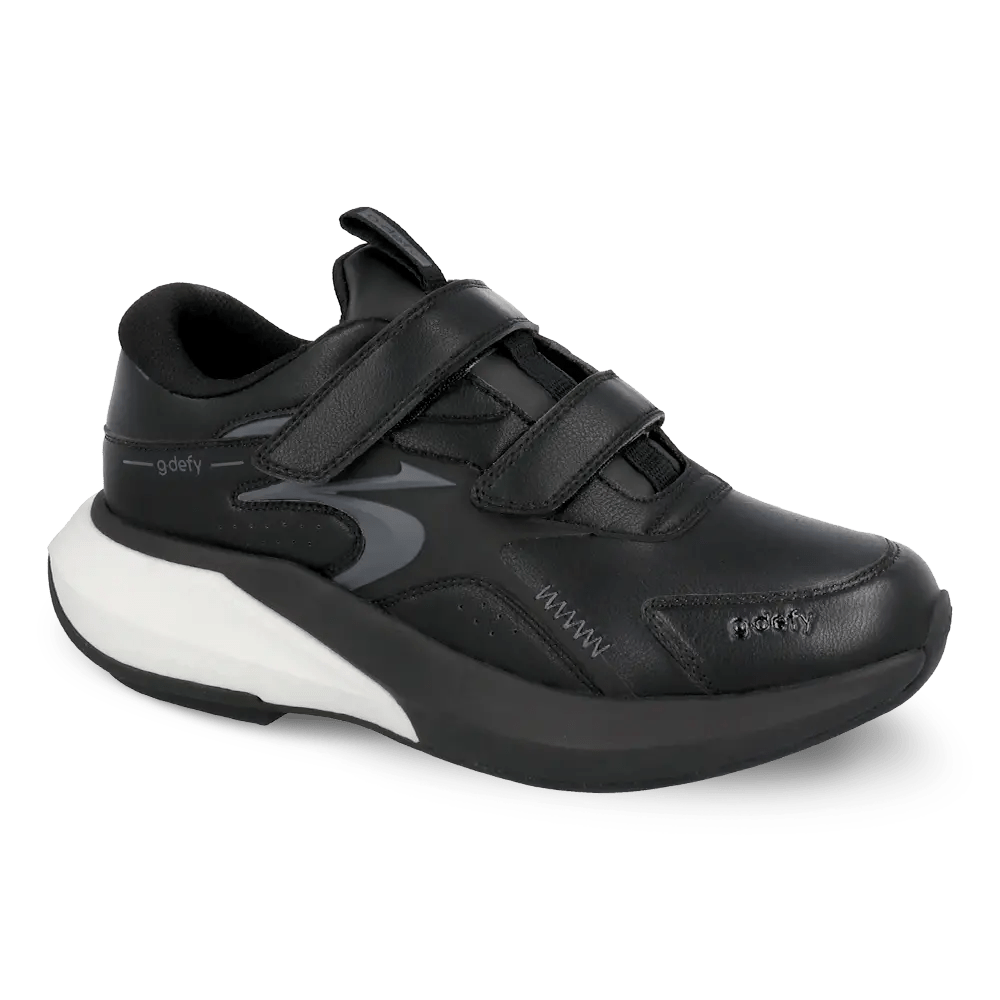
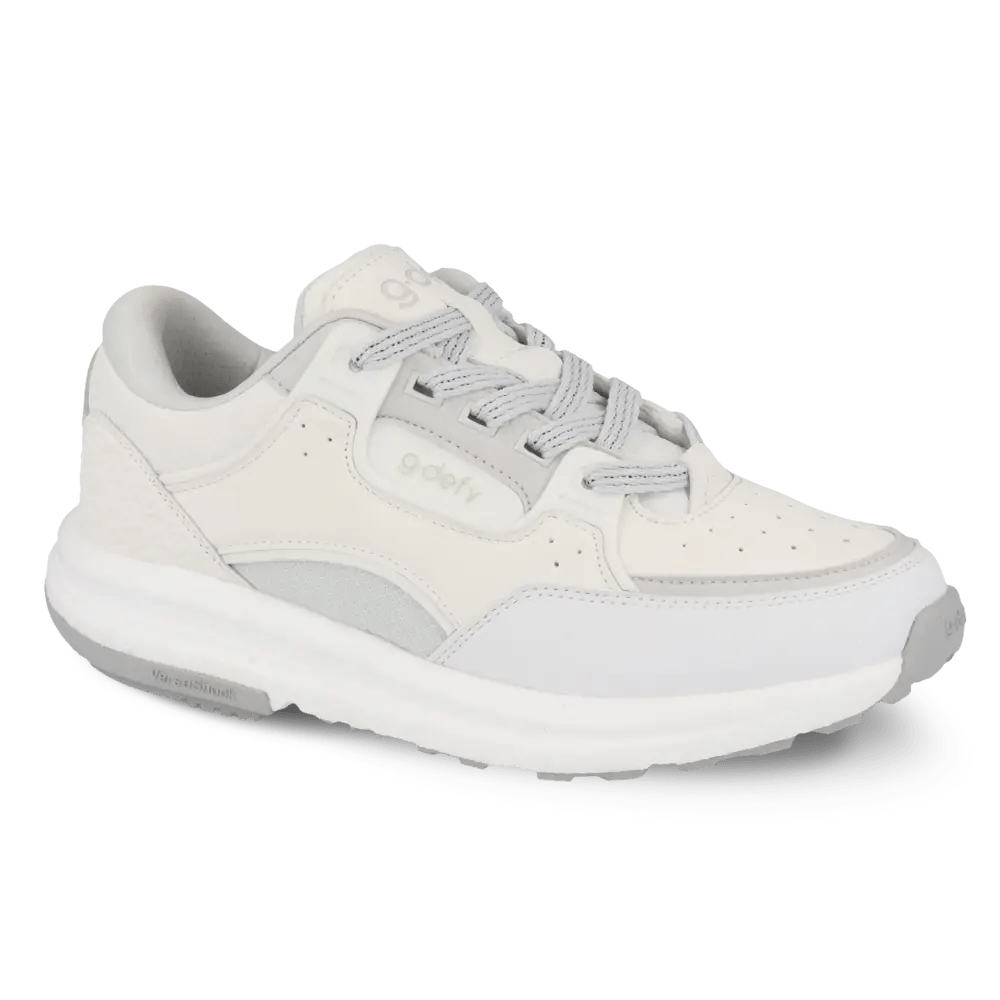
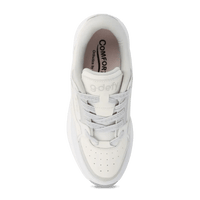
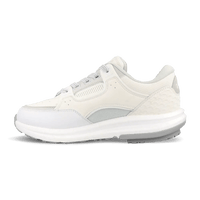
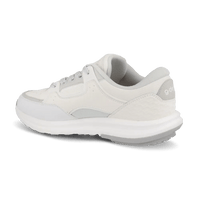
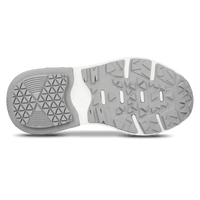
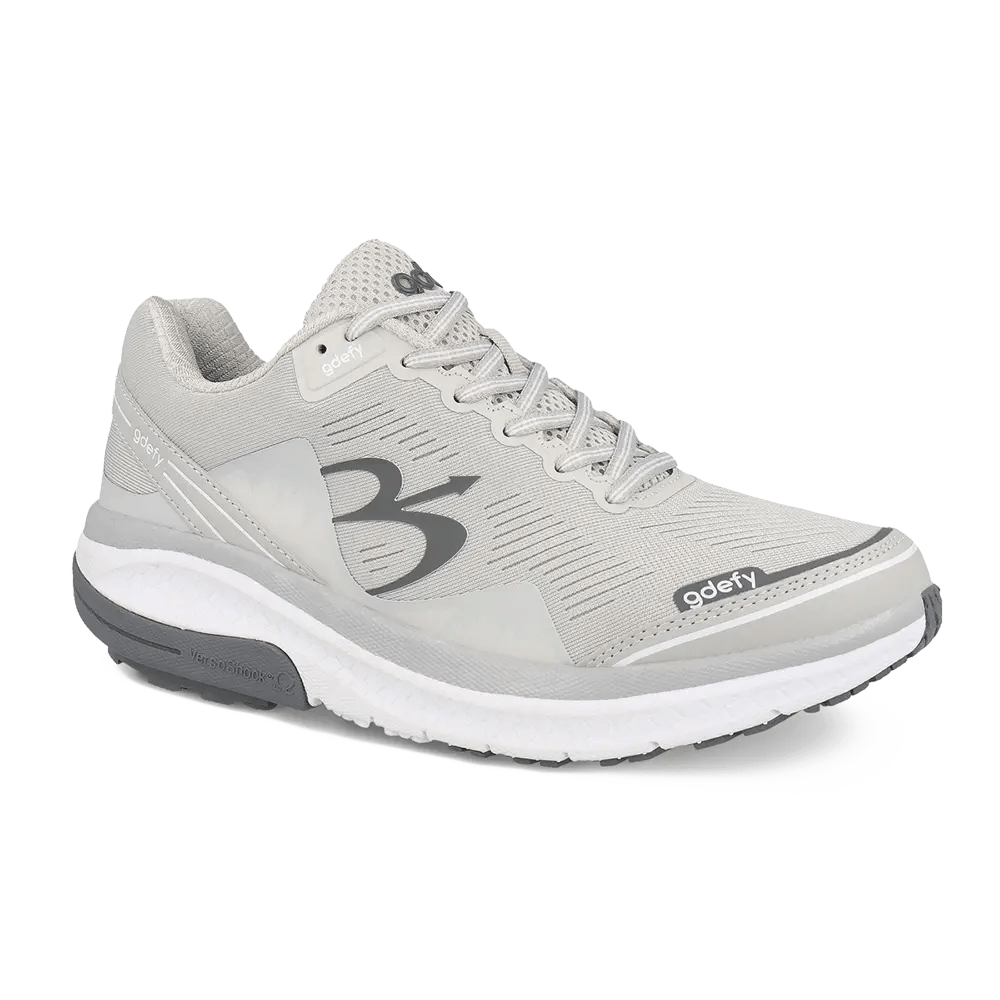
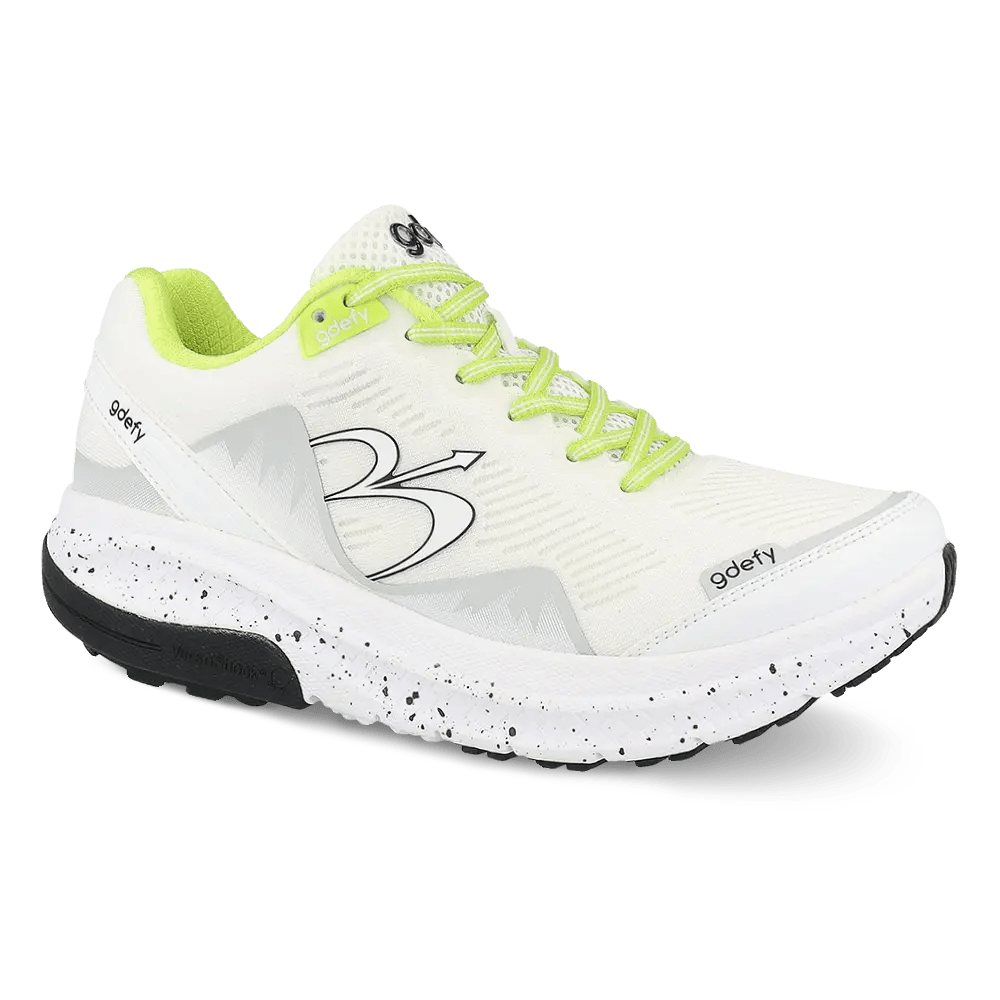
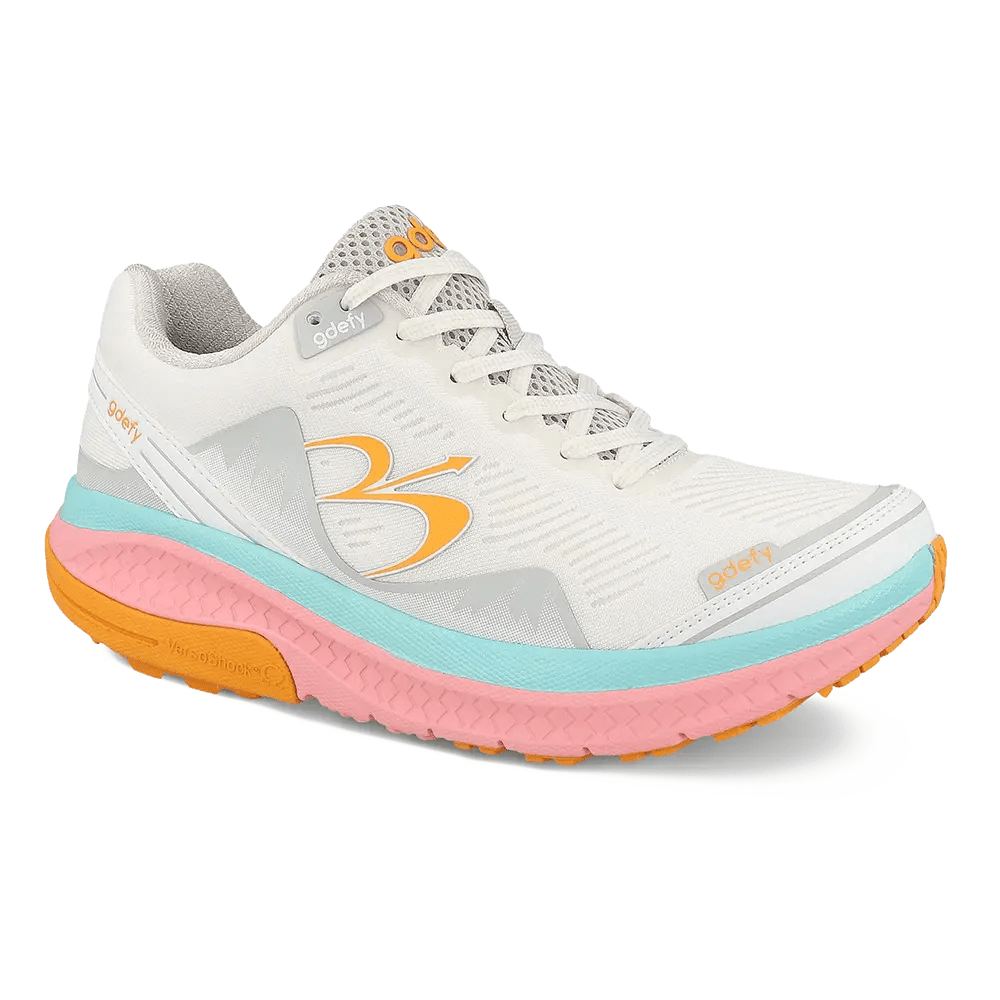
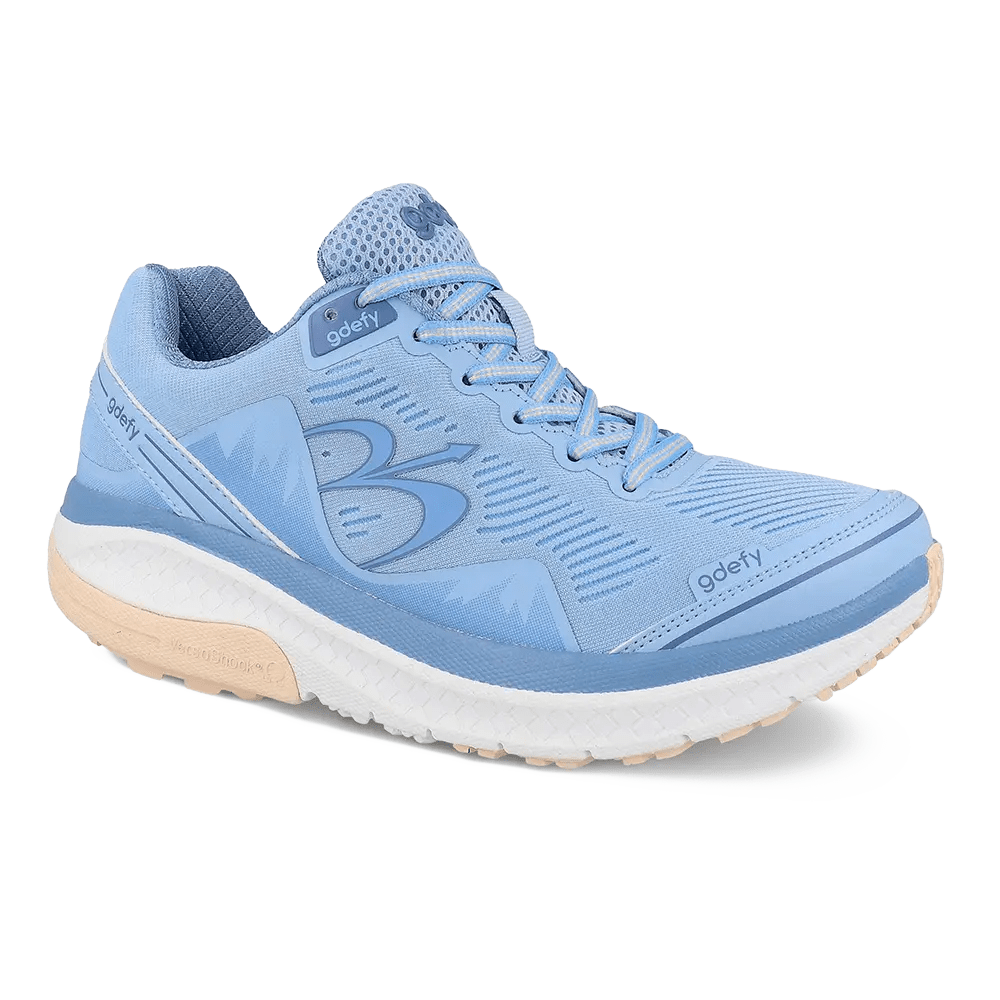
The Mighty Walk is the pair most walkers reach for on long days — a cushioned, stable, all-day walking shoe available in men's and women's versions and in multiple widths. If your long walks include stretches of running, the XLR8 Run applies the same technology to a lighter build. You can see how the technology works in our explainer on VersoShock® technology.

What Customers Notice on Long Walking Days
The comments we hear most about long walks are not dramatic. They are about the back half of the day. The following are composite examples that reflect common customer feedback; results vary by individual.
The weekend distance walker. "I do a five-mile loop on Saturday mornings. It was always the last mile that got me — I'd be counting down the blocks. The difference I notice now is at the end, not the beginning." Results vary by individual.
The traveler. "Sightseeing days are eight or nine hours on your feet with barely a sit-down. I used to plan the afternoon around finding somewhere to rest. Last trip I made it through the whole day and was still up for dinner out." Results vary by individual.
The dog walker. "Two long walks a day, every day, on sidewalks. The second one used to be the one I dreaded. These feel more supportive by the evening walk than my last pair did in the morning." Results vary by individual.
More stories from long-distance walkers are collected in our customer stories on long daily walks and in what our customers experience walking and running with plantar fasciitis.

Practical Tips for Long Walking Days
Small habits make a noticeable difference when the distance is long and continuous.
- Build distance gradually. Jumping from two miles to seven in one weekend is the classic setup for sore heels on Monday. Add distance in steps your feet can absorb.
- Break the walk if you can. Two three-mile walks with a real break between them are gentler on your feet than one six-mile push, even though the distance is identical.
- Re-lace at the halfway point. Sixty to ninety minutes in, your feet are a different shape than when you started. Thirty seconds of adjustment can change how the second half feels.
- Mind the surface. Concrete and asphalt return more impact than dirt, grass, or a track. On a long walk, choosing a softer route is worth as much as choosing a softer shoe. Our guide to walking on concrete all day covers this in detail.
- Rotate your pairs. Midsoles need time between wears to return to full height. Alternating two pairs means neither is doing consecutive long days.
- Retire worn shoes on schedule. A midsole that has flattened out cannot absorb what it used to. Our guide on how shoes wear out explains what to watch for.
- Do not go straight to flat house shoes. Stepping out of supportive shoes into thin, flat slippers right after a long walk is when many people notice the soreness most. Keep something supportive on for the first hour afterward.
- Know your foot type. High, low, and medium arches load a long walk differently. Our guide to choosing shoes for your foot type helps you pick the right orthotic.
Frequently Asked Questions
Why does my heel hurt after a long walk but not during it?
Tissue that has been loaded for hours cools and stiffens once you stop moving. That is why the soreness often announces itself when you stand up after sitting down, rather than while you are still walking.
Is heel pain after walking always plantar fasciitis?
No. Heel soreness after a long walk is common and has many everyday explanations, including distance, surface, footwear, and how quickly you increased your mileage. For persistent or severe heel pain, consult your healthcare provider — footwear is not a medical solution and no shoe is a substitute for medical advice.
Does splitting a long walk into shorter ones really help?
Many walkers find it does. Breaks let swelling settle, let foot muscles rest, and let midsole cushioning return to full height, so each shorter walk starts fresh rather than continuing on tired feet.
Can shoes help with heel pain after long walks?
Supportive, well-cushioned footwear may improve overall comfort during walking and prolonged standing. Shock absorption, a firm heel counter, and midfoot structure are the features that matter most as a walk gets long.
How long should my walking shoes last?
It depends on your distance, weight, and surfaces. Rather than counting months, watch for a midsole that no longer springs back, an outsole worn smooth in patches, or a shoe that feels flatter than it used to.
Should I wear the same shoes for a long walk and a short errand?
You can, but a long continuous walk is the harder job. If you own two pairs, save the most supportive, best-cushioned one for the long days and rotate the other in for short trips.
The Bottom Line
Heel soreness after a long walk is rarely about one bad step. It is the result of thousands of ordinary steps landing in sequence on feet that are gradually swelling, tiring, and getting less help from cushioning that has been working the whole time. Understanding that sequence is what lets you plan around it — by building distance gradually, breaking up the longest walks, minding the surface, and rotating your pairs.
While footwear is not a medical solution, choosing shoes designed for comfort, support, and shock absorption can make a meaningful difference in how you feel throughout the day — especially in the last mile, which is where long walks are really decided.
Make the last mile feel like the first
G-Defy shoes are designed to deliver comfort, support, and shock absorption. Try a pair for 60 days with free shipping and free exchanges.
Shop Men's Shoes Shop Women's ShoesRelated reading: why morning heel pain happens · what plantar fasciitis is and how footwear plays a role · the shoe features that matter most for heel comfort while walking · how cushioning helps with heel impact during walking · shoes for walking and standing all day