
April 25, 2026
Walking and Running With Plantar Fasciitis: What Our Customers Experience
By Gdefy

Summary
For many active adults, plantar fasciitis arrives as an unwelcome surprise — that sharp, aching sensation at the heel after a morning walk, or the stiffness that follows a longer run. Suddenly, the activities you look forward to feel much harder.
Many people dealing with heel discomfort aren't ready to give up their walks, daily routines, or fitness goals. They're looking for a way to stay active while dealing with the heel discomfort that plantar fasciitis can bring. For a growing number of G-Defy customers, a combination of smarter activity choices and footwear designed for comfort and support has made a meaningful difference in how they feel day to day.
In this article, we'll share what our customers commonly experience when walking or running with plantar fasciitis, and what shoe features they say made the biggest difference.
Note: Footwear is not a medical solution. If you're experiencing persistent heel discomfort, consult a healthcare provider for personalized guidance.

What Is Plantar Fasciitis — and How It Affects Movement
The plantar fascia is a band of tissue that runs along the bottom of your foot, connecting your heel bone to your toes. When this tissue experiences repeated strain — from long walks, standing on hard surfaces, or footwear that lacks proper support — it can become irritated, leading to the sharp, stabbing heel discomfort many people associate with plantar fasciitis.
For active adults, the challenge is staying mobile without making things worse. Walking barefoot on hard floors, wearing flat-soled shoes, or returning to high-mileage activity too quickly can all increase discomfort.
Many healthcare providers suggest gradually returning to movement rather than stopping entirely — and they often emphasize choosing footwear that reduces impact at the heel and provides adequate arch support. This is where shoe design plays an important supporting role in daily comfort.
What Our Customers Commonly Experience
G-Defy regularly hears from customers who wanted to stay active despite plantar fasciitis. Their experiences are individual, and results vary — but certain patterns appear consistently in what they share.
More comfortable during morning walks.
Many customers tell us that after switching footwear, their morning walks feel noticeably more manageable. The first steps of the day — often the most uncomfortable moment for people dealing with heel discomfort — feel less harsh. Customers describe the difference as each step feeling "softer" and more cushioned compared to their previous shoes.
Longer distances without stopping to rest.
Customers who enjoy walking for exercise commonly mention being able to cover more ground before needing to rest. When shoes absorb impact more effectively, many people find they can stay on their feet longer and feel less fatigued at the end of a walk.
More confidence returning to light jogging.
Some customers who had stepped back from running share that better shock absorption and cushioning gave them the comfort to gradually work back into light jogging. This isn't an overnight change — it typically takes weeks of gradual progress — but more supportive footwear was part of what made the return feel more comfortable.
Better all-day comfort at work or home.
Beyond exercise, customers with jobs that require standing or walking for long periods — healthcare workers, retail employees, and teachers — note that more supportive shoes helped them get through longer shifts with less heel discomfort at the end of the day.
What customers consistently describe is straightforward: more comfortable, better supported, able to do more. That's what properly designed footwear is built to deliver.
Results vary by individual. Footwear is not a medical solution for plantar fasciitis.

What Shoe Features Made the Difference
Based on what customers highlight most often, several key features stand out when it comes to managing plantar fasciitis discomfort:
- Heel cushioning that absorbs impact — Rather than foam that compresses and loses responsiveness quickly, effective cushioning makes each step feel noticeably softer at the heel, where plantar fasciitis discomfort tends to be most concentrated.
- Arch support that distributes pressure — Flat-soled shoes place maximum pressure directly on the plantar fascia. Built-in arch support helps distribute that load more evenly across the foot, reducing concentrated strain on the heel tissue during walking and standing.
- Full-stride shock absorption — The force of a walking step doesn't stop at the heel — it travels upward through the body. Shoes with full-stride shock absorption help reduce cumulative impact so longer walks feel less taxing overall.
- Removable orthotics for a customized fit — People's feet are different. Customers who can customize their arch support level consistently report better comfort than those using one-size-fits-all insoles.
- A roomy toe box — A cramped toe area forces the foot into unnatural positions that can add strain throughout the foot, including on the plantar fascia. A wider toe box allows the foot to rest naturally and reduces unnecessary tension with each step.
How G-Defy Is Designed for Plantar Fasciitis Comfort
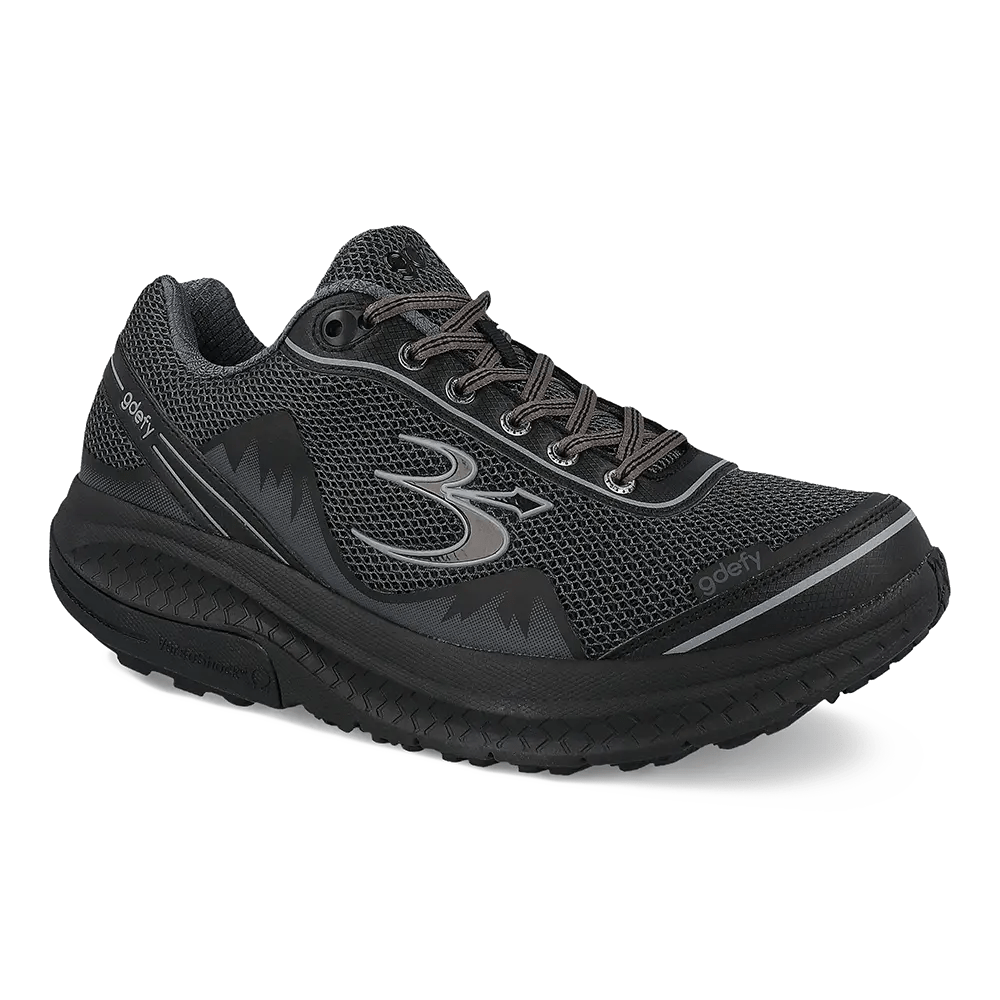
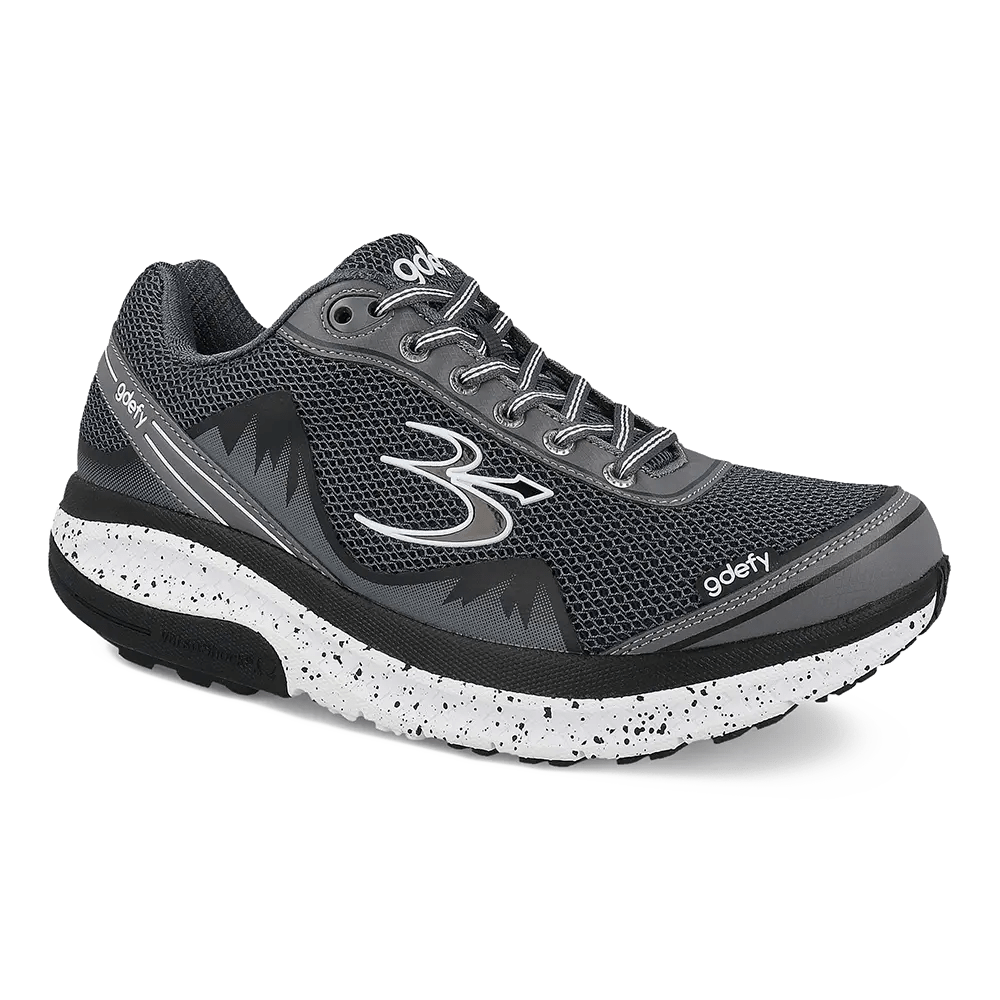
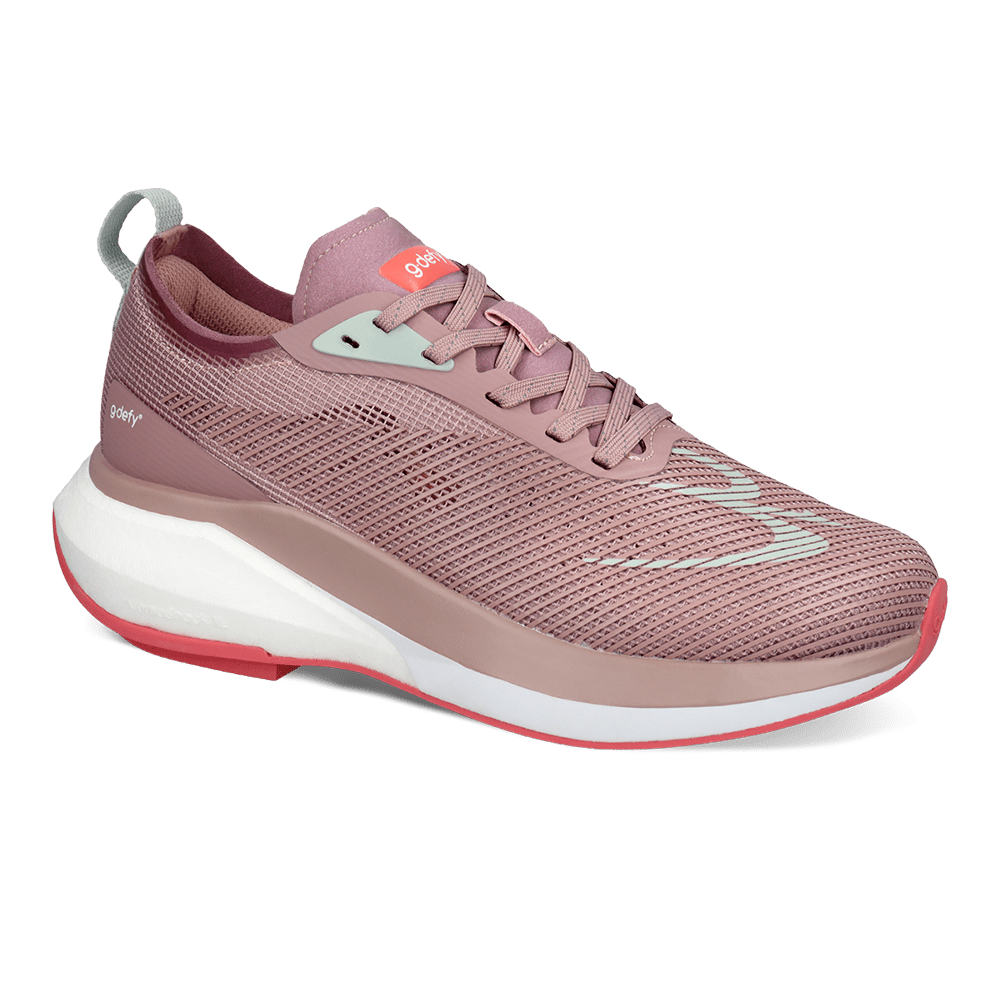
G-Defy shoes are built around four engineering elements that address the comfort challenges many people with plantar fasciitis describe:
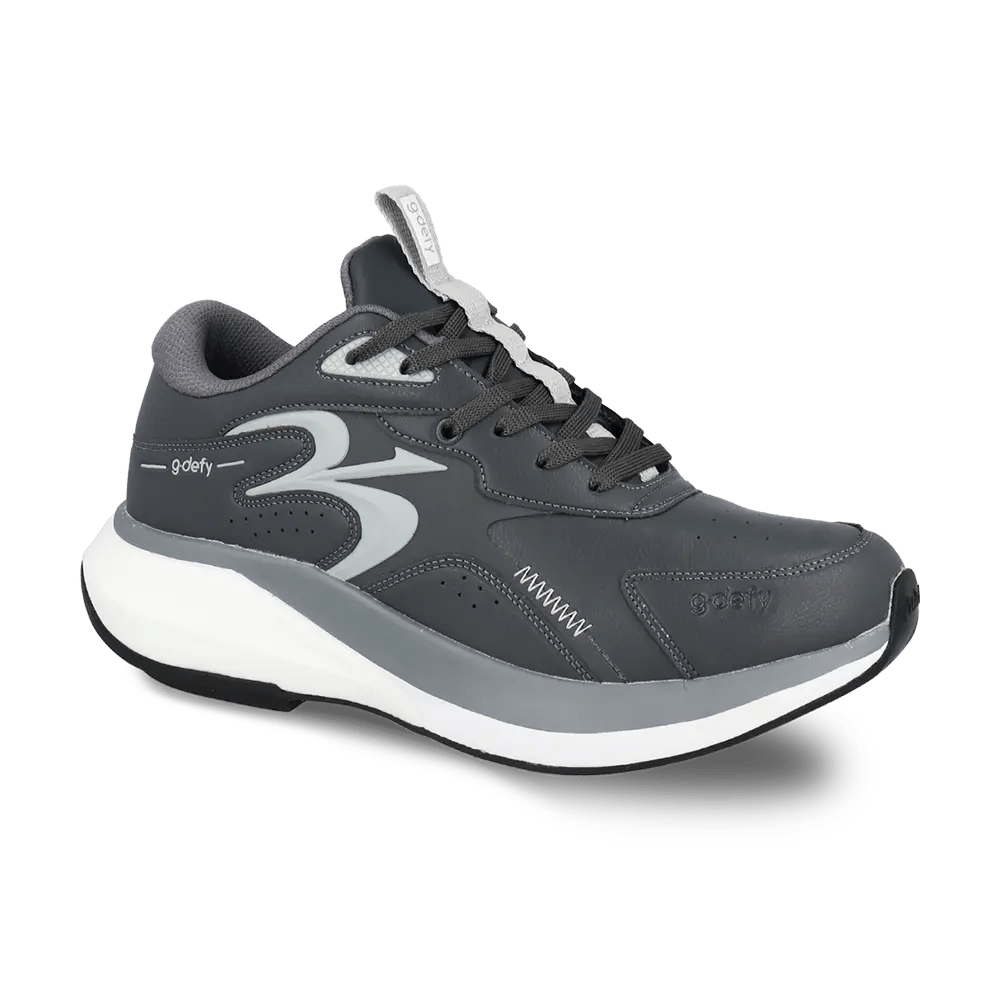
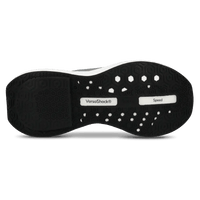
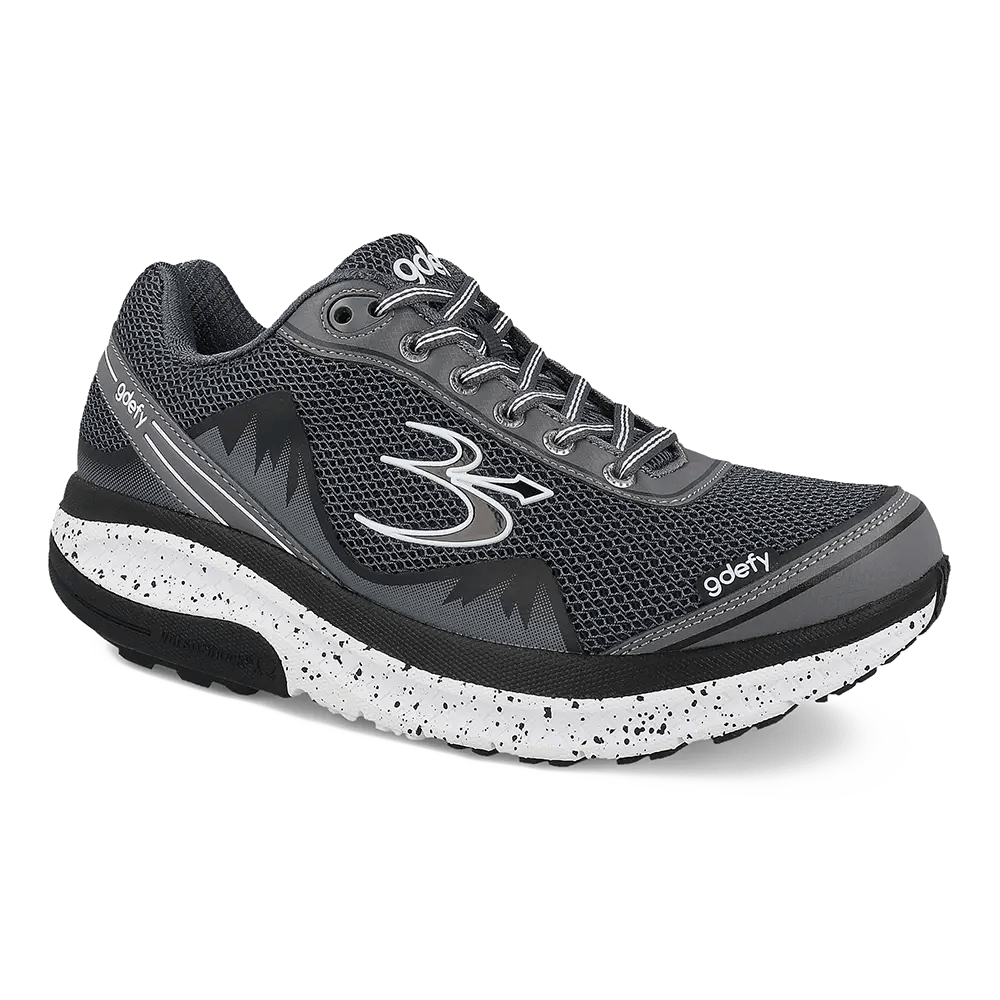
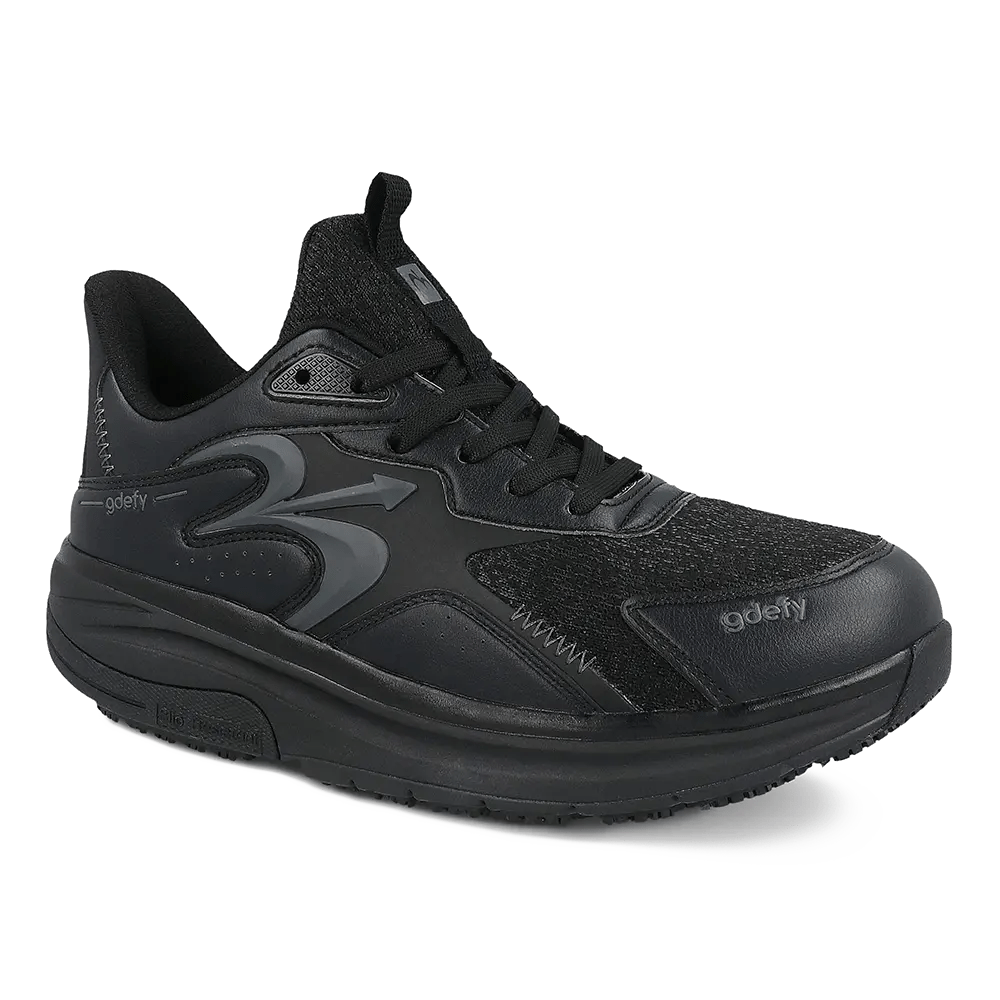
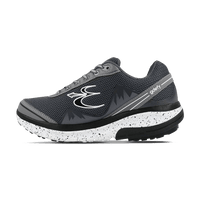
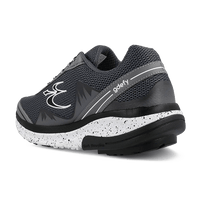
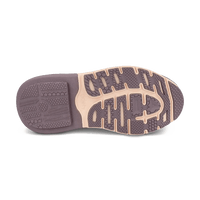
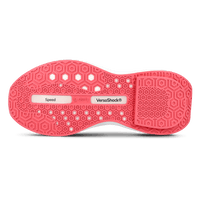
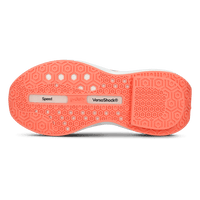
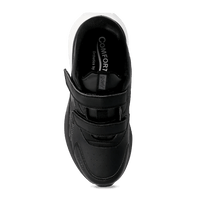
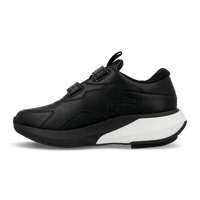
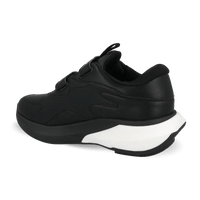
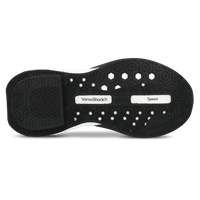
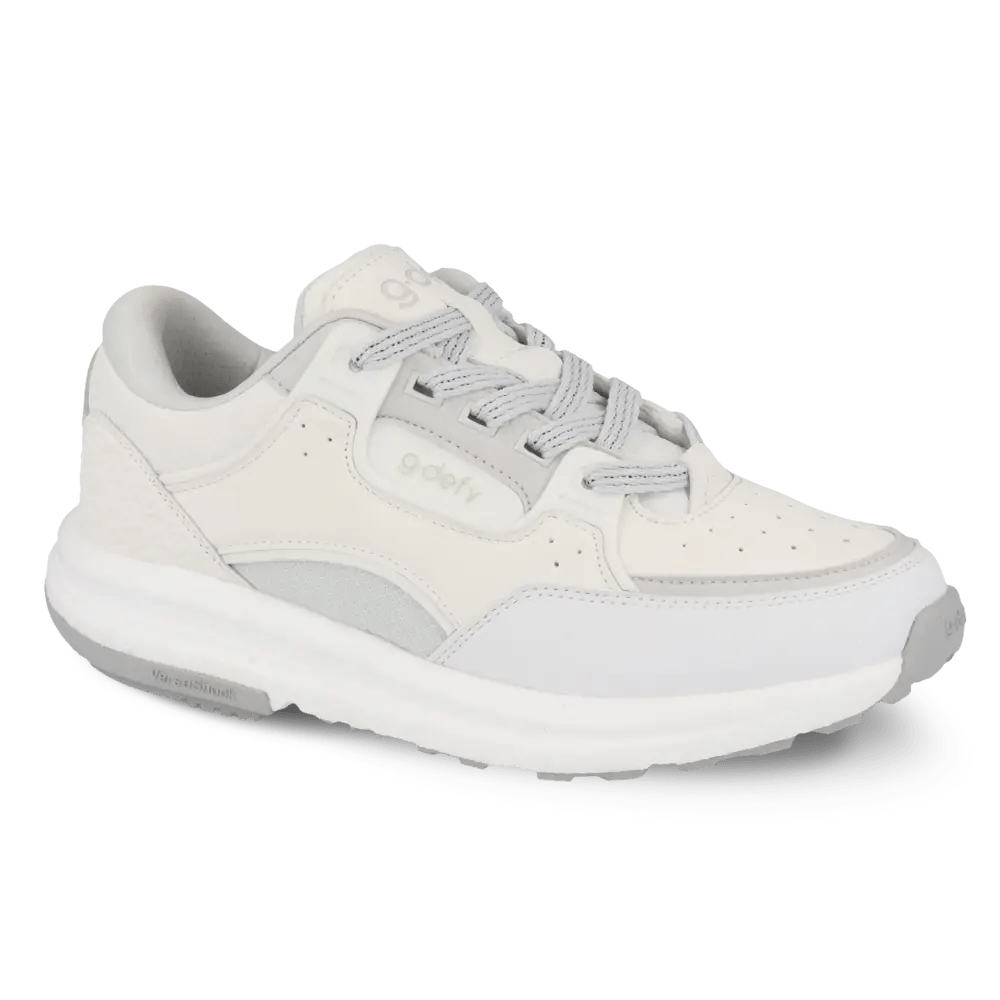
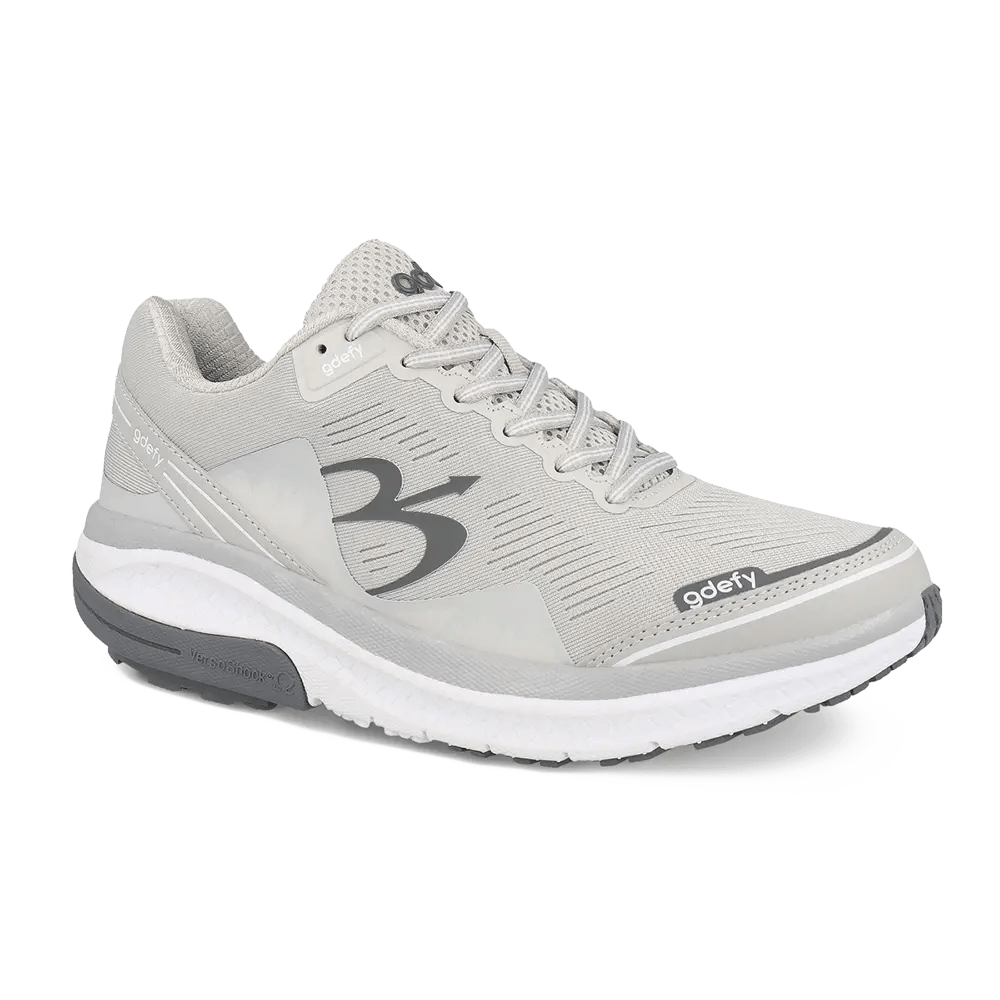
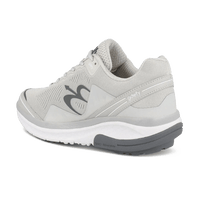
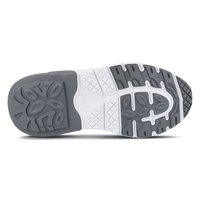
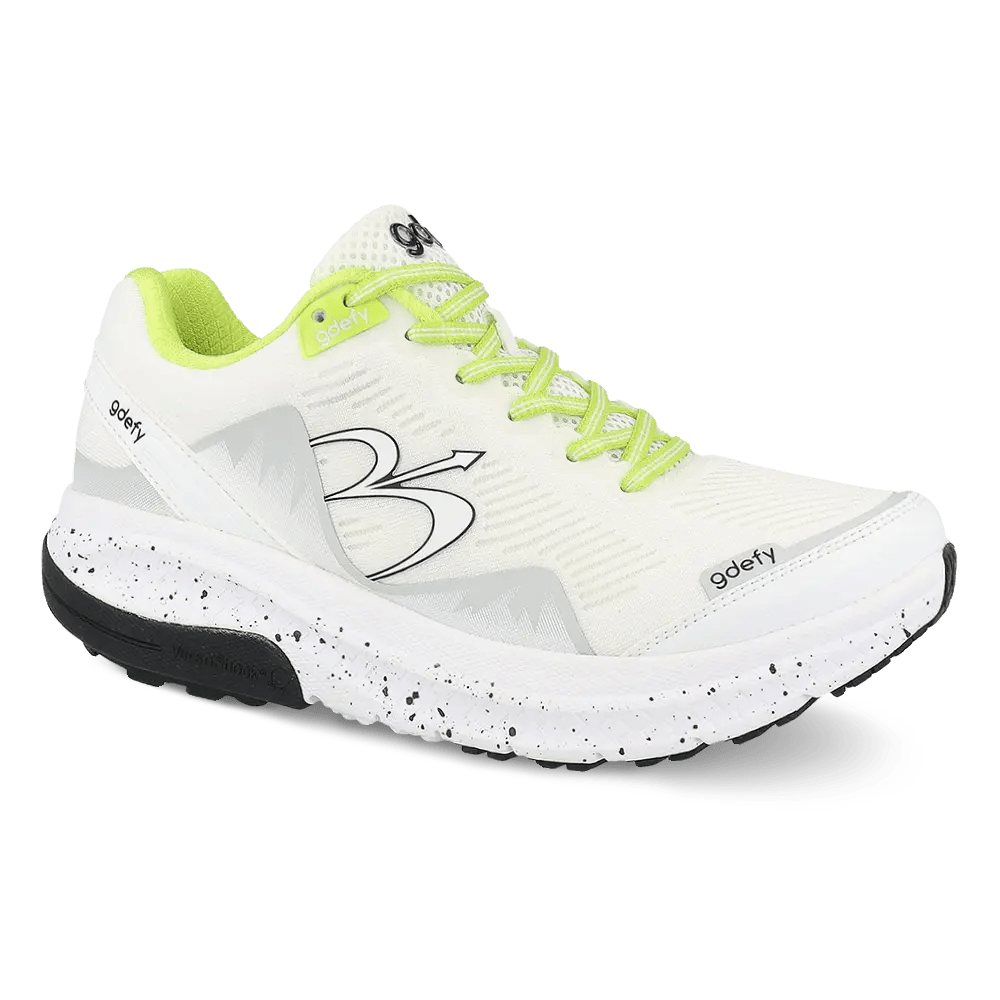
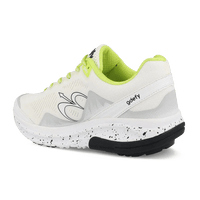
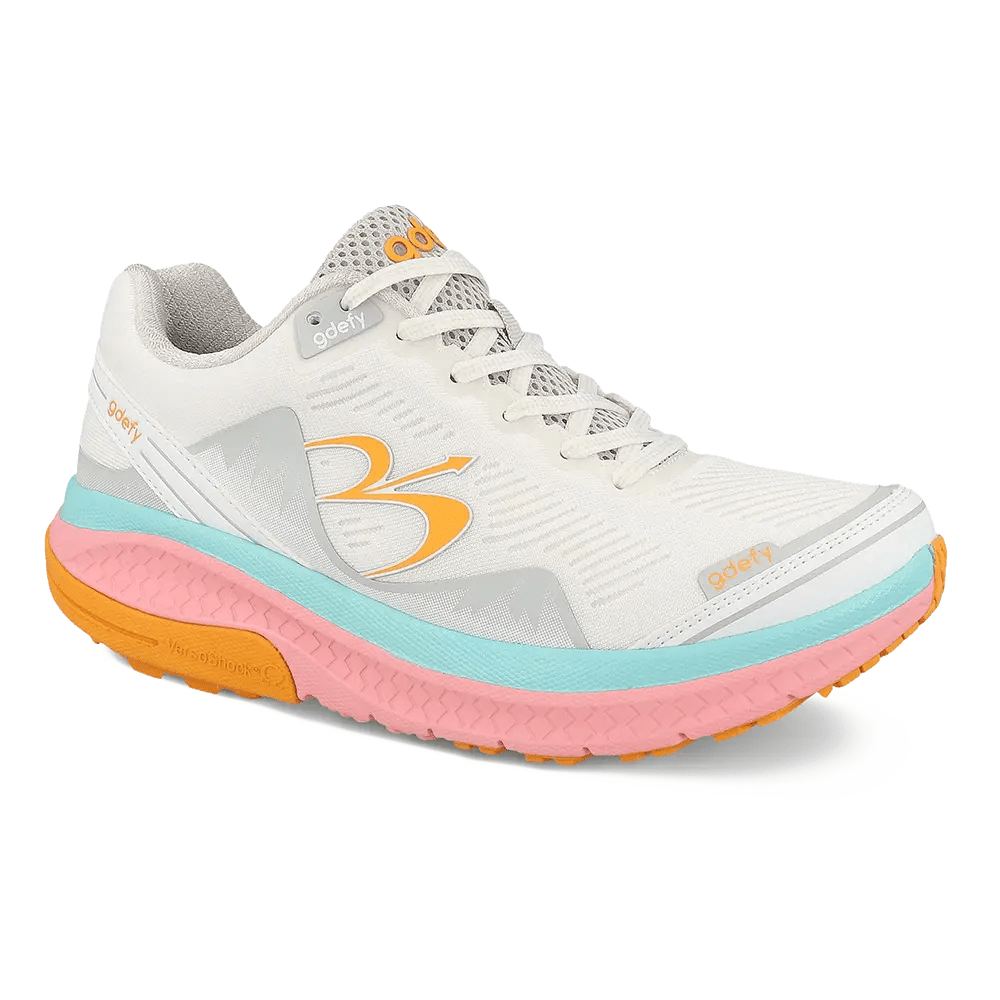
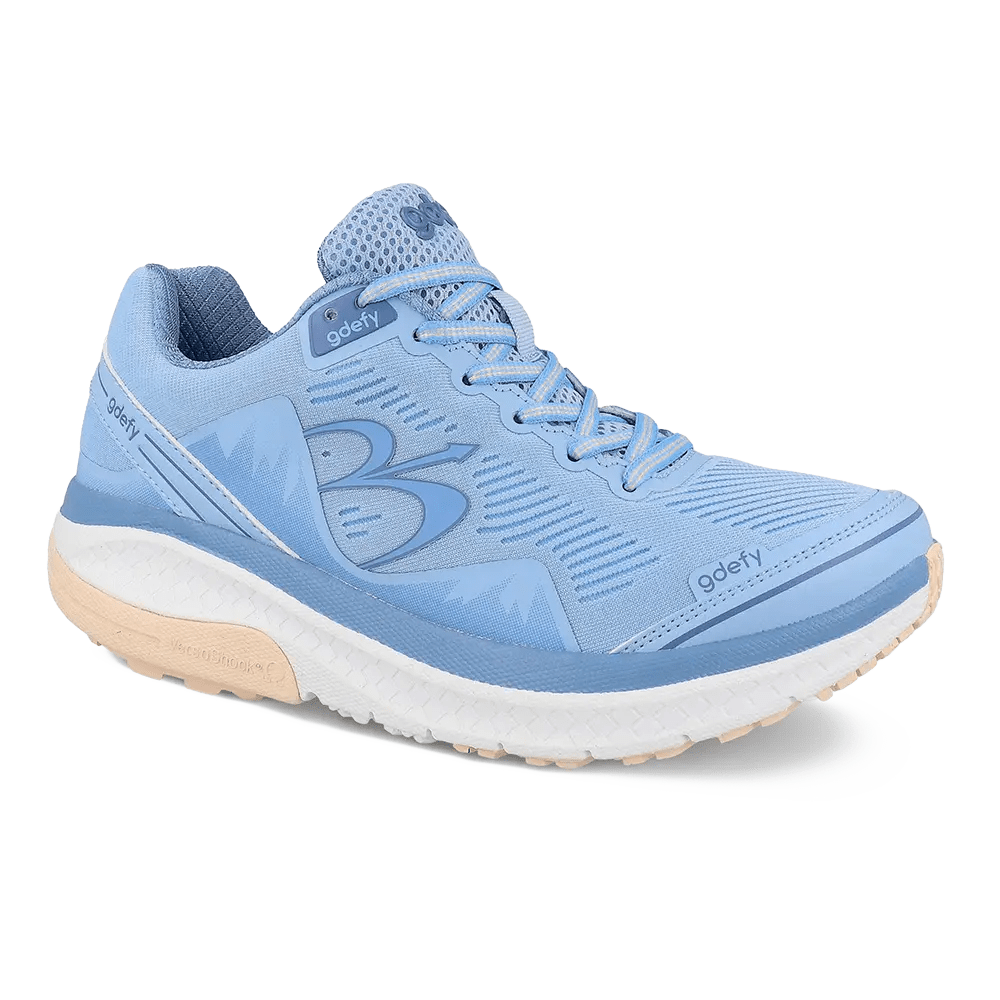
VersoShock® Technology — Unlike standard foam, G-Defy uses a spring-based shock absorption system. This design absorbs impact at the heel and returns energy with each step, supporting a smoother stride. VersoShock® is engineered to maintain its responsiveness over time, so the cushioning stays effective through long walks and extended wear.
Stabilizer System — A built-in stabilizer prevents excessive bending in the midfoot, supporting more stable, controlled movement during every step. This added structure helps reduce unnecessary foot movement that can aggravate heel discomfort.
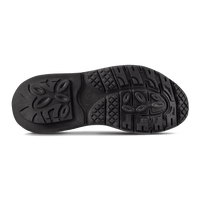
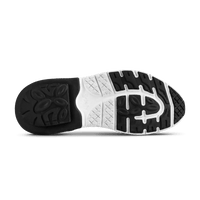
Front Rolling Design — The heel-to-toe rolling motion encourages a smoother, more natural stride transition, reducing the abrupt heel strike that can contribute to plantar fascia strain during walking and running.
Dual Orthotic System — Every pair of G-Defy shoes includes two removable orthotics: the ComfortFit® Orthotic for lower arches and the CorrectiveFit® Orthotic for higher arches. This lets you customize your support level based on your foot type and comfort needs.
Together, these features help reduce pain from walking, running, and prolonged standing — designed for people who want to stay active and feel supported throughout the day.
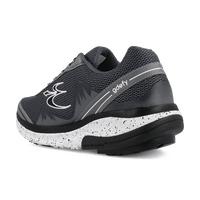
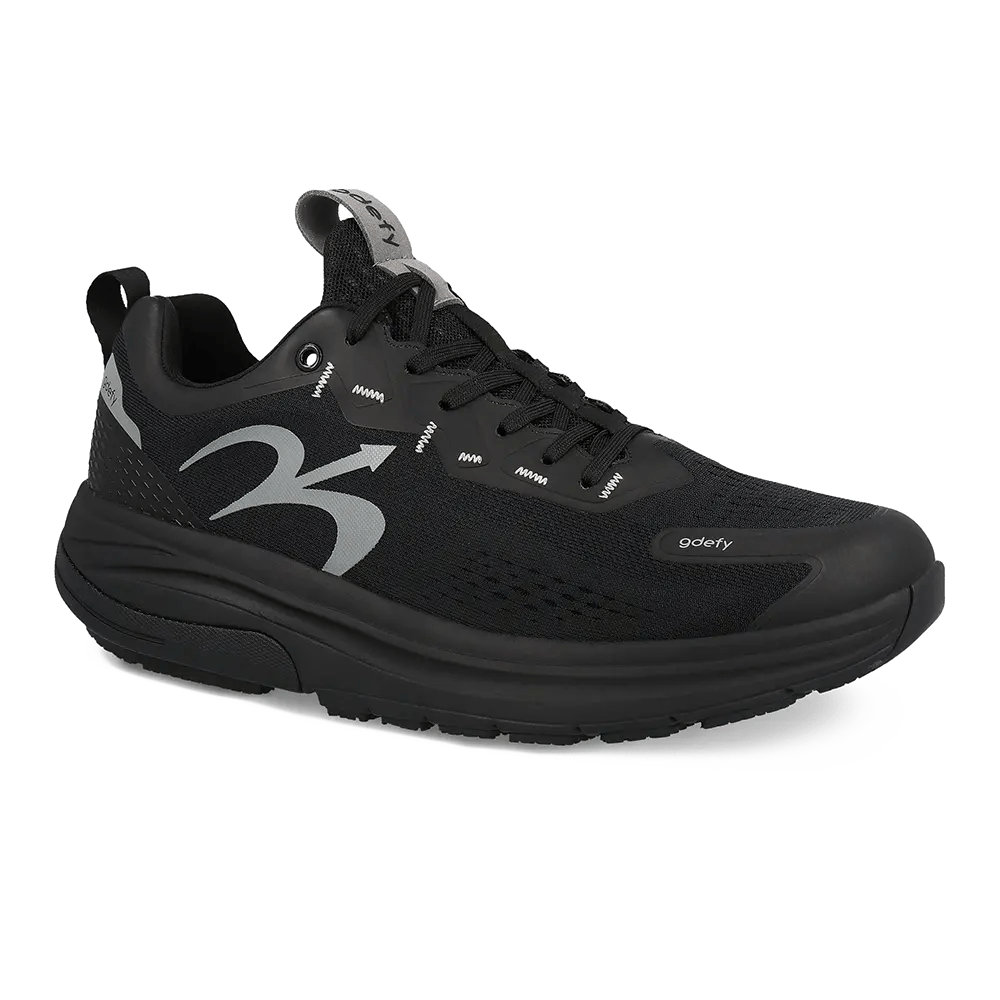
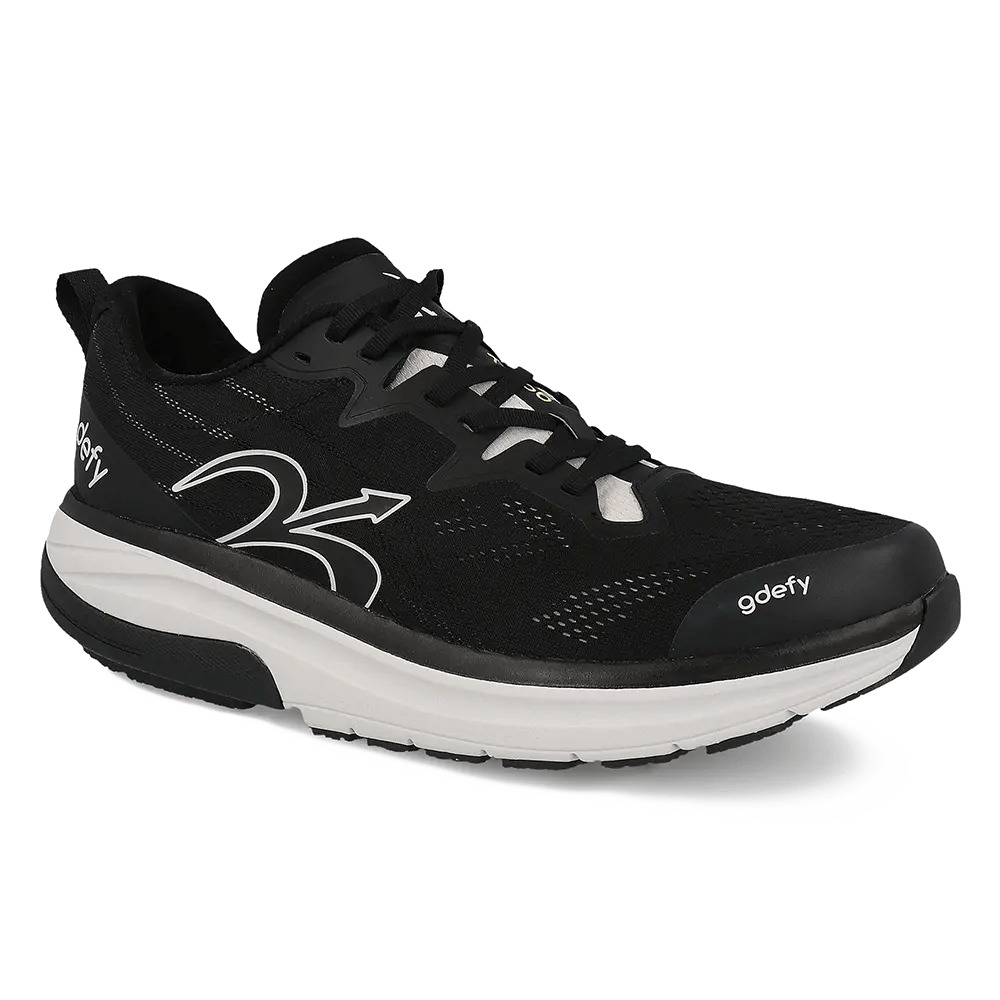
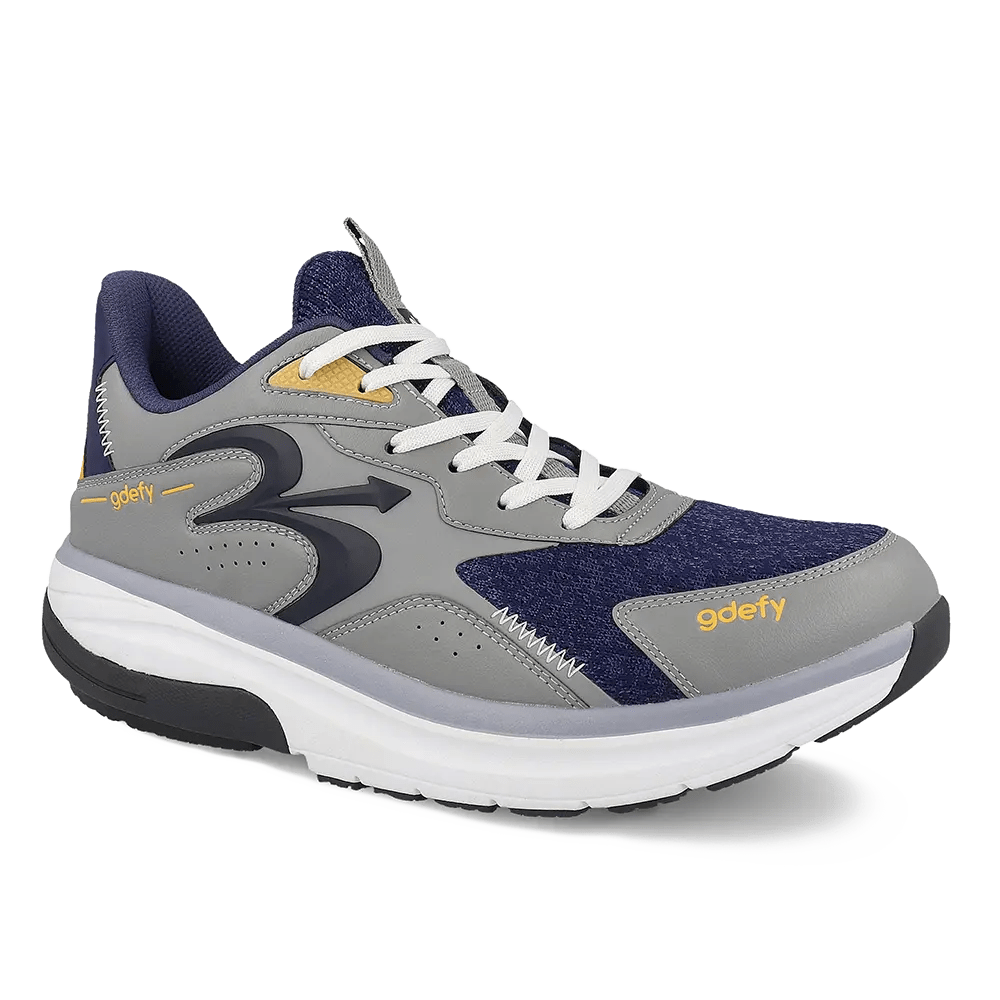
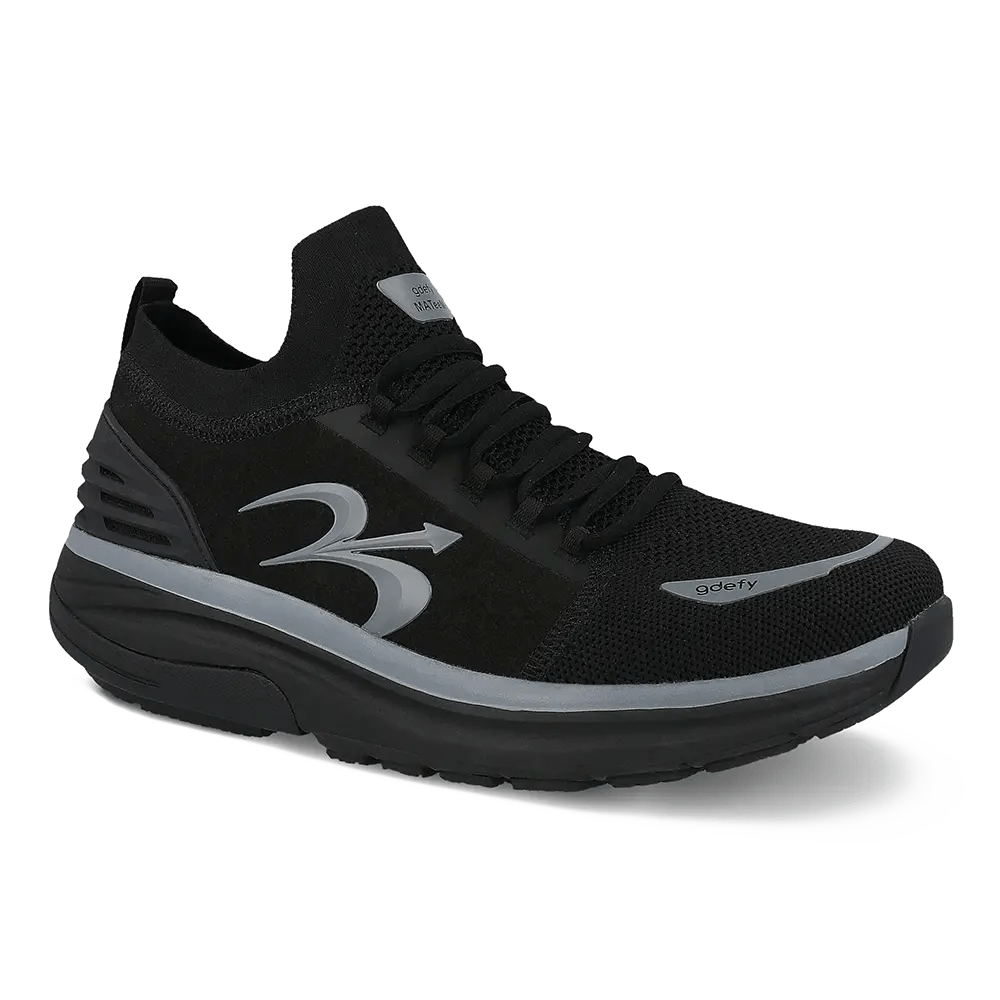
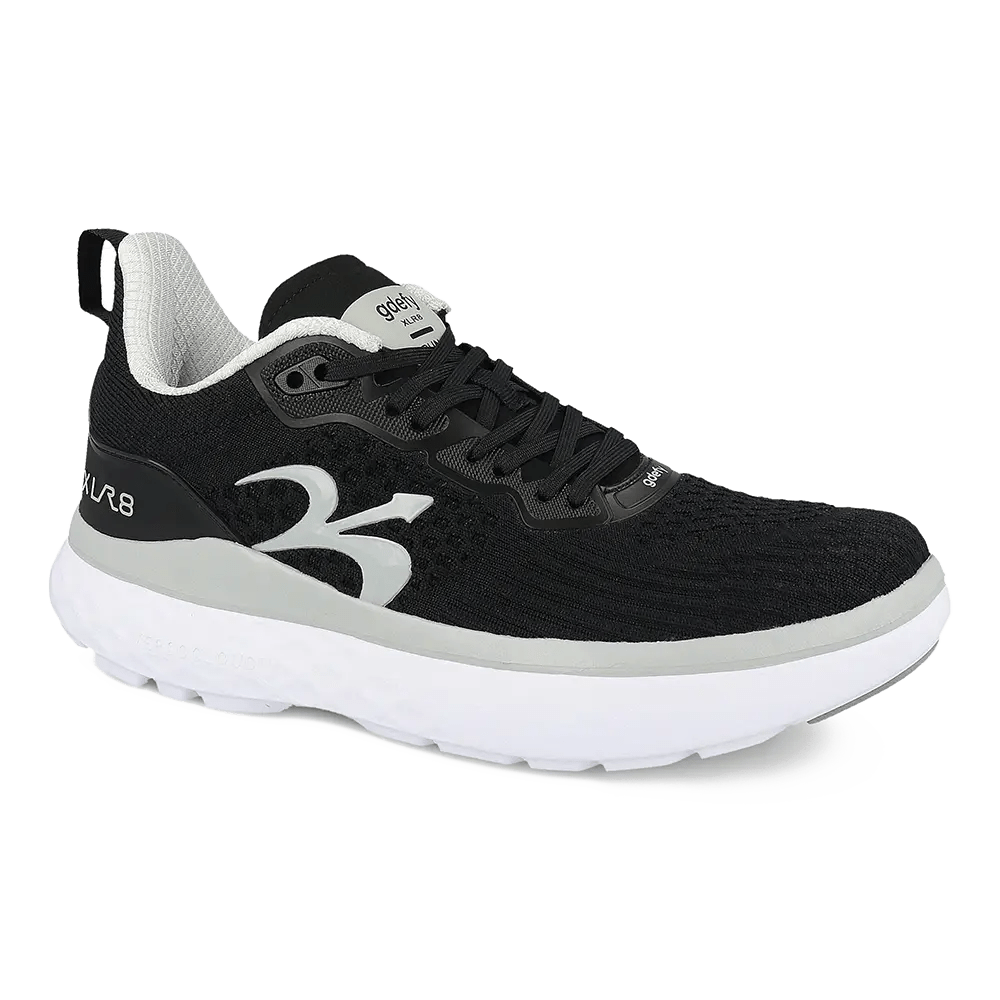
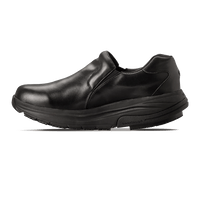
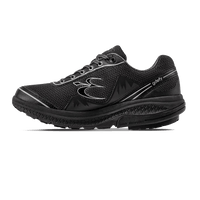
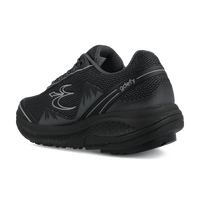
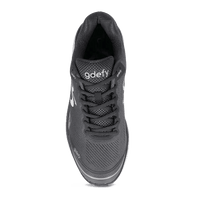
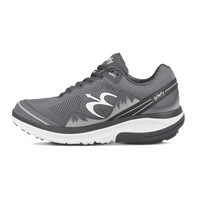
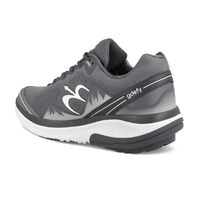
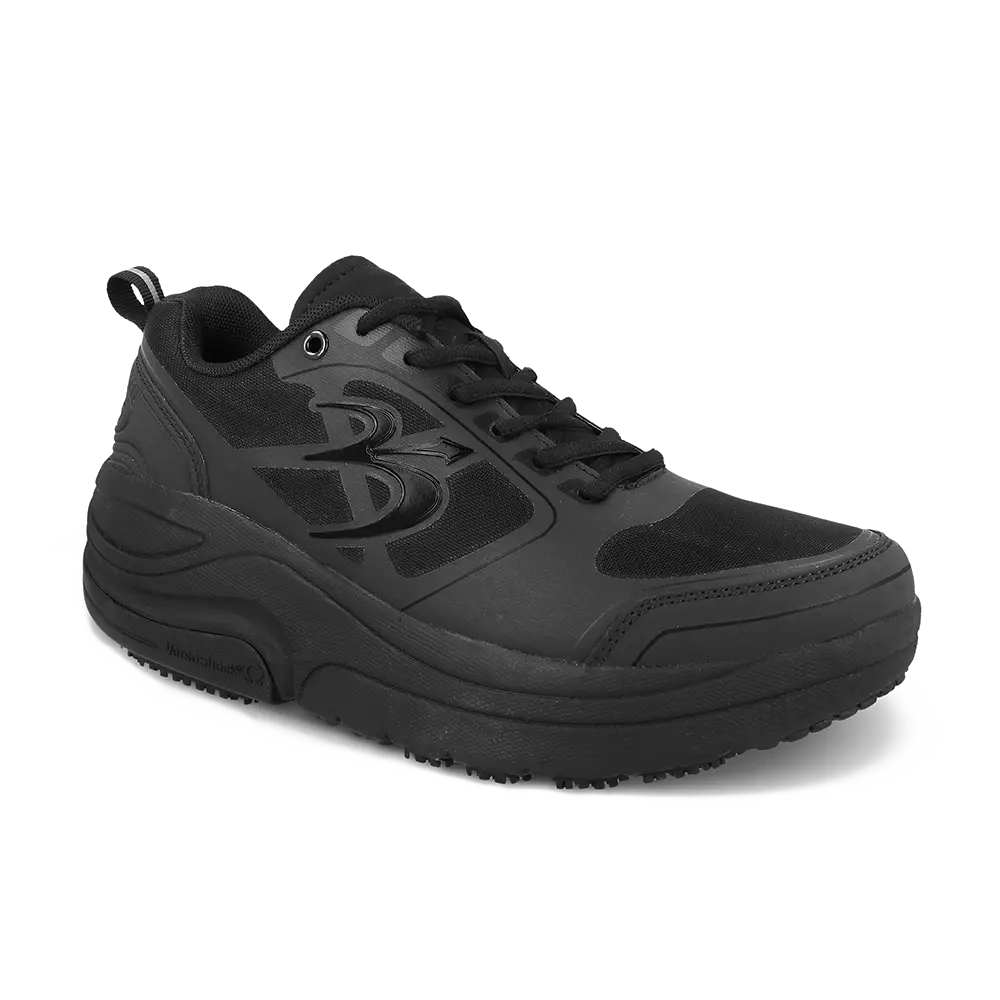
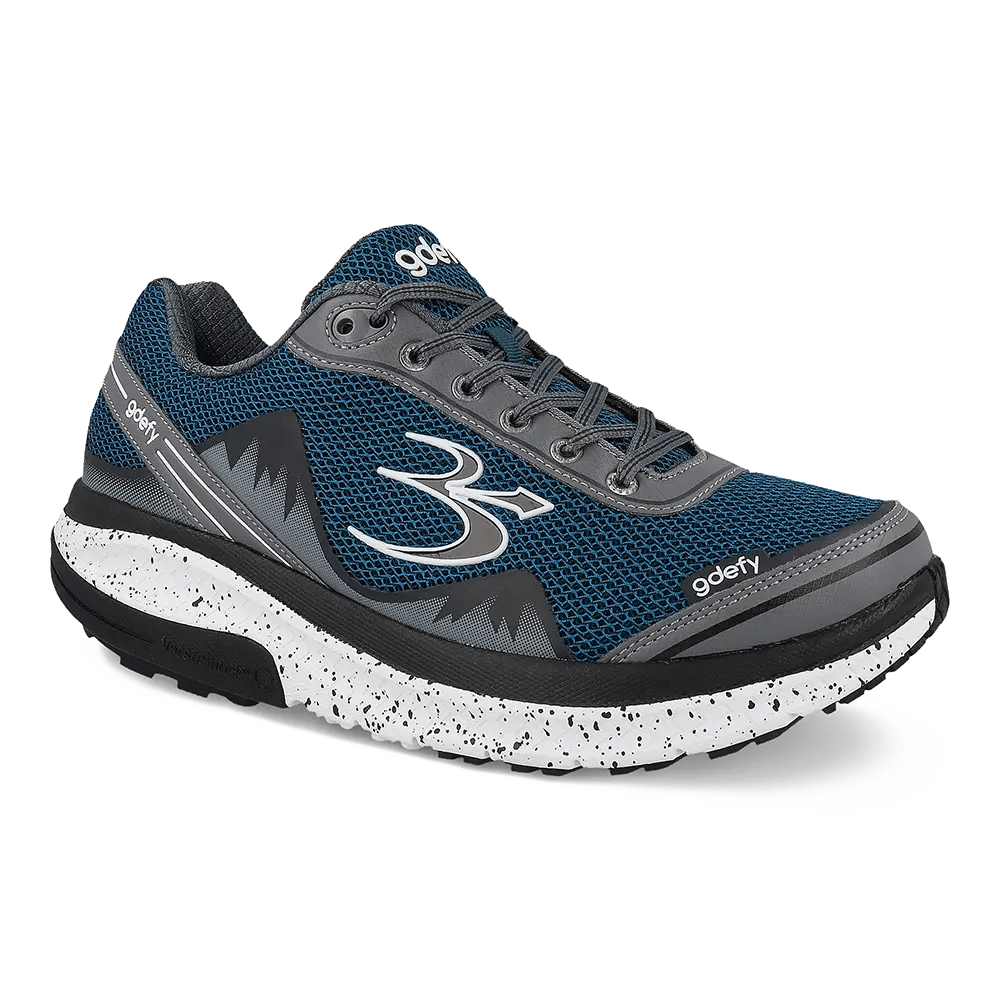
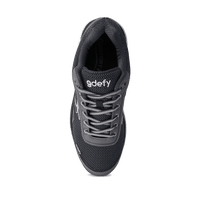
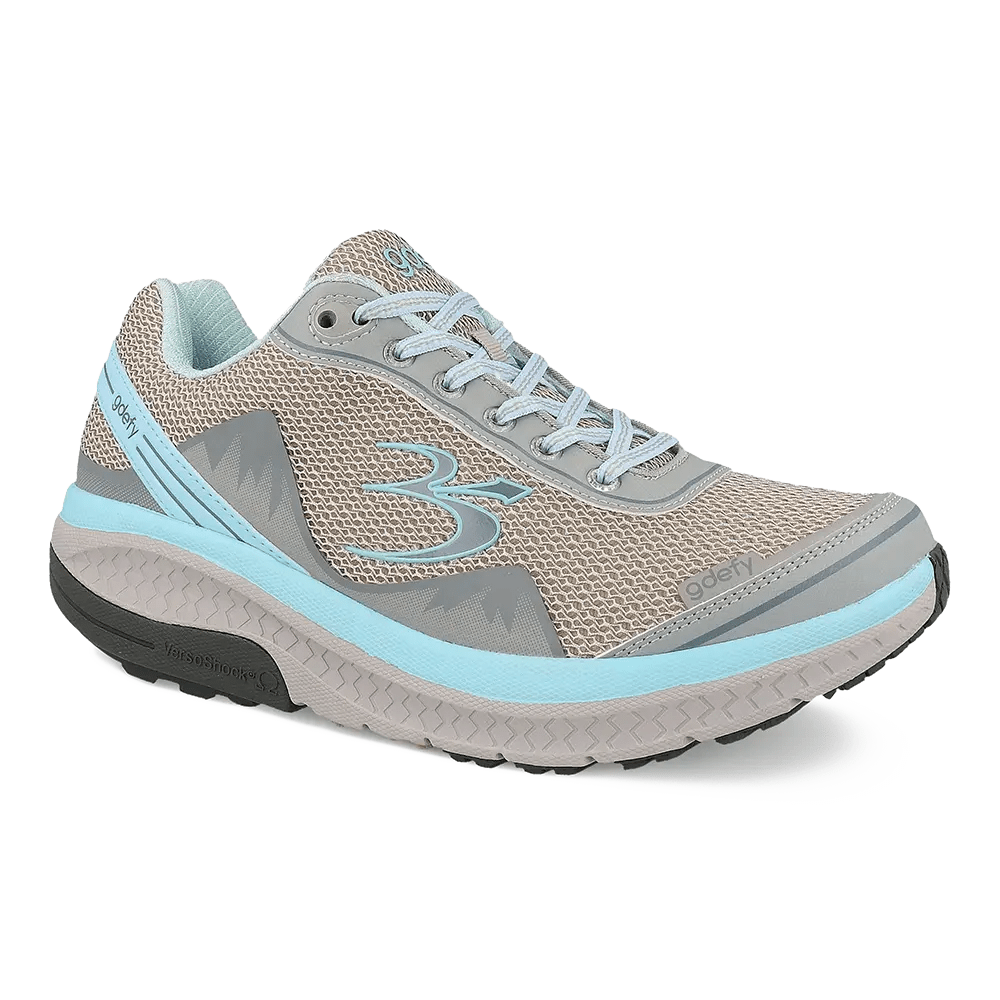
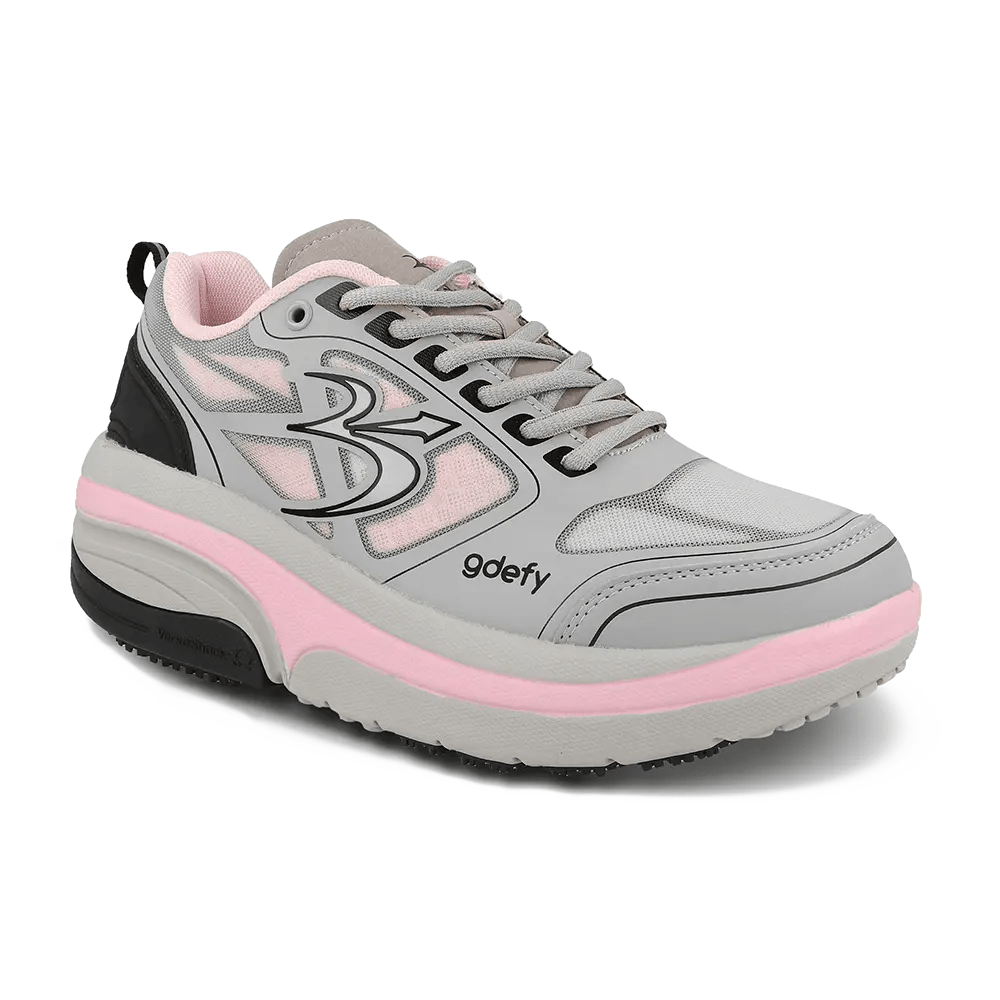
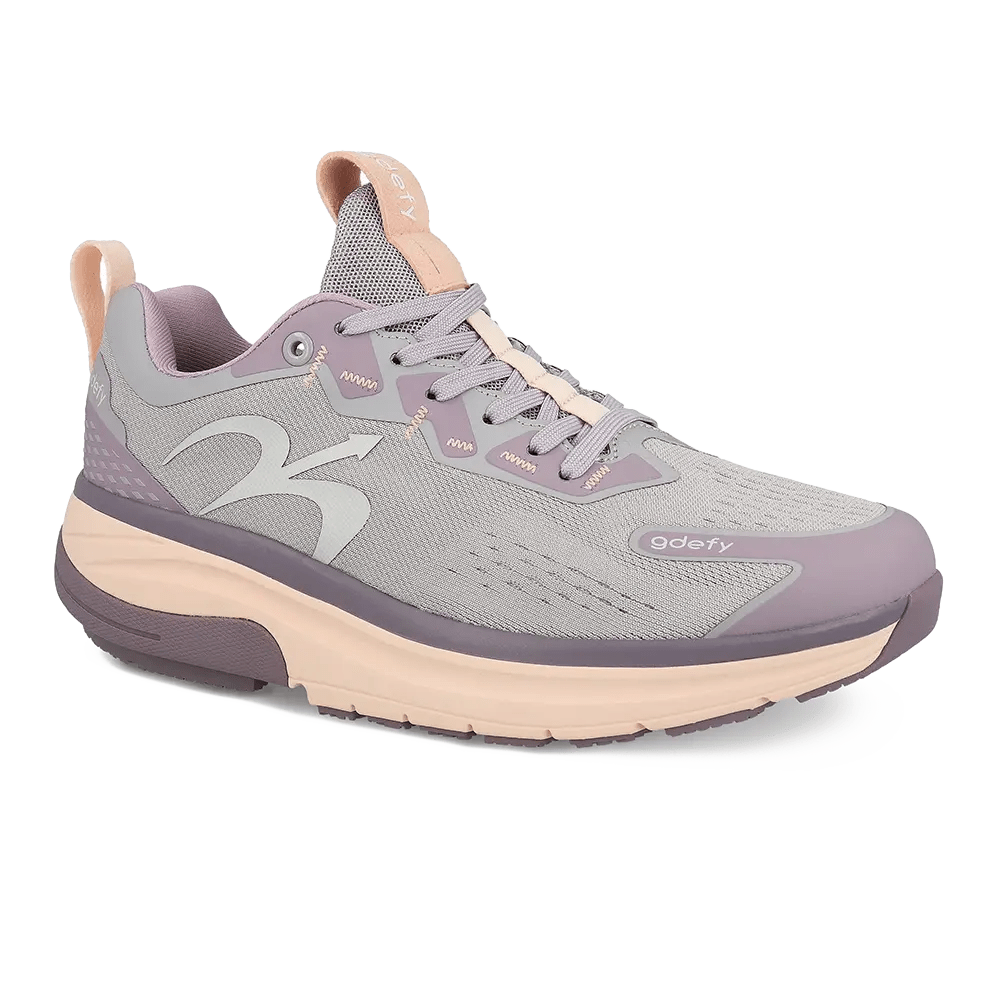
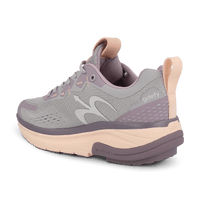
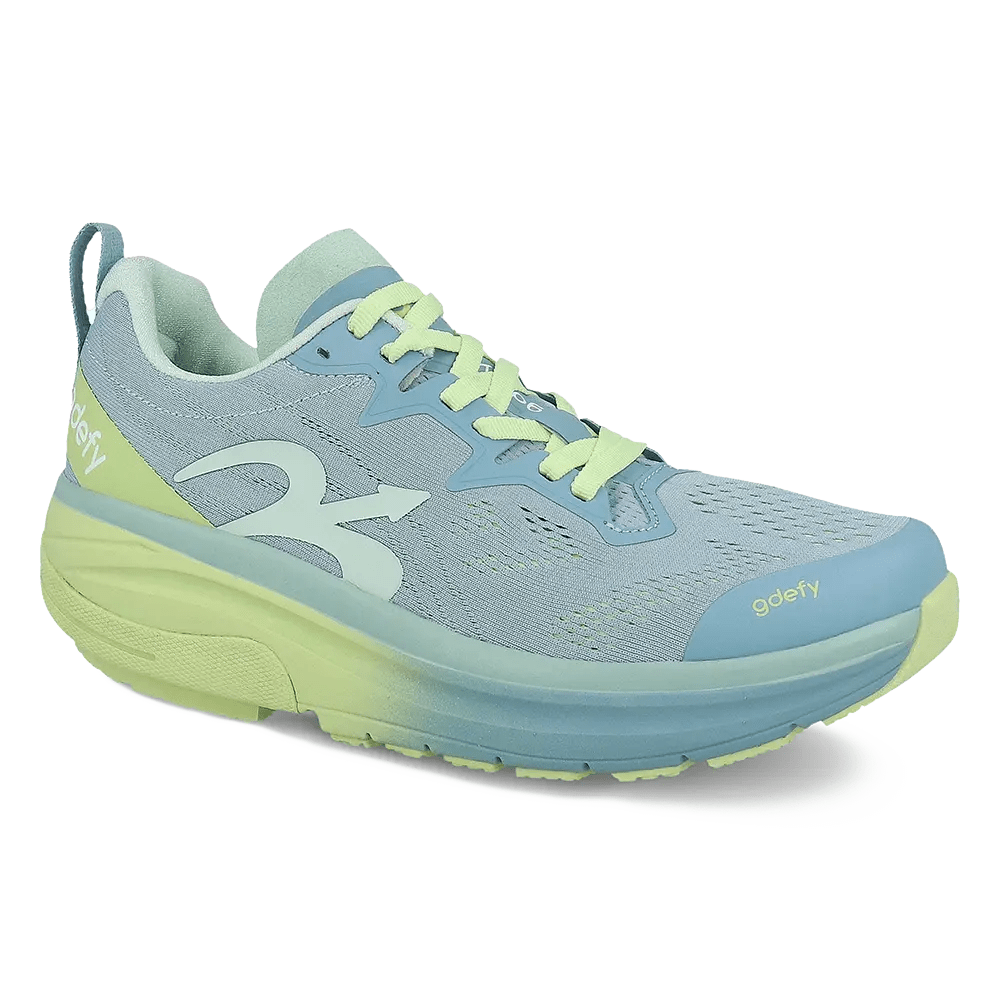
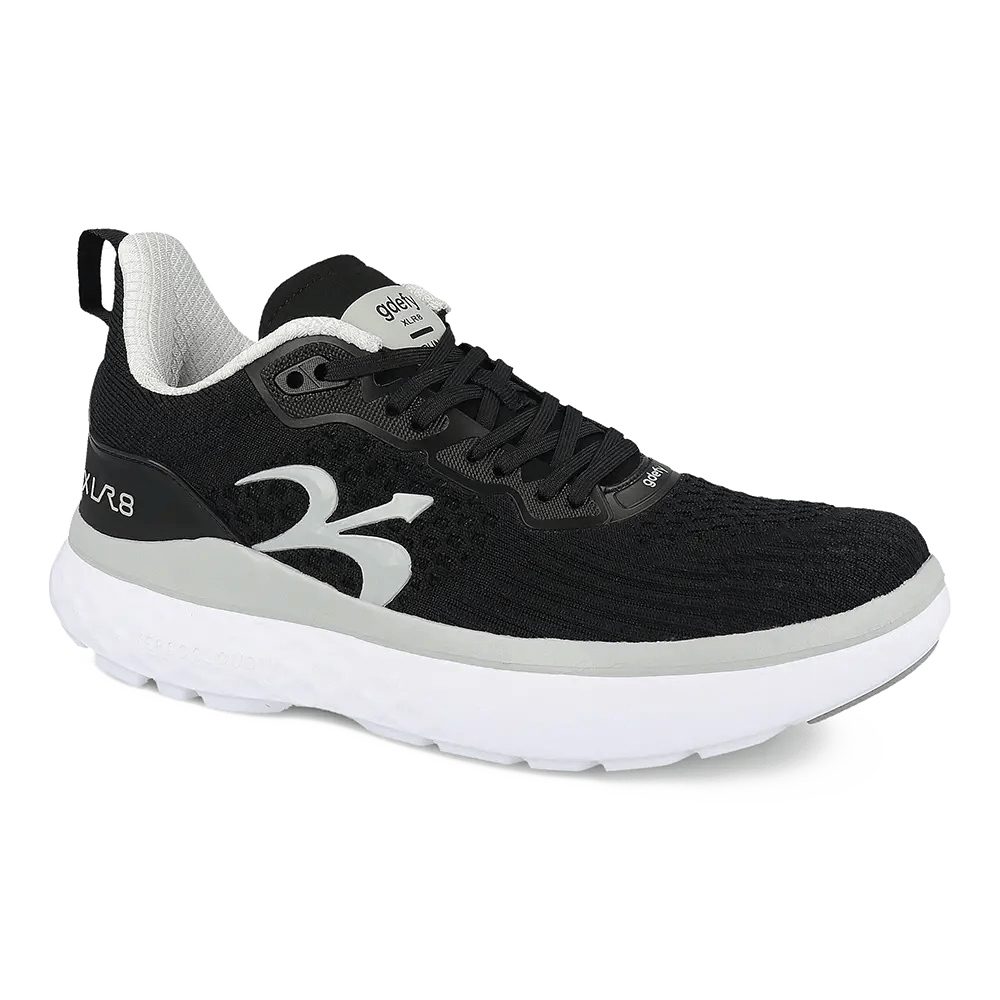
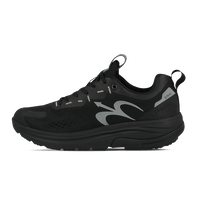
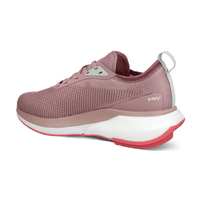
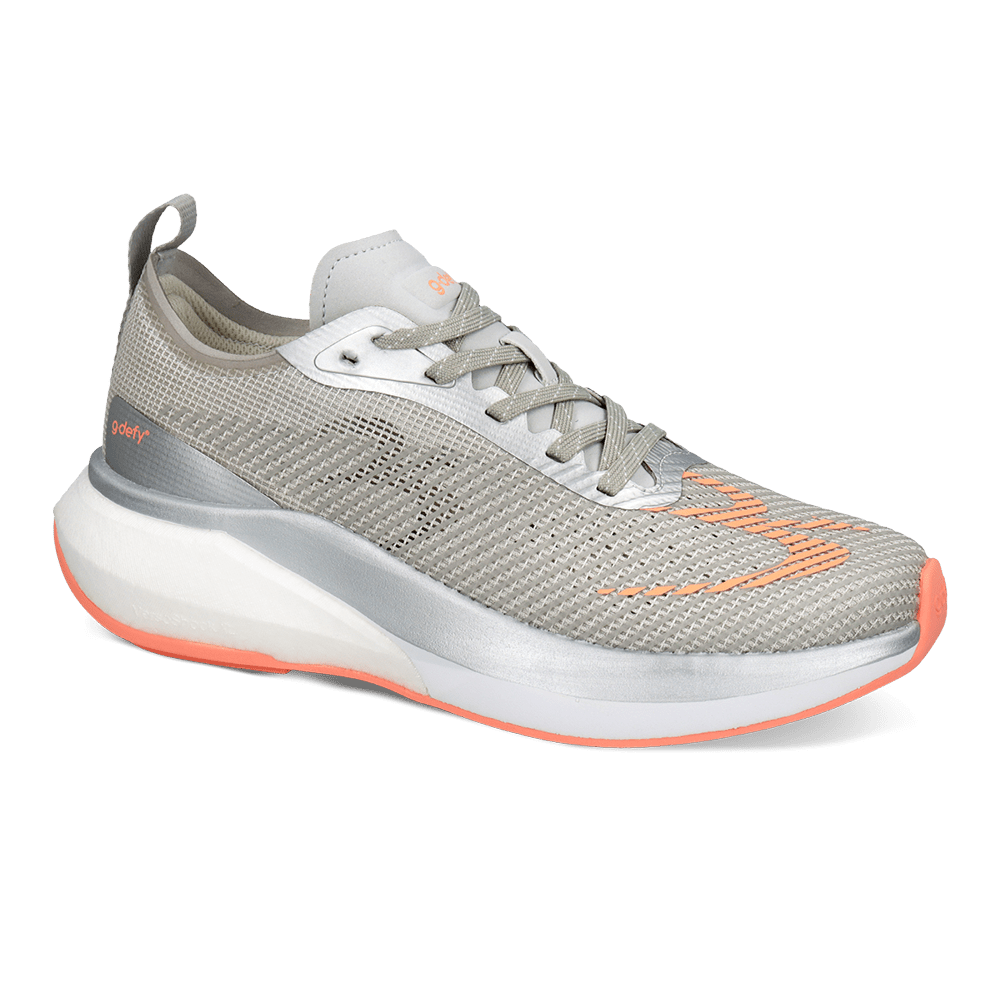
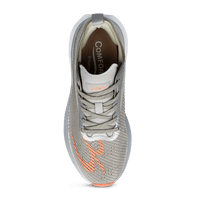
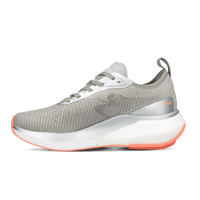
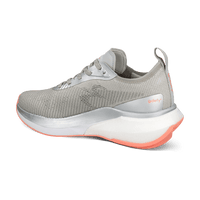
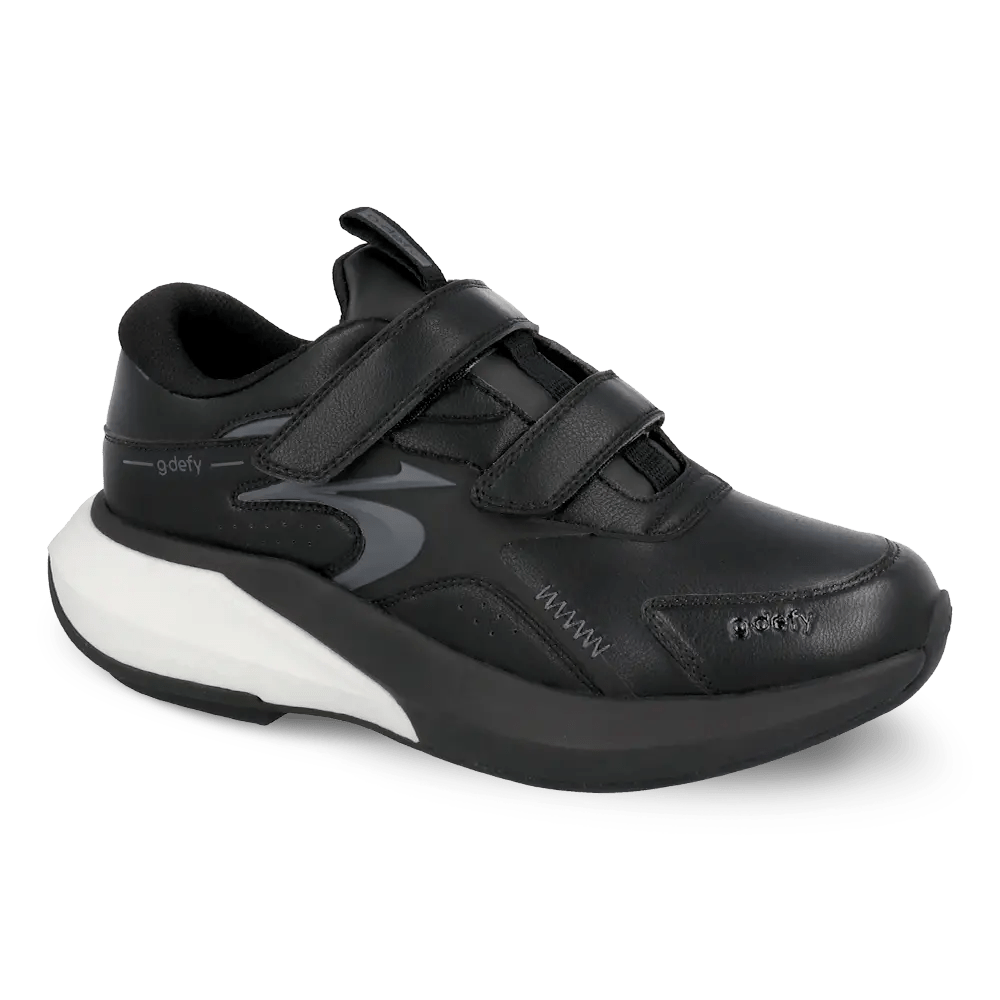
Popular G-Defy models for people managing plantar fasciitis discomfort include the Mighty Walk for everyday walking and all-day wear, and the Ion for a lighter casual option. For those returning to more active movement, the XLR8 Run offers responsive cushioning for walking and light jogging. Learn more at the VersoShock® technology page.
Try G-Defy Risk-Free for 60 Days
Designed for comfort, support, and shock absorption — with free shipping and a full refund guarantee if you're not satisfied.
Shop Women's G-Defy Shoes Shop Men's G-Defy Shoes
Practical Tips for Staying Active With Plantar Fasciitis
If you're navigating plantar fasciitis and want to keep walking or ease back into running, these practical approaches can help support your comfort:
- Start with shorter distances. Rather than jumping back to your previous mileage, begin with manageable stretches and increase gradually. Your foot needs time to adapt to increased activity.
- Choose more forgiving surfaces when possible. Grass, packed dirt, or walking trails are generally easier on the heel than concrete or tile floors.
- Stretch before and after activity. Gentle calf stretches and foot flexibility exercises before walking can help reduce tension on the plantar fascia during your stride.
- Replace shoes before cushioning breaks down. Most walking shoes lose significant shock absorption well before they look worn out. If your shoes have heavy mileage on them, they may no longer be providing the support they were designed to deliver.
- Give your feet rest time mid-day. Extended periods of standing without breaks add strain. Short seated rest periods help your foot recover between activity bursts throughout the day.
Frequently Asked Questions
Is it okay to walk with plantar fasciitis?
Walking is generally fine for most people experiencing plantar fasciitis, especially when wearing supportive footwear. Shoes designed with cushioning, arch support, and shock absorption may improve overall comfort during daily walking and standing. If your discomfort is severe or worsening, consult a healthcare provider before increasing activity.
Can better shoes help with plantar fasciitis comfort?
Footwear designed with proper shock absorption and arch support may improve overall comfort during walking and prolonged standing. Shoes alone are not a medical solution, but they play a supporting role in how comfortable your feet feel throughout the day.
How do I know when to replace my walking shoes?
When the cushioning no longer feels responsive and your foot begins to feel more impact with each step, it's usually time for a replacement. Most walking shoes benefit from replacement every 300–500 miles of use, or roughly every 6–12 months depending on your activity frequency.
Conclusion
Plantar fasciitis doesn't have to mean the end of staying active. While footwear isn't a medical solution, choosing shoes designed for comfort, support, and shock absorption can make a meaningful difference in how your feet feel during walking and daily movement.
G-Defy customers with plantar fasciitis tell us — in their own words — that better-designed shoes helped them walk more comfortably, go farther, and gradually return to the activities they enjoy. That's what the right footwear is designed to do.
Try G-Defy with our 60-day risk-free trial — free shipping included. Browse the full men's and women's G-Defy collection to find the right fit for your lifestyle.