
May 09, 2026
Why Morning Heel Pain Happens and How the Right Shoes Help
By Gdefy

Summary
Many people wake up, swing their feet to the floor, and feel a sharp jolt under the heel with the very first step of the day. By the time they're showered and dressed, the discomfort has often softened — only to return again the next morning. While footwear isn't a medical solution, the right design can play an important role in how your feet feel during those first steps and throughout the rest of the day.
This guide walks through why morning heel pain tends to happen, what to look for in supportive walking shoes, and how G-Defy's VersoShock® technology and dual orthotic system are engineered for everyday comfort and shock absorption.
What Causes Heel Discomfort in the Morning
Morning heel discomfort is one of the most common foot complaints adults over 40 report. While it can have many origins, a few patterns show up again and again in active adults who spend long hours on their feet.
Tight Soft Tissue After Hours of Rest
While you sleep, the soft tissue along the bottom of the foot — including a thick band called the plantar fascia — settles into a shortened, relaxed position. The first time you stand up, that tissue is suddenly stretched as your body weight loads onto the heel. This rapid stretch is one of the most frequently described sources of that sharp first-step sensation.
After ten or twenty minutes of walking, the tissue typically warms up and the discomfort eases. Then it returns the next morning — a cycle that can repeat for weeks or months without the right combination of footwear, movement habits, and rest.
Daily Impact From Walking and Standing
Every step you take sends a force into the heel that travels up through the foot, the lower leg, the knee, and the spine. On hard surfaces — concrete sidewalks, tile floors, warehouse decks — that force is repeated thousands of times a day. Without adequate cushioning underfoot, the heel absorbs more of the impact than it was designed to handle.
Over time, accumulated impact can leave the heel feeling tender even when you're at rest, which is part of why discomfort often shows up most strongly in the morning, after the foot has had a chance to settle into a sensitive, unloaded state.
Shoes That No Longer Support the Foot
Foam midsoles compress with use. A walking shoe that felt cushioned six months ago may now offer significantly less shock absorption, especially under the heel where the most weight lands first. Worn-down soles, flattened insoles, and shoes that lack a structured heel cup can all contribute to morning discomfort by leaving the heel without the cushioning and stability it needs throughout the day.
Flat-soled fashion shoes, thin-soled flats, and footwear without arch support are particularly hard on the heel because they leave the plantar fascia under near-constant tension during weight-bearing activity.
Long Hours on Your Feet
Teachers, nurses, retail workers, warehouse staff, and anyone else who spends most of the day standing accumulates significant impact through the heel. The same goes for active adults who walk the dog every morning, garden through the afternoon, and chase grandkids in the evening. By the time the body finally rests, the soft tissue along the foot has been working hard for twelve or more hours.
The next morning, that overworked tissue often greets you with a sharp first-step reminder.

What to Look for in Shoes That Help With Morning Heel Comfort
When you're choosing walking shoes for everyday wear — especially if morning heel discomfort has become a regular pattern — a handful of design features matter more than others.
Thick, Responsive Cushioning Under the Heel
The heel is where most of the impact lands. Look for a shoe with a generous cushioning layer under the heel that absorbs impact softly rather than transmitting it straight into the foot. Foam shoes can offer cushioning, but standard foam tends to compress with each step and lose energy. A spring-based system can absorb impact and return energy, helping each step feel softer and more responsive.
A Structured Heel Cup
A well-designed heel cup hugs the back of the foot, holds the heel in place, and prevents excessive side-to-side motion. This stability matters because a heel that slides around inside the shoe creates micro-strain on the soft tissue with every step. A snug, supportive heel cup helps keep the foot aligned and reduces the small repetitive movements that can aggravate sensitive tissue.
Built-In Arch Support
The plantar fascia runs from the heel to the ball of the foot, and arch support changes how that tissue is loaded with each step. A shoe that supports the arch helps distribute weight across the whole foot rather than letting the heel and the ball carry the bulk of it. Removable orthotics add another layer of customization — a low-arch orthotic provides extra cushioning, while a higher-profile orthotic adds more structure.
Shock Absorption That Lasts
Look for a sole technology designed specifically to absorb impact and return energy with each step. Standard foam degrades quickly under the kind of repeated impact that walking on hard surfaces produces. A more durable shock-absorbing system — one that doesn't compress permanently after a few months of wear — helps maintain that protective layer between your heel and the ground.
A Smooth Heel-to-Toe Transition
A rolling sole design encourages a natural forward motion from heel strike to toe-off. This smooth transition reduces the abrupt loading that flat soles create at the heel. Combined with a structured shank, a rolling sole helps the foot move through each step with less effort and less impact concentration.
Proper Fit With Room in the Toe Box
Shoes that pinch the toes can change how the foot loads, shifting more weight backward onto the heel. A roomier toe box lets the toes spread naturally, which supports a more balanced weight distribution from heel to ball with each step.
How G-Defy Shoes Are Designed for Heel Comfort
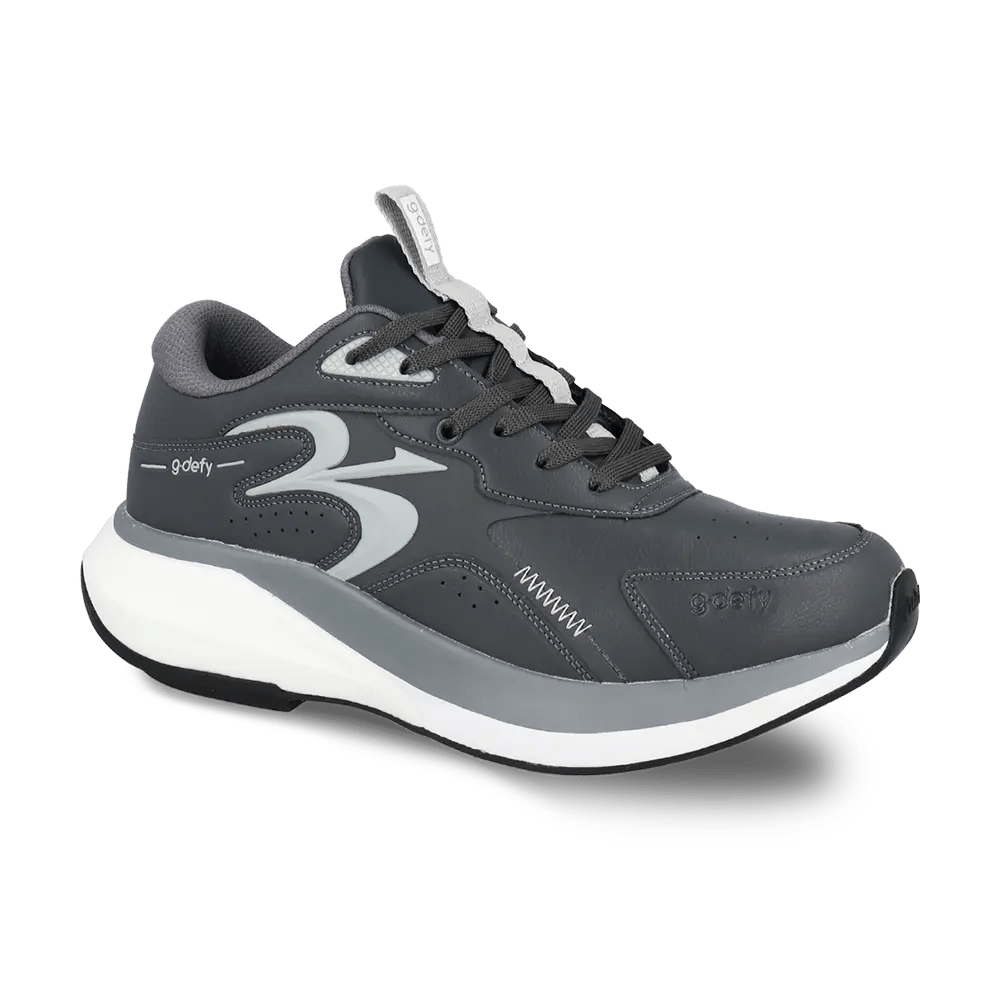
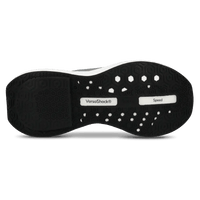
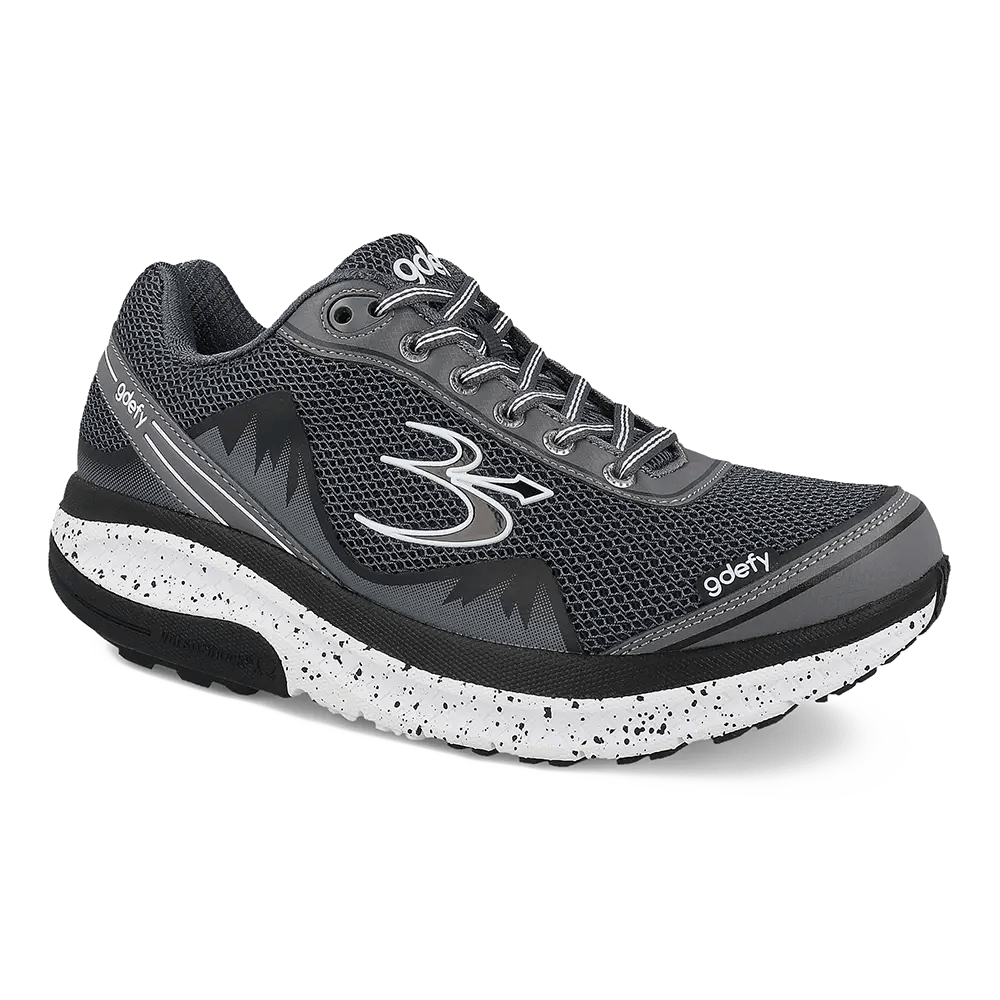
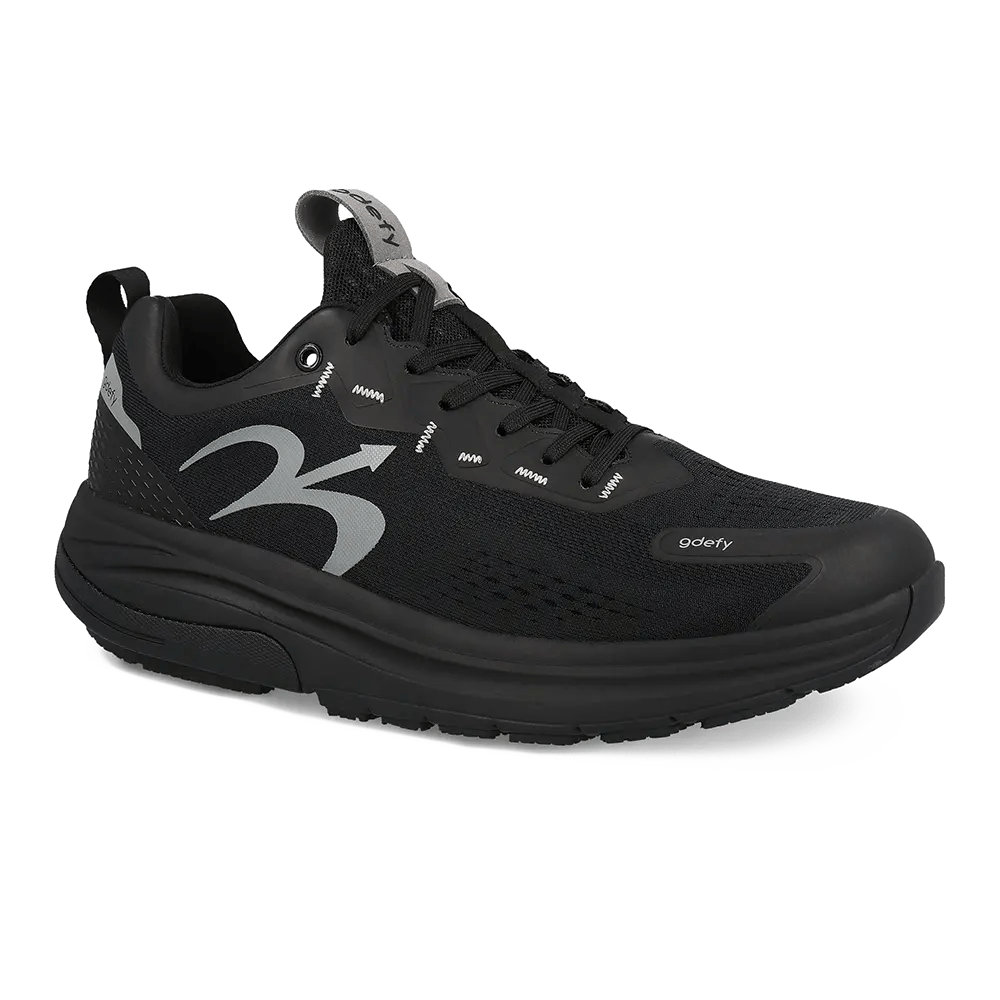
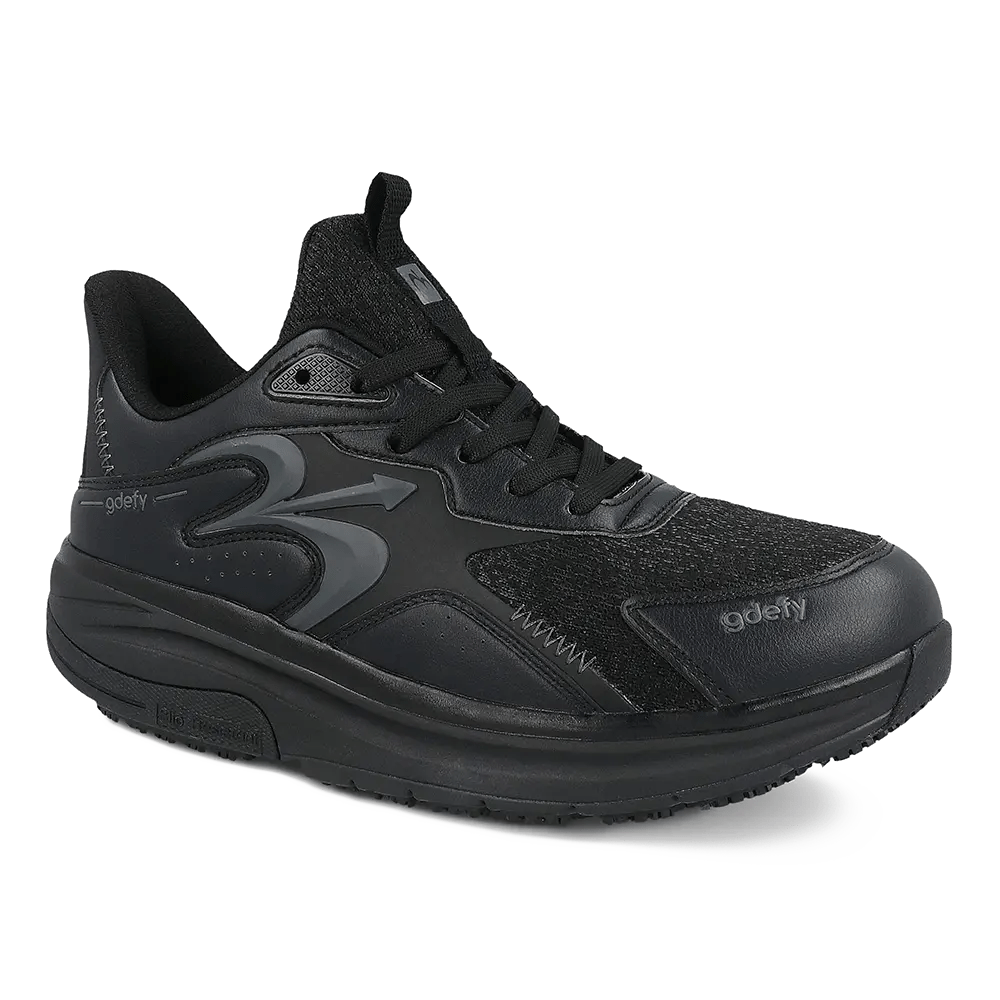
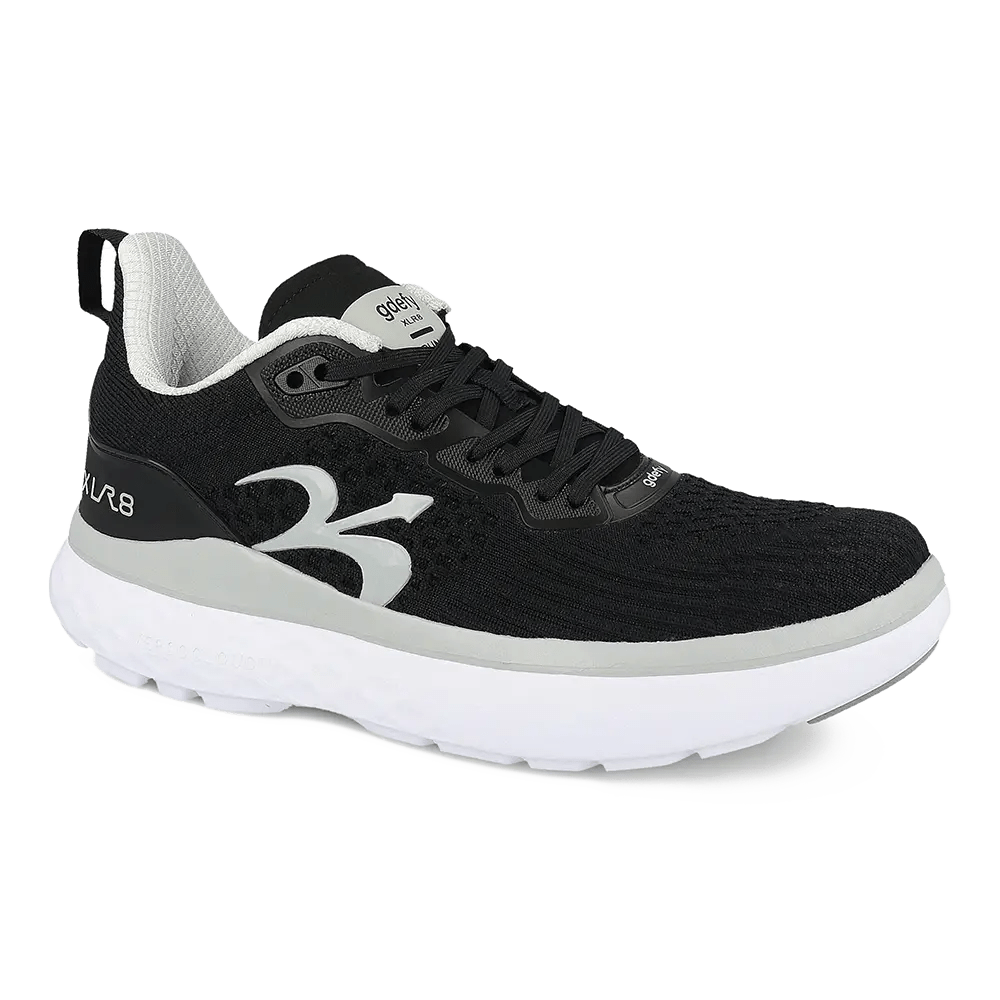
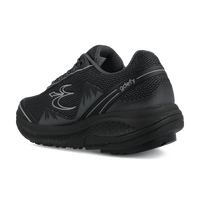
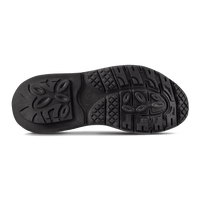
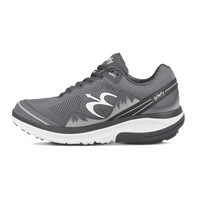
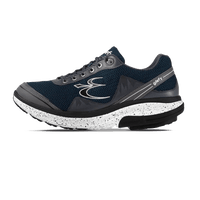
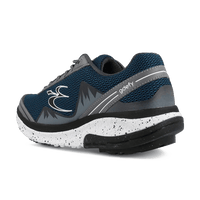
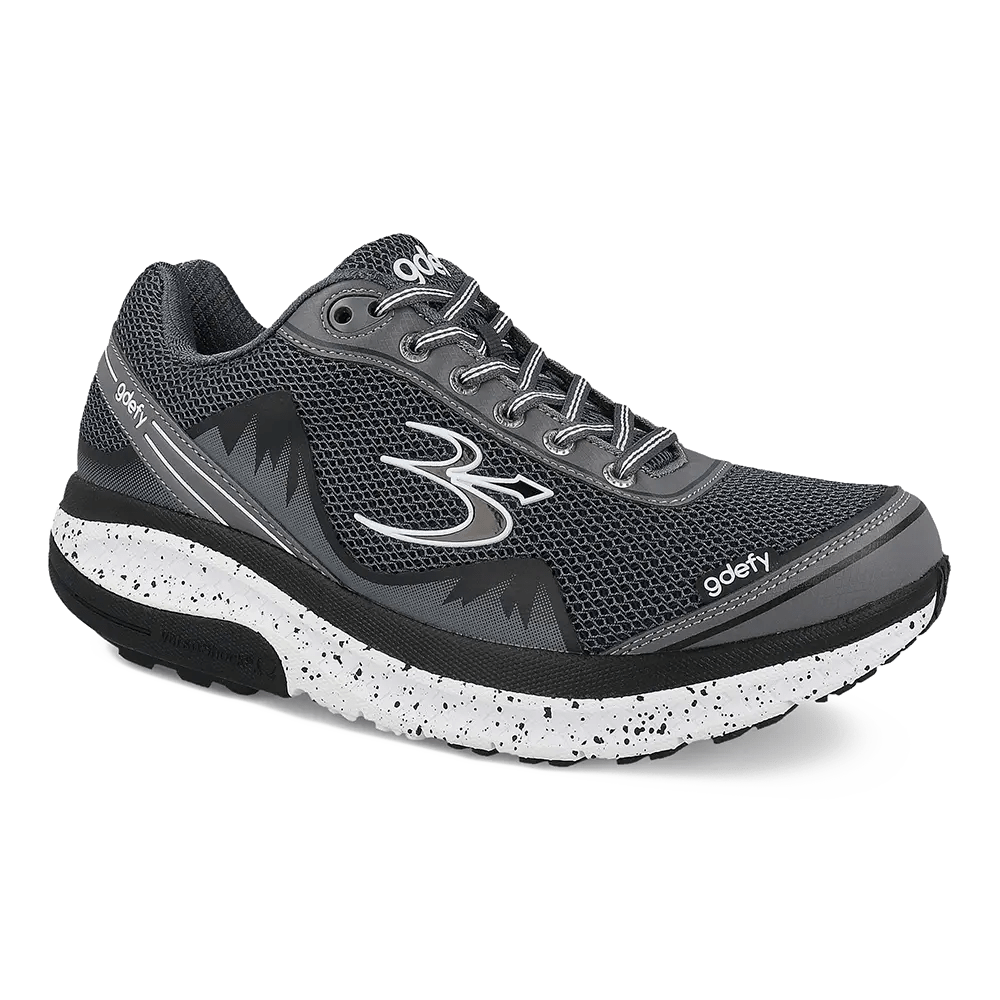
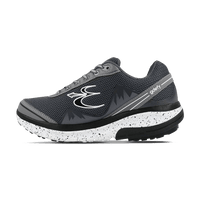
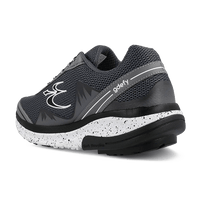
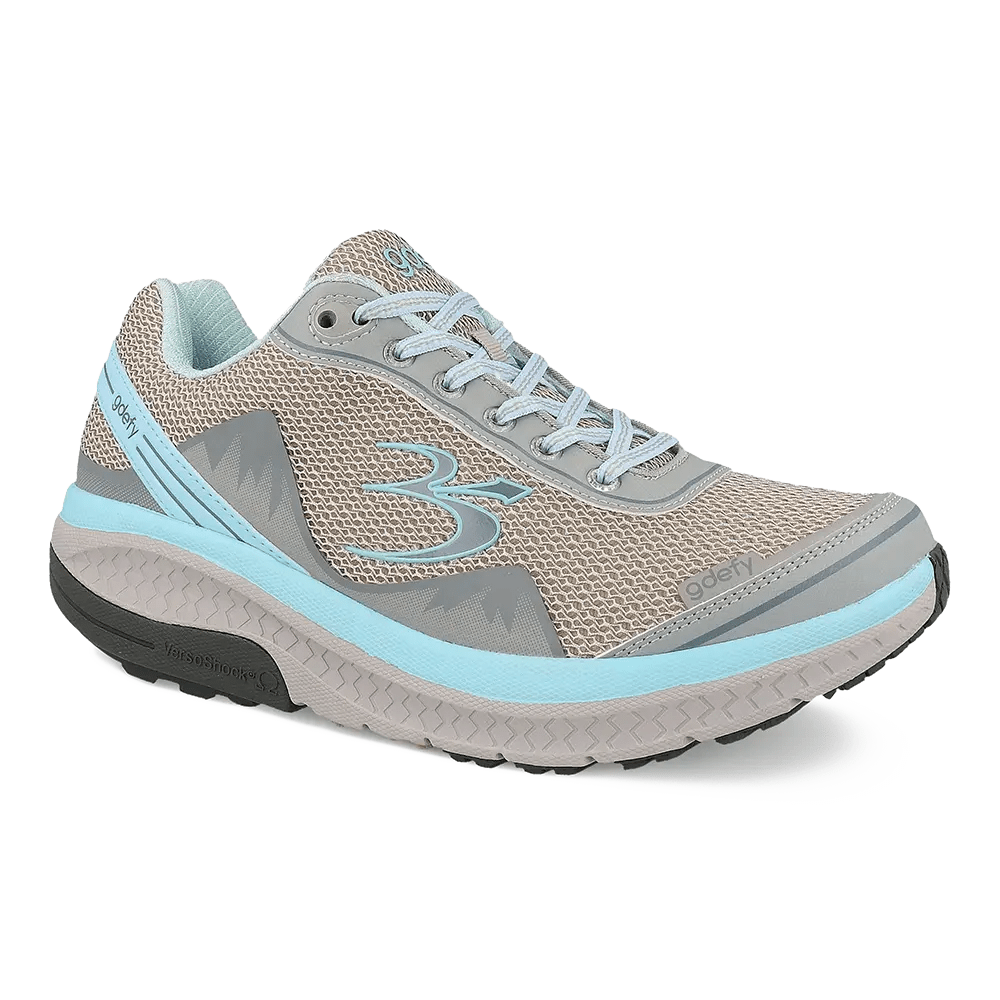
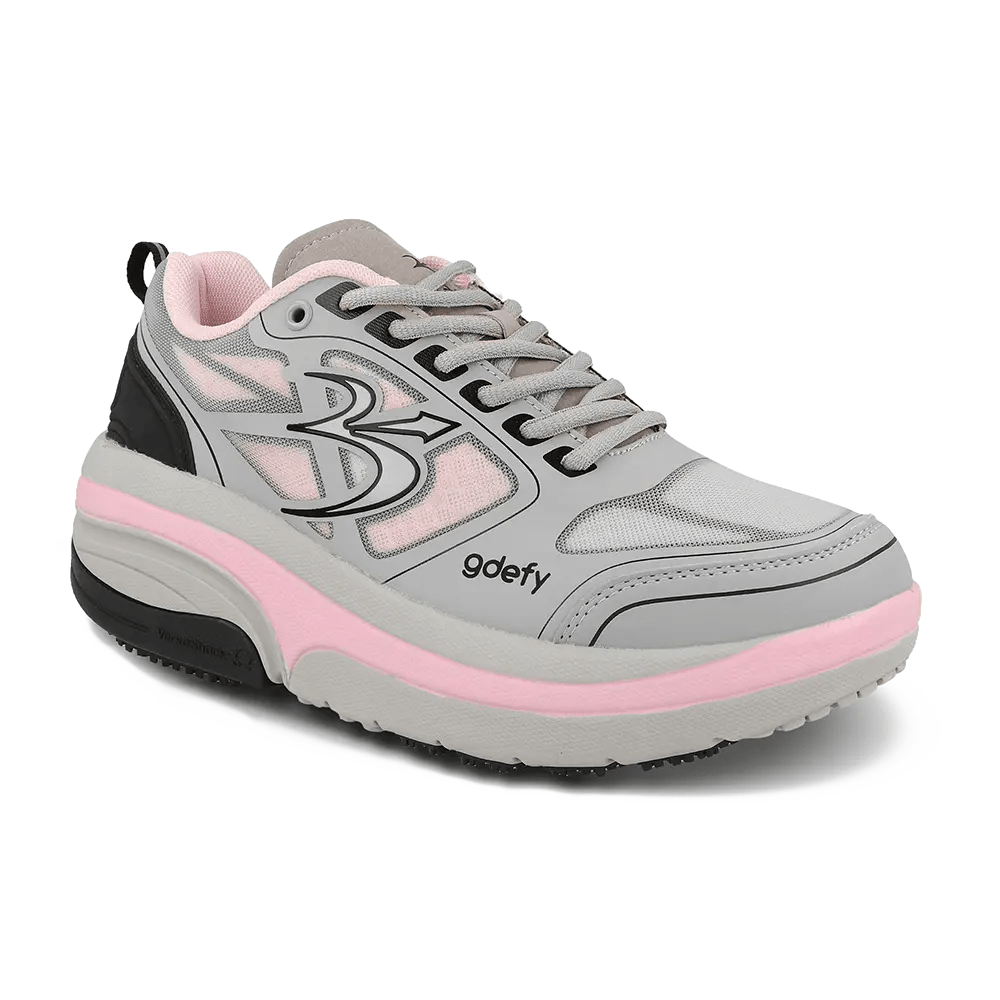
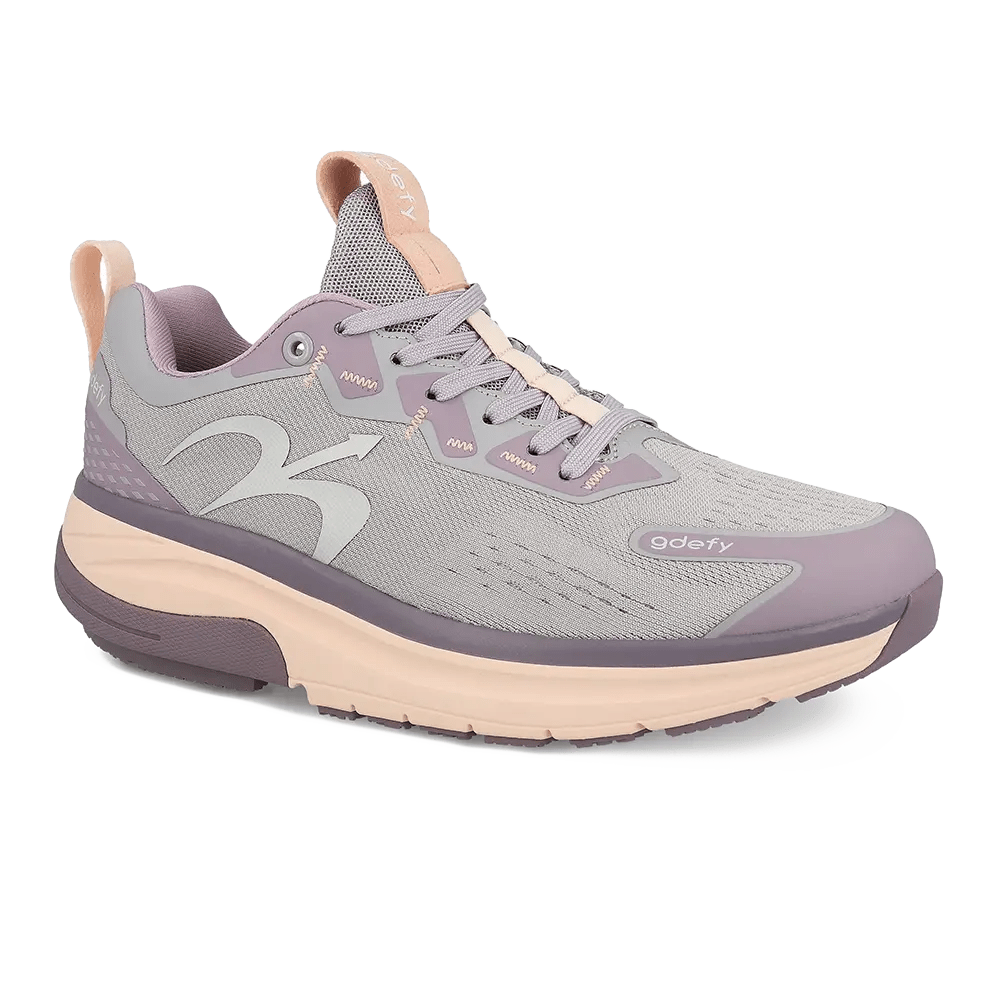
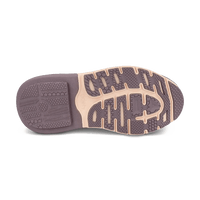
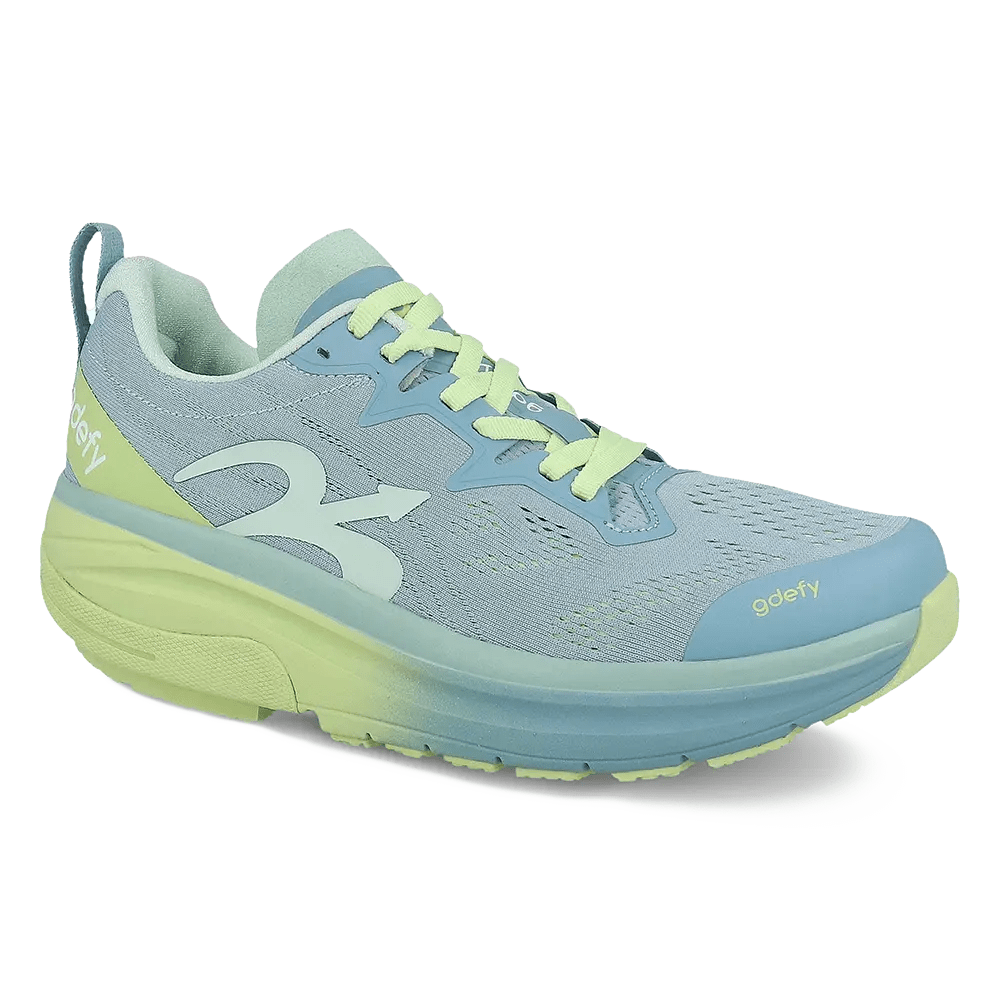
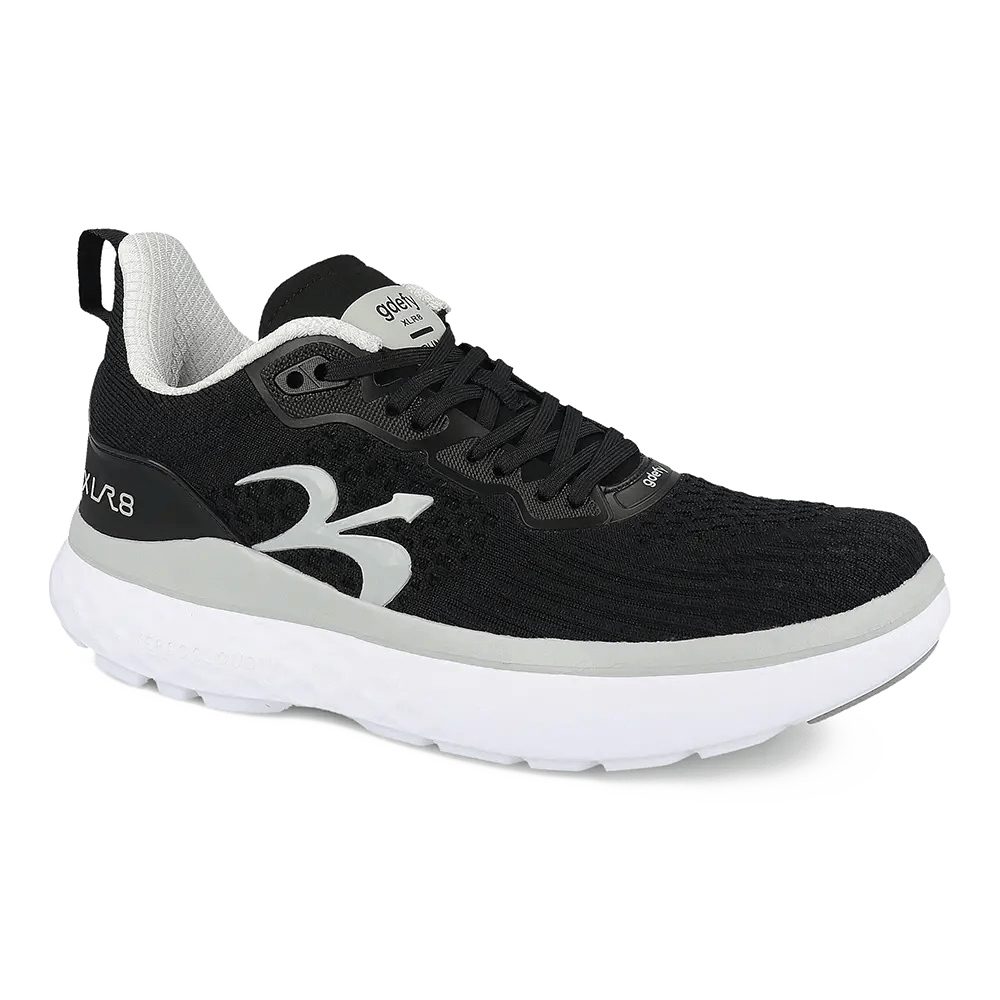
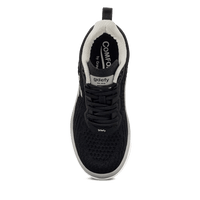
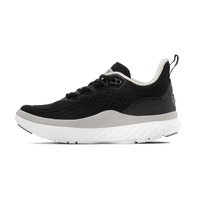
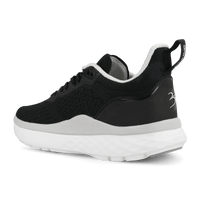
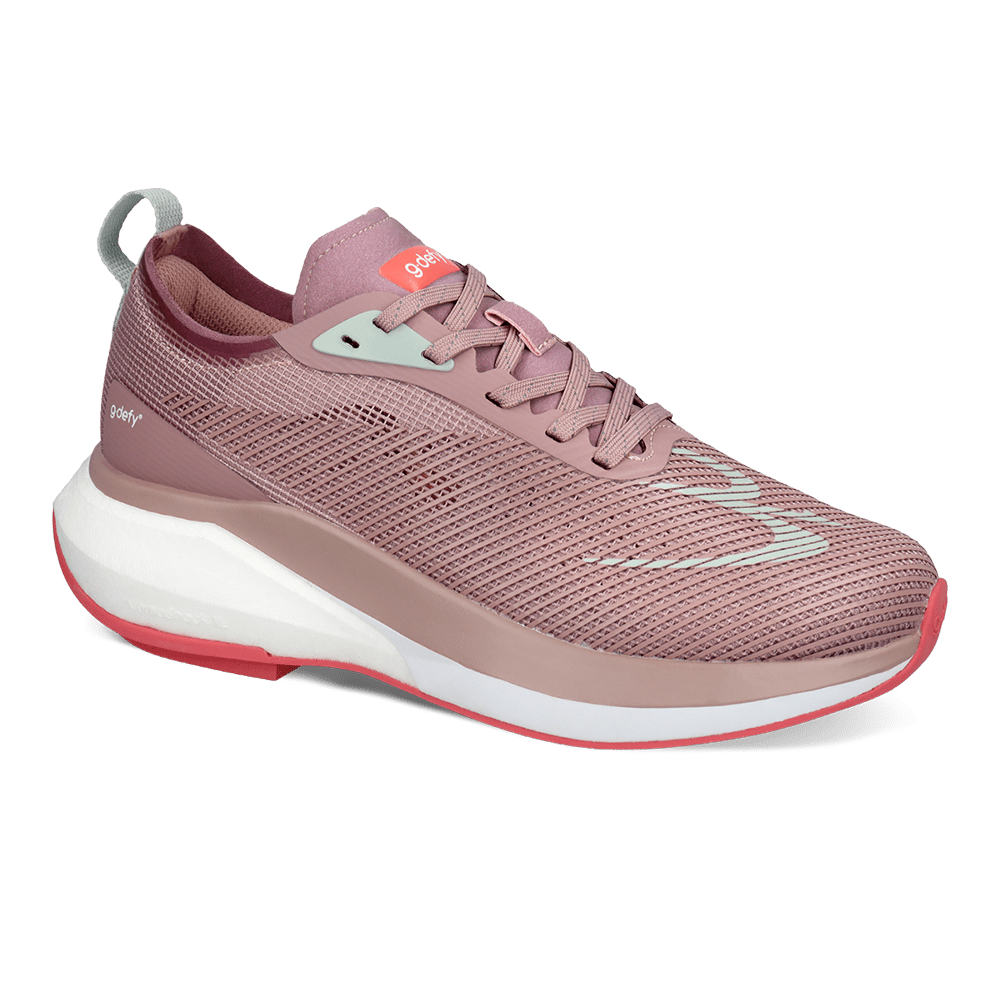
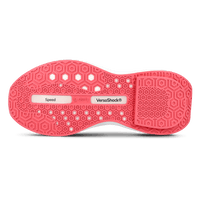
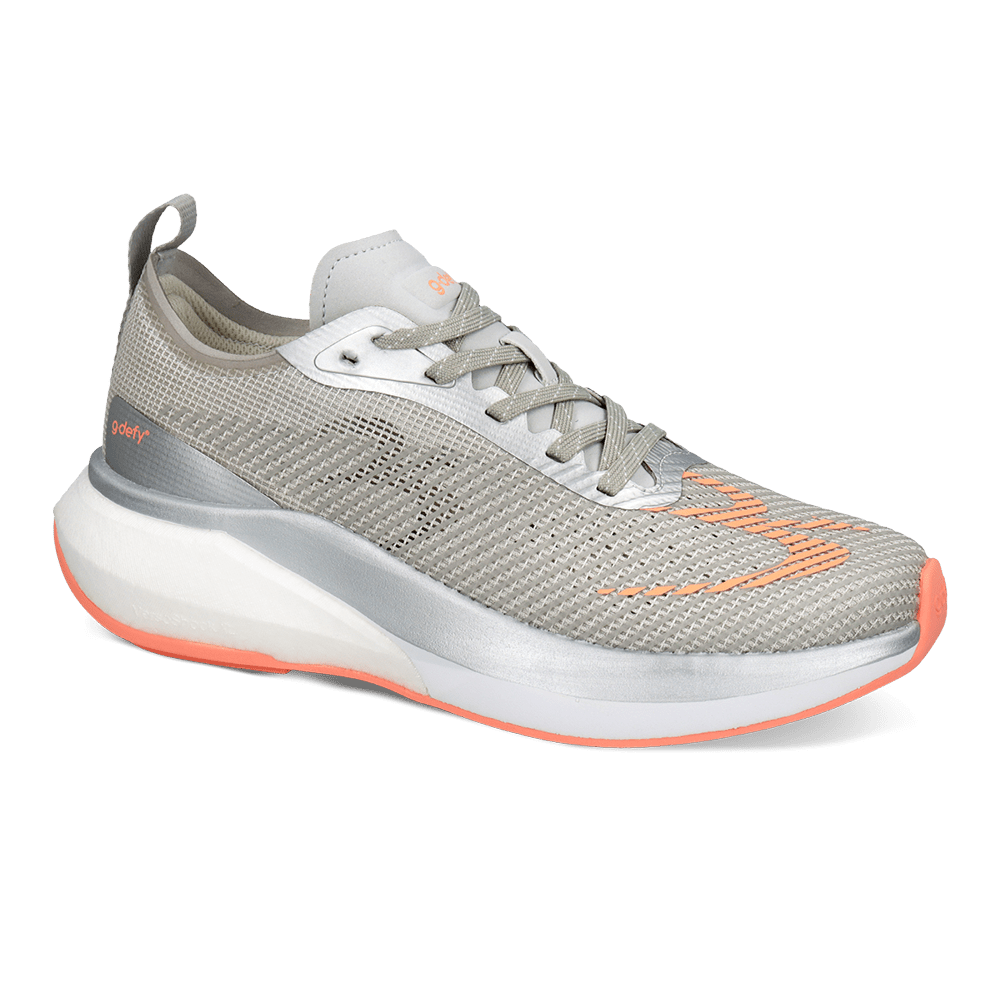
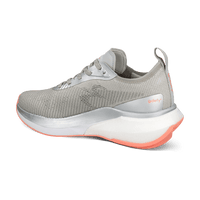
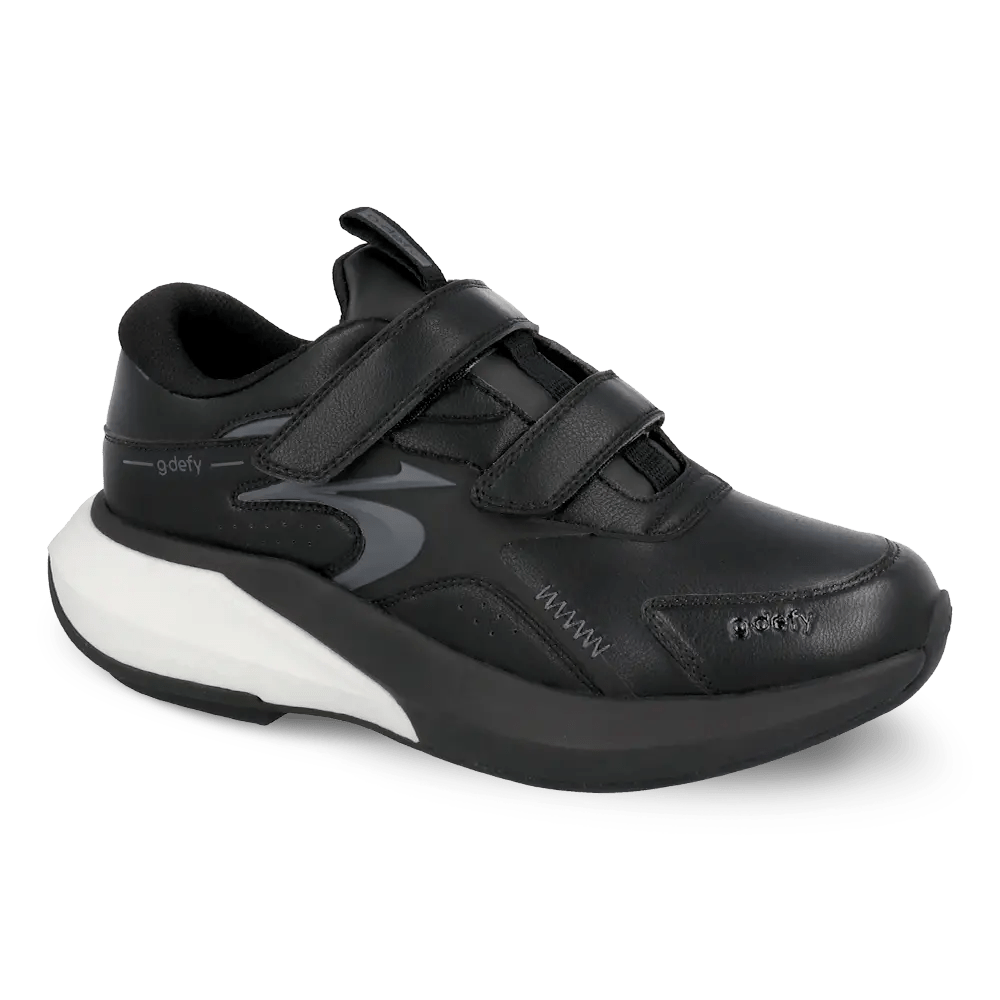
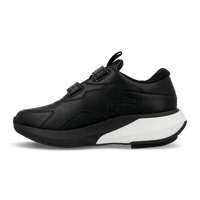
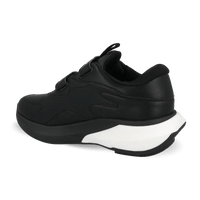
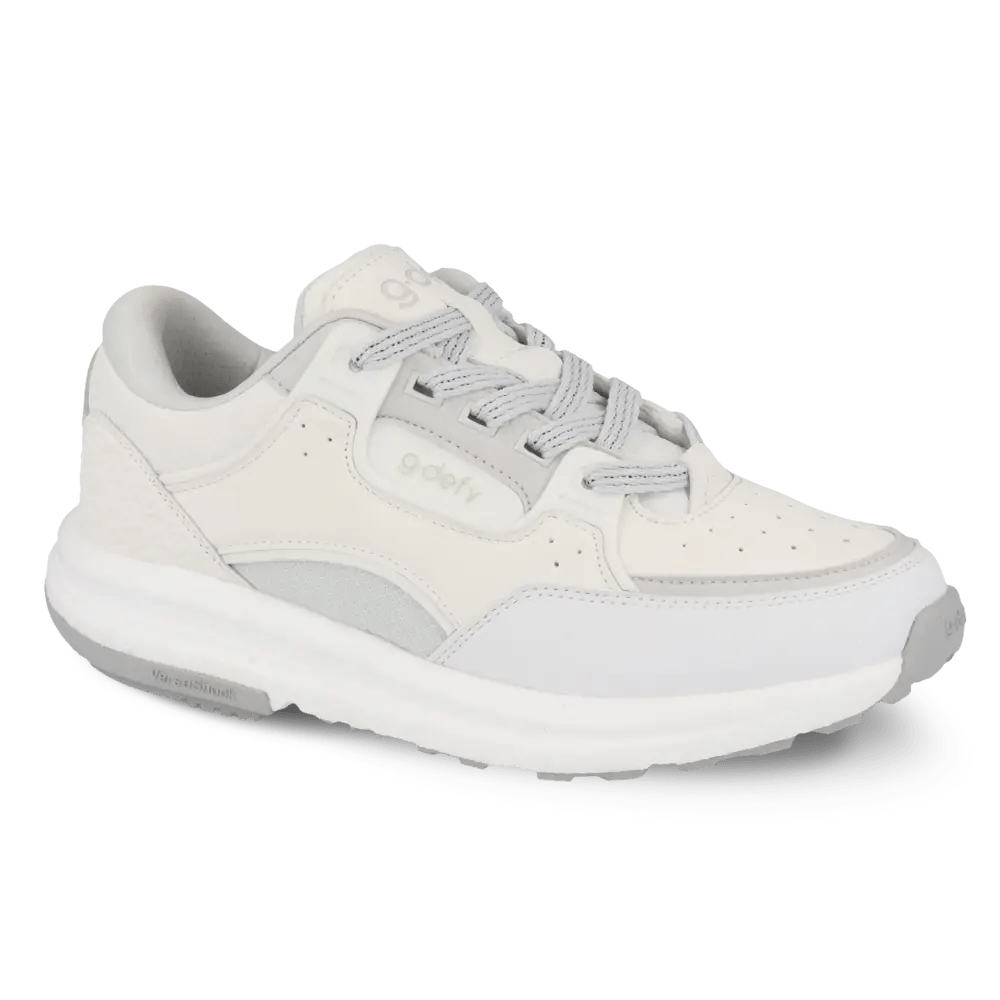
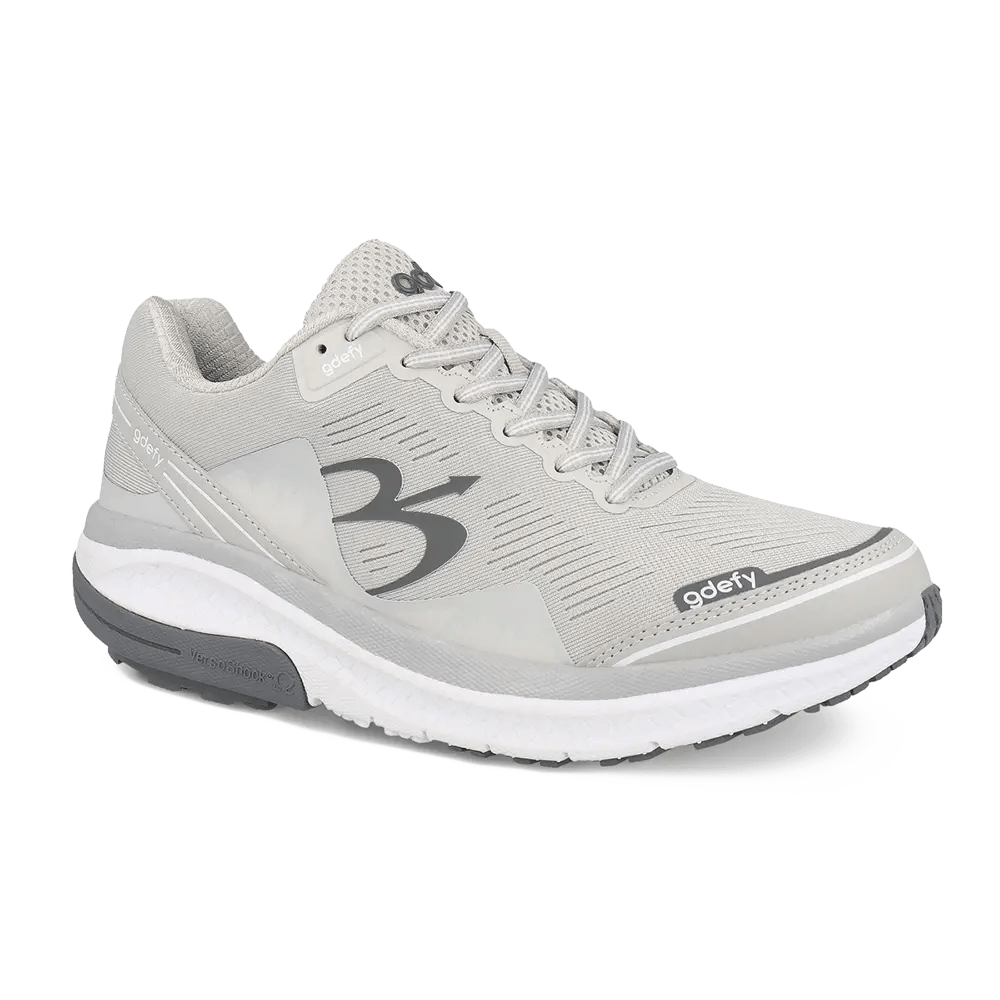
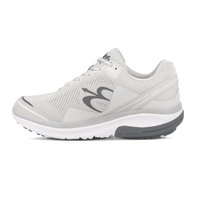
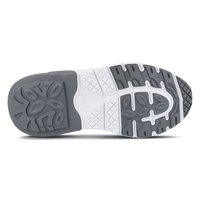
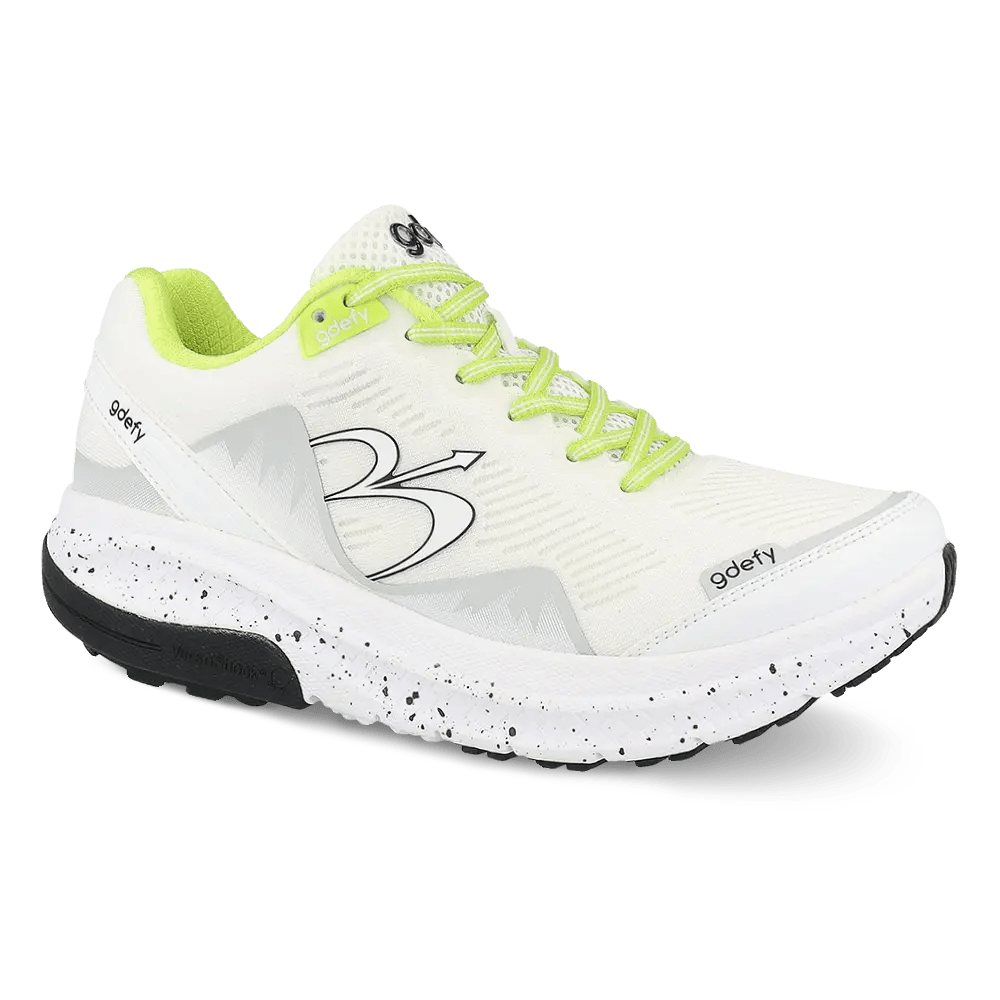
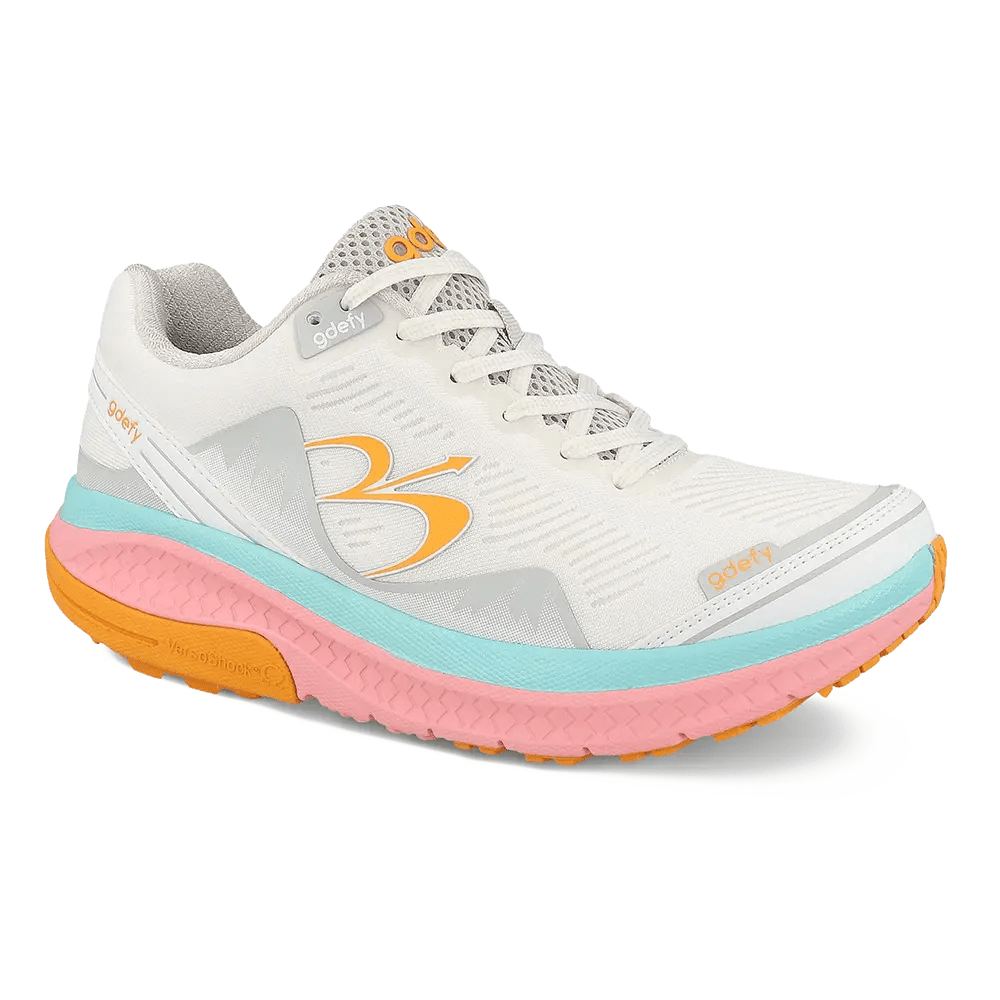
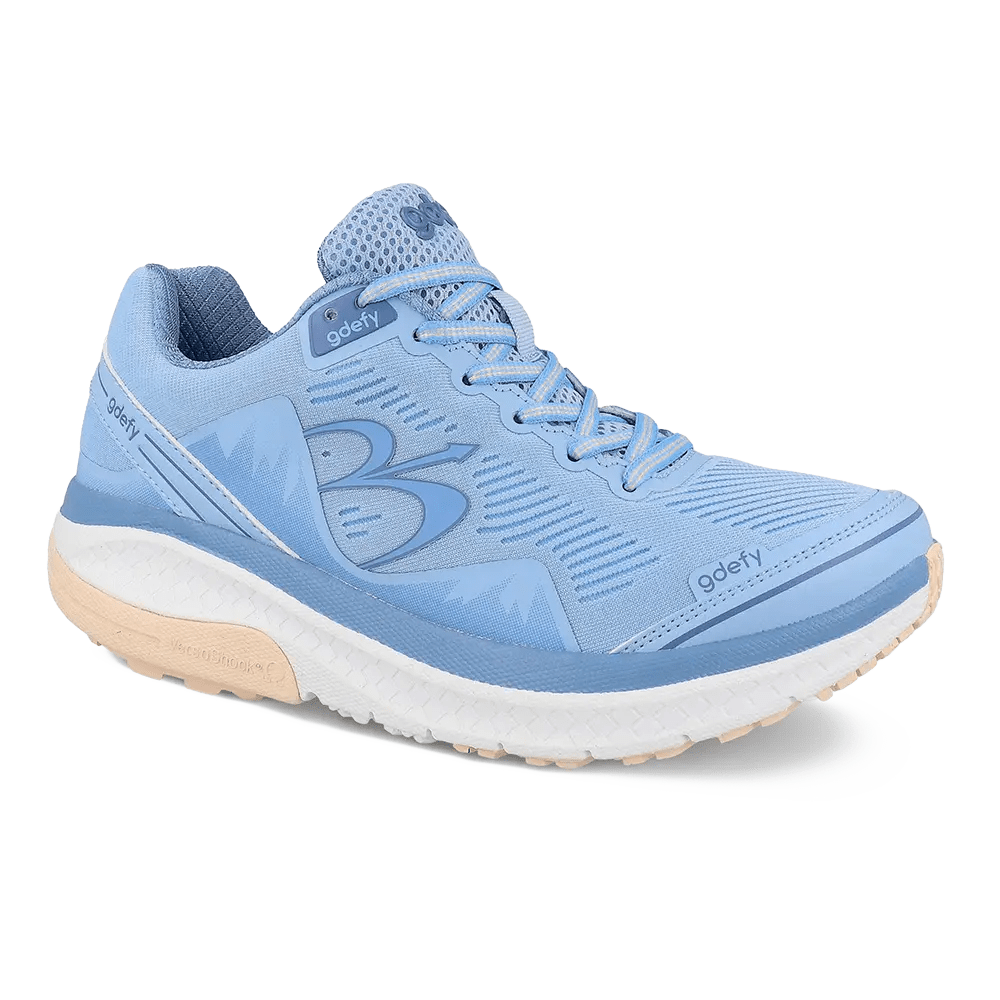
G-Defy shoes are engineered to provide comfort, support, and shock absorption. Featuring VersoShock® technology, they are designed to absorb impact and return energy with each step. A built-in stabilizer supports the foot during movement, while the front rolling design promotes a smooth walking experience. Each pair includes two removable orthotics to help customize comfort and support. G-Defy shoes help reduce pain from walking, running, and prolonged standing.

The 4 Pillars Behind Every G-Defy Shoe
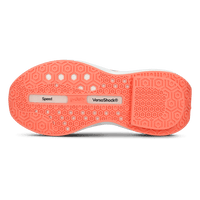
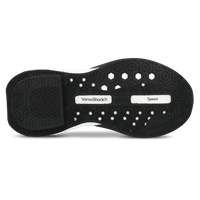
1. VersoShock® Spring-Based Shock Absorption. Instead of relying on standard foam that compresses and loses cushioning, VersoShock® uses a synthetic spring system designed to absorb impact softly and gradually. That softer landing matters most at the heel — the first point of contact in nearly every step.
2. Energy Return. As the spring system compresses and rebounds, it returns energy to support forward movement. The heel no longer absorbs impact in a single dead thud; instead, the load is cushioned and the rebound supports the next step.
3. Built-In Stabilizer. A shank inside the midsole prevents excessive bending and supports the foot through the full stride. This stability helps keep the heel positioned correctly under the leg, reducing the side-to-side motion that can aggravate sensitive tissue.
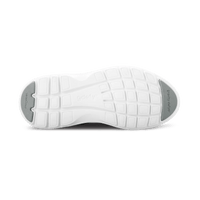
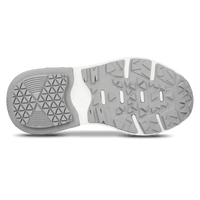
4. Front Rolling Design. The forefoot is shaped to roll smoothly from heel strike through toe-off, encouraging a more natural walking motion. That smooth transition reduces the abrupt loading that traditional flat soles create at the heel.
Two Removable Orthotics for Customized Comfort
Every pair of G-Defy shoes includes two removable orthotics so you can choose the level of support that feels best for your foot:
- ComfortFit® Orthotic — designed for low to medium arches, with a focus on cushioning and softness underfoot.
- CorrectiveFit® Orthotic — designed for medium to high arches, offering additional structure and support.
For people who experience morning heel discomfort, this customization matters. The right orthotic can change how the foot loads with each step and help keep the plantar fascia in a more comfortable position throughout the day.
Featured G-Defy Walking Shoes
If you're looking for a daily walking shoe with serious cushioning under the heel, two popular choices are:
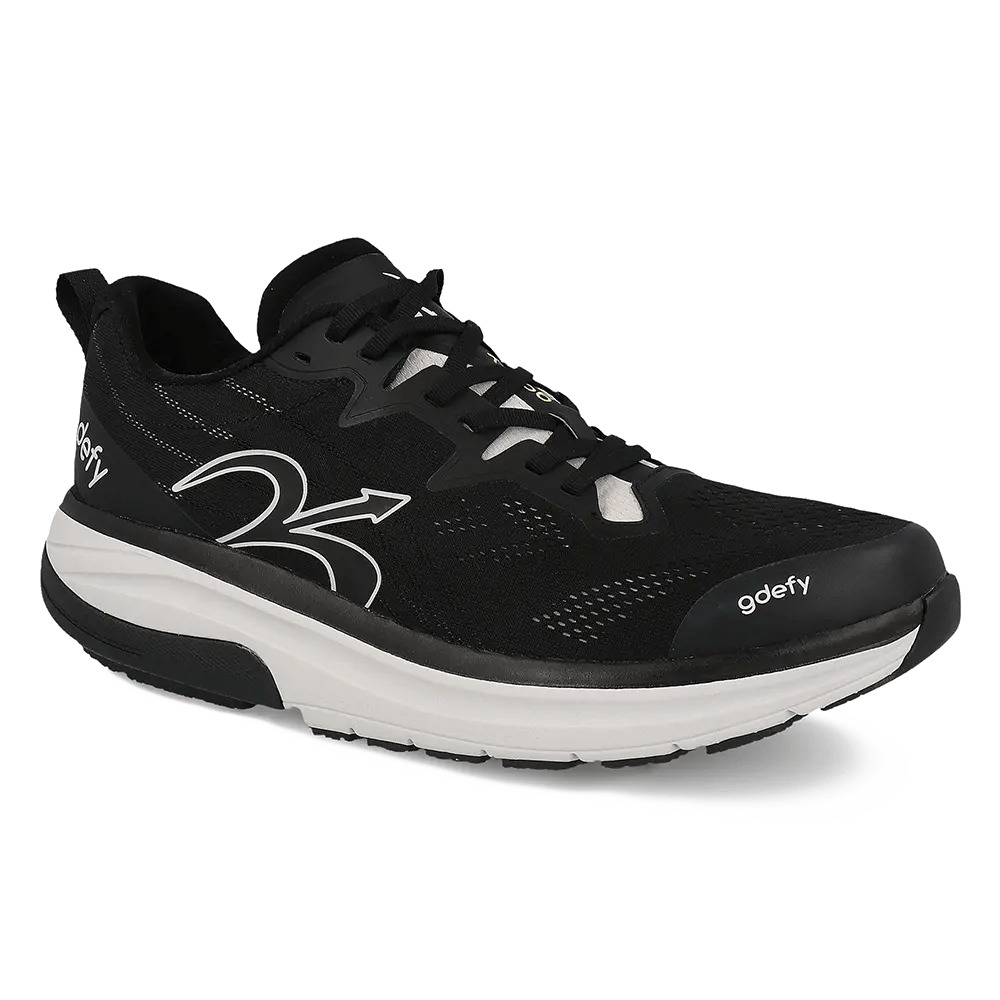
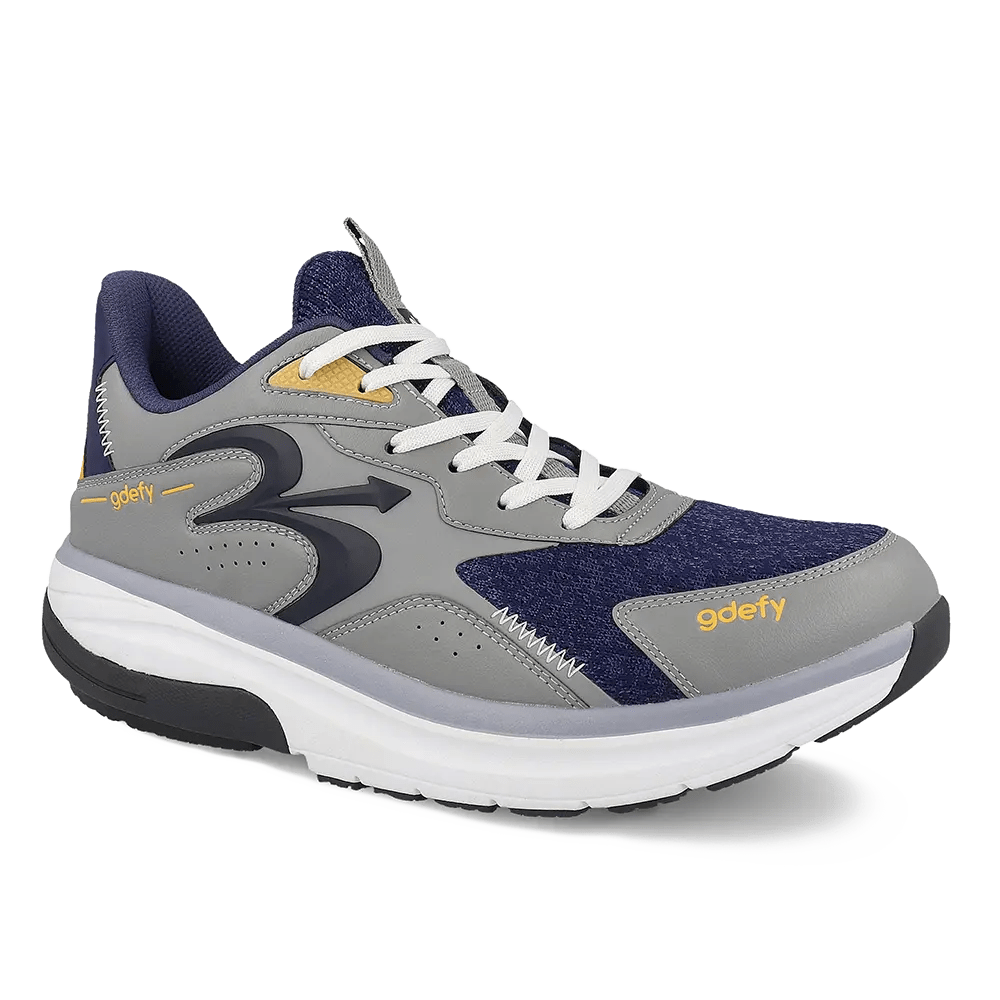
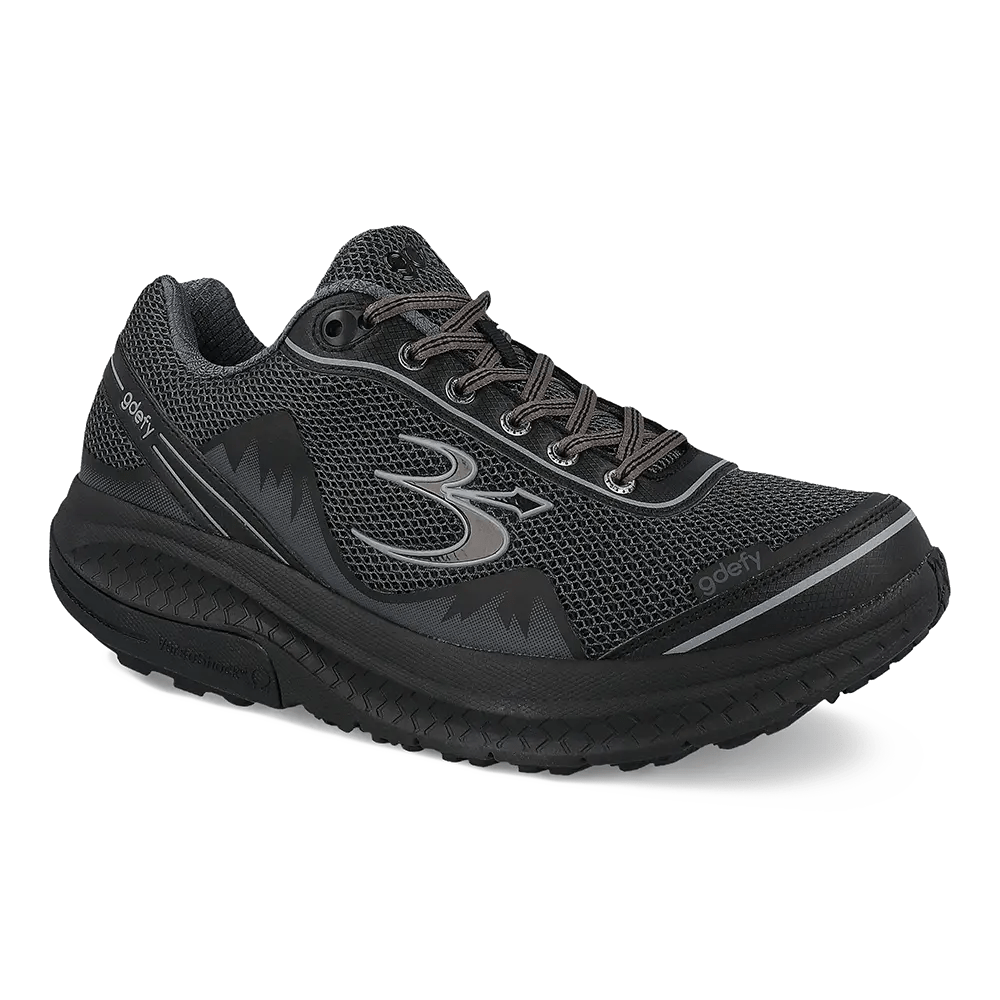
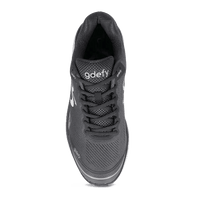
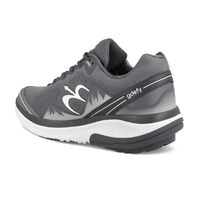
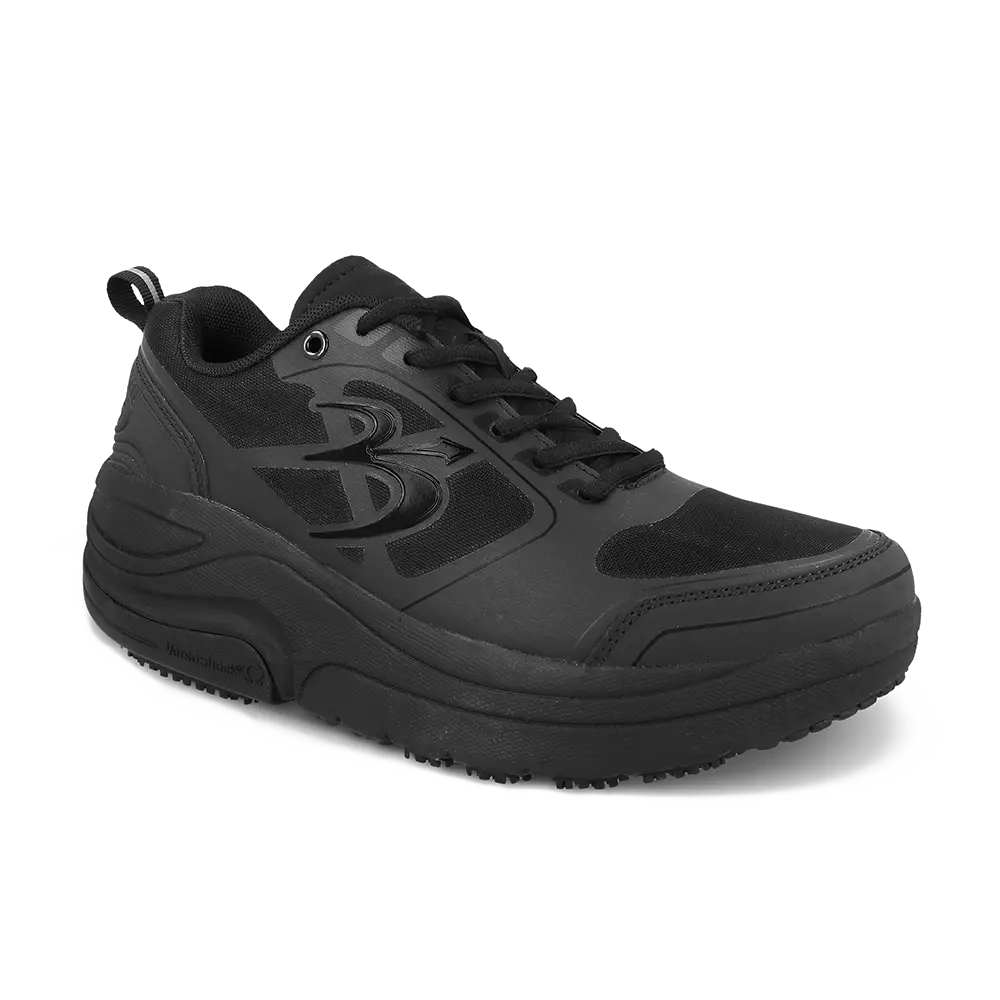
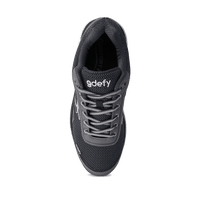
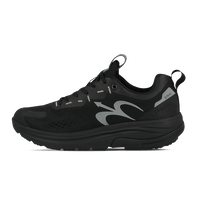
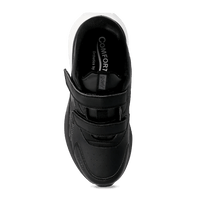
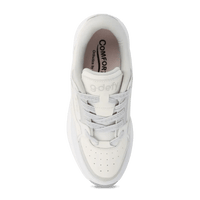
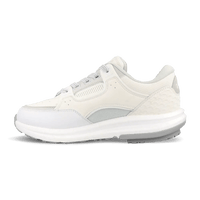
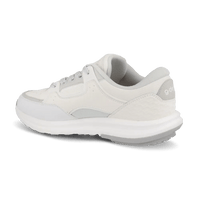
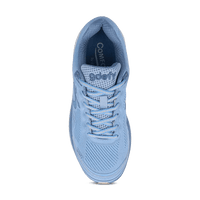
- The G-Defy Mighty Walk — built around VersoShock® technology, with a structured heel cup, smooth rolling sole, and dual orthotics. A go-to for all-day comfort on hard surfaces.
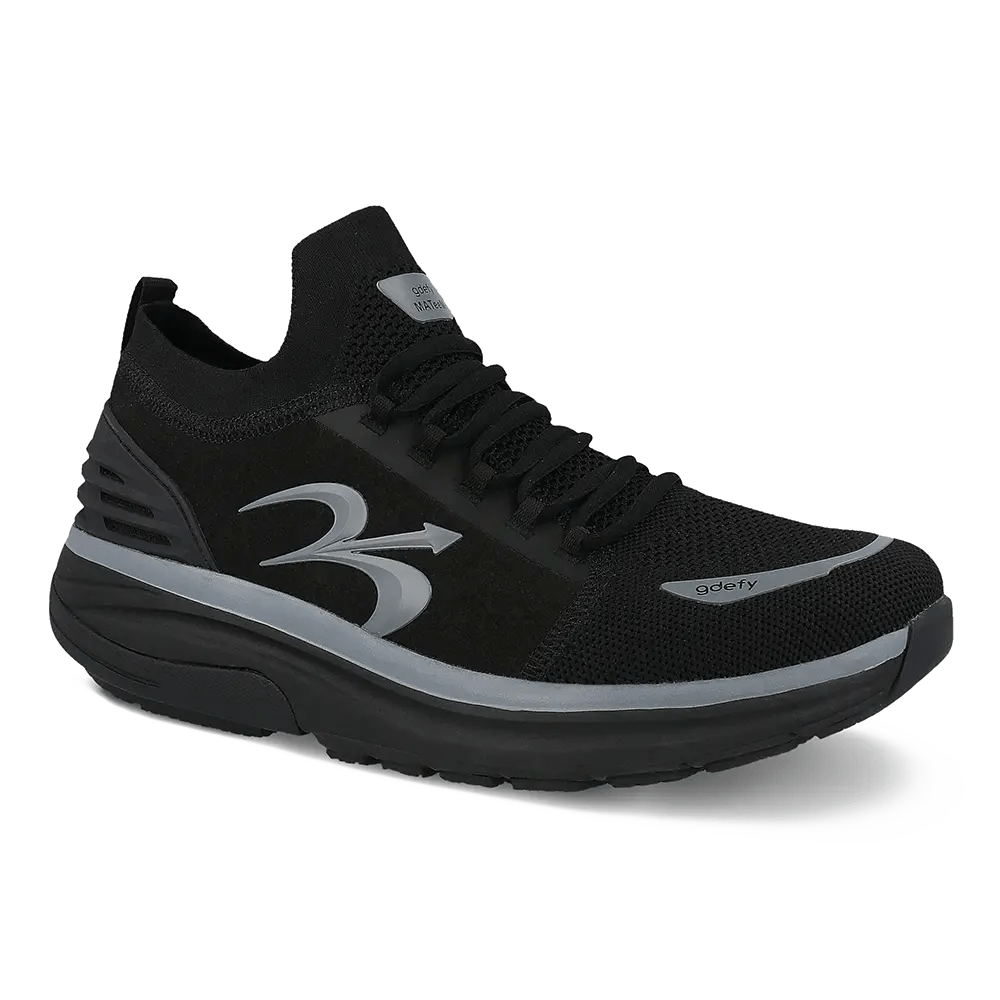
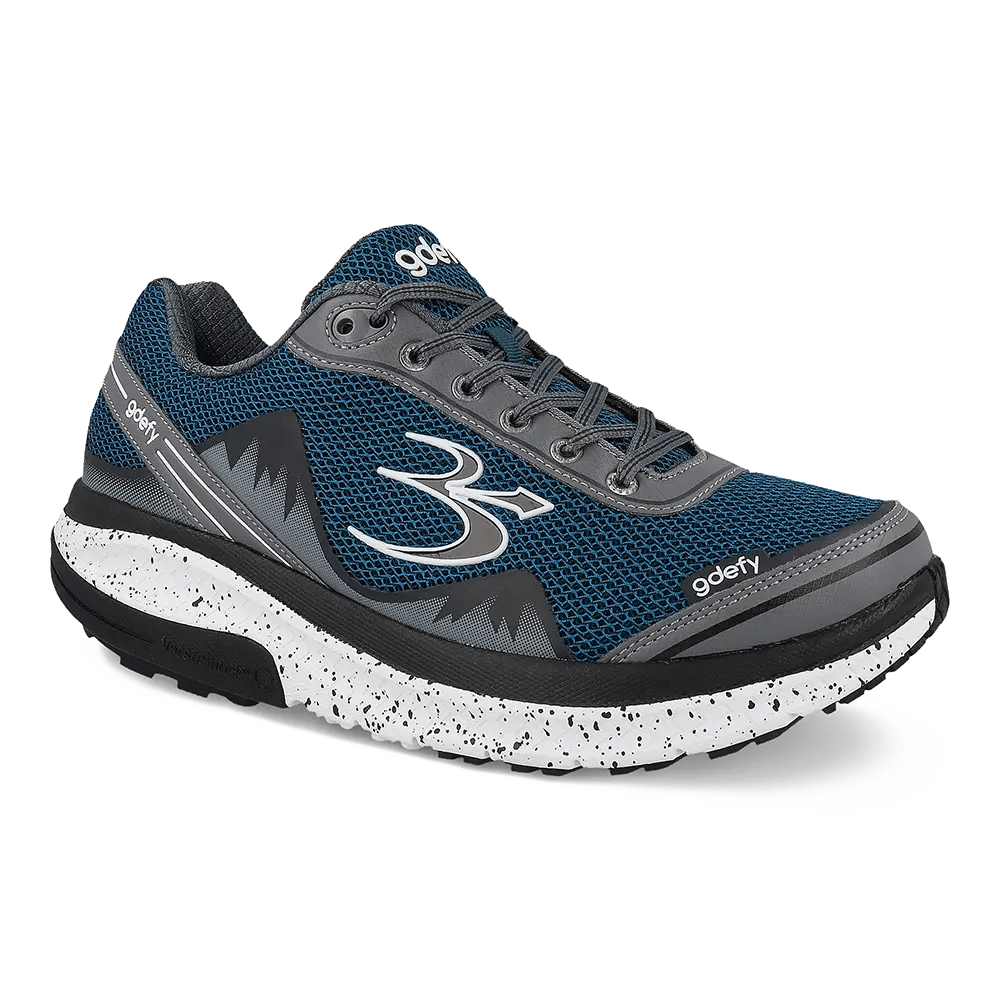
- The G-Defy Ion — a lighter option designed for active wear, also featuring VersoShock® cushioning, the dual orthotic system, and a breathable upper for warm-weather walking.
You can browse the full lineup in the men's collection and the women's collection, or learn more about how the technology works on the VersoShock® page.

Try G-Defy Risk-Free for 60 Days
Free shipping. Free exchanges. If they're not right for you, send them back — no questions asked.
Shop Men's Shop Women'sPractical Daily Habits That Support Heel Comfort
Footwear is one piece of the picture. A few simple daily habits can also support more comfortable mornings:
- Stretch your calves and feet before standing up. A few gentle ankle circles and calf stretches in bed can warm up the soft tissue before you put weight on it.
- Keep a supportive pair of shoes near the bed. Walking on a hard floor barefoot first thing in the morning loads the heel without any cushioning. Slipping into a supportive house shoe or walking shoe immediately can ease that first-step jolt.
- Rotate your shoes. Wearing the same pair every day accelerates midsole compression. Two or three pairs in rotation give each one time to recover and maintain cushioning longer.
- Replace worn-down shoes. Most walking shoes lose meaningful shock absorption after 300 to 500 miles of use. If your current pair feels flat under the heel, that's a signal to replace them.
- Choose a roomy toe box and proper fit. Shoes that are too tight or too loose change how your weight loads through the foot — and can contribute to heel discomfort over time.
- Take walking breaks during long standing days. Even a few minutes of movement every hour helps the soft tissue stay warm and pliable instead of stiffening.
Frequently Asked Questions
Why does my heel hurt the most when I take my first steps in the morning?
The soft tissue along the bottom of the foot — including the plantar fascia — settles into a shortened position overnight. When you stand up, that tissue is suddenly stretched as your body weight loads onto the heel. After a few minutes of walking, the tissue typically warms up and the sensation eases. For persistent heel discomfort, consult your healthcare provider.
Can shoes help with morning heel discomfort?
Supportive and cushioned footwear may improve overall comfort during walking and prolonged standing. Shoes with thick heel cushioning, a structured heel cup, arch support, and a smooth rolling sole help reduce the impact transmitted through the heel with each step. G-Defy shoes help reduce pain from walking, running, and prolonged standing.
Are flat shoes bad for heel comfort?
Flat-soled shoes — including thin-soled fashion shoes, basic flats, and unsupportive house slippers — typically offer minimal cushioning and arch support. Without those features, the heel absorbs more impact and the plantar fascia is left under more sustained tension during weight-bearing activity. A more structured walking shoe is generally a better choice if you spend long hours on your feet.
How long does it take to feel a difference after switching to better shoes?
Comfort responses vary from person to person. Some people notice the difference within the first few days; others take a few weeks to fully adjust. G-Defy offers a 60-day risk-free trial with free shipping and free exchanges so you can give a new pair enough time to feel like the right fit. Results vary by individual.
Should I stretch my feet in the morning?
Gentle stretching can help warm up the soft tissue before you put full weight on your feet. A few ankle circles, calf stretches, and toe flexes in bed before you stand up may make those first steps feel easier. For ongoing or severe heel discomfort, talk with your healthcare provider.
The Takeaway
Morning heel discomfort is a common pattern for active adults who spend long hours on their feet. While footwear is not a medical solution, choosing shoes designed for comfort, support, and shock absorption can make a meaningful difference in how you feel throughout the day — starting with that first step out of bed.
Look for thick heel cushioning, a structured heel cup, real arch support, durable shock absorption, and a smooth rolling sole. Add a customizable orthotic system and you have the ingredients of a walking shoe built for the long haul. G-Defy shoes are engineered around exactly that combination — and a 60-day risk-free trial means there's no risk in finding out whether they're the right fit for you.
Find a More Comfortable First Step
Browse G-Defy walking shoes engineered with VersoShock® technology for comfort, support, and shock absorption. Free shipping, free exchanges, 60-day risk-free trial.
Shop the Mighty Walk