
July 11, 2026
Shoes for People Who Walk on Concrete All Day
By Gdefy

Summary
If you spend your day on concrete — behind a retail counter, on a warehouse floor, in a hospital corridor, or in a busy kitchen — you already know the feeling. Your feet ache, your legs feel heavy, and by the last hour of a shift every step feels harder than the one before. Concrete is one of the most demanding surfaces to stand and walk on, and the shoes you choose make a real difference in how your feet feel at the end of a long day.
While footwear is not a medical solution, shoes designed for comfort, support, and shock absorption can play an important role in how you feel on hard surfaces. This guide explains why concrete is so tough on your feet, what features to look for in supportive walking shoes, and how to stay more comfortable through a full day on your feet.
Why Walking on Concrete All Day Feels So Hard on Your Feet
Concrete floors look simple, but they create a uniquely demanding environment for your feet. Understanding why helps you choose footwear that works with your body instead of against it.
Concrete Doesn't Give Back
Softer surfaces like grass, rubber matting, or carpet flex slightly when you step on them, absorbing part of the impact. Concrete does not. Every step sends the force of your body weight back up through your feet, ankles, knees, and hips with almost nothing to soften it. Over a full shift, those repeated impacts add up quickly.
The Hours Add Up
A single step on a hard floor is easy to shrug off. The challenge is volume. People who work on their feet can take thousands of steps in a day, and many spend long stretches standing in one place. Both walking and standing on concrete keep constant pressure on the same areas of your feet, which is why foot fatigue and general discomfort tend to build as the hours pass.
The Wrong Shoes Make It Worse
Thin, flat, or worn-out shoes offer almost no barrier between your feet and the floor. Flat-soled footwear and traditional foam midsoles that have compressed over time lose their ability to cushion impact, leaving your feet to absorb the shock. If you have ever noticed that a favorite pair suddenly feels harder underfoot, the cushioning may simply be worn out. Learning what causes foot discomfort when walking can help you spot the difference between a shoe problem and a habit problem.
What to Look for in Shoes for Concrete Floors
Not all comfortable-looking shoes are built for hard surfaces. When you are choosing footwear for long days on concrete, focus on the features that actually manage impact and support your feet through the hours.
Cushioning That Absorbs Impact
Cushioning is your first line of defense on concrete. A well-cushioned shoe helps absorb impact so less force travels up through your feet with each step. Look for meaningful cushioning underfoot — but not so soft that your foot sinks and wobbles, which can feel tiring over time. The goal is protective yet controlled: cushioning that softens the surface without giving up stability.
Shock Absorption
Shock absorption goes a step beyond basic foam. A shoe engineered to absorb and disperse impact reduces the harsh force of hard-surface contact, helping each step feel softer. This matters most on concrete, where there is no give in the floor itself. To understand how a purpose-built system handles this, see how VersoShock® technology is designed to absorb impact and return energy.
Support and Stability
Support helps maintain stability so your feet are not working overtime to stay balanced. A structured shoe with a firm midfoot resists excessive bending and helps keep your stride controlled through a long day. Stability is especially valuable when you are moving between standing and walking on a hard floor for hours at a time.
A Roomy Toe Box
When your feet are on a hard surface all day, they need room to move. A roomy toe box lets your toes spread naturally and can reduce the cramped, pinched feeling that builds during long shifts. Shoes that are too narrow force your feet into a fixed position, which rarely feels good hour after hour.
Proper Fit and a Secure Hold
Even the best-cushioned shoe cannot help if it does not fit. A secure hold through the midfoot keeps your foot from sliding forward, which improves comfort and control on hard surfaces. Try shoes on later in the day when your feet are at their largest, and make sure there is a thumb's width of space at the front. For a closer look at how the parts of a shoe work together, read what's inside a comfort walking shoe.
How G-Defy Shoes Are Built for Long Days on Hard Surfaces
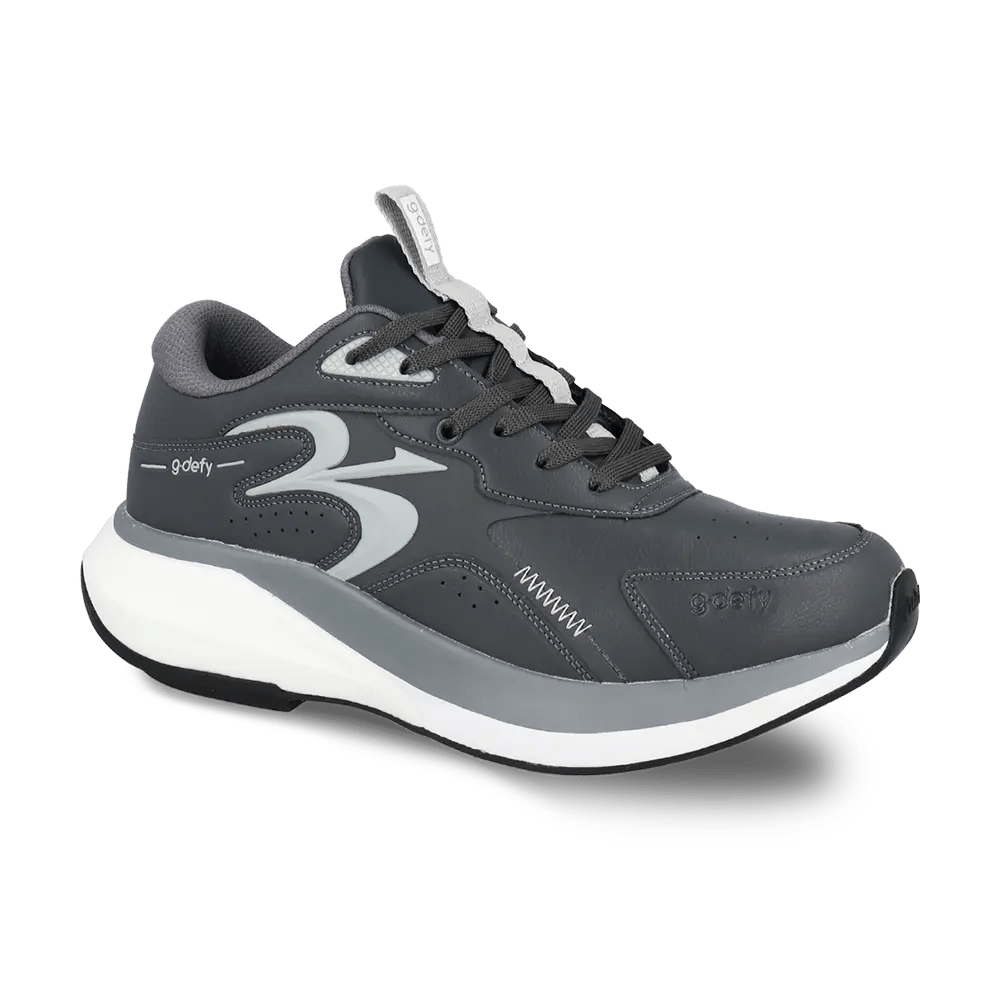
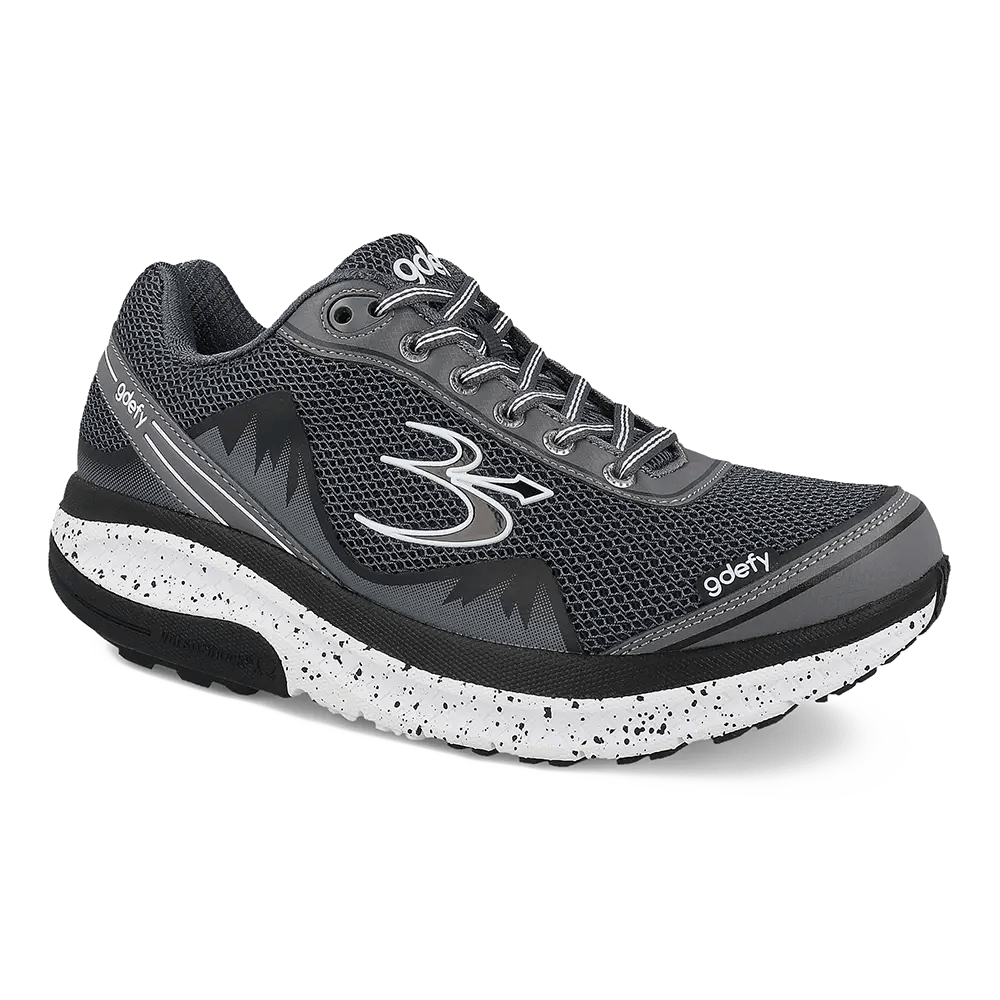
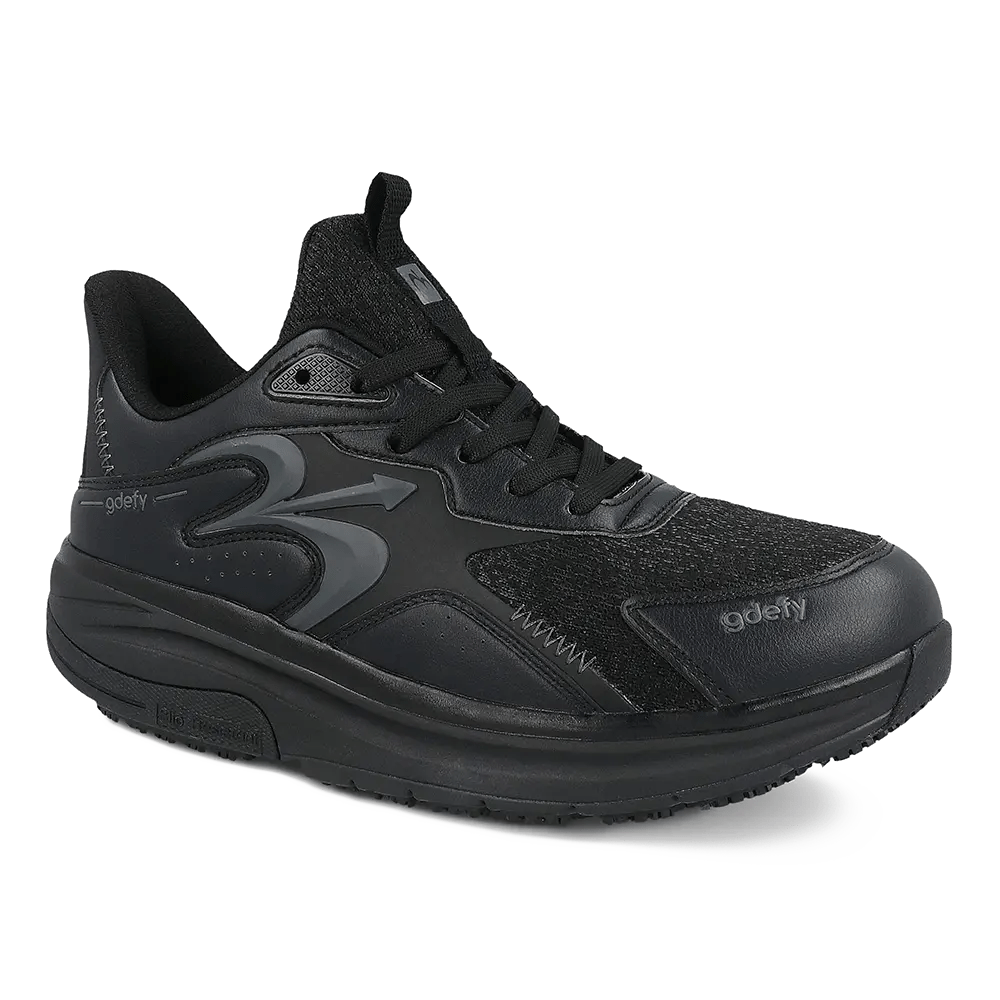
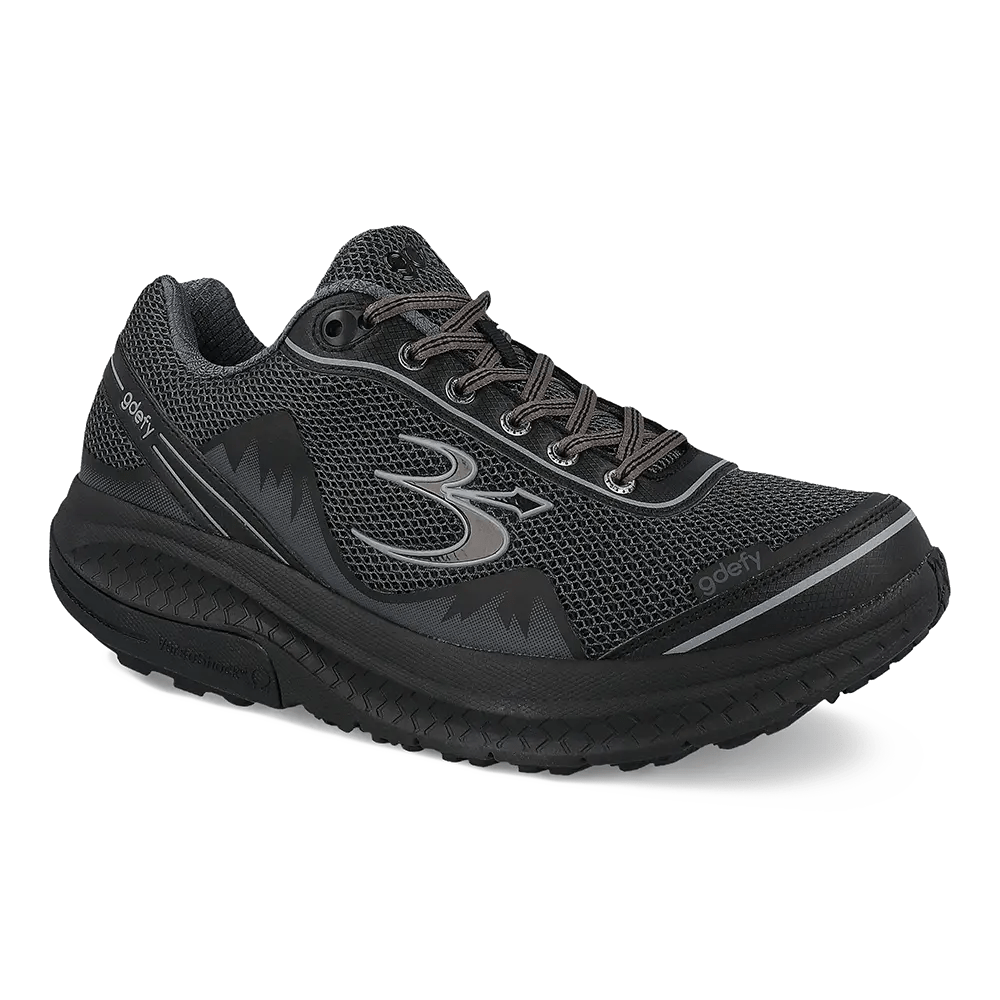
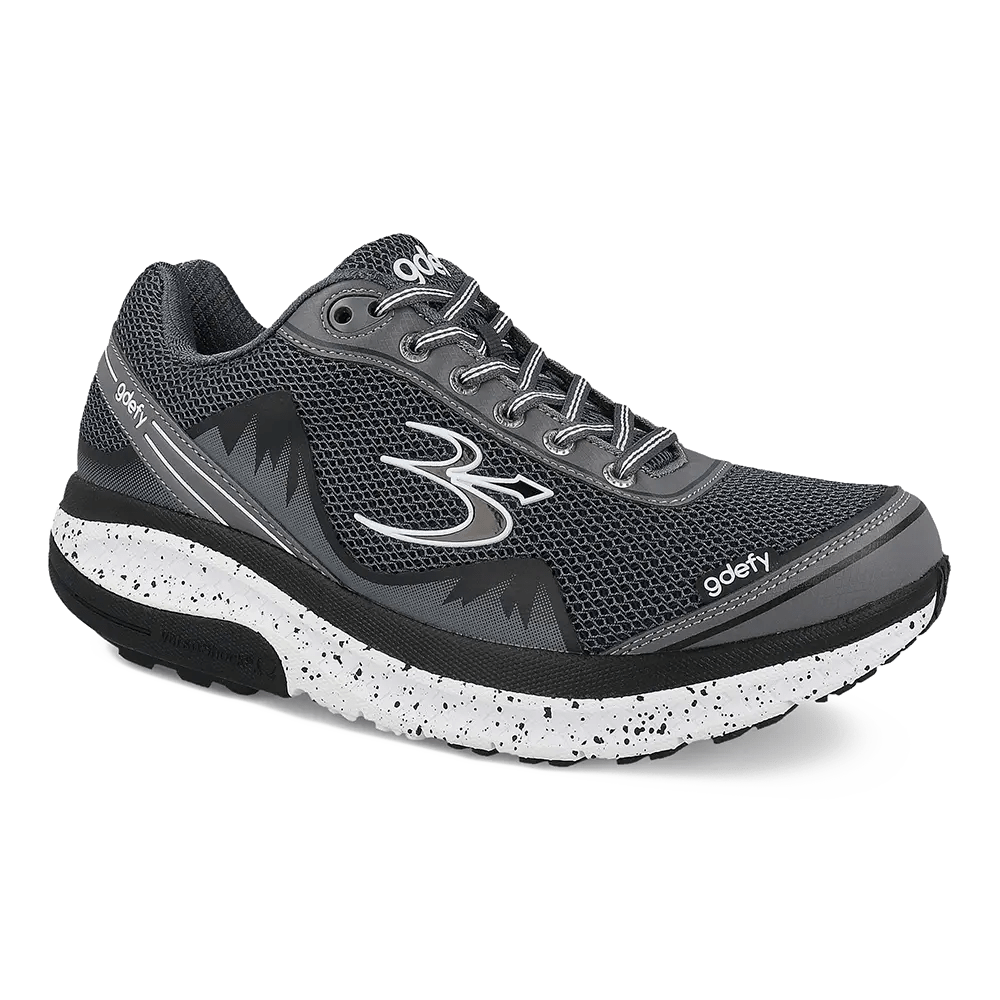
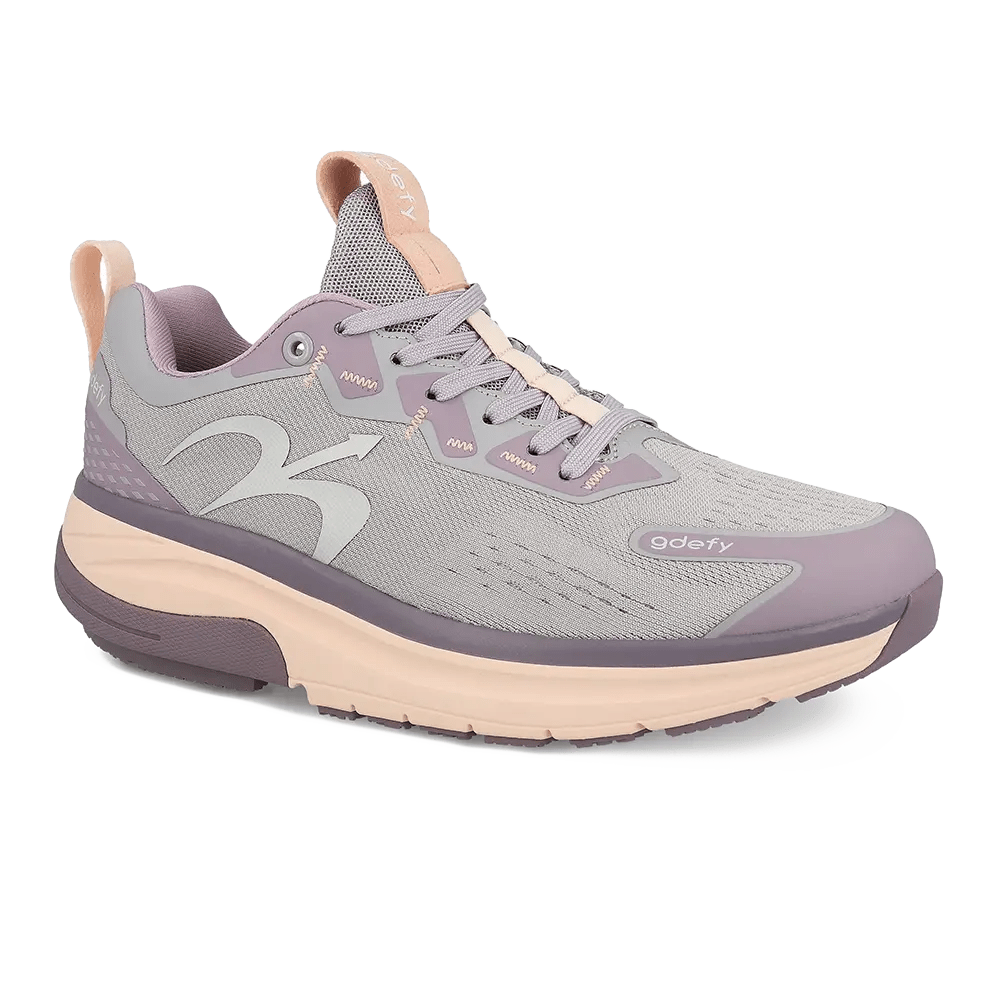
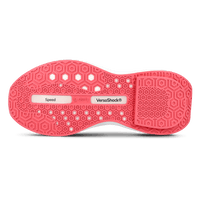
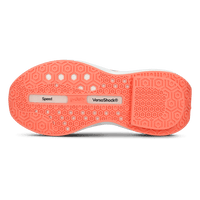
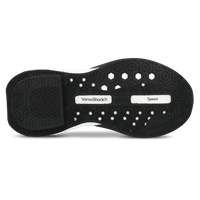
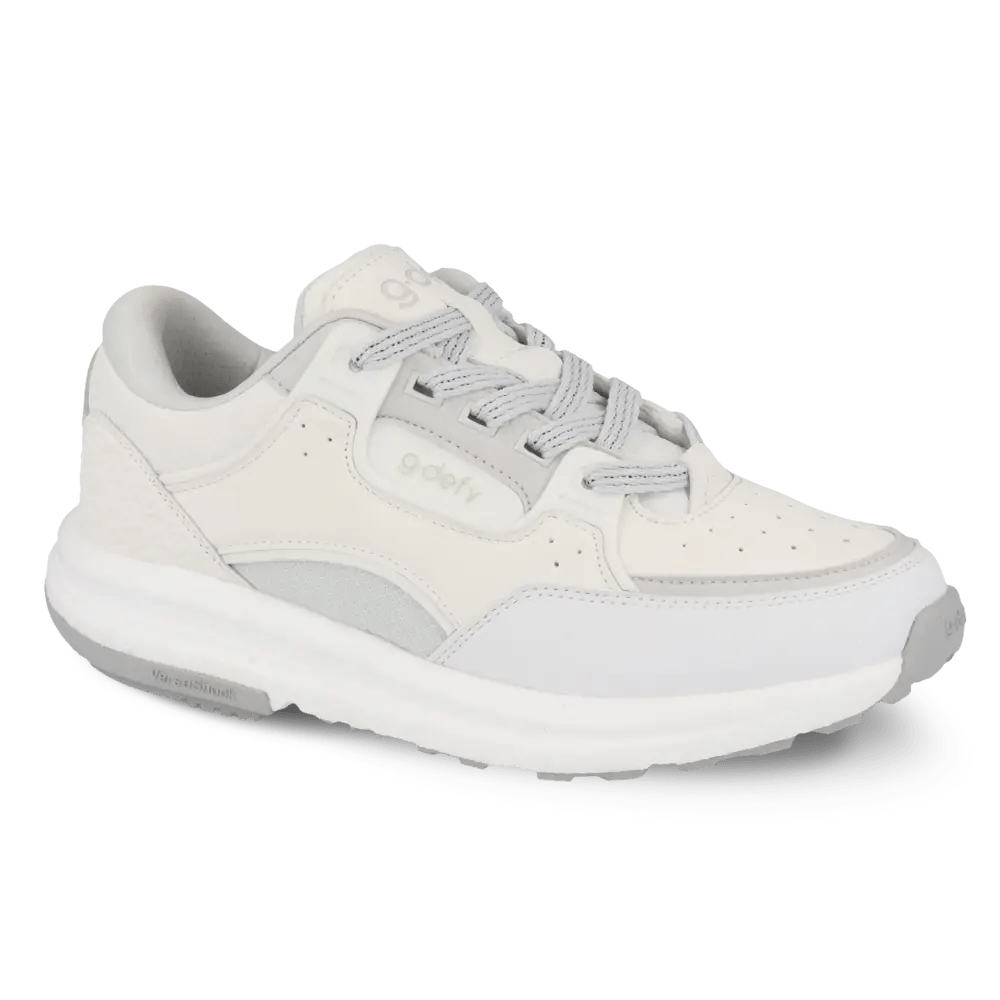
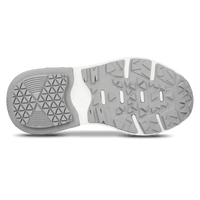
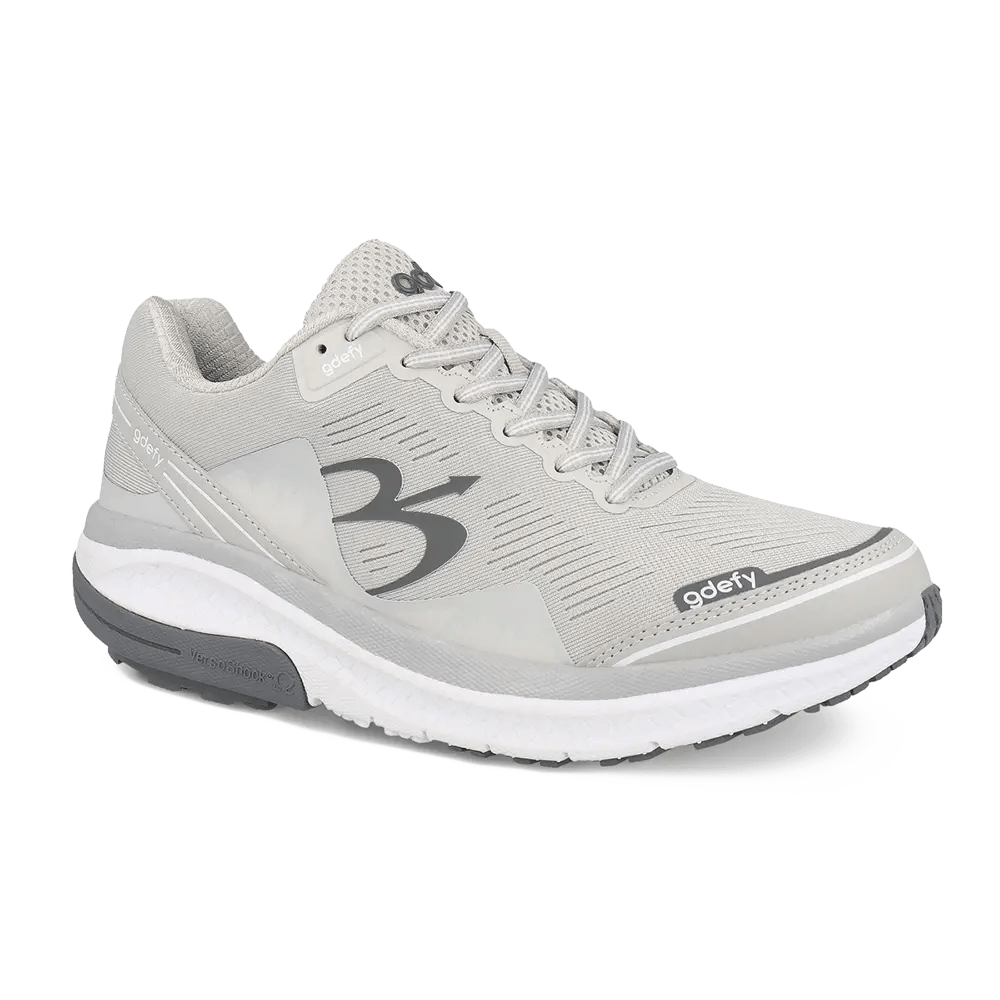
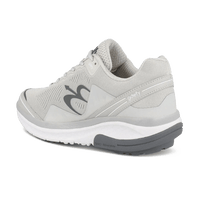
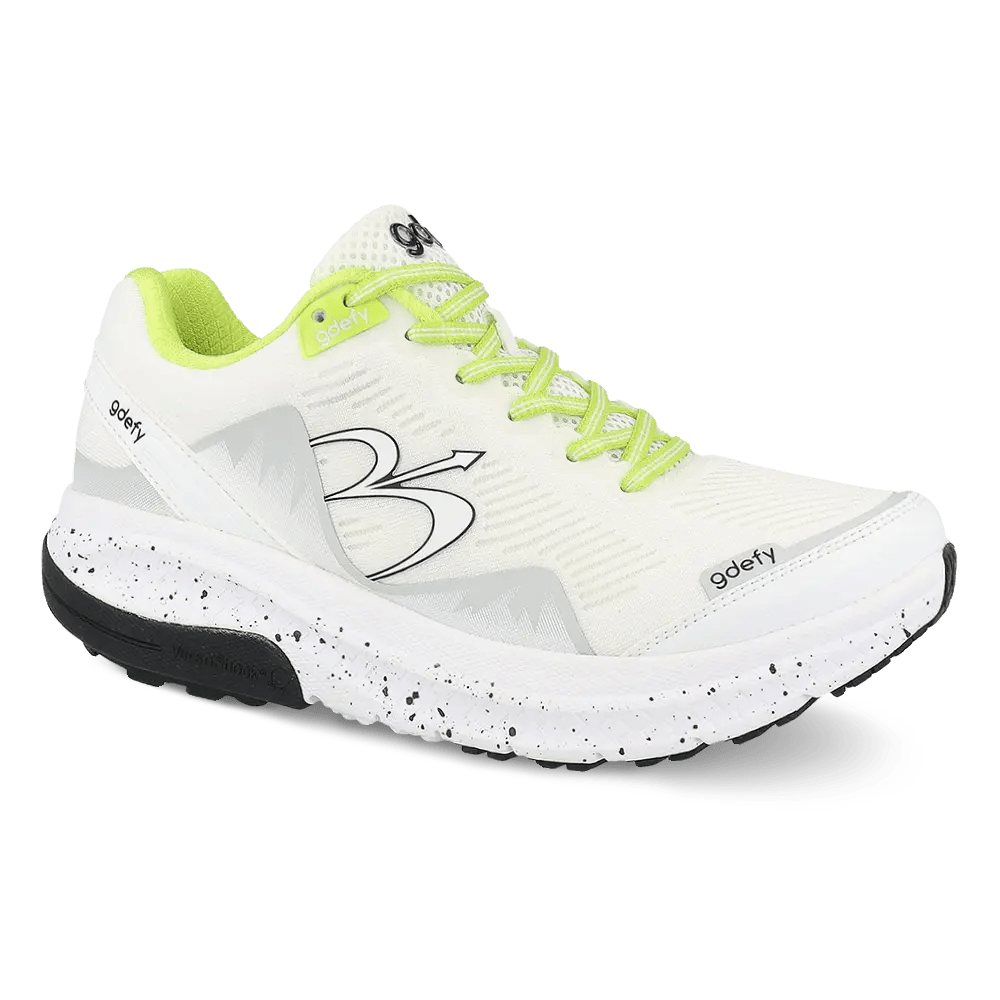
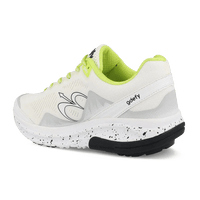
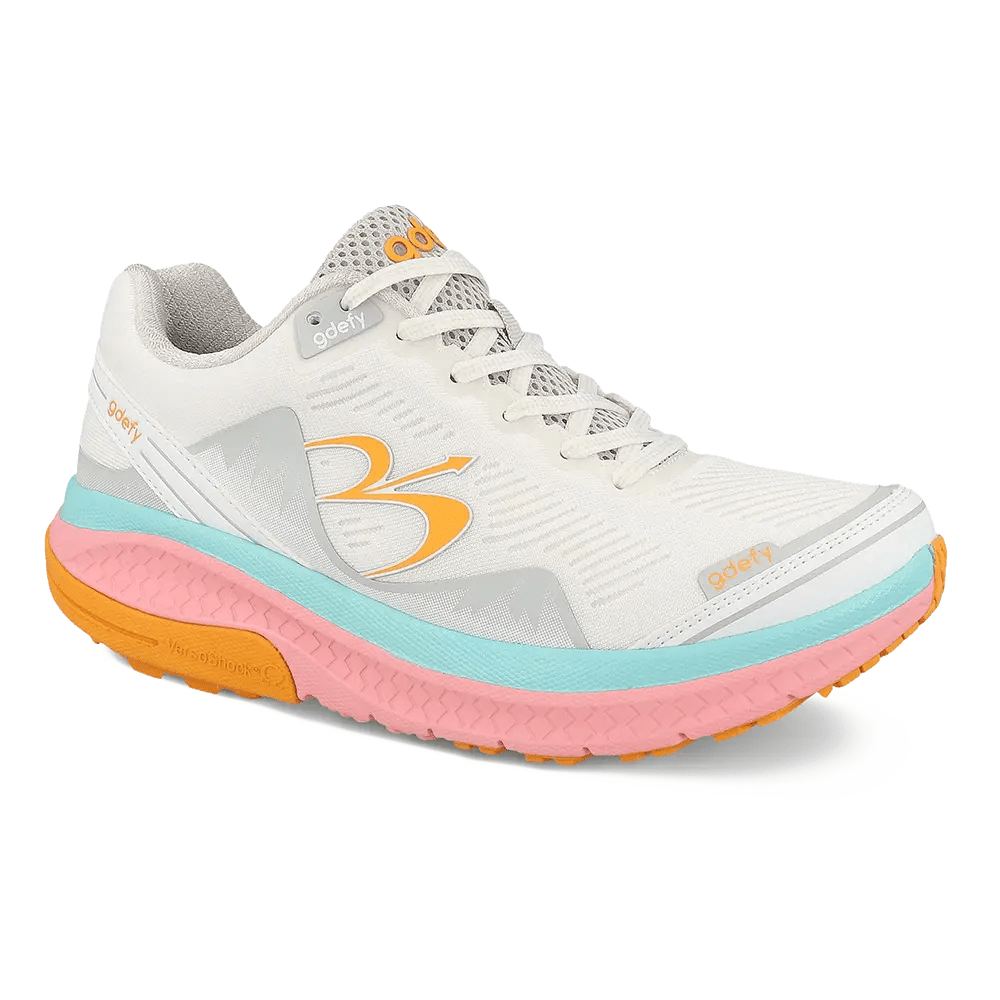
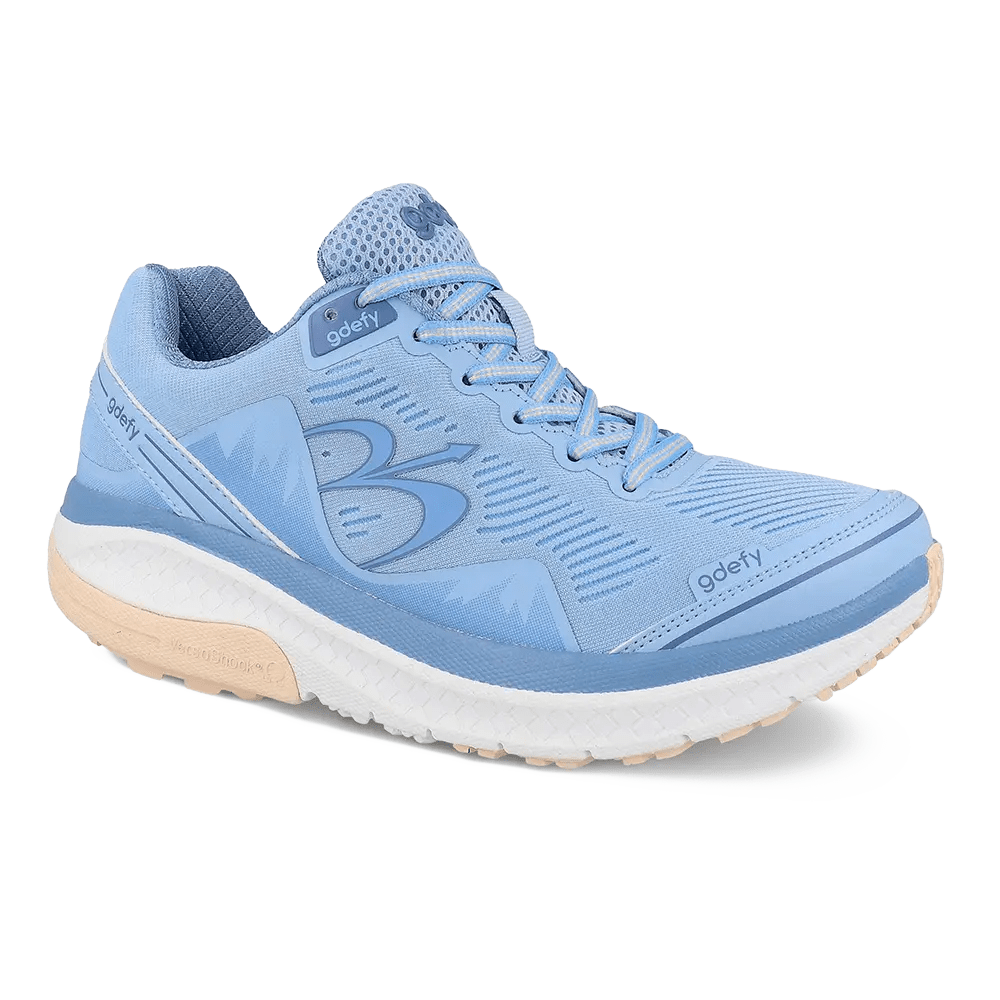
G-Defy designs footwear around how your body actually moves on demanding surfaces — not just how soft a shoe feels when you first slip it on. Every pair is built on a spring-based VersoShock® technology system designed to absorb impact softly and return energy with each step, so hard floors feel less punishing over a full day.
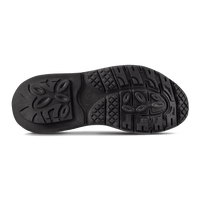
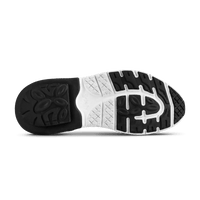
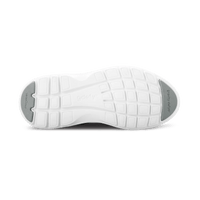
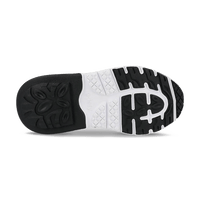
Beyond shock absorption, each shoe includes a built-in stabilizer that supports the foot and helps reduce excessive bending, along with a front rolling design that encourages a smooth heel-to-toe transition. Every pair also comes with two removable orthotics — a ComfortFit® orthotic for low to medium arches and a CorrectiveFit® orthotic for medium to high arches — so you can customize comfort and support to your own feet. Together, these features help reduce pain from walking, running, and prolonged standing.

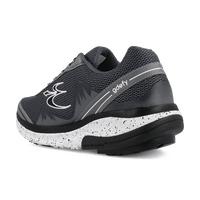
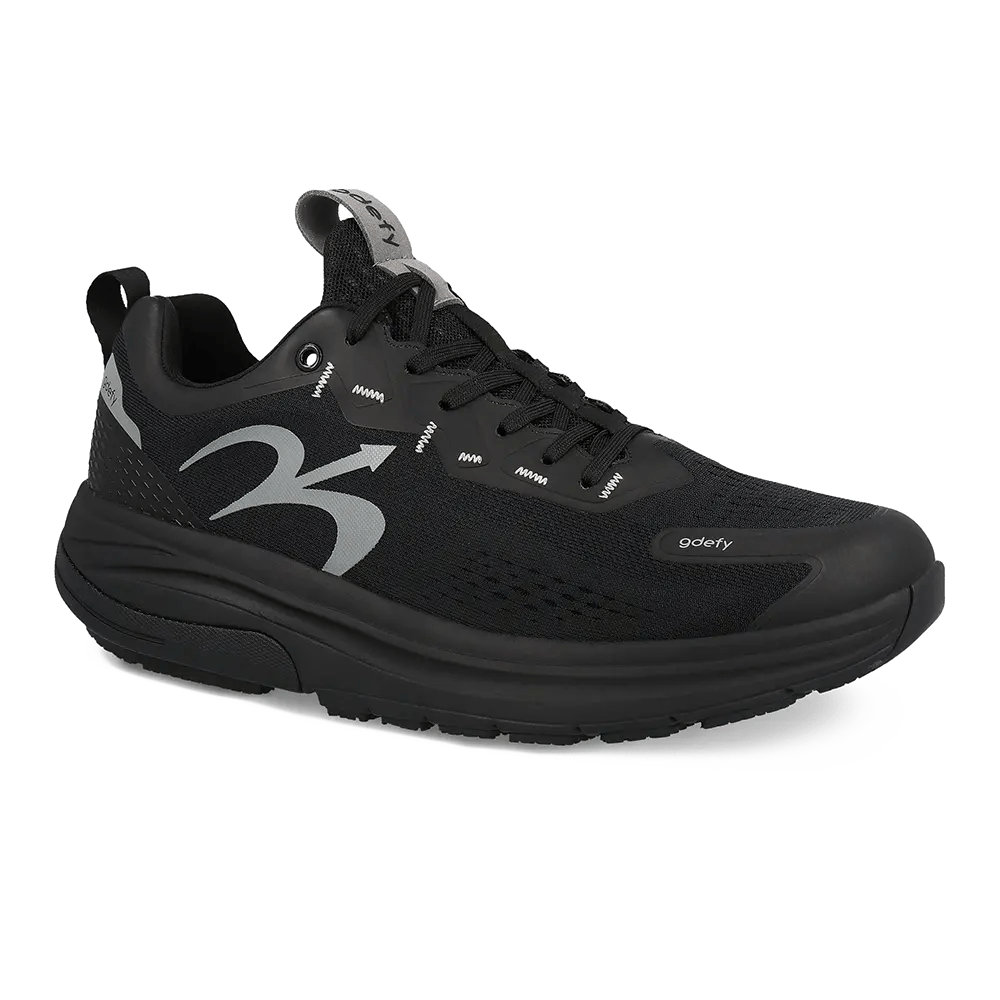
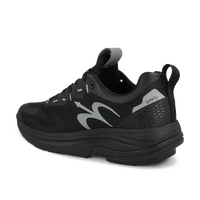
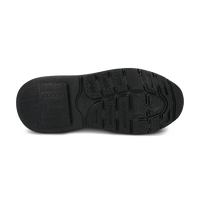
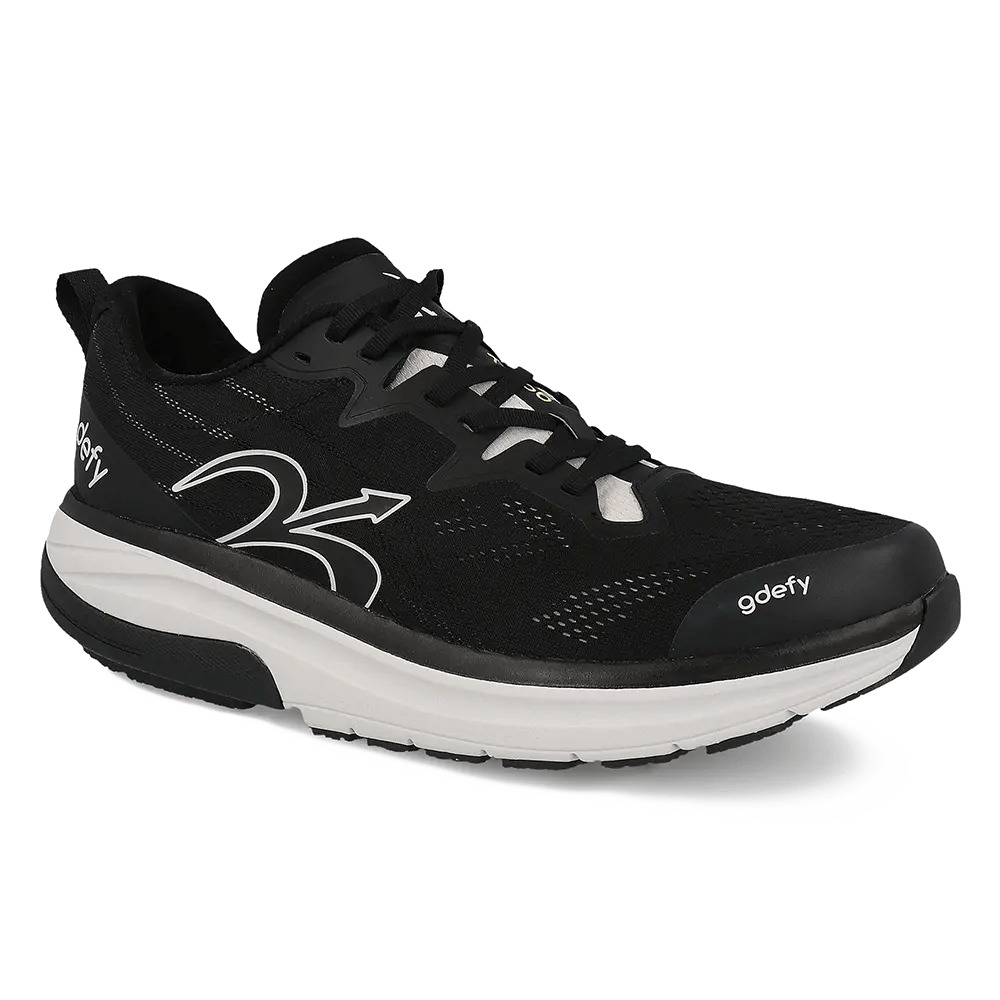
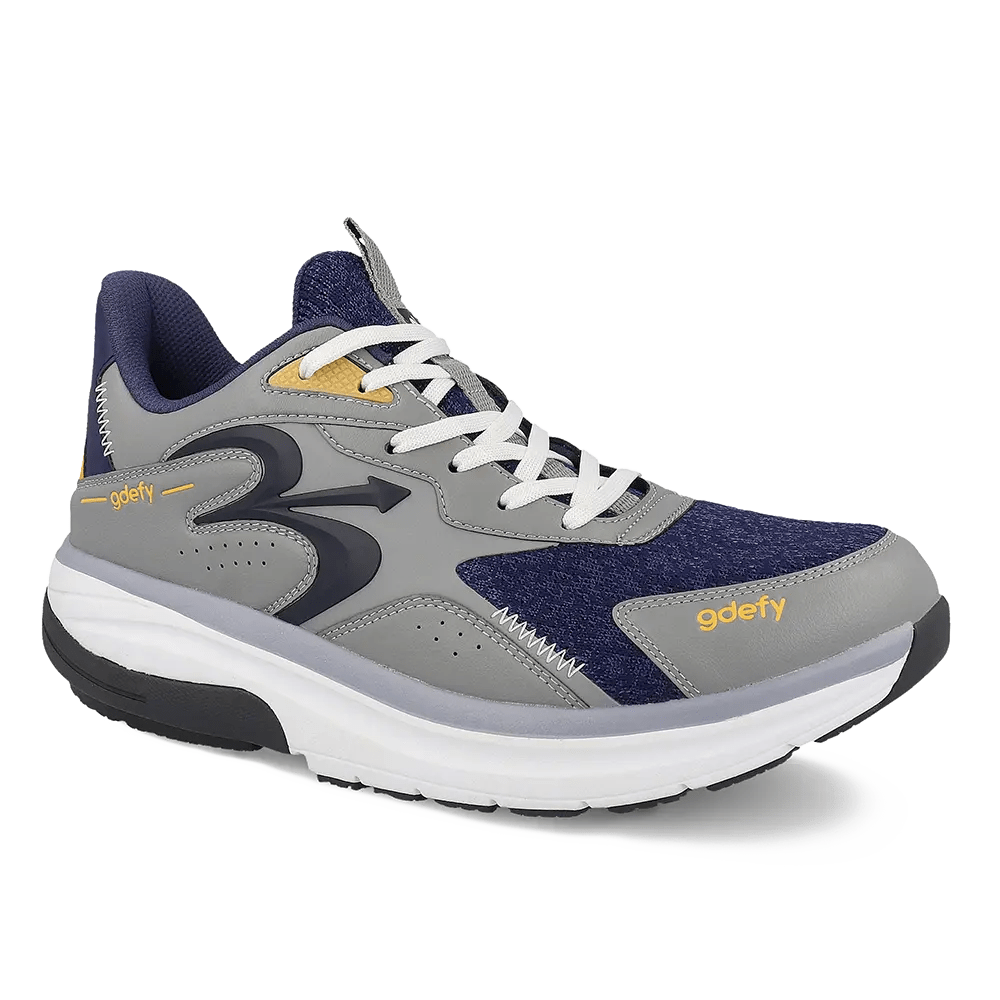
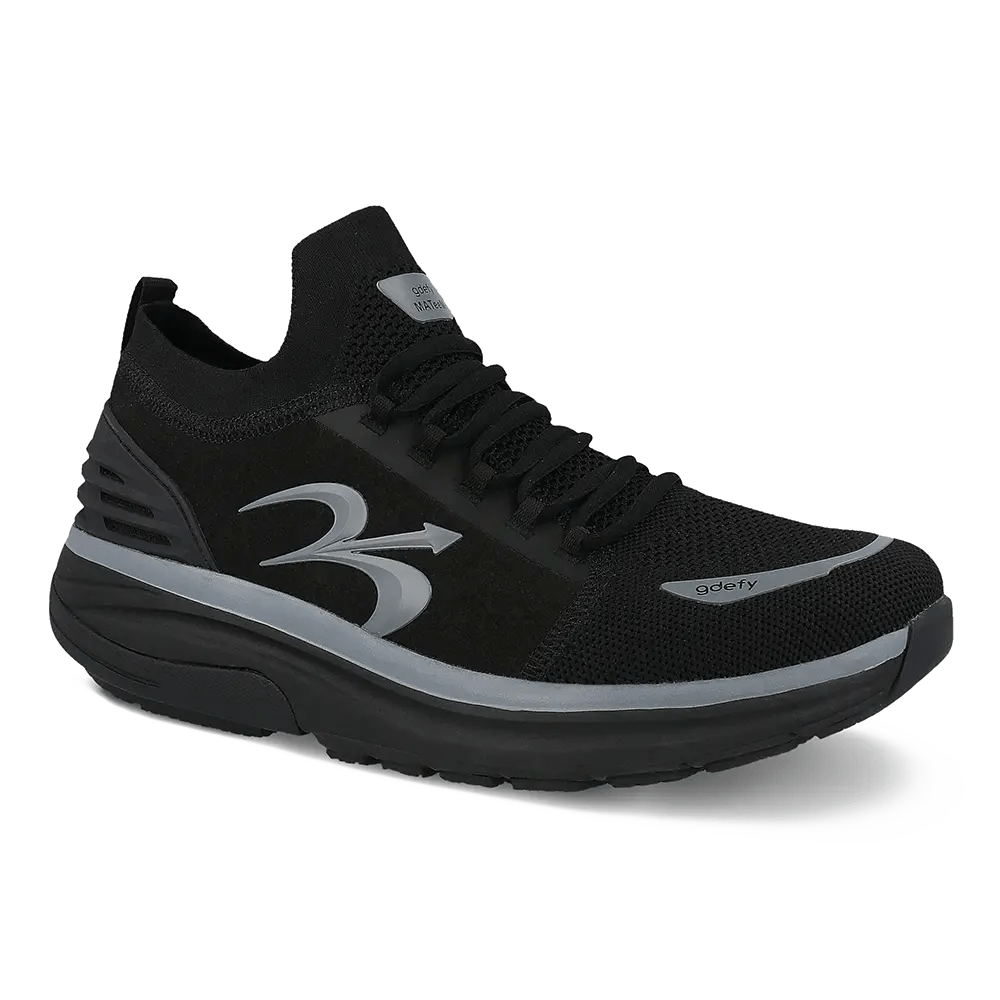
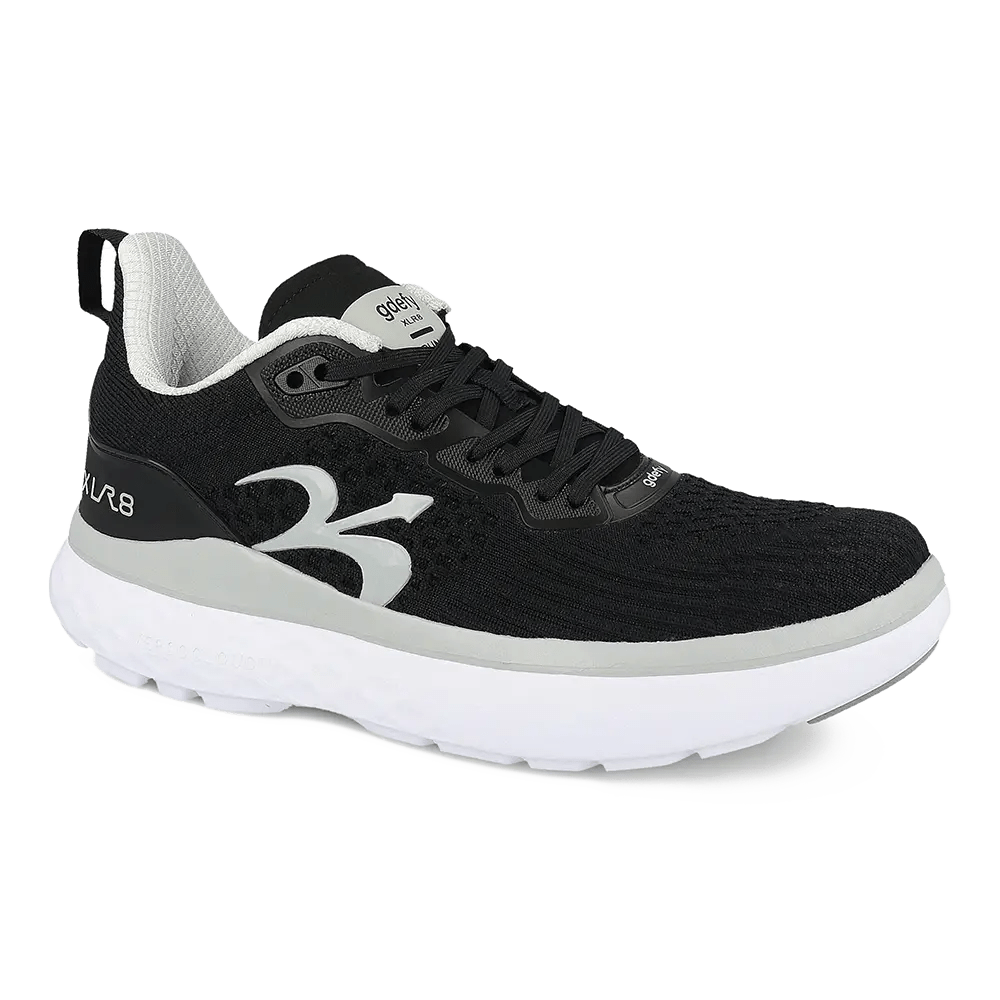
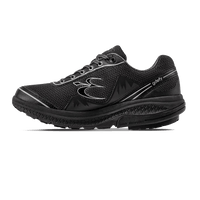
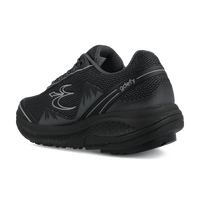
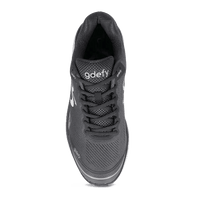
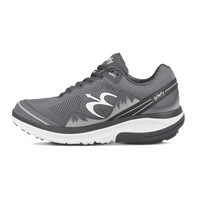
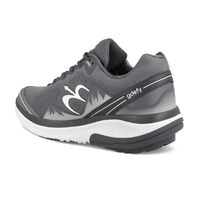
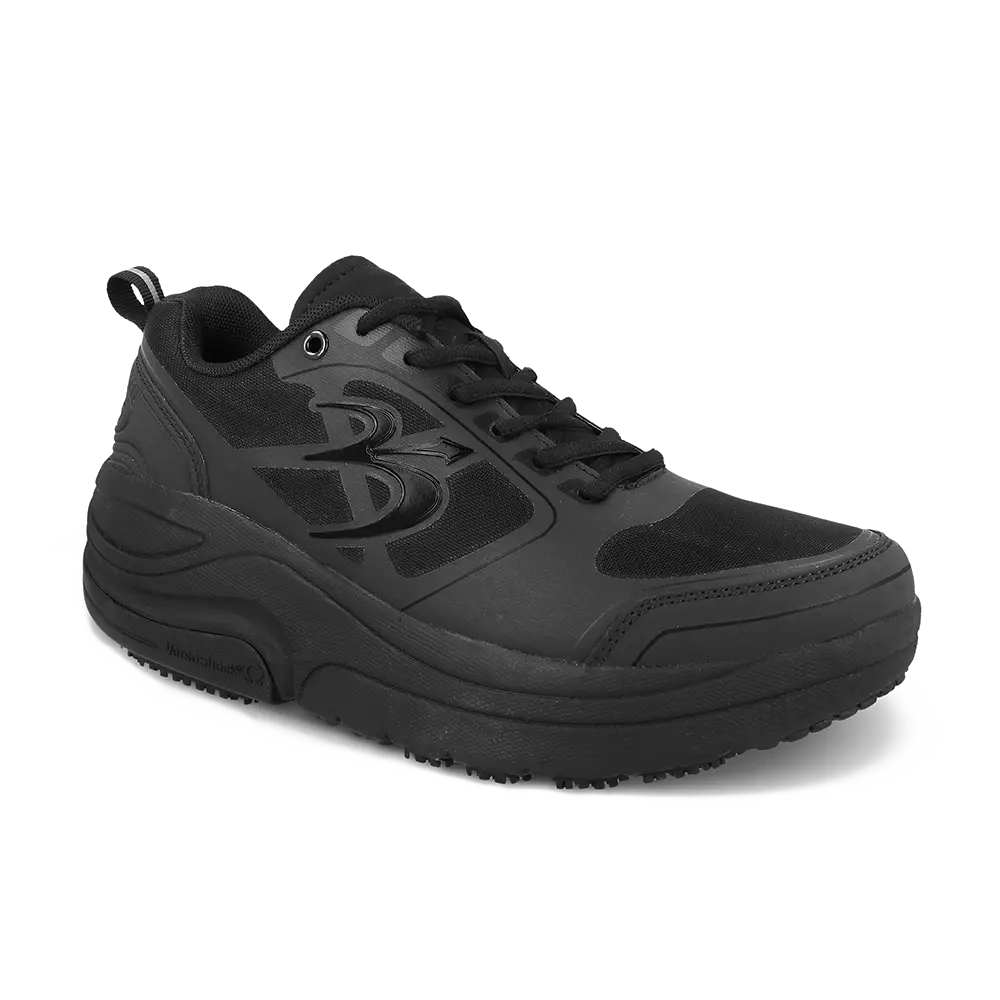
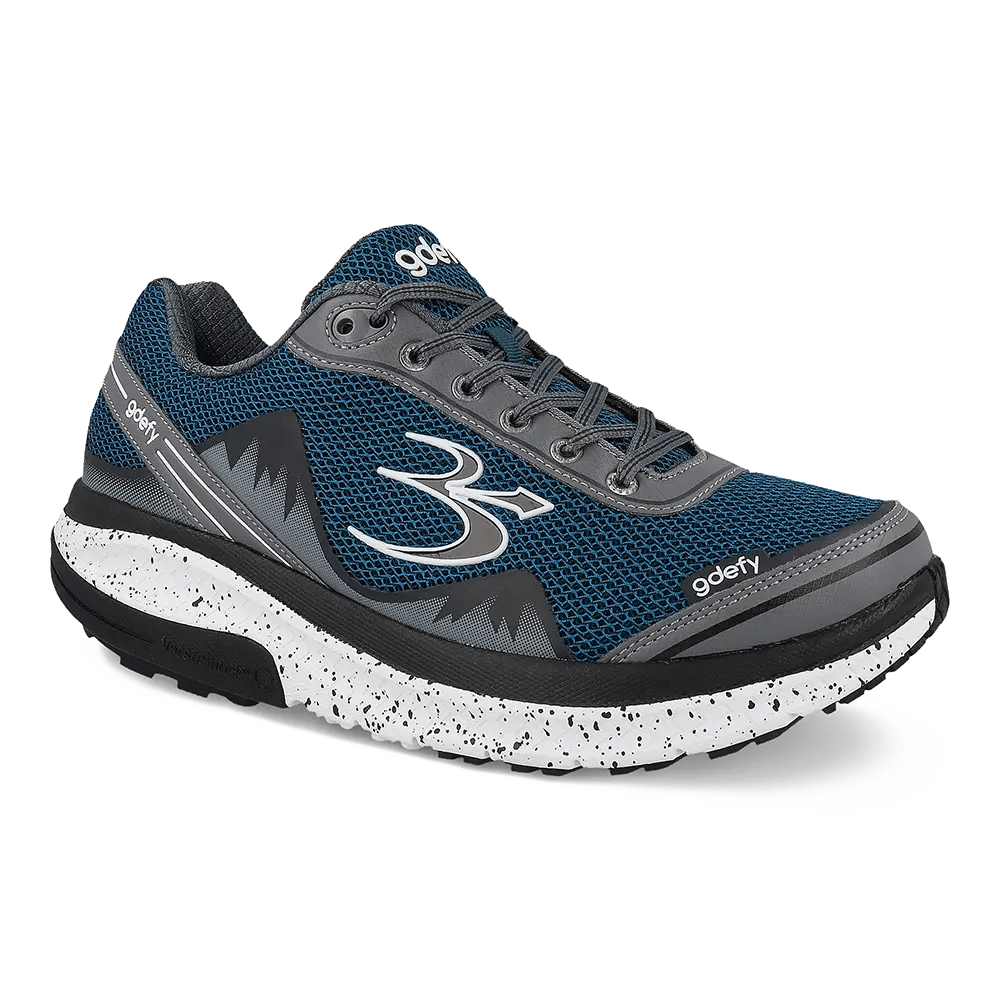
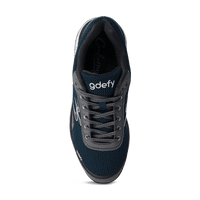
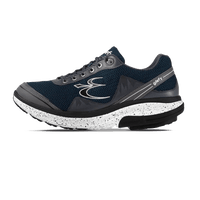
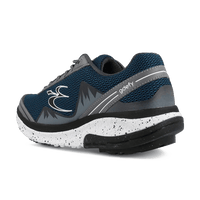
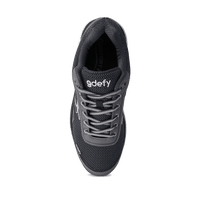
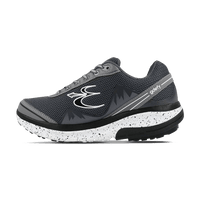
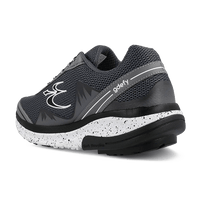
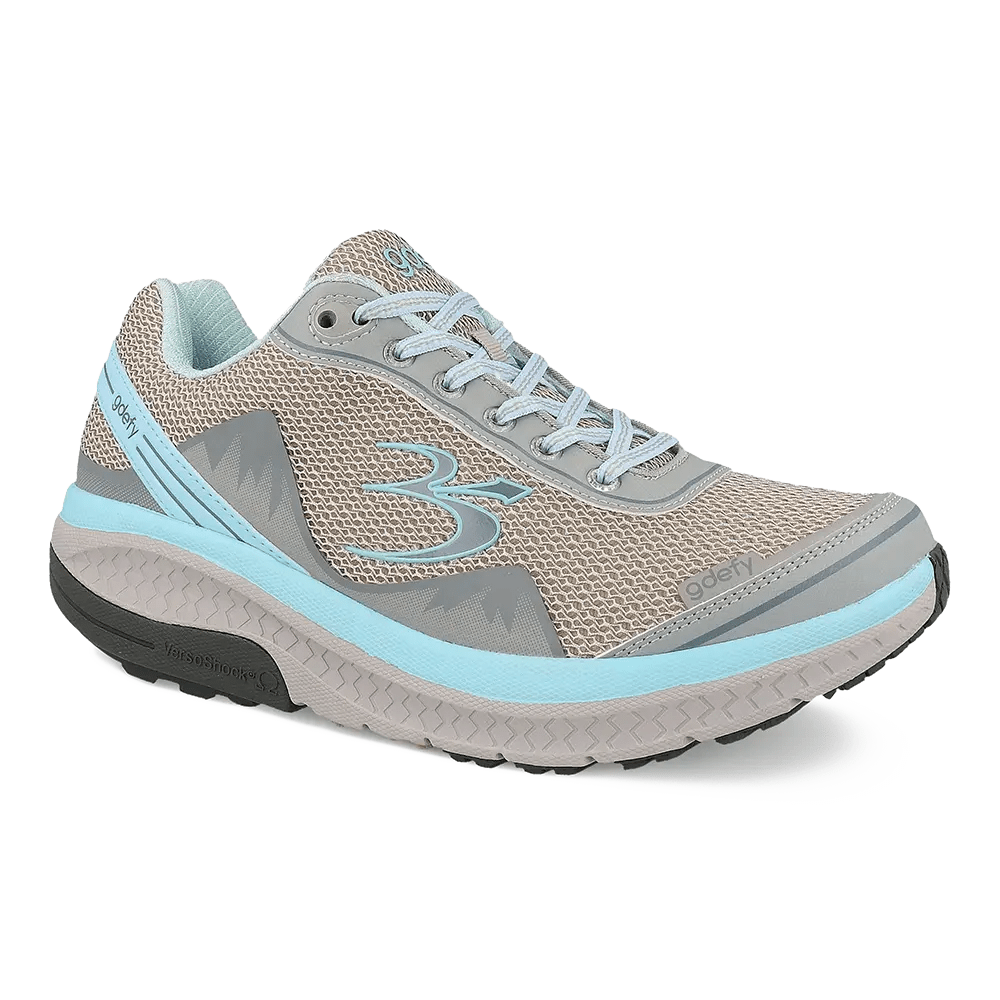
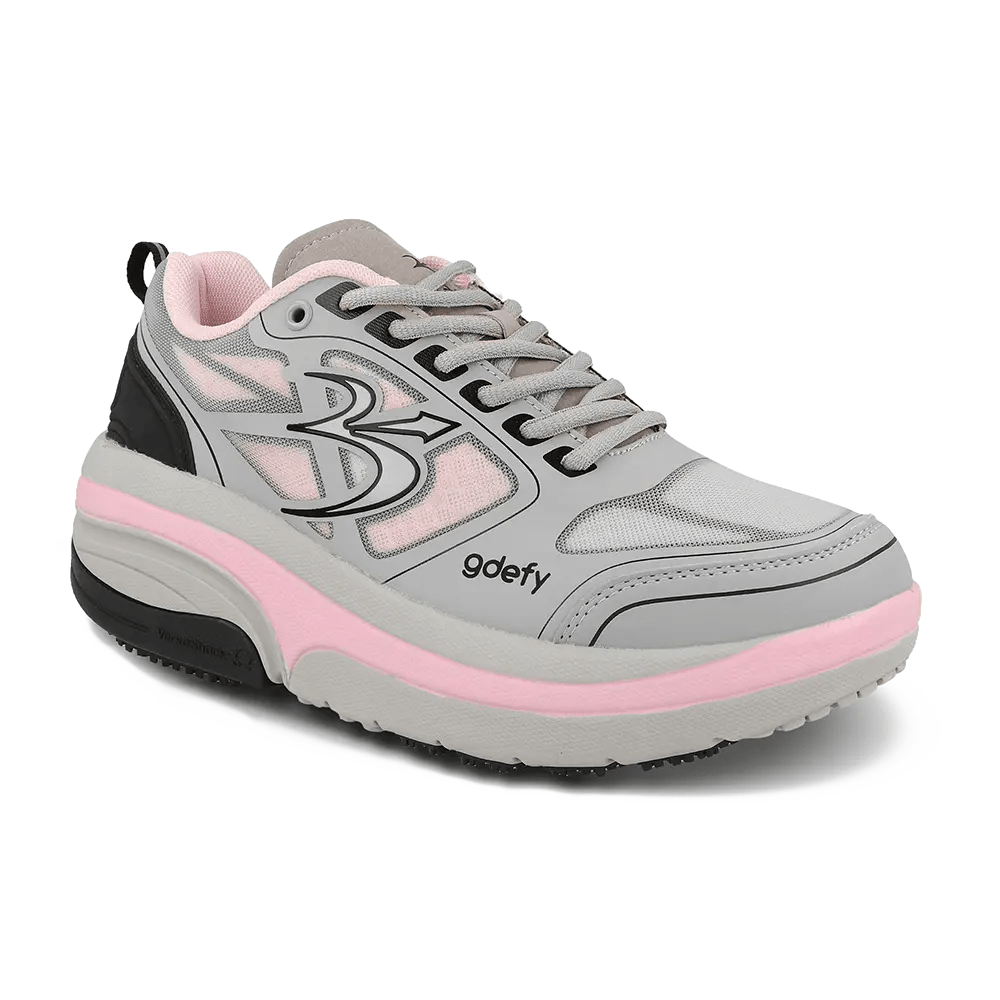
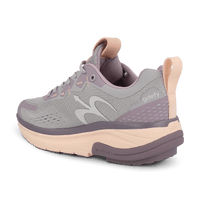
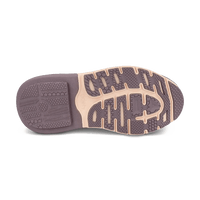
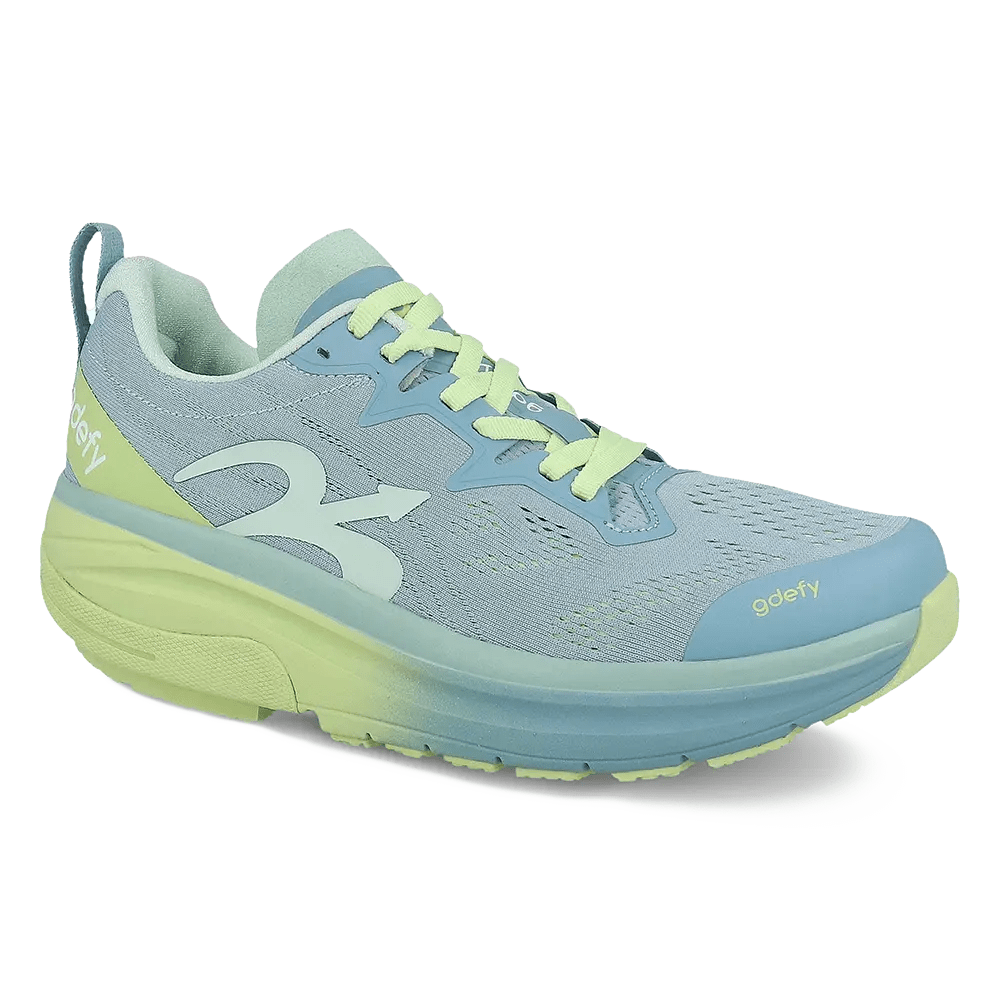
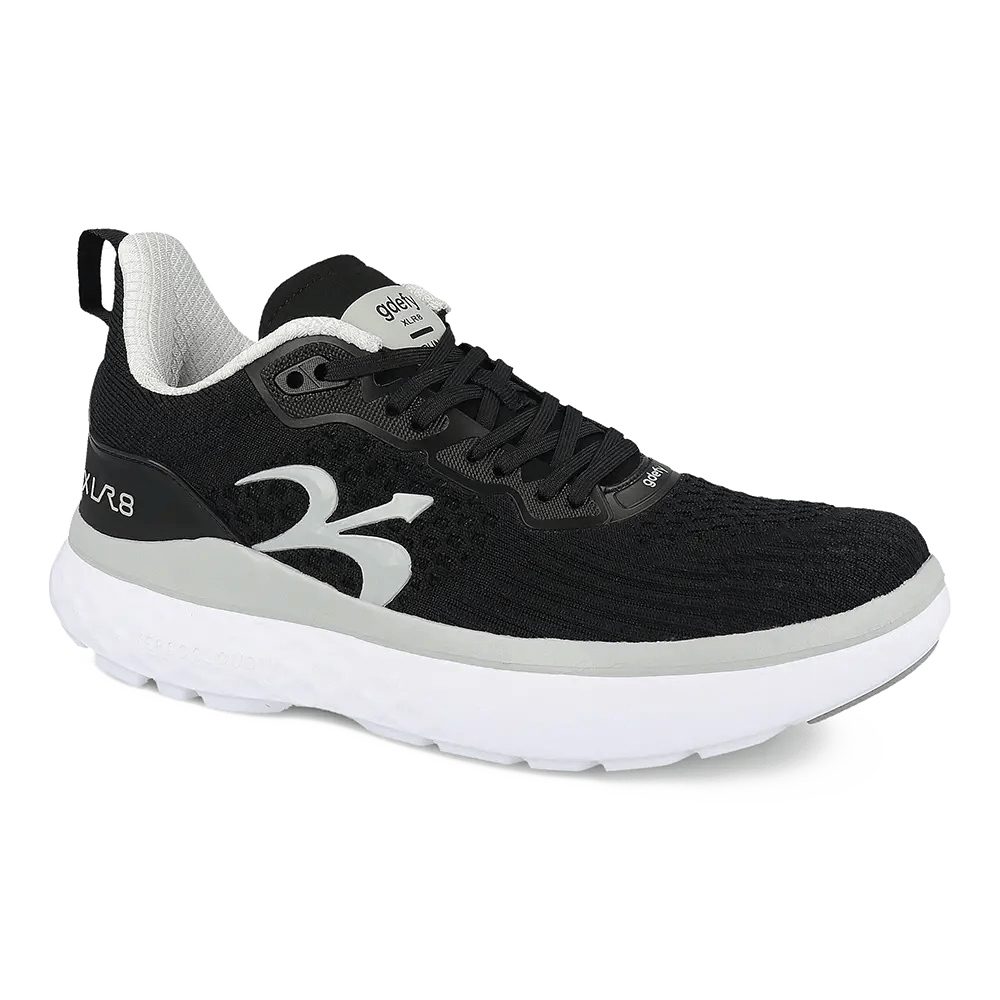
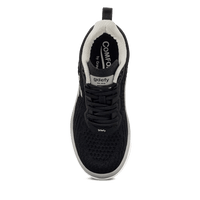
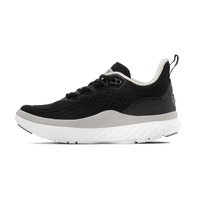
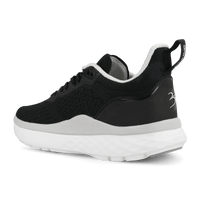
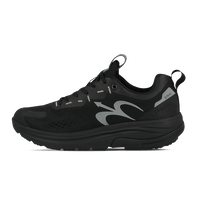
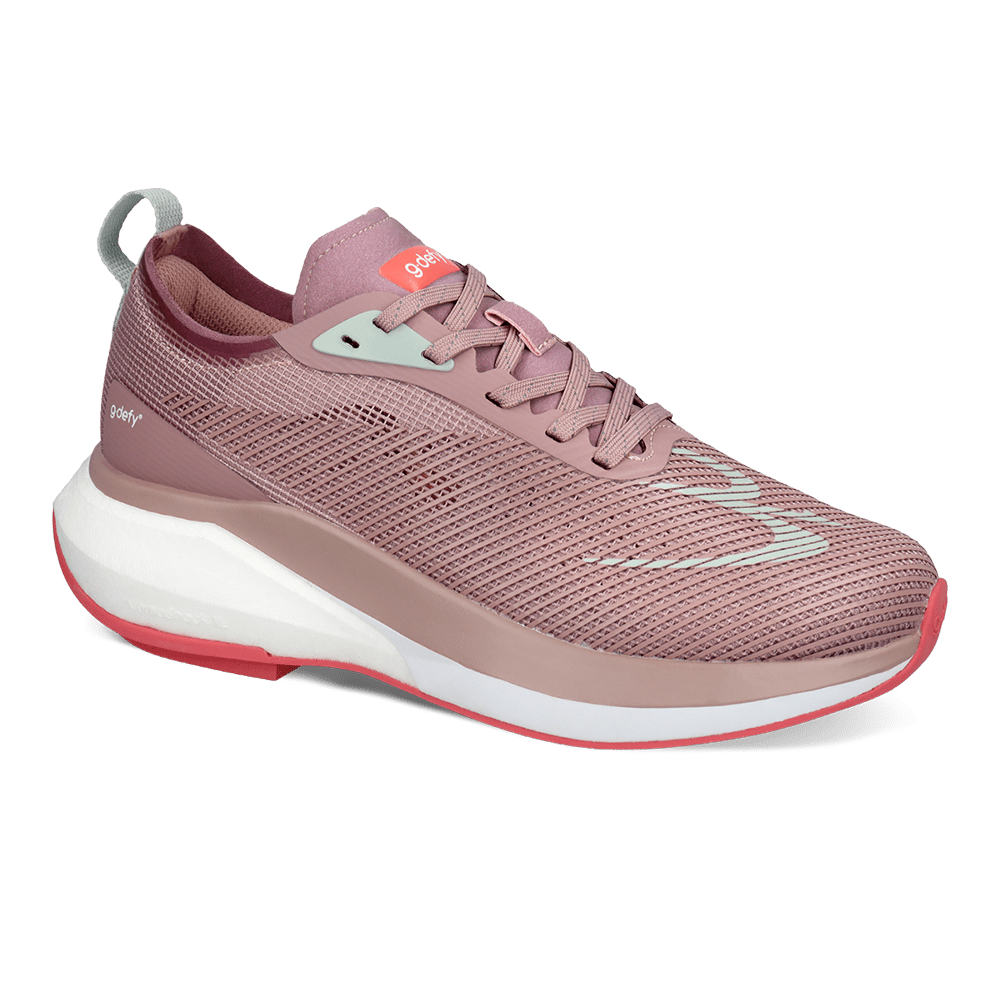
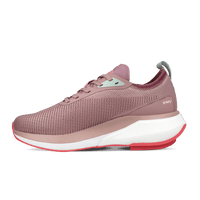
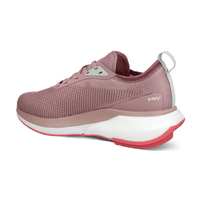
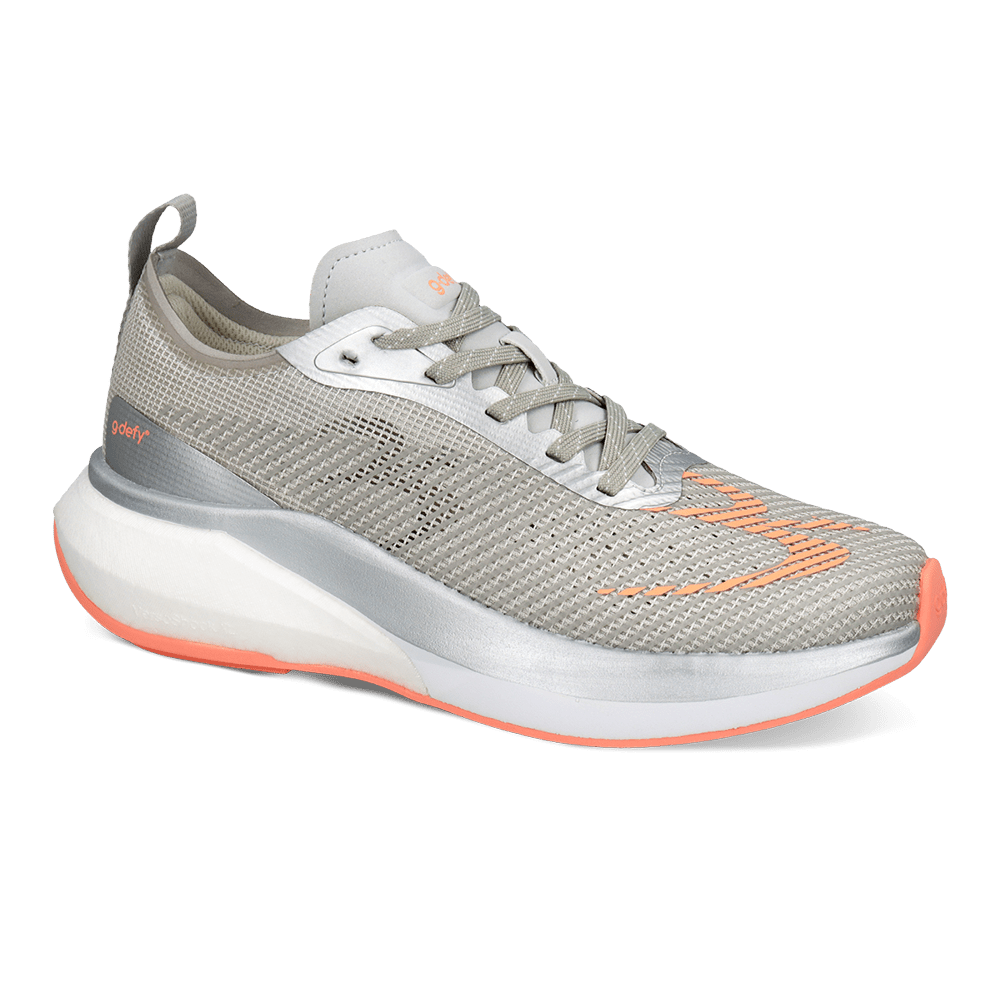
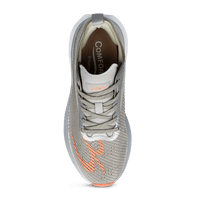
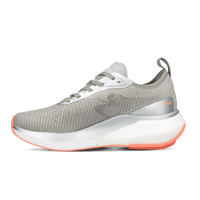
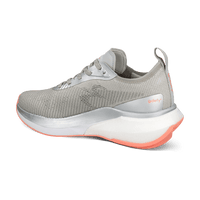
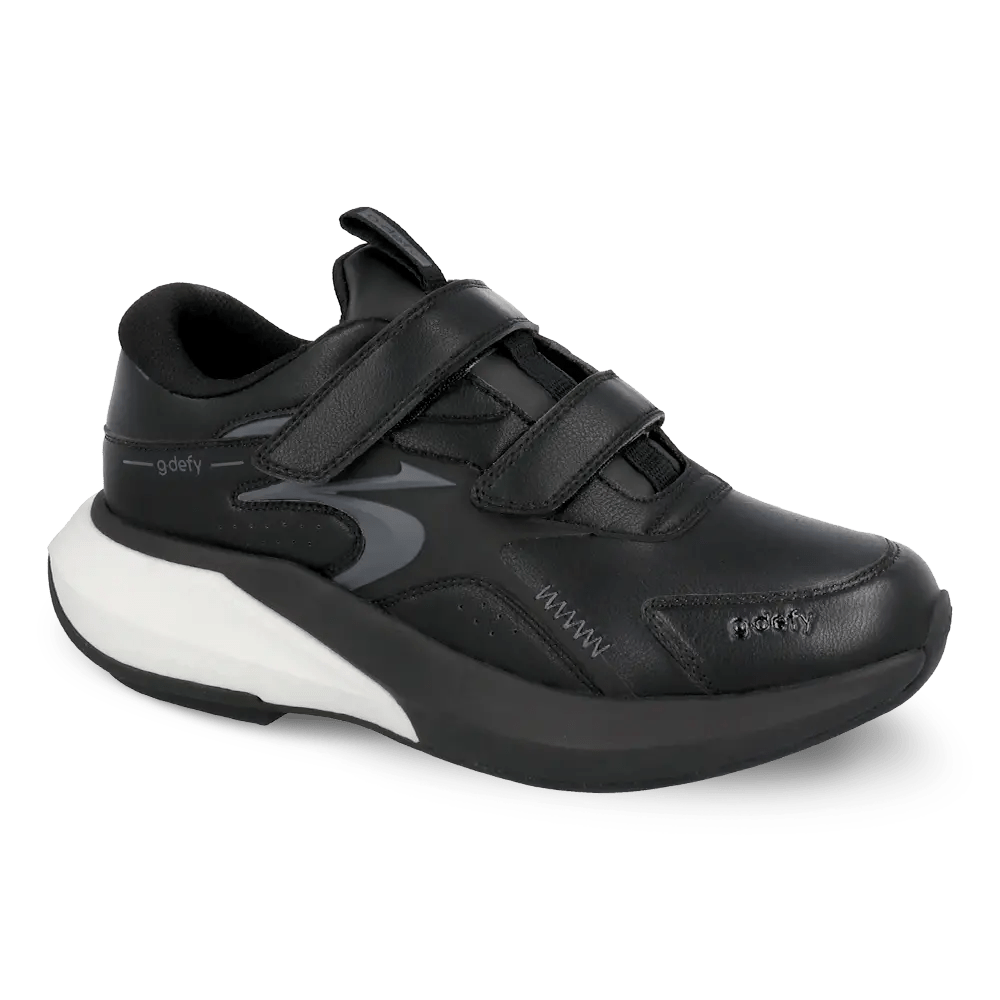
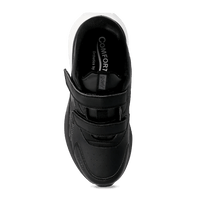
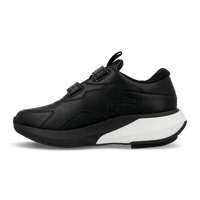
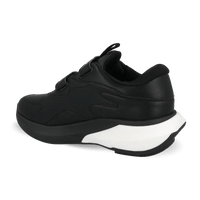
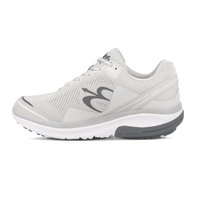
For long shifts on concrete, two styles are worth a close look. The G-Defy Mighty Walk pairs generous cushioning with a supportive, secure fit built for all-day wear. If you prefer something lighter underfoot, the G-Defy Ion offers the same VersoShock® foundation in a lightweight design that helps reduce fatigue over the hours. Both come backed by a 60-day risk-free trial with free shipping and free exchanges, so you can test them through real shifts and see how they feel on your floor.
Built for people who stay on their feet
Comfort, support, and shock absorption in every pair — try G-Defy for 60 days, risk-free, with free shipping and free exchanges.
Shop the Mighty Walk
Practical Tips for Standing and Walking on Concrete All Day
The right shoes do a lot of the work, but a few simple habits can help you stay more comfortable through a full shift on hard floors.
- Rotate your shoes. Alternating between two supportive pairs lets cushioning recover between wears and helps each pair last longer.
- Replace worn-out soles. Once cushioning is compressed, a shoe stops protecting your feet. If a pair feels harder than it used to, it may be time for a new one.
- Use an anti-fatigue mat when you can. If you stand in one spot, a cushioned mat adds another layer between you and the concrete.
- Move when possible. Shifting your weight, taking short walks, and changing position keeps pressure from building in the same spots.
- Choose the right orthotic. Matching the insole to your arch type can make a supportive shoe feel even more comfortable.
- Prioritize fit. Snug through the midfoot, roomy at the toes, and secure enough that your foot is not sliding as you move.
Frequently Asked Questions
What kind of shoes are best for standing on concrete all day?
Look for shoes with meaningful cushioning, genuine shock absorption, a supportive and stable structure, a roomy toe box, and a secure fit. Supportive and cushioned footwear may improve overall comfort during walking and prolonged standing on hard surfaces.
Why do my feet hurt so much on concrete floors?
Concrete does not flex, so it returns nearly all of the impact from each step back up through your feet. Over a long shift, those repeated impacts — combined with standing in one place — tend to build foot fatigue and discomfort. Shoes that absorb shock help soften that contact.
Does cushioning alone make a shoe good for hard surfaces?
Cushioning is important, but it is not the whole picture. Very soft foam can feel unstable and tiring if your foot sinks into it. The most comfortable shoes for concrete combine cushioning with support and stability so the shoe feels protective and controlled.
How often should I replace shoes I wear on concrete every day?
There is no single number, but daily wear on hard floors compresses cushioning faster than occasional use. If a pair starts to feel harder underfoot or your feet tire more quickly than they used to, the cushioning is likely worn out and it is time to replace them.
Can the right shoes help with foot pain from being on my feet all day?
Footwear is not a medical solution, but shoes designed for comfort, support, and shock absorption may improve how your feet feel during long days of walking and prolonged standing. If you have persistent foot pain, it is a good idea to consult your healthcare provider.
The Bottom Line
Concrete asks a lot of your feet, and no shoe removes the hardness of the floor. But choosing footwear designed for comfort, support, and shock absorption can make a meaningful difference in how you feel by the end of a long day. Focus on real cushioning, dependable shock absorption, a stable structure, and a fit that holds your foot securely — and pair the right shoes with smart habits like rotating pairs and replacing worn soles.
If you are on your feet all day, explore the full men's collection and women's collection to find a pair built for hard surfaces. While footwear is not a medical solution, the right shoes can help you finish the day feeling better than you started it.
Find your all-day pair
VersoShock® shock absorption, dual orthotics, and a 60-day risk-free trial. Free shipping and free exchanges on every order.
Shop the G-Defy Ion