
July 05, 2026
What Is Energy Return in Shoes and Why It Matters
By Gdefy

Summary

When you shop for comfortable shoes, you hear a lot about cushioning. But cushioning is only half the story. The other half is energy return, and it is one of the biggest reasons two shoes that look almost identical can feel completely different on your feet. If you have ever wondered why one pair leaves your legs tired after a long day while another feels supportive from morning to night, energy return in shoes is a large part of the answer.
Energy return is not marketing jargon. It describes a real, mechanical difference in how a shoe handles the force of each step. Understanding it can help you choose footwear that works with your body instead of against it, whether you are walking the dog, standing through a long shift, or heading out for a run. In this guide, we will explain what energy return actually is, why standard foam falls short, what features to look for, and how G-Defy engineers energy return into every shoe.
The quick version: energy return is the share of the force from each step that a shoe gives back to you. Shoes that store and release that energy help your stride feel more responsive and can reduce how tired your legs feel over a full day, while shoes that only absorb and lose the energy tend to feel flat and effortful.
What Energy Return Actually Means
If you have ever compared two pairs of shoes and noticed that one feels lively while the other feels flat, you have already felt the difference that energy return makes. Energy return describes how much of the force you put into each step a shoe gives back to you.
Every time your foot lands, your body sends impact force down into the ground. A shoe sits between your foot and that surface, and how it handles the force matters. Some of that energy is absorbed to soften the landing. The question is what happens to it next. A shoe with low energy return absorbs the force and lets most of it fade away. A shoe designed for energy return stores part of that force and releases it again as your foot rolls forward and pushes off.
Think of the difference between stepping onto wet sand and stepping onto a diving board. Sand absorbs your step and gives nothing back, so every stride feels heavy. A springboard flexes, stores the energy, and returns it, so your movement feels assisted. Energy return in footwear works on the same basic principle.

Why Standard Foam Loses Energy Over the Day
Most comfort and athletic shoes are built around a foam midsole. Foam is affordable, light, and comfortable at first. But foam works by compressing, and compression has a cost.
When foam flattens under your body weight, it absorbs impact by deforming. When you lift your foot, it partly springs back, but a meaningful share of that energy is lost as heat rather than returned to your stride. Over a long day of walking or standing, this small loss repeats with every step, and the cushioning you felt in the morning gradually feels less responsive by the afternoon.
There is also a longer-term issue called compression set. Over weeks and months, foam gradually flattens and does not fully return to its original thickness. The shoe may still look fine on the outside while quietly losing the responsiveness it started with. That is one reason many foam-based shoes feel worn out well before they look worn out.
Energy return is really a story about efficiency: how much of your effort the shoe preserves, both within a single day and across months of regular wear.
What to Look for If You Want Responsive Cushioning
Energy return does not come from a single feature. It comes from how the whole sole is built. If a springier, more supported stride is what you are after, these are the elements that matter most.
- Spring-based cushioning — a midsole engineered to store and release energy returns more of your effort than foam that simply compresses.
- Shock absorption — softening the impact of each landing helps each step feel smoother and less jarring.
- A stabilizer — structure through the middle of the shoe keeps the platform steady, so energy goes into moving forward rather than into an unstable, twisting sole.
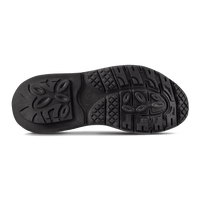
- A rolling forefoot design — sole geometry that guides a smooth heel-to-toe transition helps carry your momentum through to toe-off.
- Proper fit — a secure, correctly sized fit lets the sole do its job instead of your foot sliding or gripping to compensate.
To see how these pieces fit together inside a well-built shoe, our guide on what is inside a comfort walking shoe breaks down each layer of the design.
How G-Defy Builds Energy Return Into Every Shoe
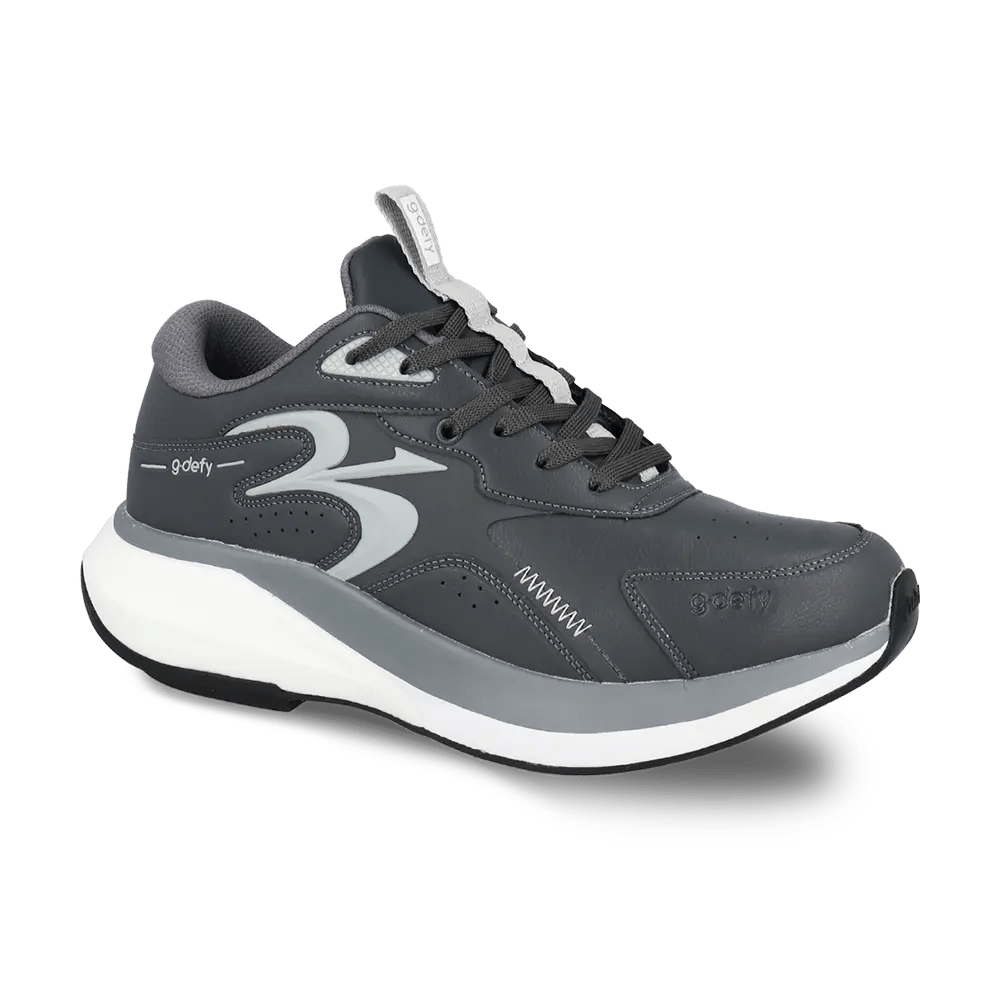
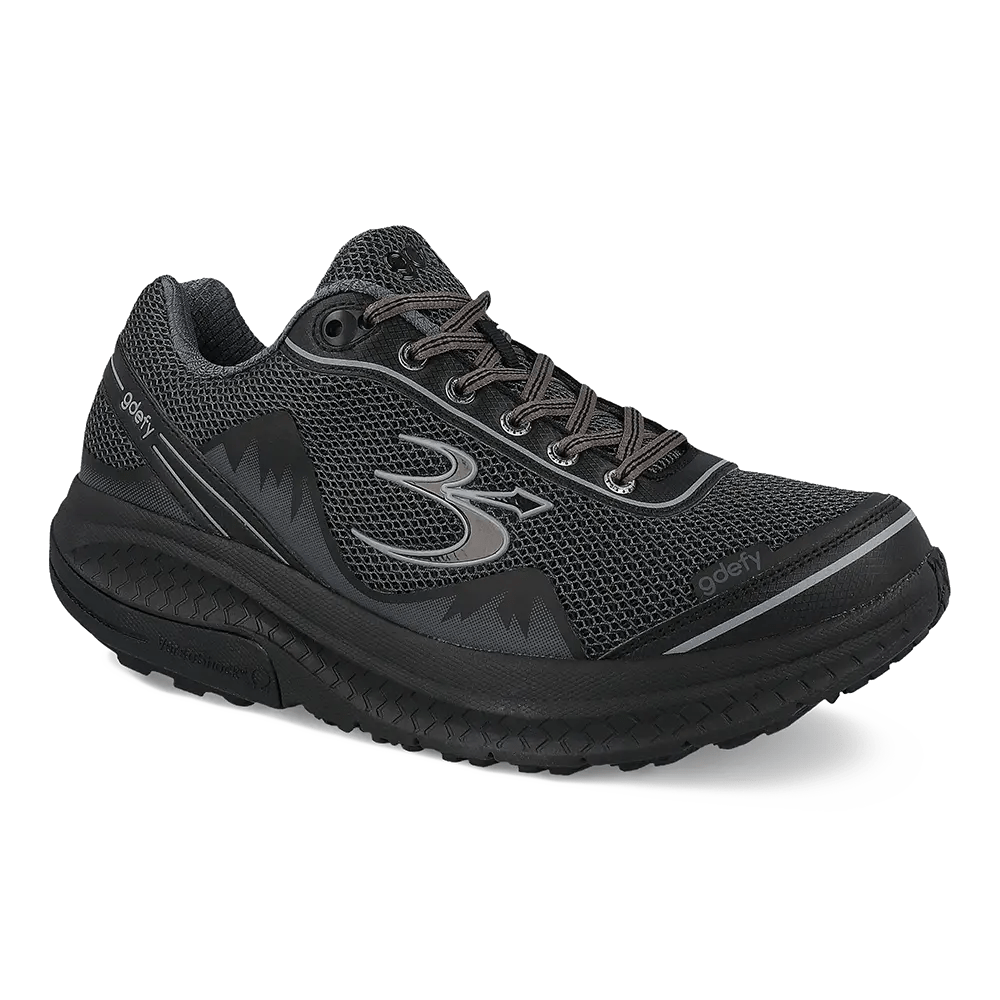
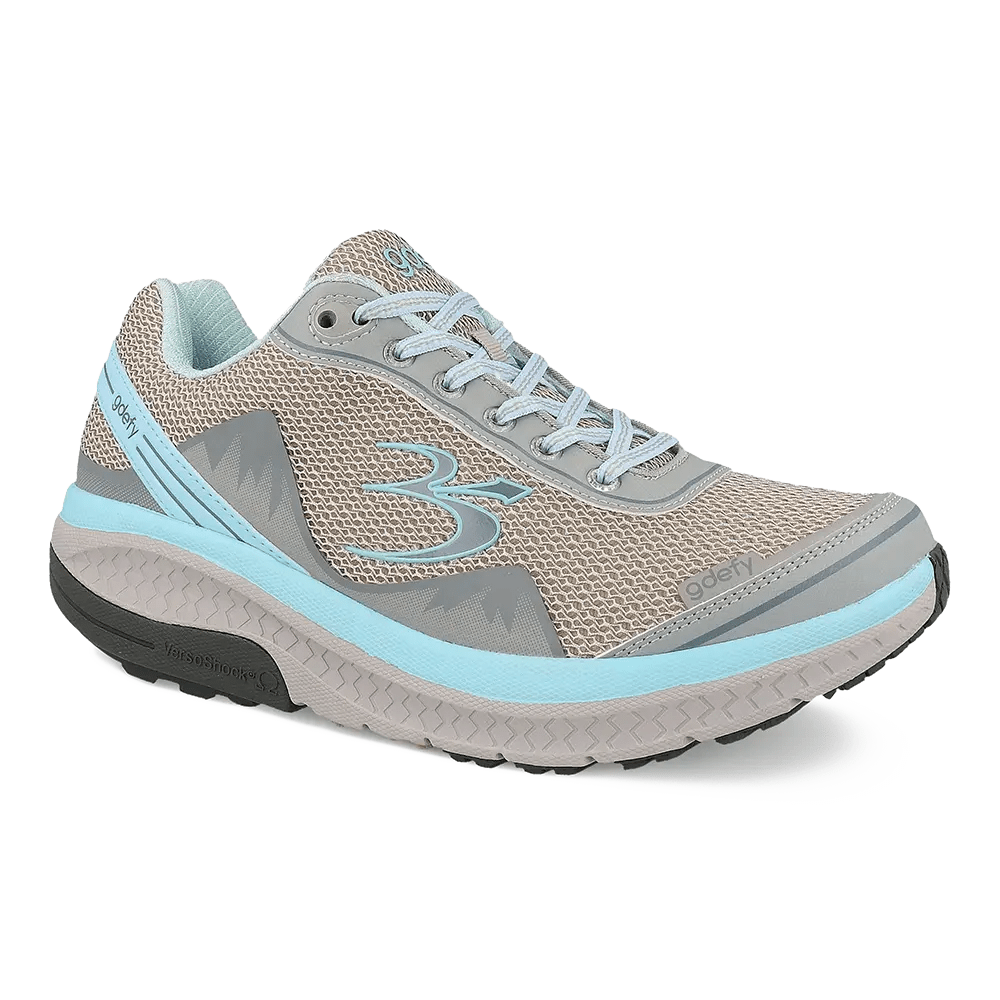
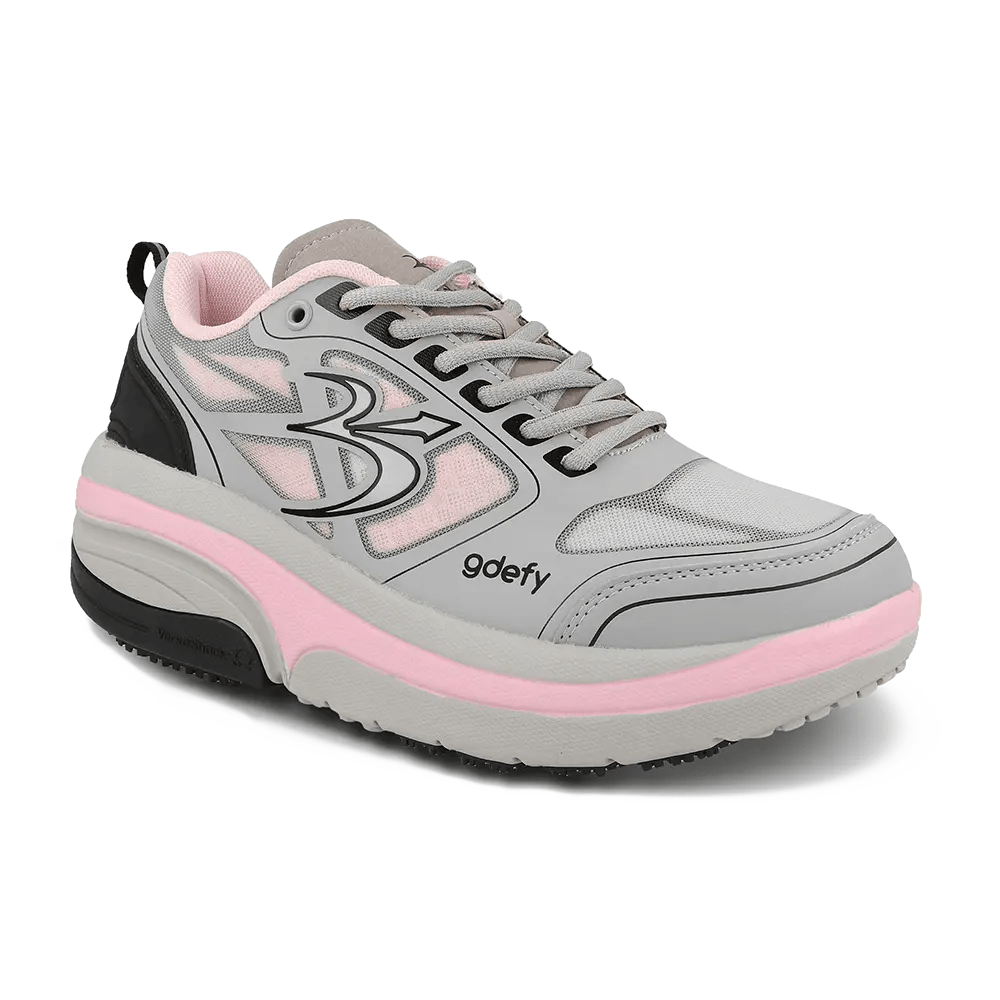
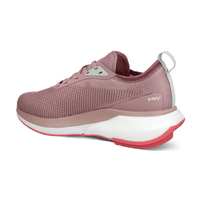
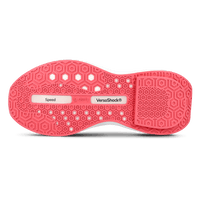
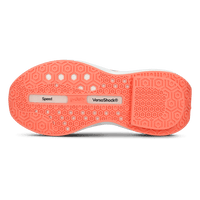
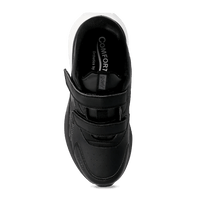
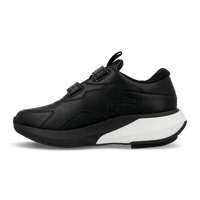
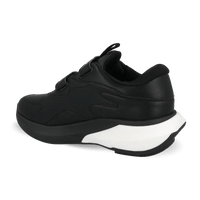
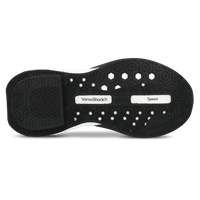
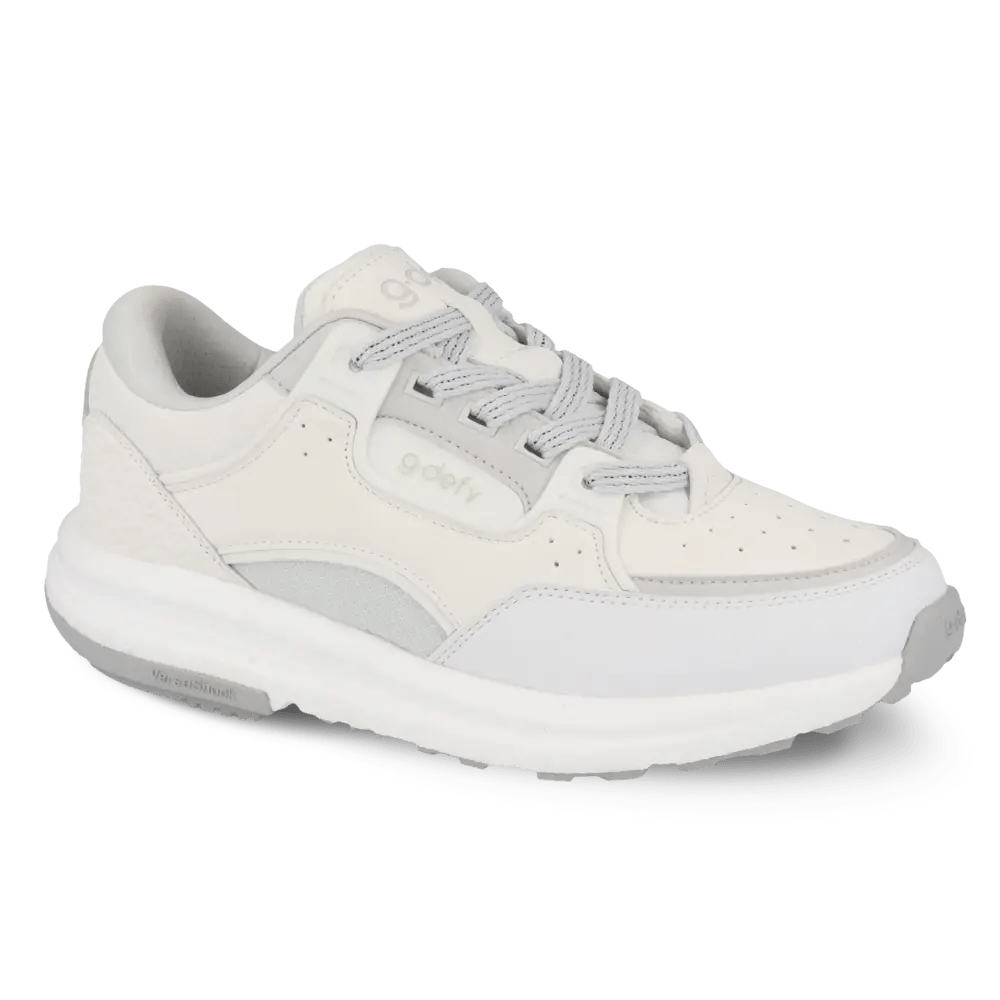
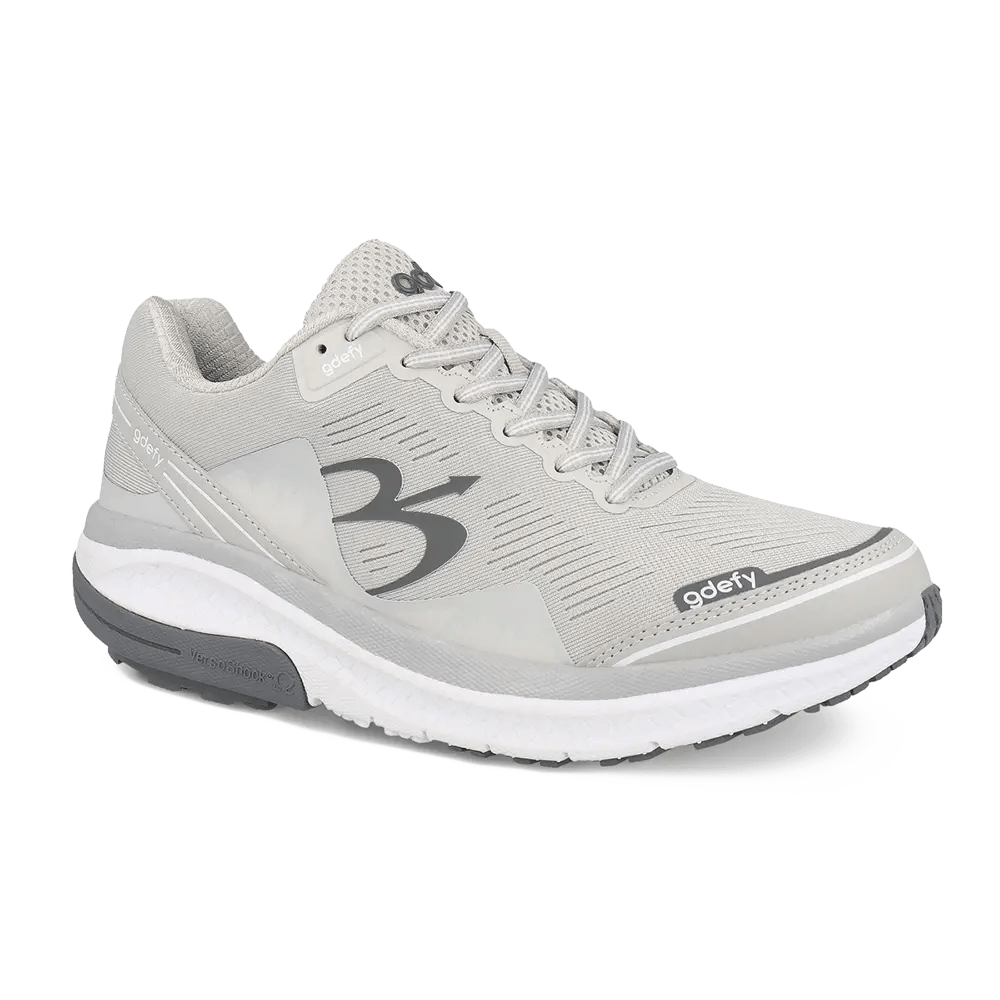
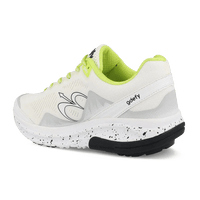
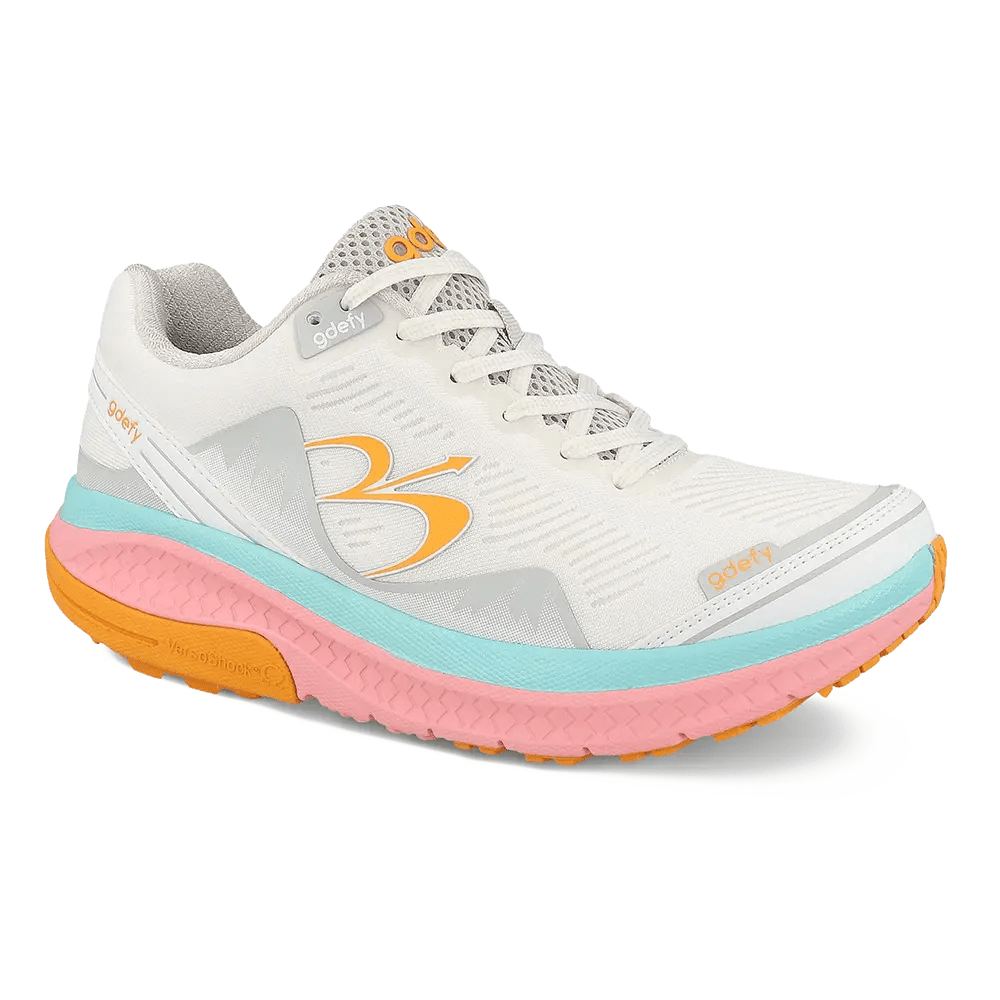
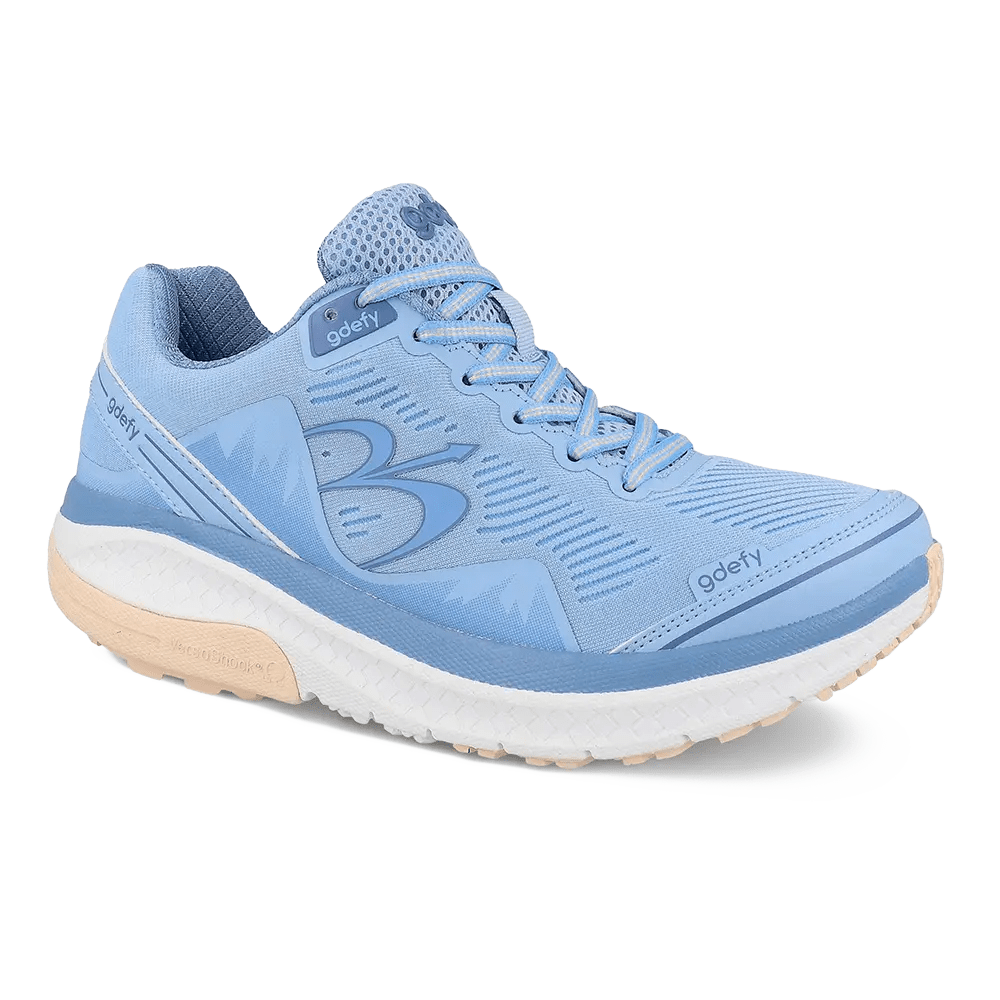
G-Defy takes a different approach to the midsole. Instead of relying on foam alone, every G-Defy shoe is built around VersoShock® technology, a spring-based system engineered to absorb impact and return energy with each step.
The system works as four connected pillars. First, the VersoShock® spring mechanism absorbs impact at the moment your heel lands, softening the force gradually rather than abruptly. Second, instead of losing that energy as heat the way foam does, the spring stores it and releases it as your foot rolls forward, which is the energy return that helps keep your stride feeling responsive. Third, a built-in stabilizer supports the foot and prevents excessive bending in the middle of the shoe. Fourth, a front rolling design encourages a smooth, natural heel-to-toe transition.
Because the cushioning is spring-based rather than foam-based, it is engineered to hold its responsiveness through a full day of activity, and across many months of regular use, rather than fading as the hours add up. On top of that base, every pair includes two removable orthotics: ComfortFit® for low to medium arches and CorrectiveFit® for medium to high arches, so you can customize the level of support to your own foot. For a closer look at how built-in support compares with the inserts you buy separately, see our guide on orthotic insoles versus built-in shoe support.
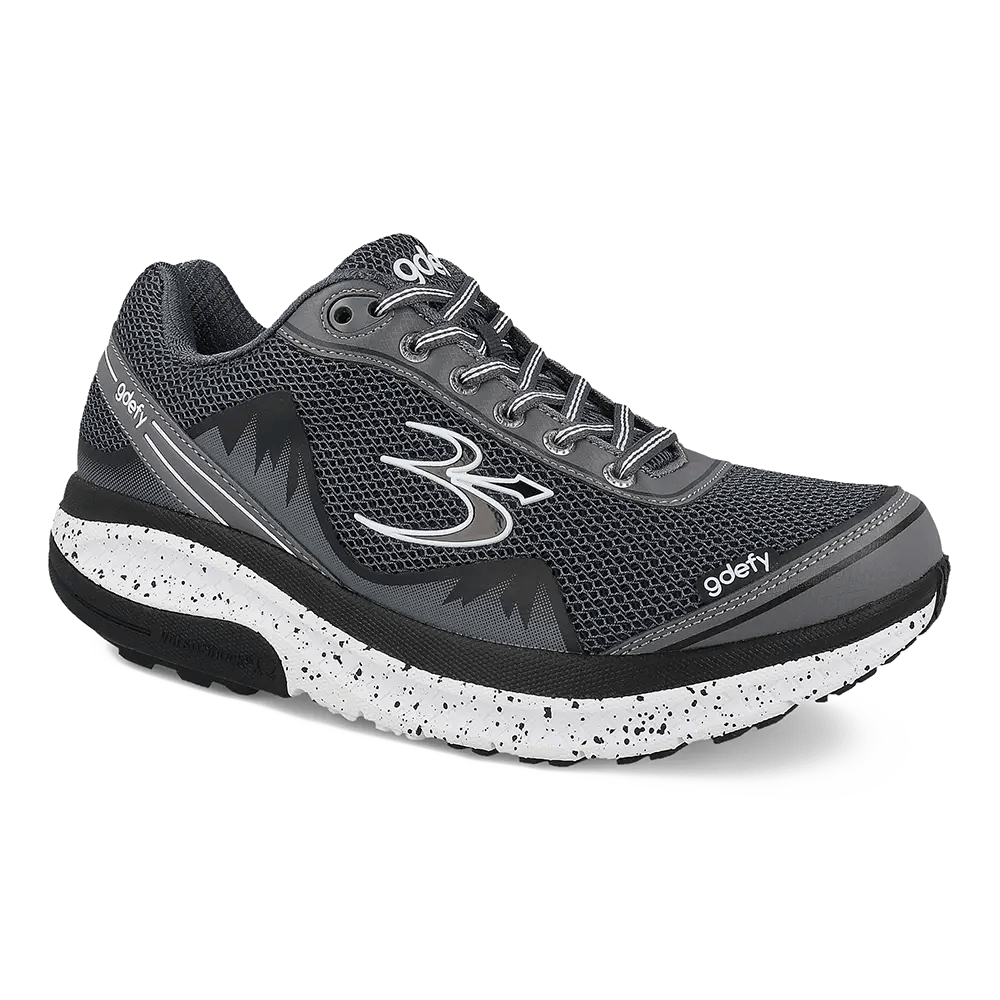
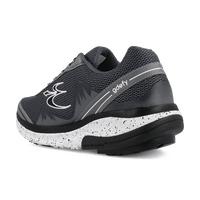
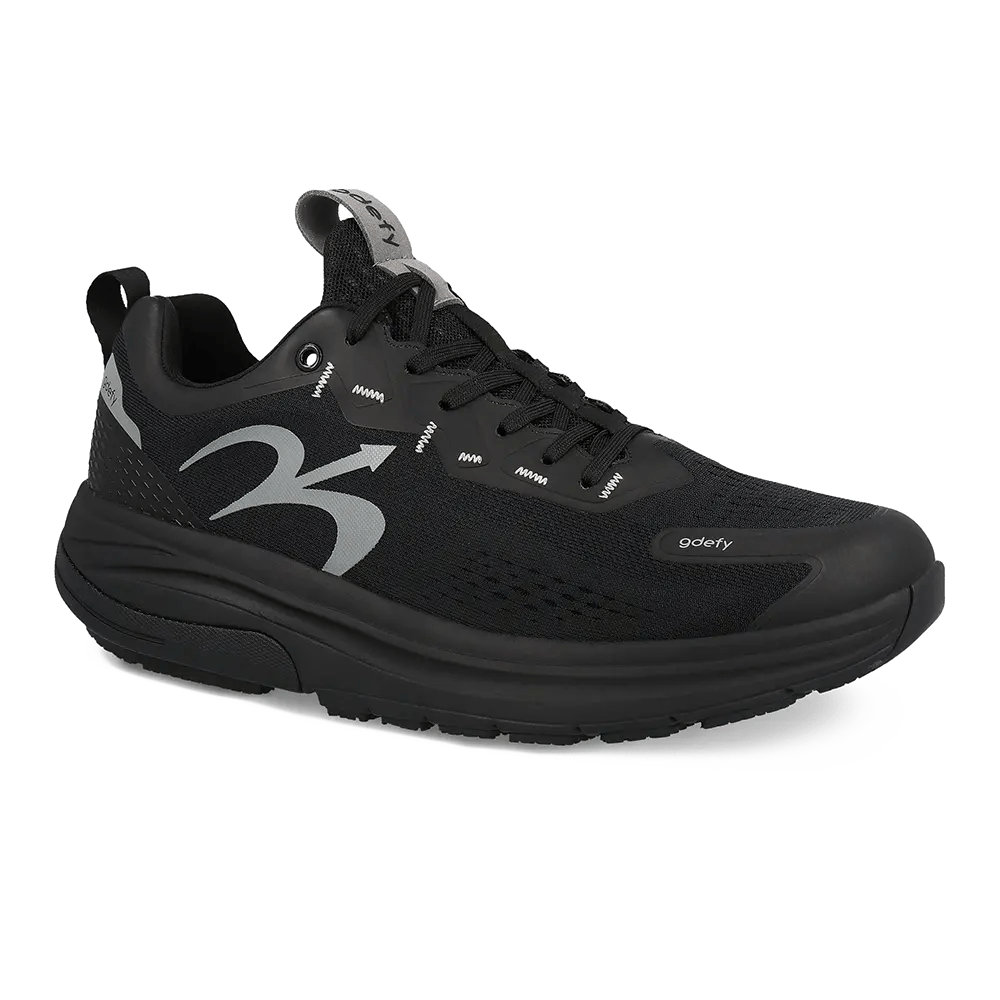
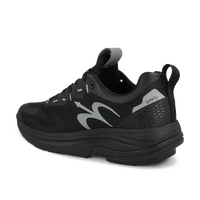
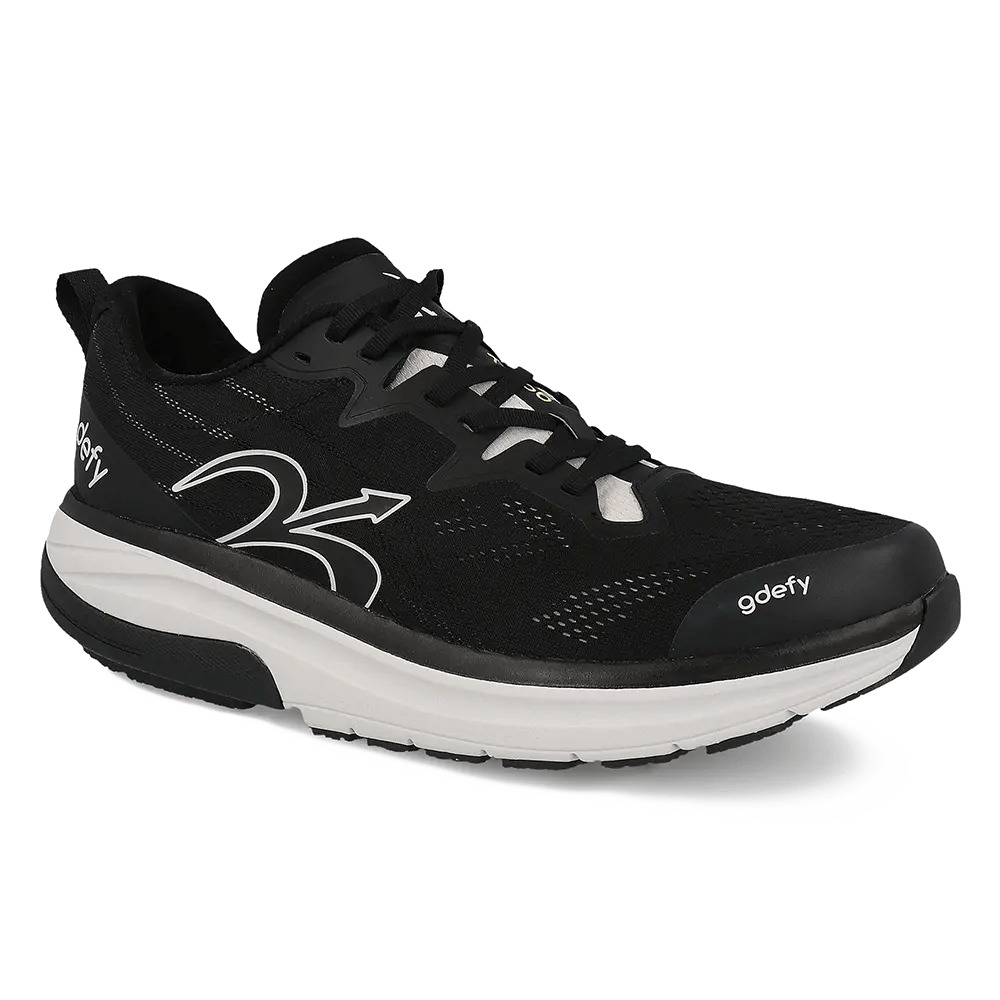
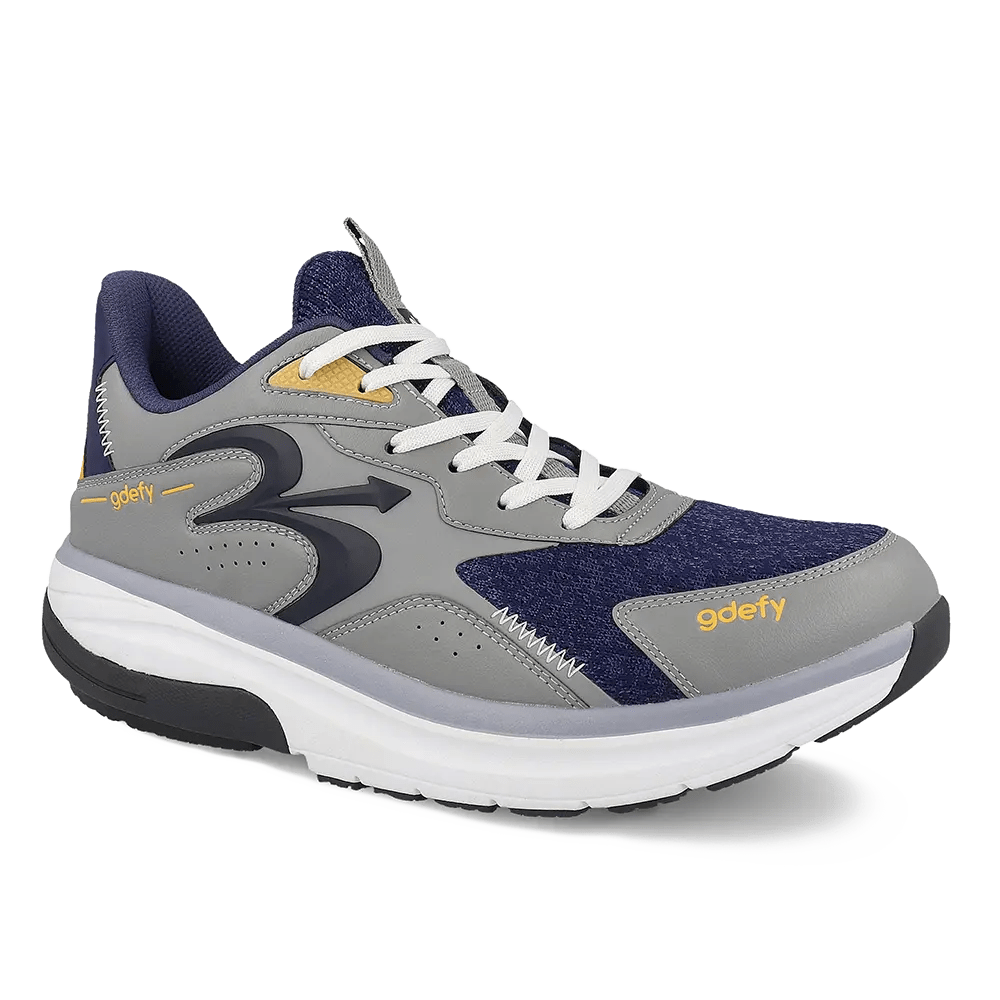
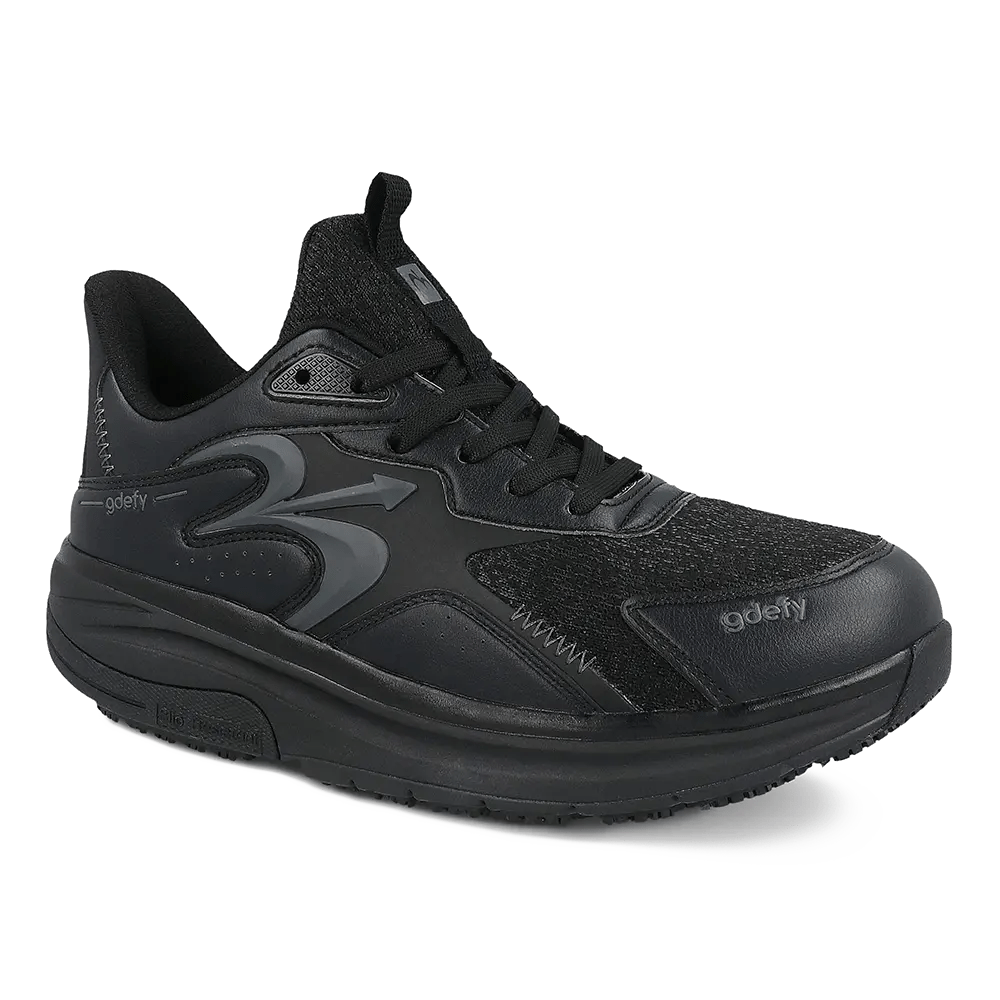
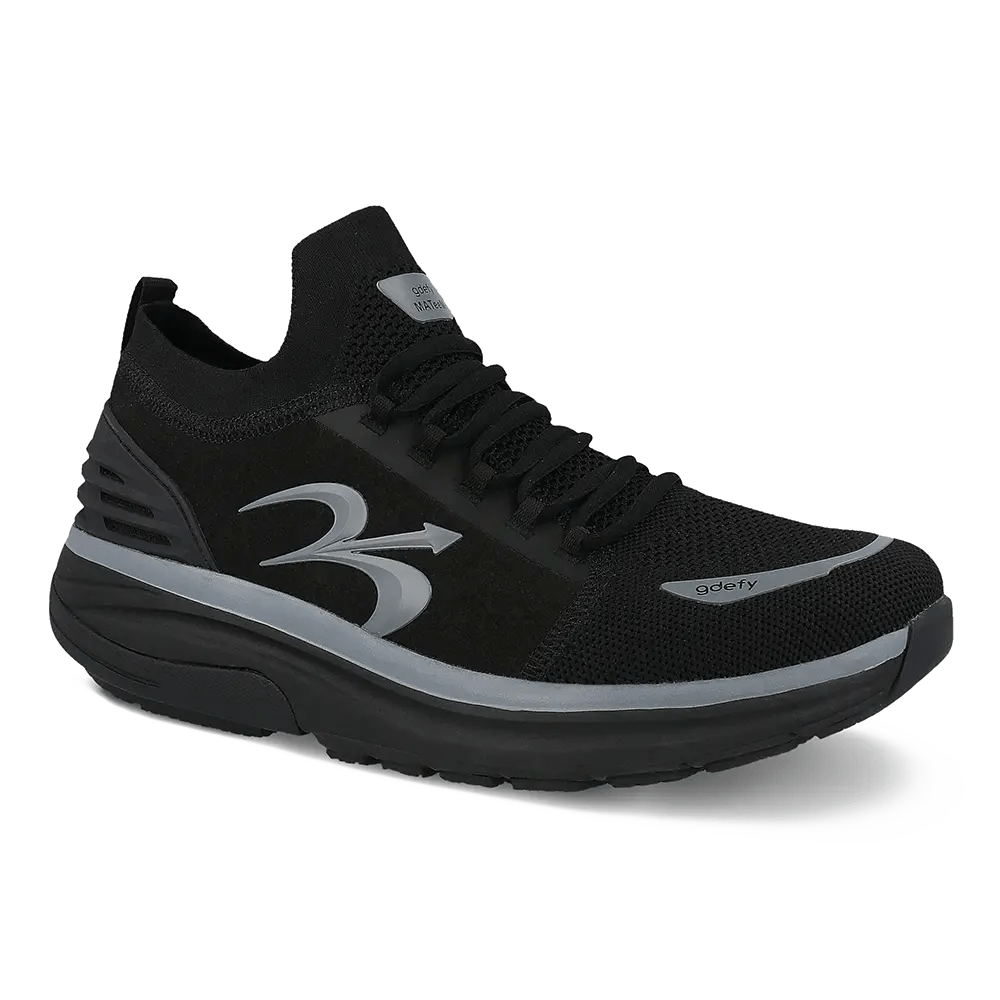
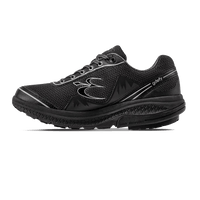
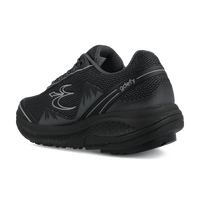
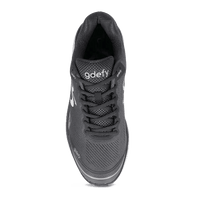
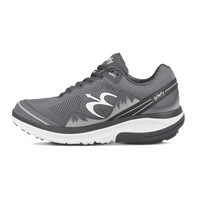
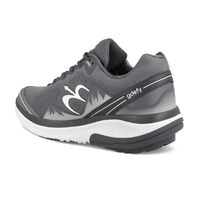
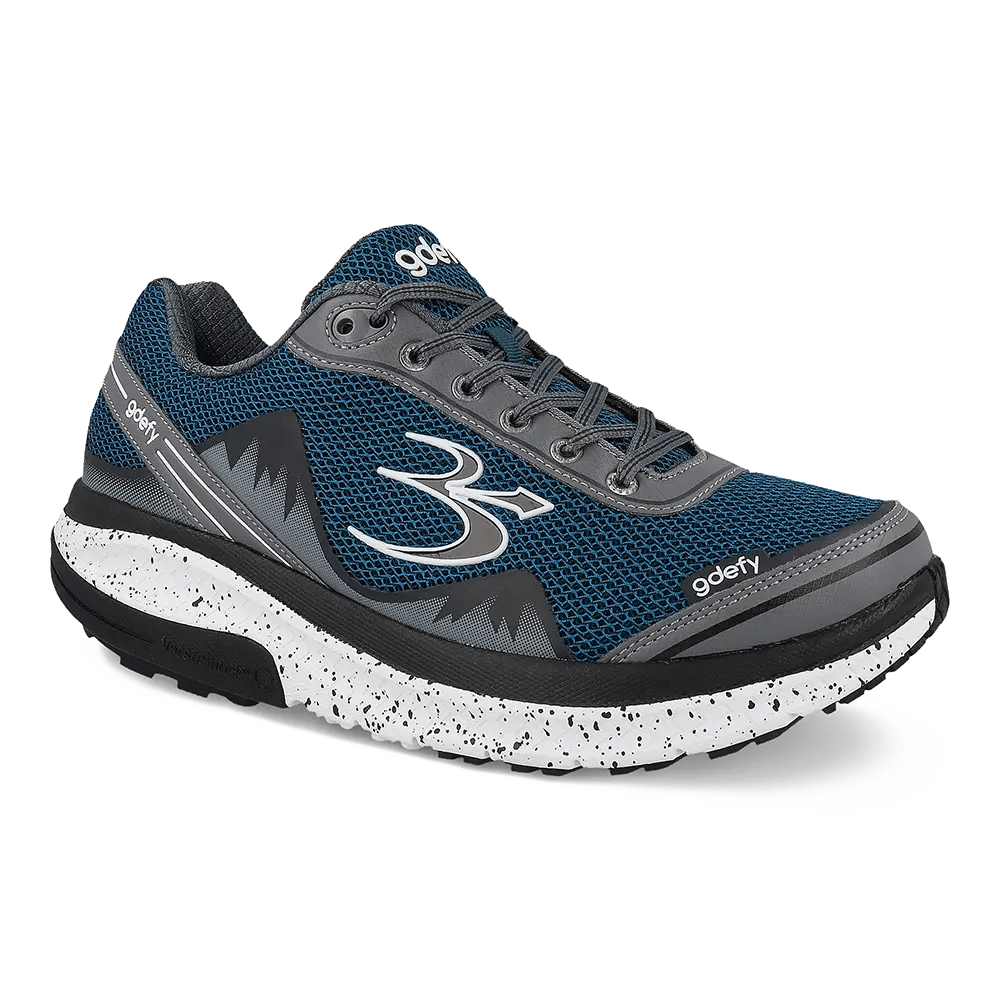
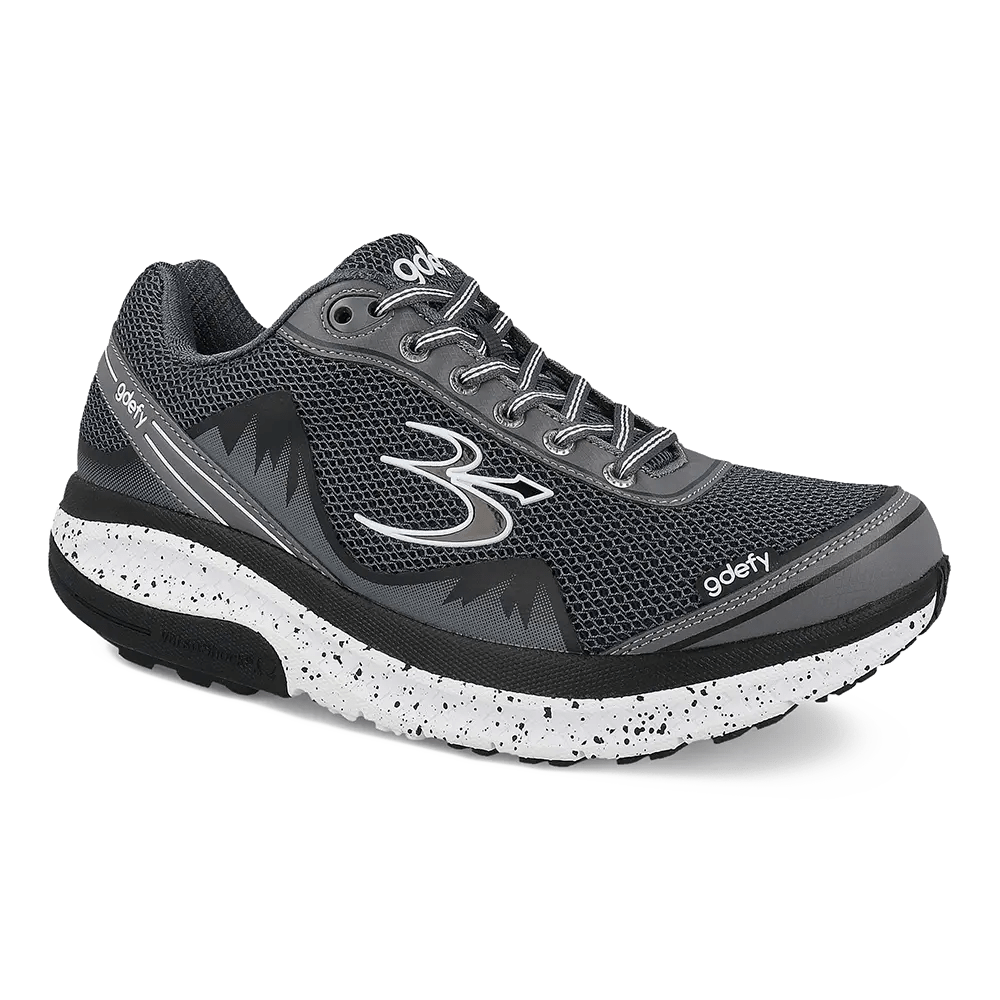
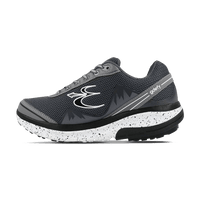
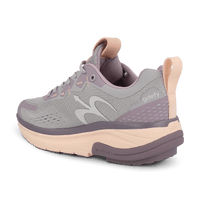
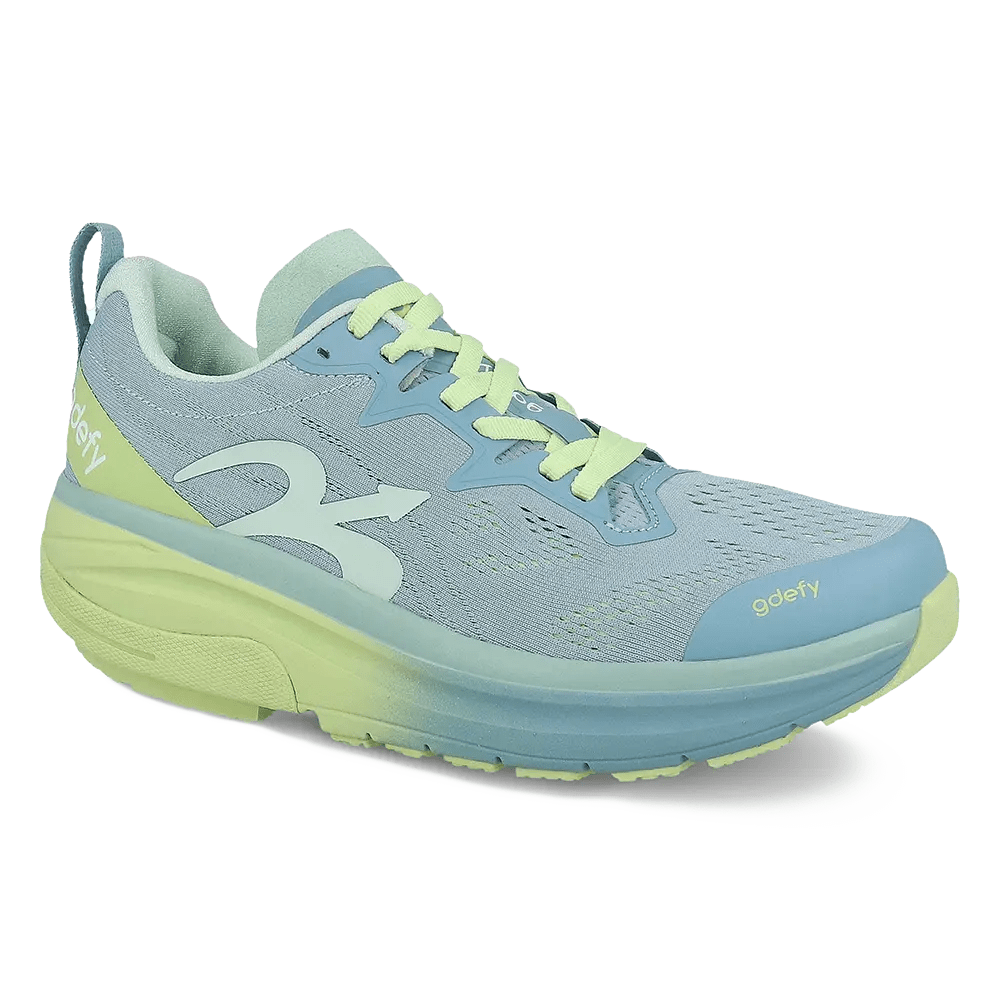
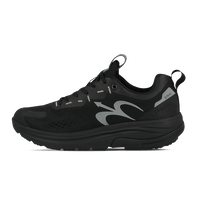
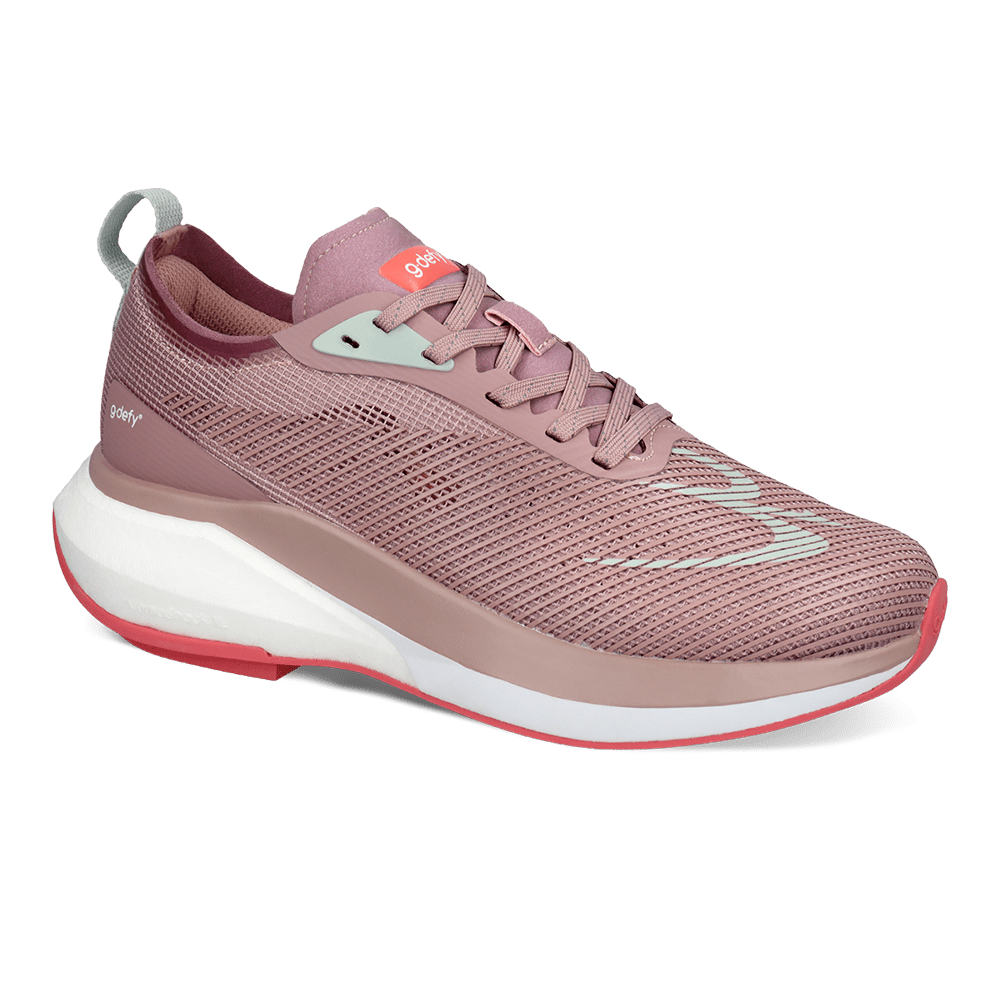
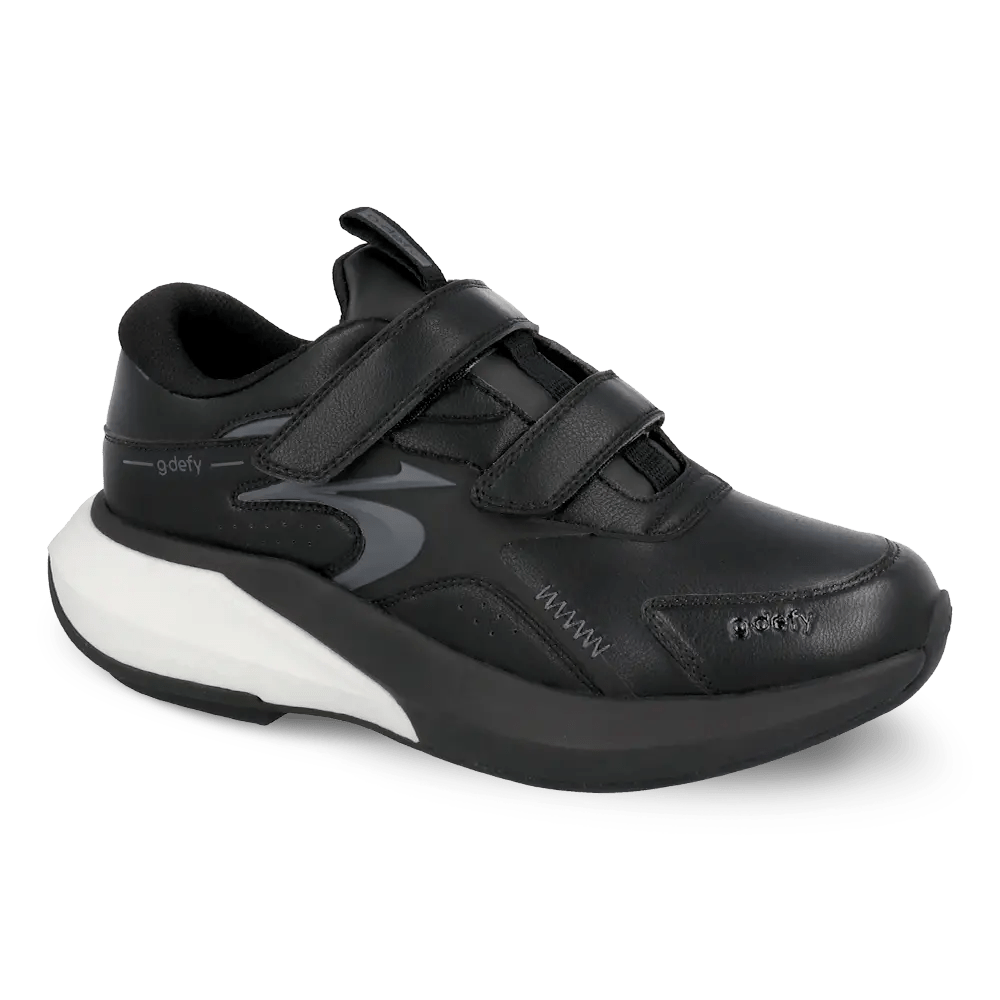
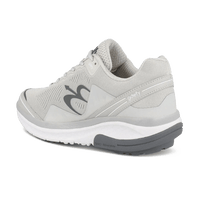
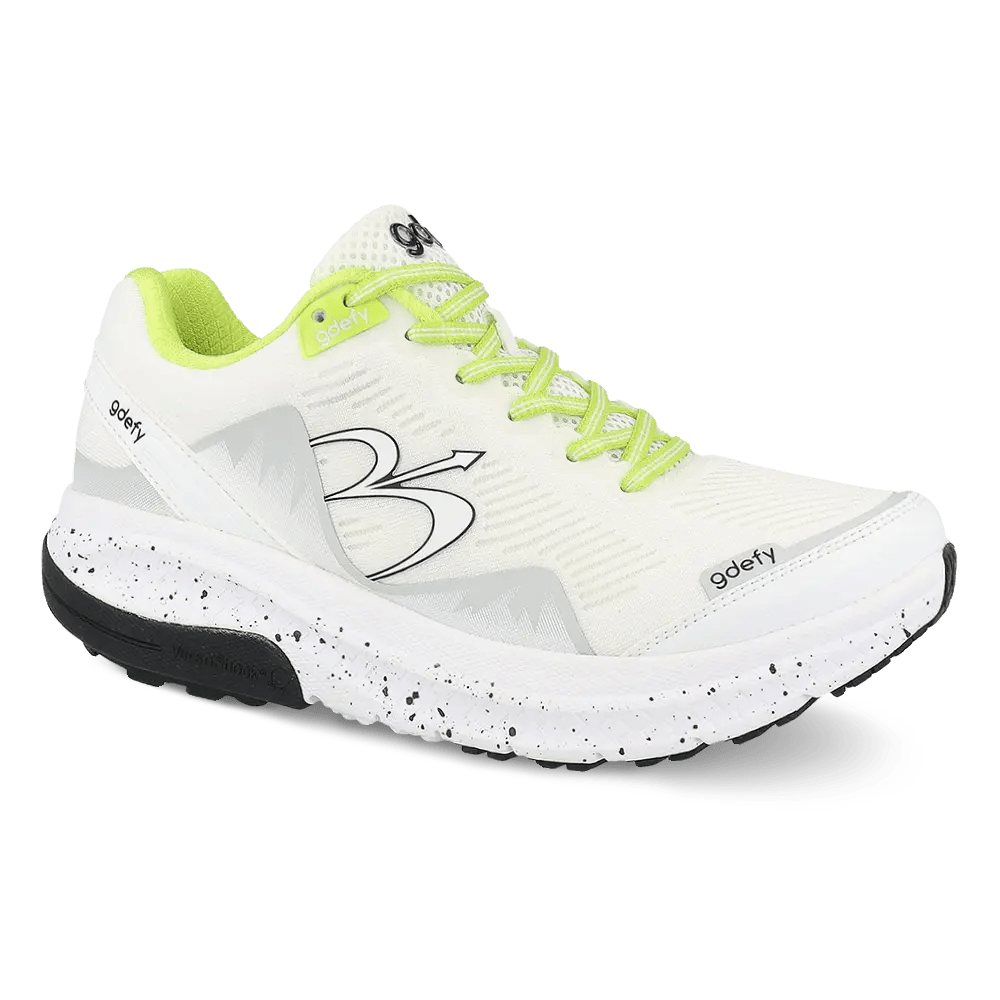
Put simply: G-Defy shoes are designed to deliver comfort, support, and shock absorption, and they help reduce pain from walking, running, and prolonged standing. You can explore the full lineup for men and women, or start with the Mighty Walk, the flagship everyday walking shoe.
Feel the Difference of Spring-Based Cushioning
The Mighty Walk is built on the full VersoShock® four-pillar system with dual orthotics included. Try it for 60 days, completely risk-free, with free shipping and free exchanges.
Shop Men's Mighty Walk Shop Women's Mighty WalkEnergy Return During Walking Versus Running
Energy return matters for both walking and running, but you notice it in slightly different ways.
During walking and long hours of standing, energy return shows up as reduced fatigue. When a shoe gives back some of the force of each step, your leg muscles do a little less work over thousands of steps, which can help you feel fresher at the end of a long day. This is why responsive cushioning is worth looking for in an everyday walking shoe, not just a performance one.
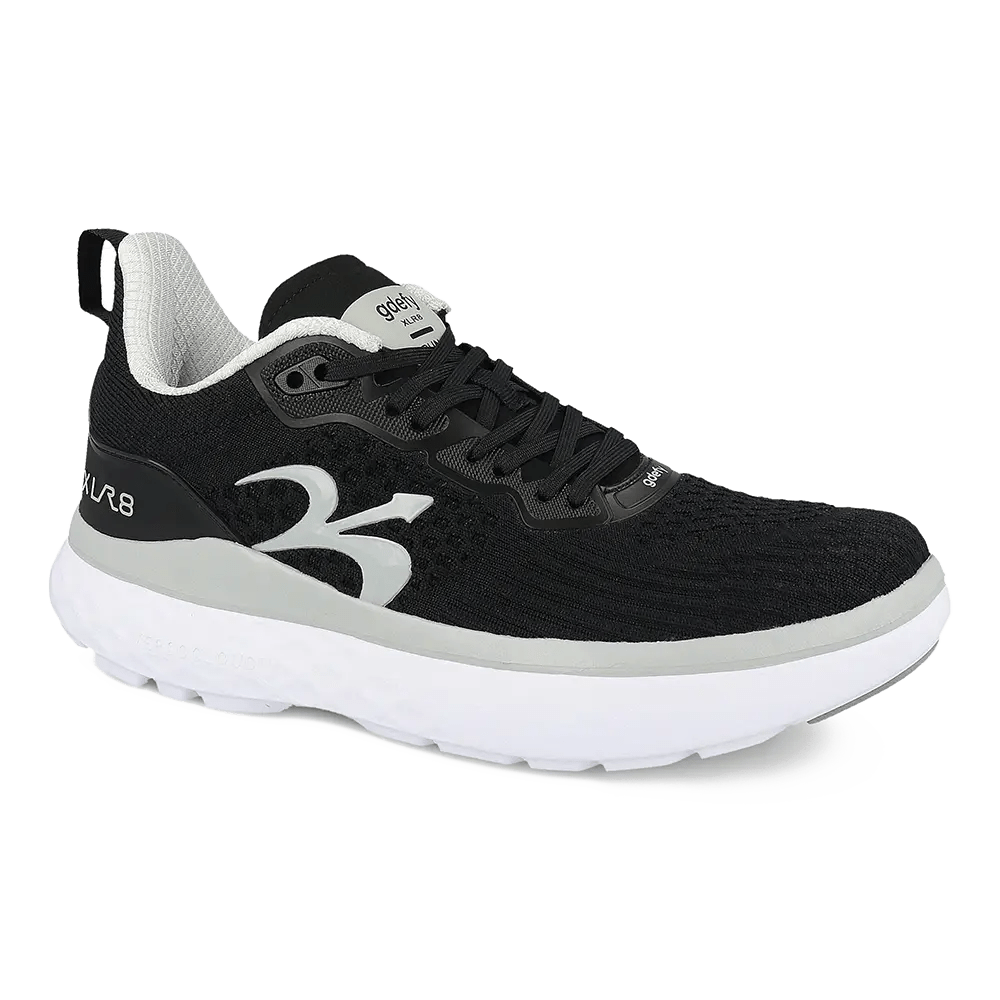
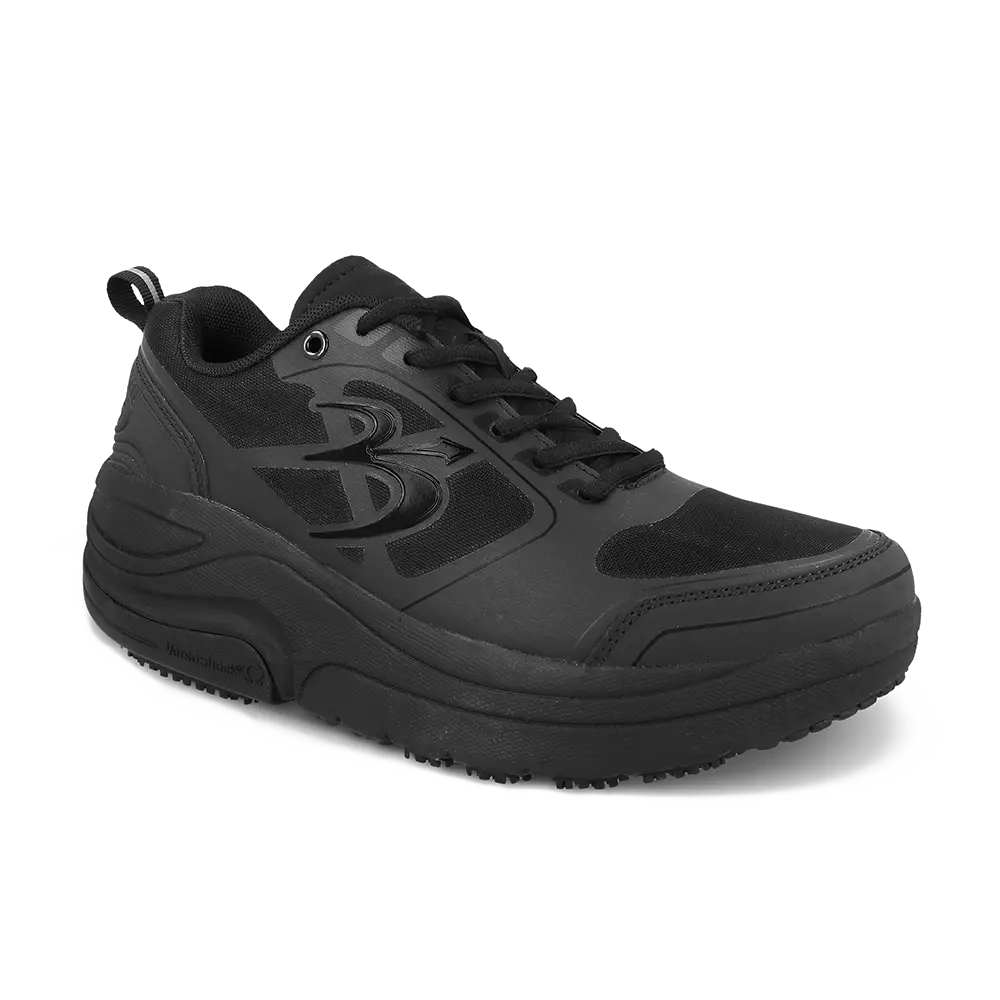
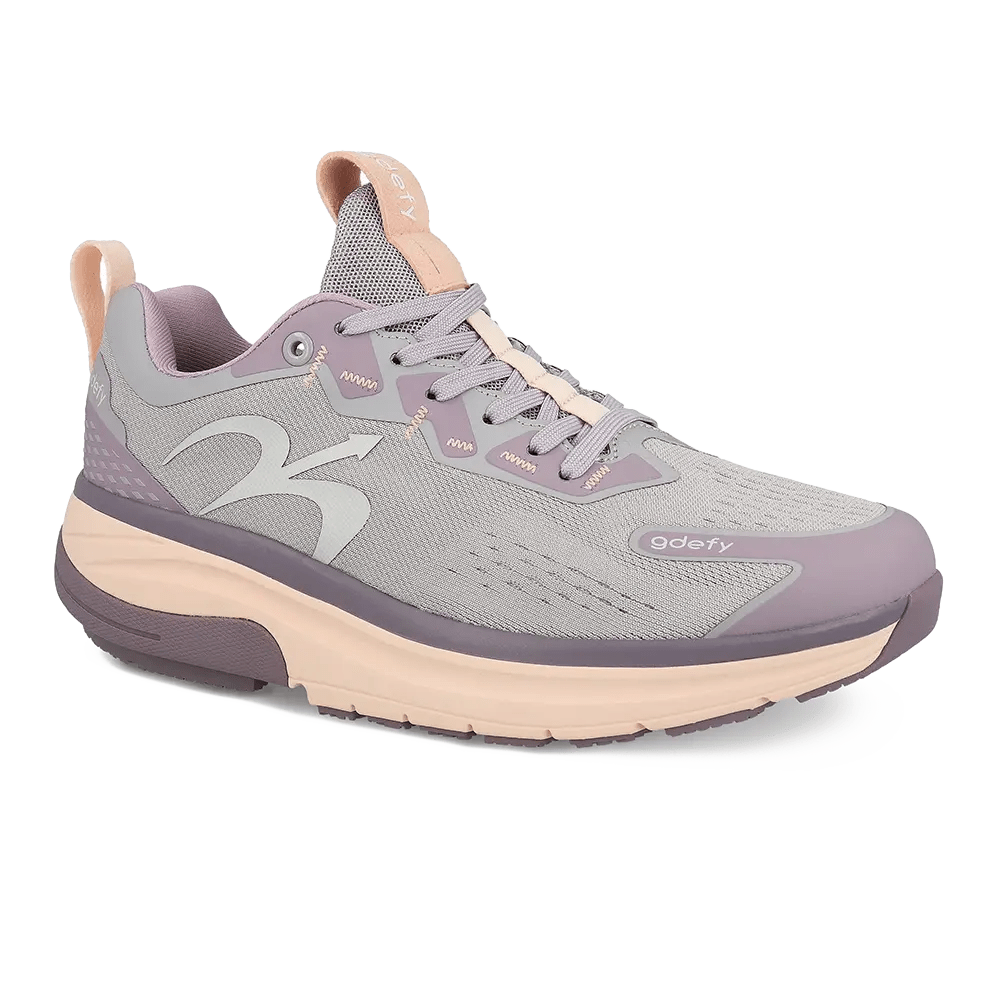
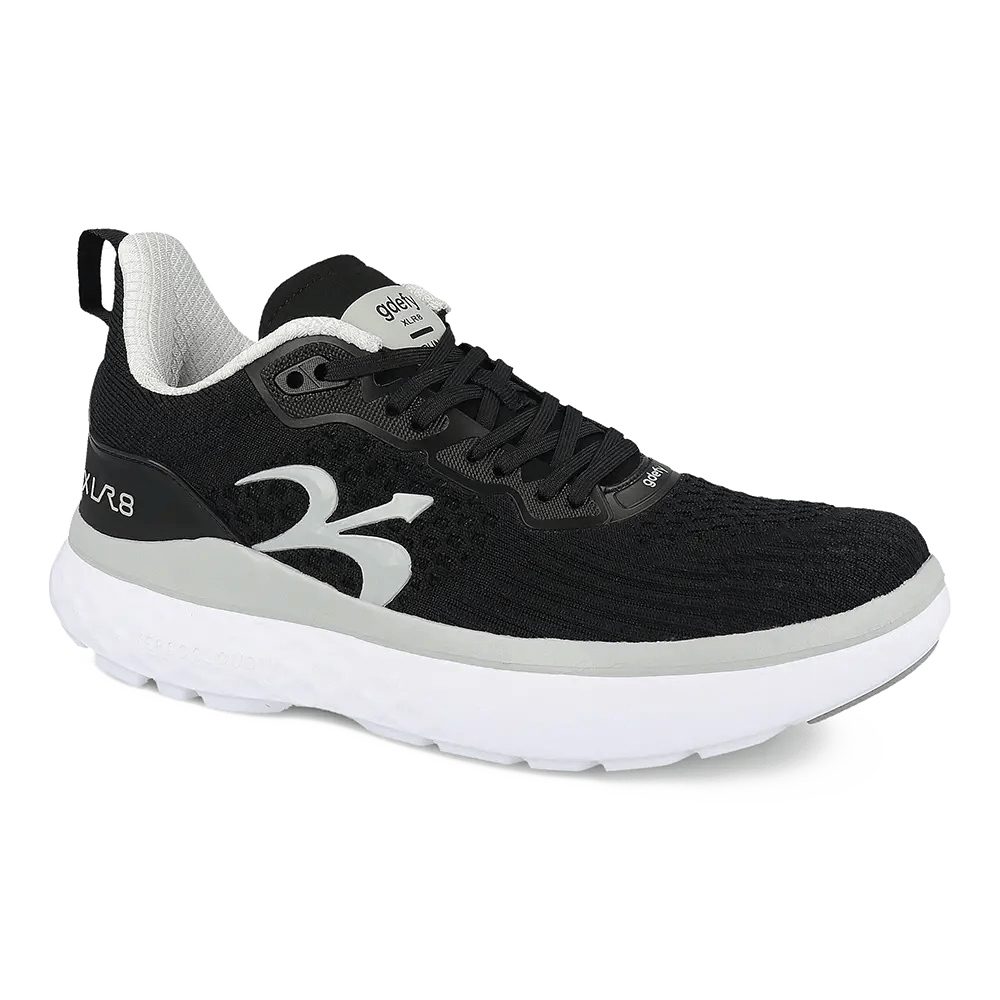
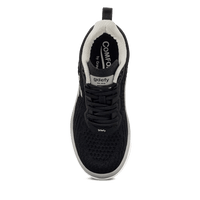
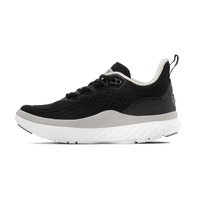
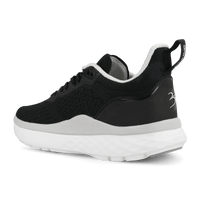
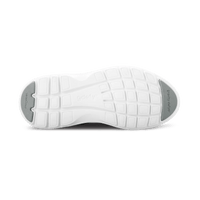
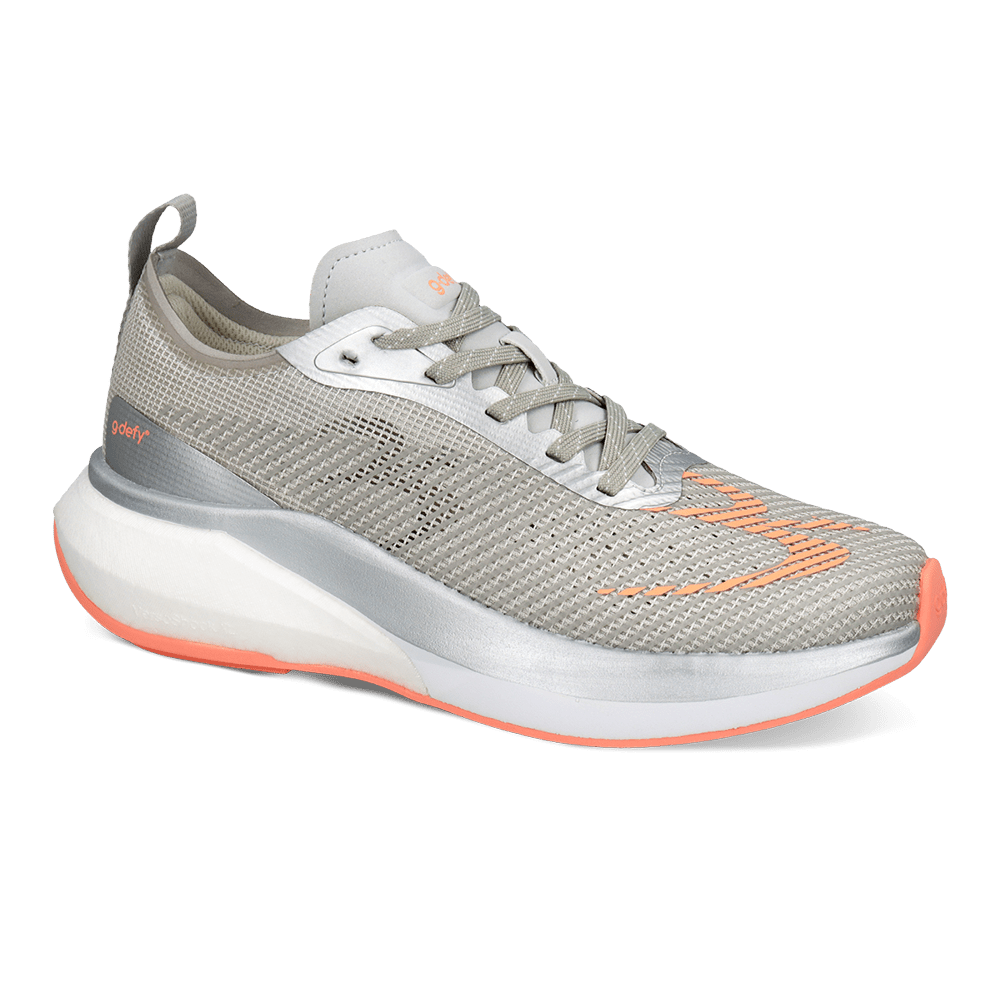
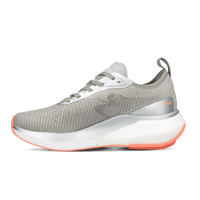
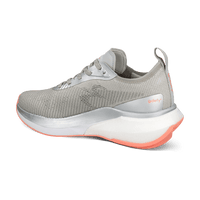
During running, the effect is more immediate. Each stride lands with more force, so a responsive sole that returns energy contributes to a lighter, more efficient push-off. For runners and more active wearers, the XLR8 Run applies the same VersoShock® system to a performance-oriented design. The way a shoe manages impact and support also influences how the rest of your stride feels, a topic we cover in our post on how shoes affect your knees and walking biomechanics.

The G-Defy XLR8 Run applies the same VersoShock® spring system to a performance-oriented design.
Practical Tips to Keep Your Shoes Feeling Responsive
Even the best-built shoe gradually loses some spring over time. A few simple habits help you get the most out of energy return.
- Rotate between two pairs. Alternating shoes gives each midsole time to recover between wears and can extend how long they feel responsive.
- Replace worn soles. If the cushioning feels flat or the tread is smooth, the sole is no longer doing its job, no matter how the upper looks.
- Match the shoe to the activity. A walking shoe, a running shoe, and a casual shoe are tuned differently. Using the right one helps you feel the benefit.
- Get the fit right. A secure fit lets the sole flex and rebound the way it was designed to. Try the removable orthotic that best matches your arch.
Frequently Asked Questions
What does energy return mean in shoes?
Energy return describes how much of the force from each step a shoe gives back to you. A shoe designed for energy return stores part of the impact when your foot lands and releases it as you push off, which can make each stride feel more responsive and less effortful than a shoe that absorbs the force and lets it fade away.
Is energy return better than regular foam cushioning?
Foam cushioning is comfortable but works by compressing, and it loses a share of energy as heat while gradually flattening over time. A spring-based system is engineered to store and release energy more efficiently and to hold its responsiveness longer. Many people find spring-based cushioning feels livelier through a full day of wear.
Does energy return help during walking, or only running?
It helps with both. During walking and prolonged standing, energy return can reduce how hard your muscles work over thousands of steps, which may help your feet and legs feel less tired by the end of the day. During running, the effect is more noticeable because each stride lands with greater force.
How long does energy return last in a shoe?
It depends on the design and how often you wear the shoe. Foam midsoles tend to lose responsiveness as they compress over weeks and months. A spring-based midsole is engineered to maintain its cushioning properties longer, though all footwear has a service life. Rotating pairs and replacing worn soles helps preserve responsiveness.
Do all G-Defy shoes have energy return?
Yes. VersoShock® is the foundation of every G-Defy shoe. Whether you choose the Mighty Walk, the XLR8 Run, or another model, the same four-pillar system of shock absorption, energy return, stabilizer, and front rolling design is built into the midsole.
The Bottom Line
Energy return is one of the clearest ways footwear can affect how you feel throughout the day. A shoe that simply compresses gives your effort away, while a shoe engineered to store and release energy helps carry your momentum forward, step after step. While footwear is not a medical solution, choosing shoes designed for comfort, support, shock absorption, and responsive energy return can make a meaningful difference in how fresh your feet and legs feel from morning to night.
Try VersoShock® Energy Return Free for 60 Days
Every G-Defy shoe comes with a 60-day risk-free trial and free shipping. If you are not satisfied with the comfort and support, return it for a full refund. The Mighty Walk is the best place to start.
Shop Men's Shoes Shop Women's Shoes