
July 12, 2026
What Makes a Shoe Good at Absorbing Shock?
By Gdefy

Summary
Every time your foot lands, your shoes take the first hit. On hard floors, sidewalks, and concrete, that impact repeats thousands of times a day — and the shoes you wear decide how much of it reaches your feet, legs, and body. That is why shock absorption is one of the most talked-about features in footwear, and also one of the most misunderstood.
Many people assume a soft, squishy sole means good shock absorption. The reality is more interesting. A truly comfortable shoe does two things at once: it softens the landing and keeps you stable and moving forward. While footwear is not a medical solution, understanding what makes a shoe good at absorbing shock can help you choose footwear that feels better through a long day on your feet.
What Is Shock Absorption in a Shoe?
Shock absorption is simply a shoe's ability to reduce the harsh force that travels up from the ground when your foot strikes a surface. Instead of that energy hitting your foot all at once, a well-designed shoe spreads it out over a split second, softening the impact of each step.
The work mostly happens in the midsole — the layer between the outsole (which touches the ground) and the insole (where your foot rests). When your heel lands, the midsole compresses to cushion the blow, then recovers its shape before the next step. How well it does this depends on the materials and the structure built into that layer.
Think of it like the suspension on a car. A stiff, thin sole passes the bumps straight through, while a well-built one soaks them up so the ride feels smooth. The goal is not to remove all feedback from the ground — you still want to feel connected and balanced — but to take the sharp edge off each landing so it does not jar your foot.
Good shock absorption matters most where impact is repeated and unforgiving: walking on concrete, standing on tile all day, or logging long distances on pavement. If you want a deeper look at how the parts of a shoe work together, our guide on what's inside a comfort walking shoe breaks it down piece by piece.
Why Impact Adds Up During Everyday Walking
You do not have to be a runner to feel the effect of impact. Ordinary activities create a surprising amount of repeated force, and it accumulates over the course of a day.
Hard Surfaces Give Nothing Back
Concrete, tile, and hardwood do not flex or cushion at all. Every bit of impact bounces straight back into your foot. People who walk on concrete all day often feel it first in their heels and the balls of their feet.
Long Hours Multiply the Load
A single step is easy to absorb. Ten thousand steps on an unforgiving floor is a different story. The longer you are on your feet, the more each small impact adds up, which is why comfort tends to fade later in the day.
Worn-Out Shoes Stop Doing Their Job
Cushioning is not permanent. As a midsole compresses over months of wear, it loses some of its ability to bounce back — and with it, some of its shock absorption. Tired footwear is one of the most common and overlooked reasons walking starts to feel harder. If you are noticing new aches, our overview of what causes foot discomfort when walking is a useful place to start.
What to Look for in a Shock-Absorbing Shoe
Not all cushioning is created equal. When you are comparing shoes, these are the features that actually make a difference in how impact feels underfoot.
Cushioning That Softens the Landing
The first thing you notice is cushioning — the padding that absorbs impact as your foot lands. Look for a midsole with enough depth to soften hard surfaces without feeling flat or thin. Cushioning is what takes the edge off each step.
Midsole Materials That Recover Their Shape
The material matters as much as the amount. Quality foams and engineered midsole systems are designed to compress on impact and then spring back, ready for the next step. A midsole that stays compressed loses its shock absorption quickly, so how well a material recovers is a key sign of lasting comfort.
Energy Return, Not Just Softness
Here is the part most people miss: absorbing shock is only half the job. Standard soft foam soaks up impact but also swallows your energy, which can make walking feel heavy and tiring. The best designs absorb the harsh landing and return some of that energy to help you move forward, so your stride feels responsive instead of sluggish.
Support and Stability Underneath
Cushioning alone can feel unstable — like walking on a pillow. A supportive shoe pairs softness with structure, using a firmer stabilizing element through the midfoot so your foot stays balanced and controlled. Shock absorption and stability working together is what keeps a cushioned shoe from feeling wobbly.
A Smooth Heel-to-Toe Transition
How a shoe guides your foot from landing to push-off affects how impact is spread out. A design that encourages a smooth roll from heel to toe helps distribute force more evenly instead of concentrating it in one spot. When each step flows naturally through the whole foot, the load never lands too heavily on any single area.
A Balance of Cushioning and Weight
More cushioning is not always better if it comes at the cost of a heavy, bulky shoe. A shoe that is light on your foot reduces fatigue over a long day, so the best designs aim for enough cushioning to absorb impact while staying light enough to feel easy to move in. That balance is what keeps a cushioned shoe from feeling like a boot by the afternoon.
The Right Fit
Even the best cushioning underperforms in a poorly fitting shoe. A secure fit keeps your foot positioned over the cushioning where it belongs, and a roomy toe area lets your foot move naturally. Comfort always starts with fit.
How G-Defy Shoes Approach Shock Absorption
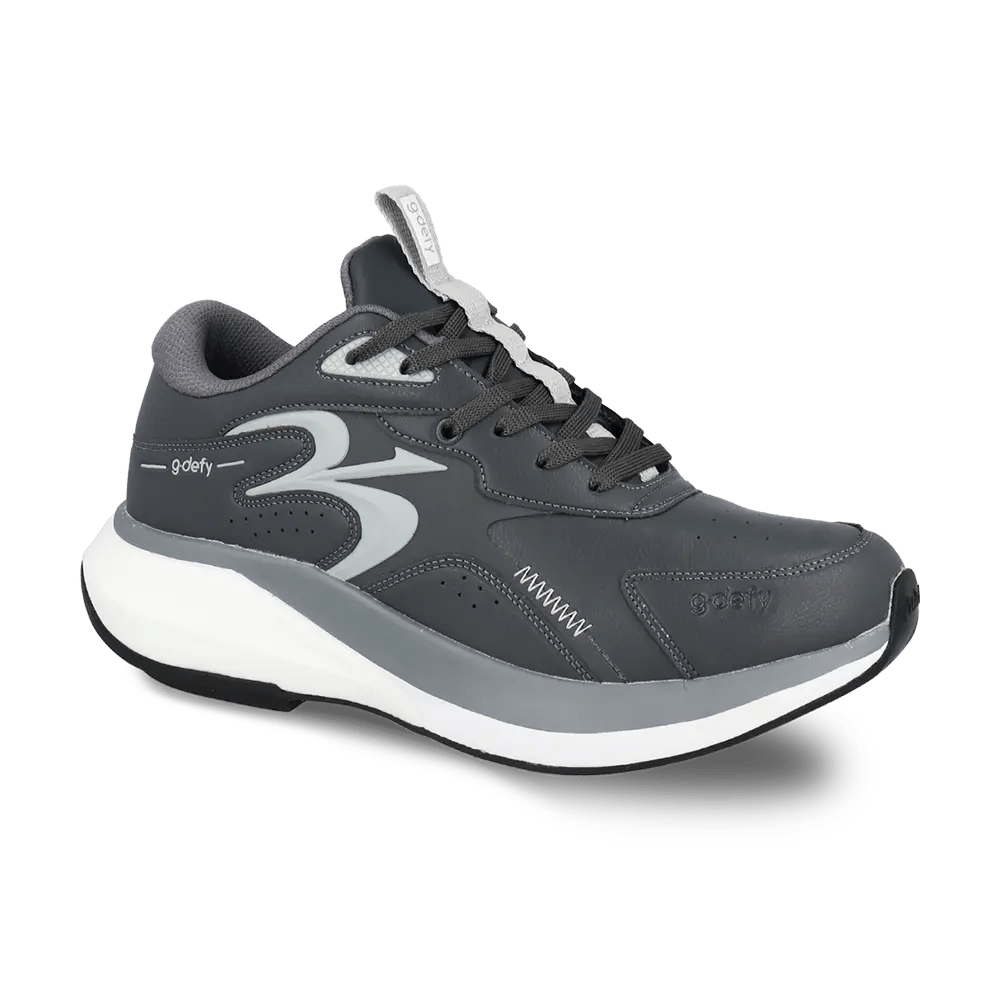
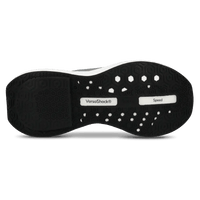
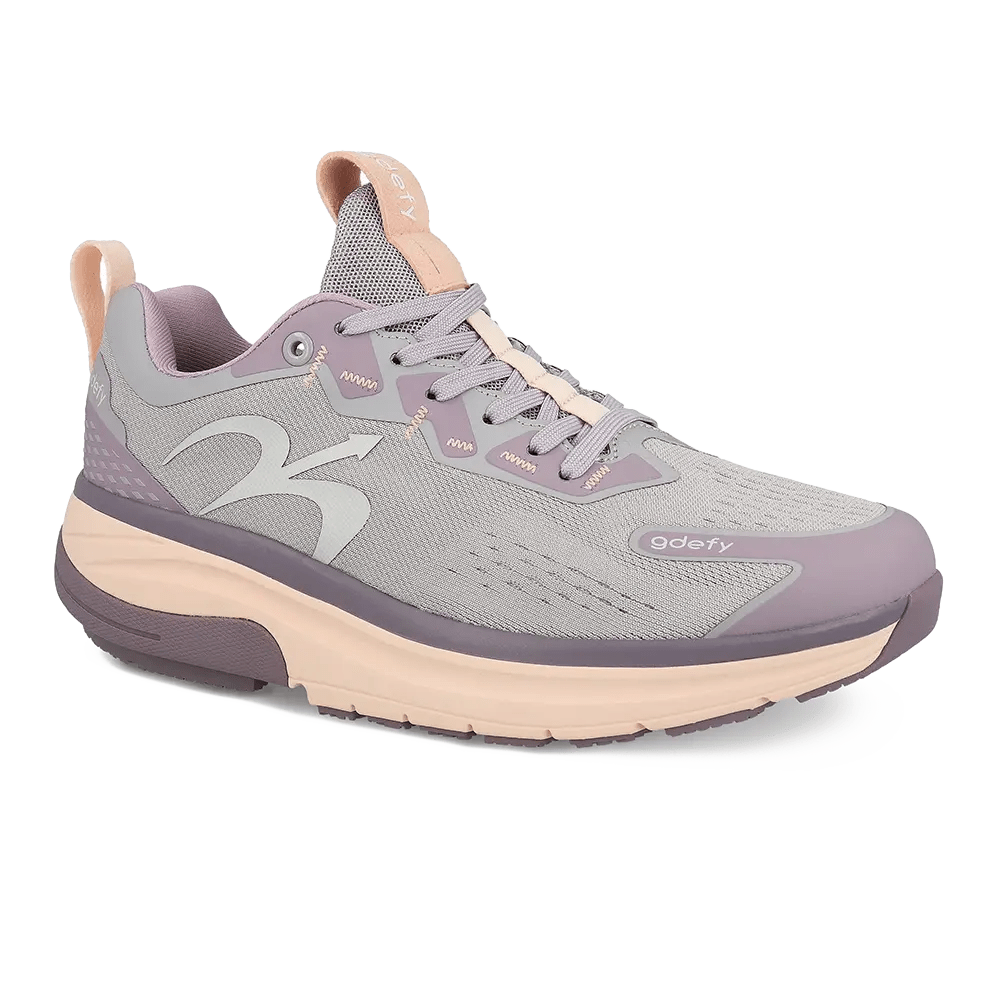
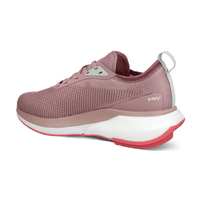
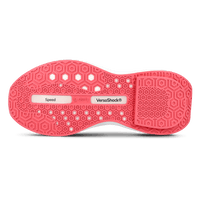
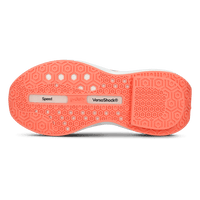
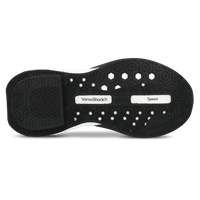
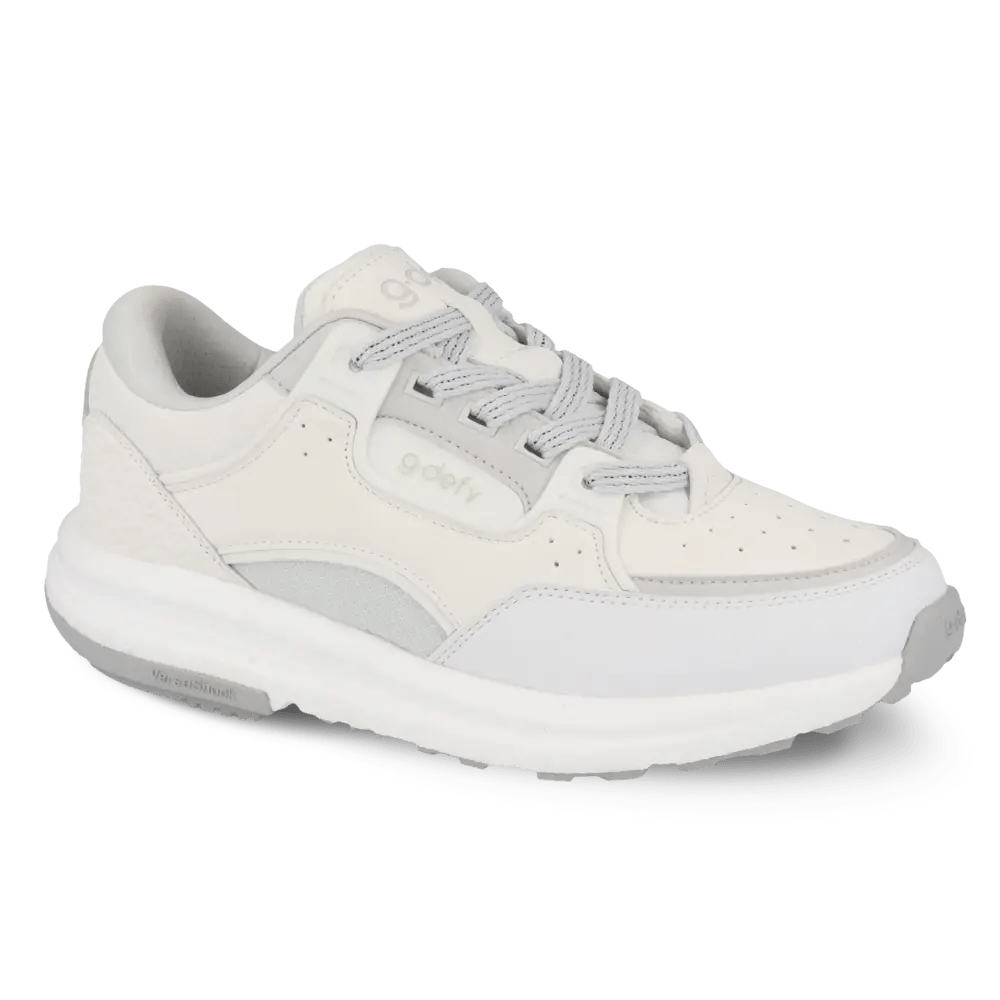
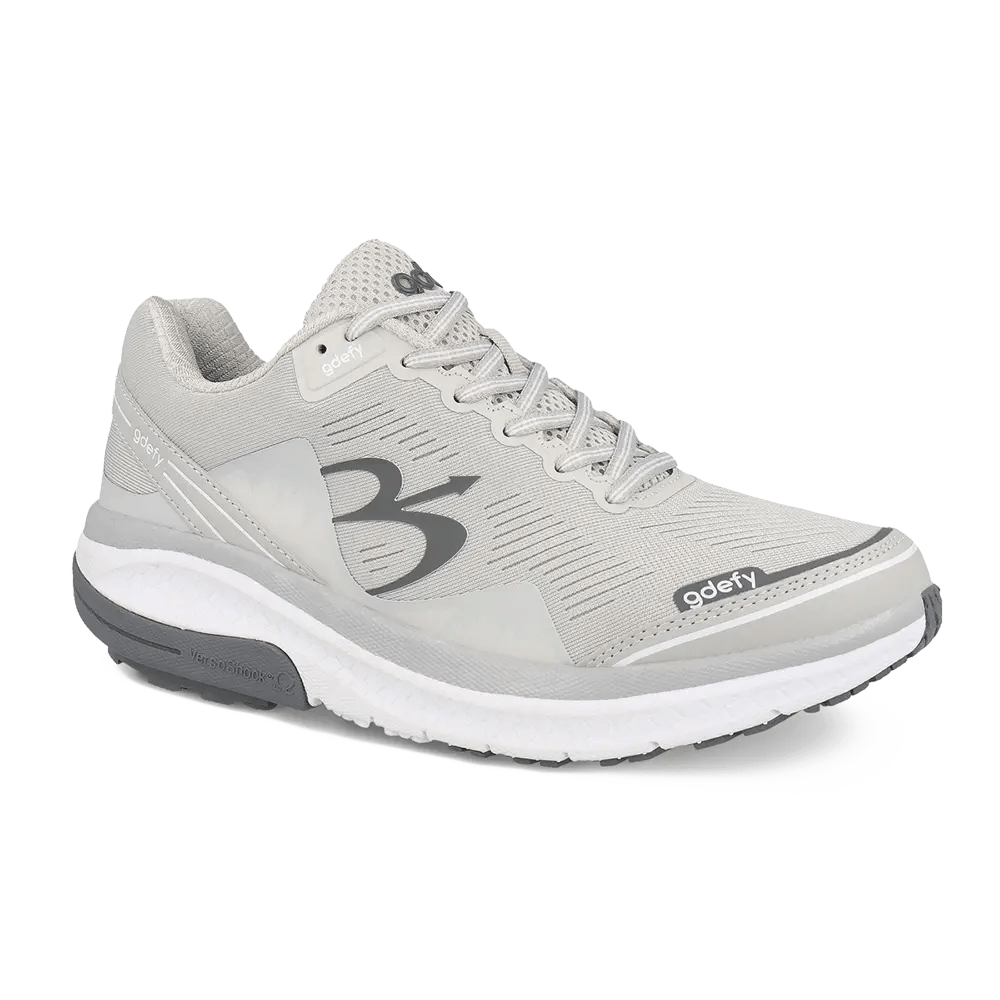
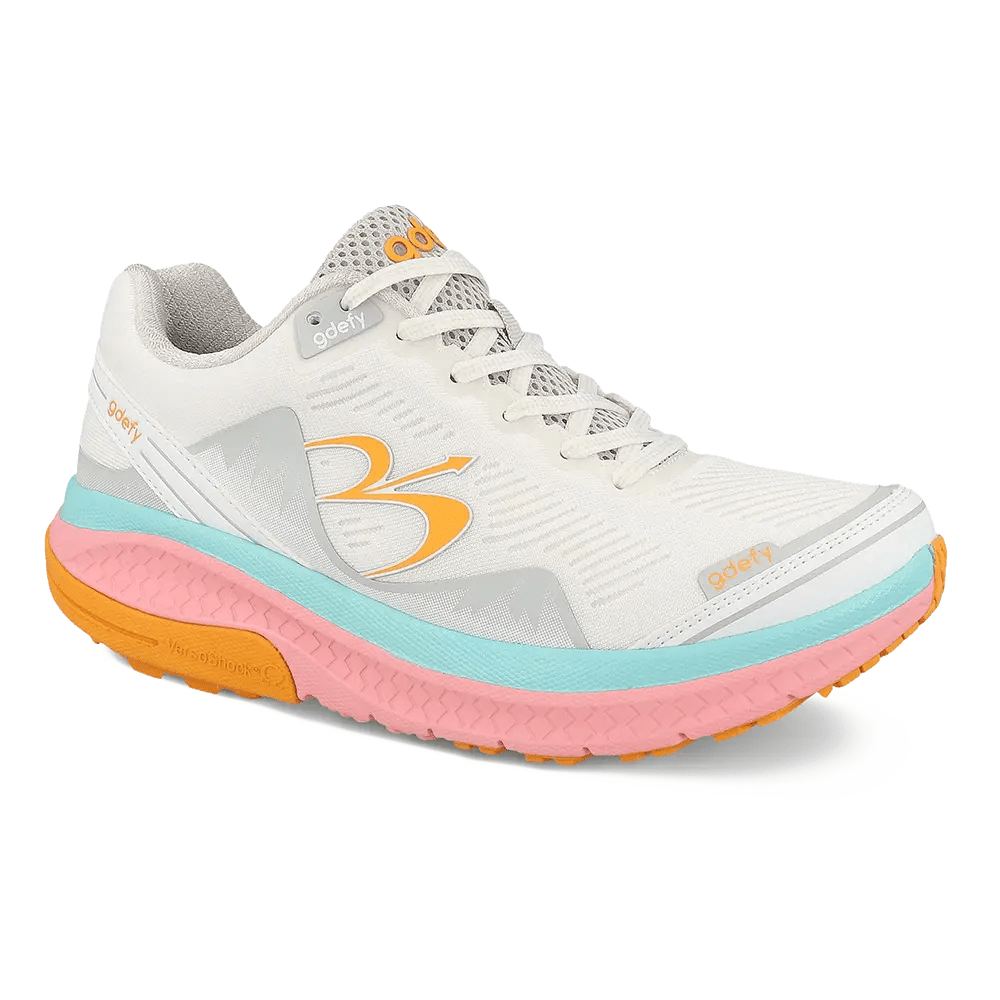
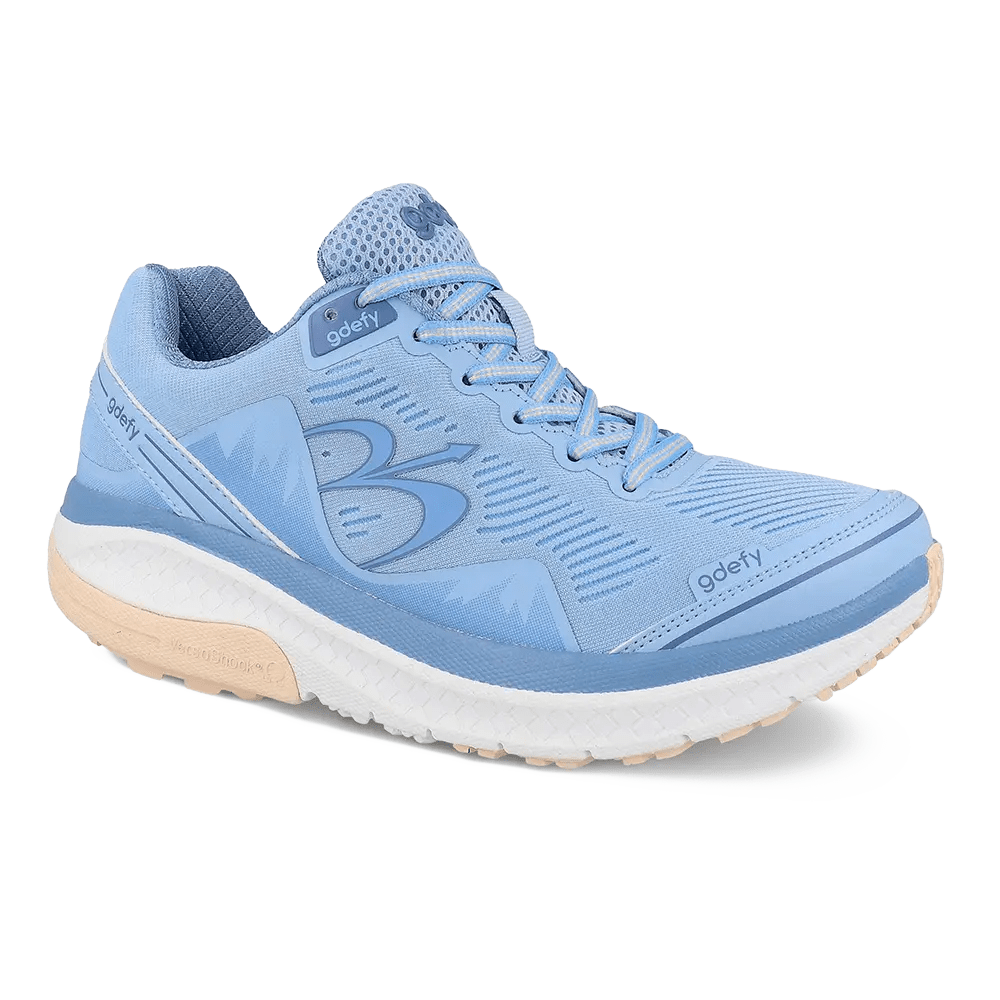
G-Defy shoes are engineered to provide comfort, support, and shock absorption during daily movement. Featuring VersoShock® technology, they use a spring-based system designed to absorb impact softly and return energy with each step, supporting a smoother, more responsive walking experience.

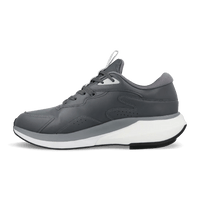
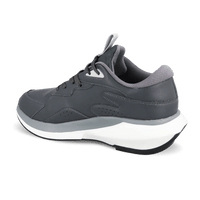
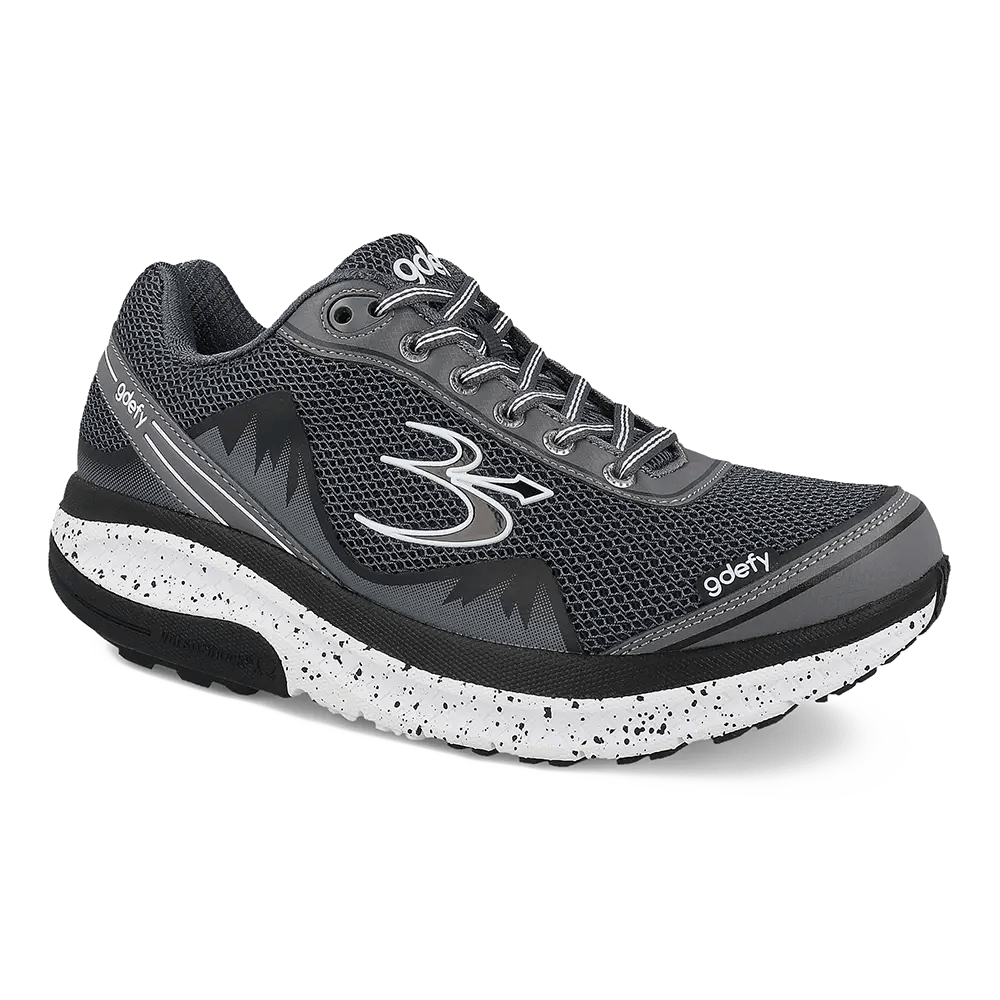
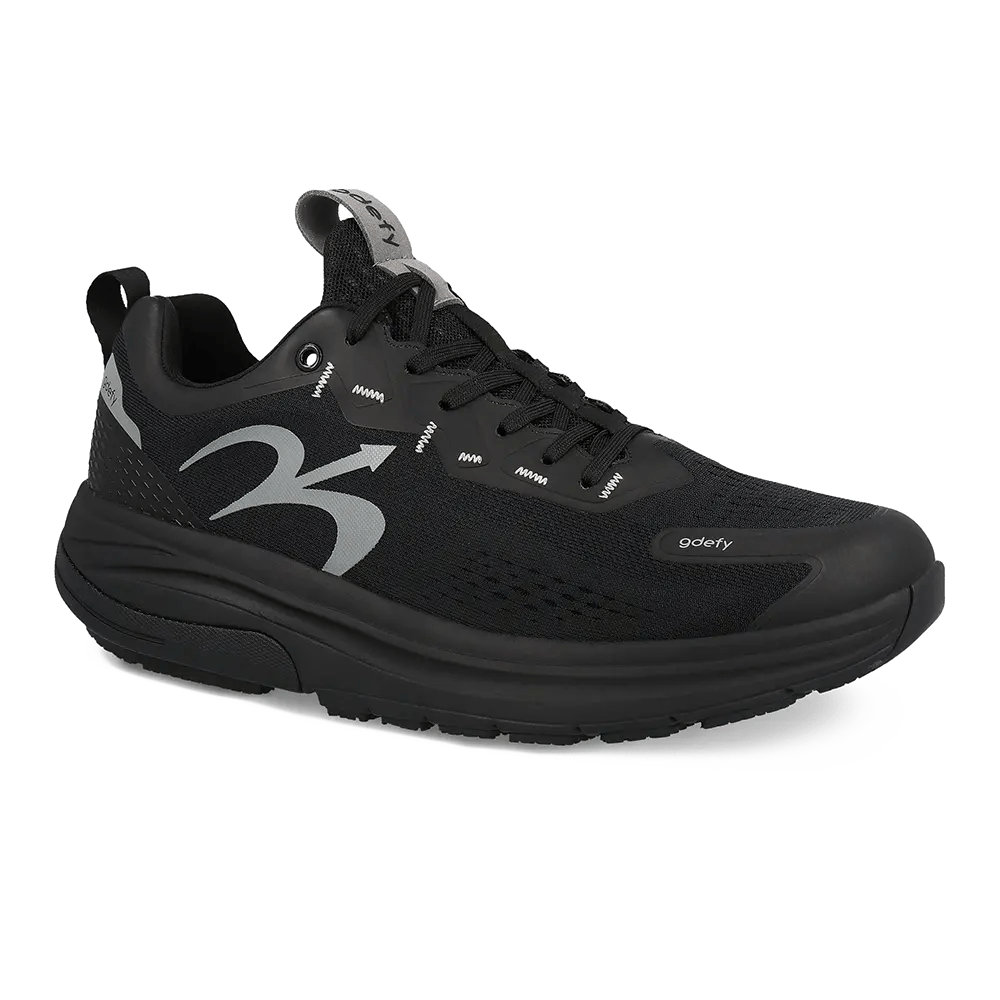
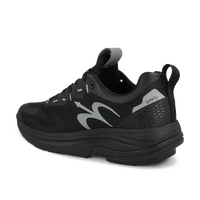
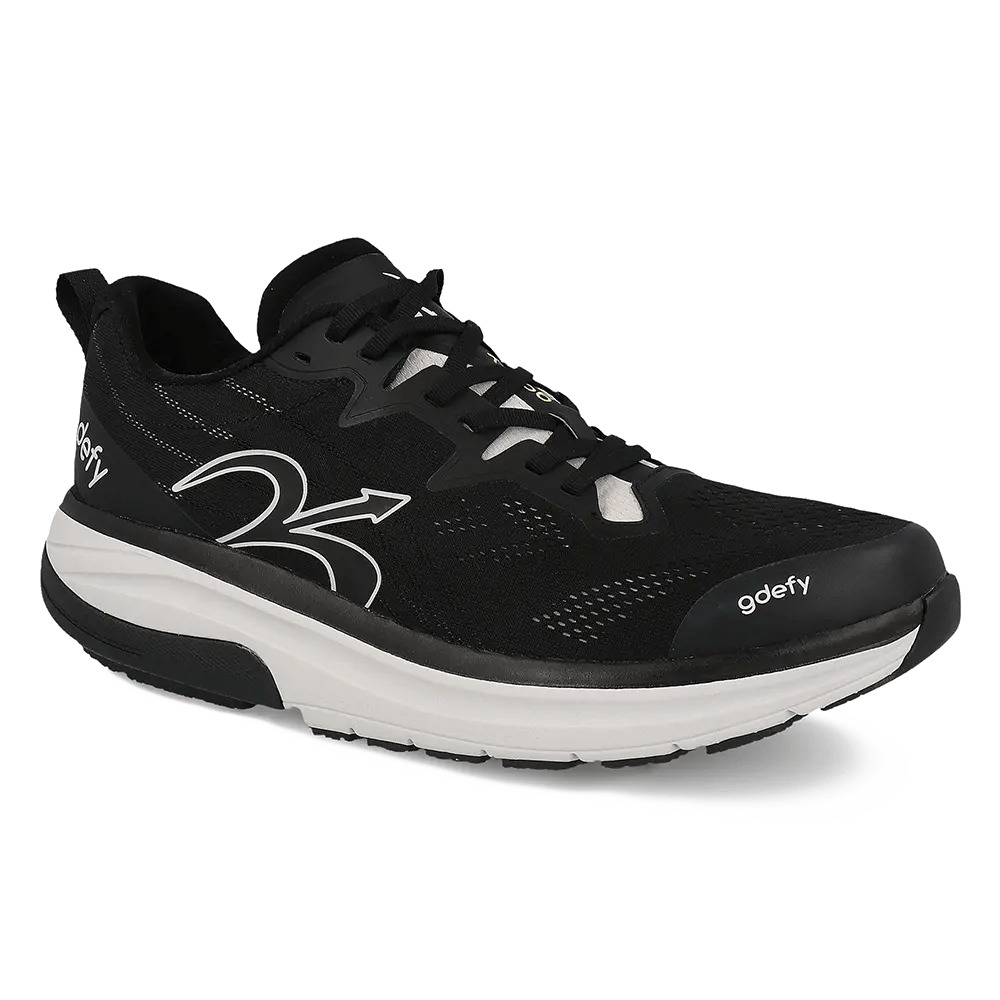
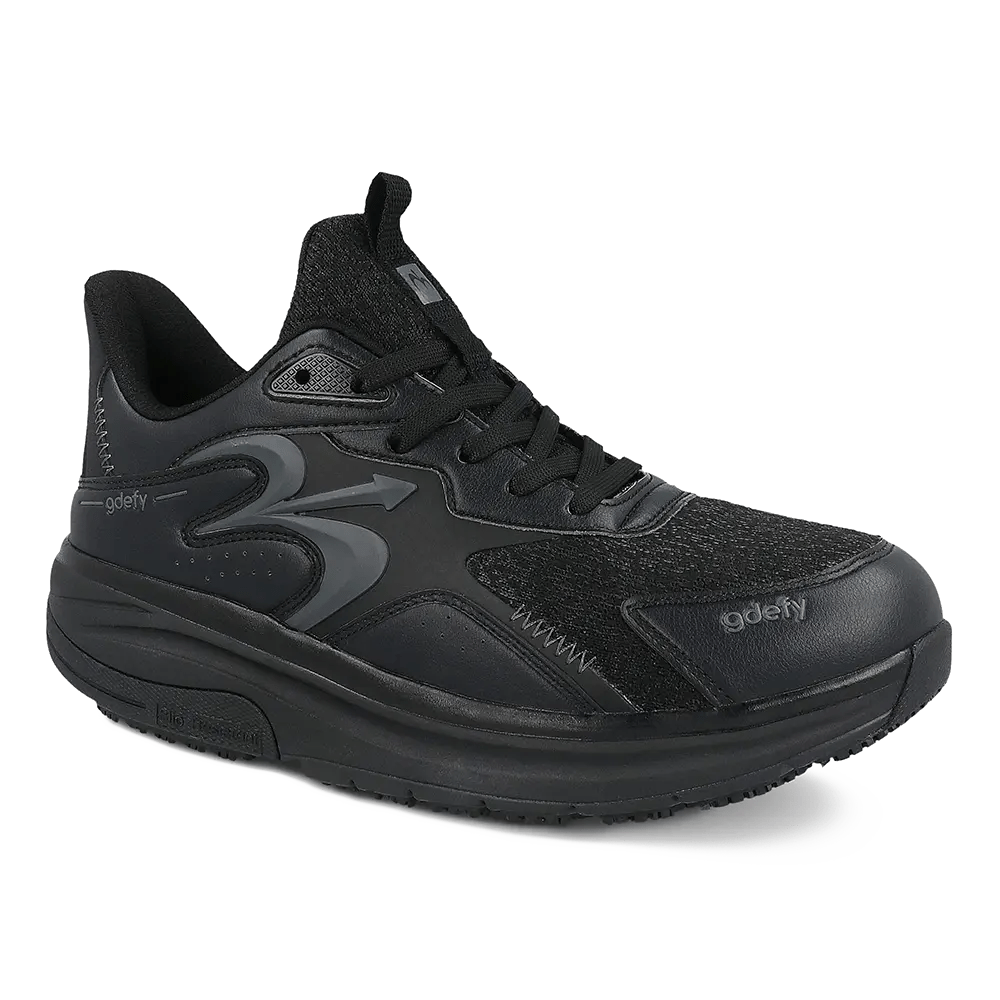
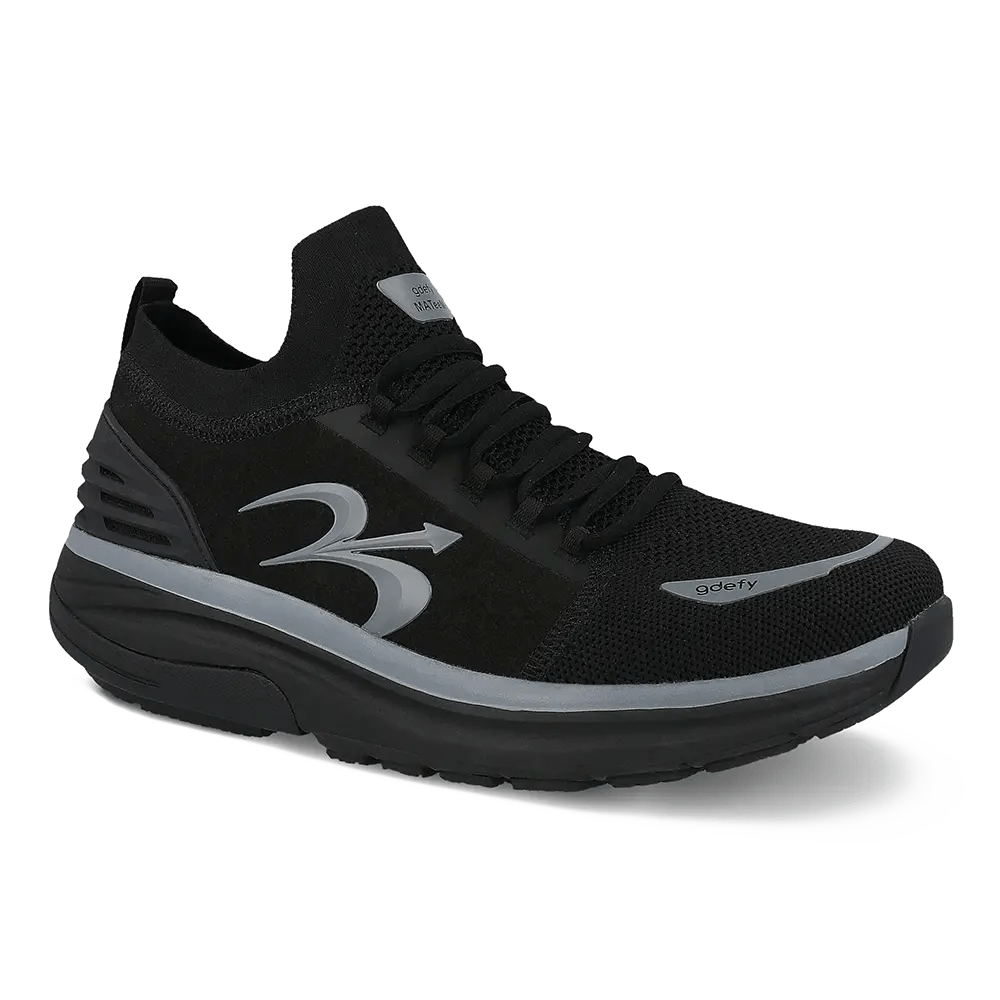
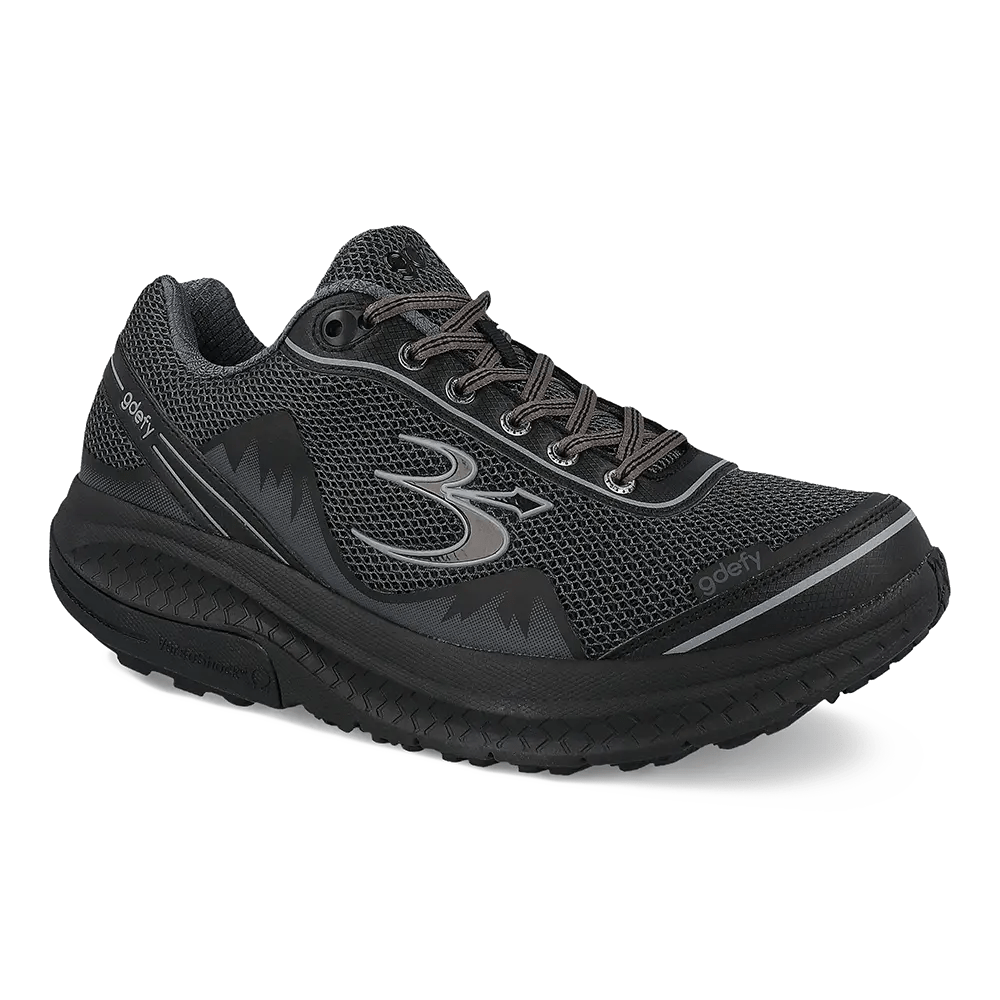
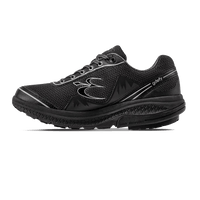
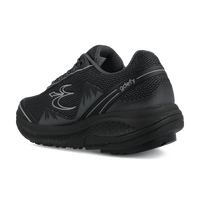
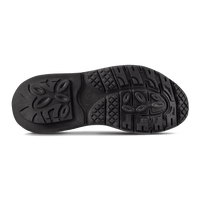
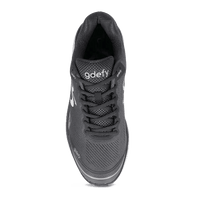
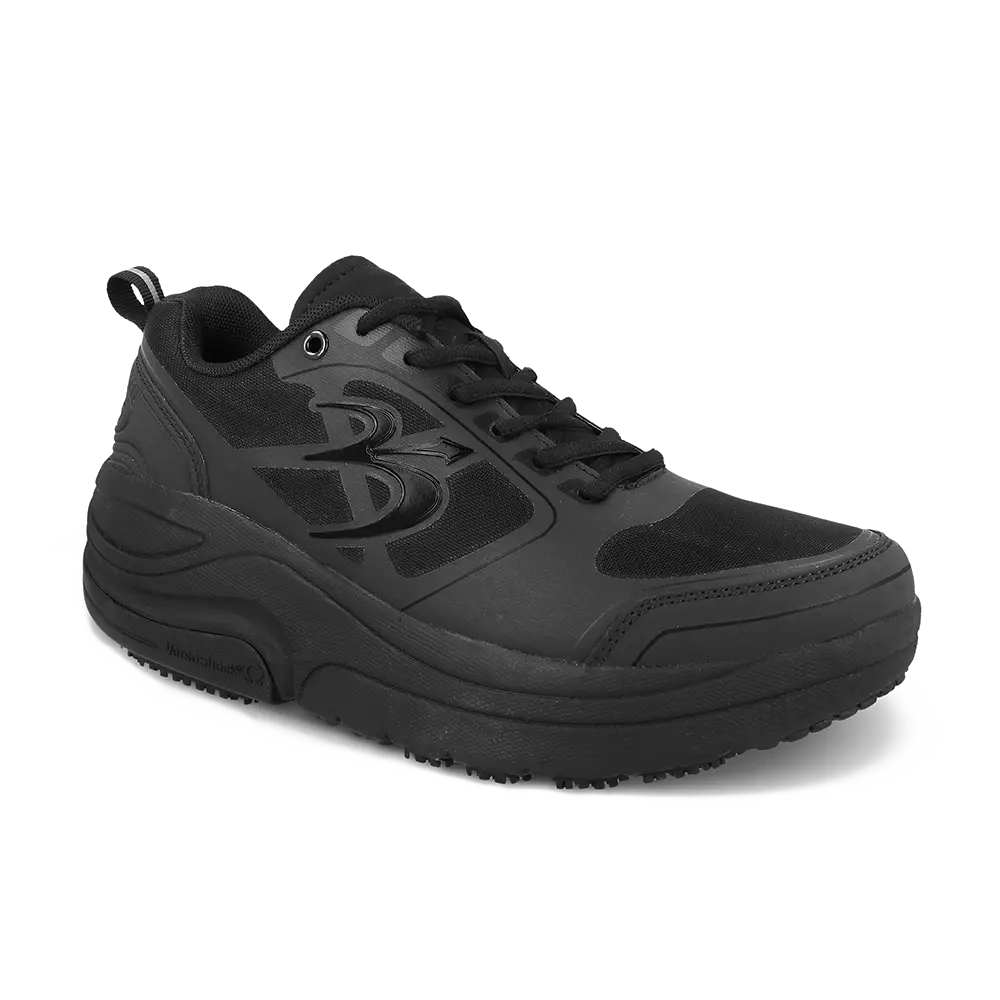
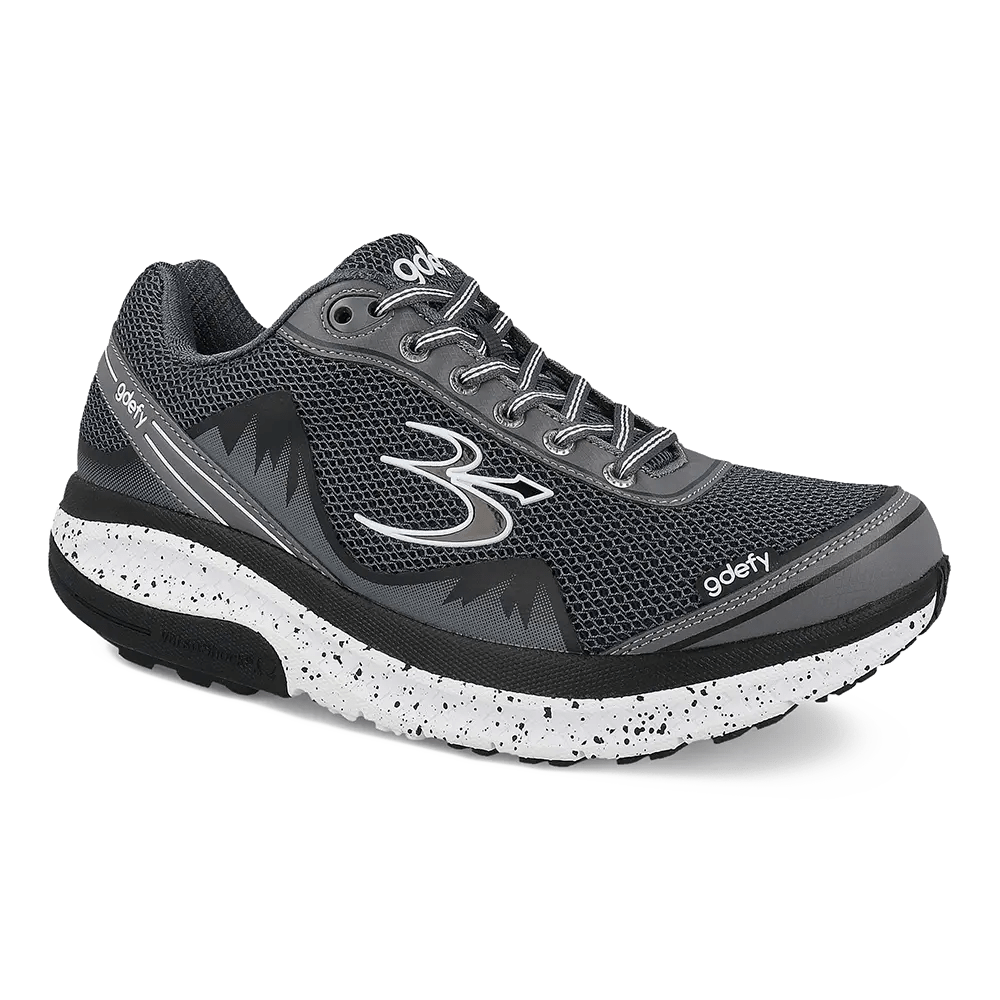
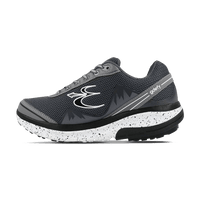
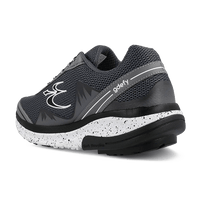
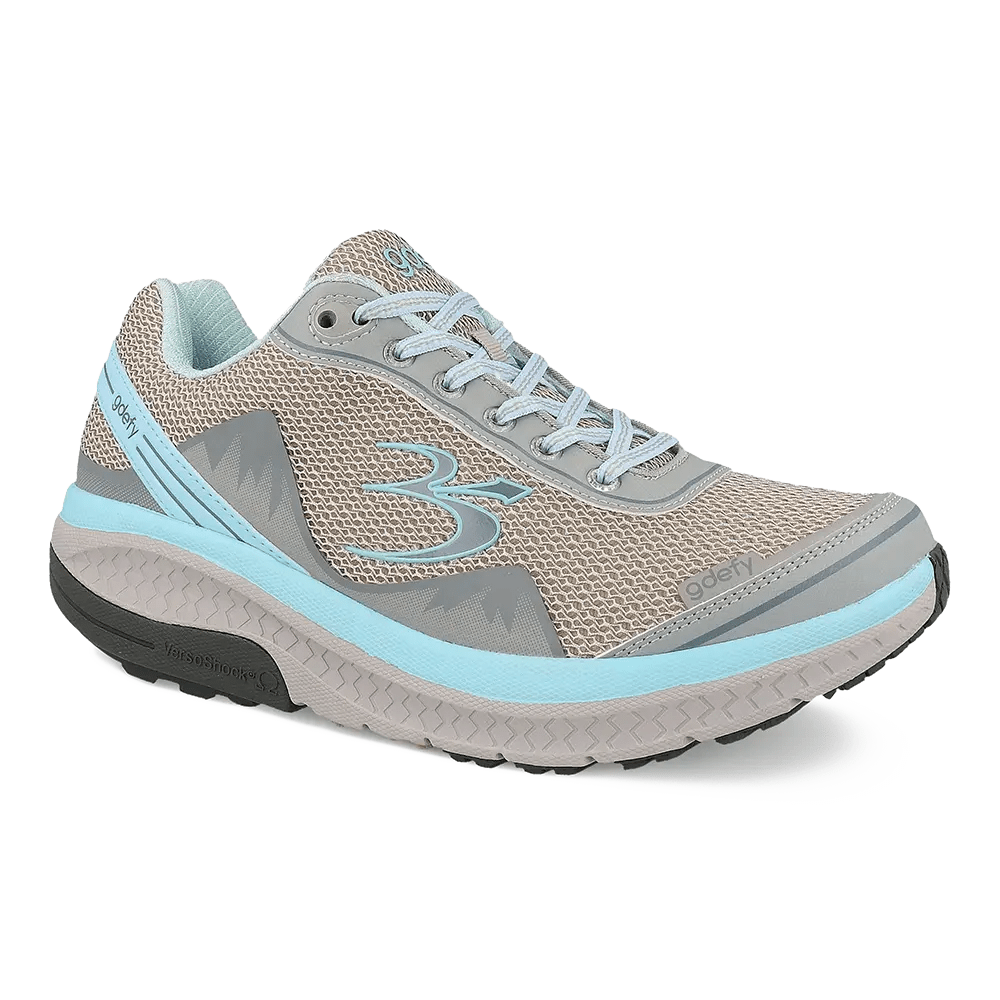
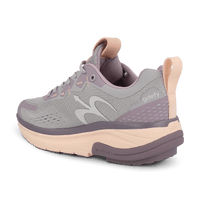
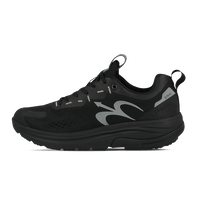
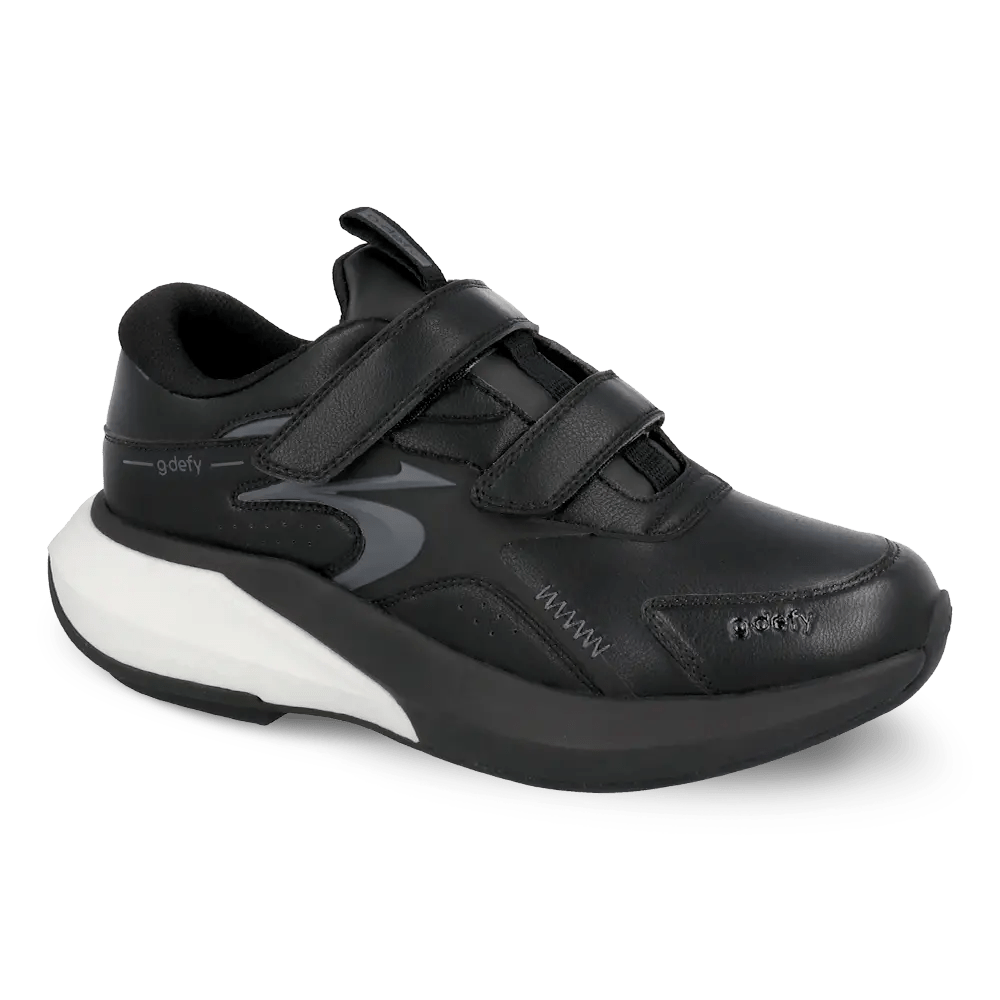
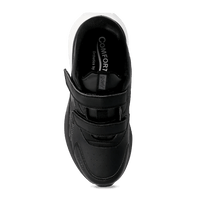
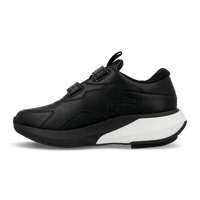
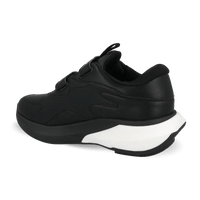
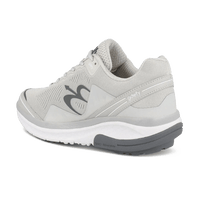
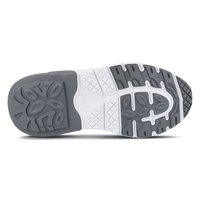
The G-Defy Mighty Walk pairs a deep, cushioned midsole with a supportive structure underneath.
That is the difference between simply soft and genuinely engineered. Rather than relying on foam alone, VersoShock® is built to do both jobs at once — cushioning the landing while returning energy to support forward movement. A built-in stabilizer supports the foot during movement and reduces excessive bending, while a front rolling design encourages a natural heel-to-toe transition.
Every pair also includes two removable orthotics — a ComfortFit® orthotic for low to medium arches and a CorrectiveFit® orthotic for medium to high arches — so you can customize the level of cushioning and support to your own feet. Together, these features help reduce pain from walking, running, and prolonged standing.
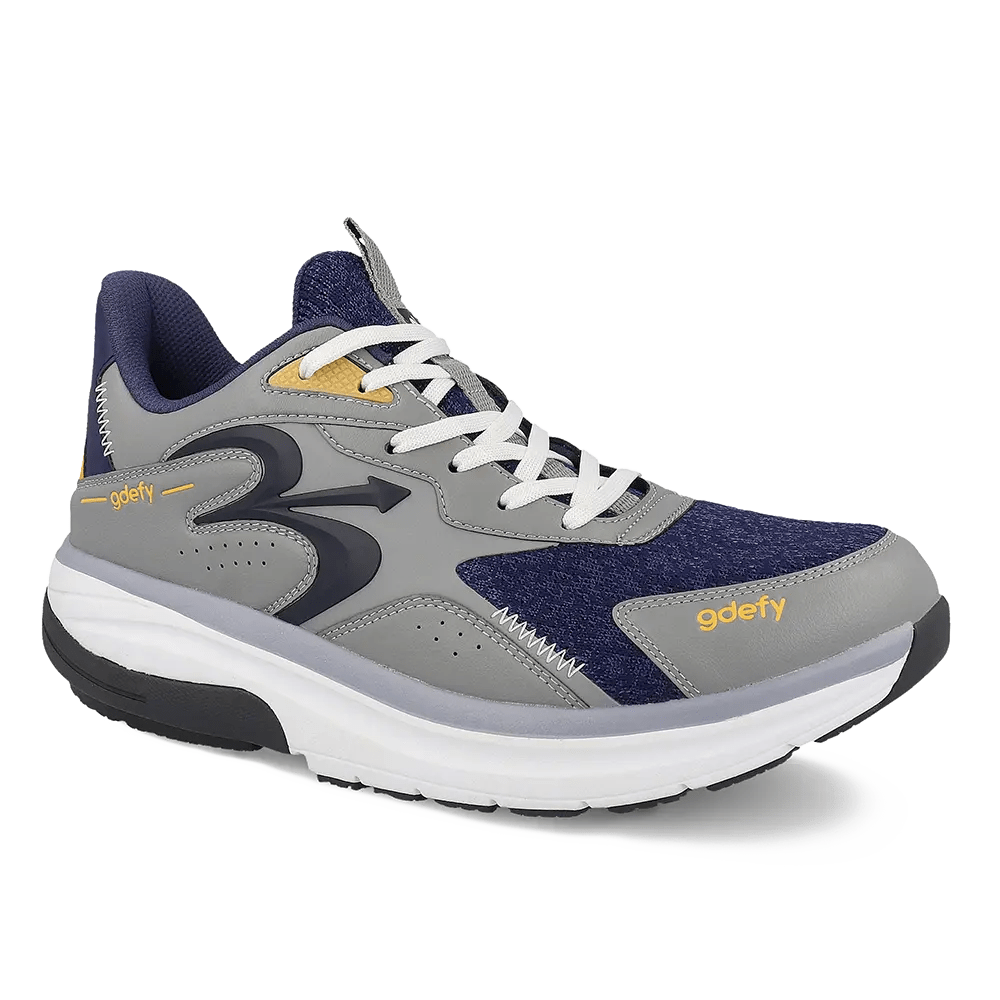
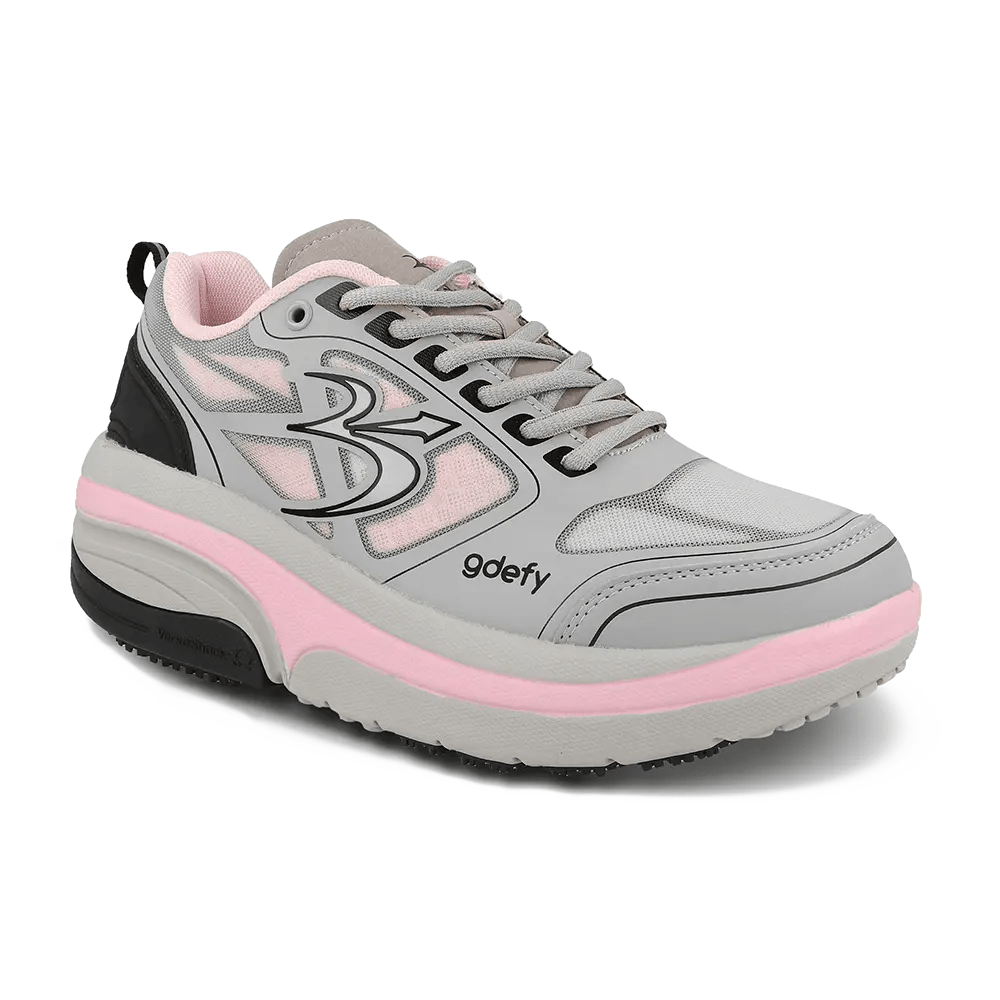
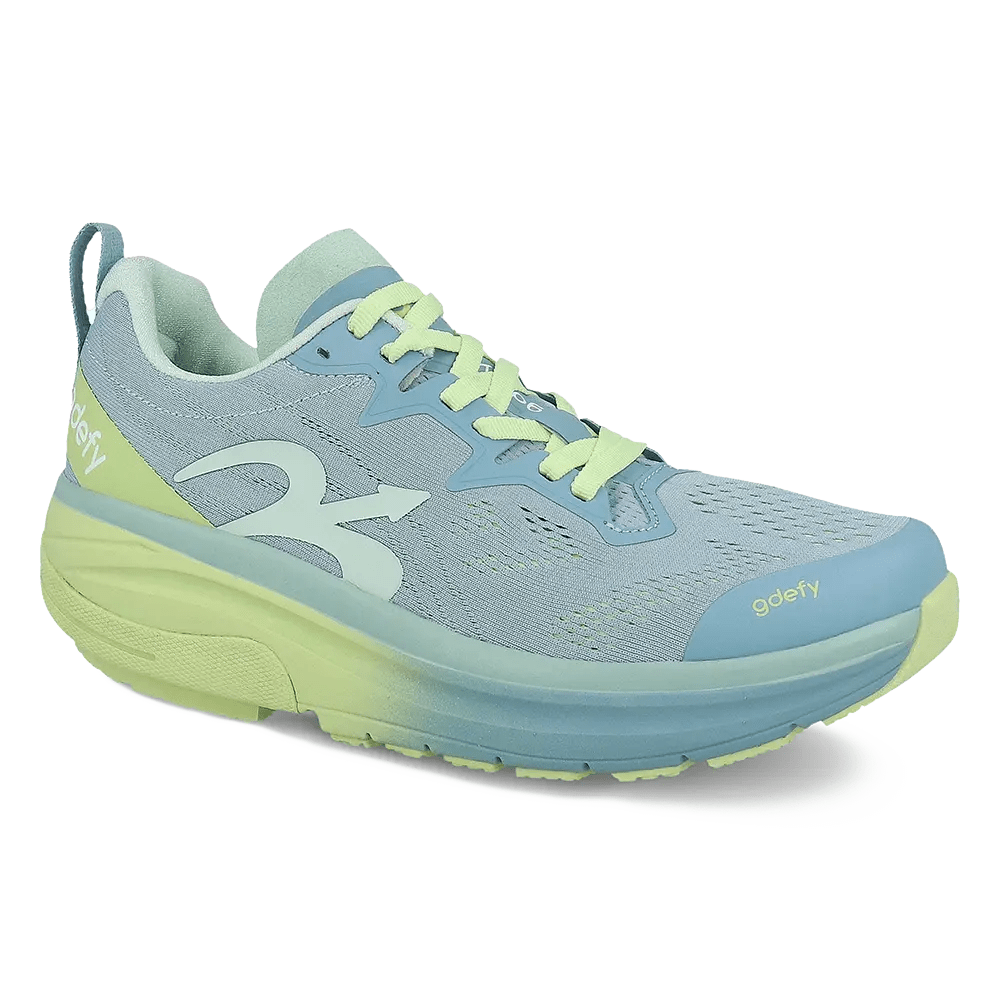
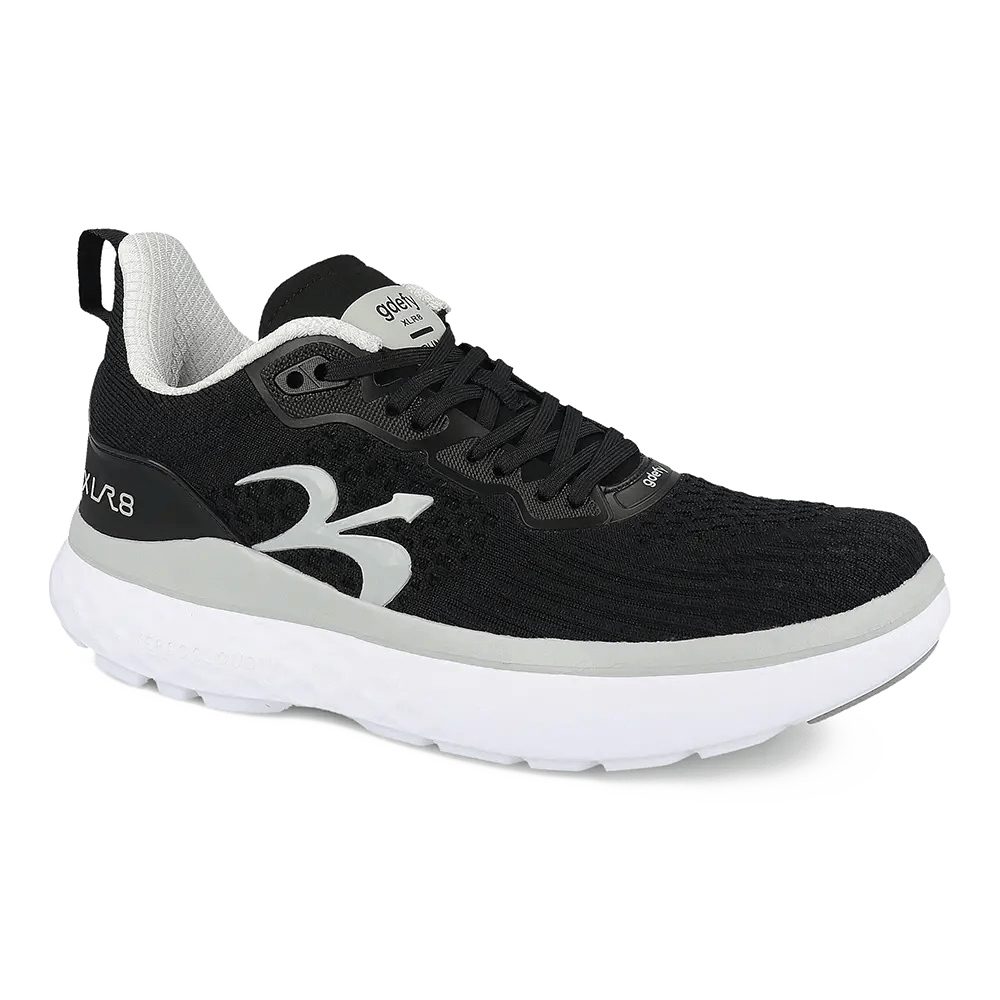
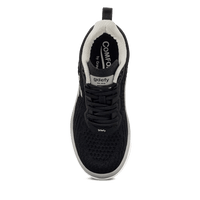
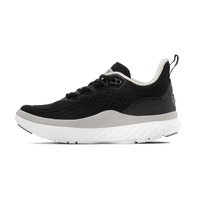
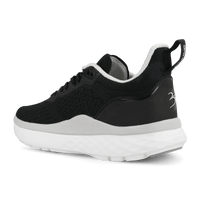
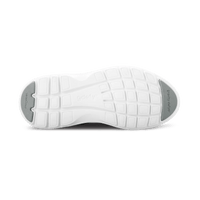
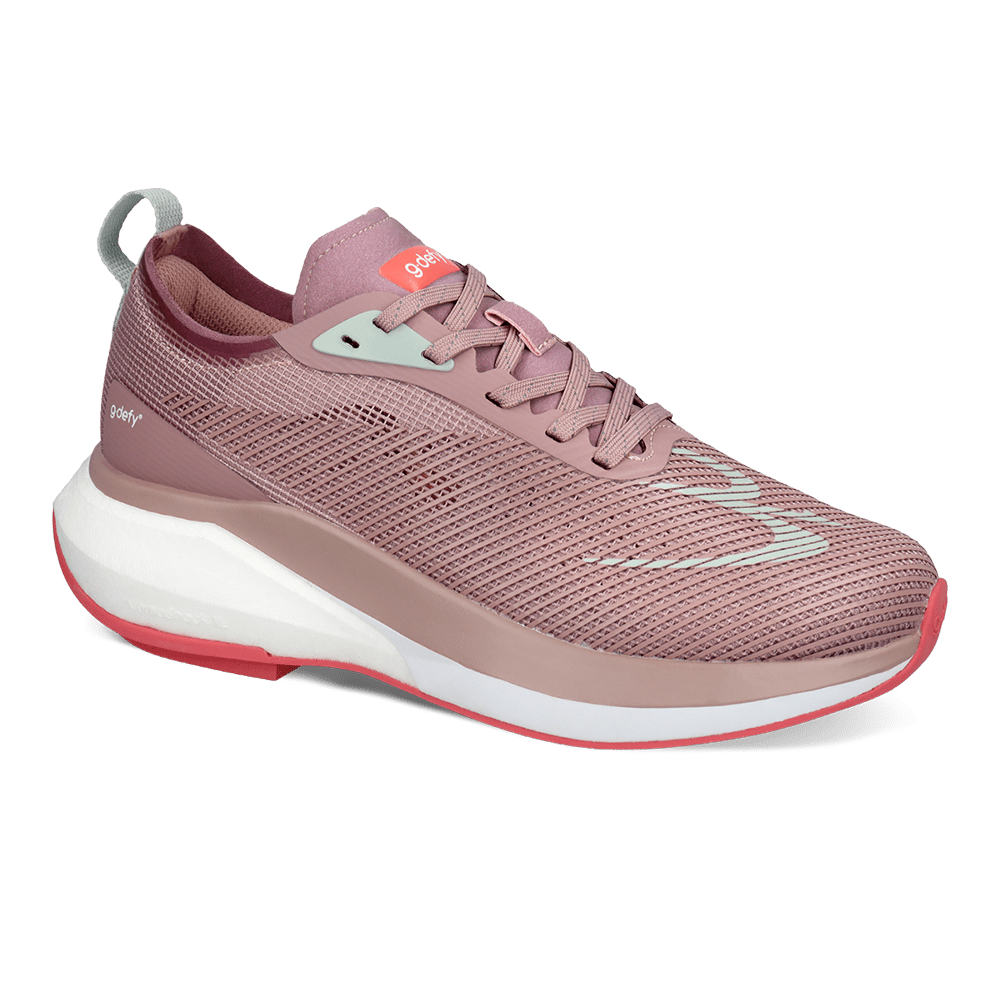
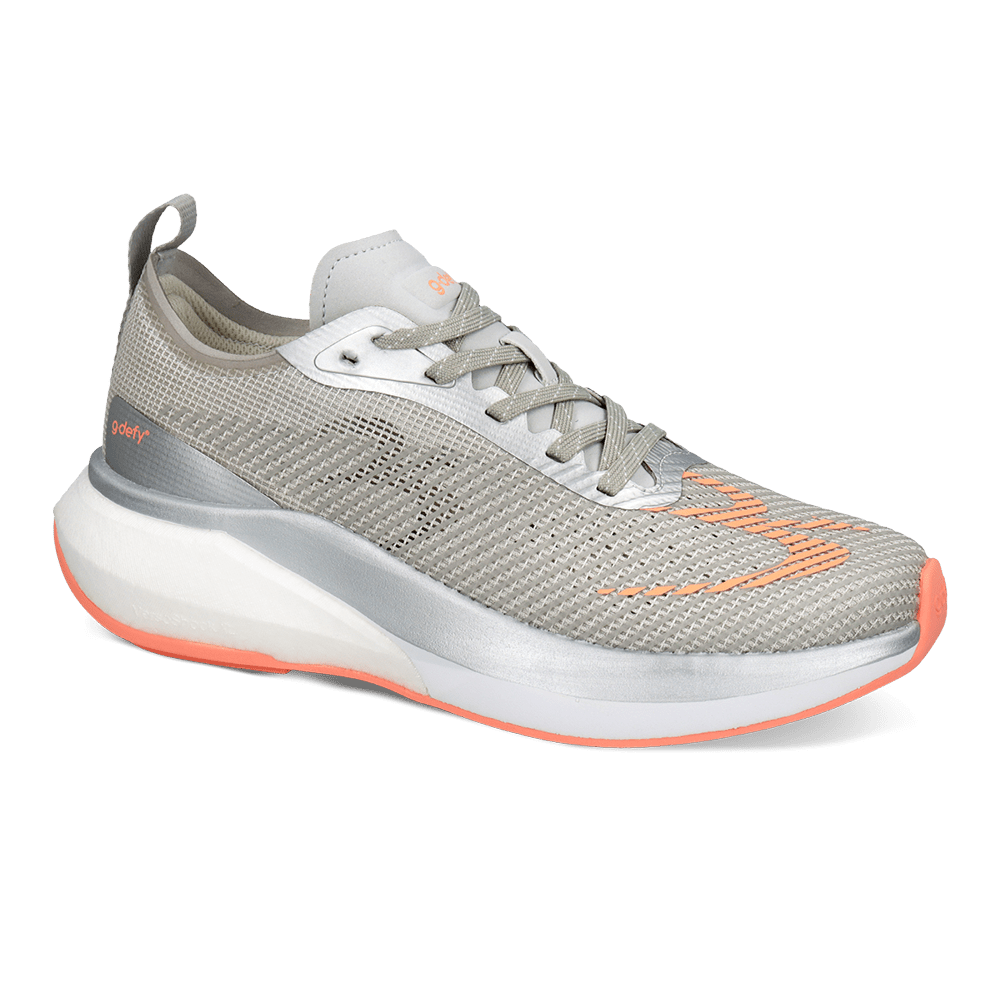
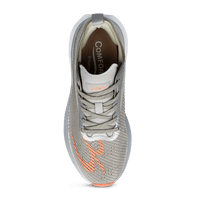
You can see this approach in an everyday walking shoe like the G-Defy Mighty Walk, or in a lighter, more breathable option like the G-Defy Ion. If you want the engineering explained in plain terms, our article on how VersoShock® technology works walks through it step by step.

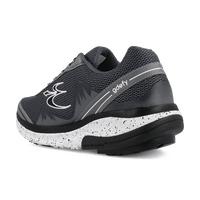
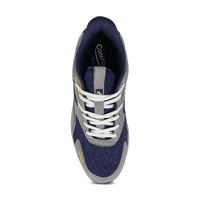
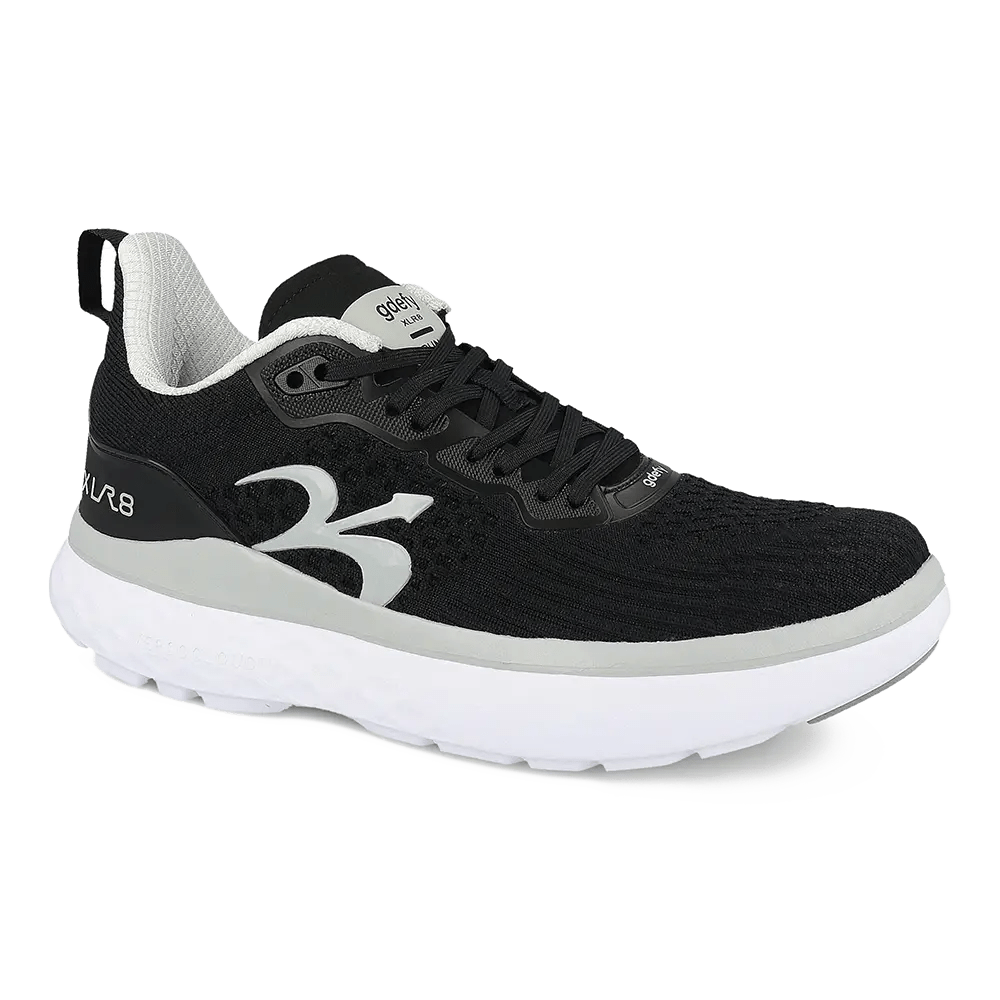
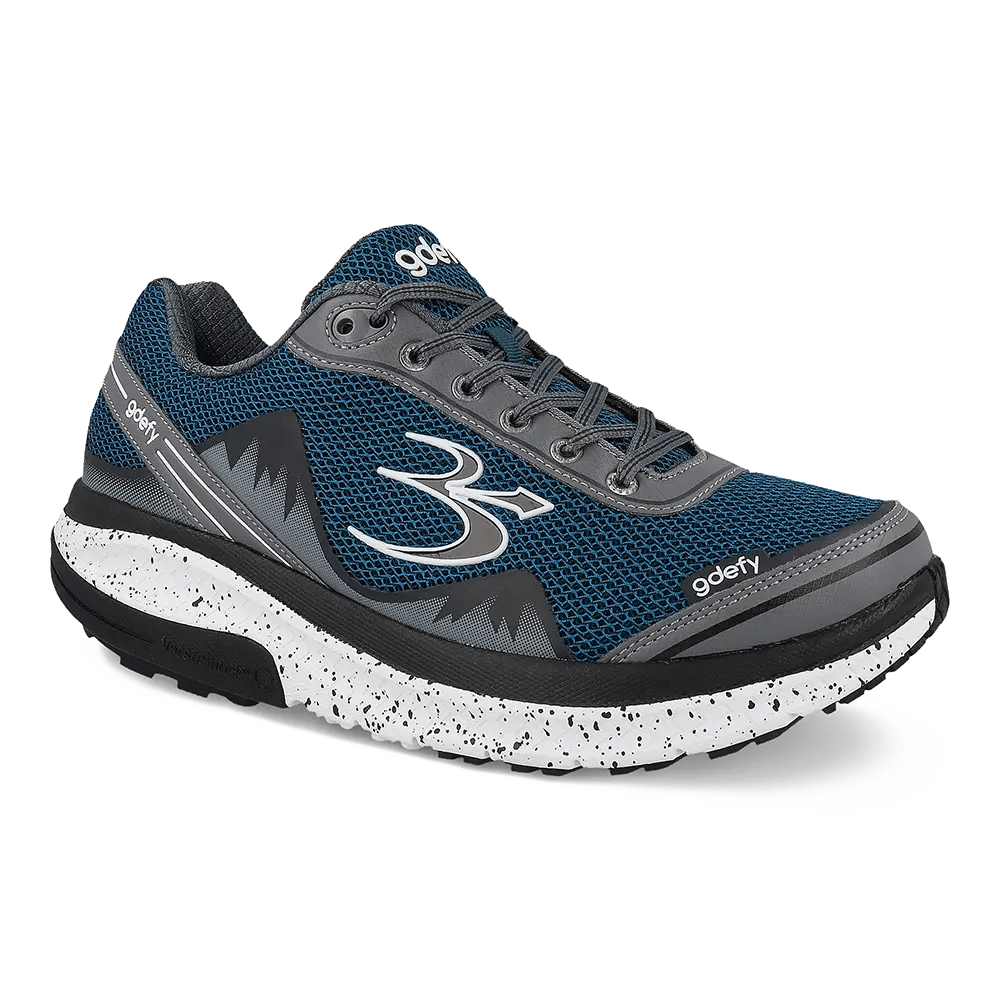
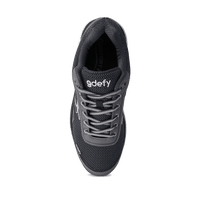
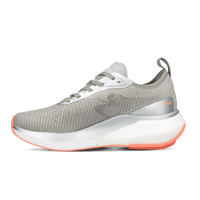
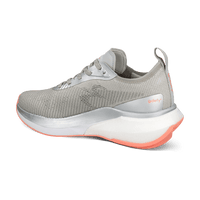
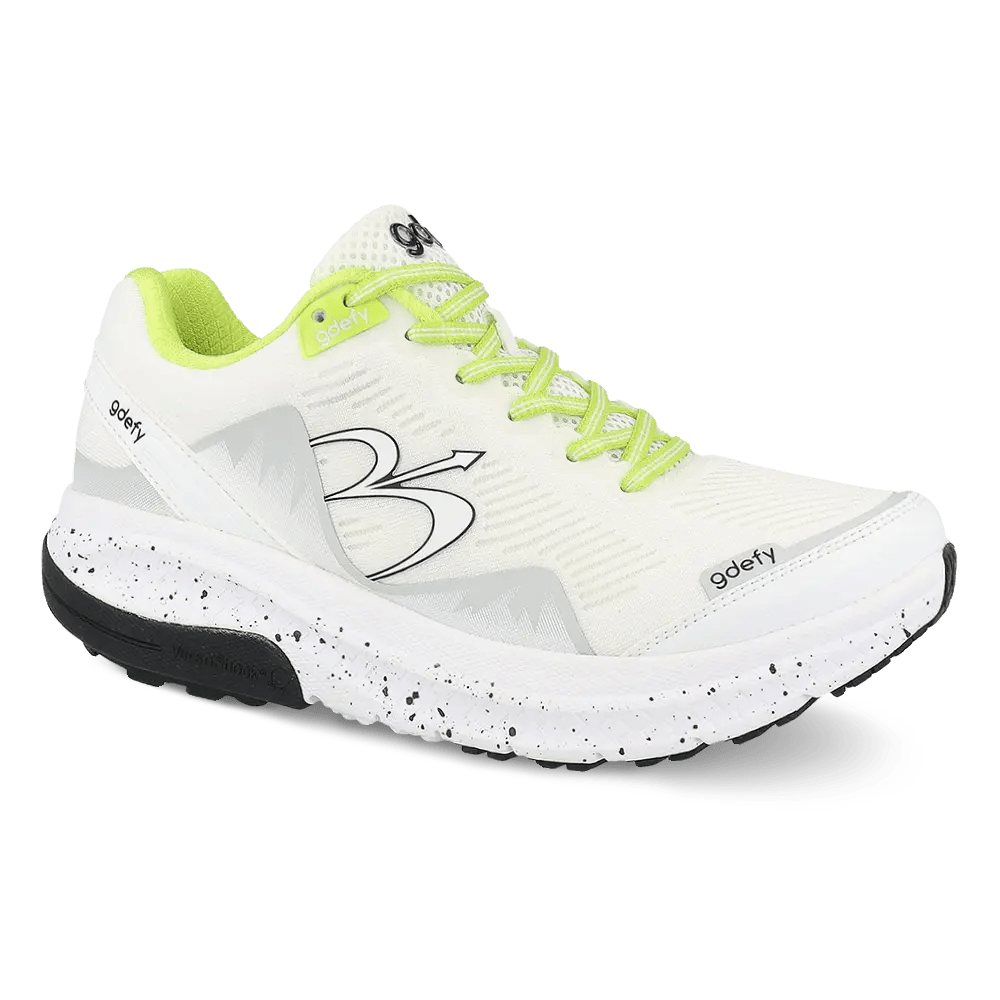
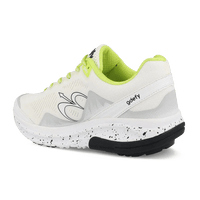
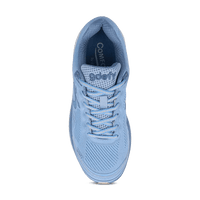
The lightweight G-Defy Ion offers a breathable, cushioned option for all-day wear.
Feel the Difference Underfoot
Try G-Defy shoes with a 60-day risk-free trial, plus free shipping and free exchanges. Designed for comfort, support, and shock absorption.
Shop the Mighty WalkPractical Tips to Keep Your Shoes Absorbing Shock
Choosing a well-cushioned shoe is the first step. Keeping it working is the next.
- Replace worn footwear. When a midsole feels flat or you notice less spring underfoot, its shock absorption has faded — even if the upper still looks fine.
- Rotate between pairs. Giving cushioning a full day to recover between wears helps the midsole return to shape and can extend its useful life.
- Match the shoe to the surface. The harder the ground you spend time on, the more cushioning and support you will appreciate.
- Use the right orthotic. If your shoes include removable inserts, pick the one that matches your arch for the most comfortable balance of cushioning and support.
- Prioritize fit. A shoe that fits securely keeps your foot centered over the cushioning, where it can do the most good.
Frequently Asked Questions
Does a softer shoe always mean better shock absorption?
Not necessarily. Very soft foam can absorb impact but may also feel unstable and swallow your energy, making walking tiring. The most comfortable designs balance cushioning with support and energy return.
Can shock-absorbing shoes help with foot pain?
Footwear is not a medical solution, but supportive, cushioned shoes designed to absorb impact may improve overall comfort during walking and prolonged standing. G-Defy shoes are designed to help reduce pain from walking, running, and prolonged standing.
How do I know when my shoes have lost their cushioning?
Common signs include a midsole that looks compressed or creased, a flatter feel underfoot, and less spring in your step. If walking feels harder than it used to in the same shoes, the cushioning may be worn.
Are shock-absorbing shoes only for runners?
No. Anyone who spends time on hard surfaces — walking, standing at work, or running errands — can appreciate good shock absorption. The harder your daily surfaces, the more it tends to matter.
What surfaces make shock absorption most important?
Concrete, tile, and other hard, unforgiving floors return the most impact to your feet. If you spend long hours on surfaces like these, cushioning and support become especially valuable for all-day comfort.
The Bottom Line
What makes a shoe good at absorbing shock is not just how soft it feels — it is how well it softens the landing while keeping you stable and moving forward. Look for genuine cushioning, midsole materials that recover their shape, energy return, supportive structure, a smooth heel-to-toe transition, and a secure fit.
While footwear is not a medical solution, choosing shoes designed for comfort, support, and shock absorption can make a meaningful difference in how your feet and legs feel at the end of a long day. Explore the full lineup for men and women to find a pair built for the way you move.
Built to Absorb Impact, Step After Step
Discover G-Defy footwear with VersoShock® technology — engineered for comfort, support, and shock absorption. 60-day risk-free trial, free shipping, and free exchanges.
Shop Women's Shop Men's