
August 14, 2026
Walking in the Rain: How Wet Ground Changes Your Footing and Your Shoes
By Gdefy

Summary
Walking in the rain feels different from the moment you step outside. The route is the same, the distance is the same, but the ground has changed underneath you — and so has the way your feet meet it. Most people notice it as a vague sense that the walk took more out of them than usual.
Wet ground is one of the most common walking conditions there is, and one of the least planned for. Late-summer storms, a damp morning, a stretch of sidewalk still drying in the shade: all of it changes how each step lands, how confident your footing feels, and what happens to your shoes for the next day or two.
While footwear is not a medical solution, the shoes you choose — and how you look after them afterward — make a real difference in how a wet-weather walk feels. This guide covers what actually changes when the ground is wet, what to look for in a shoe, and how to dry a soaked pair without ruining it.
What Changes When the Ground Is Wet
Three separate things happen at once on a rainy walk. They are easy to lump together as "it was slippery," but they affect your feet in different ways.
The ground gives back less grip
A thin film of water sits between your outsole and the surface underneath. On smooth concrete, painted crosswalk lines, metal grates, wooden decking, and tile entryways, that film has a real effect on how much your shoe holds. Wet leaves and packed dirt behave the same way once they turn to mud.
Your body compensates automatically. You take shorter steps, land flatter, and keep your weight more centered instead of rolling confidently heel to toe. It is a sensible adjustment, and it is also why a rainy mile can leave your legs feeling more worked than a dry one at the same distance.
Your stride shortens without you deciding to
A shorter, flatter step changes which parts of your foot take the load. Instead of the smooth heel-to-toe roll you use on a dry sidewalk, you spend more time flat-footed and more effort staying balanced. Over a long walk that adds up as general fatigue rather than one specific sore spot — the same way that the surface you walk on quietly changes a walk you thought was routine.
The shoe itself changes
This is the part most walkers overlook. A soaked shoe is not the same shoe you put on that morning:
- It gets heavier. Uppers, laces, insoles, and socks all hold water. You are lifting that extra weight every step for the rest of the walk — and shoe weight is something you feel most over distance.
- It fits differently. Damp socks bunch and slide. A wet upper stretches slightly, so a lace tension that felt secure on a dry day can let your heel move around.
- It stays wet longer than you think. Foam midsoles and padded collars hold moisture well after the outside feels dry to the touch, which is why the same pair worn two days running never quite recovers.
- Friction goes up inside. A damp sock against a damp lining rubs more than a dry one, which is the main reason blisters show up after wet walks.
Wet Surfaces at a Glance
Not every wet surface behaves the same way. A quick reference:
| Surface when wet | What changes | What helps most |
|---|---|---|
| Smooth concrete & sidewalk | Noticeably less grip, especially on worn, polished sections | Outsole tread with real depth and rubber coverage |
| Painted lines, metal grates, manhole covers | The slickest thing on any city route | Step over them; shorten your stride nearby |
| Tile and stone entryways | Slick right at the door, where you are usually changing direction | Slow down at thresholds and wipe your soles |
| Wet grass & fallen leaves | Soft and unpredictable; the leaf layer slides on itself | Stability first, then cushioning |
| Packed dirt turning to mud | Foot sinks slightly and slides on push-off | Deeper tread and a secure lace-up fit |
| Puddles of unknown depth | Full soak-through in one step | Go around, not through |

What to Look for in Shoes for Wet-Weather Walking
You do not need a specialist shoe for a rainy walk around the neighborhood. You do need a few features that matter more when the ground is wet than when it is dry.
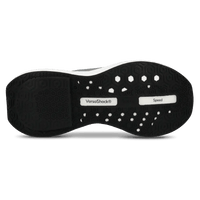
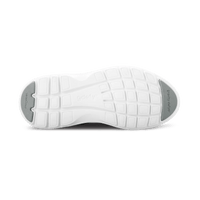
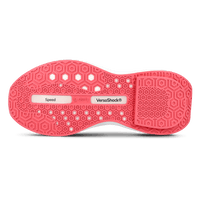
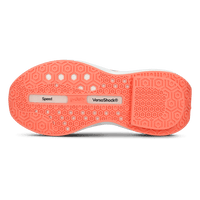
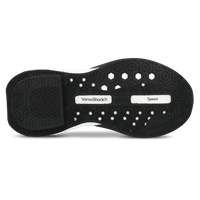
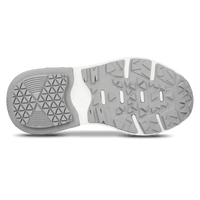
- An outsole with real tread. Look for a pattern with visible depth and grooves that channel water out from under the foot, plus rubber coverage across the areas that actually touch down — the heel edge and the forefoot. A flat, smooth sole is the single biggest disadvantage in the wet.
- A secure, adjustable fit. Lace-up designs let you re-tighten mid-walk when a wet upper relaxes. That matters more than it sounds: a heel that lifts on a slick surface is a heel you have to control with your legs.
- Cushioning that stays consistent. Impact does not go away because the ground is soft with rain. Shock absorption still does its job on wet pavement, which is as hard underneath as it was yesterday.
- Structure through the middle of the shoe. A shoe that resists twisting supports a steadier stride when your footing is uncertain. That is exactly what stability is for.
- Materials that dry quickly. Mesh and synthetic uppers shed water and dry far faster than heavy leather or thick canvas. The construction of the upper decides whether your shoes are wearable tomorrow morning.
- A taller upper for genuinely wet ground. On muddy paths and wet grass, a boot-height upper keeps splash and debris out of the shoe in the first place.
One thing to skip: choosing your rainy-day pair purely on looks or on how soft it feels in the store. Softness without structure feels vague underfoot exactly when you want the opposite. If you are unsure where your feet sit, our guide to choosing shoes for your foot type is a better starting point than a showroom impression.
How G-Defy Approaches Wet-Weather Walking
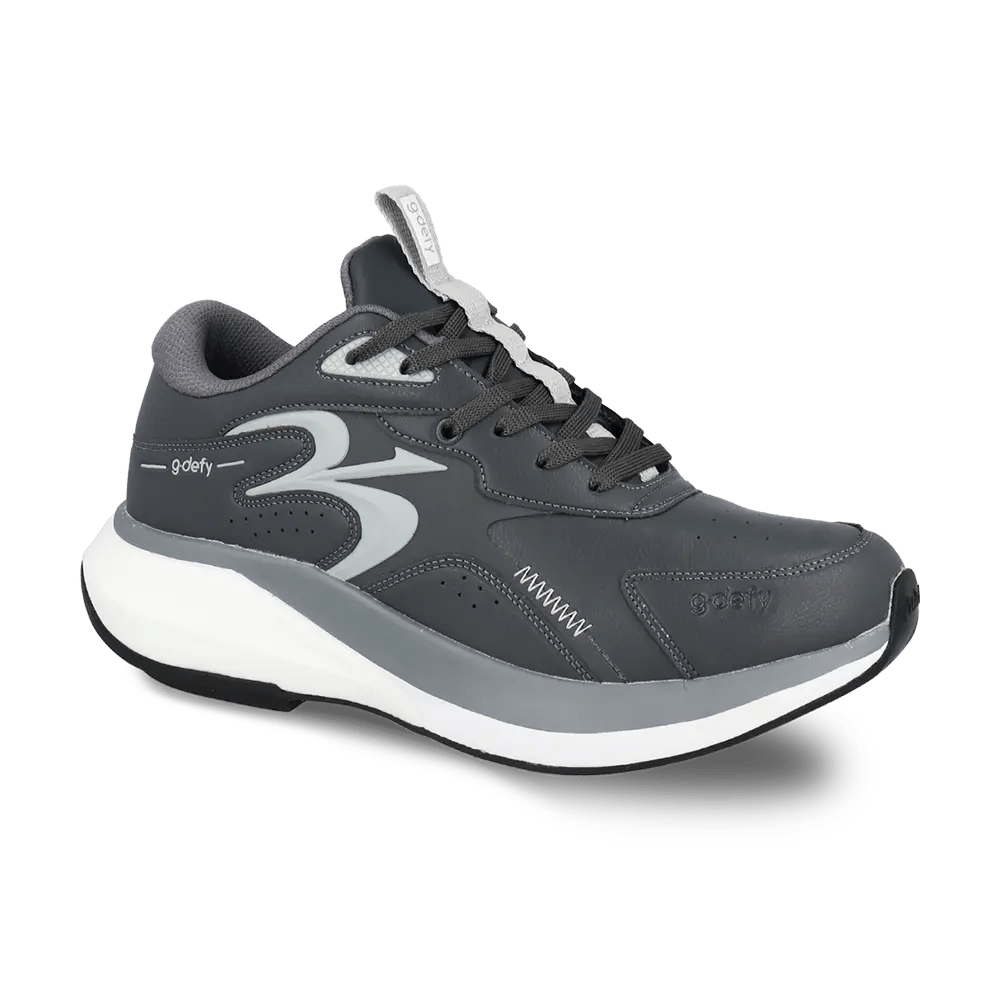
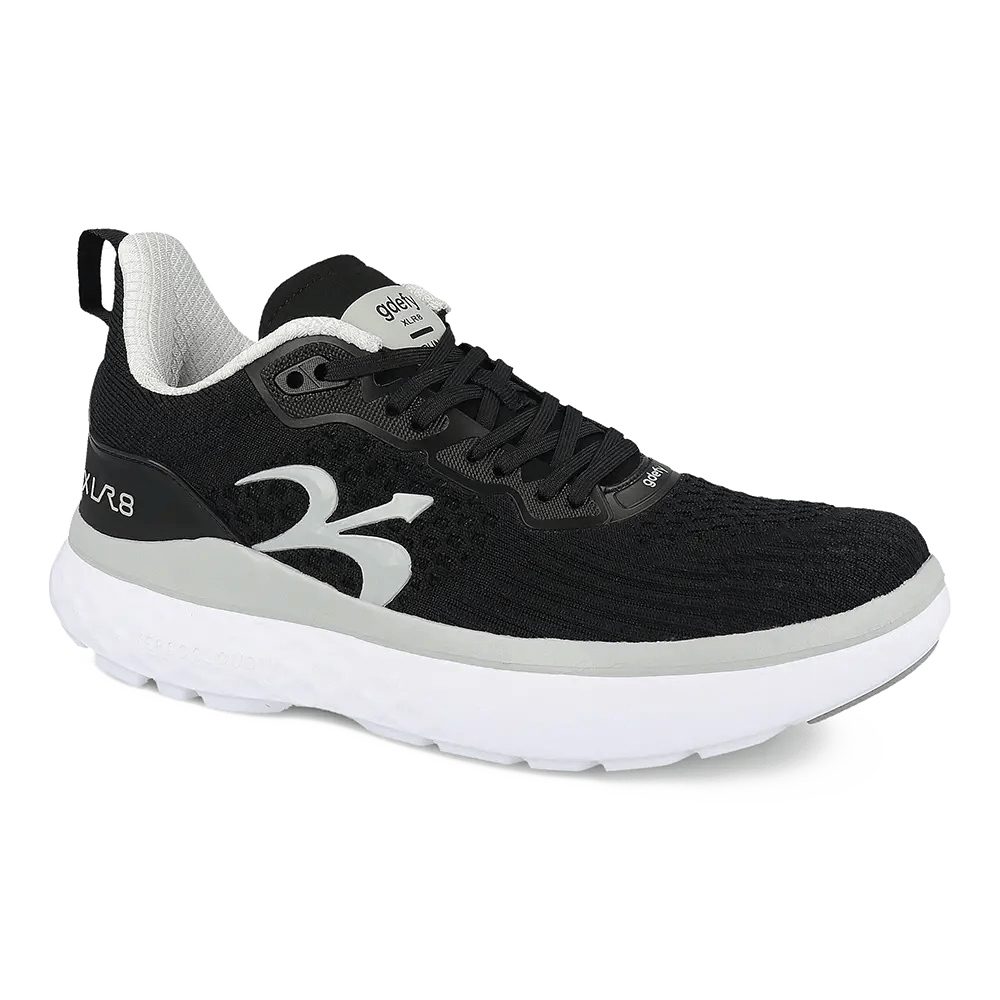
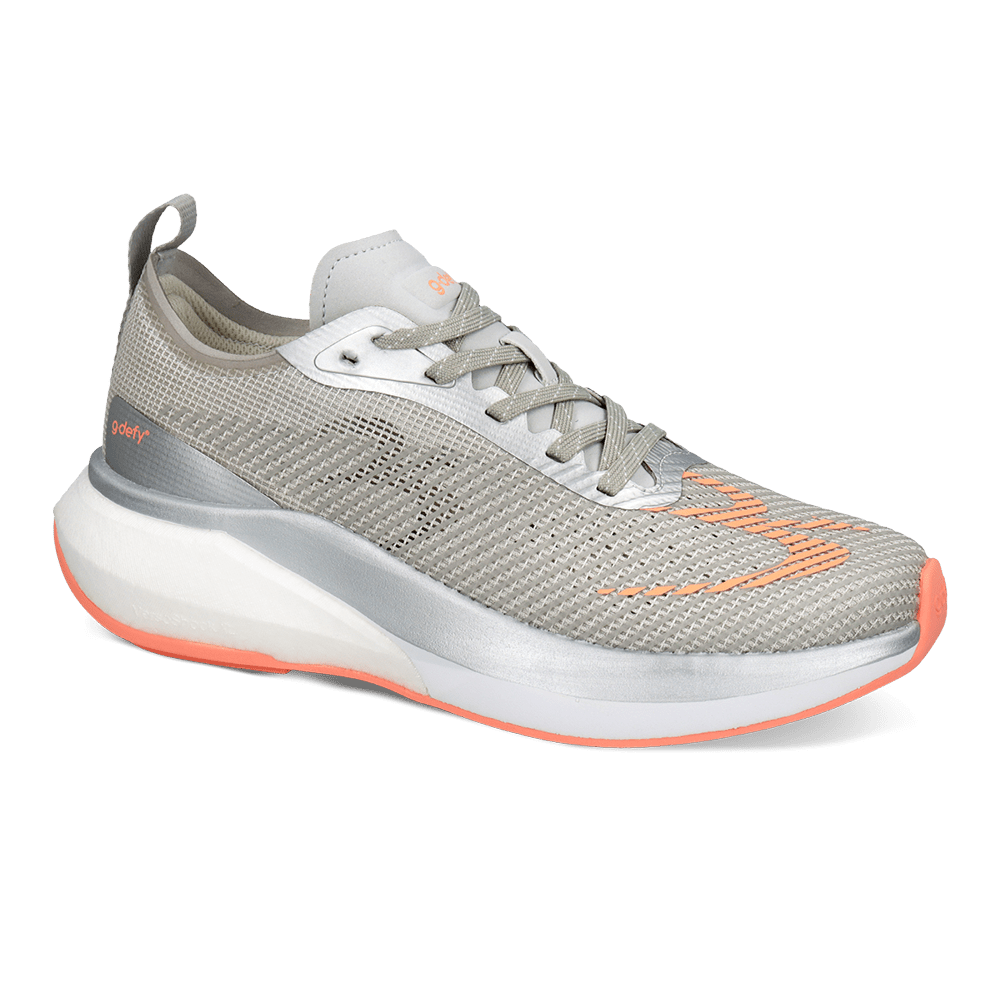
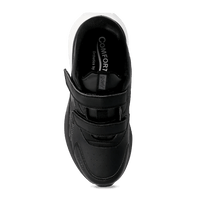
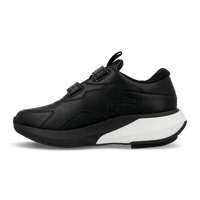
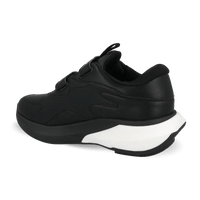
G-Defy shoes are engineered to provide comfort, support, and shock absorption during daily movement. Featuring VersoShock® technology, they are designed to absorb impact and return energy with each step. A built-in stabilizer supports the foot during movement, while the front rolling design promotes a smooth walking experience. Each pair includes two removable orthotics to help customize comfort and support. G-Defy shoes help reduce pain from walking, running, and prolonged standing.
Here is how the four-pillar design maps to a walk on wet ground:
- VersoShock® shock absorption — a spring-based system designed to absorb impact as you cross pavement that is just as hard wet as dry. More on how the technology works.
- Energy return — rather than simply compressing like standard foam, the design is built to return energy to support forward movement, which helps on a walk where every step is doing a bit more work.
- Built-in stabilizer — helps support the foot and limit excessive twisting, encouraging a more controlled stride when footing is uncertain.
- Front rolling design — encourages a smooth heel-to-toe transition, which is the motion a shortened rainy-day stride tends to lose.
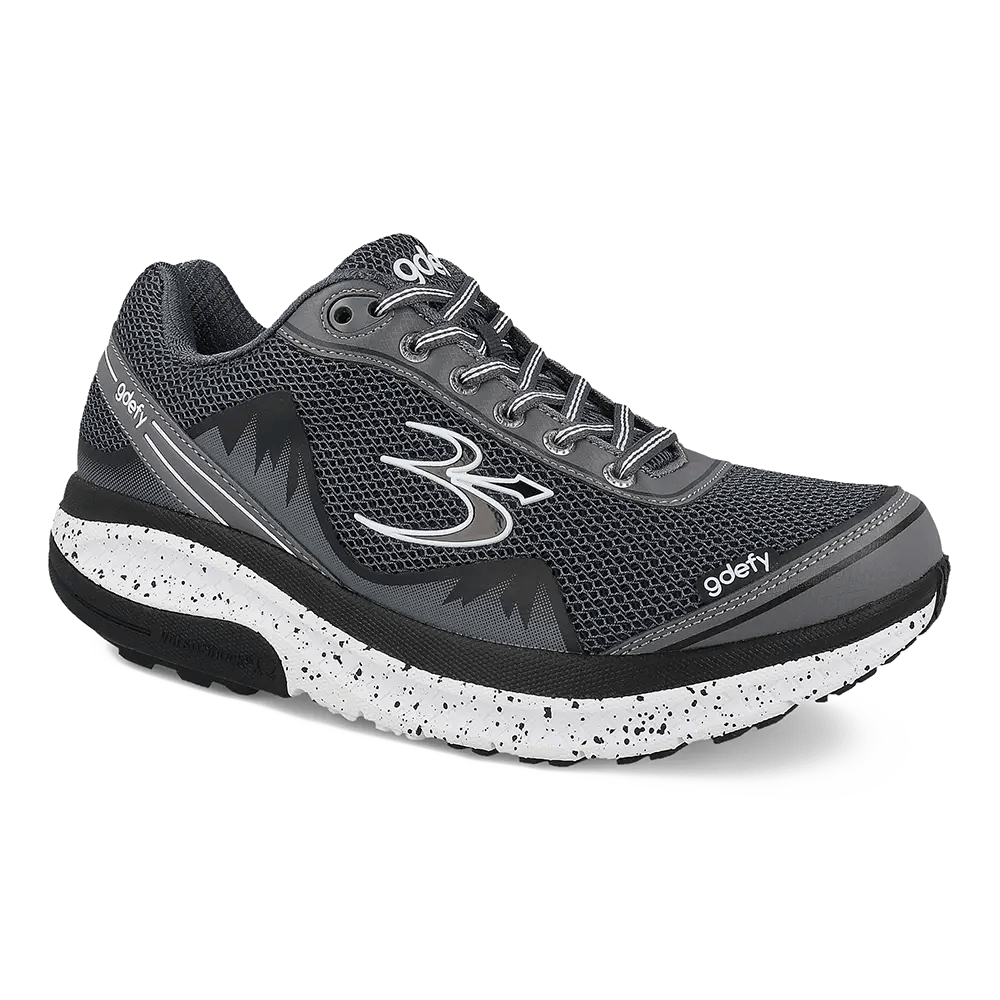
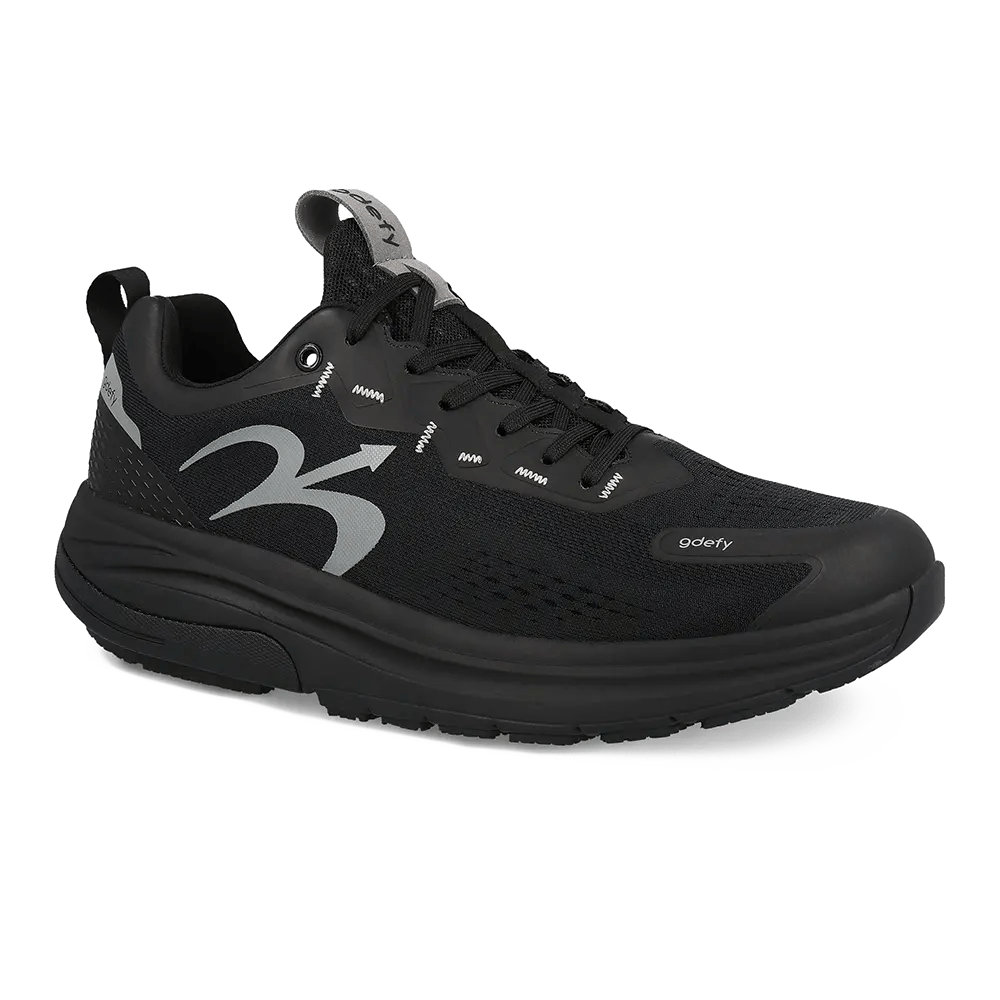
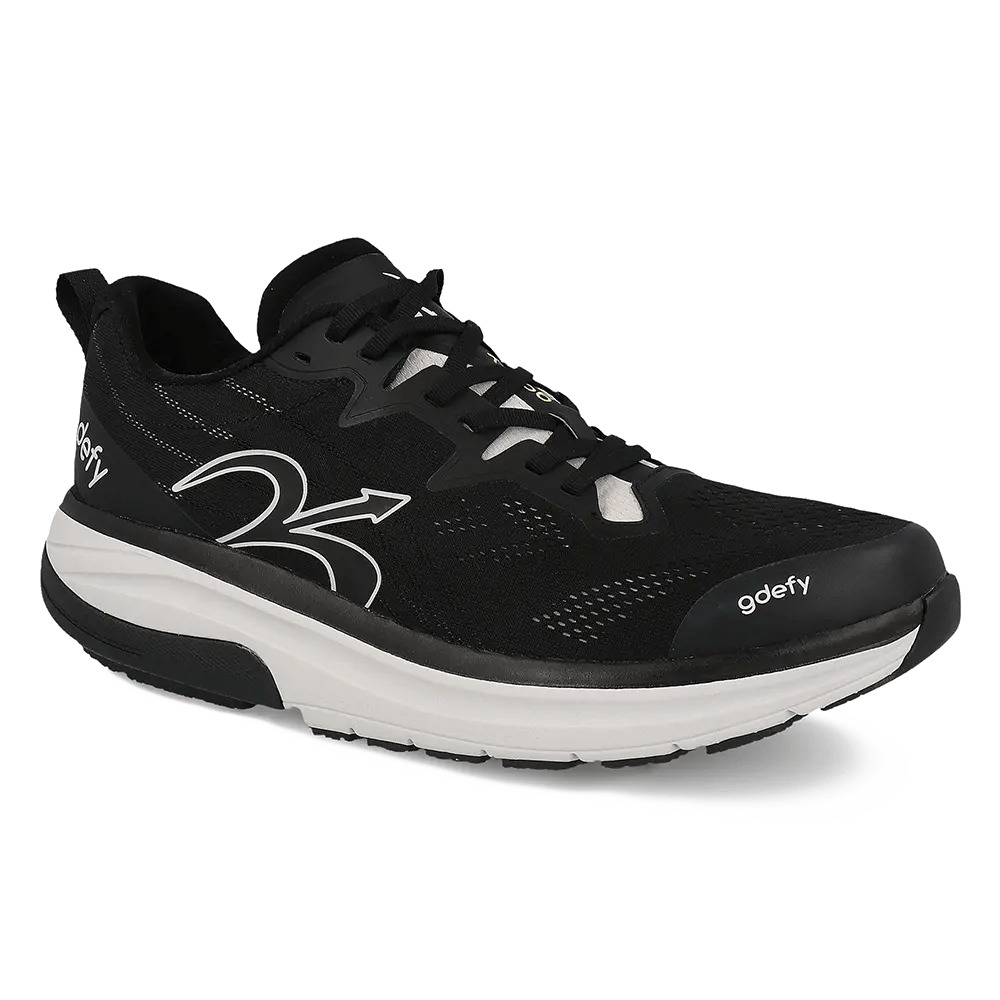
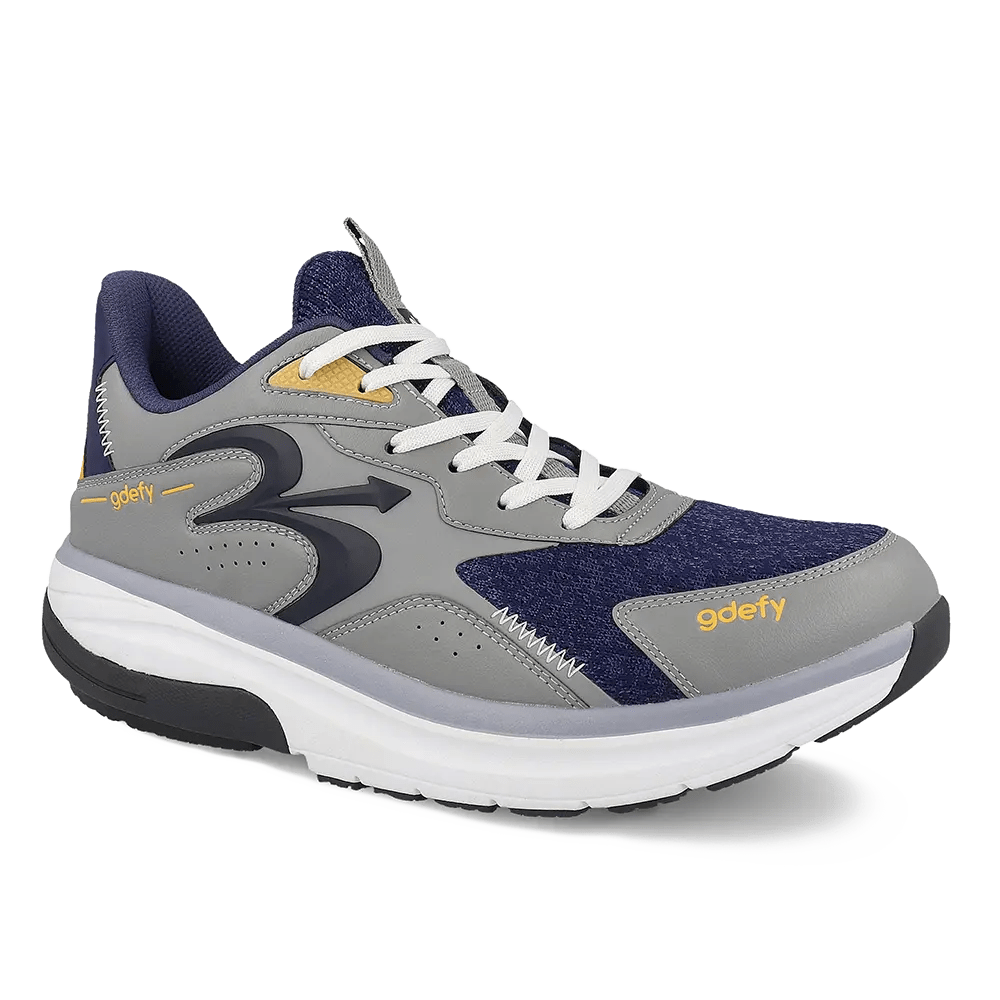
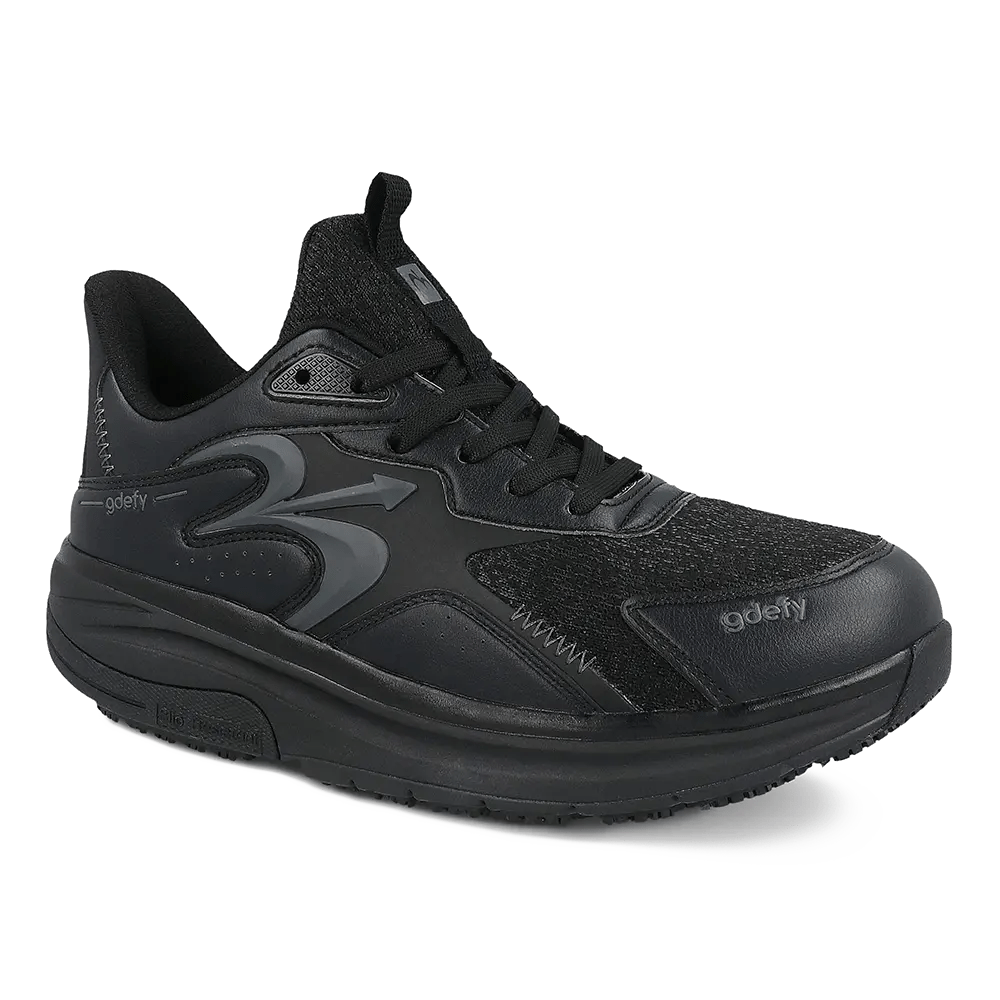
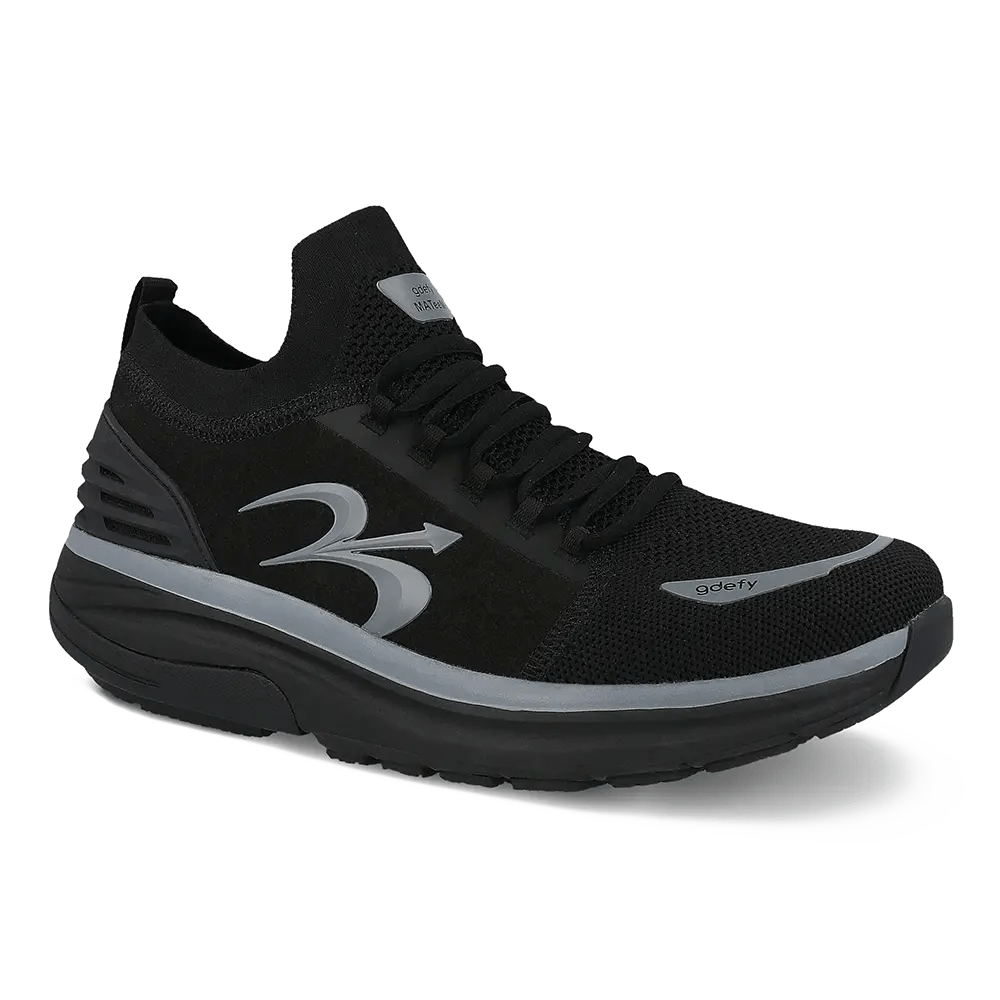
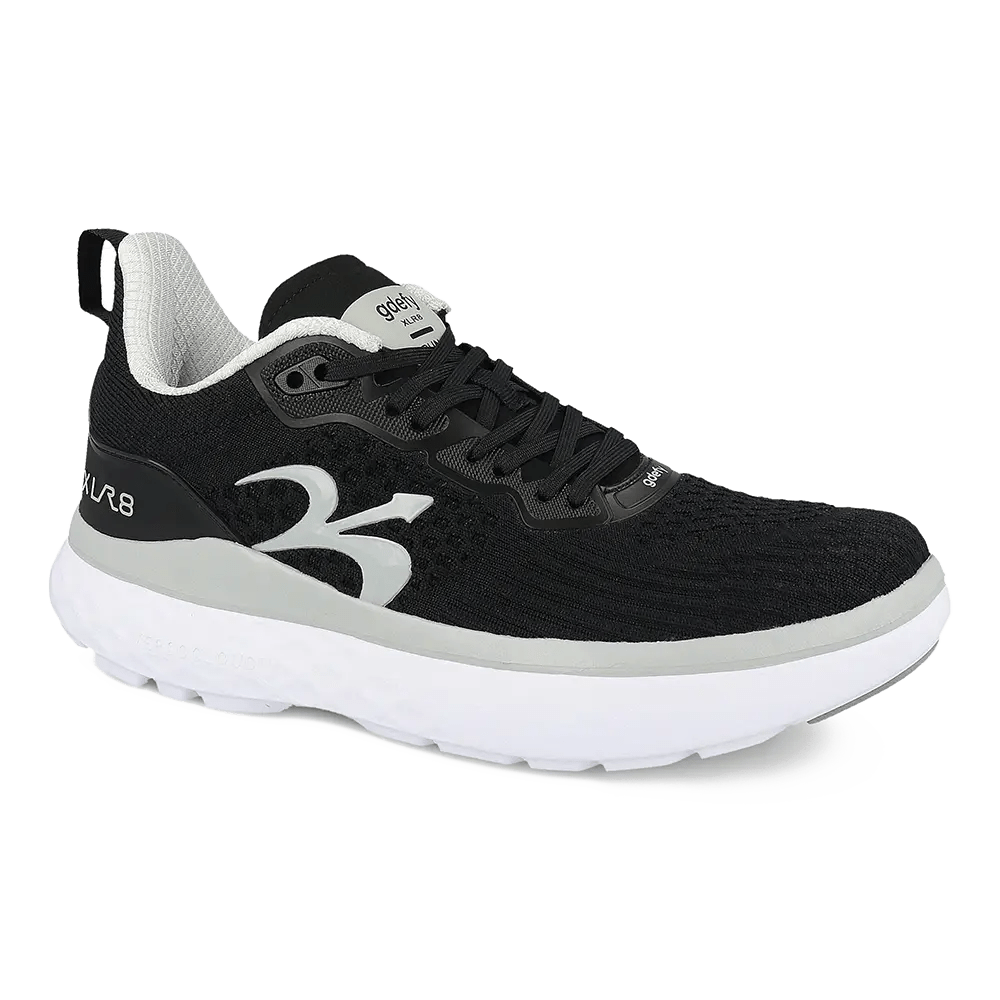
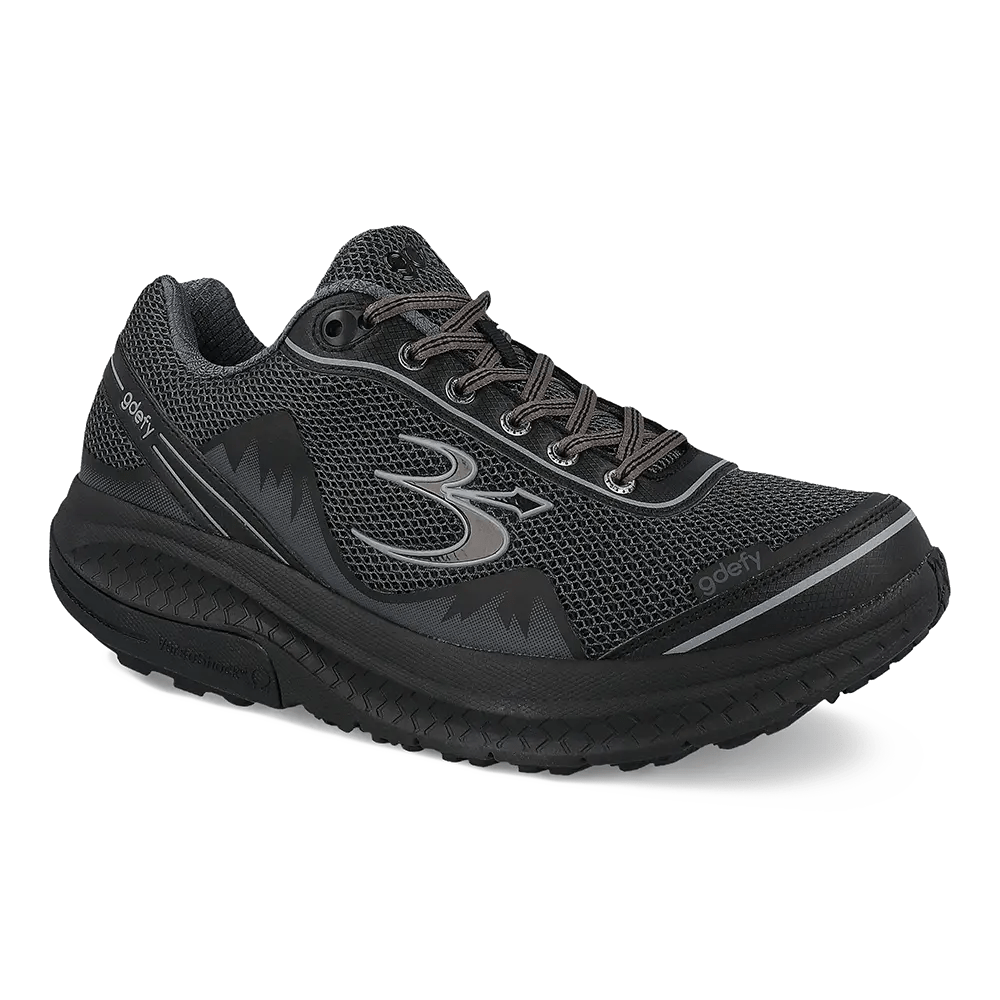
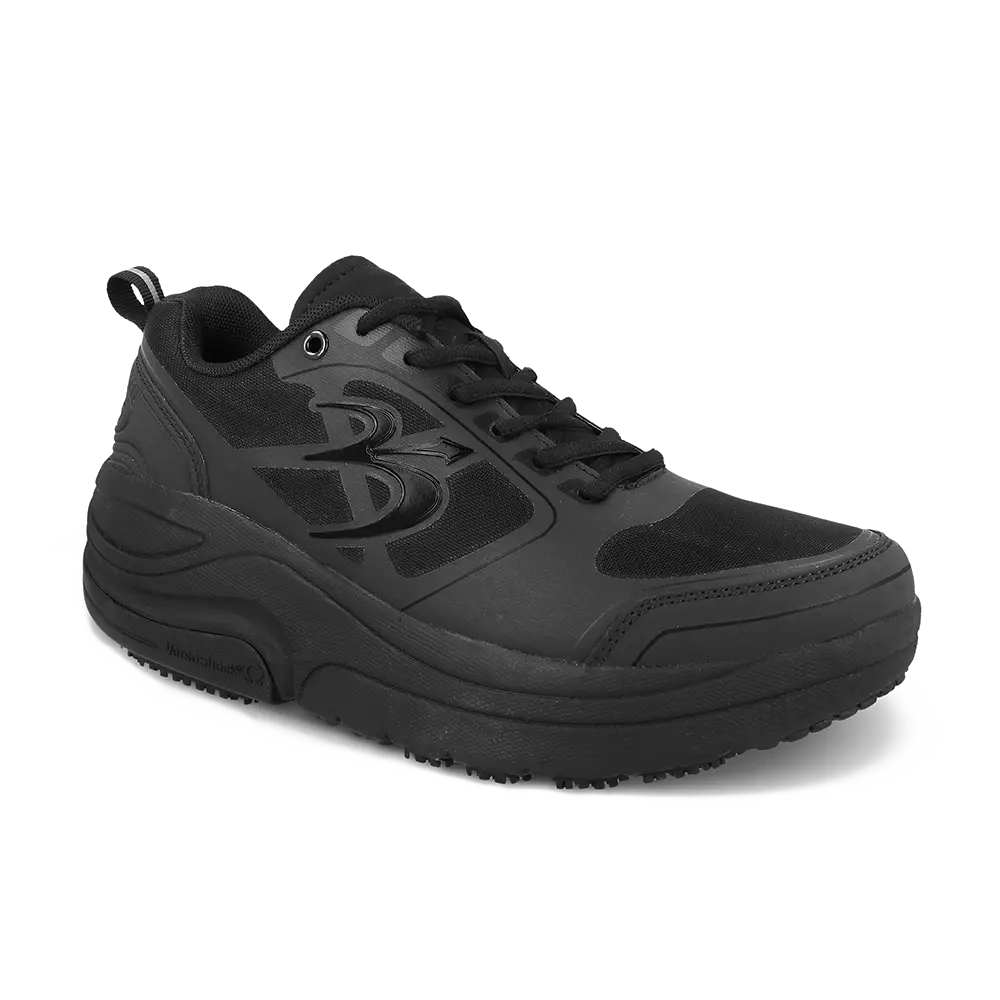
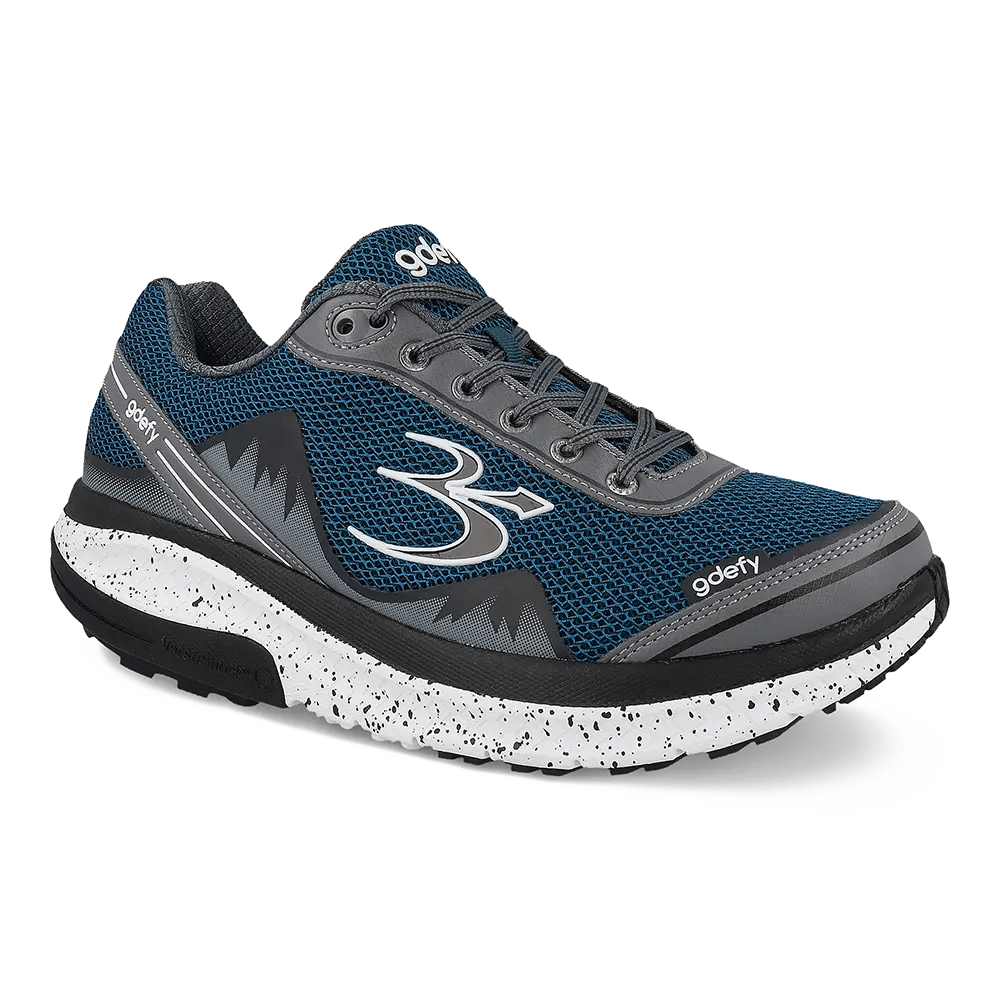
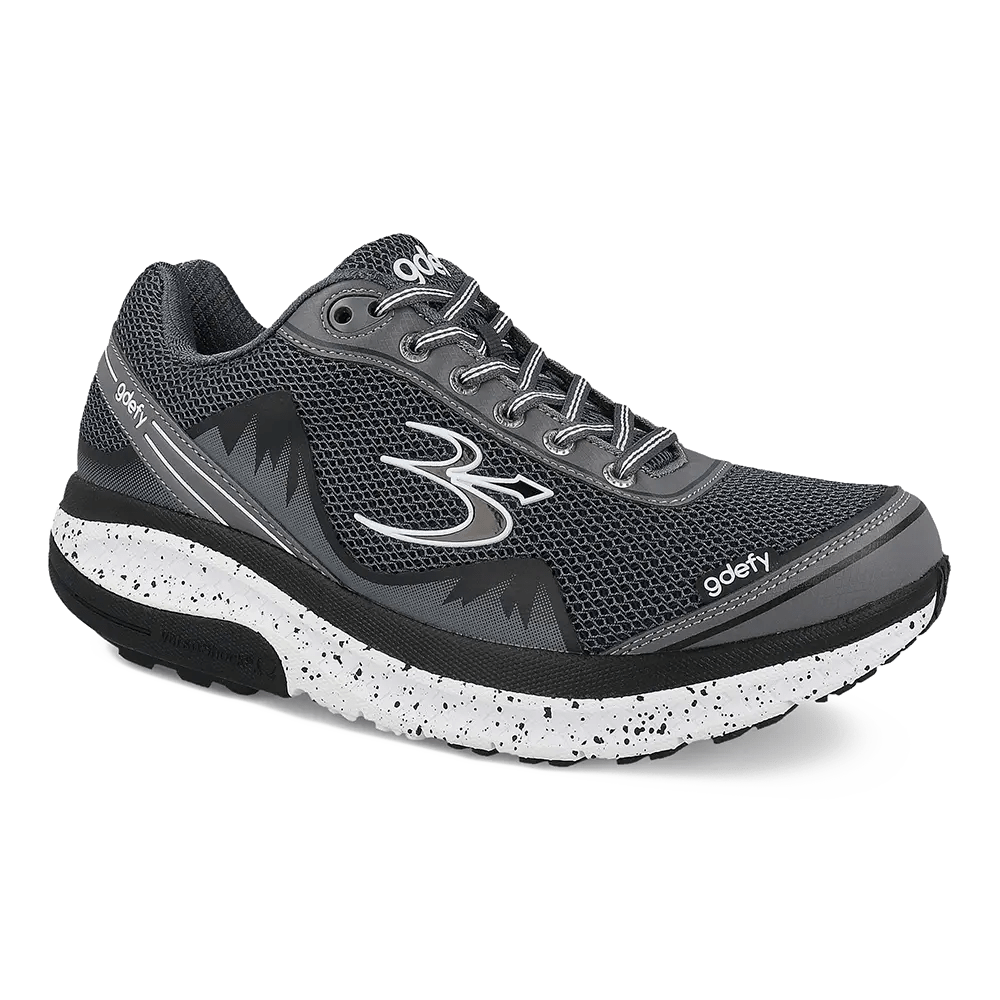
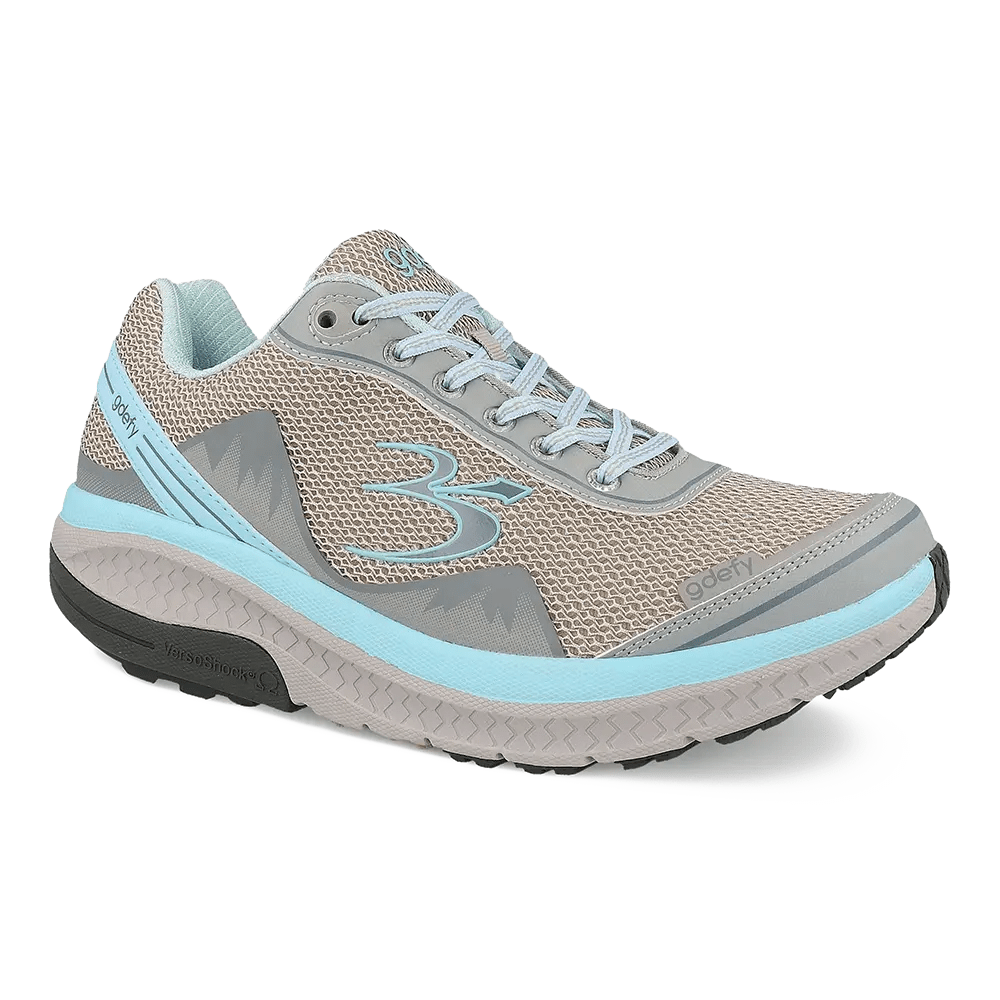
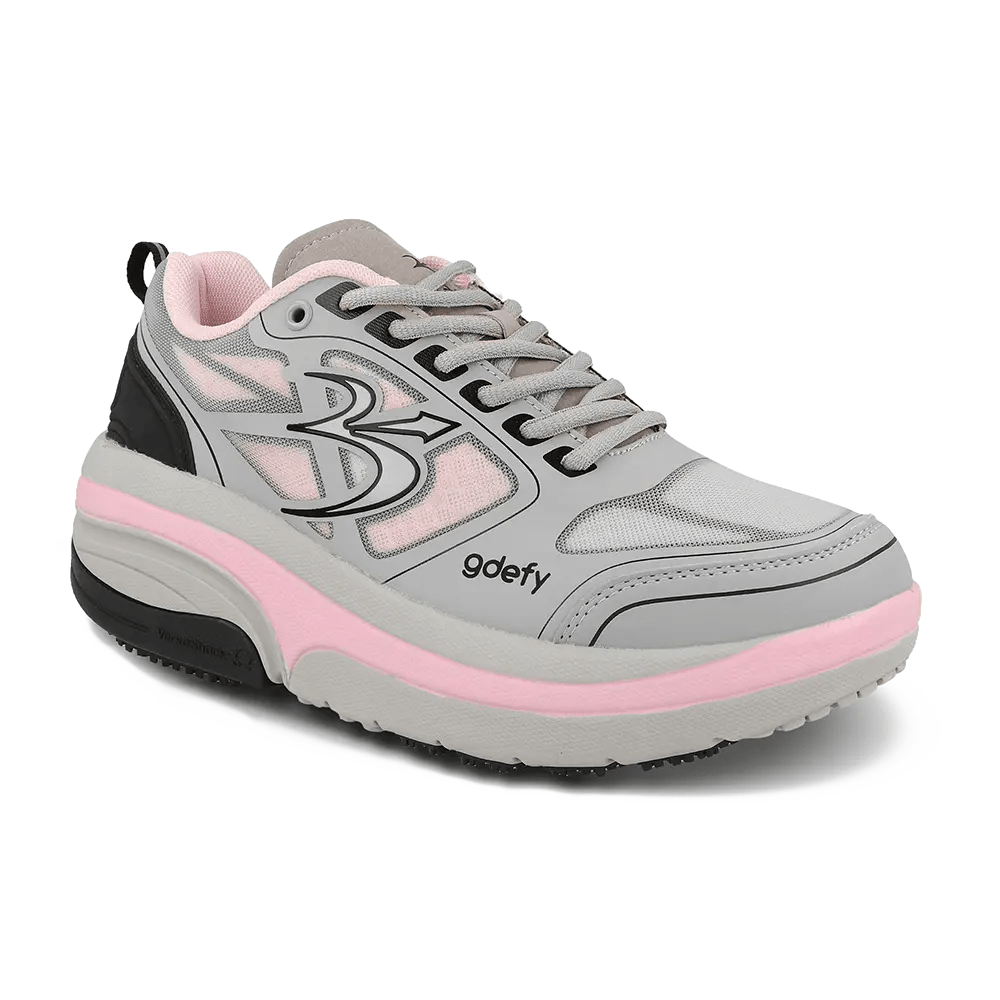
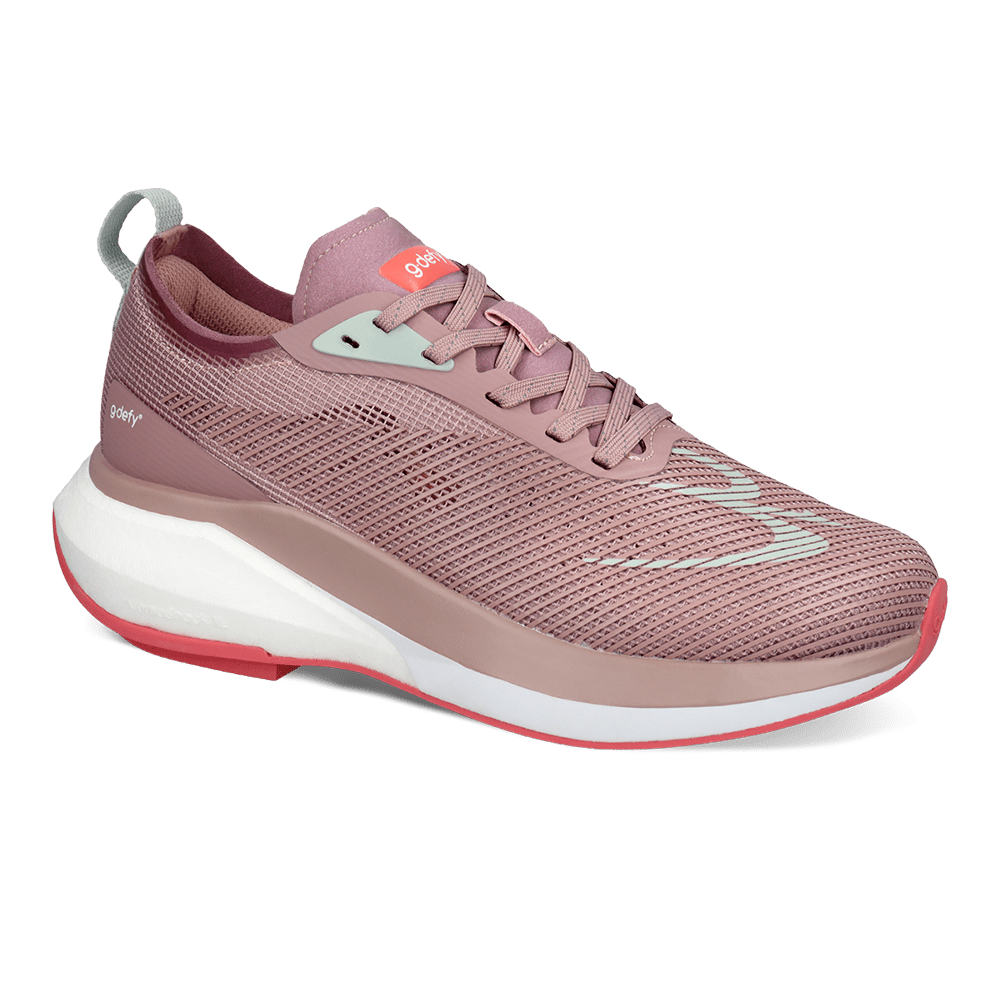
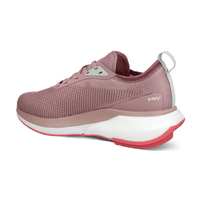
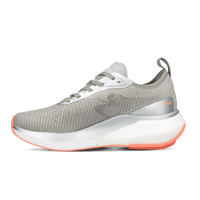
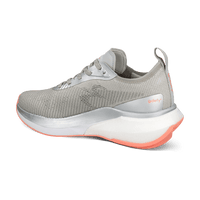
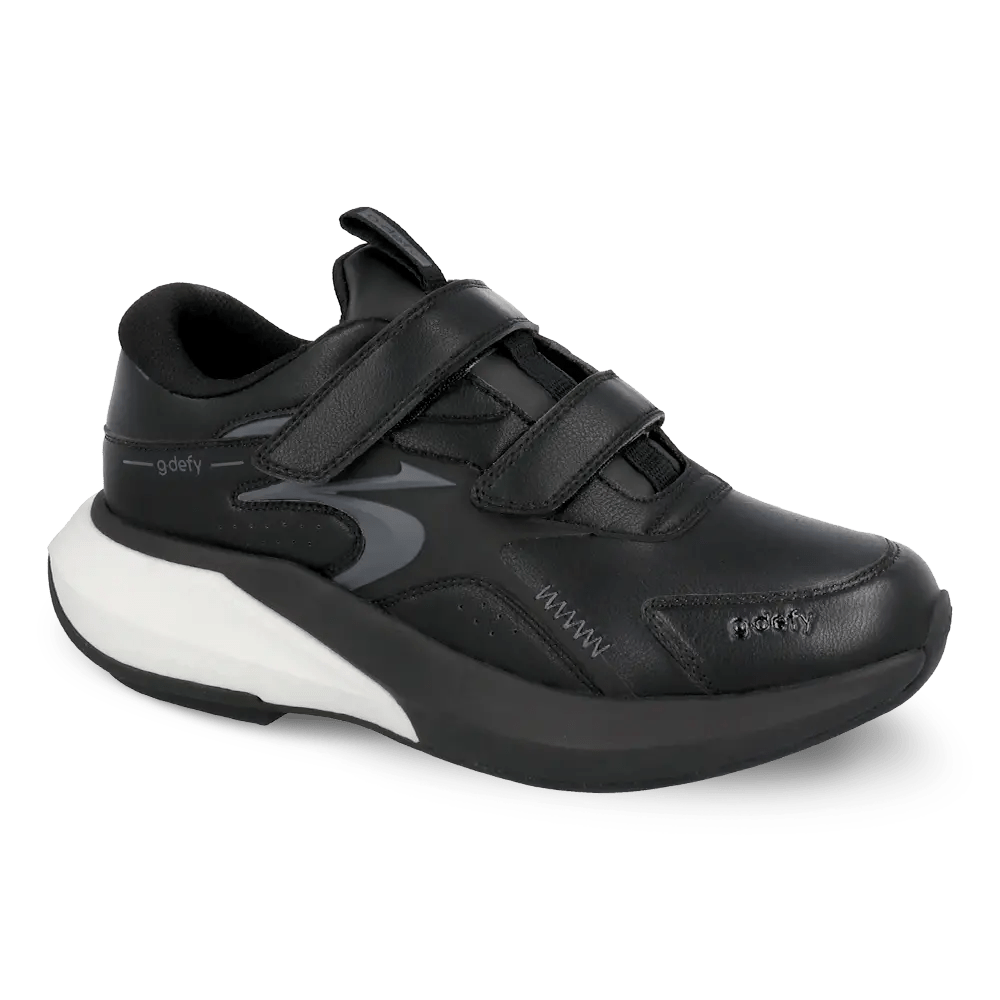
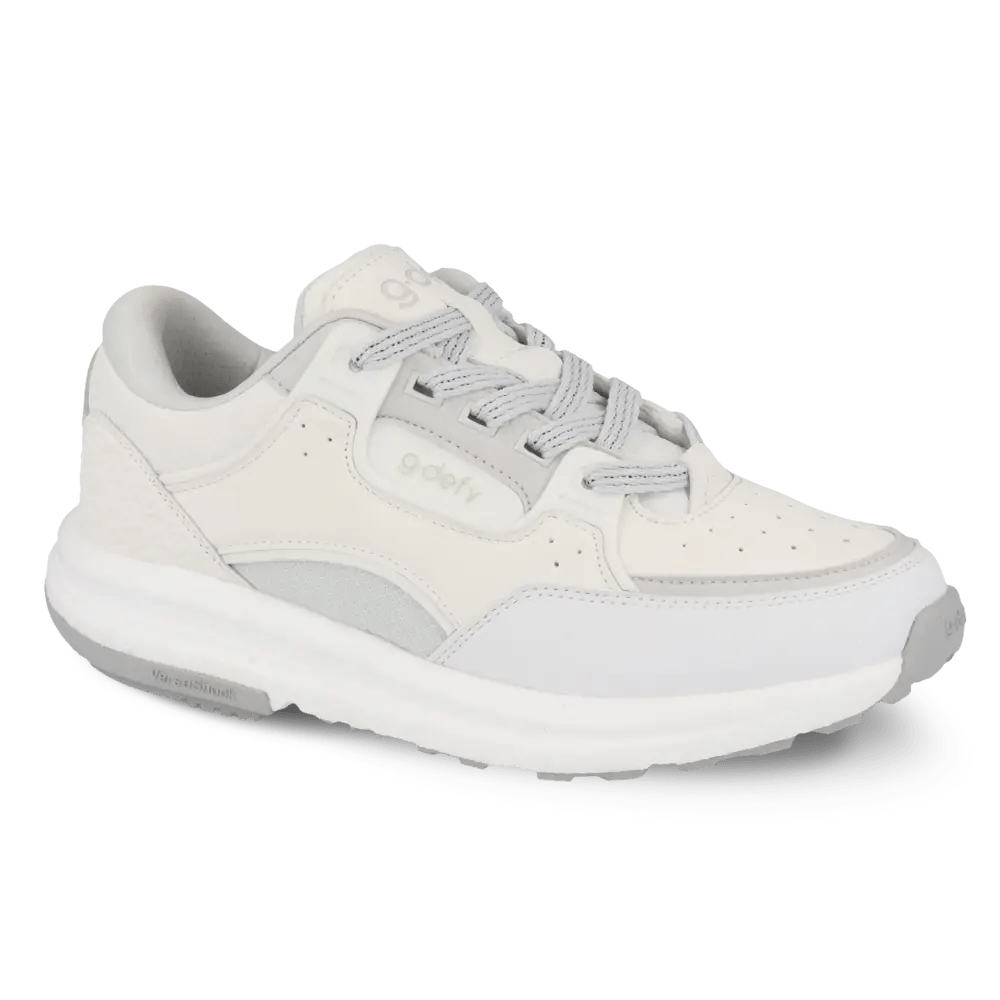
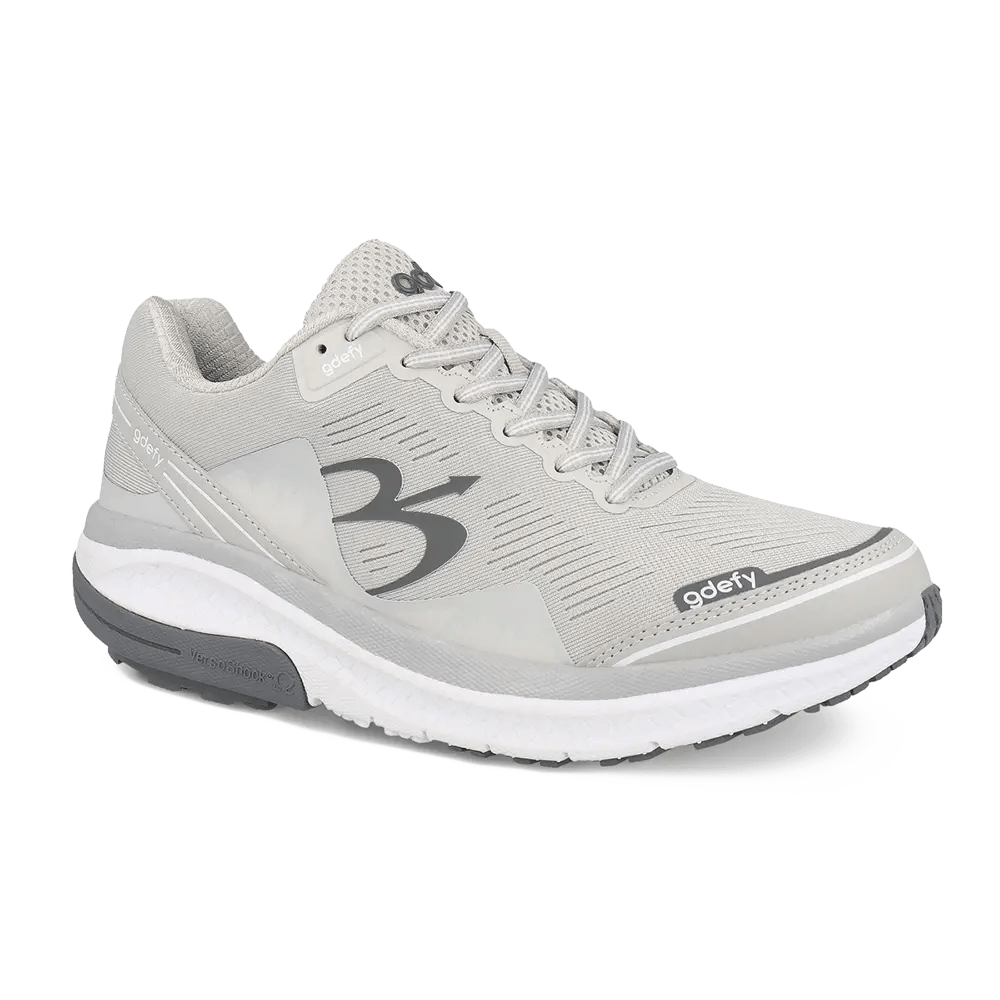
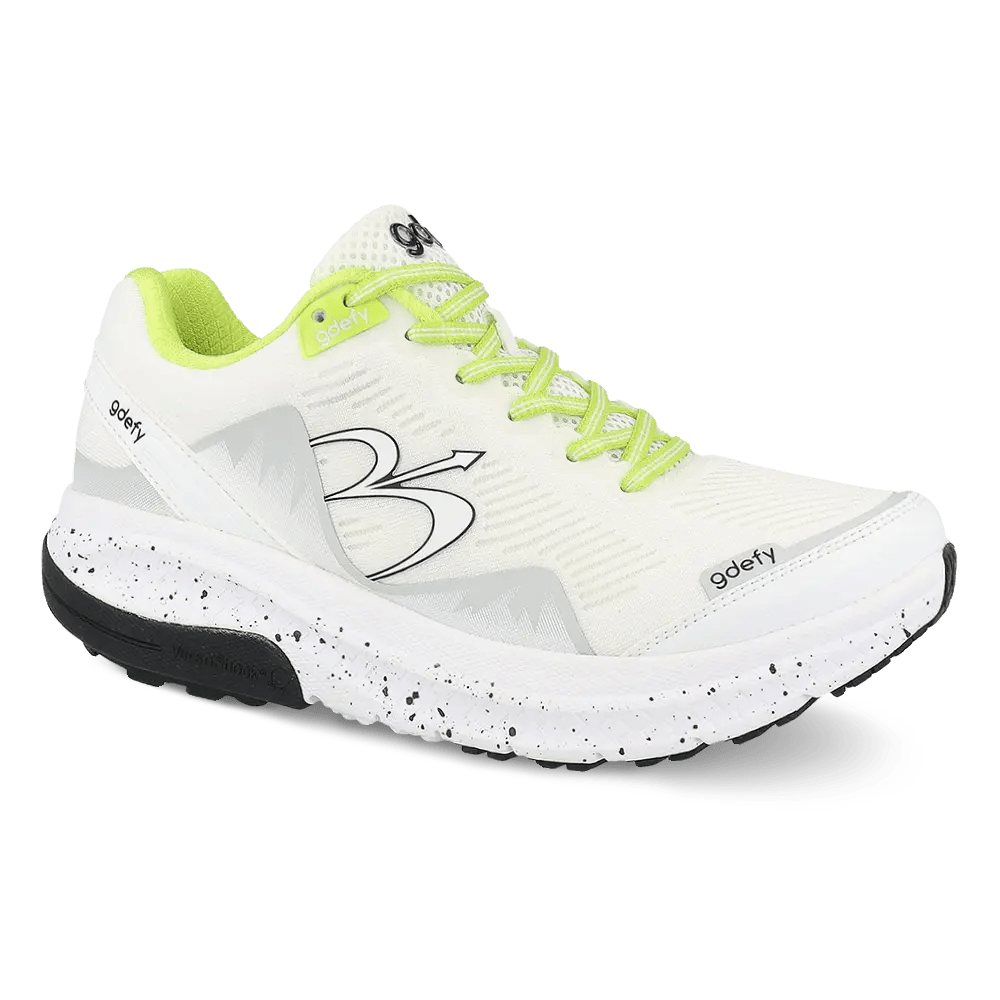
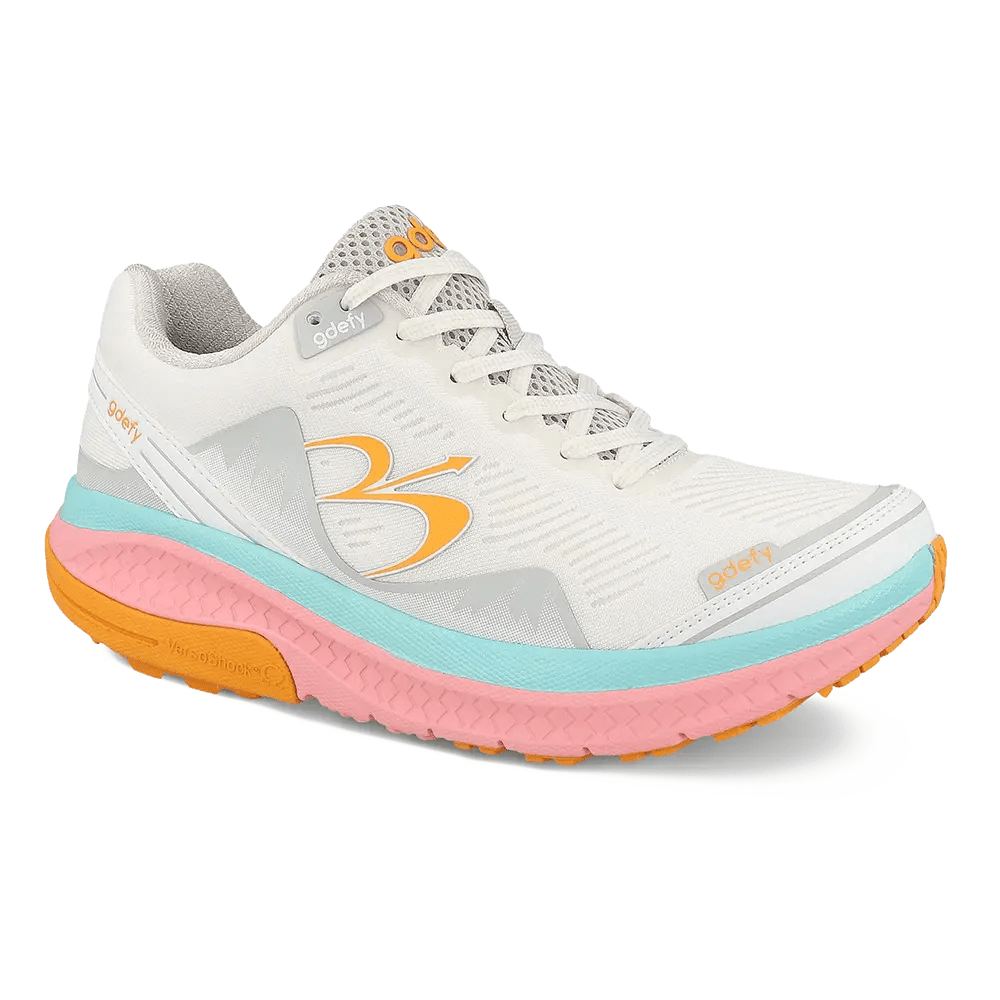
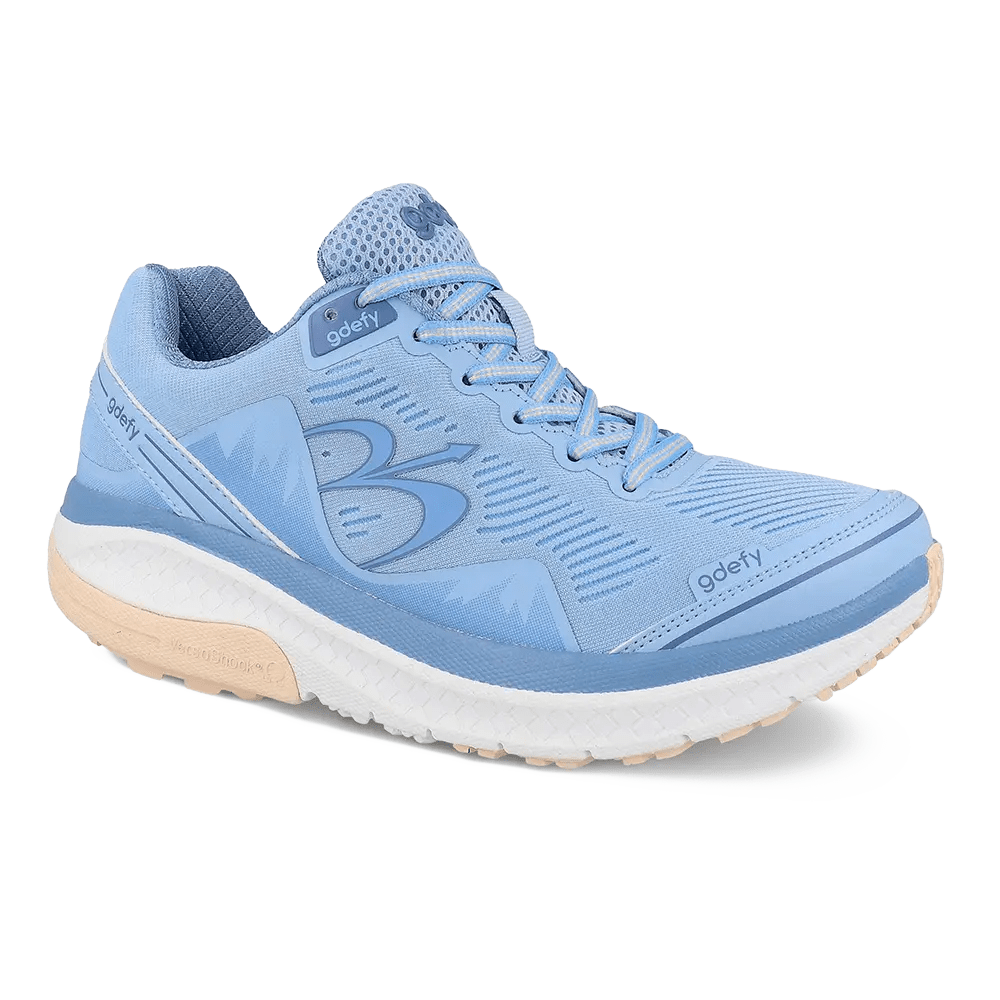
For everyday wet-weather walking, the Mighty Walk for men and Mighty Walk for women pair maximum cushioning with a lace-up fit you can adjust mid-walk. The Ion is the lighter, more breathable option, which also means it dries faster between wearings. For muddy paths and wet grass, the taller upper of the Sierra boot keeps more of the mess on the outside. Every pair ships free, comes with free exchanges, and is backed by a 60-day risk-free trial, so you can walk in them through an actual rainy week before deciding.

Ready for whatever the forecast does?
Free shipping, free exchanges, and a 60-day risk-free trial on every pair.
Shop Men's Shoes Shop Women's ShoesHow to Dry Wet Shoes Without Wrecking Them
What you do in the twenty minutes after a wet walk decides how the pair feels for the rest of its life. Heat is the enemy: radiators, hair dryers, and hot car dashboards shrink uppers, unglue soles, and stiffen midsole foam. The slow way is the right way.
- Take everything out. Pull the laces loose and remove both orthotics or insoles. A shoe with the insole still in it dries from the outside in and stays damp underneath for another day.
- Wipe the outside down. Get mud and grit off the upper and out of the tread while it is still soft. Dried mud is far harder to remove, and grit left in the grooves wears the outsole faster.
- Stuff them loosely with newspaper or paper towel. Paper pulls moisture out of the lining and helps the shoe hold its shape. Swap the paper after the first hour, when it is soaked through.
- Dry them at room temperature with air moving. An open room, a fan on low, or a covered porch is ideal. Never a radiator, never a dryer, never direct sun for hours.
- Dry the insoles separately and flat. They hold more water than anything else in the shoe and are the last part to dry. Put them back only when they are dry all the way through.

Give a soaked pair a full day, ideally two. If you walk daily, this is the strongest practical argument for owning two pairs and alternating them — the same habit that makes any pair of shoes last longer.
Practical Tips for Walking in the Rain
- Wear synthetic or wool-blend socks. Cotton holds water against your skin and stays wet for the whole walk, which is where most wet-weather blisters start.
- Re-tighten your laces once you are warm. Wet uppers relax. A quick adjustment ten minutes in keeps your heel where it belongs.
- Shorten your stride deliberately at the slick spots. Crosswalk paint, metal covers, and tile entryways deserve smaller, flatter steps rather than confidence.
- Go around puddles, not through. One deep step is the difference between damp shoes and a two-day dry-out.
- Check your tread every few months. Worn-down tread loses its bite in the wet long before the shoe looks finished. If the pattern is smooth under the heel and forefoot, it is time.
- Keep a dedicated wet pair. Rotating a second pair in means you are never starting a walk in yesterday's damp shoes.
What Our Customers Say
Comfort is personal, and results vary by individual. These reflect the kind of feedback we hear most often about wet-weather wear:
- "I walk the dog twice a day no matter the forecast. The tread gives me confidence on wet sidewalks, and my feet feel better at the end than they used to." Results vary by individual.
- "Two pairs in rotation was the change that made the difference. I am never putting on a damp shoe anymore, and the whole day feels more comfortable." Results vary by individual.
- "After a rainy morning walk I used to be done for the day. Now I take the same route and feel steadier on the way home." Results vary by individual.
If daily walks in mixed weather are your routine, our guides to dog-walking comfort and walking on trails and park paths cover the same ground from a different angle.
Frequently Asked Questions
Are walking shoes okay in the rain, or do I need something special?
For neighborhood walks and errands, a supportive walking shoe with a real tread pattern and a quick-drying upper is usually enough. Purpose-built boots make more sense when the ground is muddy or the walk is long enough that a soak-through would end it.
Why do my feet hurt more after walking in the rain?
Wet ground shortens your stride and asks more of your balance, so the same distance takes more effort — and a heavier, looser-fitting wet shoe adds to it. Supportive, cushioned footwear may improve overall comfort during walking and prolonged standing. For persistent foot pain, consult your healthcare provider.
How long does it take for walking shoes to dry?
A thoroughly soaked pair usually needs 24 to 48 hours at room temperature with the insoles out and air moving. Heat speeds it up but damages the shoe, so the extra day is worth it.
Can I put wet shoes in the dryer?
It is best not to. Tumbling and heat can separate glued seams, shrink uppers, and change how the midsole foam behaves. Paper, airflow, and patience do the job without the damage.
Does wet weather ruin the cushioning in a shoe?
One soaking will not. Repeatedly wearing a pair that never fully dries is what breaks foam down early, because the midsole never gets the chance to recover between wears — the same reason a new pair benefits from a gradual break-in.
Should I size up if I wear thicker socks in wet weather?
Not usually. A thicker sock takes up real room, so it is better to check the fit with the socks you actually plan to wear and adjust the lacing. Width matters more than length here — a shoe that is roomy in the wrong direction lets your foot slide.
The Bottom Line
Walking in the rain does not change your route, but it changes the ground, your stride, and the shoe on your foot. Tread that grips, a fit you can adjust, cushioning that keeps working on pavement that is just as hard when wet, and a proper dry-out afterward will do more for a rainy walk than anything else.
While footwear is not a medical solution, choosing shoes designed for comfort, support, and shock absorption — and looking after them between walks — can make a meaningful difference in how you feel throughout the day. For the wider picture, our complete guide to foot health pulls the habits together, and heel-to-toe drop explains another piece of shoe geometry worth knowing before you buy.