


April 22, 2026
What to Look for in Walking Shoes for Spring Trails and Parks
By Gdefy

Summary
Why Shoe Choice Matters More on Trails and Parks
Most people wear the same shoes for everything — errands, housework, light neighborhood walks. But trail and park walking places specific demands on footwear that everyday shoes aren't always designed to meet.
Uneven terrain is the biggest factor. Gravel paths, exposed roots, soft earth, and gently inclined surfaces require your foot and ankle to make constant small adjustments with each step. Shoes with poor support or flat, thin soles pass that work directly to your joints — which becomes fatiguing and uncomfortable over a longer walk.
Extended distance also changes the equation. A 20-minute loop through the neighborhood is different from a 60- or 90-minute trail or park walk. As your steps accumulate, any shortfall in cushioning, support, or fit starts to add up in how your feet feel at the end.
Spring-specific conditions add another layer. Moist ground from recent rain, muddy sections, and soft paths require grip. Early spring temperatures fluctuate, which means surfaces can be firmer in the morning and softer by midday — changing what your shoes need to manage.
None of this means trail walking requires heavy hiking boots. Most park and light trail walking is well-suited to thoughtfully designed walking shoes — as long as those shoes have the right features.
Key Features to Look for in Spring Trail Walking Shoes
When evaluating shoes for spring outdoor walks, these five features have the biggest impact on how comfortable and confident you feel:
1. Shock Absorption
Trails and park paths transmit more ground impact than smooth pavement, especially on uneven surfaces or slight inclines. Effective shock absorption cushions that impact before it travels through your heel, ankle, knee, and lower back. Look for shoes with a substantial midsole — not just surface-level foam, but a system specifically designed to absorb and manage the force of each footfall over the course of a longer walk.
2. Arch Support and Stability
Varied terrain asks your foot to do more lateral stabilization with every step. Without adequate arch support, that effort transfers to your plantar fascia, ankles, and knees. A shoe with a firm, supportive midsole — ideally including removable orthotics so you can customize your support level — keeps your foot properly aligned across changing surfaces.
3. Grip and Traction
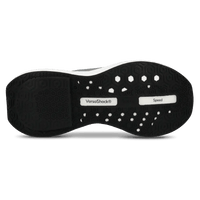
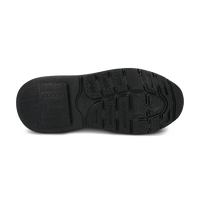
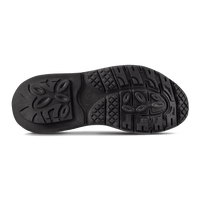
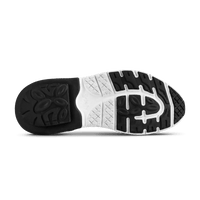
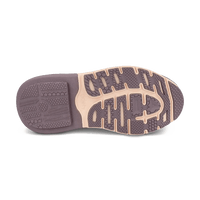
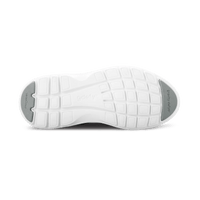
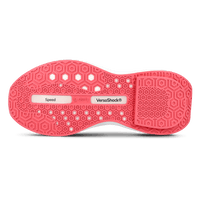
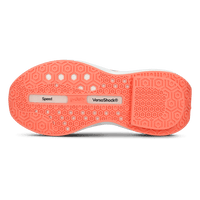
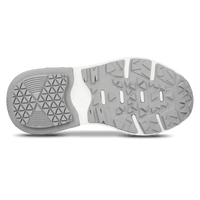
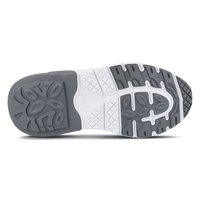
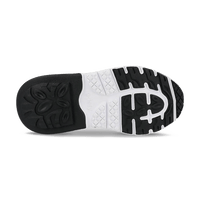
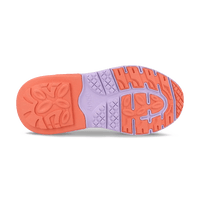
Spring paths can be wet, muddy, or leaf-covered. A textured rubber outsole provides the grip needed to walk confidently on natural surfaces — especially on inclines or areas where footing isn't perfectly predictable. Smooth-soled shoes designed for indoor use or paved surfaces are not the right tool for trail and park terrain.
4. Breathability
Spring temperatures climb as the day progresses, and longer walks generate heat and moisture. A breathable upper — typically mesh or lightweight synthetic — helps regulate temperature and keeps your feet comfortable through a 60- or 90-minute outdoor walk.
5. Roomy, Comfortable Fit
Feet naturally swell slightly during longer walks, and they tend to shift forward on downhill sections of trail. A shoe that fits well at rest but becomes tight after 45 minutes is working against you. Look for a roomy toe box that allows natural toe spread, especially when navigating uneven terrain where your foot position is constantly adjusting.

Want to understand the science behind walking comfort?
Learn how pronation and supination affect your walking mechanics — and how the right shoe support makes a difference on uneven surfaces.
The Role of Shock Absorption Technology in Outdoor Comfort
For active adults — especially those who notice discomfort in their feet, knees, or back during longer walks — the quality of a shoe's shock absorption system makes a real difference on trail and park surfaces.
Most shoes use traditional foam for cushioning. Foam compresses under load and gradually loses its ability to manage impact. Over a longer walk — or after months of regular use — foam-based cushioning becomes less effective at absorbing the ground force from each step.
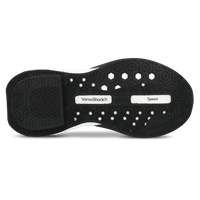
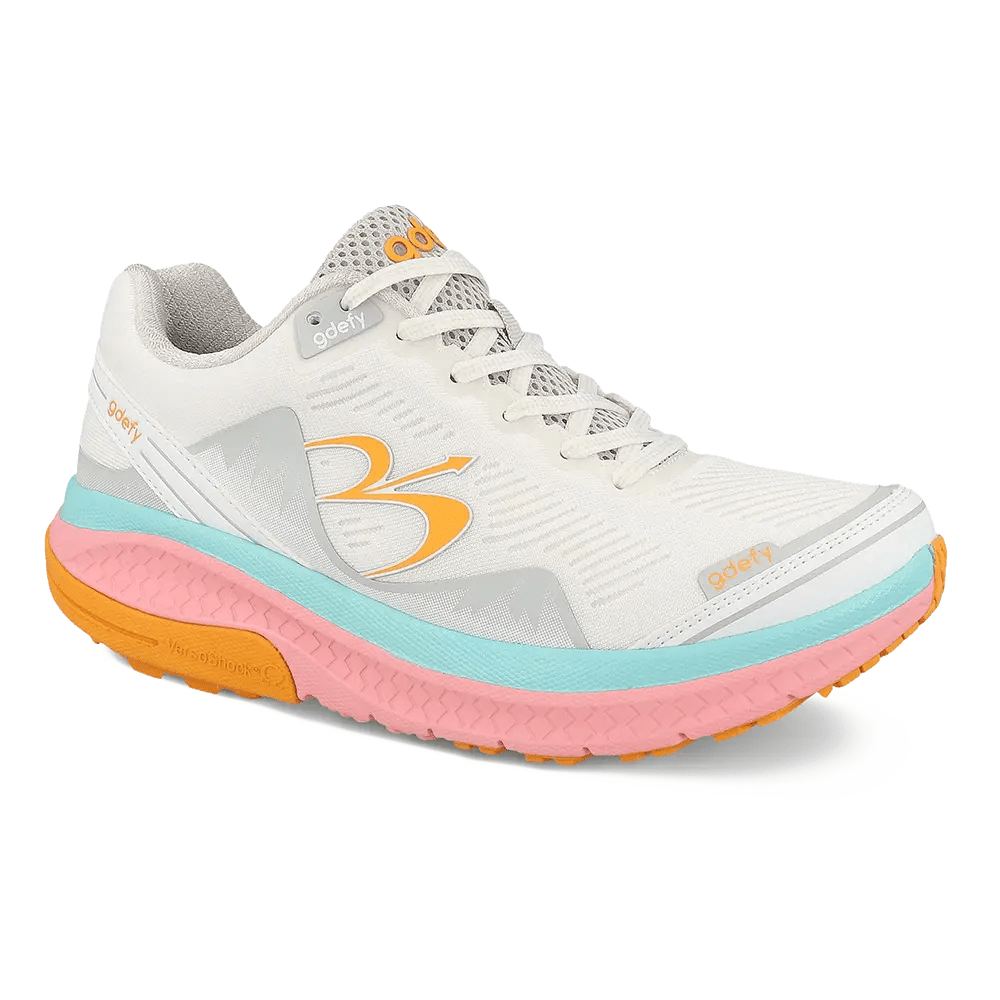
G-Defy shoes use VersoShock® technology, a spring-based shock absorption system that works differently. Rather than compressing and staying compressed, VersoShock® is designed to absorb impact and return energy with each step — supporting a smoother, more responsive walking motion across varied terrain.
The system is built around four integrated features:
- Spring-based shock absorption in the midsole that softens the impact of each footfall
- Energy return that helps propel your forward movement so walking feels more efficient
- Built-in stabilizer system that supports your foot structure and reduces excessive bending through the shoe
- Front rolling design that promotes a natural, smooth heel-to-toe transition
Together, these features are designed to make longer walks on trails and parks feel more sustainable — step after step. Understanding how your feet affect your entire body during walking helps illustrate why the foundation of your footwear matters so much when terrain is varied.
G-Defy Walking Shoes for Spring Outdoor Activity
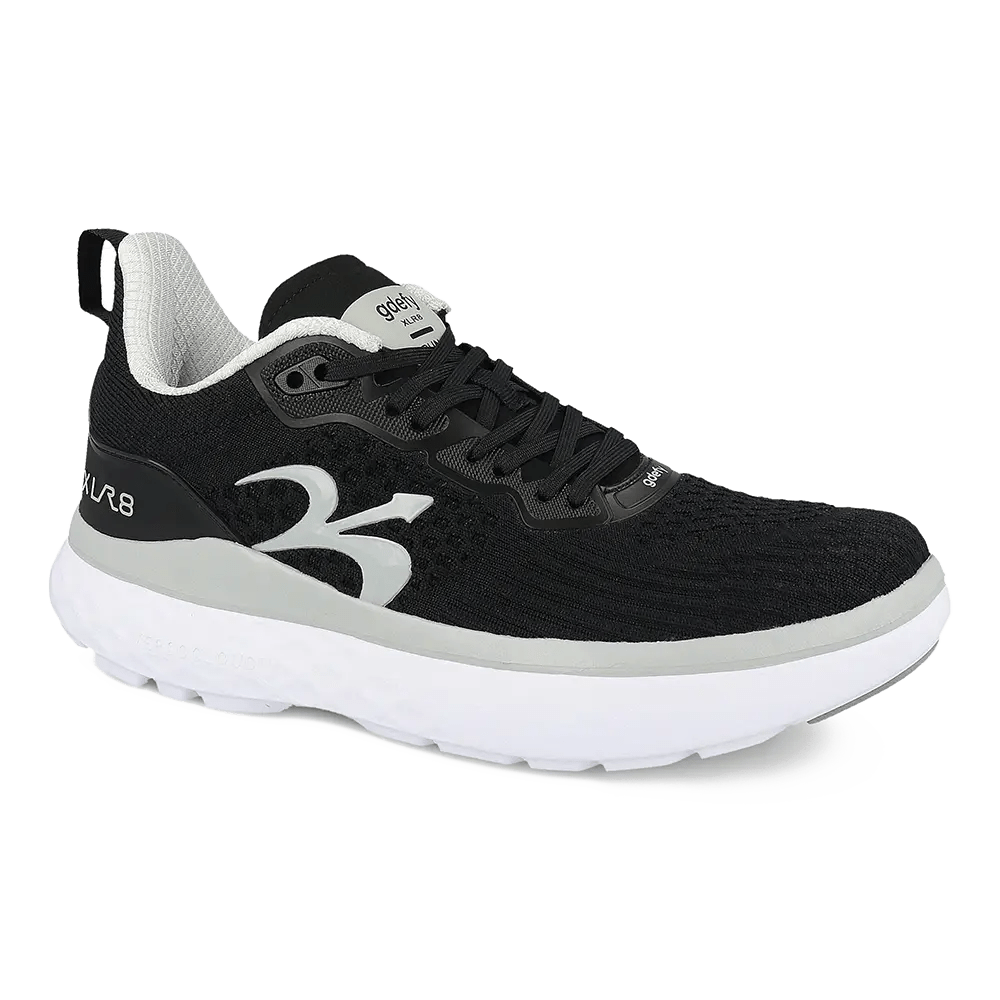
Two G-Defy models are particularly well-suited for spring trail walks and park exploration:
G-Defy Energiya — Built for Active Outdoor Use

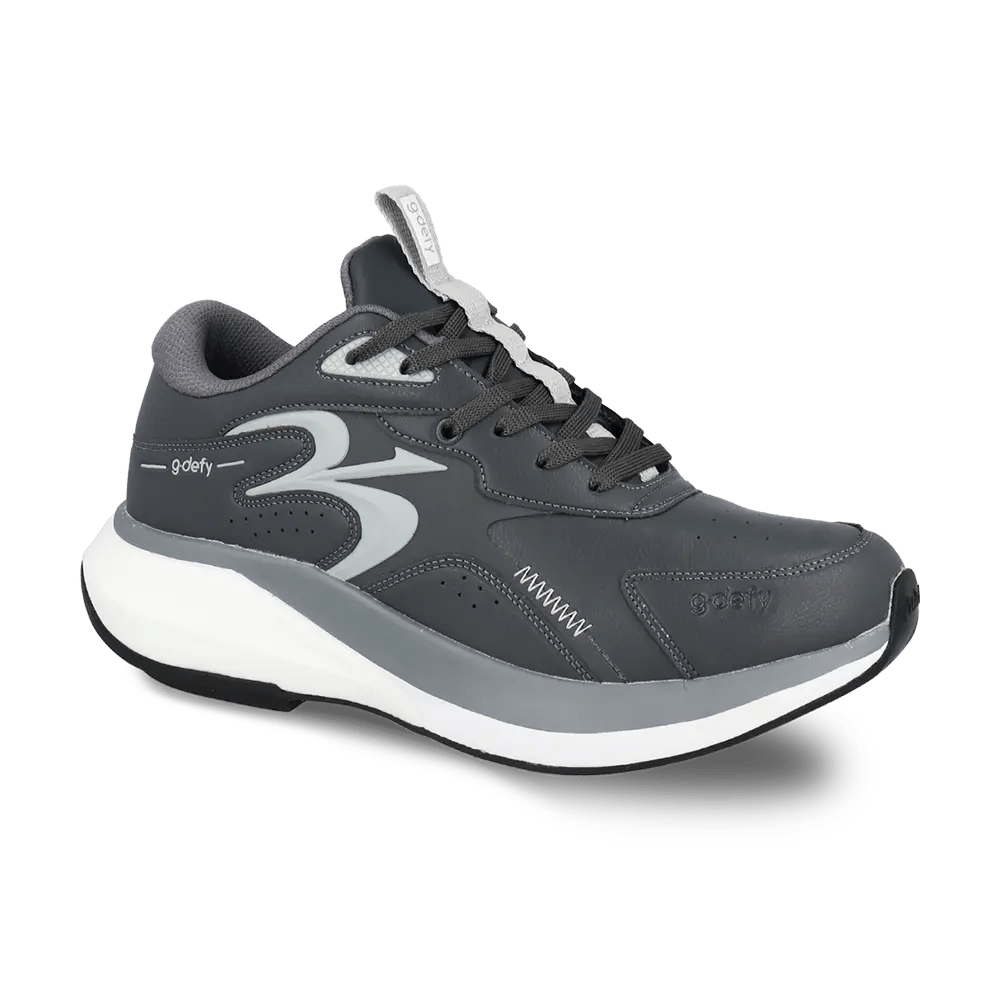
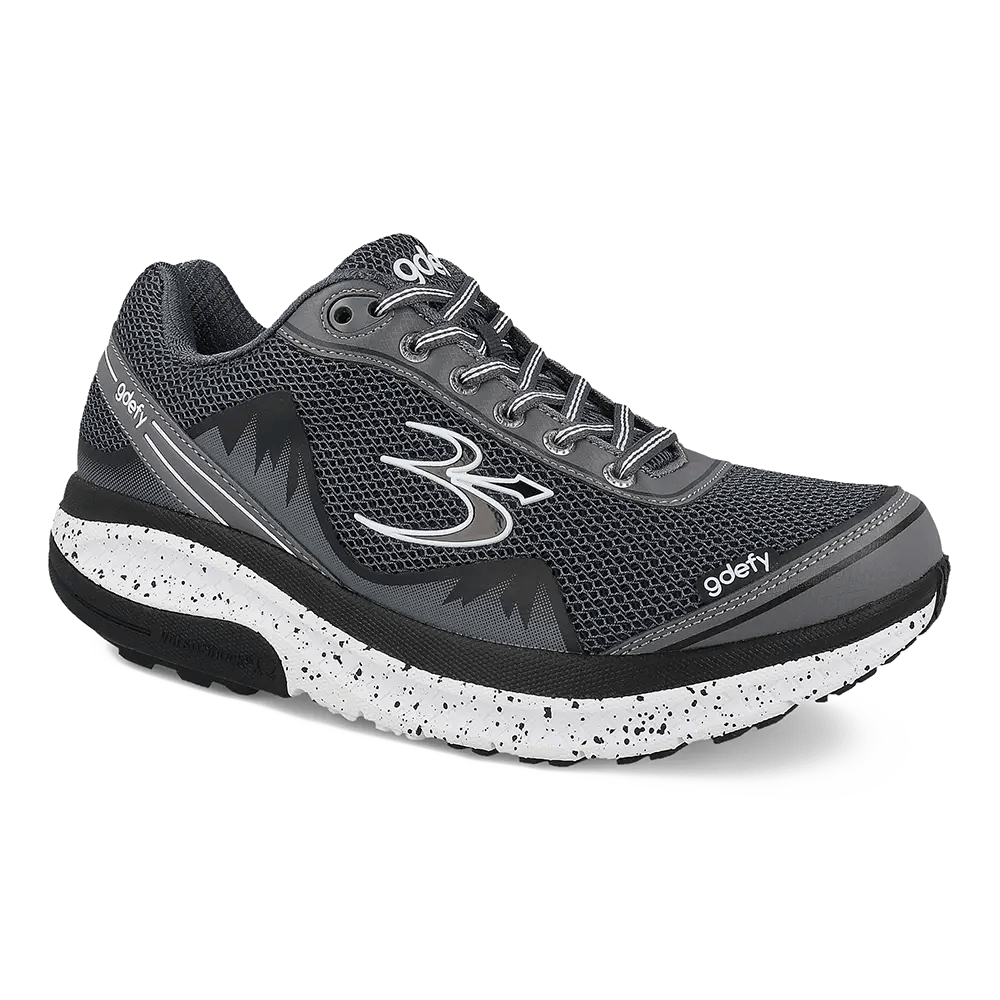
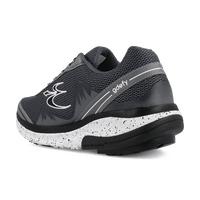
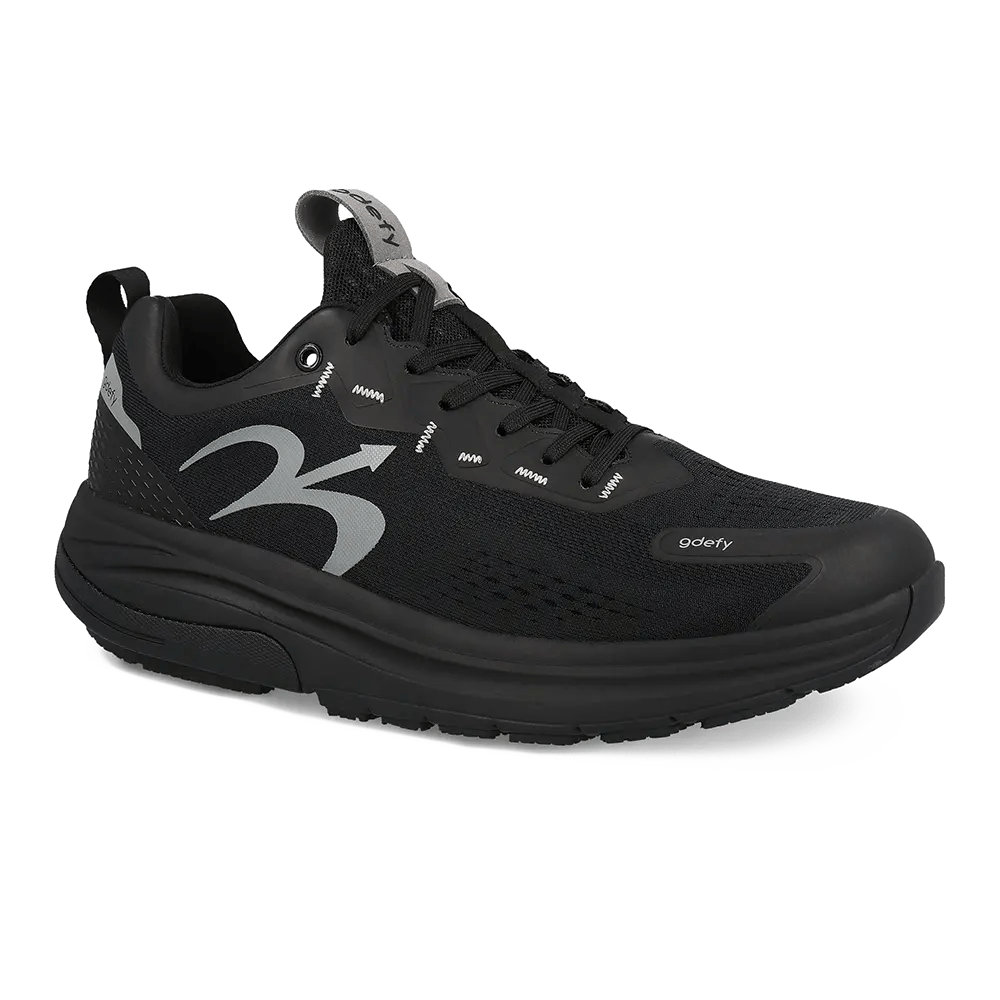
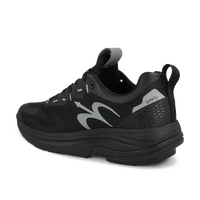
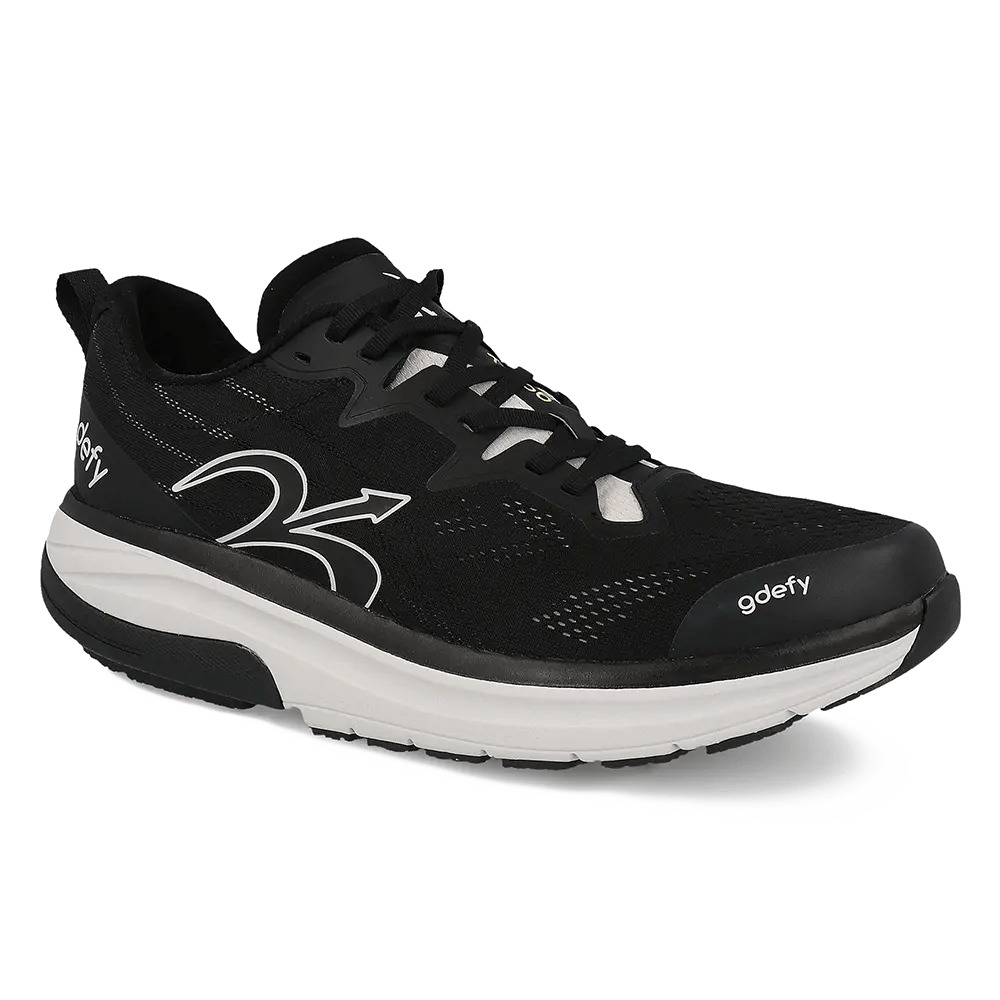
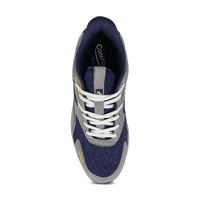
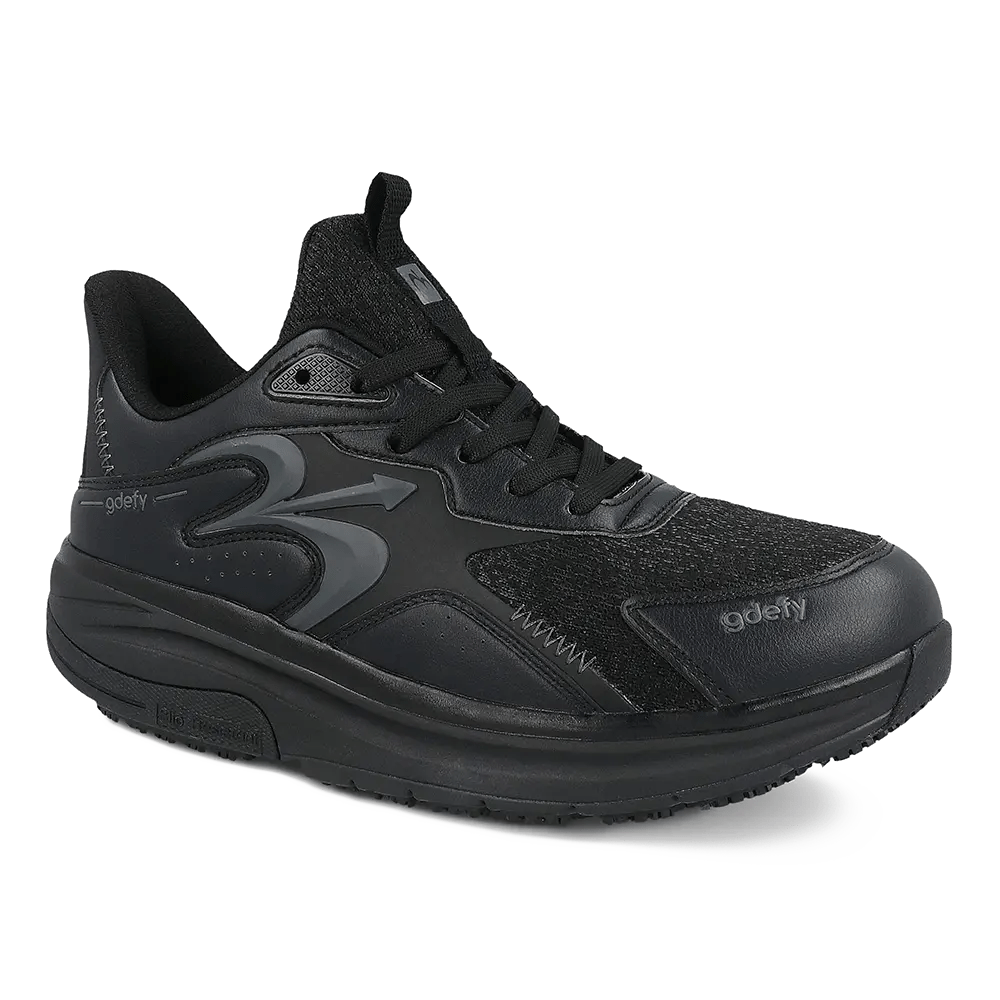
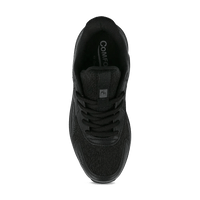
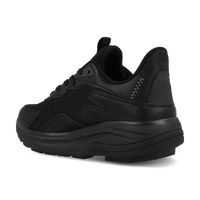
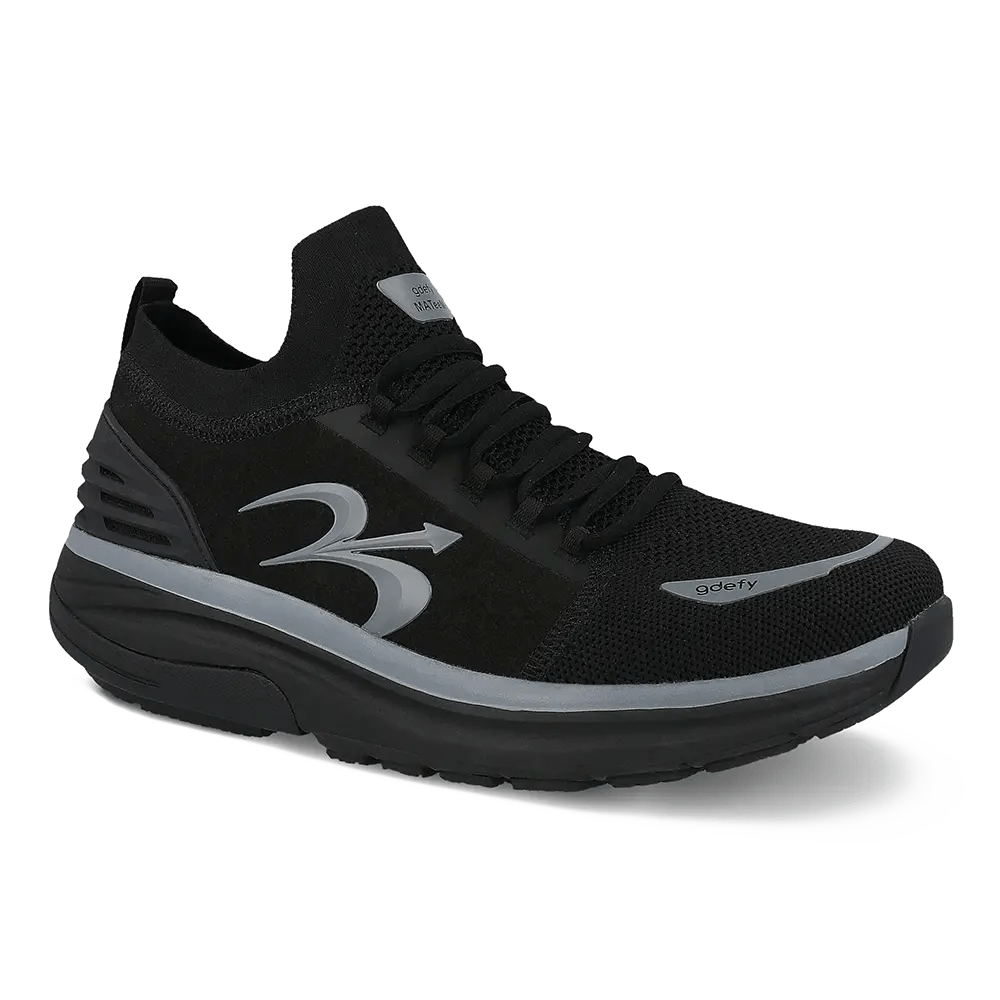
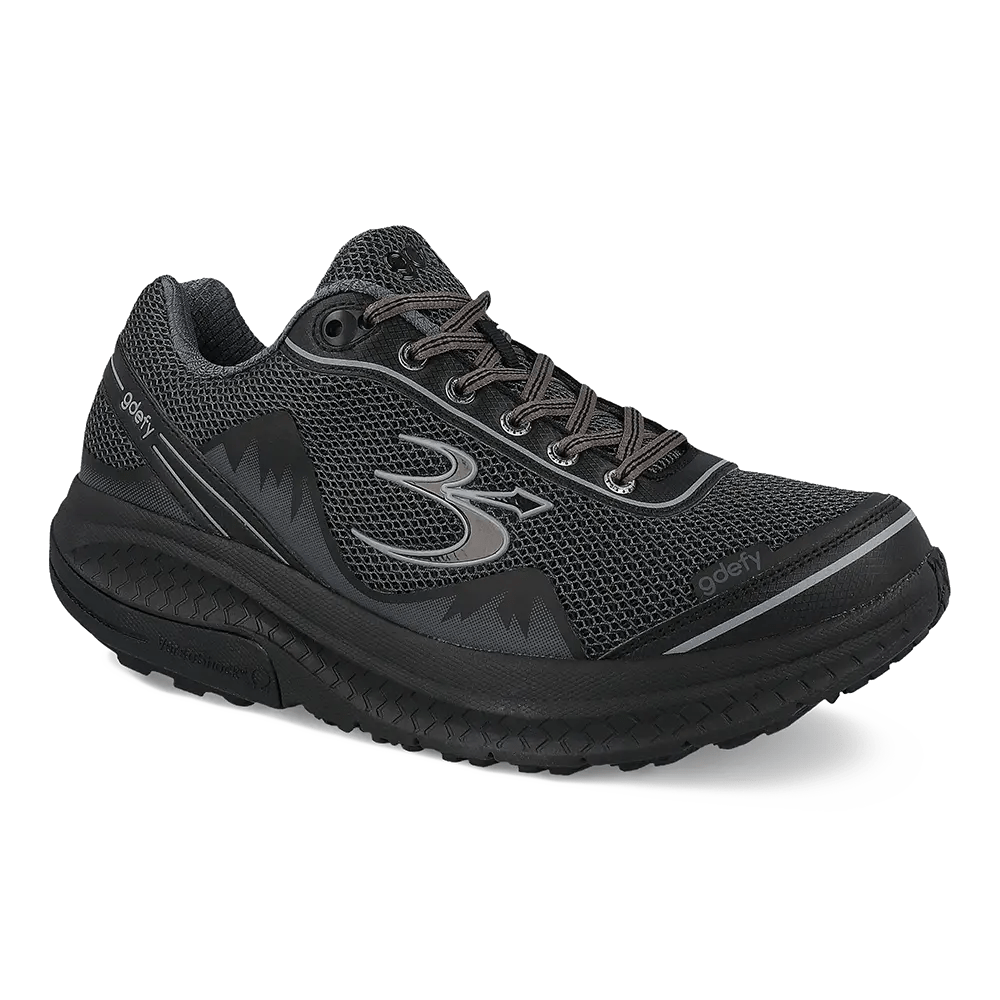
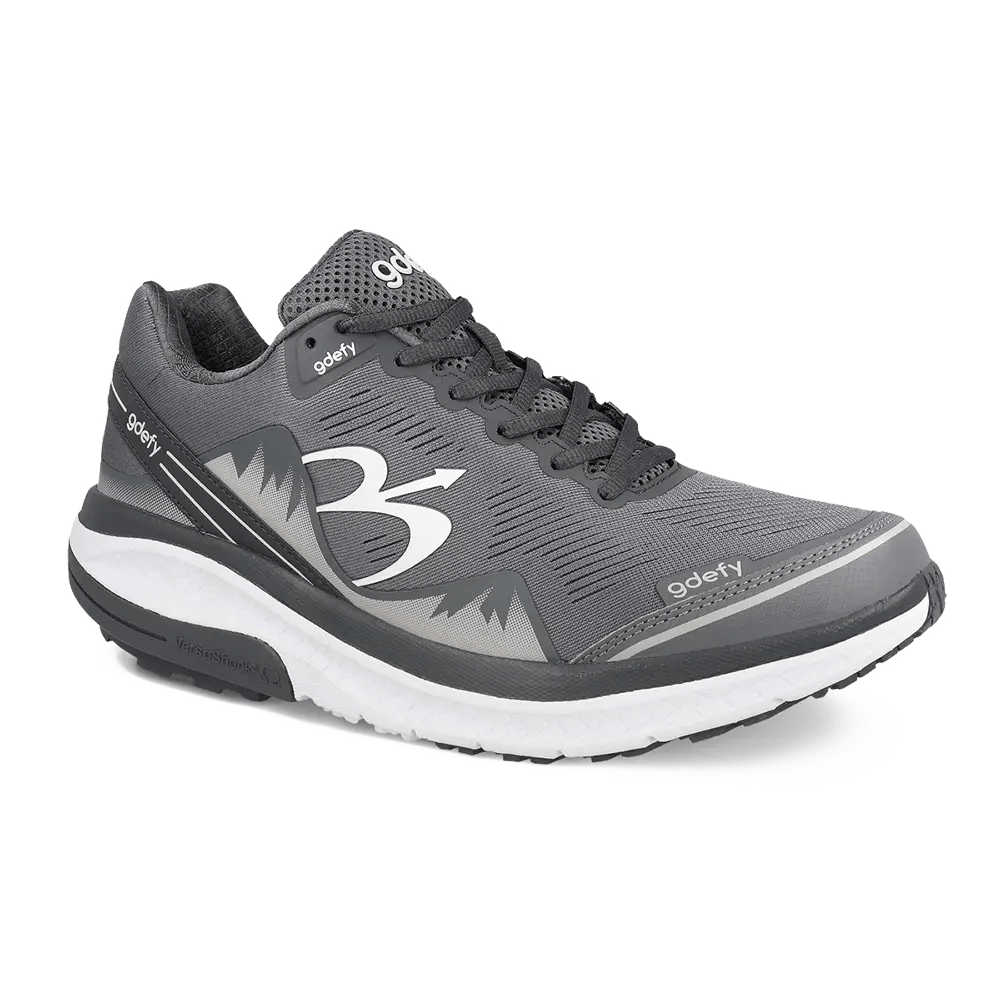
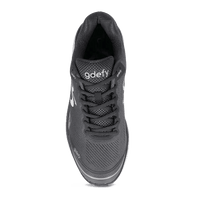
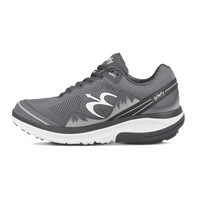
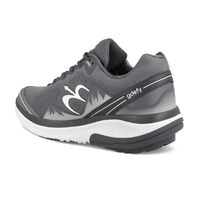
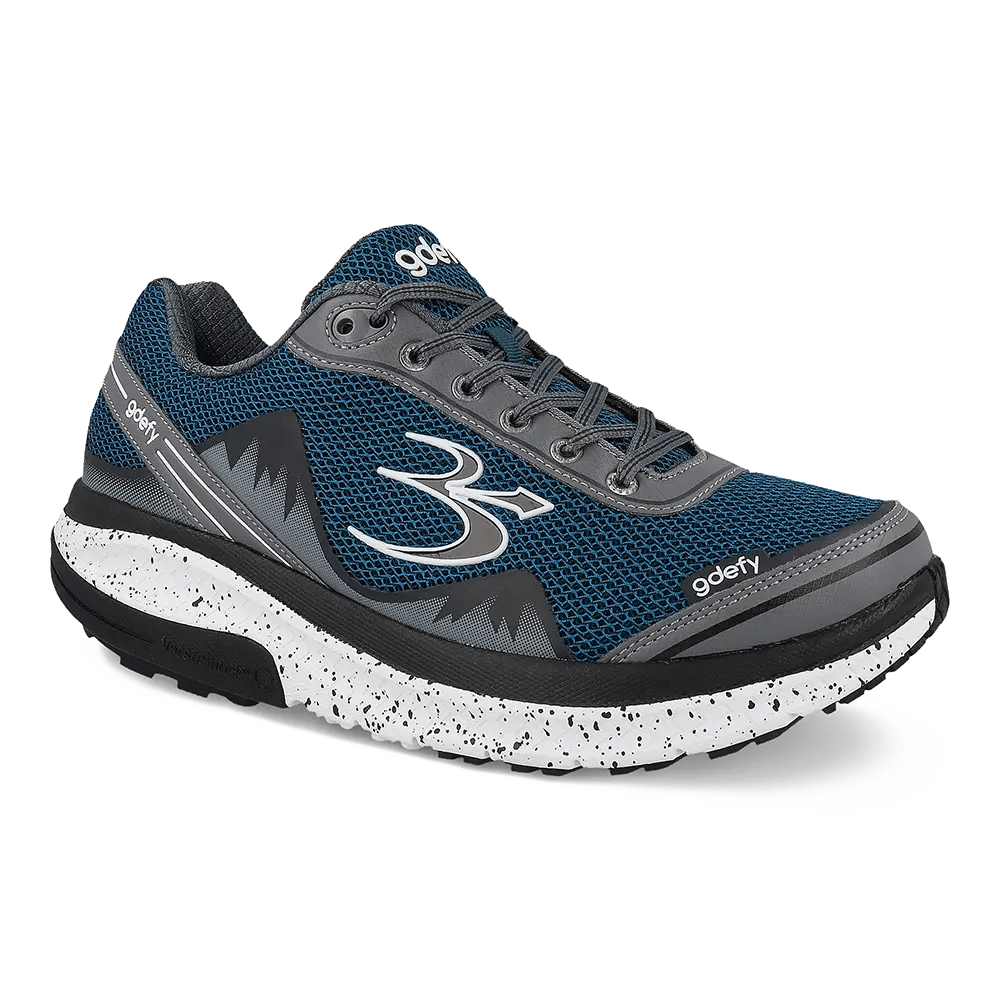
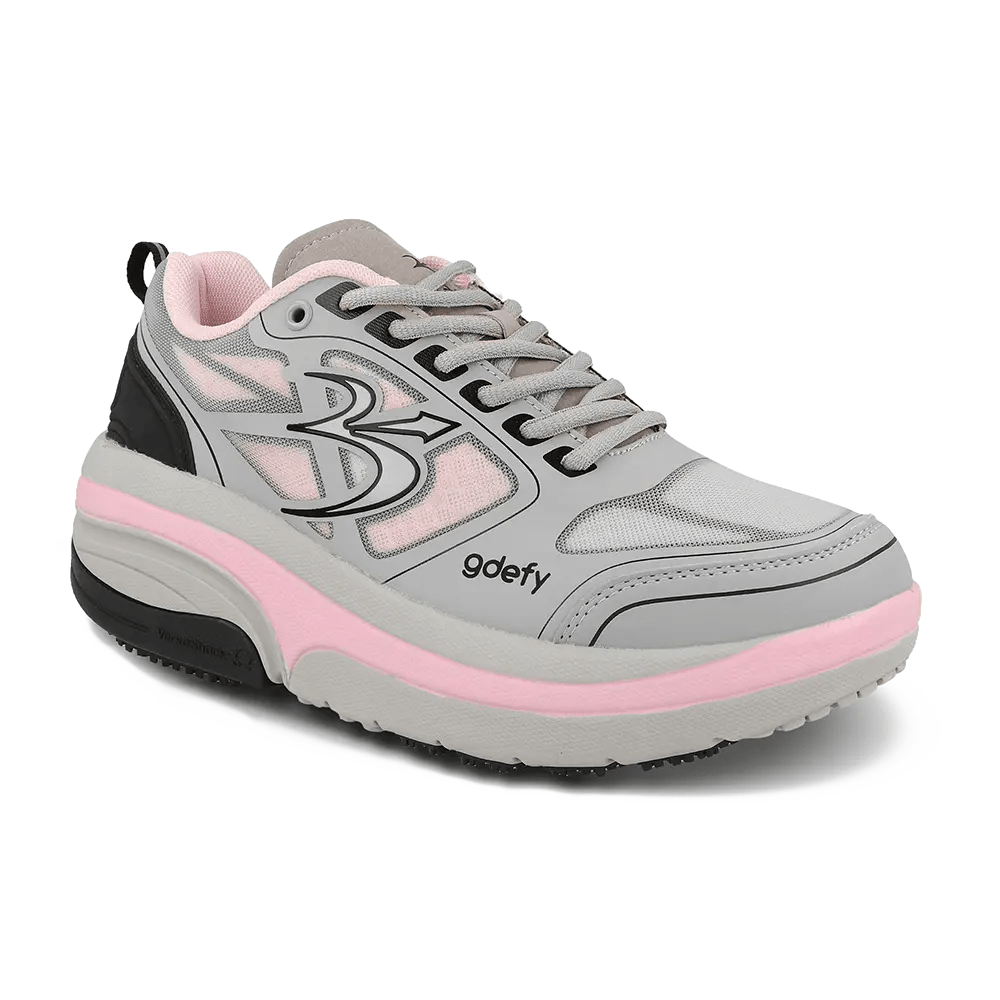
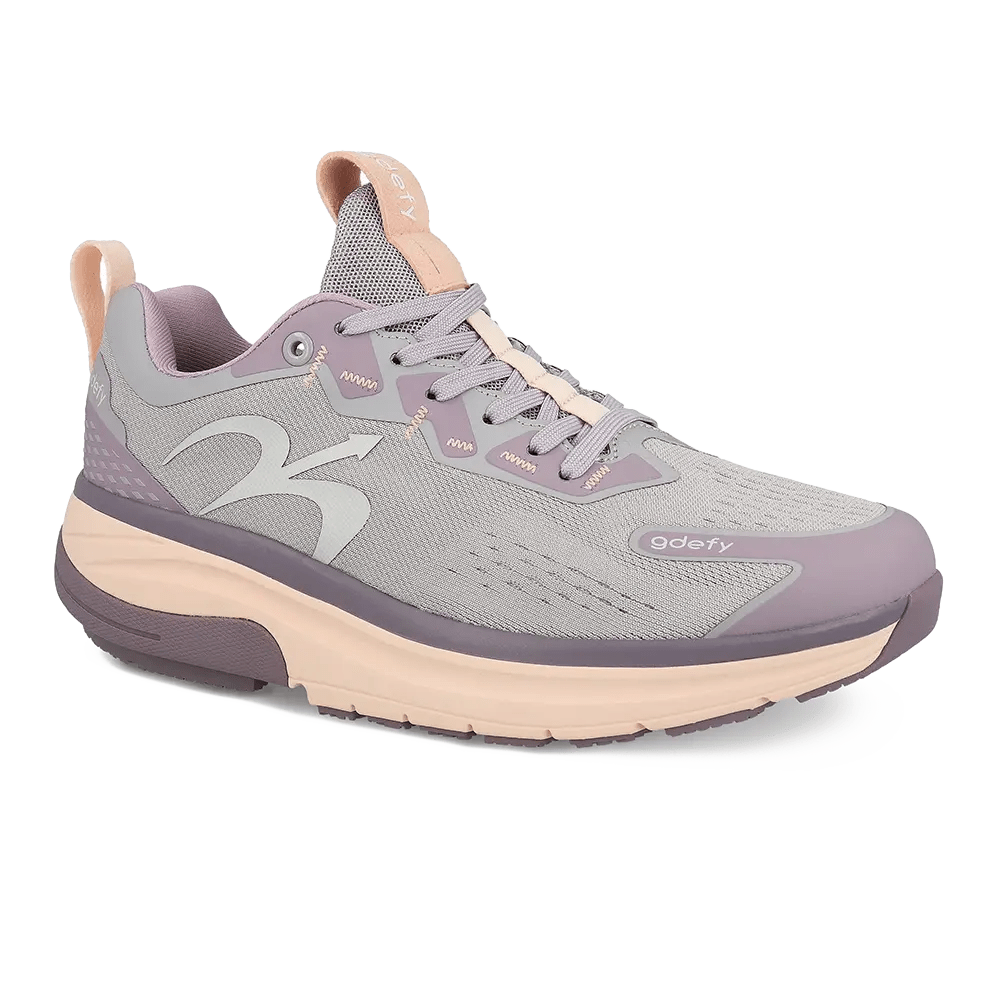
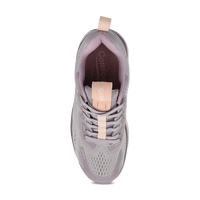
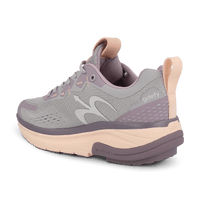
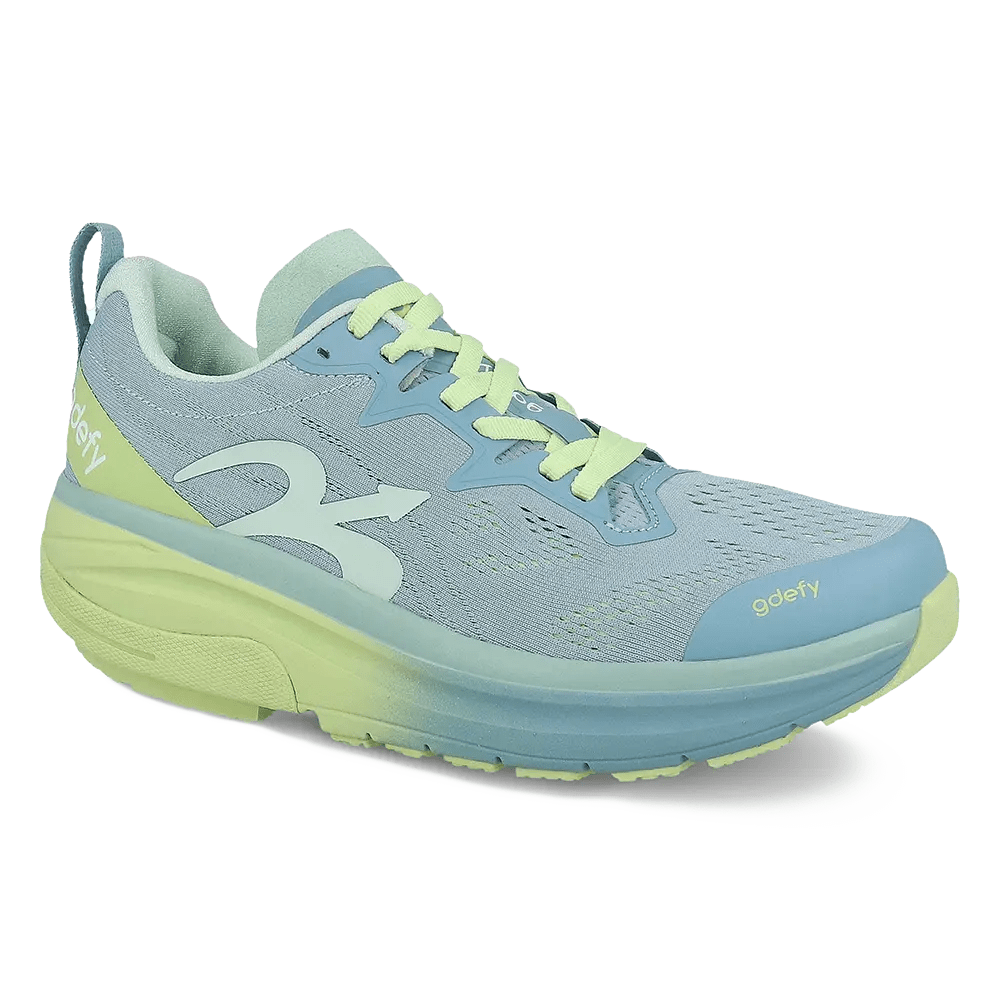
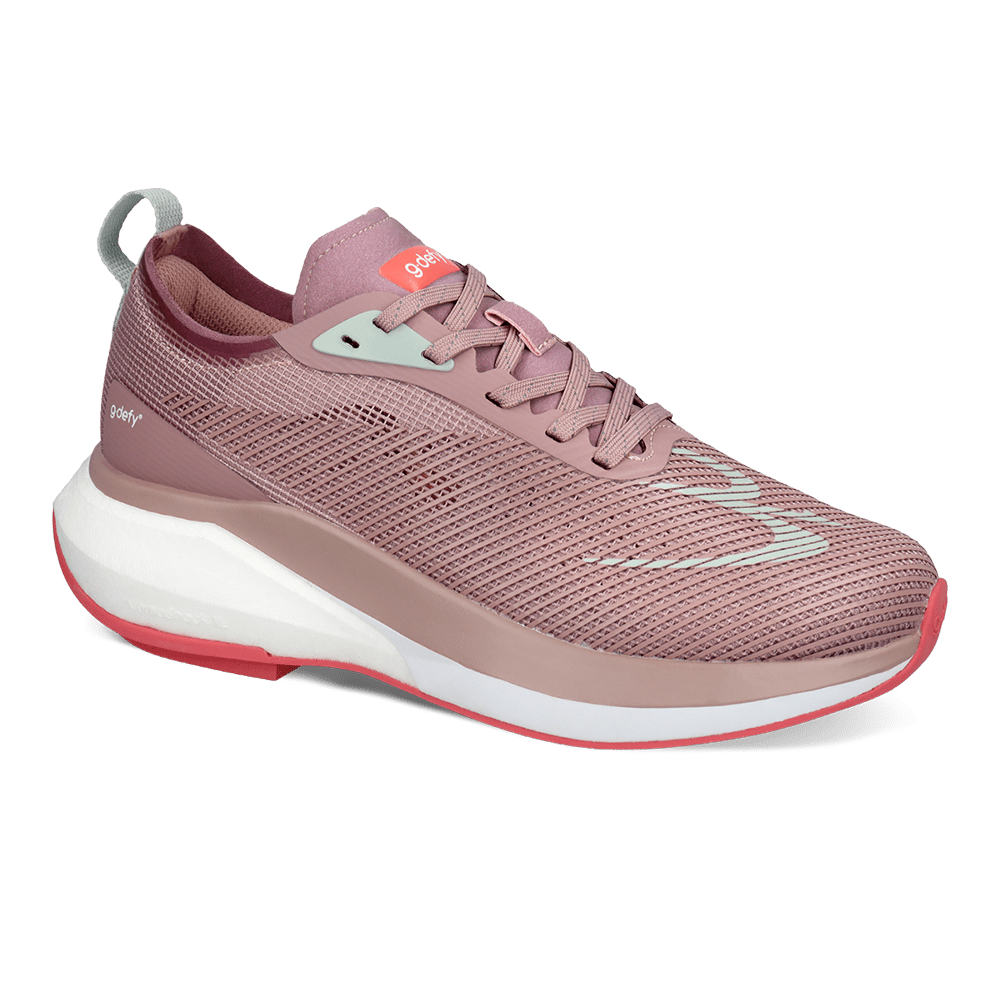
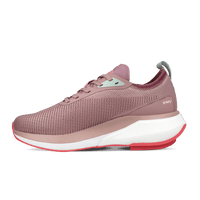
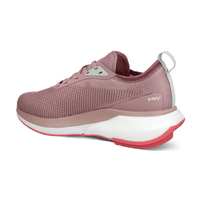
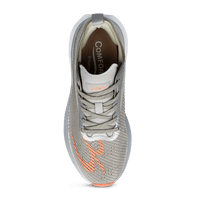
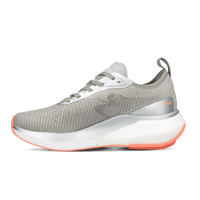
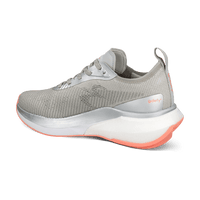
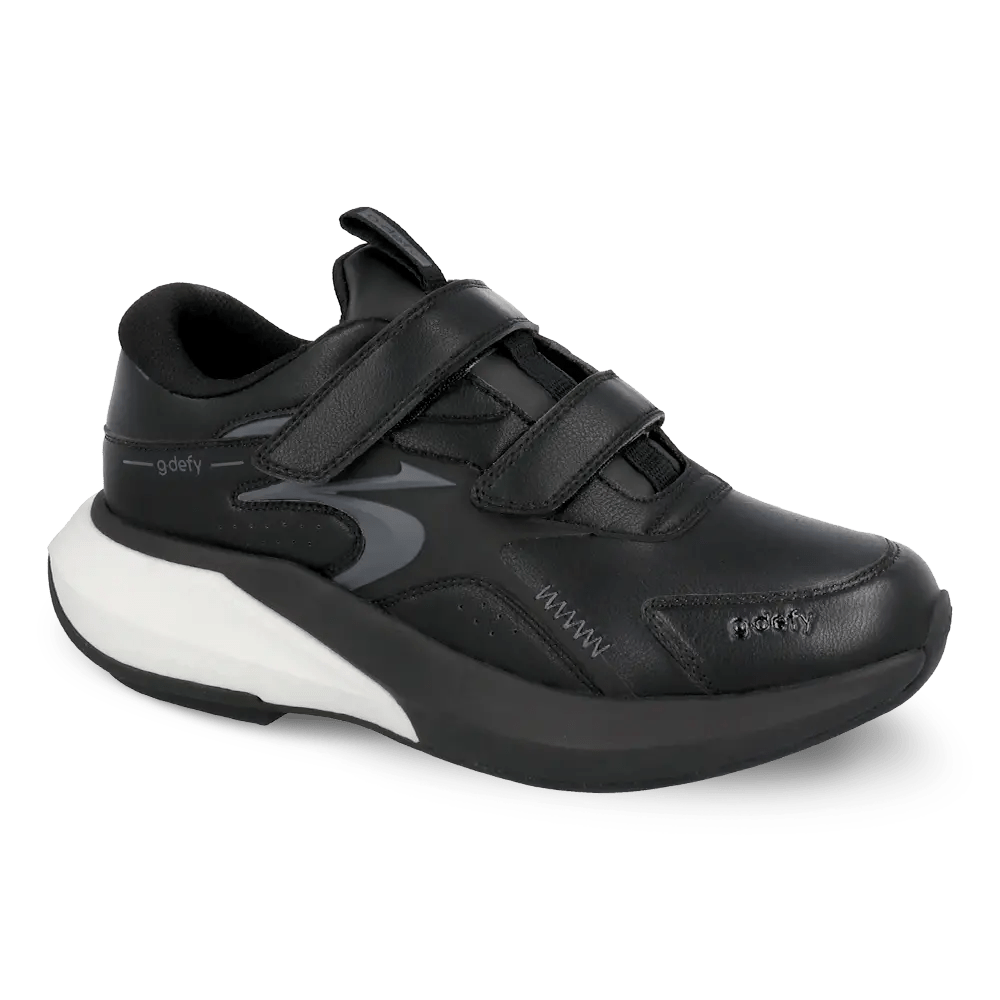
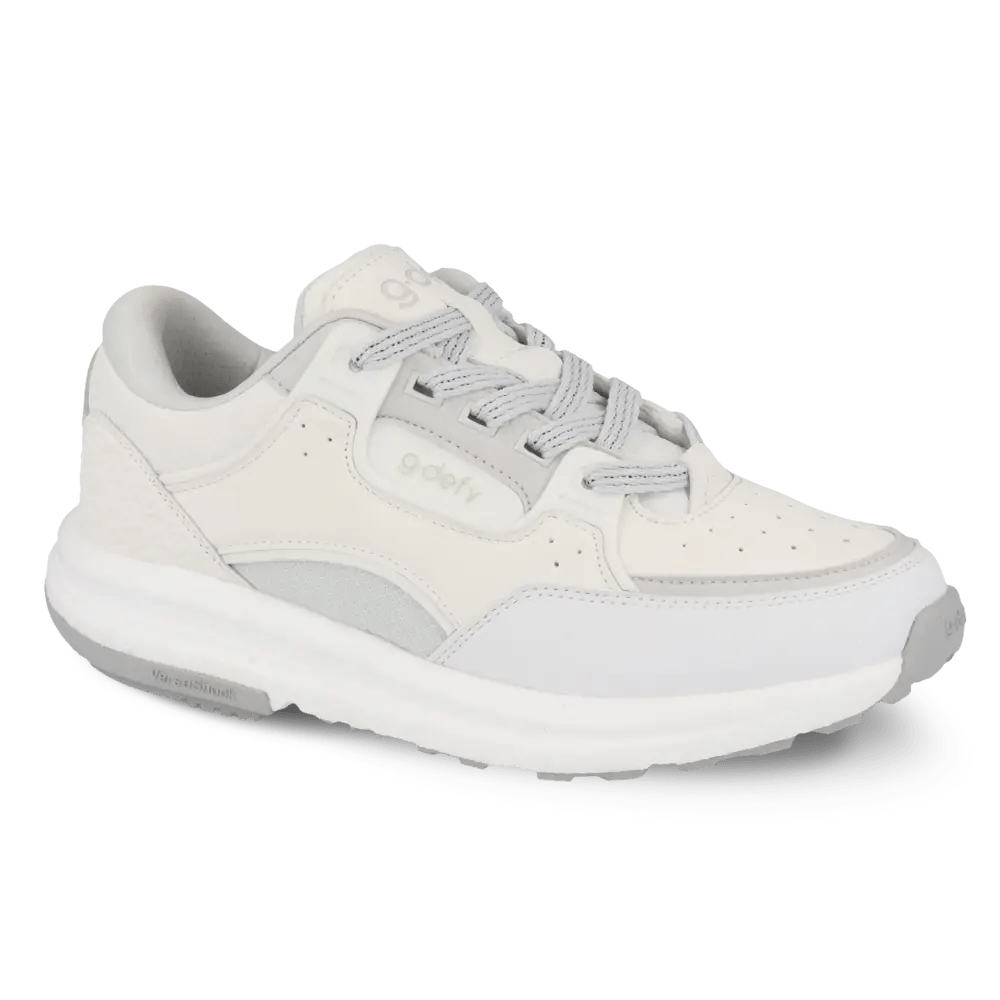
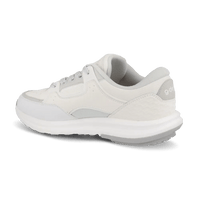
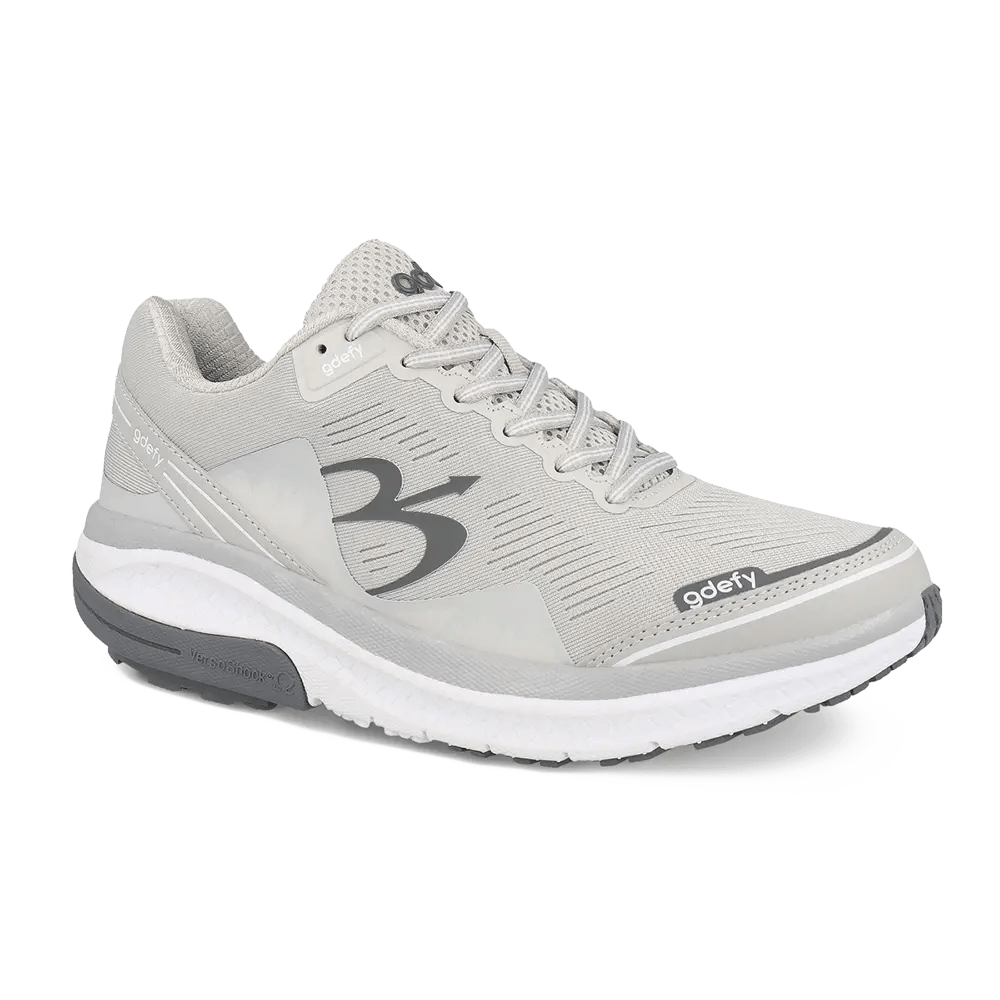
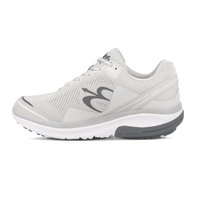
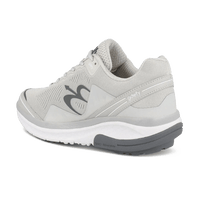
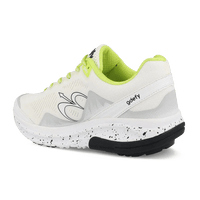
The G-Defy Energiya is G-Defy's active-lifestyle walking shoe, designed specifically for outdoor activity and mixed terrain. It pairs the full VersoShock® 4-pillar system with an outdoor-ready build — supportive, responsive, and engineered for longer walks on varied surfaces.
The Energiya includes two removable orthotics — the ComfortFit® orthotic for low to medium arches, and the CorrectiveFit® orthotic for medium to high arches — so you can dial in the right level of support for your foot type before heading out on the trail.
Customers who use the Energiya for outdoor and trail activity regularly describe the second half of longer walks as feeling more comfortable and less fatiguing than in their previous shoes — a difference that becomes most apparent after an hour on natural terrain.
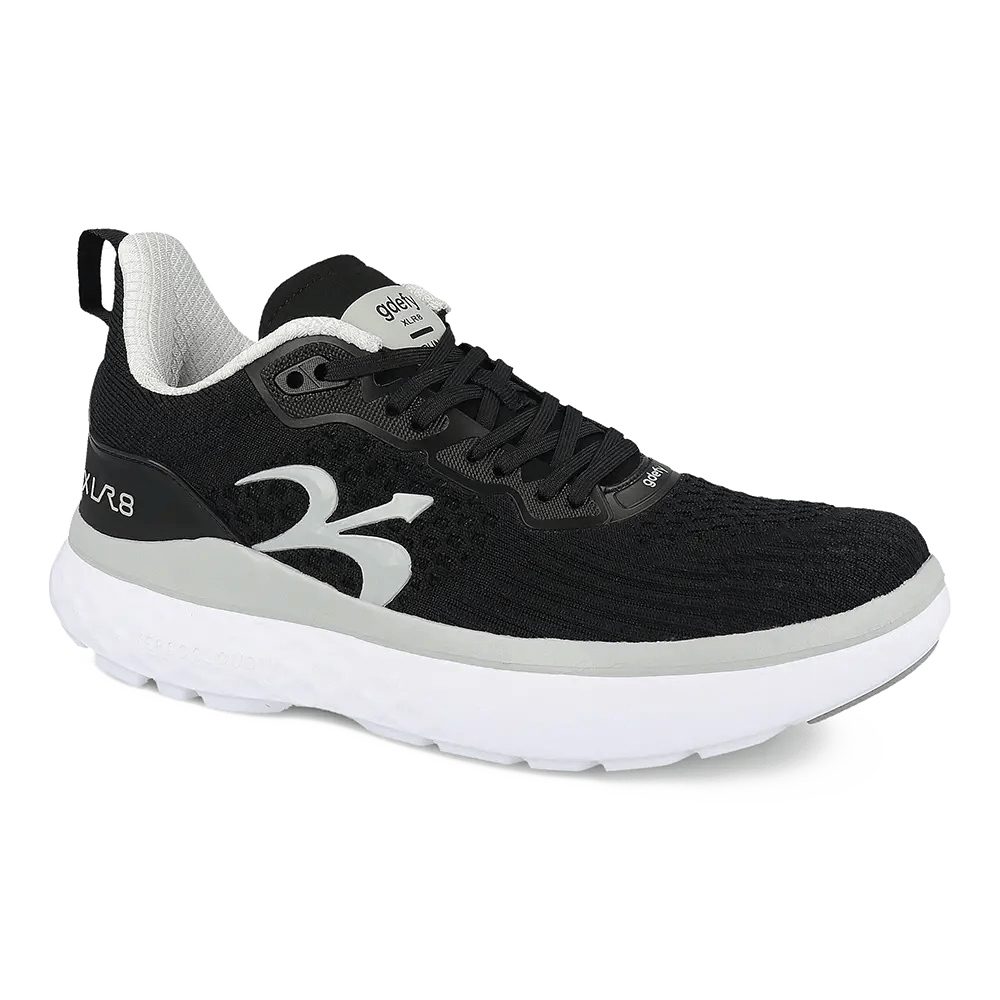
G-Defy Energiya shoes are designed to deliver comfort, support, and shock absorption. With VersoShock® technology, they help absorb impact and return energy, helping reduce pain from walking, running, and prolonged standing.
Available in the G-Defy Athletic Collection in men's and women's styles.
Ready to Make the Most of Spring Trails?
Try G-Defy shoes with our 60-day risk-free trial. Free shipping. Full refund if you're not satisfied.
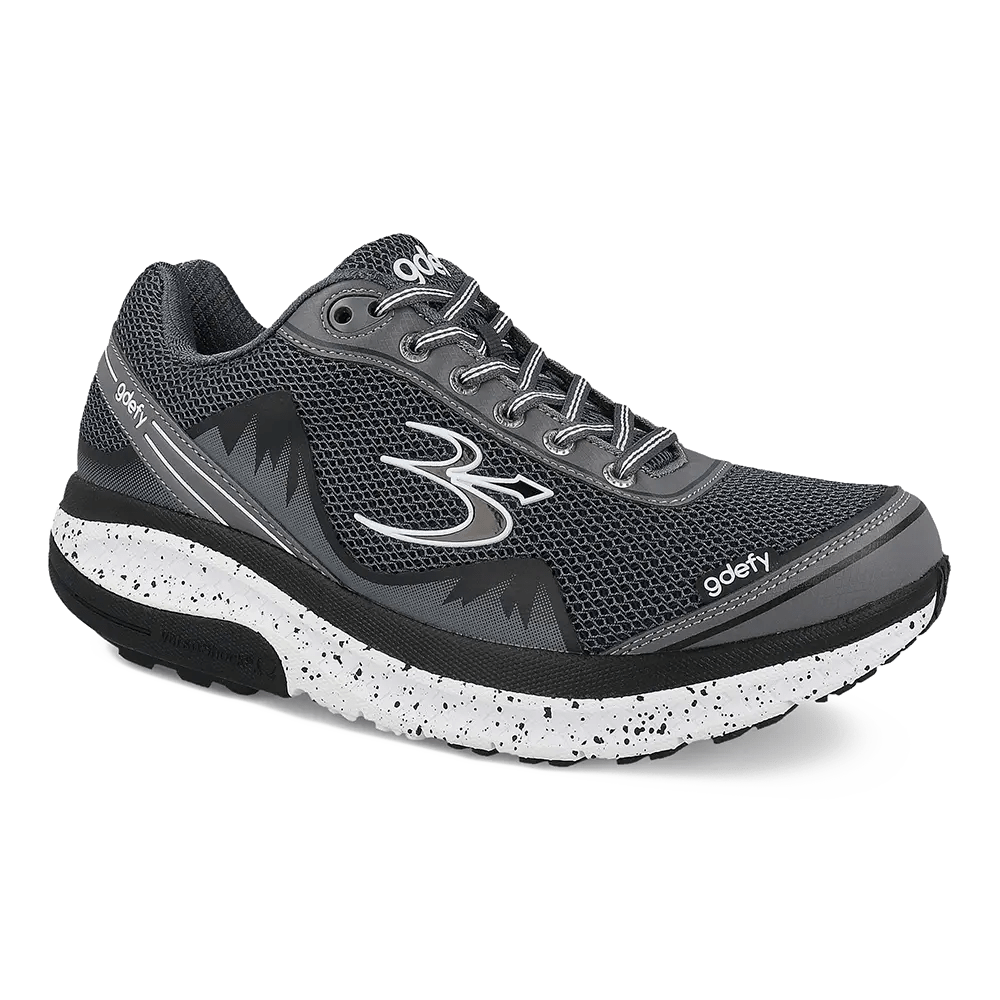
Shop the Energiya →G-Defy Mighty Walk — Versatile Comfort for Parks and Light Trails
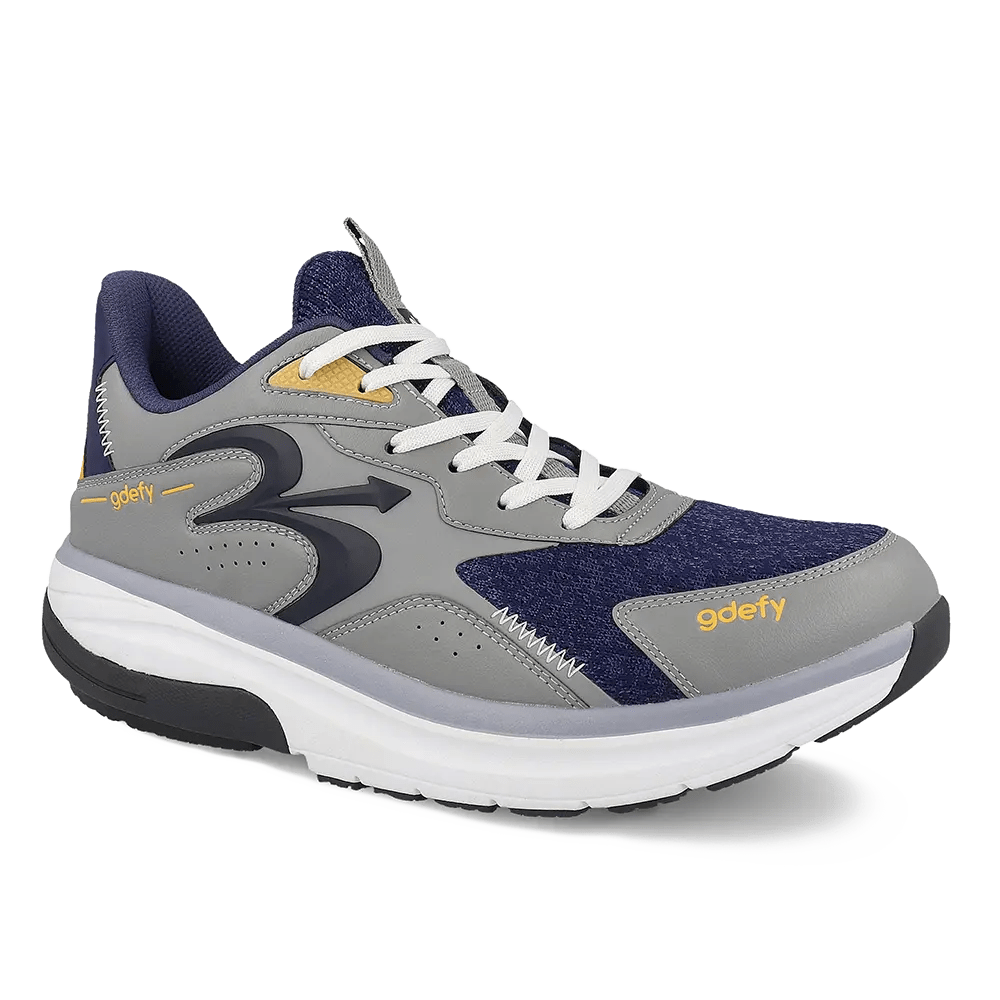
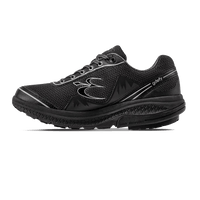
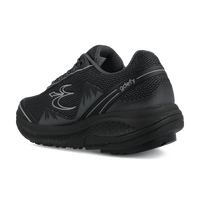
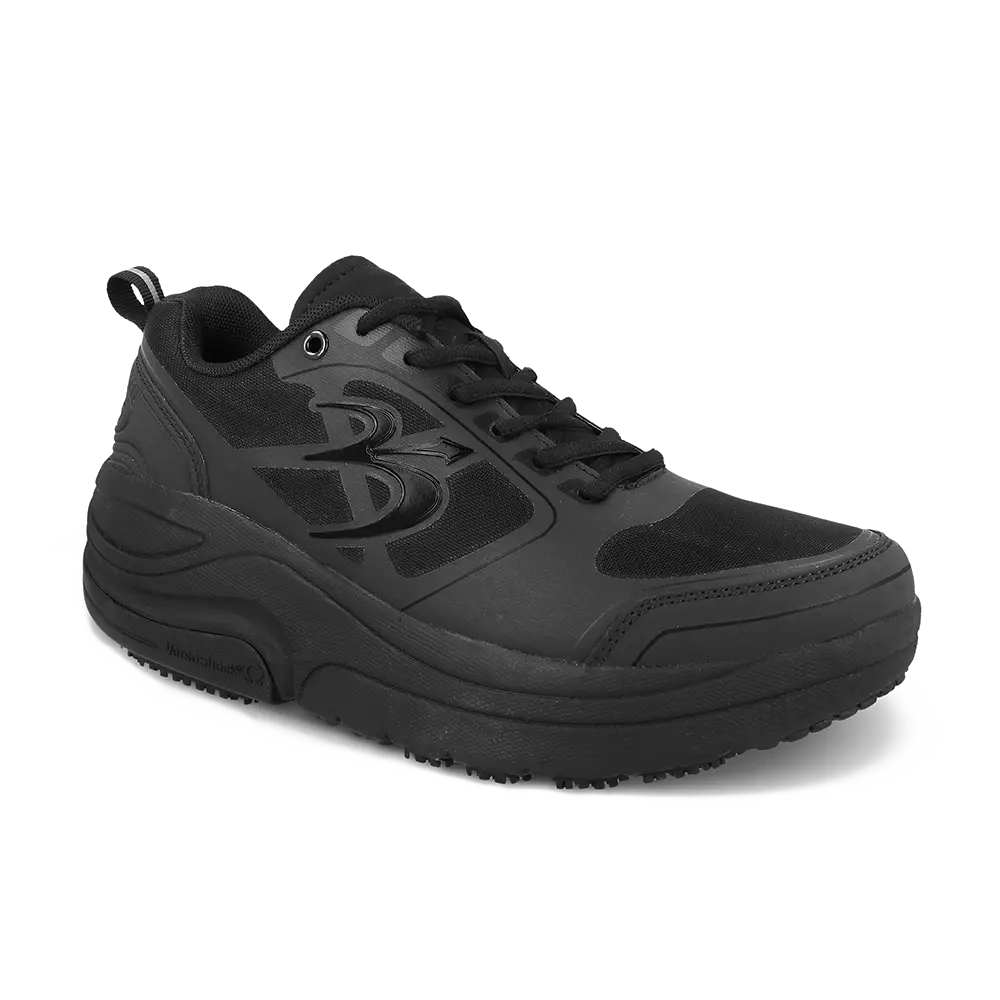
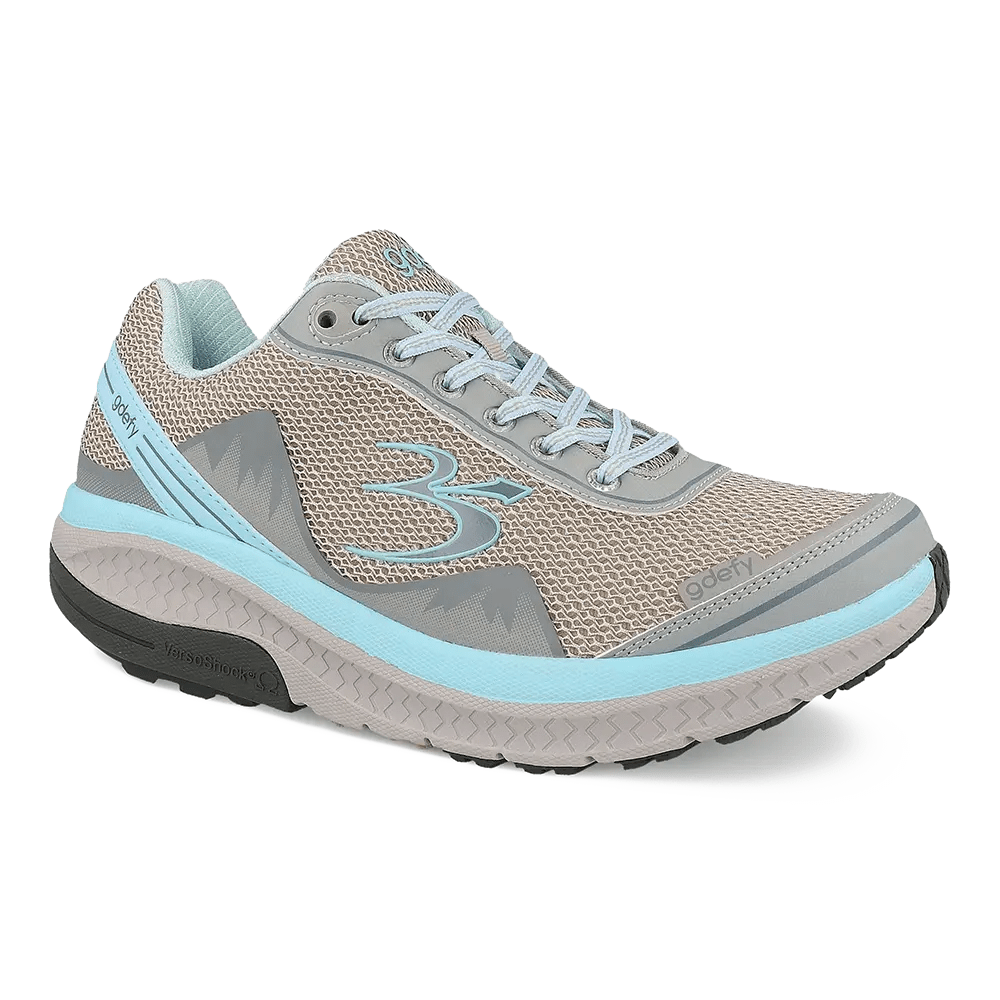
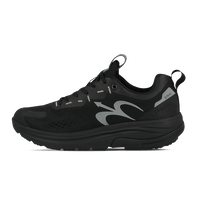
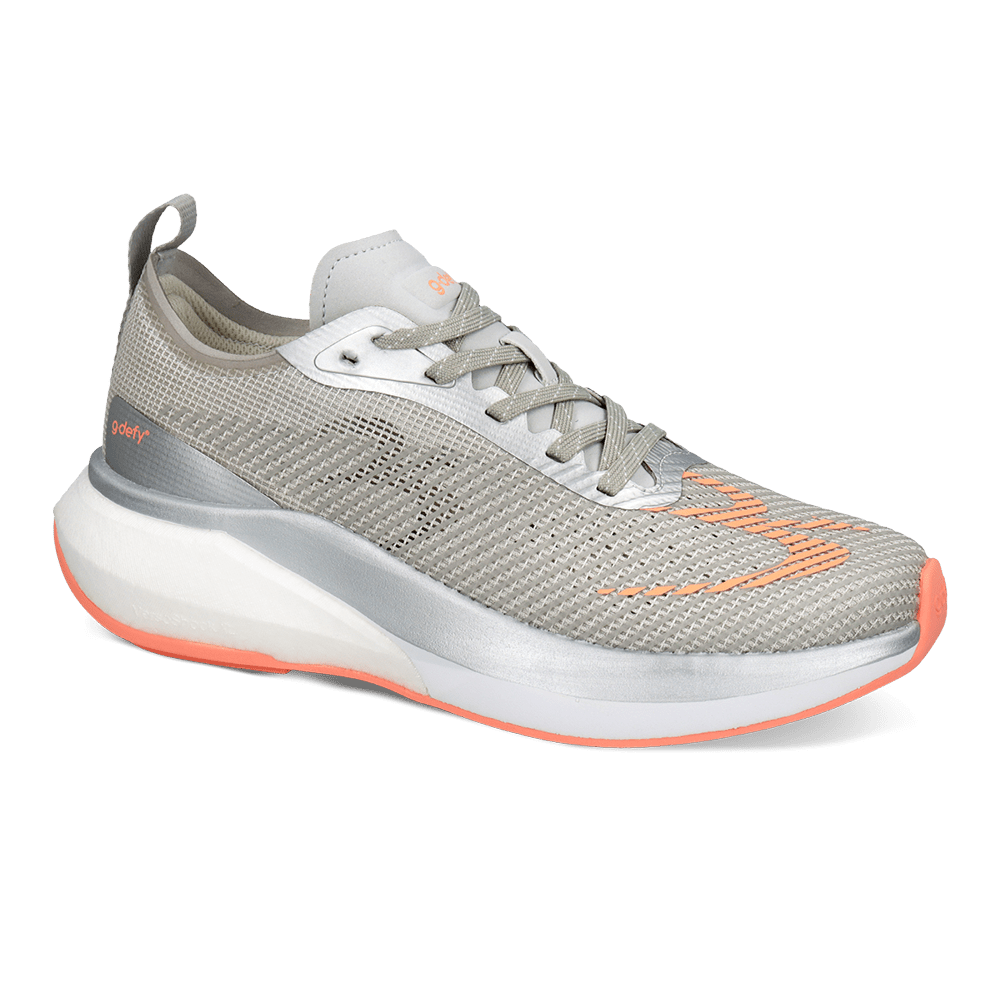
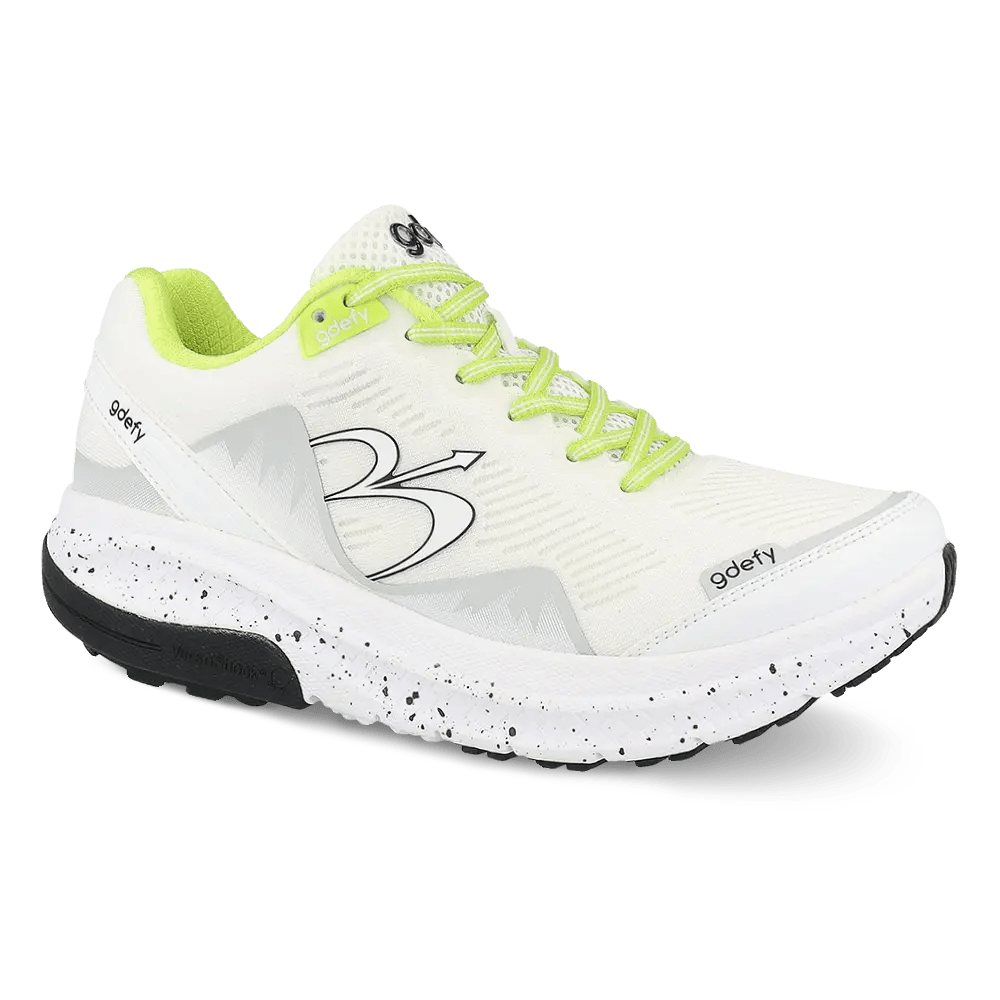
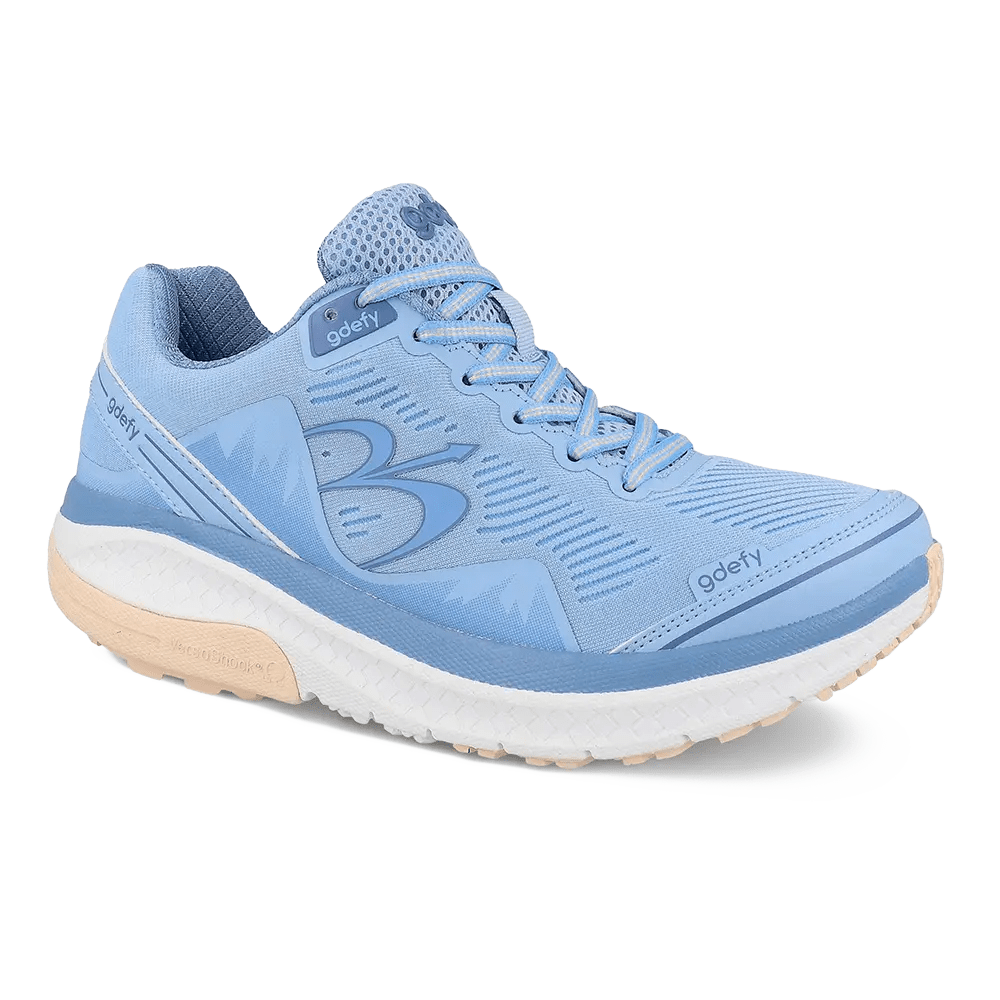
The G-Defy Mighty Walk is G-Defy's top-selling everyday comfort shoe, and it translates well to park walks and lighter trails. Its maximum cushioning design and supportive build make it a solid choice for active adults who want one comfortable shoe that handles both daily wear and spring outdoor activity.
Available in men's and women's collections.
Practical Tips for More Comfortable Spring Trail and Park Walks
- Ease in gradually. If you've been less active through winter, build up trail and park walking distance progressively. Starting with 30-minute walks and extending by 10–15 minutes per week gives your feet, ankles, and joints time to adapt to the new demands of outdoor surfaces.
- Inspect your shoes before spring season begins. If the outsole grip is worn smooth or the midsole feels flat and compressed underfoot, replace your shoes before the season gets underway. Worn shoes provide meaningfully less traction and cushioning on natural surfaces than on pavement.
- Wear moisture-wicking socks. Cotton socks absorb moisture and stay wet. For longer spring walks on potentially damp ground, synthetic or wool-blend socks that wick moisture away from your skin reduce the risk of blisters and keep your feet comfortable mile after mile.
- Lace your shoes snugly before longer walks. A proper lace fit reduces how much your foot moves inside the shoe — which matters more on trails than on flat pavement, where foot shift can create friction points over time.
- Check the weather and terrain before you set out. Spring conditions vary. Morning ground can be firm and dry; afternoon can be soft and muddy. Planning your route with current conditions in mind helps you choose the right terrain for your shoes and pace.
Frequently Asked Questions
What makes a walking shoe appropriate for spring trails versus regular sidewalks?
Trail and park surfaces vary more than pavement — uneven ground, inclines, occasional wet patches, and natural terrain all require more from your footwear. Shoes suited for trails tend to have more substantial shock absorption to handle varied impact, better grip for traction on natural surfaces, and a supportive midsole to stabilize your foot through constant lateral adjustments. Regular sidewalk shoes work fine on smooth paved paths but often feel insufficient on longer trail walks where the terrain changes with each step.
Can I use my regular walking shoes for spring park walks?
For smooth, paved park paths, most supportive walking shoes perform well. For unpaved trails, gravel paths, or longer distances on varied terrain, shoes with better grip and shock absorption will be significantly more comfortable over time. If you regularly experience foot or back discomfort during longer walks, choosing a shoe specifically designed for outdoor activity makes a meaningful difference in how you feel at the end of your walk.
How often should I replace my trail walking shoes?
Most walking shoes provide their best cushioning for roughly 300–500 miles of use — typically 6–12 months for regular walkers. On trails, outsole grip is an additional factor: when the outsole texture wears smooth, traction on natural surfaces decreases. If your shoes feel flat underfoot or the outsole is no longer textured where it should be, replacing them before spring season starts ensures you're getting full cushioning and grip support for the terrain ahead.
The Right Shoes Make Spring Walks Worth Coming Back To
Spring is the right time to get outside — and the right shoes make it easier to do so comfortably, walk after walk, trail after trail. Whether your spring plans include long park loops, light trail walking, or day hikes through local nature areas, the footwear you choose plays a real role in how good you feel along the way.
While shoes are not a medical solution, choosing footwear designed for comfort, support, and shock absorption — with grip suited for natural terrain — can make a meaningful difference in how your feet and body feel through a full season of spring outdoor activity.
G-Defy's 60-day risk-free trial lets you test any pair on real spring trails and park paths — with free shipping and a full refund if you're not satisfied. Explore VersoShock® technology and find the right pair for your spring season.
Try G-Defy This Spring — Risk-Free
60-day trial · Free shipping · Full refund guaranteed
Browse the Athletic Collection →


































.svg)



