
July 09, 2026
Dog Walking Shoes: Comfort for Daily Long Walks
By Gdefy

Summary
If you share your life with a dog, you already know the truth: your dog doesn't care about the weather, your schedule, or how your feet feel. Rain or shine, early or late, the leash comes out and off you go. For many dog owners, that adds up to several miles a day, every day, on all kinds of surfaces. While footwear isn't a medical solution, the shoes you choose for those daily walks play a big role in how comfortable and supported you feel from the first block to the last.
This guide breaks down what makes a shoe well suited to daily dog walking, the features worth looking for, and a few simple habits that keep long walks feeling good.

Why Daily Dog Walking Asks a Lot of Your Feet
Walking a dog looks gentle, but the movement is more demanding than a steady stroll on flat ground. Most dog walks are a mix of quick starts, sudden stops, tight turns, and stretches of standing still while your dog investigates a fascinating patch of grass. Do that two or three times a day and the miles add up fast.
Three things make daily dog walking harder on your feet than a single planned workout: the surfaces, the stop-and-go rhythm, and the sheer repetition. Understanding each one makes it easier to choose footwear that keeps up.
Hard Surfaces and Repeated Impact
Sidewalks, driveways, and paved trails don't give. Every step lands on an unforgiving surface, and that impact travels up through the foot. Over a long walk, those repeated landings are what leave your feet feeling tired and achy by the time you get home. This is where cushioning and shock absorption earn their keep — they help soften each step so the miles feel easier. If you want to go deeper, our guide to how cushioning helps reduce impact during everyday walking explains the idea in plain terms.
Stop-and-Go Movement and Uneven Ground
Dogs pause, pull, and change direction without warning. One moment you're moving at a brisk clip; the next you've stopped short at a curb or stepped off onto grass, gravel, or a muddy verge. That constant adjusting asks a lot of your footing. A shoe that fits securely and grips the ground helps you feel stable through every quick turn, whether you're stepping off a curb or crossing a wet lawn.
What to Look for in Shoes for Daily Dog Walks
Not every comfortable-looking shoe holds up to real daily mileage. When you're choosing footwear for regular dog walks, these are the features that make the biggest difference in comfort and support:
- Cushioning — helps absorb the impact of hard sidewalks and paved paths.
- Shock absorption — softens the harsh force of repeated steps over a long walk.
- Support and stability — helps keep your foot steady over curbs, roots, and uneven ground.
- Energy return — helps your stride stay efficient on longer loops so you're not dragging by the end.
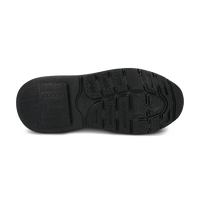
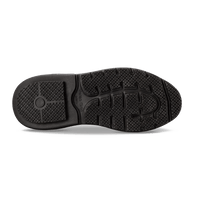
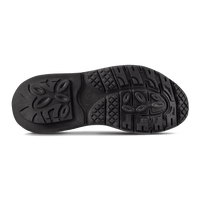
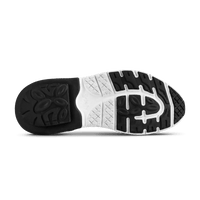
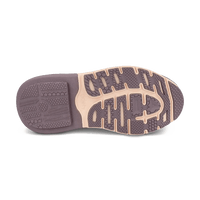
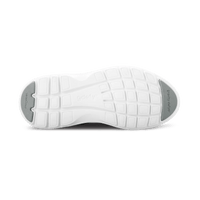
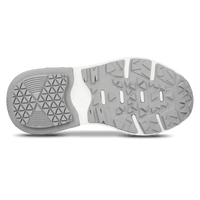
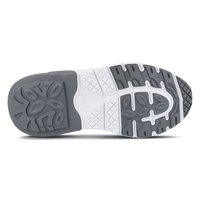
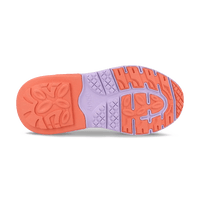
- Dependable outsole traction — a grippy outsole gives you confident footing on wet grass, gravel, and pavement.
- A secure fit — a shoe that stays put during quick stops and turns keeps you comfortable and in control.
- Breathable materials — keep feet cooler and drier on warm-weather walks.
- A roomy toe area — lets your toes move naturally over long distances.
Support is one of the most misunderstood of those features. If you're not sure what it really means, our explainer on what support really means in footwear is a helpful starting point, and it's worth learning why proper shoe fit is key to all-day comfort before you commit to a pair. Since dog walking sits somewhere between a workout and an errand, you may also find our comparison of running shoes versus walking shoes useful for narrowing things down.
Match Your Shoes to Where and When You Walk
The "best" dog walking shoe also depends on your usual route and the time of year. A little thought about your typical conditions goes a long way toward all-day comfort.
Pavement and neighborhood sidewalks. If most of your walks are on hard, flat surfaces, prioritize cushioning and shock absorption. These are the walks where impact builds up fastest, so a well-cushioned midsole makes the biggest difference over the miles.
Parks, trails, and grass. Softer ground is easier on the feet, but it's often uneven and can get slick after rain. Here, a supportive shoe with dependable outsole grip helps you stay steady when your dog decides the muddiest part of the field is the most interesting.
Warm-weather walks. On hot mornings and humid evenings, breathability matters. Lightweight, well-ventilated shoes and moisture-wicking socks keep feet cooler and drier, which cuts down on rubbing over longer distances.
Cooler seasons. When the temperature drops, a secure fit and reliable traction become even more important on damp leaves, frost, or wet pavement. Whatever the season, the fundamentals stay the same: cushioning, support, a stable fit, and grip you can trust.
How G-Defy Shoes Support Comfortable Dog Walks
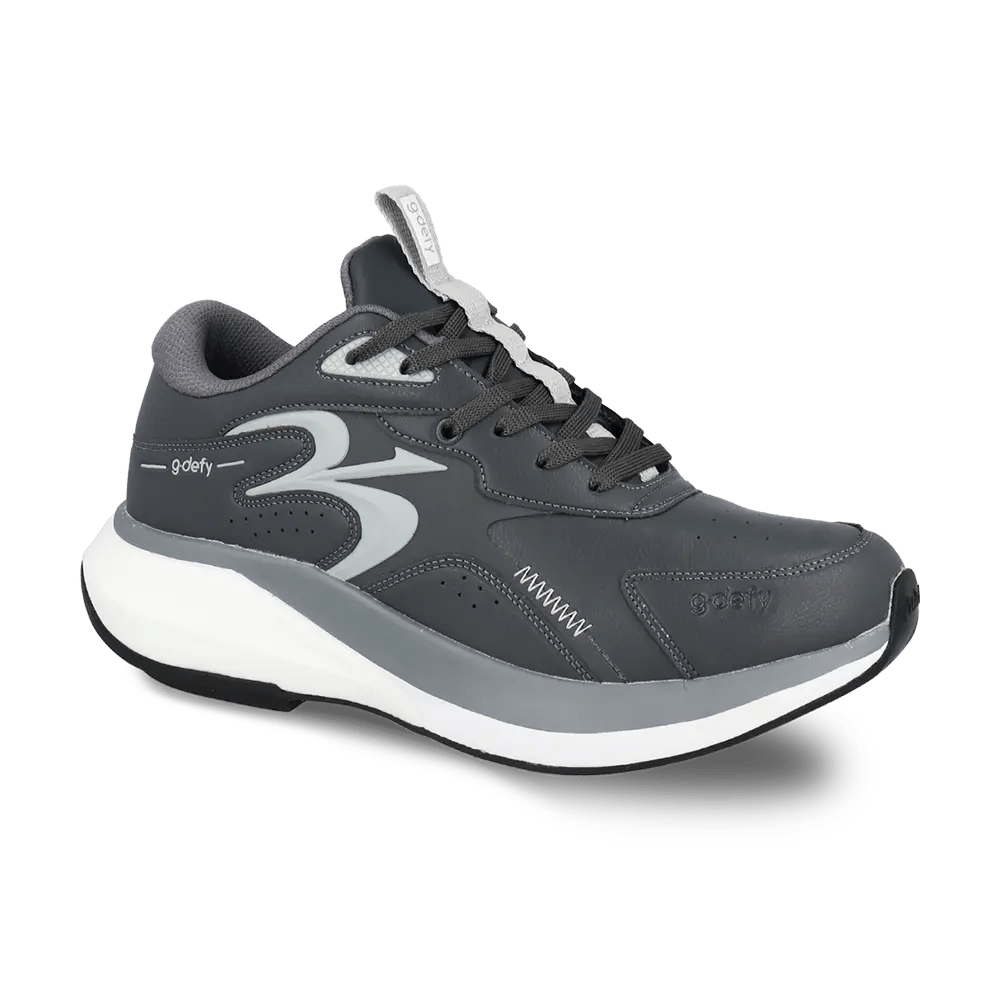
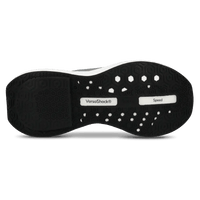
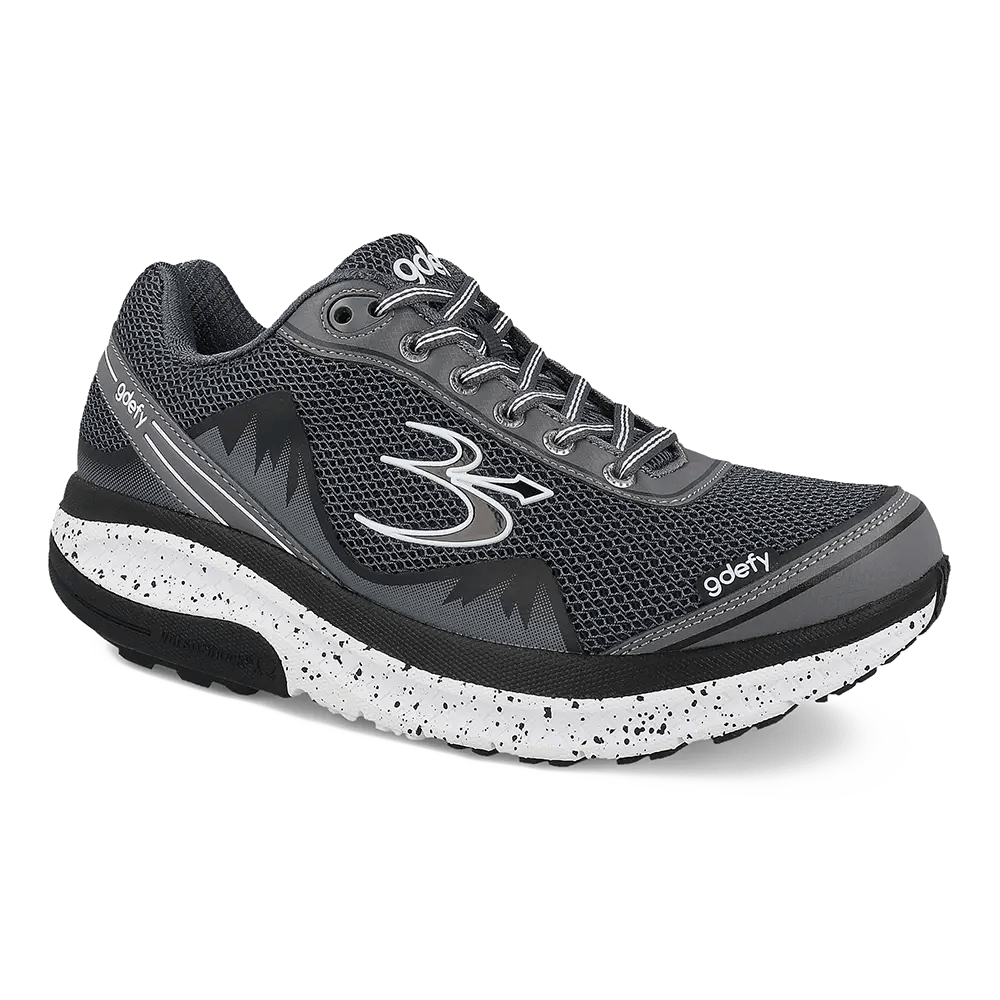
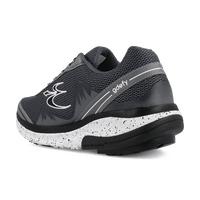
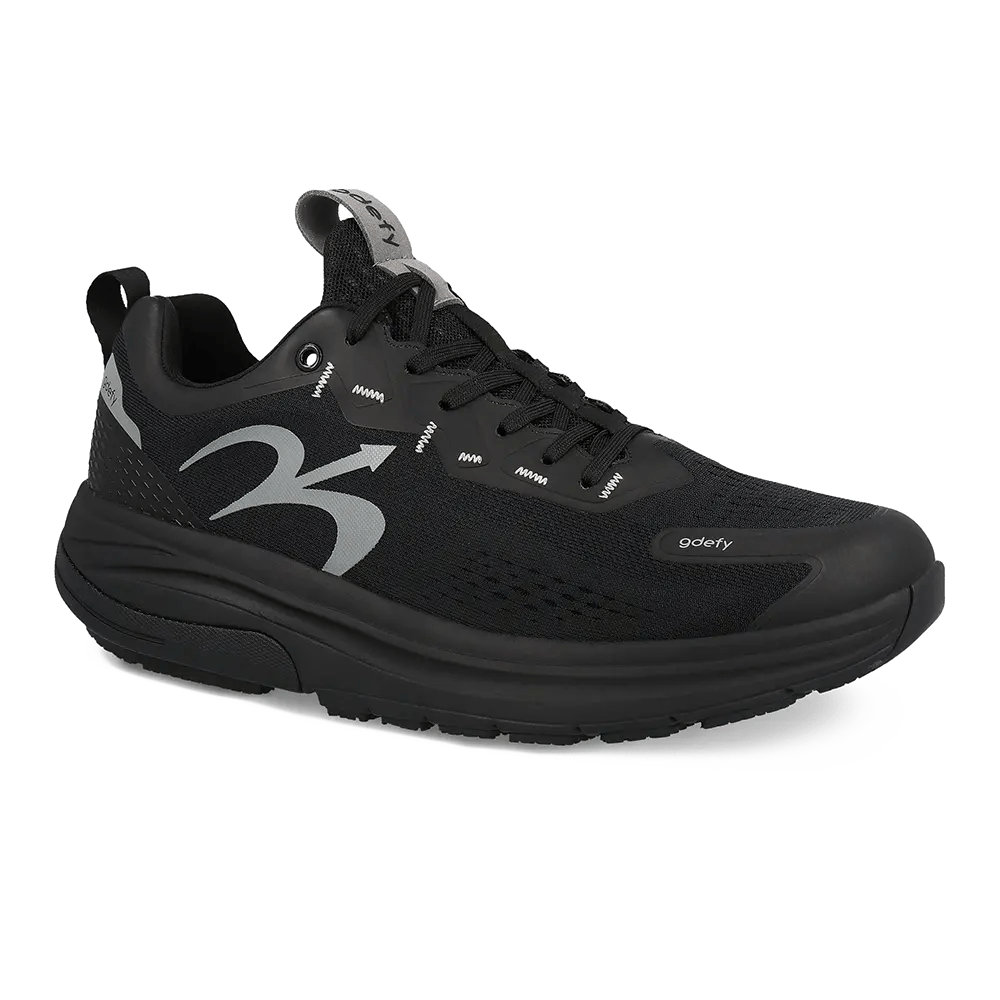
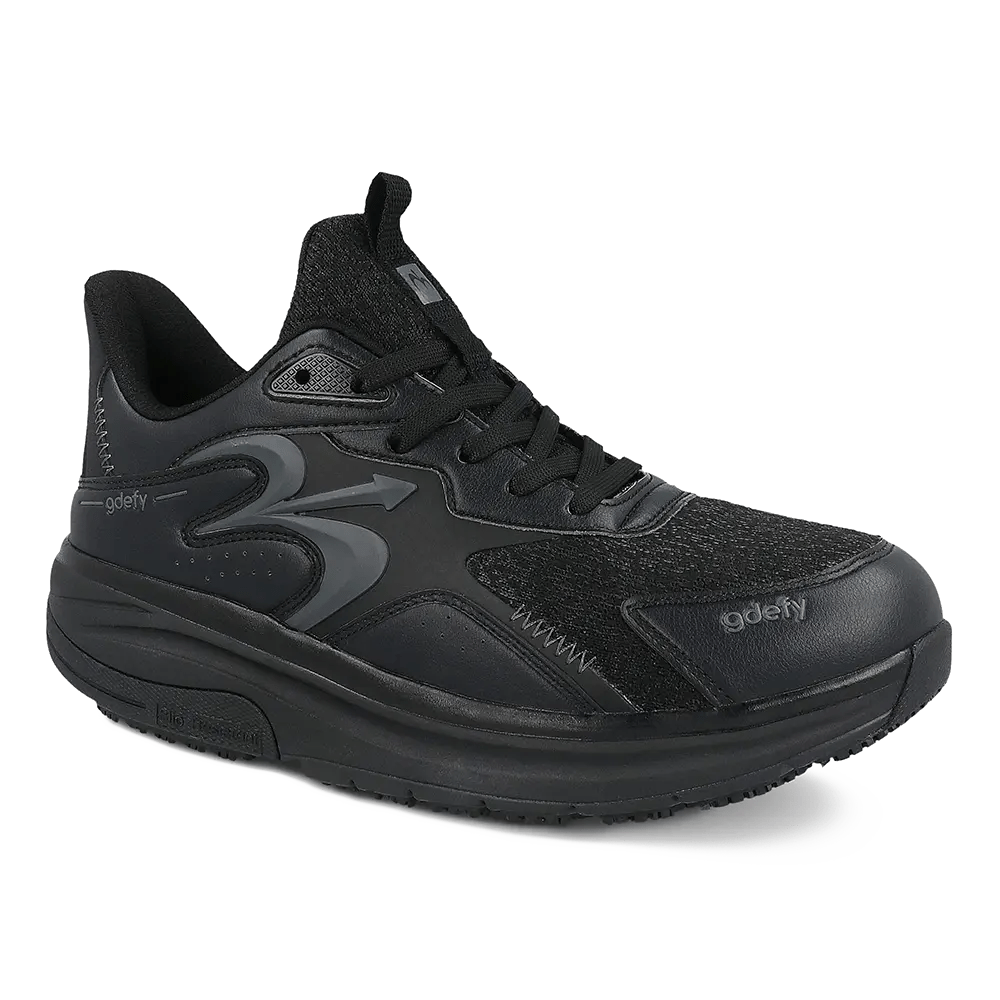
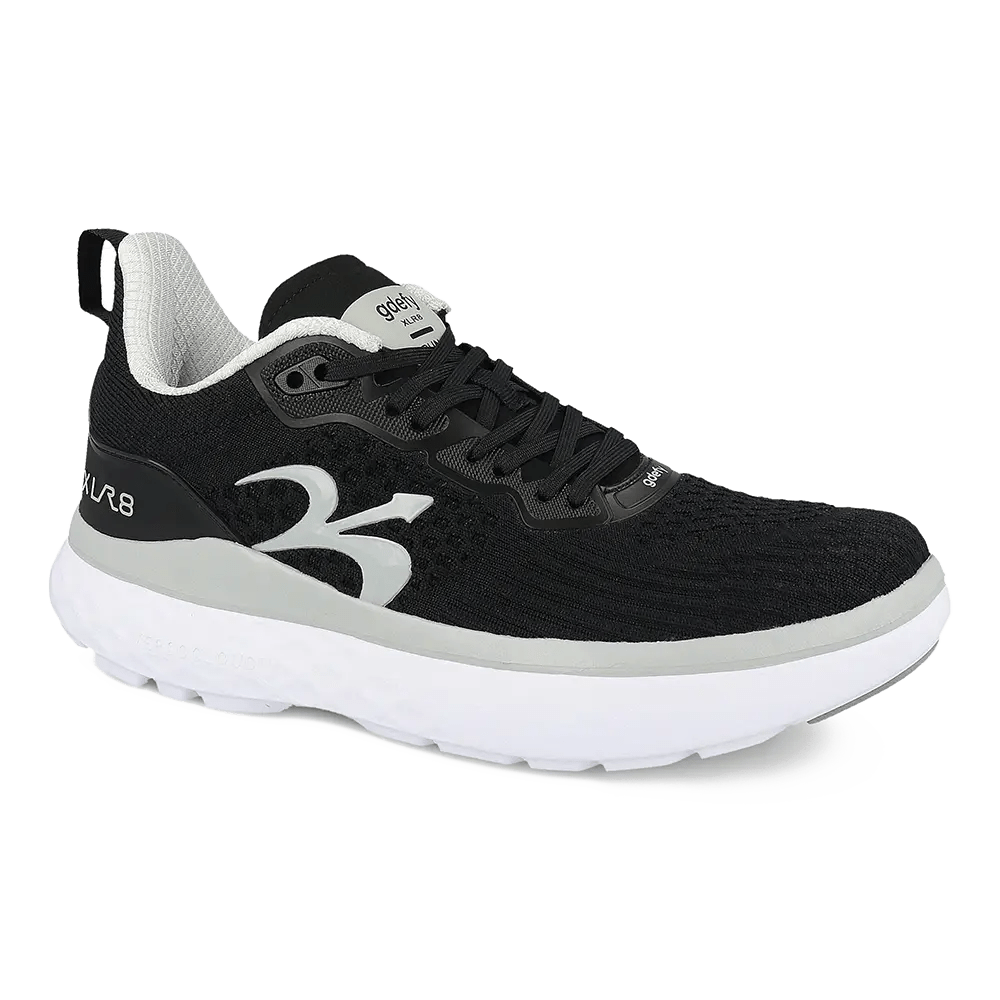
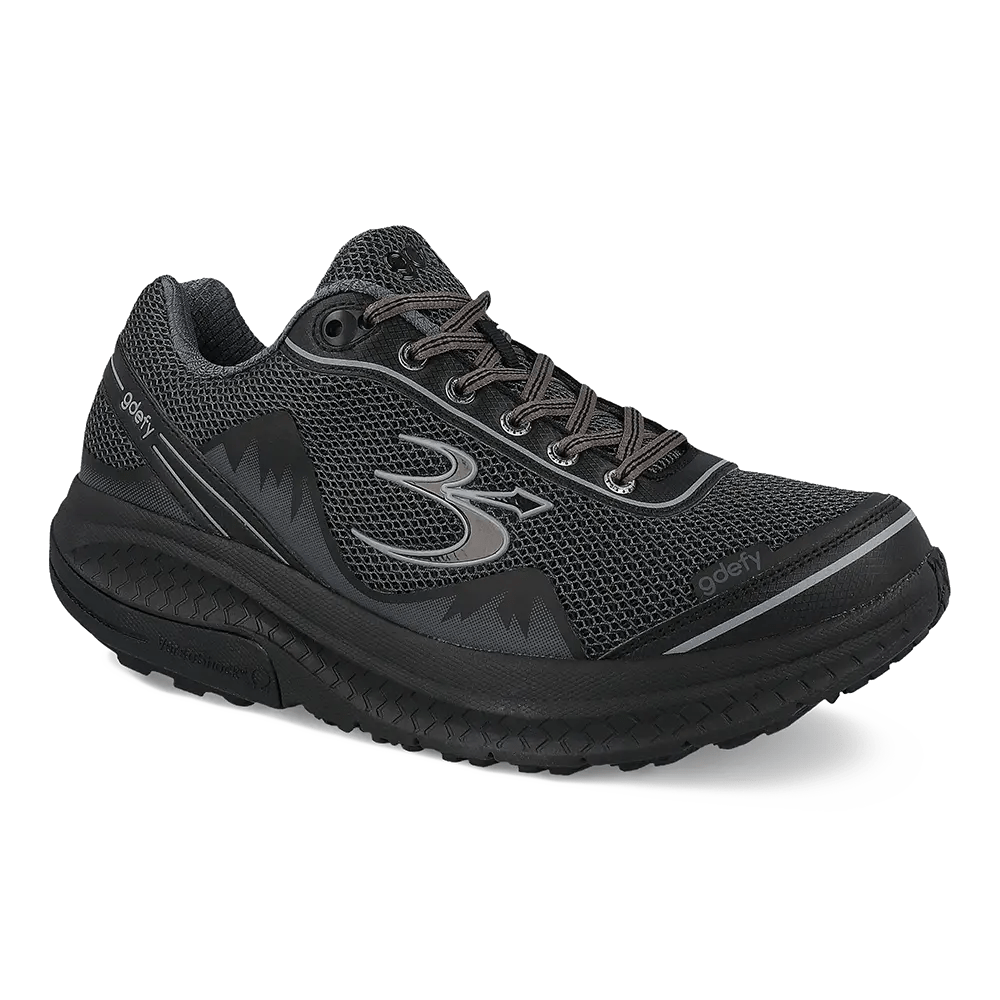
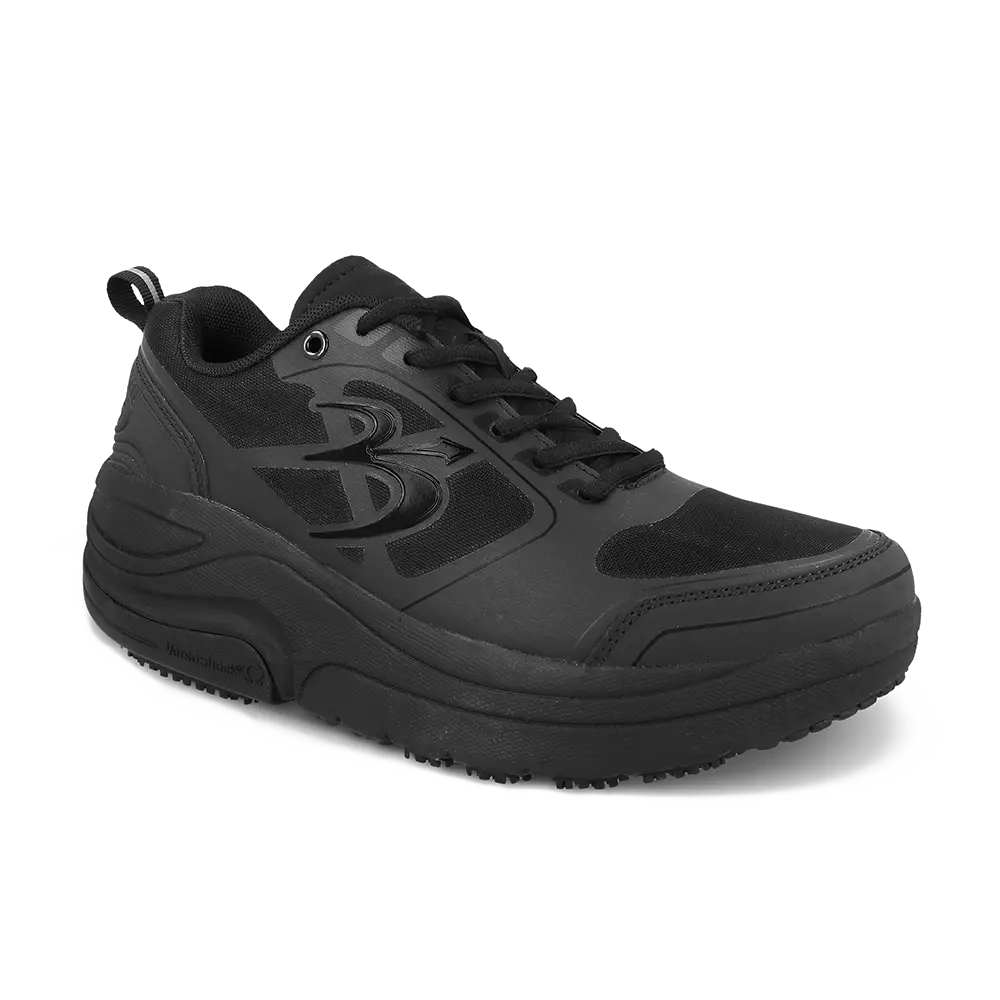
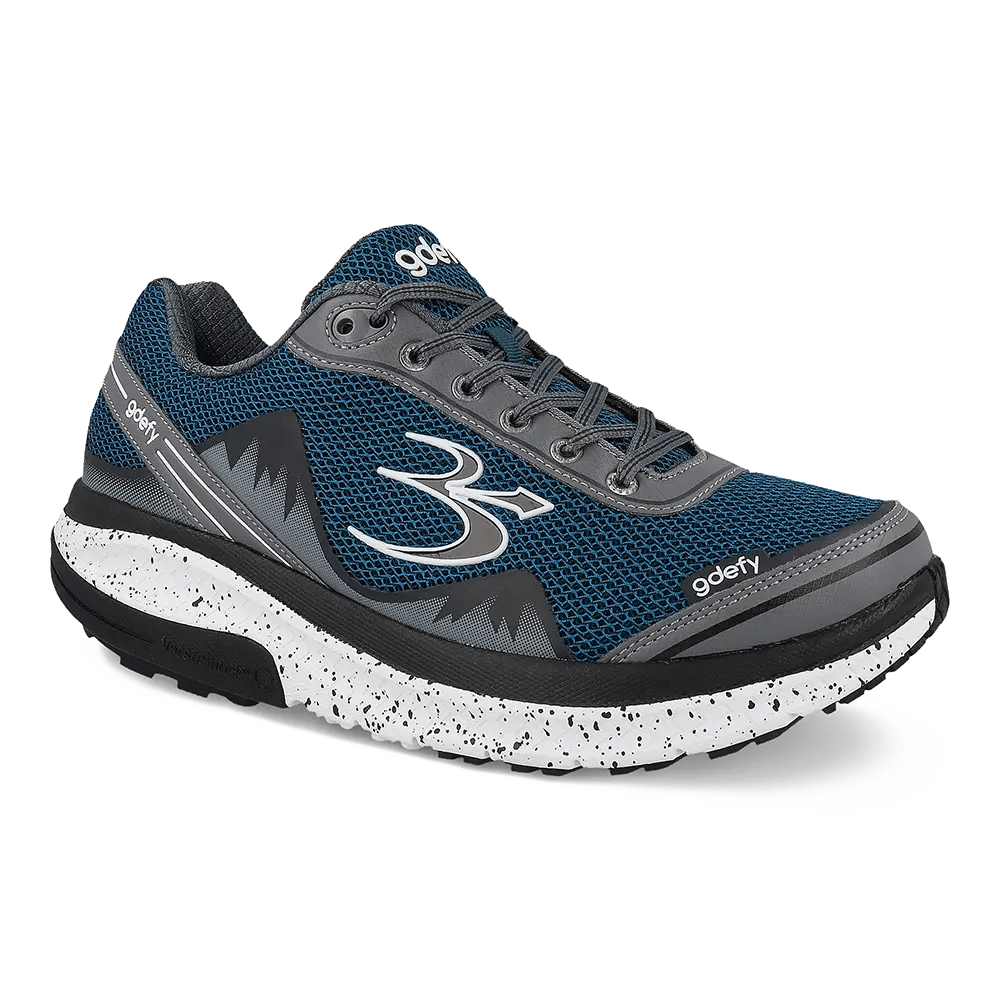
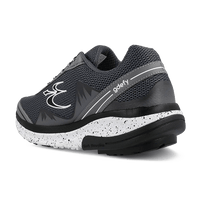
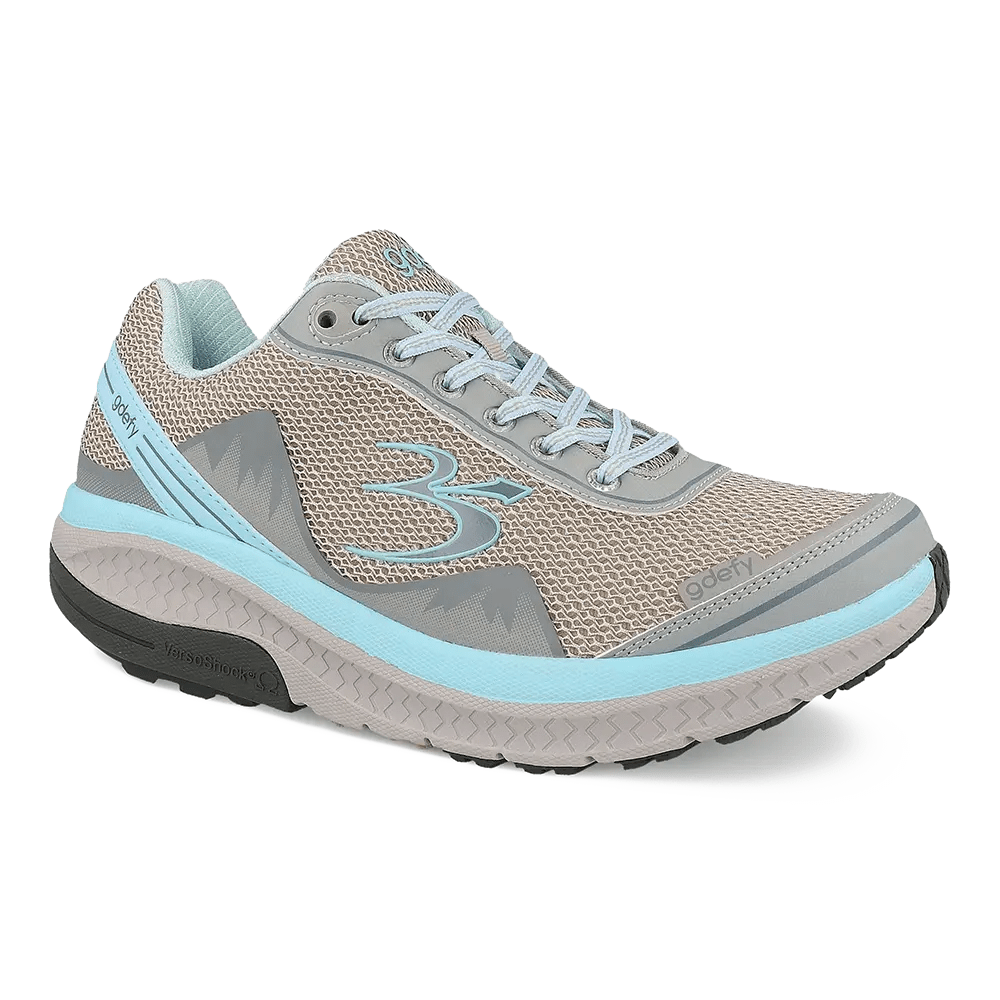
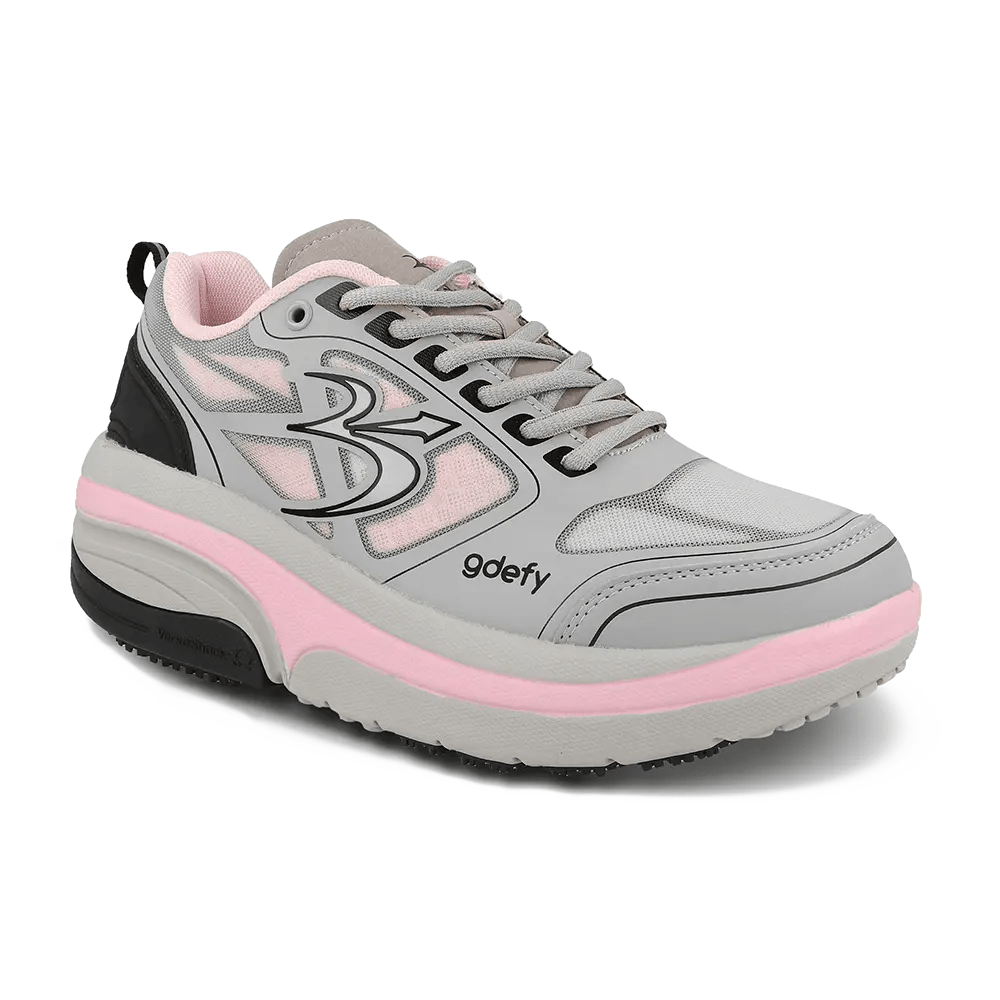
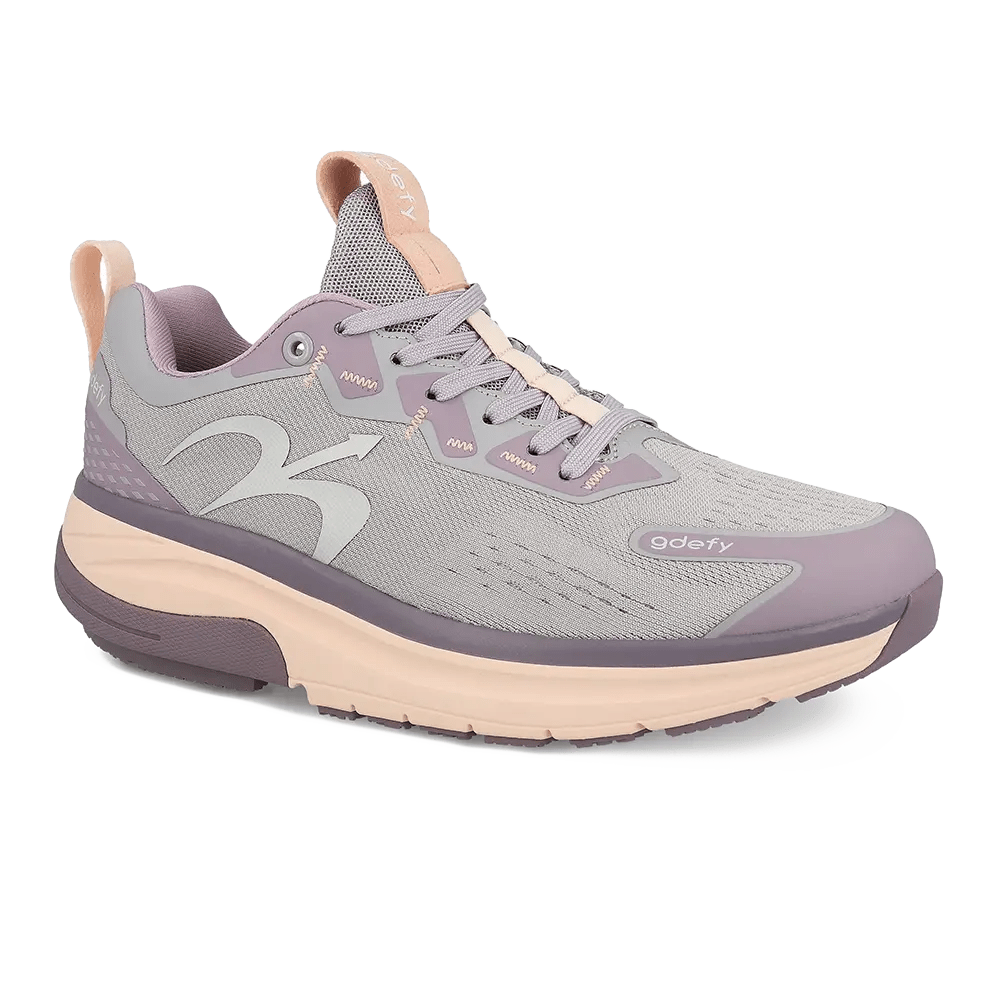
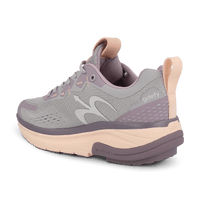
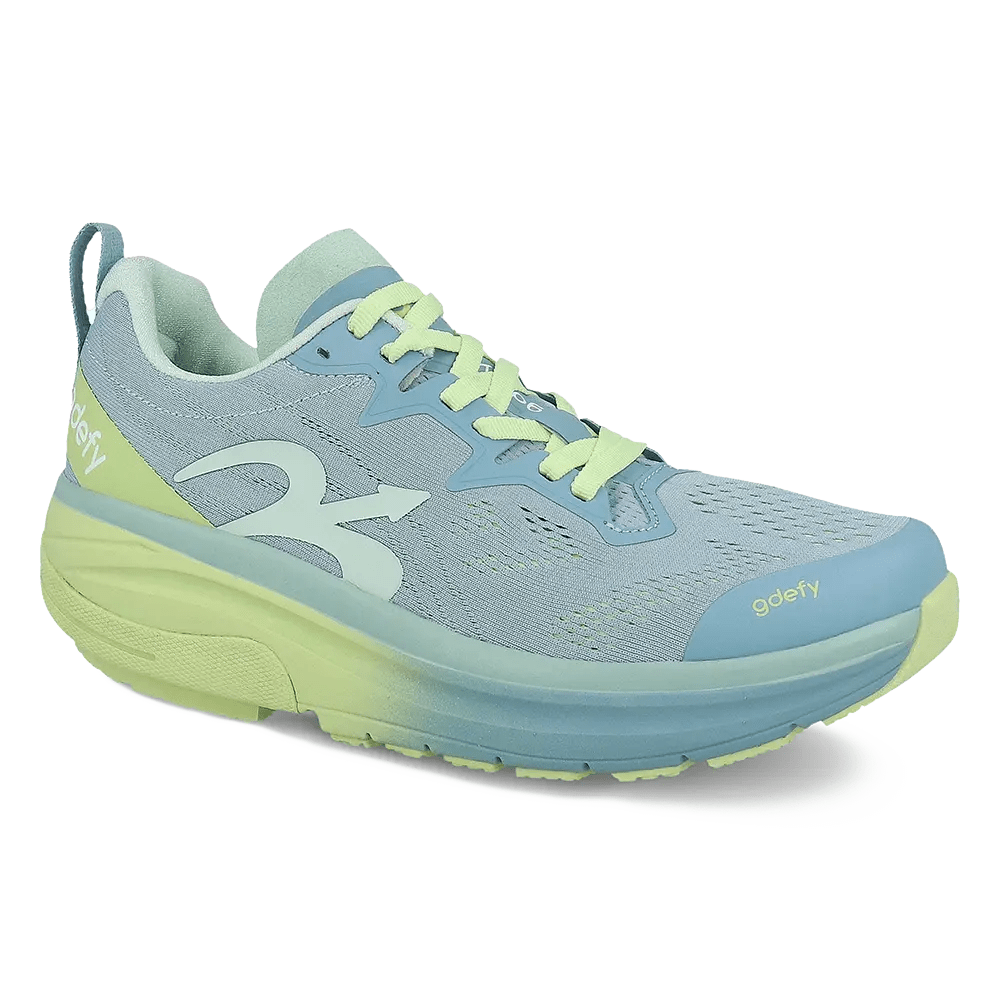
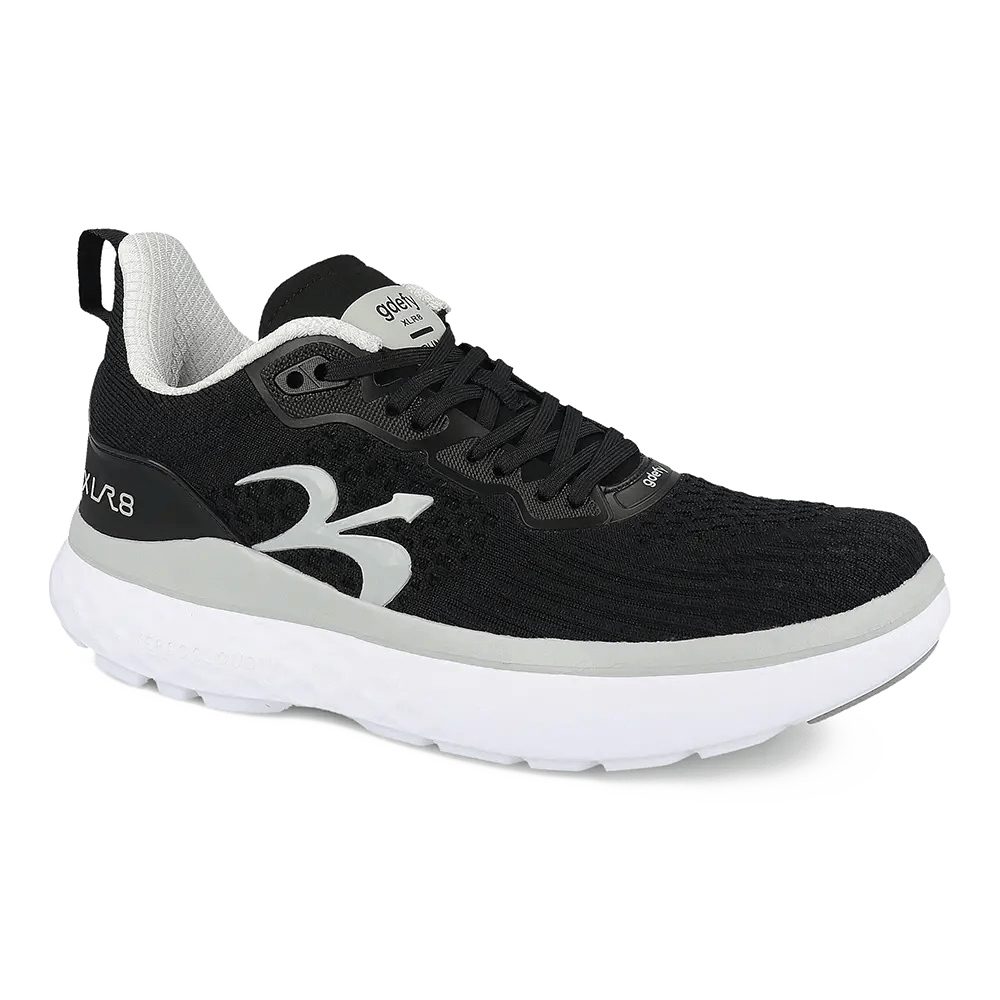
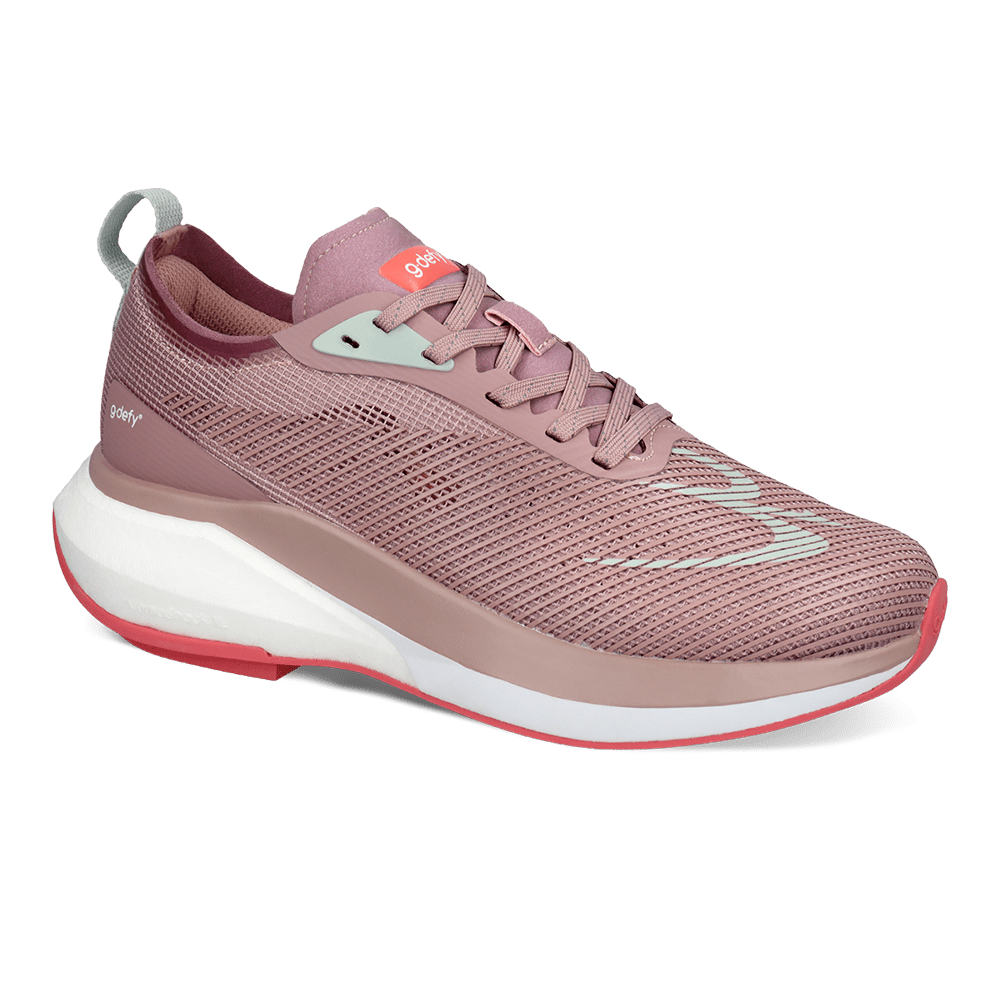
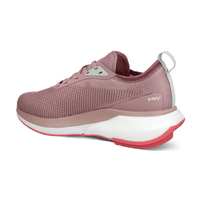
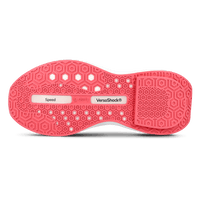
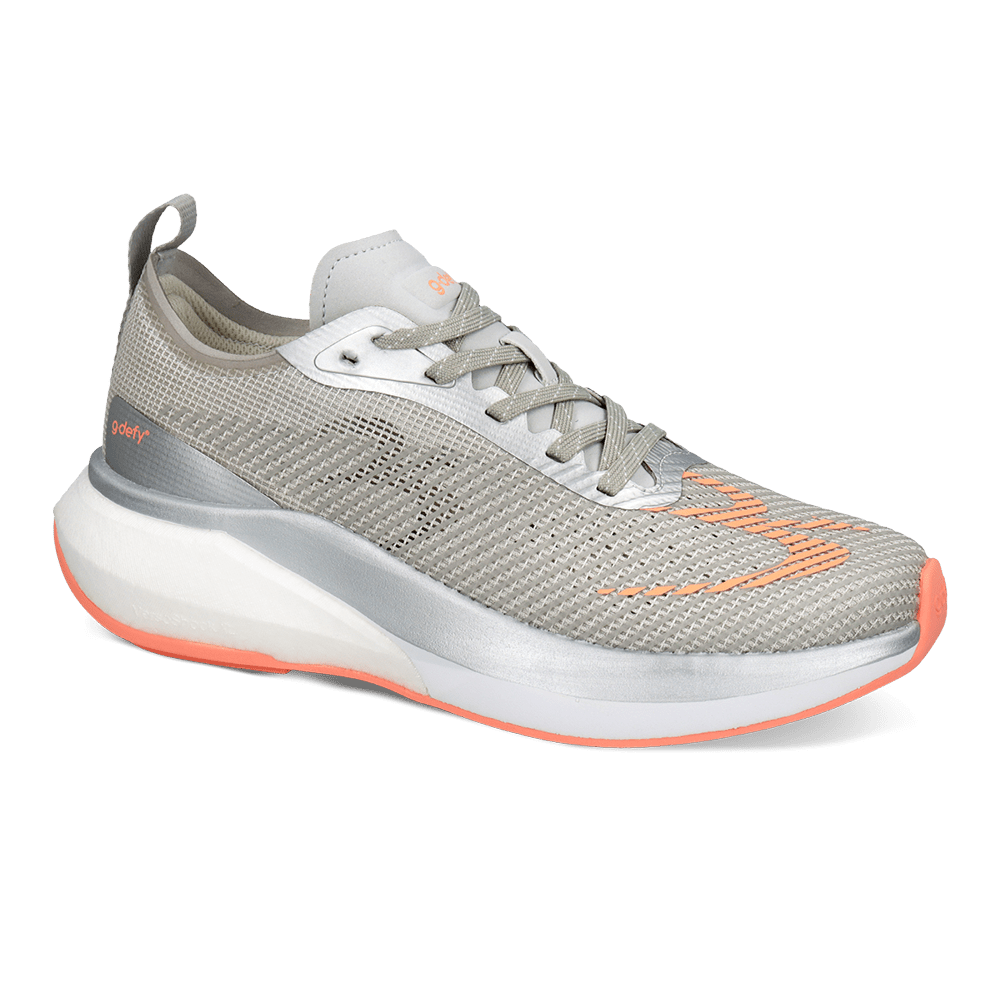
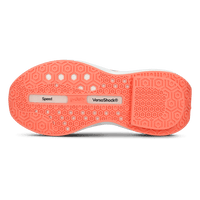
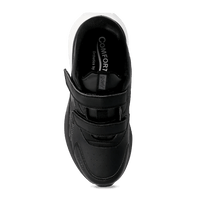
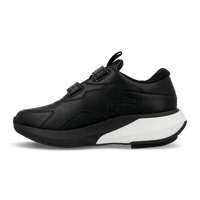
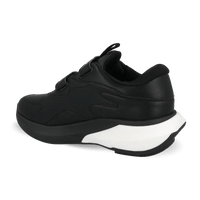
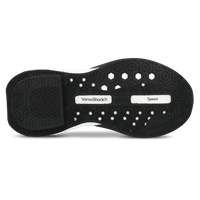
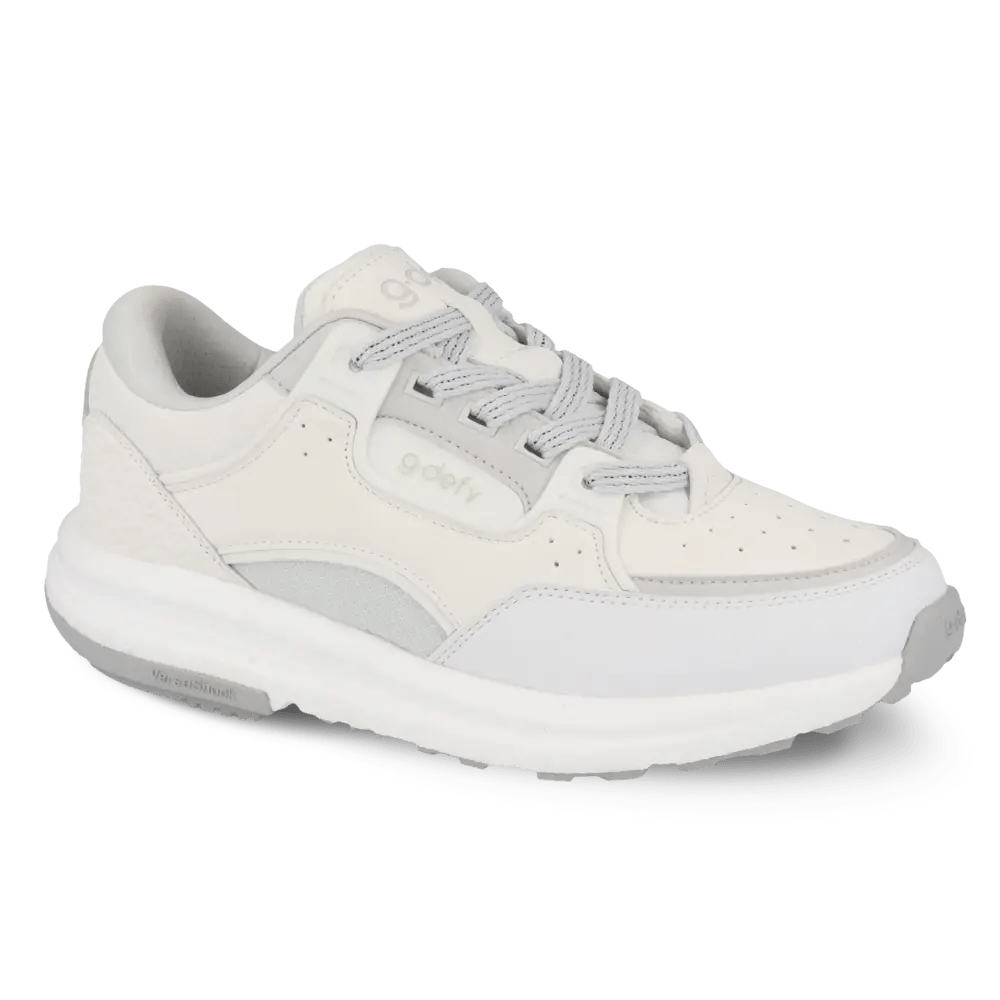
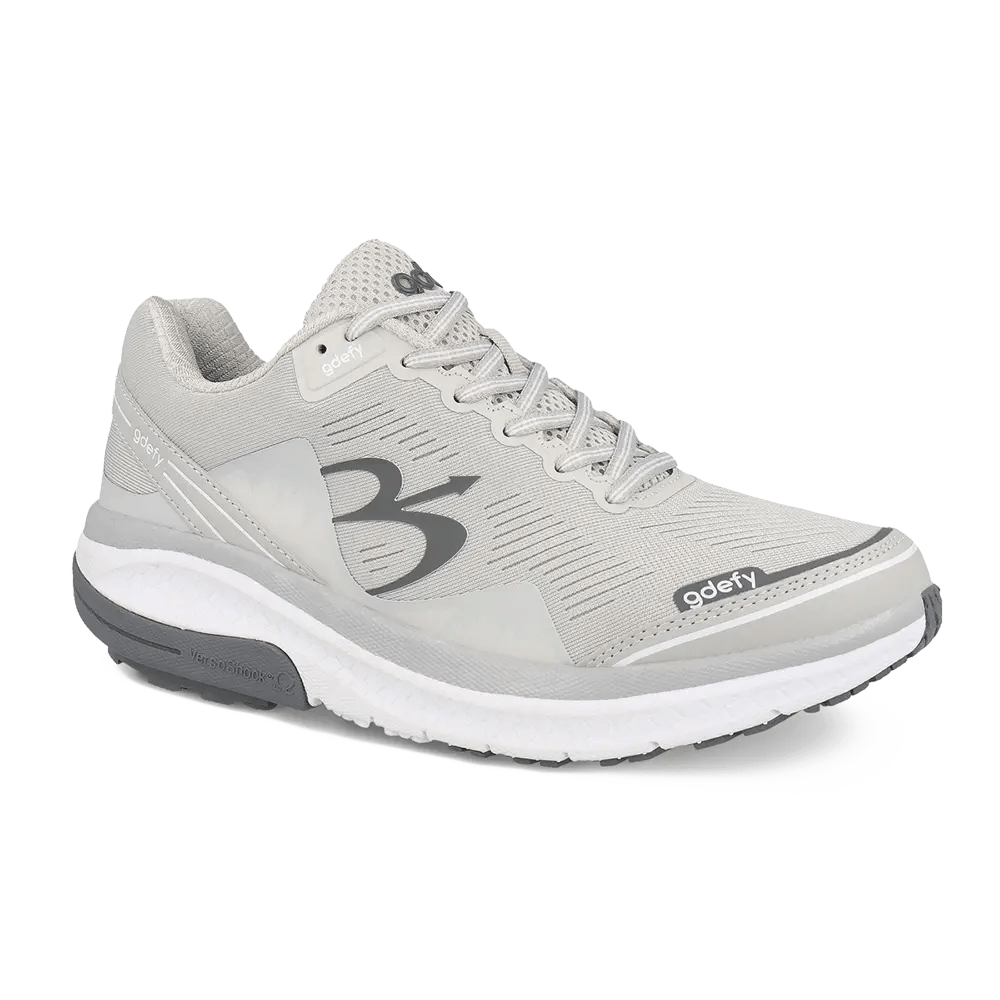
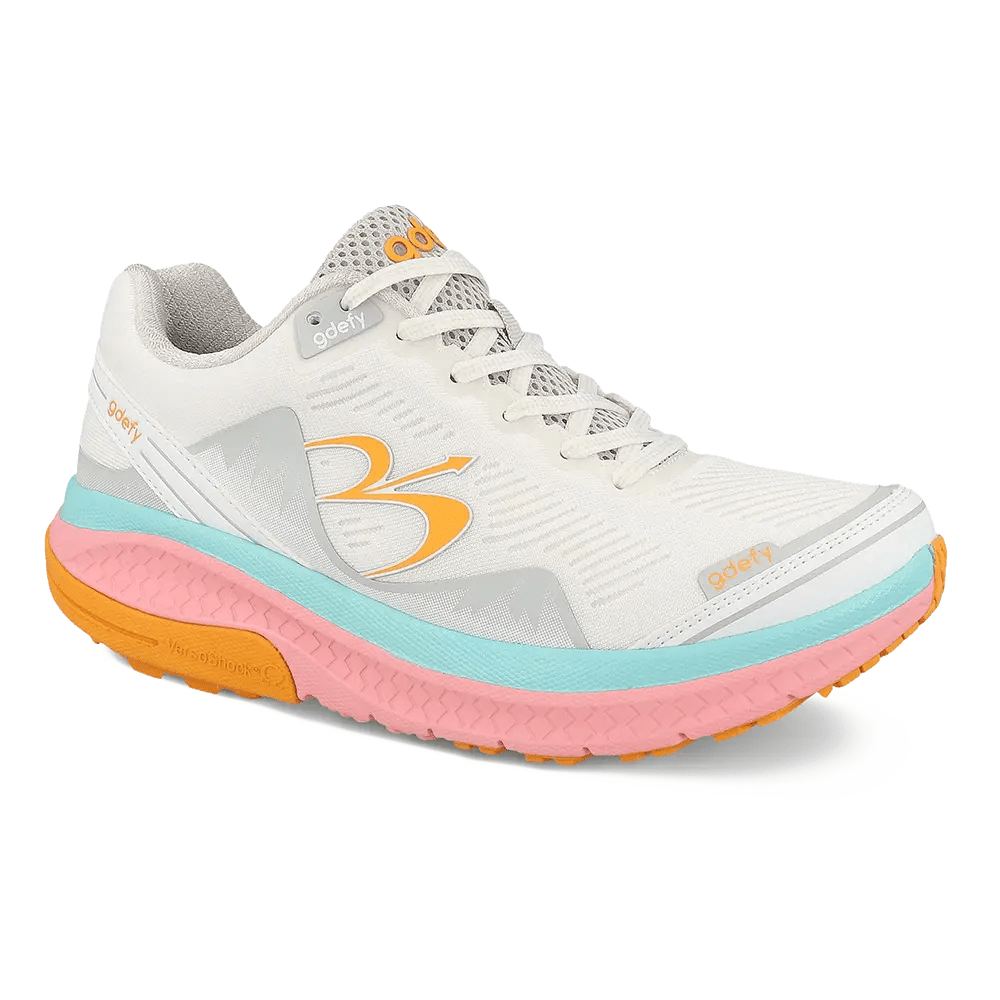
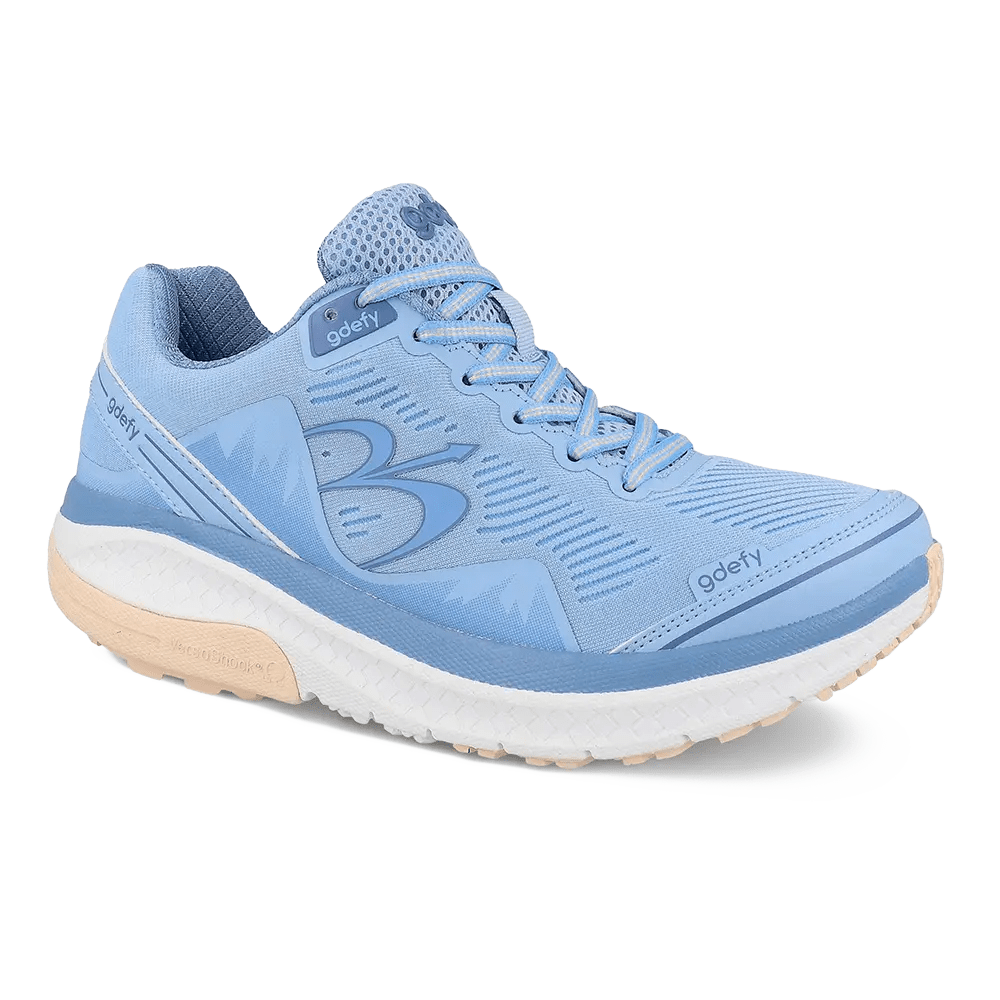
G-Defy shoes are built around a different idea — not just cushioning, but how your body moves. They use VersoShock® technology, a spring-based system designed to absorb impact softly, return energy with each step, and support a smoother walking motion. Inside every shoe there's also a stabilizer system that helps support the foot and reduce excessive bending, along with a front rolling design that encourages a natural heel-to-toe transition. Each pair also includes two removable orthotics — the ComfortFit® orthotic for low to medium arches and the CorrectiveFit® orthotic for medium to high arches — so you can customize comfort based on your foot type. Together, these features help reduce pain from walking, running, and prolonged standing.
That combination is exactly what daily dog walks call for: shock absorption for hard sidewalks, energy return for the long loops, and stability for the stops and turns. You can read more about how VersoShock® technology works if you'd like the full mechanical picture.

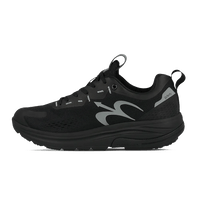
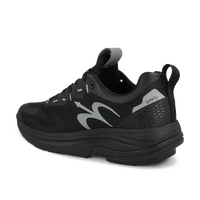
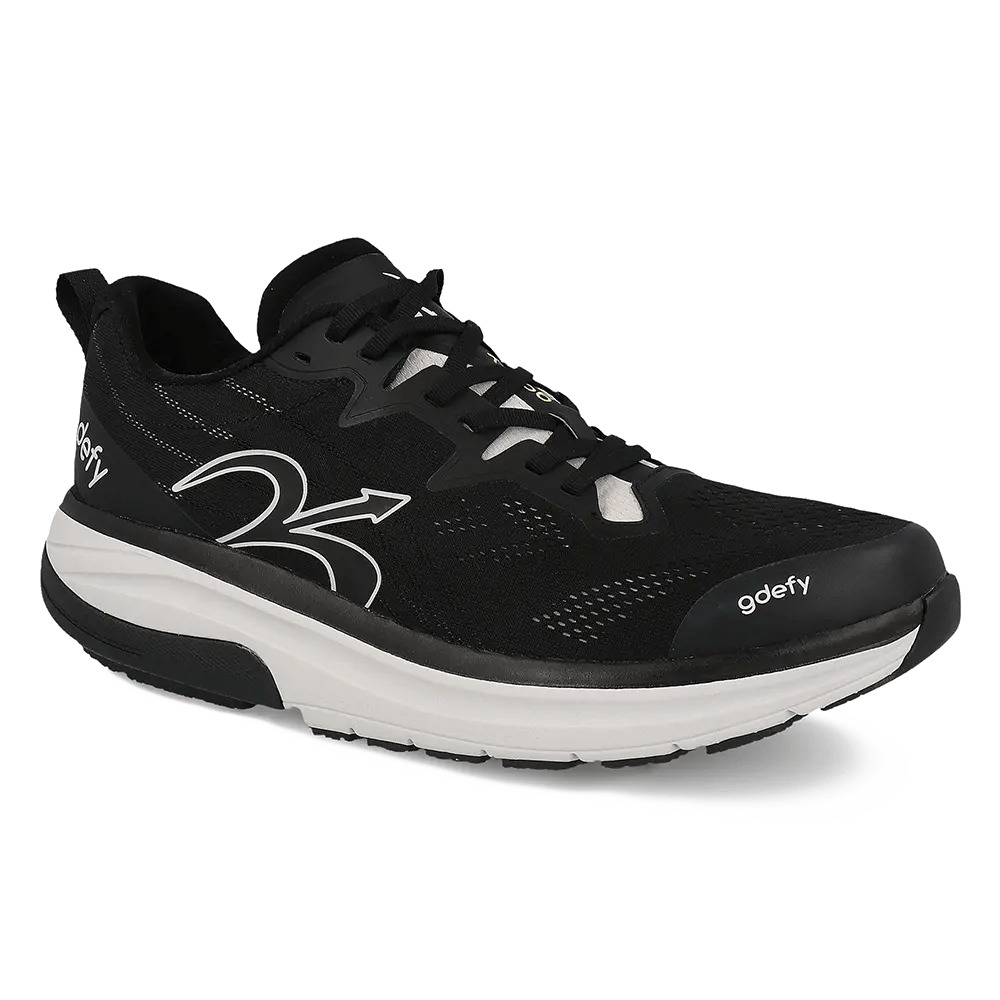
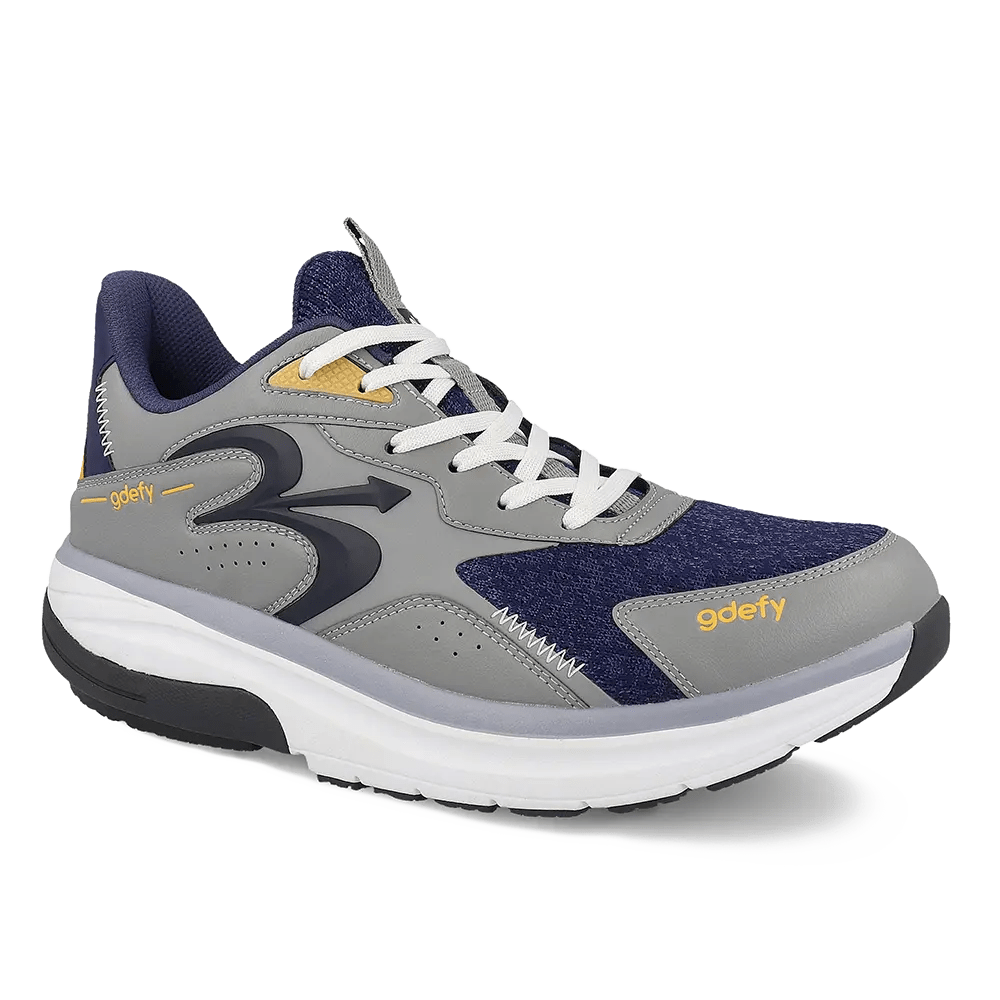
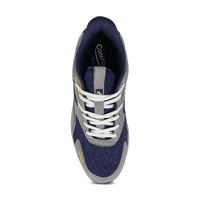
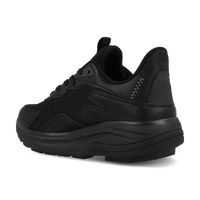
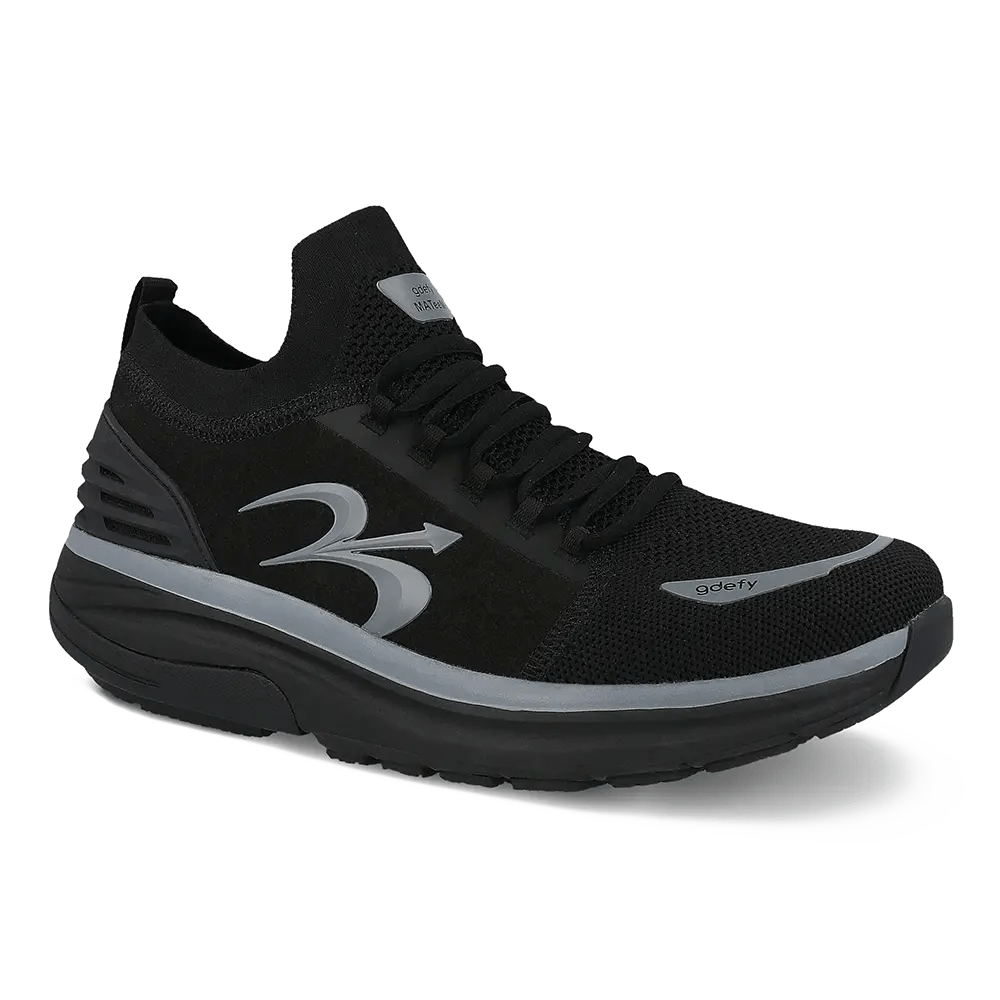
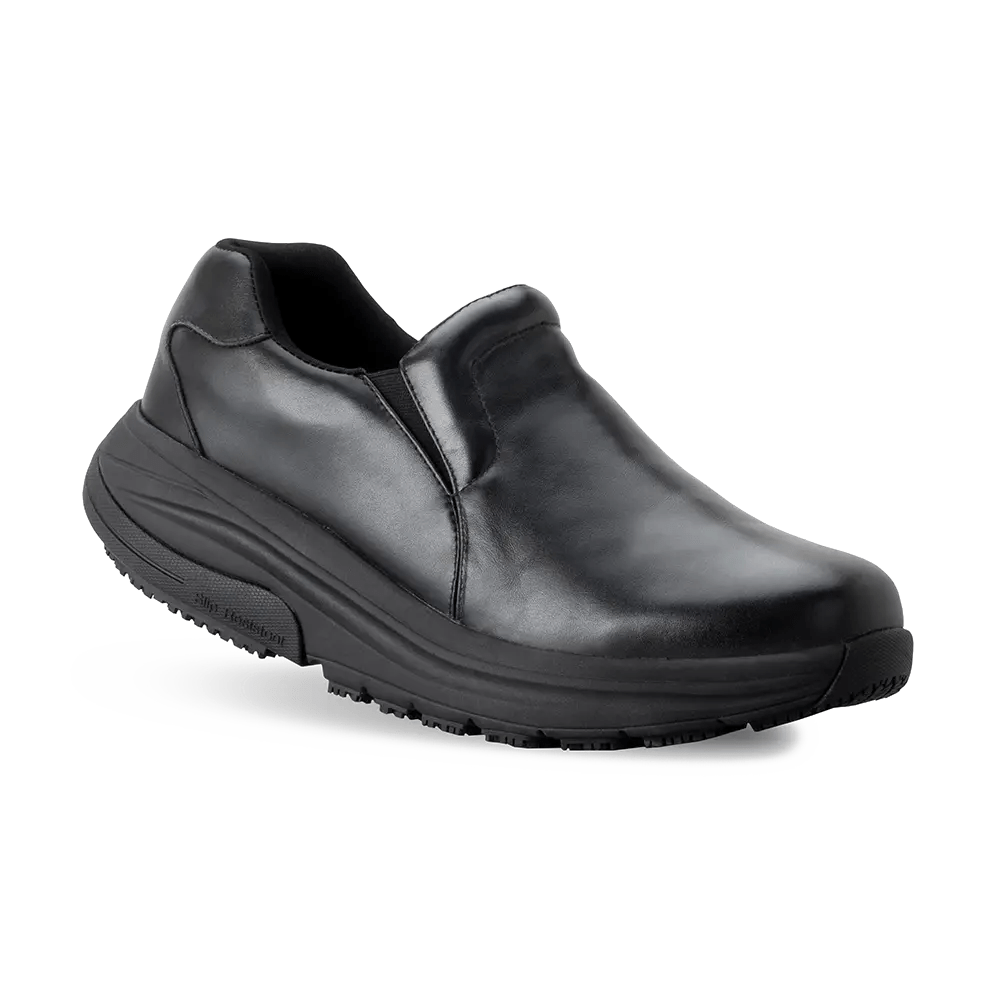
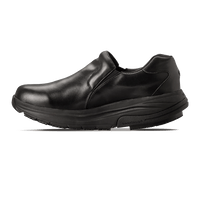
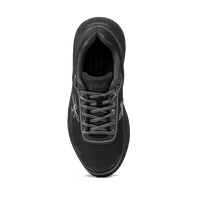
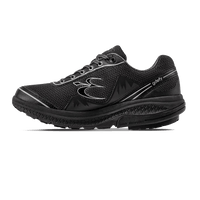
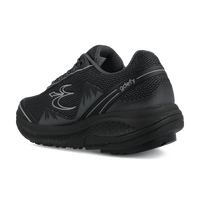
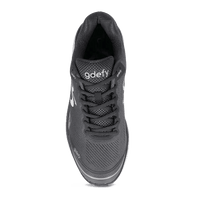
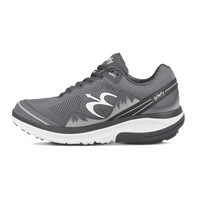
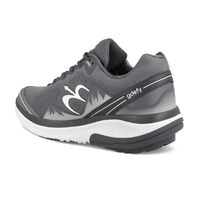
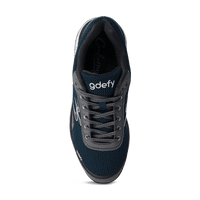
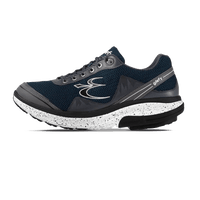
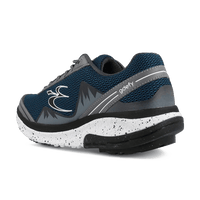
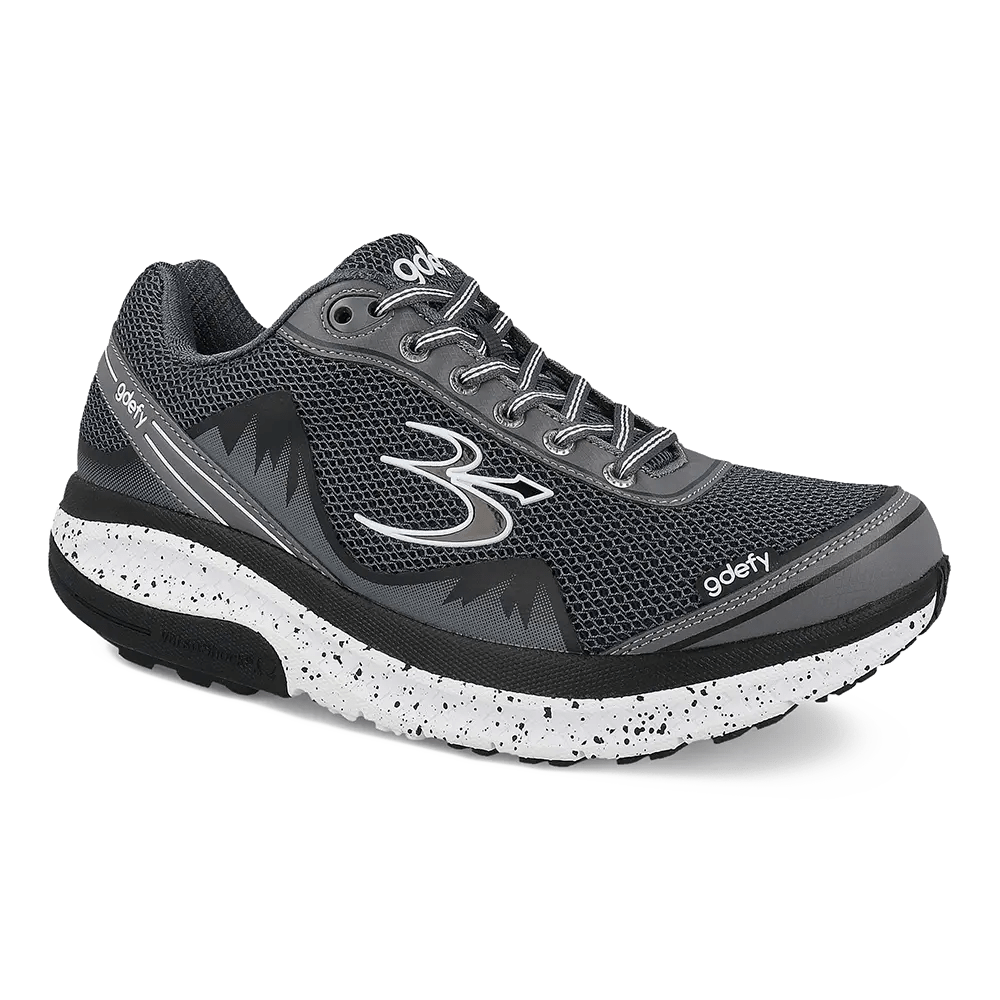
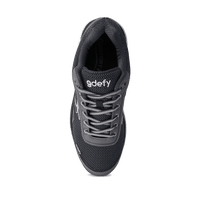
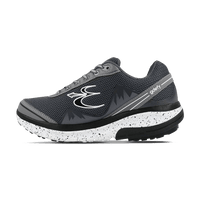
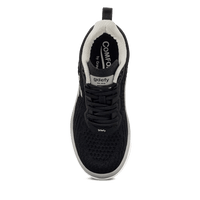
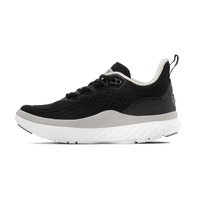
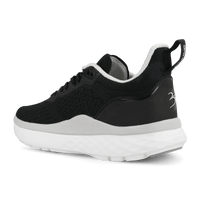
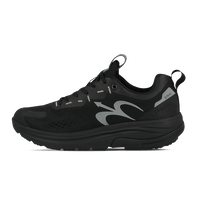
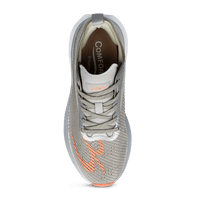
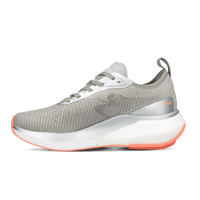
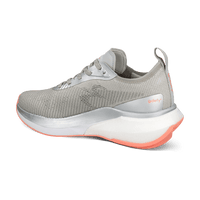
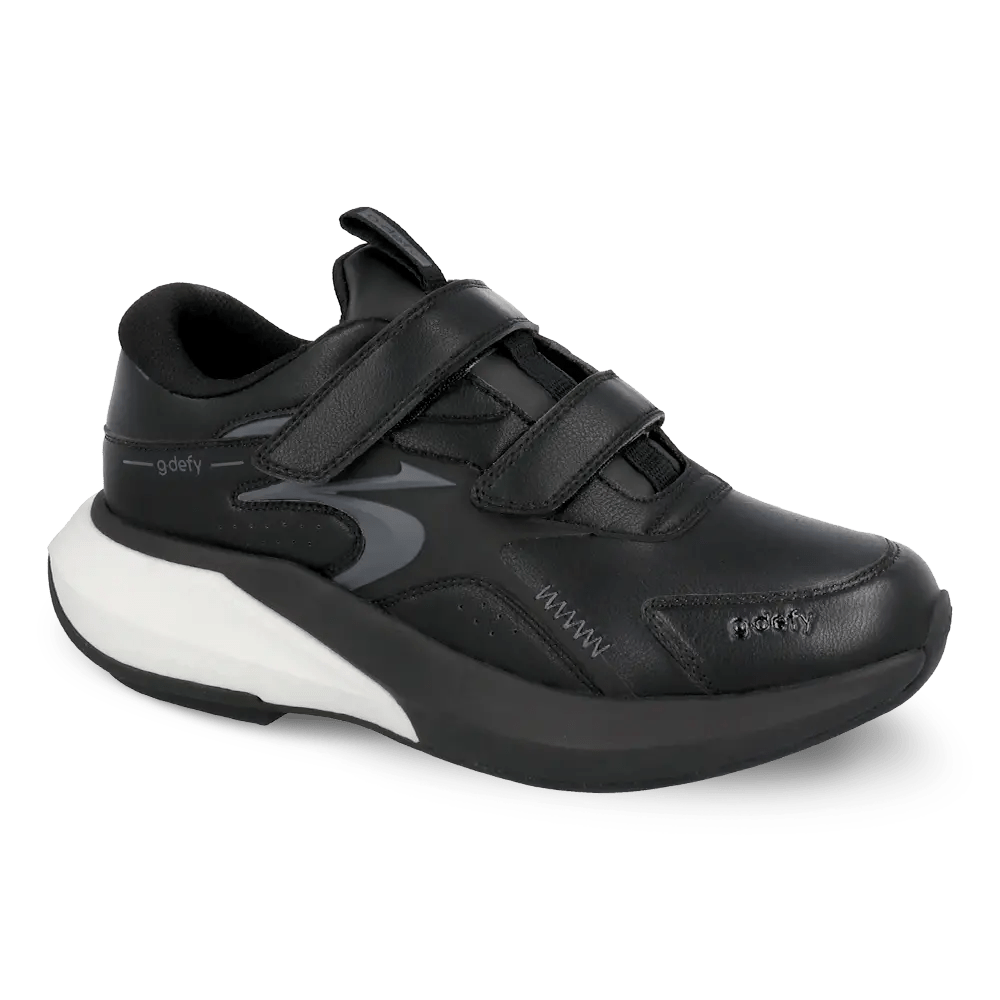
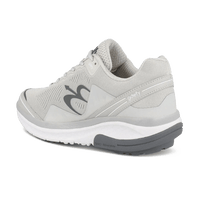
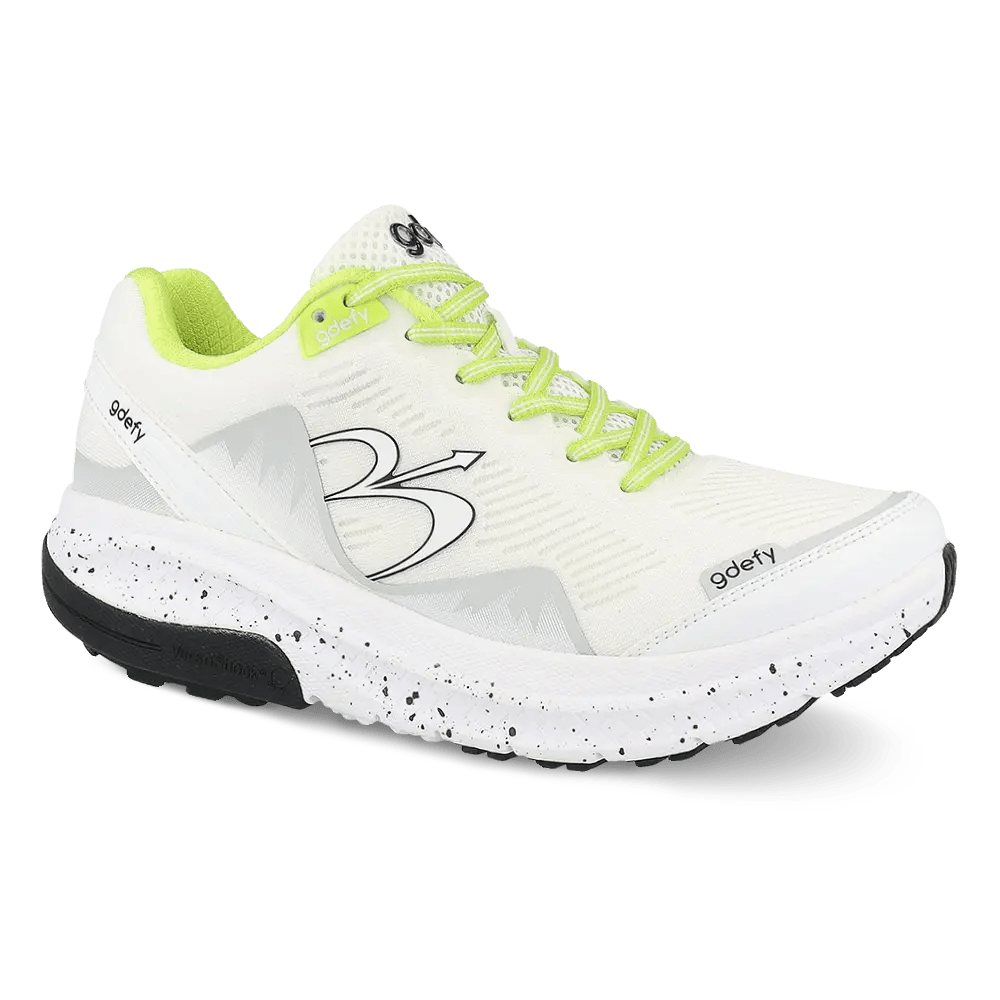
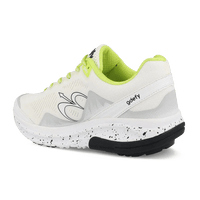
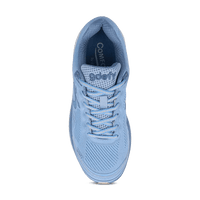
For a supportive everyday walking shoe, the Mighty Walk lace-up is a popular choice — maximum cushioning and a secure, adjustable fit for brisk walks. If you'd rather step out the door quickly, the Mighty Walk slip-on is built on the same comfortable platform in an easy on-and-off design.
Lace-Up or Slip-On for Dog Walks?
Both closures can work beautifully for dog walking — the right one depends on your routine. A lace-up gives you an adjustable, locked-in fit that's ideal for longer or faster walks where you want your foot held securely over curbs and turns. A slip-on shines for the quick trips: the early-morning backyard break, the "one more lap around the block" before bed, the dash outside when your dog decides it's time now.

Because both styles here are built on the same supportive platform, you don't trade away comfort by choosing convenience. If you're weighing the two, our side-by-side look at slip-on versus lace-up shoes for everyday comfort walks through the trade-offs in more detail.
Practical Tips for More Comfortable Dog Walks
The right shoes make a real difference, but a few simple habits help you get the most out of them:
- Rotate two pairs. Alternating shoes gives the cushioning time to bounce back between walks and helps each pair last longer.
- Replace worn outsoles. Once the tread is smooth or the cushioning feels flat, a shoe stops doing its job — check yours regularly if you walk daily.
- Get the fit right. Try shoes on later in the day when your feet are at their largest, and look for wide and extra-wide options if a standard width feels snug.
- Wear moisture-wicking socks. They cut down on rubbing and keep feet drier on long or warm walks.
- Ease into longer distances. If you're building up your daily mileage, add distance gradually so your feet can adjust.
- Keep them clean and dry. Muddy, damp shoes are less comfortable — let them air out between walks.
Many of these habits carry over to any long day on your feet. If your walks often turn into extended time standing around at the dog park, our notes on what makes a shoe good for standing all day are worth a read.
Frequently Asked Questions
Can the right shoes make dog walking more comfortable?
Yes. Supportive, well-cushioned footwear may improve overall comfort during walking and prolonged standing, which is most of what a daily dog walk involves. The goal is a shoe that absorbs impact, fits securely, and grips the ground so the miles feel easier.
What should I look for in shoes for walking a dog on concrete every day?
Focus on cushioning and shock absorption to soften the impact of hard surfaces, plus a stable, secure fit and a grippy outsole for confident footing. A roomy toe area and breathable materials help keep longer walks comfortable.
Do I need different shoes for short walks versus long ones?
Not necessarily. A supportive, cushioned shoe works for both — though many dog owners keep a slip-on by the door for quick trips and a lace-up for longer, brisk walks. Real customers share how they choose in our comfortable shoes for long daily walks stories.
How often should I replace my dog walking shoes?
It depends on your mileage, but a good rule of thumb is to check them regularly if you walk daily. Once the tread looks smooth or the cushioning feels flat and unresponsive, the shoe is no longer doing its job — and that's when comfort starts to slip. Rotating two pairs helps each one last longer.
Are slip-on shoes secure enough for dog walking?
A well-designed slip-on with a snug heel and a supportive sole can absolutely handle daily walks. If you do a lot of brisk or off-pavement walking, a lace-up lets you fine-tune the fit for extra security.
Comfortable Miles, Every Day
Your dog is going to get you out the door no matter what — so you may as well make those miles comfortable. While footwear is not a medical solution, choosing shoes designed for comfort, support, and shock absorption can make a meaningful difference in how your feet feel by the end of a long walk.
Ready for more comfortable dog walks?
Try G-Defy with a 60-day risk-free trial and free shipping. If they're not for you, send them back for a full refund.
Shop Men's Shoes Shop Women's Shoes