
July 08, 2026
Slip-On vs Lace-Up Shoes: Which Is More Comfortable for Everyday Wear?
By Gdefy

Summary
Choosing between slip-on and lace-up shoes can feel like a small decision — until you are standing at the closet trying to work out which pair will actually feel good by the end of the day. Both styles have loyal fans, and both can be genuinely comfortable. The right choice usually comes down to how you live, how your feet change through the day, and what kind of fit keeps you feeling supported.
This guide breaks down the real differences between slip-on and lace-up shoes for everyday wear. We will look at how each closure works, the comfort factors that matter more than the laces themselves, and how to match the style to your routine. Whether you want a shoe you can step into on the way out the door or one you can fine-tune for a secure fit, understanding the trade-offs makes the decision easier.
While footwear is not a medical solution, the right design can play an important role in your comfort and support from morning to night.
What Is the Difference Between Slip-On and Lace-Up Shoes?
The closure is simply the way a shoe secures to your foot. It shapes how you put the shoe on, how the fit feels across the top of your foot, and how much you can adjust that fit later. Everything else — the cushioning, the sole, the support inside — can be the same from one style to the next.
How Slip-On Shoes Work
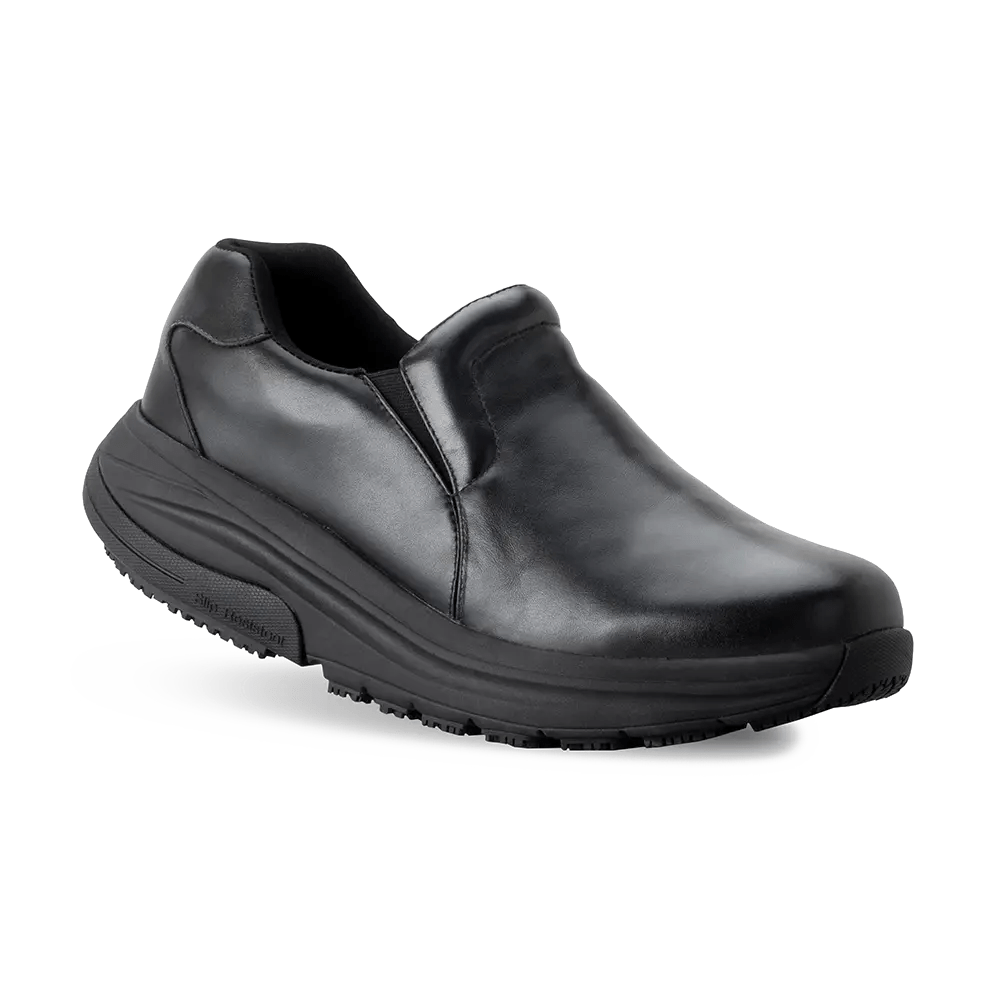
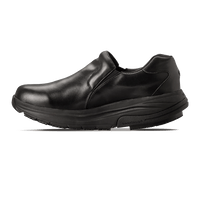
Slip-on shoes use stretch panels, elastic gore, or a flexible collar so you can step straight in without bending down or tying anything. The fit is built into the shoe, which makes them fast and convenient for busy mornings, quick errands, and travel days. Because there is nothing to tie, they are also a relief on days when reaching your feet is uncomfortable — after a long shift, during pregnancy, or when your back simply does not want to bend.
The trade-off is that the fit is largely set by the design, so you have less room to tighten or loosen it yourself. That makes the quality of the build especially important: a good slip-on holds your heel gently in place and flexes where your foot flexes, so it stays comfortable without laces to lock it down.
How Lace-Up Shoes Work
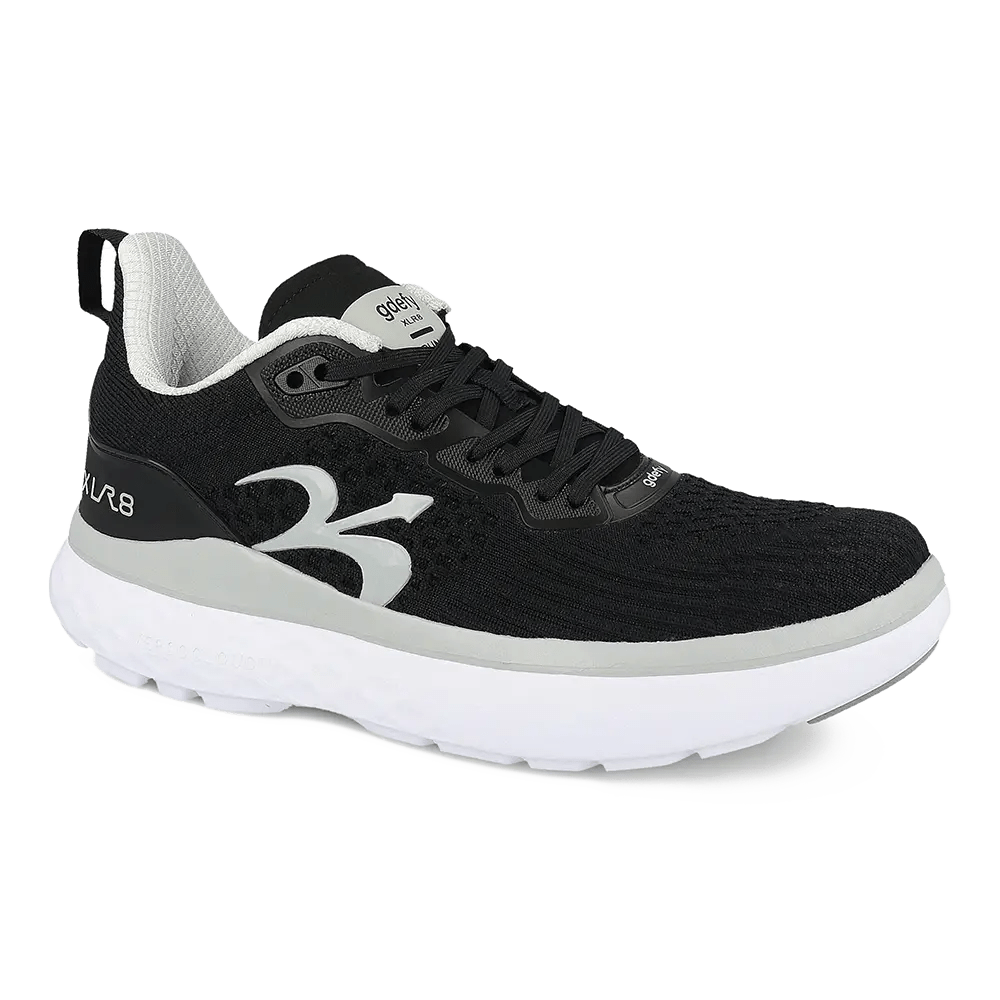
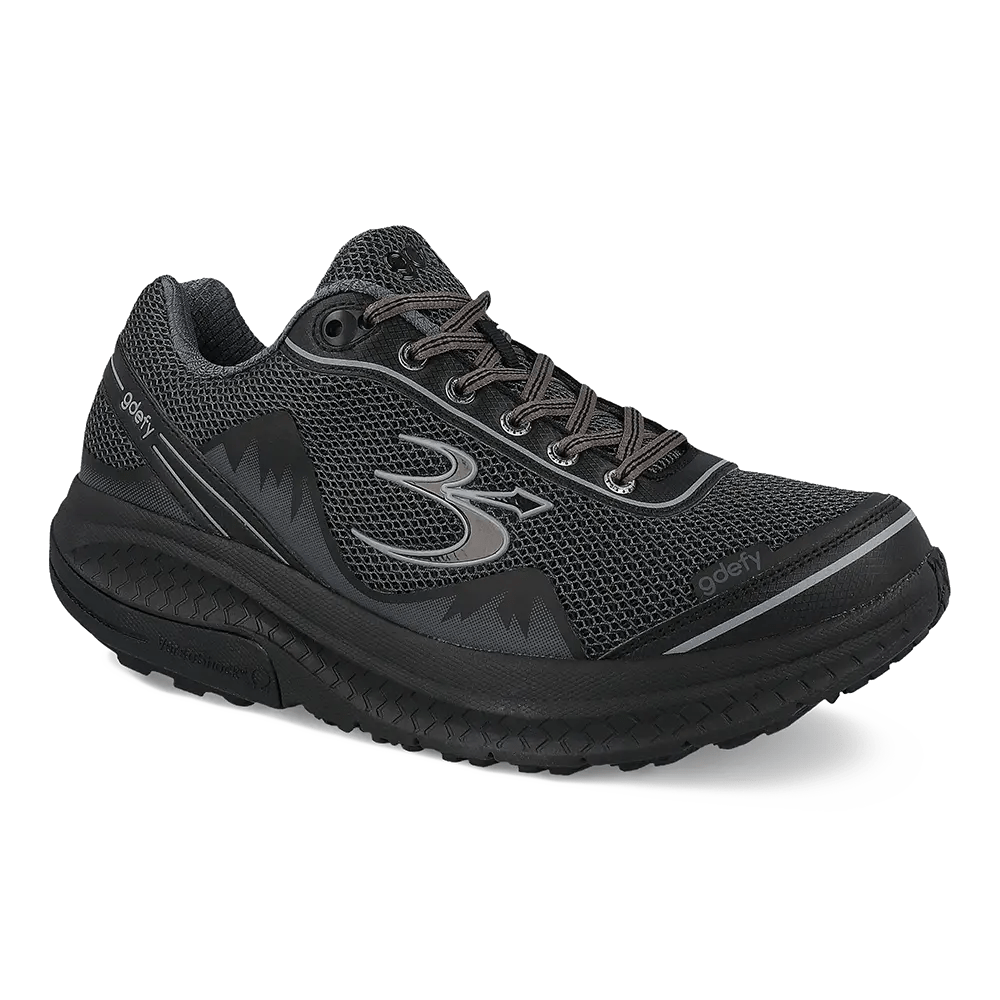
Lace-up shoes let you adjust the fit across the instep every time you wear them. You can snug the laces for a brisk walk or ease them off when your feet need a little more room. Laces also let you fine-tune pressure zone by zone — loosen the lower eyelets if the top of your foot feels tight, or tighten the upper ones for a more locked-in heel.
That adjustability is the main reason many walkers prefer laces, though it does mean a few extra seconds of tying and, for some people, bending down to reach them. If tying is a hassle but you still want a secure feel, elastic or no-tie laces are an easy upgrade that turns a lace-up into a step-in shoe without giving up the adjustable fit.
Comfort Factors That Matter More Than the Closure
Here is the part most shoppers overlook: the closure is only one piece of comfort. What sits under and around your foot usually matters more than whether the shoe has laces. Before you pick a style, look at these features first.
- Cushioning — helps absorb impact so each step feels softer.
- Support — helps maintain stability and a balanced stride.
- Shock absorption — reduces the harsh impact of walking on hard surfaces.
- Energy return — helps keep your movement feeling responsive.
- A roomy toe box — lets your toes move naturally through the day.
- Proper fit — the single biggest factor in how a shoe feels.
A well-cushioned slip-on can feel better than a poorly fitted lace-up, and a supportive lace-up can outperform a flimsy slip-on. It really comes down to the whole package. If you want to dig deeper into these ideas, see our guides on what “support” really means in footwear and why proper shoe fit is key to all-day comfort.
Slip-On vs Lace-Up: How They Compare for Everyday Wear
When the cushioning and support are equal, the closure comes down to how you like to get dressed and move. Here is a side-by-side look at the everyday trade-offs.
| What matters | Slip-On | Lace-Up |
|---|---|---|
| Ease of getting on and off | Very easy — just step in | Requires tying |
| Adjustable fit | Limited — built-in stretch | Highly adjustable |
| Bending down required | None | Usually yes |
| Feet that swell over the day | Stretch panels flex with you | Loosen the laces as needed |
| Locked-in feel for brisk walks | Depends on the design | Snug the laces for a secure hold |
| Quick errands and travel | Excellent | Good |
Think about your typical day. If you are in and out of the car, dropping into the store, and back home, a slip-on saves you real time and effort. If you take longer, faster walks and want the fit to feel locked in, laces give you that dial-in control. There is no rule that says you have to choose only one, either — plenty of people keep a slip-on by the door for quick trips and a lace-up for their daily walk, so the right shoe is always within reach.
It also helps to match the closure to the surface and pace. Casual strolling on flat ground is forgiving, so convenience can win. Brisk walking, uneven paths, or long days on your feet reward the snug, adjustable hold that laces provide. For a related breakdown, our running shoes vs. walking shoes guide covers how activity level should shape your pick.
Getting the Best Fit From Either Style
No matter which closure you choose, a few simple habits make any shoe more comfortable:
- Try shoes later in the day. Feet tend to be at their largest by afternoon, so shopping then gives you a truer, roomier fit.
- Mind the width, not just the length. A shoe that is long enough but too narrow will pinch. Look for medium, wide, and extra-wide options if your feet need more room.
- Leave room in the toe box. Aim for about a thumb’s width between your longest toe and the end of the shoe so your toes can move naturally.
- Wear your everyday socks. Test shoes with the socks you actually walk in for an honest feel.
- Use the removable inserts. Swapping between included orthotics — or adding your own — lets you fine-tune support in both slip-on and lace-up styles.
These small steps matter because even the best cushioning cannot do its job if the fit is off. A secure, roomy fit is what lets a shoe feel supportive from the first step to the last — laces or no laces.
How G-Defy Builds Comfort Into Both Slip-On and Lace-Up Styles
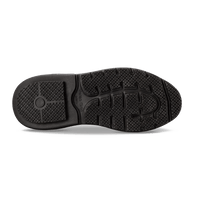
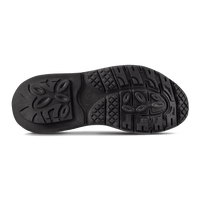
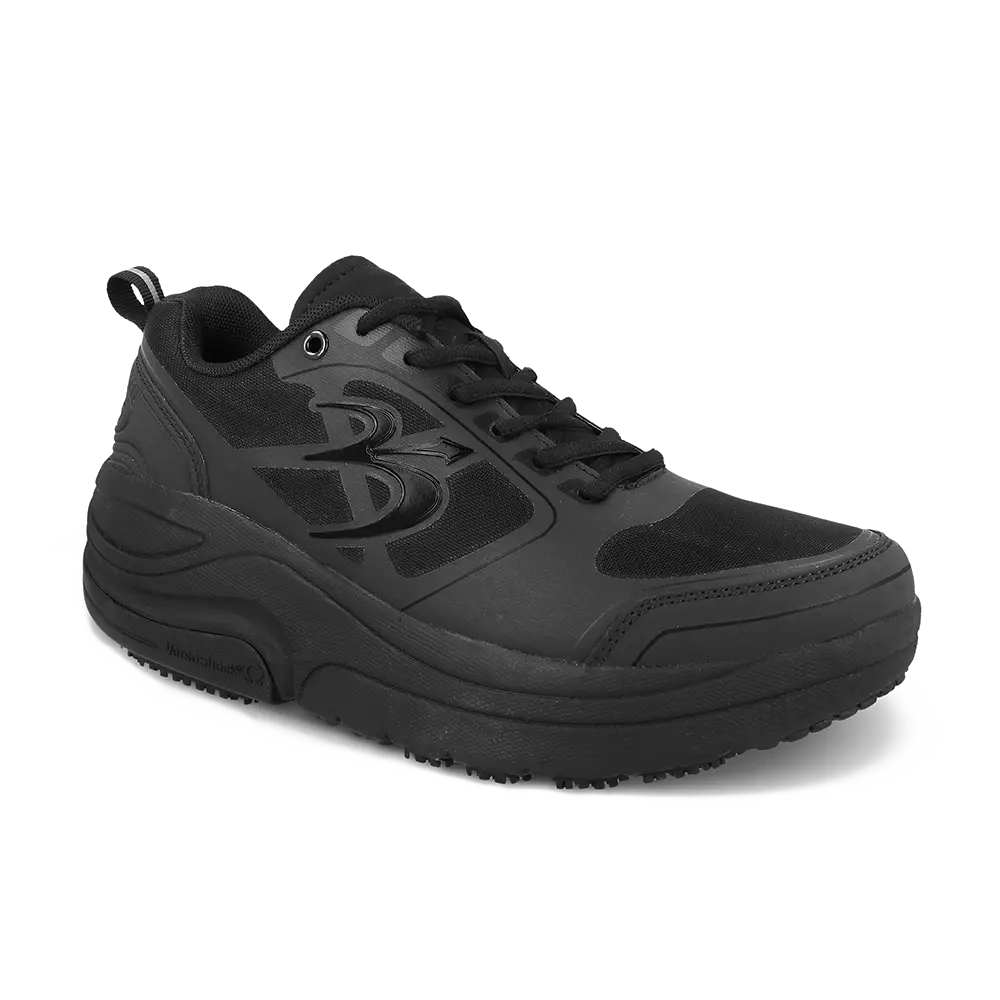
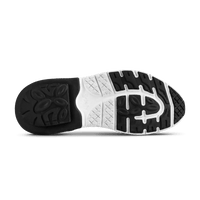
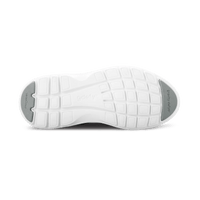
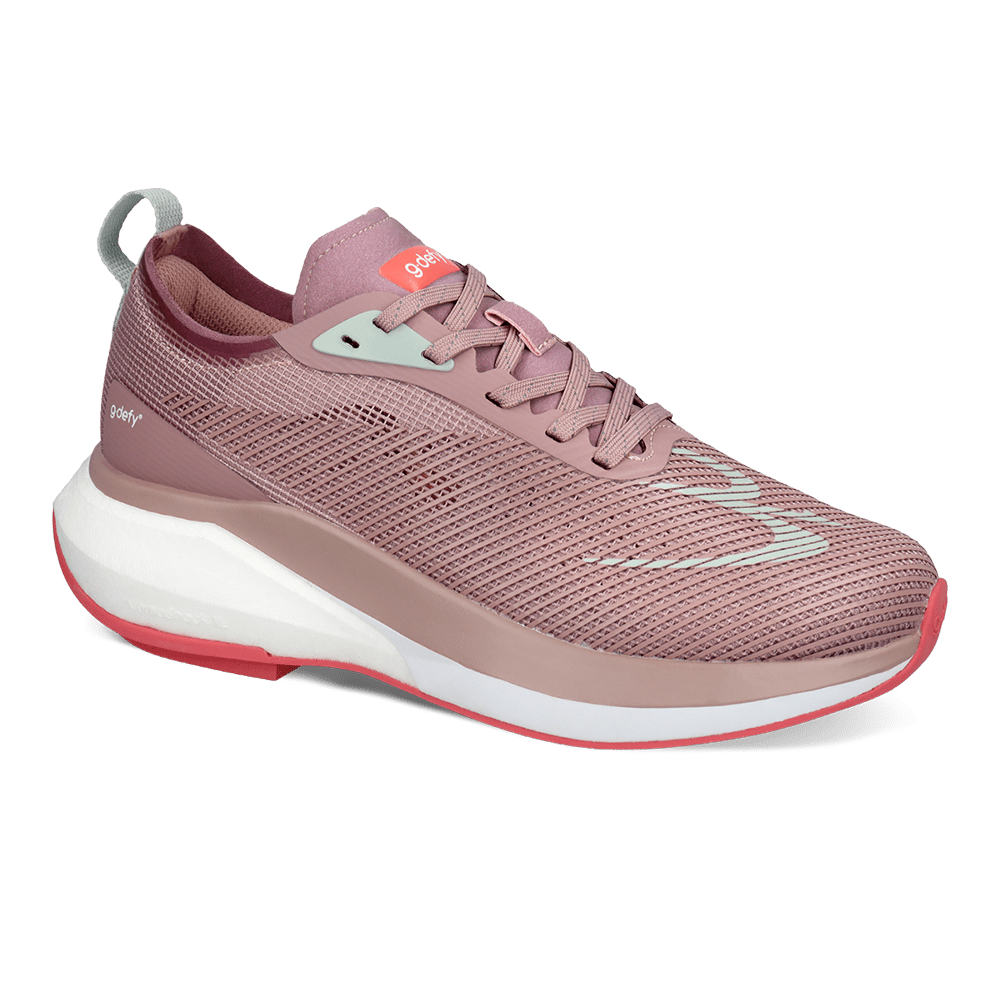
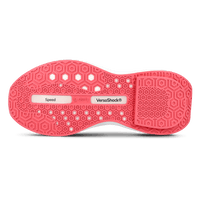
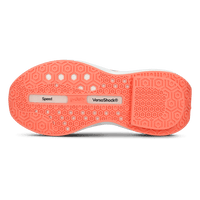
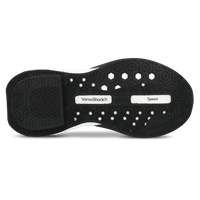
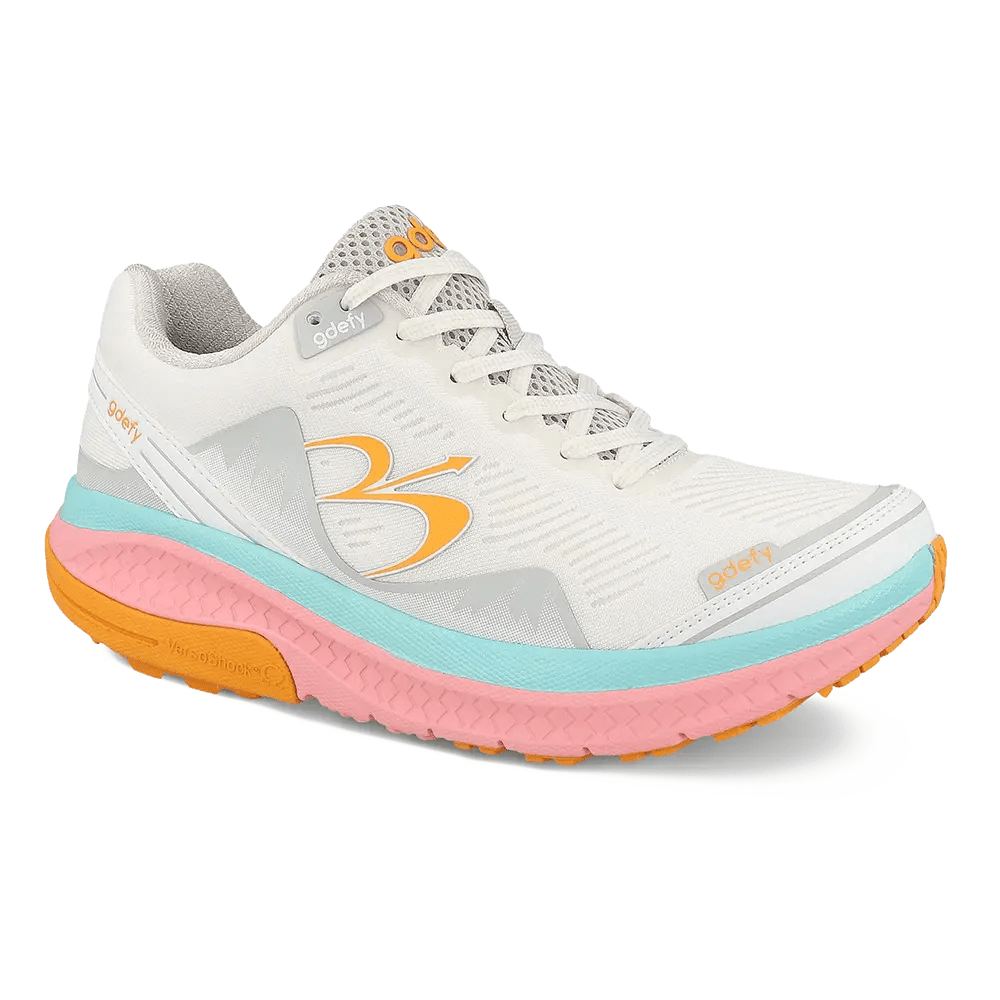
At G-Defy, the closure is your choice — the comfort engineering underneath stays the same. G-Defy shoes are engineered to provide comfort, support, and shock absorption. Featuring VersoShock® technology, they are designed to absorb impact and return energy with each step. A built-in stabilizer supports the foot during movement, while the front rolling design promotes a smooth walking experience. Each pair includes two removable orthotics — the ComfortFit® and CorrectiveFit® inserts — to help customize comfort and support for your foot type. G-Defy shoes help reduce pain from walking, running, and prolonged standing.
Thousands of customers choose G-Defy for daily comfort, and many tell us their shoes feel more supportive and cushioned than what they wore before — whichever closure they pick.

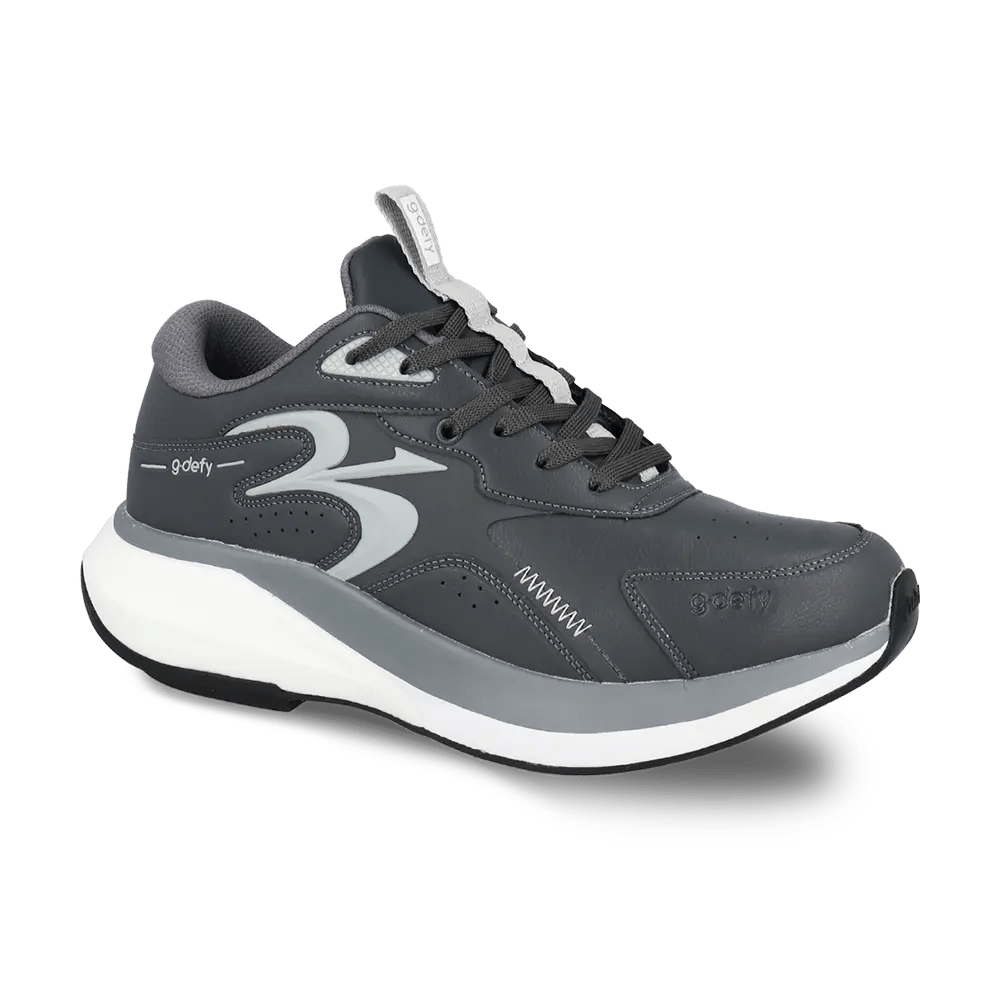
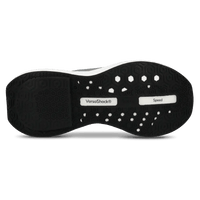
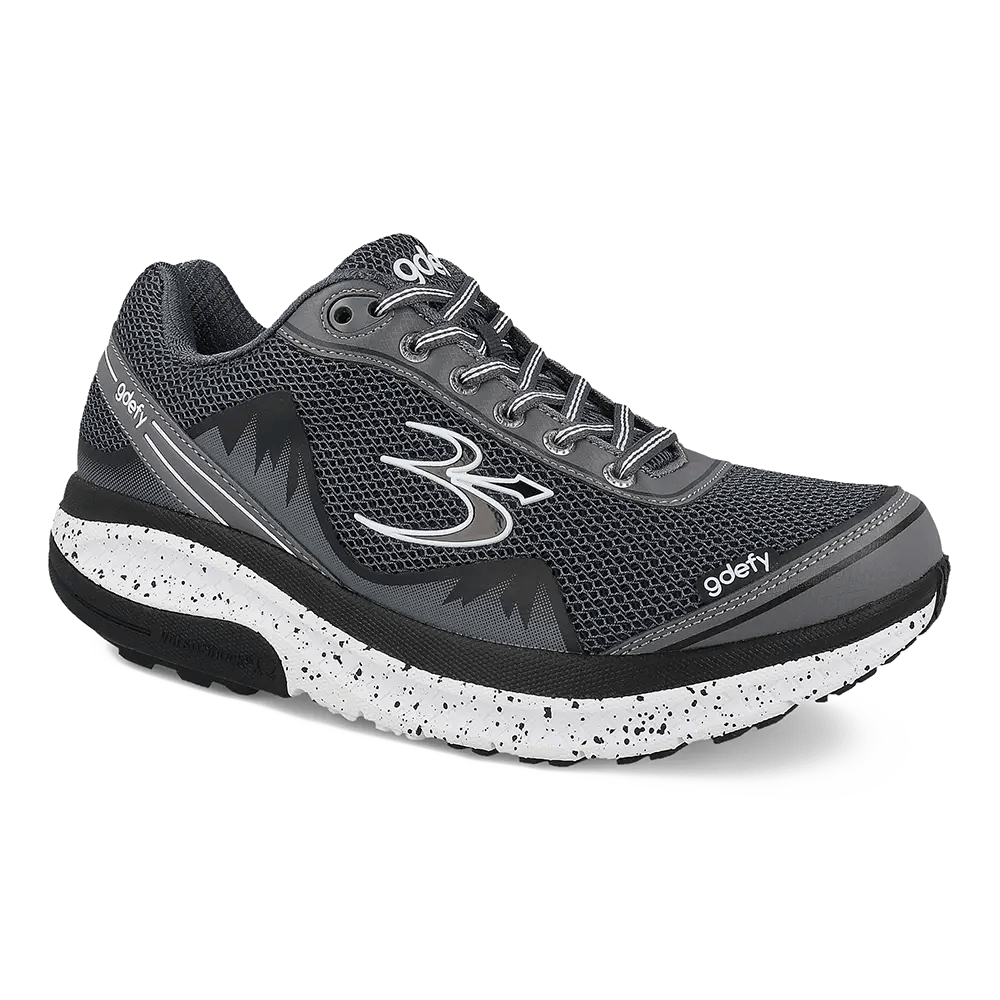
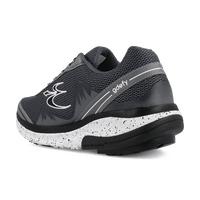
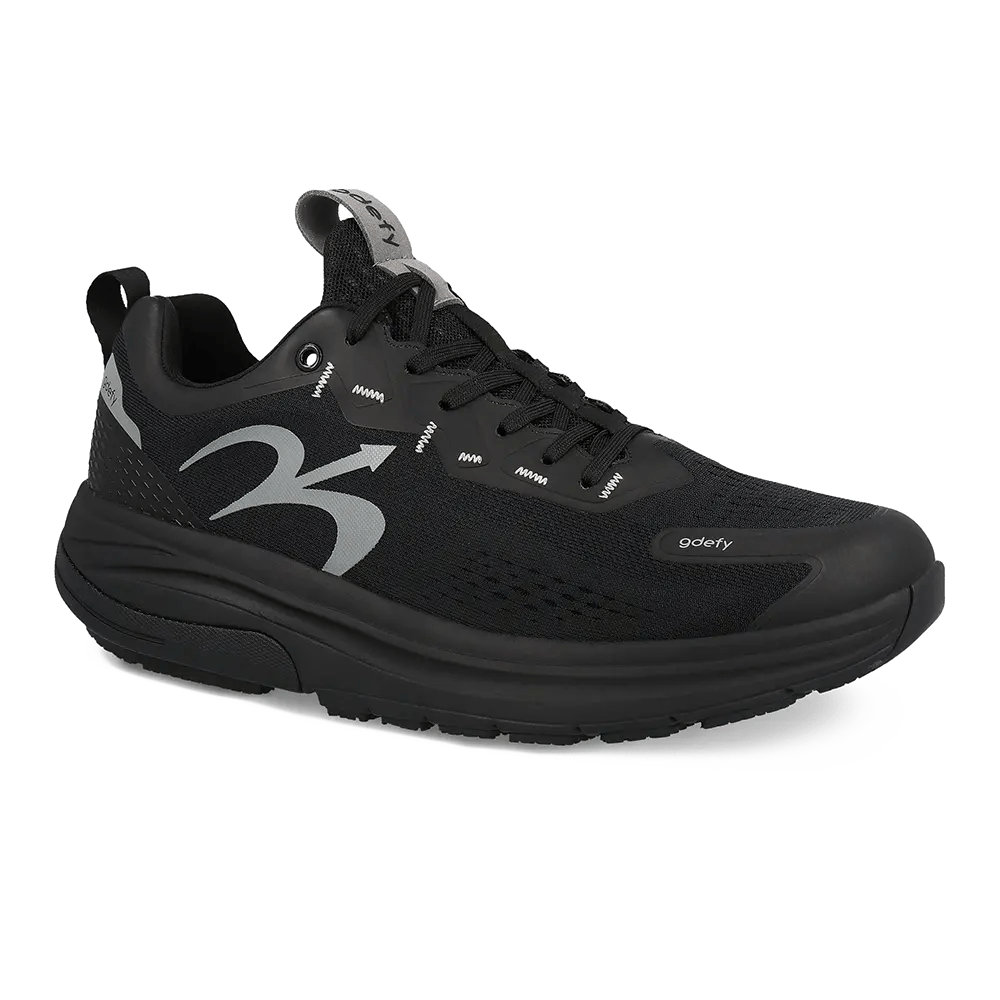
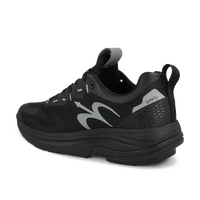
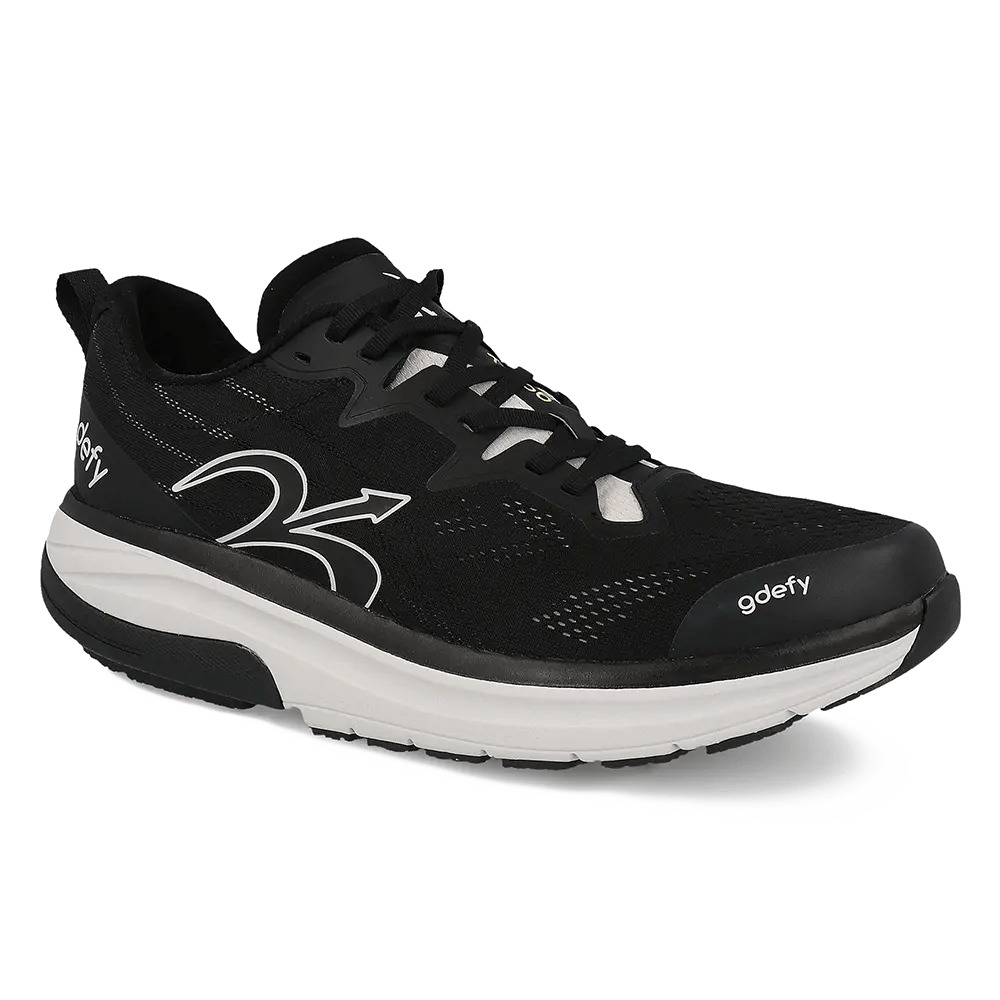
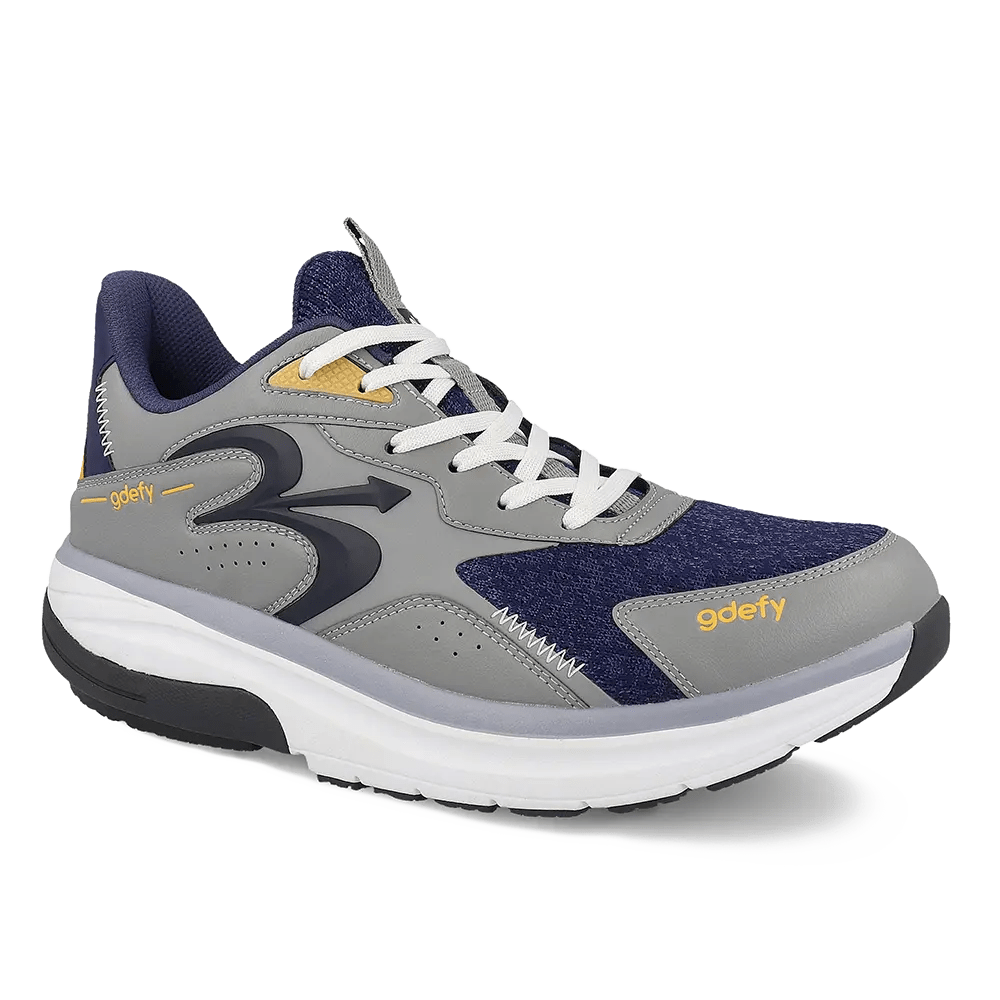
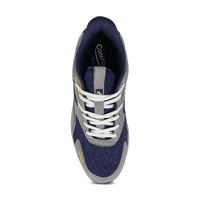
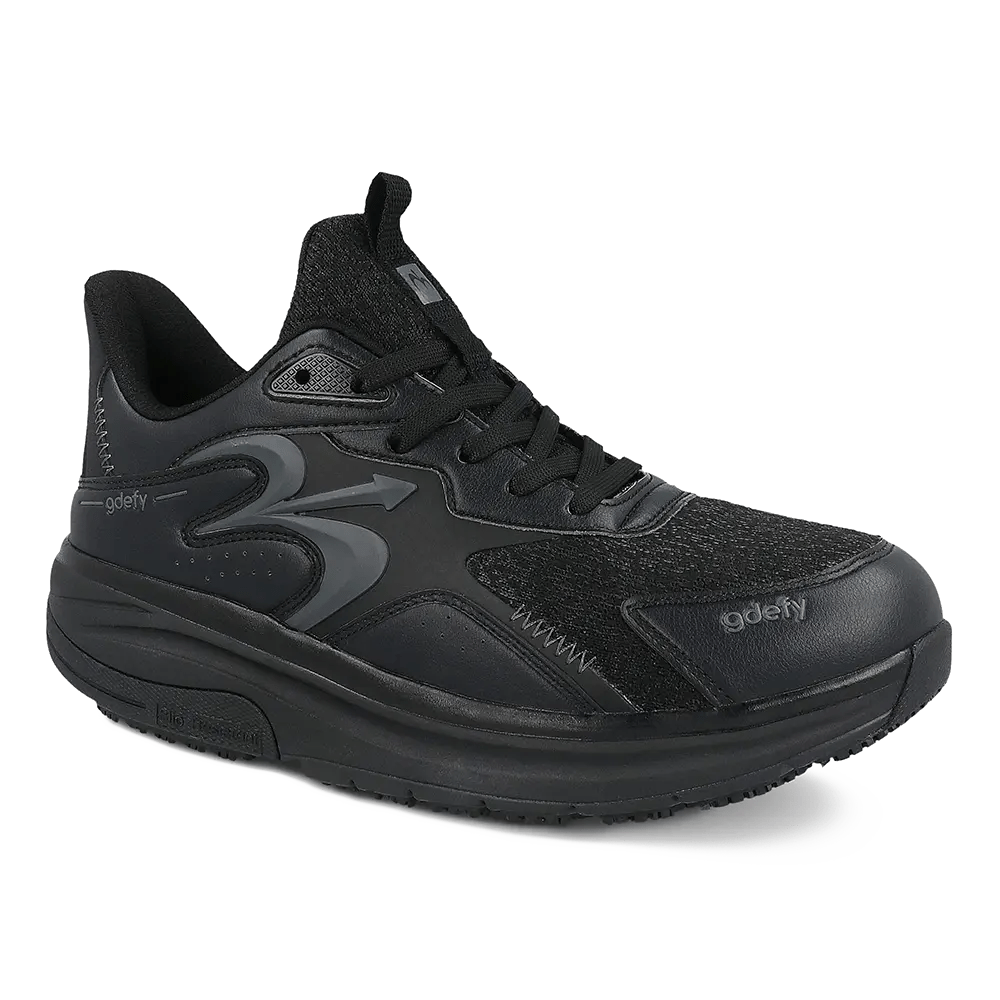
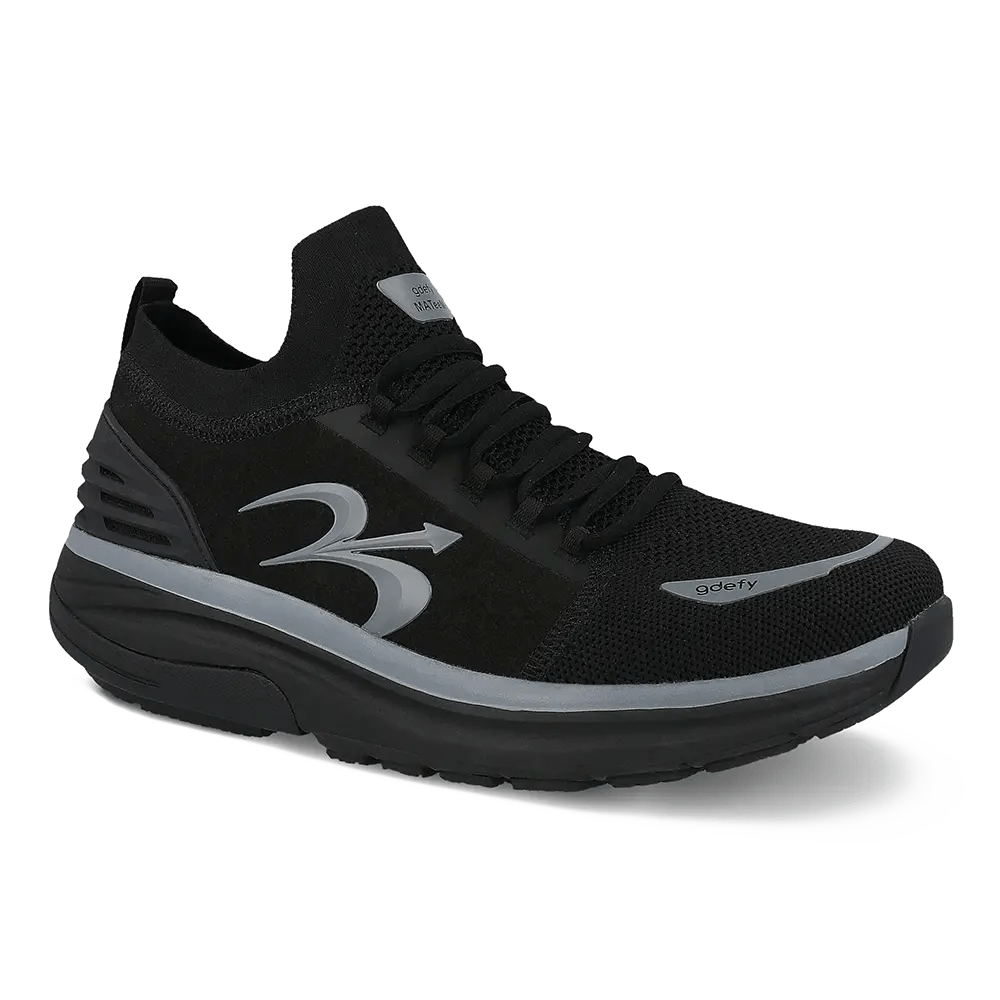
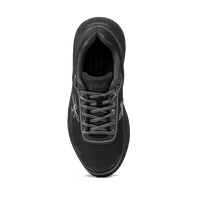
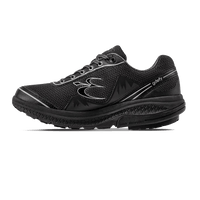
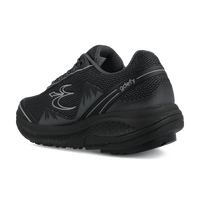
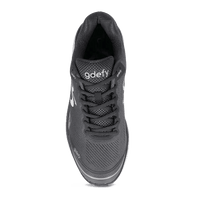
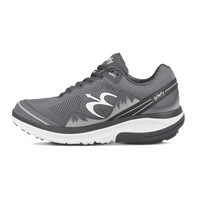
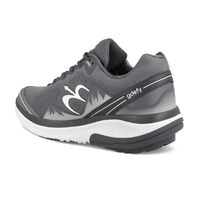
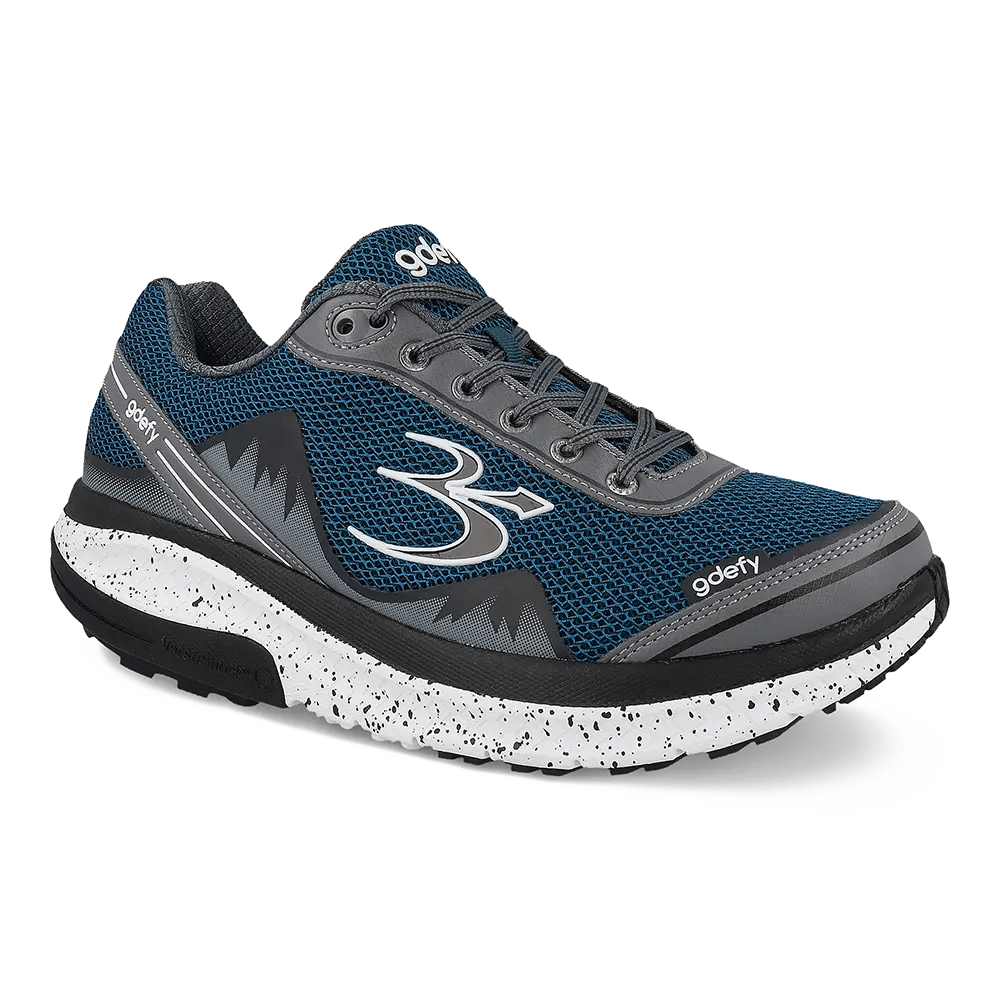
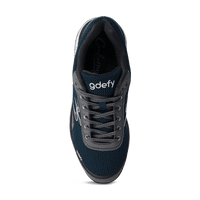
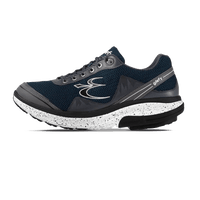
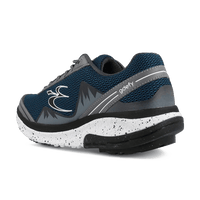
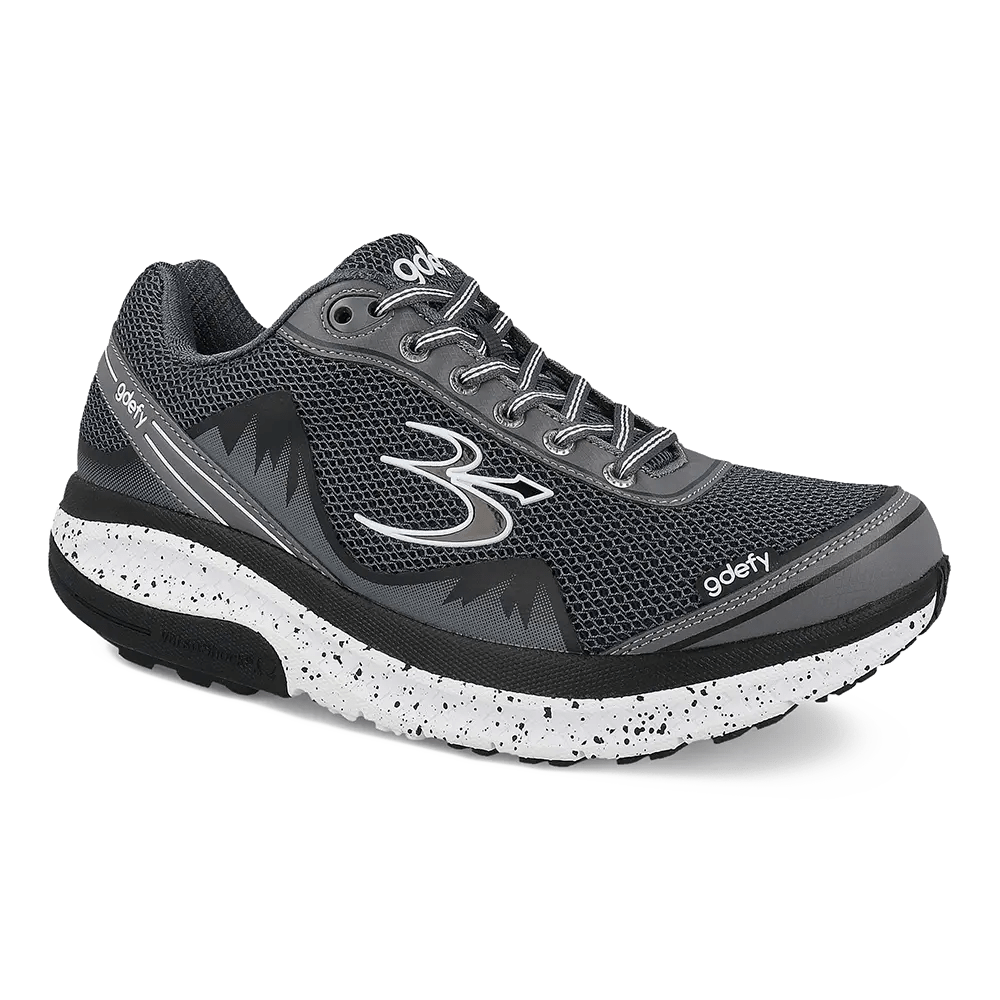
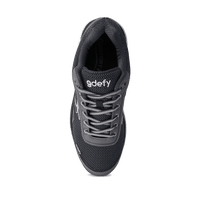
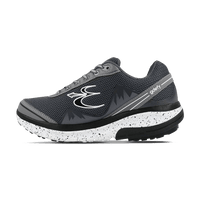
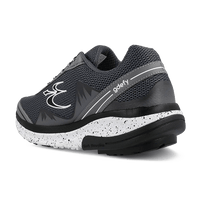
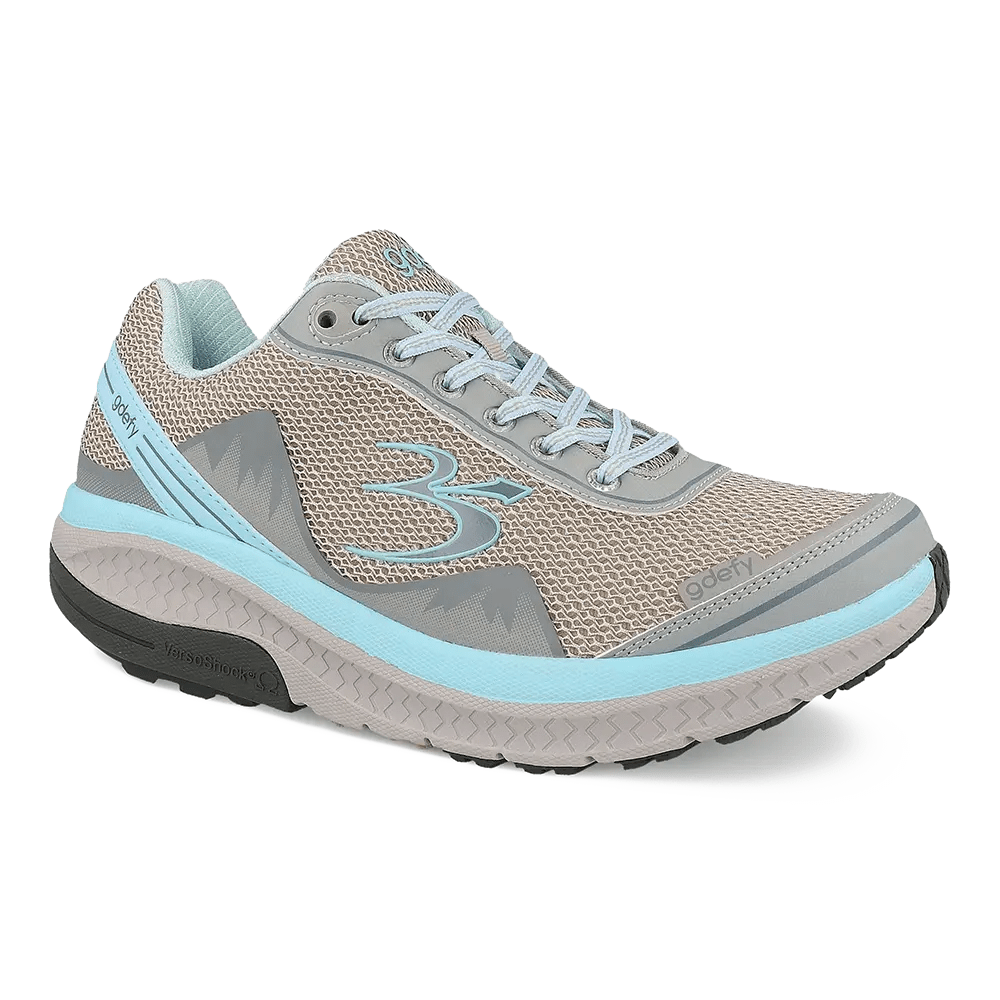
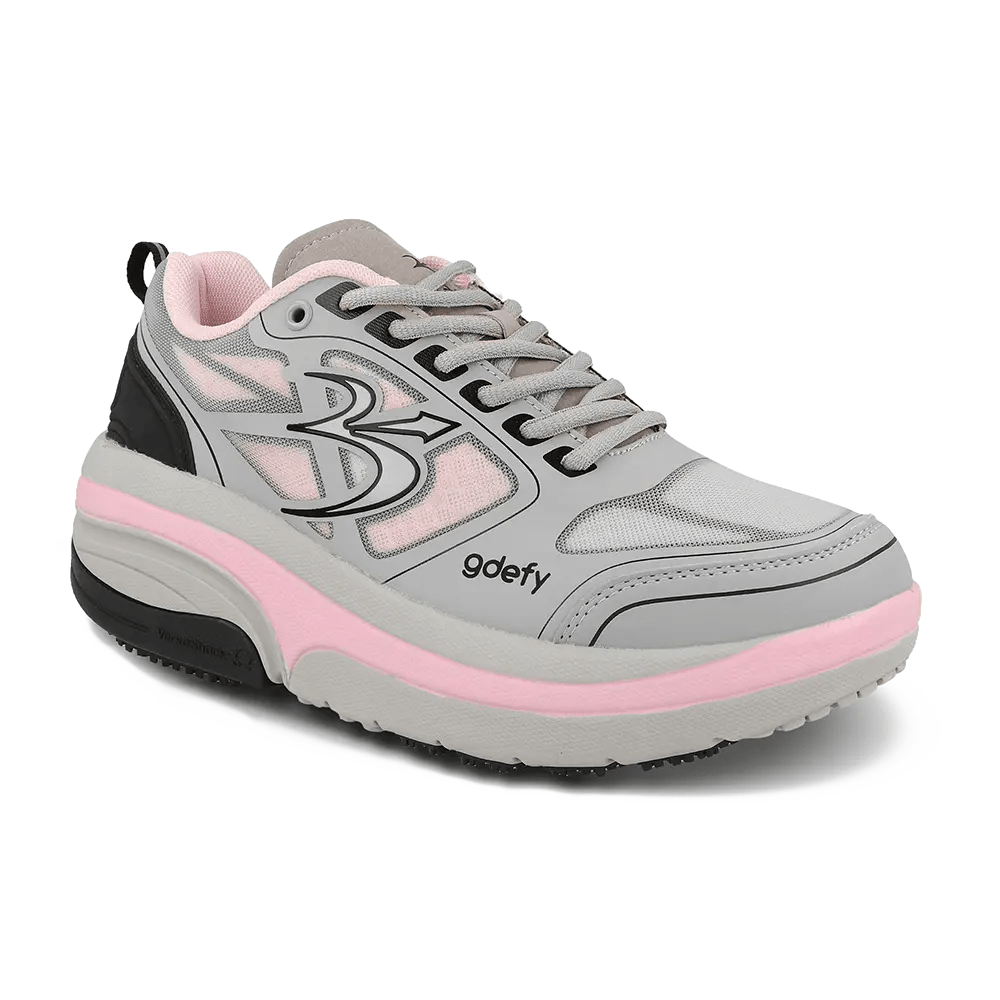
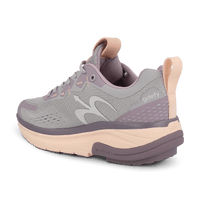
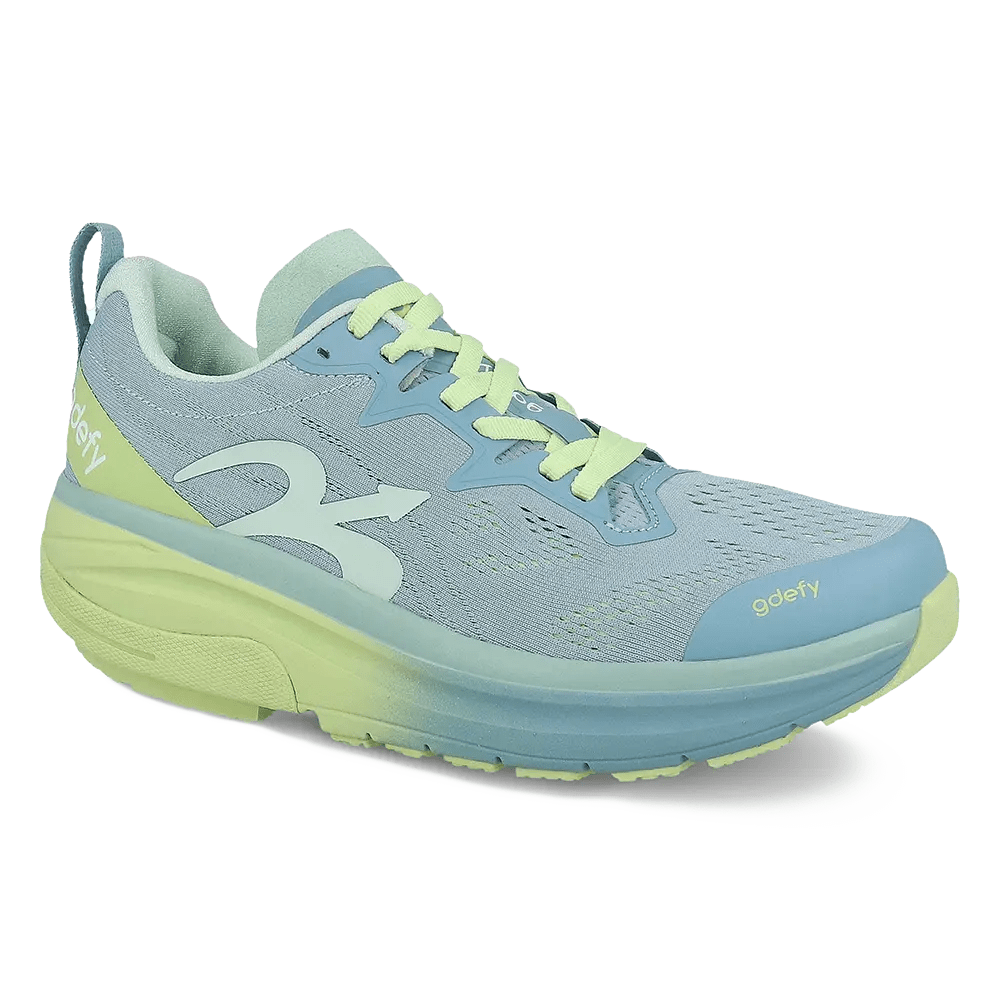
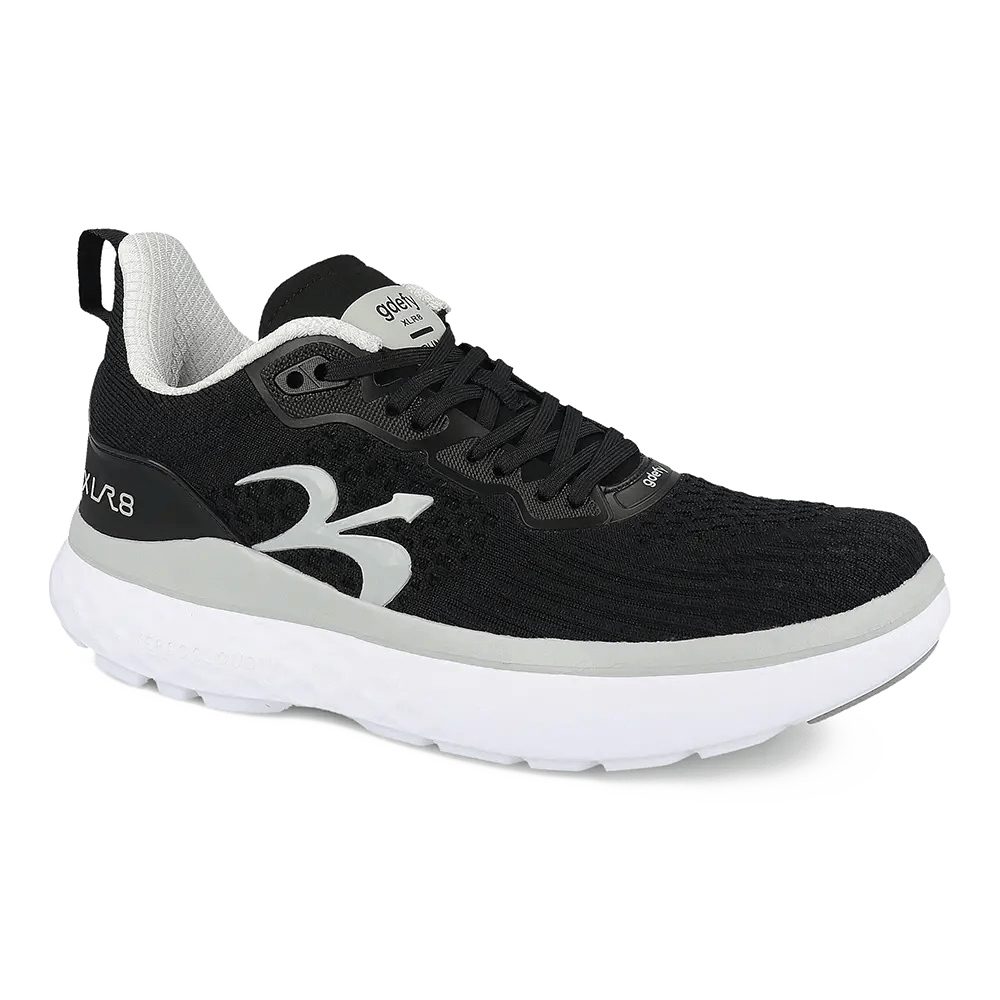
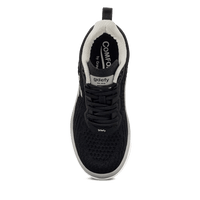
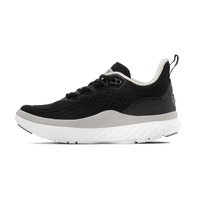
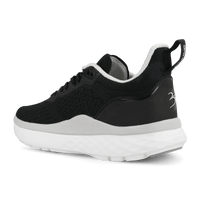
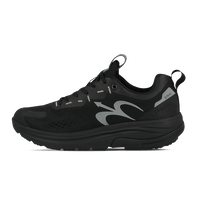
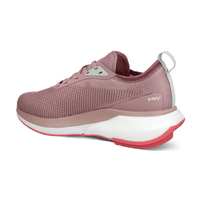
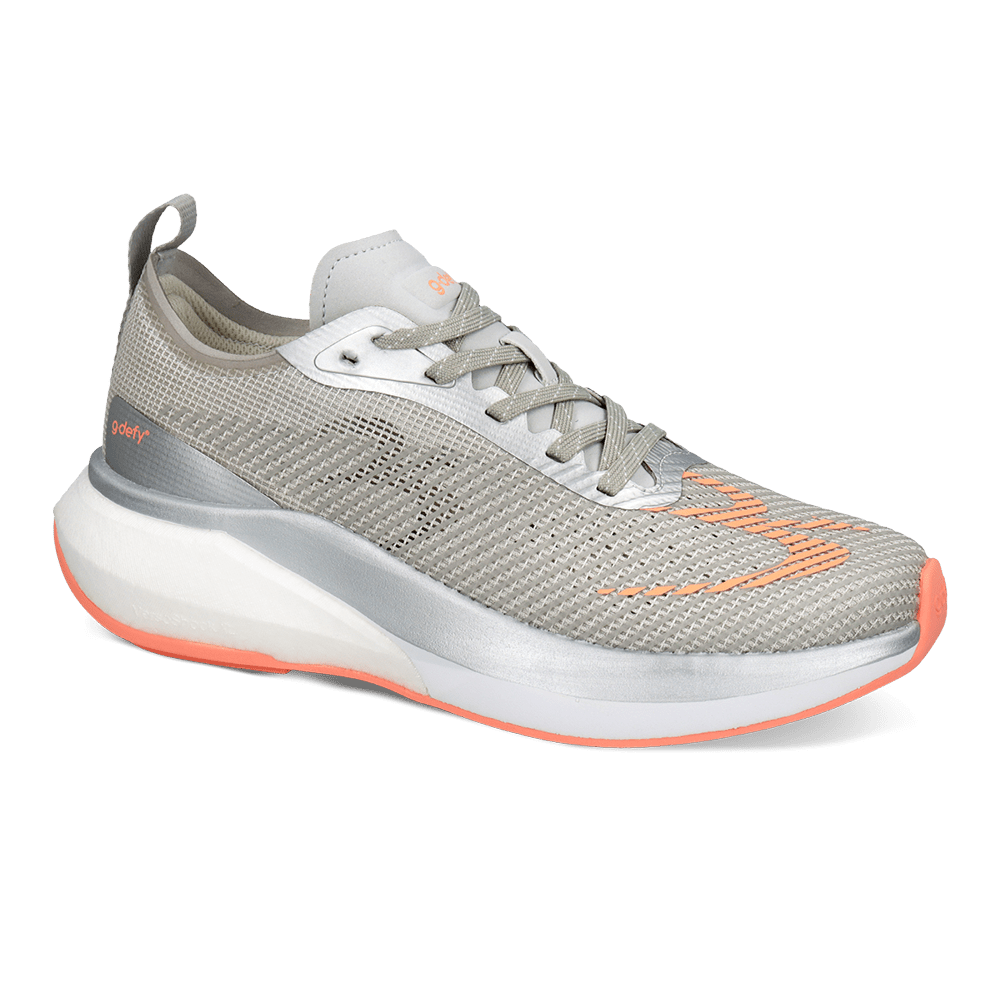
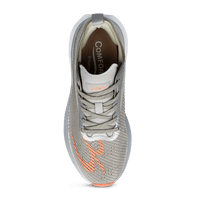
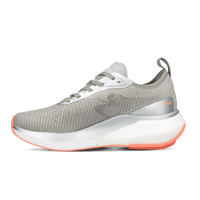
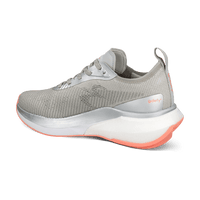
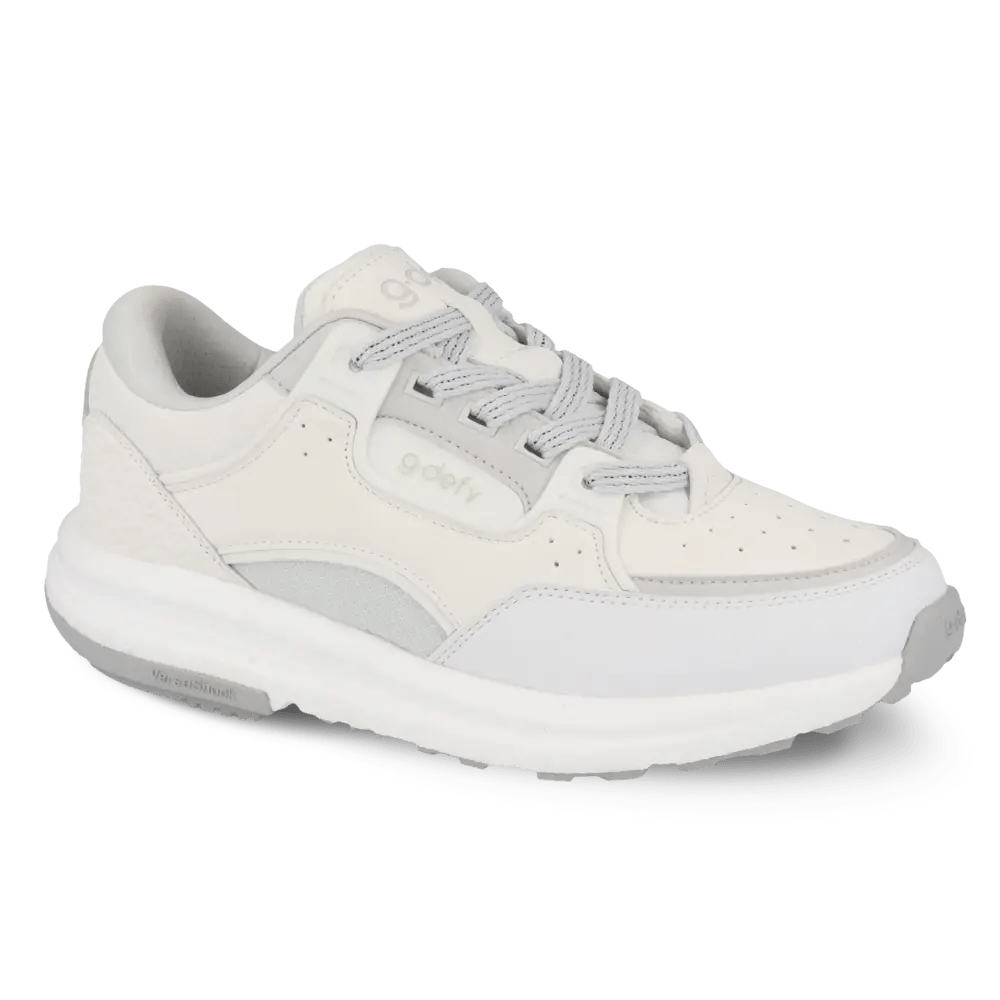
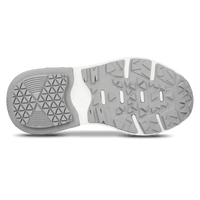
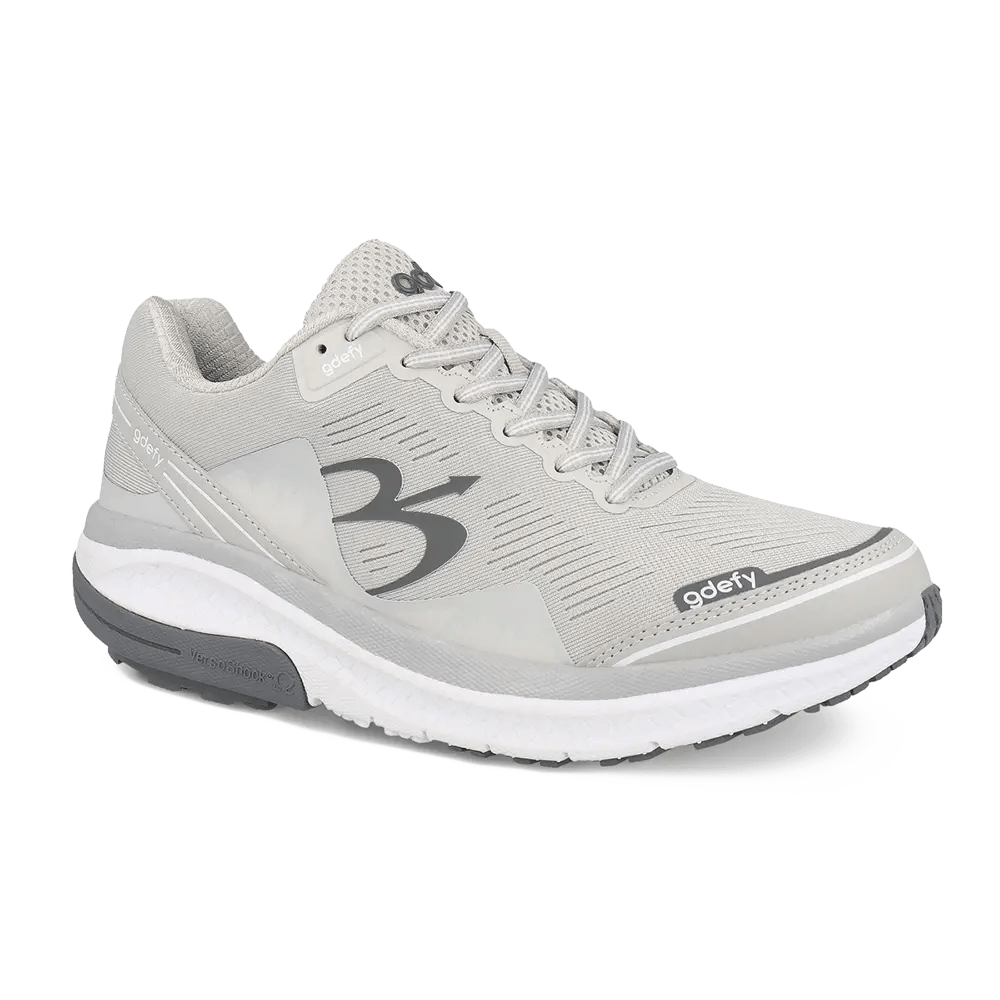
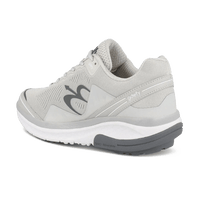
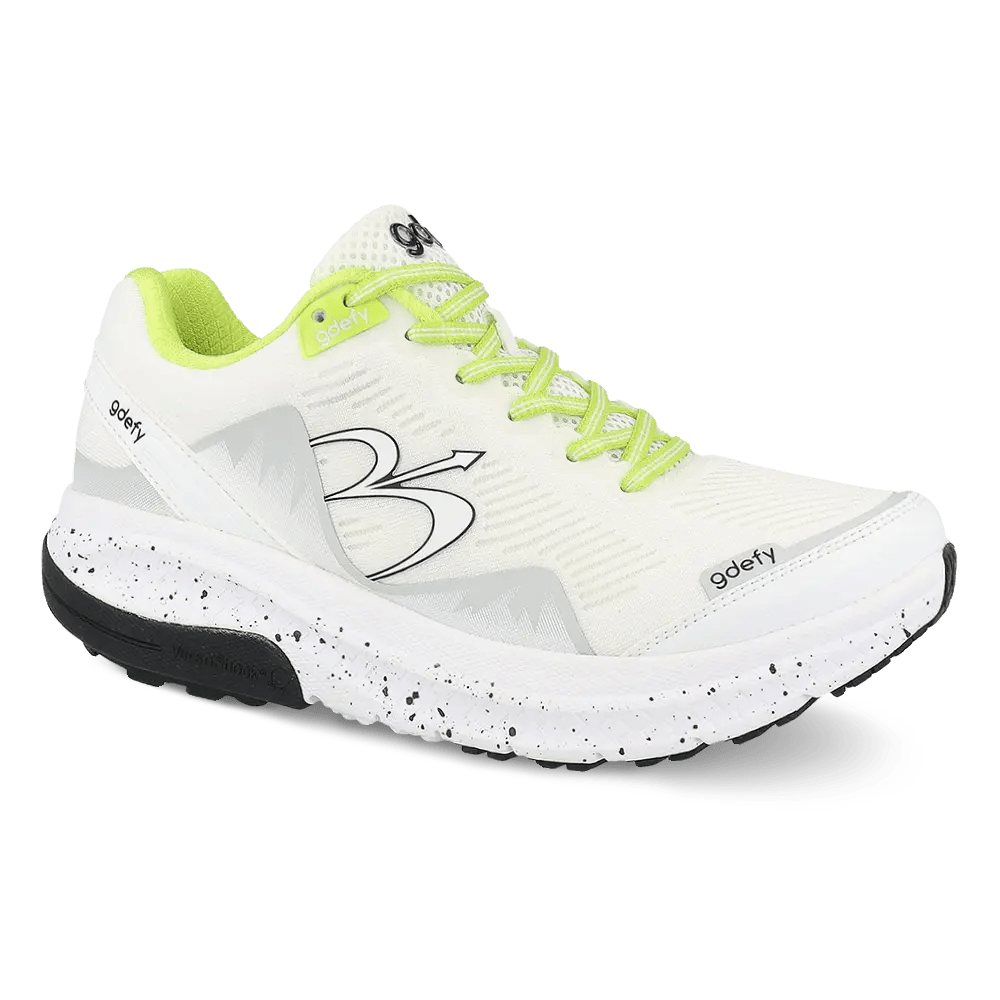
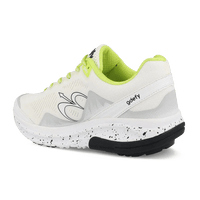
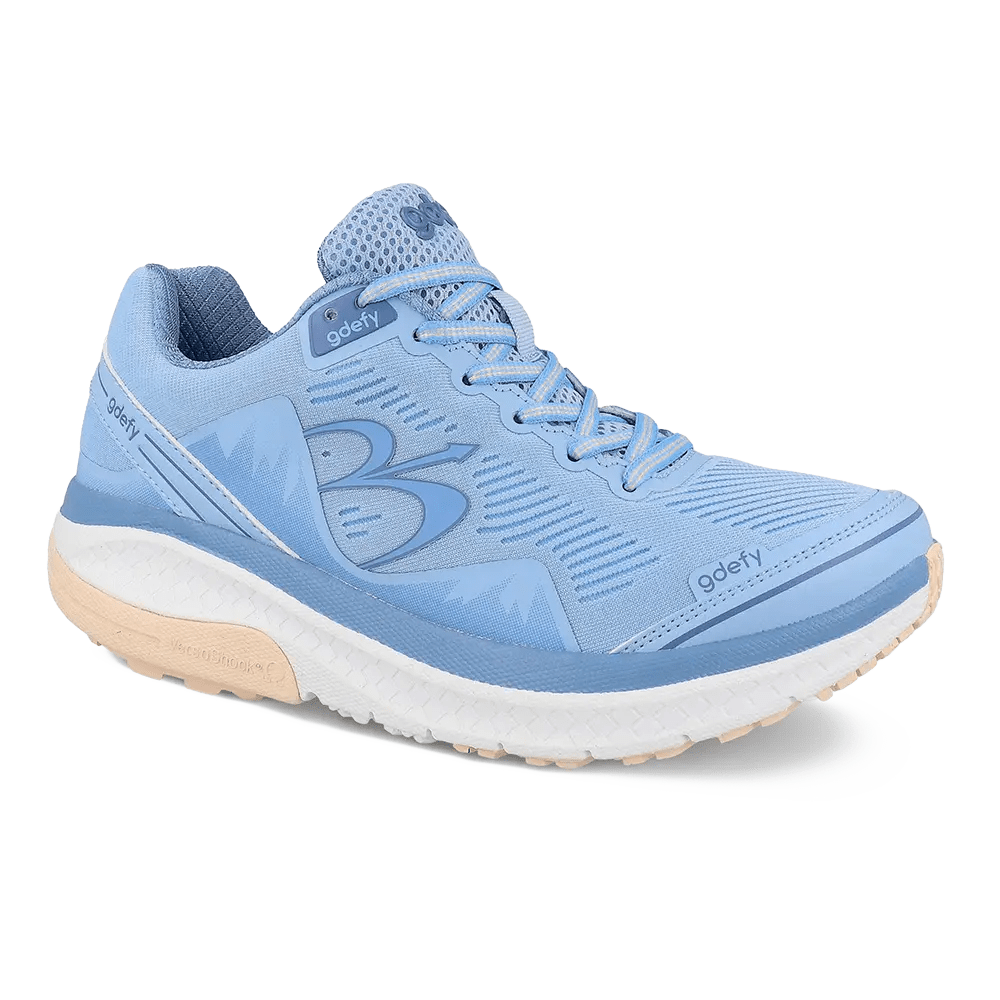
Prefer laces? The Mighty Walk lace-up lets you fine-tune the fit across your instep for a secure, dialed-in feel — a favorite for longer, brisker walks.

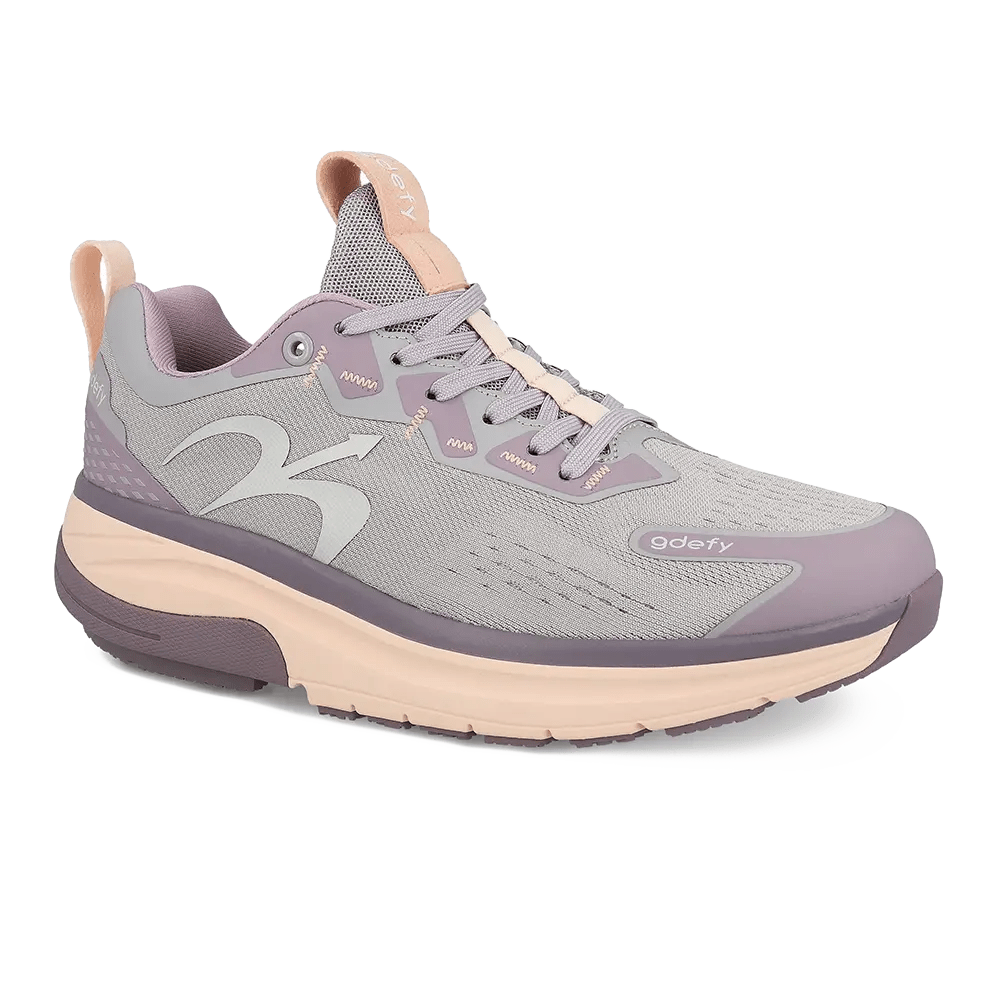
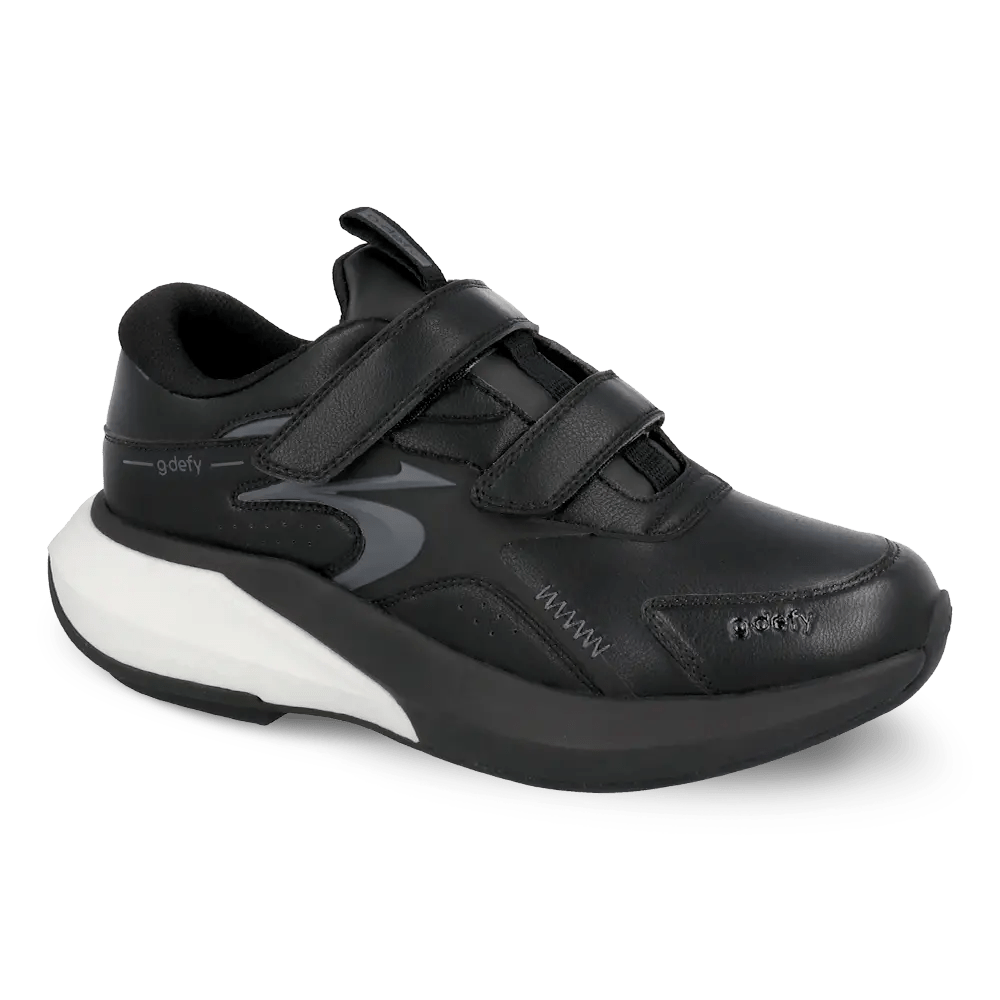
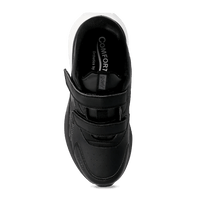
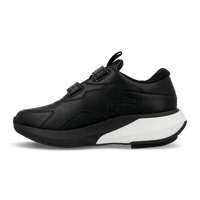
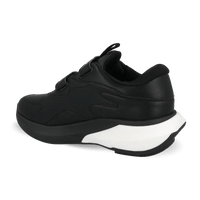
Prefer to skip the laces? The Mighty Walk Slip-On gives you the same cushioned platform with an easy step-in design — ideal for busy mornings and days when bending down is a hassle. To understand the technology inside both styles, read how VersoShock® technology works.
Which Should You Choose? Practical Tips
There is no single winner — there is the right shoe for you. Use these tips to narrow it down:
- Value speed and convenience? A slip-on gets you out the door faster with no tying and no bending.
- Want a locked-in, adjustable fit? Laces let you snug the shoe for brisk or longer walks and loosen it when you want more room.
- Feet swell later in the day? A stretch slip-on flexes with you, and a lace-up simply loosens — both can work.
- Not sure? Choose based on the activity you do most, then keep the other style for occasions when it fits better.
Whatever you pick, replace shoes once the cushioning packs down — worn-out soles quietly chip away at comfort. Our guide on how shoes wear out and when to replace them can help, and how to choose shoes that feel secure and supportive walks through fit in more detail. You can browse full options in the men’s collection and women’s collection.
Frequently Asked Questions
Are slip-on shoes as supportive as lace-up shoes?
They can be. Support comes from the cushioning, stabilizer, and overall structure of the shoe — not the closure. A well-built slip-on with quality cushioning can feel just as supportive and cushioned as a lace-up during walking and prolonged standing.
Are slip-on shoes good for walking?
Yes, when they offer real cushioning, shock absorption, and a stable platform. For everyday walking and errands, a supportive slip-on can be a comfortable, convenient choice.
Do lace-up shoes give a more secure fit?
Generally, yes. Because you can tighten or loosen the laces, lace-up shoes let you fine-tune how snug the fit feels, which many people prefer for brisk or longer walks.
What if my feet swell during the day?
Both styles can help. Slip-on shoes with stretch panels flex as your feet change, and lace-up shoes can be loosened for extra room. Choosing a roomier width can also improve all-day comfort.
Which style is better for travel?
Slip-on shoes are hard to beat on travel days — easy on and off at security and comfortable for long hours of sitting and walking. A supportive lace-up works well too if you want a snug fit for lots of sightseeing on foot.
Can I use my own orthotics in slip-on or lace-up shoes?
Yes. G-Defy shoes include two removable orthotics, and you can swap in your own inserts in either style. Just make sure the shoe still fits comfortably with your insert in place, leaving room for your toes.
The Bottom Line
Slip-on and lace-up shoes can both be genuinely comfortable — the best choice depends on your routine, your fit preferences, and how your feet feel through the day. Focus first on cushioning, support, and shock absorption, then pick the closure that fits your lifestyle. While footwear is not a medical solution, choosing shoes designed for comfort, support, and shock absorption can make a meaningful difference in how you feel throughout the day.
Find your most comfortable fit — laces or no laces
Try G-Defy with a 60-day risk-free trial and free shipping. If they are not for you, send them back for a full refund.
Shop Slip-On & Lace-Up Styles