
August 13, 2026
Does a Lighter Shoe Actually Feel Better?
By Gdefy

Summary
Pick up two walking shoes in the same size and one almost always feels lighter than the other. That difference is easy to notice in the store and easy to fall in love with — a shoe that feels featherweight in your hand seems like it must be the more comfortable choice.
Sometimes it is. Sometimes it isn't.
Shoe weight is one of the few things about a shoe you can measure yourself in about five minutes, with a scale you already own. It is also one of the most misunderstood. Weight is not a comfort score. It is the result of decisions a designer made about cushioning, structure, and materials — and every ounce that came off the shoe came off of something.
This guide covers where a shoe's weight actually shows up during your day, why two shoes in your size can weigh very different amounts, how to weigh your own pair properly, and how to tell whether a lighter shoe is the right call for the kind of walking you do.
Where a Shoe's Weight Actually Shows Up
A shoe sitting on a shelf weighs the same as a shoe on your foot. What changes is how many times you have to move it.
Walking is a swing. Your leg lifts the shoe, carries it forward, and sets it down — and then does it again on the other side, over and over. At a routine 8,000 steps, each shoe gets lifted and swung roughly four thousand times before the day is done. The weight is small; the repetition is not.
Three things make shoe weight feel bigger than the number suggests:
- It sits at the end of a long lever. Weight carried on your foot is the farthest point from your hip, so your leg does more work moving it than it would moving the same weight in a jacket pocket.
- It accumulates. One step is nothing. A full shift on your feet, a travel day through an airport, or a long neighborhood loop is thousands of repetitions of that same small effort.
- It shows up late. Most people never notice shoe weight in the first hour. They notice it in the last one, which is also when feet tend to feel worst anyway, so the shoe often gets blamed for the whole day.
That is the honest case for a lighter shoe. Now the other side: everything that makes a shoe lighter also takes something out of it.
Why Two Shoes in the Same Size Can Weigh Very Different Amounts
Weight is not a feature designers add. It is a by-product of what they chose to build. When a shoe gets heavier, it is usually one of these:
| What adds the weight | What it buys you |
|---|---|
| More midsole material underfoot | More cushioning depth and more room for a shock absorption system to work |
| A leather or heavily layered upper | Structure, durability, and a dressier look — at the cost of breathability |
| A waterproof membrane | Weather protection, plus a warmer, less ventilated interior |
| More rubber on the outsole | Traction and a sole that lasts longer before it wears smooth |
| Internal structure, like a stabilizer | Resistance to twisting through the middle of the shoe |
| A thicker or denser insole | Underfoot comfort and the ability to tune the fit |
| A larger size | Nothing — the same model simply uses more material in a size 12 than a size 7 |
That last row is the one that trips people up most often. A shoe model does not have a single weight. Manufacturers who publish one usually quote a single shoe at one sample size, and your pair at your size will read differently. If you are comparing two models, compare them at your own size or the comparison means very little.
Notice that nothing in that table is decorative. A shoe that weighs less than another shoe is not automatically better built — it is differently built. The question is whether you needed what got removed. For more on what lives inside the sole, see what's actually inside a comfort walking shoe and how heel-to-toe drop and stack height work.
How to Weigh Your Own Shoes in Five Minutes
You do not need to trust a spec sheet. A kitchen scale gives you the real number for the pair you actually own, at the size you actually wear.
- Use a kitchen or postal scale, not a bathroom scale. Bathroom scales are not accurate at low weights and will often read zero for a single shoe.
- Weigh one shoe, not the pair. Published shoe weights are almost always per shoe. Weighing both doubles the number and makes every comparison look alarming.
- Weigh it as you wear it. Leave the insole in and the laces tied. An insole can account for a noticeable share of what your foot is actually lifting, so a shoe weighed empty is not the shoe you walk in.
- Write the number down next to the model and size. A weight without a size attached is not useful information later.
- Repeat with your other pairs. The comparison is the point. One number tells you nothing; four numbers tell you which of your shoes is the outlier and whether that lines up with how each pair feels at the end of a long day.
Do this once and you will have something most shoppers never get: your own baseline. When you try a new pair, you will know immediately whether it is meaningfully lighter than what you own or whether it only feels that way in the box.
When a Lighter Shoe Feels Better — and When It Doesn't
Lighter tends to feel better when the shoe still has what you need underneath it. Weight removed from a mesh upper, a heavy overlay, or an unnecessary waterproof layer costs you very little on a dry sidewalk. Weight removed from the midsole is a different trade.
A lighter build usually helps when:
- You are on smooth, predictable surfaces — sidewalks, shopping centers, airports, office floors.
- You are covering distance in warm weather, where breathability matters as much as cushioning.
- You are packing for travel and the shoe spends part of the trip in a bag.
- Your day involves a lot of movement rather than a lot of standing.
A lighter build can work against you when:
- You are standing on hard floors for most of a shift, where cushioning depth matters more than swing effort.
- The weight was cut by thinning the midsole, so your foot absorbs more of each step instead of the shoe doing it.
- The shoe lost its structure through the middle and now twists easily in the hand — stability is the first thing to go when material is stripped out.
- You need a wider fit or a supportive setup, and the lightest options in the store do not come in your width.
The useful reframe: don't ask "is this shoe light?" Ask "is this shoe light for what it does?" A shoe that is lighter than another shoe with the same cushioning, the same structure, and the same width options is a genuinely better-engineered shoe. A shoe that is lighter because it is emptier is just emptier.
One more distinction worth making, because it comes up constantly: this article is about the weight of the shoe. The weight of the wearer is a separate variable with its own effects underfoot, and we covered it separately in how body weight affects what you should look for in a supportive shoe.
How G-Defy Approaches Weight and Support
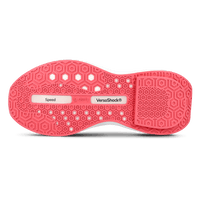
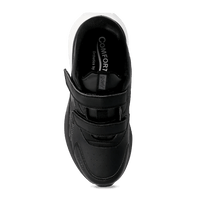
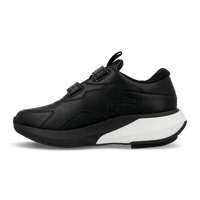
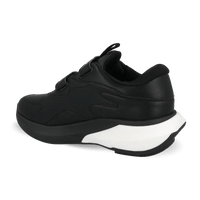
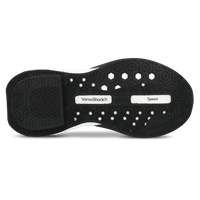
G-Defy shoes are engineered to provide comfort, support, and shock absorption. Featuring VersoShock® technology, they are designed to absorb impact and return energy with each step. A built-in stabilizer supports the foot during movement, while the front rolling design promotes a smooth walking experience. Each pair includes two removable orthotics to help customize comfort and support. G-Defy shoes help reduce pain from walking, running, and prolonged standing.
That four-part system — shock absorption, energy return, a stabilizer, and a front rolling design — is the part that does not get removed to hit a target on a scale. What changes across the line is how much material surrounds it.

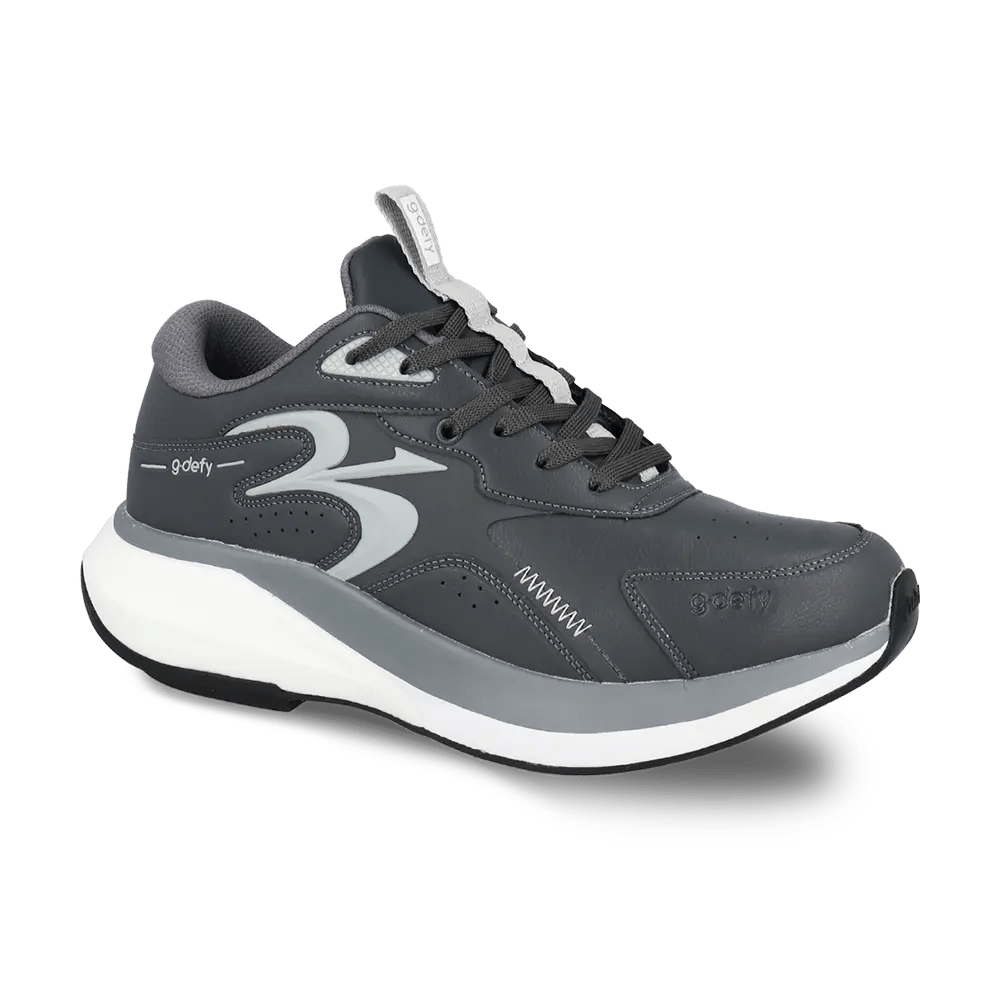
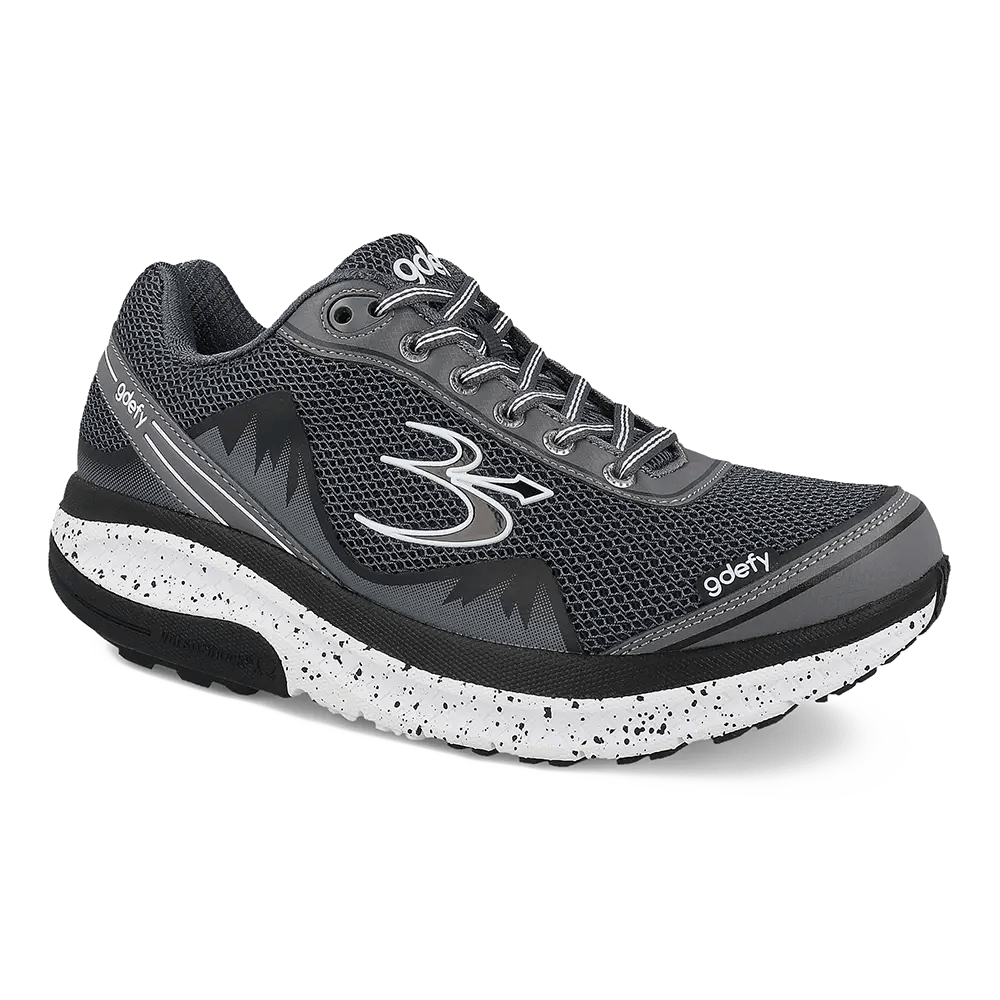
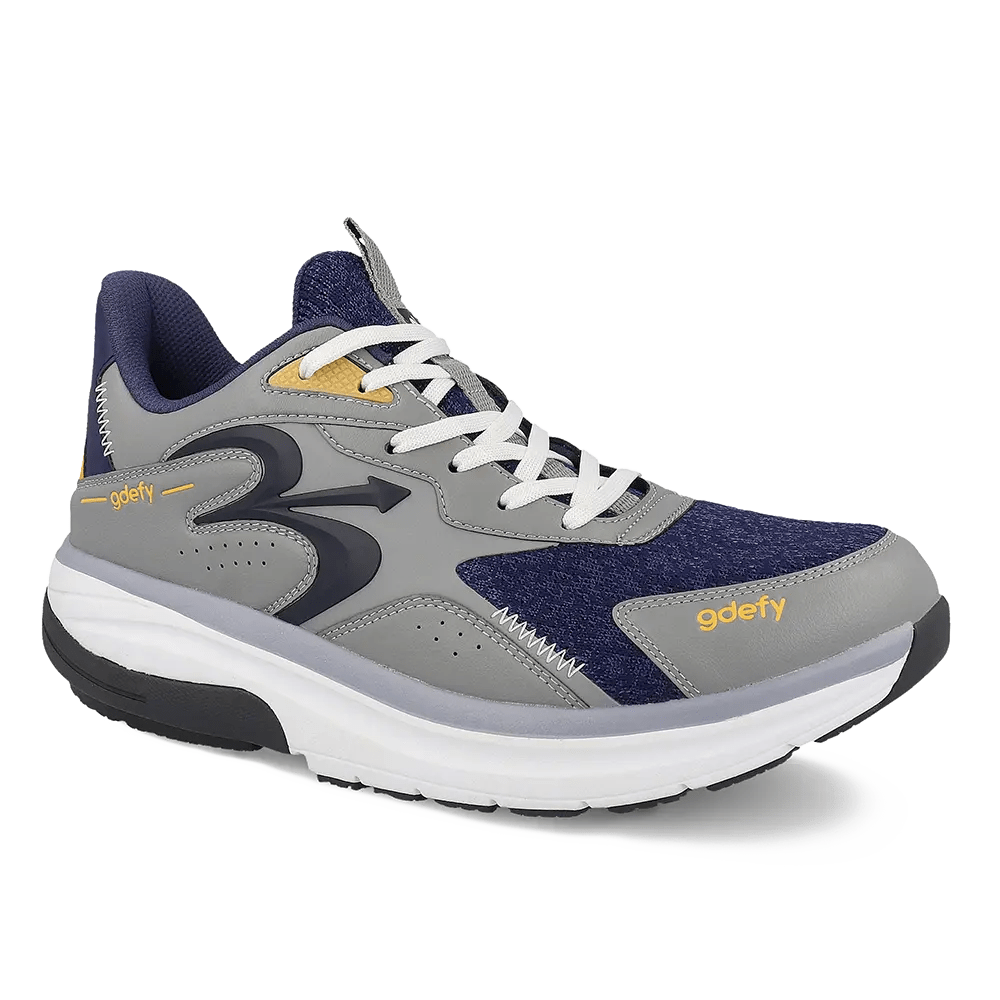
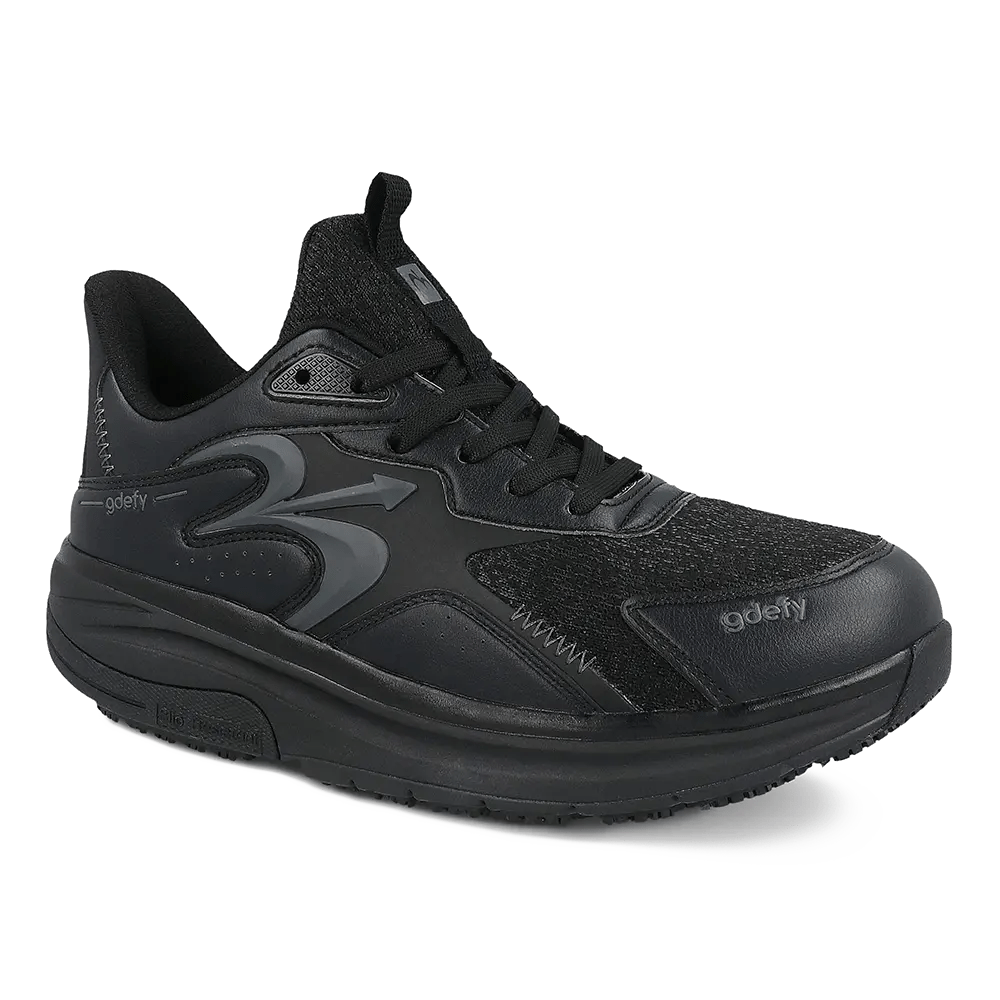
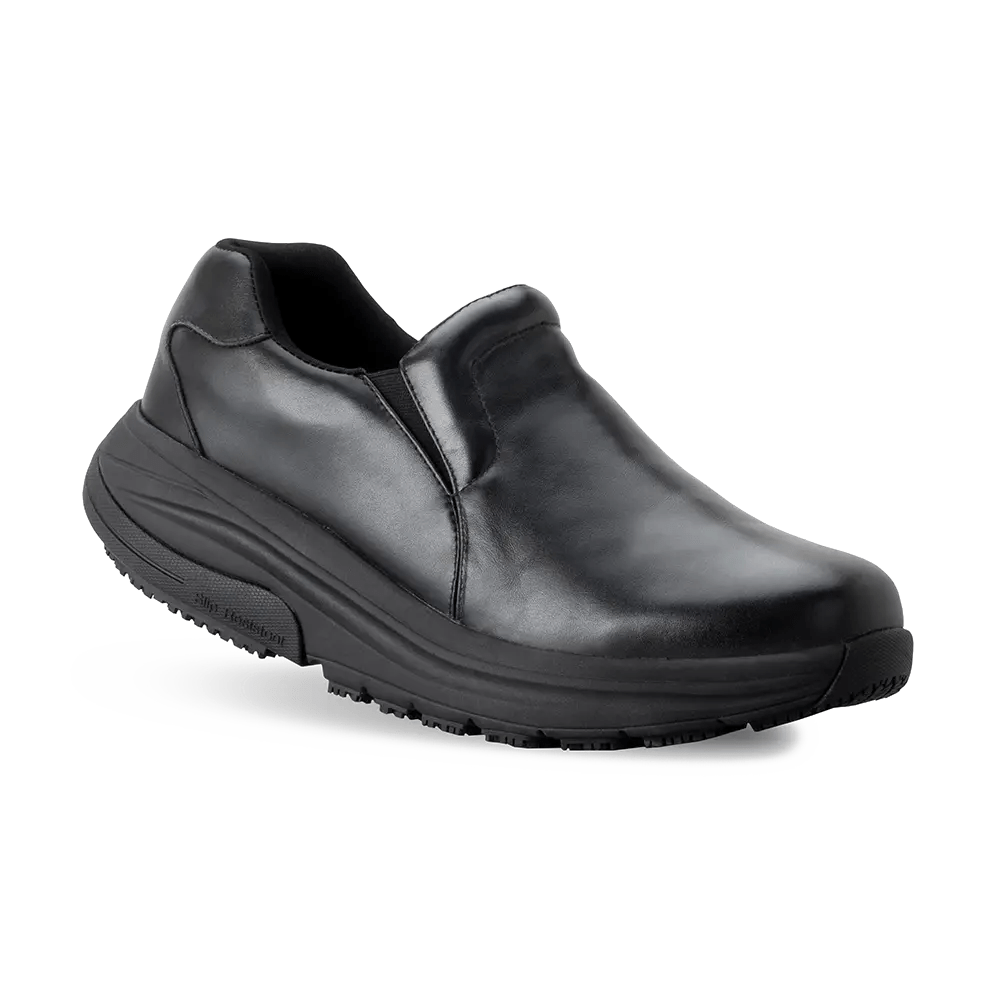
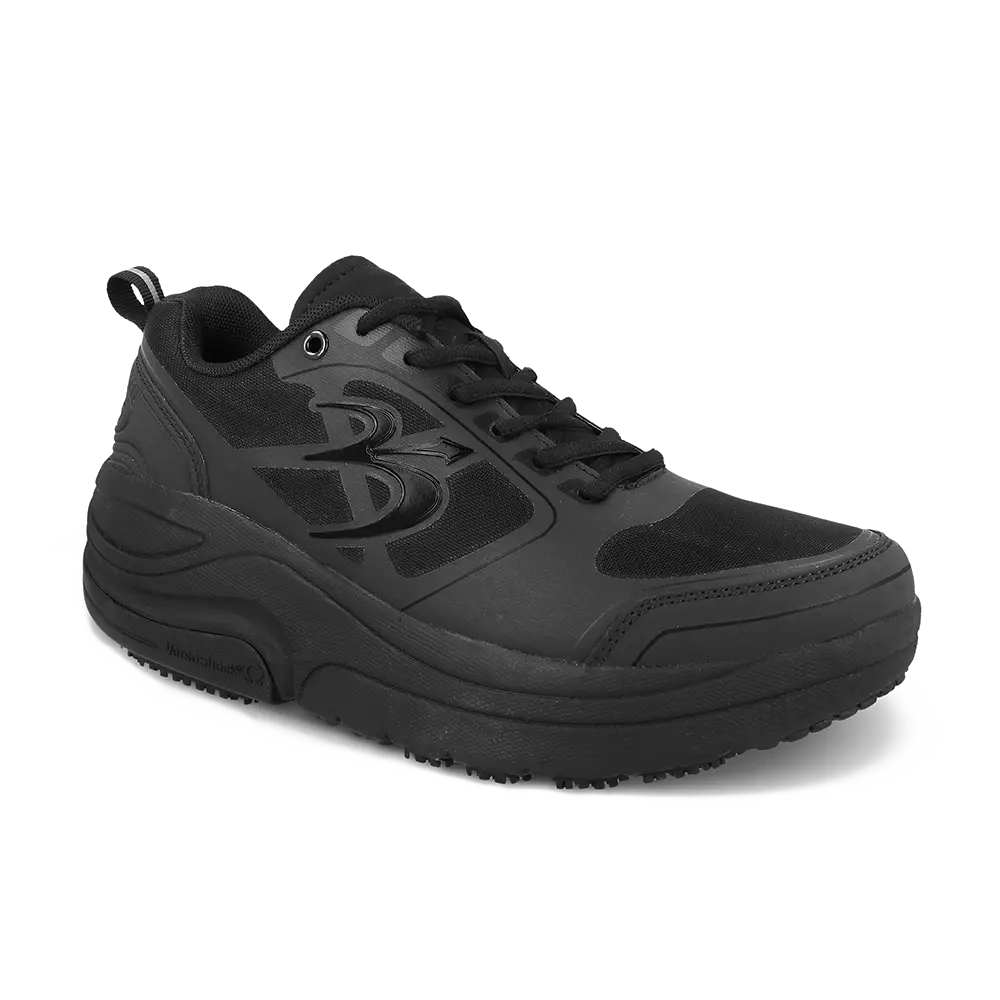
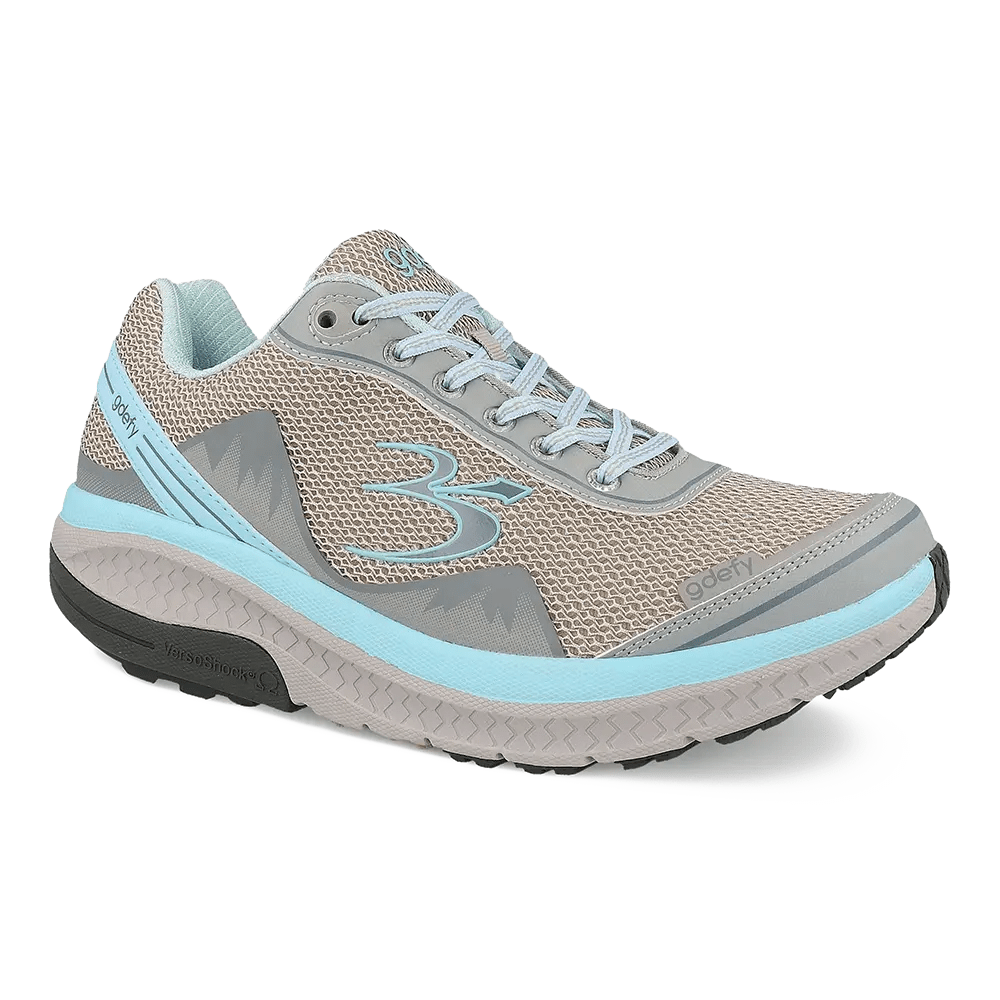
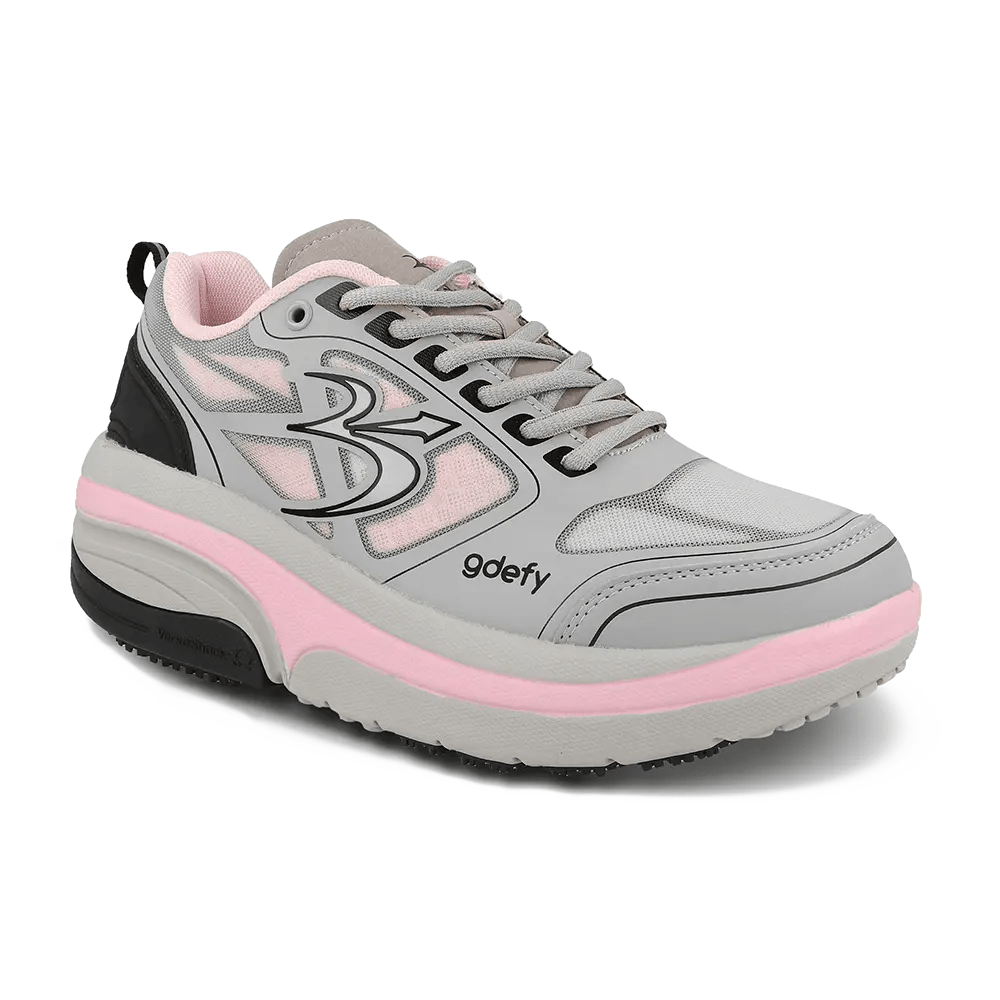
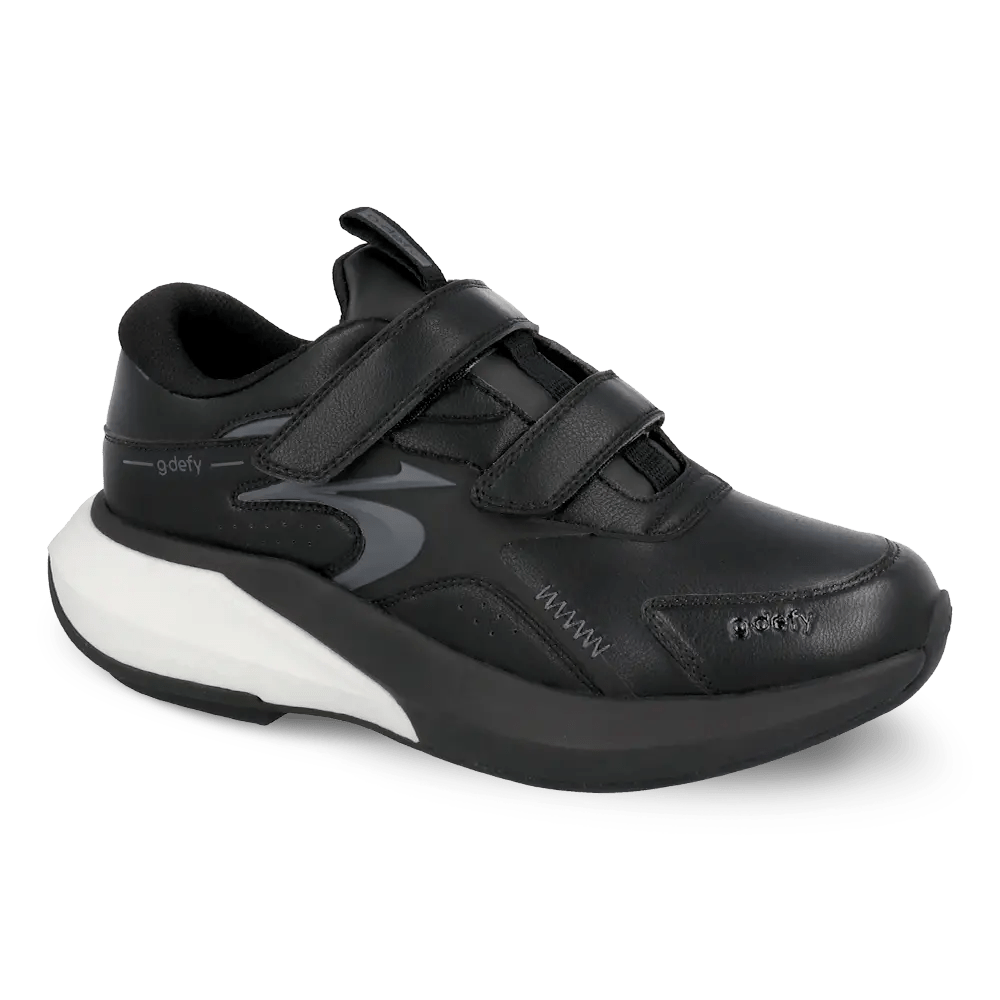
The Mighty Walk sits at the cushioned end of the range — more material underfoot, built for long days on hard floors.
The Mighty Walk is the fuller build: more midsole underfoot for long days of walking and standing on unforgiving surfaces. It is the pair to reach for when cushioning depth is the priority and the shoe spends the day taking impact rather than being swung through miles. Shop it for men or women.

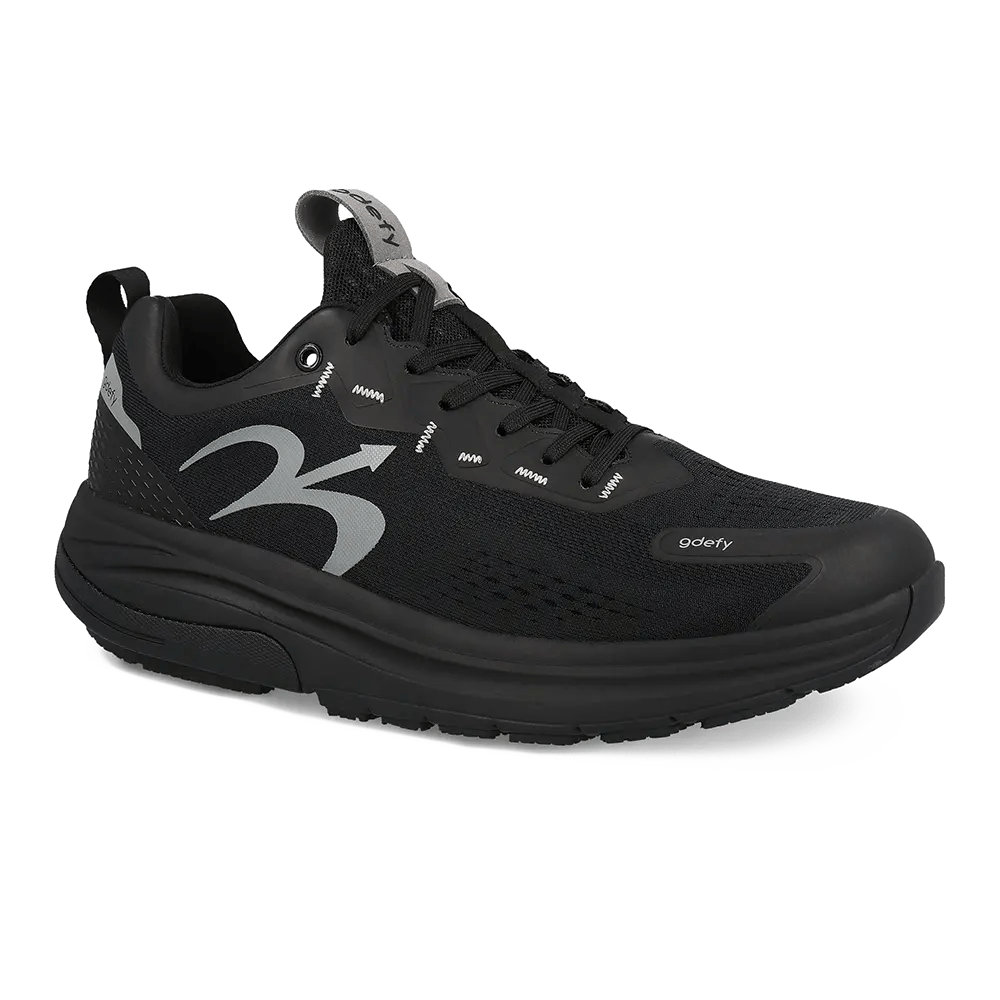
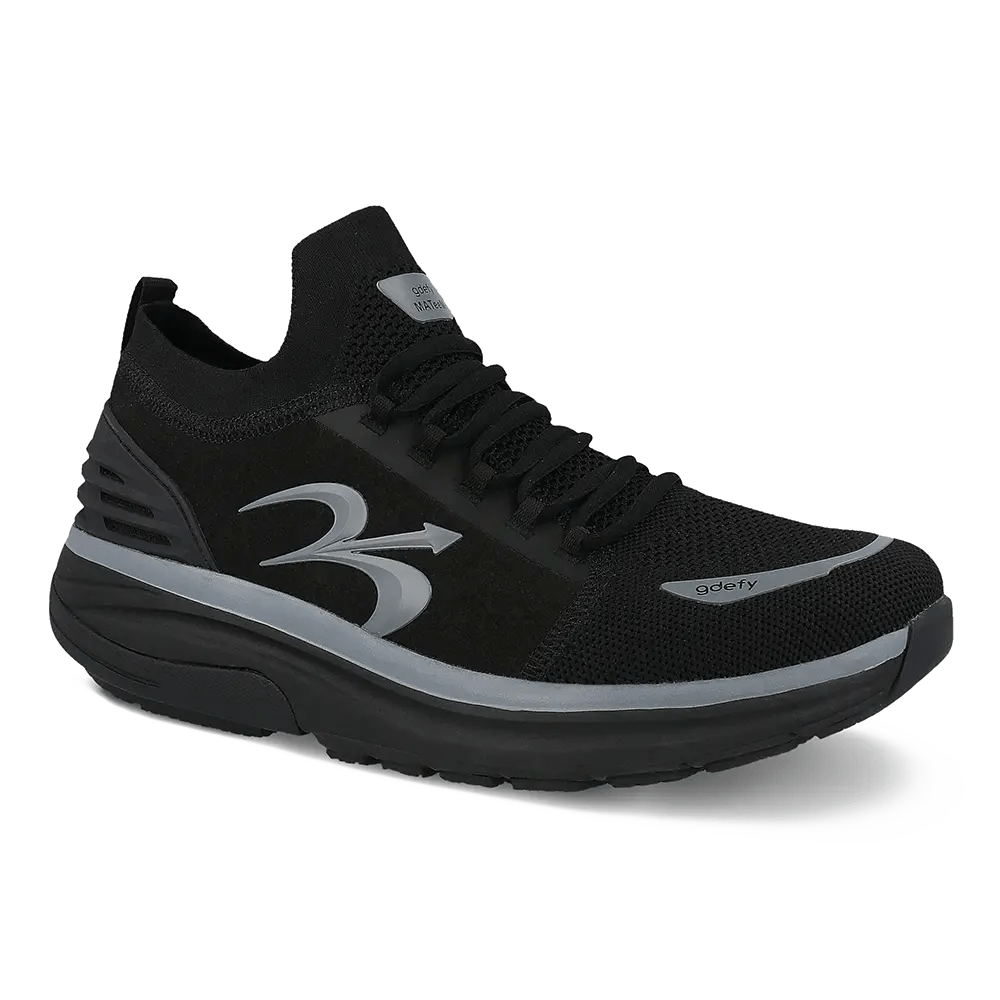
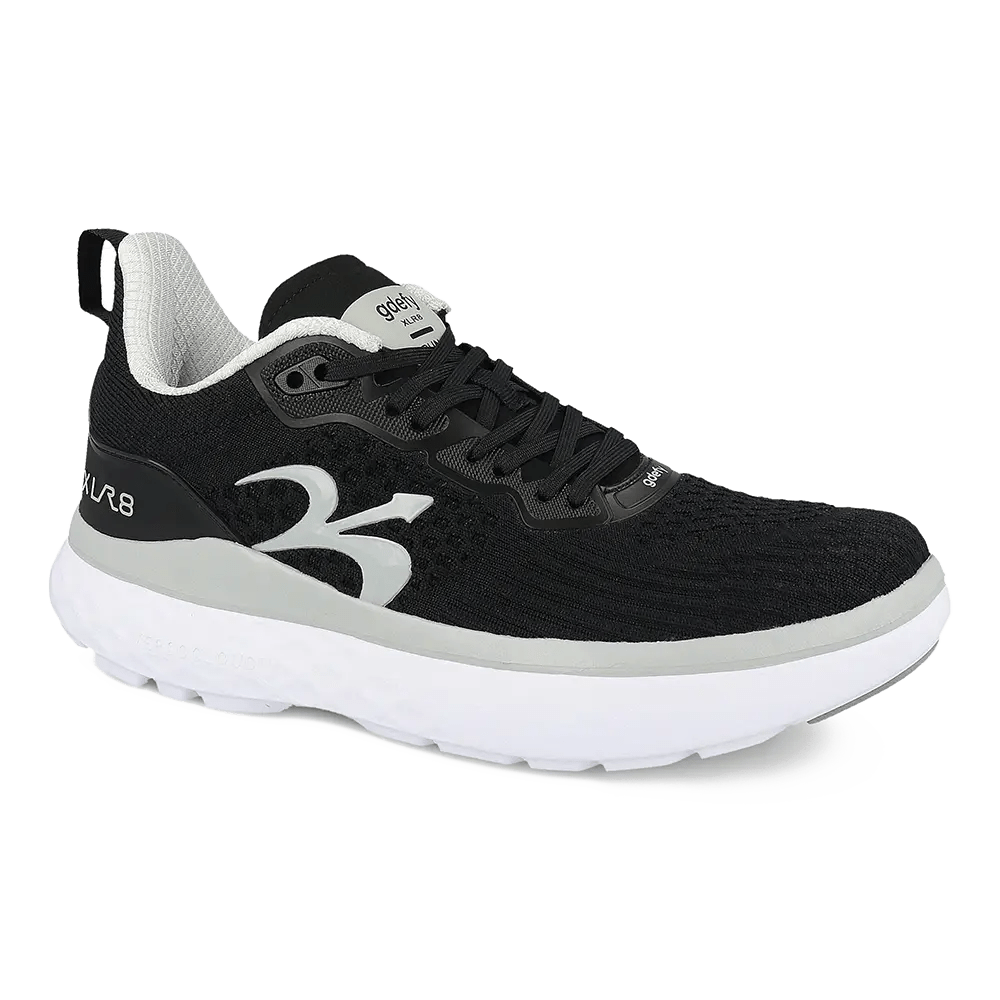
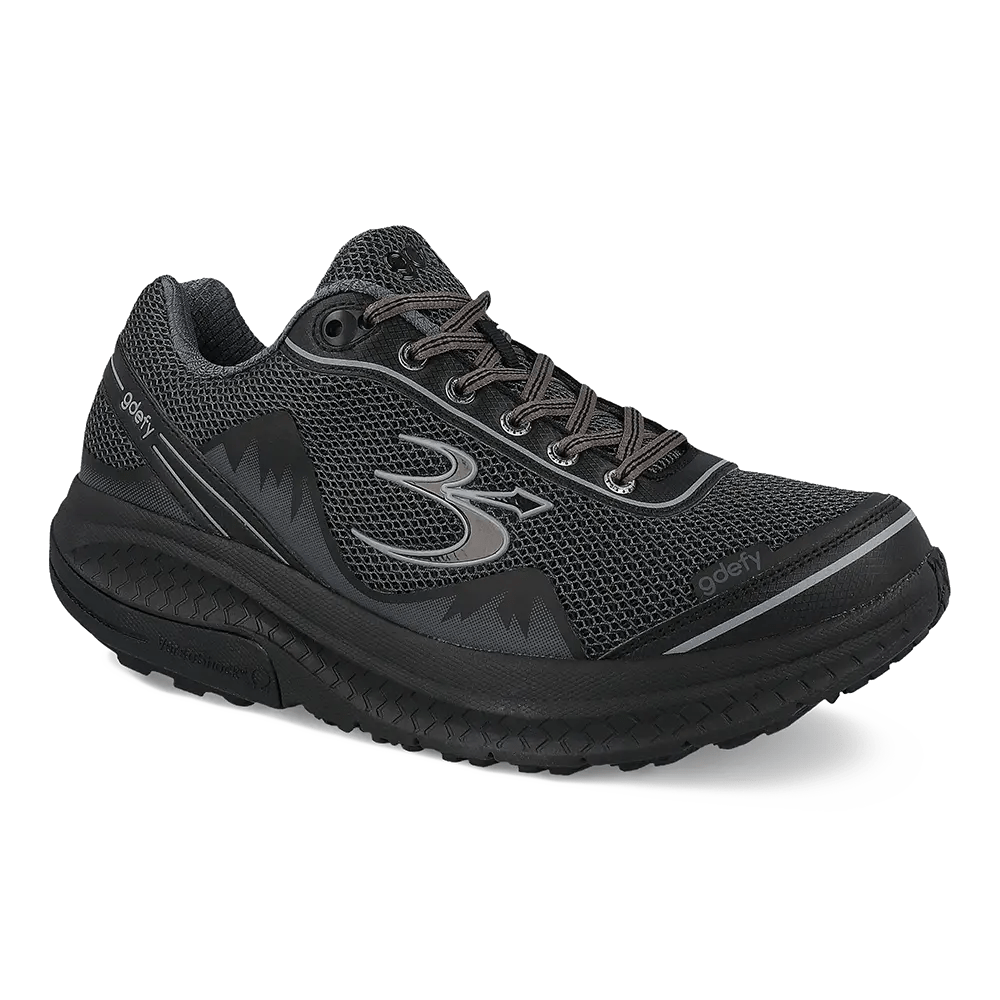
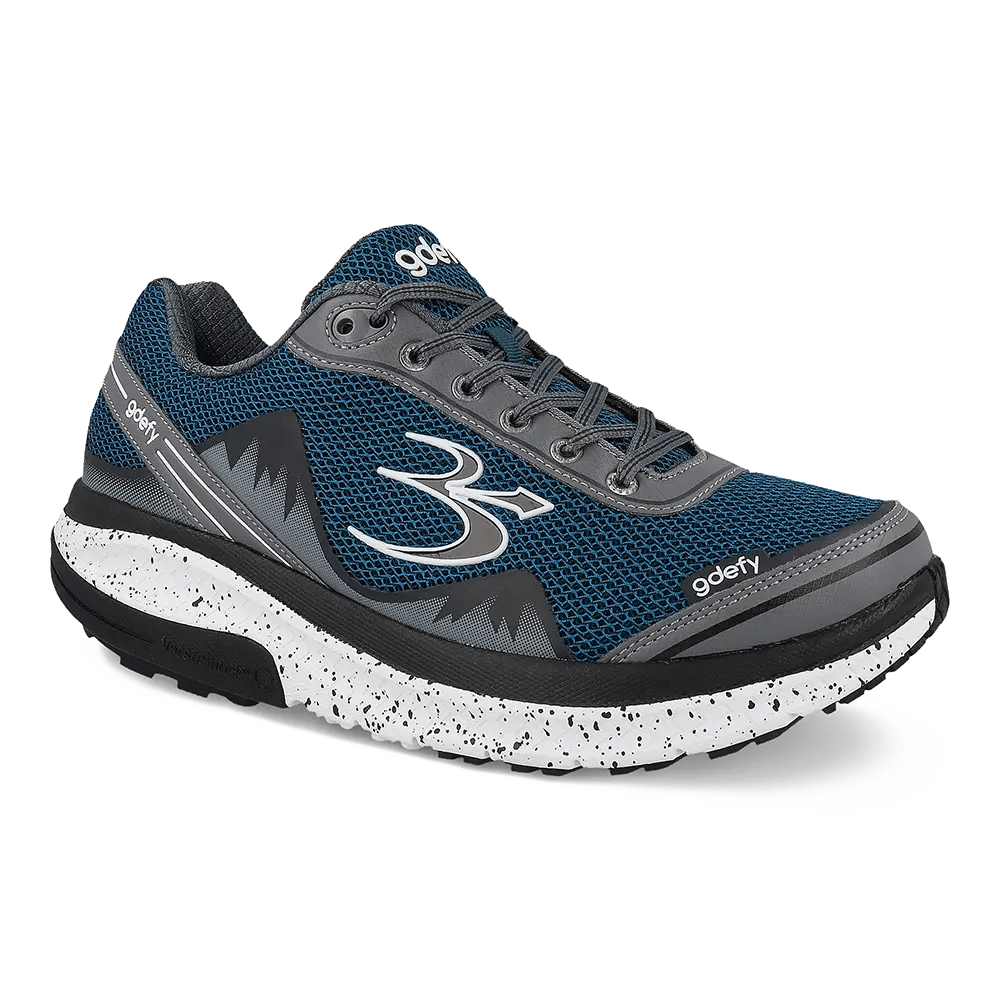
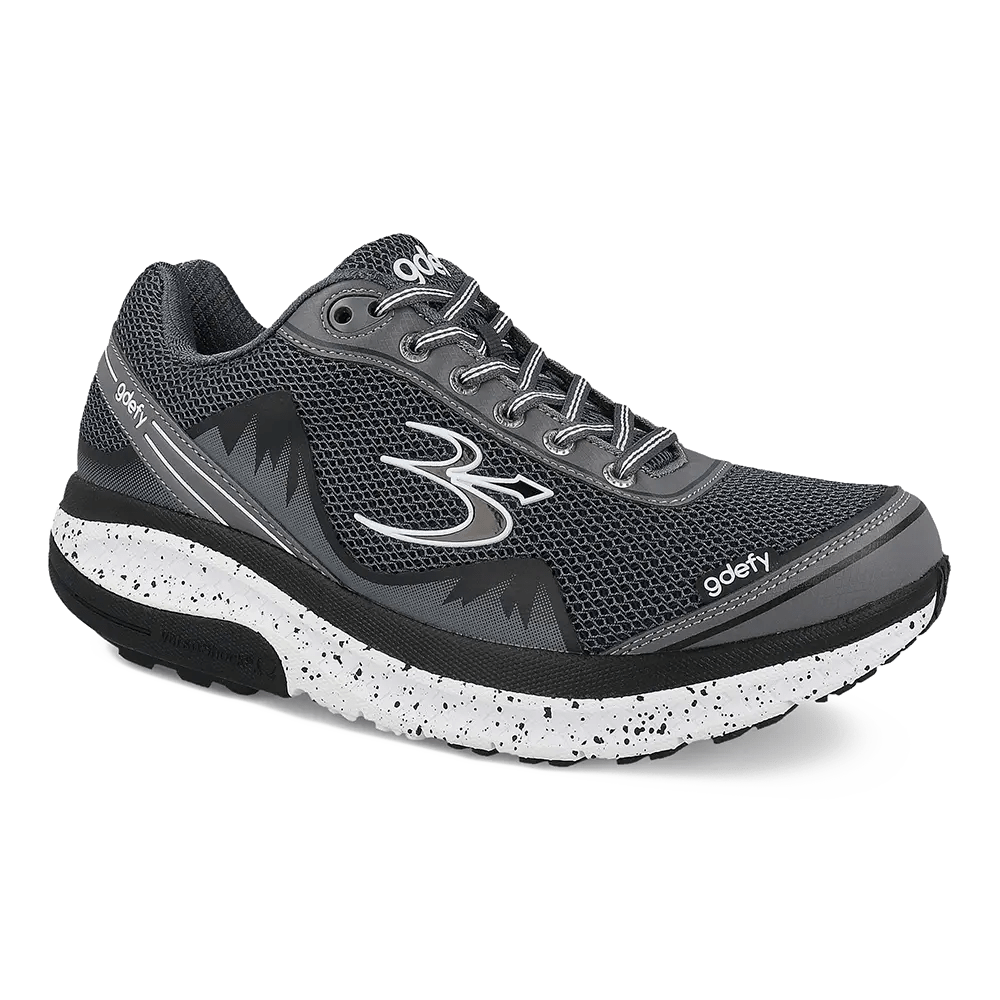
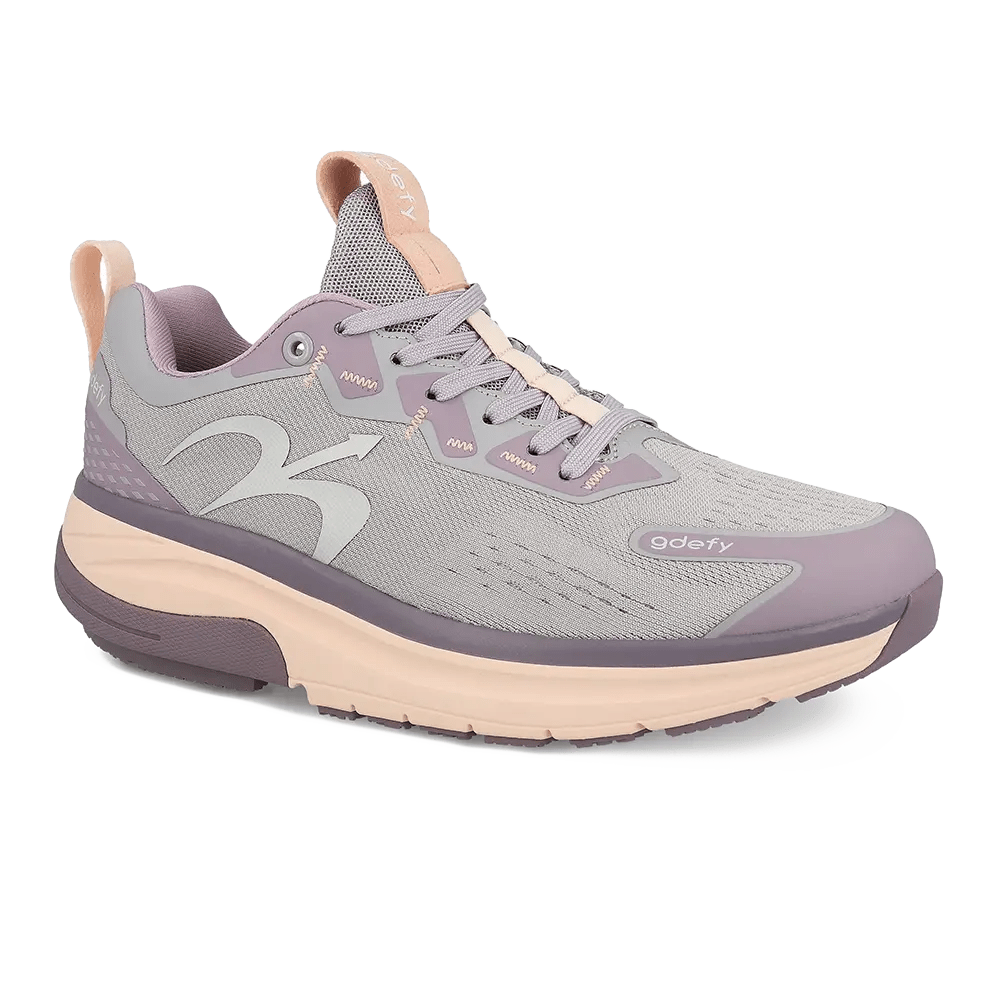
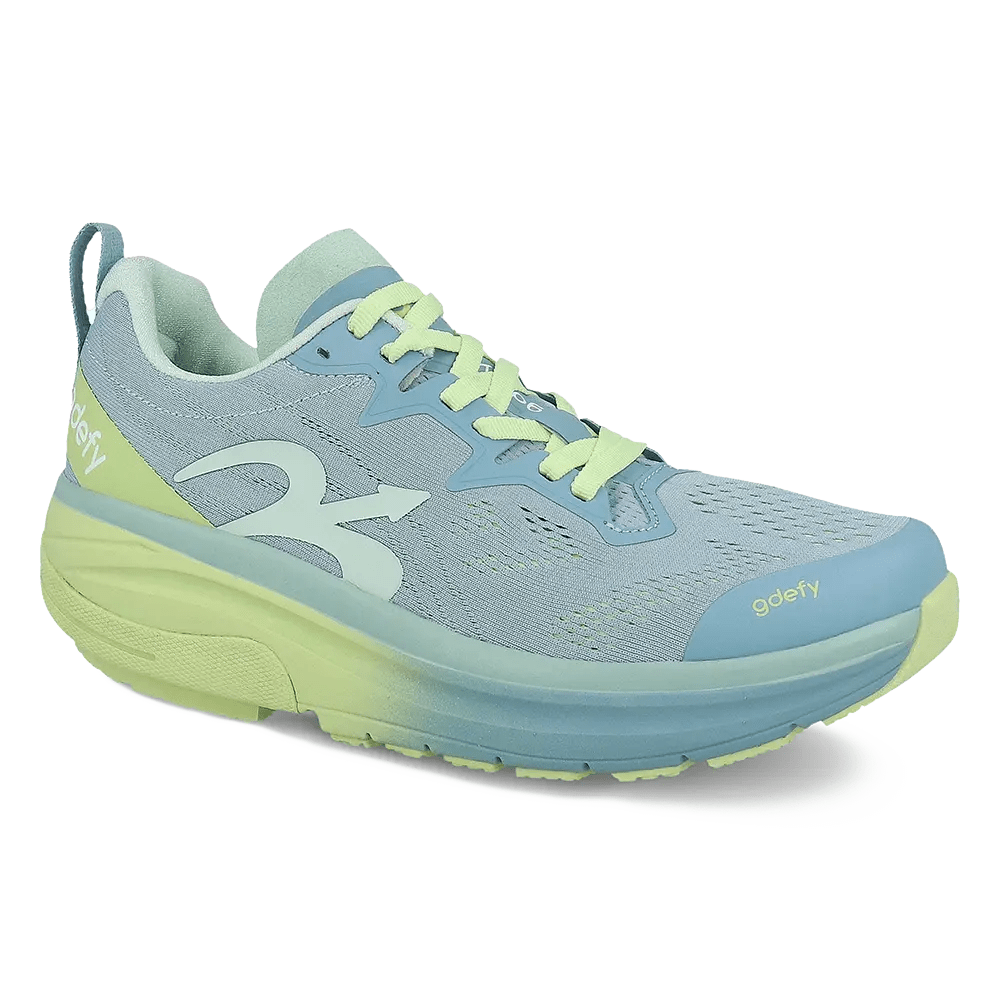
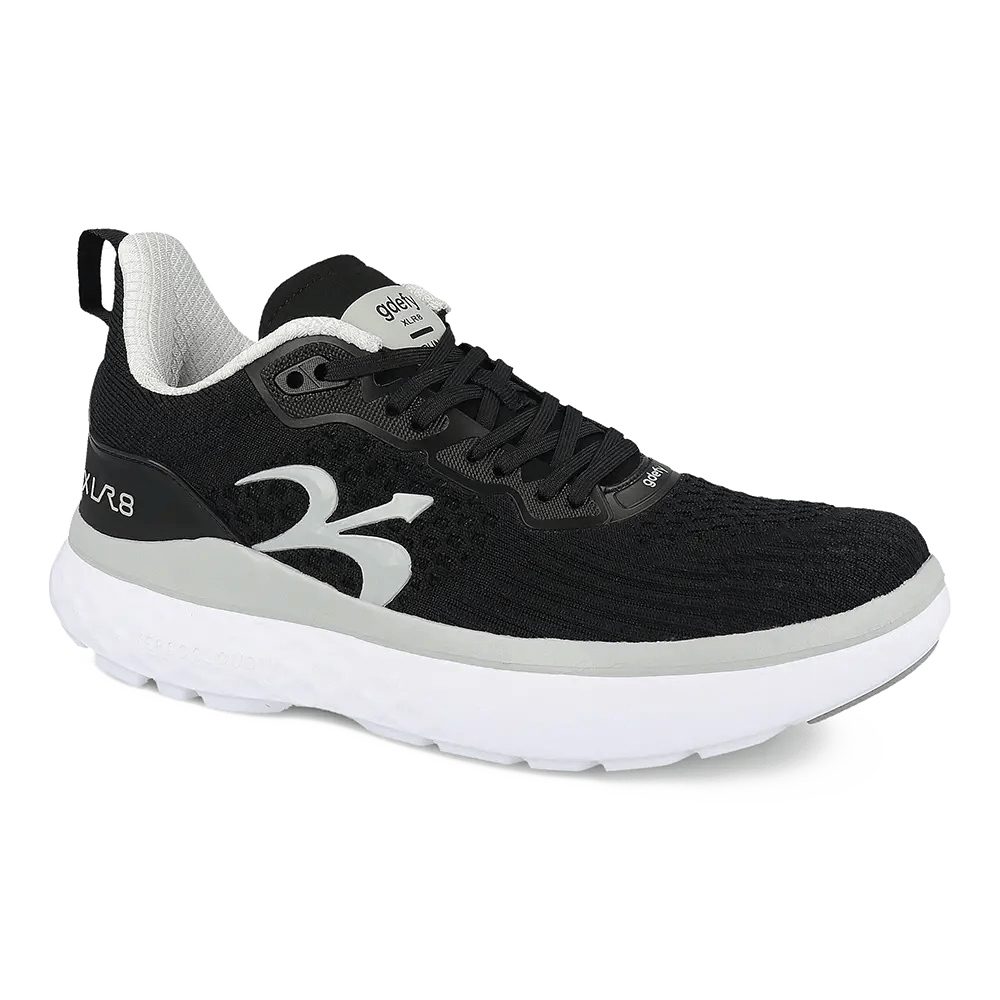
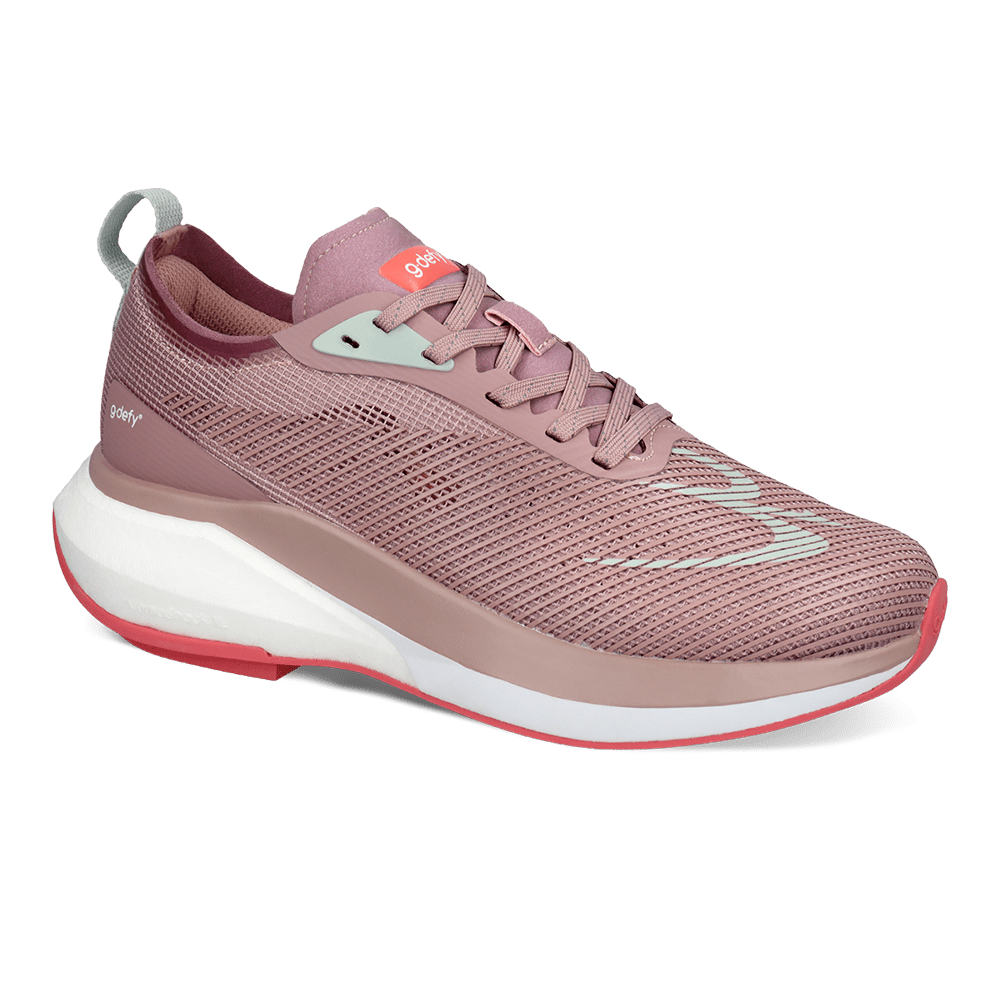
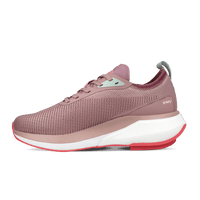
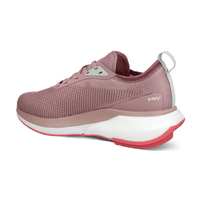
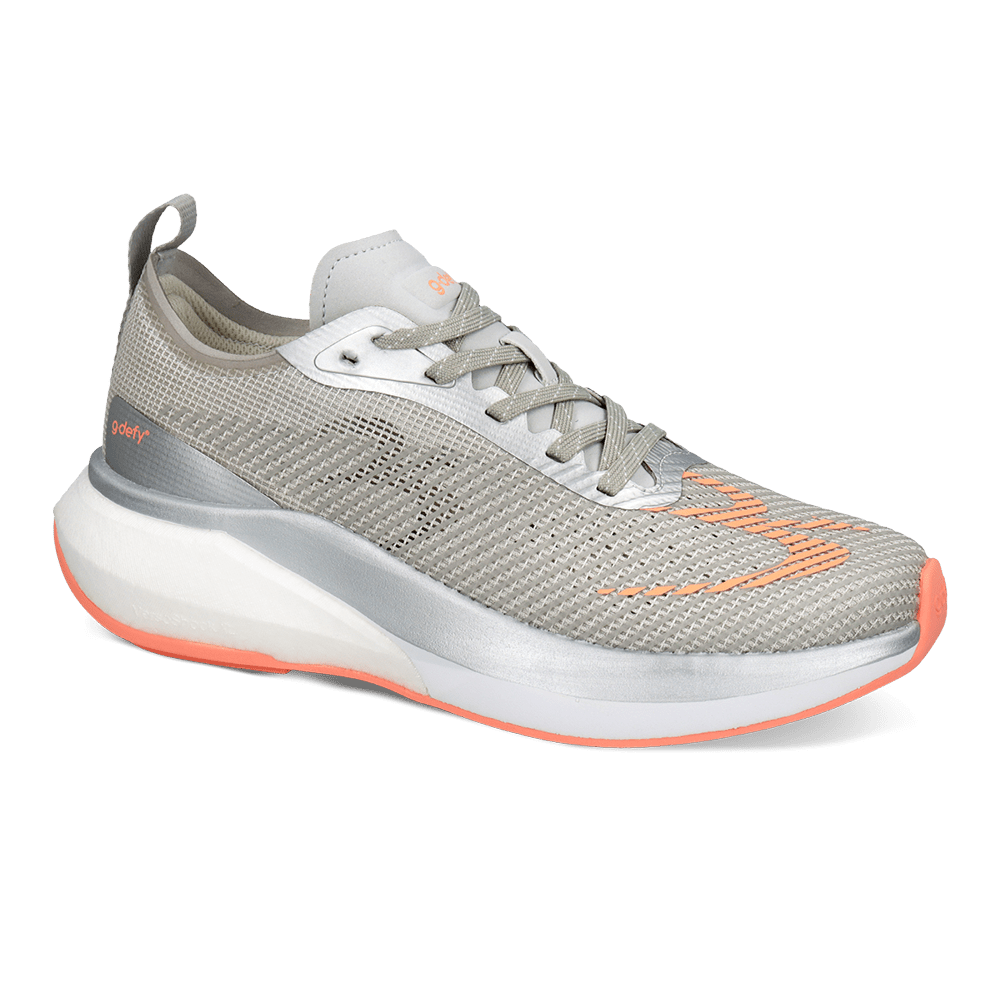
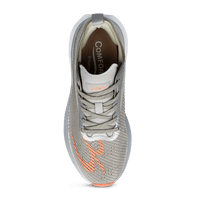
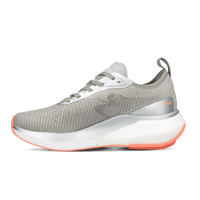
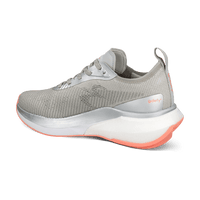
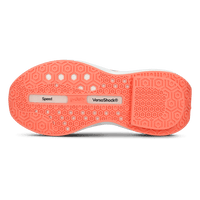
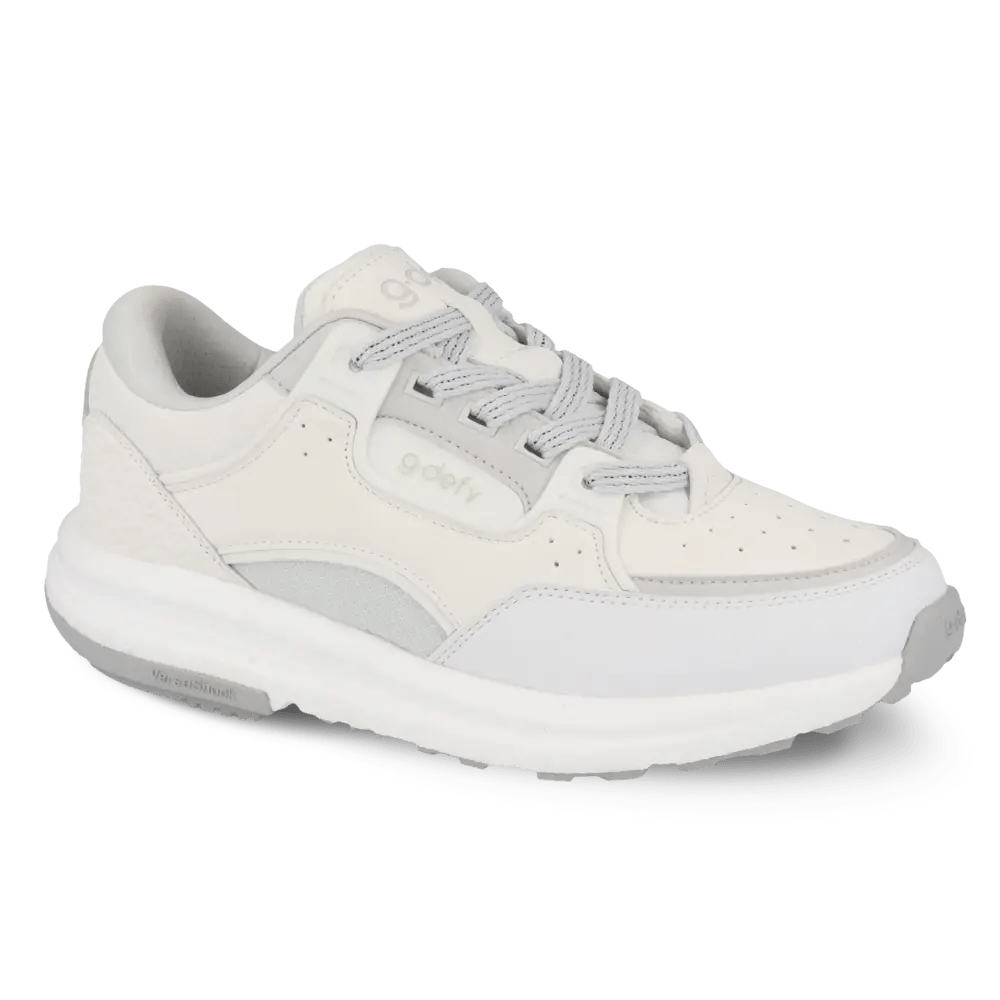
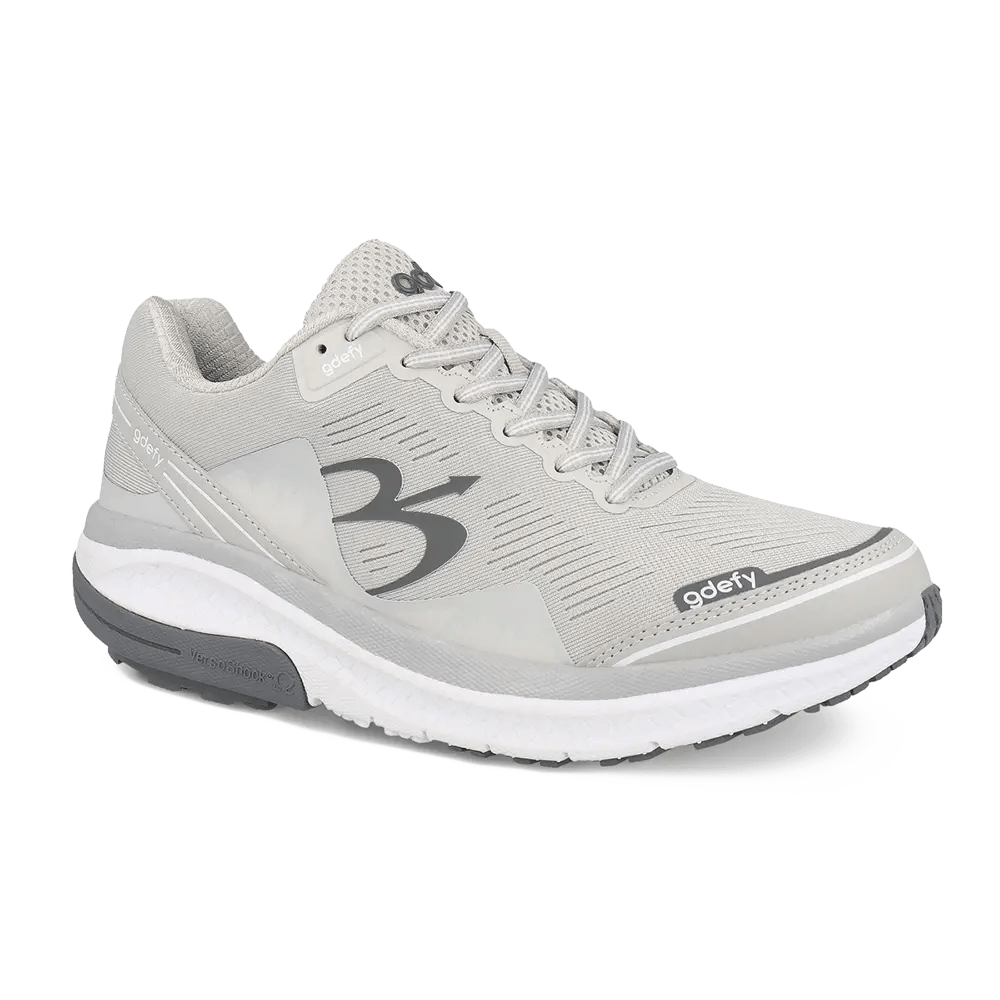
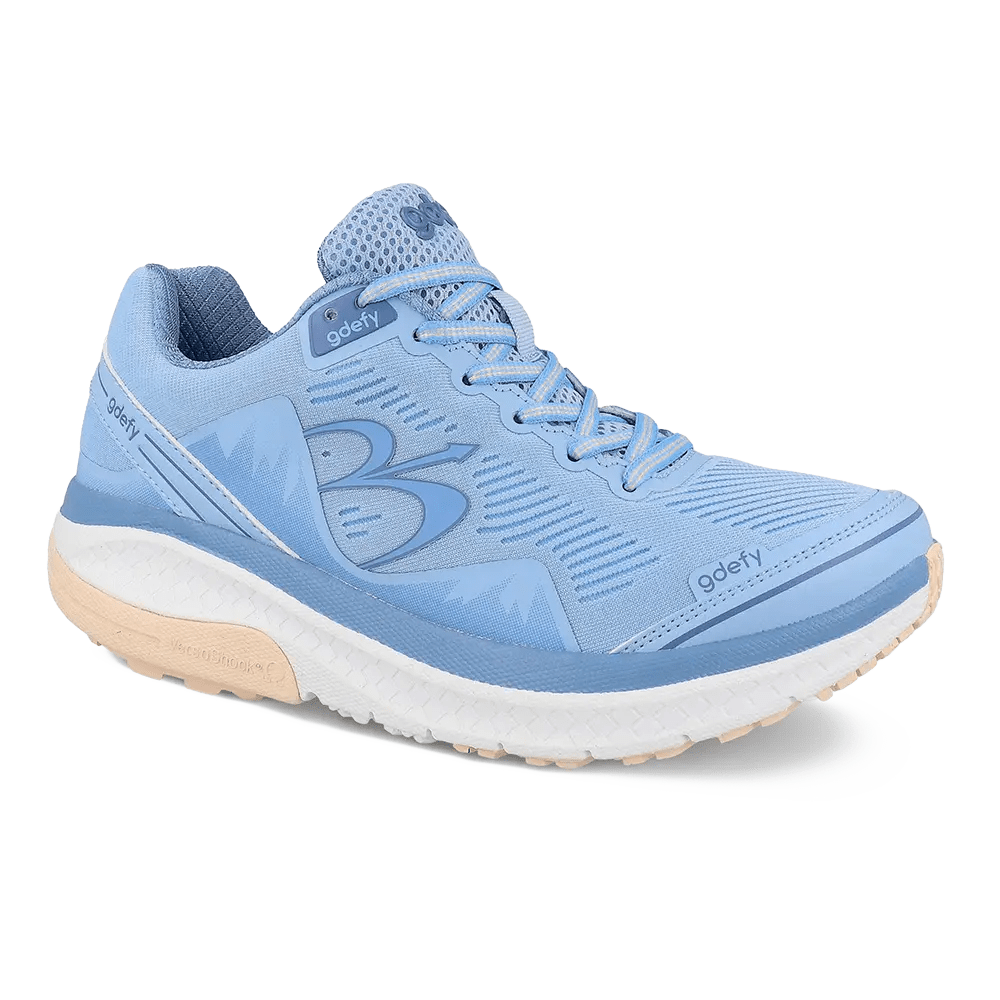
The Ion is the streamlined build — a breathable mesh upper and a lower-profile midsole, with the same four-pillar system inside.
The Ion is the streamlined one: a breathable mesh upper and a lower-profile midsole, built for warm weather, travel, and days that involve more walking than standing. It carries the same VersoShock® system in a lighter package rather than a hollowed-out one. Shop it for men or women. There is a full breakdown in how the Ion is built for lightweight all-day comfort.
Both come with two removable orthotics — ComfortFit® for low to medium arches, CorrectiveFit® for medium to high — so the support level is something you set rather than something you accept. Both come in medium, wide, and extra-wide. And if you are not sure which end of the range suits you, choosing by foot type is a better starting point than choosing by the number on a scale.
Try the trade-off for yourself — risk-free for 60 days
Order a pair, weigh it, walk in it for a few weeks, and decide with real days on your feet rather than a spec sheet. Free shipping and free exchanges, with a 60-day risk-free trial.
Shop Men's Shop Women'sWhat Walkers Tell Us About the Trade-Off
The following are composite accounts drawn from common themes in customer feedback, not statements from a single named customer. Results vary by individual.
- The retail floor. A customer who spends most of a shift standing told us the lightest shoes she owned were the ones that felt worst by closing time, and that a fuller-cushioned pair felt steadier through the last hours. Results vary by individual.
- The travel week. A frequent traveler described the opposite: on airport days with long concourse walks, the streamlined pair was the one he kept reaching for, and the difference showed up at the end rather than the start. Results vary by individual.
- The two-pair setup. Several customers land on keeping both and choosing in the morning based on the day ahead — cushioned for standing, streamlined for moving. Results vary by individual.
There is no single correct answer in those three accounts, and that is the point. The same ounce means different things depending on whether you spend the day moving or holding still.
Practical Tips for Judging Shoe Weight
- Compare at your size, not the sample size. Published weights are usually quoted at one reference size, and yours will differ.
- Hold both shoes at once. Your hands compare far better than they measure. If you cannot feel a difference holding one in each hand, the difference will not change your day.
- Twist before you buy. Hold the shoe at the heel and toe and try to wring it out. If a light shoe twists easily, the weight came out of the structure.
- Rotate pairs. Keeping two pairs in service and alternating them lets each midsole decompress between wears, and gives you a cushioned option and a streamlined one on the same shelf.
- Weigh a worn-out pair against a new one. Shoes do not get much lighter as they age, but a flattened midsole is a good reminder of when it's time to replace them.
- Give a new pair time. A shoe that feels heavy on day one may simply be unfamiliar — break it in properly before you judge it.
Frequently Asked Questions
How much should a walking shoe weigh?
There is no single correct number, because weight scales with size and with what the shoe is built to do. A more useful benchmark is your own: weigh the pair you currently wear most, one shoe at a time with the insole in, and use that as the reference point when you compare anything new.
Does a lighter shoe reduce foot pain?
Footwear is not a medical solution. What a lighter shoe can change is how much effort your leg spends moving it across thousands of steps, which some people notice most at the end of a long day. Supportive, cushioned footwear may improve overall comfort during walking and prolonged standing, and shoe weight is one factor among several — cushioning, fit, and stability all matter too.
Why does the same shoe model weigh more in my size?
Because it is physically larger. A size 12 uses more midsole, more upper material, and more outsole rubber than a size 7 of the same model. This is also why comparing published weights across brands is only meaningful when the sizes match.
Should I remove the insole to make my shoes lighter?
No. The insole is part of the support system, and taking it out changes the fit and the volume of the shoe as well as its weight. If you want a different feel underfoot, swap to a different insole rather than going without — G-Defy pairs ship with two removable orthotics for exactly that reason.
Are lightweight shoes less durable?
Not necessarily, but it depends on where the weight was saved. Weight removed from the outsole rubber usually does shorten the life of the tread. Weight removed from a heavy upper or an unnecessary layer often costs nothing in durability at all. Fit and construction quality tell you more about how long a shoe will last than the number on a scale.
The Takeaway
Shoe weight is real, measurable, and worth paying attention to — but it is a description of how a shoe was built, not a verdict on how it will feel. Weight that comes off a heavy upper is close to free. Weight that comes off the midsole and the stabilizer is paid for underfoot, one step at a time.
Weigh what you own, compare at your own size, and match the build to the day you actually have. While footwear is not a medical solution, choosing shoes designed for comfort, support, and shock absorption can make a meaningful difference in how you feel throughout the day.