
August 01, 2026
Are Expensive Shoes Worth It? What You're Actually Paying For
By Gdefy

Summary
Standing in a store aisle — or in two browser tabs — with a $50 pair on one side and a $120 pair on the other is a genuinely hard moment. Both look like walking shoes. Both claim comfort. One costs more than twice as much, and nothing on the box explains why.
It is a fair question to ask whether expensive shoes are worth it. Price alone does not tell you much: some costly shoes are mostly branding, and some moderately priced ones are built carefully. What helps is knowing what the extra money is supposed to buy, and then checking whether a particular pair actually delivers it.
This guide breaks down the buying decision rather than the shoe itself. We will look at why prices vary so widely, how to run simple cost-per-wear math on a pair you already own, what parts of a shoe genuinely cost more to build, and — just as important — when a higher price tag is not buying you anything at all. Footwear is not a medical solution, but the right pair is something you stand on for hundreds of hours, so it is worth spending a few minutes on the decision.

Why Shoe Prices Vary So Much
Two pairs on the same shelf can differ in price by a factor of three. Some of that gap is real construction. Some of it is not.
What the price can legitimately reflect
- Midsole material and construction. A single slab of basic foam is inexpensive to mould. A layered midsole with different densities, or a mechanical component built into the heel, costs more to make.
- What comes in the box. A thin flat sock liner costs pennies. A shaped, removable orthotic costs meaningfully more — and two of them costs more again.
- Structure you cannot see. A reinforced heel counter, a shank under the arch, stitched overlays instead of glued ones.
- Size and width range. Offering medium, wide, and extra-wide across a full size run means far more inventory for the same model.
- The return window. A long, genuine trial period is a real cost to the seller, and it is priced in.
What the price often does not reflect
- Marketing spend. Sponsorships and campaigns are funded out of the same price tag.
- Looks. A knitted upper in this season's colour costs no more to make than last season's.
- Feature names. A trademarked name printed on the midsole tells you a company registered a word, not that anything underneath it is different.
- Weight. Lighter is not automatically better or more expensive; it often just means less material.
The practical takeaway: judge the build, not the number. If you can hold the shoe, the checks in what is actually inside a comfort walking shoe will tell you more in thirty seconds than the price will.
The Cost-Per-Wear Math Almost Nobody Runs
Sticker price is the wrong unit. What you actually spend is the price divided by the number of days the shoe stays comfortable to walk in — not the number of days until it falls apart, which is usually much later.
The arithmetic is simple, and it changes the picture:
| Price paid | Days worn before it stopped feeling supportive | Cost per day of comfortable wear |
|---|---|---|
| $50 | 90 | about $0.56 |
| $80 | 200 | about $0.40 |
| $120 | 400 | about $0.30 |
| $120 | 150 (wrong shape for your foot) | about $0.80 |
Two things stand out. First, the cheapest pair is rarely the cheapest choice once you divide. Second — look at the last row — a costly pair that never fits your foot properly is the worst outcome on the table. Price does not rescue a shape that is wrong for you.
You do not need to guess at the middle column. The signals in how shoes wear out and when to replace them — midsole creasing, tread flattening, a heel counter you can squash flat — tell you when a pair has stopped doing its job, and that is the number that belongs in the math.
What the Money Buys, Part by Part
Here is where a higher price tends to show up in a shoe you can actually feel underfoot:
| Part of the shoe | Budget build | More expensive build | Why it matters to comfort |
|---|---|---|---|
| Midsole | One density of foam | Layered densities or a mechanical shock-absorbing element | This is what absorbs impact and how long that absorption lasts |
| Insole | Flat glued-in liner | Shaped, removable — sometimes two to choose between | Lets you tune support to your arch instead of accepting one setting |
| Heel counter | Soft, unstructured | Firm and reinforced | Holds the heel steady, which is where all-day stability starts |
| Upper | Glued panels | Stitched overlays, reinforced eyelets | Keeps the foot located over the midsole as the shoe ages |
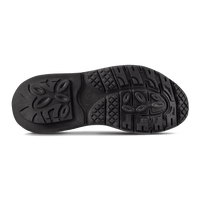
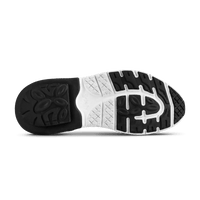
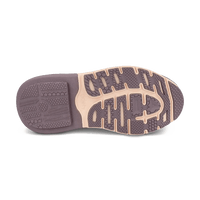
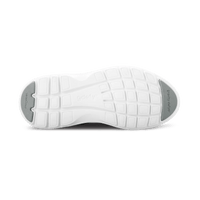
| Outsole | Thin rubber, shallow pattern | Thicker rubber, deeper pattern | Directly sets how many months the tread lasts |
| Width options | One width only | Medium, wide, extra-wide | The single biggest factor in whether a shoe suits your foot at all |
If you want more detail on the two rows that matter most, cushioning versus support explains why those are separate jobs, and what arch support actually means covers the insole row.
How G-Defy Approaches the Value Question

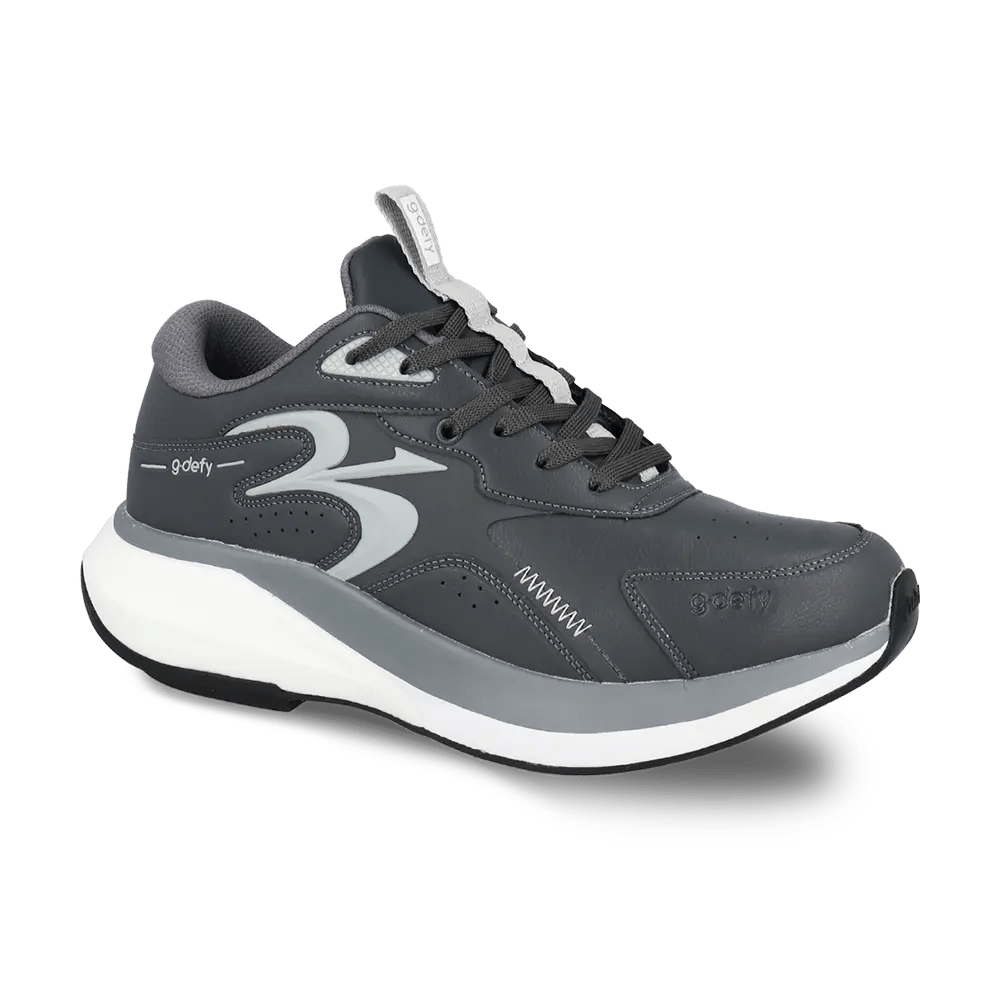
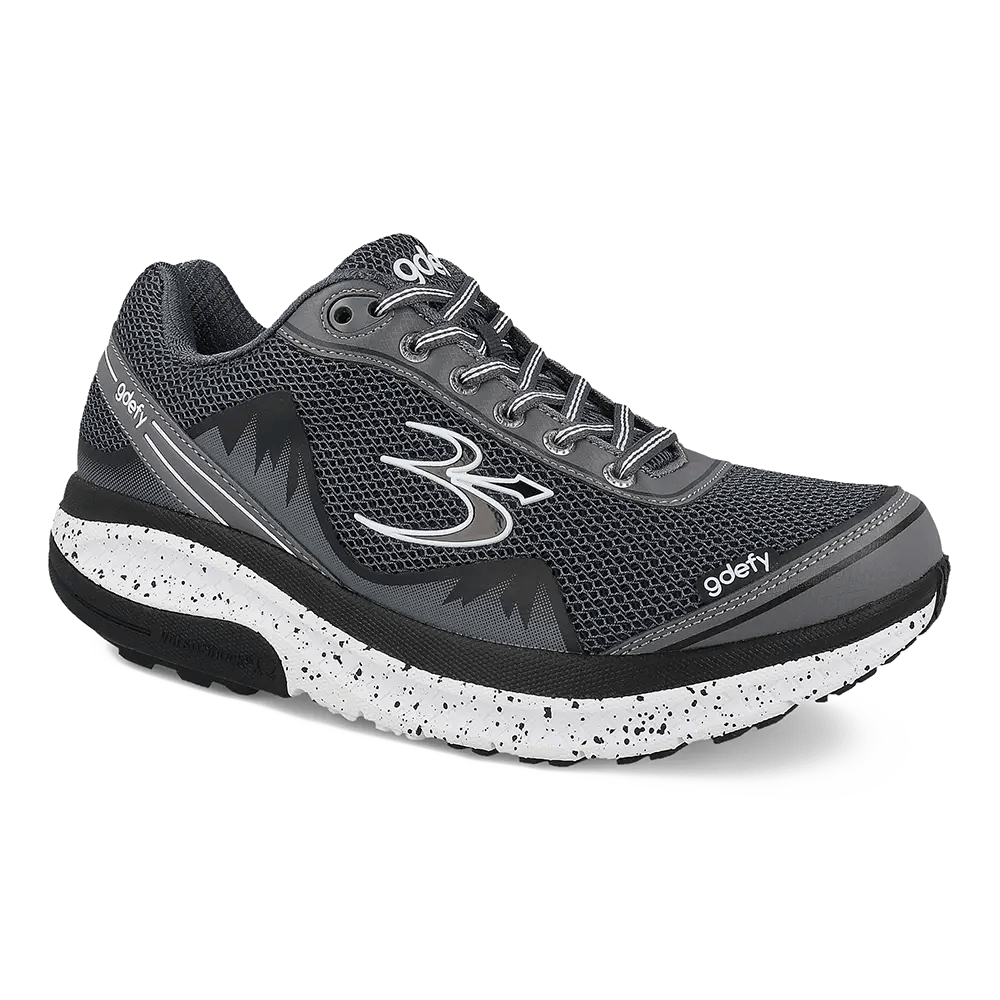
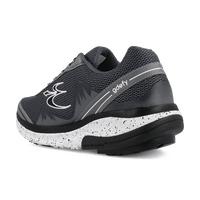
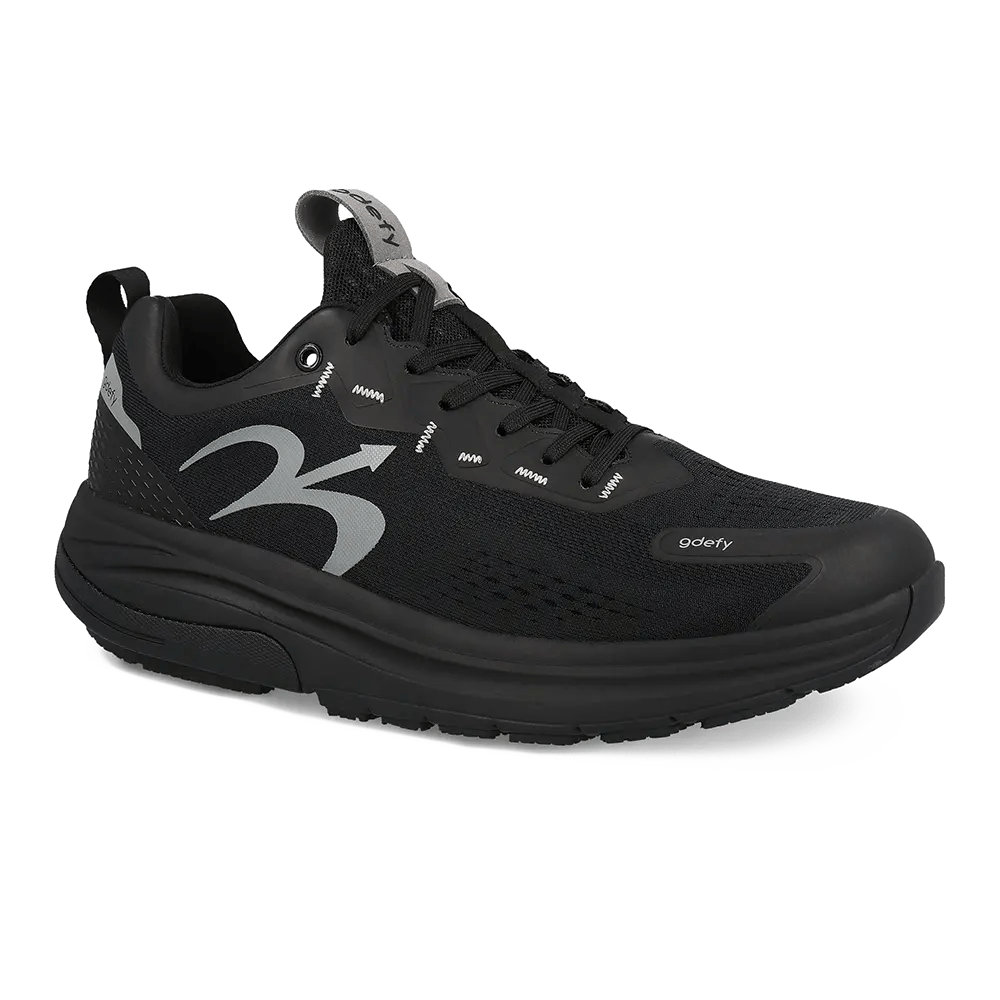
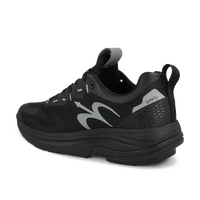
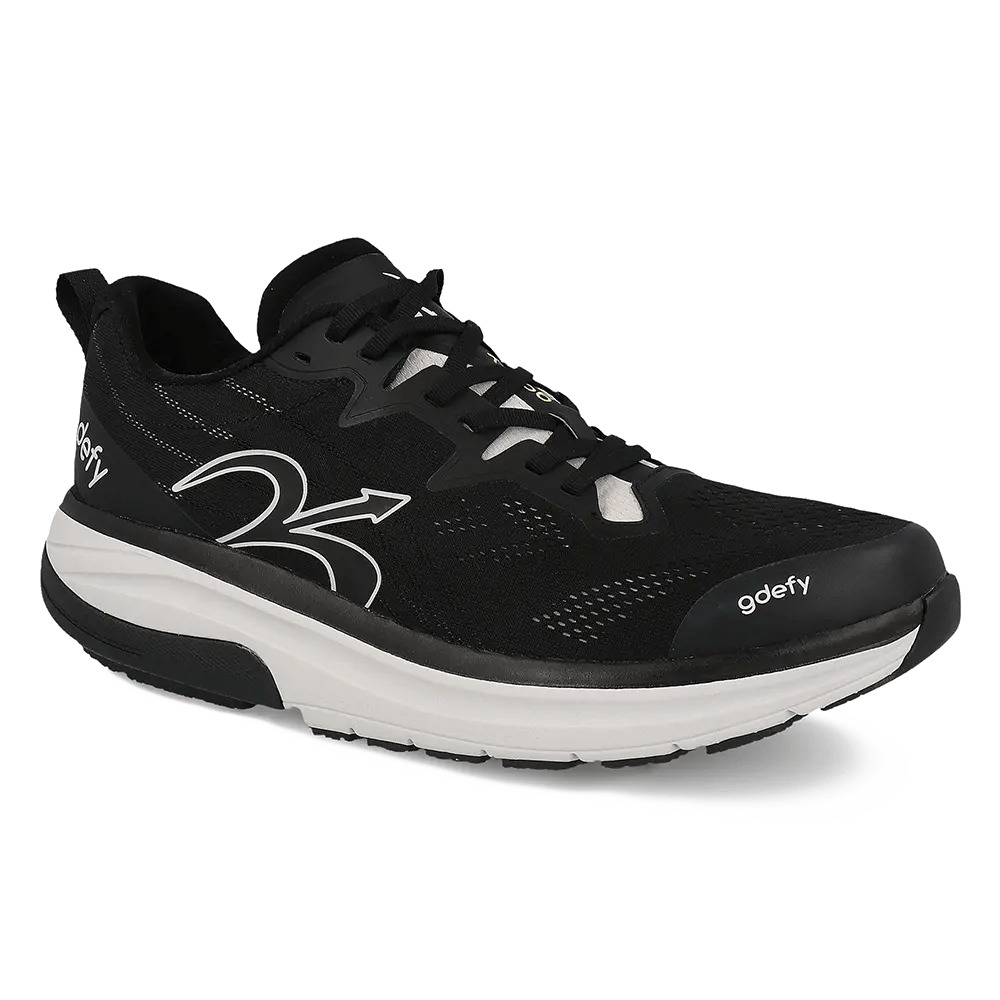
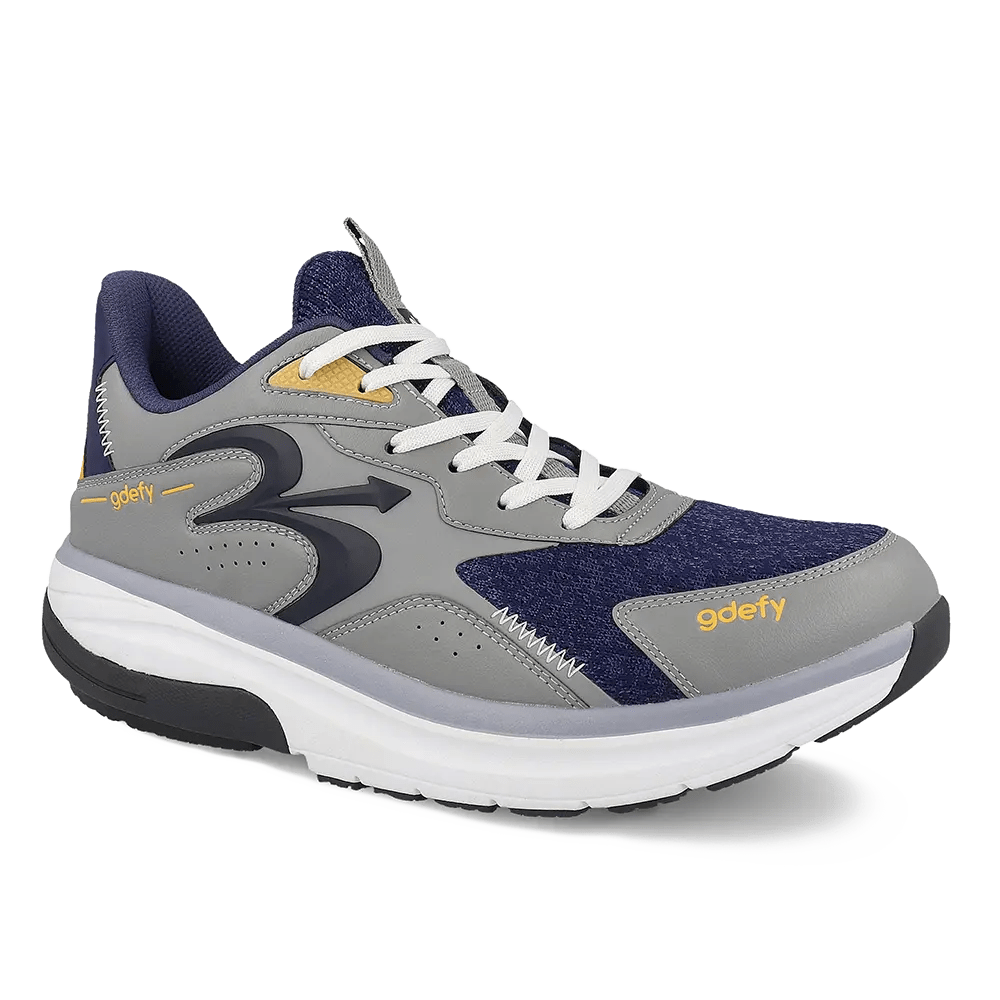
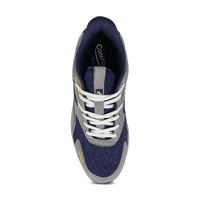
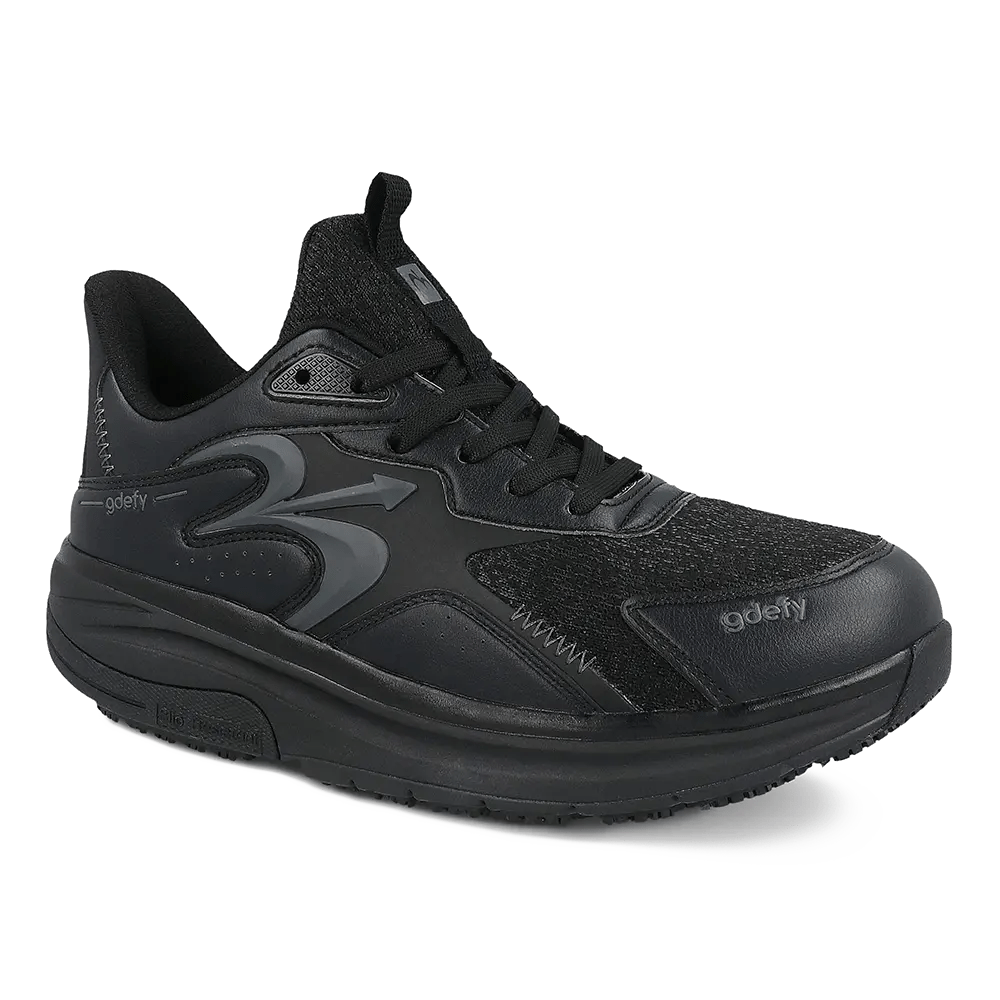
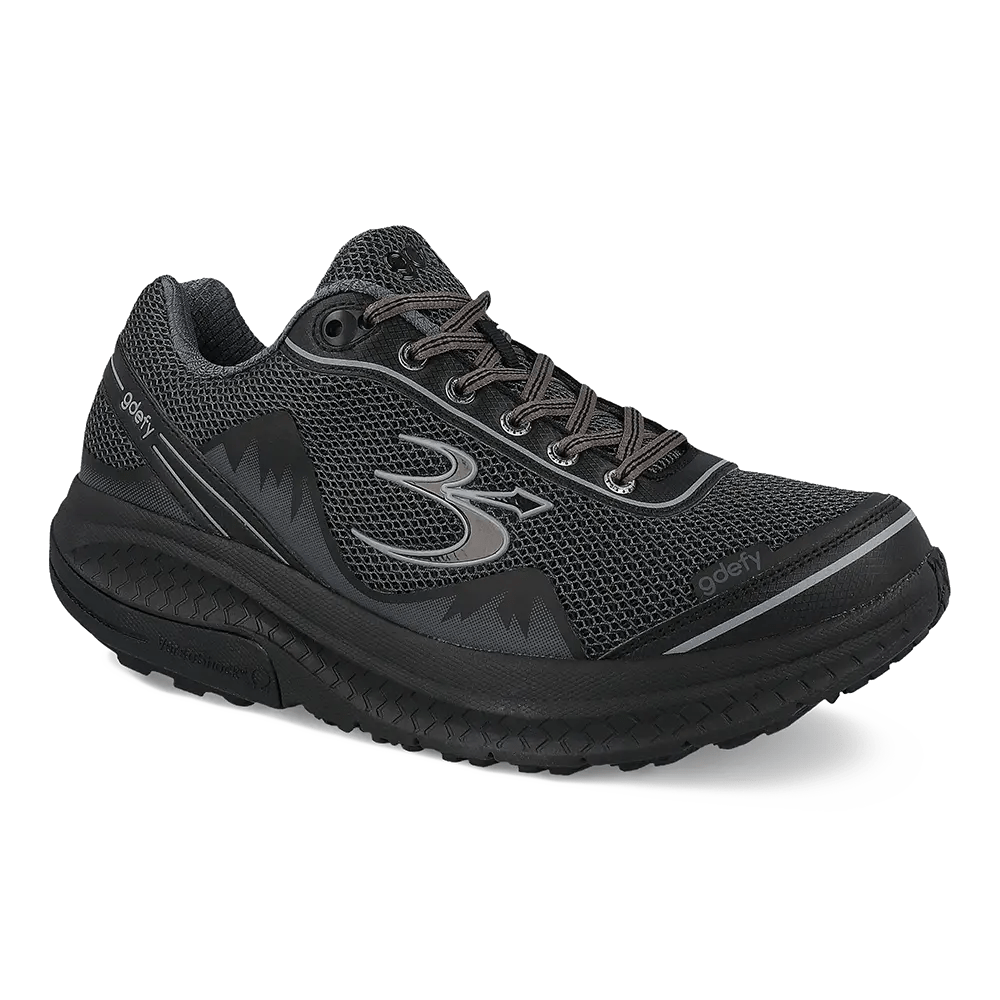
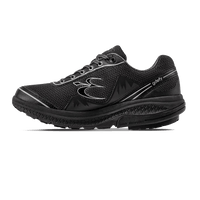
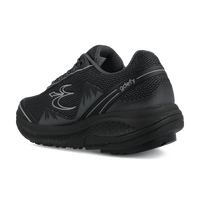
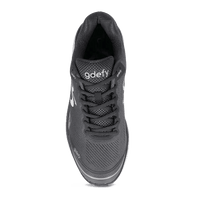
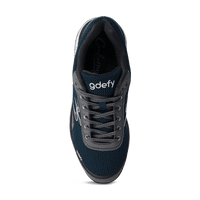
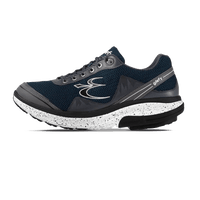
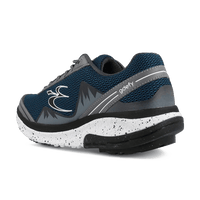
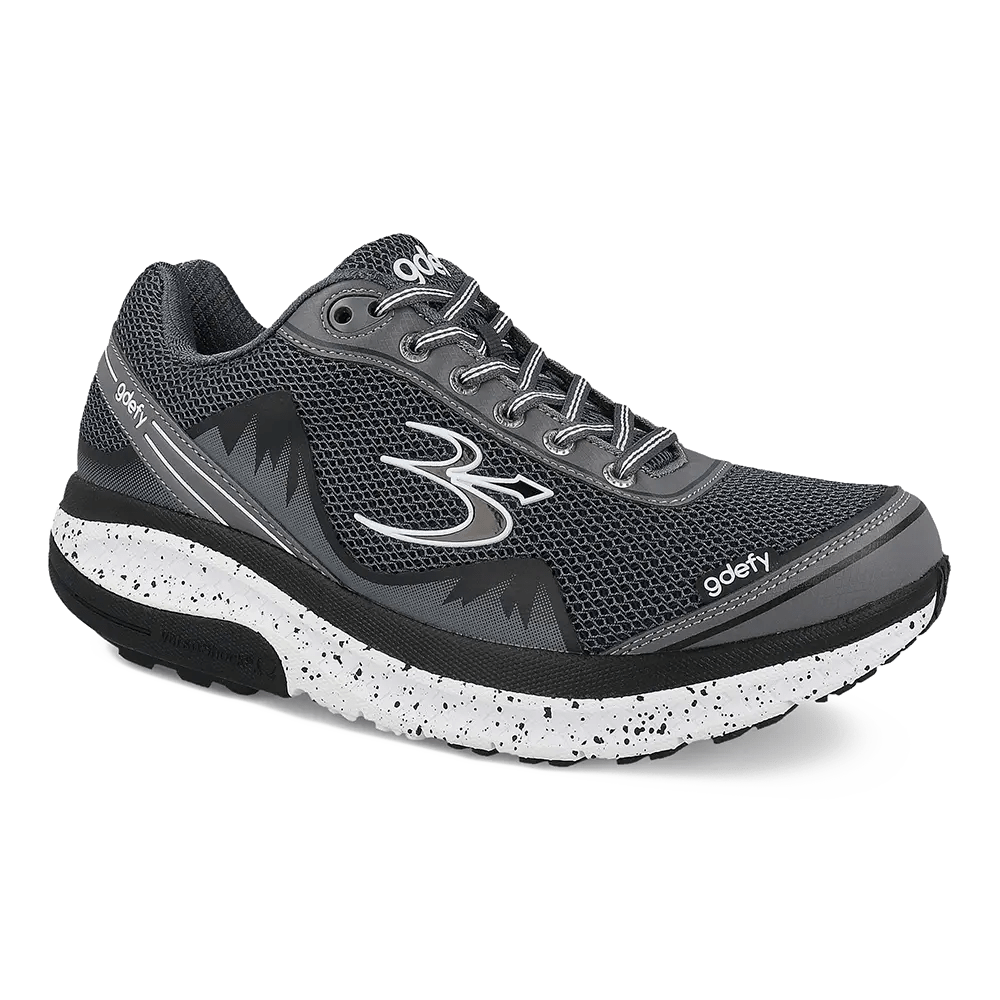
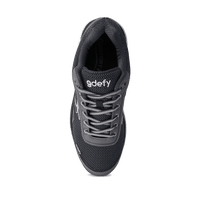
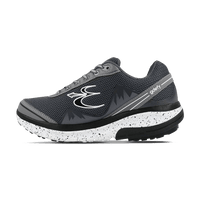
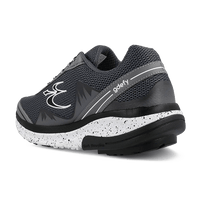
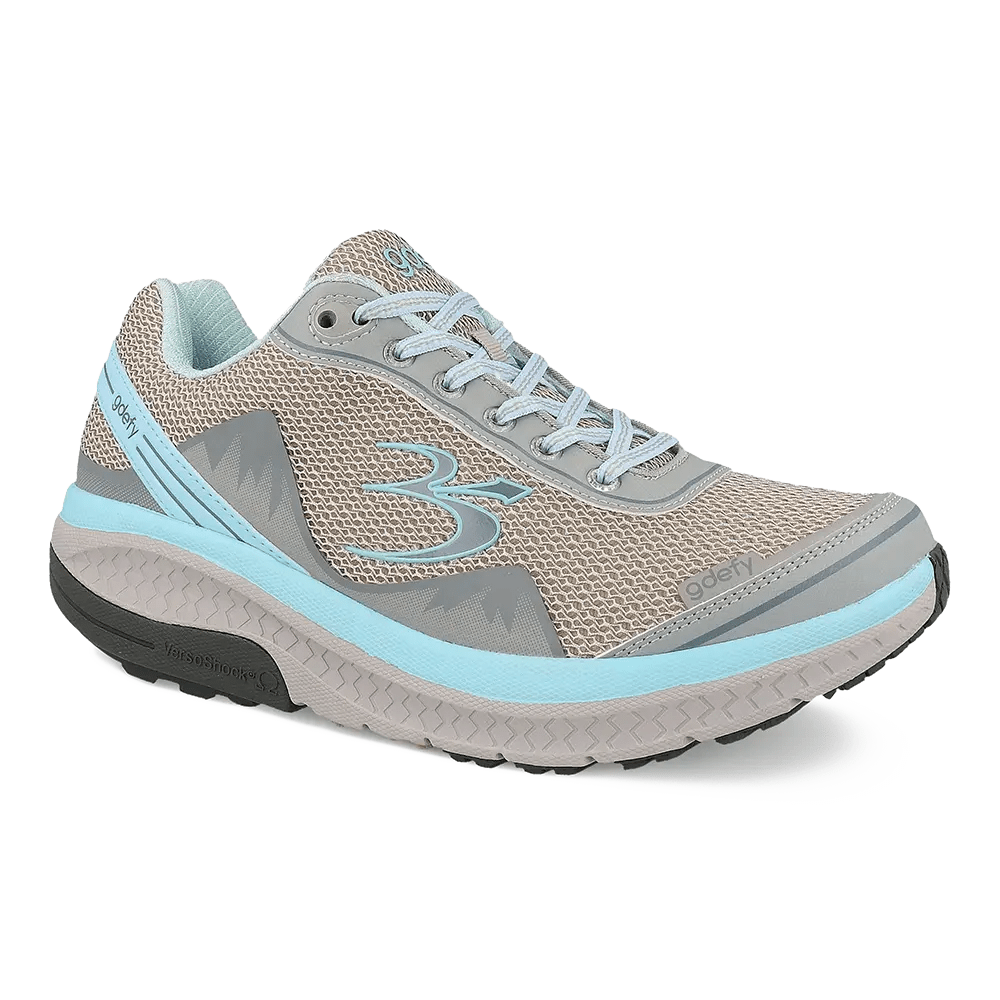
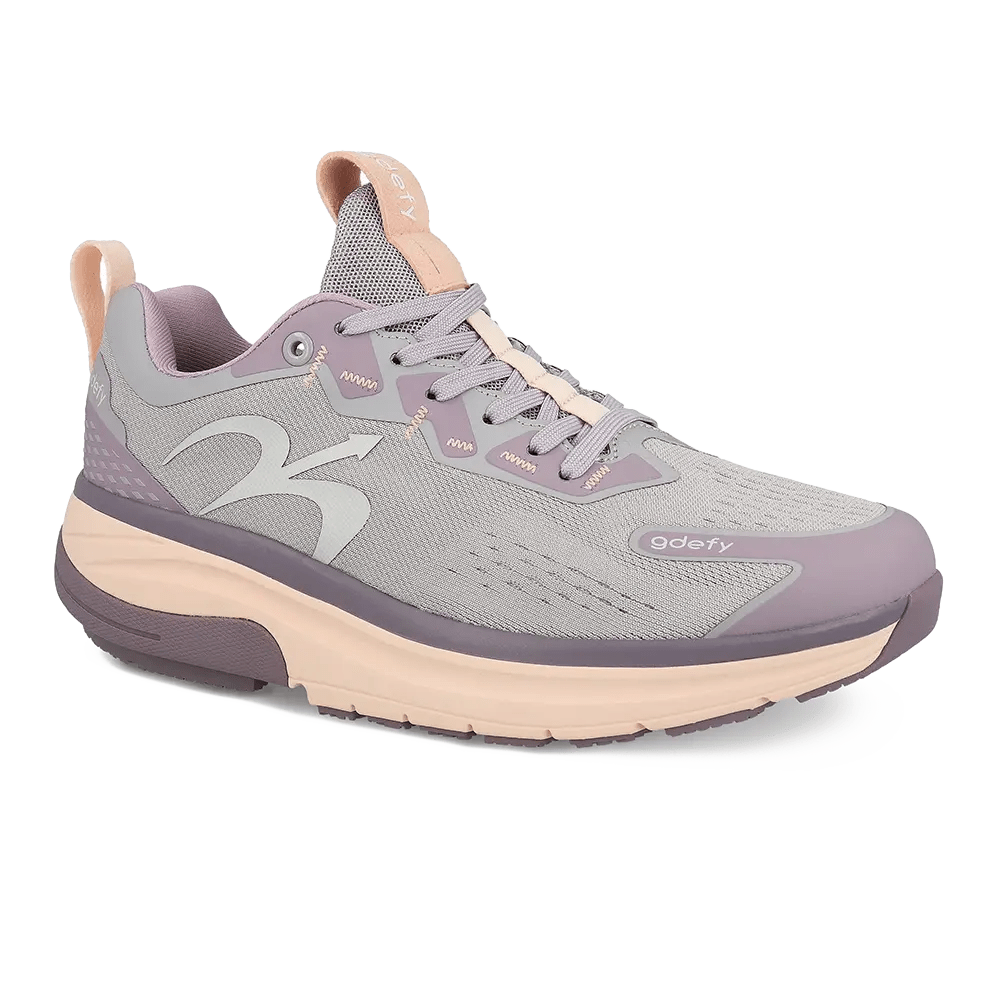
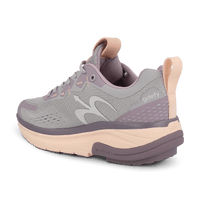
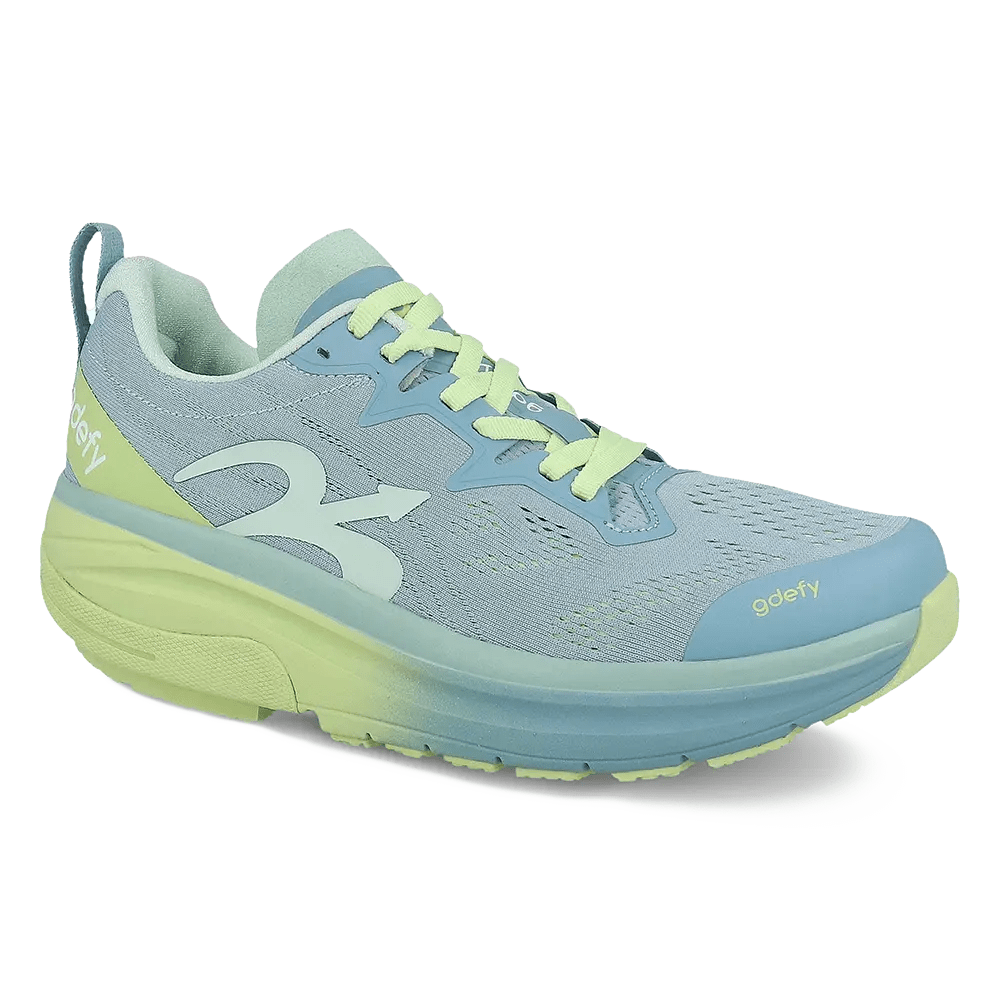
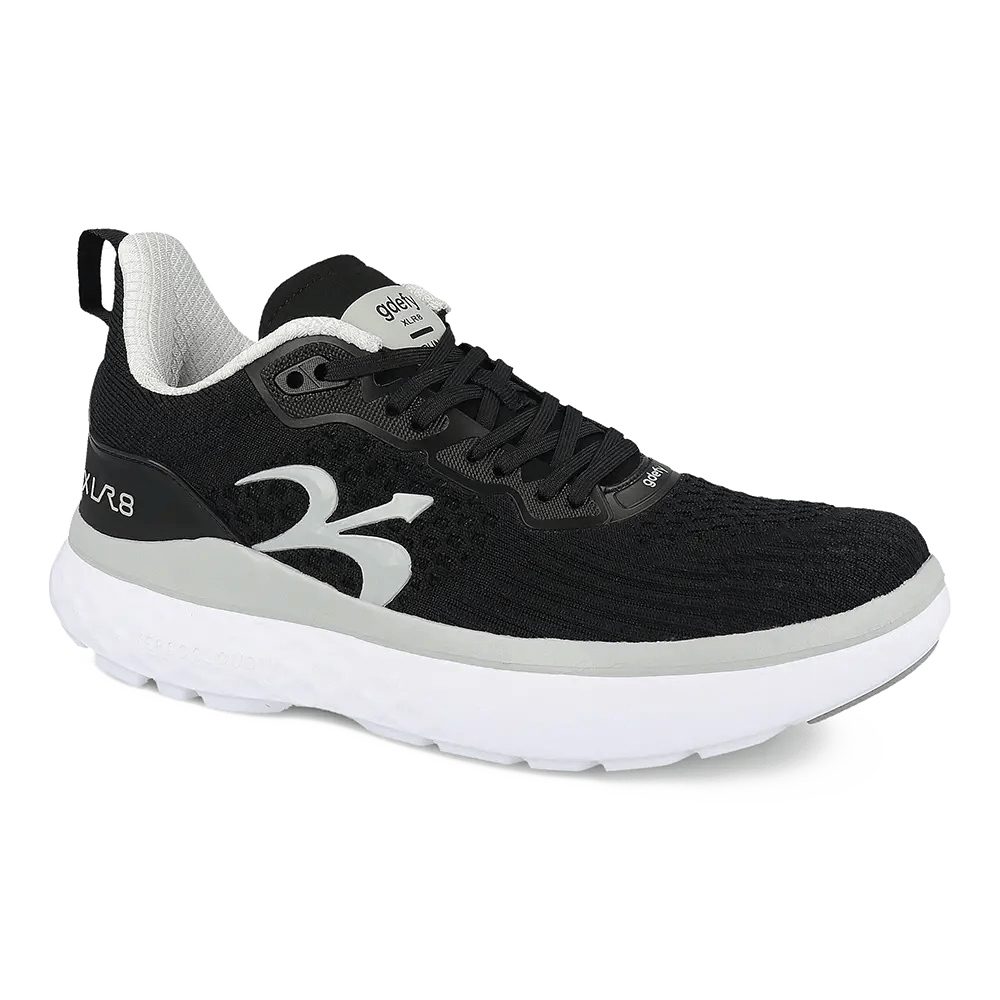
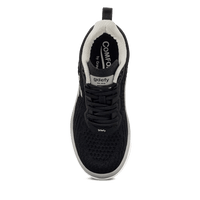
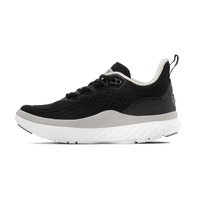
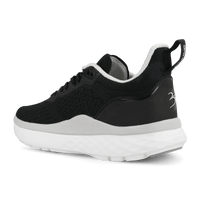
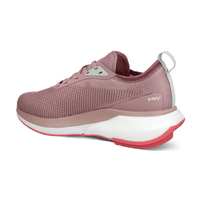
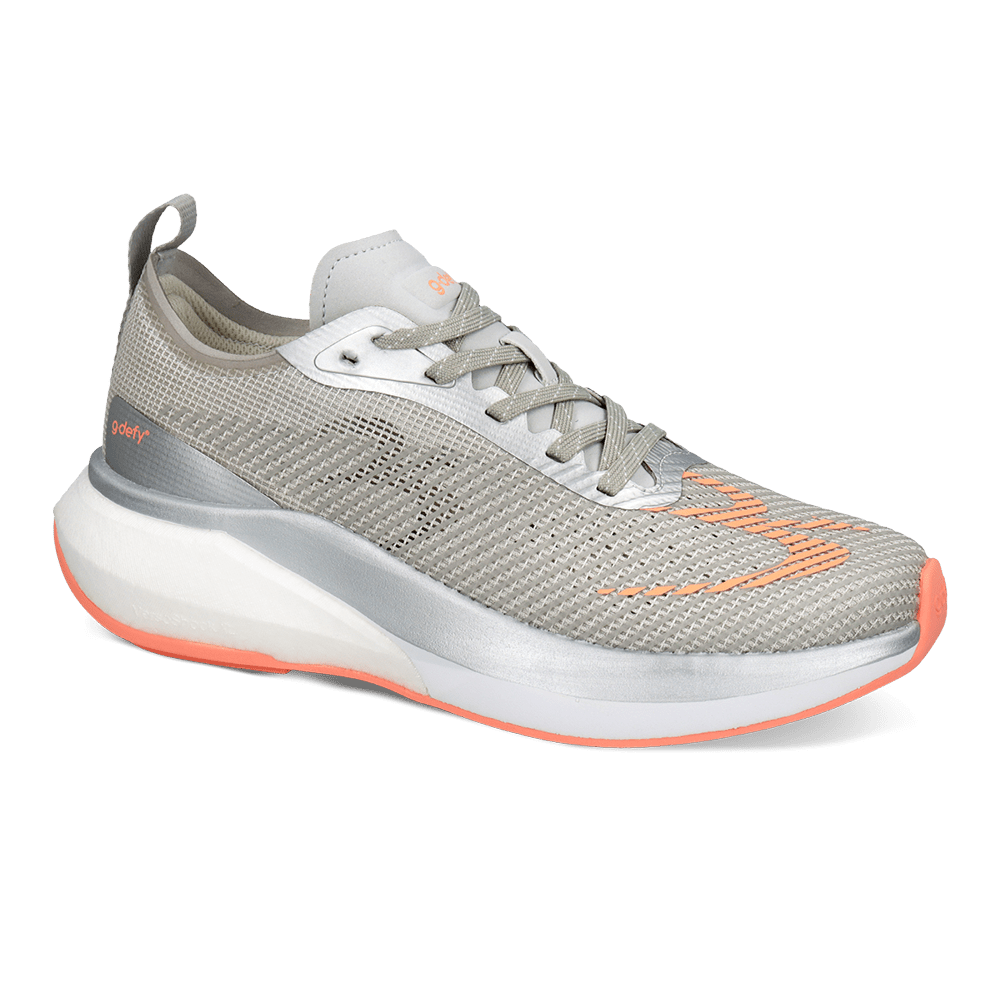
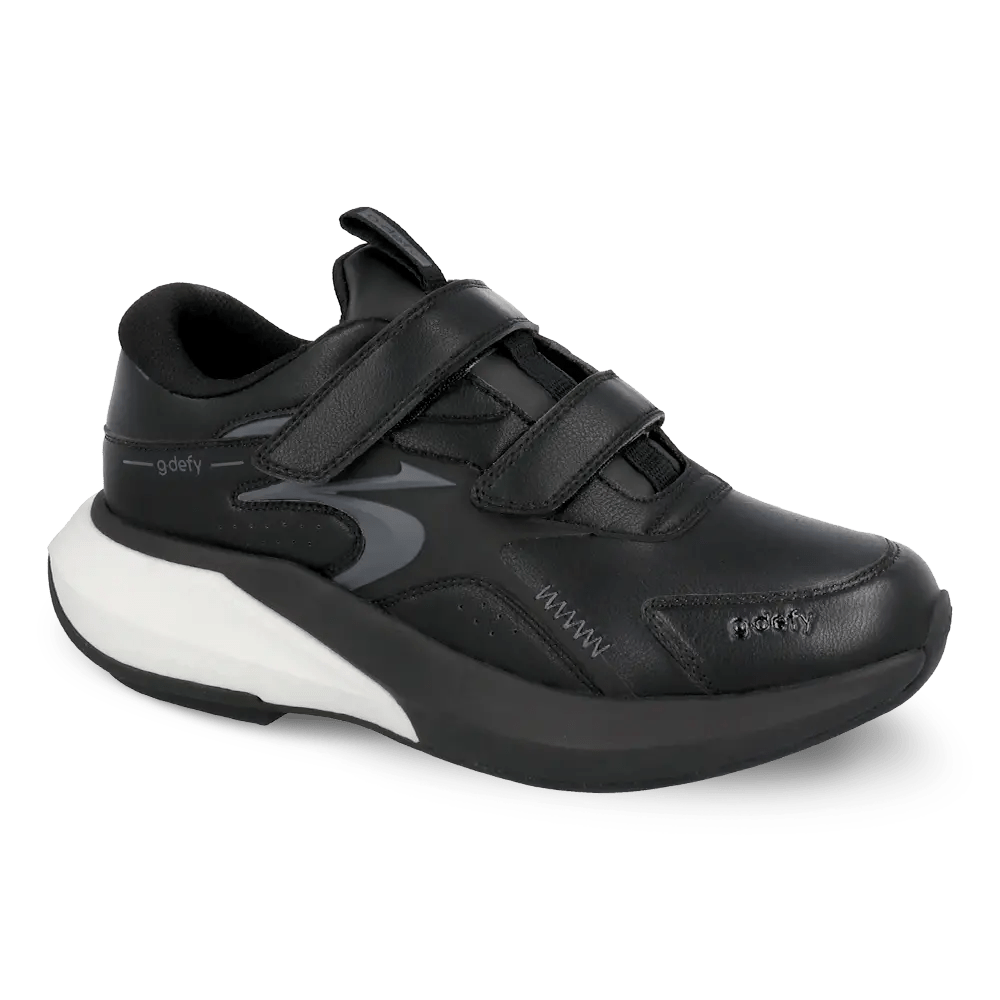
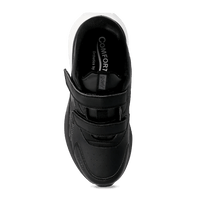
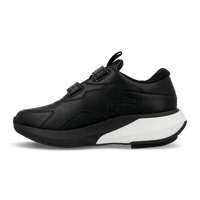
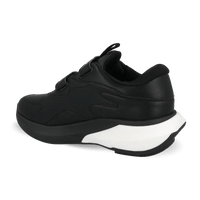
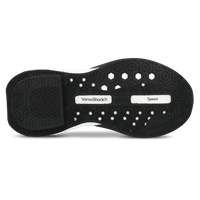
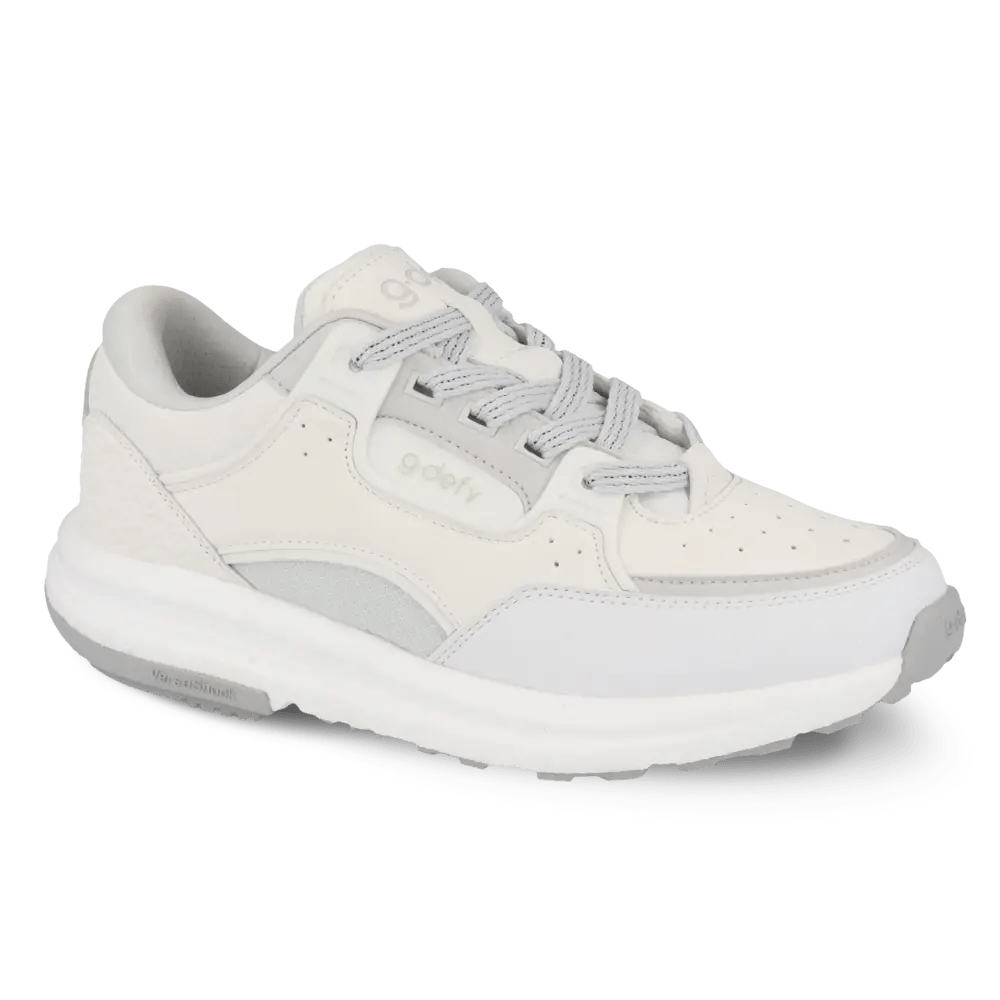
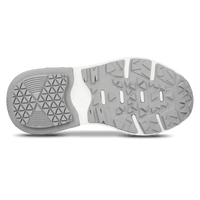
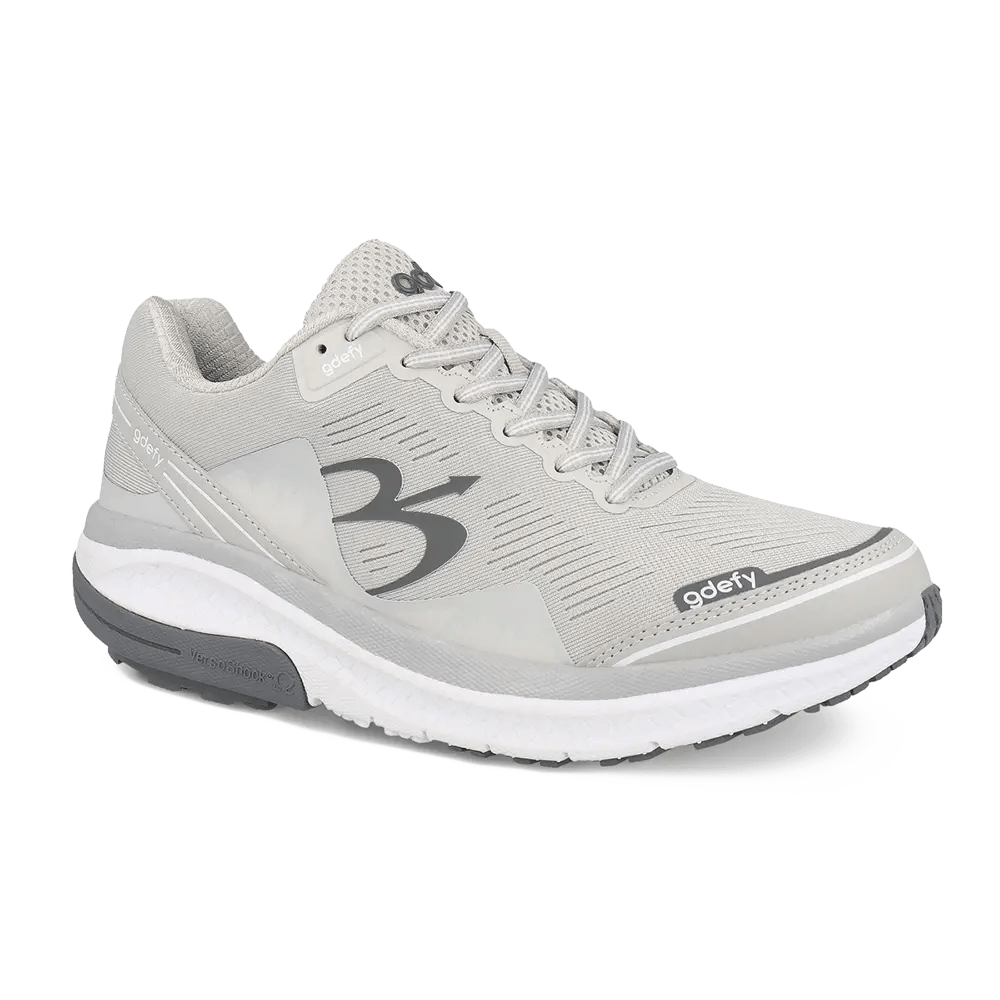
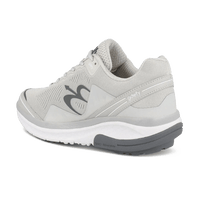
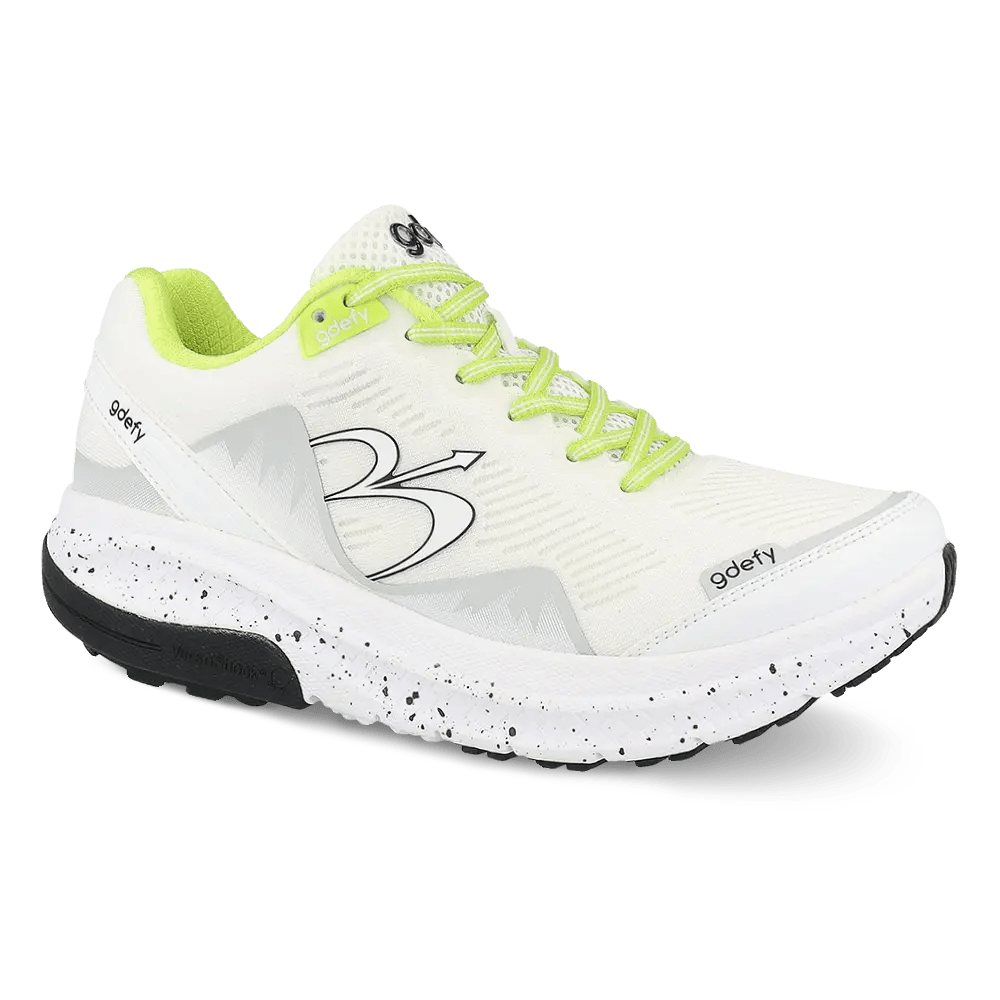
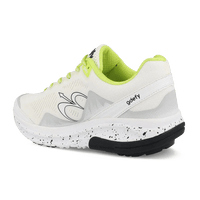
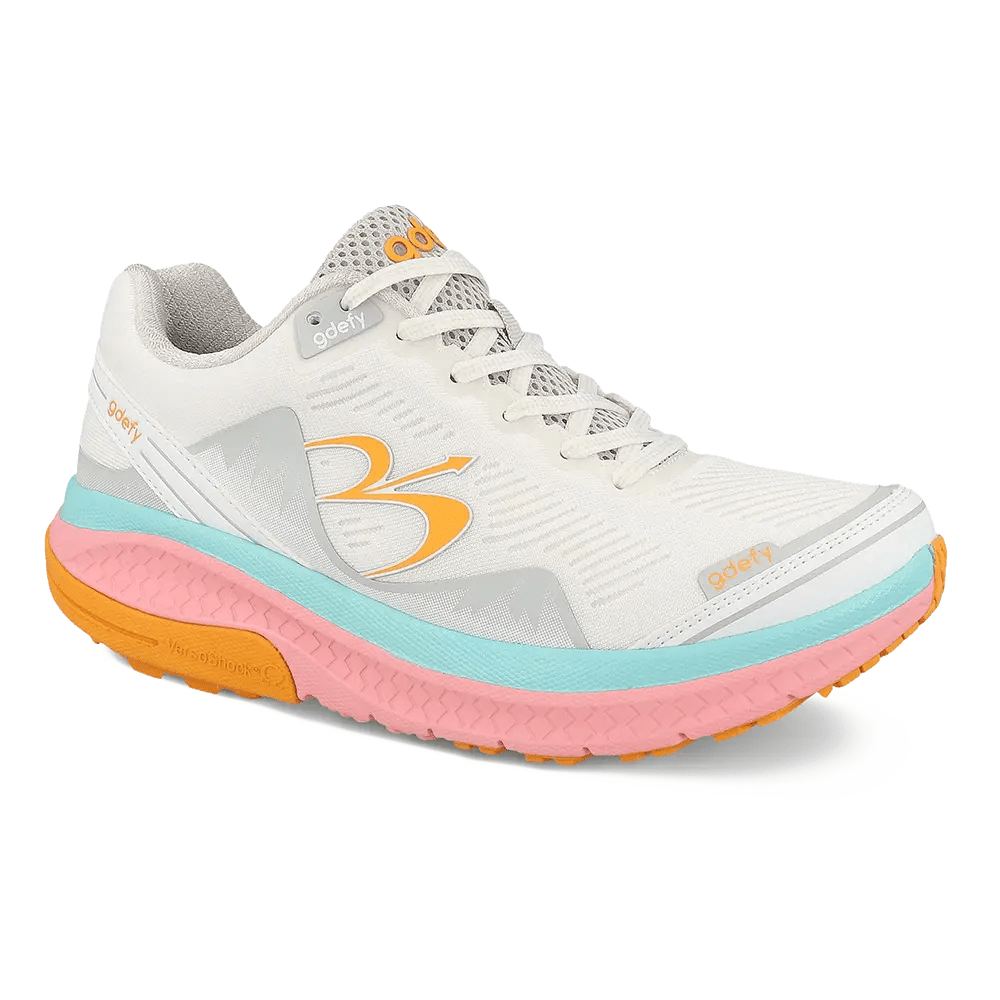
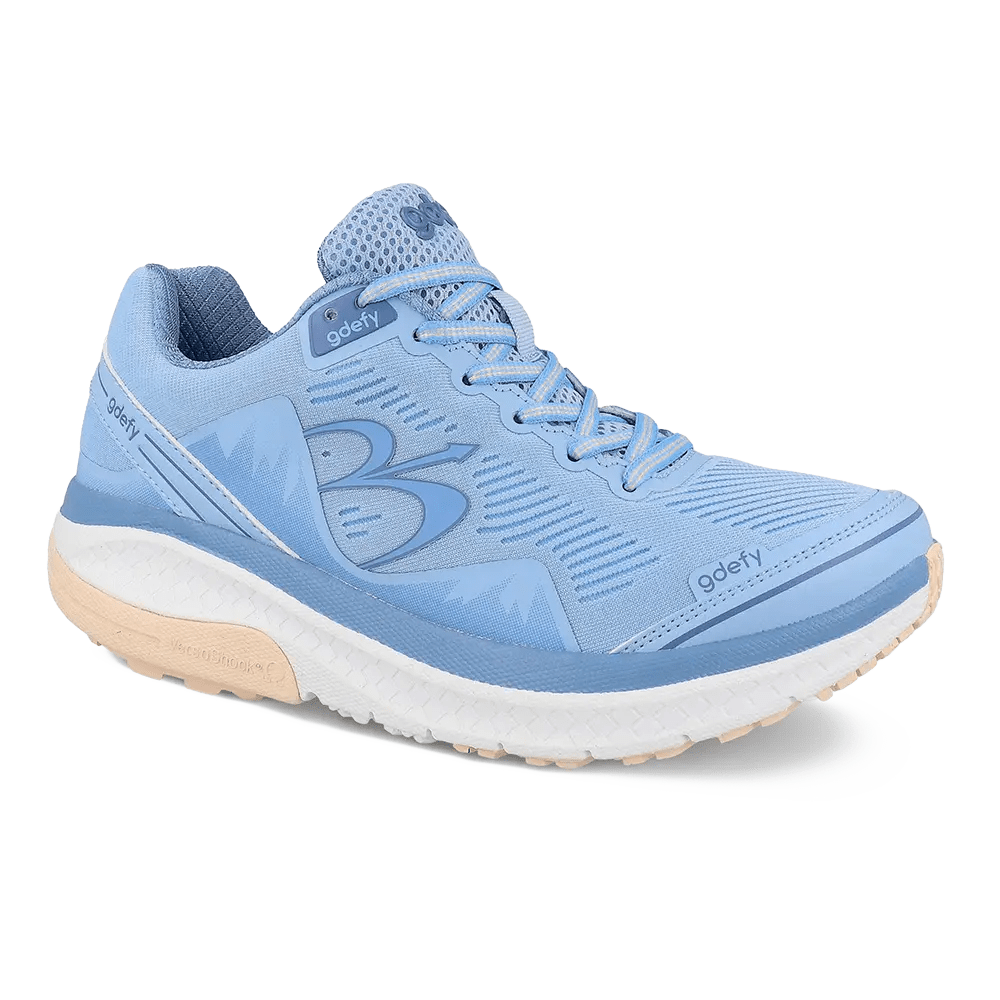
G-Defy shoes are engineered to provide comfort, support, and shock absorption. Featuring VersoShock® technology, they are designed to absorb impact and return energy with each step. A built-in stabilizer supports the foot during movement, while the front rolling design promotes a smooth walking experience. Each pair includes two removable orthotics to help customize comfort and support. G-Defy shoes help reduce pain from walking, running, and prolonged standing.
Mapped against the table above, that translates into a few concrete line items rather than a slogan:
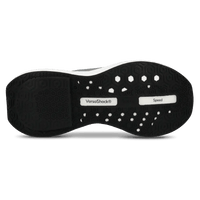
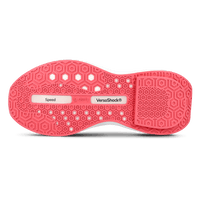
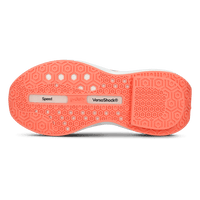
- The midsole is mechanical, not only foam. VersoShock® places a spring-based element in the heel rather than relying on foam alone to soften impact. How VersoShock® technology works walks through the four parts of the system, and what energy return means covers the second half of the cycle.
- Two orthotics in the box, not one liner. ComfortFit® and CorrectiveFit® are trademarked names for two different support levels — not a claim about changing anything on your foot. You swap them to suit a lower or higher arch instead of buying inserts separately.
- Three widths across the size run. Medium, wide, and extra-wide, which is where fit is usually won or lost.
- A 60-day risk-free trial. The value of a shoe is not knowable in a fitting room; it shows up in week three. A long trial moves that risk off you. Real accounts of how that plays out are collected in customer reviews after two months.

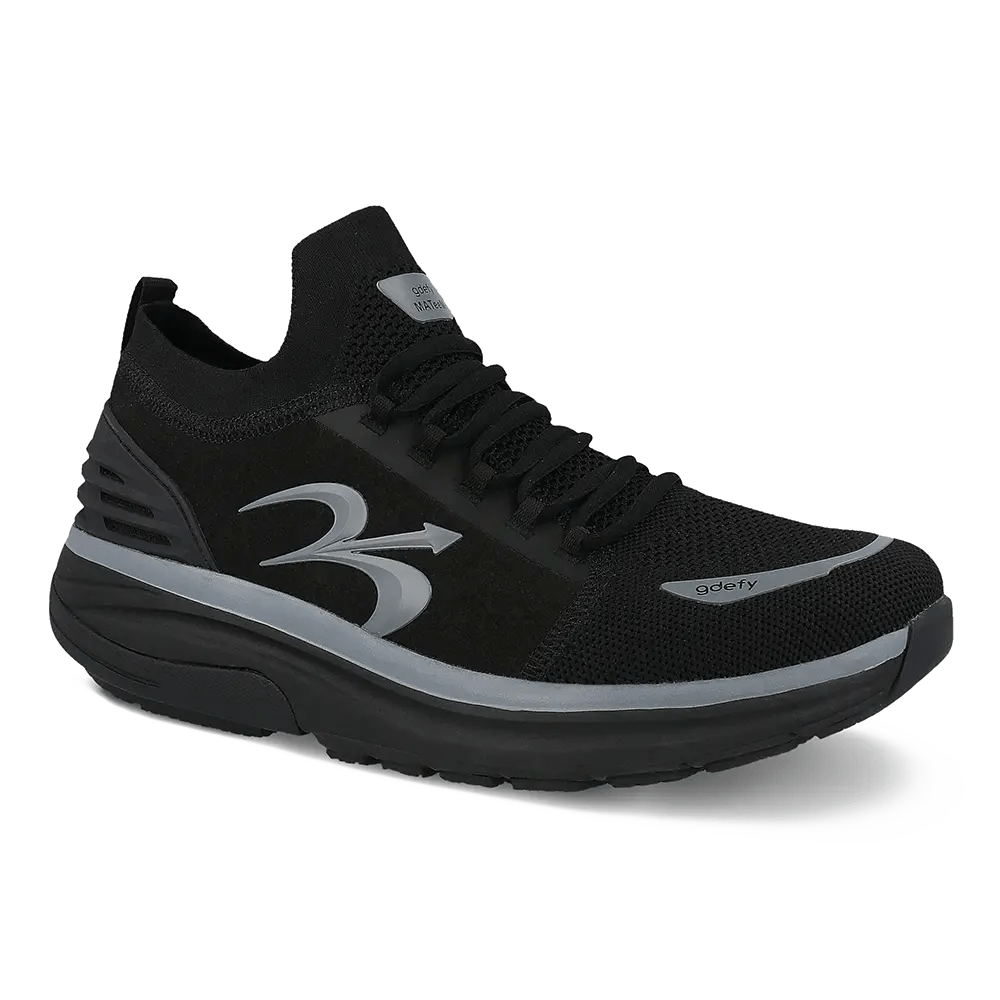
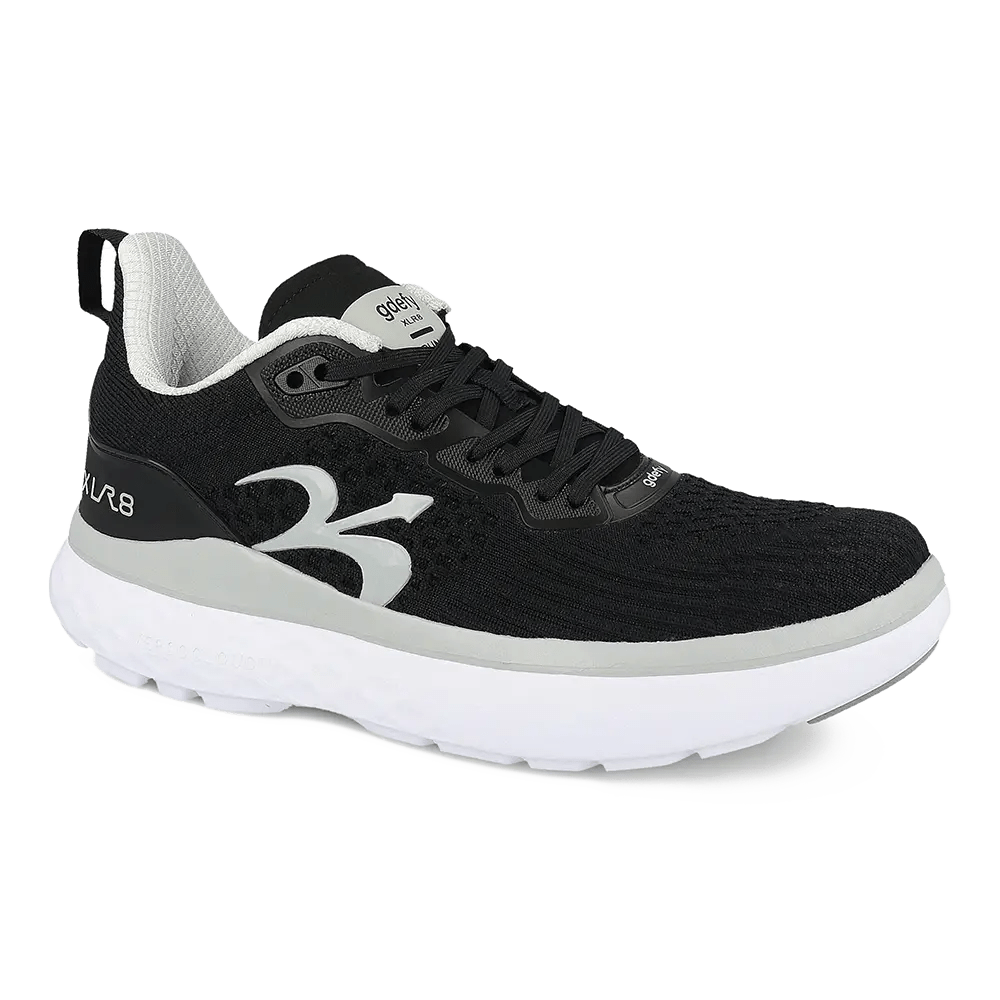
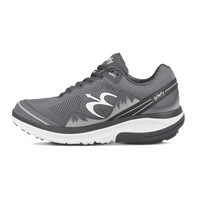
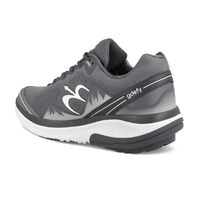
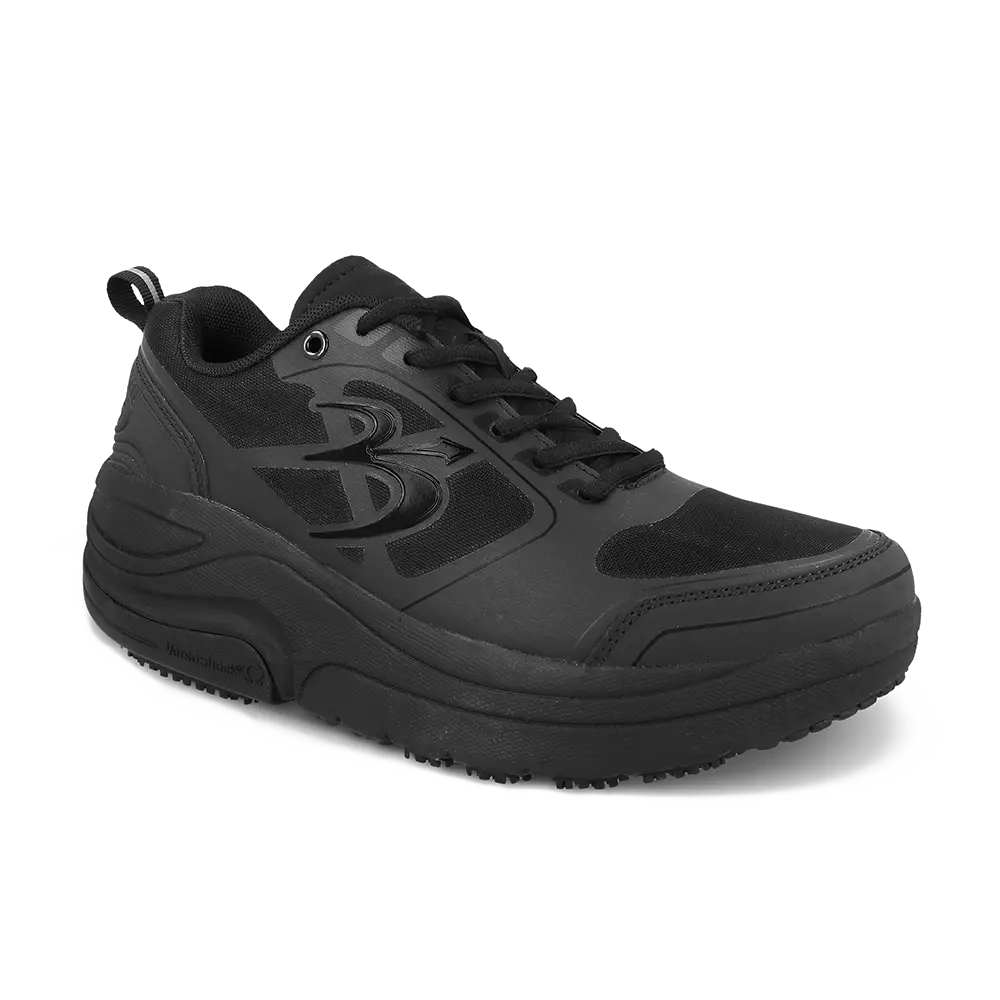
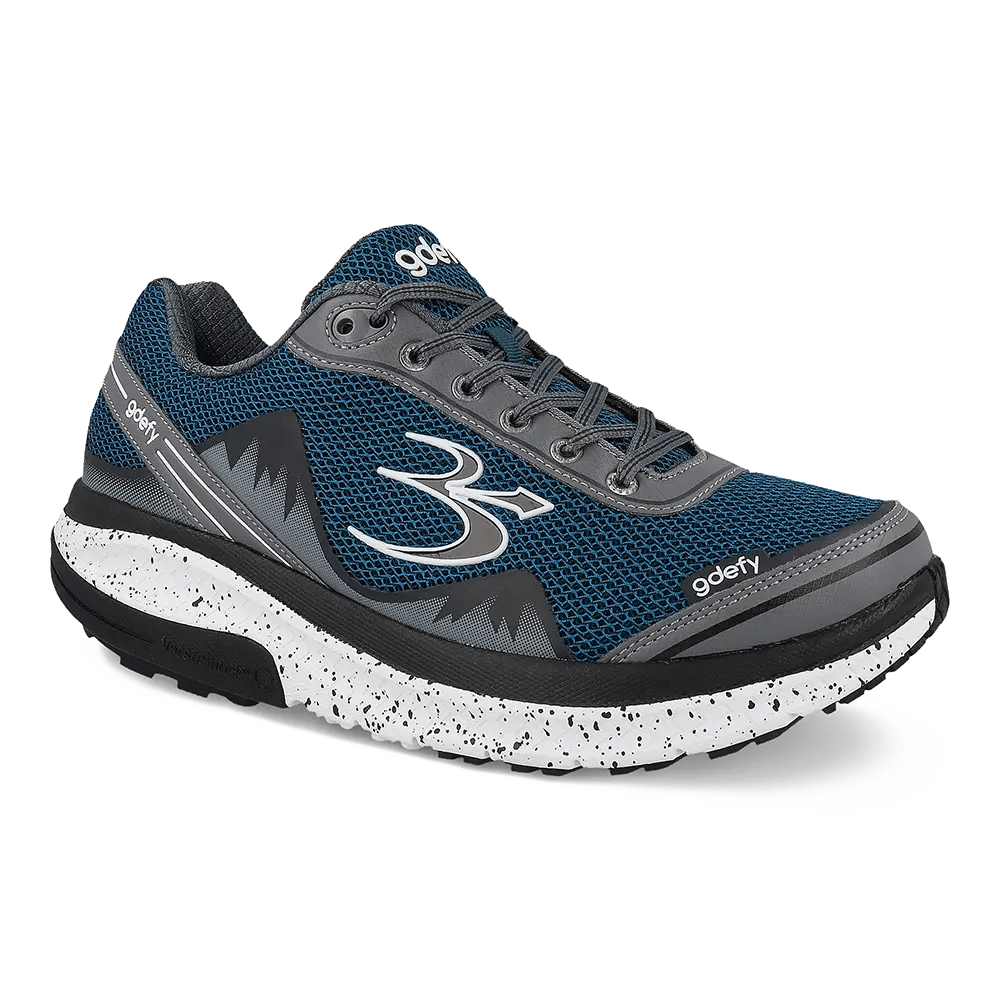
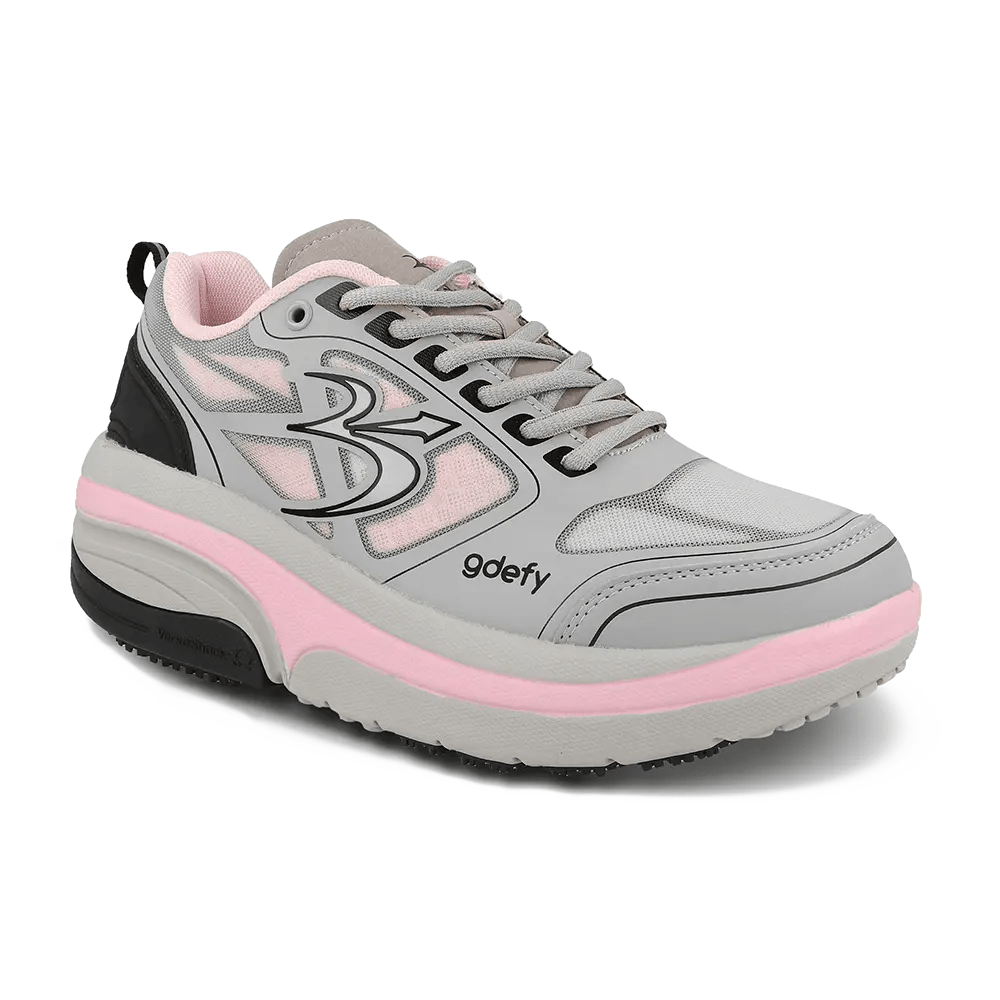
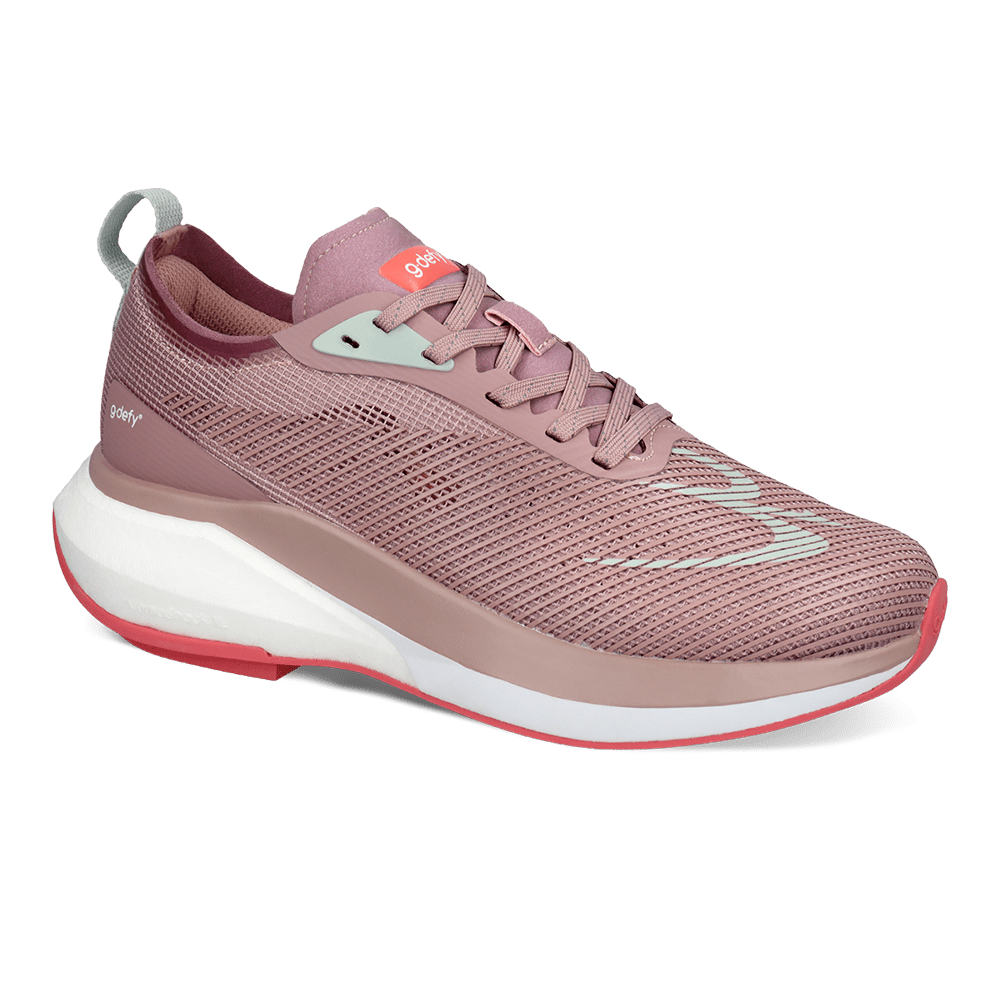
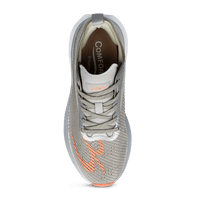
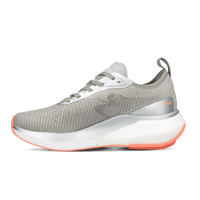
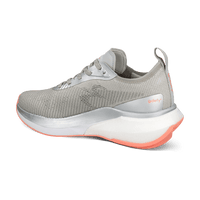
The Mighty Walk is the fuller-cushioned everyday option; the Ion is the lighter athletic build, and the women's Ion uses the same platform. Free shipping and free exchanges apply, which matters more than it sounds when you are sizing a shoe you have not worn.
Judge the value on your own feet, not on a spec sheet
Every pair ships with two removable orthotics, free shipping and exchanges, and a 60-day risk-free trial.
Shop Men's Comfort Shoes Shop Women's Comfort ShoesWhen a Higher Price Is Not Worth It
Being honest about this is part of the answer. There are situations where paying more buys you nothing:
- The shape is wrong for your foot. A narrow last on a wide foot stays uncomfortable at any price. Fit comes first; why proper fit is the foundation is worth reading before you compare price tags.
- You will wear them twice a month. Cost per wear cuts both ways. An occasional-use shoe rarely justifies a premium build.
- You are paying for a category you do not need. A trail outsole or a racing plate adds cost that a pavement commute never uses.
- The premium is purely cosmetic. Two versions of the same model in different colourways are the same shoe.
- You have not given a well-fitting pair a fair break-in. Some discomfort in week one is normal adjustment, not a verdict. Breaking in new shoes comfortably covers the schedule.
Five Questions to Ask Before You Buy
- How many days a week will these actually be on my feet? That number is the denominator in every calculation above.
- Does this come in my width? If not, stop there regardless of price.
- Can I remove the insole? A removable, shaped insole is a strong signal about the rest of the build.
- How firm is the heel counter? Squeeze it. If it collapses easily in the shop, it will collapse faster in daily use.
- What happens if they do not work out? A short return window shifts all the risk onto you, and that has a real cost.
One more habit that quietly improves the return on any pair you buy: rotate between two pairs rather than wearing one every day. Refreshing your shoe rotation explains how that works, and building shoes that last covers the durability side of the same question.
Related Reading
| If you are deciding… | Read this next |
|---|---|
| Whether your current pair is finished | How Shoes Wear Out: When to Replace Your Footwear |
| What "support" actually means on a spec list | What Does Support Really Mean in Footwear? |
| Whether stability is worth paying for | Why Stability Matters in Everyday Footwear |
| Whether built-in beats buying inserts | VersoShock® vs Traditional Orthotics |
| What other buyers concluded | Are G-Defy Shoes Worth It? What Customers Say |
| The wider picture on everyday foot comfort | The Complete Guide to Foot Health |
Frequently Asked Questions
Are expensive shoes worth it?
It depends on what the price is buying and how often you wear them. A higher price that reflects a layered midsole, a removable shaped insole, a firm heel counter, and a width that suits your foot tends to work out cheaper per day of comfortable wear. A higher price that reflects branding or colourway does not.
How do I calculate cost per wear?
Divide what you paid by the number of days the pair stayed comfortable to walk in — not the number of days it survived. Most people are surprised how much that changes the ranking between two pairs.
Can more supportive shoes help with foot pain during long days?
Supportive, cushioned footwear may improve overall comfort during walking and prolonged standing. Footwear is not a medical solution, and for persistent discomfort it is best to speak with your healthcare provider.
Is it better to buy one good pair or two cheaper pairs?
For daily wear, two pairs you rotate will usually outlast one pair worn every day, because each gets time to decompress between wearings. If you can only choose one, prioritise the pair that fits your width properly.
How long should a comfort walking shoe stay supportive?
It varies with body weight, surfaces, and daily distance rather than following a fixed number. The practical test is the shoe itself: visible midsole creasing, flattened tread, and a heel counter that folds easily are the signs that it has stopped doing its job.
The Takeaway
The honest answer to "are expensive shoes worth it" is that the price tag is not the question — the build and the fit are. Work out what a shoe is made of, divide the cost by the days it will genuinely stay comfortable, and be willing to walk away from a premium that is only cosmetic.
While footwear is not a medical solution, choosing shoes designed for comfort, support, and shock absorption can make a meaningful difference in how you feel throughout the day — and that difference is what you are actually paying for.