
May 23, 2026
60-Day Trial Stories: What Customers Say After Two Months
By Gdefy

Summary

A new pair of shoes can feel different right out of the box. The cushioning is fresh, the laces are crisp, and your foot has to get used to a new shape underfoot. But what really matters isn't the first day — it's what happens after a few weeks of daily wear, when the shoe has settled into your routine and you've had time to notice how your feet feel at the end of a long day.
That's the whole point behind G-Defy's 60-day trial. Two months is long enough to wear a shoe through real life — commutes, errands, work shifts, weekend walks, the days when your feet are tired before you even start. The stories below are composite reflections drawn from common feedback G-Defy customers share during and after their trial period. Names and details have been generalized, but the experiences they describe are the kind of feedback that comes in regularly. Results vary by individual, and footwear is not a medical solution.
If you've ever wondered what two months in a pair of comfort-focused shoes actually feels like, here's a window into that.
What Is the G-Defy 60-Day Trial?
Every pair of G-Defy shoes purchased through gravitydefyer.com comes with a 60-day risk-free trial. You can wear them indoors and outdoors, on real surfaces, during your actual day — not just walk laps around the bedroom on day one. If they aren't right for you within that window, you can return them.
The reason the trial runs that long is simple: comfort isn't always obvious in the first week. Your feet need time to get used to a new midsole, a new arch profile, and a new front-rolling design. The first few days of any new shoe involve a slight adjustment period. By week three or four, you usually have a much clearer sense of whether a shoe works for your daily routine — and by the eight-week mark, you really know.
Free shipping and free exchanges are included with the trial, so swapping a size or a model partway through doesn't cost anything extra.
Why Two Months Matters
Anyone who has bought shoes online knows the awkwardness of a quick return window. A 30-day window can pass before you've even worn a shoe for a full week of long days. Sixty days gives you the chance to:
- Wear the shoe through a full work cycle — including the longest, busiest days
- Try it during different activities: errands, light exercise, standing tasks, travel
- Rotate it with other shoes you own so you have a real comparison
- Test it during different weather and indoor surfaces — tile, hardwood, carpet, sidewalk
- Give your feet time to fully adjust to the cushioning and rolling design
That extended timeline is also what produces the kind of feedback below — observations that take weeks of wear to notice.
Customer Stories After 60 Days
The five composite stories below reflect common themes G-Defy customers describe at the two-month mark. Each one is a generalized reflection, not a specific individual. Results vary by individual.
Margaret — Retail Manager, 58
Margaret spends most of her day on a tile floor, moving between displays, the register, and the back room. By the end of a long retail shift, her feet used to feel heavy and tight, especially after holiday weekends with extra hours.
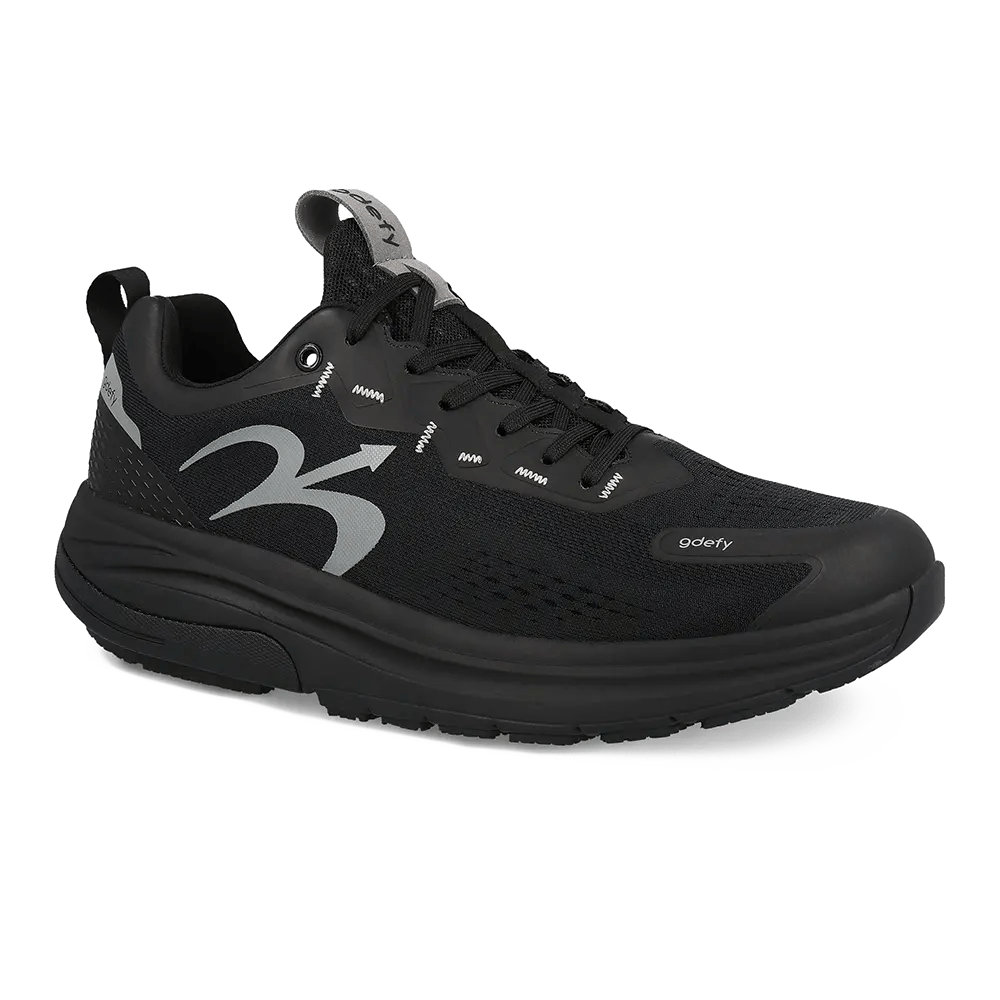
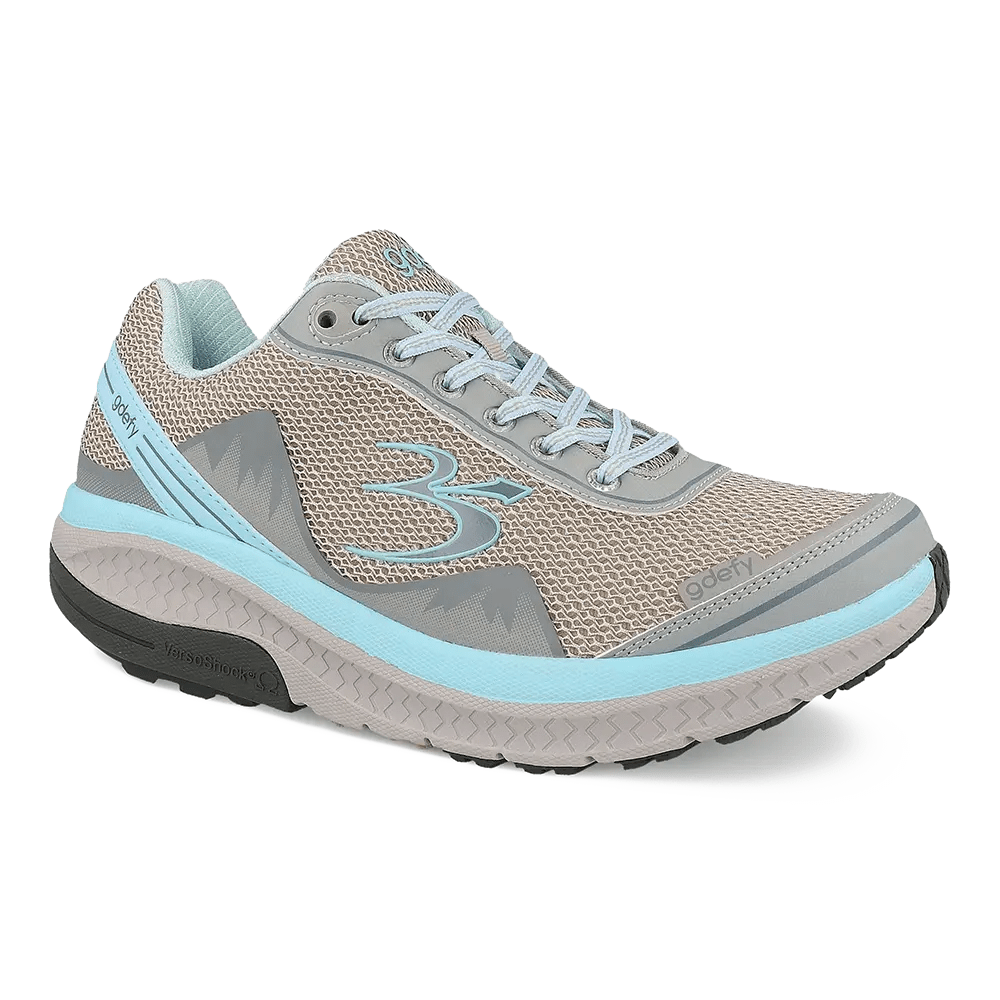
After two months in the Mighty Walk, she noticed two things. First, the front rolling design seemed to keep her stride moving forward without as much push from her calves. Second, the cushioning felt different from the foam shoes she'd worn for years — softer underfoot but more responsive. By the end of a ten-hour shift, her legs didn't feel as fatigued as she remembered. "I keep them in the back room and put them on the moment I get in," she shared in a customer email. Results vary by individual.
David — Postal Worker, 52
David walks his route Monday through Saturday, hitting around 18,000 steps a day on suburban sidewalks. He'd been through several pairs of athletic shoes that felt great in the store but broke down by week three.
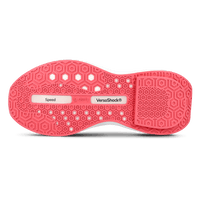
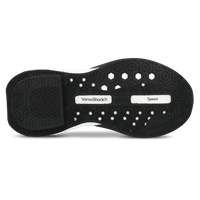
What stood out to him at the 60-day mark wasn't the cushioning — it was how the shoes still felt the same as when he got them. He didn't have the flattened-out, soft-spot feeling under his heel that comes from compressed foam. He attributed that to VersoShock® technology, which uses a spring-based system designed to absorb impact and return energy rather than just compressing flat. "After two months I expected them to feel done," he wrote. "They don't." Results vary by individual.
Linda — Retired Teacher, 67
Linda taught for 38 years and has been an active walker since retirement. She wanted shoes for daily three-mile loops in her neighborhood and walking with her grandkids on weekends.
She used the trial period to try both removable orthotics that come with every pair — the ComfortFit® for daily walks and the CorrectiveFit® for the days she pushed her distance. Being able to swap between the two helped her find what worked best. By week eight she'd settled into a routine: ComfortFit® most days, CorrectiveFit® on her longer Sunday walks. "I didn't realize you could customize the fit yourself," she said. Results vary by individual.
James — Construction Foreman, 54
James spends his days walking job sites, climbing in and out of trucks, and standing on uneven surfaces. His feet take a beating, and standing on concrete for a full shift had been wearing on him for years.
The thing he noticed by month two was that the end-of-day feeling had shifted. The walk back to his truck didn't feel as long. He still had some tiredness — that's the reality of standing all day — but the sharp ache he used to feel under the ball of his foot had eased. He credited the combination of cushioning and the stabilizer system, which helps reduce excessive flex in the middle of the shoe. Results vary by individual.
Carol — Grandmother, 62
Carol watches her two grandkids three days a week and does a lot of walking with the stroller, the park, and around the neighborhood. She'd avoided comfort-focused shoes for years because the ones she'd tried looked clunky.
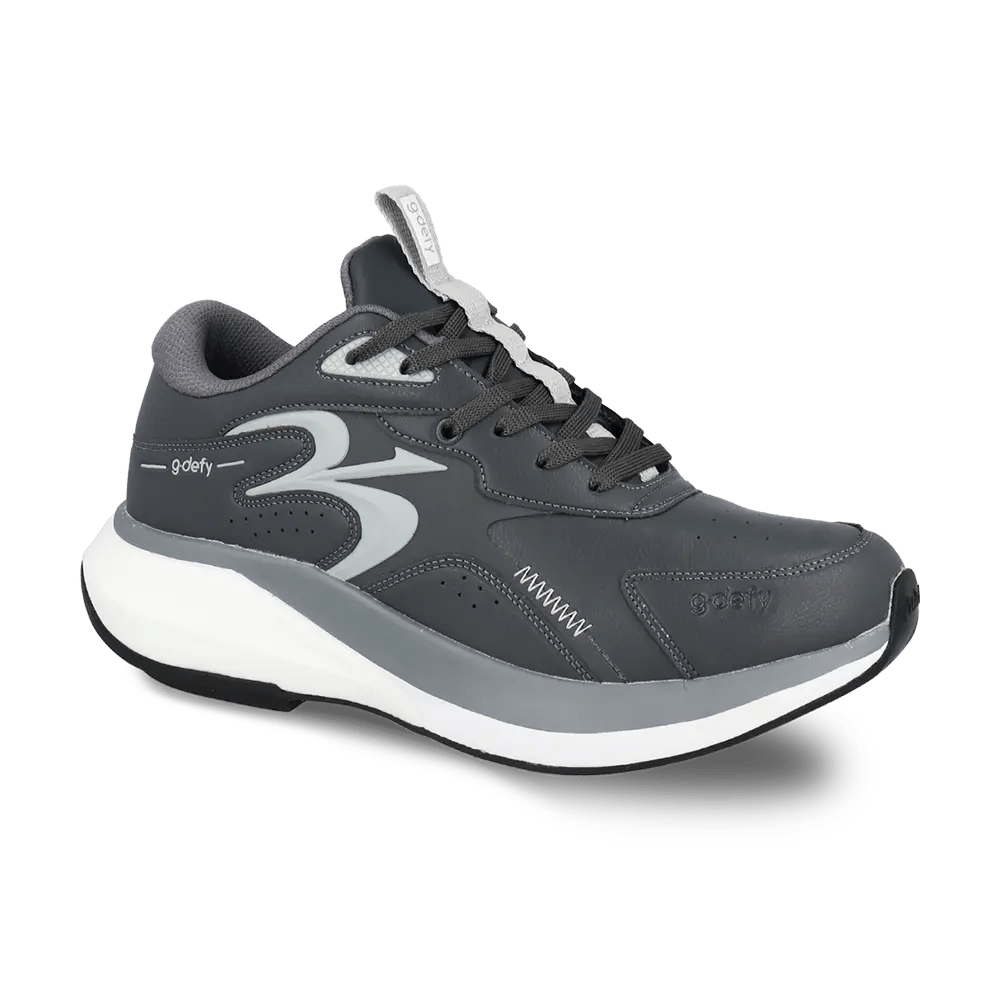
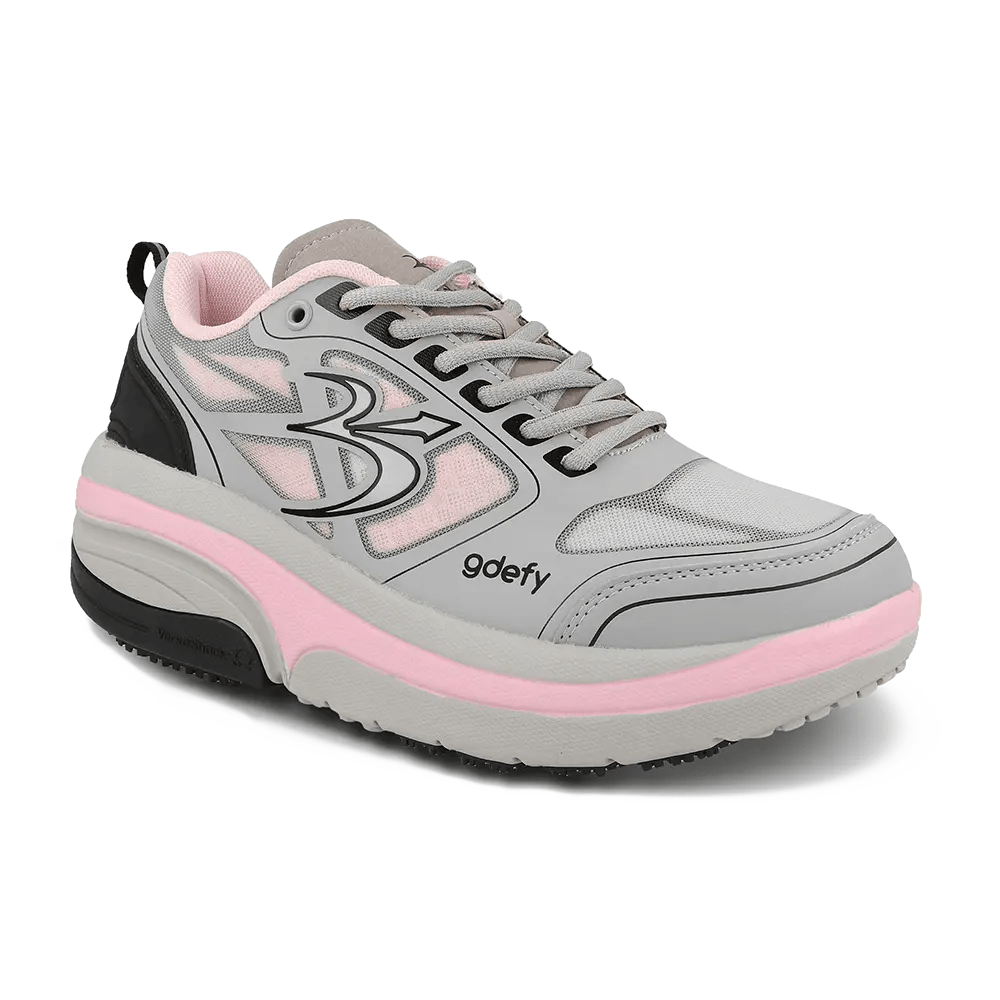
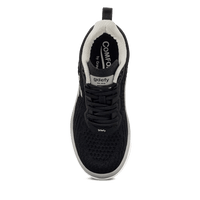
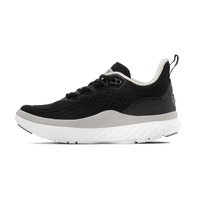
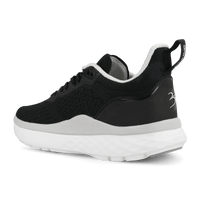
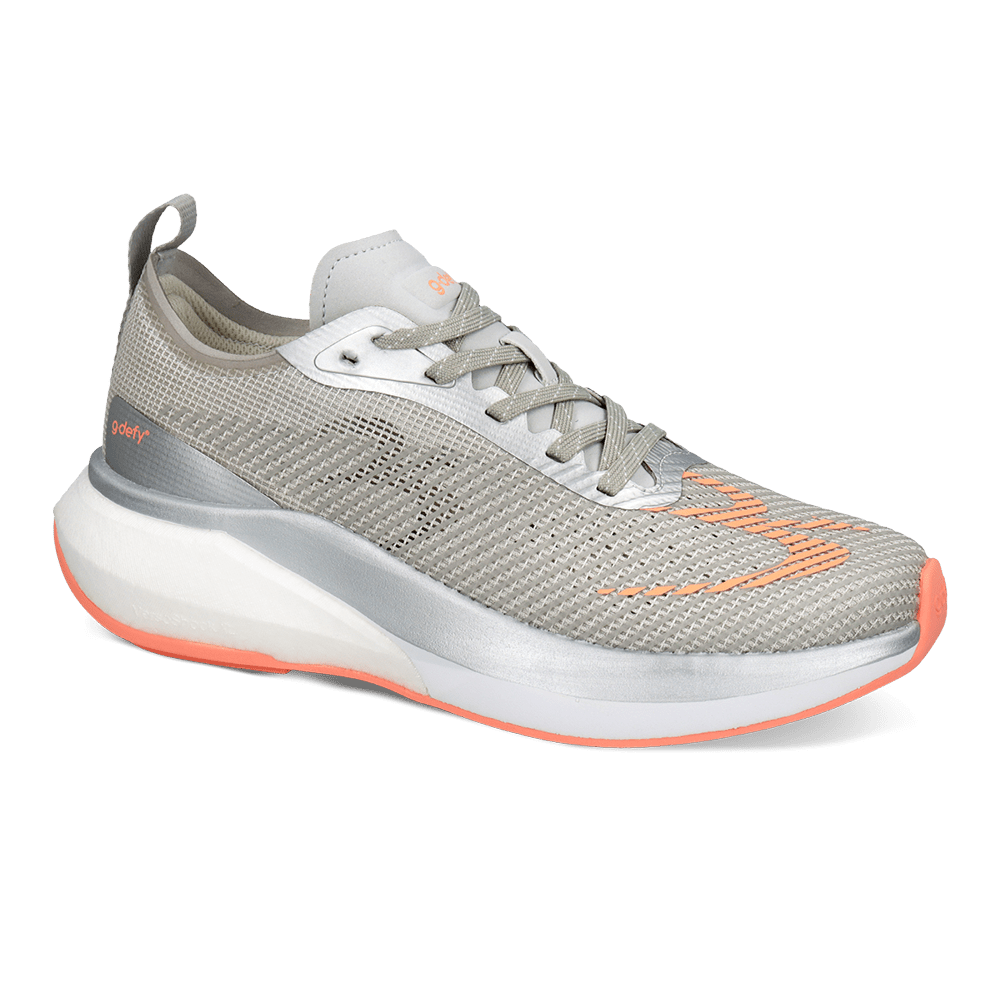
What surprised her at the 60-day mark was how often she reached for the G-Defy Ion instead of her older walking shoes. She mentioned the lightweight feel — the Ion is built for lightweight all-day comfort — and the fact that she could wear them out to lunch without feeling like she was wearing the bulky kind she had in mind. For her, the trial period gave her time to realize they fit into more of her life than she expected. Results vary by individual.
What These Stories Have in Common
A few patterns show up across two-month feedback from G-Defy customers:
- It takes more than a week to know. Most customers report that the difference becomes most obvious around weeks three to six, when the shoe has settled and they've had enough comparison days to notice.
- The end of the day is the truest test. First-week impressions are usually about how the shoe feels at 9 a.m. Two-month impressions are about how feet feel at 7 p.m. on a long day.
- The dual orthotic system gets discovered later. Many customers don't swap orthotics until week two or three. Once they do, they often find the experience changes meaningfully.
- Lightweight matters more over time. The weight difference between a foam athletic shoe and a comfort-engineered shoe isn't always obvious at first, but it adds up across a long day.

How G-Defy Supports All-Day Comfort
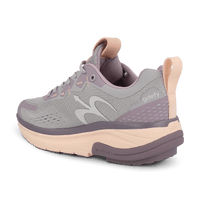
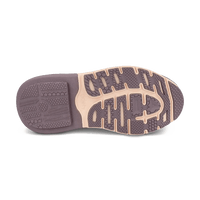
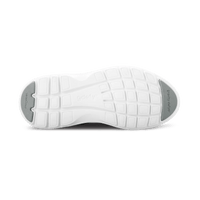
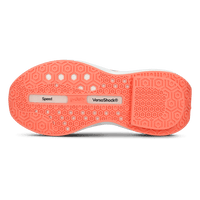
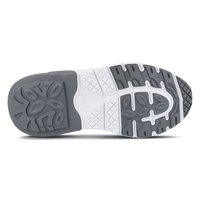
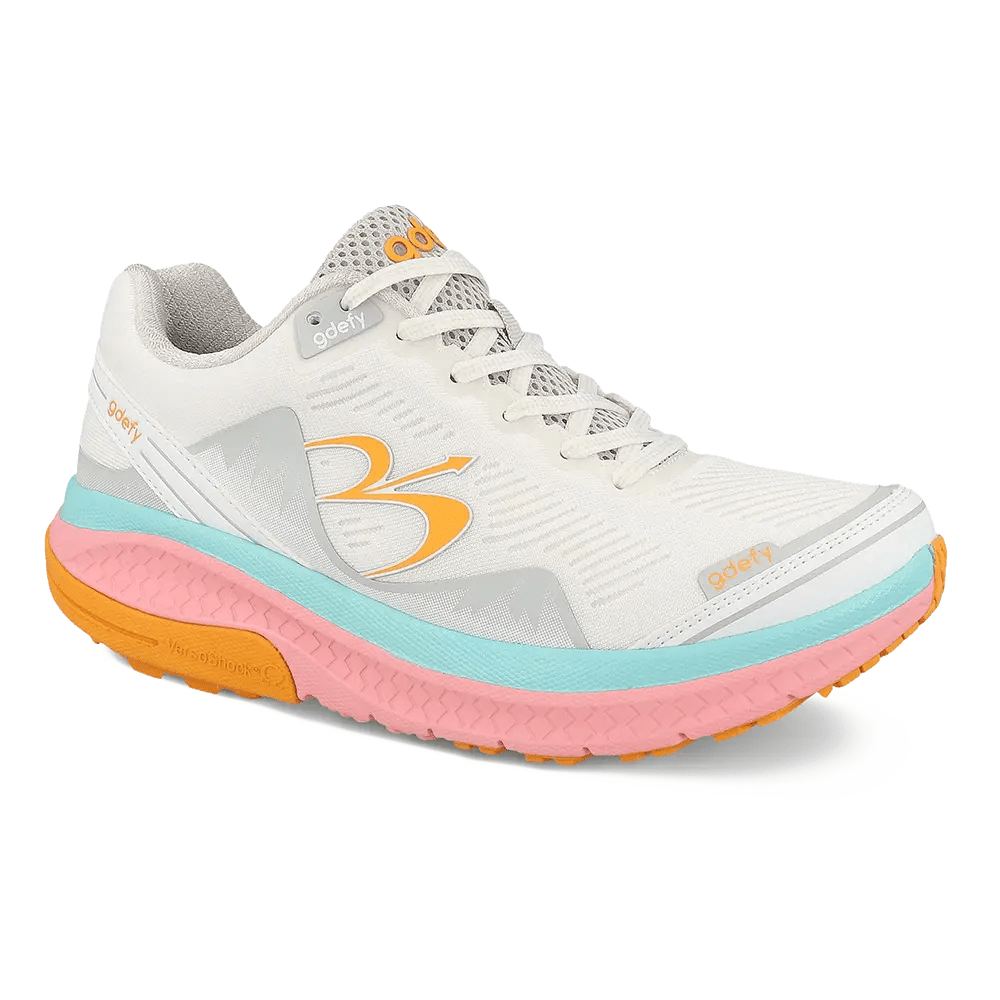
G-Defy shoes are engineered to provide comfort, support, and shock absorption. Featuring VersoShock® technology, they are designed to absorb impact and return energy with each step. A built-in stabilizer supports the foot during movement, while the front rolling design promotes a smooth walking experience. Each pair includes two removable orthotics — ComfortFit® and CorrectiveFit® — to help customize comfort and support. G-Defy shoes help reduce pain from walking, running, and prolonged standing.

The featured picks from this article:
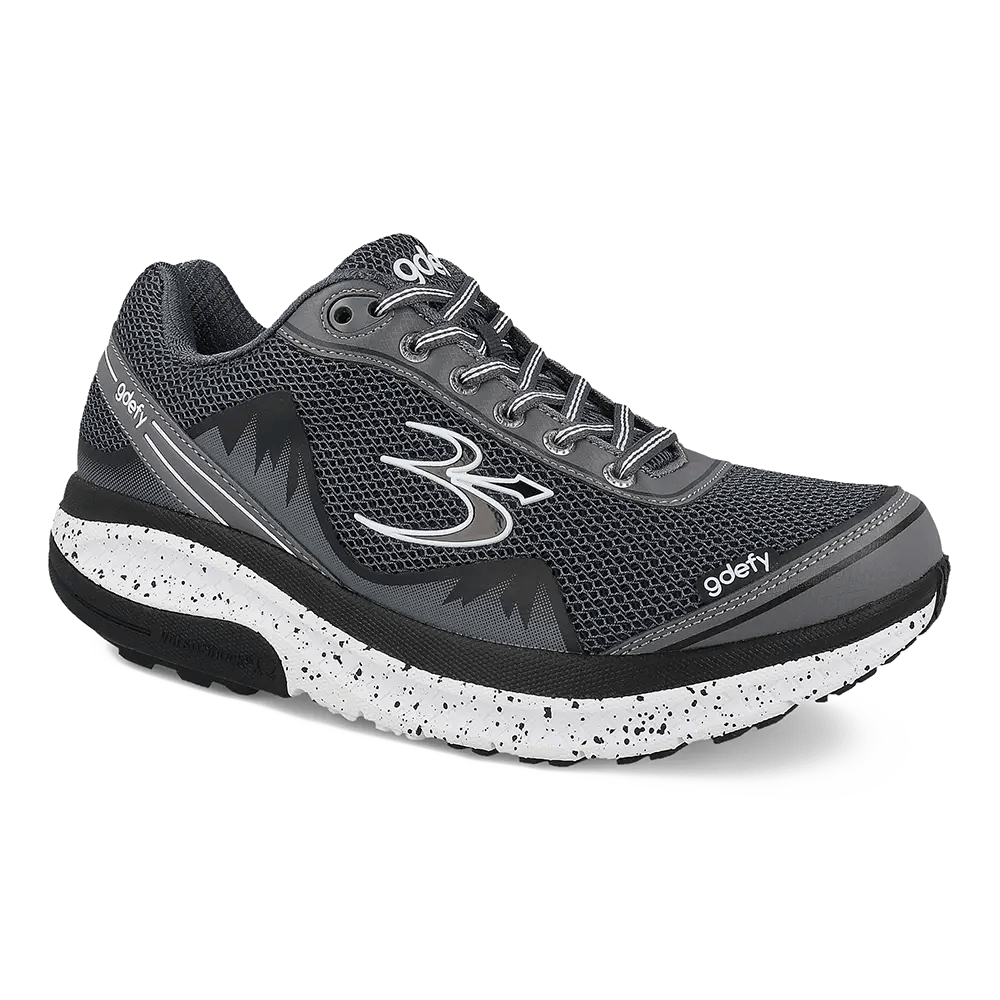
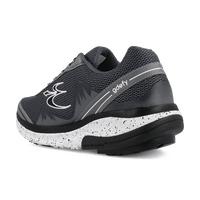
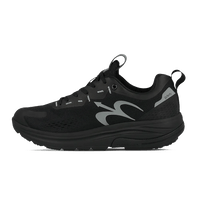
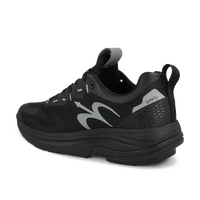
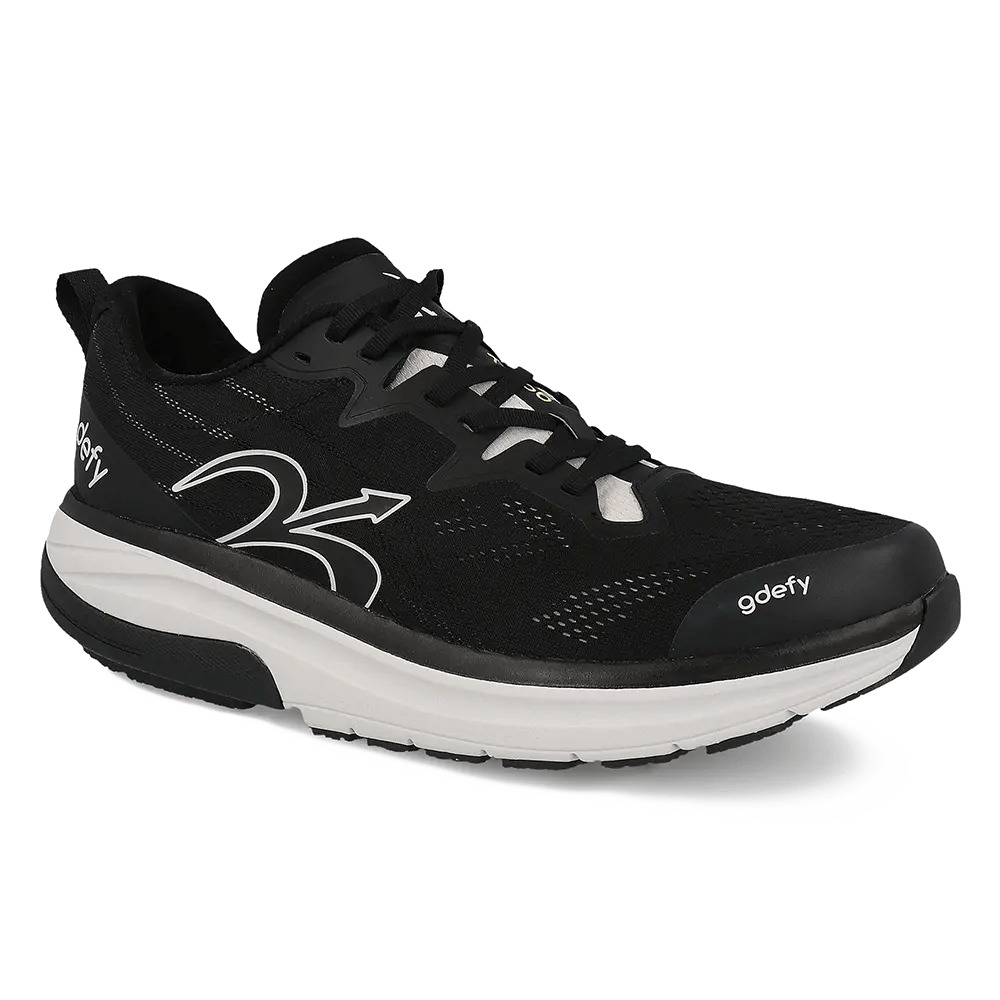
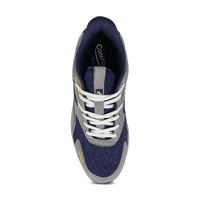
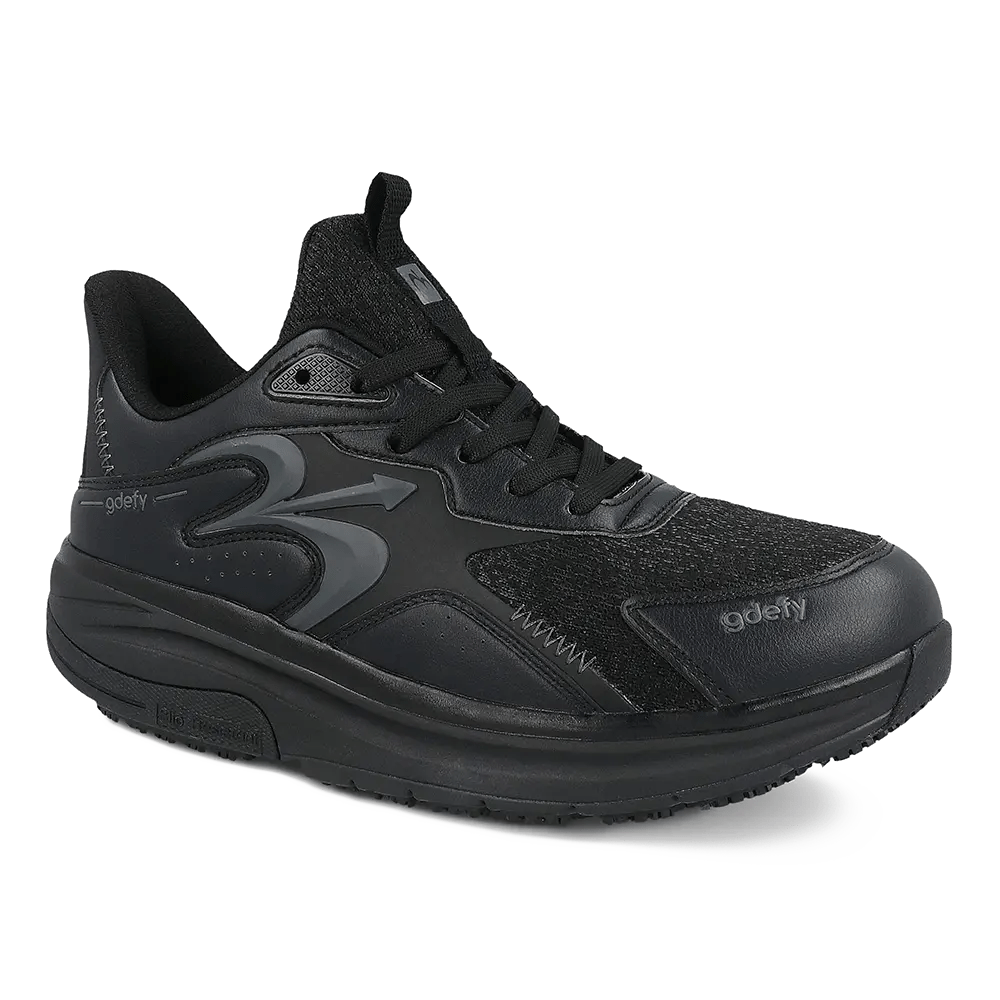
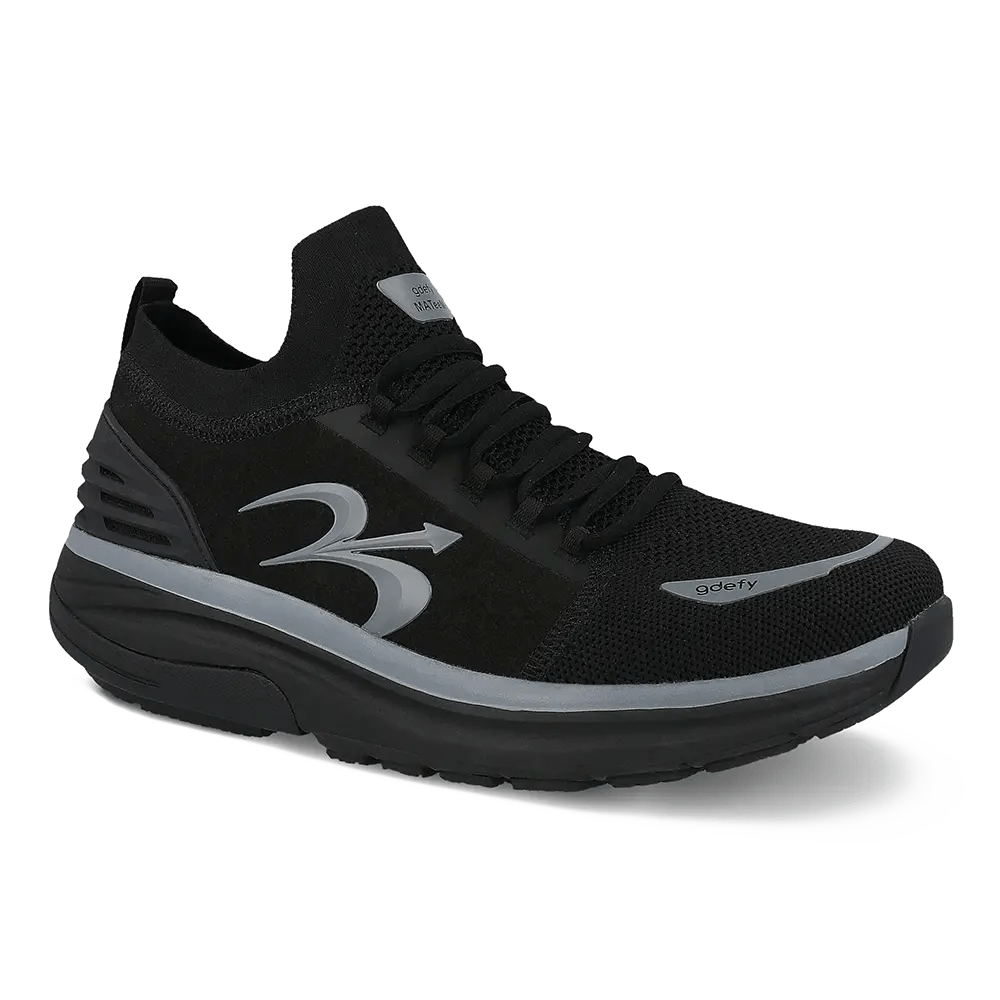
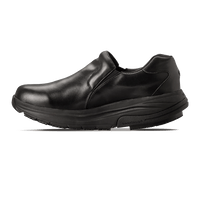
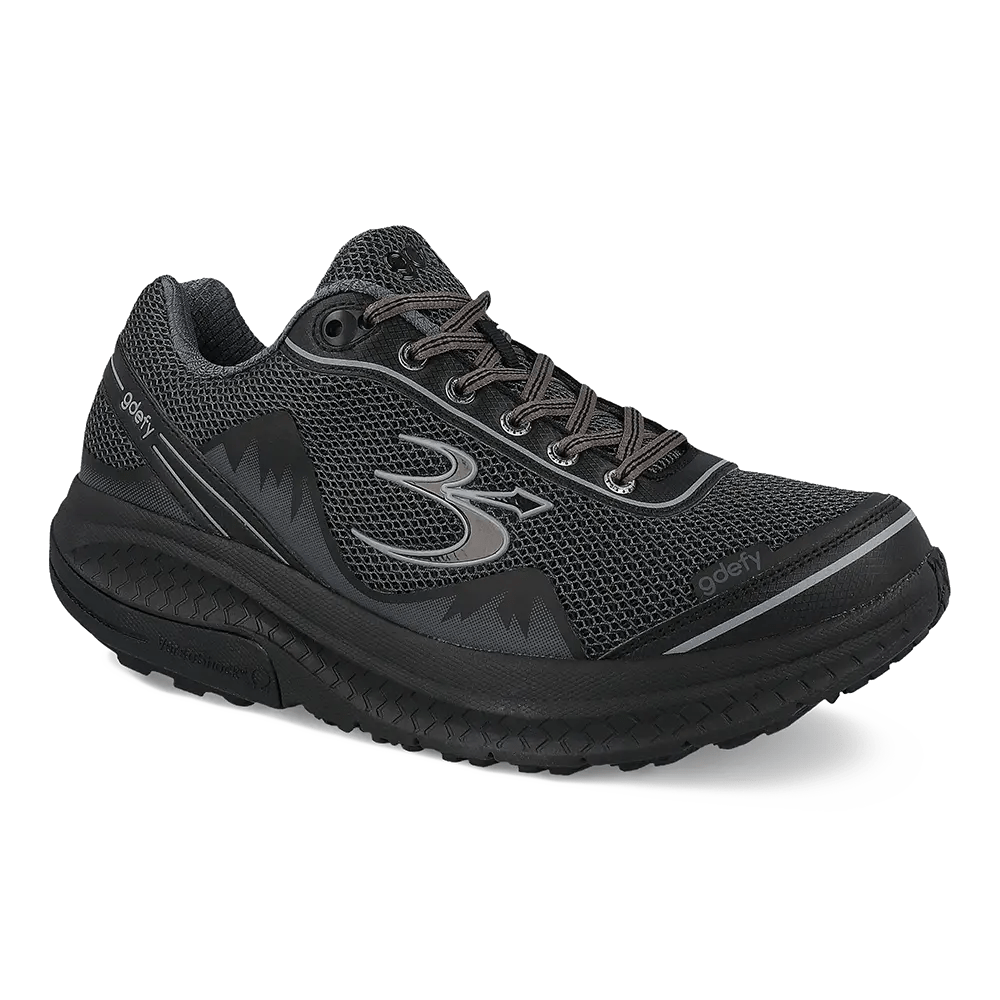
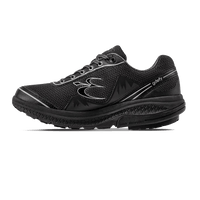
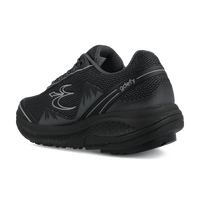
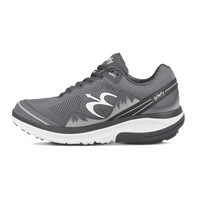
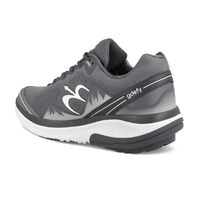
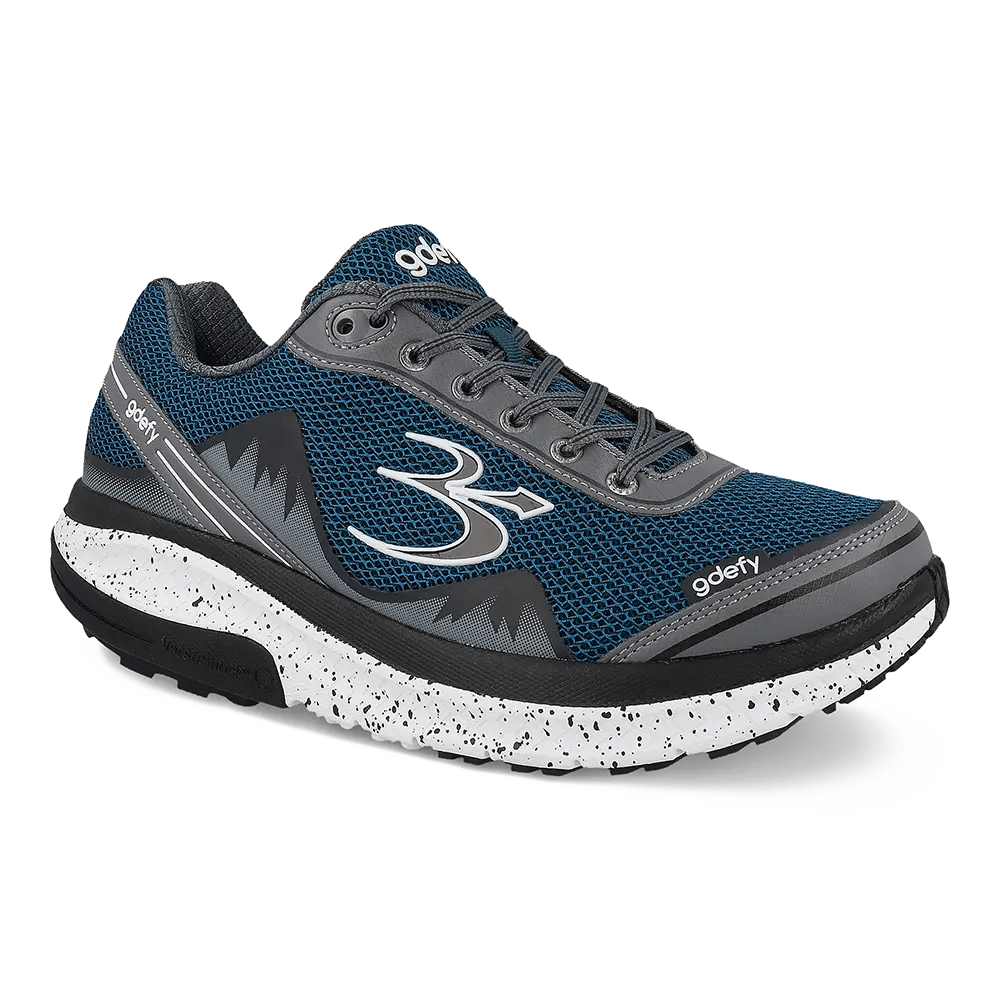
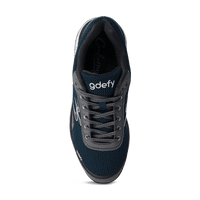
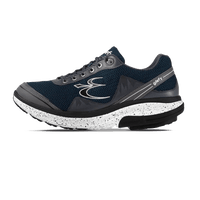
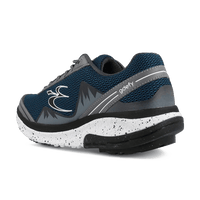
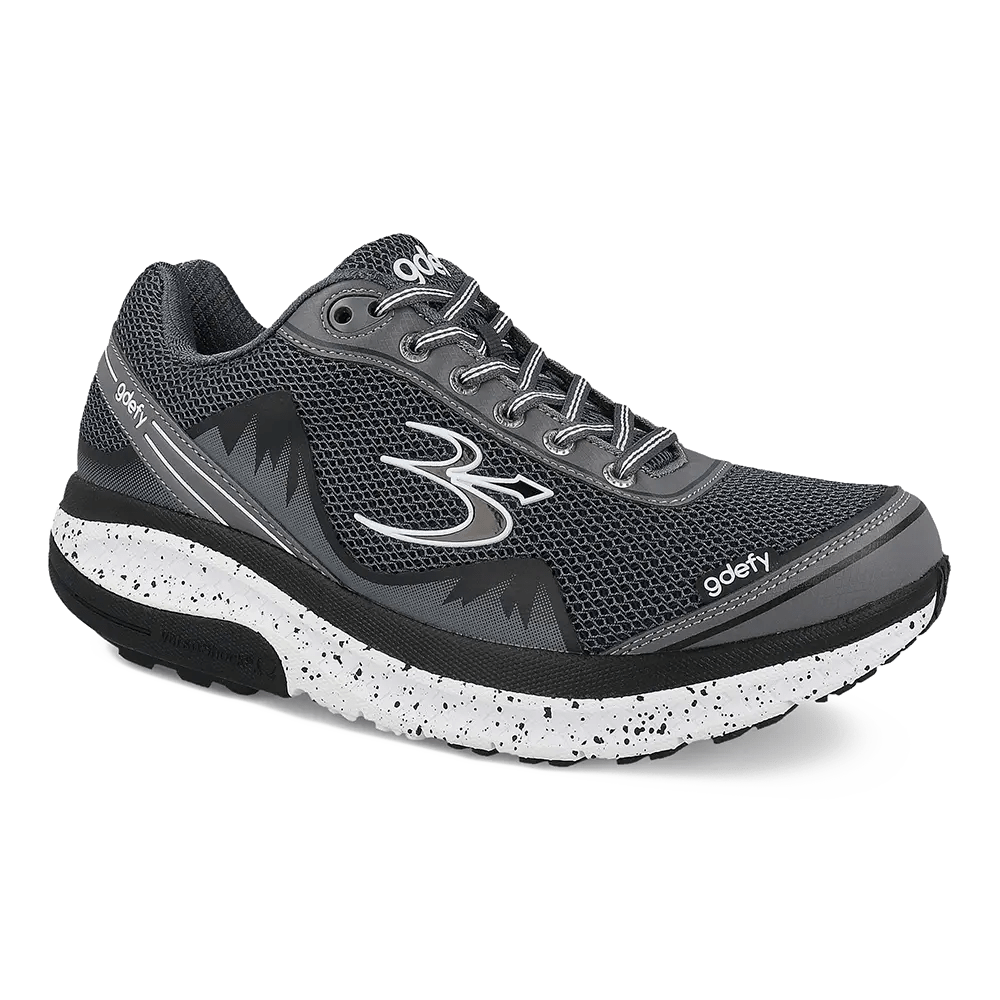
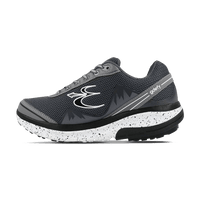
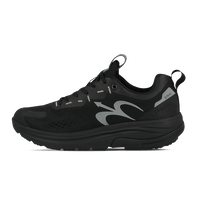
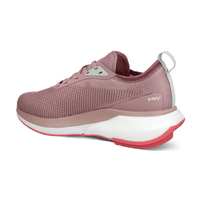
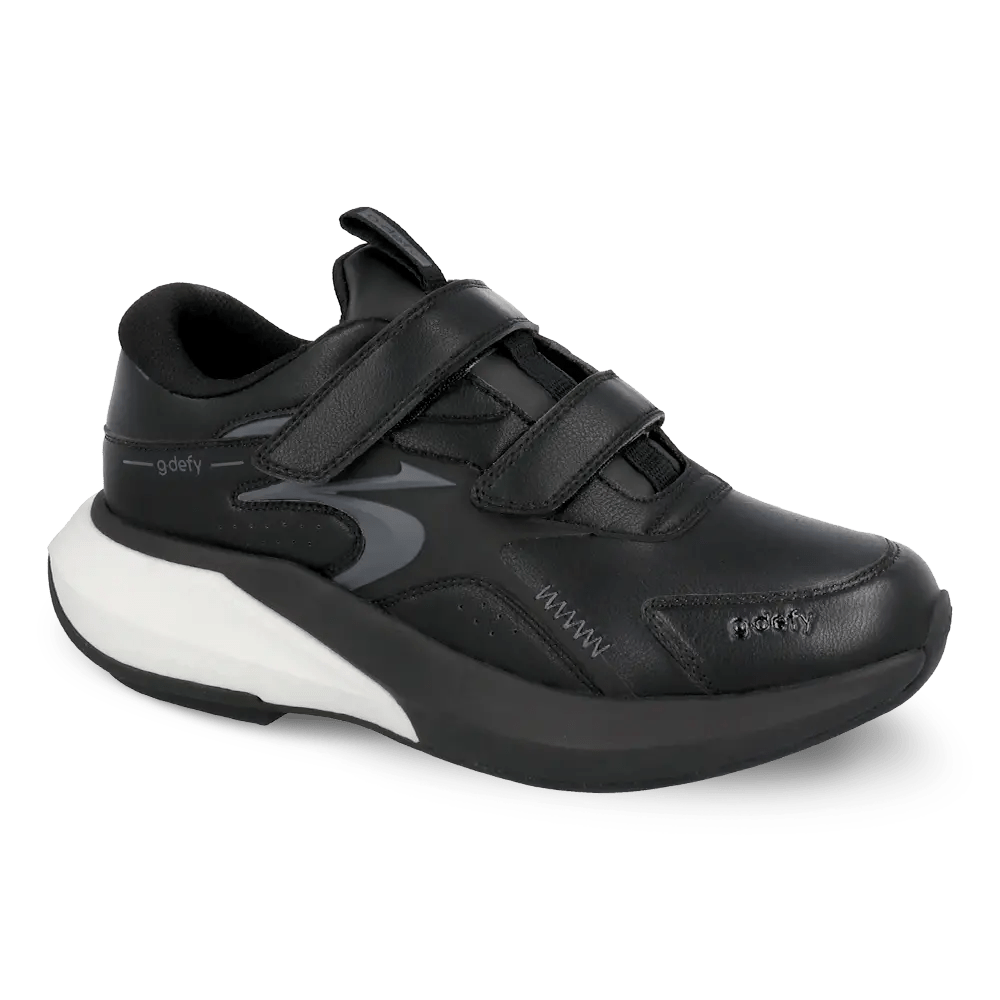
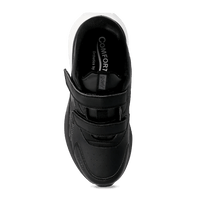
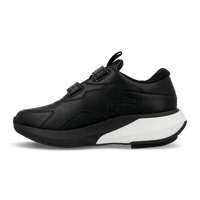
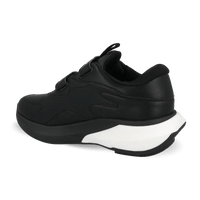
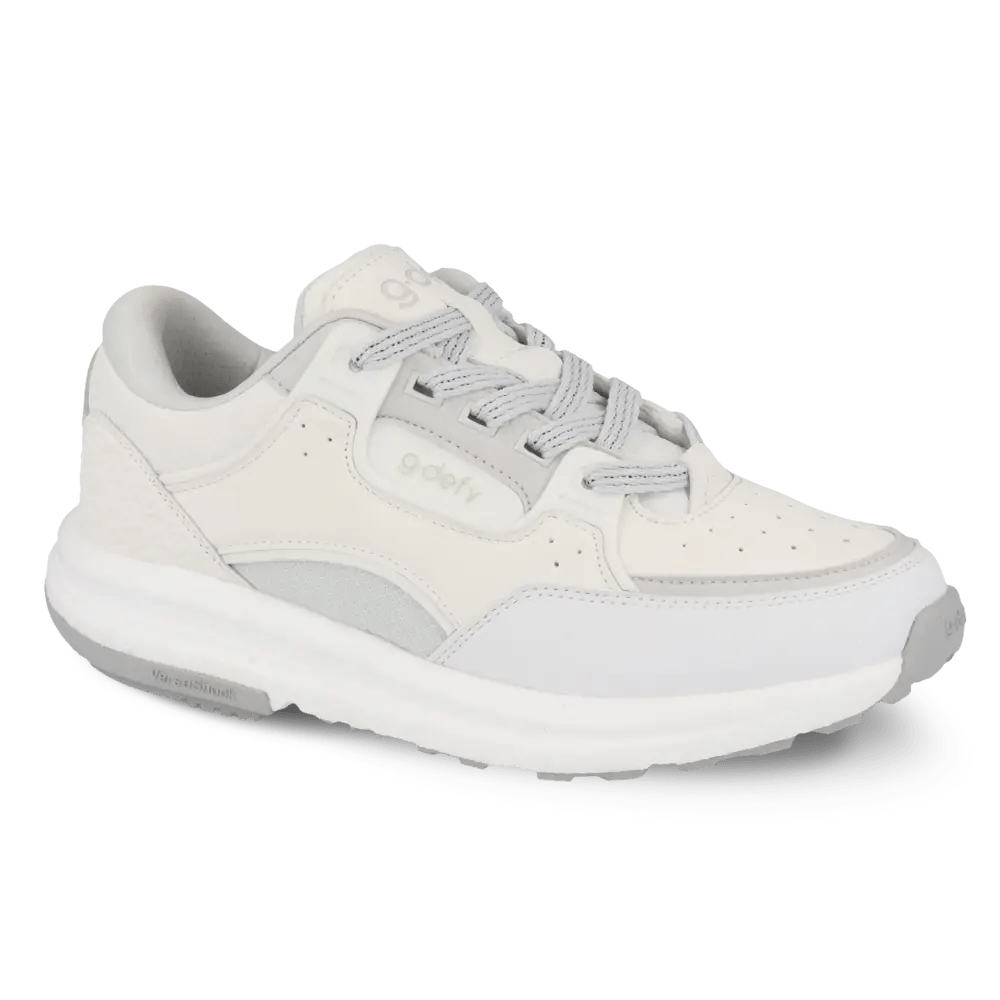
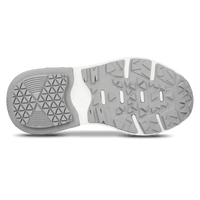
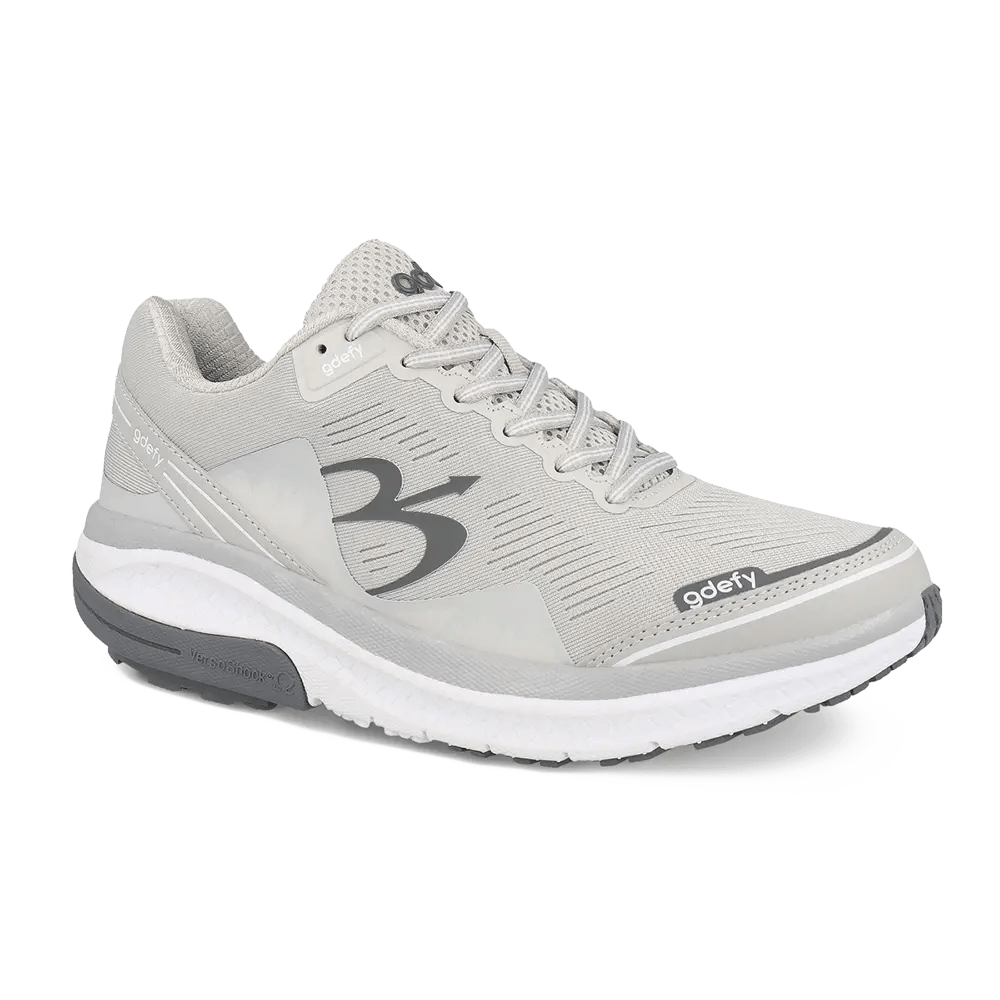
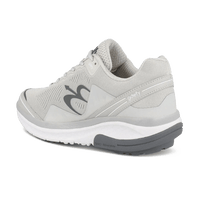
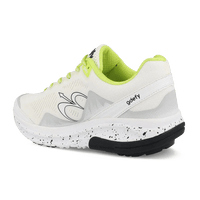
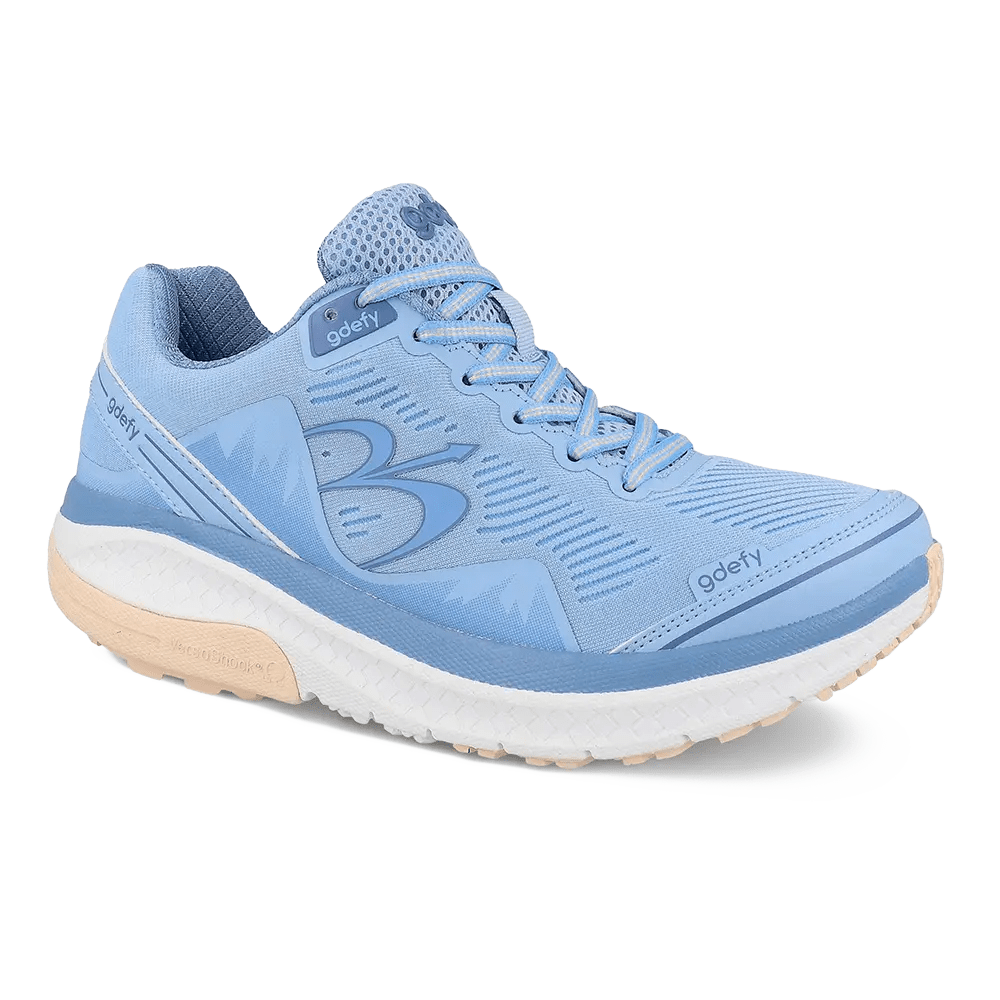
- G-Defy Mighty Walk — built for all-day walking comfort, the most popular pick for daily wear and long shifts
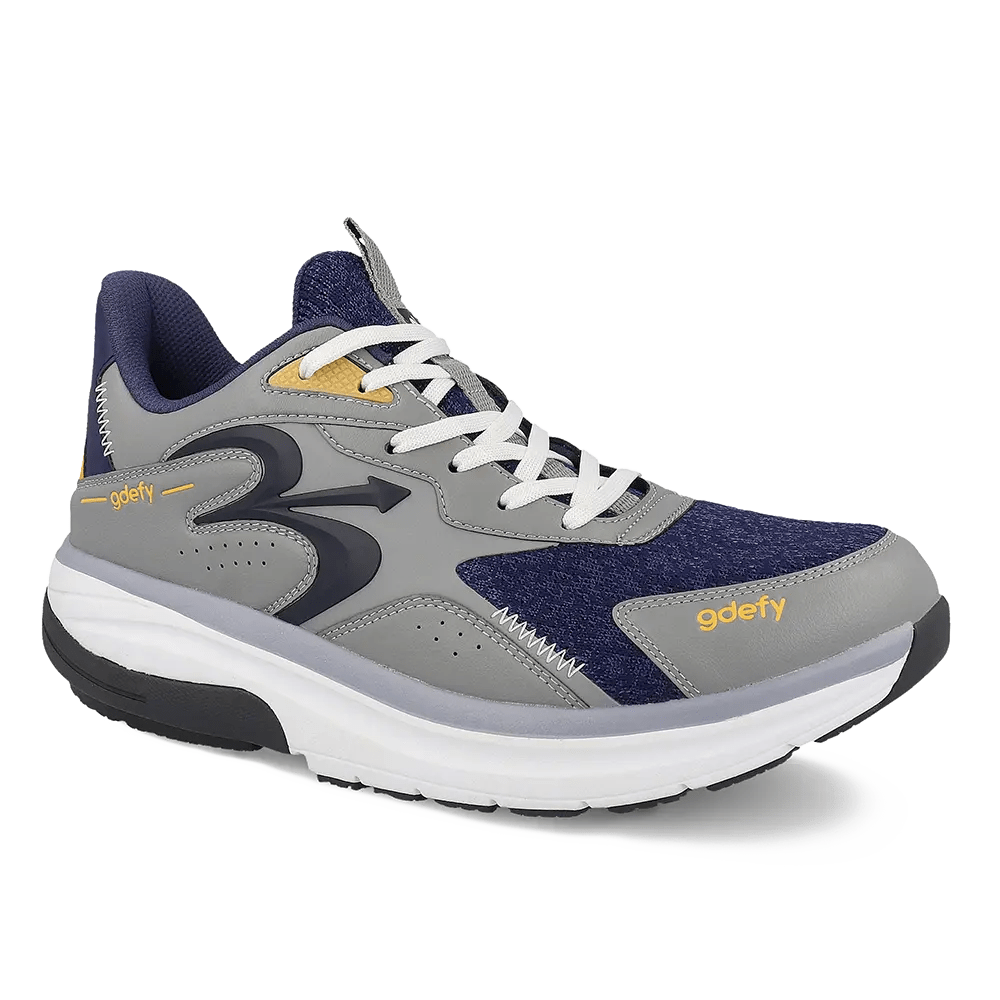
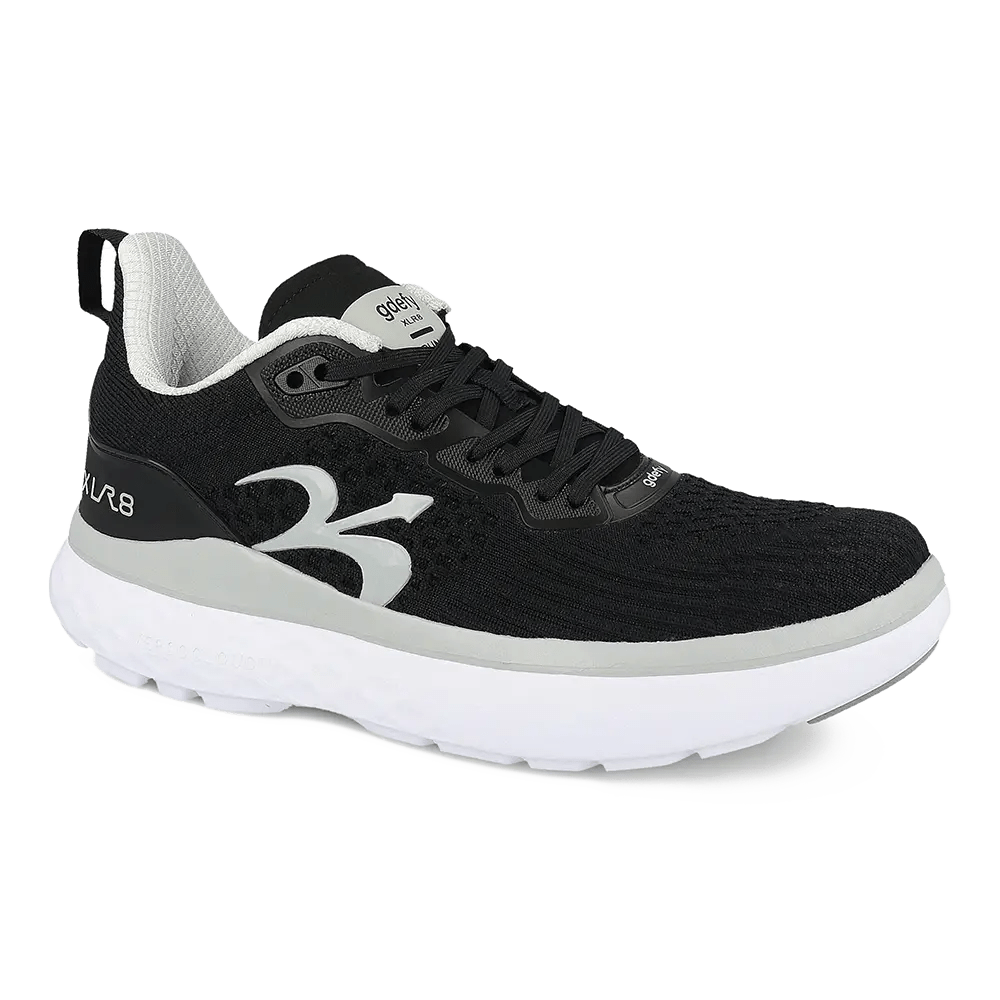
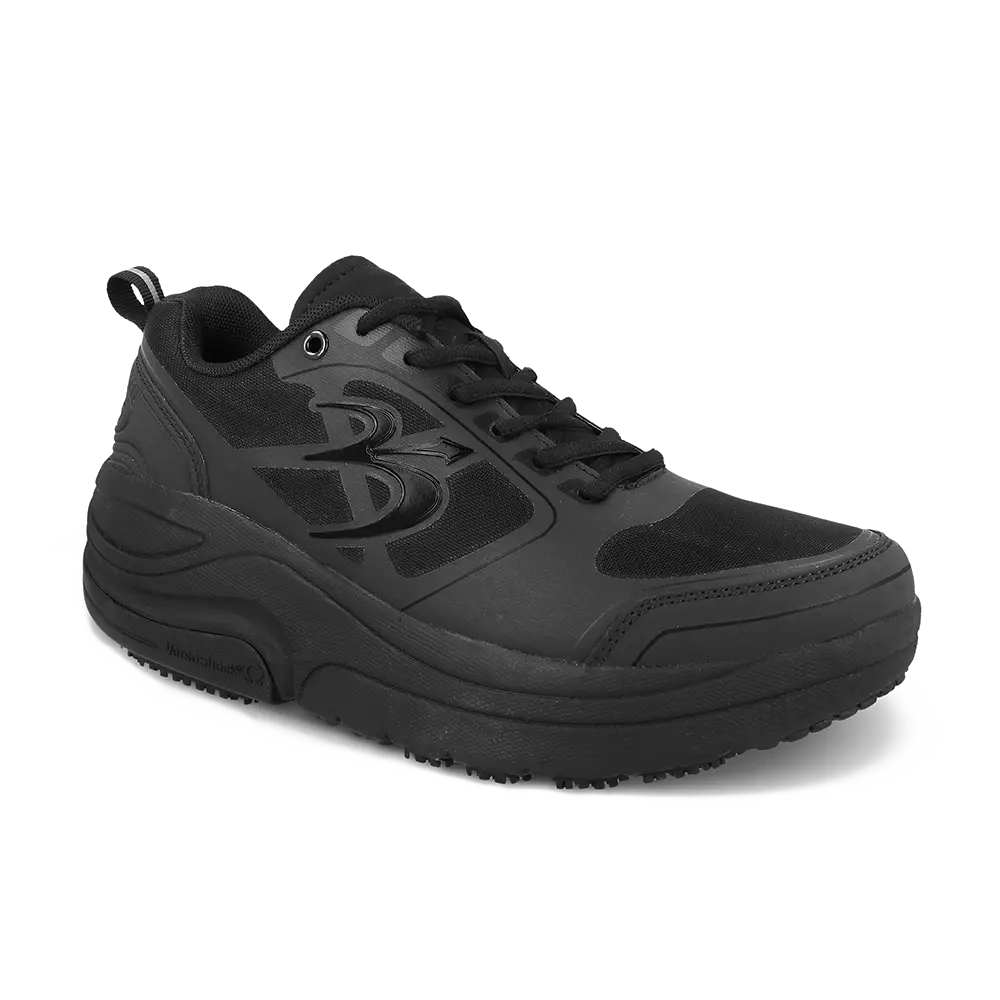
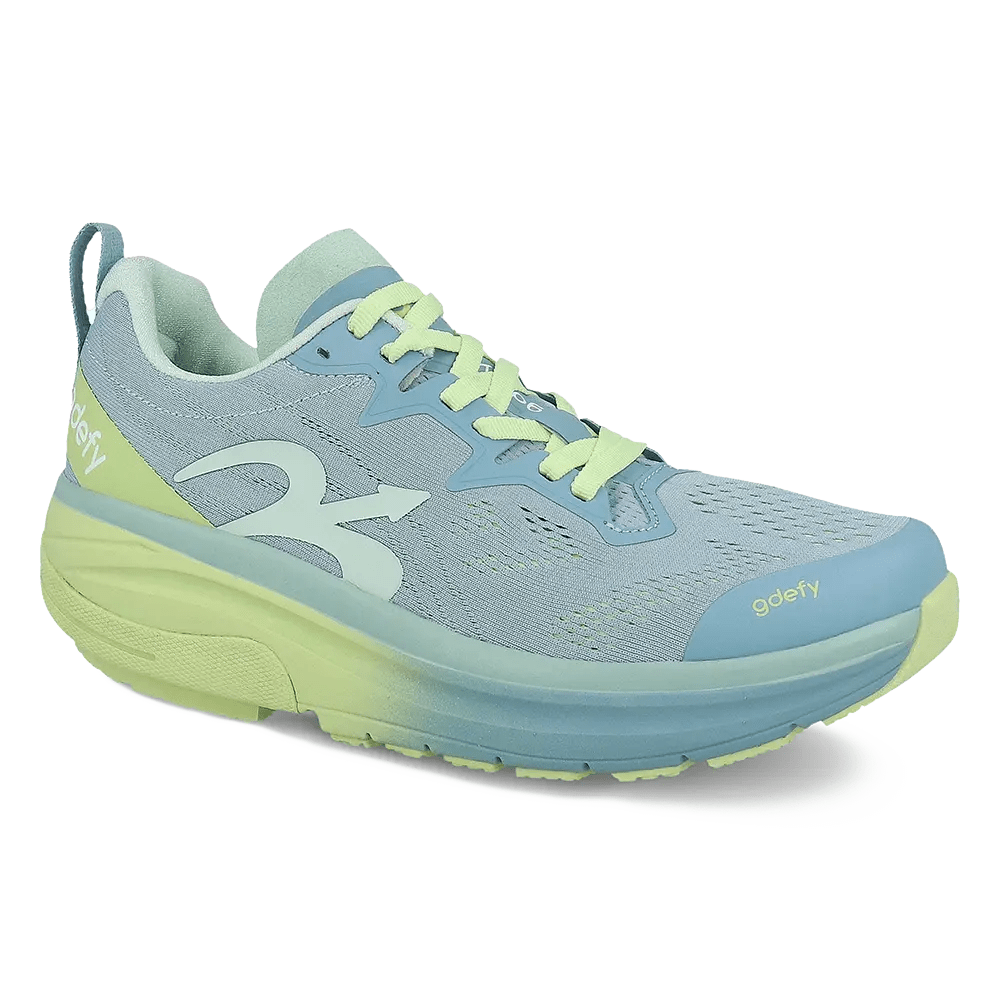
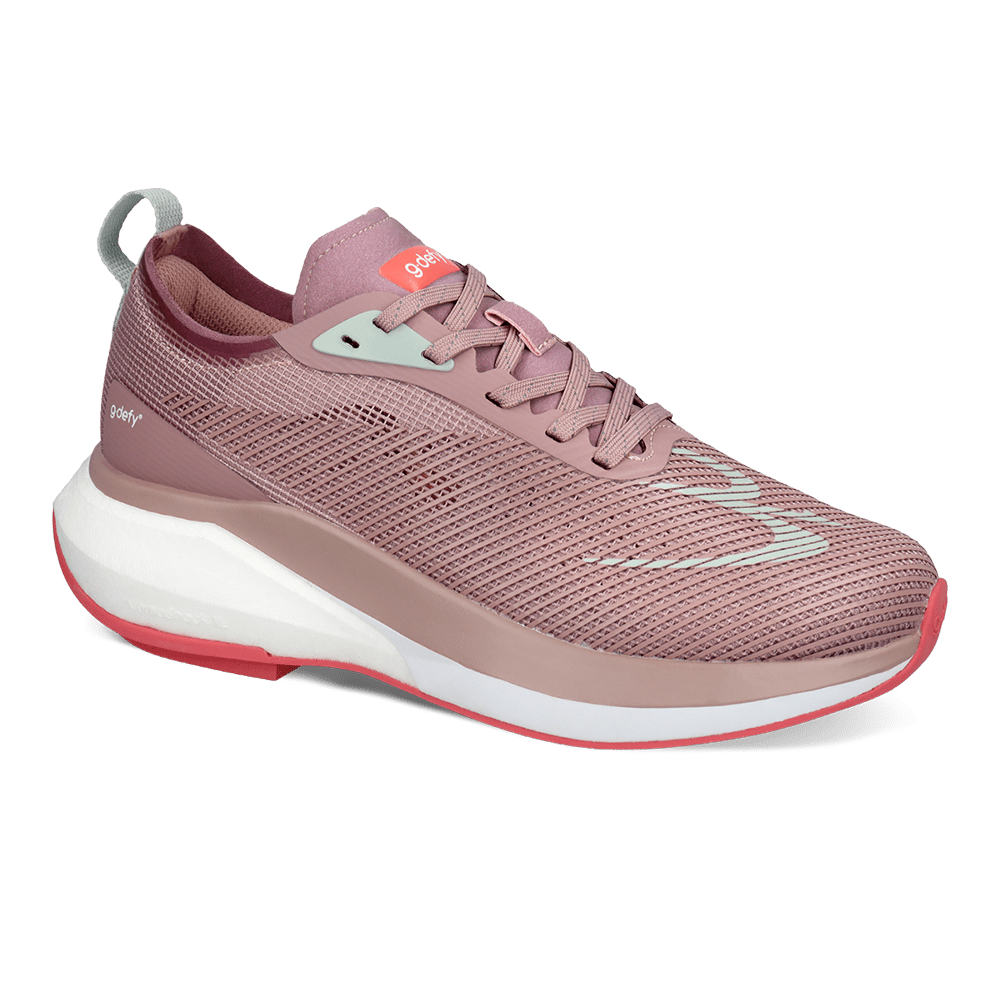
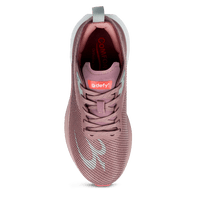
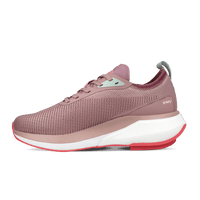
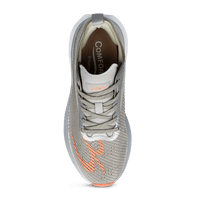
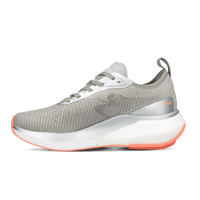
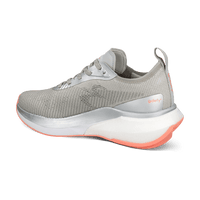
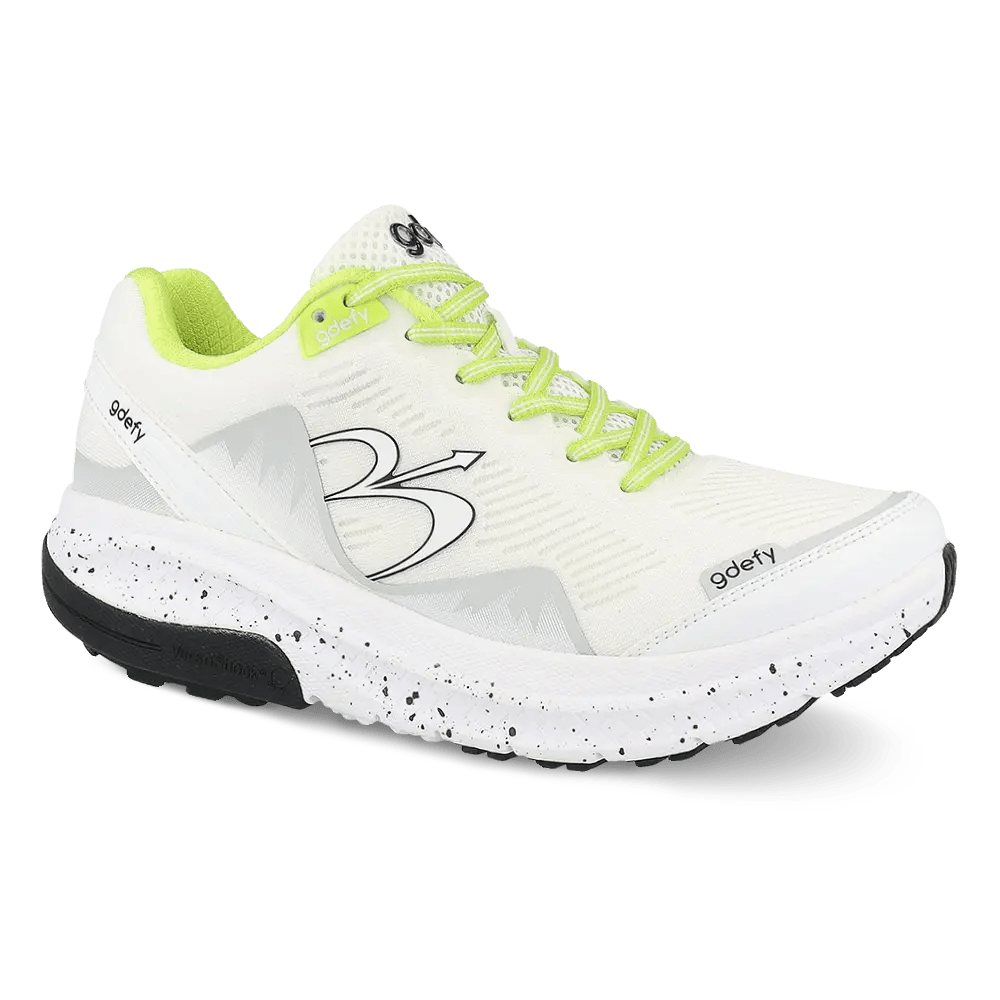
- G-Defy Ion — engineered for lightweight all-day comfort, ideal for active adults who want a less bulky feel
- Browse the full lineup: men's comfort shoes and women's comfort shoes
Every pair ships with free shipping and includes the 60-day trial, free exchanges, and the dual-orthotic system standard.
Try G-Defy for 60 Days, Risk-Free
Free shipping. Free exchanges. Two removable orthotics in every pair. Find the shoe that works for your real routine.
Shop Mighty Walk Shop IonTips for Making the Most of Your 60-Day Trial
If you're starting a trial of your own, a few habits help you get the most informative two months:
- Wear them during real life. Errands, work, walks — not just laps around the living room. The shoe needs to encounter your actual routine.
- Try both orthotics. Most people don't swap them in week one. Try the ComfortFit® first, then the CorrectiveFit® for at least a few days. You'll feel the difference.
- Rotate with another pair. Wearing the same shoe every single day doesn't give your feet — or the cushioning — a chance to recover. Rotation extends shoe life and gives you a comparison reference.
- Note how end-of-day feels. Keep a quick mental note around weeks two and six of how your feet feel at the end of your longest days. That's the real test.
- Don't rush the verdict. First-week impressions can be misleading either way. Give them time to settle and your feet time to adjust.
Frequently Asked Questions
How does the G-Defy 60-day trial work?
You order shoes from gravitydefyer.com, wear them indoors and outdoors during your real routine, and if they aren't right within 60 days you can return them. Free shipping and free exchanges are included.
Is there a break-in period?
Most customers find the first few days involve a brief adjustment as the foot gets used to the cushioning and the front rolling design. By the end of week one, the shoe usually feels more familiar. By week three or four, most people have a clear sense of how it fits into their routine.
Can shoes help with foot discomfort from standing all day?
Supportive and cushioned footwear may improve overall comfort during walking and prolonged standing. G-Defy shoes are designed with cushioning, shock absorption, and a stabilizer system. G-Defy shoes help reduce pain from walking, running, and prolonged standing. Results vary by individual, and footwear is not a medical solution. For persistent foot discomfort, consult your healthcare provider.
What's the difference between ComfortFit® and CorrectiveFit® orthotics?
ComfortFit® is designed for low to medium arches and focuses on cushioning. CorrectiveFit® is designed for medium to high arches and provides additional support. Both come included with every pair, so you can try both during your trial.
Do customers really keep wearing them after the trial?
Most do. The 60-day window is designed to give people enough time to make an informed decision, and the feedback we receive is that the shoes become a regular part of customers' rotation. Results vary by individual.
Conclusion
A trial period is only as useful as the time you give it. Sixty days is enough to wear a shoe through the kind of long days, full schedules, and real surfaces that actually tell you whether it works for your life. While footwear is not a medical solution, choosing shoes designed for comfort, support, and shock absorption can make a meaningful difference in how you feel throughout the day.
If you're considering a pair, the trial is built so you can find out on your own terms — at your own pace, during your real routine. Two months later, you'll know.
Explore the Full G-Defy Lineup
Comfort, support, and shock absorption — engineered for the way you actually move through your day.
Shop Men's Shop Women's