
July 06, 2026
VersoShock® vs Traditional Orthotics: What's the Difference?
By Gdefy

Summary
If your feet feel tired and achy after a long day, you have probably wondered whether a pair of orthotic insoles could make a difference. Slip-in orthotics are one of the most common ways people try to add comfort and support to their existing shoes. But there is another approach that works in a completely different way: footwear built around VersoShock® shock-absorbing technology.
So what actually separates a traditional orthotic from a shoe engineered with VersoShock®? And do you have to choose between them at all? This guide breaks down what each one does, where they overlap, and how combining both can support a more comfortable stride during walking, running, and prolonged standing. While footwear is not a medical solution, understanding the difference can help you choose with more confidence.

What Is a Traditional Orthotic?
A traditional orthotic is an insert that sits inside a shoe you already own. You lift out the factory insole, drop the orthotic in, and it adds a layer of cushioning and arch support under your foot.
Orthotics generally fall into two groups:
- Over-the-counter insoles — mass-produced inserts sold by shoe size. They add general cushioning and a preset arch shape.
- Custom orthotics — made to the contours of an individual foot, usually through a specialty provider.
People reach for orthotics for all sorts of reasons — a long-standing arch preference, a tip from a friend, or simply the hope that a little extra cushioning will take the edge off a long day. For mild, everyday comfort, that instinct is reasonable. The real question is whether an insert alone is doing enough, or whether it is quietly compensating for a shoe that has run out of support.
What all traditional orthotics have in common is that they are an add-on. The insert changes the surface your foot rests on, but everything beneath it — the midsole, the outsole, the overall structure of the shoe — stays exactly the same. If the shoe underneath has a thin or worn-out midsole, an insert can only do so much, because the foundation it sits on has not changed.
That is an important idea to hold onto as we look at the other approach.
What Is VersoShock® Technology?
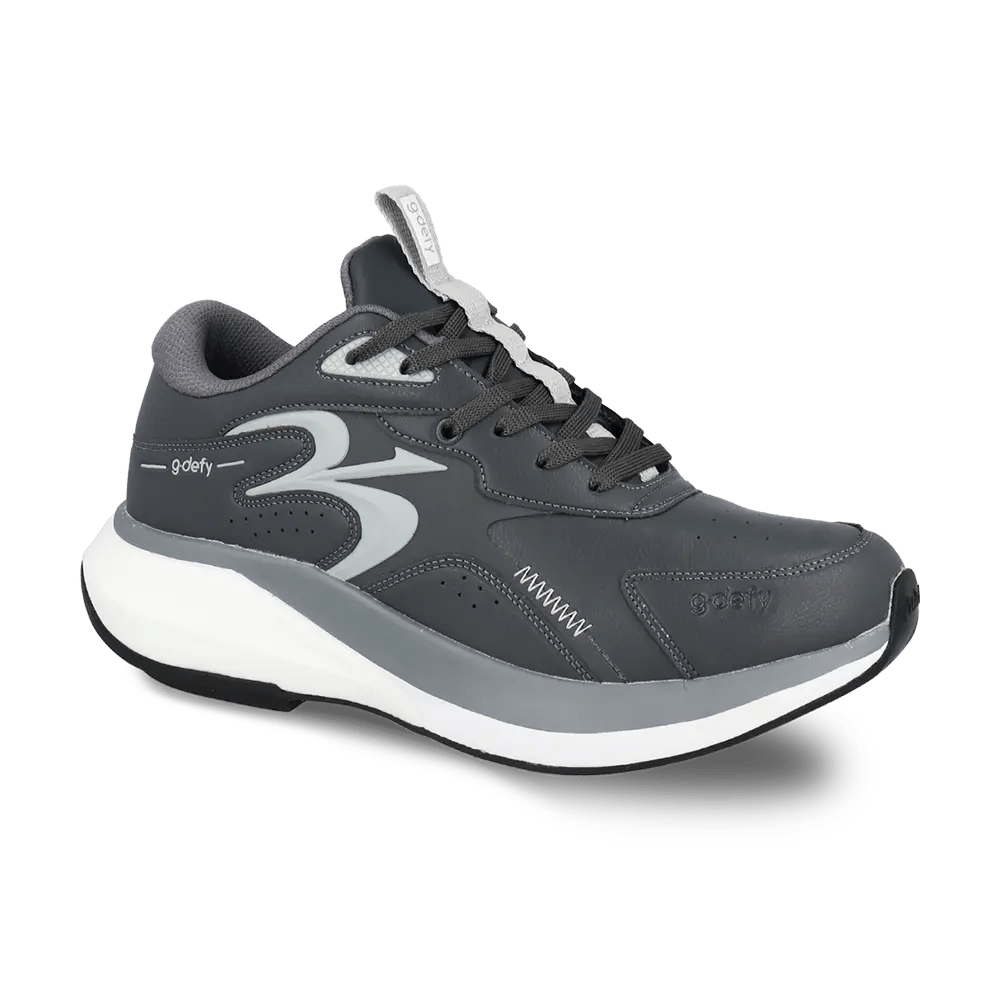
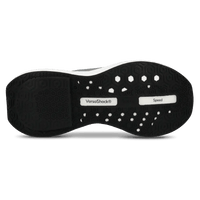
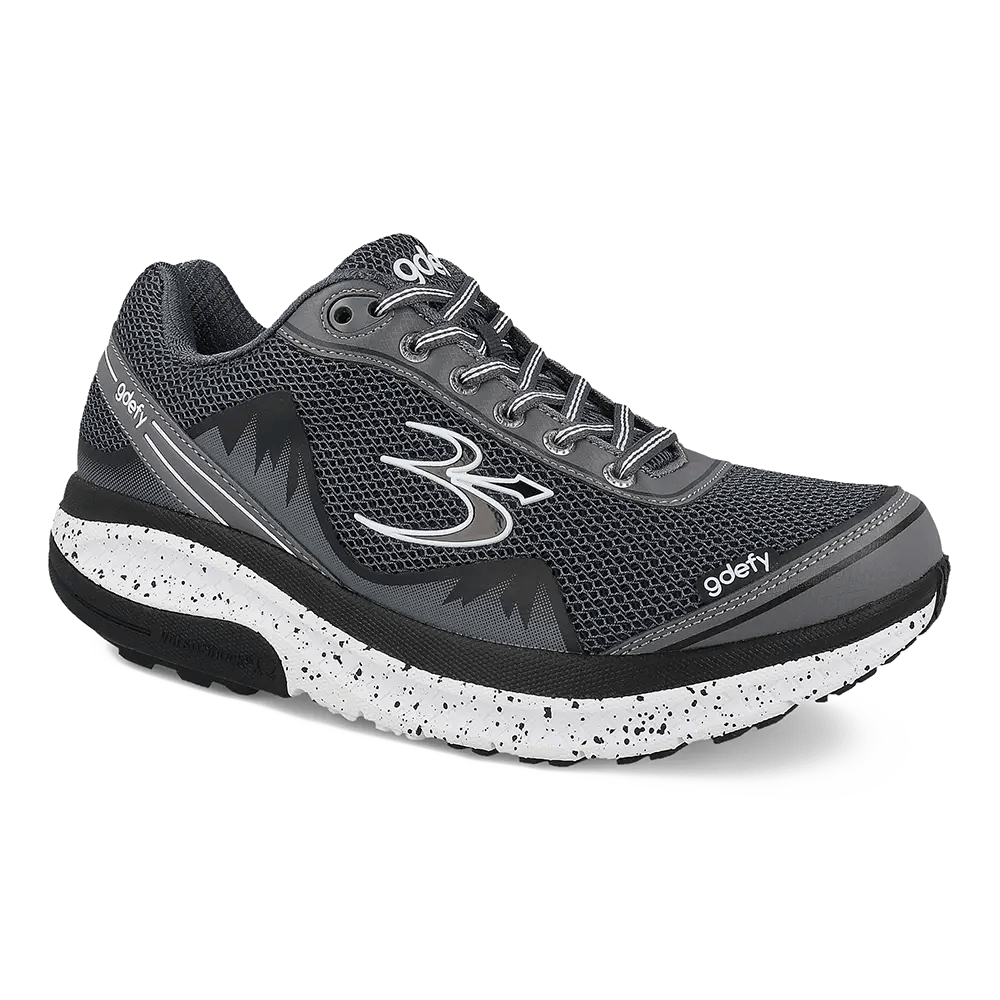
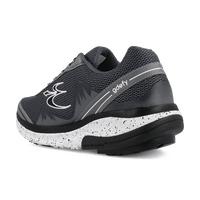
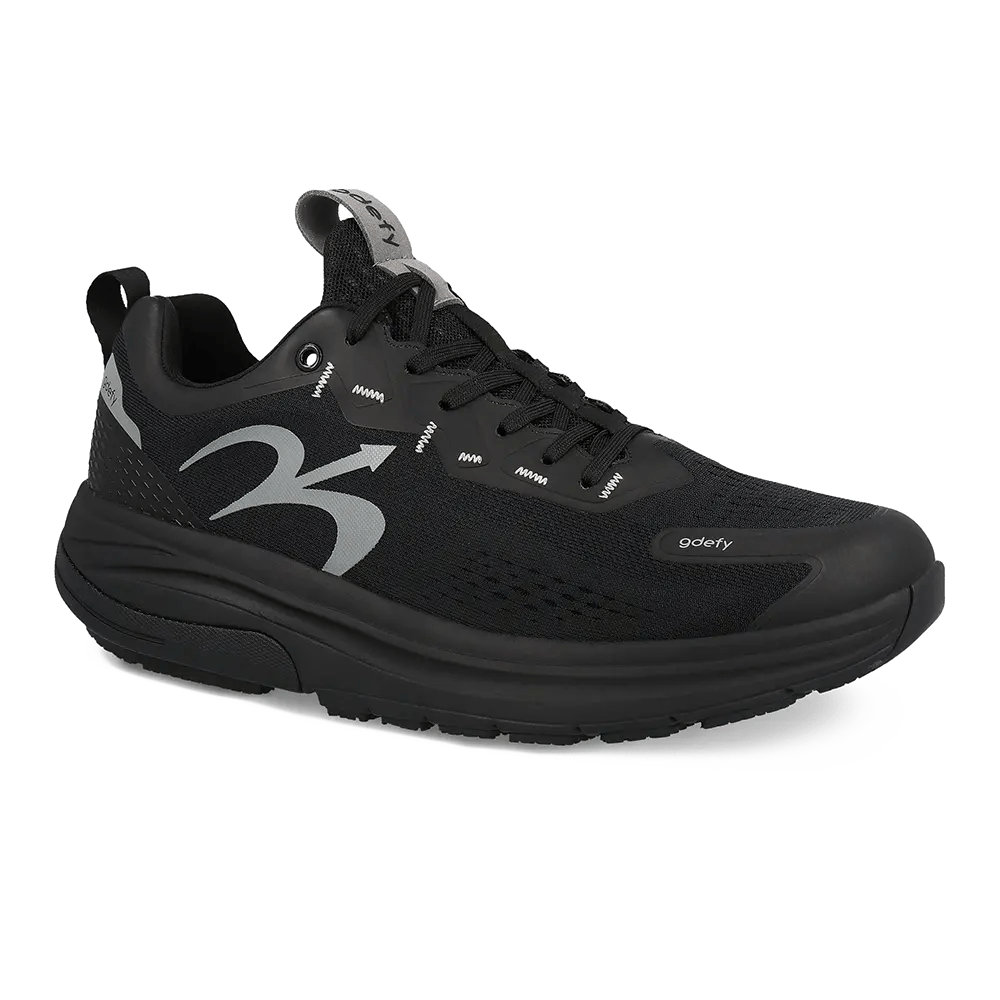
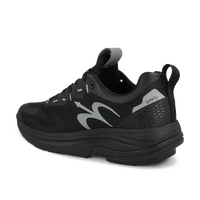
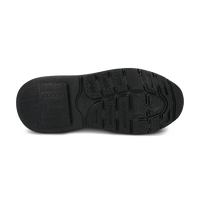
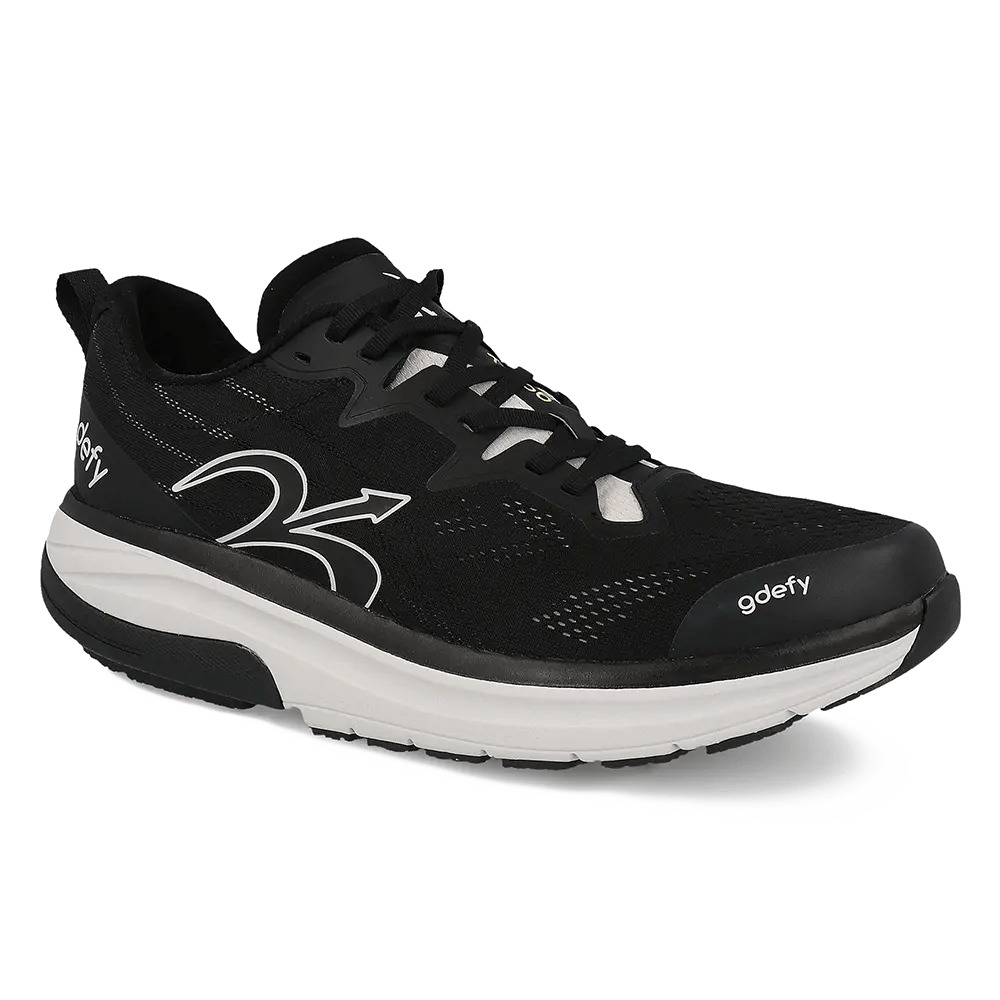
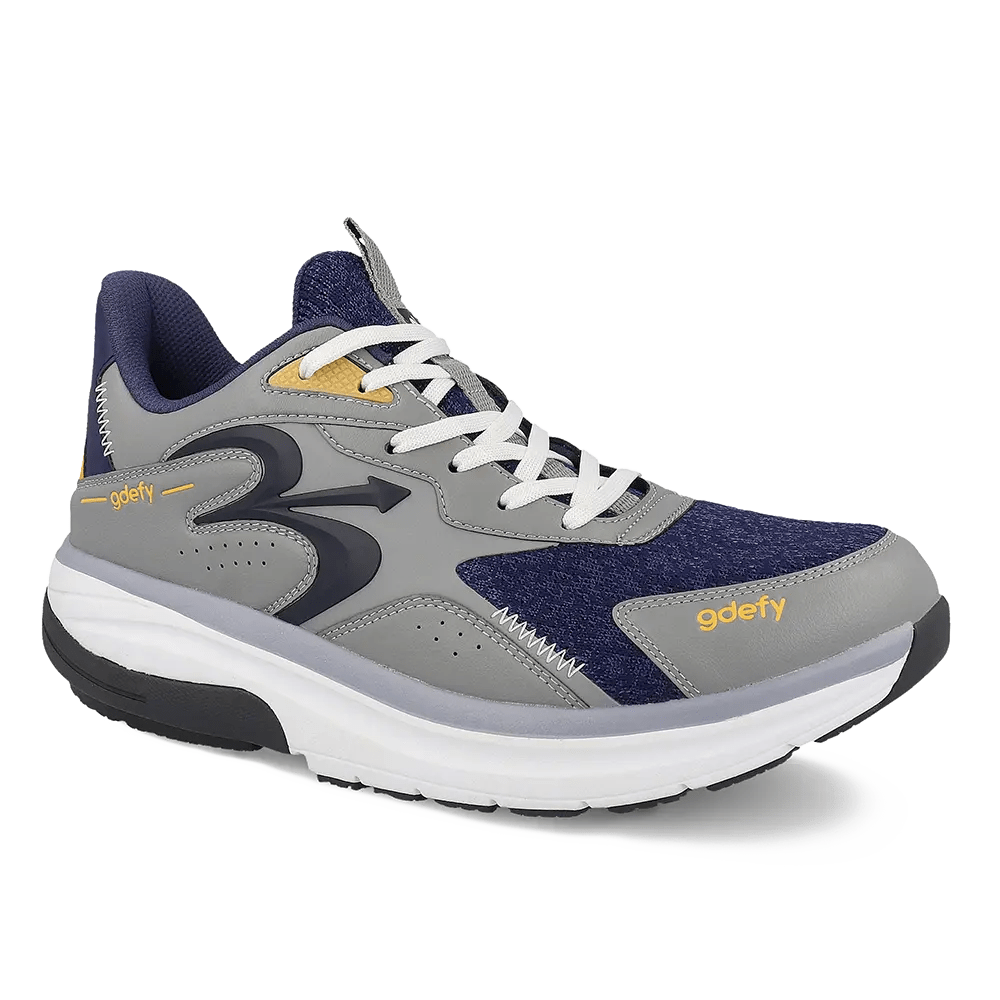
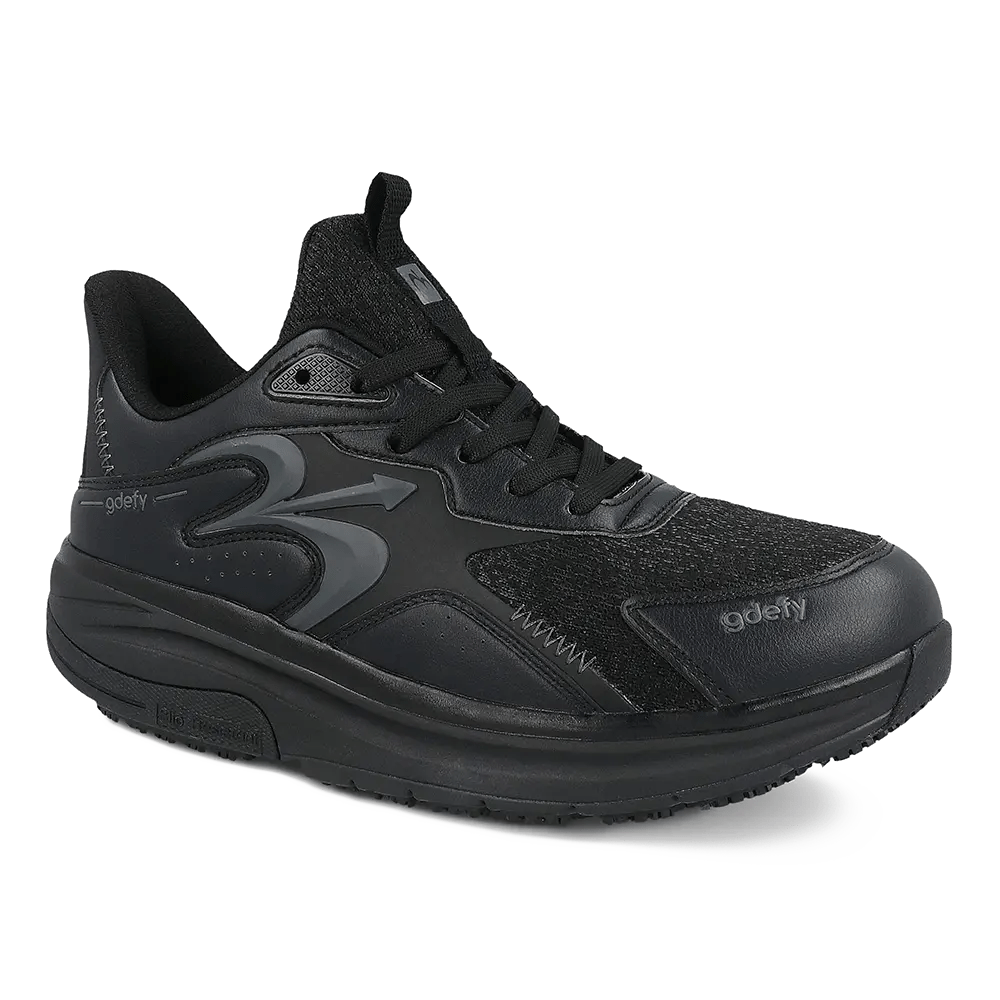
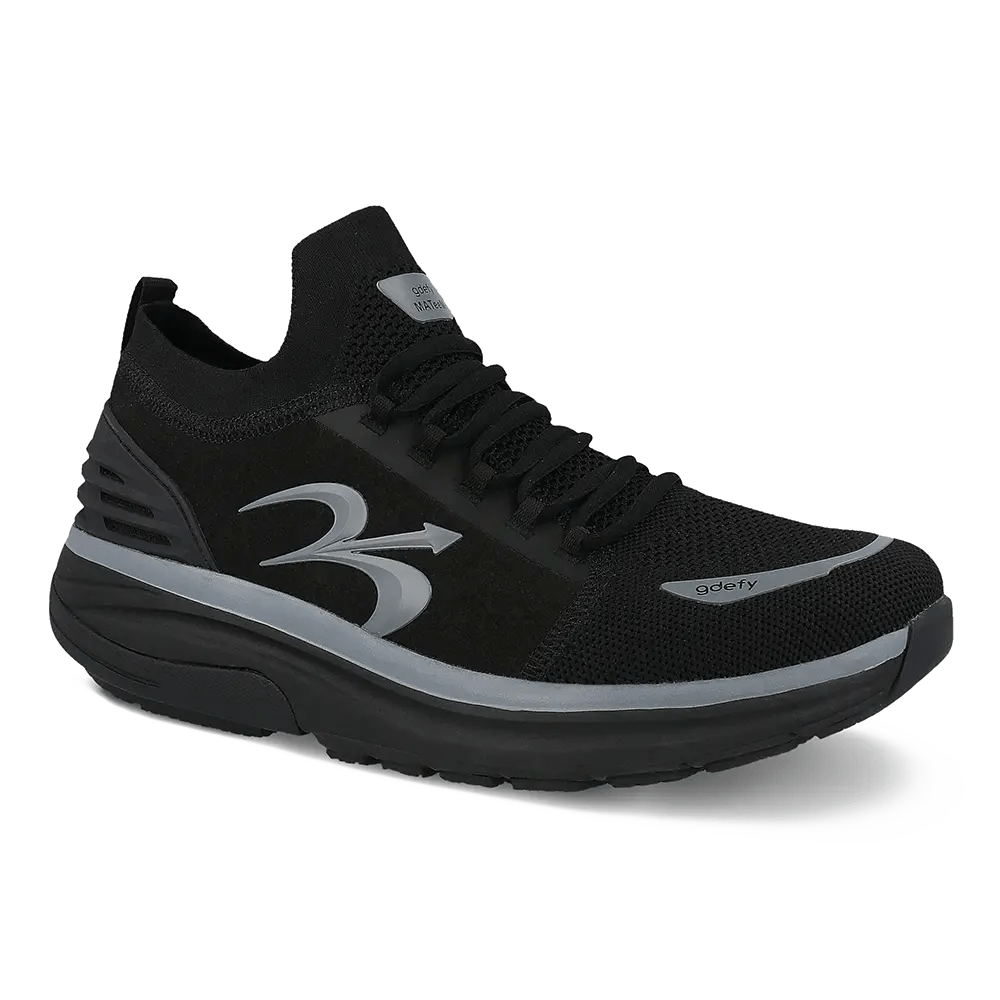
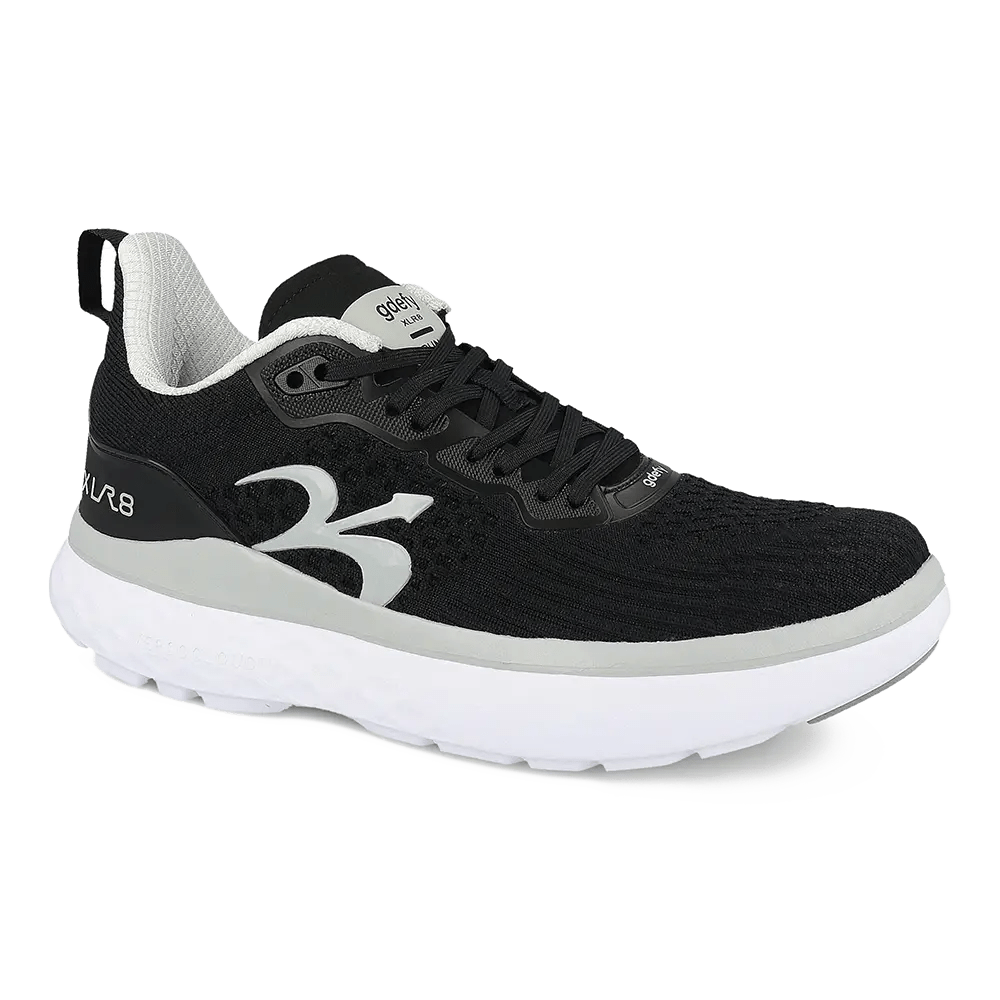
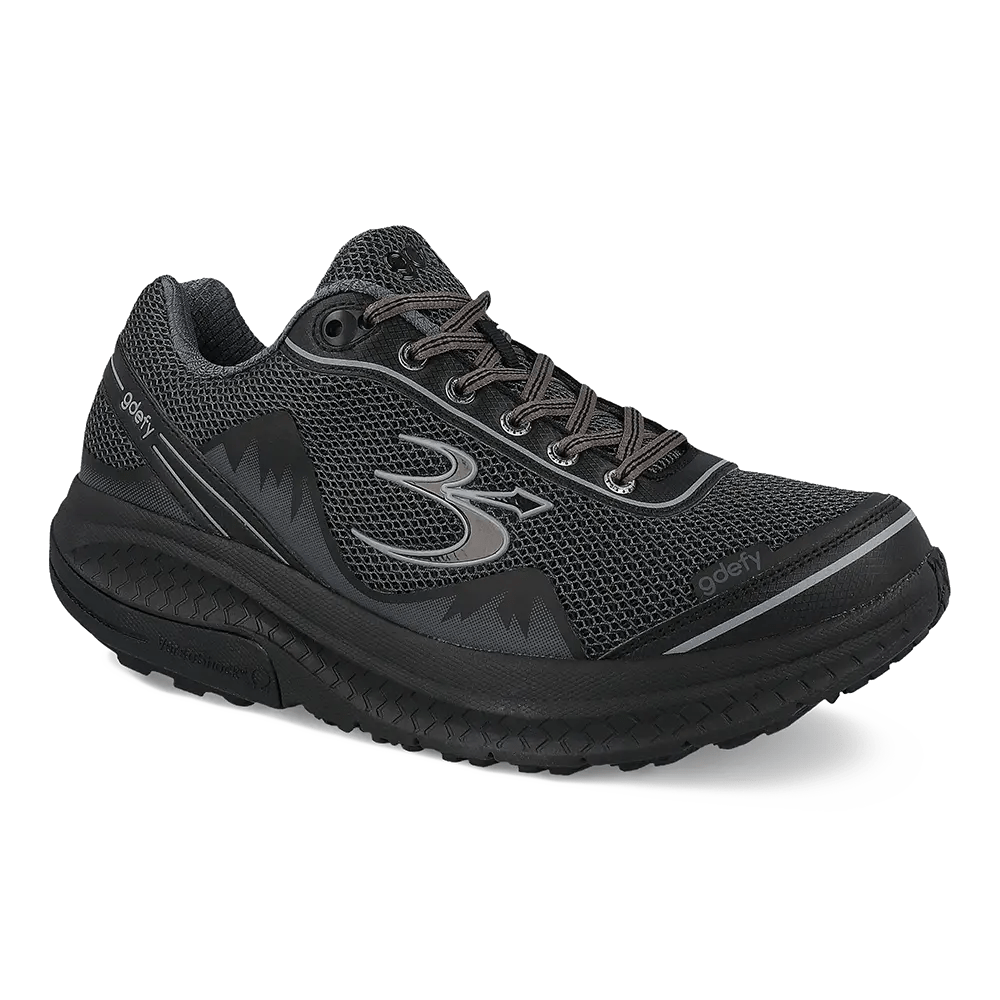
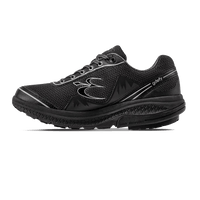
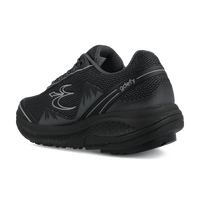
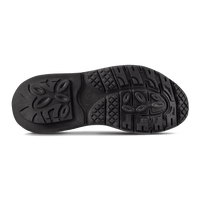
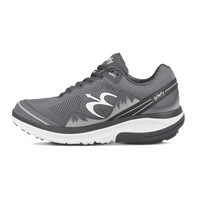
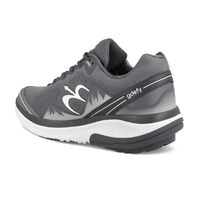
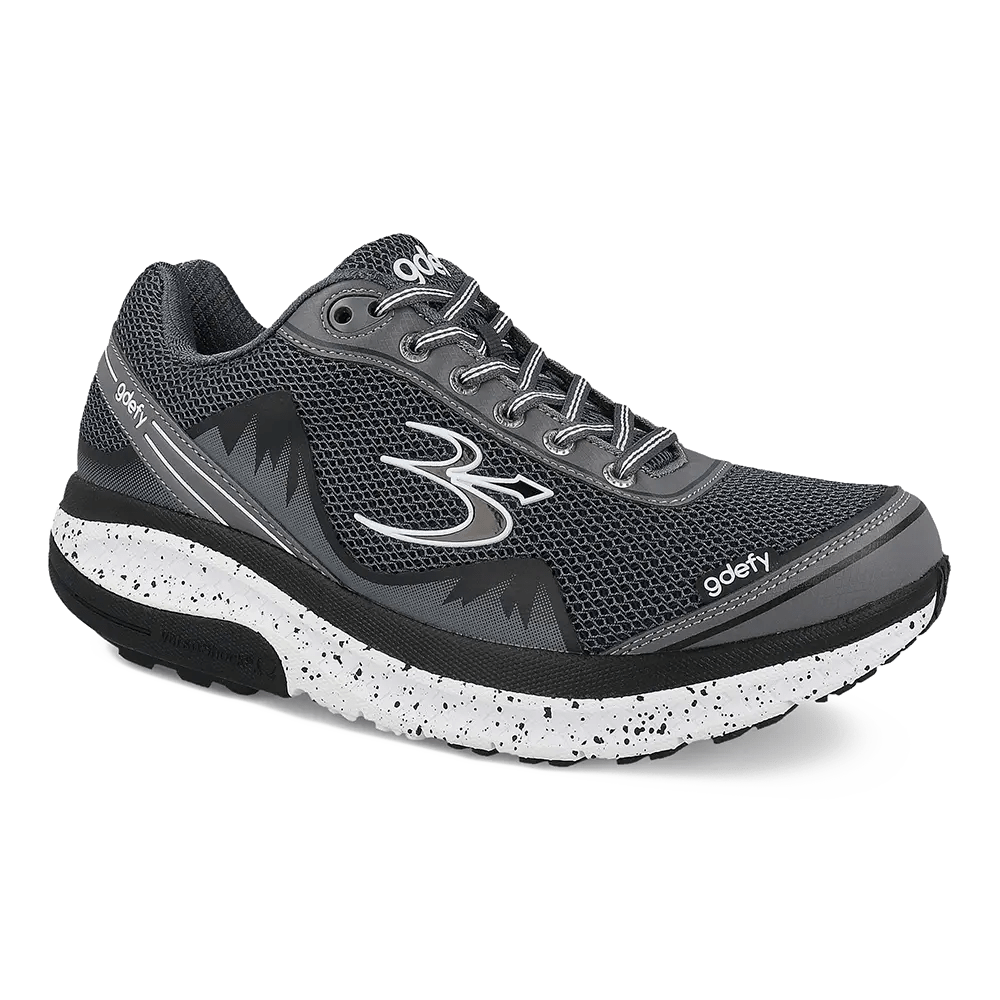
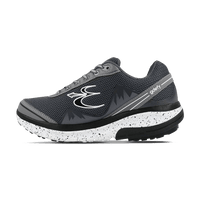
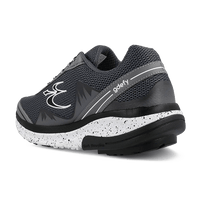
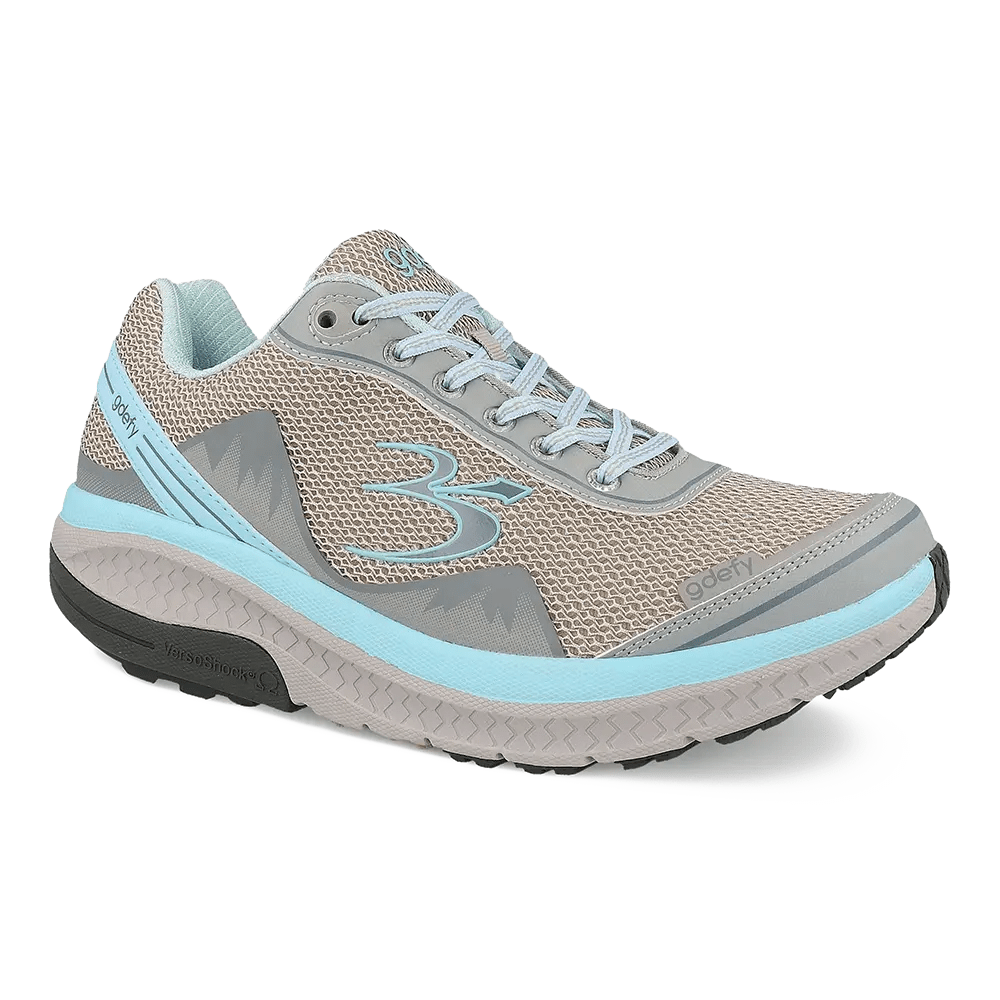
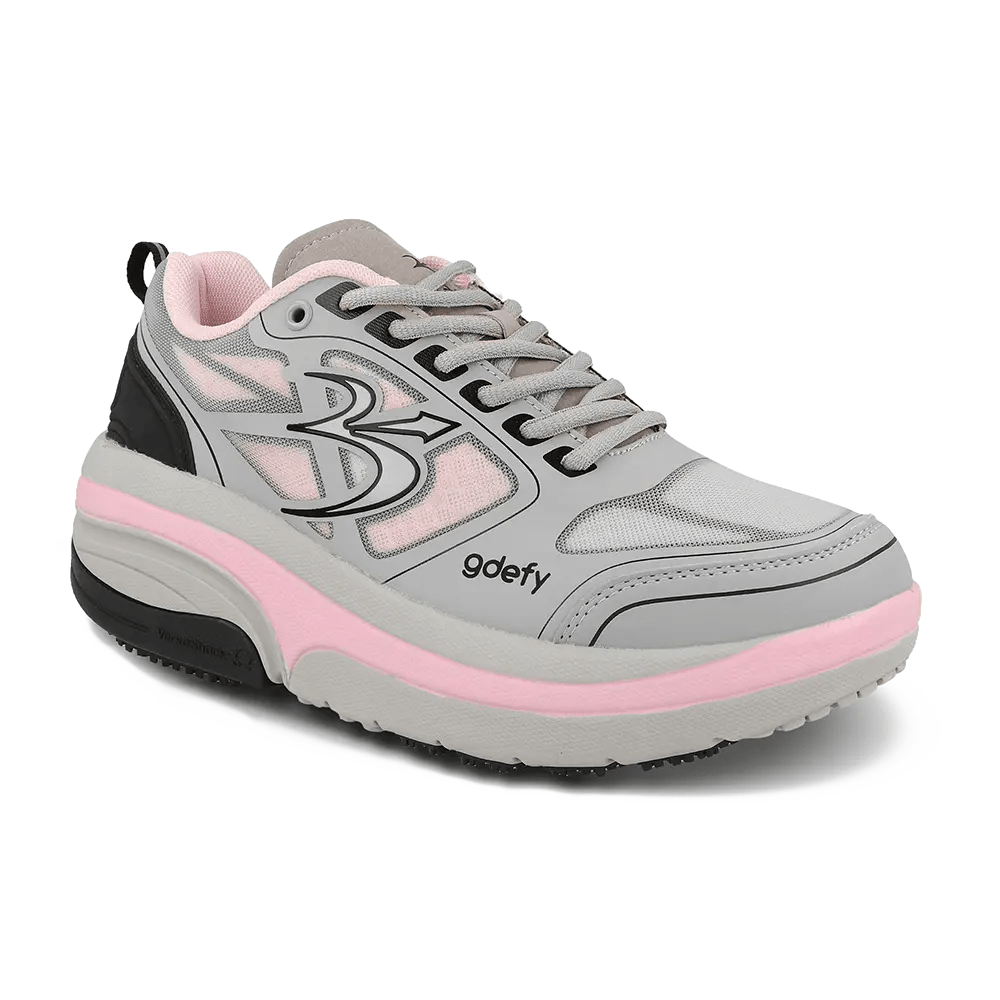
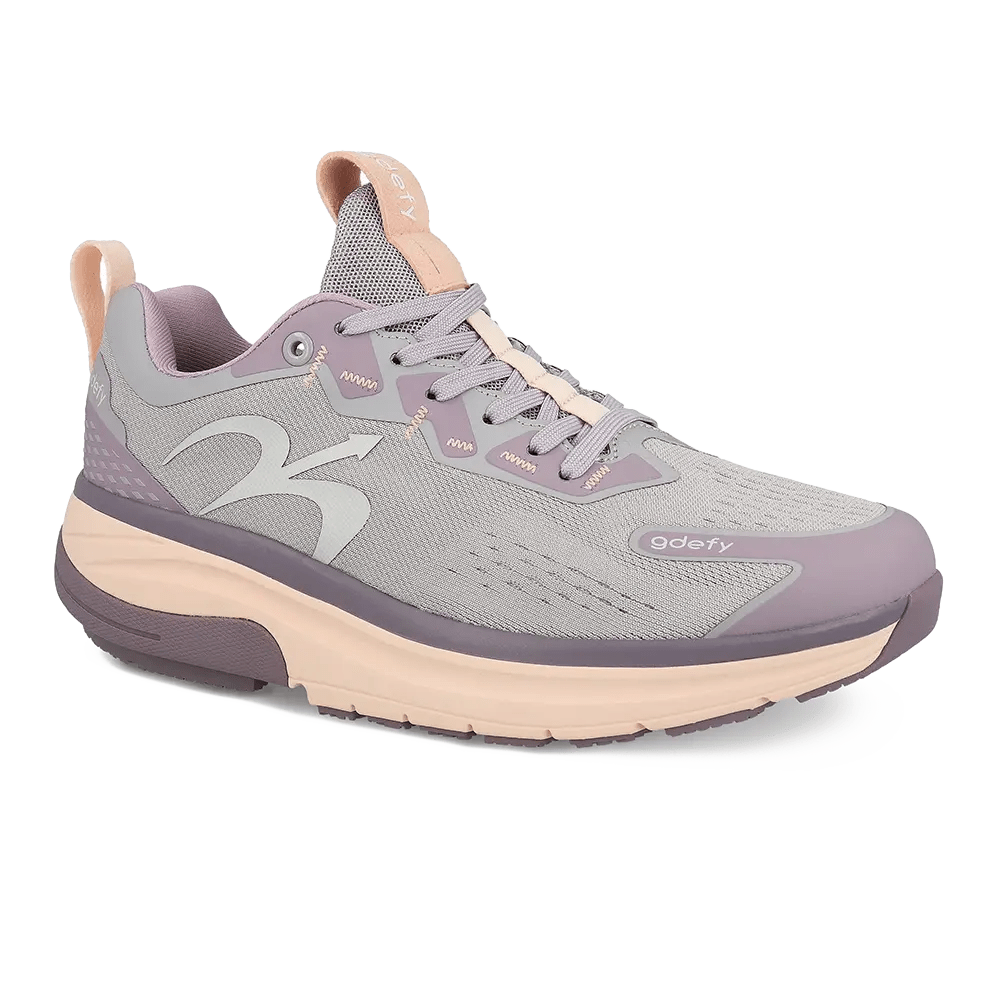
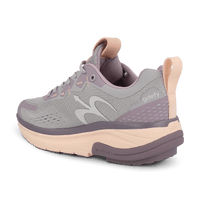
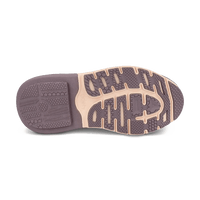
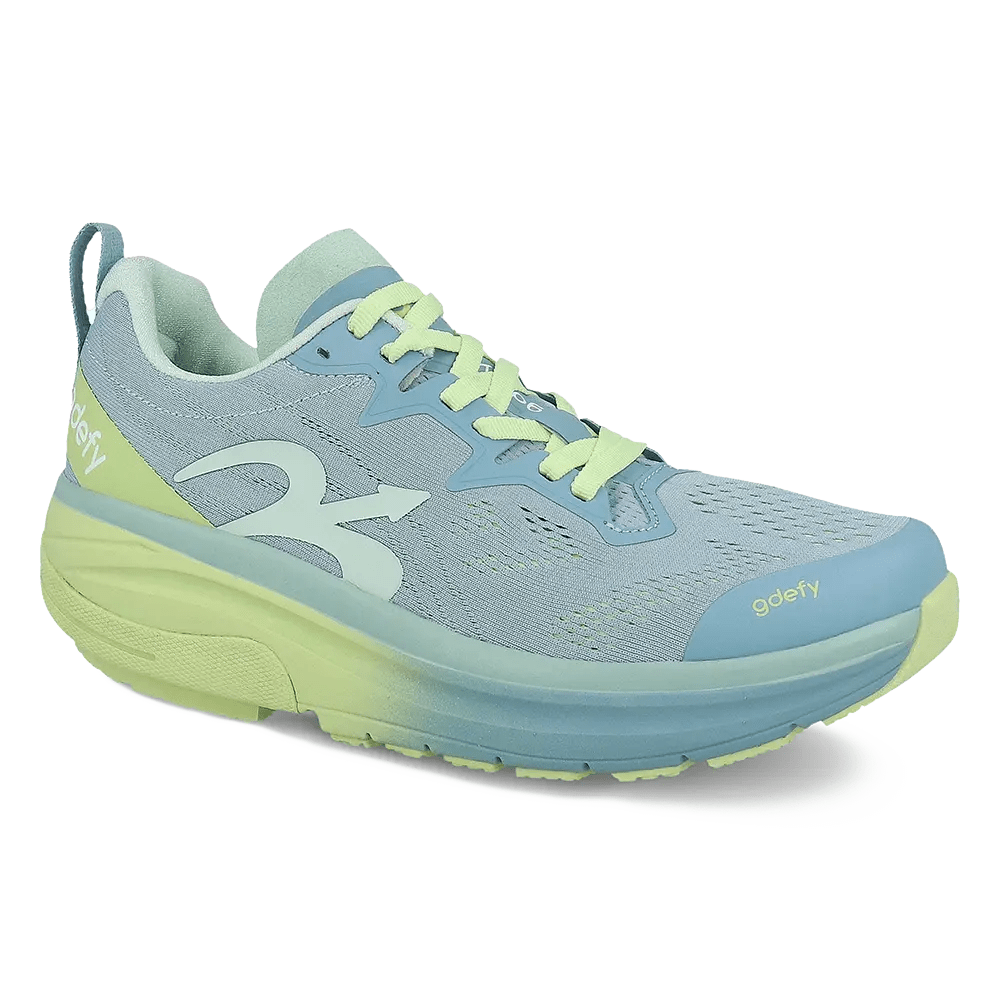
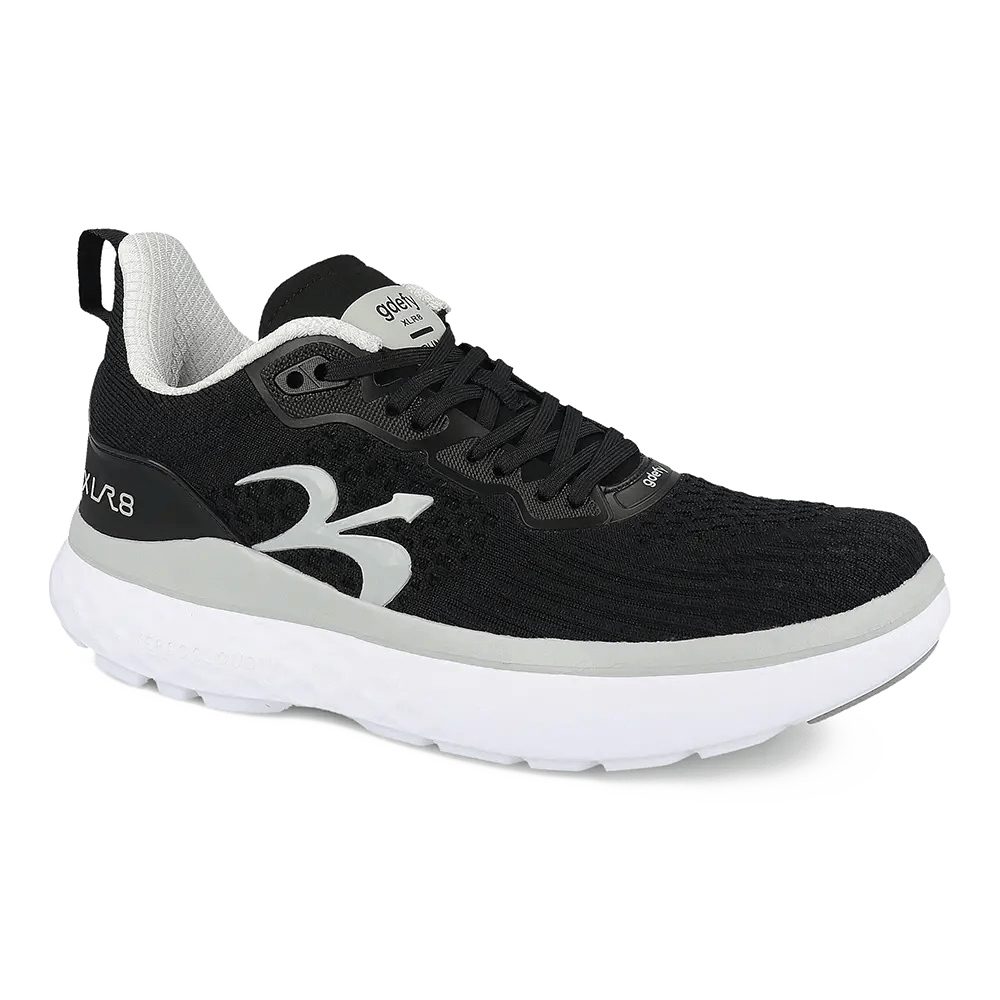
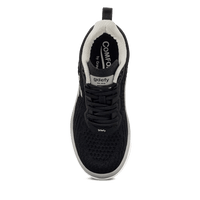
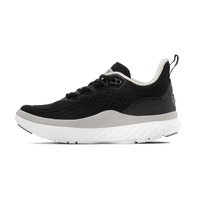
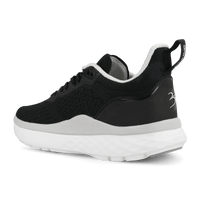
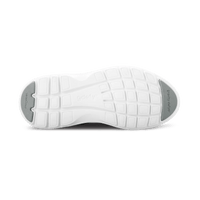
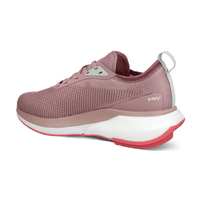
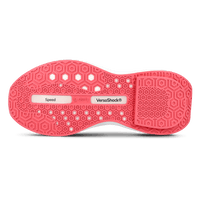
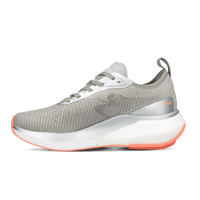
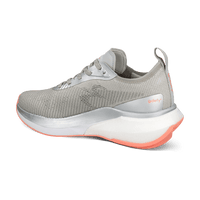
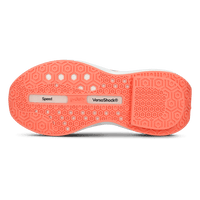
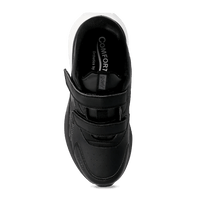
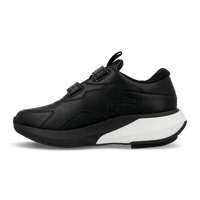
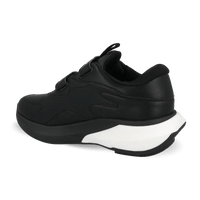
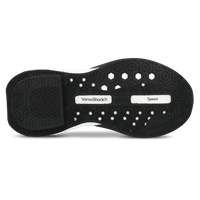
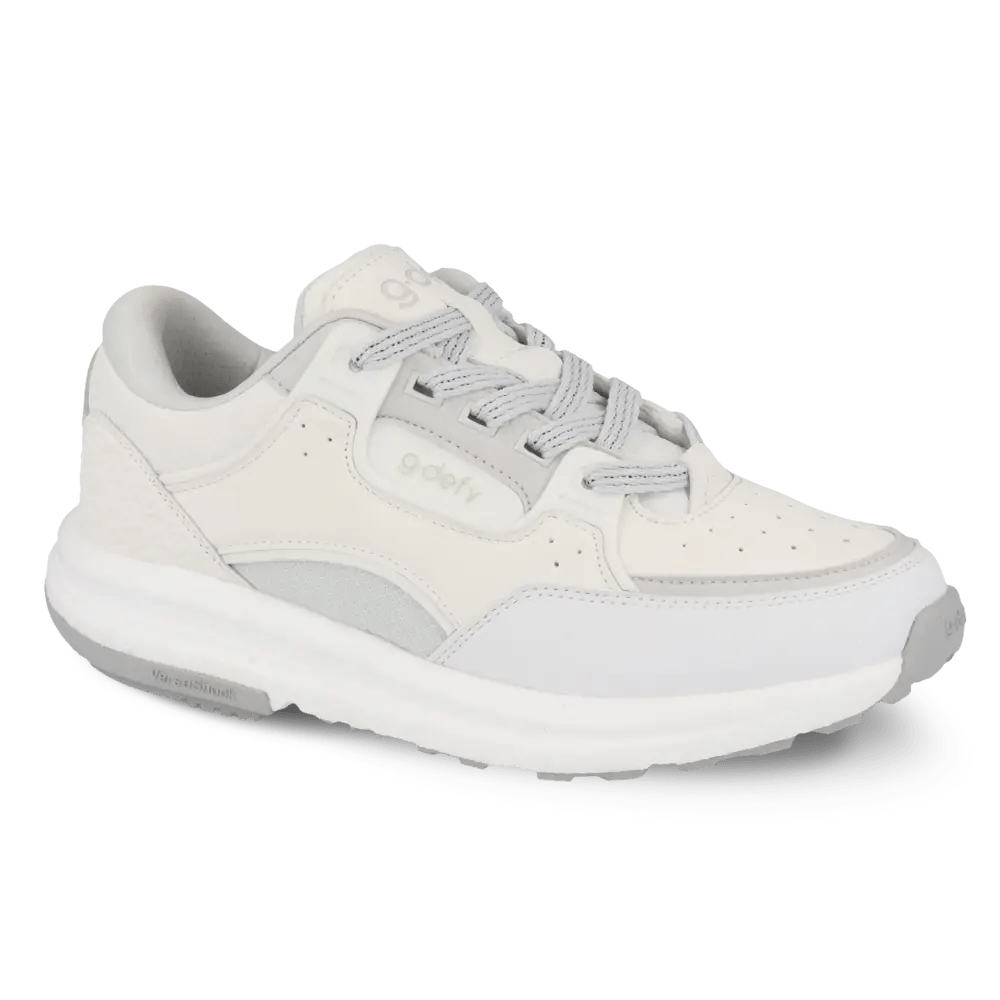
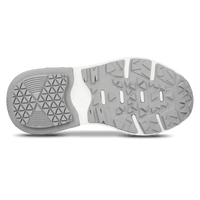
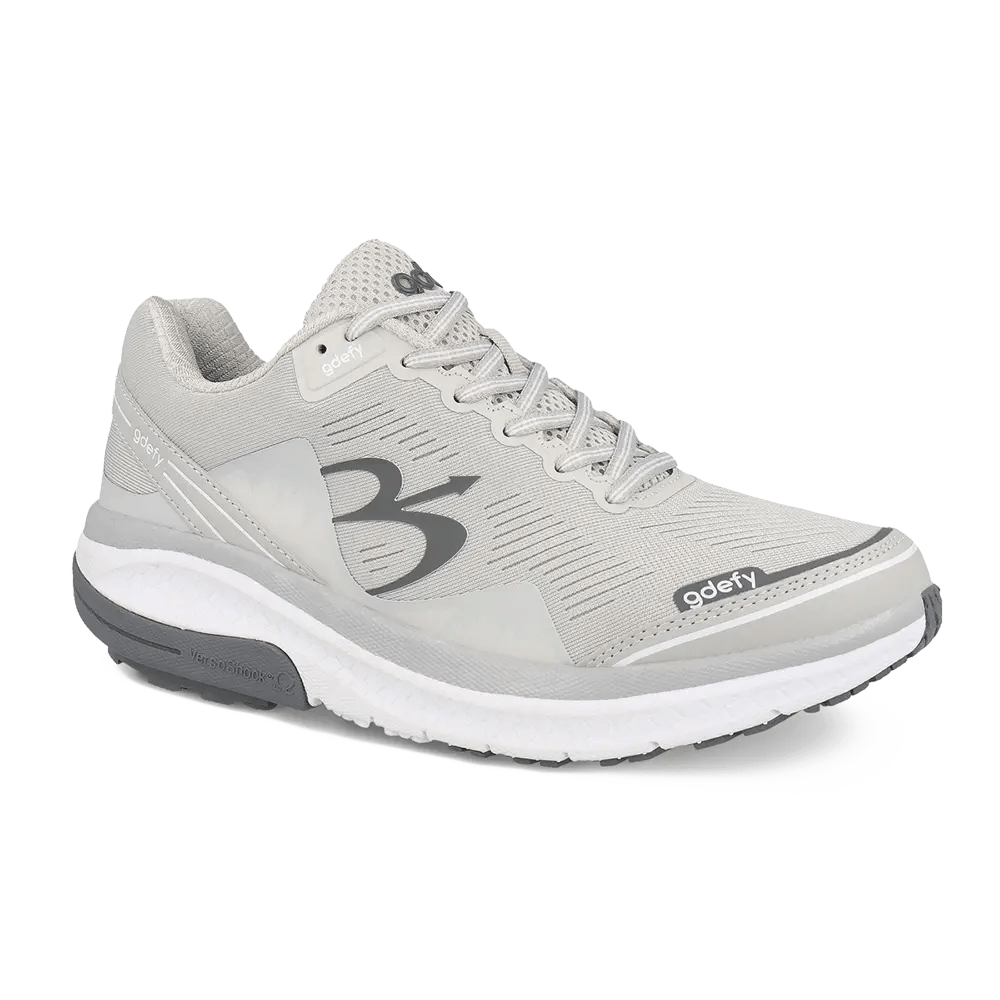
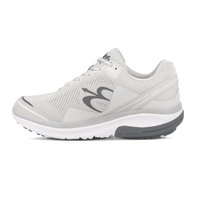
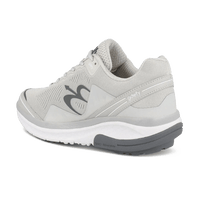
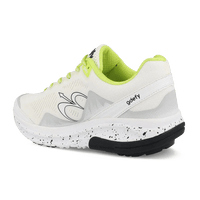
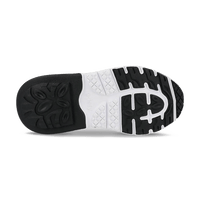
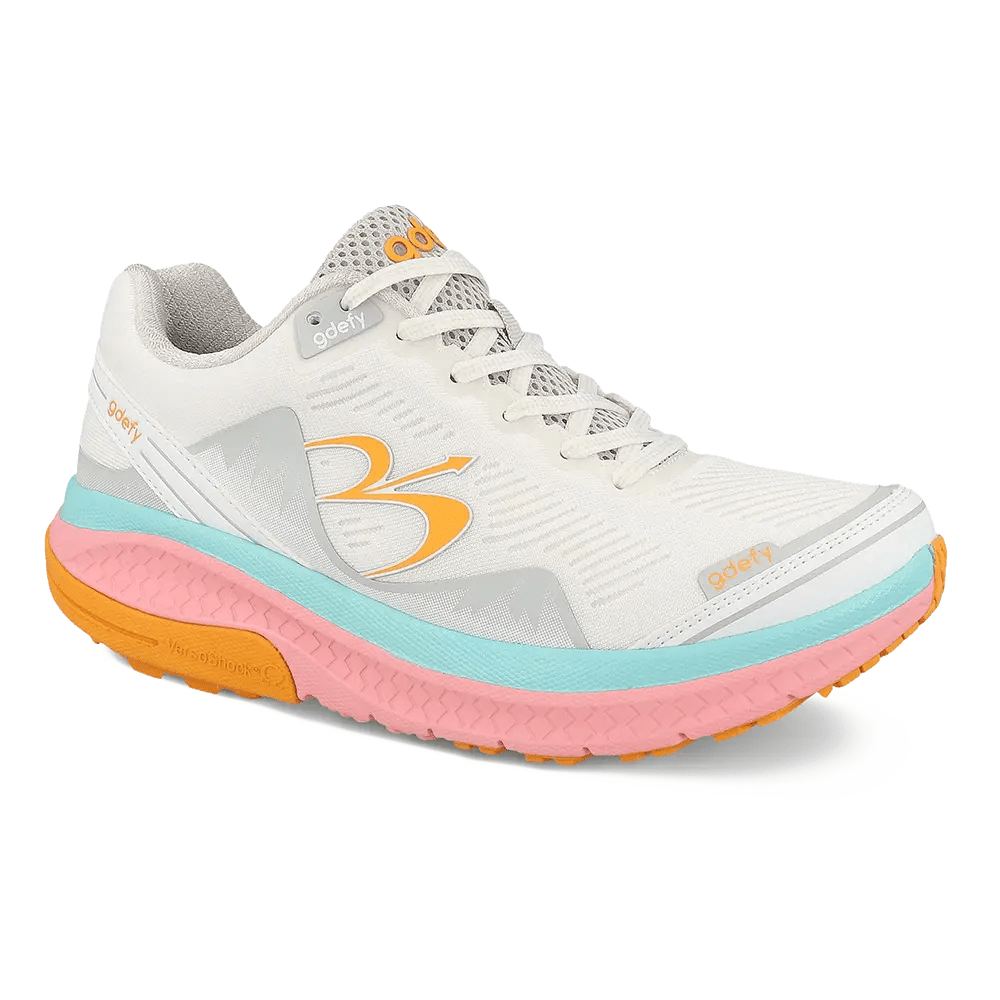
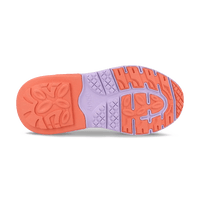
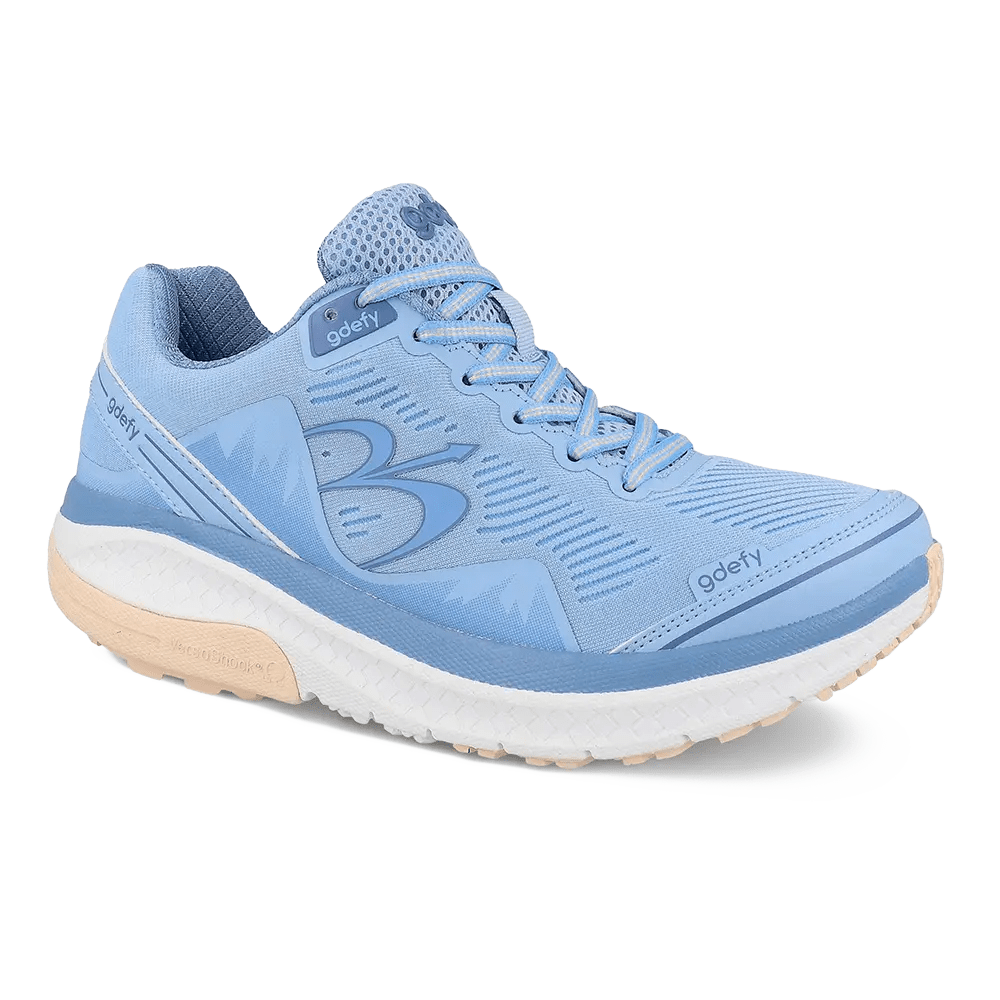
VersoShock® is not an insert. It is a shock-absorbing system engineered into the sole of the shoe itself. Instead of relying on standard foam that compresses and flattens over time, VersoShock® uses a spring-based design built to absorb impact softly and return energy with each step.
G-Defy shoes are built around four working parts:
- Shock absorption — the spring-based VersoShock® midsole is designed to soften the harsh impact of each step.
- Energy return — rather than swallowing energy the way flat foam does, the system is designed to give some of it back to help support forward movement.
- Stabilizer system — a built-in shank helps limit excessive bending through the middle of the shoe for a more controlled, balanced stride.
- Front rolling design — a rocker-style shape encourages a smooth heel-to-toe transition.
Because these features are part of the shoe's construction, they work from the ground up rather than from a single layer added on top. You can read a fuller explanation in our guide to how VersoShock® technology works.
The Key Difference: An Insert vs. a Whole-Shoe System
Here is the heart of the VersoShock vs orthotics question. A traditional orthotic upgrades one layer — the surface directly under your foot. VersoShock® rebuilds the entire foundation underneath that surface.
Think of it like a mattress. A traditional orthotic is like adding a soft topper to a bed. It feels nicer on top, but the box spring below is unchanged. VersoShock® is like replacing the box spring itself, so the support and cushioning come from the whole structure, not just the top inch.
This matters for a few practical reasons:
- Cushioning that lasts. A foam midsole packs down with miles. A spring-based system is designed to keep responding step after step.
- Support across the whole shoe. An insert shapes the arch, but a stabilizer and rocker sole influence how your entire foot moves through each stride.
- Less guesswork. With an add-on insole, you are pairing two products that were never designed together. A shoe engineered as one system is built to work as a whole.
For a closer look at how a built-in design compares with aftermarket inserts on their own, see our companion article on orthotic insoles versus built-in shoe support.

What to Look For When You're Choosing
Whether you lean toward an insert, a supportive shoe, or both, the same handful of features drive everyday comfort. Use this as a quick checklist:
- Cushioning — helps absorb impact so long days feel easier on your feet.
- Support — helps maintain stability and a consistent foot position while you move.
- Shock absorption — reduces the harsh jolt of each step on hard surfaces.
- Energy return — helps keep your stride feeling responsive rather than flat.
- Adjustability — the ability to fine-tune the fit and support to your own foot.
- Proper fit — no amount of technology helps if the shoe pinches or slips.
Notice that the last two points are where inserts and engineered shoes can actually meet. The best of both worlds is a shoe that gives you a shock-absorbing foundation and lets you customize the layer closest to your foot.
When Might a Simple Insole Be Enough?
An orthotic insert is not the wrong choice for everyone. If your current shoes are still in good shape — a supportive midsole, plenty of tread, cushioning that has not packed down — a quality insole can be a simple, affordable way to add a little extra comfort and arch support. Inserts are also easy to move from one pair to another, which some people appreciate.
The trade-off is that an insole is only as good as the shoe holding it. Once a midsole has broken down after months of wear, adding a fresh insert on top is a bit like putting a new cushion on a sagging chair. It helps at the surface, but the structure underneath is still doing most of the work.
Here is a simple rule of thumb: if a new insole makes a worn pair feel noticeably better for only a few weeks, the shoe — not the insert — is probably what needs attention. That is usually the moment it makes sense to look at the whole shoe, not just the layer inside it.
How G-Defy Combines Both Approaches
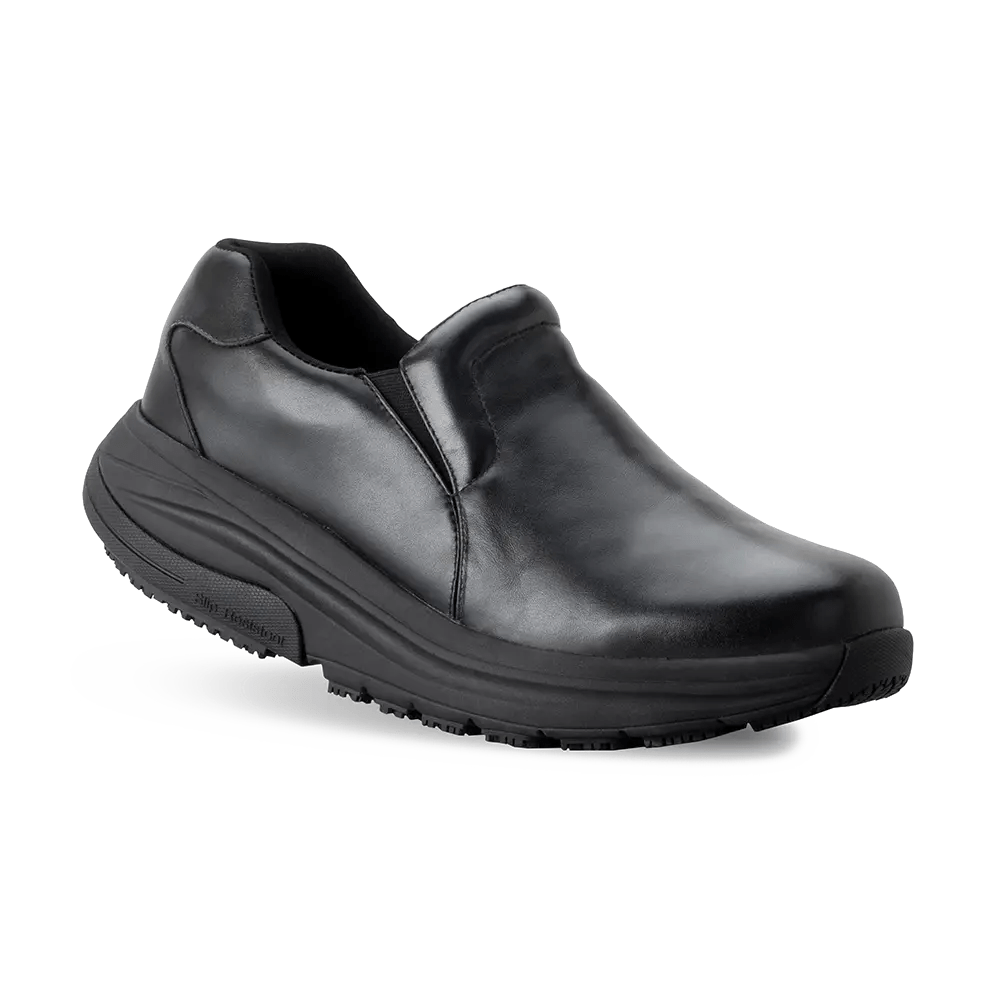
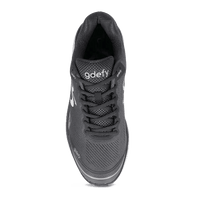
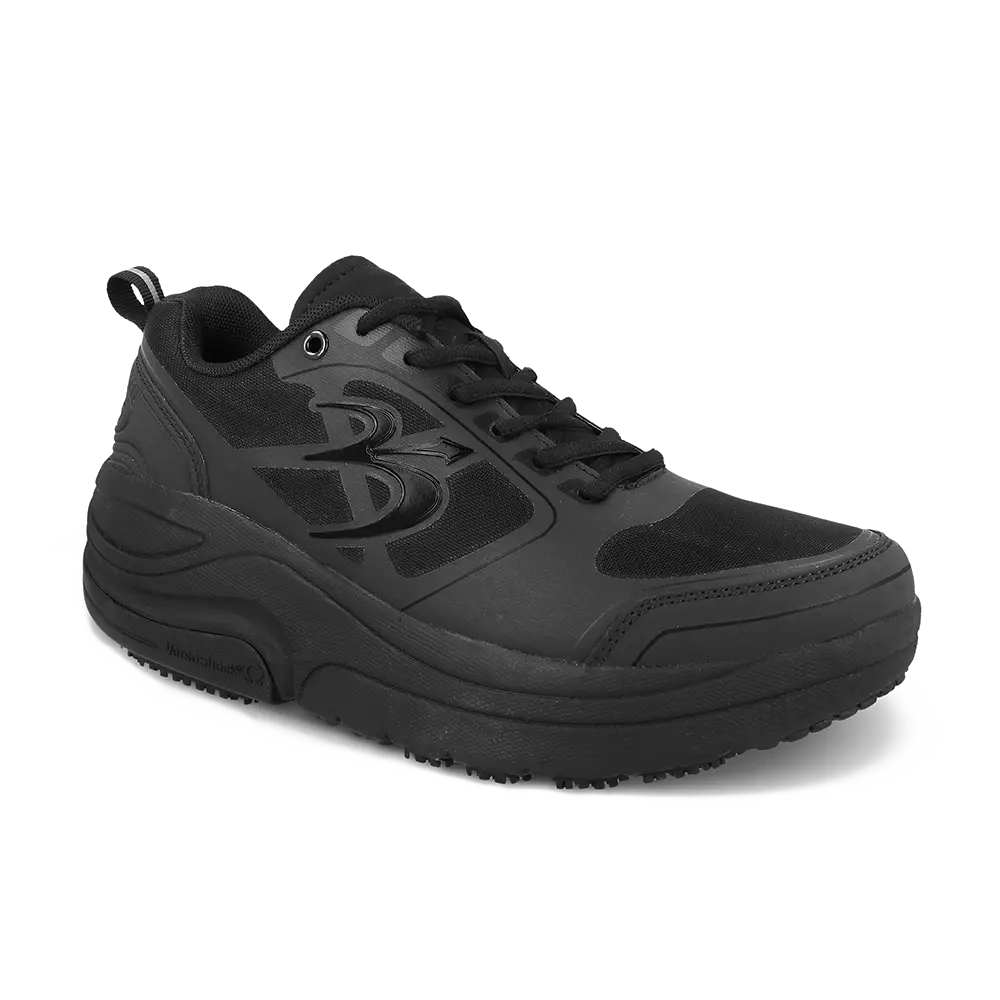
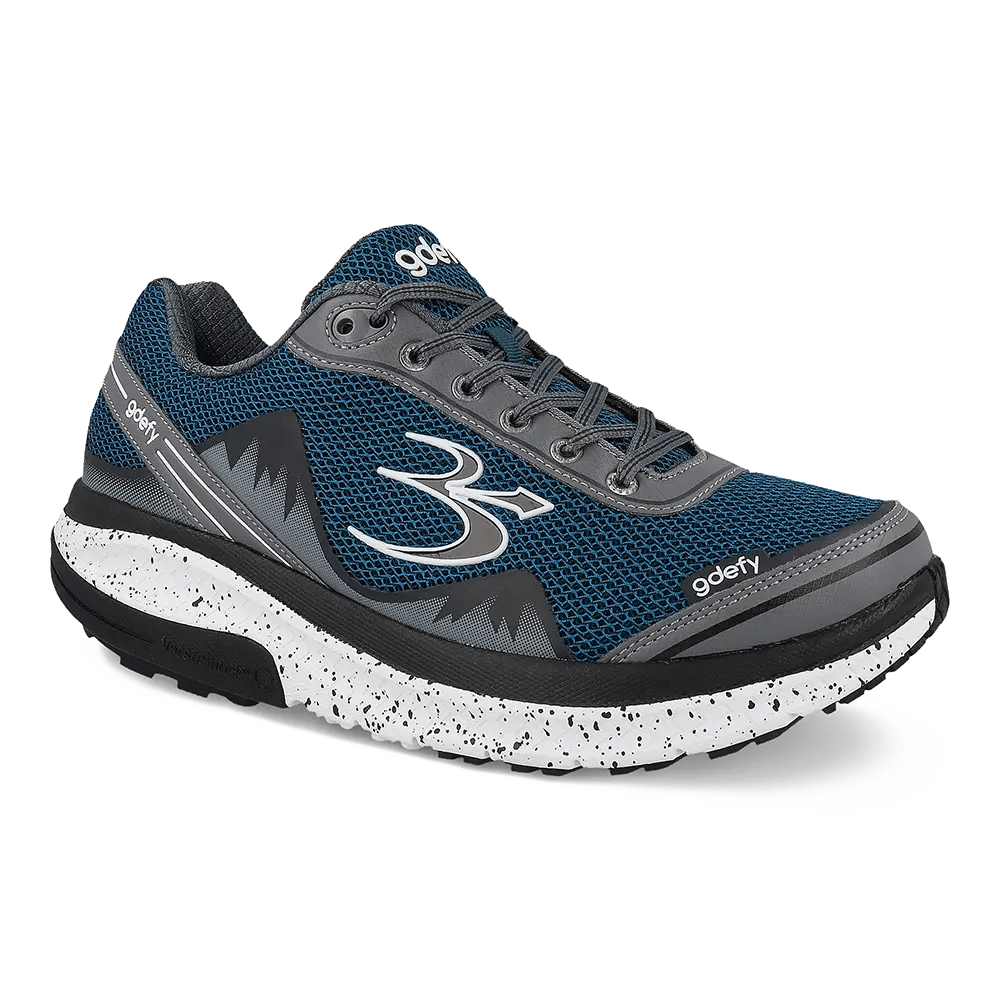
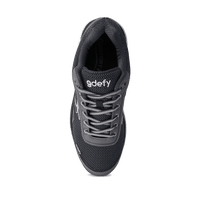
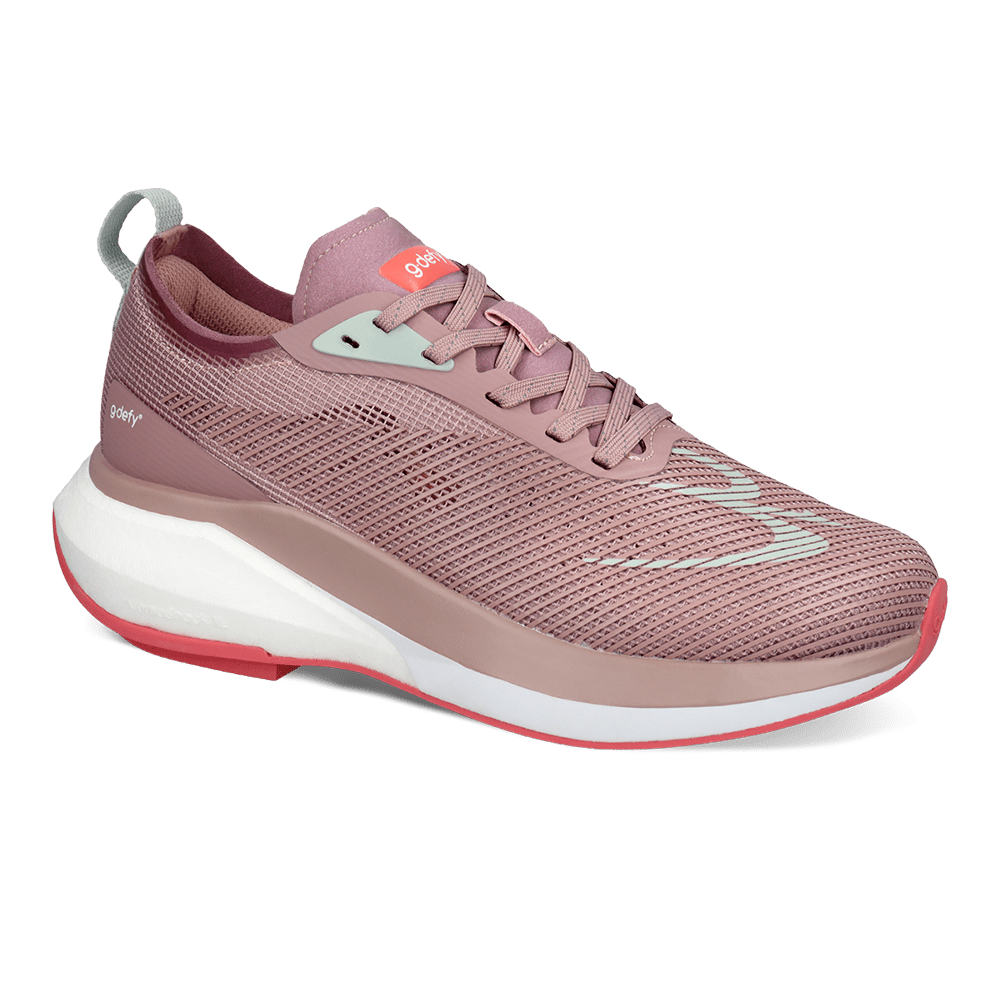
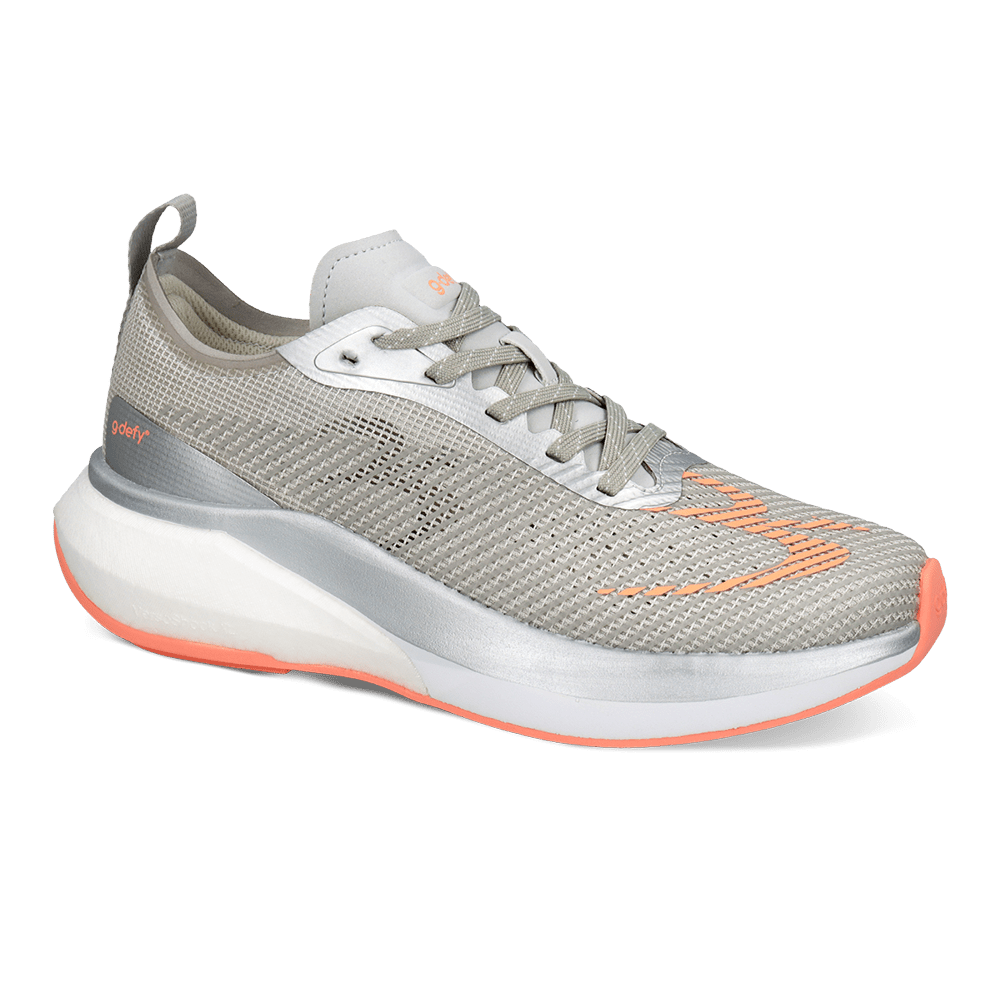
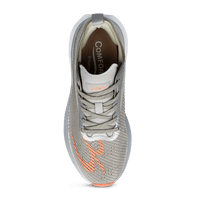
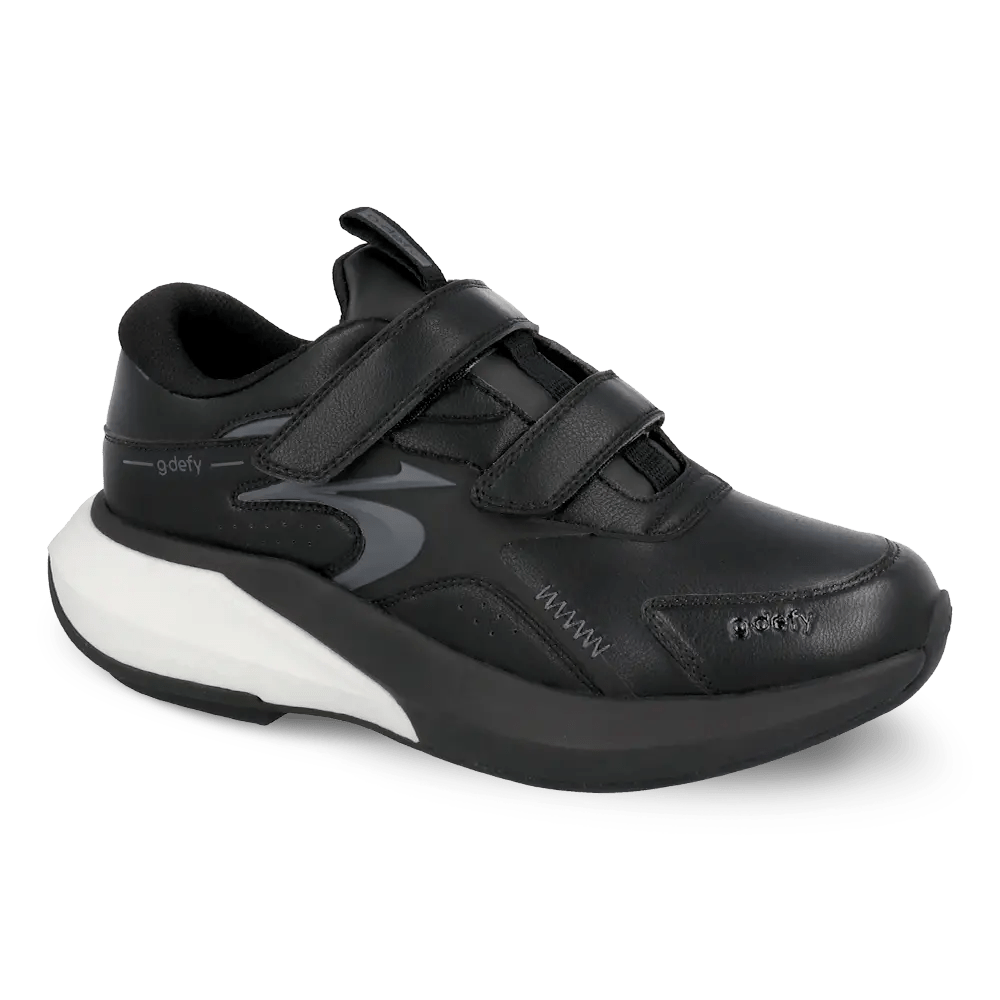
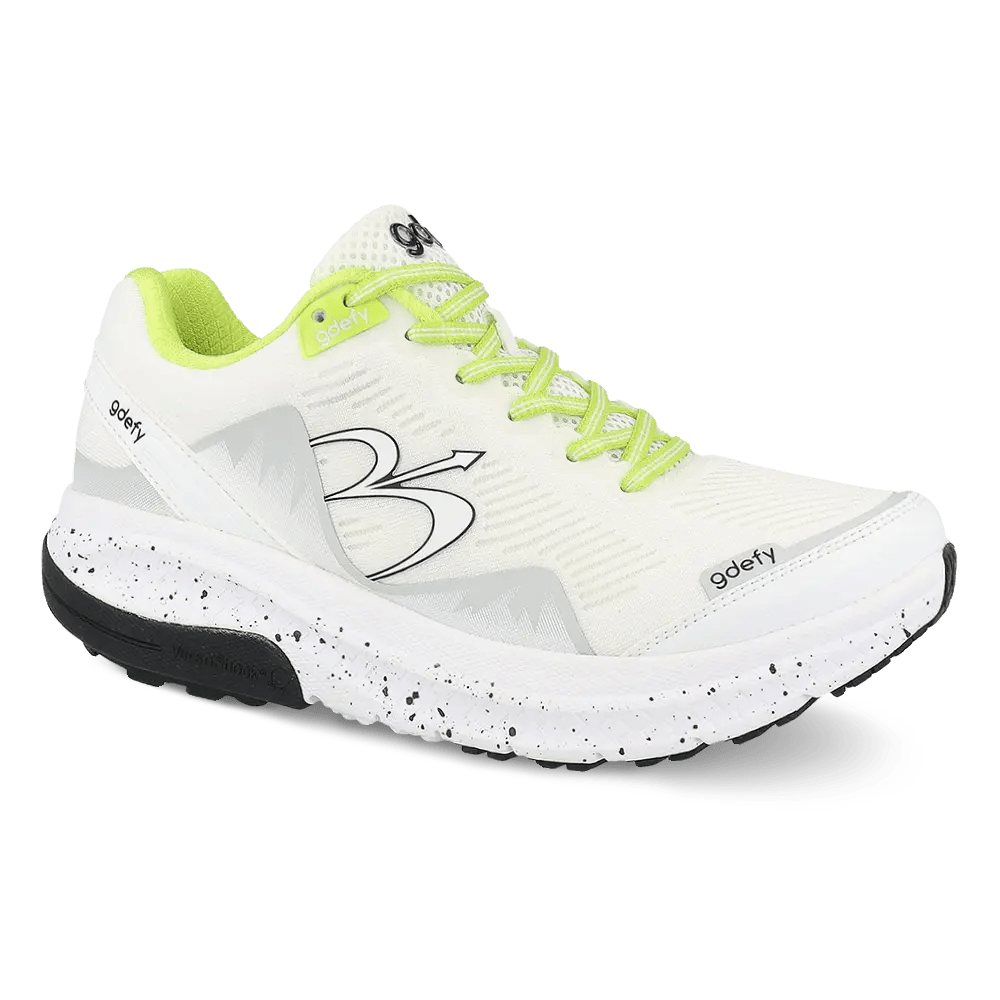
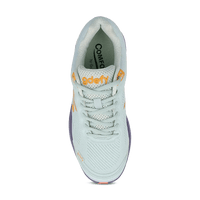
This is exactly what G-Defy footwear is designed to do. Every pair pairs the VersoShock® system with a set of removable orthotics, so you get the engineered foundation and a customizable top layer in one shoe.
Each pair includes two removable orthotics:
- ComfortFit® Orthotic — geared toward low to medium arches, with a focus on cushioning and everyday comfort.
- CorrectiveFit® Orthotic — geared toward medium to high arches, adding a bit more support.
You can swap between them to match your foot, or remove them entirely if you prefer to use your own inserts — the VersoShock® midsole underneath keeps doing its job either way. In other words, you are not forced to choose between a supportive shoe and a customizable insole. You get both, designed to work together.
Because the orthotics lift out, the shoes adapt as your day does. Reach for the cushioned option when you are on hard floors, or the firmer one when you want a little more structure. It is a small bit of flexibility that a shoe with a glued-in footbed simply cannot offer.
G-Defy shoes are engineered to provide comfort, support, and shock absorption. Featuring VersoShock® technology, they are designed to absorb impact and return energy with each step, and they help reduce pain from walking, running, and prolonged standing.

A popular place to start is the Mighty Walk, a cushioned everyday athletic shoe, or the lighter, more casual Ion. You can browse the full lineup in the men's collection and the women's collection.
Feel the difference a whole-shoe system makes
Try G-Defy with VersoShock® technology and dual removable orthotics — backed by a 60-day risk-free trial and free shipping.
Shop the Mighty WalkPractical Tips for Getting the Most Comfort
- Match the insert to your arch. If you use the included orthotics, start with the one built for your arch height and see how it feels over a few days.
- Replace worn inserts. Even a good insole loses its cushioning eventually. If yours feels flat, swap it out.
- Give new footwear time. A different support setup can feel unfamiliar at first. Ease into longer wear over a week or two.
- Rotate your shoes. Alternating pairs lets cushioning recover between wears and can help each pair last longer.
- Get the fit right first. Measure both feet, shop later in the day when feet are slightly larger, and leave a thumb's width at the toe.
Frequently Asked Questions
Can I put my own orthotics in G-Defy shoes?
Yes. The included orthotics are removable, so you can take them out and insert your own if you prefer. The VersoShock® midsole is part of the sole, so its cushioning stays in place regardless of which top insert you use.
Are orthotic insoles enough on their own?
An insole can add helpful cushioning and arch support, but it only changes the layer directly under your foot. If the shoe around it has a thin or worn midsole, the insert has limited material to work with. Pairing a supportive insole with a shoe designed for shock absorption gives you more to stand on.
Do I need custom orthotics?
Many people find that a quality shoe with adjustable, removable orthotics gives them the comfort and support they are looking for. Supportive and cushioned footwear may improve overall comfort during walking and prolonged standing. For persistent or specific foot concerns, it is always best to consult your healthcare provider.
Will a shoe with built-in shock absorption feel different from my regular sneakers?
It can, especially at first. A spring-based midsole and a gentle rocker shape encourage a smooth heel-to-toe roll, which may feel slightly unfamiliar for a day or two. Most people adjust quickly and come to prefer the softer, more responsive feel underfoot.
The Bottom Line
The difference between VersoShock® and a traditional orthotic comes down to scope. An orthotic improves the single layer beneath your foot. VersoShock® reworks the whole foundation the shoe is built on — and G-Defy pairs that foundation with removable orthotics so you can fine-tune the top layer too.
While footwear is not a medical solution, choosing shoes designed for comfort, support, and shock absorption can make a meaningful difference in how your feet feel at the end of the day. If you would like to feel it for yourself, G-Defy shoes come with a 60-day risk-free trial and free shipping, so you can put the whole-shoe system to the test on your own terms.