
July 30, 2026
How to Break In New Shoes Comfortably
By Gdefy

Summary
You order a new pair of walking shoes, open the box, slide them on — and something feels off. The heel sits differently. The upper feels stiff across the top of your foot. The sole doesn't flex where your last pair used to.
That first-week strangeness is normal, and it has a name: breaking in. Every new shoe goes through a short adjustment period while the materials soften and your foot settles into the shape. The trouble is that most people either rush it — wearing brand-new shoes on an eight-hour day out — or misread a genuine fit problem as something that will "work itself out."
This guide walks through what actually changes during break-in, roughly how long it takes, a simple two-week schedule you can follow, and how to tell the difference between a shoe that needs time and a shoe that needs returning. While footwear isn't a medical solution, a smoother first two weeks makes a real difference in whether a new pair becomes your everyday pair or the one that sits in the closet.
Why New Shoes Feel Different on Day One
Break-in isn't one thing happening — it's three, and they happen on different timelines.
The materials start out firm
Uppers, midsoles and outsoles all leave the factory at their stiffest. Leather and synthetic overlays need flex cycles before they'll crease in the natural places. Foam and rubber components compress slightly with use and settle into a consistent feel. None of this is a defect — it's the material doing what materials do. Our breakdown of what's actually inside a comfort walking shoe covers each of those layers in more detail.
Your foot arrives with a memory of the last pair
If you wore your previous shoes for a year or more, your foot adapted to their particular shape — where they pressed, where they gave way, how much the sole bent. A new pair with different geometry can feel wrong simply because it's different, not because it's worse. This is especially noticeable when moving from a flat, flexible shoe to one with a firmer stabilizer and a rolling sole. It's also why the timing of a replacement matters; see how shoes wear out and when to replace them.
Some "break-in" is really a fit issue in disguise
This is the important one. A shoe that's a half size short, too narrow through the forefoot, or loose in the heel will not improve with time. The materials soften; the dimensions don't change meaningfully. Sorting this out in week one saves a lot of frustration — start with why proper shoe fit is key to all-day comfort.
How Long Should Breaking In Take?
There's no single answer, because it depends on construction and how much you're on your feet. These are reasonable expectations, not promises:
| Shoe type | Typical adjustment window | What actually changes |
|---|---|---|
| Mesh athletic / walking shoe | 3–7 days of normal wear | Upper relaxes across the instep; flex point settles |
| Cushioned shoe with a stabilizer | 1–2 weeks | Your stride adapts to a firmer midfoot and smoother roll-through |
| Leather casual or dress shoe | 2–4 weeks | Leather creases and molds to the foot's high points |
| Hiking or work boot | 3–6 weeks | Stiff shank and collar soften; ankle flex opens up |
| Sandal with a contoured footbed | Under a week | Straps relax; footbed contact points even out |
One useful rule: if a shoe feels dramatically better on day four than day one, you're breaking in. If it feels identical on day ten, you're not — you're wearing the wrong size or shape.
A Simple 14-Day Break-In Schedule
The core idea is short exposures on forgiving surfaces first, longer exposures on hard surfaces later. Adjust the timeline to your own routine — this is a template, not a rule.
| Days | How long to wear them | Where |
|---|---|---|
| 1–2 | 30–60 minutes | Indoors, on carpet — keeps them returnable if the fit is wrong |
| 3–5 | 1–2 hours | Short errands, a walk around the block |
| 6–9 | Half a day | A normal morning out; swap into your previous pair afterward |
| 10–14 | Full day | Work shifts, longer walks, hard surfaces like concrete |
Two details worth getting right. First, wear the socks you'll actually wear with the shoe — a thin dress sock and a cushioned walking sock produce noticeably different fits. Second, try them on late in the day. Feet swell over the course of a day, and a shoe that fits at 8am can feel snug at 6pm.
Break-In or Bad Fit? How to Tell the Difference
This is the single most useful skill in the whole process. Use the week-one check below.
Likely just break-in:
- General stiffness that eases a little each day
- Mild awareness of the arch contour that fades by day three or four
- The sole feeling less flexible than your previous pair
- A slightly different heel-to-toe rhythm while your stride adapts
Likely a fit problem:
- Your longest toe touches the front — you need a longer size, not more time
- Pressure along the outside edge of the forefoot, or the upper visibly bulging over the sole — that's a width issue; check how to know if you have a wide foot
- Your heel lifts out with each step, even with the laces snug
- A concentrated hot spot in the same place every single wear
- Nothing has changed at all after two weeks
Width deserves its own mention, because it's the most commonly missed variable. People size up in length when the real problem is a narrow forefoot, which leaves the shoe too long and still tight. If several pairs in a row have rubbed in the same spot, width is the first thing to check.
Shoe Features That Shorten the Adjustment Period
Some designs simply need less breaking in. When you're shopping, these are the features that tend to make the first week easier:
- Cushioning that's already soft out of the box — you're not waiting for foam to compress before it feels reasonable. Our guide to cushioning versus support explains why these are two separate things.
- A roomy toe box — toes that can spread naturally don't need the upper to stretch around them.
- A secure heel counter — a heel that's held in place from day one doesn't rub while the rest of the shoe settles. More on this in how to choose shoes that feel secure and supportive.
- Removable orthotics — being able to swap the insert lets you dial the arch contour up or down instead of enduring one preset shape.
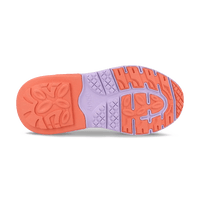
- A rolling forefoot design — a sole shaped to carry you heel-to-toe asks less of the material's flexibility, so a firm new sole feels smooth sooner.
- Adjustable closure — laces let you ease pressure over a specific spot in a way a sewn-in strap can't. Worth weighing when you compare slip-on versus lace-up shoes.
If you're unsure which of these matter most for your feet, start with how to choose shoes for your foot type and what arch support actually means.
How G-Defy Shoes Are Built
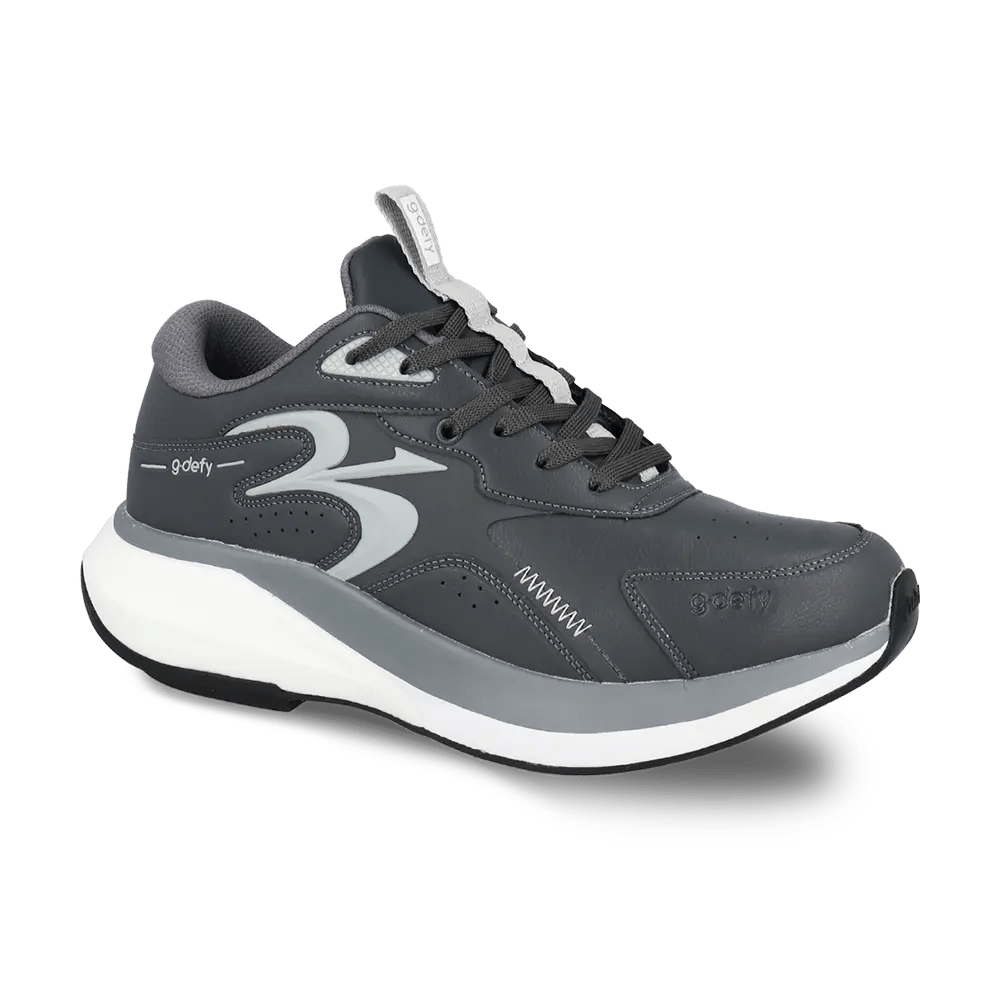
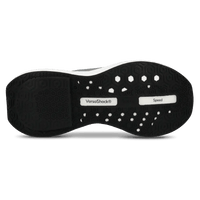
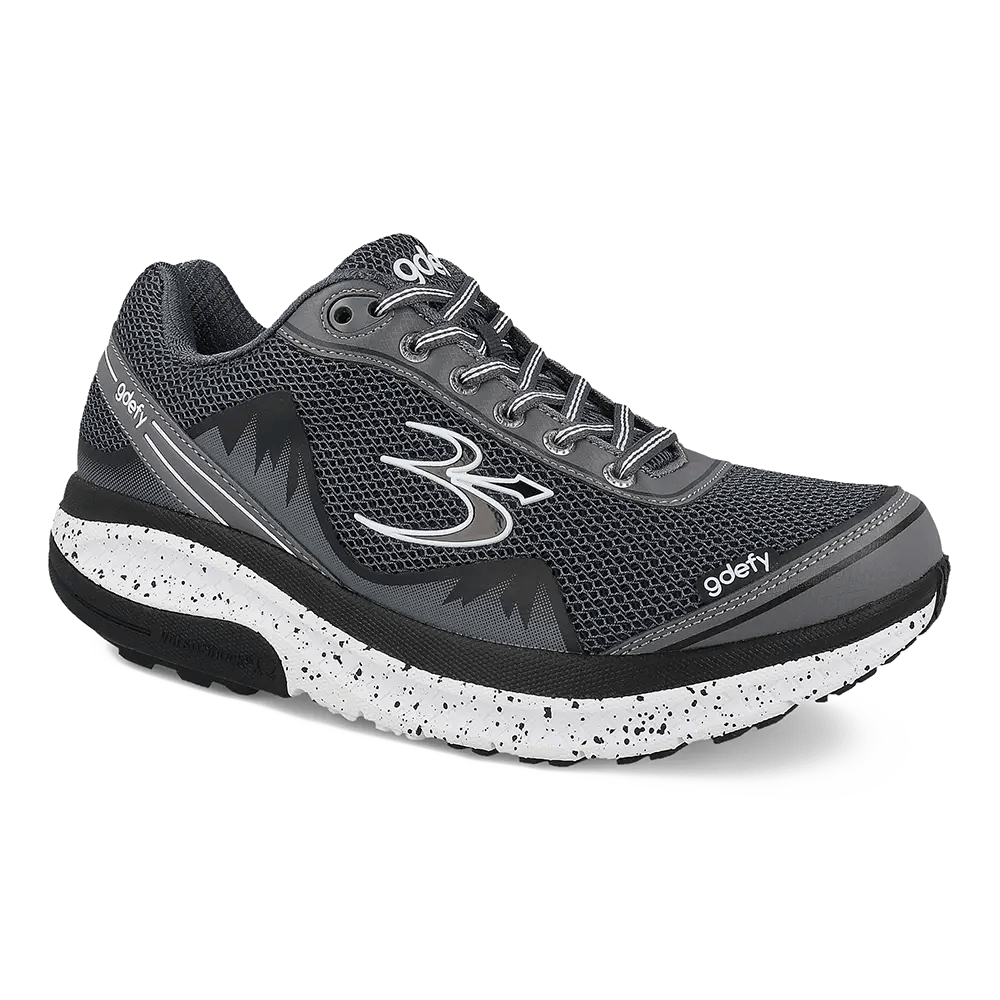
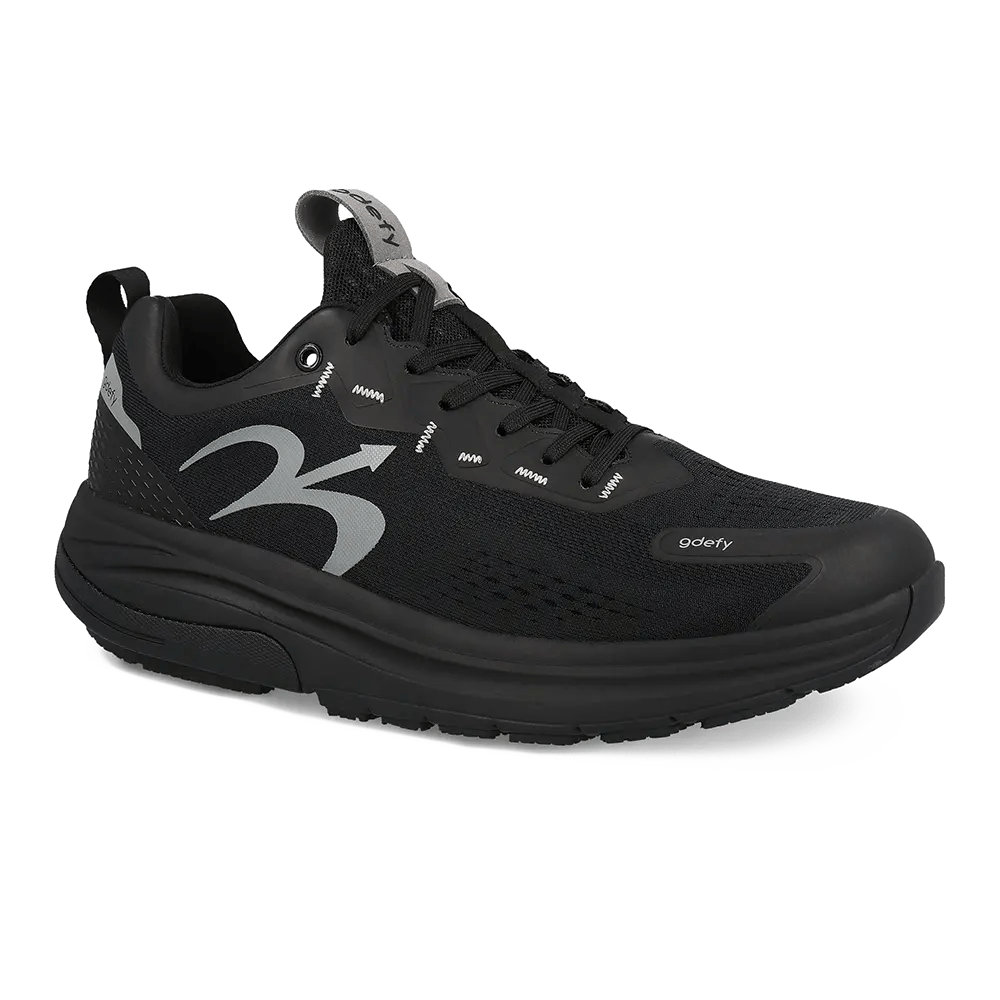
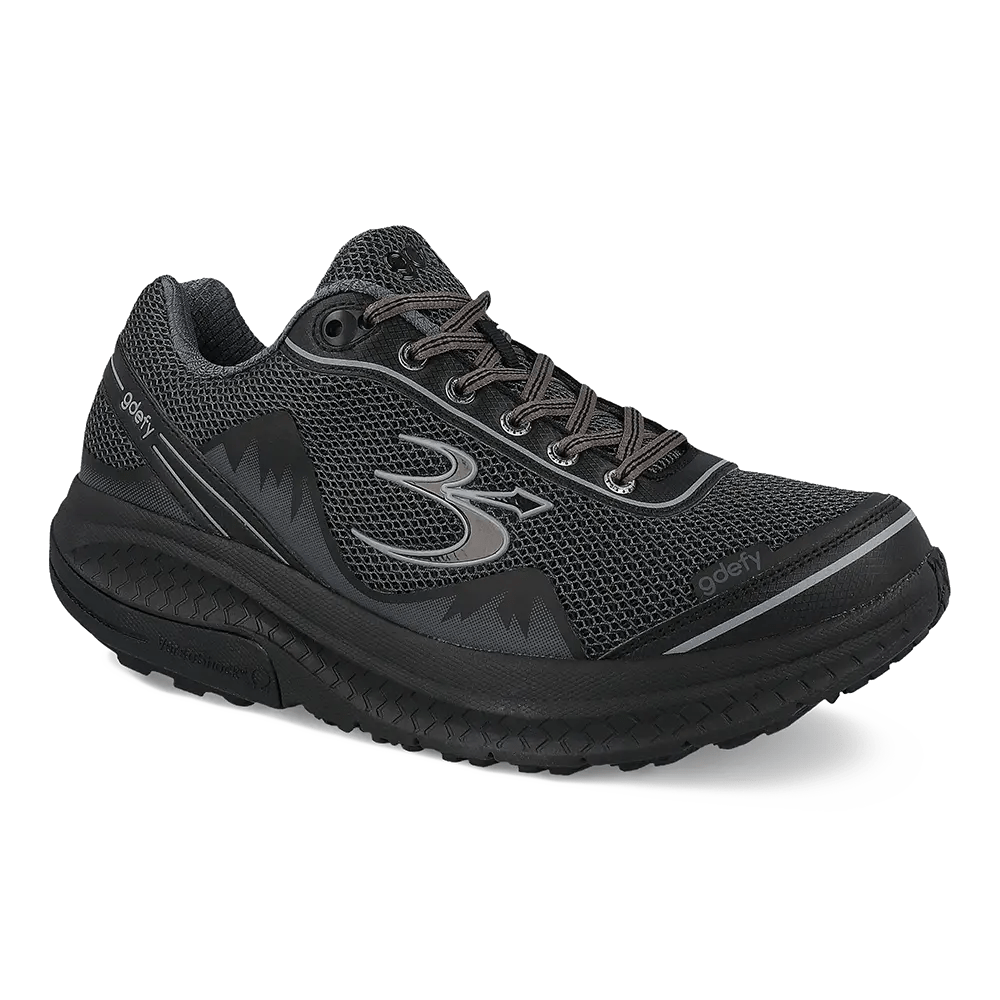
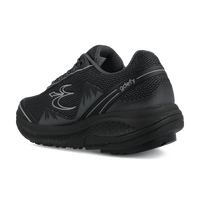
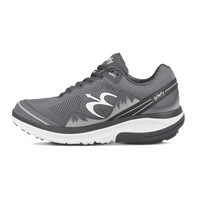
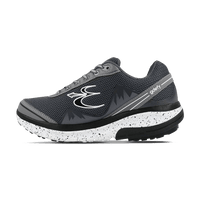
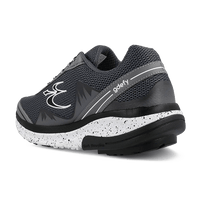
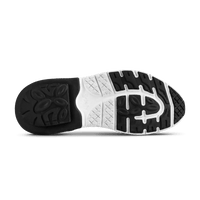
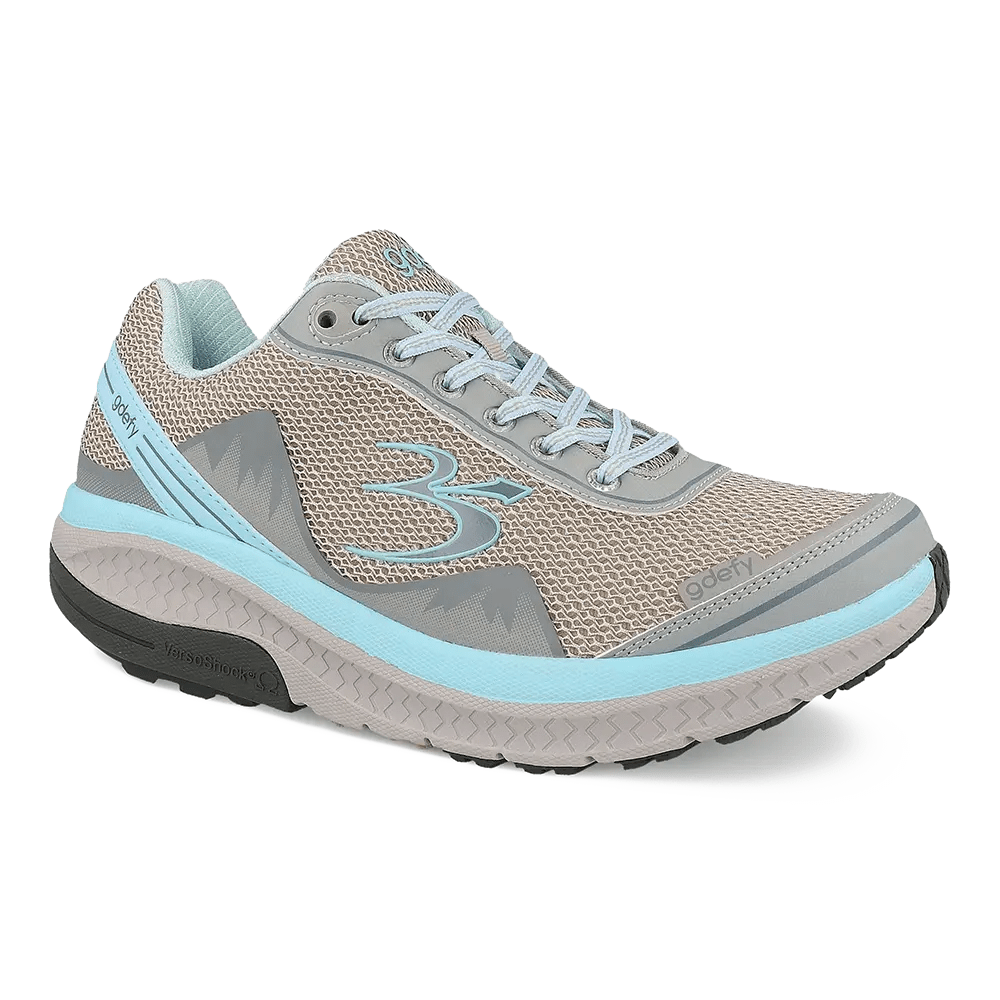
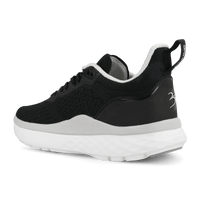
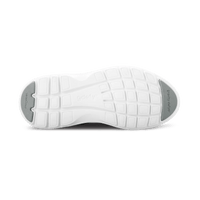
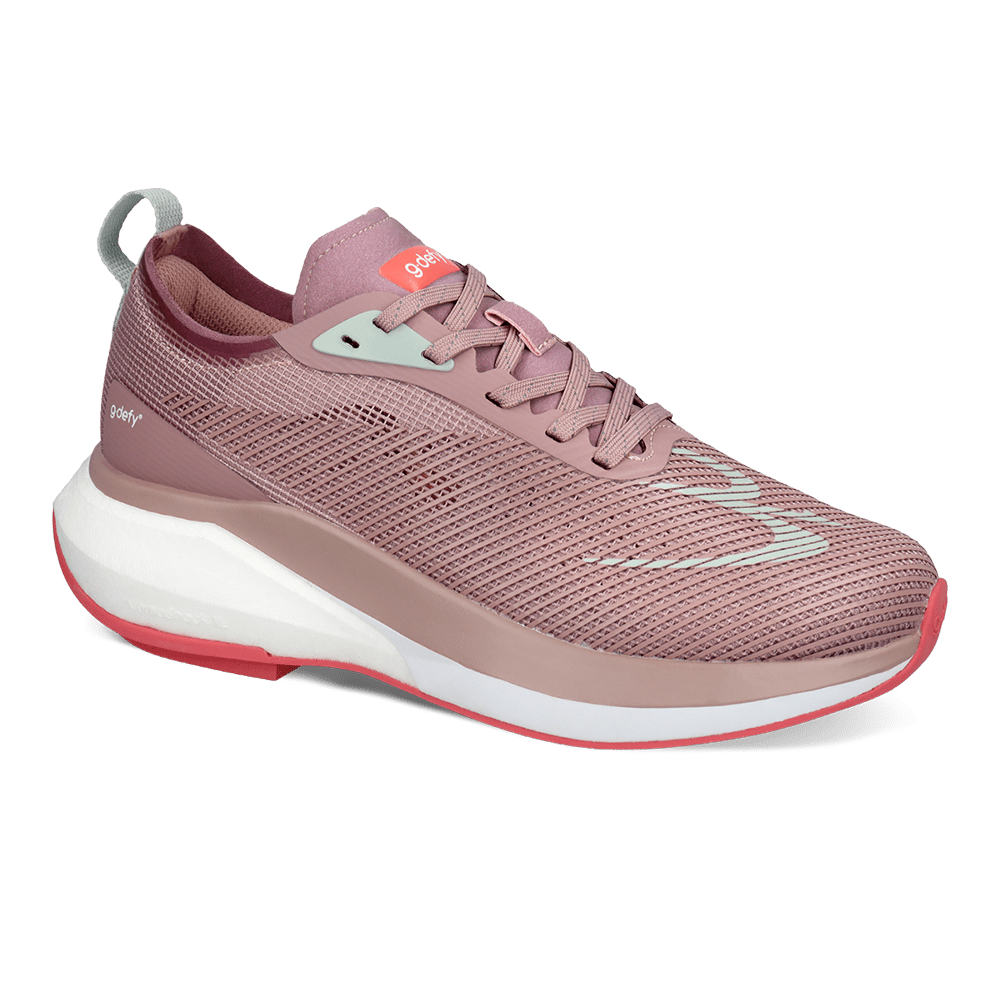
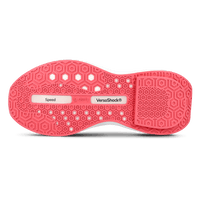
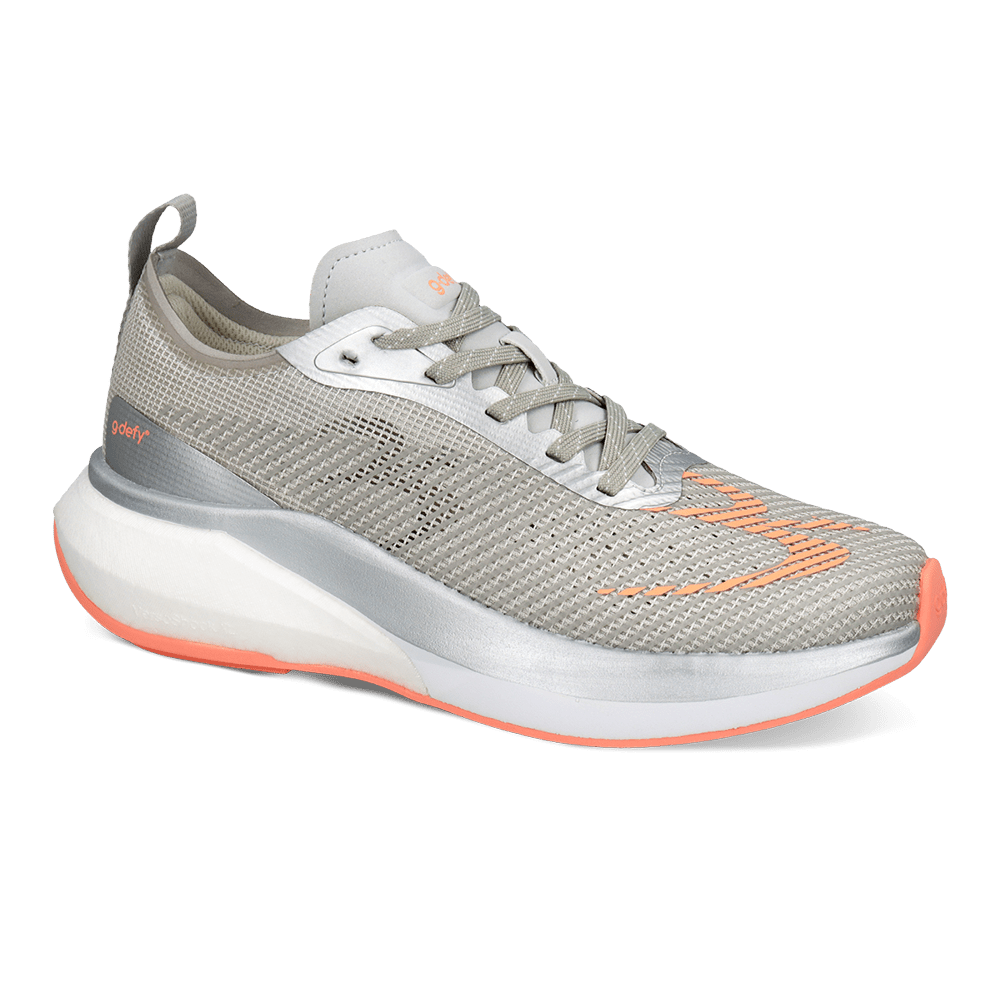
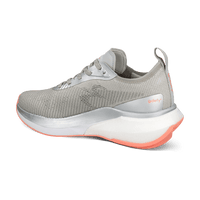
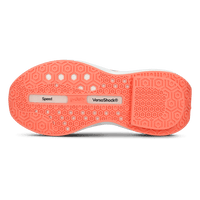
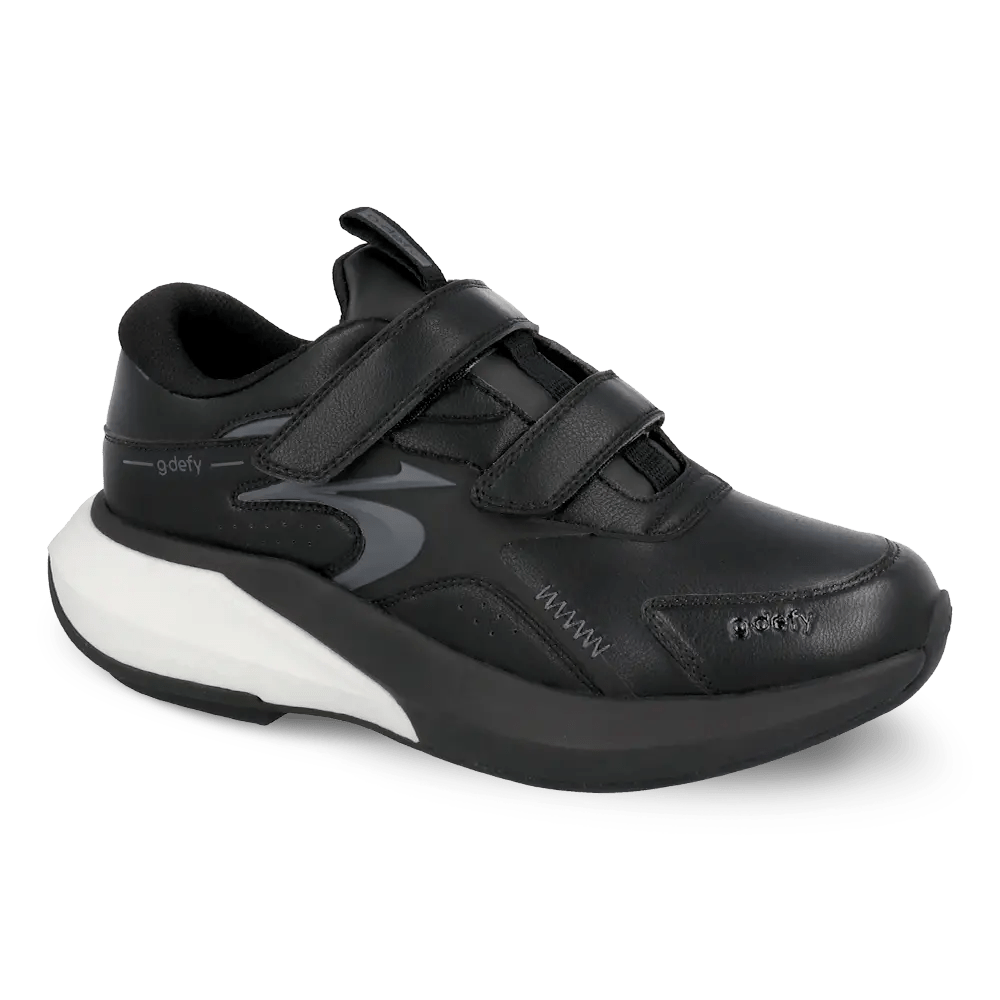
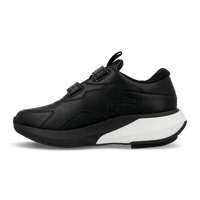
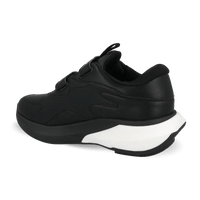
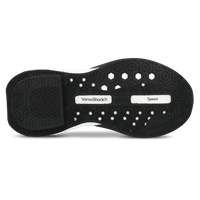
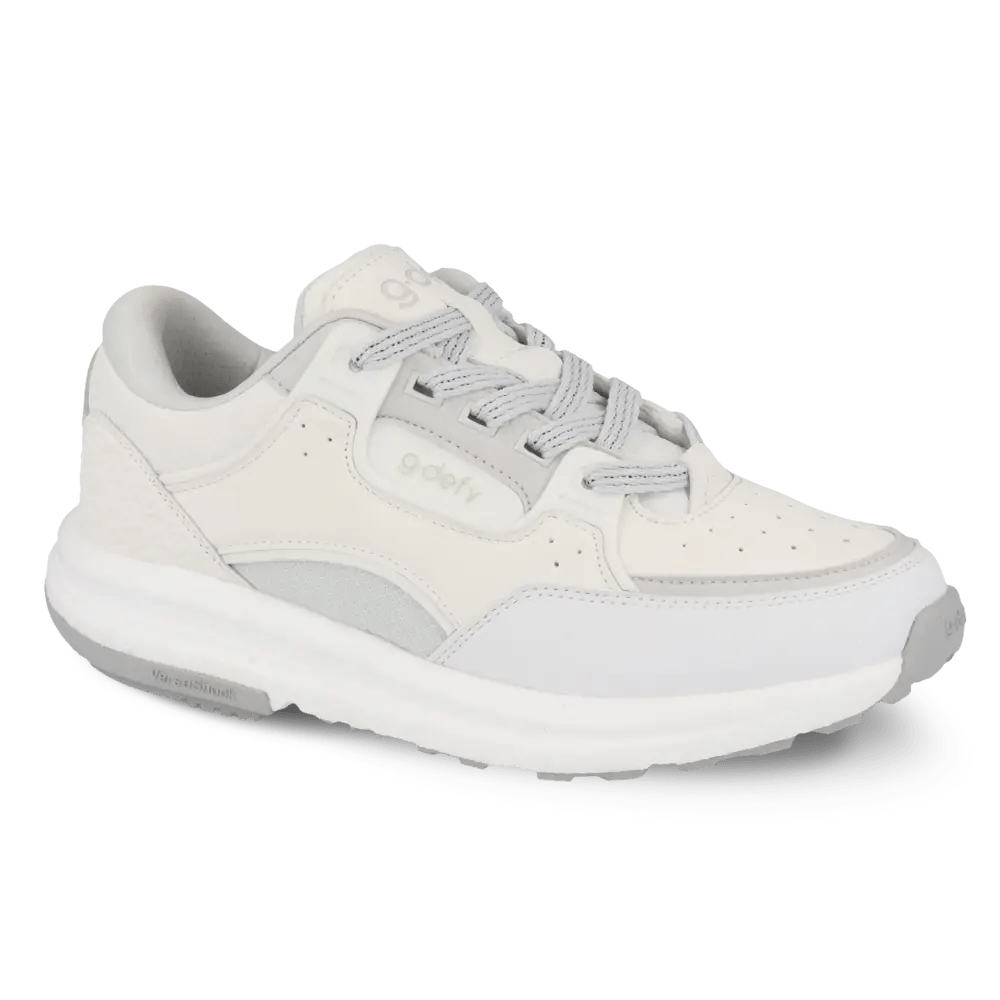
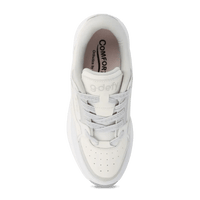
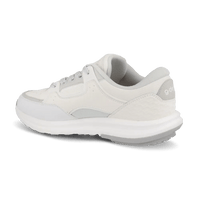
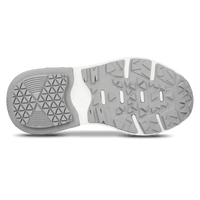
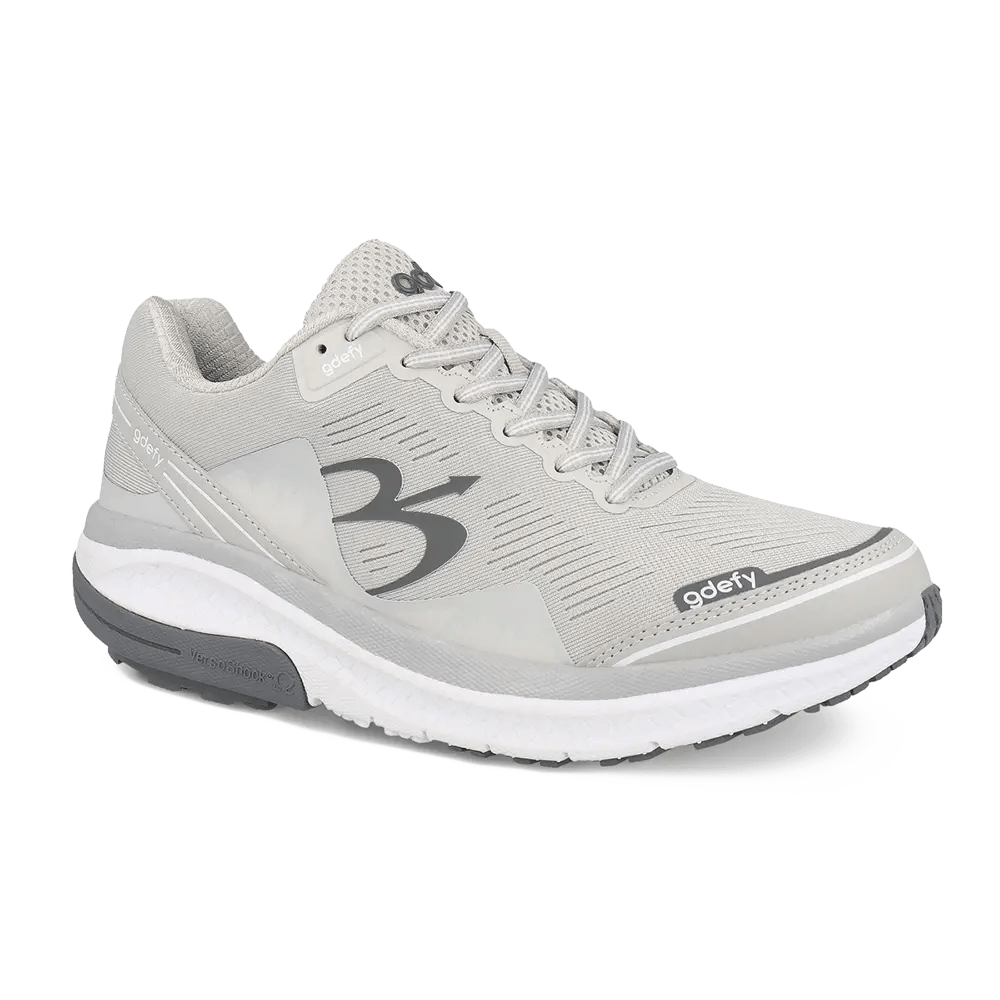
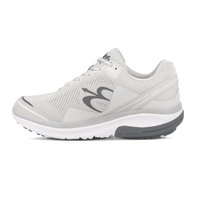
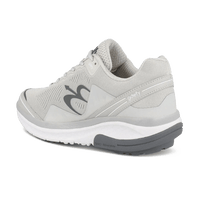
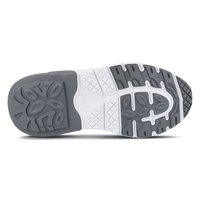
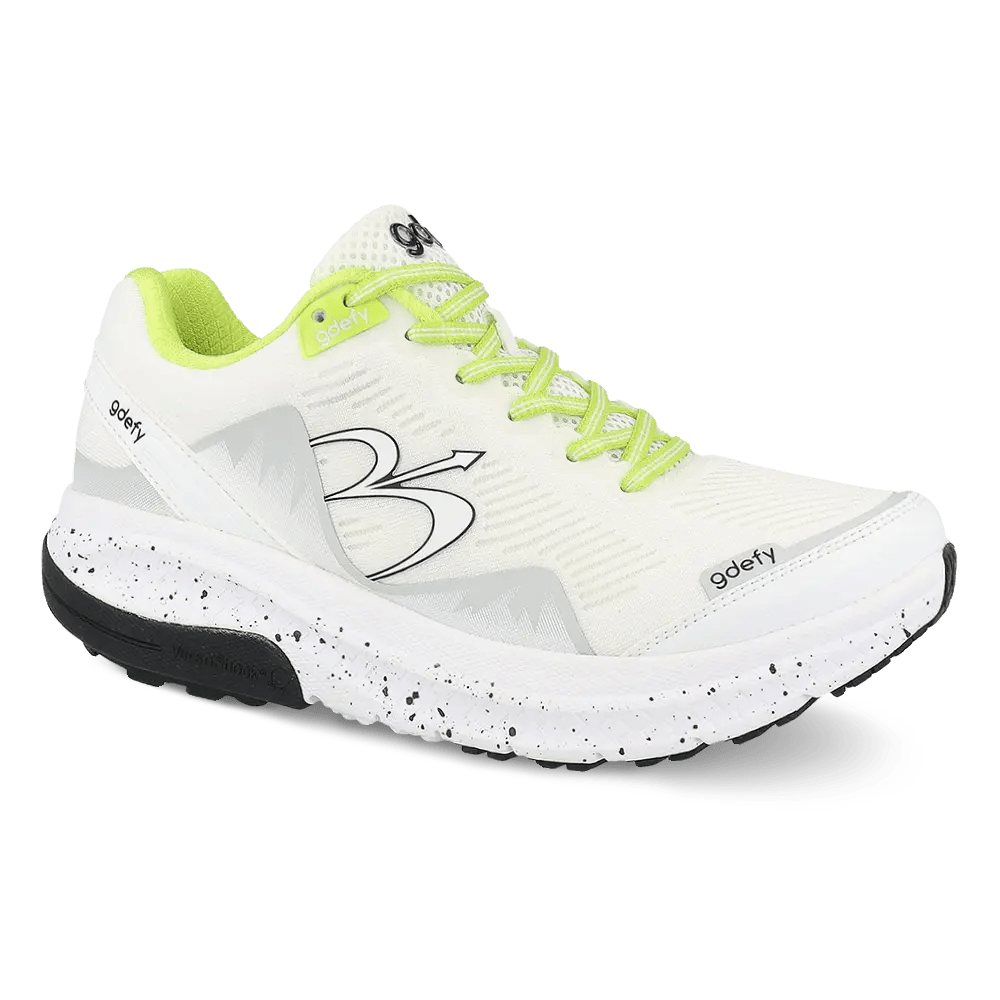
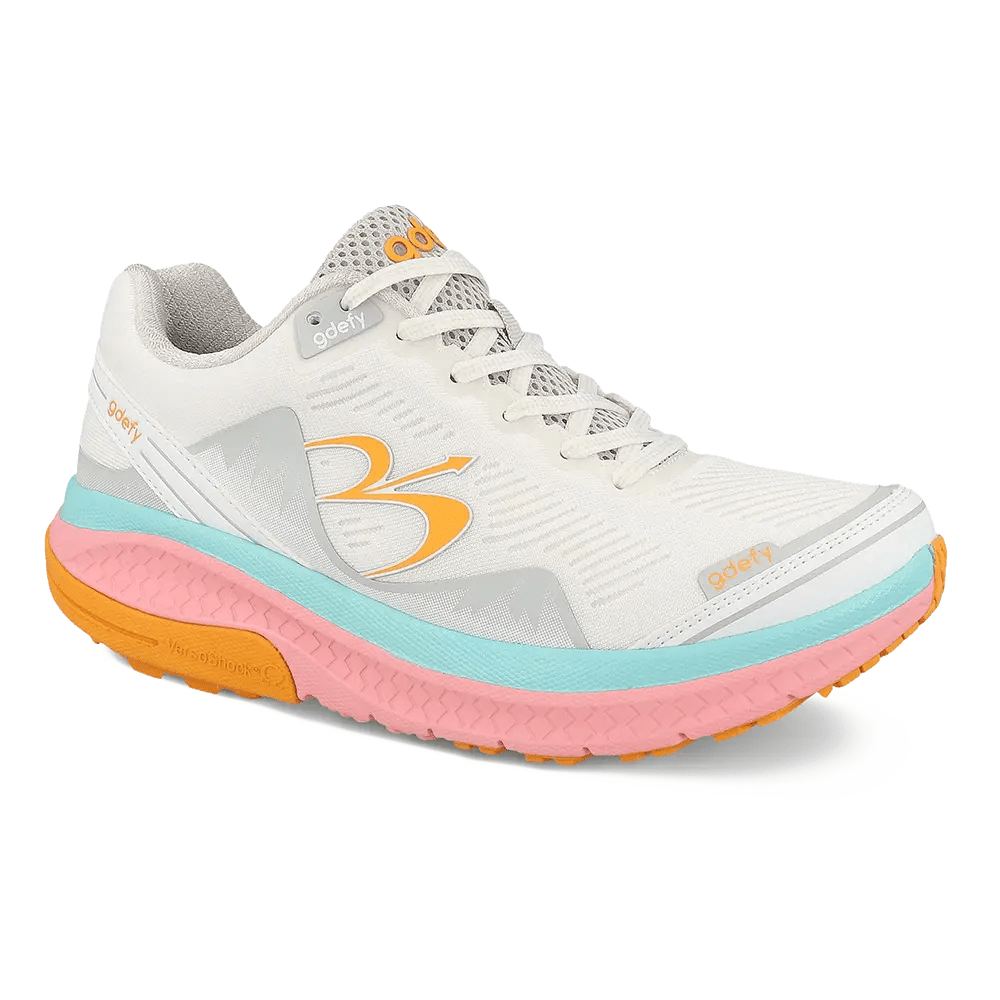
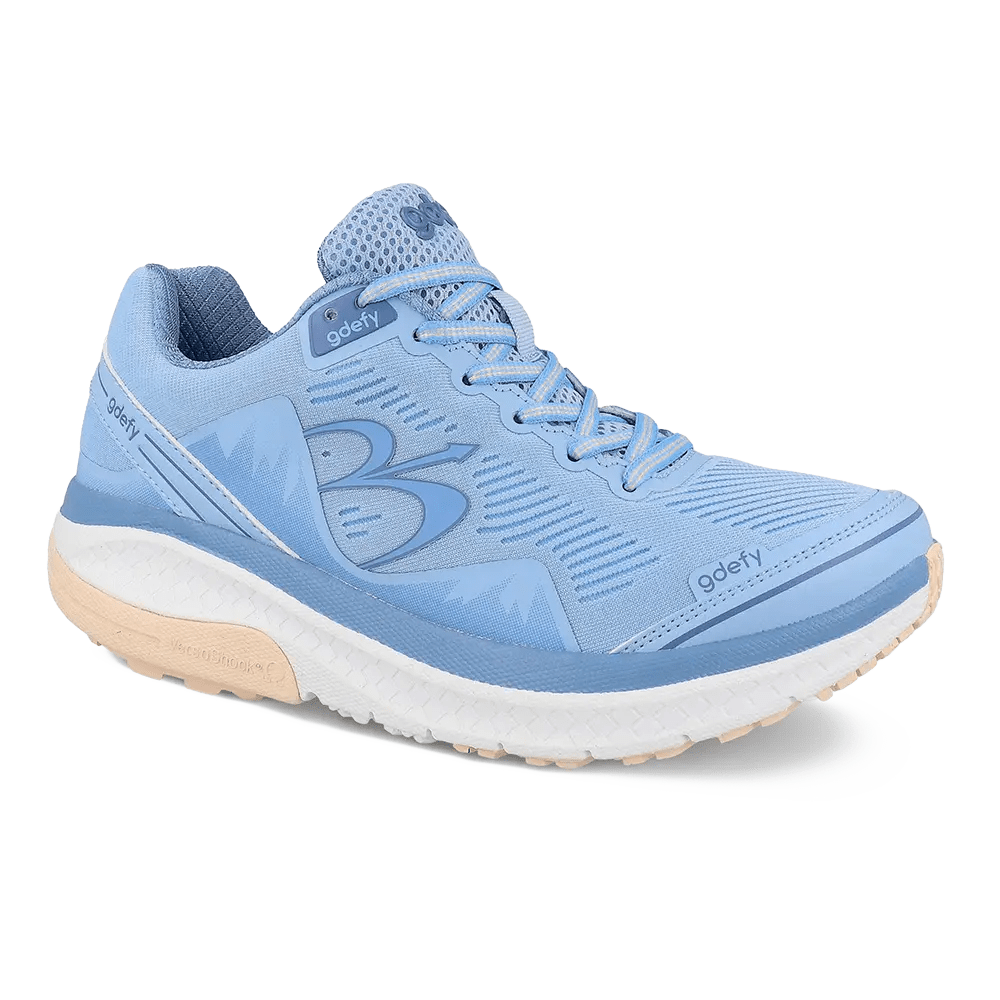
G-Defy shoes are engineered to provide comfort, support, and shock absorption. Featuring VersoShock® technology, they are designed to absorb impact and return energy with each step. A built-in stabilizer supports the foot during movement, while the front rolling design promotes a smooth walking experience. Each pair includes two removable orthotics to help customize comfort and support. G-Defy shoes help reduce pain from walking, running, and prolonged standing.
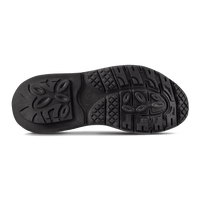
Two of those features matter directly to break-in. The front rolling design means the sole doesn't have to bend as far to carry you through a step, so a firm new outsole feels natural sooner than a flat one would. And the dual orthotic system gives you an adjustment dial: the ComfortFit® orthotic is built for low to medium arches and leans toward cushioning, while the CorrectiveFit® orthotic is built for medium to high arches and adds more support underfoot. These are trademarked names for two support levels — not a claim about changing anything on your foot.
A practical way to use them: start week one in whichever orthotic matches your arch height, and if the contour feels like too much underfoot by day three, swap to the other and give it a few days. If you're not sure which camp you're in, flat feet versus high arches walks through how the same shoe gets set up two different ways.

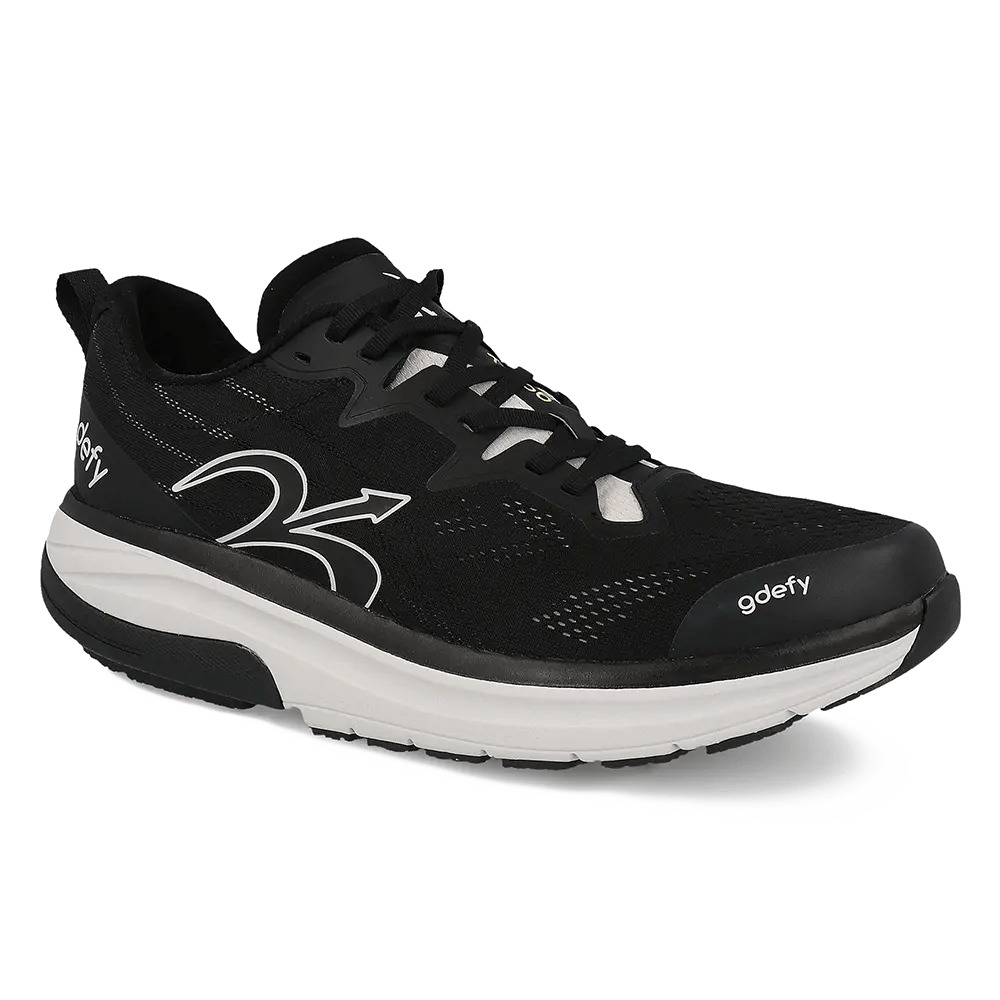
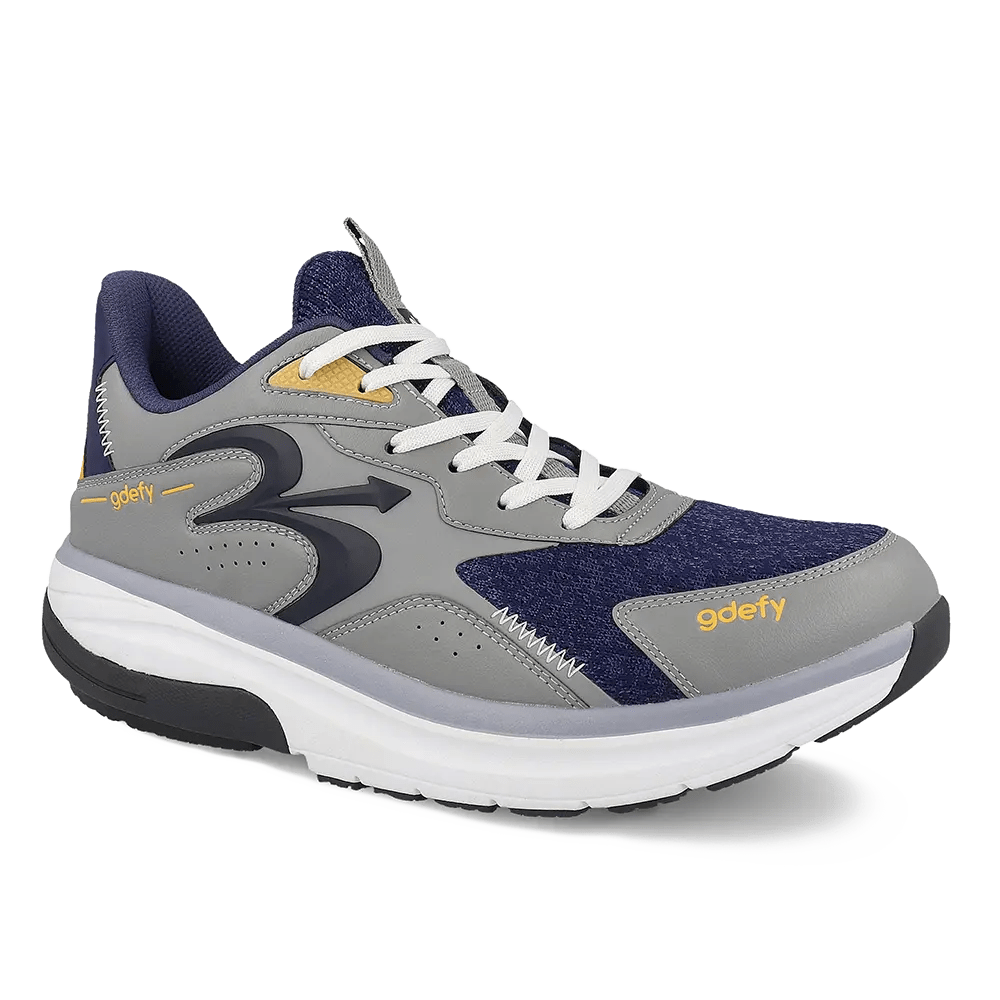
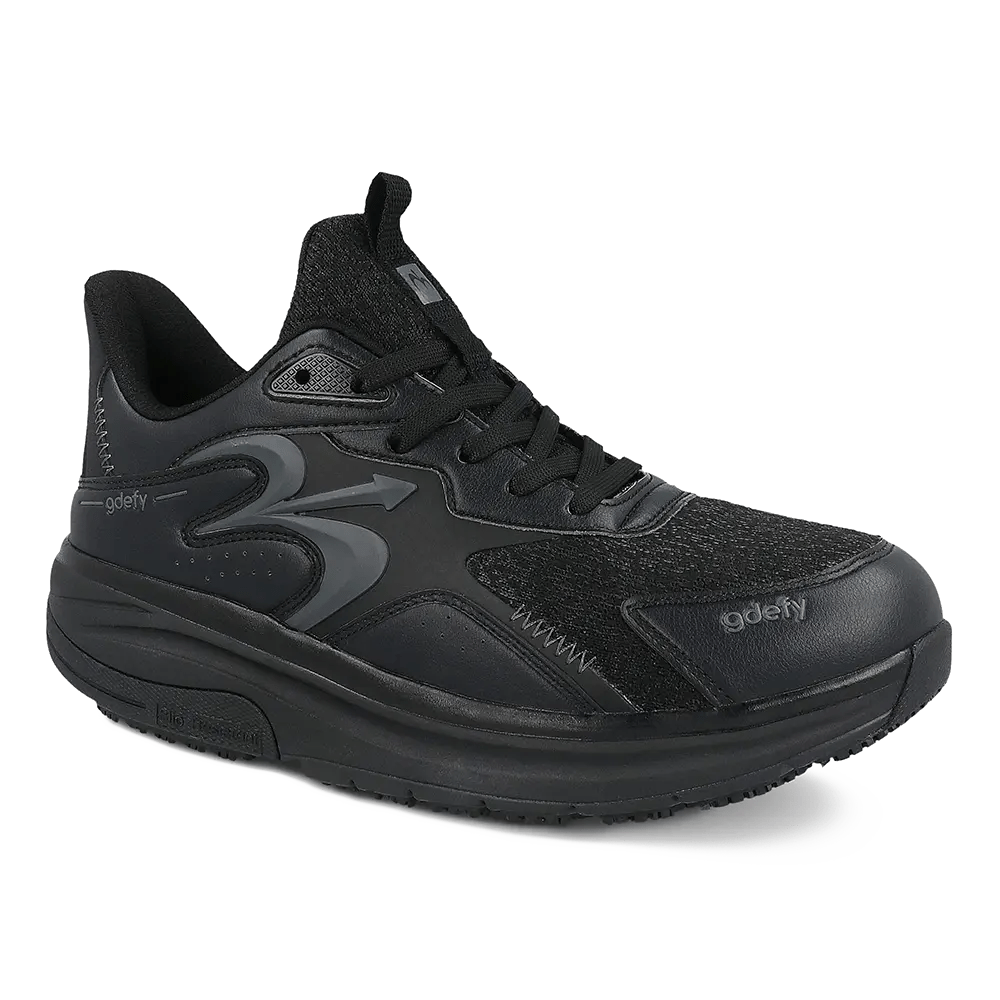
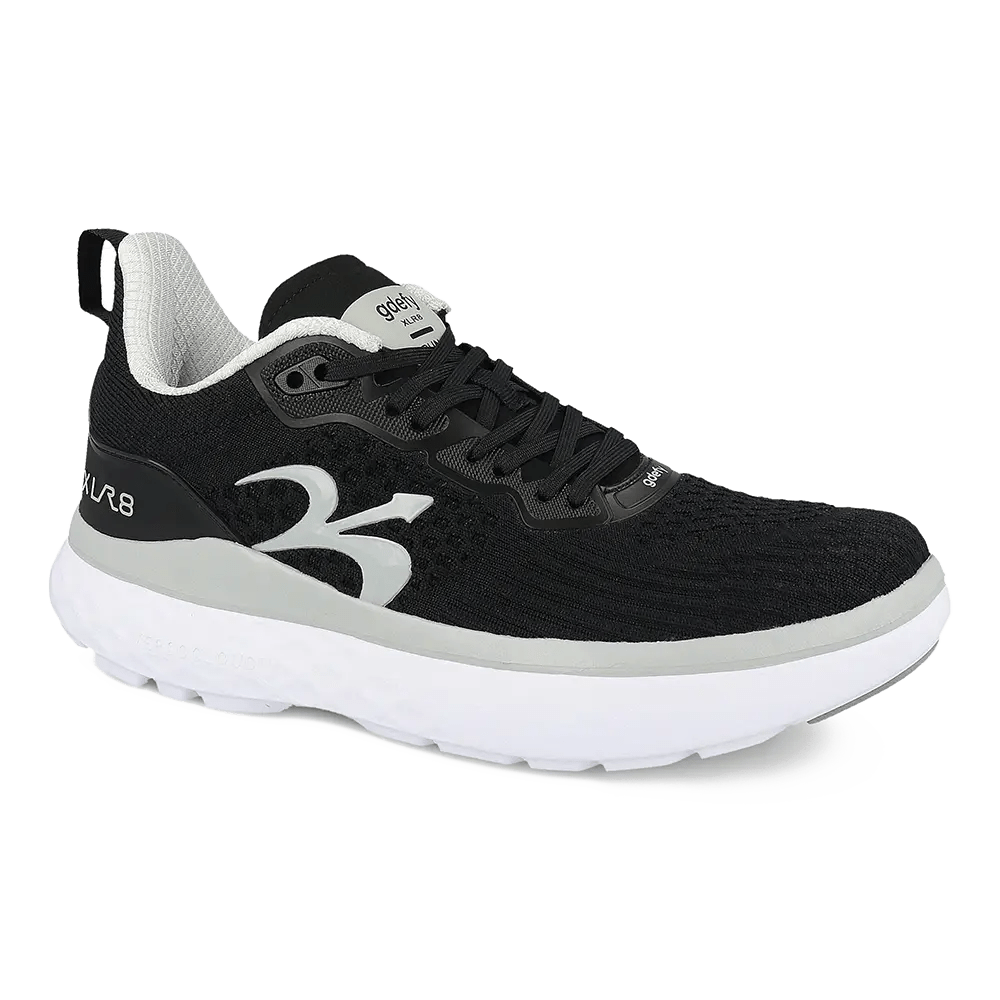
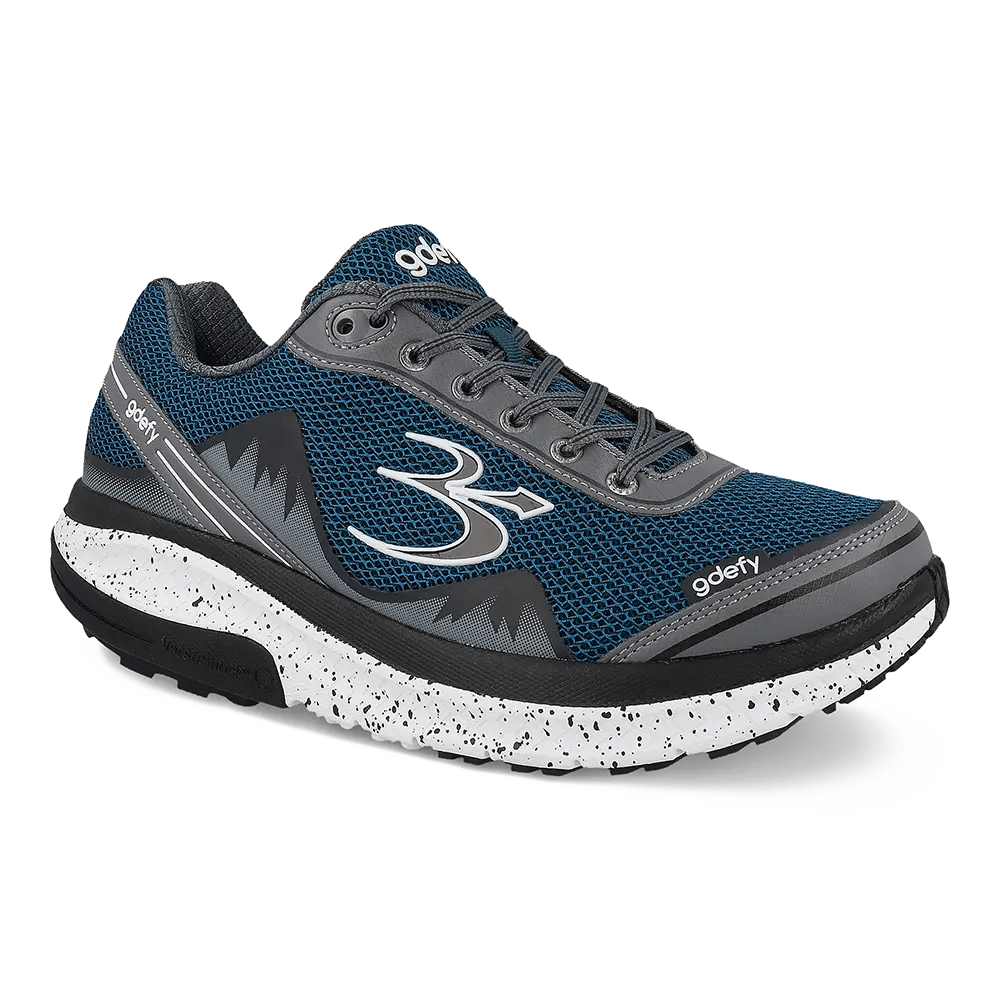
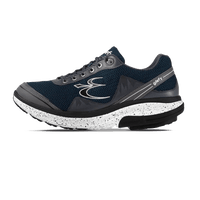
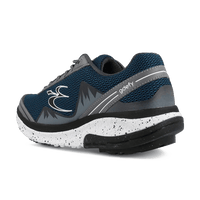
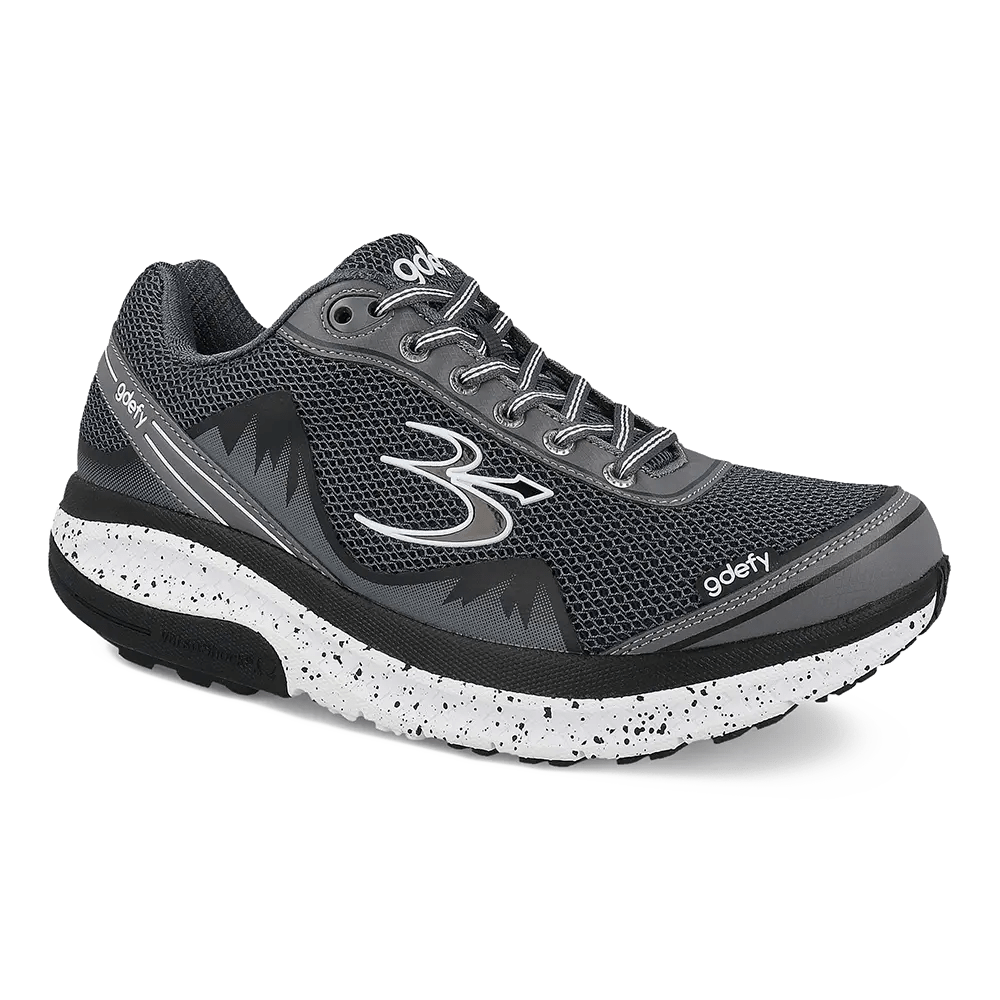
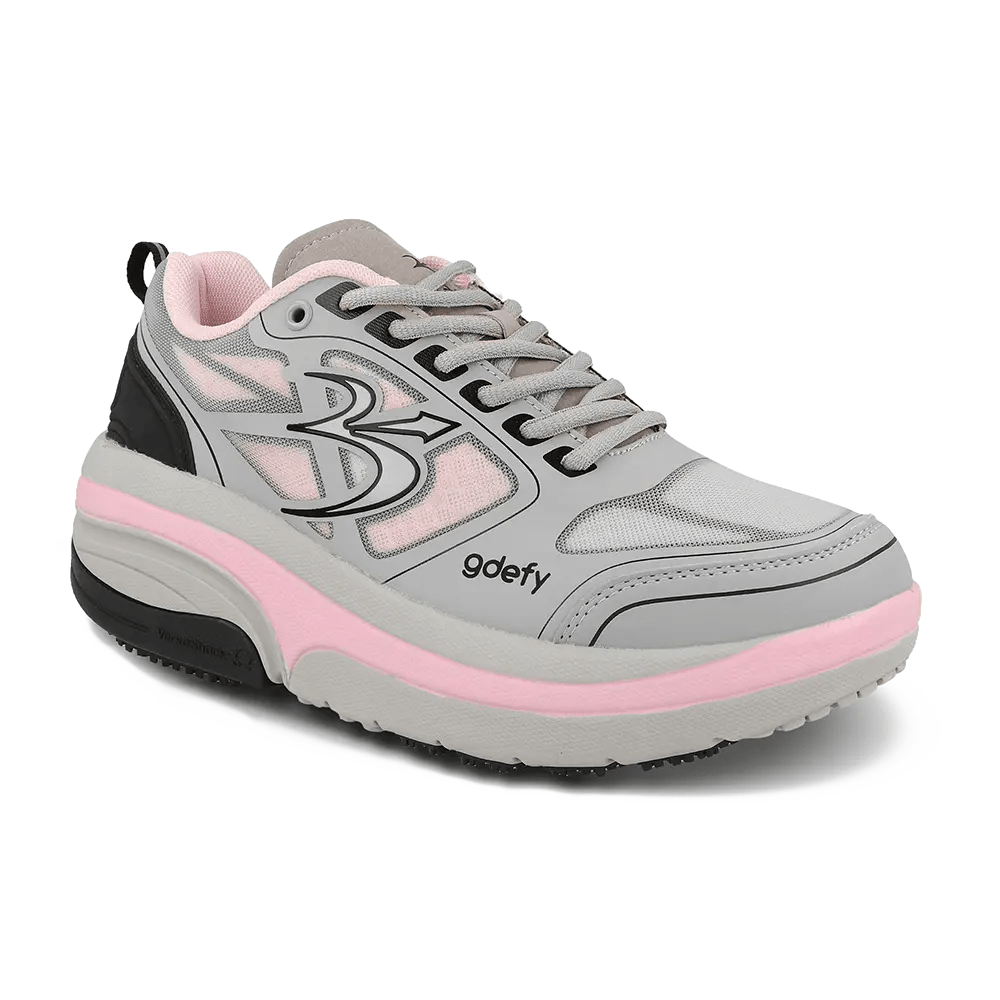
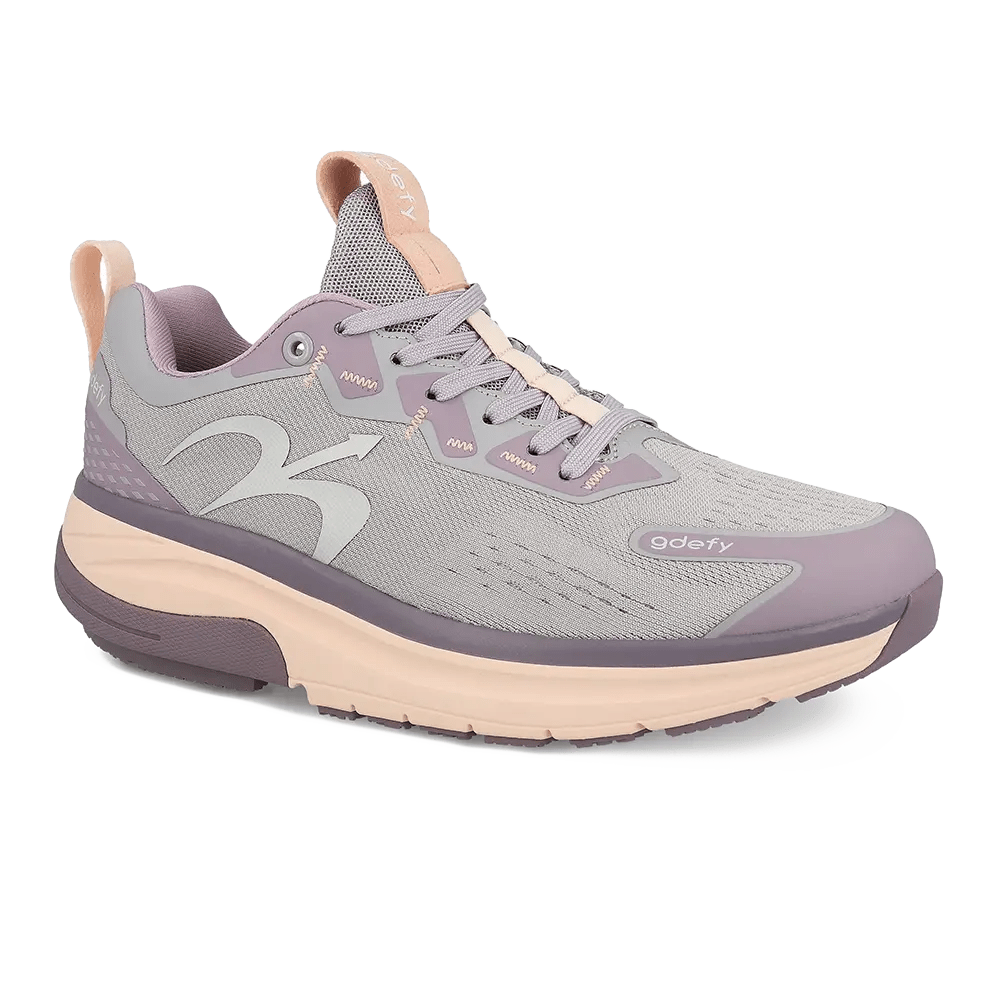
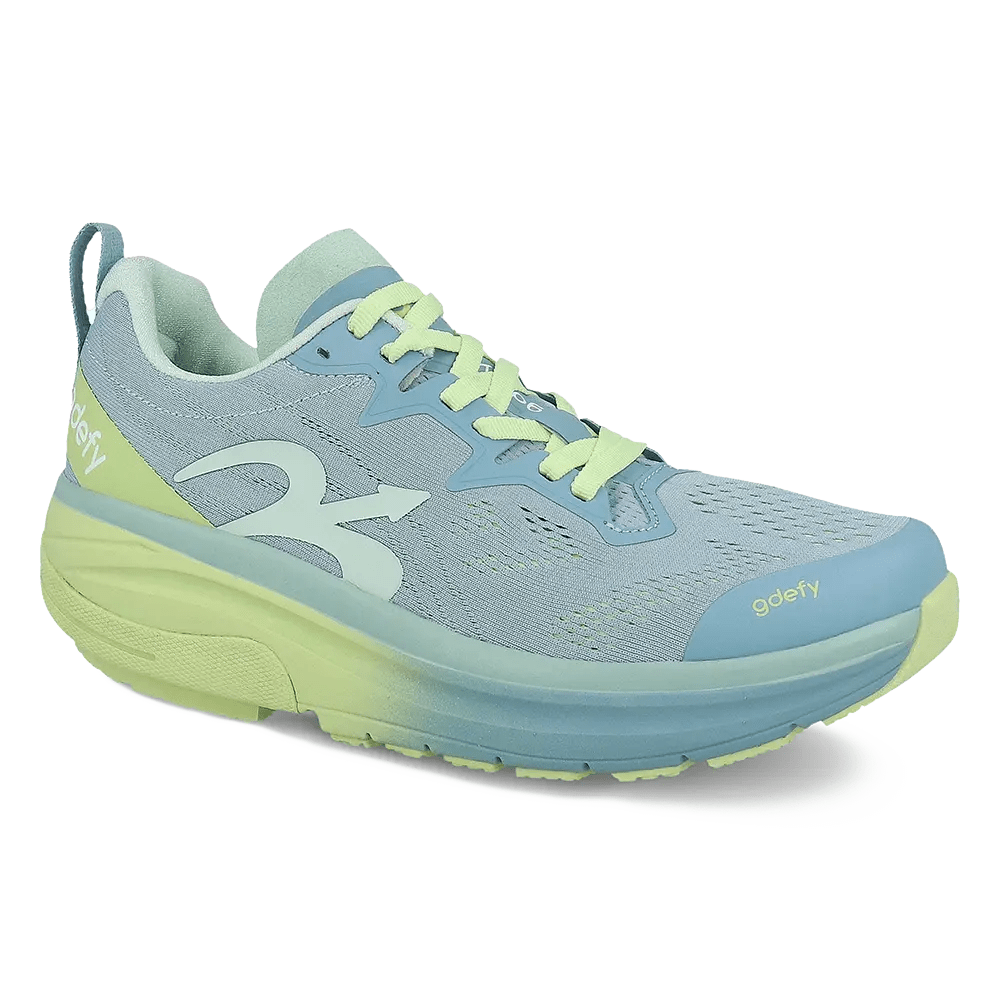
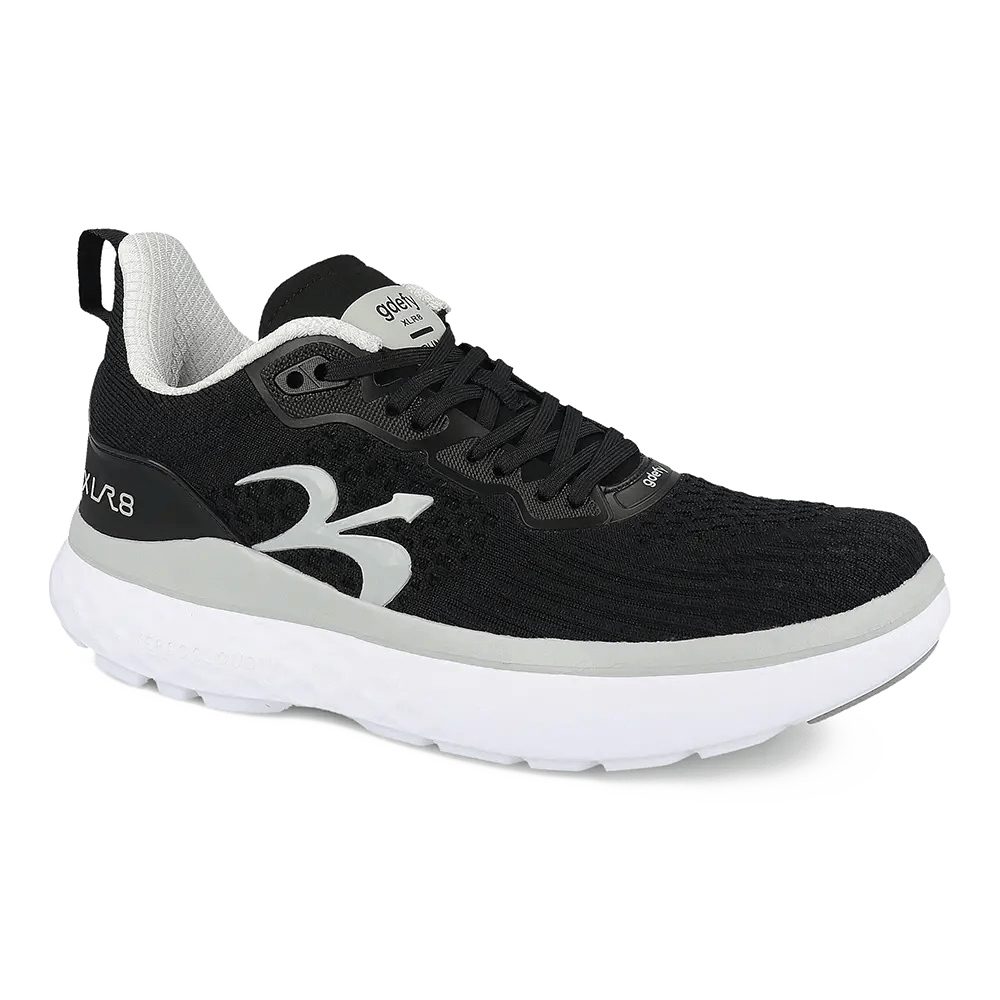
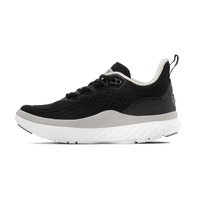
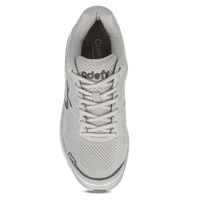
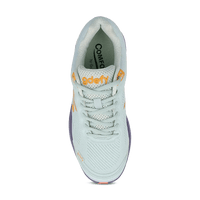
The Mighty Walk is the lace-up most people start with — a cushioned everyday walking shoe with a roomy forefoot and a full lacing range, which gives you plenty of room to adjust pressure during the first two weeks. It comes in medium, wide and extra-wide, so width is a choice rather than a compromise.

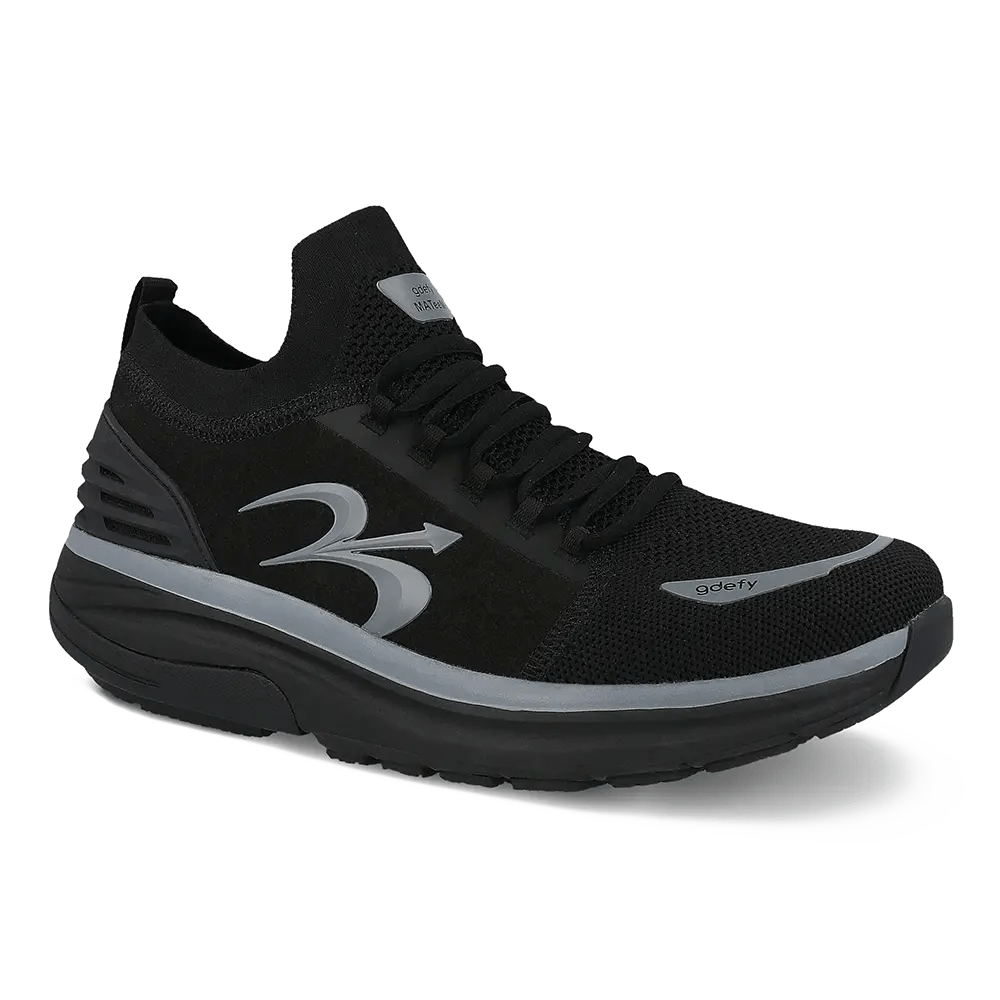
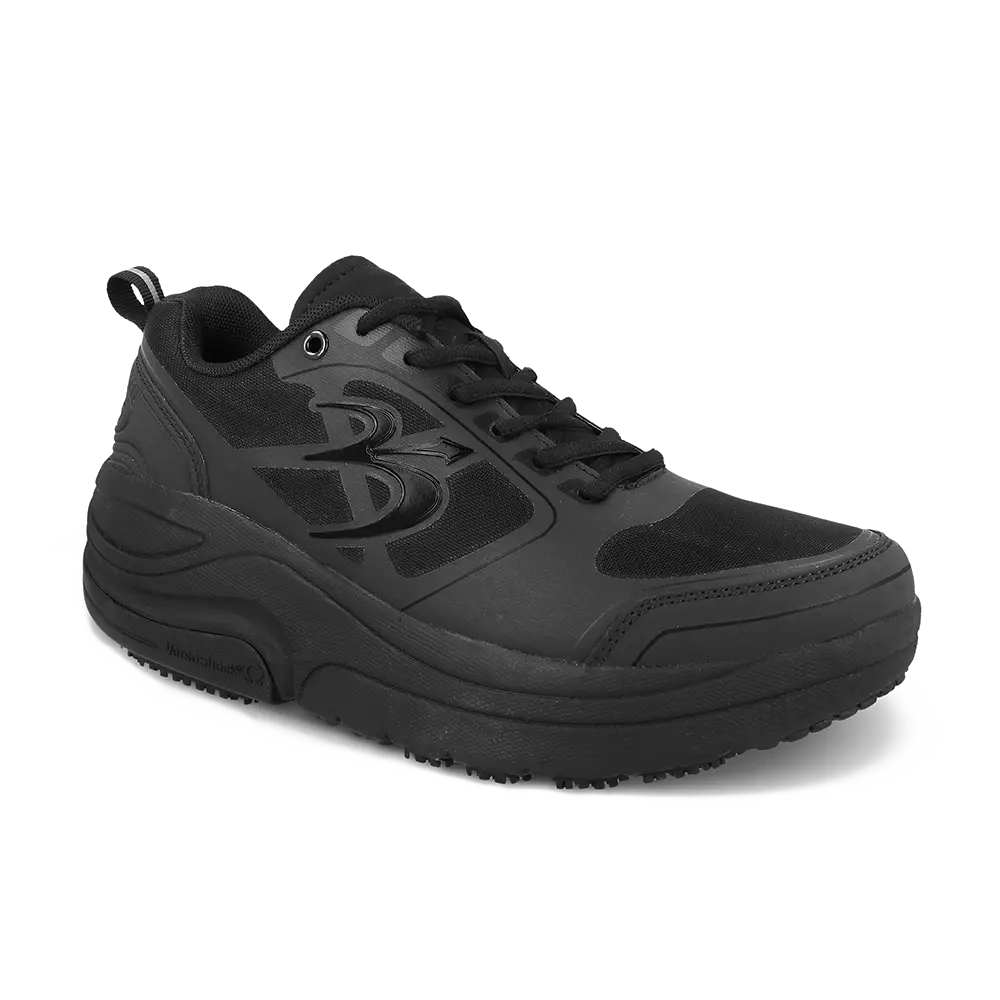
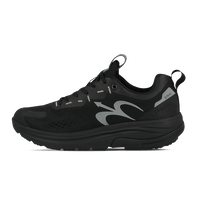
The Ion takes a lighter approach — less shoe overall, which some people find easier to adapt to when they're coming from a minimal everyday sneaker. Both are available across the men's and women's ranges.
Two weeks isn't much of a commitment
Every pair ships with free shipping and free exchanges, backed by a 60-day risk-free trial — so you can take the full break-in period before you decide.
Shop G-Defy comfort footwearFive Break-In Mistakes to Skip
- Wearing them all day on day one. The most common mistake and the easiest to avoid. A brand-new shoe on an eight-hour shift concentrates every rough edge into one long exposure.
- Soaking, freezing or heating them. Water-and-thick-socks tricks and freezer-bag methods circulate widely online. They stress adhesives and foam unevenly, and can leave you with a shoe that's stretched in the wrong place permanently.
- Sizing up to buy comfort. A shoe that's too long lets the foot slide forward on every step, which creates rubbing at the toes and a heel that never sits still. Fit the length, then solve pressure with width.
- Ignoring the laces. Most first-week discomfort sits in one specific spot, and lacing is the free adjustment nobody uses. Skip an eyelet over a tender area, or run a lock-lacing loop at the top to hold the heel down.
- Retiring the previous pair immediately. Keep them in rotation for the first two weeks. Alternating gives you an escape hatch on a long day and lets the new pair air out between wears.
Practical Tips for a Smoother First Two Weeks
- Rotate two pairs. Alternating days lets cushioning decompress fully and keeps any single wear from running too long.
- Match the sock to the shoe. Decide on your everyday sock thickness before you judge the fit, and be consistent through the trial period.
- Re-lace from the bottom up. Pull the slack through each eyelet in sequence rather than yanking at the top. Even tension across the instep beats one tight band.
- Break in indoors first. Carpet keeps the outsole clean, which keeps the return window open if the fit turns out to be wrong.
- Give hard surfaces a week. Concrete and tile are the least forgiving thing you can ask of a new sole — save them for the back half of the schedule. Our guide to what causes foot discomfort when walking covers why surface matters so much.
- Check the wear pattern later. Once the shoes have a few months on them, the wear on the outsole tells you something about your stride — see what pronation and supination say about your walk.
Frequently Asked Questions
How long does it take to break in new walking shoes?
For a typical cushioned walking shoe, most of the adjustment happens within one to two weeks of regular wear. Leather footwear and boots take longer — two to six weeks depending on construction. If nothing has changed after two full weeks, the issue is more likely to be sizing or width than break-in.
Is it normal for new shoes to cause foot pain?
Mild stiffness and a general sense of unfamiliarity are common while materials soften and your stride adapts. Sharp, concentrated or worsening discomfort in the same spot each wear is a different signal and usually points to fit. For persistent discomfort, consult your healthcare provider.
Should I break in new shoes indoors or outdoors?
Indoors, for the first couple of days. Carpet is forgiving, the sessions are short, and the outsole stays clean — which means the shoes are still returnable if the fit turns out to be wrong. Move outdoors once they feel settled.
Do cushioned shoes need less breaking in than firm ones?
Usually. A shoe that's already soft underfoot asks less waiting from you, though a firmer midfoot stabilizer can still take a week or so to feel normal if you're coming from a very flexible shoe. What support really means in footwear unpacks that trade-off.
Can I speed up the break-in period?
You can smooth it, not skip it. Wear the shoes in short sessions on soft surfaces, adjust your lacing over any tender spot, swap the removable orthotic if the arch contour feels like too much, and rotate with a second pair. Water, heat and freezer methods are best avoided — they stress the materials unevenly.
The Takeaway
Breaking in a new pair is a short, predictable process: materials soften, your stride adapts, and by the end of two weeks you should know whether a shoe is right for you. Go gradually, wear the socks you mean to wear, use the laces and the removable orthotic as adjustment tools, and keep the previous pair in rotation until the new one has earned the spot.
Most importantly, learn to read the difference between stiffness that fades and pressure that doesn't. The first is break-in. The second is a fit problem, and no amount of patience will change it.
While footwear is not a medical solution, choosing shoes designed for comfort, support, and shock absorption — and giving them a fair two weeks to settle — can make a meaningful difference in how you feel throughout the day.
Related Reading
- The Complete Guide to Foot Health: Everyday Habits, Comfort, and Choosing the Right Shoes — the umbrella guide this article sits under
- Why Proper Shoe Fit Is Key to All-Day Comfort
- How Shoes Wear Out and When to Replace Footwear
- How to Choose Shoes for Your Foot Type
- What's Inside a Comfort Walking Shoe