
July 31, 2026
Back-to-Work Foot Health: How to Refresh Your Shoe Rotation
By Gdefy

Summary
The end of summer changes the shape of a week. Schedules that were loose in July tighten up in August. Errands stack back to back, offices and classrooms fill up, and the walking you did in short evening bursts turns into hours spread across hard indoor floors. Your feet notice the change before your calendar does.
Most people meet that shift with the same single pair of shoes they wore all summer. It is the easiest choice and usually the least comfortable one. A shoe rotation — two or three pairs used deliberately across the week rather than one pair used constantly — is one of the simplest adjustments you can make when your daily mileage goes up.
While footwear is not a medical solution, choosing shoes designed for comfort, support, and shock absorption can play a real role in how a long day feels. This guide walks through what a rotation is, how to audit the pairs you already own, and how to add the right pair when you need one.
Why a Full Schedule Asks More of Your Feet
Nothing about your feet changes in August. What changes is the demand placed on them.
More hours, in one stretch
Summer walking tends to be broken up — a morning walk, a break, an evening stroll. A working week is different. You are often on your feet for several hours at a time, with little chance to sit, change shoes, or let a pair air out between wears.
Harder, flatter surfaces
Grass, sand, and dirt paths give a little underfoot. Tile, polished concrete, and commercial flooring do not. The same number of steps taken indoors sends more impact back up through your feet and legs than the same distance on a soft trail. If your day involves long stretches on hard floors, our guide to walking on concrete all day covers what that surface asks of a shoe.
A different shoe than you wore in July
Open sandals and lightweight summer shoes are built for short, warm-weather wear. Moving back into closed, structured footwear for eight or ten hours at a stretch is a real transition, and the pair you reach for first is often the pair that has been worn hardest all summer.
The end-of-day drift
Feet tend to swell slightly over a long day, which means the fit that felt right at 8 a.m. can feel snug by 5 p.m. That is normal, and it is one reason a single pair worn every day can feel progressively less comfortable as a week goes on. We looked at that pattern in detail in why feet feel worse at the end of the day.
What a Shoe Rotation Actually Is
A rotation is not a wardrobe. It is a small, purposeful set of shoes matched to the different kinds of days you actually have.
Most weeks break down into three roles:
- The long-day pair — the shoes you wear when you will be up and moving for hours. Maximum cushioning and support, comfort ahead of everything else.
- The mixed-day pair — for days that are part sitting, part walking, part errands. Lighter, easier to get on and off, still supportive.
- The weekend or outdoor pair — walks, yard work, travel, anything that leaves smooth flooring behind.
Two pairs cover most people. Three is comfortable. The point is not the number — it is that no single pair carries every single day.
Why the same pair every day feels different by Friday
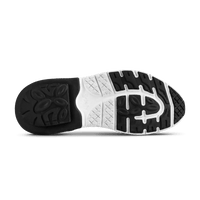
Midsole foam compresses under load and needs time to rebound. Linings and uppers absorb moisture through a day of wear. A pair worn Monday and then again Tuesday morning has had far less time to return to its original shape than a pair that got a day off.
Rotating pairs gives each one that gap. It also spreads wear across two or three midsoles instead of grinding a single one down, which is why a rotation usually means each pair stays comfortable for longer. Our post on how shoes wear out and when to replace footwear covers the wear signs to watch for in any pair.
How to Audit the Shoes You Already Own
Before adding anything, spend ten minutes with what is in your closet. Pull out every pair you might realistically wear on a working day and check each one:
| Check | What you are looking for | What it means |
|---|---|---|
| Midsole squeeze | Press the foam along the side with your thumb | Deep creases or no spring back means the cushioning has flattened |
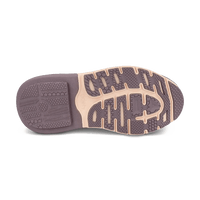
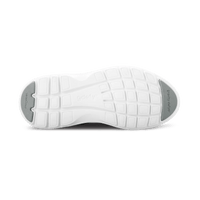
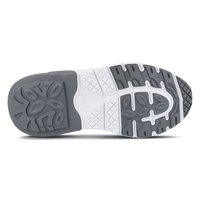
| Outsole tread | Look at the heel and forefoot from behind | Smooth patches mean less grip and uneven loading |
| Heel counter | Squeeze the back of the shoe | If it collapses easily, the shoe no longer holds your heel steady |
| Twist test | Hold heel and toe, twist gently | A shoe that wrings like a towel has lost its structure |
| Insole condition | Pull it out and look at the footprint | A worn hollow under the heel or ball means the insert is spent |
Sort the results into three piles: keep in rotation, demote to short wear (quick errands only), and retire. A pair that fails two or more checks belongs in the third pile no matter how much you like it.
What to Look for When You Add a Pair
If the audit leaves a gap, these are the features that matter most for a day spent upright.
- Cushioning — helps absorb impact with each step, especially on hard indoor floors. The difference between cushioning and structure is worth understanding; we broke it down in cushioning vs support.
- Support — helps maintain stability through the arch and heel over a long stretch. See what support really means in footwear.
- Shock absorption — reduces harsh impact travelling up from the ground. Our explainer on shock absorption in shoes covers the mechanics.
- Energy return — helps keep movement efficient late in the day rather than only at the start. More in what energy return is and why it matters.
- Proper fit — improves comfort more than any single feature. Width and toe-box room matter as much as length; proper shoe fit walks through how to check both.
- A secure hold — a heel that stays put means less sliding and less adjusting through the day. See how to choose shoes that feel secure.
Match those features to your own foot shape rather than to a general recommendation. If you are unsure where you land, how to choose shoes for your foot type and flat feet vs high arches are the two most useful starting points, and what arch support actually is explains the part most people get wrong.
How G-Defy Builds for Long Days
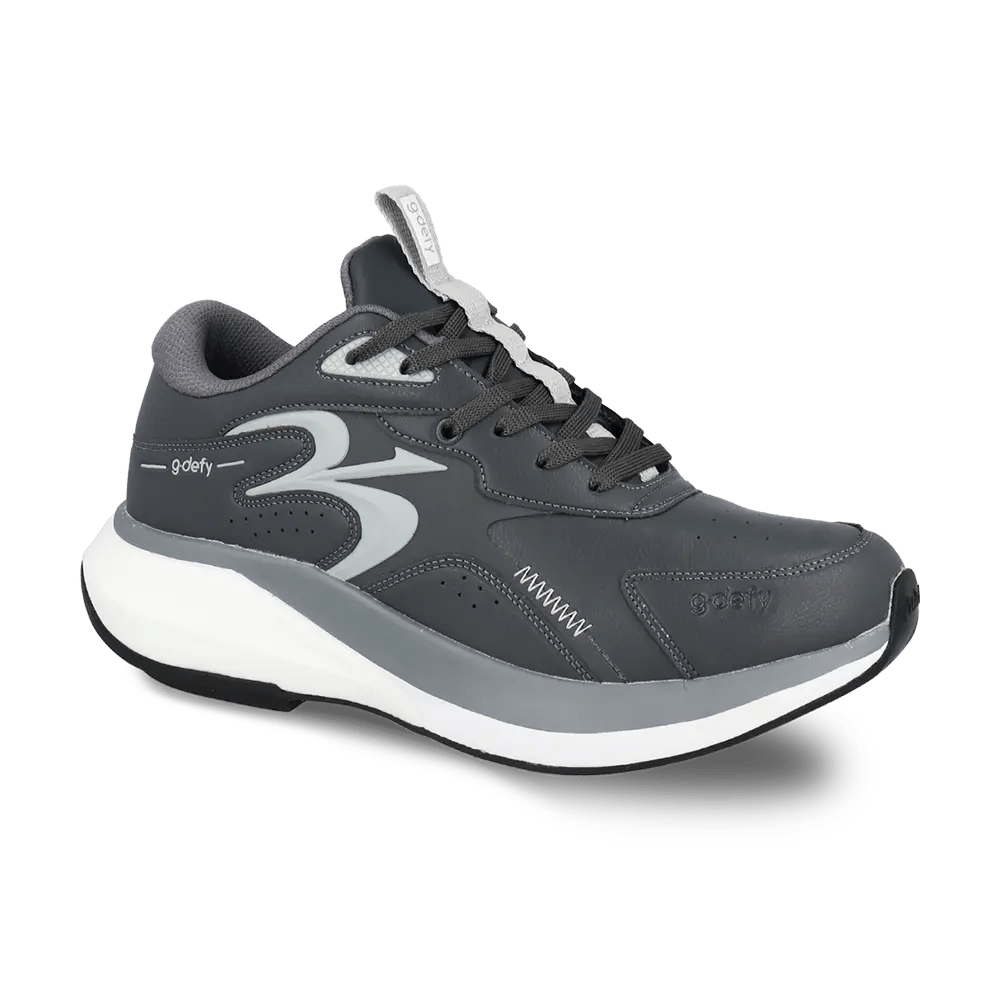
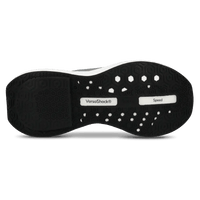
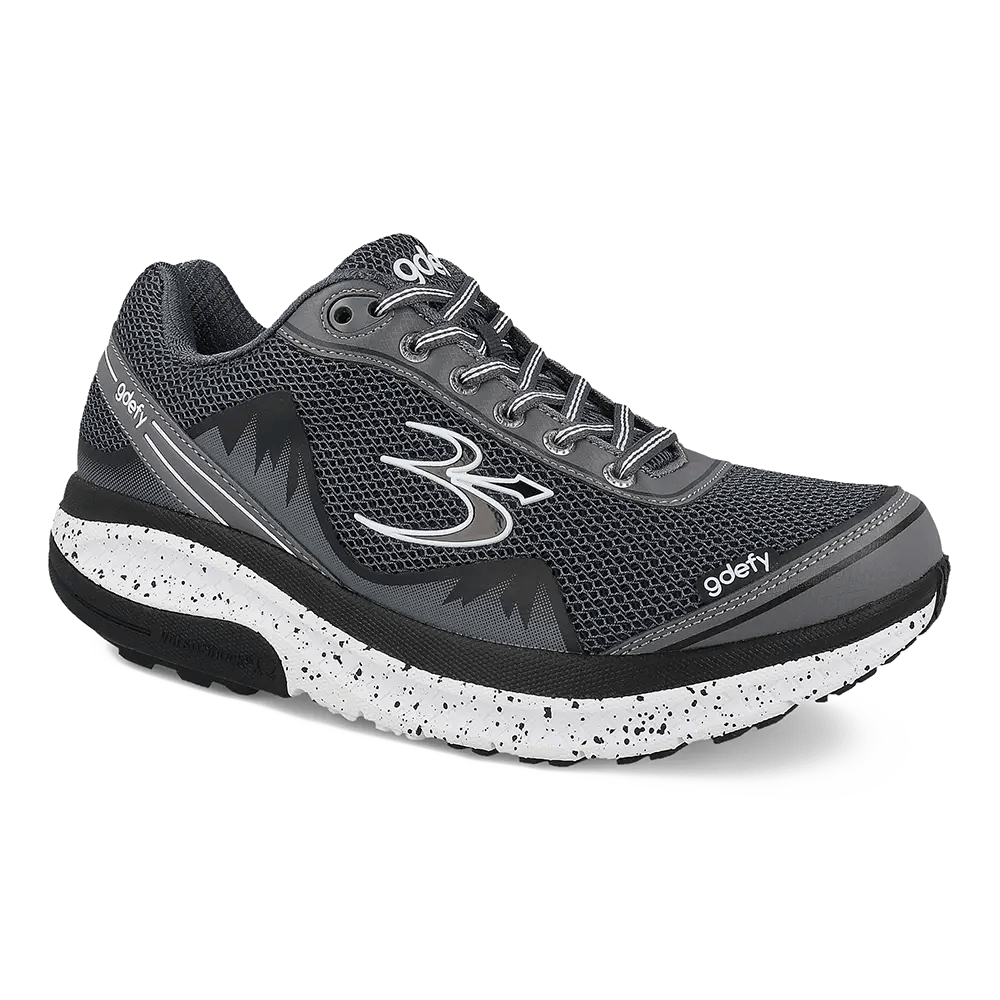
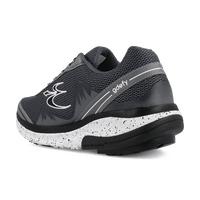
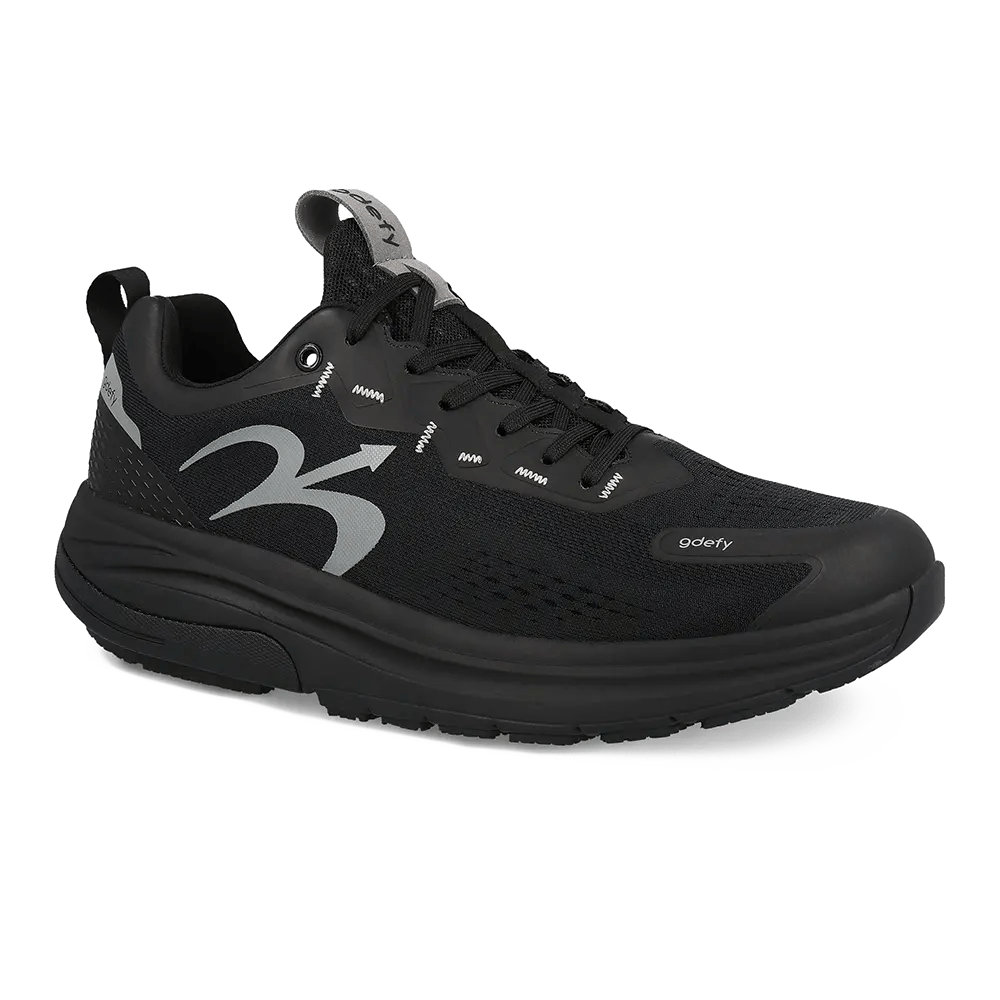
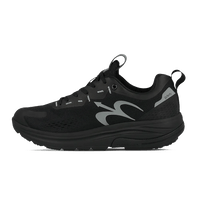
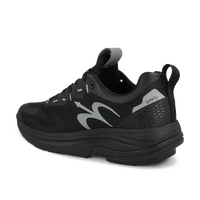
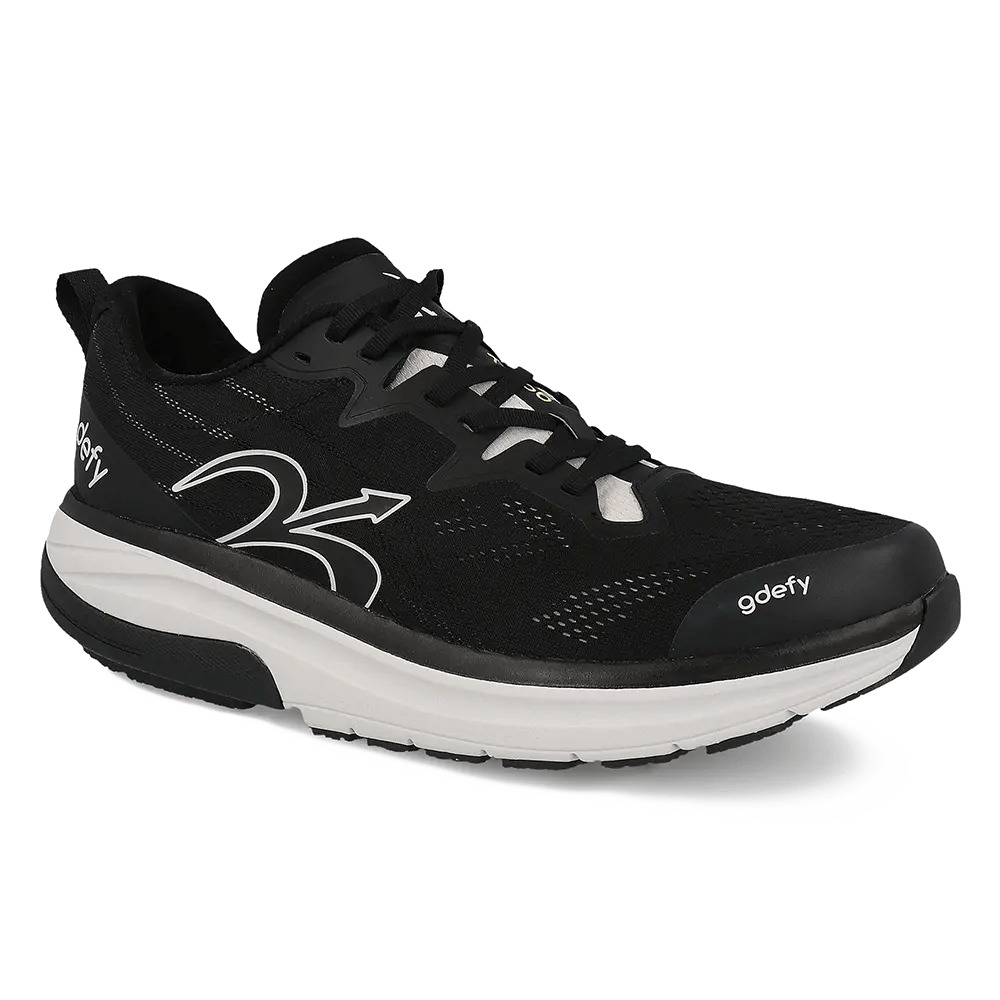
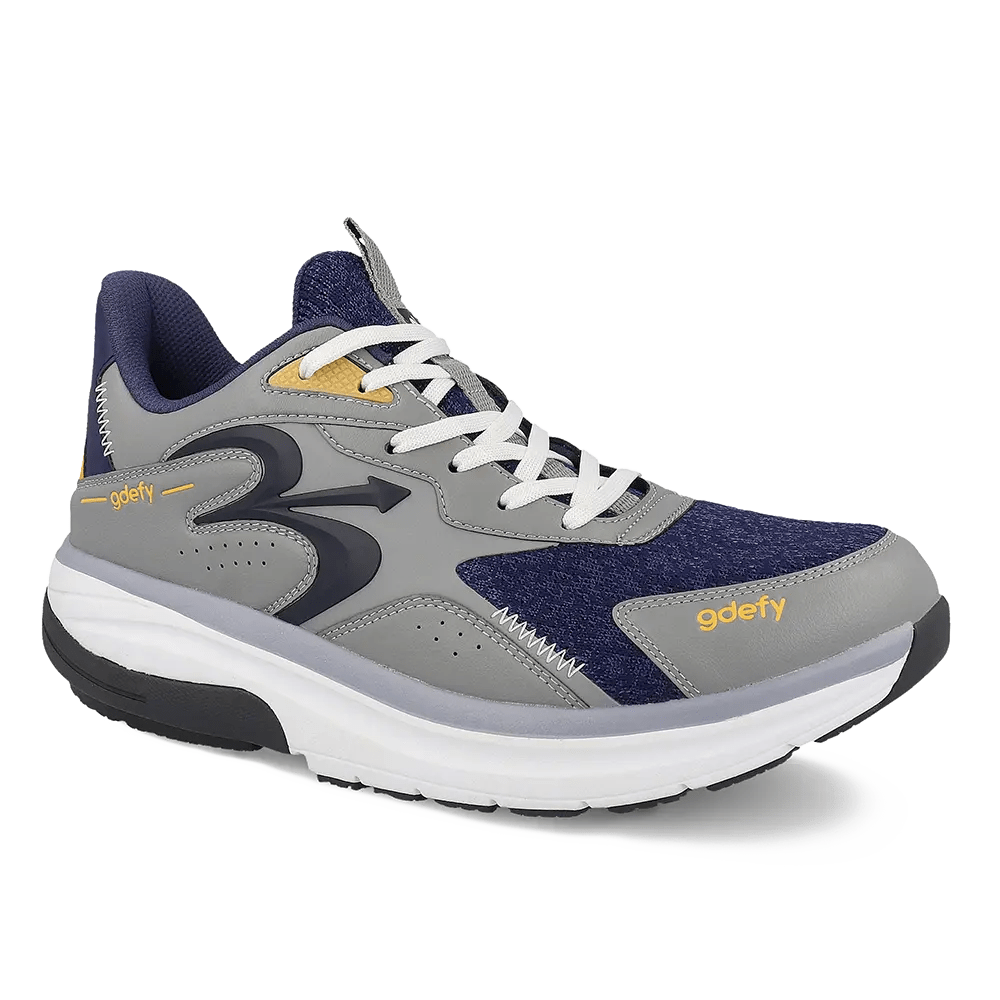
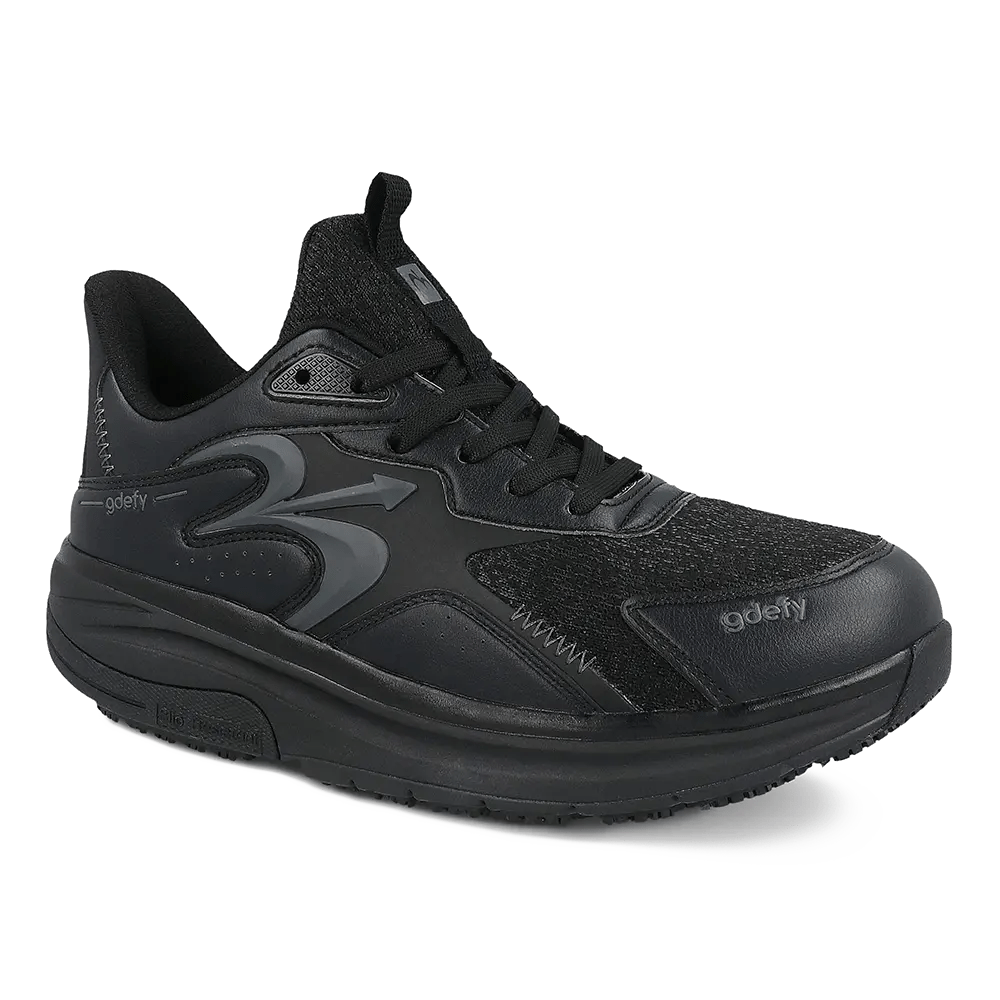
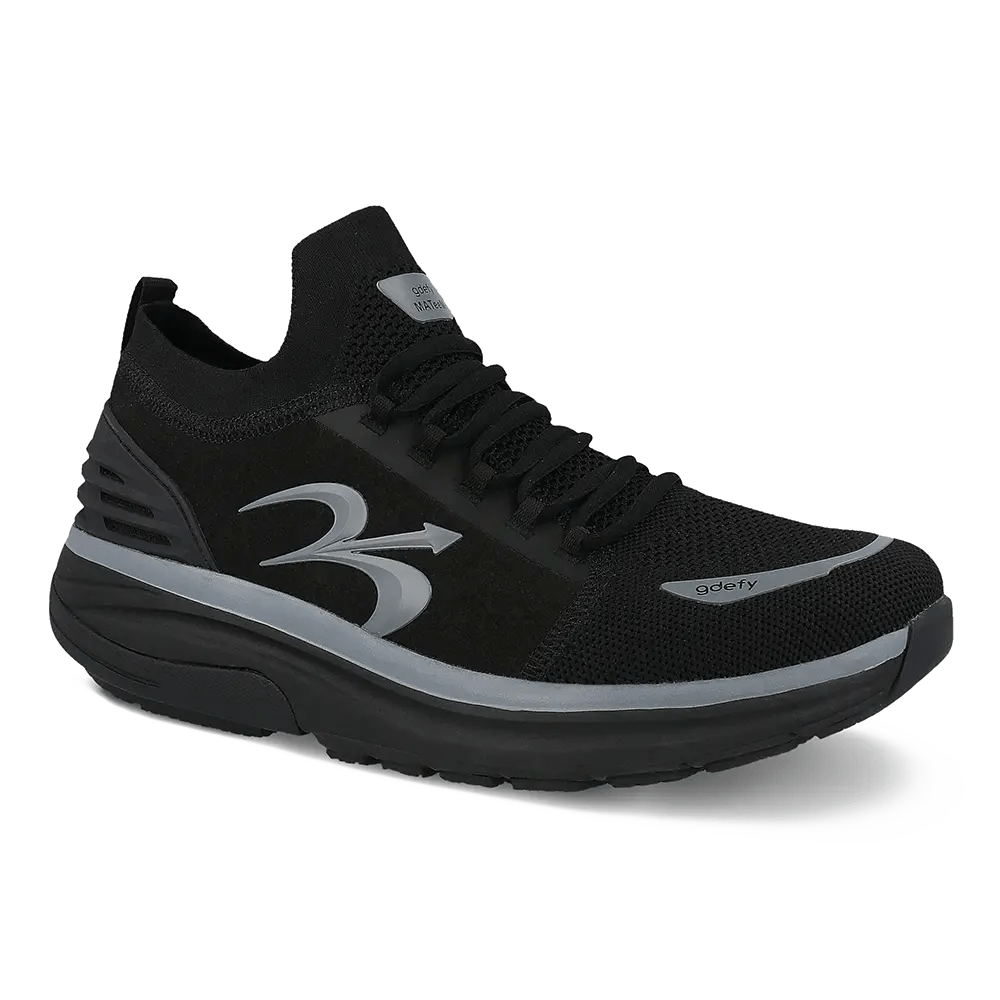
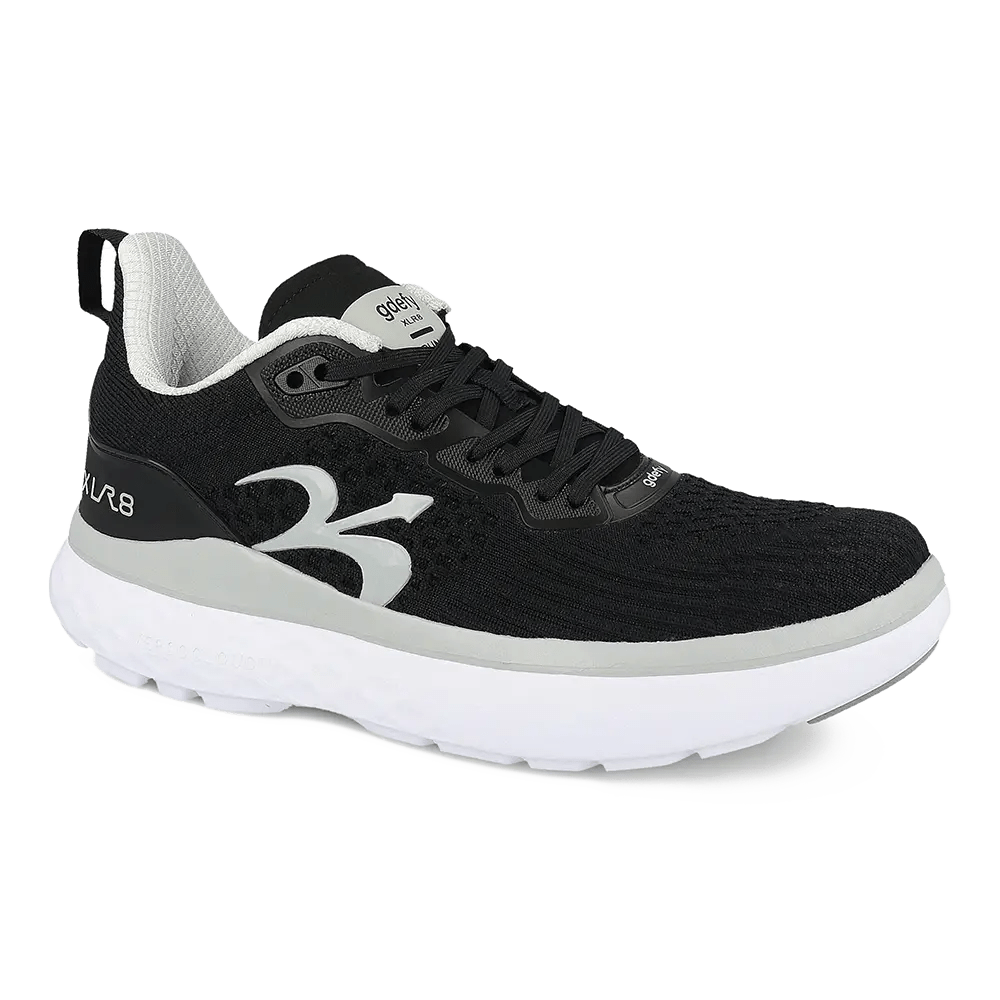
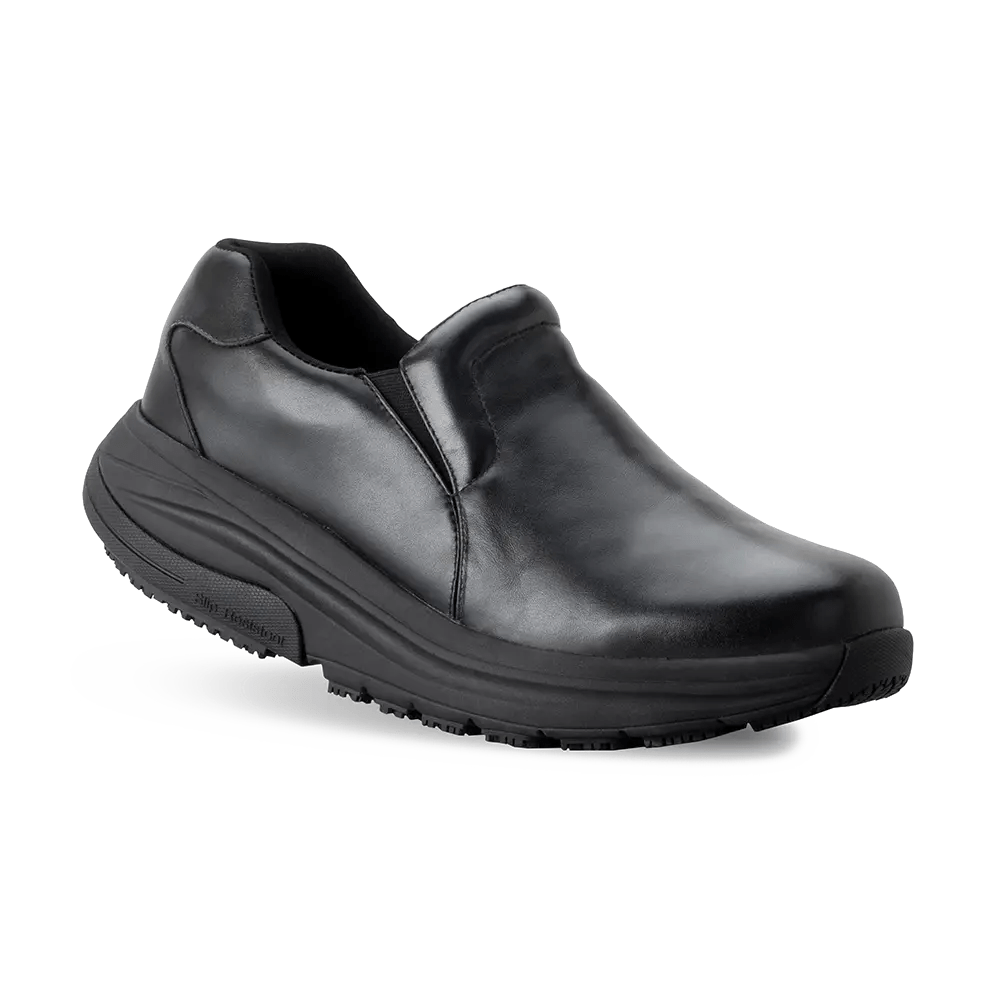
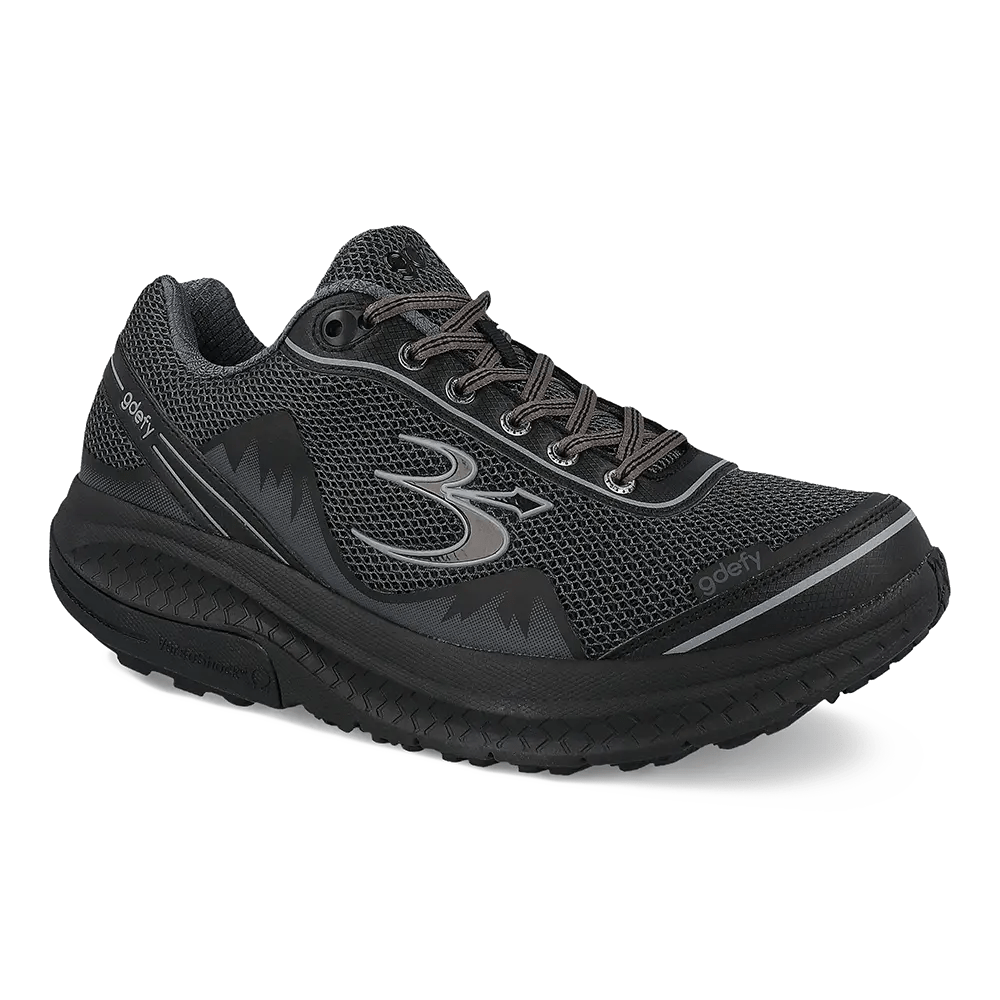
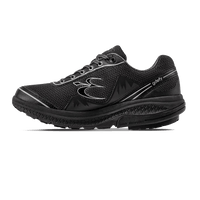
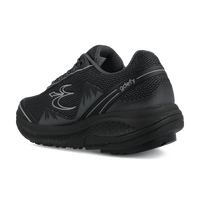
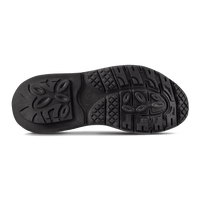
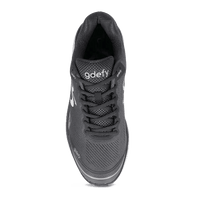
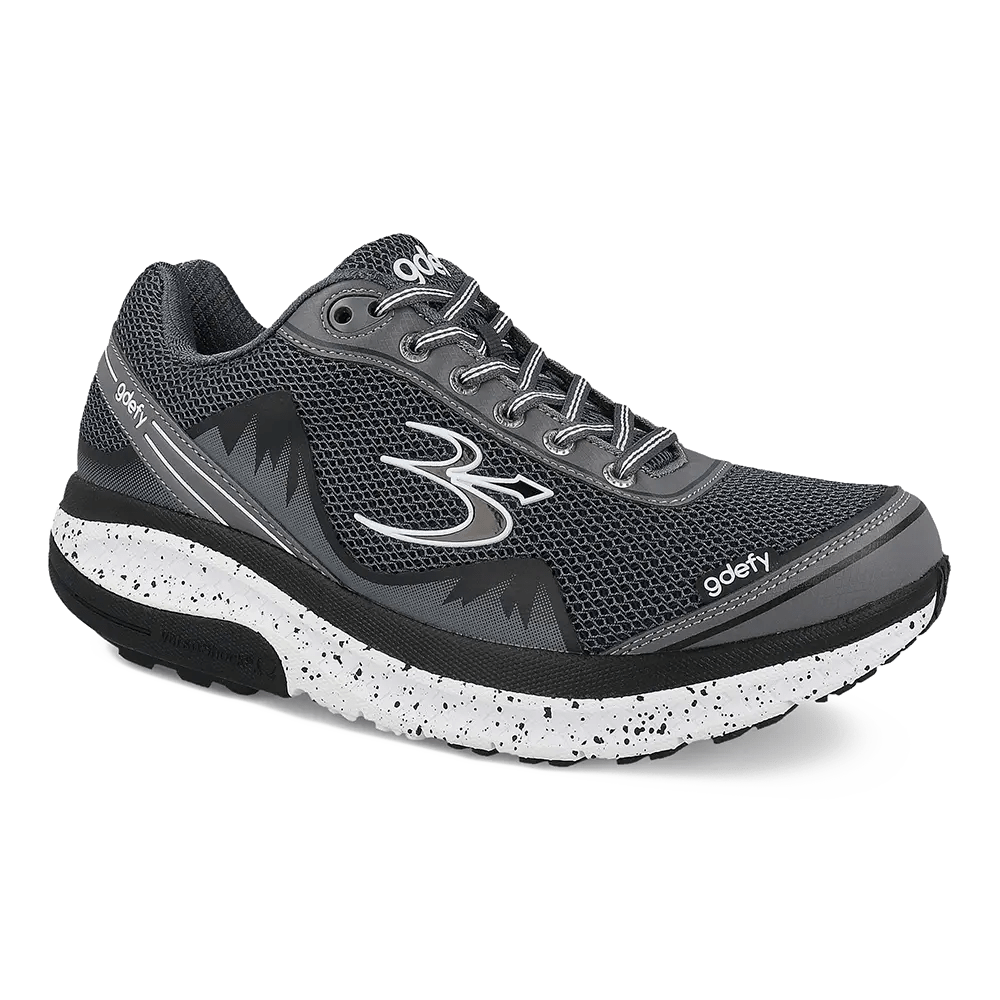
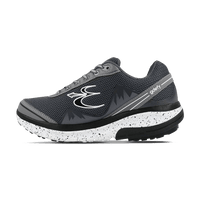
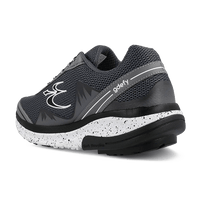
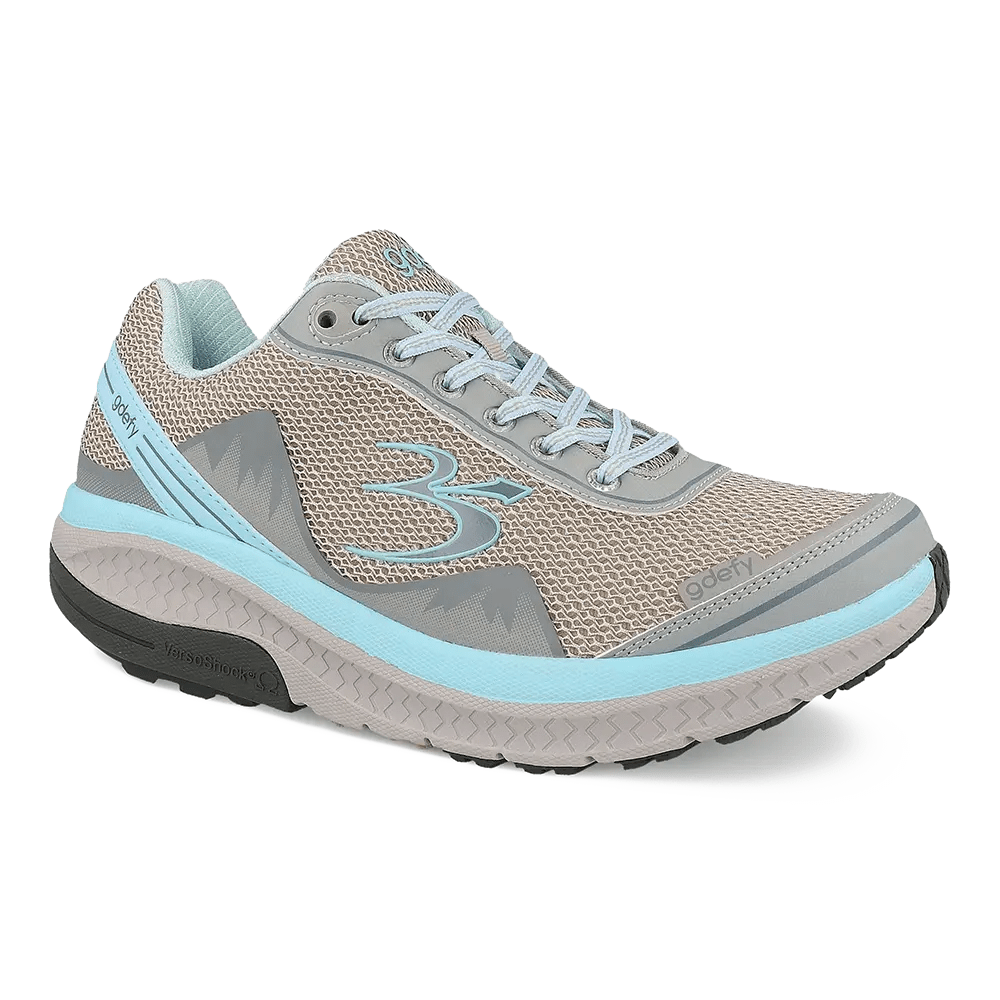
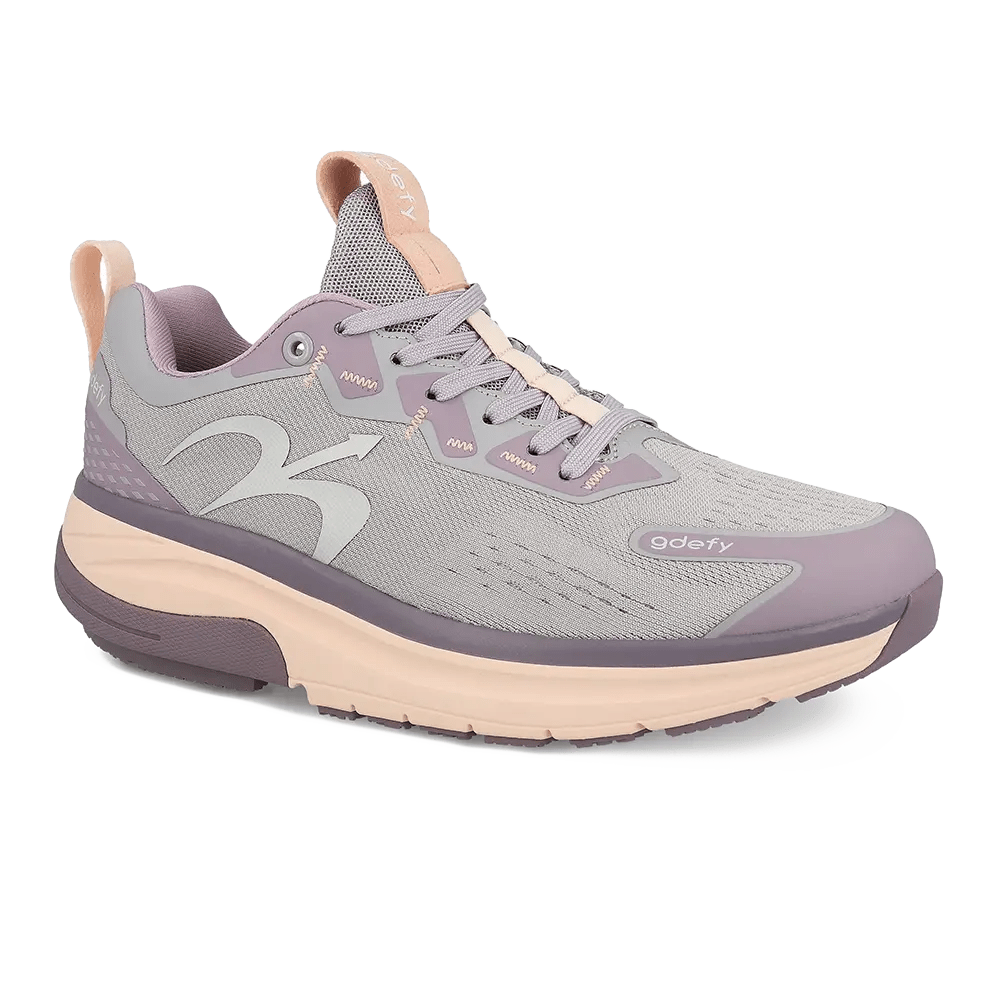
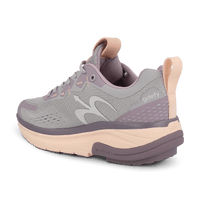
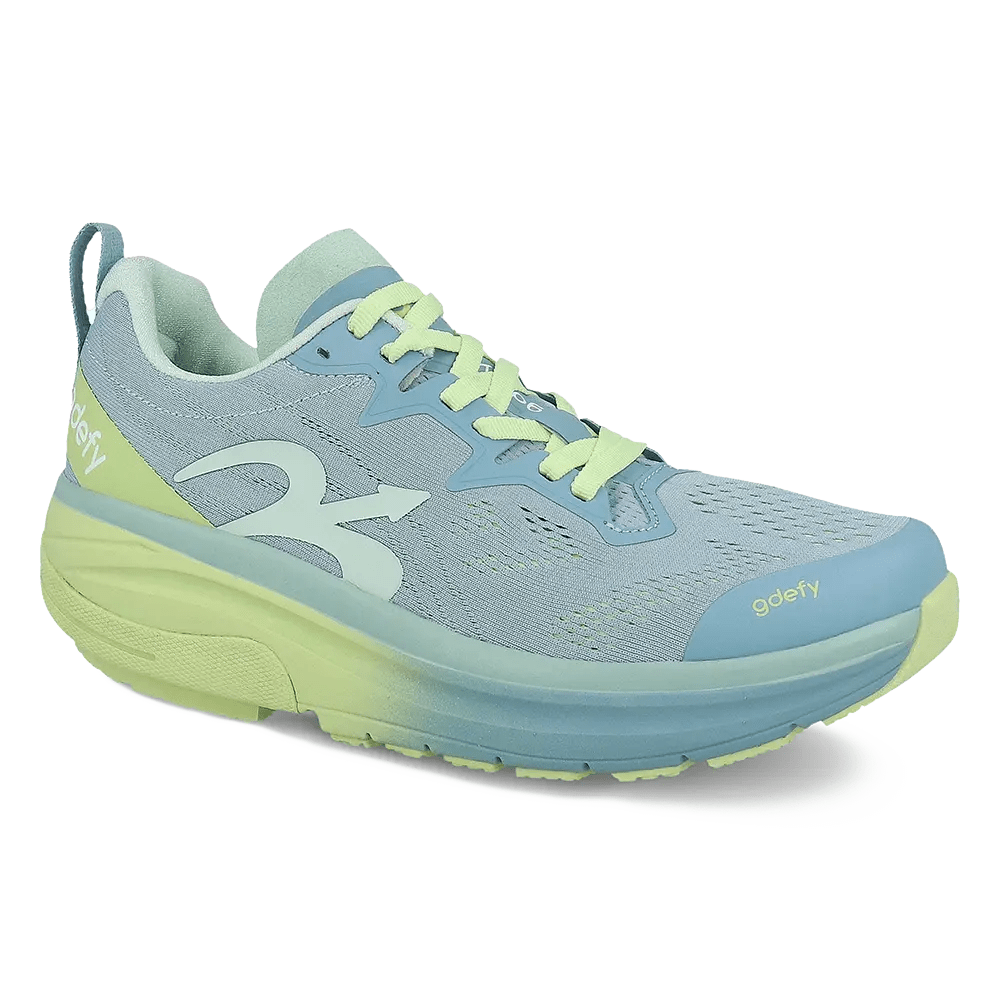
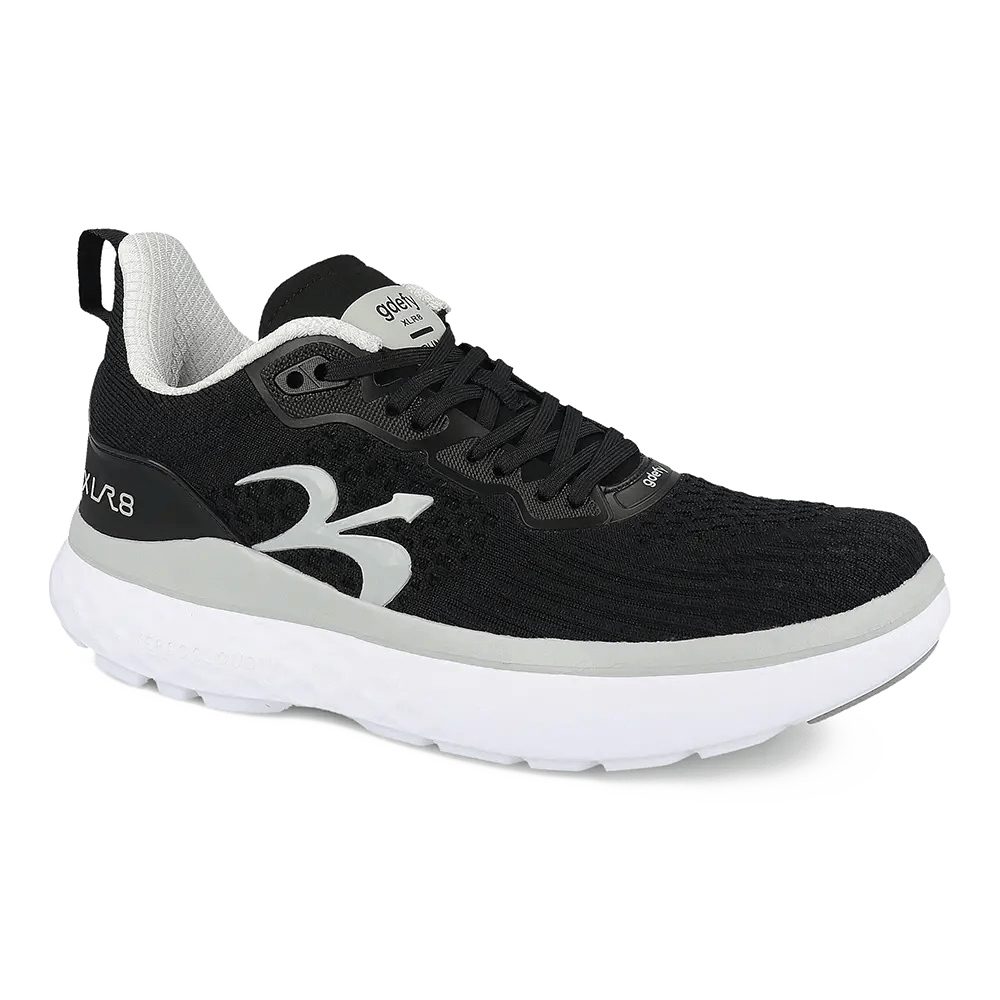
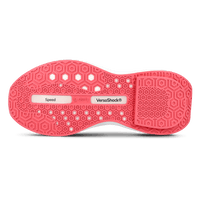
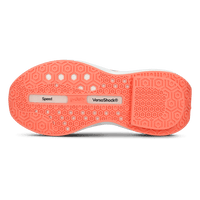
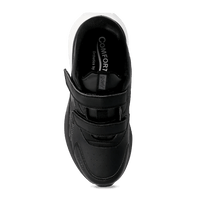
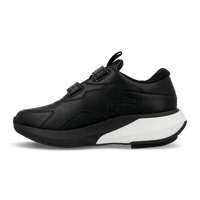
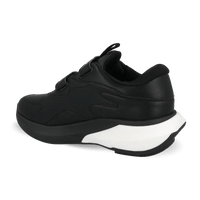
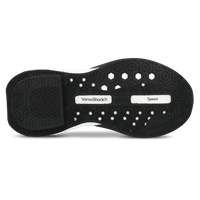
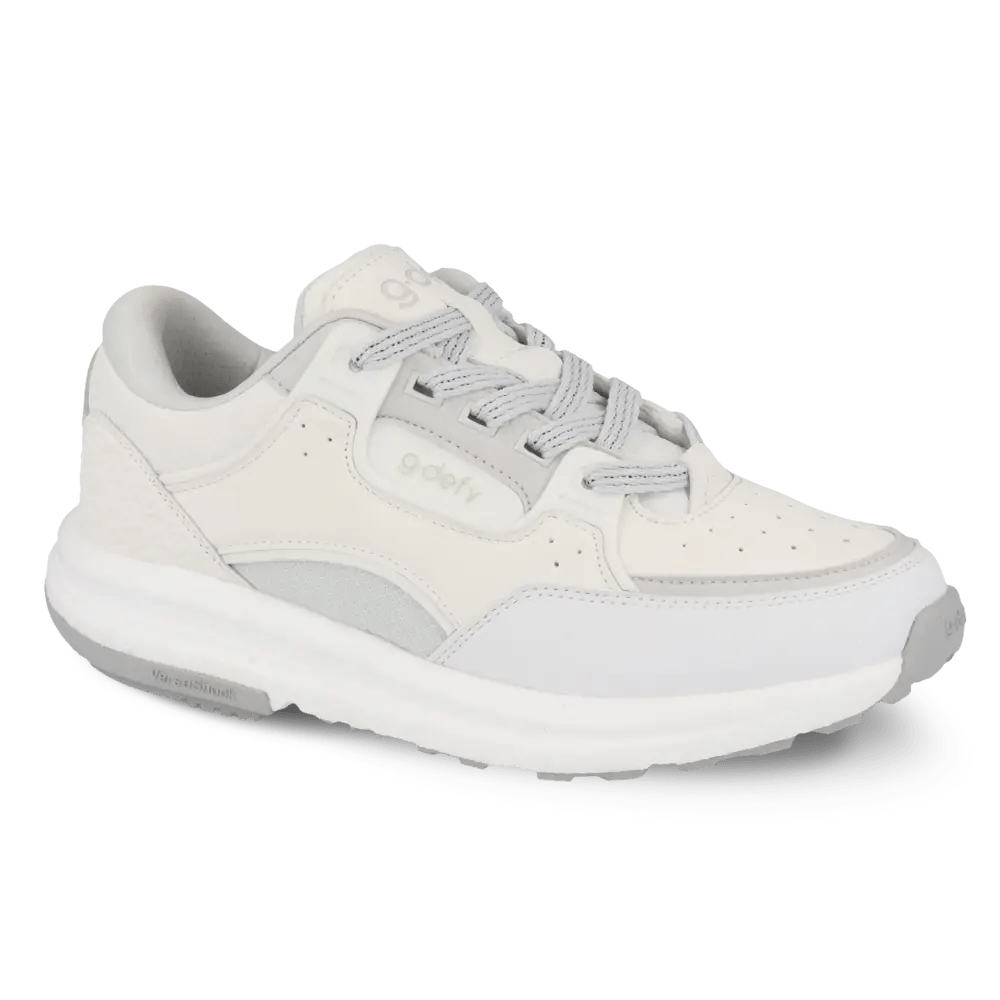
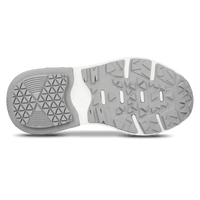
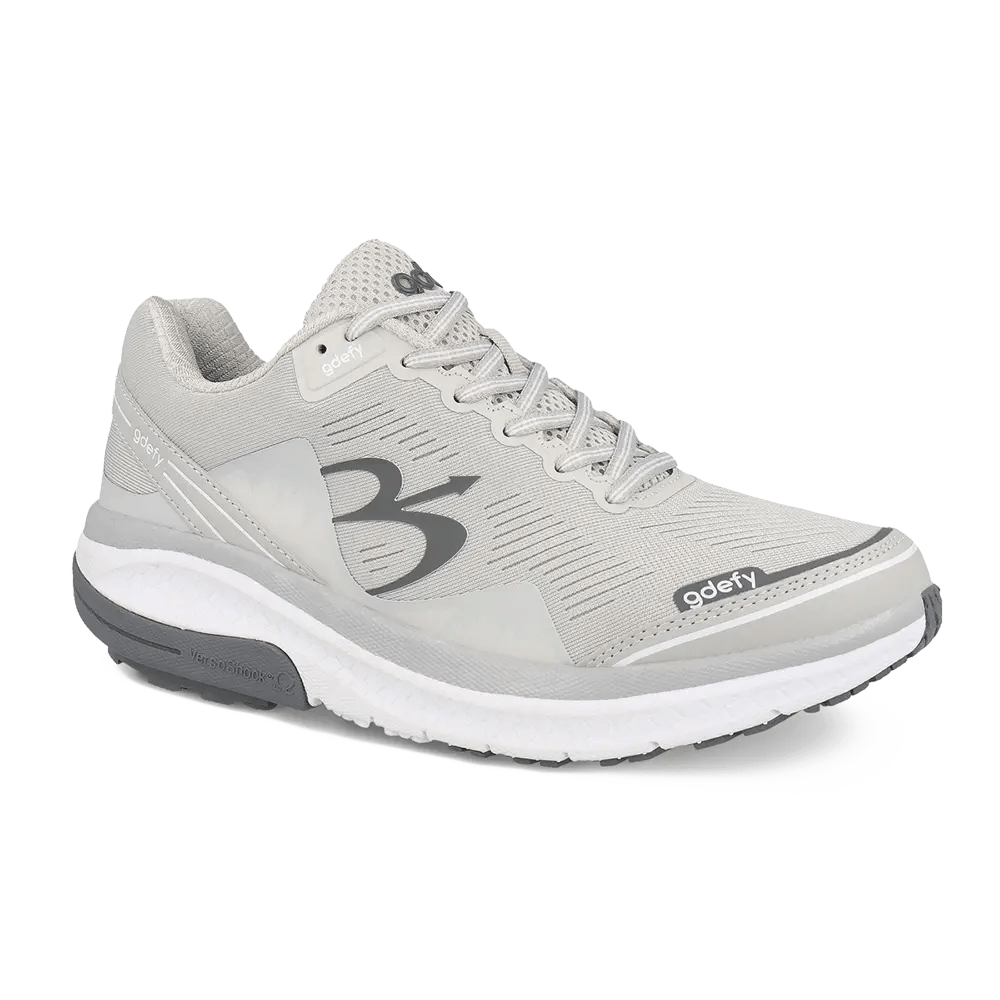
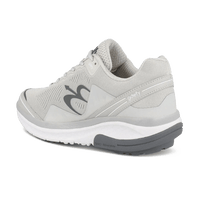
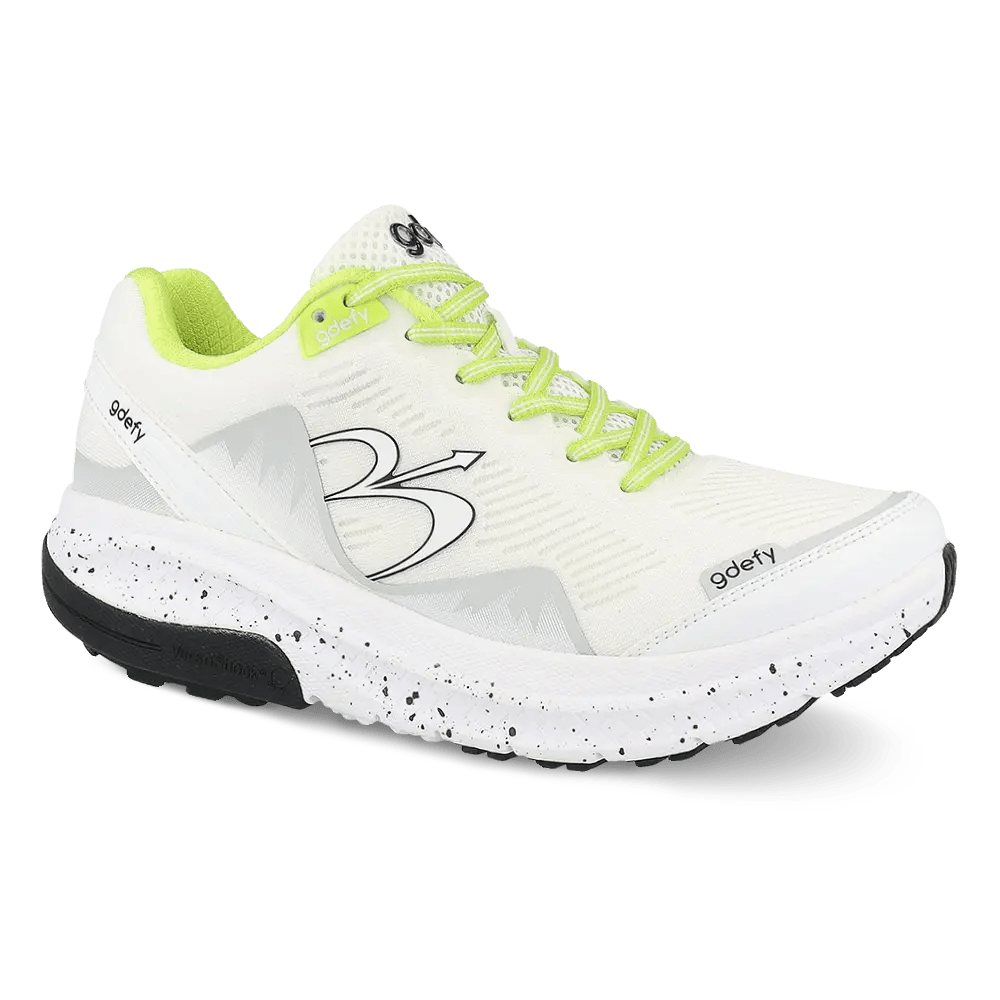
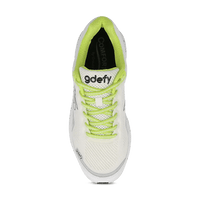
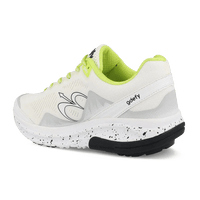
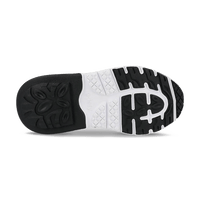
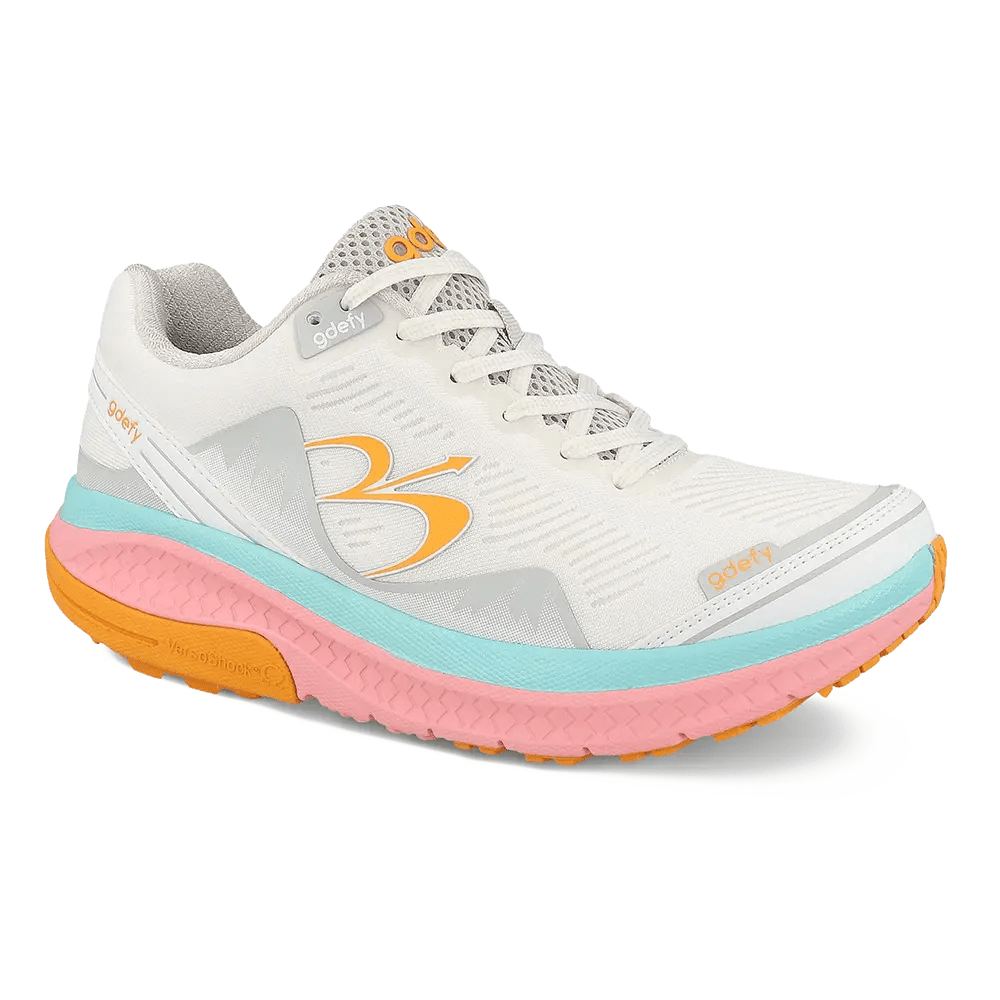
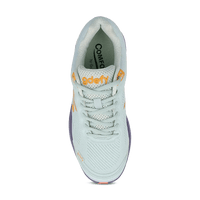
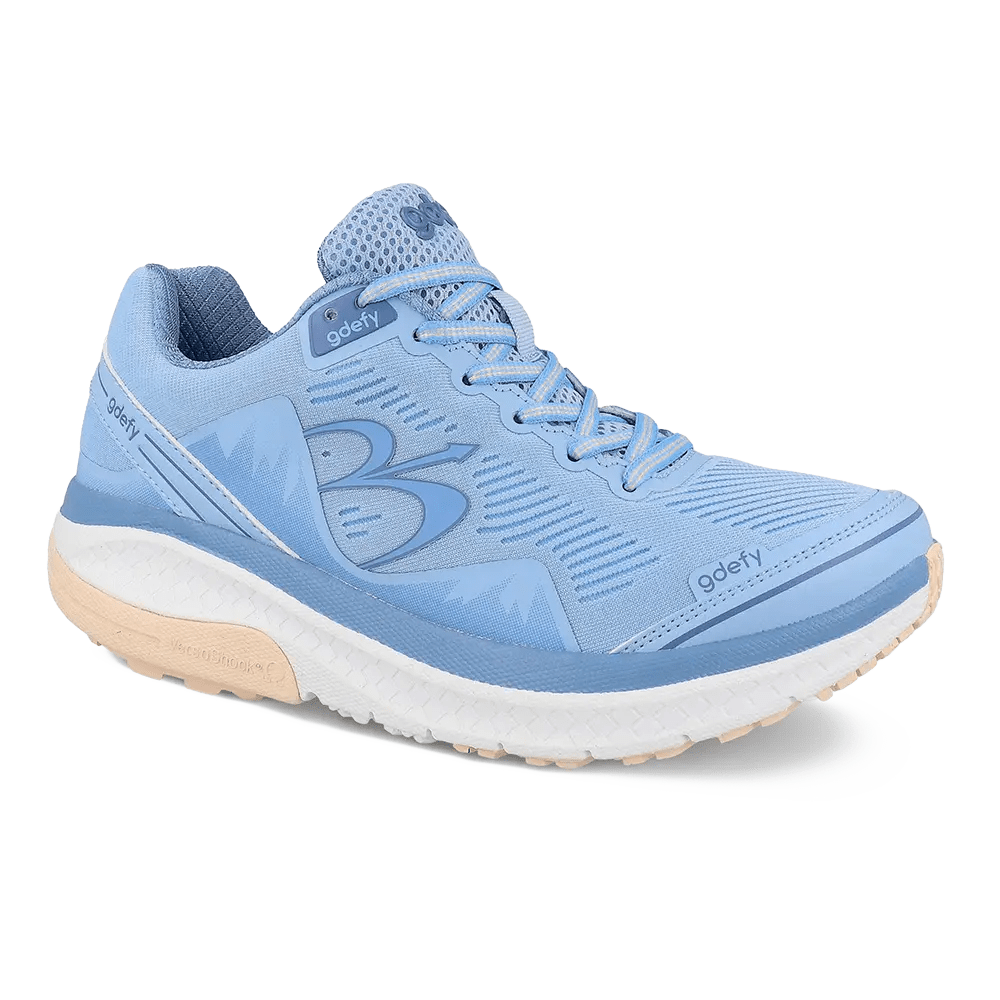
G-Defy shoes are engineered to provide comfort, support, and shock absorption during daily movement. Featuring VersoShock® technology, they are designed to absorb impact and return energy with each step. A built-in stabilizer supports the foot during movement, while the front rolling design promotes a smooth walking experience. Each pair includes two removable orthotics to help customize comfort and support. G-Defy shoes help reduce pain from walking, running, and prolonged standing.
That last part matters for a rotation. Because each pair ships with two removable orthotics — ComfortFit® for low to medium arch heights and CorrectiveFit® for medium to high — you can set two pairs up differently and see which arrangement feels better across a week. These are trademarked names for two support levels, not a claim about changing anything on your foot.

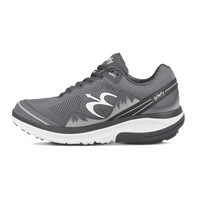
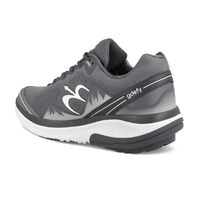
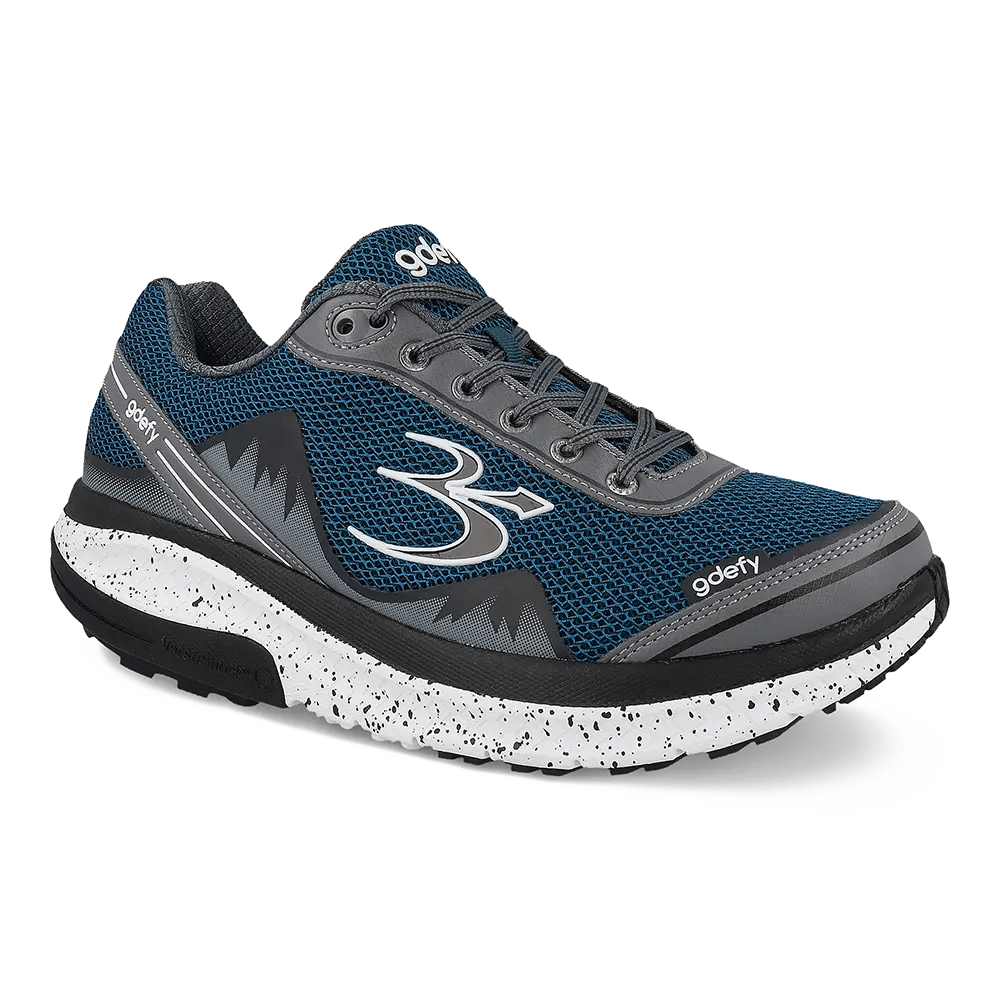
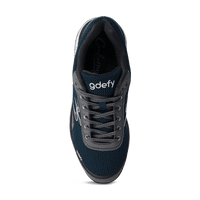
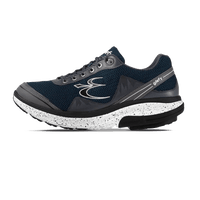
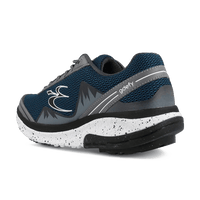
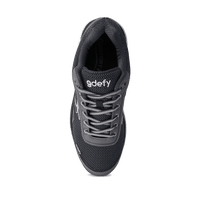
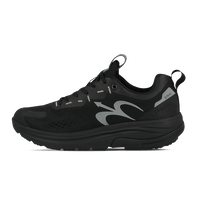
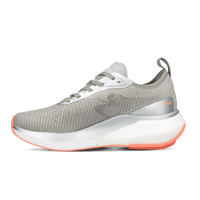
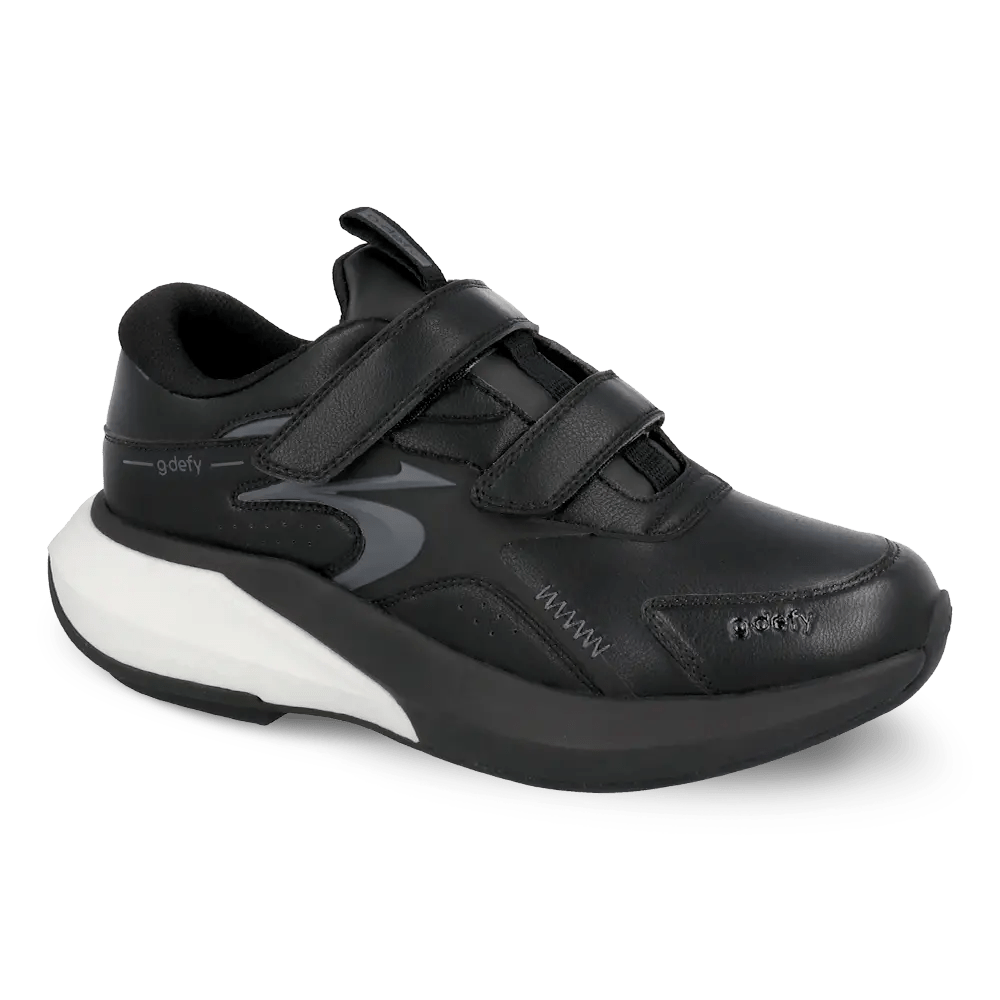
The Mighty Walk is the heavier-cushioned option, built for the days when you are up for hours at a stretch. It comes in medium, wide, and extra-wide widths, which is often the difference between a shoe that still fits at 5 p.m. and one that does not.

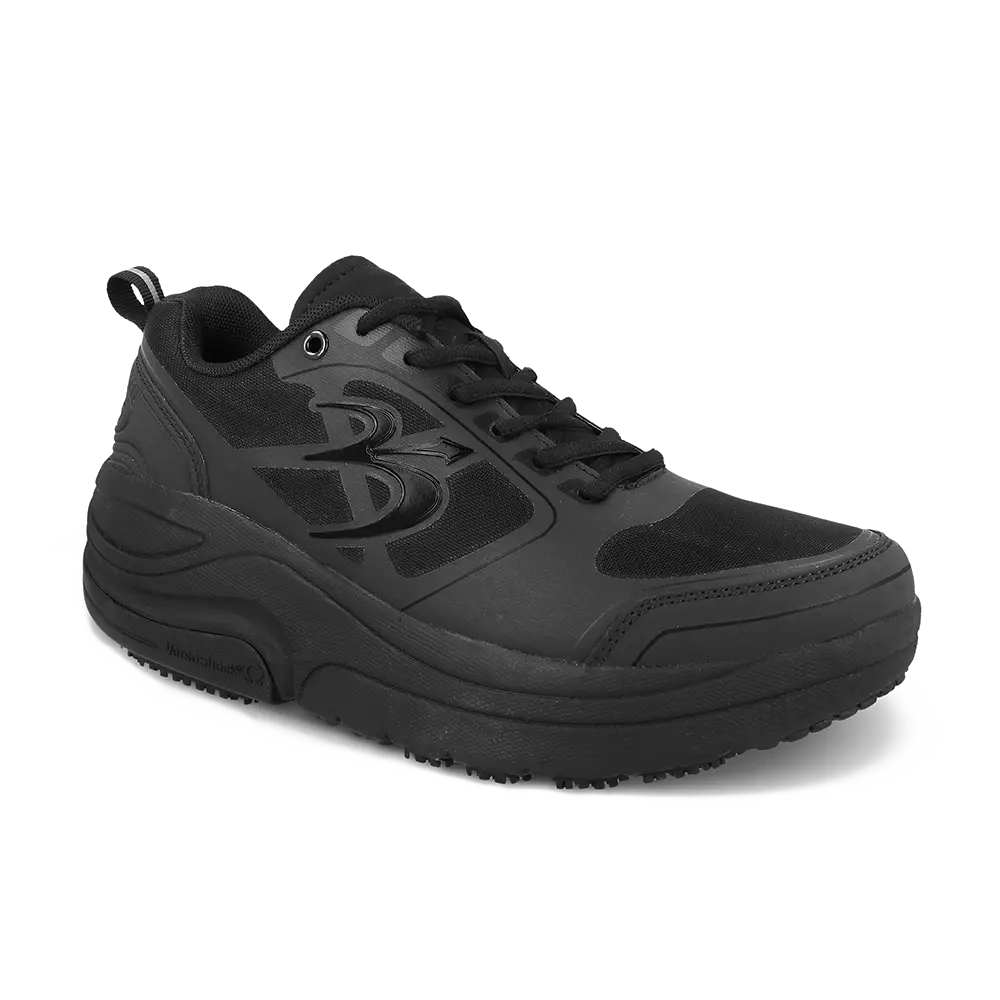
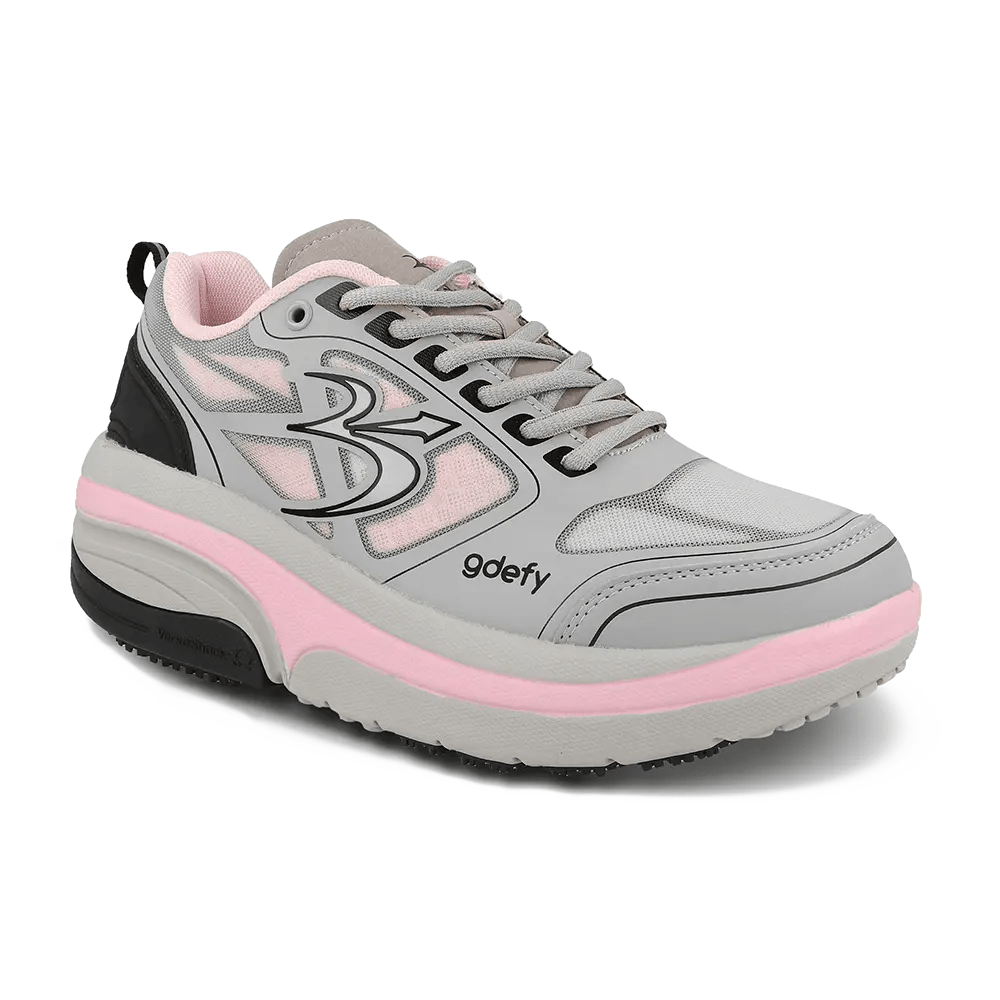
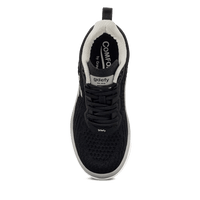
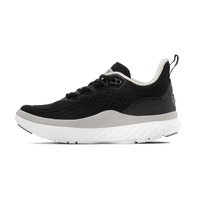
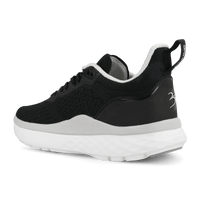
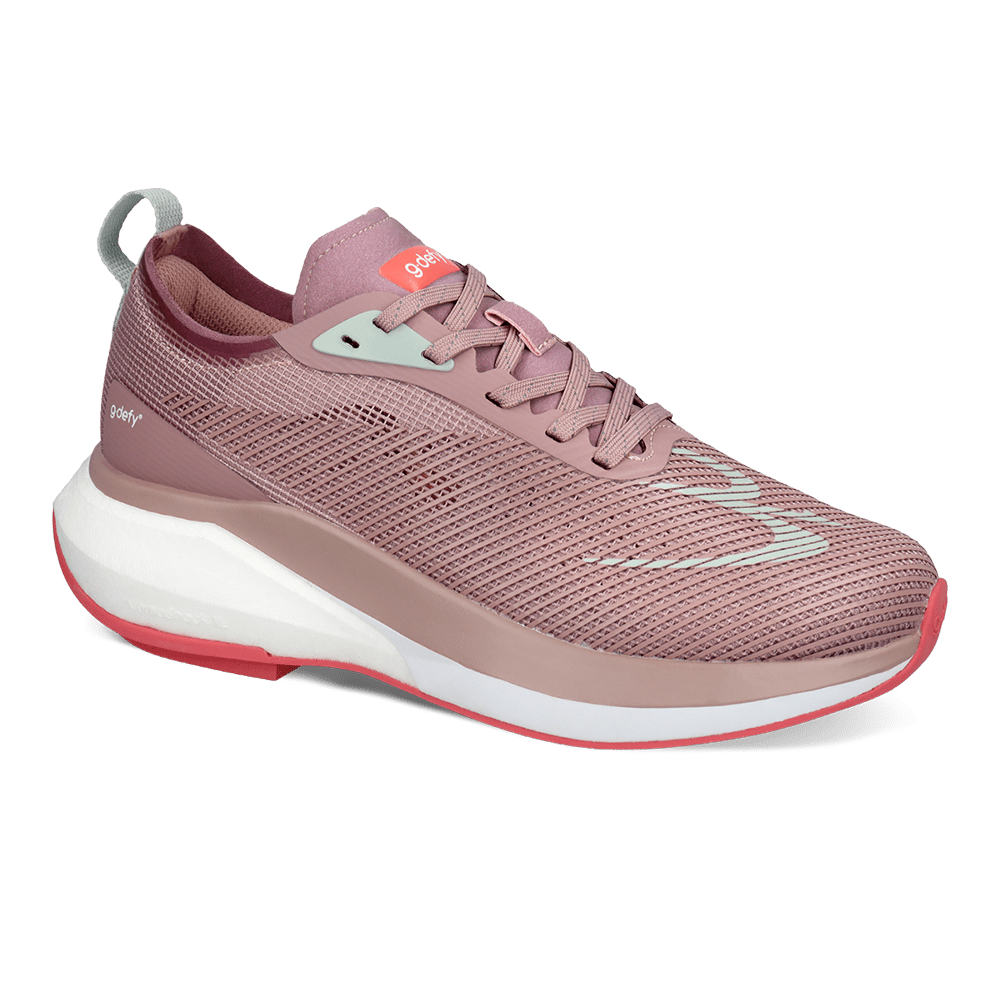
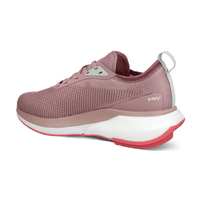
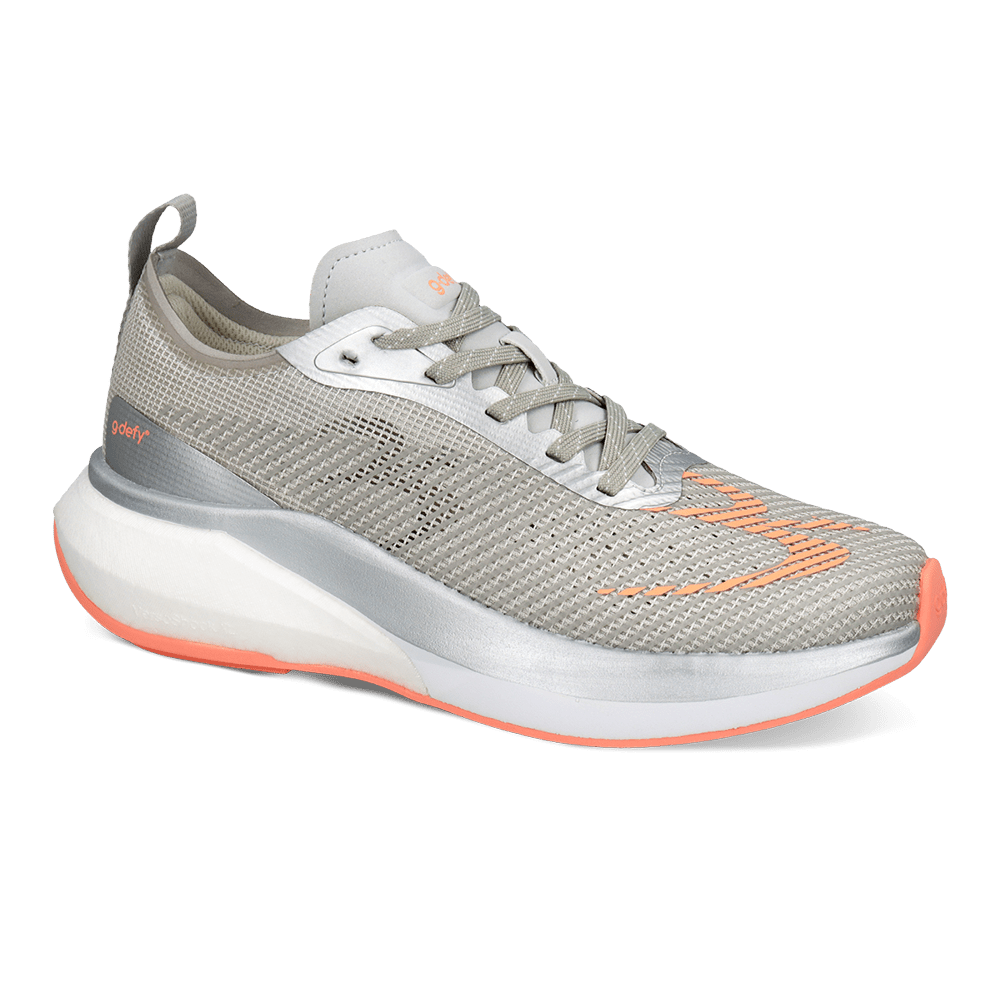
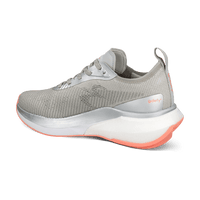
The Ion is the lighter counterpart, easier to move quickly in and a common second pair alongside a heavier primary. The women's Ion is built on the same platform. You can browse the full range for men and women.
If you want the mechanics behind the midsole rather than the marketing, how VersoShock® technology works and what is inside a comfort walking shoe go layer by layer.
Adding a pair before the schedule fills up?
Every G-Defy order comes with a 60-day risk-free trial, free shipping, and free exchanges — so you can wear a new pair through a few real working days, not just around the living room.
Shop G-Defy Comfort ShoesBuilding a Simple Two- or Three-Pair Rotation
Here is what a workable week looks like once you stop asking one pair to do everything.
| Day type | Pair | Why |
|---|---|---|
| Long day upright | Maximum-cushion pair | Most hours, hardest surfaces, least chance to sit |
| Mixed desk and errands | Lighter supportive pair | Easier on and off, still structured underfoot |
| Day after a long one | The pair you did not wear | Gives yesterday's midsole a full day to rebound |
| Weekend and outdoors | Outdoor or walking pair | Different surfaces ask for different tread and hold |
A practical rule: never wear the same pair two long days back to back if you can avoid it. Everything else is preference.
Practical Tips for the First Few Weeks Back
- Introduce a new pair gradually. A few hours a day for the first week, building up from there. Our guide on breaking in new shoes comfortably lays out a two-week schedule.
- Try shoes on later in the day. Feet are at their fullest in the afternoon, so a fit checked at 4 p.m. is the more honest one.
- Loosen the laces before you step in. Forcing a foot past a tight throat stretches the upper unevenly and shortens the life of the shoe.
- Let each pair dry out fully. Twenty-four hours between wears, uppers open, away from direct heat.
- Swap the insert before you swap the shoe. If a pair feels flat but the structure is sound, a fresh orthotic often buys you months.
- Keep the spent pair out of the rotation. Demoted shoes have a way of migrating back to the front of the closet. Put them somewhere else.
Customers who spend the most hours upright tend to land on this approach on their own — you can read what they say about long days in their own words in comfortable shoes for long daily walks and are G-Defy shoes worth it. Results vary by individual.
For a wider view of the daily habits behind all of this, our complete guide to foot health is the hub that ties these pieces together, and shoes for working on your feet all day goes deeper on occupational wear.
Frequently Asked Questions
How many pairs do I actually need in a rotation?
Two is enough for most people, three is comfortable. What matters more than the number is that no single pair carries every long day of the week.
Does rotating shoes really make them last longer?
Wear gets spread across two or three midsoles instead of one, and each pair gets time to dry out and rebound between wears. Both tend to mean the set stays comfortable longer than a single pair worn daily.
Can the right shoes help with foot pain during a long working day?
Supportive and cushioned footwear may improve overall comfort during walking and prolonged standing. Footwear is not a medical solution, and for persistent discomfort it is worth speaking with your healthcare provider.
Should the pairs in my rotation be the same model?
Not necessarily. Slightly different builds load your feet in slightly different ways across the week, which is part of the value. Just make sure each pair fits properly on its own terms.
Is it worth adding a pair now rather than waiting?
Adding one before your schedule fills up gives you time to wear it in gradually. Starting a new pair in the middle of a demanding week is the harder version of the same transition.
The Takeaway
Going back to a full schedule is a change in demand, not a change in your feet. One pair asked to cover every hour of every day will feel worse by the end of a week than two pairs sharing the load. Audit what you own, retire what has flattened, and add a pair that fits the day it is meant for.
While footwear is not a medical solution, choosing shoes designed for comfort, support, and shock absorption can make a meaningful difference in how you feel throughout the day — especially in the weeks when your feet are asked to do the most.