
August 21, 2026
End of Sandal Season: What Changes When You Go Back to Closed Shoes
By Gdefy

Summary
By late August, most of us have spent three months in open footwear. Sandals, slides, and lightweight summer shoes have been the default since May, and the closed pair sitting at the back of the closet has barely been touched. Then the calendar turns, the evenings cool, and switching from sandals to closed shoes stops being optional — you put those shoes back on, and something feels off.
It is one of the more common complaints of the season, and it rarely gets explained well. Most advice about the end of sandal season is either about when to stop wearing them or about skin and nail care. Very little of it covers the part people actually notice first: the way a closed shoe fits and feels after a summer of not wearing one.
This guide walks through what changes over a summer in open footwear, why the pair you took off in spring can feel different in September, and what to check during your first days back. If you are still weighing the two options rather than switching, our guide to sandals versus walking shoes for summer comfort covers that decision instead.
Why the Switch Back Catches People Off Guard
A closed shoe and a sandal are two very different pieces of equipment, but we tend to think of them as interchangeable — just warm-weather shoes and cool-weather shoes. They are not. They hold the foot differently, load it differently, and ask different things of it.
When you wear one type almost exclusively for a season, your sense of "normal" quietly recalibrates around it. The first day back in the other type is measured against that new baseline, not against how the shoe felt in May. That is why the change can feel abrupt even when nothing about the shoe itself has changed.
None of this is a problem to be solved. It is a transition to be made deliberately, over a week or two, rather than in a single Monday morning.
What a Summer in Open Footwear Asks of Your Feet
Four things tend to be different about a summer footwear routine, and each of them shows up when you switch back.
The strap does the holding, not the shoe
In most sandals, a strap or two across the forefoot does the work of keeping the shoe on. There is no upper wrapped around the whole foot, no lacing to adjust tension across the instep, and often no structure behind the heel. Your foot is held at a few points rather than enclosed.
A closed shoe reverses that. The upper, the lacing and the heel of the shoe share the job, and the foot sits inside a defined space rather than on top of a platform. That is more secure, and most people prefer it for longer days — but it is a different sensation, and it takes a few wears to stop noticing.
Your forefoot has had room to spread
Open footwear rarely constrains width. Nothing sits across the sides of the foot, and the toes have been free to splay with every step for months. Many people find that after a long stretch in sandals, the front of a closed shoe feels narrower than they remember — not because the shoe changed, but because the comparison point did.
This is the single most common thing people report about the switch, and it is worth taking seriously when you check fit rather than assuming the feeling will simply go away.
Socks disappear from the fit equation
Most sandals are worn without socks. That removes a layer of material from the fit — often a meaningful one, and one that varies a lot depending on whether you favour a thin dress sock or a thick cushioned one. When you go back to closed shoes, that layer returns, and it returns in whatever thickness you happen to reach for.
The ground is doing more of the cushioning
Summer walking often happens on softer surfaces and over shorter distances — a garden, a beach, a short walk to a patio table. Autumn routines tend to move indoors and onto pavement, tile and concrete, in longer stretches. The cushioning underfoot matters more in the second case than the first. Our comparison of barefoot versus cushioned shoes for daily walking goes deeper into what that layer is actually doing.
Why the Shoes You Took Off in May Can Feel Different in September
The foot is only half of the story. The shoe has been sitting in a closet for three months, and the moment you judge it has changed too.
Fit is judged against what you have been wearing
This is the mechanism behind most of the surprise. You are not comparing the closed shoe to the last time you wore it. You are comparing it, without meaning to, to the sandal you wore yesterday. Snug reads as tight. Enclosed reads as warm. Structured reads as stiff. Give it a week of regular wear before you conclude the shoe no longer suits you.
The pair itself has moved on, even sitting still
Midsole foam does not stay identical indefinitely, and a pair that was already well into its life in May is three months further along. If those shoes had a hard spring, the switch back is a natural moment to look at the outsole tread and the way the shoe sits on a flat surface. Our guide to how shoes wear out and when to replace them covers what to look for.
Late-summer feet are not morning feet
Feet change size across a day, and they do it more in warm weather. If you try your closed shoes at eight in the morning and again at six in the evening, you may reach two different verdicts about the same pair. The evening reading is the more useful one, because that is when fit matters most. If warm-weather swelling is a familiar issue for you, we cover it separately in our piece on heat and swollen feet.

What to Check on Your First Days Back in Closed Shoes
Rather than deciding on day one whether the shoes still work, run through four checks over the first week. This takes a few minutes and settles most of the uncertainty.
- Length and width, checked late in the day. Stand up, put your weight through the shoe, and confirm there is roughly a thumb's width in front of your longest toe. Check the width at the widest part of the foot at the same time. Do this in the evening, not first thing.
- How the heel is held. Walk a dozen steps and notice whether your heel lifts inside the shoe. A heel that slips will show up as rubbing long before it shows up as a fit complaint. Re-lacing more firmly over the instep often settles it.
- Whether the toe box still clears. After a summer of unconstrained toes, this is where a marginal fit becomes obvious. You want room to move your toes without them pressing against the front or the sides.
- The sock you are actually going to wear. Test the shoe with it, not with whatever happens to be on your feet. A thicker sock can take up more room than people expect.
If those checks leave you unsure, our guide to why proper shoe fit is key to all-day comfort works through fit in more detail, and how to choose shoes that feel secure and supportive covers what a well-held foot should feel like.
What to Look for in a Closed Shoe for the Change of Season
If the checks above point toward a new pair, these are the features that matter most for the longer, harder-surfaced days ahead:
- Cushioning — helps absorb impact as your daily distances go back up.
- Support — helps maintain stability once the foot is enclosed rather than strapped.
- Shock absorption — reduces the harsh impact of pavement, tile and concrete.
- Energy return — helps keep movement feeling efficient over a long day.
- A roomy toe area — matters more than usual after a summer of open footwear.
- Adjustable fit — lacing you can tune, and ideally a removable insole so you can adapt the volume inside the shoe.
Foot shape matters here too. Our guide to how flat feet and high arches use the same shoe differently explains why two people can reach opposite conclusions about an identical pair.
How G-Defy Builds Closed Shoes for Long Days
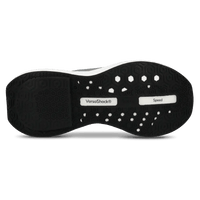
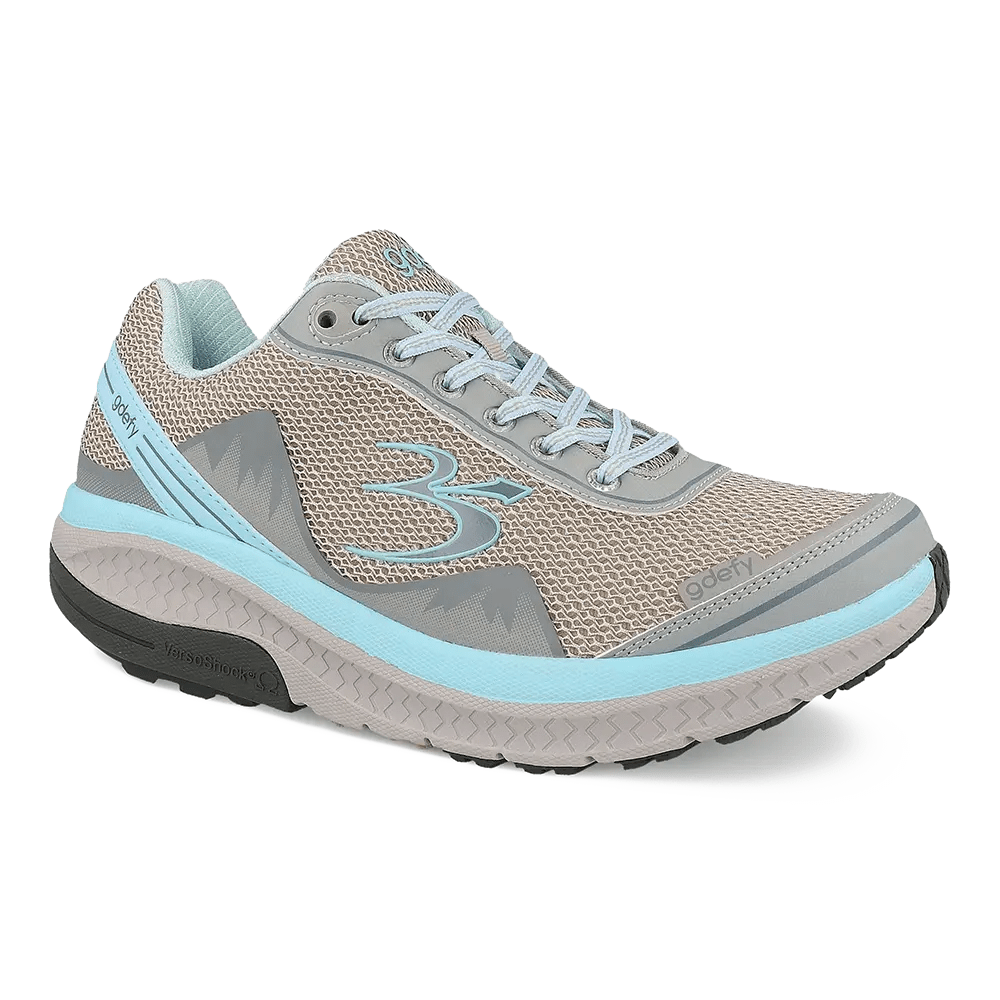
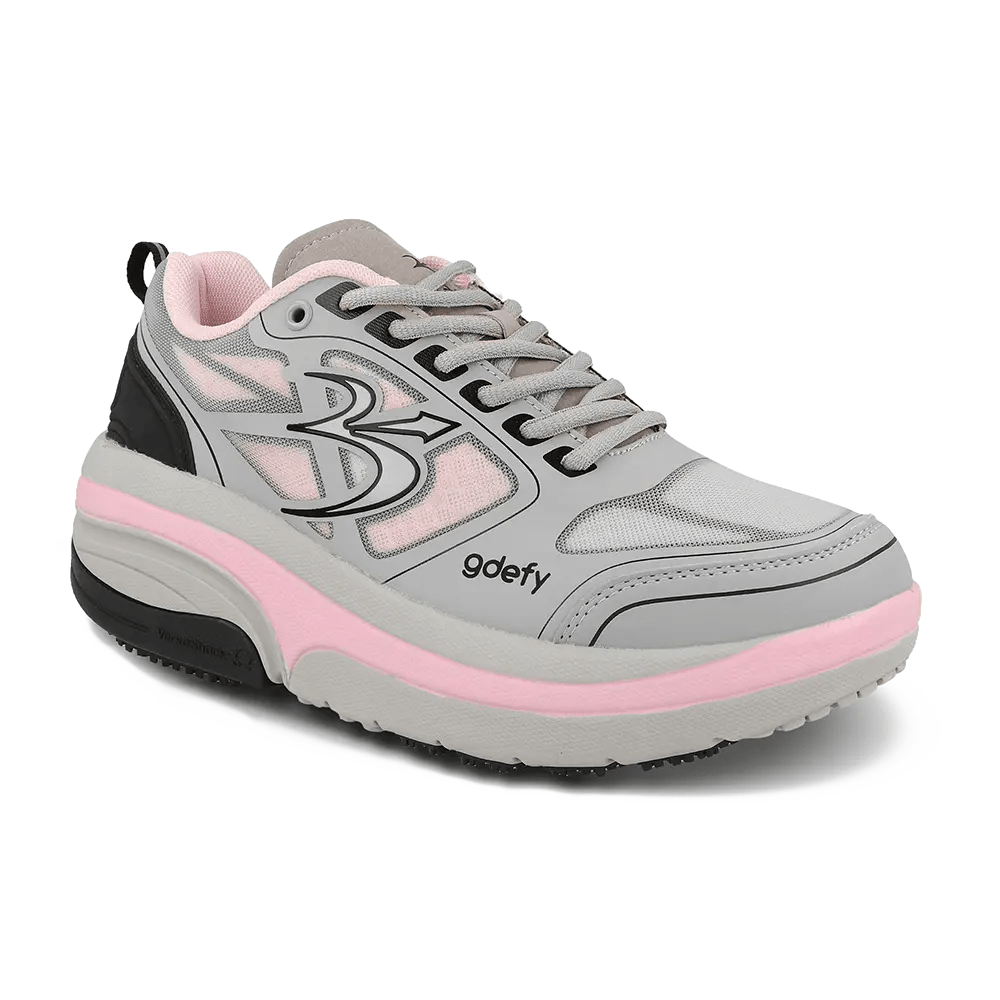
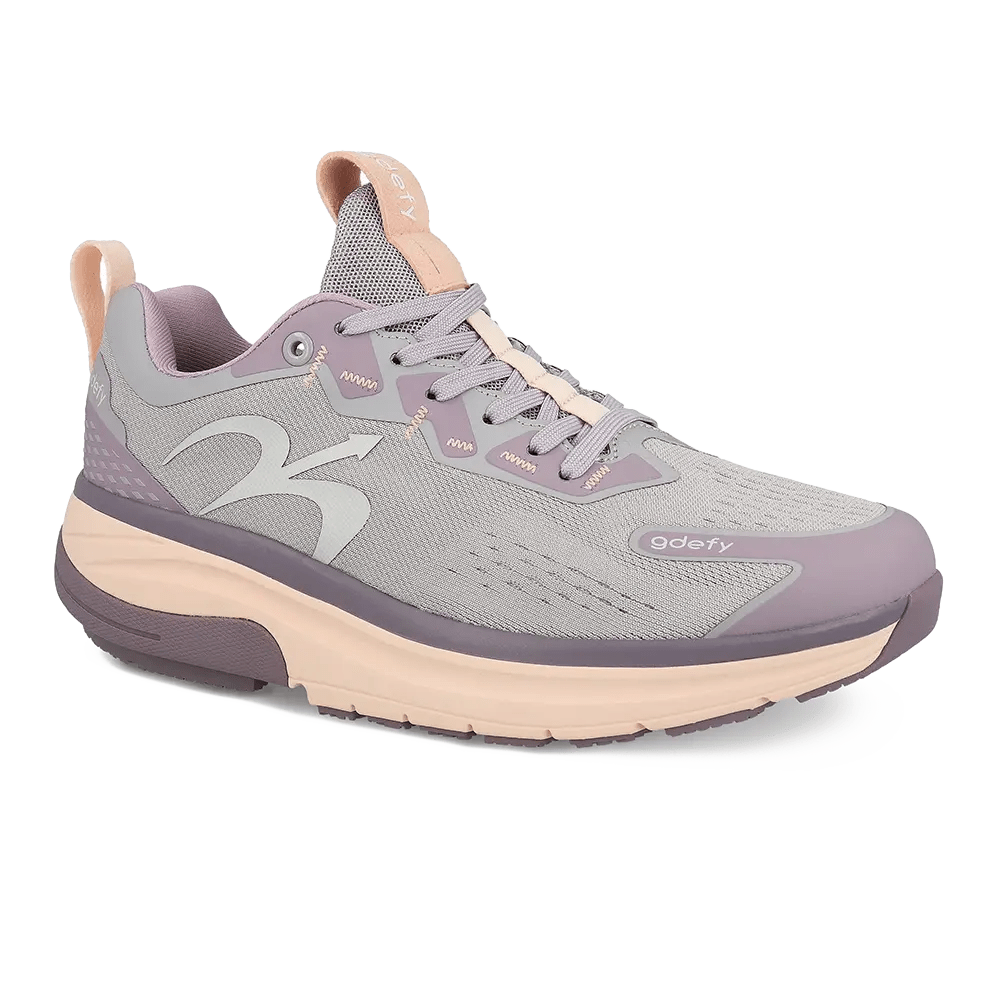
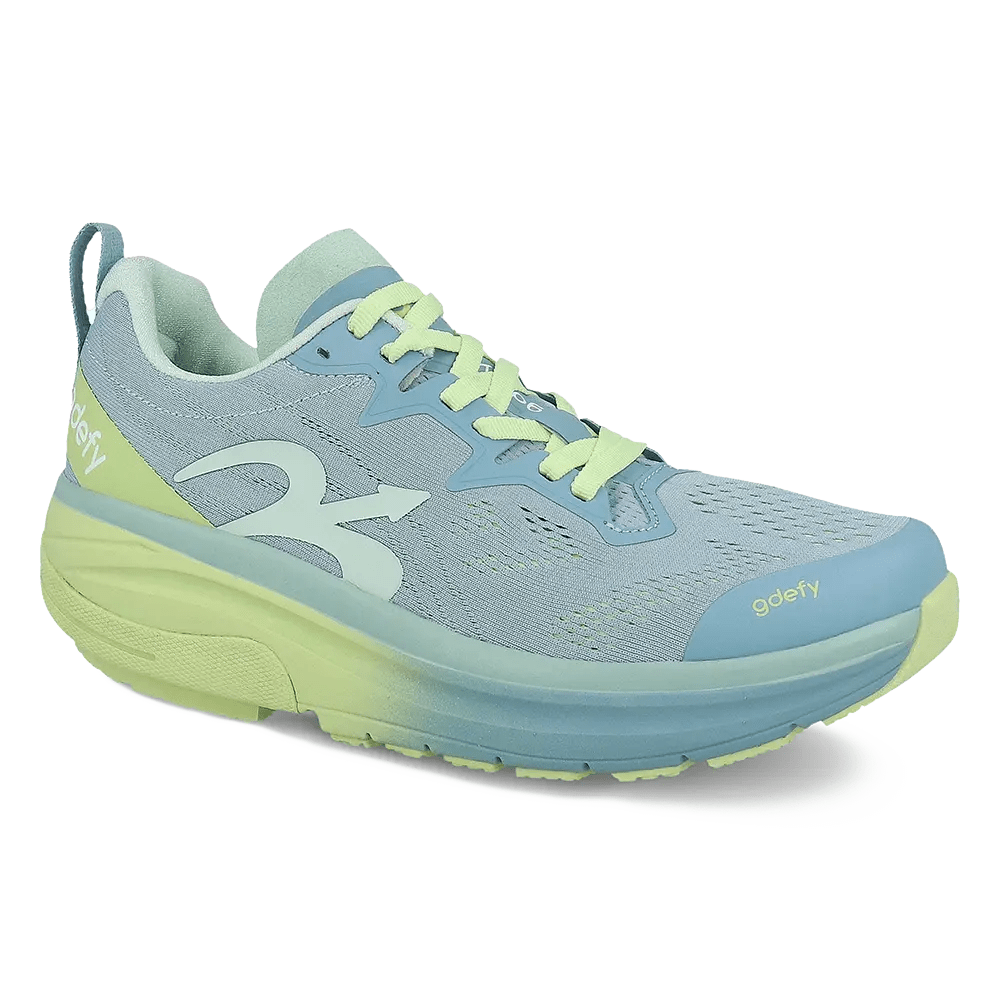
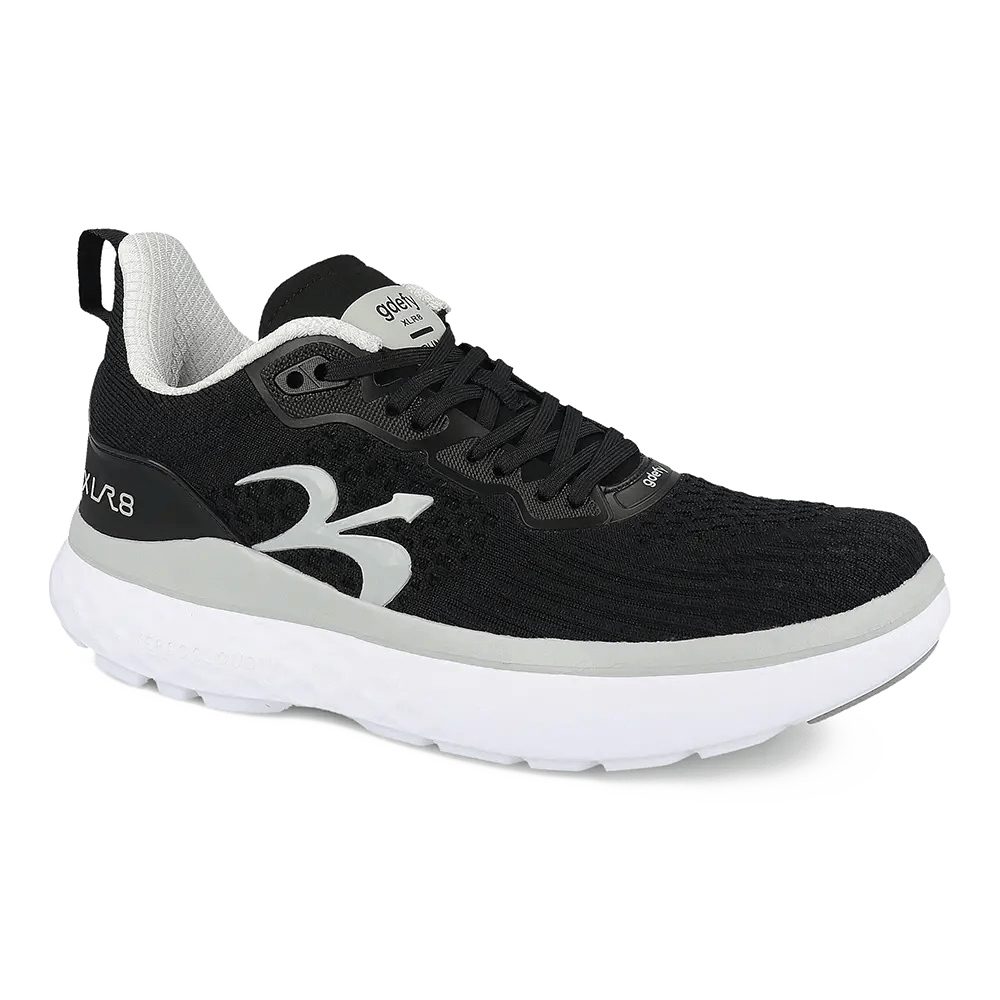
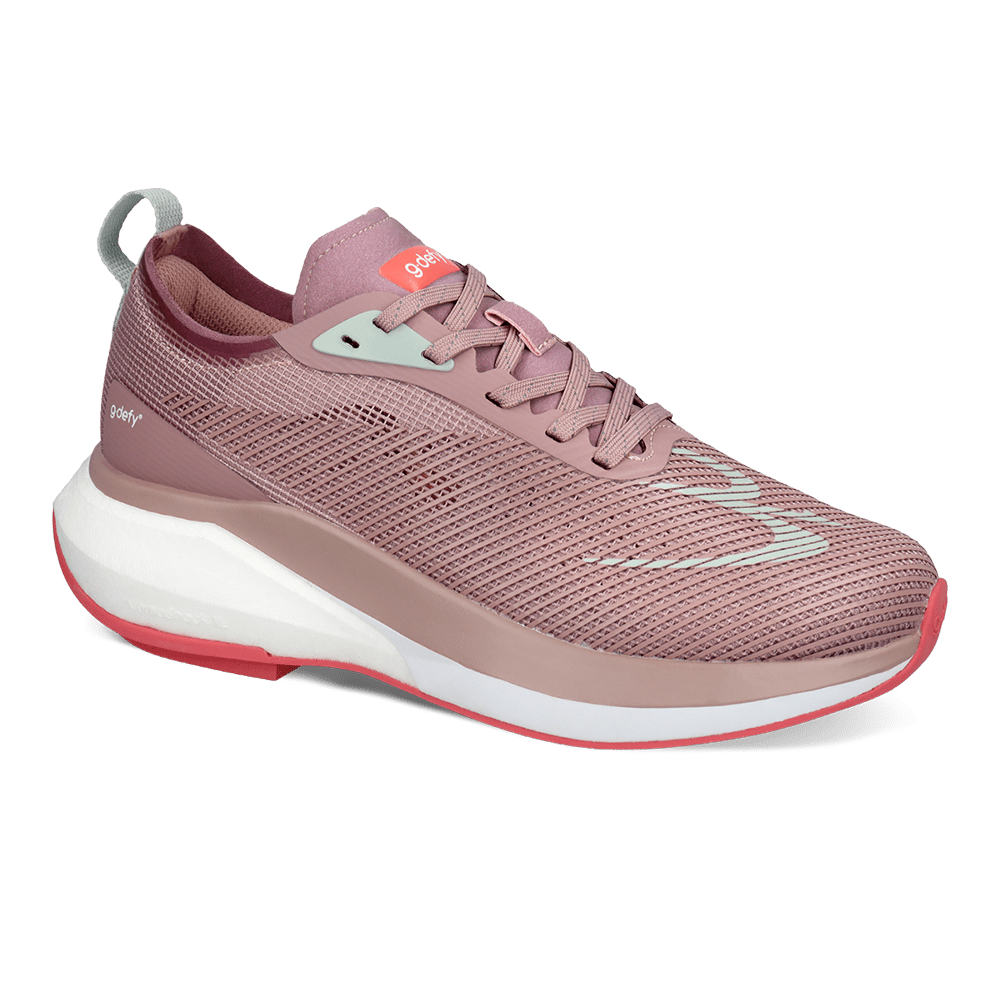
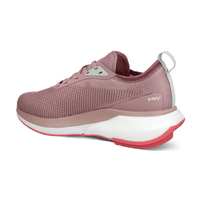
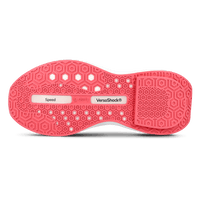
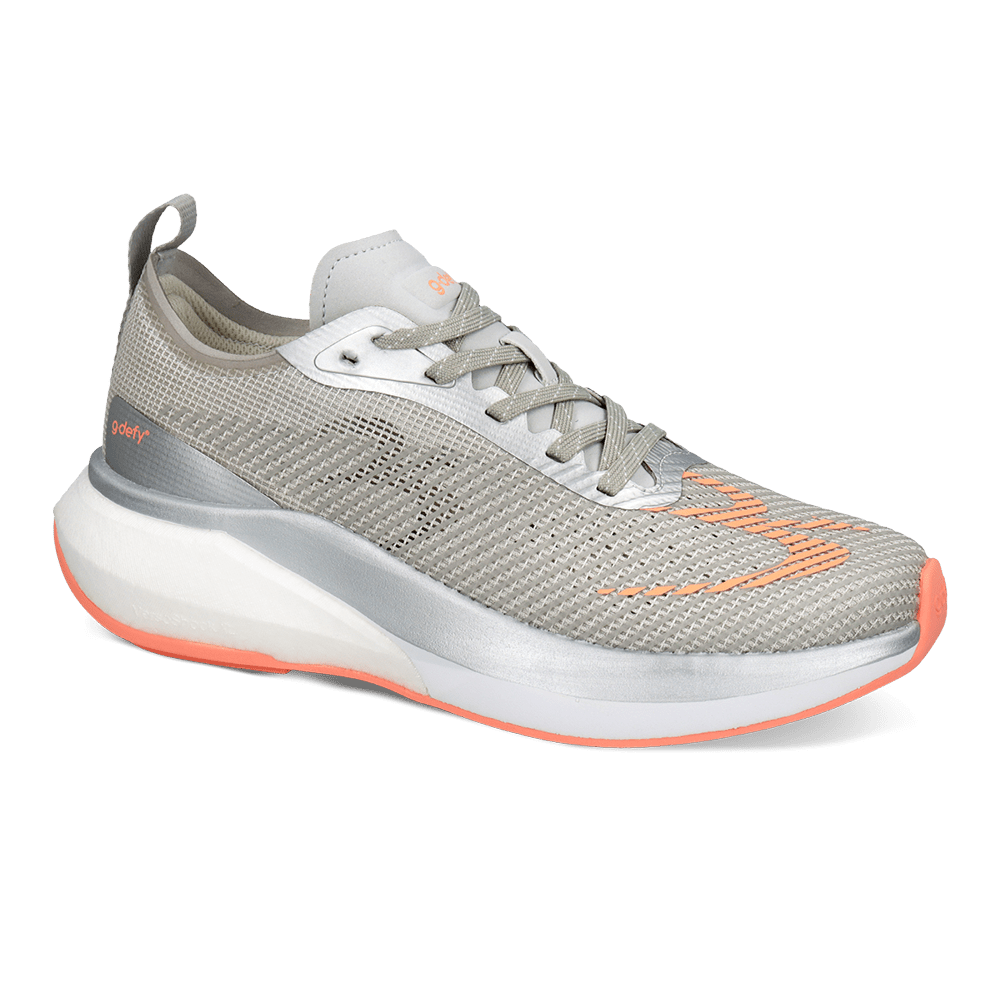
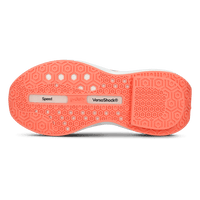
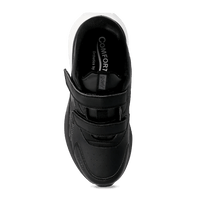
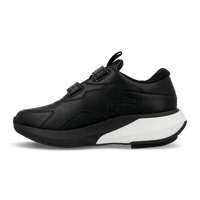
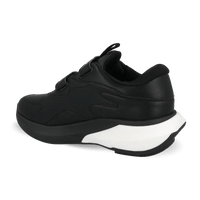
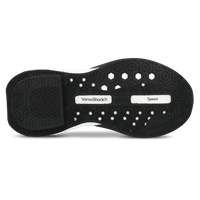
G-Defy shoes are engineered to provide comfort, support, and shock absorption. Featuring VersoShock® technology, they are designed to absorb impact and return energy with each step. A built-in stabilizer supports the foot during movement, while the front rolling design promotes a smooth walking experience. Each pair includes two removable orthotics to help customize comfort and support. G-Defy shoes help reduce pain from walking, running, and prolonged standing.
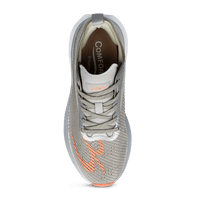
Two of those details are especially relevant to the switch back. The first is the pair of removable orthotics — a ComfortFit® option for low to medium arches and a CorrectiveFit® option for medium to high arches. Because they come out, you can adjust how much room is inside the shoe, which is useful in exactly the weeks when your sense of fit is still resettling. The second is the expanded toe area, which gives the forefoot space to move rather than pressing in on it. If you want the engineering in more depth, we cover it in how VersoShock® technology works.
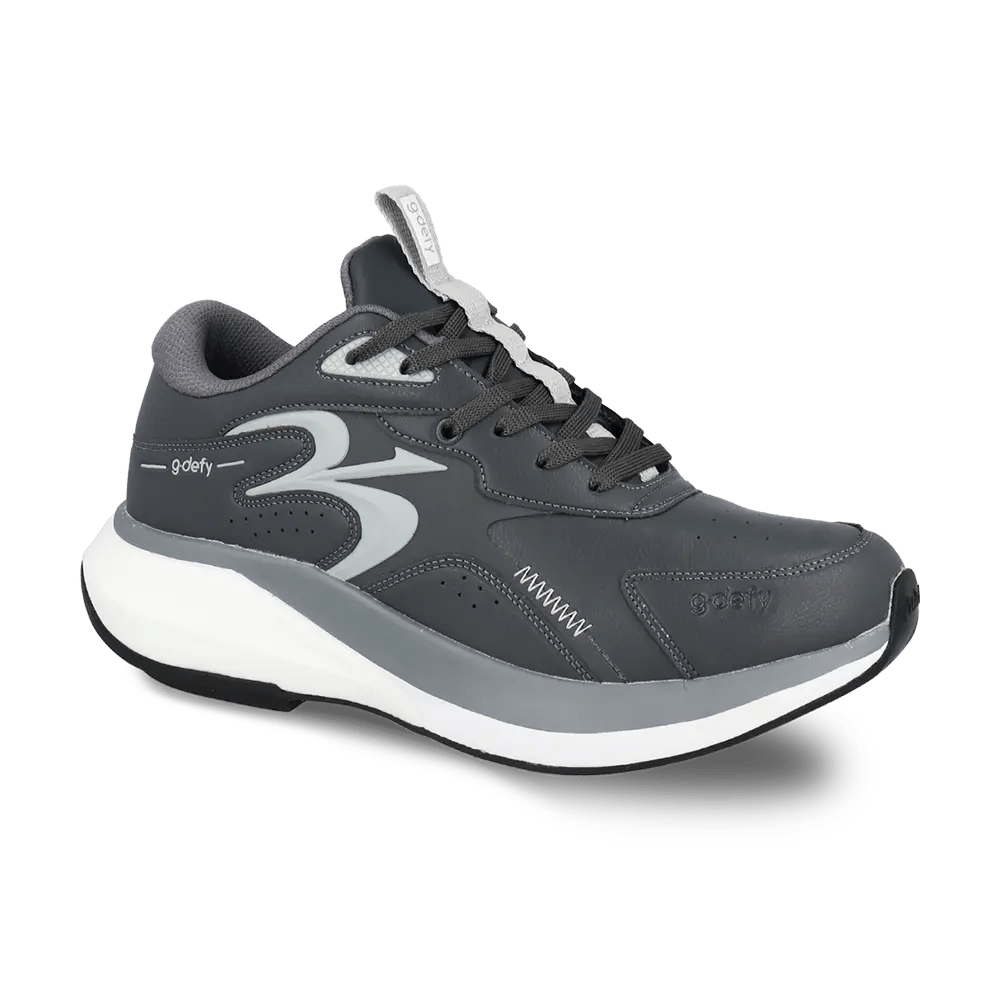
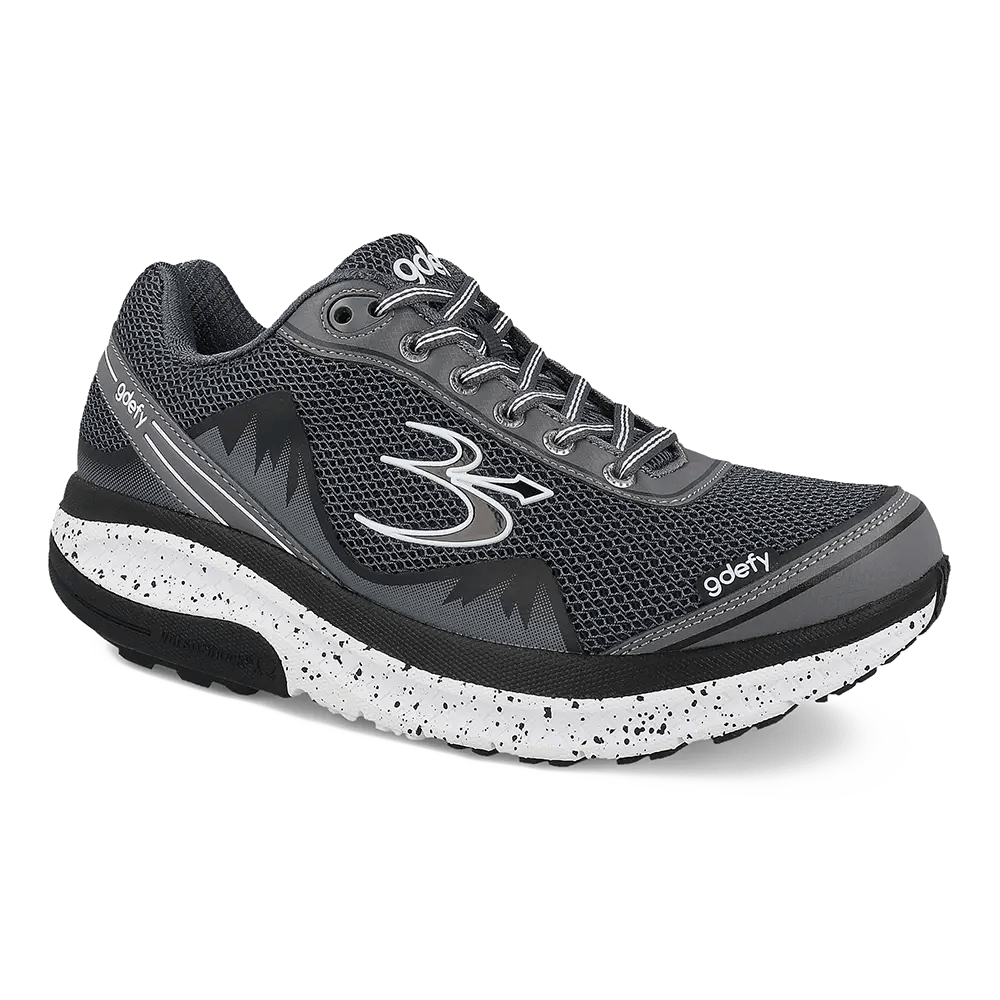
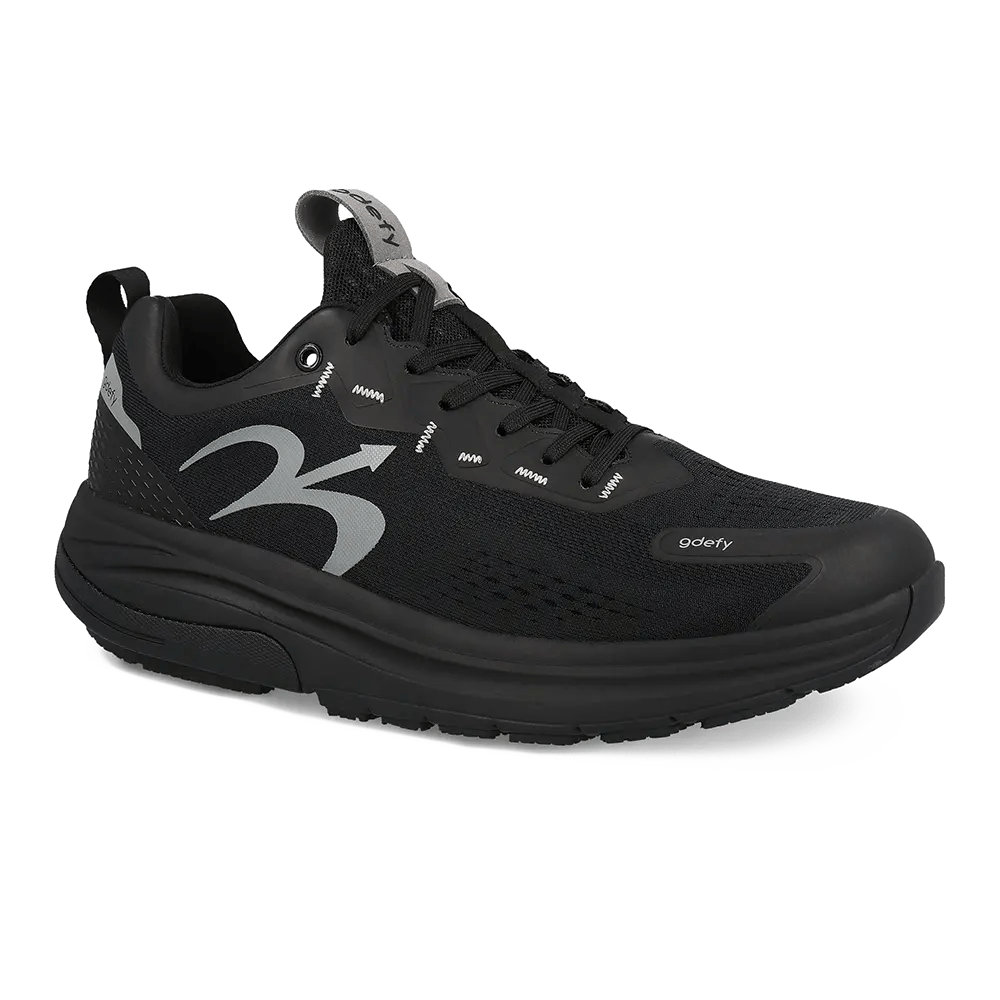
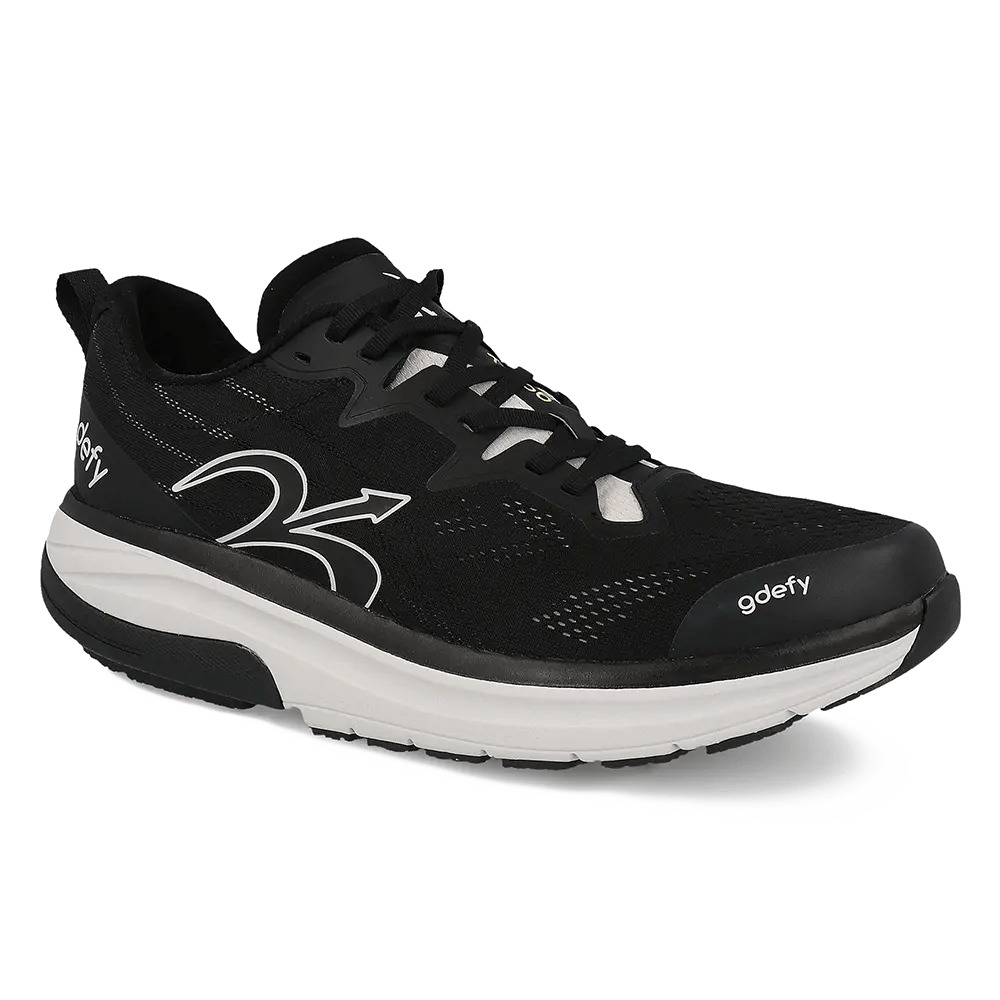
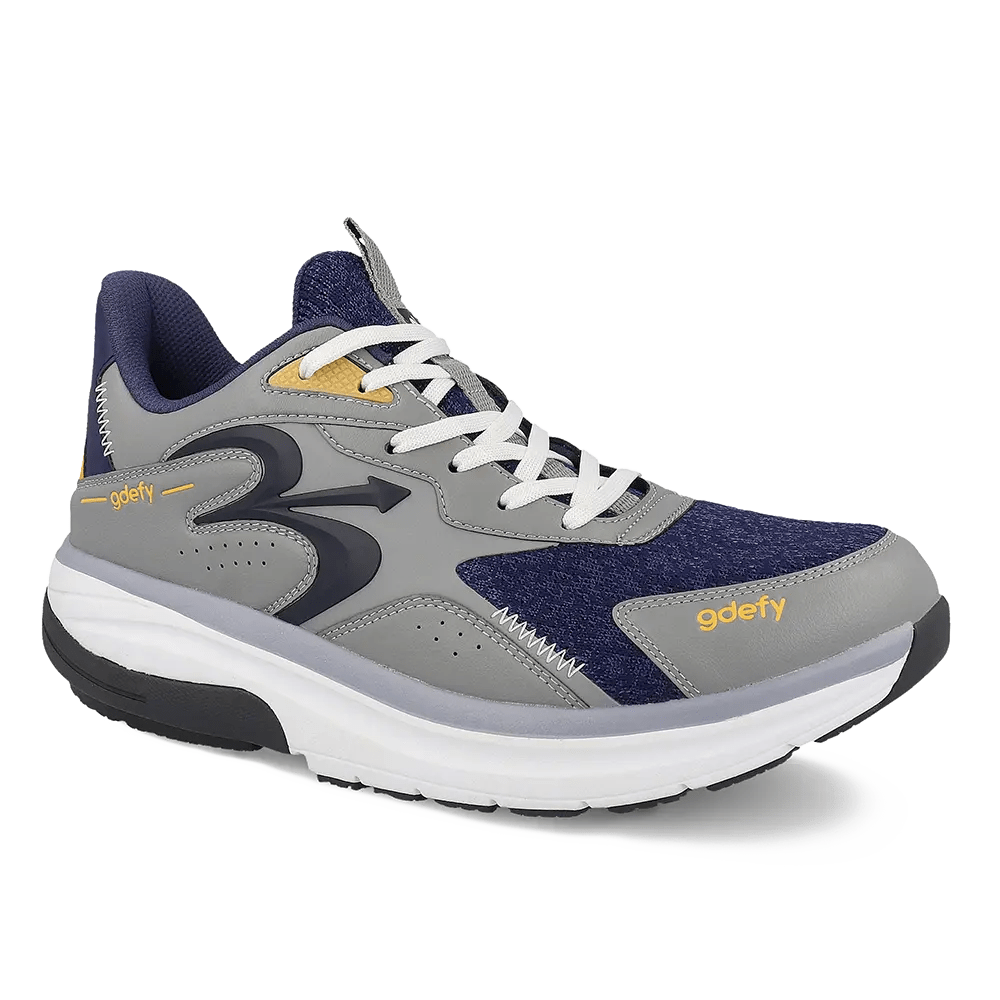
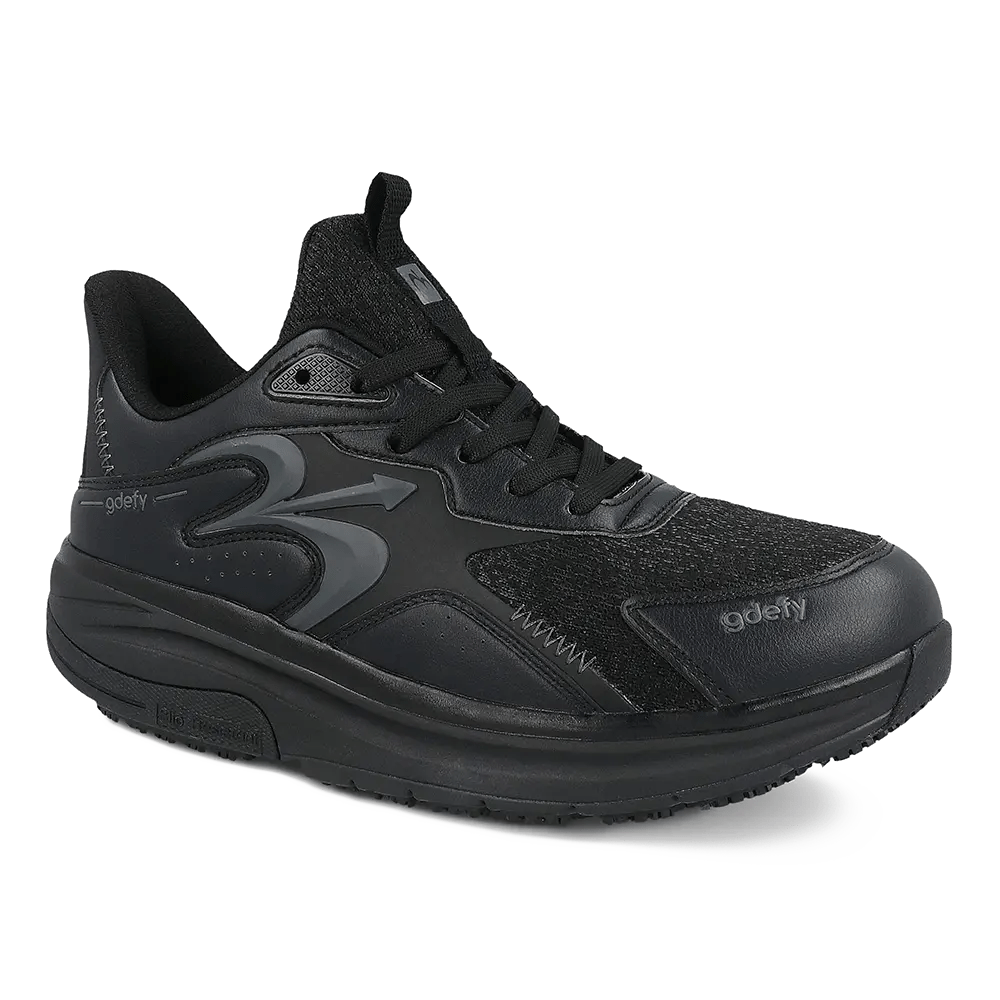
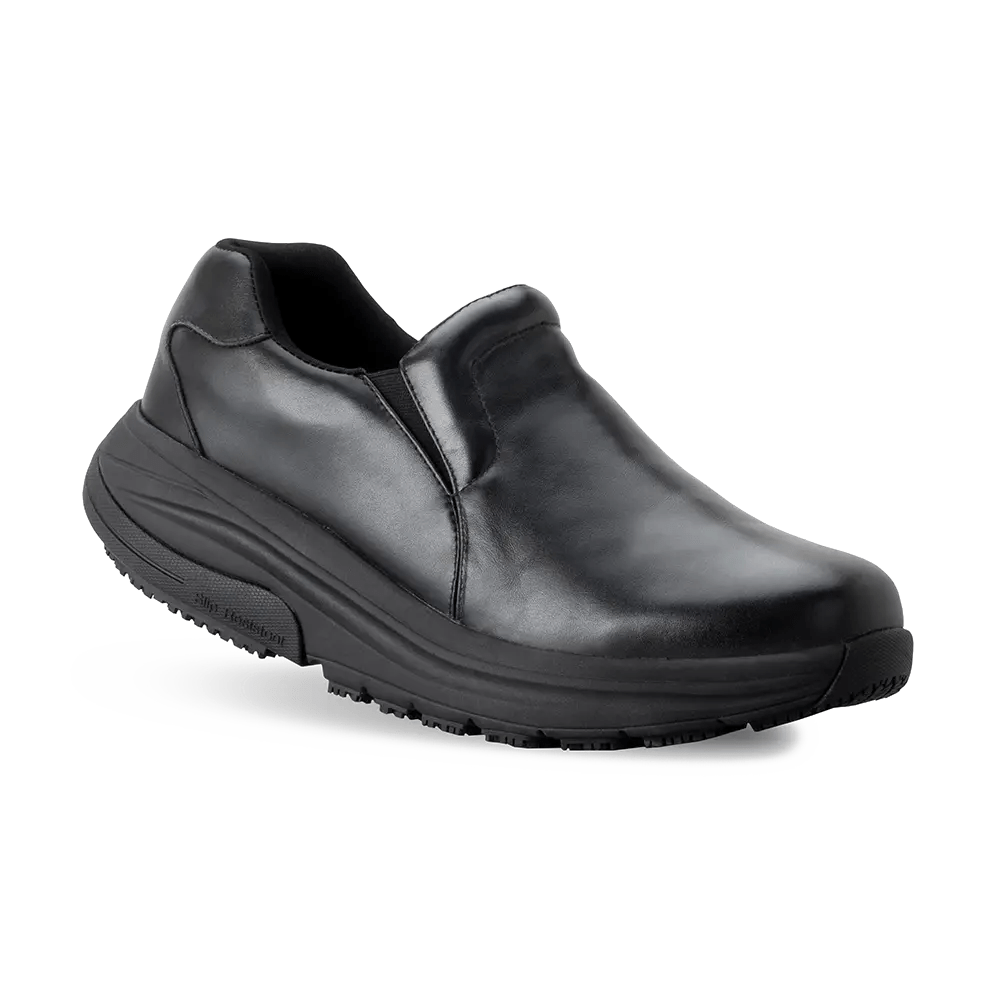
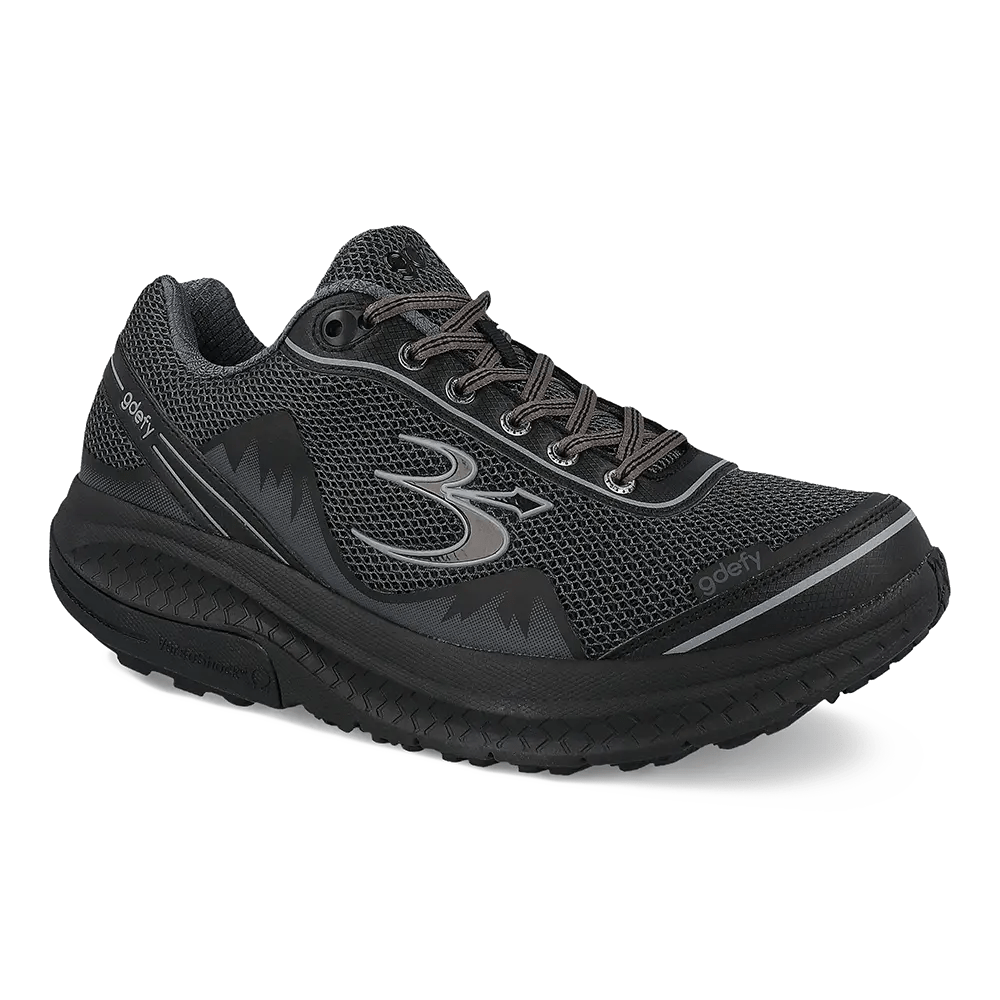
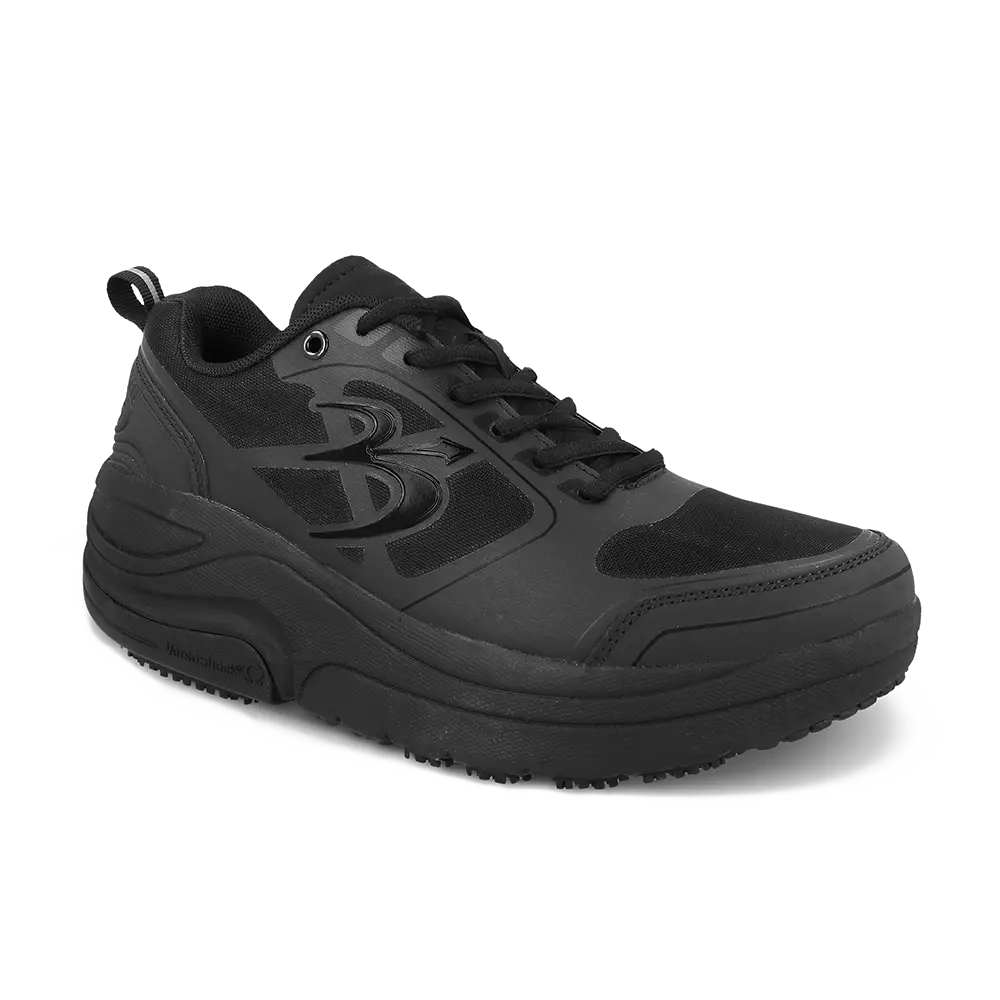
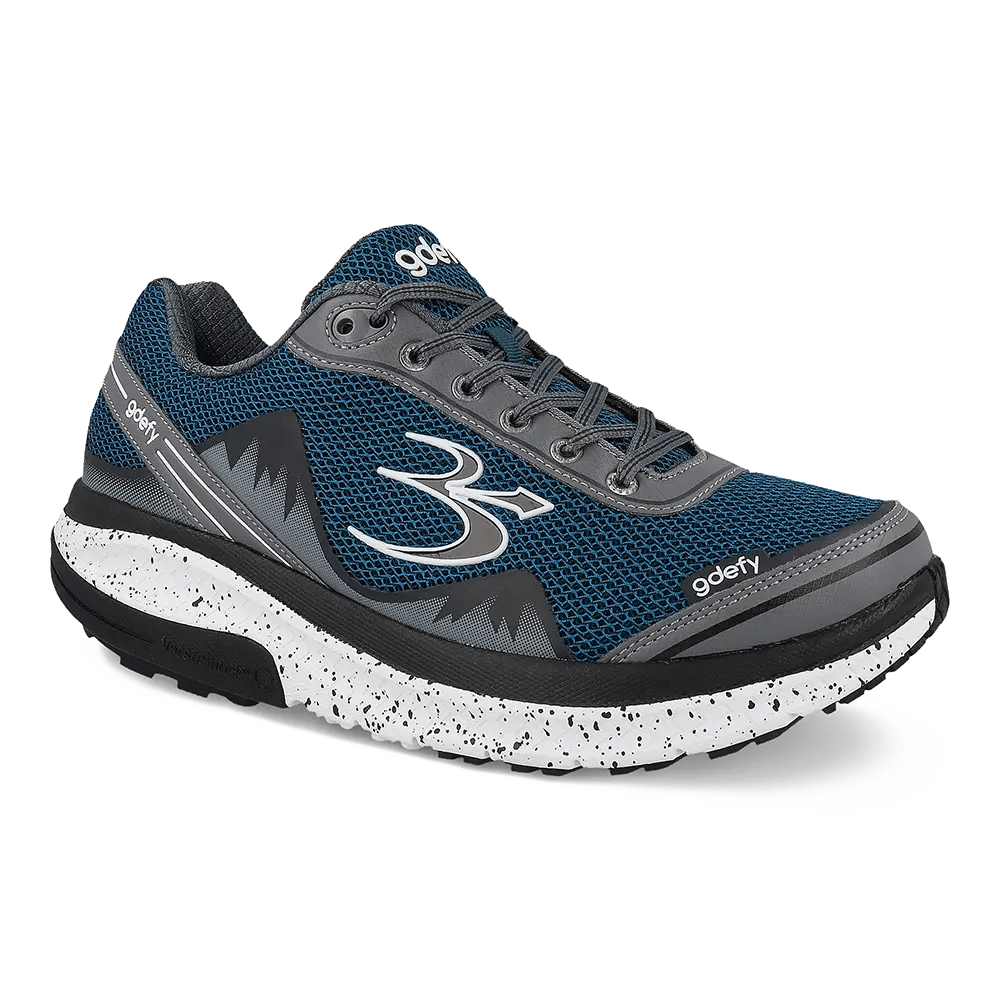
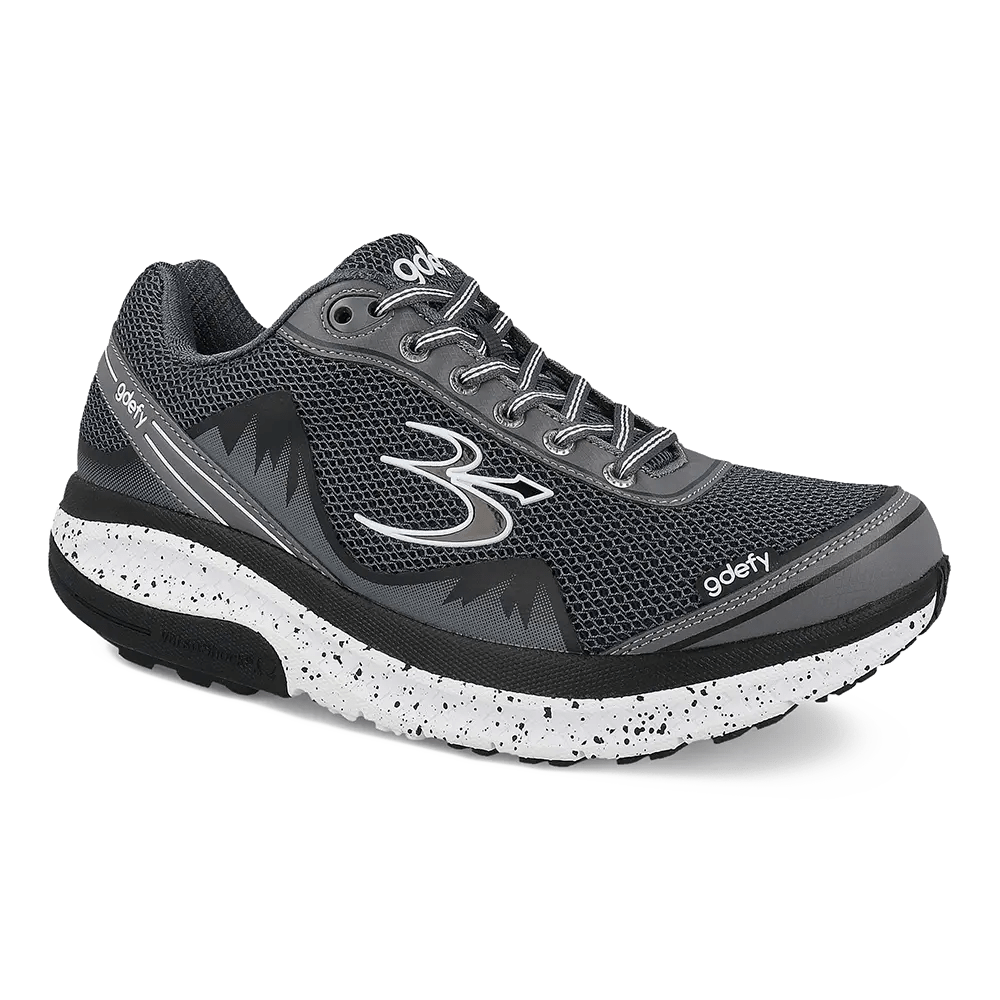
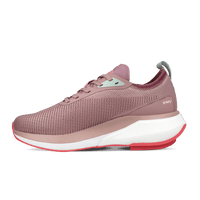
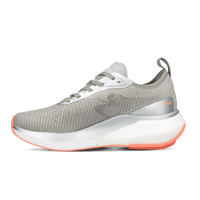
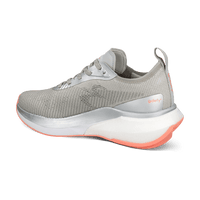
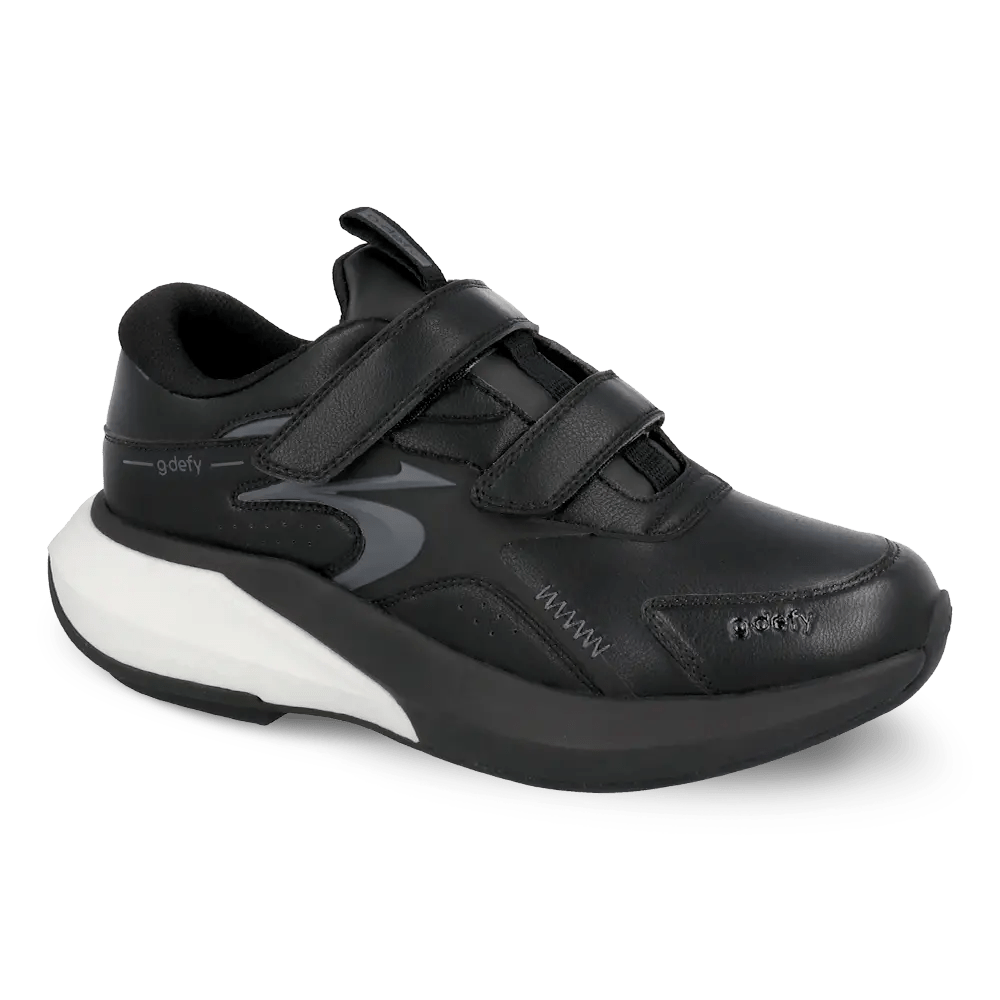
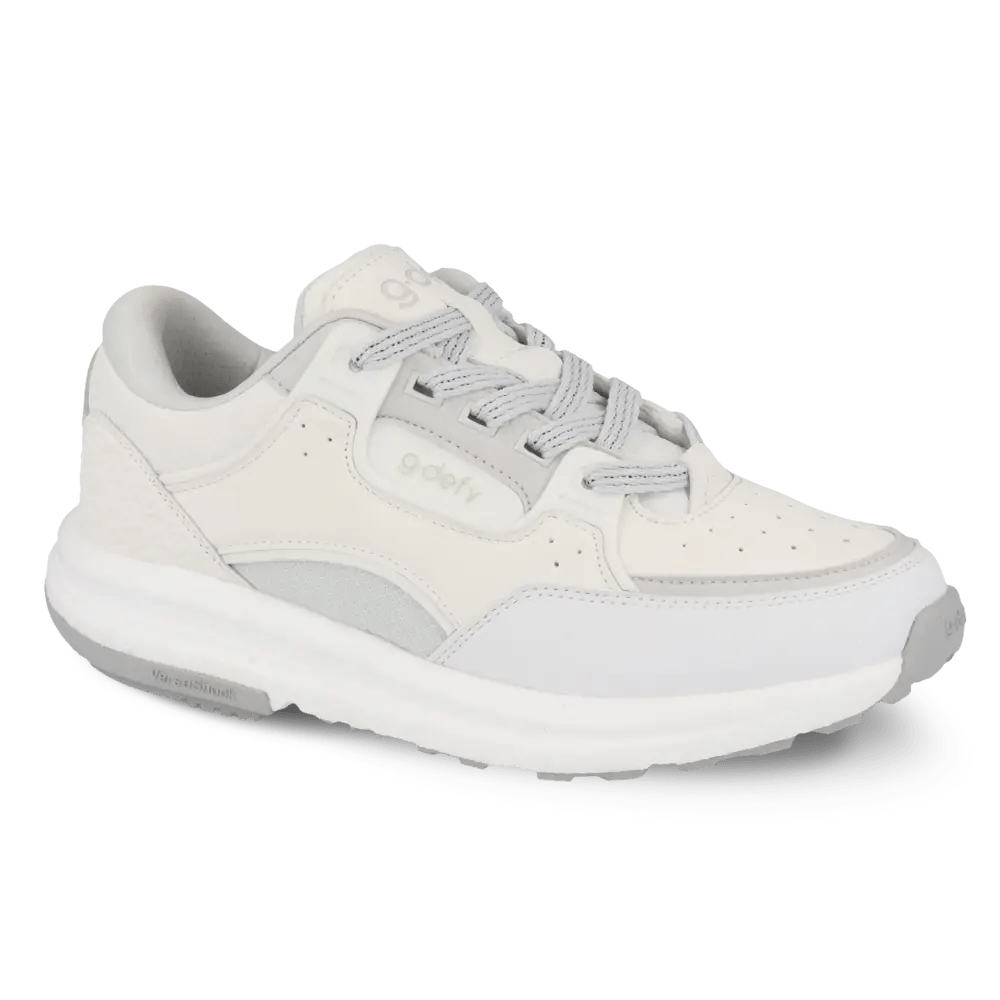
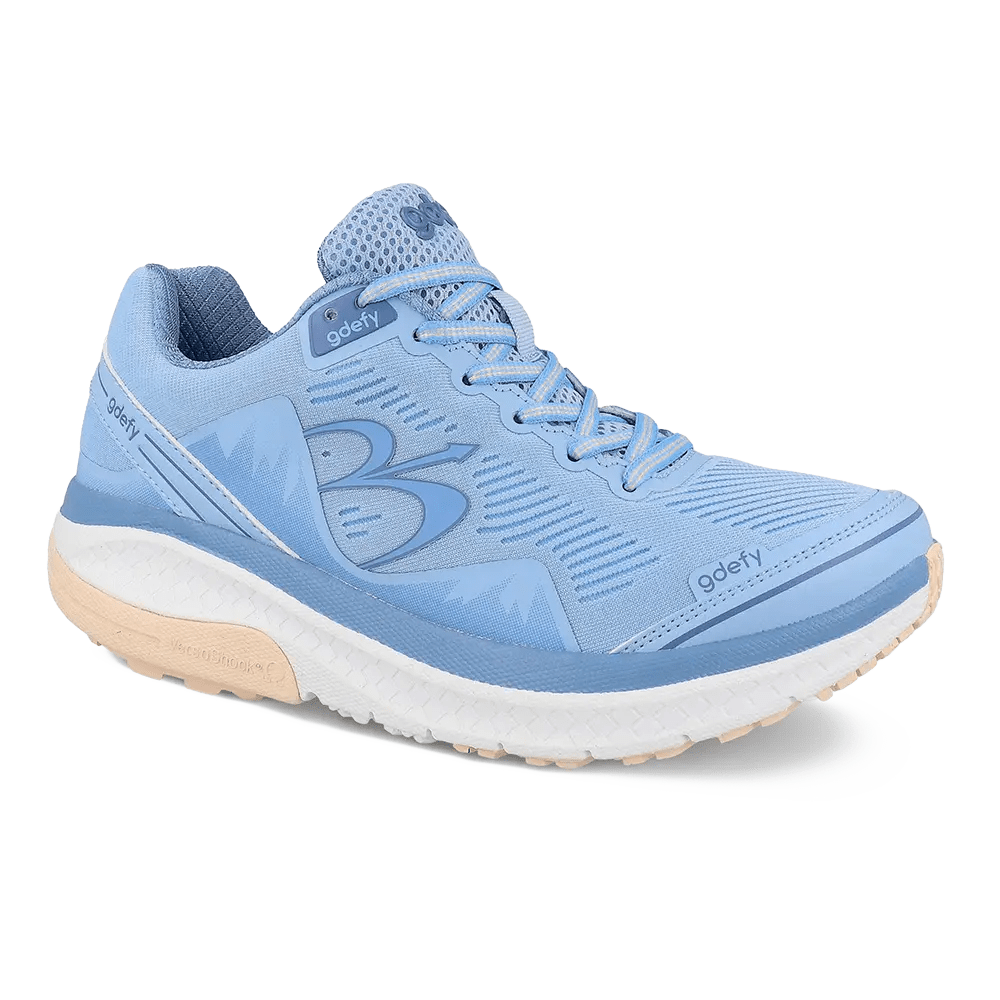
For an everyday closed shoe to come back to, the Men's Mighty Walk and the Women's Mighty Walk are the pairs we point people toward most often; we break the model down in how the Mighty Walk is built for all-day walking comfort. If your autumn calls for something with a dress code attached, the ZenWalk puts a similar sole under a leather-look upper. You can browse the full range for men and women.


Coming back to closed shoes this season?
Every G-Defy pair ships with free shipping and free exchanges, and a 60-day risk-free trial — enough time to get through the transition weeks before you decide.
Shop G-Defy shoes for comfort and supportWhat Customers Tell Us About the Seasonal Switch
The feedback we hear most at this time of year is about the first week rather than the shoe itself: people expect to put a closed pair on and feel exactly as they did in spring, and are caught out when they do not. The customers who report the smoothest change are the ones who wore the new season's pair for a few short outings before committing to a full day in them.
Illustrative composite based on common customer feedback, not a single individual. Individual results vary. For persistent foot discomfort, consult your healthcare provider.
Practical Tips for Making the Switch
- Phase it in over a week or two. A few short wears before a full day is easier than going straight from sandals to eight hours in closed shoes.
- Keep two pairs in play. Alternating gives each pair time to decompress between wears. Our piece on refreshing a shoe rotation covers how to structure that.
- Re-lace from scratch. Loosen the laces fully and re-tension from the toe up rather than stepping into a shoe still tied the way you left it in spring.
- Give a new pair a proper introduction. If you are buying, do not skip the settling-in period — see how to break in new shoes comfortably.
- Watch your daily distance, not just your shoes. Autumn routines usually mean more ground covered. Our piece on what happens over a long walk explains how that load accumulates.
Frequently Asked Questions
Why do my shoes feel tighter at the end of summer?
Usually because your point of comparison has shifted. After months in open footwear that does not constrain width, an enclosed forefoot registers as snug. Warm-weather changes in foot size across the day can add to it. Check the fit in the evening, with the socks you plan to wear, before drawing a conclusion.
How long does it take to get used to closed shoes again?
Most people settle within one to two weeks of regular wear. Phasing in with short outings before a full day makes it easier than switching all at once.
Should I buy a different size than I wore in spring?
Not on the first day. Wear the pair a few times and re-check length and width late in the day. If the fit is still wrong after a week — particularly across the width — it is worth being measured again rather than assuming your spring size still applies.
Can the right shoes help with foot pain when I go back to closed footwear?
Supportive and cushioned footwear may improve overall comfort during walking and prolonged standing. Fit, cushioning and a secure hold through the heel all contribute. For persistent discomfort, consult your healthcare provider.
Do I need to stop wearing sandals entirely?
No. Many people keep a supportive sandal in rotation well into autumn for shorter, warmer days. The point is to make the switch to closed shoes deliberate rather than accidental.
The Bottom Line
While footwear is not a medical solution, choosing shoes designed for comfort, support, and shock absorption can make a meaningful difference in how you feel throughout the day. Switching from sandals to closed shoes is one of the few moments in the year when it is genuinely worth re-checking a pair you already own — because your feet have spent three months being held a different way, and the shoes have to be judged against that, not against your memory of spring. Give the transition a couple of weeks, check the fit late in the day, and let your feet arrive at autumn gradually.