
July 15, 2026
Sandals vs Walking Shoes: Which Is More Comfortable for Summer?
By Gdefy

Summary
When the weather warms up, one footwear question comes up again and again: should you reach for a pair of sandals or lace up a walking shoe? Both can feel great in summer, but they solve slightly different problems. Sandals keep your feet open and airy, while walking shoes wrap your foot in cushioning and structure for the long haul.
The truth is there is no single winner. The better choice depends on where you are going, how long you will be on your feet, and what kind of surfaces you will cover. While footwear is not a medical solution, the right design for the moment can make a real difference in how comfortable your day feels.
This guide compares sandals and walking shoes side by side, walks through a simple way to decide between them, and shows how G-Defy builds comfort and shock absorption into both.
Why Summer Puts Different Demands on Your Feet
Warm weather changes how your feet feel and behave. Understanding those changes makes the sandal-versus-shoe decision much easier.
- Heat and airflow. Closed footwear traps warmth. On hot days, feet can feel sweaty and stuffy, which is why breathable materials matter more in summer than in any other season.
- Swelling from long days. Standing, walking, and warm temperatures can leave feet feeling a little larger by late afternoon. Roomy, adjustable footwear stays comfortable as the day goes on.
- Hard surfaces. Sidewalks, boardwalks, patios, and pavement send impact up through your feet with every step. Cushioning and shock absorption help soften that repeated contact.
- More activity. Summer often means more walking, from vacations and outdoor events to evening strolls. More steps means your footwear works harder.
Neither sandals nor walking shoes handle all of these demands equally. That is exactly why it helps to compare them honestly.
Sandals for Summer: Strengths and Trade-offs
Sandals are the classic warm-weather choice for good reason. An open design lets air move freely around your feet, which keeps things cool and helps reduce that end-of-day stuffy feeling. A quality summer sandal is also easy to slip on and off, which is handy for the beach, the pool, the patio, or quick errands.
The trade-off is coverage and structure. A traditional flat sandal offers little cushioning and almost no shock absorption, so long distances on hard pavement can leave your feet tired. Open styles also give less protection on rough trails or crowded spaces where toes can get bumped.
Sandals tend to shine when you want:
- Maximum airflow and a cooler feel on hot days
- Easy on-and-off convenience
- A lighter, less bulky option for short-to-moderate walks
- Relaxed wear around the house, yard, patio, or waterfront
The good news is that not all sandals are flat and unsupportive. A well-built comfort sandal can bring real cushioning and arch support to an open design, which narrows the gap with a closed shoe considerably. We will look at one below.
Walking Shoes for Summer: Strengths and Trade-offs
Walking shoes bring structure that sandals cannot match. A cushioned midsole, a secure fit, and full coverage make them the stronger pick when you plan to be on your feet for hours or cover real distance. That support helps maintain stability and keeps your stride feeling steady from morning to night.
Modern walking shoes have also come a long way in warm weather. Breathable mesh uppers and lightweight construction keep them far cooler than the heavy sneakers of the past, so the familiar "shoes are too hot for summer" complaint no longer holds the way it once did.
The trade-off is simple: even a breathable shoe is warmer and less airy than an open sandal, and it takes an extra moment to put on. For a quick trip to the mailbox, that can feel like more shoe than you need.
Walking shoes tend to shine when you want:
- All-day support for long walks, travel, and standing
- Cushioning and shock absorption on hard surfaces
- A secure, stable fit for uneven ground or light hiking
- More coverage and protection for busy or outdoor settings
If you want a closer look at how a supportive shoe is put together, our guide on what goes into a comfort walking shoe breaks down each part.
Sandals vs Walking Shoes: A Simple Way to Choose
You do not have to pick just one for the whole summer. The easiest approach is to match the footwear to the day. Here is a quick reference:
- Reach for a comfort sandal when: you are running errands, relaxing at home, spending time near water, sitting on a patio, or taking a short, casual walk in the heat.
- Reach for a walking shoe when: you are exploring a new city, standing for hours, walking several miles, traveling through an airport, heading to a theme park, or covering uneven or outdoor terrain.
- Either can work when: you want a supportive option for a moderate daily walk on smooth surfaces. In that case, the real question is airflow versus coverage, and personal preference wins.
A helpful rule of thumb: the longer you will be walking and the harder the surface, the more you benefit from a cushioned, supportive shoe. The hotter and more relaxed the day, the more a breathable sandal makes sense. Many people simply keep both in rotation and grab whichever fits the plan.
What to Look For in Either Option
Whether you choose an open sandal or a closed shoe, the same core features separate comfortable footwear from the rest:
- Cushioning — helps absorb impact so hard surfaces feel softer underfoot.
- Shock absorption — reduces the harsh force that travels up through your feet with each step.
- Arch support — helps maintain stability and keeps your foot supported through the stride.
- A secure fit — an adjustable strap or a proper lace-up keeps your foot in place so it does not slide around.
- Breathable materials — improve comfort and help your feet stay cooler in the heat.
- Lightweight construction — reduces fatigue over a long day of walking or standing.
A flat, thin sandal or a worn-out shoe misses most of these. Looking for these features on either side of the comparison is what actually keeps you comfortable.
The G-Defy Approach: Comfort Built Into Both
G-Defy designs both sandals and walking shoes around the same idea — comfort, support, and shock absorption in every step. That means you do not have to give up cushioning just because you want an open, summer-ready style.

For the sandal side: the G-Defy UpBov sandal brings structure to an open design. It uses VersoCloud® foam, a lightweight, multi-density cushioning system built to absorb shock and return energy, so an airy sandal still feels soft on pavement. A built-in G-Comfort orthotic adds gentle arch support and a cushioned heel, while a rolling forefoot design encourages a smooth, natural stride. Slip-on and breathable, it is an easy grab for hot days. There is a women's UpBov as well, and you can see more warm-weather styles in our summer sandal guide.

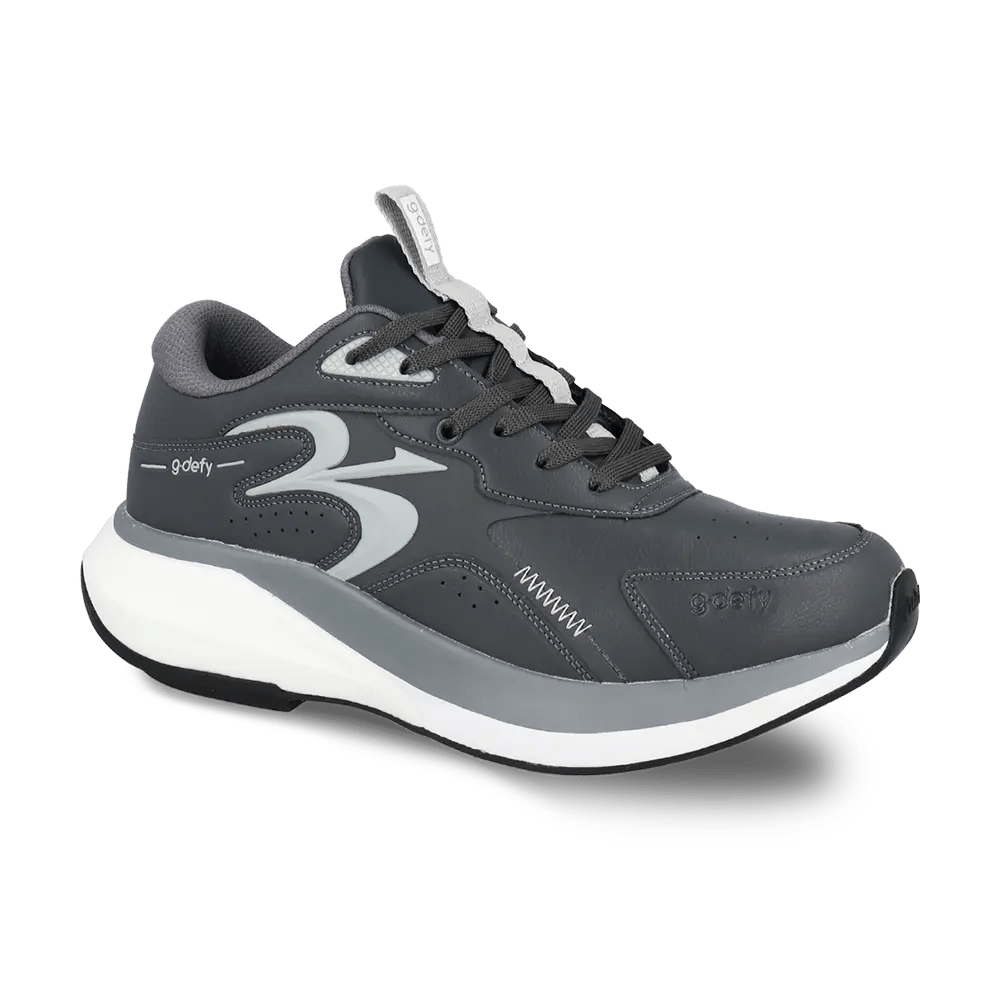
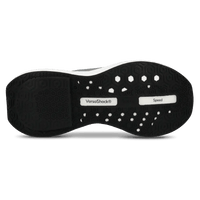
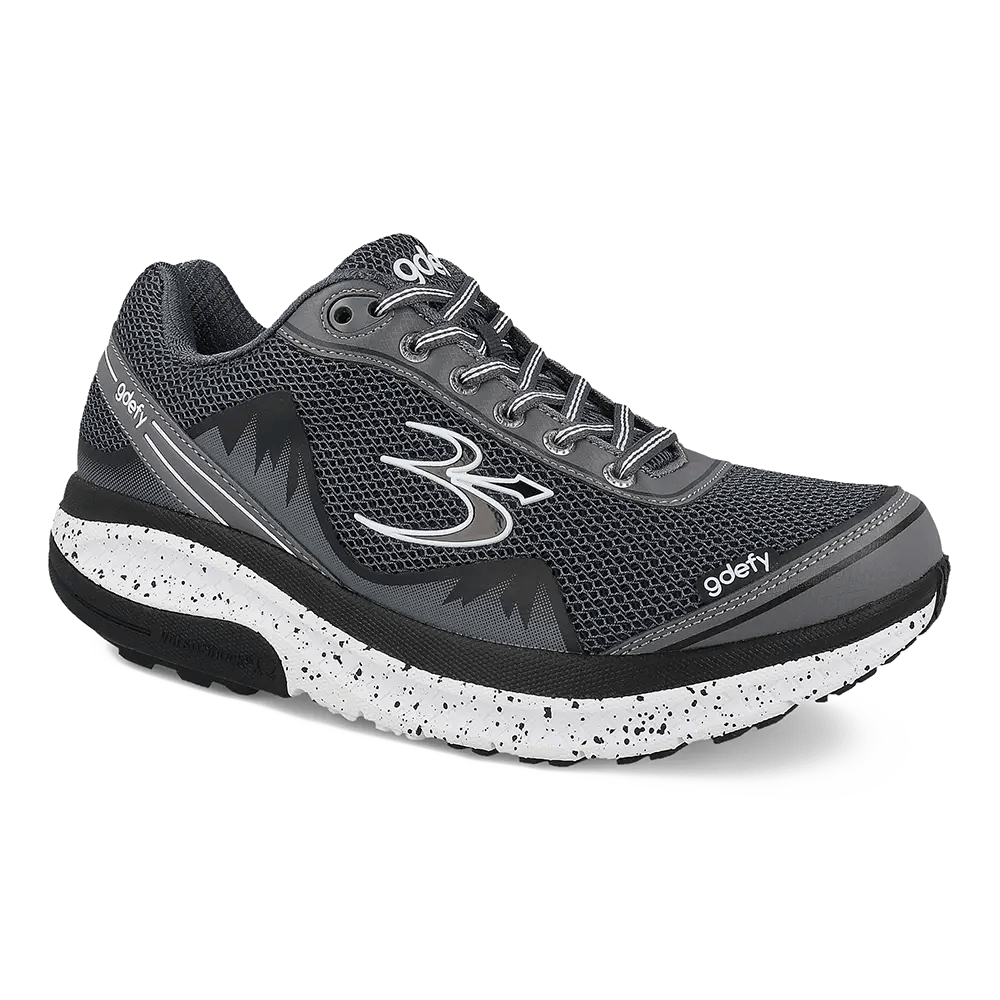
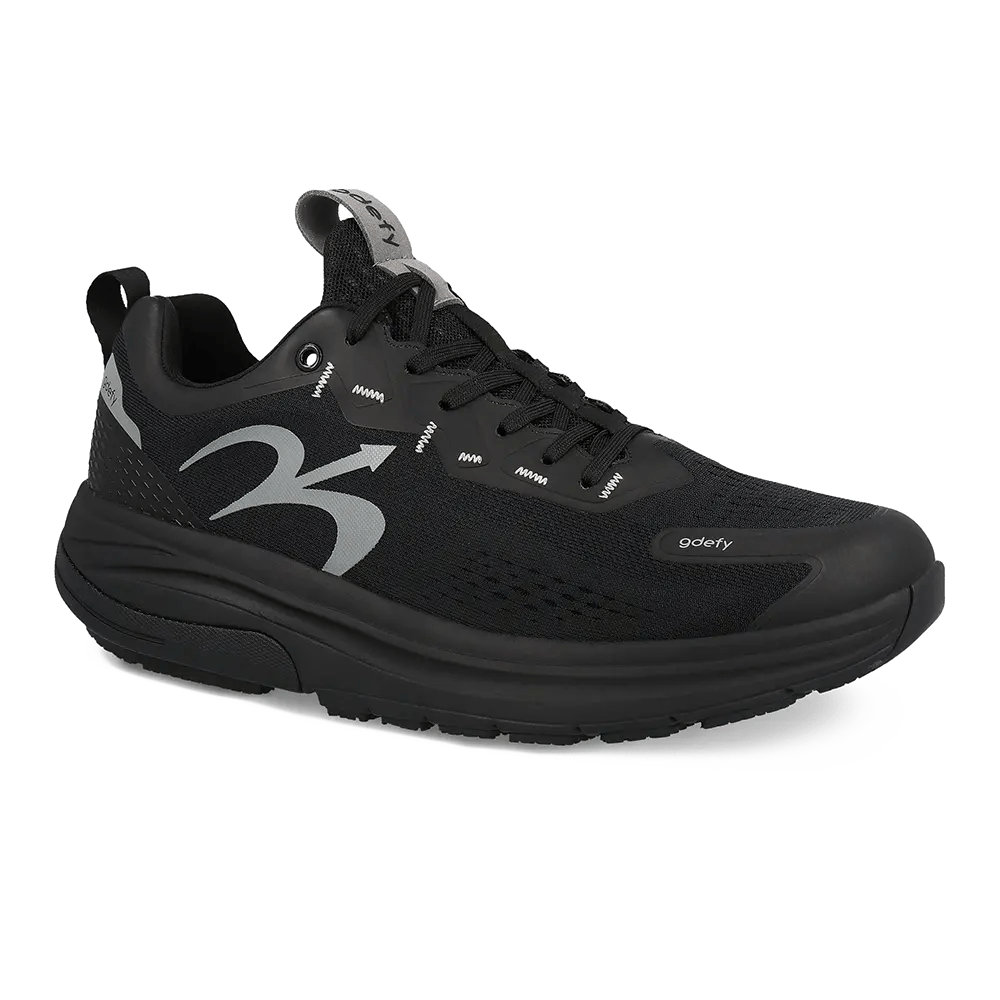
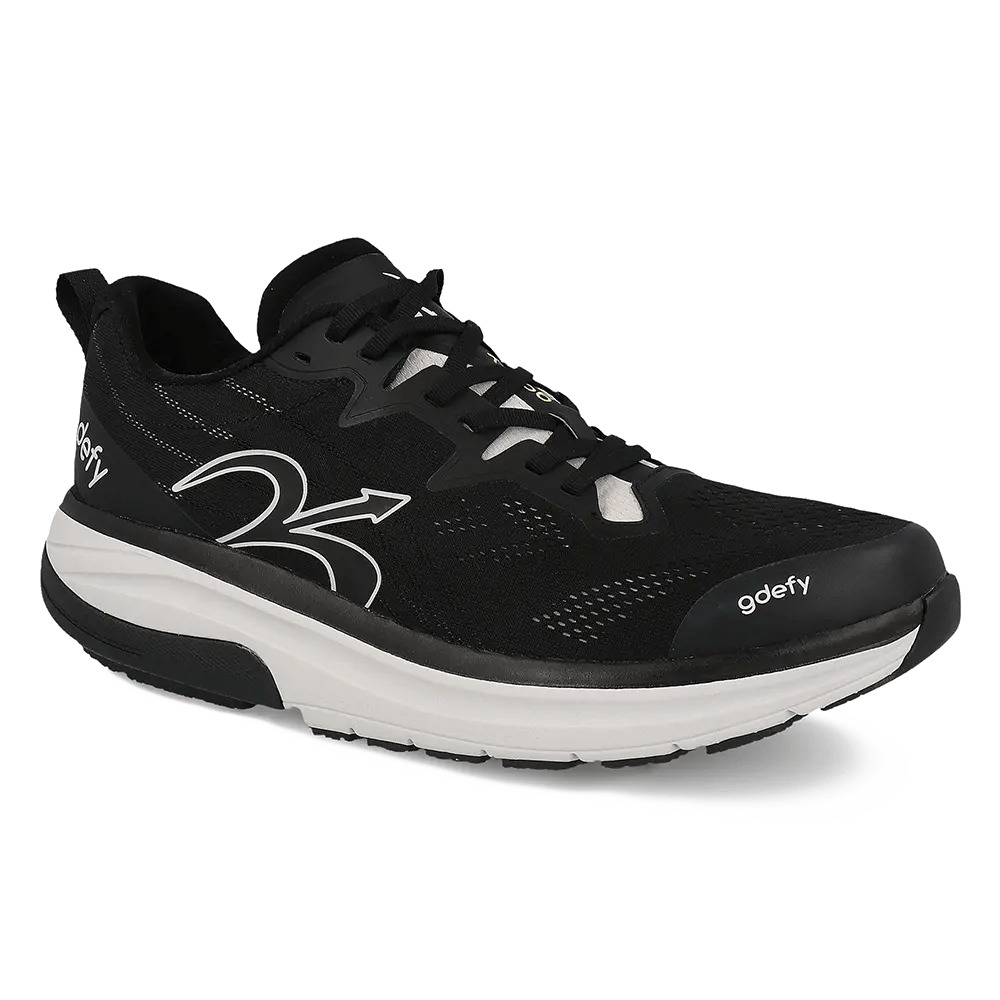
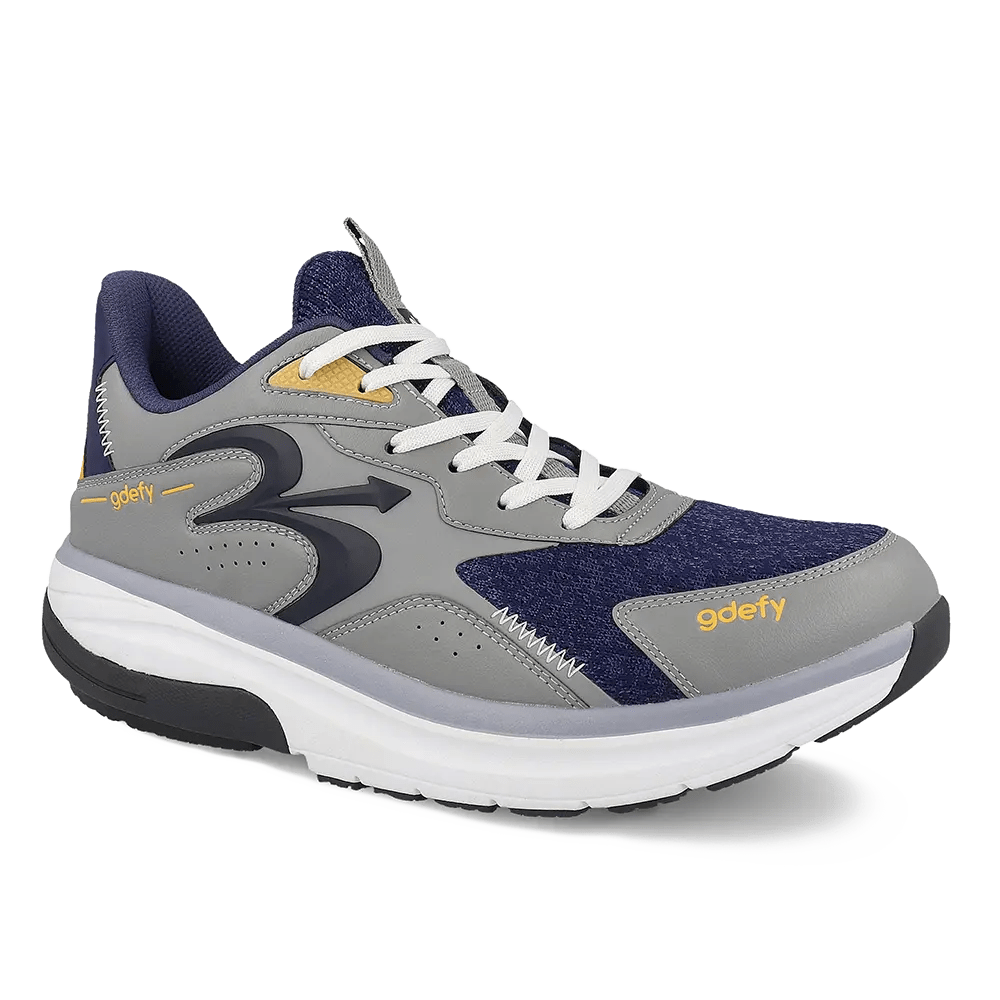
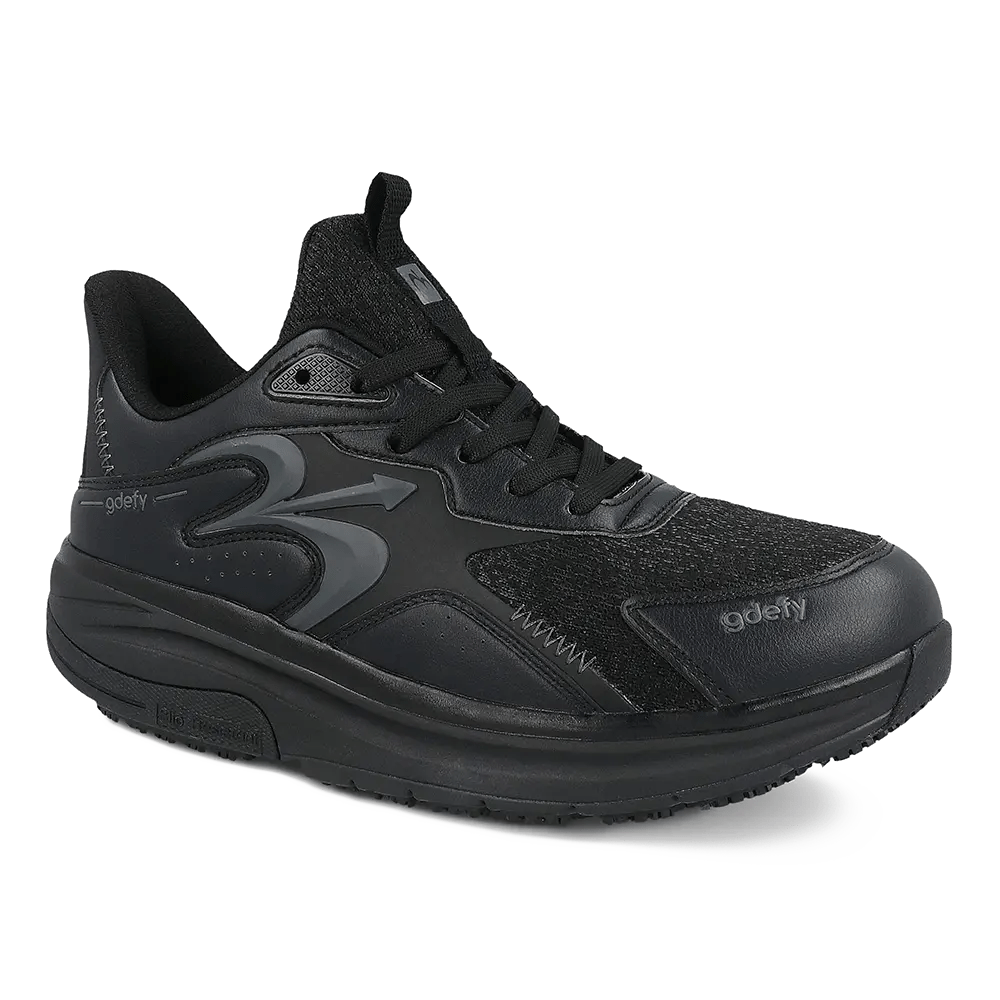
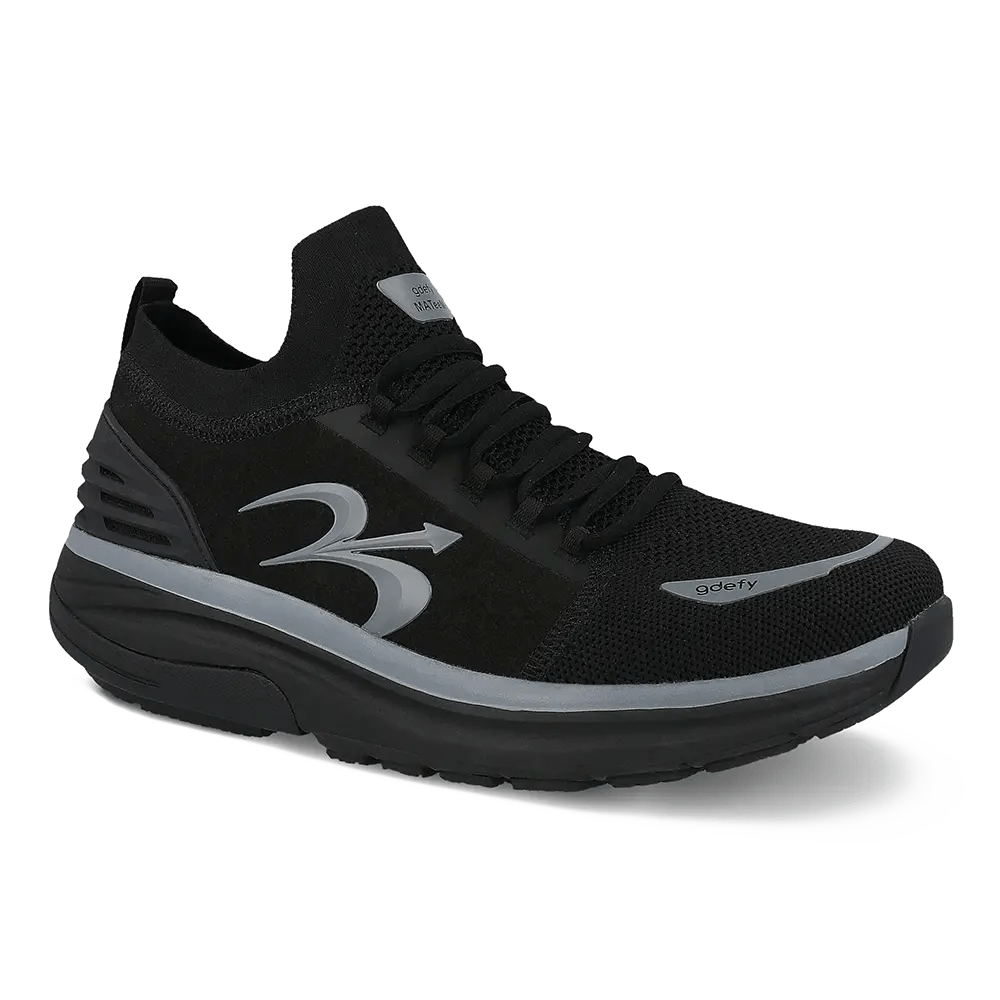
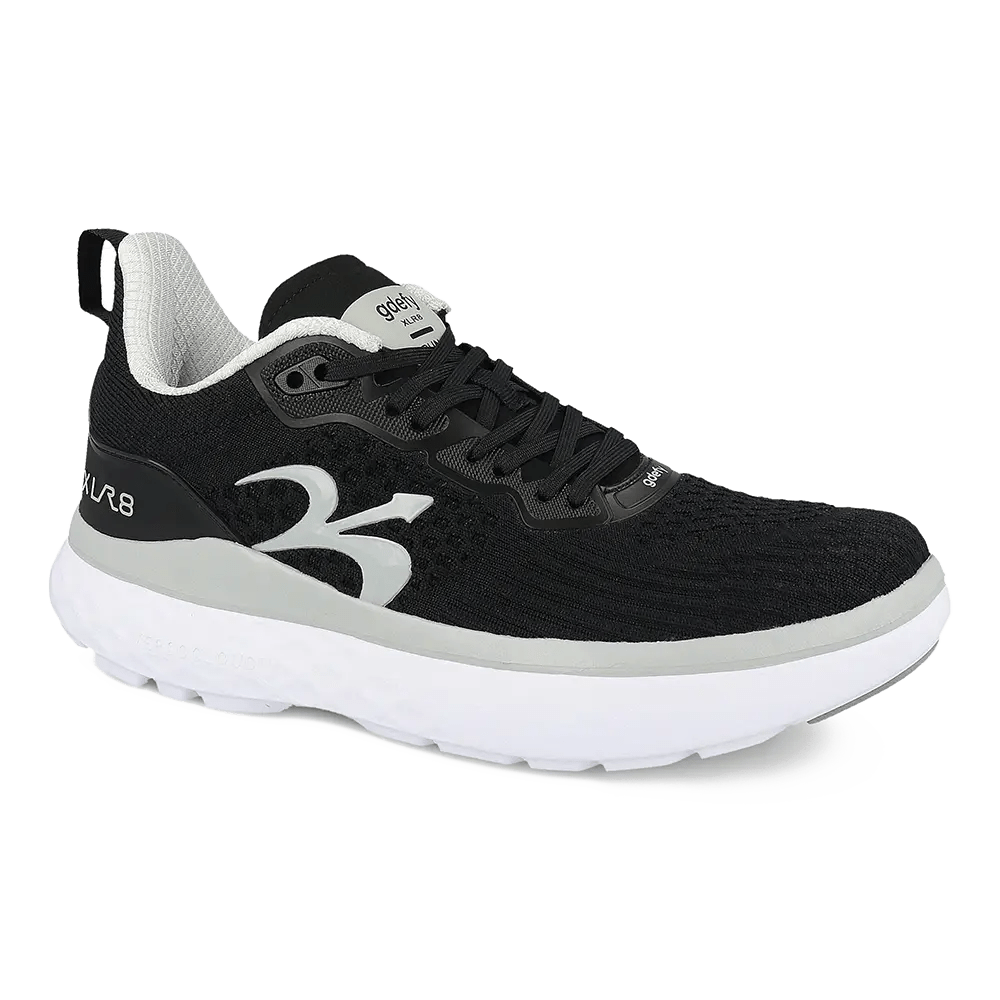
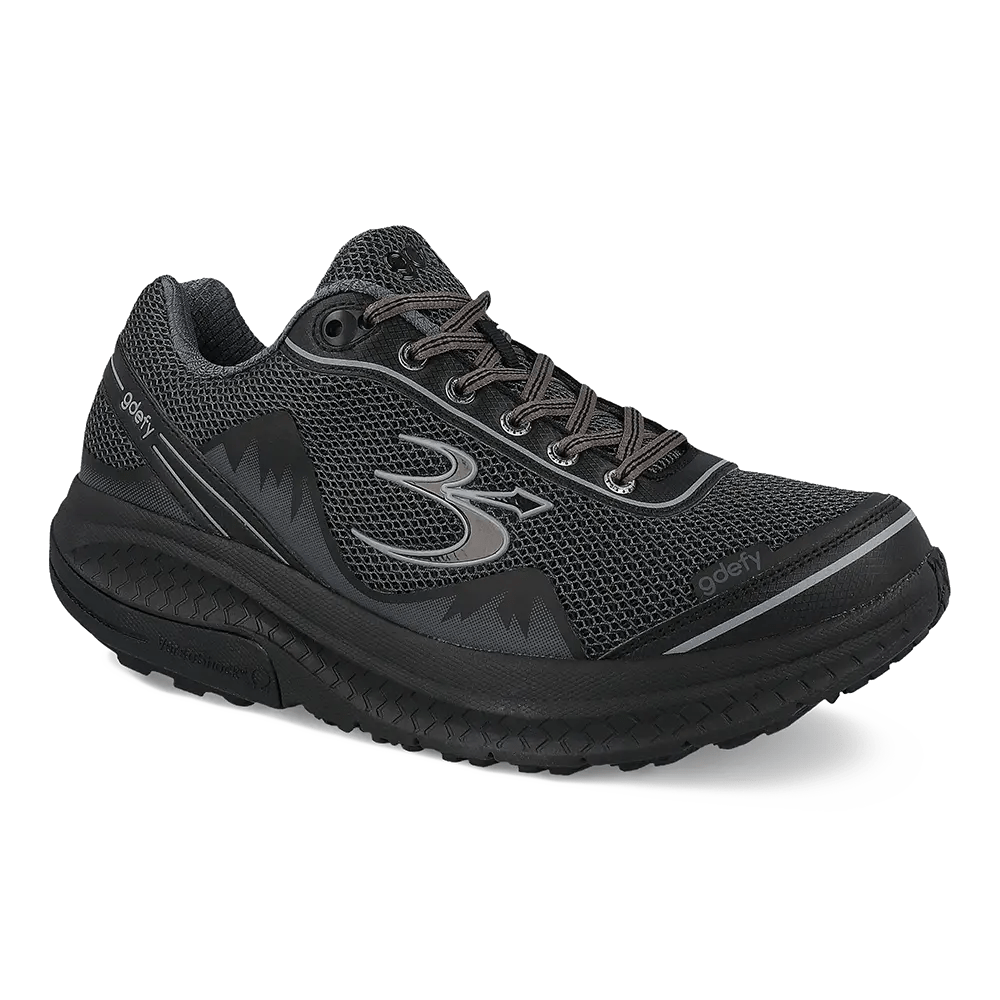
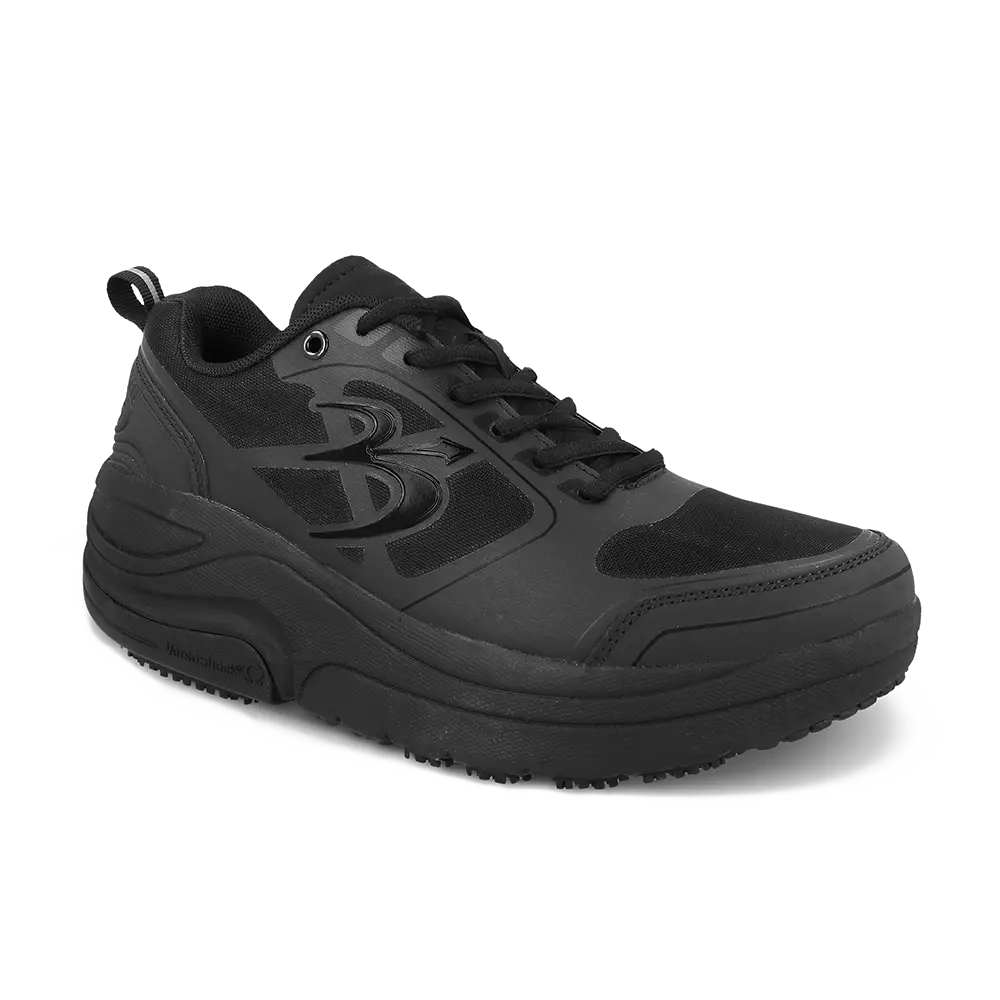
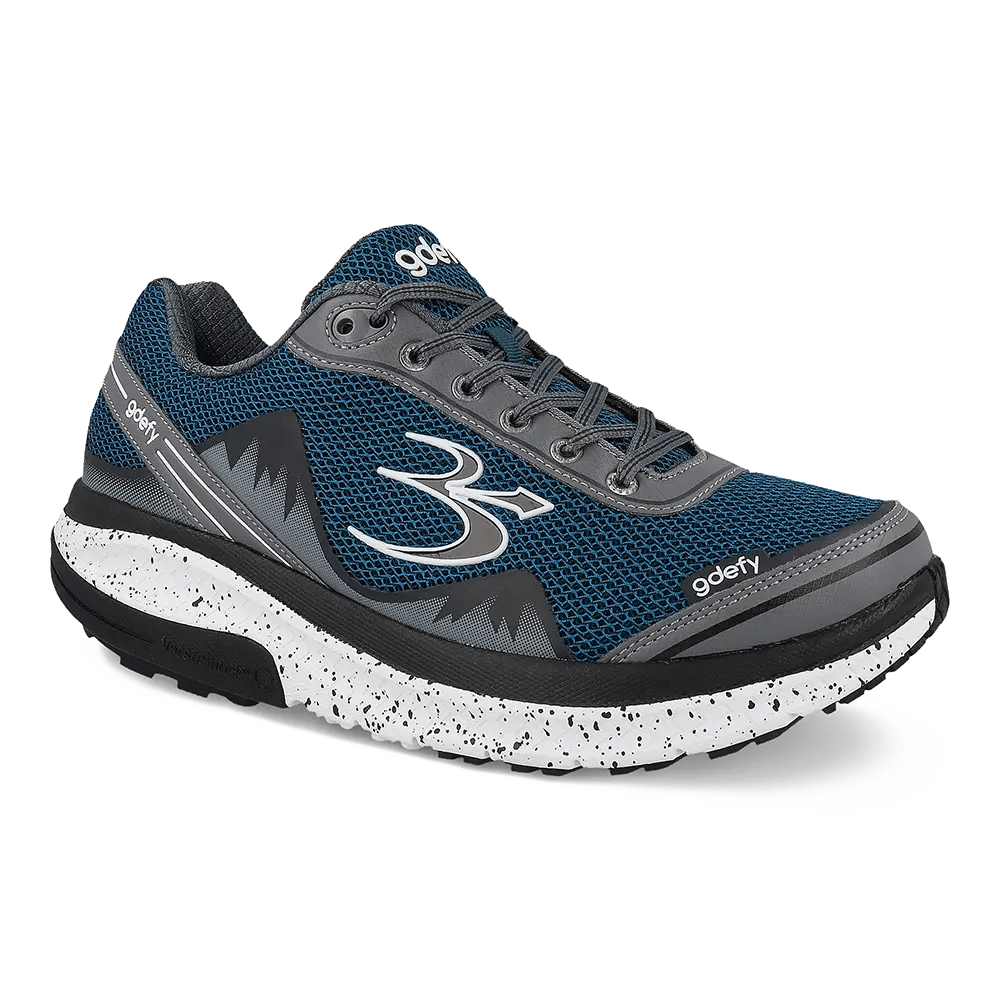
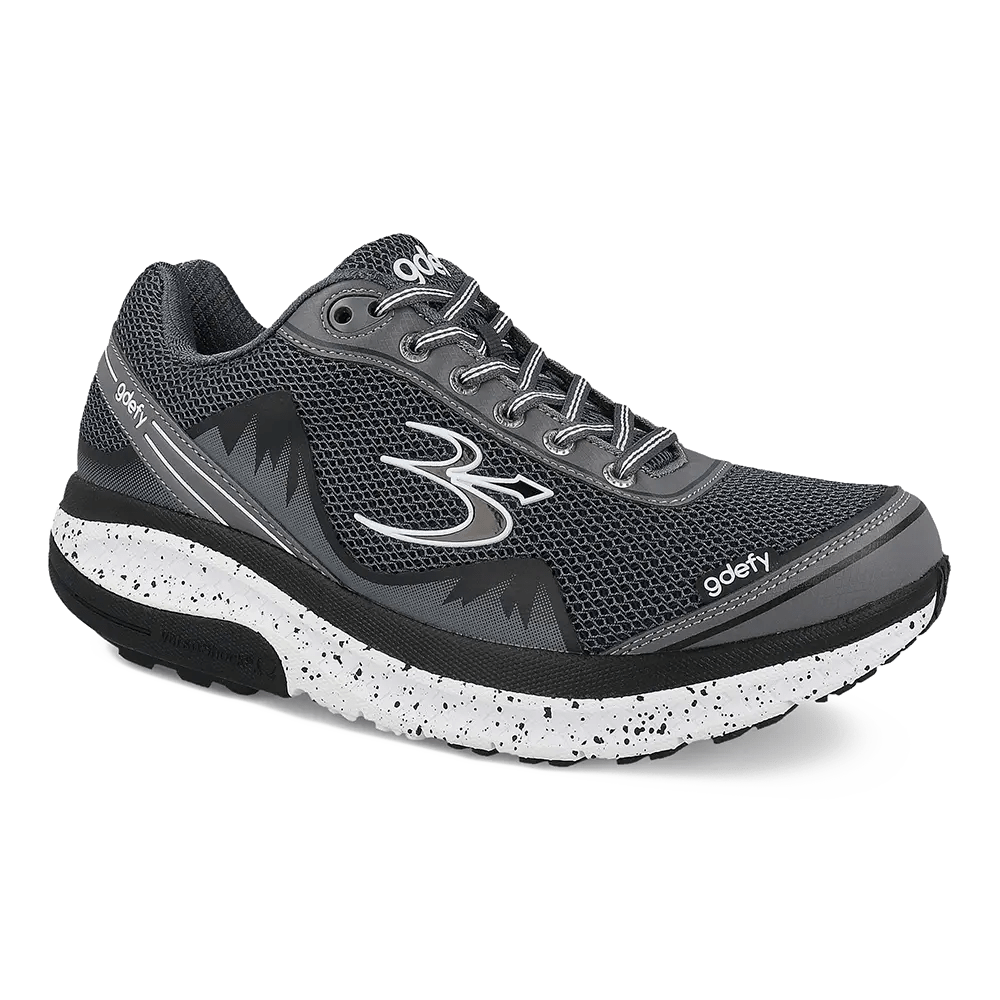
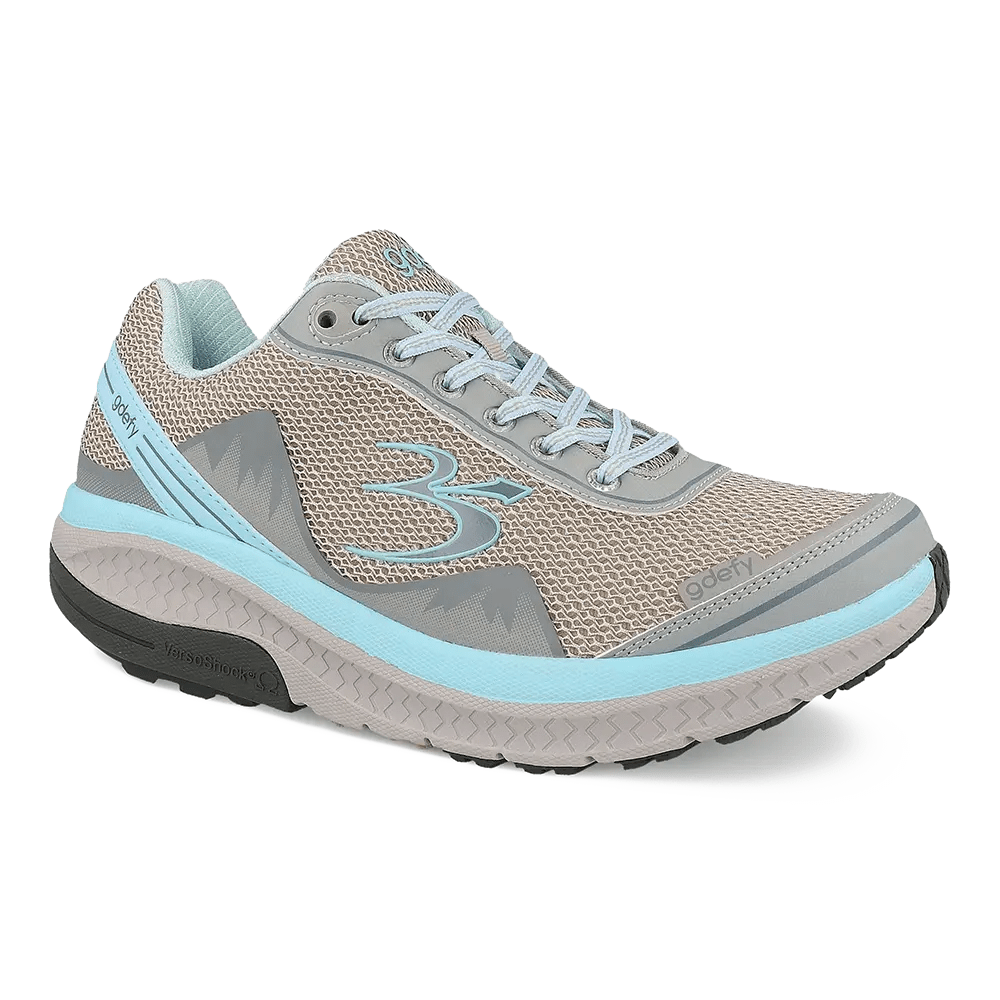
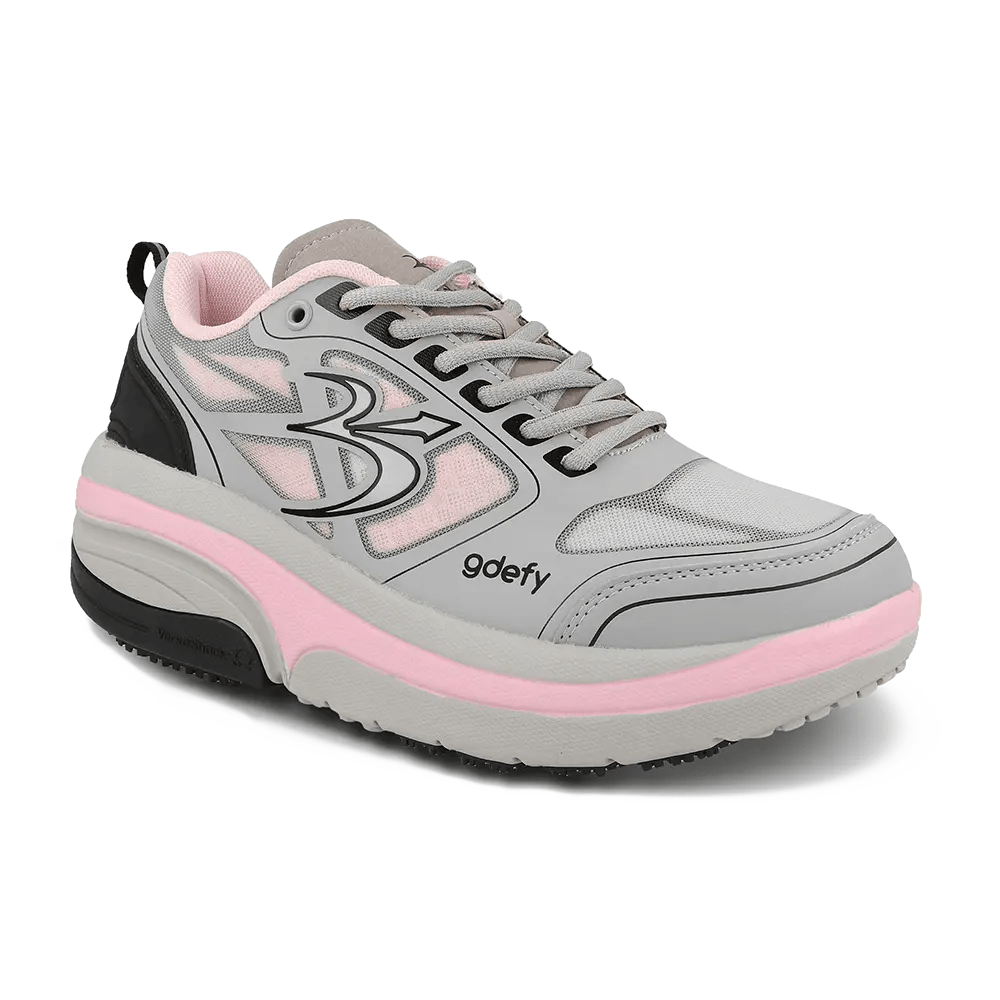
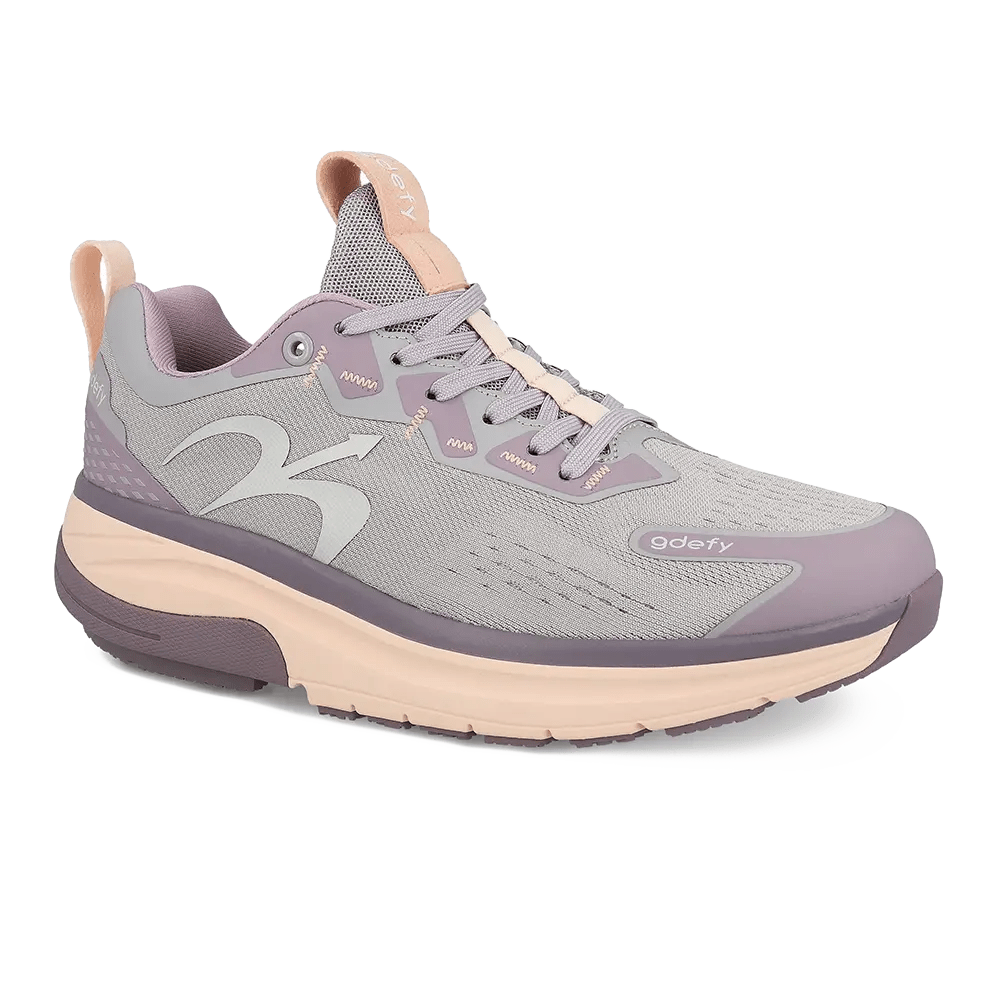
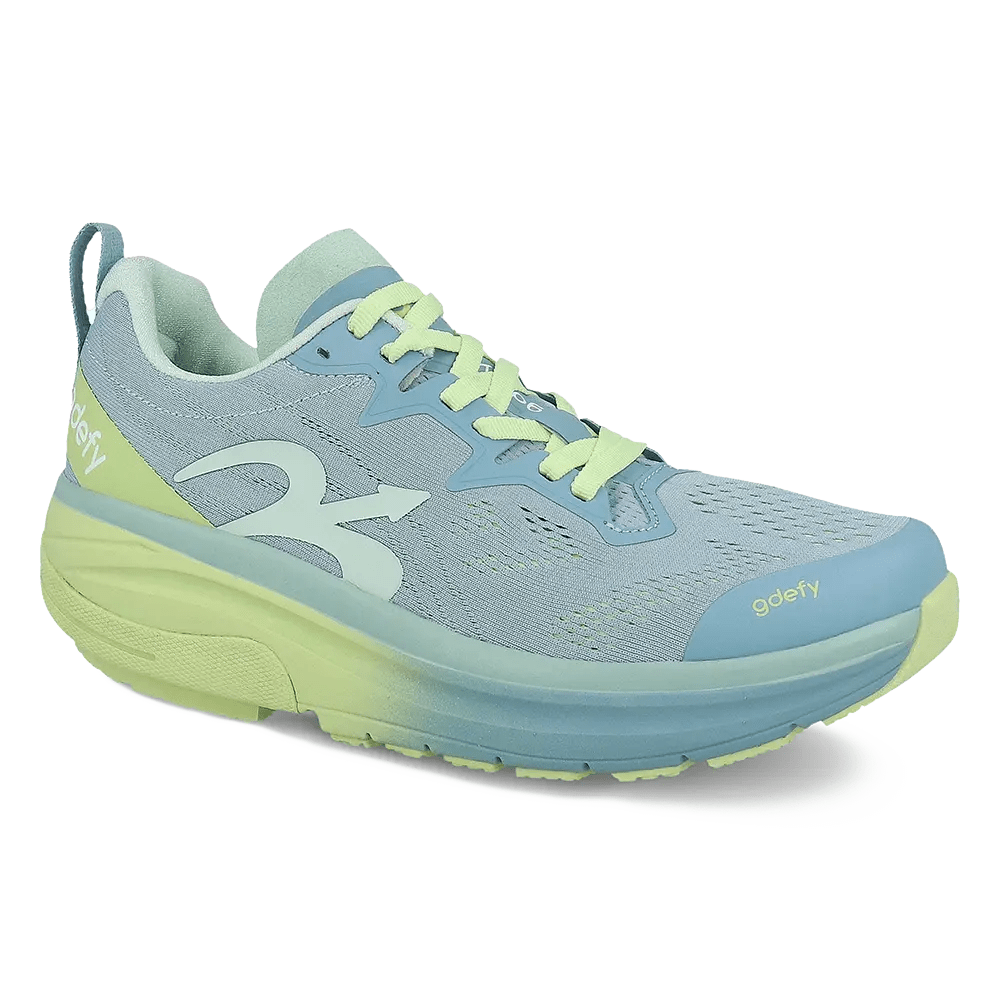
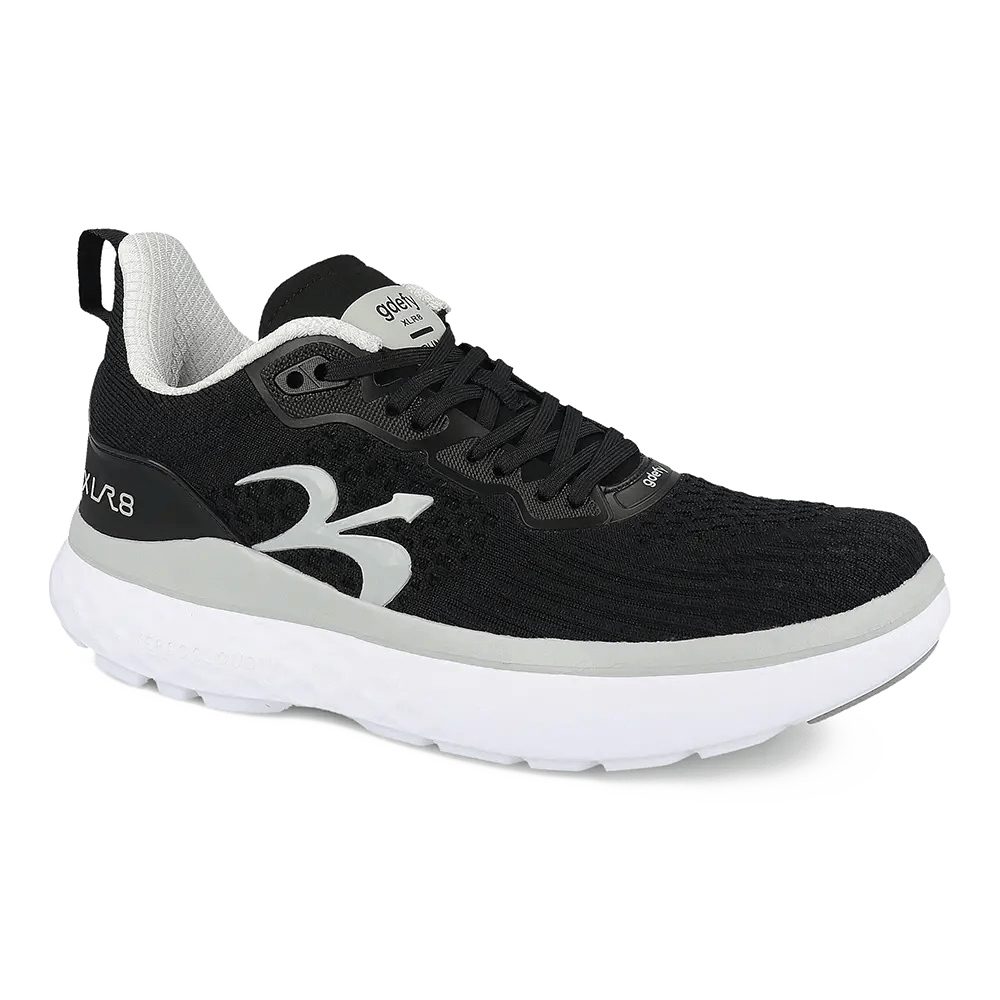
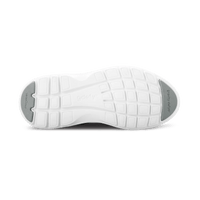
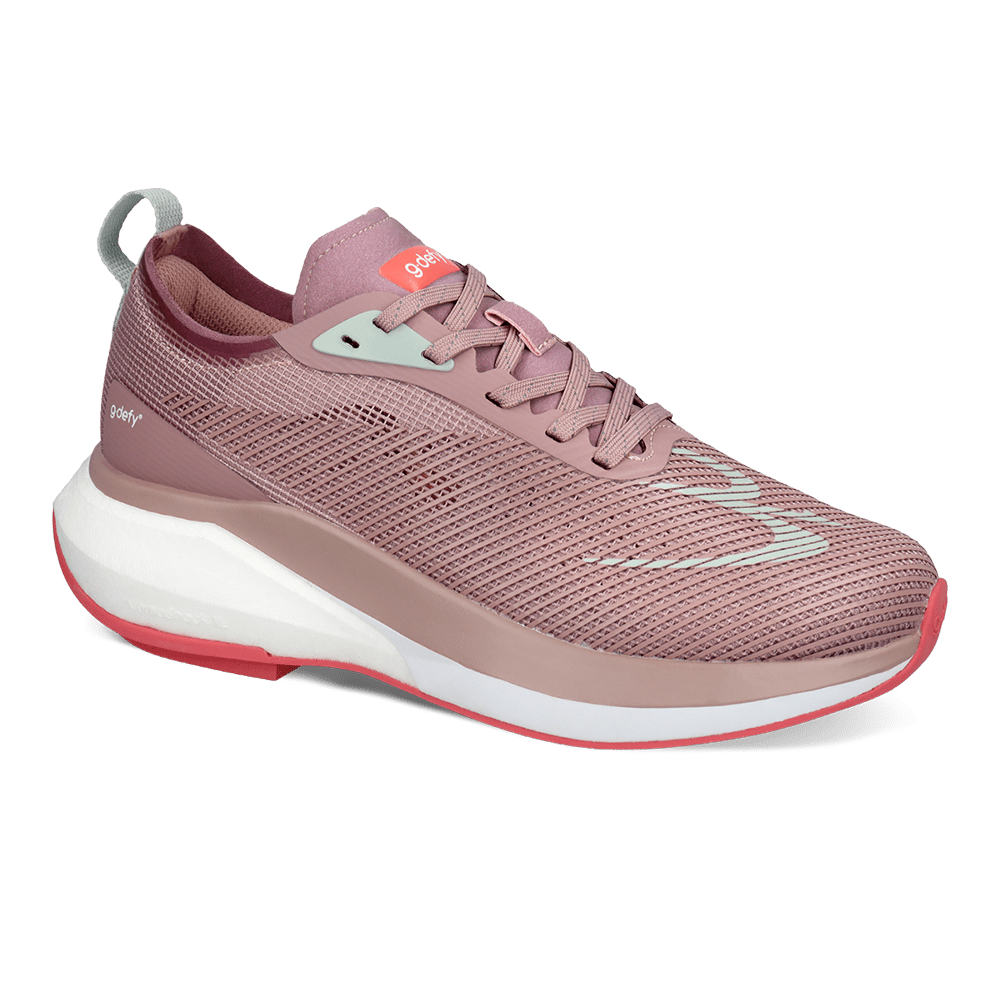
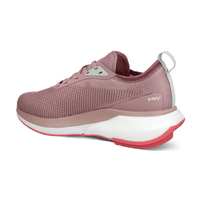
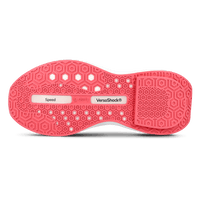
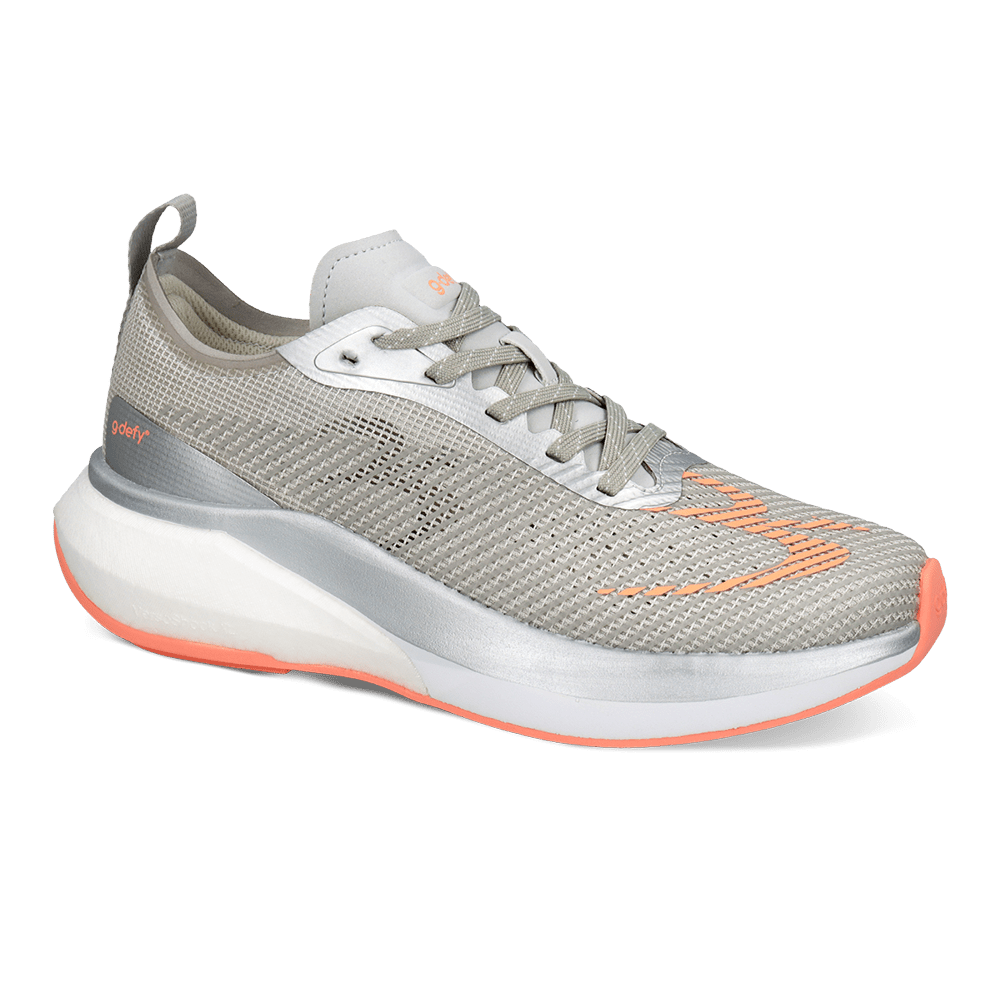
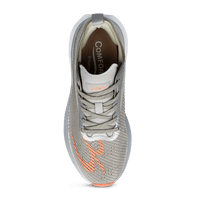
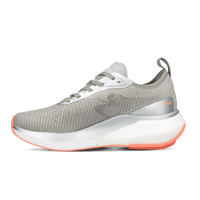
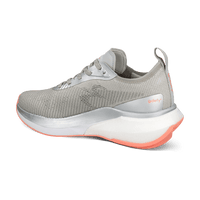
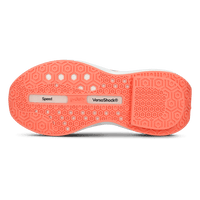
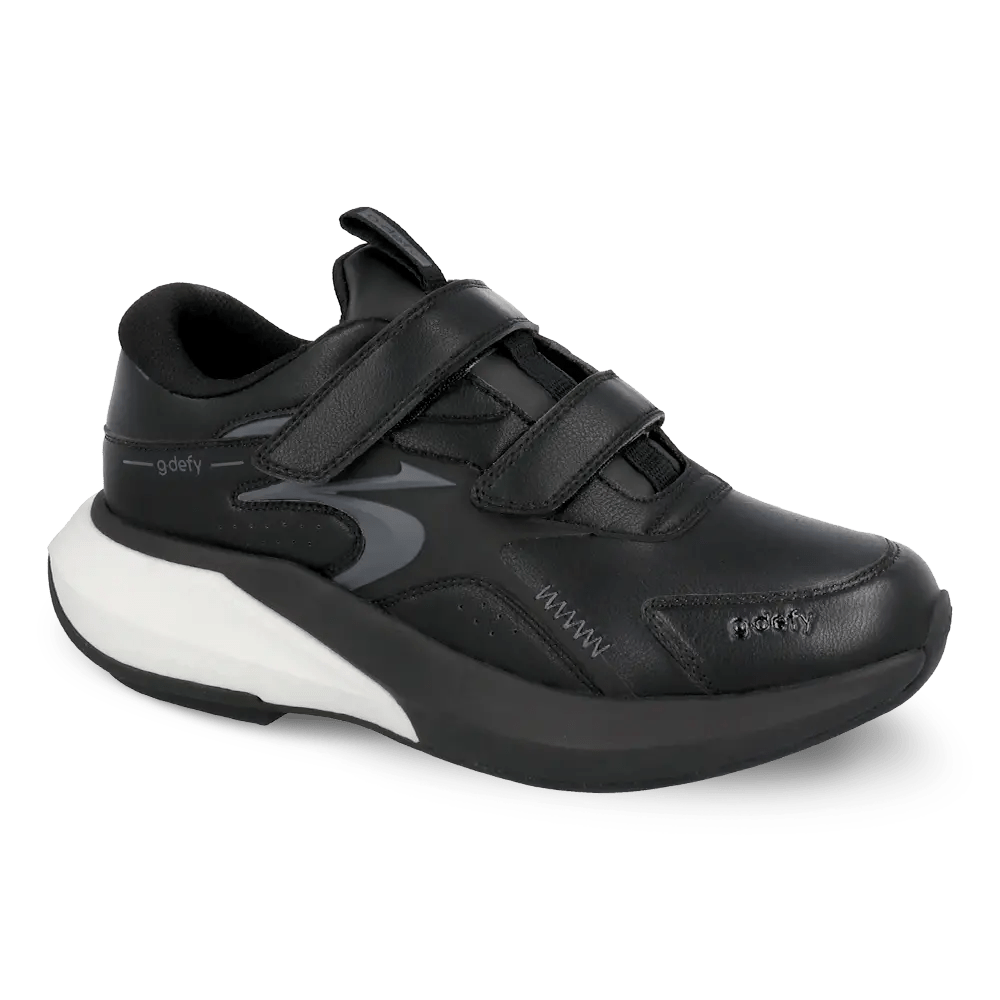
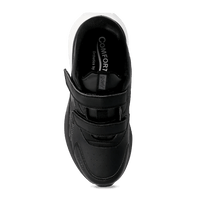
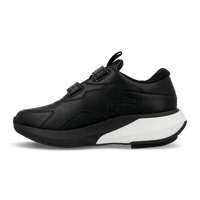
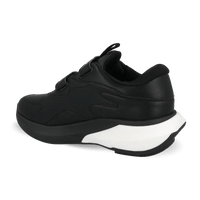
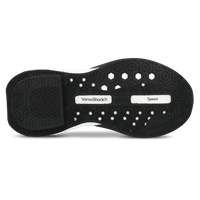
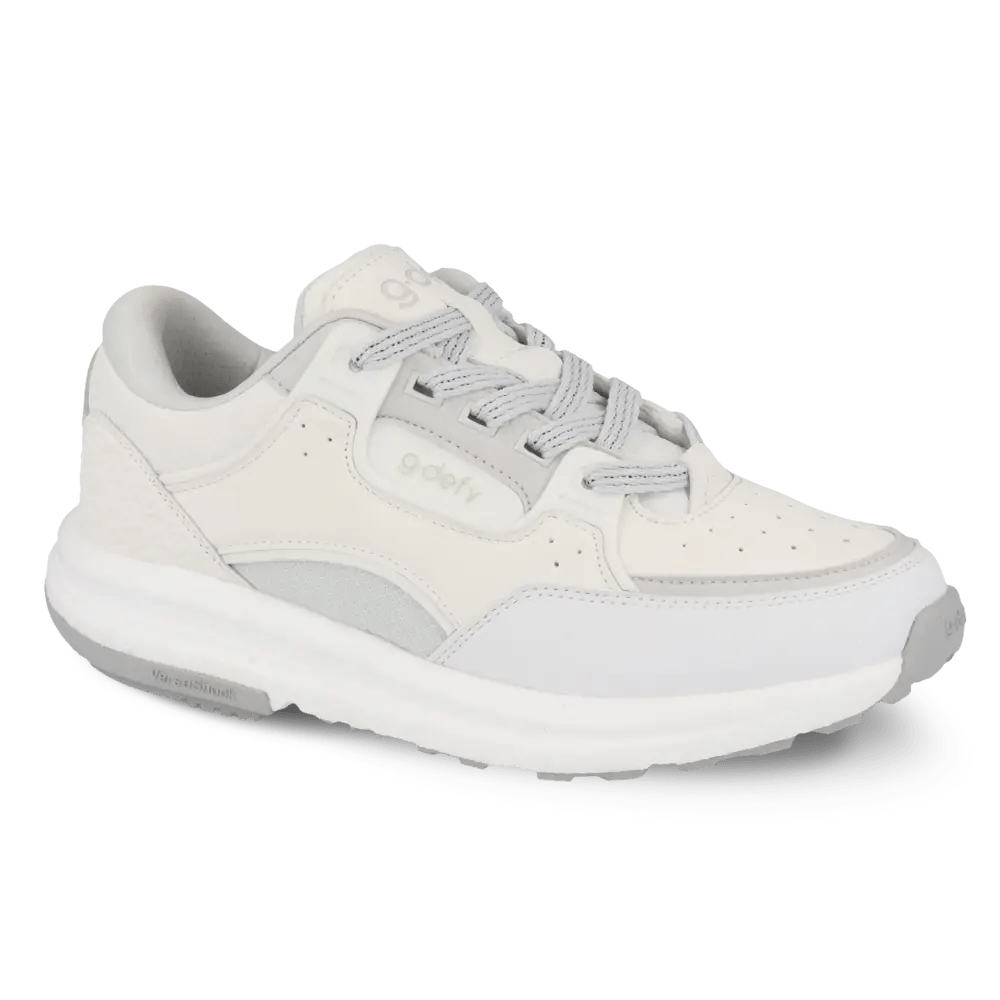
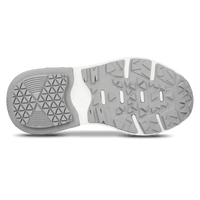
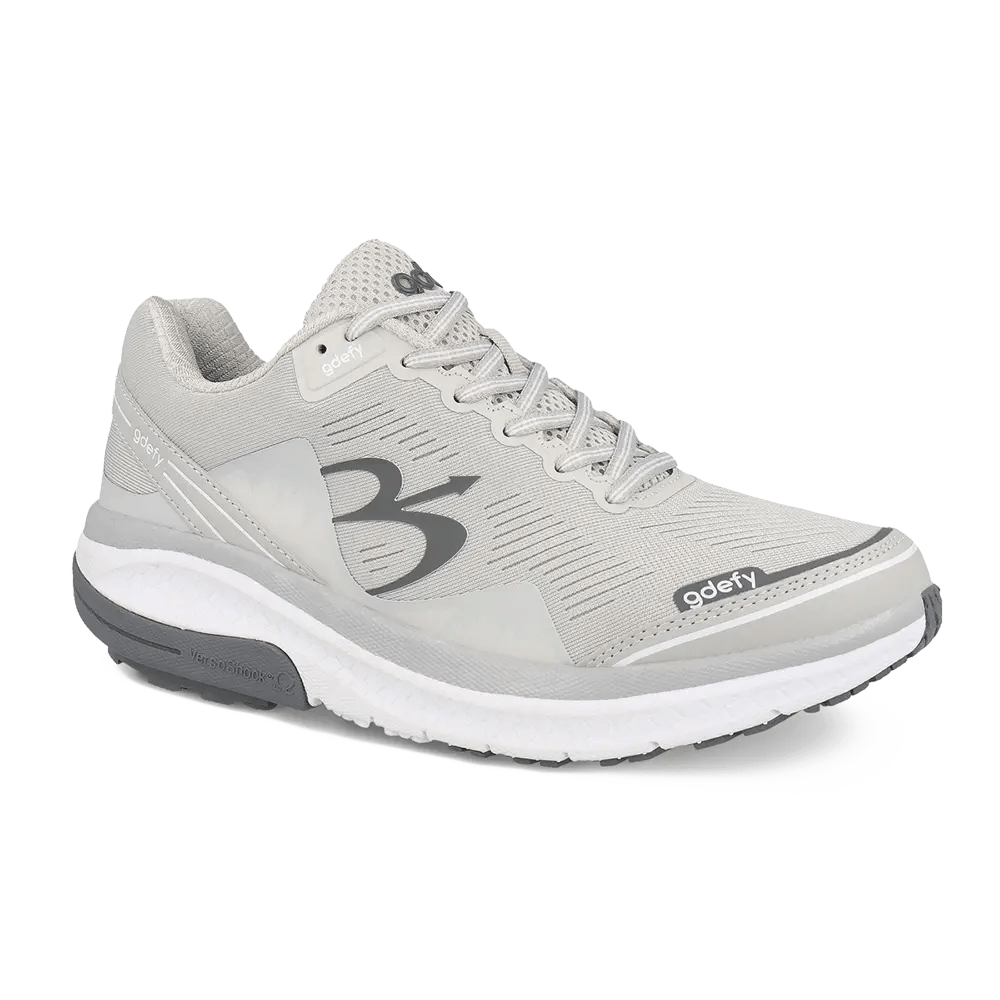
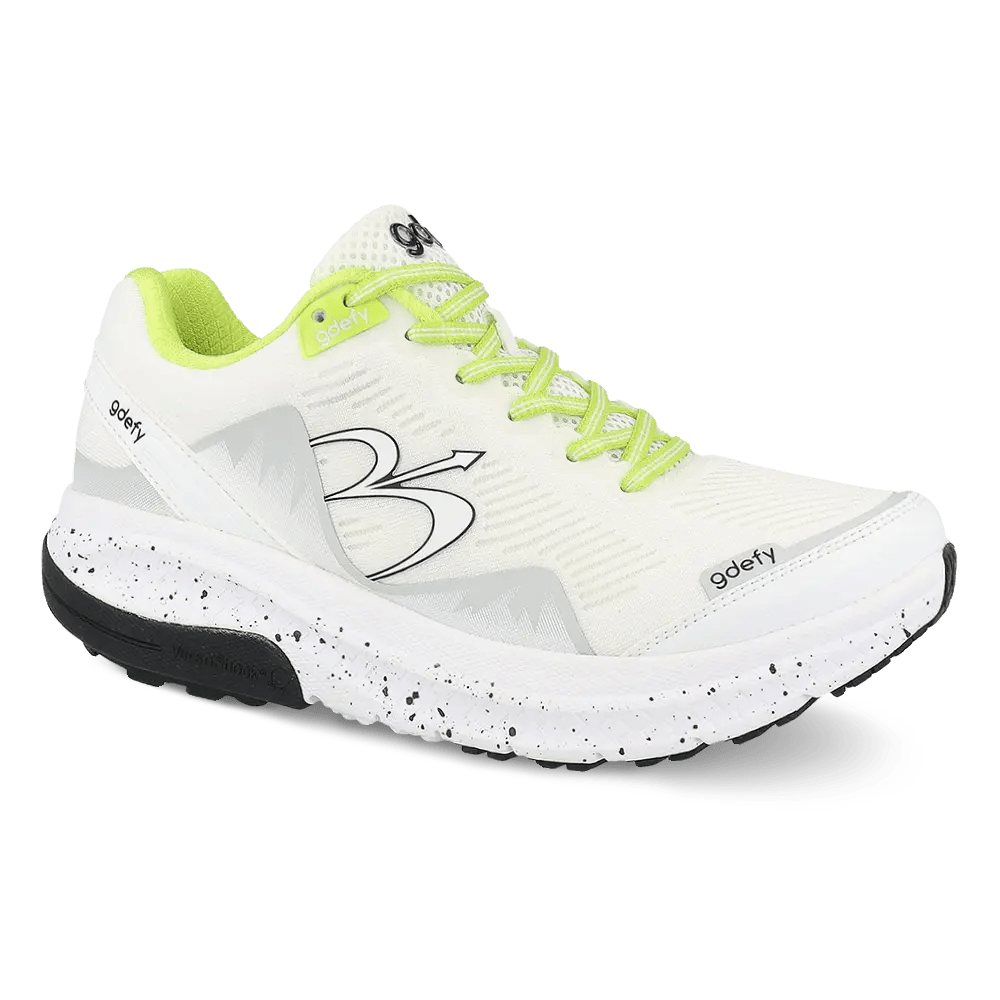
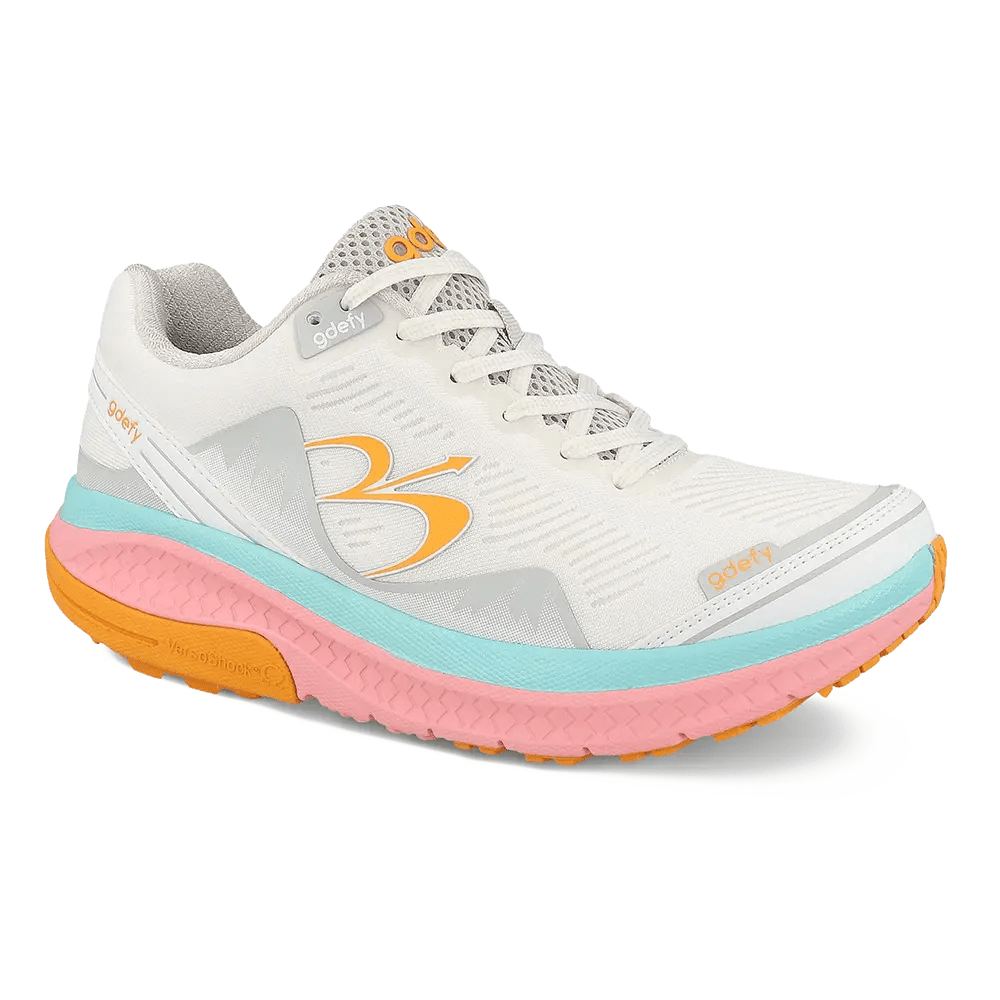
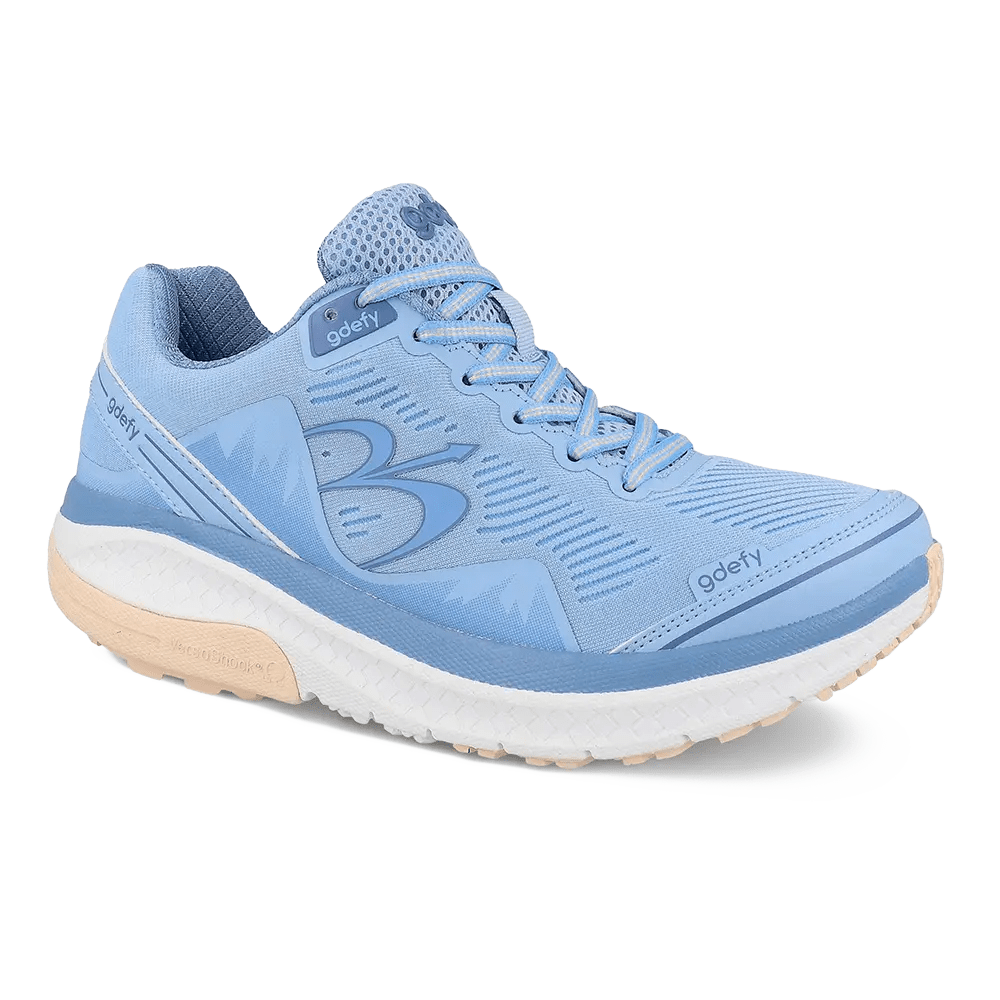
For the walking-shoe side: the G-Defy Mighty Walk and the lightweight G-Defy Ion are built around VersoShock® technology, a spring-based system designed to absorb impact and return energy with each step. A built-in stabilizer supports the foot during movement, while the front rolling design promotes a smooth walking experience. Each pair also includes two removable orthotics — the ComfortFit® and CorrectiveFit® inserts — so you can customize comfort and support for your foot type. Together, these features help reduce pain from walking, running, and prolonged standing. If you are curious how the spring midsole works, our explainer on how VersoShock® technology works goes deeper.
Both come with a 60-day risk-free trial, free shipping, and free exchanges, so you can try a summer sandal or a walking shoe at home and see which feels right for your days. Browse the full lineup for men and women.
Not sure which style fits your summer?
Try G-Defy for 60 days risk-free, with free shipping and free exchanges. Keep the pair that feels best on your feet.
Shop Summer ComfortPractical Tips for Summer Footwear
A few simple habits keep your feet comfortable no matter which style you choose:
- Rotate your pairs. Alternating between a sandal and a walking shoe lets each fully air out and matches your footwear to the day.
- Replace worn-out soles. Cushioning breaks down over time. If a sole looks flattened or feels dead, it is doing less to absorb impact.
- Shop or size later in the day. Feet tend to be at their largest by afternoon, so fitting then helps you avoid a pair that feels tight after a long, warm day.
- Look for adjustability. An adjustable strap or a proper lace-up lets you fine-tune the fit as your feet change through the day.
- Break in gradually. Wear a new pair for shorter stretches at first so your feet can adjust before a full day of walking.
Frequently Asked Questions
Are sandals or walking shoes better for summer?
Neither is better across the board. Sandals win on airflow and easy on-and-off convenience, while walking shoes win on all-day support, coverage, and shock absorption. Match the footwear to the day: a breathable sandal for relaxed, shorter outings and a cushioned walking shoe for long distances and hours on your feet.
Can sandals be supportive enough for a lot of walking?
Some can. A flat, thin sandal offers little support, but a well-built comfort sandal with cushioning and arch support can handle moderate walking comfortably. For very long distances on hard surfaces, a structured walking shoe still tends to feel more supportive.
Do closed walking shoes get too hot in summer?
Far less than they used to. Breathable mesh uppers and lightweight materials keep modern walking shoes much cooler, so they stay comfortable in warm weather while still offering more coverage and support than an open sandal.
Can the right footwear help with foot pain in summer?
Supportive, cushioned footwear may improve overall comfort during walking and prolonged standing. Footwear is not a medical solution, so if you have persistent foot pain, it is best to check with your healthcare provider.
Should I own both sandals and walking shoes?
For many people, yes. Keeping both in rotation means you always have the right option — an airy sandal for hot, casual days and a supportive shoe for long walks, travel, and busy schedules.
Conclusion
The sandals-versus-walking-shoes debate does not really have a loser. Sandals keep you cool and are effortless to slip on, while walking shoes deliver the support and shock absorption that long summer days demand. The smartest move is to match your footwear to the plan and, ideally, keep a supportive option of each within reach.
While footwear is not a medical solution, choosing shoes and sandals designed for comfort, support, and shock absorption can make a meaningful difference in how you feel throughout the day. Whichever way you lean this summer, G-Defy builds that comfort into both.