
August 24, 2026
Restaurant Work Shoes: Why a Serving Shift Is Harder on Your Feet Than a Long Walk
By Gdefy

Summary
Ask someone who waits tables how far they walk in a shift and they will usually guess a number that sounds like a hike. Ask them where it hurts afterward and the answer rarely matches. It is not the distance. It is the turning.
Restaurant work is not a long walk and it is not standing still. It is thousands of short trips broken up by hard direction changes, most of them made on the same few square feet of floor, most of them with your hands full. That pattern asks something specific of a shoe, and it is not the same thing a walking route asks or a standing shift asks. If you have ever finished a double feeling wrecked after a step count that looked unremarkable, this is why.
Footwear is not a medical solution. But the shoes you work in either cooperate with that pattern or fight it, and over a ten-hour shift the difference is not subtle.
Why a Serving Shift Is Harder on Your Feet Than a Long Walk
Walking is efficient. Your body has spent your whole life optimizing it. You settle into a rhythm, your stride length evens out, and each step recycles a little energy into the next one. A three-mile walk on a flat path is repetitive in a way your feet are built for.
Restaurant work removes almost everything that makes walking efficient.
You never reach a rhythm
The trip from the pass to table twelve is maybe nine steps. Then you stop, turn, and take six more. Then you stop again. You accelerate and decelerate constantly, and both cost more than cruising does. Your calves and the front of your shins do the braking, and neither gets the steady loading pattern that makes a long walk feel almost automatic.
The turns happen on one spot
This is the part people miss. At the service station, at the POS terminal, at the corner where the dining room meets the kitchen, you pivot — planting one foot and rotating the rest of your body around it. Do that a few hundred times a shift and the forefoot of your shoe is absorbing a twisting force it never sees on a sidewalk. The ball of the foot takes rotational load rather than the straight-ahead push-off it gets when you walk.
Your hands are usually full
Carrying changes your gait — your base gets wider and your steps get shorter, which we covered in more detail in our piece on how extra load changes your walk. In a restaurant it stacks on top of everything else: you are carrying, turning, and stopping short all at once, often while looking at something other than the floor.
The floor does not give
Tile over concrete, quarry tile, sealed concrete in the back — none of it compresses under you. Whatever impact your step generates comes straight back up. That is a familiar problem, and we go deeper on it in our guide to shoes for people who walk on concrete all day. Rubber fatigue mats help where you can stand on them, but you are only on them for part of the shift.
The shift does not end when your feet are done
A long walk is over when it is over. A restaurant shift keeps going through sidework, restock, and closing, which are the hours when most people report feeling it most.

What to Look for in Restaurant Work Shoes
Once you see the shift as pivots plus stop-start plus a hard floor, the feature list changes. Some of the things people shop for matter less than they expect, and some things nobody shops for matter a lot.
- Shock absorption. The single most useful property on an unforgiving floor. A midsole that absorbs impact reduces how much of each step comes back up through you. This is the difference between hour two and hour nine.
- A sole that resists twisting. Hold a shoe at heel and toe and try to wring it like a towel. A sole that twists freely lets your forefoot rotate inside the shoe on every pivot. Some flexibility is good; a shoe with none of it feels like a plank. You want a sole that bends where your toes bend and stays honest everywhere else.
- A secure heel hold. Stop-start walking pulls your heel up out of the shoe. If the heel counter is soft or the fit is loose, you compensate by gripping with your toes without noticing, all shift.
- A roomy toe box. Feet spread and swell over a long shift, and a forefoot that is fine at 4pm can be tight by 11pm. Room across the ball of the foot is worth more than a half size of extra length.
- Weight you do not notice. Weight matters more when you lift your feet more often, and a serving shift is nothing but lifting your feet. We looked at the trade-offs in whether a lighter shoe actually feels better — lighter is not automatically better, but on a high-step-count shift it counts for more than usual.
- Easy on and off. A small thing that matters at 1am. Our comparison of slip-on and lace-up styles covers the trade-off — laces give you more fit adjustment through a shift, slip-ons win on convenience.
One thing to settle outside this list: traction and floor-safety footwear standards are a workplace safety matter, not a comfort feature, and the requirements differ by employer, jurisdiction, and job. Ask your manager what your kitchen or dining room requires and follow that. General comfort guidance — here or anywhere else — is not a substitute for your workplace's own footwear rules.
How G-Defy Shoes Are Built for Stop-Start Days on Hard Floors
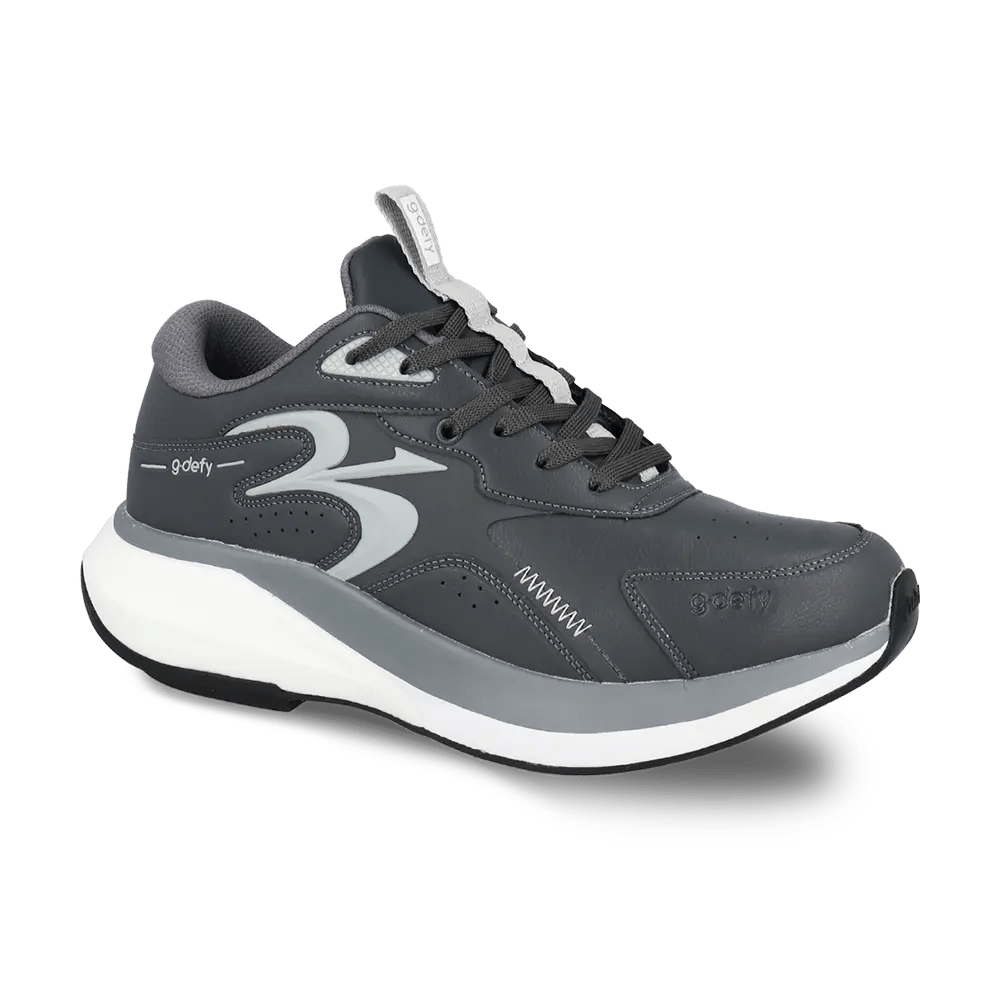
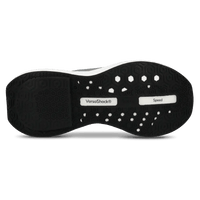
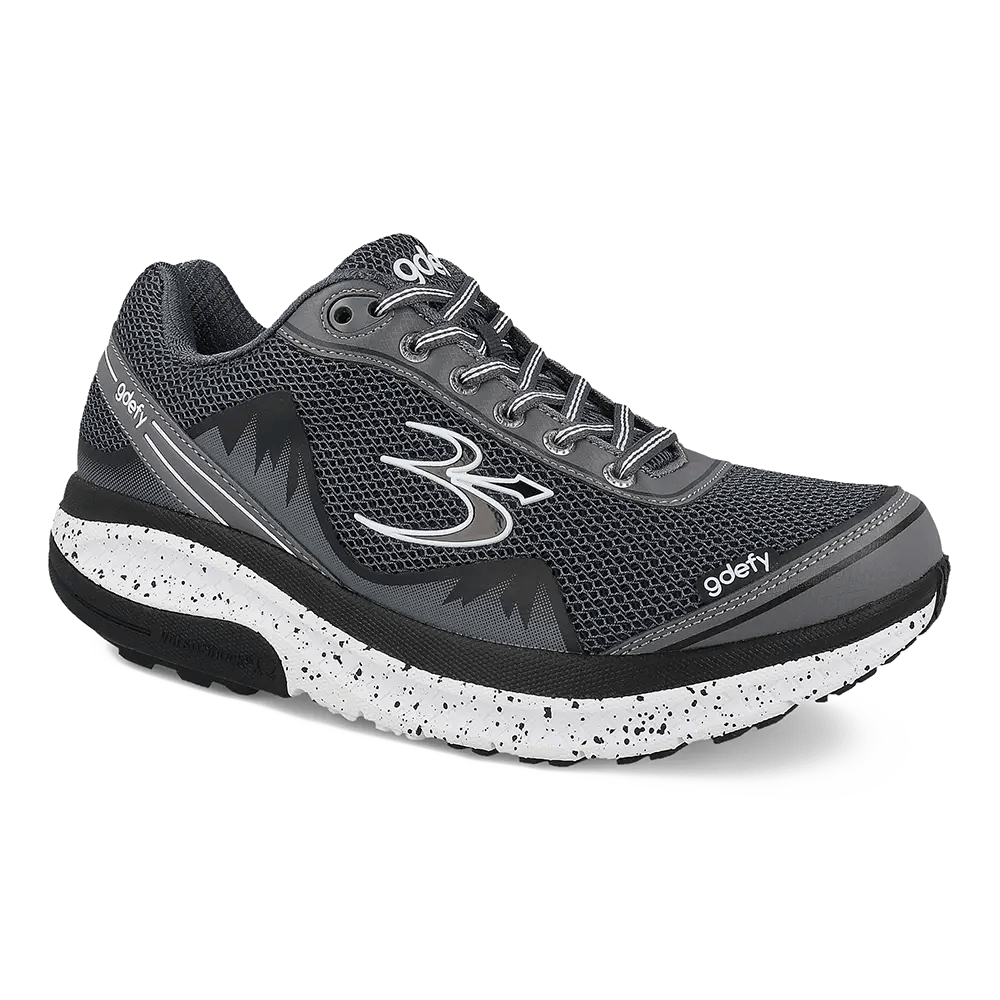
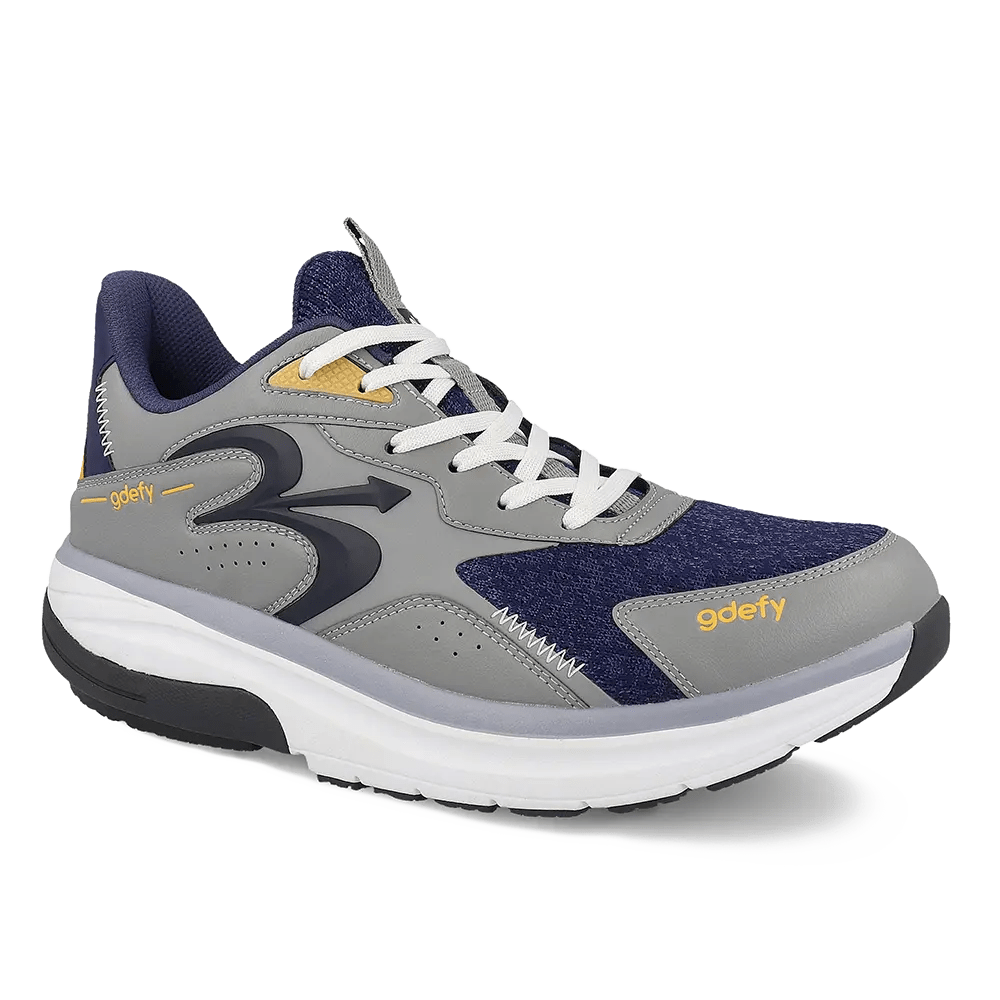
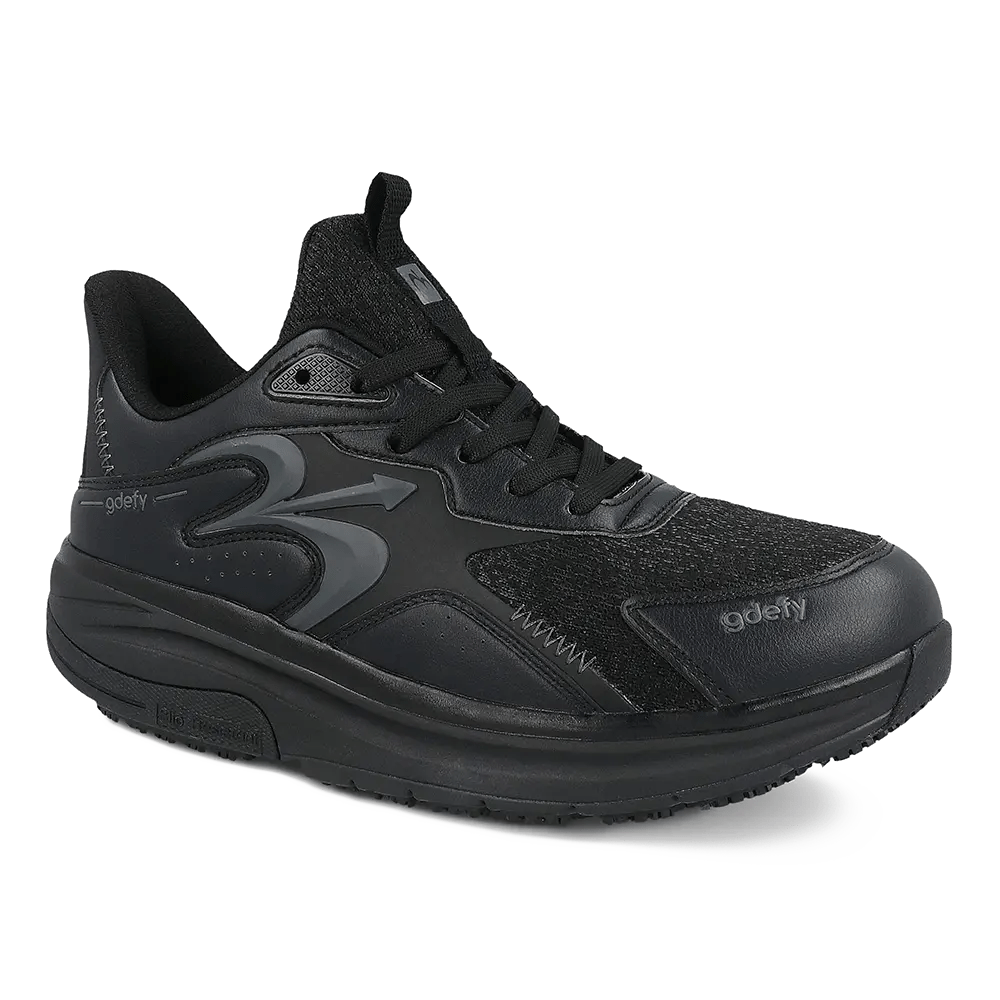
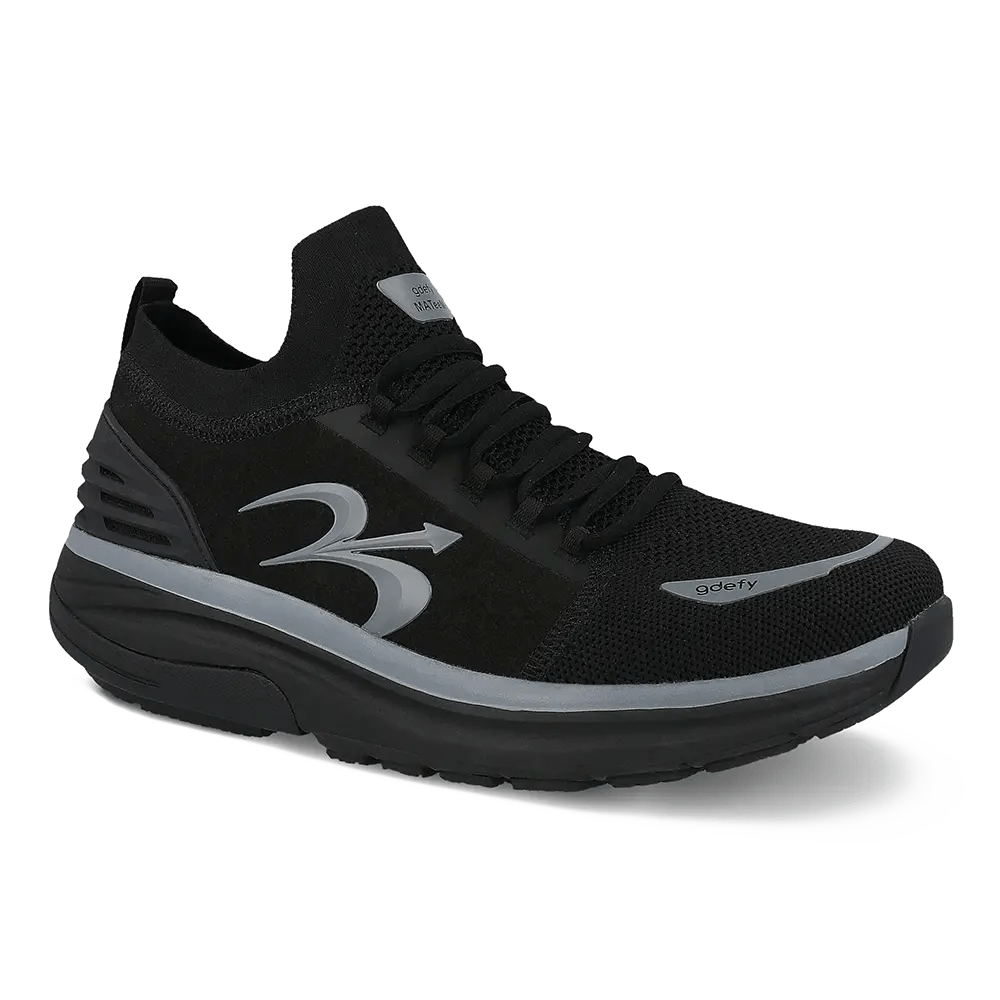
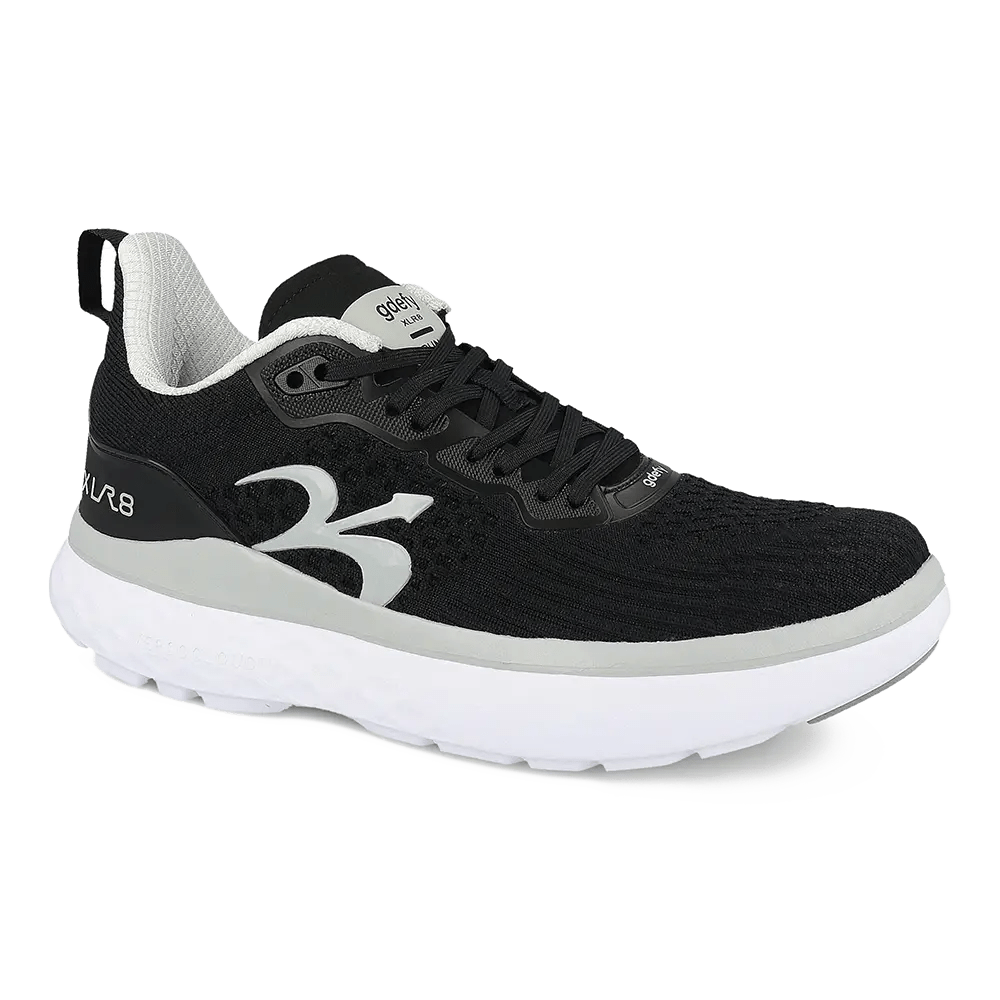
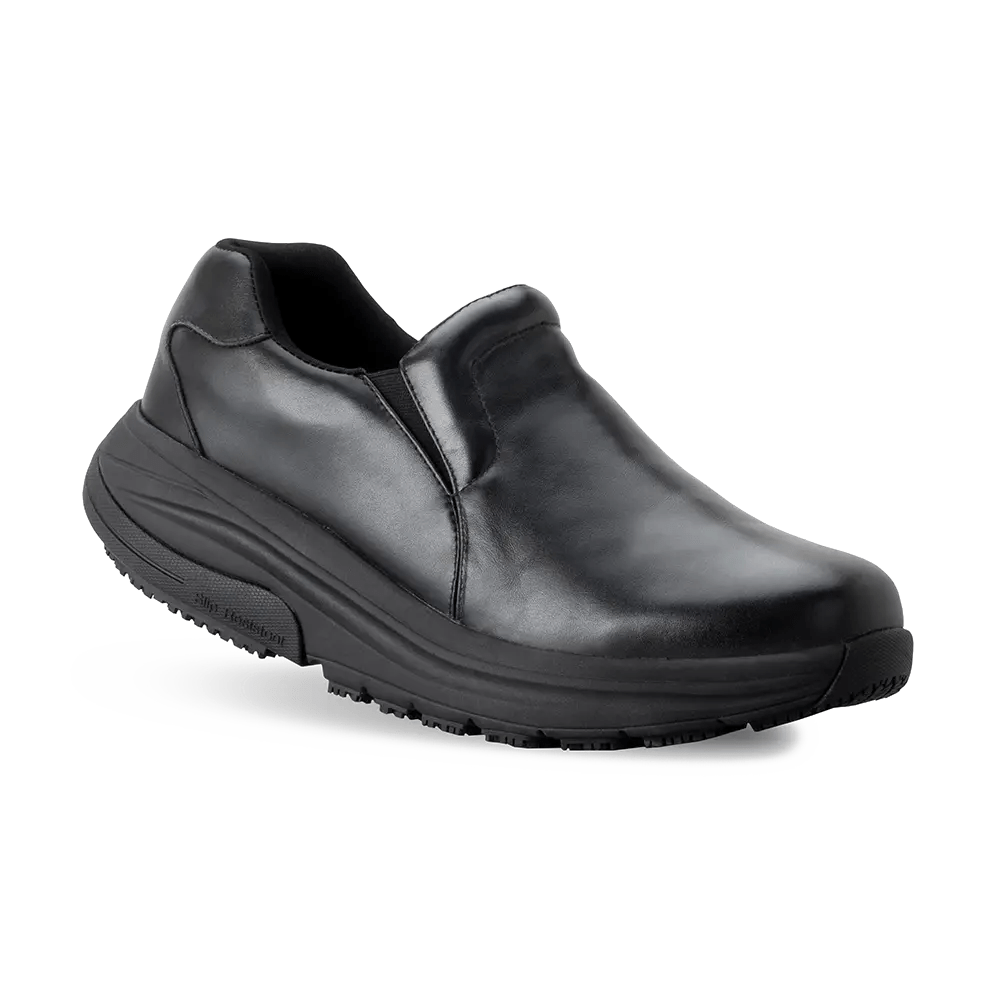
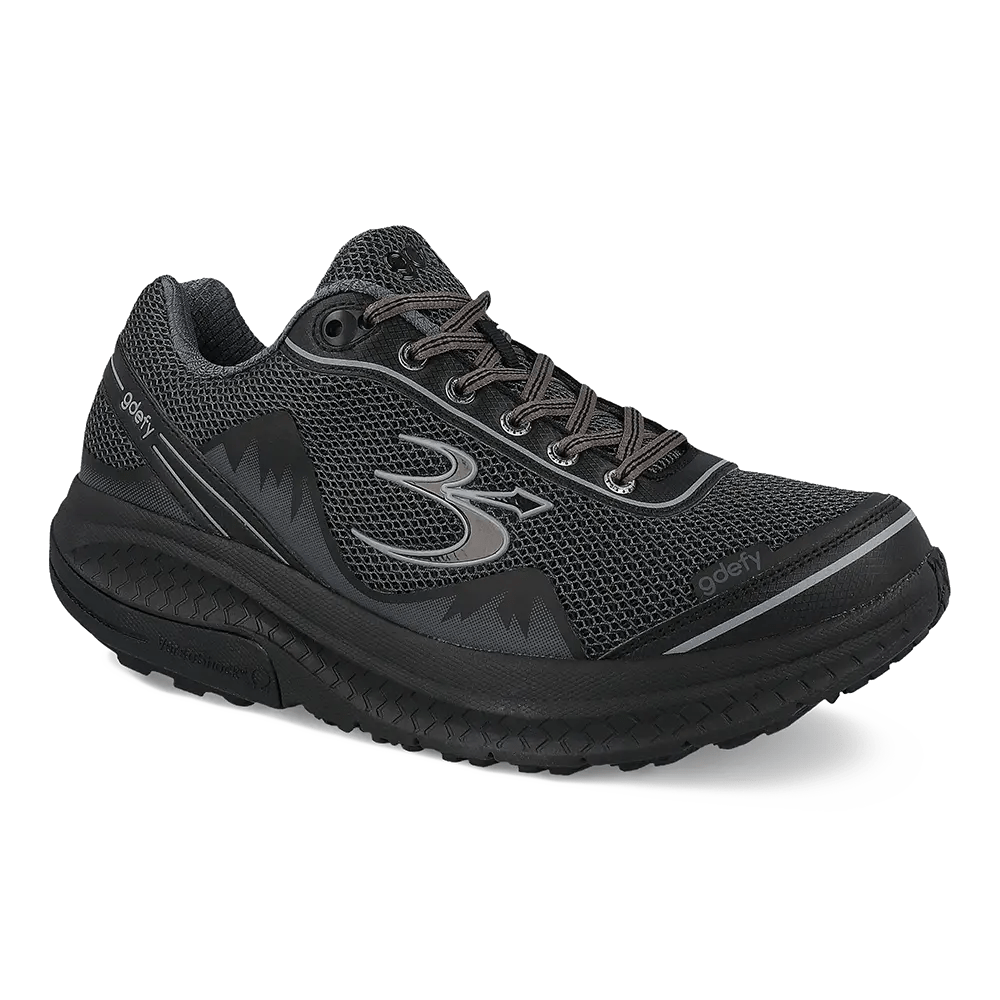
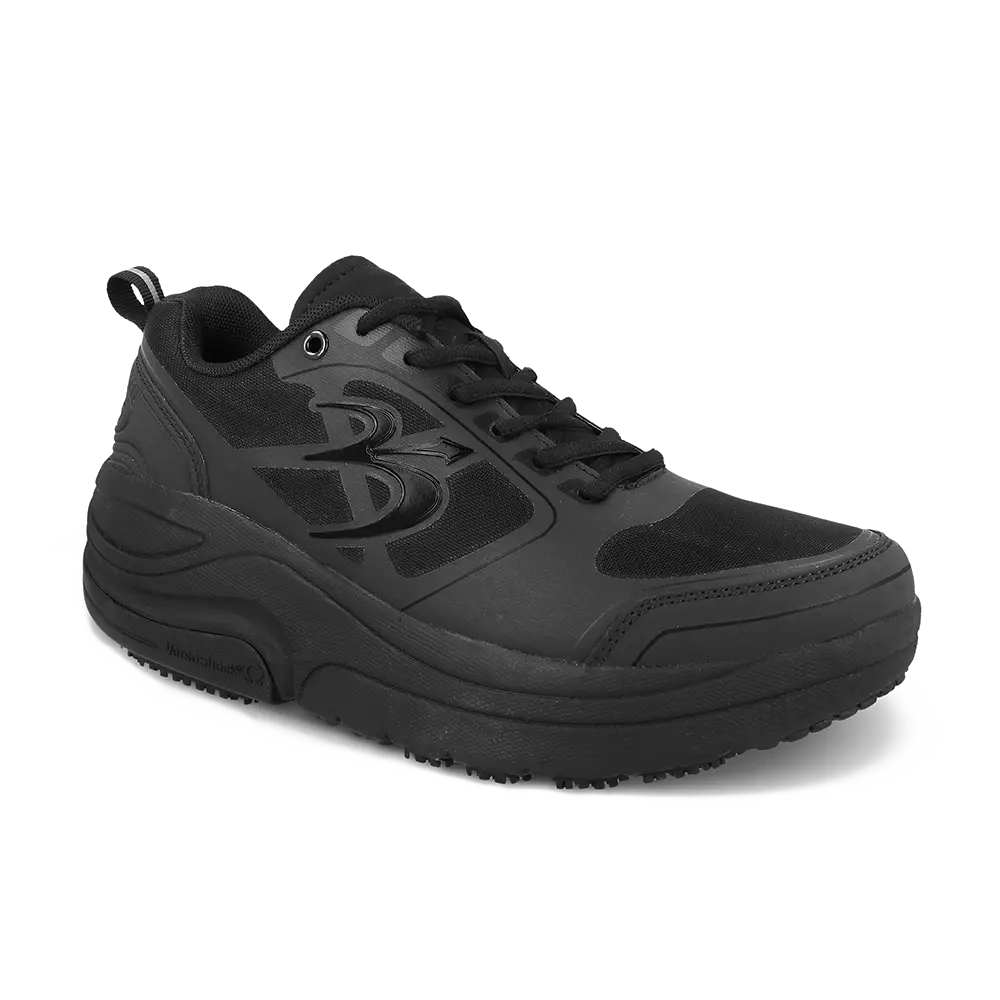
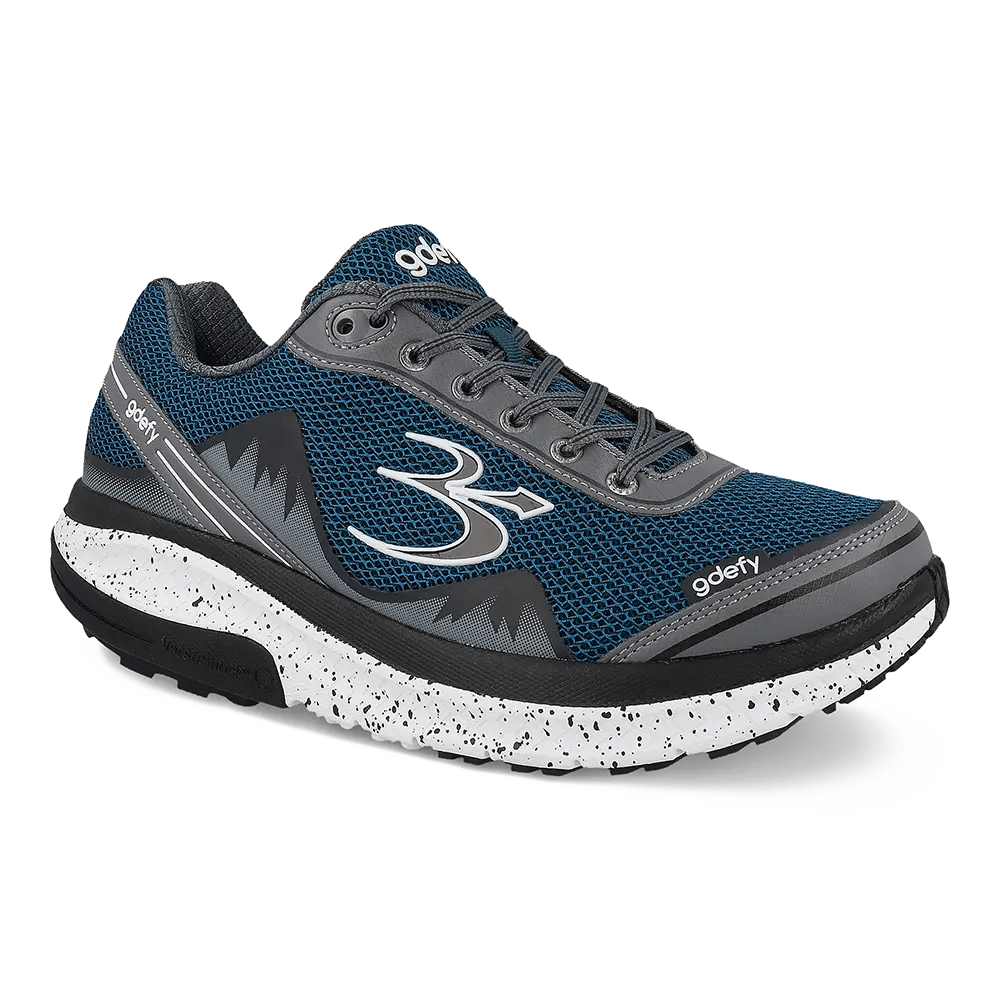
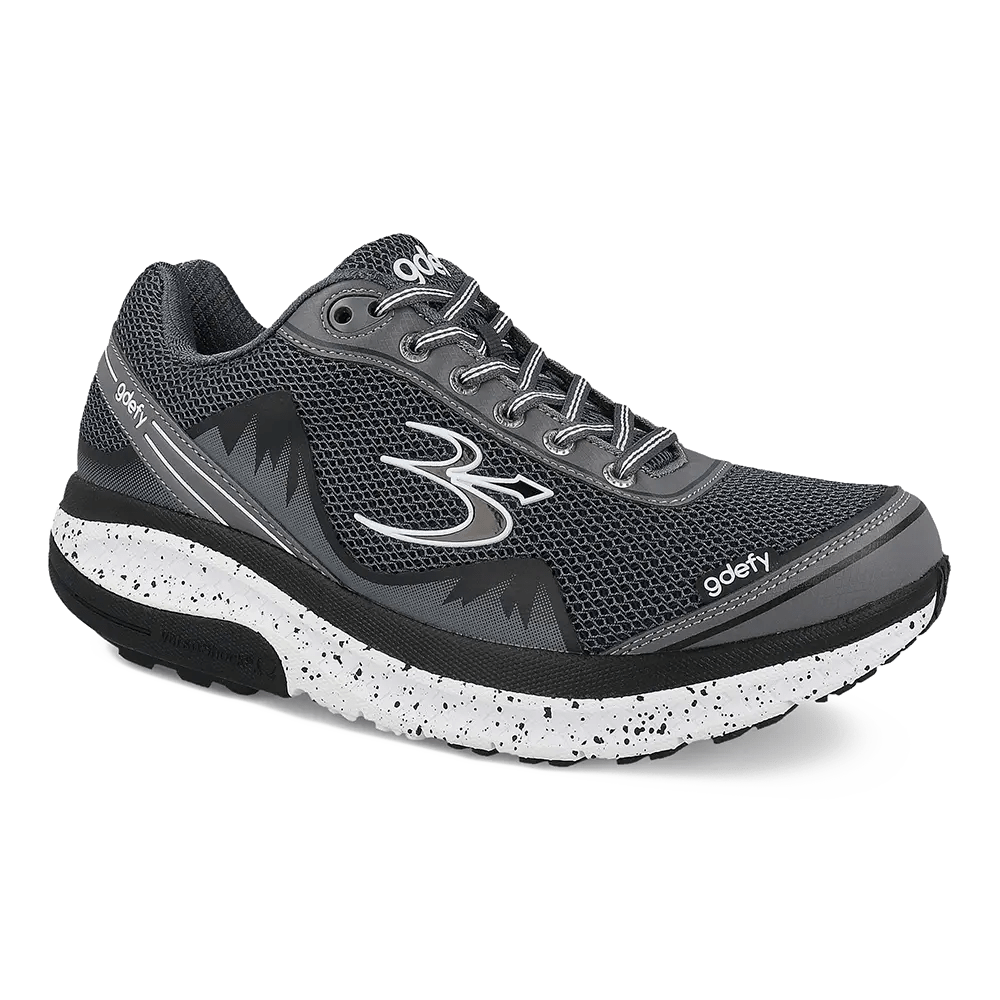
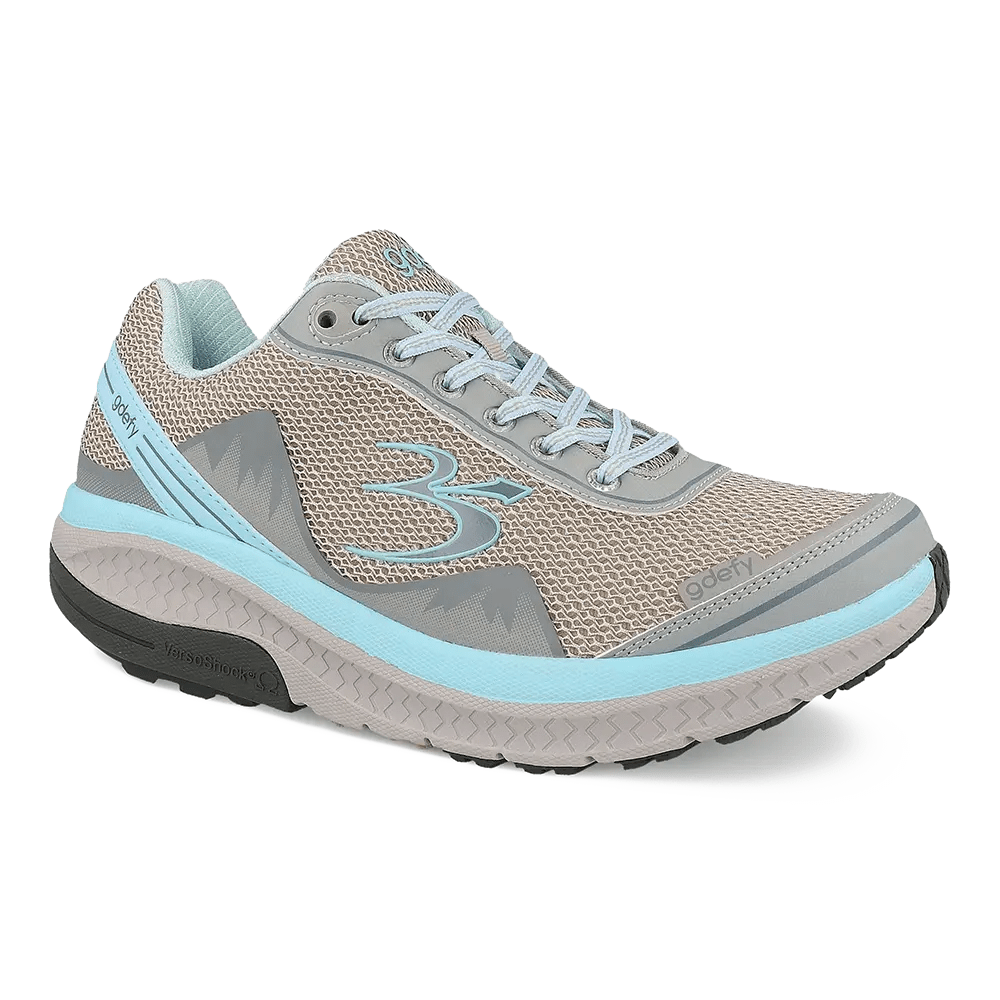
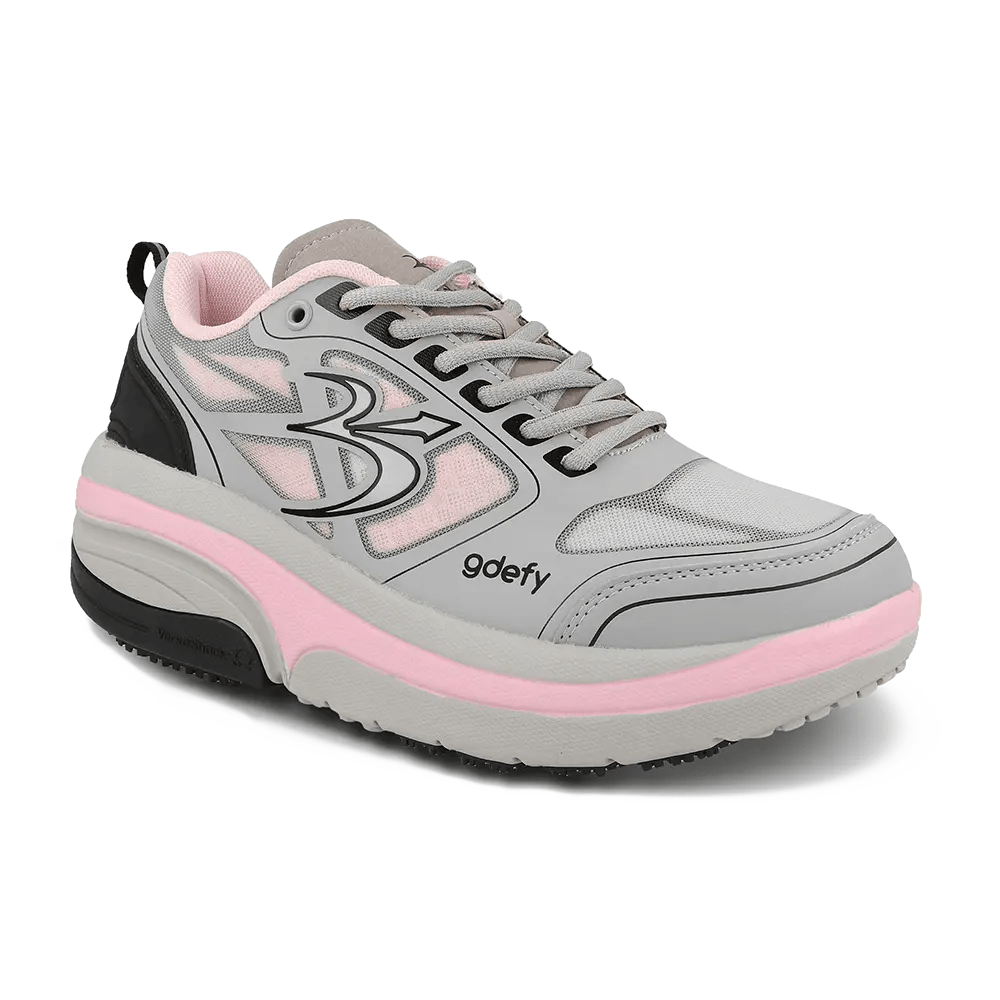
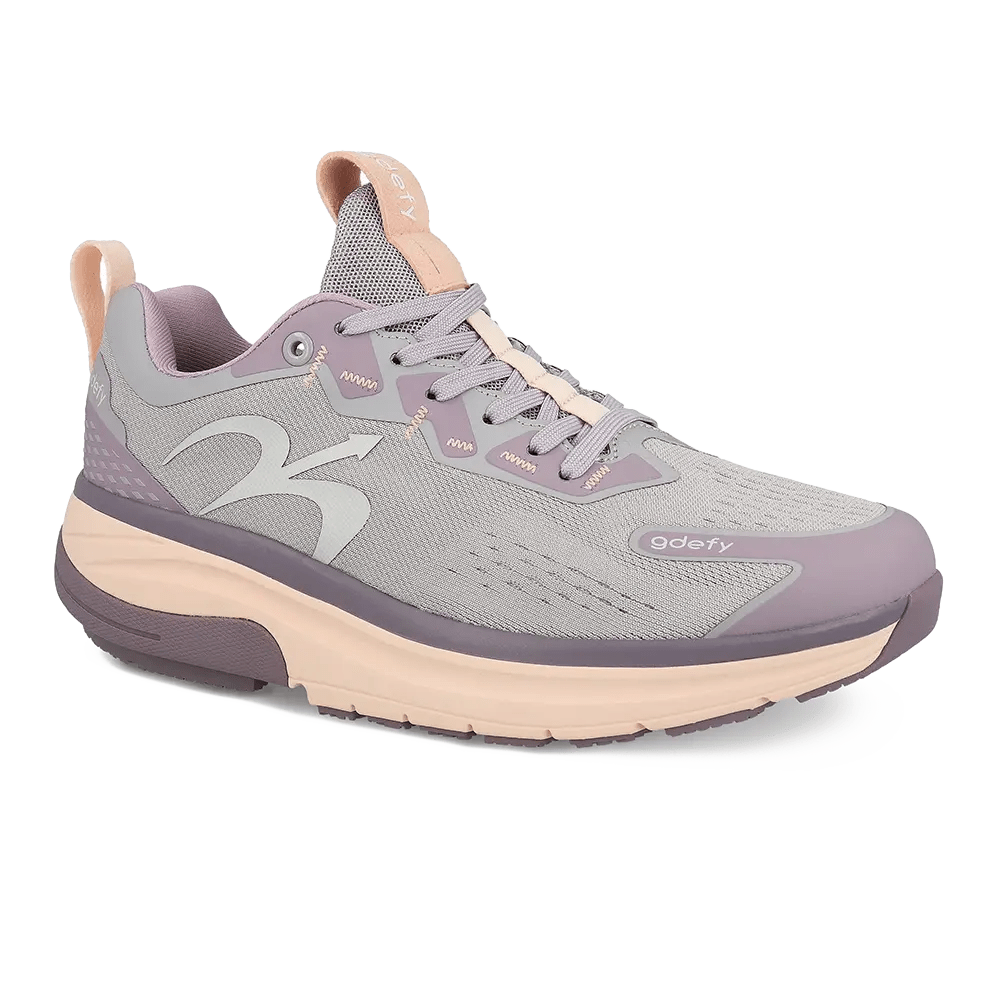
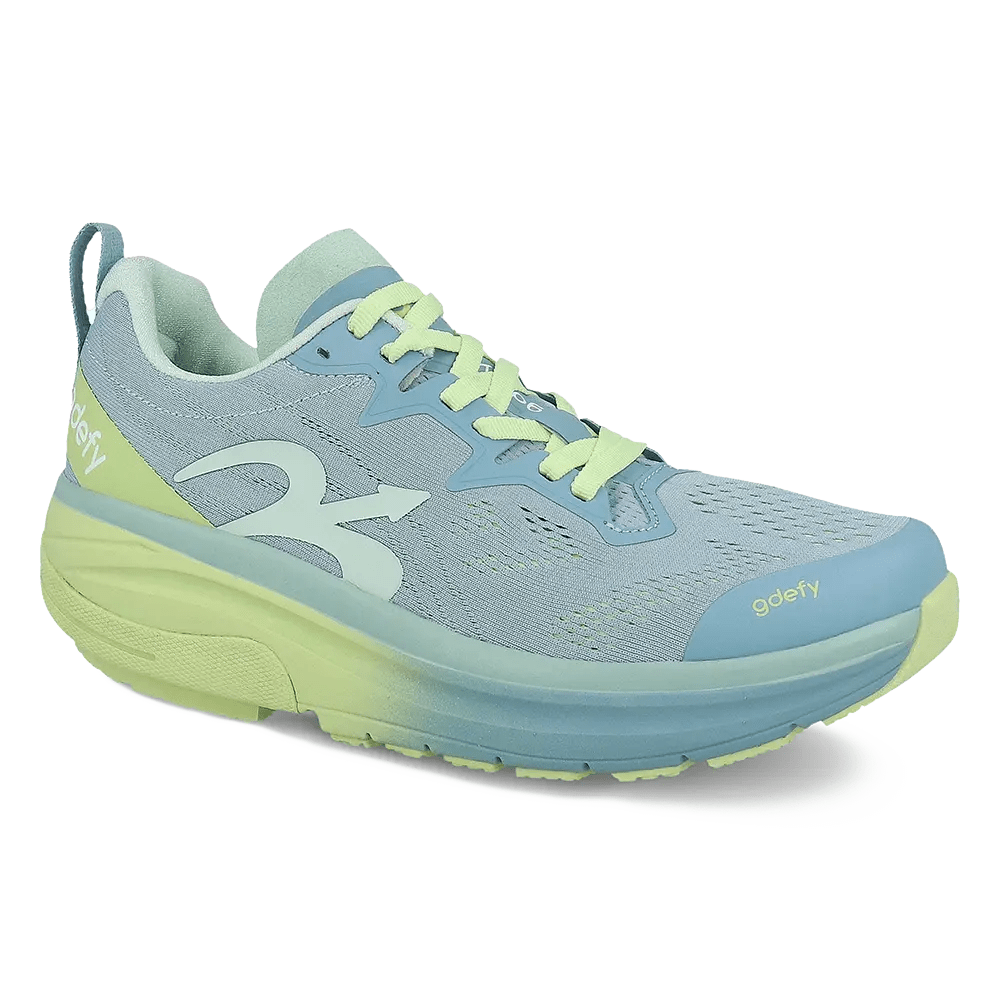
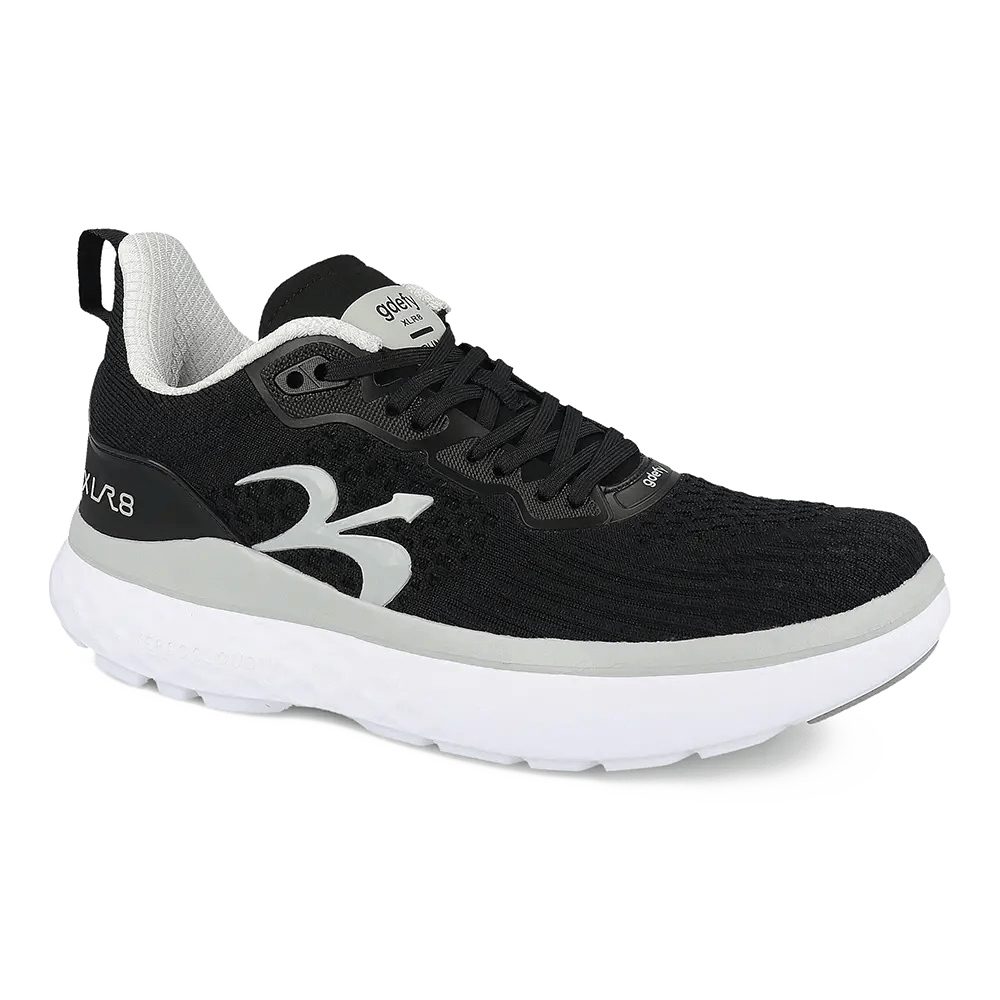
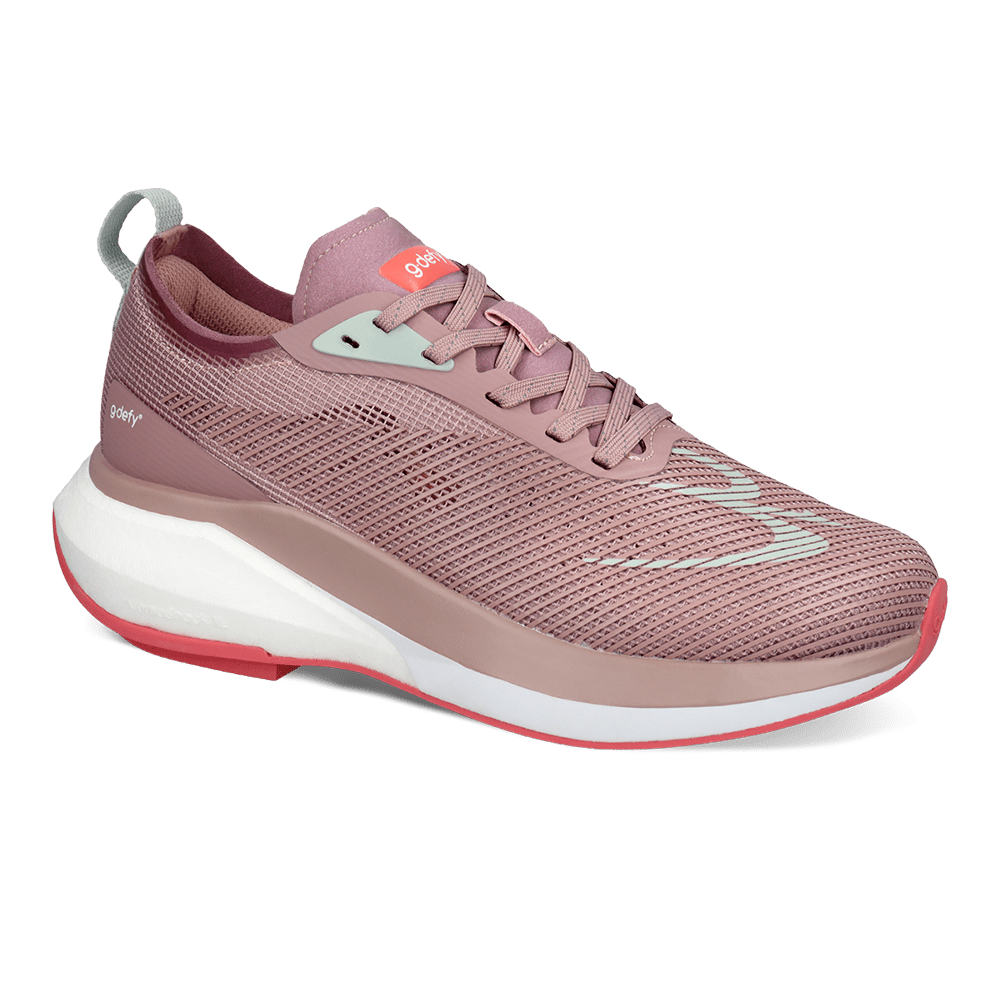
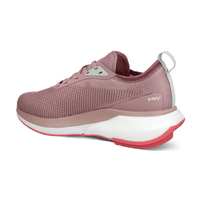
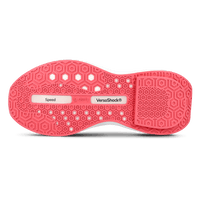
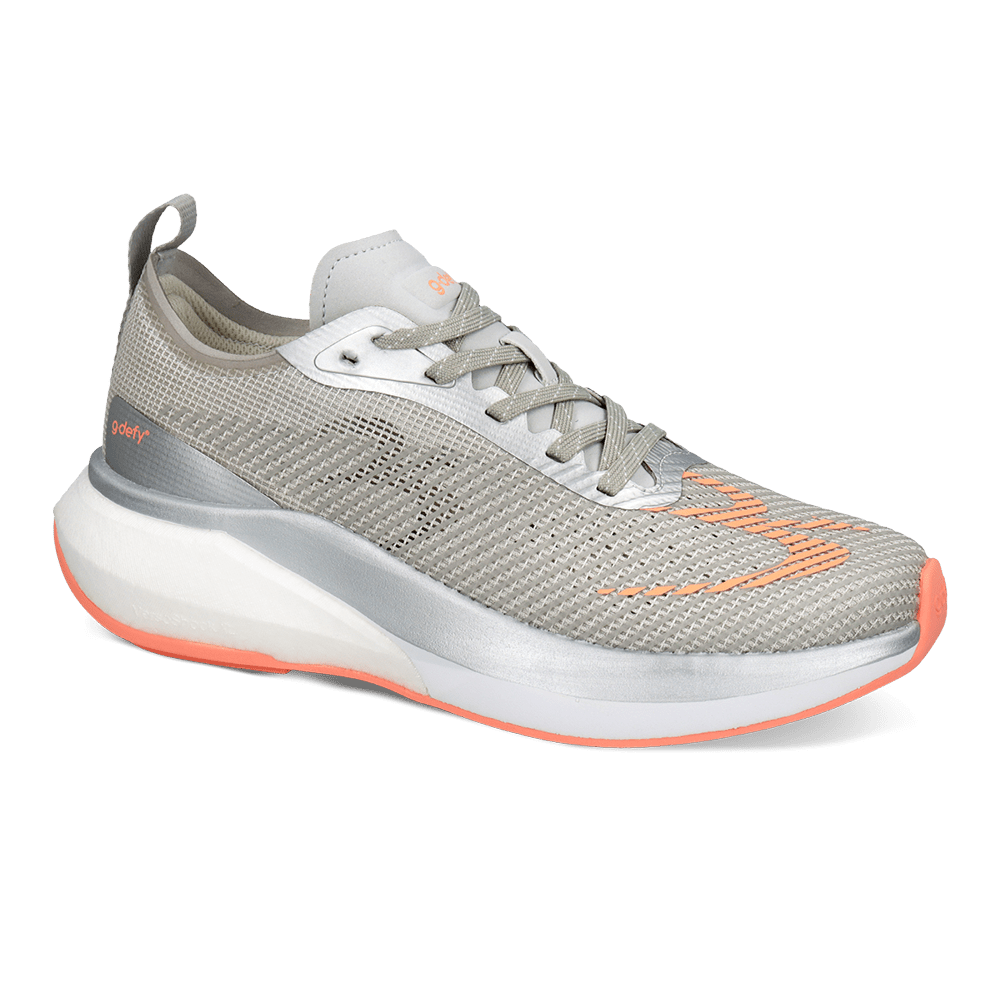
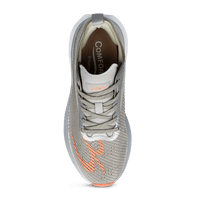
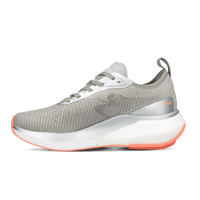
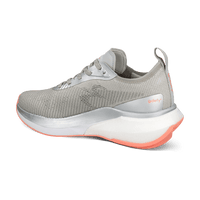
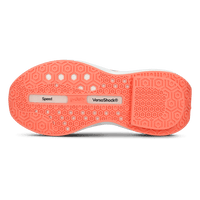
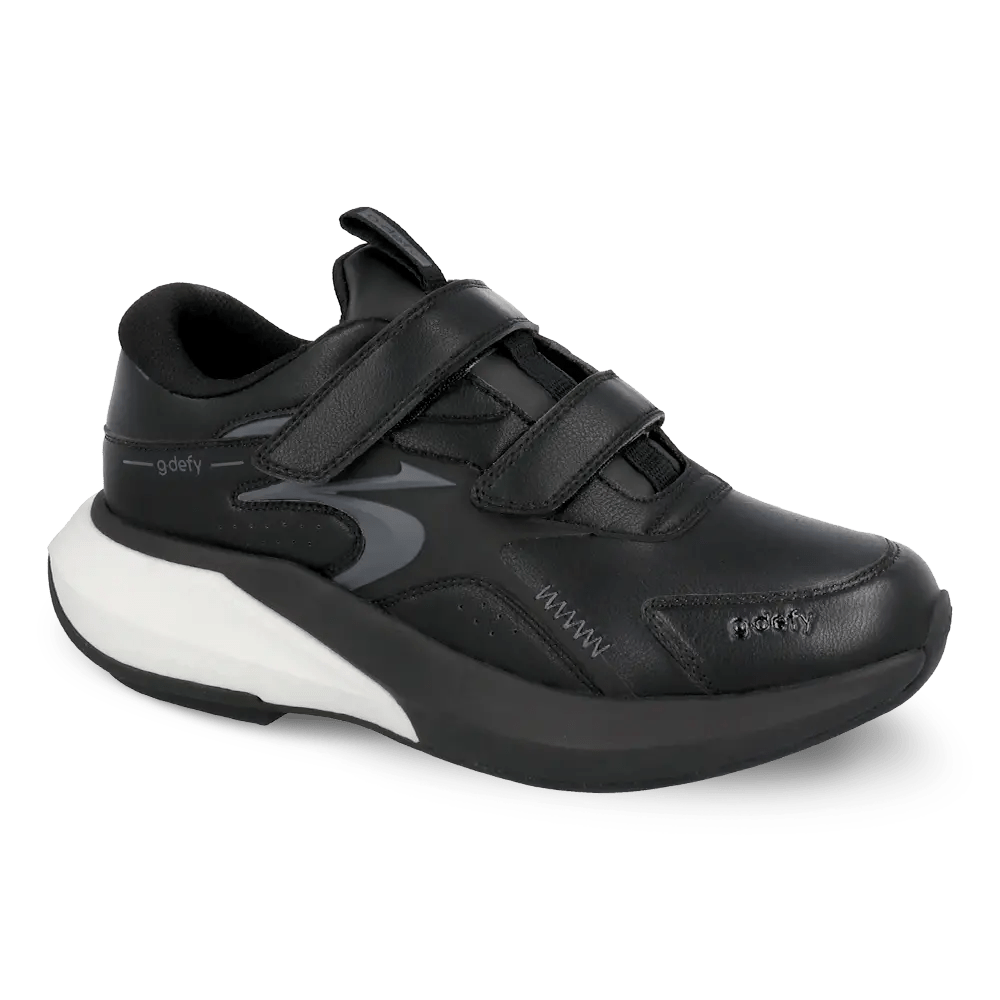
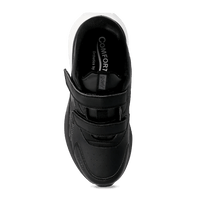
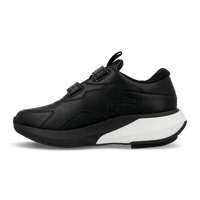
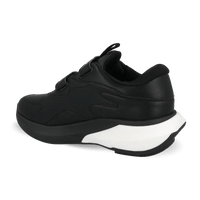
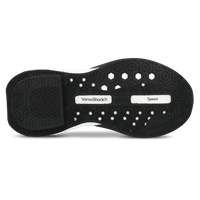
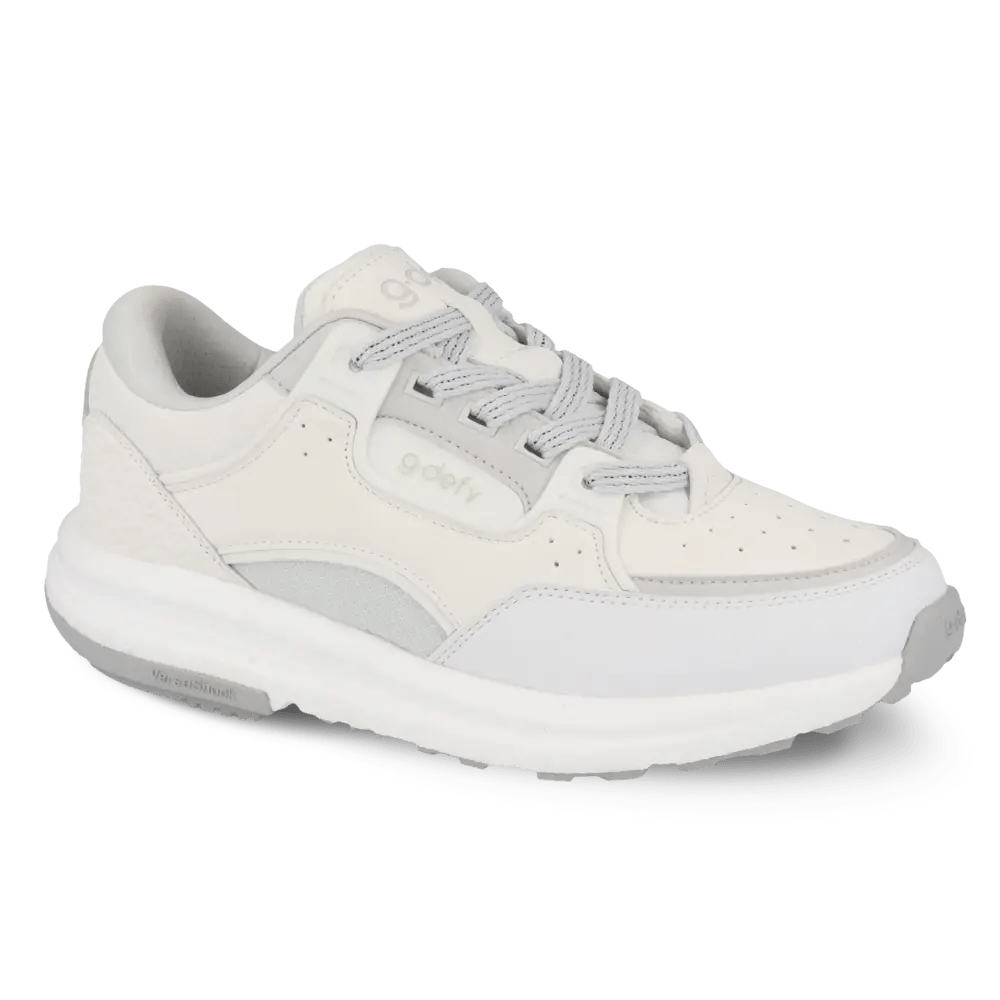
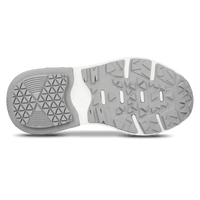
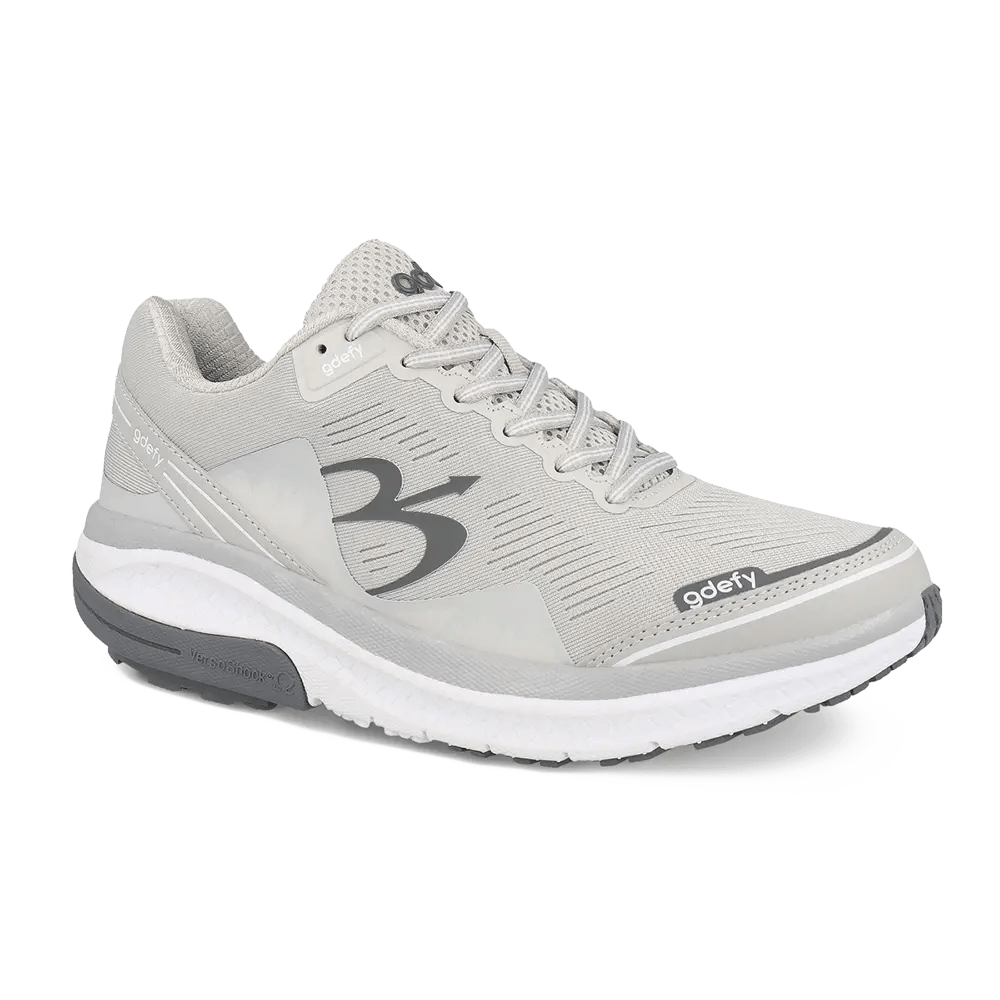
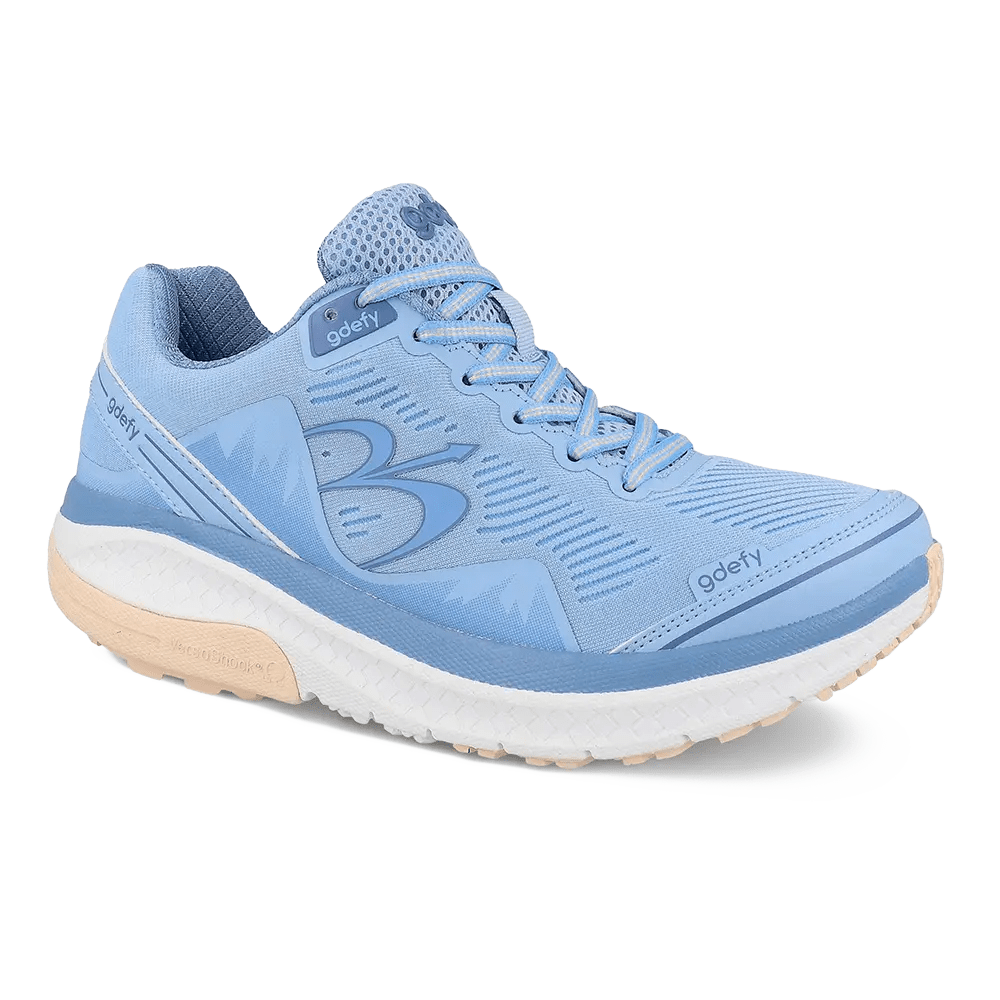
G-Defy shoes are engineered to provide comfort, support, and shock absorption. Featuring VersoShock® technology, they are designed to absorb impact and return energy with each step. A built-in stabilizer supports the foot during movement, while the front rolling design promotes a smooth walking experience. Each pair includes two removable orthotics to help customize comfort and support. G-Defy shoes help reduce pain from walking, running, and prolonged standing.
Three parts of that are worth pulling out for restaurant work specifically.
The VersoShock® sole is doing the most work on tile and concrete, because that is the floor that gives you nothing back. The stabilizer matters on the pivots — it is structure through the midfoot, which is exactly where a shoe wants to twist when you plant and turn. And the two removable orthotics let you set the fit up for your own foot and change it later in the shift if you want, rather than living with whatever the shoe shipped with.
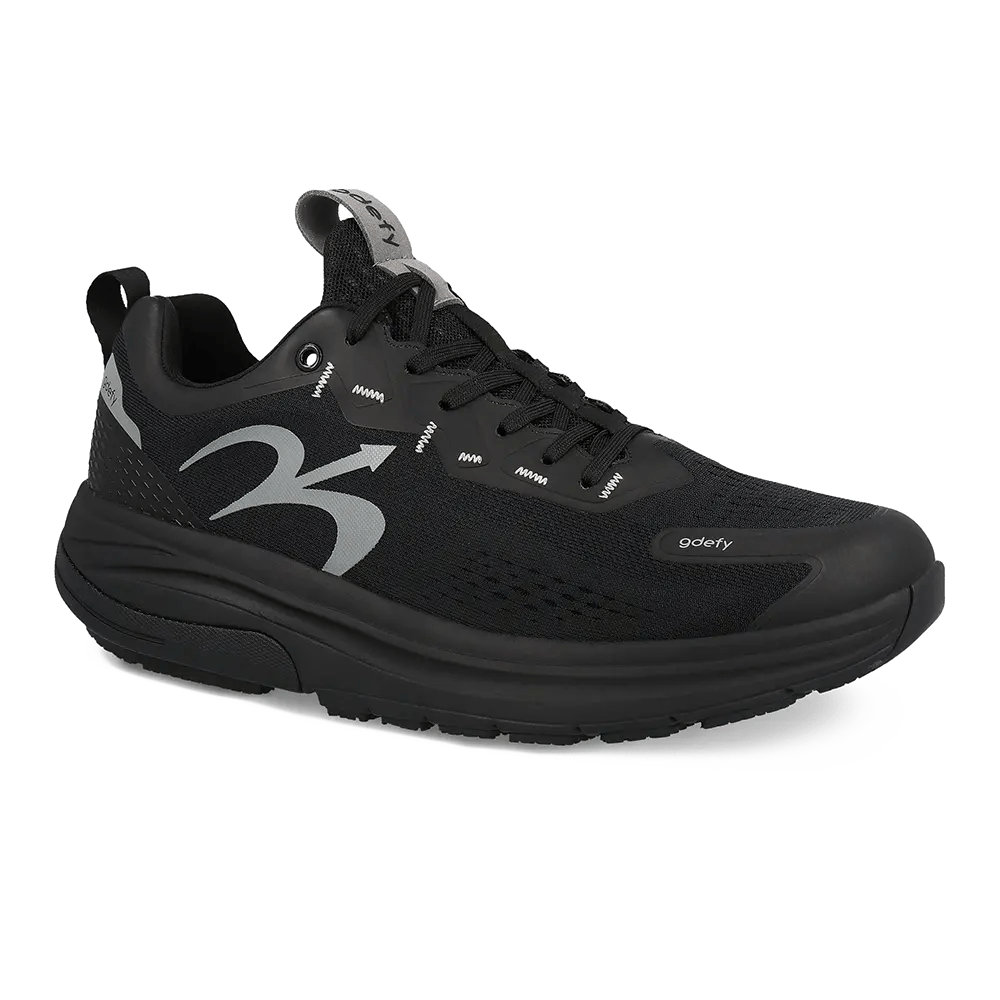
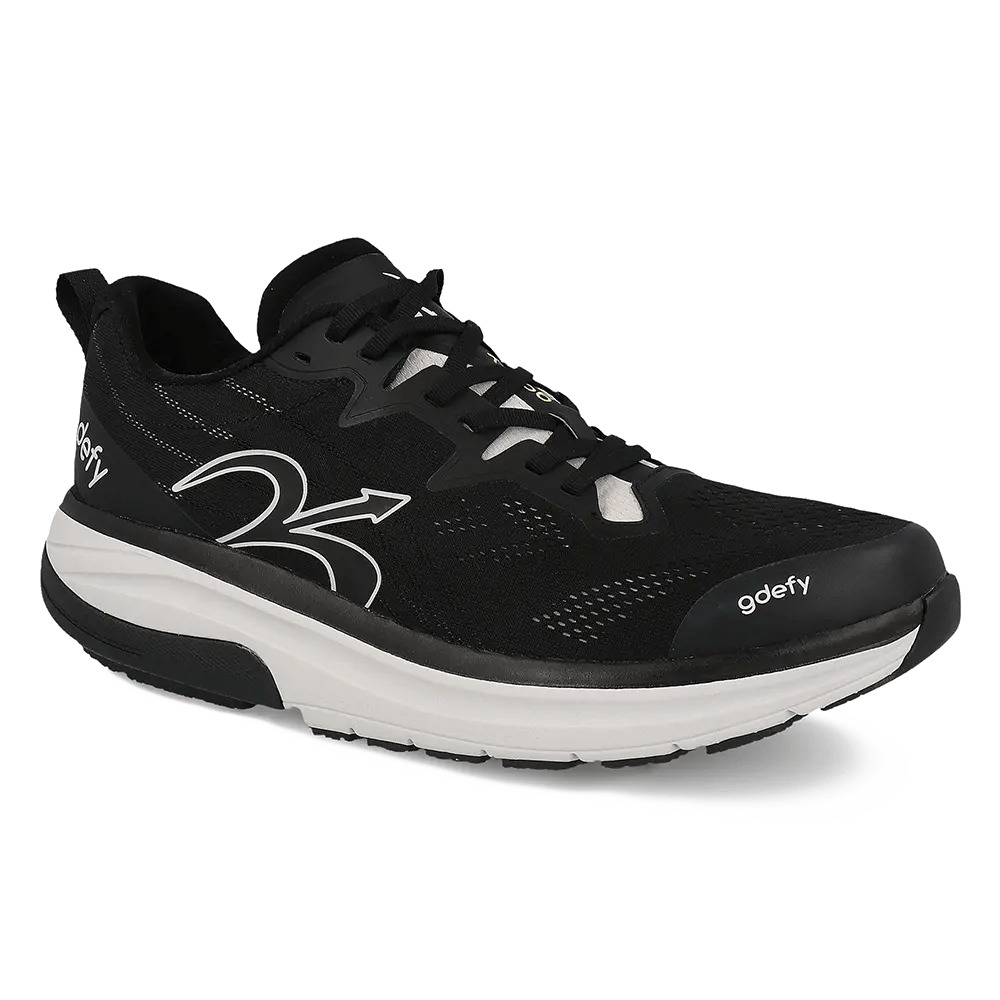
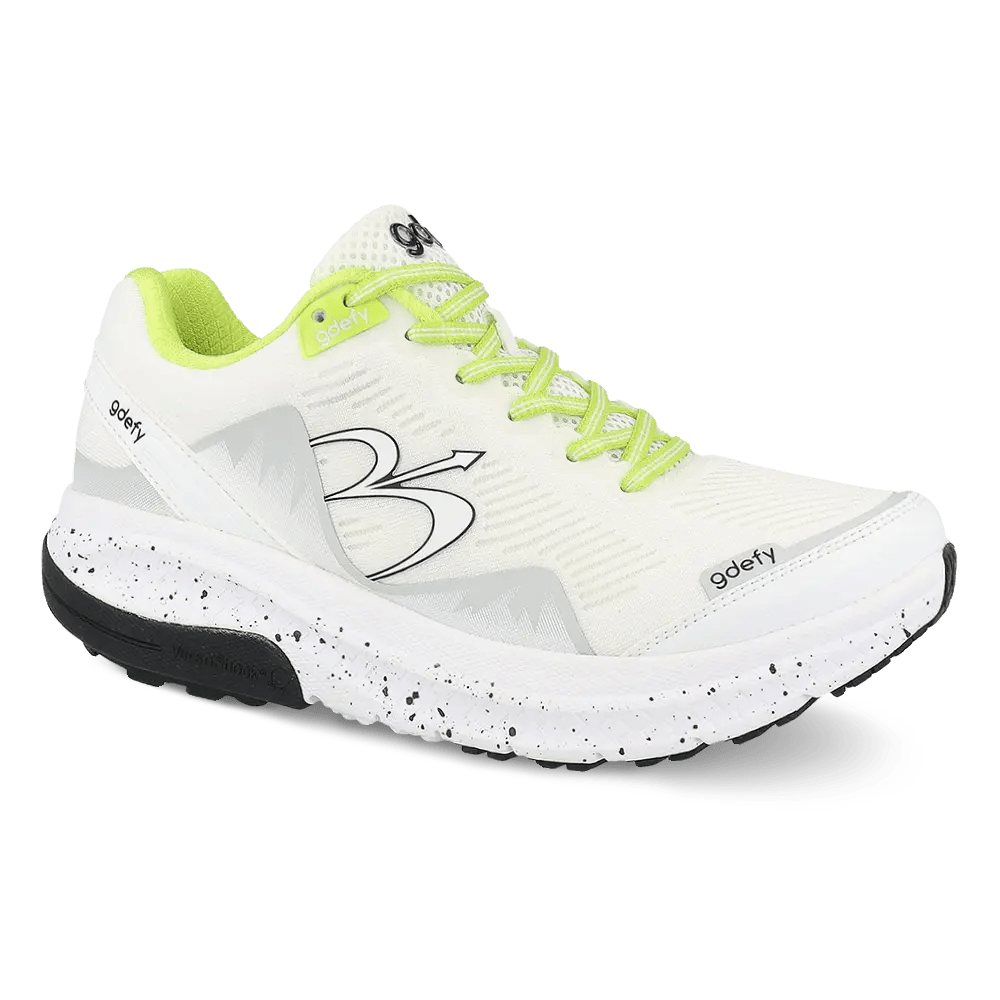
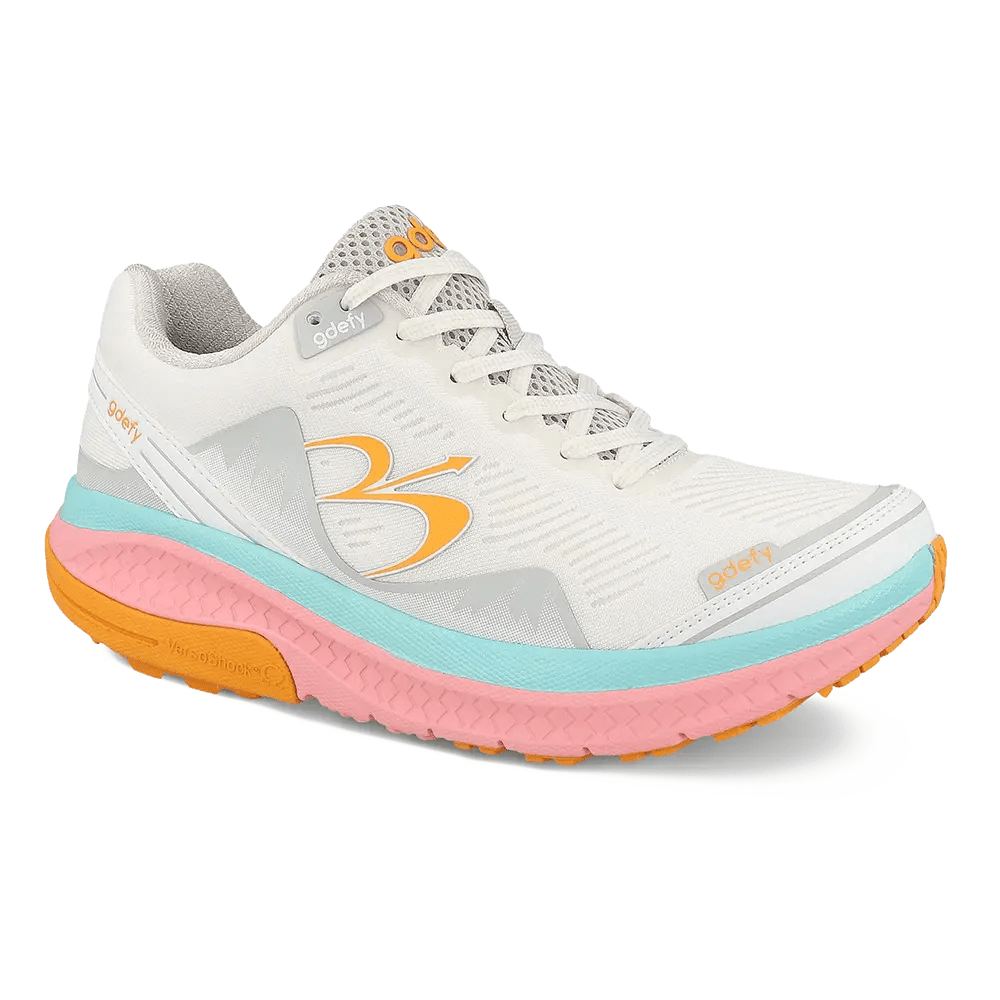
For a shift built on short trips and hard turns, the Women's Mighty Walk and the Men's Mighty Walk are the straightforward picks — a cushioned athletic build in medium, wide, and extra-wide. If you want to browse by role rather than by model, there is a men's restaurant collection, and for women the retail and standing-work collection is the closest fit for front-of-house wear. You can also start from all women's styles or all men's styles.

Every pair comes with a 60-day risk-free trial, plus free shipping and free exchanges — which is the honest way to buy a work shoe, because a shift is the only real test.
Practical Tips for Long Restaurant Shifts
- Fit at the end of a shift, not the start of one. Your feet at 11pm are a different size than your feet at 3pm. Buy for the bigger version.
- Re-tighten once mid-shift. Laces loosen, and a shoe that has gone slack lets your heel move. Ten seconds during a lull is enough to pull it snug again.
- Rotate two pairs. Alternating days gives the midsole foam time to decompress and keeps both pairs feeling fresher for longer.
- Watch the outsole for uneven wear. Pivoting tends to scrub one spot under the ball of the foot. When that patch goes smooth, the shoe is telling you something — our guide on how shoes wear out covers what to look for.
- Get off the mat and onto a different surface on your break. Even a few minutes of walking on something other than the floor you have been pivoting on breaks up the pattern.
What People Tell Us About Restaurant Shifts
The comments below are composites drawn from customer feedback about front-of-house and kitchen work. They describe comfort only, not medical outcomes, and individual results vary.
- The step count was never the story. Several people described tracking their steps and being confused that a 12,000-step shift left them more worn out than a much longer weekend walk. When they stopped comparing the two, the pattern made more sense to them.
- The last two hours are the test. The most common comment is not about how a shoe feels when it goes on. It is about whether it still feels like the same shoe during closing.
- Width mattered more than expected. People who moved into a wide or extra-wide width most often mention the back half of the shift — the stretch where a forefoot that felt fine earlier had started to feel tight.
- Two pairs beat one good pair. Servers and cooks working several shifts a week frequently report that alternating between two pairs made more difference than upgrading a single pair.
Footwear is not a medical solution, and these are descriptions of comfort rather than outcomes. If discomfort persists, it is worth raising with a healthcare provider.
Frequently Asked Questions
Why do my feet hurt after a restaurant shift when I did not walk that far?
Because distance is not what makes the shift hard. Constant stopping, starting, and pivoting loads your feet differently than steady walking does, and a hard floor returns more of each step to you. A shift with a modest step count can be more demanding than a longer walk on a forgiving surface.
What should I look for in shoes for restaurant work?
Prioritize shock absorption for the floor, a sole that resists twisting for the pivots, a secure heel hold for stop-start movement, and a roomy toe box for the swelling that builds over a long shift. Then check your workplace's own footwear requirements, which take precedence over general comfort advice.
Are running shoes a good choice for a restaurant floor?
Running shoes are built for repetitive forward motion, so they often cushion well but can feel unstable when you plant and turn. If you use them, pay attention to how the sole behaves when you twist it and how securely the heel is held.
Should restaurant shoes be slip-on or lace-up?
Both work. Lace-ups let you adjust the fit as your feet change through the shift, which is useful on a long double. Slip-ons are faster and easier at the end of a night. Whichever you choose, the fit should be secure enough that your heel is not lifting.
How often should I replace shoes I work restaurant shifts in?
Sooner than you would replace an everyday pair, because the hours are long and the surfaces are abrasive. Watch the outsole under the ball of the foot for a smooth, scrubbed patch, and notice if the shoe stops feeling cushioned in the last hours of a shift — that is usually the midsole, not you.
Can the right shoes help with foot discomfort during long shifts?
Supportive, well-cushioned footwear may improve overall comfort during walking and prolonged standing. It is not a medical solution, and persistent discomfort is worth raising with a healthcare provider.
The Bottom Line
The reason a serving shift wears you out is not the mileage. It is the pattern — short trips, hard turns, full hands, and a floor that does not give. A shoe chosen for a long walk is being asked to do a different job than the one you are actually doing.
While footwear is not a medical solution, choosing shoes designed for comfort, support, and shock absorption can make a meaningful difference in how you feel through the back half of a shift.