
August 20, 2026
Carrying Groceries, Bags, and Boxes: How Extra Load Changes Your Walk
By Gdefy

Summary
Most walking advice assumes your hands are empty. Real days rarely work that way. You carry groceries from the car, a work bag across a parking lot, a box down a hallway, a toddler on one hip for the last stretch home.
Those walks feel different, and they are different. The distance on your step counter does not change when you pick something up, but almost everything about how you cover that distance does — how hard each step lands, how wide you stand, how long both feet stay on the ground at once, and how evenly the work gets shared between your left side and your right.
Footwear is not a medical solution. But the shoe you have on is the layer between all of that extra load and the ground, and it is one of the few parts of a loaded walk you actually get to choose. Understanding what changes when you carry something makes it much easier to see which shoe features are doing real work and which ones are just marketing.
What Changes When You Add Load to a Walk
Picking something up changes three things at once. They compound, which is why a short loaded walk can leave your feet feeling like a much longer empty-handed one.
Every step carries more than you do
This part is simple arithmetic. If you weigh 170 pounds and you are carrying two full grocery bags at roughly 15 pounds each, every step is landing 200 pounds of combined load instead of 170. Across a 400-step walk from the car to the kitchen, that difference adds up in a way that a single step never announces.
The load does not spread itself out politely, either. It arrives at the same moments your body weight already arrives — at heel contact and again at push-off — so it stacks onto the peaks rather than filling in the quiet parts of your stride.
Your base gets wider and your steps get shorter
When you carry something, your body quietly trades efficiency for stability. Steps get a little shorter. Your feet land a little farther apart. Both feet spend more time on the ground together before one lifts off, because a wider, slower, two-footed stance is simply harder to tip over.
Nobody decides to do this. It happens below the level of choice, and most people only notice it when they set the bags down and their next few steps feel suddenly long and springy by comparison.
One-sided loads tilt the whole chain

Carrying is rarely symmetrical. One bag in one hand, a shoulder strap on one side, a child on one hip — each of these pulls you off center, and your body answers by leaning the other way to keep your head over your feet.
That lean means the two sides of your body are no longer doing the same job. The foot on the loaded side takes more, and it takes it with the foot rolled slightly differently than it would be otherwise. This is the single biggest difference between carrying and simply being heavier, and it is the reason the same total weight feels much better split across two hands than piled into one.
Loaded Walking at a Glance
| What you are carrying | What changes most | What helps most |
|---|---|---|
| Two balanced grocery bags | Higher load through both feet at once | Cushioning and shock absorption underfoot |
| One heavy bag on one side | Sideways lean, uneven load between feet | A stable, wide platform and firm heel hold |
| A shoulder bag or backpack | Load rides higher, small balance corrections | Support through the midfoot, secure fit |
| A child on one hip | Constant off-center load, frequent direction changes | Stability plus room for the foot to spread |
| A box held in front | Shortened view of the ground, cautious steps | Predictable underfoot feel, reliable tread |
What to Look for in Shoes When You Carry Things
The features that matter for a loaded walk are not exotic. They are the ordinary ones, asked to do more.
- Shock absorption that scales with the load. Cushioning helps absorb impact during walking, and that job gets bigger when there is more weight arriving with each step. A midsole with real depth under the heel and forefoot gives that load somewhere to go.
- A stable platform, not just a soft one. Softness alone can work against you when you are carrying something off-center — a shoe that compresses unevenly under a sideways load makes the lean worse. Look for a midsole that is cushioned but does not roll away sideways when you press on the edge of it.
- Firm heel hold. If your heel shifts inside the shoe when you brace against a one-sided load, you spend energy gripping with your toes to stay put. A snug heel counter keeps your foot where the shoe was designed to support it.
- Room across the forefoot. Feet spread under load. A toe box that is comfortable empty-handed can feel tight with 30 pounds in your arms, which is why width options matter more here than most people expect. Our guide to breaking in new shoes comfortably covers how to tell a break-in period from a genuine fit problem.
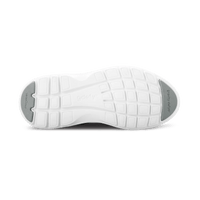
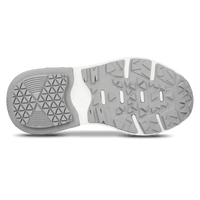
- Tread you can trust. Loaded walks often finish on the least forgiving surfaces available — a driveway, a wet entry mat, a garage floor. Outsole coverage with visible grooves matters more when stopping quickly is not an option, much as it does when walking on wet ground.
How G-Defy Approaches Loaded Walking
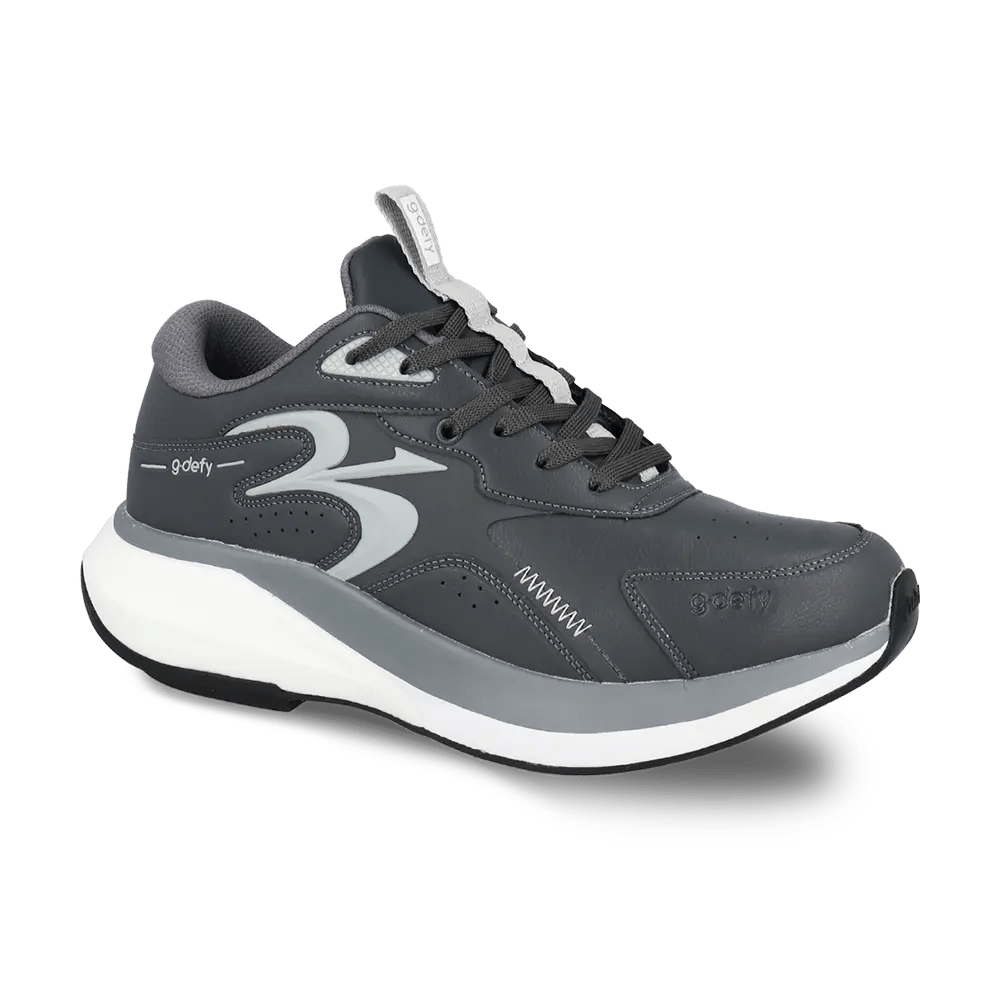
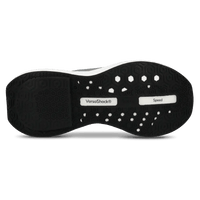
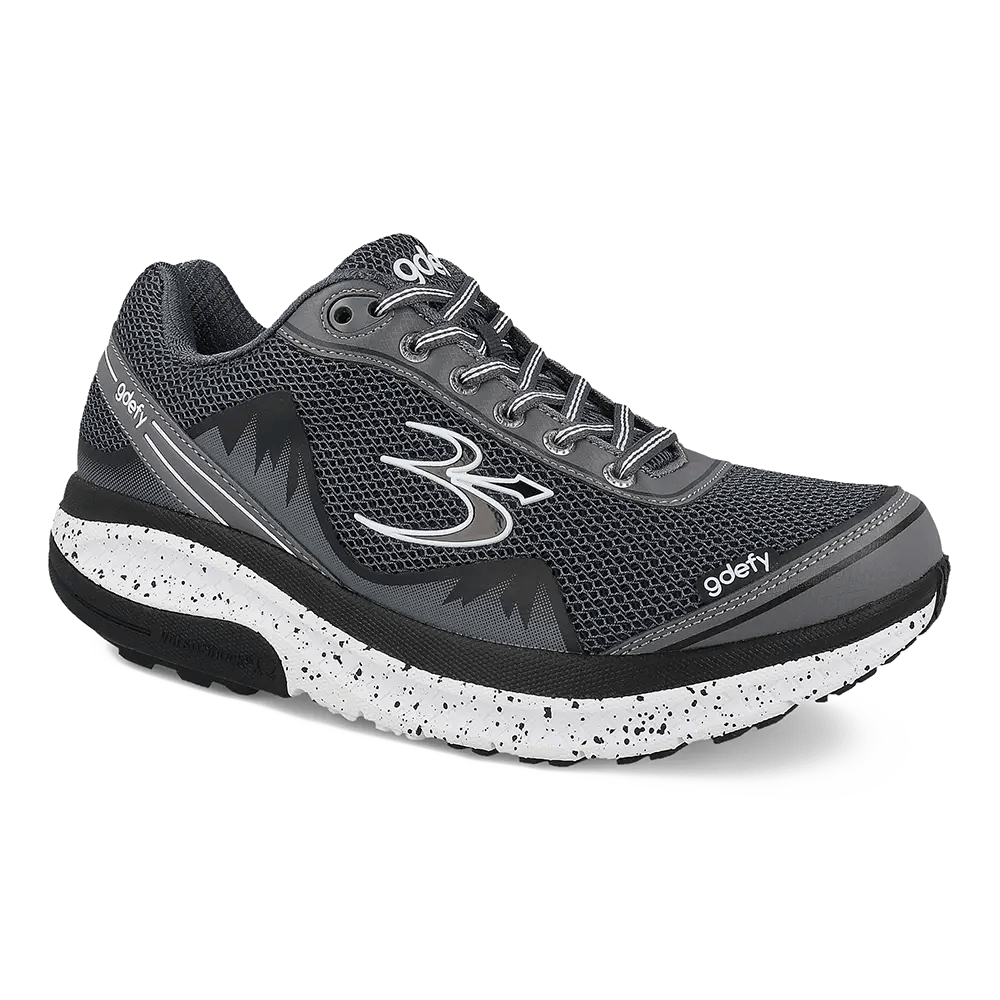
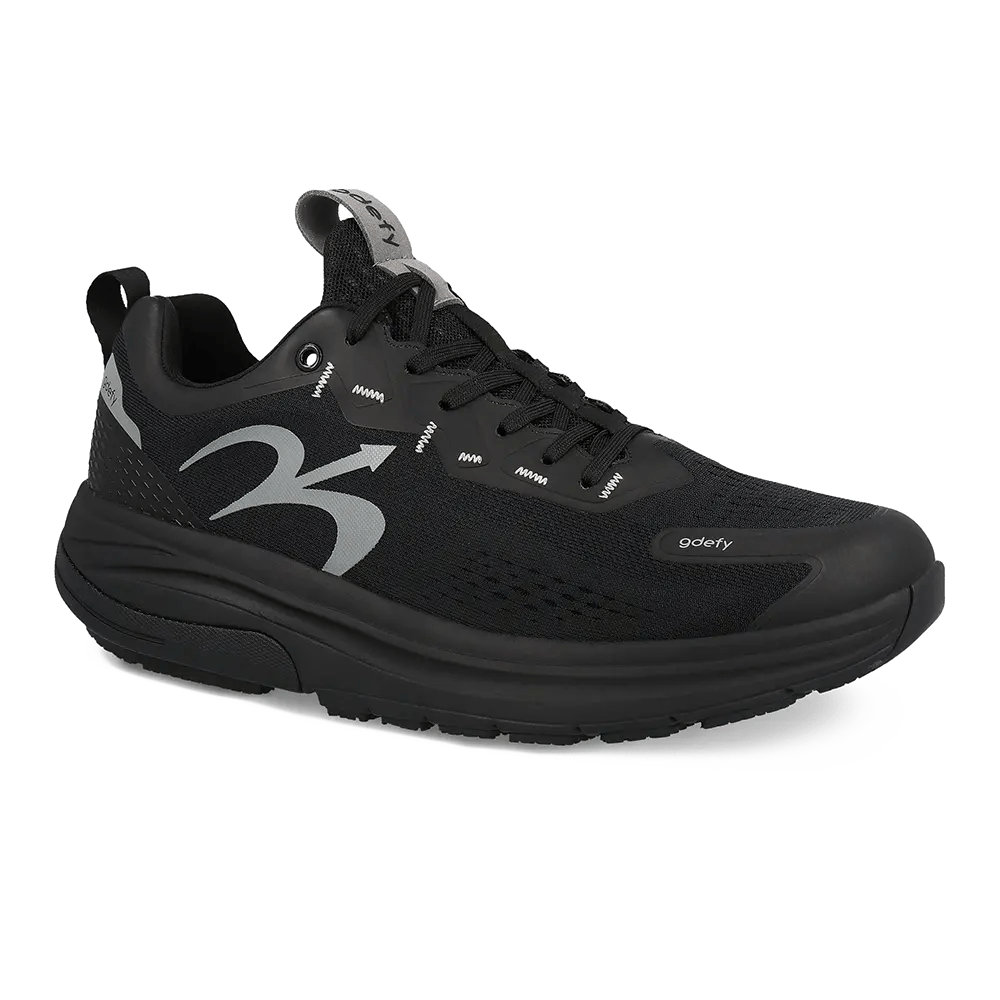
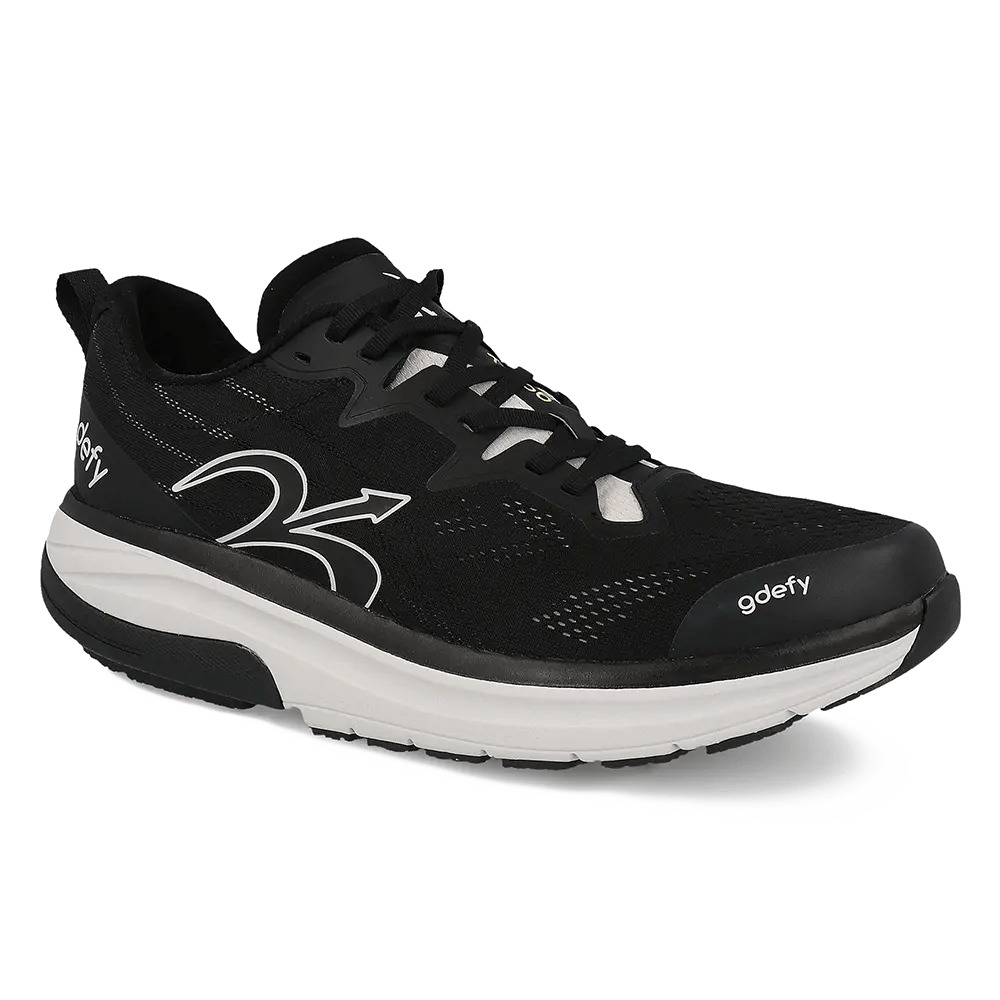
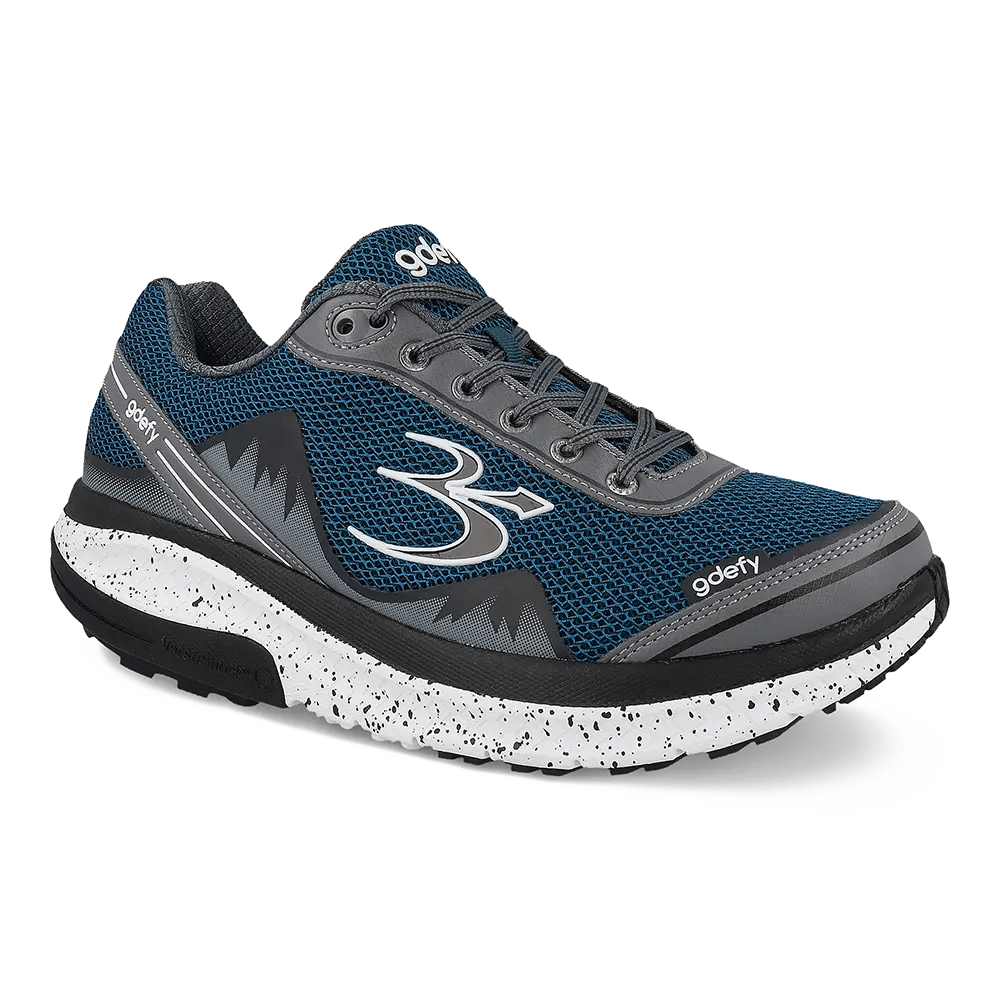
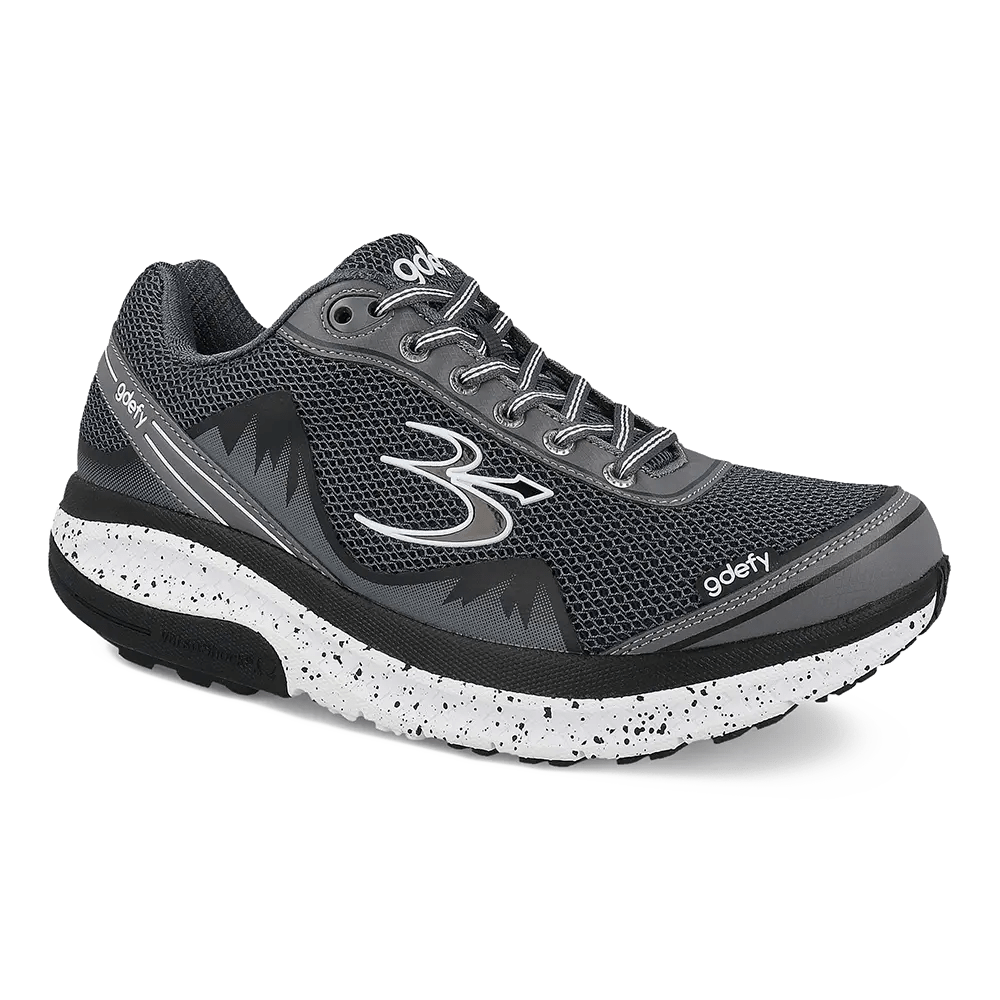
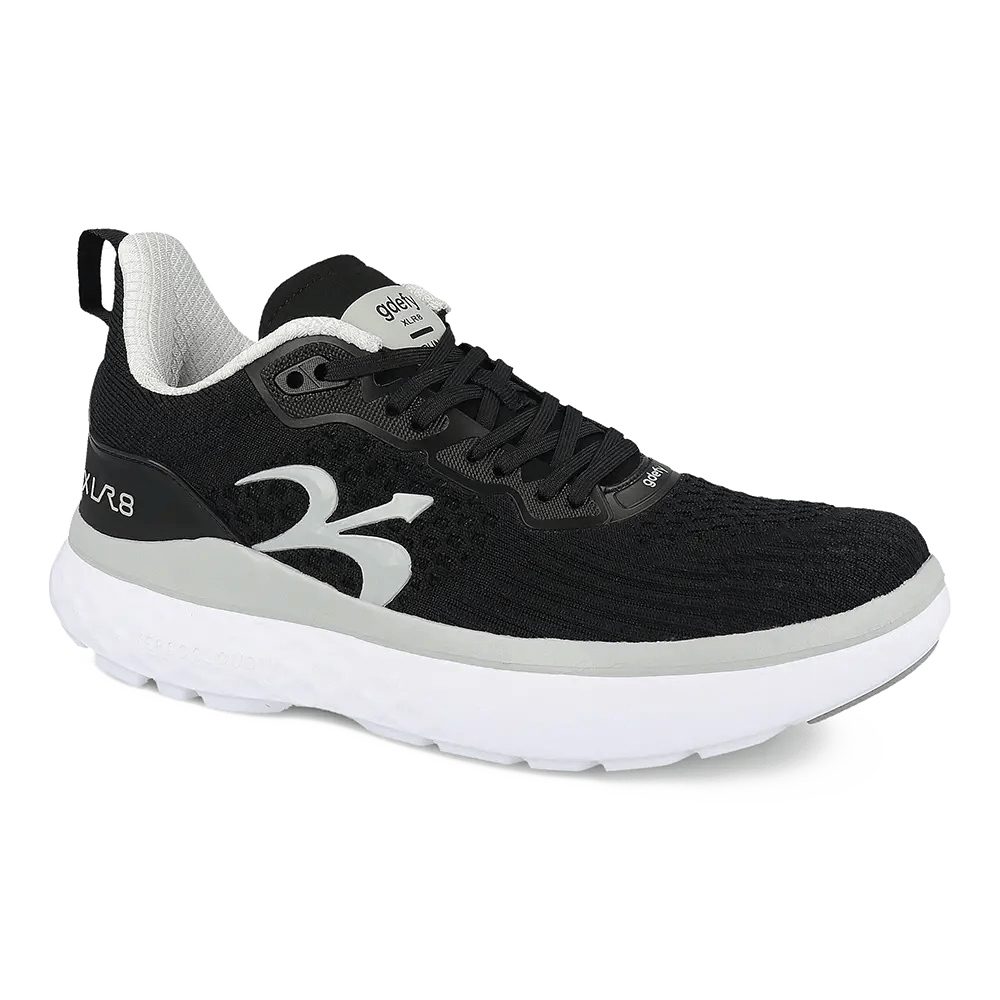
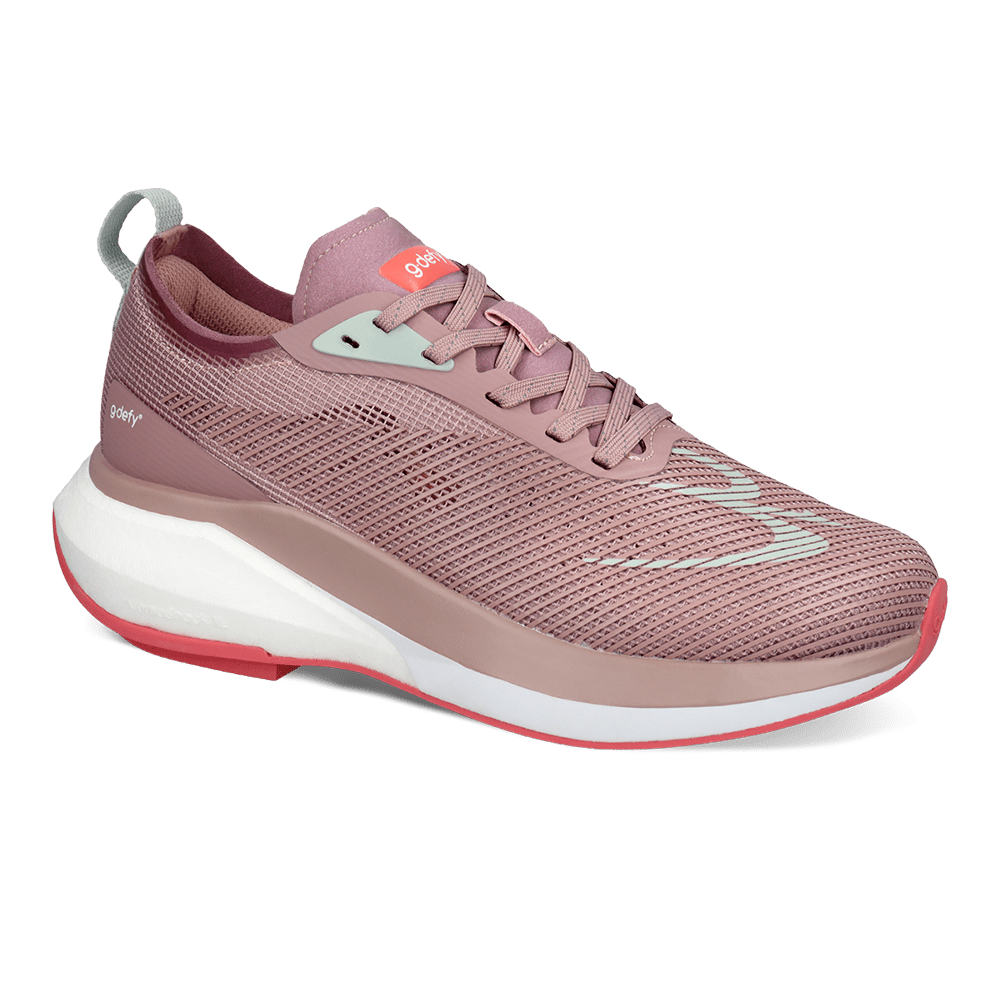
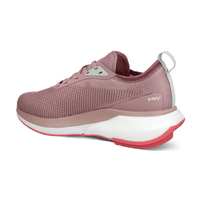
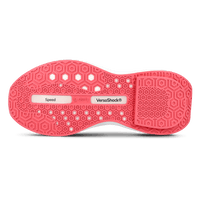
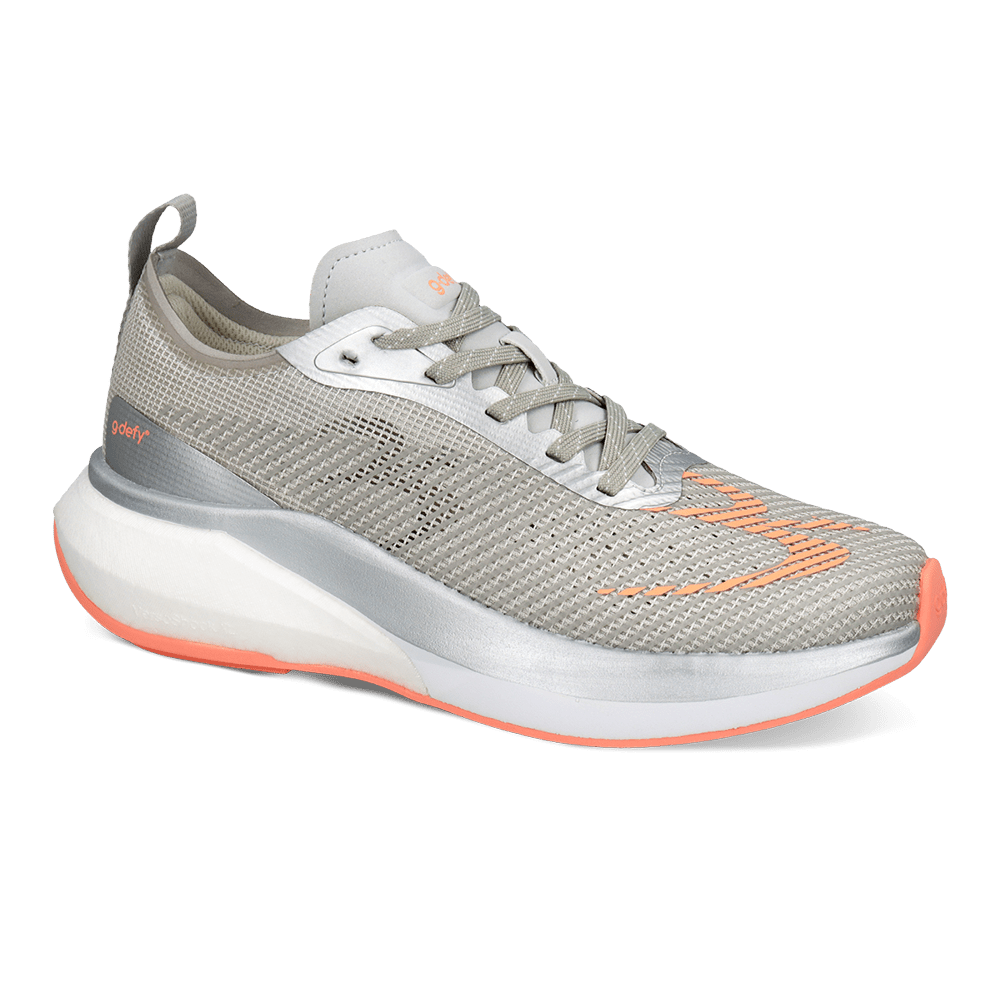
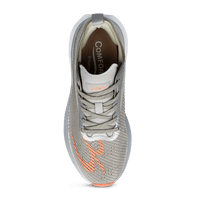
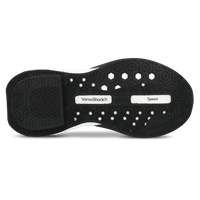
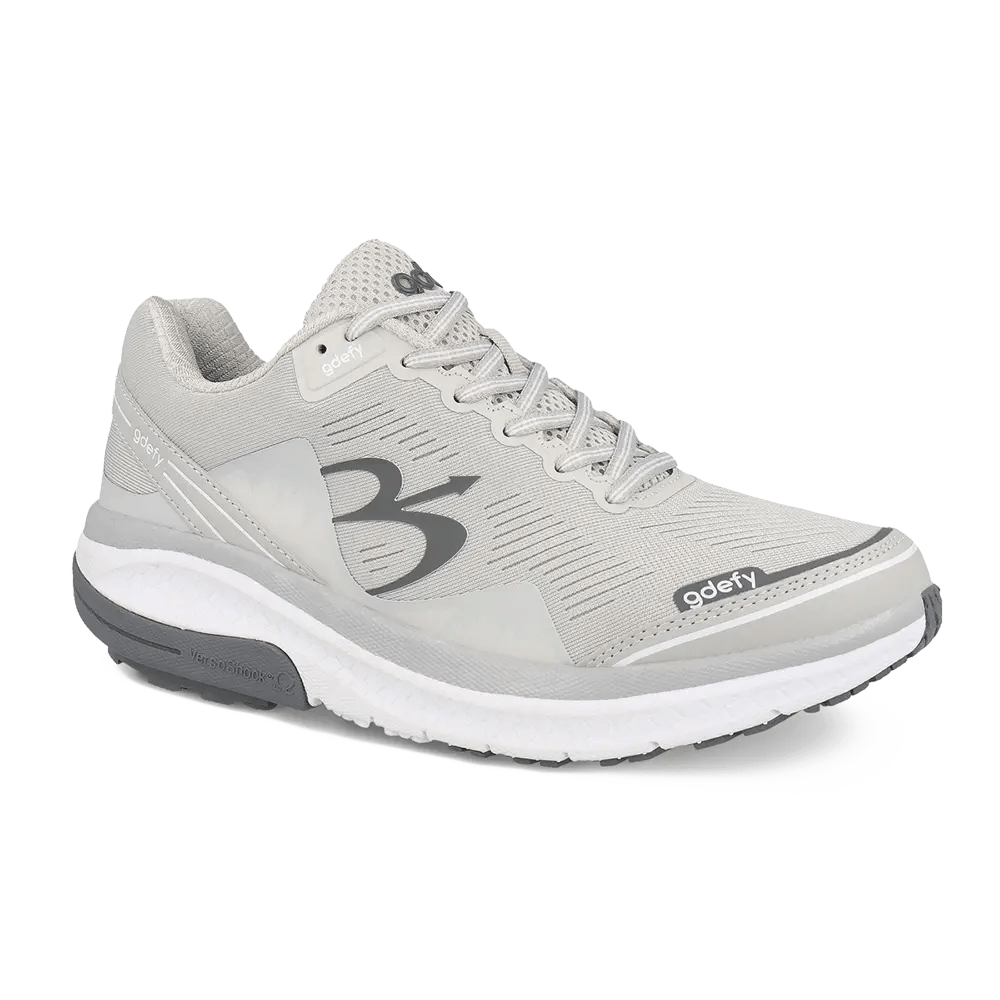
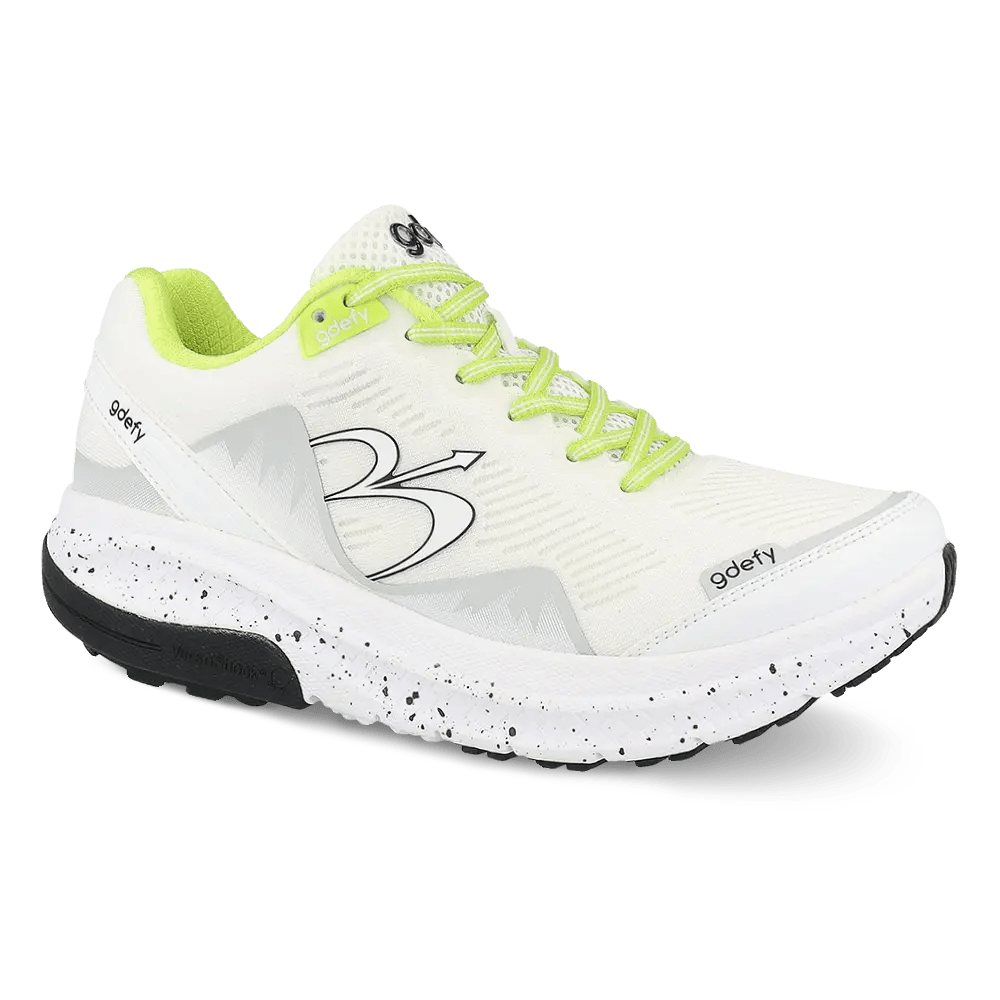
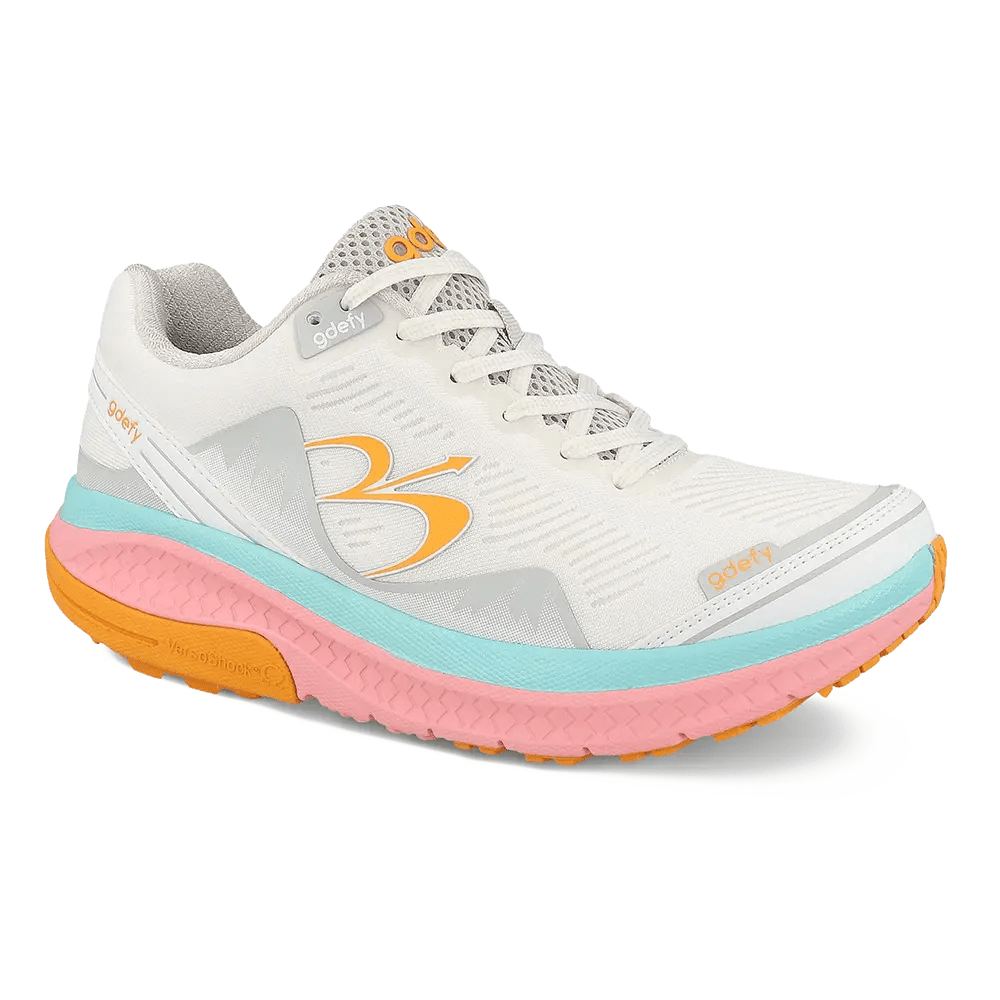
G-Defy shoes are engineered to provide comfort, support, and shock absorption. Featuring VersoShock® technology, they are designed to absorb impact and return energy with each step. A built-in stabilizer supports the foot during movement, while the front rolling design promotes a smooth walking experience. Each pair includes two removable orthotics to help customize comfort and support. G-Defy shoes help reduce pain from walking, running, and prolonged standing.

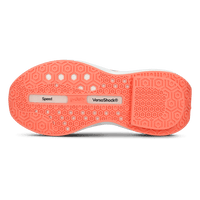
For loaded walking specifically, three parts of that system do most of the work. The VersoShock® midsole gives the extra load somewhere to go instead of passing it straight through. The stabilizer matters more when you are carrying something on one side, because it gives the foot structure to push against rather than letting the shoe deform toward the lean. And the two removable orthotics let you adjust volume — useful when the same shoe has to work for an empty-handed morning walk and an armful of boxes on moving day.
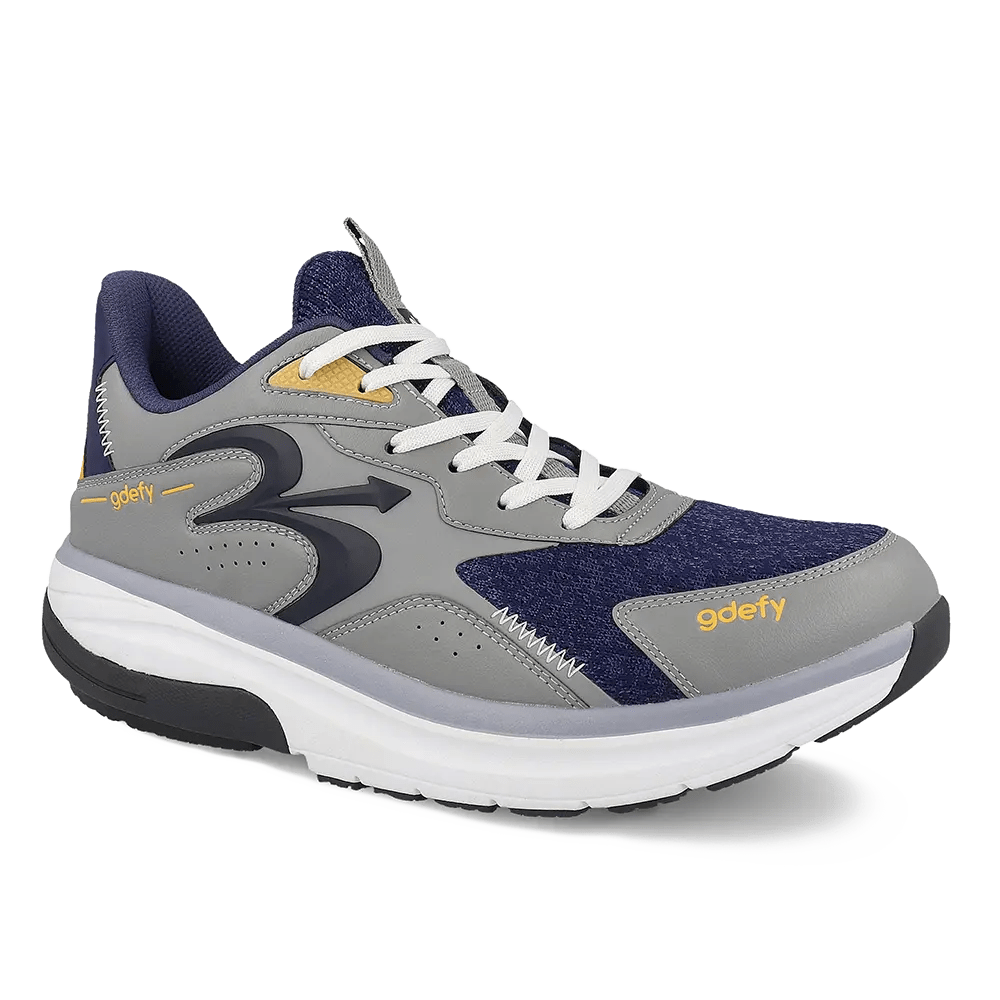
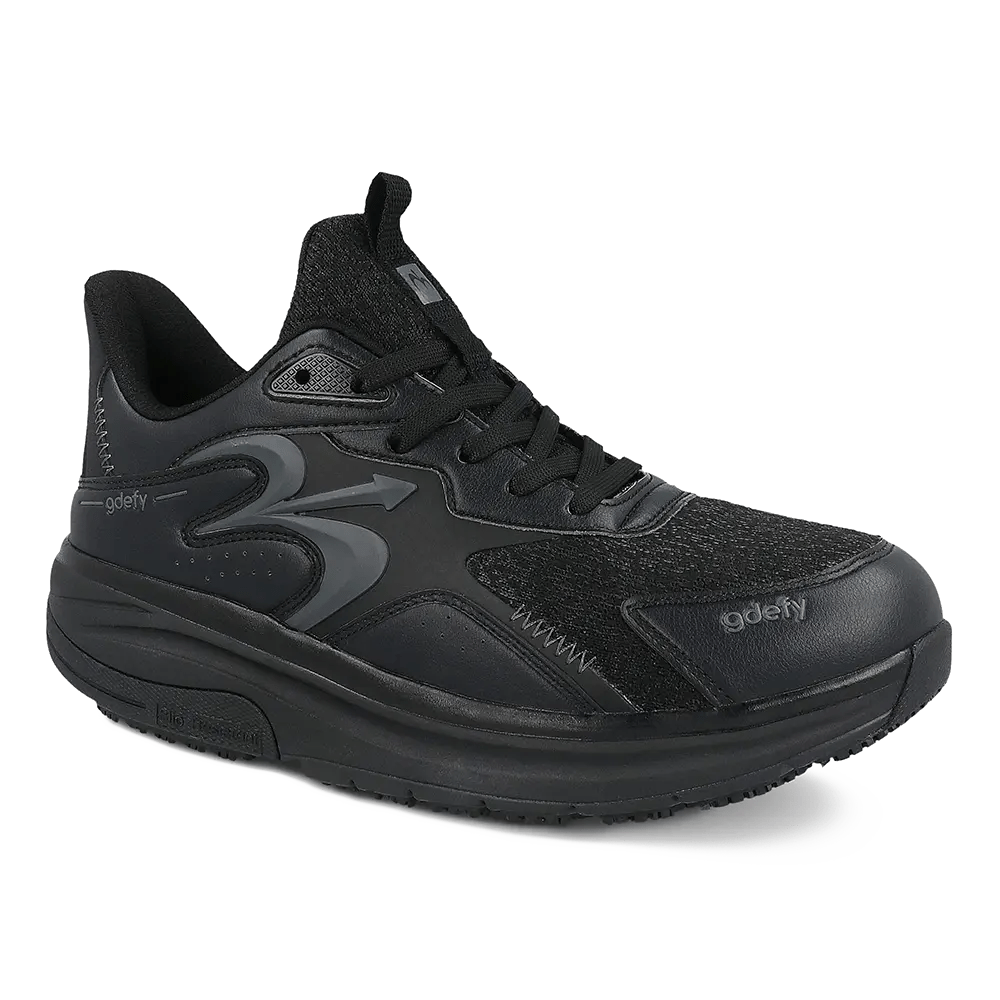
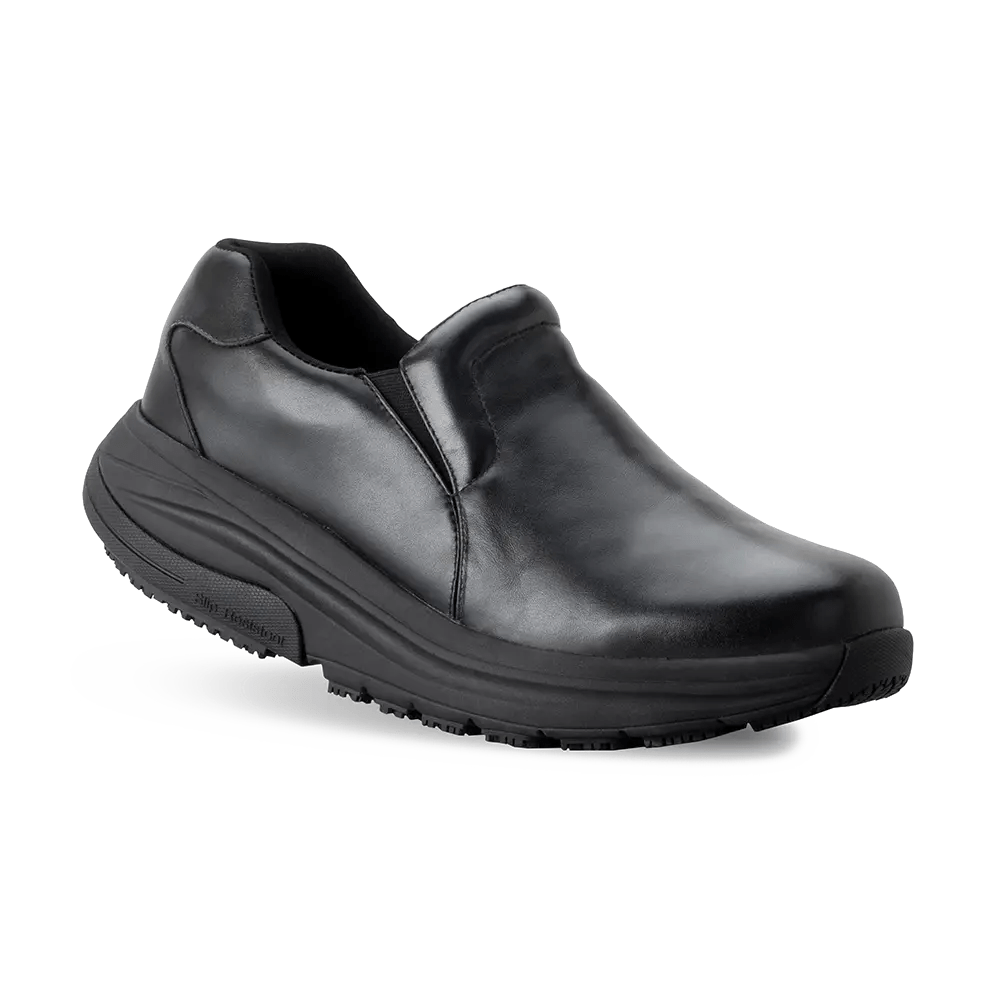
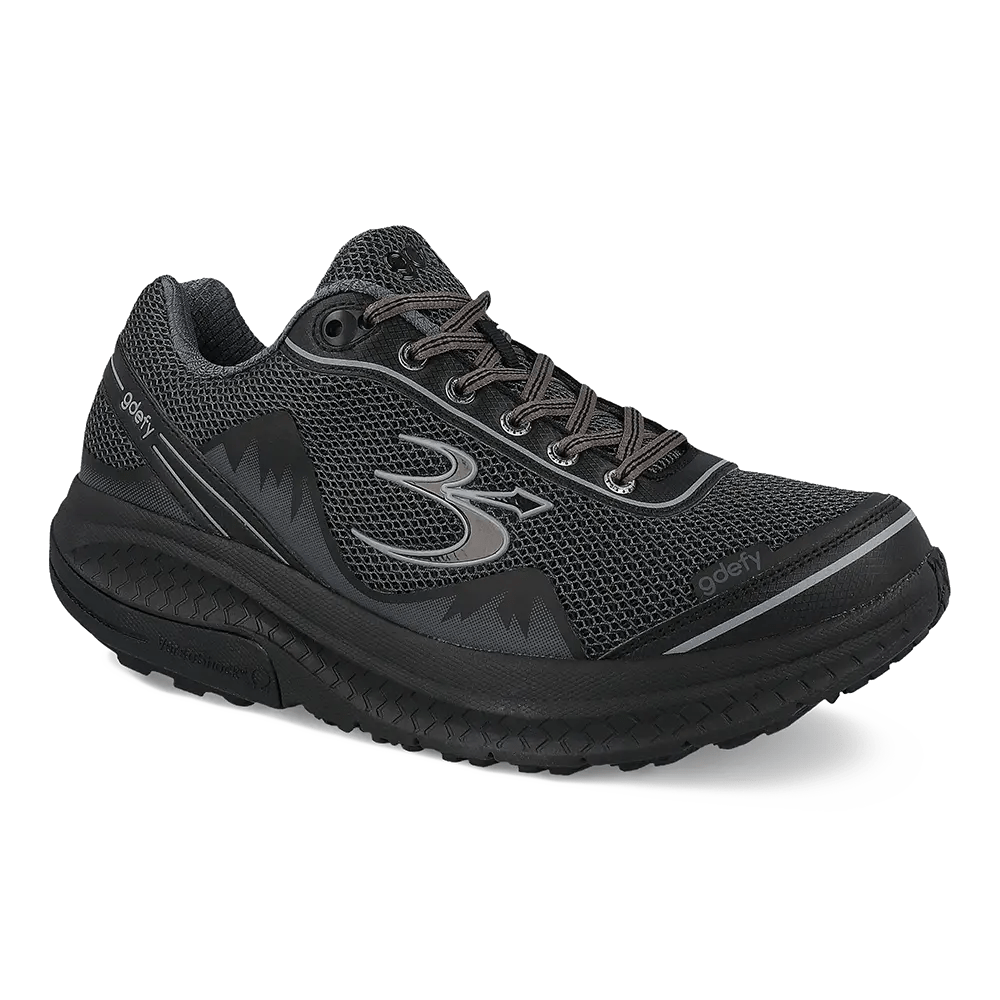
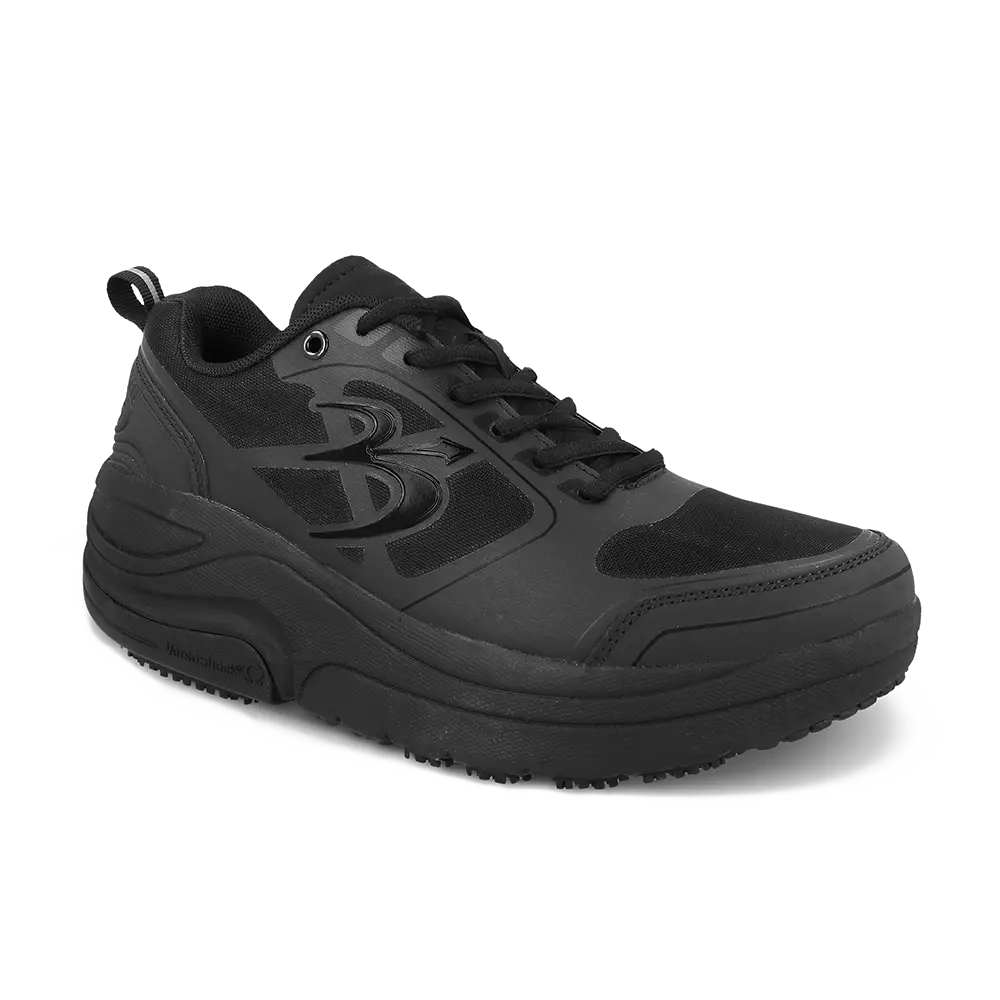
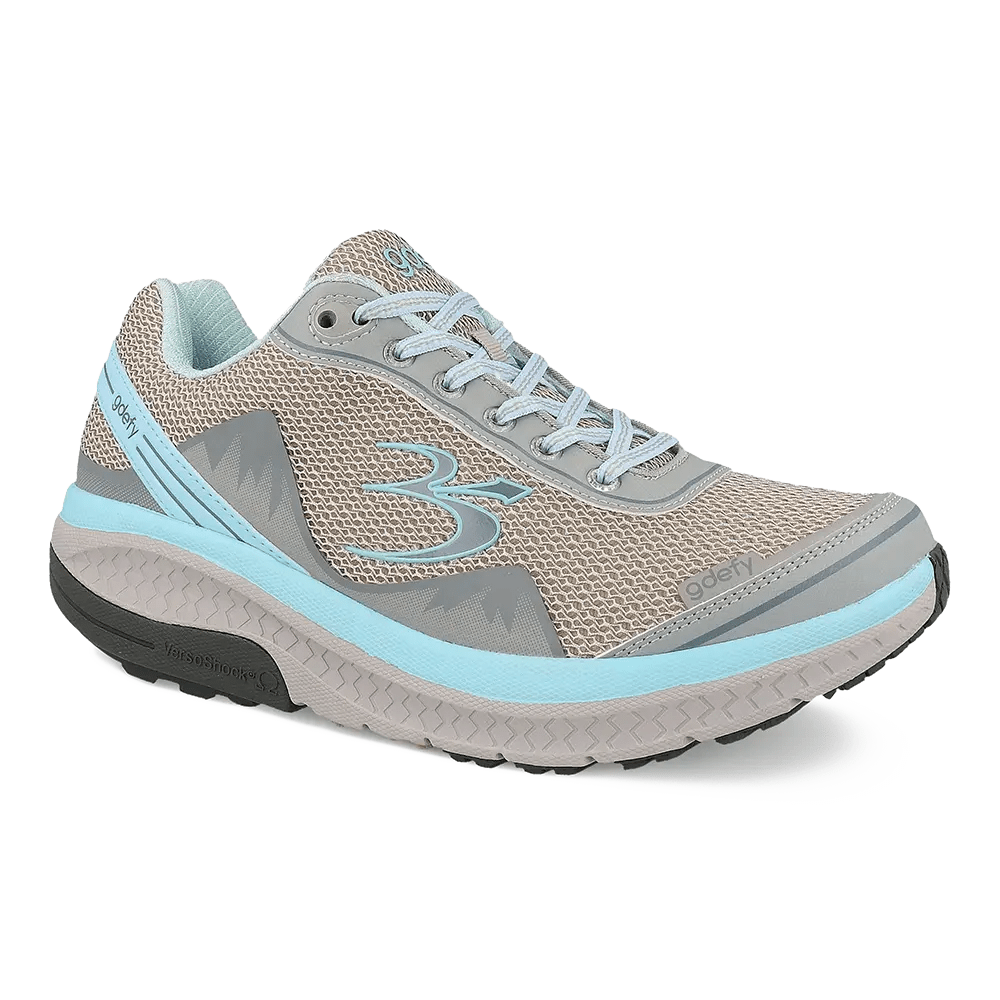
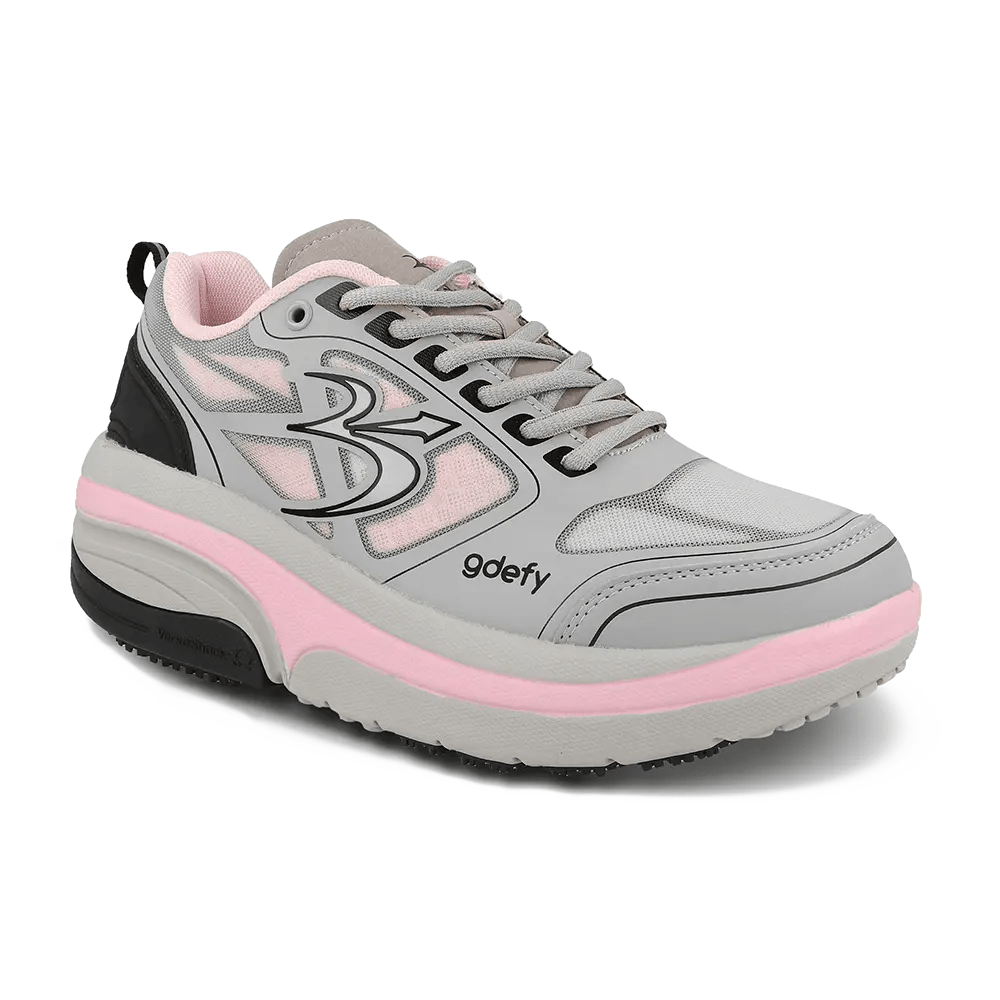
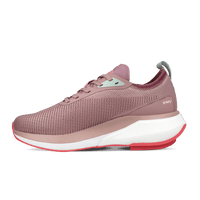
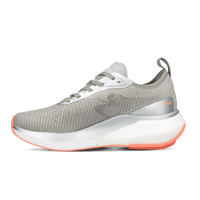
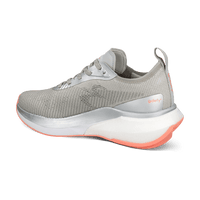
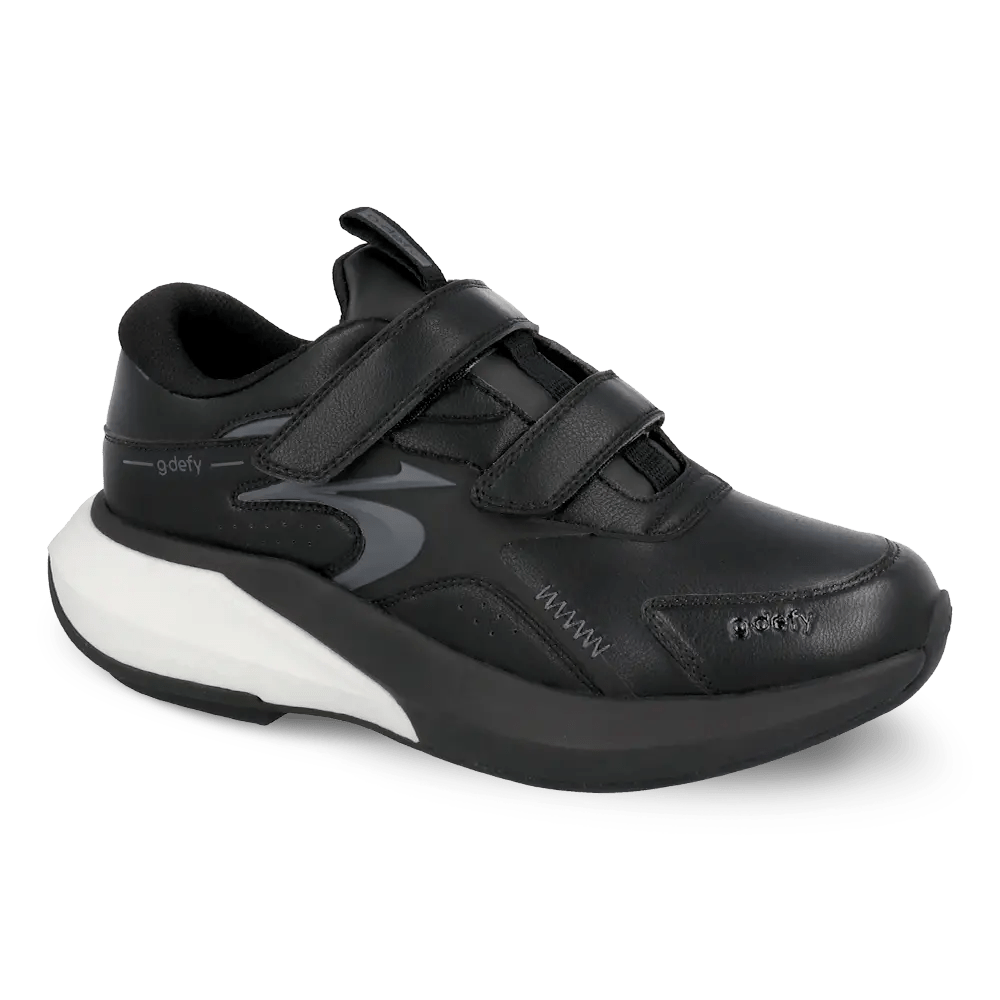
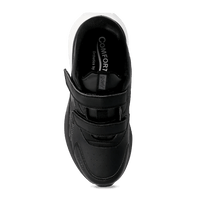
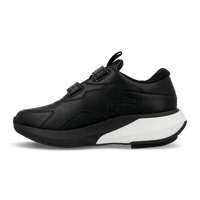
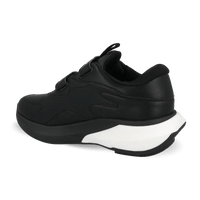
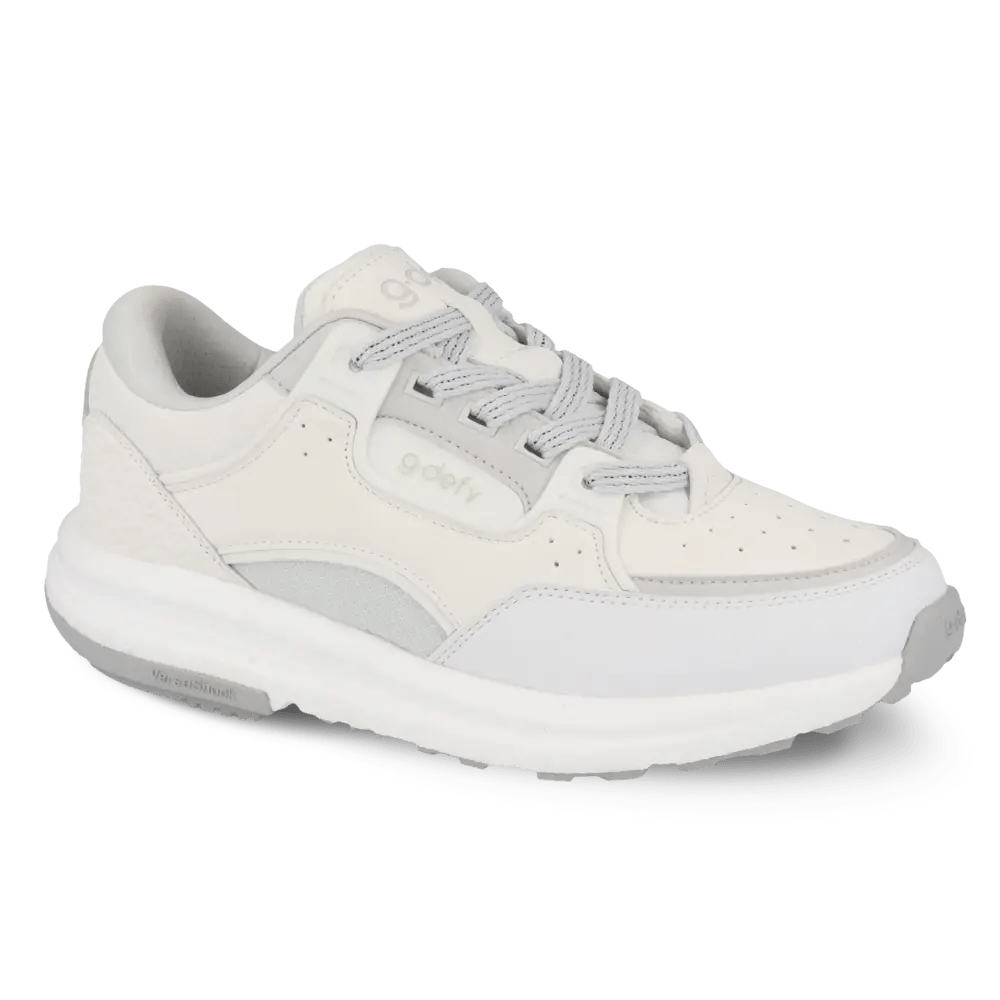
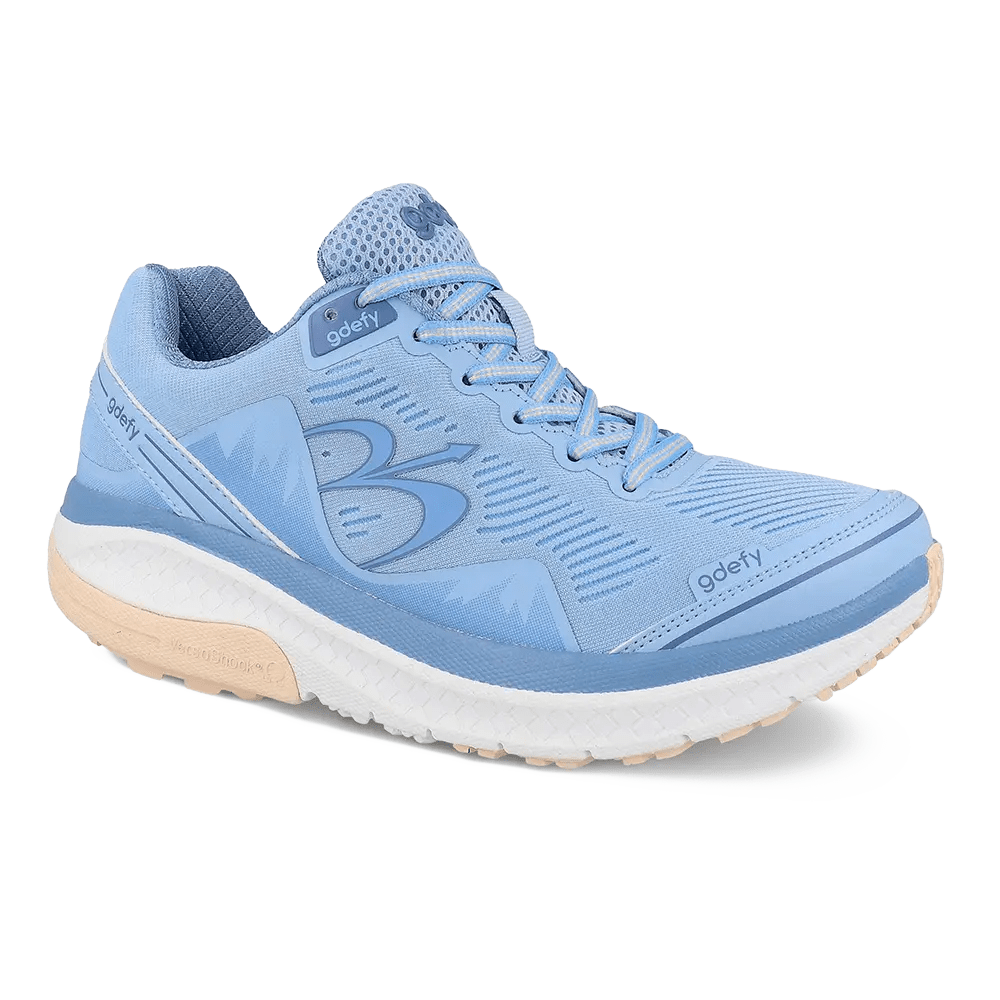
The Mighty Walk is the model most people reach for here, with a substantial midsole stack and medium, wide, and extra-wide widths — the range that matters when feet spread under load. It is also available in a women's version. If you want the mechanics behind the midsole before you choose, how VersoShock® technology works walks through it, and what shock absorption actually means in a shoe covers the underlying idea.
Built for the days your hands are full
Try G-Defy shoes with a 60-day risk-free trial, plus free shipping and free exchanges — the practical way to find out how a pair holds up on your actual carrying days.
Shop Men's Shop Women'sHow to Carry So Your Feet Notice It Less

Small changes to how you carry do more than most people expect.
- Split the load across both hands. Two 15-pound bags are meaningfully easier on your feet than one 30-pound bag, even though the total is identical. Balance removes the lean, and the lean is what makes one foot work harder than the other.
- Swap sides on longer carries. If you cannot split it, change hands every minute or so. You will not eliminate the asymmetry, but you will stop loading the same side for the entire walk.
- Keep the weight close to your body. A bag held at arm's length asks far more of you than the same bag tucked in near your waist. Closer is lighter, functionally speaking.
- Make more trips. Two comfortable trips beat one heroic one, especially on stairs or an uneven driveway.
- Look at the ground before you lift. Once a box is in your arms you cannot see your feet. Scan the route first — the step down off a curb, the hose across the path, the wet patch by the door.
- Keep your most supportive pair for the carrying days. If you rotate between shoes, the pair with the most cushioning and the firmest heel hold is the one worth putting on before the grocery run, not after.
What People Tell Us
Customers who spend their days carrying things tend to describe the difference in the same plain terms. "My feet are not as tired by the time I get everything inside." "I stopped dreading the walk from the far parking spot." "These feel more supportive than the pair I was wearing for work."
Nobody is describing a medical outcome, and we would not publish it if they were. What they are describing is comfort holding up further into a day that asks a lot of their feet. Results vary by individual.
Frequently Asked Questions
Does carrying heavy bags make foot pain worse?
Carrying adds load to every step, and more load through the foot can mean more fatigue and discomfort, particularly over distance or on hard surfaces. Supportive, well-cushioned footwear may improve overall comfort during walking and prolonged standing. For persistent foot pain, consult your healthcare provider.
Is a backpack better than carrying bags in my hands?
For your feet, a well-fitted backpack has one clear advantage: it is symmetrical, so neither side takes more than the other. The trade-off is that the weight rides higher, which asks a little more of your balance. Two balanced hand-carried bags and a properly adjusted backpack are both better than one bag on one shoulder.
Should I size up if I am carrying things regularly?
Not usually — but width is worth checking. Feet spread under load, so a shoe that fits well empty-handed can feel tight when you are carrying something. Trying a wide or extra-wide in your normal length is generally more useful than going up half a size, which can let the heel slip.
Why do my feet feel worse after a short walk carrying groceries than after a long walk without?
Because the two walks are not doing the same thing. The loaded walk delivers more force per step, keeps both feet on the ground longer, and often runs across driveways and hard floors rather than a forgiving path. Distance is only one of the variables.
Do cushioned shoes make me less stable when carrying something?
They can, if the cushioning is soft without structure. That is why the useful combination is cushioning plus a stabilizer — shock absorption underfoot with something firm enough that the shoe does not roll sideways when your load pulls you off center.
The Bottom Line
Carrying something changes a walk more than the distance suggests. Each step takes on your weight plus whatever is in your hands, your stance widens and slows to stay steady, and any one-sided load quietly hands one foot more work than the other.
While footwear is not a medical solution, choosing shoes designed for comfort, support, and shock absorption can make a meaningful difference in how you feel throughout the day — especially on the days when your hands are full. Split the load, keep it close, scan the route, and put on the supportive pair before the trip rather than wishing you had afterward.