
July 28, 2026
Inside the G-Defy Sierra: How a Hiking Boot Is Built for Trail Comfort
By Gdefy

Summary
A long day on the trail asks more of your feet than almost anything else you do in a normal week. The ground is uneven, the miles add up quietly, and by the time you are heading back to the car you are usually carrying a little more fatigue than you expected. Footwear will not change the terrain, and it is not a medical solution — but the boot you choose has a lot to say about how comfortable those last two miles feel.
This is a closer look at one specific boot: the G-Defy Sierra. Rather than a general shopping guide, we are going to walk through how it is actually put together, what each part is meant to do, and who it suits. If you are still deciding between a boot and a low-cut shoe, we cover that too.

Why Trail Walking Is Different From Sidewalk Walking
Most comfort footwear is designed around a predictable surface. Pavement is flat, consistent, and gives your foot the same input step after step. A trail does the opposite, and that difference is what drives boot design.
The ground keeps changing under you
Packed dirt, loose gravel, exposed roots, a stretch of rock, then dirt again. Each surface loads your foot slightly differently, and your foot and ankle are constantly making small adjustments to keep you balanced. Over a few hours, those adjustments add up to real fatigue — not because anything is wrong, but because you are simply doing more work per mile than you would on a sidewalk.
Elevation adds another layer. Climbing shifts load toward the forefoot and asks the boot to flex cleanly at the toe; descending throws your weight forward and pushes your foot down into the front of the boot with every step. A boot that feels perfect on flat ground can feel very different an hour into a downhill stretch, which is why fit and heel hold matter as much as cushioning.
Uneven ground asks more of your ankles
On a flat surface your foot lands roughly level every time. On a trail it lands at angles. That is why boot height matters: a taller upper wraps the ankle and gives it a more secure, more connected feel on ground that tilts. It is a stability and confidence feature, not a substitute for careful footing.
The miles accumulate faster than you notice
A three-hour hike is often five or six miles of continuous walking with no sitting down in between — considerably more sustained time on your feet than a typical errand day. Add a daypack and a few climbs, and impact and effort stack up. This is the same reason people notice fatigue after a shift standing on hard surfaces all day: it is the duration, not any single step.
What to Look for in a Hiking Boot
Before getting into a specific product, here is the short list of features worth checking on any boot you are considering:
- Shock absorption — helps soften the impact of each step on hard, uneven ground.
- A supportive, contoured footbed — helps the arch feel supported rather than collapsing into a flat surface over a long day.
- Ankle coverage — a taller upper adds a secure, stable feel when the ground tilts.
- Outsole traction — a lugged pattern helps the boot grip loose dirt and gravel.
- A durable upper — trails are hard on materials; leather and reinforced panels hold up better than lightweight mesh.
- Room in the toe box — feet spread and swell over hours of walking, and a cramped toe box is one of the most common comfort complaints.
- Secure lacing — the ability to lock your heel in place matters far more on descents than on flat ground.
If you want a broader walkthrough of these features across all shoe types, our guide to what is inside a comfort walking shoe covers the same anatomy in more detail, and our guide to choosing hiking boots for comfort is a good general starting point.
Inside the G-Defy Sierra
The Sierra is a women's hiking boot built around the same technology platform as the rest of the G-Defy line, adapted for trail use. Here is how the pieces fit together.

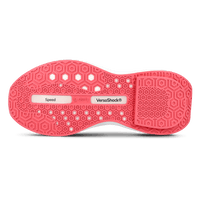
The VersoShock® sole
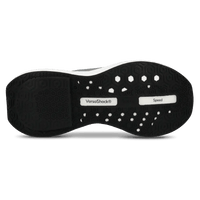
The Sierra sits on a VersoShock® sole, the shock-absorbing platform used across G-Defy footwear. It is engineered to absorb impact as the foot lands and return energy as you push off, which is exactly the cycle you repeat thousands of times on a hike. On a trail, where the ground offers no give of its own, that absorption is doing more work than it would on a treadmill. If you want the mechanical detail, we break the system down in how VersoShock® technology works.
A contoured, supportive footbed
Above the sole sits a contoured footbed shaped to support the arch rather than leave it unsupported on a flat platform. This is the part most people feel first, and it is why two boots with similar cushioning can feel completely different at hour four. How much support you want depends partly on your own foot shape — our guides to choosing shoes for your foot type and how flat feet and high arches use the same shoe differently are worth a read before you order.
The outsole and the upper
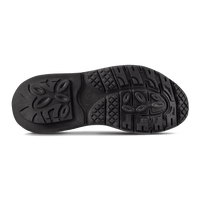
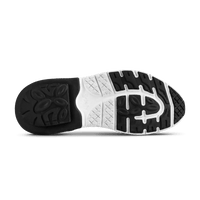
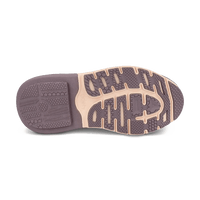
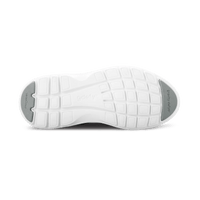
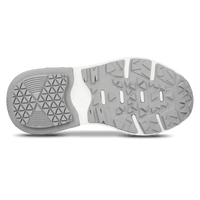
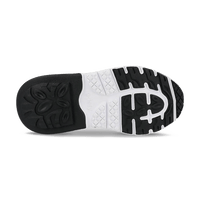
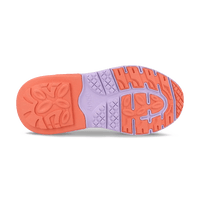
Two parts of a boot take the actual beating, and they are the two people inspect least. The outsole is what meets the ground, and a lugged pattern gives the boot something to bite into on loose dirt and gravel instead of skating across it. Deeper lugs help on soft ground; a flatter pattern rolls more smoothly on hard-packed trail. The Sierra sits toward the rugged end, which is what you want when the surface is unpredictable.
The upper is the other half of the equation. Trail debris, wet grass, and repeated flexing at the toe wear down lightweight materials quickly. A fine-crafted leather upper with reinforced panels holds its shape over more seasons, and a boot that keeps its shape keeps supporting your foot the way it did on day one — which is really what durability buys you.
Built for the trail, wearable off it
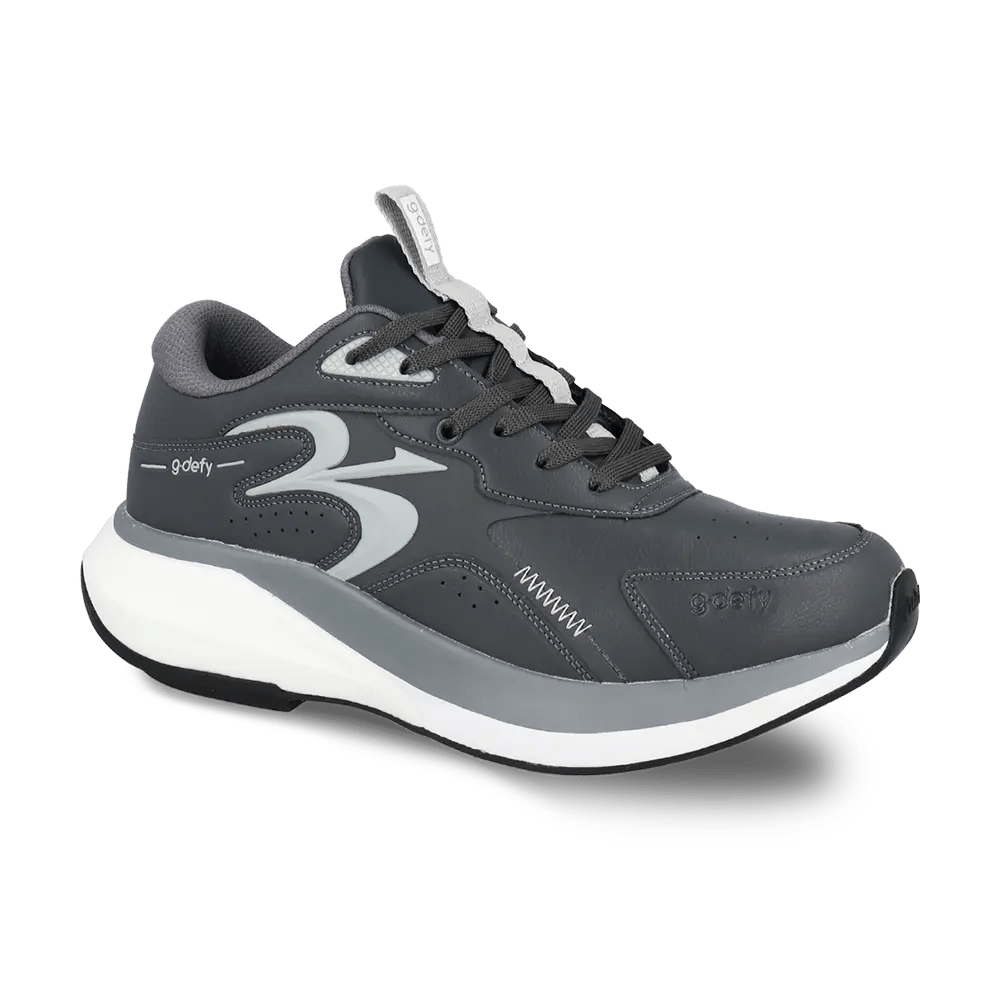
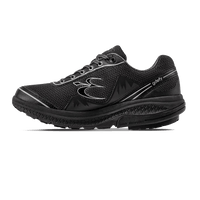
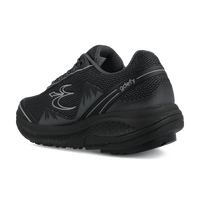
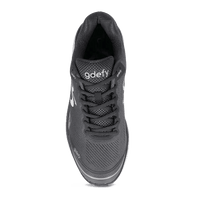
The Sierra uses a rugged, fine-crafted upper in brown with a lugged outsole for grip on loose ground, and a boot height that wraps the ankle. It comes in medium and wide widths, which matters more than most people expect — width is one of the most common reasons a boot that is technically the right length still feels wrong. It runs $114.95 and is stocked in a range of sizes, so it is worth checking availability in your size and width together.
G-Defy footwear is engineered to provide comfort, support, and shock absorption. Featuring VersoShock® technology, it is designed to absorb impact and return energy with each step, and it helps reduce pain from walking, running, and prolonged standing. Footwear is not a medical solution, but a boot built around those mechanics gives you a better starting point for a long day outdoors.
Try the Sierra on your own trail
Every pair comes with a 60-day risk-free trial, plus free shipping and free exchanges — so you can find your size and width without guessing.
Shop the G-Defy SierraIf a Low-Cut Shoe Suits You Better
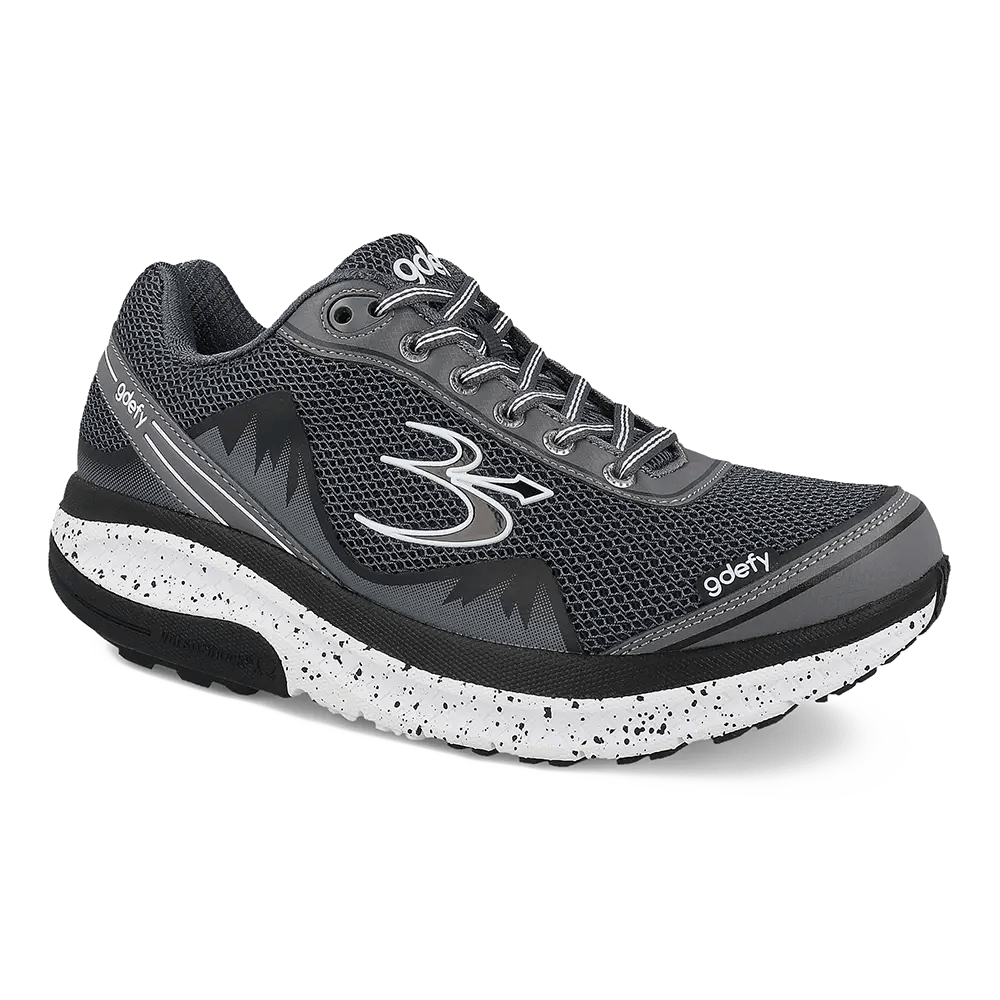
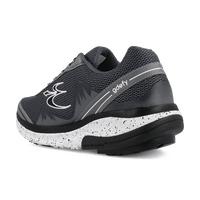
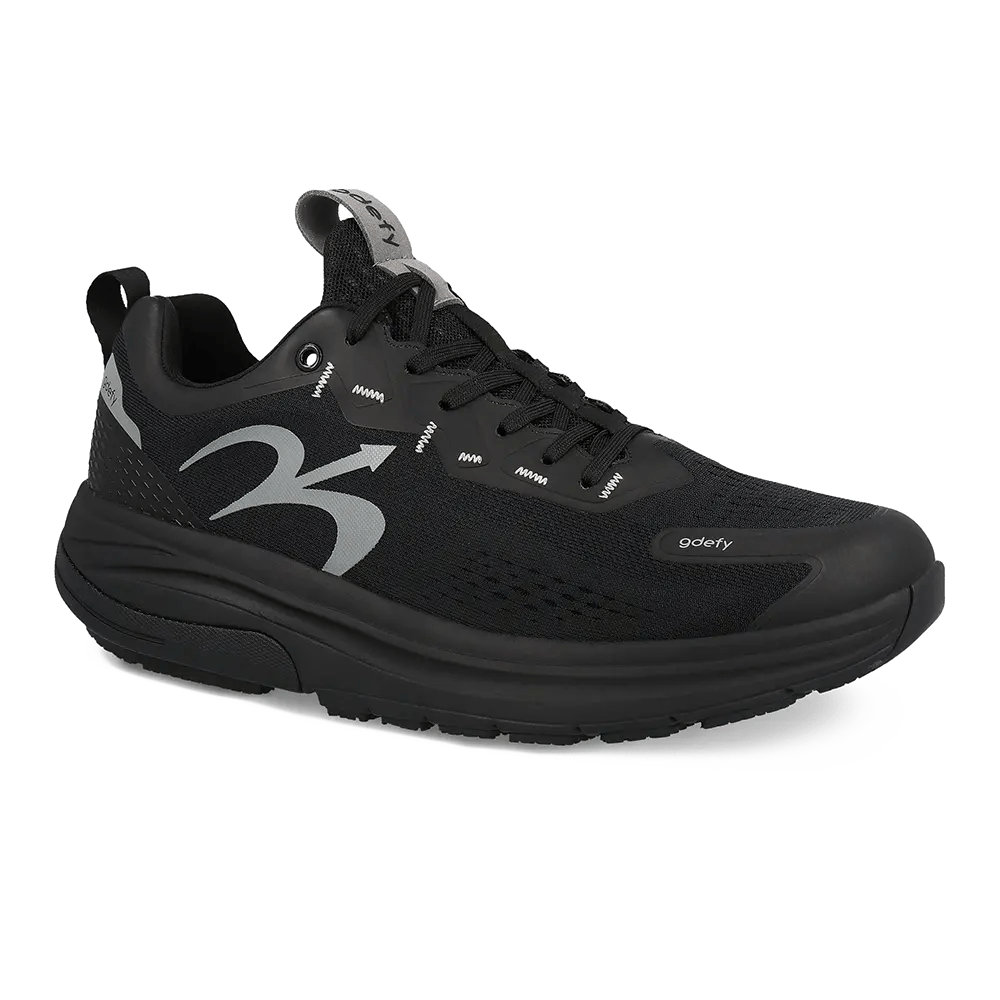
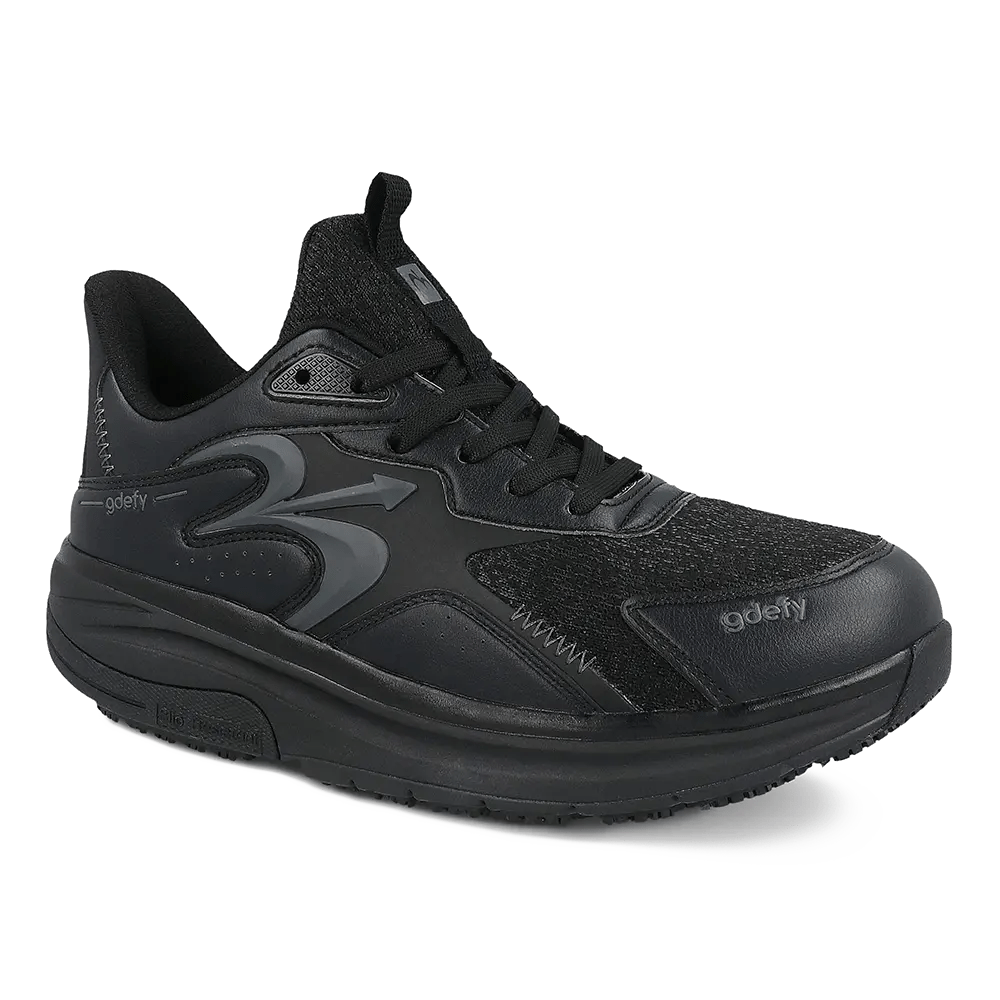
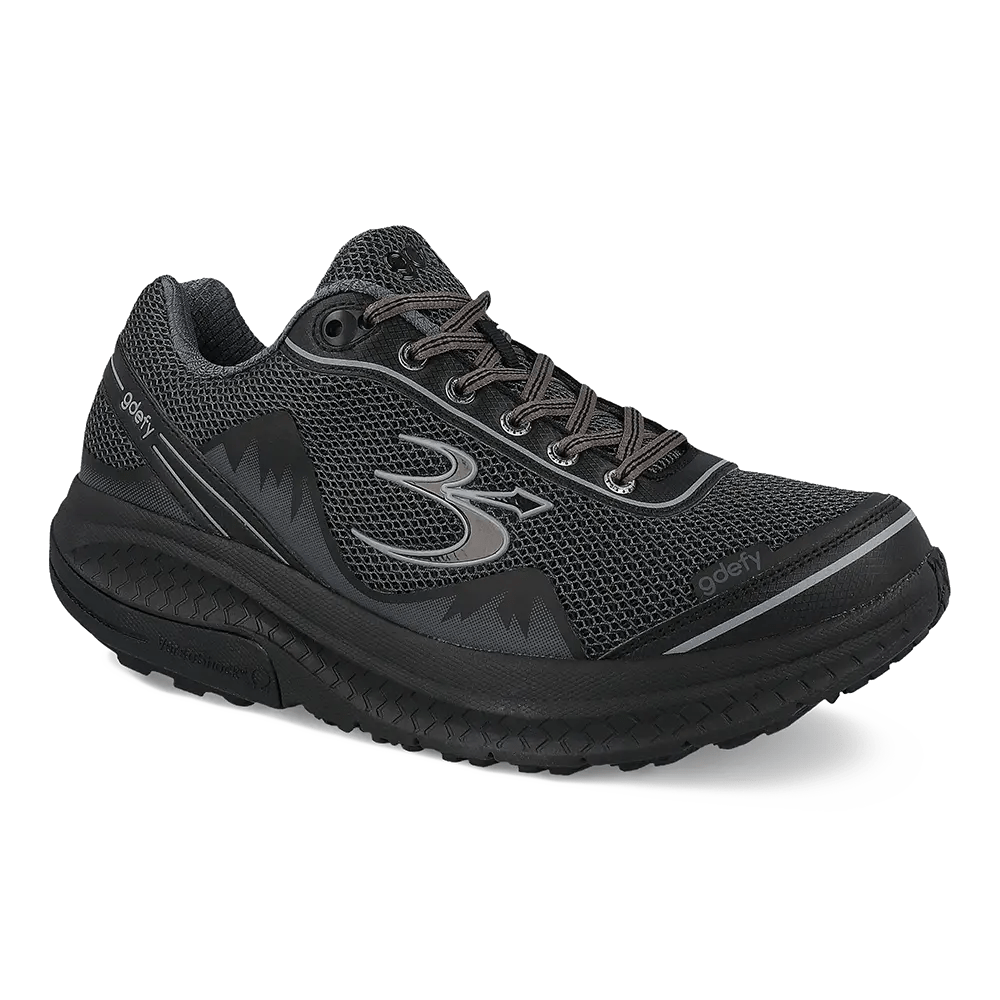
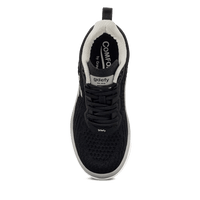
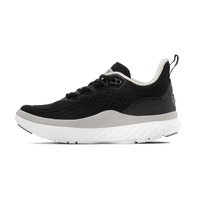
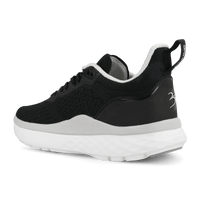
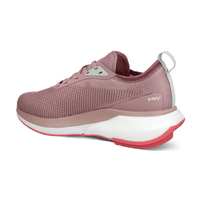
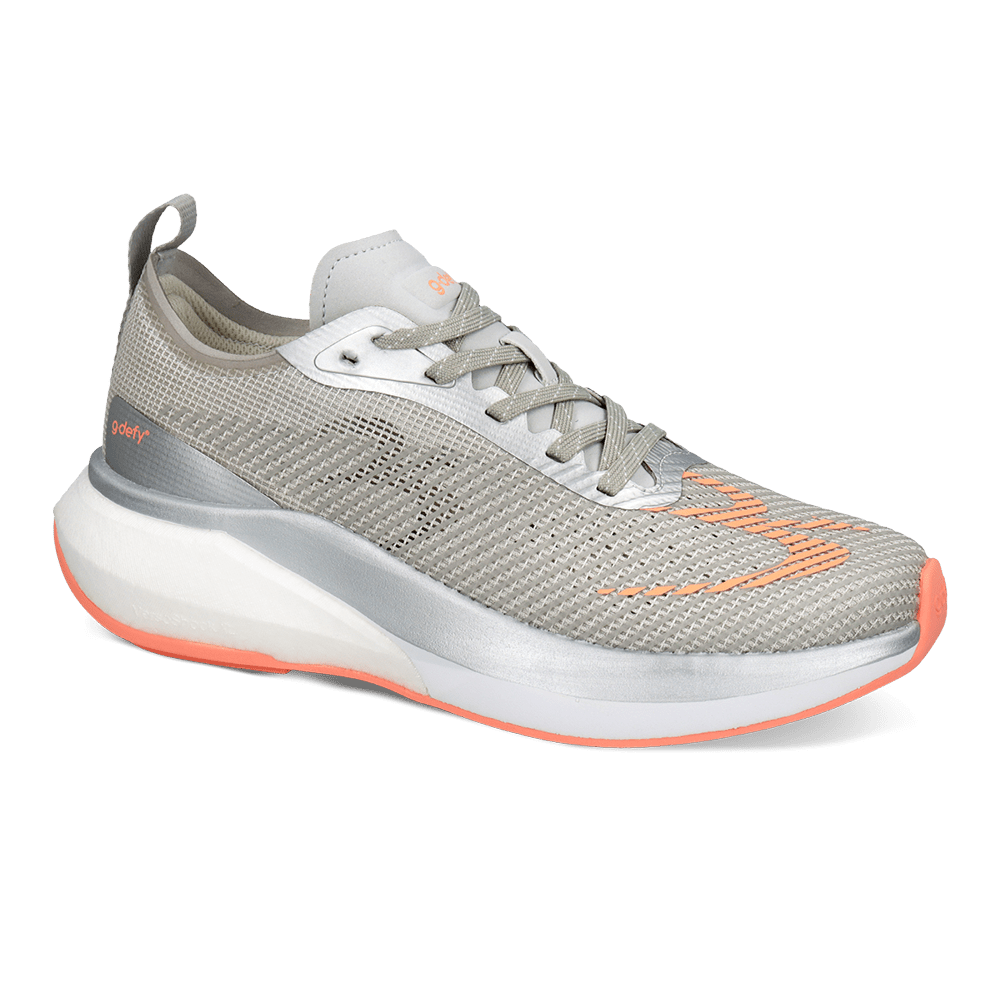
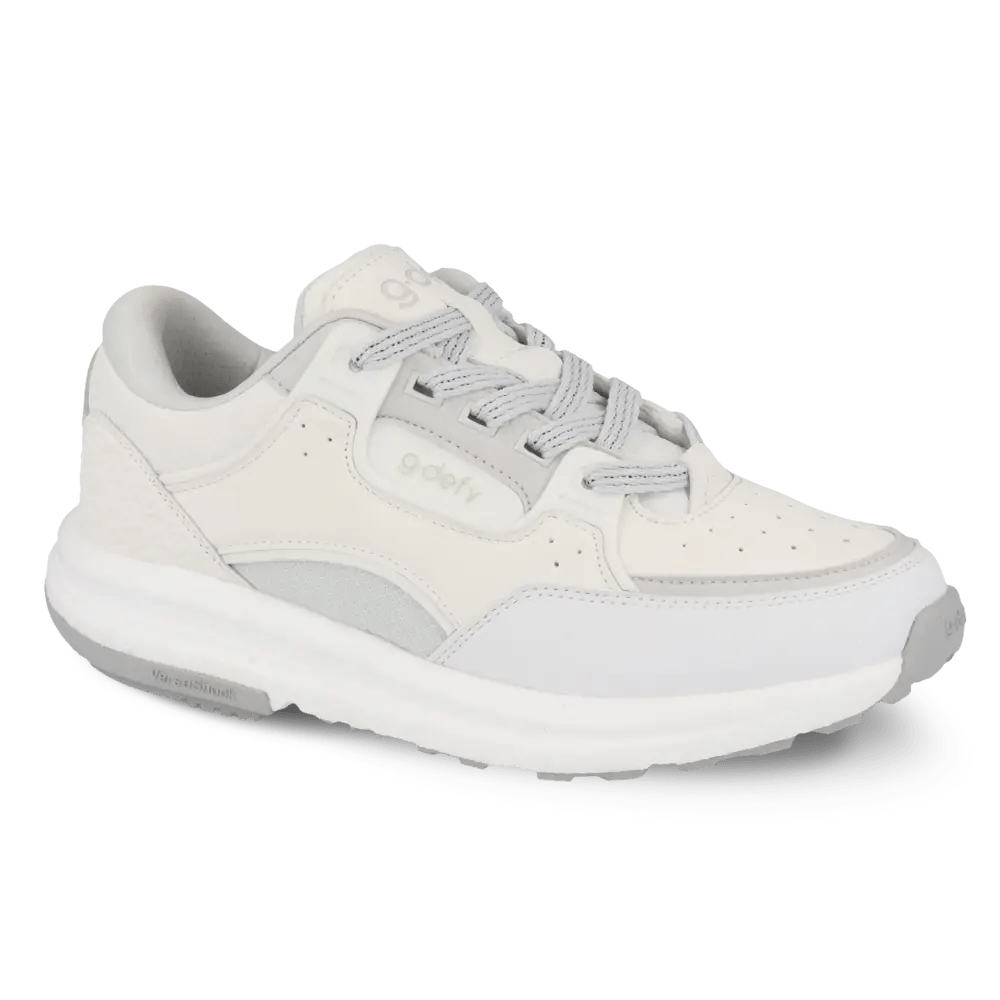
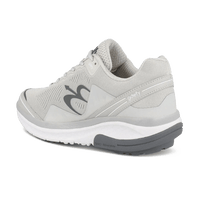
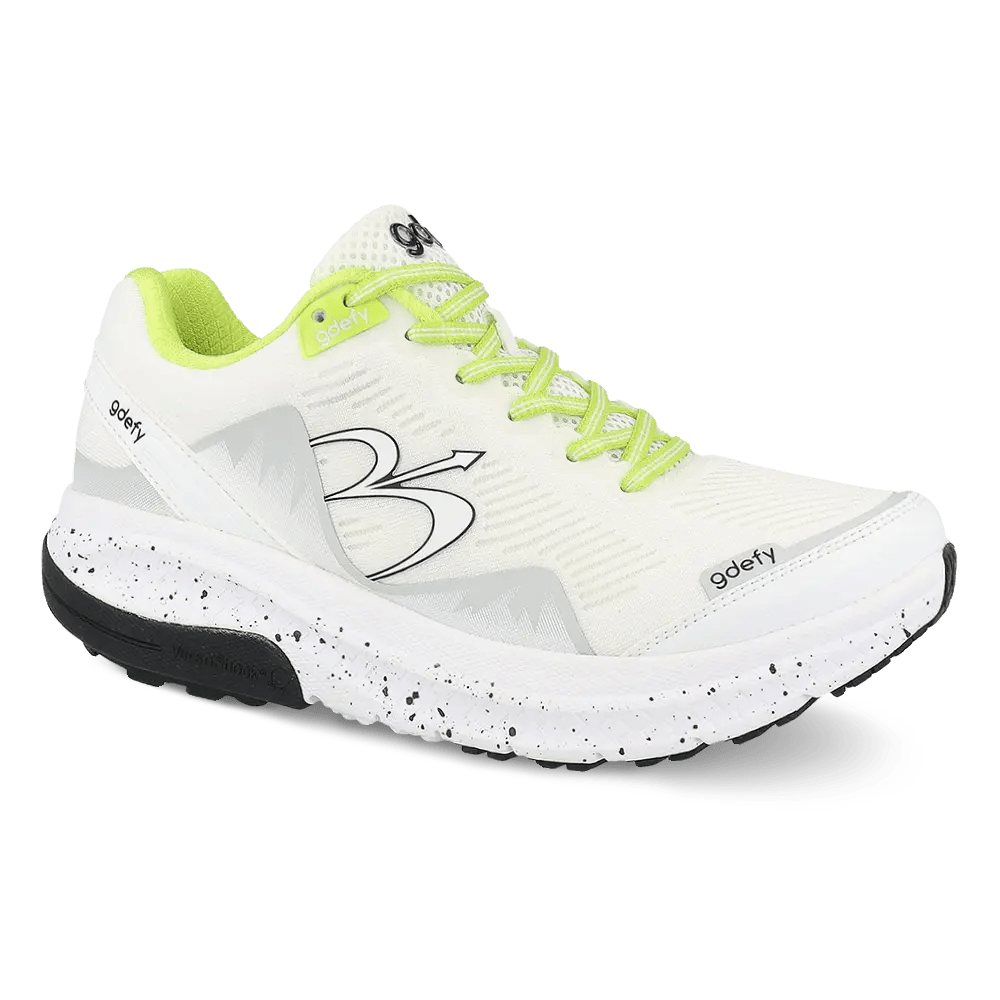
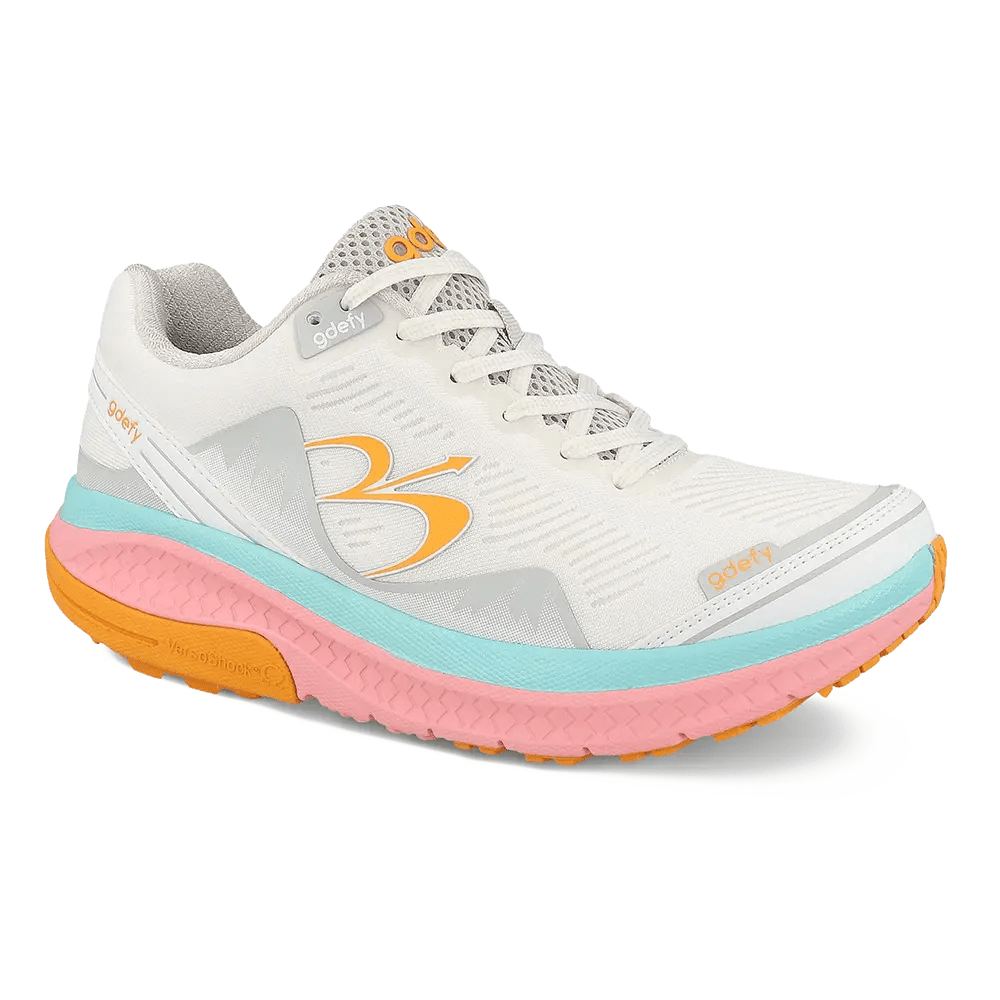
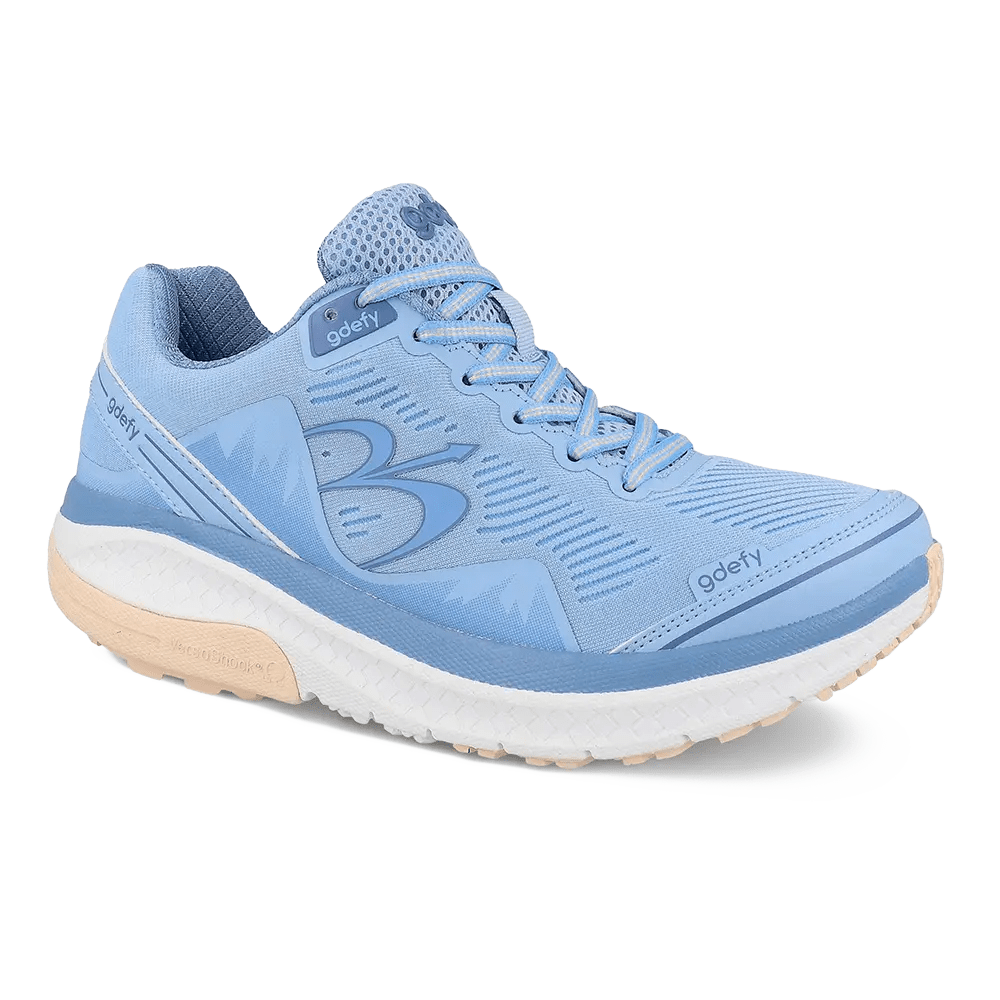
A boot is not the right answer for everyone. If your walking is mostly well-maintained paths, park loops, and gravel rail-trails rather than rocky terrain, a low-cut athletic shoe is often more comfortable and noticeably lighter — and it doubles as your everyday shoe on the drive home.

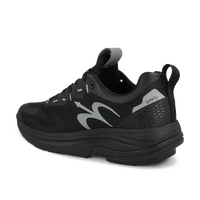
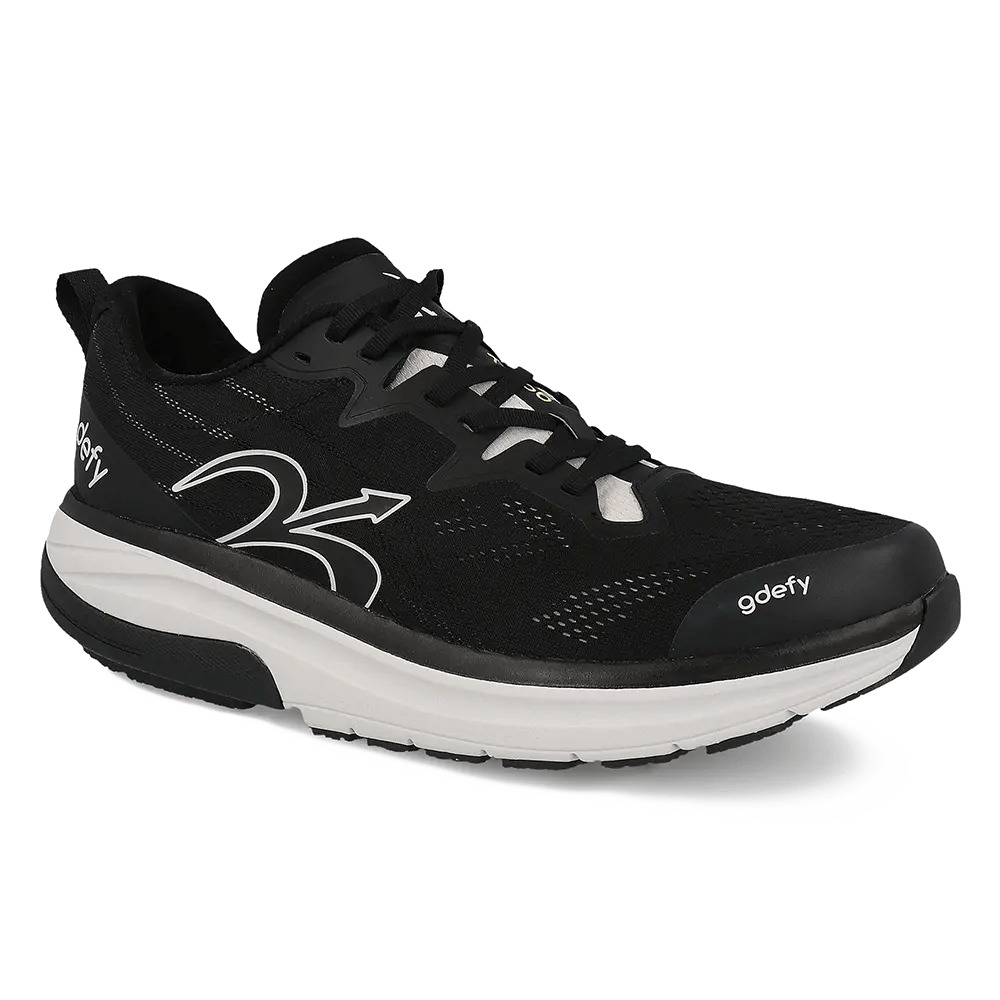
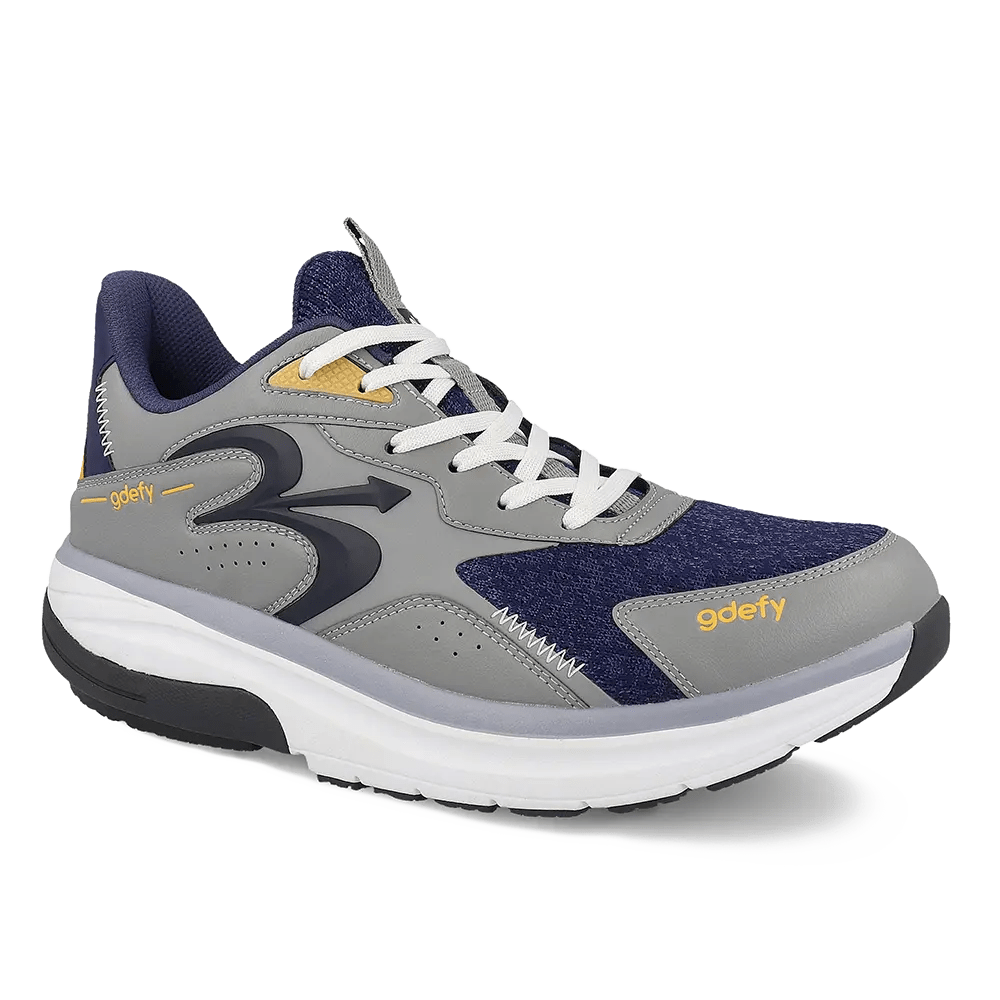
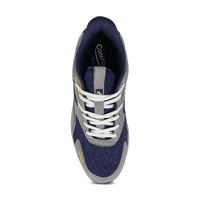
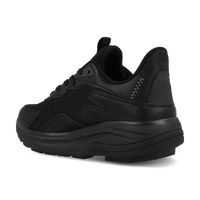
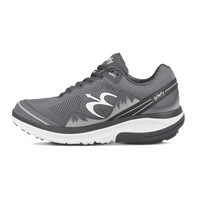
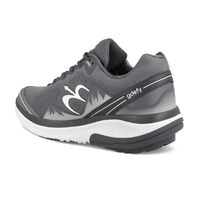
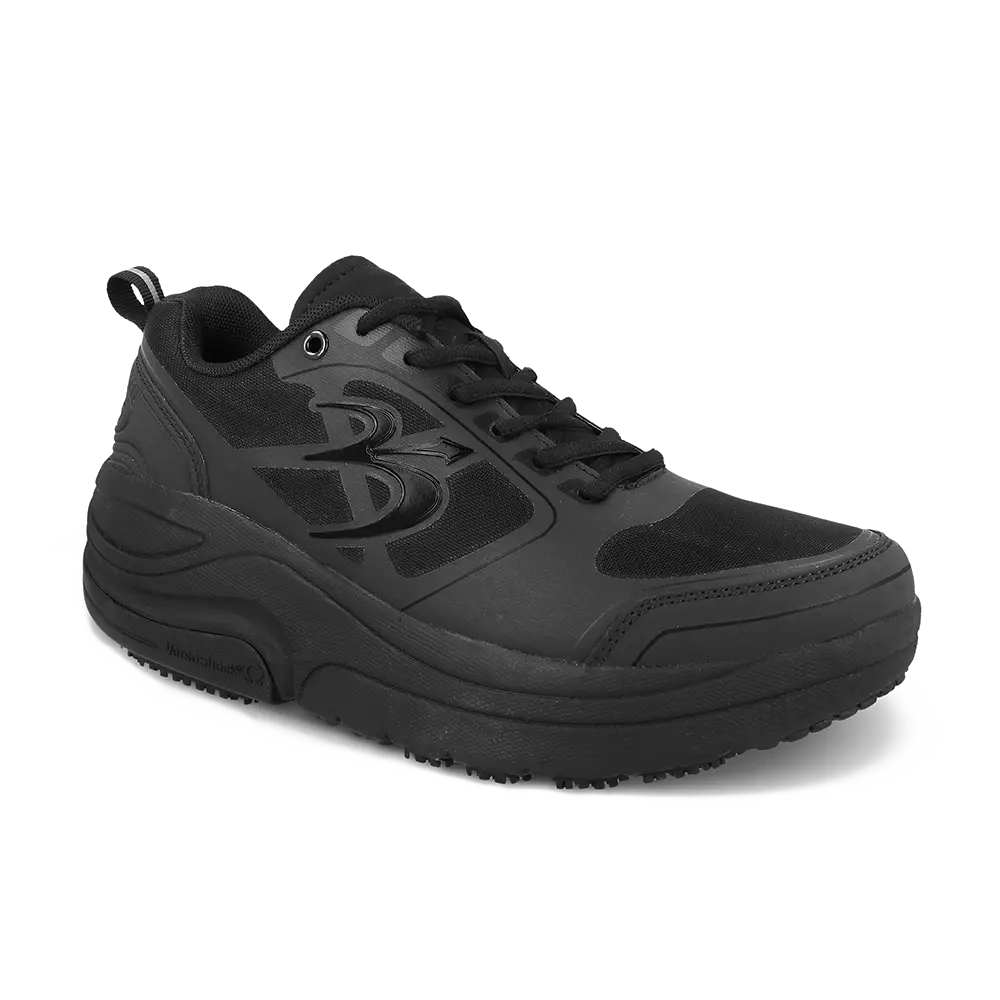
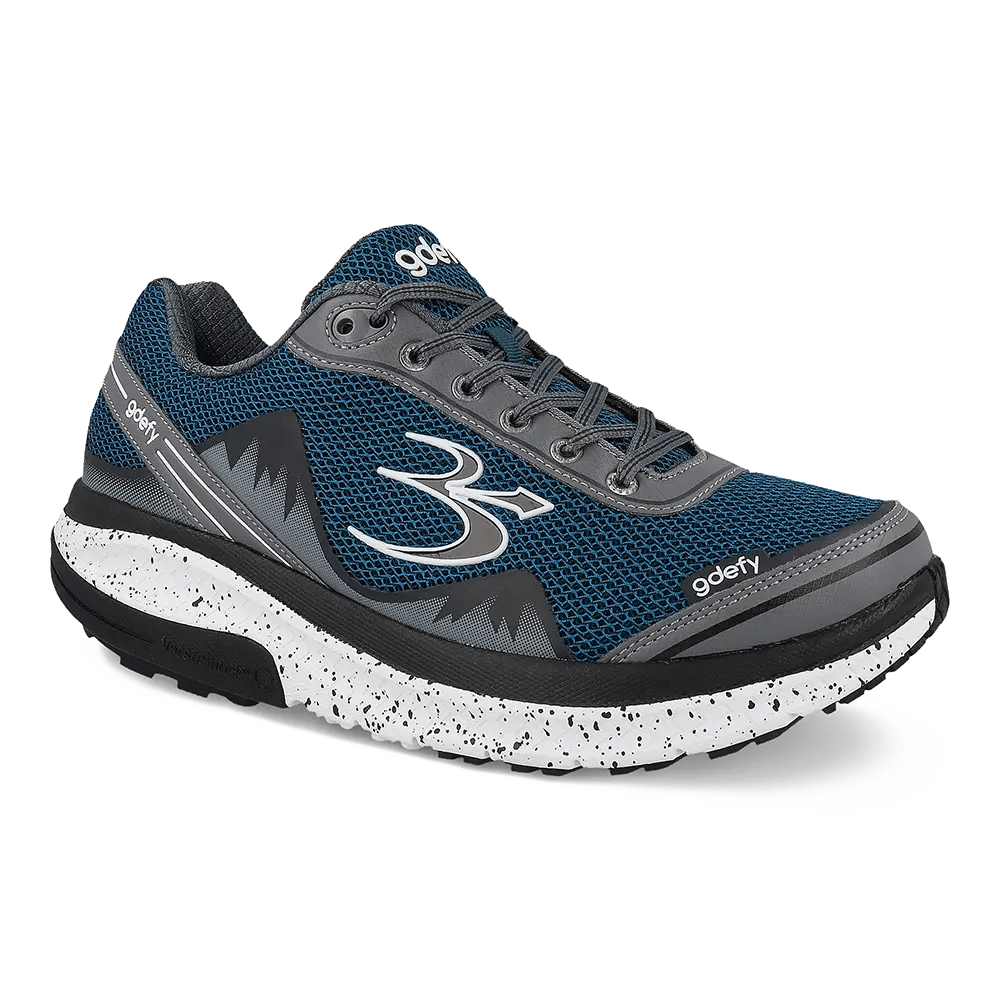
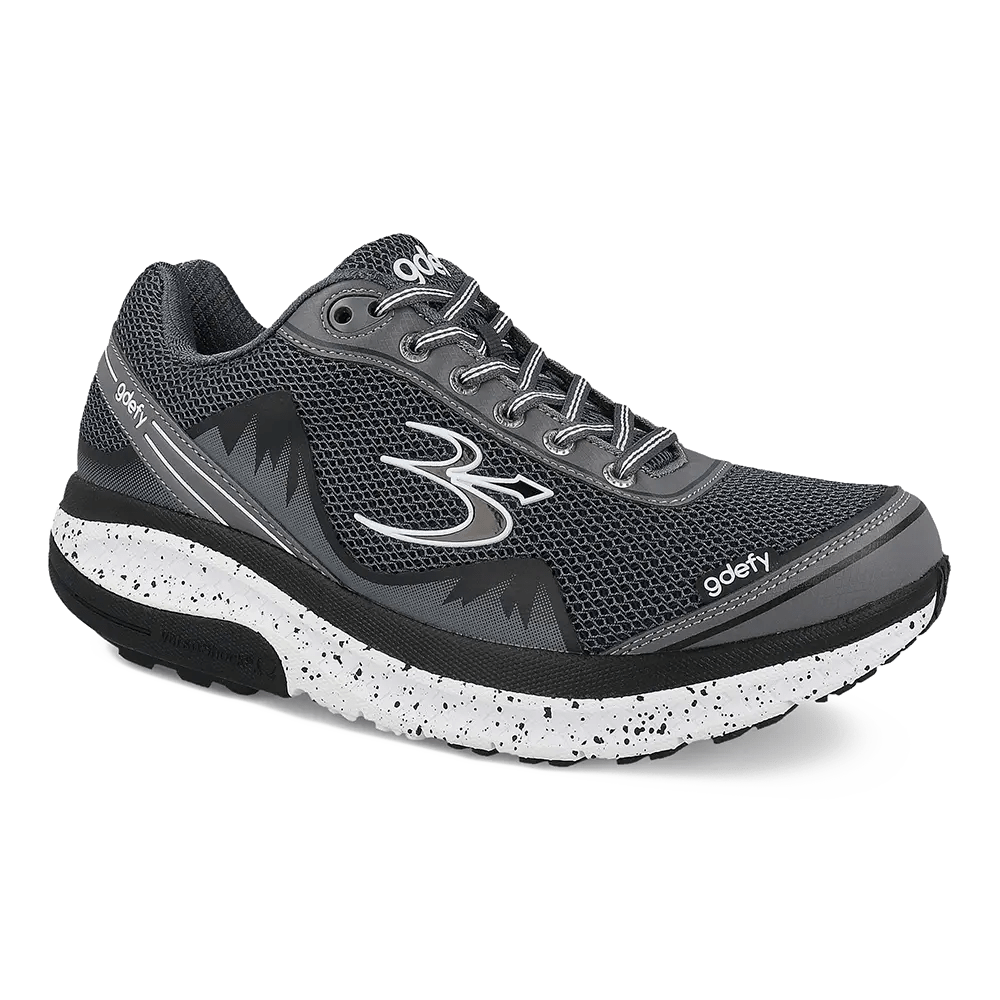
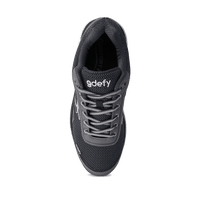
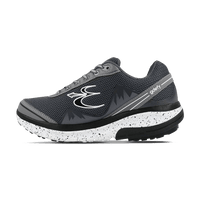
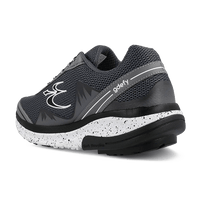
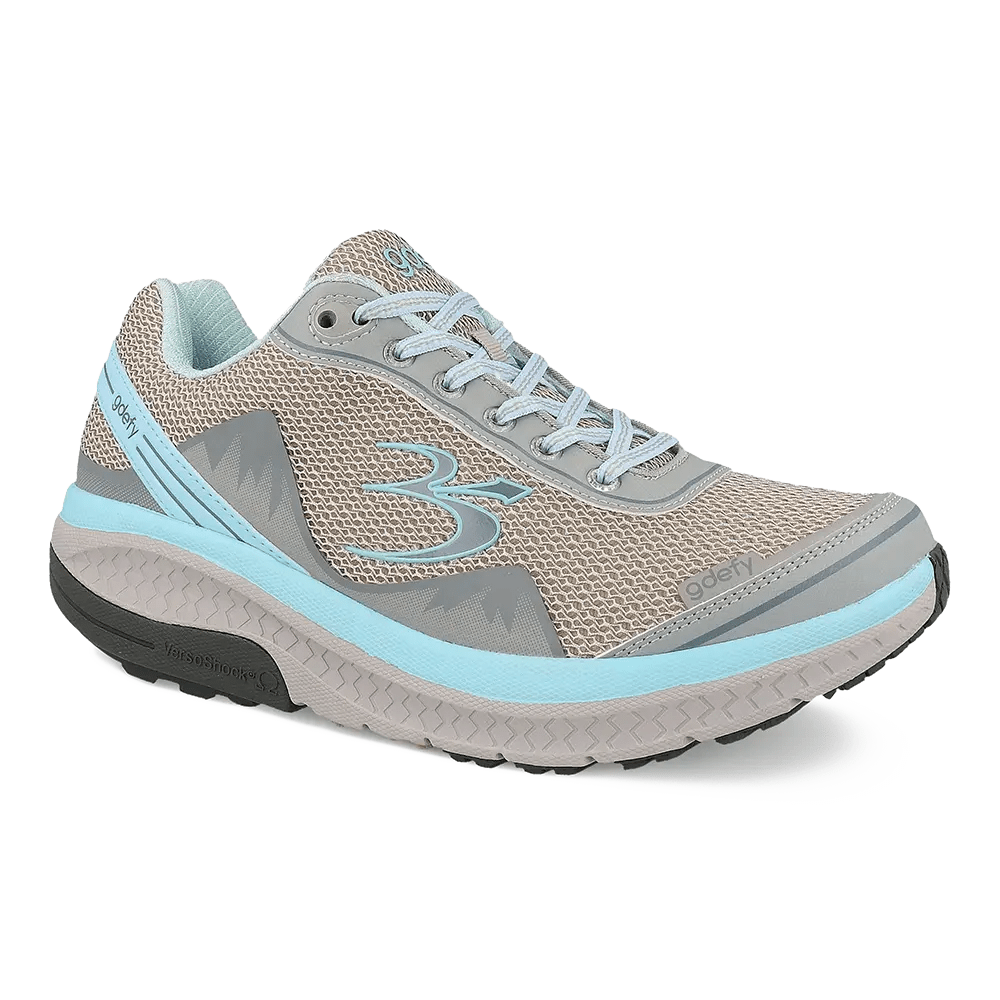
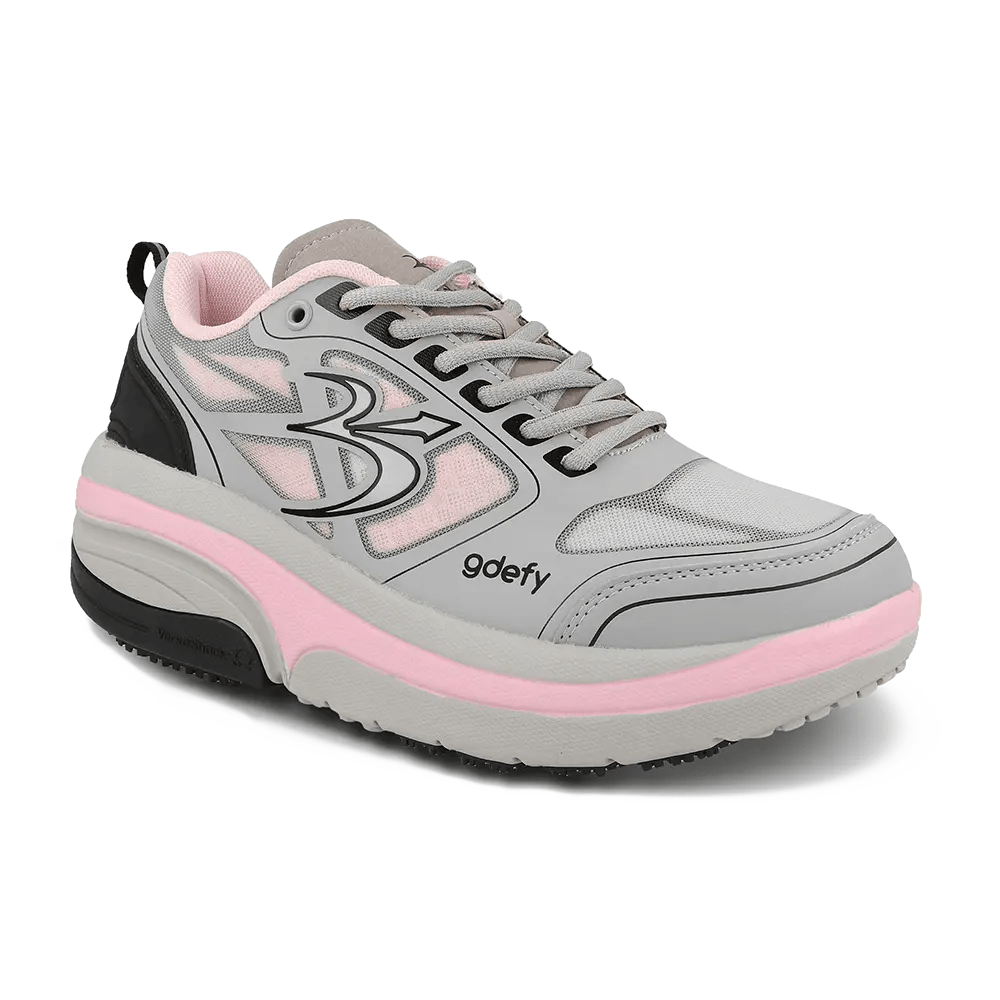
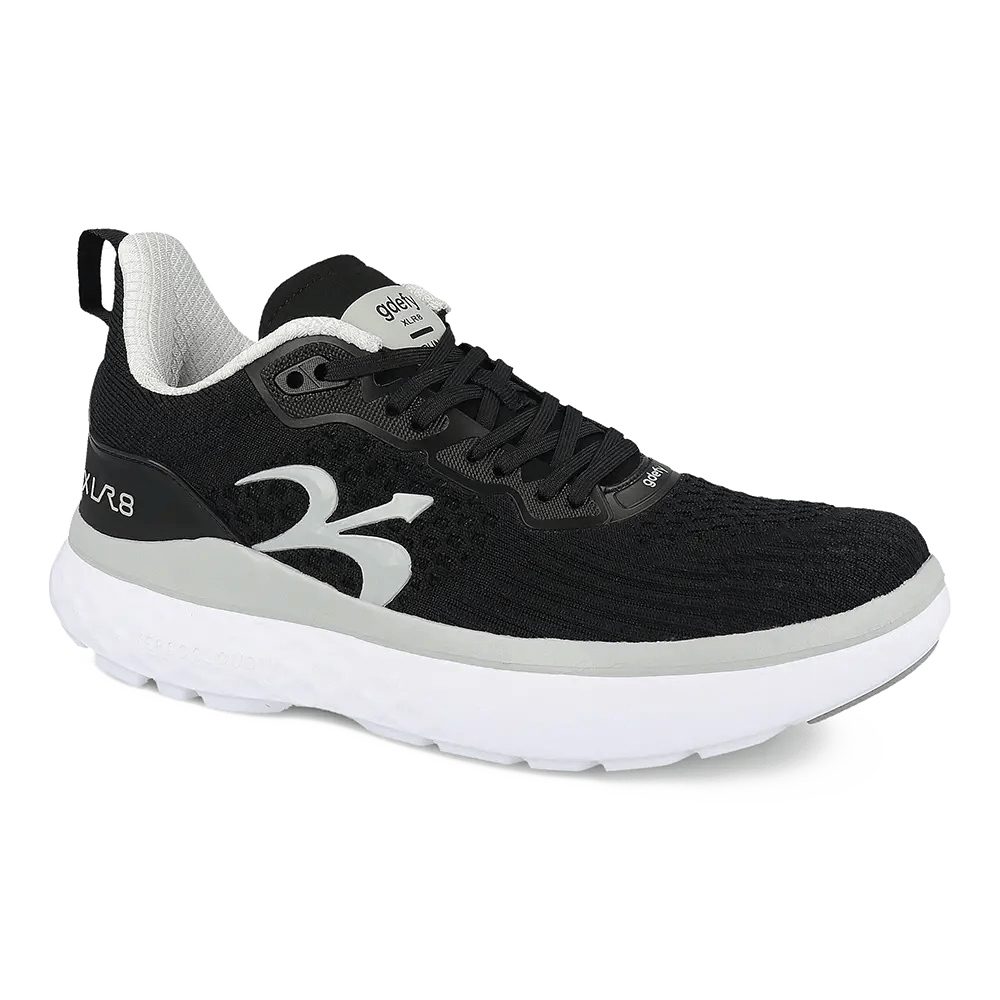
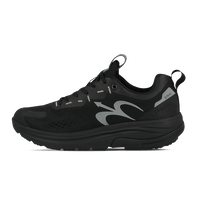
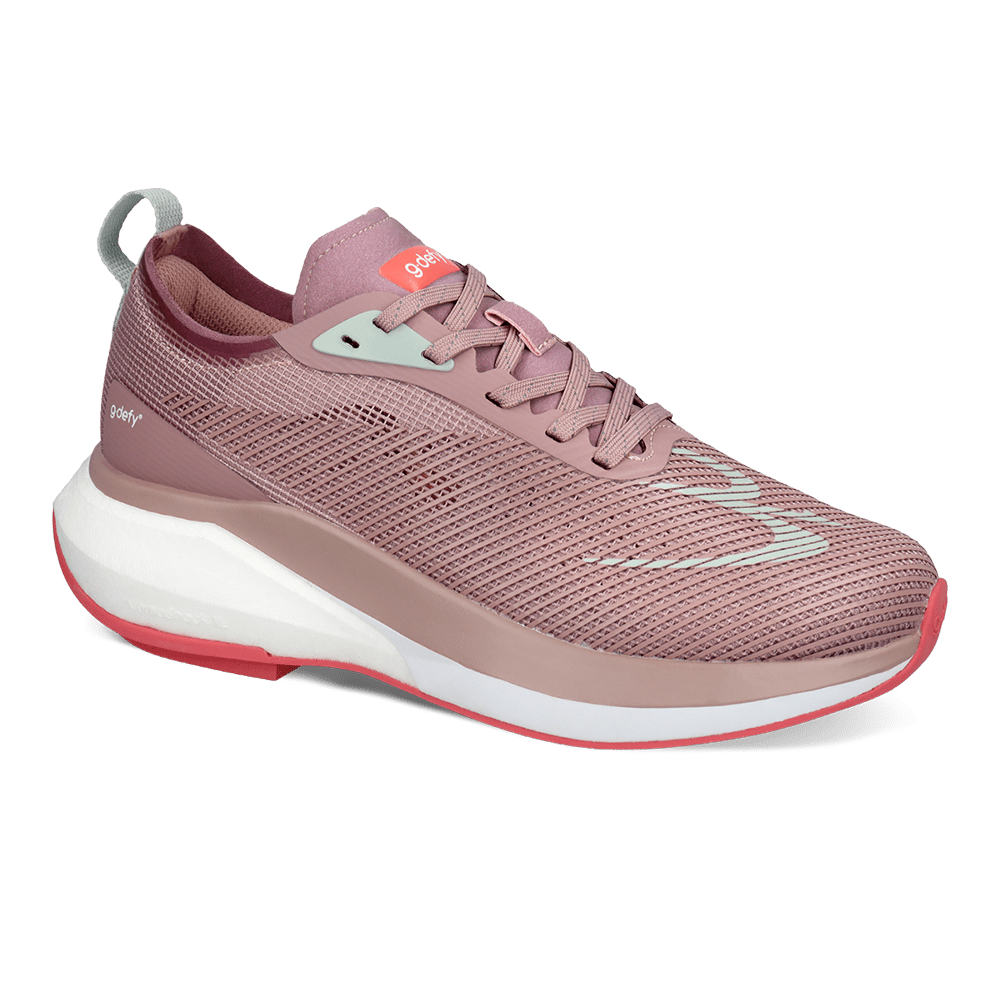
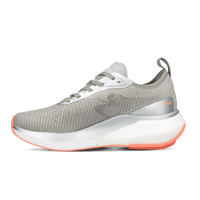
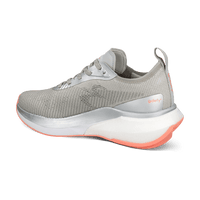
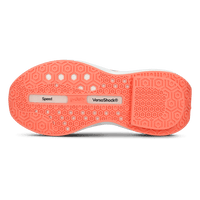
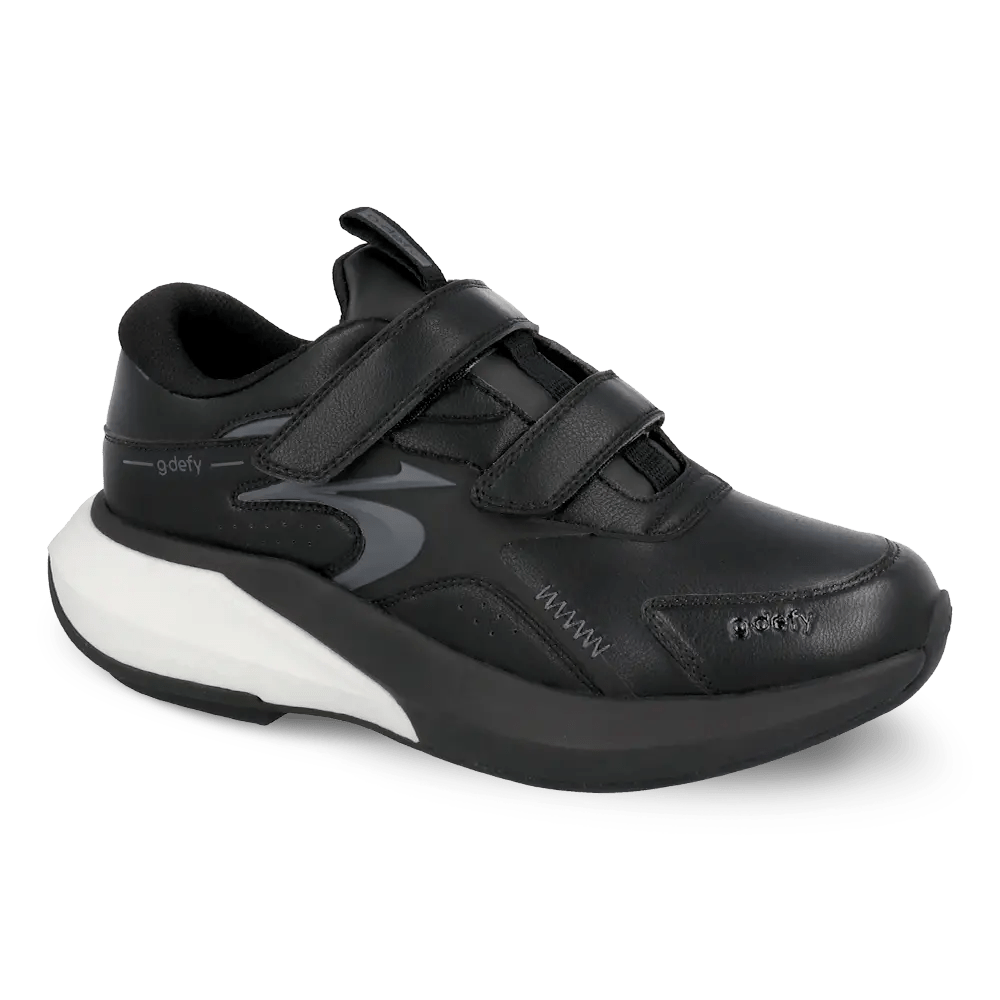
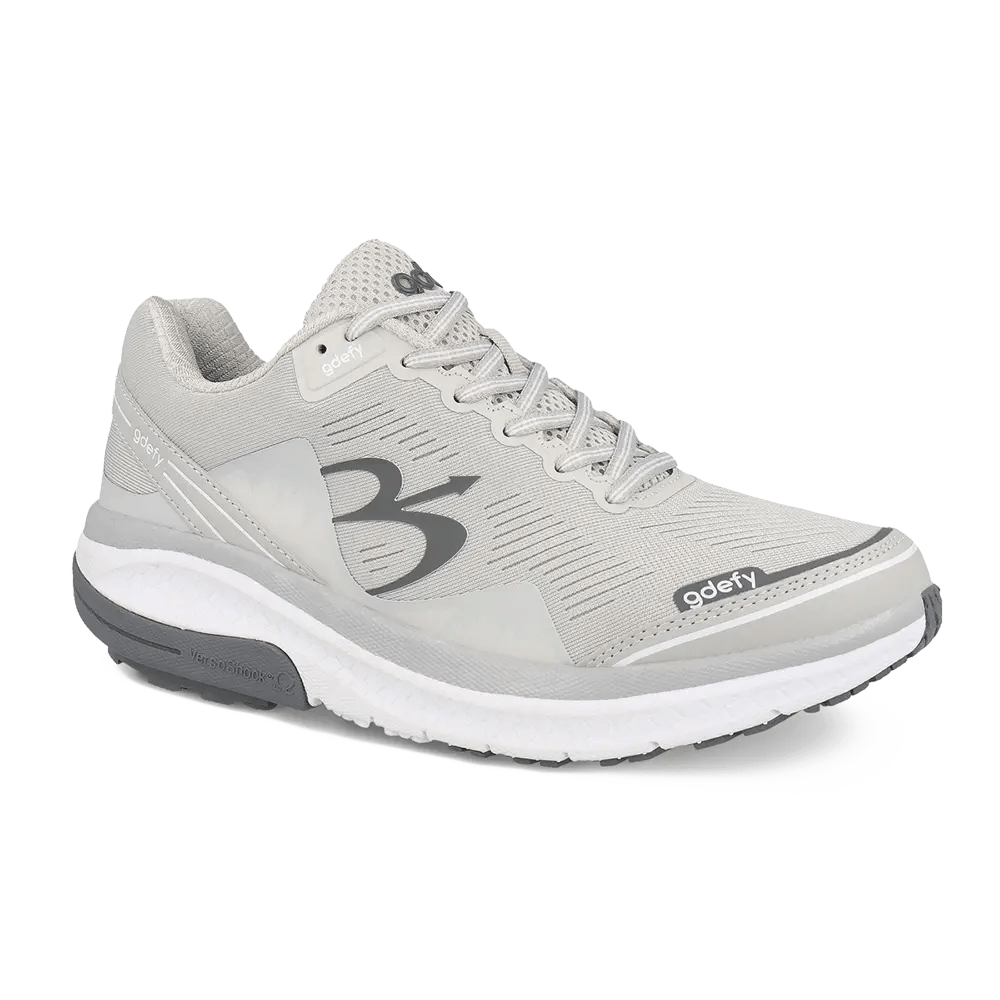
Two options worth looking at: the Mighty Walk and the Ion. Both use the same VersoShock® platform as the Sierra, and both ship with two removable orthotics — ComfortFit® and CorrectiveFit® — so you can start with the one that suits your arch and swap if it does not feel right. That adjustability is genuinely useful when you are alternating between trail days and ordinary days.
Our comparison of summer walking and light hiking footwear and our notes on walking shoes for trails and parks go deeper on where the line between the two sits. You can also browse the full women's and men's collections.
Practical Tips for Long Days on the Trail
A few habits that make a bigger difference than most gear upgrades:
- Size with your hiking socks on. A thicker sock can take up most of a half size. Fit the boot the way you will actually wear it — our guide to why proper shoe fit matters covers what to check.
- Leave room at the front. Feet spread and swell over a long day, and on descents your foot slides forward. A thumb's width of space at the toe is a reasonable target.
- Lock your heel down. Using the top eyelets to secure the heel keeps your foot from sliding, which is the single biggest cause of hot spots on downhill stretches.
- Wear them before the big day. Take new boots on a couple of short, easy walks first so the materials settle and you learn how they fit before you commit to a full trail day.
- Rotate your footwear. Alternating pairs gives cushioning time to decompress between wears.
- Watch the outsole. When the lugs are worn smooth or the midsole stops feeling springy, it is time to replace them — our guide to how shoes wear out explains what to look for.
- Dry them properly. Loosen the laces, pull the footbed out, and let everything air out away from direct heat.
Frequently Asked Questions
Do I actually need a boot, or will a walking shoe work?
It depends on the terrain more than the distance. For rocky, root-covered, or steeply pitched trails, the ankle coverage and stiffer outsole of a boot give a more secure, stable feel. For groomed paths and gravel trails, a supportive low-cut walking shoe is usually lighter and just as comfortable.
Are hiking boots comfortable enough for everyday walking?
Many people wear them for errands and dog walks without any trouble, though a boot is heavier than an athletic shoe and warmer in summer. If most of your walking is around town, a low-cut shoe is generally the more comfortable everyday choice.
How should a hiking boot fit?
Snug through the heel and midfoot with no lifting, and roomy at the toes. Try them on later in the day with the socks you plan to hike in, and check width as carefully as length — how you naturally roll through your stride can also influence which fit feels best.
Can supportive footwear help with foot pain on long hikes?
Supportive, cushioned footwear may improve overall comfort during walking and prolonged standing, and many people find a well-fitted boot makes long days feel more manageable. Footwear is not a medical solution — for persistent discomfort, check in with your healthcare provider.
How long should a pair of hiking boots last?
There is no single number, because it depends on mileage, terrain, and body weight. The practical signals are a flattened outsole, a midsole that no longer feels responsive, or a boot that has started to feel unstable underfoot.
The Bottom Line
The Sierra is a straightforward proposition: a rugged trail boot with a VersoShock® sole underneath it, a contoured footbed that supports the arch through long days, ankle coverage for uneven ground, and enough width options to actually fit properly. If your walking is gentler, the Mighty Walk or Ion cover the same ground in a lighter package.
While footwear is not a medical solution, choosing shoes designed for comfort, support, and shock absorption can make a meaningful difference in how you feel at the end of a long day outdoors.
Find your pair before the next trip
60-day risk-free trial, free shipping, and free exchanges on every order.
Shop G-Defy Footwear