July 16, 2026
What to Look for in Shoes for a Full Day at a Theme Park
By Gdefy

Summary
A theme park day is one of the most demanding things most of us ever ask of our feet. Between the entrance gate and the evening fireworks, a typical visitor can cover eight to ten miles — and spend just as many hours standing in lines, shuffling forward a few steps at a time on sun-baked concrete. It's no surprise that by mid-afternoon, so many park guests are scanning for the nearest bench.
While footwear is not a medical solution, the right design can play an important role in how that long day feels — from the first ride of the morning to the last stretch back to the parking lot. This guide breaks down why theme park days are so hard on your feet, which shoe features actually matter, and how to prepare so sore feet don't cut your day short.
Why a Full Day at a Theme Park Is So Demanding on Your Feet
A theme park combines almost every footwear challenge in a single day:
- Miles of hard pavement. Nearly every surface is concrete or asphalt — materials that don't give at all underfoot. Every one of those 15,000–20,000 steps sends impact back up through your feet, knees, and hips. It's the same challenge faced by people who walk on concrete all day for work — compressed into one very long recreational day.
- Hours of standing still. Popular attractions can mean 45–90 minutes of queueing at a time. Standing loads your feet differently than walking does — more on that below.
- Summer heat. Warm weather makes feet naturally swell over the course of a long day, so shoes that fit perfectly at 9 a.m. can feel tight by 4 p.m. Our guide to summer shoes and swollen feet covers this in depth.
- Extra load. Day bags, water bottles, souvenirs — and for many parents, a tired child on one arm — all add weight your feet have to carry.
- Few real breaks. Outside of meals and shows, there are surprisingly few chances to sit. Your feet are working nearly nonstop from open to close.
Walking vs. Standing in Line: Two Different Kinds of Tired
Most people assume the walking is what wears them out. In reality, the queue may be doing just as much of the work.
When you walk, your foot muscles contract and relax in rhythm, your weight shifts continuously, and each step spreads the effort across different structures. When you stand nearly still in a line, the same small set of muscles holds you upright without a break, and your body weight presses on the same points of your feet minute after minute. That's part of why 45 minutes in a queue can leave your feet feeling heavier than a mile of strolling.
This matters when choosing shoes: a theme park shoe has to handle both jobs. It needs cushioning and shock absorption for the miles of pavement, and structured support for the long stretches when you're barely moving. If you often wonder why your feet ache after days like this, our explainer on what causes foot discomfort when walking is a helpful companion read.
What to Look for in Theme Park Shoes
Skip the style debate — for a park day, performance features come first. Here's the checklist:
Cushioning That Lasts All Day
Thin or worn-out midsoles let hard pavement punch through by early afternoon. Look for substantial, resilient cushioning that still feels soft at step 15,000 — not just in the store.
Real Shock Absorption
Cushioning softens the surface; shock absorption manages the impact of each step. On unforgiving concrete, a midsole system designed to absorb impact makes a noticeable difference over the length of a park day.
Energy Return
Standard foam compresses and loses energy with every stride. Designs that return some of that energy help your stride stay efficient, which matters most in the final hours when fatigue sets in. Here's why energy return matters on long days.
A Secure, Adjustable Fit
Rides, ramps, moving walkways, and sudden dashes to a shorter line all demand a shoe that stays firmly on your foot. Laces or adjustable closures beat loose slip-ons for a day like this — and they let you loosen things up as your feet swell in the afternoon. Proper fit is foundational; see why shoe fit is key to all-day comfort.
Breathable Uppers
Mesh and other breathable materials let heat escape and help keep feet drier — which also means less friction inside the shoe as the day heats up.
A Roomy Toe Box
Because feet expand in the heat, a toe box with real wiggle room keeps the afternoon comfortable. Cramped toes at hour nine are a common reason park days end early.
Lightweight Construction
Every ounce on your feet is lifted thousands of times over a park day. Lighter shoes reduce that cumulative effort, helping you feel fresher into the evening.
Stability Underfoot
Curbs, ramps, wet splash zones, and crowds mean constant small adjustments. A stable platform with structured support helps each step feel controlled and confident.
How G-Defy Approaches Long Theme-Park Days
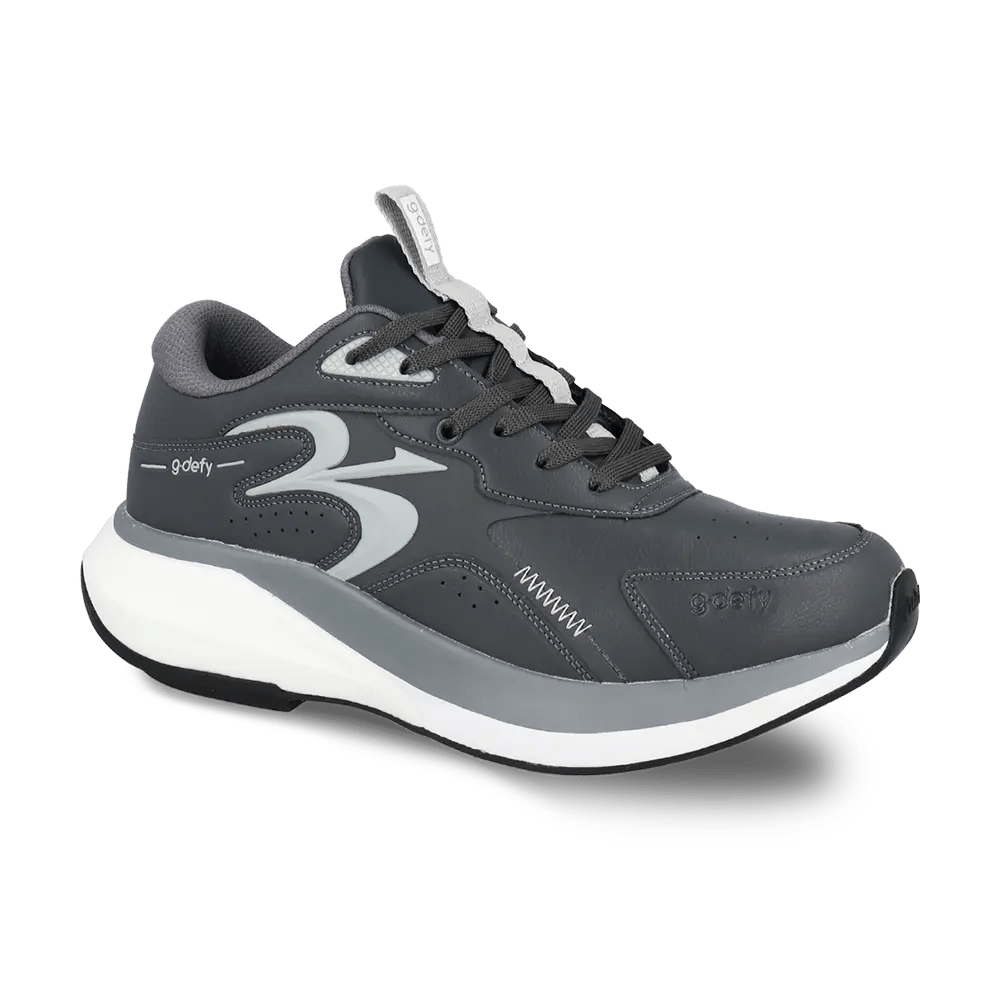
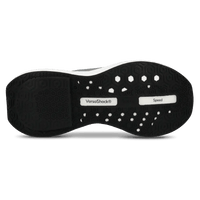
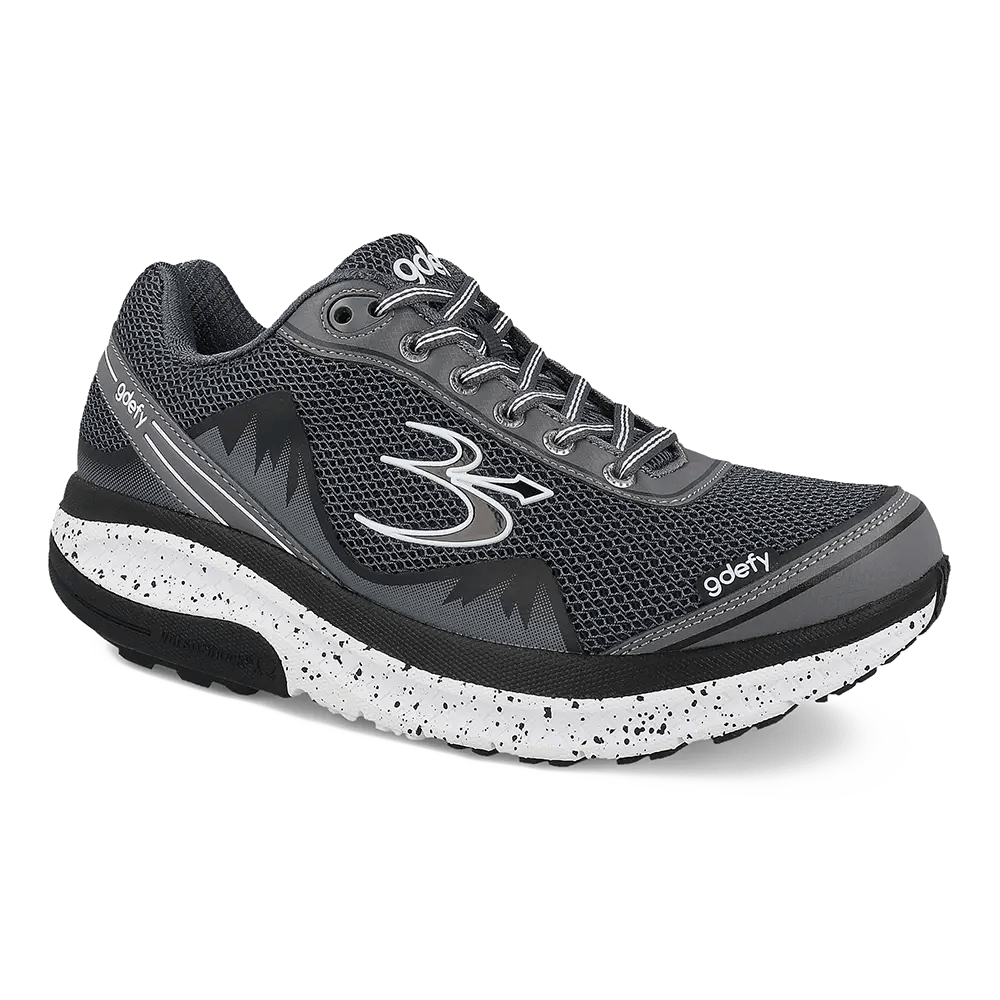
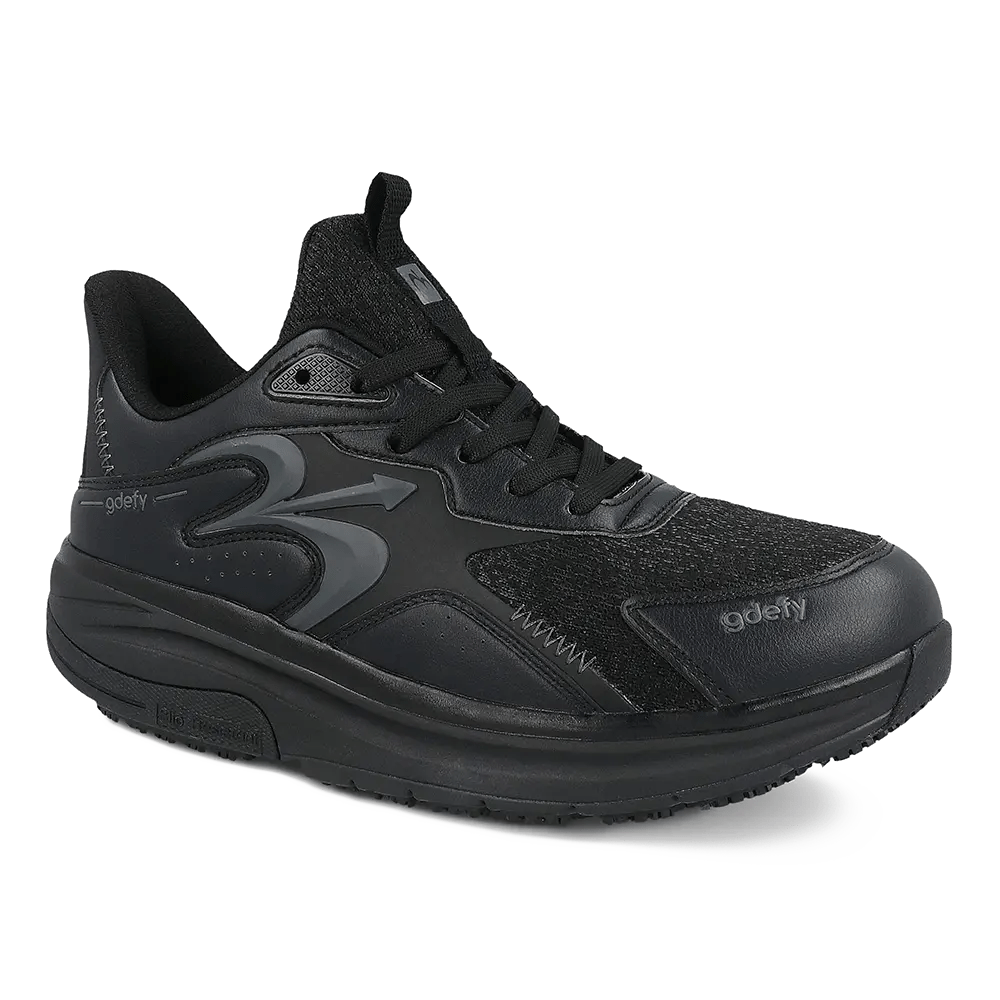
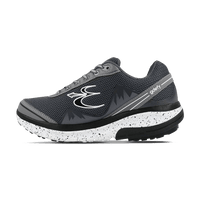
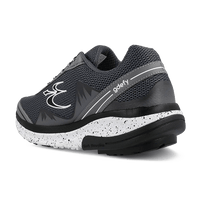
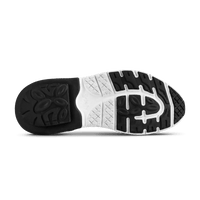
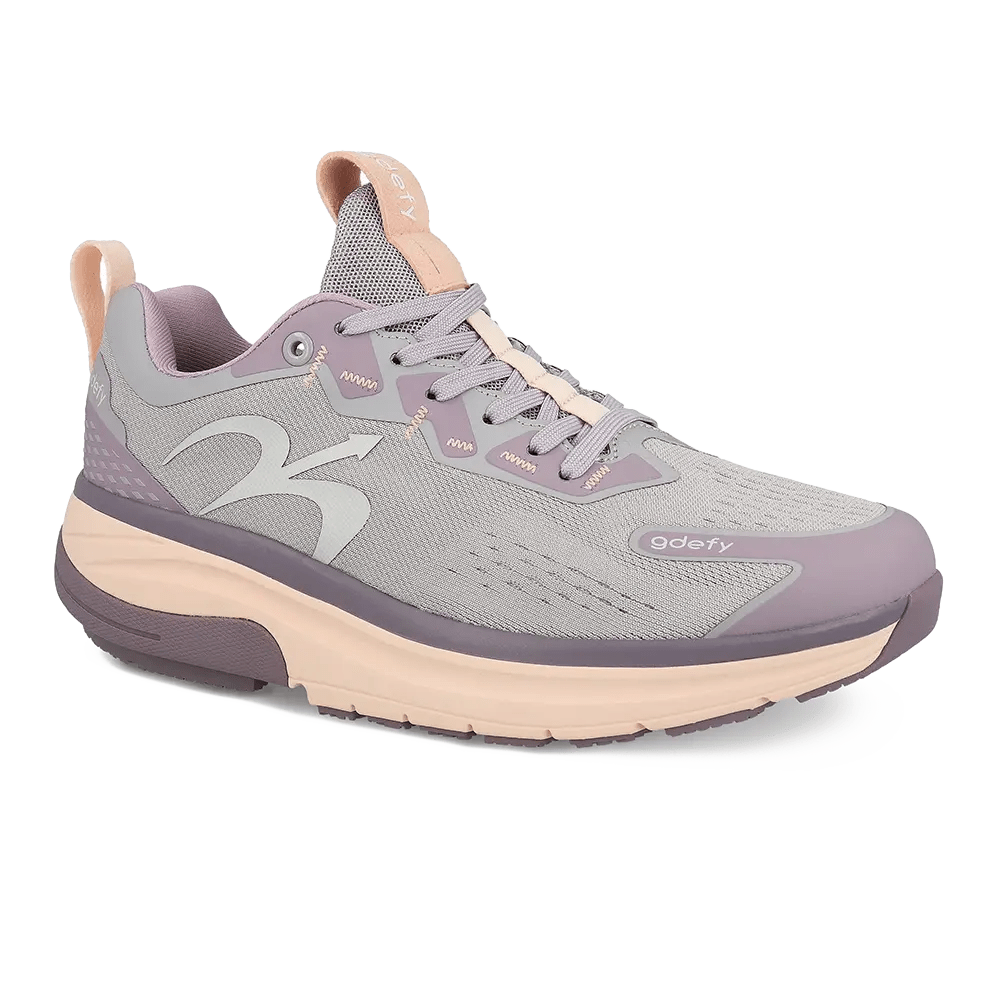
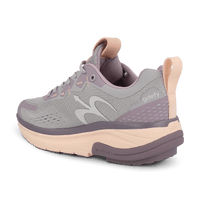
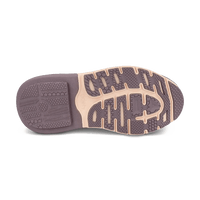
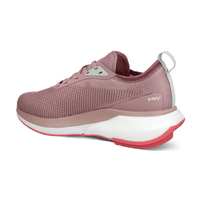
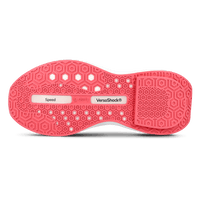
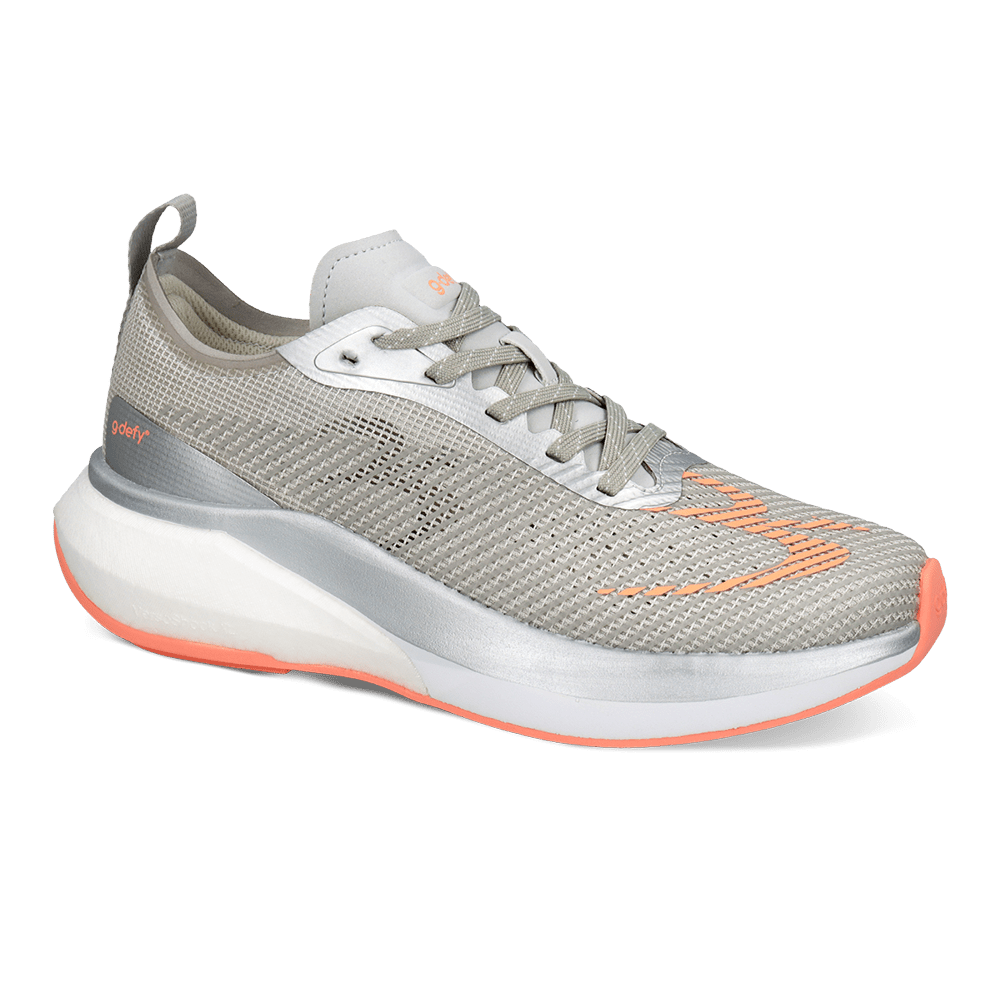
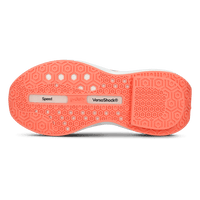
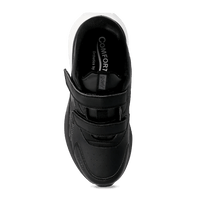
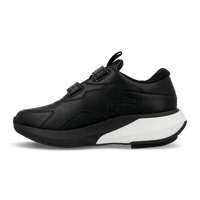
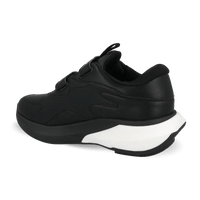
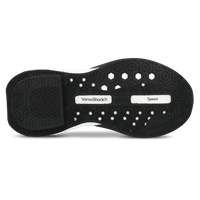
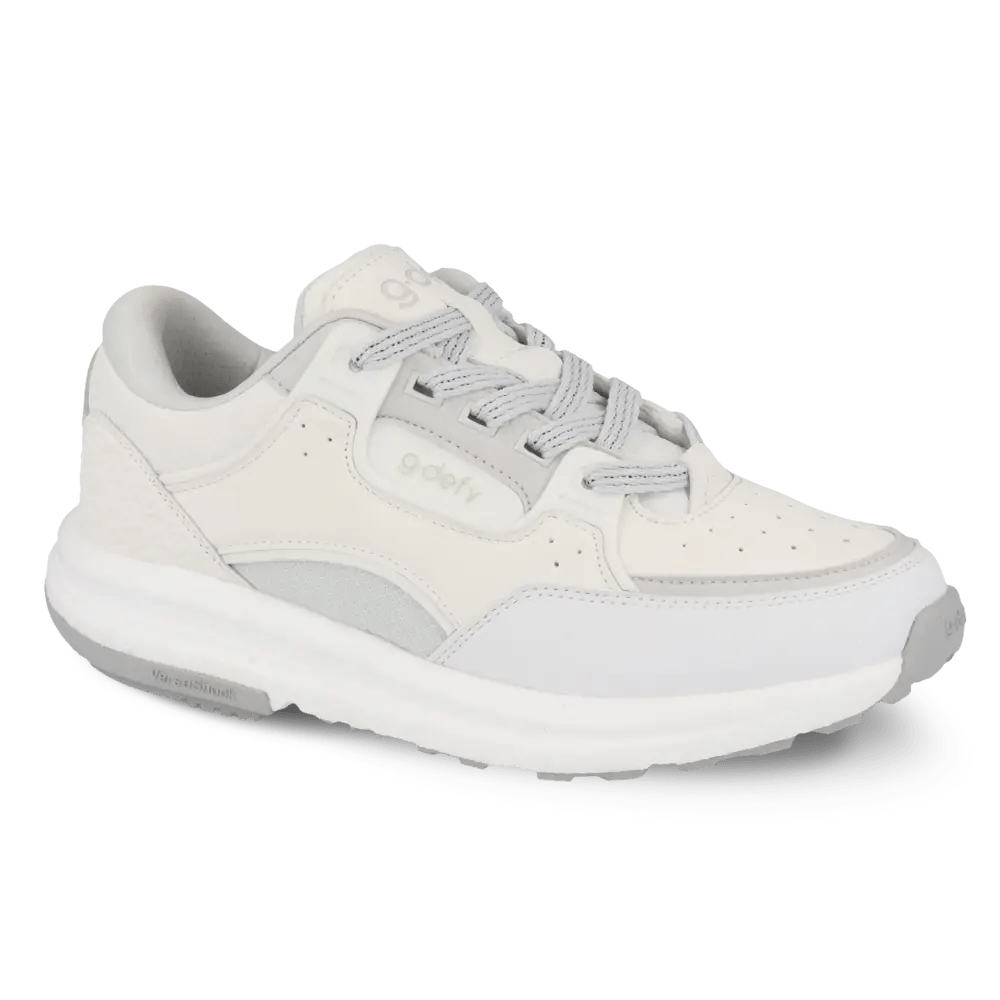
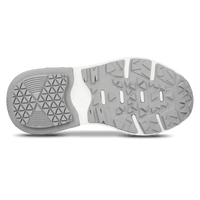
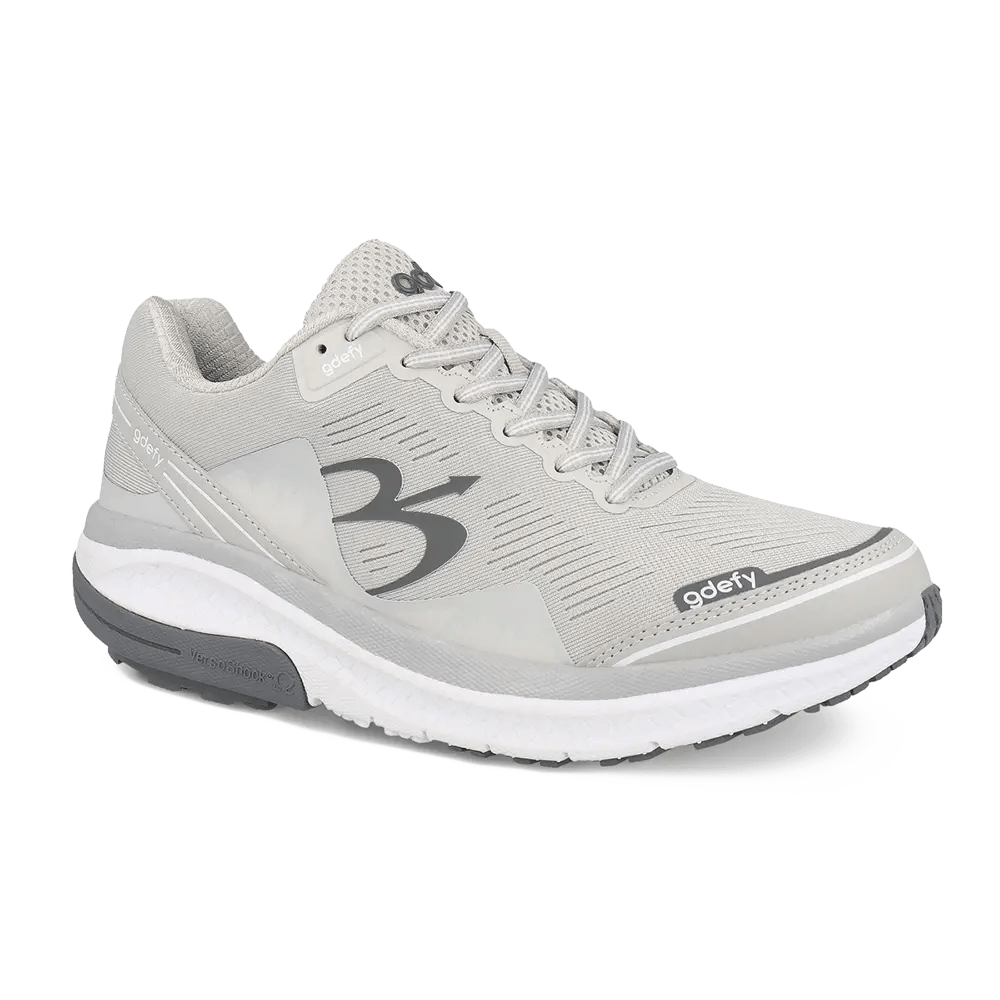
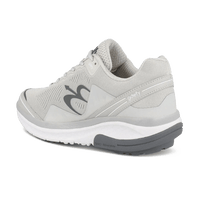
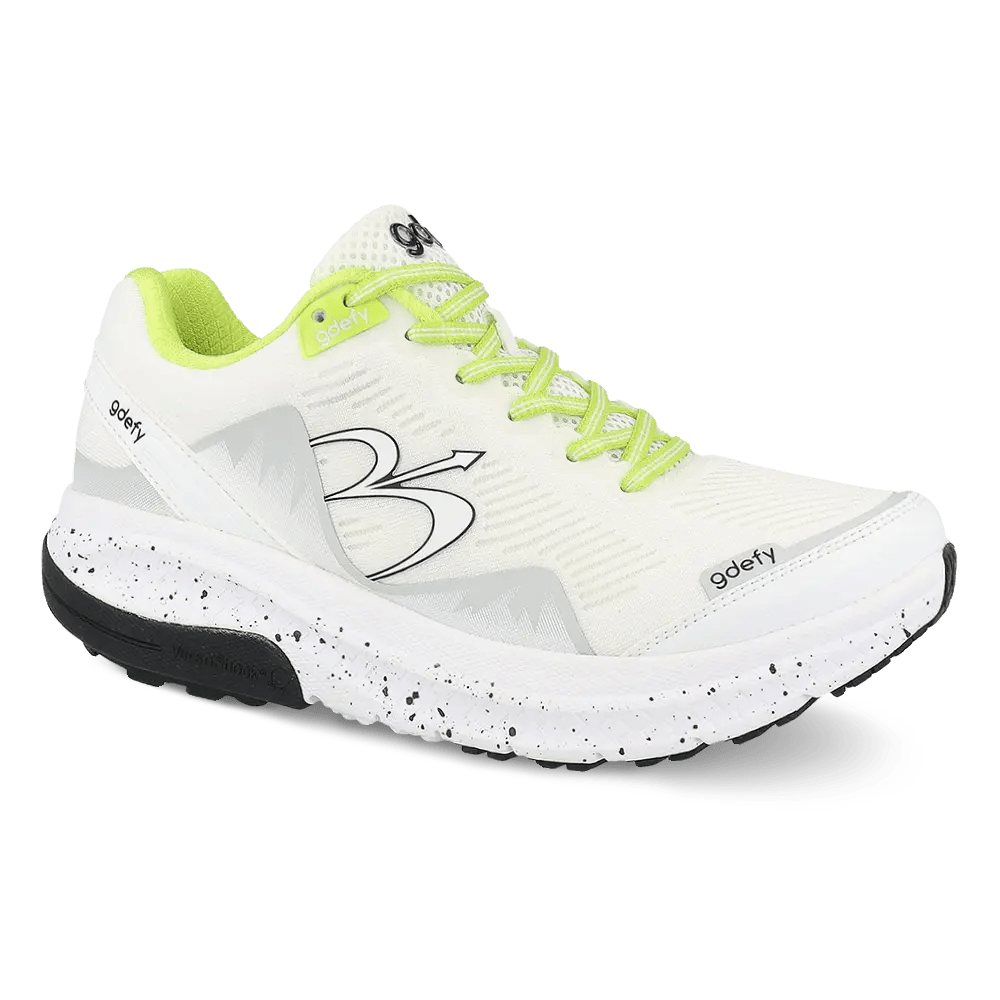
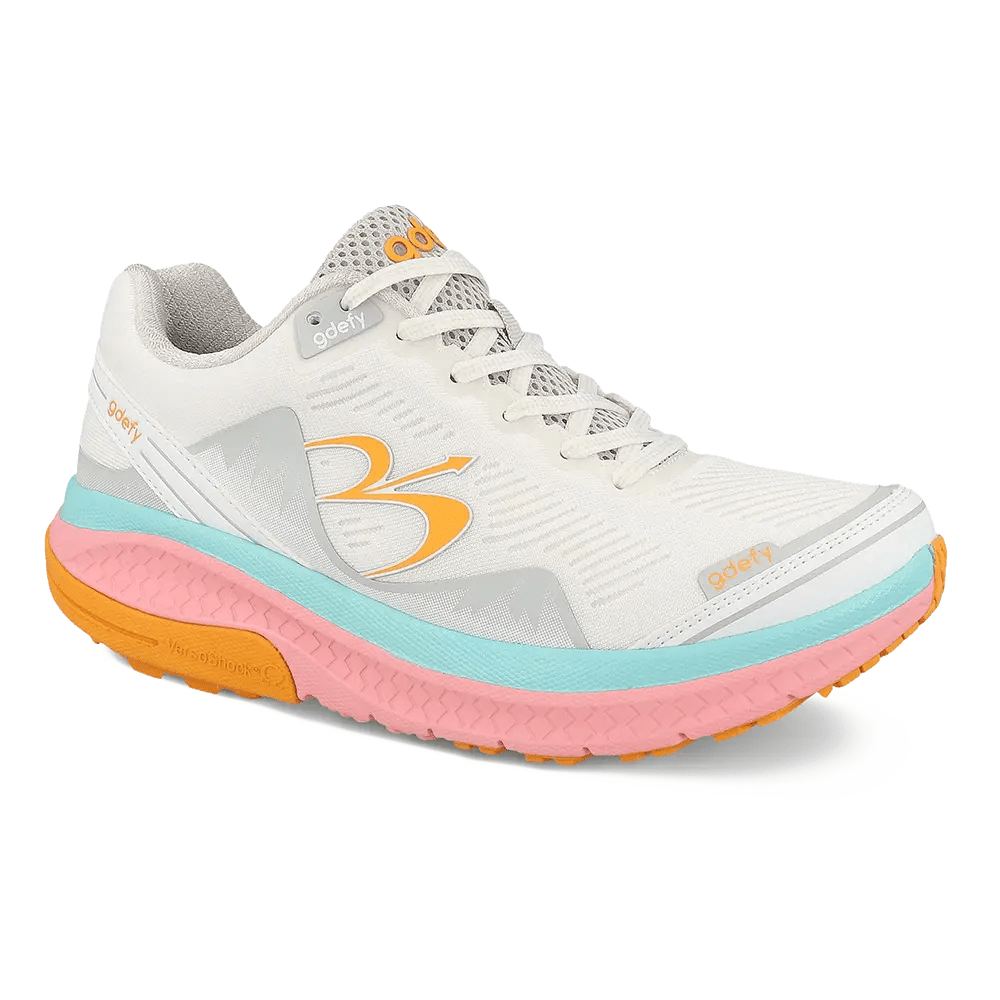
G-Defy shoes are built around a different idea — not just cushioning, but how your body moves. They use VersoShock® technology, a spring-based system designed to absorb impact softly, return energy with each step, and support a smoother walking motion. Inside every shoe, there's also a stabilizer system that helps support the foot and reduce excessive bending, along with a front rolling design that encourages a natural heel-to-toe transition. Each pair also includes two removable orthotics — the ComfortFit® orthotic for low to medium arches and the CorrectiveFit® orthotic for medium to high arches — allowing you to customize comfort based on your foot type. Together, these features help reduce pain from walking, running, and prolonged standing.
For a theme park day, two favorites stand out:
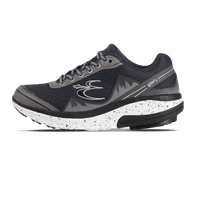
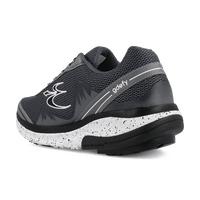
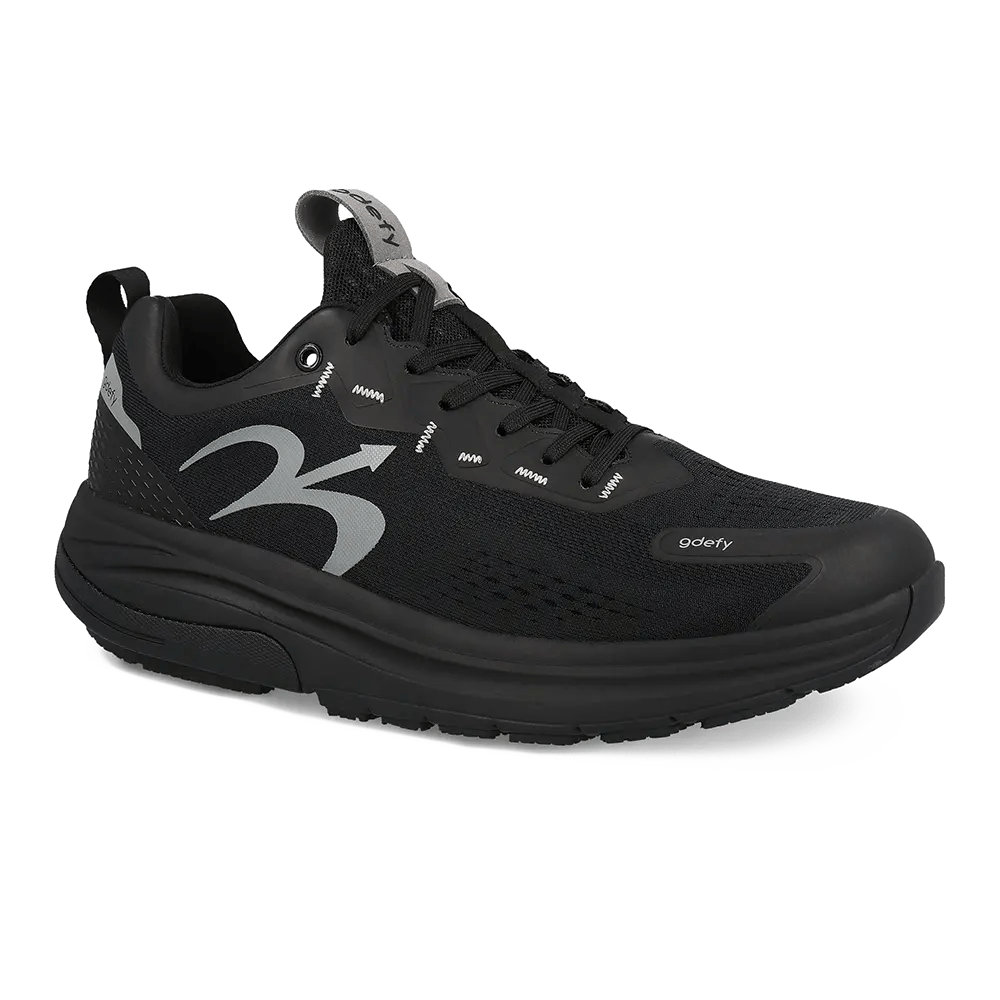
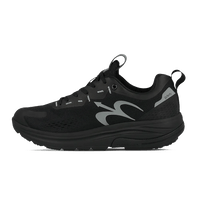
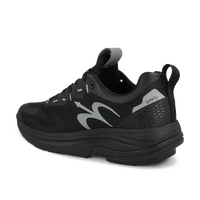
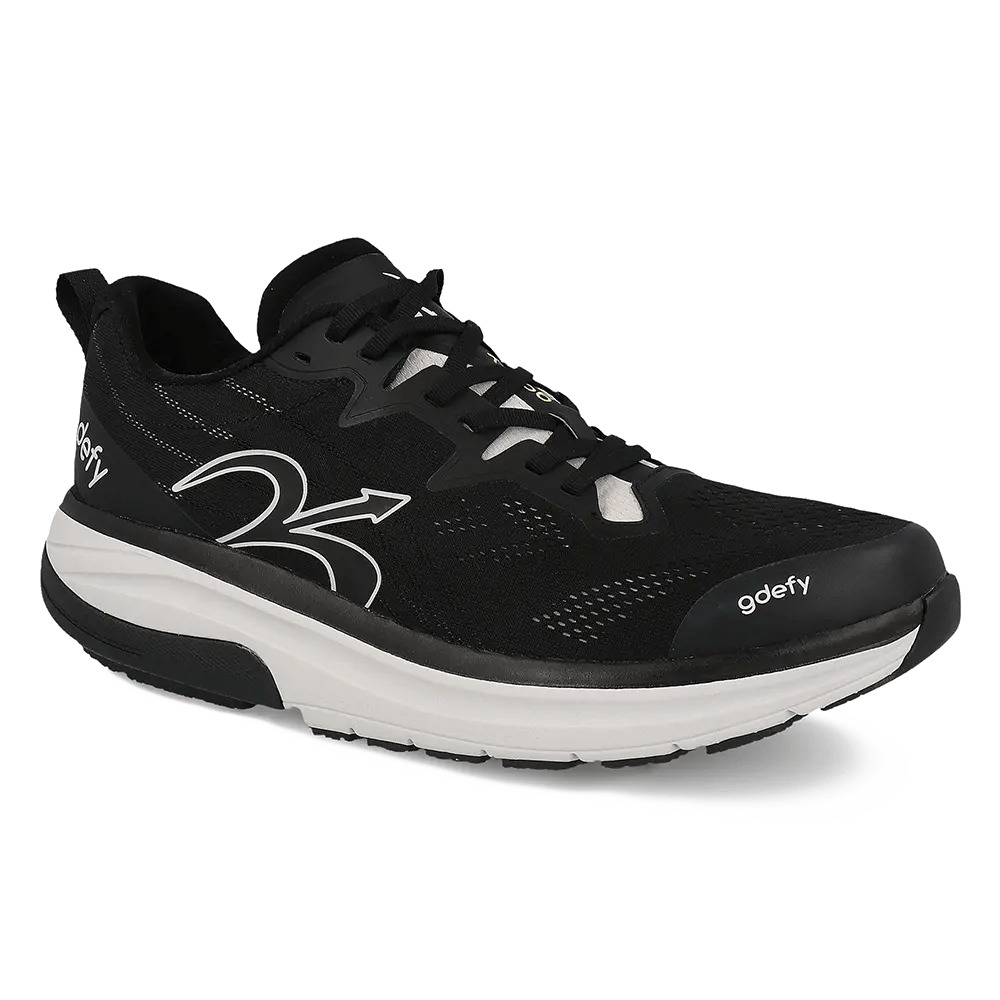
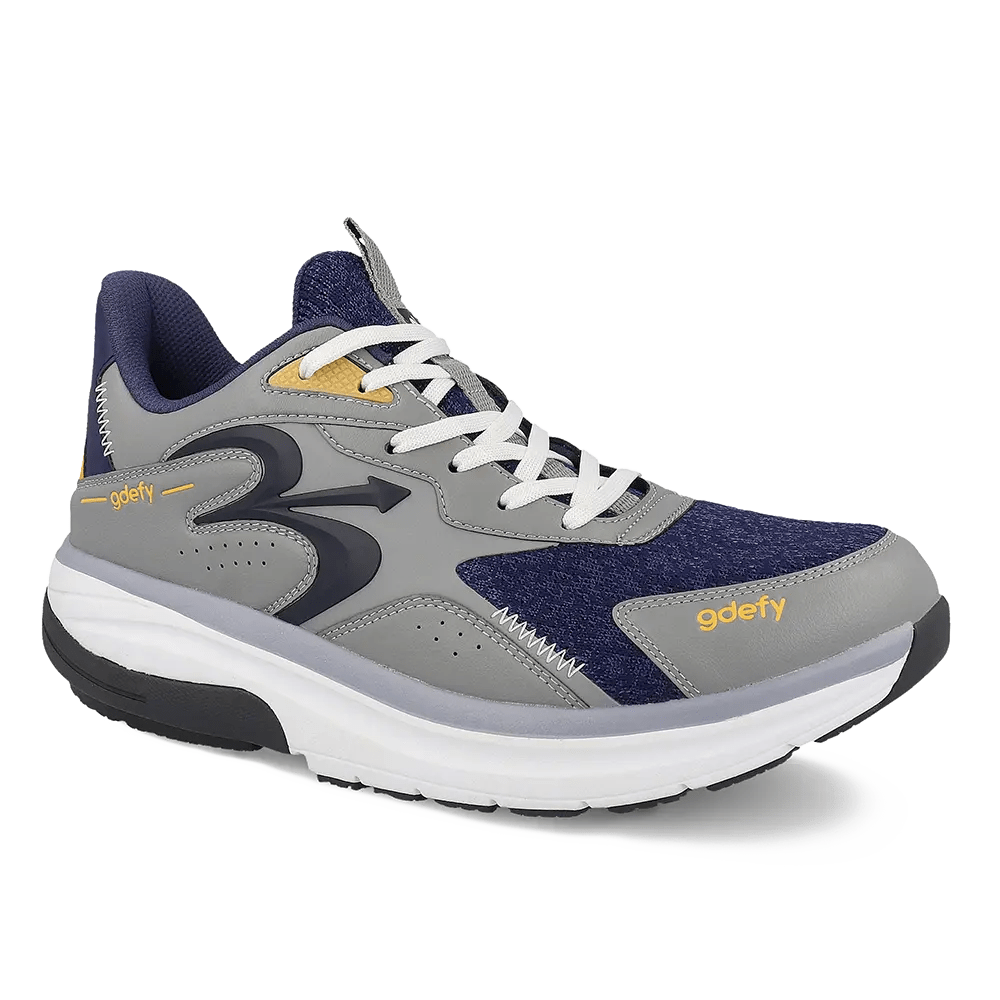
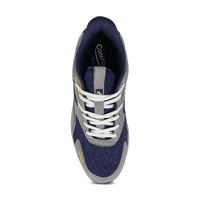
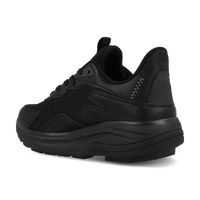
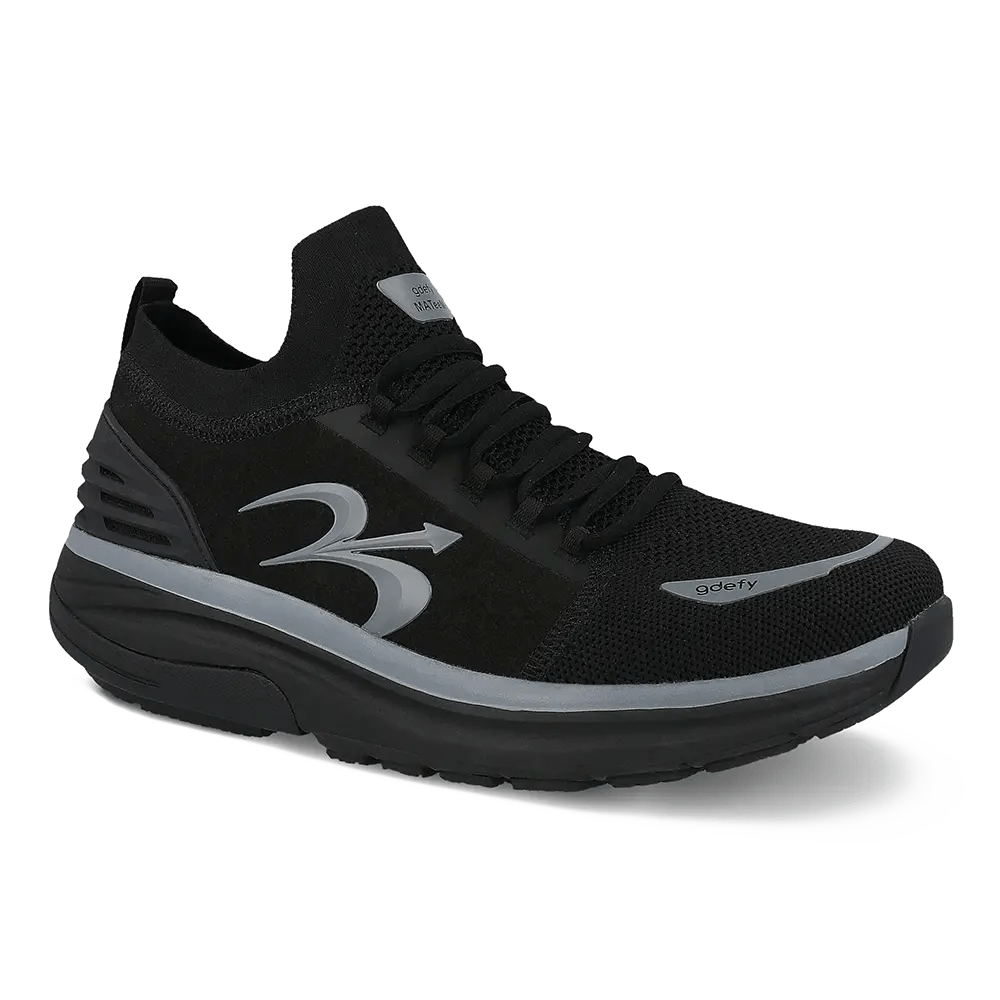
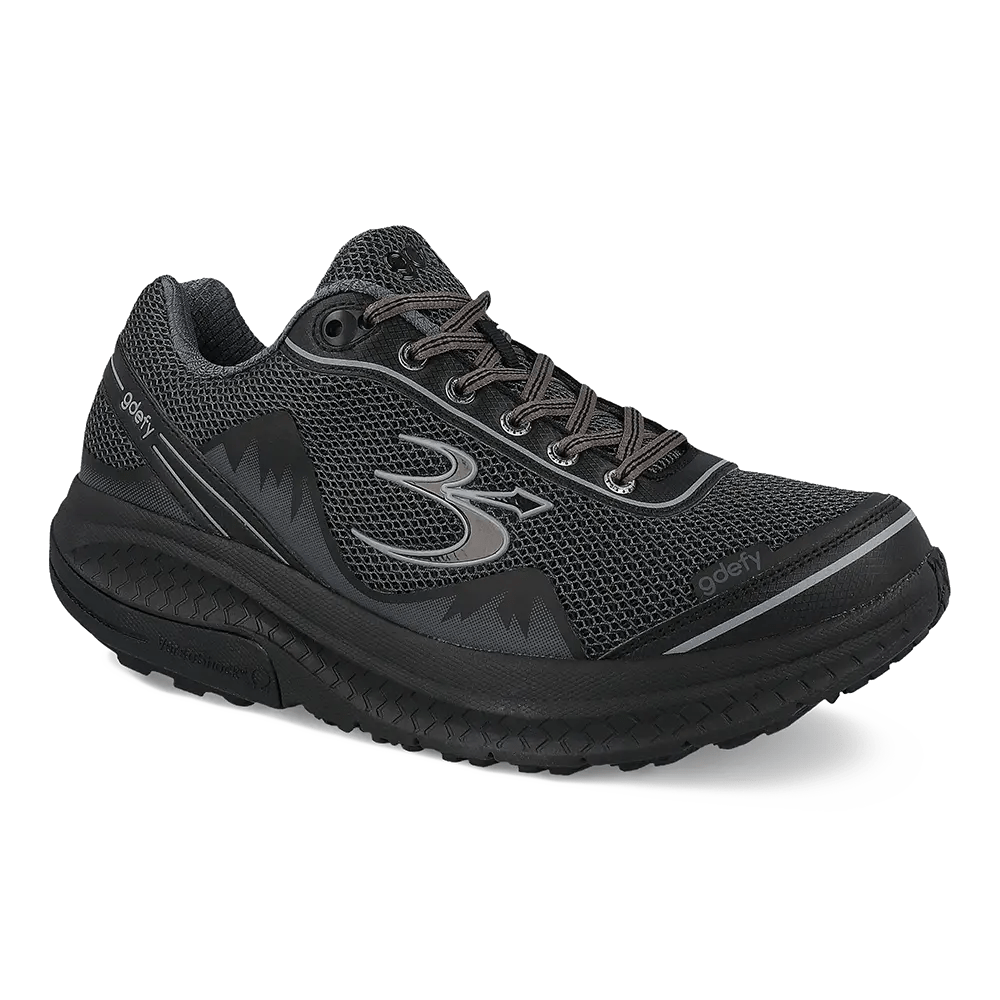
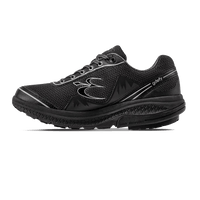
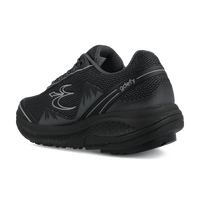
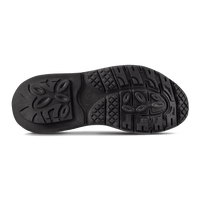
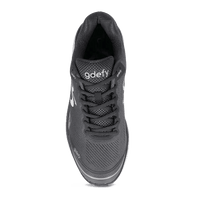
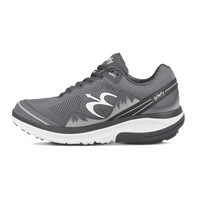
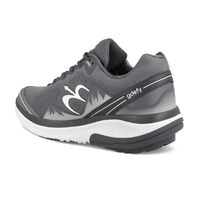
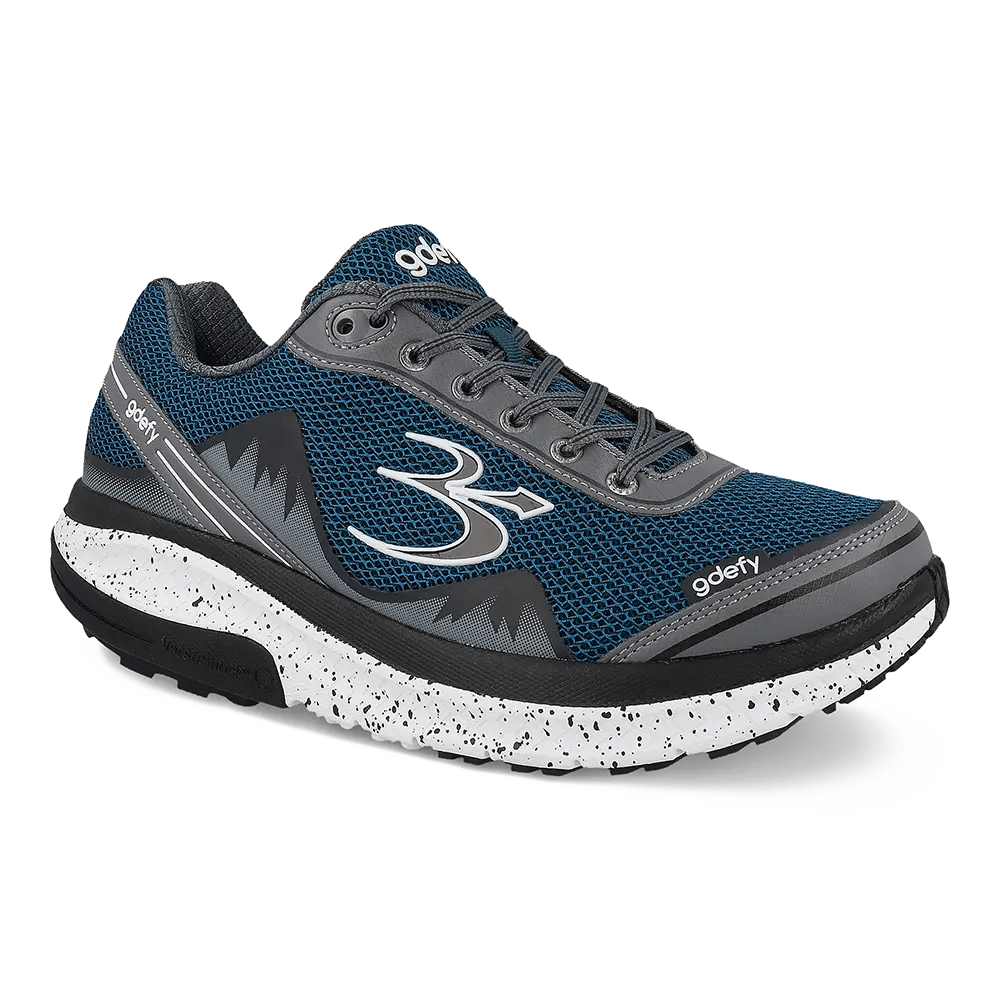
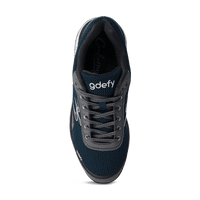
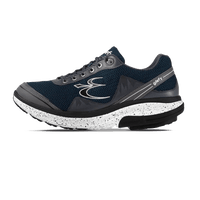
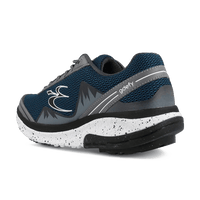
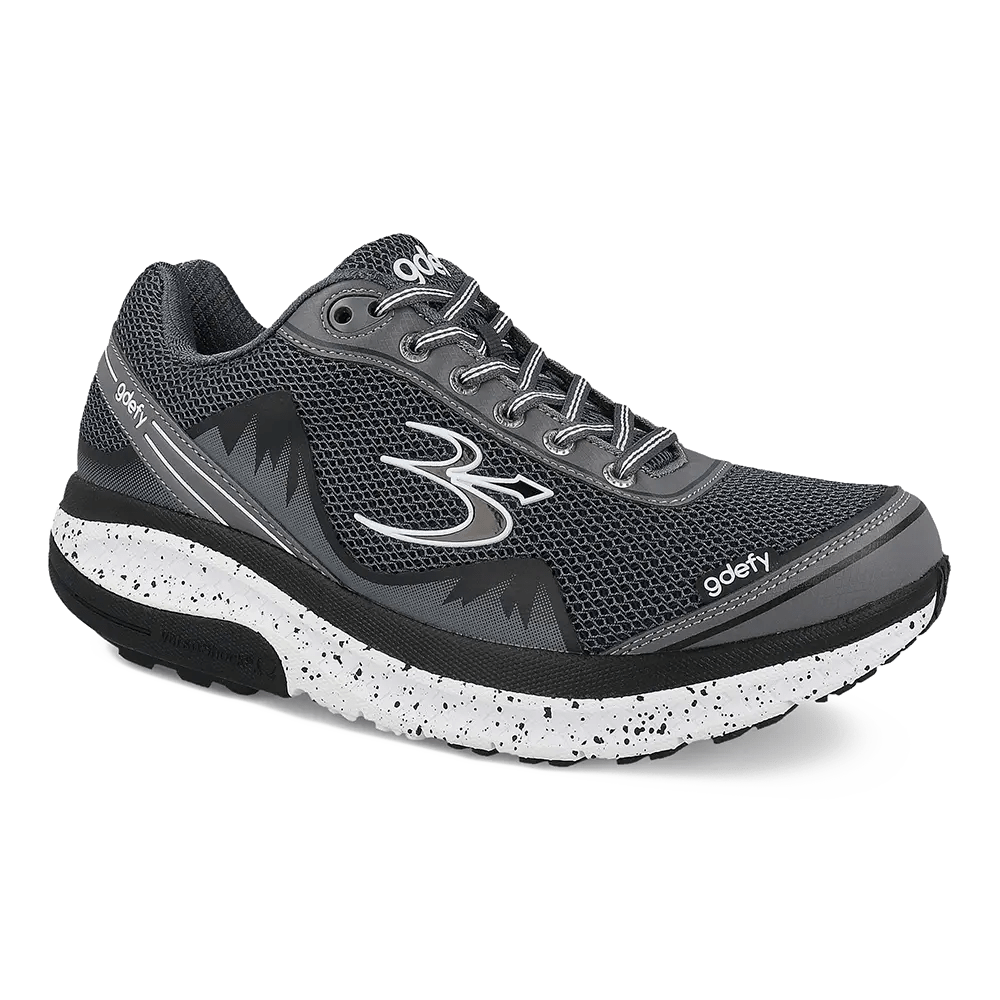
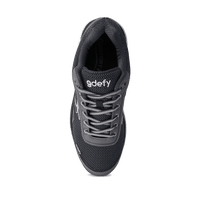
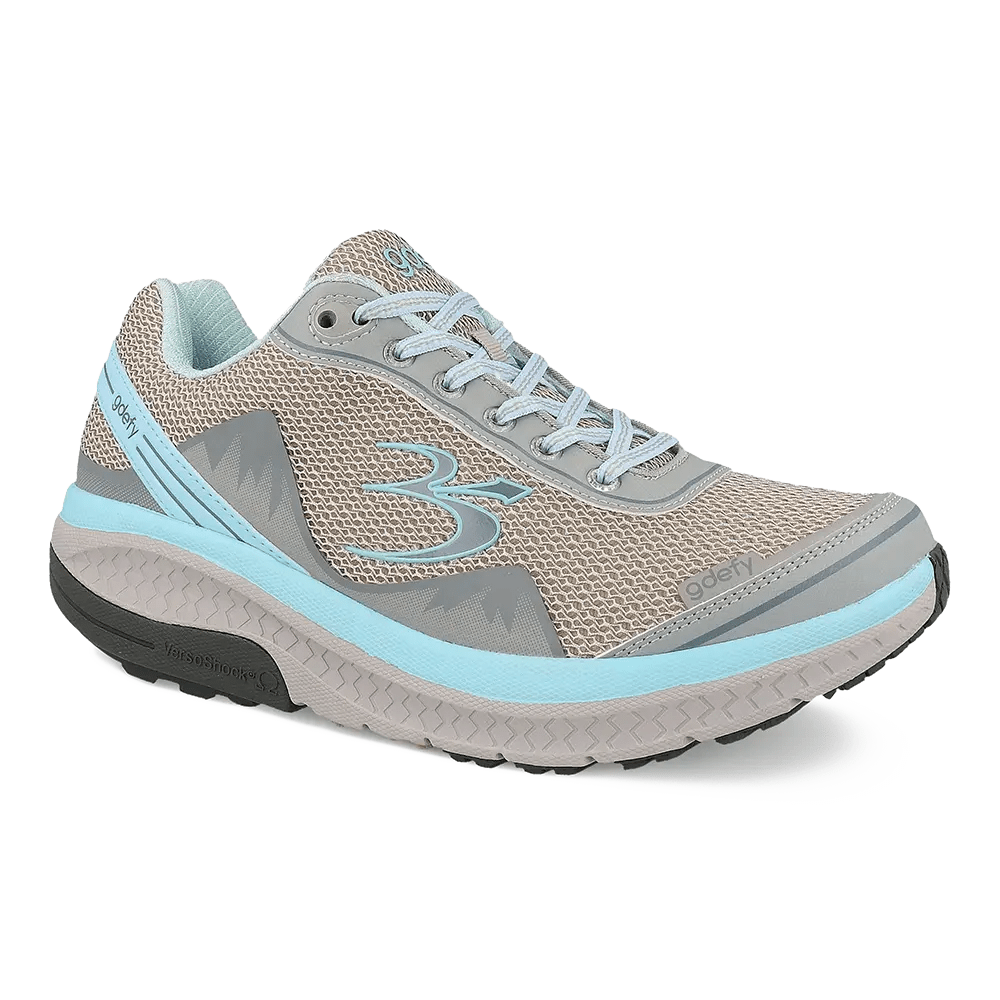
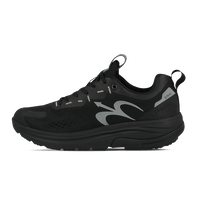
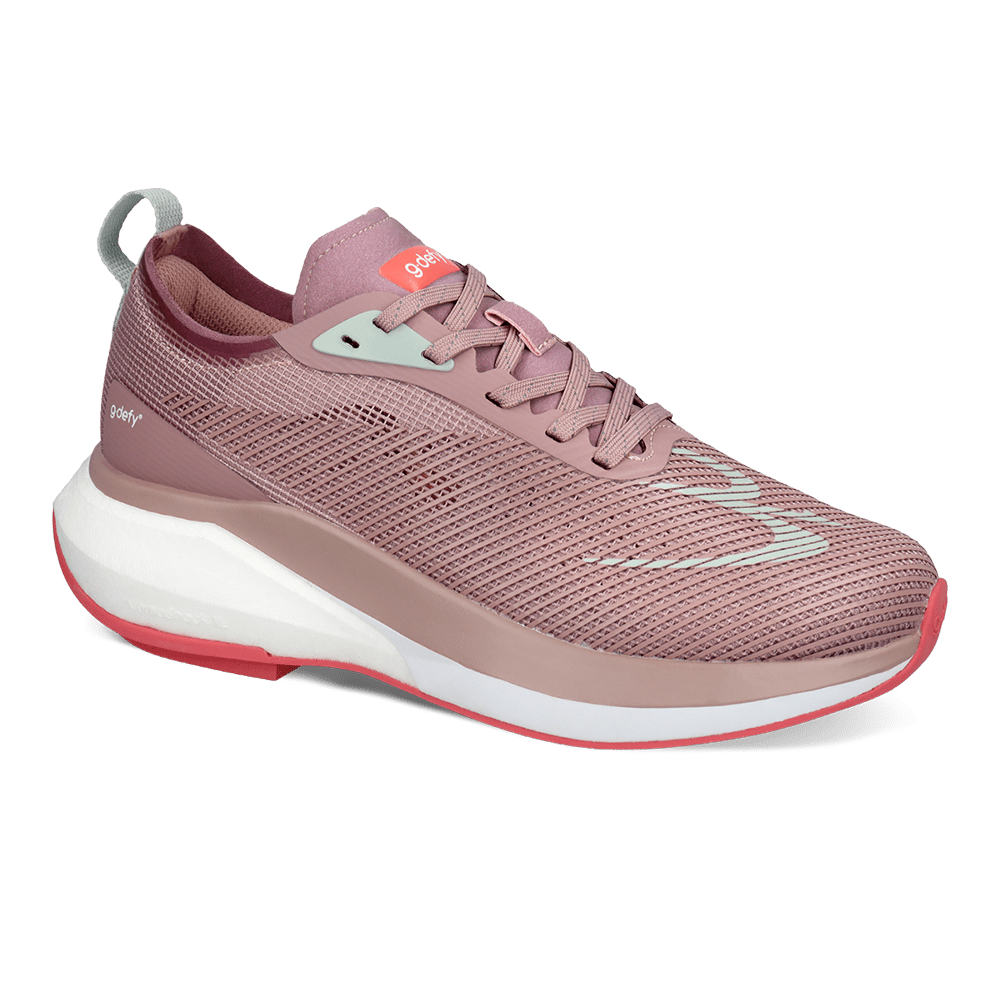
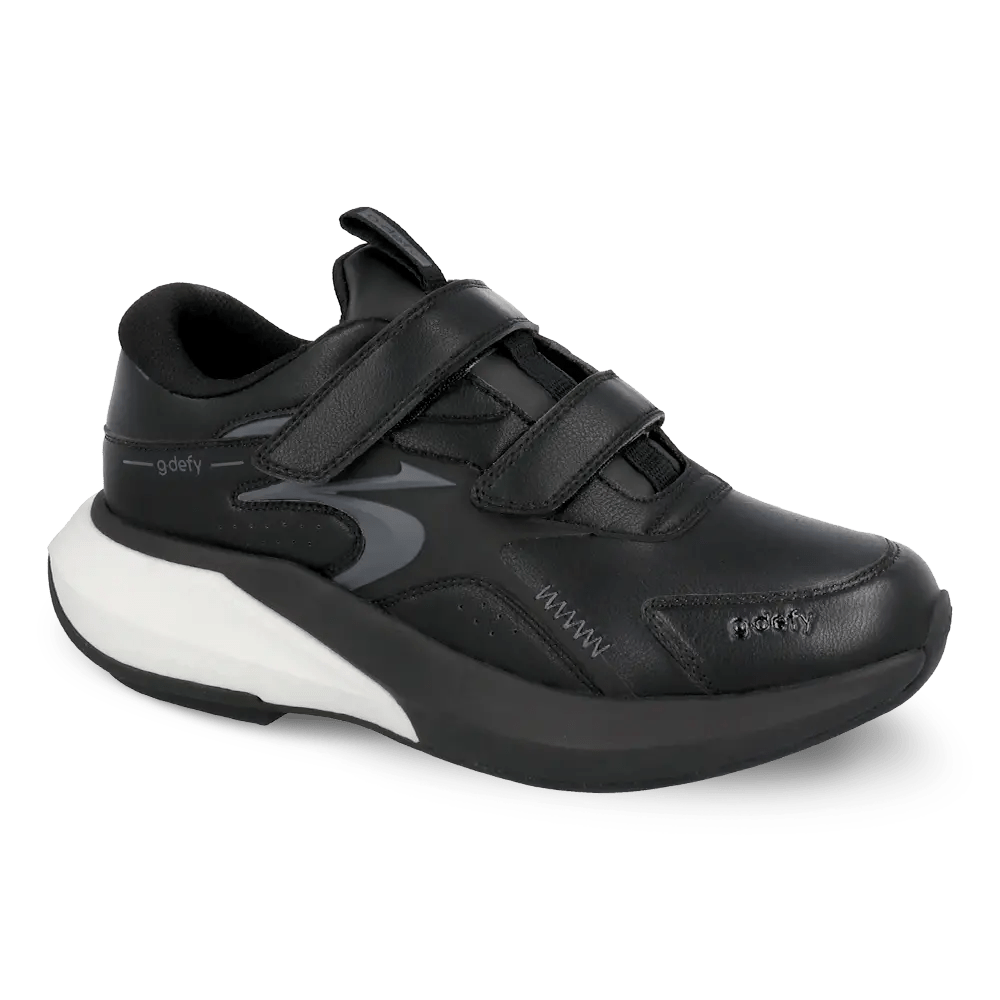
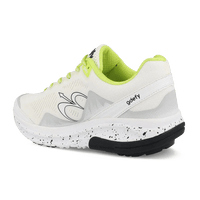
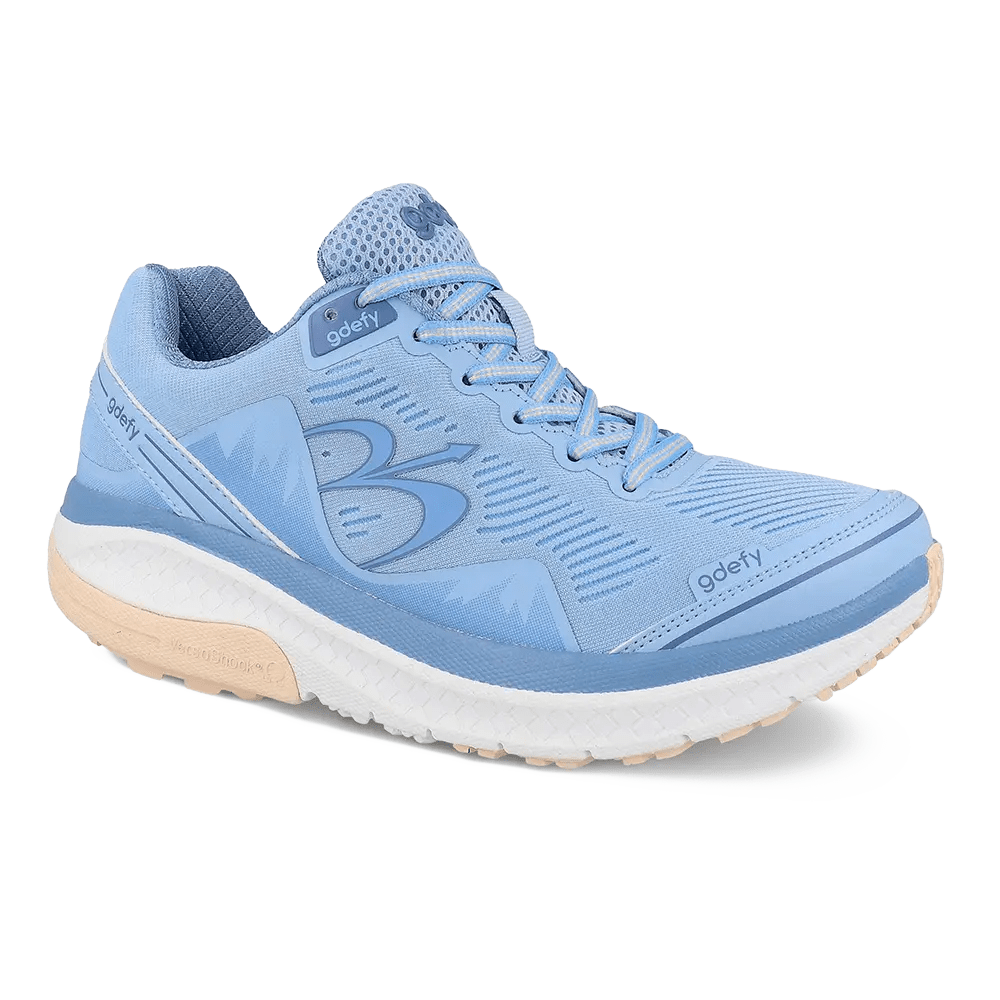
Mighty Walk — a lace-up walking shoe with VersoShock® shock absorption, a breathable upper, and a roomy toe box. Its secure lace-up fit and stable platform are well suited to a day that mixes miles of walking with long stretches of standing.

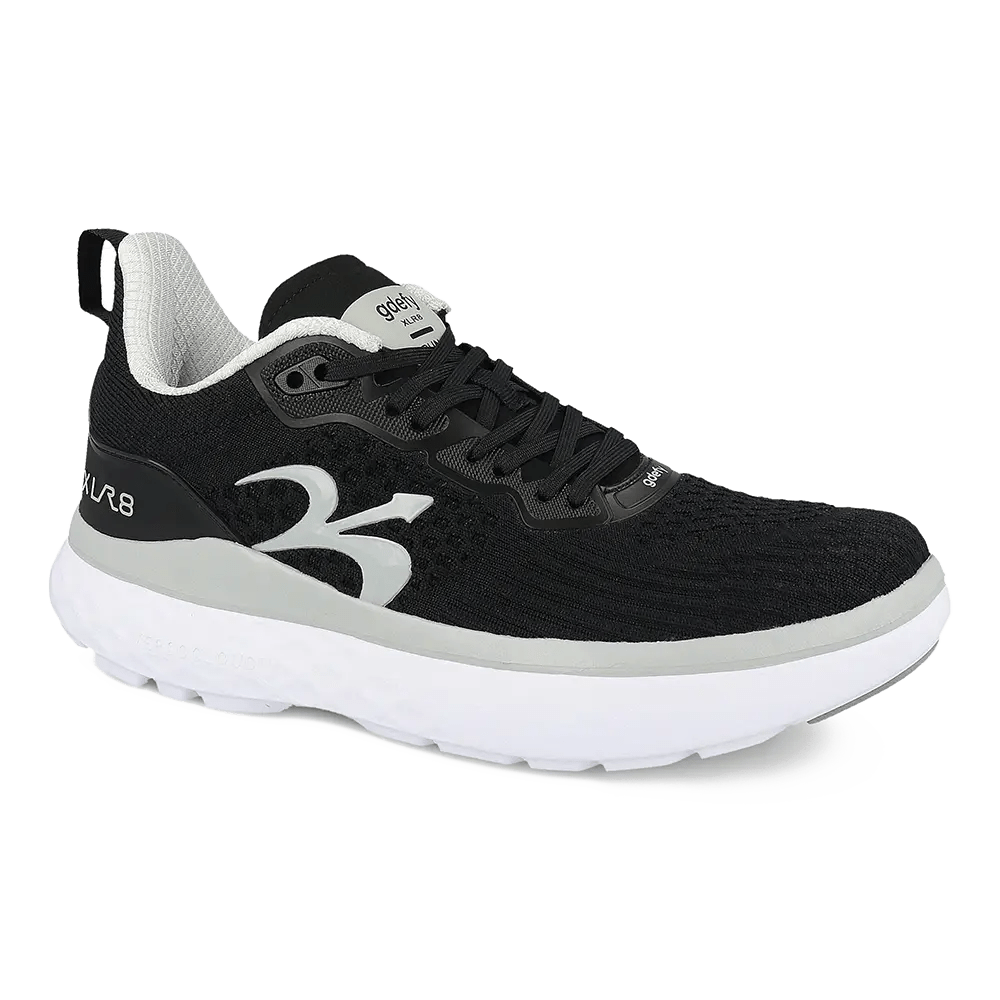
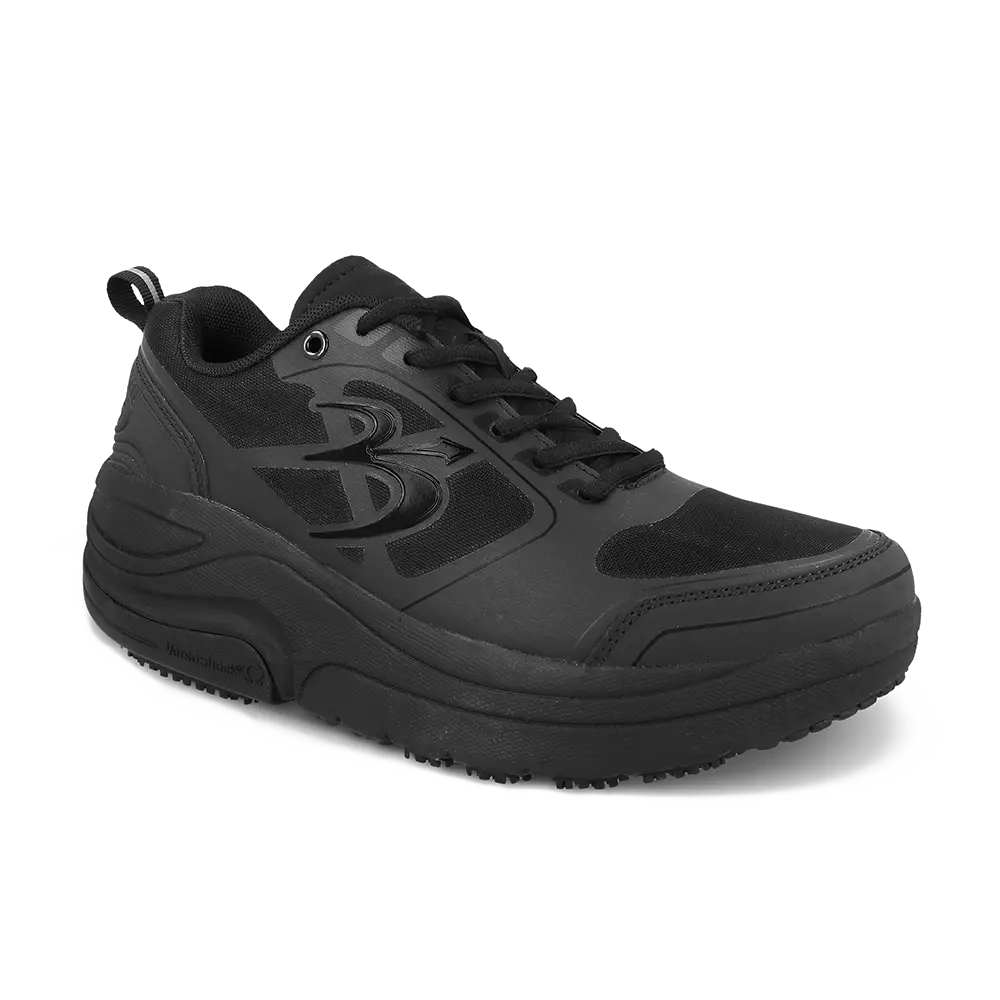
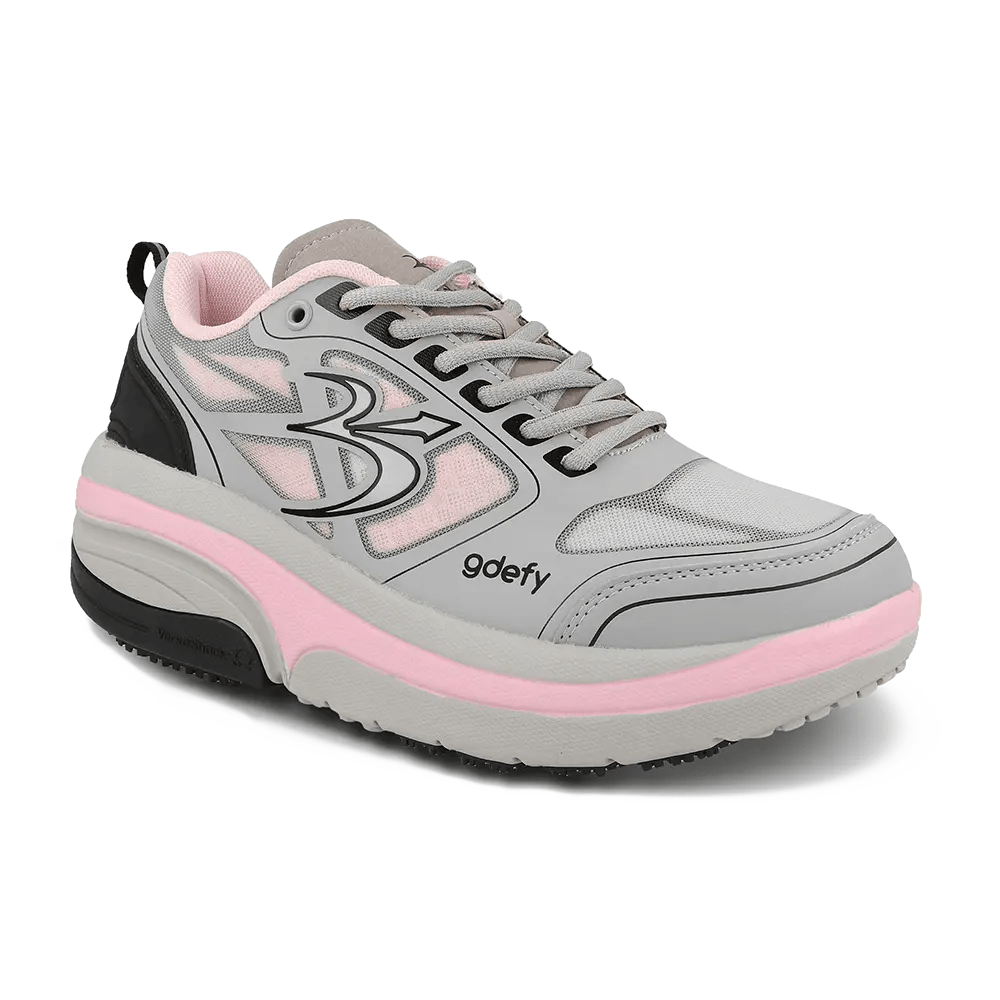
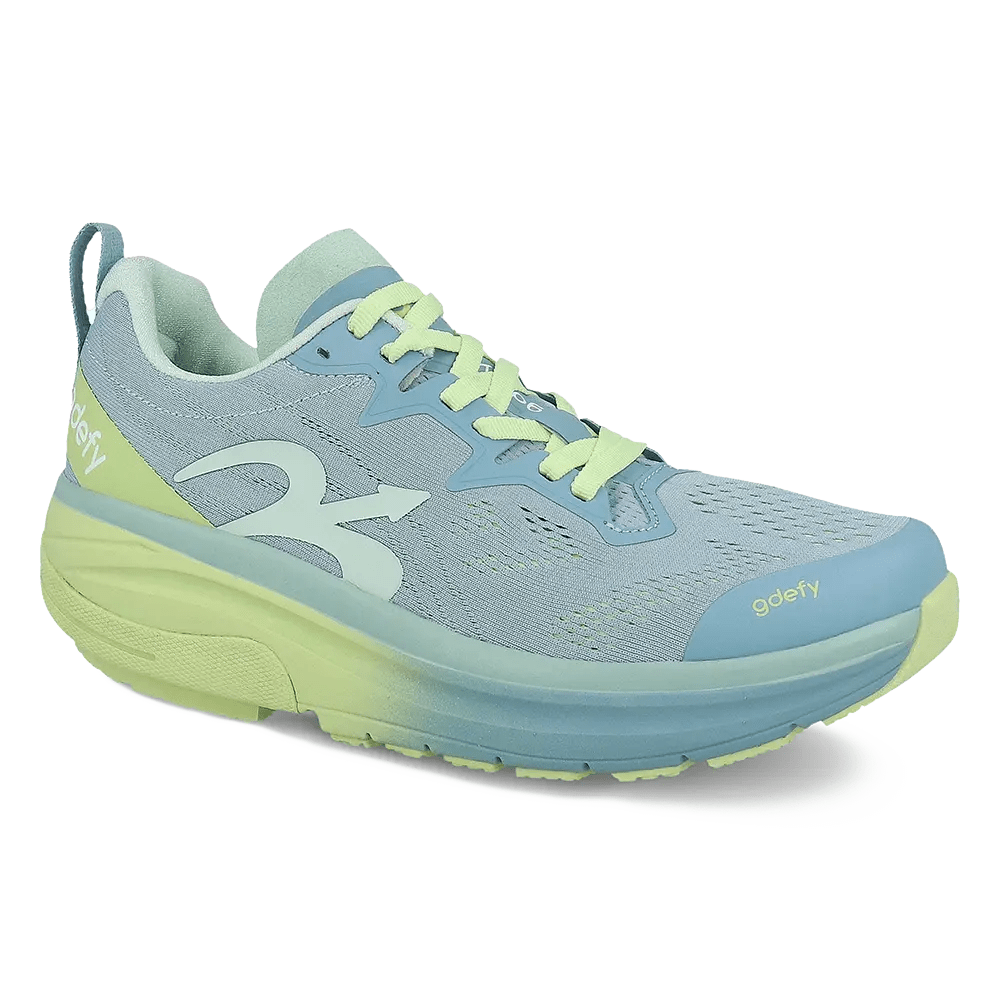
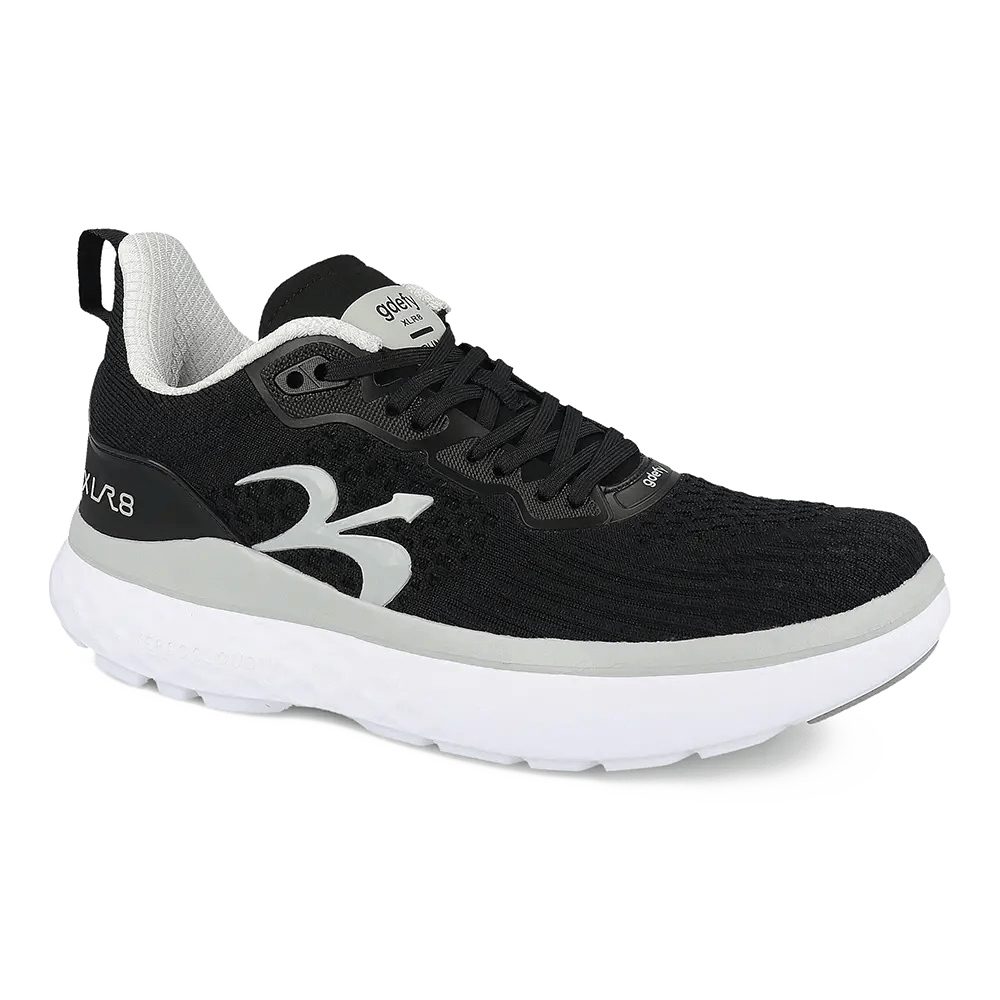
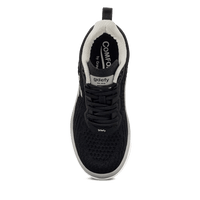
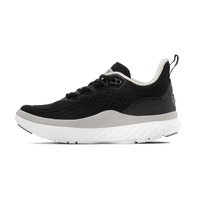
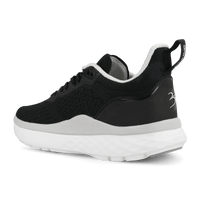
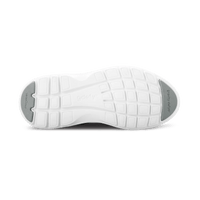
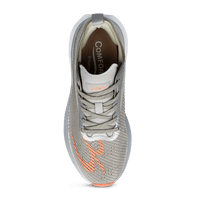
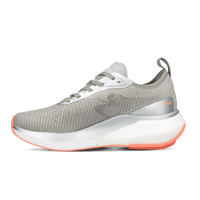
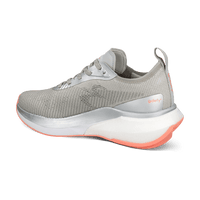
Ion — a lightweight athletic option with the same VersoShock® system in an airy, flexible build. A strong pick if minimizing weight on your feet is your priority for a long, hot day.

Both are available in a range of widths — from medium to extra-wide — which makes it easier to size for afternoon swelling without giving up a secure fit. Explore the full lineup in the men's collection and women's collection.
Put VersoShock® to the Theme-Park Test
Try G-Defy shoes with a 60-day risk-free trial — plus free shipping and exchanges. Walk the park in them and see how your feet feel at closing time.
Shop Men's Shop Women'sPractical Tips for a More Comfortable Park Day
- Never debut new shoes at the park. Break them in for at least two weeks of regular walks first, so materials flex to your feet before the big day.
- Wear moisture-wicking socks. Damp cotton increases friction — a common cause of blisters. Synthetic or wool-blend socks keep feet drier. Pack a spare pair.
- Size for the afternoon. Feet expand in heat and over hours of activity. If you're between sizes, the roomier option (or a wide width) usually wins by 3 p.m.
- Take real sit-down breaks. A 20-minute meal or show off your feet mid-day helps the second half of the day feel far better than powering through.
- Lighten the load. Use a locker for anything you don't need on you. Less carried weight means less work for your feet.
- On multi-day trips, rotate pairs. Alternating shoes gives midsole cushioning time to rebound overnight — one reason we cover rotation in our travel shoe guide.
Frequently Asked Questions
What kind of shoes should I wear to a theme park?
Look for a secure, breathable walking or athletic shoe with substantial cushioning, shock absorption, and a roomy toe box. Supportive lace-ups tend to handle the mix of long walks, queues, and rides better than loose or flat-soled options.
Can shoes help with foot pain after a day at a theme park?
Supportive and cushioned footwear may improve overall comfort during walking and prolonged standing, and many guests find the right shoes make long park days feel far more manageable. For persistent foot pain, consult your healthcare provider.
Should I wear brand-new shoes to a theme park?
No — give any new pair at least two weeks of regular wear first. Materials need time to flex to your feet, and a park day is the hardest possible first test.
Are sandals a good idea for a theme park day?
Supportive sandals can work for shorter, casual visits, but for a full day with rides and long queues, a secure closed shoe usually offers more stability and protection in crowds. Our sandals vs. walking shoes comparison breaks down when each makes sense.
How do I keep my feet cool at the park in summer?
Choose breathable mesh uppers, wear moisture-wicking socks, and take advantage of shaded or air-conditioned breaks. A roomier fit also helps as feet naturally swell in the heat.
The Bottom Line: Comfort Makes the Memories
The details you'll remember from a theme park day should be the rides, the shows, and who you shared them with — not how much your feet hurt in the parking lot. The technology inside your shoes matters more than what's on the map: cushioning, shock absorption, energy return, a secure fit, and room for your feet to be human in the heat. Learn more about how VersoShock® technology works if you're curious about the engineering.
While footwear is not a medical solution, choosing shoes designed for comfort, support, and shock absorption can make a meaningful difference in how you feel throughout the day — especially a day as long, hot, and wonderful as one at a theme park.
Ready for Your Next Park Day?
Find your pair, break it in, and enjoy the day from rope drop to fireworks — backed by a 60-day risk-free trial with free shipping and exchanges.
Shop Men's Shop Women's