August 08, 2026
Online vs In-Store: How to Buy Comfortable Shoes With Confidence
By Gdefy

Summary
Buying shoes used to mean a trip to a store, a bench, and a few laps across the carpet. Today most people start — and finish — on a screen. That shift is convenient, but it removes the one step everyone relied on: putting the shoe on before paying for it.
The worry is understandable. Sizes vary between makers. Width options are easy to overlook. And a shoe that feels fine for thirty seconds on a showroom floor can feel very different after eight hours on your feet.
The good news is that ordering online is not really a guess — it is a process. When you measure properly, read a size chart the right way, choose the correct width, and use the return window as an actual try-on period, buying online can give you a better fit than a rushed store visit ever would.
This guide walks through what each approach gets right, how to measure your feet at home in about five minutes, what to look for in a shoe you cannot try on first, and how to use a trial window so the decision never has to be final on day one.
Why Buying Shoes Sight-Unseen Feels Like a Gamble
Most fit frustration traces back to three things — and none of them are really about the internet.
Shoe sizes are not standardized
There is no universal rule that makes a size 9 identical across every maker. Lasts differ, toe shapes differ, and the same number can run a half size long in one shoe and short in another. This is why “I’m always a 9” is a starting point, not an answer.
Width is the part most people skip
Length gets all the attention, but width is where all-day comfort is usually won or lost. A shoe that is the right length but too narrow puts steady pressure across the ball of the foot and around the little toe. Many people have worn a medium width their whole lives simply because it was the only option on the shelf.
Feet are not the same size all day
Feet swell during the day, especially after long hours of standing, walking, or warm weather. A shoe measured first thing in the morning can feel noticeably snugger by evening. Feet also change gradually over the years, so a size that was right a decade ago may not be right now.
None of that is an online problem. It is a fit problem — and it shows up in stores too.
What a Store Visit Gets Right — and Where It Runs Out
A store gives you something genuinely useful: immediate feedback. You can slip the shoe on, feel whether the heel holds, notice whether the toe box crowds, and take a few steps.
That feedback has real limits, though.
- The walk is short. A lap or two across a smooth floor tells you almost nothing about hour six on hard flooring.
- The selection is narrow. Shelf space is expensive, so most locations stock the fastest-moving sizes in a single width. Wide and extra-wide are frequently not carried at all.
- The timing is arbitrary. You try shoes on whenever you happen to be there — which may be exactly when your feet are at their smallest.
- The pressure is real. It is hard to be honest with yourself about a small pinch when someone is waiting and you have already spent forty minutes in the aisle.
Online reverses each of those. The full size and width run is available, you try them on at home at the end of a long day, and you can take as many steps as you like — as long as the seller gives you a genuine window to do it in.
How to Measure Your Feet at Home in Five Minutes

This is the single highest-value step, and it takes almost no equipment.
- Measure at the end of the day. Late afternoon or evening, when your feet are at their largest. This is the size you actually need.
- Wear the socks you plan to wear. Sock thickness can account for a noticeable difference in fit.
- Stand on a sheet of paper against a wall. Put your heel flat against the baseboard and stand with your weight on that foot — sitting down changes the reading.
- Mark heel and longest toe. Have someone trace a light pencil line at the back of your heel and just past your longest toe. Your longest toe is not always your big toe.
- Measure both feet. Almost everyone has one foot slightly larger. Write down both numbers.
- Measure width too. Wrap a soft tape around the widest part of the foot, across the ball, and note that measurement as well.
- Use the larger foot. Always size to the bigger one. Extra room can be taken up with the right insole; a shoe that is too short cannot be fixed.
Keep both numbers somewhere you can find them. Once you have them, a size chart stops being guesswork.
How to Read a Size Chart and Pick Your Width
Compare your measurement in inches or centimeters against the chart for the specific shoe — not a general chart, and not your memory of what you usually wear.
A few practical rules:
- Leave thumb-width room. You want roughly a half inch between your longest toe and the end of the shoe so your foot can move forward naturally as you walk.
- If you are between sizes, go up. A slightly long shoe can be adjusted with a thicker insole. A short one cannot.
- Take width seriously. If your foot spreads noticeably when you stand, if the sides of your shoes wear out first, or if you get pressure marks across the ball of your foot, try a wide (W) or extra-wide (XW). It is one of the most common corrections people make, and it often matters more than going up half a length.
- Check the shape, not just the number. A roomy, rounded toe box gives your toes space to spread as you step. A tapered one does not, regardless of the size on the box.
If you are unsure which shape suits you, it helps to know your foot type first — flat feet and high arches use the same shoe quite differently. It is also worth understanding why proper shoe fit is key to all-day comfort before you order.
What to Look for in a Shoe You Can’t Try On First
When you cannot feel a shoe before ordering, the specification page has to do that work. These are the features worth reading for:
- Cushioning — absorbs impact as your foot lands, which matters most on hard flooring and pavement.
- Shock absorption — reduces the harshness of each step travelling up through the foot and leg.
- Support and stability — keeps the foot tracking evenly rather than rolling in or out through the step.
- Energy return — helps each step feel less effortful over a long day.
- A generous toe box — room for the toes to spread naturally as weight moves forward.
- Multiple width options — the clearest sign a maker expects real feet rather than one average shape.
- A removable insole — the simplest way to fine-tune volume after the shoe arrives.
- A stated trial or return period — the feature that makes everything else low-risk.
That last point is worth dwelling on. A shoe with a real trial window is not a purchase; it is a supervised test. It is also why what you pay for a shoe is best judged over months of wear rather than at the checkout screen.
How G-Defy Approaches Online Fit
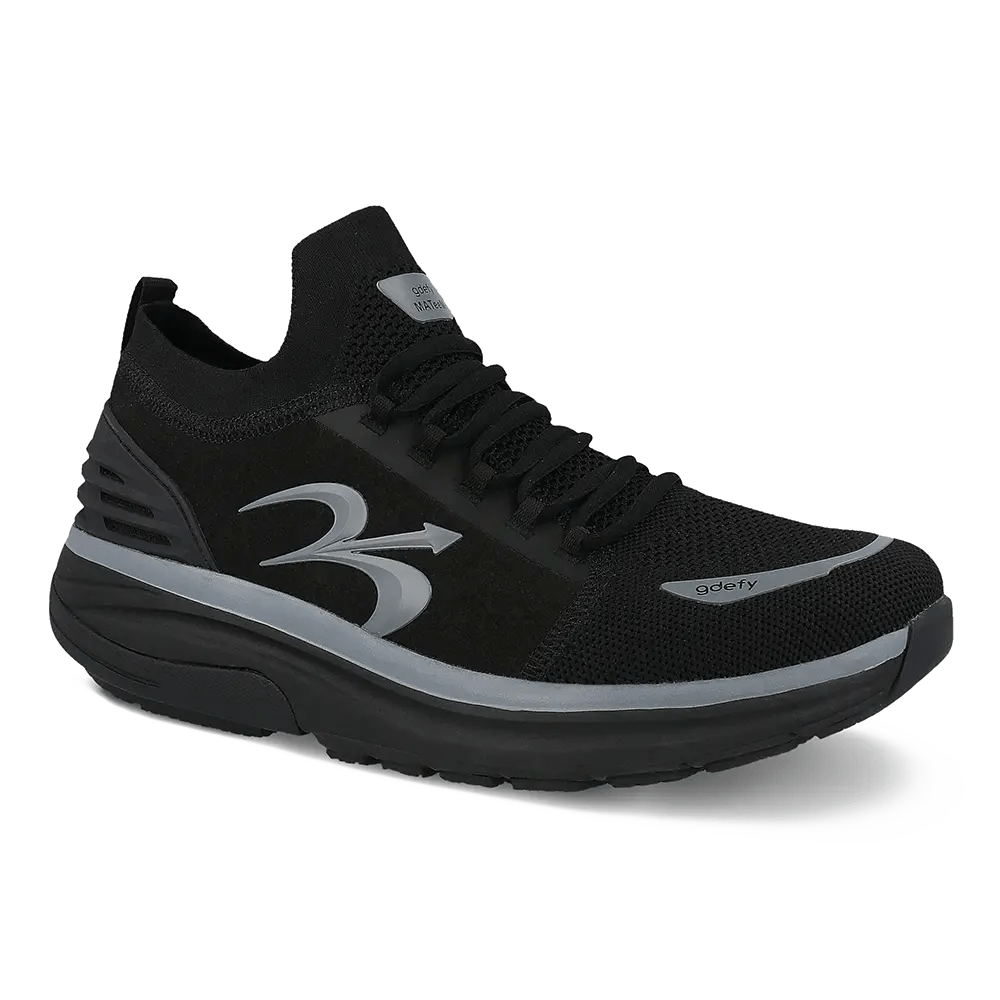
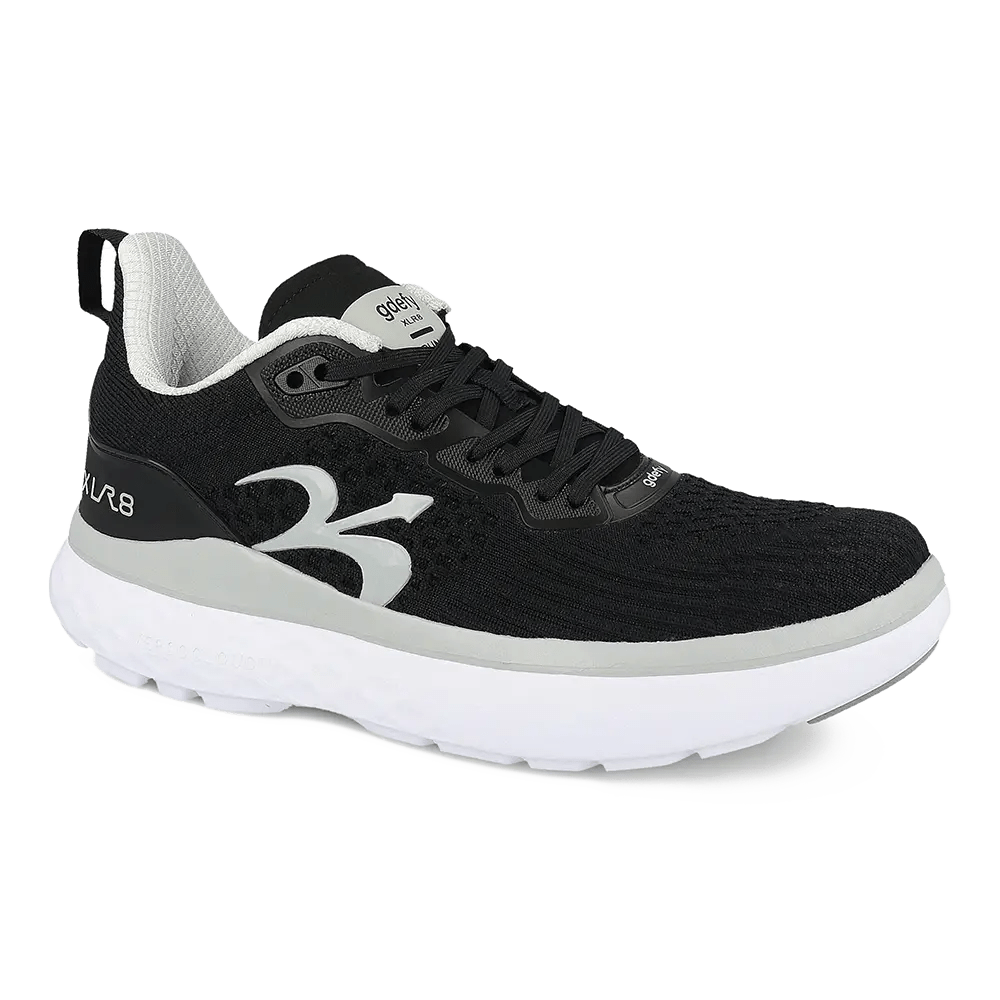
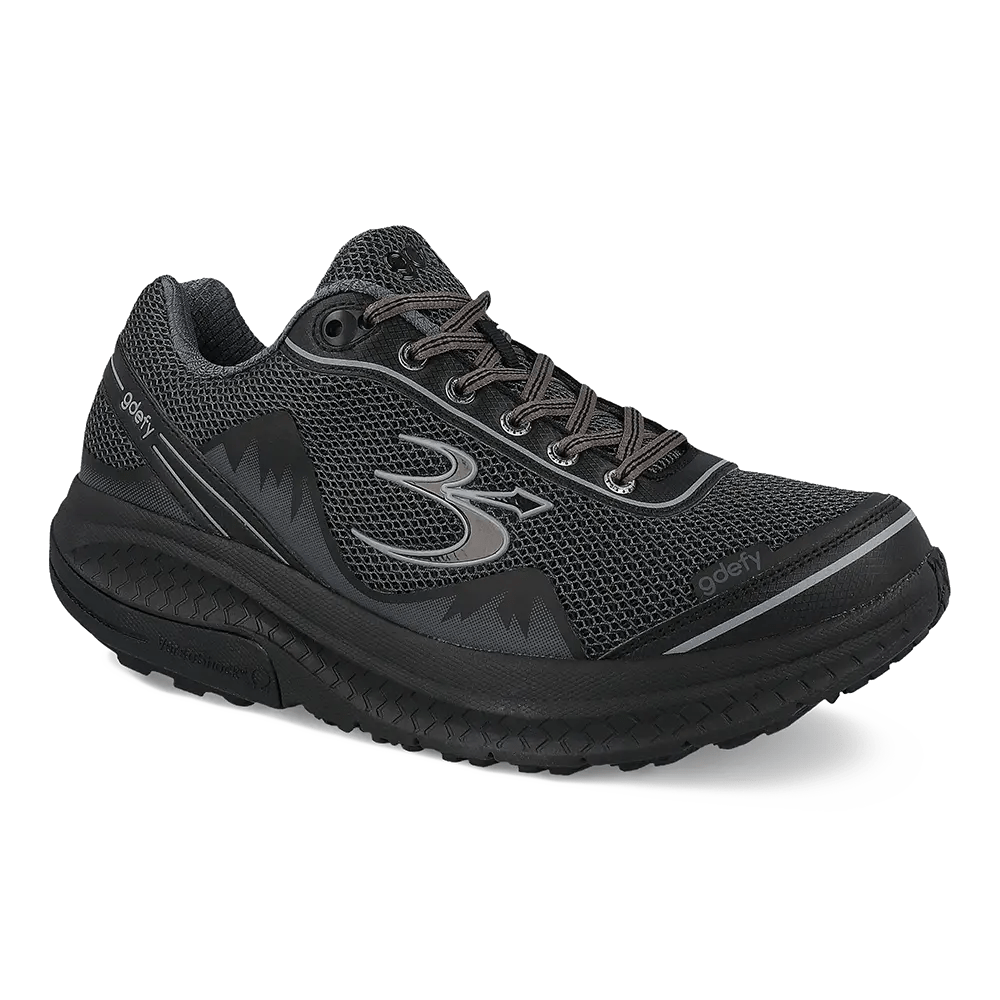
G-Defy has sold directly to customers for years, so the fit problem is not an afterthought — it is designed around.
A full width run, not just medium. Core styles are offered in Medium (M), Wide (W) and Extra-Wide (XW) across the size range. That is the option most shelves cannot afford to carry, and it is the correction that resolves the largest share of fit complaints.

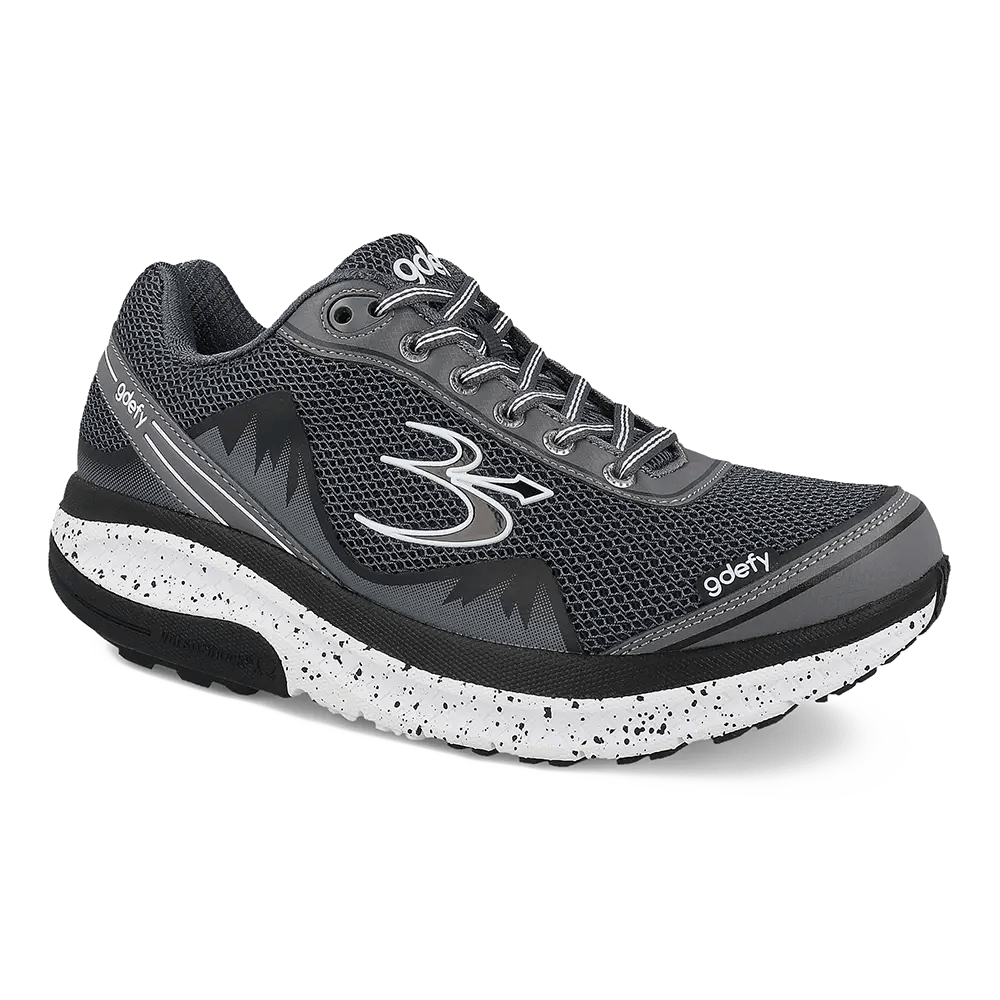
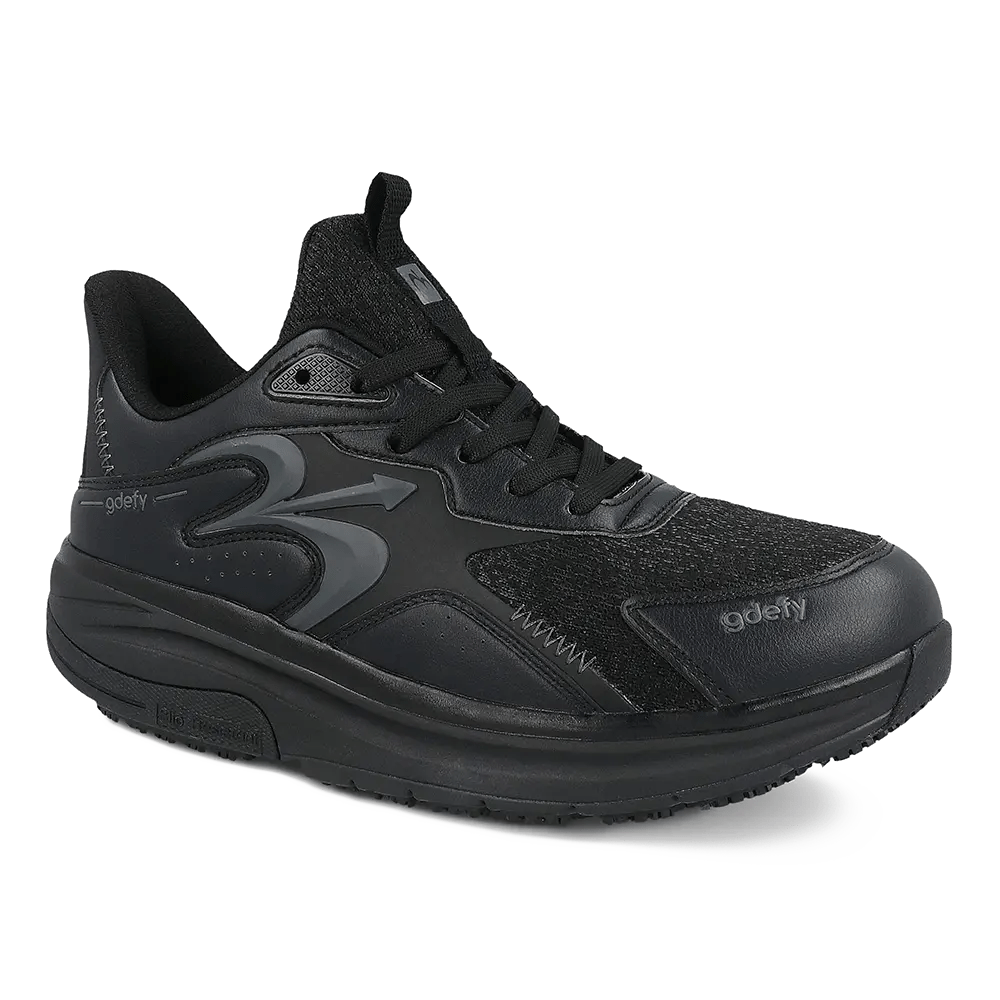
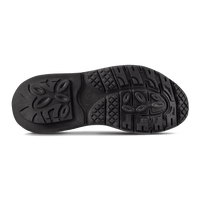
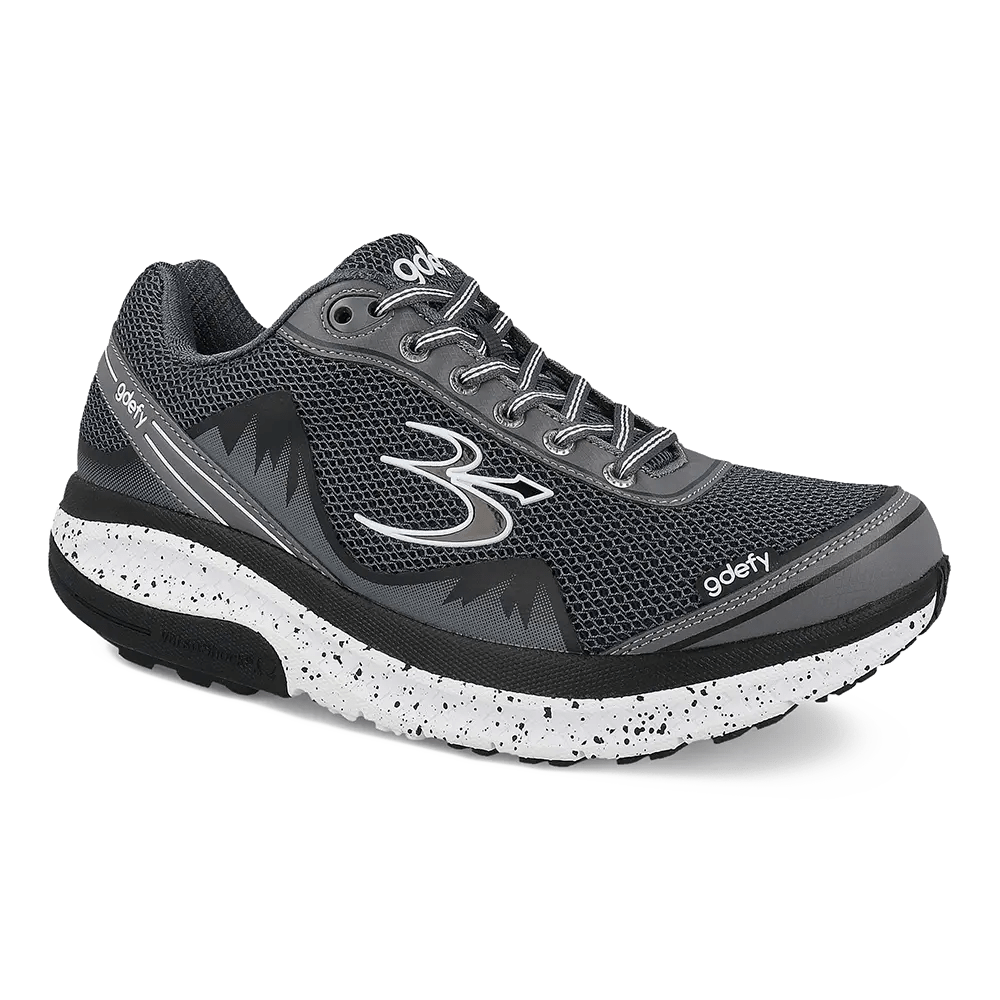
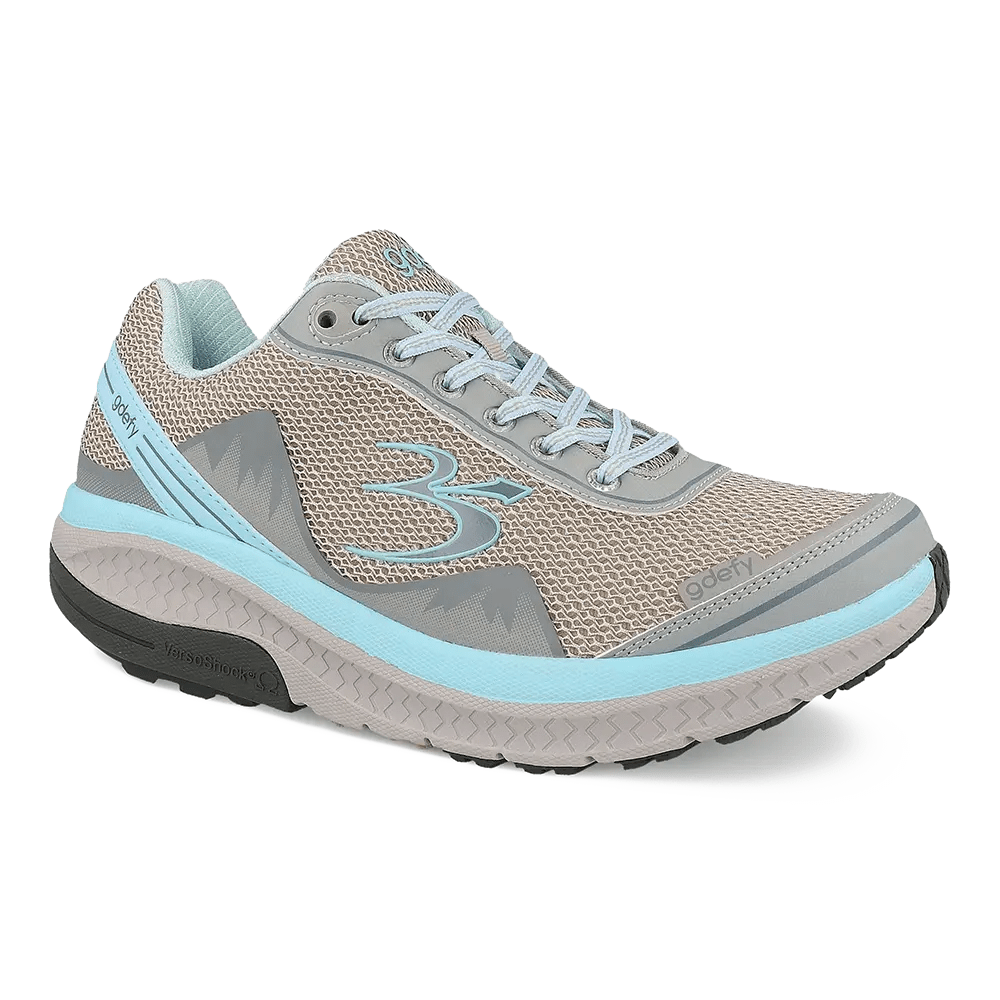
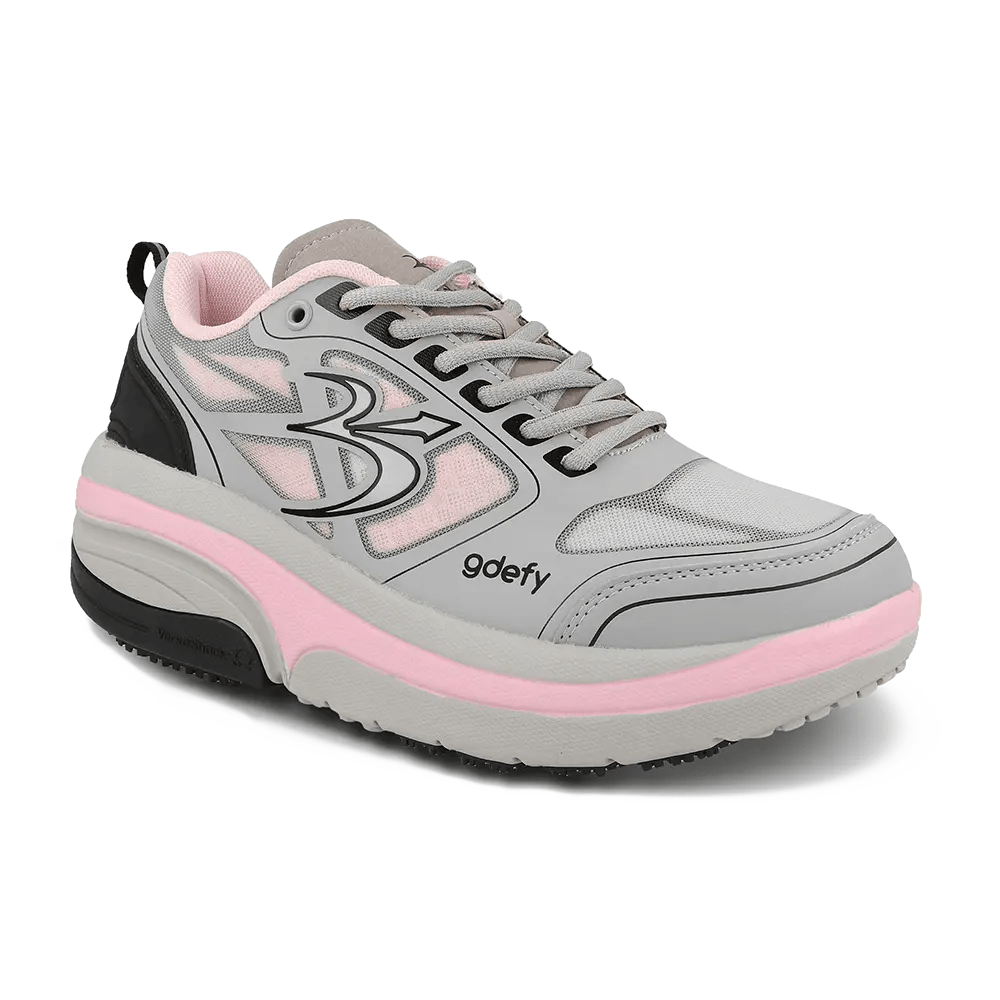
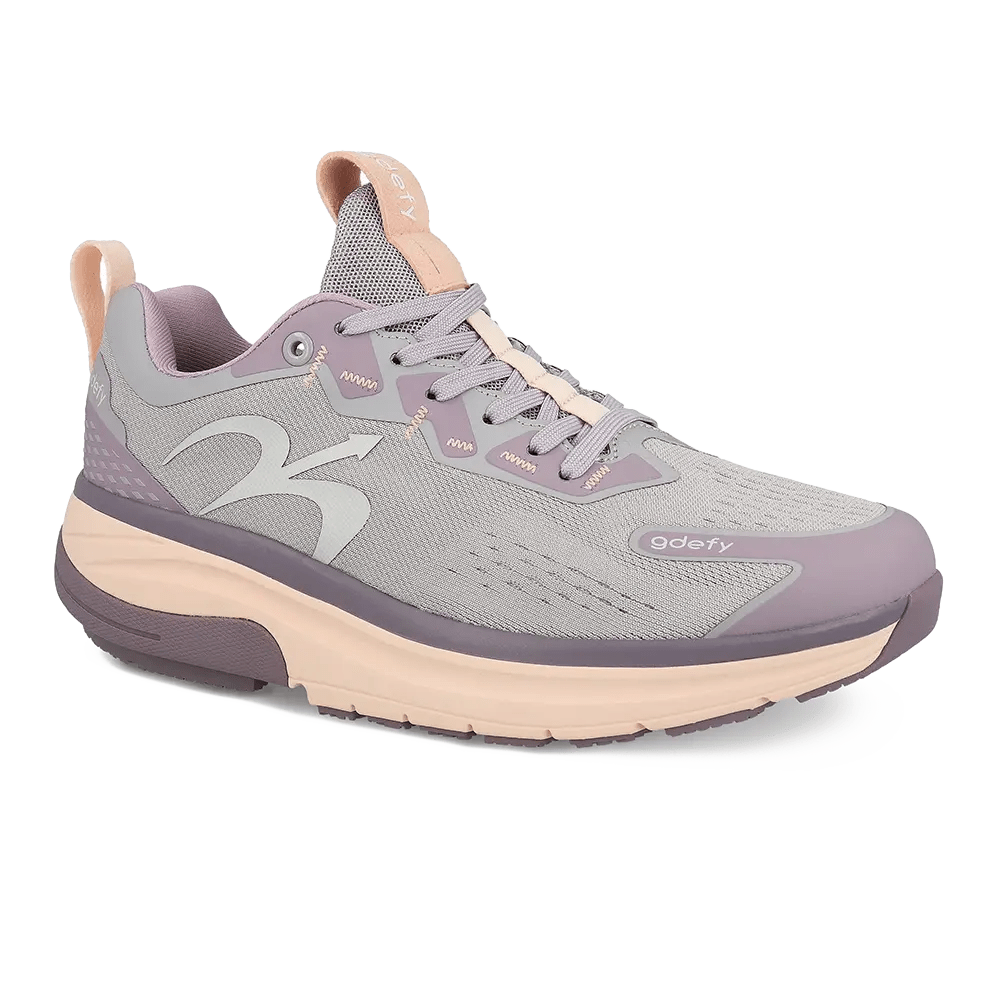
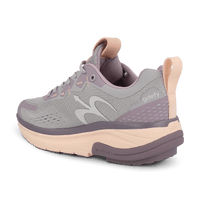
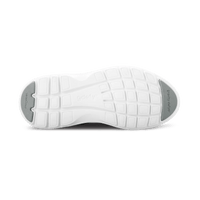
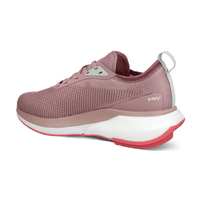
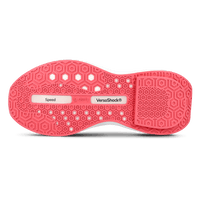
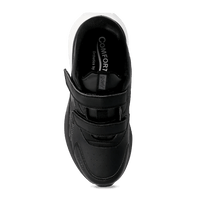
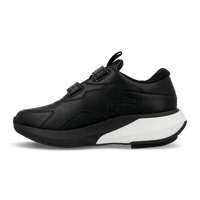
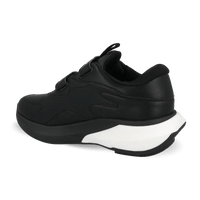
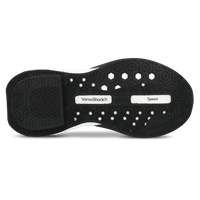
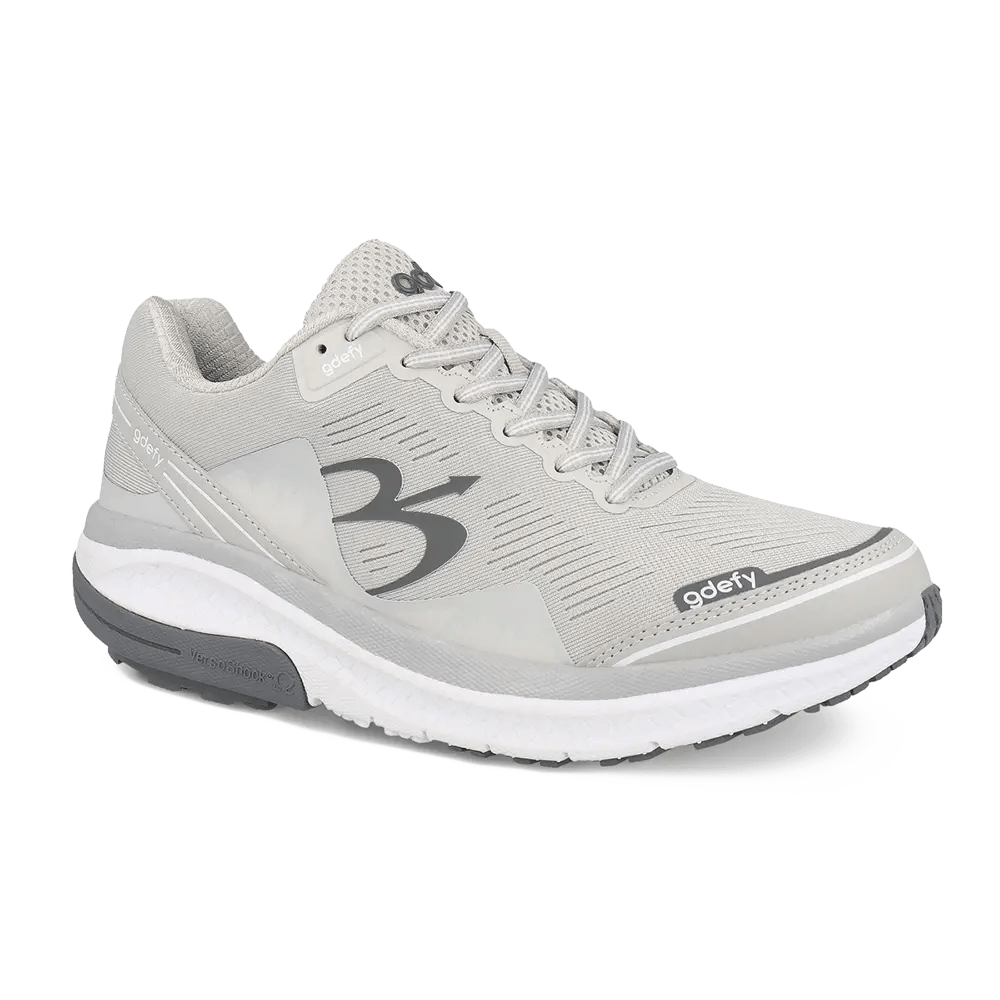
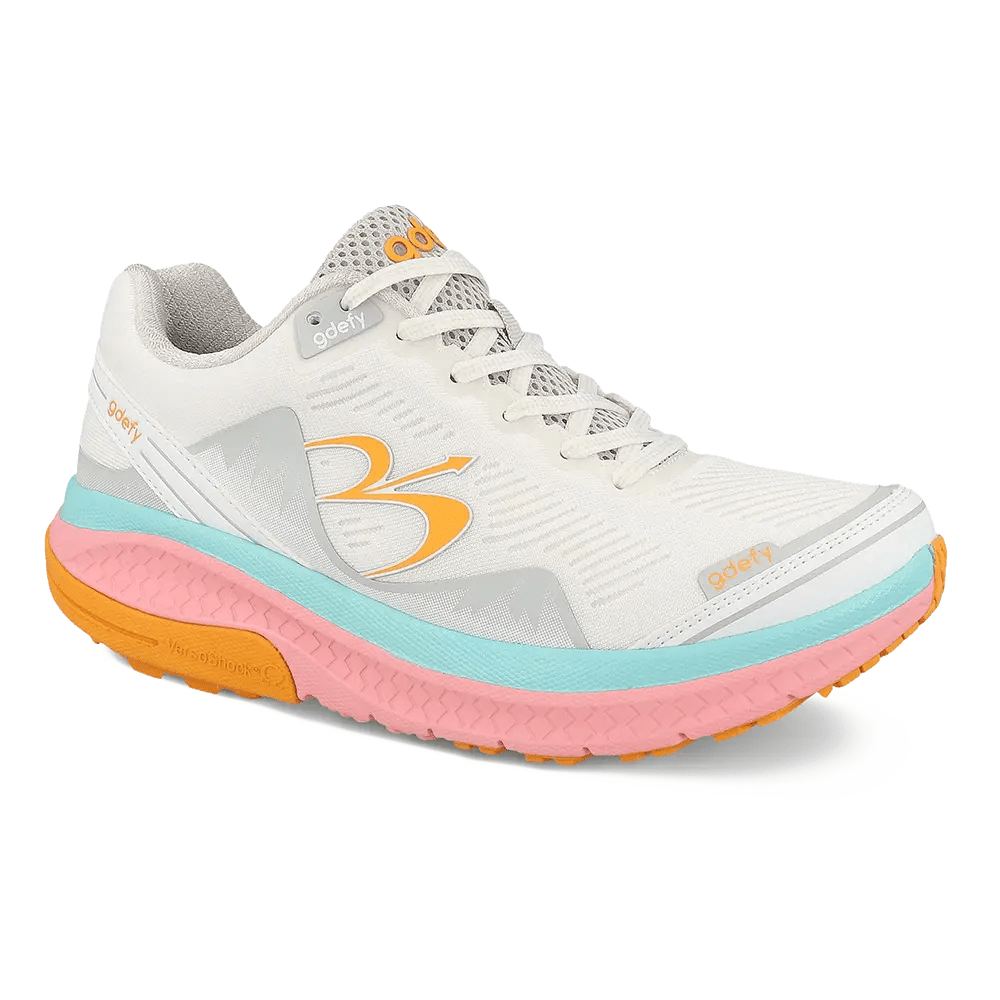
VersoShock® technology in the midsole. Rather than relying on foam alone, the VersoShock® system uses a spring-based midsole built around four working elements — impact absorption, energy return, stability, and a rolling forefoot that eases the transition from heel to toe. Because it is mechanical rather than a foam density you have to feel to judge, it is easier to evaluate from a description. You can read more about how VersoShock® technology works and what makes a shoe good at absorbing shock.
Dual removable orthotics. Each pair ships with two interchangeable G-Comfort inserts — ComfortFit® and CorrectiveFit®. This is quietly one of the most useful things about ordering online: if the shoe arrives a touch roomy, swapping inserts changes the internal volume without changing the size. It is fit insurance you can apply at your kitchen table.

The design intent. G-Defy footwear is engineered for comfort and support during long days on your feet, and helps reduce pain from walking, running, and prolonged standing.
A 60-day risk-free trial with free shipping and exchanges. This is the part that makes online ordering genuinely lower-risk than a store visit. Sixty days is long enough to wear a shoe through a real week, not a showroom lap.
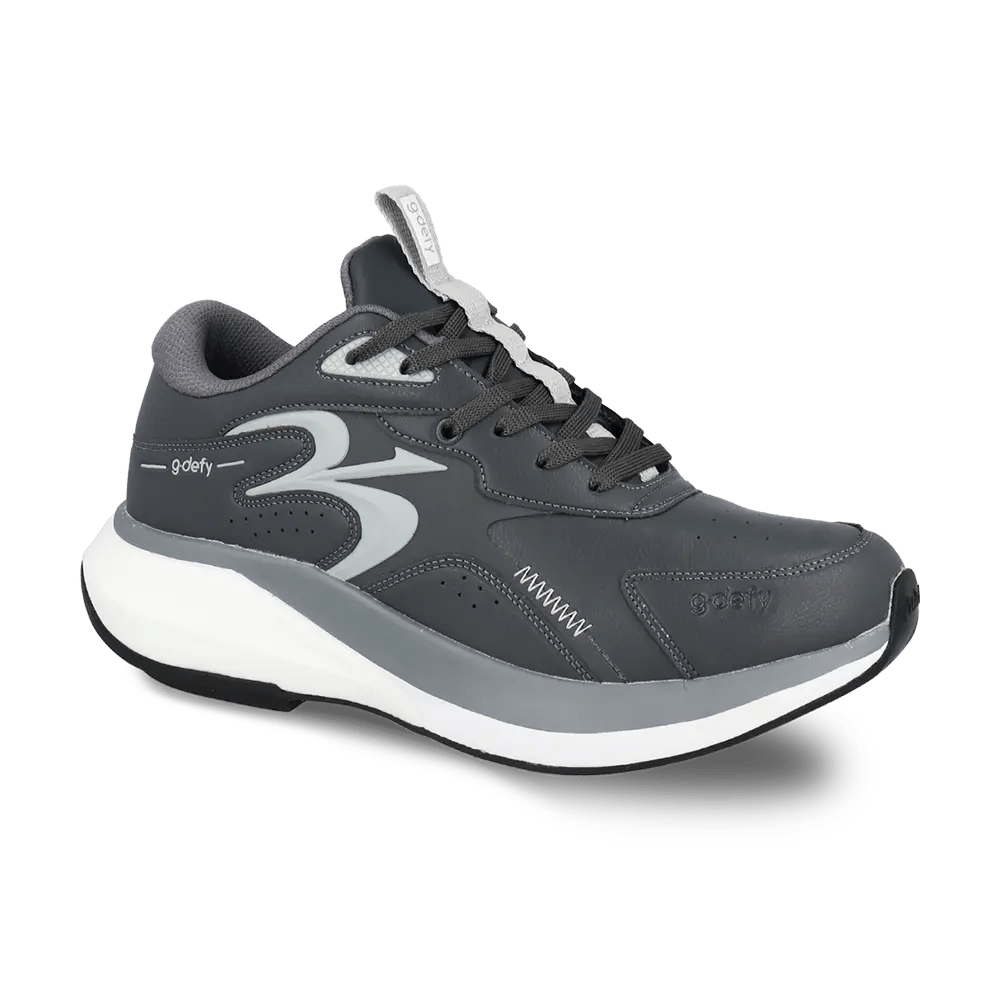
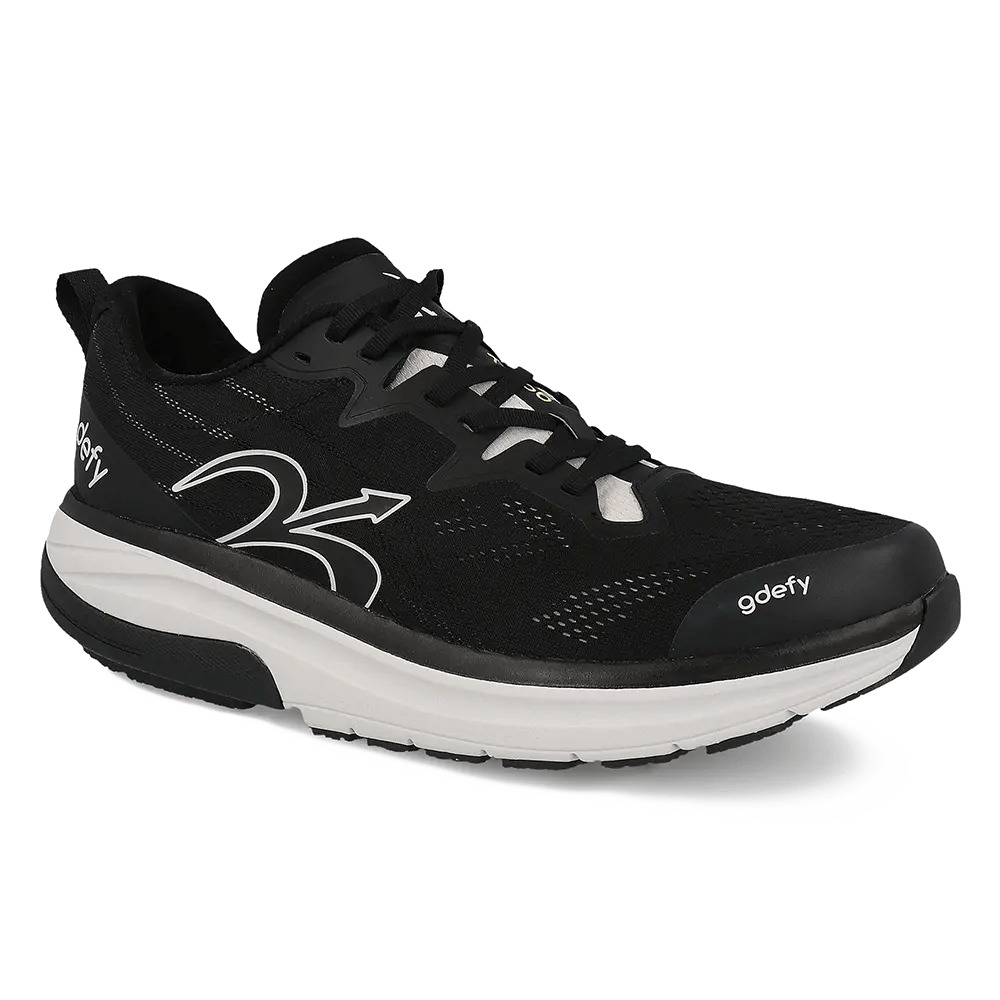
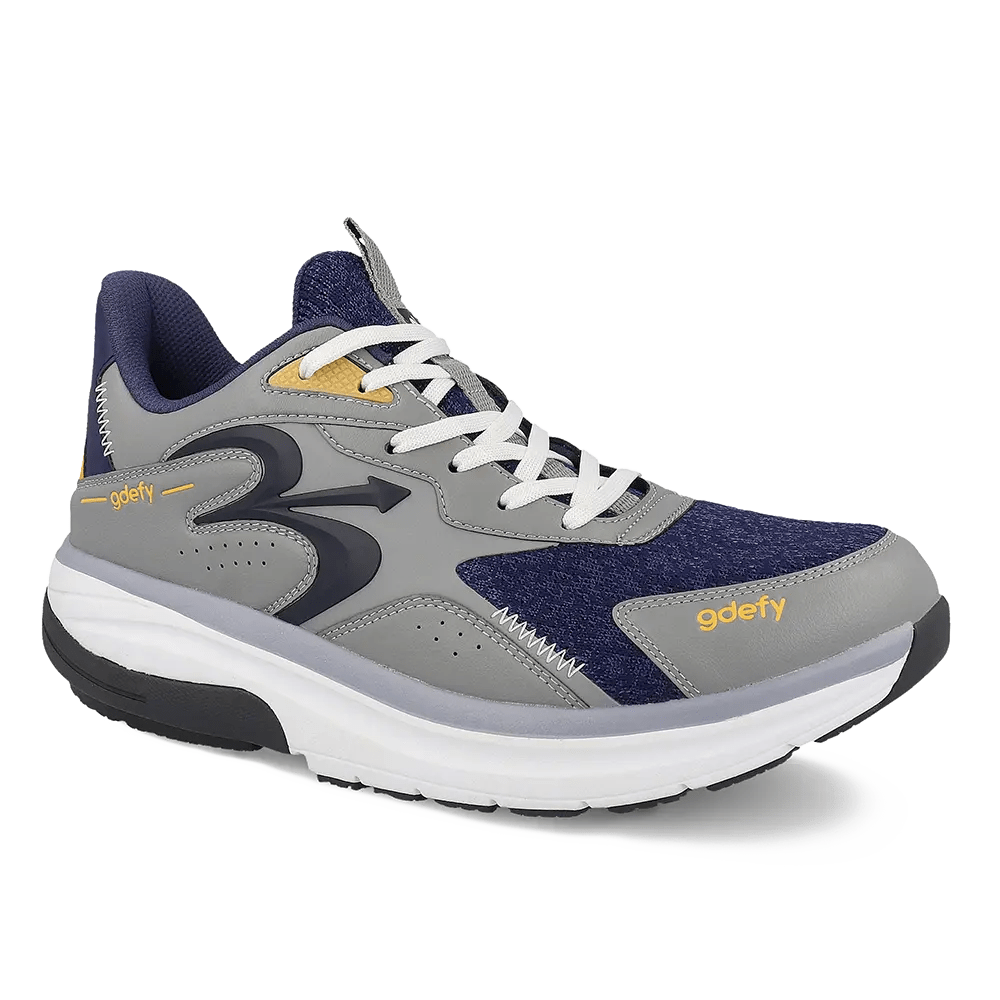
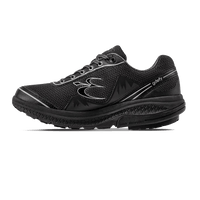
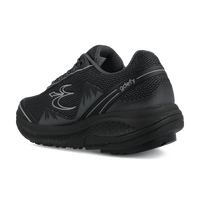
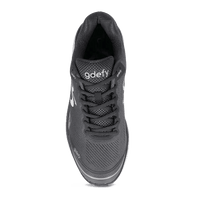
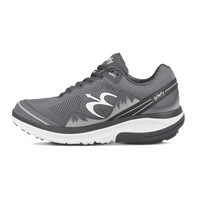
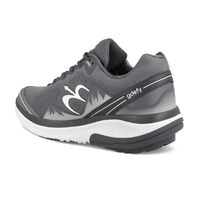
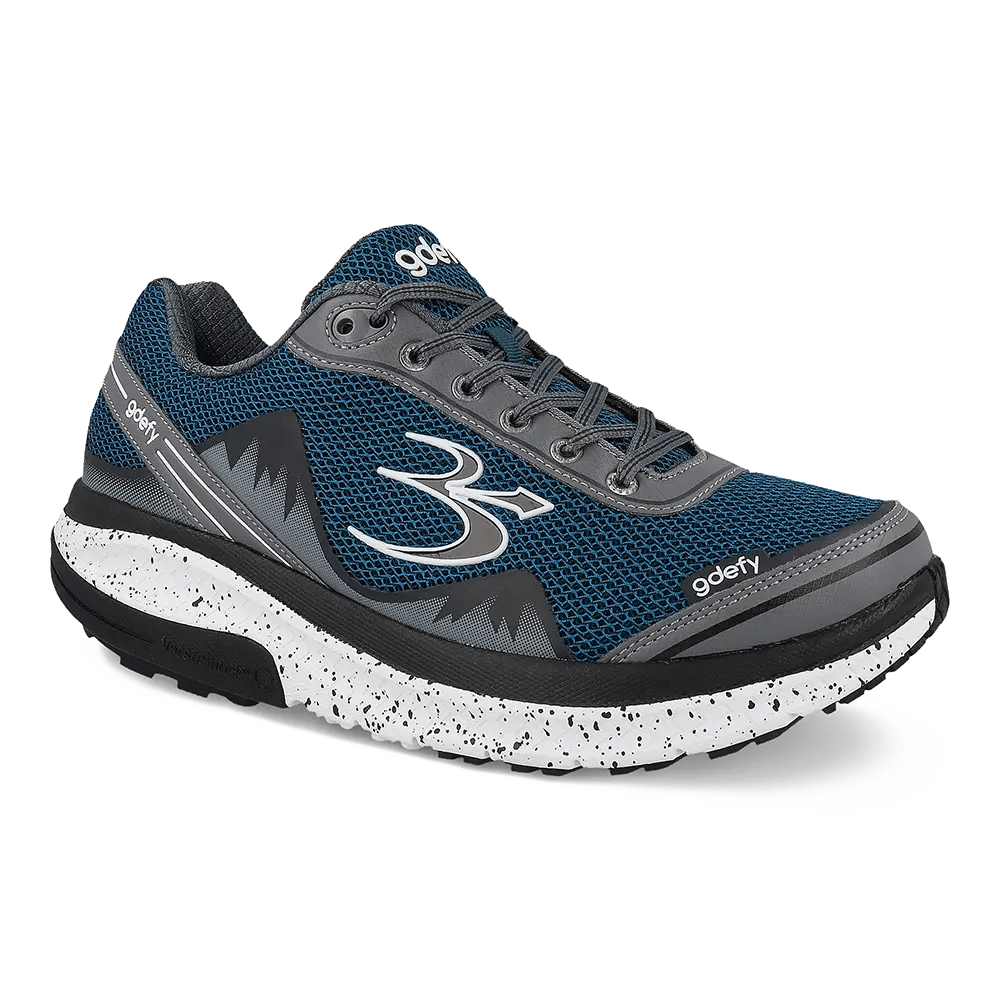
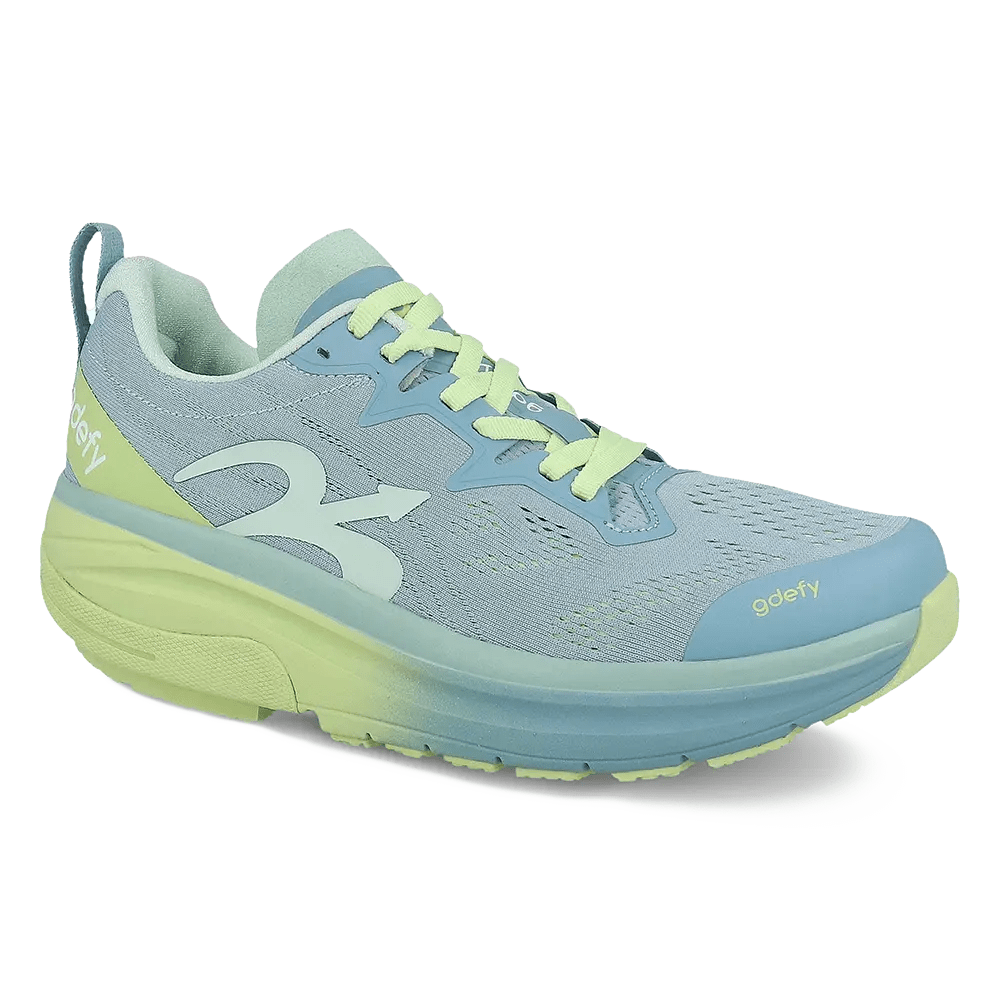
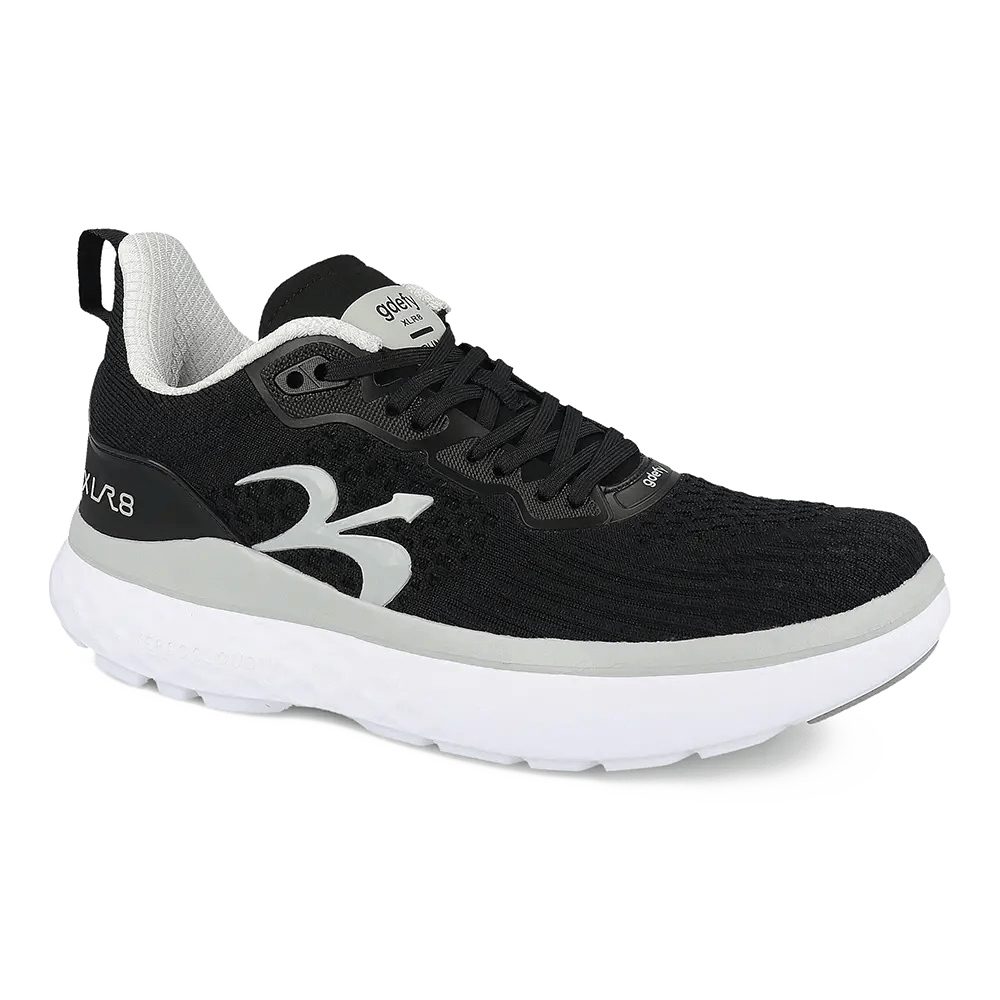
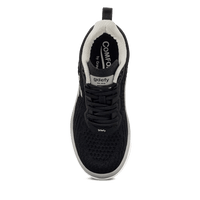
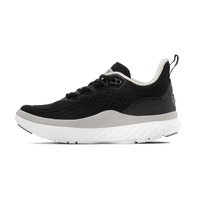
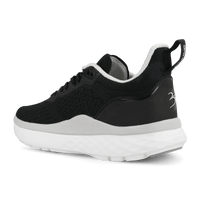
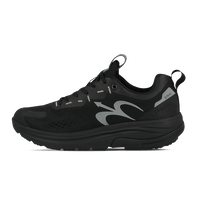
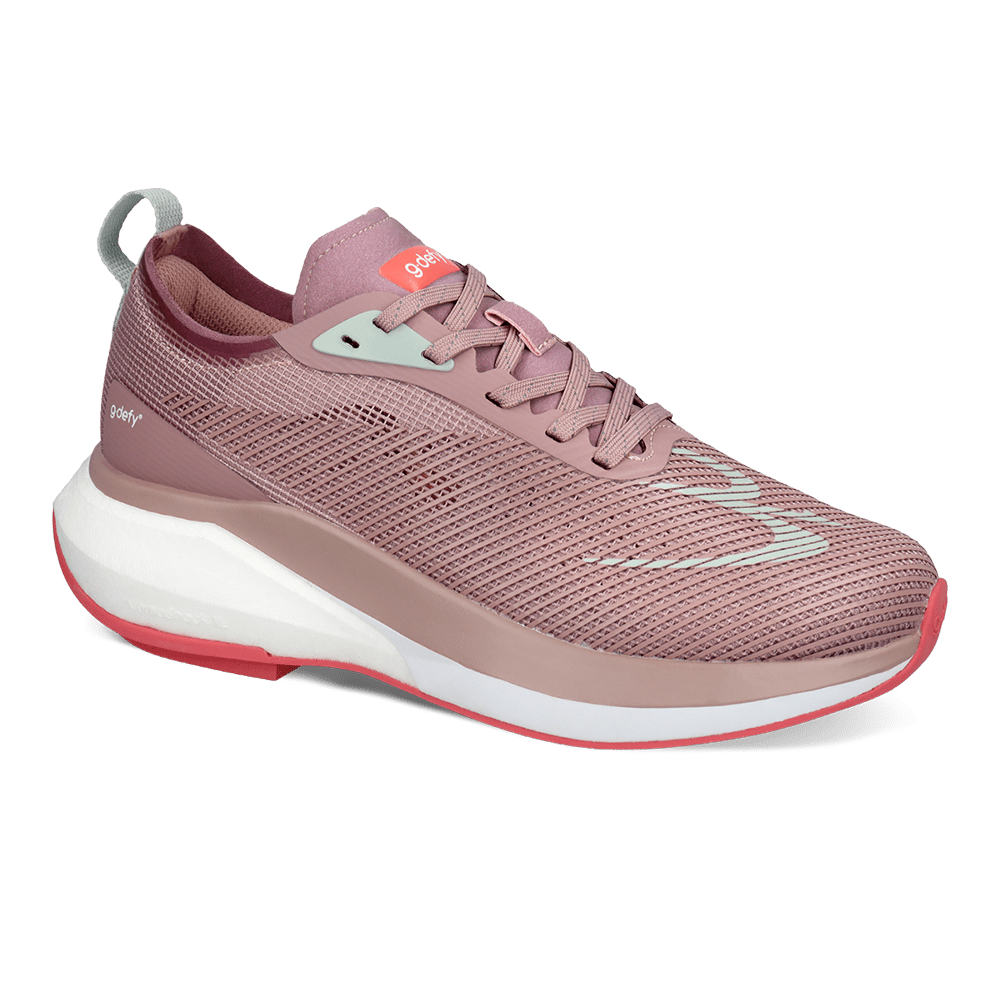
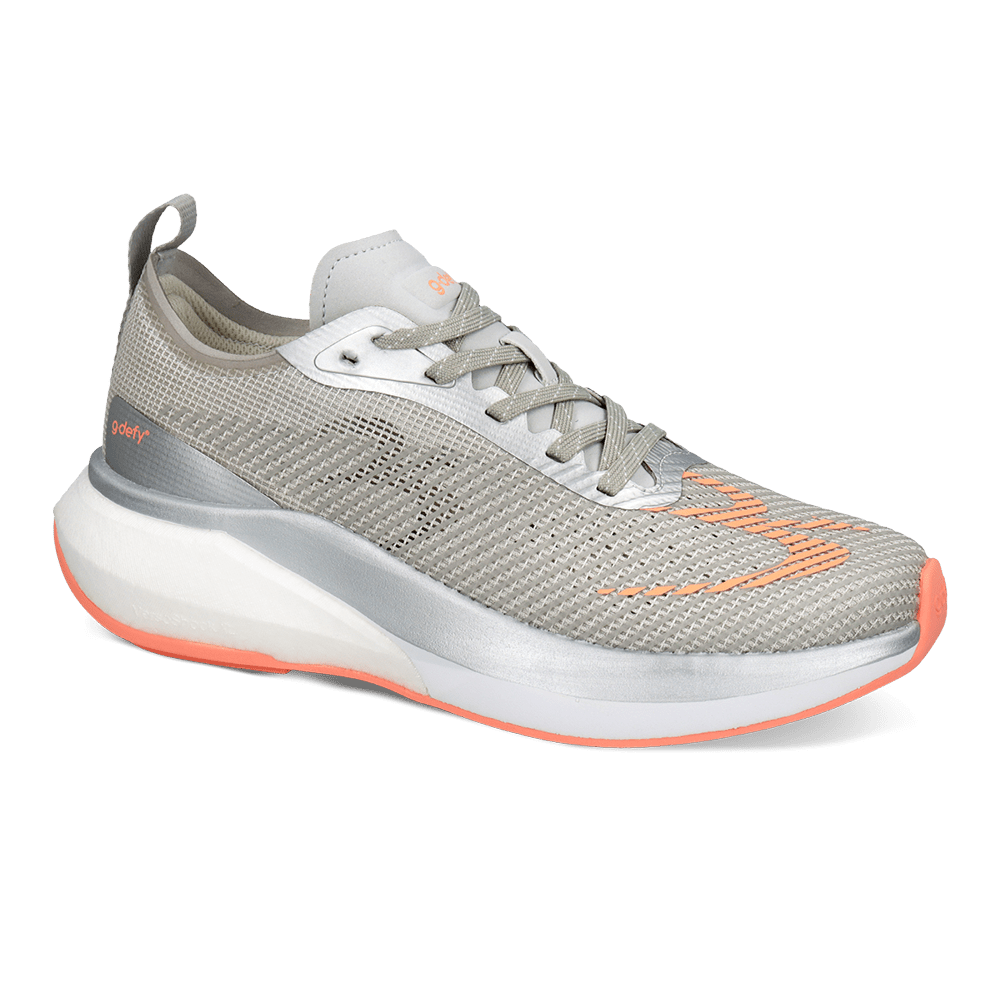
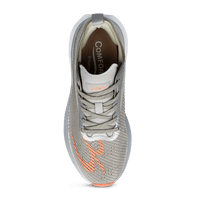
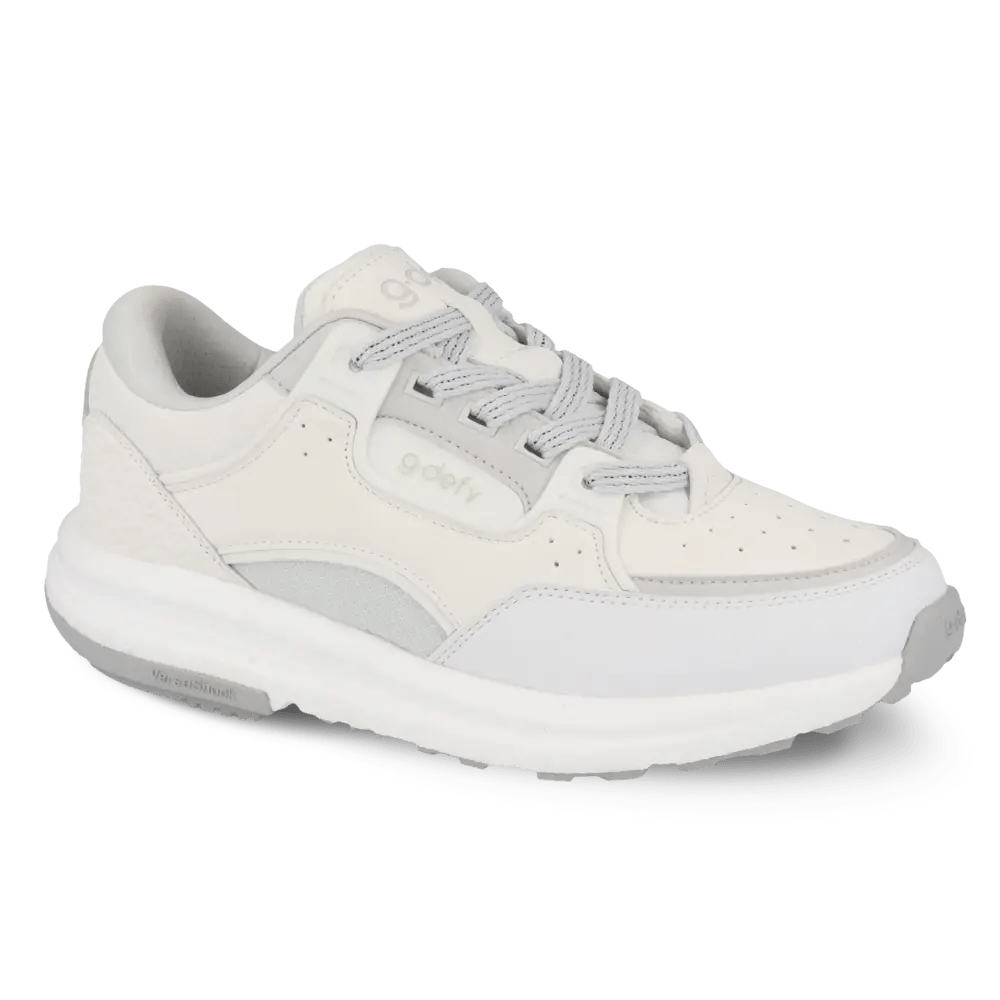
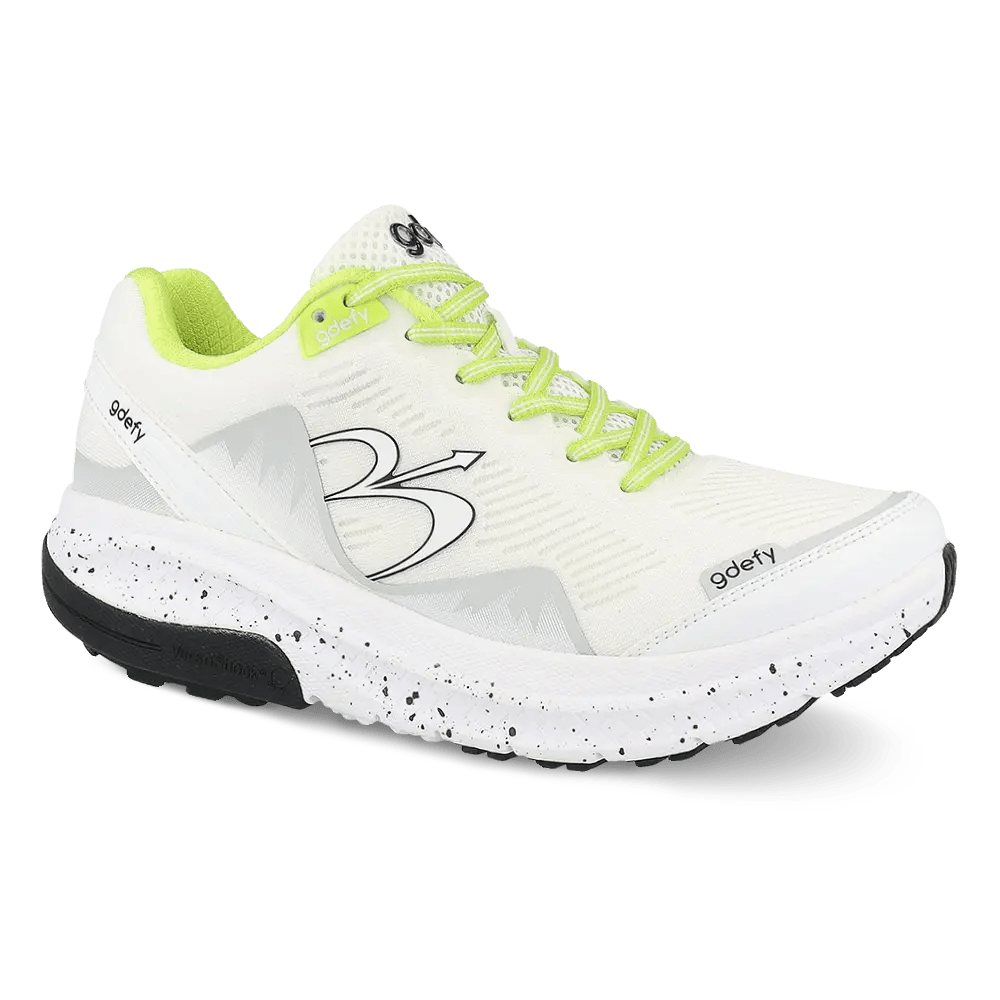
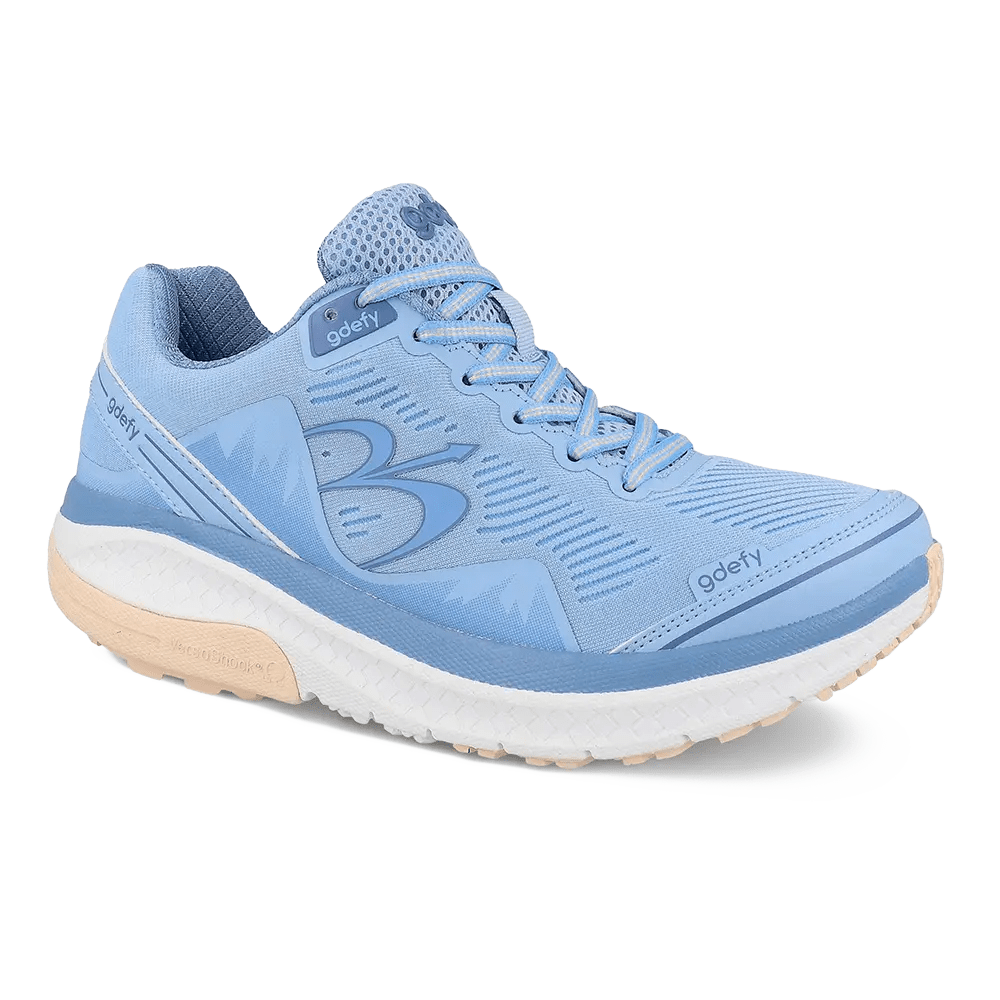
Two good places to start are the Men’s Mighty Walk and the Women’s Mighty Walk, both available in the full width range. You can also browse the complete men’s and women’s collections.
Not sure which width you need?
Order your size in M, W or XW and try them at home. Every pair comes with a 60-day risk-free trial, free shipping, and free exchanges.
Shop Women’s Comfort ShoesThe At-Home Try-On: Making the Trial Window Work for You
A return window only helps if you actually use it. Think of the first week as a fitting appointment that happens to last seven days.
- Try them on in the evening, indoors, on carpet. Keep the shoes clean so an exchange stays simple.
- Wear your normal socks. The same ones you measured in.
- Stand still for two minutes before you walk. Standing still is where a too-narrow shoe announces itself.
- Check five points. Toe length, toe width, ball of the foot, arch contact, and heel hold. A heel that lifts slightly on the first wear often settles; one that slides is the wrong size.
- Walk your real routine. Up and down stairs, around the kitchen, whatever your day actually involves.
- Give the insoles a fair test. Try the alternate insert before deciding the shoe itself is wrong.
New shoes rarely feel perfect on minute one — our guide to breaking in new shoes comfortably covers what is normal and what is not. If something is clearly off after a fair test, exchange it. That is what the window is for.
What Customers Say About Ordering Online
The experiences below are composites drawn from common customer feedback. Results vary by individual.
“I finally ordered the width I actually needed.” One longtime customer had worn medium-width shoes for decades because that was what local stores stocked. Ordering a wide online was the first time the sides of the shoe were not pressing in. She described the difference as immediate and obvious. Results vary by individual.
“The evening measurement was the thing I’d been getting wrong.” A retail worker had always sized shoes on weekend mornings and wondered why they felt tight by the end of a shift. Measuring after a full day put him a half size up from what he had bought for years. Results vary by individual.
“I used the whole trial window and exchanged once.” A customer ordered her usual size, found the heel slipped slightly, exchanged for a half size down, and kept the second pair. She said knowing she could send them back was the only reason she ordered at all. Results vary by individual.
You can read more in our 60-day trial stories and finding the right fit collections.
Frequently Asked Questions
How do I know my shoe size when buying online?
Measure both feet at the end of the day while standing, in the socks you plan to wear, and compare the larger foot against that specific shoe’s size chart. Measure width as well as length — width is the more common source of fit problems.
Is it better to buy shoes online or in a store?
Each has a strength. A store gives you immediate feedback but a narrow selection, often in a single width. Online gives you the full size and width range plus the ability to try shoes at home at the end of a real day. With a genuine trial window, online typically gives you more information, not less.
What width shoe should I buy?
If your foot spreads noticeably when you stand, if the uppers of your shoes stretch or wear at the sides, or if you notice pressure across the ball of your foot, try a wide or extra-wide. Many people who assume they need a longer shoe actually need a wider one.
Can supportive shoes help with discomfort during long days?
Footwear is not a medical solution. That said, cushioned, supportive shoes with good shock absorption may improve overall comfort during walking and prolonged standing. If discomfort persists, speak with a healthcare provider.
What if the shoes don’t fit when they arrive?
That is what the trial period is for. G-Defy offers a 60-day risk-free trial with free shipping and exchanges, so a size or width change costs you nothing but a little time.
The Takeaway
Buying shoes online is not a leap of faith — it is a short, repeatable process. Measure both feet at the end of the day, size to the larger one, take width as seriously as length, read the specification page for cushioning, support, shock absorption and a roomy toe box, and then use the trial window as a genuine at-home fitting.
While footwear is not a medical solution, choosing shoes designed for comfort, support, and shock absorption — in the size and width your feet actually are — can make a meaningful difference in how you feel at the end of a long day. And when you can do that fitting on your own floor, in your own socks, after your own real day, the screen turns out to be a pretty good place to shop.
Try a pair on your own floor
Every G-Defy pair ships with a 60-day risk-free trial, free shipping, and free exchanges — so the fitting happens at home, on your schedule.
Shop Men’s Comfort Shoes