
August 23, 2026
What a Long Drive Does to Your Feet — and the First Walk After It
By Gdefy

Summary
A long drive does not feel like exercise. You are sitting down, the radio is on, and the miles go by without you doing much. Then you pull into a rest stop, open the door, put your feet on the ground — and the first thirty steps feel like they belong to somebody else.
That mismatch surprises people. Walking all day is obviously hard on your feet. Driving all day is supposed to be the easy option. But hours behind the wheel ask something specific of your feet, and it is not the same thing that sitting on a plane or a train asks. Footwear is not a medical solution, and no shoe changes how long you are in the car. What the right shoe can change is how your feet feel when you finally get out of it.
This post walks through what actually happens down in the footwell on a long drive, why the first walk afterwards feels the way it does, and what to look for in a shoe you spend hours driving in.
Why Driving Is Not the Same as Sitting Still
Most advice about long journeys makes no distinction between one seat and another. Sit for hours, get stiff, stand up slowly. That is fair for a passenger. A driver is doing something different, and the difference is worth understanding because it explains almost everything about how your feet feel at the end.
One foot works while the other one waits
The right foot is never really off duty. It is holding the accelerator, easing off, moving across to the brake, coming back. Those are small movements, but they are constant, and they are all happening in one narrow corner of the foot's range. The left foot, meanwhile, does close to nothing for hours at a time.
By the end of a long drive, you have two feet that have had completely different days. That is part of why the first steps feel uneven — you are asking a foot that has been working in a two-inch range and a foot that has been parked to suddenly do the same job again. If your two feet already differ in size or shape, that asymmetry can be even more noticeable; we covered that in our post on fitting a pair when one foot is bigger than the other.
Your ankle spends hours in a narrow range
Walking takes your ankle through a full arc with every step — heel down, foot flat, roll forward, push off. Driving takes it through a sliver of that arc, over and over, with your toes up and your heel down. Nothing about that is harmful. It is just narrow. Joints and soft tissue tend to feel most comfortable when they get moved through their whole range regularly, and a long drive is several hours of not doing that.
The heel is pinned to one spot
Look at where your right heel sits when you drive. It stays on the same patch of floor mat for the entire trip, acting as a pivot while the front of your foot swings between pedals. That is a small area of your foot carrying the contact for hours, in a position you would never hold while walking. It is a big reason a driving day can leave your heel feeling different from a walking day of the same length.

A warm footwell changes how a shoe fits
Footwells get warm. Engine heat, sun through the windscreen, the heater in cooler months — feet in that space tend to feel puffier by the end of a trip, and a shoe that fit fine at 8am can feel snug at 2pm. This is the same effect people notice on long flights and in hot weather, and it is worth planning for; there is more on it in our guide to shoes for feet that swell in warm weather.
Driver, Passenger, or Walker: What Your Feet Are Actually Doing
It helps to see the three side by side, because "sitting in a vehicle" reads as one experience when it is really two very different ones.
| Driver | Passenger | Walking | |
|---|---|---|---|
| Ankle movement | Constant, but tiny range | Almost none | Full range, every step |
| Left vs. right | Very uneven | Even (both idle) | Even (both working) |
| Heel contact | One spot, for hours | Free to shift around | Changes every step |
| Can you reposition? | Rarely — pedals dictate it | Freely | Constantly |
| Shoe pressure points | Heel, and the ball of the right foot | Spread out, light | Rolls across the whole sole |
The middle column is the one most travel advice is written for. If you are the one driving, the right-hand foot is doing a job nobody wrote a packing list for.
Why the First Walk at a Rest Stop Feels Strange
Standing up after two or three hours of driving is a bigger ask than it looks. Your feet have been warm, still, and held in one shape. Now they are being asked to take your full body weight and roll through a complete step from a standing start, usually on a hard car park surface, and usually while you walk briskly because you are on a schedule.
Three things stack up in those first minutes:
- The shape change. Your foot has been resting at one angle and now has to flatten, spread, and load. That takes a few dozen steps to settle into.
- The surface change. A carpeted footwell is soft. A service-station forecourt is concrete. The impact your feet meet in those first steps is much harsher than anything they felt in the car. Concrete is unforgiving underfoot at the best of times, let alone cold.
- The pace change. Nobody strolls at a rest stop. You go from zero to a brisk walk in one movement, and walking pace changes how each step lands more than most people expect.
None of that is a problem to be solved. It is just a transition, and it goes more smoothly when your shoes are doing some of the work — absorbing that first hard contact rather than passing all of it up your leg.
When Driving Is the Job: The Drive-Stop-Walk Pattern
Everything above happens once or twice on a road trip. For delivery drivers, couriers, and anyone whose work is a vehicle plus a doorstep, it happens fifty or a hundred times a shift.
That pattern is genuinely demanding, and it is under-served by most shoe advice, which tends to assume you are either sitting all day or walking all day. A delivery shift is neither. It is a long sequence of short bursts: out of the seat, onto hard ground, twenty or forty paces carrying something, back in, drive, repeat. The feet never settle into either mode.
What that asks for is a shoe that handles both halves without compromising either — enough cushioning to make the hundredth kerb step feel like the tenth, and a fit secure enough that you are not fighting the shoe every time you get in and out. If that is your working day, our delivery and occupation shoes for men and delivery and occupation shoes for women are grouped for exactly this kind of stop-start day.
What to Look for in Shoes You Drive In
A driving shoe has to pass two tests that pull in slightly different directions: it has to be comfortable when your foot is held still for hours, and it has to be ready to walk properly the moment you stand up.
- A heel that is not bulky. A very thick, very wide heel makes pedal feel vague and can catch on the edge of the footwell. You want cushioning, but shaped so the heel still sits cleanly on the floor.
- Shock absorption for the walking half. This is what softens the first steps out of the car and the fiftieth kerb of a delivery round. It is the single feature that does the most work on a stop-start day.
- Support that holds its shape. A shoe that has collapsed under the arch will feel fine while you are seated and unhelpful the moment you load it.
- A fit you can adjust. Feet change through a long day in a warm footwell. Laces, or a fastening you can loosen a notch at a stop, beat a shoe that only has one setting.
- Room across the front. A snug toe box is tolerable when you are walking through it. It is much less pleasant when your foot is held in one position for three hours.
- A sole that grips getting in and out. Wet forecourts, painted lines, and the step down from a van are where slips happen, not on the open road.
- Not brand-new. A long drive is a poor place to break in a pair. Wear them for a few short days first.
How G-Defy Shoes Are Built for Days That Mix Sitting and Walking
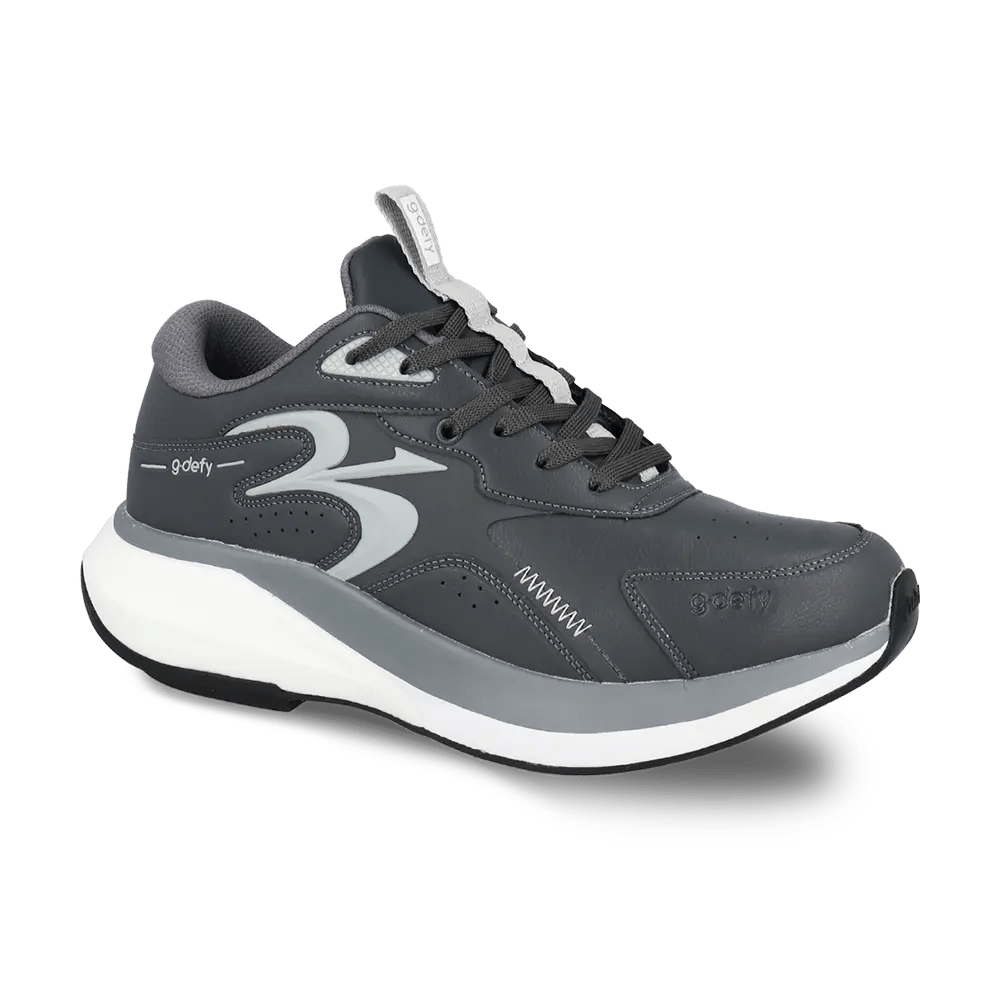
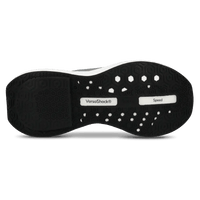
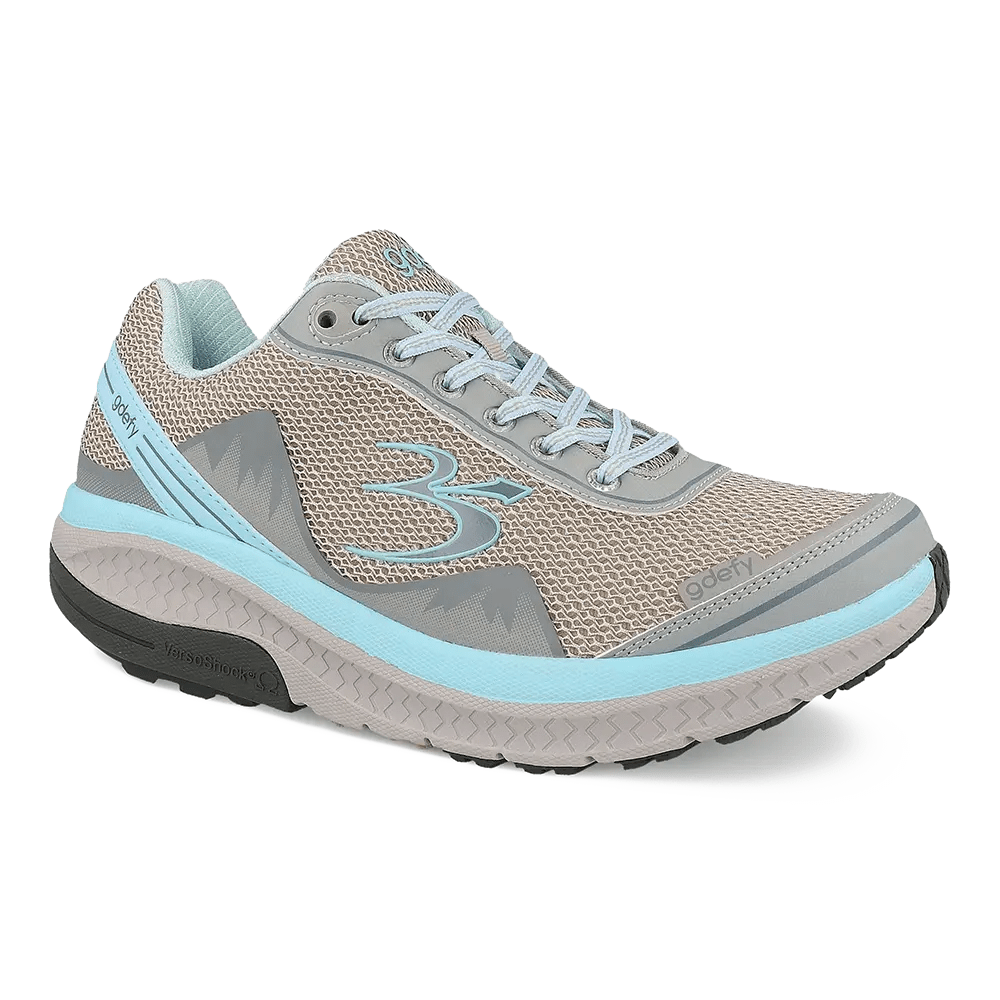
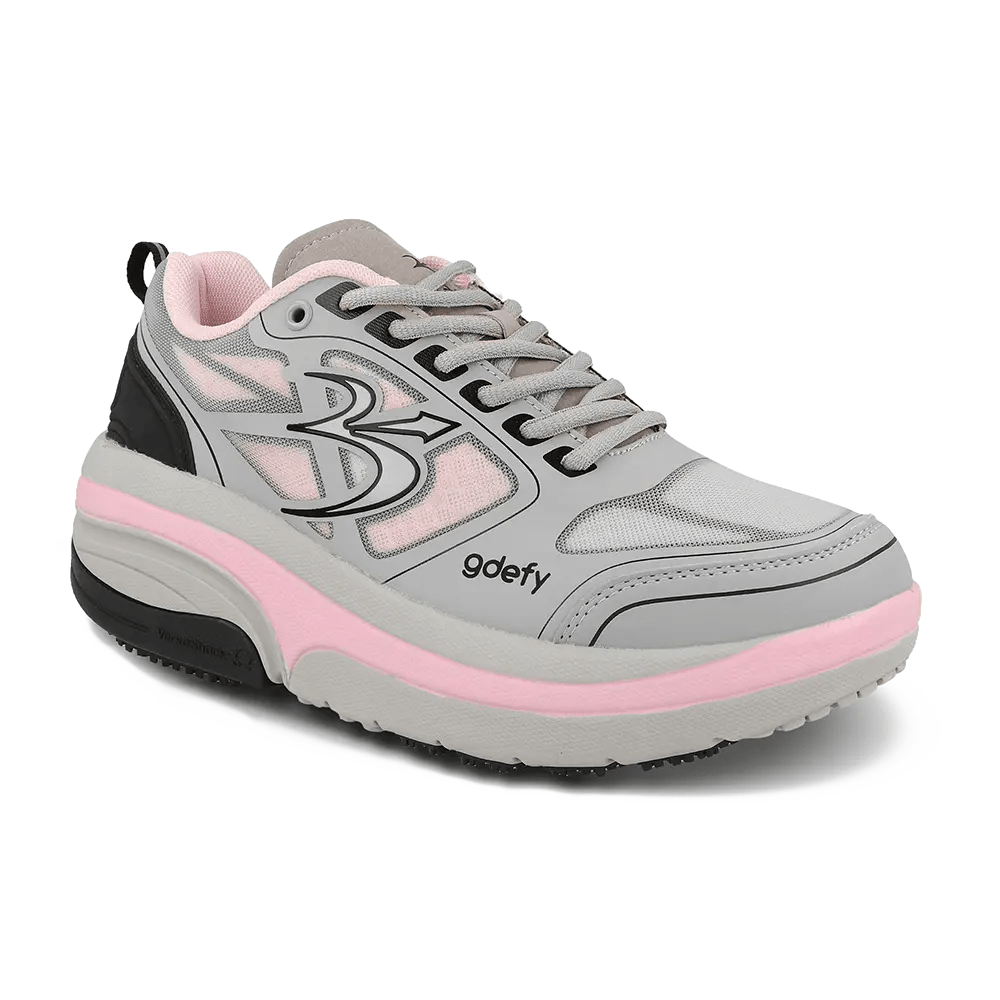
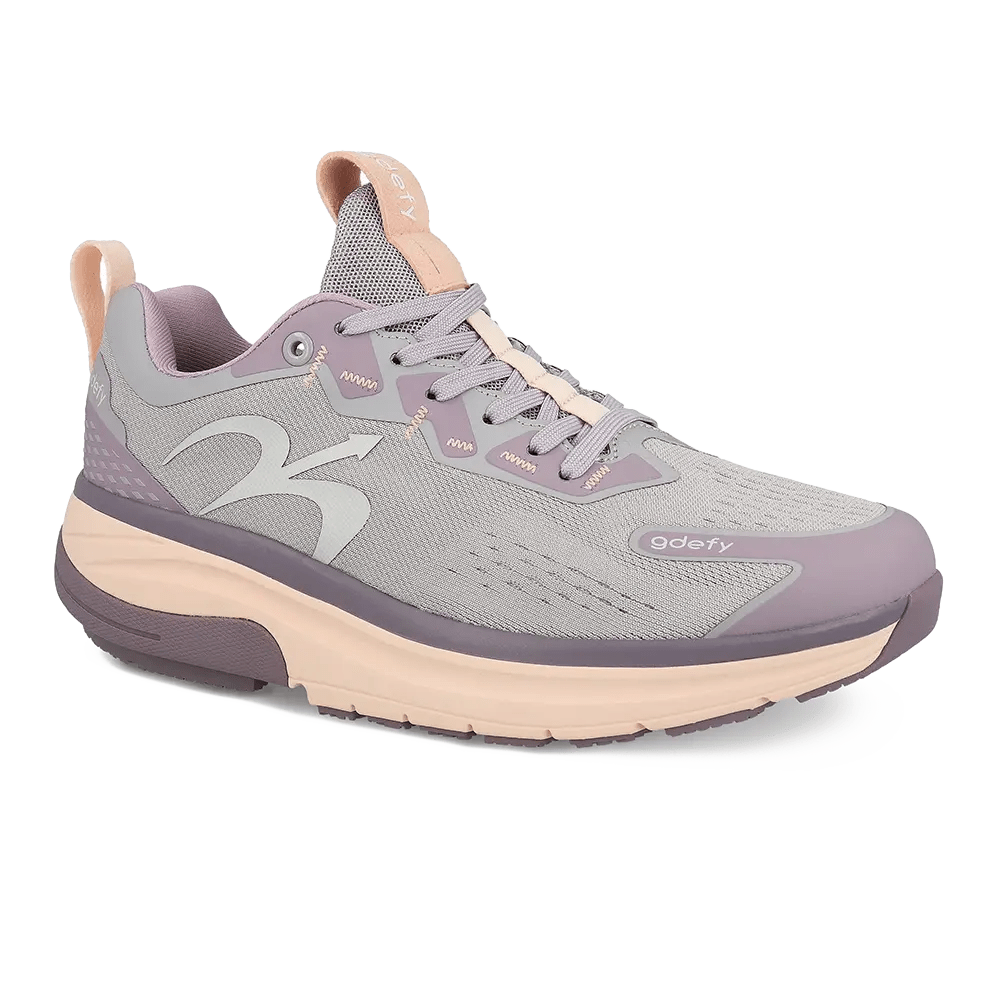
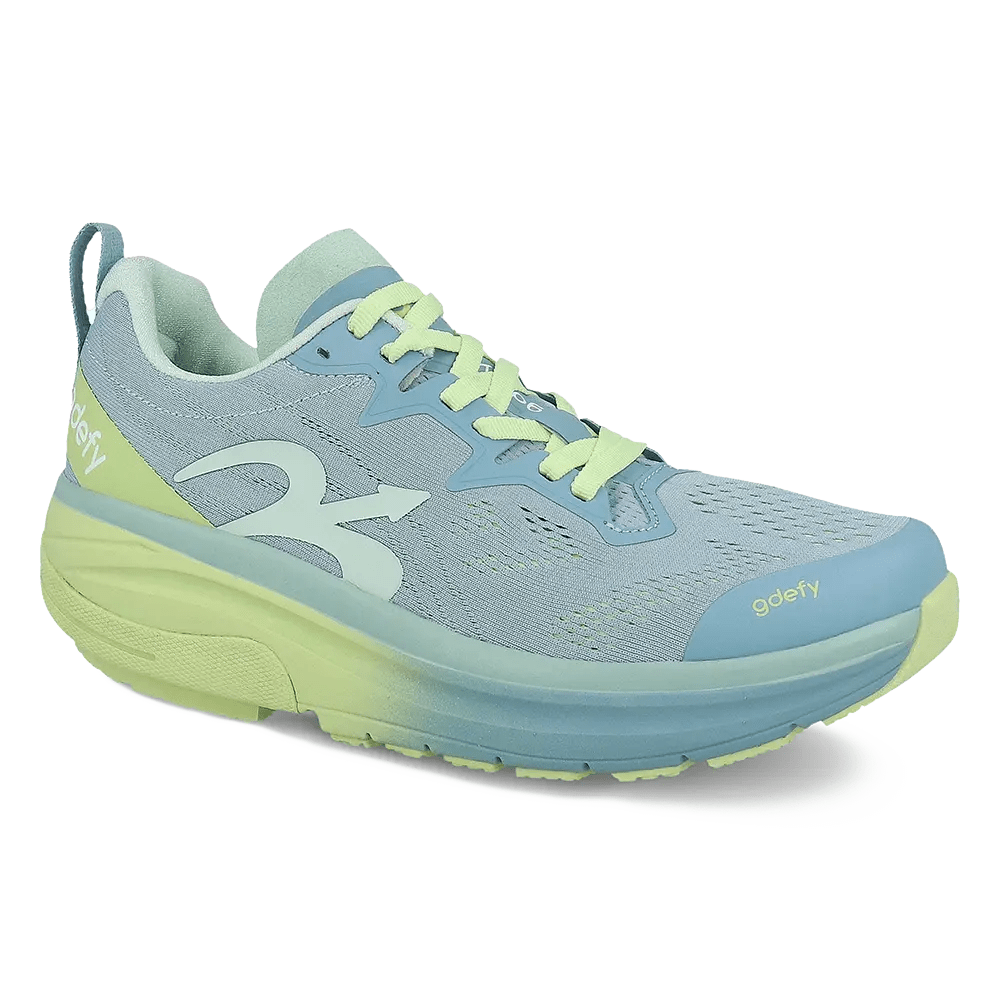
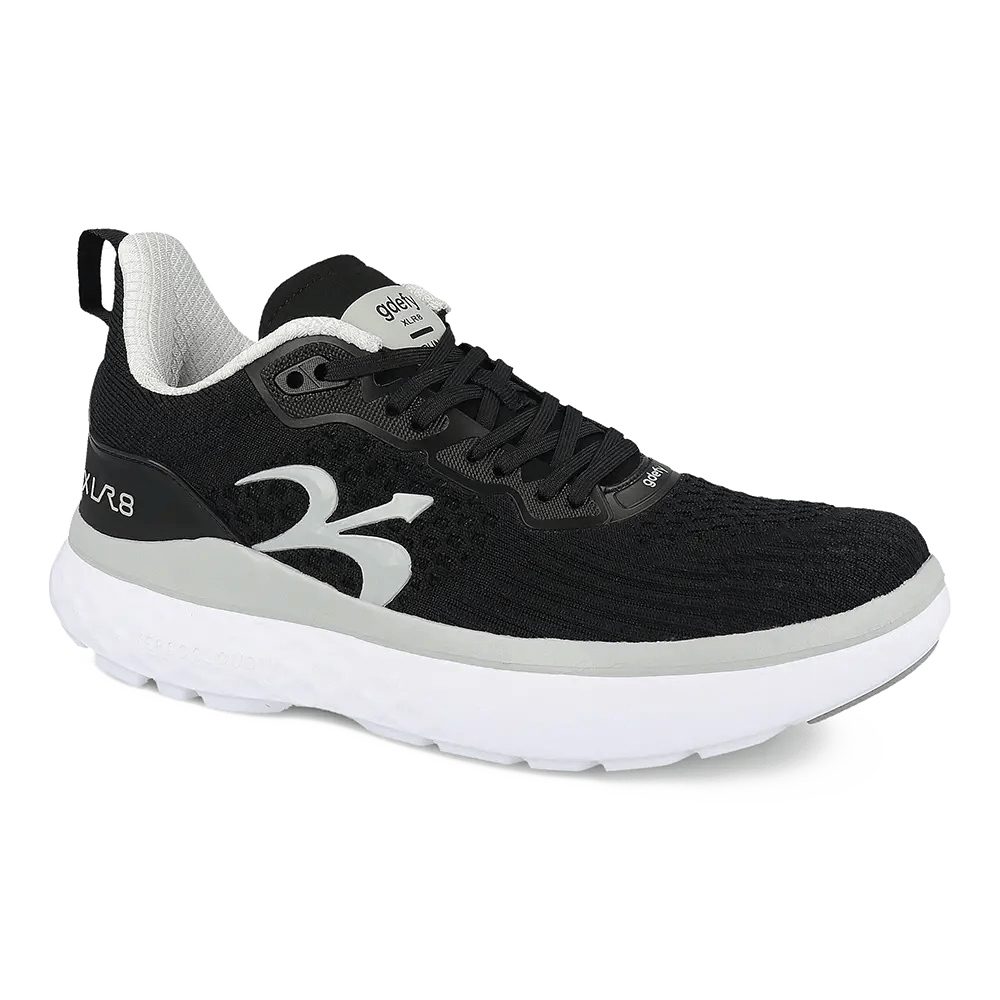
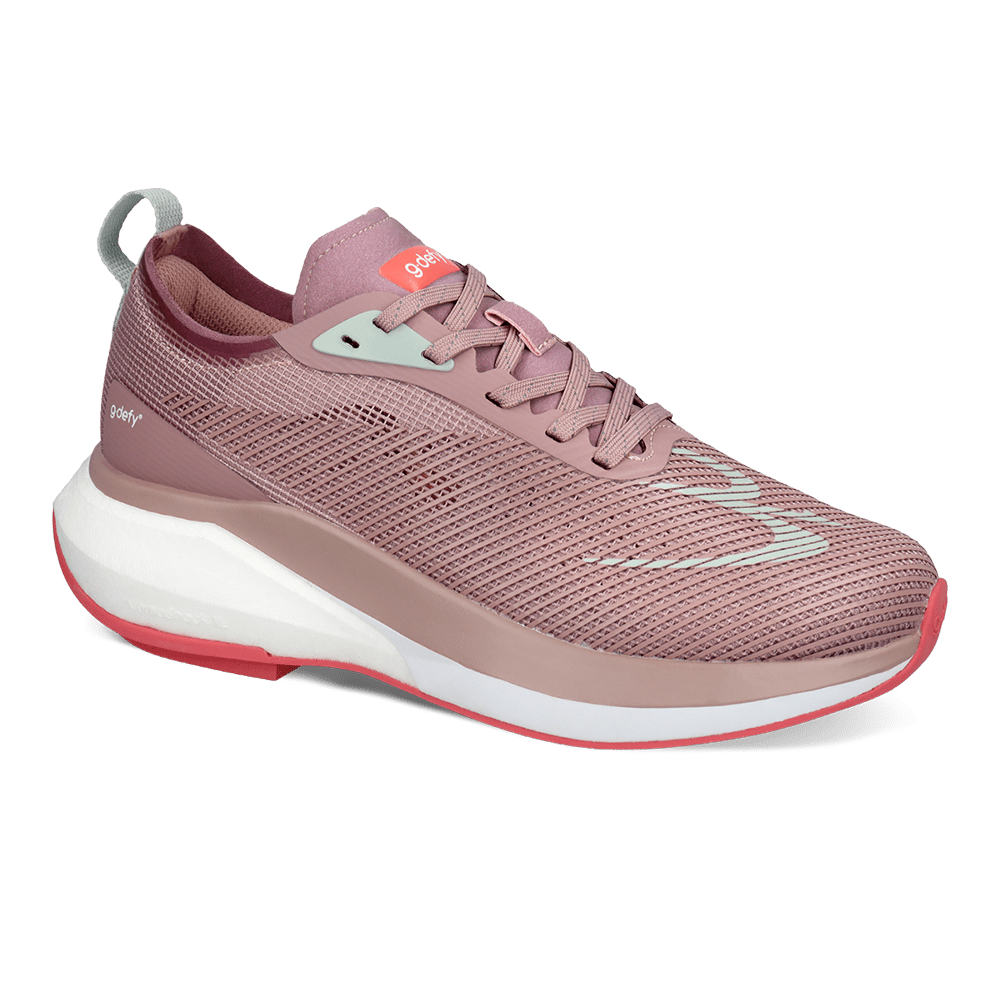
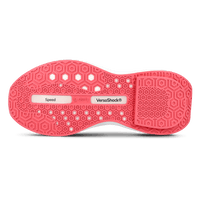
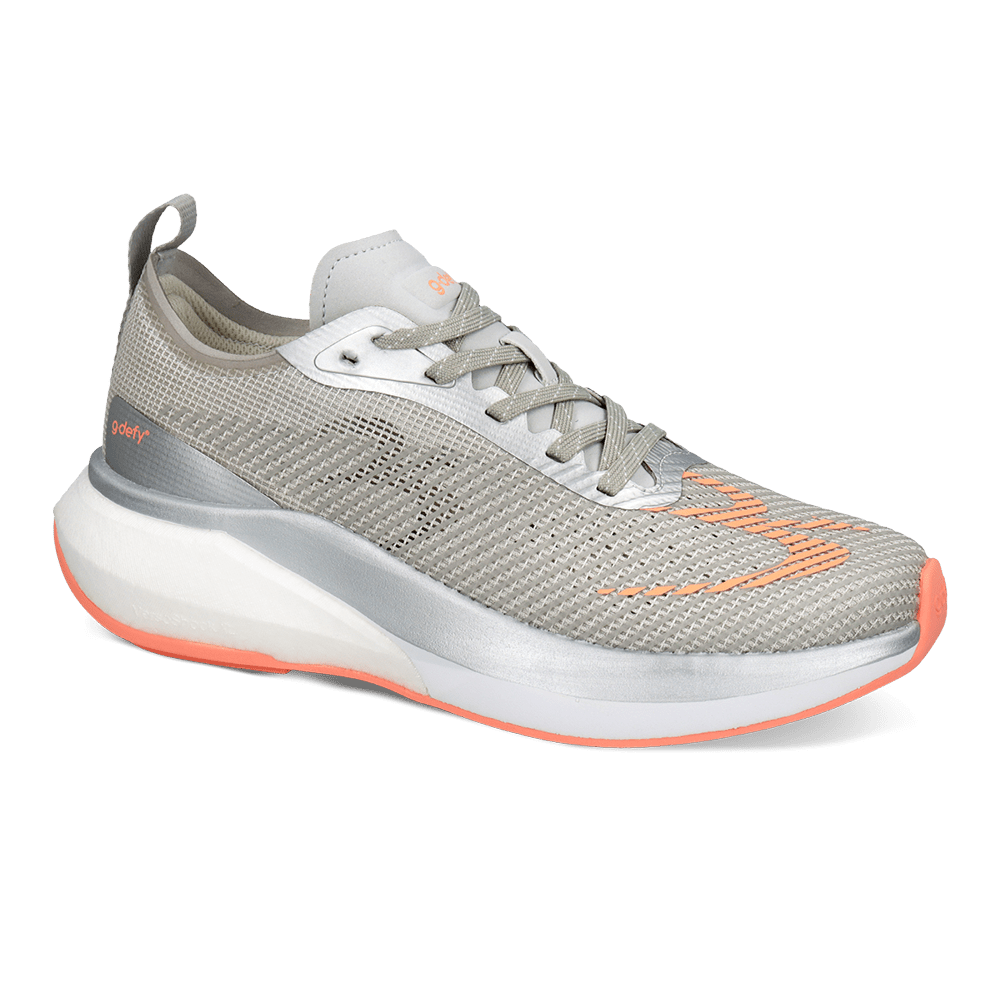
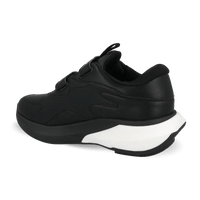
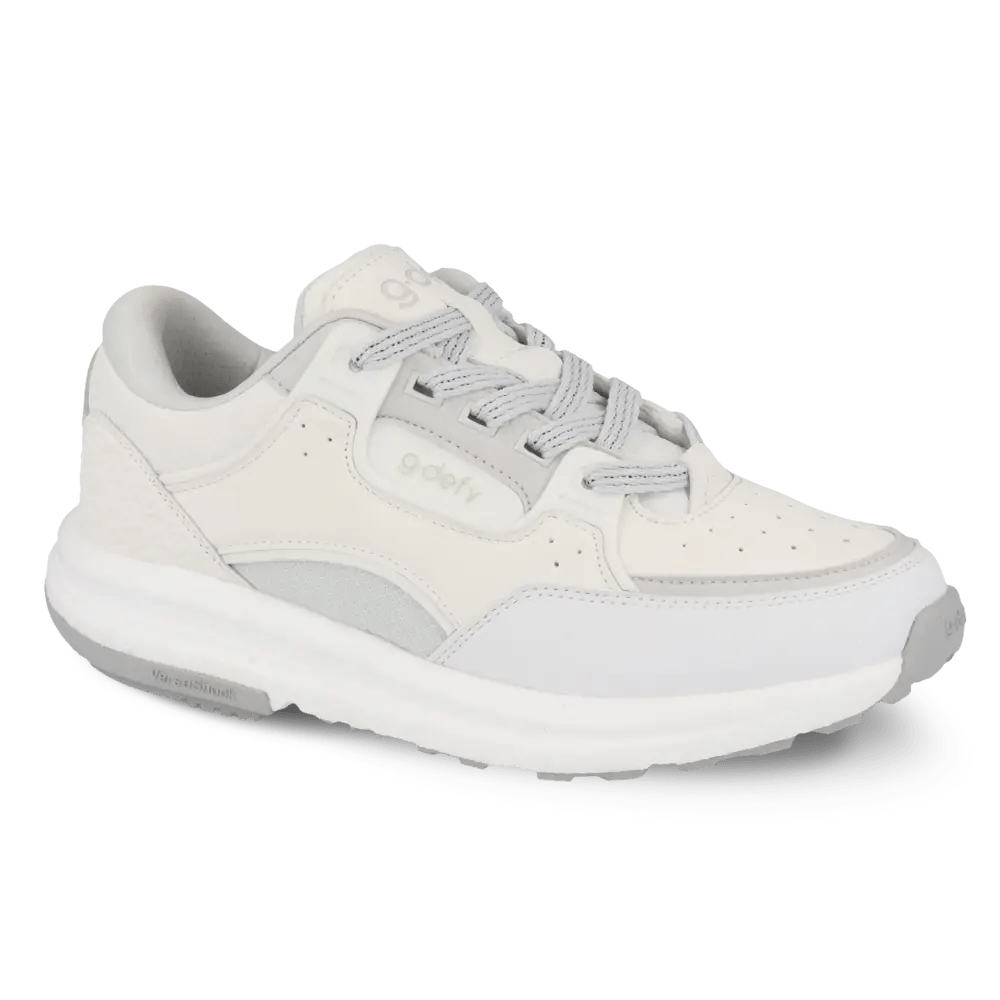
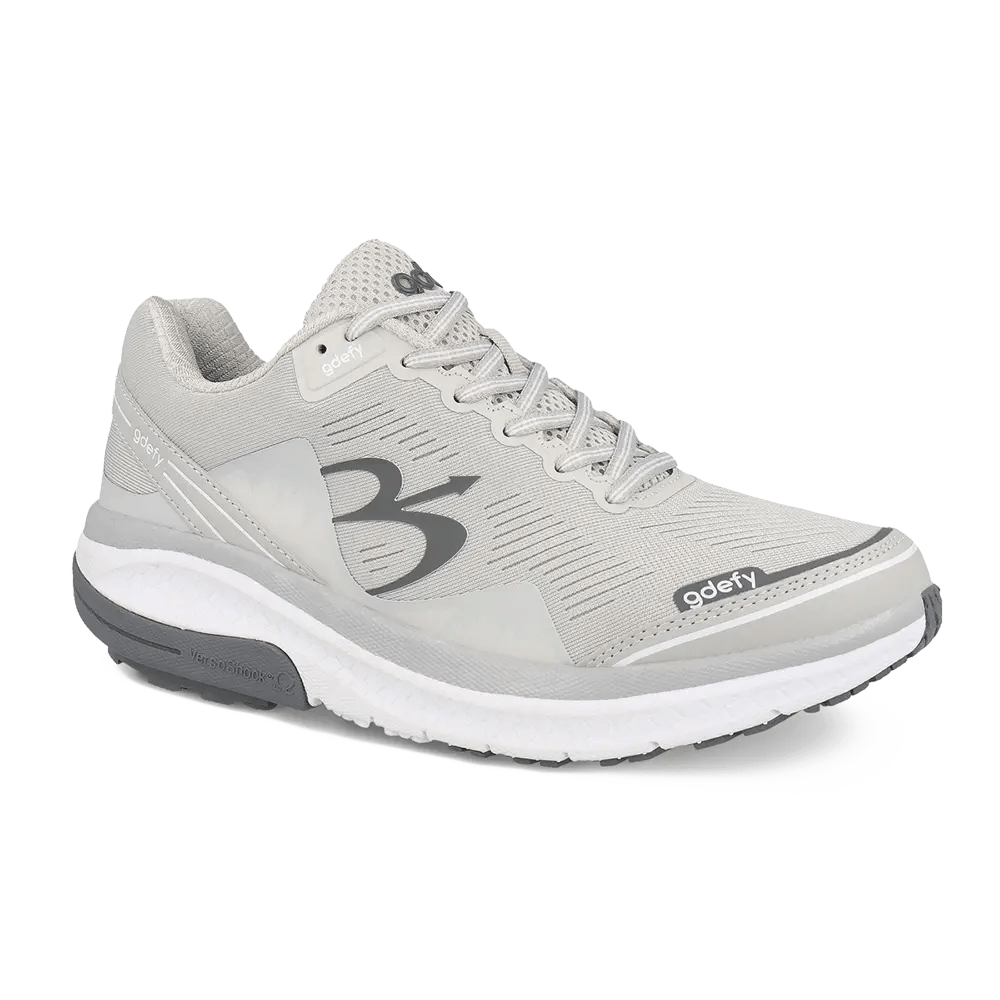
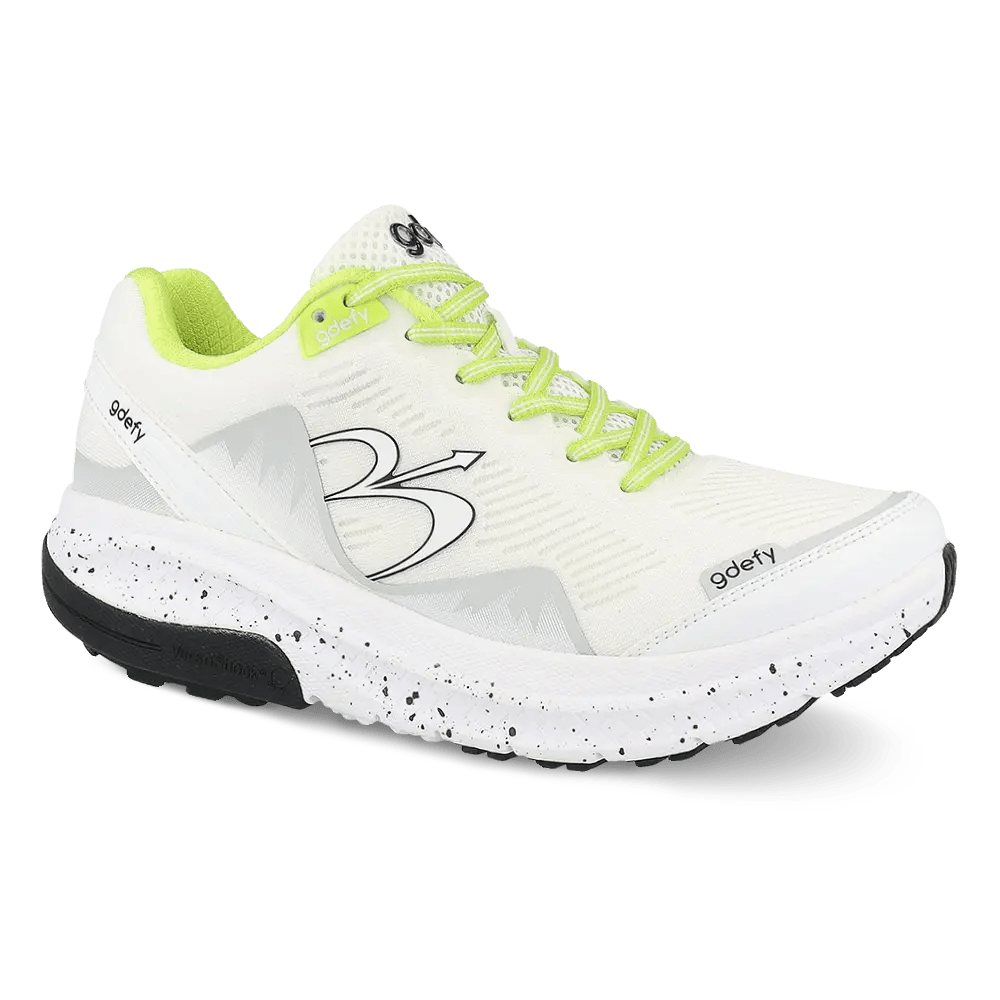
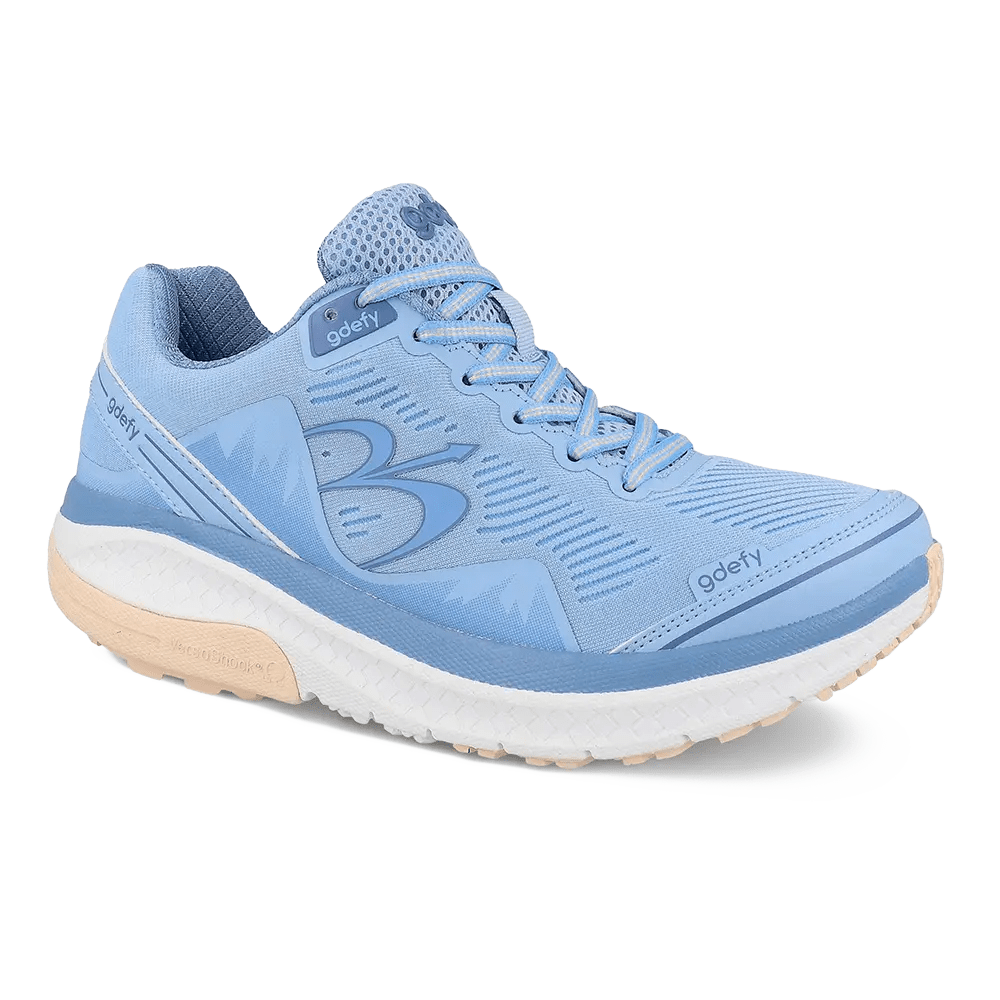
G-Defy shoes are engineered to provide comfort, support, and shock absorption. Featuring VersoShock® technology, they are designed to absorb impact and return energy with each step. A built-in stabilizer supports the foot during movement, while the front rolling design promotes a smooth walking experience. Each pair includes two removable orthotics to help customize comfort and support. G-Defy shoes help reduce pain from walking, running, and prolonged standing.
Three parts of that matter most on a driving day:
- The VersoShock® sole is doing its job in the moments that count — the step out of the vehicle onto concrete, not the three hours before it. Here is how the system works if you want the mechanical detail.
- The front rolling design encourages a natural heel-to-toe transition, which is exactly the movement your foot has not made in hours.
- The two removable orthotics let you set the fit up differently at the start of a trip than you would for a day at a desk — useful when you know your feet are going to change through the drive.
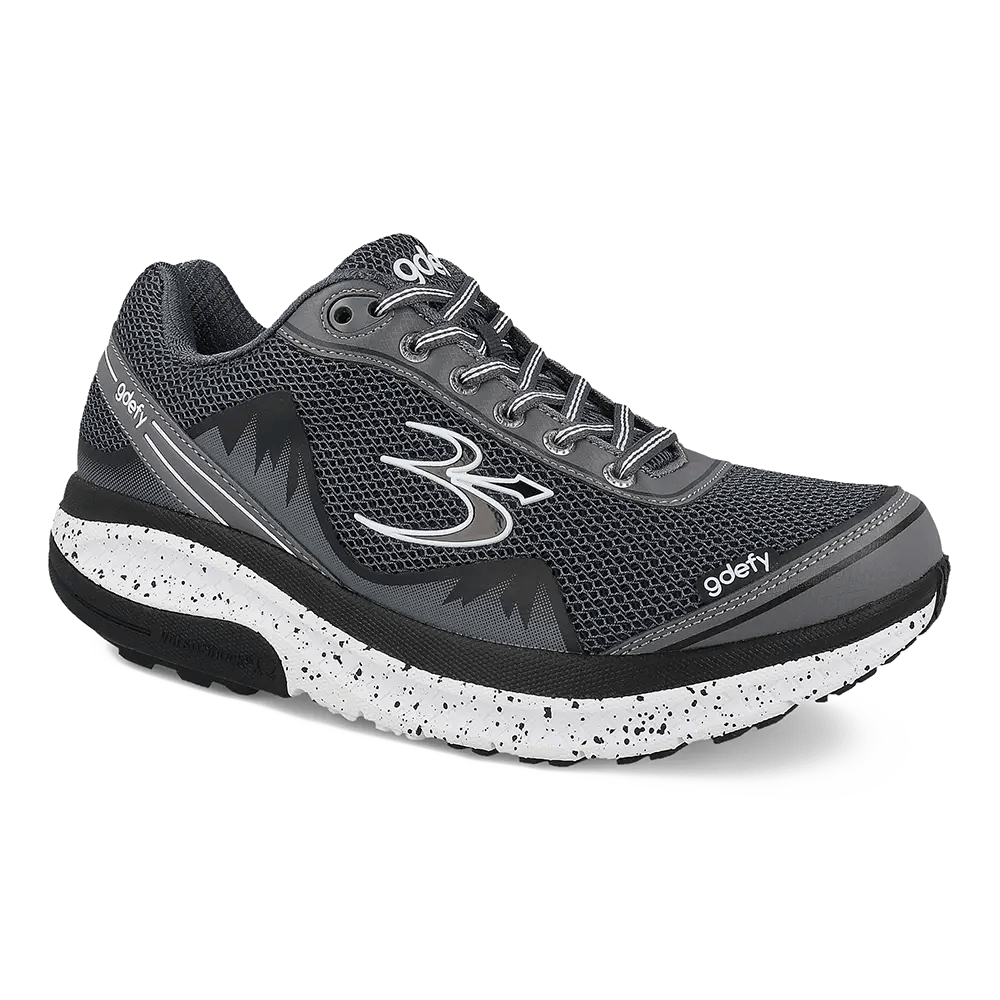
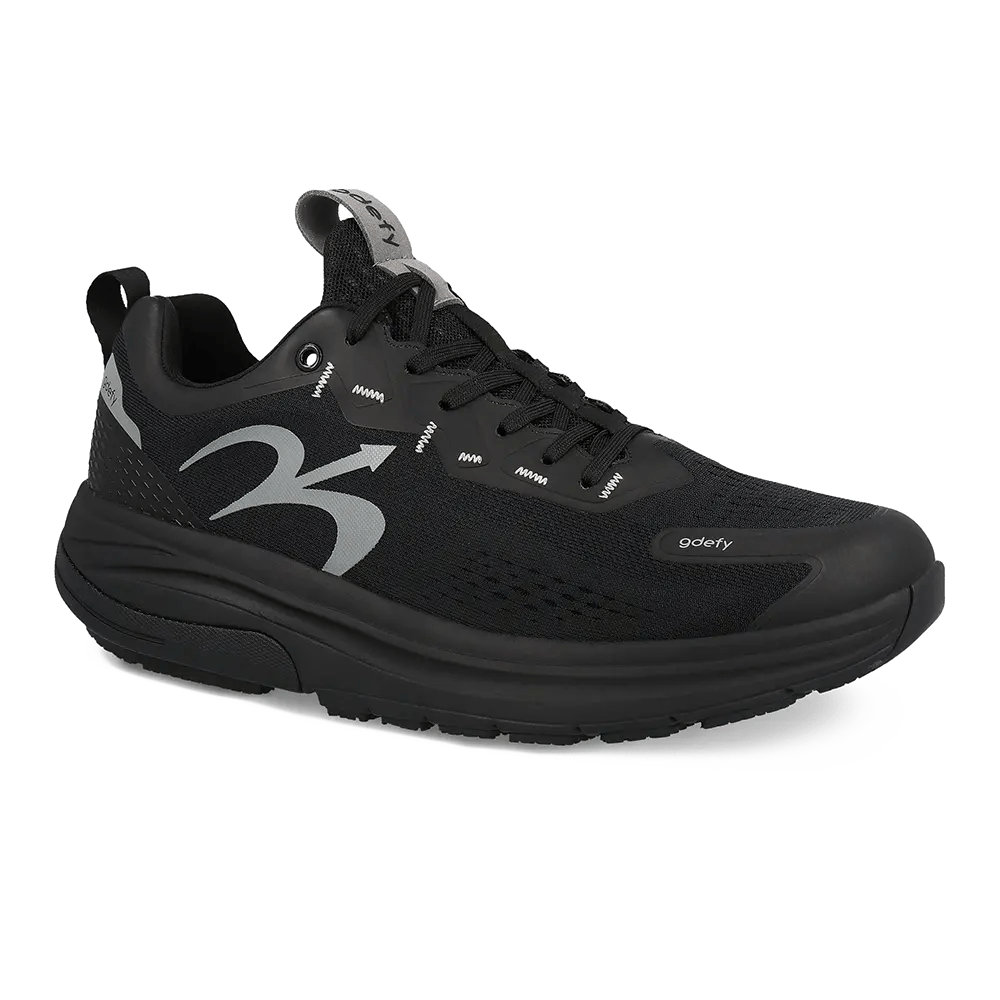
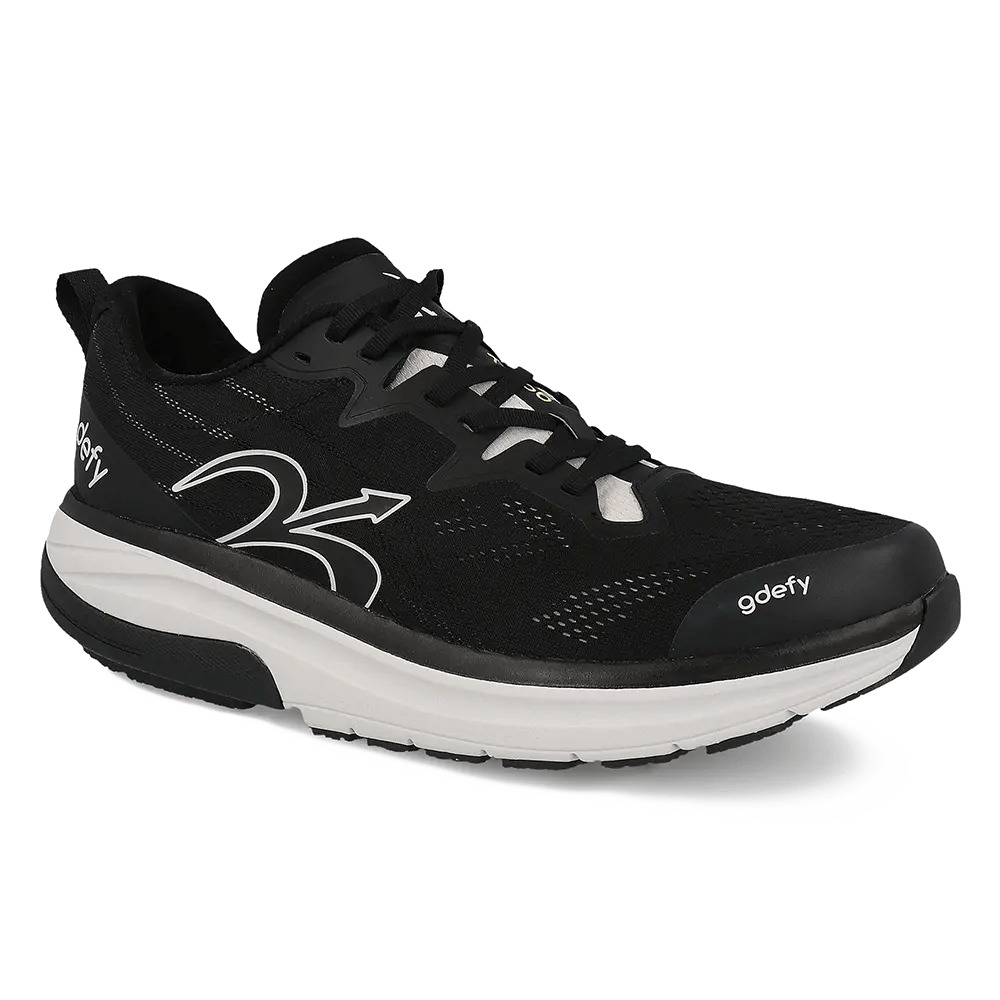
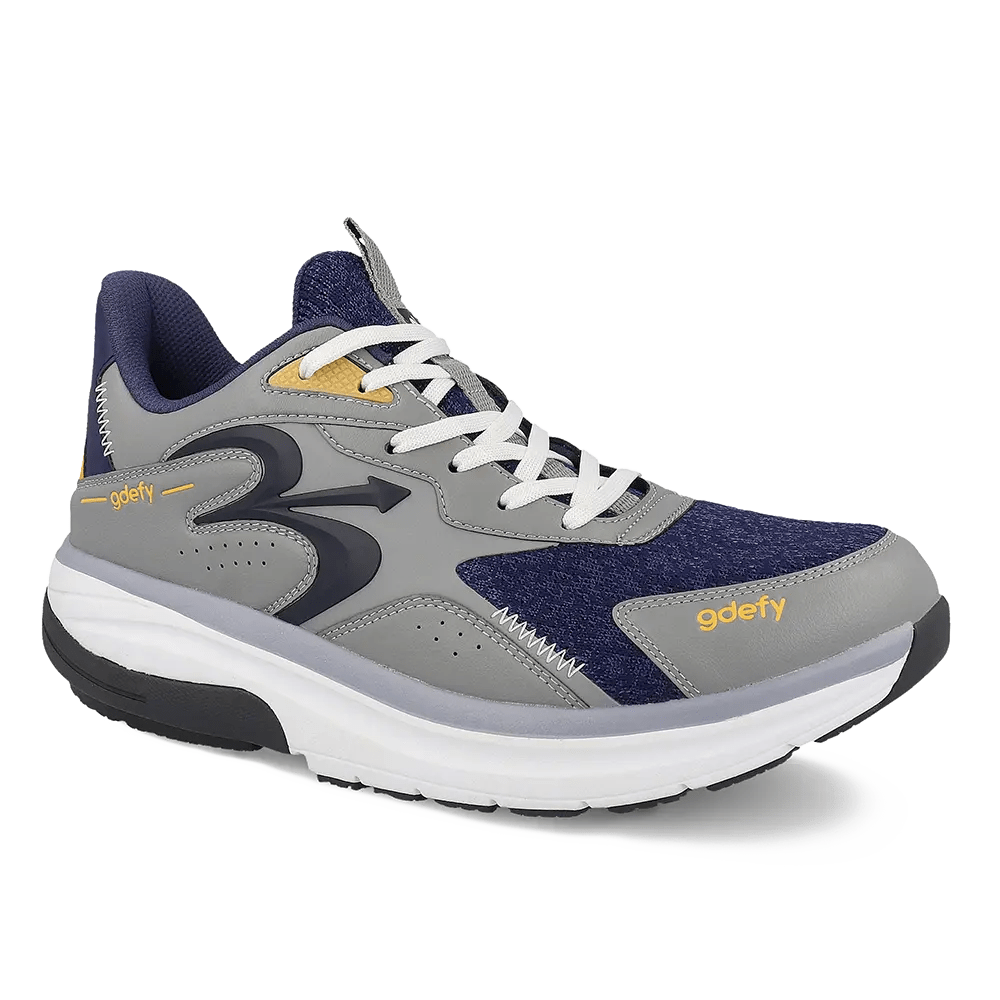
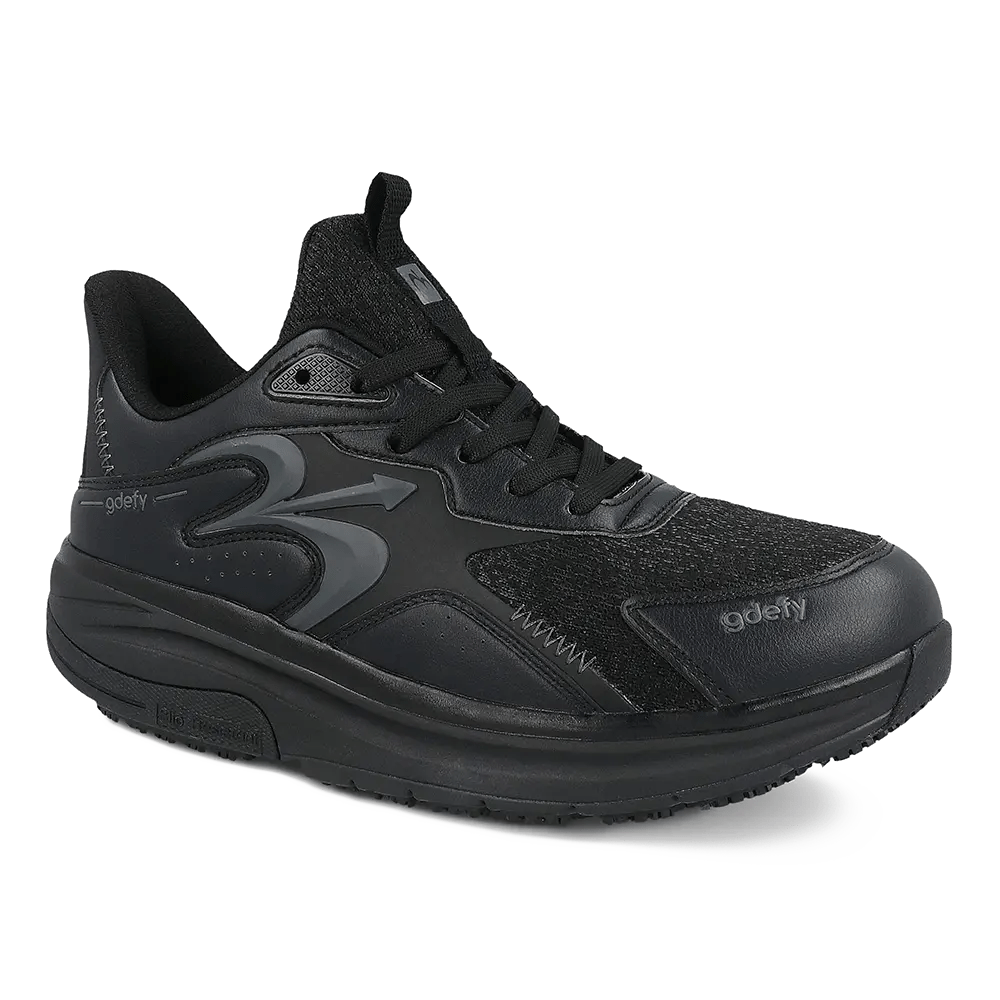
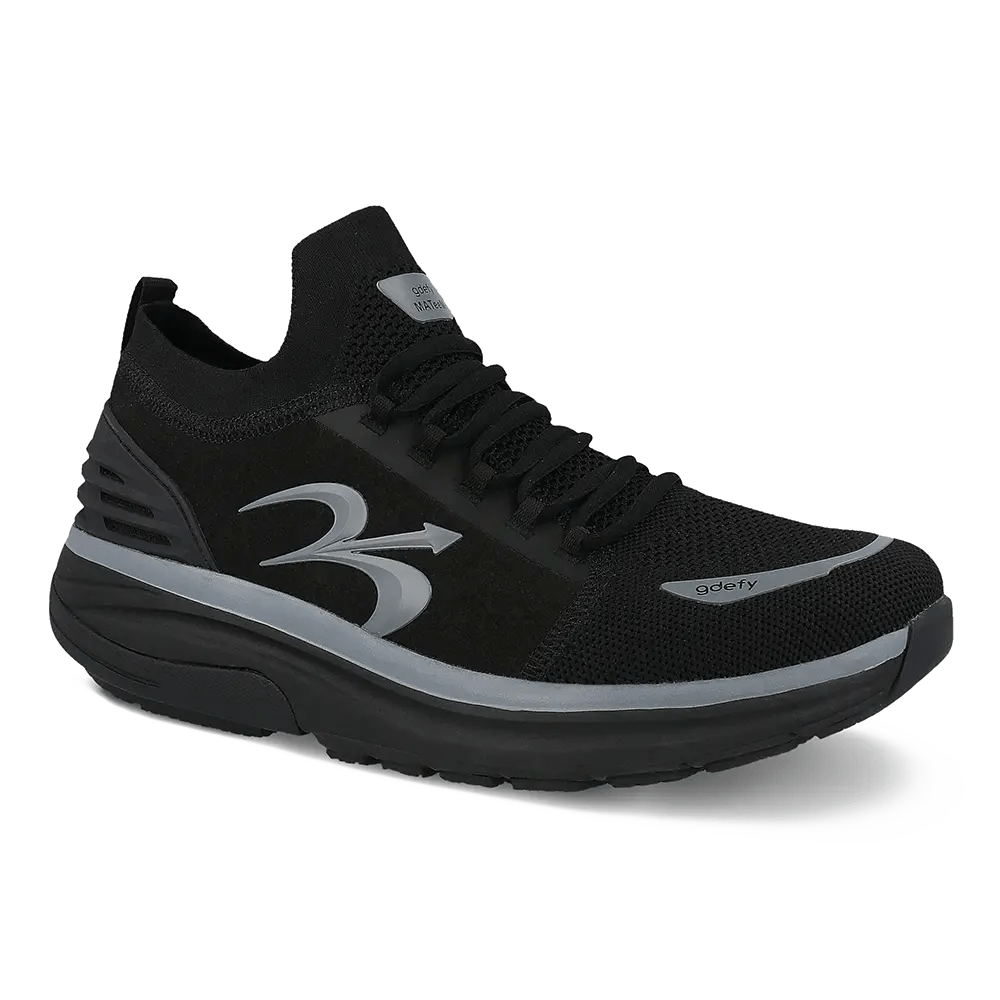
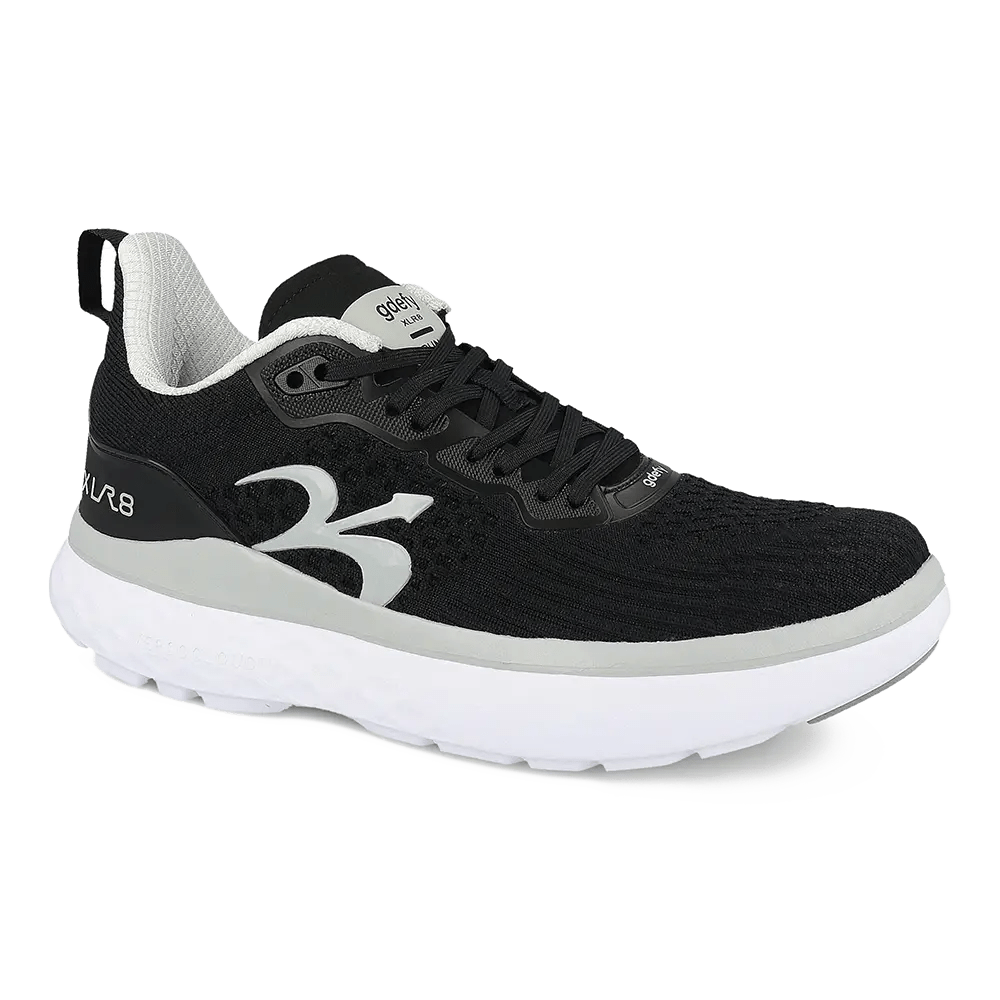
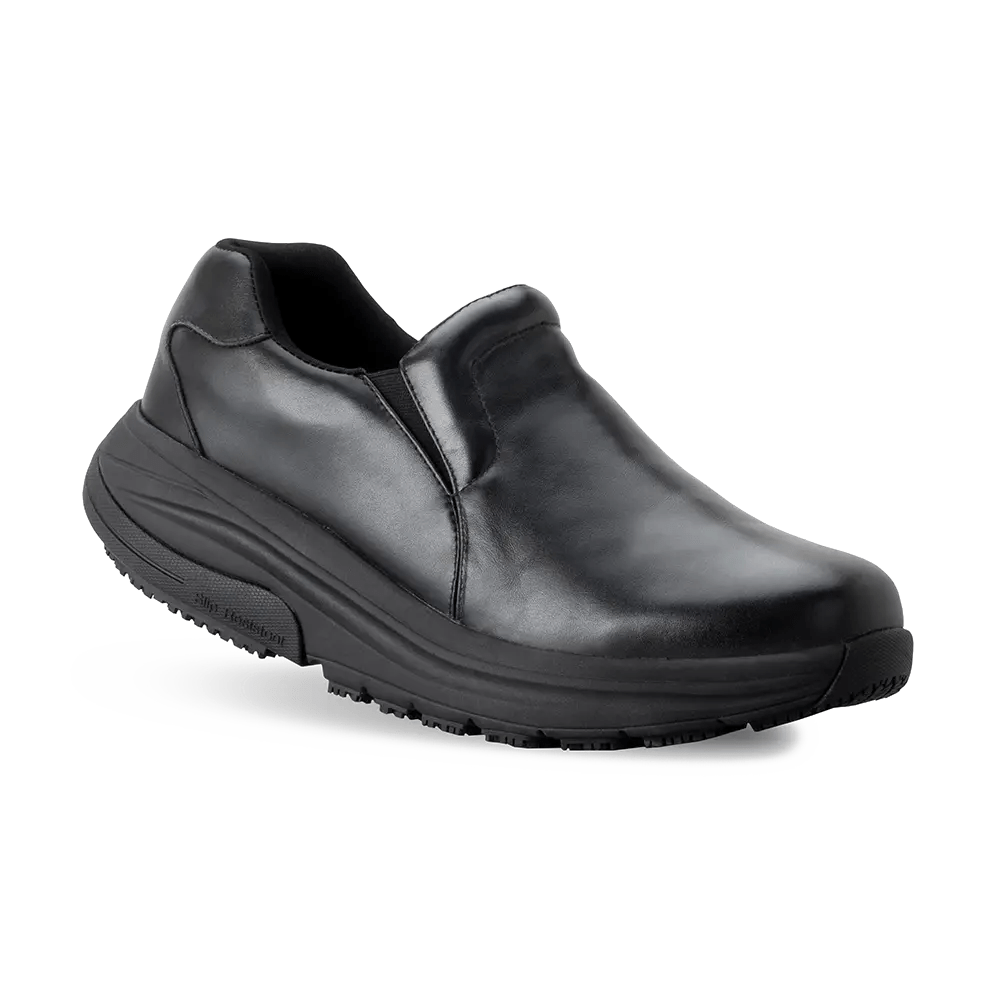
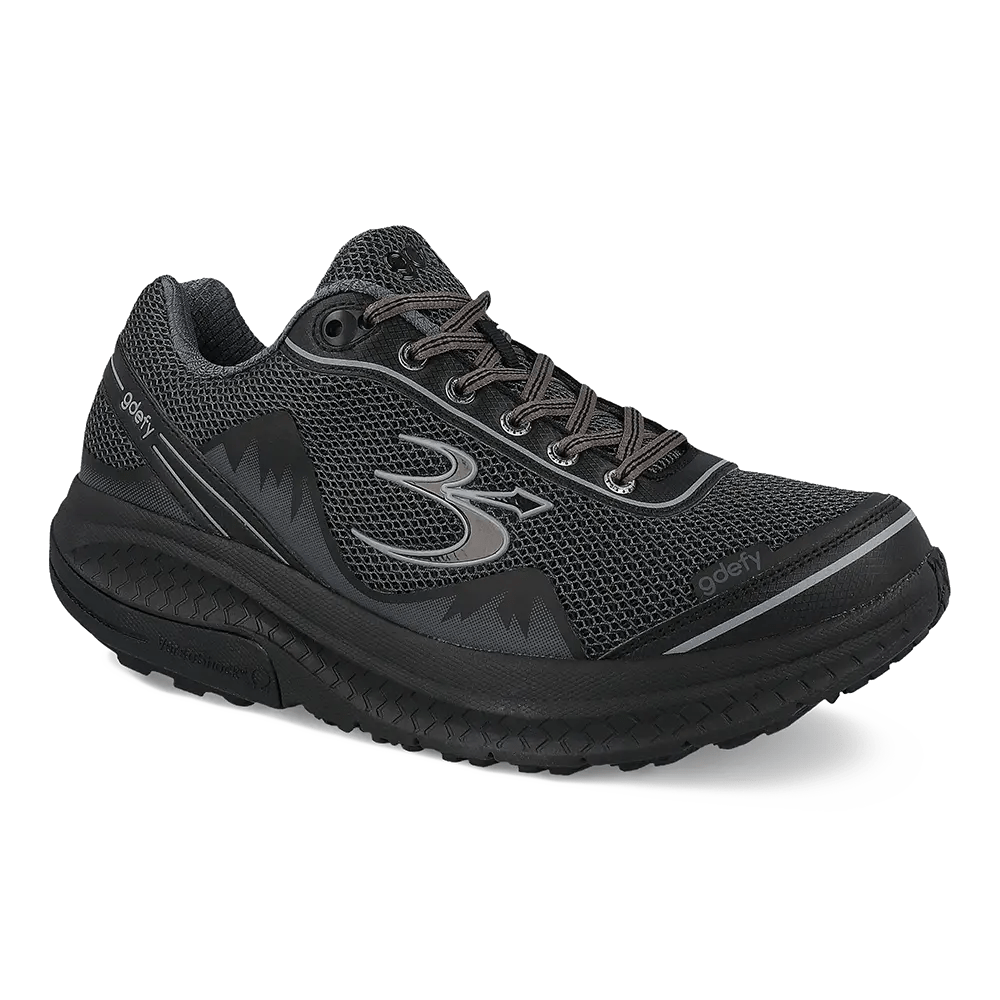
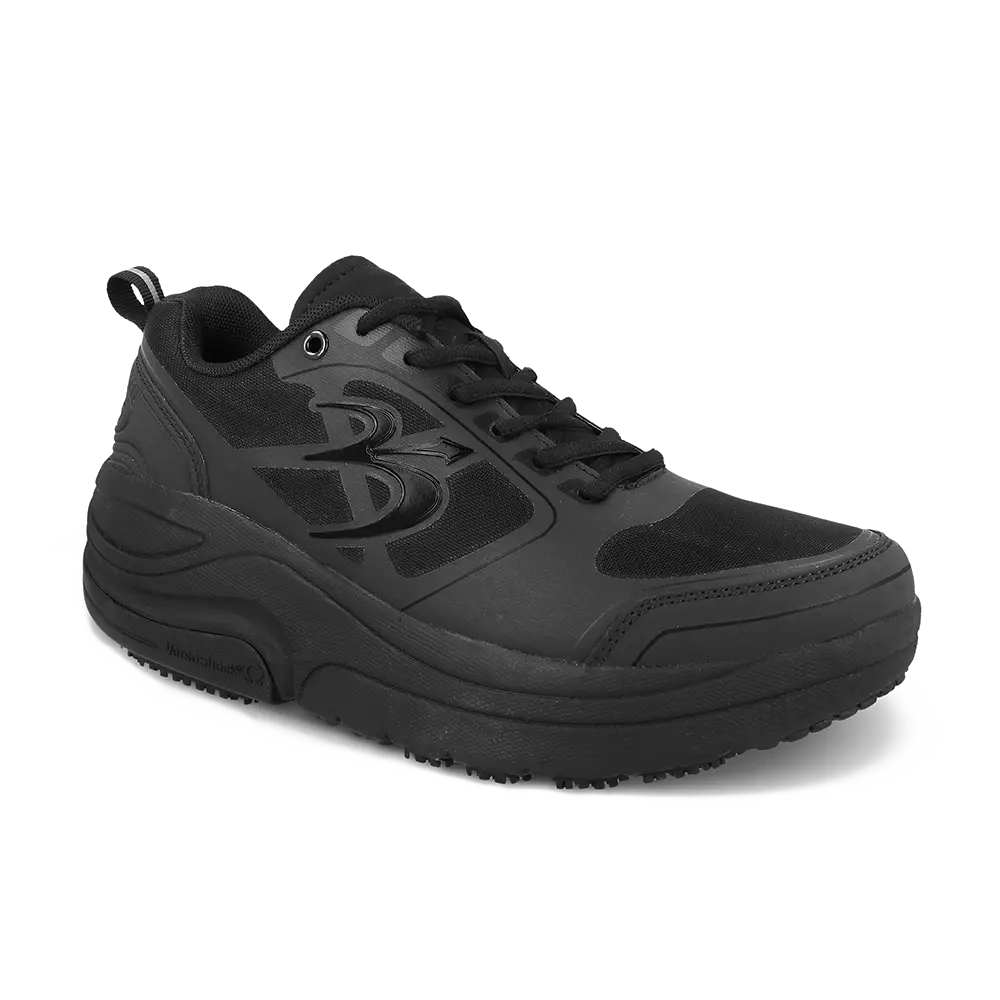
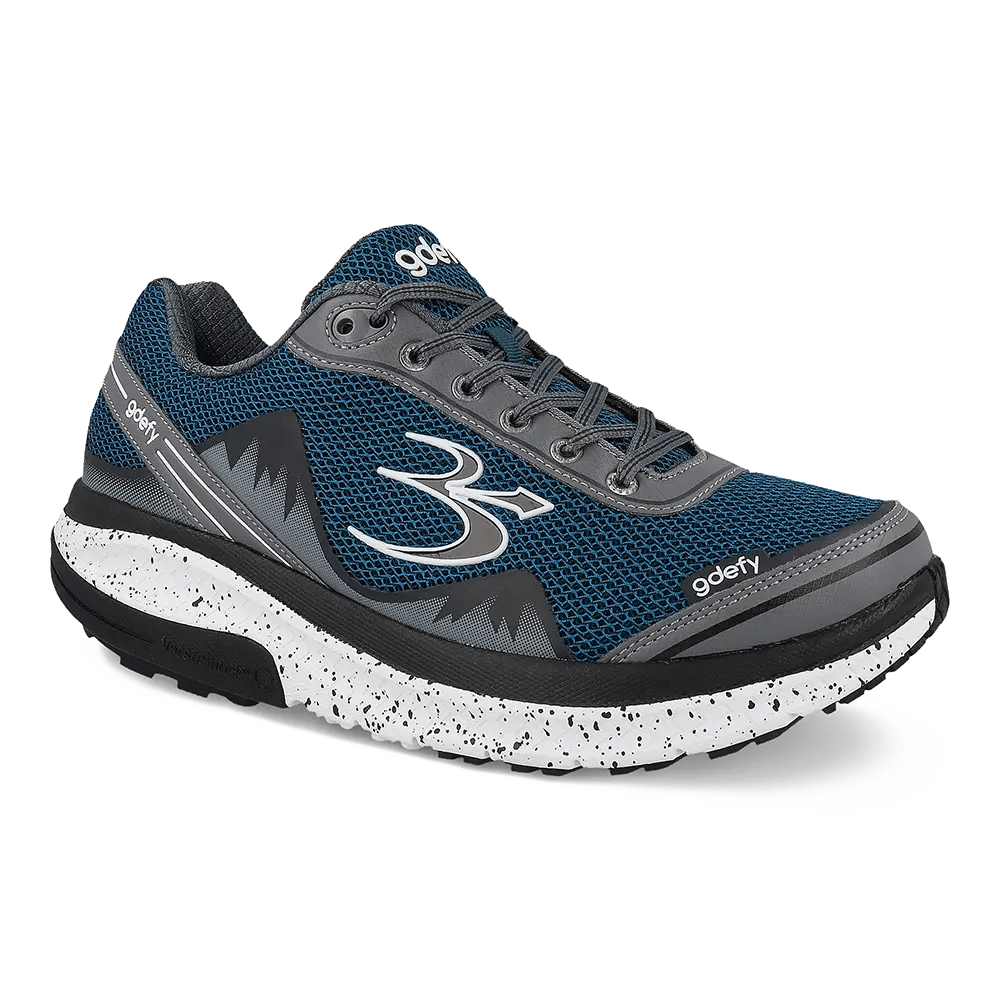
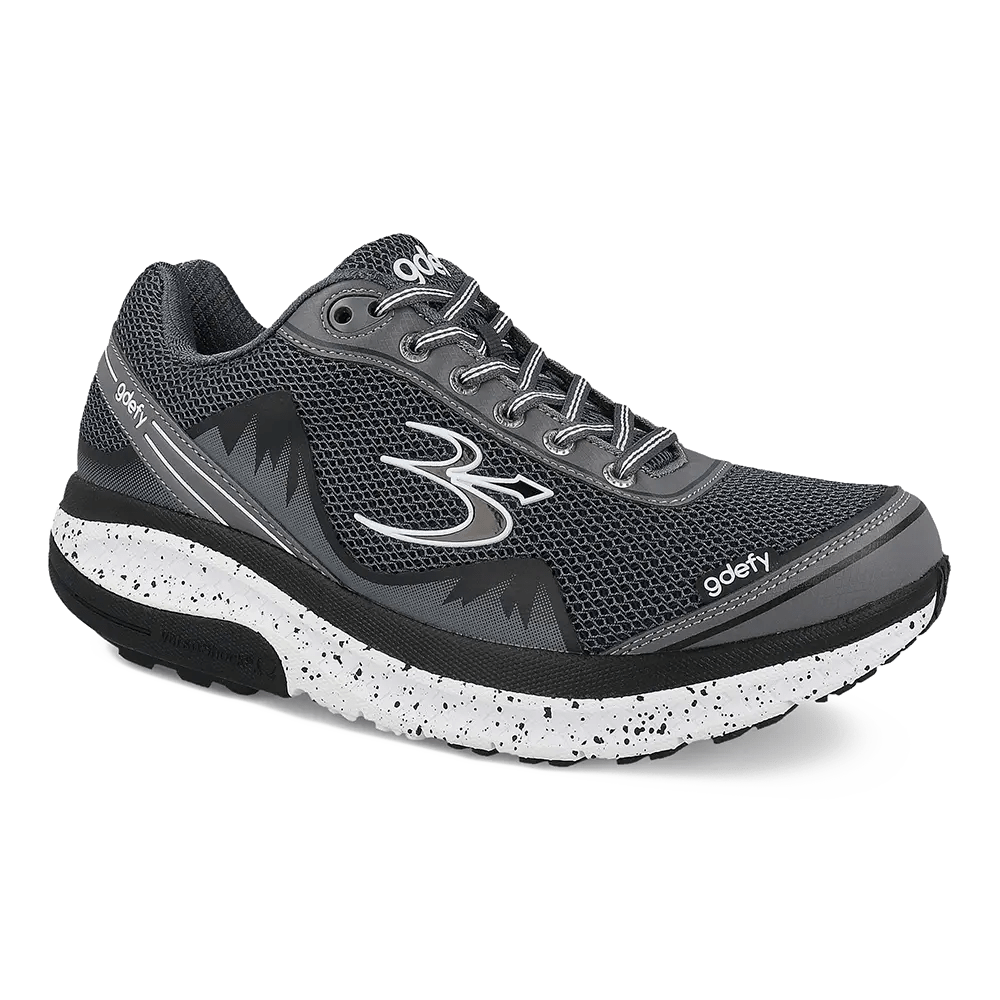
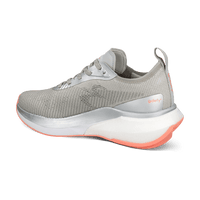
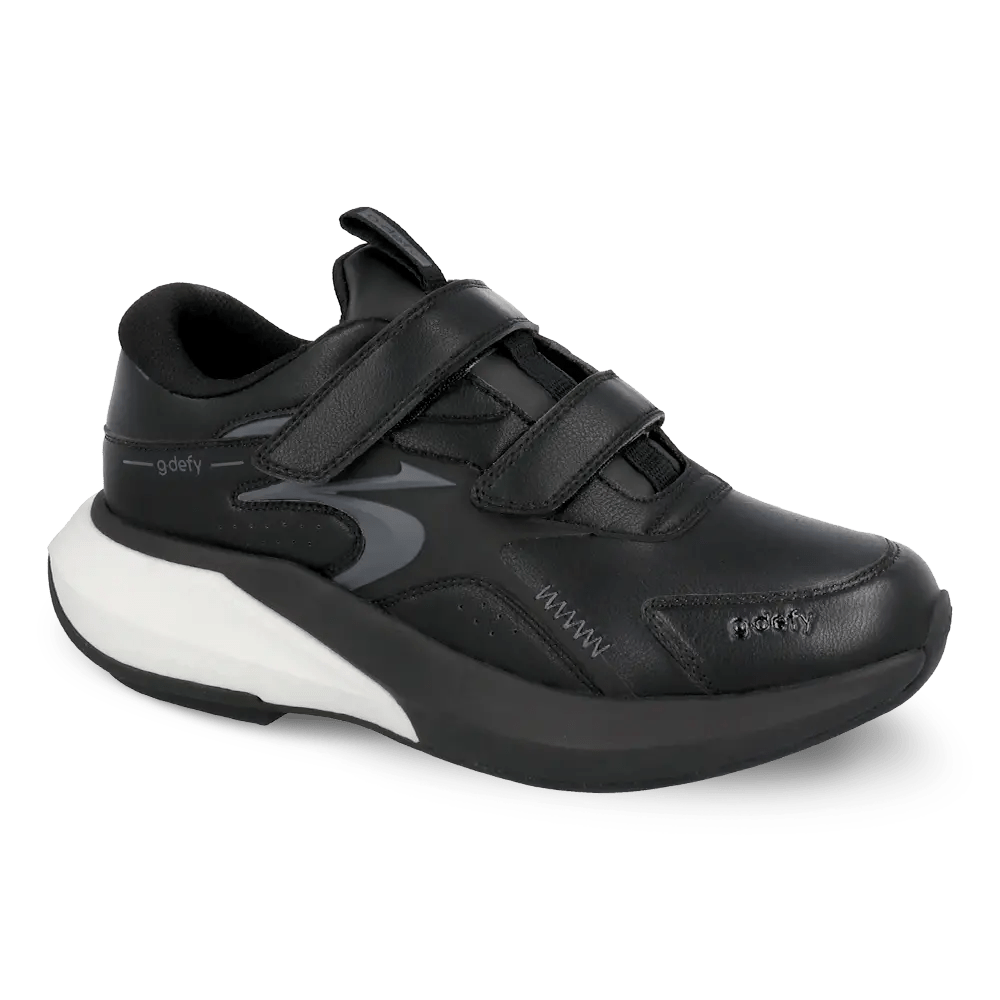
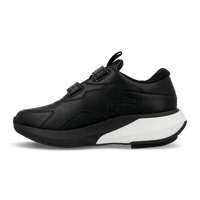
For a stop-start day, the men's Mighty Walk and the women's Mighty Walk are the versatile pick — a full walking sole that is still civilised to sit in. If you want something lighter to slip on and off between stops, the Ion is the easier companion. You can browse the full range for men and women.


Every pair comes with a 60-day risk-free trial, plus free shipping and free exchanges — which is the sensible way to work out whether a shoe suits your driving position before a trip rather than during one.
How to Set Up a Long Drive So Your Feet Notice It Less
- Loosen a notch before you set off. Not enough to lose the fit — just enough to leave room for the afternoon.
- Move the seat once an hour. A small change in distance from the pedals changes your ankle angle, which is the whole point.
- Use the stop, do not just make it. Two minutes of walking the length of the car park does more than ten minutes standing by the door.
- Give your left foot something to do. If there is a footrest, use it. Press against it, release, repeat. It is the idle foot that tends to feel worst.
- Roll your ankles at red lights. Ankle circles at a standstill cost nothing and take the joint through the range the pedals will not.
- Pack the walking shoes, wear the driving ones. If your destination involves a lot of walking, there is no rule that says one pair has to do both. Choosing for the day you are actually having beats compromising.
- Take the shoes off at a long stop. Five minutes with your feet out of them, ideally up on the seat, resets more than you would think.
What People Tell Us About Long Drives
Customers who drive a lot tend to describe the same two moments — the last hour of the trip, and the first walk afterwards.
The weekend commuter. Marcus drives four hours each way to see family most months. "It was never the driving that got me, it was the walk from the car to the front door. I'd be hobbling. Since I stopped driving in the flat-soled pair, that walk is just a walk." Composite story; results vary by individual.
The delivery round. Angela does a parcel route — in and out of the van a hundred-odd times a day. "It's not the distance, it's the getting out. That first step down, over and over. The cushioned pair took the edge off it. By Friday I'm not counting the hours anymore." Composite story; results vary by individual.
The road trip. Ken and Priya drove the coast road over two weeks. "We swapped shoes at every proper stop — driving pair off, walking pair on. Sounds fussy. It was the best decision of the trip." Composite story; results vary by individual.
The pattern in all three is the same: the trouble is not the sitting, it is the handover between sitting and walking. That is where a shoe earns its place. You will find more of these in our collection of traveler stories, and if your journey ends with a station rather than a driveway, the commuting guide covers the transit side. For journeys that begin at a terminal, there is a separate guide to airport days.
Frequently Asked Questions
Why do my feet hurt after a long drive when I have barely moved?
Because "barely moved" is the issue rather than the exception. Your driving foot works constantly in a very small range while your heel stays on one spot, and your other foot does almost nothing at all. Add a warm footwell and several hours, and feet can feel stiff and puffy by the end. Supportive, cushioned footwear may improve overall comfort during walking and prolonged standing, particularly in the stretch right after you get out.
What should I look for in shoes for driving long distances?
A heel that is cushioned but not bulky, so pedal feel stays clear; shock absorption for the walking half of the day; support that holds its shape; and a fastening you can adjust as your feet change through the trip. Room across the front of the foot matters more than usual, because your foot is held in one position for hours.
Are dedicated driving shoes with thin soles a good idea?
They give excellent pedal feel, which is why they exist. The trade-off is that a very thin sole gives you almost nothing when you step out onto concrete. If your day is mostly driving with very little walking, they can suit. If it is a mix, a shoe with proper shock absorption will serve the whole day better.
Why do my shoes feel tighter at the end of a drive than at the start?
Warm, still feet in an enclosed space tend to feel fuller by the afternoon. It is very common on long trips and long flights alike. Choosing a shoe with an adjustable fastening, and leaving a little room when you set off, usually handles it.
Should delivery drivers wear something different from a road-tripper?
The demands overlap but are not identical. A road trip is a few long sits with a handful of walks. A delivery shift is dozens of short walks between short drives, most of them carrying something, and each one starting with a step down onto hard ground. Cushioning and a secure, easy-on fit matter more in that pattern than pedal feel does.
How often should I replace shoes I mostly drive in?
Watch the sole rather than the calendar. Driving wears one specific patch of the right heel far faster than the rest of the shoe, so a pair can look almost new and still be worn flat exactly where it matters. If that patch is smooth or the sole has lost its spring underfoot, it is time.
The Bottom Line
A long drive is not a rest for your feet — it is a different kind of work, done unevenly, in one narrow position, with a hard walk waiting at the end of it. Understanding that changes what you look for. You are not choosing a shoe for sitting. You are choosing a shoe for the moment you stand up.
While footwear is not a medical solution, choosing shoes designed for comfort, support, and shock absorption can make a meaningful difference in how you feel throughout the day — and on a driving day, most of that difference shows up in the first hundred steps after you close the car door. For persistent foot discomfort, consult your healthcare provider.