
August 18, 2026
Does How Fast You Walk Change What Your Feet Feel?
By Gdefy

Summary
Two people set out to walk the same two miles. One strolls, stopping to look in windows. The other moves briskly, arms swinging, trying to be back within half an hour. They cover identical ground on identical pavement in identical shoes — and at the end, their feet feel nothing alike.
Most footwear advice describes walking as a single activity. You either walk or you don't. But walking speed is a variable you adjust a dozen times a day without thinking about it: the rush to the car, the amble through a parking lot, the deliberate push on a morning route. Each of those speeds asks something slightly different of your feet.
Understanding what actually changes in your step when you speed up or slow down makes it much easier to work out why one walk leaves you fine and another leaves your feet complaining. It also explains why a shoe that feels great on a slow errand can feel thin and unforgiving on a brisk route.
Footwear is not a medical solution. But a shoe designed for comfort, support, and shock absorption gives your feet more room to handle a range of speeds — and knowing what pace does to your step helps you choose one.
Why Walking Speed Changes How the Same Distance Feels
Distance is the number most people track. It is also the number that explains the least about how your feet feel afterwards.
Two things change when you change walking speed, and they pull in opposite directions.
The first is how hard each step lands. Move faster and your body meets the ground with more force per step. The impact rises with speed — the same body weight arriving at a higher rate.
The second is how long each step lasts. At a quick pace, your foot is on the ground for a shorter slice of time before it lifts again. At a slow pace, it lingers.
So a fast walk delivers bigger, briefer loads. A slow walk delivers smaller, longer ones. Neither is automatically kinder to your feet — they are simply two different ways of spending the same distance, and different feet prefer different trades.
What Changes in Your Step When You Speed Up
Speeding up is not just doing the same thing more often. The shape of the step itself changes.

Each step lands with more force
At a brisk pace, your foot arrives with more momentum behind it. The moment of contact is sharper, and the force travelling up through the foot, ankle, and leg rises with it.
This is where cushioning stops being a luxury. A midsole that absorbs impact gradually spreads that arrival over a longer moment. A thin or flattened one passes more of it straight through. It is the same principle behind shock absorption in shoes generally, just concentrated into a smaller window of time.
Your foot spends less time on the ground
Faster walking shortens the stance phase — the part of the step where your foot is planted and carrying you. Everything the foot needs to do, it now does in less time: land, roll forward, push off.
For some people that is a relief. Less time under load means less time for the arch and the small muscles of the foot to hold a position. For others, the compressed timing is exactly what makes a fast walk feel harsh — there is no gentle roll, just land and go.
Push-off does more of the work
The faster you move, the bigger the share of the effort that comes from the back foot driving you forward. The ball of the foot and the toes take on more, and that region is often the first place a brisk walk shows up as a hot, tired feeling.
This is also why a sole that returns energy matters more at speed than at a stroll. When more of each step depends on push-off, a midsole that gives something back changes how heavy the last mile feels.
What Changes When You Slow Down
Slowing down is not simply the gentle option. It trades one kind of demand for another.

Lower peaks, but a longer load
A slow walk lands softly. The force per step drops noticeably. But your foot stays planted longer, and the arch, the heel, and the muscles that hold your foot steady all work through a longer stretch of each step.
This is why a slow, shuffling day around a museum or a shop floor can leave feet more tired than a purposeful walk of the same length. The peaks are lower, but the load barely lets go. The same effect shows up in extreme form when you are barely moving at all — which is what makes standing still its own kind of work.
More steps to cover the same ground
Slower usually means shorter steps, and shorter steps mean more of them. Two miles at a stroll can be several hundred steps more than two miles at a brisk clip.
Each of those steps is easier. But there are more of them, and repetition has its own cost. If your feet tend to complain about the twentieth minute rather than the first hard landing, this is usually why.
The Habit That Makes a Fast Walk Uncomfortable
There is one common habit that turns speeding up into something your feet notice for the wrong reasons: reaching forward with the front foot.
When people decide to walk faster, the instinct is to take longer steps. It feels like the direct route to more ground per step. In practice, a foot that lands too far out in front of your body acts like a brake. You plant, you slow slightly, then you push through it — and you repeat that hundreds of times.
The result is a walk that feels like work, with the heel taking a harder, flatter landing than it needs to.
Experienced fast walkers do the opposite. They keep their steps close underneath them and get their speed from a stronger push off the back foot. Stride length then lengthens on its own, as a consequence of the push rather than a reach. The step stays underneath you where the foot can roll through it.
If a brisk pace has always felt punishing, this is the first thing worth checking — before you change anything else. Reading what your gait is telling you makes the habit easier to spot, and how shoes affect your knees covers where that braking load travels next.
What to Look for in Shoes When Your Pace Changes
Most people do not walk at one speed. A shoe that only works at one speed will let you down at the others. These are the features that matter across a range of paces:
- Cushioning — helps absorb impact so the harder landings of a brisk pace feel softer.
- Shock absorption — reduces the harsh impact of walking on hard surfaces, which is where speed shows up most.
- Energy return — helps keep movement feeling responsive when push-off is doing more of the work.
- Stability — helps maintain a balanced stride when the tempo picks up and the step gets busier.
- A smooth heel-to-toe transition — lets the foot roll through the step rather than slapping through it.
- A roomy toe box — gives the forefoot space to spread as push-off loads it.
- Proper fit — improves comfort at every speed, and matters more as the number of steps climbs.
Terrain interacts with all of this. A grade changes the step in its own way — walking uphill shortens the stride and shifts load to the forefoot regardless of how fast you are going — so pace and slope stack rather than cancel.
How G-Defy Shoes Are Built for a Changing Pace
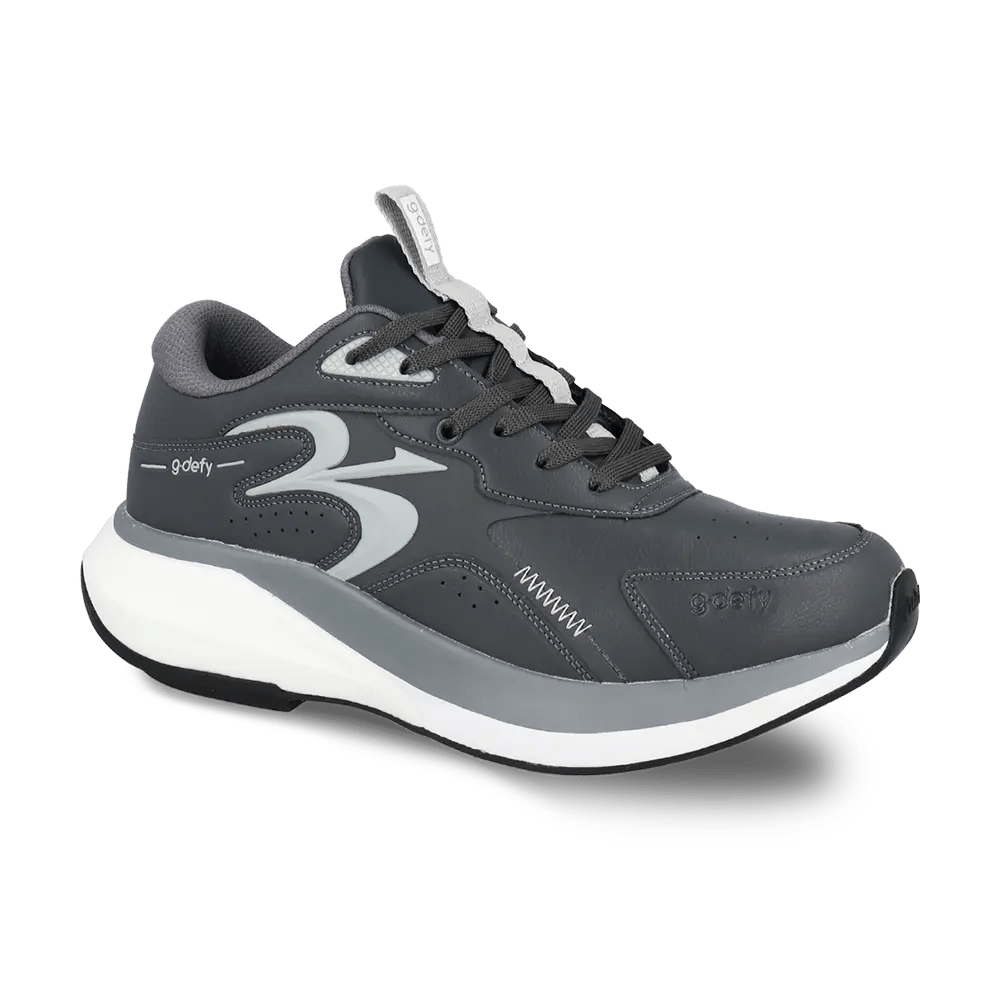
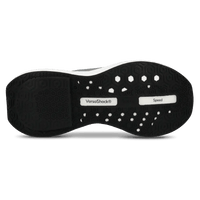
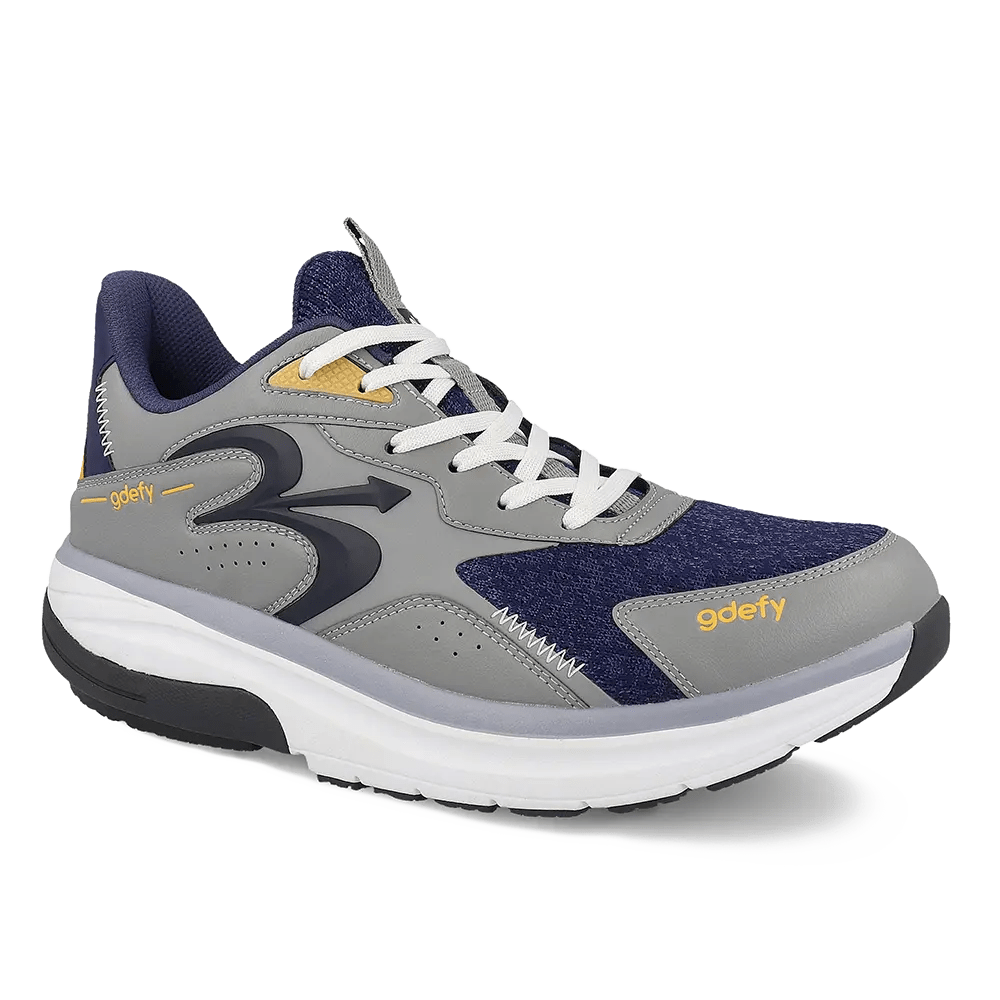
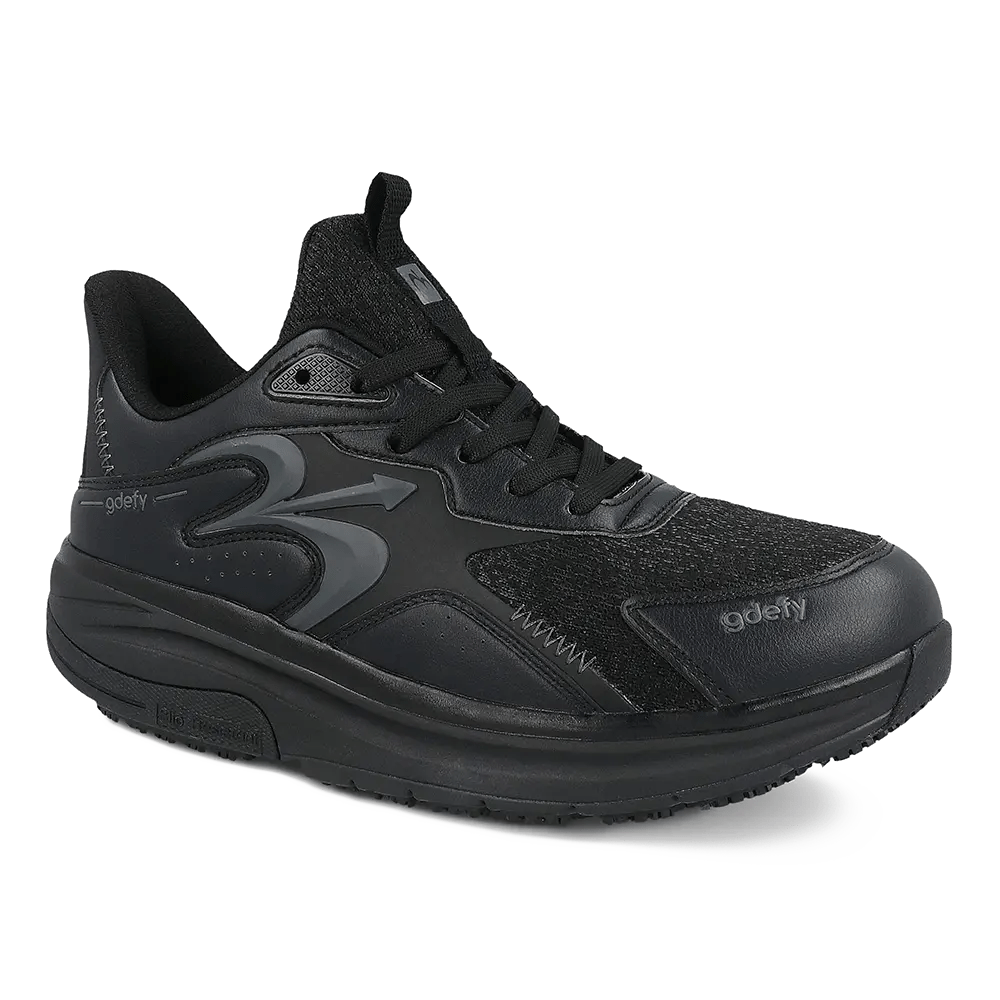
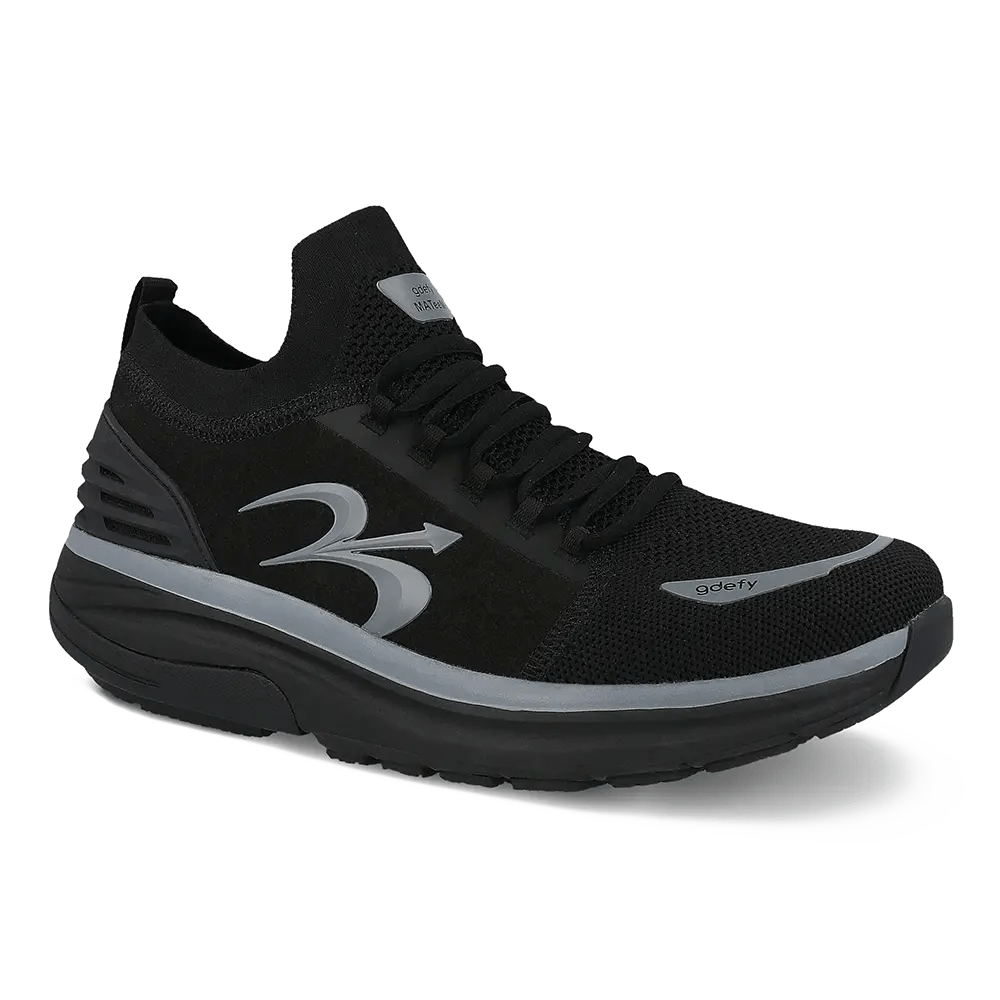
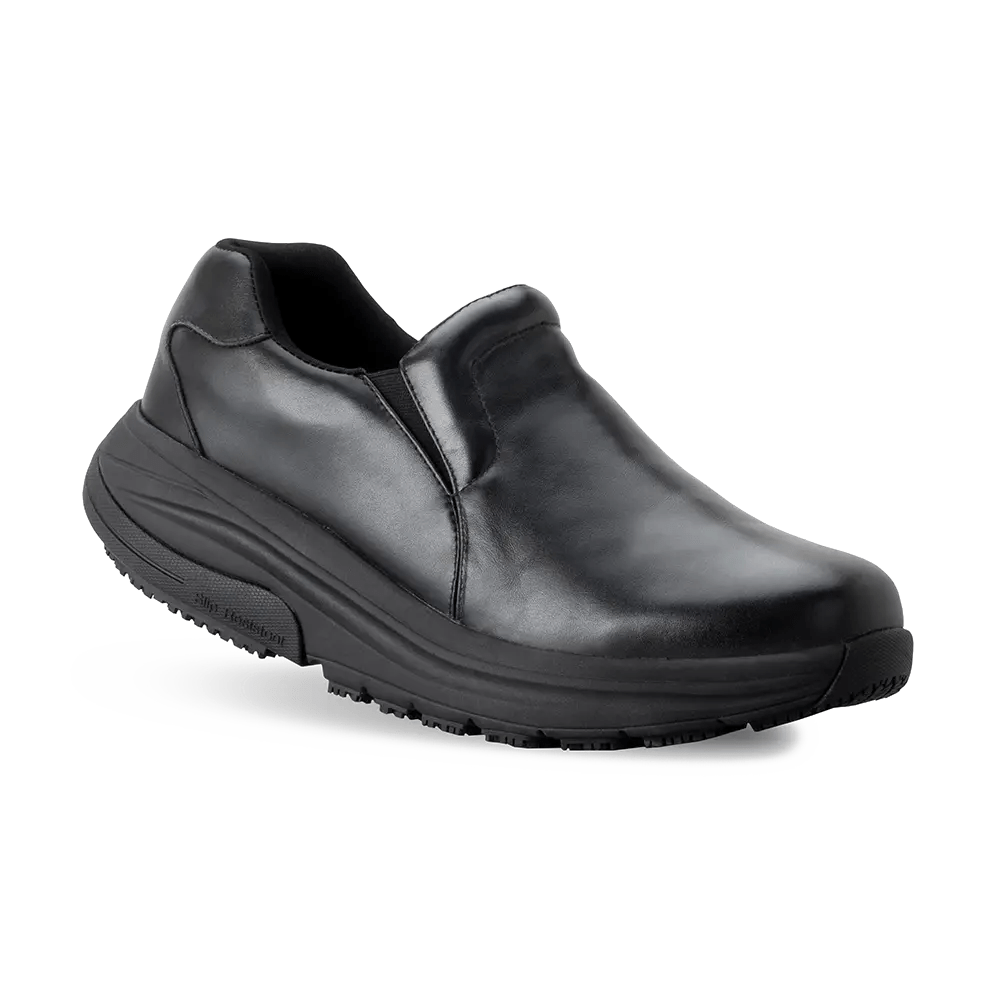
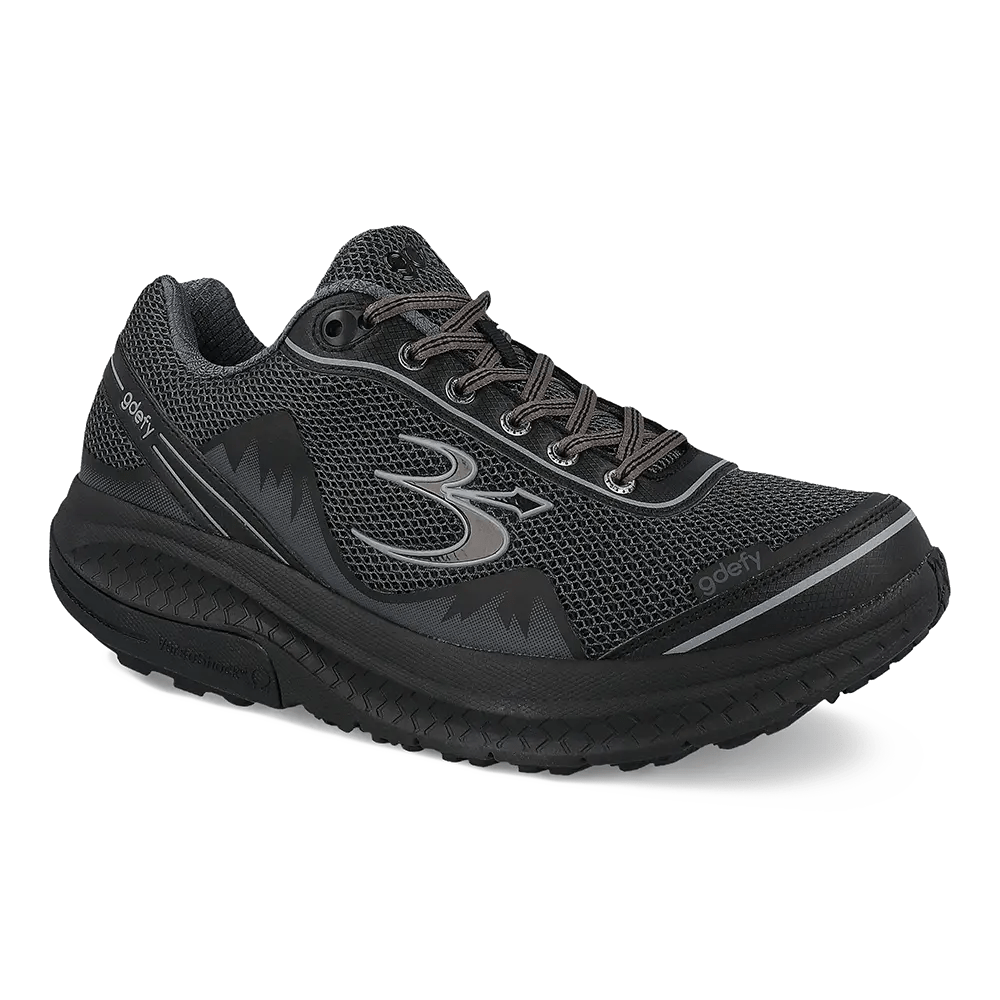
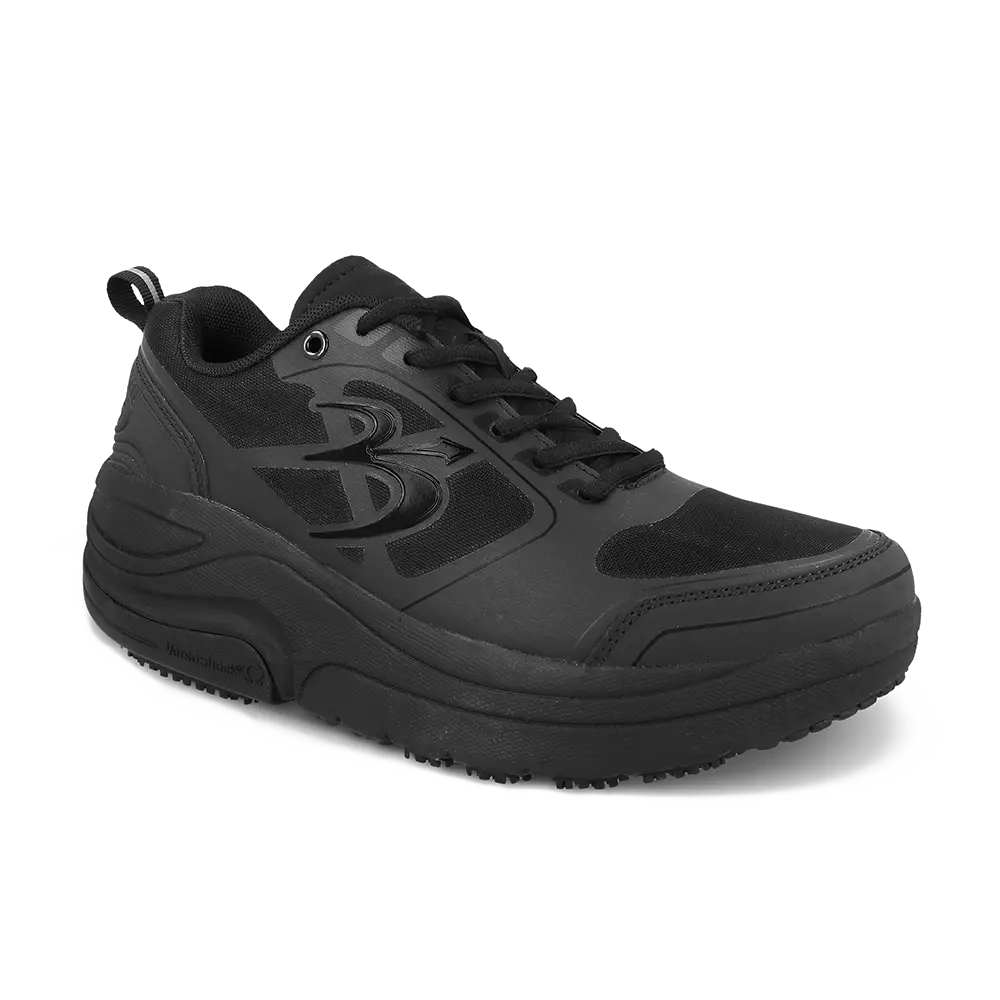
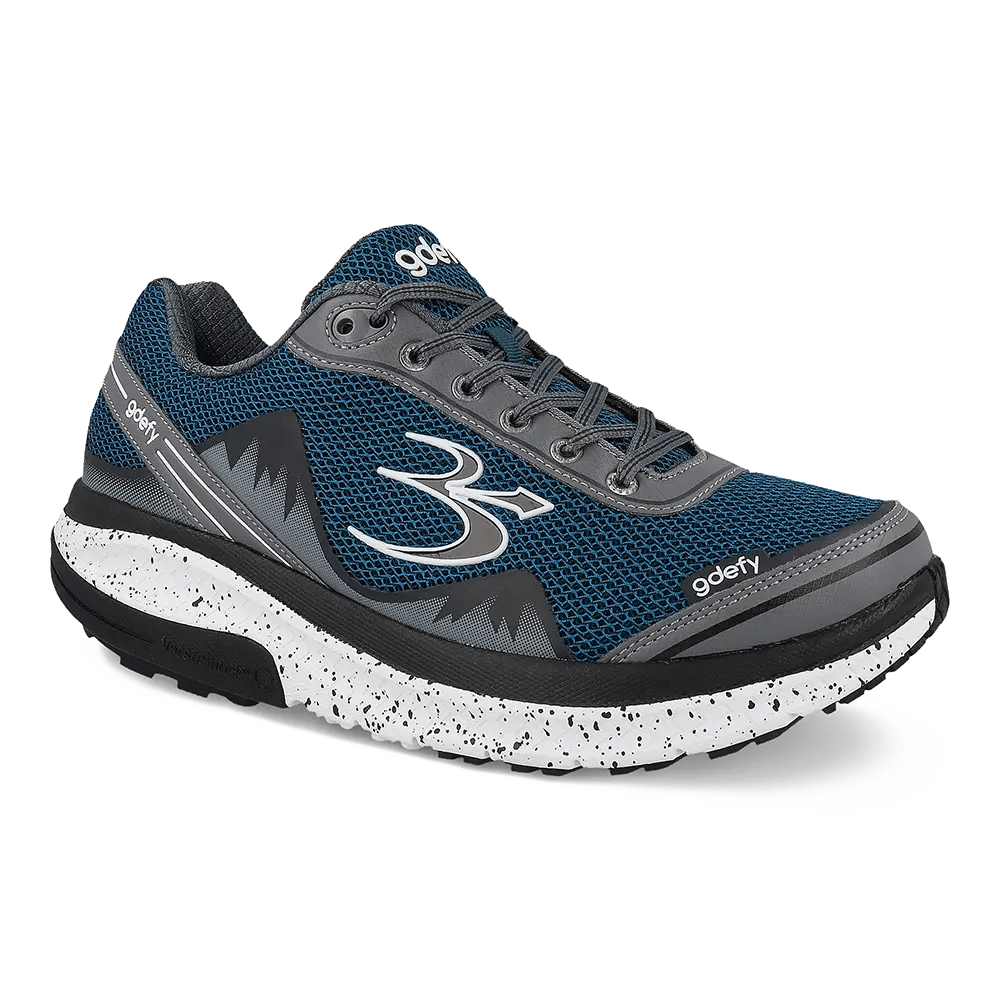
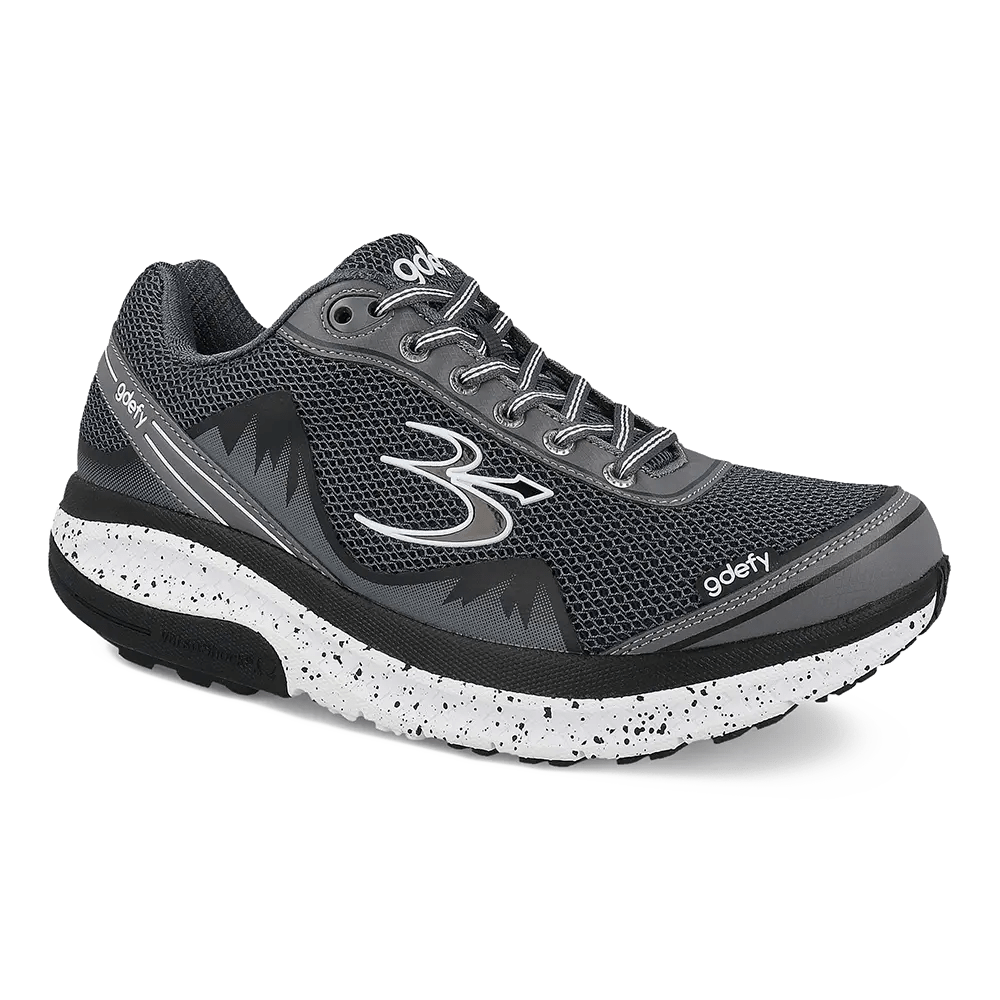
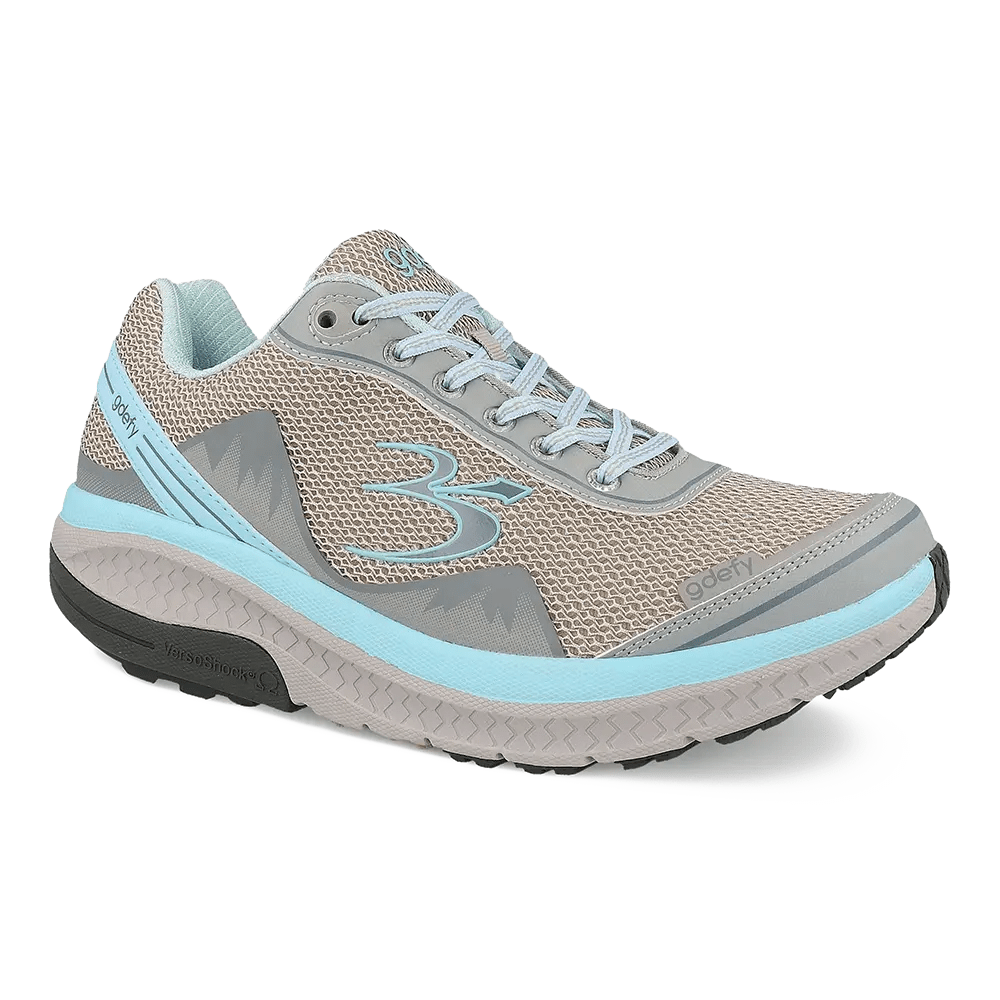
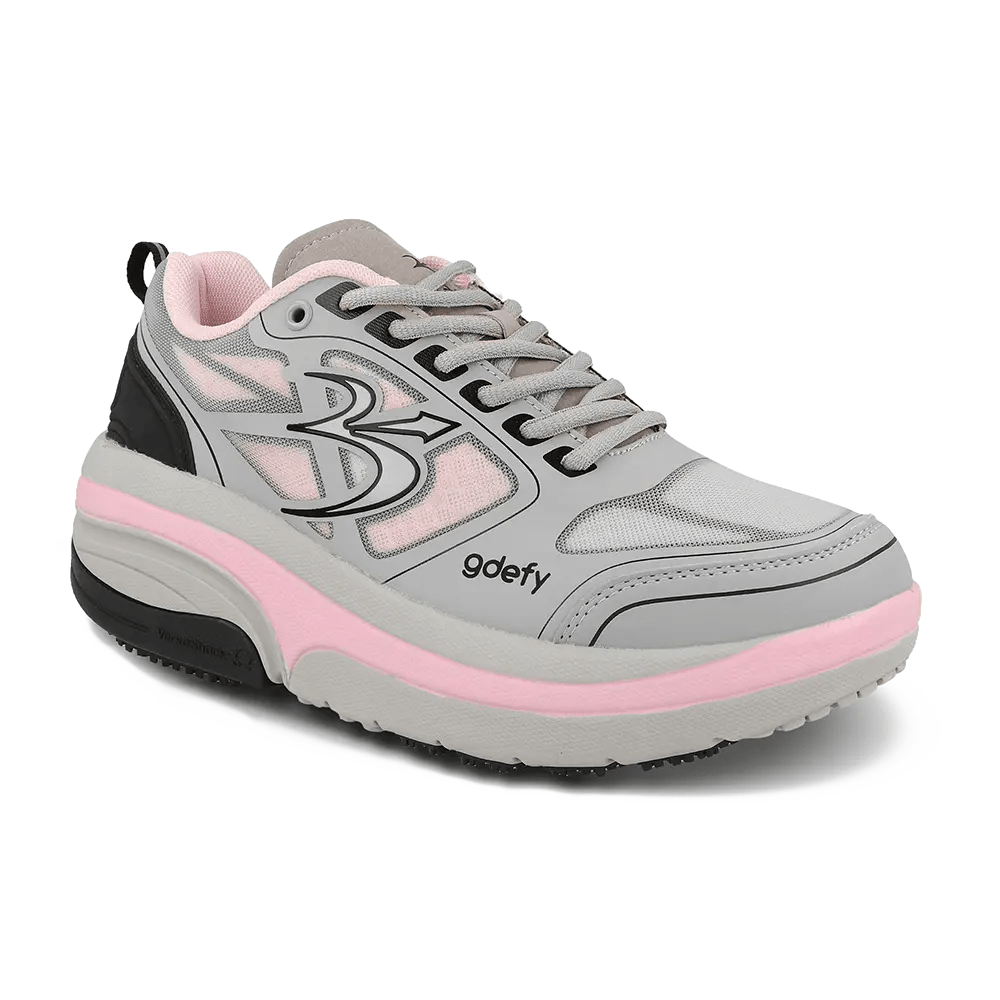
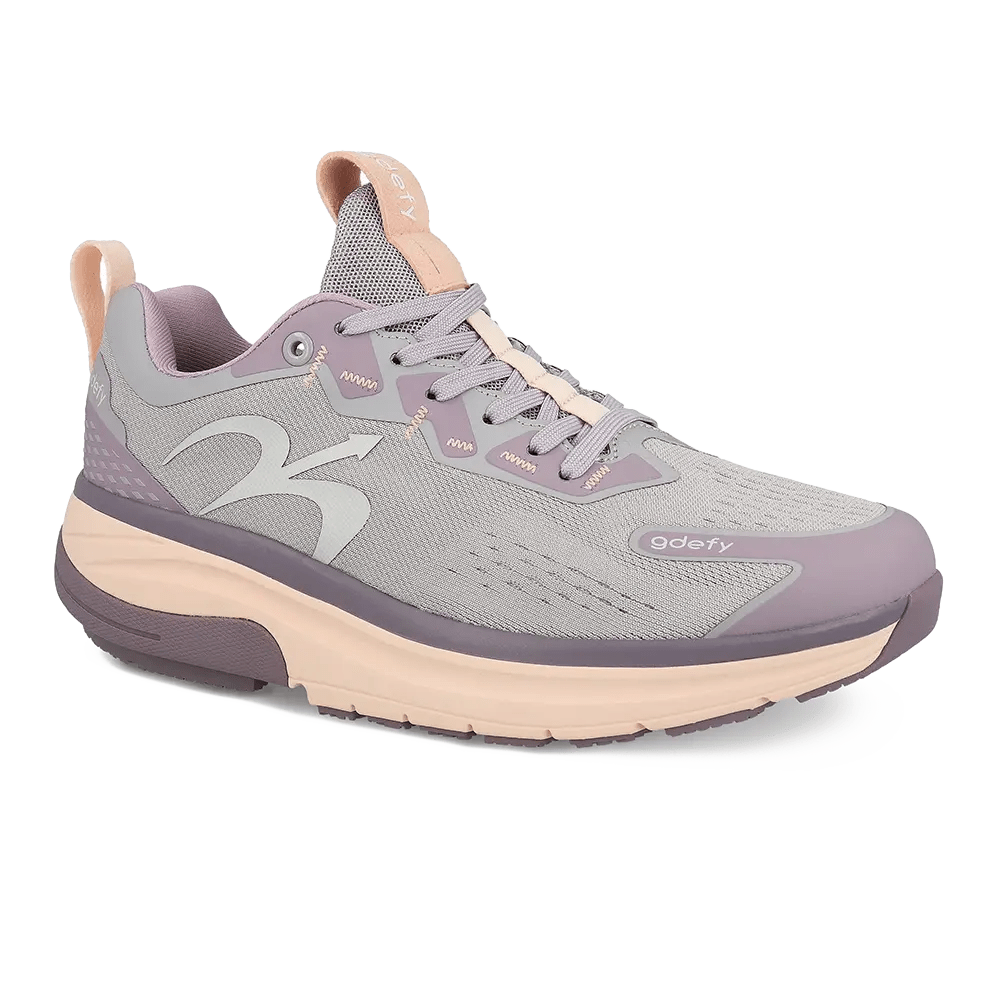
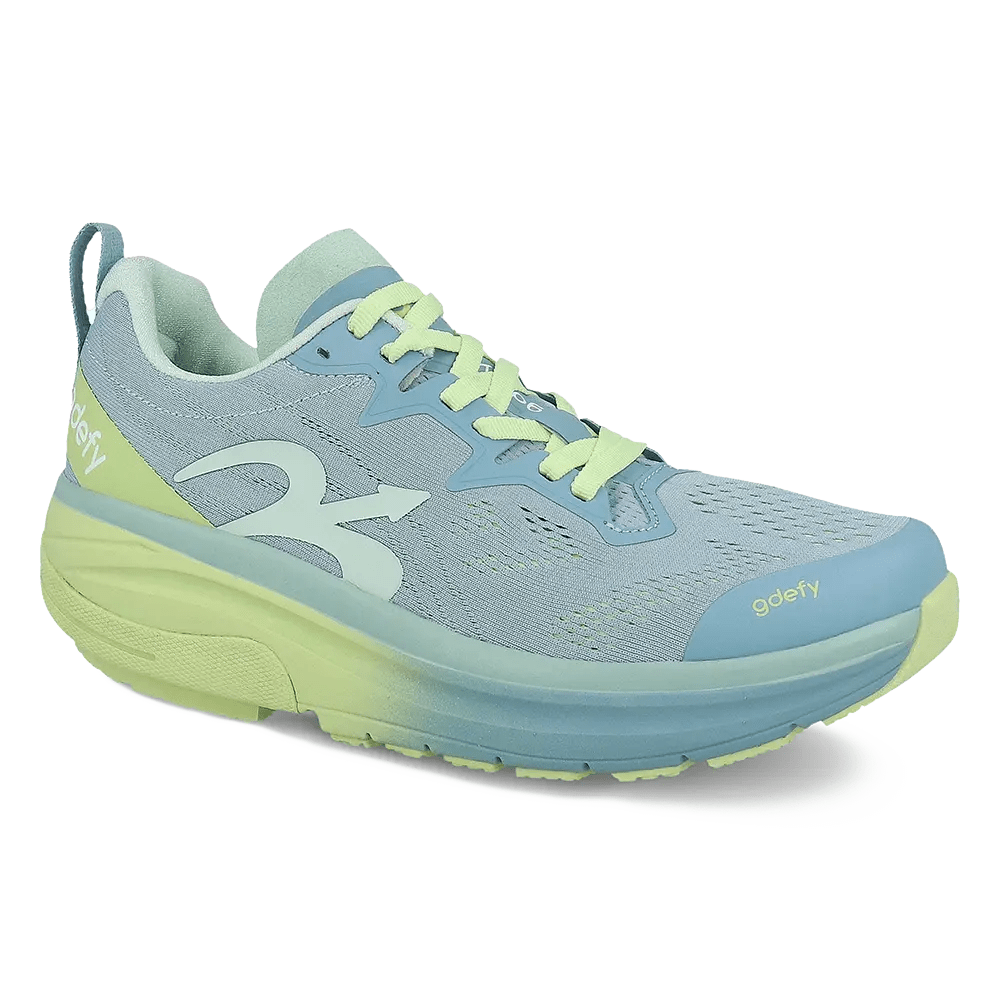
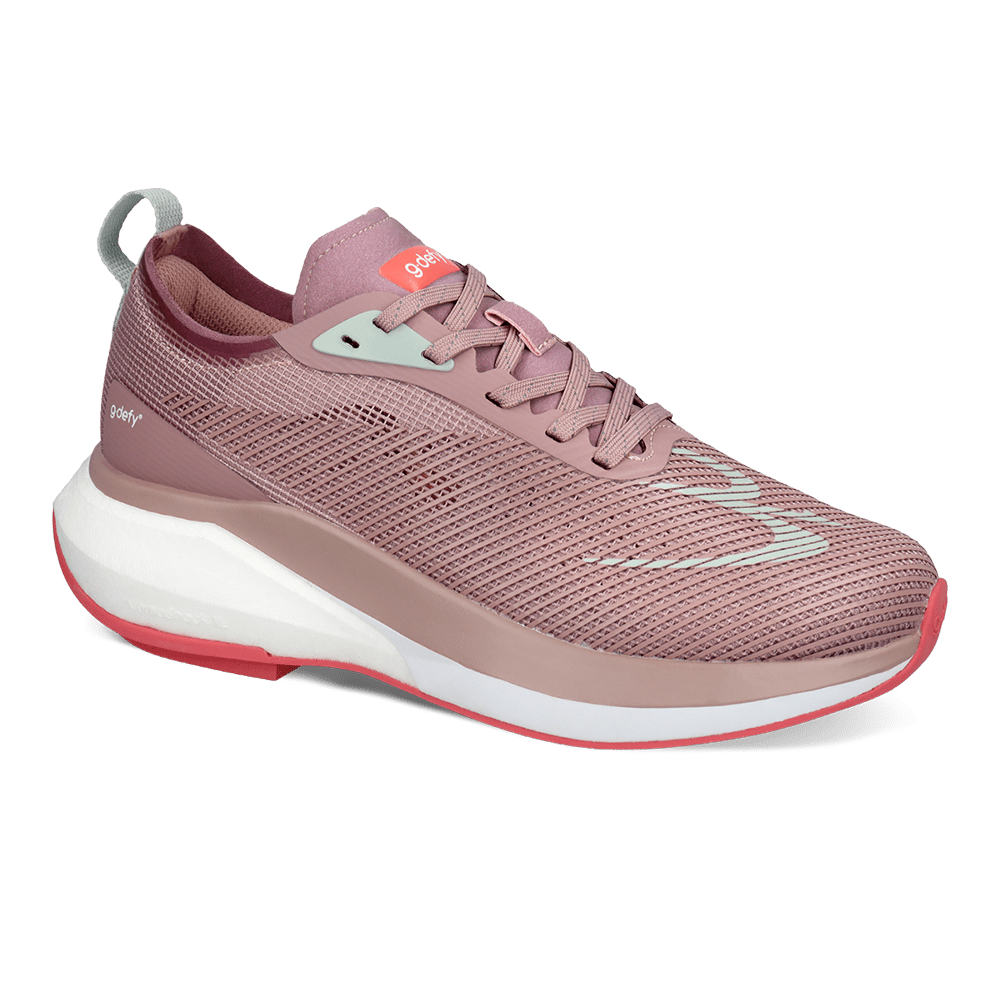
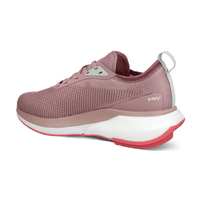
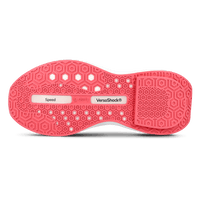
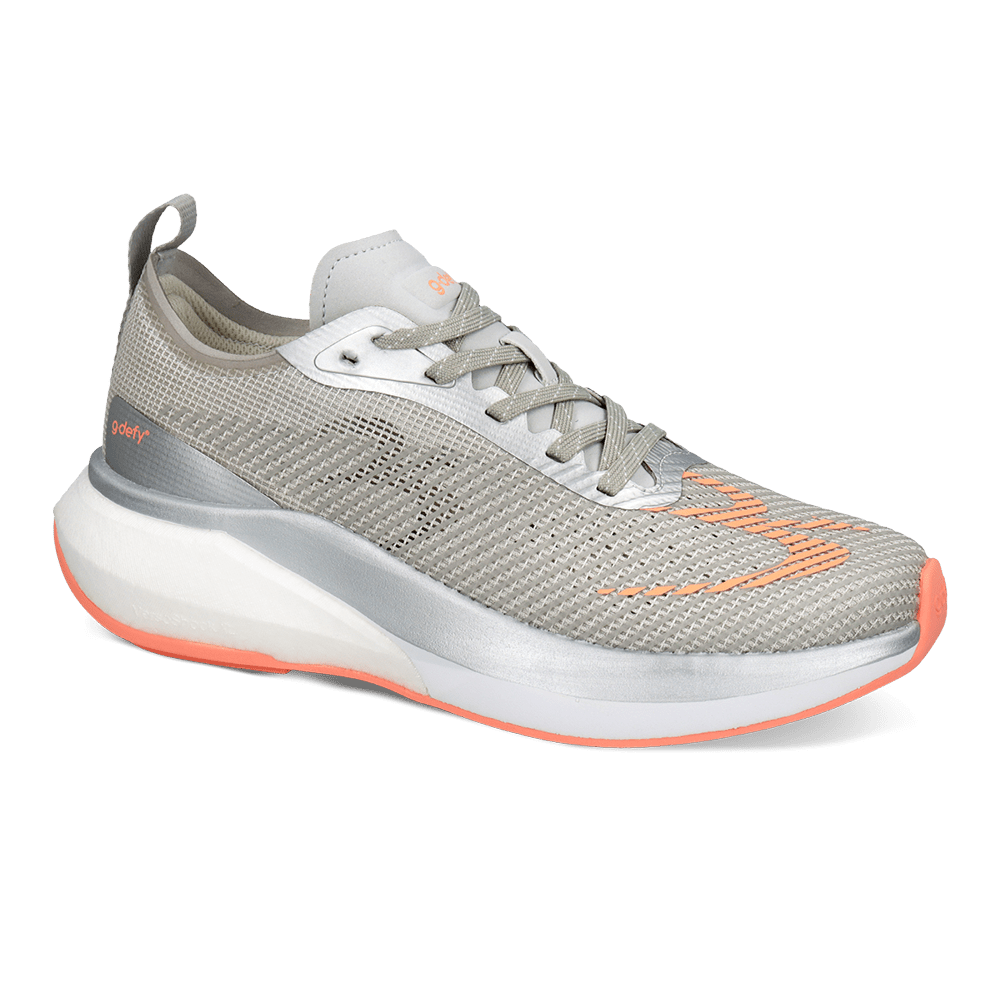
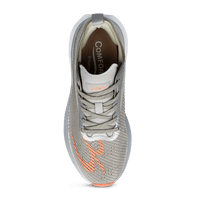
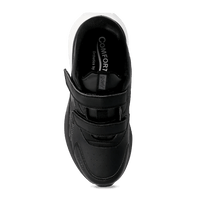
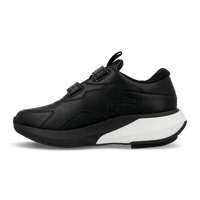
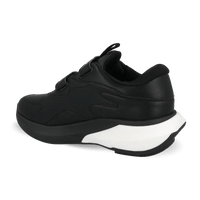
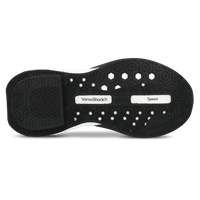
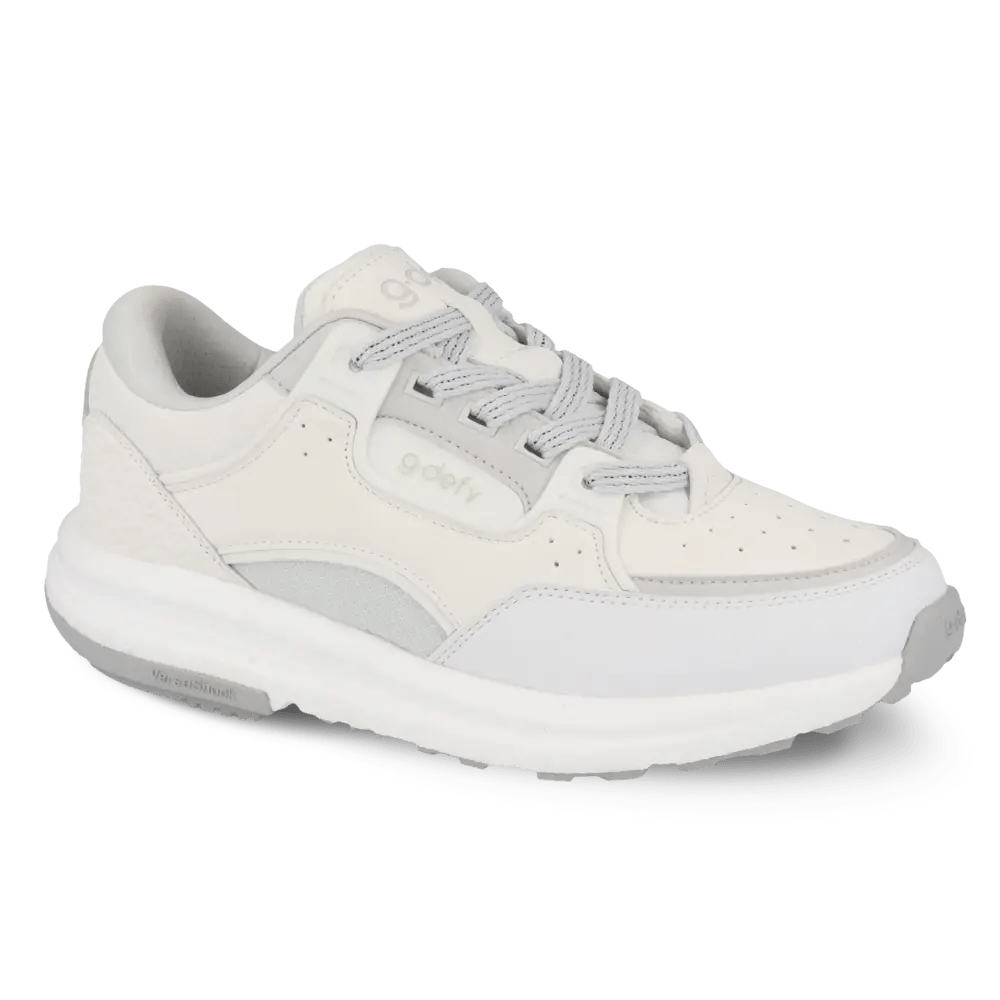
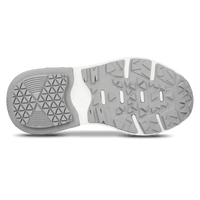
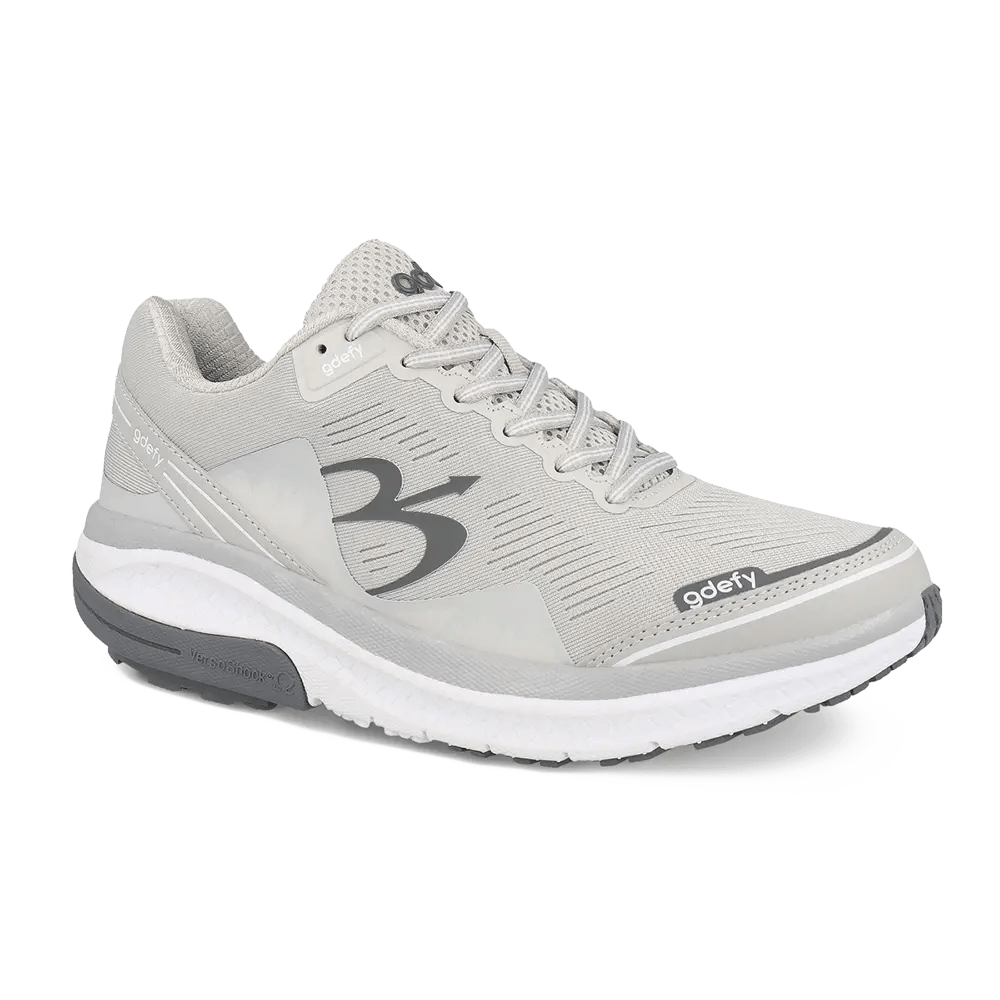
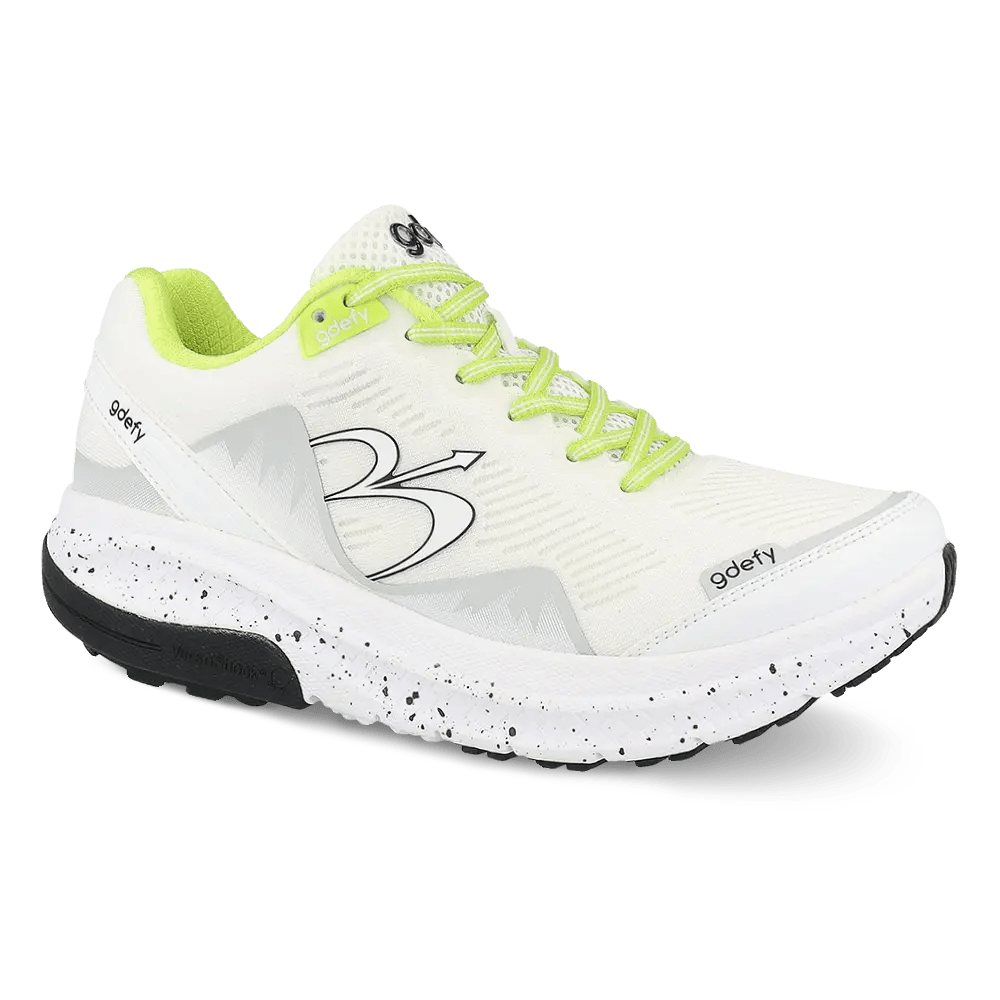
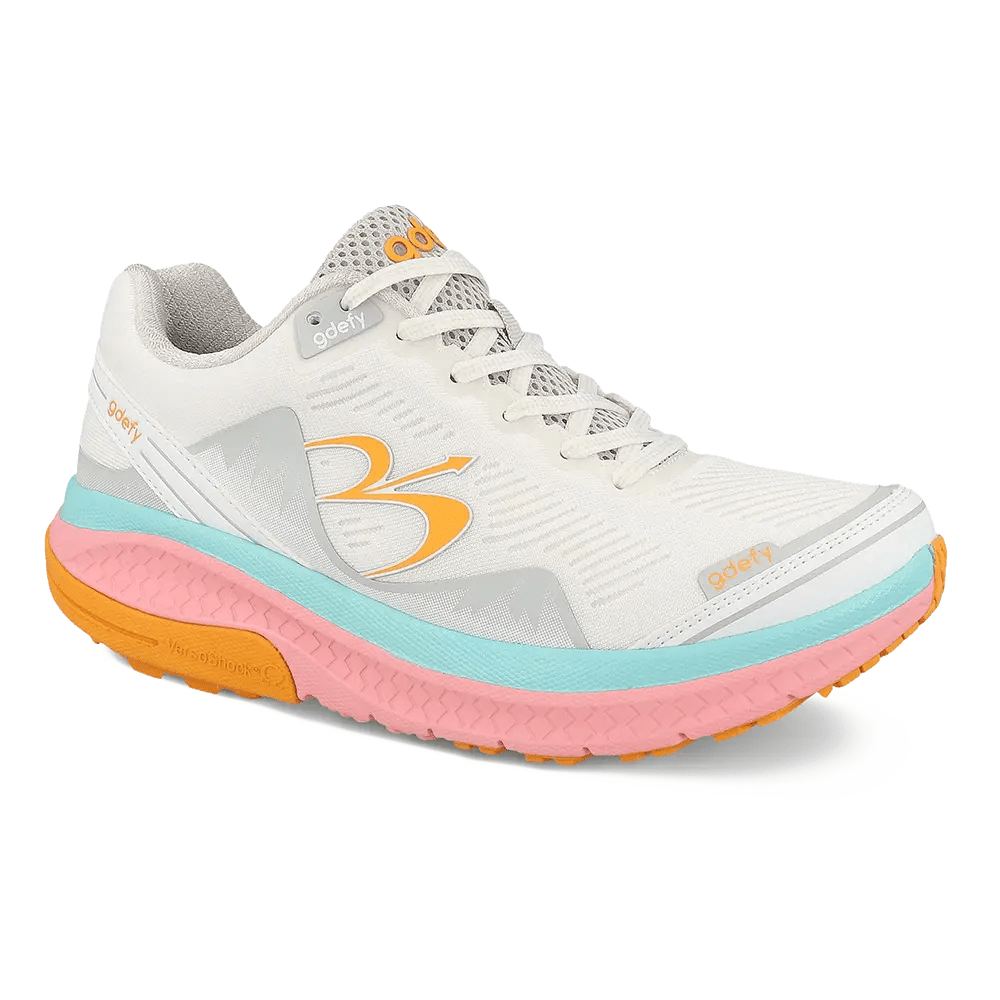
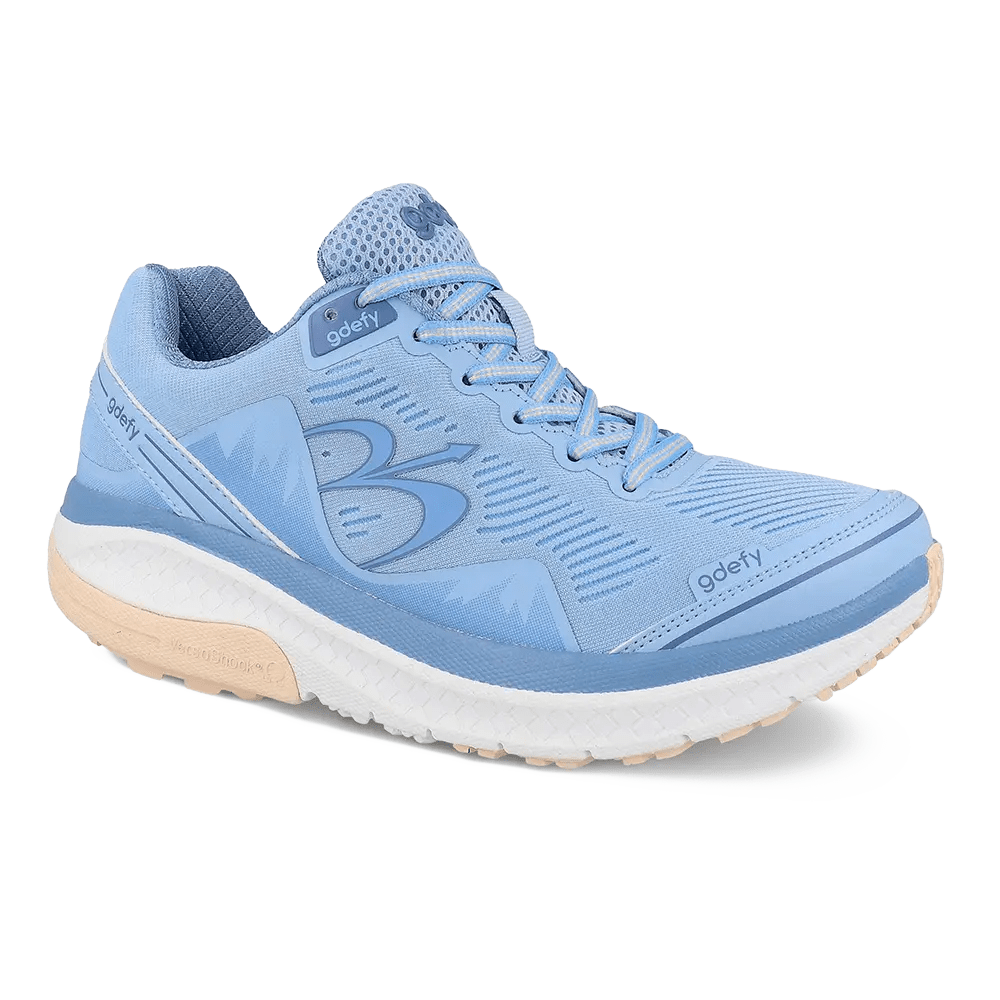
G-Defy shoes are engineered to provide comfort, support, and shock absorption. Featuring VersoShock® technology, they are designed to absorb impact and return energy with each step. A built-in stabilizer supports the foot during movement, while the front rolling design promotes a smooth walking experience. Each pair includes two removable orthotics to help customize comfort and support. G-Defy shoes help reduce pain from walking, running, and prolonged standing.

Four engineering pillars sit behind that, and each one maps onto something pace changes:
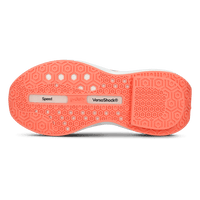
- Shock absorption. A spring-based VersoShock® midsole is designed to absorb impact softly rather than compressing and staying compressed. That matters most at the fast end, where each landing arrives harder.
- Energy return. The springs release stored energy back into the step, supporting forward movement when push-off is carrying more of the load.
- Stabilizer system. A shank through the midfoot prevents excessive bending in the middle of the shoe, encouraging a more controlled stride as the tempo rises.
- Front rolling design. The sole geometry promotes a smooth heel-to-toe transition, so the foot rolls through the step instead of landing flat and pushing through it.
You can read more about how VersoShock® technology works if you want the mechanical detail.
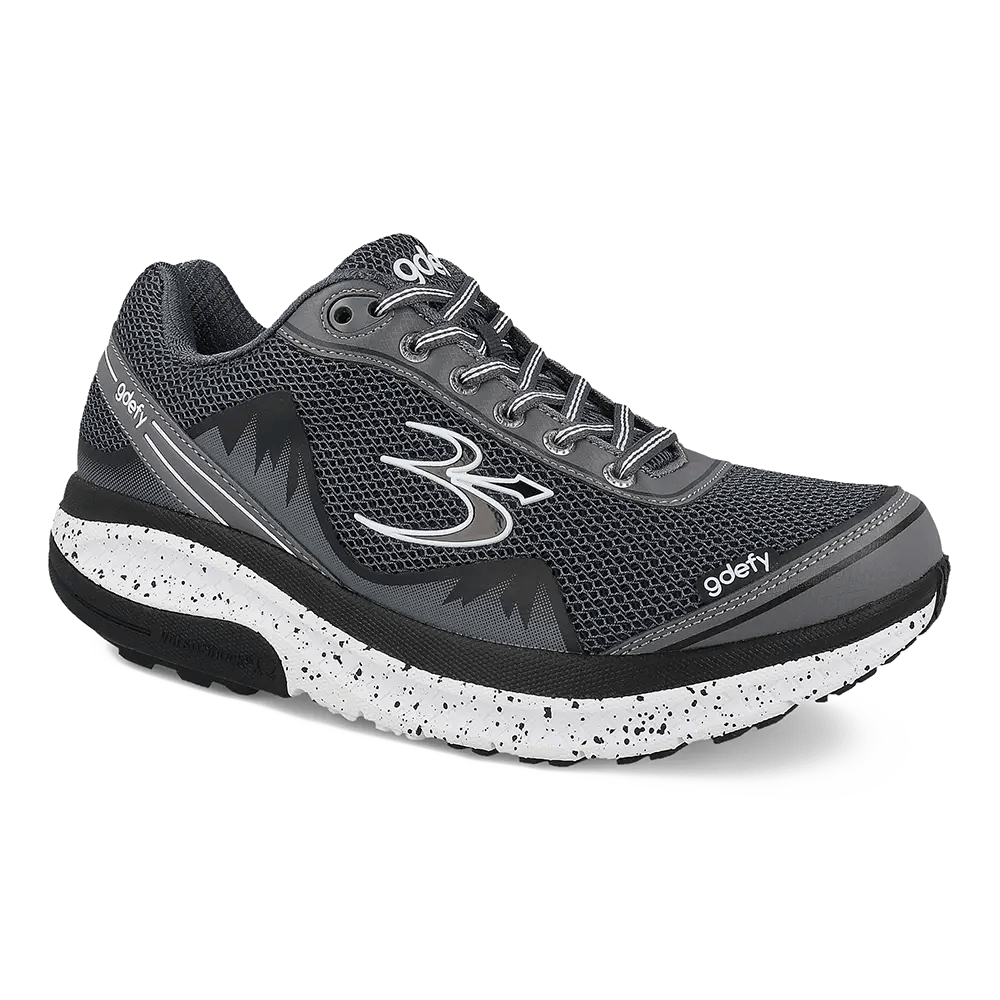
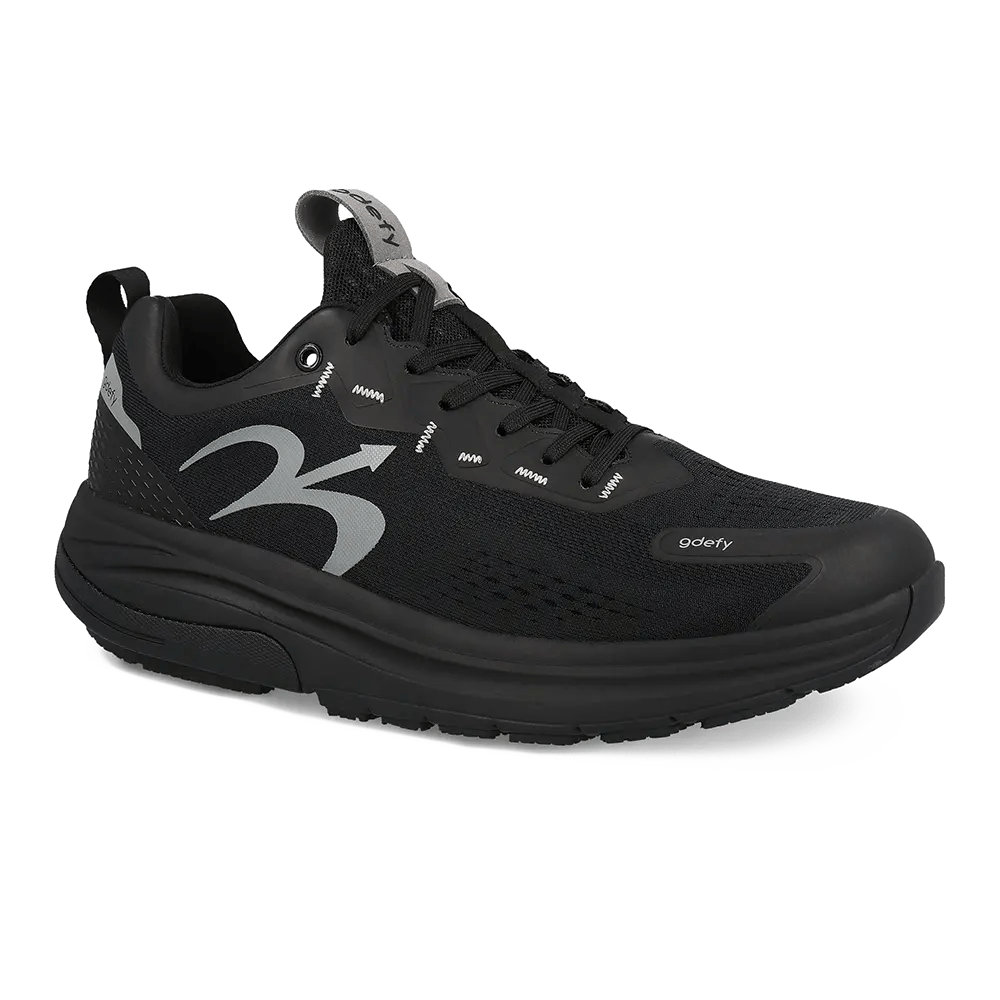
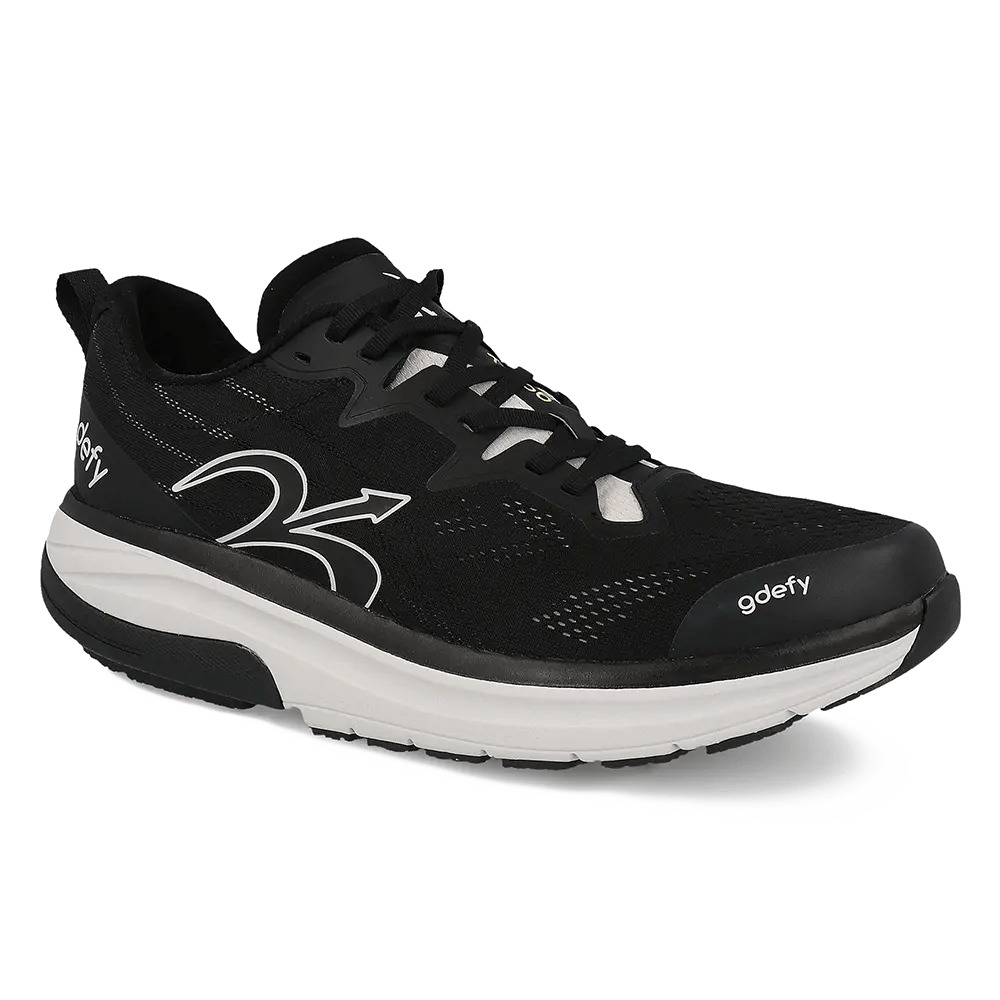
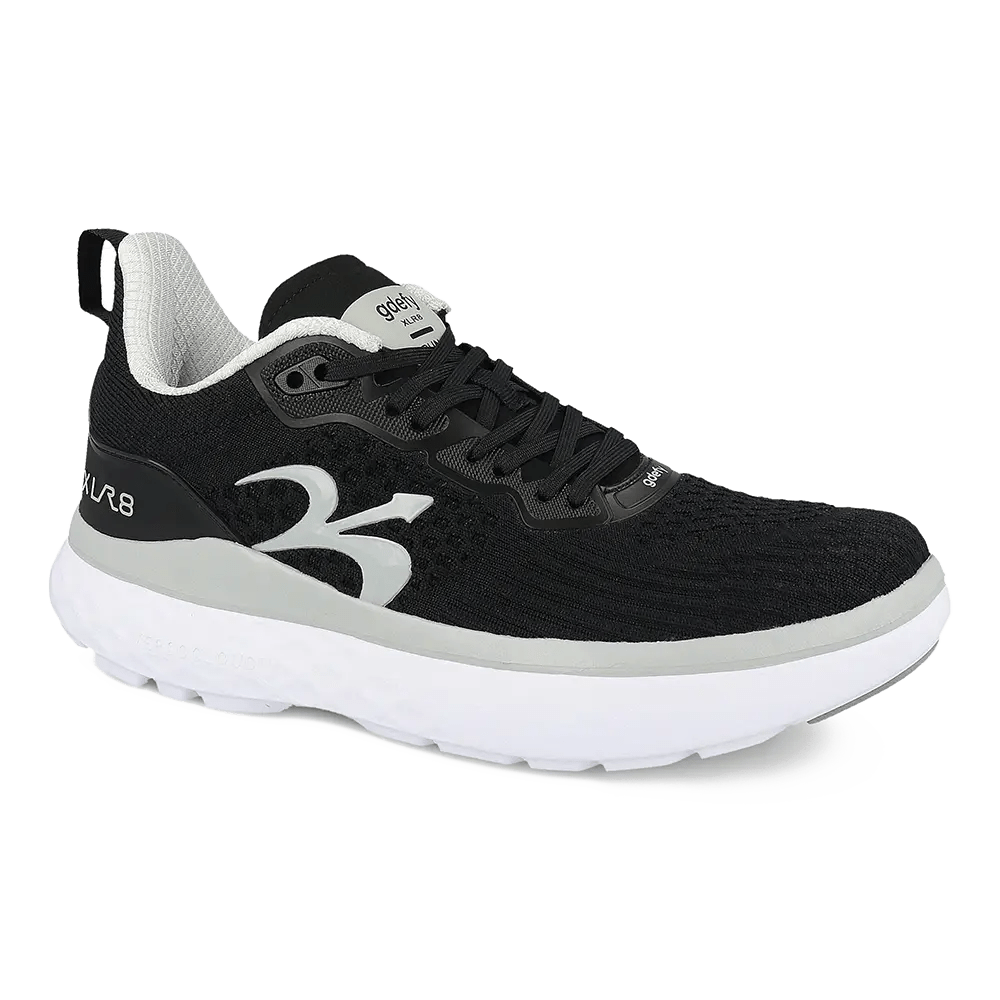
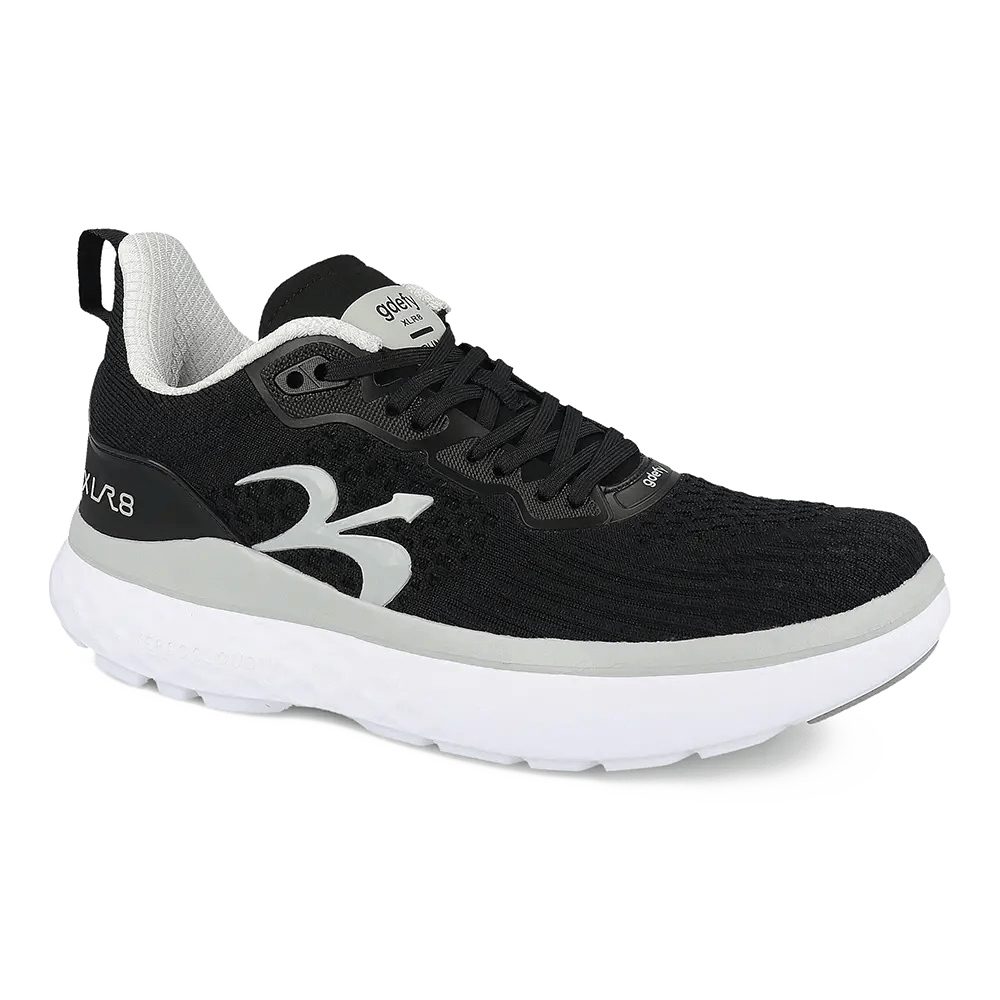
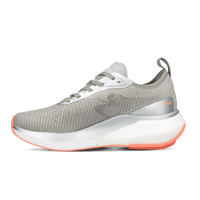
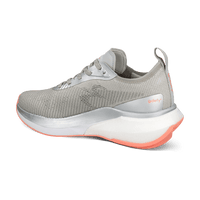
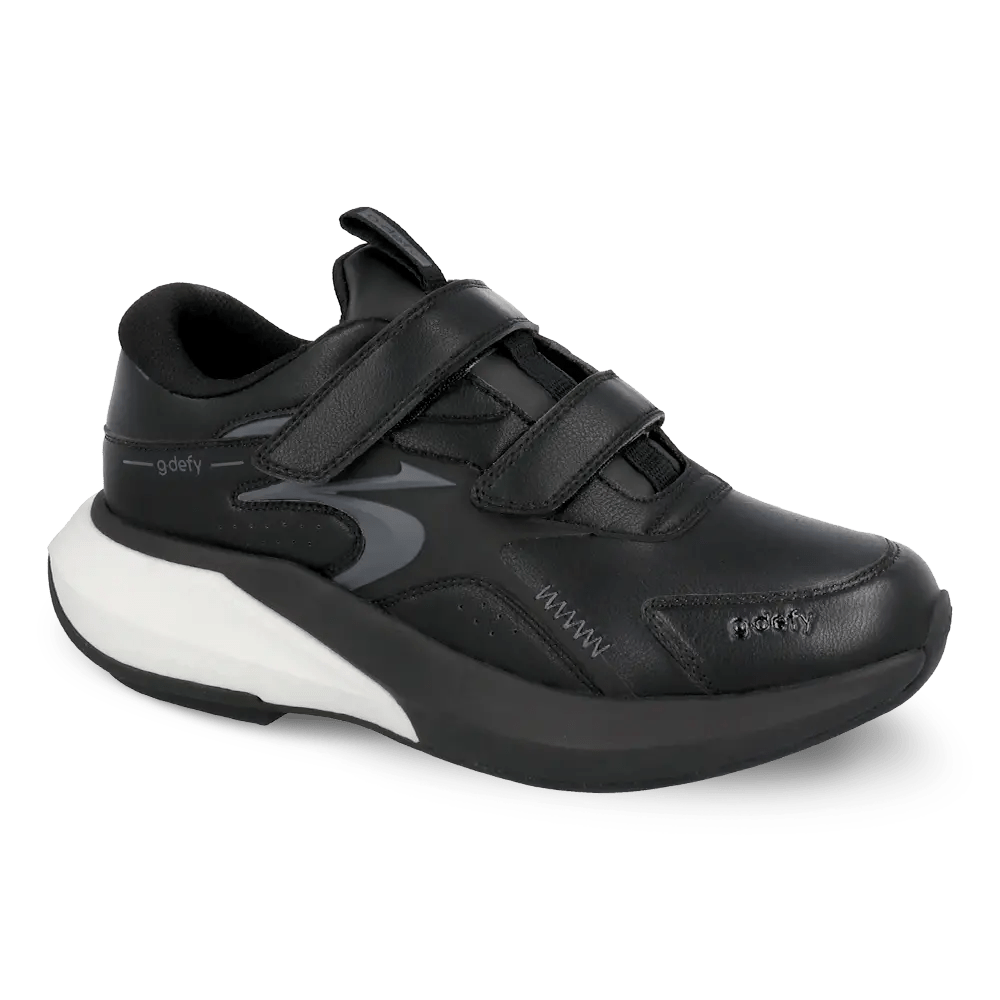
For a shoe that handles a mixed-pace day — errands, a long walk, a stretch on your feet — the Mighty Walk for men and the Mighty Walk for women are built around that full system. If most of your walking sits at the brisk end, or you mix walking with jogging, the XLR8 Run carries the same technology in a lighter athletic build.
Try a pair at your own pace
Every pair comes with a 60-day risk-free trial, plus free shipping and free exchanges — the only honest way to find out how a step feels.
Shop Men's Shoes Shop Women's ShoesHow to Find a Pace Your Feet Can Hold
- Start at the pace you would use to catch a bus, then ease back a notch. That notch below "hurrying" is usually the speed most people can hold comfortably for a long stretch.
- Keep your steps underneath you. If your leading foot is landing well out in front of your body, shorten it slightly and push a little harder off the back foot instead.
- Change pace on purpose during long walks. A few minutes brisk, a few minutes easy. Varying the speed varies where the load sits rather than hammering one pattern for an hour.
- Match the shoe to the day, not the week. A slow, on-your-feet day and a brisk two-mile route ask different things. Rotating between two pairs gives each midsole time to decompress.
- Watch for the pace at which your form falls apart. Most people have a speed above which the stride gets ragged. Walking just below it is more comfortable than pushing past it.
- Replace shoes before they flatten out. A compressed midsole shows up first on fast walks, because that is where you need it most. How shoes wear out covers the signals worth watching.
What People Tell Us
"I walk the same loop every morning, but some days I'm rushing it and some days I'm not. These feel steady either way — I stopped noticing the difference between my fast days and my slow ones." — Composite customer voice. Results vary by individual.
"I'd always assumed longer steps meant faster walking. Shortening them up and pushing off more made my morning walk feel considerably easier, and the shoes handle the quicker tempo better than what I had before." — Composite customer voice. Results vary by individual.
Frequently Asked Questions
Does walking faster cause more foot pain?
Increasing your walking speed does increase the force of each landing, but it also means fewer steps and less time under load for the same distance. Which feels better varies from person to person. Supportive and cushioned footwear may improve overall comfort during walking at any pace.
Is it better to walk slowly if my feet hurt?
Not necessarily. Slower walking lowers the force of each step but keeps the foot loaded for longer and adds more steps overall. Many people find a moderate, steady pace more comfortable than either extreme. For persistent foot pain, consult your healthcare provider.
Why do my feet feel worse after a slow shopping trip than after a brisk walk?
Slow, stop-start walking keeps the foot under sustained load without the rhythm of a steady stride. The peaks are lower, but they rarely let go, and the small muscles of the foot work continuously. Cushioning and support help with that kind of day as much as with a fast one.
Should I take longer steps to walk faster?
Reaching forward with the front foot tends to work against you — the leading foot slows you slightly on each landing. Most comfortable fast walkers keep the step underneath them and generate speed from a stronger push off the back foot, letting the stride lengthen naturally.
Do I need different shoes for fast and slow walking?
Not usually. A shoe with cushioning, shock absorption, energy return, and a smooth heel-to-toe transition covers a wide range of speeds. Rotating between two pairs helps more than owning a pace-specific shoe.
The Bottom Line
Walking speed is the most-adjusted and least-considered variable in everyday walking. Speeding up trades more force per step for fewer, shorter-lasting steps. Slowing down trades lower peaks for a longer, more repetitive load. Neither one is the comfortable option in every case — which is why the honest answer to "how fast should I walk?" is "at the speed your stride stays smooth."
While footwear is not a medical solution, choosing shoes designed for comfort, support, and shock absorption can make a meaningful difference in how you feel throughout the day — across every speed you actually walk at.