
August 02, 2026
Standing All Day? How Shoes Impact Your Back
By Gdefy

Summary
Many people notice back discomfort after a long day on their feet — a retail shift, a day in the shop, hours at a standing desk, or a stretch behind a counter that never seems to end. It is one of the most common complaints among people who spend their working hours upright and mostly in one place.
Standing all day and back pain get talked about together so often that most advice frames standing as a slower version of walking. It isn't. Walking and standing ask very different things of your body, and that difference changes what actually matters in a shoe.
Footwear is not a medical solution. But the design of what's under your feet plays a real role in how those long standing hours feel. This guide explains why staying still is its own kind of workload, what to look for in shoes built for it, and the everyday habits that make the difference.
Why Standing Still Is Harder on Your Back Than Walking
When you walk, your weight moves. Each step shifts load from heel to toe and from one leg to the other, so muscles take turns working and resting in a continuous cycle. Nothing holds a single position for long.
When you stand in one place, that cycle stops. The same muscles hold one posture for hours with no built-in break, and your feet stay in nearly identical contact with the ground the entire time — so pressure concentrates in the same few spots instead of moving around.
Your lower back sits at the top of that chain. Feet, ankles, knees, hips, and back all stack on the platform your feet create, and everything above adapts to whatever is happening below. That is why a day spent standing in one spot often feels worse in the back than a day spent covering far more ground on foot.
It also explains a frustration a lot of people share: they buy a well-reviewed walking shoe, wear it for a standing shift, and wonder why it doesn't feel the way the reviews promised. The shoe may be perfectly good. It was simply built for a different job.
What a Long Day of Standing Adds Up To
A few ordinary things stack up over an eight- or ten-hour day.
Hard surfaces give nothing back. Concrete, tile, and warehouse flooring don't compress. Every bit of load your body puts down comes straight back up, hour after hour. If you spend your day on unforgiving floors, our guide to shoes for walking on concrete all day covers the surface side of this in more detail.
Fatigue changes how you stand. Early in a shift most people stand reasonably evenly. As feet tire, stance drifts — knees lock, weight parks on one hip, the body starts leaning on whatever is nearby. Those small compensations feel easier for a minute and expensive over four hours.
Everything tightens up in the last stretch. Feet swell, shoes that fit at 8 a.m. feel snug by 4 p.m., and small irritations get louder. We covered that end-of-day pattern in why feet feel worse at the end of the day.

Most of these you can't change. You don't get to choose the floor, the shift length, or how much of it you spend in one place. Your shoes are the one variable that's genuinely yours.
Why Shoes Matter Differently When You Stand
Most shoe marketing is written around movement — impact absorption, energy return, a responsive stride. Those things matter when your foot is striking the ground. Standing changes the emphasis in three specific ways.
Cushioning has to hold up, not just feel good. Absorbing a footstrike and carrying steady weight for hours are different demands. Soft foam that feels plush in the store can compress and stay compressed under constant load, so the support you felt in the first hour isn't the support you get in the sixth. Our explainer on what shock absorption actually does in a shoe is a useful companion here.
Stability matters more, not less. Standing still isn't actually still. Your body makes constant small corrections to stay balanced, and a shoe that flexes and twists easily lets those corrections travel further up the chain. A structured midfoot gives your stance something consistent to work against — more on that in why stability matters in everyday footwear.
Fit gets stricter. Feet spread and swell more over a stationary day than a mobile one, because circulation gets less help from movement. A shoe that fits perfectly at the start of a shift can feel tight by the end of it. Proper fit does more work here than most people expect.
There's also a whole-body angle worth understanding, since what happens at the floor doesn't stay at the floor — the relationship between posture and footwear walks through how your stance and your shoes influence each other.
What to Look for in Shoes for Long Hours on Your Feet
If you spend most of your day upright and in one area, prioritize these:
- Cushioning that resists compression — support that's still there in hour eight, not just hour one
- Genuine shock absorption — for the walking you do between standing stretches, and for the load you carry while still
- A stabilizing structure through the midfoot — limits excessive twisting and gives your stance a consistent base
- A broad, even platform — spreads pressure across the whole foot instead of concentrating it in the heel and forefoot
- Room in the toe box — accommodates the swelling that a long stationary day brings
- A secure fit through the midfoot — keeps the foot from sliding around and doing extra work to stay put
- A low-to-moderate heel height — keeps weight distributed rather than pushed forward
If some of these terms blur together, what "support" really means in footwear breaks the vocabulary down, and what makes a shoe good for standing all day covers the foot-level version of this checklist.
How G-Defy Shoes Are Built for Time Spent Standing
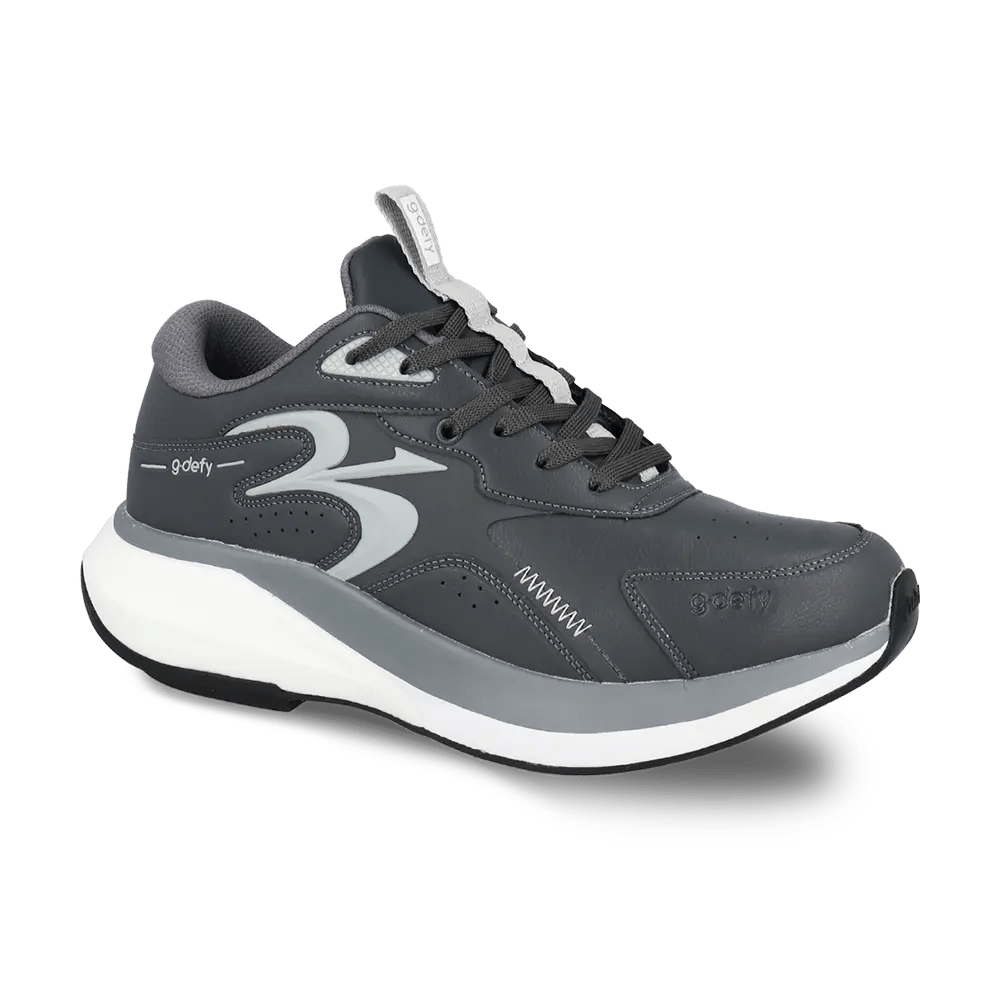
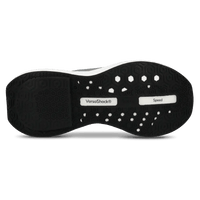
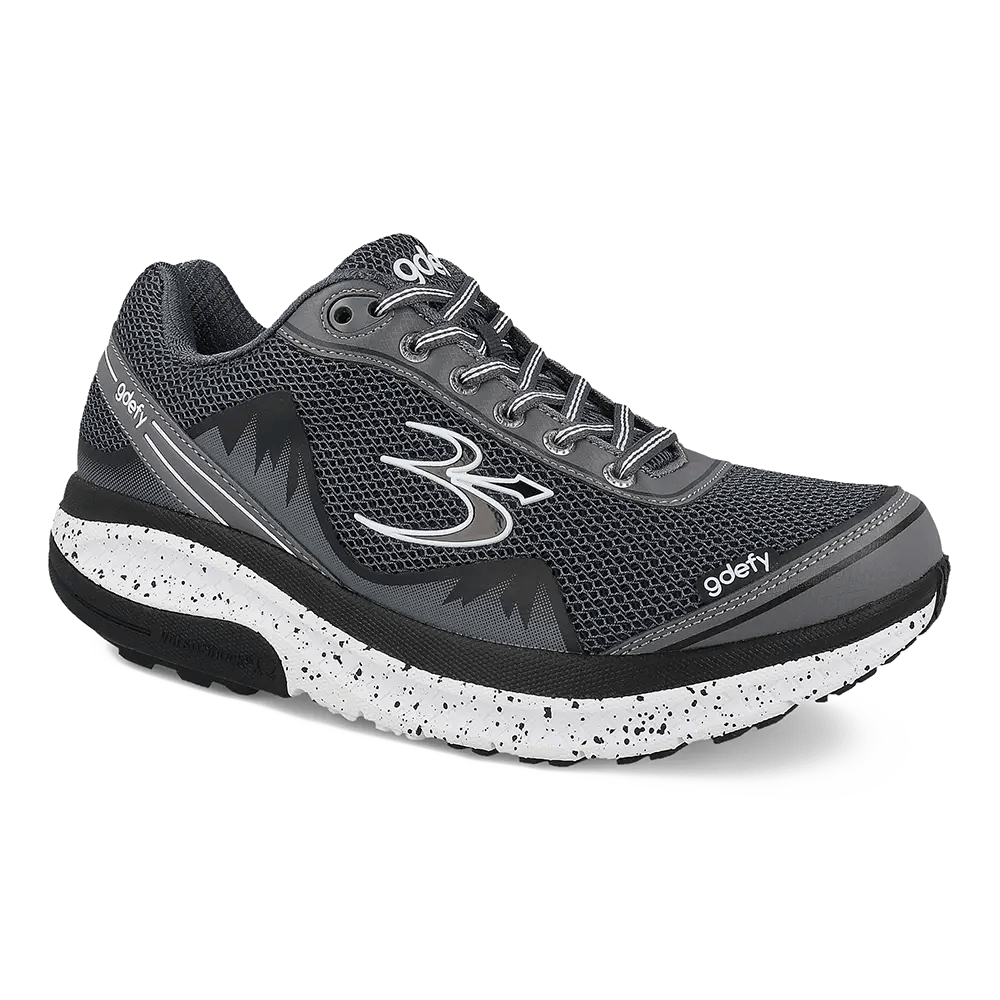
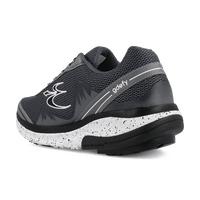
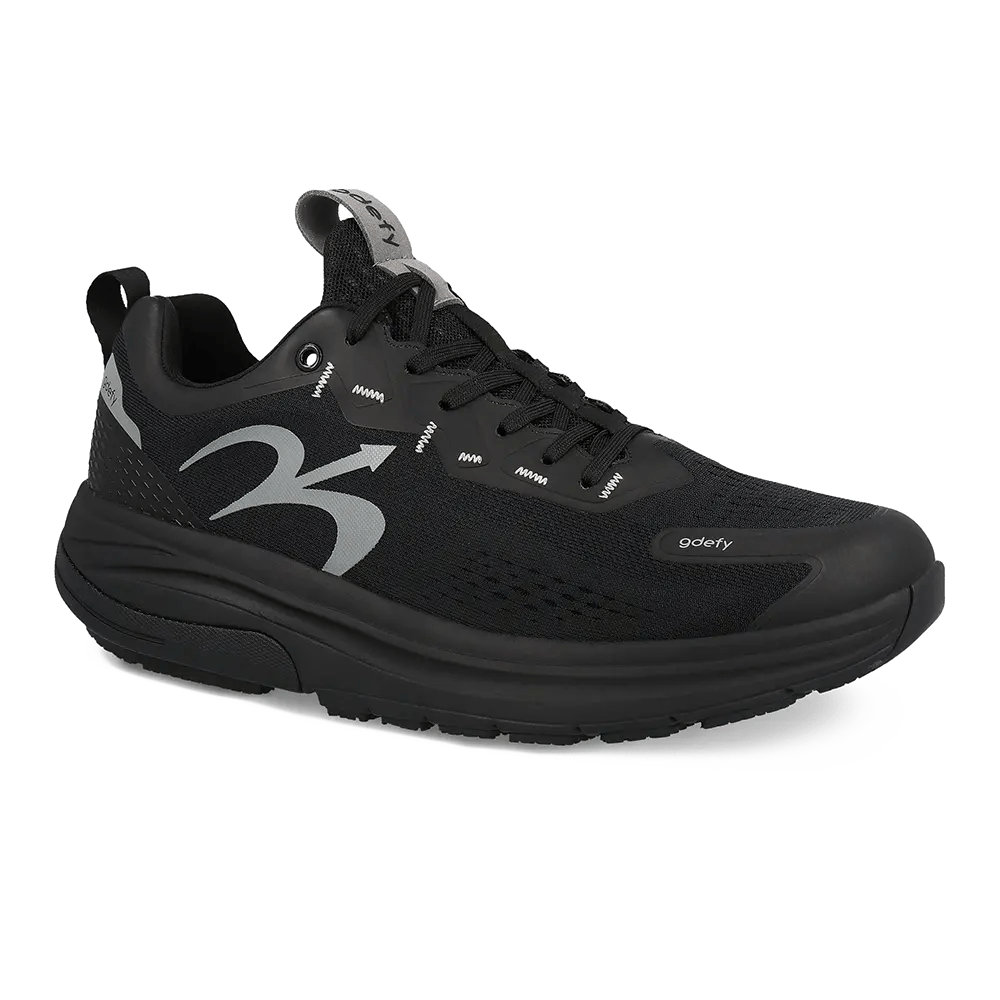
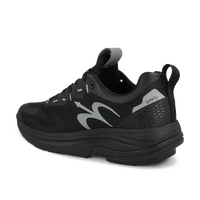
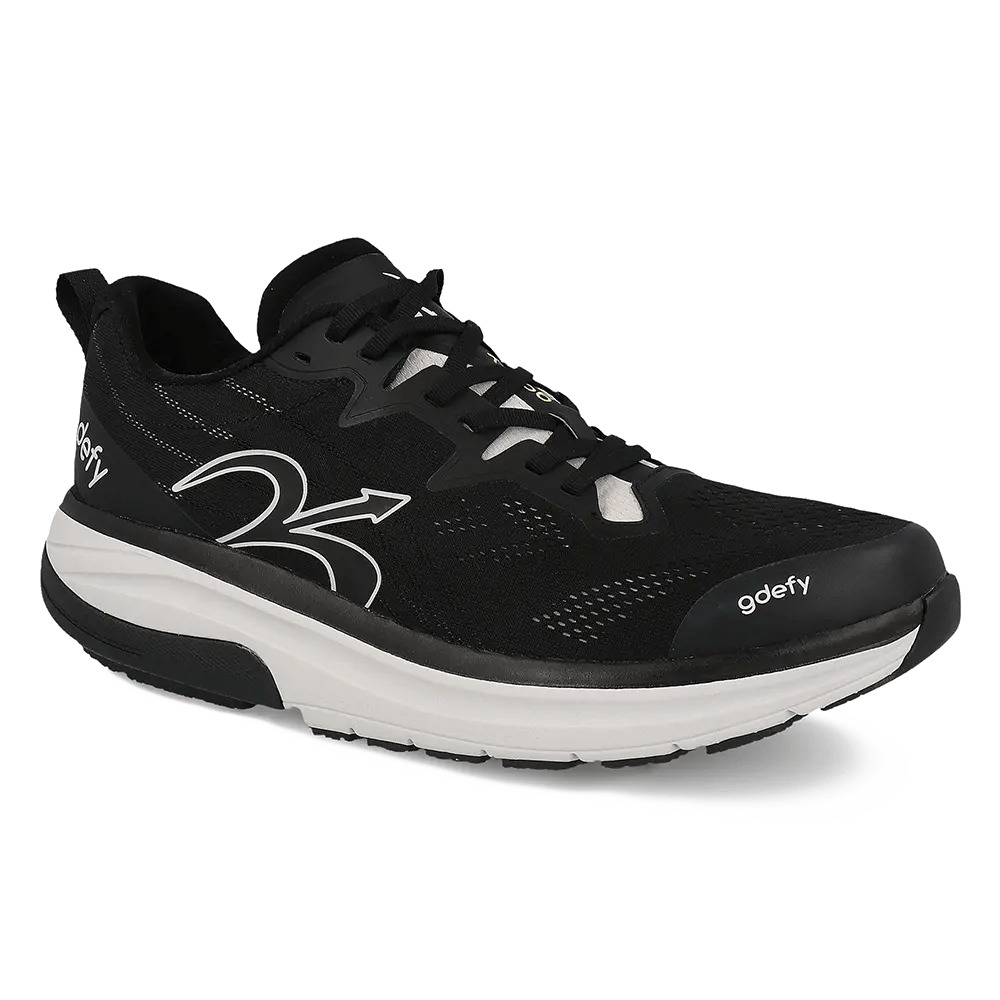
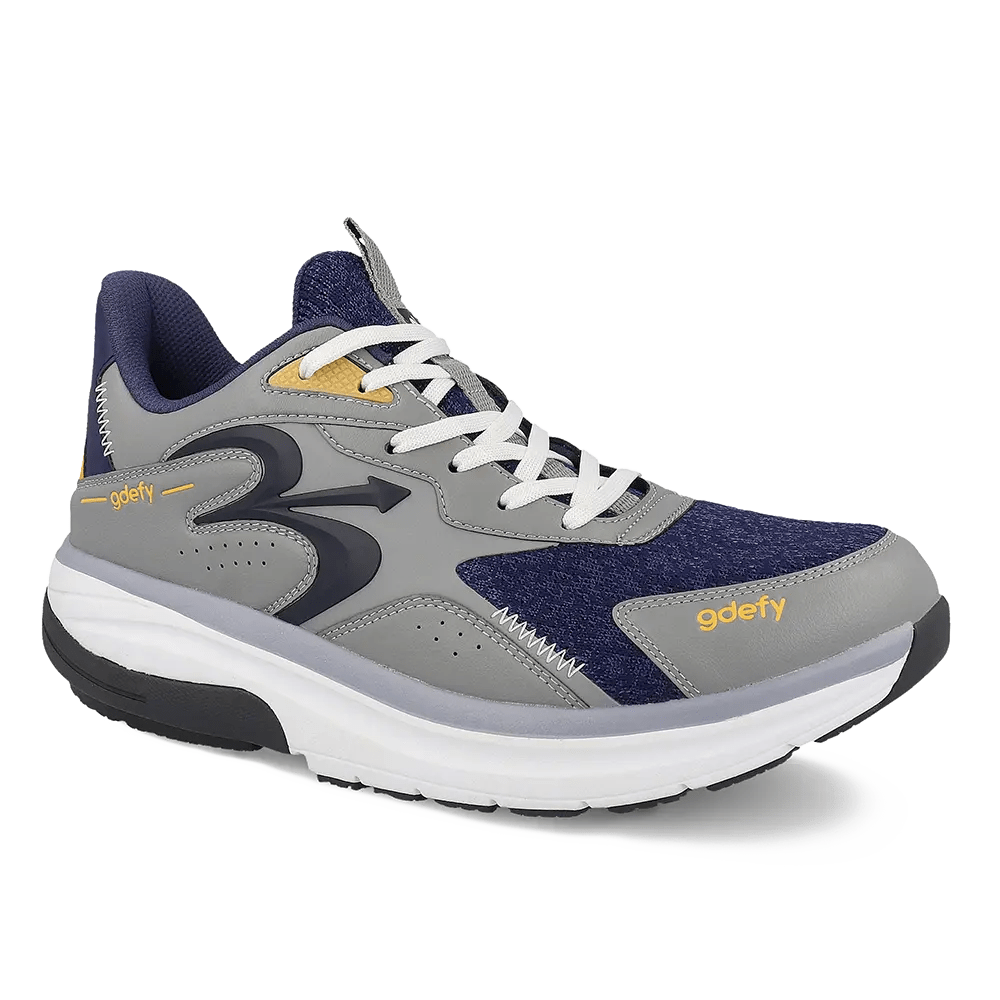
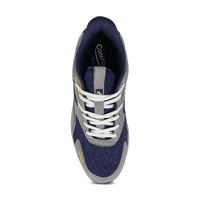
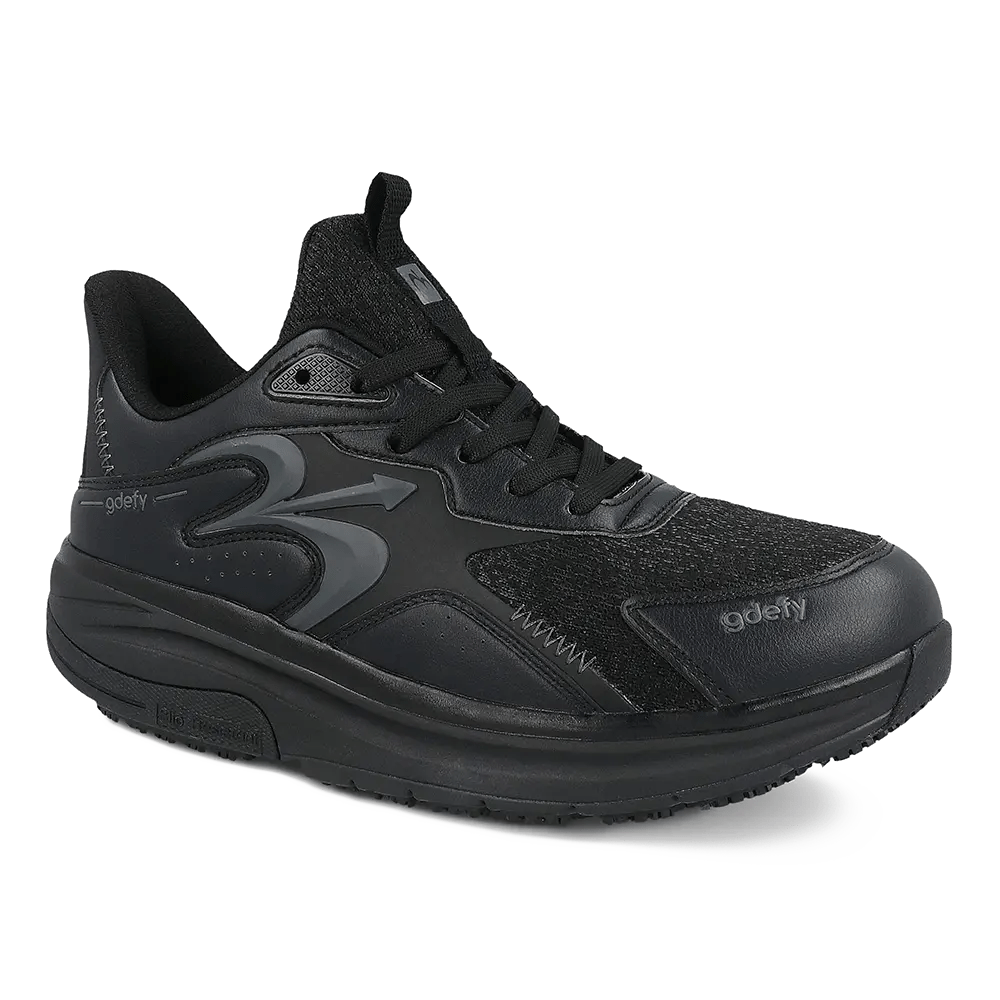
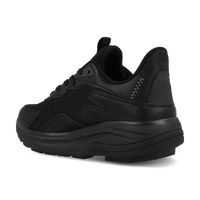
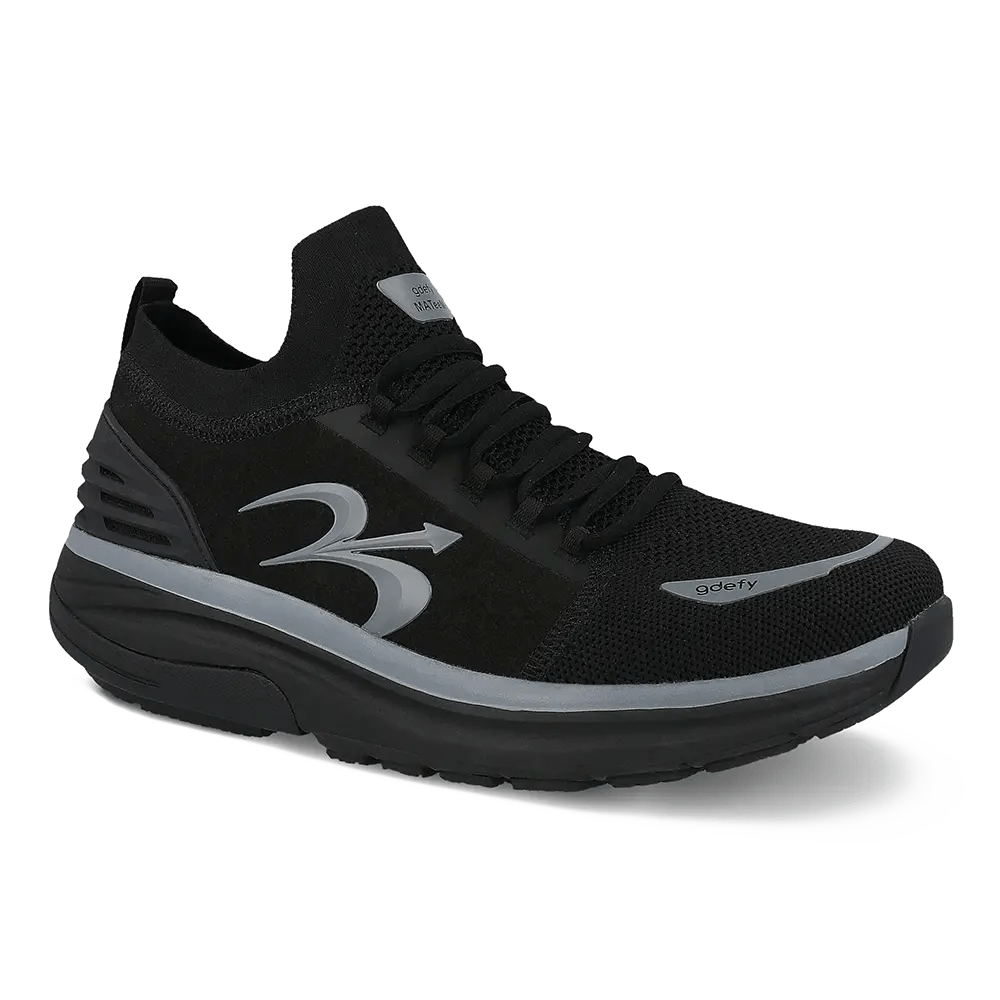
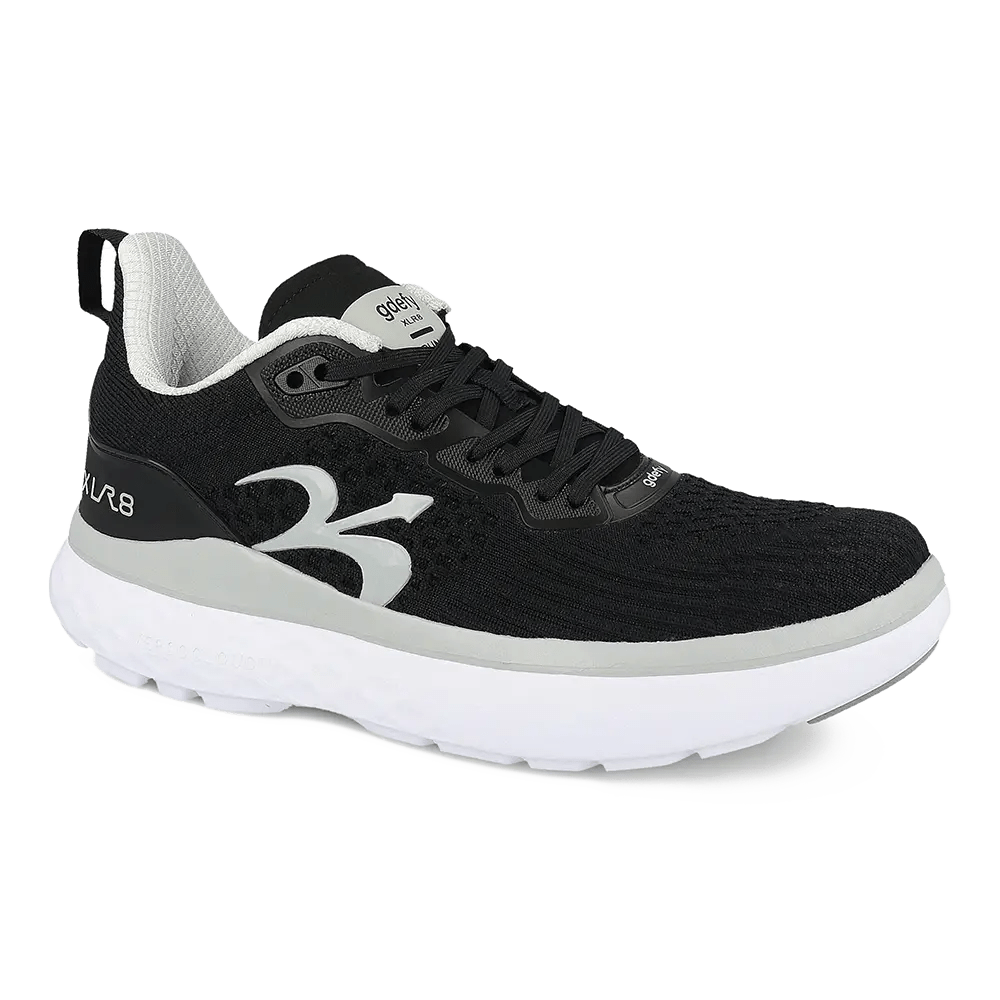
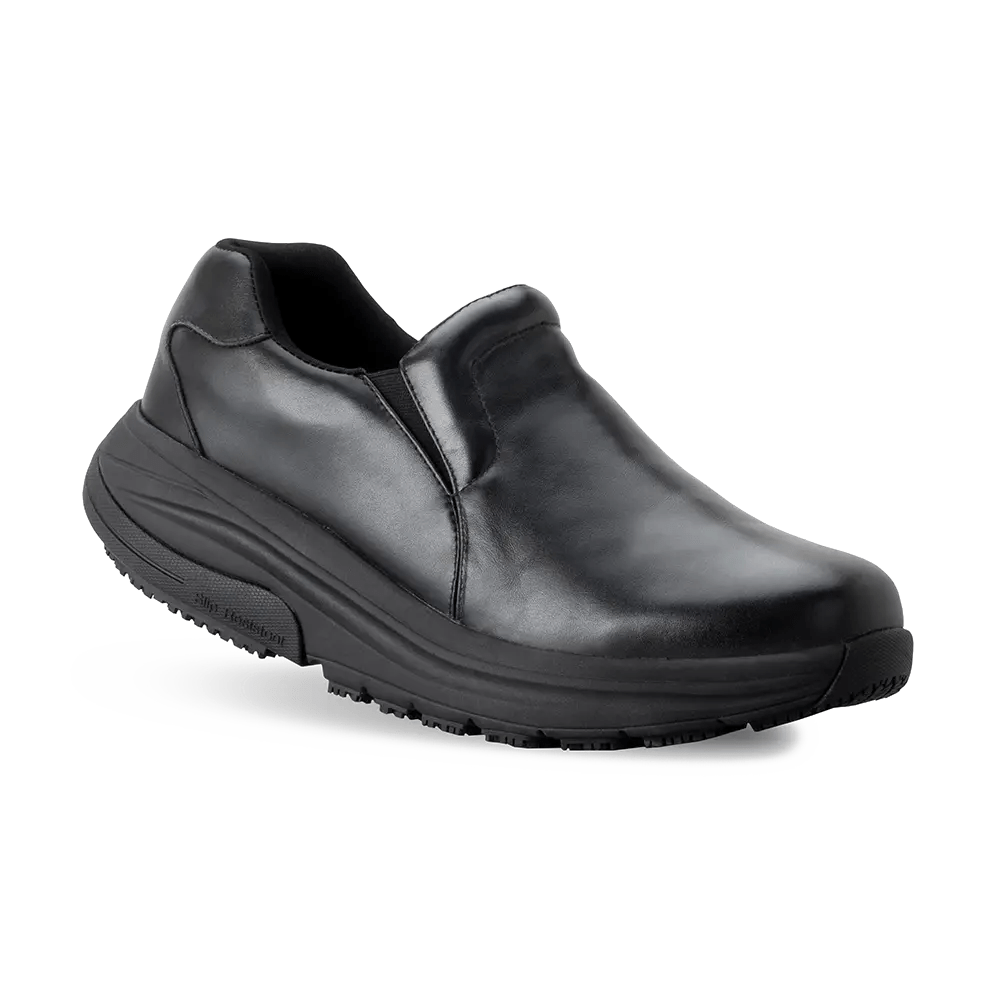
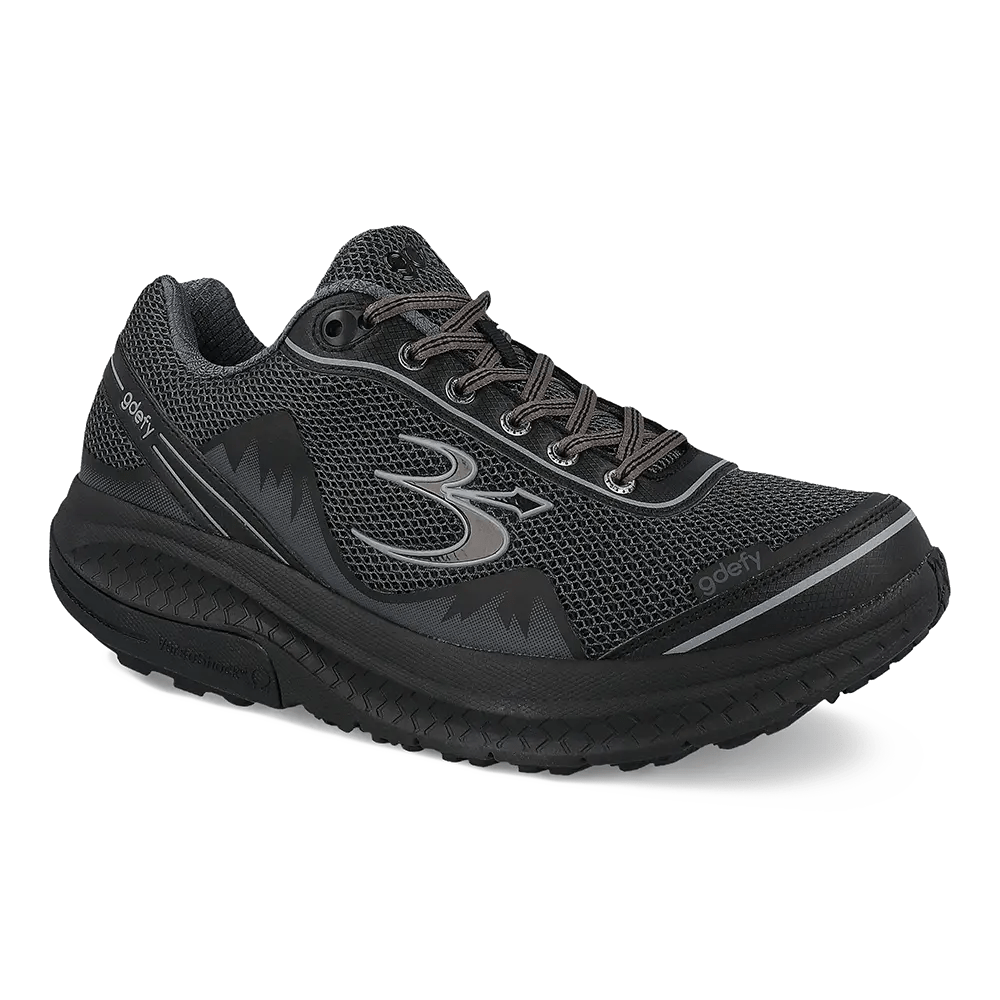
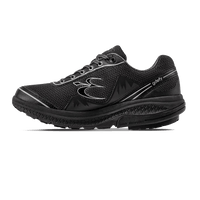
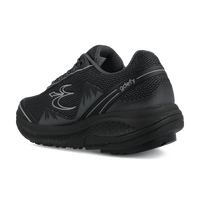
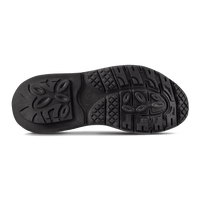
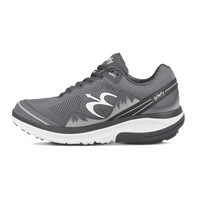
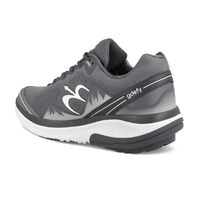
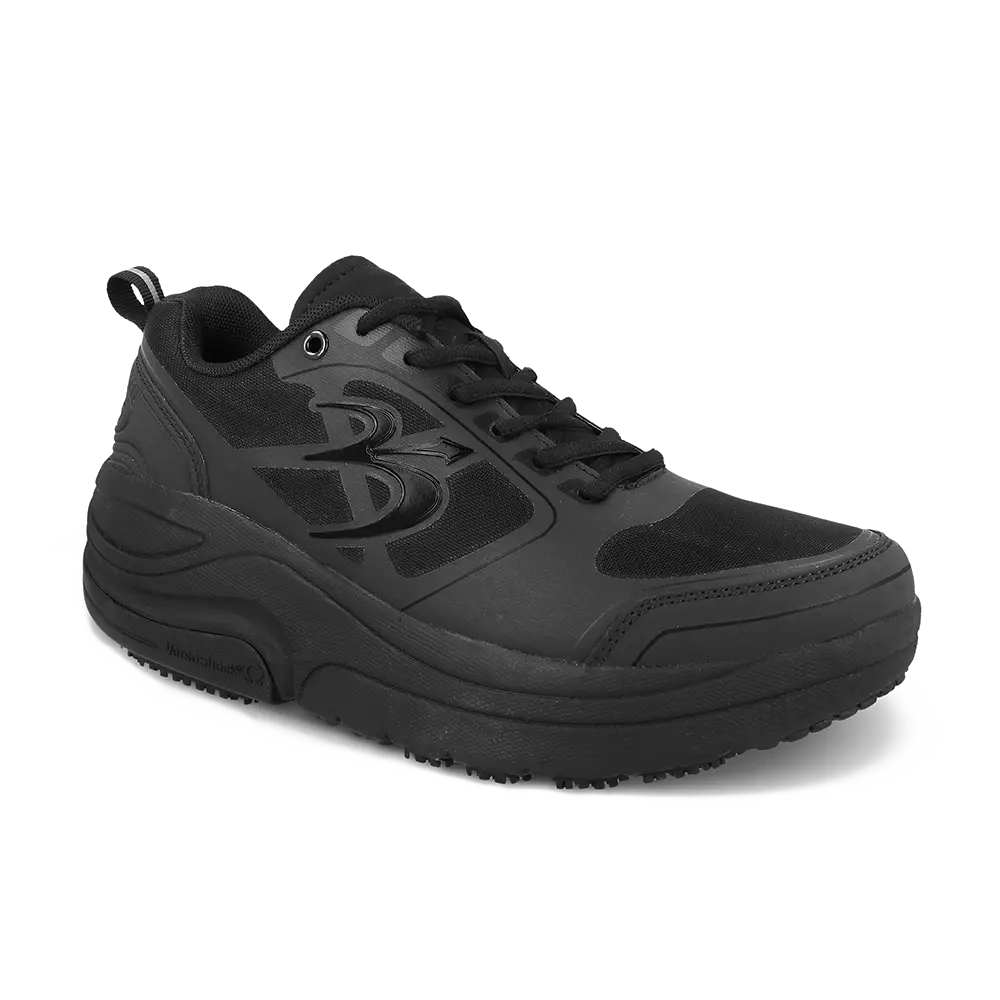
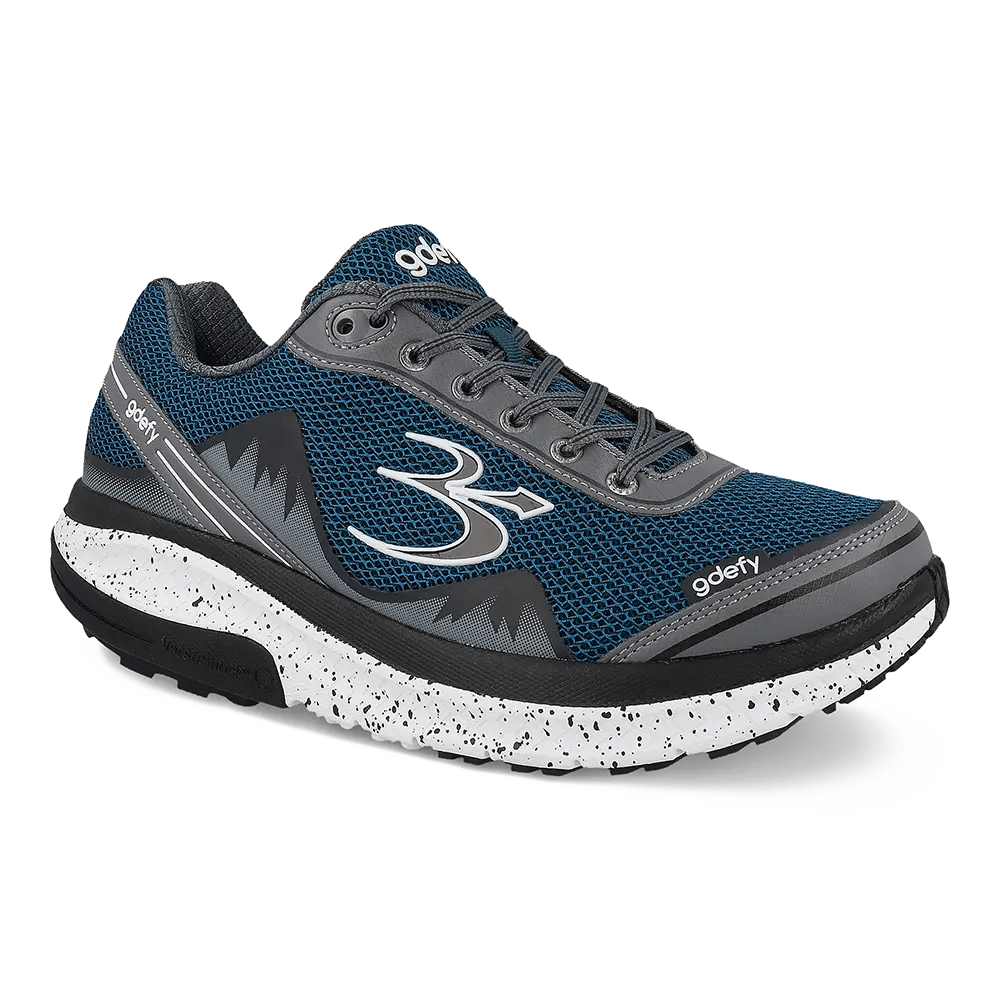
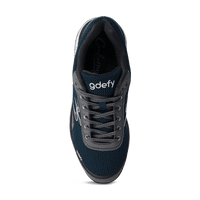
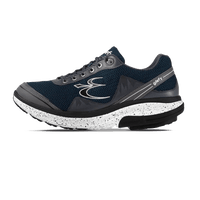
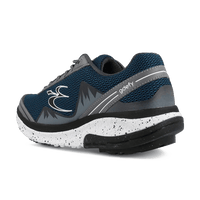
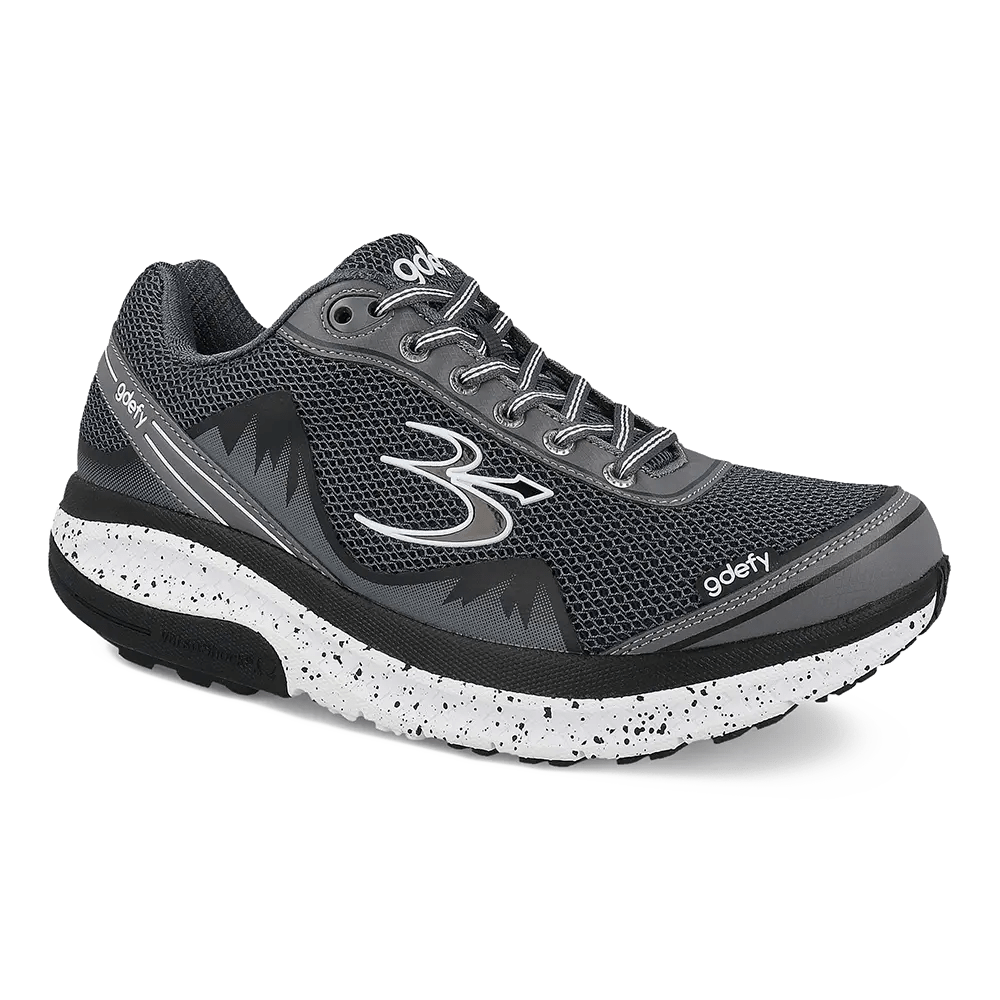
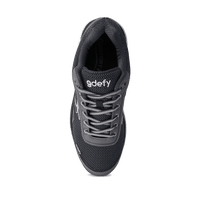
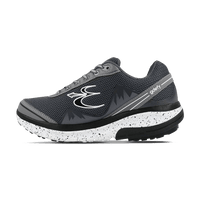
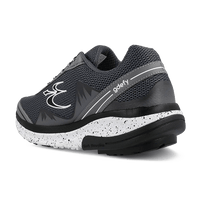
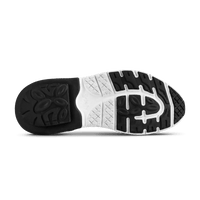
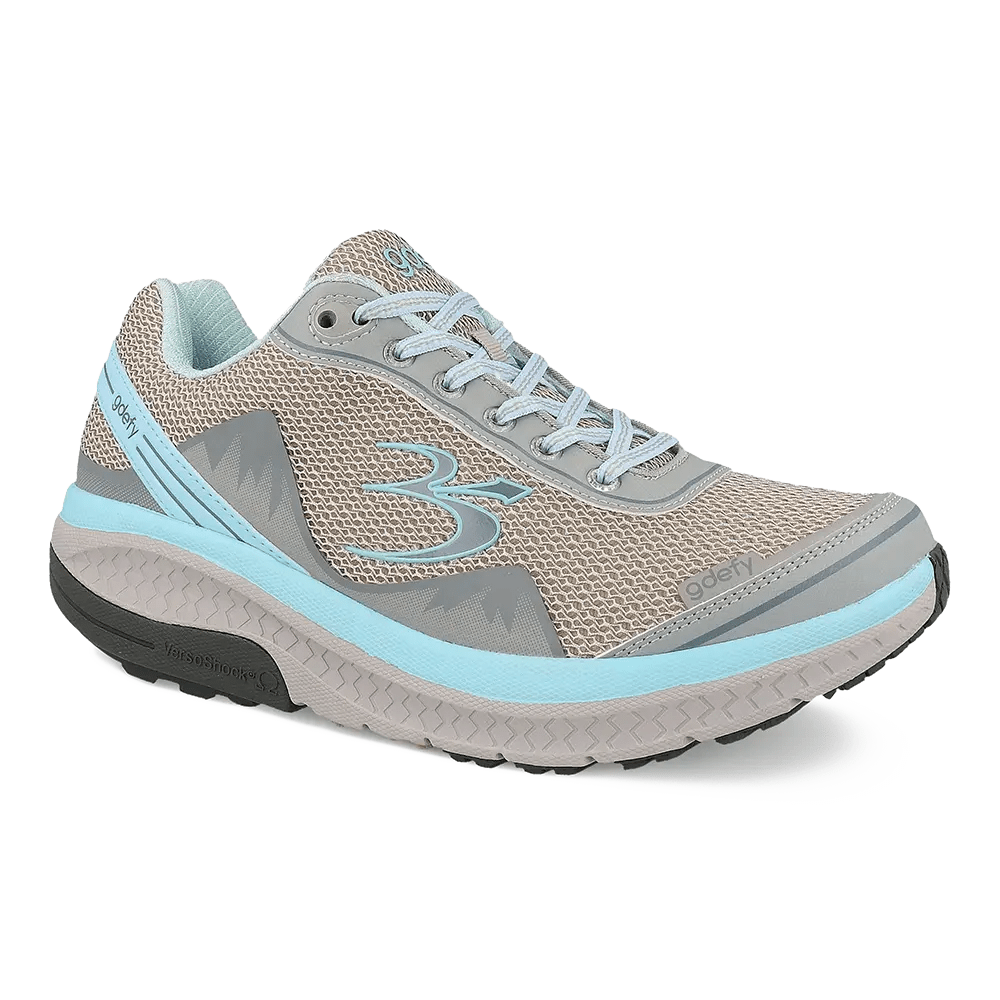
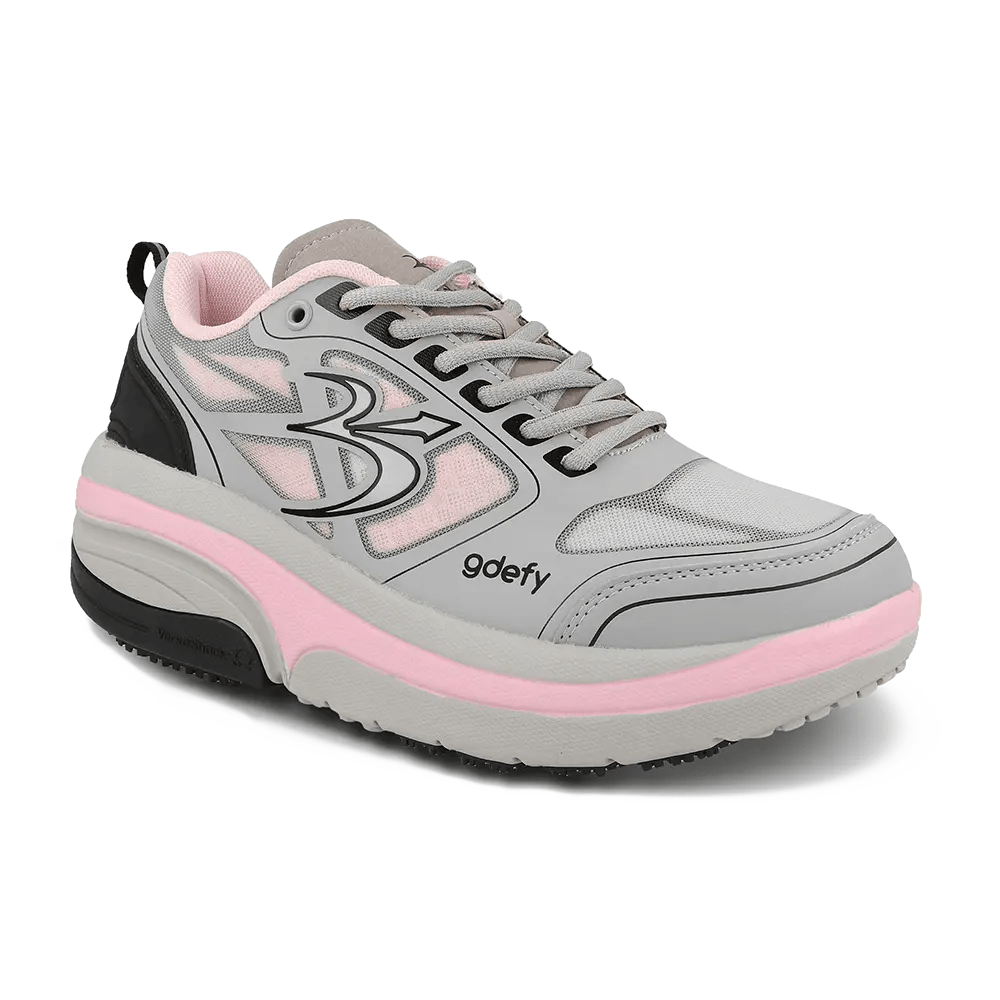
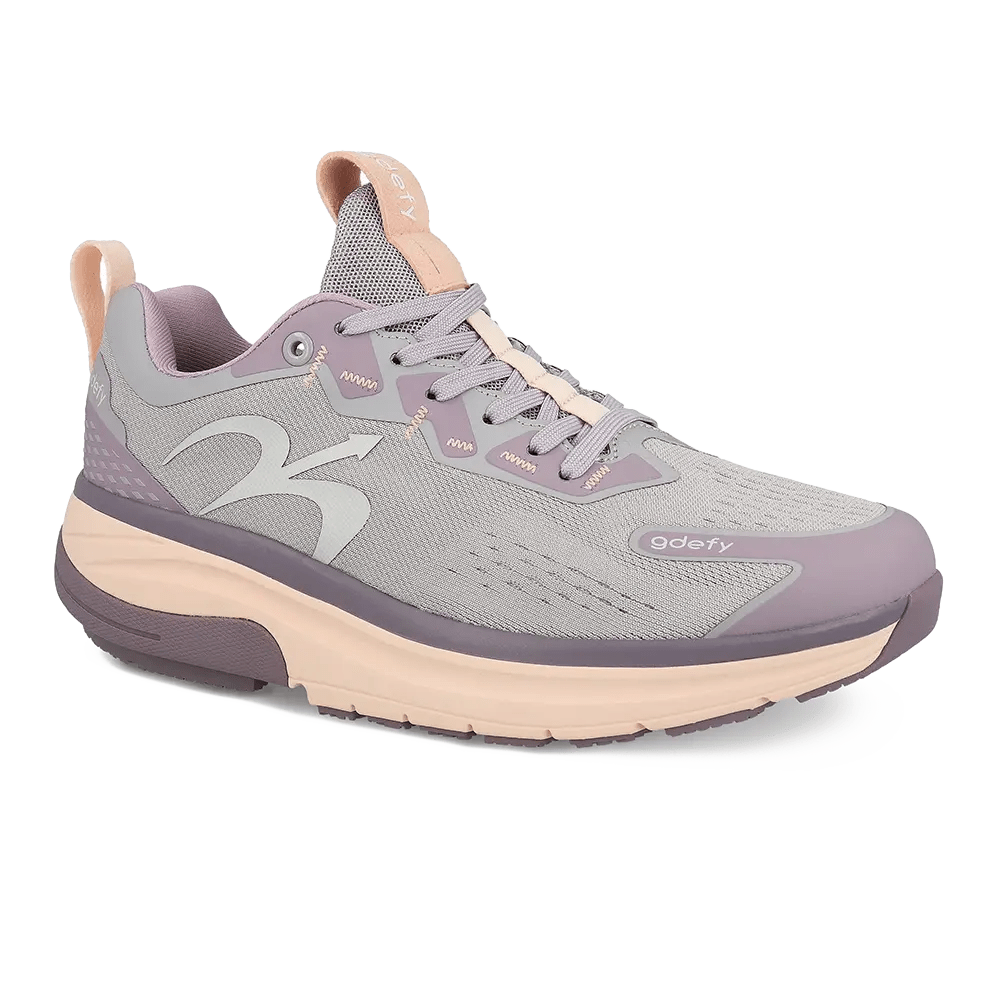
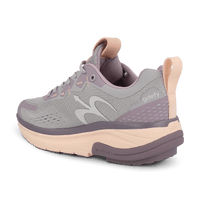
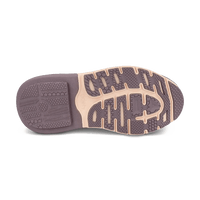
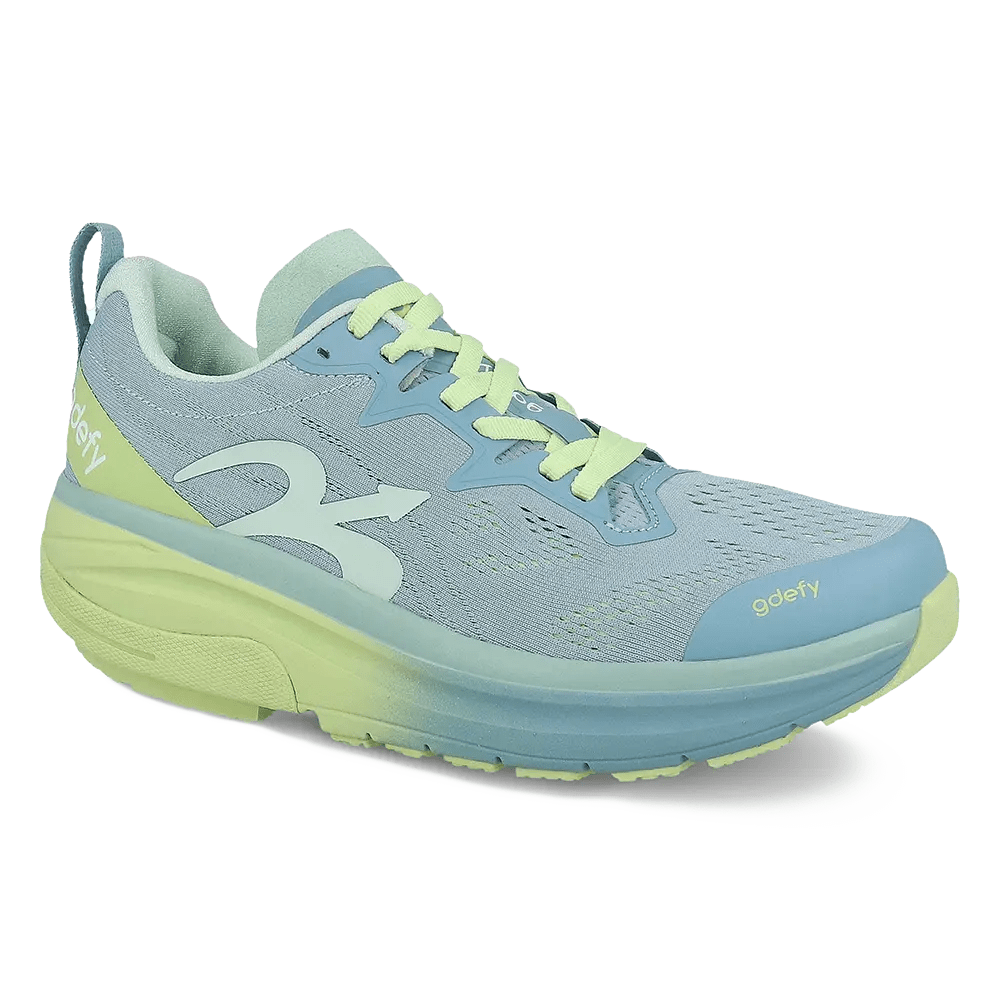
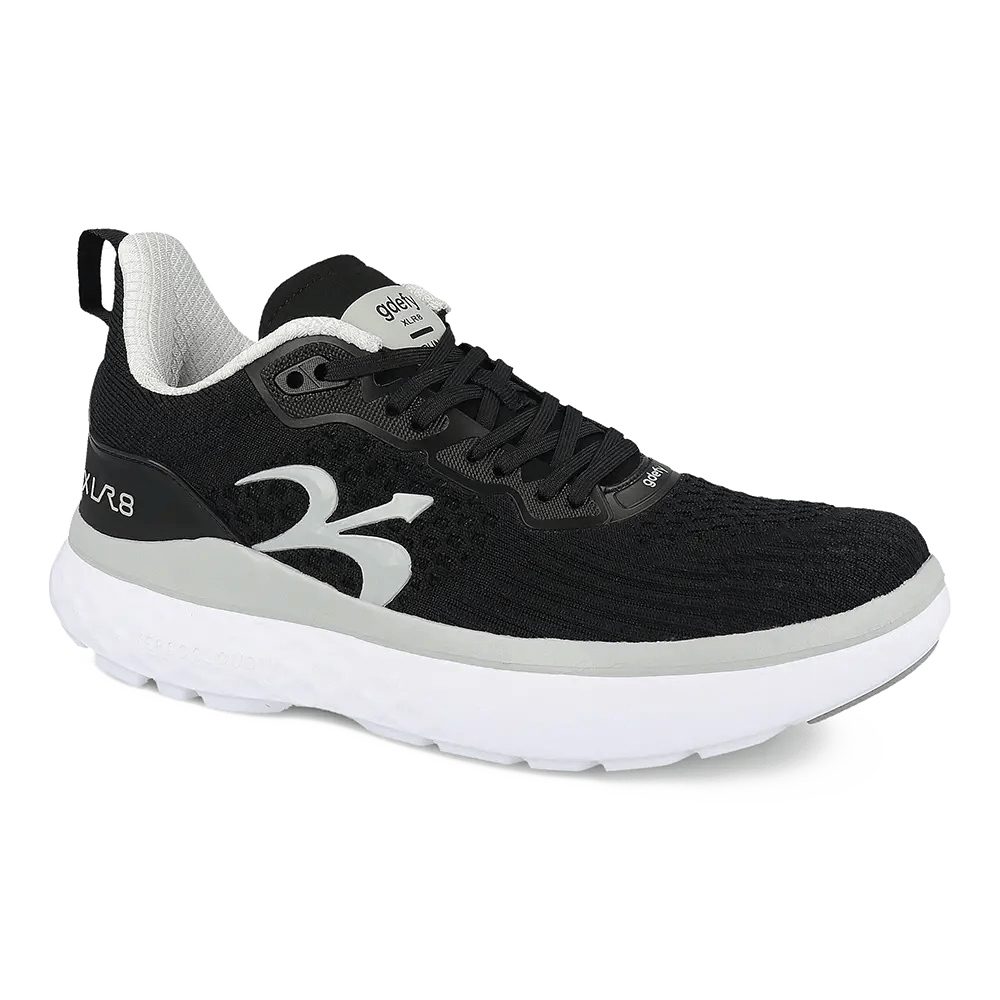
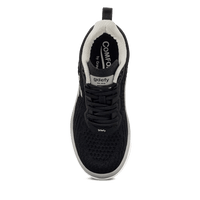
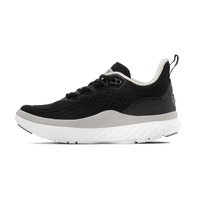
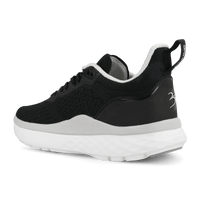
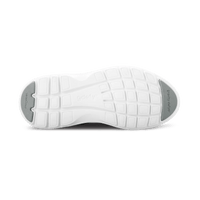
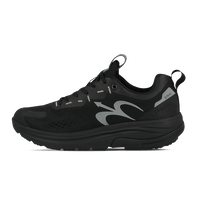
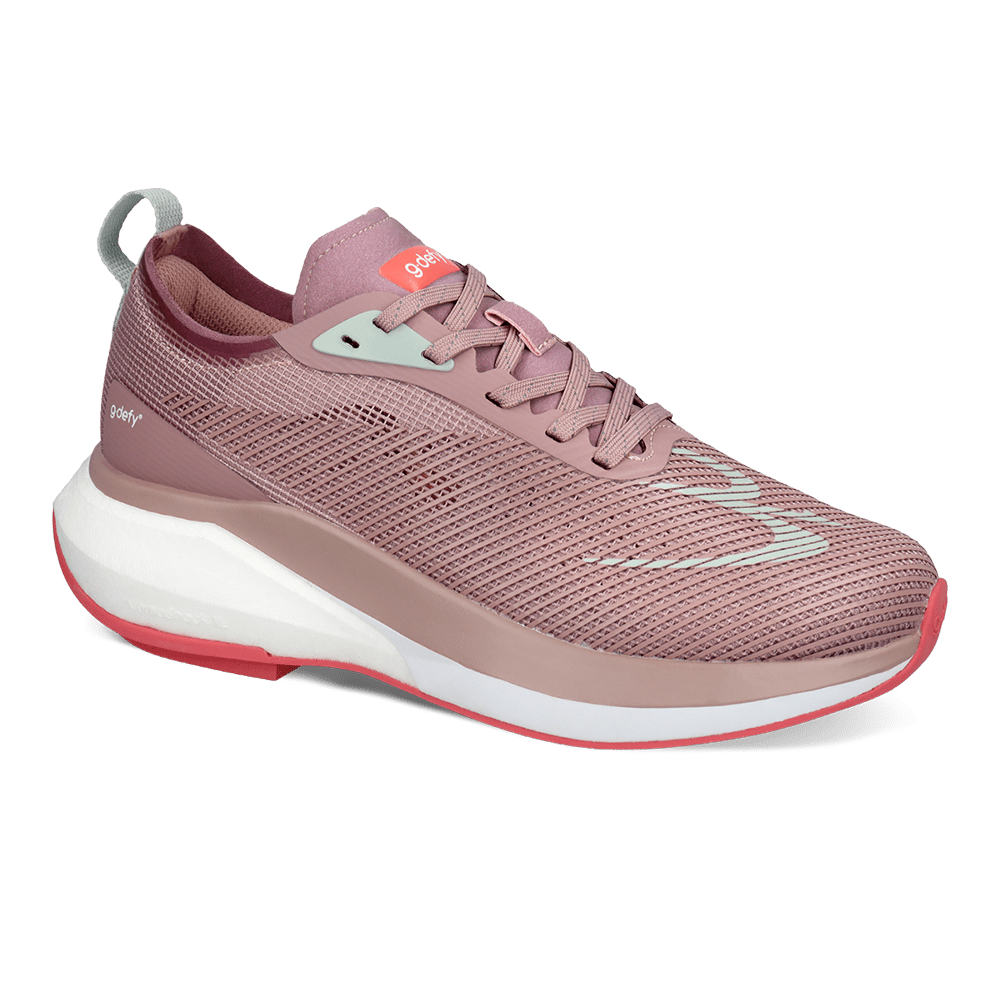
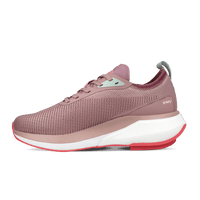
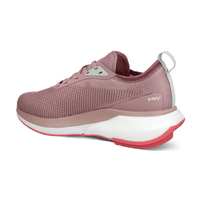
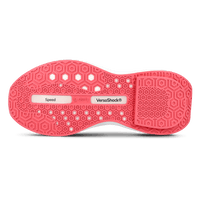
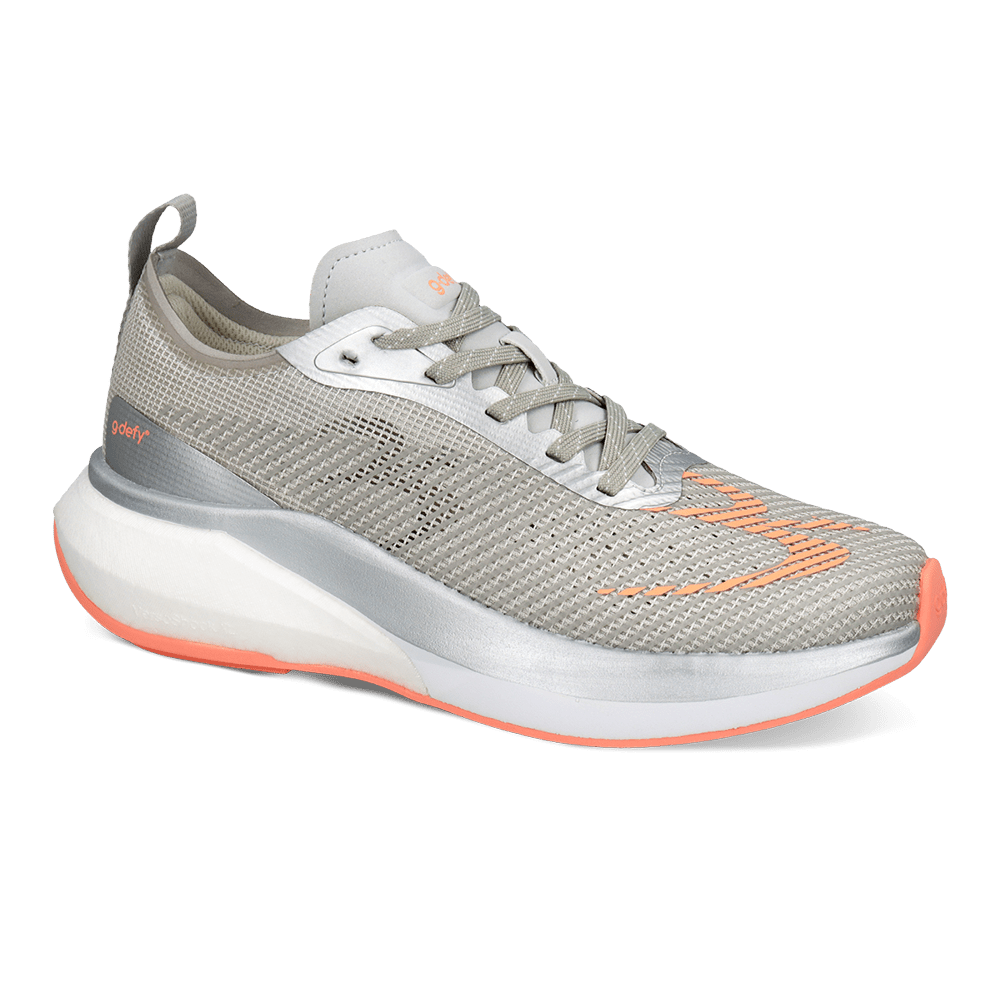
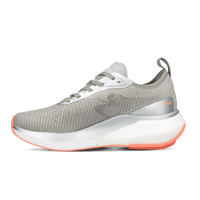
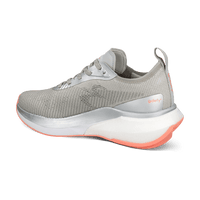
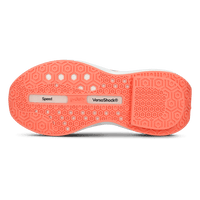
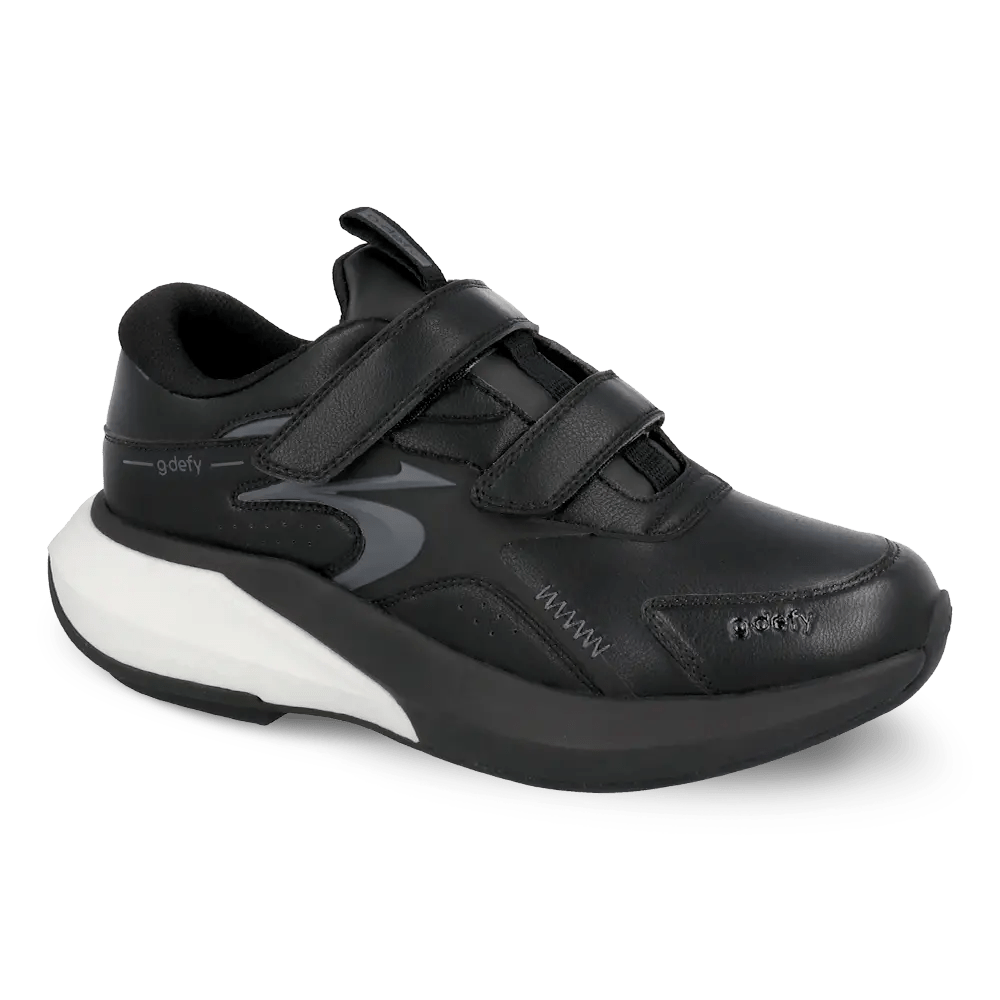
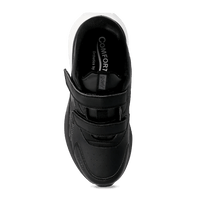
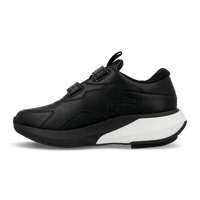
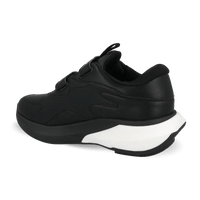
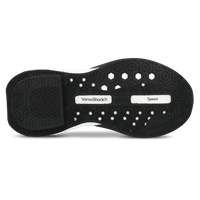
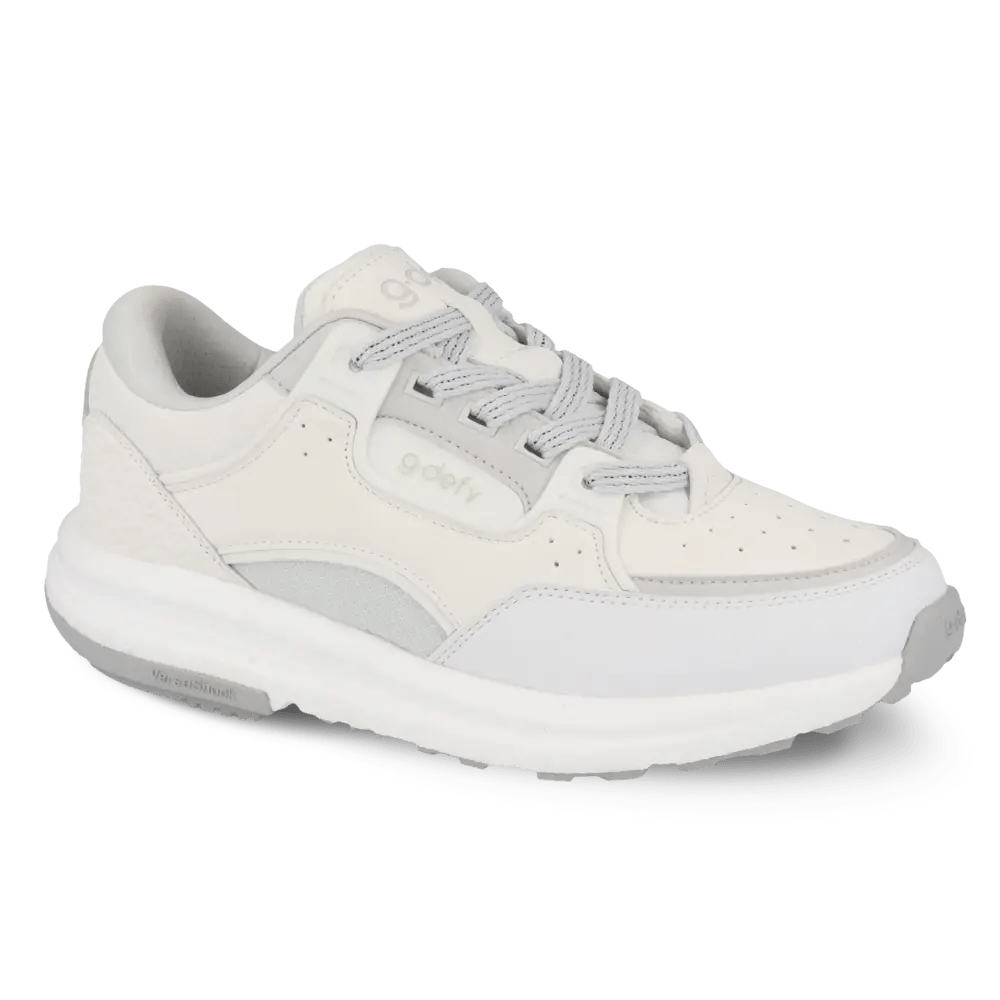
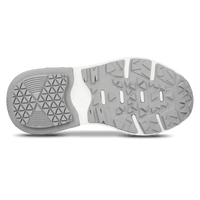
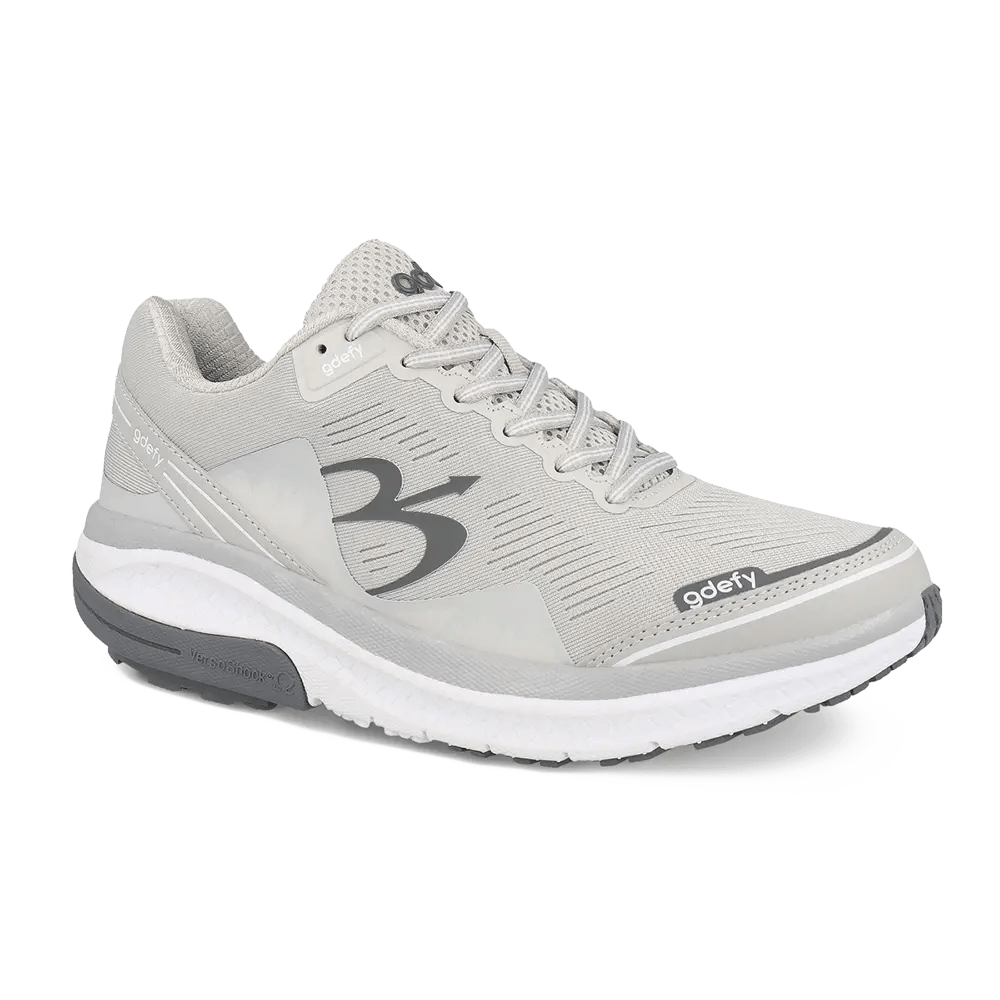
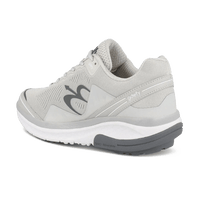
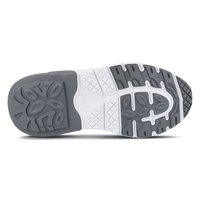
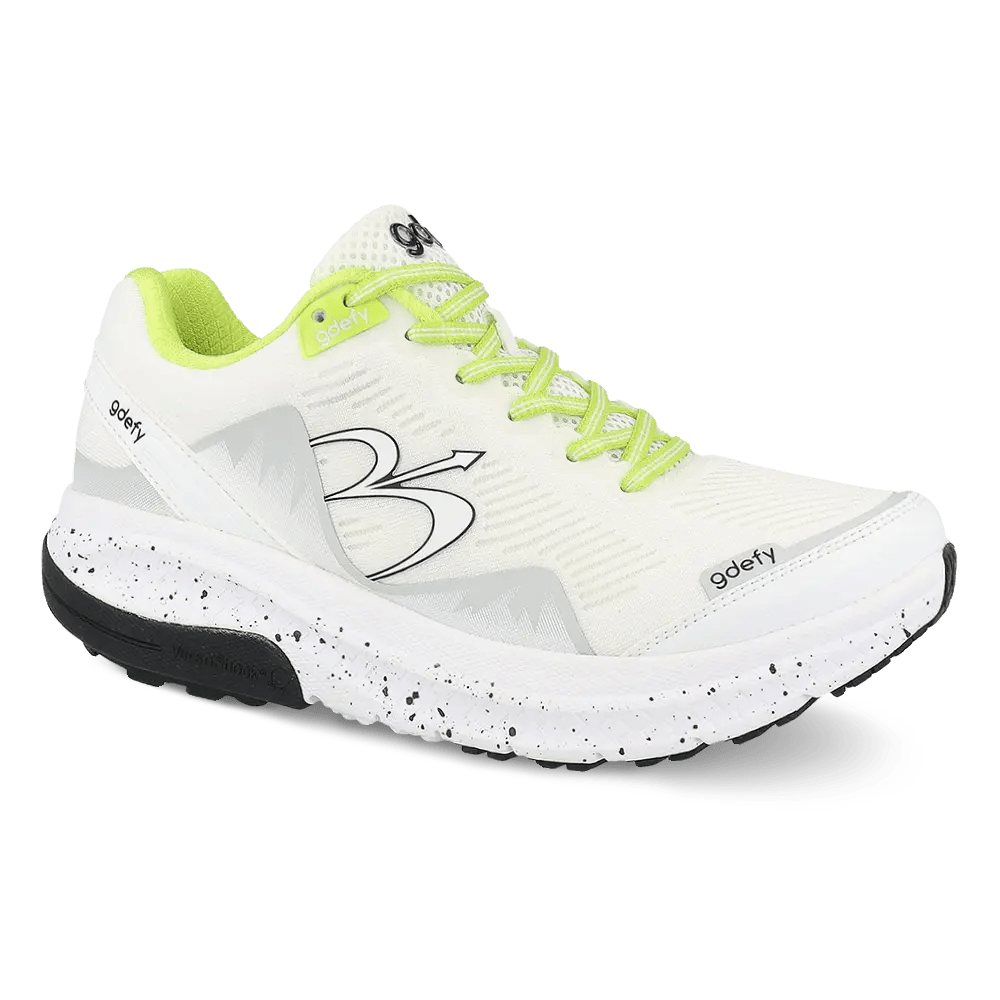
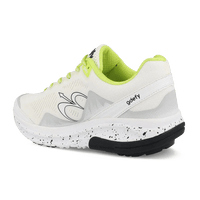
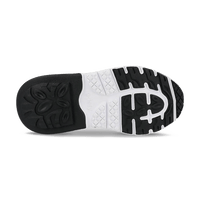
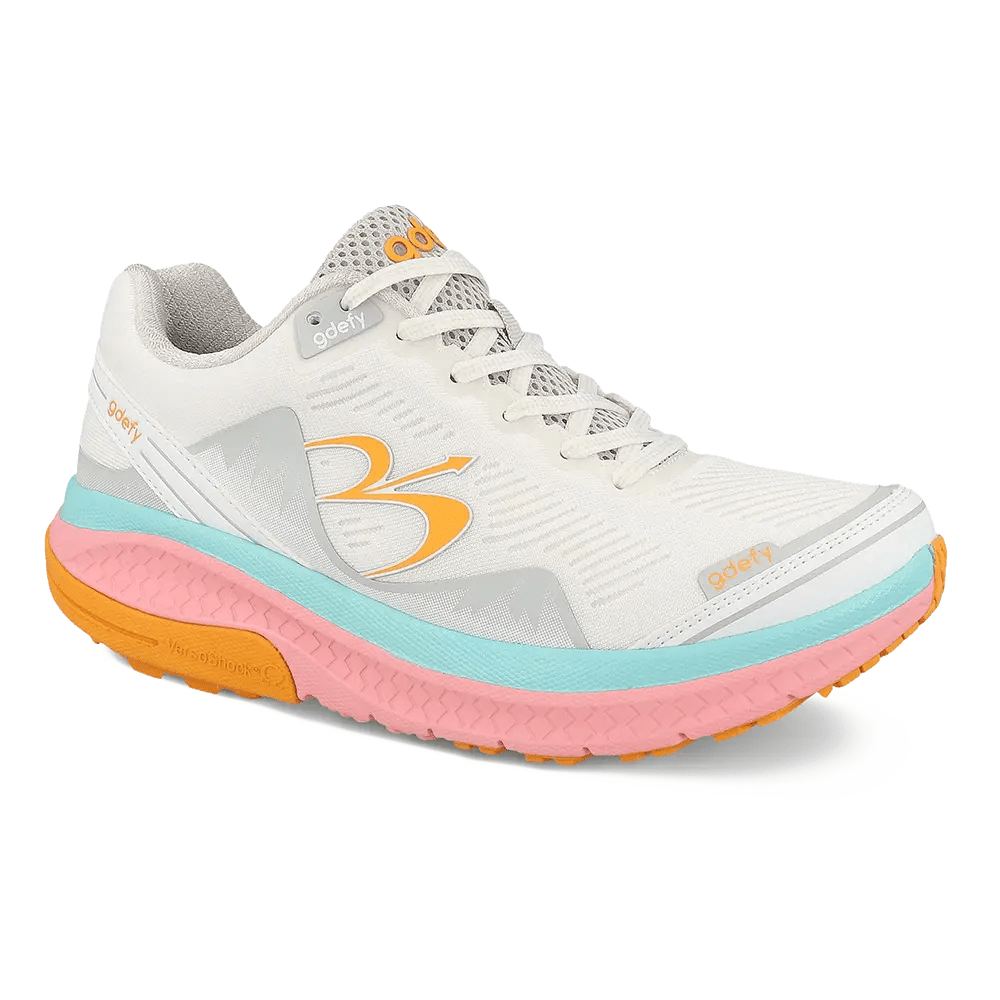
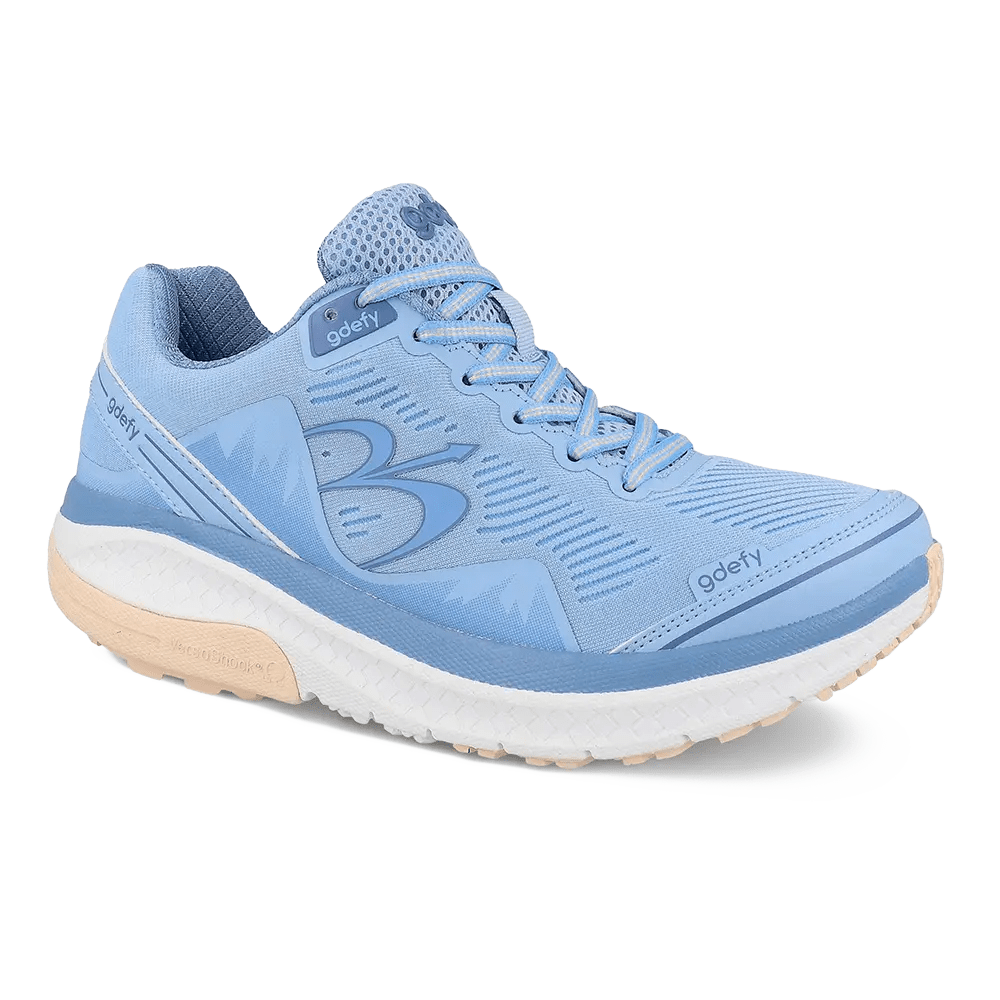
G-Defy shoes are engineered to provide comfort, support, and shock absorption. Featuring VersoShock® technology, they are designed to absorb impact and return energy with each step. A built-in stabilizer supports the foot during movement, while the front rolling design promotes a smooth walking experience. Each pair includes two removable orthotics to help customize comfort and support. G-Defy shoes help reduce pain from walking, running, and prolonged standing.

Four design elements matter most for people who spend long stretches upright:
- A spring-based shock absorption system. Rather than relying on foam alone, VersoShock® uses a spring-based structure designed to absorb impact softly and gradually. You can read how VersoShock® technology works for the full mechanical explanation.
- A built-in stabilizer. The shank system limits excessive bending through the middle of the shoe and supports the foot's structure — the kind of consistency that helps most during long stationary stretches.
- A front rolling design. When you do move — to the back room, across the floor, out to the parking lot — the rolling forefoot encourages a smooth heel-to-toe transition rather than a flat, heavy step.
- Two removable orthotics in every pair. The ComfortFit® orthotic focuses on cushioning for low to medium arches; the CorrectiveFit® orthotic adds support for medium to high arches. You choose which one suits your foot, which matters more on long days than on short ones.
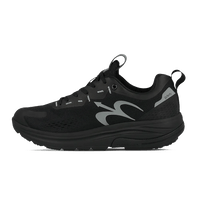
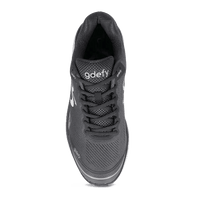
For a versatile everyday option, the Men's Mighty Walk and Women's Mighty Walk pair a roomy toe area with the full VersoShock® platform. If you prefer something lighter underfoot for mixed standing-and-moving days, the G-Defy Ion is built on the same system in a lighter package.
If you'd rather hear it from people who actually wear them through long days, customers describe their own experience in are G-Defy shoes worth it and in comfort stories from everyday wearers.
Try them across a few real standing days
Every pair comes with a 60-day risk-free trial, free shipping, and free exchanges — because a shoe meant for long standing days can only really be judged over full days.
Shop Men's Shoes Shop Women's ShoesPractical Habits for Long Standing Days
Shoes do a lot, but they work better alongside a few simple habits.

- Change your stance on purpose. Shift weight side to side, step forward and back, and unlock your knees every so often. Deliberate small movements break up the static load your body would otherwise hold.
- Use a footrest. A rail, a low box, or a step lets you park one foot slightly higher for a few minutes. Alternating sides gives your stance variety it wouldn't otherwise get.
- Stand on a mat where you can. An anti-fatigue mat at a station you use every day makes a noticeable difference on hard floors.
- Rotate two pairs. Alternating days gives cushioning time to decompress and helps both pairs last longer. Our guide on how shoes wear out covers what to watch for.
- Sit and rest your feet on breaks. Ten genuine minutes off your feet is worth more than eating lunch standing at the counter.
- Try shoes on late in the day. Feet are at their largest then, which is closer to the condition they'll be in during the hardest part of your shift.
Frequently Asked Questions
Can shoes help with back pain from standing all day?
Footwear isn't a medical solution, but supportive, cushioned shoes may improve overall comfort during walking and prolonged standing. If discomfort is persistent or severe, talk with your healthcare provider.
Is standing all day harder than walking all day?
They're different rather than simply harder or easier. Walking cycles load between legs and muscle groups, while standing holds one position with no built-in break. Many people find a stationary day feels heavier by evening even though they covered less ground.
Do I need different shoes for standing than for walking?
Not necessarily different shoes, but different priorities. For standing, weight cushioning that holds up under sustained load, a stable midfoot, and roomy fit more heavily than pure responsiveness.
How often should I replace shoes if I stand all day?
Long standing days compress cushioning faster than the calendar suggests. Watch the shoe rather than the date: uneven outsole wear, a midsole that no longer springs back, and a collapsed heel counter are all signals it's time.
The Bottom Line
Standing all day is its own kind of work, and it deserves footwear chosen for that job rather than borrowed from another one. Cushioning that lasts through a full shift, a stable base for the constant micro-corrections your body makes, and room for feet that swell as the hours pass — those are the priorities that separate a shoe that survives a standing day from one that just looks the part.
While footwear is not a medical solution, choosing shoes designed for comfort, support, and shock absorption can make a meaningful difference in how you feel by the end of the day.
Built for comfort, support, and shock absorption
VersoShock® technology, a built-in stabilizer, a rolling forefoot design, and two removable orthotics in every pair — backed by a 60-day risk-free trial with free shipping and free exchanges.
Shop the Mighty Walk