
June 27, 2026
Real Stories: How Travelers Stay Comfortable on Their Feet All Day
By Gdefy

Summary
Travel days ask a lot of your feet. Between long airport concourses, hours on your feet in security and boarding lines, full days of sightseeing on hard pavement, and the in-and-out of a road trip, the miles add up fast — and the wrong pair of shoes can leave your feet tired before lunch.
We hear from travelers all the time about what finally made their long days on the road feel easier. Below are five composite stories — drawn from common themes in customer feedback — about how different kinds of travelers stay comfortable from the first gate to the last mile. The names and details are illustrative composites, and as always, comfort varies from person to person.

Why Travel Days Are So Tough on Your Feet
Most of us walk far more on a travel day than on a typical day at home — often without noticing until our feet remind us. A single airport connection can mean a half-mile dash between terminals. A day of sightseeing routinely tops eight or ten miles on unforgiving stone and concrete. Even a road trip stacks up standing time at overlooks, rest stops, and trailheads.
Three things make travel especially demanding:
- Hard, flat surfaces. Terminal floors, museum galleries, and city sidewalks offer almost no give, so each step sends impact straight up through the foot.
- Long, unbroken hours. You rarely get to sit down on your own schedule, so feet stay loaded for hours at a stretch.
- Heavier loads and uneven ground. A backpack or carry-on changes how you move, and cobblestones, gravel, and curbs keep your feet working to stay stable.
None of this is a medical problem — it's just a lot of standing and walking packed into a short window. The right footwear can play a meaningful role in how comfortable those hours feel. (For more on how your feet set the tone for the rest of your body, see our guide on how your feet affect your entire body.)
Five Travelers, Five Ways to Stay Comfortable
The Airport Marathoner
Marcus flies for work almost every week, and his trips often hinge on a tight connection. "I've sprinted from a B gate to an F gate more times than I can count," he says. For years he traveled in a worn-out pair of casual shoes and arrived at his hotel with sore, tired feet.
After switching to a cushioned walking shoe, his takeaway was simple: "I notice the difference most at the end of a double-connection day. My feet just aren't as beat up when I finally sit down." Composite story; results vary by individual.
The City Sightseer
Elena plans her vacations around walking — historic town squares, museum districts, and street markets, often eight to ten miles a day on cobblestones. "I used to plan an afternoon break just to give my feet a rest," she says.
What changed wasn't her itinerary but her shoes. With a supportive, shock-absorbing pair, she found herself staying out longer. "I made it from the morning market all the way through a sunset walk without needing to head back early. That's new for me." Composite story; results vary by individual.
The Road-Tripper
Ray and Diane spent three weeks driving through national parks — long stretches behind the wheel broken up by overlooks, short trails, and visitor centers. "It's a weird mix," Ray says. "You're sitting for hours, then suddenly you're on a gravel path for a mile."
Both wanted shoes that felt stable getting in and out of the car and supportive once they were on their feet. "By week three I expected my feet to be wrecked," Diane says. "They weren't. We kept doing the extra short hike instead of skipping it." Composite story; results vary by individual.
The Theme-Park Day
Priya took her family to a theme park for a marathon day that hit more than 20,000 steps — most of it standing in lines or walking between attractions. "By mid-afternoon my feet usually give out," she says.
This time she came prepared with a lightweight, cushioned pair. "I made it through the fireworks at the end of the night and still walked back to the car under my own steam. The kids wore out before I did." Composite story; results vary by individual.
The Destination-Event Traveler
James flew across the country for a weekend wedding — rehearsal, ceremony, and a long reception, all spread across a resort. "I wanted to look put-together but I was on my feet from morning until the last dance," he says.
He chose a clean, versatile pair he could pair with everything from shorts to slacks. "Comfort was the thing I didn't have to think about all weekend, which is exactly what you want when you're traveling." Composite story; results vary by individual.
What These Travelers Looked For in a Shoe
Different trips, but the wish list kept rhyming. When you're choosing a pair for long days away, these are the features that tend to matter most:
- Cushioning to help absorb impact from miles on hard floors and pavement.
- Shock absorption so the harsh force of each step feels softer underfoot.
- Support and stability to keep your stride steady on uneven cobblestones, gravel, and curbs.
- Energy return to help keep your steps feeling responsive deep into a long day.
- Lightweight construction to reduce fatigue over thousands of steps.
- A roomy toe area and a secure fit so feet have space to swell on travel days but stay locked in on the move.
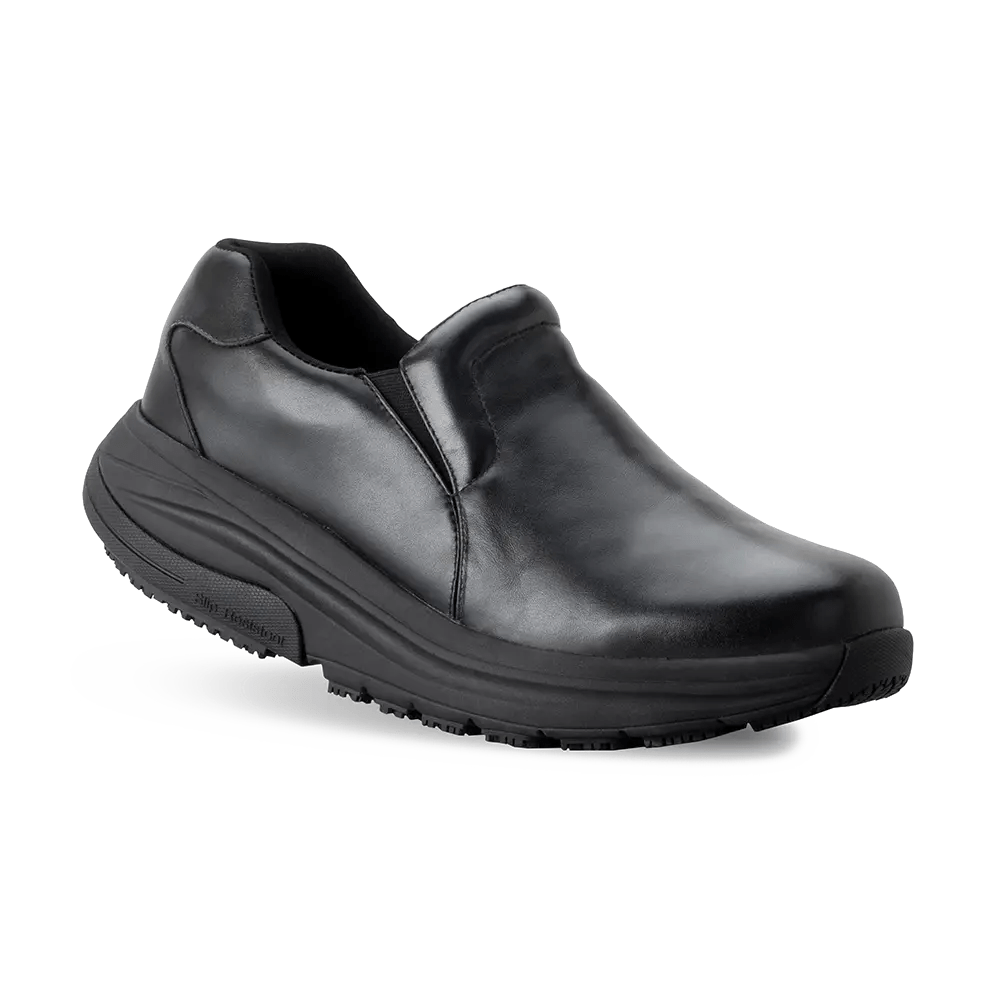
- Versatile styling so one pair can cover the airport, the trail, and dinner out.
If you want to go deeper on a couple of these, our explainer on cushioning vs. support breaks down how they work together, and why proper fit is key to all-day comfort covers getting the fit right before you pack.
The G-Defy Difference
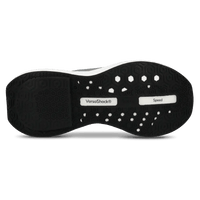
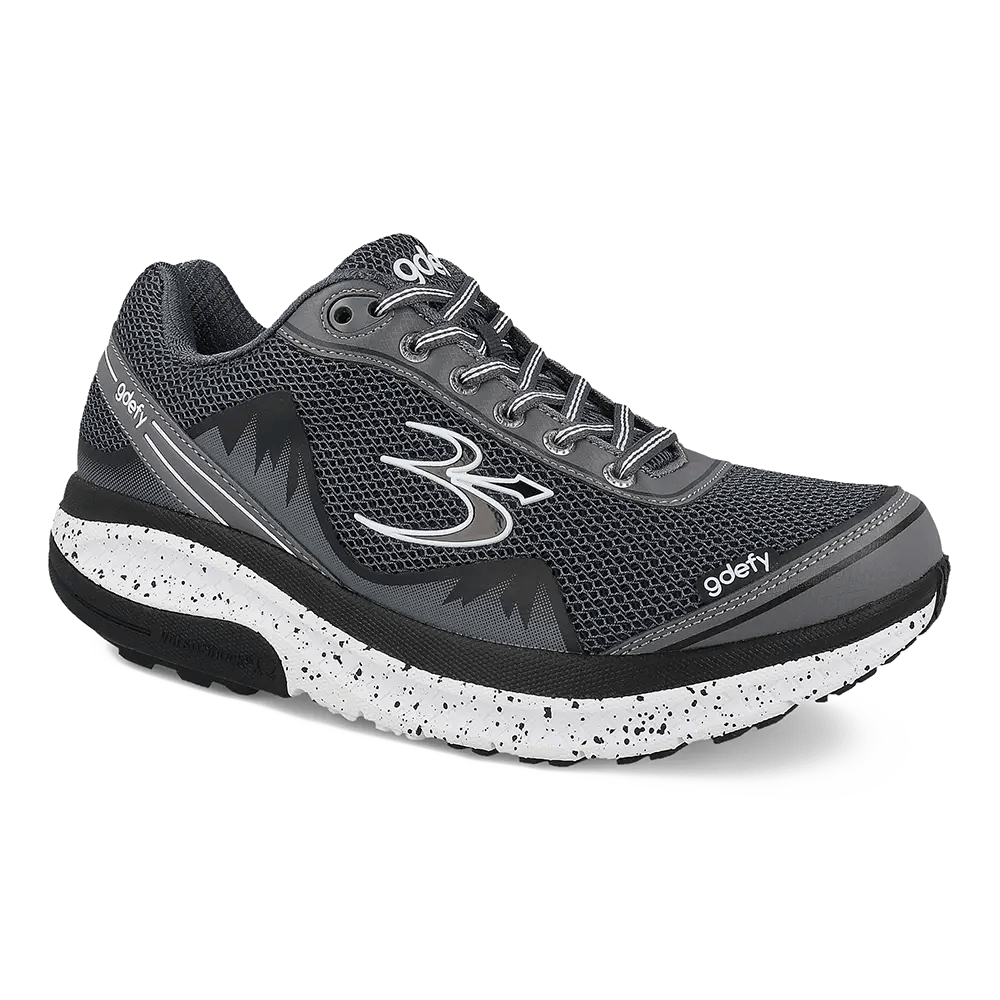
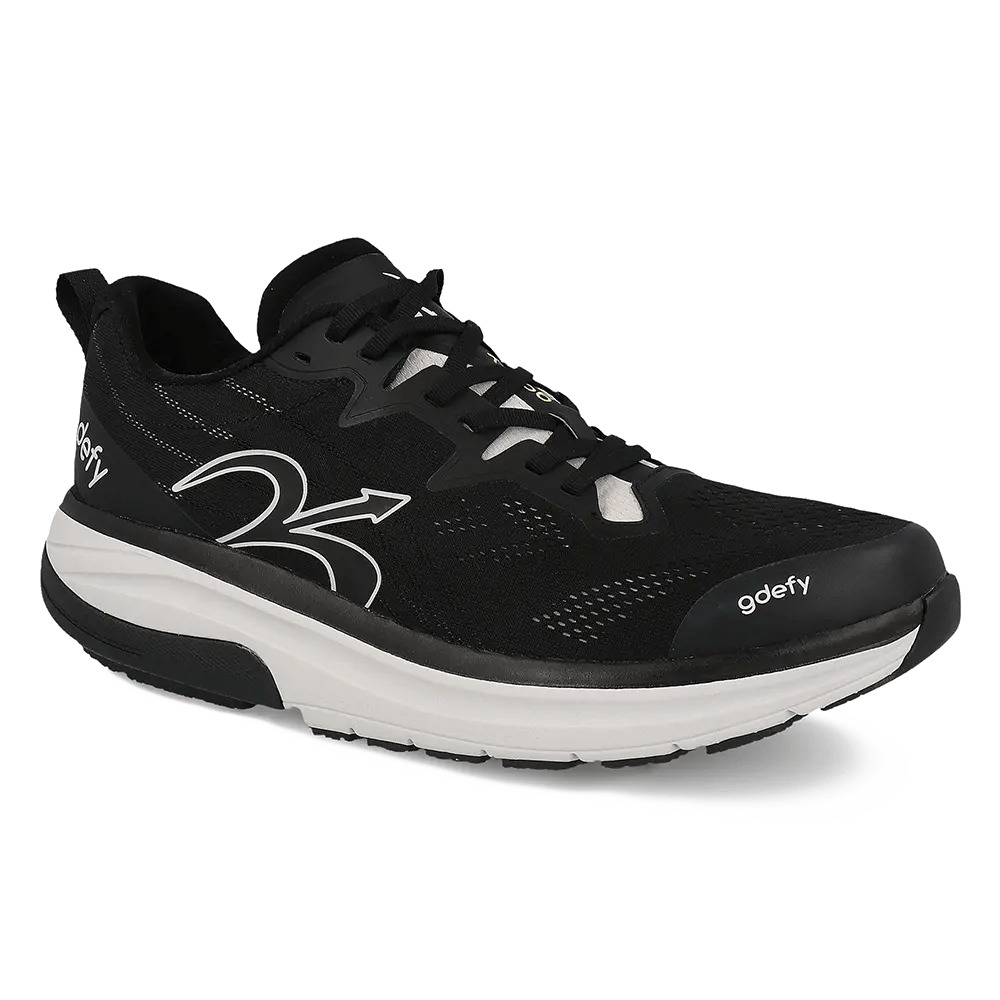
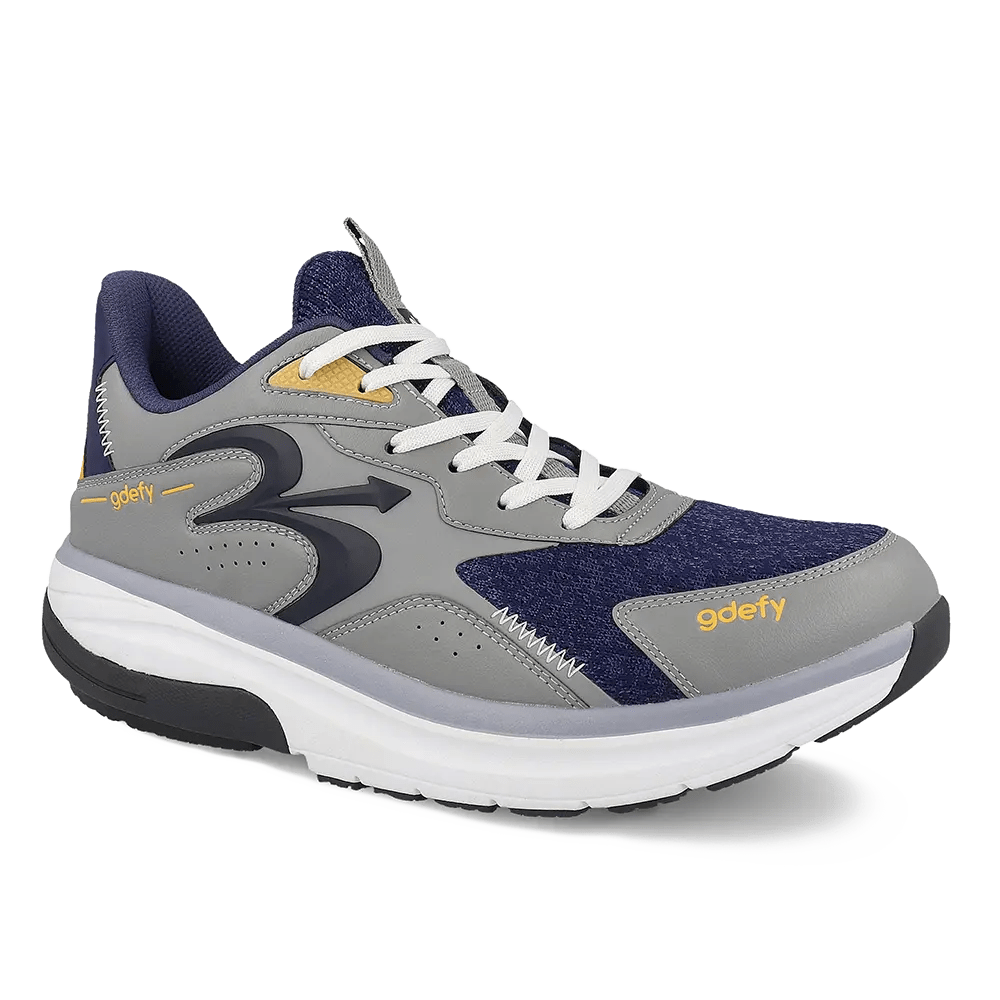
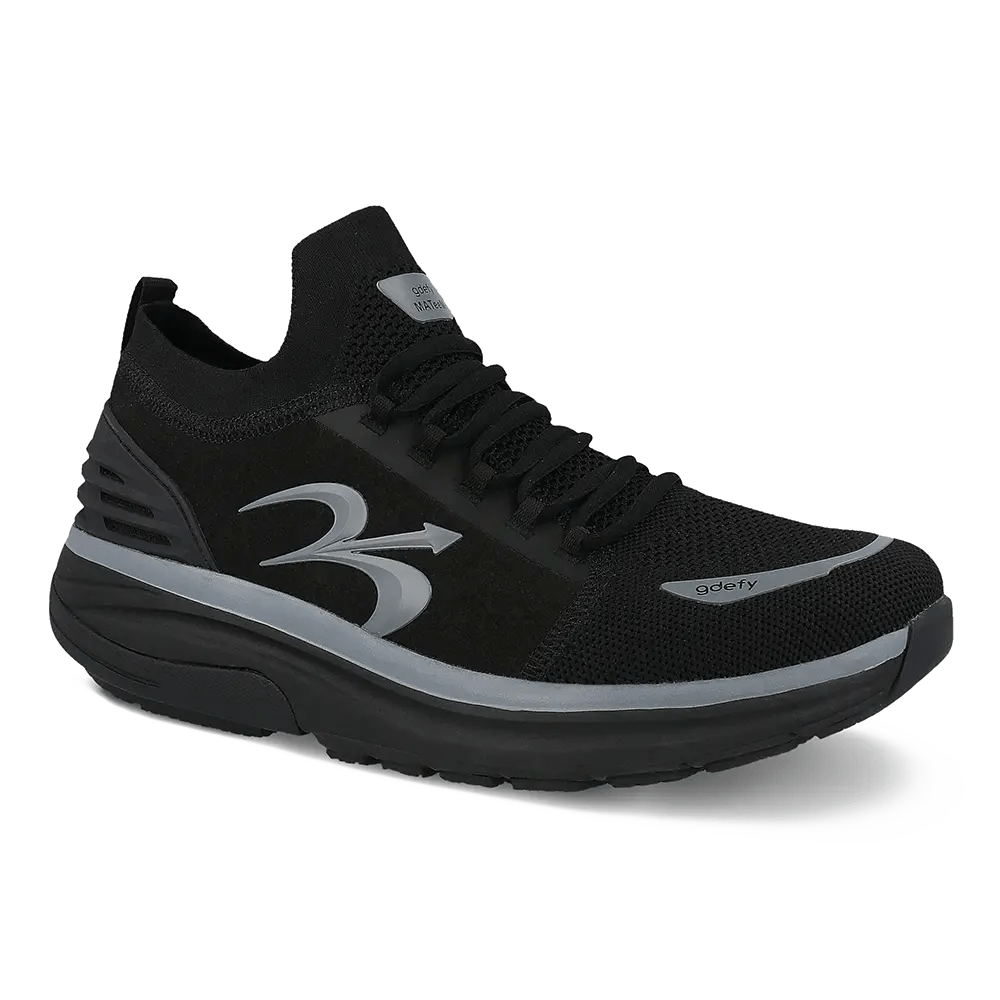
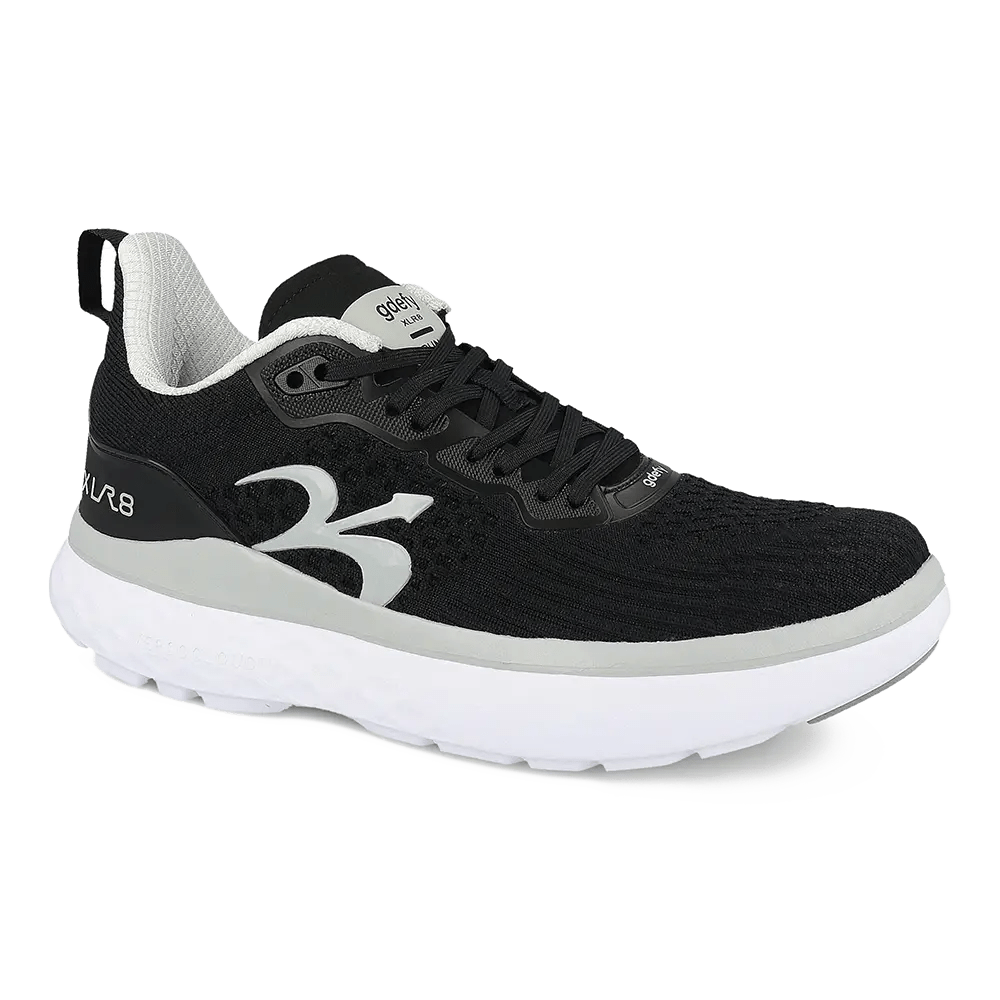
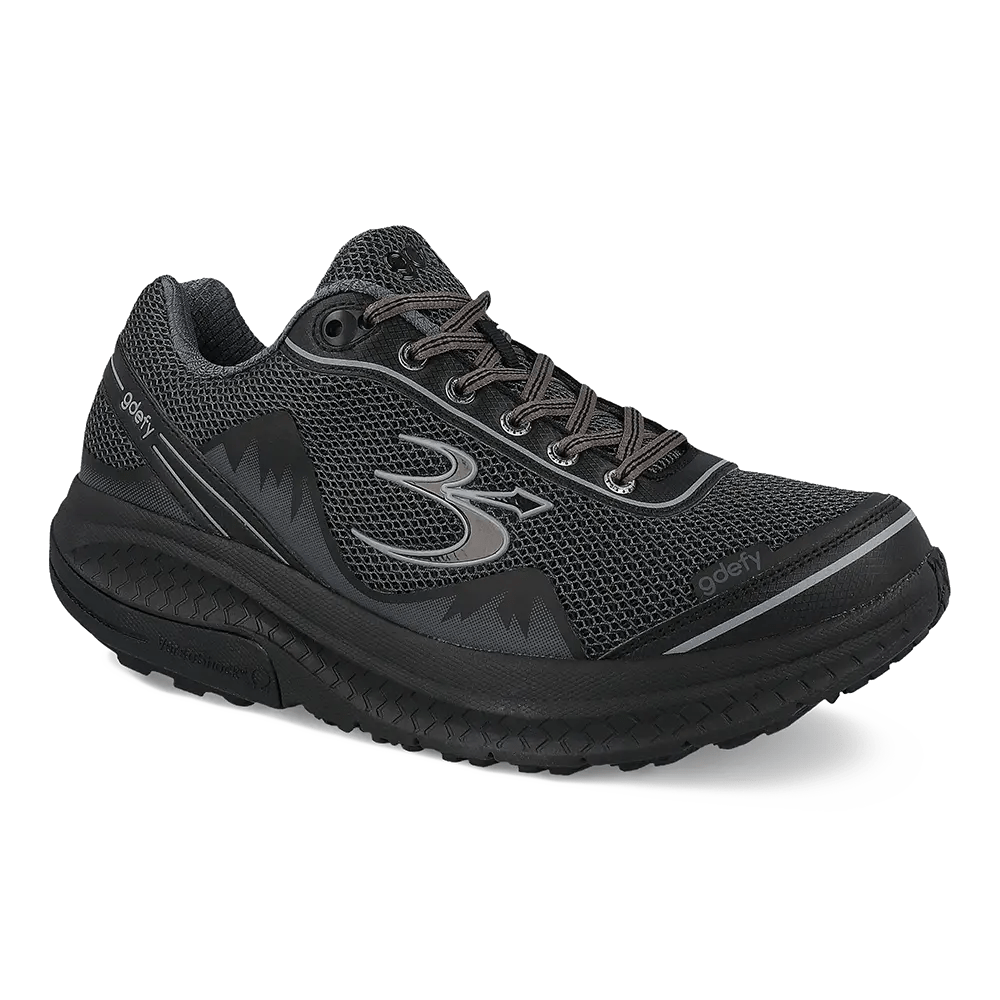
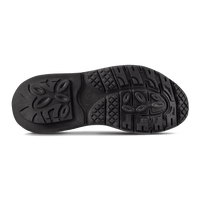
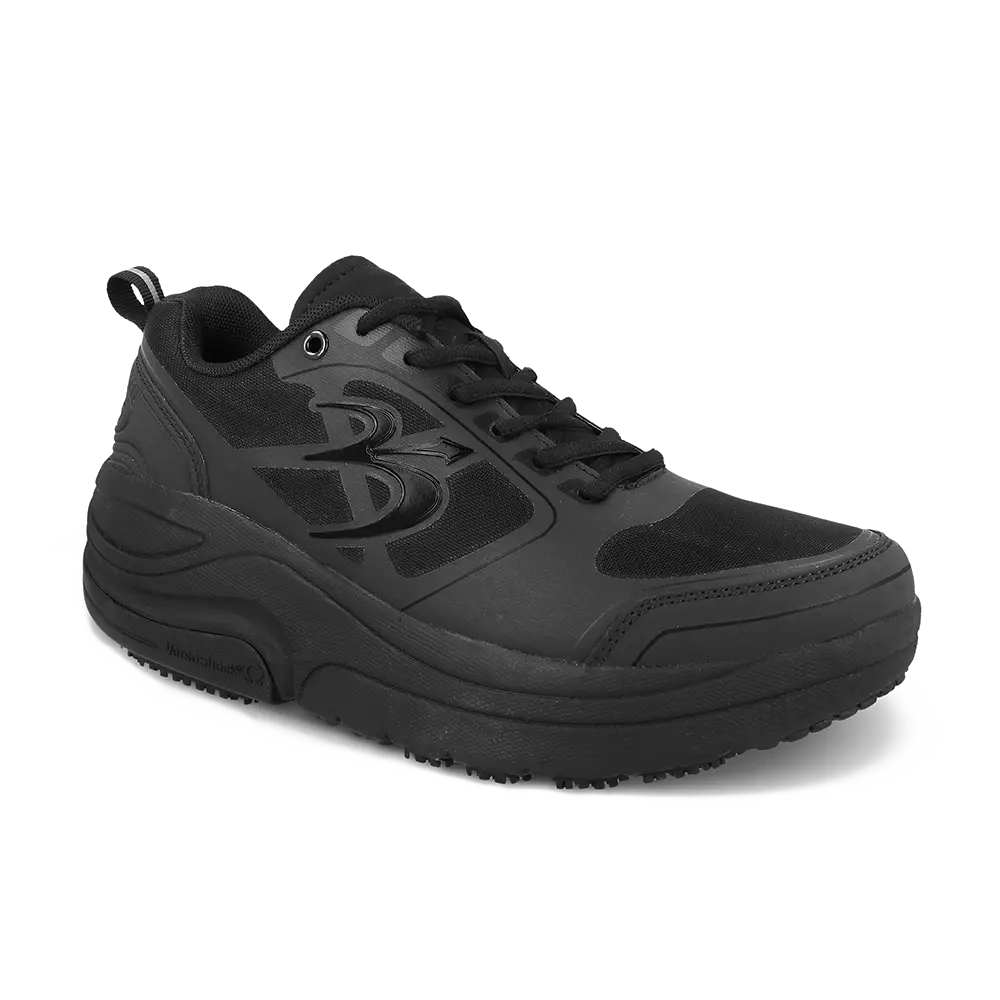
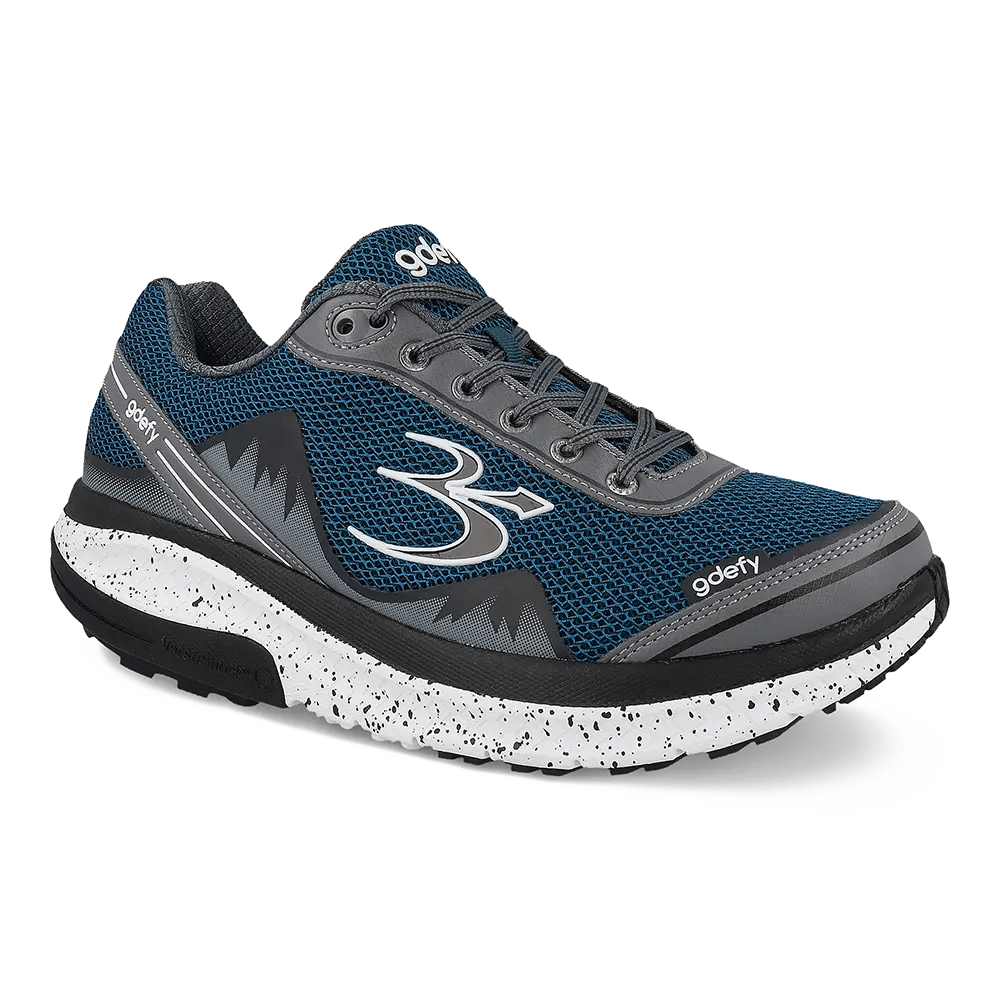
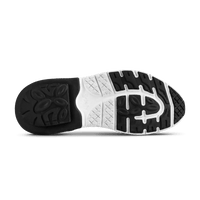
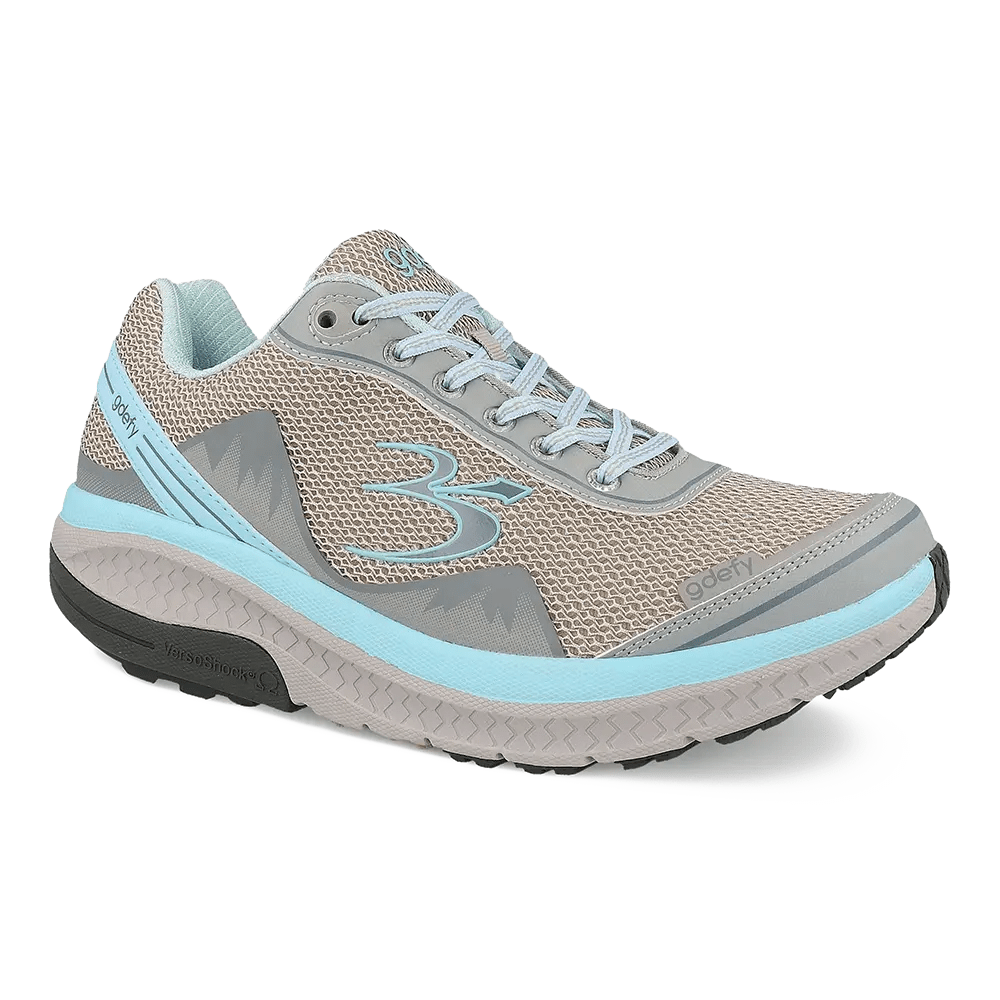
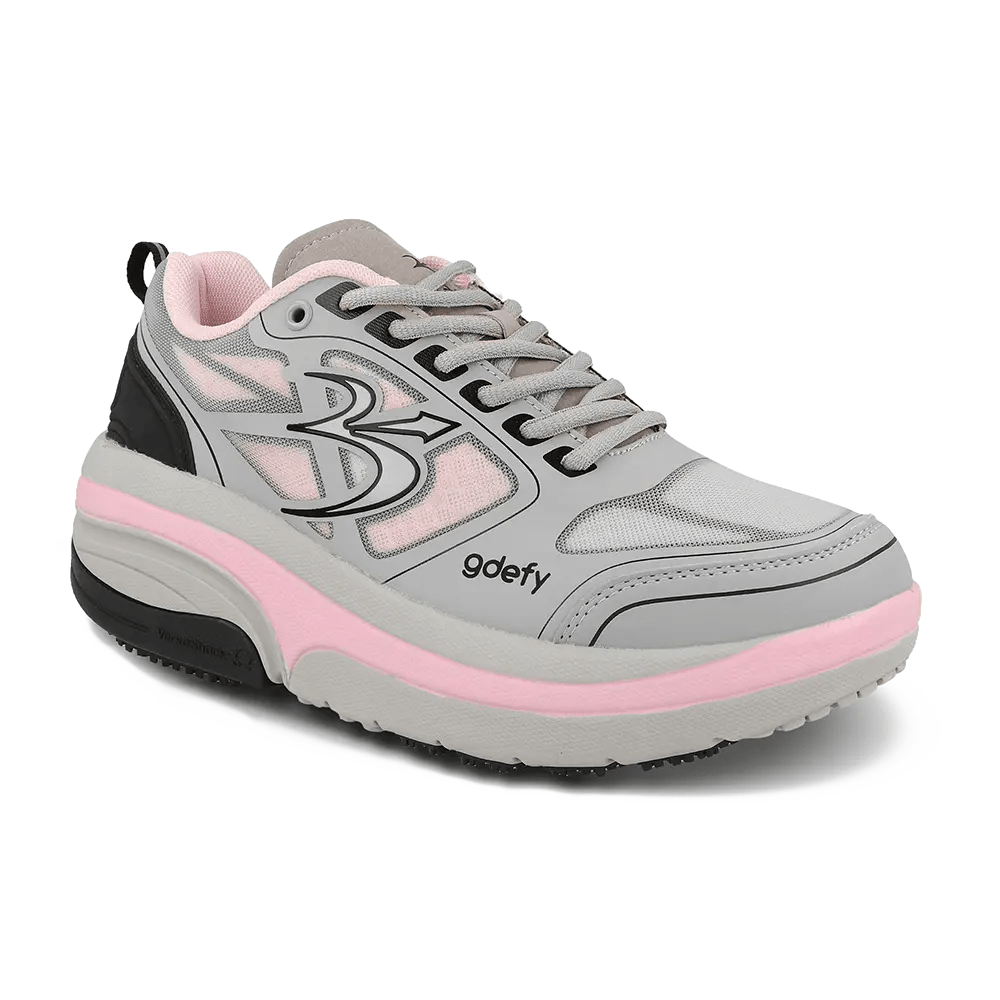
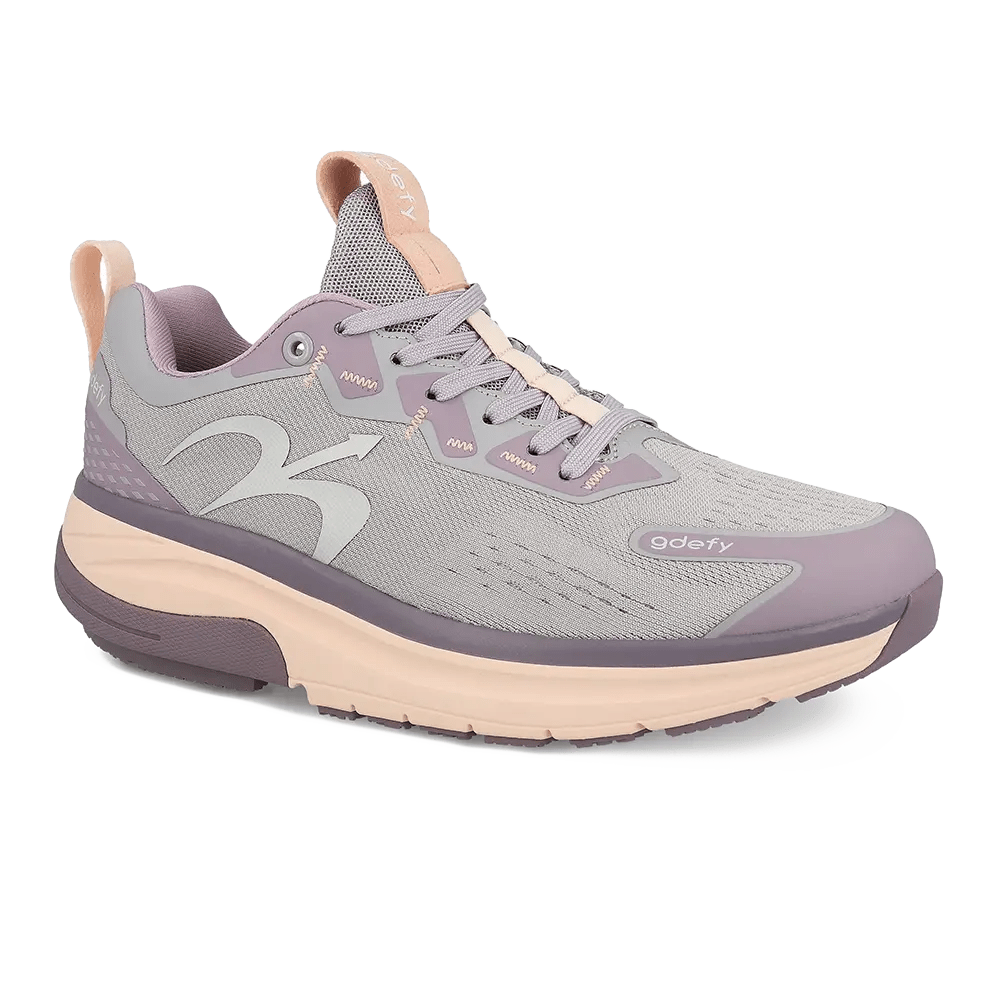
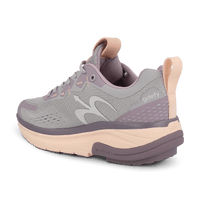
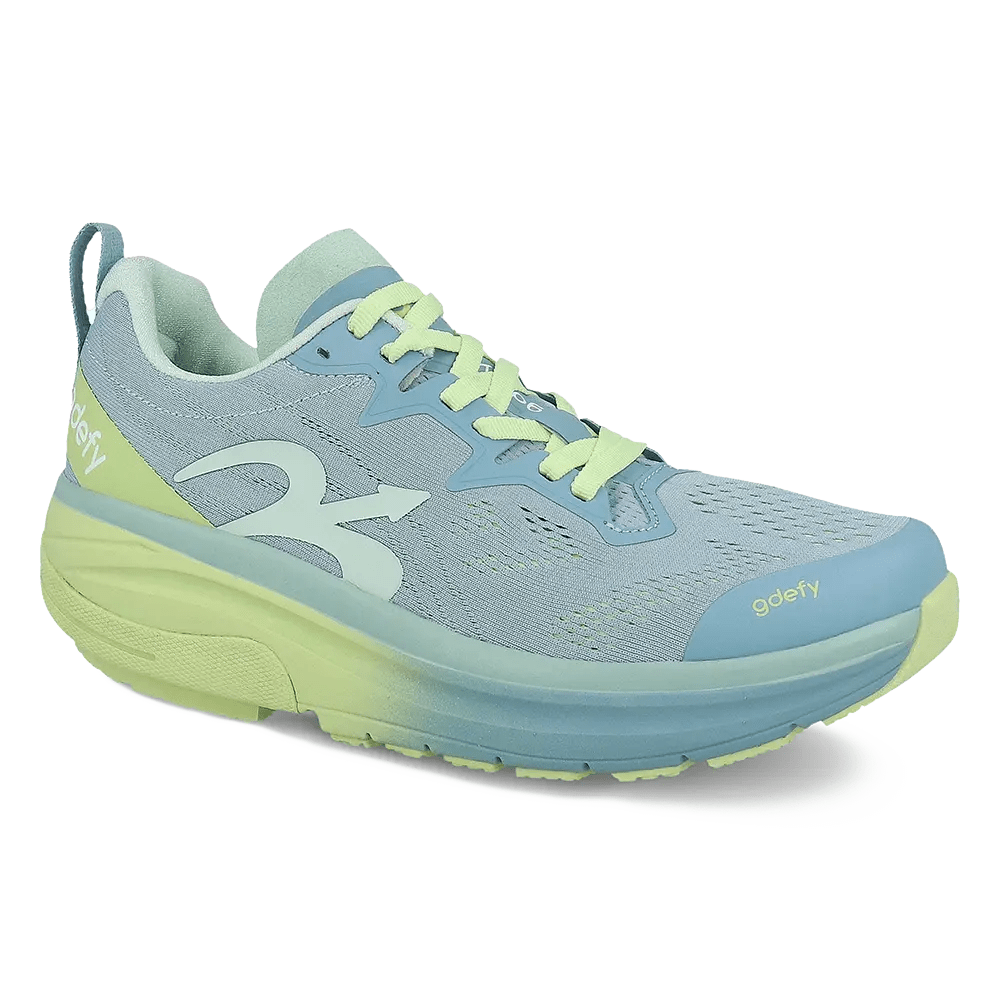
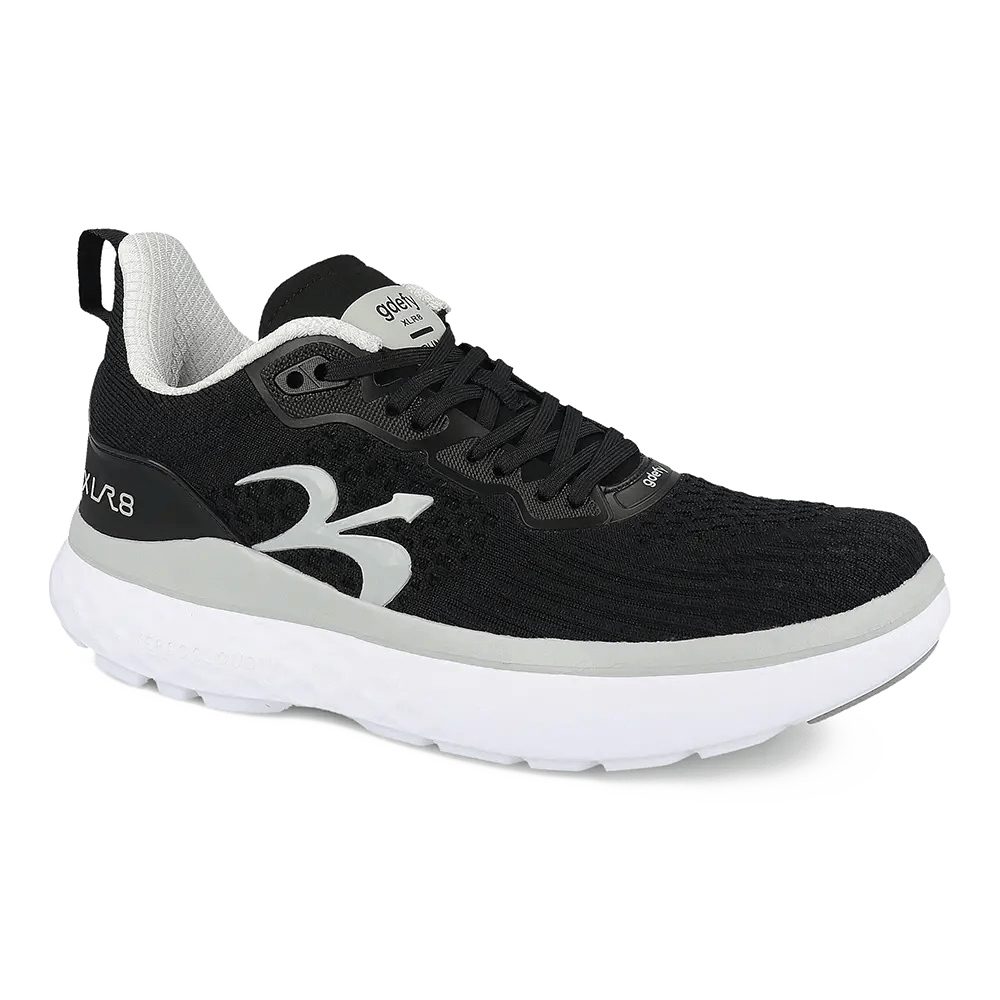
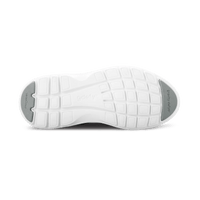
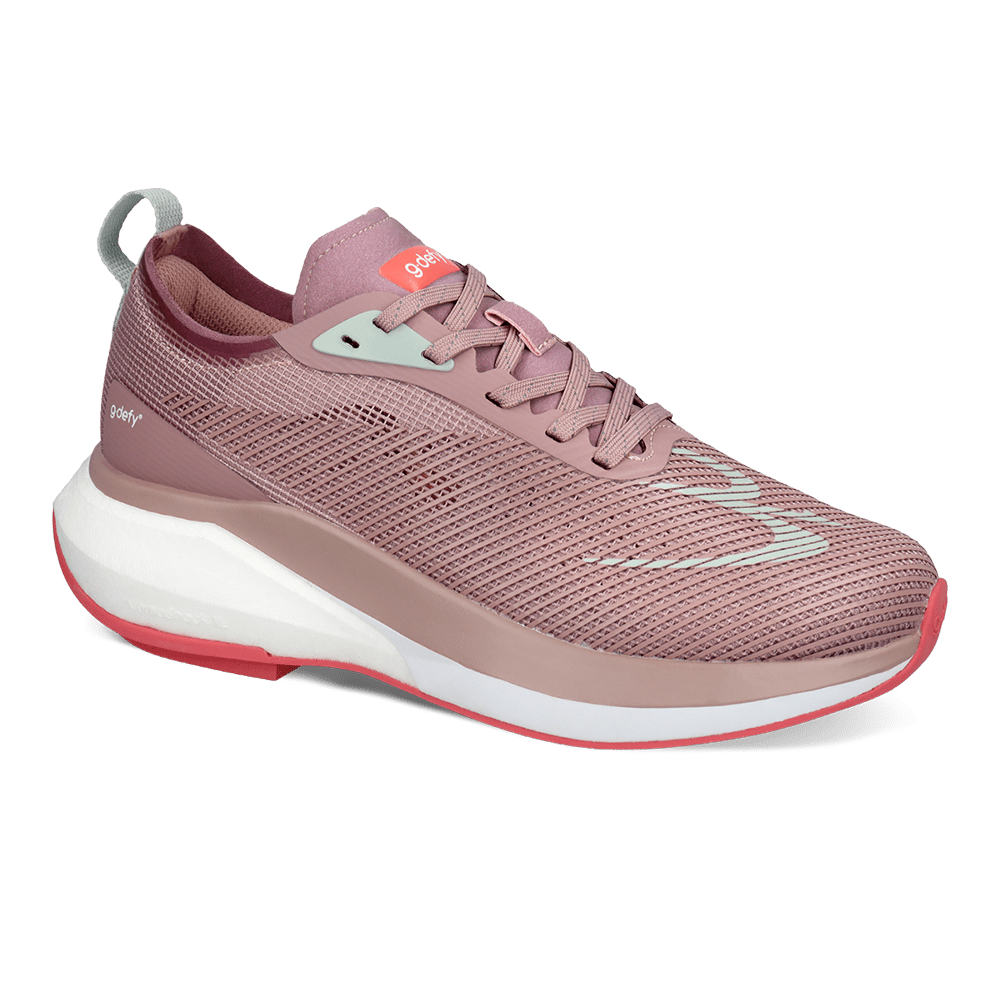
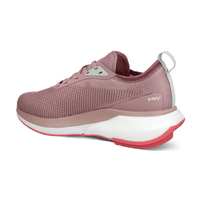
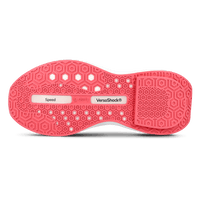
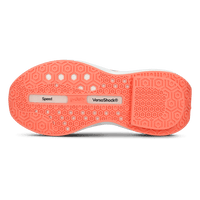
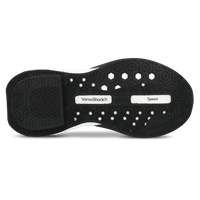
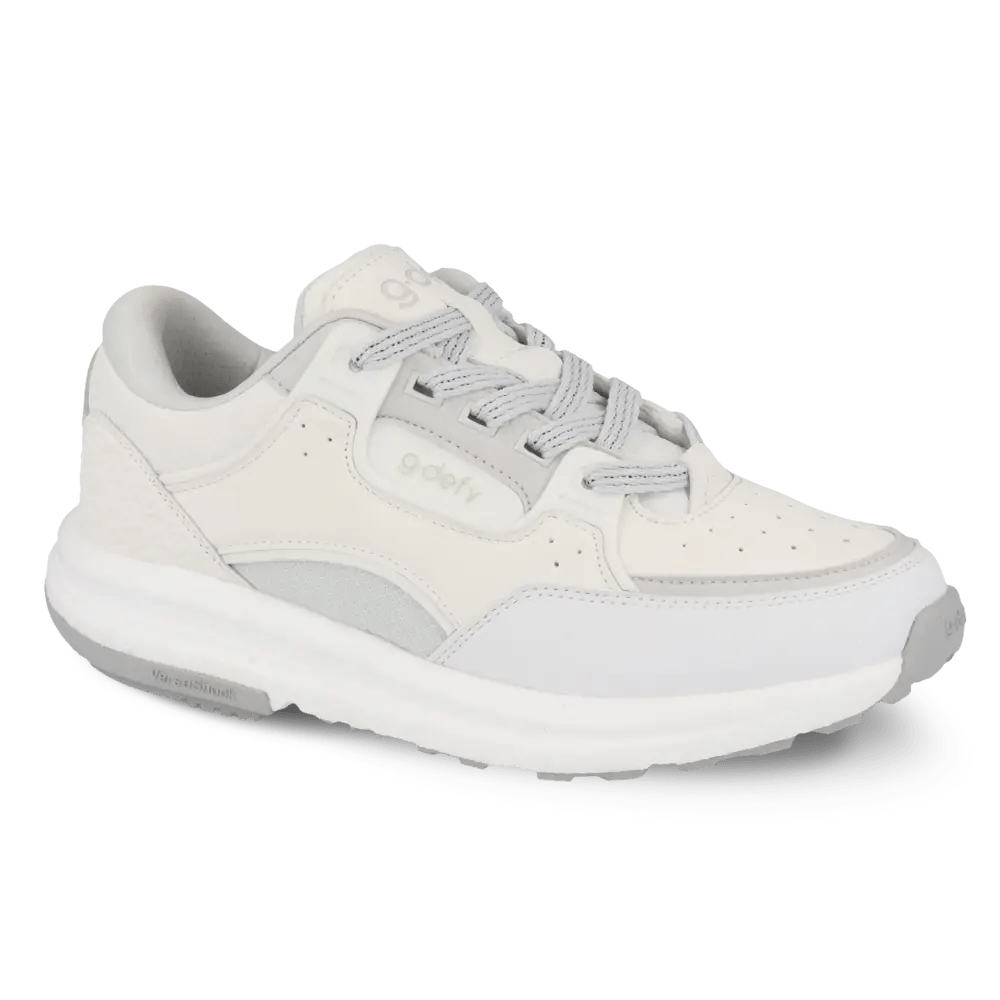
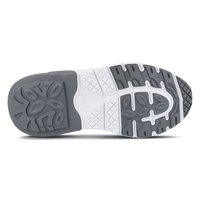
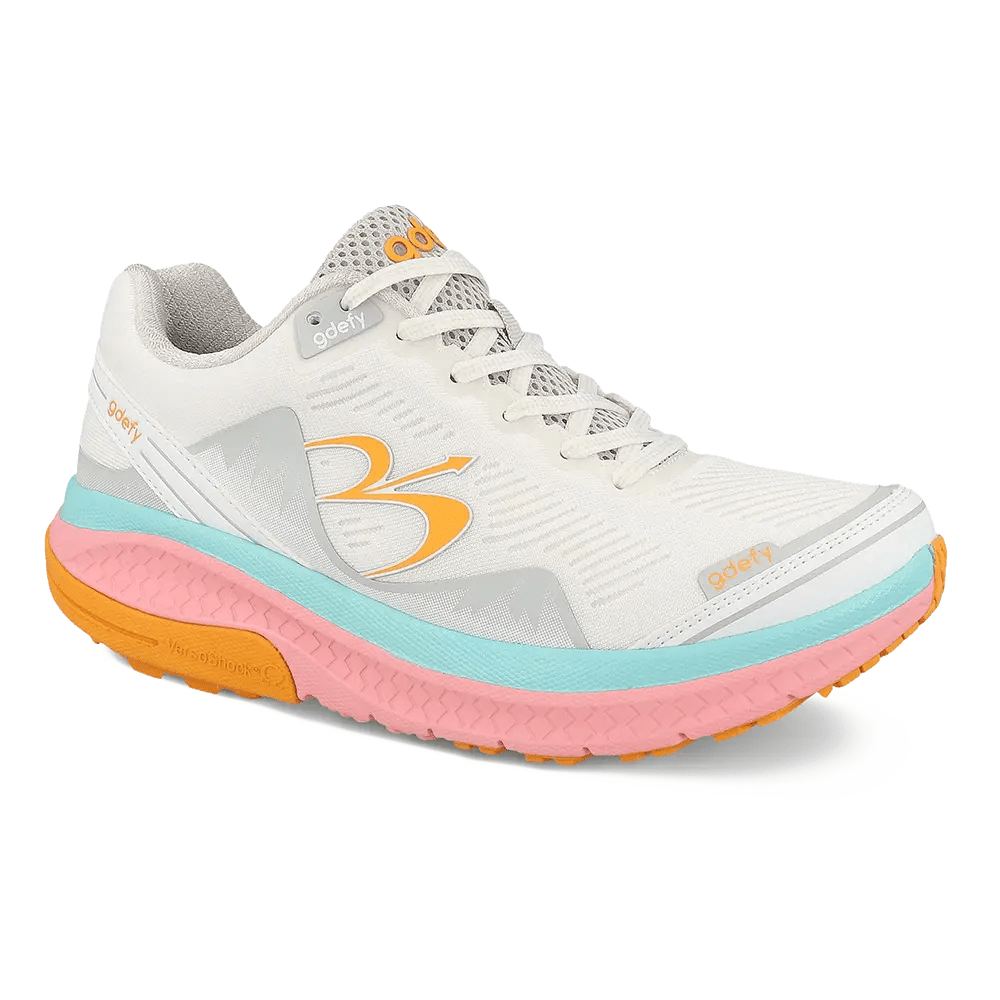
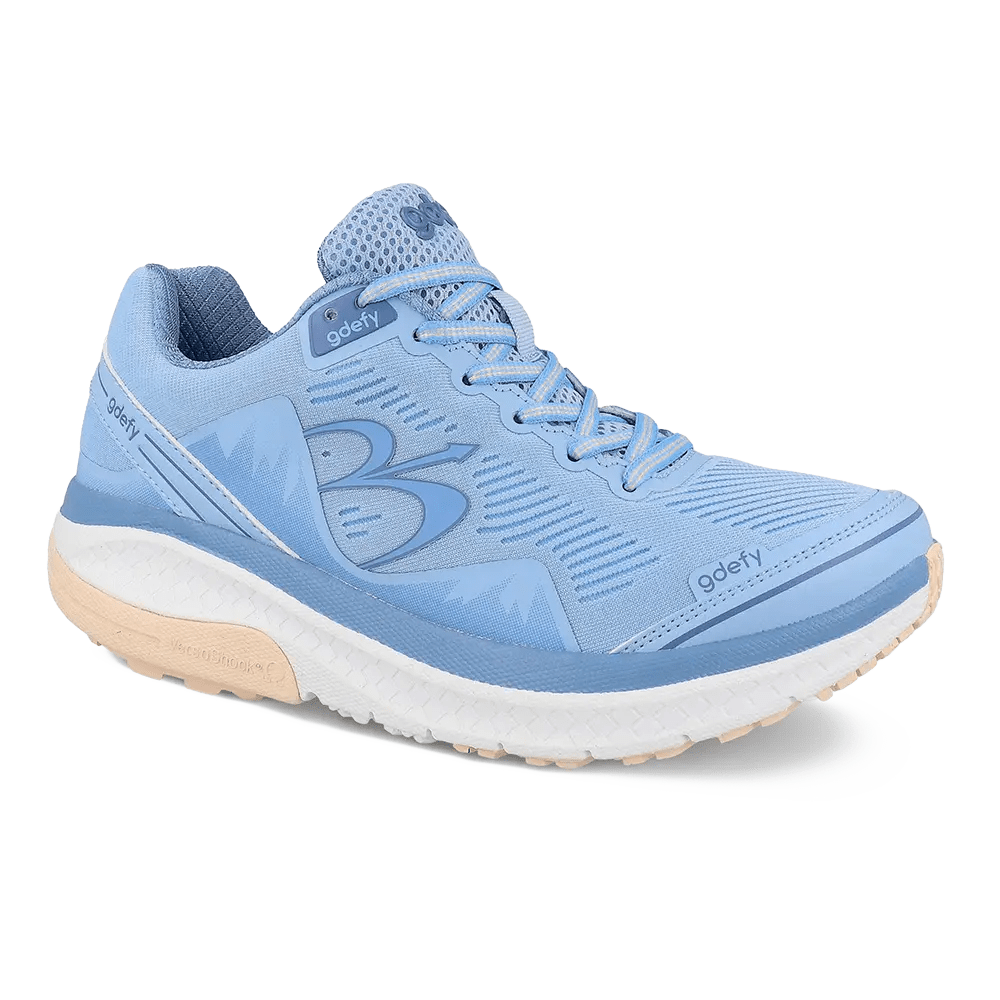
G-Defy shoes are engineered to provide comfort, support, and shock absorption — exactly the combination travelers ask for. Featuring VersoShock® technology, a spring-based system, they are designed to absorb impact and return energy with each step. A built-in stabilizer supports the foot during movement, while the front rolling design promotes a smooth heel-to-toe transition.
Each pair also includes two removable orthotics — the ComfortFit® insert for low-to-medium arches and the CorrectiveFit® insert for medium-to-high arches — so you can customize comfort and support to your own feet. Together, these features help reduce pain from walking, running, and prolonged standing, while supporting a more comfortable, stable stride.

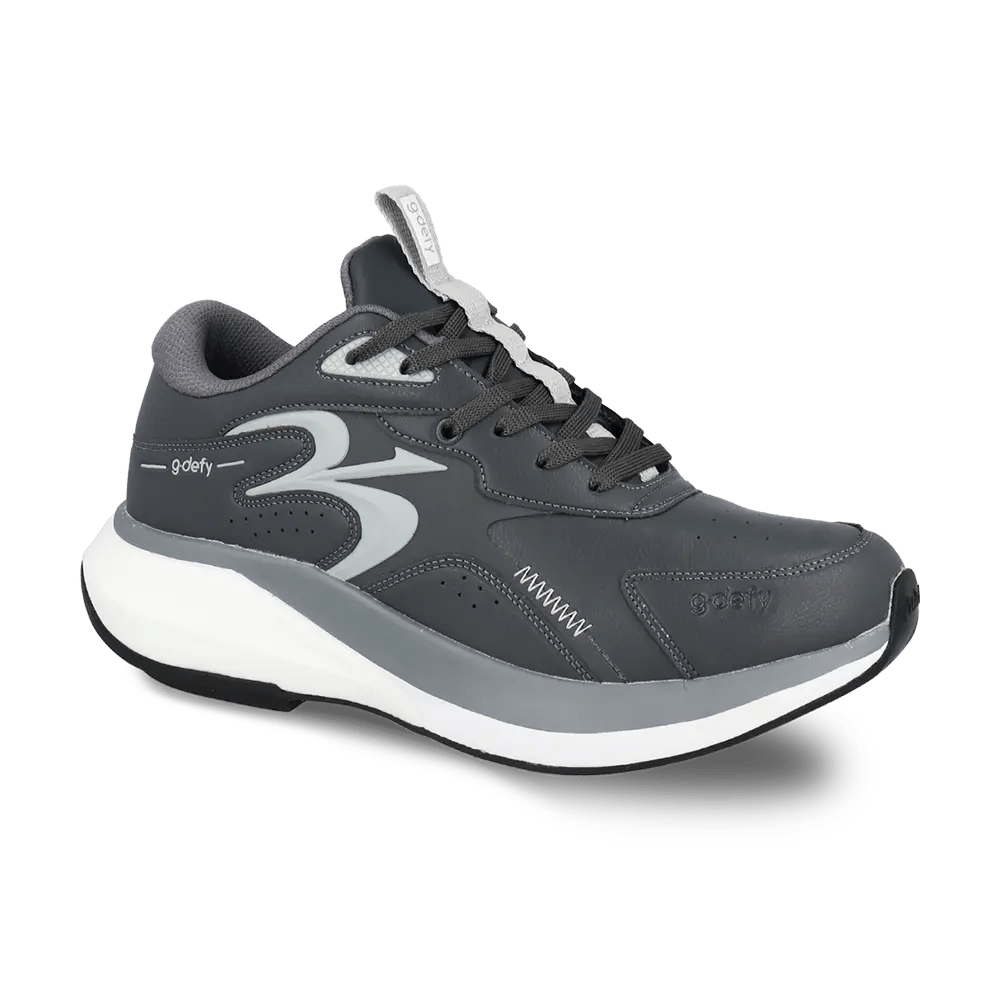
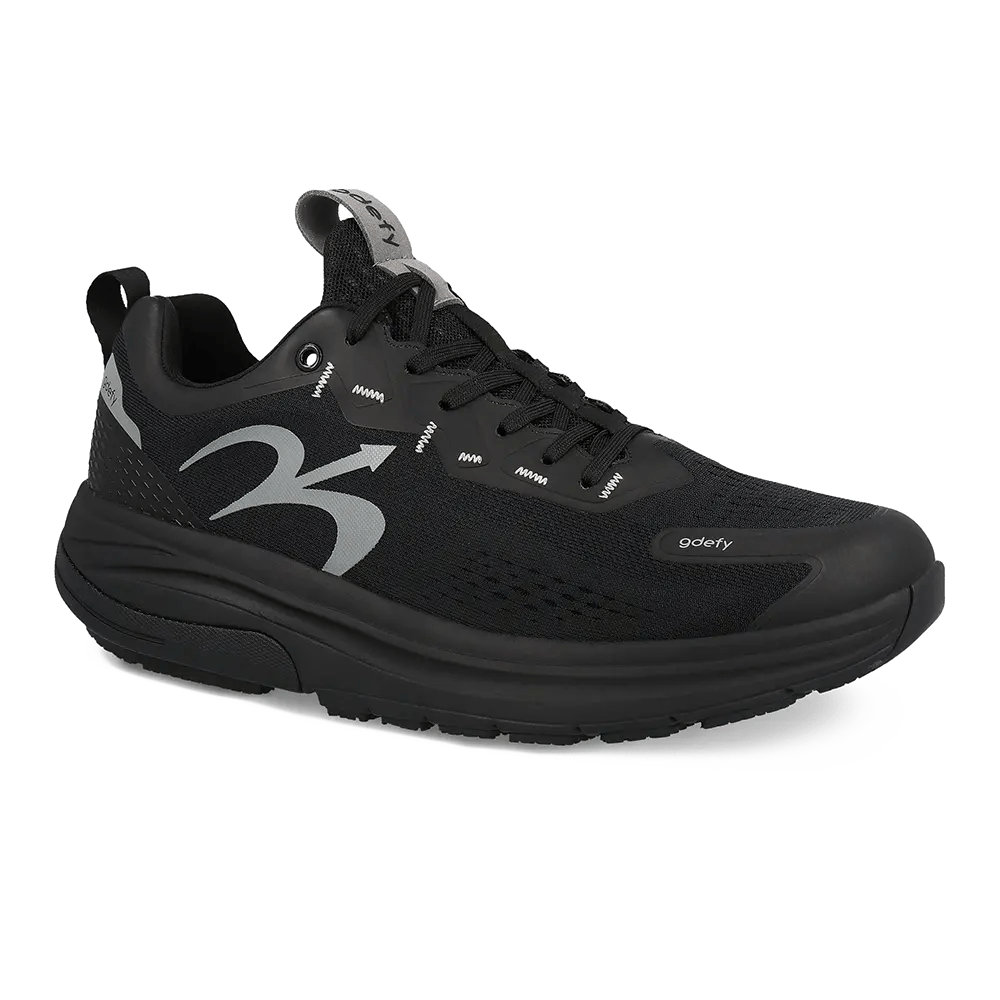
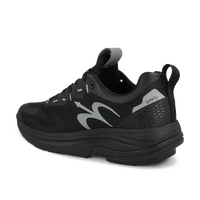
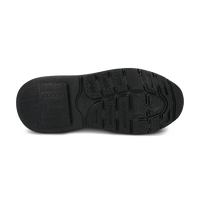
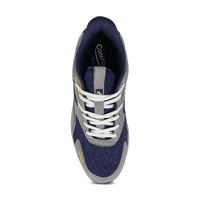
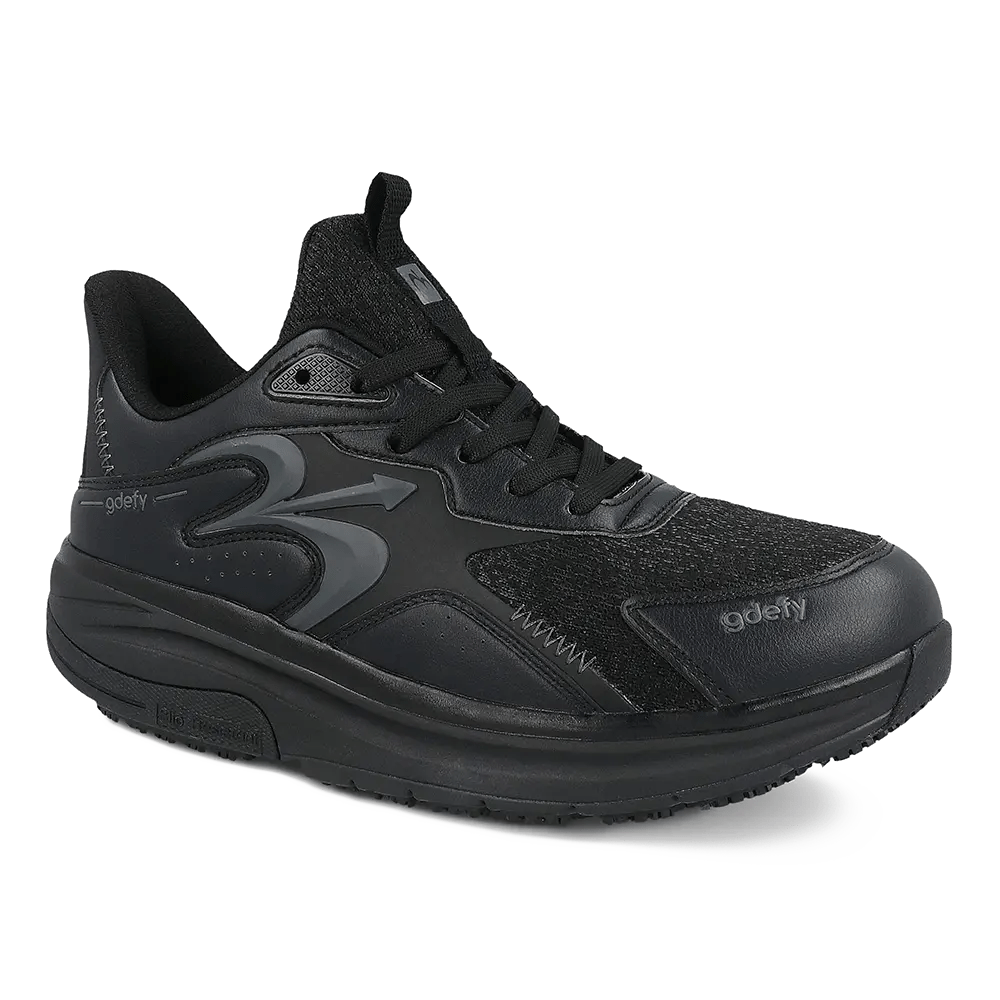
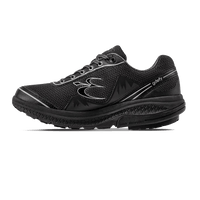
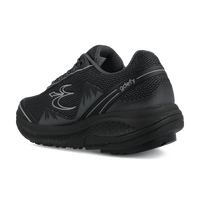
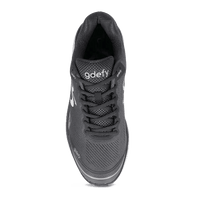
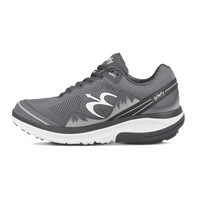
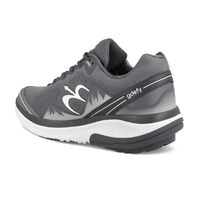
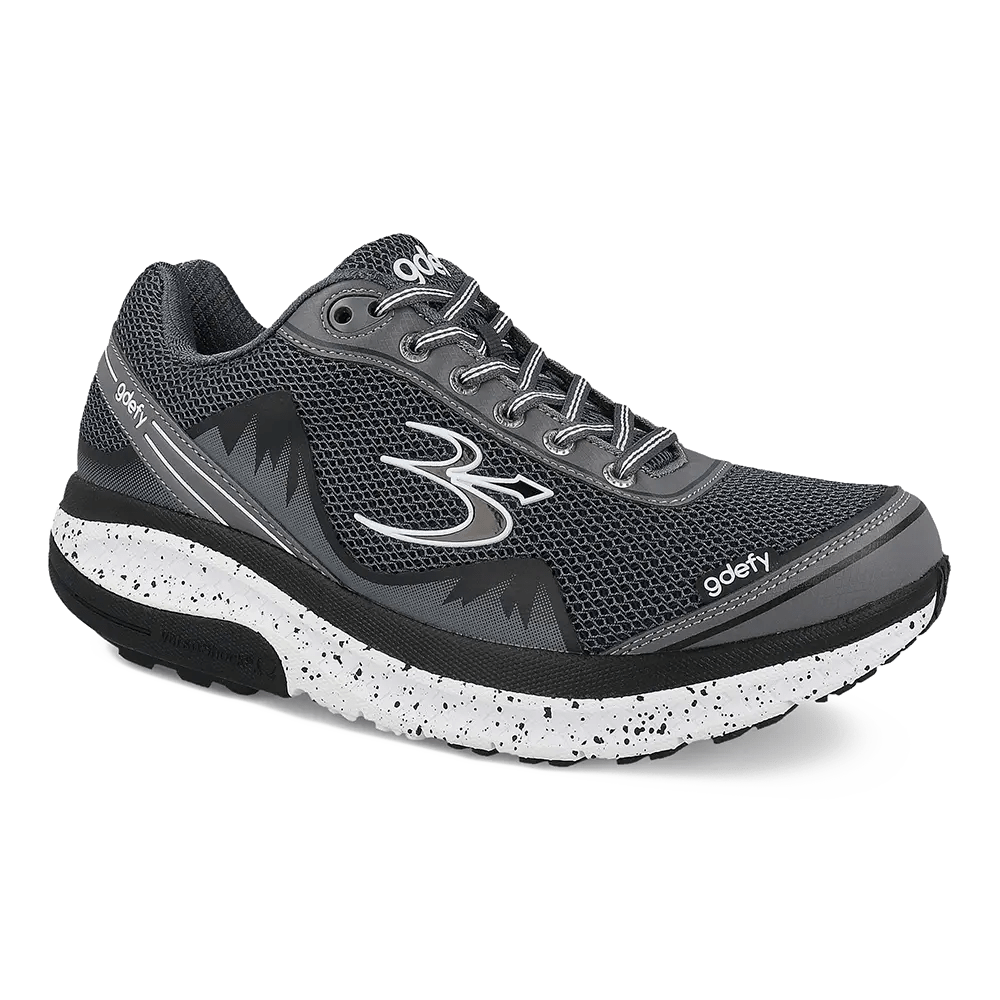
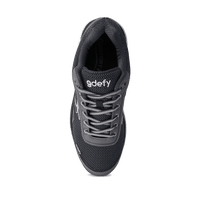
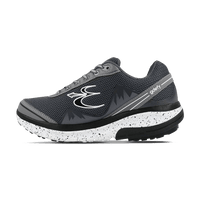
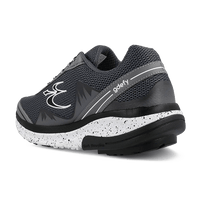
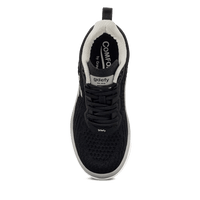
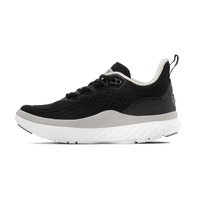
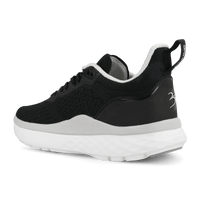
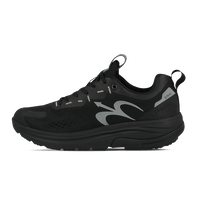
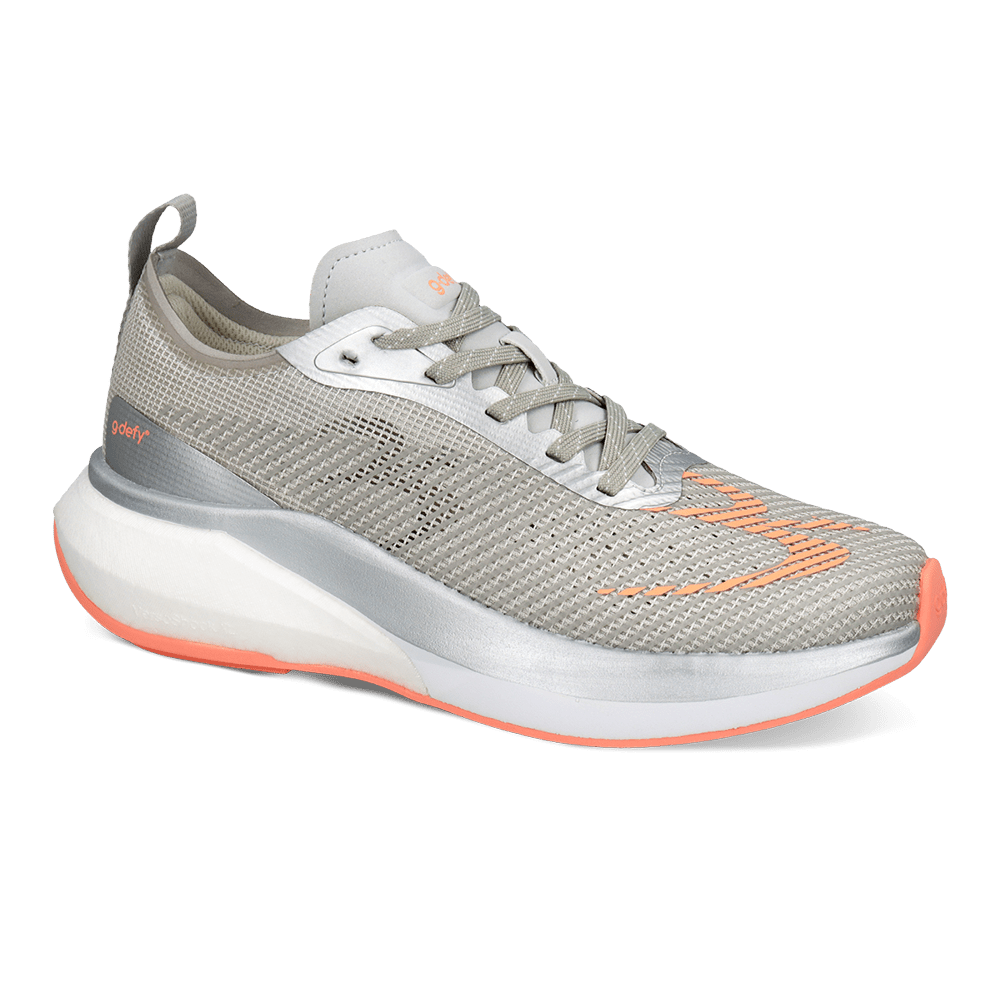
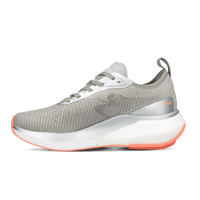
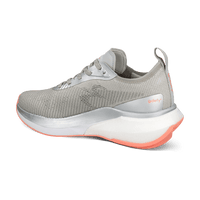
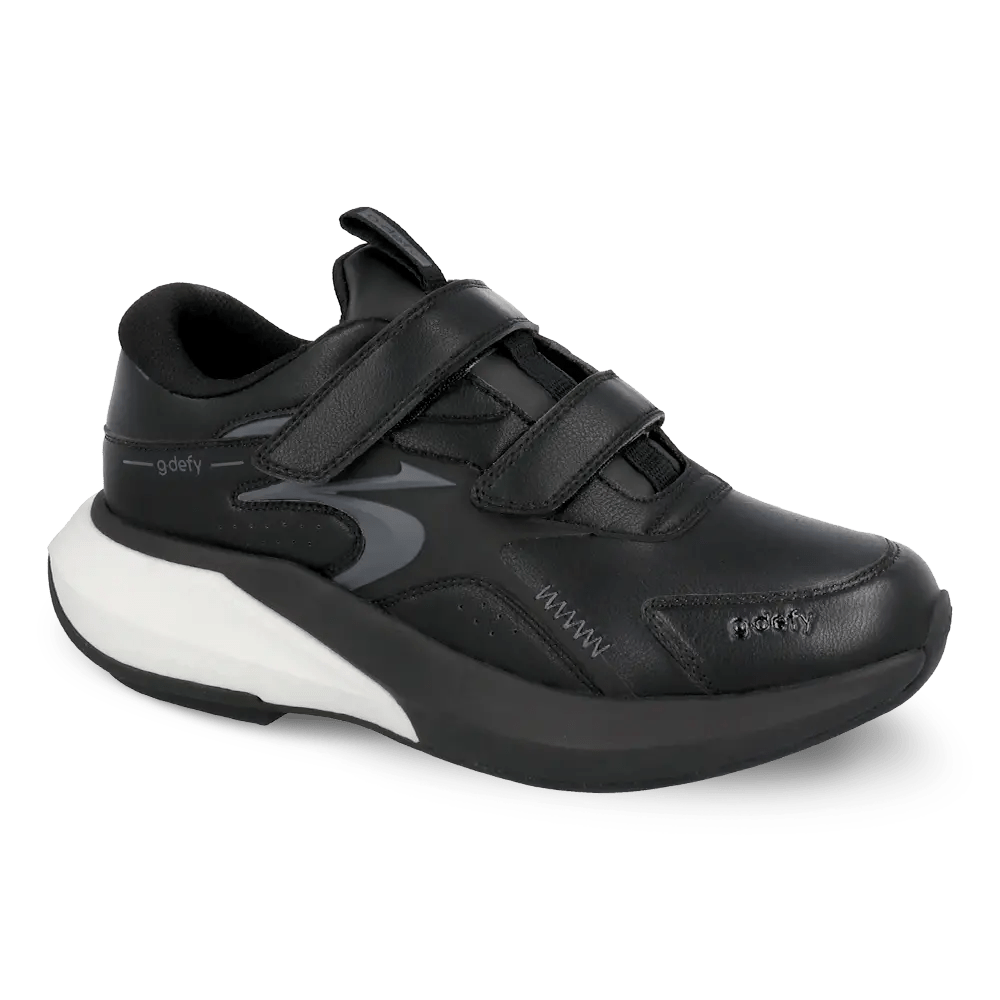
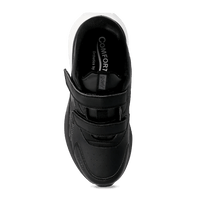
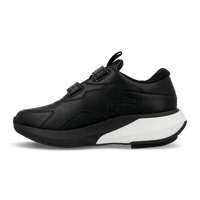
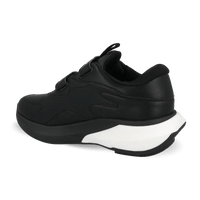
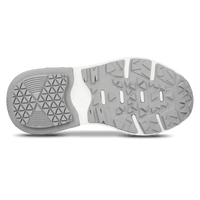
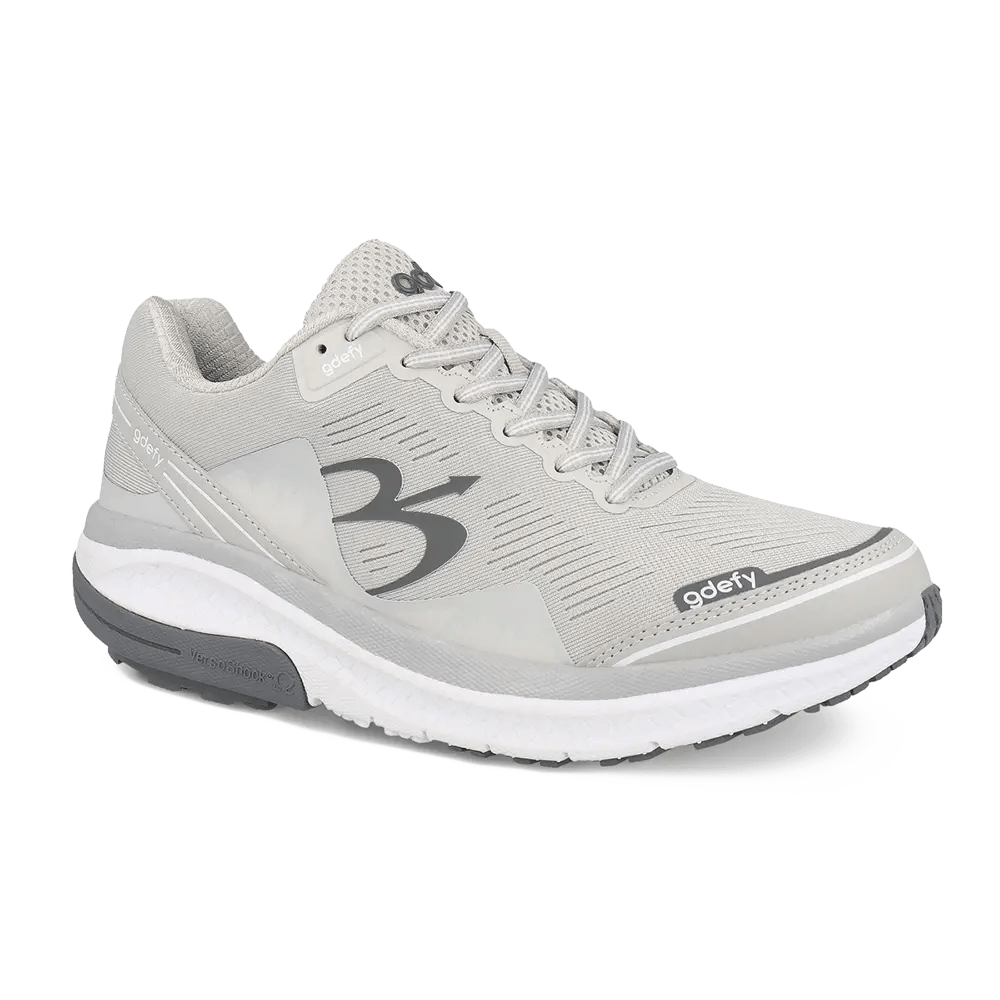
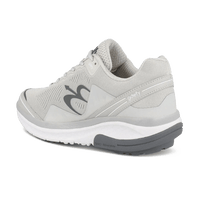
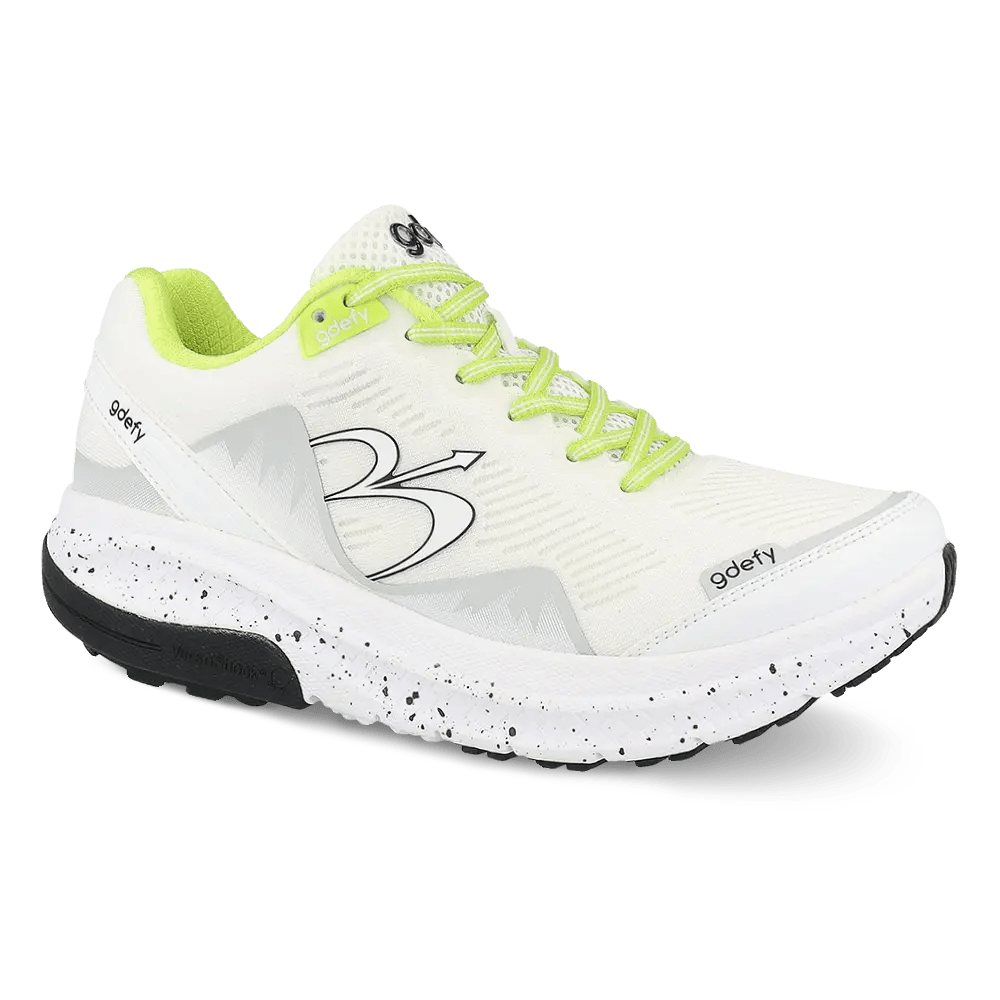
A favorite for long travel days is the Mighty Walk, an everyday workhorse built around VersoShock® cushioning and offered in multiple widths. You can browse the full lineup for men and women, and read more about how VersoShock® technology works or what's inside a comfort walking shoe.
Pack a pair built for the long way around.
Try G-Defy with a 60-day risk-free trial, plus free shipping and free exchanges. If they're not your most comfortable travel companion, send them back.
Shop the Mighty WalkTips for Comfortable Travel Days
The travelers above shared a few habits that made the biggest difference:
- Break in your shoes before the trip. Wear a new pair on a few errand days first — a travel day is the wrong time to discover a hot spot.
- Rotate two pairs when you can. Letting one pair rest while you wear another keeps cushioning feeling fresh. (Here's how shoes wear out and when to replace them.)
- Lace for the long haul. A snug-but-not-tight fit and moisture-wicking socks help your feet stay comfortable and secure on the move. Our guide to shoes that feel secure and supportive covers this.
- Sit when you can. Even a few minutes off your feet between activities helps you go the distance.
- Plan for swelling. Feet tend to swell on flights and long days, so choose a roomy toe area and consider the wider width if you're between sizes.
Heading somewhere with trails or parks on the itinerary? Our seasonal guide to walking shoes for spring trails and parks pairs well with this one.
Frequently Asked Questions
What should I look for in comfortable shoes for travel?
Look for cushioning and shock absorption to soften impact on hard surfaces, support and stability for uneven ground, a lightweight build to reduce fatigue, and a roomy, secure fit. Supportive, cushioned footwear may improve overall comfort during long days of walking and standing.
Are walking shoes a good choice for sightseeing?
For most travelers, yes. Sightseeing usually means many miles on hard pavement, so a cushioned, supportive walking shoe tends to feel more comfortable than a dressier or flat-soled option that offers little give.
How can I keep my feet from hurting on a long travel day?
Choose well-fitting, cushioned shoes, break them in ahead of time, wear moisture-wicking socks, and rest your feet when you can. Comfortable, supportive footwear can make a meaningful difference in how your feet feel after a full day on the move.
Should I bring more than one pair of shoes?
If you have room, packing two pairs lets you rotate them so cushioning has time to recover between days, and gives you a backup if one pair gets wet. Many frequent travelers find rotation keeps their feet more comfortable across a long trip.
What size should I pack for if my feet swell when I travel?
Feet often swell on flights and long days. A shoe with a roomy toe area and an adjustable, secure fit gives your feet space when they need it, and choosing the wider width can help if you tend to fall between sizes.
The Bottom Line
Travel is supposed to be the fun part — not a negotiation with your feet. While footwear isn't a medical solution, choosing shoes designed for comfort, support, and shock absorption can make a real difference in how far you get and how good you feel doing it. The travelers above didn't change where they were going. They just gave their feet a better partner for the journey.