
August 22, 2026
When One Foot Is Bigger Than the Other: Customer Stories About Getting Both Shoes to Fit
By Gdefy

Summary
Most people buy shoes as if they have two identical feet. Almost nobody does.
If one foot is bigger than the other, you are in the majority, not the exception. One foot is usually a little longer, or a little wider, or a little higher through the instep than its partner. The difference is often small enough that you never think about it — until a pair that felt perfect in the store starts rubbing on one side, slipping at one heel, or feeling tight on one forefoot and loose on the other. Then you are left wondering whether you bought the wrong size, the wrong shape, or the wrong shoe entirely.
Footwear is not a medical solution. But fit is mechanical, and a mismatch between your two feet is a mechanical problem with mechanical answers — half sizes, width options, adjustable closures, and insoles you can take out and put back.
The stories below are composites, drawn from the kind of feedback G-Defy customers send in most often about fit. Names and details have been changed, quotes are paraphrased, and every story is about comfort and fit rather than any medical outcome. Results vary by individual.
Why Most People Have Two Slightly Different Feet
Asymmetry between the left and right foot is ordinary. It is not a defect, and it is not something that needs to be corrected — it just needs to be accounted for when you buy shoes.

Length is only one of the differences
Most people describe the problem as "one foot is bigger." In practice, there are at least four ways two feet can differ, and they do not always move together:
- Length — one foot measures longer, often by a third of a size to a full size.
- Width — one forefoot spreads wider at the ball of the foot.
- Volume and instep height — one foot sits taller through the middle, so the laces close differently.
- Heel width — one heel is narrower, which is why one shoe can slip while the other holds.
A shoe that fits the longer foot may still be loose across the narrower one. That is not the same problem as needing a bigger size, and it does not have the same answer.
The difference is usually small, and usually consistent
For most people the gap between feet is modest and stays the same year after year. That is good news, because it means you can learn your own pattern once — which foot is longer, which is wider, which heel slips — and then buy against it every time instead of re-guessing in every store.
Feet change through the day and over the years
Both feet tend to spread and swell over the course of a day, especially in heat or after long hours standing. Feet also tend to get slightly longer and wider over the years as the ligaments relax. If you have not measured in a while, the difference you remember may no longer be the difference you have.
What Happens When You Fit the Pair to the Wrong Foot
When a pair is sized to the smaller foot, the larger foot pays for it. The longest toe reaches the front of the shoe on every step, the forefoot is squeezed at its widest point, and the toes have nowhere to spread when the foot loads.
When a pair is sized to the larger foot and nothing else is adjusted, the smaller foot rattles around. The heel lifts slightly on each step, the foot slides forward on downhills, and the laces get pulled tighter and tighter to compensate — which usually moves the pressure onto the top of the foot instead of solving it.
Neither situation is dramatic on a ten-minute walk. Both add up over a full day. That is why the discomfort tends to show up as "my feet were fine until about three in the afternoon" rather than as an obvious fit failure in the first hour.
Customer Stories: Five Ways People Handled a Mismatched Fit
"I was buying for the wrong foot for twenty years" — Dennis, 58
Dennis had always bought shoes to whatever felt right on his right foot, because that was the one he tried on first. His left foot is a half size longer.
"I thought I just had a bad left foot," he told us. "It was always the one with the sore toe by the end of a shift." A store associate finally measured both, and the difference was obvious on paper in about a minute.
Switching to the longer measurement meant going up a half size and dealing with a slightly roomy right shoe. He describes the change as unremarkable in the best way. "It stopped being the thing I noticed at the end of the day."
"The half-size problem nobody warned me about" — Priya, 46
Priya's feet differ by close to a full size, which is more than most. She had spent years alternating between two compromises: shoes that pinched on one side, or shoes she had to lace to the last eyelet on the other.
What changed for her was not a size — it was the insole. She began buying for her longer foot and leaving the standard insole in that shoe while adding a second removable insole to the shorter side to take up the extra volume.
"It is such a simple thing," she said. "Two layers on the left, one on the right, and suddenly both shoes feel like they belong to me."
"One wide, one not so wide" — Marcus, 63
Marcus's feet are the same length within a hair, but his right forefoot is noticeably broader. Standard-width shoes pressed on the right; wide-width shoes felt sloppy on the left.
He settled on buying the wider size and using the lacing to manage the difference — snugger through the midfoot on the narrower side, looser on the broader one. "The shoe does not have to be identical on both feet," he said. "I just had to stop expecting it to be."
"The shoe that slipped at one heel" — Joanne, 55
Joanne's complaint was not about the front of the shoe at all. Her left heel lifted slightly on every step, which she had assumed meant the shoes were too big.
They were not. Her left heel is simply narrower. Once she learned the difference, she started using a heel-lock lacing pattern on that side only — running the lace through the top eyelet to make a small loop, then crossing over — and the lift went away without changing the size.
"I spent money on two pairs I did not need before someone showed me a lacing trick," she said.
"Two pairs, four shoes" — Ted, 69
Ted's difference is large enough that no single pair works well. He does what a handful of customers with a bigger gap end up doing: buys two pairs in two sizes, wears the correct shoe from each, and keeps the leftovers.
"It is not elegant and it is not cheap," he said. "But I stopped pretending one size was going to work for both, and that was the day my feet stopped complaining."
What These Stories Have in Common
None of these people needed a different kind of shoe. They needed the same shoe, set up differently on each foot.
Three habits show up again and again:
- They measured both feet instead of assuming. Almost every story starts with a measurement that should have happened years earlier.
- They bought for the larger foot and then took up the extra room on the smaller side, rather than squeezing the larger one.
- They used the shoe's adjustable parts — laces, insoles, width options — instead of assuming fit was settled the moment the box was opened.
That third habit is the one most people miss. A shoe is not one setting. If it has removable insoles and real laces, it has a range.
What to Look for in a Shoe If Your Feet Do Not Match
- Half sizes across the whole range. A brand that jumps in full sizes forces you to round in one direction, and that direction is always wrong for one foot.
- More than one width. Medium, wide, and extra-wide options let you fit the broader forefoot without going up in length.
- Removable insoles — ideally more than one. This is the most useful adjustment available to you. An extra layer in the roomier shoe takes up volume without changing the size.
- A real lace-up closure. Laces let you set each shoe independently. Slip-ons give you one fit and no adjustment.
- A toe box with room to spread. Toes splay under load, and the wider foot needs somewhere to go.
- A heel that holds. A structured heel counter reduces the lift that makes one shoe feel too big when it is not.
- Cushioning and shock absorption underfoot. When one foot is working slightly harder to stay in position, the impact from walking on hard surfaces is felt more, not less.

If you are not sure whether width is your issue, our guide on how to know if you have a wide foot walks through measuring at home.
How G-Defy Builds Shoes You Can Set Up Differently on Each Foot
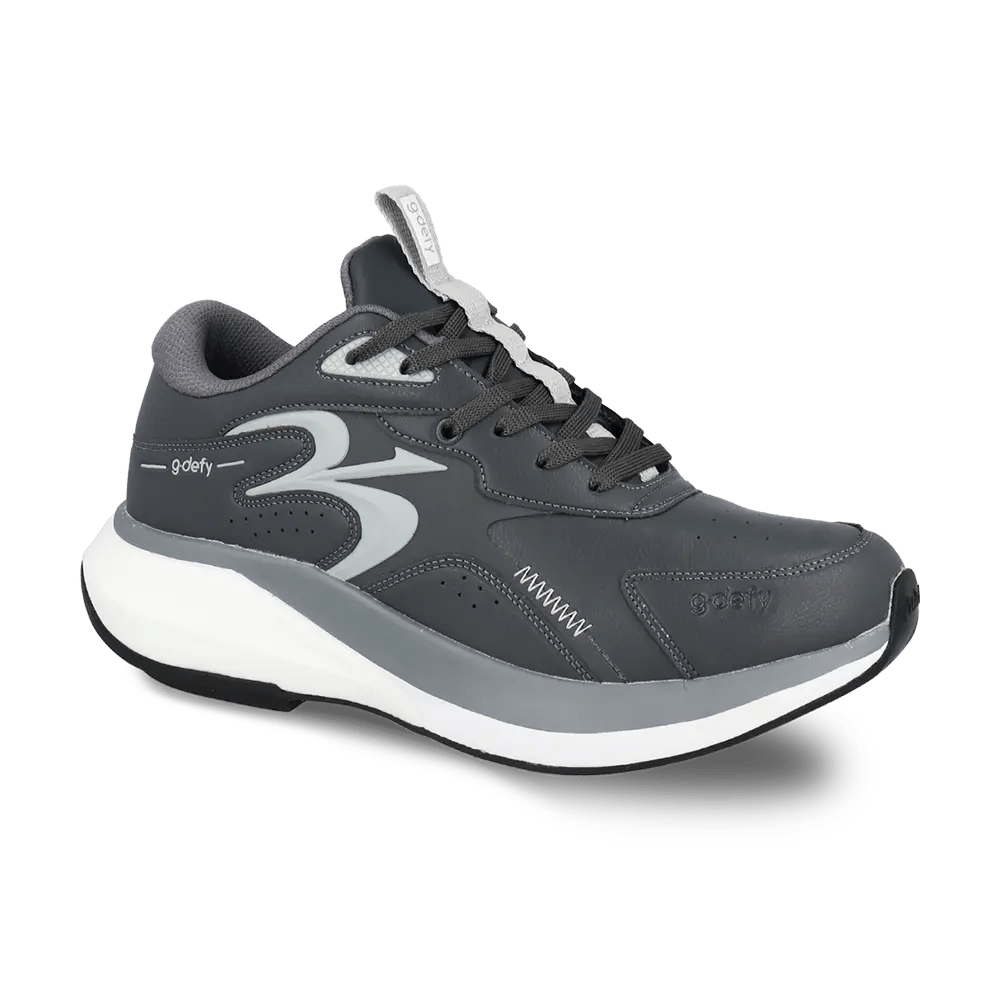
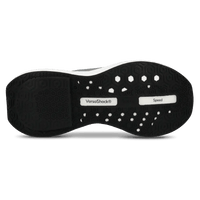
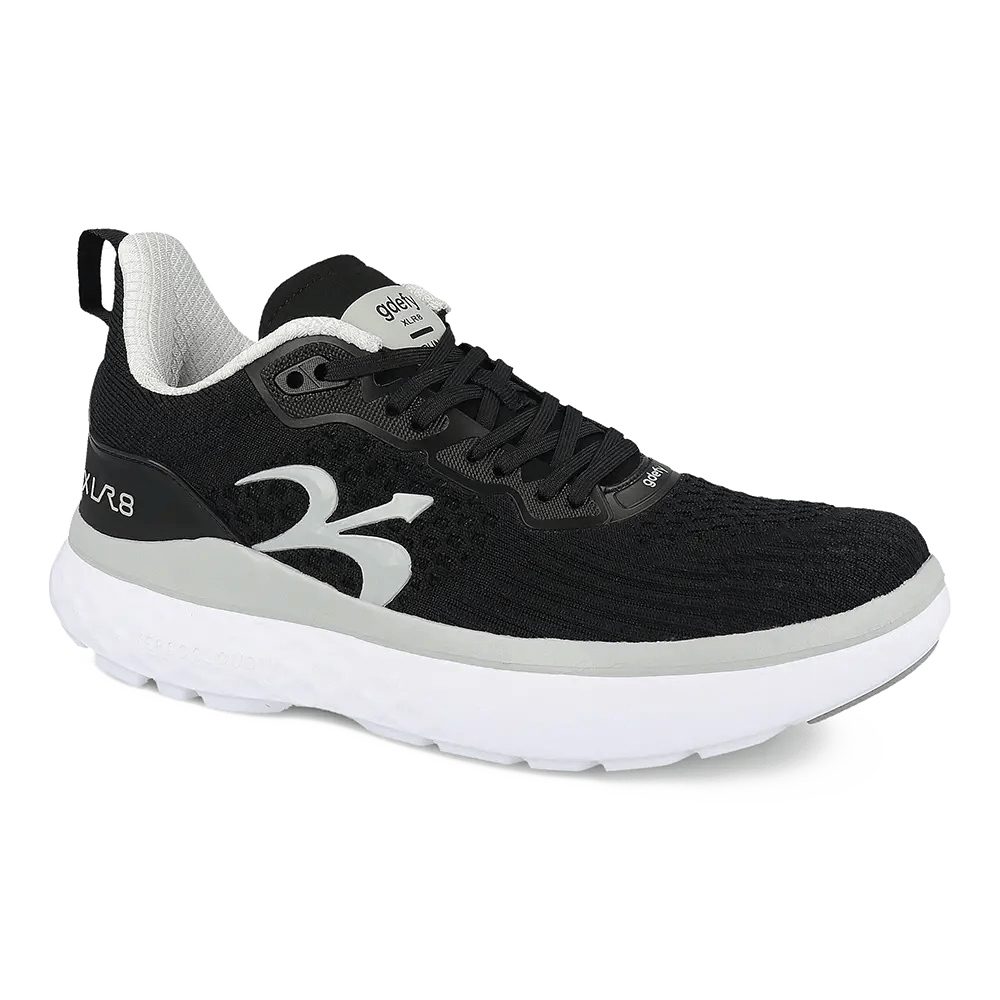
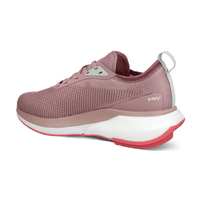
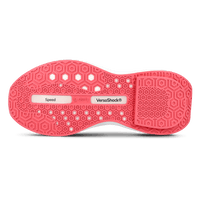
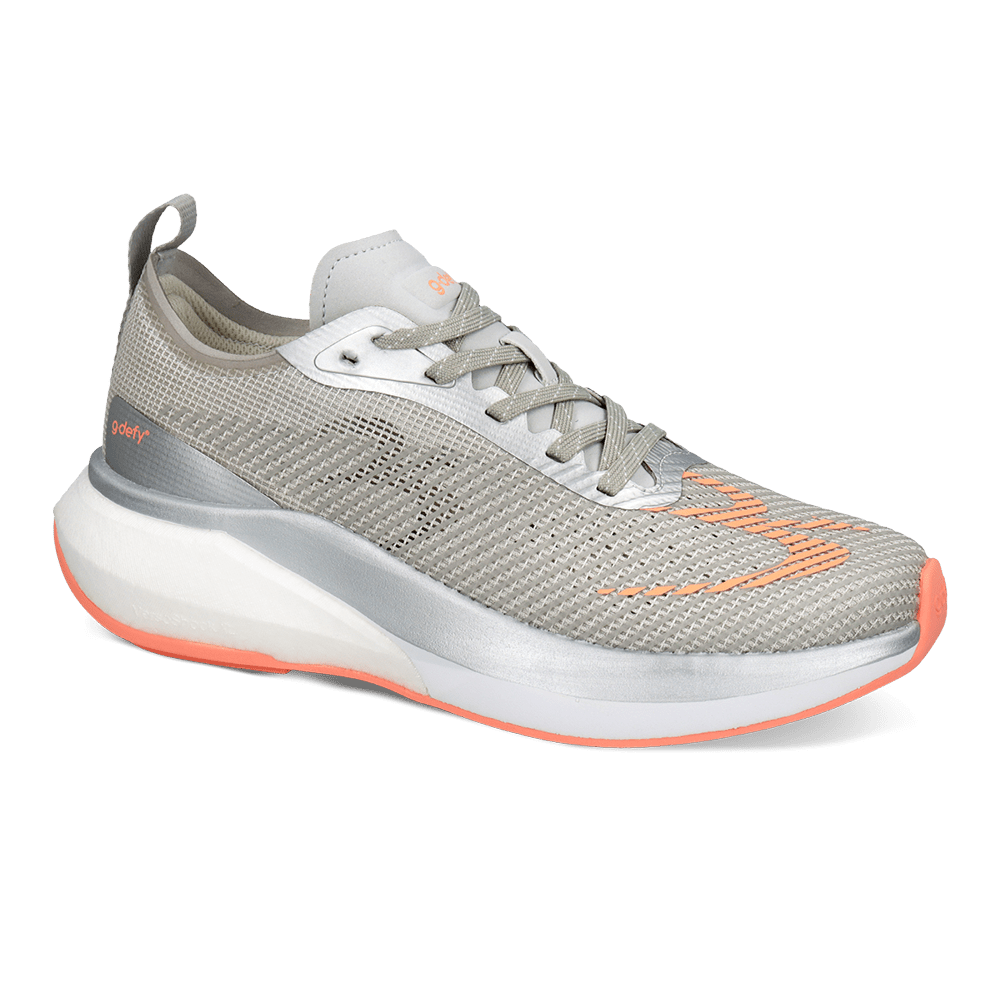
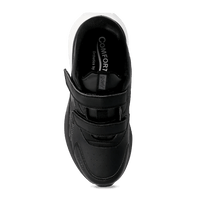
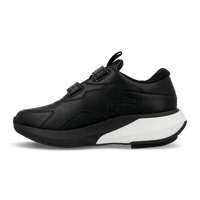
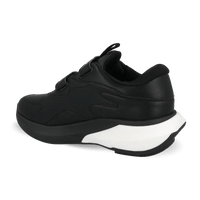
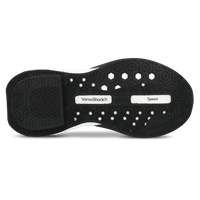
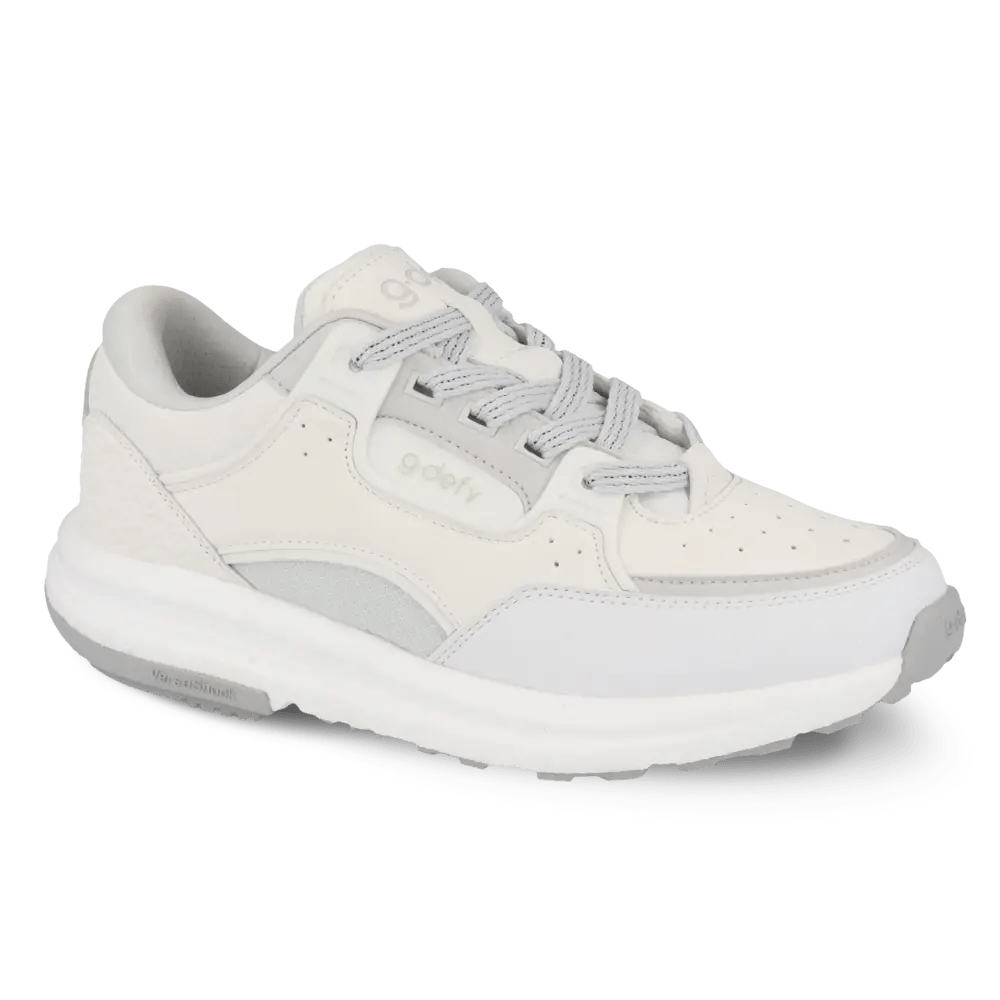
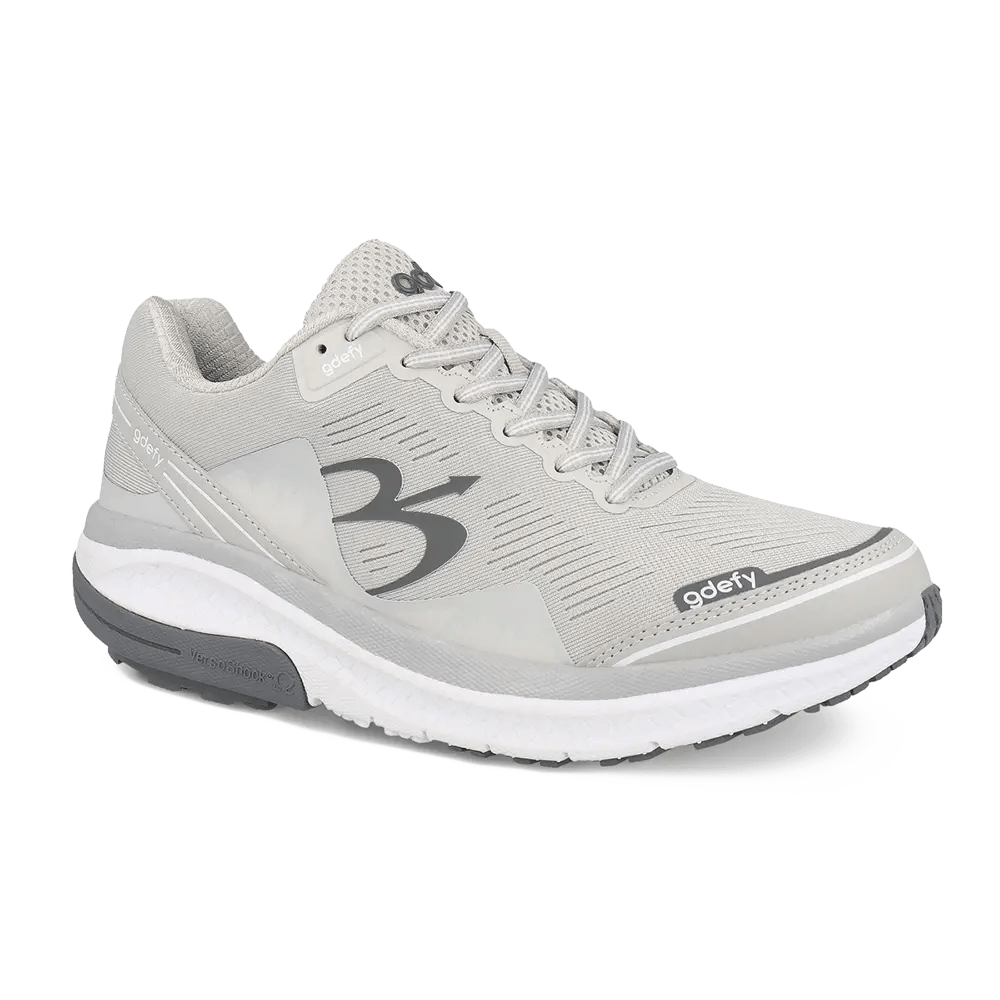
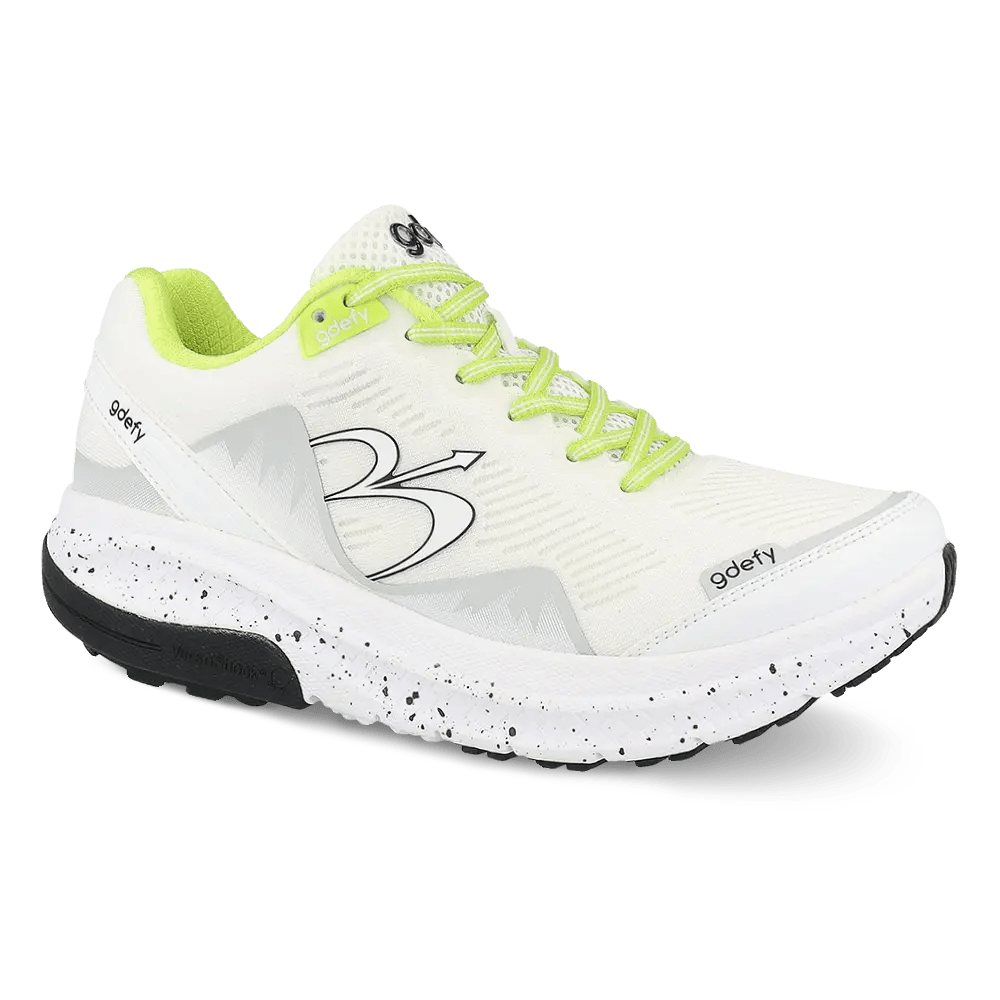
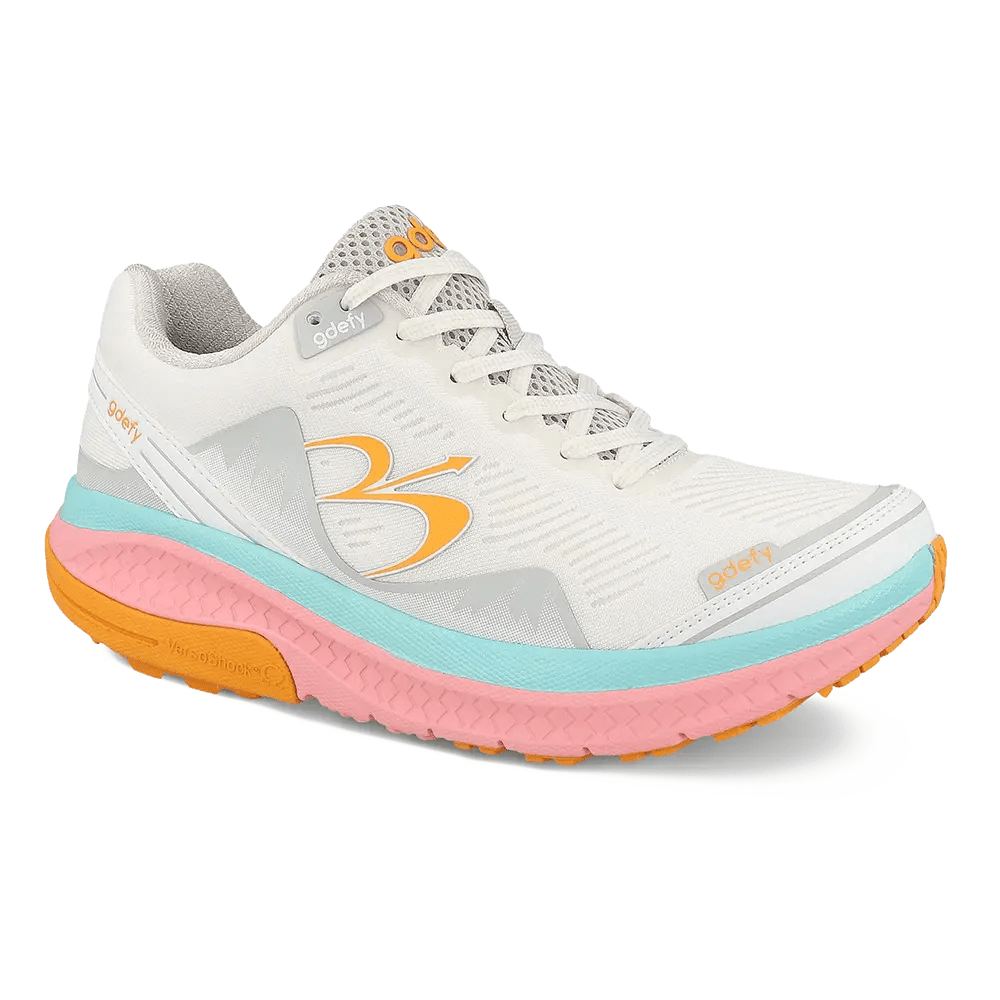
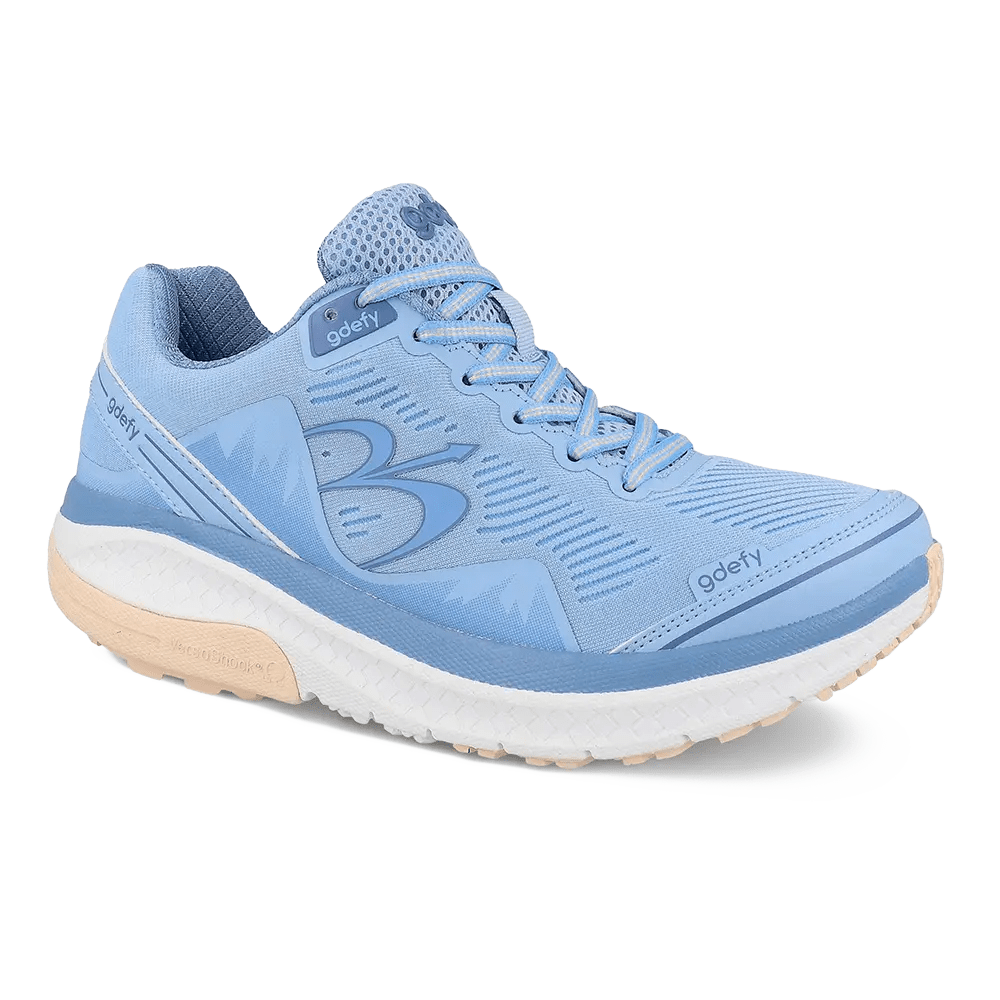
G-Defy shoes are engineered to deliver comfort, support, and shock absorption. VersoShock® technology absorbs impact and returns energy with each step, a built-in stabilizer supports the foot during movement, and the front rolling design promotes a smooth stride. G-Defy shoes help reduce pain from walking, running, and prolonged standing.

For two feet that do not match, three parts of that build do most of the work:
- Two removable orthotics in every pair. Each pair ships with two orthotics plus the standard insole, which means you can run a different stack on each side. More layers in the roomier shoe, fewer in the snugger one. This is the single most flexible adjustment in the shoe, and it costs nothing extra.
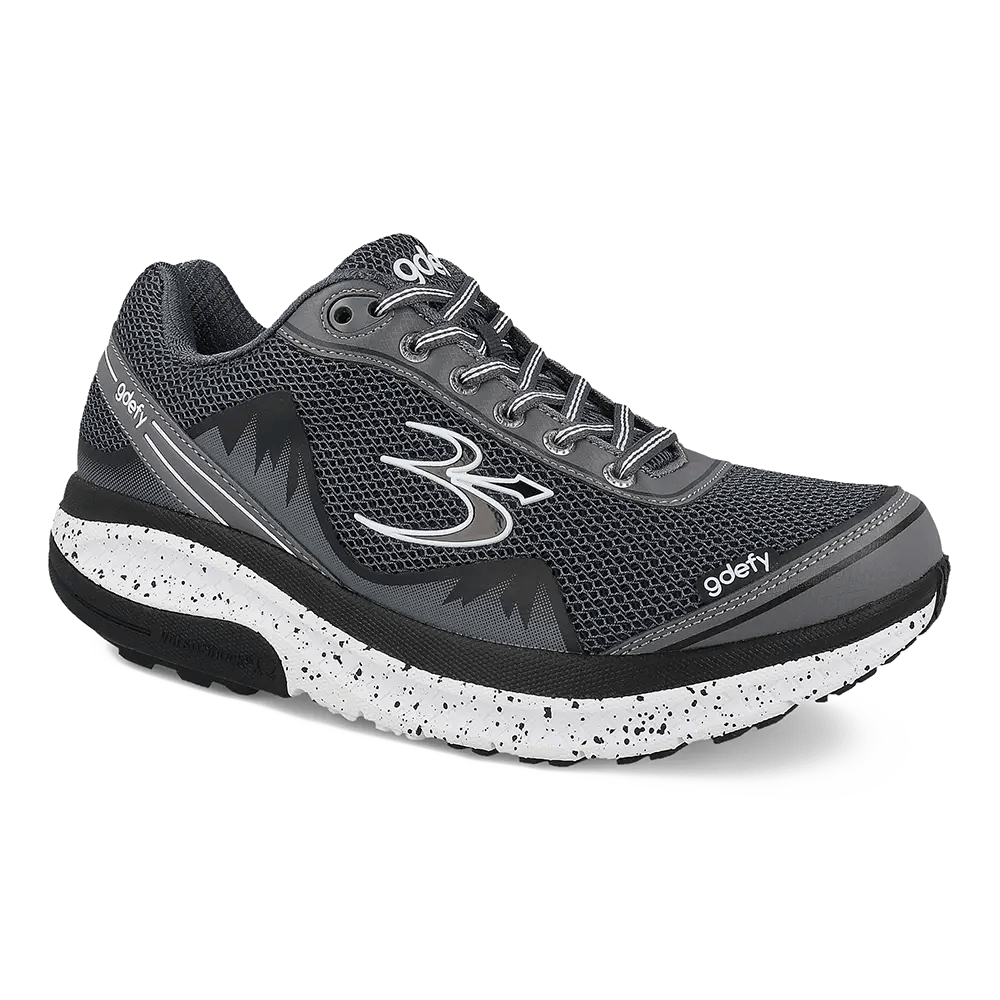
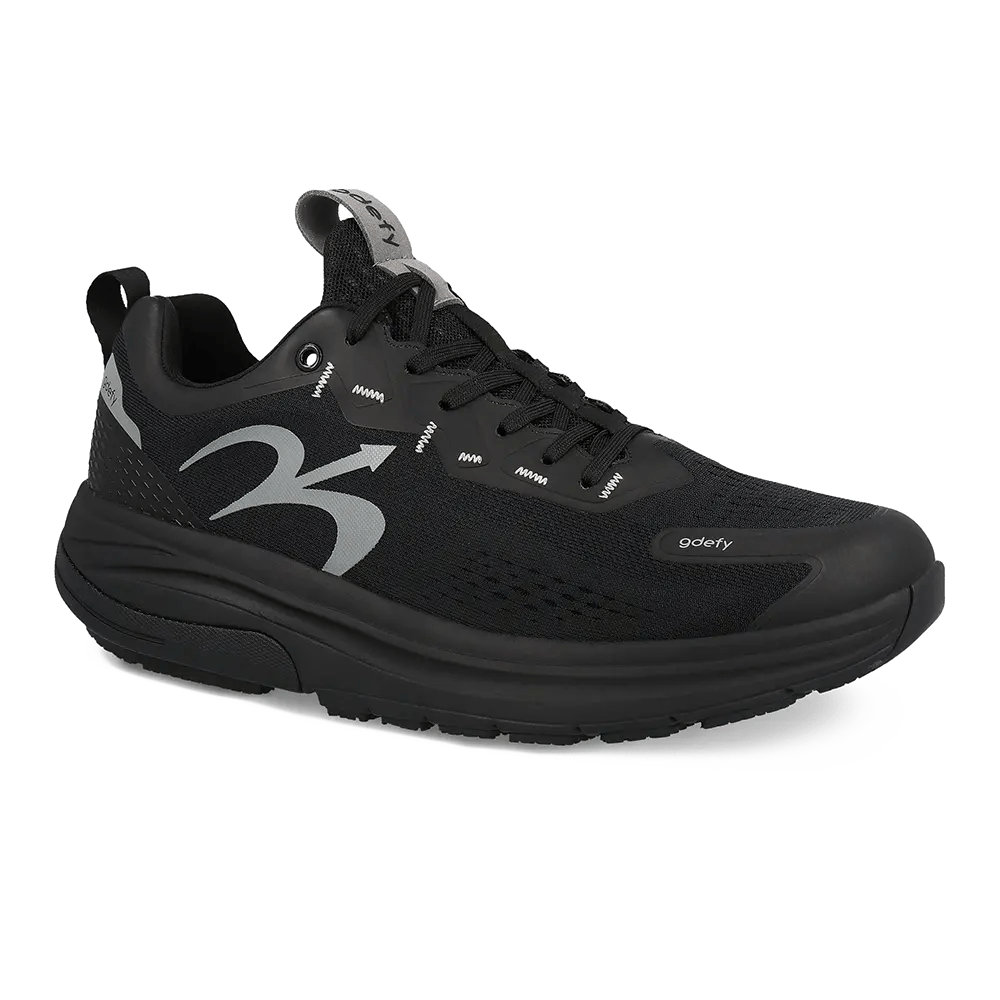
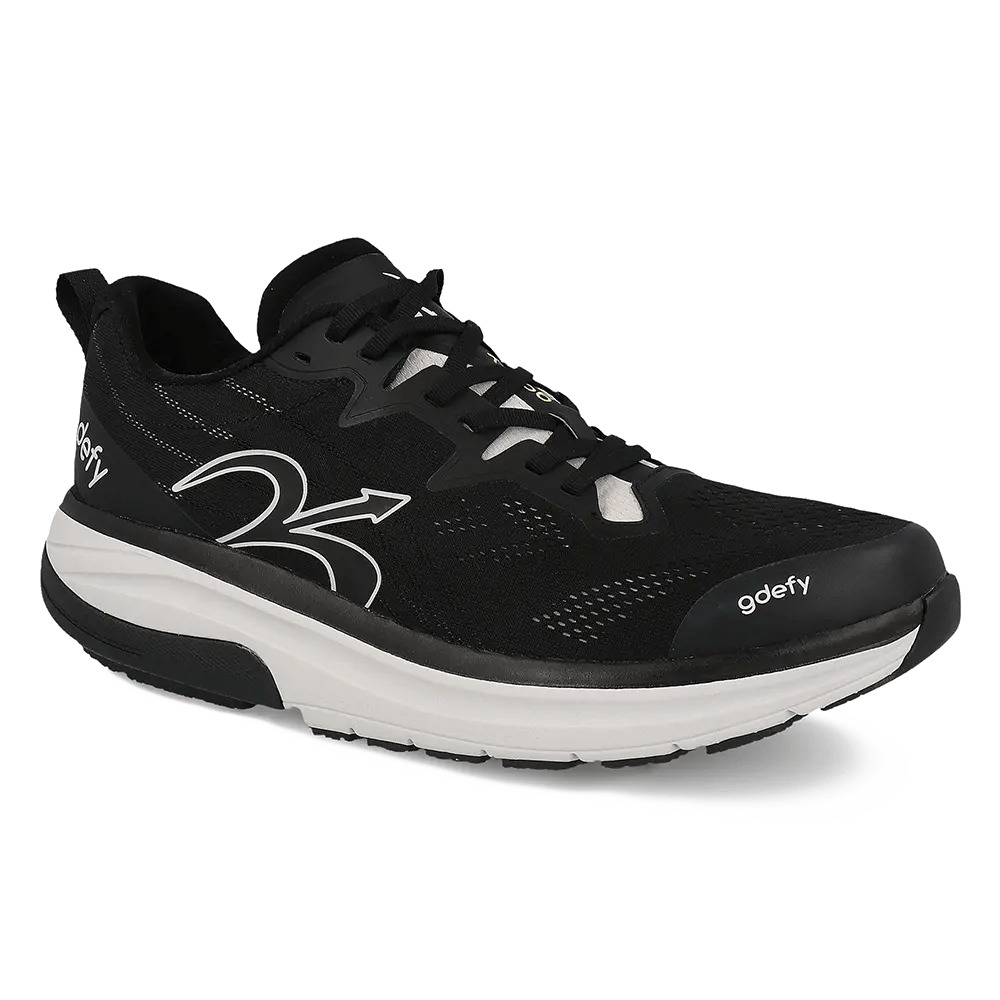
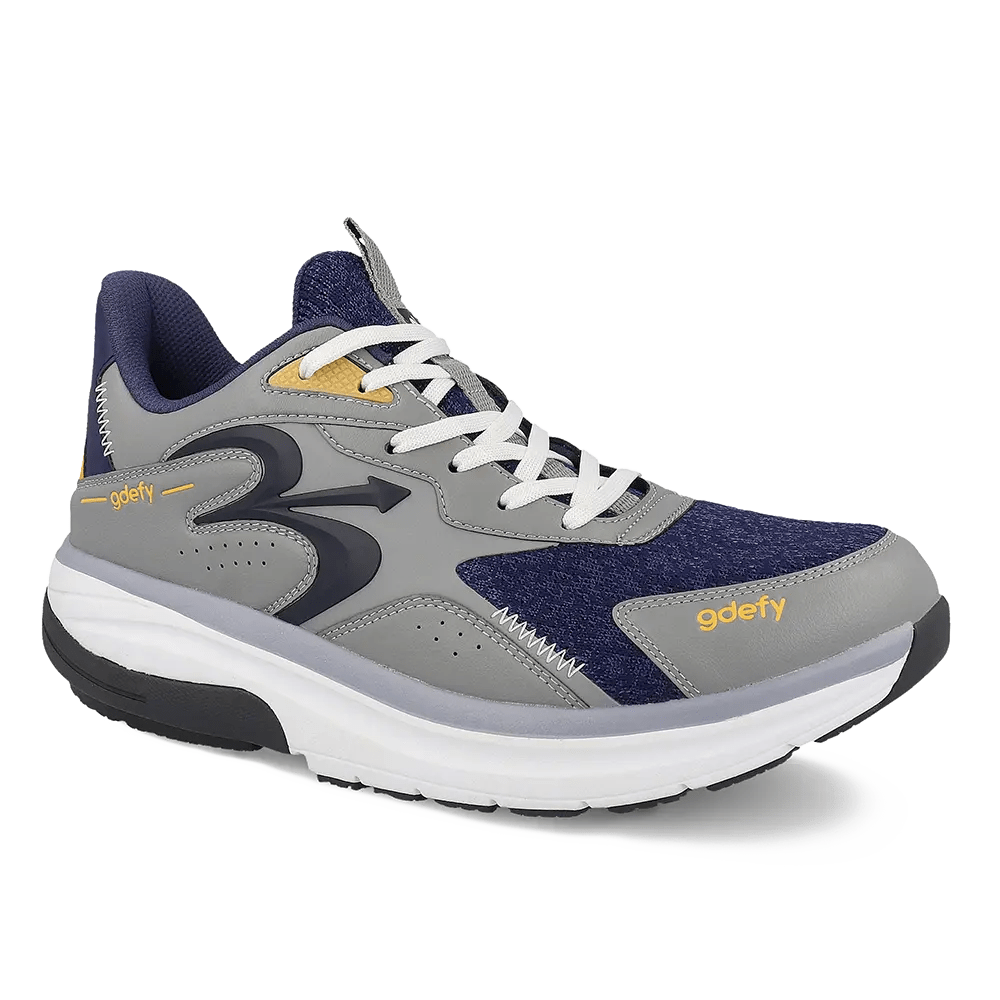
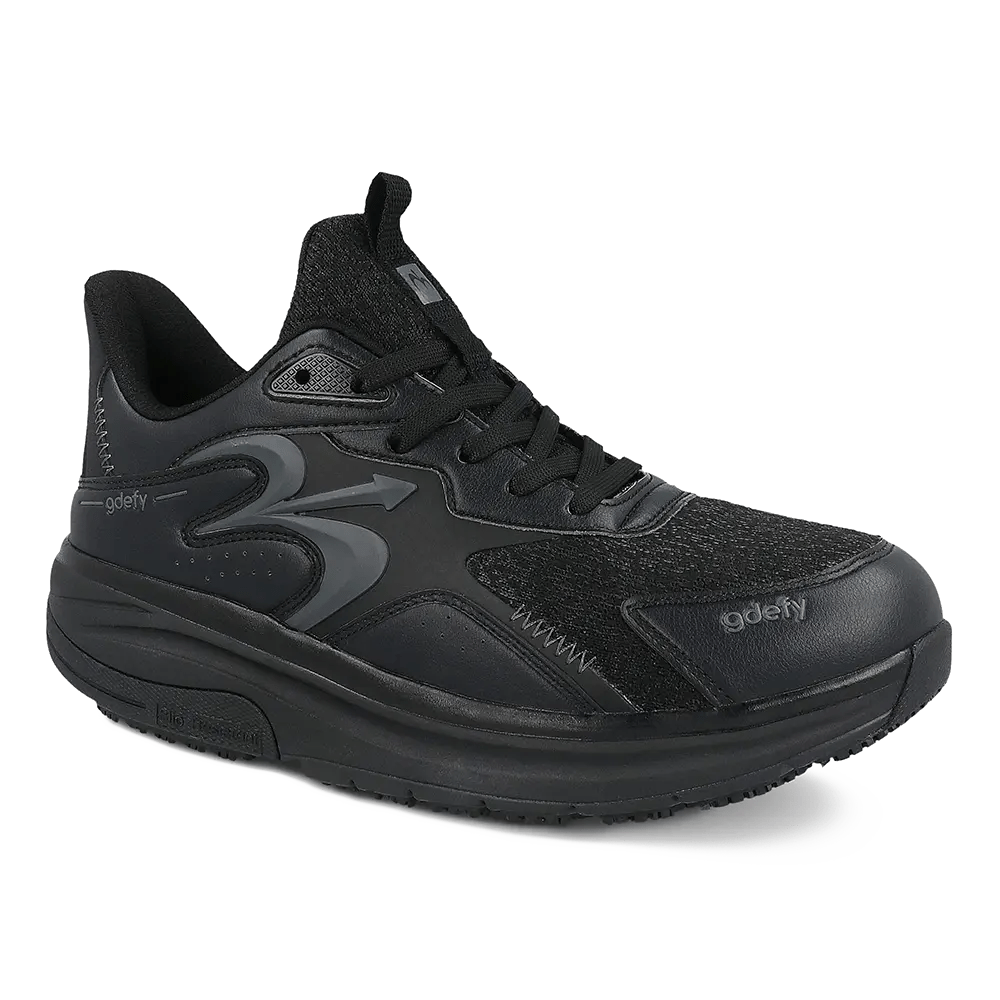
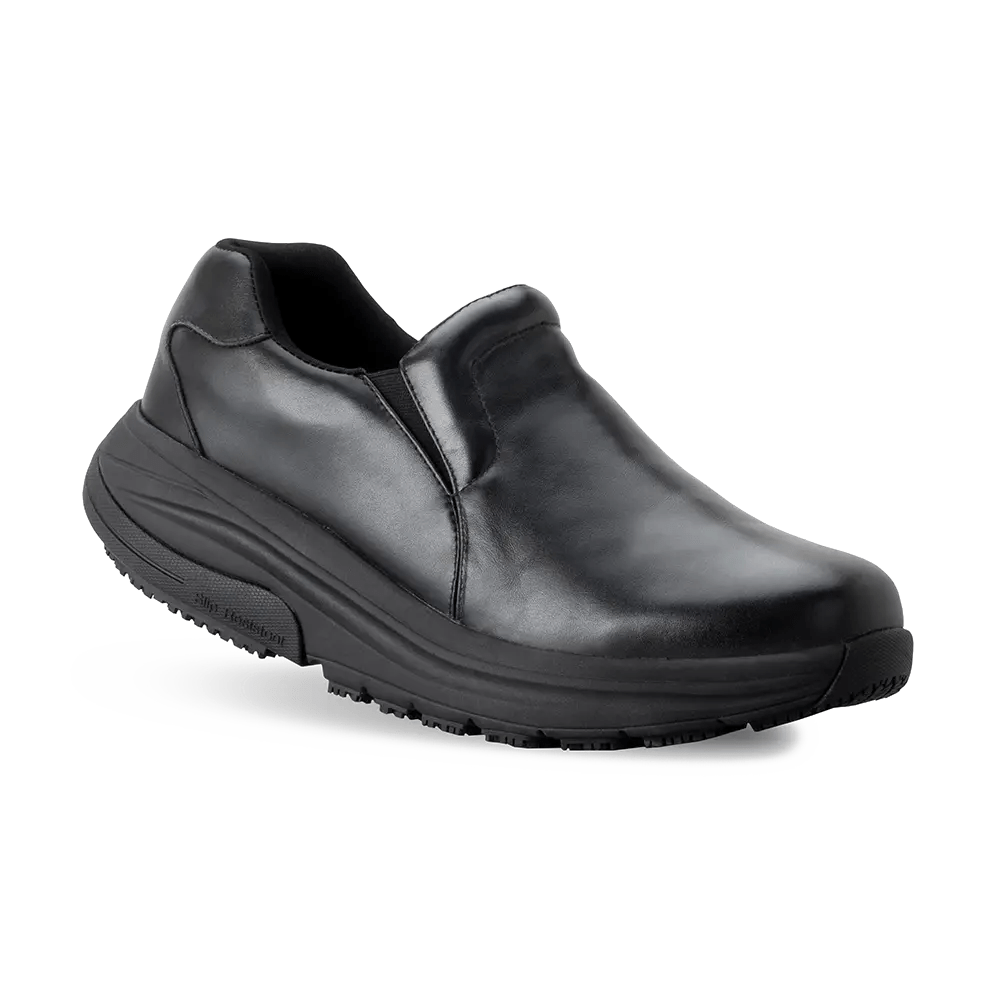
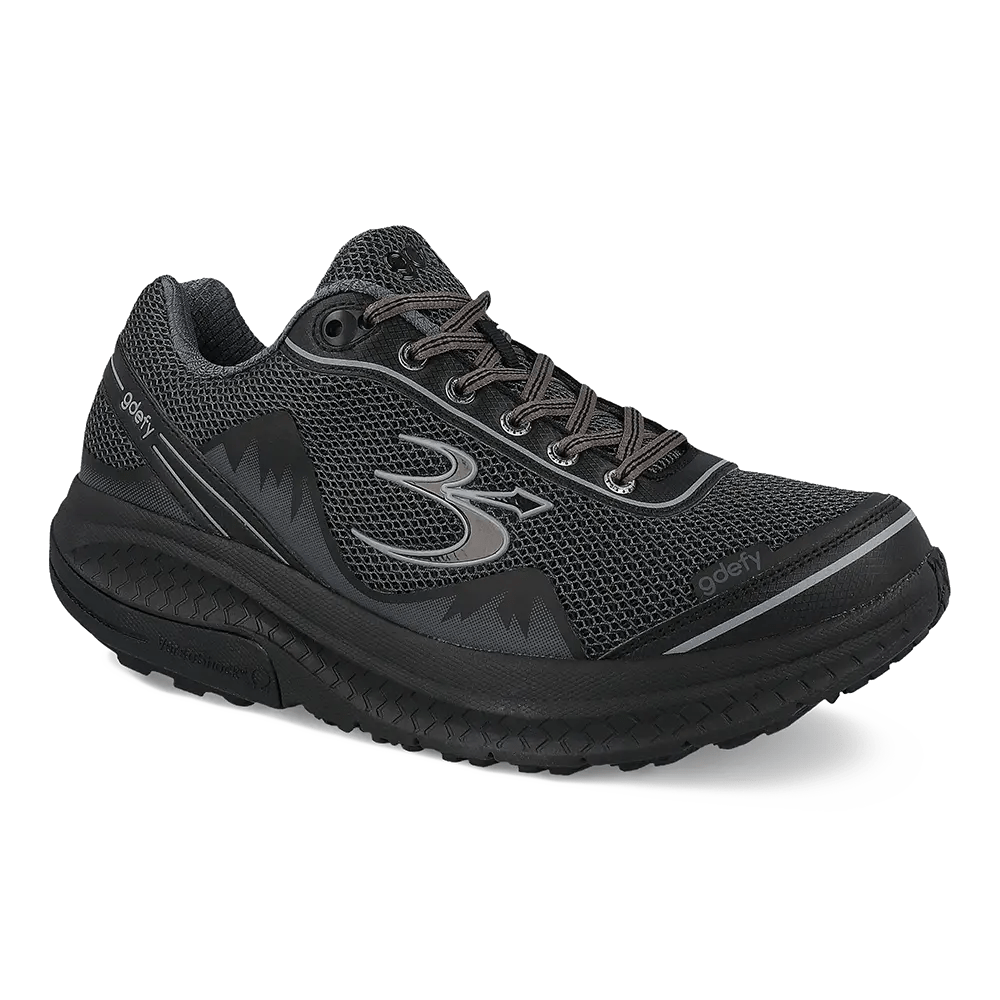
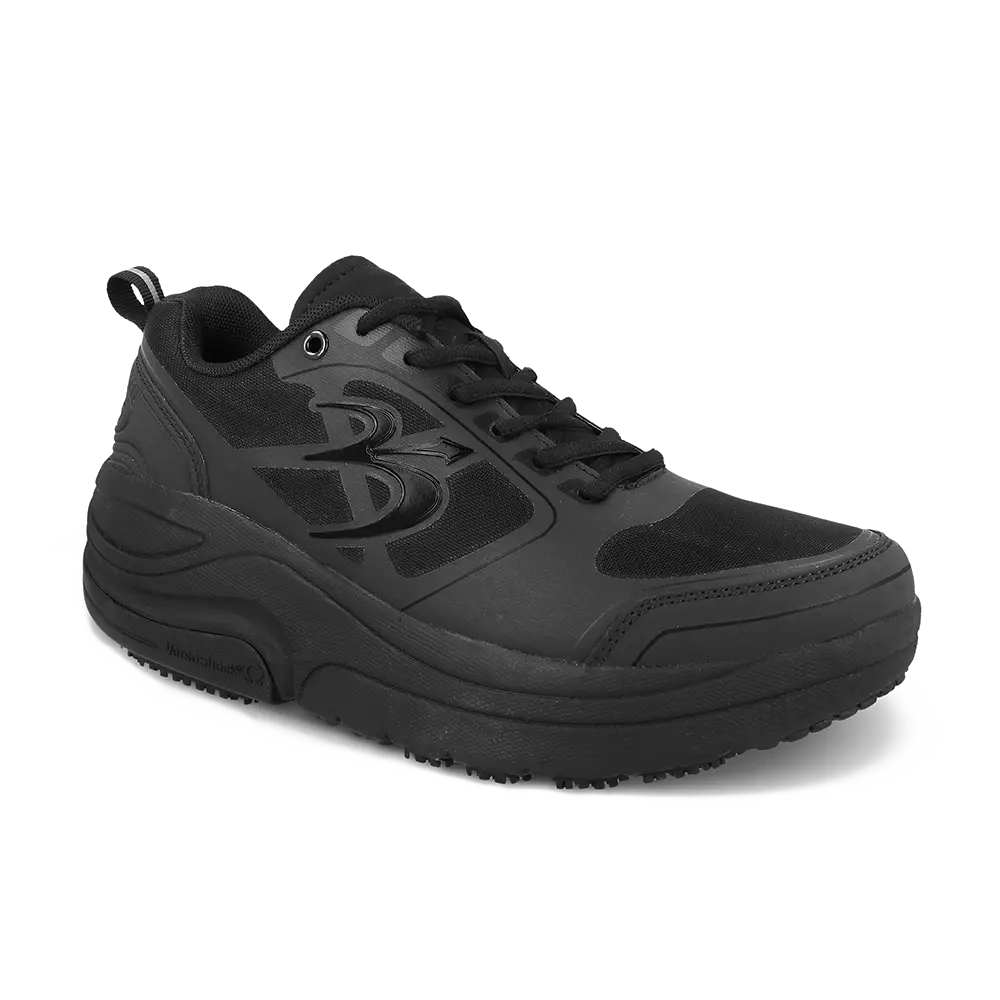
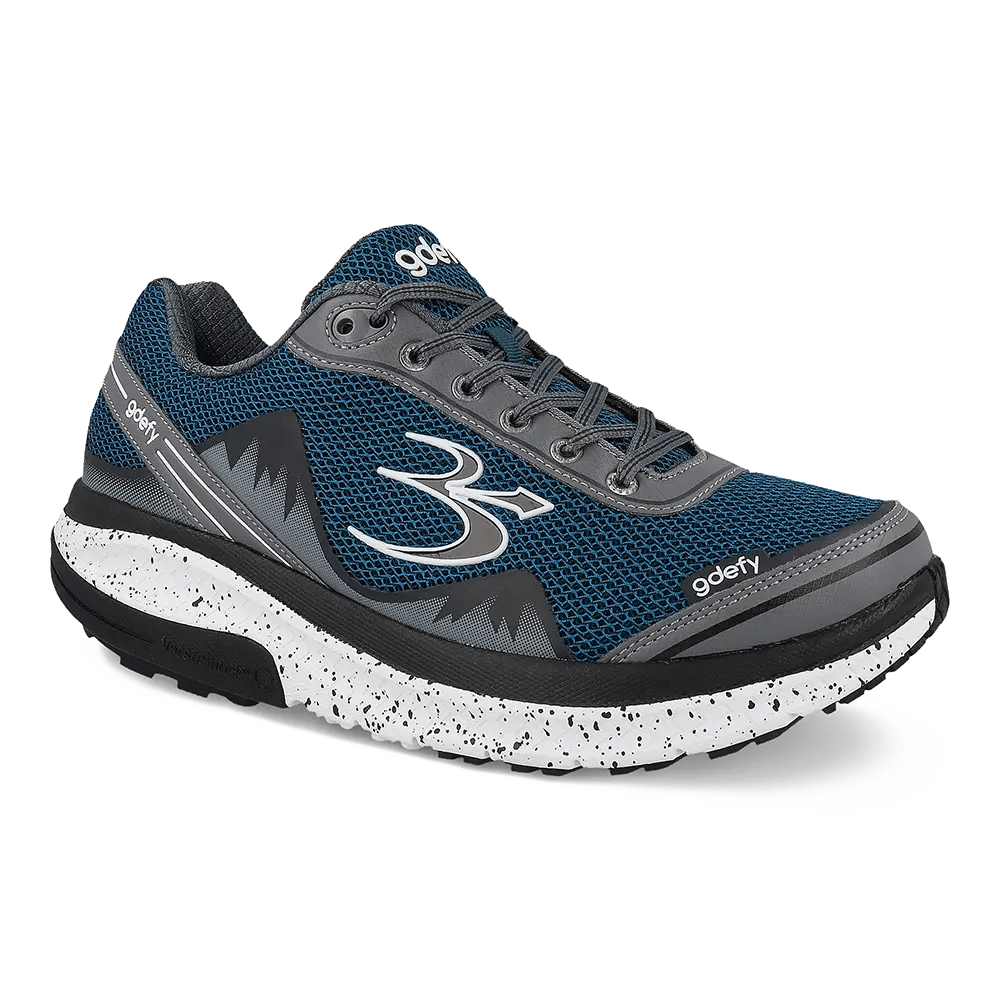
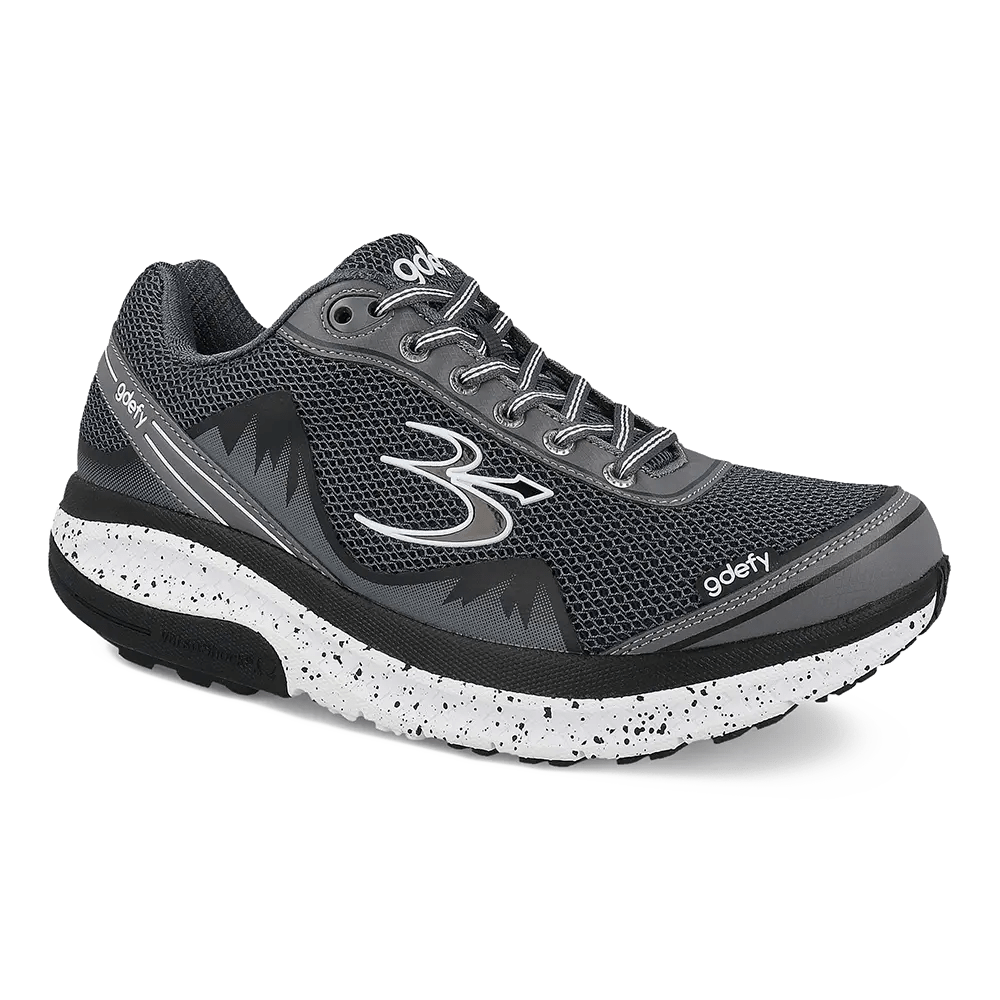
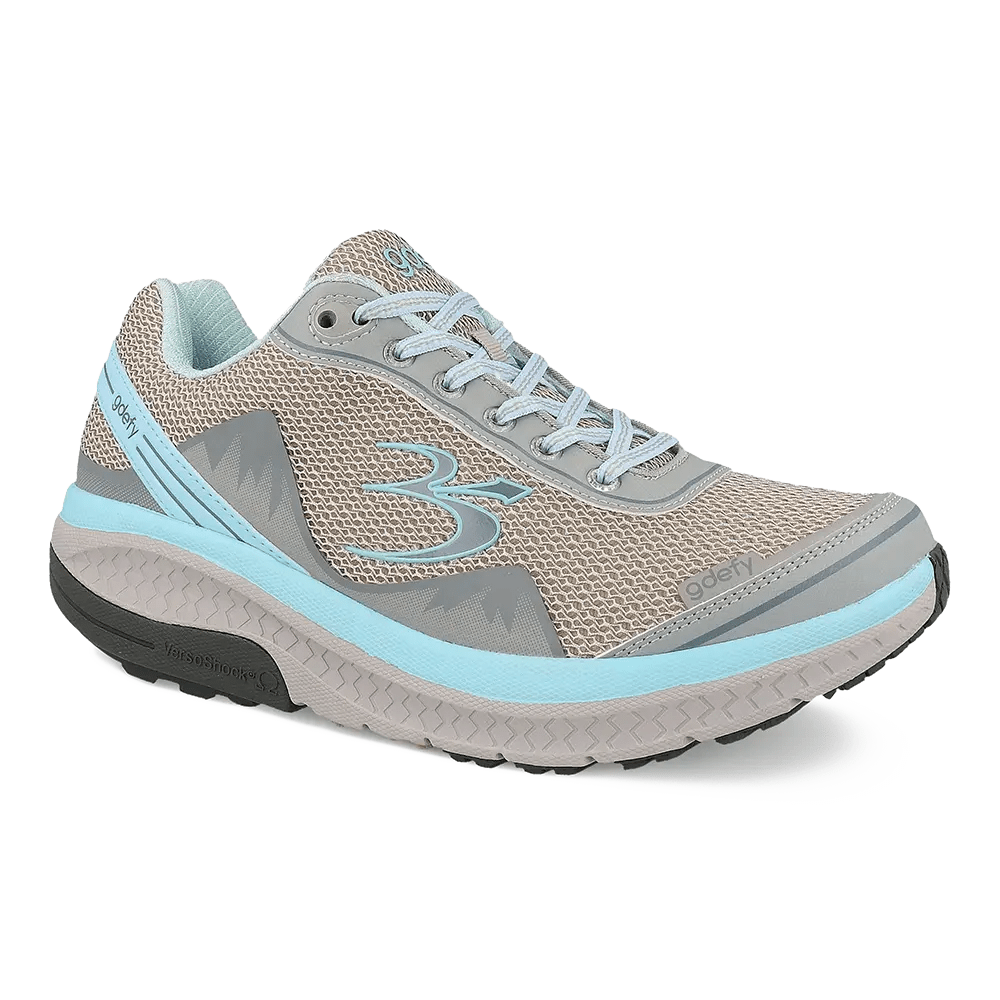
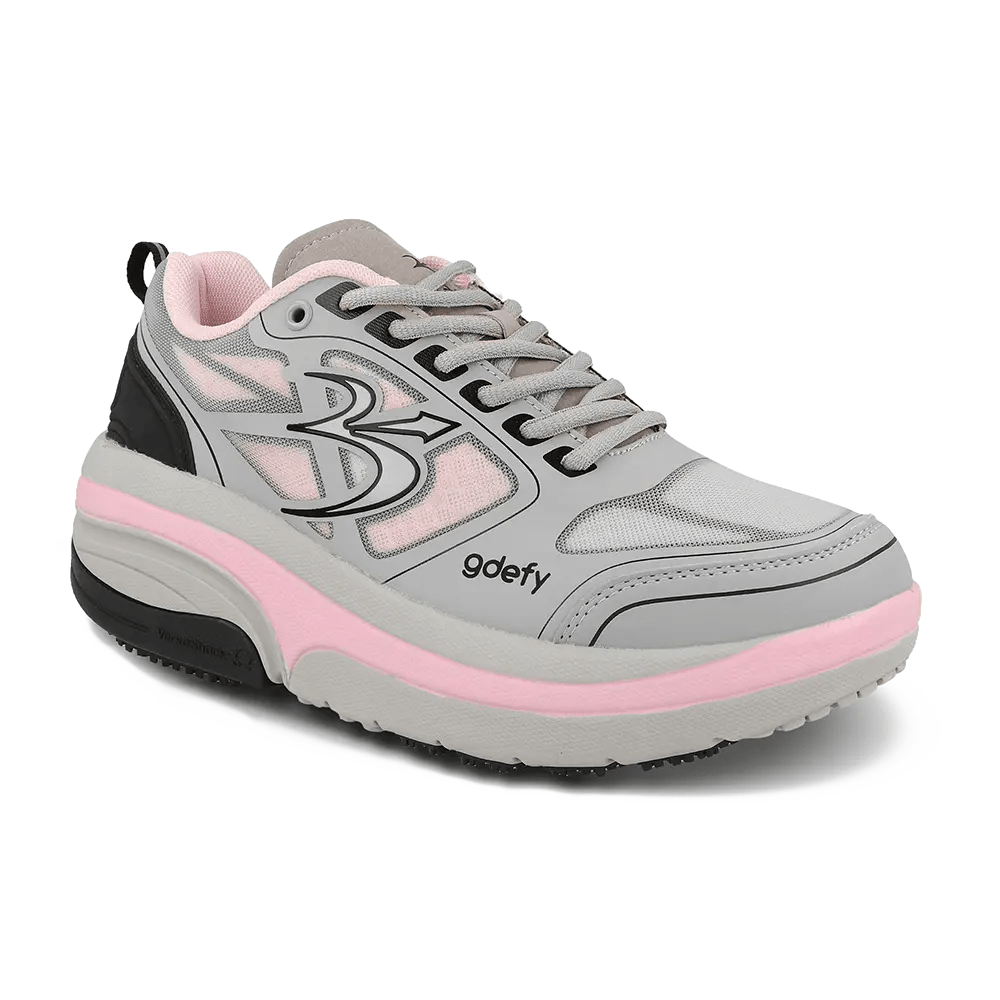
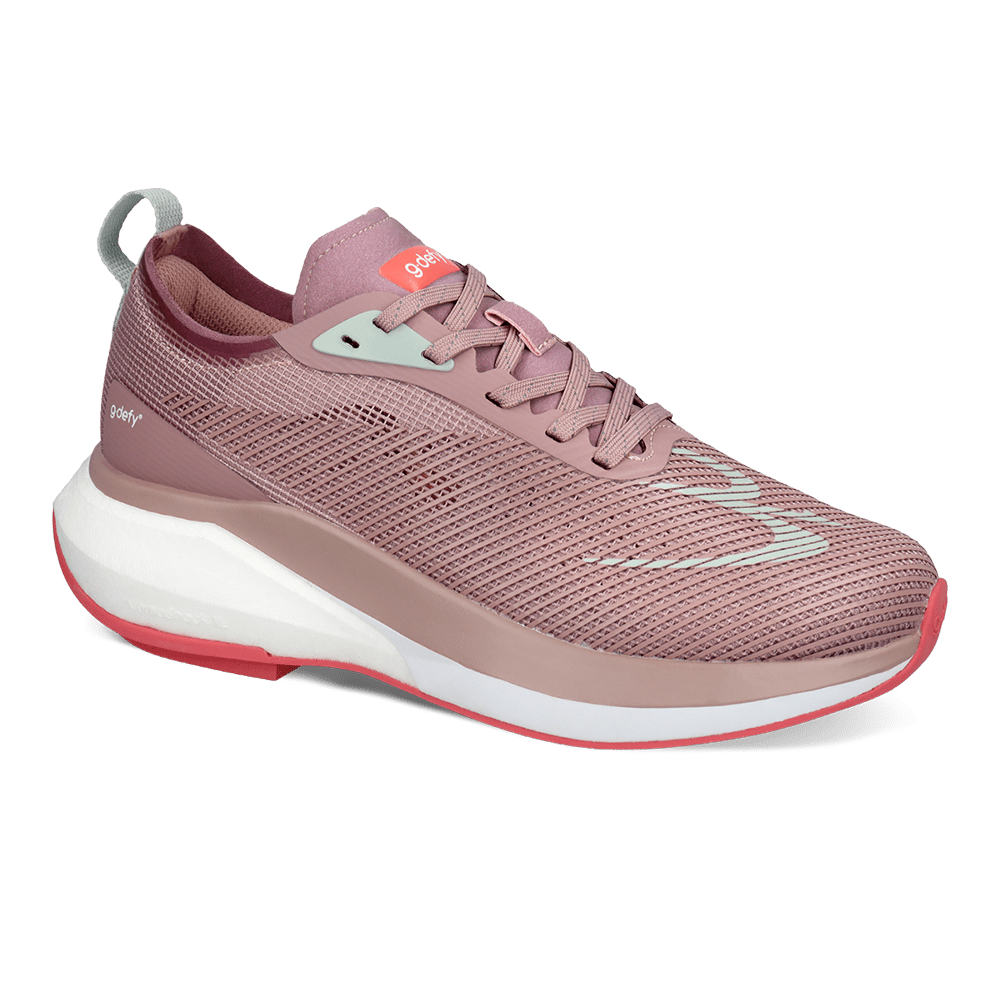
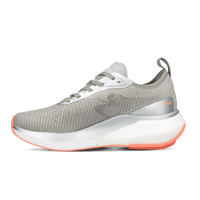
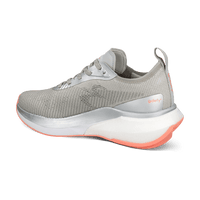
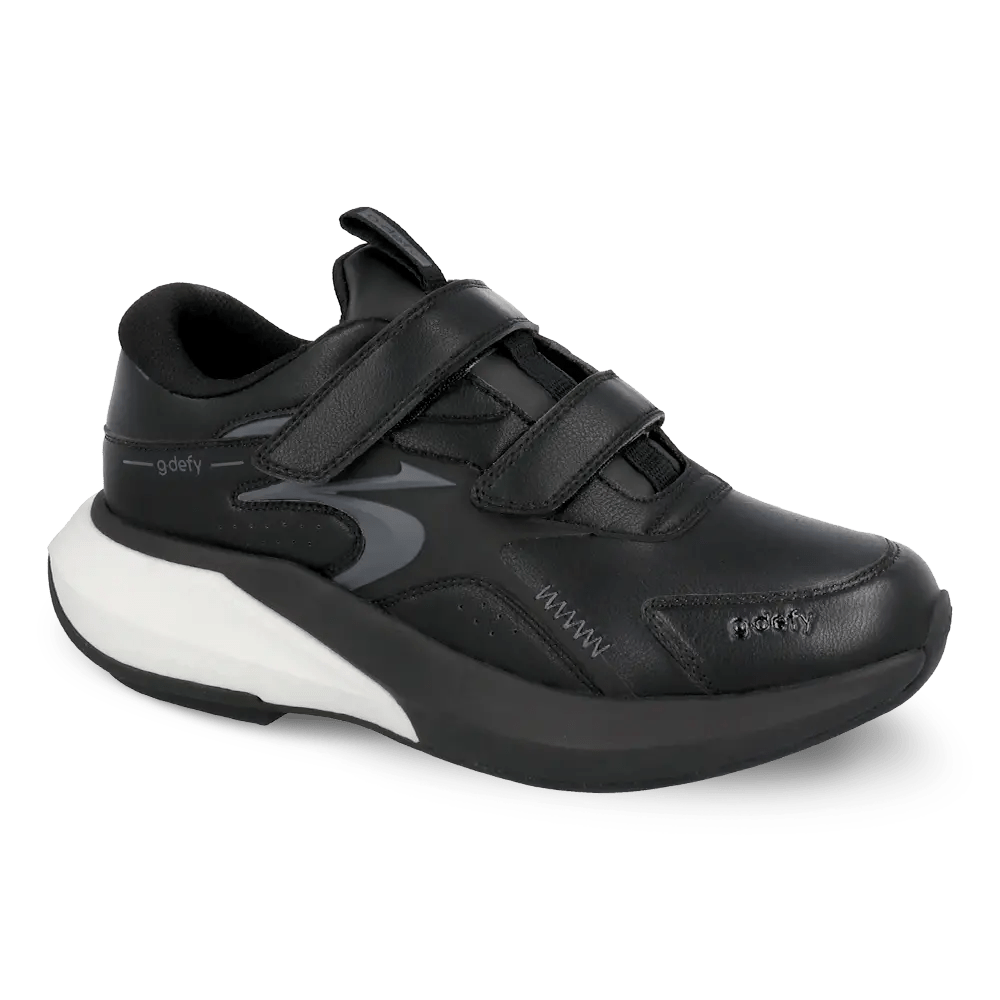
- Medium, wide, and extra-wide widths in half sizes. The Men's Mighty Walk and Women's Mighty Walk both come in (M), (W), and (XW), so a broad forefoot does not force you into extra length.
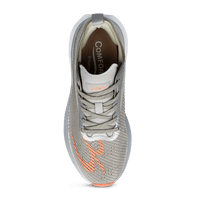
- A full lace-up upper. Every eyelet is available for heel-lock lacing, midfoot snugging, or leaving the instep loose on the taller foot.
If you want the mechanical detail on the midsole itself, we cover it in how VersoShock® technology works, and the difference between built-in support and add-in inserts in VersoShock® vs traditional orthotics.
Two feet, one pair, sixty days to get it right
Every pair bought through gravitydefyer.com comes with a 60-day risk-free trial, plus free shipping and free exchanges. A fit question like this takes a few weeks of real walking to answer — so take the time.
Shop women's shoes Shop men's shoesPractical Tips for Fitting Two Feet That Do Not Match
- Measure both feet, standing, late in the day. Feet are at their largest then, and standing loads them the way walking will.
- Buy for the longer and wider foot. Always. It is easier to take up space than to create it.
- Add volume to the roomier shoe with an insole, not with tighter laces. Over-tightening moves pressure to the top of the foot.
- Try heel-lock lacing on the slipping side only. The two shoes do not need matching lacing.
- Wear the socks you will actually walk in when you test the fit. A thicker sock closes a surprising amount of a half-size gap.
- Re-measure every couple of years. The difference between your feet may be stable, but their absolute size often is not.
- Retire the pair on schedule. A worn midsole changes how a shoe holds your foot — see how shoes wear out and when to replace footwear.
- Give a new pair two weeks. Our notes on breaking in new shoes comfortably apply here too, and an insole arrangement often needs a small change after the first week.
Frequently Asked Questions
Is it normal to have one foot bigger than the other?
Yes. A small difference between the left and right foot is common and ordinary. It becomes worth acting on when it is large enough to change how a shoe fits — typically around a half size or more in length, or a full width step at the forefoot.
Should I buy shoes for my bigger foot or my smaller foot?
Buy for the larger foot. A shoe that is slightly roomy can be adjusted with an extra insole and tighter lacing; a shoe that is too short cannot be made longer, and the toes have nowhere to go.
How do I take up the extra space in the looser shoe?
Add a layer under your foot. Most G-Defy pairs include two removable orthotics alongside the standard insole, so you can stack an extra one in the roomier shoe. Thicker socks and heel-lock lacing help too, and you can combine all three.
Can the right shoes help with foot discomfort if my feet are different sizes?
Footwear is not a medical solution, and comfort varies from person to person. That said, a shoe with cushioning, support, and shock absorption — fitted to the correct foot and adjusted on the other — tends to be more comfortable across a long day than a pair that fits neither foot properly.
What if my feet differ by more than a full size?
At that point a single pair rarely works well for both feet. Some people buy two pairs in two sizes and wear one shoe from each. It is not the cheapest approach, but it is the honest one when the gap is large.
Do I need a different shoe size on each foot for every style?
Not necessarily. Different lasts fit differently, so the gap you feel in one style may not show up in another. Measure the difference once, then judge each pair on how it actually feels rather than on the number printed inside.
The Bottom Line
Two feet that do not match are not a problem to be solved once. They are a fit detail to be accounted for every time you buy — and the accounting is simple. Measure both. Buy for the bigger one. Use the insoles and the laces to close the gap on the other side.
Footwear is not a medical solution. But choosing shoes designed for comfort, support, and shock absorption — and then setting each one up for the foot that is actually in it — can make a meaningful difference in how you feel at the end of a long day on your feet.