
June 30, 2026
What Features Matter Most for Heel Discomfort
By Gdefy

Summary
Your heels absorb some of the hardest impact your body produces every single day. Each time you take a step, your heel is usually the first part of your foot to strike the ground — and it does that thousands of times before you ever sit down. For a lot of people, that adds up to nagging heel discomfort during ordinary activities like walking the dog, standing at work, or getting through a busy afternoon on your feet.
While footwear is not a medical solution, the right shoe design can play an important role in how comfortable your heels feel from morning to night. The trouble is that not every shoe helps — and some make long days harder than they need to be. So the real question is simple: when you are shopping for shoes for heel discomfort, which features actually matter?
This guide breaks down the shoe features that make the biggest difference for everyday heel comfort, why each one counts, and how to tell whether a pair is built to support you through a full day.

Why Your Heels Take So Much Impact
Before looking at features, it helps to understand why heels get sore in the first place. Most everyday heel discomfort comes down to simple mechanics rather than anything complicated.
When you walk, your body weight lands on a small area of the heel with surprising force. On hard surfaces like concrete, tile, or wood floors, very little of that impact is absorbed by the ground — so it travels up into your foot instead. Multiply that by a full day of steps and the heel can start to feel tender or fatigued.
A few common factors tend to make it worse:
- Hard, flat surfaces — concrete and tile give almost nothing back, so your shoes have to do the cushioning.
- Long hours on your feet — standing and walking for a full shift keeps loading the same tissues without a break.
- Worn-out shoes — once cushioning is compressed and past its prime, it stops absorbing impact the way it should.
- Thin or unsupportive footwear — flat, flimsy soles let the heel take the full brunt of every step.
The good news is that most of these come back to your footwear. Understanding how your feet affect the rest of your body makes it clear why the surface directly under your heel matters so much for all-day comfort.
What Features Matter Most for Heel Comfort
Not all shoes are built the same, and the details you can actually feel underfoot are the ones worth paying attention to. Here are the features that matter most when heel comfort is your priority.
1. Cushioning Under the Heel
Cushioning is the first line of defense for tender heels. A well-cushioned heel area helps absorb impact as your foot lands, so less force reaches sensitive tissue. Look for a shoe with a substantial, resilient heel platform rather than a thin, hard sole. If you want to go deeper on this, our guide to cushioning versus support explains how the two work together.
2. Real Shock Absorption
Cushioning softens the landing, but true shock absorption goes a step further by managing the harsh force of each stride. Shock absorption helps reduce impact during walking, which can make every step feel smoother — especially on unforgiving surfaces. This is one of the most important features for anyone who spends long hours upright. Learn more about how shock absorption technology works and why it feels different from standard foam.
3. A Firm, Supportive Heel Counter
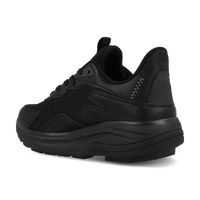
The heel counter is the structured cup at the back of the shoe that holds your heel in place. A firm heel counter keeps your foot from sliding around, which improves stability and helps your heel sit where it should with every step. When your heel is held securely, the cushioning and support underneath can do their job properly. A shoe that feels secure and supportive around the heel makes a noticeable difference over a long day.
4. Structured Arch and Midfoot Support
Support is not just about the arch — it is about giving your whole foot a stable foundation. A structured midfoot helps distribute pressure more evenly instead of letting it pool under the heel. Good support helps maintain stability and encourages a more balanced stride. If the word "support" feels vague, our breakdown of what support really means in footwear clears it up.
5. Proper Fit and a Secure Heel
Even the best cushioning cannot help if the shoe does not fit. A shoe that is too loose lets the heel slip and rub; one that is too tight creates pressure. The right fit holds your heel snugly while giving your toes room to move. Because feet can swell over the course of a day, it is worth reading up on why proper fit is key to all-day comfort before you buy.
6. Energy Return and a Smooth Stride
Finally, energy return helps keep your movement efficient so your feet and legs do not tire as quickly. A shoe that returns energy supports a smoother heel-to-toe transition, so you are not fighting your footwear with every step. Combined with cushioning and support, energy return rounds out a shoe that feels comfortable from the first step to the last.
How G-Defy Shoes Approach Heel Comfort
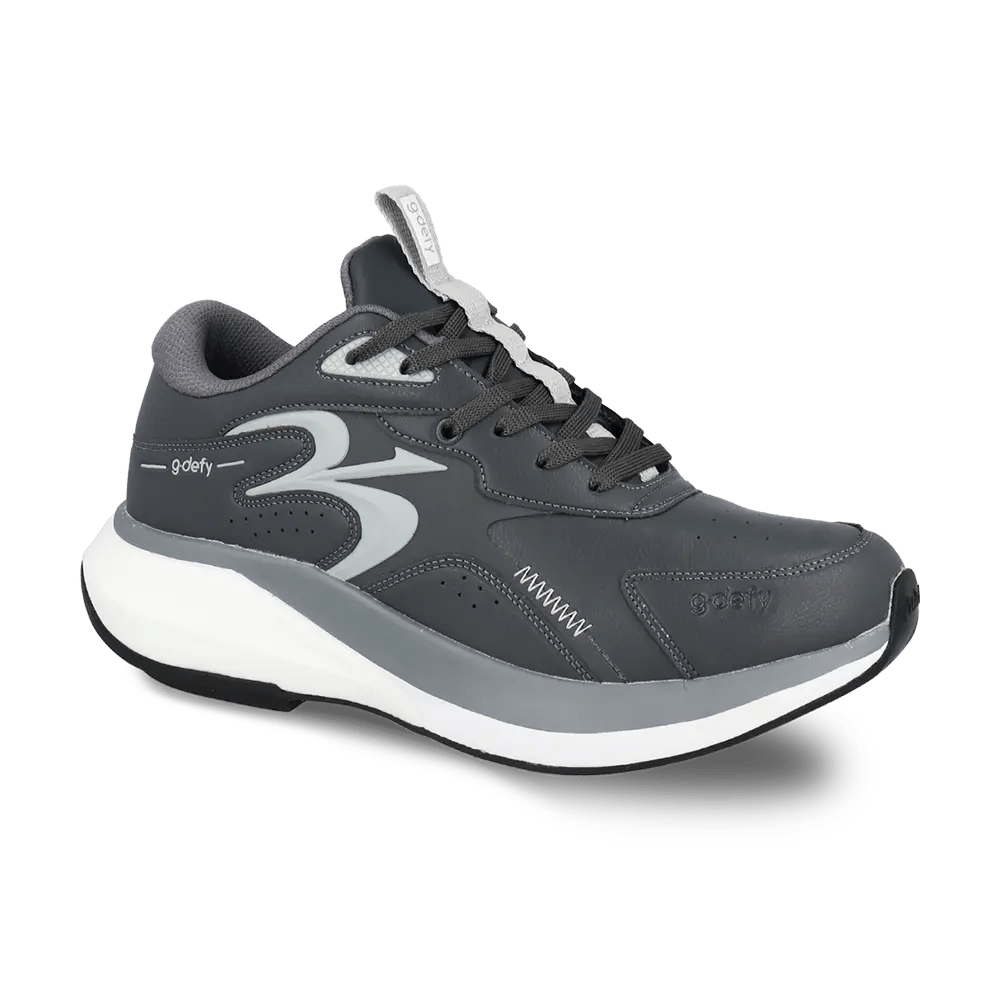
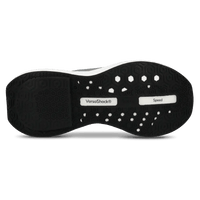
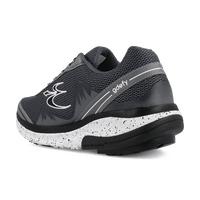
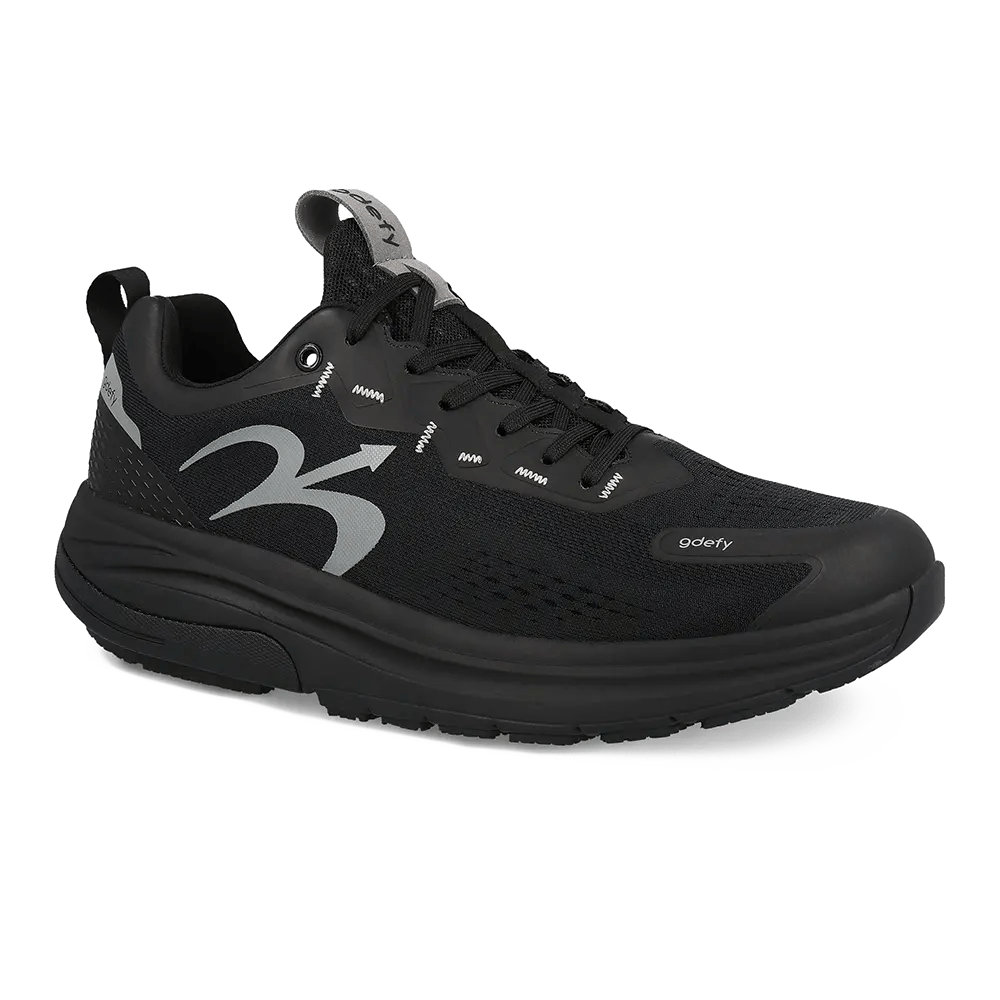
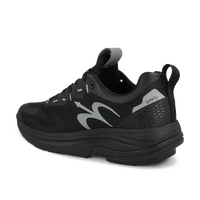
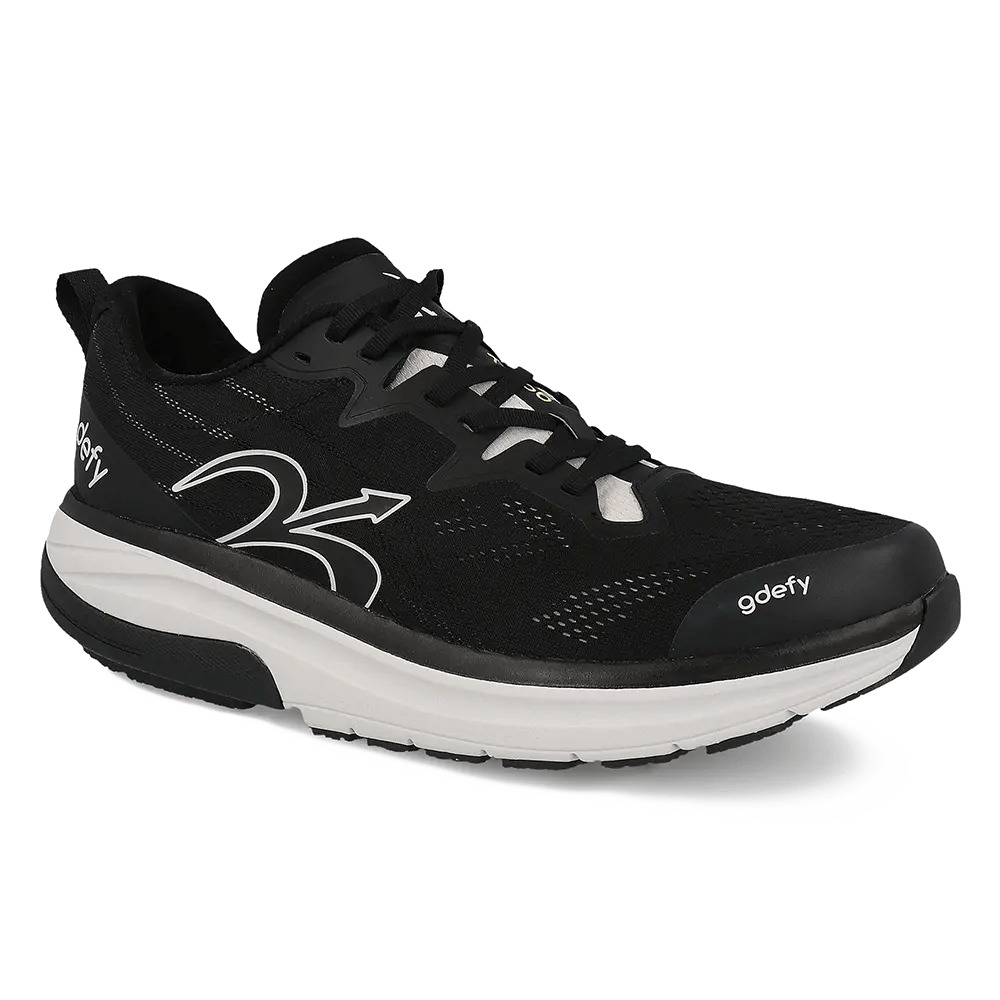
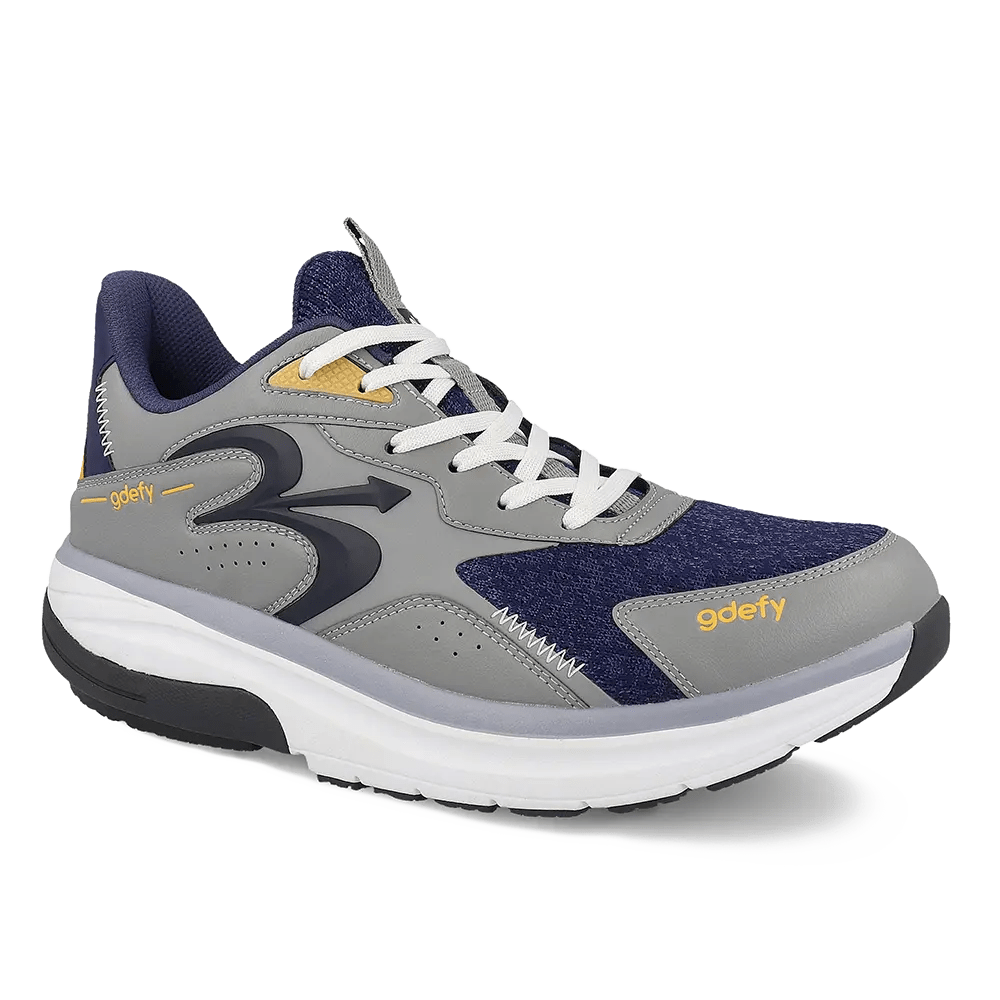
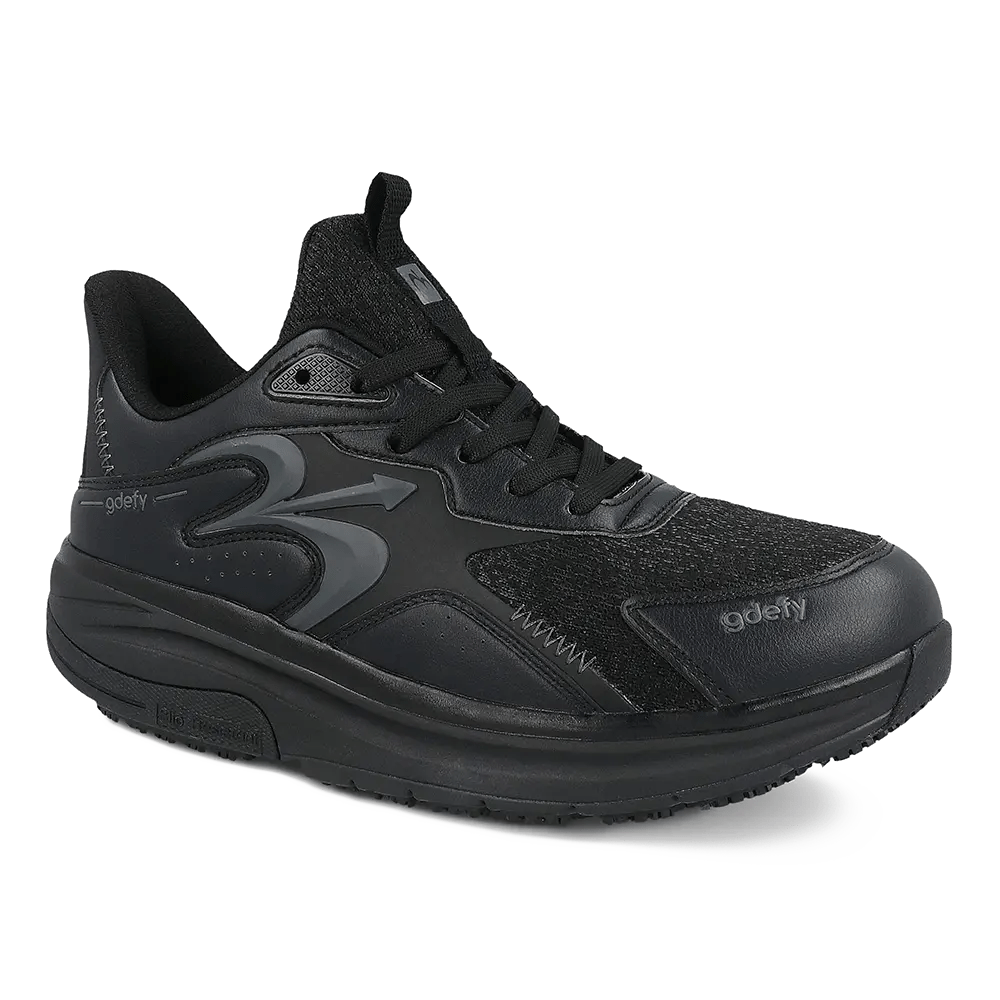
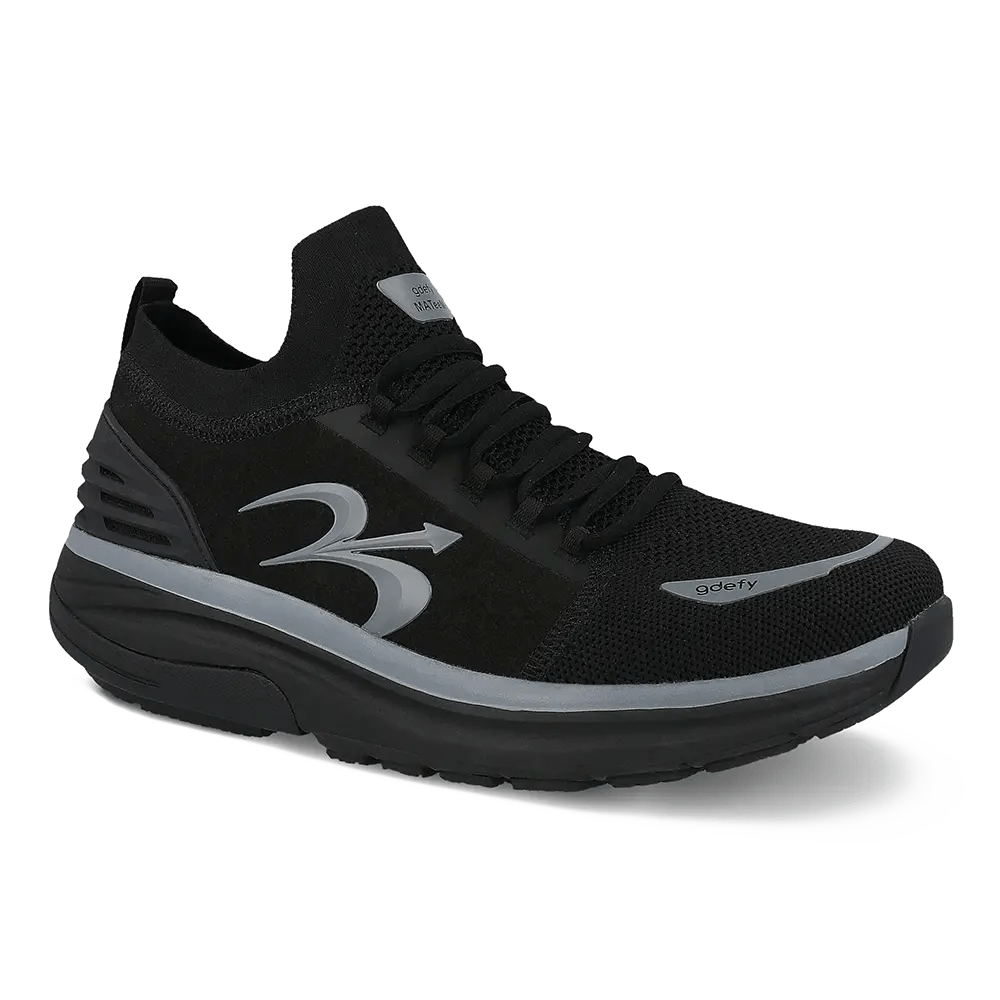
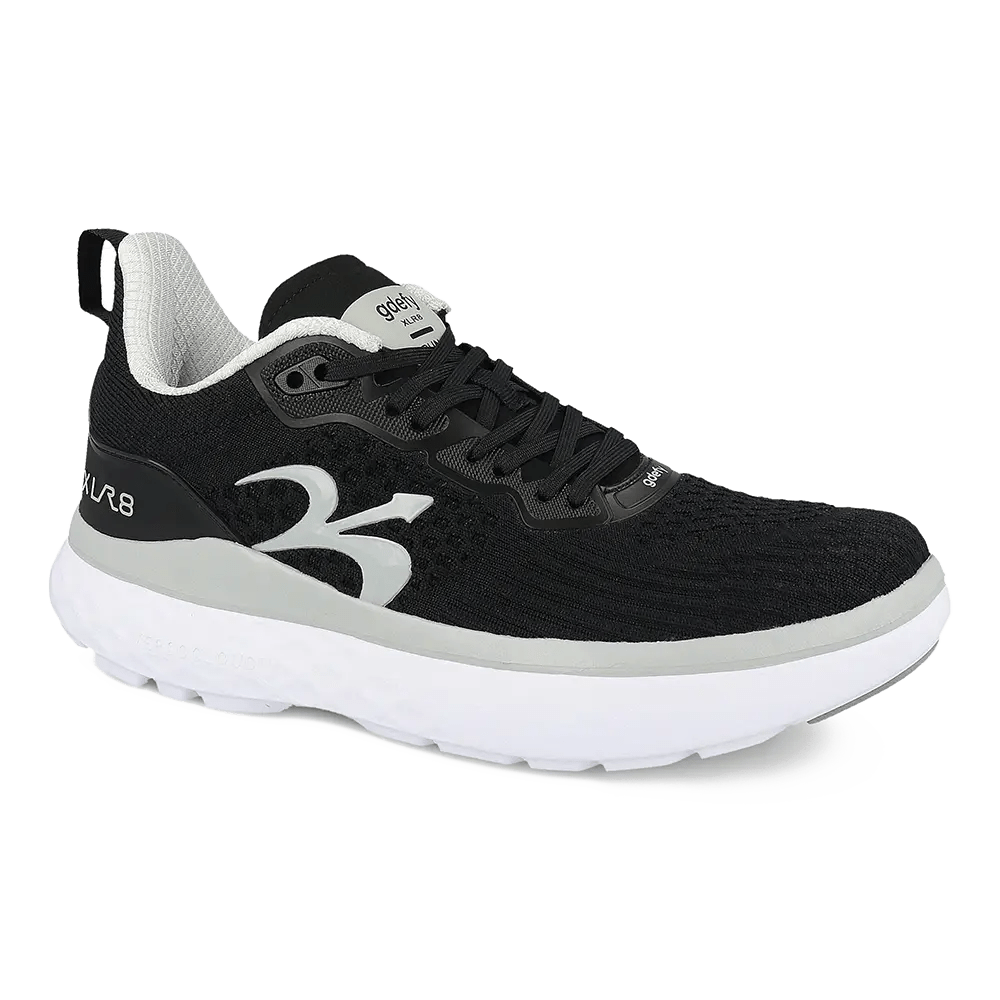
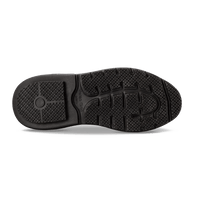
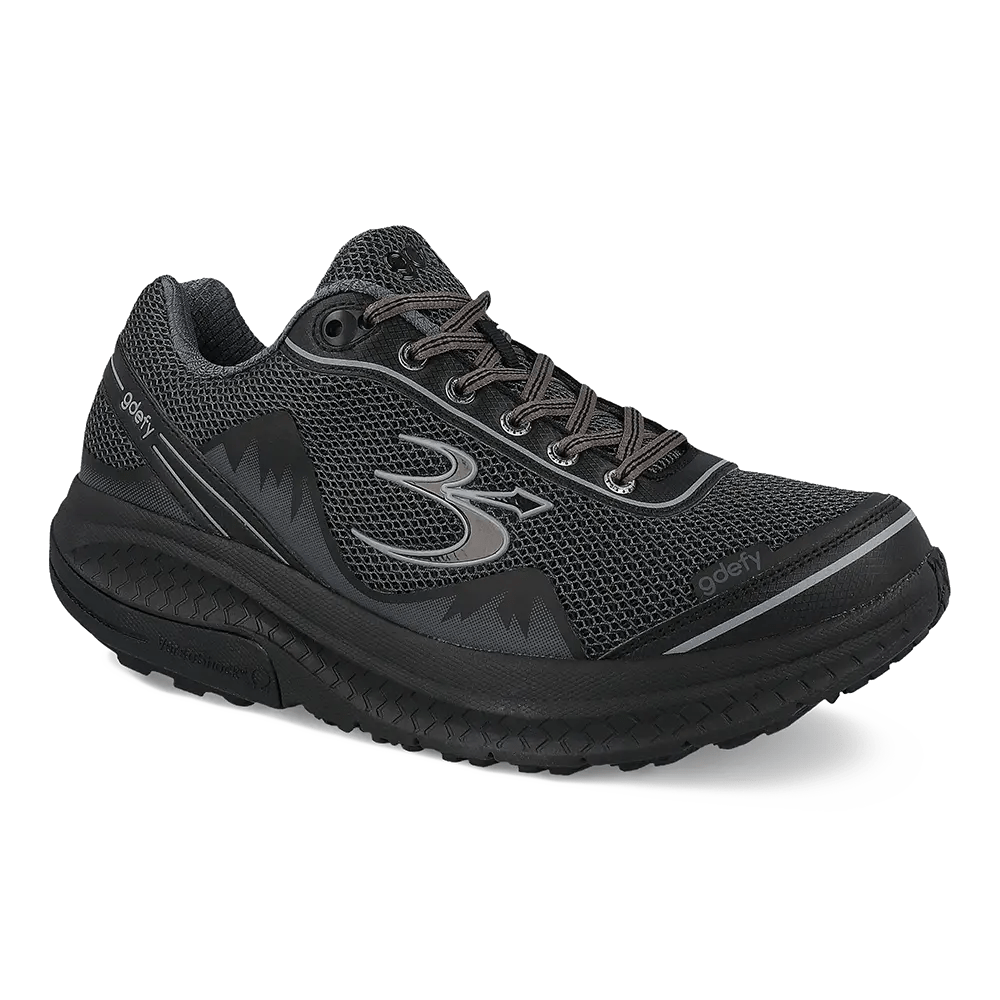
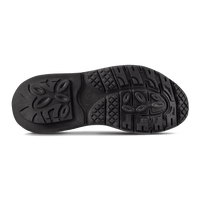
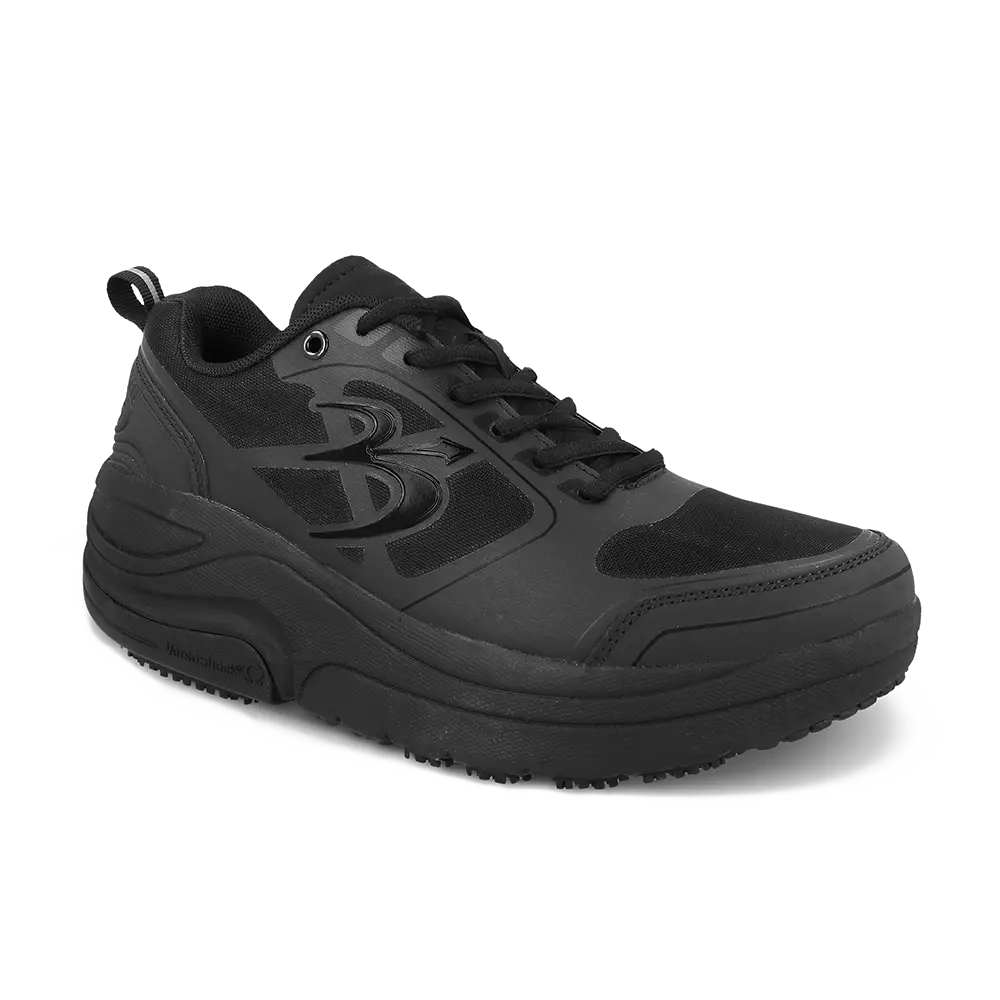
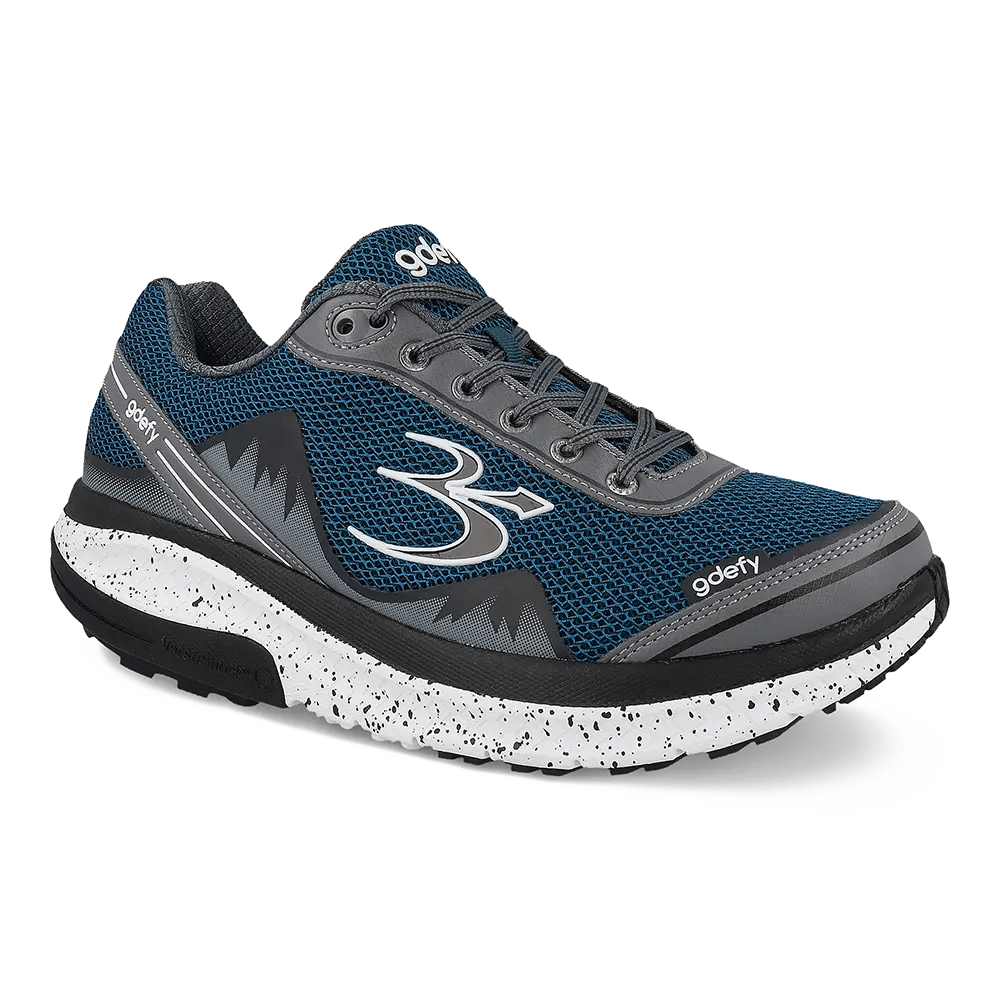
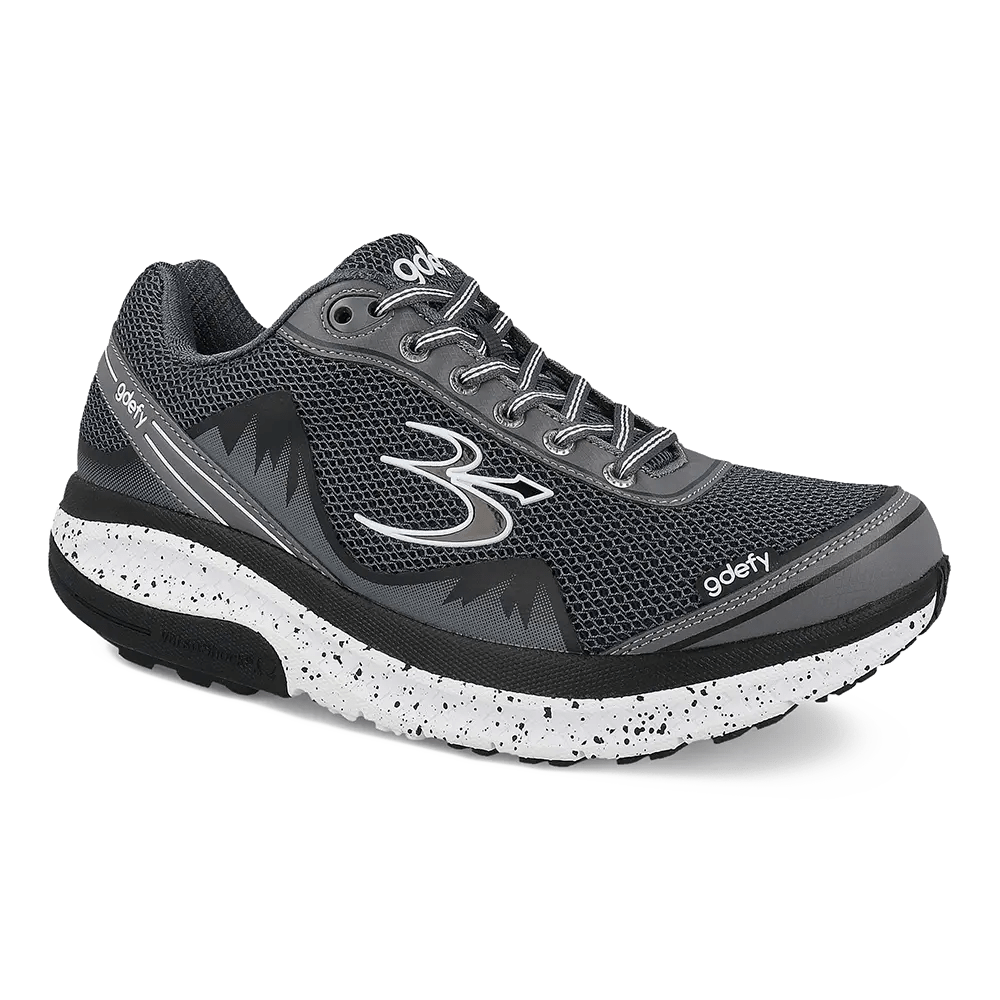
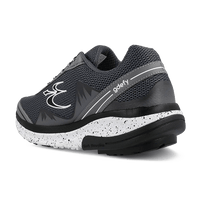
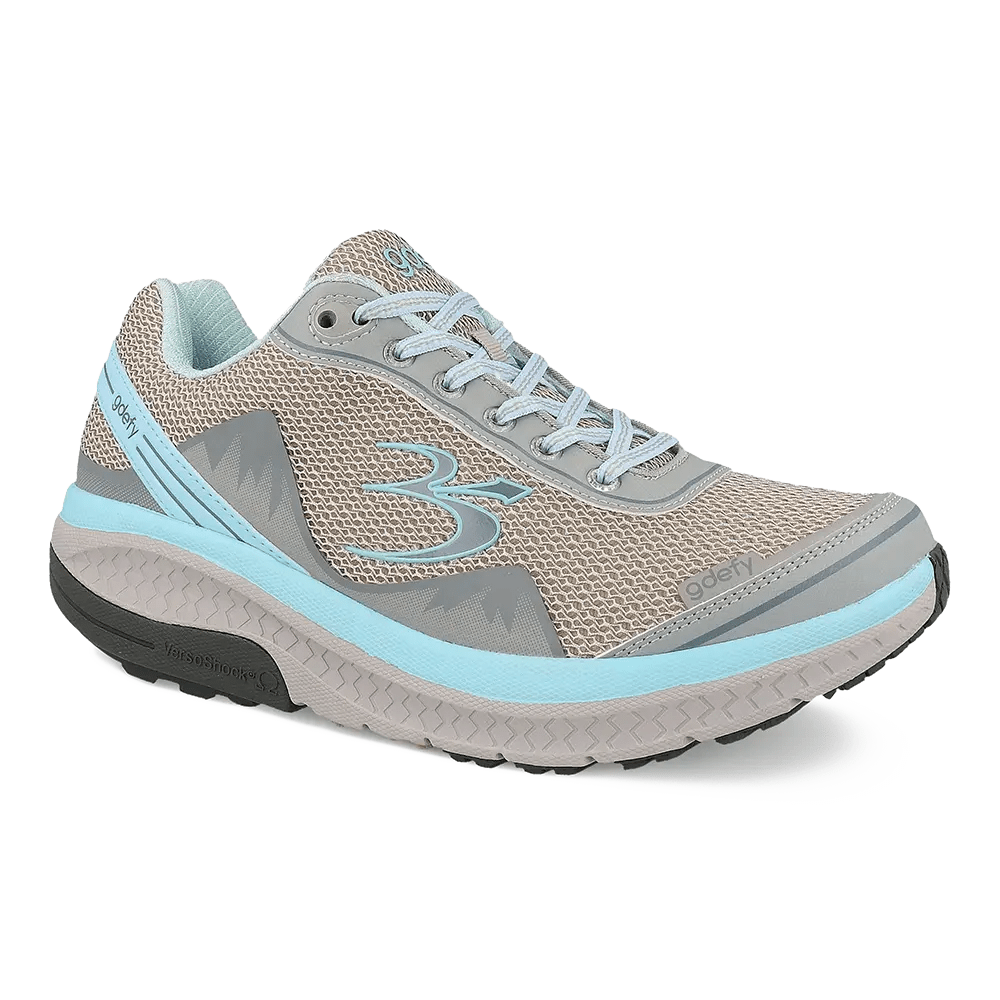
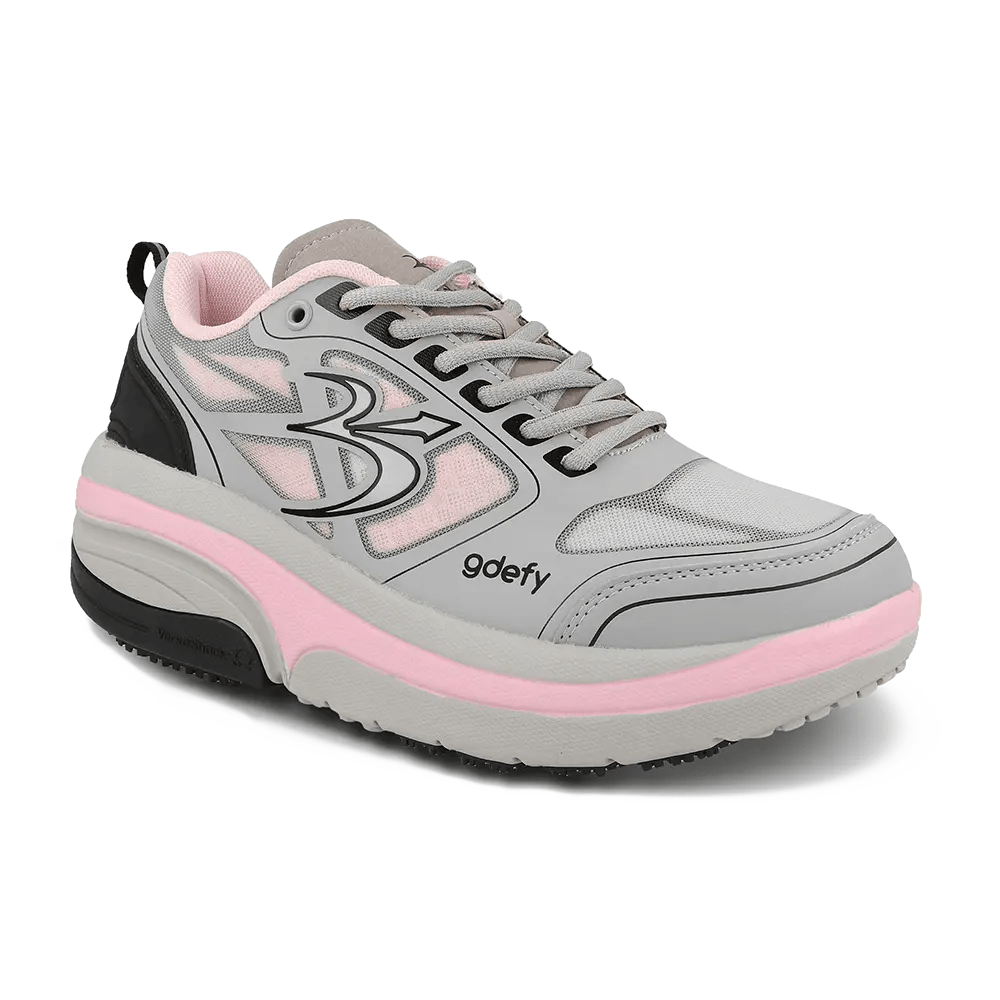
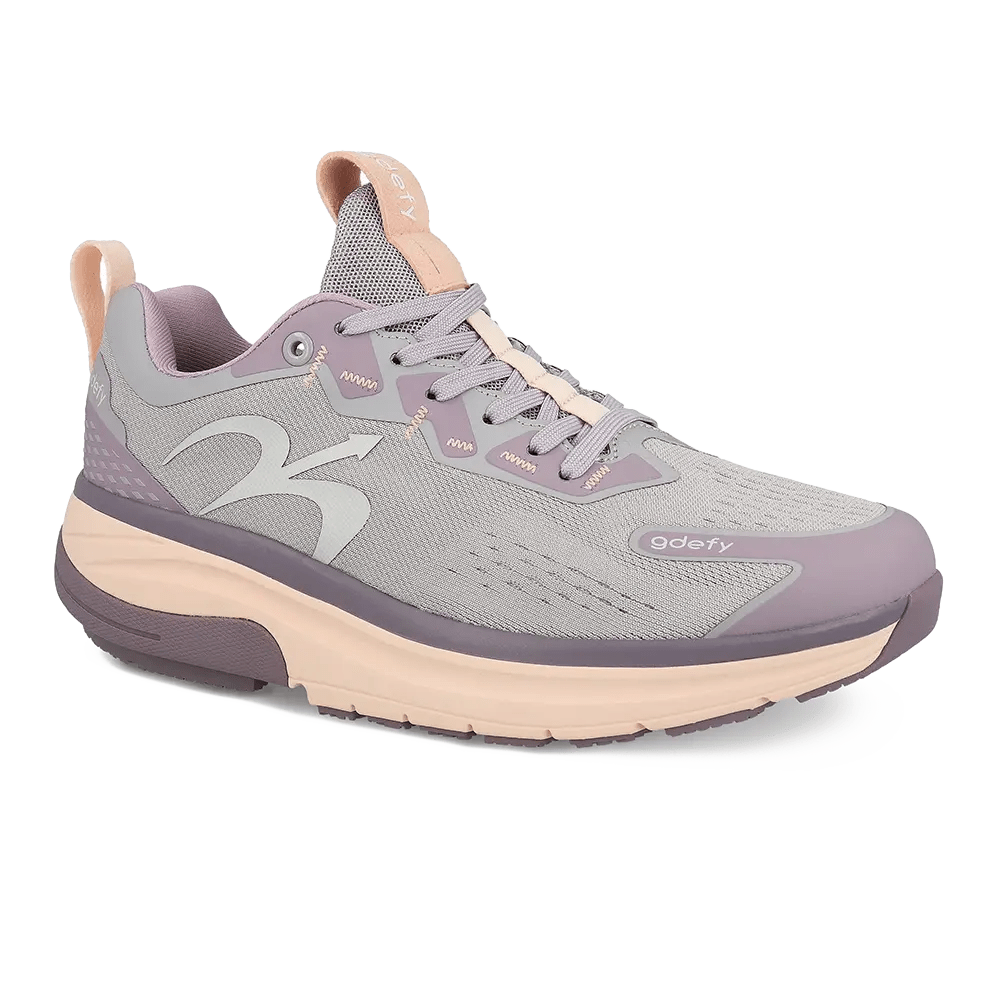
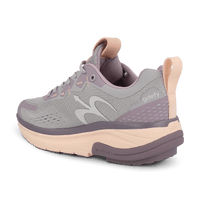
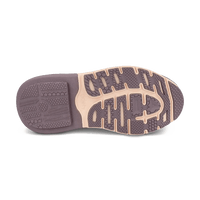
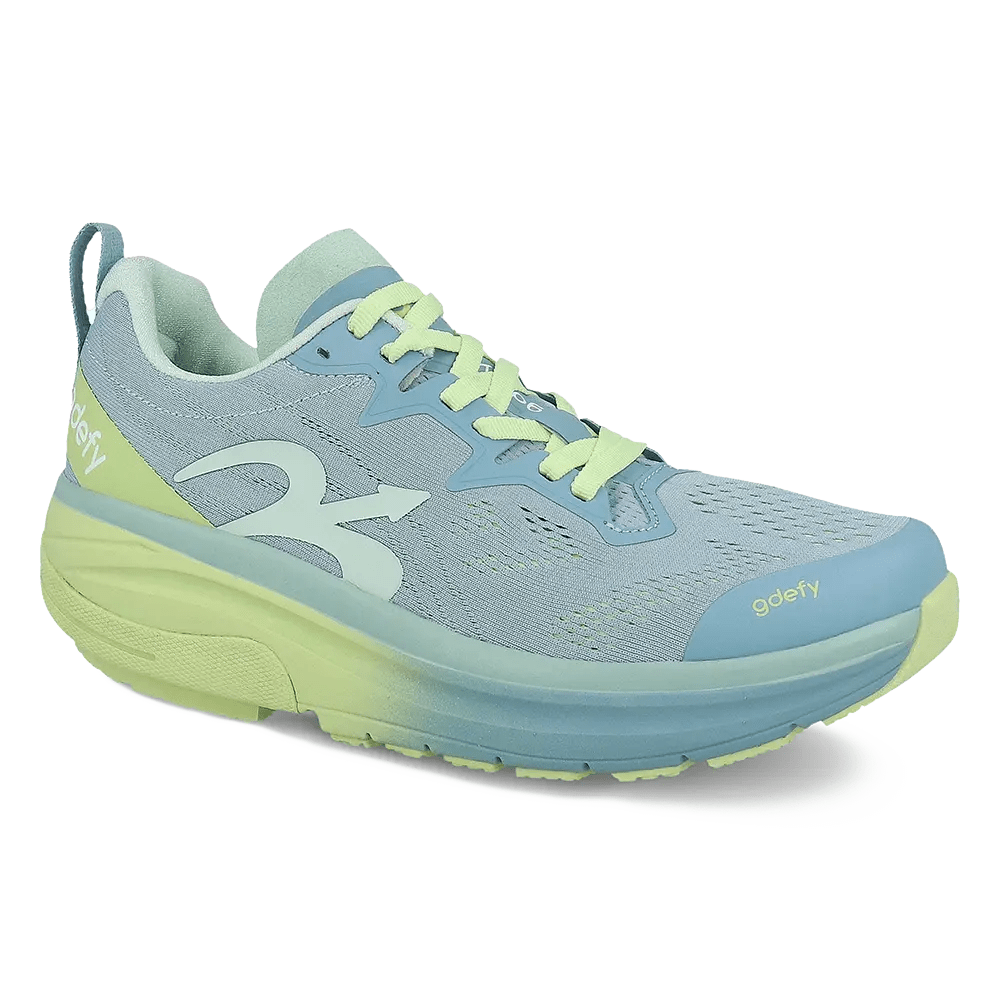
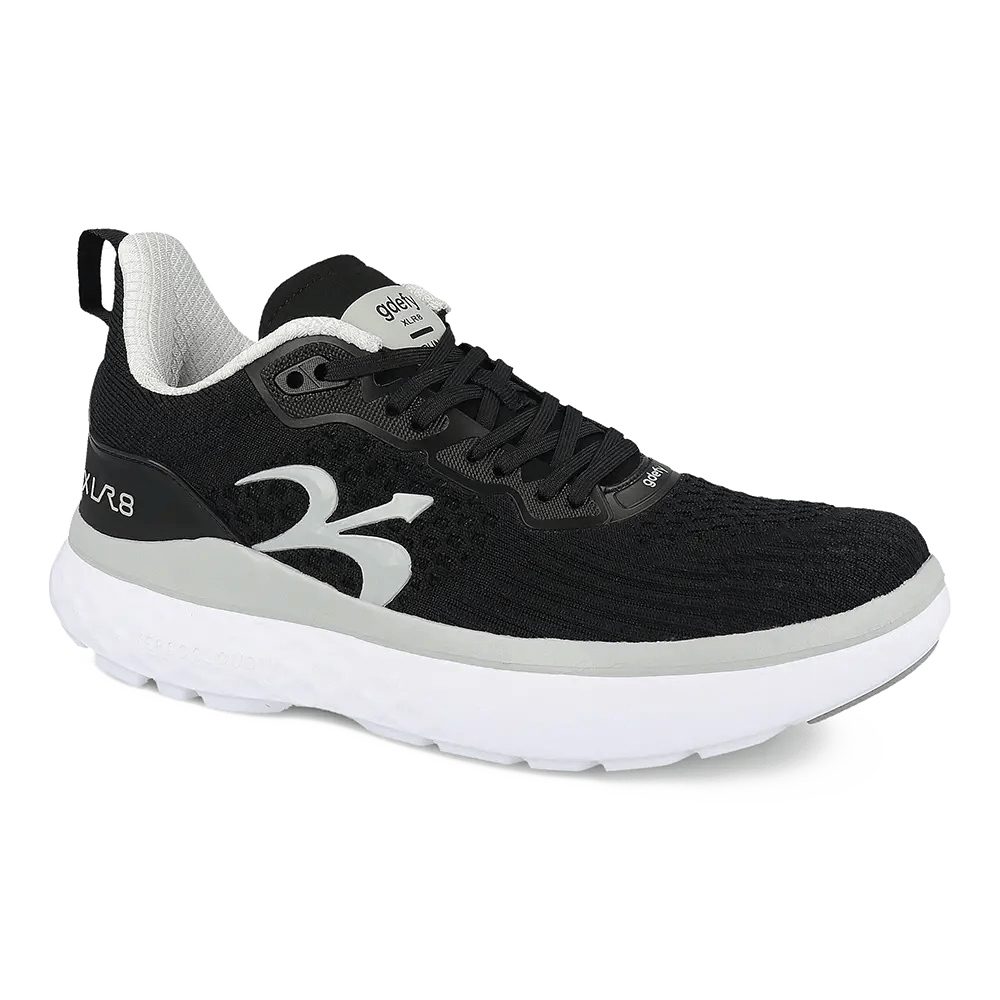
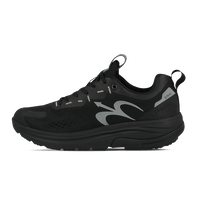
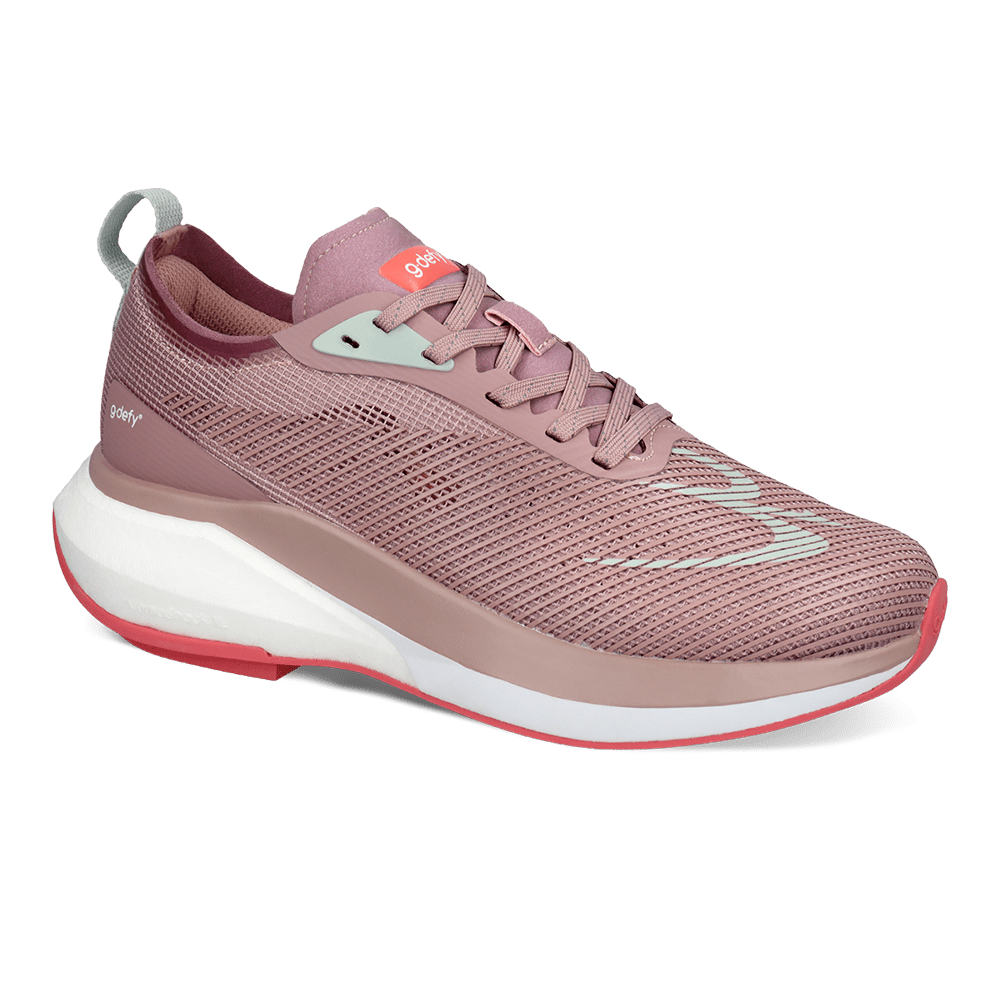
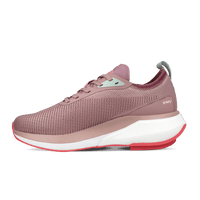
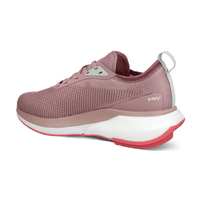
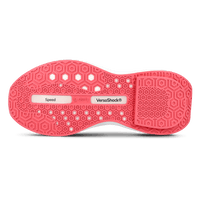
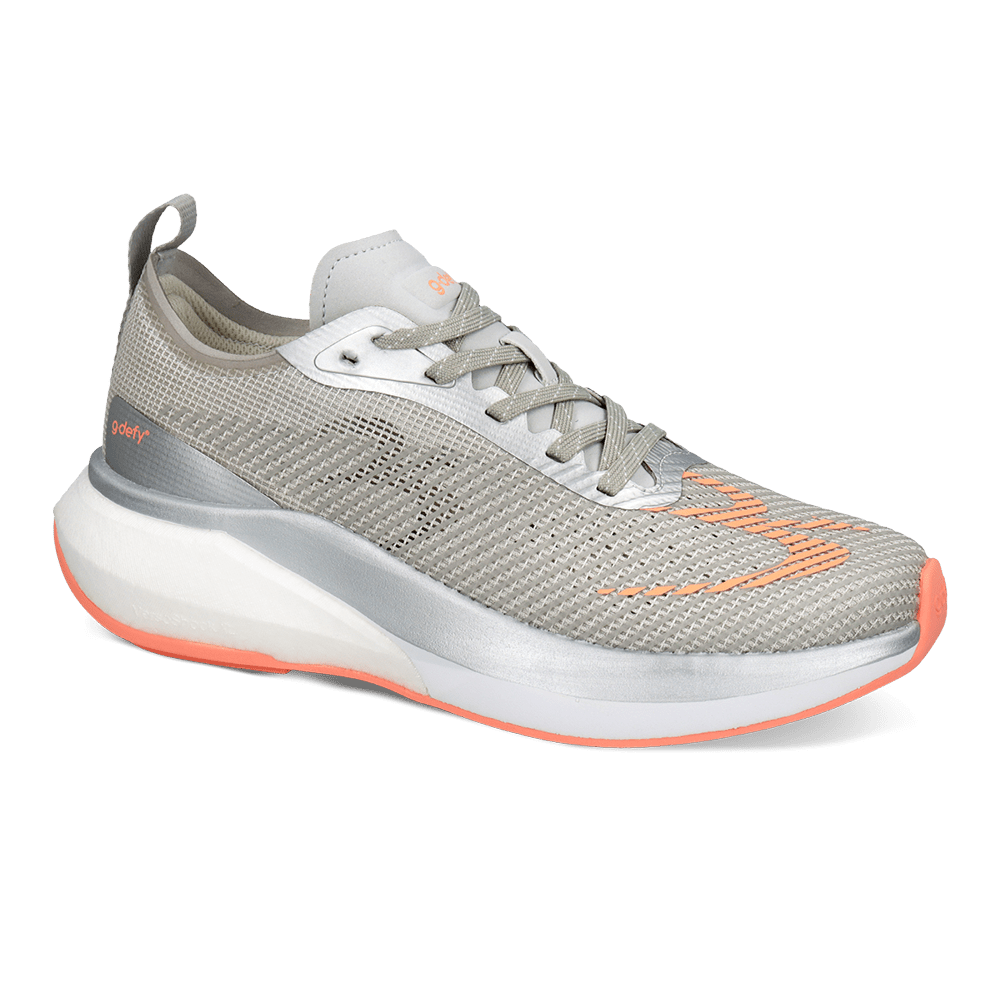
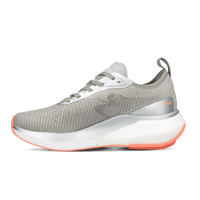
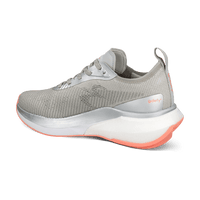
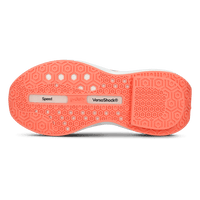
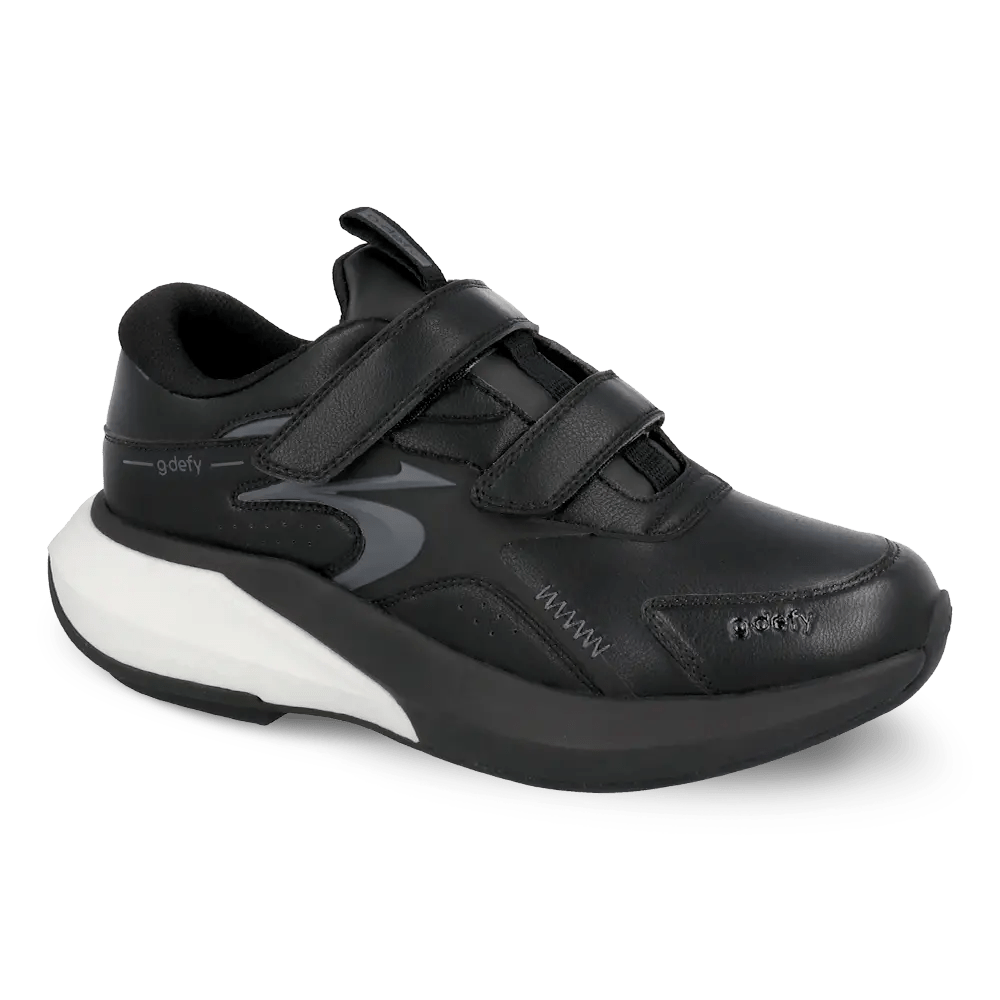
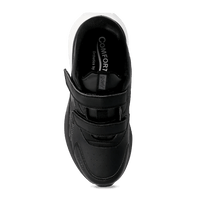
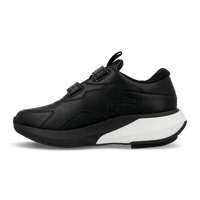
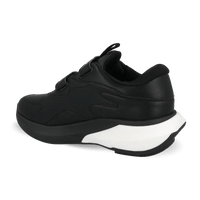
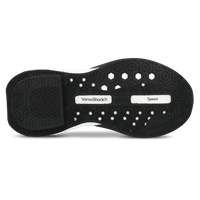
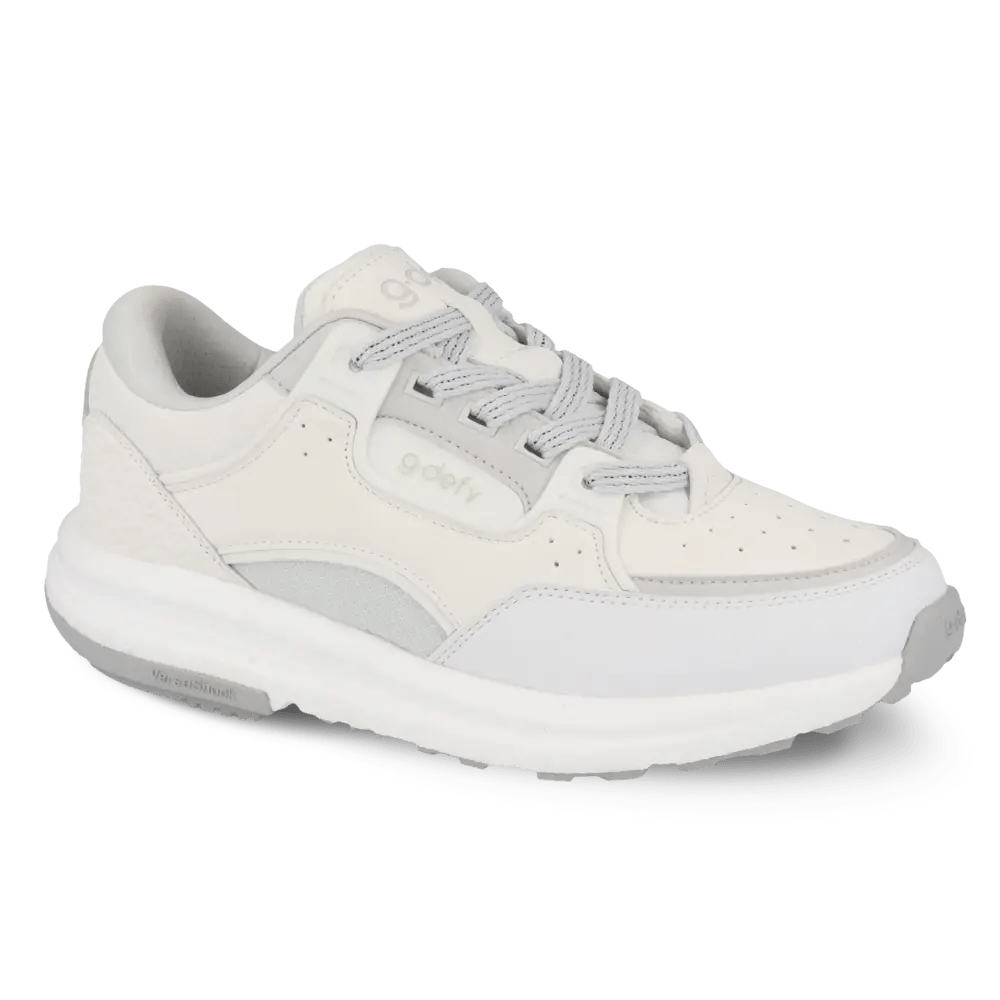
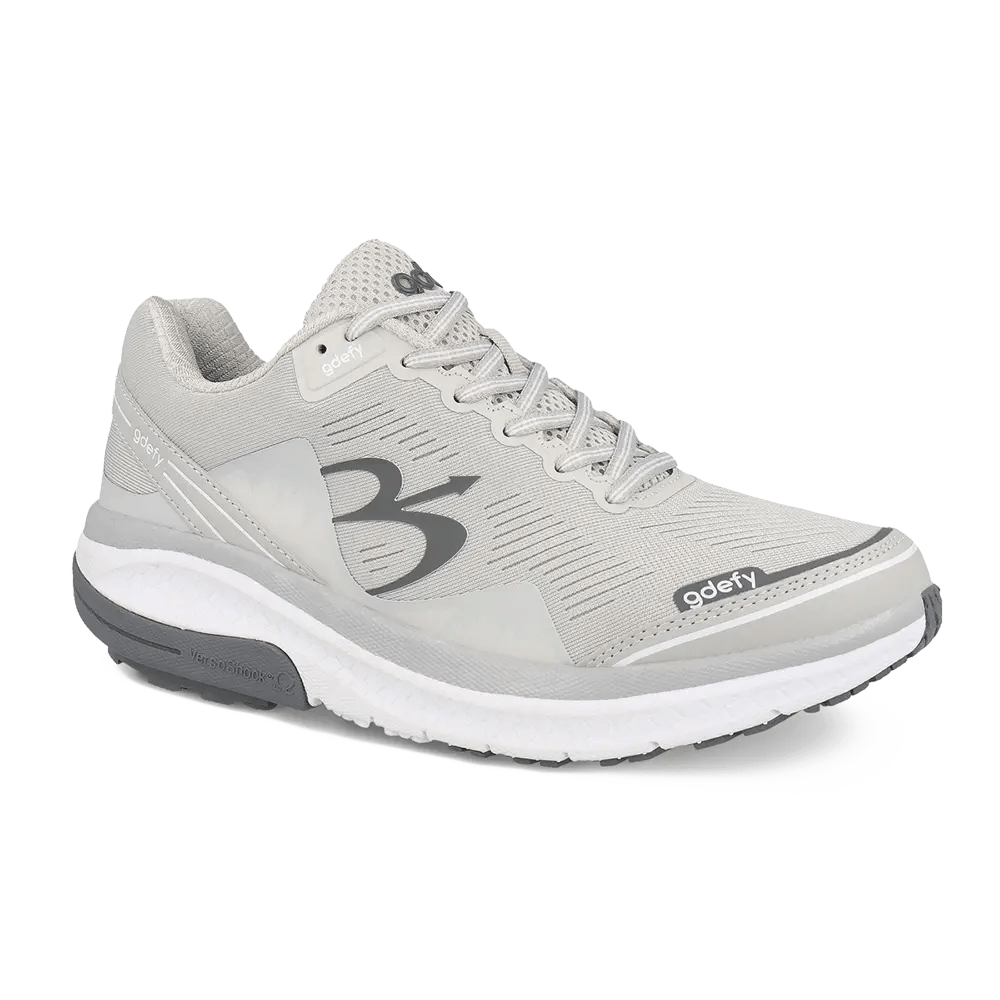
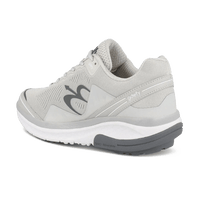
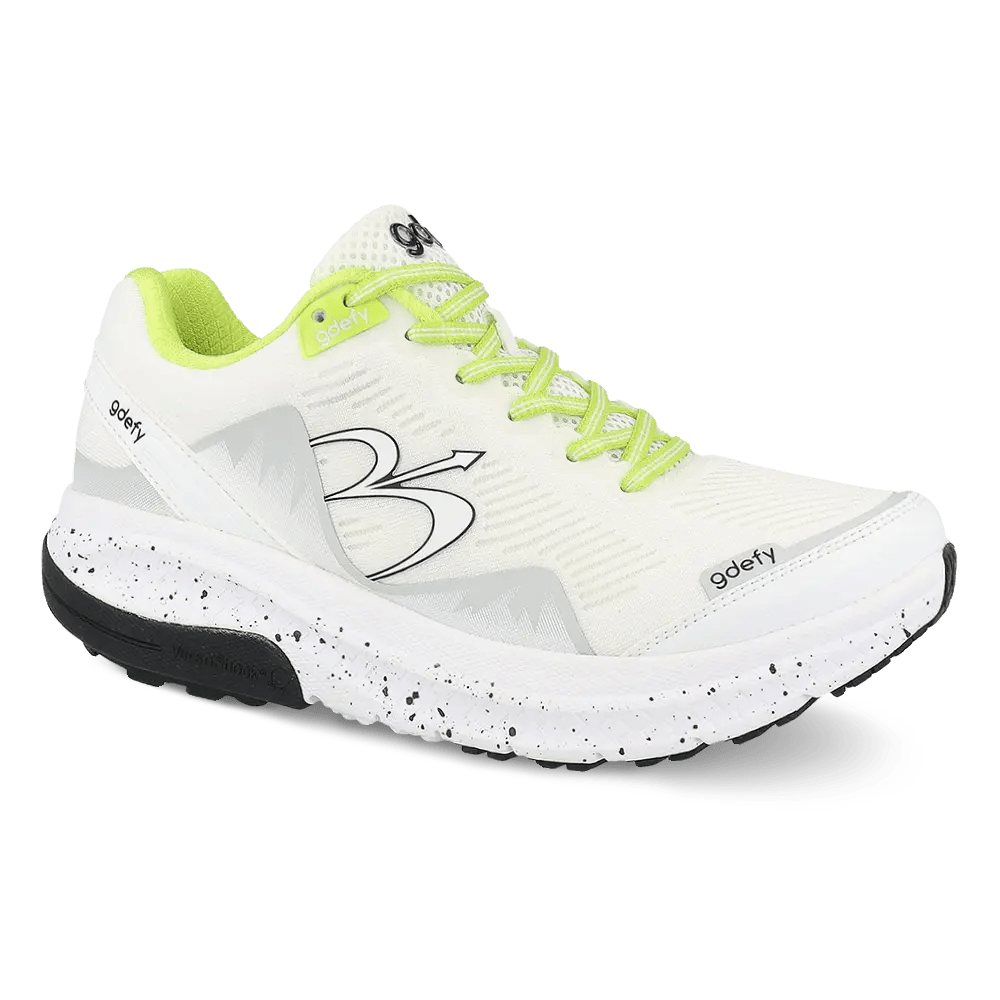
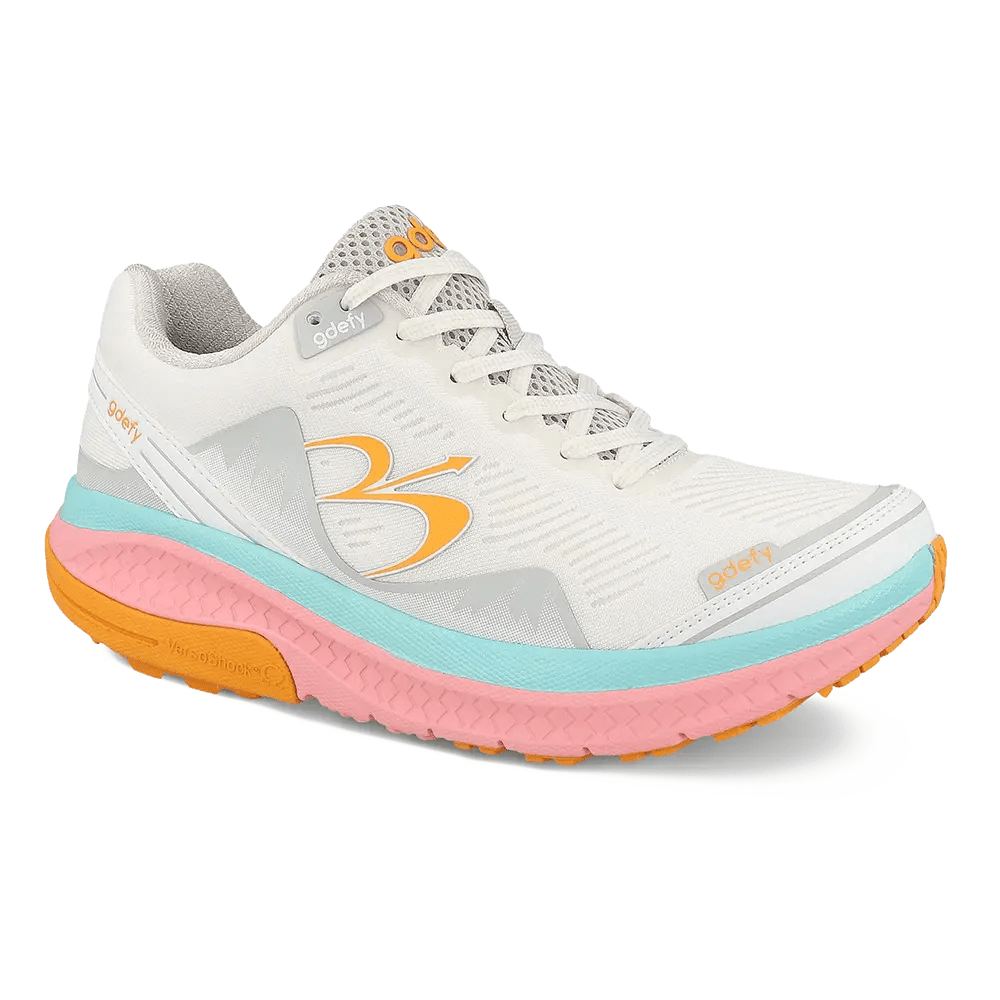
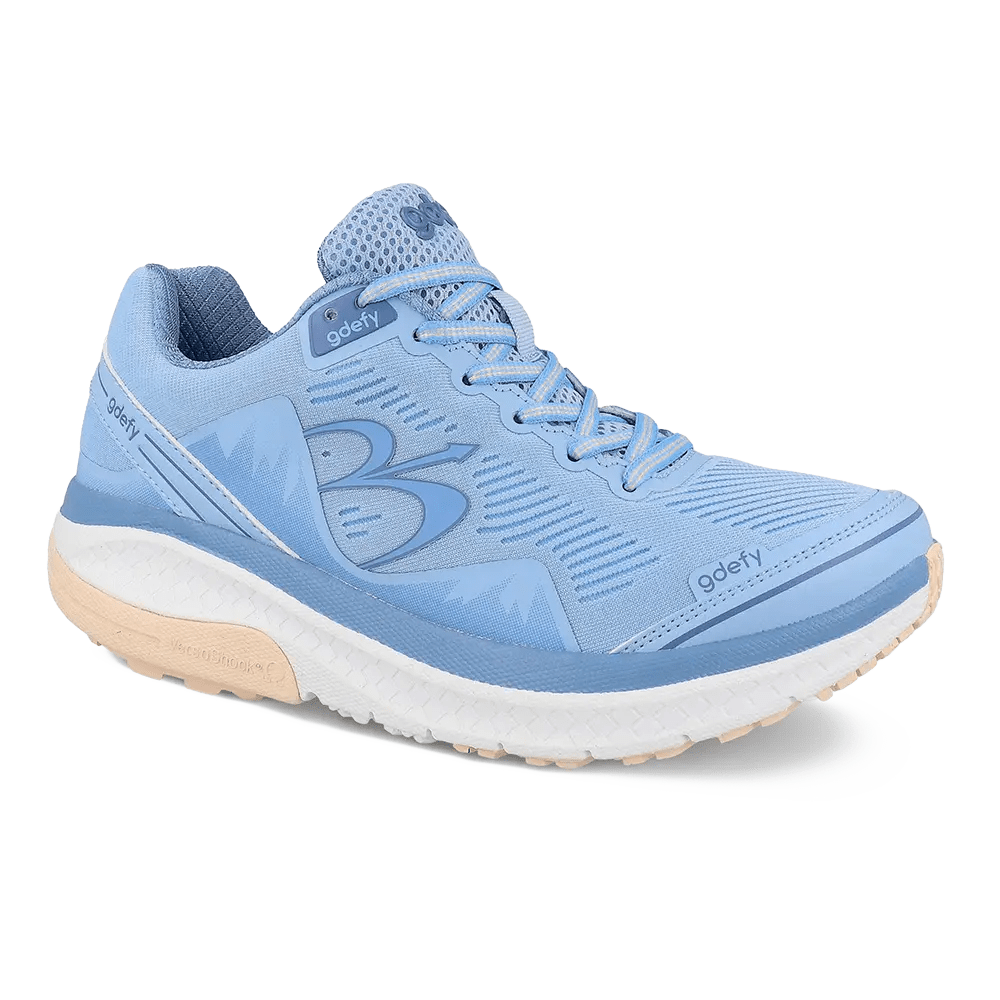
G-Defy shoes are engineered to provide comfort, support, and shock absorption during daily movement. Featuring VersoShock® technology, a spring-based system, they are designed to absorb impact softly and return energy with each step — putting real shock absorption right under the heel where it counts.
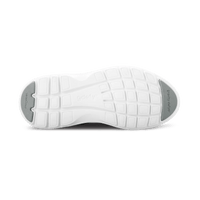
Inside every pair, a built-in stabilizer supports the foot during movement and helps reduce excessive bending, while the front rolling design promotes a smooth heel-to-toe transition. Each pair also includes two removable orthotics — the ComfortFit® orthotic for low to medium arches and the CorrectiveFit® orthotic for medium to high arches — so you can customize comfort and support to your own foot type. Together, these features help reduce pain from walking, running, and prolonged standing.
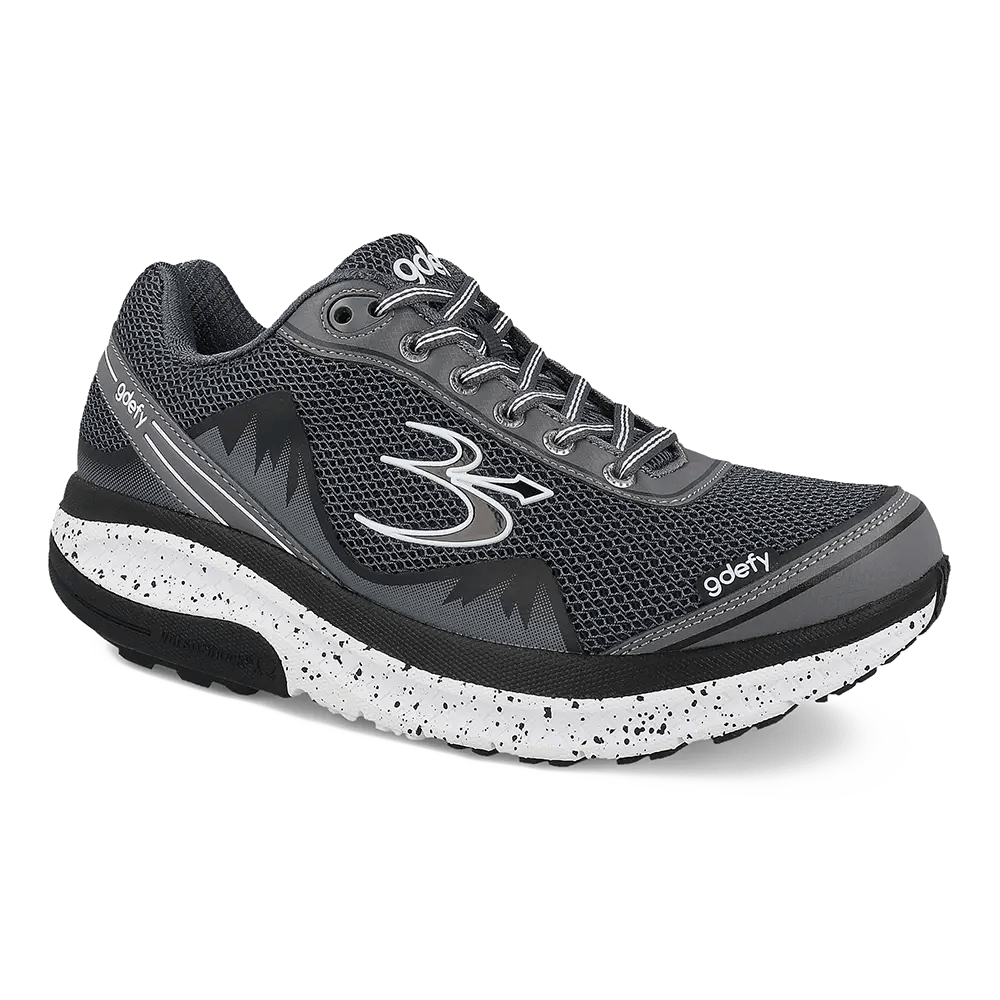
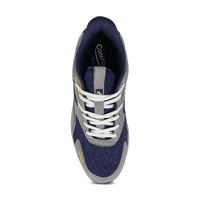
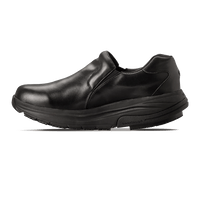
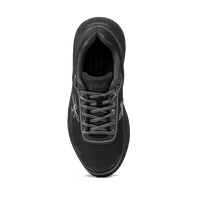
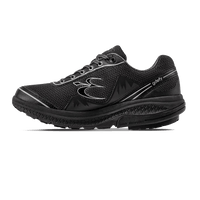
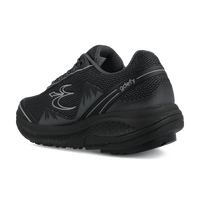
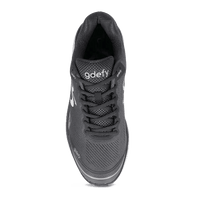
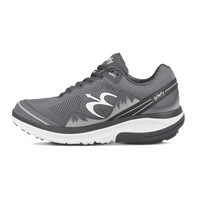
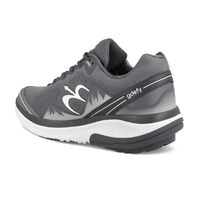
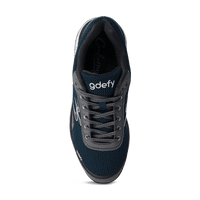
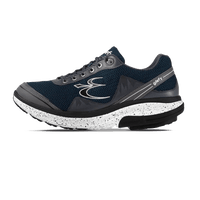
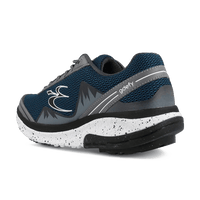
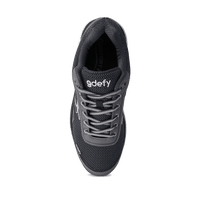
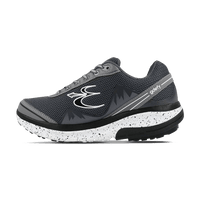
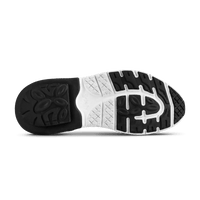
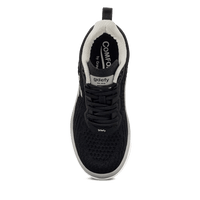
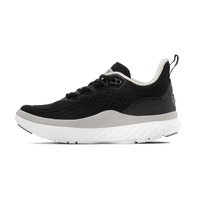
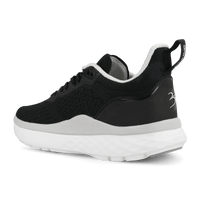
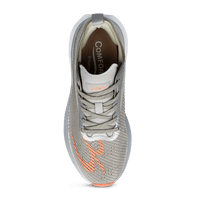
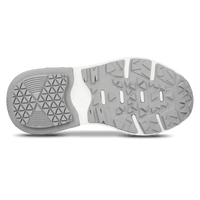
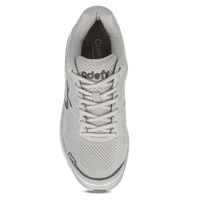
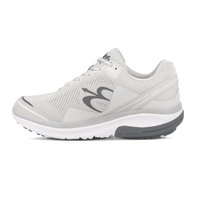
The Mighty Walk is a good example: a cushioned, supportive everyday shoe with VersoShock® shock absorption under the heel, a firm heel structure, and a roomy toe box, available in multiple widths so you can dial in a secure heel and a comfortable fit. You can explore the full lineup for men and women to find the style that fits your day.

Try G-Defy Risk-Free for 60 Days
Feel the difference cushioning, support, and shock absorption make for your heels. Enjoy free shipping and free exchanges — and if they are not for you, send them back within 60 days.
Shop G-Defy Comfort Shoes"I'm on my feet all day, and by the afternoon my heels used to feel worn out. Since switching to a cushioned, supportive pair, I feel more comfortable through my whole shift — and I actually look forward to my evening walk again."
— Composite testimonial; results vary by individual.
Practical Tips for Happier Heels
The right shoes do most of the work, but a few simple habits help you get the most out of them:
- Rotate your shoes. Giving cushioning time to recover between wears helps it last longer and perform better.
- Replace worn-out pairs. When the cushioning feels flat or the tread is smooth, it is no longer absorbing impact the way it should. Here is how to tell when shoes are past their prime.
- Shop for fit later in the day. Feet tend to be at their largest in the afternoon, so that is the best time to check for a secure heel and roomy toes.
- Ease into new shoes. Wear a new pair for shorter stretches at first so your feet can adjust.
- Support your feet at home, too. Barefoot on hard floors can be tough on heels — supportive footwear indoors helps.
Matching Shoe Features to How You Spend Your Day
Different routines put different demands on your heels, so it helps to weigh the features that matter most for you.
If you are on your feet all day — retail, healthcare, teaching, hospitality — prioritize deep cushioning and real shock absorption to handle hours on hard floors. If you are a dedicated walker, look for energy return and a smooth rolling stride so long distances feel easier. If your heels feel most tender first thing in the morning, a firm heel counter and structured support can help your foot feel stable from the very first steps; our look at why morning heel pain happens goes into more detail.
Frequently Asked Questions
What shoe features help most with heel discomfort?
Cushioning, shock absorption, a firm heel counter, structured support, and a secure fit are the features that matter most. Together they help absorb impact and hold the heel steady, which can improve overall comfort during walking and prolonged standing.
Are cushioned shoes better for sore heels?
Cushioning helps absorb impact as your foot lands, so a well-cushioned shoe can make movement feel more comfortable. For the best results, pair cushioning with real shock absorption and a supportive structure rather than relying on soft foam alone.
Can the right shoes help with plantar fasciitis or heel spurs?
Footwear is not a medical solution, but supportive, cushioned shoes may improve overall comfort during daily activity. For persistent heel pain or a specific condition, it is best to consult your healthcare provider.
How do I know if my shoes are causing heel discomfort?
If your heels feel more tired at the end of the day, or your shoes feel flat, thin, or loose around the heel, the footwear may be part of the problem. Worn-out cushioning and a poor fit are common culprits.
How often should I replace shoes for the best heel comfort?
It varies with how much you wear them, but when the cushioning feels compressed or the support feels gone, it is time for a new pair. A shoe that no longer absorbs impact will not do your heels any favors.
The Bottom Line
While footwear is not a medical solution, choosing shoes designed for comfort, support, and shock absorption can make a meaningful difference in how your heels feel throughout the day. Focus on the features that count — cushioning under the heel, real shock absorption, a firm heel counter, structured support, a secure fit, and energy return — and you will be far better equipped to stay comfortable from your first step to your last.
If you want a place to start, explore G-Defy shoes engineered around all of these features, and see how the right design changes the way your day feels underfoot.