
August 16, 2026
Should You Wear Someone Else's Shoes?
By Gdefy

Summary
Most households know the moment. A pair of walking shoes turns up in a closet — a partner's, a grown child's, a friend's who ordered the wrong size — and they look almost new. The tread is intact. The upper is clean. They happen to be your size. It feels wasteful to leave them there. So should you wear someone else's shoes?
Footwear is not a medical solution, and this is not an article about whether a used shoe is safe. It is about something simpler and more mechanical: a shoe that has already been walked in is no longer a neutral object. It has been compressed, abraded, and shaped by one particular person's stride. That shaping is what you inherit along with the shoe.
Understanding what actually changes inside a shoe as it is worn makes the decision easy — and it tells you a lot about how to judge your own shoes, too.
Why a Worn Shoe Is Already Set to Someone Else's Stride
A new shoe is symmetrical and neutral. It has no opinion about how you walk. Within a few hundred miles, that stops being true, and it stops being true in three separate places.
The midsole takes a set
The midsole is the thick layer between your foot and the ground, and it is the part that does most of the cushioning work. Every step compresses it and lets it rebound. Over thousands of repetitions, the areas that get loaded hardest stop rebounding all the way. Engineers call this compression set — the material keeps a shallow permanent dent where the force has been going.
Which areas take that set depends entirely on the wearer. Someone who lands on the outside of the heel flattens one corner. Someone whose foot rolls inward flattens the inner edge. Two people the same shoe size, walking the same distance in the same model, will hand back two differently shaped midsoles.
When you step into a shoe with an established set, the platform underneath you is no longer level — it is level for somebody else. Our guide to how pronation and supination affect your walking comfort explains why the direction of that tilt matters so much to how a shoe feels.
The outsole records a gait
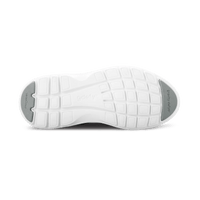
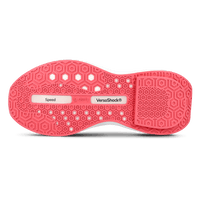
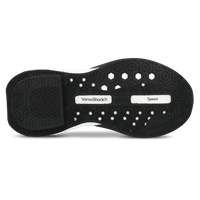
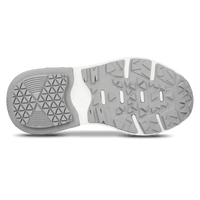
Turn a well-used shoe over and you are looking at a record of how one person moves. The rubber wears away fastest wherever their foot strikes hardest and pushes off strongest. That is why wear patterns are such a useful signal on your own shoes — they show you what you are doing.
Inherit the shoe and you inherit the record. The contact surface has been reshaped into angles that suited the previous wearer's step, and the shoe now sits on the ground the way their walk left it, not the way yours would have.
The insole and upper mould to one foot
The insole flattens under the specific pressure points of one foot. The upper creases where one set of toes bends. The heel counter — the stiff cup at the back — softens and widens around one heel shape.
None of this is a flaw. It is the shoe doing exactly what a shoe should do: adapting to its wearer. The catch is that a shoe can only do it once, for one person.

The "Barely Worn" Myth
The most tempting hand-me-down is the one that was hardly used. Someone bought them, wore them a handful of times, decided they were not right, and left them in the box.
Low mileage genuinely does mean less compression set — that part is true, and a nearly unworn shoe is the best case. But two things still deserve a look.
First, "barely worn" is usually a guess. Shoes are set aside for a reason, and the most common reason is that the fit was slightly wrong. A shoe that did not suit the first person's foot shape is not more likely to suit yours simply because it went unused.
Second, midsole foams change with time as well as mileage. A pair that has sat in a garage through several summers is not the same as a pair that left the warehouse last week, even with identical tread. If you are judging a shoe purely on how the outsole looks, you are reading only one of the three surfaces that matter. Our article on how shoes wear out and when to replace your footwear covers the signals worth checking on any pair, new to you or not.
How to Check a Second-Hand Shoe Before You Wear It
If a pair is already in front of you and you want to judge it honestly, this takes about two minutes.
- Set both shoes on a flat table and look from behind at eye level. The heels should stand straight up. If either leans inward or outward, the midsole has taken a set and the platform is no longer level.
- Press your thumb into the midsole at the heel and again under the ball of the foot. It should feel springy and push back. Areas that feel dead or firm have already given up their cushioning.
- Twist the shoe like a towel. A supportive shoe resists through the middle. One that wrings out easily has lost its midfoot structure.
- Take the insole out and look at it in the light. Dark, flattened patches show you where the previous wearer's pressure went. Compare the two insoles to each other — uneven flattening tells you their step was uneven.
- Check the heel counter by squeezing the back of the shoe. It should hold its shape rather than fold flat.
- Run a hand inside along the sides and toe. Ridges, creases, and hardened spots are the shape of another foot, and they will press on yours in the same places.
If a pair passes all six, it is in reasonable mechanical condition. If it fails two or more, the shoe has already done its work.
What to Look for Instead
The features that make a shoe comfortable over a long day are the same ones a used shoe has spent its life giving away:
- Cushioning — absorbs impact so less of it travels up through the foot and leg
- Shock absorption — softens the harshness of each step on hard ground
- Energy return — helps the stride feel responsive rather than flat
- Stability — keeps the platform level underneath you through the whole step
- Proper fit — a secure midfoot and a roomy toe area, matched to your foot rather than adapted to someone else's
That last point does most of the work. Proper shoe fit is the one variable that no amount of quality construction can compensate for, and it is precisely the variable a hand-me-down cannot control for.
How G-Defy Shoes Are Built

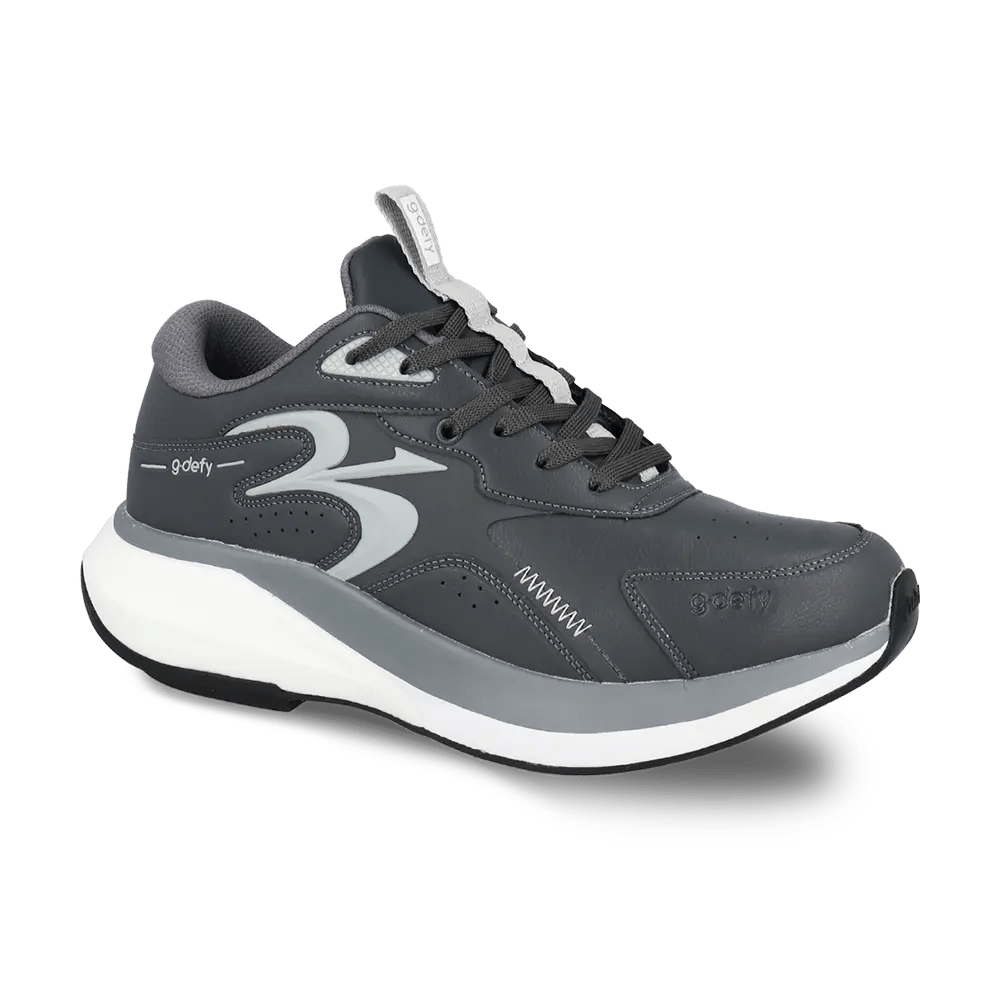
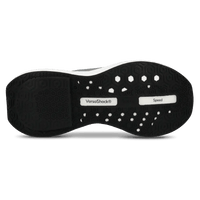
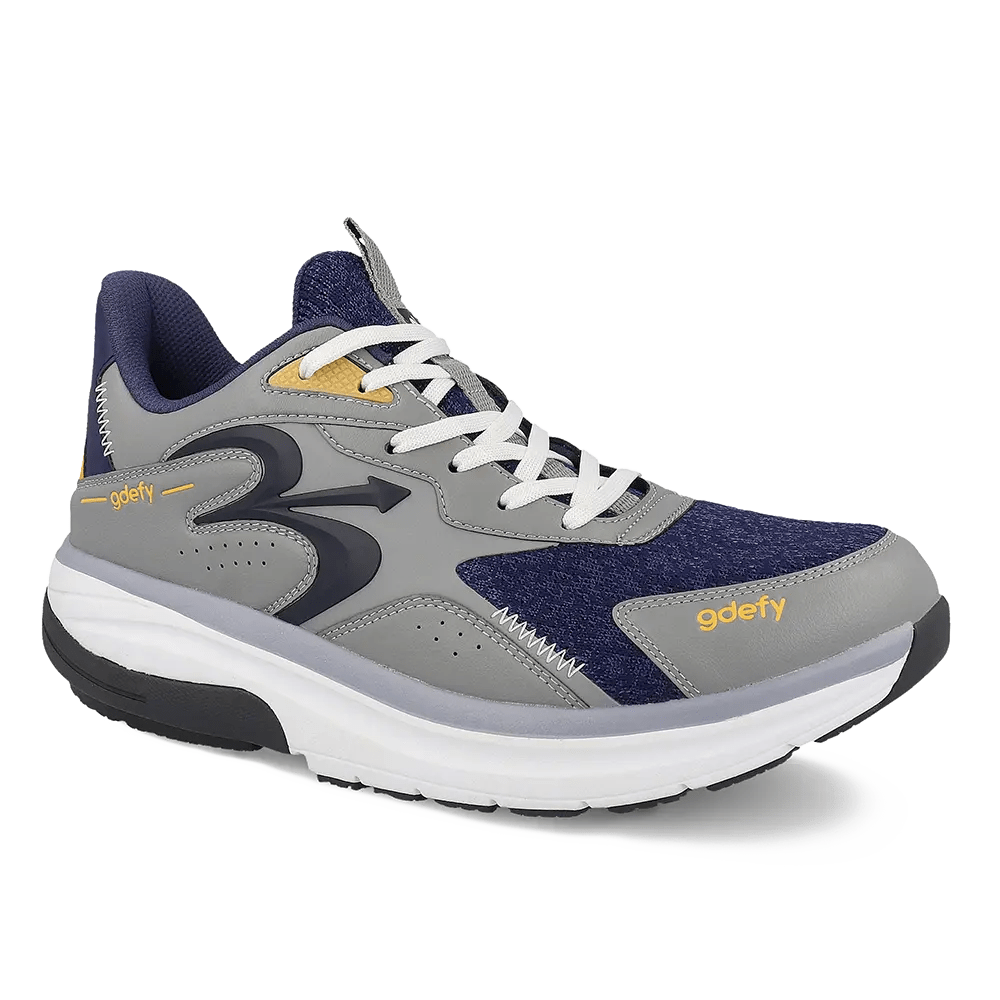
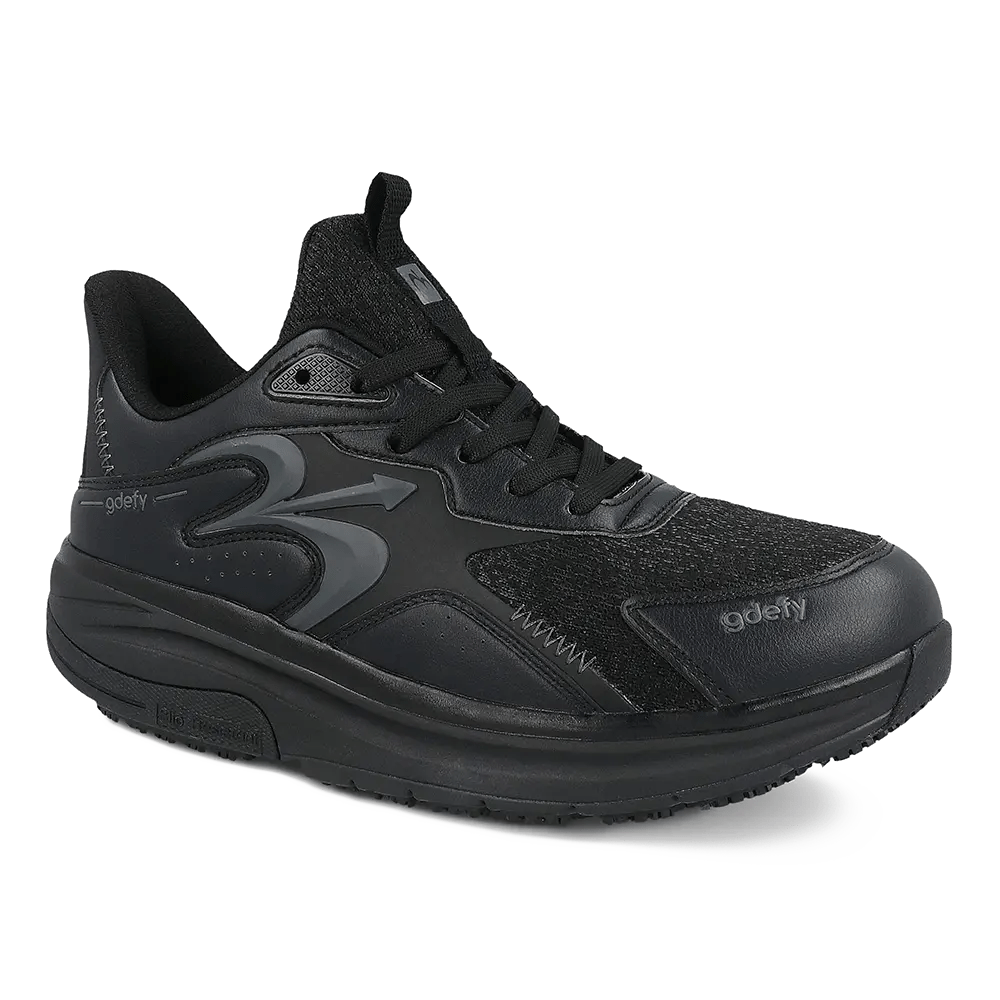
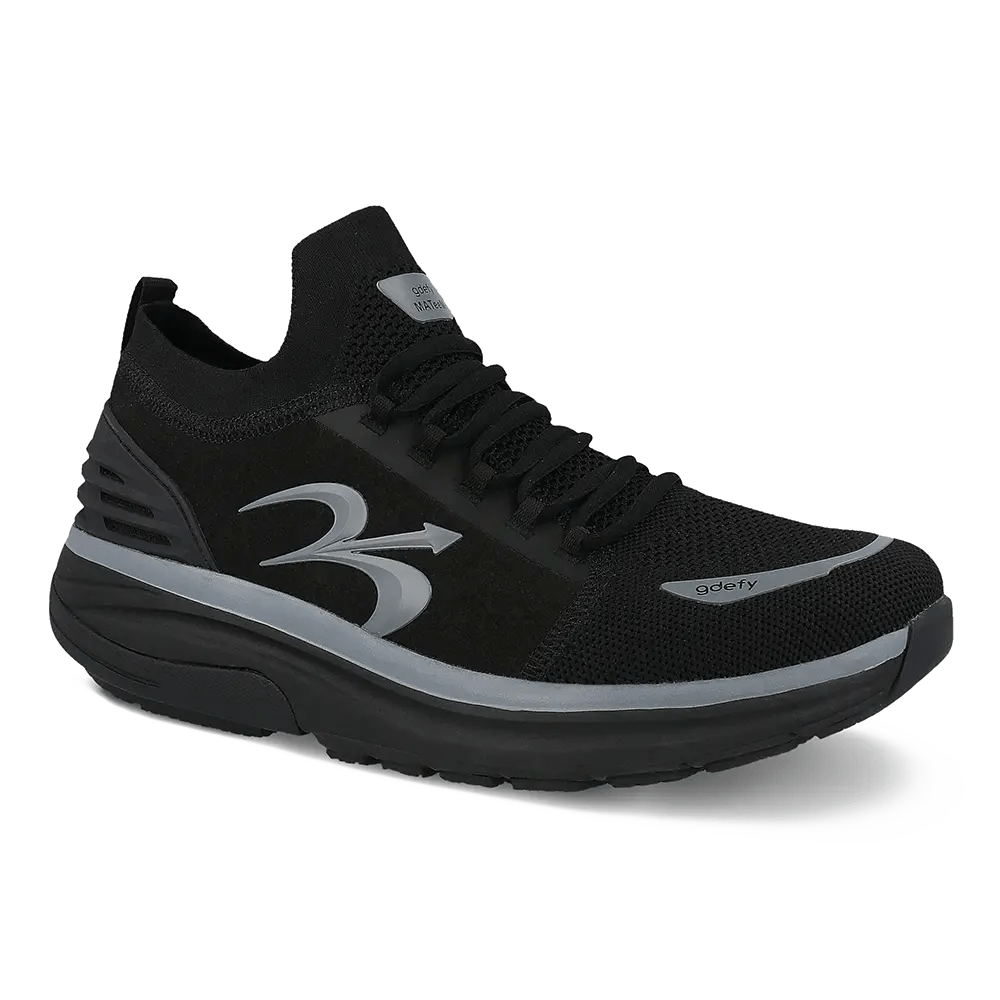
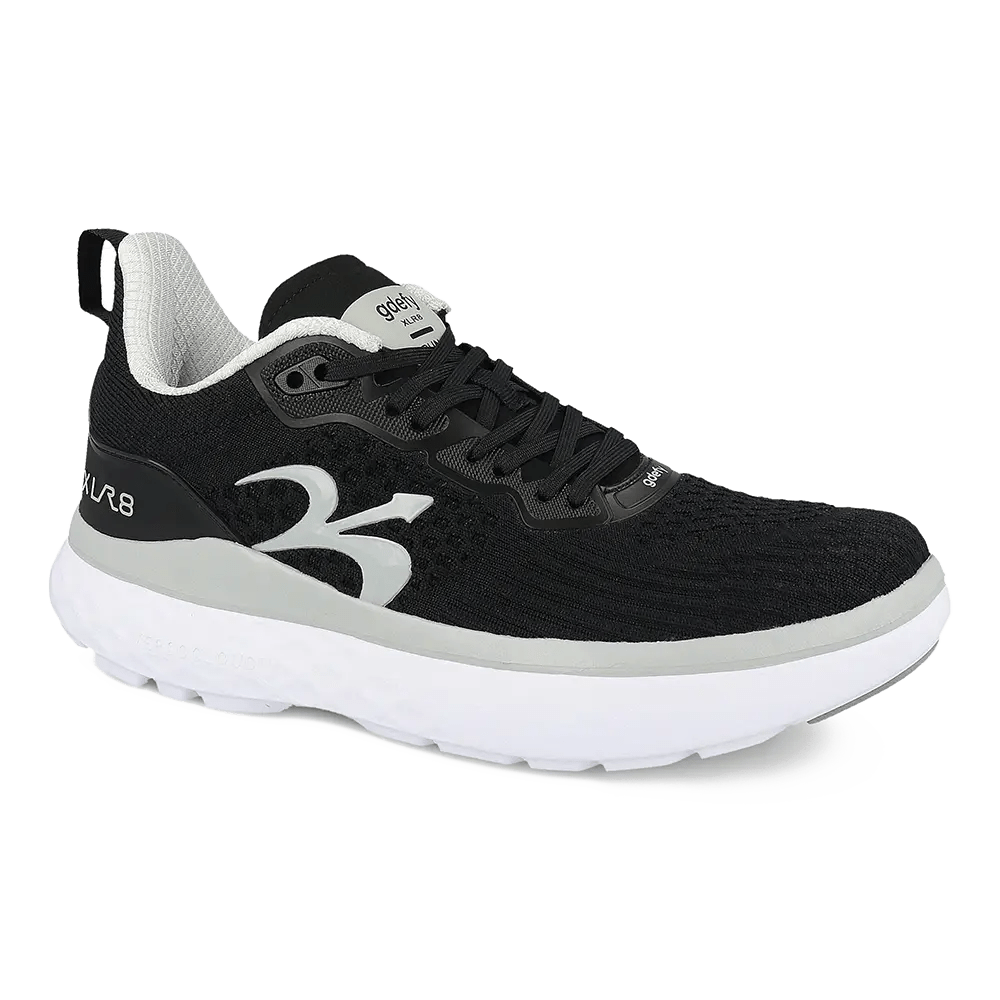
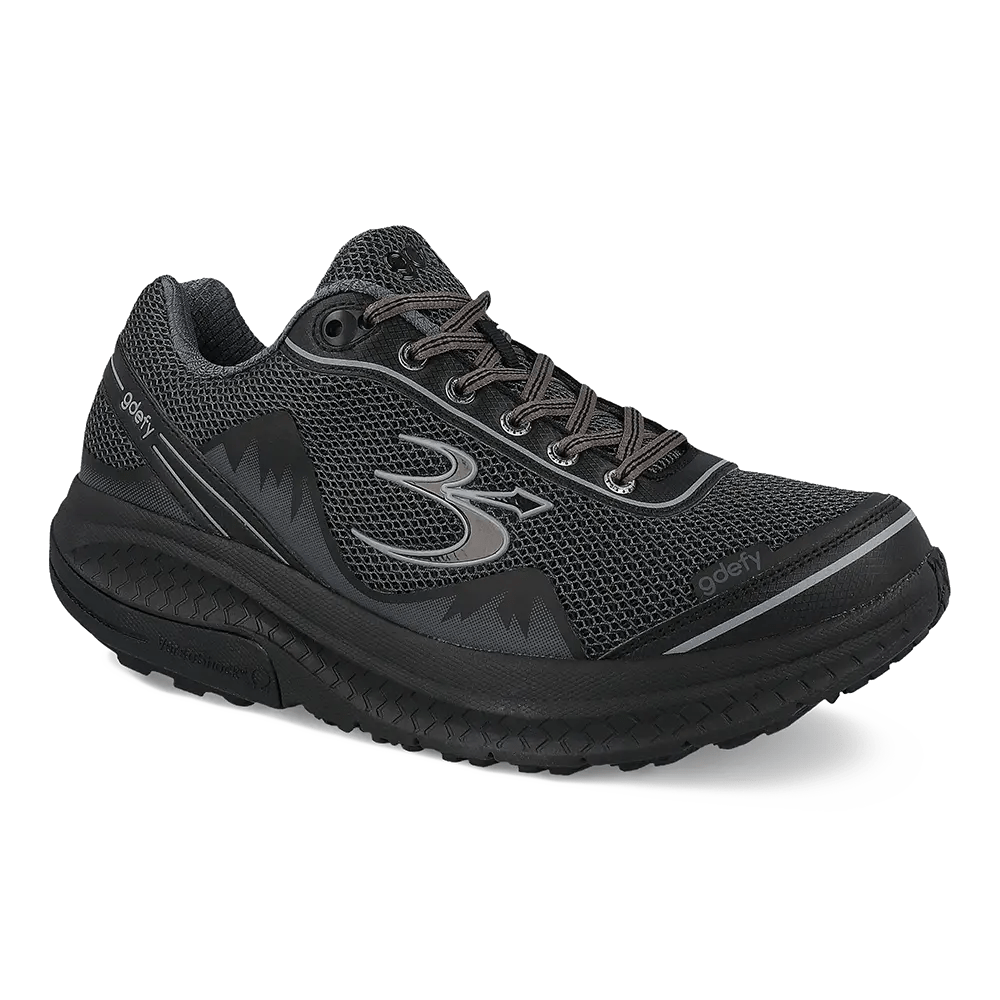
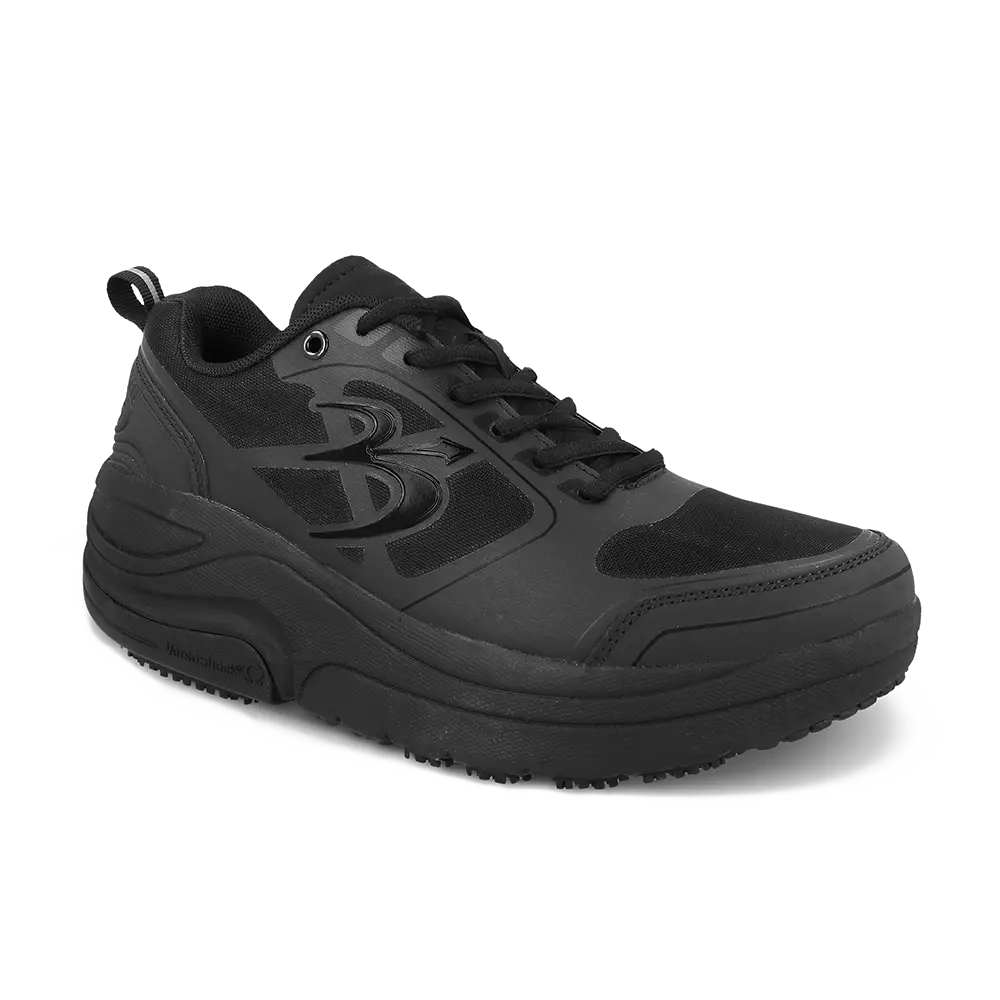
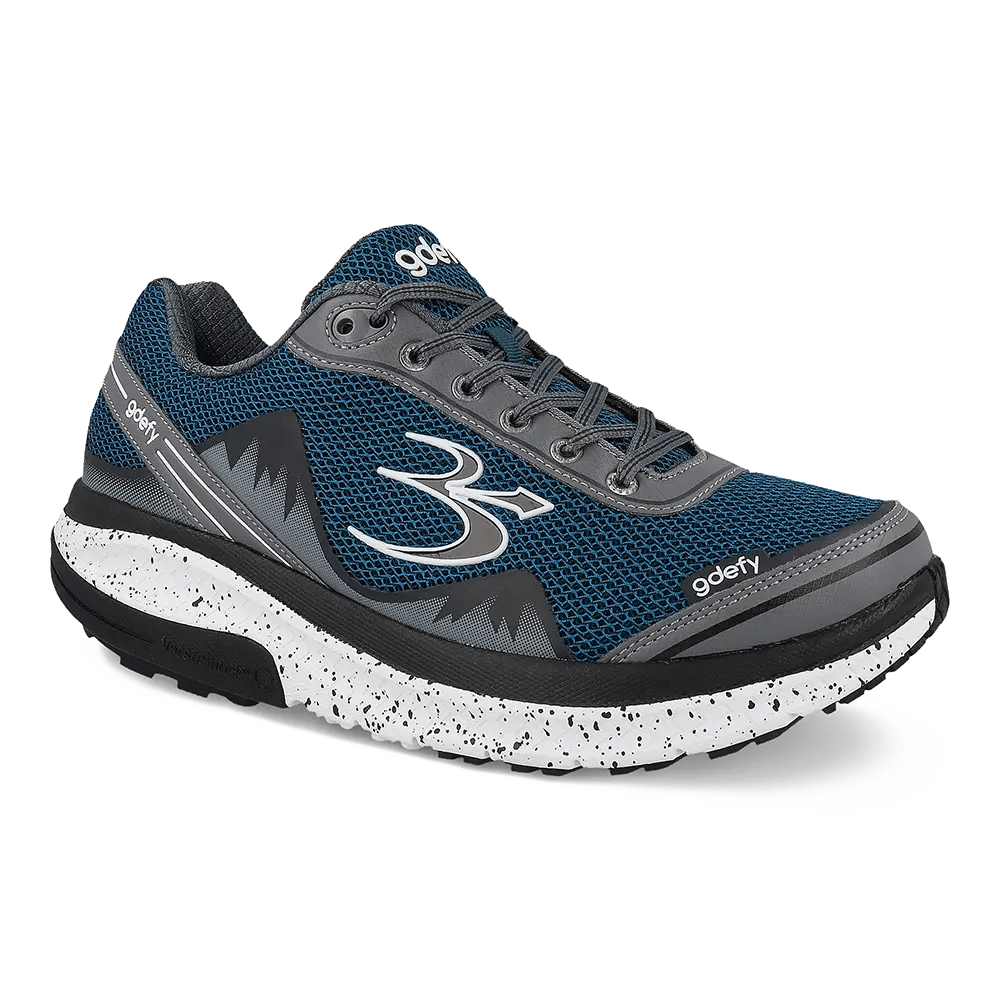
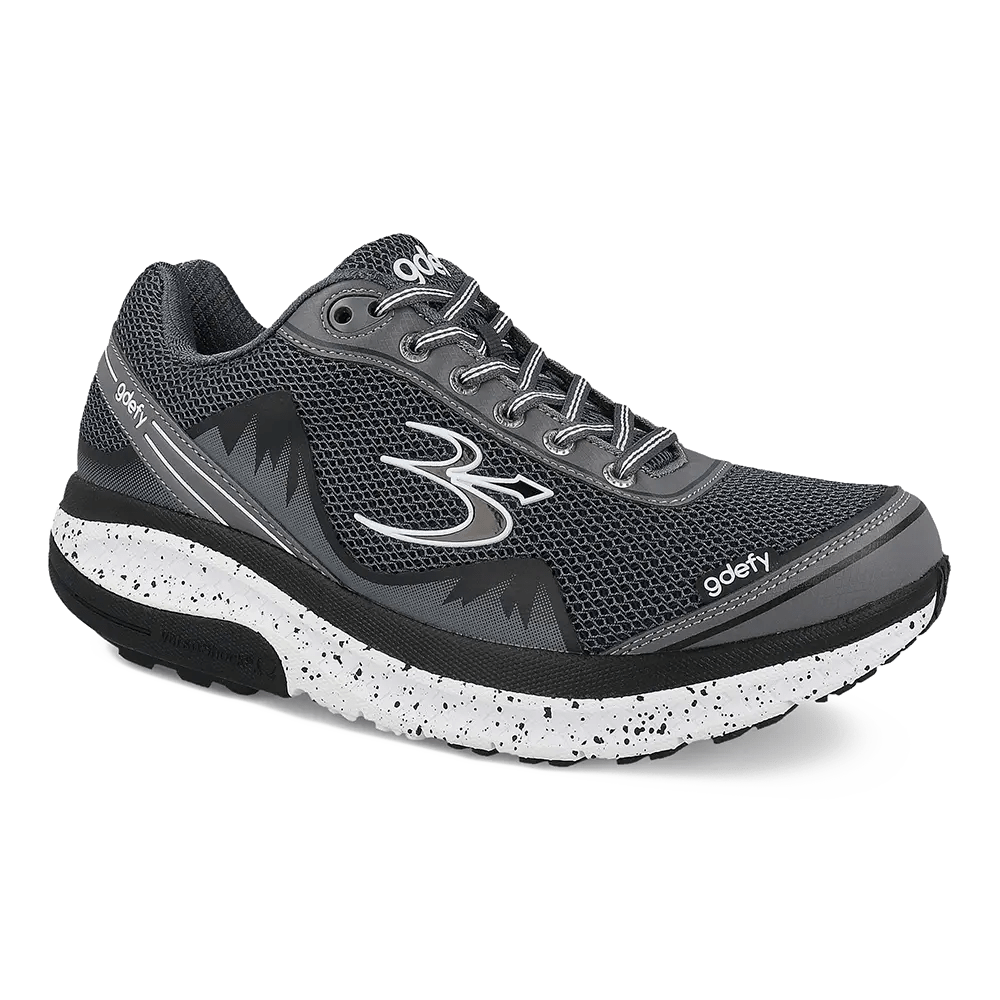
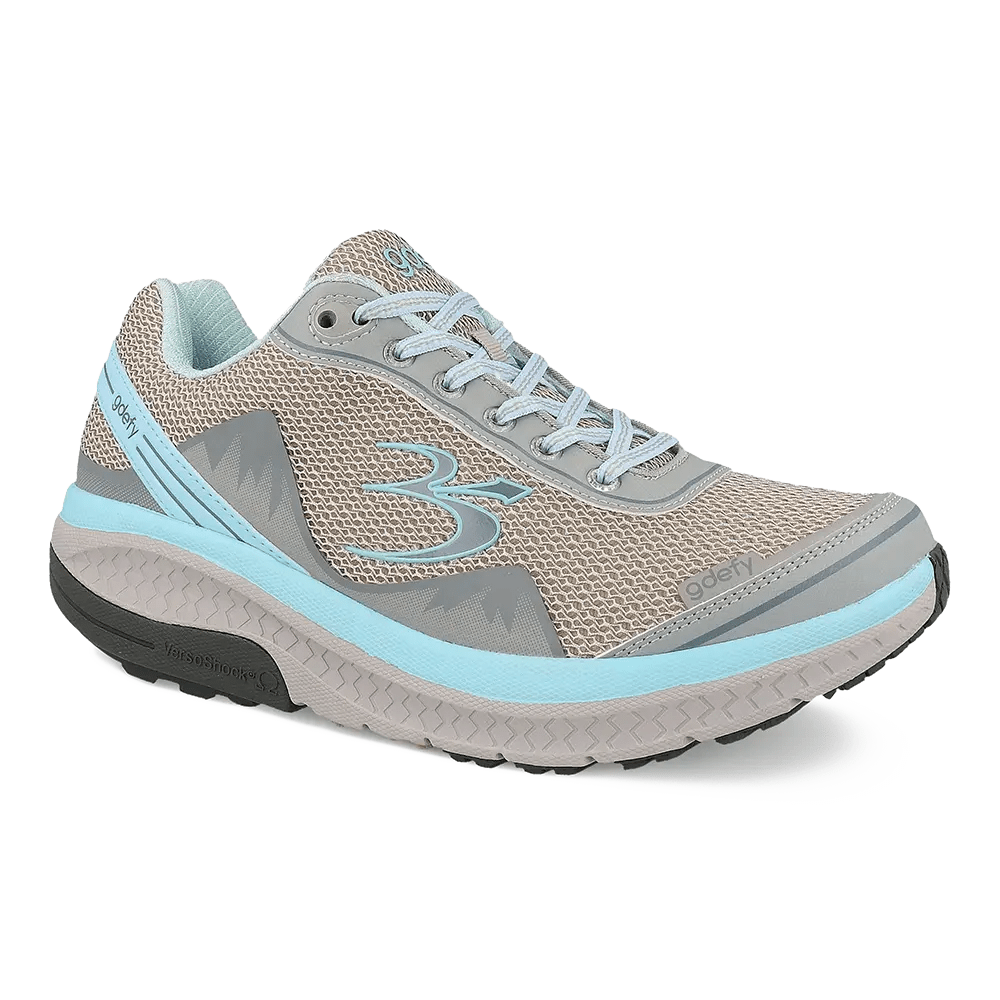
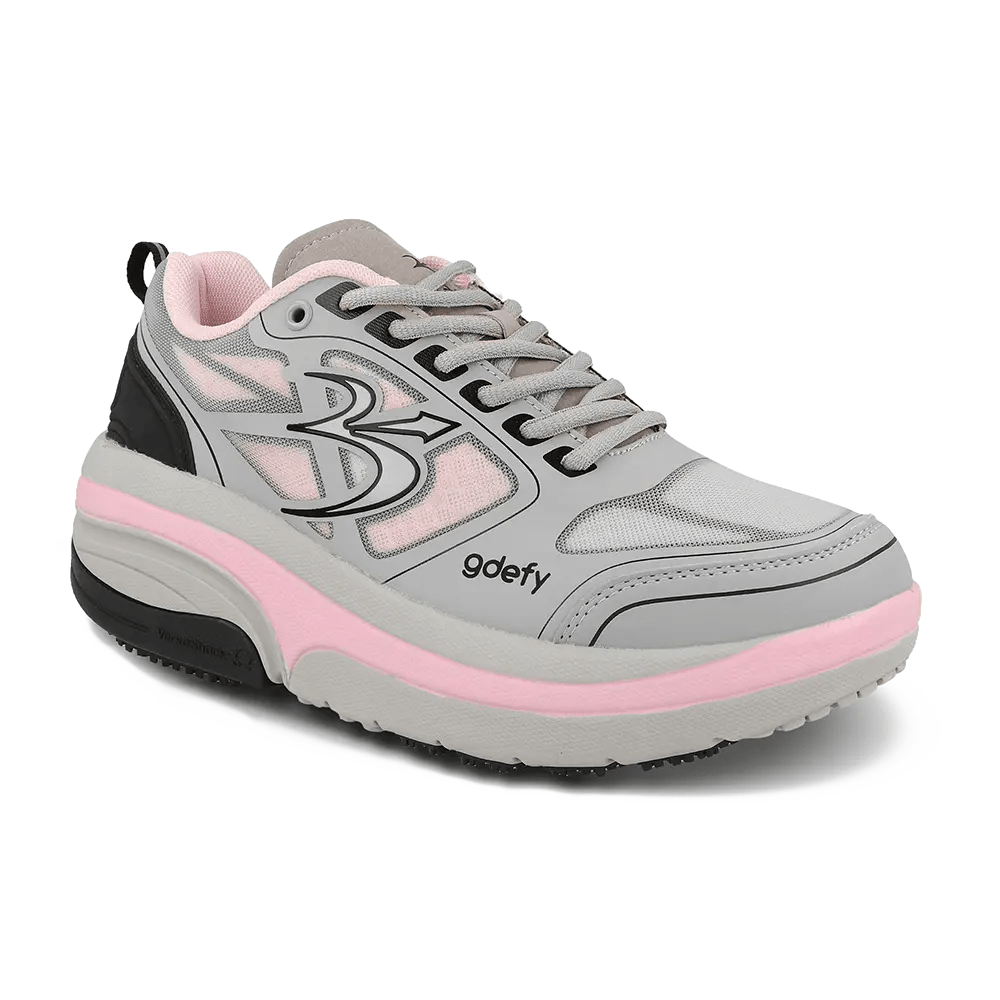
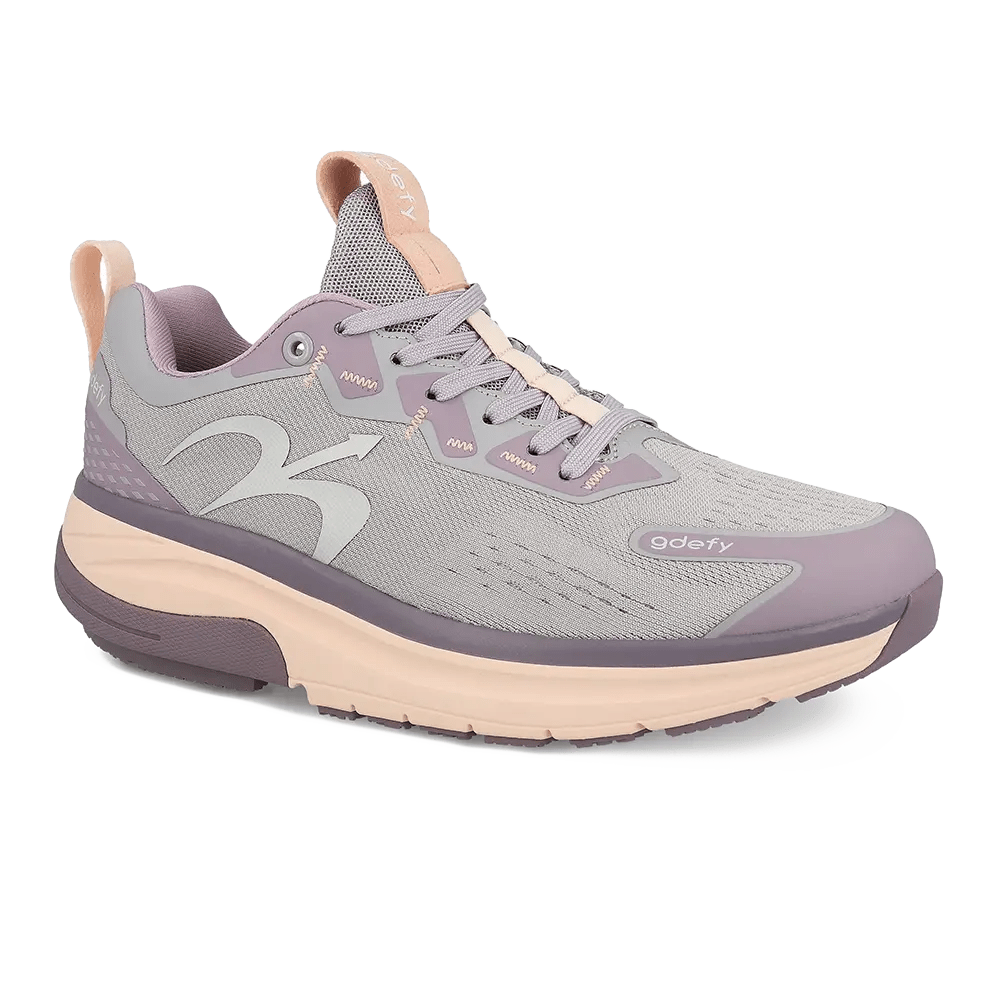
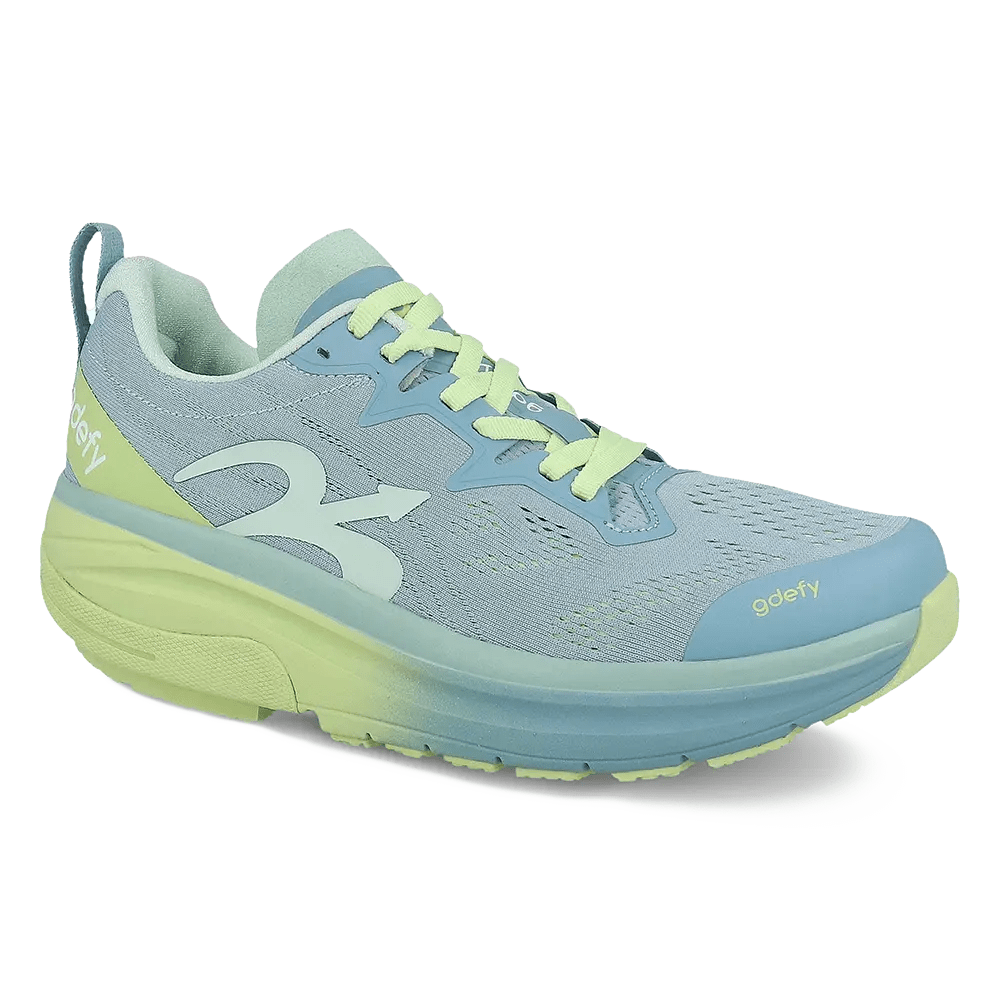
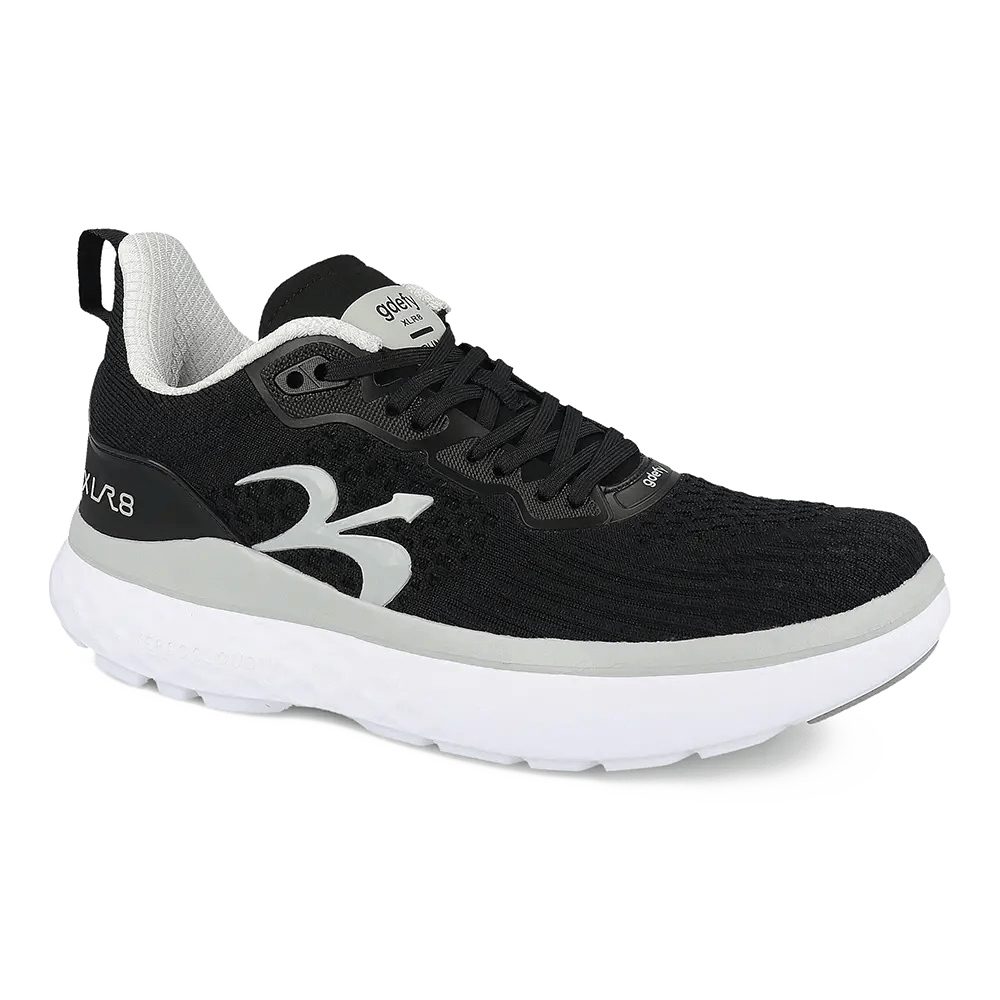
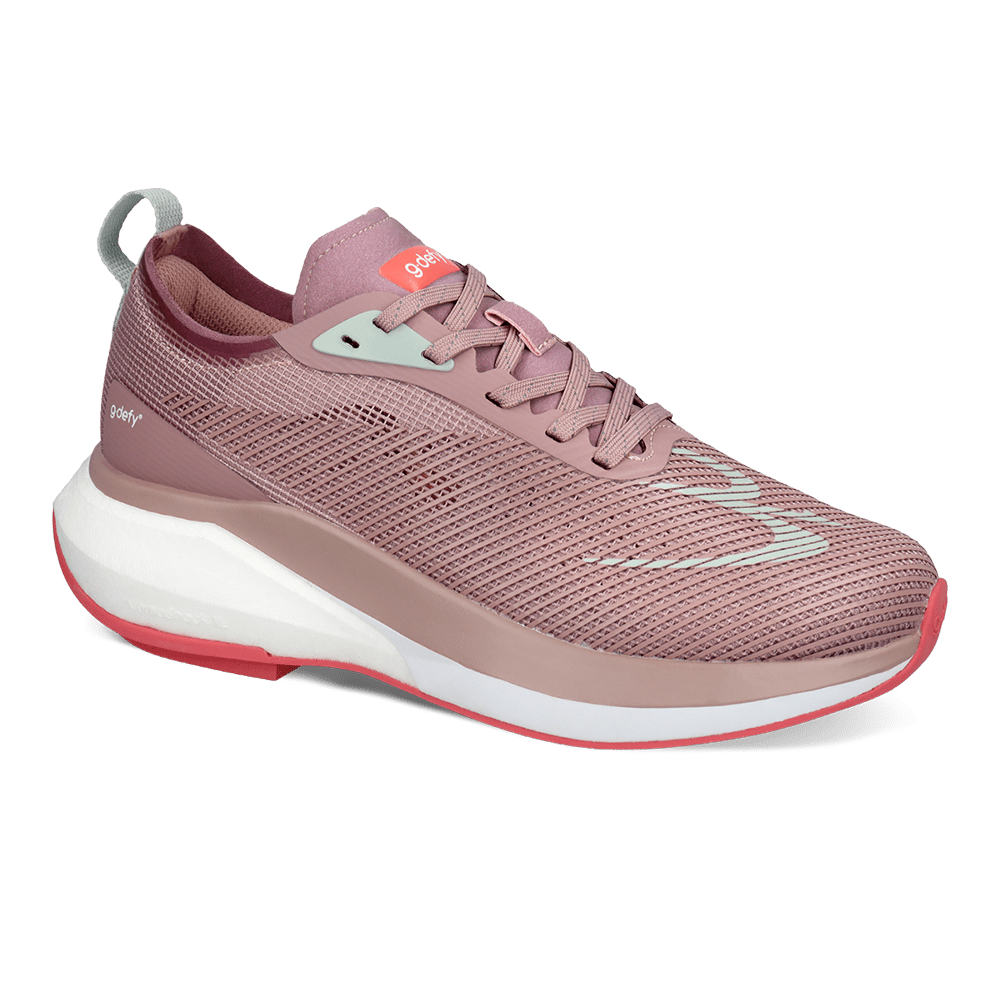
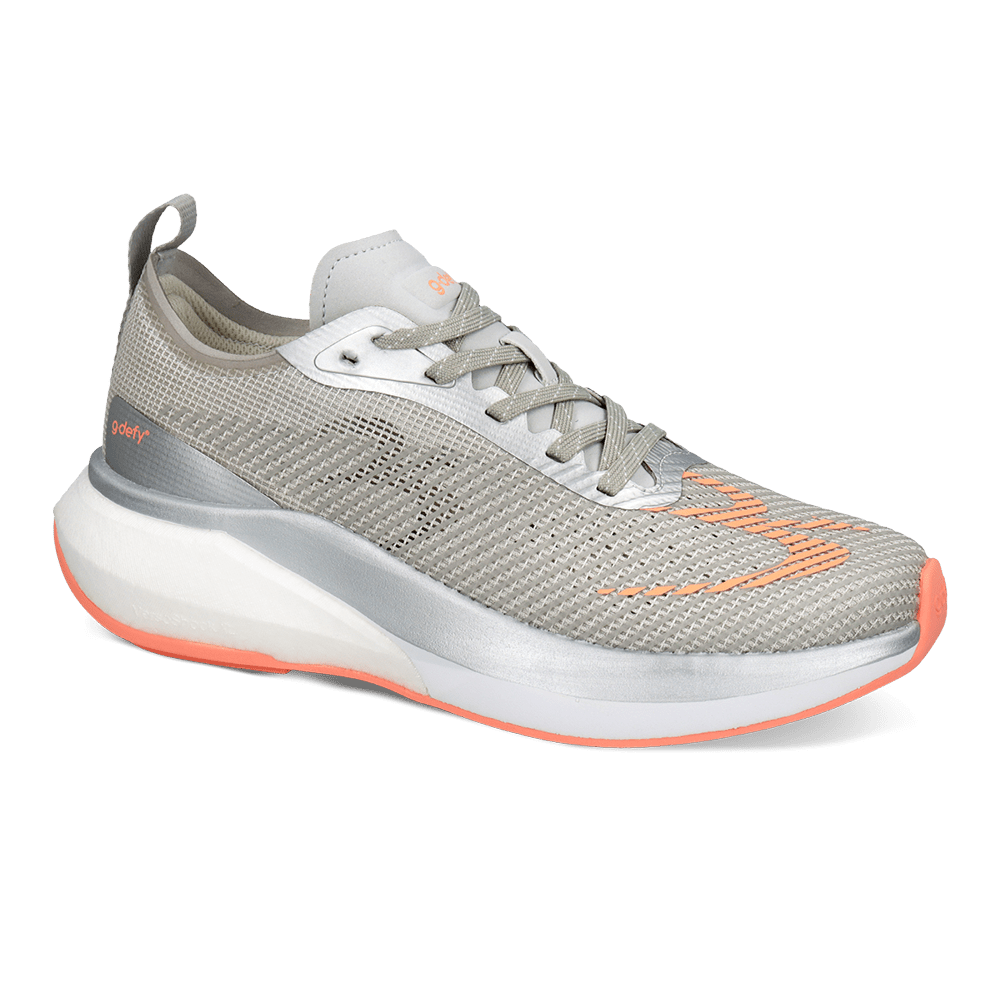
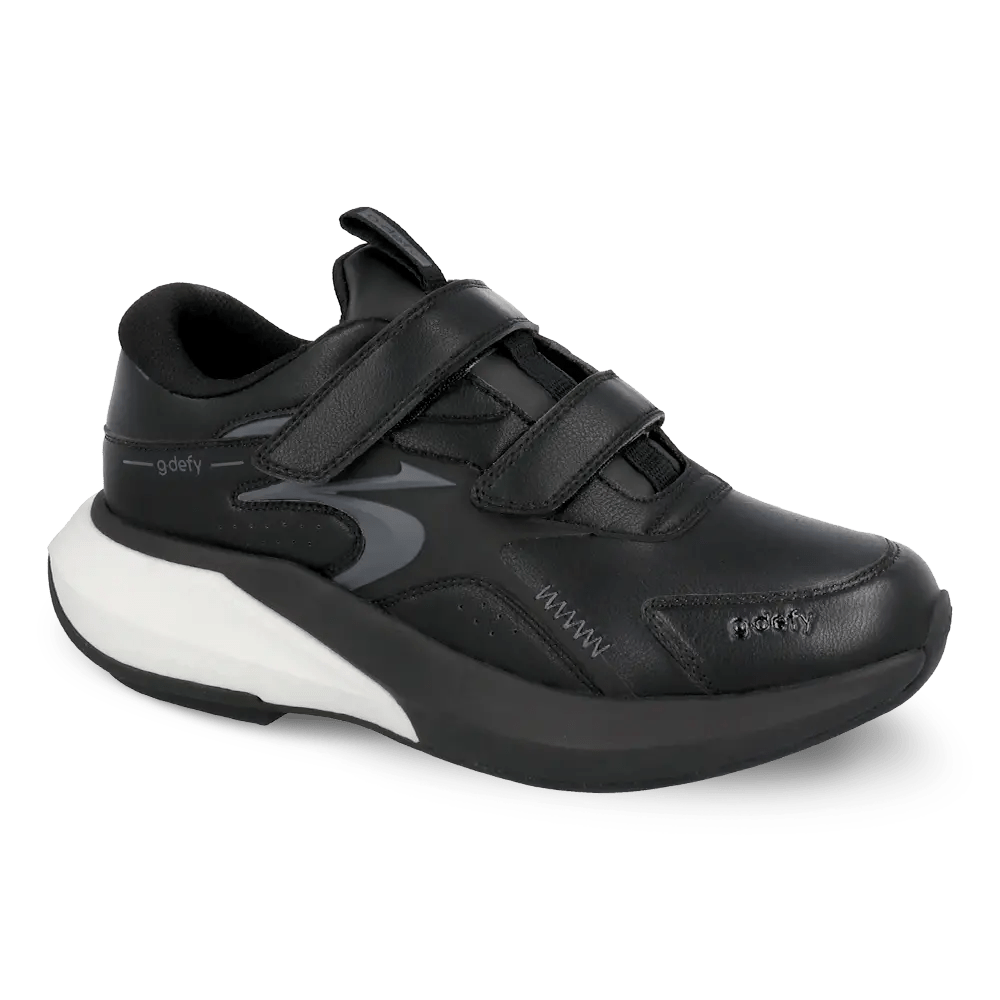
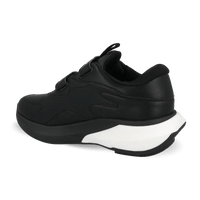
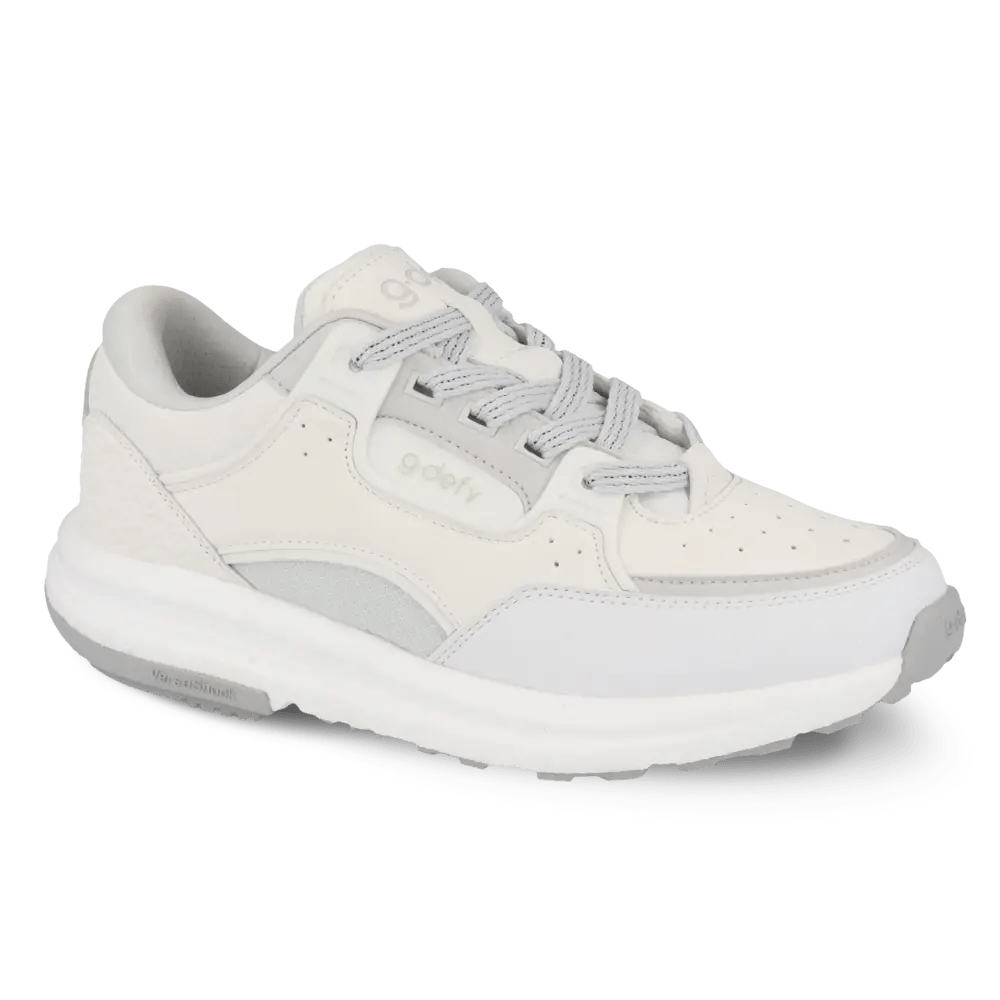
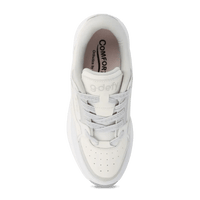
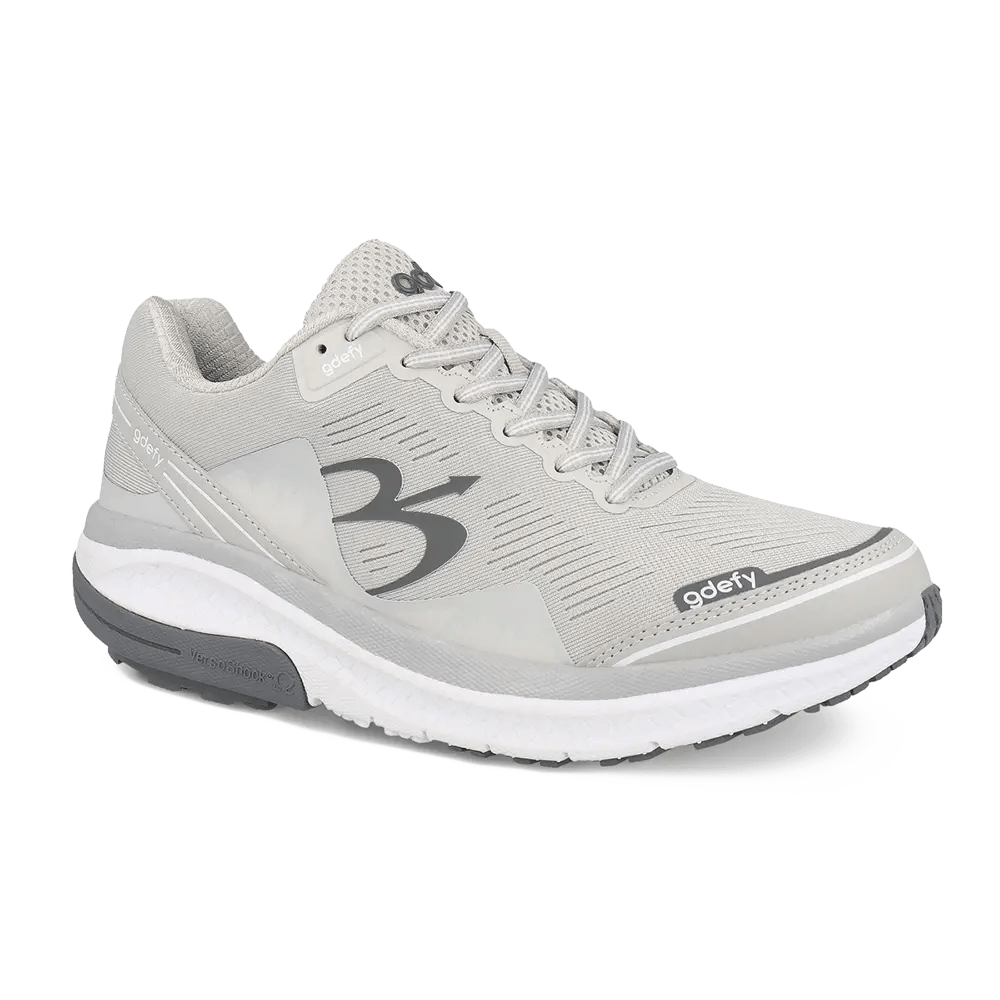
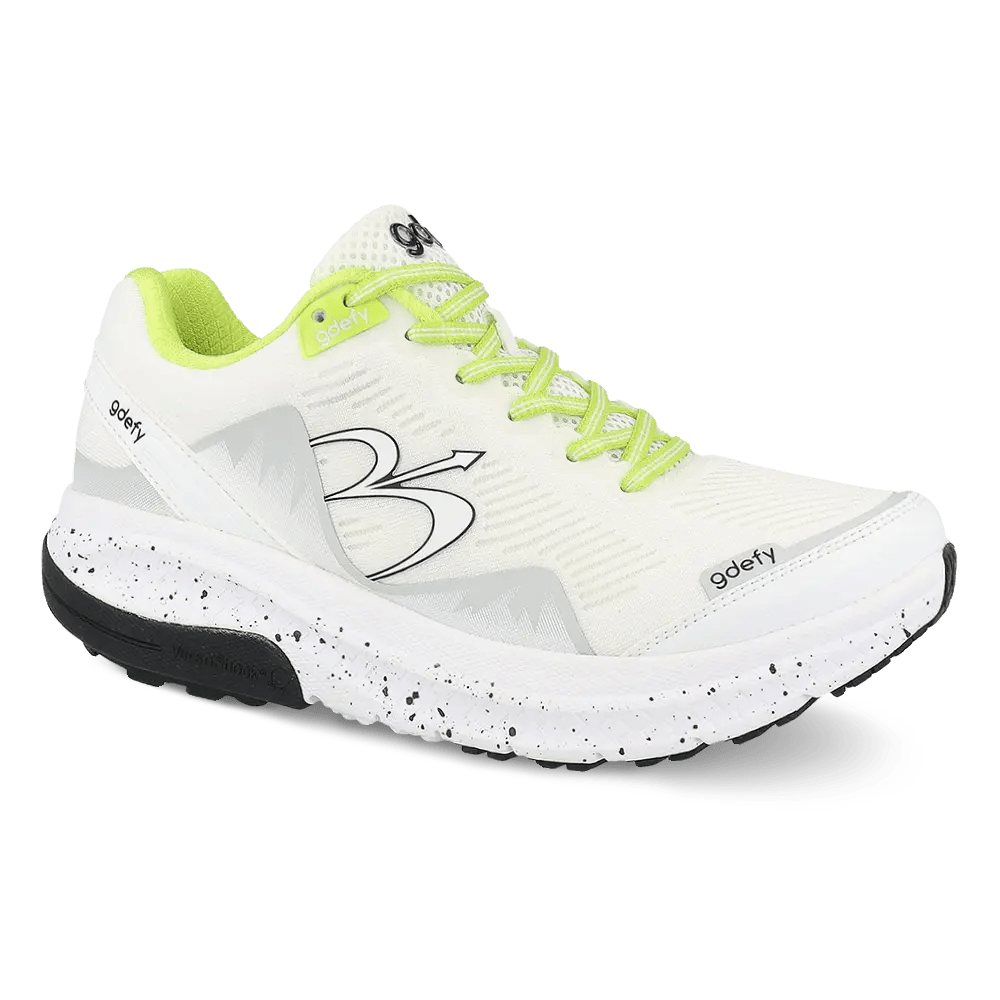
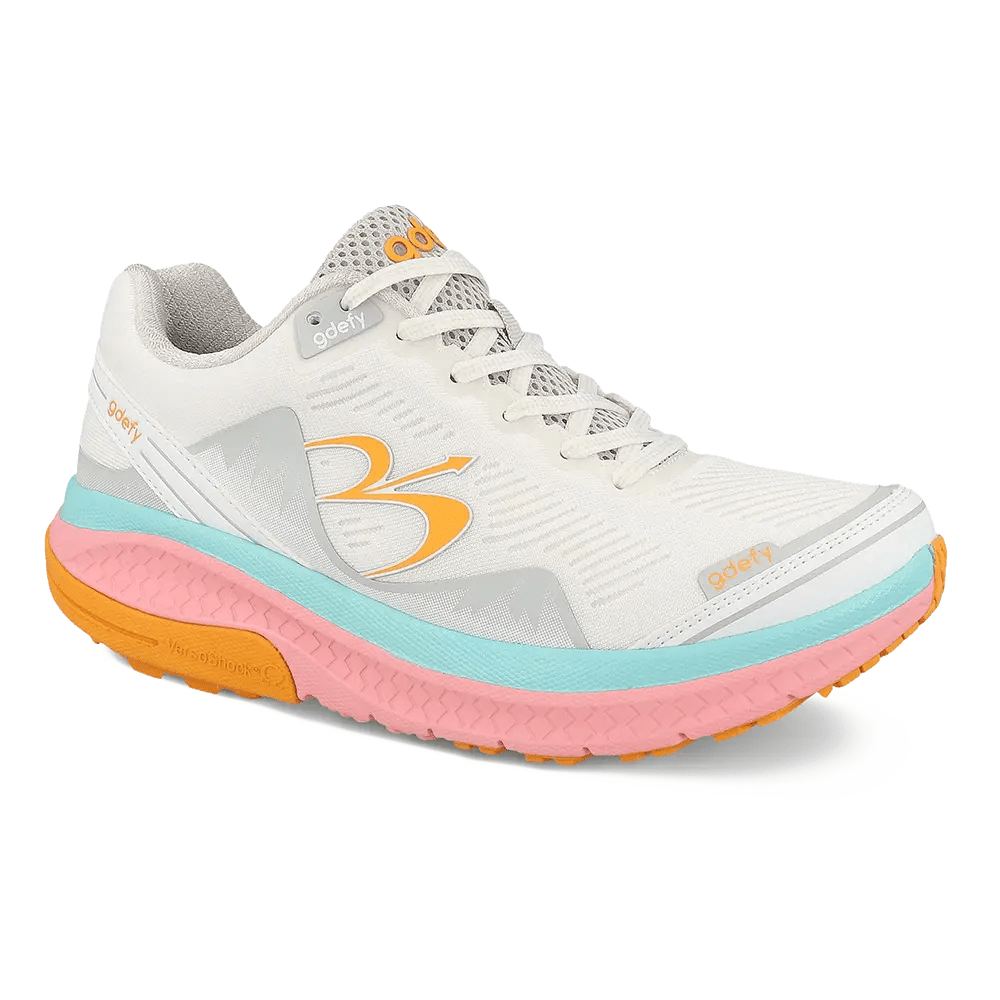
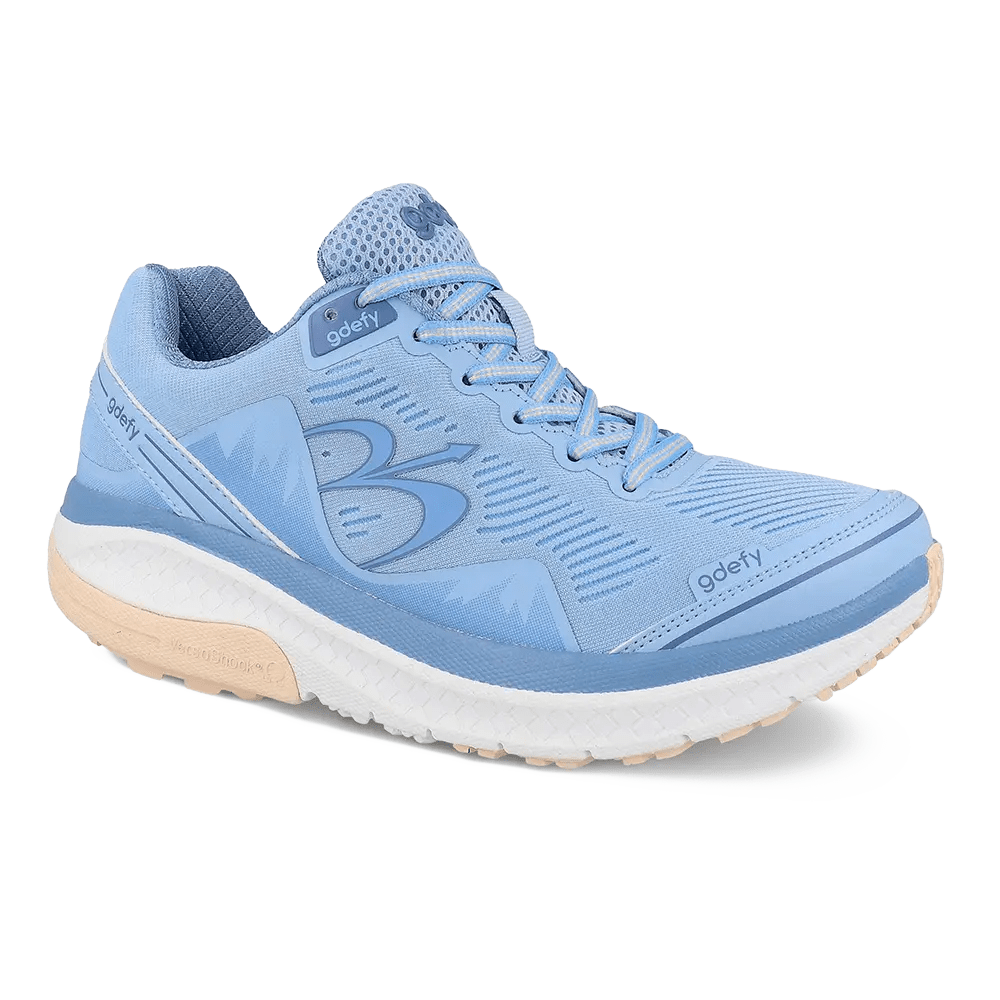
G-Defy shoes are engineered to provide comfort, support, and shock absorption. Featuring VersoShock® technology, they are designed to absorb impact and return energy with each step. A built-in stabilizer supports the foot during movement, while the front rolling design promotes a smooth walking experience. Each pair includes two removable orthotics to help customize comfort and support. G-Defy shoes help reduce pain from walking, running, and prolonged standing.
The dual-orthotic system is worth singling out here, because it is the direct answer to the problem this article describes. Every pair ships with two inserts — a ComfortFit® orthotic for low to medium arches and a CorrectiveFit® orthotic for medium to high arches. You choose the one that matches your foot, which means the shoe is set up around your arch from the first wear rather than gradually conforming to someone else's over months. If you want the full mechanical picture, our explainer on how VersoShock® technology works walks through all four pillars.
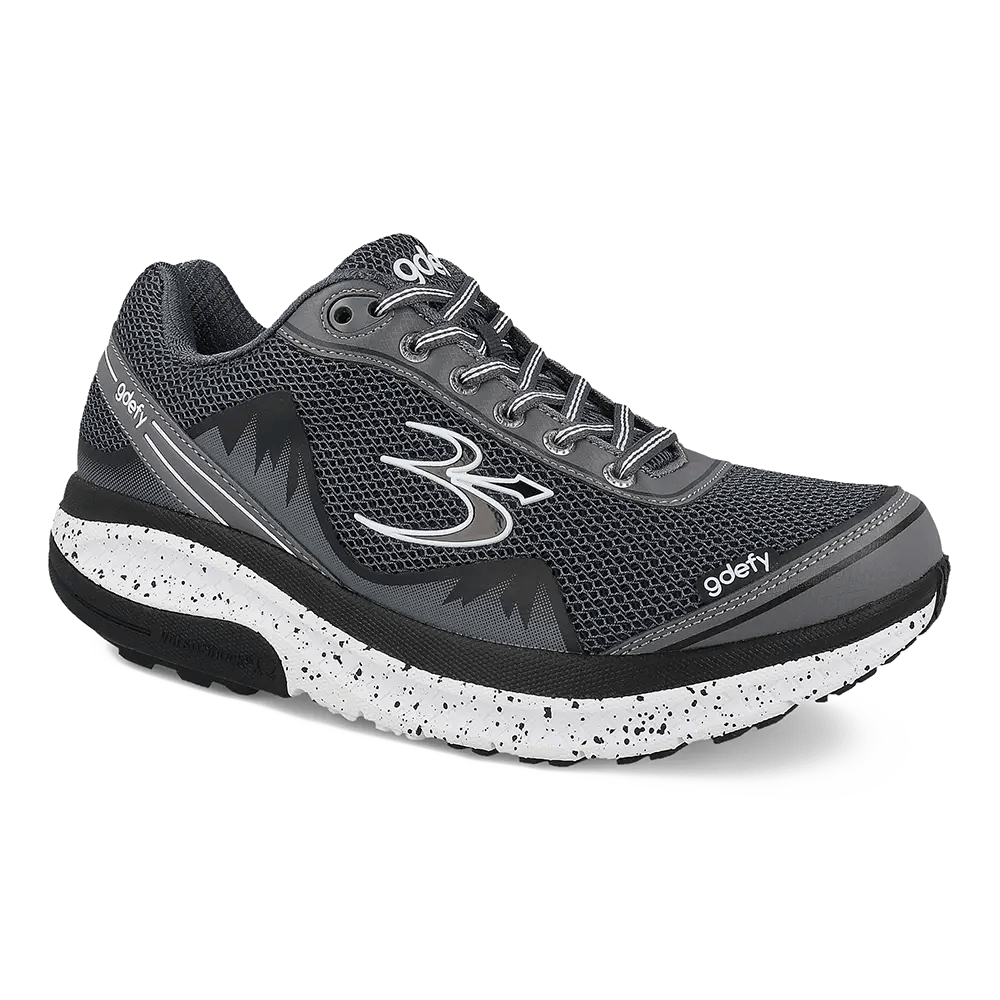
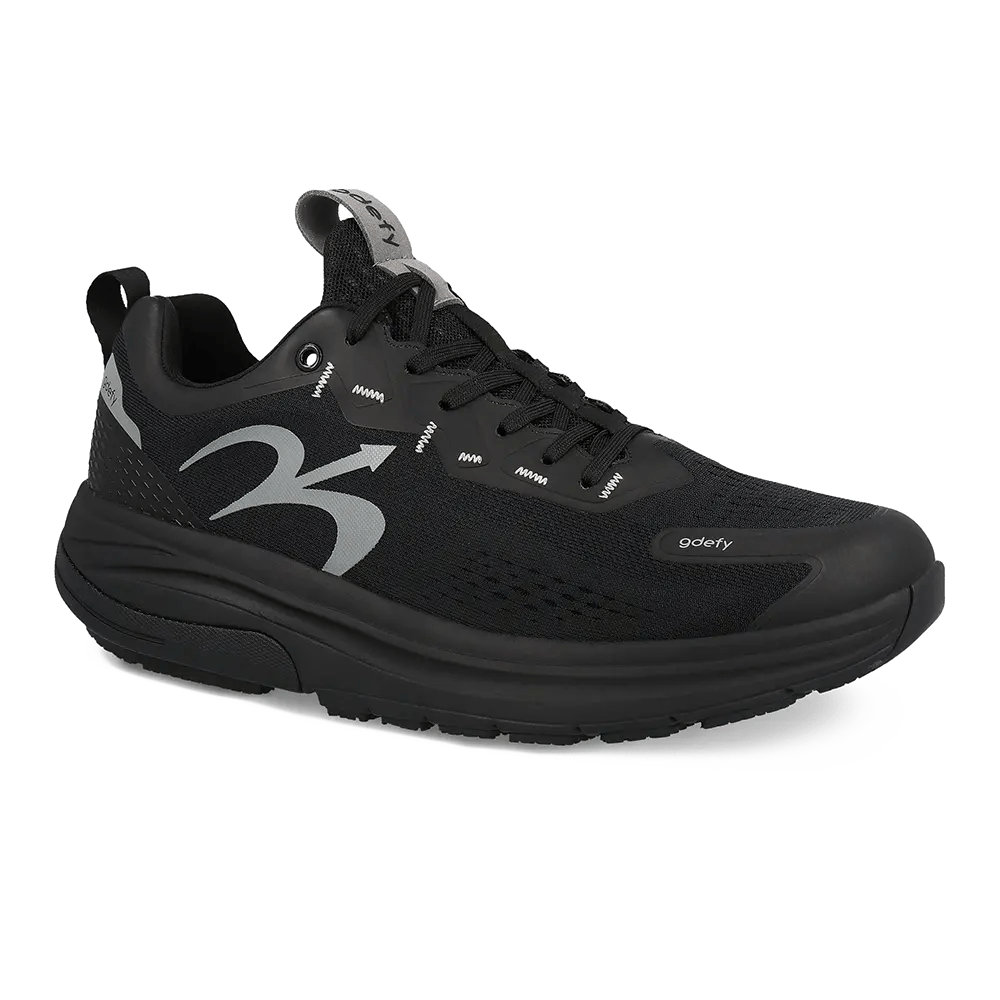
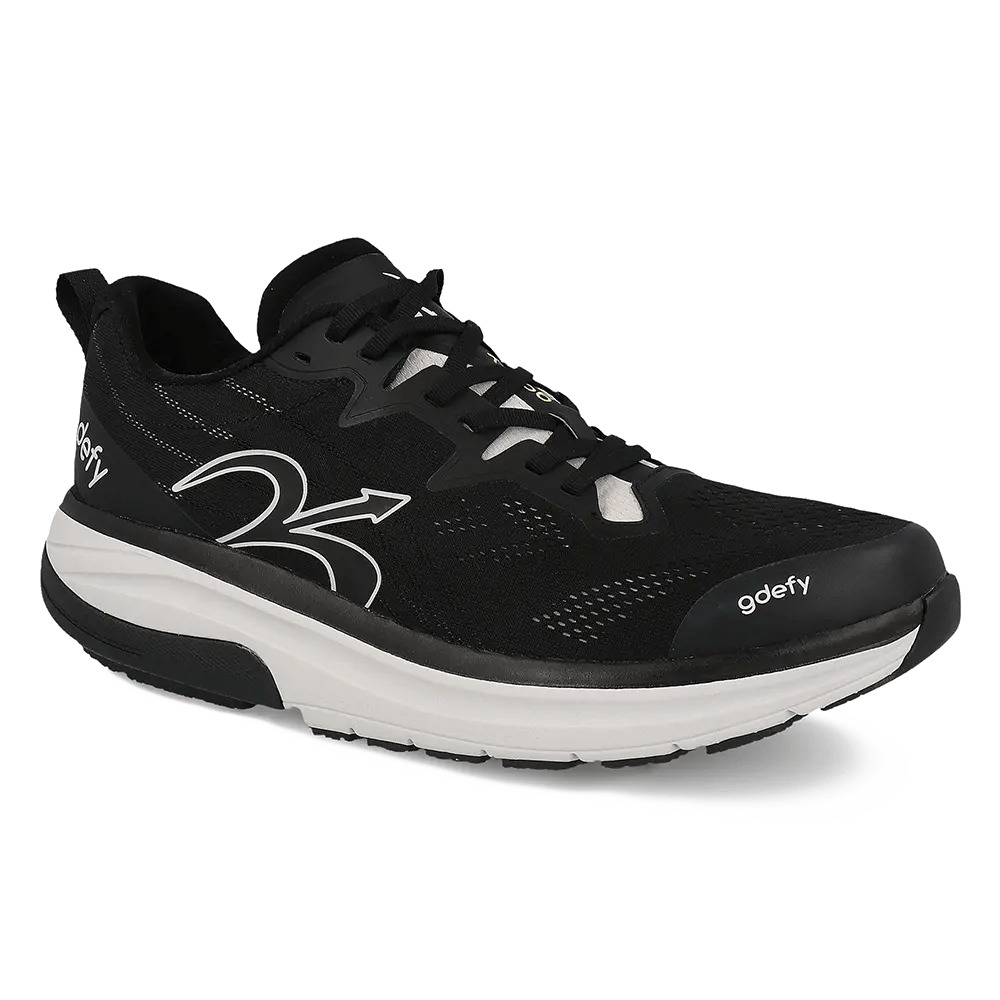
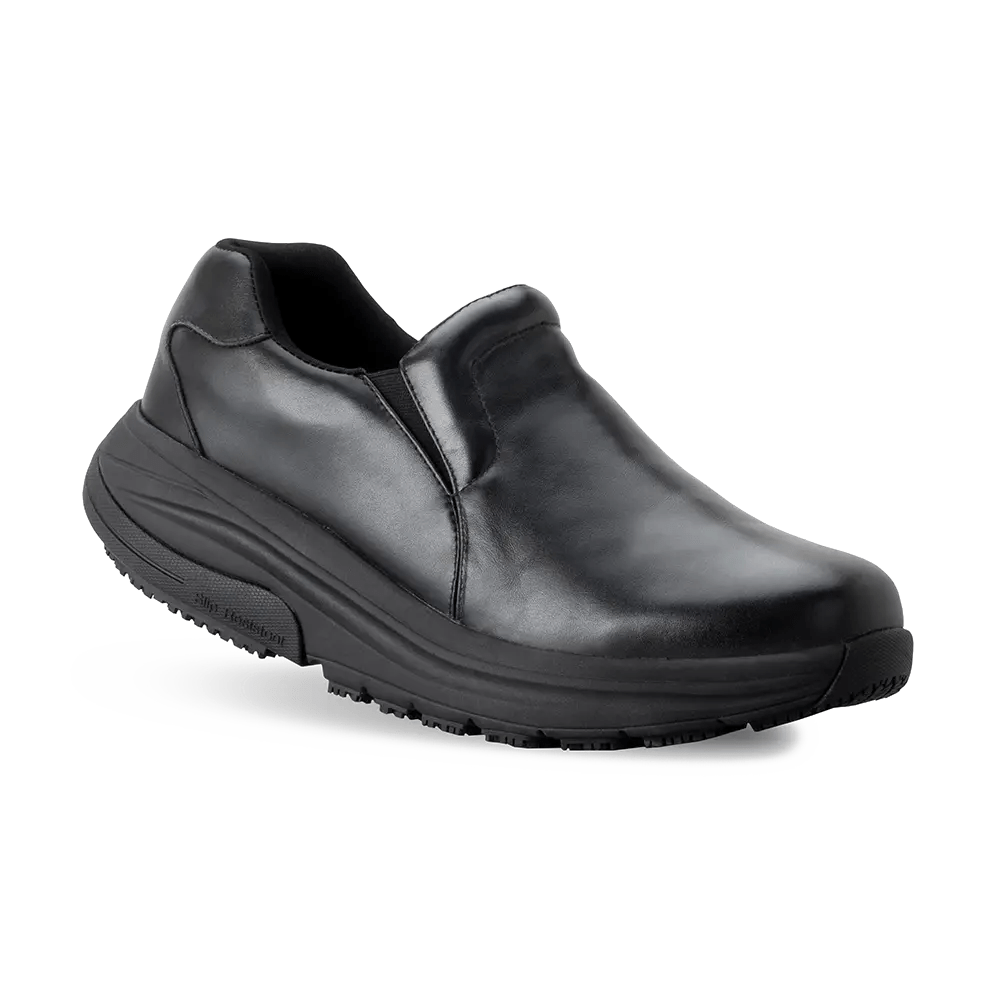
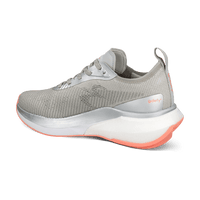
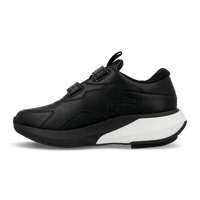
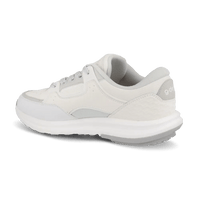
The Mighty Walk for men and the Mighty Walk for women are both built on this platform, with medium, wide, and extra-wide options so the fit is chosen rather than tolerated. Customers describe how they landed on their own fit in our everyday walking comfort stories and in what customers say after two months. Results vary by individual. Browse the full range for men and women.
Start with a pair that starts with you
Every G-Defy order comes with free shipping and exchanges and a 60-day risk-free trial — the honest alternative to inheriting a pair and hoping.
Shop G-Defy Comfort ShoesPractical Tips
Swap the insoles first, always. If you do wear an inherited pair, a fresh insole resets the one surface you can actually reset. It does nothing for the midsole underneath, but it is the cheapest improvement available.
Give a new-to-you pair a short trial. Wear them around the house for a day before committing to a long walk. A shoe that is set for someone else usually announces itself early — a hot spot, a heel that lifts, a feeling of tipping slightly to one side.
Do not inherit shoes for your hardest days. If you spend hours on your feet at work, that is the least forgiving place to test a pair whose cushioning has already been partly spent.
Measure before you accept a size. Feet change over the years, and the number printed inside the shoe is not a guarantee. Our guide to buying comfortable shoes online versus in store includes a five-minute at-home measuring method.
Keep a rotation rather than a hand-me-down. Two pairs alternated give each midsole time to rebound between wears, which is a better use of a second pair than wearing someone else's.
Frequently Asked Questions
Is it bad to wear someone else's shoes?
It is less about good or bad than about fit and condition. A worn shoe has been compressed and shaped by the previous wearer's step, so it arrives already set for a different foot. A nearly unworn pair in your correct size is a much closer call than a well-used one.
Do shoes really mould to your feet?
Yes, in three places — the midsole compresses where you load it, the outsole abrades where you strike, and the insole and upper flatten and crease around your foot shape. That adaptation is normal and useful, but it happens once and for one person.
Can I just replace the insole and wear them?
A new insole resets the top layer and is always worth doing, but it sits on top of a midsole that has already taken its set. The insole changes what your foot touches; it does not change the shape of the platform underneath.
How can I tell if a used shoe has support left?
Use the flat-table check and the twist test. If the heels stand straight and the shoe resists twisting through the middle, the structure is largely intact. If either fails, the shoe has spent most of what it had.
The Bottom Line
While footwear is not a medical solution, choosing shoes designed for comfort, support, and shock absorption can make a meaningful difference in how you feel throughout the day — and the shoes best able to do that are the ones that have not already spent their working life shaped around somebody else.
A hand-me-down is not a discounted new shoe. It is a used one, part-way through its life, carrying the record of a stride that is not yours. Sometimes that is a fine trade, particularly when a pair is genuinely near-new and the size is right. Often it is a way of starting a long day already behind.