
July 02, 2026
Shoes for Grocery Shopping and Errands (Yes, It Matters)
By Gdefy

Summary
Running errands doesn't feel like exercise. A grocery run, a stop at the pharmacy, a quick trip to the hardware store — none of it looks demanding on paper. But add it all up, and a single Saturday of errands can put more miles on your feet than a planned walk ever would. The difference is that nobody laces up "for errands," so most people do it in whatever pair happens to be by the door.
That everyday footwear choice matters more than it seems. Errand days are full of hard floors, parking lots, stop-and-start walking, standing in line, and carrying bags back to the car. While footwear isn't a medical solution, the right design can play a real role in how comfortable and steady you feel by the time you get home.
Here's what actually makes errand days hard on your feet — and what to look for in a pair of shoes that keeps up.
Why Errands Are Harder on Your Feet Than You Think
The trouble with errands is that they combine several small demands into one trip. Each one is minor on its own. Together, they add up fast.
Hard, unforgiving surfaces
Grocery aisles, big-box store floors, tile, concrete, and asphalt parking lots have almost no give. Every step sends impact straight back up through your feet and legs. Over a full errand run, that repeated impact is what leaves your feet feeling tired and achy.
Start-and-stop walking
Errands are rarely a smooth, steady walk. You take a few steps, stop to read a label, walk to the next aisle, stop again. This start-and-stop rhythm keeps your feet working without ever settling into an efficient stride, which can wear you down more quickly than a continuous walk.
Standing and waiting
Checkout lines, deli counters, prescription pickups — errands involve a surprising amount of standing still. Prolonged standing on a hard floor is one of the most tiring things you can ask of your feet, and it's built into almost every errand.
Carrying and lifting
Grocery bags, cases of water, and packages add weight your feet have to support and balance. That extra load increases the impact with every step and puts more demand on your footing as you move between the cart, the car, and the front door.
What to Look for in Comfortable Shoes for Errands
You don't need a specialized shoe for errands. You need an everyday pair built for comfort, support, and impact on hard surfaces. These are the features that matter most.
Cushioning that absorbs impact
Look for cushioning designed to soften the repeated impact of walking on hard floors and pavement. Good cushioning helps your feet feel fresher deeper into a long errand day.
Support and a stable platform
A supportive, stable base helps your feet stay comfortable through all that stop-and-start movement and standing. Support is what keeps a shoe feeling steady when you're loaded down with bags. If you're unsure how cushioning and support differ, our guide on cushioning versus support breaks it down.
Shock absorption and energy return
Shock absorption reduces the harsh force that hard surfaces send back up through your body. Energy return helps keep your stride feeling responsive instead of flat and heavy by your last stop. Learn more about what shoe support really means and how the pieces of a comfort shoe work together.
Secure, roomy fit
A shoe that fits well keeps your foot steady without pinching. Look for a secure hold through the midfoot and a roomy toe area so your toes can move naturally, especially as feet tend to swell over a busy day. Our guide on why proper fit is key to all-day comfort covers what to check.
Lightweight, breathable, and easy on and off
Errand shoes get slipped on and off constantly. A lightweight, breathable design reduces fatigue and keeps your feet cooler through a stack of quick stops. Because your feet are the foundation for how the rest of your body moves, a comfortable base helps everything above feel better too — more on that in how your feet affect your entire body.

How G-Defy Shoes Support Your Errand-Day Comfort
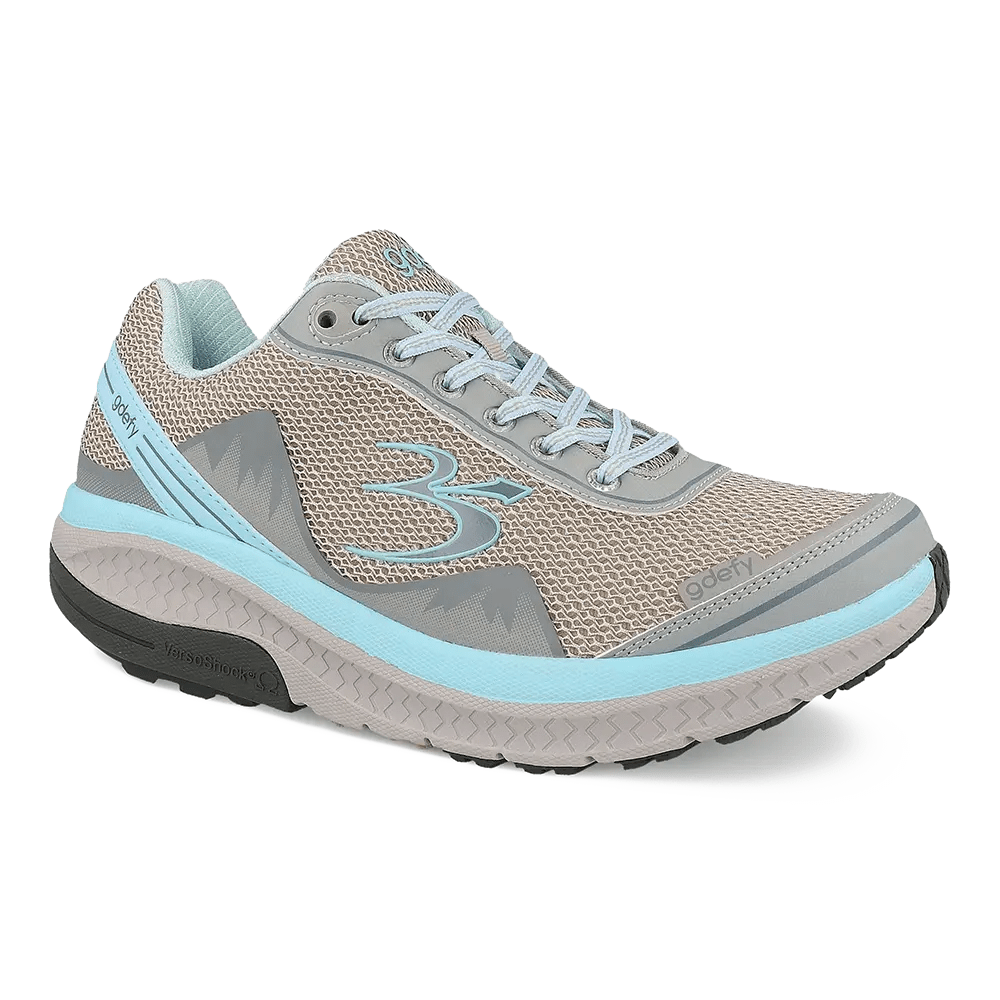
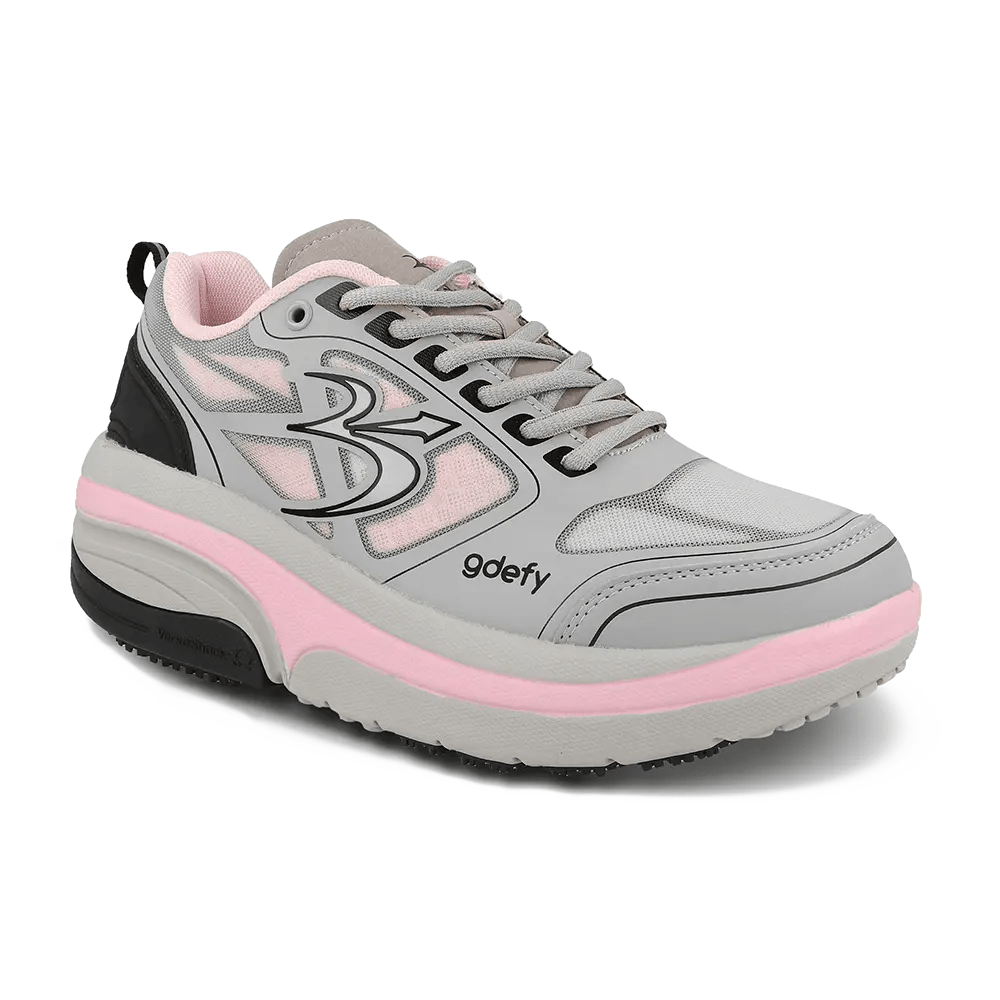
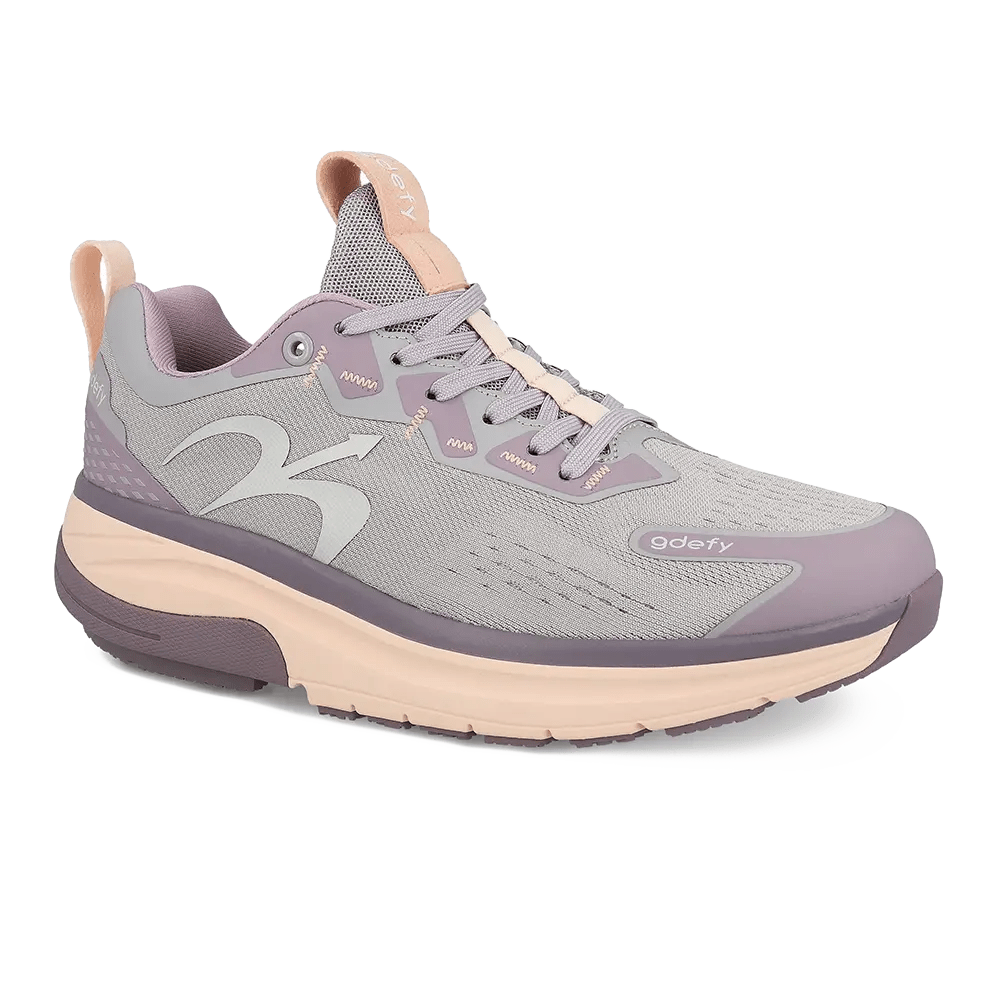
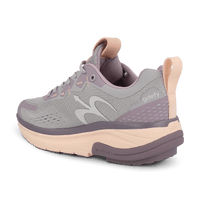
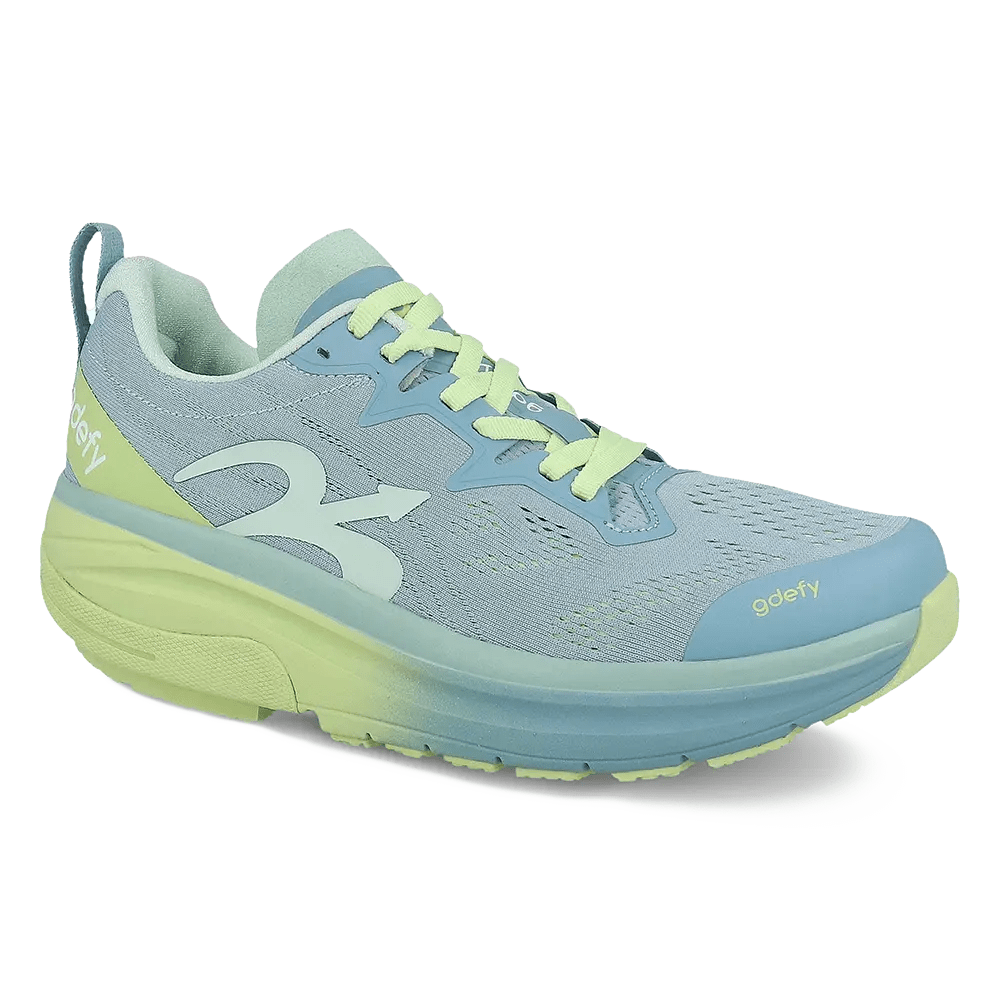
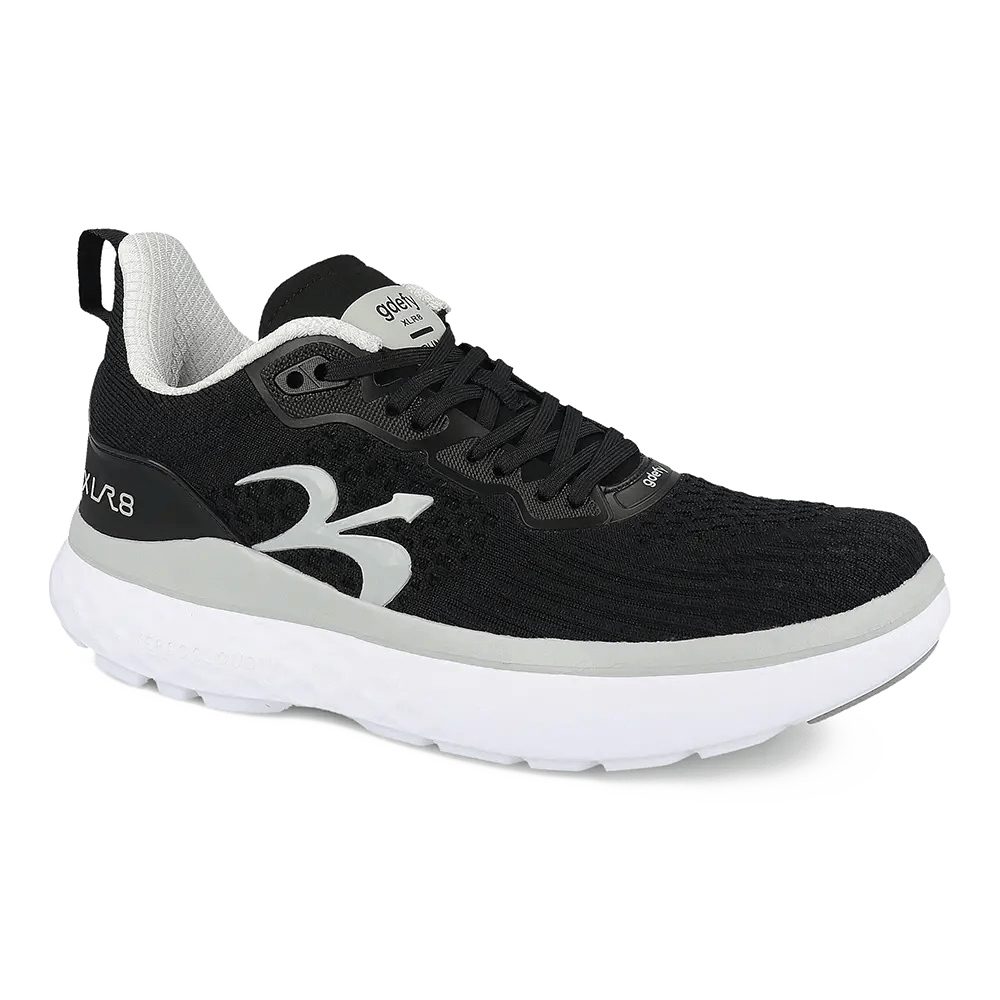
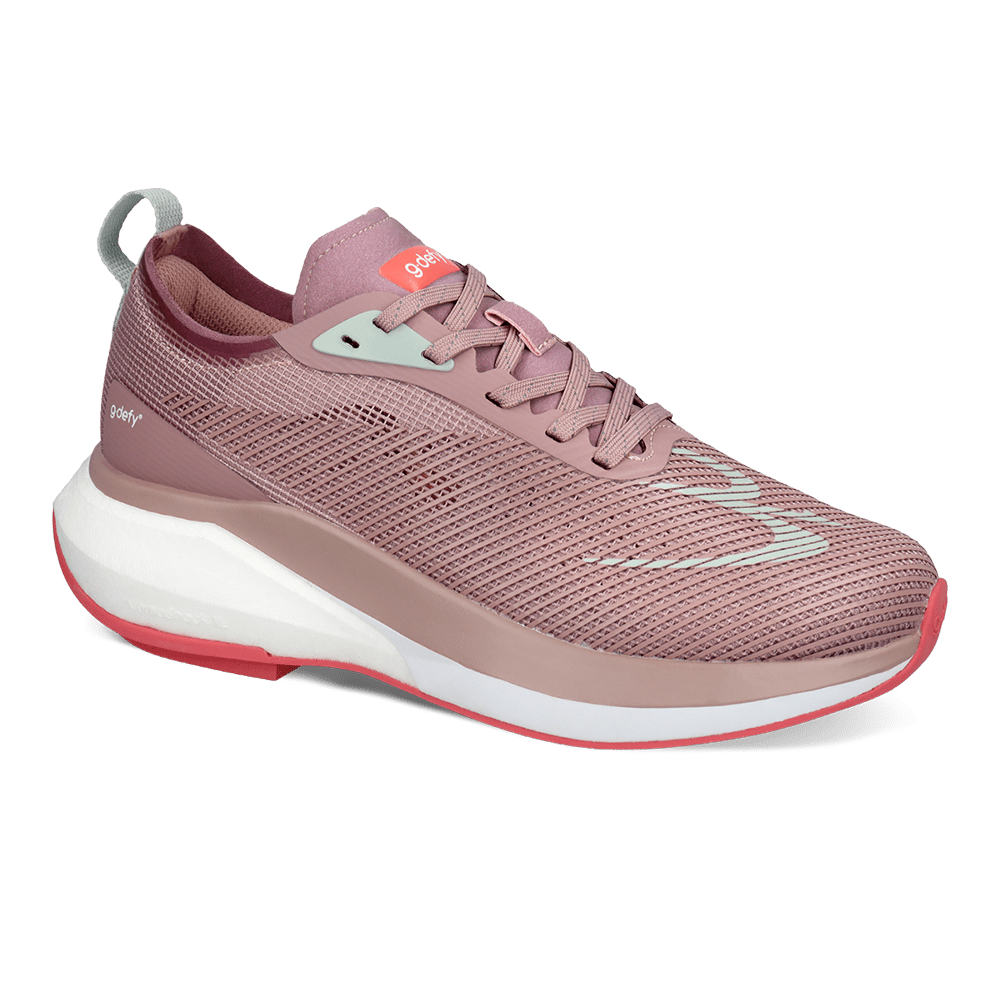
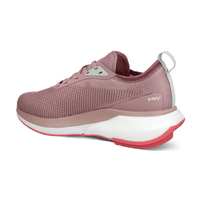
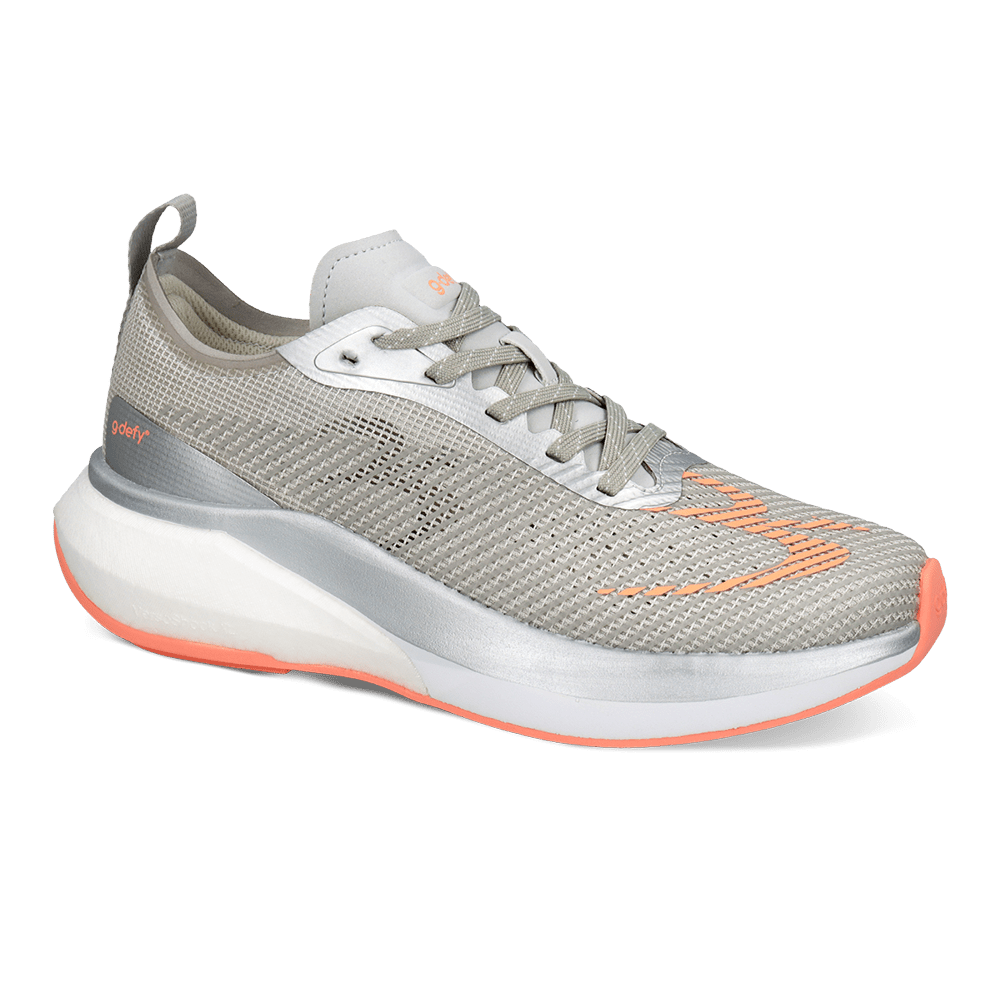
G-Defy shoes are engineered to provide comfort, support, and shock absorption during daily movement — exactly the kind of everyday activity errands are made of.
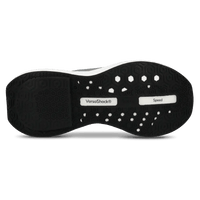
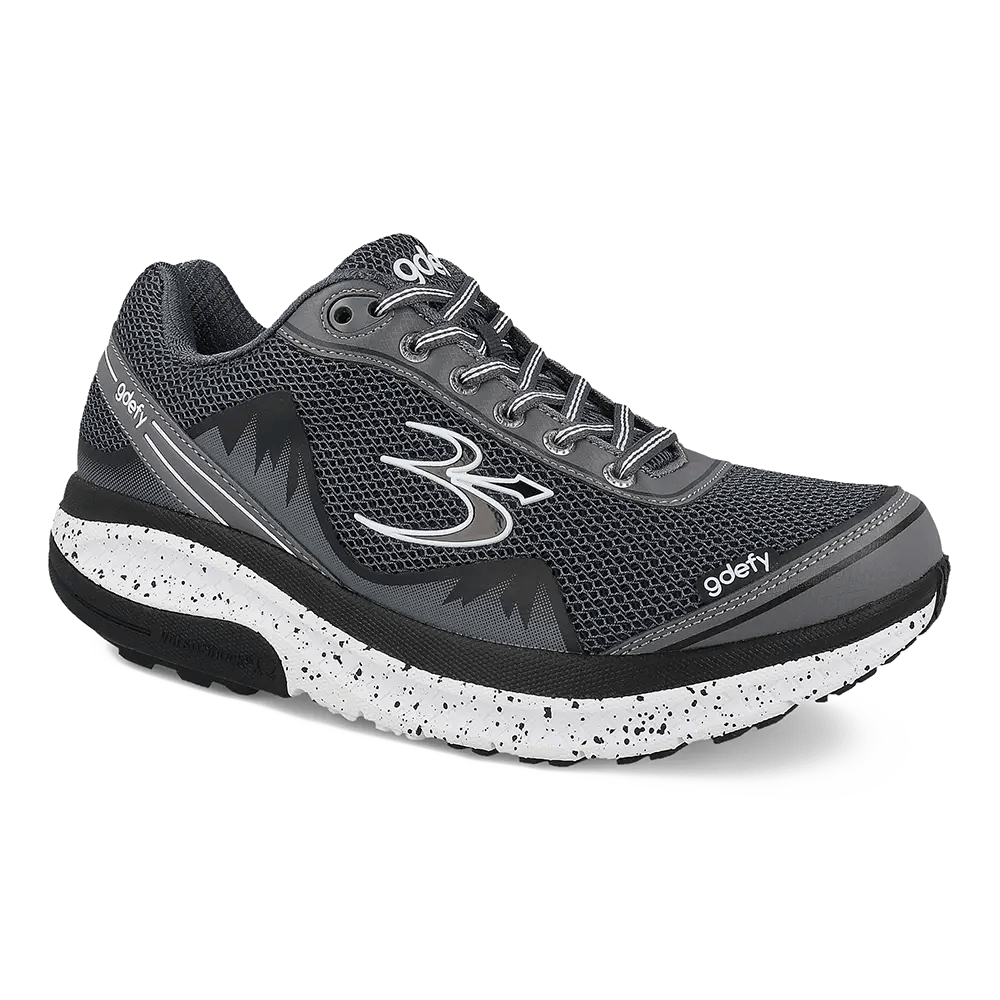
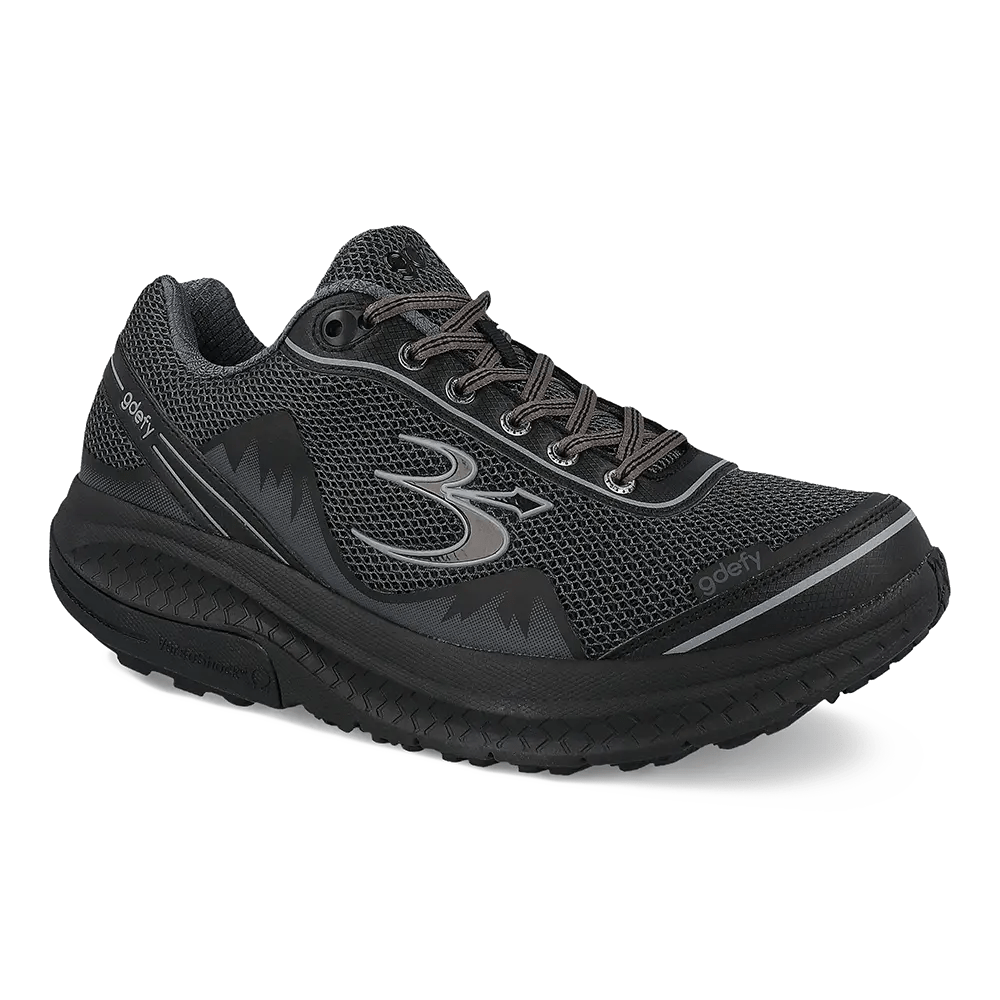
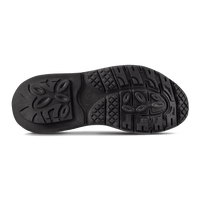
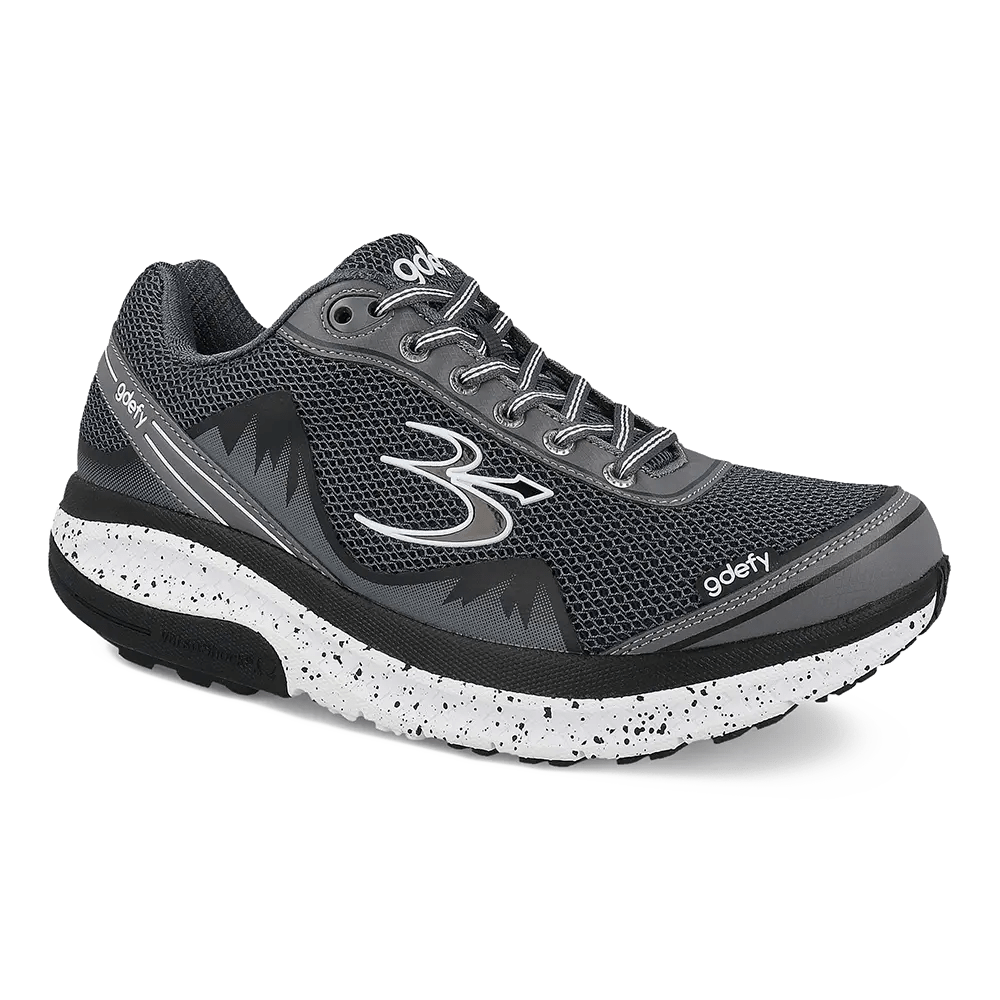
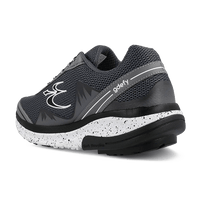
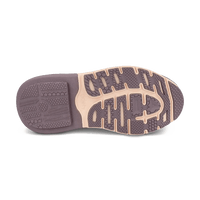
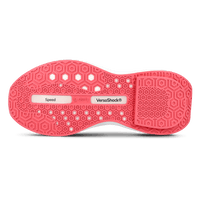
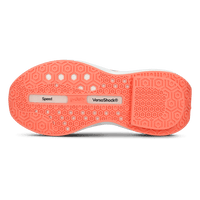
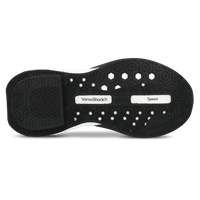
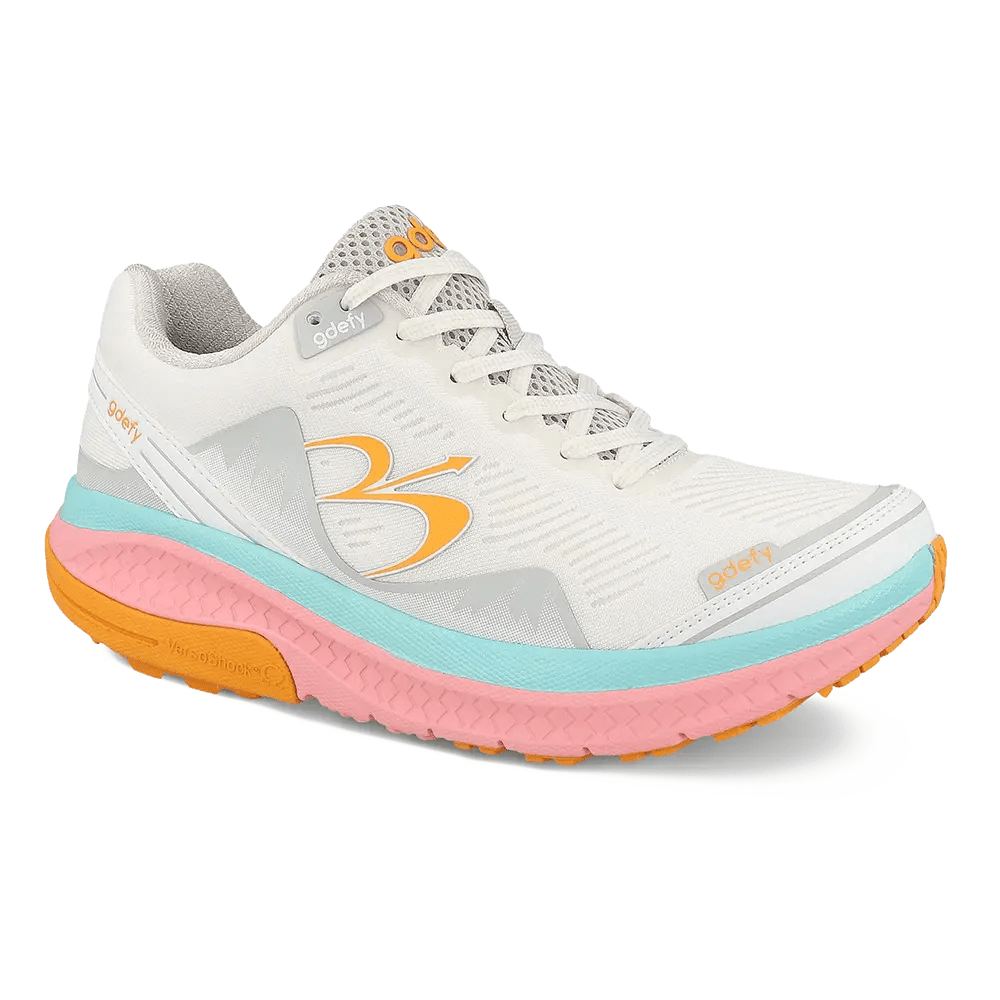
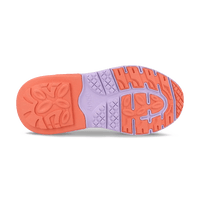
At the core is VersoShock® technology, a spring-based system designed to absorb impact and return energy with each step. On the hard floors and parking lots that fill an errand day, that shock absorption helps soften the repeated impact, while the energy return helps keep your stride feeling responsive from the first aisle to the last.
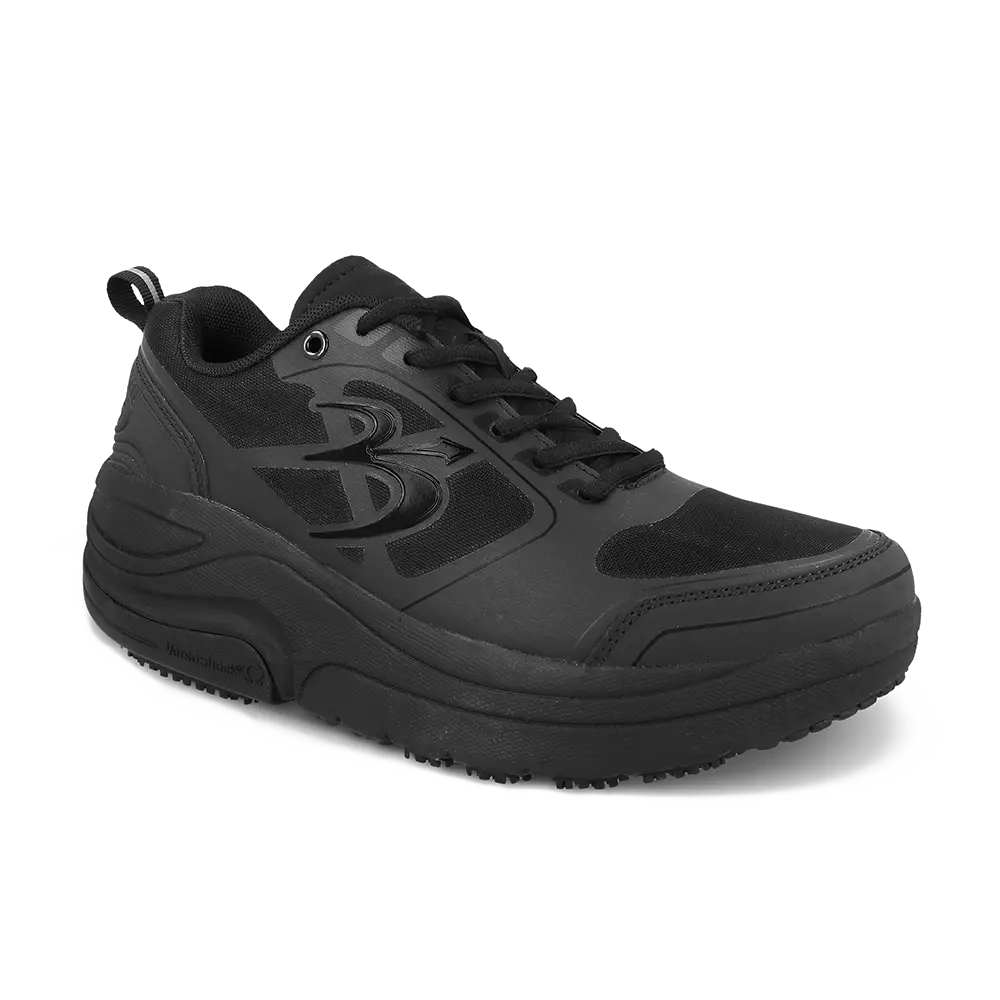
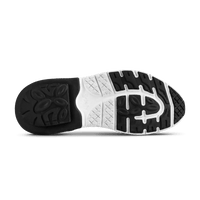
Inside every shoe, a built-in stabilizer supports the foot during movement and encourages a more stable, controlled stride — helpful when you're balancing a load of groceries. A front rolling design promotes a smooth heel-to-toe transition for the stop-and-start pace of errands. Each pair also includes two removable orthotics — a ComfortFit® option for low to medium arches and a CorrectiveFit® option for medium to high arches — so you can customize comfort to your own feet. G-Defy shoes help reduce pain from walking, running, and prolonged standing.

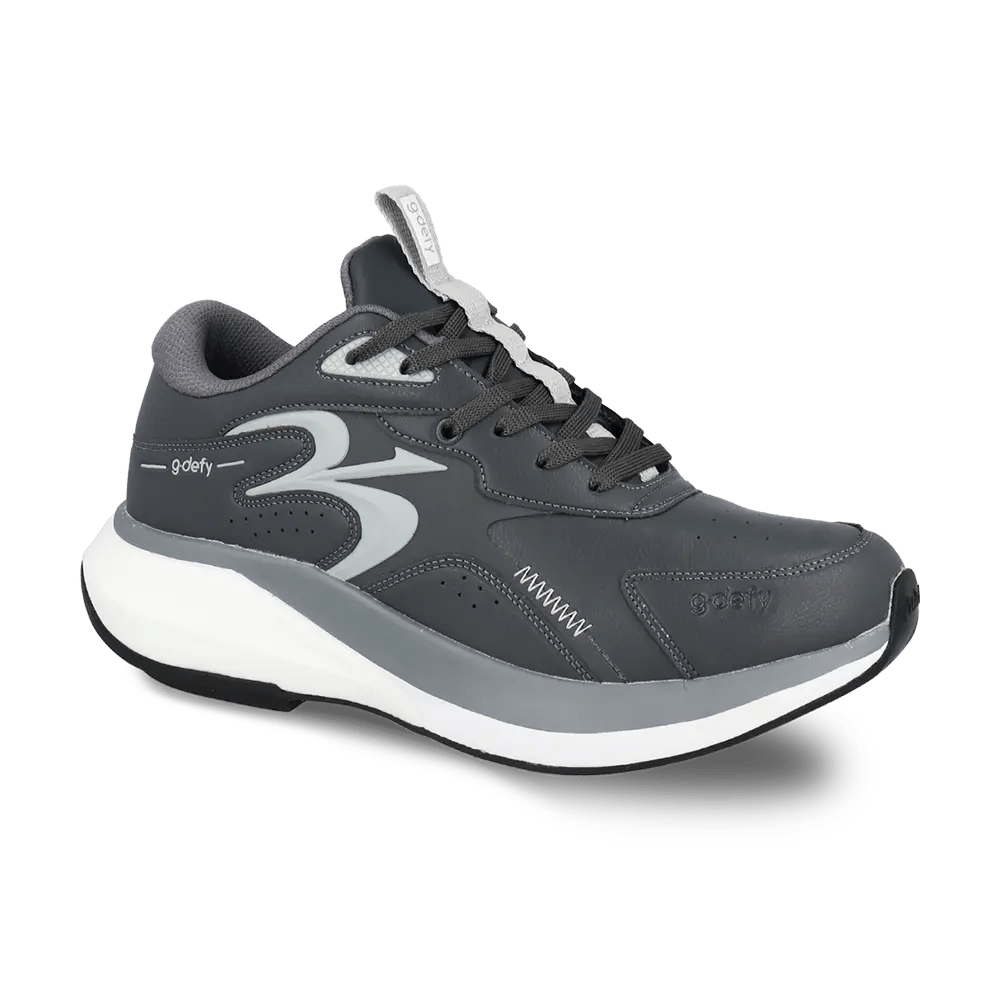
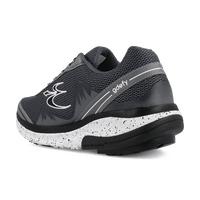
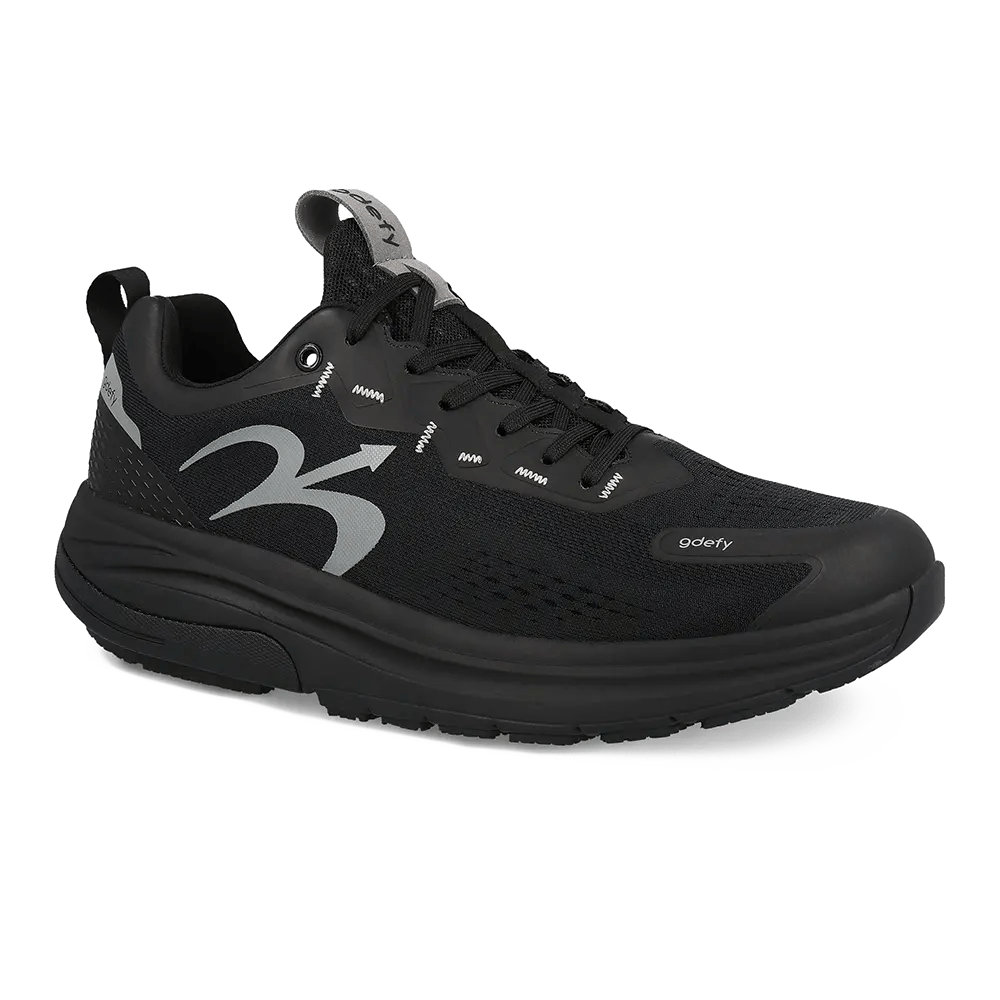
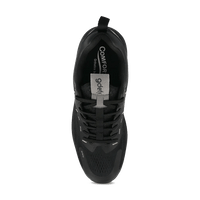
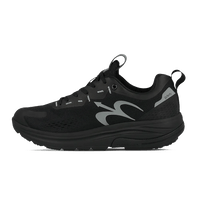
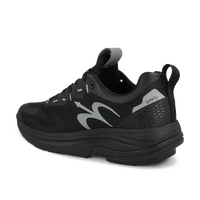
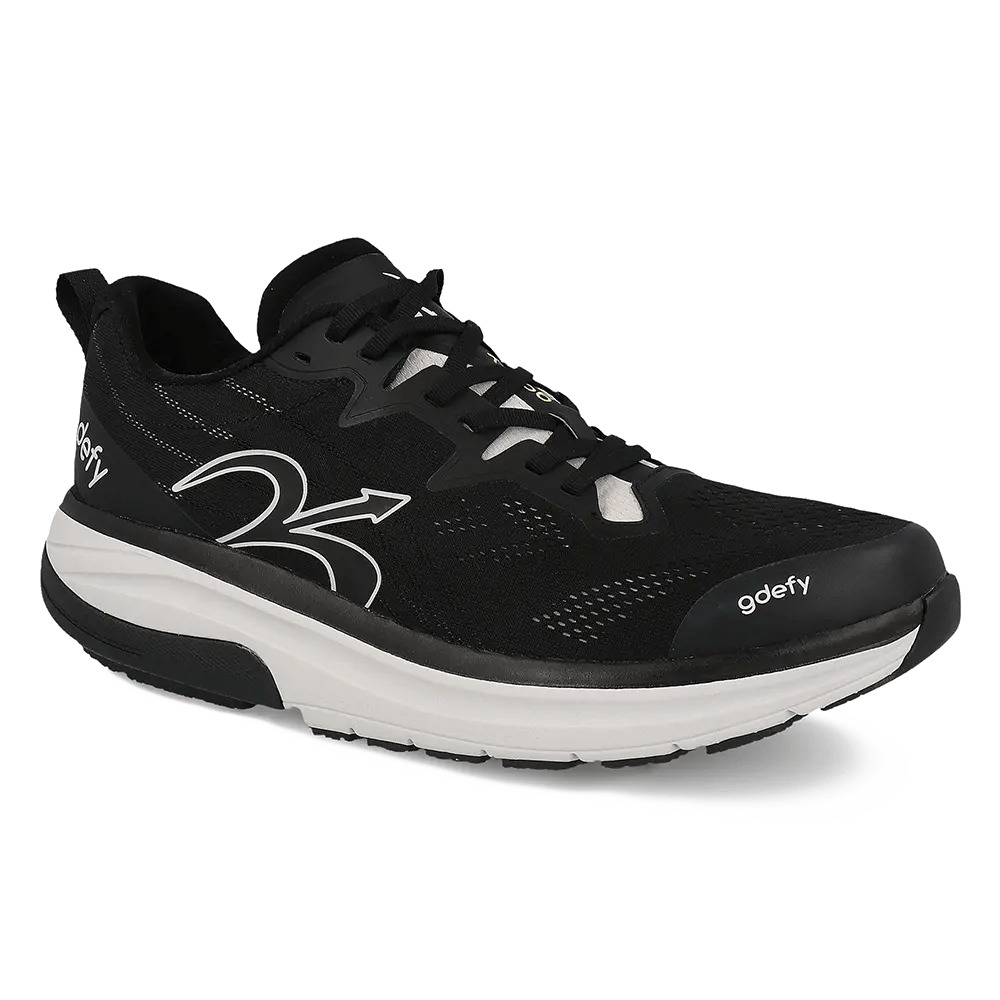
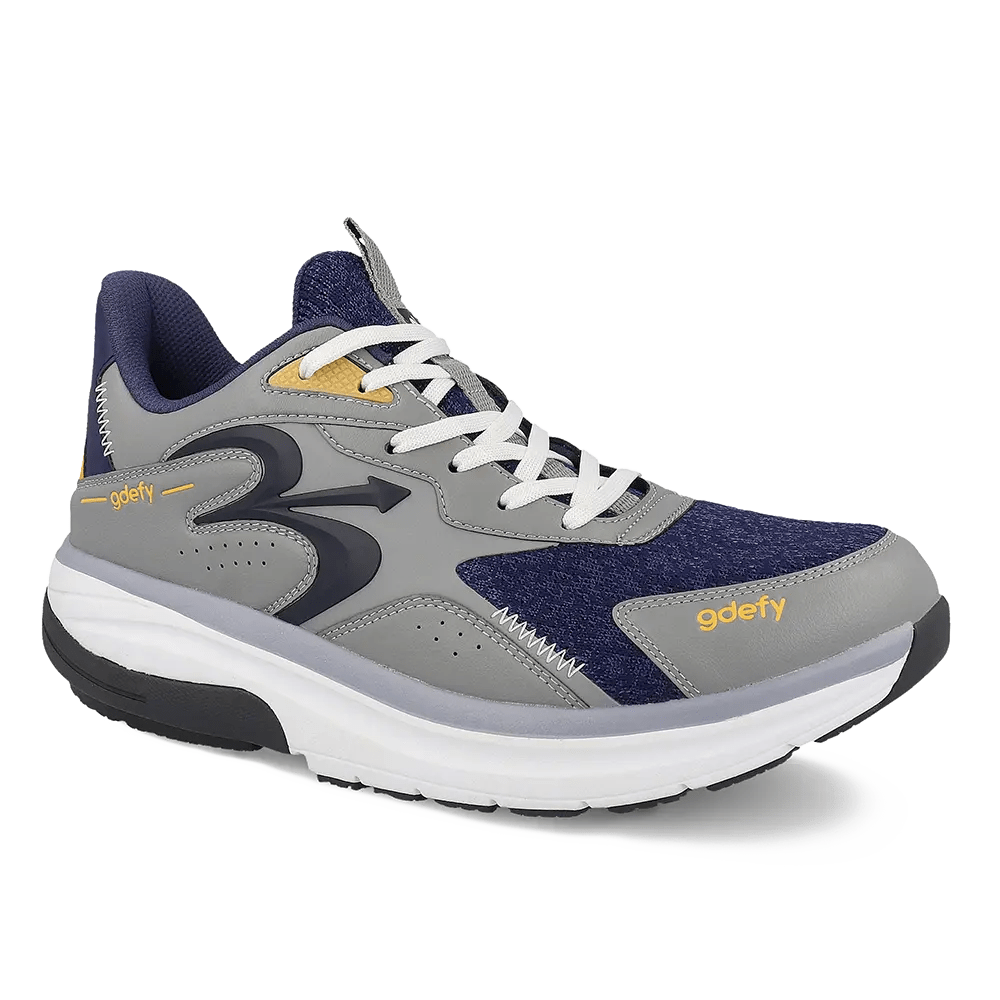
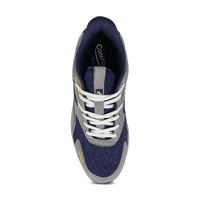
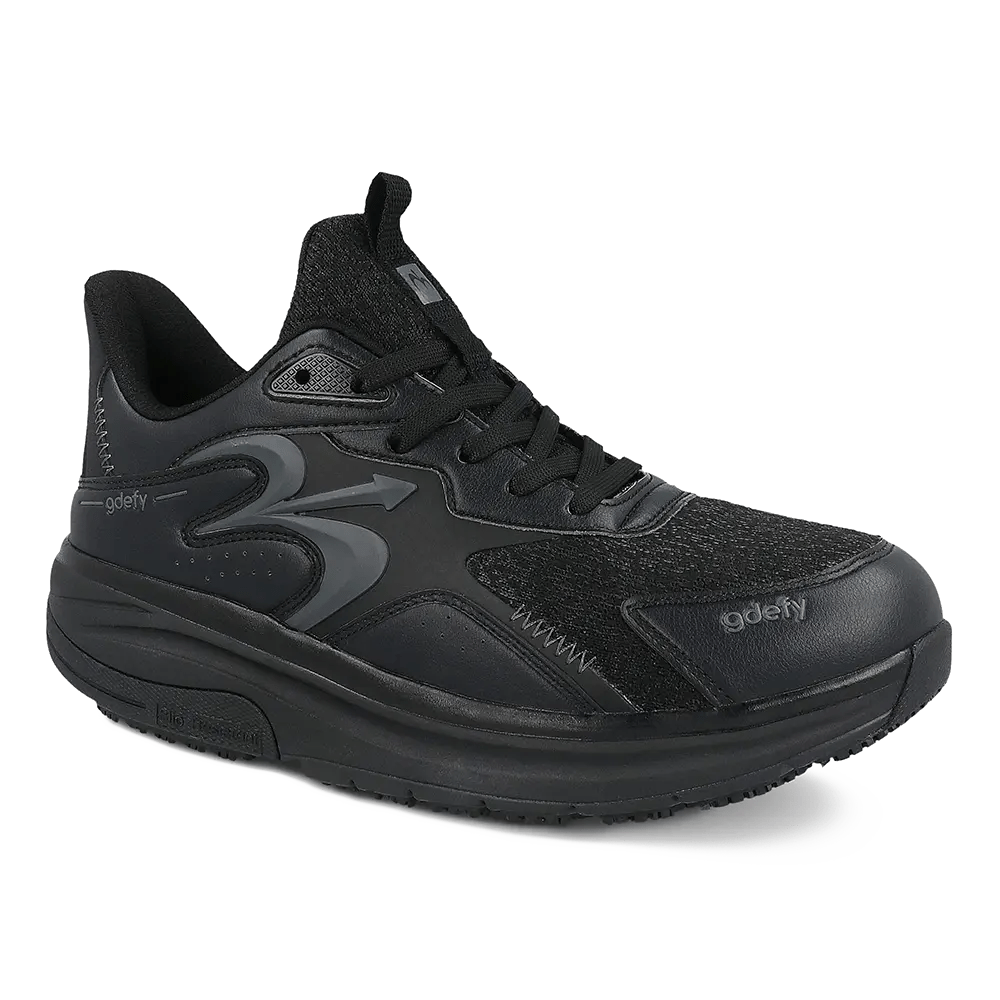
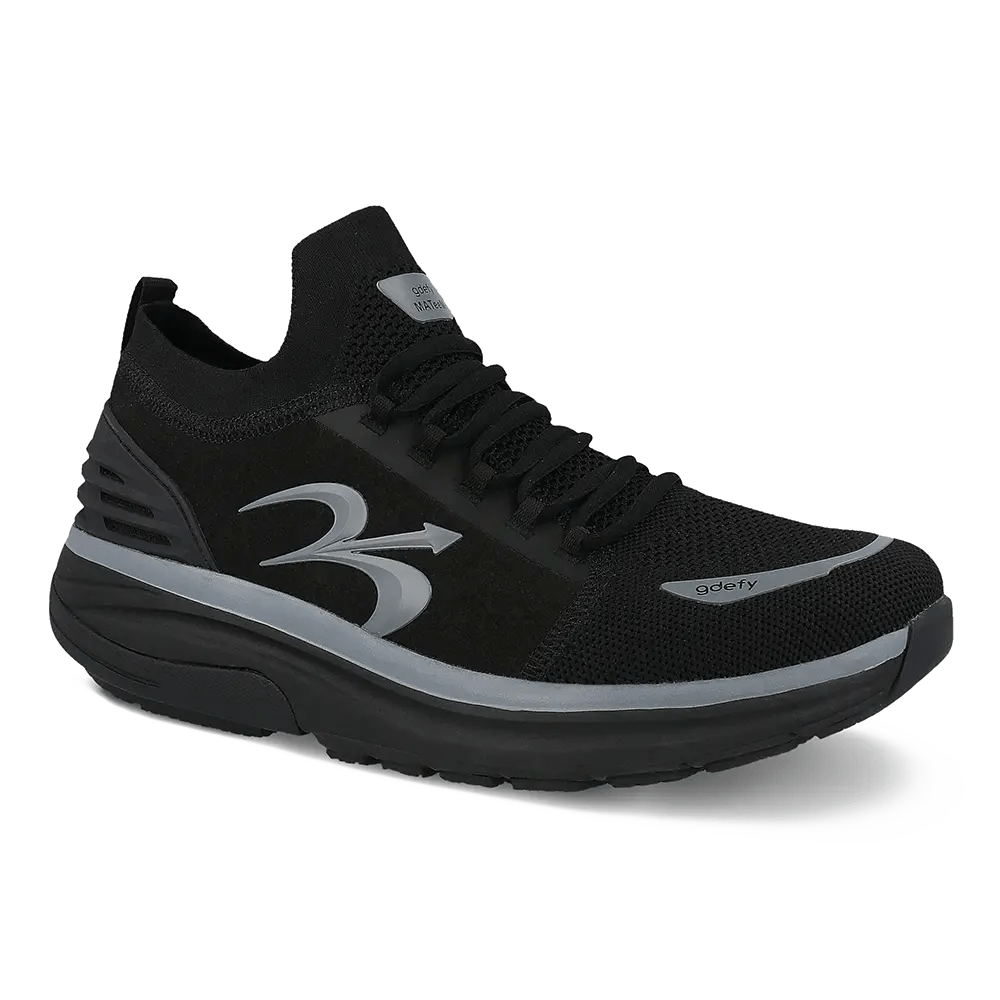
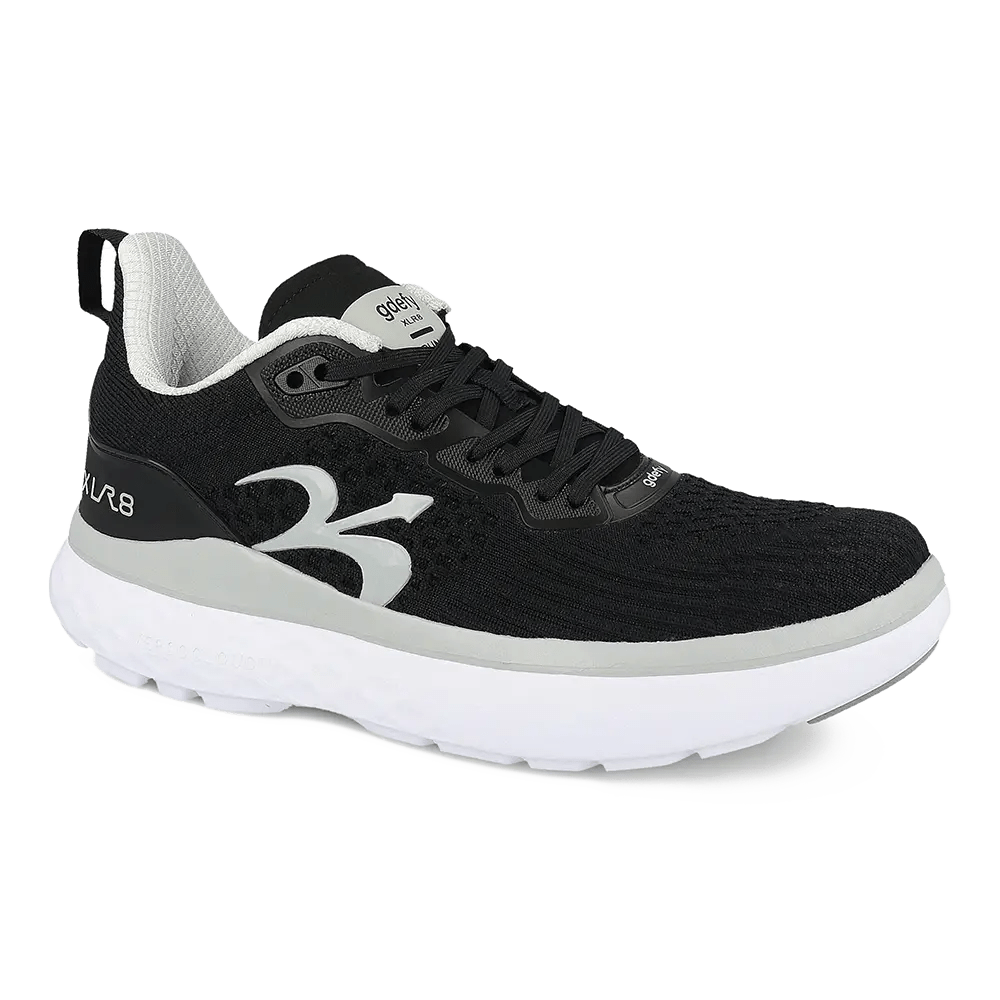
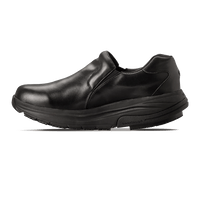
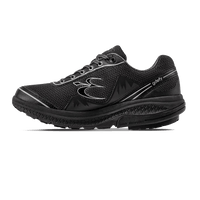
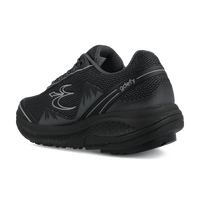
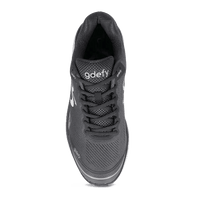
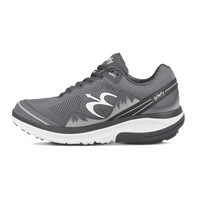
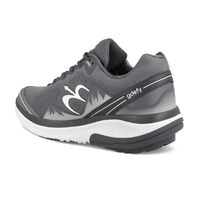
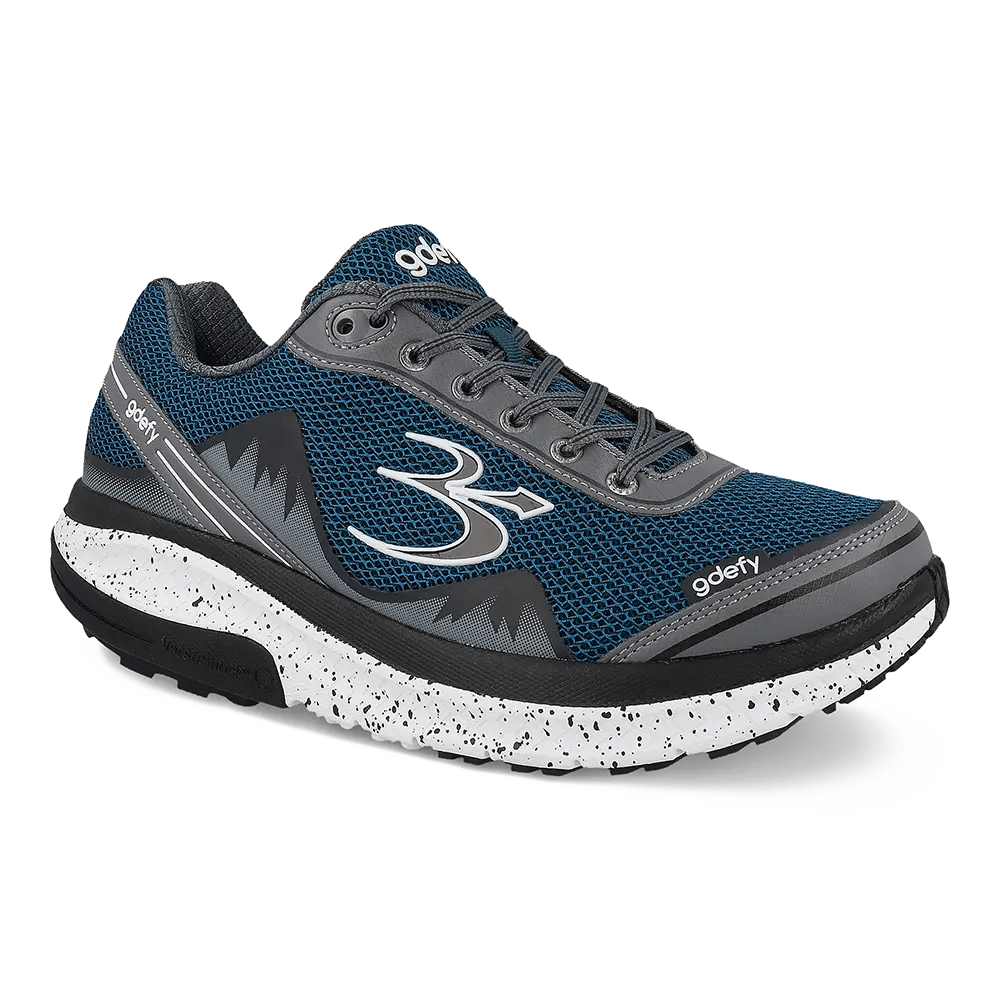
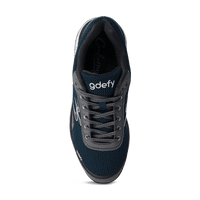
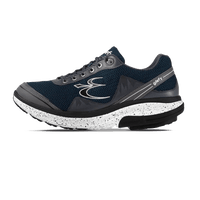
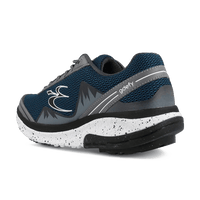
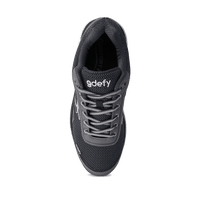
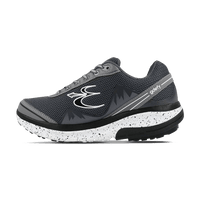
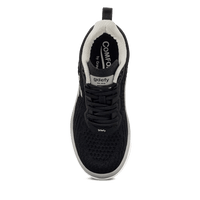
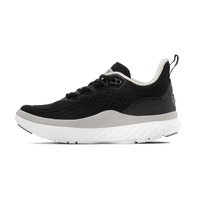
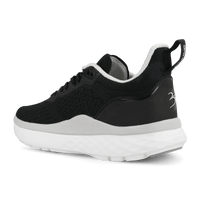
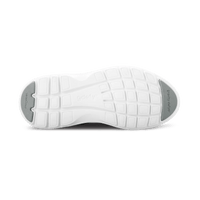
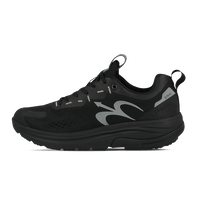
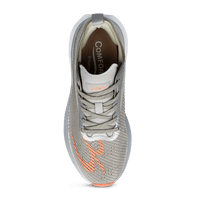
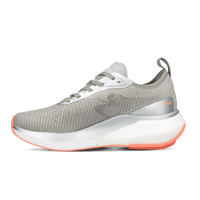
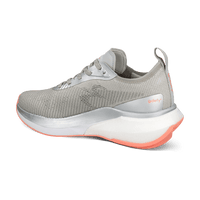
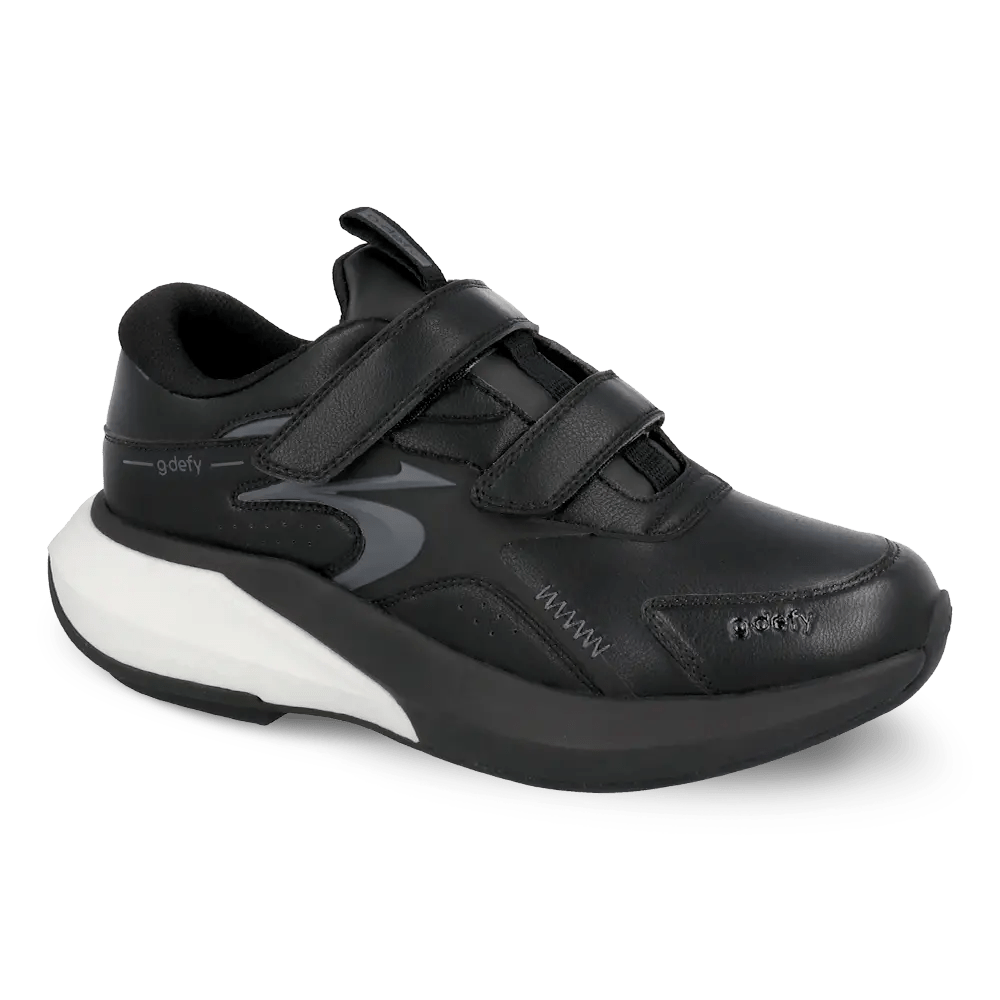
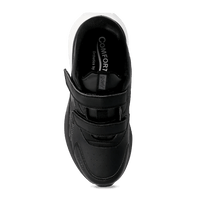
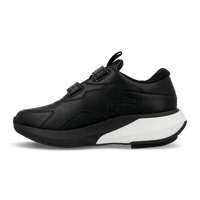
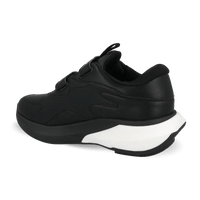
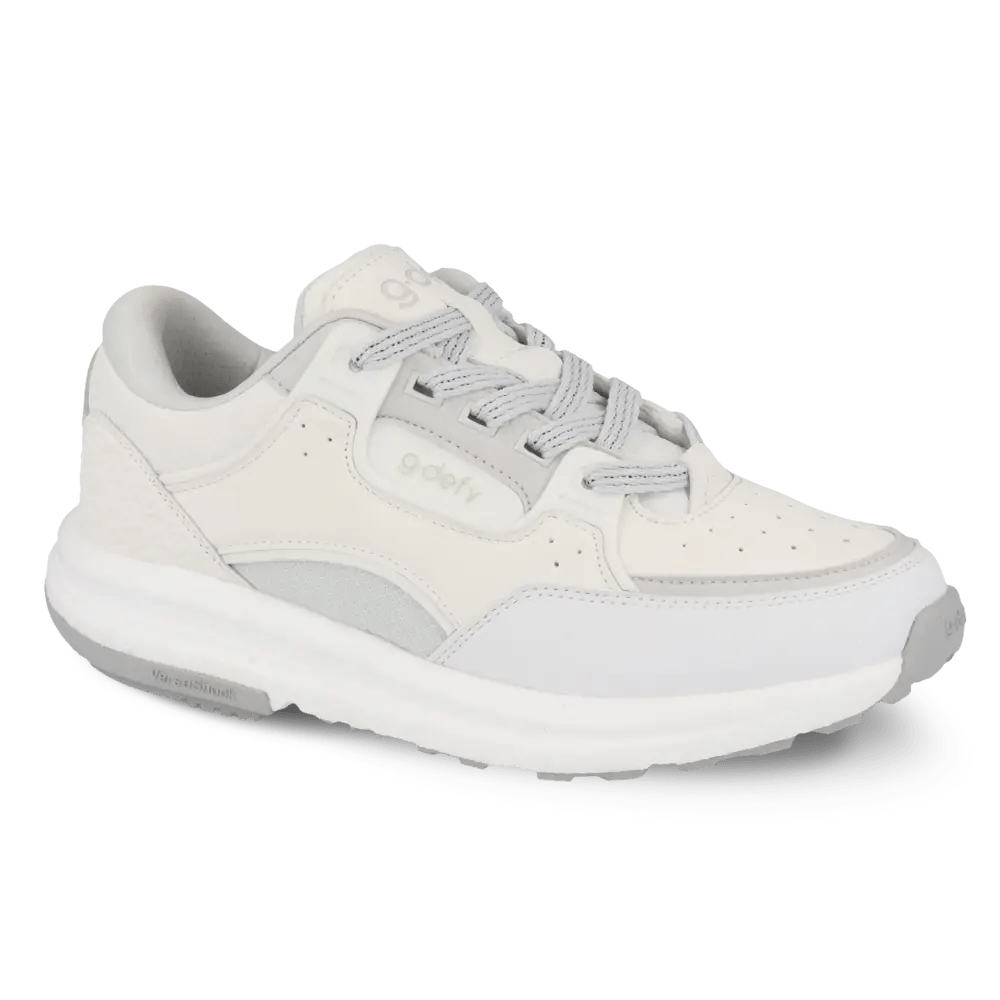
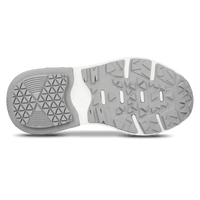
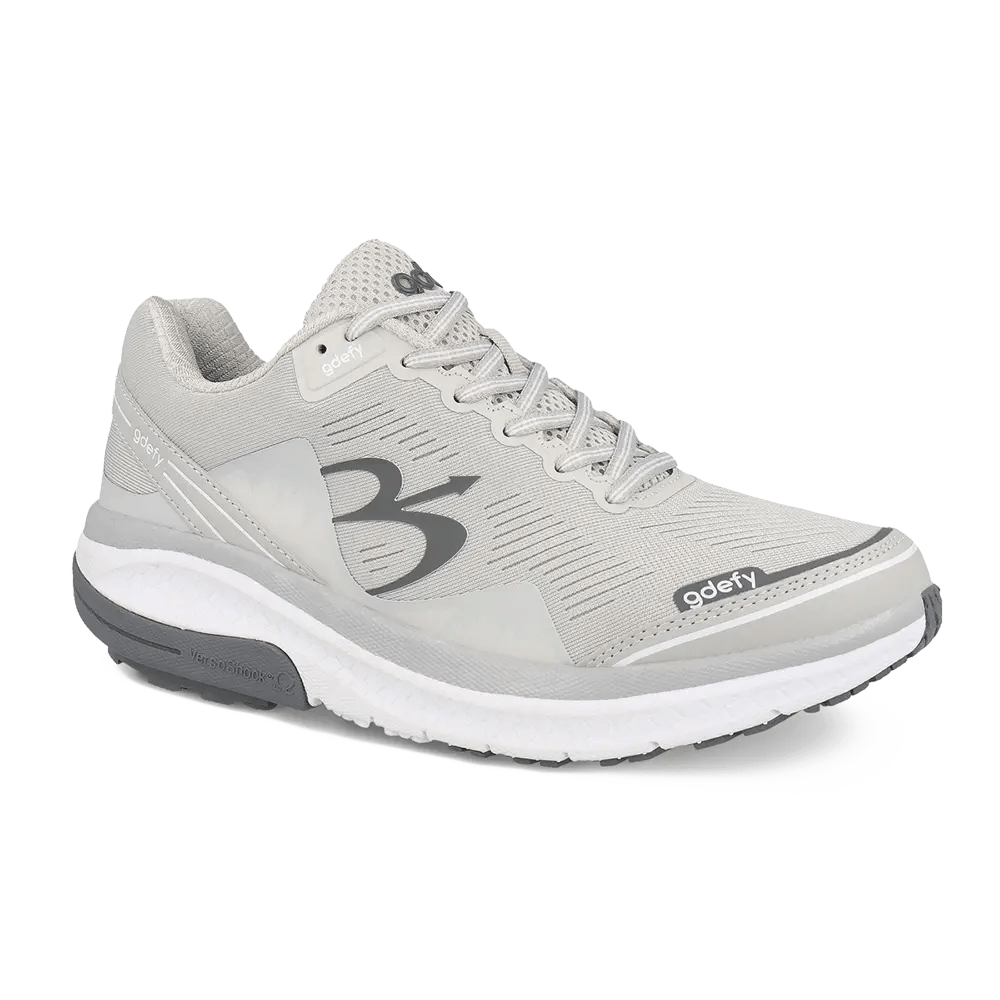
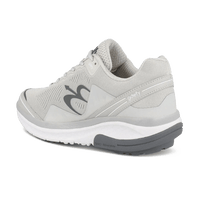
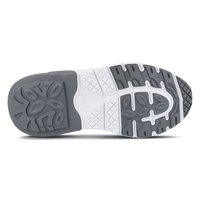
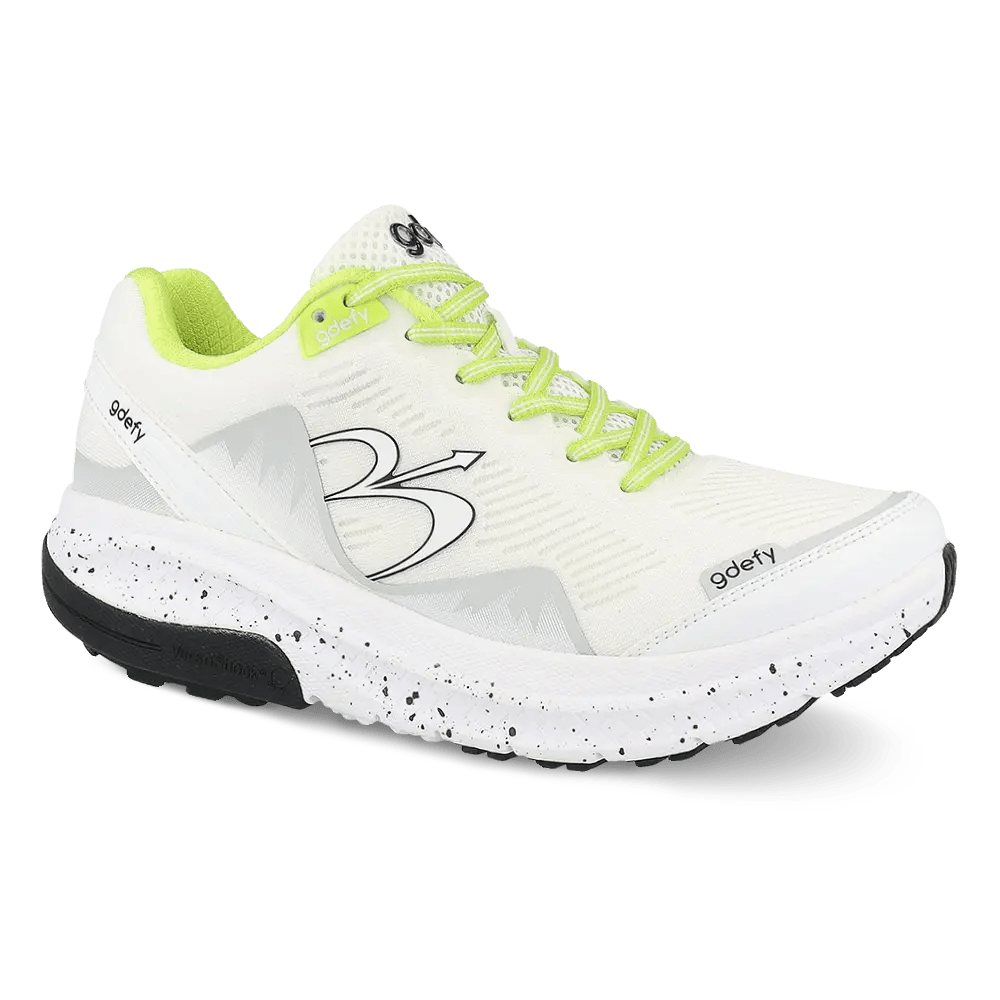
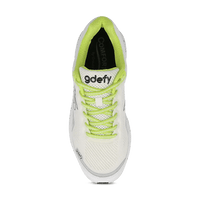
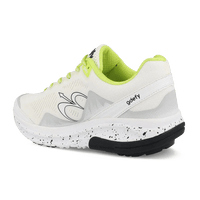
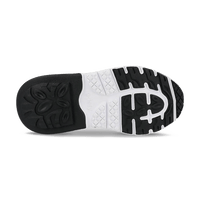
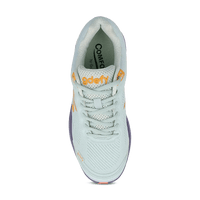
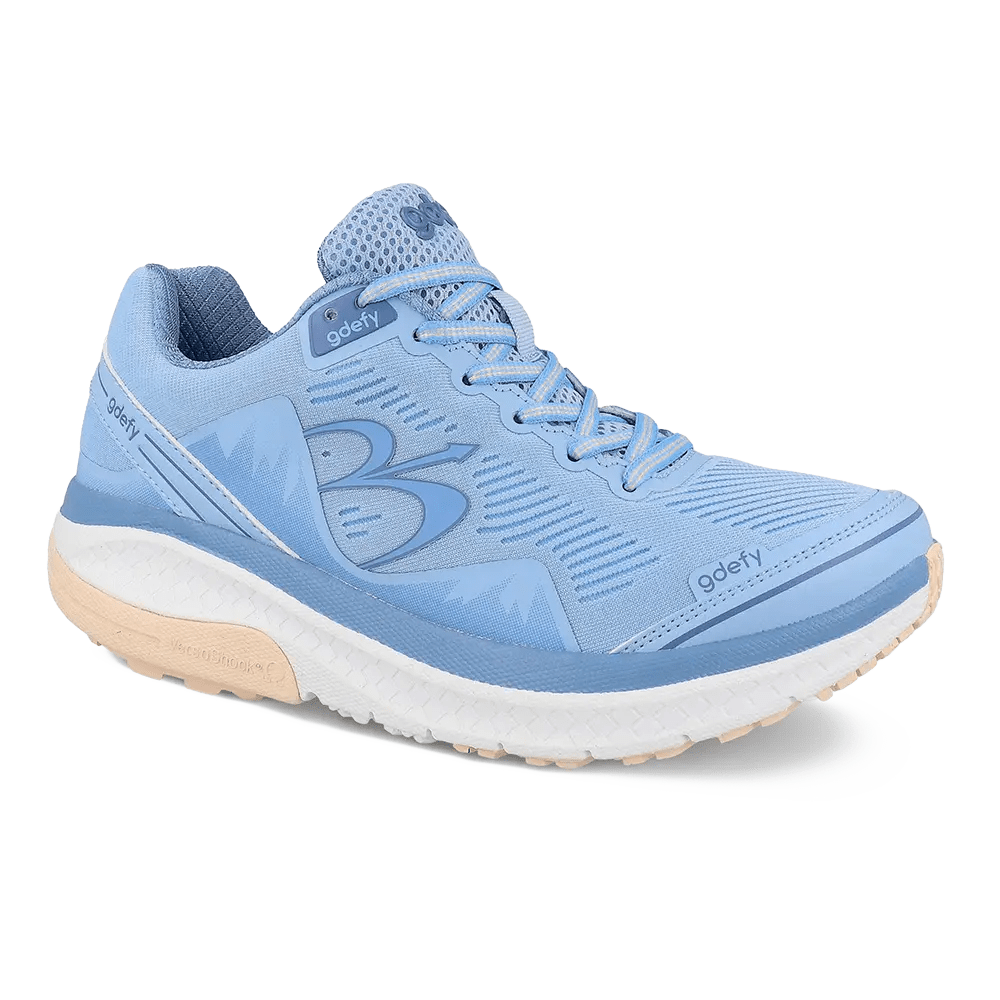
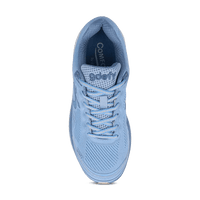
The Men's Mighty Walk is a strong everyday choice for errands, built for all-day comfort and offered in multiple widths from Medium to X-Wide for a more secure fit. Explore more options in the men's collection and women's collection.
Make Errand Days More Comfortable
Try G-Defy with a 60-day risk-free trial and free shipping. Wear them for your errands and everyday routine — if they're not right for you, return them for a full refund.
Shop the Mighty WalkWhat Real Customers Say
"I never thought about my shoes for errands until my feet stopped bothering me on grocery days. Between the parking lot, the aisles, and standing in line, my Saturdays used to leave me worn out. These feel more supportive and a lot more comfortable through the whole trip." — Composite customer testimonial. Results vary by individual.
"I run errands on foot in the city, so I'm on hard sidewalks and store floors constantly. My previous shoes felt flat by the second stop. Switching to a cushioned, supportive pair made my quick trips feel a lot easier on my feet." — Composite customer testimonial. Results vary by individual.
Practical Tips for Comfortable Errand Days
A few simple habits go a long way toward keeping your feet comfortable, no matter how many stops you make.
- Keep a dedicated everyday pair by the door. Reaching for a supportive, cushioned shoe instead of a worn-out slip-on makes a bigger difference than most people expect.
- Replace shoes when the cushioning wears down. Support and shock absorption fade over time. Our guide on when to replace your footwear explains what to watch for.
- Fit late in the day. Feet swell as the day goes on, so a shoe that fits comfortably in the afternoon is more likely to feel good during errands.
- Make sure the shoe feels secure. A pair that holds your foot without pinching keeps you steadier when carrying bags — see our tips on shoes that feel secure and supportive.
- Give your feet a break between big stops. If you have a long list, a short sit-down between errands lets your feet recover.
Matching Your Shoes to How You Run Errands
Not every errand day looks the same. Here's how to think about comfort for the way you actually shop and go.
- The quick, frequent trips. If you're in and out of the car all day for short stops, prioritize a lightweight, easy on-and-off shoe with reliable cushioning for those hard store floors.
- The all-day, multi-stop marathon. If your errands stack up into hours on your feet, lean toward maximum cushioning, a stable platform, and a secure fit — the same qualities that make a shoe good for standing all day.
- The on-foot urban errand. If you walk or take transit between stops, look for a comfortable, supportive shoe built for real walking distance — many of the same features that help on a travel day apply here too.
Frequently Asked Questions
Does it really matter what shoes I wear for errands?
Yes. Errands add up to more walking and standing than most people realize, often on hard surfaces. Supportive, cushioned footwear may improve overall comfort during walking and prolonged standing.
What features should I prioritize in an errand shoe?
Focus on cushioning, support, shock absorption, and a secure, roomy fit. These help your feet stay comfortable through stop-and-start walking, standing in line, and carrying bags.
Can the wrong shoes make my feet hurt after errands?
Worn-out or unsupportive shoes offer little cushioning against hard floors and parking lots, which can leave your feet feeling tired and sore. A supportive, well-cushioned pair helps reduce that everyday impact.
Are walking shoes a good choice for errands?
Everyday walking shoes designed for comfort and support are often ideal, because errands are essentially a series of short walks combined with standing. Look for a versatile, supportive pair you can wear across daily activities.
How do I know when to replace my errand shoes?
When the cushioning feels flat, the tread is worn, or your feet feel more tired than usual, it's time. Consistent everyday wear breaks down support faster than occasional use.
Should my errand shoes be different from my workout shoes?
Not necessarily. A versatile, supportive everyday shoe can handle errands, walks, and casual daily wear. What matters most is that the pair you reach for offers real cushioning, support, and shock absorption — not just whatever is easiest to slip on.
The Bottom Line
Errands are easy to overlook, but they quietly make up a big share of the walking and standing you do every week. While footwear is not a medical solution, choosing shoes designed for comfort, support, and shock absorption can make a meaningful difference in how your feet feel after a full day of stops.
If you're ready to make errand days more comfortable, explore G-Defy shoes with VersoShock® technology — backed by a 60-day risk-free trial and free shipping.