


June 28, 2026
What Makes a Shoe Good for Standing All Day?
By Gdefy

Summary
If you spend your workday on your feet — behind a counter, on a hospital floor, in a classroom, or on a factory line — you already know that the last hour of a shift can feel very different from the first. Standing for long stretches puts a steady, repetitive load on your feet, and the shoes you choose play a big role in how comfortable you feel from clock-in to clock-out.
While footwear isn't a medical solution, the right design can make a real difference in everyday comfort during long hours of standing. So what actually makes a shoe good for standing all day? Below, we break down the demands that prolonged standing places on your feet, the features that matter most, and a few simple habits that help you stay comfortable on your feet.
Why Standing All Day Is So Hard on Your Feet
Walking and standing are not the same challenge. When you walk, your weight shifts from heel to toe and from one foot to the other, which spreads the load around and keeps things moving. When you stand in place, that natural rhythm disappears. Your feet hold a more constant load in the same spots, often for hours at a time.
A few things make all-day standing especially demanding:
- Static, repetitive load. Standing still concentrates pressure on the heel and ball of the foot without the relief that movement provides.
- Hard floors. Concrete, tile, and other firm surfaces give very little back. Every bit of impact and pressure travels straight up into your feet and legs.
- Long hours. An eight-, ten-, or twelve-hour shift adds up. Small amounts of fatigue early on can build into tired, aching feet by the end of the day.
- Natural swelling. It's common for feet to swell over a long day on your feet, which is why a shoe that fits perfectly in the morning can feel tight by the afternoon.
Because your feet are the foundation you stand on, that fatigue often doesn't stay in your feet. Discomfort can travel up through the legs and into the rest of the body — part of what's sometimes called the connection between your feet and the rest of your body. Supportive, well-cushioned footwear won't change that biology, but it can help your feet handle a long day of standing more comfortably.
What to Look for in a Shoe for Standing All Day
Not every comfortable shoe is built for hours of standing. When you're evaluating footwear for time on your feet, these are the features that matter most.
Cushioning That Absorbs Impact
Cushioning is your first line of comfort against a hard floor. A well-cushioned midsole helps absorb impact and softens the constant pressure of standing, so your feet aren't taking the full force of an unforgiving surface. Look for cushioning that feels supportive rather than mushy — too soft and your foot sinks and works harder; too firm and you lose the cushioning benefit. The goal is a balance that stays comfortable deep into a long shift.
Support and a Stable Platform
Support is what keeps your foot from doing extra work to stay steady. A structured shoe with a stable platform and a firm heel area helps hold your foot in a comfortable position, which matters even more when you're standing in one place for a long time. If you're not sure what to look for, it helps to understand what "support" really means in footwear and how it works together with cushioning to keep you comfortable.
Shock Absorption and Energy Return
Shock absorption reduces the harsh impact that comes from being on hard surfaces, while energy return helps your steps feel less heavy when you do move around. Together, they help reduce the stress of standing and walking on firm floors. A shoe that absorbs impact and returns energy can help keep your feet and legs feeling fresher through the day.
A Roomy, Proper Fit
Because feet tend to swell over a long shift, fit is critical for standing all day. A shoe with a roomy toe area gives your toes space to move and leaves room for natural swelling, so your shoes don't feel tight by mid-afternoon. Choosing the correct width matters just as much as length. For a deeper look at getting this right, see our guide on why proper shoe fit is key to all-day comfort.
Lightweight, Breathable Construction
A heavy shoe makes your feet work harder with every step, which adds up over a long day. Lightweight construction helps reduce that fatigue, and breathable materials keep your feet cooler and drier through a full shift. Comfort over many hours is as much about staying cool and light as it is about cushioning underfoot. It can help to know how a comfort shoe is built from the ground up.
How G-Defy Shoes Are Built for Time on Your Feet
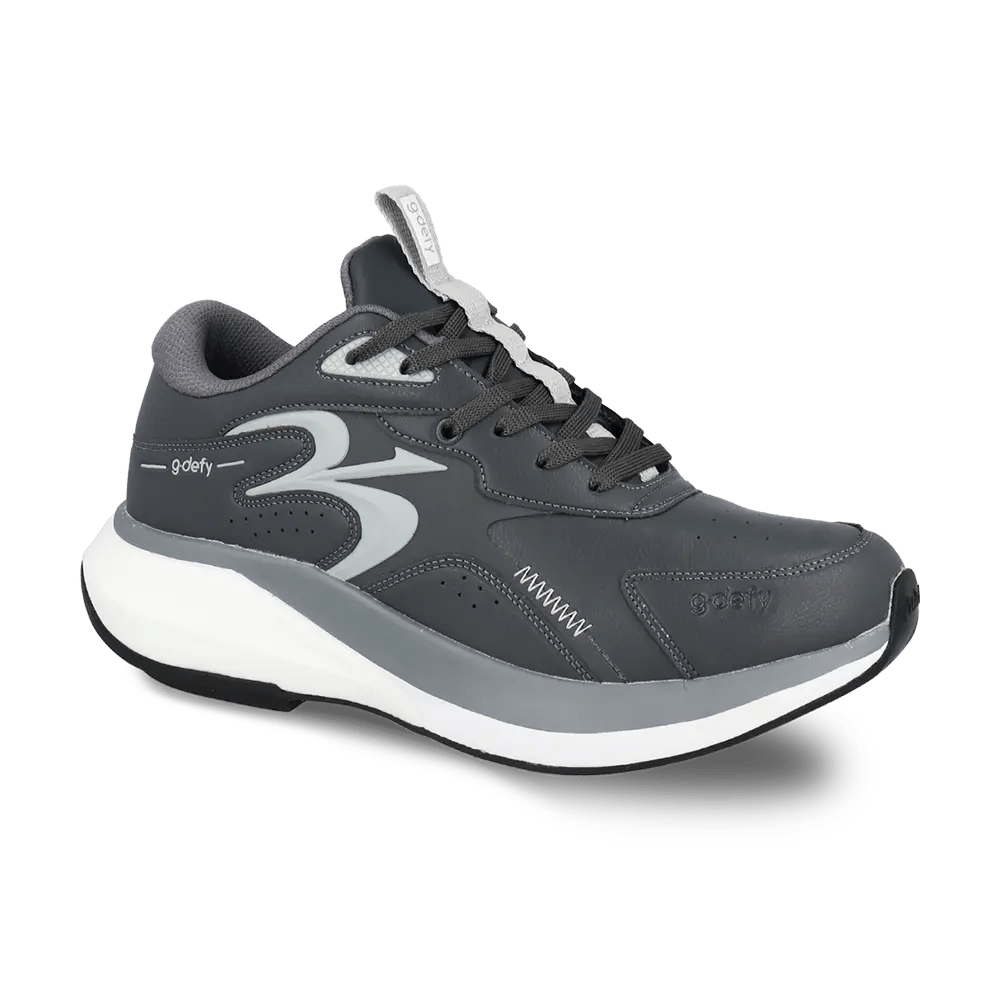
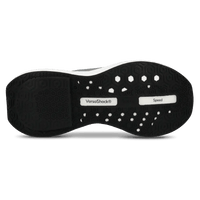
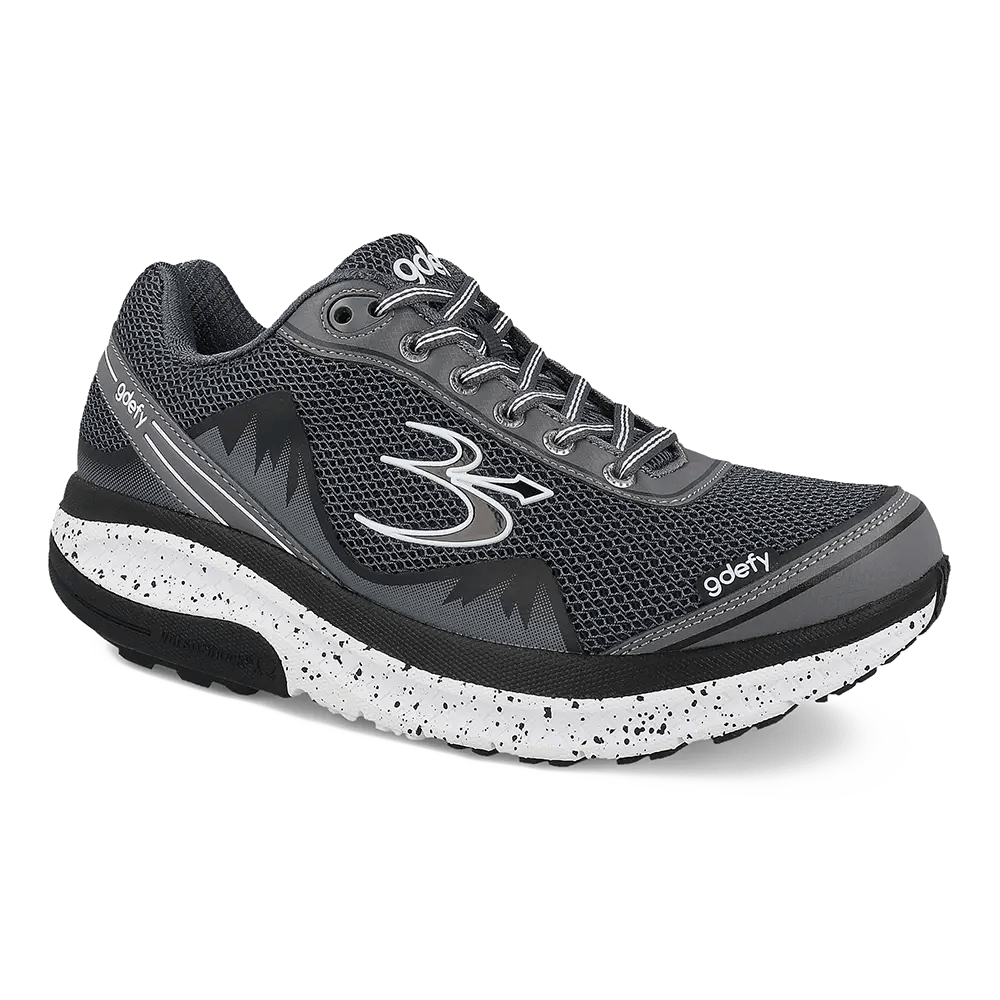
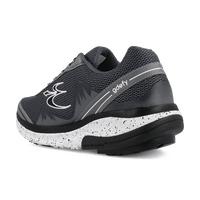
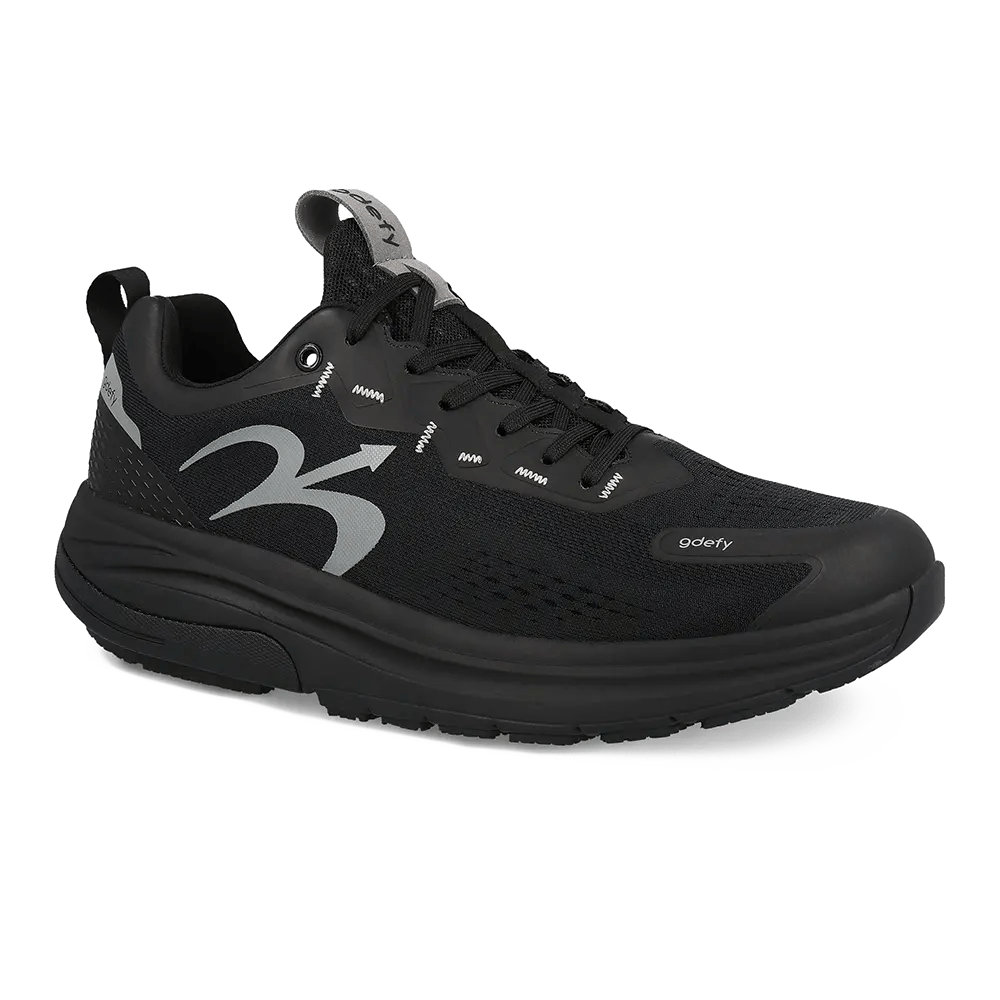
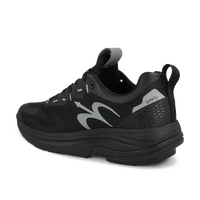
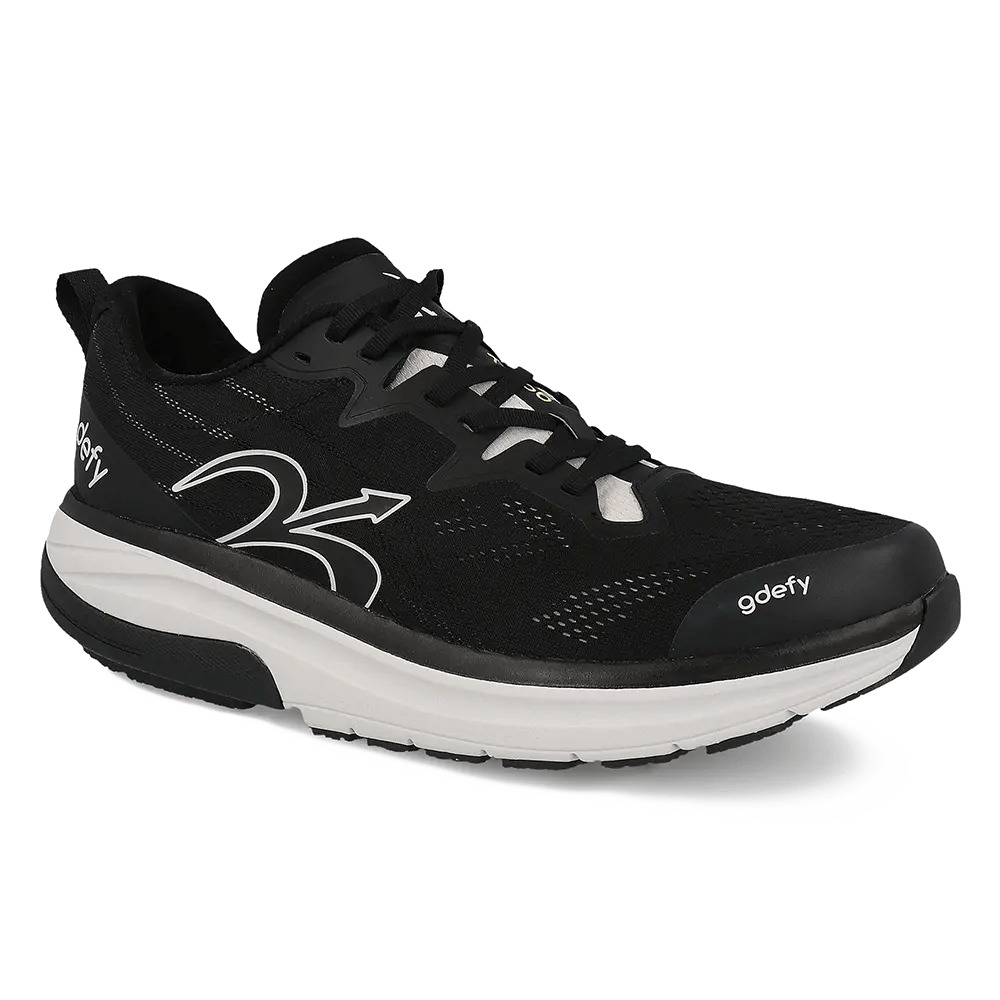
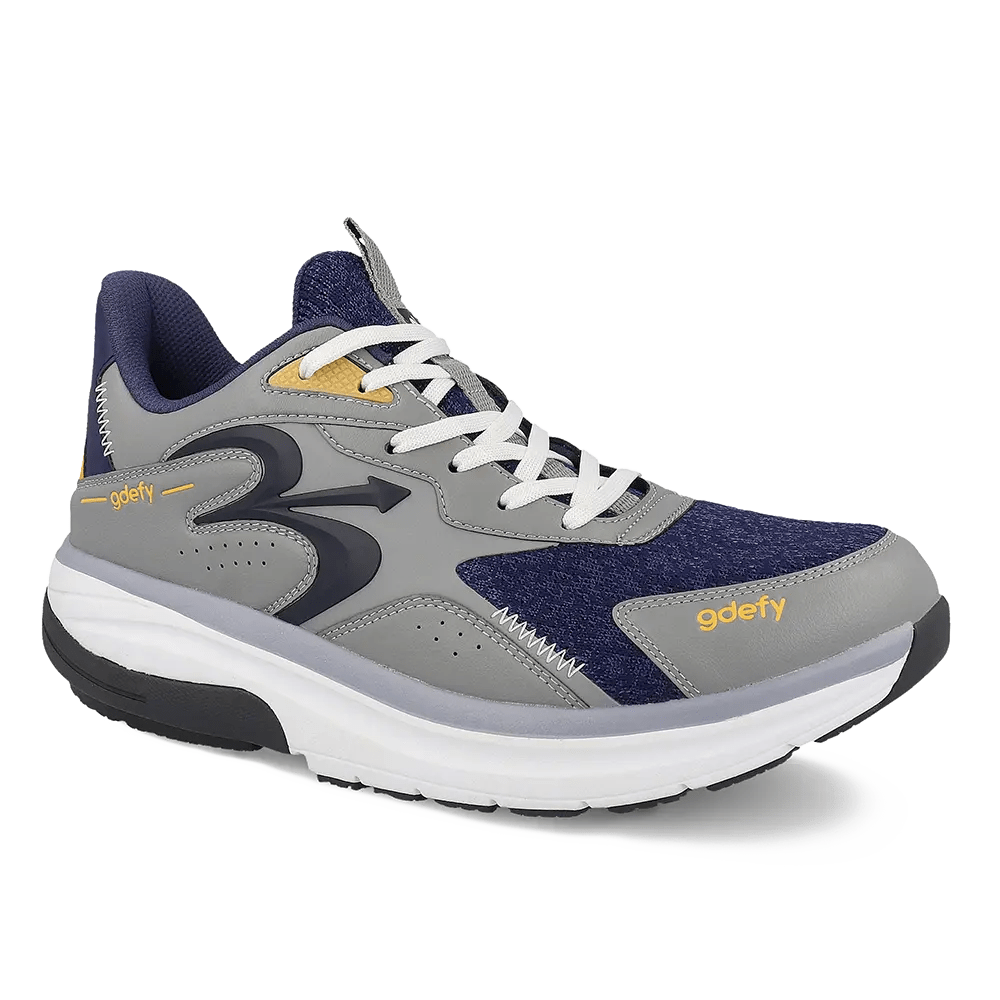
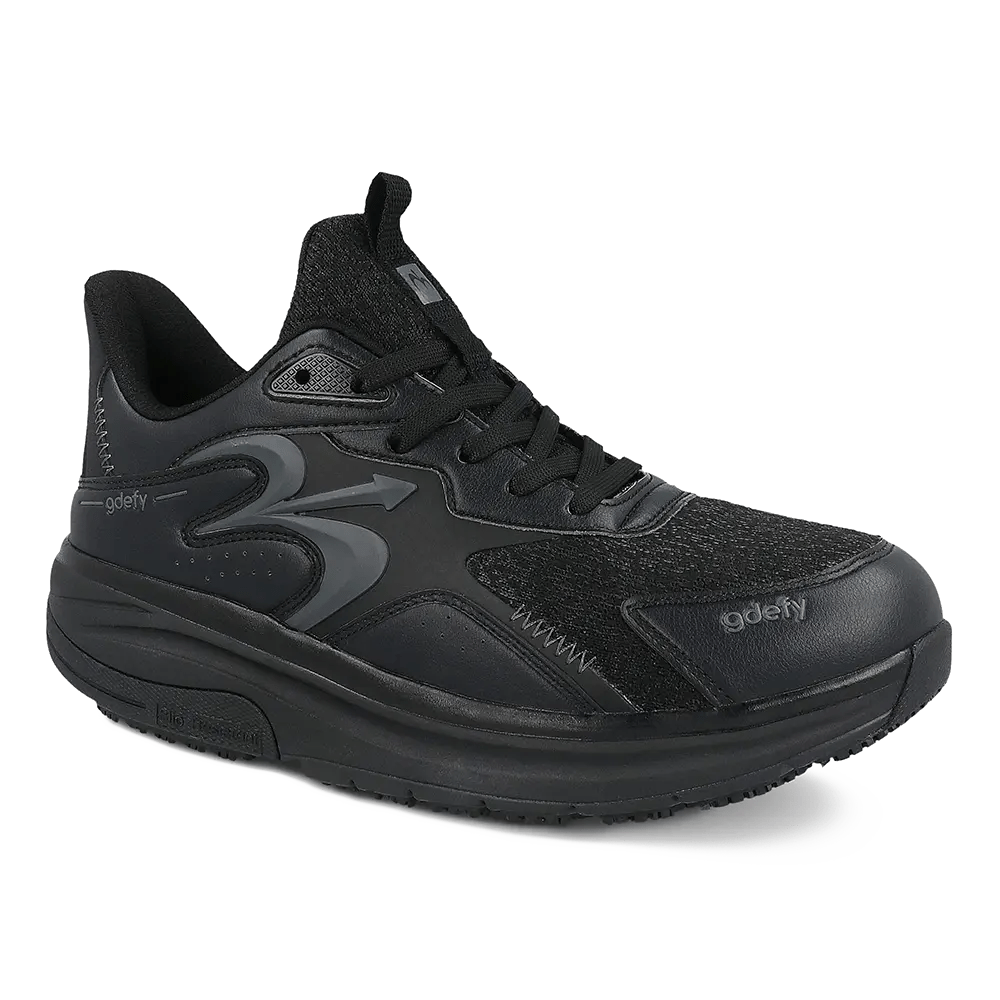
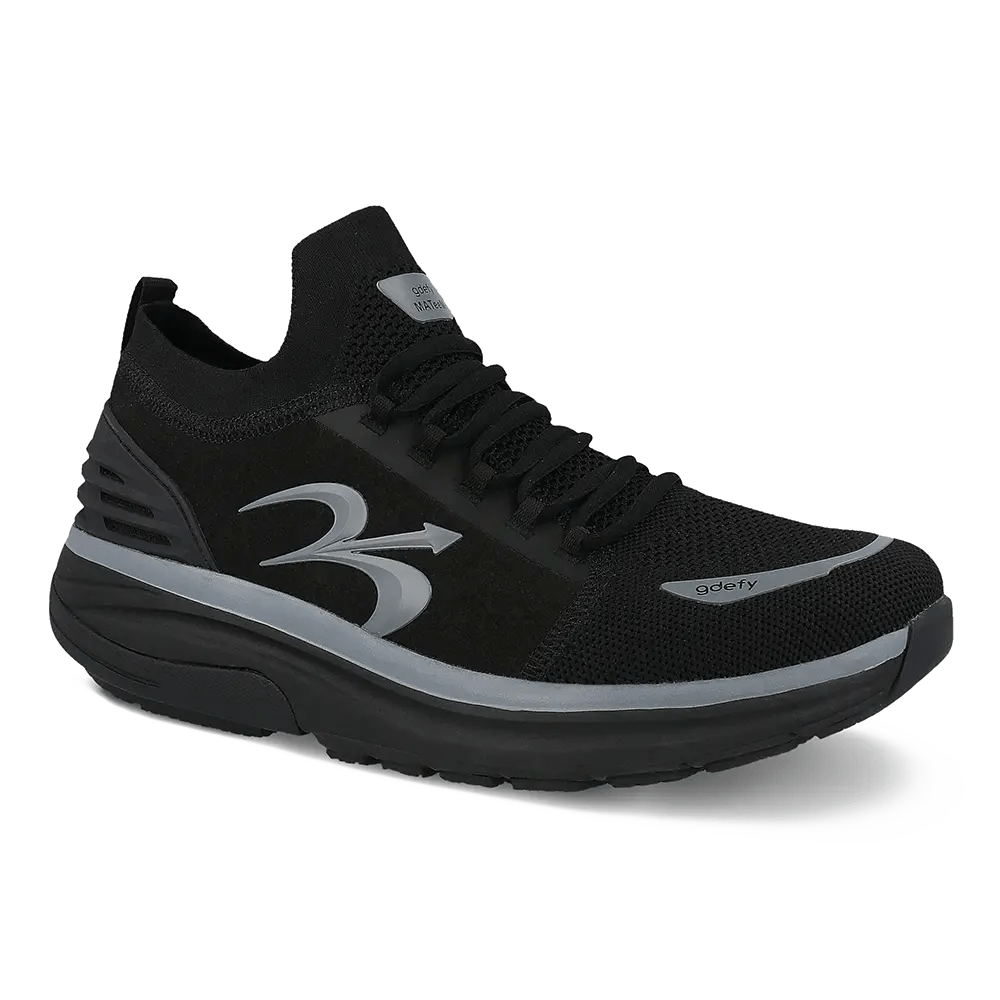
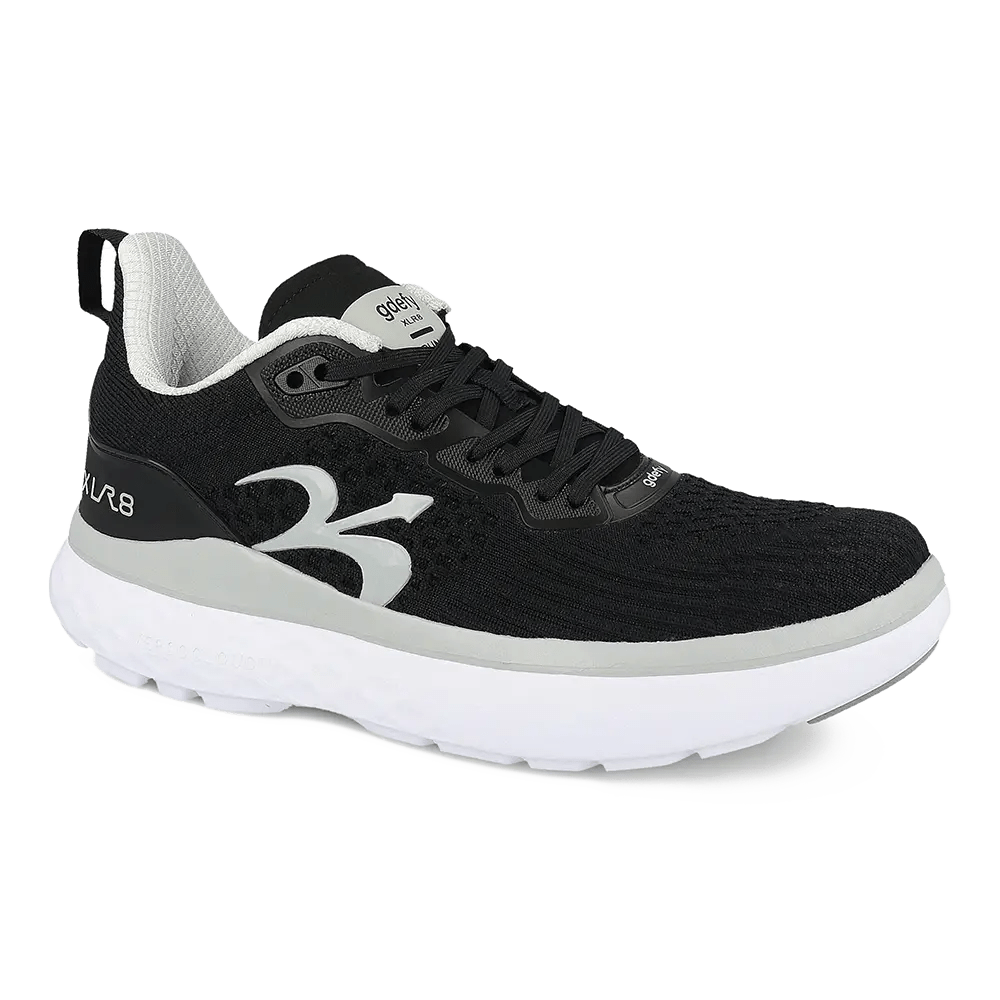
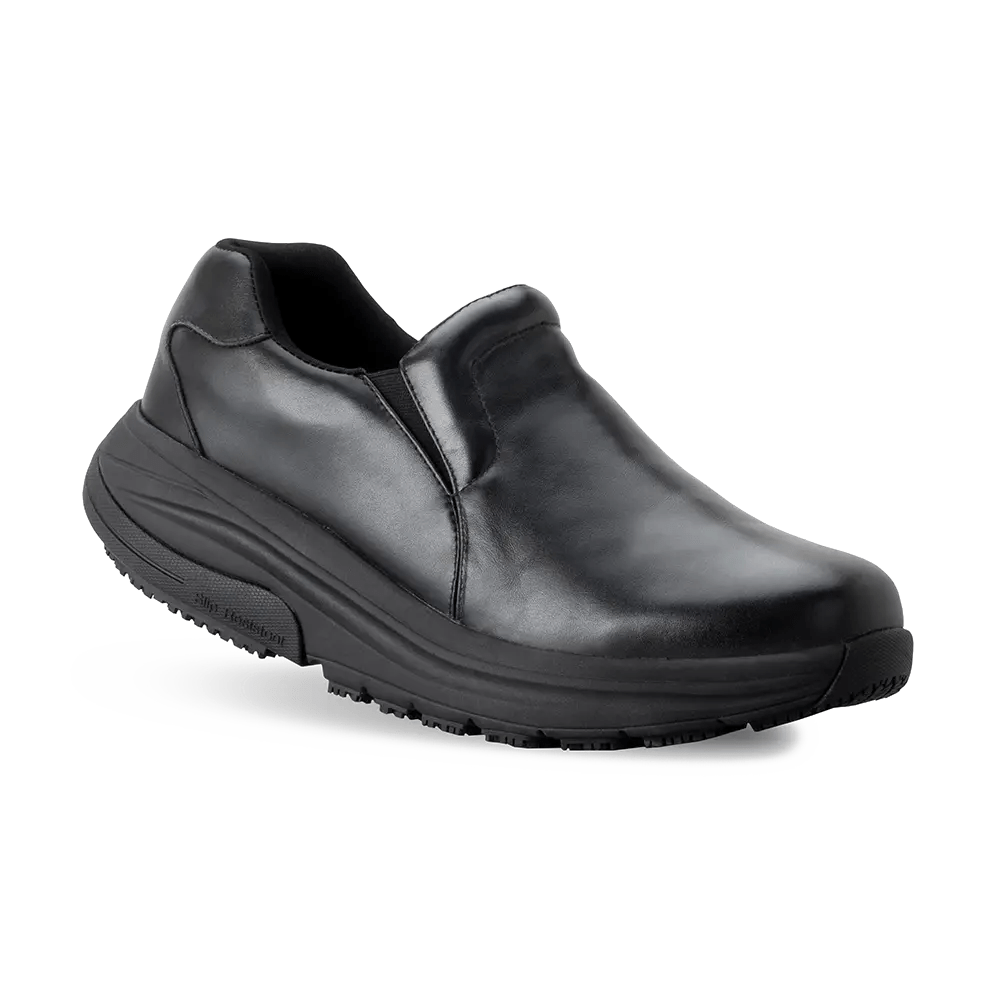
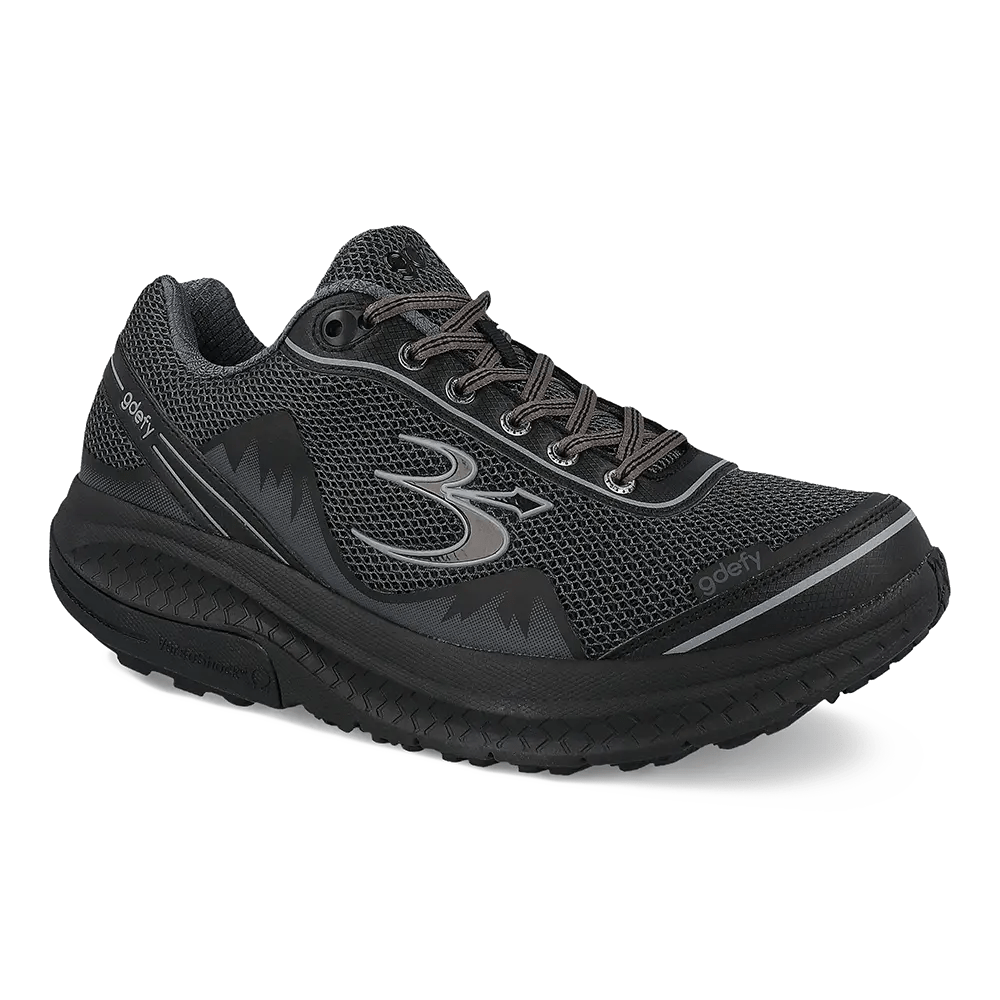
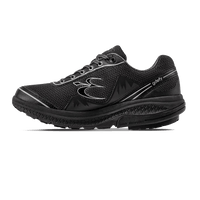
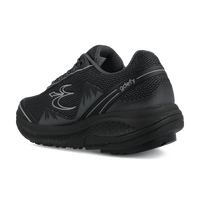
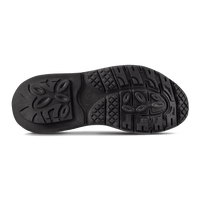
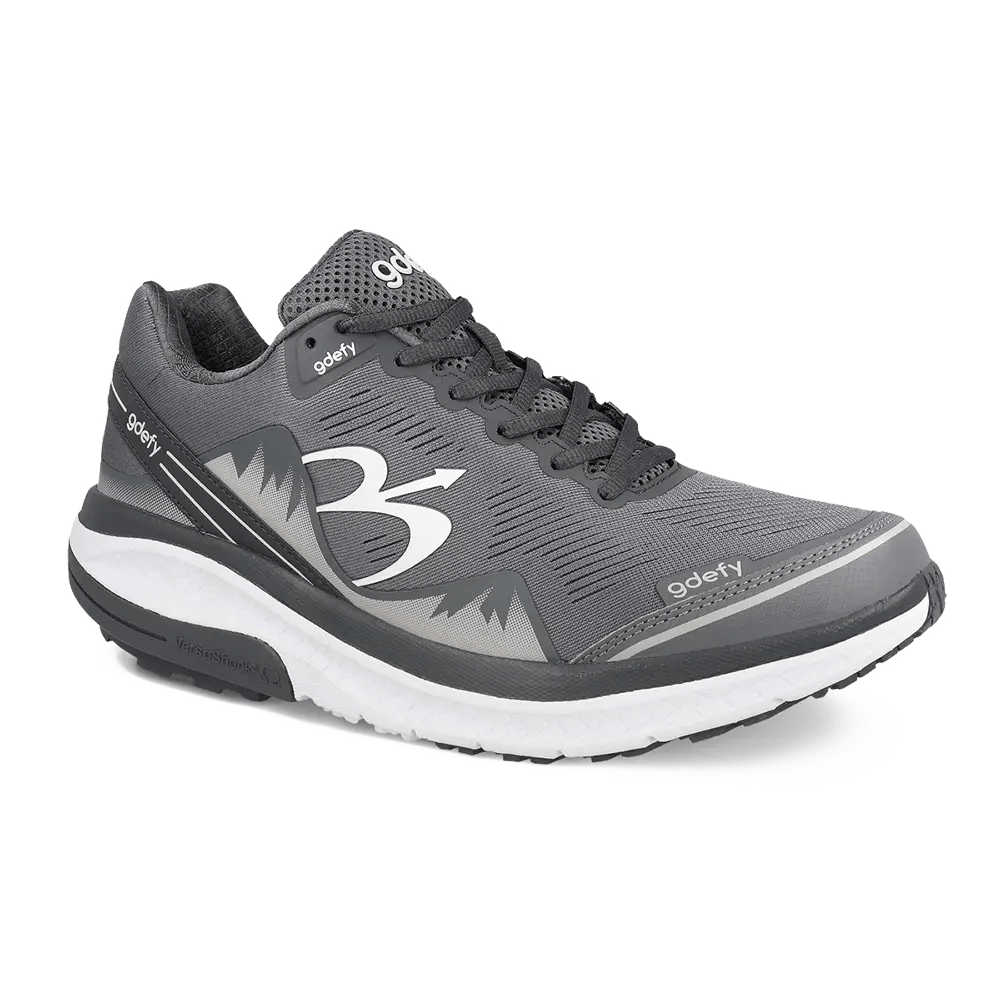
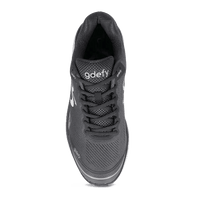
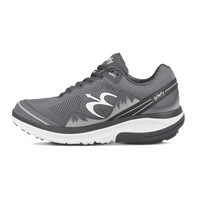
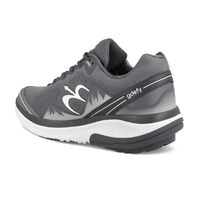
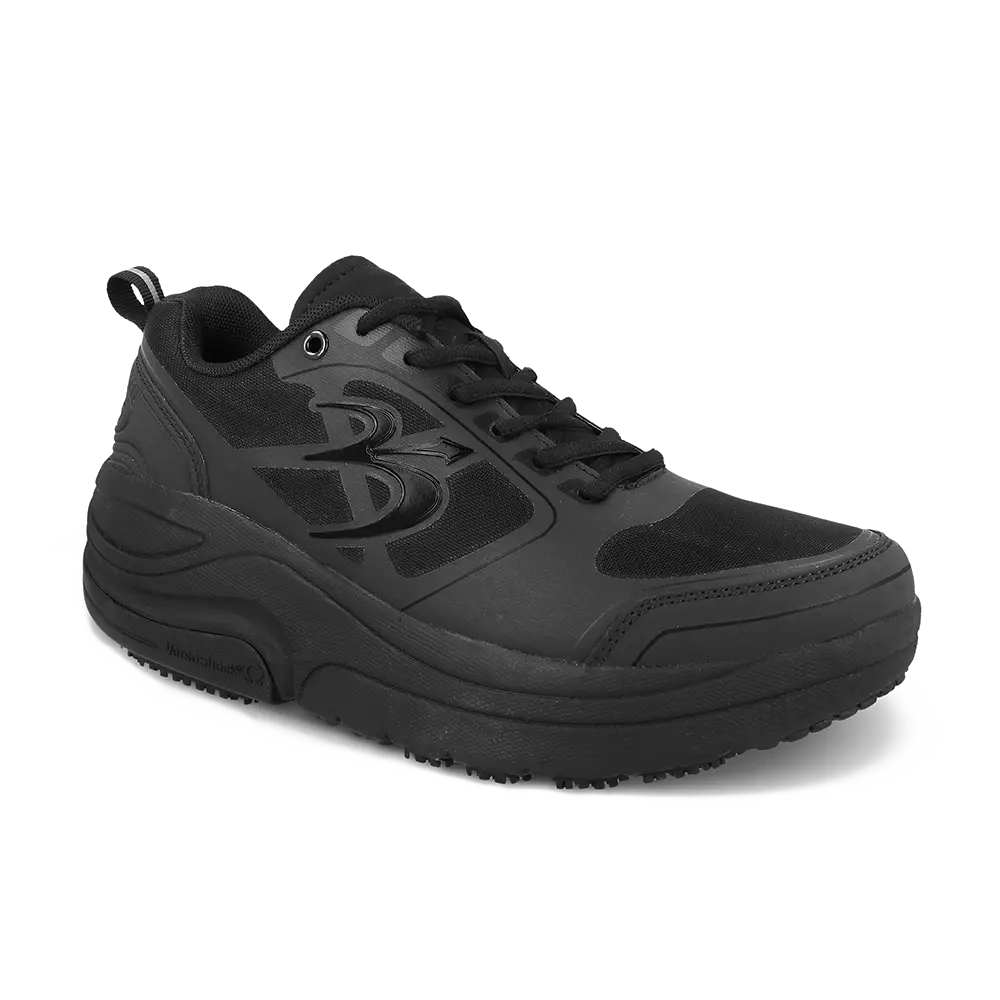
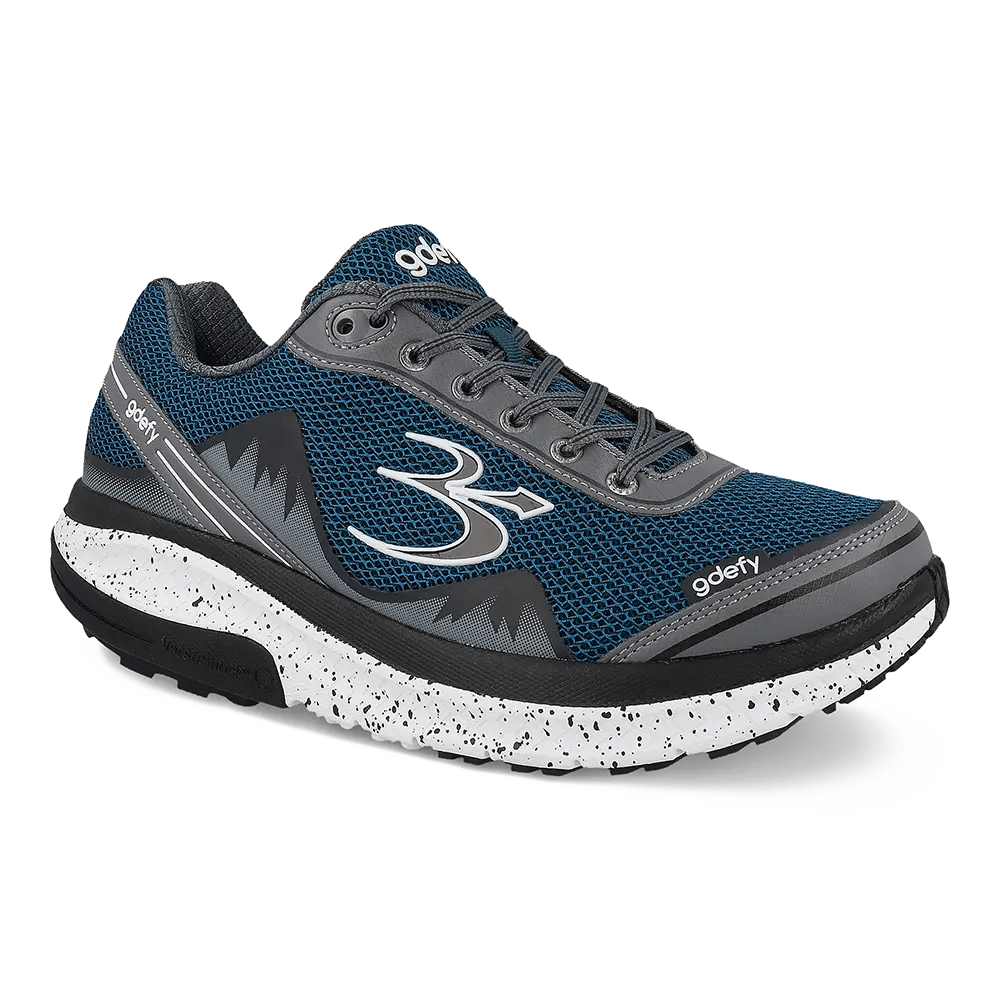
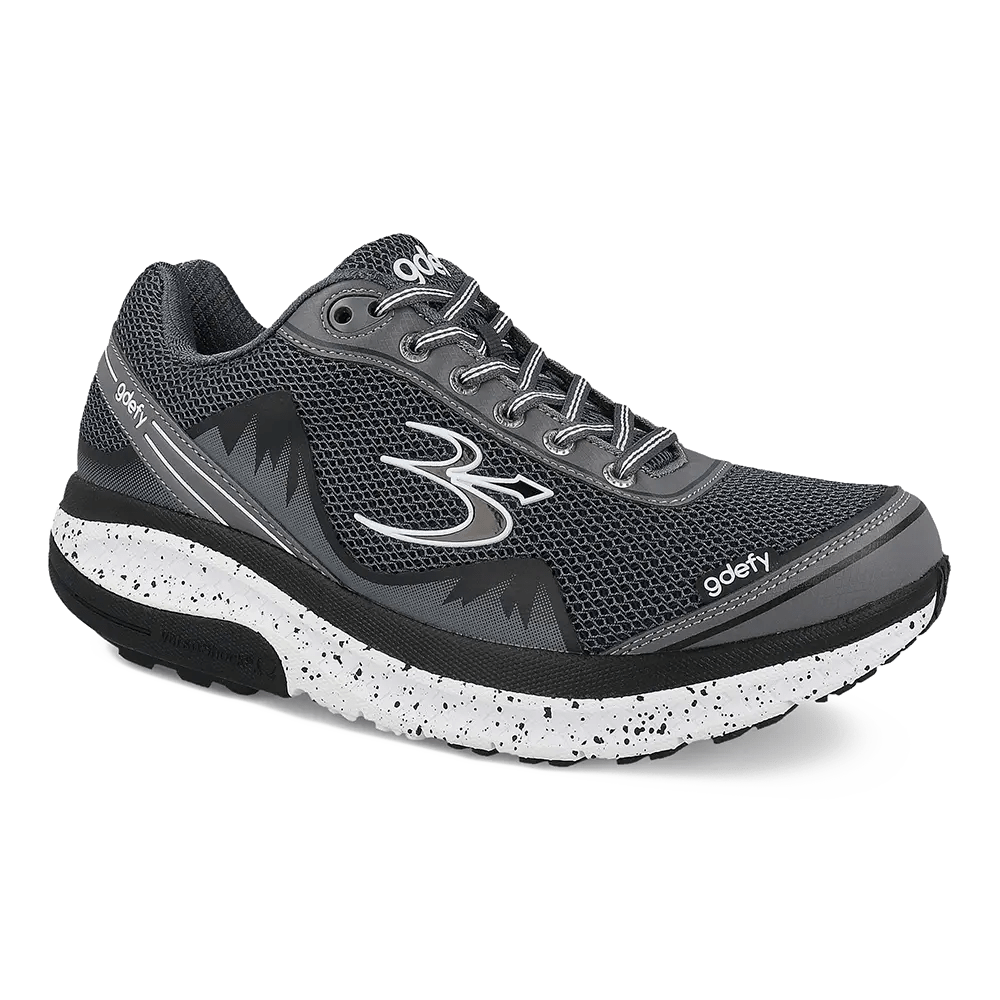
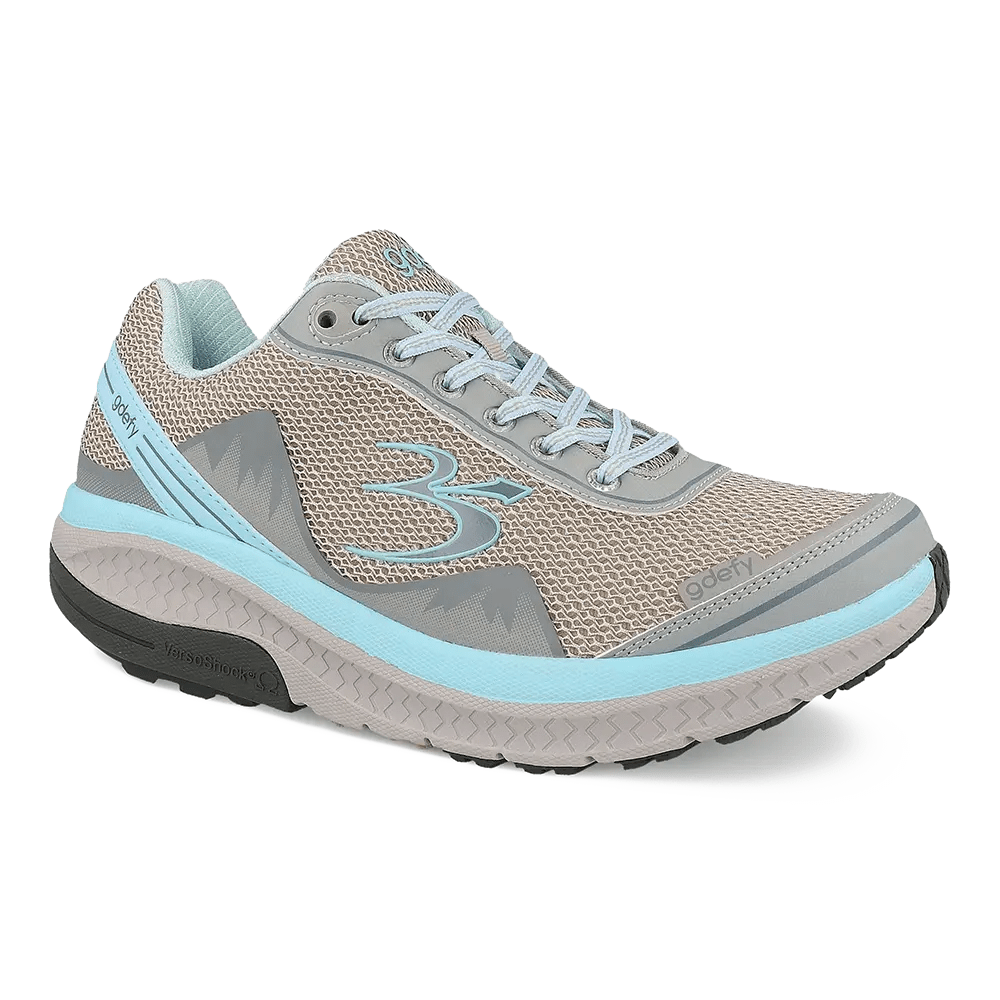
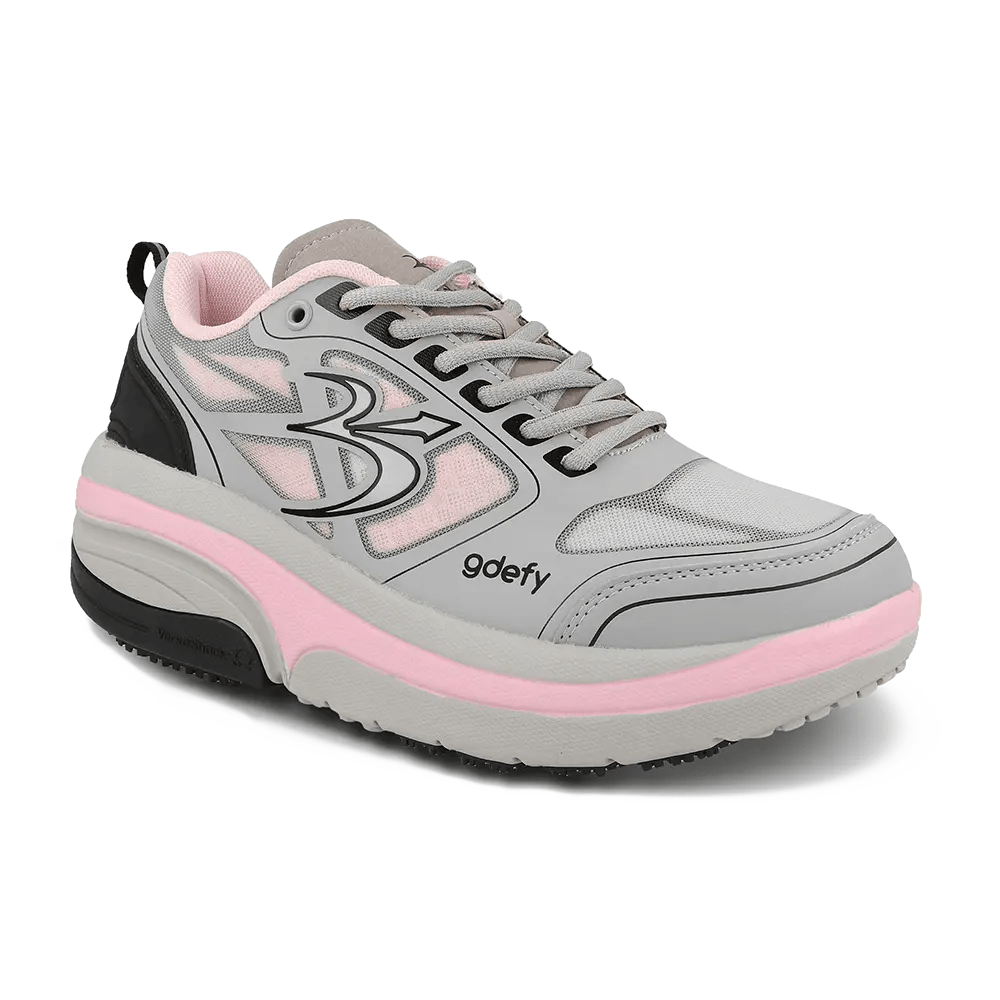
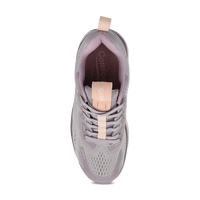
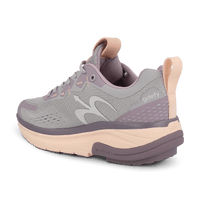
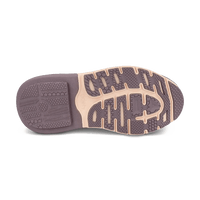
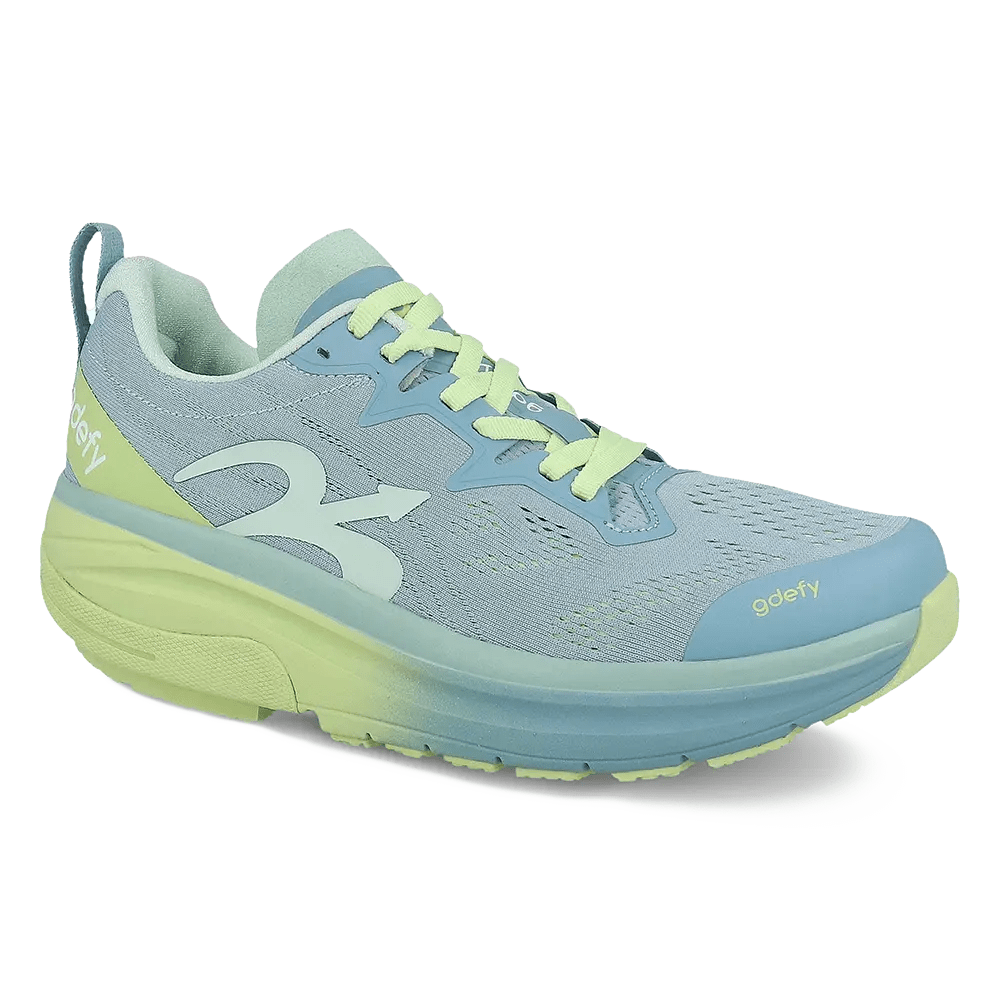
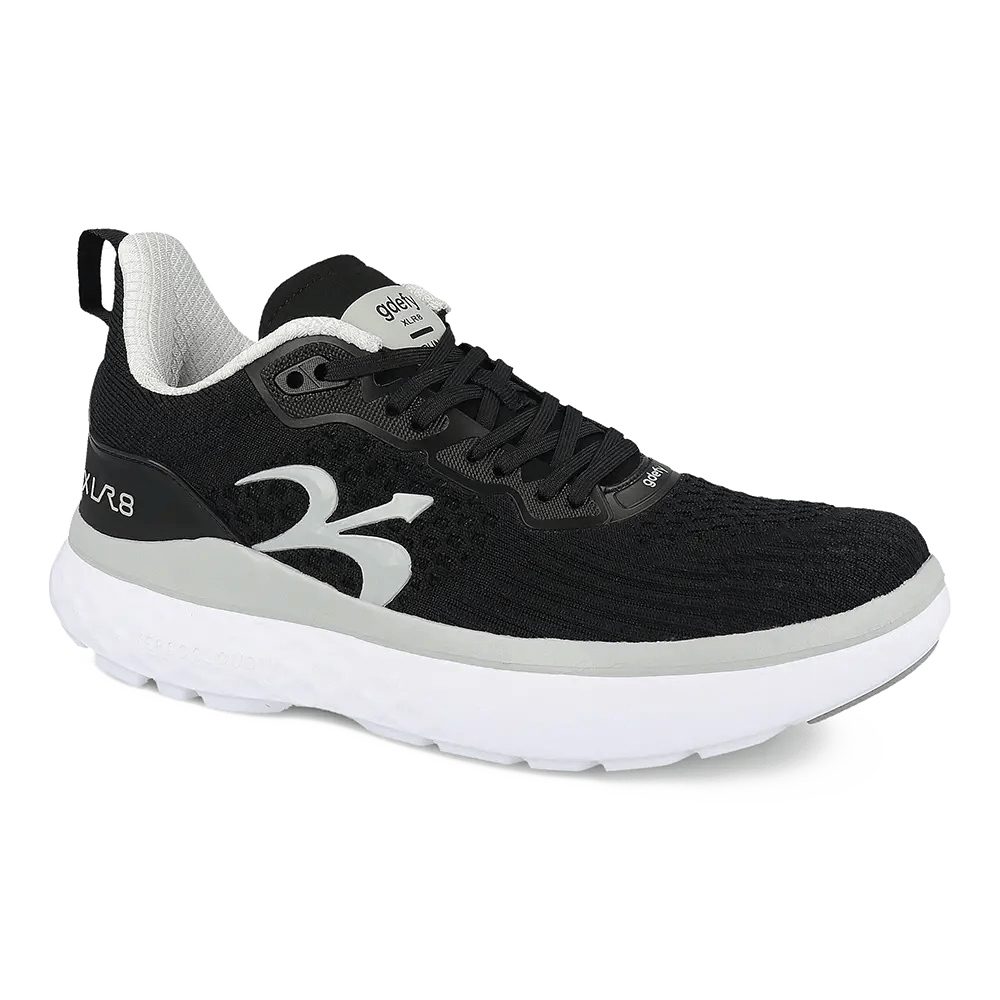
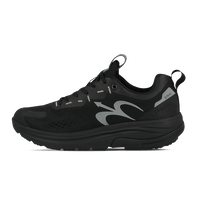
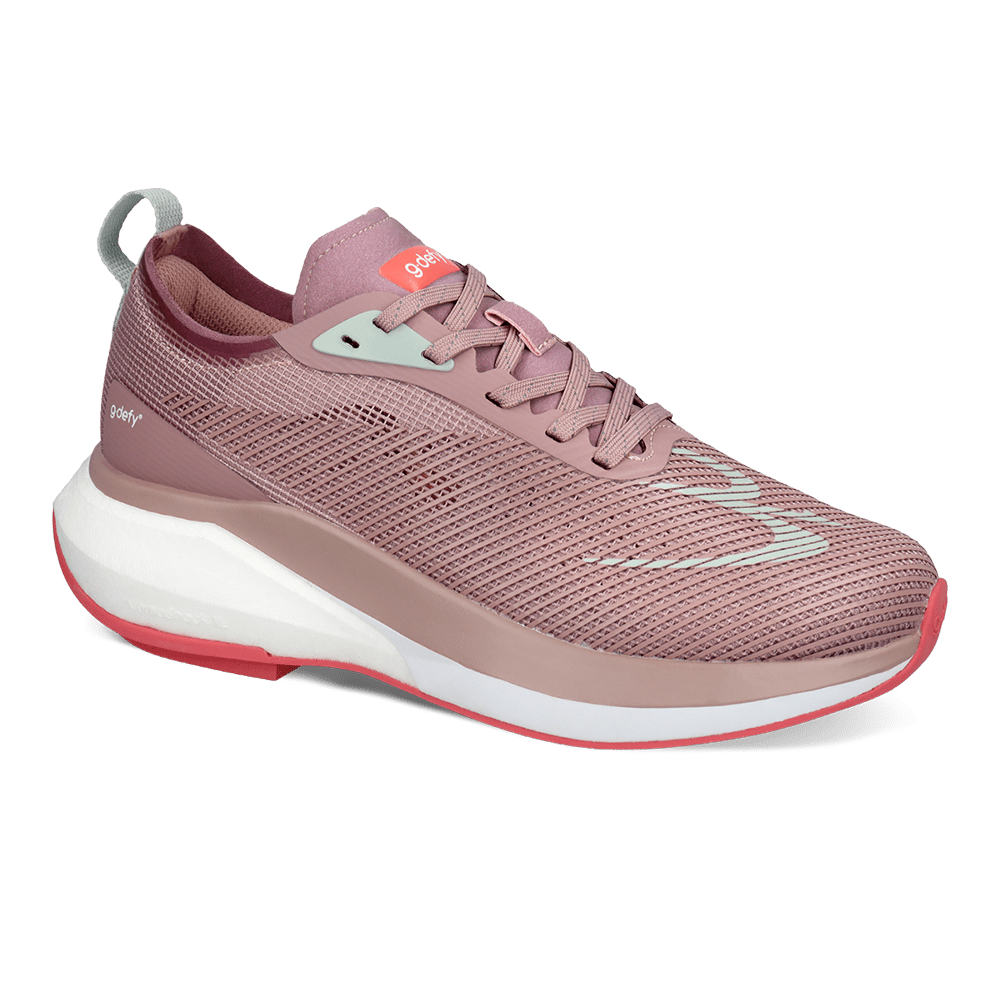
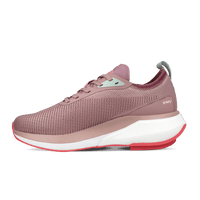
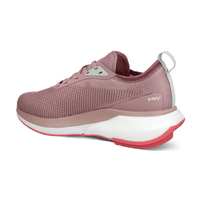
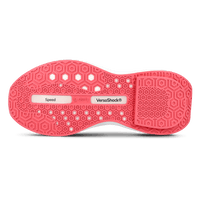
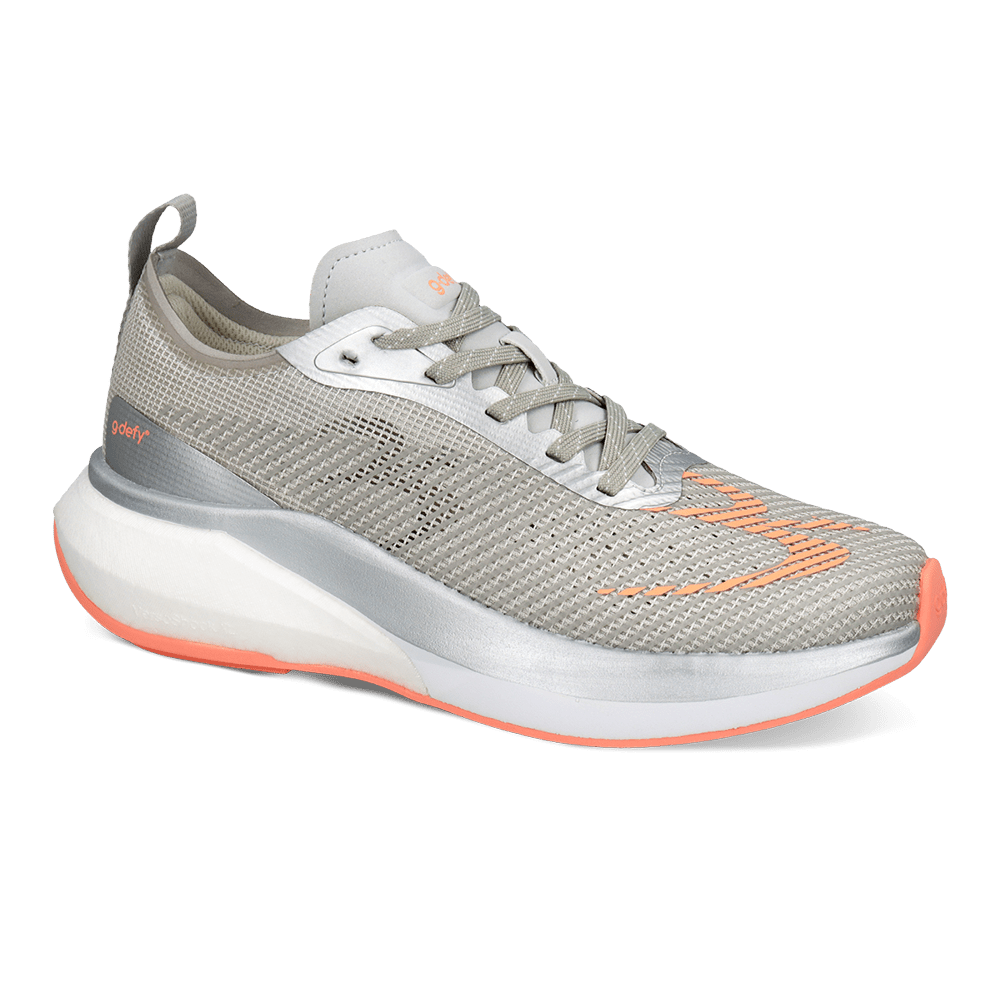
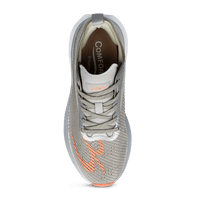
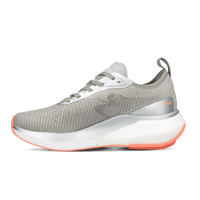
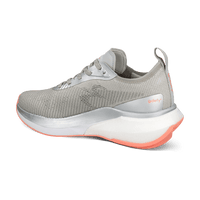
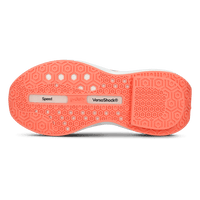
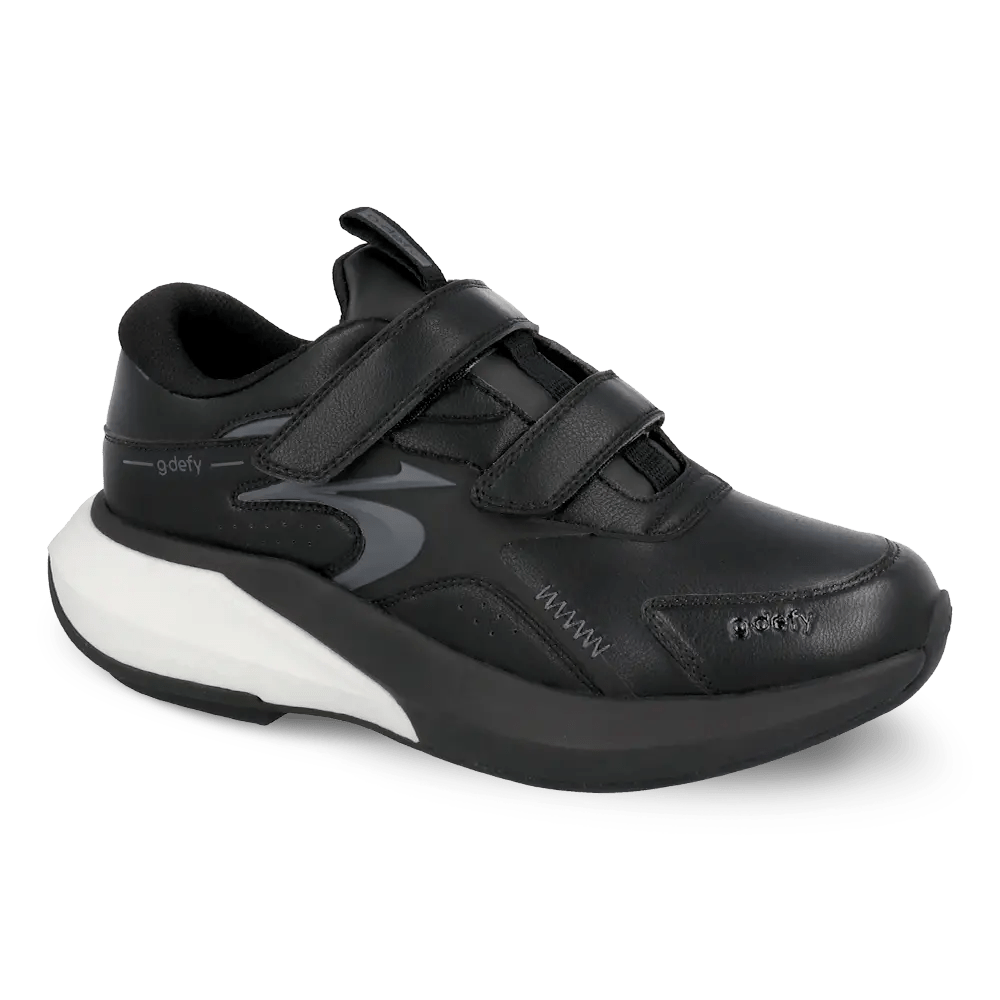
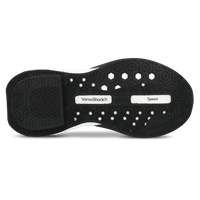
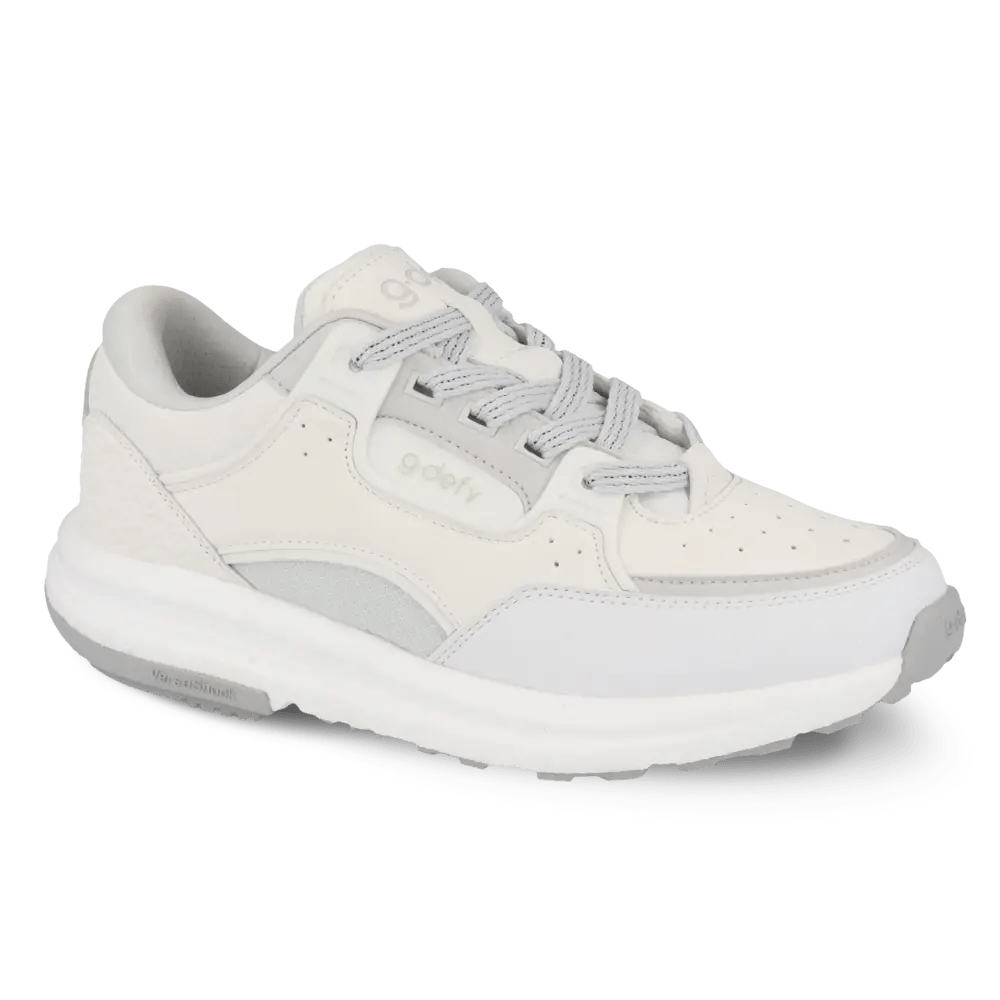
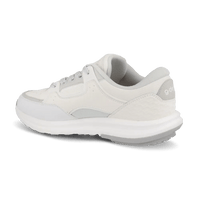
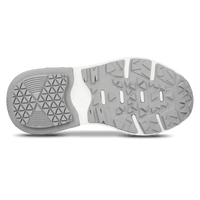
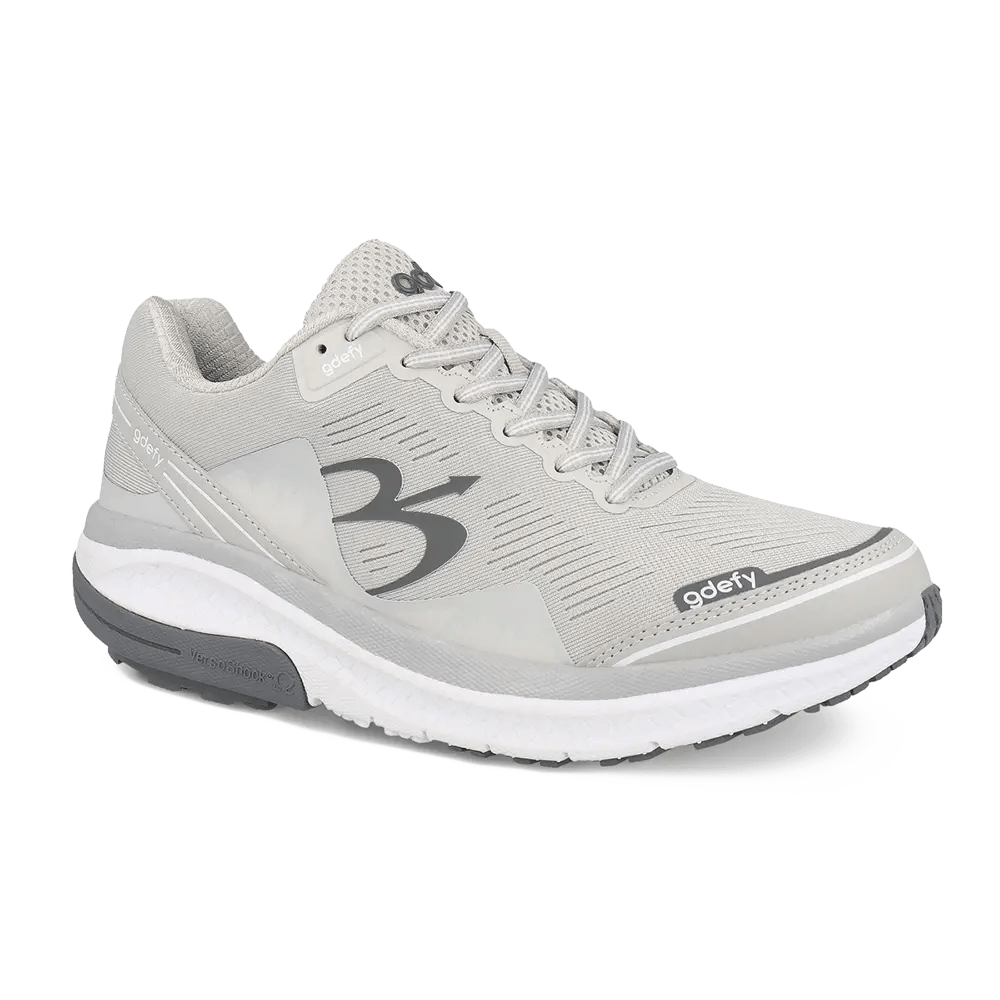
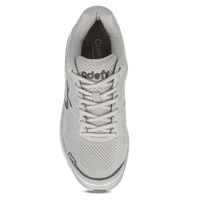
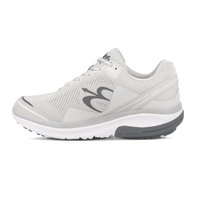
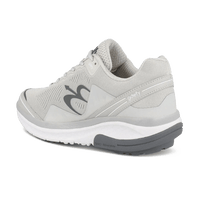
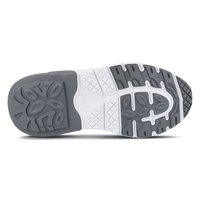
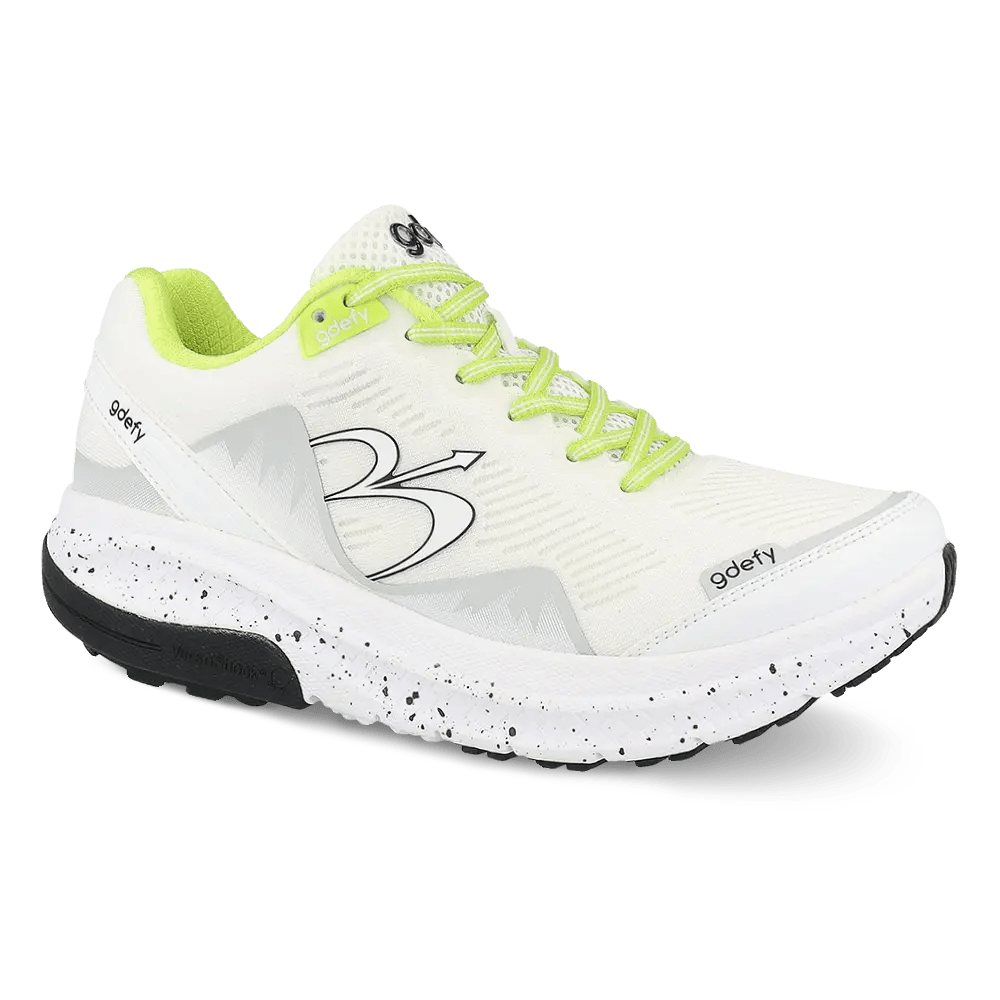
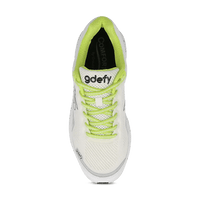
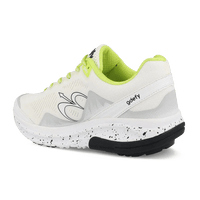
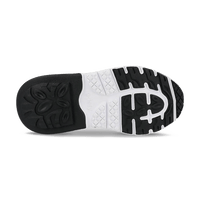
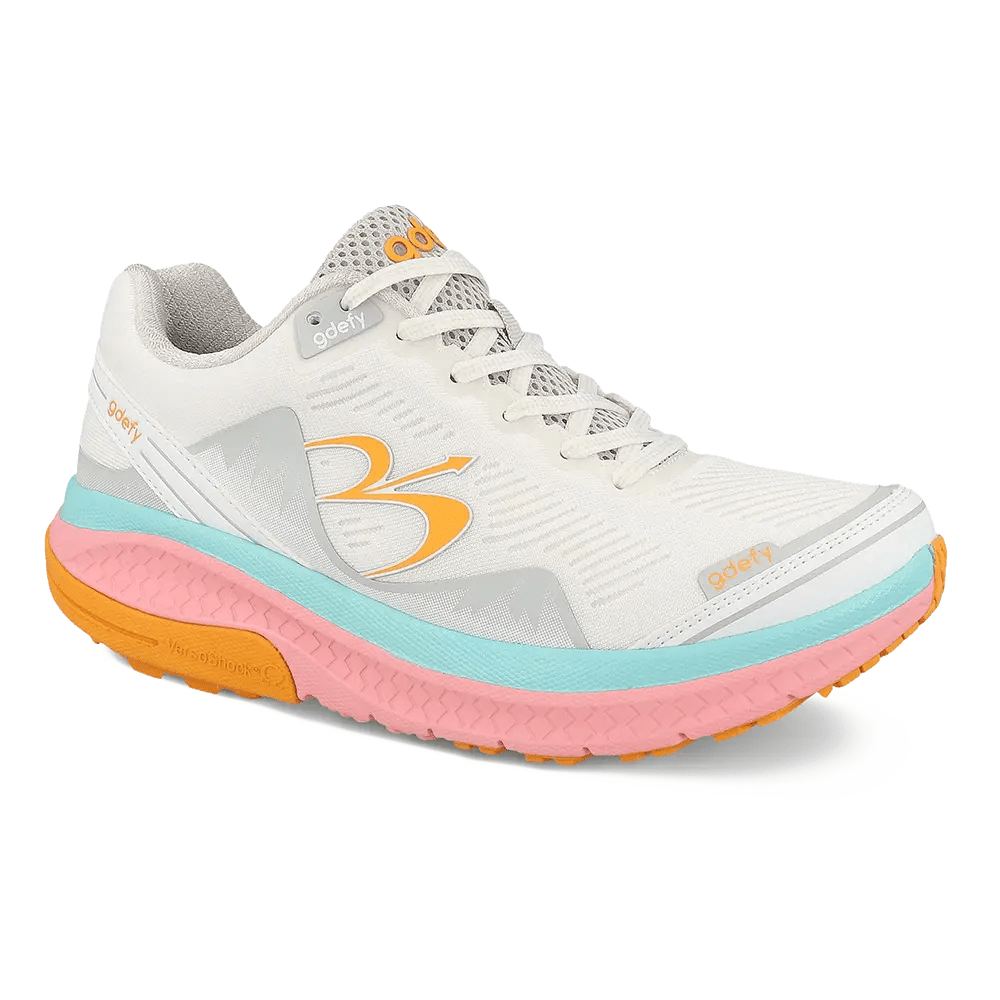
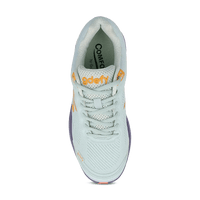
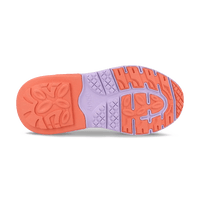
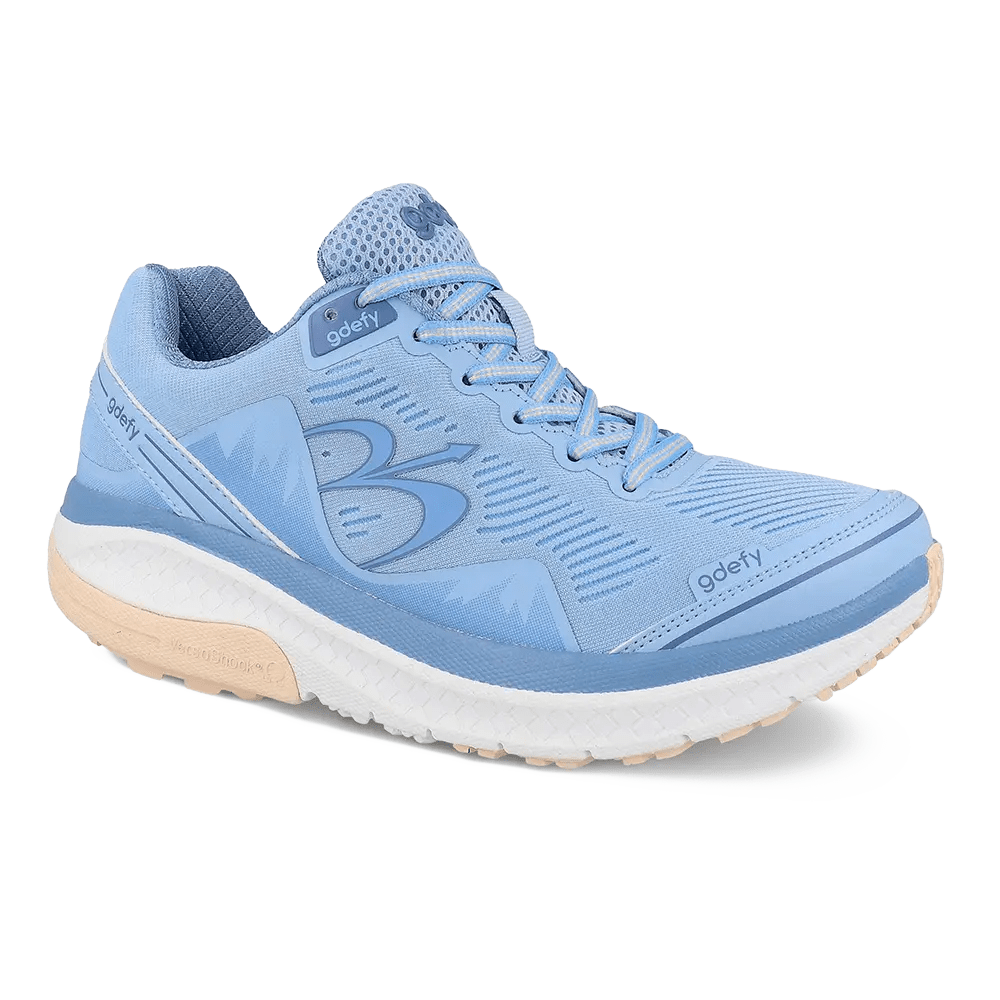
G-Defy shoes are engineered to provide comfort, support, and shock absorption during daily movement and prolonged standing. They're built around VersoShock® technology, a spring-based system designed to absorb impact softly and return energy with each step. On hard floors, that combination is exactly what helps reduce the constant stress of standing and walking.
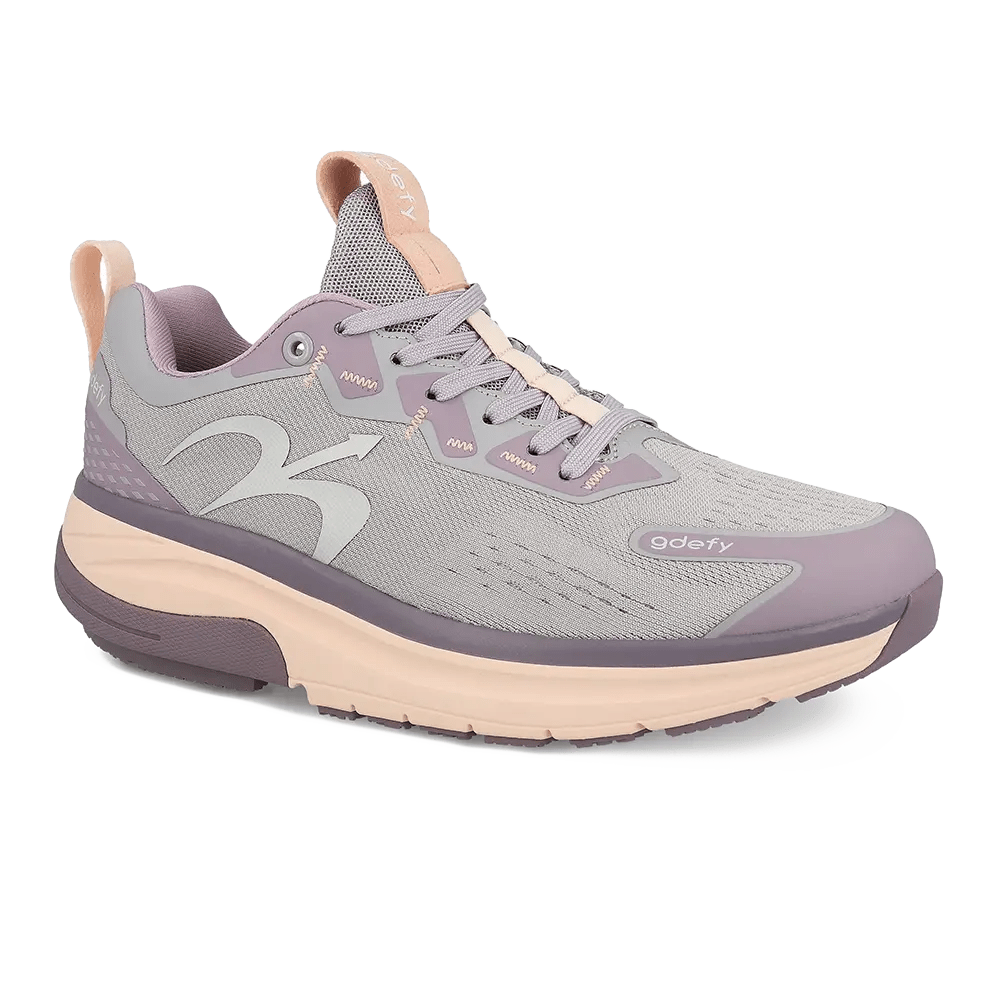
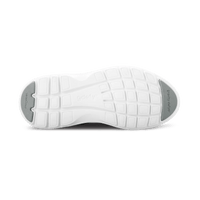
Inside every pair, a built-in stabilizer supports the foot and reduces excessive bending, encouraging a more stable, controlled feel — helpful when you're holding a position for a long time. A front rolling design promotes a smooth heel-to-toe transition when you do move, and lightweight, breathable construction with a roomy toe area is made for all-day wear. Each pair also includes two removable orthotics — a ComfortFit® insole for low to medium arches and a CorrectiveFit® insole for medium to high arches — so you can customize comfort and support to your own feet.

Put together, these features help reduce pain from walking, running, and prolonged standing. A popular choice for people on their feet is the Mighty Walk, an everyday workhorse with the cushioning, support, and multiple width options that long-standing days call for. You can browse the full lineup of men's shoes and women's shoes to find a fit for your day.
"I'm on a hard floor for most of my shift, and the back half of the day used to wear me down. A few weeks into my G-Defy shoes, my feet feel noticeably more comfortable by closing time than they did in my previous pair."
— Dana R., retail associate. Composite testimonial; results vary by individual.
Try G-Defy Comfort Risk-Free for 60 Days
Designed for comfort, support, and shock absorption through long days on your feet. Free shipping and free exchanges, with a 60-day risk-free trial.
Shop G-Defy ShoesPractical Tips for Staying Comfortable on Your Feet All Day

The right shoe does a lot of the work, but a few simple habits help you get even more comfort out of a long standing day:
- Rotate between two pairs. Alternating shoes from one day to the next lets each pair decompress and helps the cushioning feel more consistent over time.
- Replace shoes before they wear out. Cushioning and support break down with heavy use. If a pair feels flat or your feet are more tired than usual, it may be time to replace worn-out shoes.
- Try shoes on later in the day. Your feet are at their largest after hours of standing, so shopping or fitting in the afternoon gives you a more realistic feel.
- Mind your socks. Moisture-wicking, properly fitted socks help keep feet dry and reduce rubbing through a long shift.
- Take small movement breaks. When you can, shift your weight, take a few steps, or briefly change position to give your feet a break from a static load.
Matching Shoes to How You Spend Your Day
Not every job on your feet looks the same, and the best choice depends on how you actually move through your day.
Mostly standing in one place. If you work behind a counter, at a register, or at a fixed station, prioritize cushioning, a stable platform, and a roomy fit that stays comfortable as your feet swell. A shoe that feels secure and supportive will serve you well.
Standing plus plenty of walking. Nurses, teachers, servers, and warehouse workers mix long standing with lots of steps. Here, shock absorption and energy return matter even more, so your feet stay comfortable whether you're moving or holding still.
Hard floors all shift. If you're on concrete or tile, lean into cushioning and shock absorption to soften an unforgiving surface, and replace your shoes promptly once that cushioning starts to fade.
Frequently Asked Questions
What features make a shoe good for standing all day?
Look for cushioning that absorbs impact, a supportive and stable platform, good shock absorption, and a roomy, proper fit that leaves room for natural swelling. Lightweight, breathable construction helps keep your feet comfortable over a long shift.
Can the right shoes help if my feet hurt after standing all day?
Supportive and cushioned footwear may improve overall comfort during long periods of standing and walking. While shoes are not a medical solution, a well-designed pair can make a meaningful difference in how your feet feel by the end of the day.
Are cushioned or firm shoes better for standing?
A balance works best. Too-soft cushioning lets the foot sink and work harder, while too-firm shoes don't absorb enough impact. Aim for supportive cushioning that stays comfortable deep into a long day on your feet.
How often should I replace shoes I wear for standing all day?
Heavy daily use wears down cushioning and support faster than occasional wear. If a pair feels flat, looks worn, or your feet feel more tired than usual, it's a good sign it's time for a fresh pair.
Does shoe fit really matter for long shifts?
Yes. Feet swell over a long standing day, so a roomy toe area and the correct width help your shoes stay comfortable from morning to night. A shoe that fits well in the afternoon — when your feet are largest — is usually a safer choice.
The Bottom Line
Standing all day asks a lot of your feet, but the right footwear makes those hours far more comfortable. Look for cushioning that absorbs impact, real support and stability, effective shock absorption, and a roomy, proper fit — then back it up with smart habits like rotating pairs and replacing worn-out shoes. While footwear is not a medical solution, choosing shoes designed for comfort, support, and shock absorption can make a meaningful difference in how you feel from the first hour of your shift to the last.

































.svg)



