
June 29, 2026
What to Look for in Comfortable Running Shoes
By Gdefy

Summary
Running is one of the simplest ways to stay active — no gym, no equipment, just you and the road. But every stride sends impact up through your feet, ankles, knees, and hips, and the wrong pair of shoes can turn an enjoyable run into an uncomfortable one. The right pair, on the other hand, can make each mile feel smoother and more supported.
This guide breaks down what actually matters when you are choosing comfortable running shoes — from cushioning and shock absorption to fit and stability — so you can spend less time worrying about your feet and more time enjoying the run. Footwear is not a medical solution, but a shoe built for comfort and support can make a real difference in how you feel before, during, and after a run.
Why Running Is So Demanding on Your Feet
Walking is hard enough on your feet over a long day. Running multiplies the demand. Here is why a run asks so much of your footwear.
- Repeated impact. With every running step, your foot strikes the ground and absorbs force several times your body weight. Over a single mile, that is well over a thousand impacts per foot. Shoes that cannot soften that impact let it travel straight up your legs.
- Distance adds up. A short jog and a longer weekend run place very different demands on your feet. The farther you go, the more those small impacts accumulate — and the more a comfortable, supportive shoe matters.
- Hard and uneven surfaces. Sidewalks, asphalt, treadmills, and packed trails are unforgiving. A shoe that helps cushion and stabilize your stride makes those surfaces feel friendlier underfoot.
- Worn-out footwear. Running shoes lose their cushioning long before they look used up. A pair that is past its prime can leave your feet feeling every step, even on an easy run.
None of this means running is bad for you. It simply means the shoes you choose carry a real workload — and choosing well is worth the effort.
What to Look for in a Comfortable Running Shoe
Not all running shoes are built the same. When you are shopping, focus on the features that affect comfort and support on the move rather than flashy marketing. Here is what counts.
Cushioning That Absorbs Impact
Cushioning is your first line of defense against repeated impact. A well-cushioned running shoe helps soften each footstrike so the force does not jolt up your legs. Look for a midsole that feels responsive rather than flat or thin, and that holds its comfort over the miles instead of bottoming out halfway through a run.
Real Shock Absorption
Cushioning and shock absorption are related but not identical. Many shoes rely on standard foam that compresses under impact and slowly loses its bounce. Shock absorption is about actively softening the force of each step. A shoe designed to absorb impact — not just pad your foot — helps reduce the harsh jolt of running on hard surfaces and keeps longer runs feeling more comfortable.
Energy Return for an Efficient Stride
Running is repetitive, so efficiency matters. When a midsole compresses on impact and then returns energy as you push off, it helps your stride feel more responsive and less draining. Foam-based shoes tend to absorb energy and give little back. A shoe engineered to return energy with each step can help your legs feel fresher deeper into a run.
Stability and a Supportive Platform
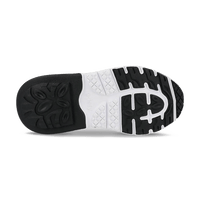
Comfort is not only about softness. A shoe that is all cushion with no structure can feel unstable, especially as you tire. A supportive platform — with a structure that resists excessive bending through the middle of the shoe — helps keep your foot steady and your stride controlled from the first mile to the last.
The Right Fit and a Roomy Toe Box
Even the best-built shoe will feel wrong if it does not fit. Your feet swell during a run, so you want enough room in the toe box for your toes to spread naturally, a secure midfoot that holds without pinching, and a heel that stays put. A roomy toe area and the right width prevent the rubbing and pressure that cut a run short.
Lightweight, Breathable Construction
Heavy shoes make your legs work harder with every step. A lighter design helps reduce fatigue over distance, while breathable materials keep your feet cooler and drier — a small detail that adds up to big comfort on warmer days or longer efforts.
The G-Defy Difference
If you are looking for a running shoe built around comfort and support, G-Defy takes a different approach from standard foam trainers.
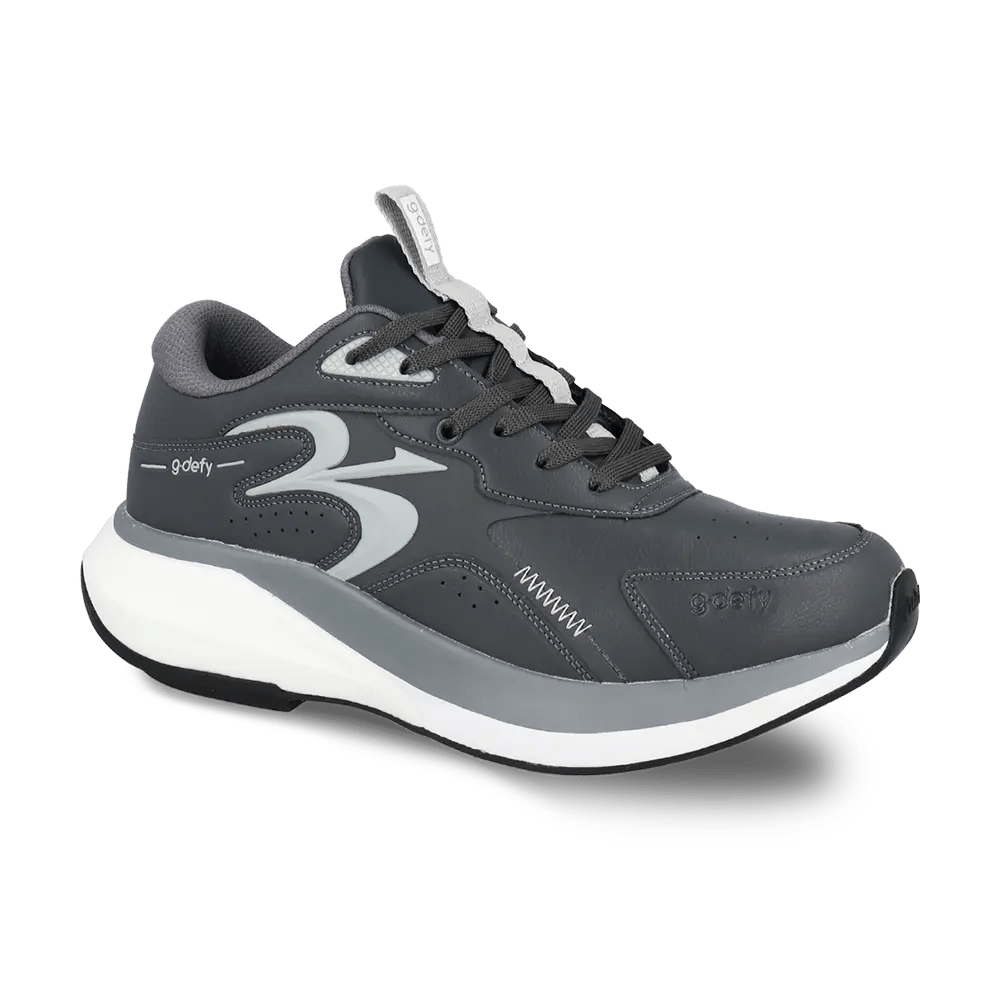
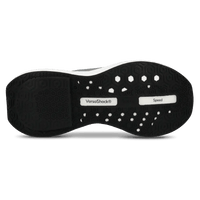
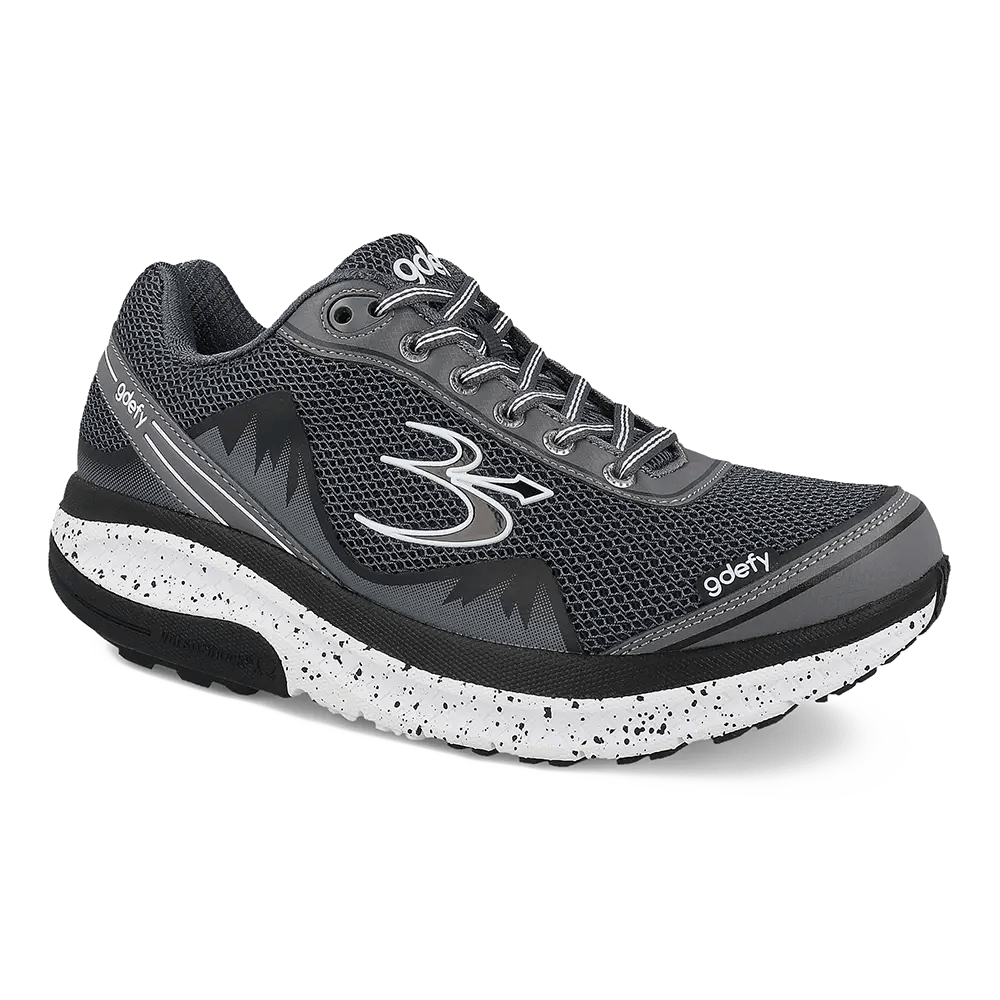
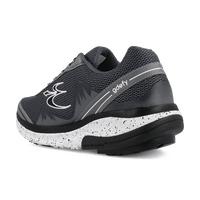
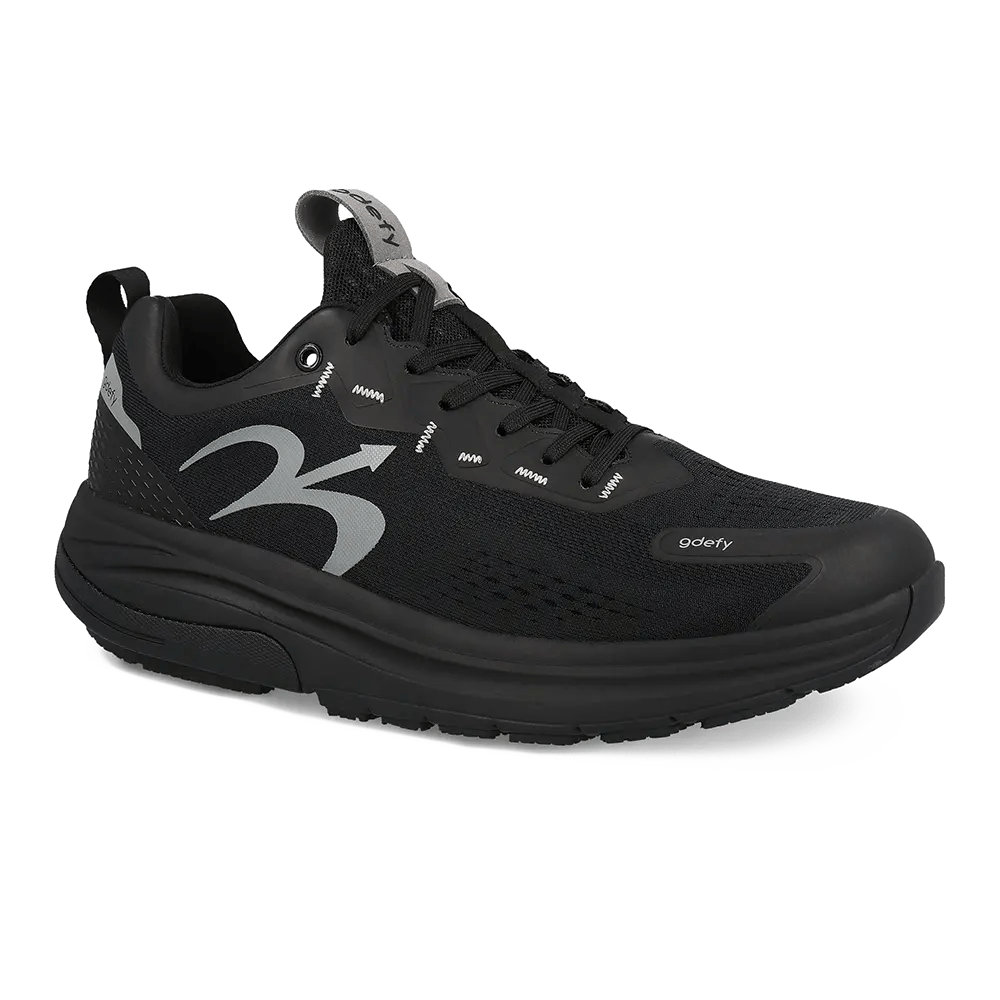
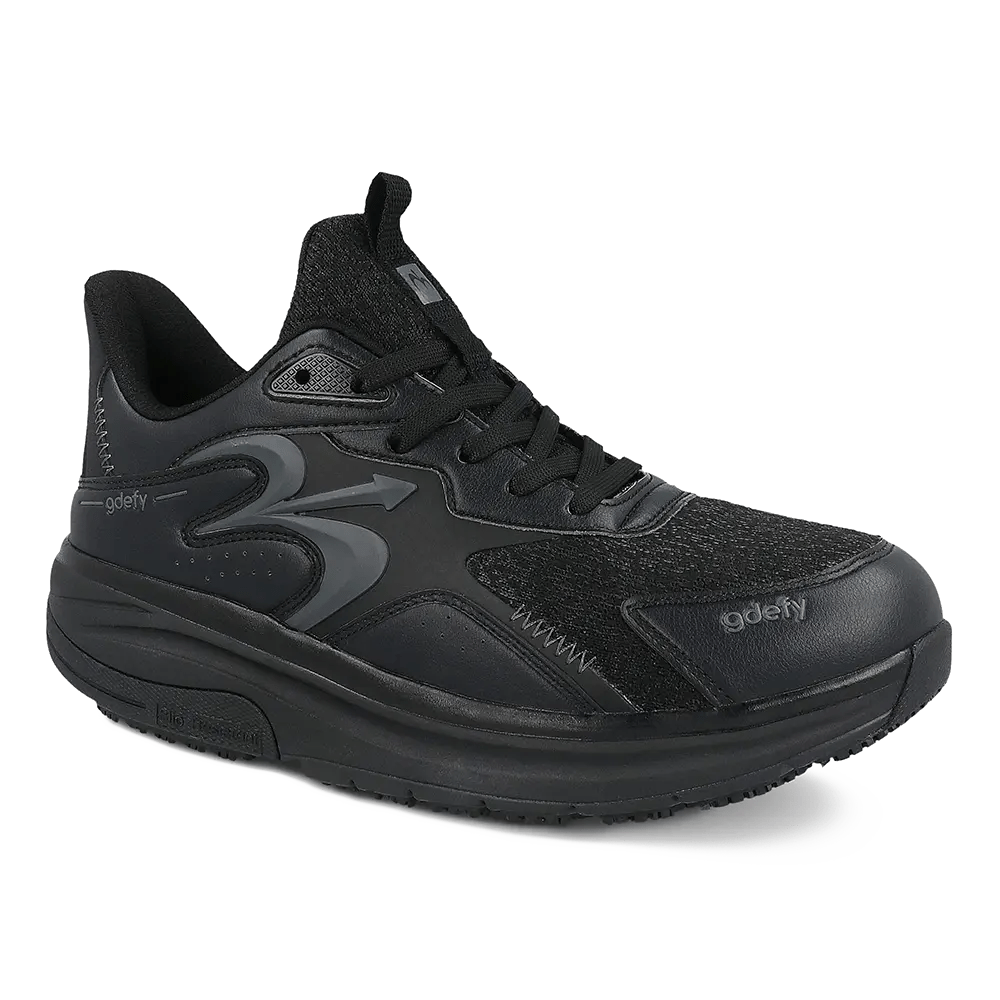
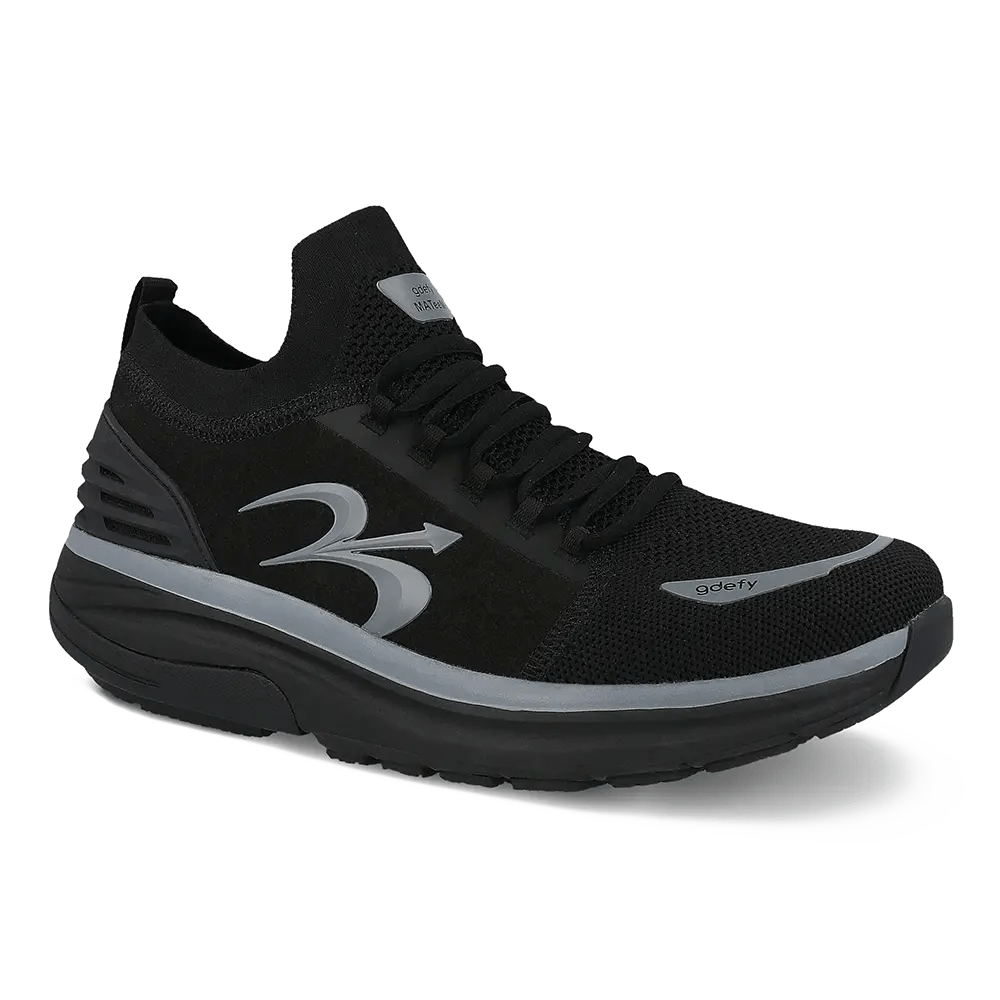
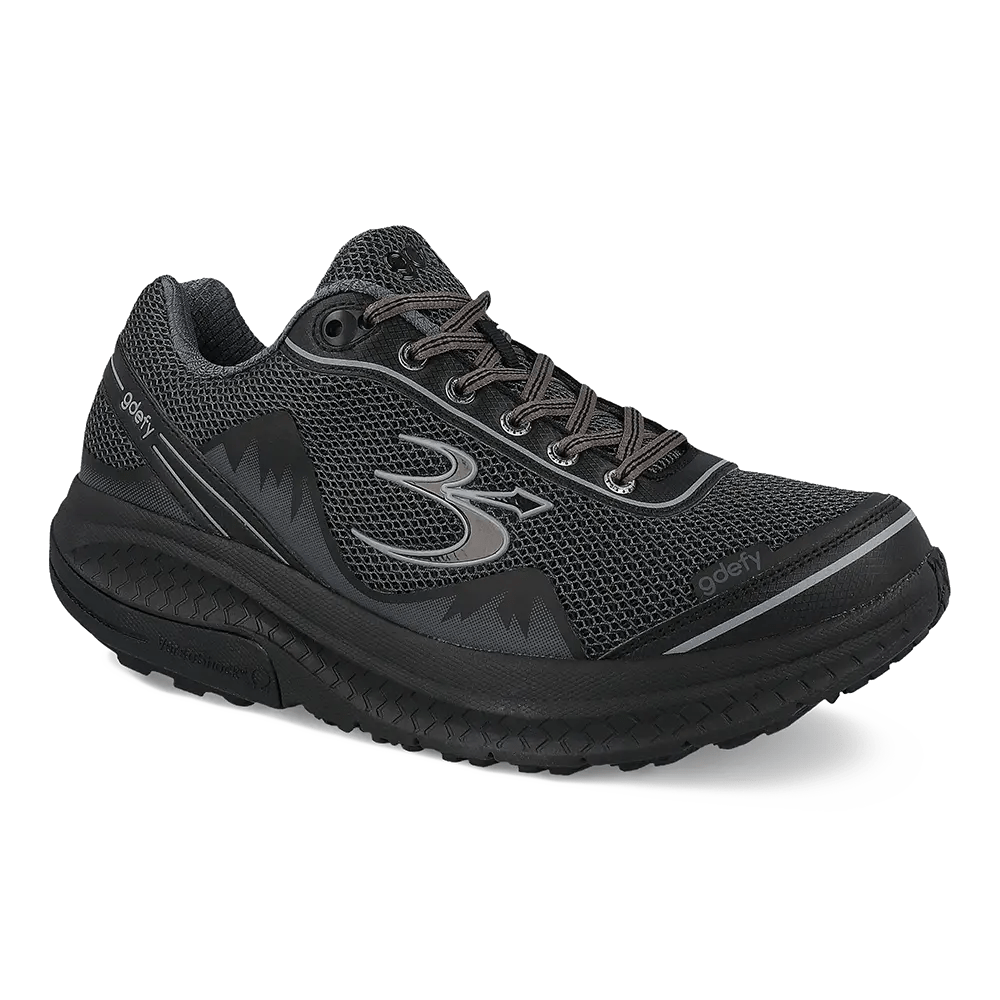
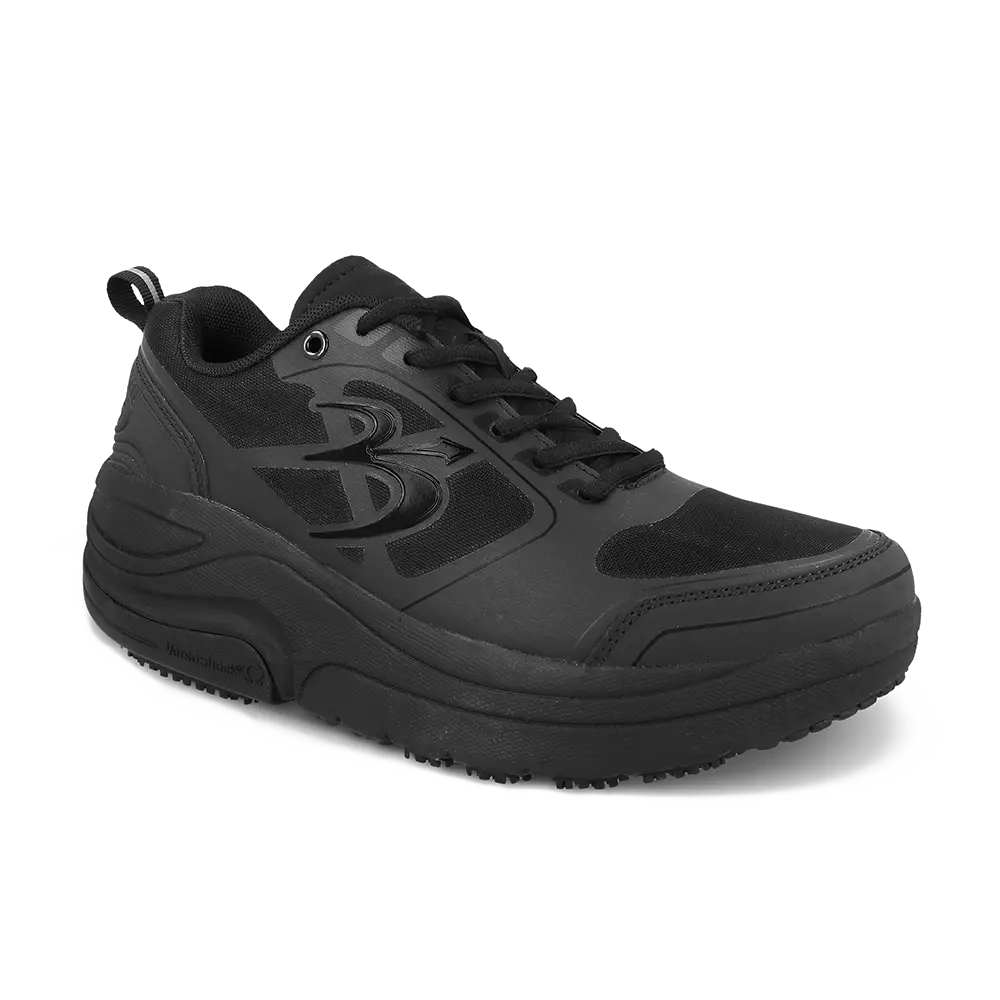
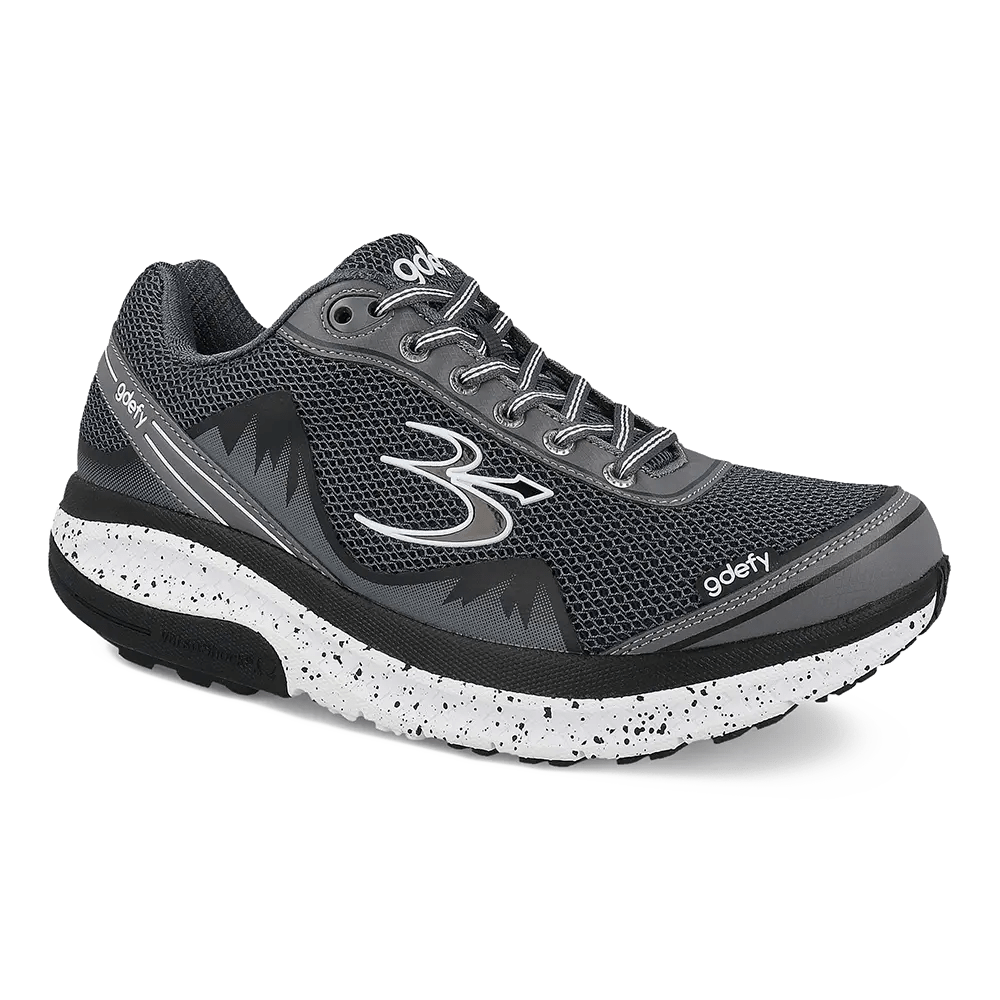
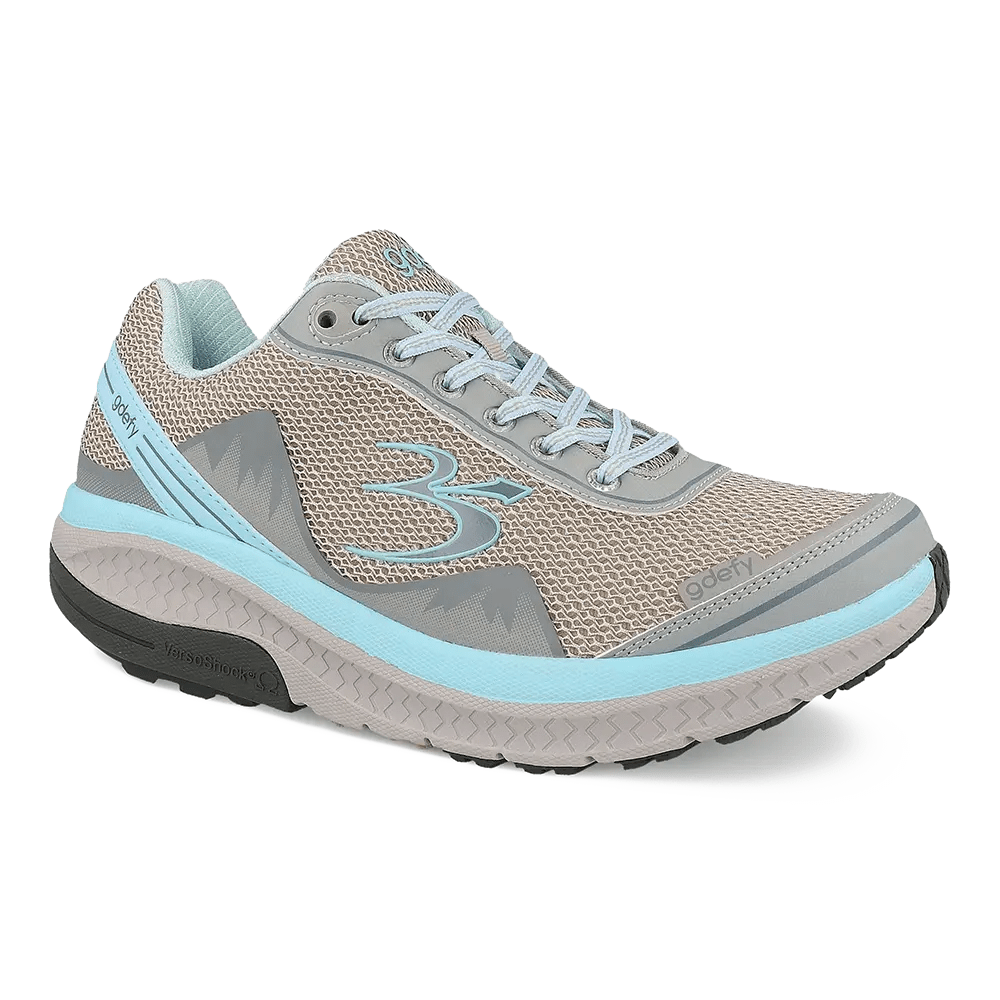
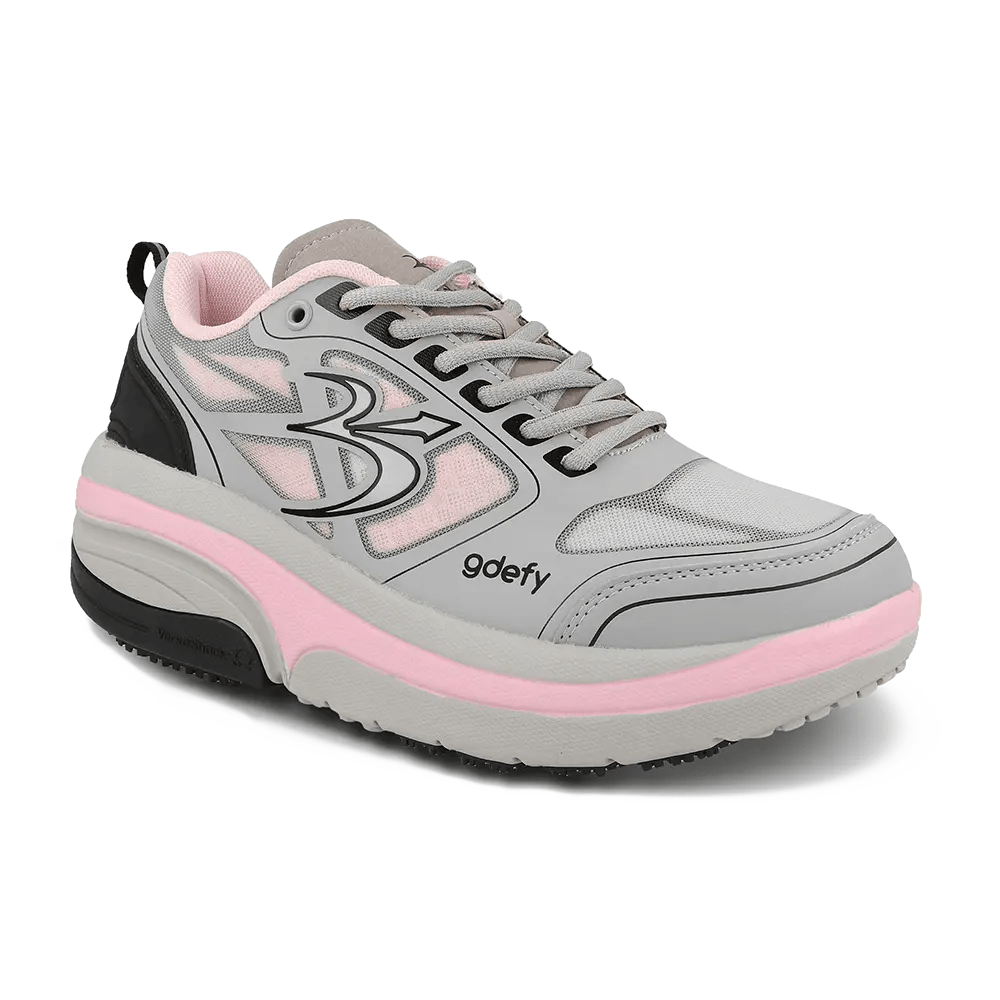
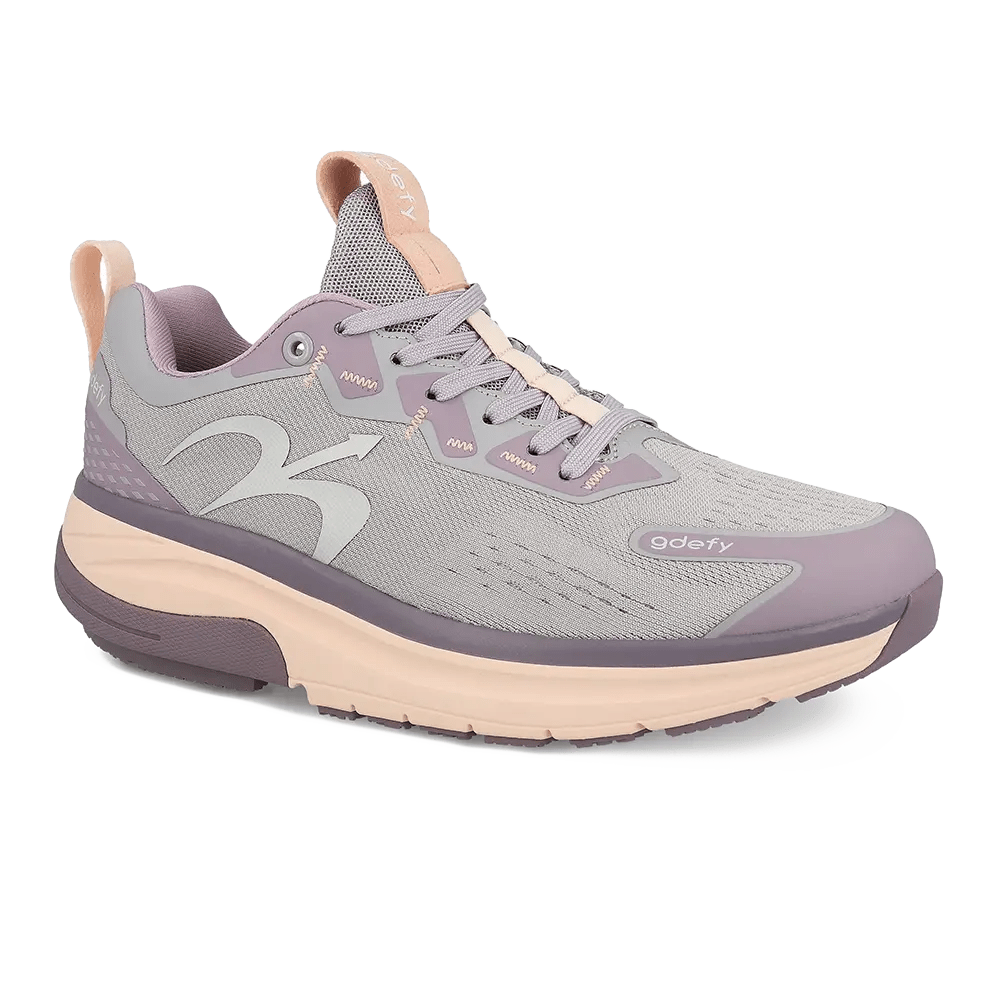
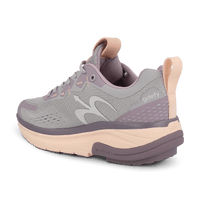
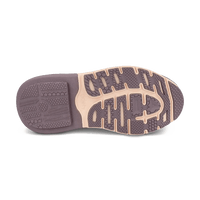
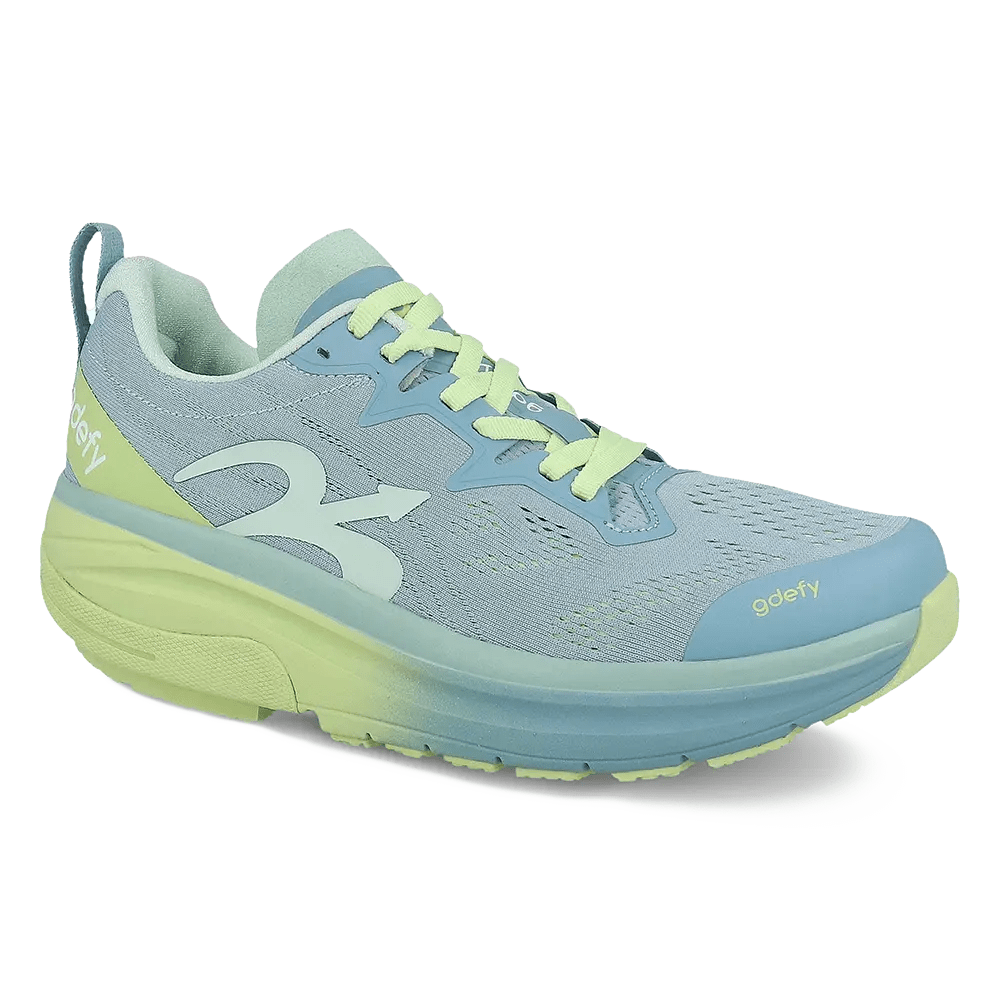
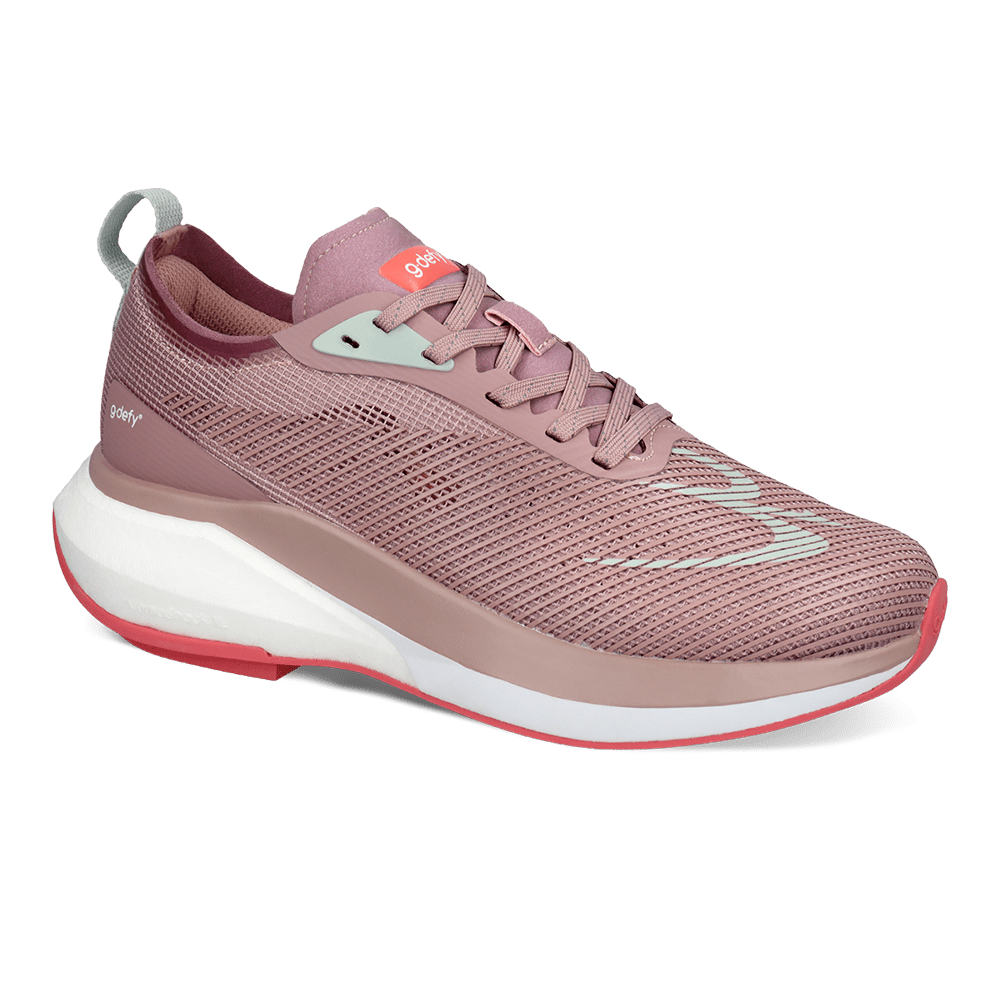
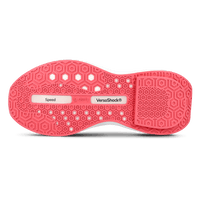
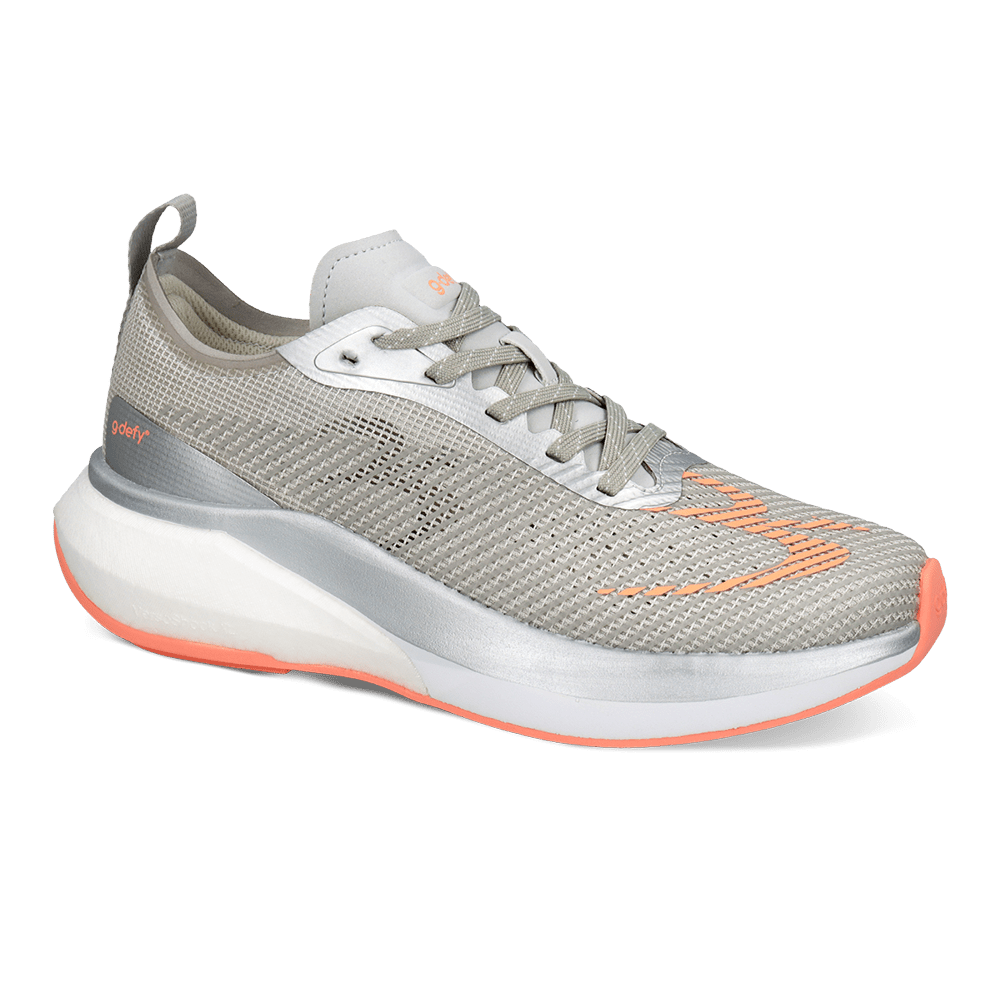
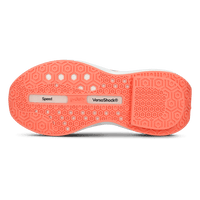
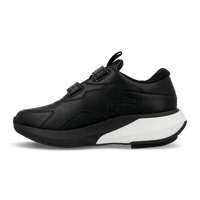
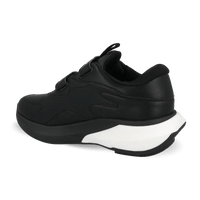
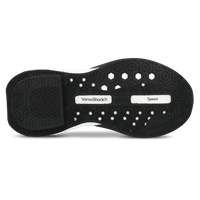
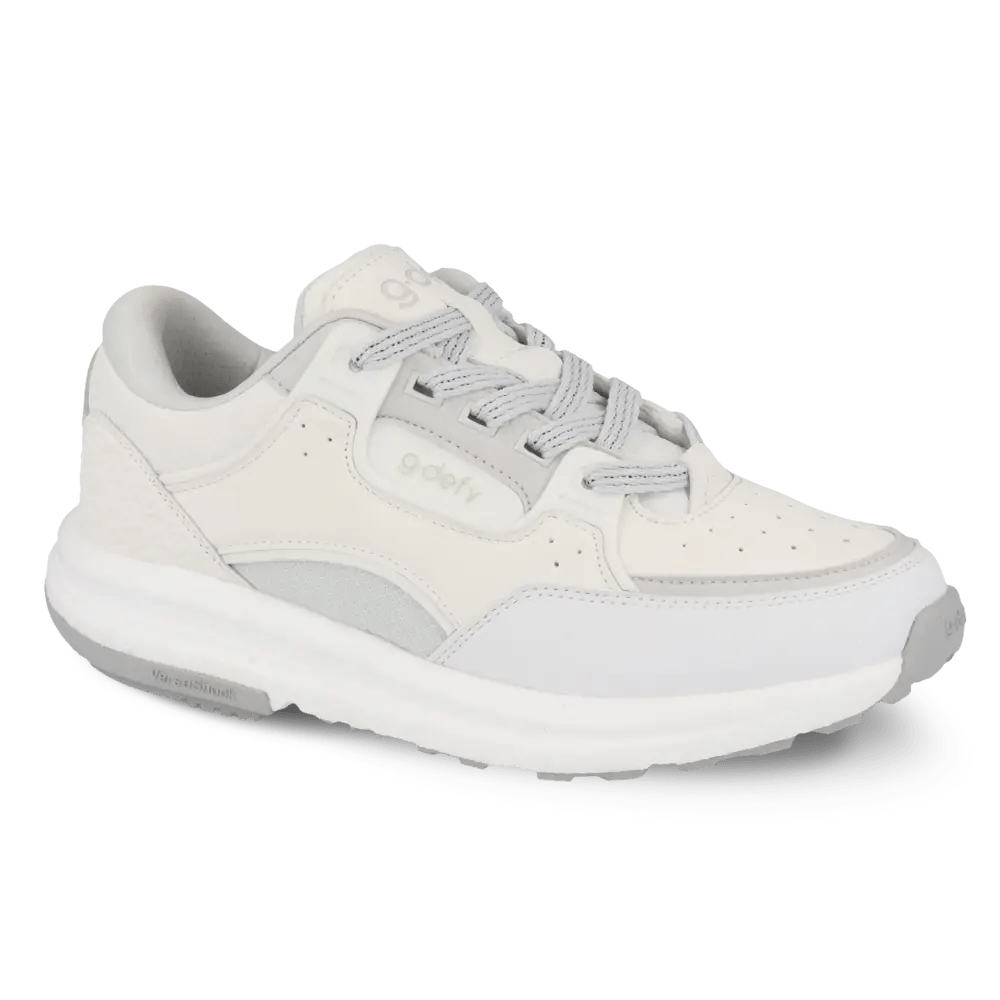
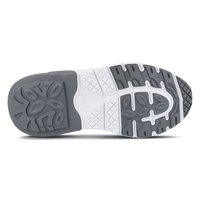
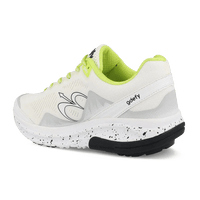
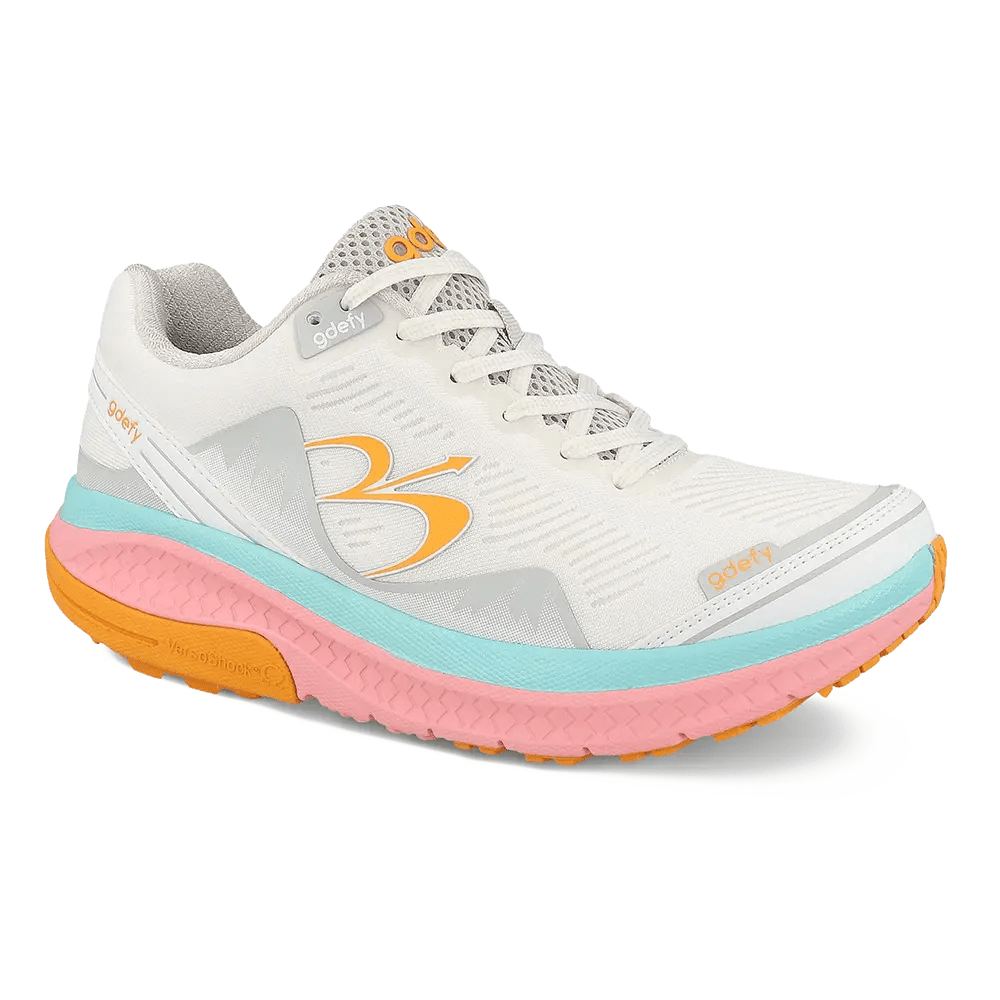
G-Defy shoes are engineered to provide comfort, support, and shock absorption. Featuring VersoShock® technology, they are designed to absorb impact and return energy with each step. A built-in stabilizer supports the foot during movement, while the front rolling design promotes a smooth, natural stride. Each pair includes two removable orthotics — the ComfortFit® orthotic for low to medium arches and the CorrectiveFit® orthotic for medium to high arches — so you can customize your comfort and support. G-Defy shoes help reduce pain from walking, running, and prolonged standing.

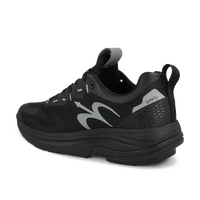
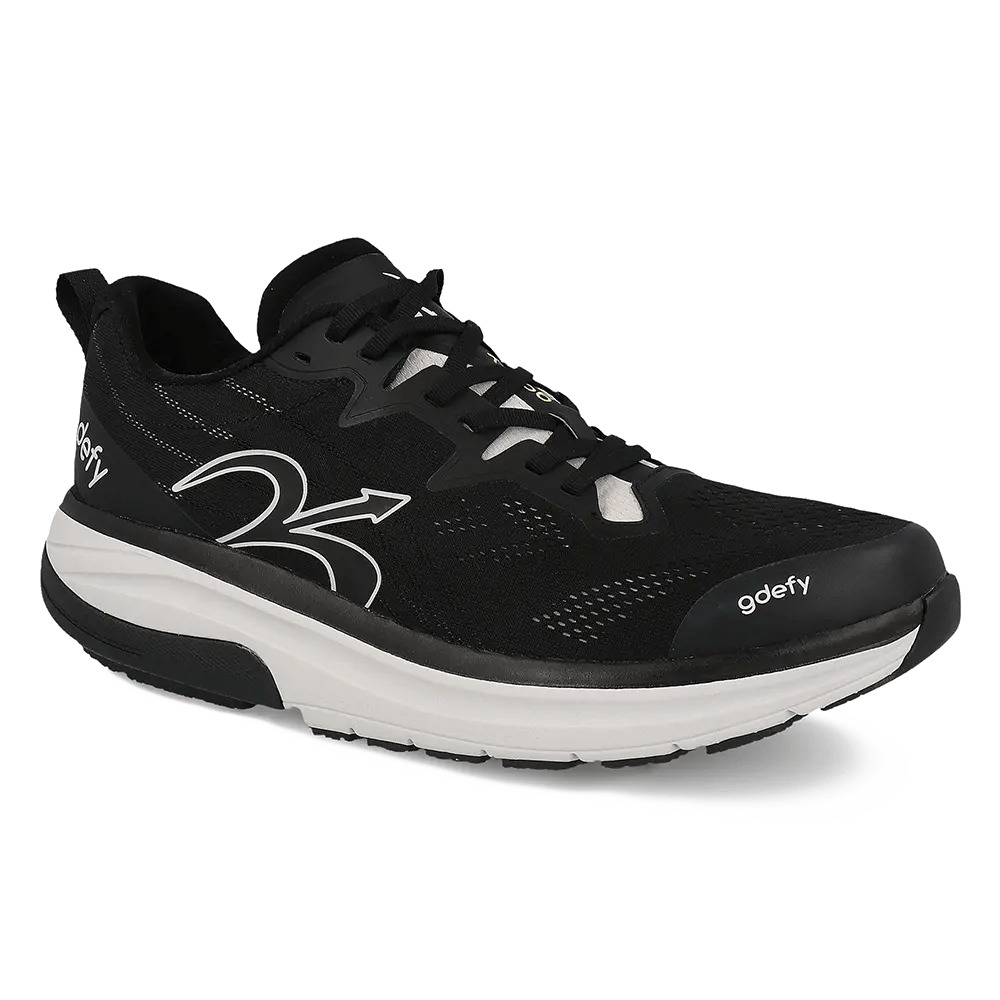
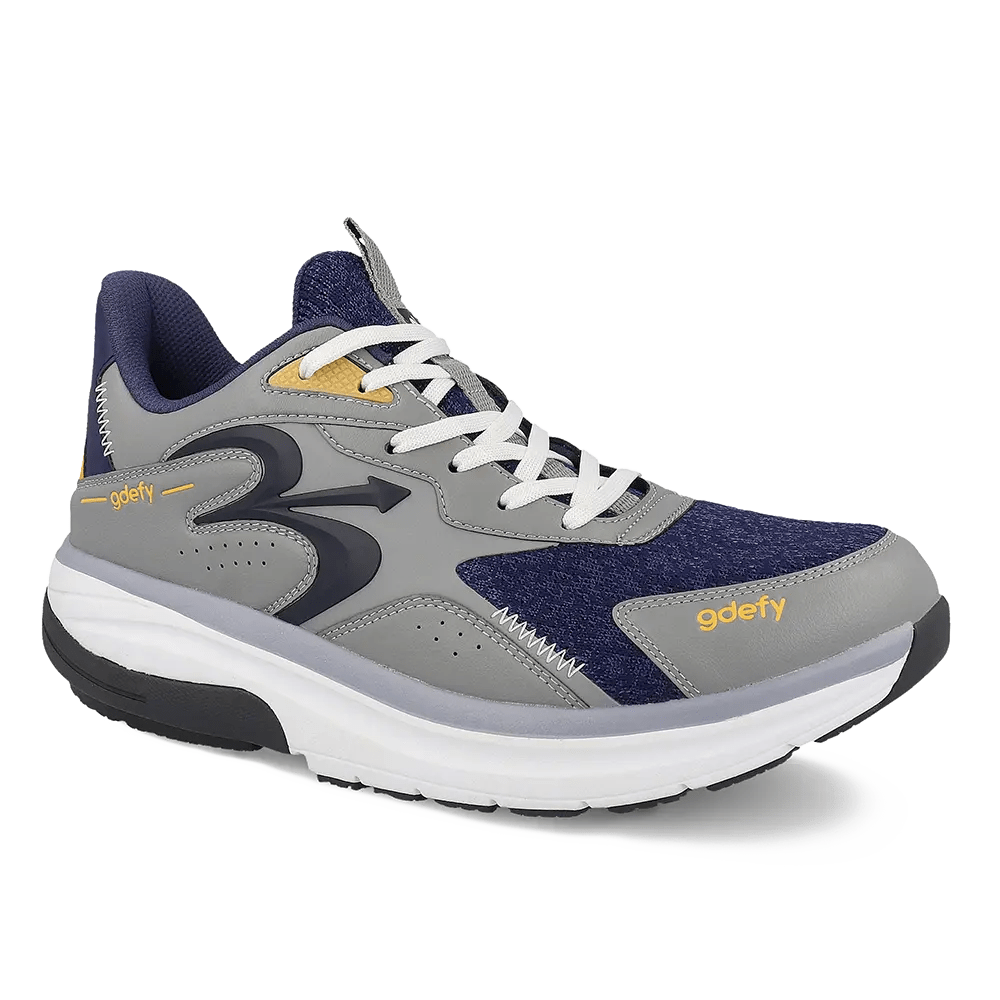
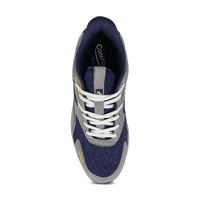
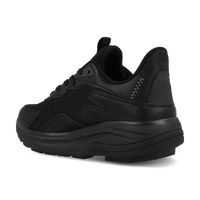
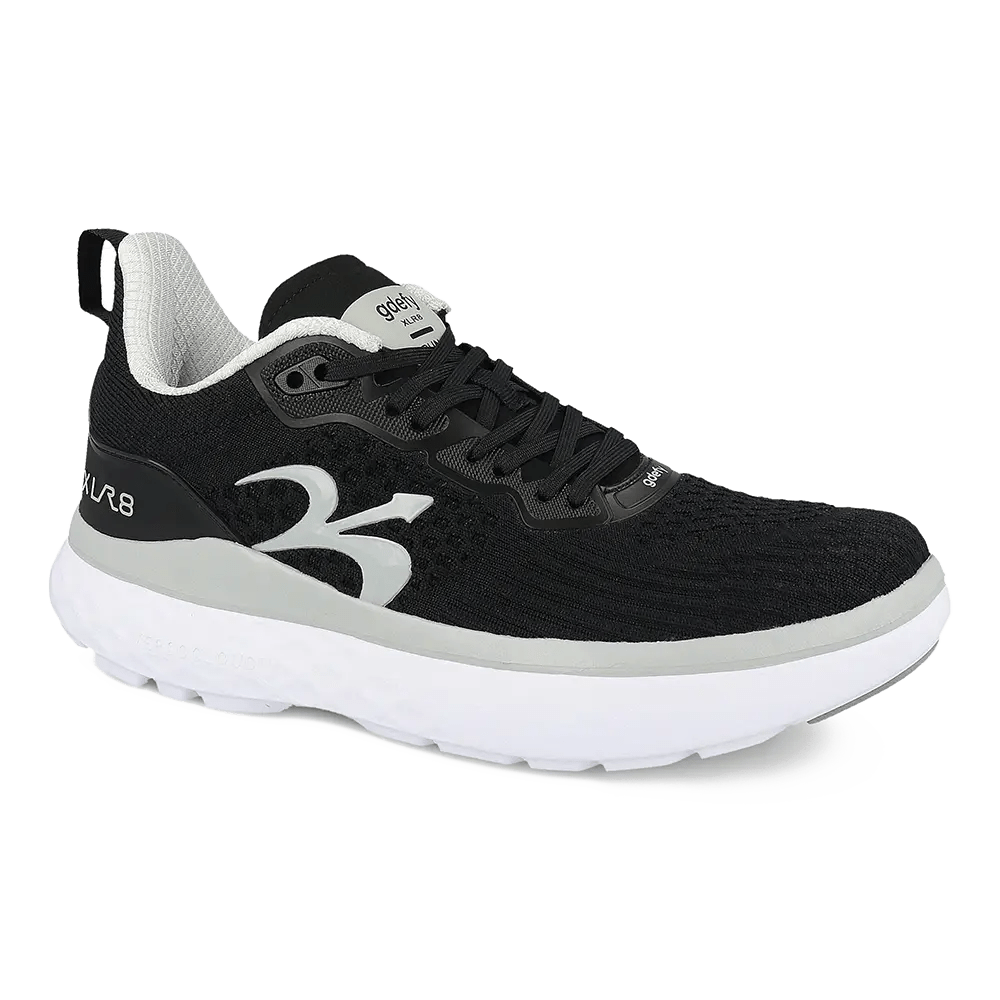
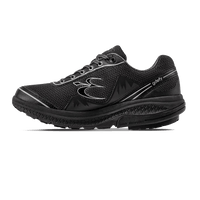
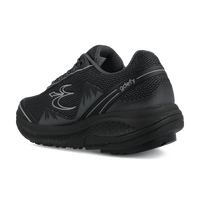
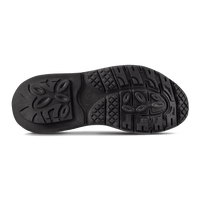
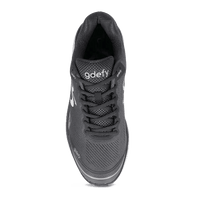
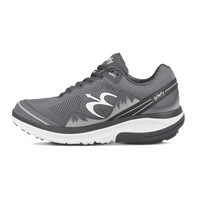
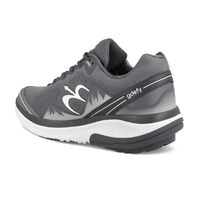
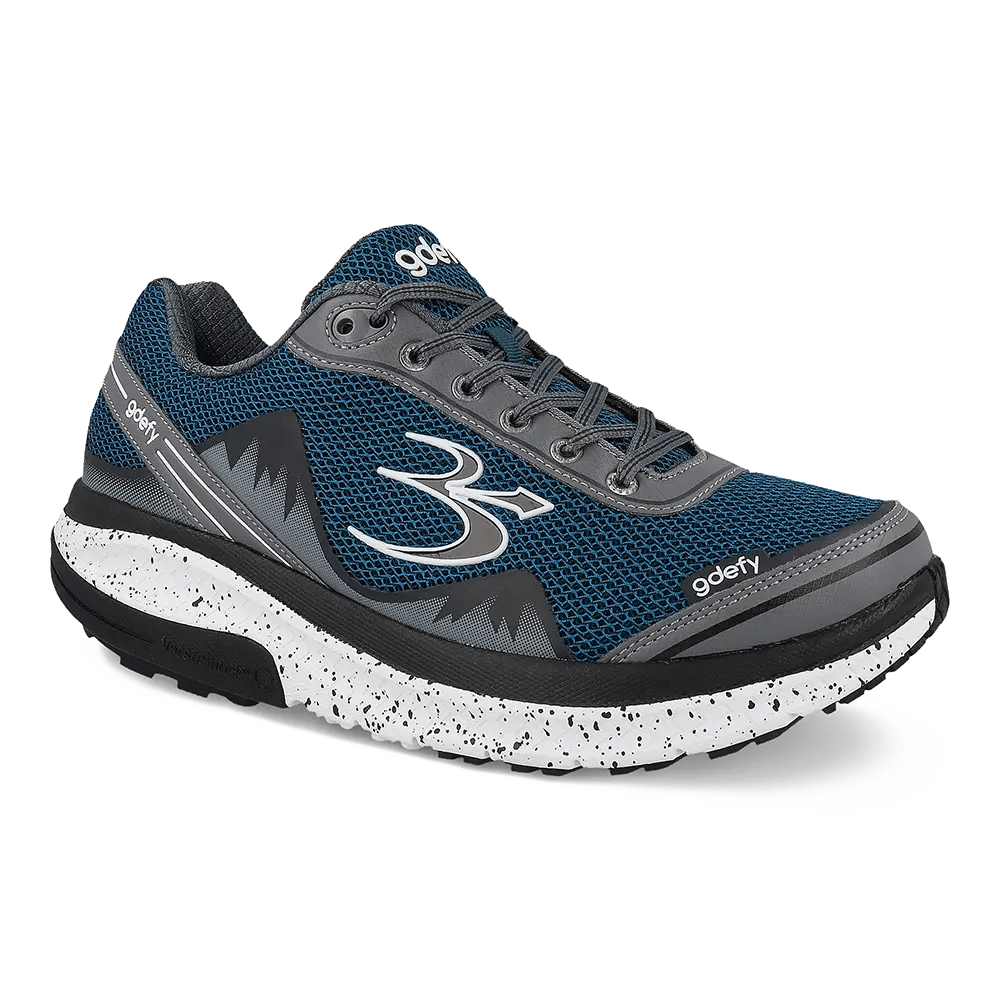
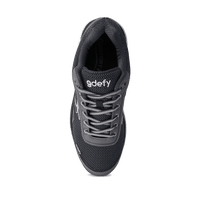
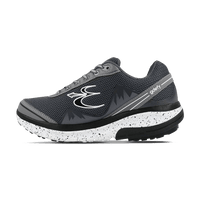
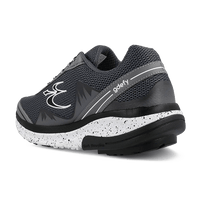
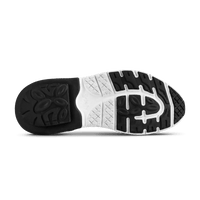
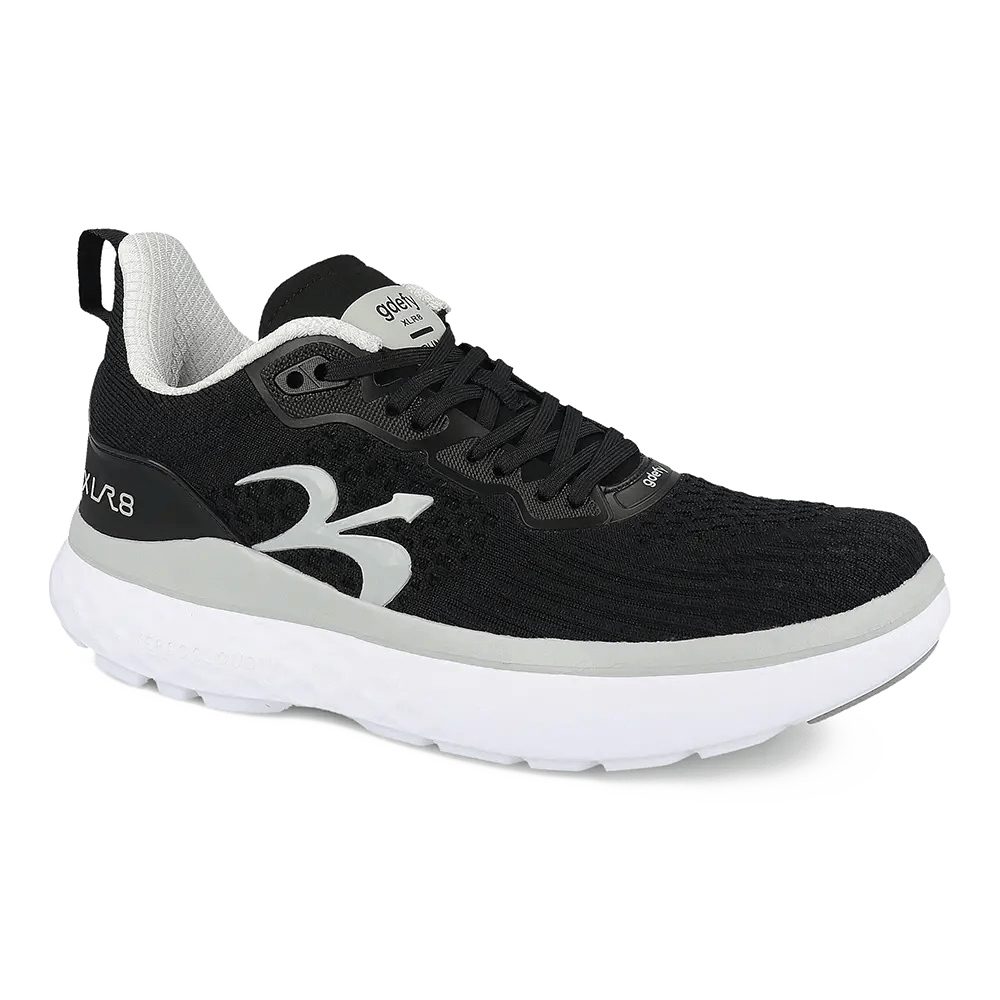
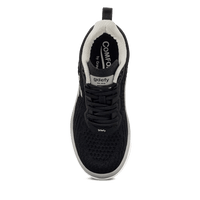
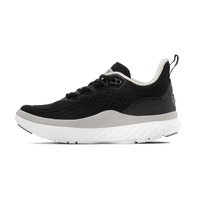
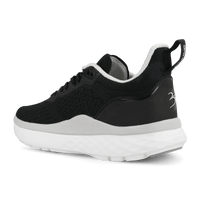
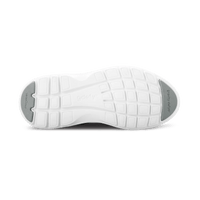
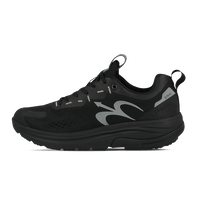
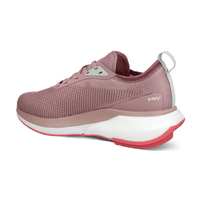
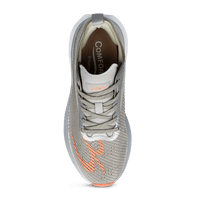
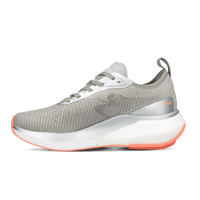
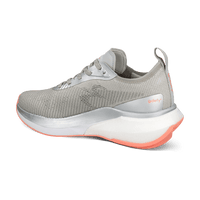
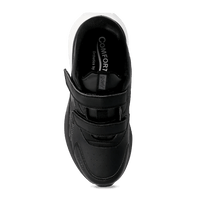
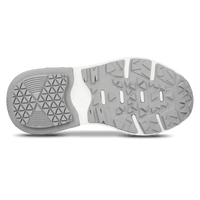
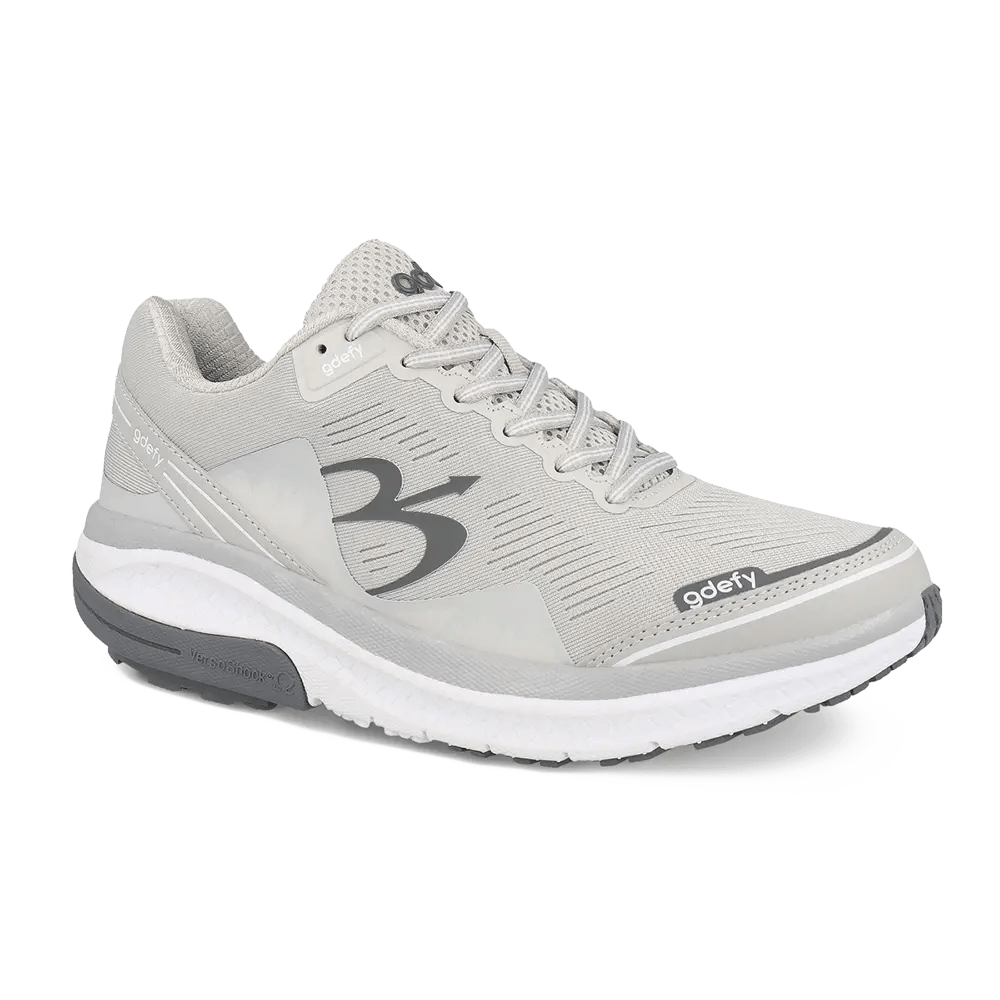
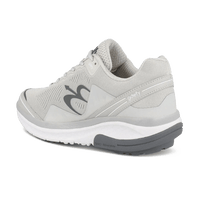
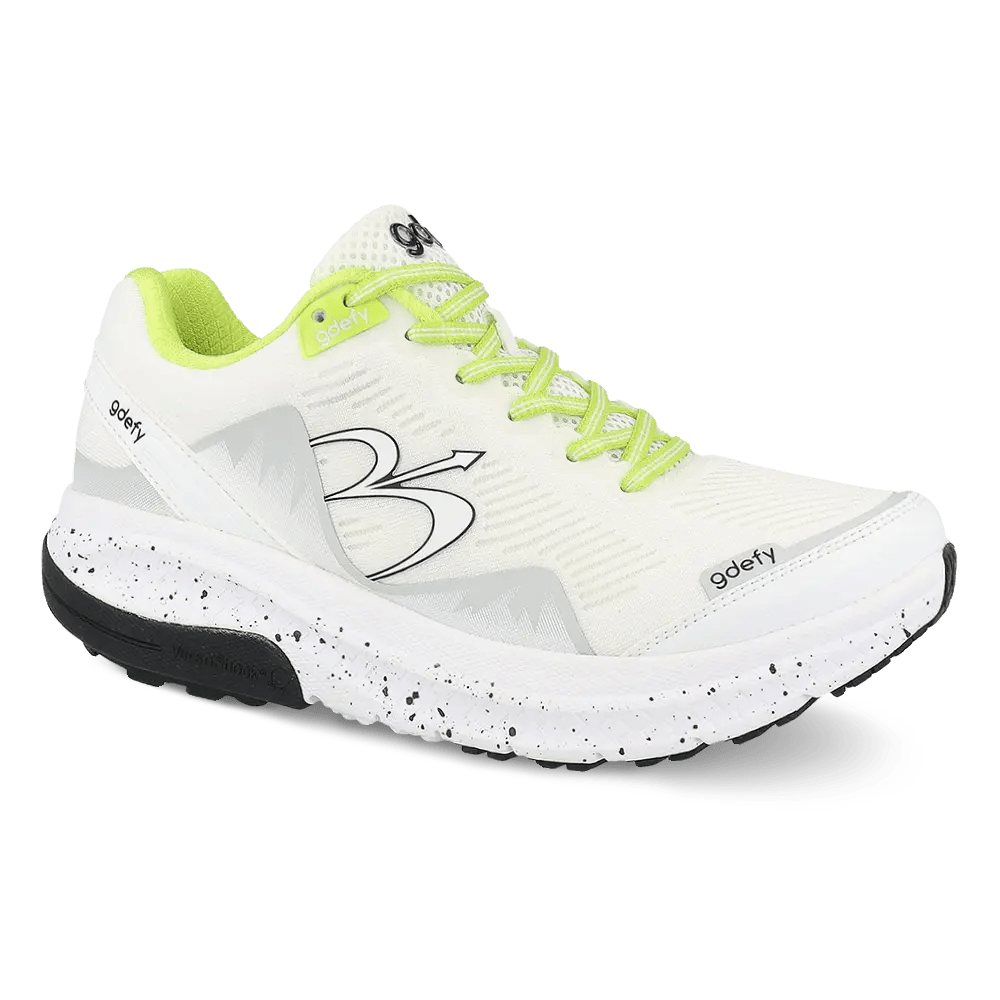
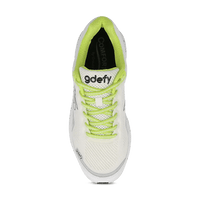
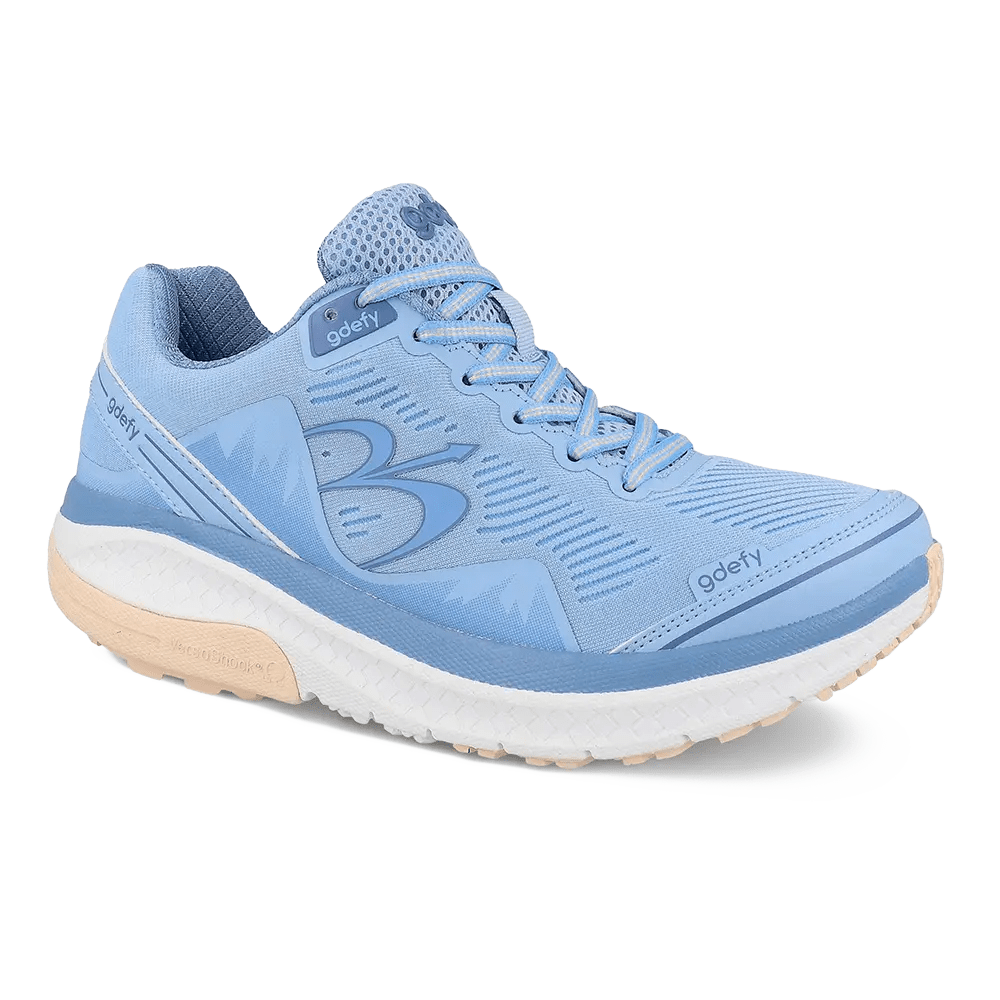
For runners and active walkers, the XLR8 Run is a natural place to start. It pairs the VersoShock® spring-based system with a lightweight, breathable athletic build, and it comes in multiple widths — Medium, Wide, and X-Wide — so you can find a fit that gives your feet room to move. Women can find the same design in the XLR8 Run for women.
Want to understand the engineering behind it? Learn how VersoShock® technology works and how it differs from the foam in most athletic shoes.
Try the XLR8 Run on your own routes
Every pair comes with a 60-day risk-free trial and free shipping. Wear them on your real runs, and if they are not right for you, send them back for a full refund.
Shop the XLR8 Run →“I started jogging again last year and my feet would feel beat up after a couple of miles. These are the first shoes that still feel cushioned at the end of my run. They feel more supportive than my previous pair, and the extra width finally gives my toes room.”
— Composite testimonial; results vary by individual.
Practical Tips for Choosing and Caring for Running Shoes
A great pair of shoes lasts longer and feels better when you choose and care for them well.
- Shop later in the day. Your feet are at their largest after hours of activity, which is closer to how they feel mid-run. Trying shoes on then gives you a more honest fit.
- Leave room at the toe. Aim for about a thumb’s width between your longest toe and the end of the shoe so your foot can move naturally on impact.
- Rotate your pairs. If you run often, alternating between two pairs lets the cushioning recover between runs and can extend the life of each.
- Replace them before they look worn. Cushioning fades long before the upper does. If your runs are starting to feel harder on your feet, it may be time. Here is how to tell when shoes are worn out.
- Match the shoe to the fit, not just the size. Width matters as much as length. If your current shoes feel tight across the foot, getting the fit right can change everything.

Matching Your Shoes to How You Run
Not every runner needs the same thing. Think about how you actually move.
The everyday jogger. If you run a few easy miles for fitness, prioritize cushioning, shock absorption, and a comfortable fit over anything else. Comfort keeps you consistent, and consistency is what makes running pay off.
The walk-run mixer. Many people blend running and walking in the same outing. A shoe that handles both — with cushioning and support that work together — is more versatile than a specialized racer. (Curious how the two compare? See running shoes versus walking shoes.)
The longer-distance runner. As your mileage climbs, energy return and lasting cushioning matter more. You want a shoe that still feels supportive in the final mile, not one that flattens out early.
Whatever your style, remember that your shoes are the foundation of every step — and your feet influence how the rest of your body feels as you move. Explore the full lineup for men and women to find your fit.
Frequently Asked Questions
What makes a running shoe comfortable?
Comfort comes from a combination of features: cushioning that absorbs impact, real shock absorption, a supportive and stable platform, and a fit that gives your toes room to move. When those work together, your feet feel supported from the first step to the last.
How do I know if my running shoes are worn out?
The cushioning usually fades before the shoe looks used. If your runs feel harder on your feet, your legs feel more fatigued than usual, or the midsole looks compressed and creased, it is likely time for a fresh pair.
Does shock absorption really matter for running?
Yes. Running sends repeated impact through your feet and legs, especially on hard surfaces. A shoe designed to absorb that impact helps soften each step and can make longer or more frequent runs feel more comfortable.
What is energy return, and why should I care?
Energy return describes how a midsole gives back some of the force it absorbs as you push off. A shoe built to return energy helps your stride feel more responsive and can keep your legs feeling fresher over distance, compared with standard foam that mostly absorbs energy.
Can supportive running shoes help with foot discomfort?
Supportive, well-cushioned footwear may improve overall comfort during running, walking, and prolonged standing. It is not a medical solution, but the right shoe can make a meaningful difference in how your feet feel throughout an active day. For ongoing discomfort, check with your healthcare provider.
The Bottom Line
Running should feel good — not like something your feet have to recover from. While footwear is not a medical solution, choosing running shoes designed for comfort, support, shock absorption, and energy return can make a meaningful difference in how you feel on every run.
Look for cushioning that lasts, real shock absorption, an efficient energy-returning stride, a stable platform, and a fit with room to move. Get those right, and the miles take care of themselves.
Ready to feel the difference? Try the XLR8 Run with a 60-day risk-free trial and free shipping — and run on your own terms.