
June 23, 2026
Common Footwear Mistakes That May Affect Knee Comfort
By Gdefy

Summary
Most of us pick our shoes for how they look, what's on sale, or whatever pair is closest to the door. We rarely stop to think about how that choice travels up from the ground to our knees with every step. Yet the shoes on your feet shape how impact moves through your body during daily walking and standing.
Many people experience knee discomfort during everyday activity, and footwear is one piece of the puzzle that's easy to overlook. While shoes are not a medical solution, the wrong pair can make long days feel harder than they need to — and a few small, common habits are usually to blame. This guide walks through the footwear mistakes that may affect knee comfort, and what to look for instead.
How Your Shoes Connect to Your Knees
Every step you take sends a wave of impact up from the ground. Your feet are the foundation of that movement, and how they meet the surface influences how the rest of the body moves along with them. This is sometimes described as the kinetic chain — the idea that your feet, ankles, knees, and hips all work together as you walk.
When a shoe absorbs impact and supports a stable stride, that wave of force feels softer and more controlled. When a shoe is flat, worn out, or poorly fitted, more of that impact can pass through with each step, and long days can start to feel less comfortable. None of this is about diagnosing a problem — it's simply about how footwear affects everyday comfort. If you're curious about the mechanics, our overview of how shoes affect your knees during walking covers it in more detail.

Common Footwear Mistakes That May Affect Knee Comfort
Here are the footwear habits that quietly work against your comfort — and the simple shift that helps with each one.
Mistake 1: Wearing Shoes Long After They're Worn Out
Shoes don't last forever. Over months of wear, midsoles compress, cushioning flattens, and the structure that once supported your stride starts to break down. The trouble is that this happens so gradually you may not notice — the pair still looks fine on the outside.
By the time a midsole has lost its bounce, your shoes are absorbing far less impact than they did when new, and that change can show up as everyday fatigue or knee discomfort. A good habit is to check your soles regularly and replace a pair once the cushioning feels packed down. Our guide to how shoes wear out and when to replace them walks through the warning signs.
Mistake 2: Choosing Flat, Unsupportive Shoes for Long Days
Thin, flat shoes — the kind with little structure underfoot — can feel light and easy at first. But on a long day of walking or standing, a lack of support and cushioning means more impact reaches your joints with each step.
For everyday wear, look for a shoe with real cushioning and a supportive platform rather than a flat, minimal sole. Support and structure help maintain a stable stride from the first hour to the last.
Mistake 3: Ignoring Cushioning and Shock Absorption
Cushioning and shock absorption are easy to underrate because you can't always feel them standing still — you feel them after a few miles. A shoe that absorbs impact softly helps reduce the harsh force of each step, which is exactly what you want on hard surfaces like sidewalks and tile floors.
If you're unsure how cushioning and support differ, our breakdown of cushioning versus support explains how the two work together rather than competing.
Mistake 4: Wearing the Wrong Size or a Poor Fit
A shoe that's too small, too large, or too narrow changes how you move. When a shoe doesn't fit, your foot can slide, grip, or shift in ways that throw off your stride — and an unstable stride rarely feels comfortable over a full day.
Feet also change shape over the years, so the size you wore a decade ago may not be the size you need now. Get measured occasionally, shop later in the day when feet are at their largest, and leave a thumb's width of room at the toe. A roomy toe area lets your toes move naturally.
Mistake 5: Using One Pair for Everything
Walking on a treadmill, standing through a work shift, running errands, and heading out on a trail all ask different things of a shoe. Relying on a single worn-in pair for every activity means you're rarely using footwear suited to what you're actually doing.
Rotating between a couple of supportive pairs gives each one time to decompress between wears and helps you match the shoe to the day. It's a small change that keeps your most-used pair feeling fresher, longer.
Mistake 6: Overlooking Stability and Structure
A shoe that twists and folds easily in the middle offers little structure to support your foot during movement. For everyday walking, a stable platform that resists excessive bending helps encourage a more controlled, balanced stride.
This is where the build of the shoe matters as much as the cushioning. A supportive midfoot and a structured sole work together to keep your stride steady. Our look at what's inside a comfortable walking shoe shows how these pieces fit together.
Mistake 7: Prioritizing Style Over Support
There's nothing wrong with wanting shoes that look good. The mistake is letting style be the only factor — choosing a pair with no cushioning or structure simply because it matches an outfit, then wearing it for hours of walking.
The good news is that comfort and style aren't opposites anymore. Plenty of supportive shoes come in everyday colorways that look at home with casual clothing, so you don't have to trade one for the other.
What to Look for in Shoes Instead
Avoiding the mistakes above mostly comes down to choosing footwear built for comfort and support. A few features make the biggest difference:
- Cushioning — helps absorb impact during walking and standing.
- Shock absorption — reduces the harsh force that reaches your joints with each step.
- Support and structure — helps maintain a stable, balanced stride.
- Energy return — helps keep movement feeling responsive instead of flat.
- Proper fit — a secure heel and a roomy toe area improve all-day comfort.
If you want a full feature checklist tailored to knee comfort, our guide to what to look for in shoes if you experience knee pain is a helpful companion to this one.
How G-Defy Approaches Comfort and Support
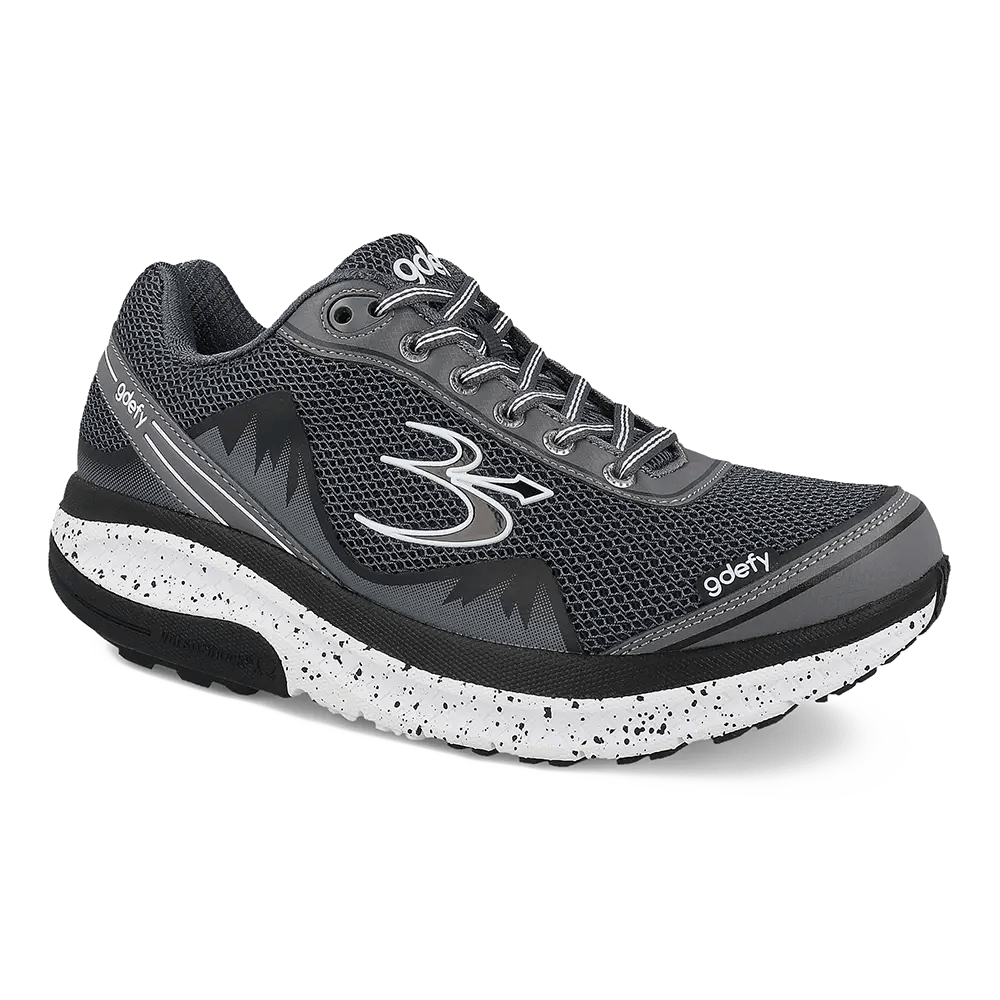
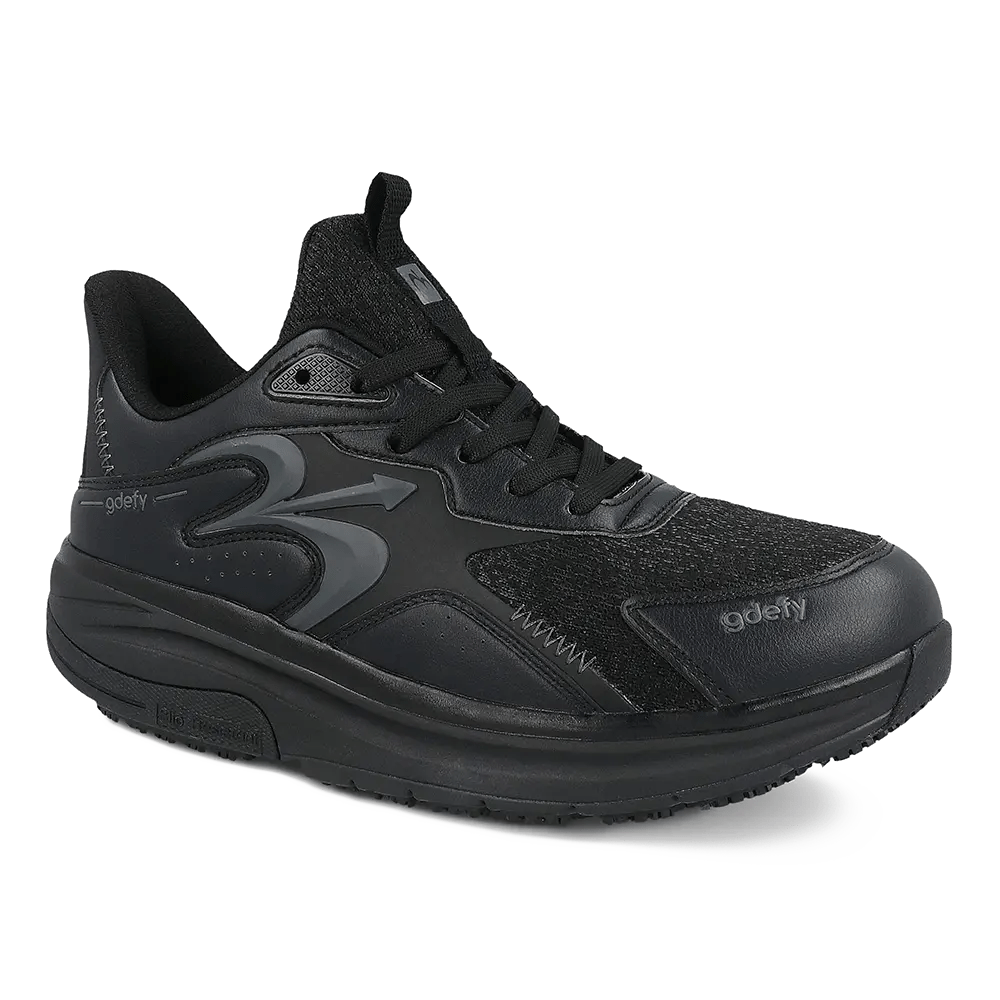
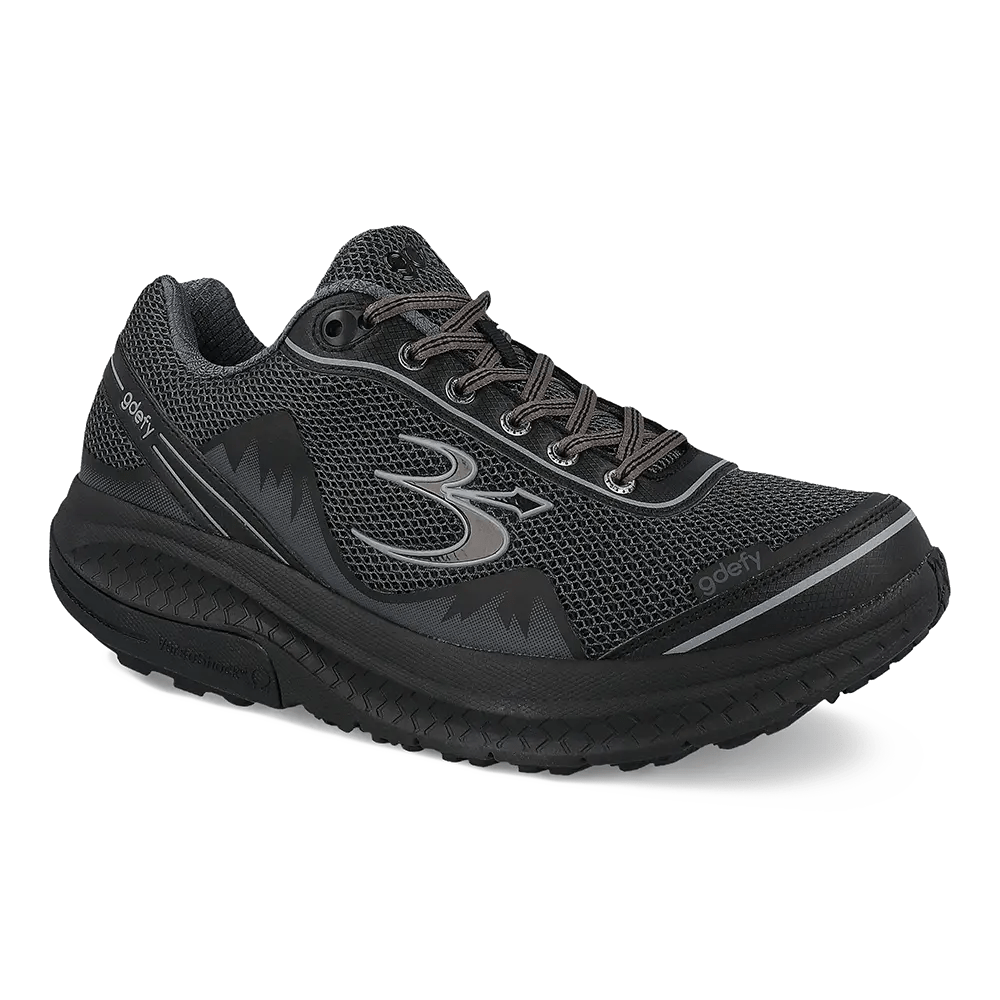
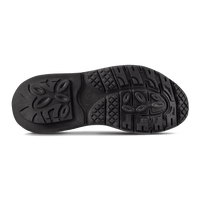
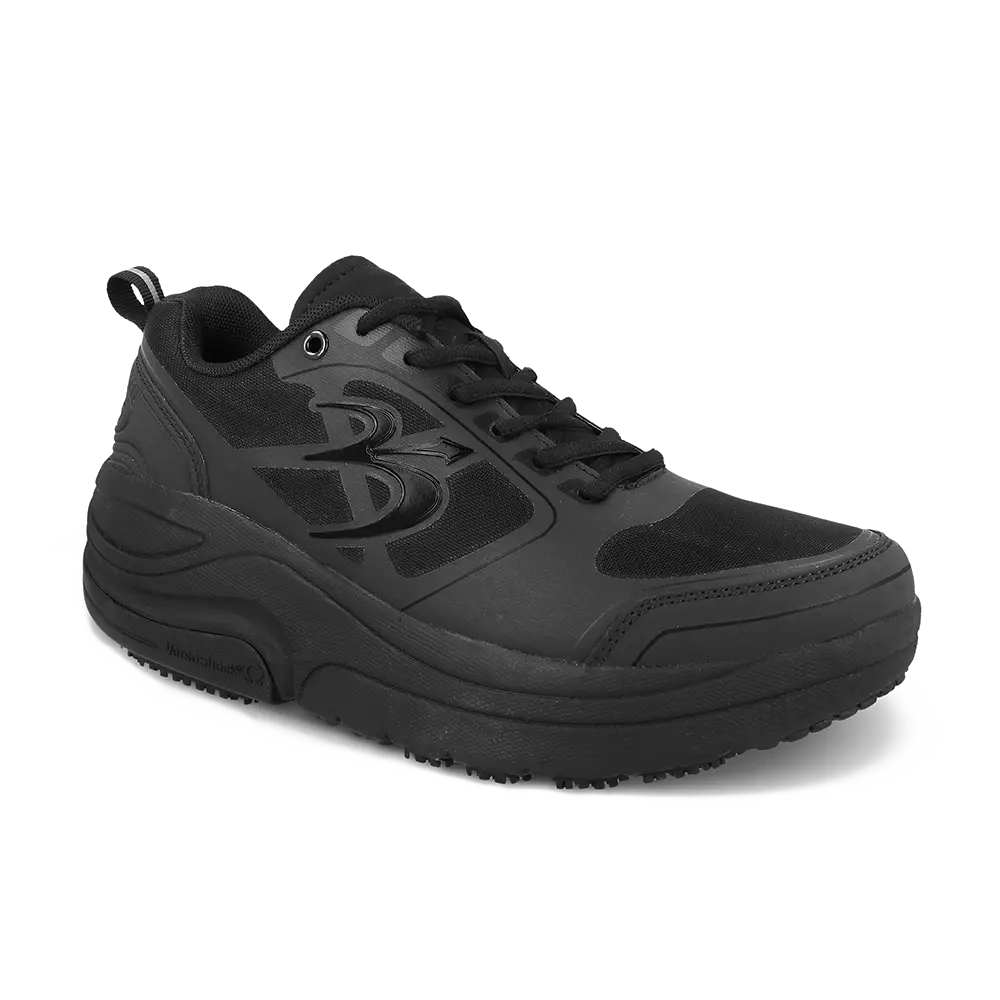
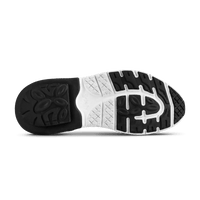
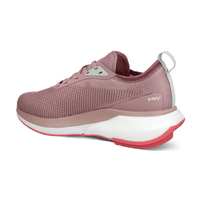
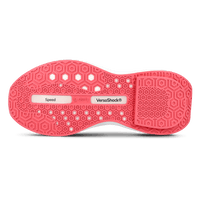
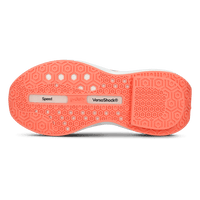
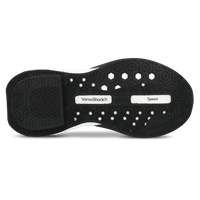
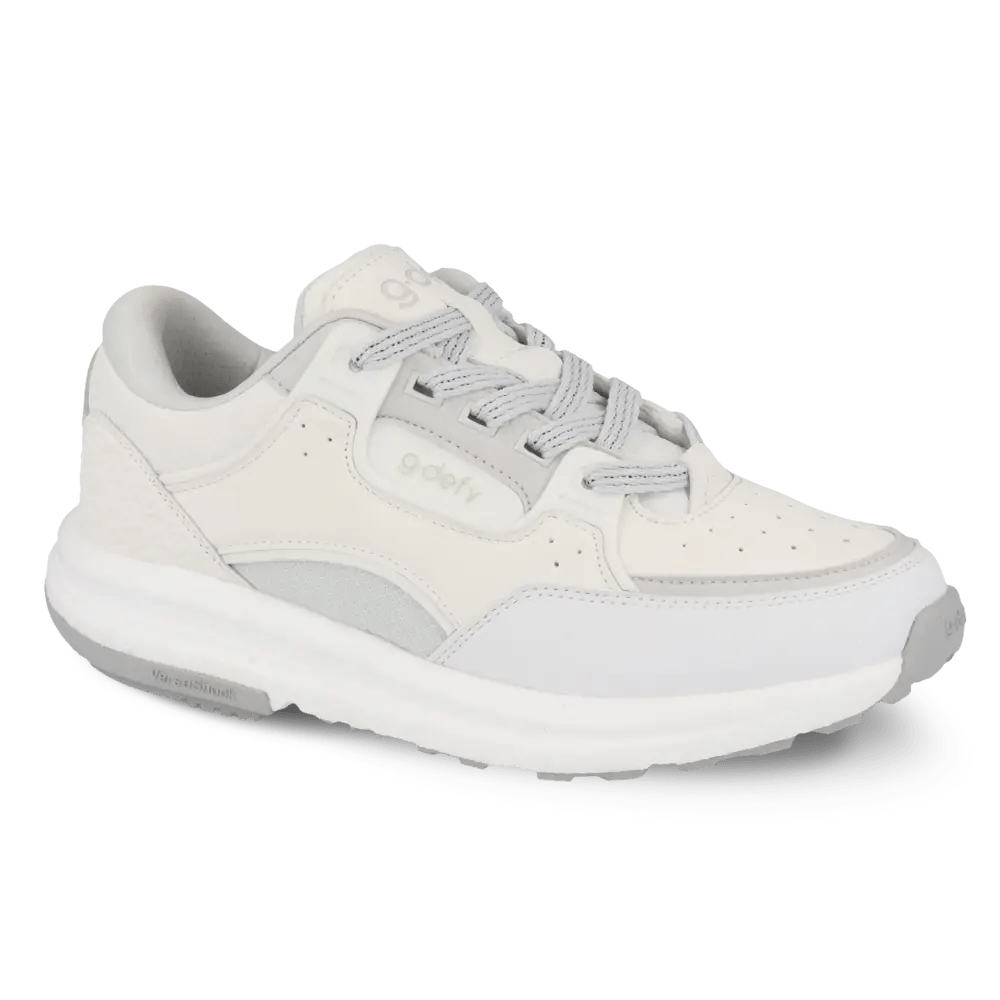
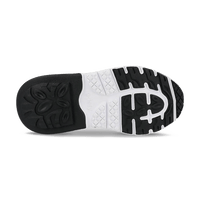
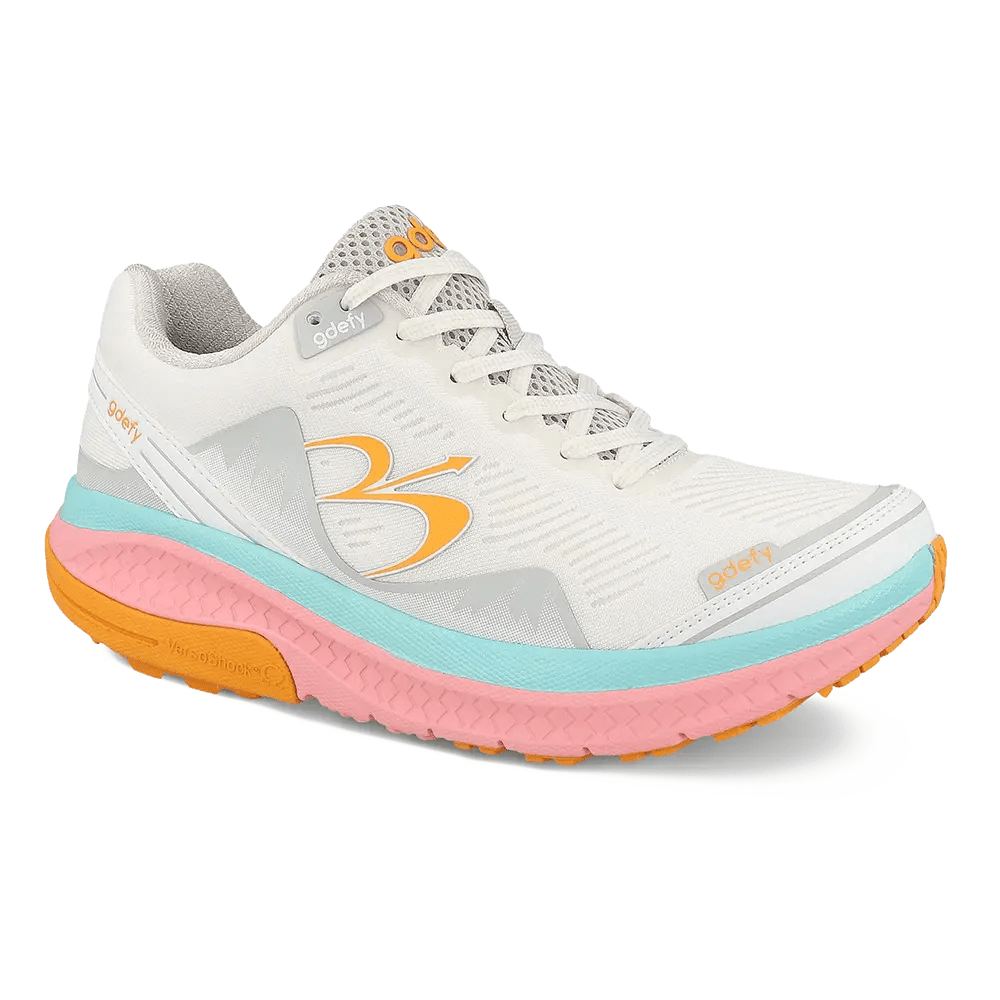
G-Defy shoes are engineered to provide comfort, support, and shock absorption during daily movement. Featuring VersoShock® technology — a spring-based system designed to absorb impact softly and return energy with each step — they support a smoother, more comfortable walking experience. A built-in stabilizer helps support the foot and reduce excessive bending, while the front rolling design encourages a natural heel-to-toe transition.
Each pair also includes two removable orthotics — the ComfortFit® orthotic for low to medium arches and the CorrectiveFit® orthotic for medium to high arches — so you can customize comfort and support to your foot type. Together, these features help reduce pain from walking, running, and prolonged standing.

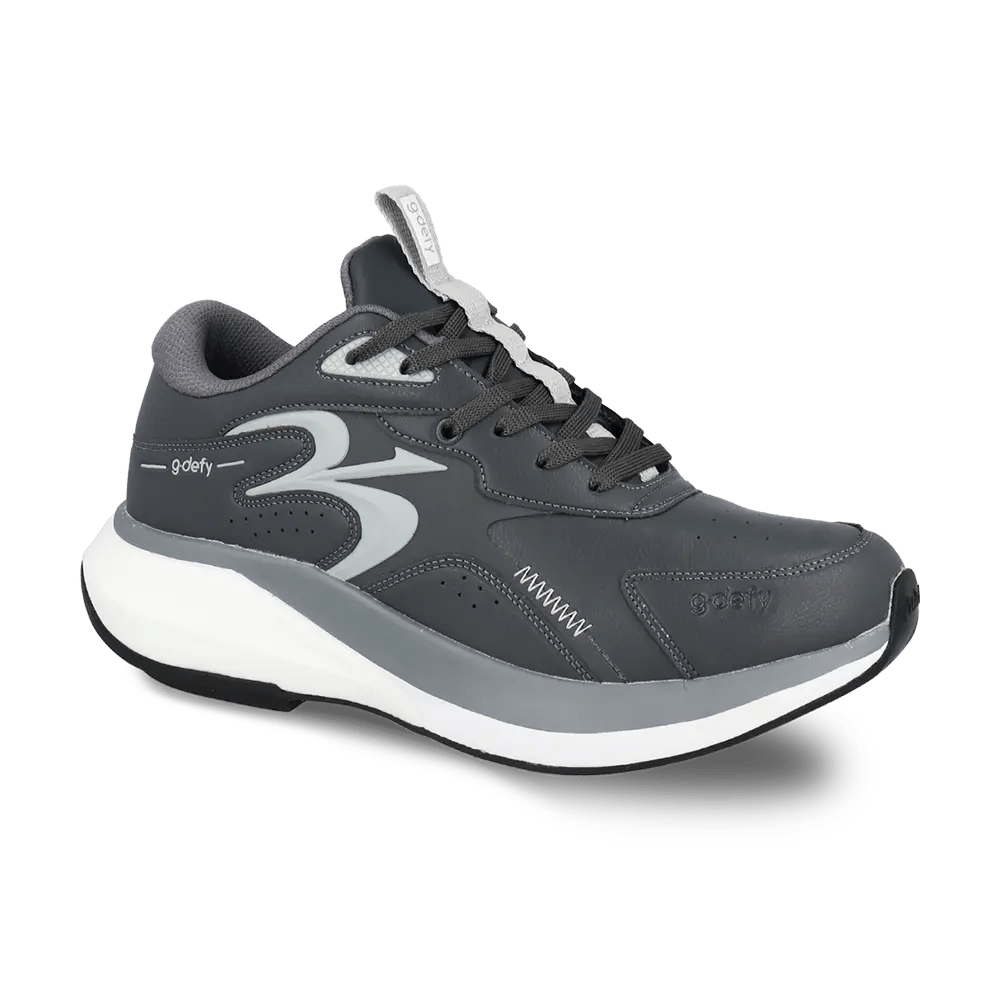
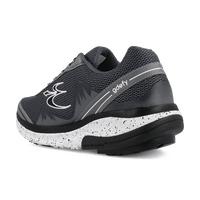
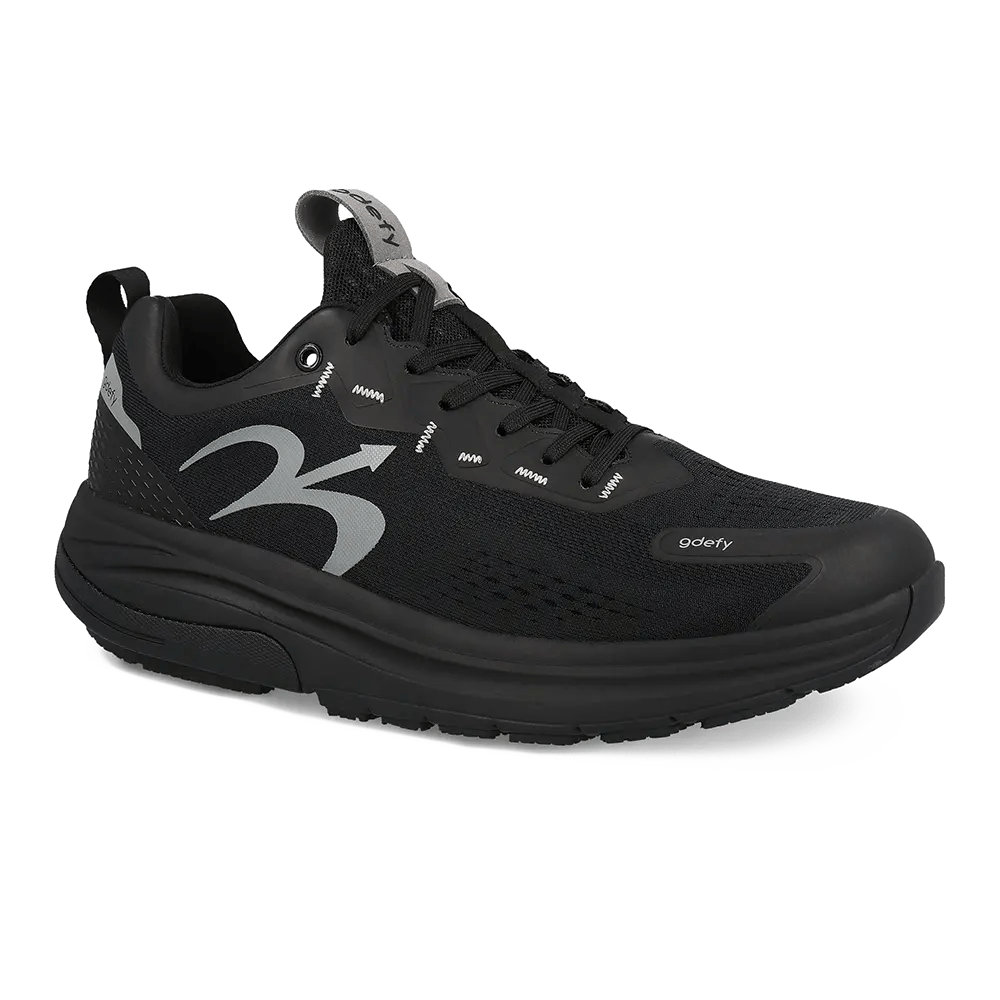
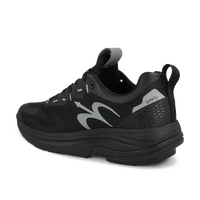
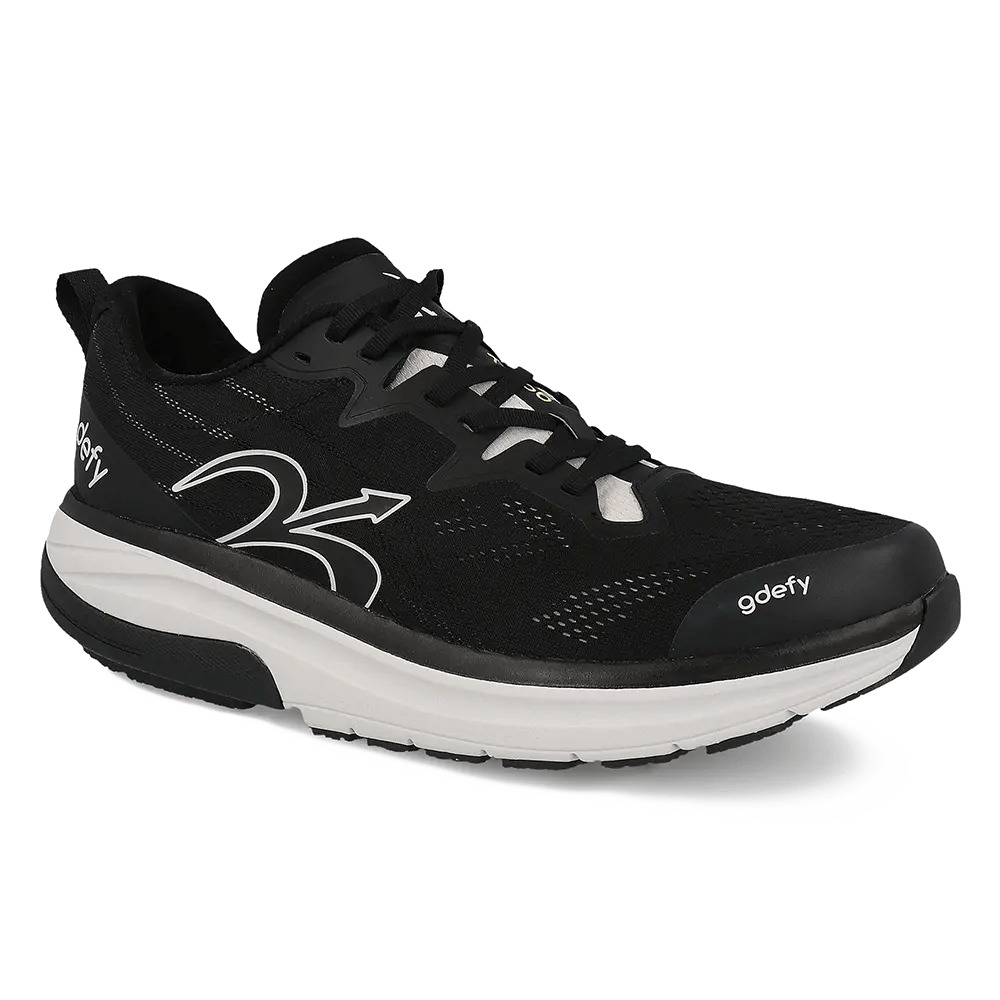
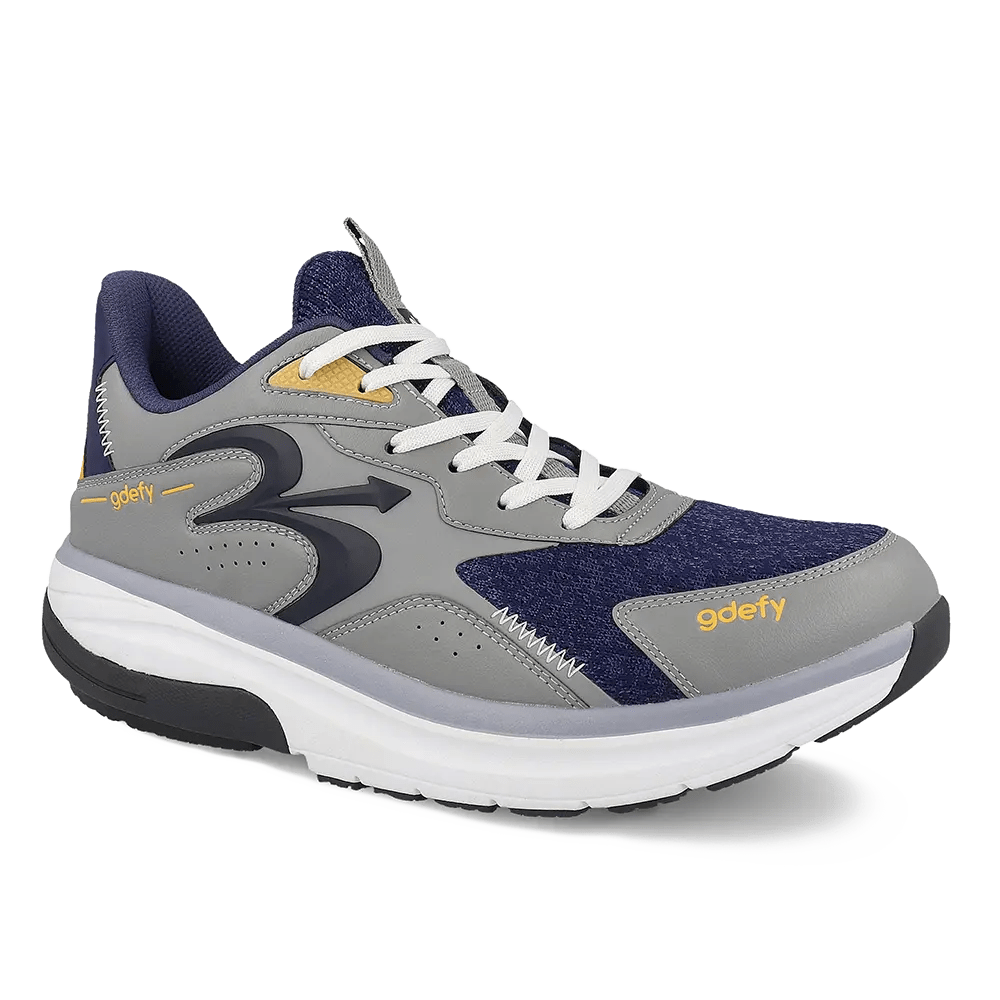
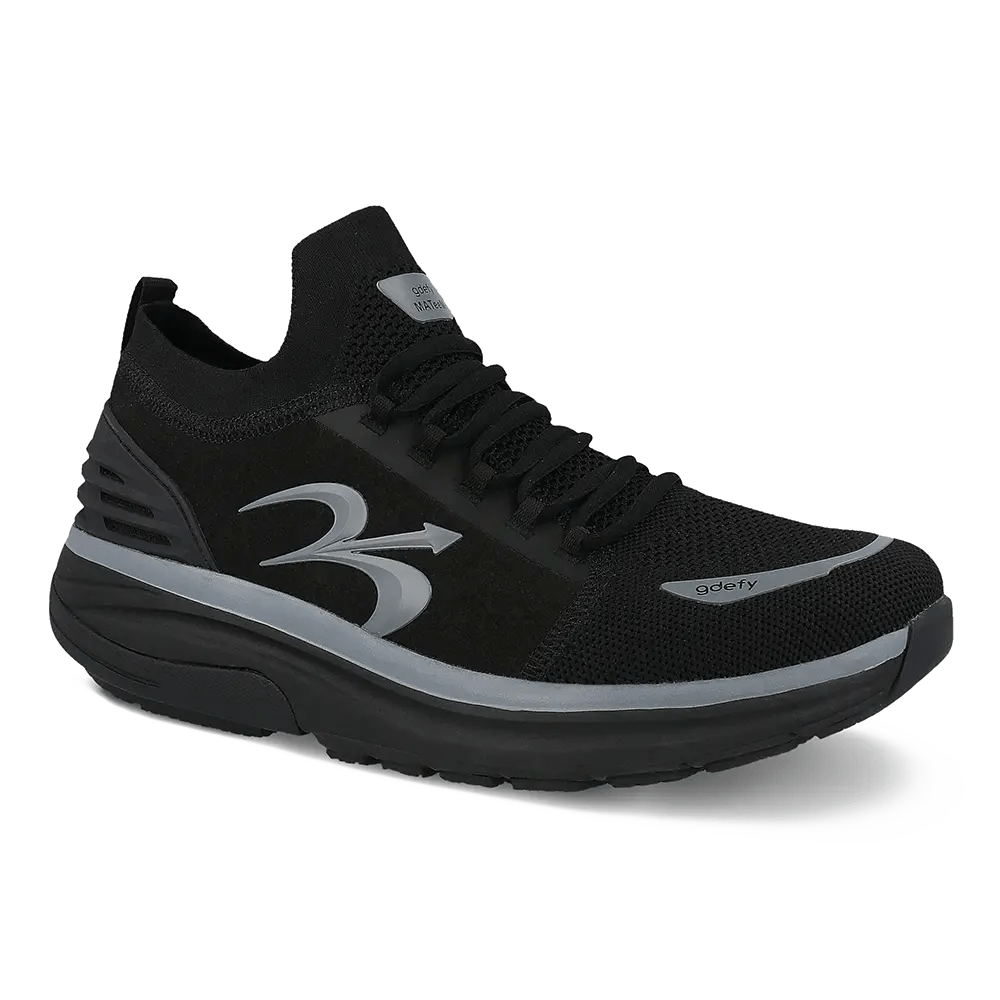
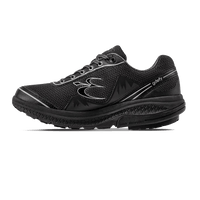
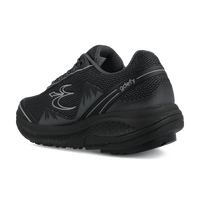
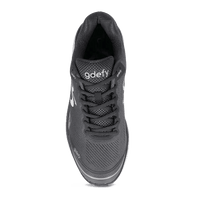
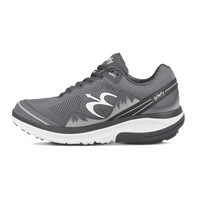
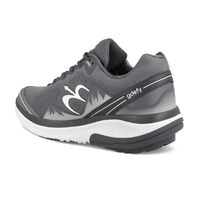
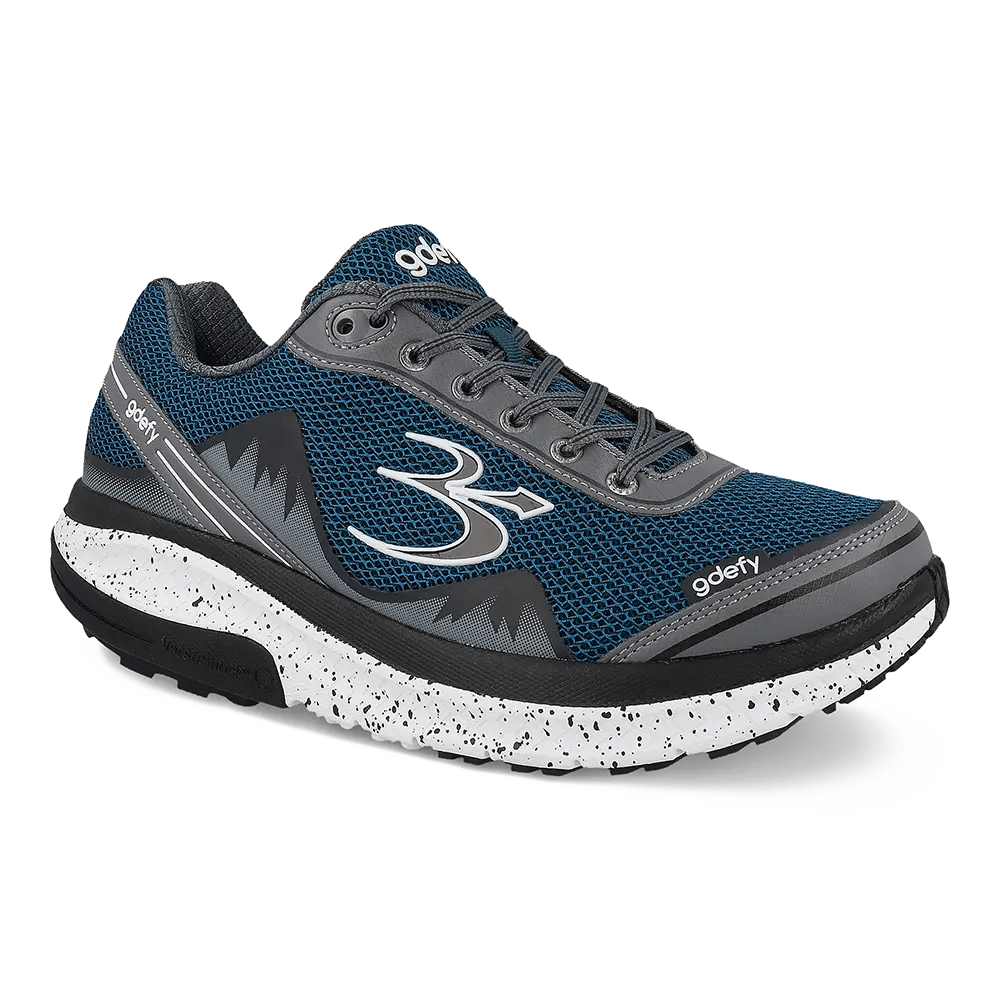
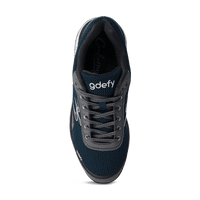
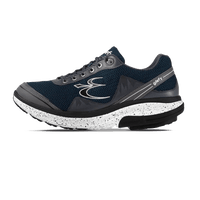
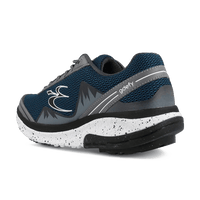
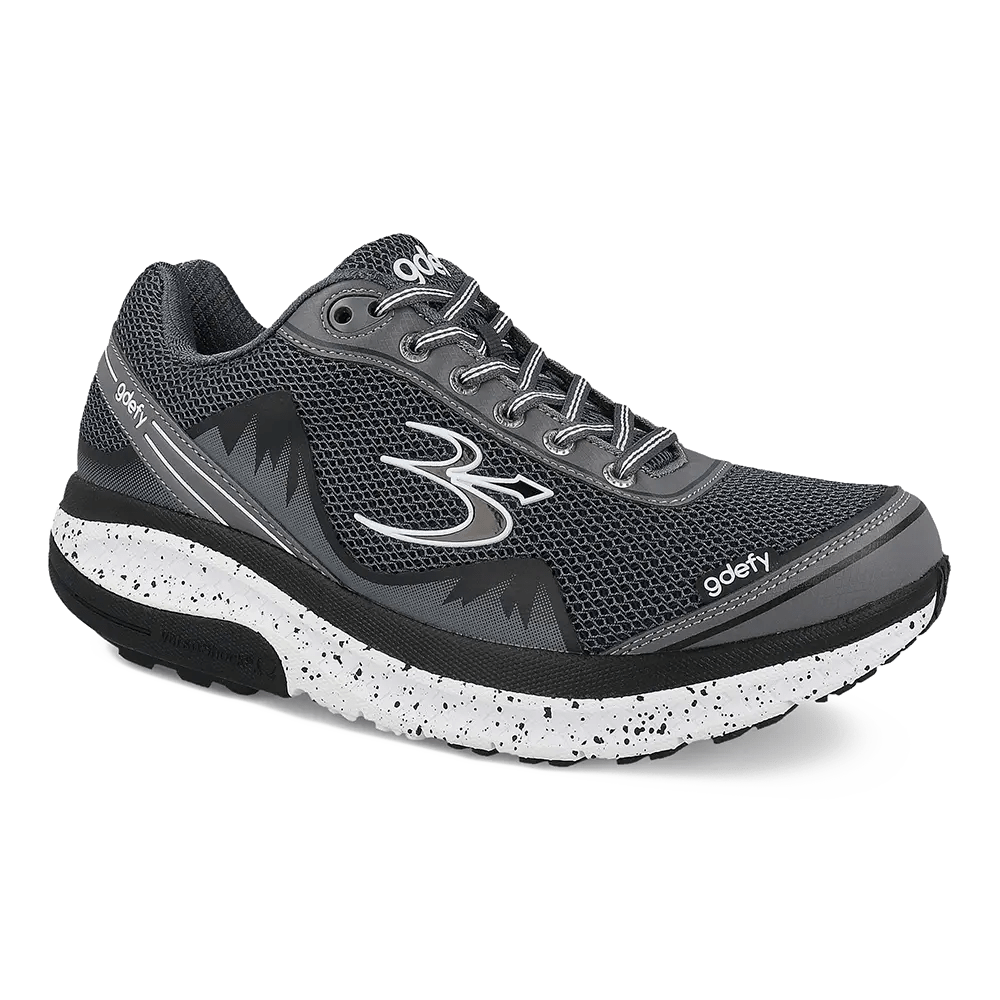
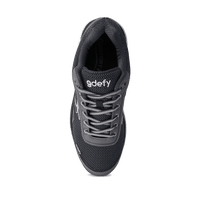
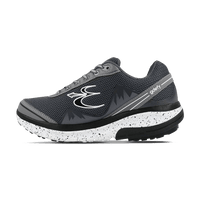
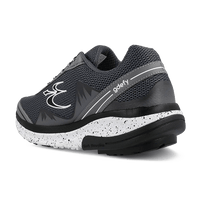
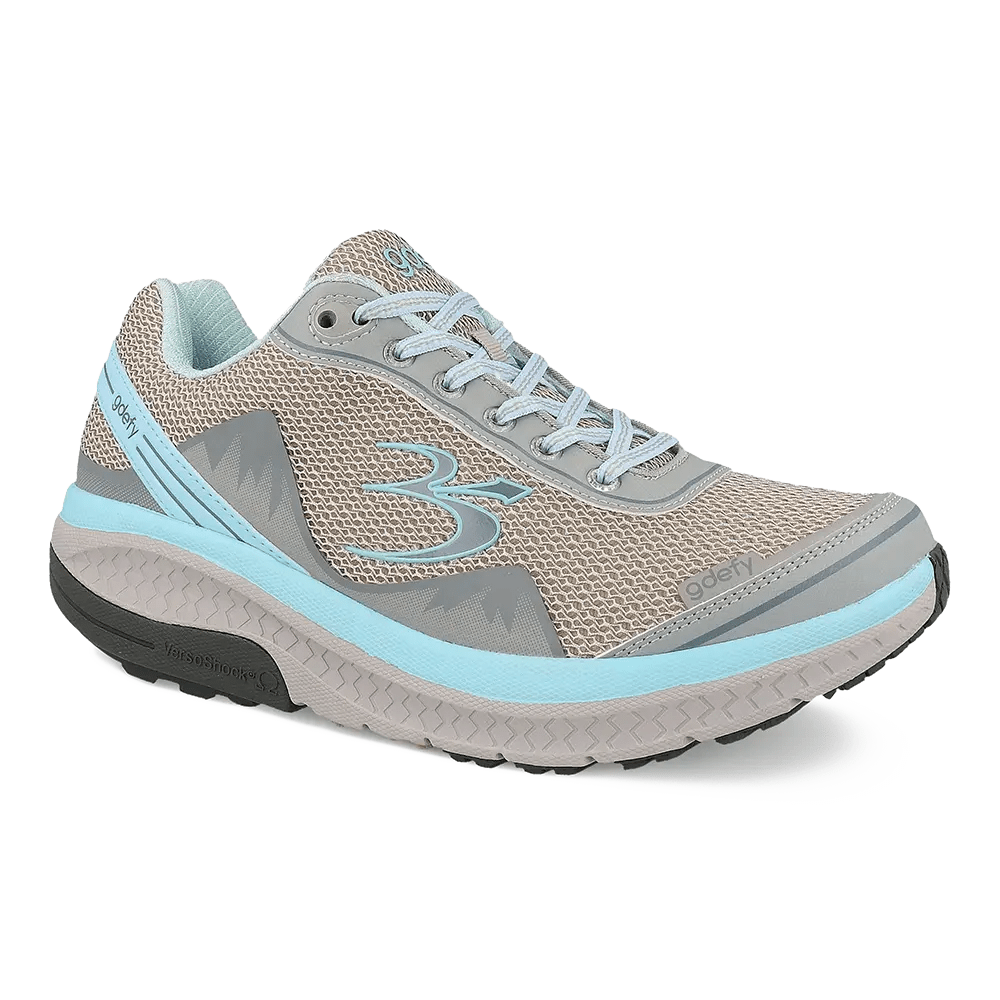
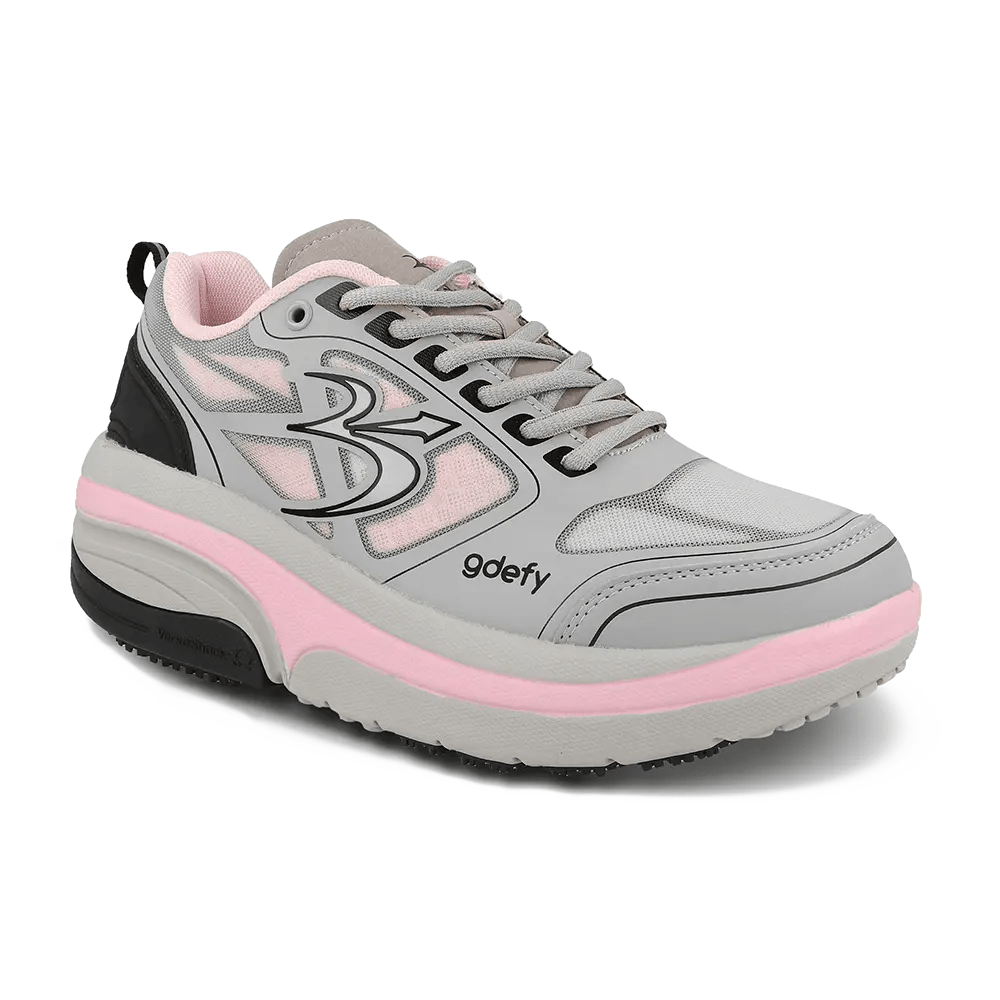
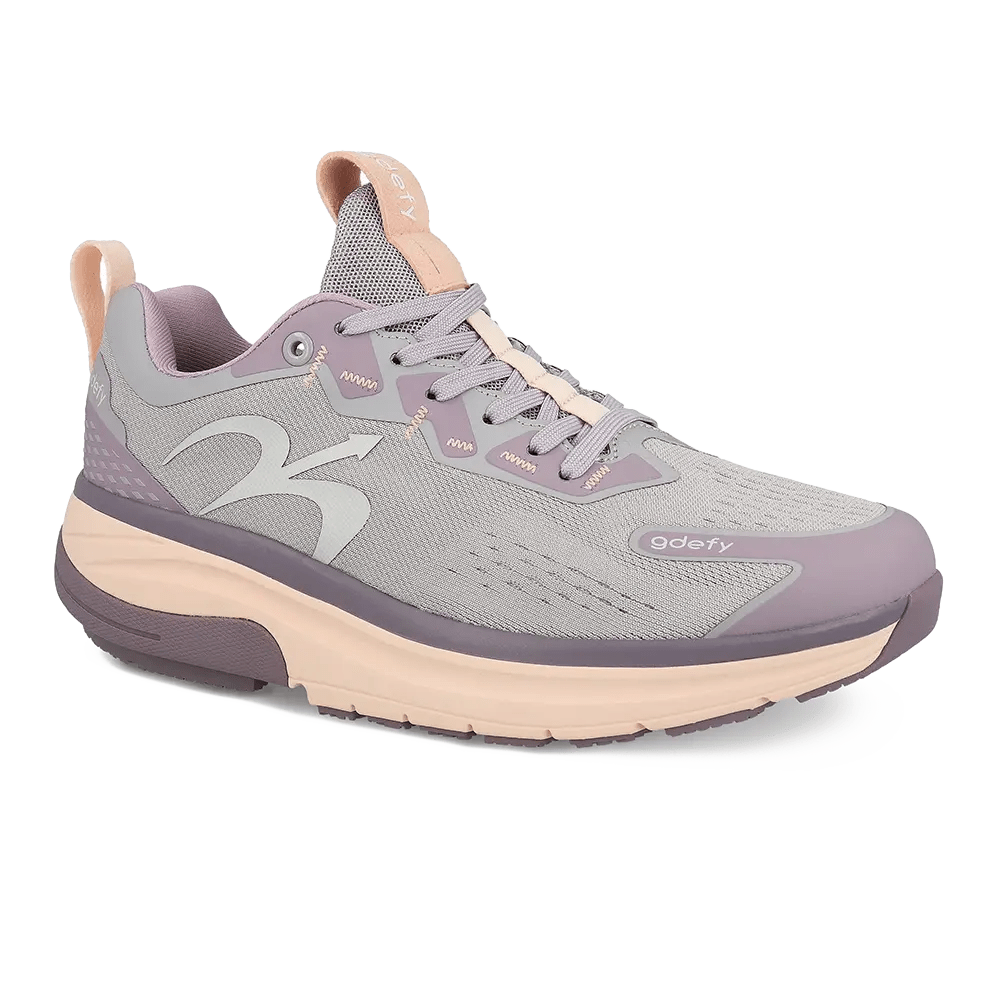
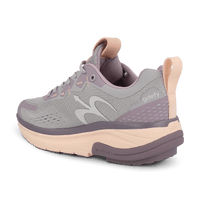
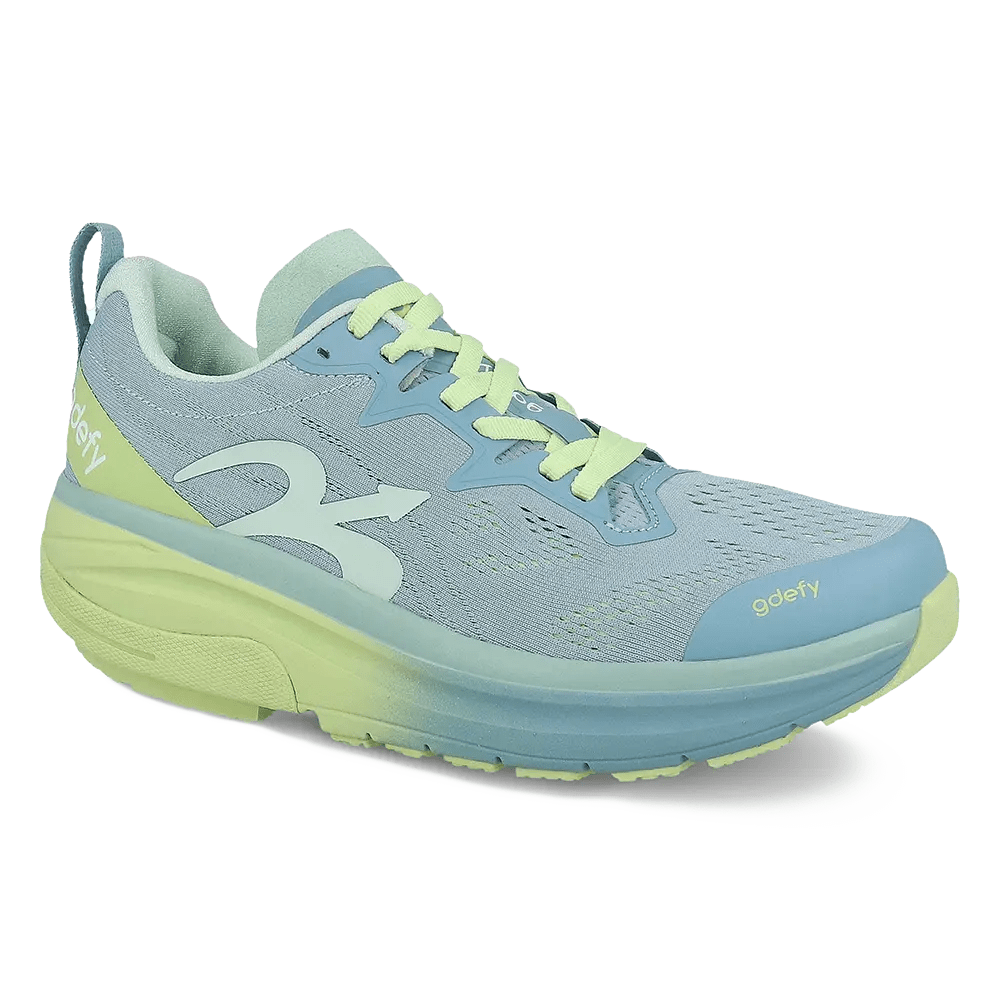
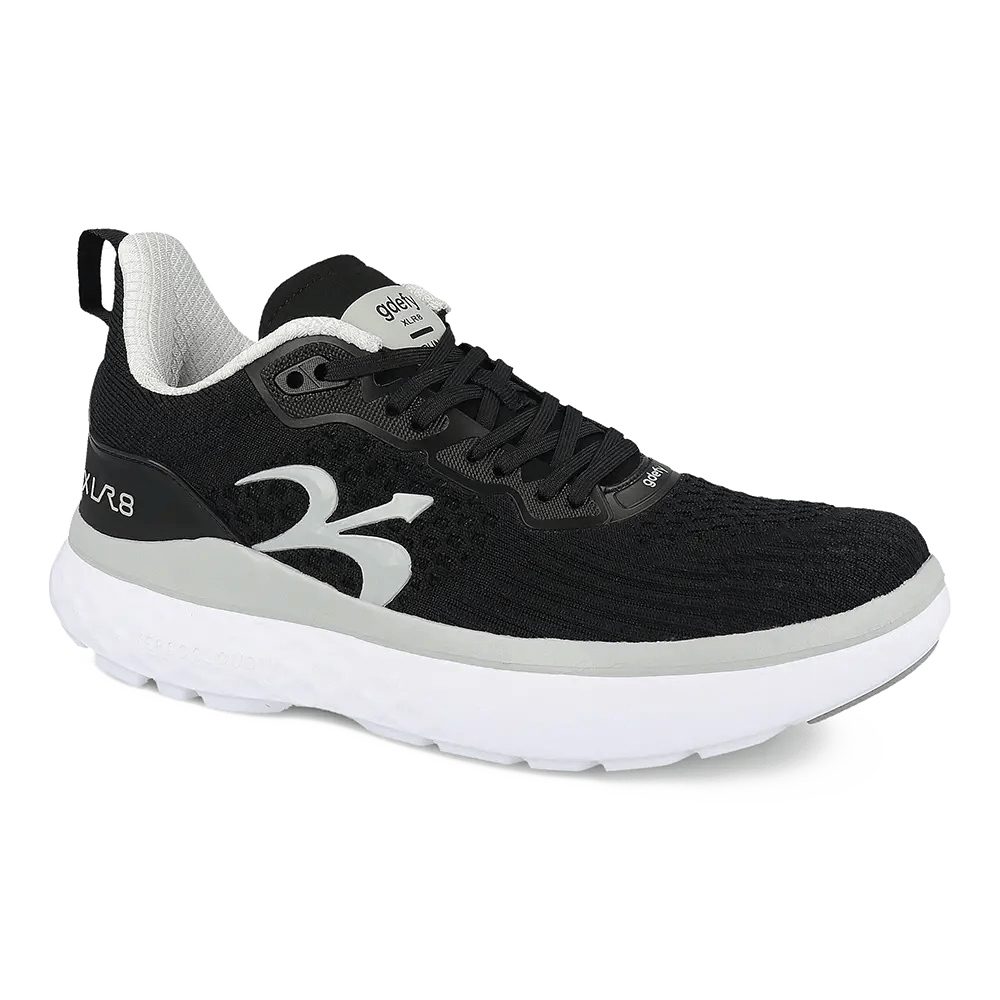
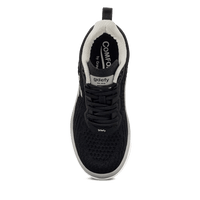
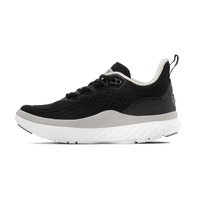
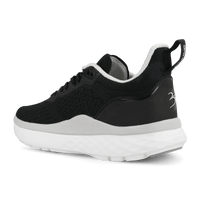
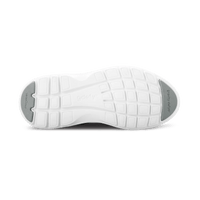
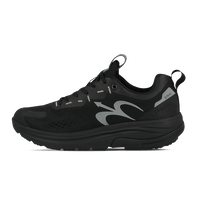
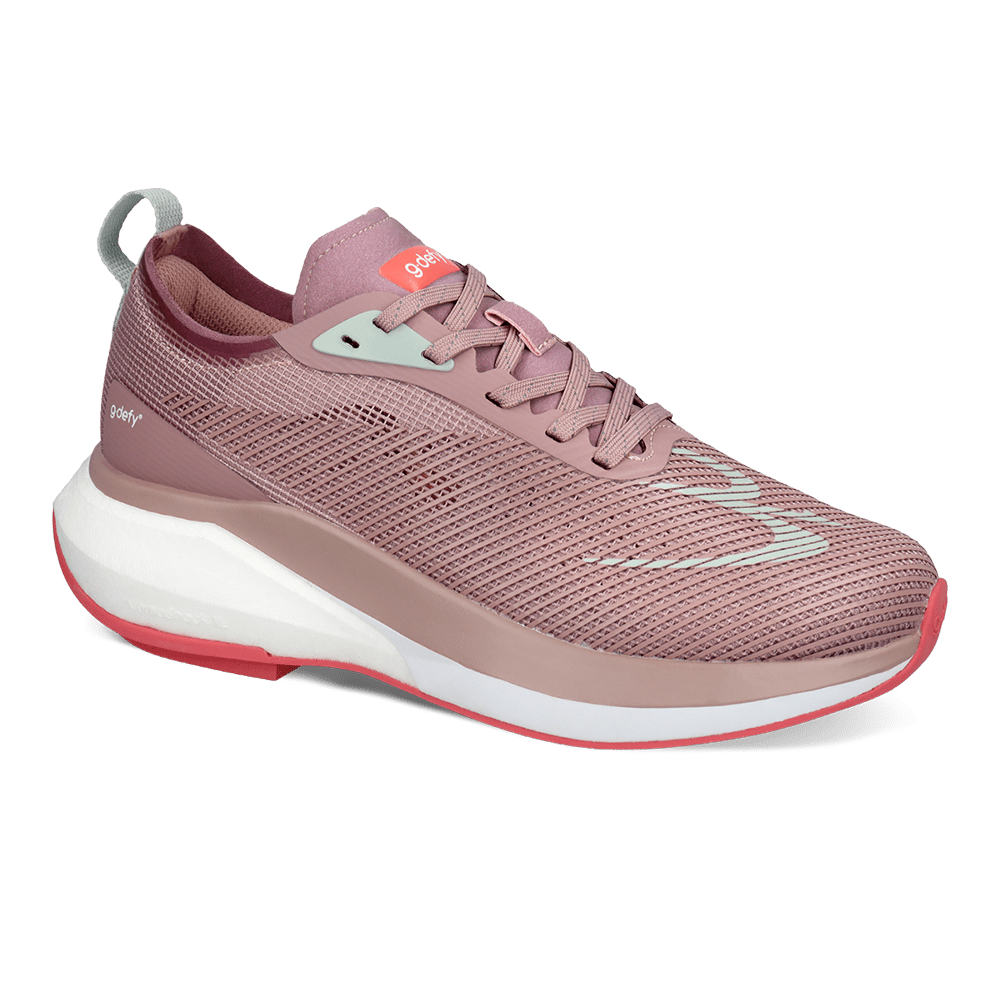
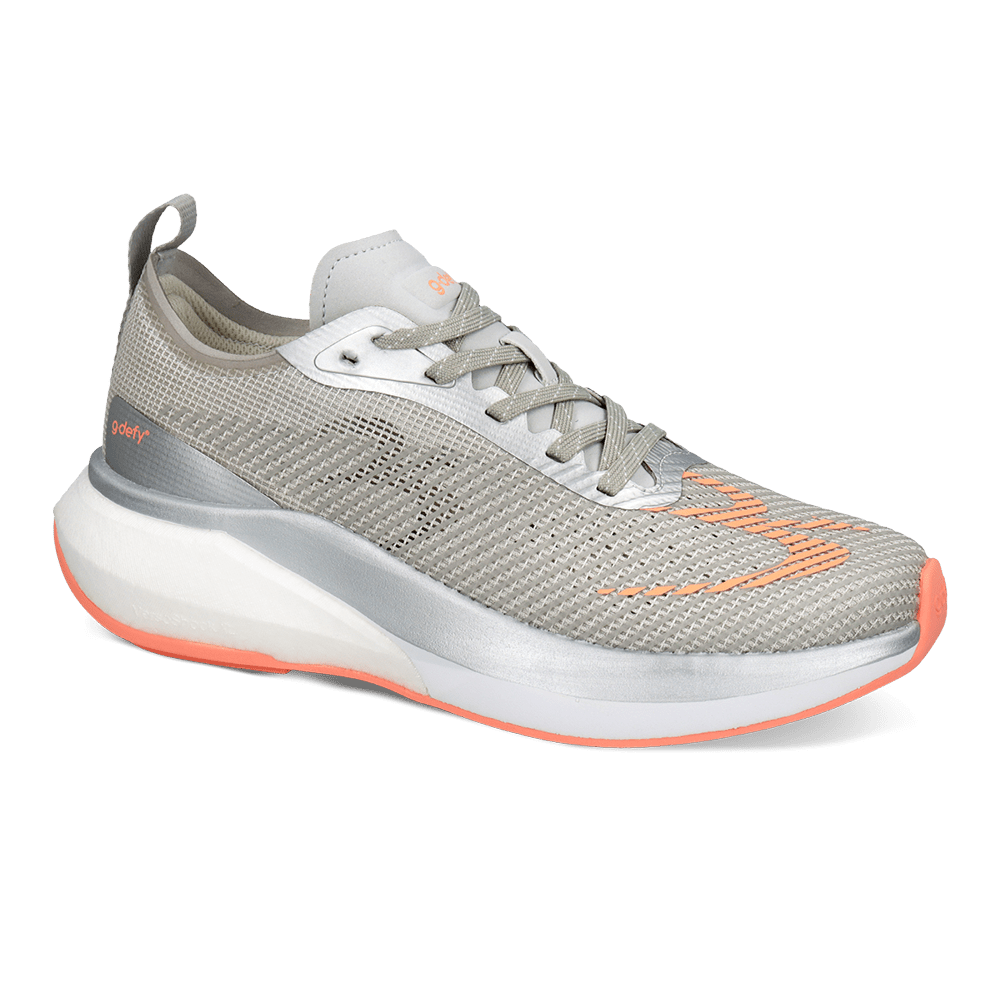
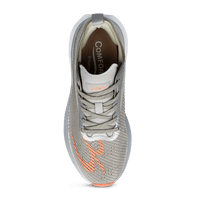
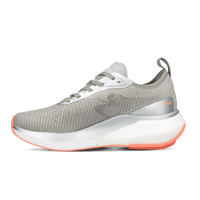
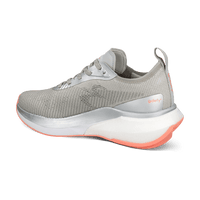
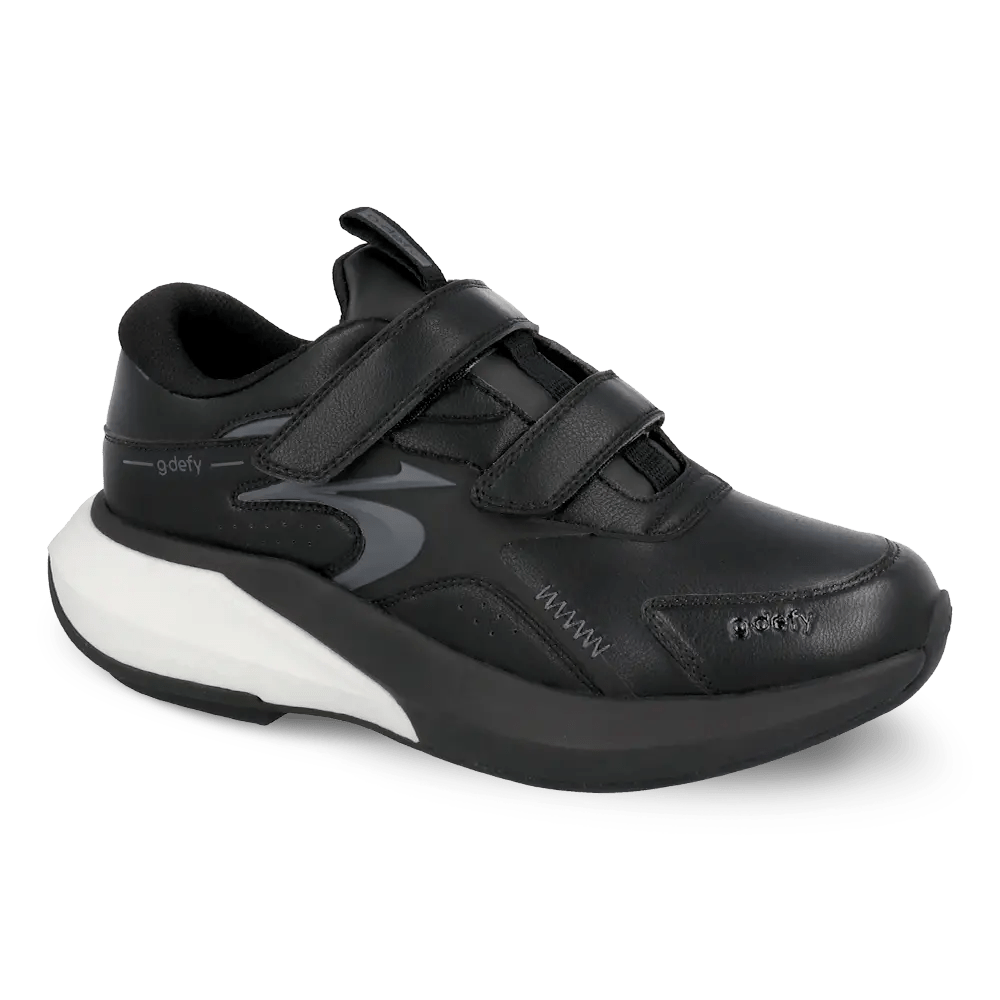
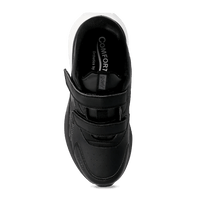
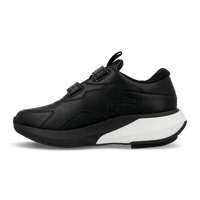
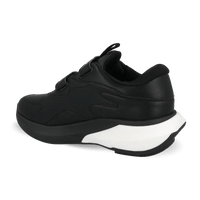
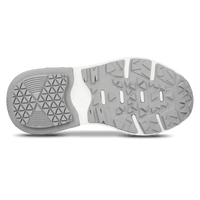
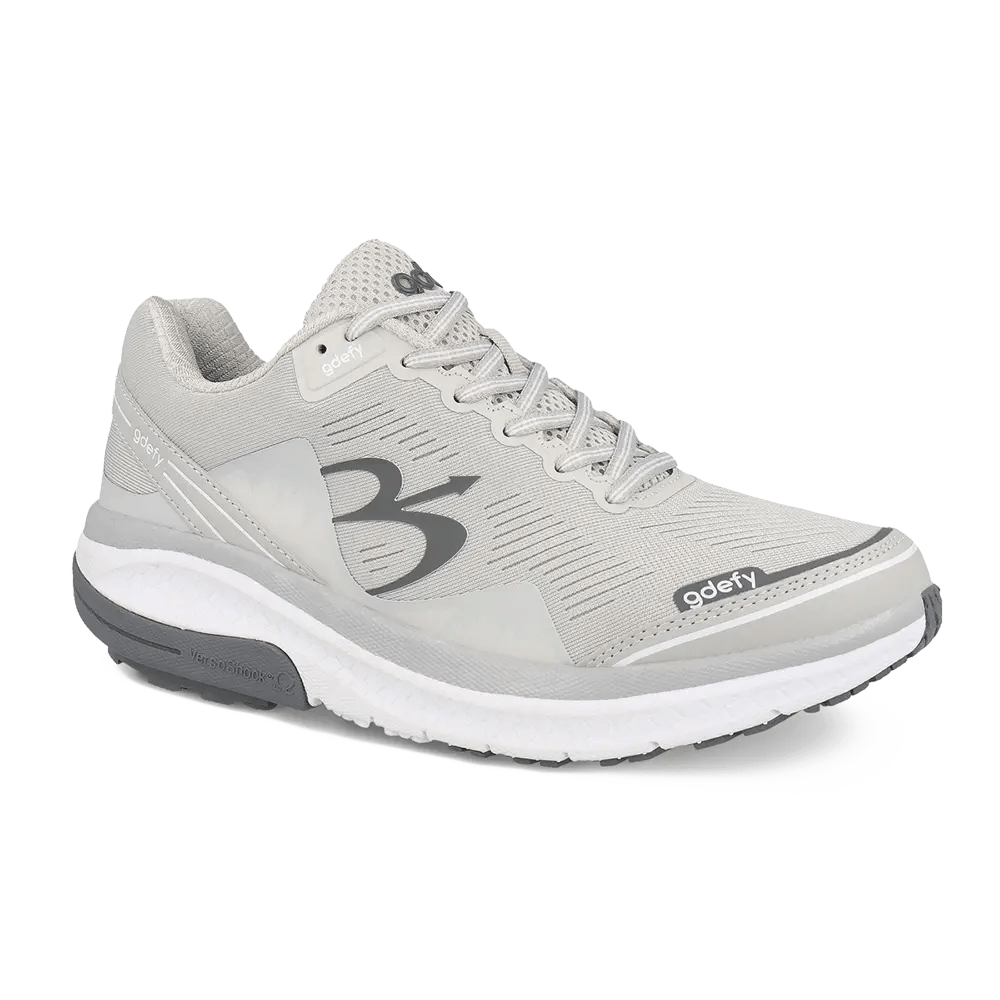
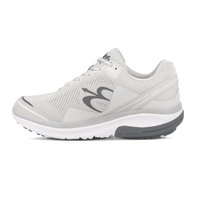
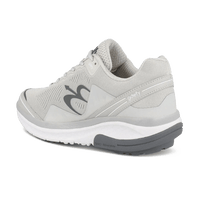
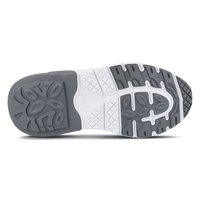
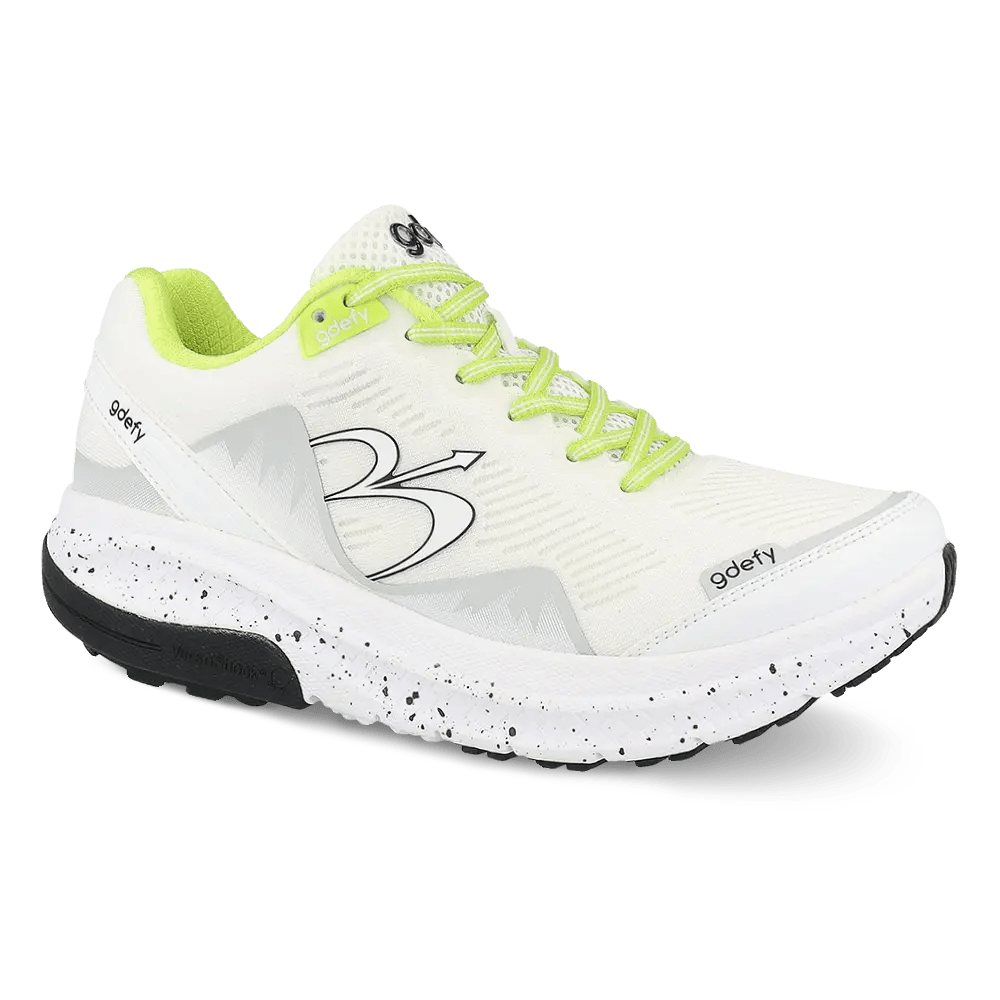
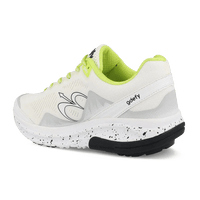
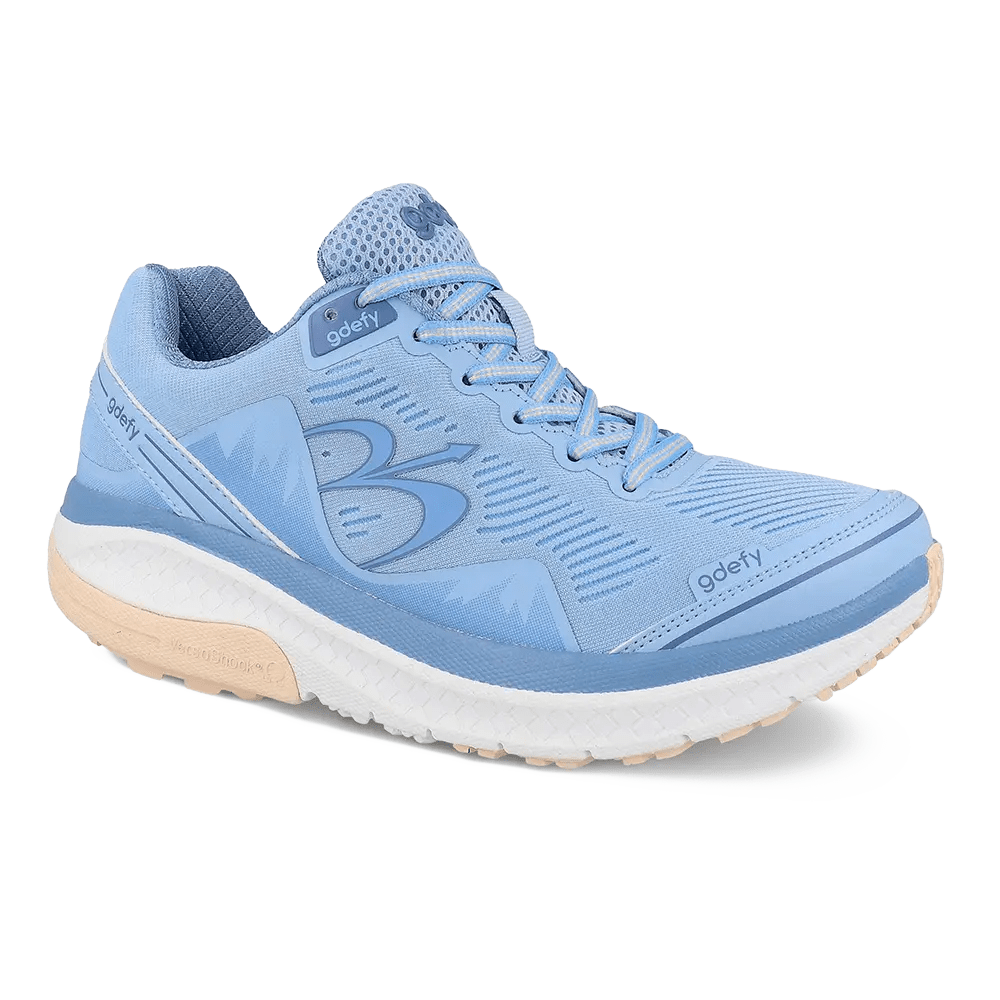
The G-Defy Mighty Walk is a good example: a cushioned, supportive everyday walking shoe built around all four of these features. You can learn more about the technology in our explainer on how VersoShock® technology works, or browse the full lineup for men and women.
Step Into All-Day Comfort
Try the Mighty Walk risk-free for 60 days, with free shipping and free exchanges. If it's not the most comfortable pair you've owned, send it back.
Shop the Mighty WalkSimple Habits to Protect Your Everyday Comfort
Beyond choosing the right pair, a few easy habits help you get more comfort out of your shoes:
- Check your soles monthly. Replace a pair once the cushioning feels flat or packed down, even if it still looks okay.
- Rotate between pairs. Giving shoes a day to decompress helps them keep their support longer.
- Match the shoe to the activity. Use supportive footwear for the long days when you'll be on your feet most.
- Re-check your fit. Measure occasionally, since foot shape changes over time.
- Use the right orthotic. If your shoes come with options, pick the insert that suits your arch.
For more on how a steady, supported stride starts at the ground, our guide to footwear and knee comfort ties these ideas together.
"I'd been wearing the same walking shoes for years without realizing how packed down they'd gotten. Switching to a fresh, cushioned pair made my long mall walks feel a lot more comfortable." — Composite testimonial; results vary by individual.
Frequently Asked Questions
Can the wrong shoes really affect knee comfort?
Footwear is only one factor in how comfortable you feel, but it does play a role. Flat, worn-out, or poorly fitted shoes let more impact pass through with each step, which can make long days feel less comfortable. Supportive, cushioned footwear may improve overall comfort during walking and standing.
How often should I replace my walking shoes?
It depends on how much you wear them, but a good habit is to check the soles regularly and replace a pair once the cushioning feels flat or the structure feels broken down — often well before the shoe looks worn on the outside.
Are cushioned shoes always better for comfort?
Cushioning helps absorb impact, but it works best alongside support and structure. A shoe that's soft but unstable can feel less secure than one that balances cushioning with a supportive platform. Look for both together.
Should I use a different shoe for different activities?
When you can, yes. Walking, standing through a work shift, and heading out on a trail each ask something different from a shoe. Matching footwear to the activity — and rotating pairs — helps your most-used shoes stay comfortable longer.
Do G-Defy shoes help with knee pain?
G-Defy shoes are not a medical device and are not a substitute for medical care. They are designed for comfort, support, and shock absorption, and they help reduce pain from walking, running, and prolonged standing. For persistent knee pain, consult your healthcare provider.
The Bottom Line
While footwear is not a medical solution, the shoes you choose — and how long you keep wearing them — can make a real difference in how comfortable your feet and knees feel throughout the day. Avoiding a few common mistakes, like wearing a pair long past its prime or choosing style over support, goes a long way. Choose footwear designed for comfort, support, and shock absorption, replace it when it wears down, and your everyday stride will thank you.
Find Your Most Comfortable Pair Yet
Explore G-Defy walking shoes engineered for comfort, support, and shock absorption — backed by a 60-day risk-free trial and free exchanges.
Shop Men's Shop Women's