June 21, 2026
What Does "Support" Really Mean in Footwear?
By Gdefy

Summary
Walk down any shoe aisle or scroll any product page and you will see the same word over and over: support. Every brand promises it. Almost none of them explain it. For a word that shows up on nearly every box, “support” is surprisingly vague — and that vagueness makes it hard to know whether the shoes on your feet are actually doing their job.
So what does support really mean in footwear? At its simplest, support is how well a shoe holds your foot in a stable, comfortable position while you move. It is not one feature. It is a combination of structure, cushioning, and fit working together. In this guide, we will break down what shoe support actually does, the four elements that create it, and how to tell whether your current pair is still supporting you the way it should.
Why “Support” Is the Most Overused Word in Shoes
Part of the confusion is marketing. “Supportive” sounds reassuring, so it gets stamped on everything from thin canvas sneakers to thick foam trainers — shoes that feel nothing alike on your feet. When a single word describes that many different products, it stops telling you anything useful.
The other part is that support is mostly invisible. You cannot see a shoe’s internal structure by looking at it on a shelf, and a shoe can feel soft and pillowy in the store while still leaving your feet tired after a few hours of walking. Softness and support are not the same thing, which is exactly why cushioning and support are easy to confuse. A shoe can have plenty of one and very little of the other.
Real support is something you feel over time — in how steady you feel on your feet, how your legs feel after a long day, and how consistent the shoe feels from the first hour to the last.
What Support Actually Does When You Walk
Every step you take sends force up through your feet and into your body. Your feet are the foundation for everything above them, which is why what happens at ground level travels up the rest of the body. A supportive shoe manages that force in a few practical ways.
- It keeps your foot stable. A supportive shoe limits the small wobbles and side-to-side motion that make your feet and legs work harder than they need to.
- It spreads pressure more evenly. Instead of letting all the load land on your heel or the ball of your foot, good support helps distribute it across a larger area.
- It holds its shape under load. A supportive shoe resists collapsing or folding in the wrong places when your full body weight presses down.
- It encourages a smoother stride. When your foot is steady and your weight moves predictably from heel to toe, walking simply feels easier.
None of this is medical. It is mechanical — the shoe is built to manage movement and impact so your feet can stay comfortable through the activities of a normal day.
The Four Things That Make a Shoe Genuinely Supportive
If “support” is a combination rather than a single feature, it helps to know the parts. These are the four elements that, together, make a shoe feel genuinely supportive.
1. A Stable Platform Underfoot
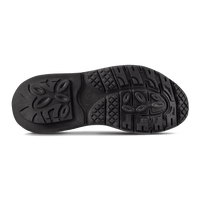
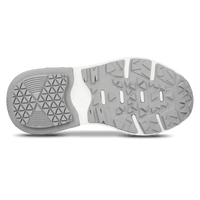
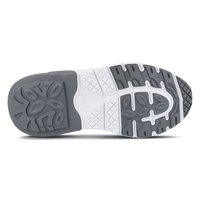
Support starts at the base. A stable sole gives your foot a dependable surface to push off from and helps keep you balanced as your weight shifts. A platform that is too soft or too narrow lets the foot tip and roll, so your muscles spend the day making tiny corrections. Stability is the difference between a shoe that works with you and one you have to manage.
2. Structure Through the Midfoot
The middle of the shoe matters more than most people realize. Without internal structure, a shoe can bend and twist in the arch area, leaving the midfoot unsupported. A firmer midfoot keeps the shoe from collapsing where your arch needs backup, which is a big part of how a shoe holds you up through each step.
3. Cushioning That Holds Its Shape
Cushioning is part of support, but only if it lasts. Many ordinary foam midsoles feel great on day one and then compress and flatten, losing their bounce within months. Cushioning that keeps its shape continues to absorb impact and shock long after a softer foam has worn down — so the support you felt at the start is still there later.
4. A Secure, Locked-In Fit
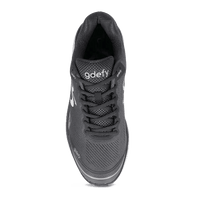
Even a well-built shoe cannot support a foot that slides around inside it. A secure fit — a snug heel, a midfoot that stays put, and room for your toes — lets the shoe’s structure do its job. This is why a shoe that feels secure and supportive almost always fits well first. Support and fit are two sides of the same coin.
How VersoShock® Technology Builds Support Into Every Step
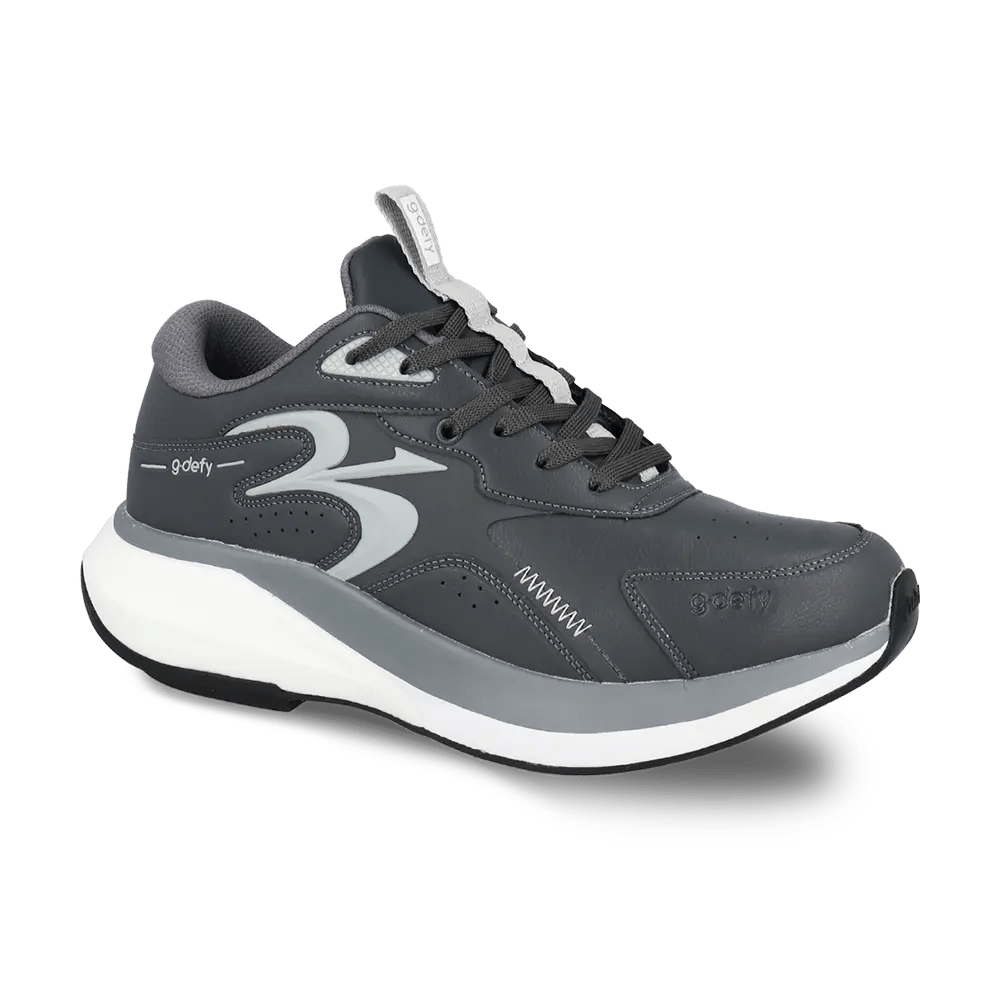
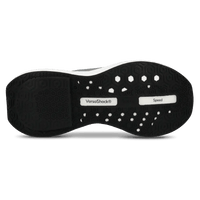
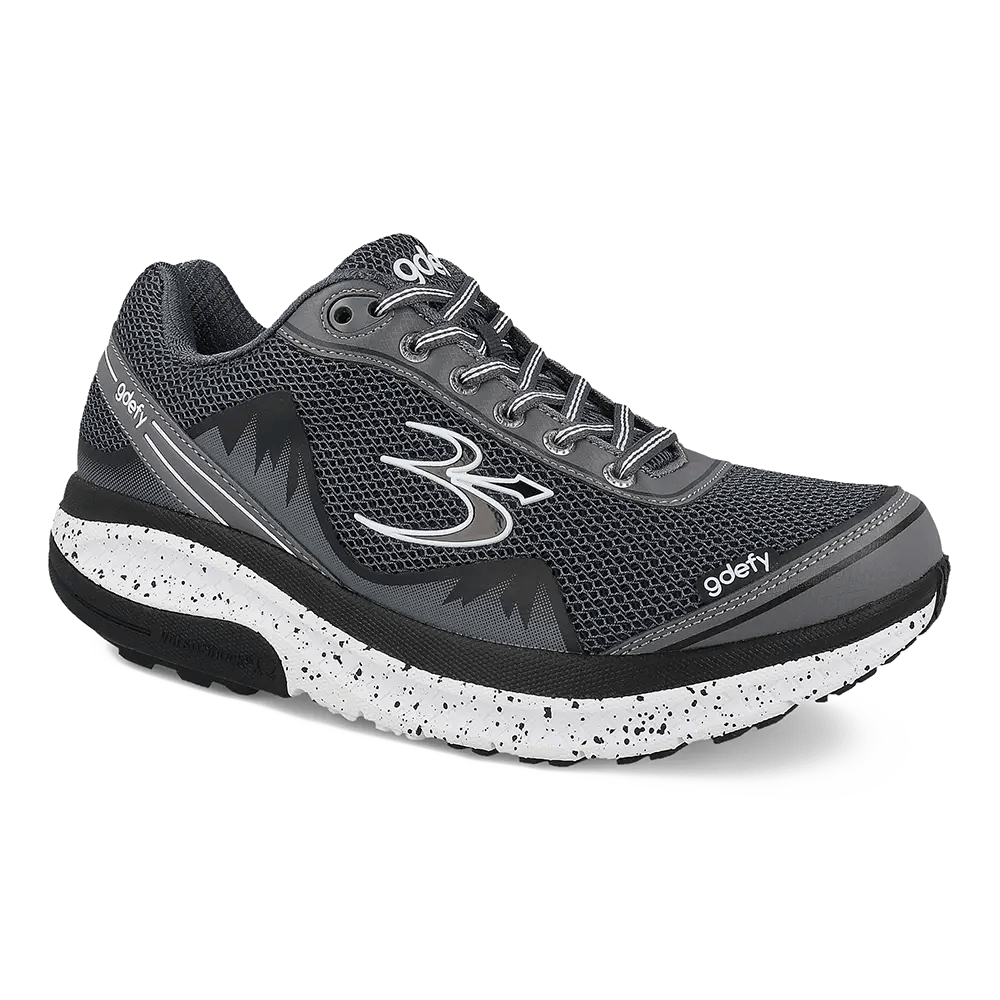
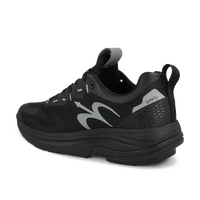
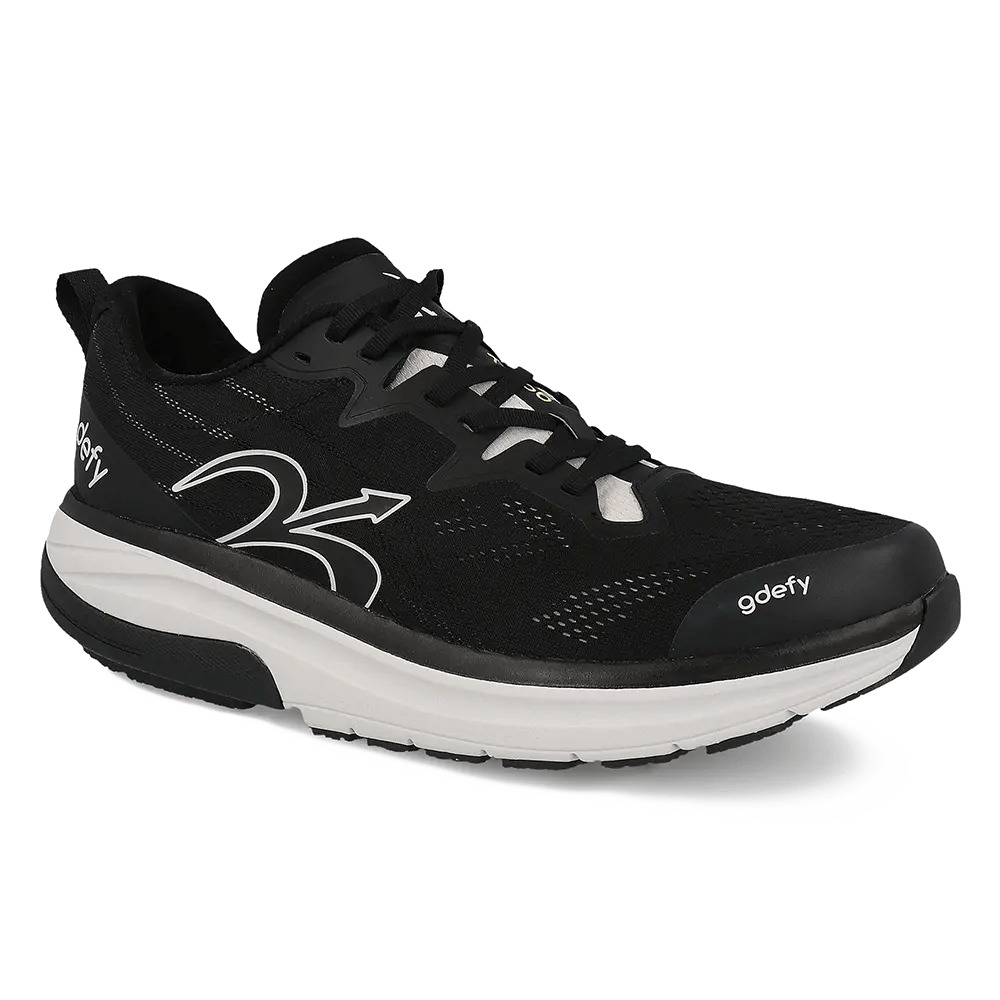
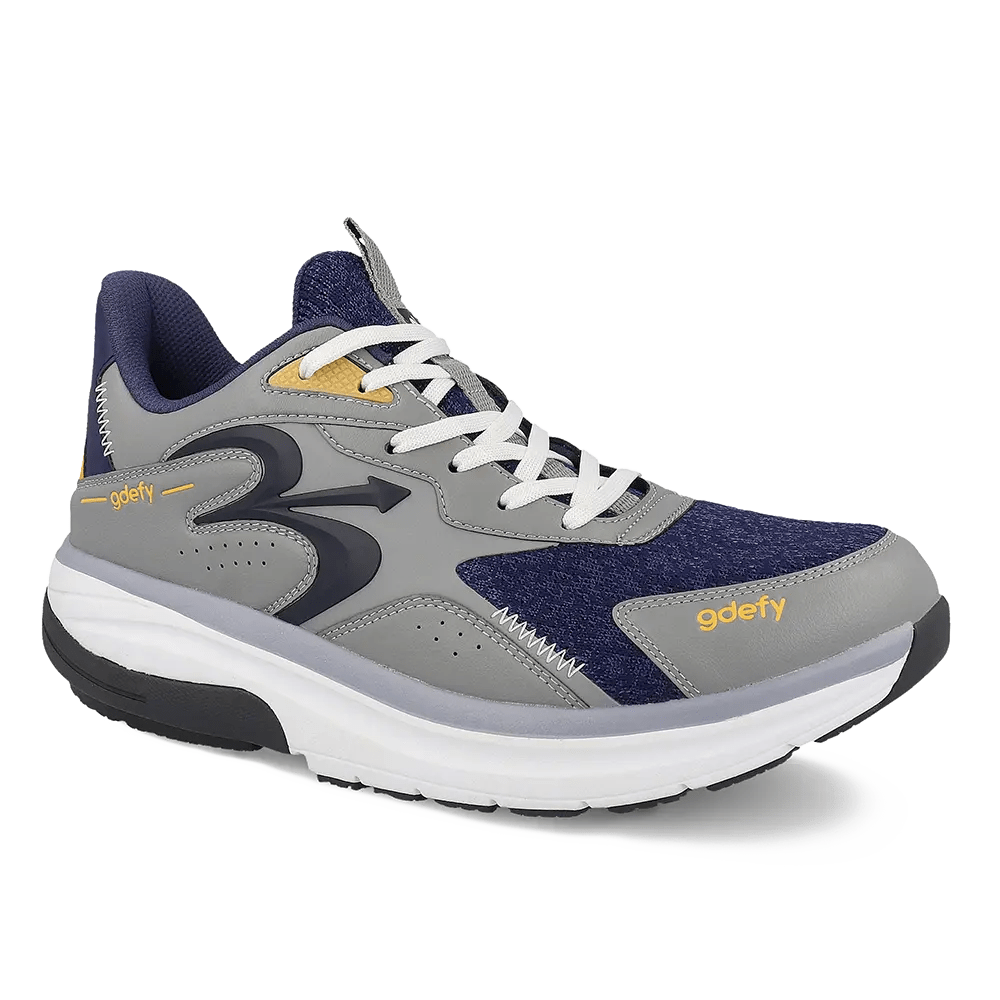
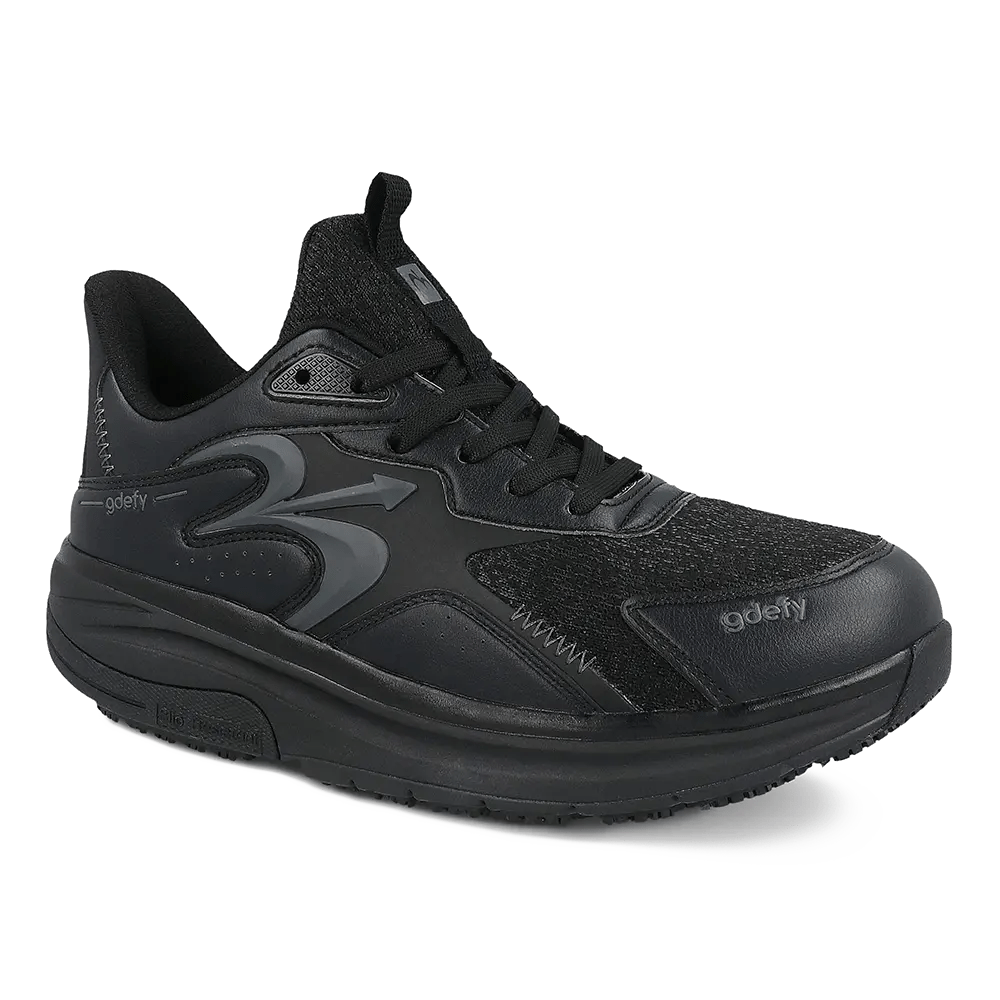
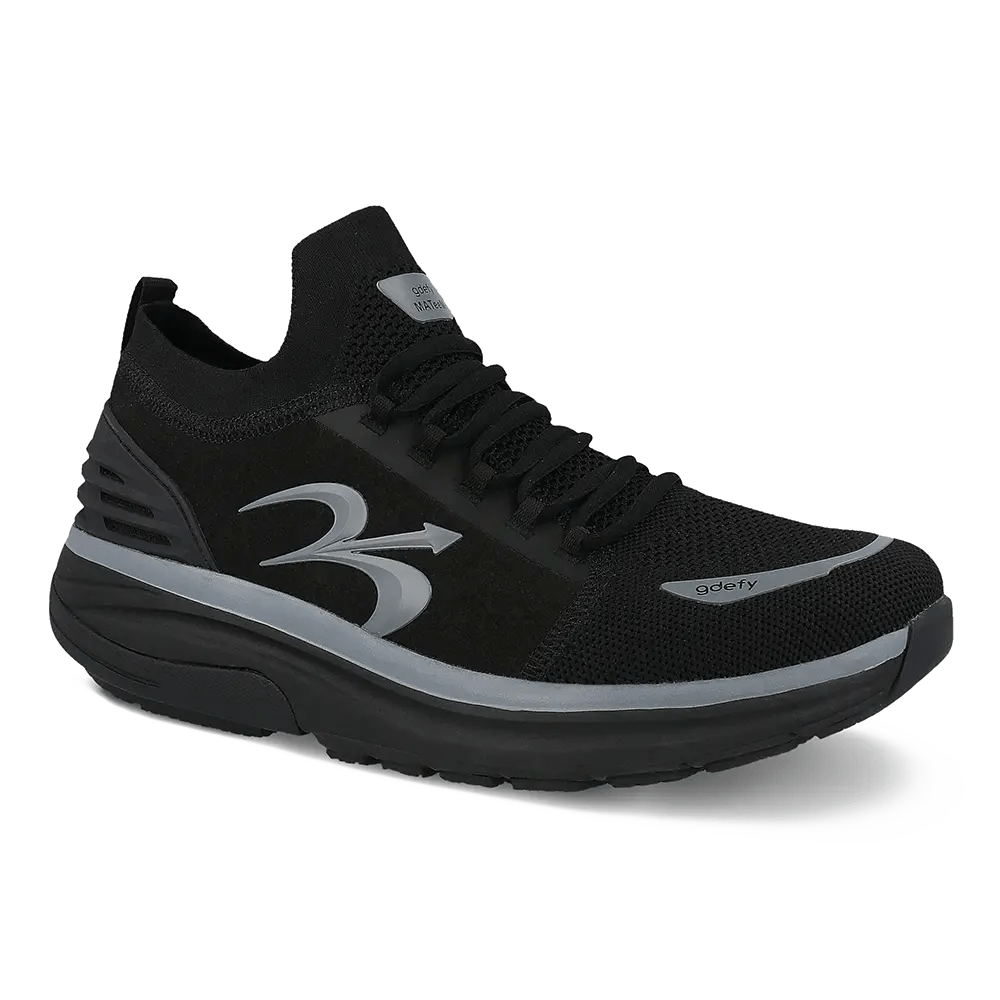
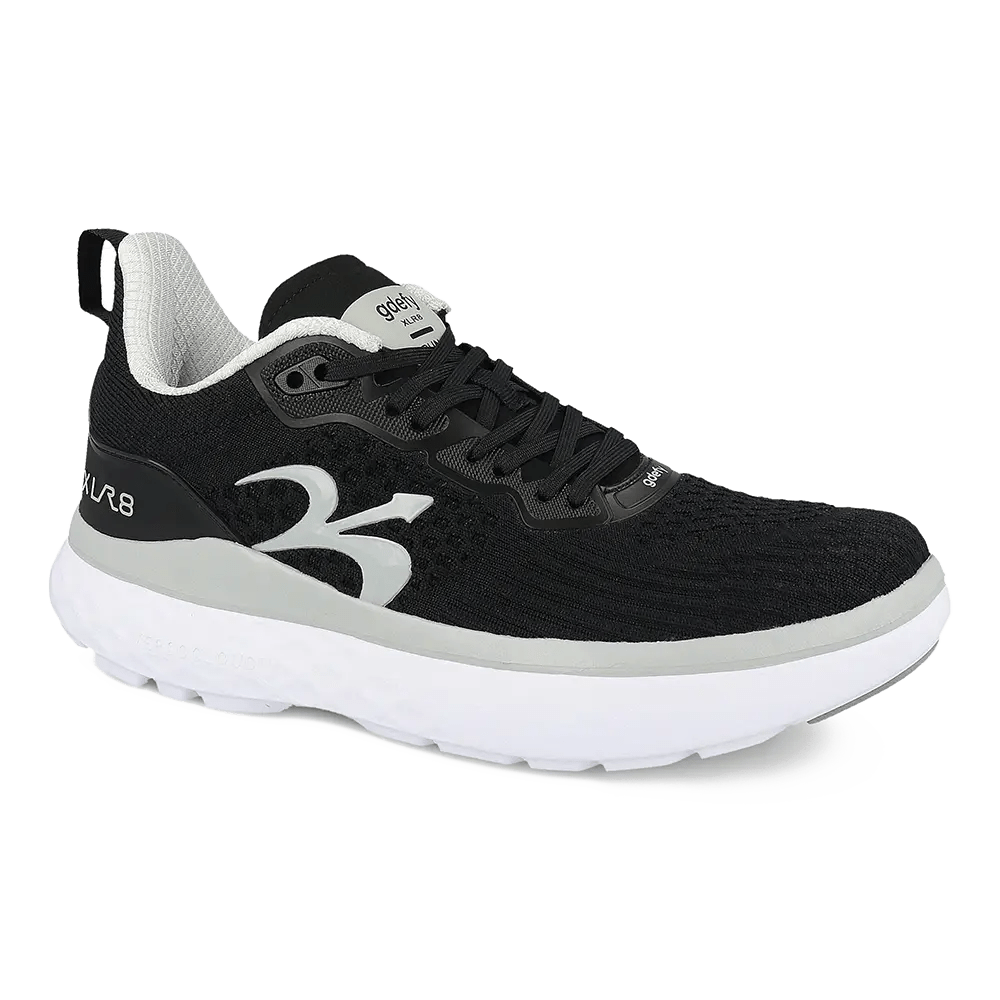
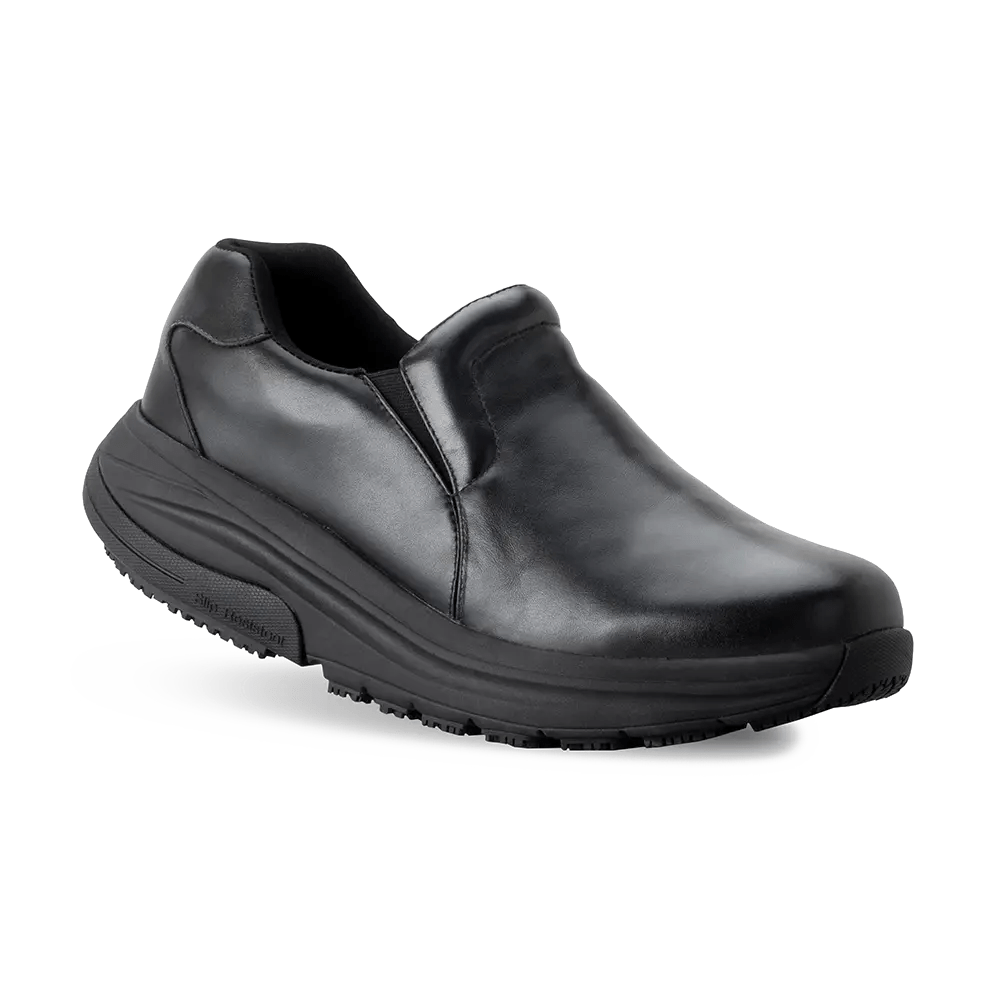
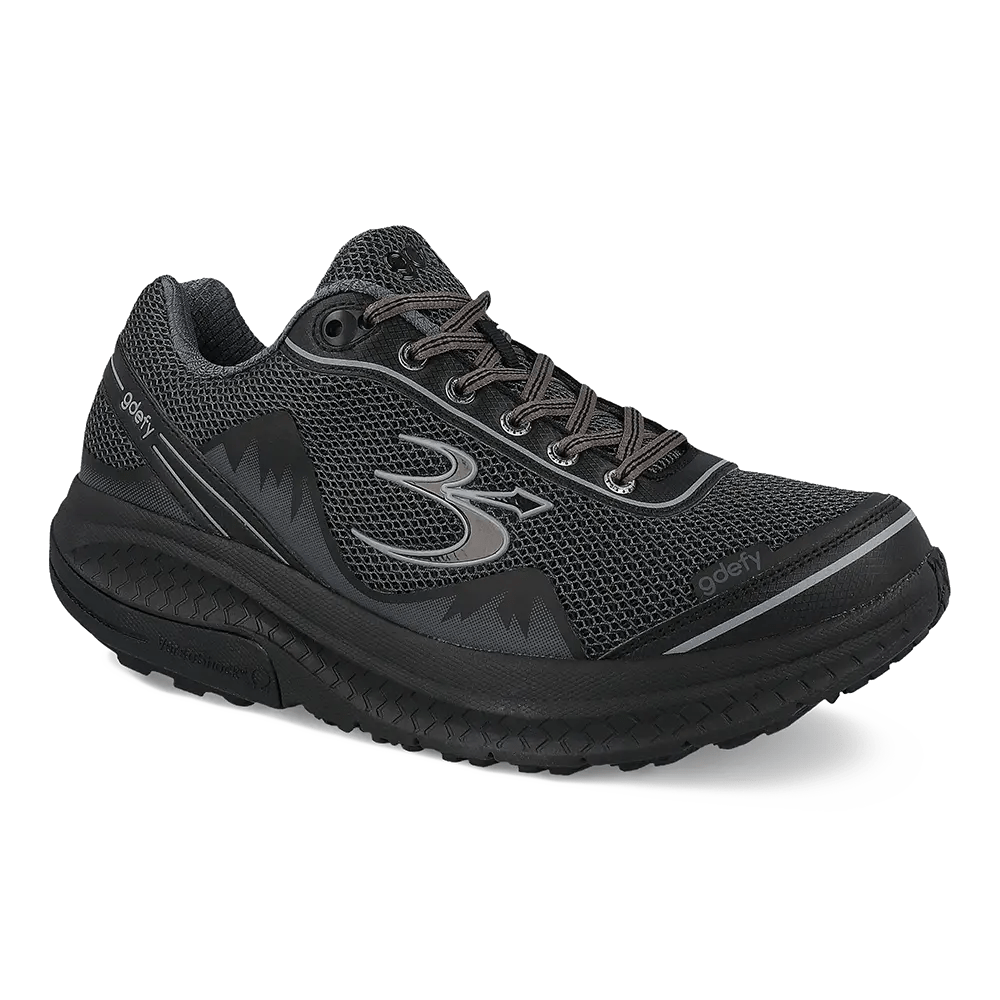
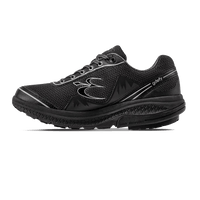
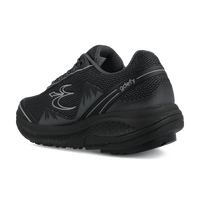
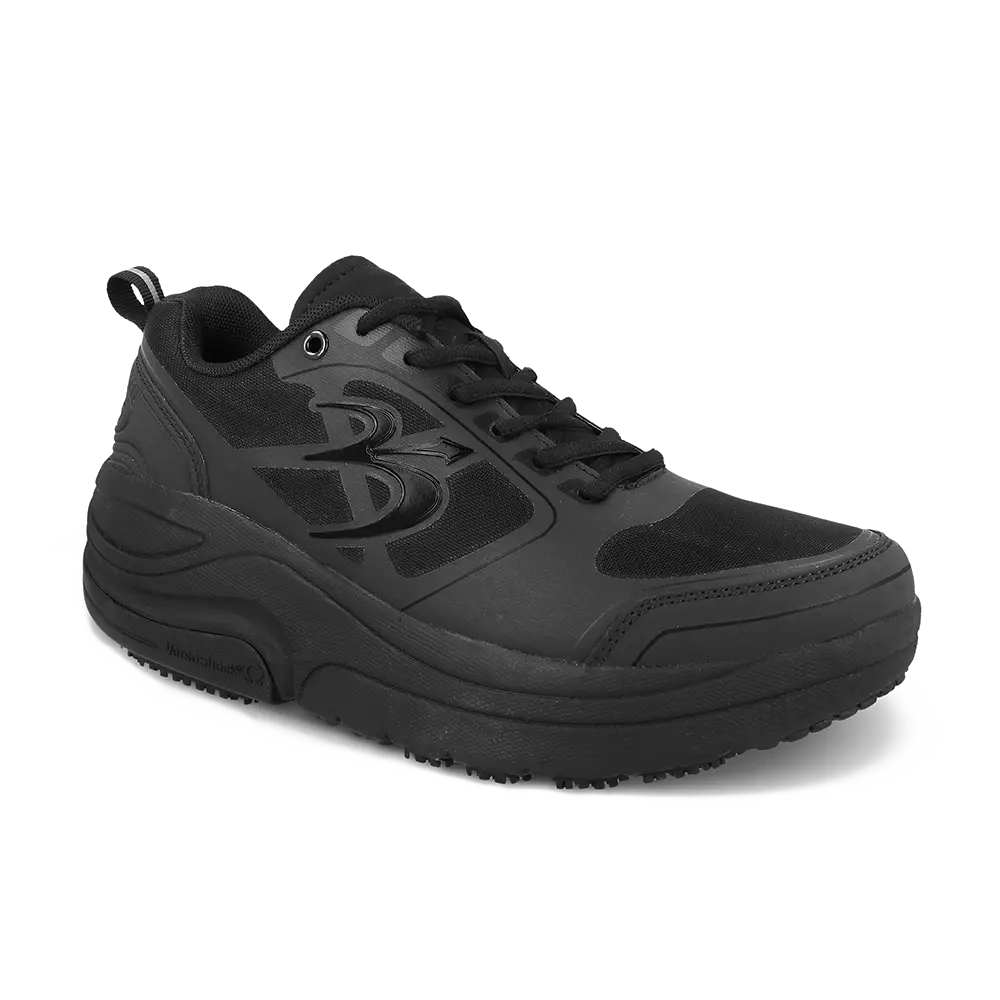
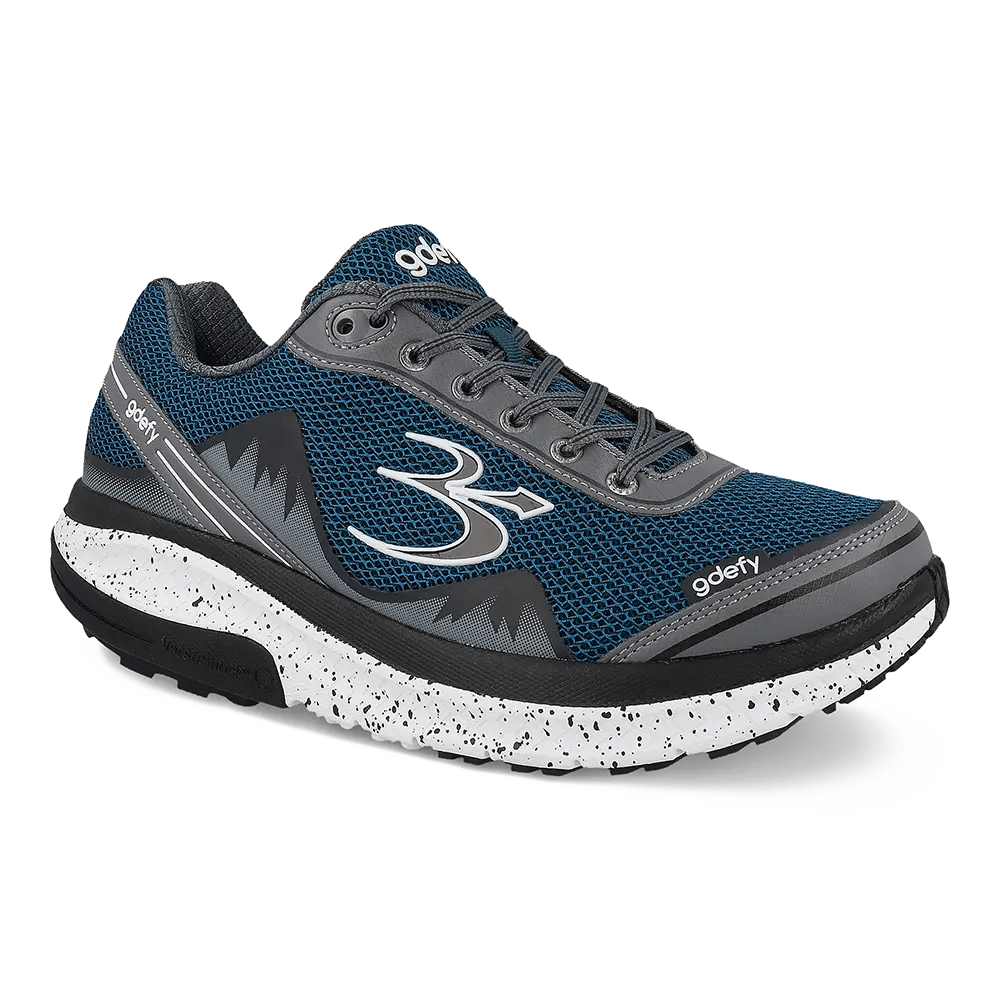
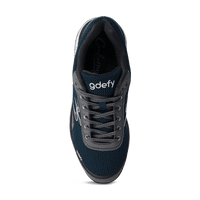
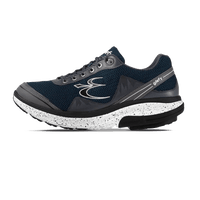
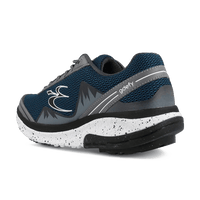
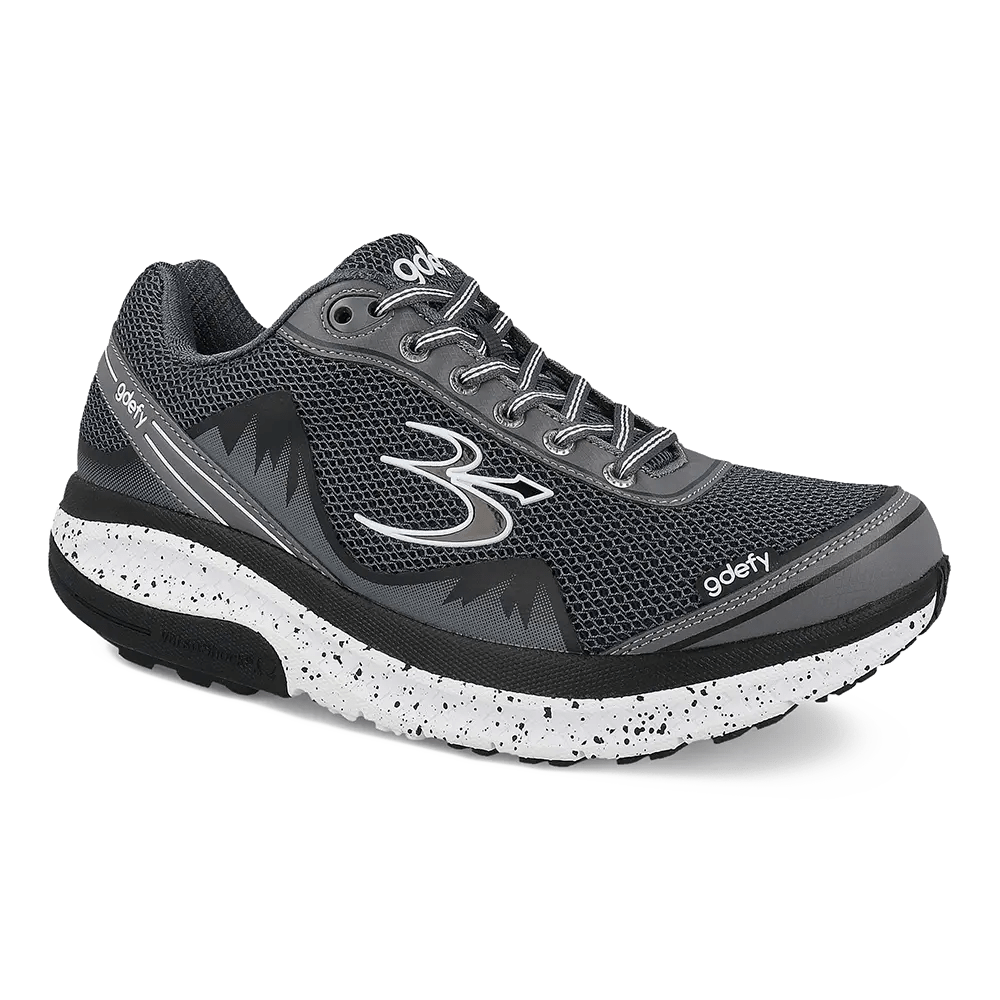
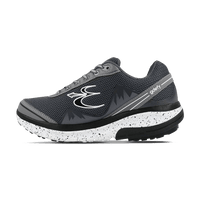
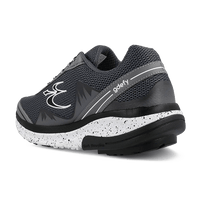
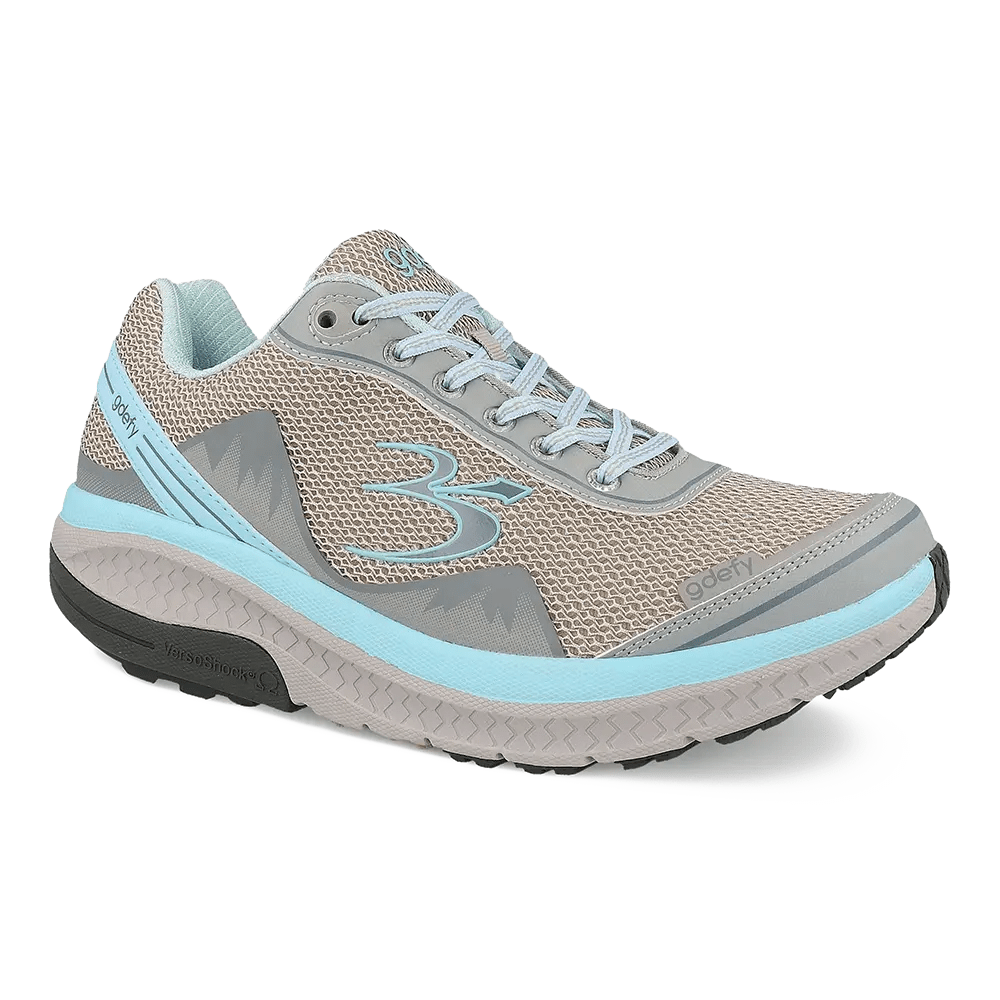
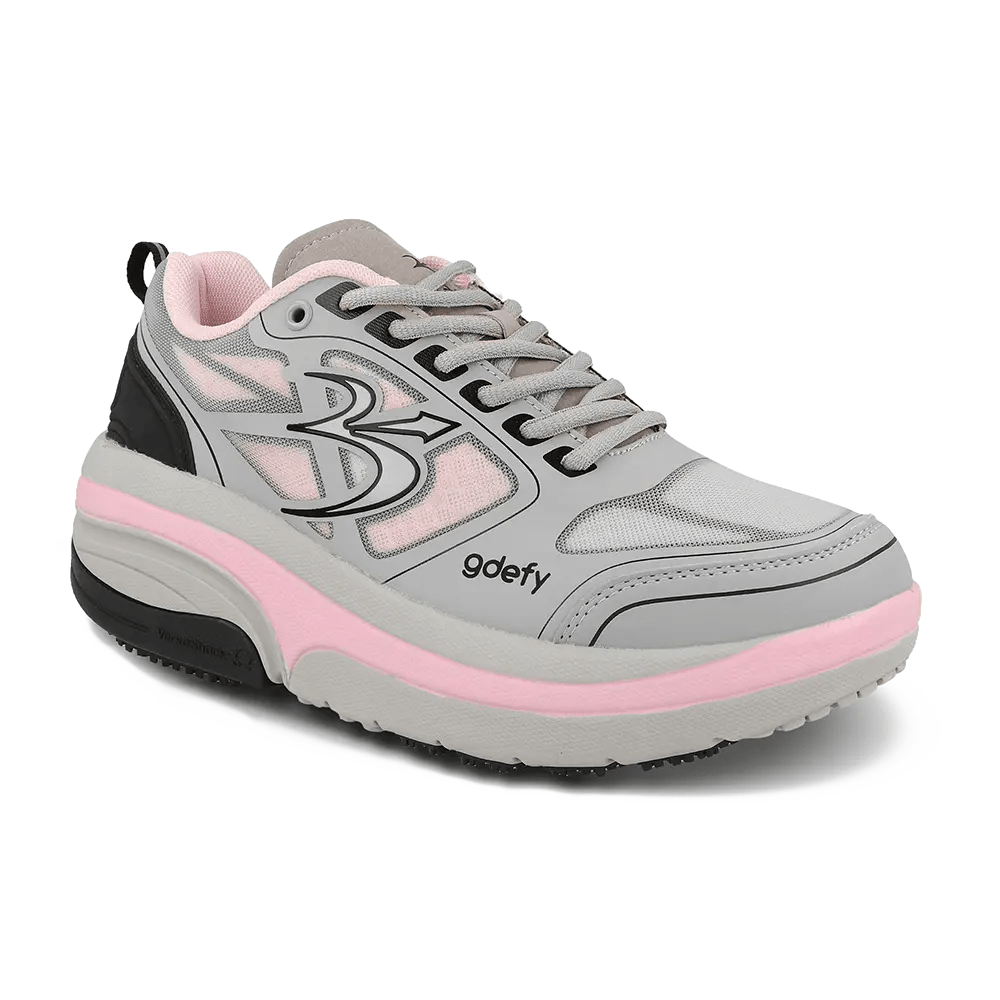
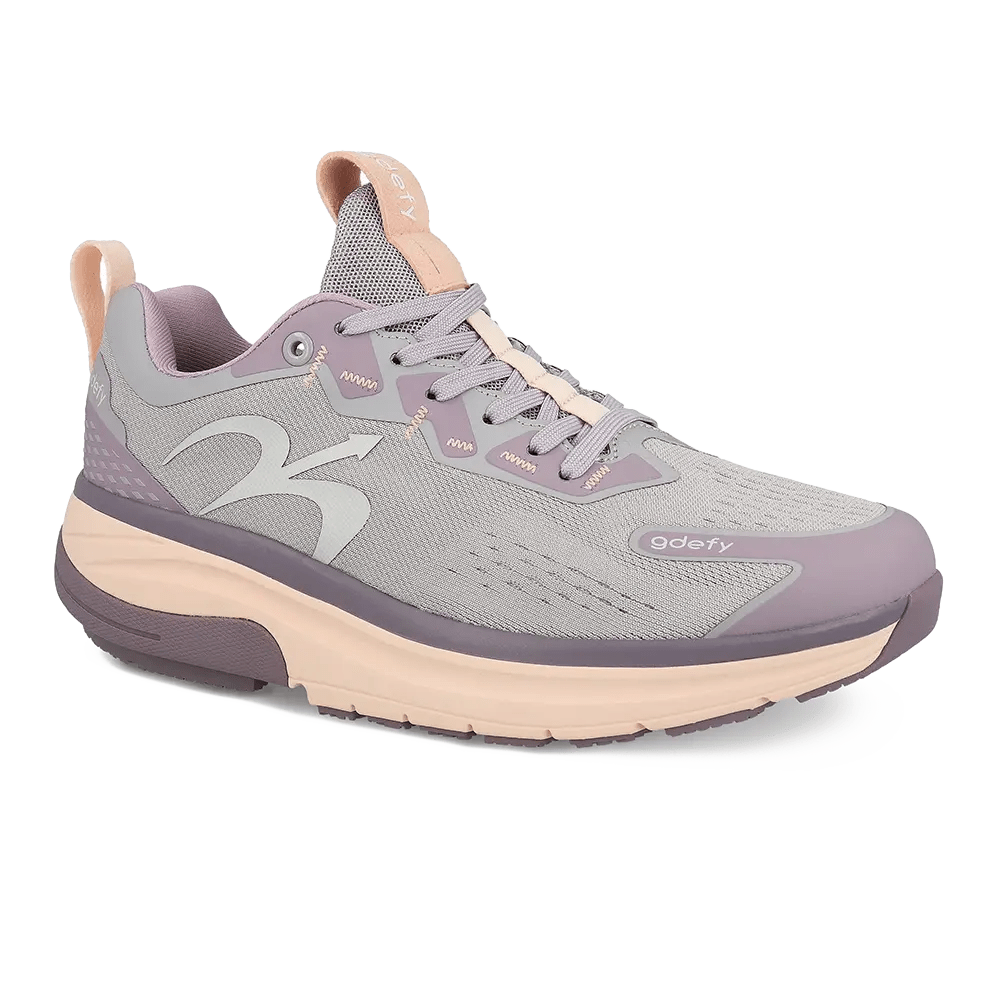
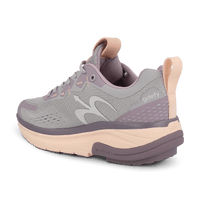
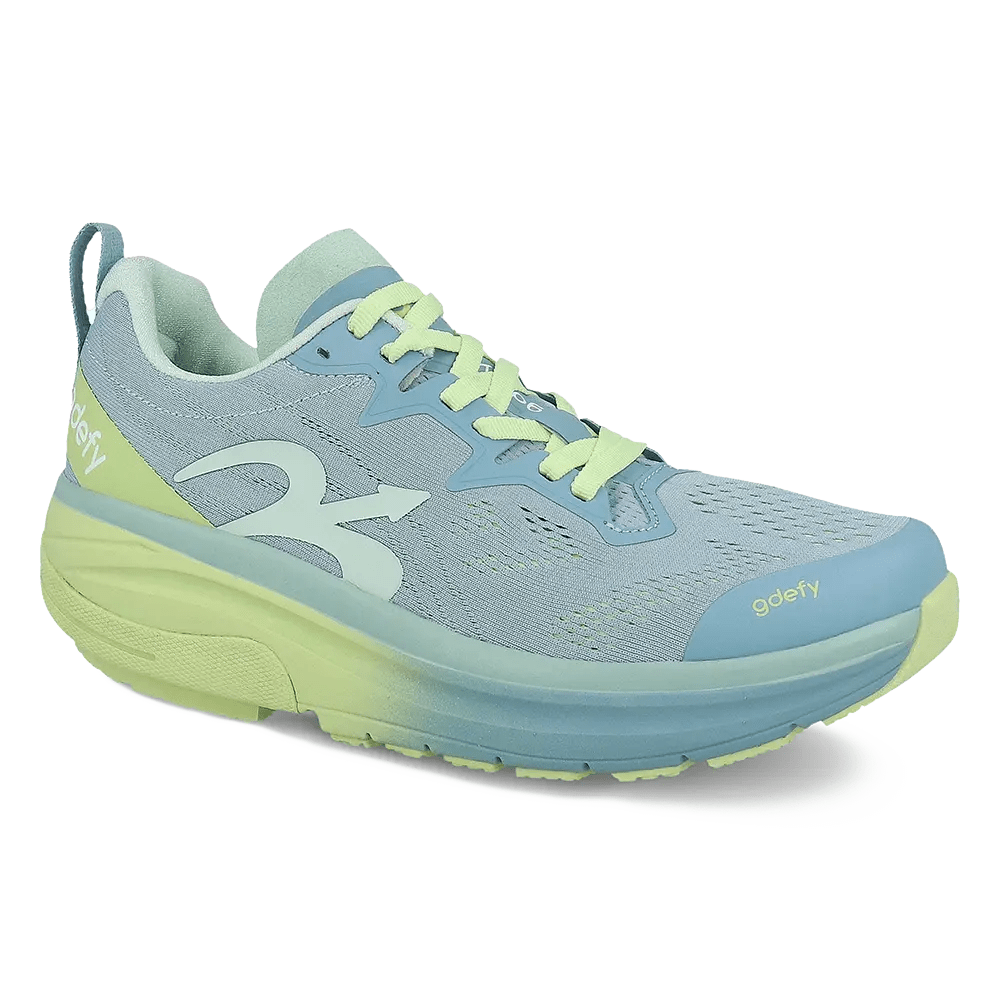
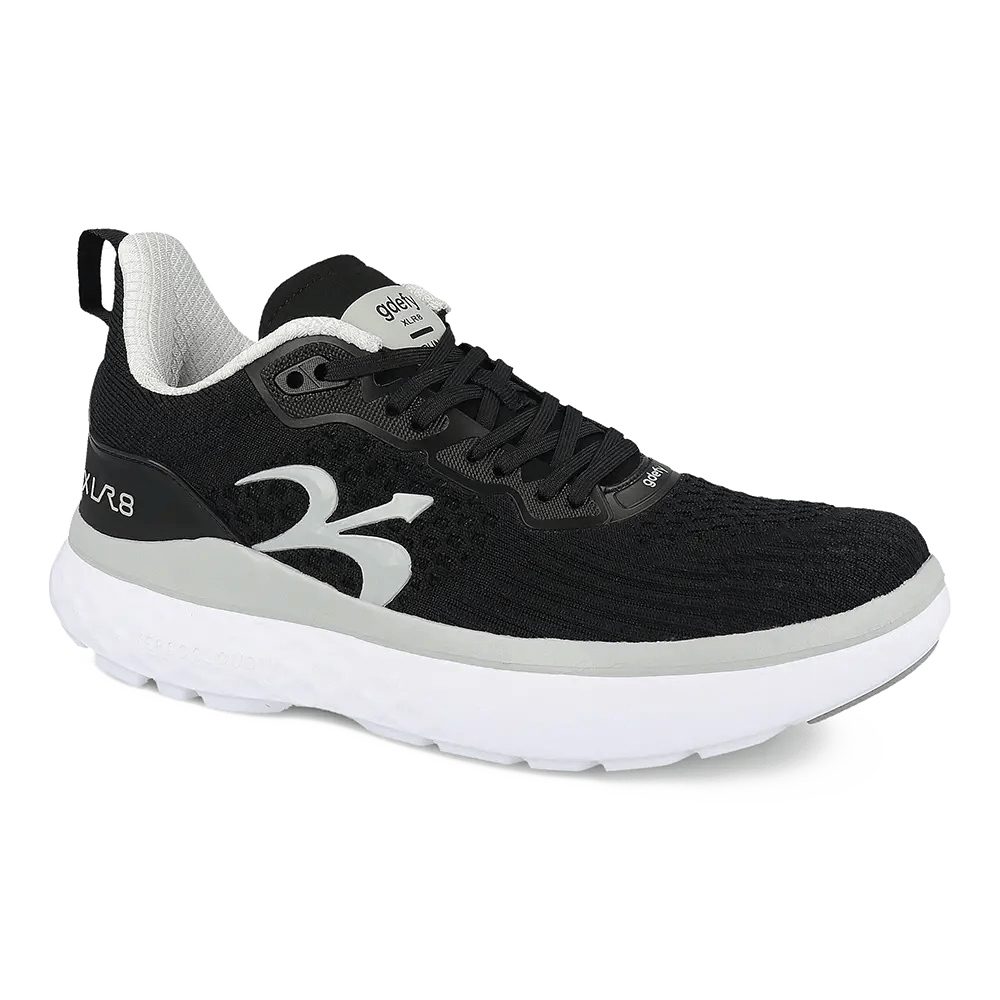
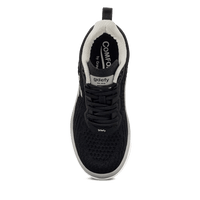
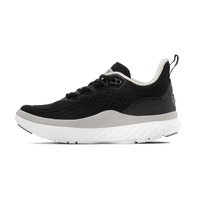
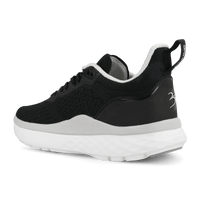
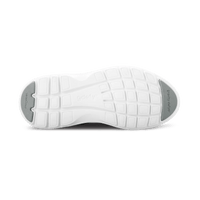
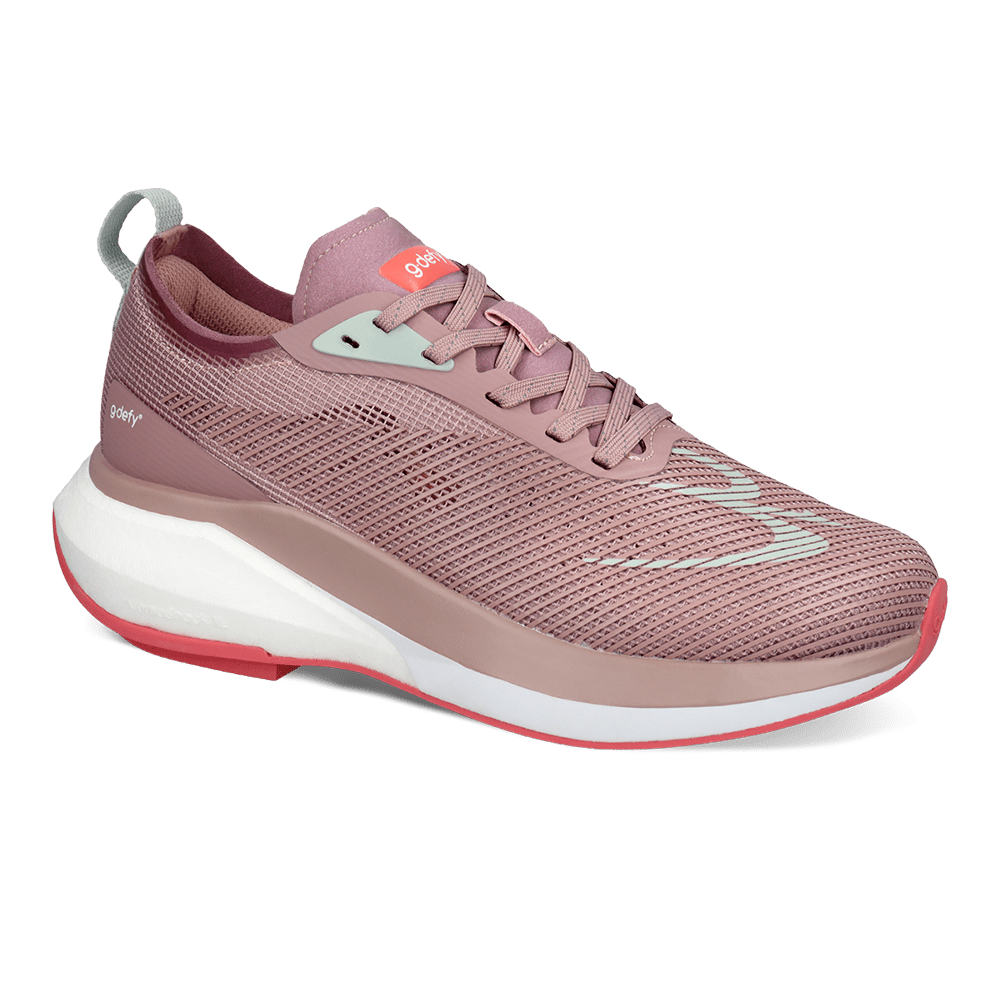
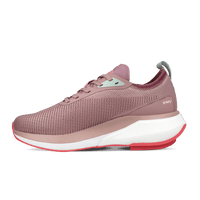
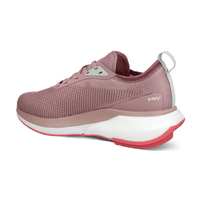
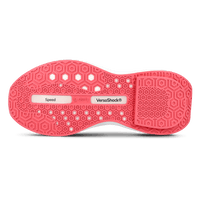
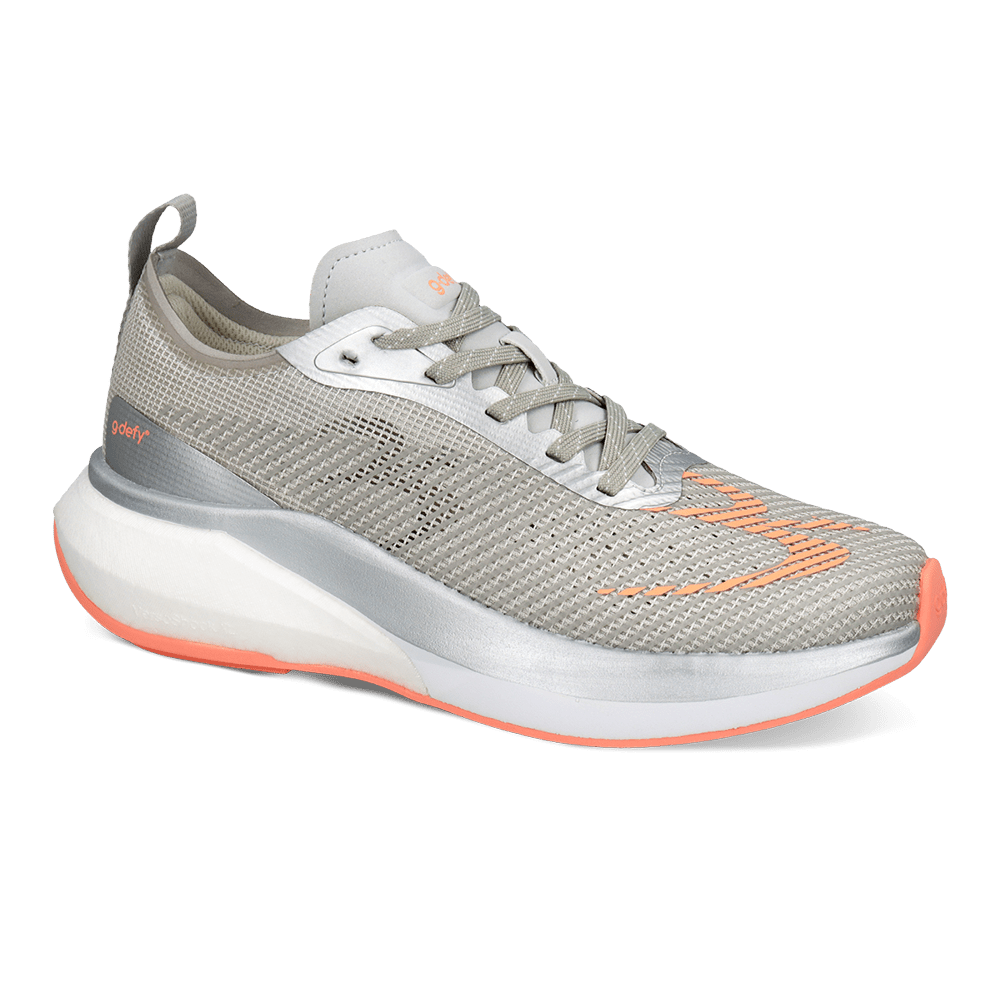
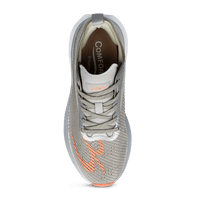
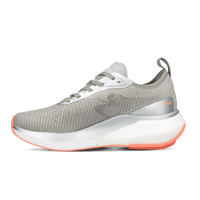
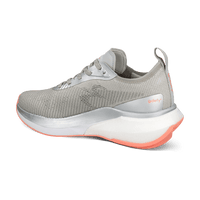
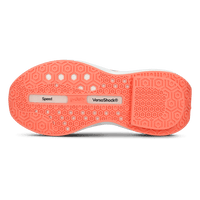
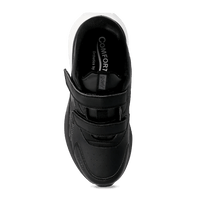
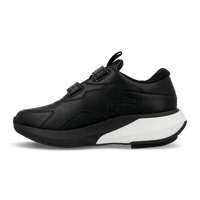
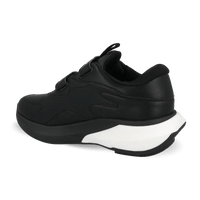
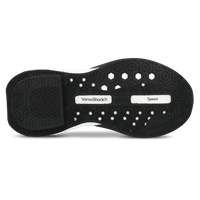
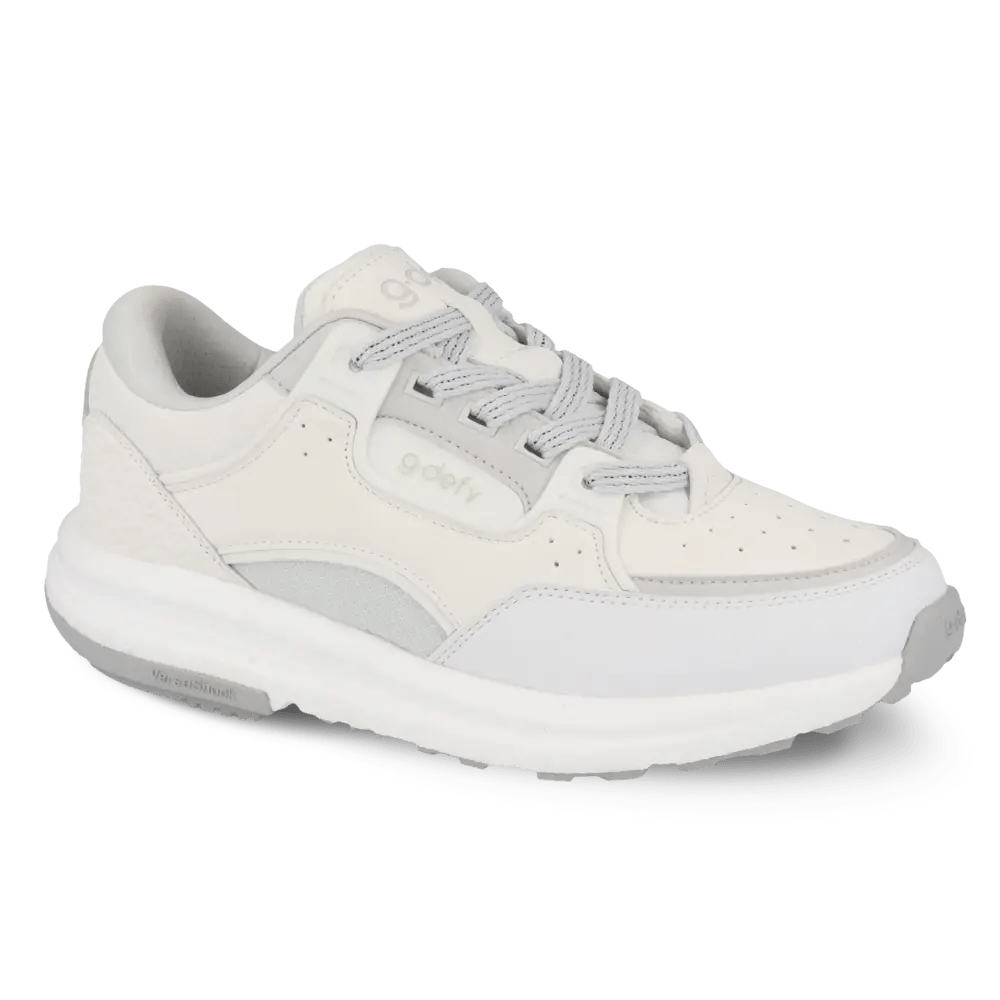
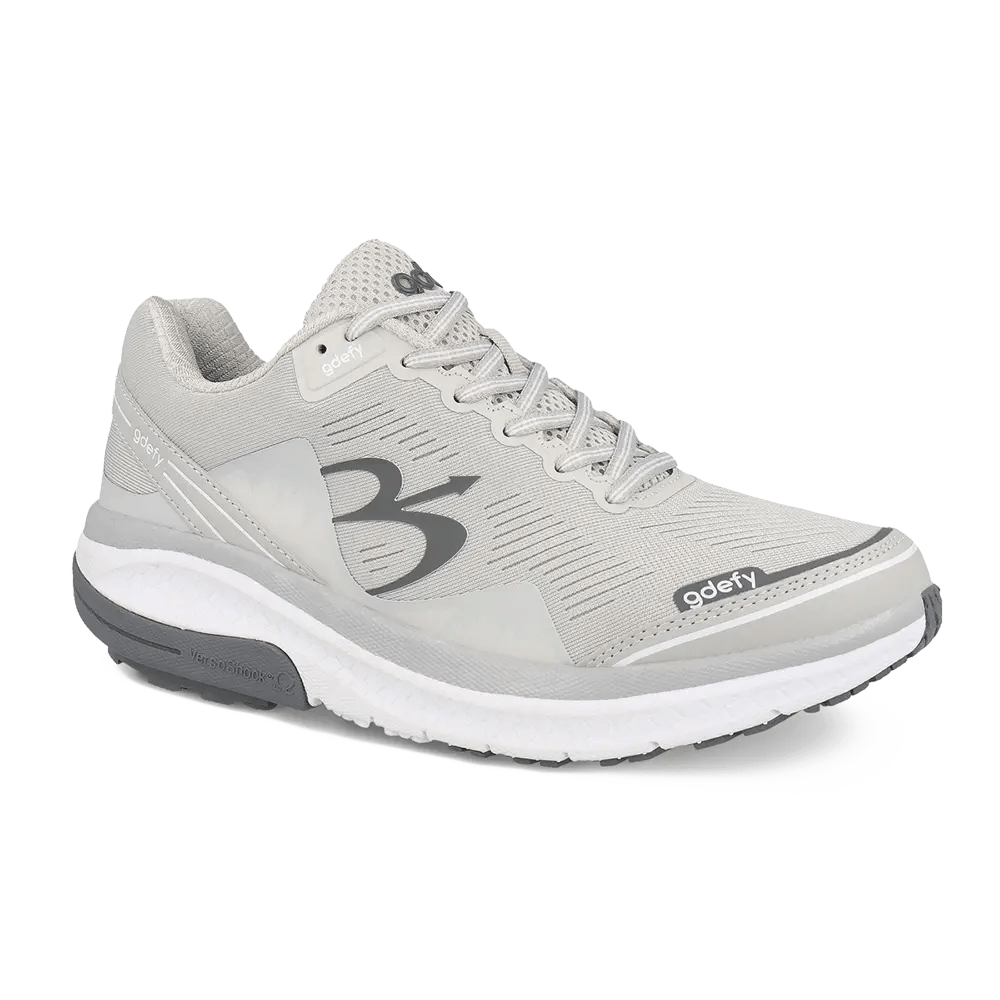
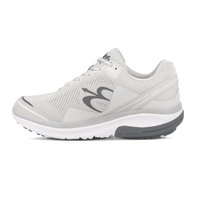
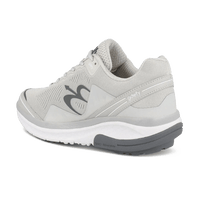
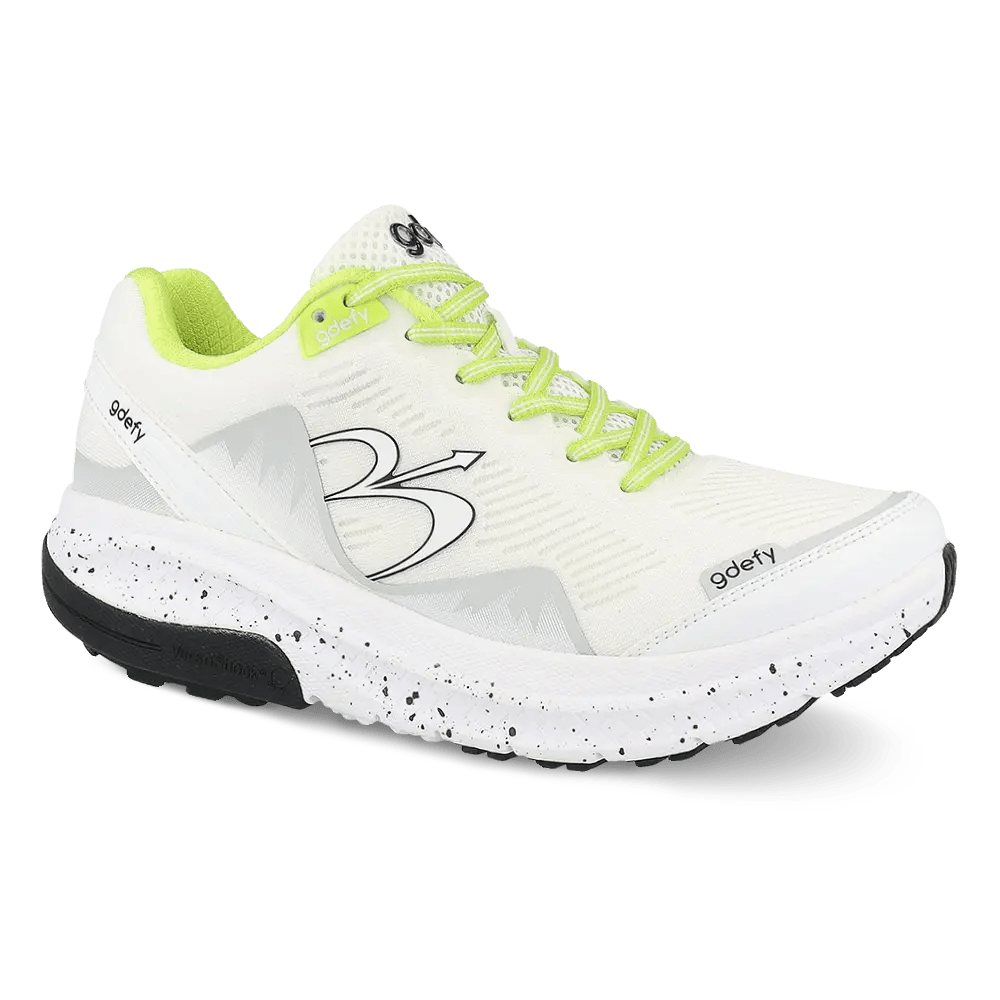
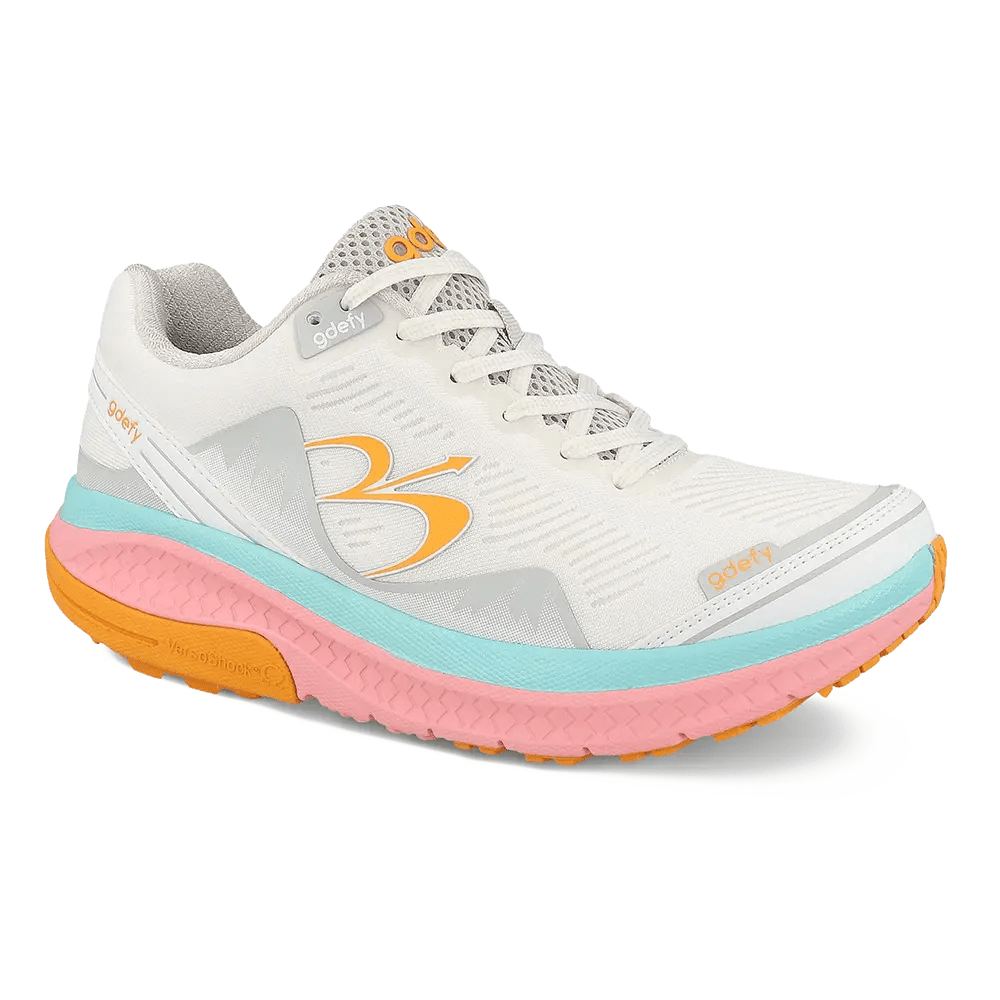
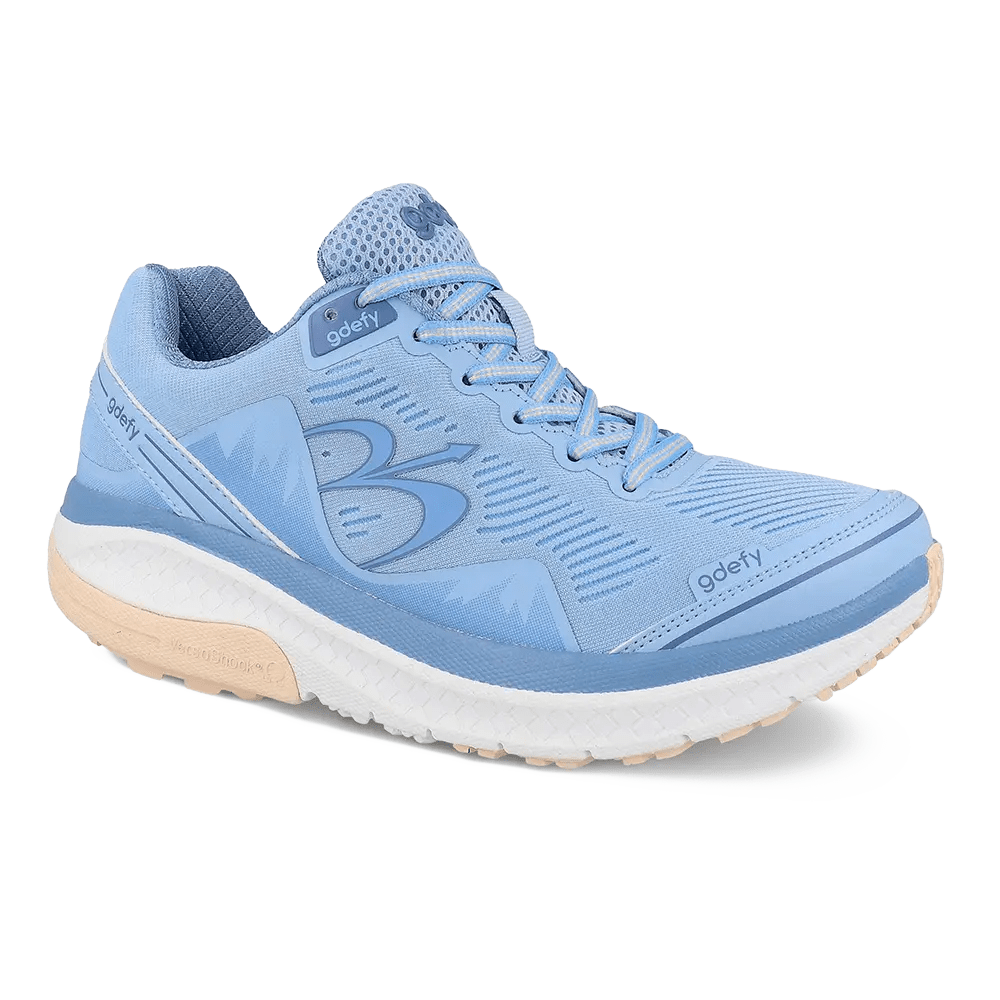
At G-Defy, support is not an afterthought added to a foam shoe — it is engineered into the structure. G-Defy shoes are built around VersoShock® technology, a spring-based system designed to absorb impact and return energy with each step, rather than simply compressing like standard foam.

That technology works alongside three other elements that together create real, lasting support:
- A built-in stabilizer helps support the foot and reduce excessive bending through the midfoot, encouraging steadier, more controlled motion.
- A front rolling design promotes a smooth heel-to-toe transition, so your stride feels natural rather than flat-footed.
- Two removable orthotics — the ComfortFit® and CorrectiveFit® insoles — let you customize the level of support to match your arch and how the shoe feels on your foot.
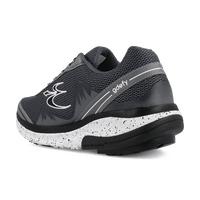
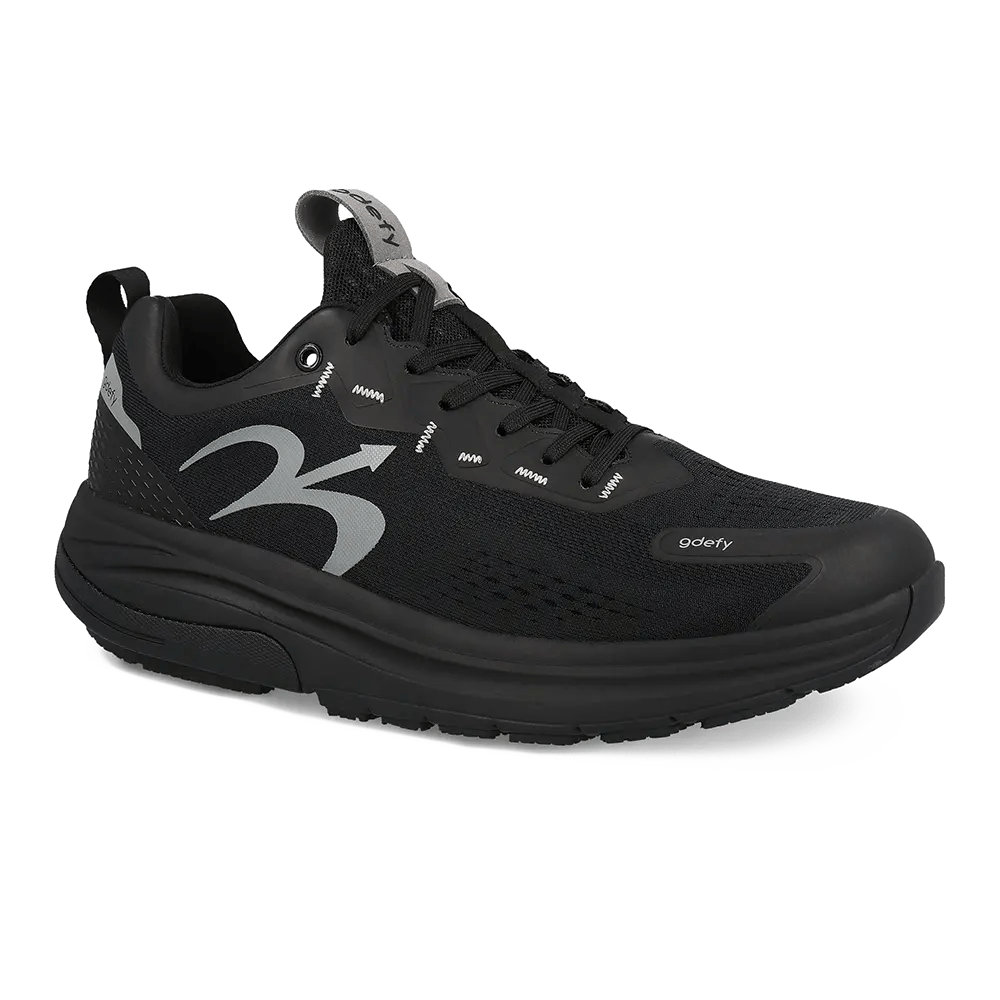
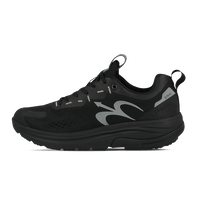
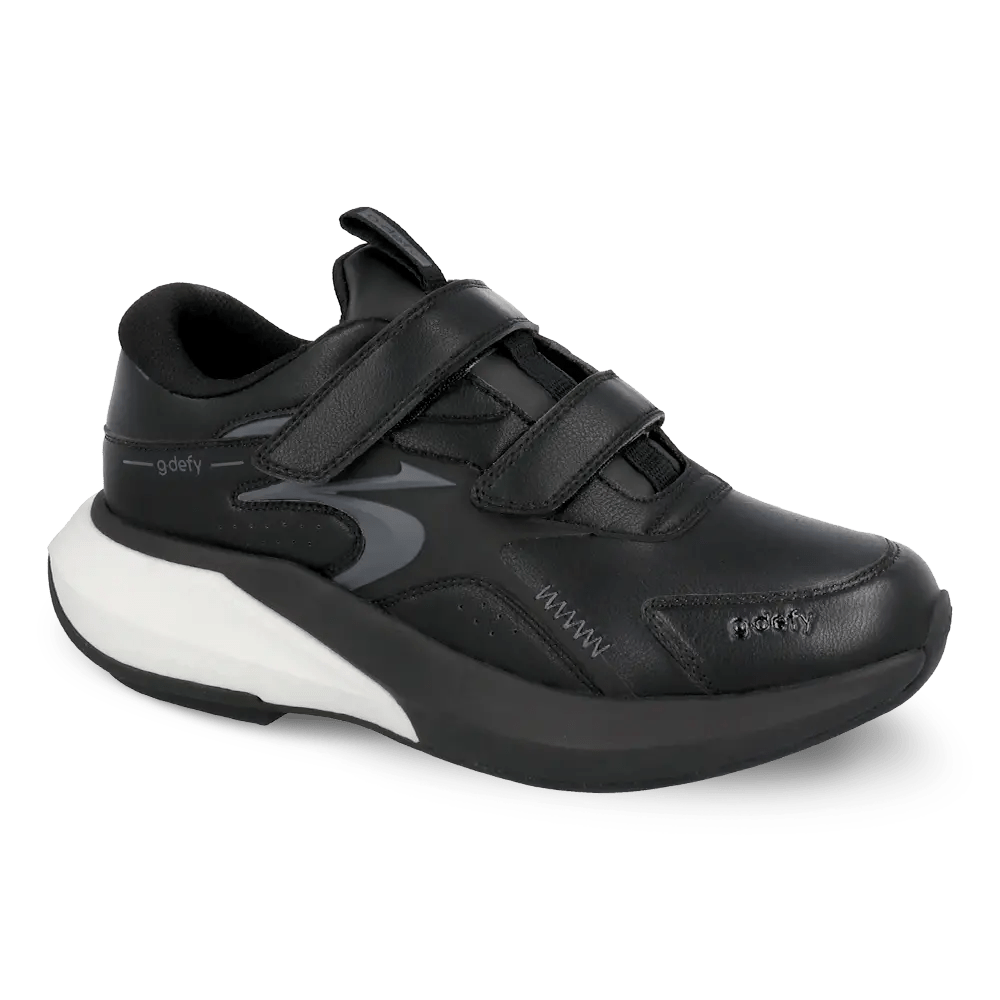
Put together, these features are designed to deliver comfort, support, and shock absorption during everyday movement. They help reduce pain from walking, running, and prolonged standing, while promoting a more comfortable, stable stride. Styles like the Mighty Walk are built for exactly this kind of all-day, stay-on-your-feet support.
“I’ve gone through pairs that felt soft for a week and then flat. My G-Defy shoes still feel as steady as the day I got them, and my feet aren’t worn out by dinnertime anymore.”
— Composite of G-Defy customer reviews. Results vary by individual.
Feel the difference real support makes
Try G-Defy shoes with a 60-day risk-free trial and free shipping. If they are not the most supportive shoes you have worn, send them back for a full refund.
Shop Men’s Shoes Shop Women’s Shoes
How to Tell If Your Shoes Are Still Supporting You
Support also fades with wear. A pair that felt steady when it was new can quietly lose its structure, and most people keep wearing shoes well past that point. Here is a simple self-check you can do in a couple of minutes.
- Look at the midsole. Press into the foam. If it stays compressed or shows deep creases, it has lost its ability to support and absorb impact.
- Check the twist test. Hold the shoe at both ends and twist. A supportive shoe resists; one that wrings out like a towel has little midfoot structure left.
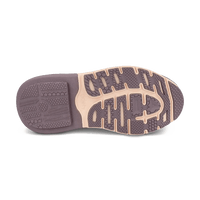
- Watch the wear pattern. Heavy, uneven wear on the sole means the shoe is no longer sitting flat and stable underfoot.
- Notice your legs. If your feet and legs feel more tired than they used to after the same walk, your shoes may be doing less of the work. That is often a sign it is time to replace a worn-out pair.
A few other habits help your supportive shoes last: rotate between two pairs so the cushioning has time to recover, replace insoles when they flatten, and make sure you are wearing the right size. If you want a deeper checklist, our guide to the features that matter for everyday foot comfort covers what to prioritize, and understanding your own walking pattern can help you choose the right amount of support in the first place.
Frequently Asked Questions
Is a softer shoe always more supportive?
No. Softness and support are different things. A very soft shoe can feel comfortable at first but lack the structure to keep your foot stable, while a shoe with firmer midfoot structure may feel less plush yet support you better over a long day. The goal is a balance of cushioning and stability.
What is the difference between cushioning and support?
Cushioning is about absorbing impact and softening each step. Support is about stability and structure — how well the shoe holds your foot in place and keeps its shape under load. Good shoes combine both, which we explain in more detail in our guide to cushioning versus support.
How do I know if a shoe has enough support for me?
Look for a stable base, firmness through the midfoot, cushioning that does not bottom out, and a secure fit with a snug heel. Then pay attention to how your feet and legs feel after a few hours of wear — that real-world test tells you more than how the shoe feels in the first five minutes.
Can supportive shoes help with discomfort from standing all day?
Supportive, well-cushioned footwear may improve overall comfort during walking and prolonged standing by keeping the foot stable and helping absorb impact. It is not a medical solution, but the right design can make a meaningful difference in how your feet feel at the end of a long day.
How often should I replace supportive shoes?
It depends on how much you wear them, but most walking shoes start losing meaningful support somewhere between 300 and 500 miles, or roughly every six to twelve months of regular wear. The self-checks above — the press test, the twist test, and the wear pattern — are more reliable than the calendar alone.
The Bottom Line
“Support” is not a marketing buzzword when you know what to look for. It is the combination of a stable platform, midfoot structure, lasting cushioning, and a secure fit — the things that keep your foot steady and your stride comfortable from the first step to the last. While footwear is not a medical solution, choosing shoes designed for comfort, support, and shock absorption can make a real difference in how you feel throughout the day.
G-Defy builds that support into every pair with VersoShock® technology, a stabilizing structure, and dual orthotics you can tailor to your feet. Explore the men’s and women’s collections, and try a pair risk-free for 60 days with free shipping to feel what real support is like.