June 22, 2026
How Cushioning Impacts Comfort for People With Back Pain
By Gdefy

Summary
Back pain is one of the most common everyday complaints among active adults, and it can show up after a long walk, a full day on your feet, or even a busy afternoon of errands. While footwear is not a medical solution, the design of your shoes — and especially how they cushion each step — can play a meaningful role in your overall comfort.
Cushioning is one of the first things people notice when they slip on a new pair of shoes. But its impact goes beyond that initial soft feel. The right amount of cushioning, paired with proper support, can change how comfortable you feel from your feet all the way up through the rest of your body. This guide explains how shoe cushioning impacts comfort for people who experience back pain, what to look for, and how G-Defy approaches the problem.
Why Back Comfort Often Starts With Your Feet
It is easy to think of back pain as something that begins and ends in your back. But your feet are the foundation for how you stand, walk, and carry your weight throughout the day. When that foundation feels unsupported, the rest of your body tends to compensate — and that can leave you feeling more tired and less comfortable by evening.
Every step you take sends a small amount of impact up through your feet and legs. Over thousands of steps a day, that repeated impact adds up. Footwear that absorbs some of that force can make daily movement feel smoother and less jarring. To understand how connected the body really is, it helps to think of it as one continuous system — a concept we explore in our guide to how your feet affect your entire body.
This is not about footwear correcting anything in your back. It is simply that a well-cushioned, supportive shoe gives your feet a more comfortable platform to work from, which can help your whole stride feel steadier and more relaxed during everyday activity.
Many people are surprised to learn how much their choice of shoes shapes the way the rest of their body feels by the end of a long day. If your feet are sliding around in shoes that have lost their cushioning, you tend to grip and tense the muscles in your legs and lower back to stay steady. A more supportive, well-cushioned shoe lets those muscles relax a little, which is part of why the right footwear can feel like such a noticeable upgrade in everyday comfort.
How Cushioning Affects the Impact of Each Step
Cushioning works by softening the contact between your foot and the ground. When you walk on a hard surface like concrete or tile, the ground pushes back against your foot with each step. A cushioned shoe spreads out and absorbs part of that force so it feels gentler.
Think about the difference between walking across a thick carpet versus a bare floor. The carpet gives a little, so each step lands softly. A cushioned shoe brings that softer feeling with you wherever you go. For people who experience back pain during long days of walking or standing, that reduced impact can make movement feel noticeably more comfortable.
Not all cushioning is created equal, though. Traditional foam can feel soft at first but tends to compress and lose its bounce over time. More responsive systems are designed to absorb impact and then return energy, so your shoes keep feeling supportive mile after mile. If you want a deeper look at how this works, our article on cushioning vs. support breaks down the difference.

The surface you spend the most time on matters too. Walking on grass or a track feels different from standing on a tile kitchen floor or a concrete warehouse aisle. Harder surfaces give back more of the impact from each step, so the cushioning in your shoes does more of the work. That is why people who spend long hours on hard floors often feel the biggest difference when they switch to a well-cushioned pair.
Cushioning vs. Firmness: Finding the Right Balance
A common myth is that softer always means better. In reality, comfort comes from a balance between cushioning and structure. A shoe that is too soft can let your foot sink and shift, which can leave you feeling unstable. A shoe that is too firm may transfer more impact than you would like.
The goal is cushioning that absorbs impact paired with support that keeps your foot stable. Together, these two qualities help you feel both comfortable and steady through each step. That balance matters even more if you already deal with back discomfort, because a stable, supported stride feels easier to maintain over a long day.
What to Look for in Cushioned Shoes
If back comfort is a priority, focus on these features when choosing a new pair:
- Shock absorption — a midsole designed to absorb impact reduces the harsh force that travels up from each step.
- Lasting cushioning — look for a system that keeps its softness over time instead of flattening out after a few weeks.
- Stable support — built-in structure keeps your foot steady so cushioning does not turn into wobble.
- Energy return — cushioning that gives a little back with each step helps keep your stride feeling efficient rather than heavy.
- Proper fit — a roomy toe area and a secure heel let the cushioning do its job without pinching or sliding.
For a broader checklist beyond cushioning alone, see our roundup of shoe features to look for if you have back pain.
How G-Defy Designs for Cushioned Comfort
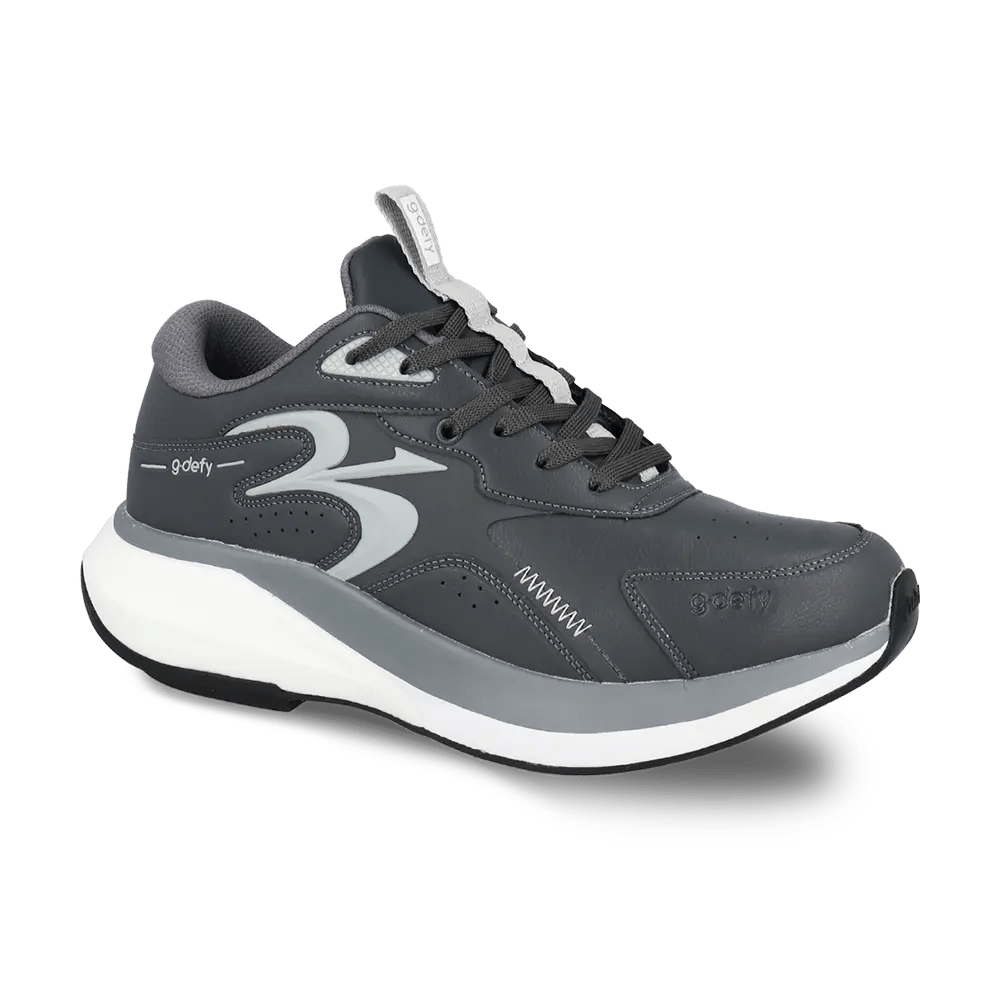
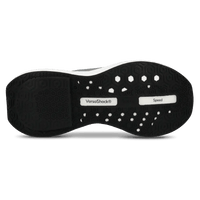
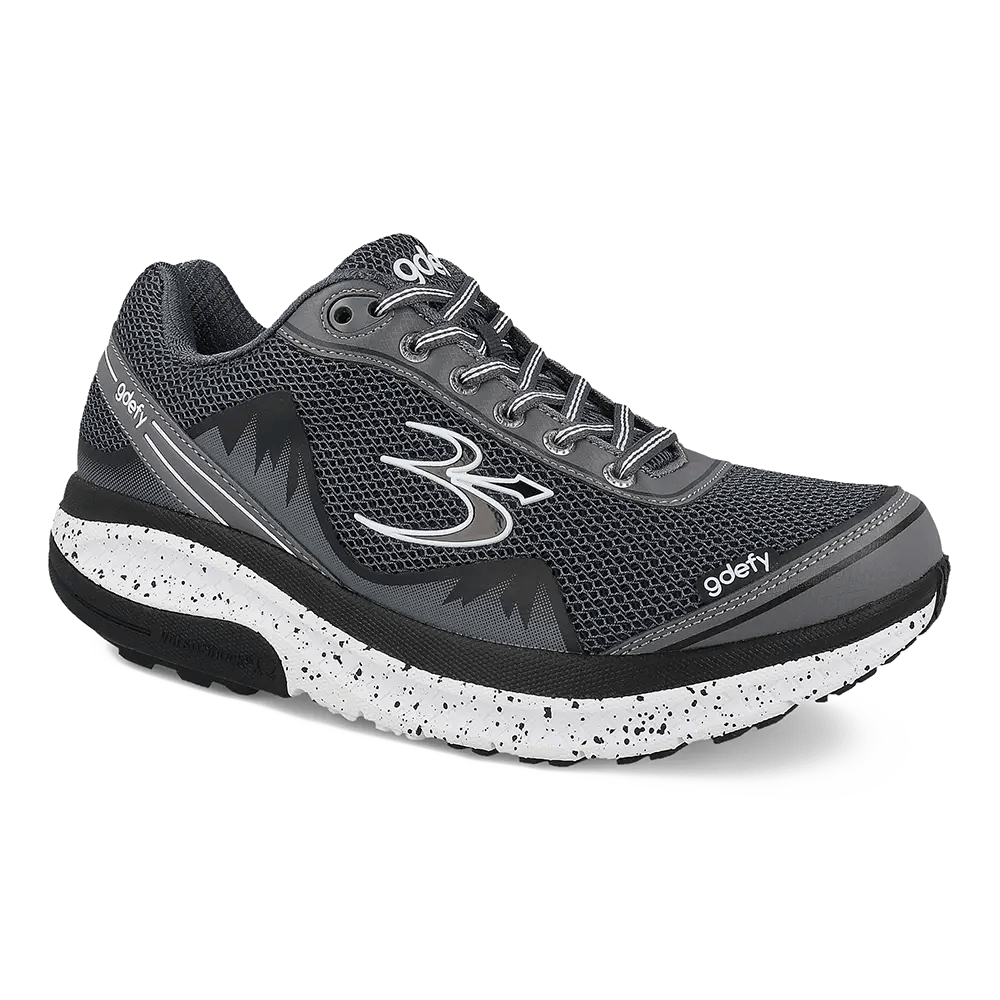
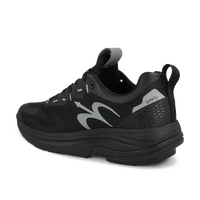
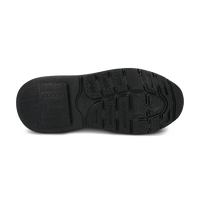
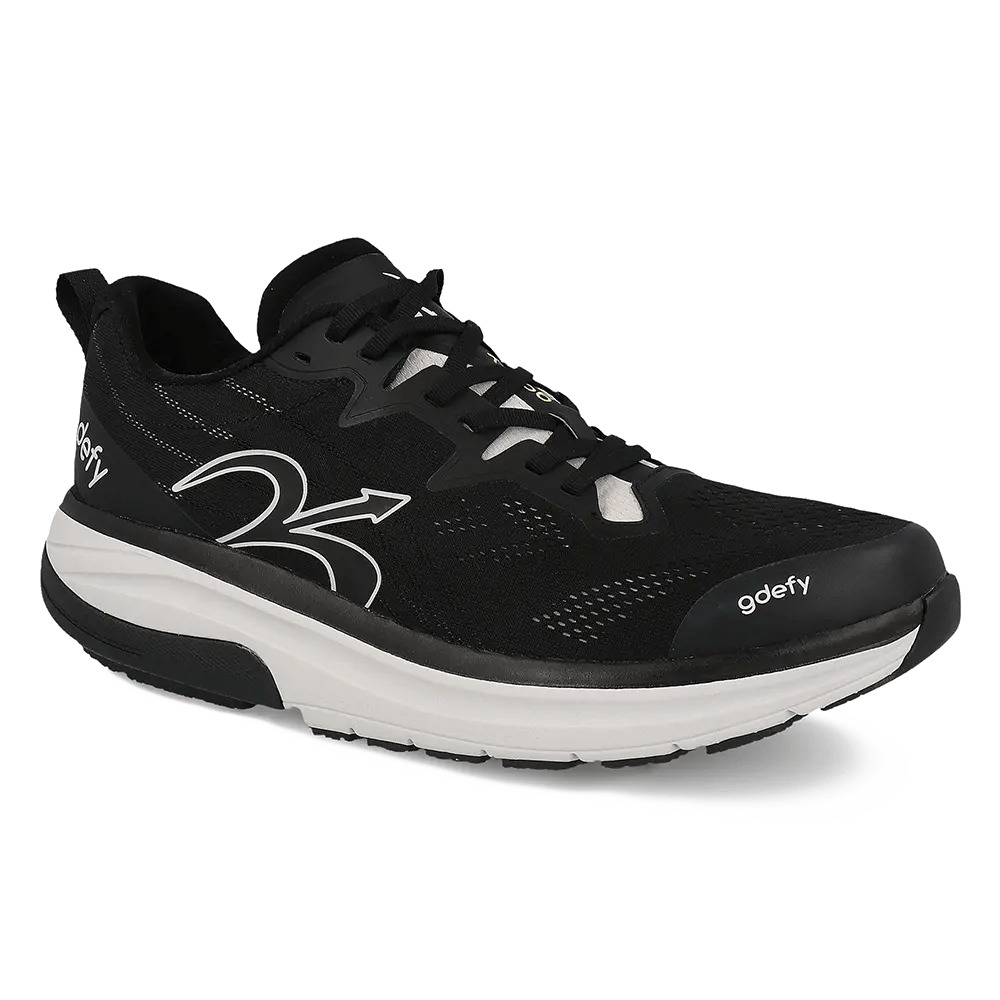
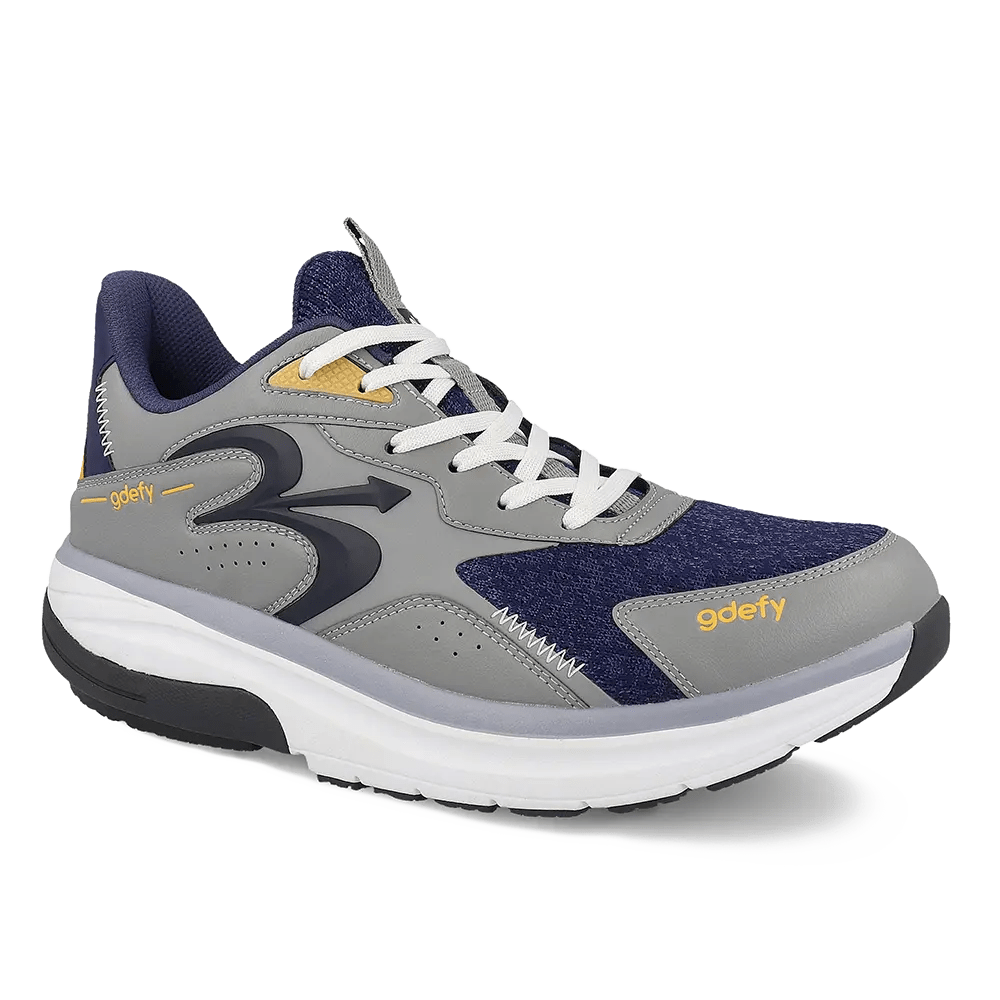
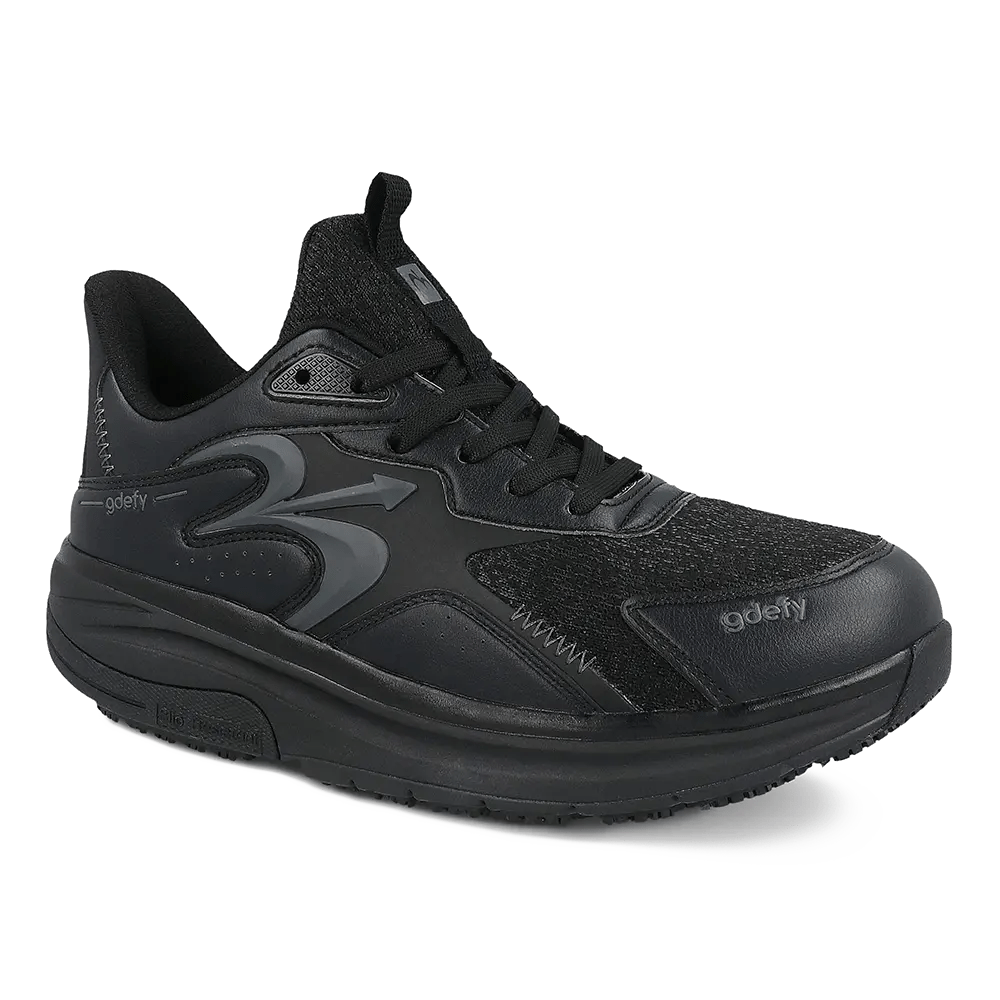
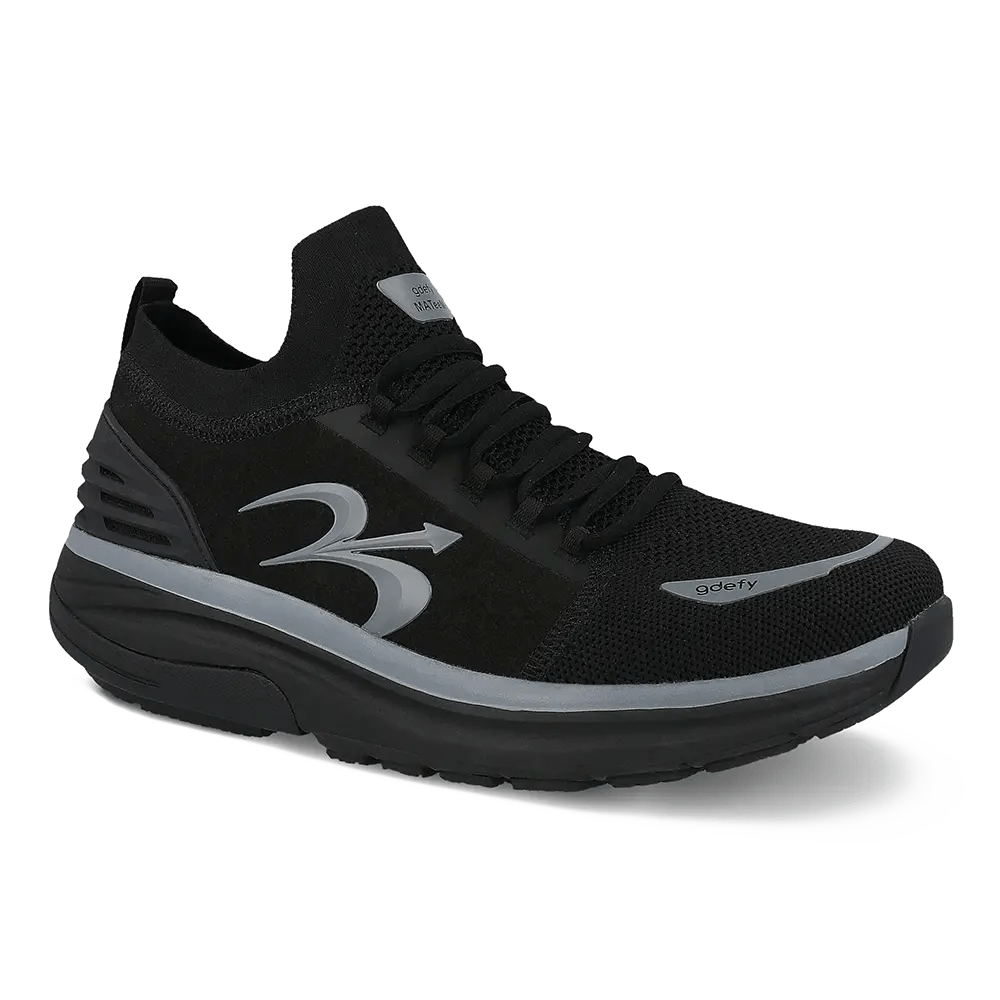
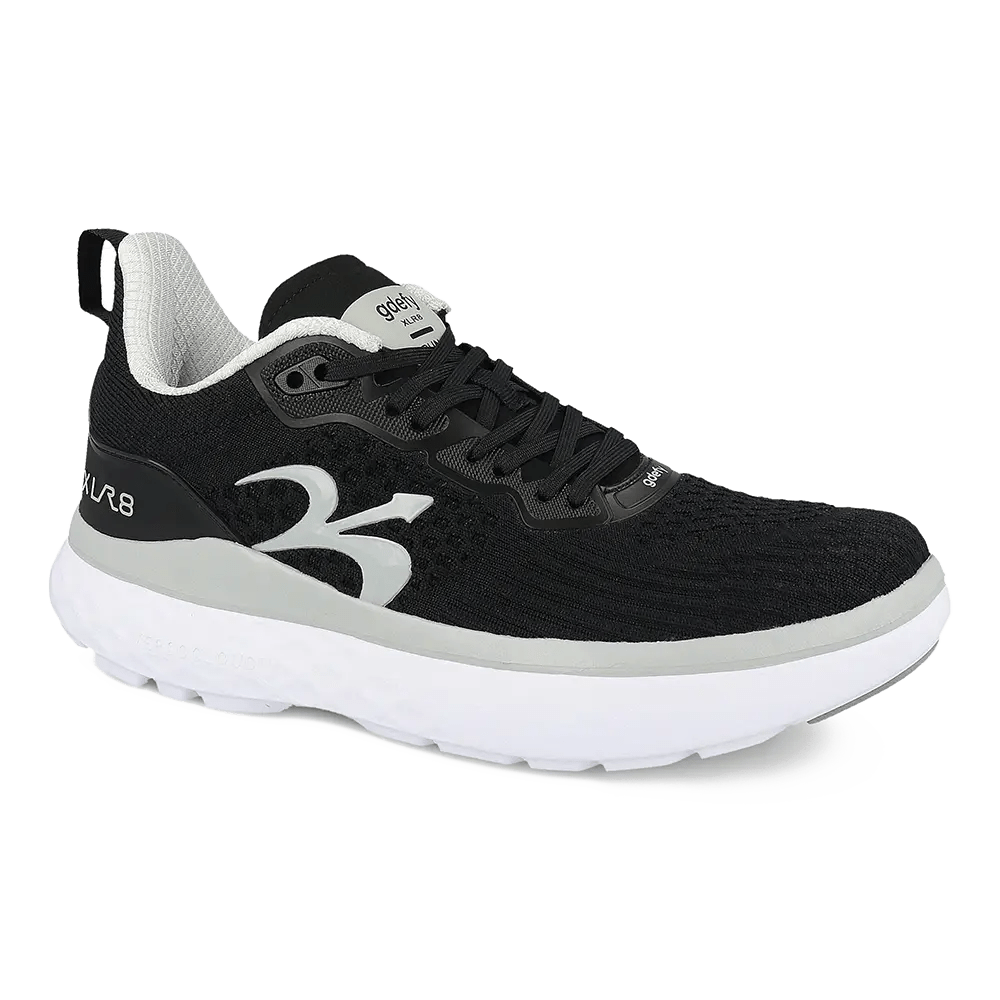
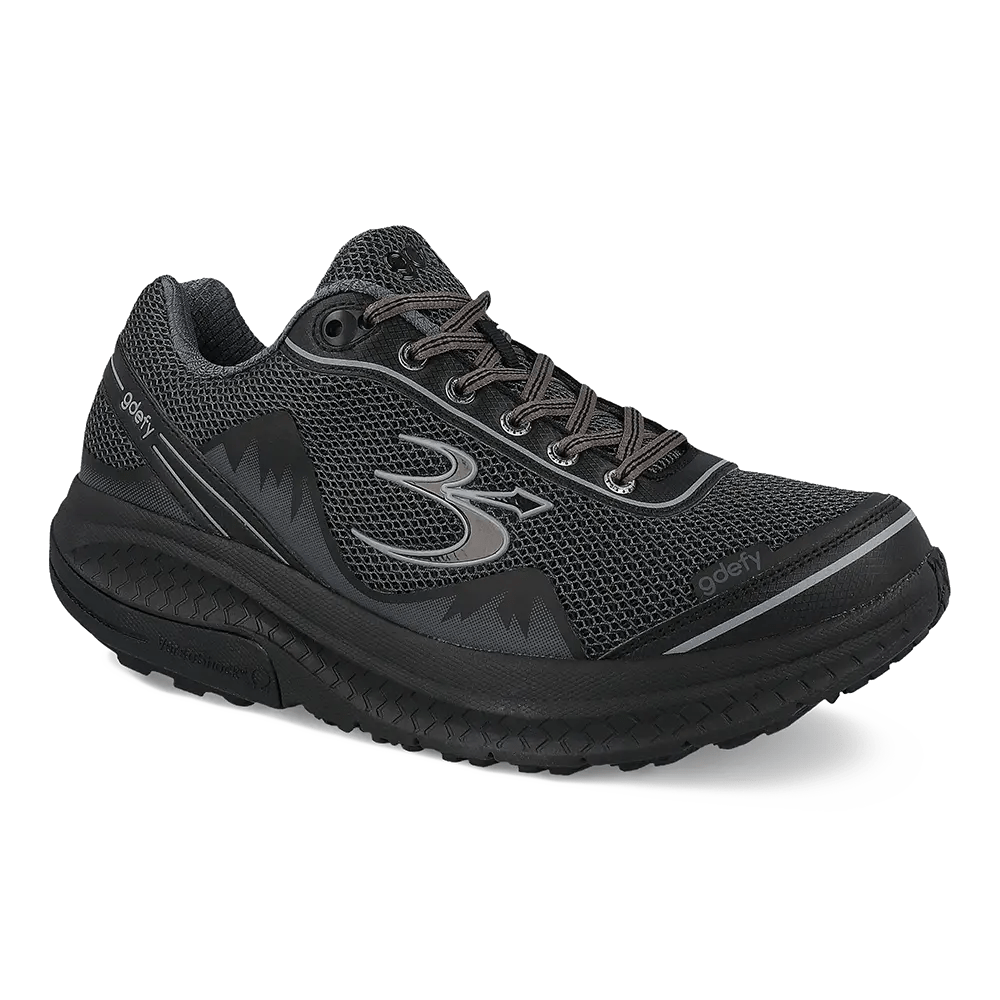
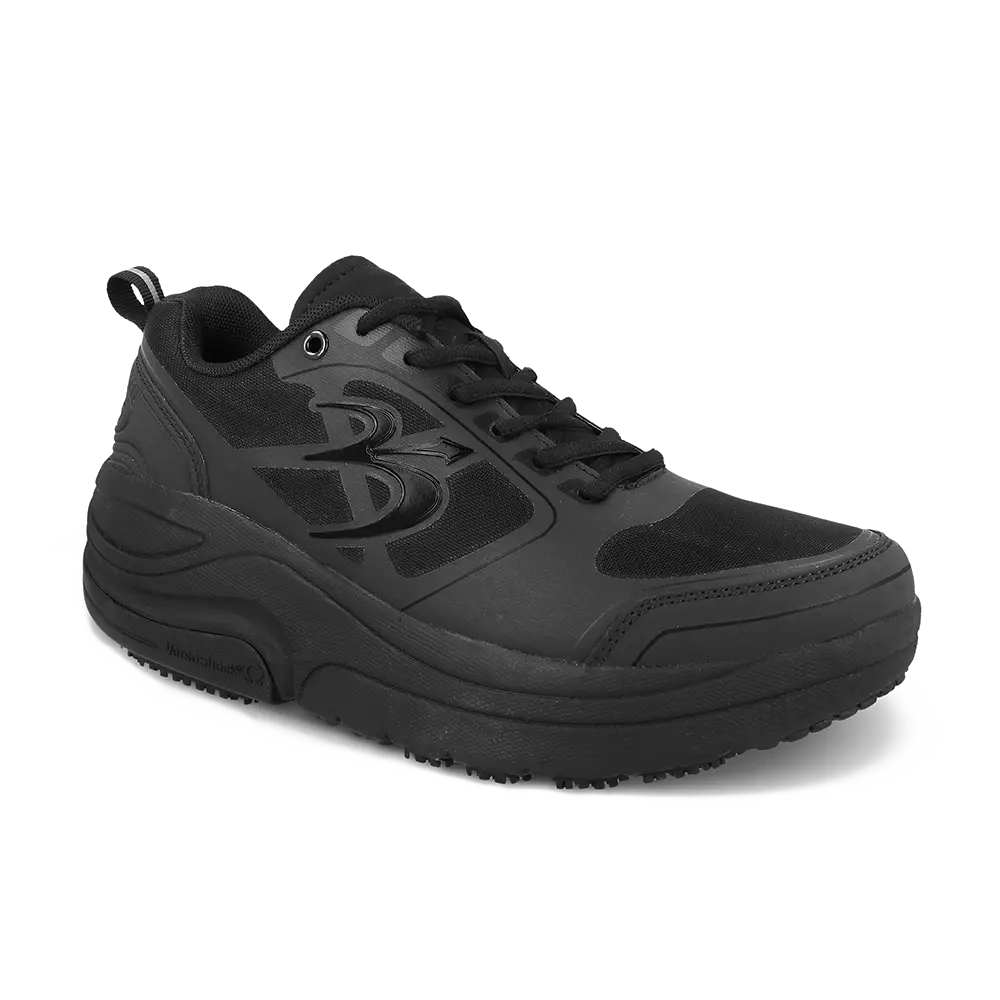
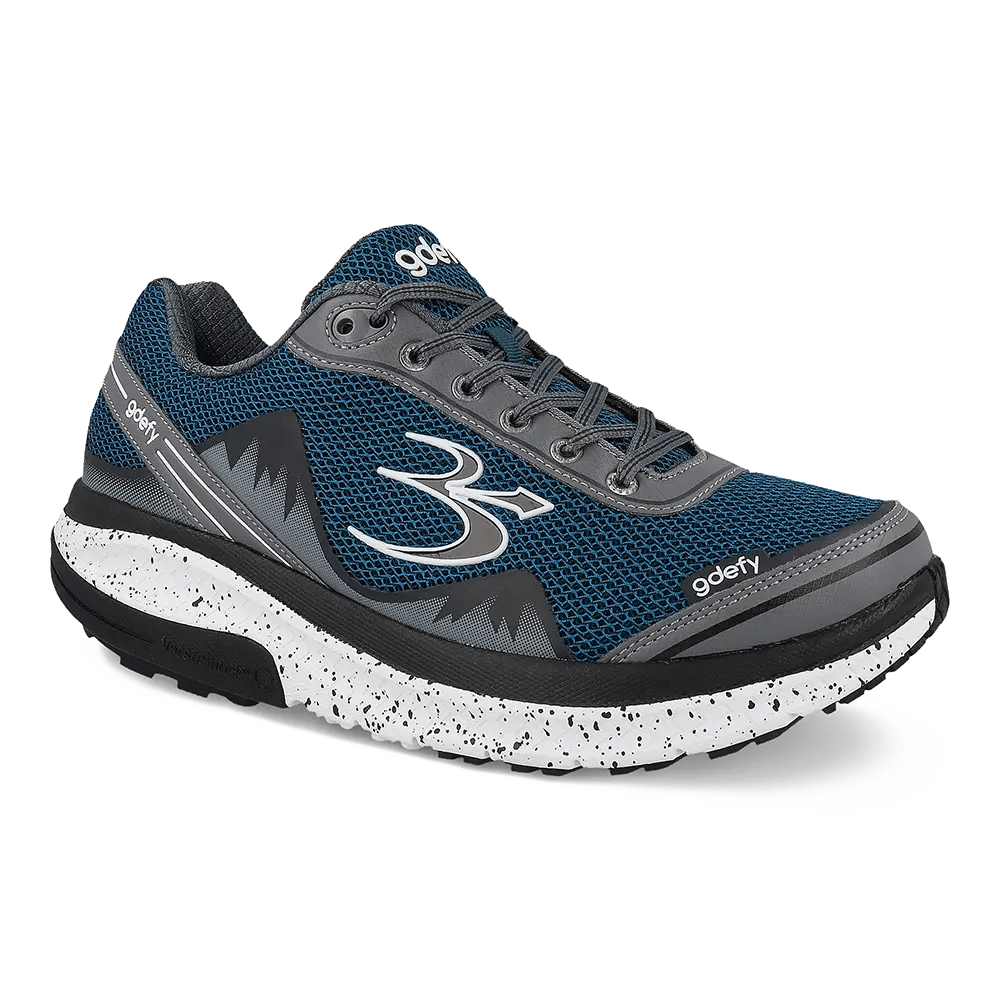
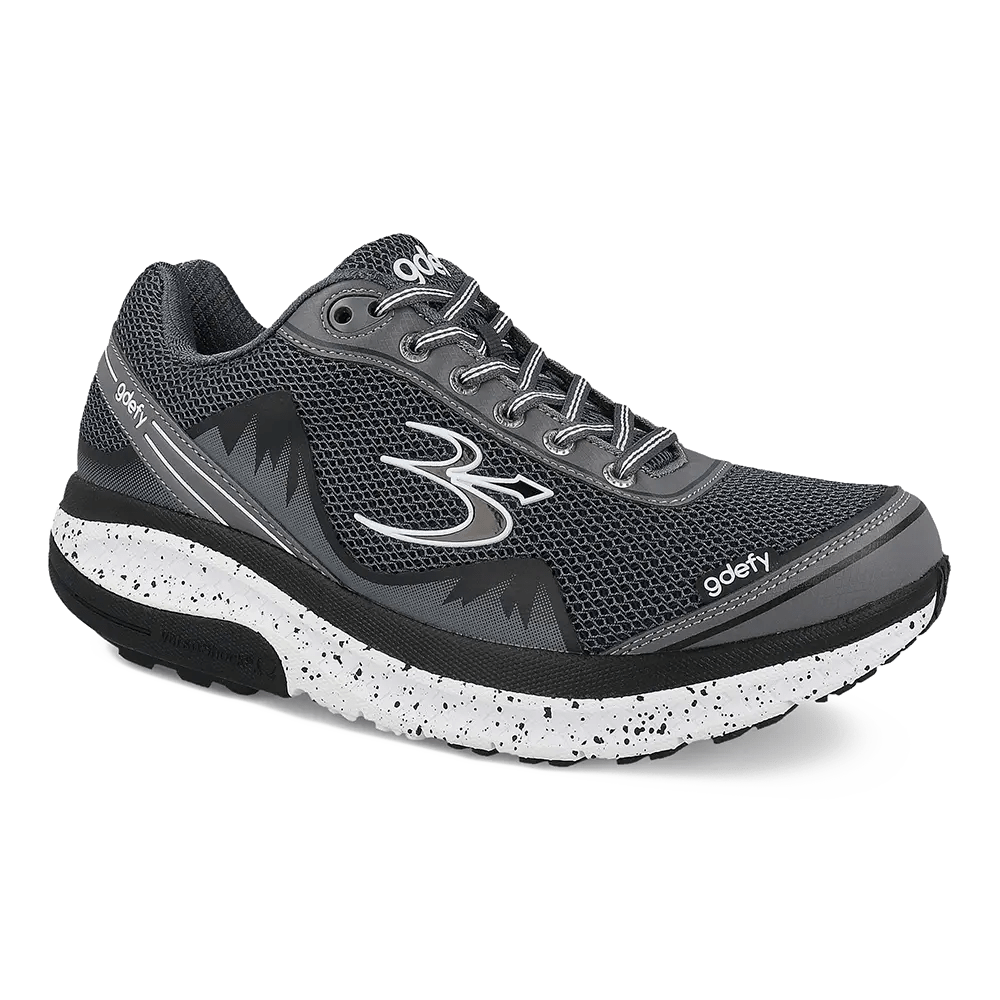
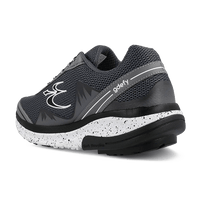
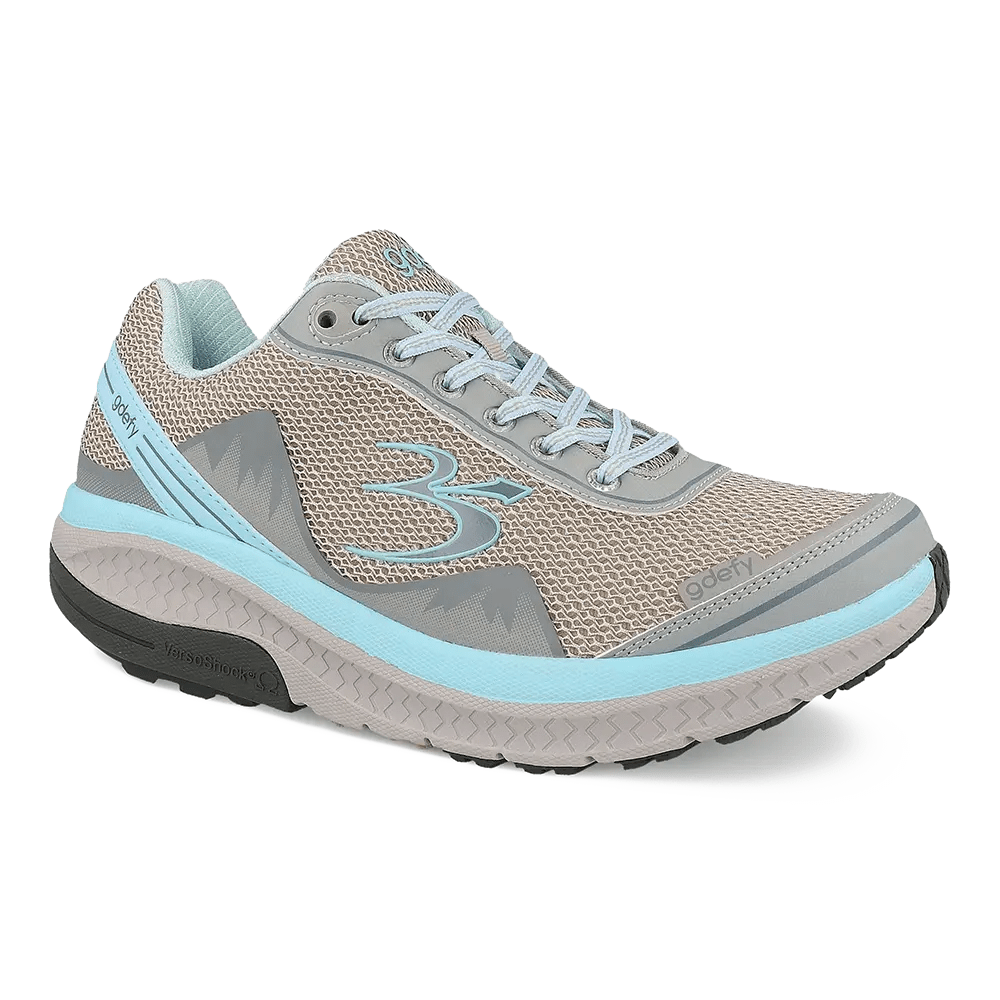
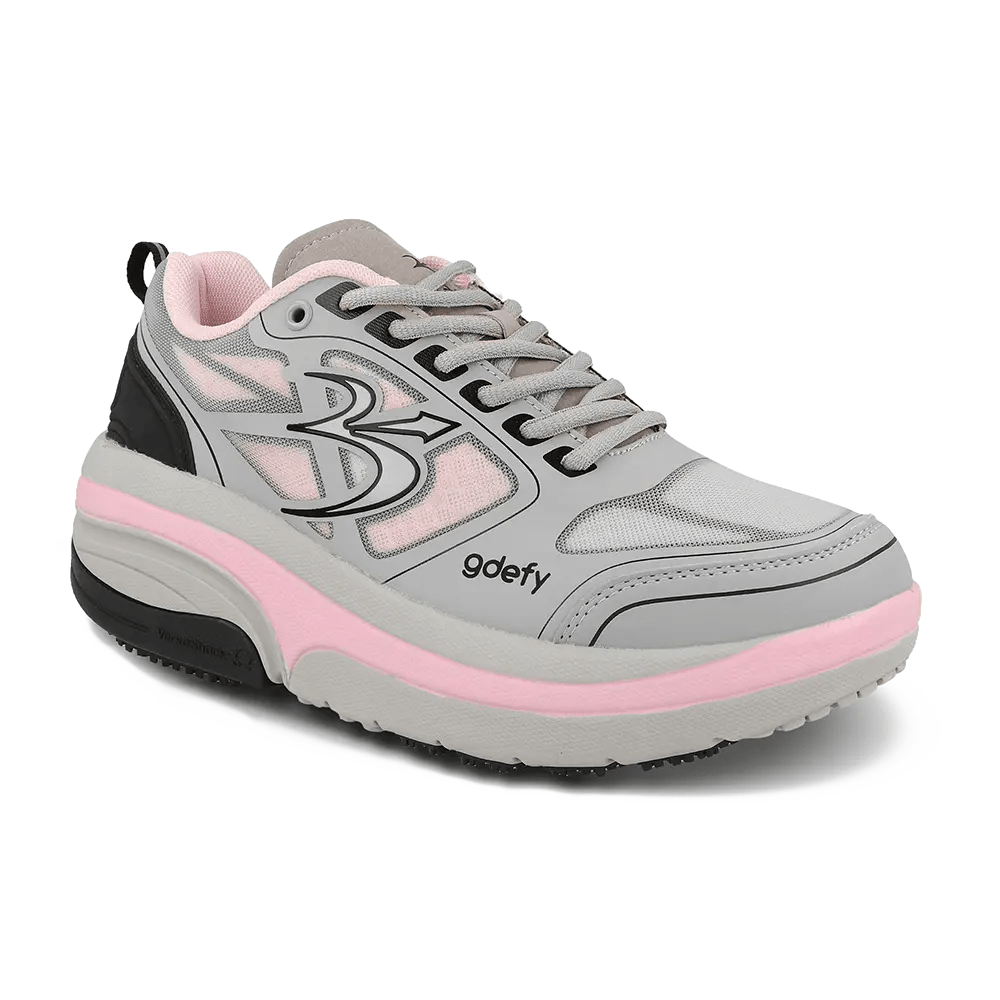
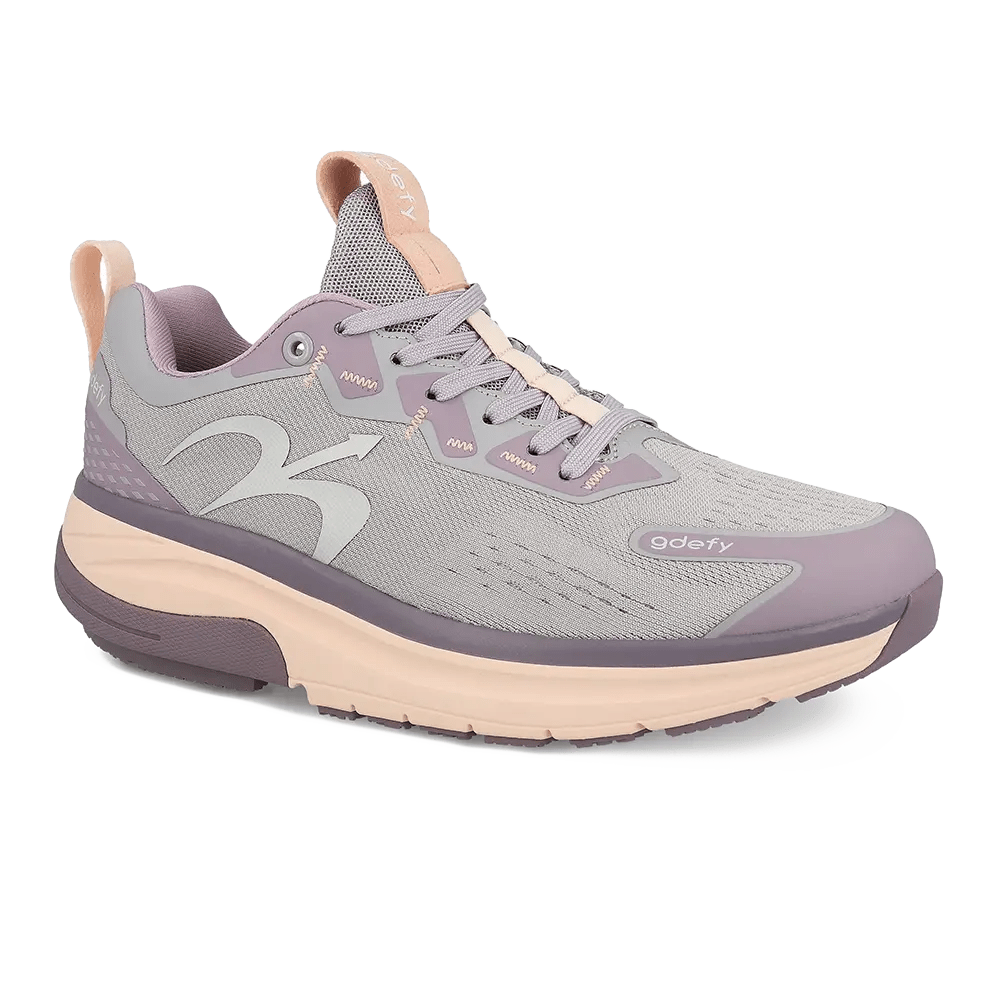
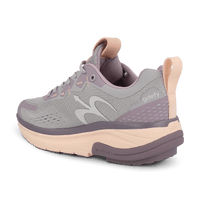
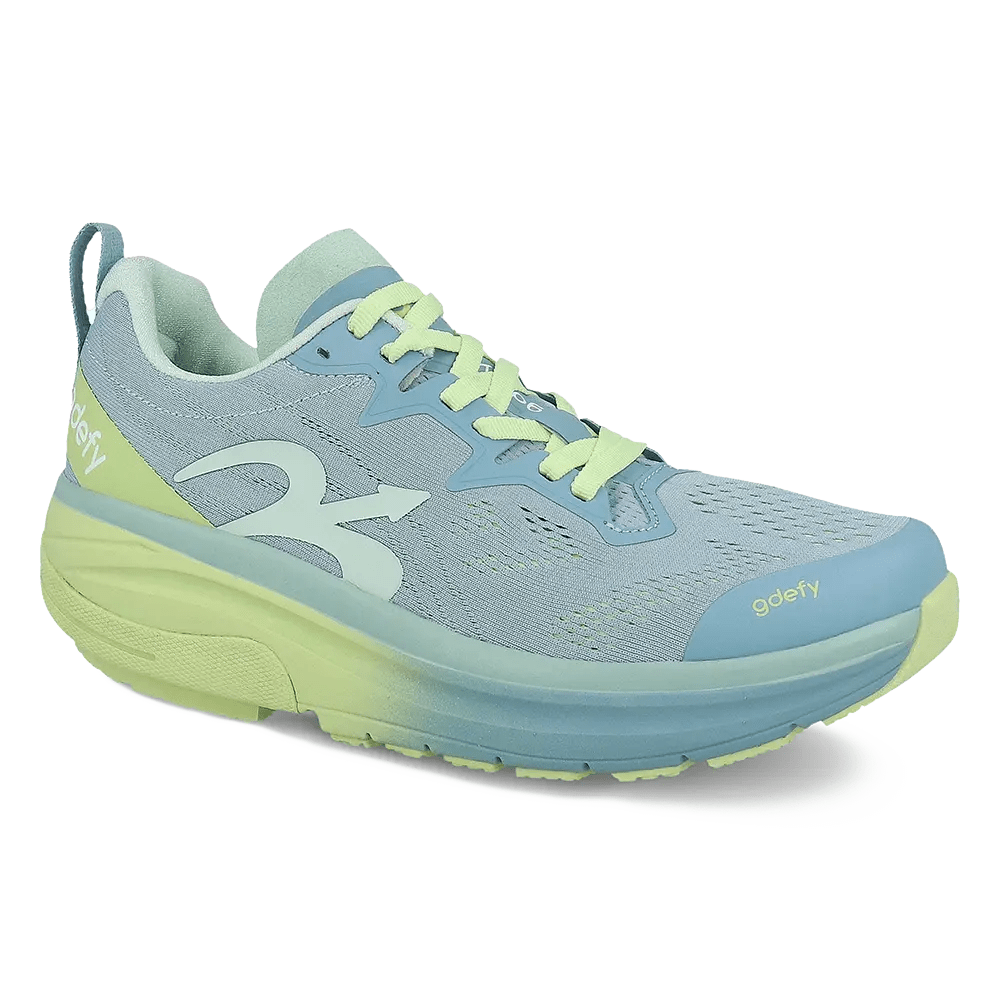
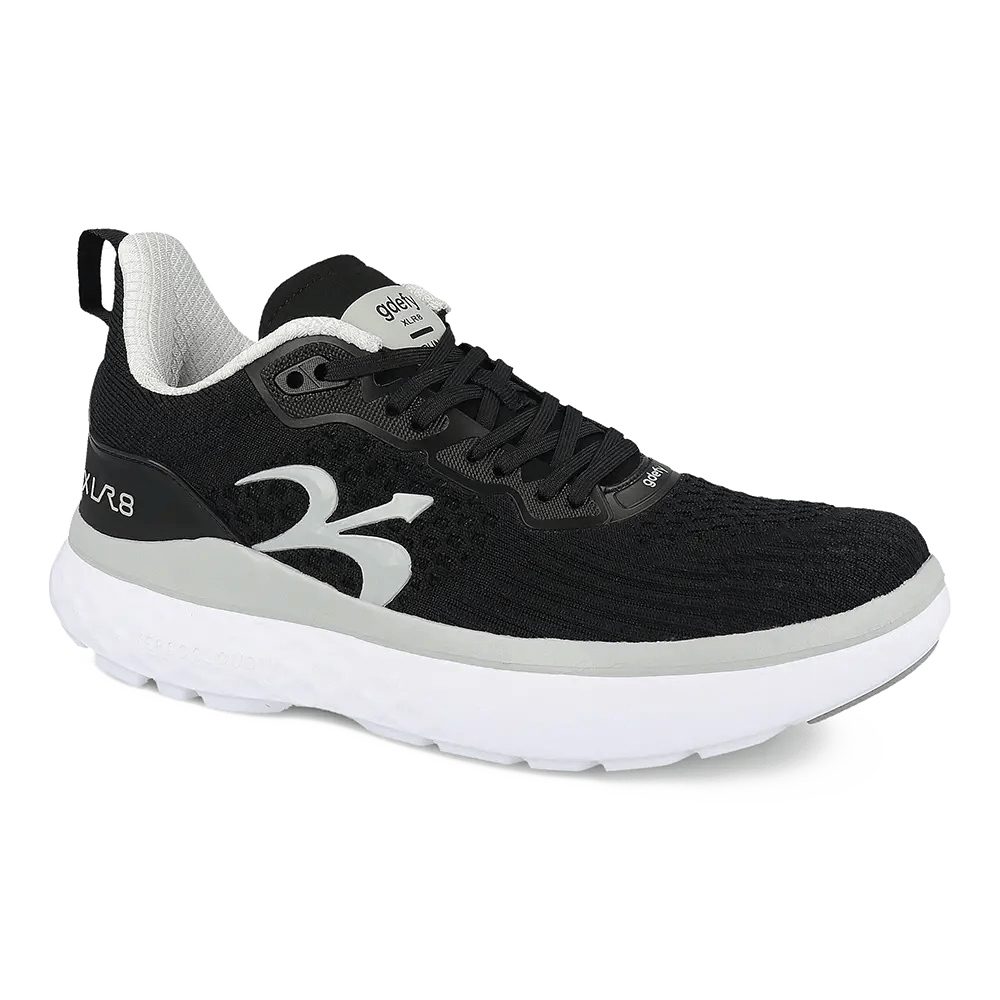
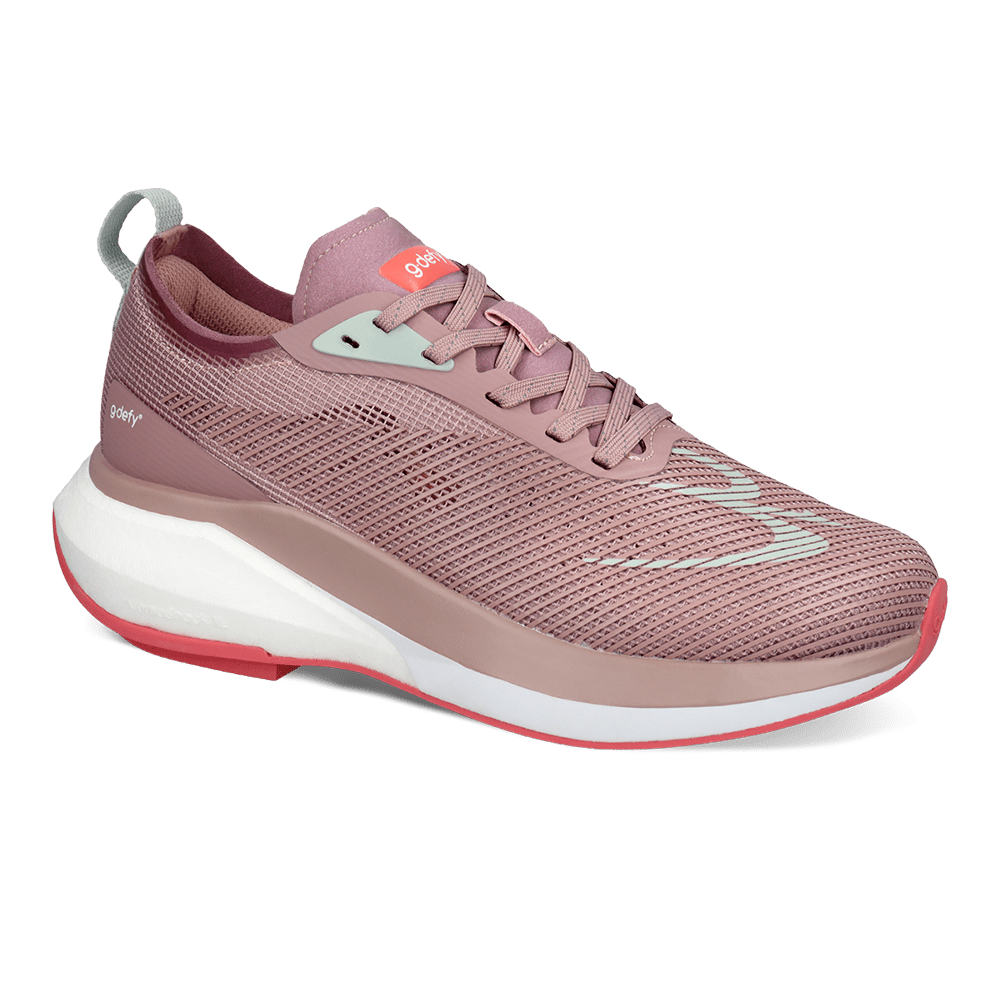
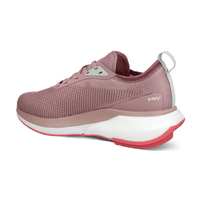
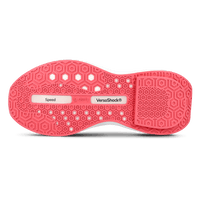
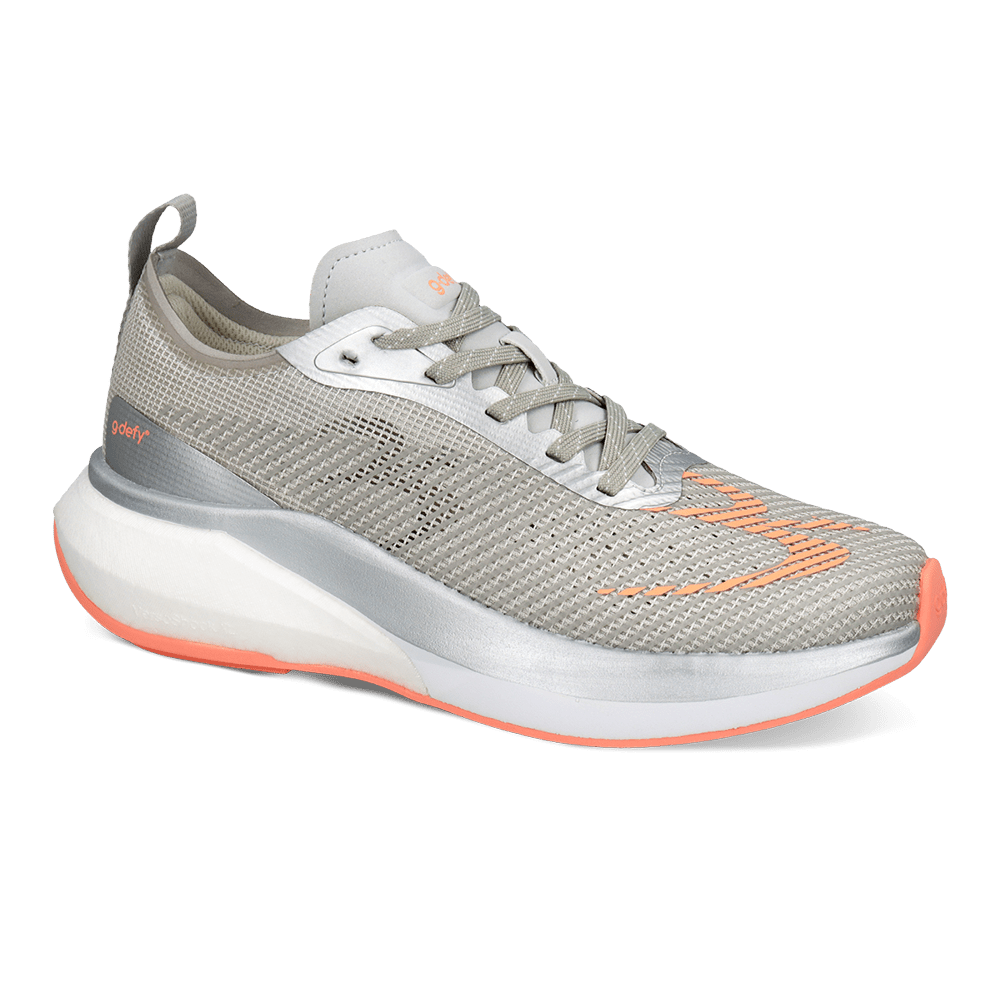
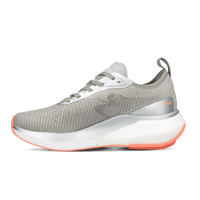
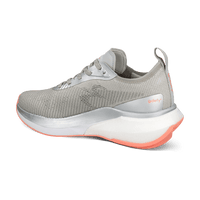
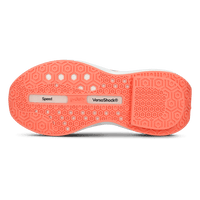
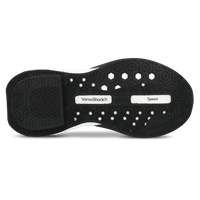
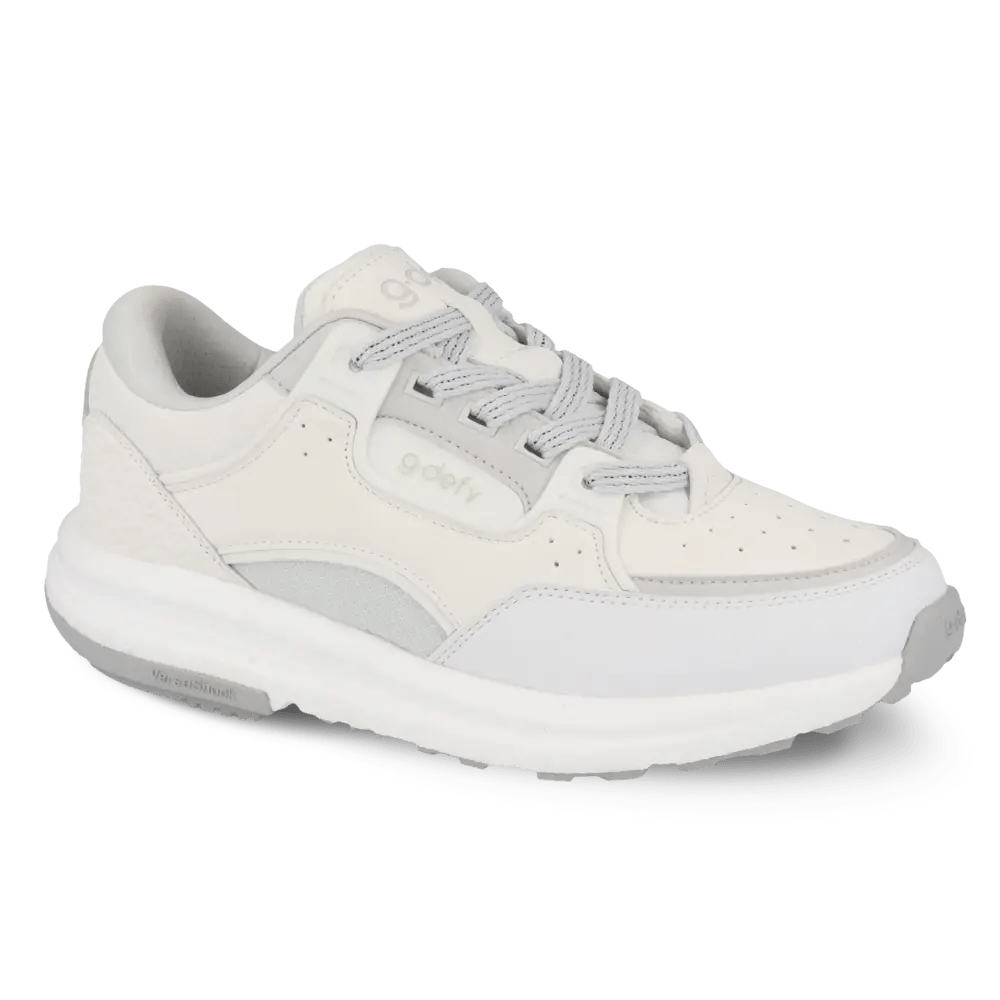
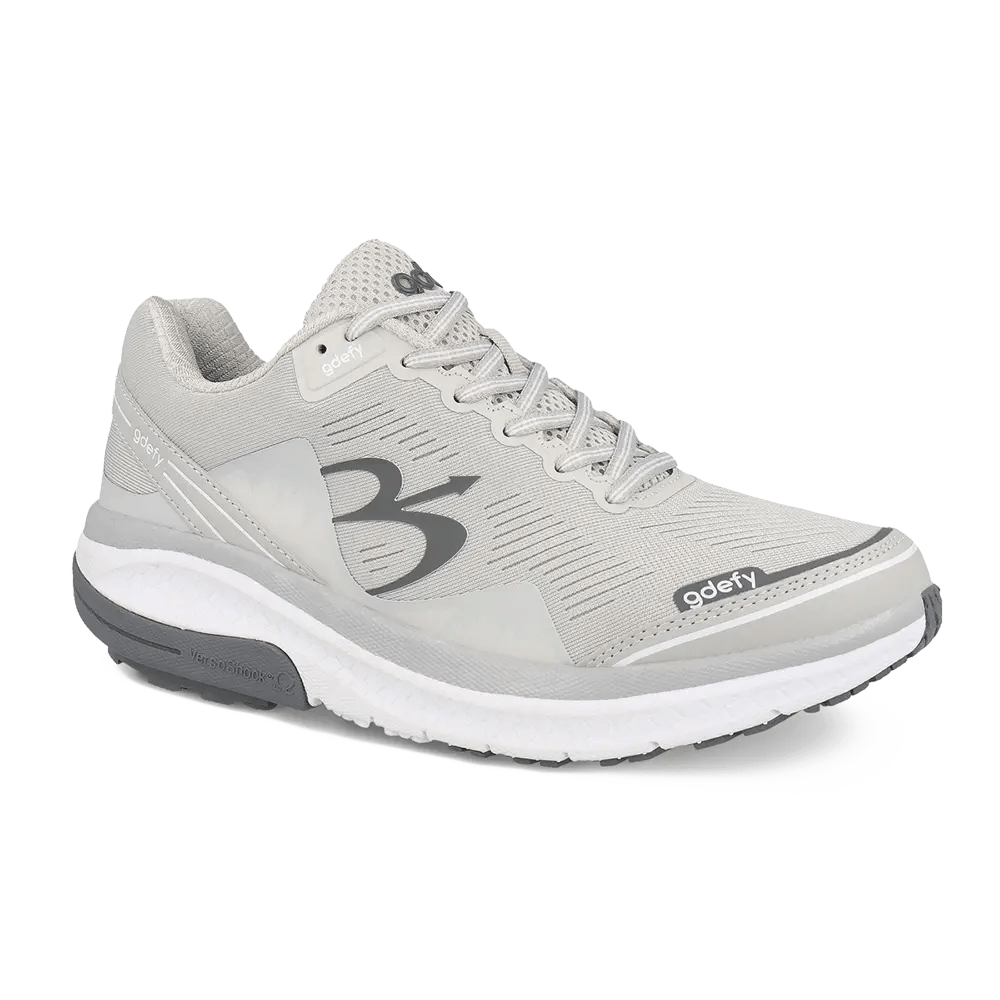
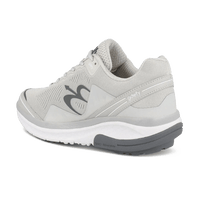
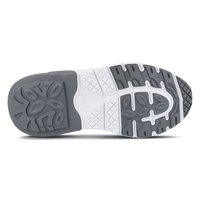
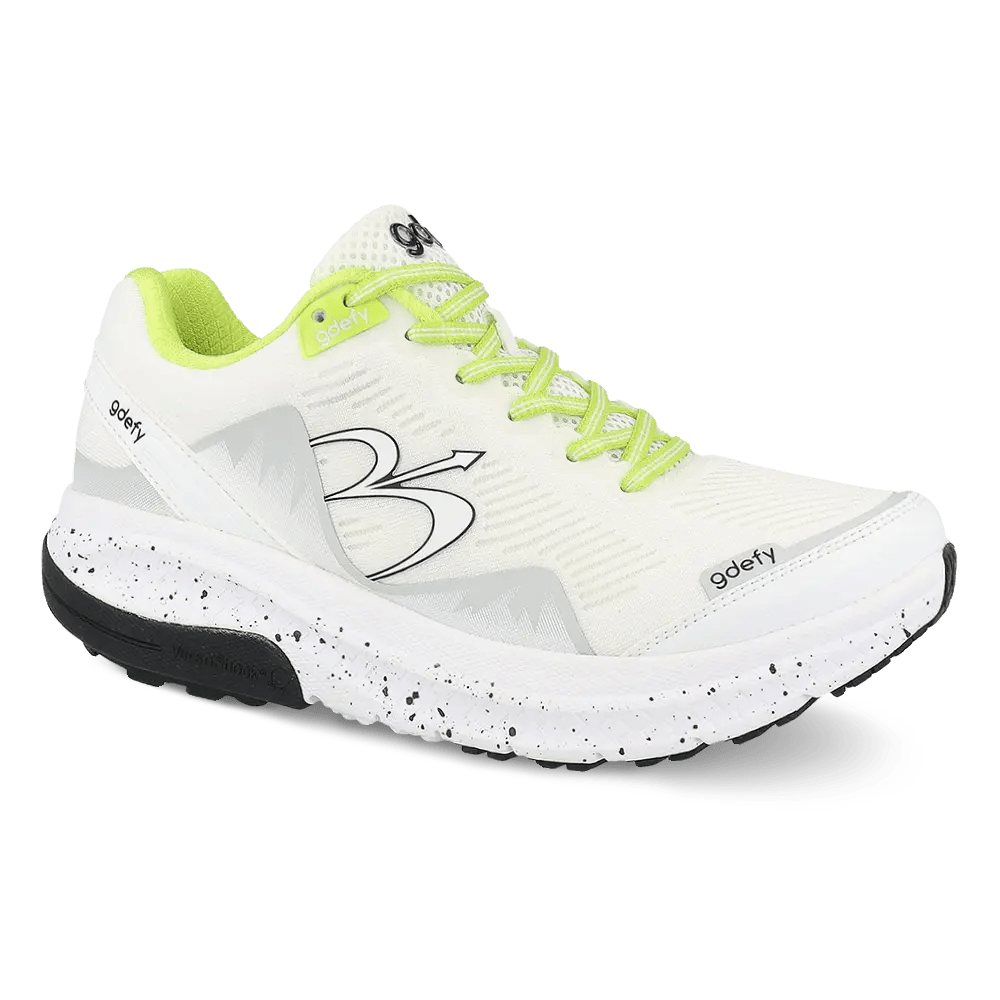
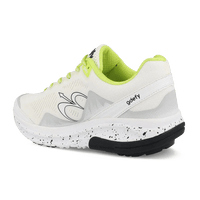
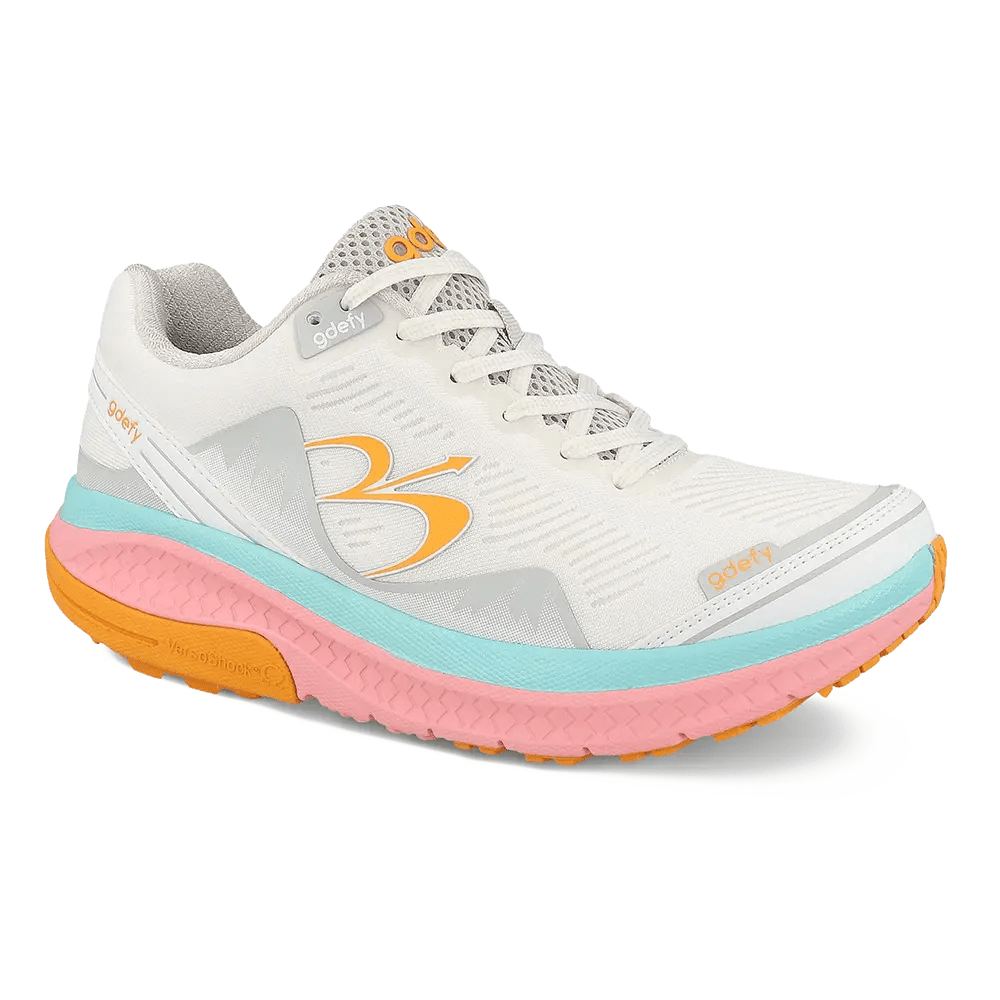
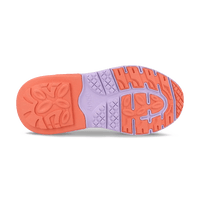
G-Defy shoes are engineered to provide comfort, support, and shock absorption during daily movement. At the center of every pair is VersoShock® technology, a spring-based system designed to absorb impact softly and return energy with each step. Unlike standard foam that compresses and fades, this spring-based design is built to keep cushioning feeling responsive over the long haul.
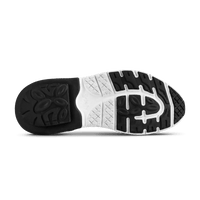
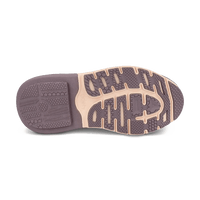
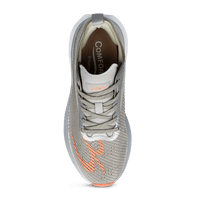
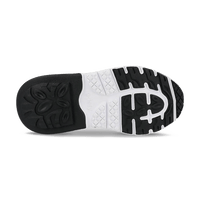
Cushioning is only part of the picture. A built-in stabilizer supports the foot during movement and helps prevent excessive bending in the middle of the shoe, while the front rolling design encourages a smooth heel-to-toe transition. The result is a stride that feels both soft and steady. Each pair also includes two removable orthotics — the ComfortFit® orthotic for low to medium arches and the CorrectiveFit® orthotic for medium to high arches — so you can customize the level of cushioning and support to your own feet. Together, these features help reduce pain from walking, running, and prolonged standing.

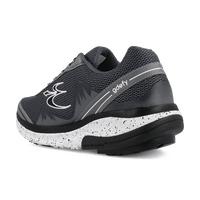
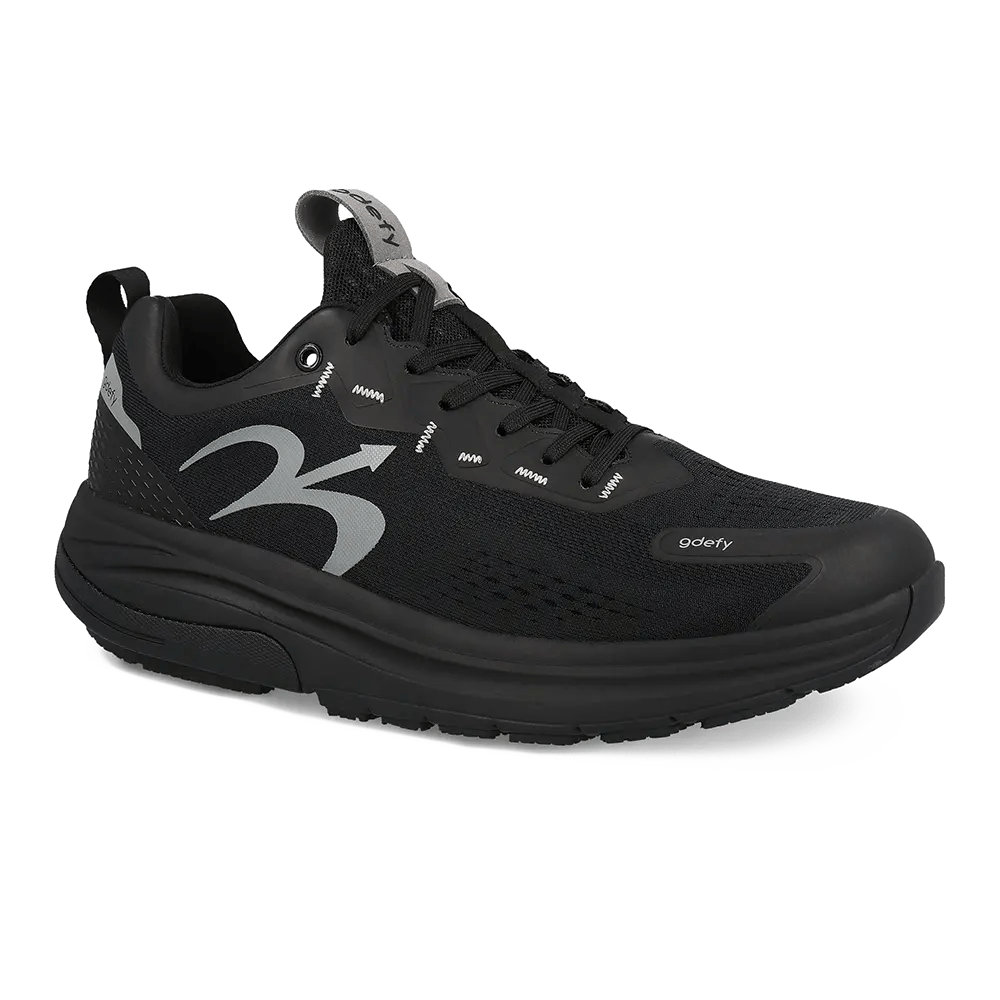
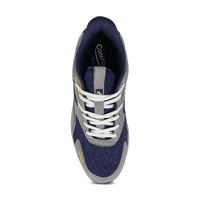
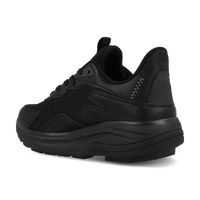
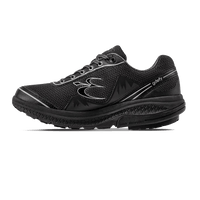
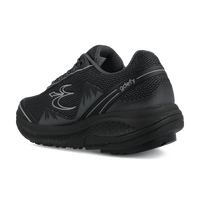
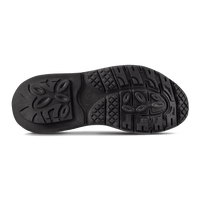
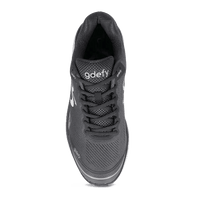
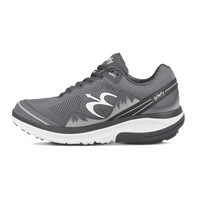
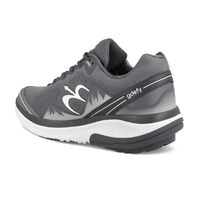
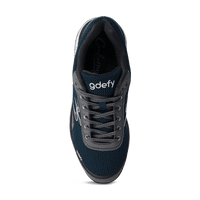
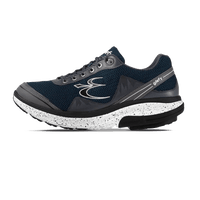
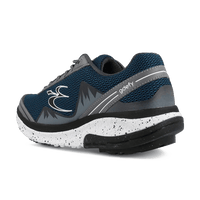
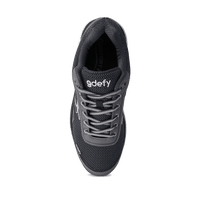
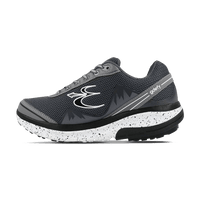
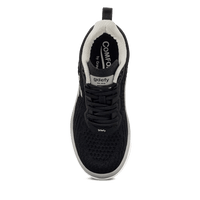
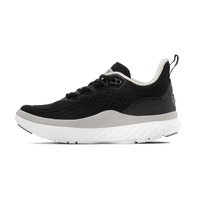
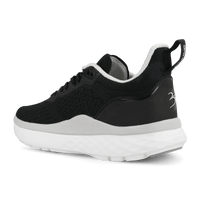
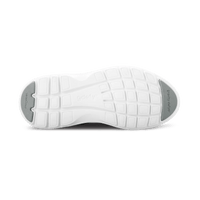
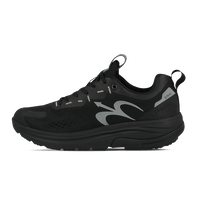
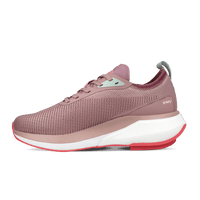
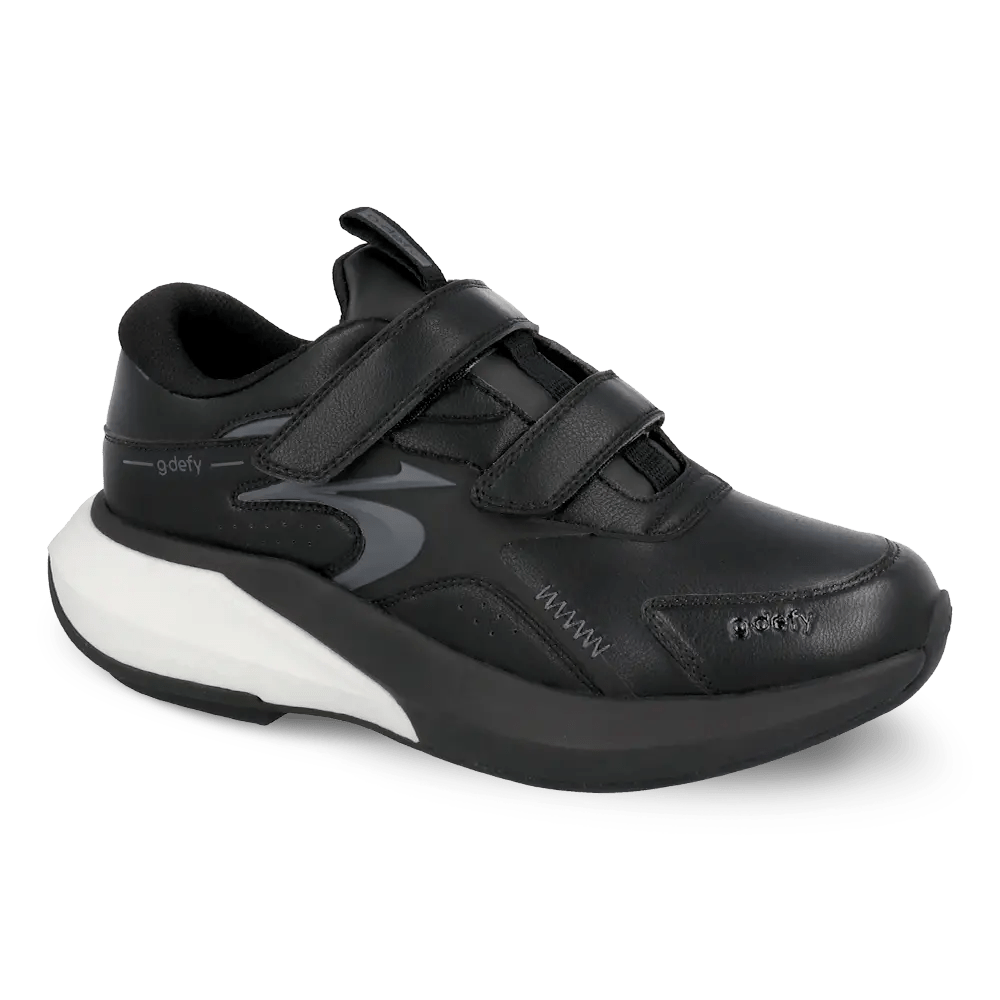
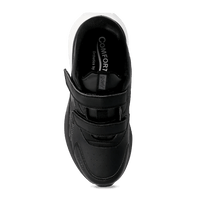
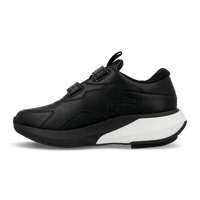
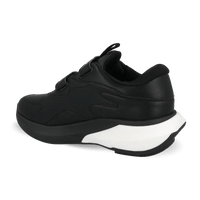
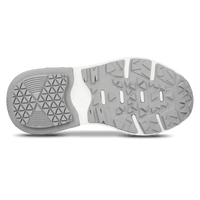
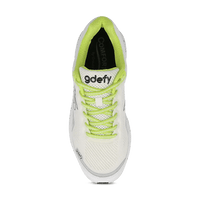
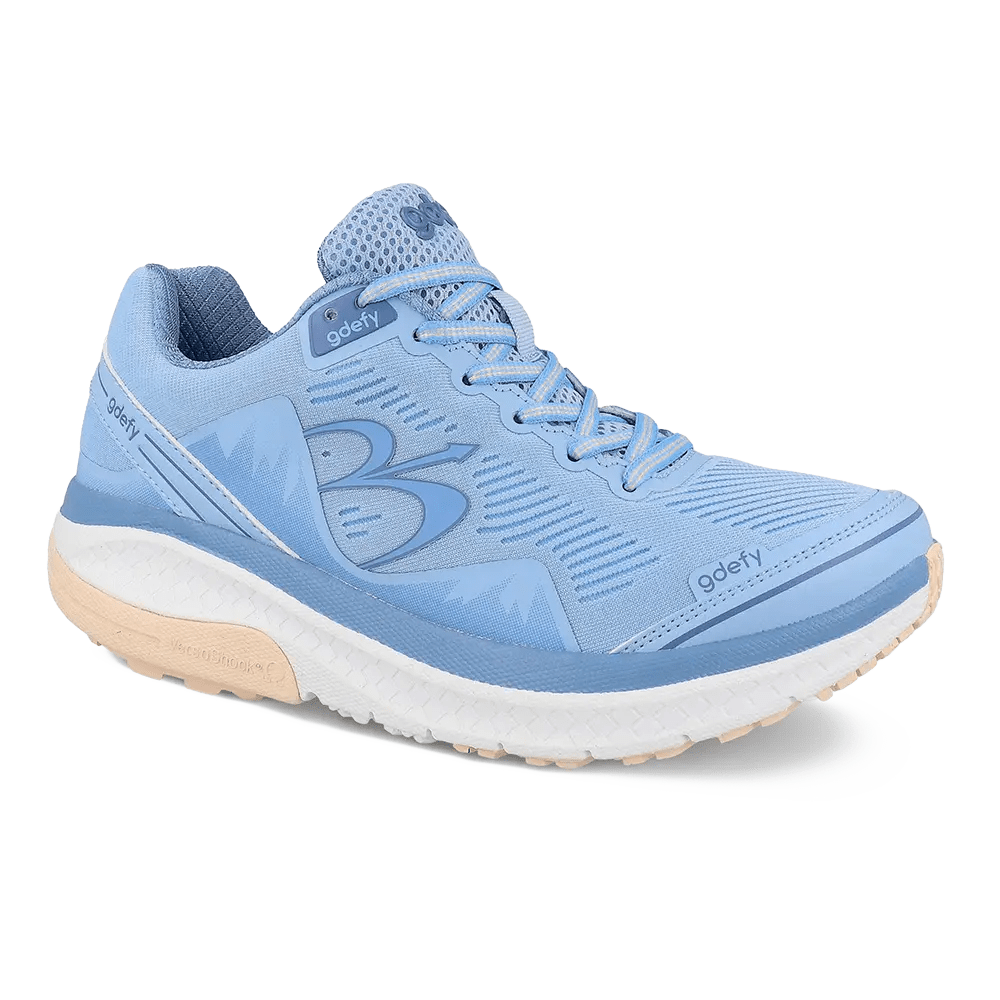
The Mighty Walk is a popular choice for all-day comfort, with generous cushioning and a supportive platform built for walking and standing. You can browse the full lineup in our men’s and women’s collections to find a style and fit that works for you.
Try the Difference Cushioning Makes
Wear G-Defy shoes for 60 days completely risk-free. If they are not the most comfortable shoes you have owned, send them back for a full refund. Plus free shipping on every order.
Shop the Mighty Walk“After switching to a more cushioned pair, my long workdays feel a lot easier on my whole body. They feel more supportive than my previous shoes.” — G-Defy customer. Composite testimonial; results vary by individual.
Everyday Moments Where Cushioning Counts
Cushioning is not just about how a shoe feels in the store — it is about how you feel during the real moments of your day. Here is where the right amount of cushioning tends to matter most:
- Long hours on hard floors. If you stand at work, cook, or run a busy household, a cushioned shoe softens the steady impact of a firm surface so you feel fresher by evening.
- Walking and errands. A trip to the store, a daily walk, or a day of sightseeing adds up to thousands of steps. Responsive cushioning helps each of those steps feel smooth rather than jarring.
- Travel days. Airports, terminals, and unfamiliar streets mean a lot of walking and standing. Supportive cushioning helps keep a long travel day from wearing you down.
- Time on your feet at home. Gardening, chores, and projects keep you moving on a mix of surfaces. A stable, cushioned shoe helps you stay comfortable through it all.
In each of these moments, the combination of impact absorption and steady support is what helps your feet — and the rest of your body — stay comfortable for the long haul.
Practical Tips for Staying Comfortable
Even the best shoes work better when you take care of a few basics:
- Rotate your shoes. Giving cushioning time to recover between wears can help it last longer.
- Replace worn-out pairs. Once the cushioning feels flat or the tread is worn, a shoe offers less impact absorption than it used to.
- Get the fit right. Shoes that are too tight or too loose can keep good cushioning from helping. Measure your feet and choose the width that suits you.
- Break them in gradually. Wear a new pair for shorter stretches at first so your feet can adjust to a new feel.
Frequently Asked Questions
Can cushioned shoes help with back pain?
Footwear is not a medical solution, but supportive, cushioned shoes may improve overall comfort during walking and prolonged standing. By absorbing impact and keeping your stride steady, the right pair can make long days feel easier.
Is softer cushioning always more comfortable?
Not necessarily. Comfort comes from a balance of cushioning and support. A shoe that is too soft can feel unstable, while one that pairs impact absorption with a stable platform tends to feel comfortable and steady.
How is VersoShock® cushioning different from regular foam?
VersoShock® uses a spring-based design built to absorb impact and return energy with each step. Compared with standard foam that compresses over time, it is engineered to keep feeling responsive and supportive for longer.
How often should I replace cushioned shoes?
It depends on how much you wear them, but a good sign is when the cushioning feels flat or the soles look worn. At that point a shoe absorbs less impact, so a fresh pair can restore the comfortable feel.
What G-Defy shoes are good for everyday comfort?
The Mighty Walk is a great place to start for all-day cushioning and support. You can also explore the full men’s and women’s collections to compare styles and find the right fit for your routine.
The Bottom Line
While footwear is not a medical solution, choosing shoes designed for comfort, support, and shock absorption can make a meaningful difference in how you feel throughout the day. Cushioning that absorbs impact — balanced with the support that keeps you steady — helps your feet, and the rest of your body, stay more comfortable from morning to night.
If back comfort is on your mind, give your feet a more cushioned foundation and feel the difference for yourself. Explore the Mighty Walk with a 60-day risk-free trial and free shipping, and step into a more comfortable day.