June 16, 2026
7 Shoe Features to Look for If You Have Back Pain
By Gdefy

Summary
If you deal with back pain during everyday activities like walking, standing, or running errands, the shoes on your feet may matter more than you think. While footwear is not a medical solution, the right design can play a real role in your overall comfort and support throughout the day.
Your feet are the foundation of every step you take. When that foundation lacks cushioning or stability, the rest of your body often compensates — and that can leave you feeling worn out by the end of the day. The good news is that a few specific shoe features can make a noticeable difference in how comfortable you feel on your feet.
Below are seven shoe features to look for if you experience back pain, plus practical guidance on how to put them to work for you.
How Your Shoes Connect to Everyday Back Comfort
It is easy to overlook the connection between your feet and your back. But the body works as a connected system — what happens at ground level travels upward with every step. This idea is sometimes called the kinetic chain, and it helps explain why supportive footwear is worth paying attention to.
When shoes are flat, worn out, or poorly fitted, your stride can become less stable. Over a long day of walking or standing, that added strain can leave you feeling tired and uncomfortable. Shoes built for cushioning, support, and shock absorption are designed to help you stay comfortable as the hours add up. None of this treats a medical condition — it is simply about giving your feet a more supportive base to move from.
7 Shoe Features to Look for If You Have Back Pain
Not every comfortable-looking shoe offers the support your feet need for long days. Here are the features that matter most.
1. Cushioning That Absorbs Impact
Every step sends a small wave of impact up through your feet and legs. Generous cushioning is designed to soften that impact so movement feels smoother and easier. Look for a midsole with enough depth to cushion each step without feeling flat or thin underfoot.
2. Reliable Shock Absorption
Cushioning and shock absorption are related but not identical. Shock absorption refers to how well a shoe reduces the harsh force of your foot striking the ground. A shoe engineered to absorb shock helps reduce that jarring sensation, which can make a long day of walking or standing feel more comfortable.
3. Arch Support That Matches Your Foot
Arch support helps maintain stability and keeps your foot in a more natural position as you move. The catch is that arches vary from person to person. The most supportive shoes either offer well-designed built-in support or let you customize it — so the fit works for your foot rather than an average one.
4. A Stable, Supportive Midsole
A shoe that twists or folds too easily in the middle does not give your foot much to rely on. A built-in stabilizer helps prevent excessive bending and supports the structure of your foot during movement. This encourages a more stable, controlled stride — especially helpful when you are on your feet for hours.
5. A Smooth Heel-to-Toe Transition
Comfortable walking depends on how smoothly your foot rolls from heel to toe. A shoe with a front rolling design encourages a natural forward motion and helps your stride feel more fluid. When each step transitions smoothly, walking tends to feel less effortful over the course of a day.
6. A Secure, Proper Fit
Even the best-designed shoe cannot support you well if it does not fit. Shoes that are too tight, too loose, or too narrow can throw off your stride and leave your feet fatigued. Look for a secure heel, a roomy toe area that lets your toes move naturally, and width options so you are not forced into a one-size-fits-all shape.
7. Lasting Cushioning and Energy Return
Some shoes feel great for the first month and then pack down flat. Materials designed to return energy — rather than simply compress and stay compressed — help keep movement feeling responsive over time. A shoe that holds its cushioning supports your comfort for the long haul, not just the first few wears.
How G-Defy Brings These Features Together
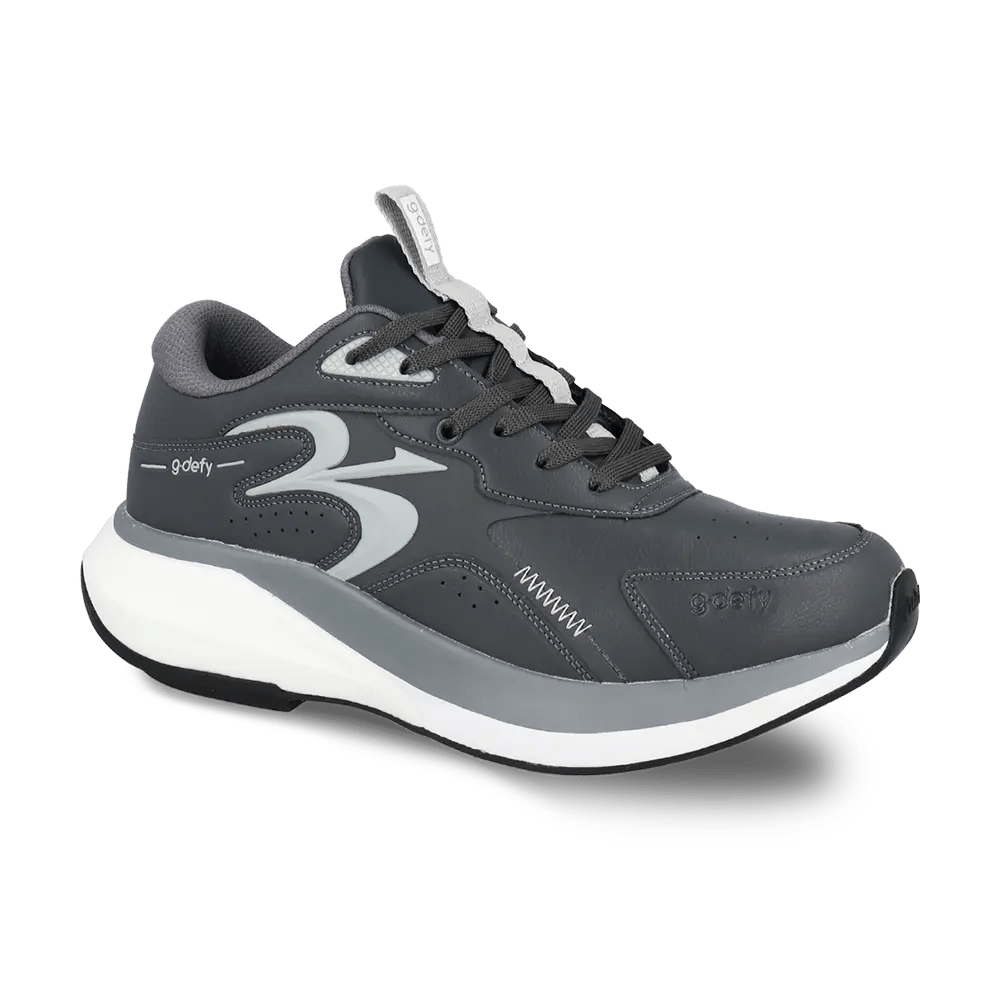
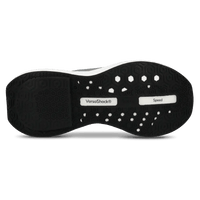
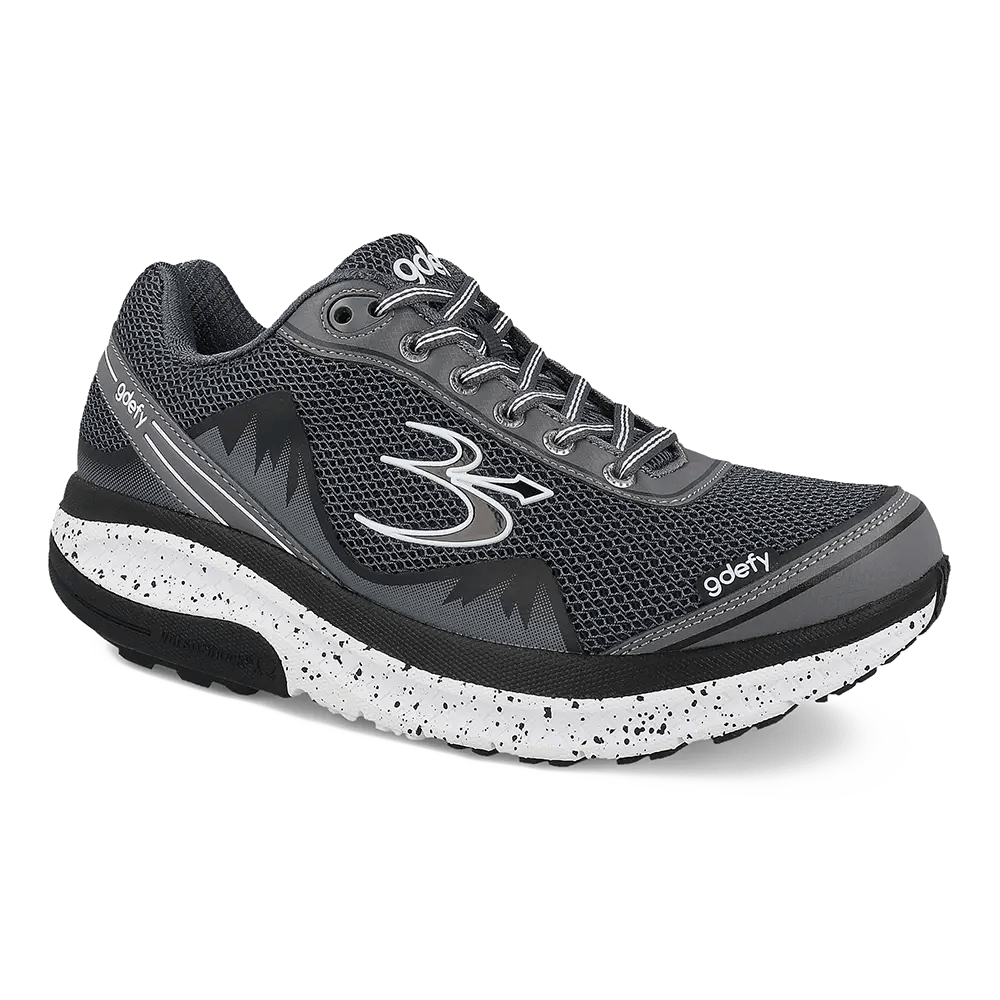
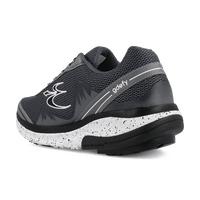
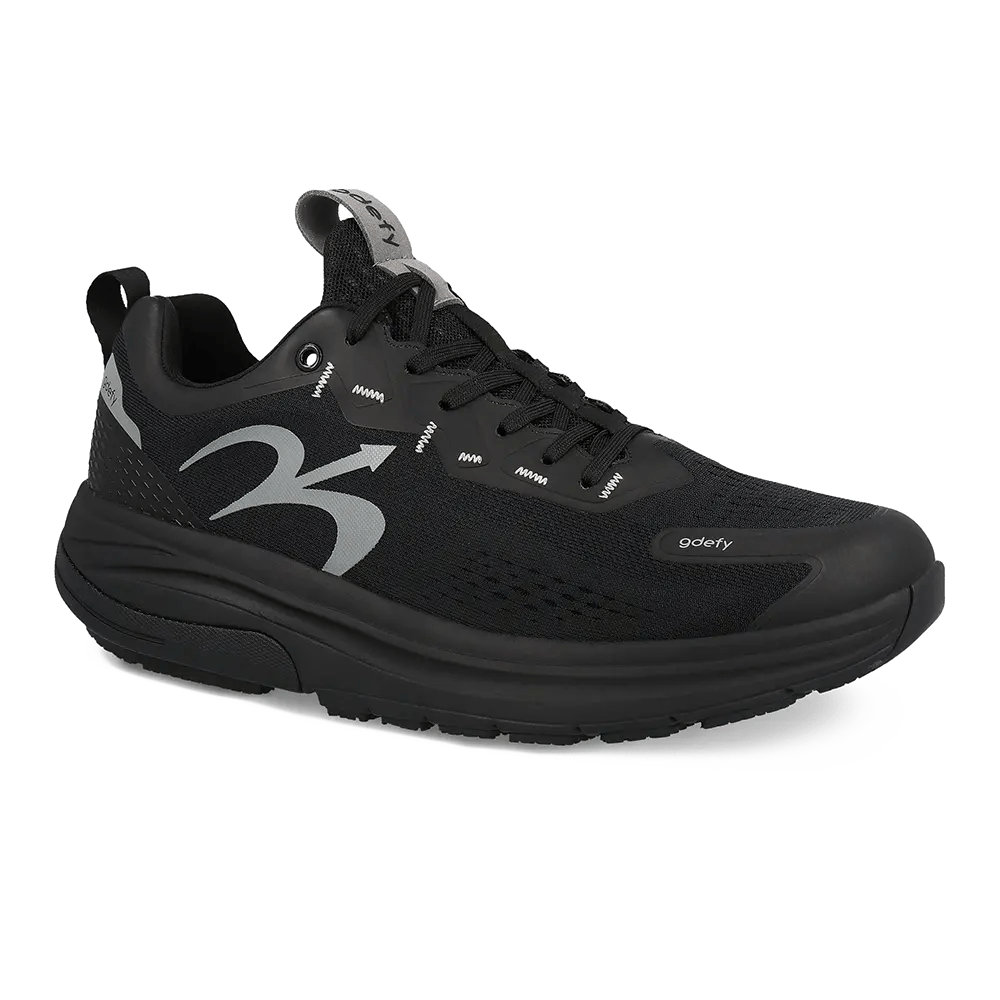
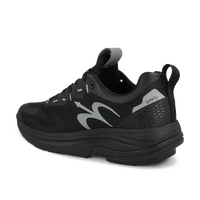
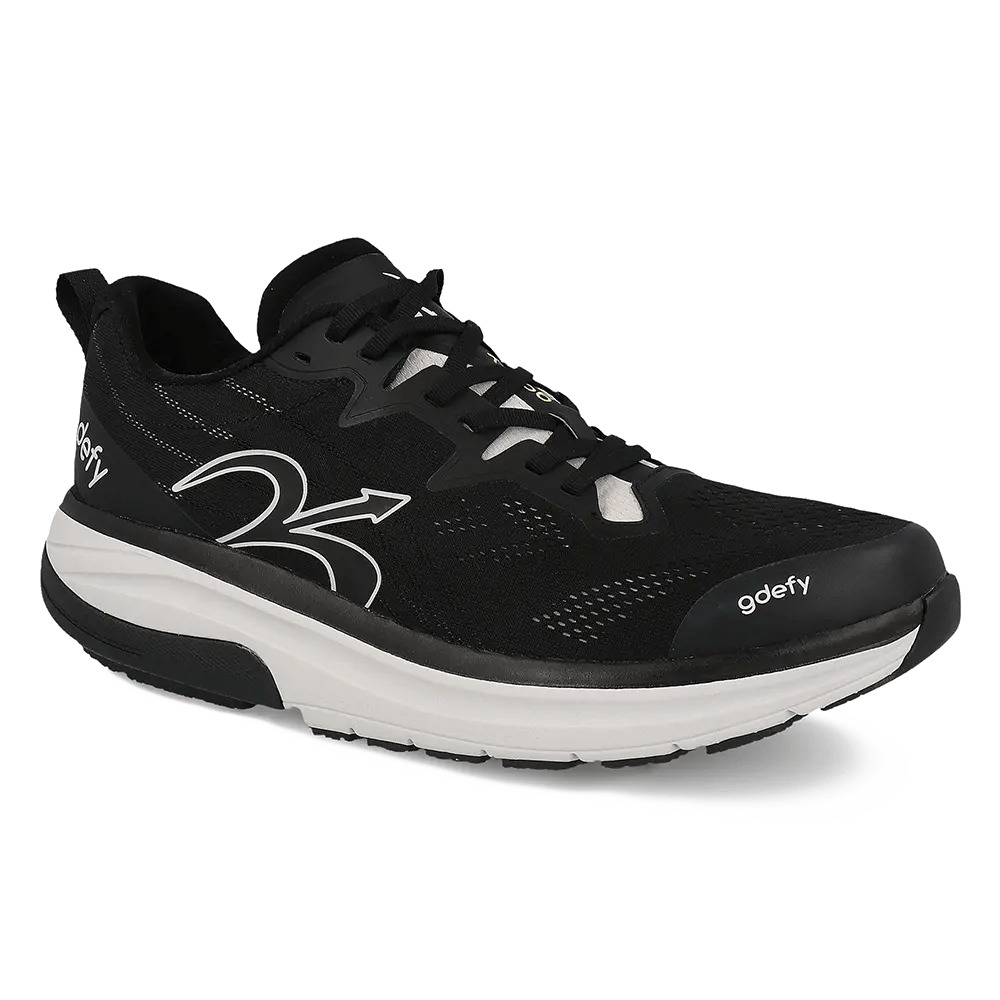
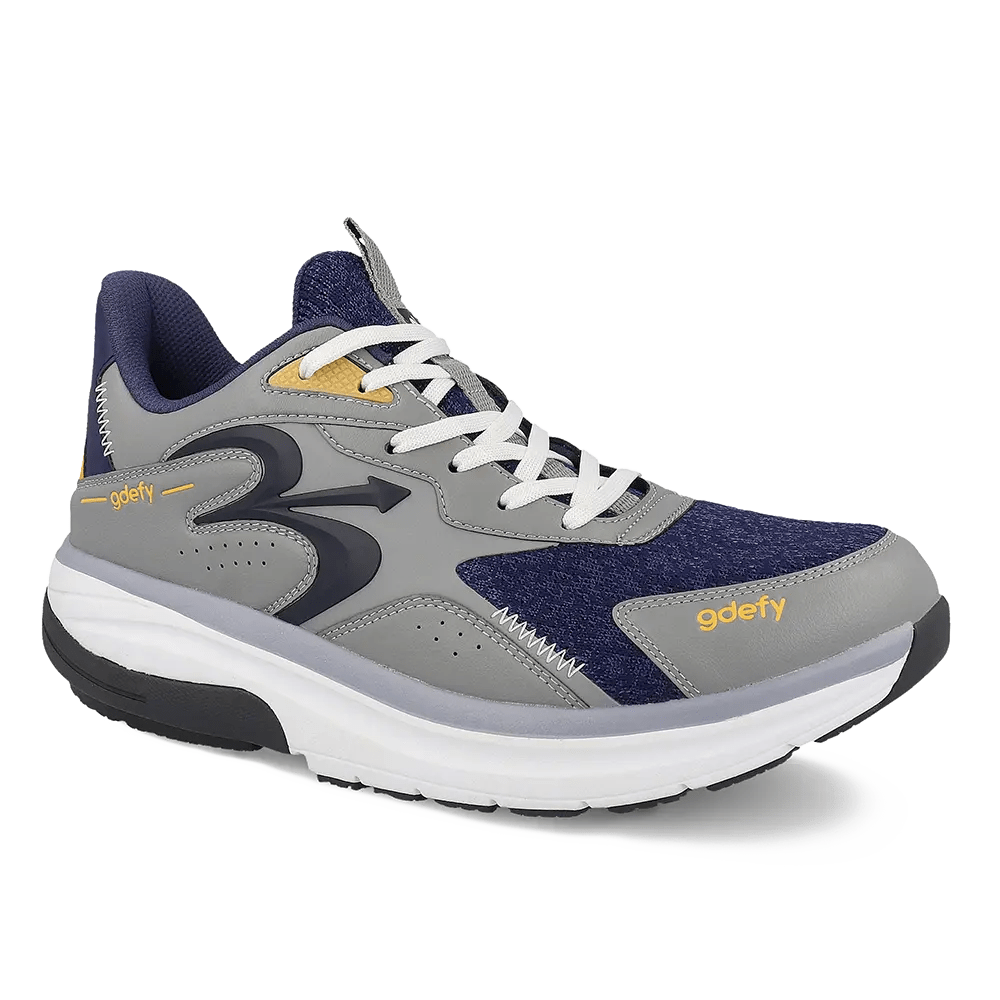
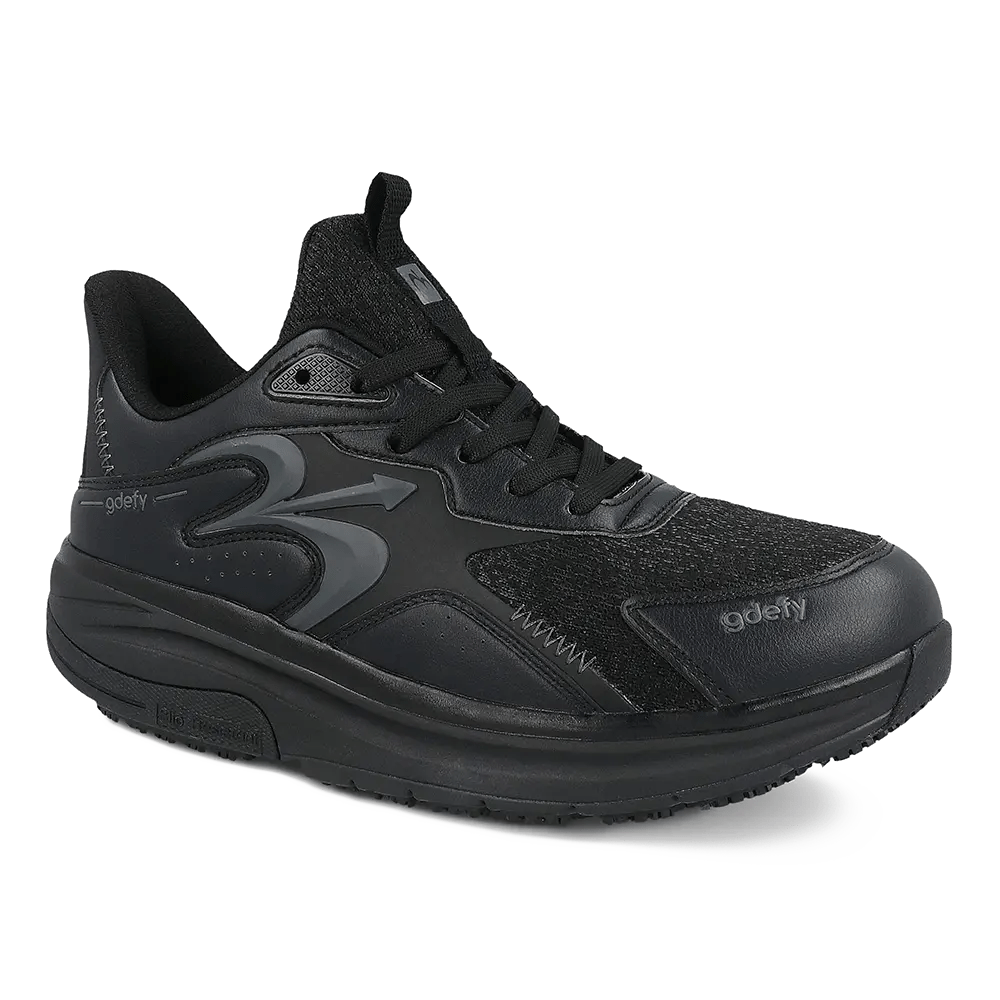
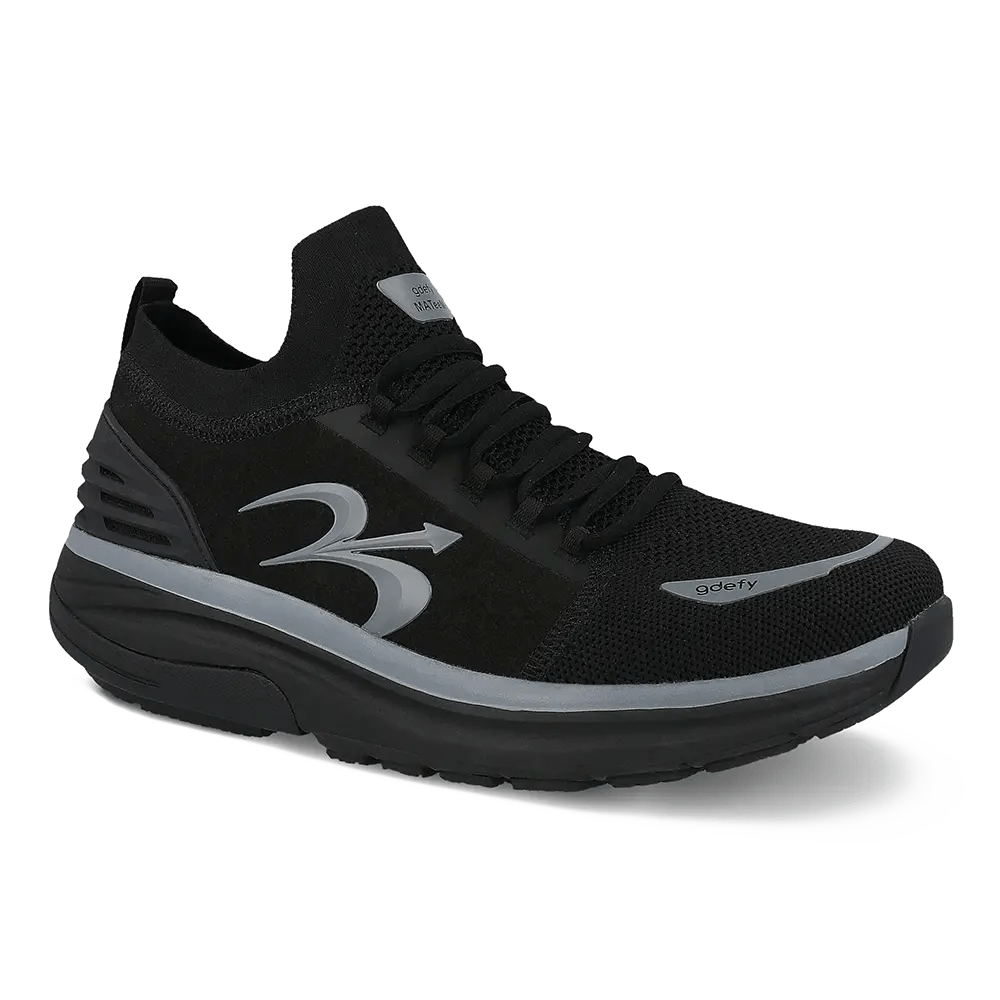
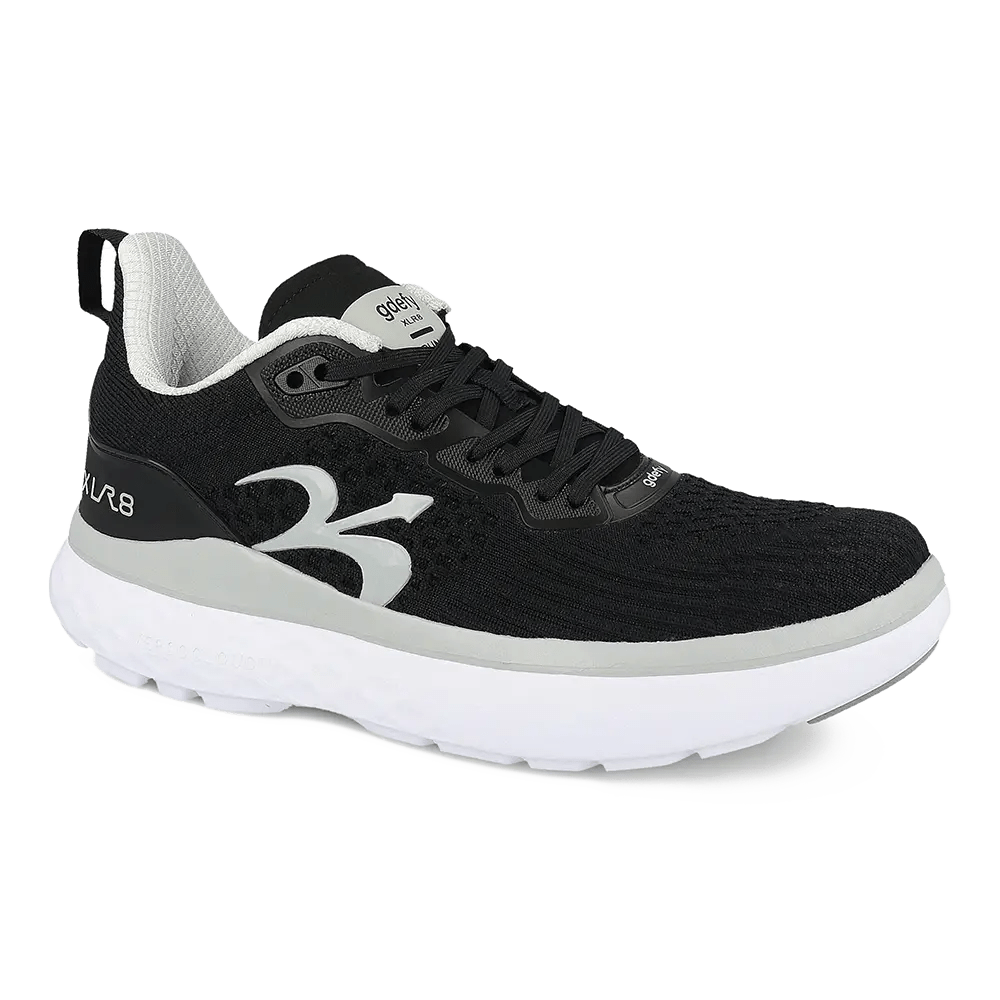
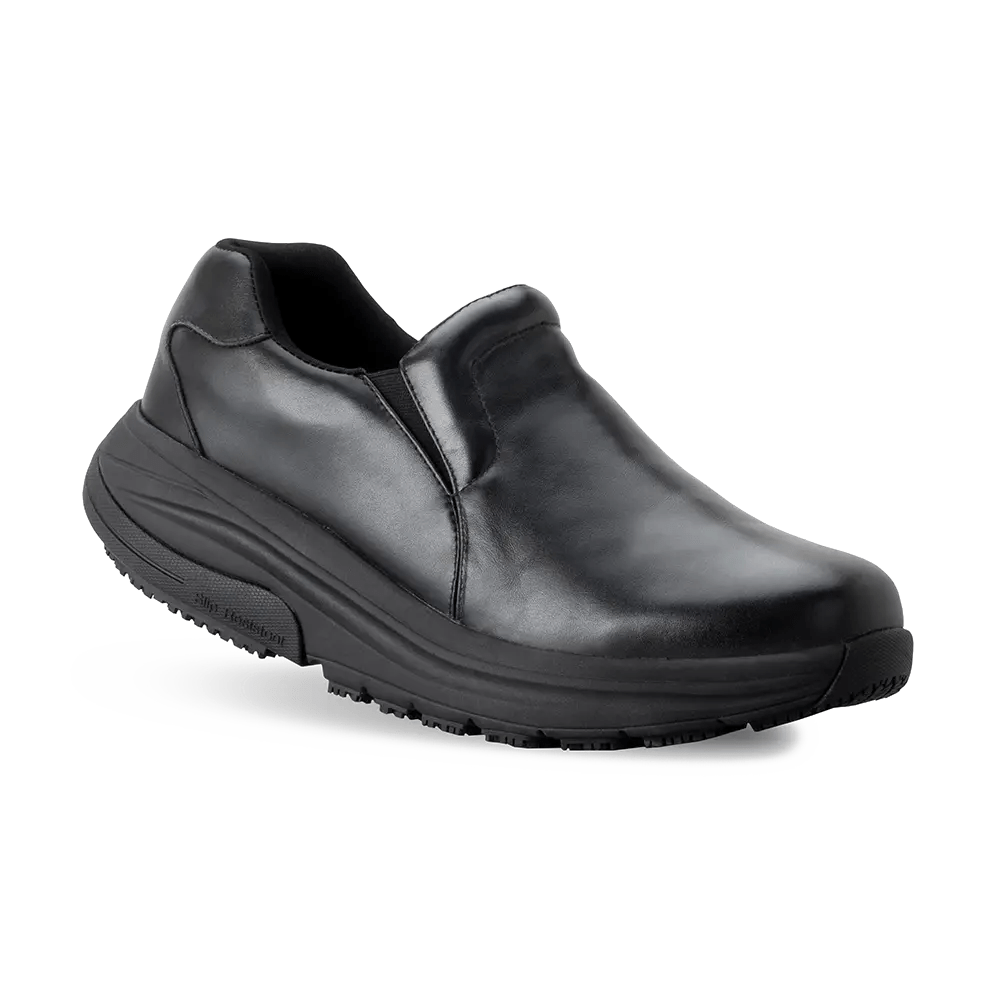
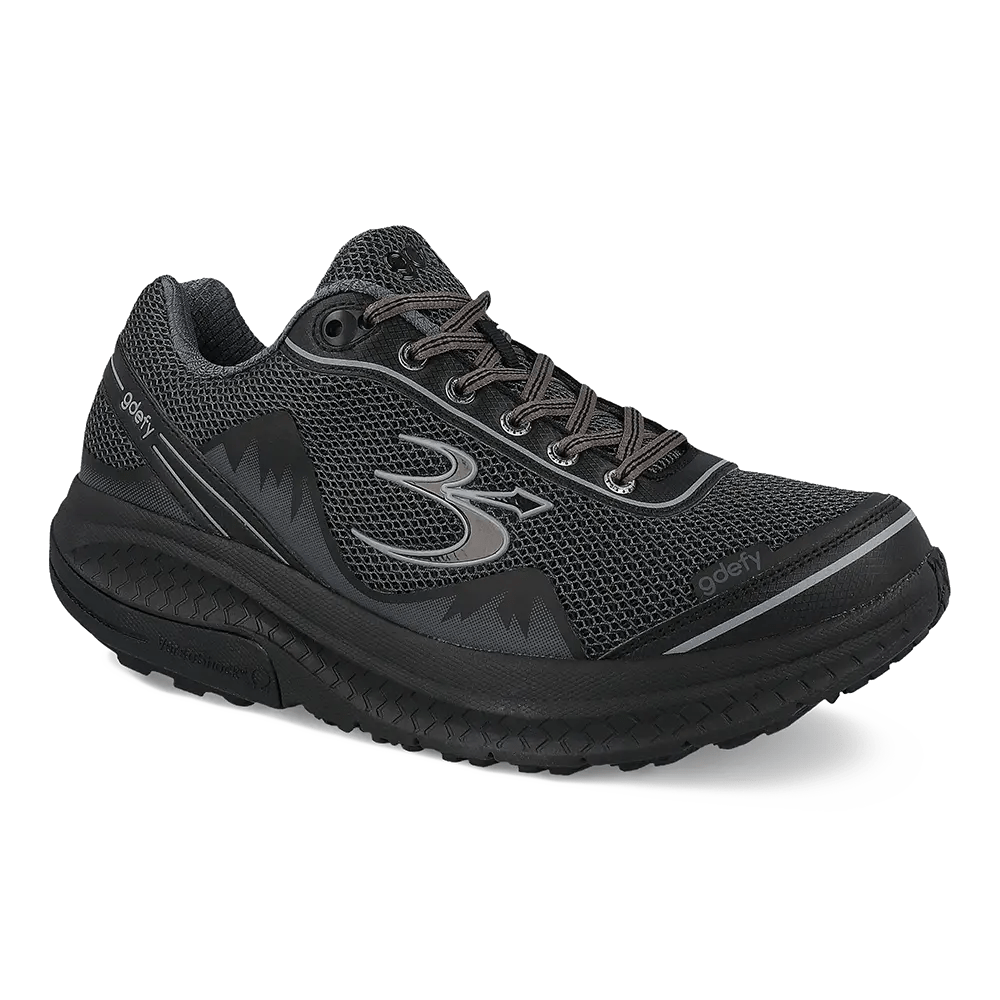
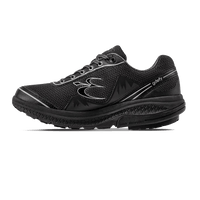
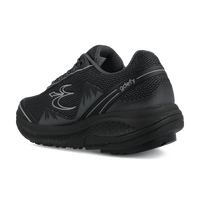
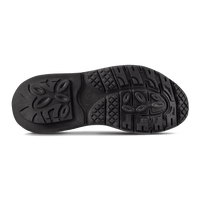
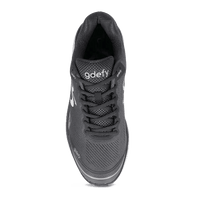
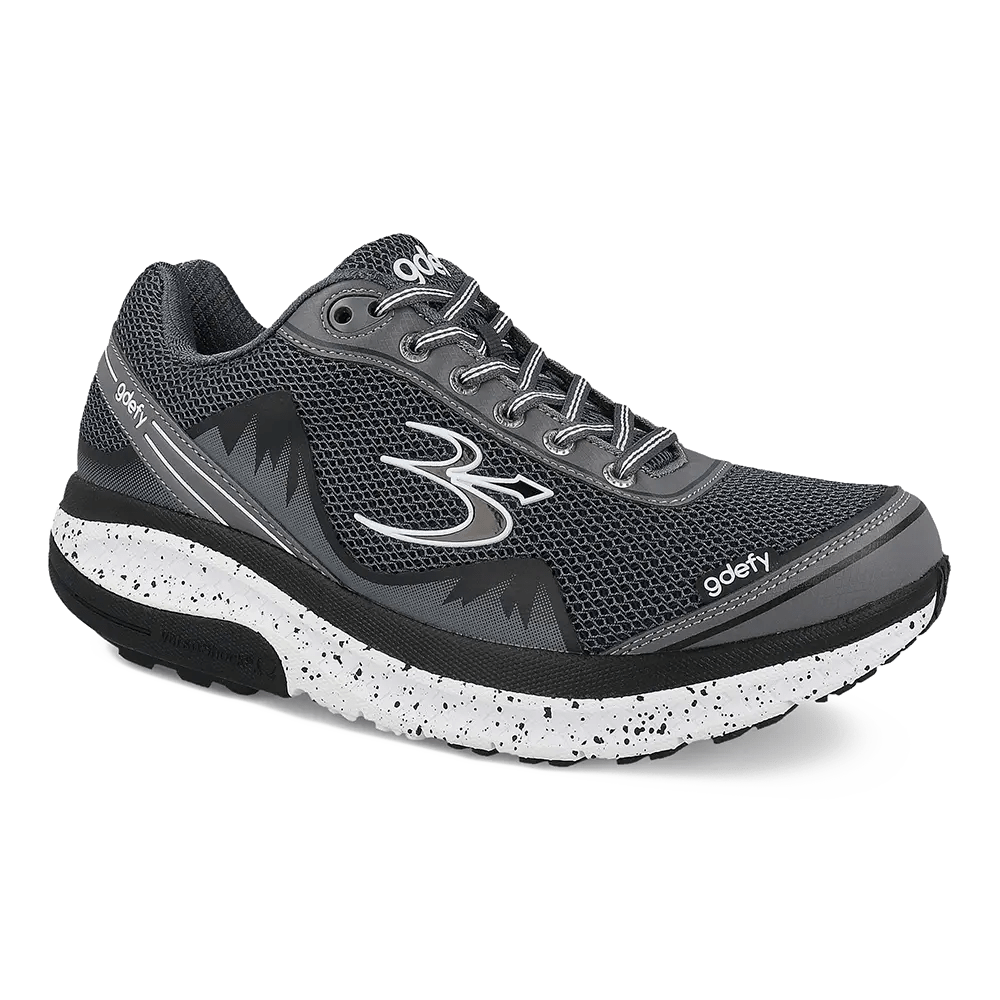
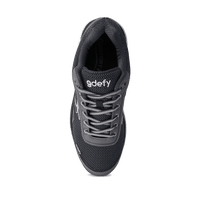
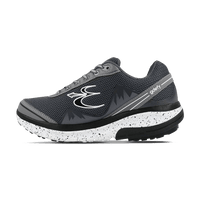
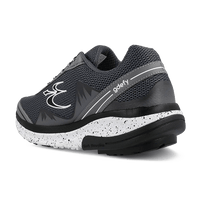
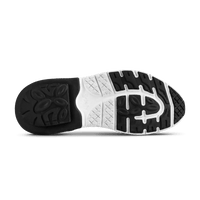
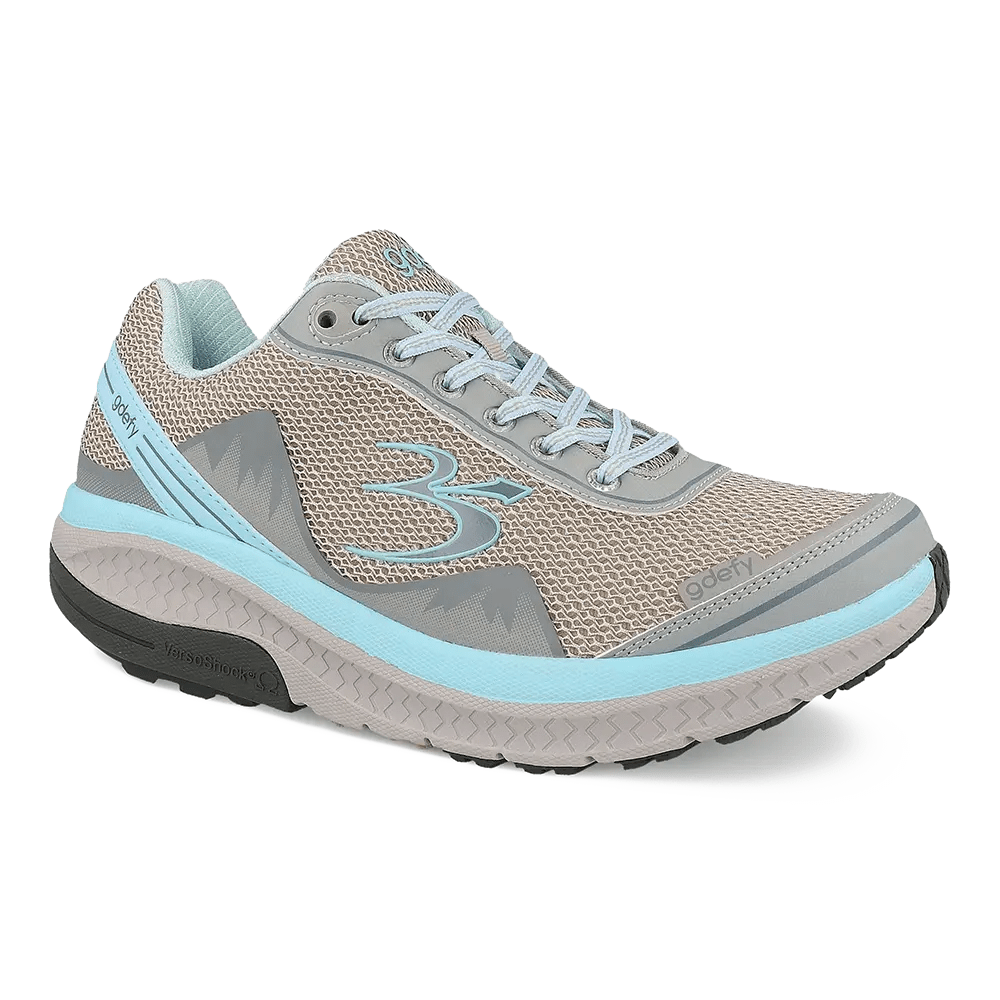
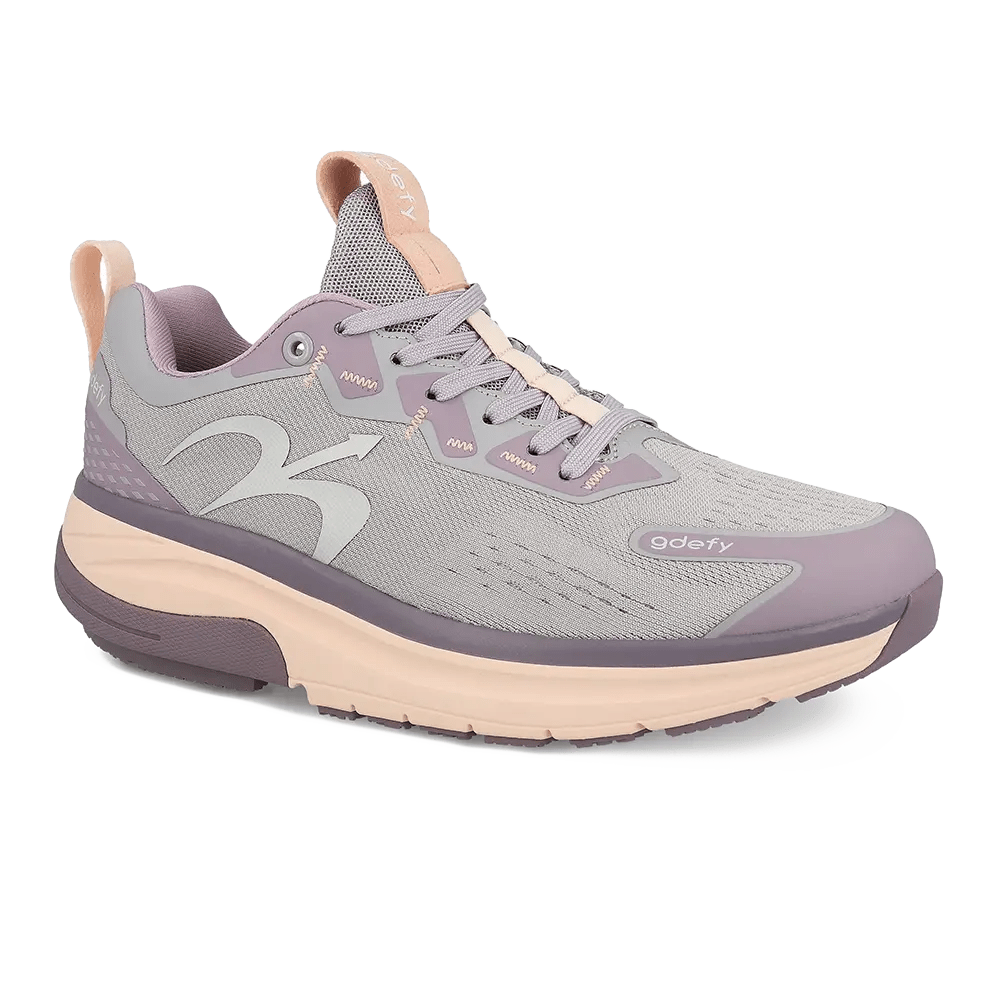
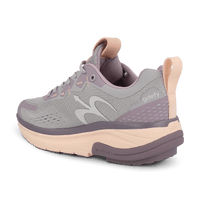
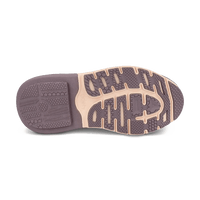
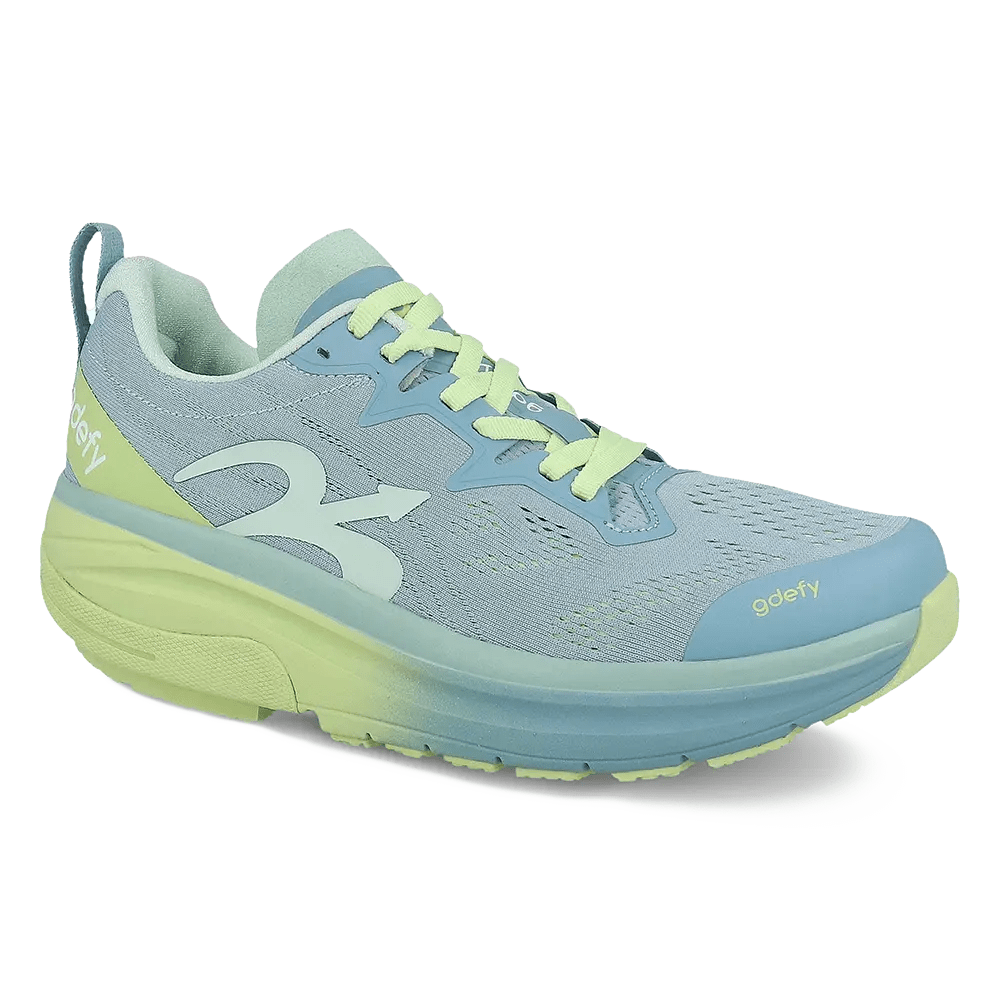
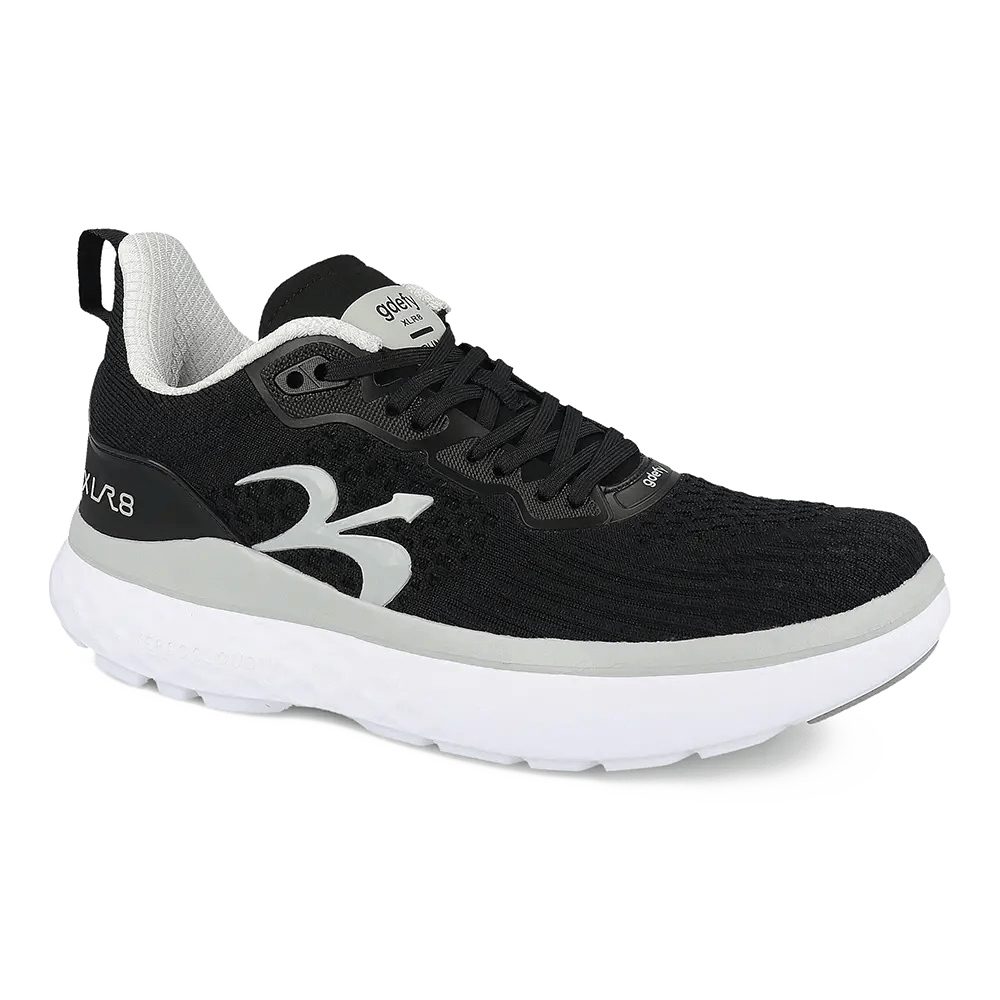
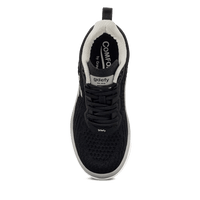
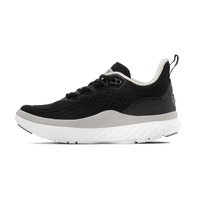
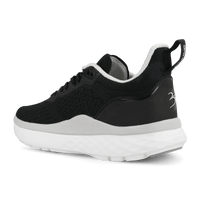
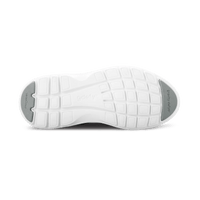
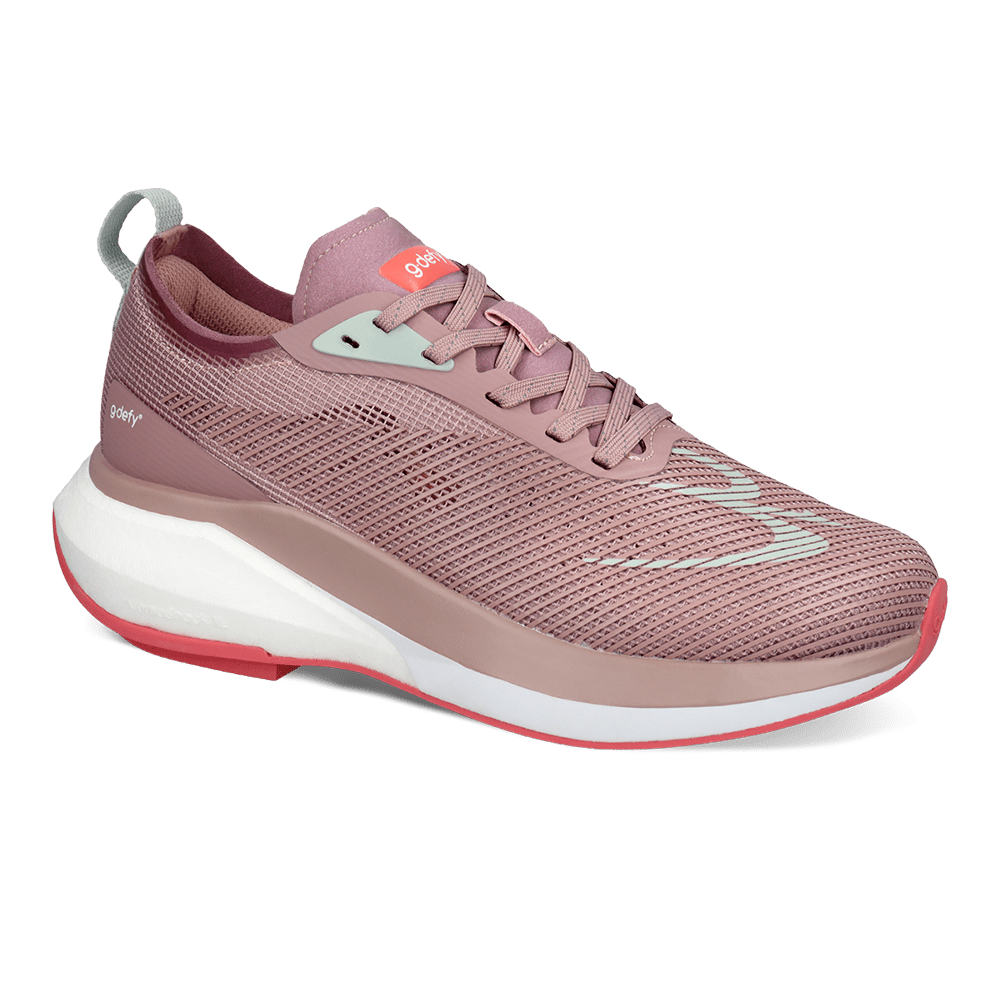
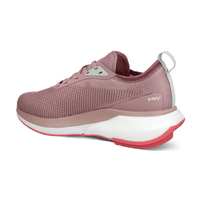
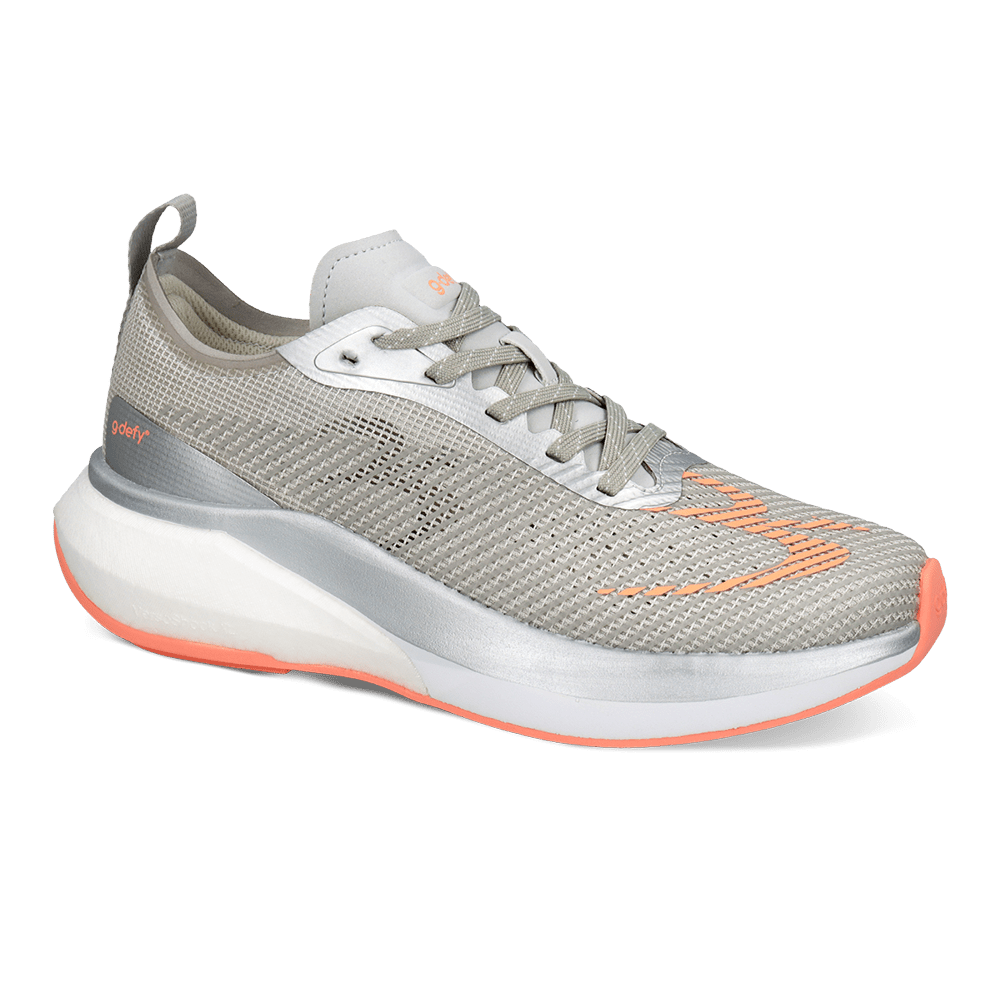
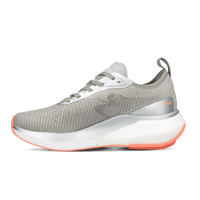
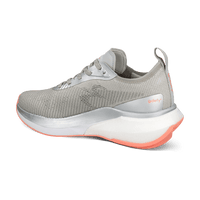
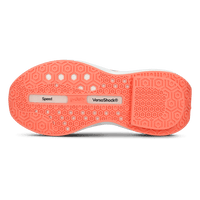
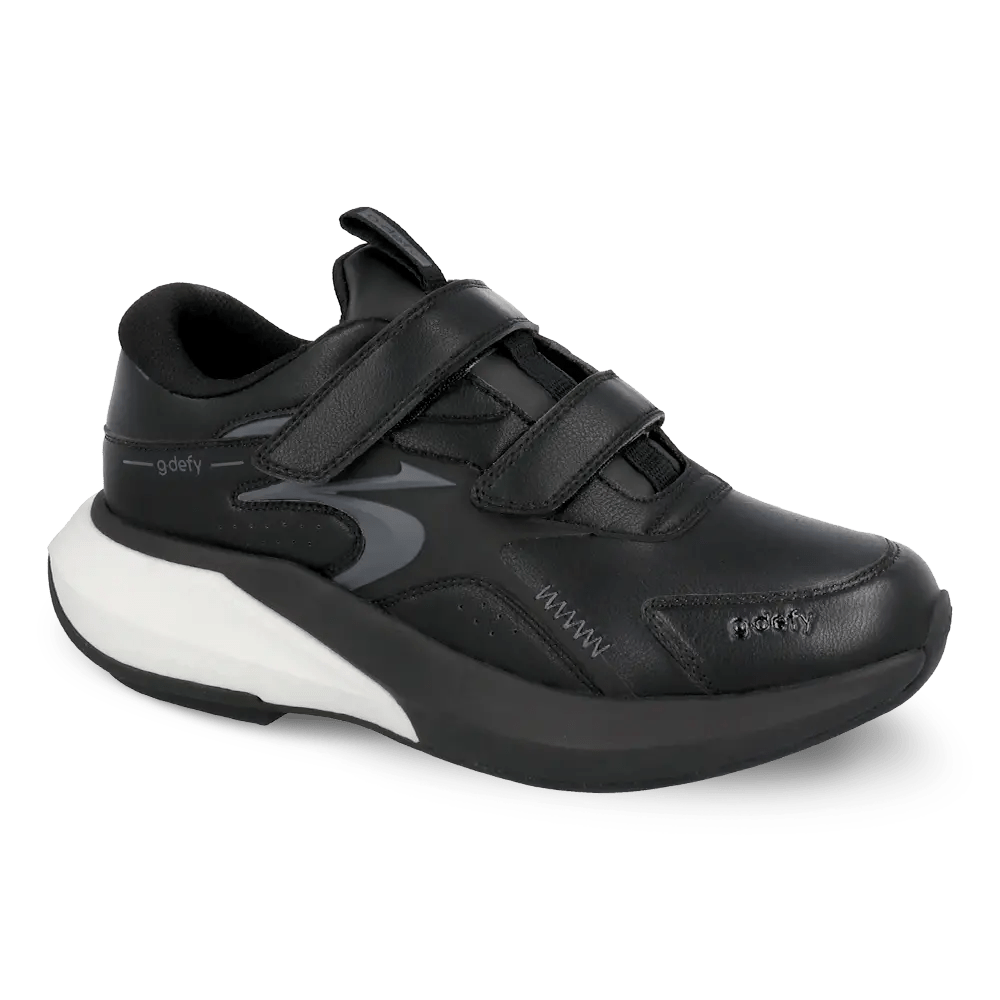
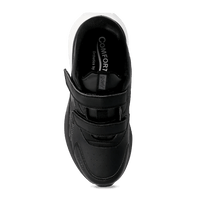
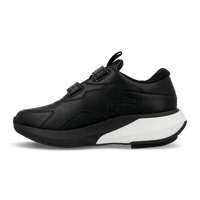
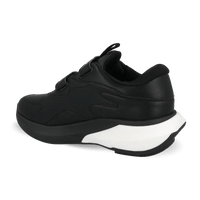
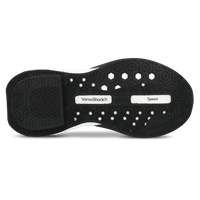
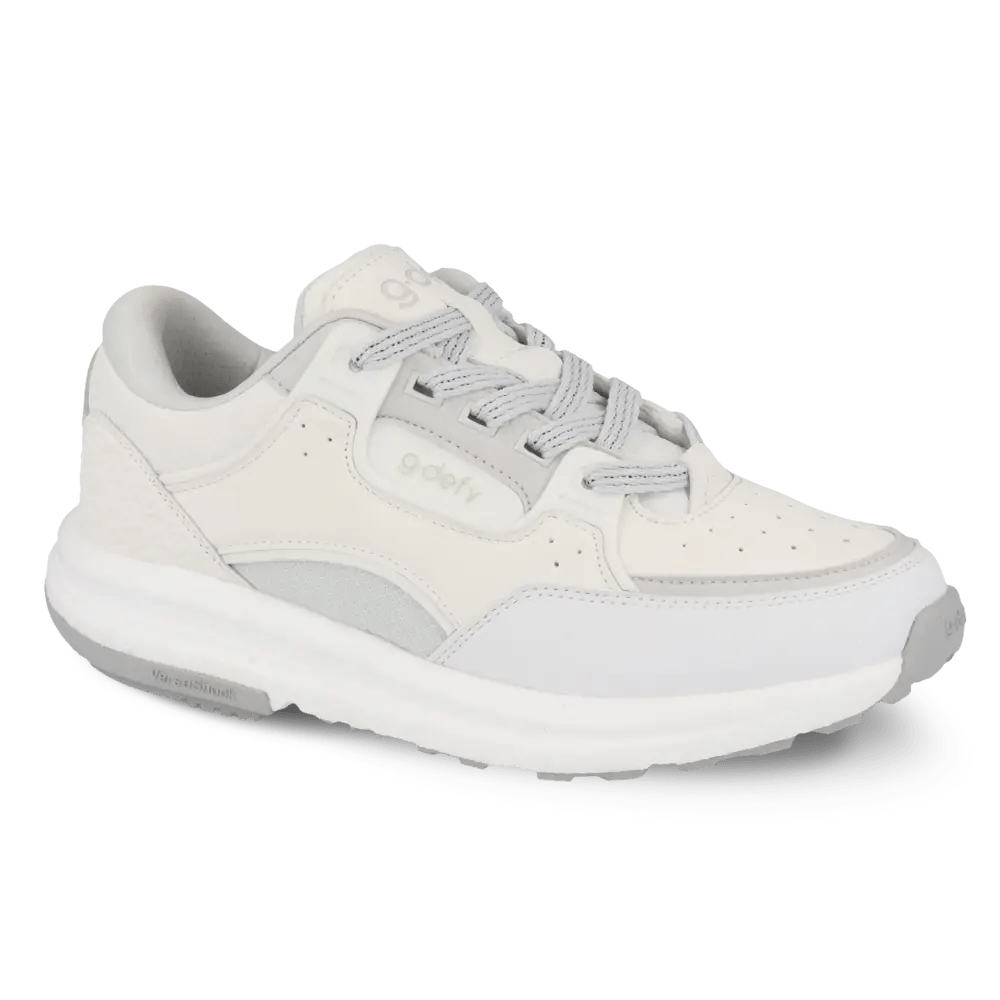
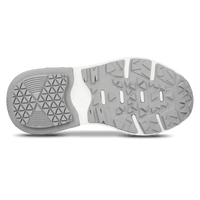
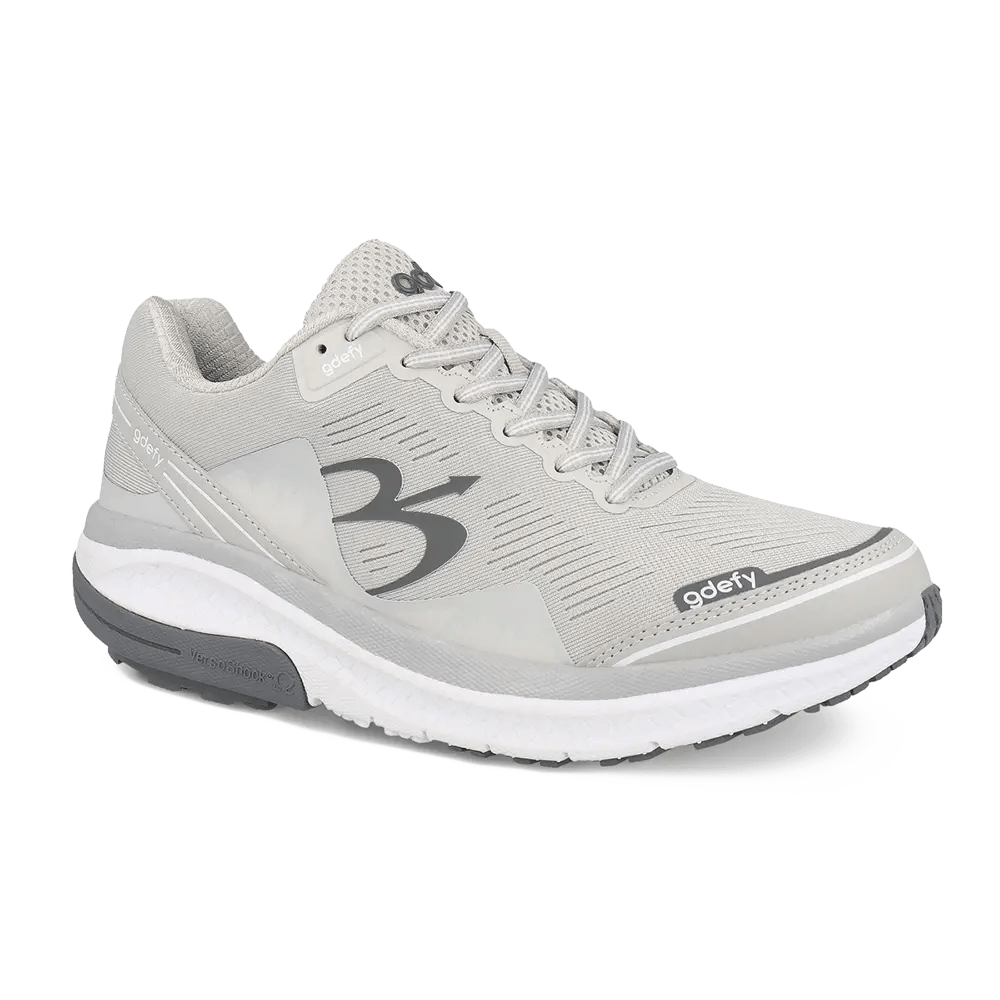
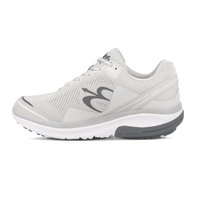
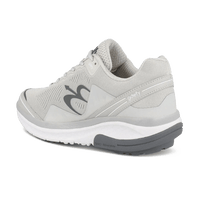
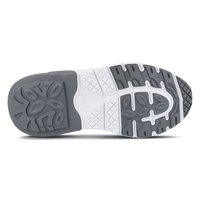
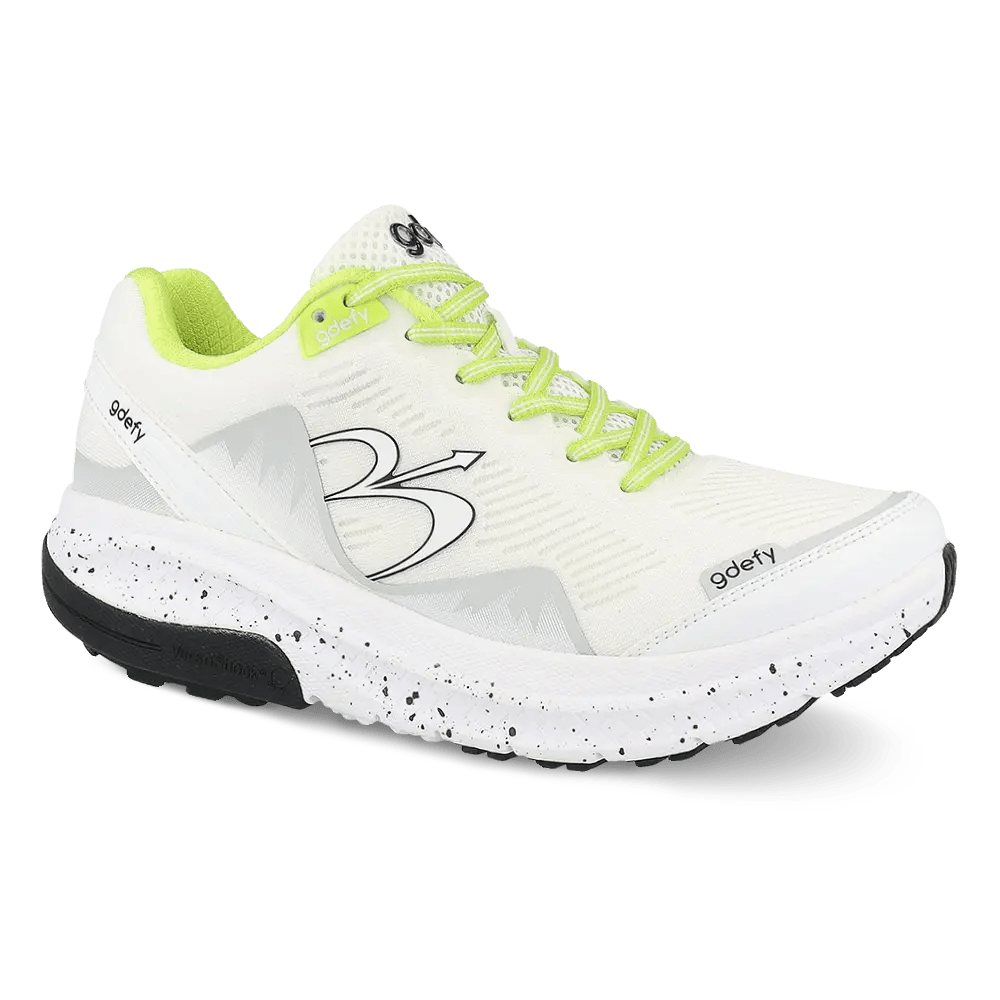
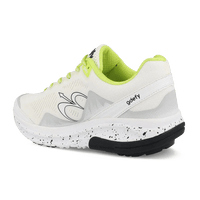
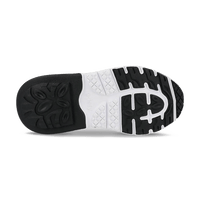
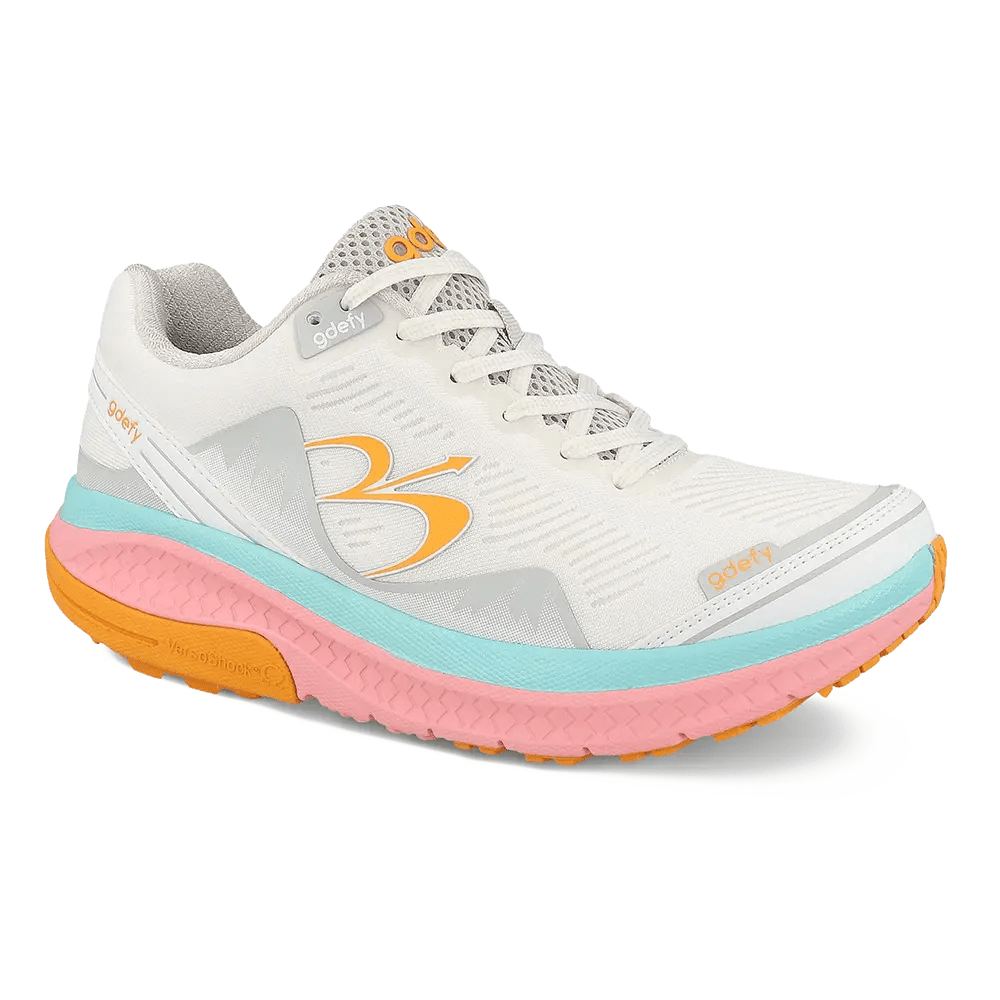
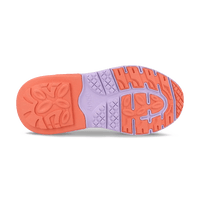
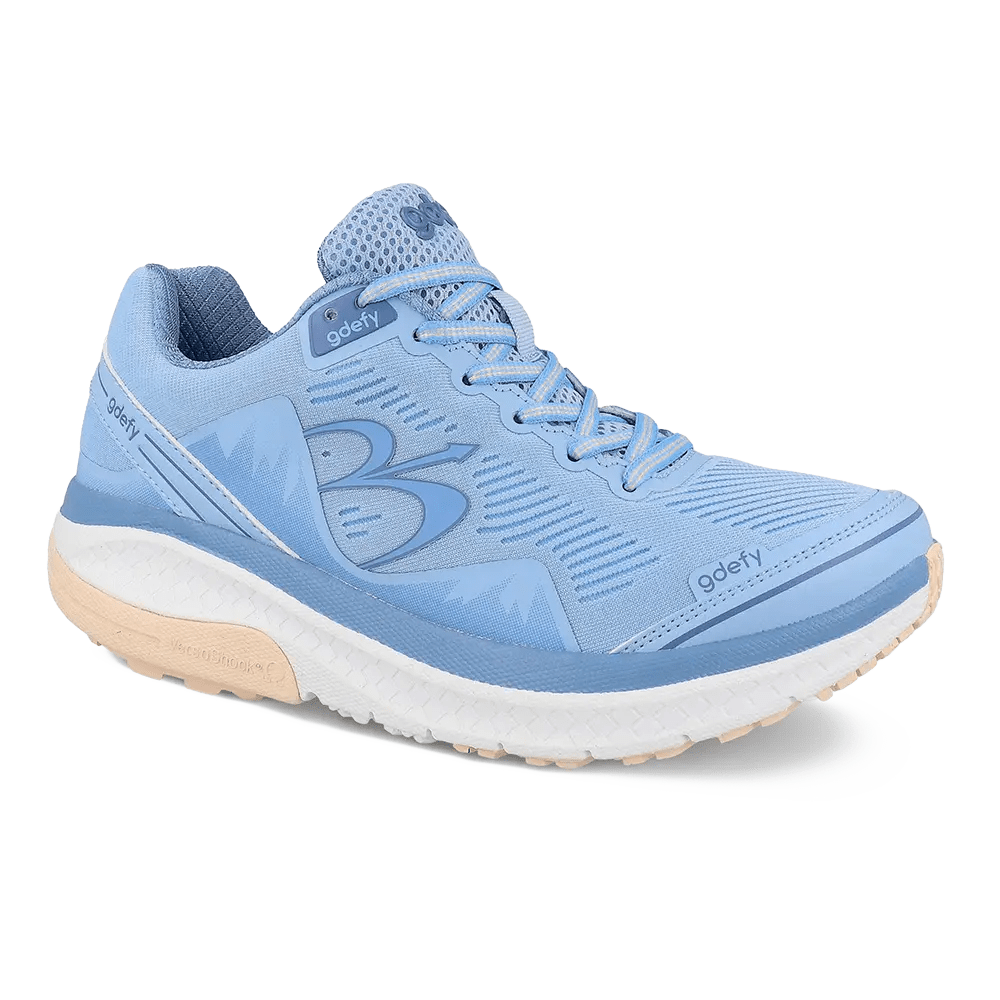
G-Defy shoes are engineered to provide comfort, support, and shock absorption during daily movement. Featuring VersoShock® technology, they are designed to absorb impact and return energy with each step. A built-in stabilizer supports the foot during movement, while the front rolling design promotes a smooth walking experience. Each pair includes two removable orthotics to help customize comfort and support. G-Defy shoes help reduce pain from walking, running, and prolonged standing.

That last point covers the seven features in a single system:
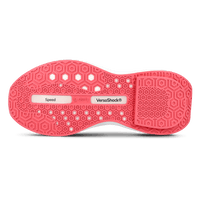
- Shock absorption and cushioning — VersoShock® uses a spring-based design built to absorb impact softly and gradually, rather than relying on foam alone.
- Energy return — the same system is designed to return energy with each step to support a more responsive stride.
- Stability — a built-in stabilizer helps prevent excessive bending and supports a controlled stride.
- A smooth transition — the front rolling design encourages a natural heel-to-toe motion.
- Customizable support — every pair includes two removable orthotics: the ComfortFit® orthotic for low to medium arches, and the CorrectiveFit® orthotic for medium to high arches.
"After years of standing all day at work, these are the first shoes that still feel comfortable when I finally sit down at night. They feel far more supportive than my previous pair."
— Composite customer review. Results vary by individual.
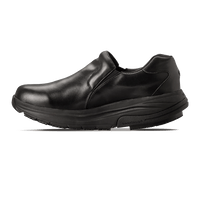
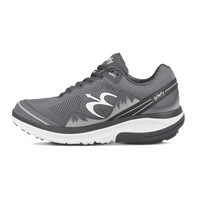
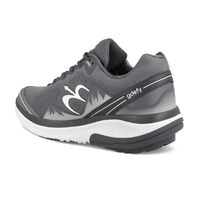
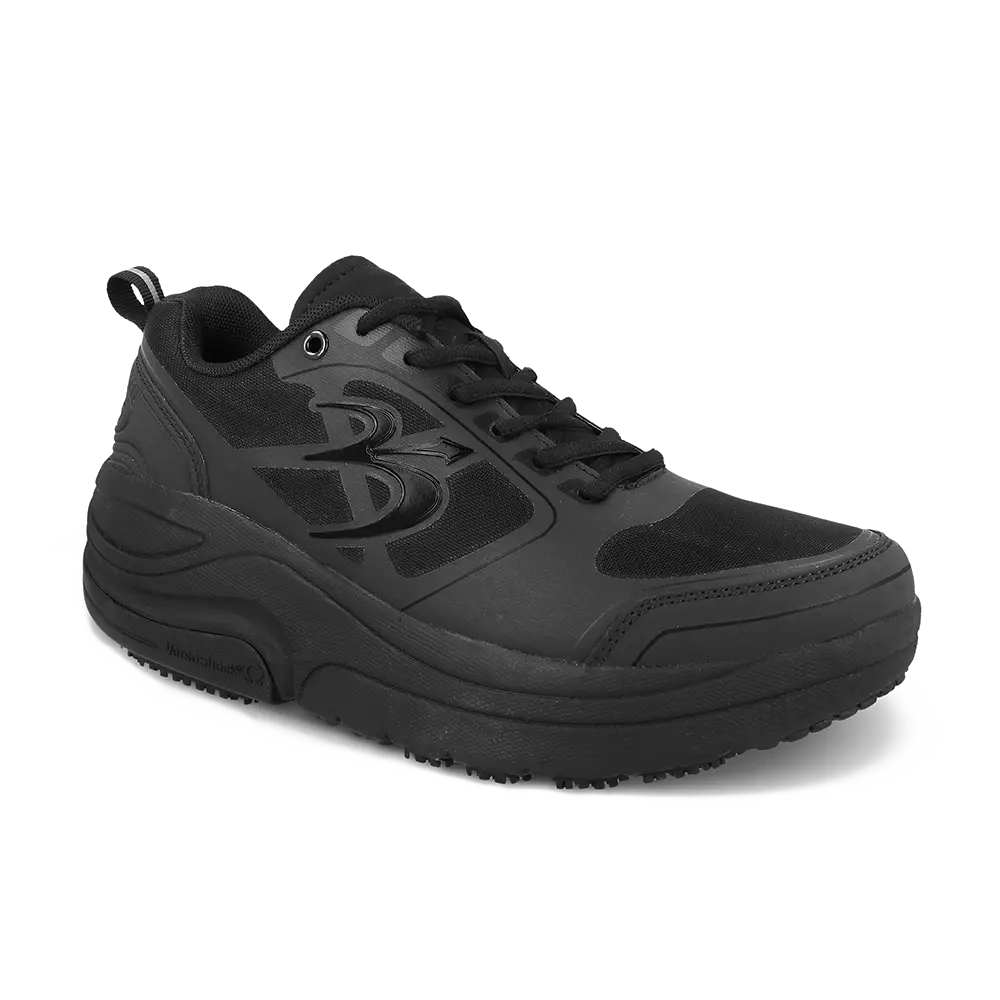
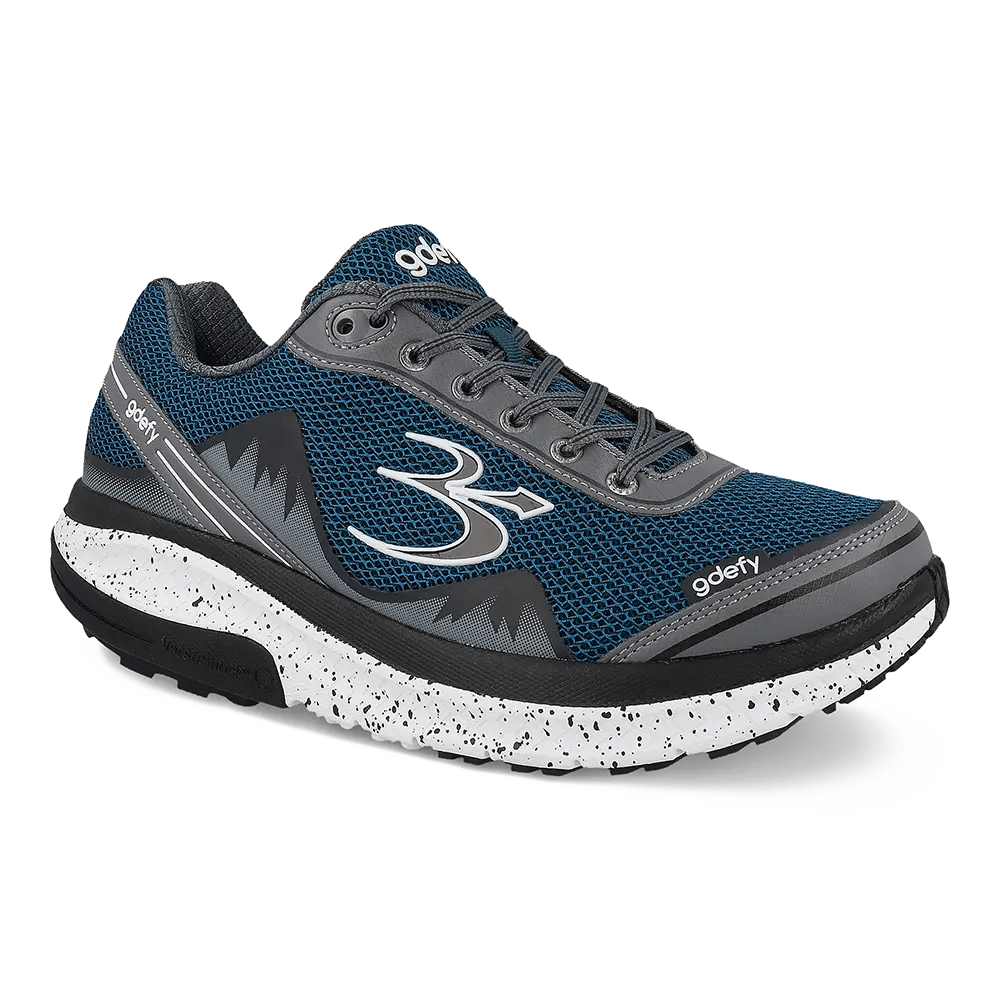
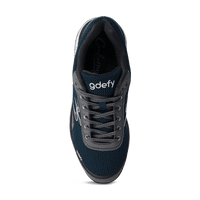
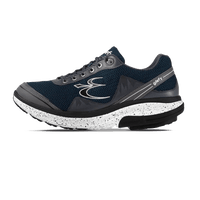
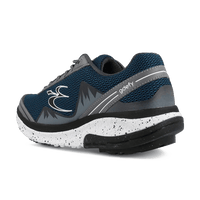
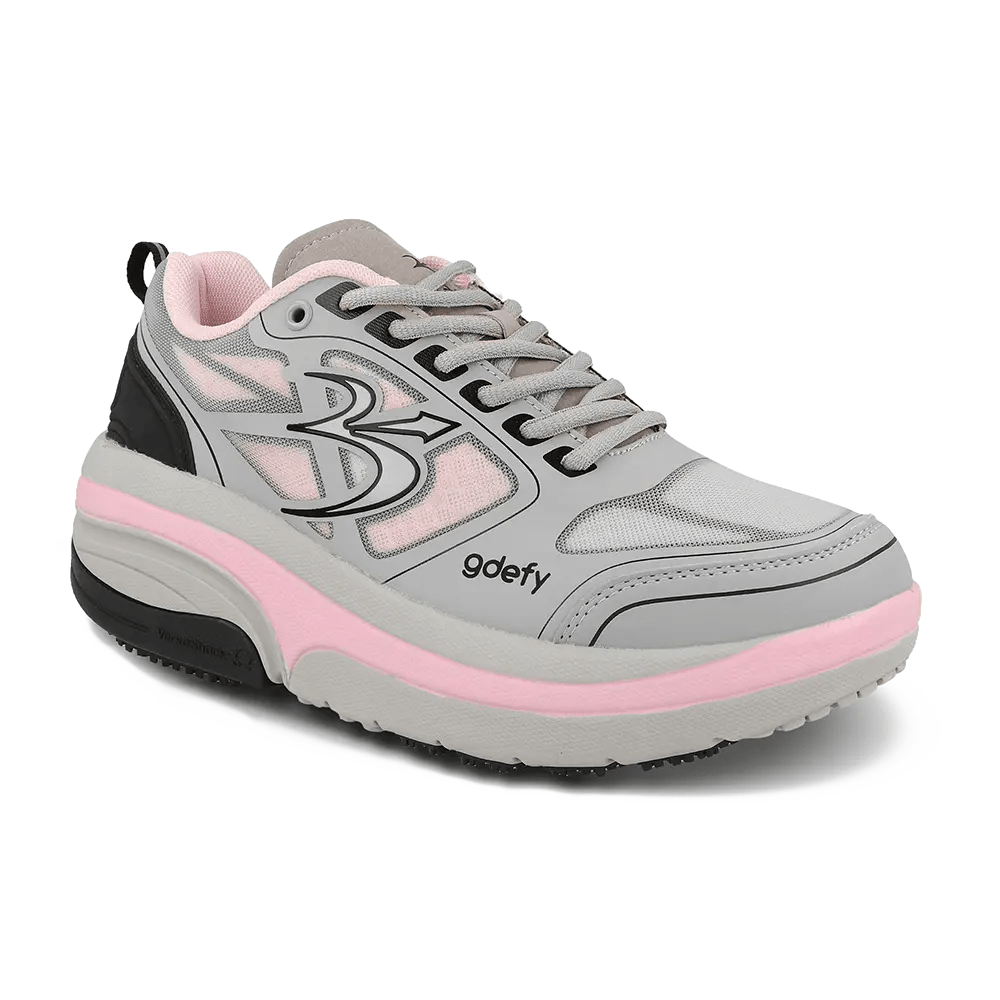
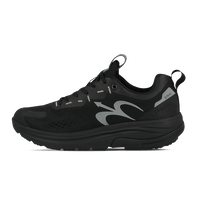
For all-day walking and standing, the Mighty Walk is a popular choice thanks to its generous cushioning and supportive build. If you prefer something lighter and more casual, the Ion offers a similar foundation in a lightweight design. You can browse more options in the casual collection, or shop by the men's collection and women's collection.
Find Your All-Day Comfort
Try G-Defy with a 60-day risk-free trial and free shipping. Wear them for 60 days — if you are not satisfied, return them for a full refund.
Shop the Mighty WalkMatching the Right Shoe to Your Day

The features above matter most when they fit how you actually spend your time. A shoe that feels great for a short stroll may not be the same one you want for an eight-hour shift. Thinking about your daily routine helps you prioritize the features that count.
If you stand or walk for long hours at work, lean toward maximum cushioning, dependable shock absorption, and a stable midsole. These features are designed to keep your feet comfortable deep into a long day, when fatigue tends to build. A secure fit with width options also helps, since standing all day can leave feet feeling cramped in shoes that run narrow.
If your days are busy but varied — errands, light walking, time on your feet around the house — a versatile everyday shoe with balanced cushioning and support is often the most practical pick. You want something supportive enough for the long stretches and comfortable enough to keep on from morning to evening.
If you like to stay active, look for lasting energy return alongside cushioning and stability so movement keeps feeling responsive on longer walks. A smooth heel-to-toe transition becomes especially noticeable here, helping each stride feel more natural as the miles add up.
Whatever your routine, the goal is the same: a supportive foundation that helps you feel comfortable on your feet rather than worn down by them. Customizable support — like a shoe that includes more than one orthotic option — makes it easier to dial in that fit for the way you move.
Practical Tips for Choosing and Using Supportive Shoes
Once you know what features to look for, a few simple habits help you get the most from them:
- Replace worn-out shoes. Cushioning breaks down over time. When the midsole feels flat or the tread is worn, it is time for a fresh pair.
- Rotate between two pairs. Alternating shoes lets the cushioning recover between wears and can extend how long each pair feels supportive.
- Shop later in the day. Feet tend to swell slightly as the day goes on, so trying shoes in the afternoon gives you a more realistic fit.
- Use the right insert for your arch. If your shoes include more than one orthotic option, take advantage of it — the better the match to your foot, the more comfortable the shoe.
- Give new shoes time. A supportive shoe can feel different at first. Wearing them gradually helps your feet adjust to the new support.
For more on the foot-and-back connection, see our guides on how shoes relate to back comfort and how footwear affects comfort when you experience back pain.
Frequently Asked Questions
Can the right shoes help with back pain?
Footwear is not a medical solution, but supportive and cushioned shoes may improve your overall comfort during walking and prolonged standing. Features like shock absorption, arch support, and a stable midsole are designed to support a more comfortable stride throughout the day.
What type of shoe is best for standing all day with back discomfort?
Look for a shoe with generous cushioning, reliable shock absorption, a supportive midsole, and a secure fit. These features help your feet stay comfortable over long hours. A shoe that also returns energy can help movement feel more responsive late in the day.
How important is arch support?
Arch support helps keep your foot in a more natural, stable position as you move. Because arches differ from person to person, shoes that let you customize support — such as those with removable orthotics — can help you find a more comfortable fit.
How often should I replace my shoes?
It depends on how much you wear them, but a good sign it is time for a new pair is when the cushioning feels flat or the soles look worn. Rotating between two pairs can help each one last longer and stay more supportive.
Should I see a professional about back pain?
Yes. For persistent or severe back pain, consult your healthcare provider. Supportive footwear can be part of staying comfortable day to day, but it is not a substitute for professional advice.
The Bottom Line
While footwear is not a medical solution, choosing shoes designed for comfort, support, and shock absorption can make a meaningful difference in how you feel throughout the day. As you shop, keep these seven features in mind: cushioning, shock absorption, arch support, a stable midsole, a smooth heel-to-toe transition, a secure fit, and lasting energy return.
When you are ready to feel the difference, G-Defy shoes bring all of these features together in one design — backed by a 60-day risk-free trial and free shipping, so you can find your comfort with confidence.