
May 12, 2026
What Is Plantar Fasciitis and How Does Footwear Play a Role?
By Gdefy

Summary
Plantar fasciitis is one of the most common reasons adults notice heel discomfort during everyday activity. It often starts as a small ache during the first steps of the morning, then shows up again after long stretches of walking or standing. By the end of a long day, it can be the loudest signal your feet send you.
While footwear is not a medical solution, the shoes you wear each day play an important role in overall comfort and support. The way a shoe cushions impact, supports the arch, and guides your stride affects how the bottom of your foot feels with every step. That is why people who experience heel discomfort often look more carefully at their walking shoes than at anything else they own.
This guide explains what plantar fasciitis is in plain language, why footwear matters during daily activity, and the practical features to look for in a comfortable walking shoe. Toward the end, we also explain how G-Defy approaches the question of comfort through VersoShock® technology and the dual orthotic system included in every pair.
What Is Plantar Fasciitis?
The plantar fascia is a thick band of tissue that runs along the bottom of the foot. It connects the heel bone to the toes and helps form the arch. With every step you take, the plantar fascia stretches slightly as the foot lands, then springs back as you push off. It is one of the foot’s most important shock absorbers.
When that band of tissue is asked to handle more impact than it is used to — long days on hard floors, sudden increases in walking volume, worn-out shoes, or footwear that offers little structure — the fascia can become irritated. People often describe the feeling as a sharp or dull ache at the bottom of the heel, especially during the first few steps after sitting or sleeping.
It is important to be clear: plantar fasciitis is a recognized medical condition, and footwear is not a medical solution for it. If you experience persistent heel discomfort, the right step is to talk to a qualified healthcare provider who can assess your situation. What footwear can do is influence the everyday comfort experience — how your foot feels while you walk to the kitchen in the morning, stand at work, take a long walk, or do errands on hard surfaces.
That distinction matters. The shoes on your feet do not address a medical condition, but they do shape the daily forces that travel through your heel. Reducing harsh impact and supporting the arch can simply make movement feel more comfortable.
What Causes the Heel Area to Feel Sore?
Heel discomfort tied to the plantar fascia rarely shows up out of nowhere. It usually builds slowly from a combination of everyday factors. Understanding those factors helps explain why a thoughtful pair of shoes can make such a noticeable difference.
Repetitive impact. Every step sends force through the heel into the rest of the foot. On hard surfaces — concrete, tile, hardwood — that force returns quickly with little absorption. Over a long day, the cumulative shock adds up.
Long hours on your feet. Nurses, teachers, retail workers, warehouse staff, parents chasing toddlers, and anyone who stands or walks for most of the day all share one thing: their plantar fascia rarely gets a real break.
Worn-out shoes. The cushioning in most walking shoes compresses over time. Once it flattens, the shoe stops absorbing impact the way it did when it was new. Many people keep wearing a favorite pair long after the materials have given up.
Unsupportive footwear. Flat, thin-soled shoes — including some everyday casual shoes and house slippers — leave the arch with little structural support. The plantar fascia ends up doing more of the work it was designed to share with the rest of the foot.
Sudden changes in activity. A new exercise routine, a long travel day with a lot of walking, or a season of yard work can introduce more impact than your feet are used to.
Body weight and gait. Carrying extra weight, walking with a heavy heel strike, or rolling the foot in a way that overloads one side can all increase the strain on the bottom of the foot.
None of these factors require a medical diagnosis to address through footwear choices. They simply describe daily life — and they explain why a shoe designed for comfort, support, and shock absorption can change how the bottom of your foot feels throughout the day.
How Footwear Plays a Role in Daily Comfort
Footwear is not medicine. It is, however, the layer between your foot and every hard surface you cross. A thoughtful shoe design can soften impact, support the arch, and guide your stride in a way that feels more comfortable. A poorly designed shoe can do the opposite, leaving the foot to absorb every step on its own.
When people who experience heel discomfort describe what changed once they switched to a more supportive walking shoe, they usually mention the same things: the morning steps felt easier, the end of a long shift felt less heavy, and the lower part of the foot was not the loudest thing they noticed at the end of the day. Those are comfort observations, not medical outcomes — and that is exactly the lane in which footwear belongs.
The right walking shoes do not promise to take a condition away. They simply make daily movement feel more comfortable by reducing harsh impact, supporting the foot’s natural structure, and keeping the stride steady.

What to Look for in Shoes for Heel Comfort
If you experience heel discomfort during walking or standing, certain shoe features tend to make the biggest difference in how the day feels. Look for the following when you shop:
Cushioning at the heel. A well-cushioned heel softens the first point of contact with the ground. This helps absorb the impact of each step before it travels up through the foot.
Arch support. Built-in arch support helps distribute pressure across the foot instead of concentrating it on the heel and forefoot. Many comfort shoes also accept removable orthotics so you can fine-tune the level of support.
Shock absorption throughout the midsole. The midsole is the layer between the upper and the outsole. Quality shock-absorbing materials reduce harsh impact across the whole stride, not just at the heel.
A structured heel cradle. A firm, well-shaped heel counter keeps the back of the foot stable instead of letting it wobble side to side. Stability is comfort.
A smooth heel-to-toe transition. A rocker or forward-rolling design helps guide the foot through each step, reducing the abrupt push-off that can otherwise add stress to the bottom of the foot.
Roomy toe box. A shoe that pinches the forefoot changes how your weight rolls through the foot. A roomier toe area allows the toes to spread naturally and the stride to stay even.
Proper fit. No feature matters if the shoe does not fit. Sizing should leave a thumb’s width of space at the toe, hold the heel securely without pinching, and feel comfortable from the first wear.
Replacement before the cushioning is gone. Even the best walking shoe wears out. Pay attention to the feel of the midsole. When it stops bouncing back the way it used to, the shoe is past its prime, regardless of how it looks on the outside.
These features work together. Cushioning without support can feel mushy. Support without cushioning can feel stiff. The most comfortable walking shoes for heel discomfort balance all of them in one design.
How G-Defy Approaches Comfort for People Who Experience Heel Discomfort
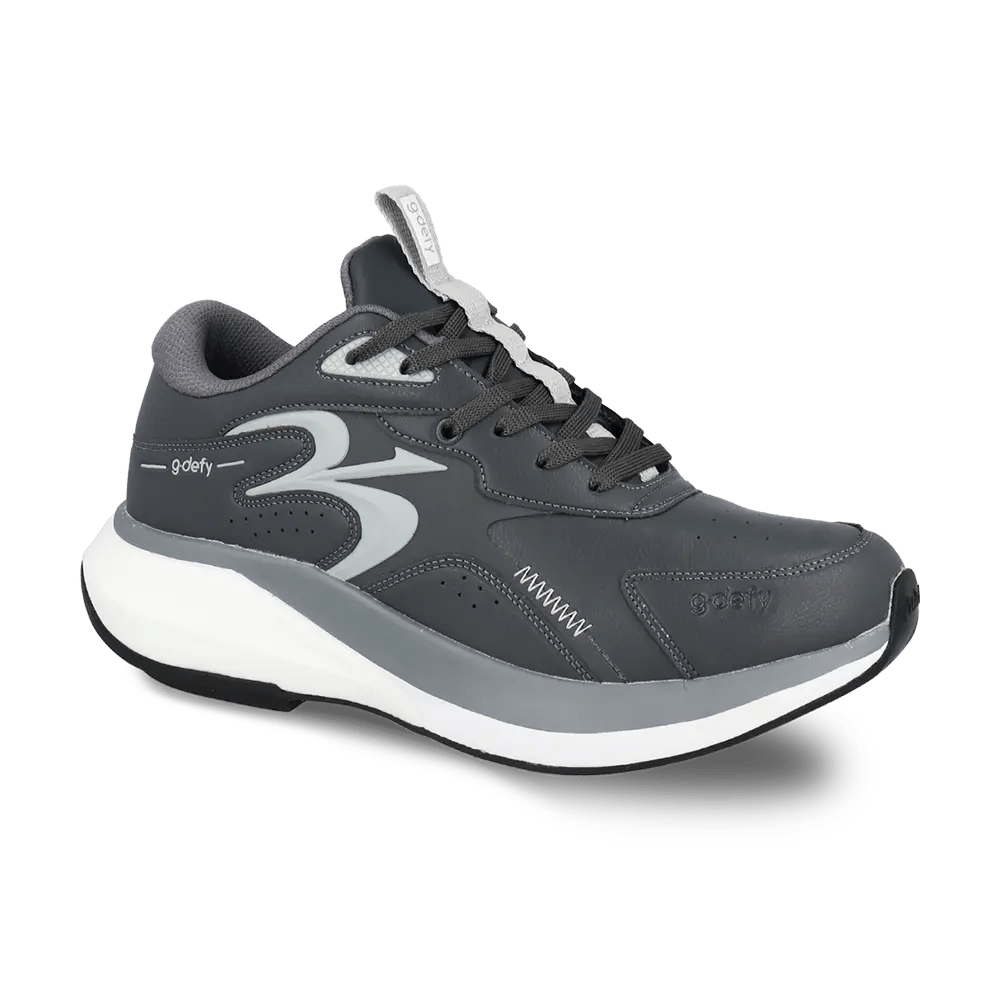
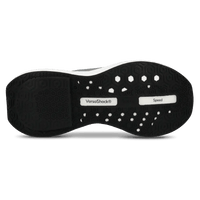
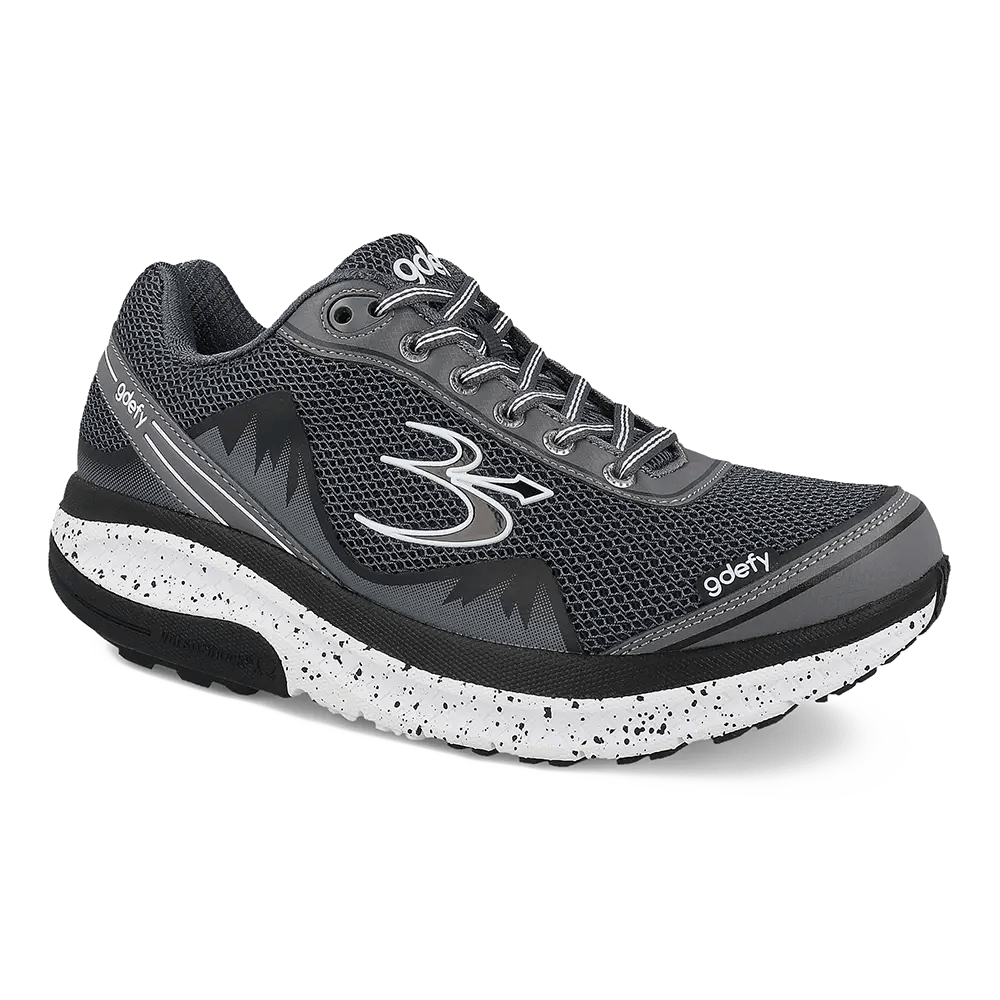
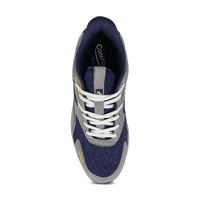
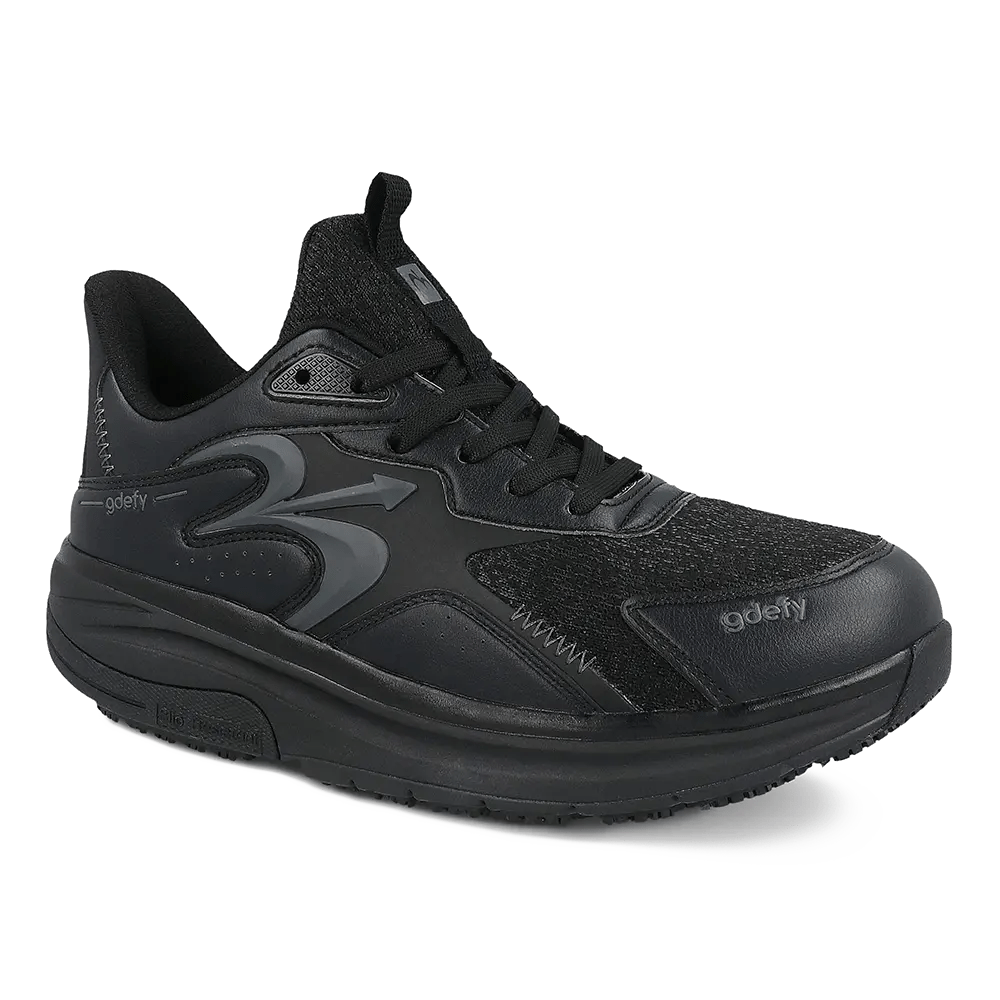
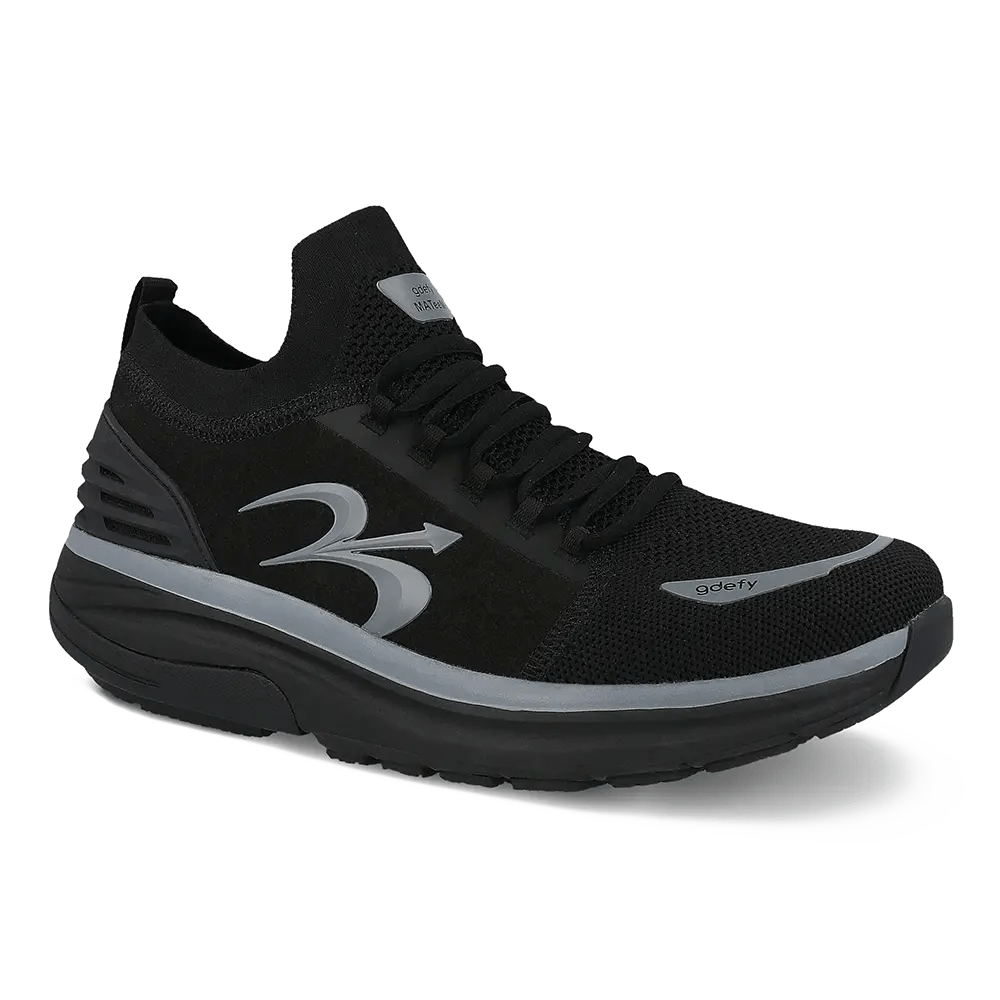
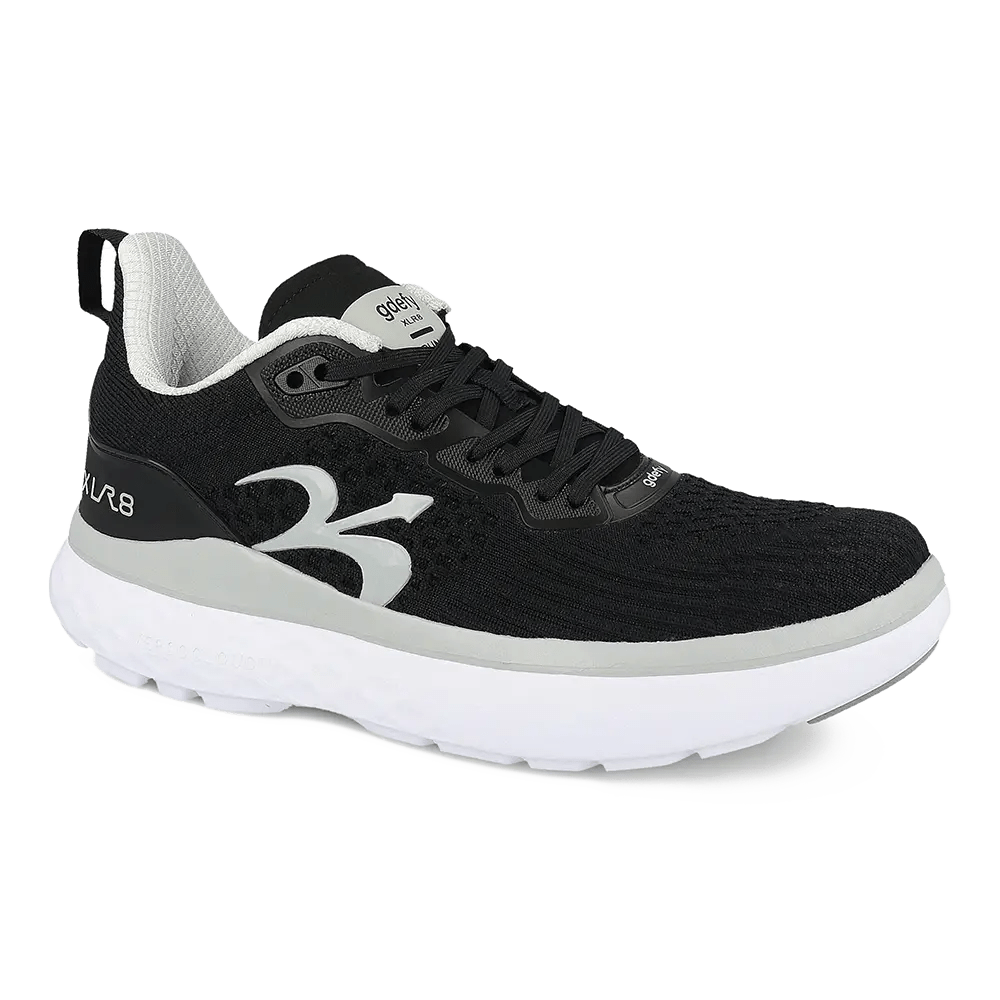
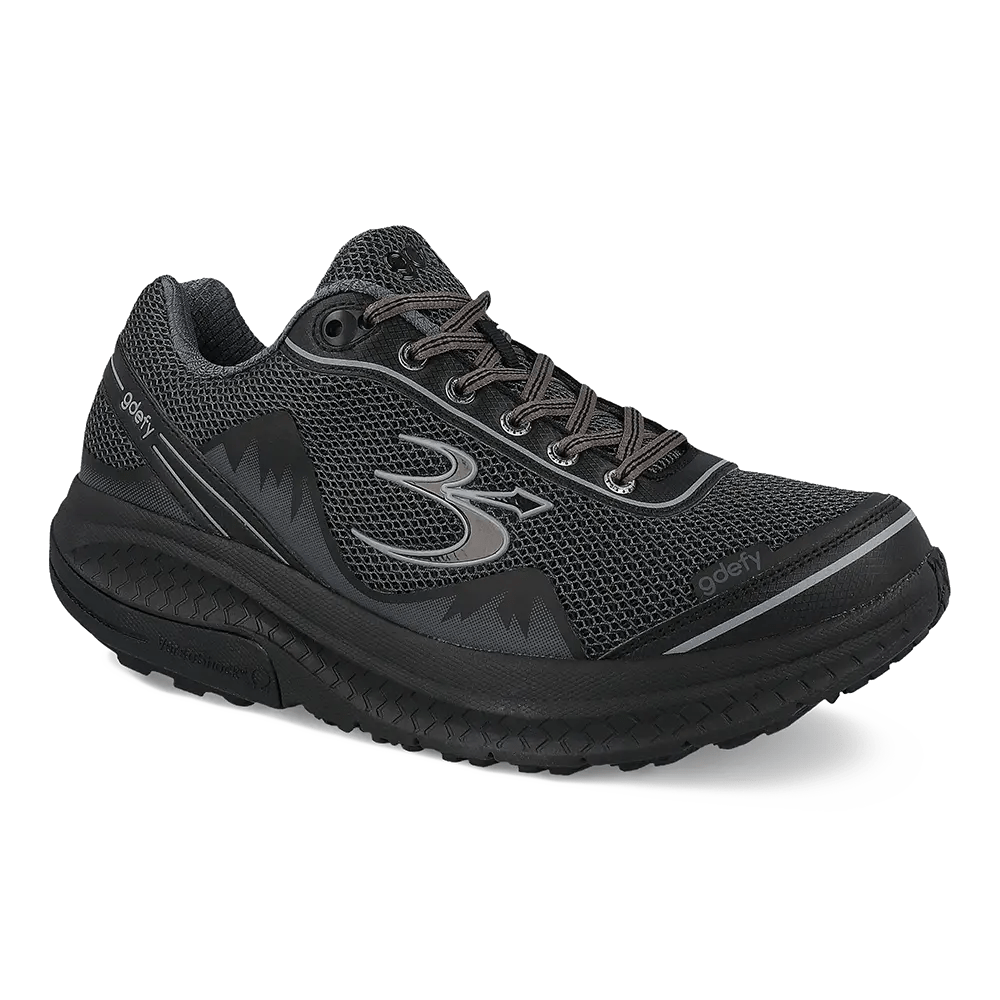
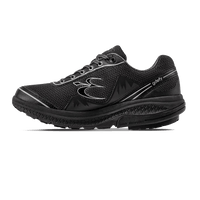
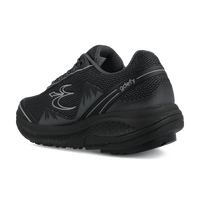
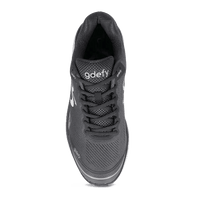
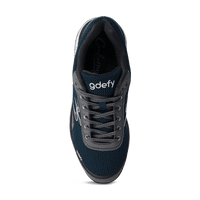
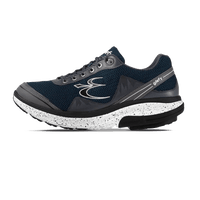
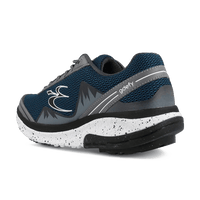
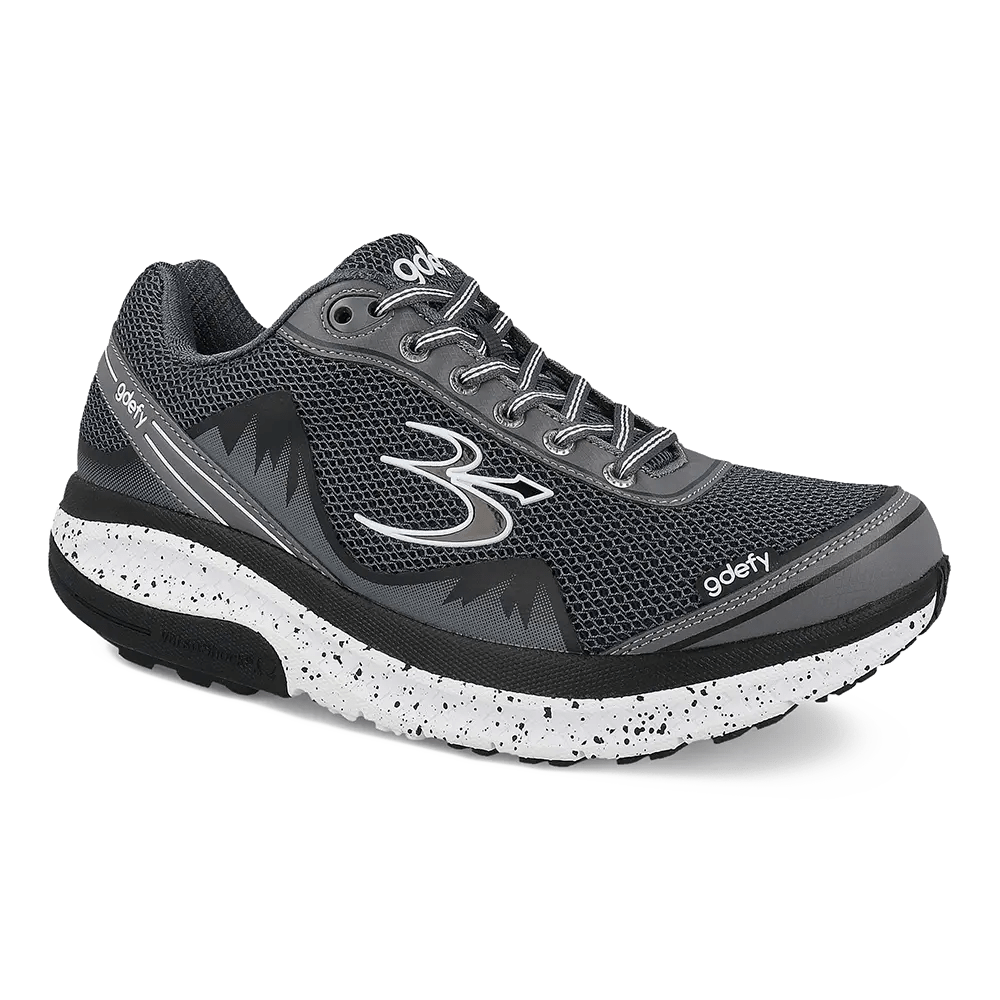
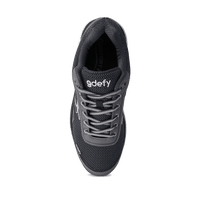
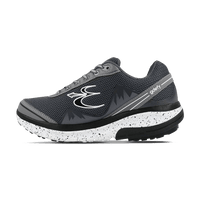
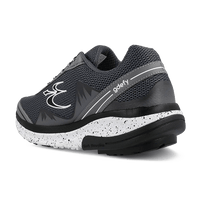
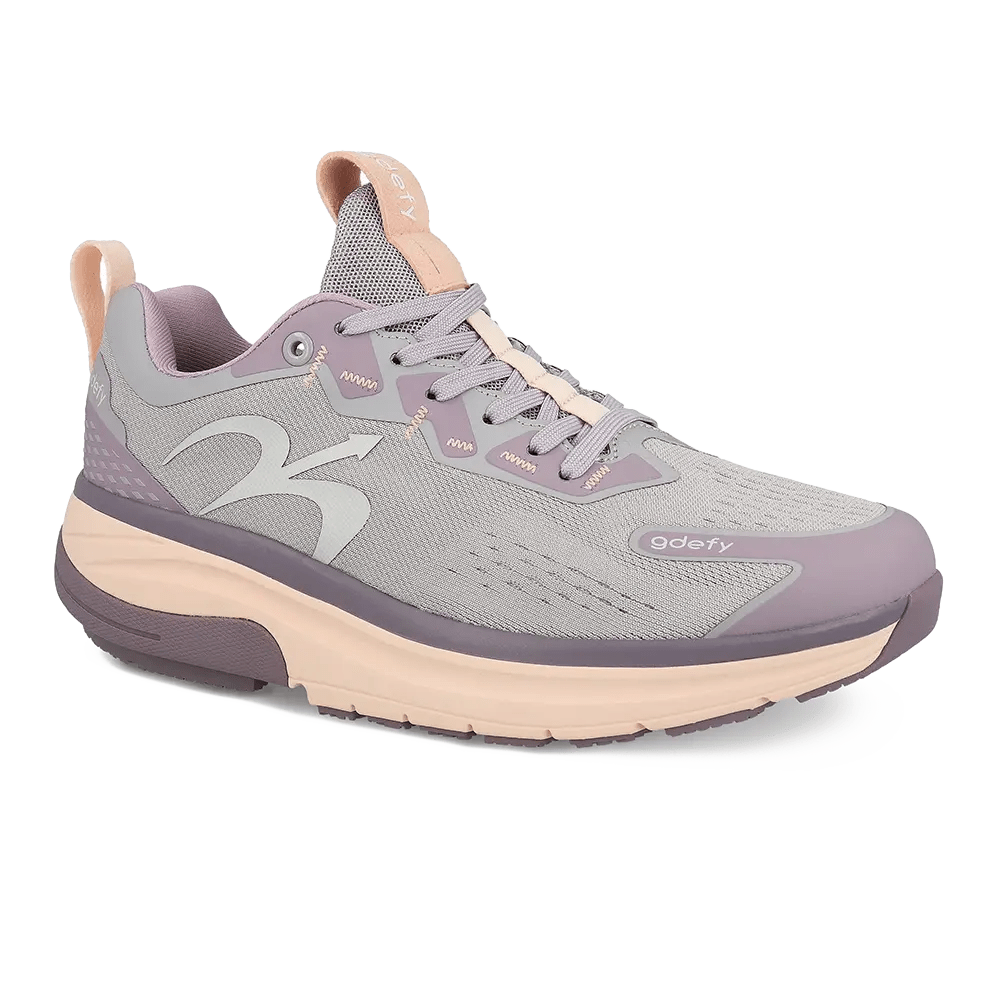
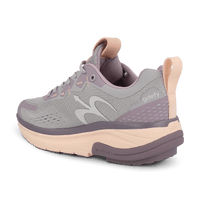
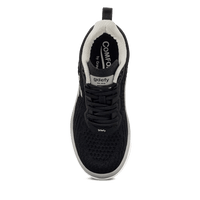
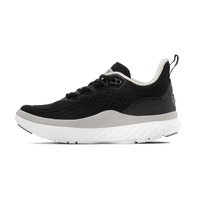
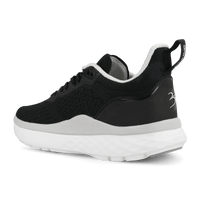
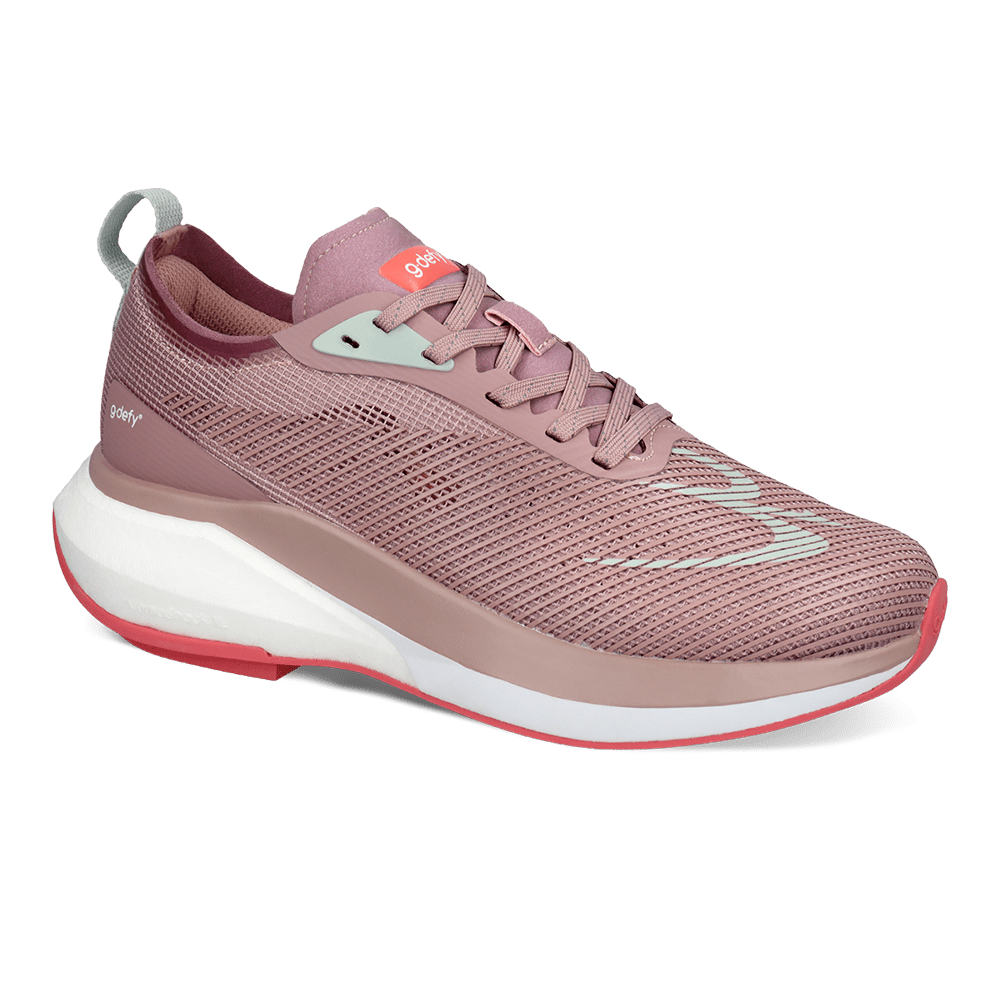
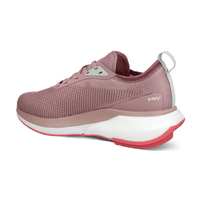
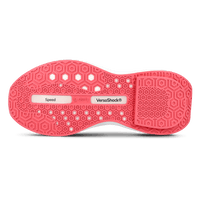
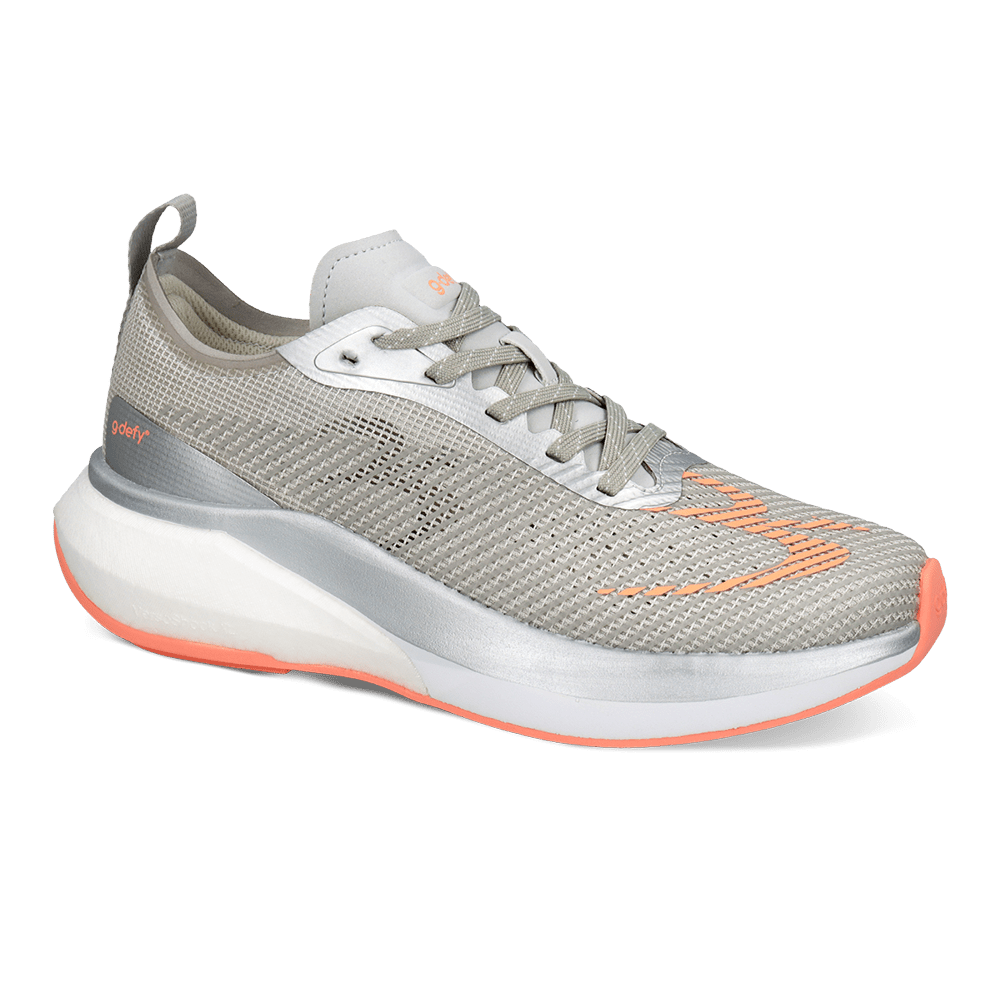
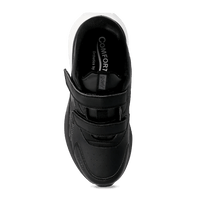
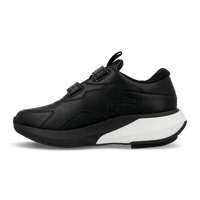
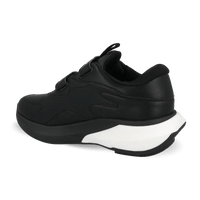
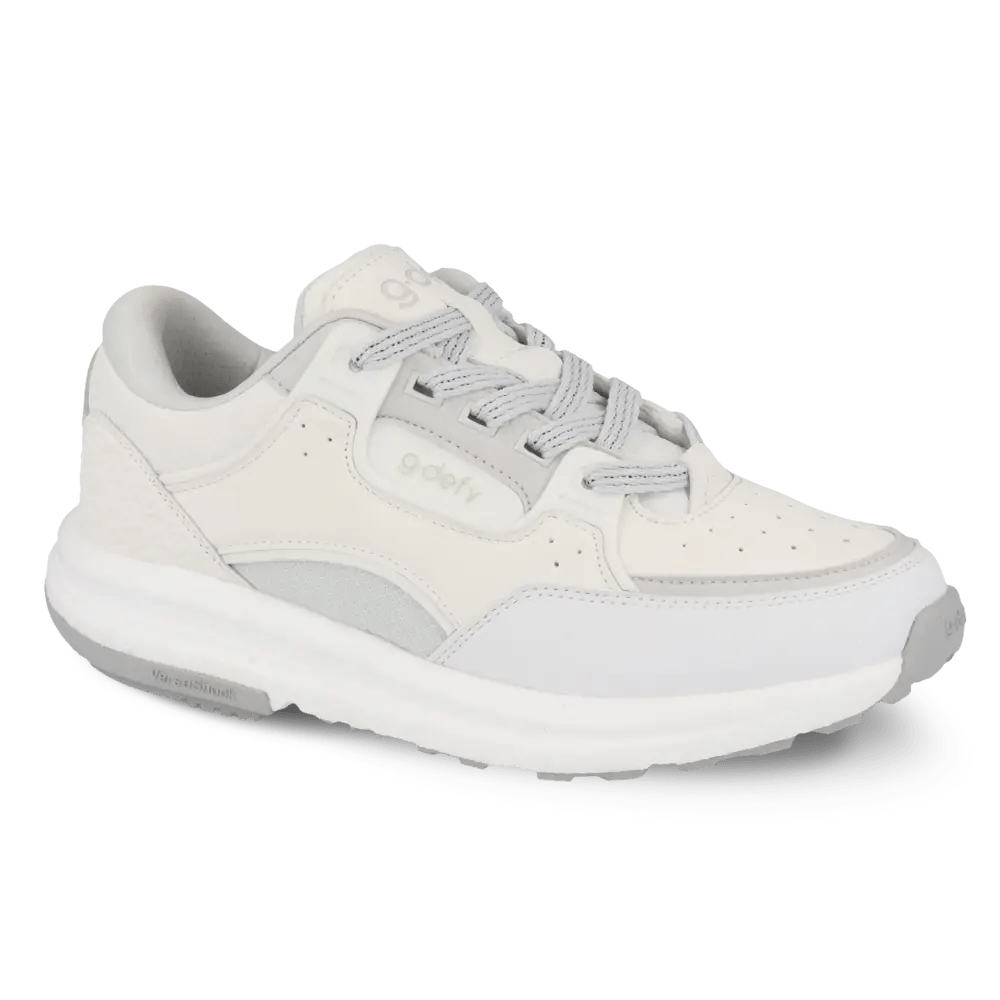
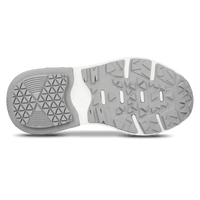
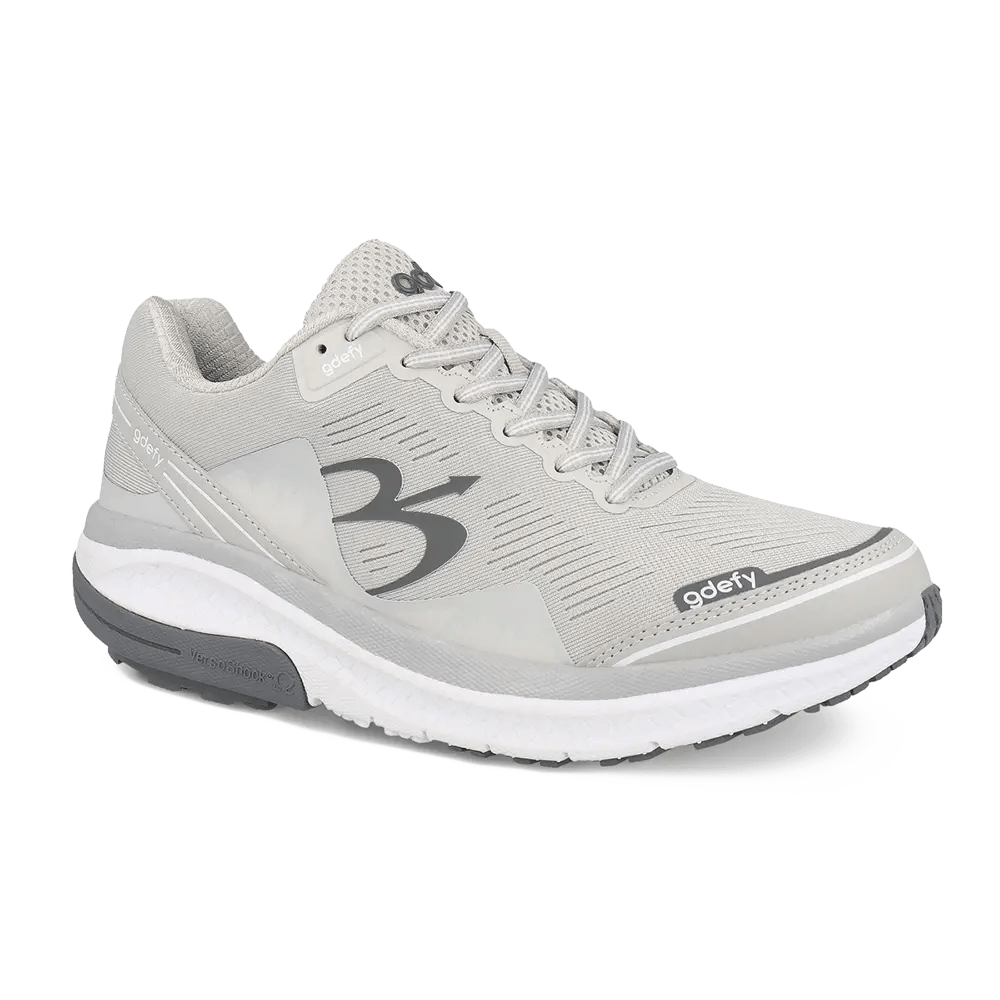
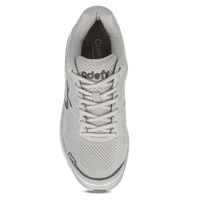
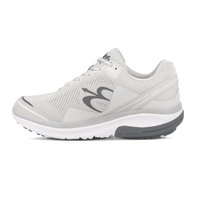
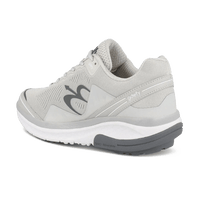
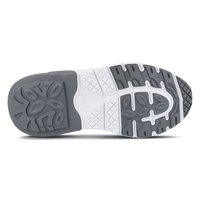
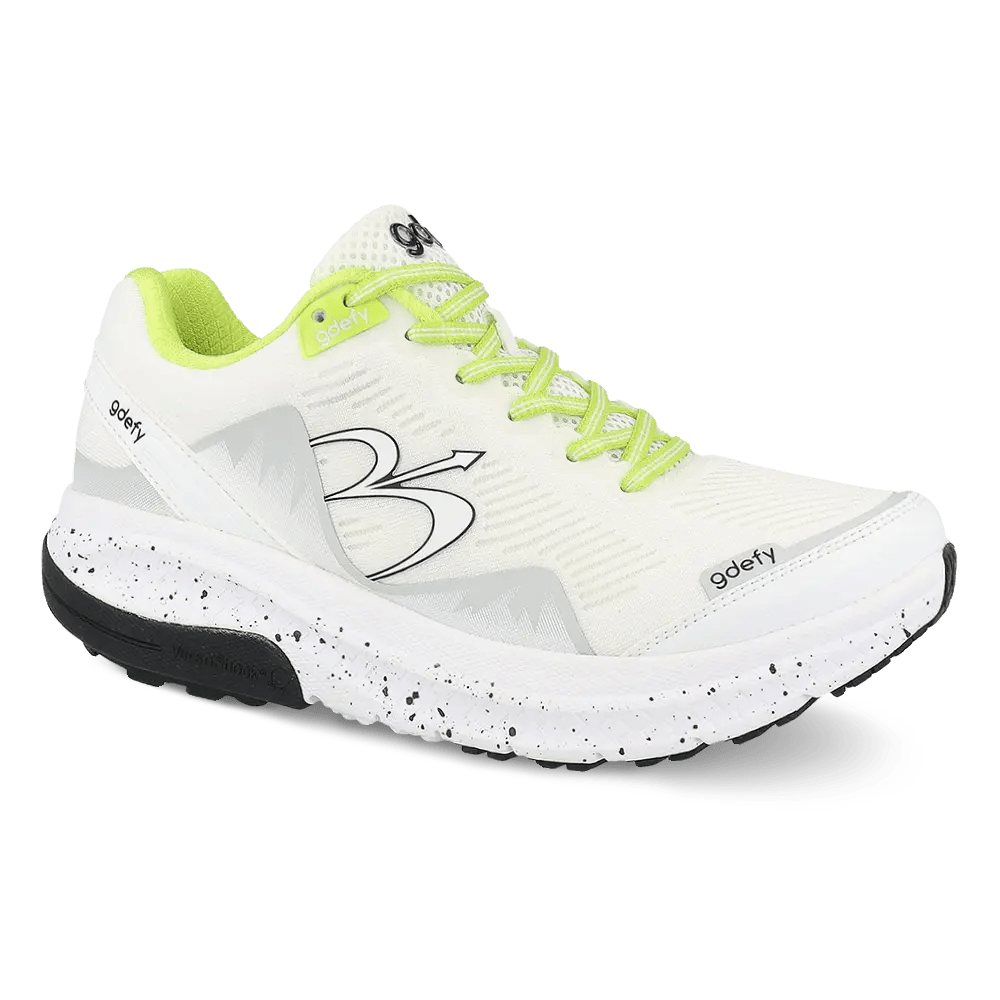
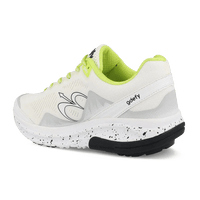
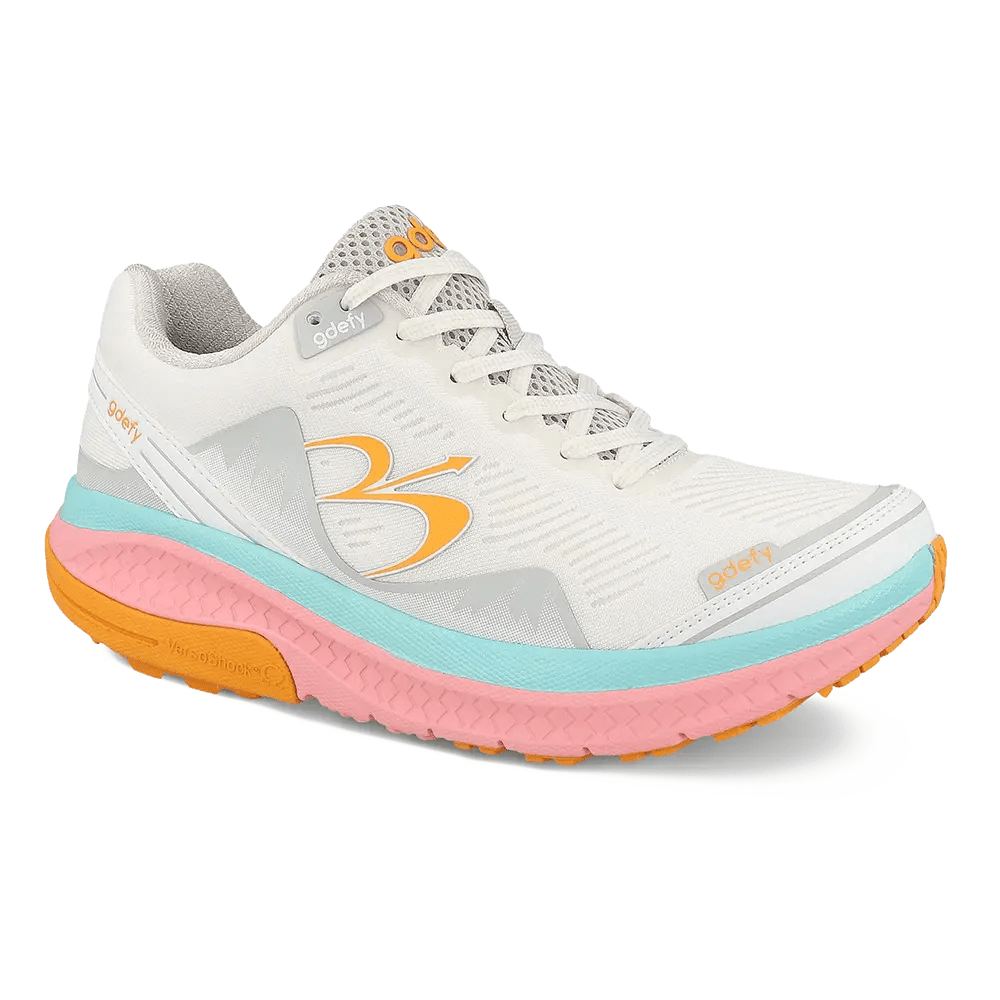
G-Defy shoes are engineered to provide comfort, support, and shock absorption during daily movement. Featuring VersoShock® technology, they are designed to absorb impact and return energy with each step. A built-in stabilizer supports the foot during movement, while the front rolling design promotes a smooth walking experience. Each pair includes two removable orthotics to help customize comfort and support. G-Defy shoes help reduce pain from walking, running, and prolonged standing.
The G-Defy approach is built on four pillars that work together:
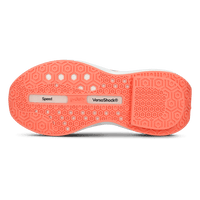
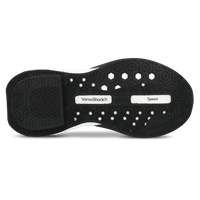
1. VersoShock® shock absorption. A spring-based system in the midsole is designed to absorb impact softly and gradually. Instead of a flat foam layer that compresses and stays compressed, VersoShock® aims to soften each step from heel strike through the rest of the stride.
2. Energy return. The same spring-based system is designed to return some of that energy as you move forward. The result is a stride that feels responsive rather than heavy — which matters most at the end of a long day on your feet.
3. A stabilizer system. A built-in shank inside the shoe helps support the foot’s structure and reduce excessive bending through the middle of the shoe. Stability translates directly into comfort, especially during long walks and prolonged standing.
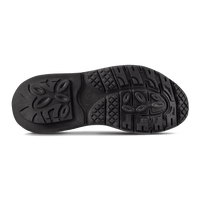
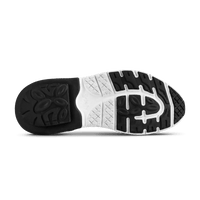
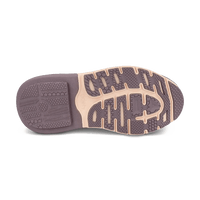
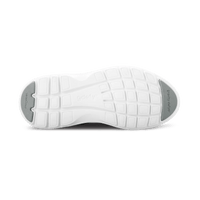
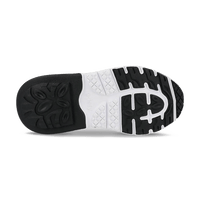
4. A front rolling design. A gently shaped forward-rolling outsole encourages a smoother heel-to-toe transition. That smoother motion can reduce the abrupt push-off that often adds stress to the bottom of the foot.

In addition, every G-Defy pair includes two removable orthotics so you can match the support level to your foot:
- ComfortFit® orthotic — designed for low to medium arches, with extra cushioning under the foot.
- CorrectiveFit® orthotic — designed for medium to high arches, with added structural support.
You can also use your own custom inserts if you have them — the shoe is built with that flexibility in mind.
Two G-Defy Walking Shoes Worth Knowing
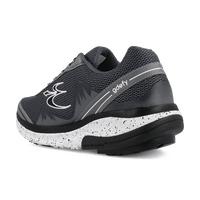
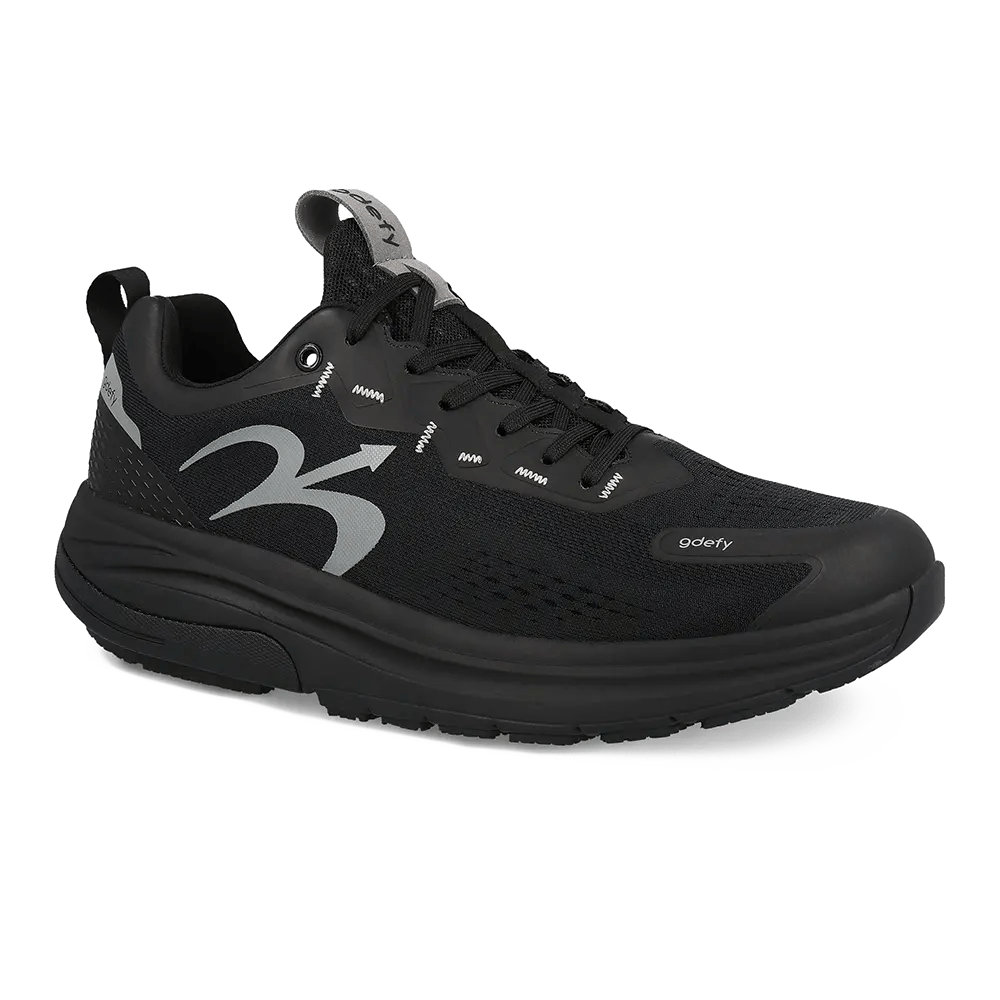
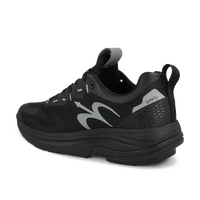
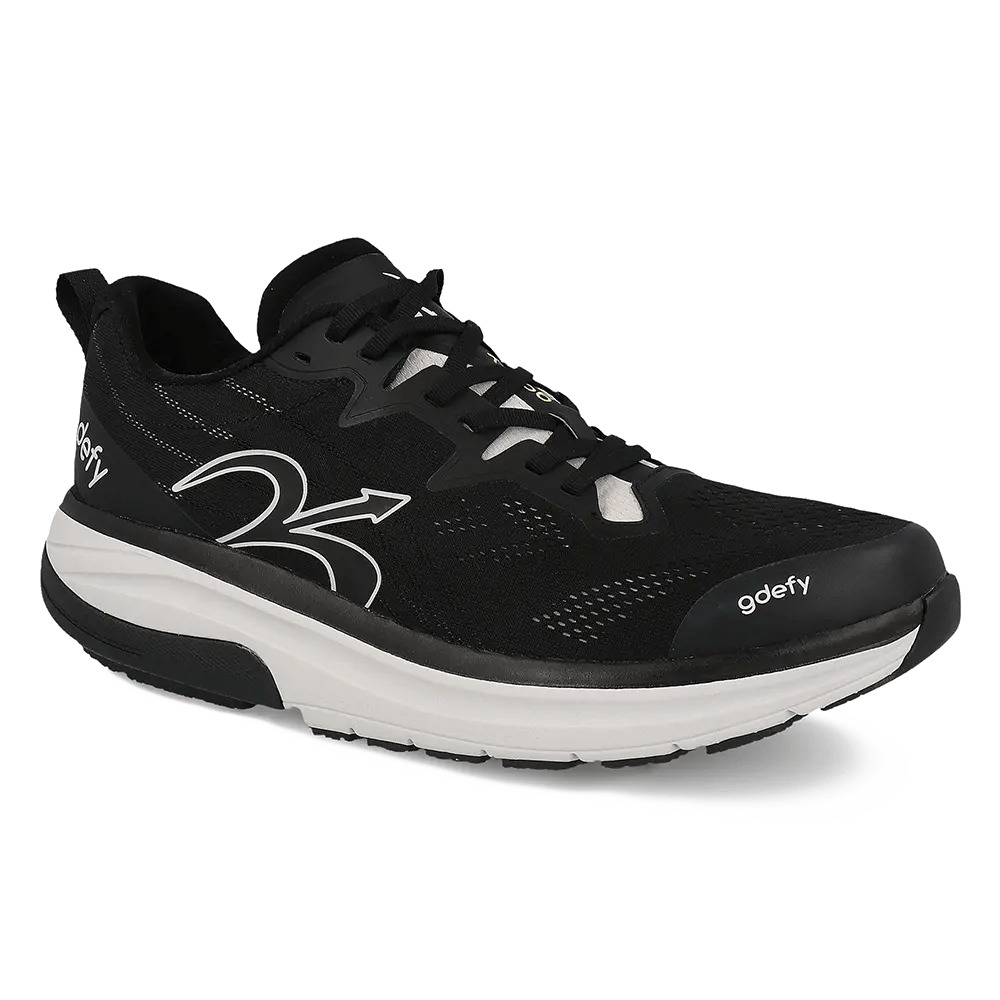
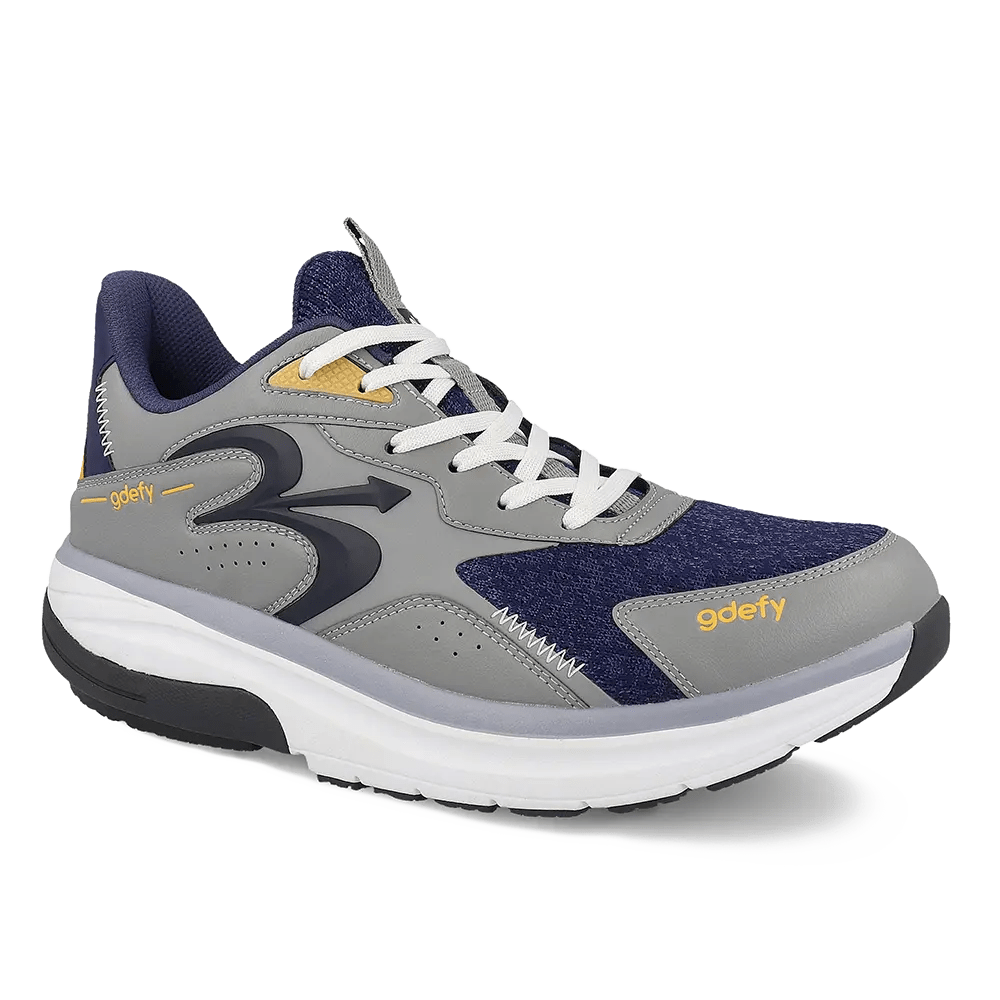
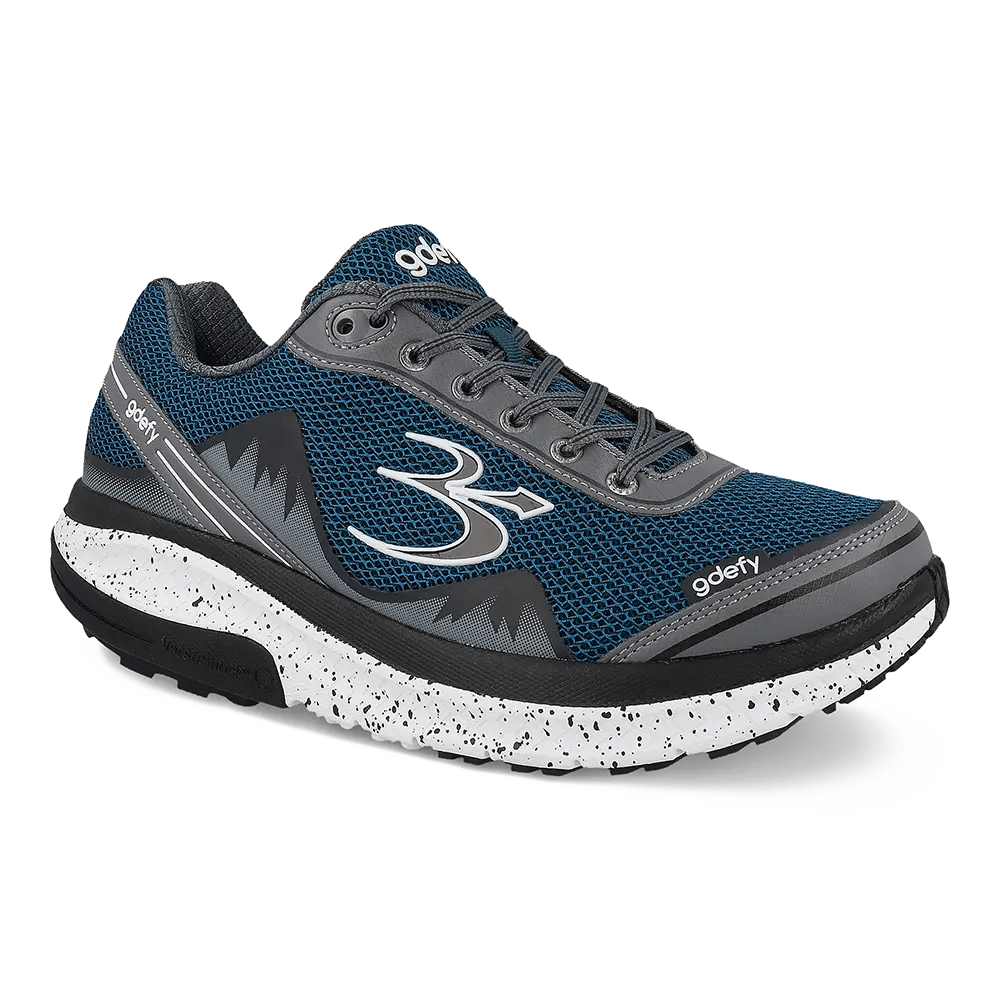
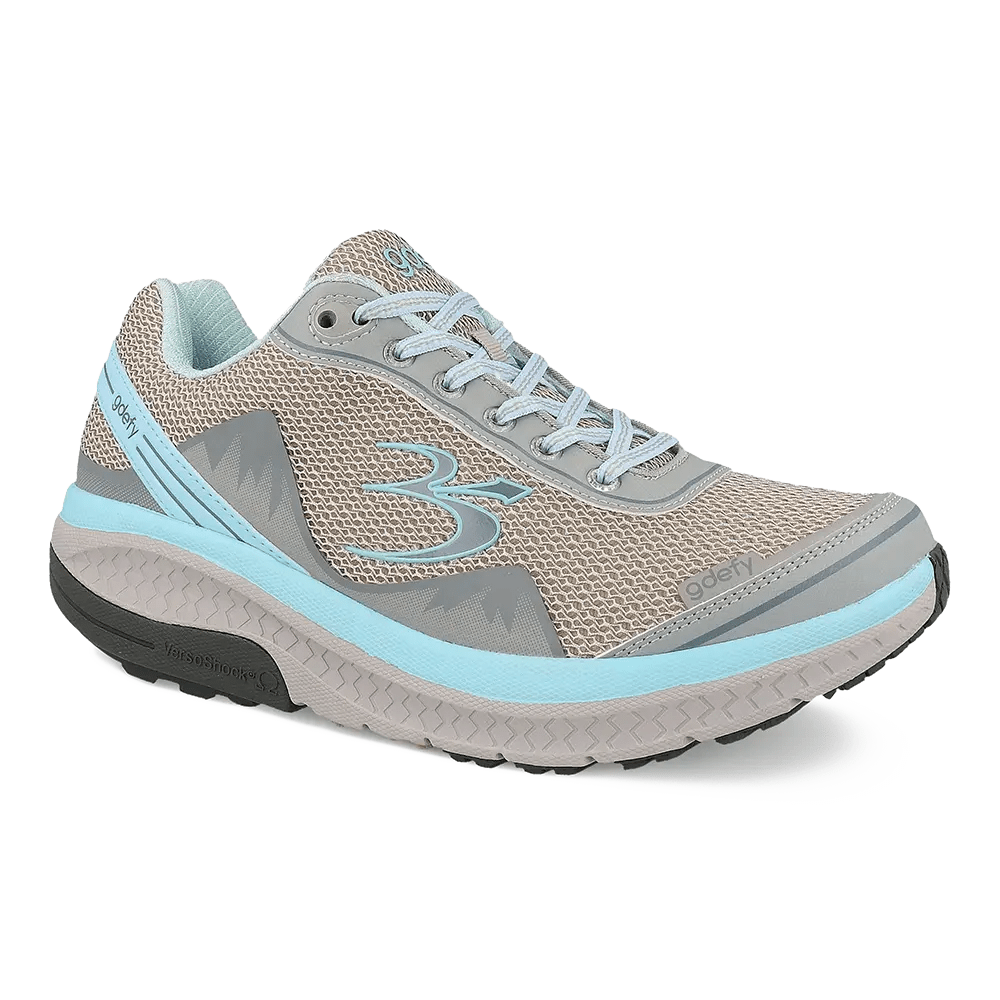
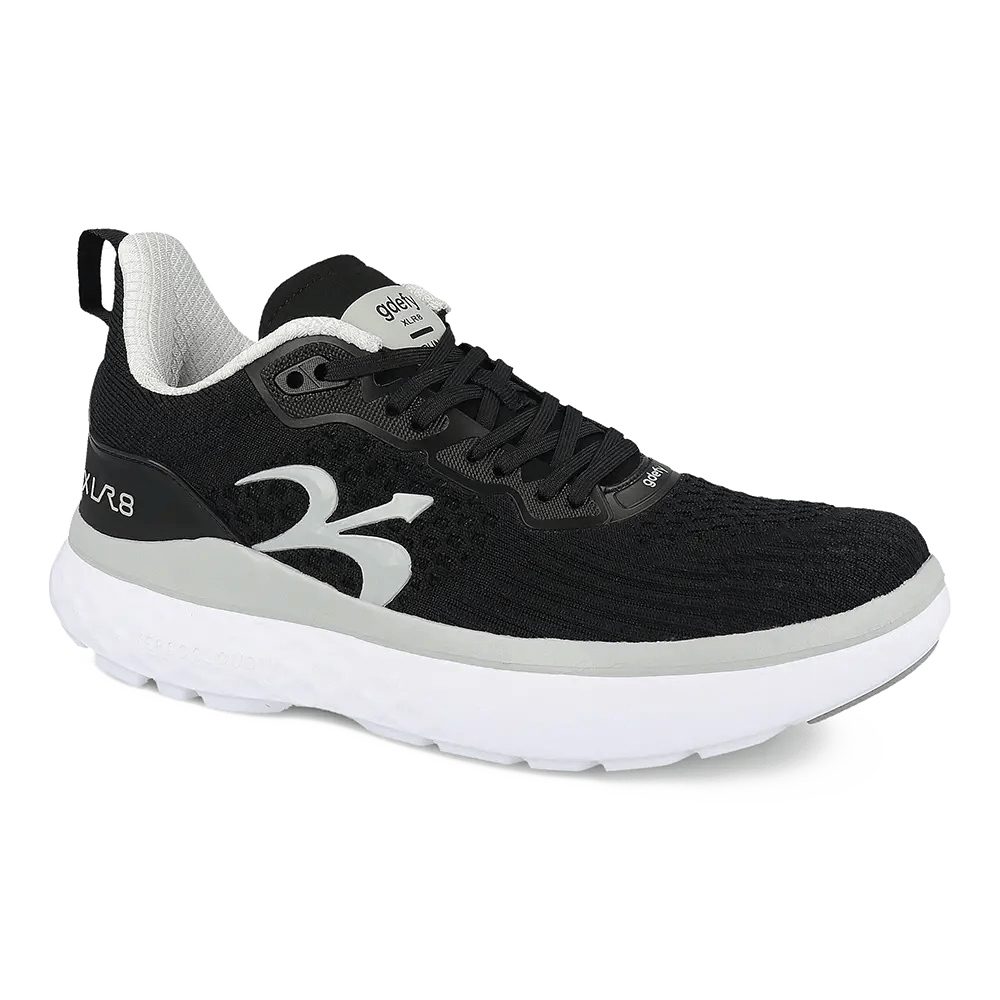
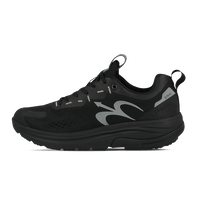
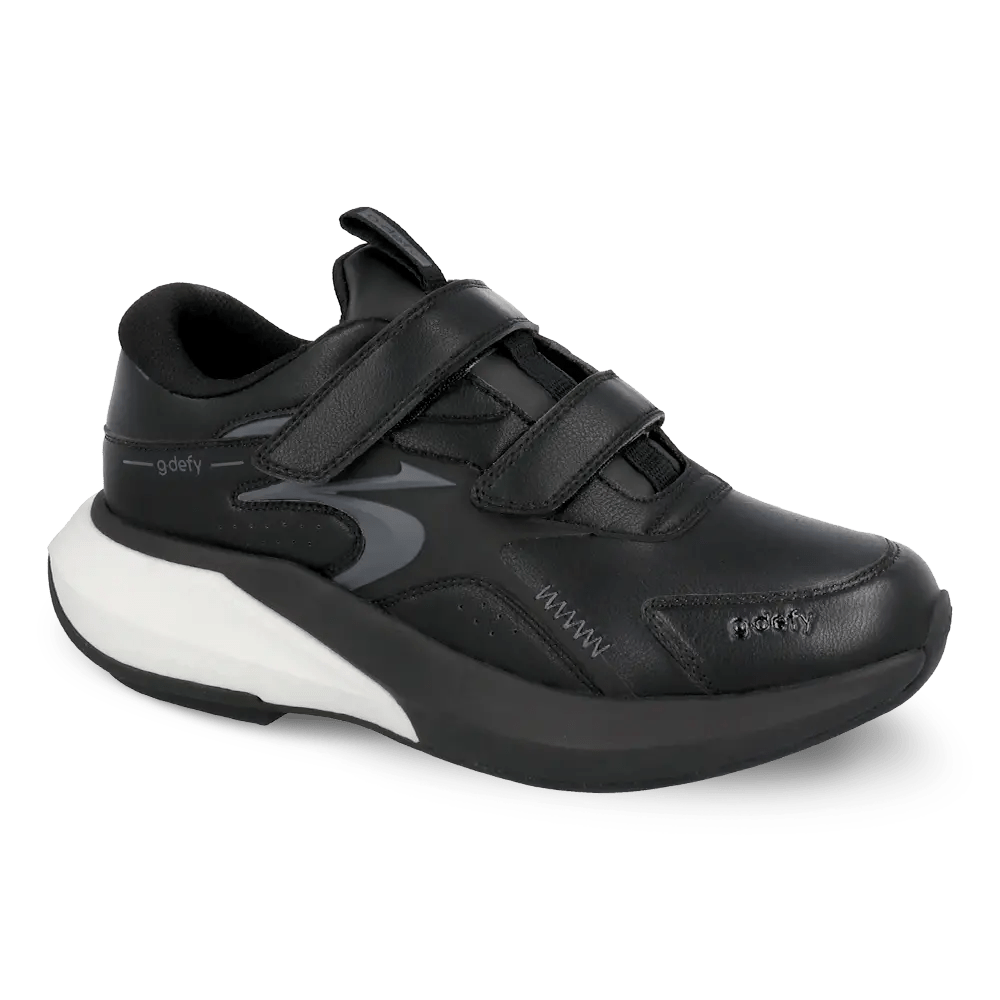
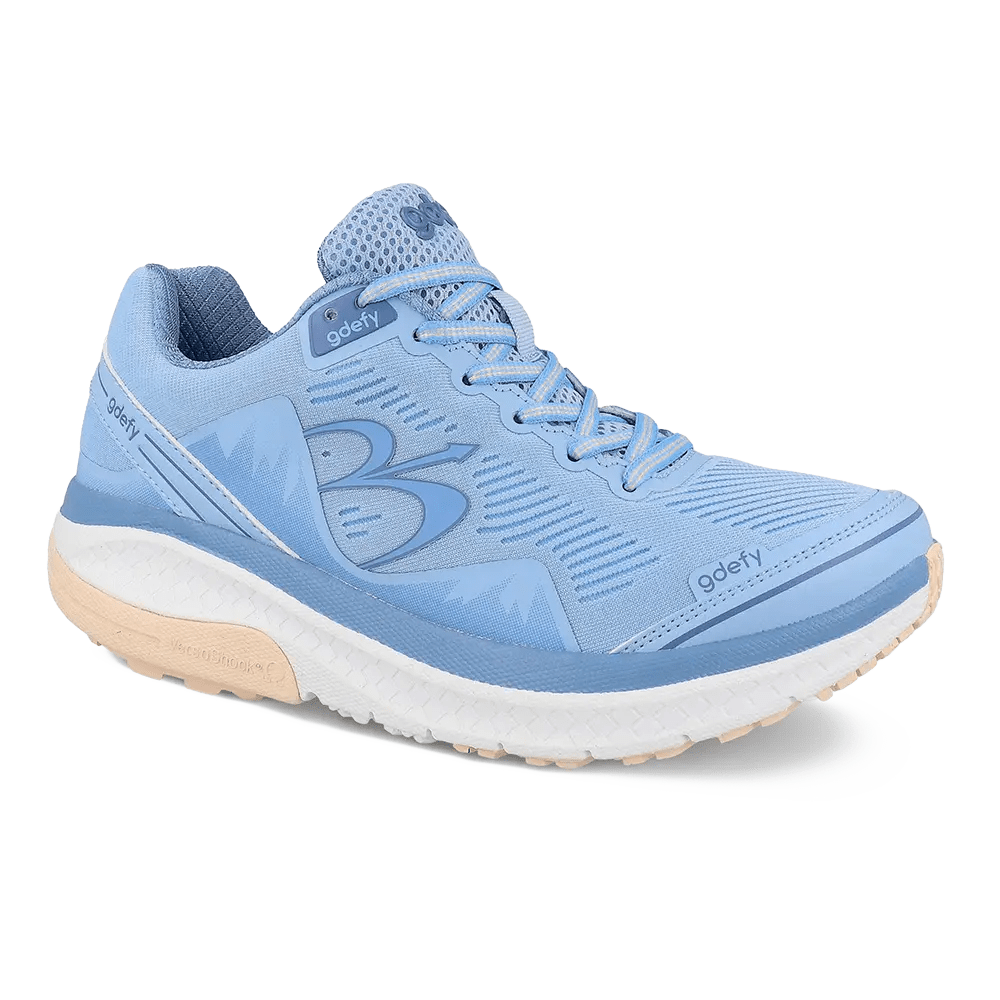
Mighty Walk. A flagship comfort walking shoe with VersoShock® throughout the midsole, a structured heel cradle, and the dual orthotic system. Designed for long days of walking and standing, with a cushioned, supportive feel from the first wear.
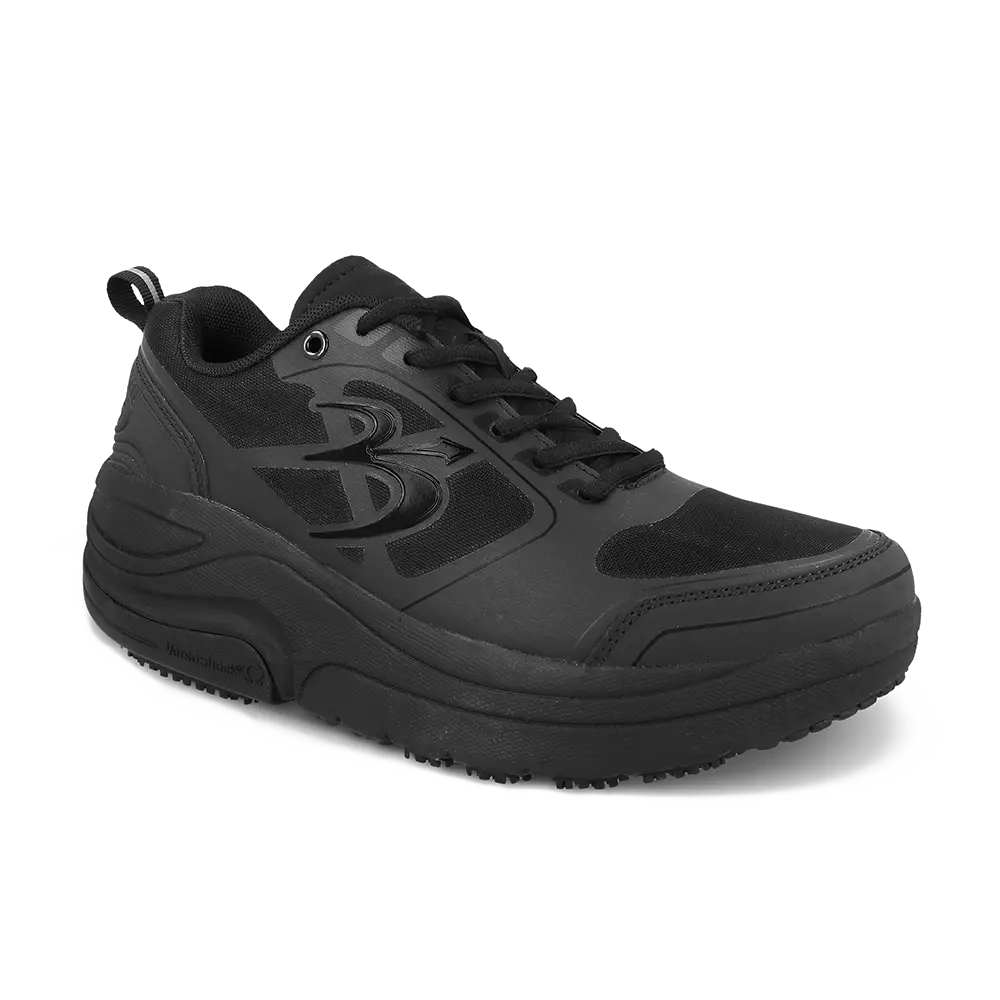
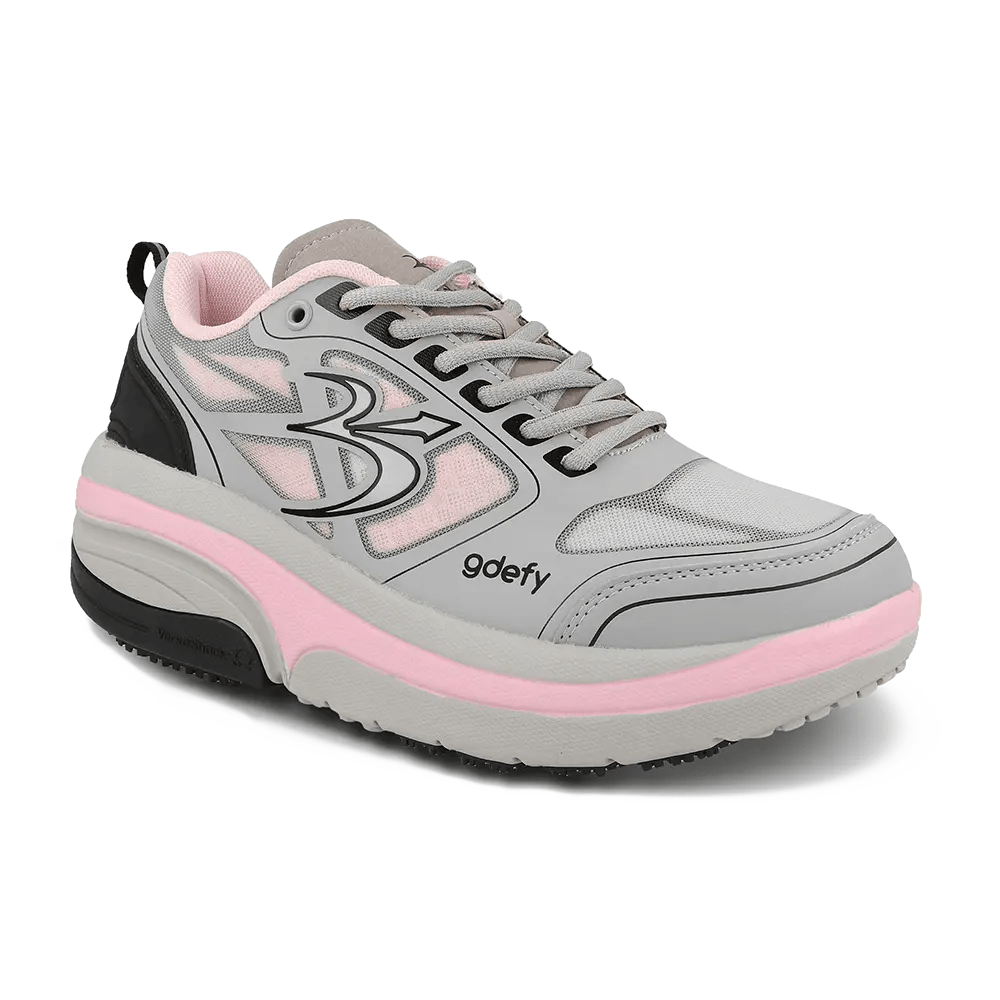
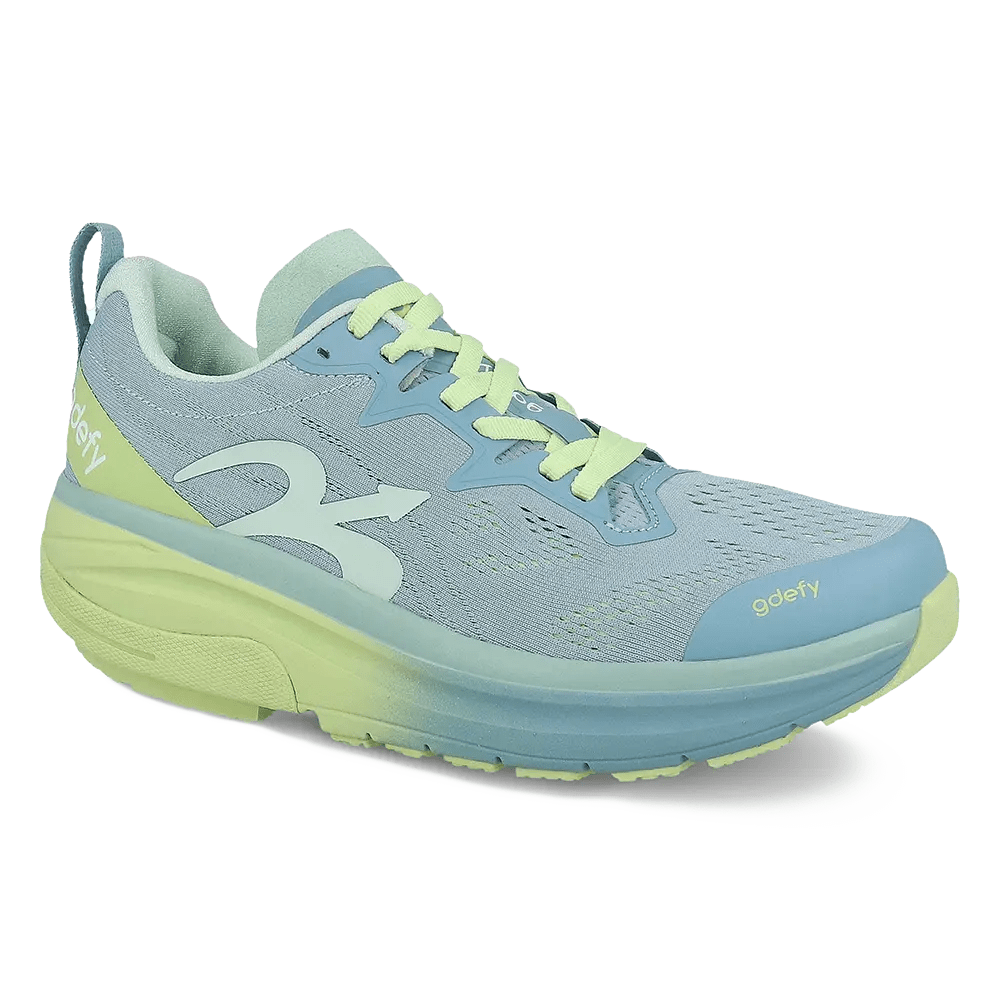
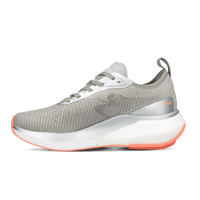
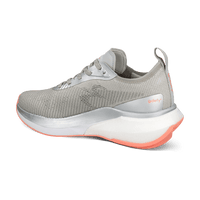
G-Defy Ion. A lightweight option for people who want a softer, springier feel on hard surfaces. VersoShock® cushioning, the rolling design, and the dual orthotic system come standard.
Both shoes ship with a 60-day risk-free trial. If they do not feel right, you can return them — most people, however, find that the first walk around the block tells them most of what they need to know.
You can browse the full lineup in the women’s walking shoe collection or the men’s walking shoe collection. For a deeper look at the underlying engineering, visit the VersoShock® technology page.
Try G-Defy for 60 Days, Risk-Free
Free shipping. Free exchanges. Return for any reason within 60 days. Designed to help reduce pain from walking, running, and prolonged standing.
Shop Mighty WalkPractical Daily Habits That Support Comfort
A supportive walking shoe makes the biggest difference, but small daily habits help too. None of these replace a conversation with a healthcare provider for persistent symptoms — they are simply everyday comfort tips that fit alongside the right footwear.
- Rotate between two pairs. Alternating shoes lets the cushioning recover between wears and extends the life of both pairs.
- Replace shoes before the midsole is flat. A common rule is to replace a primary walking shoe every 300 to 500 miles or roughly every 6 to 12 months, depending on use.
- Avoid going barefoot on hard floors for long stretches. Slip into supportive house shoes when you are home — your feet feel the difference.
- Stretch the calves and the bottom of the foot. Gentle stretching after waking and before bed can help the foot feel looser. If you are unsure which stretches are appropriate for your situation, ask a healthcare professional.
- Build up activity gradually. Add walking distance or running mileage in small increments rather than big jumps.
- Listen to early signals. A mild ache that shows up in the morning is your foot asking for support. Address it with comfortable, supportive shoes before it becomes the loudest part of your day.
These habits are simple, but together they shape how your feet feel from week to week.
How Plantar Fasciitis Discomfort Often Shows Up Through the Day
Many people who experience heel discomfort describe a familiar daily pattern:
- First steps in the morning feel the most uncomfortable. The plantar fascia has been at rest, and that first stretch can feel sharp.
- Mid-morning improves as the foot warms up and the tissue lengthens.
- Long standing or walking sessions bring the discomfort back, especially on hard floors.
- The end of the day often feels heaviest. By dinner, the bottom of the foot may feel sore even when you sit down.
A supportive walking shoe will not erase that pattern, but many people notice that the peaks feel less sharp and the average comfort feels better. The goal is not a perfect day; it is a more comfortable one.

A Note on Honest Expectations
A shoe is a shoe. It cannot promise to take a condition away, and it should not pretend to. What a well-designed walking shoe can do is shape the daily forces that travel through your feet, support the arch, and keep your stride steady on the surfaces you cross every day.
If you experience persistent heel discomfort, please speak with a qualified healthcare provider. They can evaluate your situation and recommend an appropriate path forward. Comfortable, supportive footwear can sit alongside any of that — it is not a substitute for it.
Frequently Asked Questions
Can shoes help with plantar fasciitis?
Shoes designed with cushioning, arch support, and shock absorption may improve overall comfort for people who experience heel discomfort during daily walking and standing. Footwear is not a medical solution, but the right design can shape how each step feels.
What features should I look for in a walking shoe if I have heel discomfort?
Look for heel cushioning, built-in arch support, a structured heel cradle, a smooth heel-to-toe transition, shock absorption through the midsole, and a roomy toe box. Removable orthotics let you fine-tune support.
Are flat, unsupportive shoes a problem if I have heel discomfort?
Flat-soled shoes leave the arch with little structural support, which can increase the load on the bottom of the foot. Many people who experience heel discomfort find that switching from thin, flat footwear to a structured, cushioned walking shoe improves their daily comfort.
How often should I replace my walking shoes?
A reasonable rule is every 300 to 500 miles of use, or roughly every 6 to 12 months for daily wear. Replace sooner if the midsole feels flat or you notice your usual walking surface feels harder underfoot.
Do G-Defy shoes have arch support?
Yes. G-Defy shoes are designed with built-in structural support and include two removable orthotics — ComfortFit® for low to medium arches and CorrectiveFit® for medium to high arches — so you can customize the support level to your foot.
Is a more cushioned shoe always better?
Not necessarily. Cushioning without structure can feel mushy and unstable, which can actually make a long day feel less comfortable. The most comfortable walking shoes balance cushioning with arch support, shock absorption, and a stable heel cradle.
Conclusion
Plantar fasciitis is a common reason adults notice heel discomfort during everyday activity. The plantar fascia is a hardworking band of tissue that absorbs impact every time you take a step, and when daily life asks more of it than usual, the foot lets you know.
Footwear is not a medical solution, and it cannot take a condition away. What it can do is shape the daily comfort experience by softening impact, supporting the arch, and guiding the stride. A well-designed walking shoe — one that combines cushioning, support, shock absorption, a stable heel, a smooth heel-to-toe transition, and proper fit — can make a meaningful difference in how the bottom of your foot feels from morning through evening.
G-Defy approaches that lane through VersoShock® shock absorption, a stabilizer system, a front rolling design, and the dual orthotic system included with every pair. Together, those features are designed to help reduce pain from walking, running, and prolonged standing, and to support a more comfortable stride through the surfaces you cross every day.
If you experience persistent heel discomfort, please talk with a qualified healthcare provider about your situation. Alongside that conversation, the shoes on your feet are still worth paying attention to — they are the layer between you and every step.
Find Your Comfort Pair
Browse G-Defy comfort walking shoes with VersoShock® technology and the dual orthotic system. 60-day risk-free trial, free shipping, free exchanges.
Shop Women’s Shop Men’sHelpful Next Reads