
June 01, 2026
What to Look for in Shoes If You Have Arthritis in Your Feet
By Gdefy

Summary
If you have arthritis in your feet, you already know how much it can shape your day. Stiff morning steps, aching joints after a long walk, and the search for shoes that feel good for more than an hour can be frustrating. While footwear is not a medical solution, the right design can play an important role in your everyday comfort and support.
This guide walks through what tends to make foot arthritis feel worse during daily activity, the shoe features worth paying attention to, and how G-Defy approaches comfort for people who spend their days on sensitive, stiff, or tender feet. The goal is simple: help you understand what to look for so you can choose footwear that supports a more comfortable stride.
Where Arthritis Tends to Show Up in the Feet
The foot is a surprisingly busy place. It contains dozens of small joints that bend, flex, and absorb your weight thousands of times a day. Arthritis can affect several of these areas, and knowing where you feel it can help you understand which shoe features matter most for you. This is general background, not medical advice.
The Big Toe Joint
The joint at the base of the big toe does a lot of work as you push off with each step. When it feels stiff or tender, a roomy toe box and a smooth, rolling stride tend to feel more comfortable than a tight, rigid shoe.
The Midfoot
The middle of the foot helps support your arch and transfer weight as you walk. Discomfort here often responds well to steady support and cushioning that reduce the strain of long days on hard surfaces.
The Ankle and Heel Area
The back of the foot absorbs a lot of impact at heel strike. Good shock absorption under the heel can help soften that first point of contact with the ground, which many people find makes walking feel easier.
What Makes Arthritis in the Feet Feel Worse When Walking
Arthritis in the feet involves the many small joints that carry your weight with every step — the toes, the midfoot, and the ankle area. When those joints feel stiff or tender, ordinary activities like walking the dog, standing in the kitchen, or running errands can become tiring. Footwear does not change the joints themselves, but the wrong shoes can add strain that makes a hard day harder.
Hard Impact From Each Step
Walking on hard surfaces like sidewalks, tile, and concrete sends impact up through the feet. Thin or worn-out soles pass more of that impact along, which can leave already-sensitive joints feeling worse by the end of the day.
Poor Support and Worn-Out Shoes
Shoes that have lost their cushioning, flattened arches, or stretched-out uppers stop doing their job. Without steady support, the foot can move in ways that add extra strain to stiff joints during long days on your feet.
Tight, Narrow Fit
When toe joints are swollen or stiff, a narrow toe box presses on the very areas that are already tender. A cramped fit can make every step feel more uncomfortable, especially later in the day when feet tend to swell.
Long Hours and Prolonged Standing
Time adds up. Many people notice that their feet feel fine in the morning but grow tired and achy after hours of walking or standing. The right footwear can help reduce some of that daily strain so you feel more comfortable for longer.
What to Look for in Shoes If You Have Arthritis in Your Feet
Not every comfortable-looking shoe actually supports sensitive feet through a full day. When you are shopping, these are the features that tend to matter most for foot comfort and support.
Cushioning That Absorbs Impact
Look for a midsole designed to absorb impact rather than pass it straight through to your feet. Good cushioning softens the force of each step, which can make walking on hard surfaces feel more comfortable.
Steady Support and Stability
A supportive shoe helps keep the foot in a more stable, controlled position as you move. Stability through the midfoot reduces the wobble and extra movement that can tire out stiff joints over a long day.
A Roomy Toe Box
A wider, rounder toe area gives swollen or stiff toes the space they need. Room to move makes a noticeable difference in comfort, especially during the afternoon and evening when feet are at their largest.
Shock Absorption
Shock absorption reduces the harsh impact that travels up from the ground with every step. A shoe built to soften that impact helps your feet feel more comfortable during walking and prolonged standing.
A Smooth Heel-to-Toe Transition
A design that encourages a smooth roll from heel to toe helps each step feel more natural. This can ease the stop-and-start motion that often feels stiff when foot joints are tender.
Lightweight Construction
Heavy shoes ask your feet to work harder. A lighter shoe reduces fatigue, making it easier to stay comfortable through errands, walks, and a full day of activity.
Proper, Adjustable Fit
Fit is the foundation of comfort. Shoes that adjust to your foot — through laces, straps, or removable insoles — let you fine-tune the feel so the shoe works with your foot instead of against it.

How G-Defy Approaches Comfort for Sensitive Feet
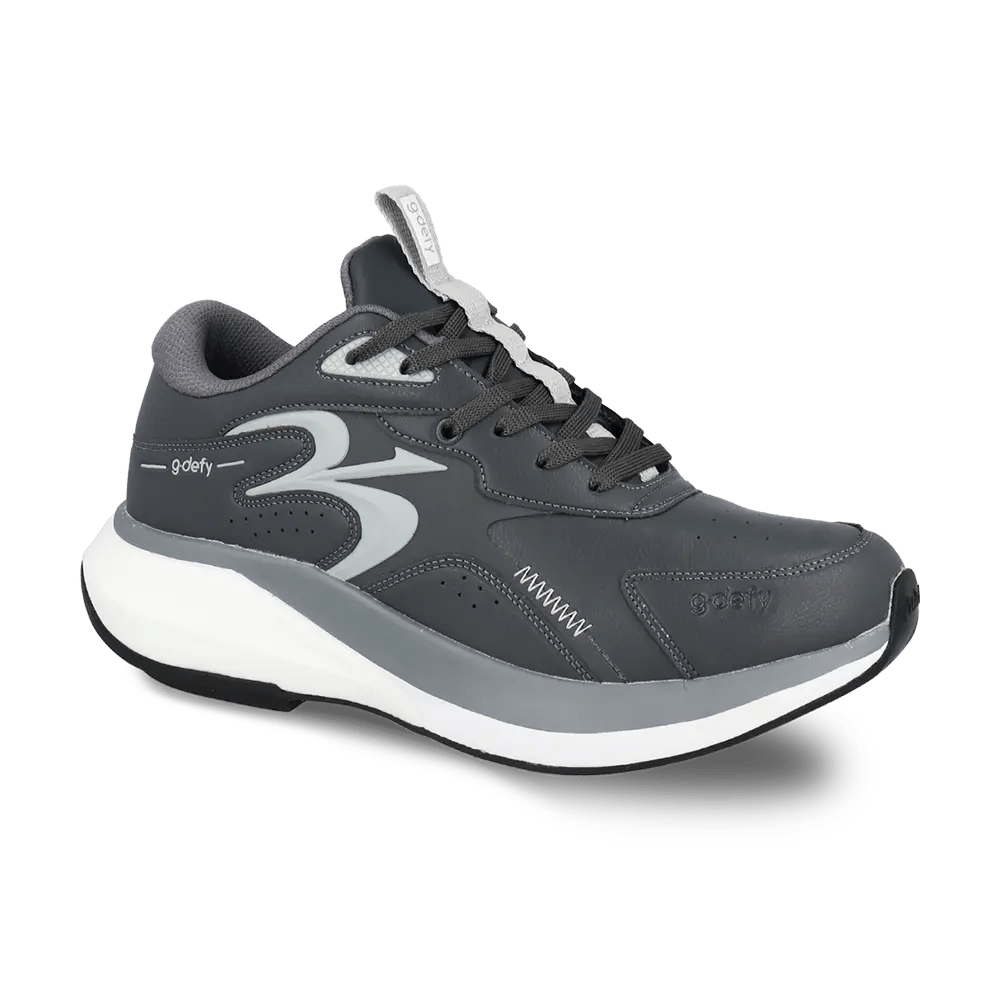
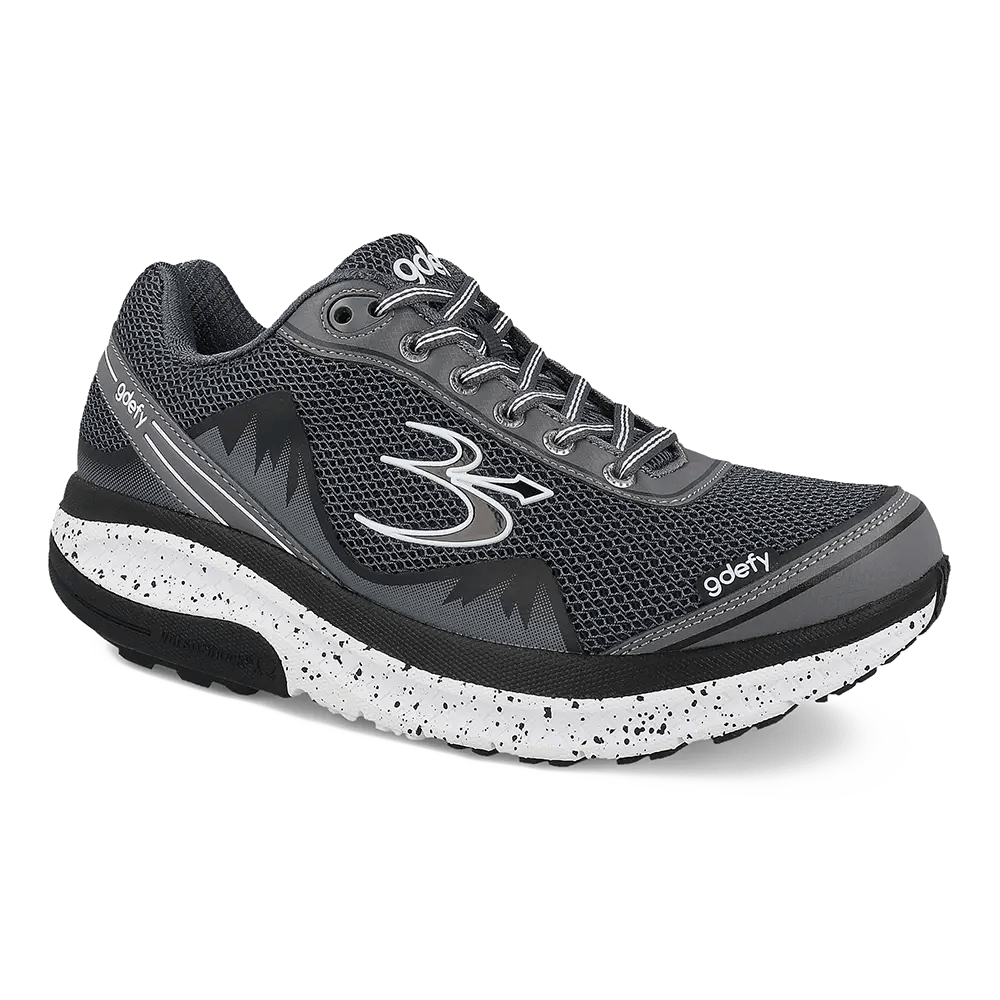
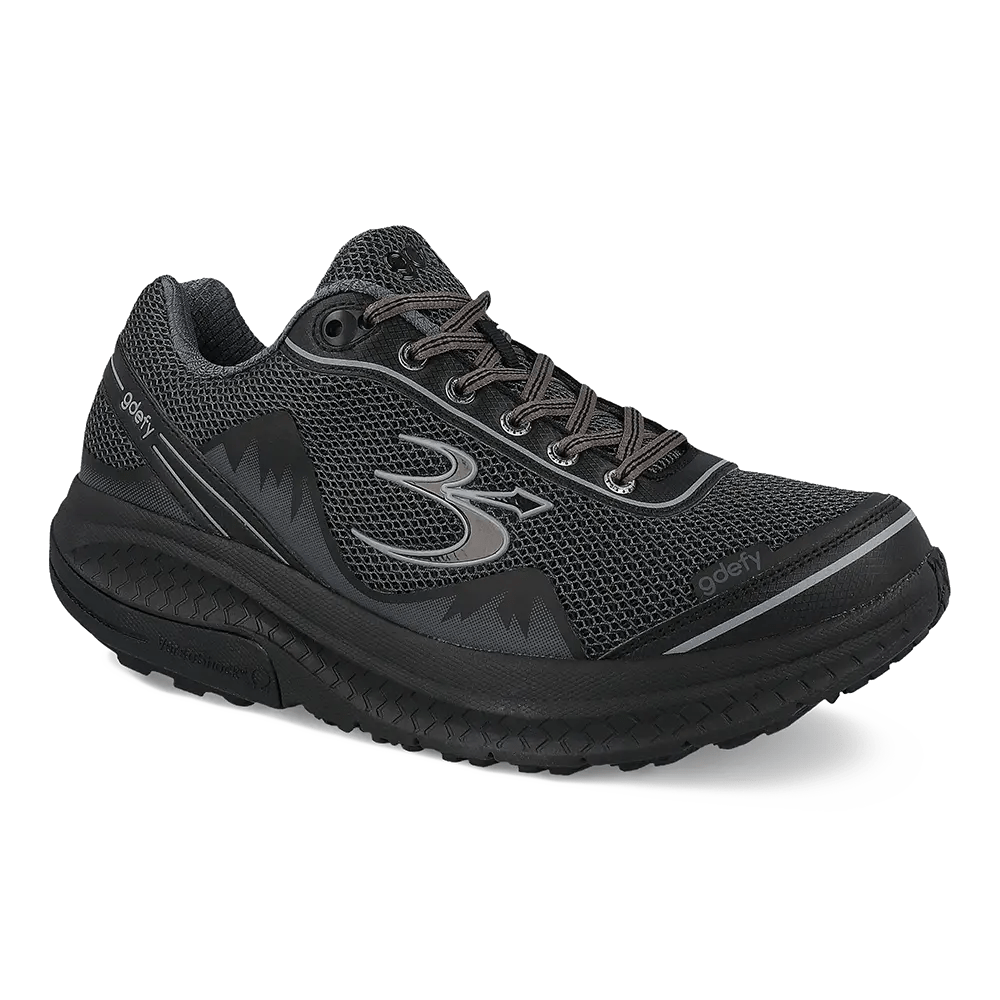
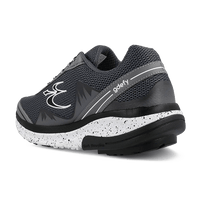
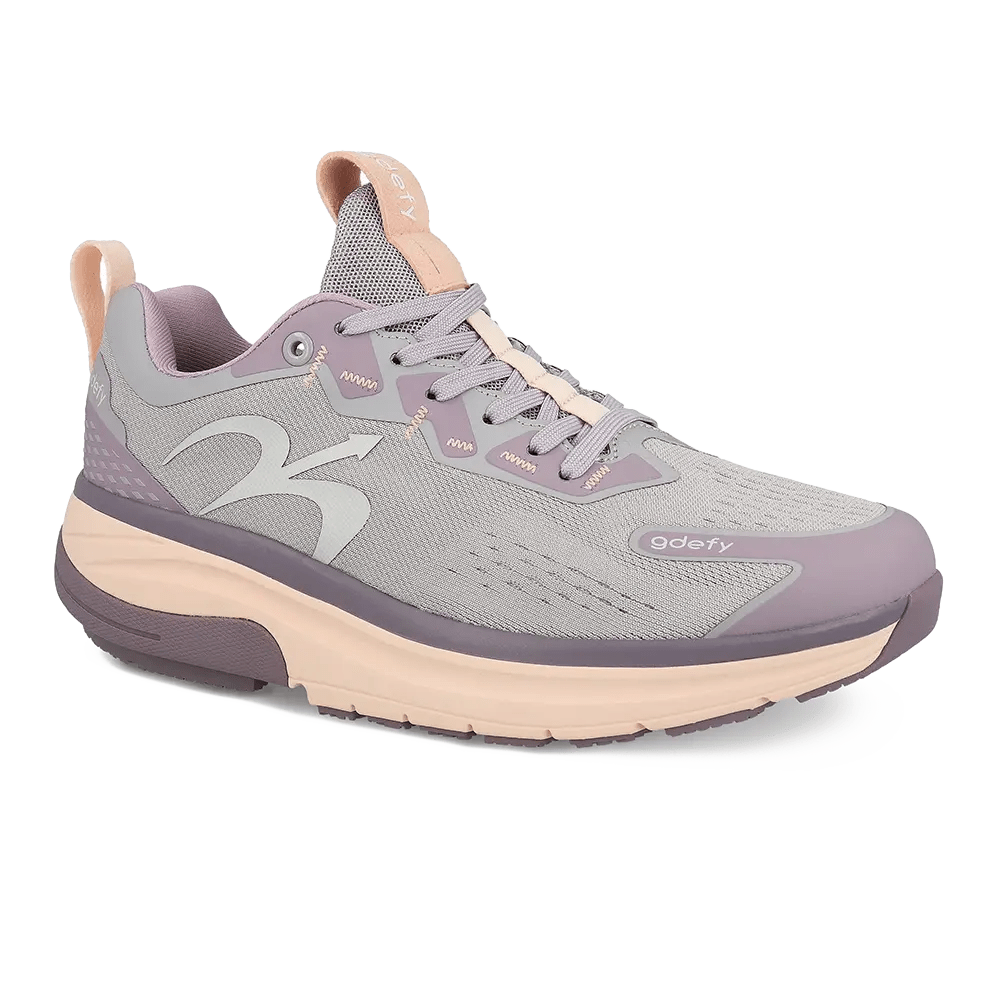
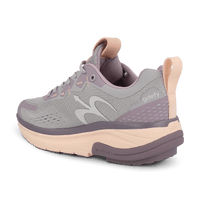
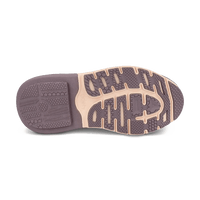
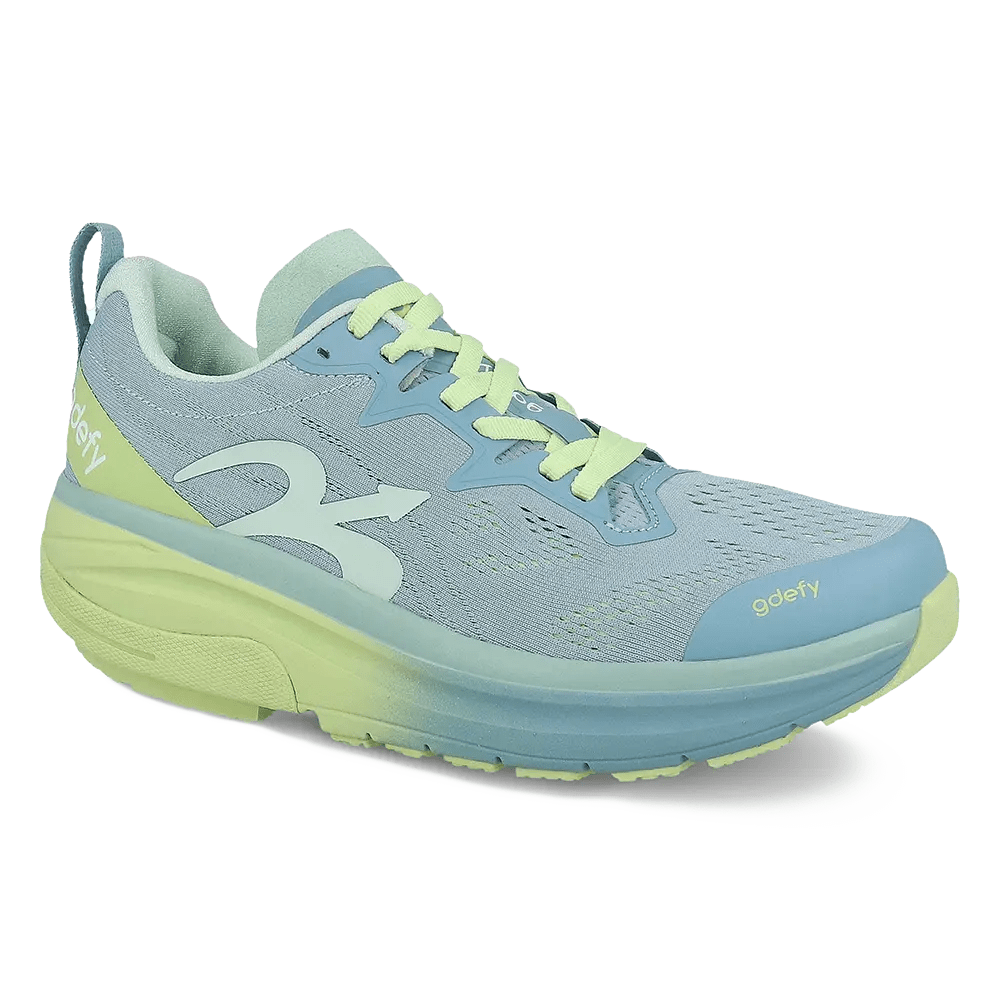
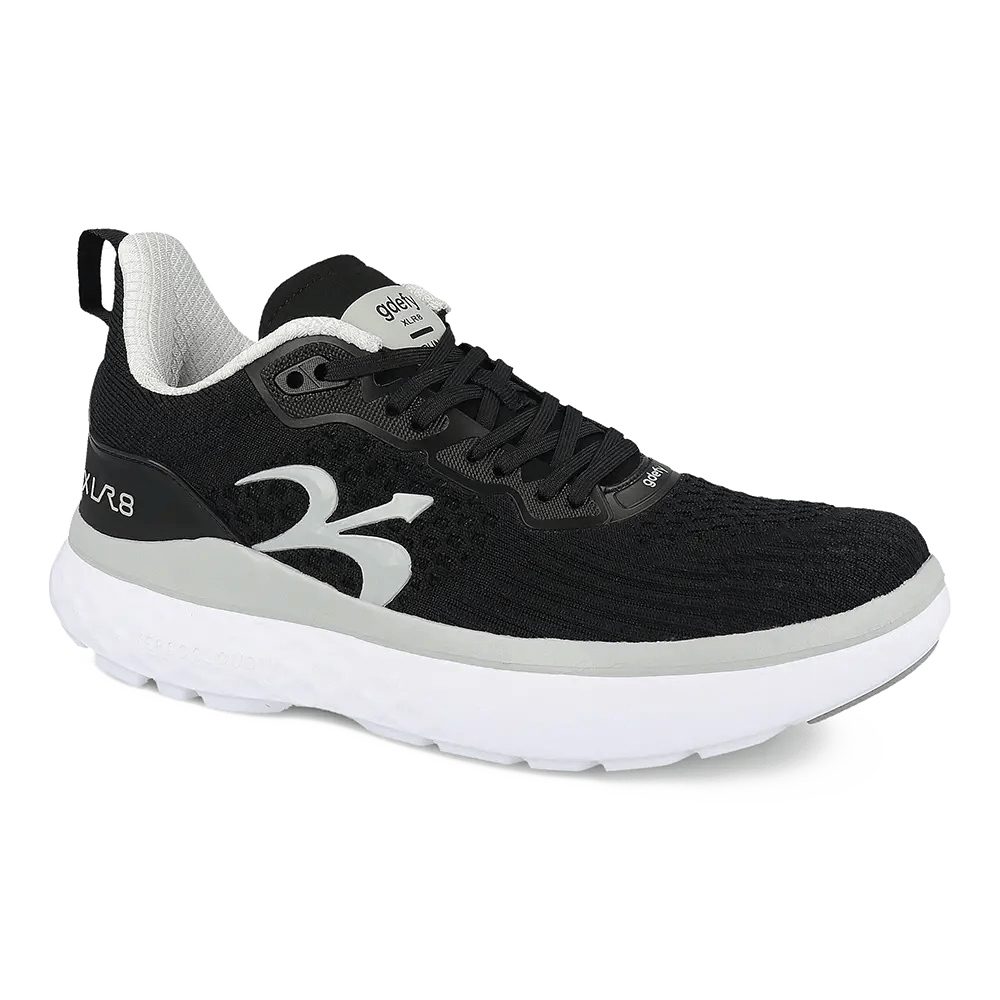
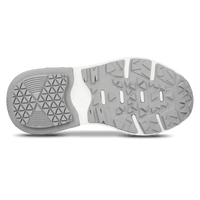
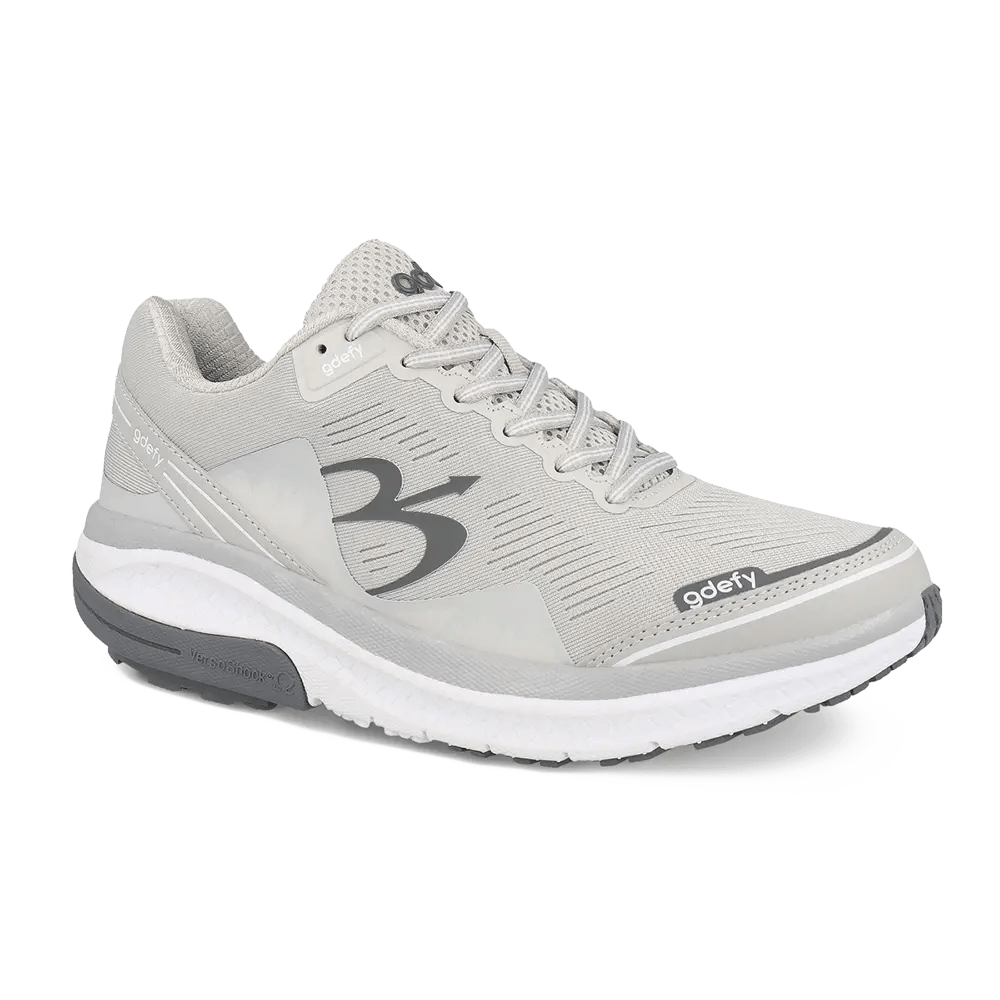
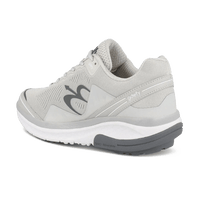
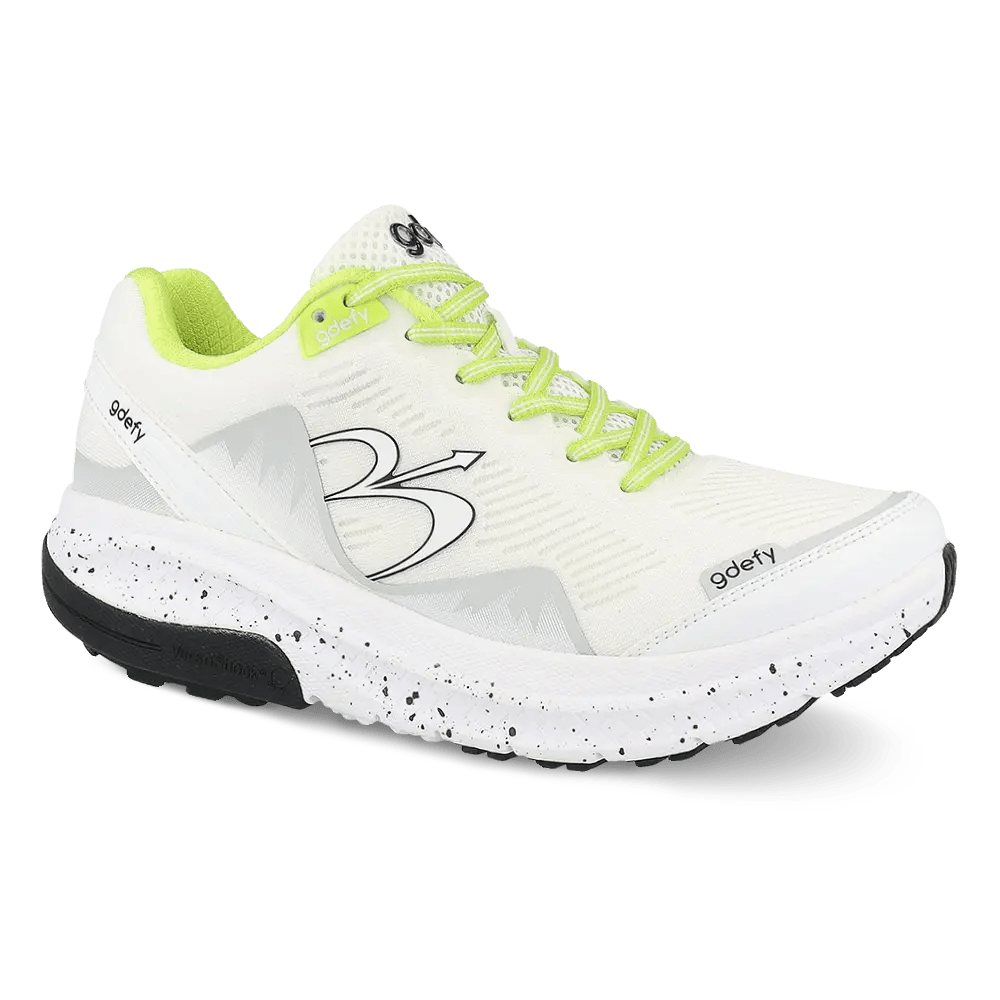
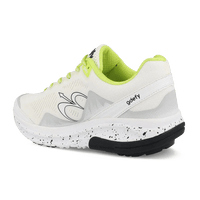
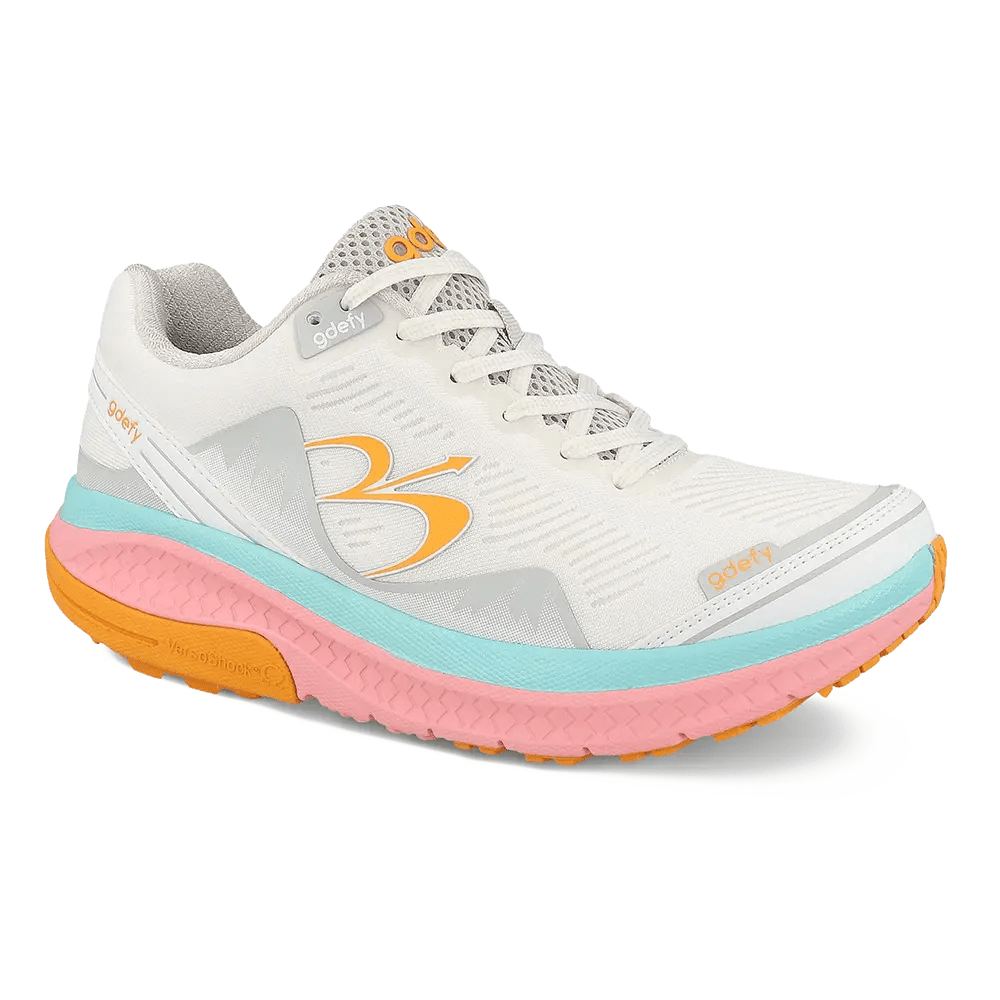
G-Defy shoes are engineered to provide comfort, support, and shock absorption during daily movement. Rather than relying on basic foam, they are built around a different idea — not just cushioning, but how your body moves through each step.
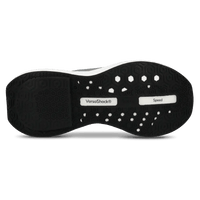
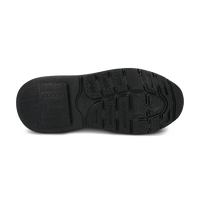
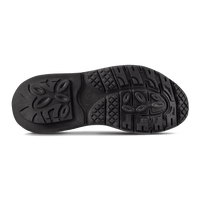
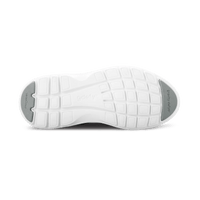
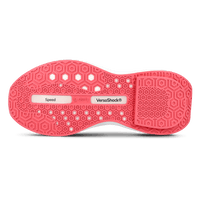
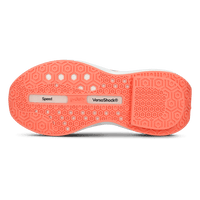
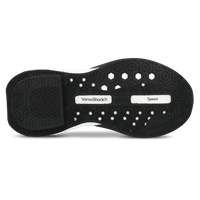
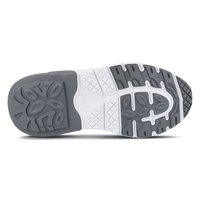
At the core is VersoShock® technology, a spring-based system designed to absorb impact softly and return energy with each step. Four features work together:
- Shock Absorption — VersoShock® is designed to absorb impact gradually, helping reduce the harsh force of walking on hard surfaces.
- Energy Return — Instead of flattening out like standard foam, the system is designed to return energy to support a more efficient stride.
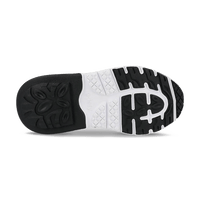
- Stabilizer System — A built-in stabilizer helps support the foot and reduce excessive bending, encouraging a more controlled, balanced motion.
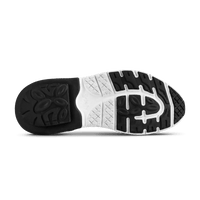
- Front Rolling Design — A rolling design promotes a smooth heel-to-toe transition for a more natural walking experience.
Every pair also includes two removable orthotics — the ComfortFit® orthotic for low to medium arches and the CorrectiveFit® orthotic for medium to high arches — so you can customize comfort and support based on your foot type. Together, these features help reduce pain from walking, running, and prolonged standing.
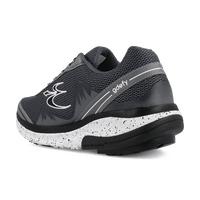
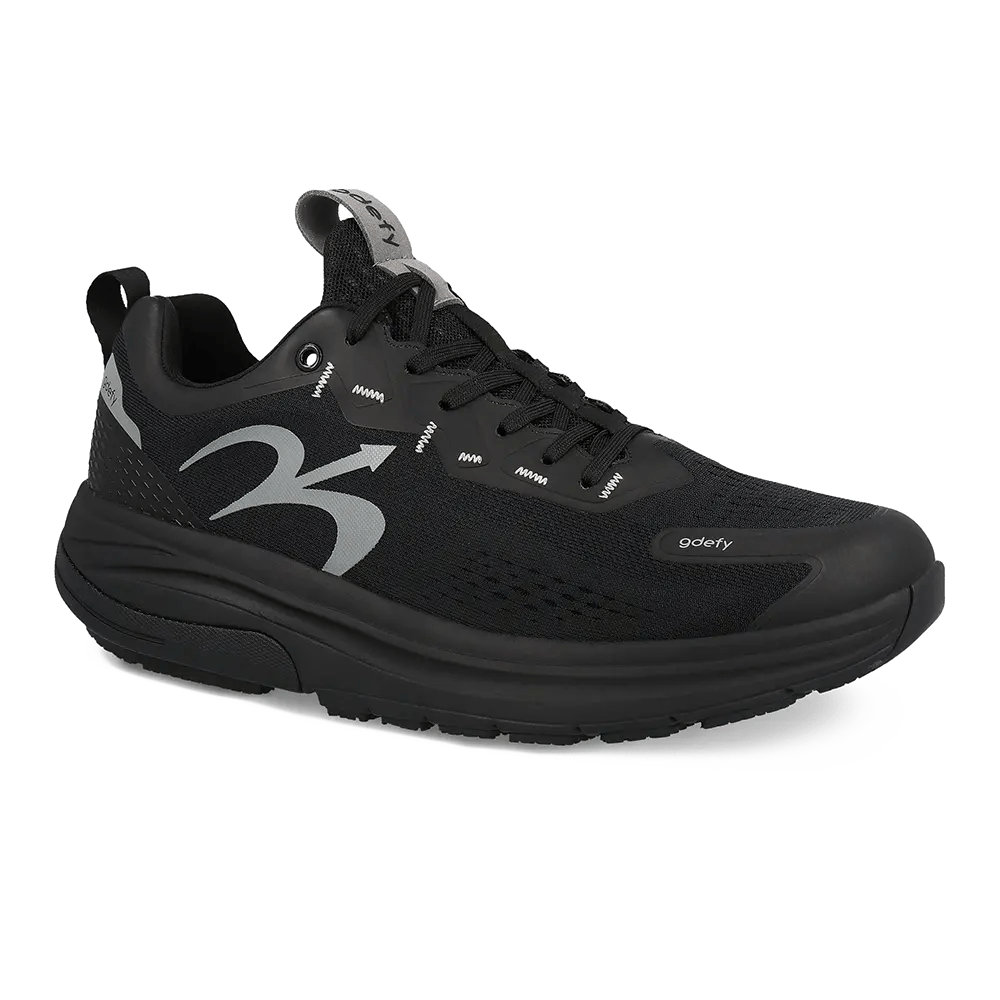
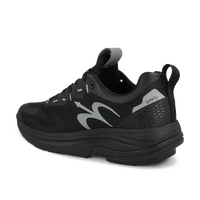
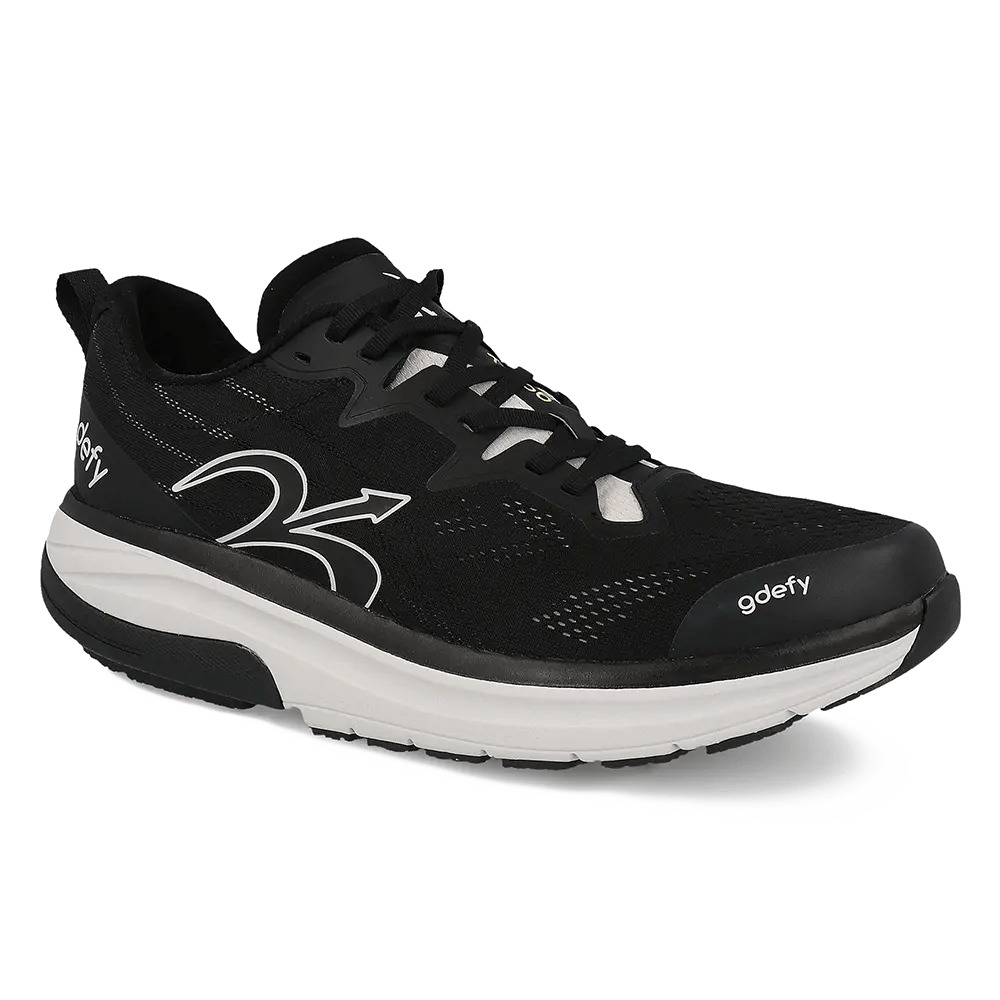
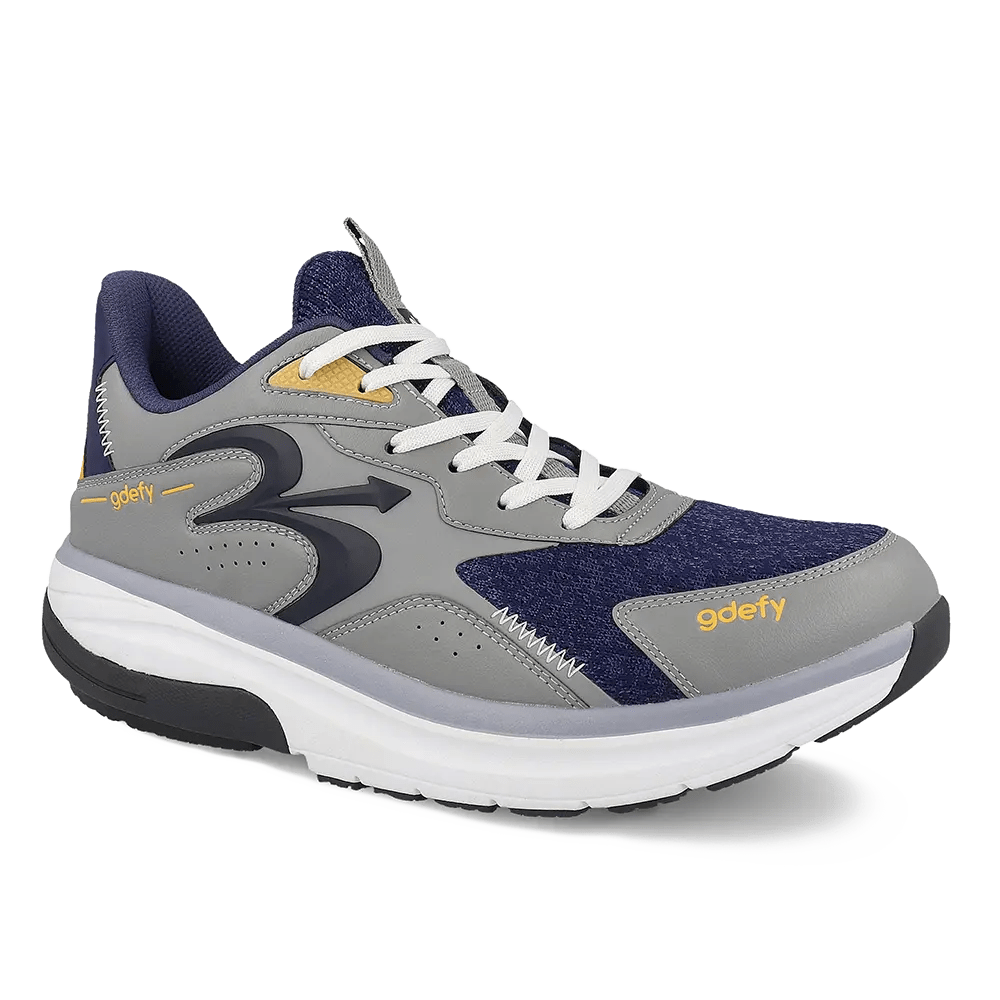
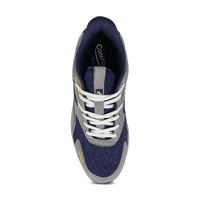
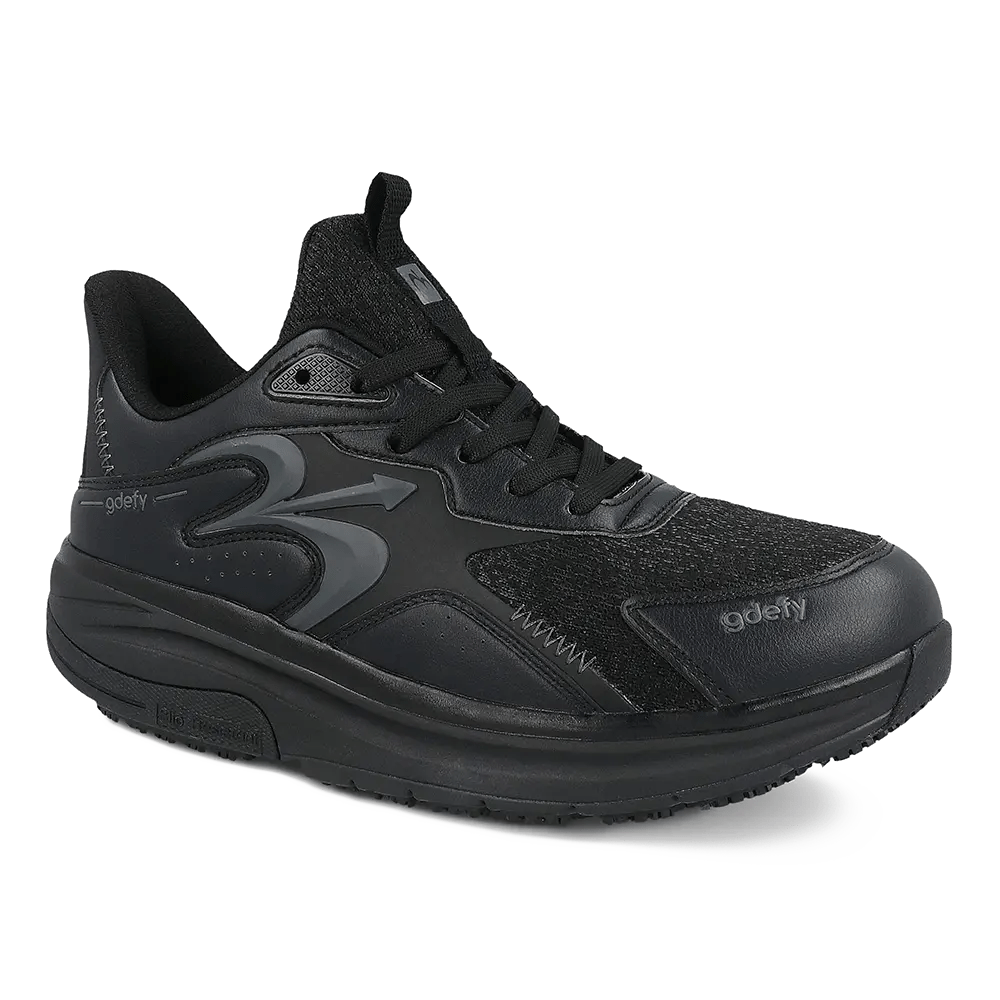
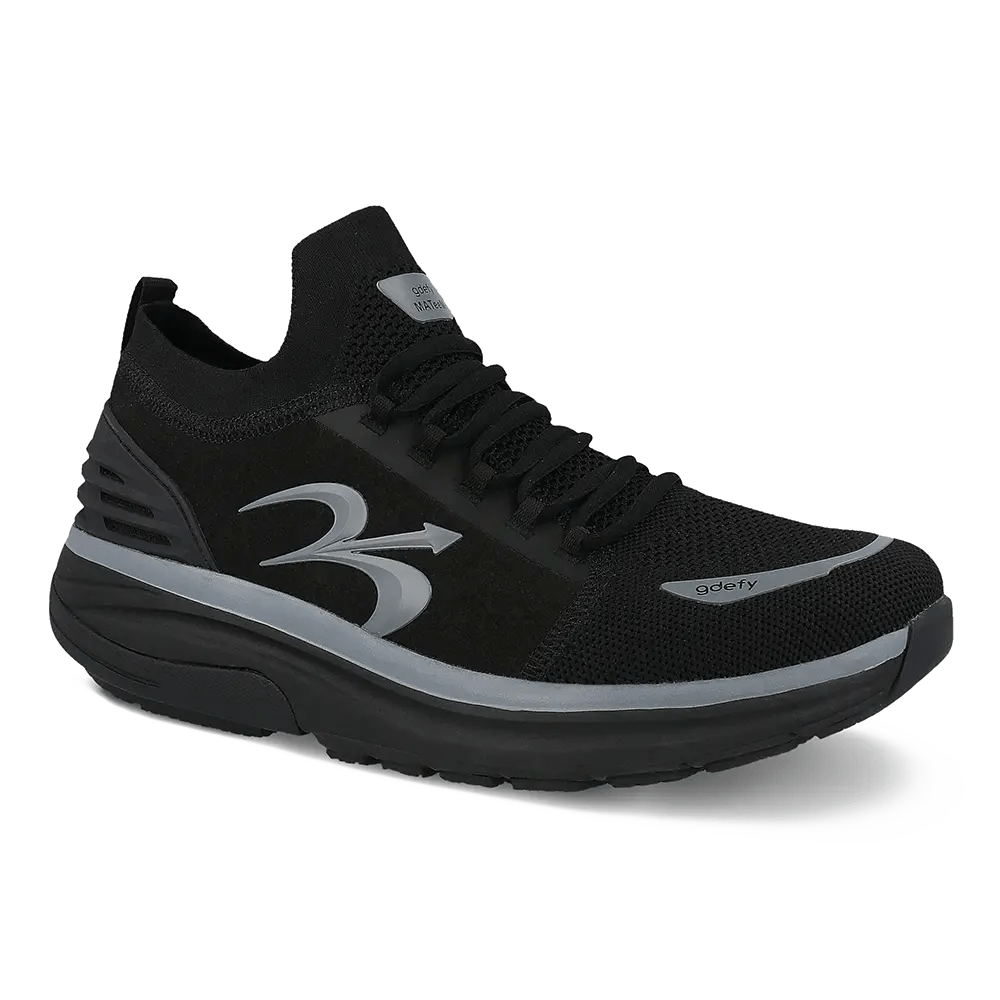
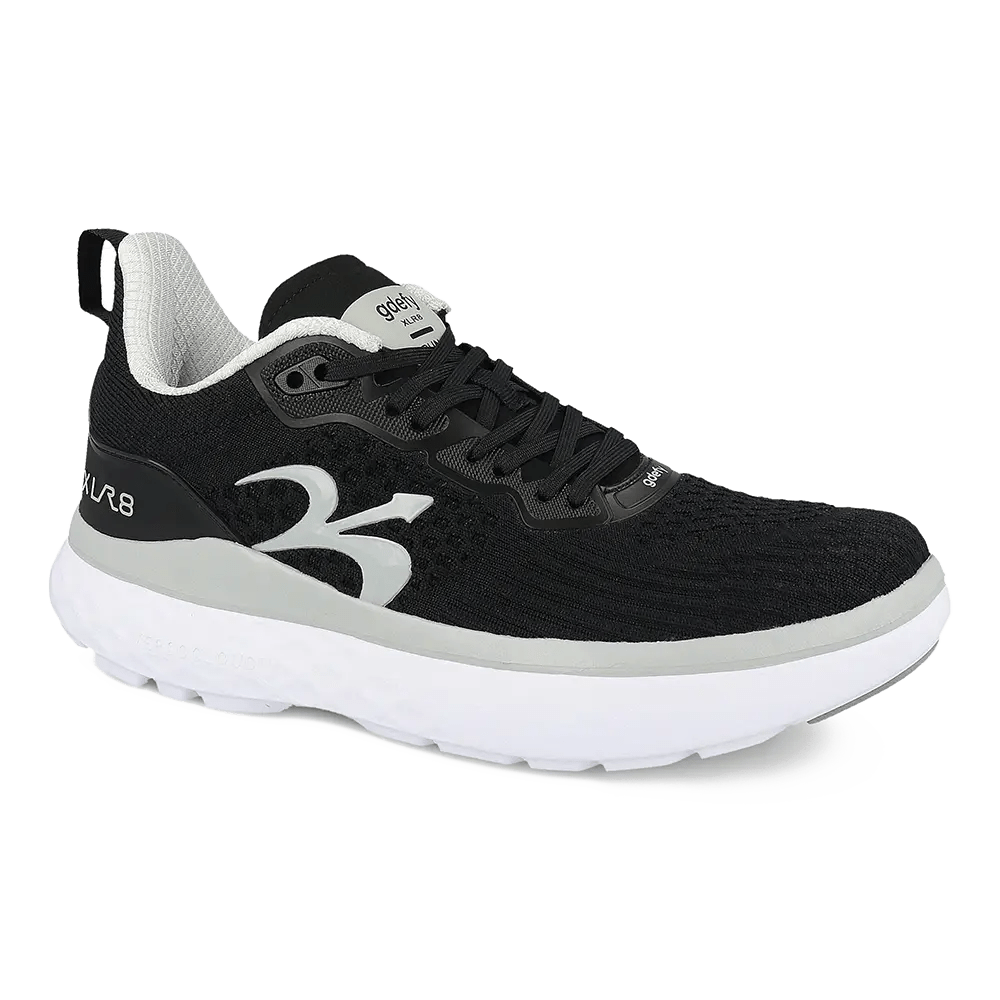
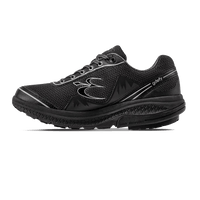
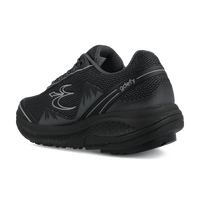
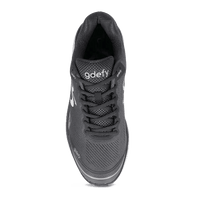
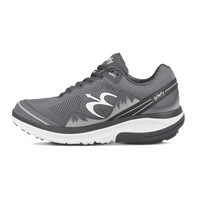
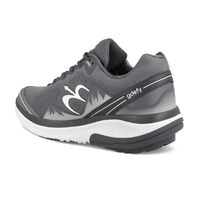
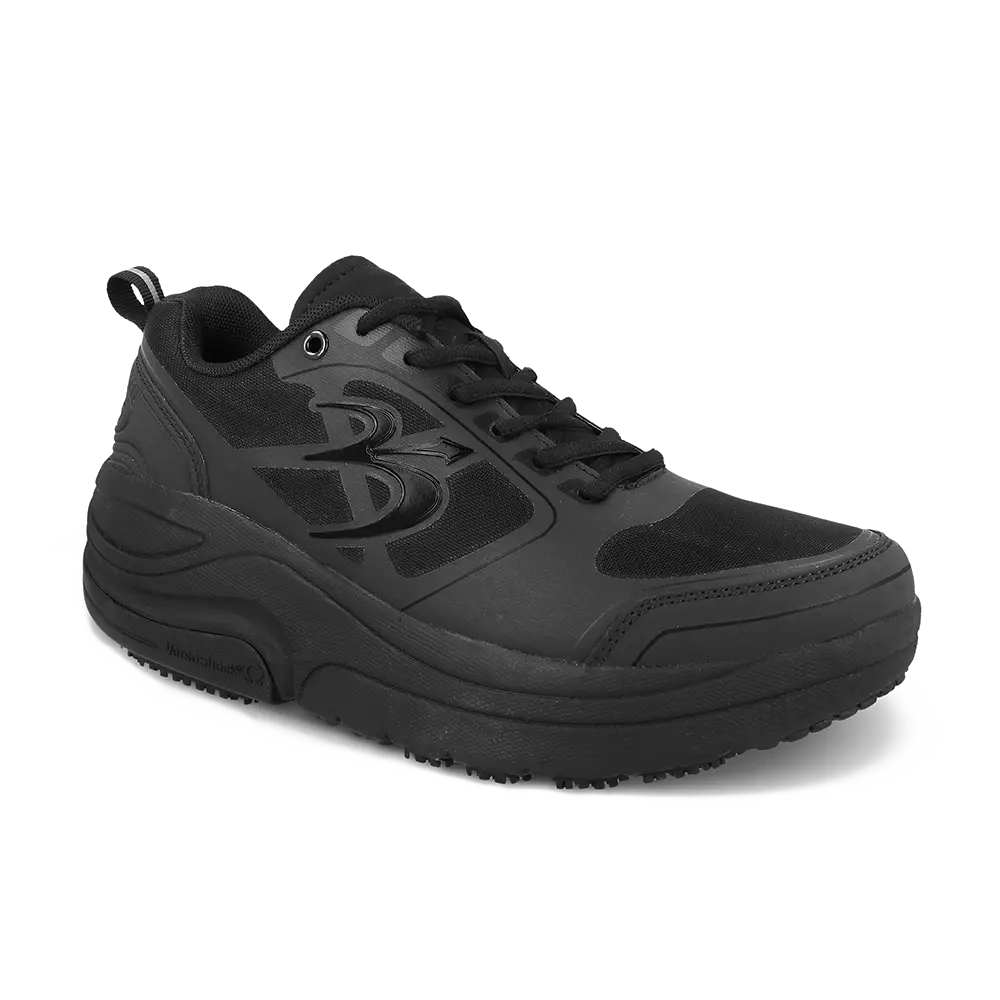
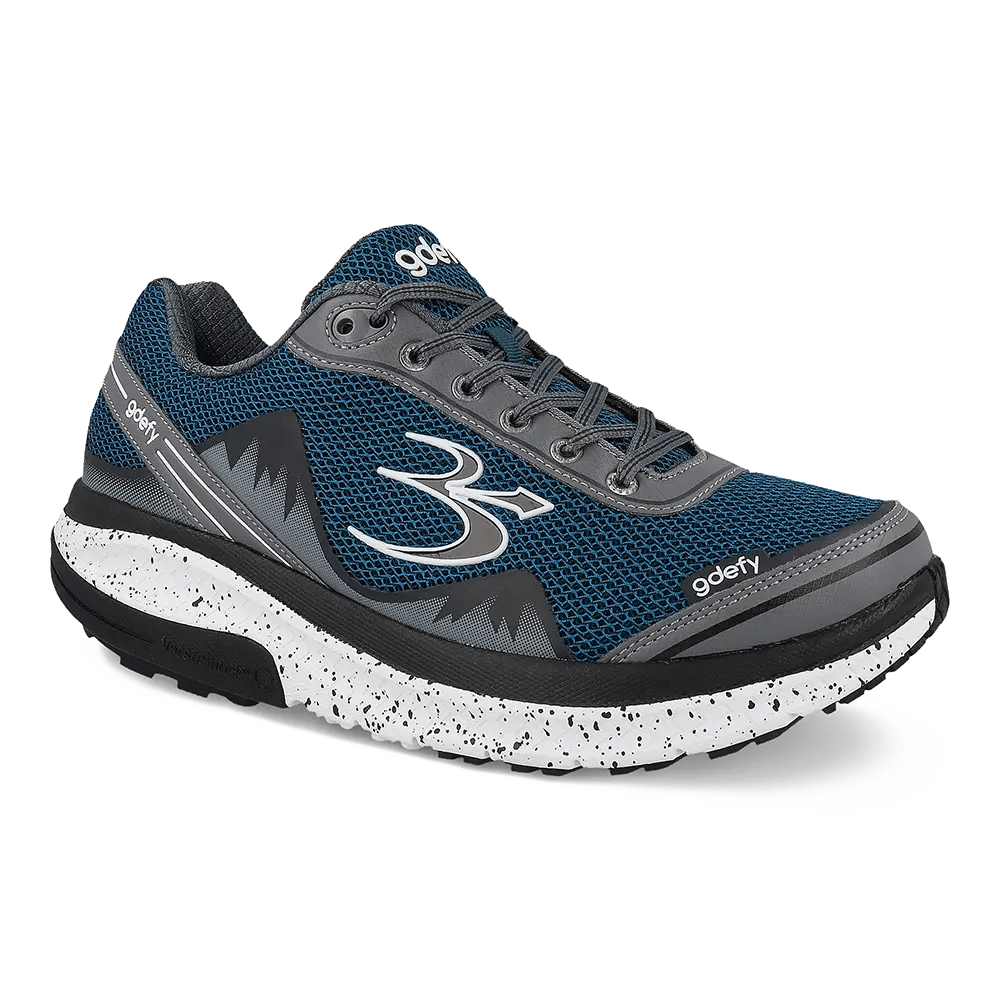
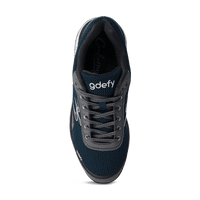
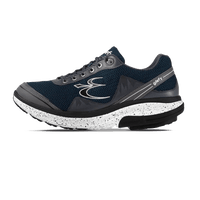
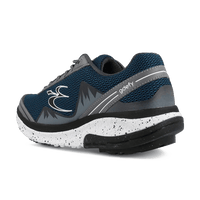
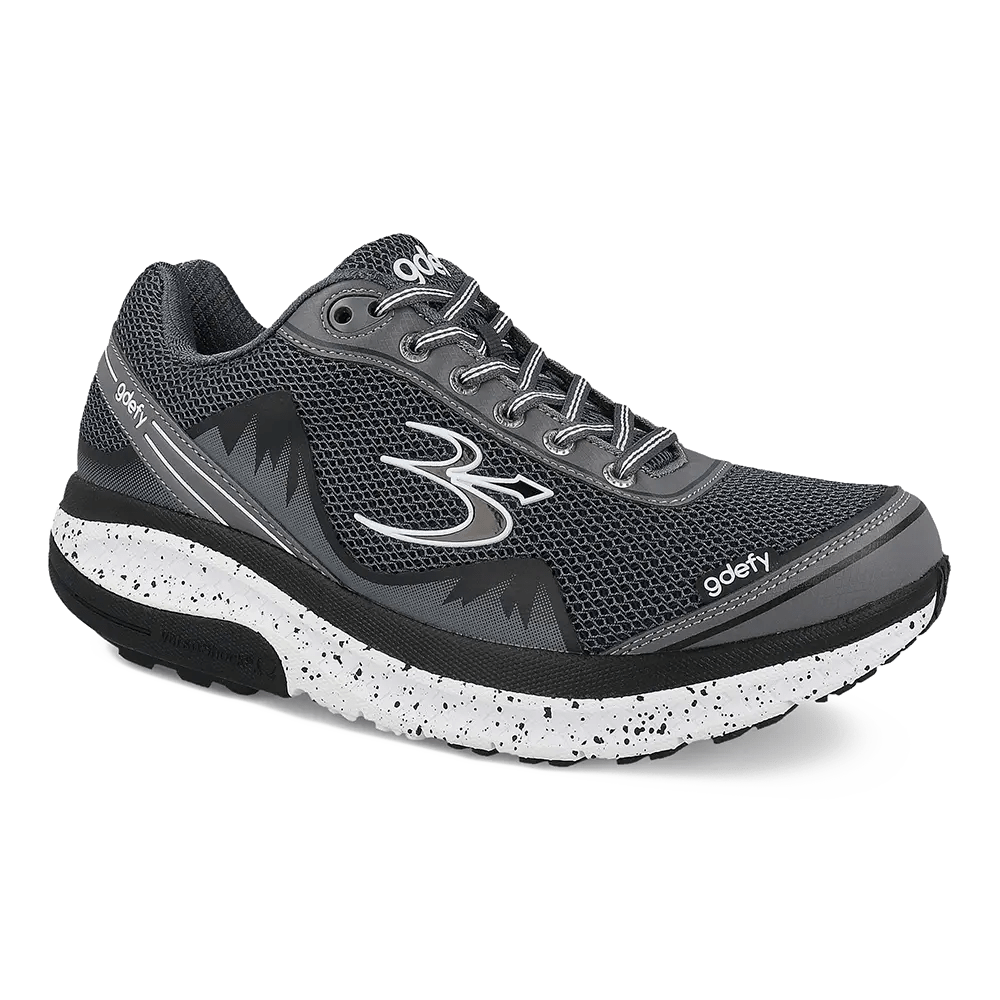
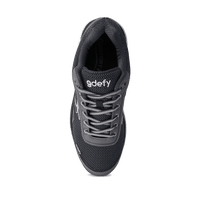
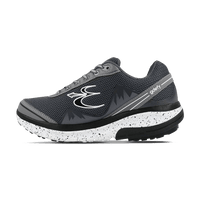
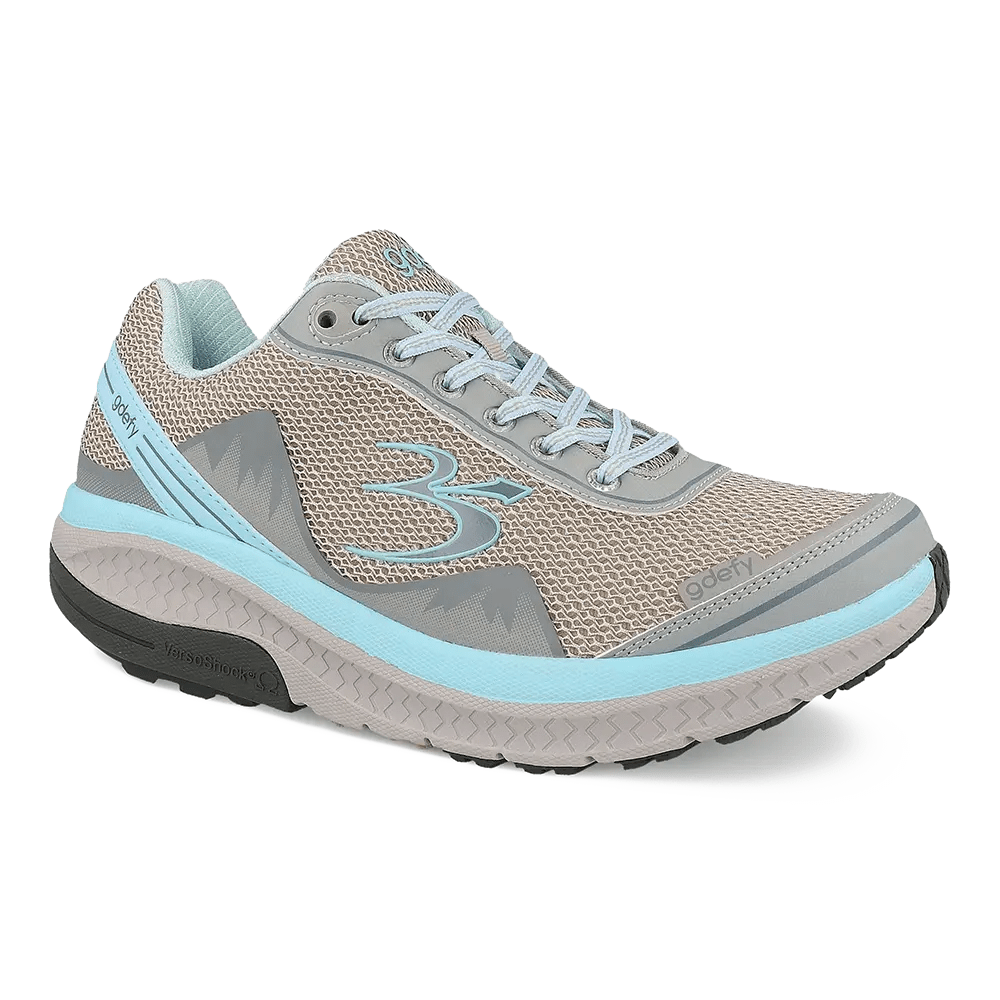
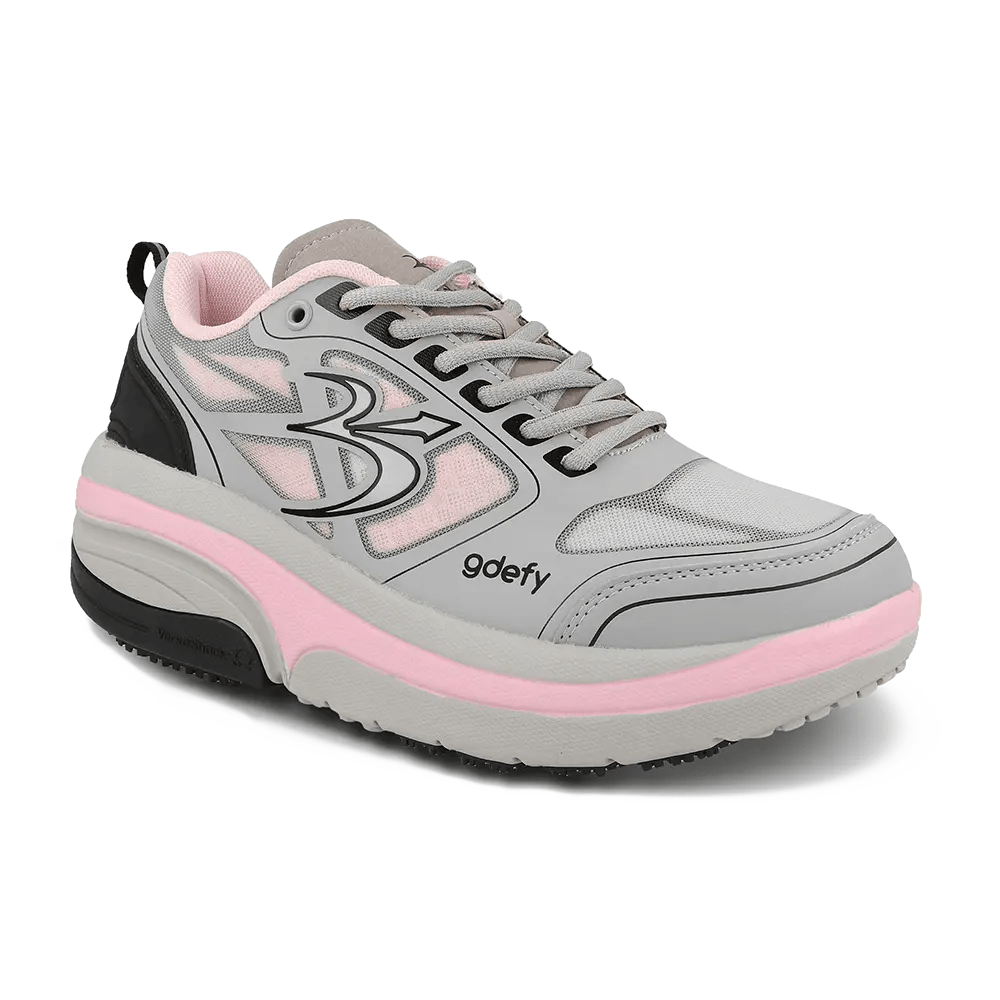
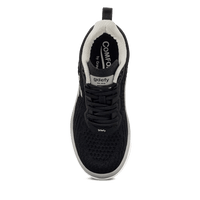
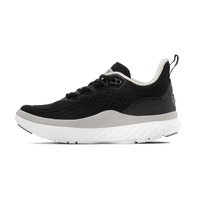
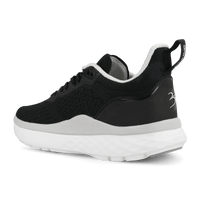
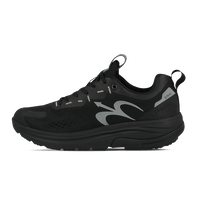
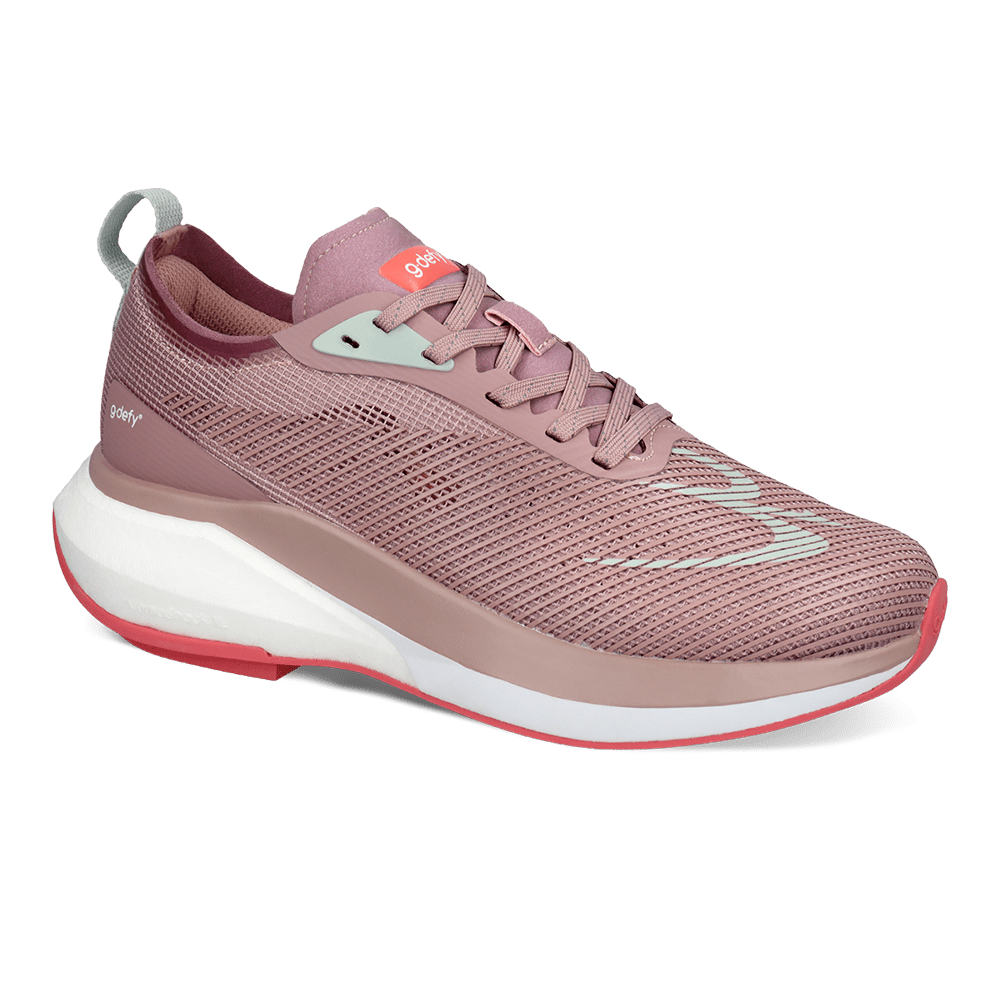
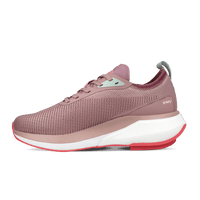
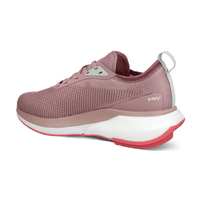
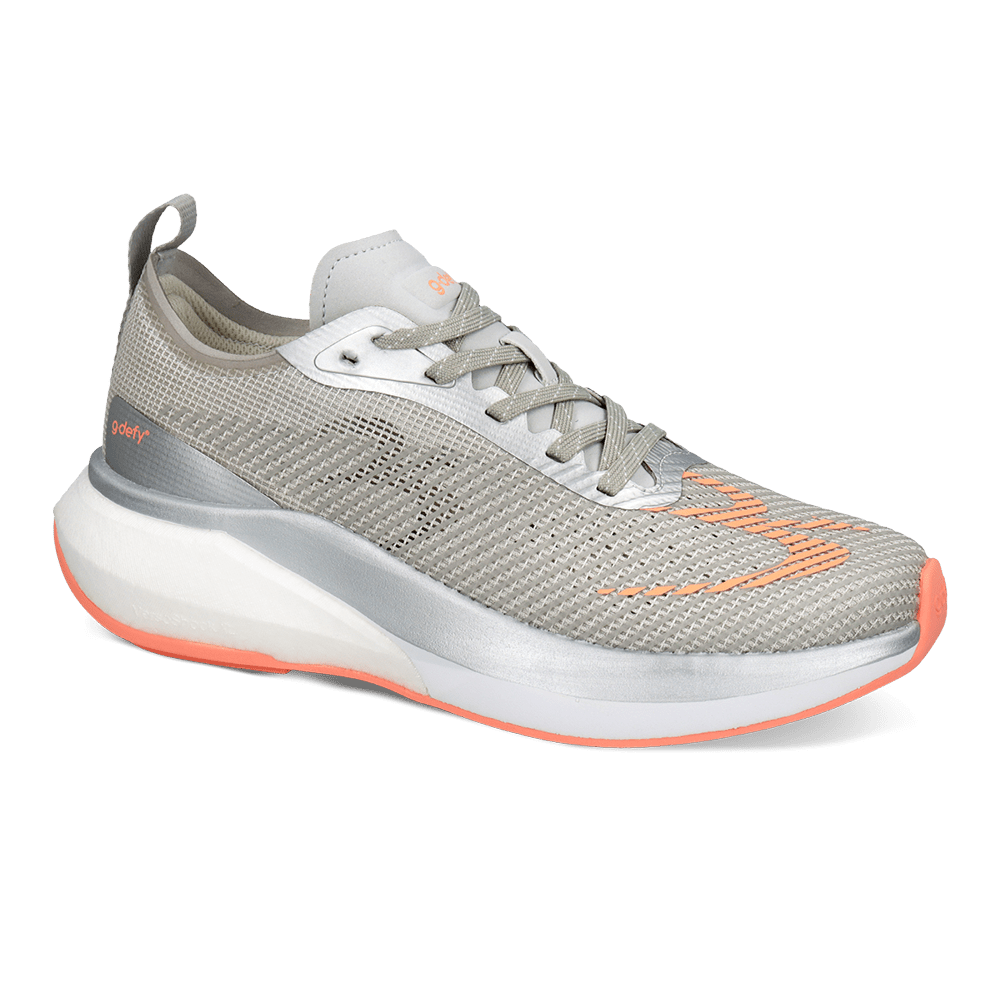
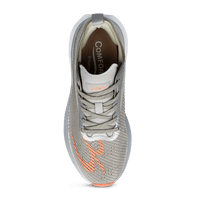
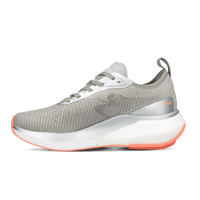
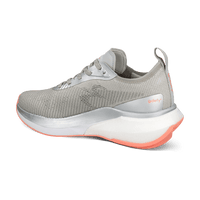
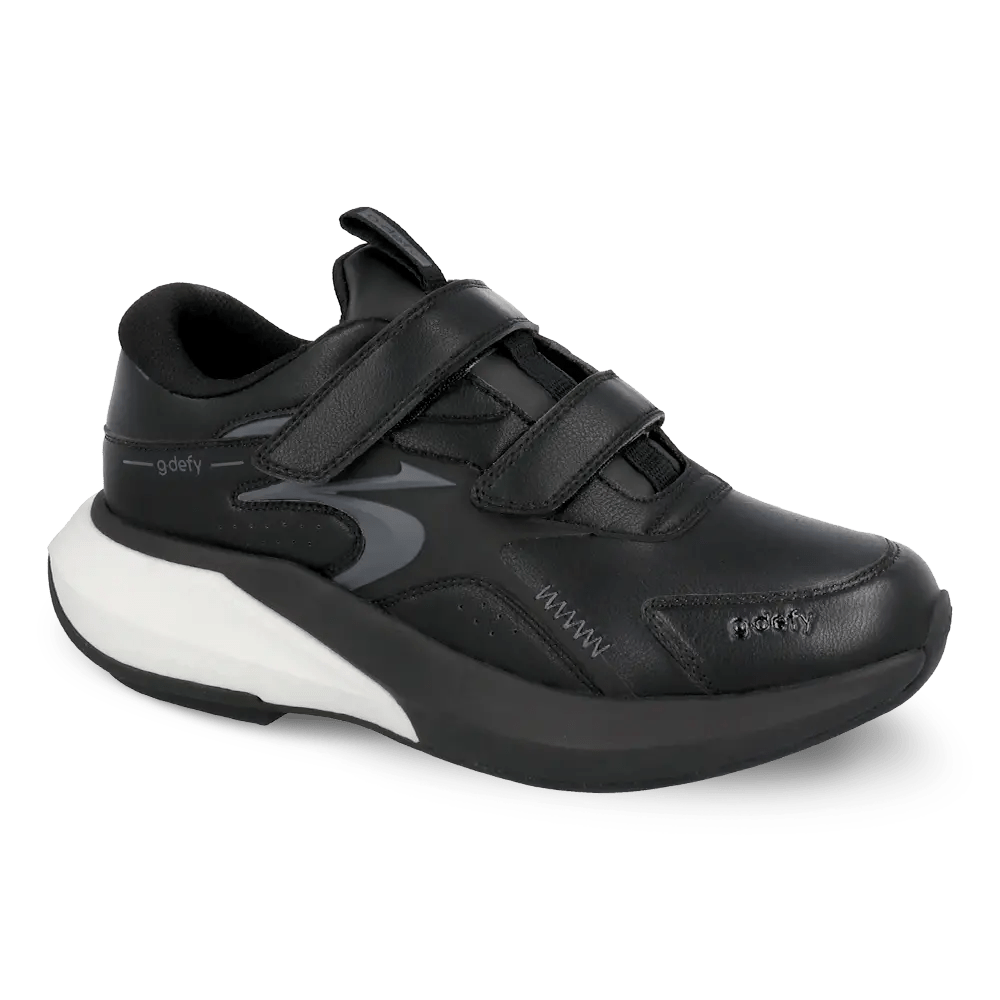
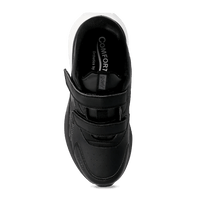
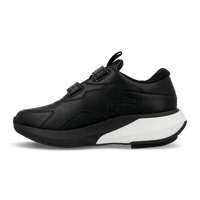
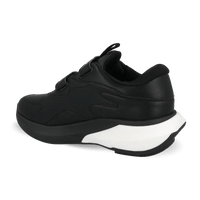
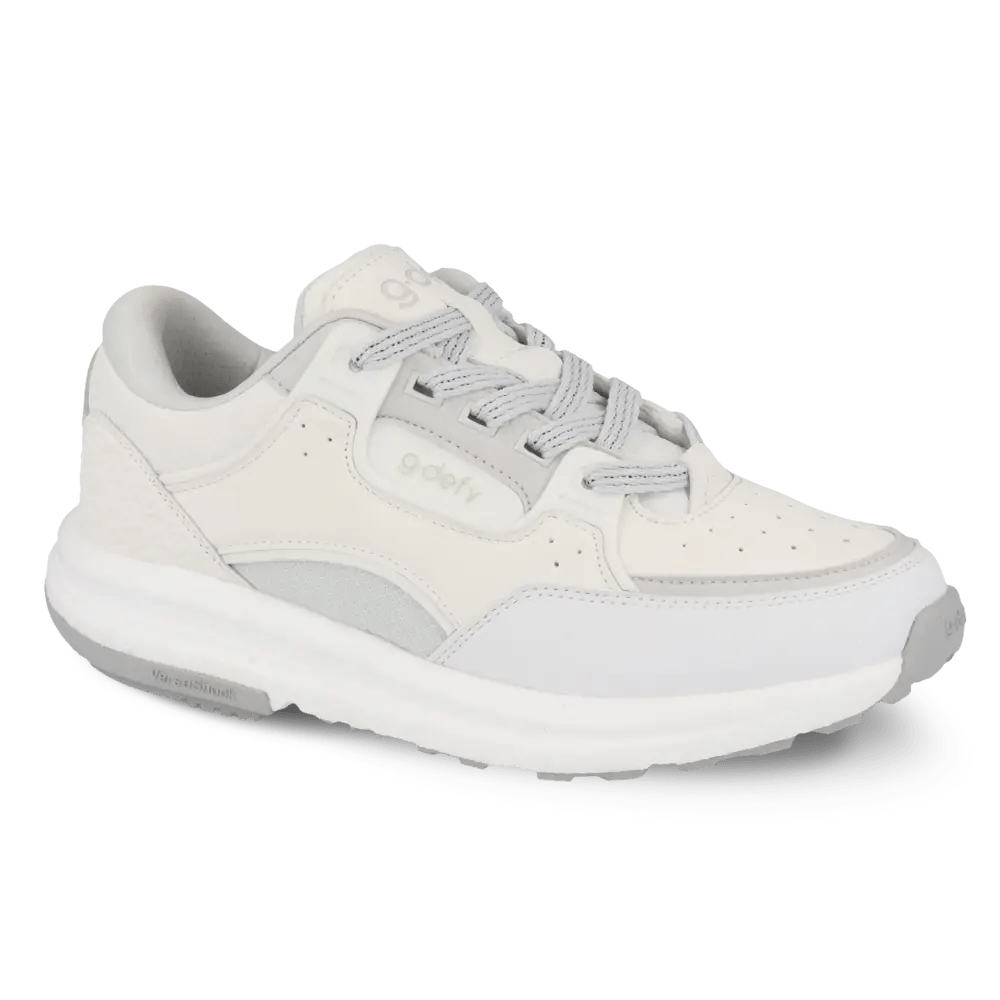
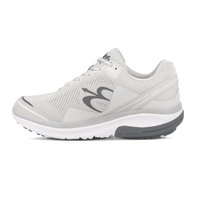
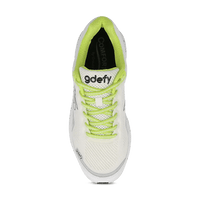
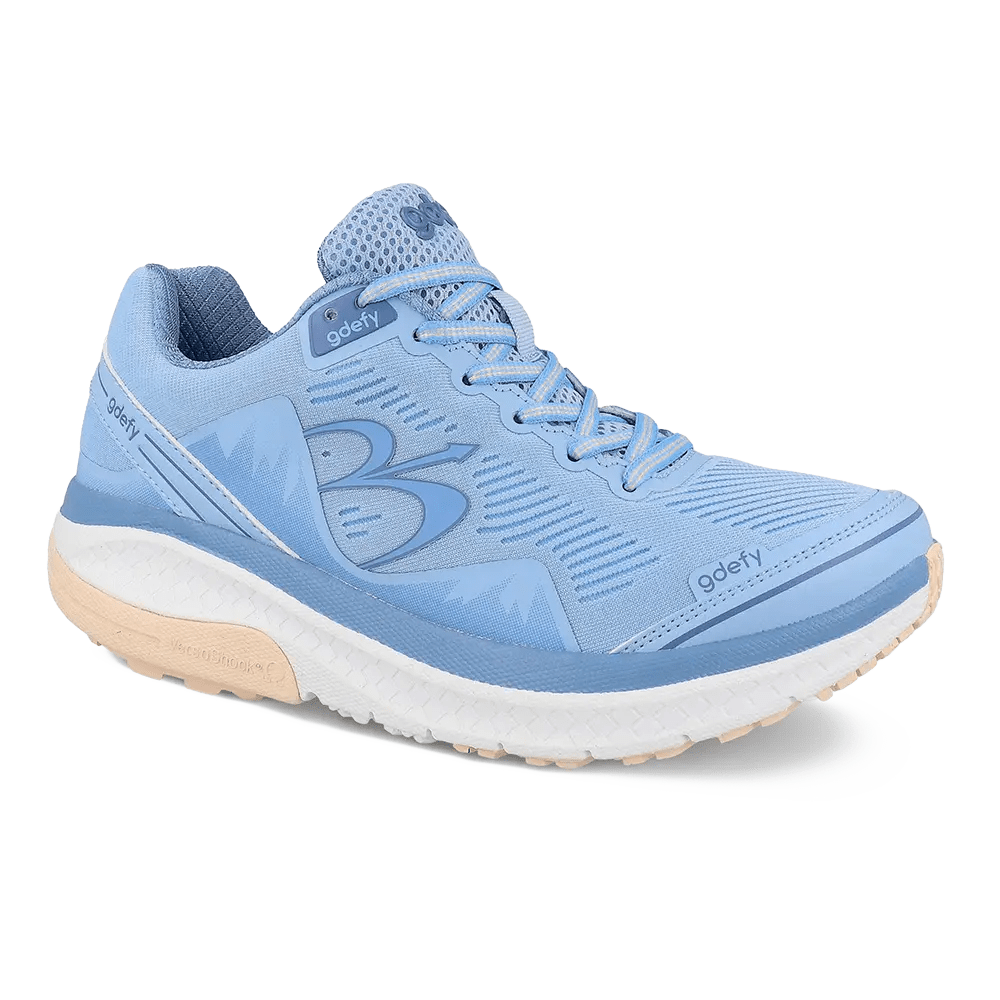
For everyday wear, many people choose the G-Defy Mighty Walk, which offers maximum cushioning and a roomy, supportive fit for all-day activity. If you prefer something lighter for casual days and travel, the G-Defy Ion delivers comfort and support in a lighter design. You can browse the full range in the women's collection and men's collection.

Try G-Defy Comfort Risk-Free for 60 Days
Designed for comfort, support, and shock absorption — with free shipping and a 60-day risk-free trial.
Shop the Mighty WalkDaily Habits That Support Foot Comfort
Footwear is only part of the picture. A few simple habits can help your feet feel more comfortable through the day:
- Replace worn-out shoes. Once cushioning flattens and support fades, a shoe stops helping. Refresh your pair before it wears out completely.
- Rotate between pairs. Switching shoes lets cushioning recover between wears and gives your feet some variety.
- Shop for shoes later in the day. Feet tend to swell as the day goes on, so trying shoes in the afternoon helps you find a fit that stays comfortable.
- Use the orthotic that fits your arch. Take advantage of removable insoles to dial in the support level that feels best.
- Ease into a new pair. Give your feet a little time to adjust to new footwear instead of wearing it all day right away.
What Footwear Can and Cannot Do
It is worth being clear and honest: shoes are not a medical device and are not a substitute for medical care. Footwear cannot change the underlying joints or replace guidance from a professional. What supportive, cushioned shoes can do is help make daily movement more comfortable by absorbing impact and supporting a more stable stride.
If you have persistent or worsening foot pain, talk with your healthcare provider about what is right for you. Think of comfortable footwear as one practical part of a larger routine for staying active and comfortable.
Frequently Asked Questions
Can shoes help with arthritis in the feet?
Footwear is not a medical solution, but supportive and cushioned shoes may improve overall comfort during walking and prolonged standing. Features like shock absorption, a roomy toe box, and steady support can make daily activity feel more comfortable.
What shoe features matter most for arthritic feet?
Look for cushioning that absorbs impact, a wider toe box, stable support through the midfoot, a smooth heel-to-toe transition, and a lightweight, adjustable fit. Together these features support a more comfortable stride.
Why do my feet feel worse later in the day?
Feet naturally swell over the course of a day, and the impact of hours of walking or standing adds up. Shoes with room to move and good shock absorption can help your feet feel more comfortable for longer.
Do G-Defy shoes help with foot comfort?
G-Defy shoes are designed to deliver comfort, support, and shock absorption. With VersoShock® technology and two removable orthotics, they help reduce pain from walking, running, and prolonged standing while supporting a more comfortable stride.
Are lace-up or slip-on shoes better for arthritic feet?
It depends on your hands and your feet. Lace-up shoes let you adjust the fit closely, which helps when feet swell during the day. If reaching your laces is difficult, look for shoes with stretch panels or hook-and-loop straps that still offer an adjustable, secure fit.
How often should I replace my shoes?
Replace shoes once the cushioning feels flat, the support has faded, or the soles show heavy wear. Worn-out shoes stop providing the comfort and support that help your feet through the day.
Conclusion
Arthritis in the feet can make every step feel like work, but the shoes you choose make a real difference in your daily comfort. While footwear is not a medical solution, choosing shoes designed for comfort, support, and shock absorption can make a meaningful difference in how you feel throughout the day.
If you are ready to give your feet more support, explore the Mighty Walk and the rest of the G-Defy lineup. Every pair comes with free shipping and a 60-day risk-free trial, so you can feel the difference for yourself. For more on staying comfortable with arthritis, read our guides on arthritis foot care tips for daily comfort, how proper shoes may help reduce arthritis flare-ups, and our pillar guide on what arthritis is and how footwear plays a role.