
May 19, 2026
How Proper Shoes May Help Reduce Arthritis Flare-Ups
By Gdefy

Summary
If you live with arthritis, you already know that some days are smoother than others. A flare-up can show up after a long walk, a change in the weather, a stretch of standing on hard floors, or for no obvious reason at all. The joints feel hotter, stiffer, and harder to move — and suddenly the things you took for granted, like a quick trip to the grocery store or a walk around the block, feel like a lot more work.
Footwear is not a medical solution, and shoes do not address arthritis as a medical condition. But the shoes on your feet do affect how impact, weight, and motion travel through your body all day long. Choosing footwear designed for cushioning, support, and shock absorption may help you feel more comfortable while a flare-up is happening — and may help you stay active on the days in between.
This guide explains what's actually happening inside a flare-up, why footwear plays a role, and the specific shoe features that tend to feel better on tender joints. We'll also look at how G-Defy's VersoShock® technology approaches the same problem from a different angle. If you're new to G-Defy's approach to arthritis comfort, our prior posts on foot care tips during Arthritis Awareness Month and comfort walking shoes for arthritis awareness are good companion reads.
What Is an Arthritis Flare-Up?
An arthritis flare-up is a period of increased joint discomfort, swelling, stiffness, or warmth that's worse than your usual baseline. It might last a few hours, a few days, or longer. Flare-ups can affect the knees, hips, ankles, feet, hands, or any combination of joints — and they often interfere with the activities you normally enjoy.
Because flare-ups can be triggered by activity, weight-bearing, and impact, the choices you make about footwear can either add to that stress or help soften it. This article focuses on what footwear can do — not on diagnosis, care, or medical advice. For specific guidance about your symptoms, always speak with your healthcare provider.
Common Triggers for Joint Flare-Ups
People with arthritis often describe a familiar list of triggers — though everyone's experience is different. Common ones include:
- Long stretches of walking or standing, especially on hard floors
- Overdoing it on a day when joints already felt sensitive
- Cold or damp weather, which can leave joints feeling stiffer
- Poor footwear, including worn-out shoes or shoes with no cushioning
- Sudden activity changes, like jumping back into yard work after months indoors
- Weight on the joints, which tends to amplify impact with every step
Not all of these are within your control. But the shoes on your feet are.
How Your Feet Carry the Load
Every time you take a step, your feet absorb the equivalent of about 1.5 times your body weight on level ground — and several times more during faster walking, jogging, or going down stairs. That force doesn't stop at the foot. It travels up through the ankle, knee, hip, and lower back. When joints are already inflamed, every one of those impacts can be felt.
Shoes that absorb impact and support a stable stride can help reduce how much of that load reaches your joints. Shoes that are flat, worn-out, or unsupportive let more of that force pass straight through.
Why Footwear Matters During an Arthritis Flare-Up
When joints are flaring, two things tend to make discomfort worse: impact and instability. Impact is the sharp force of your foot striking the ground. Instability is the way the foot rolls, tilts, or shifts during the stride. Both can amplify how much stress reaches sensitive joints.
The right shoes attempt to do three things at once:
- Soften the impact before it climbs up the leg
- Stabilize the foot so motion stays controlled
- Encourage smooth movement so the body isn't fighting the shoe
When all three happen, walking can feel meaningfully more comfortable. When any one of them is missing, even short distances can feel harder than they should.

7 Shoe Features to Look for During Arthritis Flare-Ups
Not every comfort shoe is built the same. Here are the features that tend to matter most when joints are sensitive.
1. Shock Absorption
Shock absorption is what happens between your foot and the ground at the moment of impact. A good shock-absorbing shoe softens that initial hit so less force reaches the joints above it.
Standard foam midsoles compress under load, but they also lose some energy as they compress — and over time they pack down and lose their cushioning. A more responsive shock-absorption system, like a spring-based design, is engineered to absorb impact and return some of that energy back into the next step.
What to look for: thick, responsive midsoles; shock-absorbing materials in the heel and forefoot; not flat-soled or thin-soled shoes.
2. Cushioning Underfoot
Cushioning is what your foot rests on between steps. It's related to shock absorption, but it's about ongoing comfort, not just the moment of impact. A well-cushioned shoe spreads pressure more evenly across the foot, which can help reduce hotspots and tender points during long days on your feet.
What to look for: soft but supportive insole; pressure relief in the heel and ball of the foot; cushioning that doesn't completely flatten under your weight.
3. Stable Heel and Midsole
When joints are flaring, the last thing you want is a shoe that rolls, tips, or twists under you. A stable heel cup keeps the heel centered. A firm midsole prevents the shoe from collapsing under your weight. Together, they help keep the foot moving in a predictable, controlled way.
What to look for: structured heel counter; midsole that doesn't bend easily in your hands; a stabilizer or shank running along the arch.
4. Smooth Rolling Sole
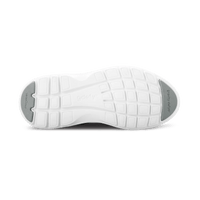
A rolling sole — sometimes called a rocker sole — is shaped so the foot transitions smoothly from heel-strike to toe-off. The shoe does some of the work that stiff or sore joints might otherwise have to do, which can make each step feel less effortful.
What to look for: a sole that curves slightly upward at the toe; a smooth, continuous feel from heel to forefoot, rather than a sudden flex point.
5. Roomy Toe Box
Arthritis often affects the toes and forefoot, and a cramped toe box can press on tender joints. A wider toe box gives the toes room to splay naturally, which can take pressure off swollen or sensitive areas.
What to look for: half an inch of space between your longest toe and the front of the shoe; soft, flexible upper materials that don't dig in.
6. Customizable Arch Support
Arches vary from person to person, and they can change over time. The arch support that felt great five years ago may not be the right one today, especially if joints have shifted. A shoe that comes with multiple arch options — or accepts a removable insole — lets you fine-tune support without buying a different shoe.
What to look for: removable insoles; an option for higher or lower arch support; enough internal volume to swap in a different orthotic if needed.
7. Lightweight Construction
A heavy shoe makes every step a little harder — and during a flare-up, every step already feels harder. A lightweight, well-cushioned shoe gives you the support of a structured shoe without dragging your feet down.
What to look for: a shoe that feels light when you pick it up, but still has firm cushioning and a structured upper.

How G-Defy Shoes Approach Arthritis Comfort
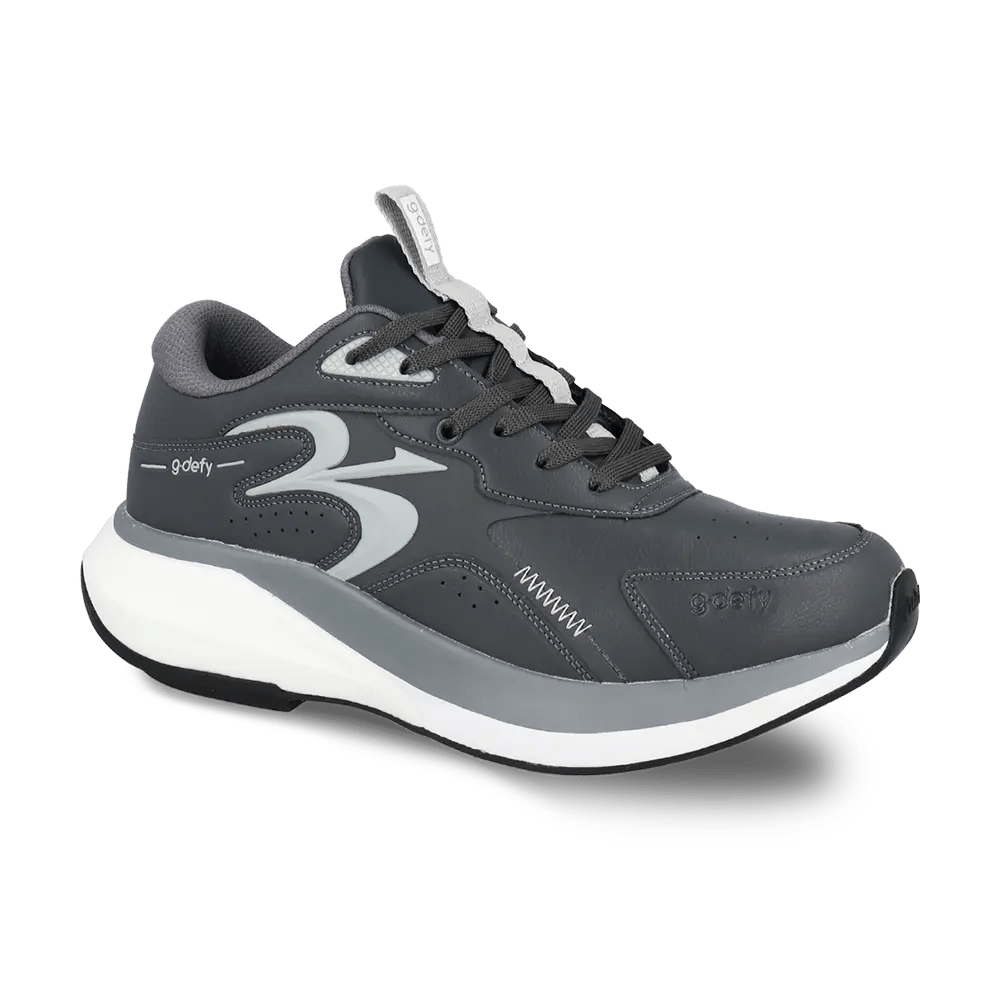
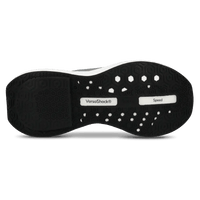
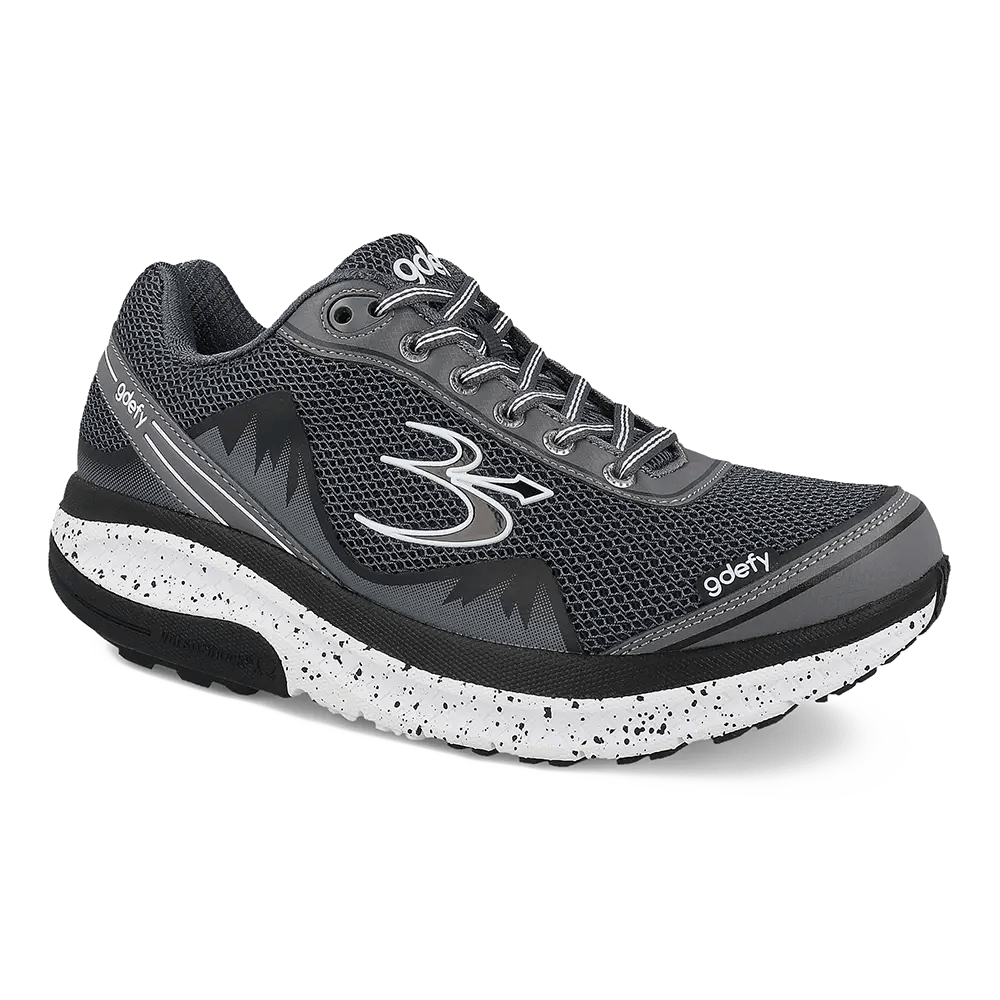
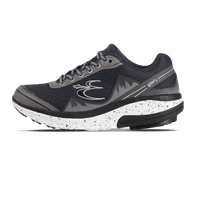
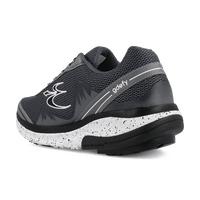
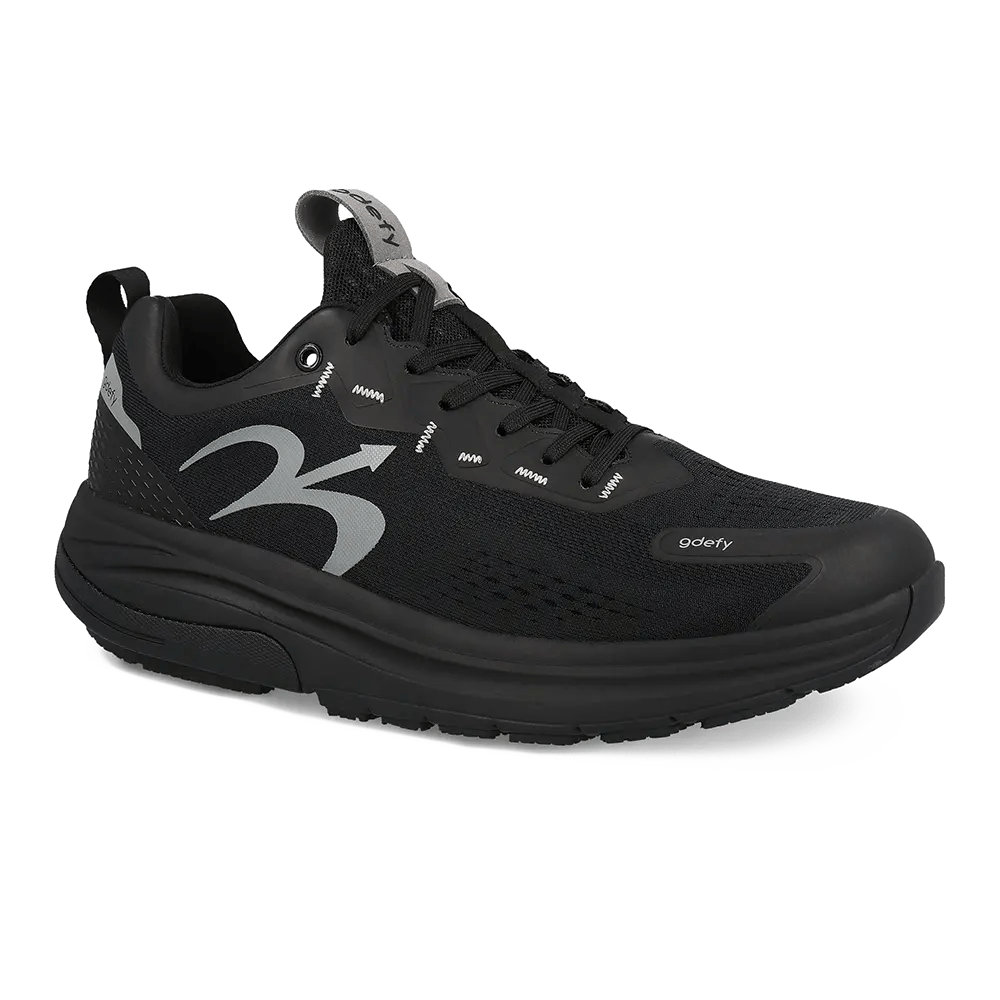
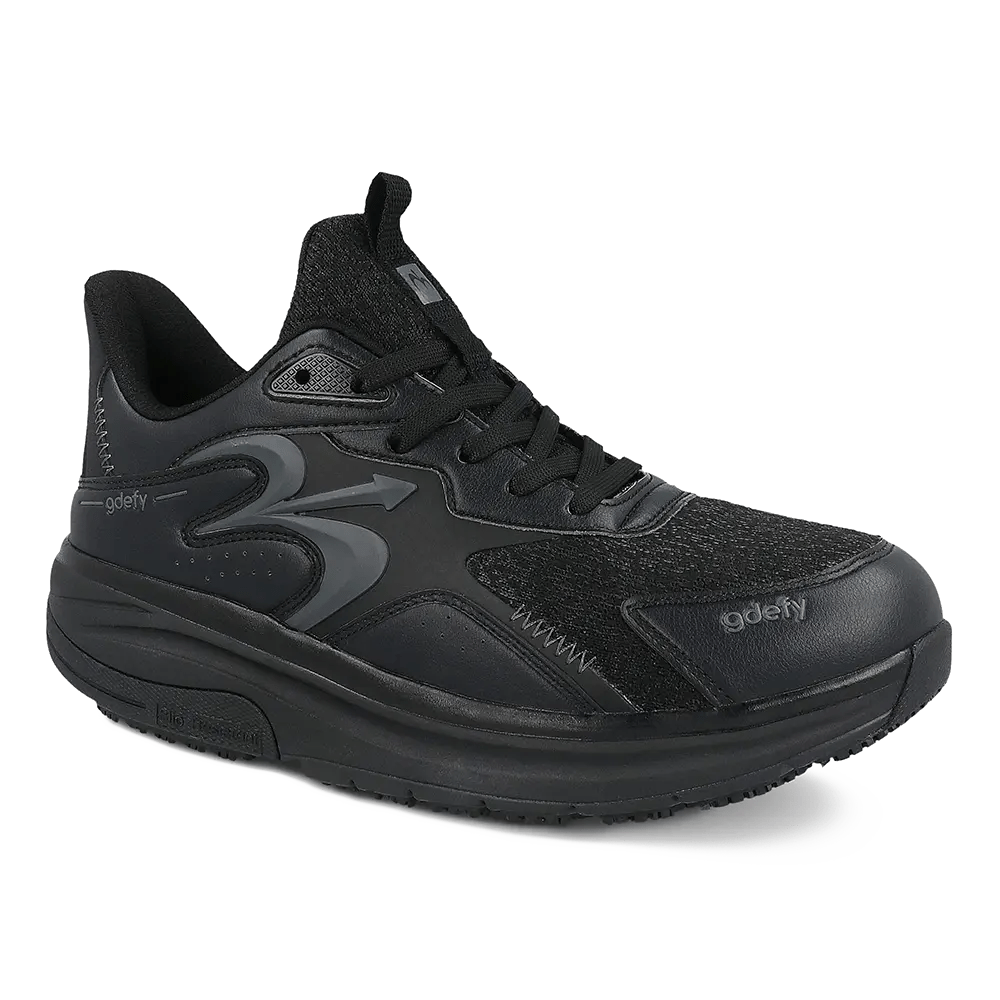
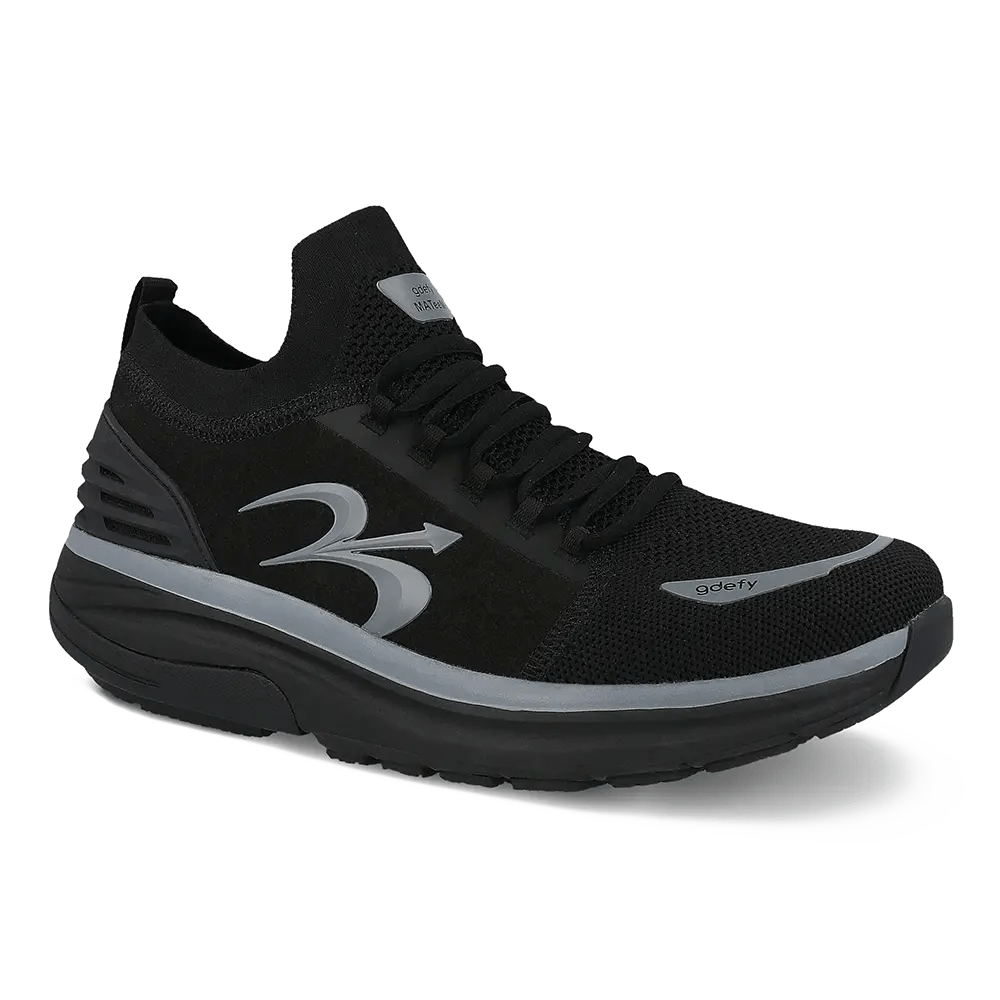
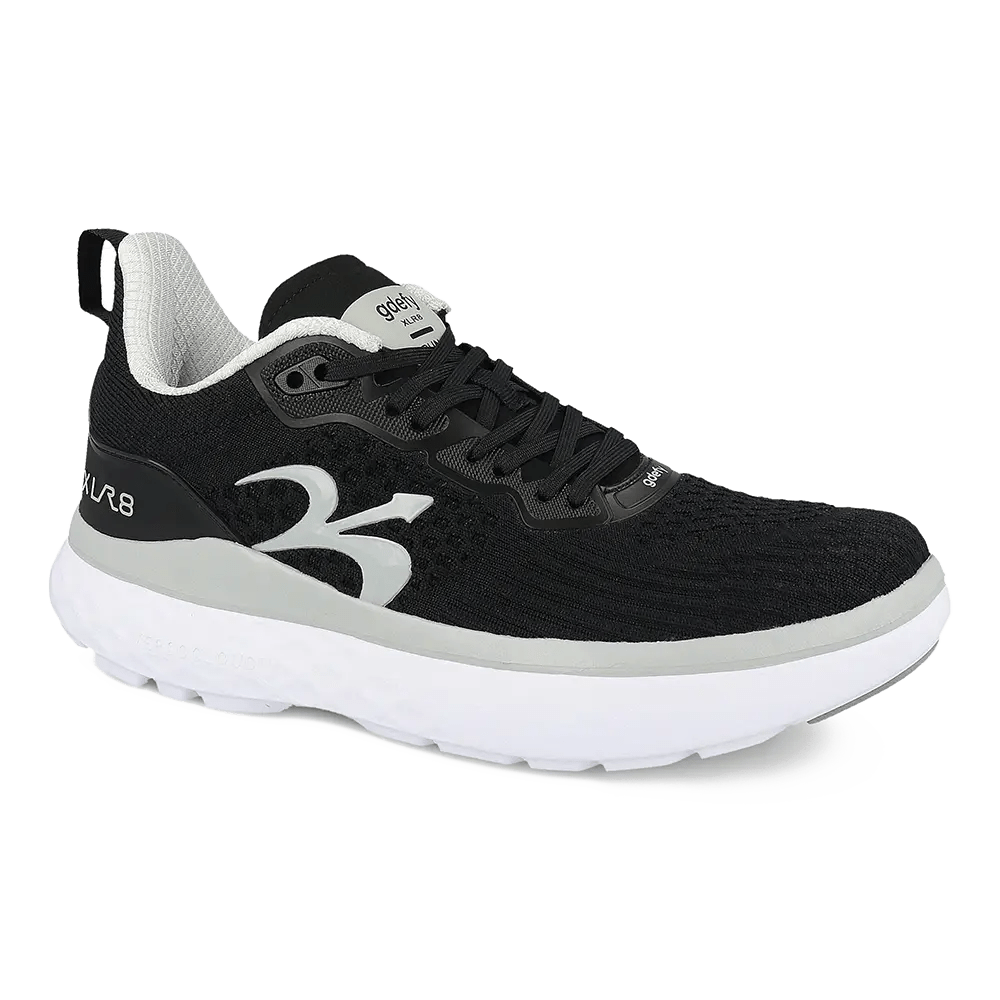
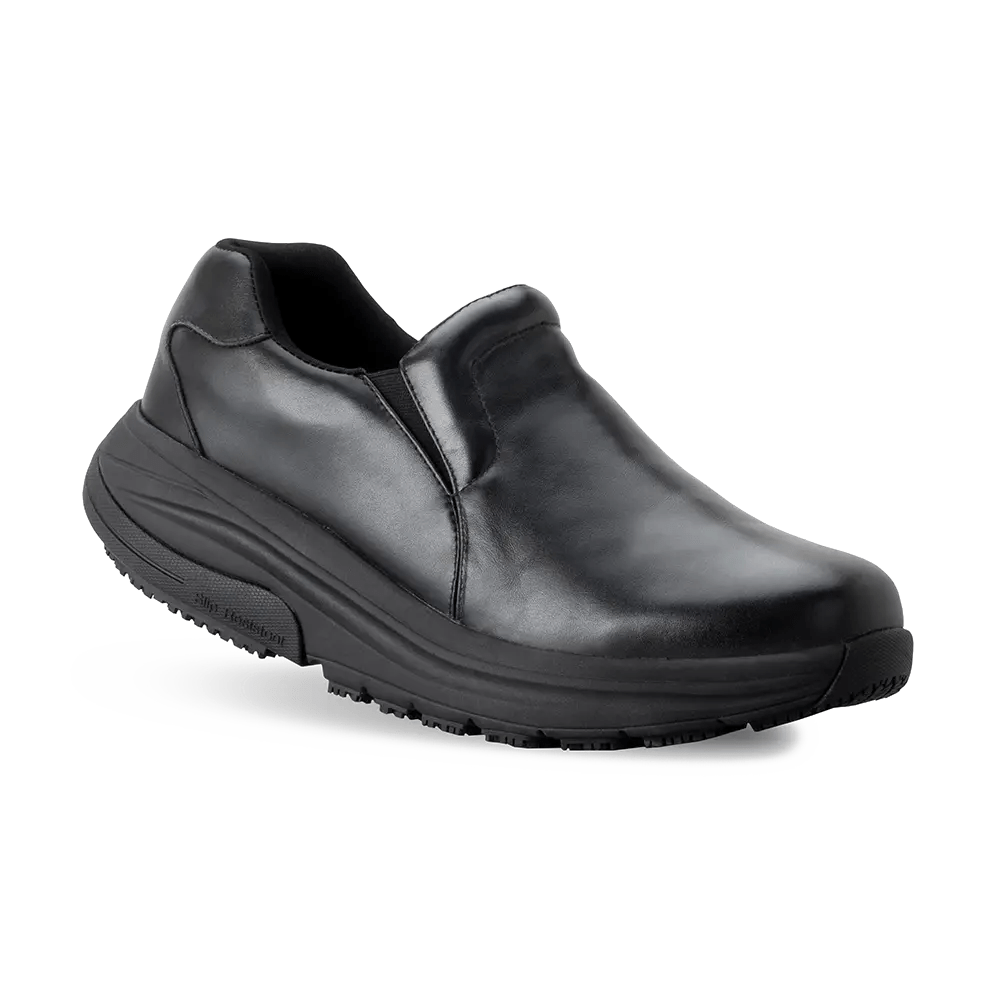
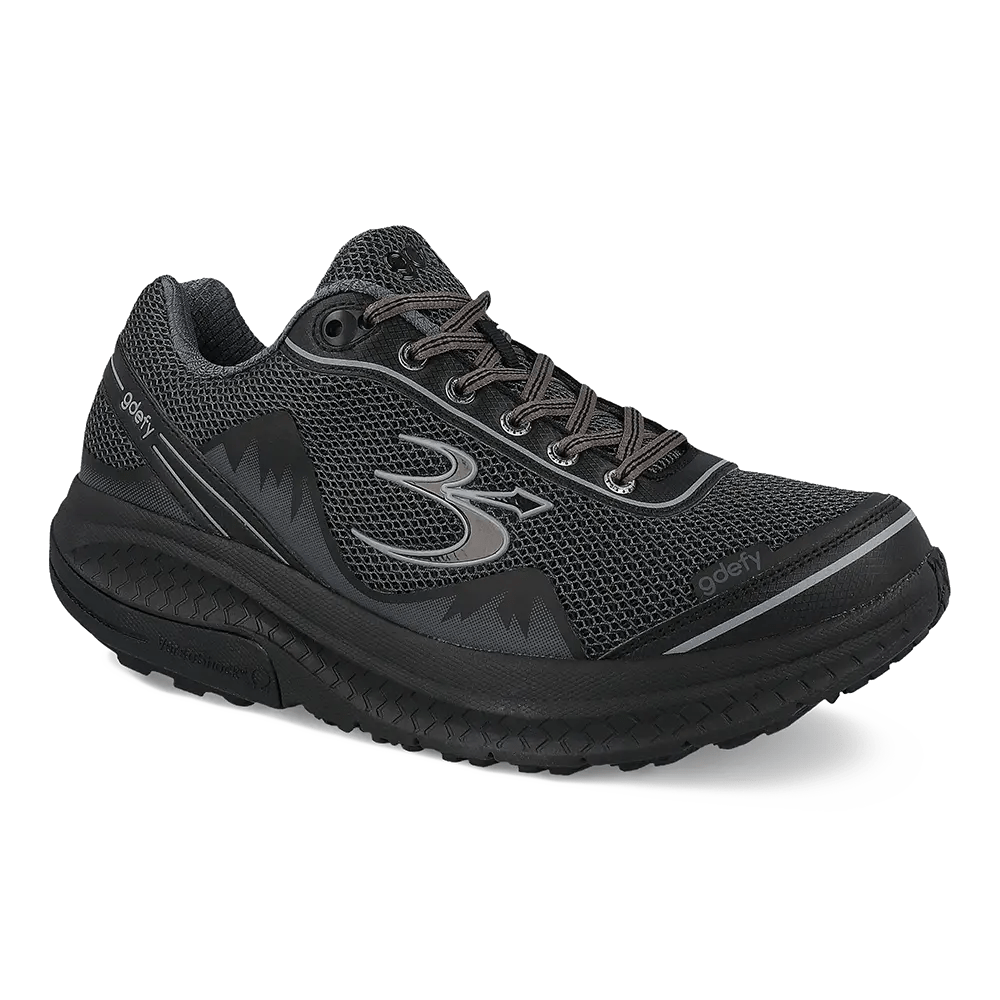
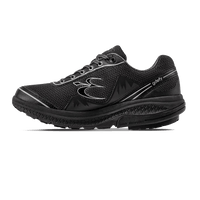
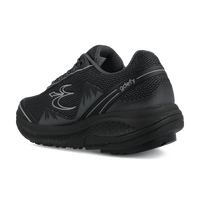
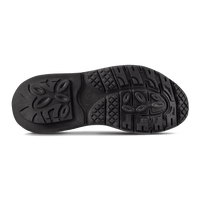
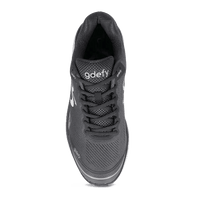
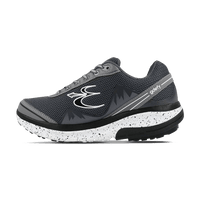
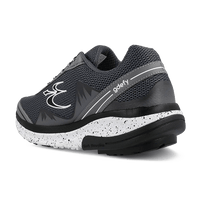
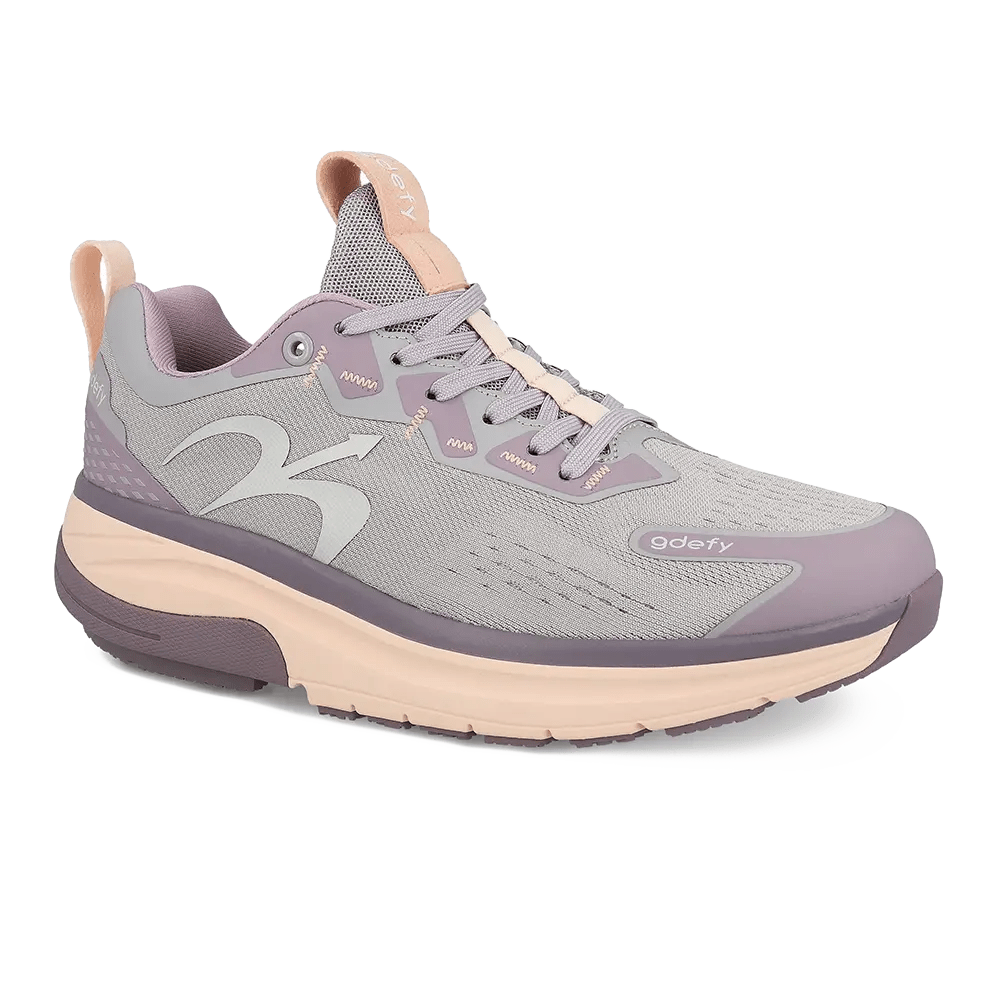
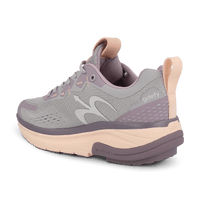
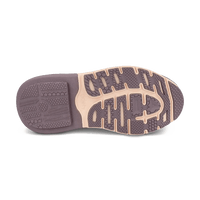
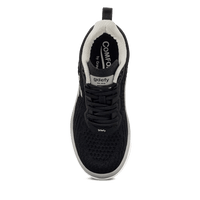
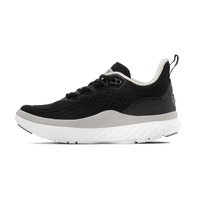
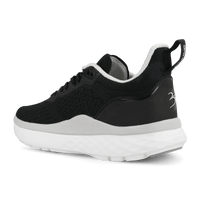
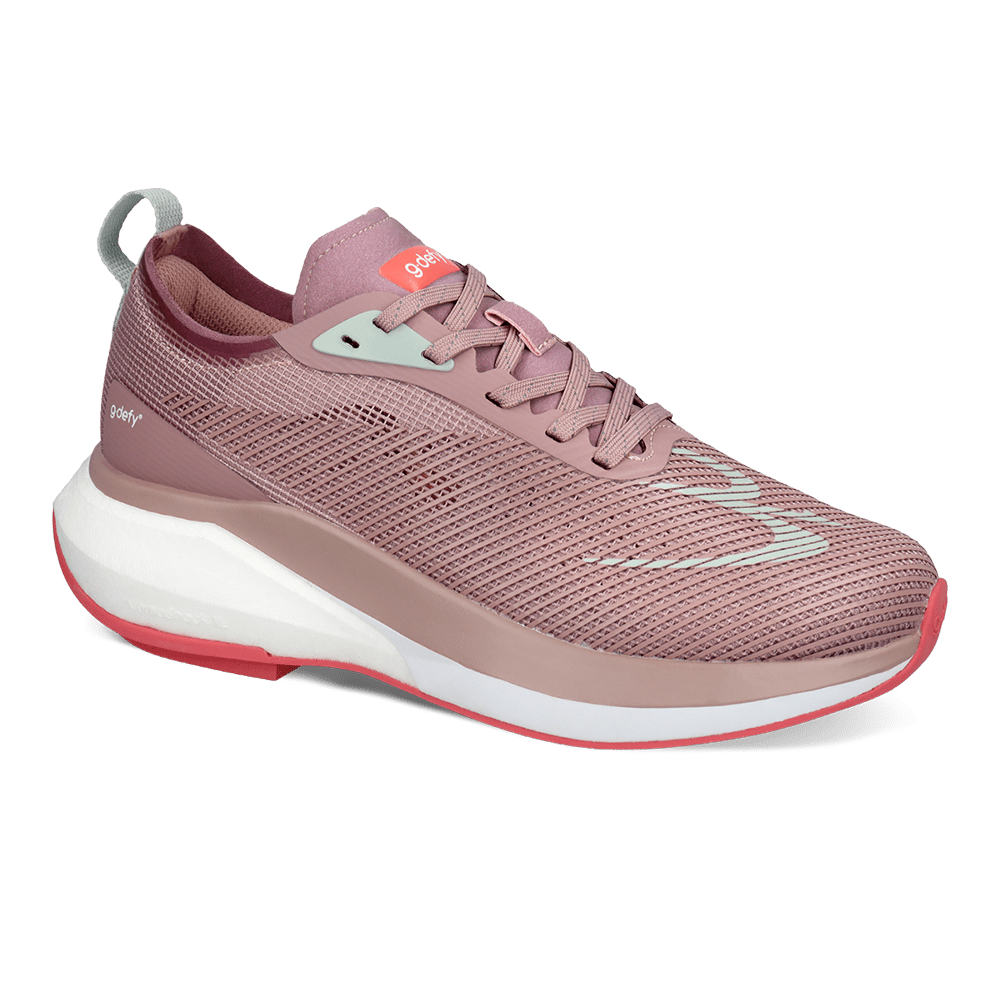
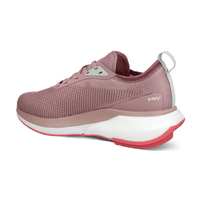
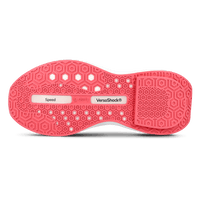
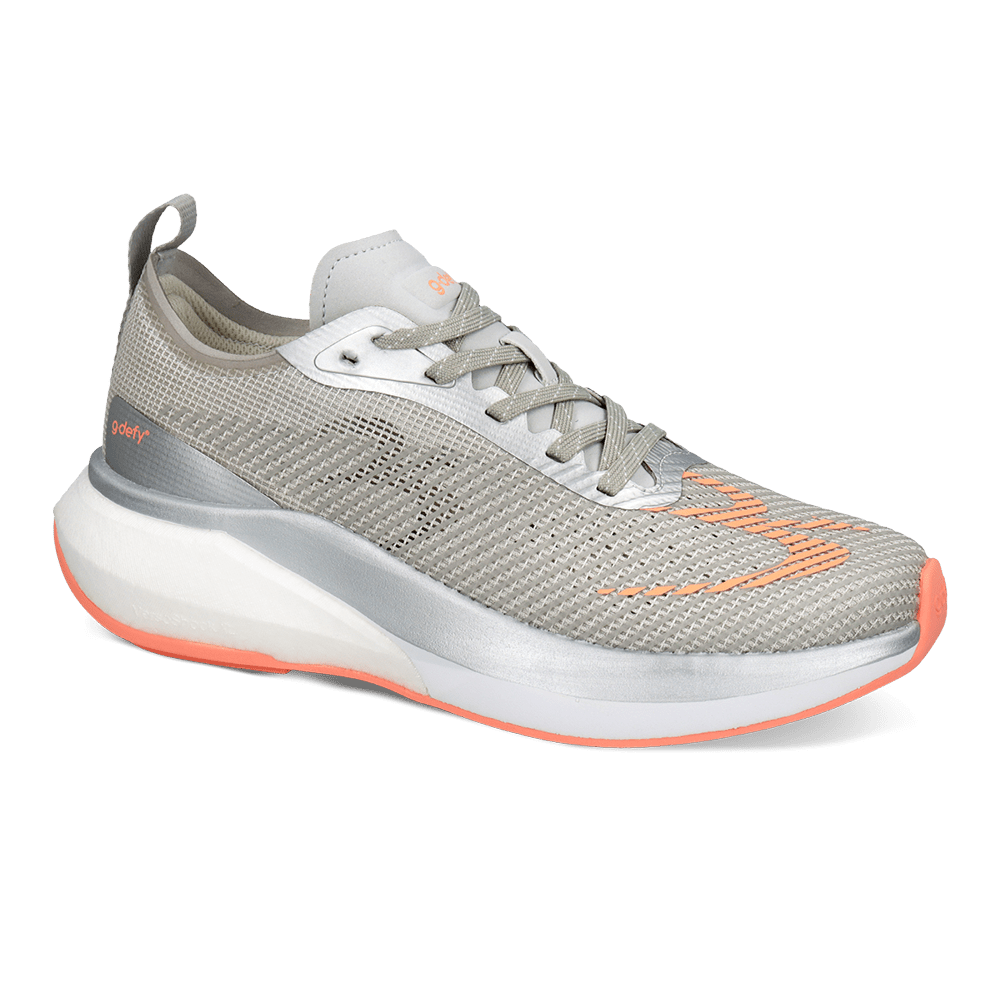
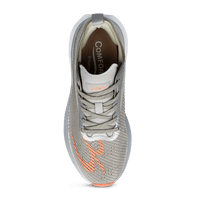
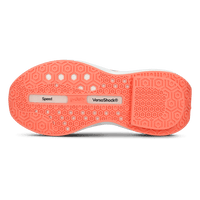
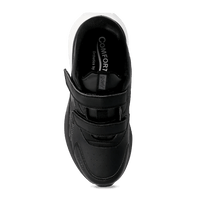
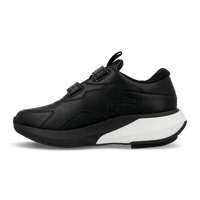
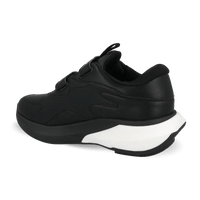
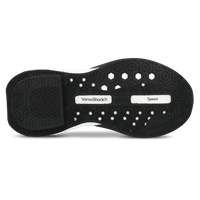
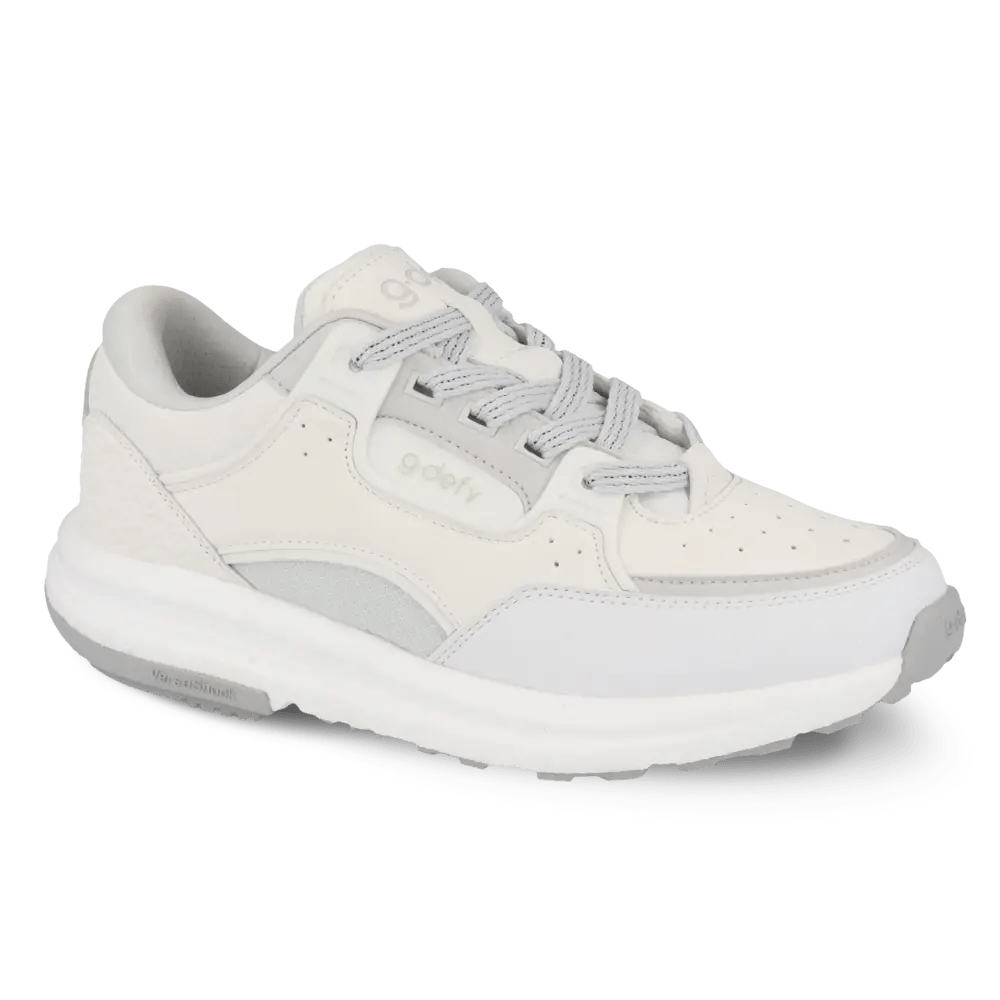
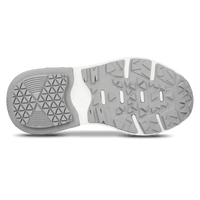
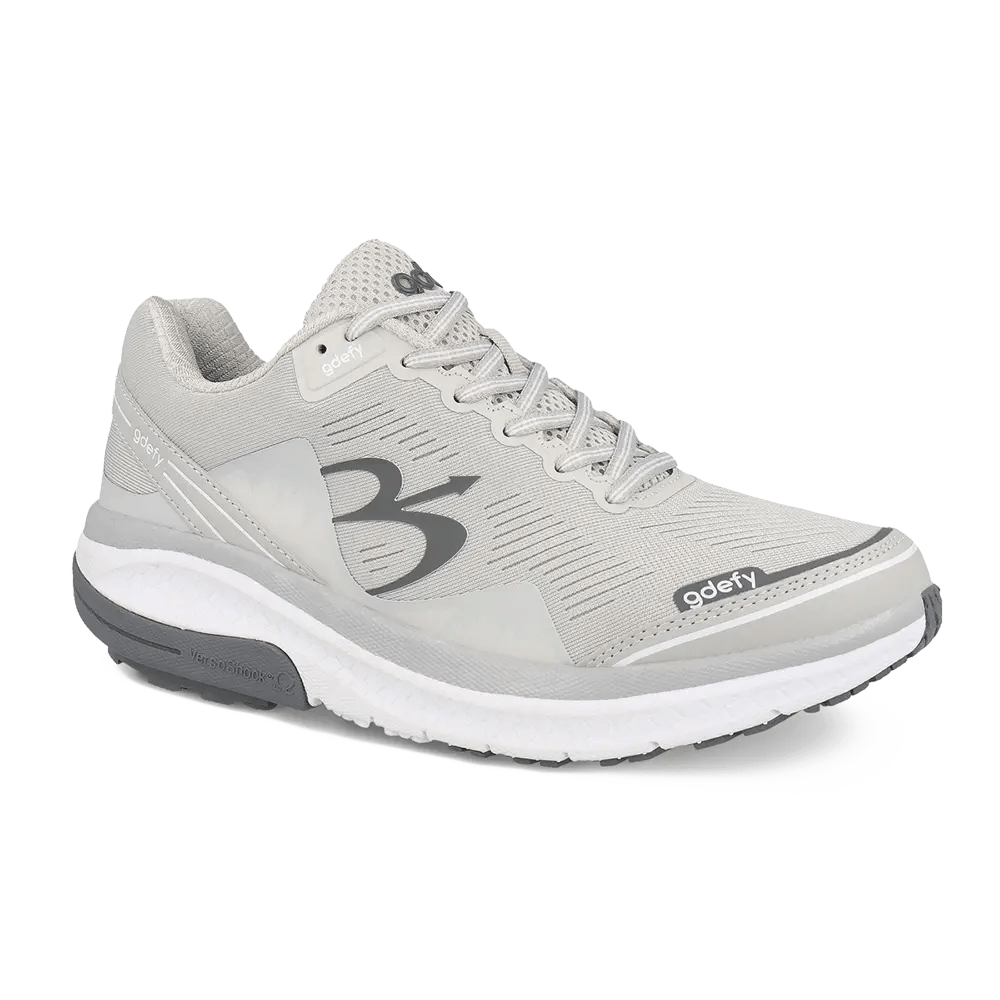
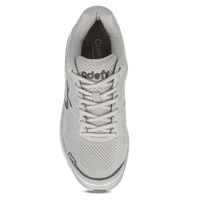
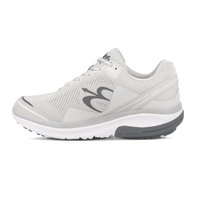
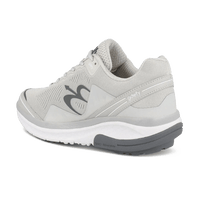
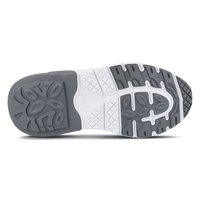
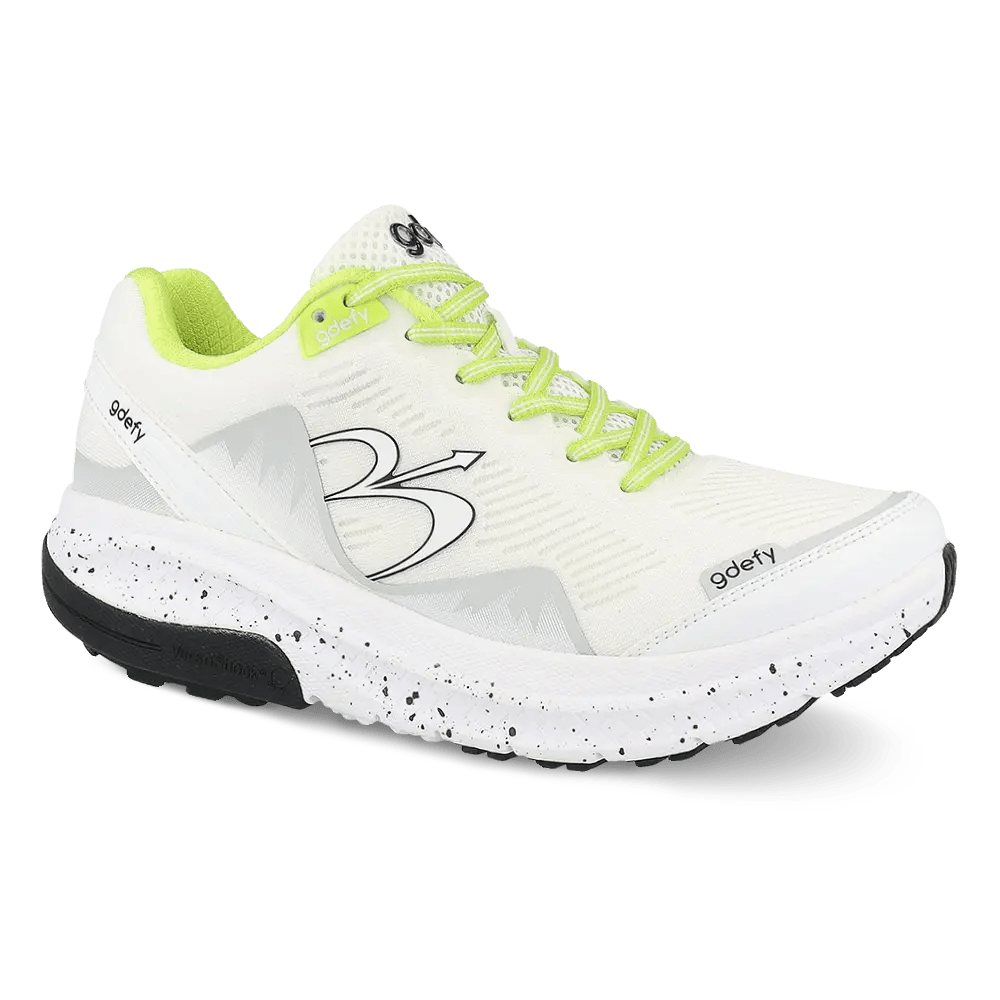
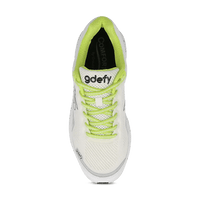
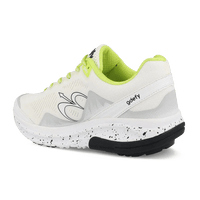
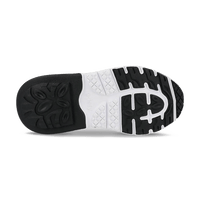
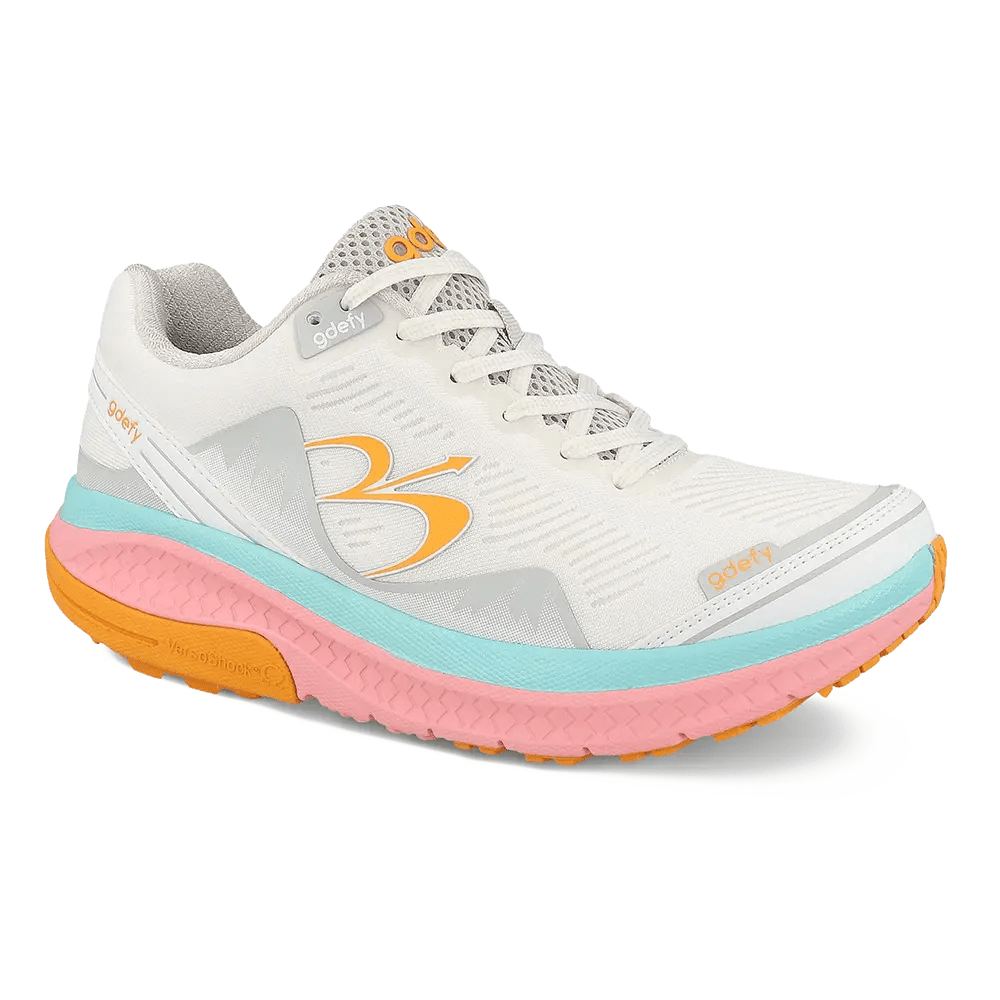
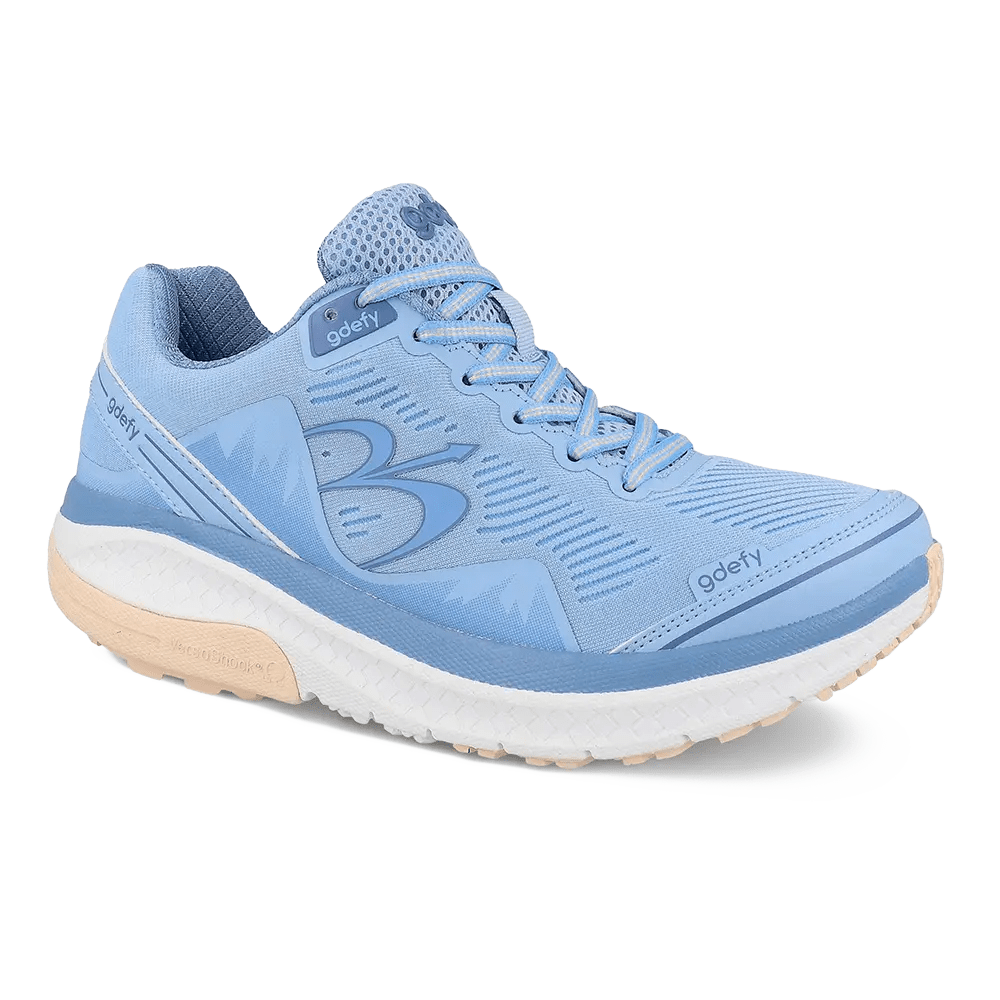
G-Defy shoes are built around a different idea than typical comfort shoes — not just cushioning, but how your body moves through each step. They use VersoShock® technology, a spring-based shock absorption system designed to absorb impact softly and return energy with each step. Combined with a built-in stabilizer, a smooth front rolling design, and two removable orthotics, G-Defy shoes are engineered to provide comfort, support, and shock absorption throughout daily wear. They help reduce pain from walking, running, and prolonged standing.
Four design pillars work together:
- VersoShock® shock absorption — engineered to soften the moment of impact before it travels up the leg
- Energy return — designed to put some of that absorbed force back into the next step, supporting a smoother stride
- Built-in stabilizer — supports the foot during movement and helps maintain a controlled walking pattern
- Front rolling design — encourages a natural heel-to-toe transition, which may feel easier on sensitive joints
Every pair also includes two interchangeable orthotics so you can customize the fit:
- ComfortFit® orthotic — for low to medium arches, with a focus on cushioning
- CorrectiveFit® orthotic — for medium to high arches, with additional structured support
You can swap between them based on how your feet feel that day. Many customers say this flexibility is one of the reasons G-Defy shoes feel different from a typical comfort shoe.
Featured Comfort Shoes for Daily Wear
Two shoes are popular starting points for people looking for cushioning and support during everyday wear:
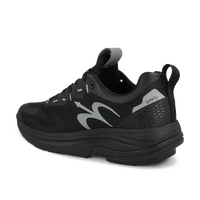
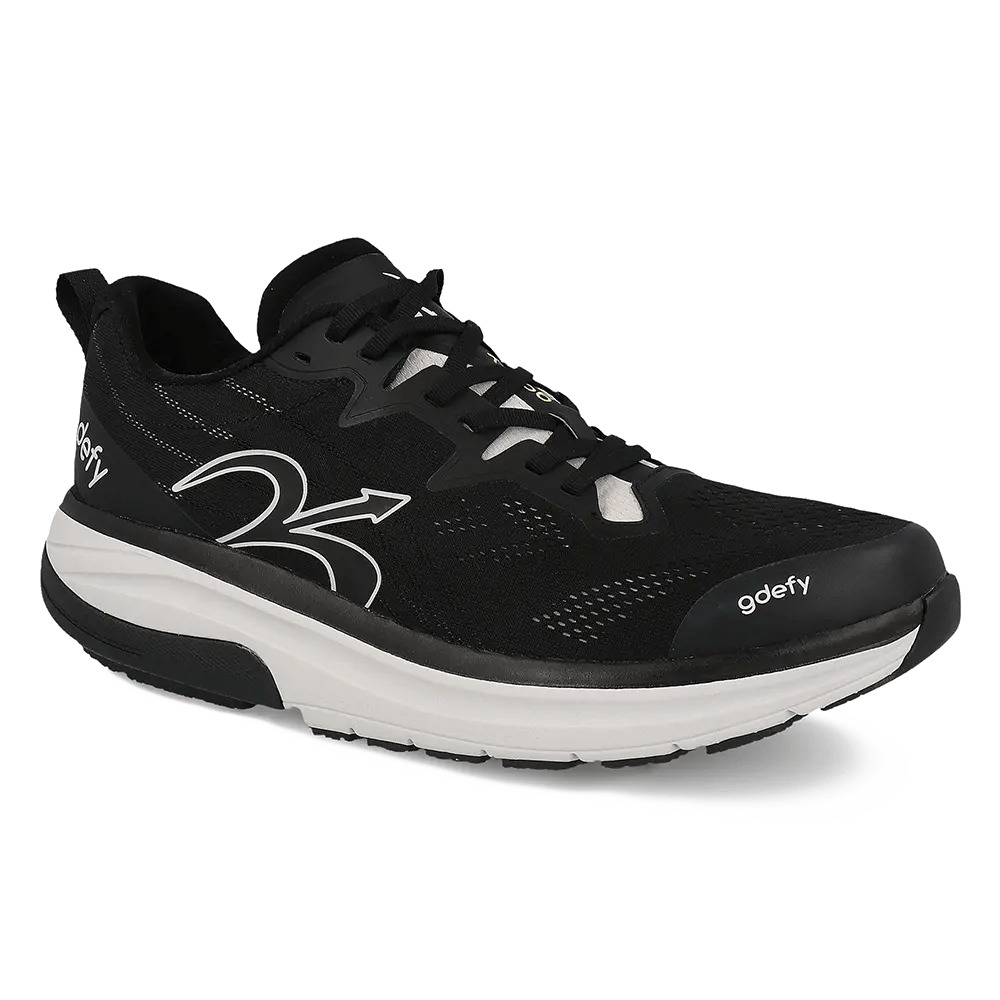
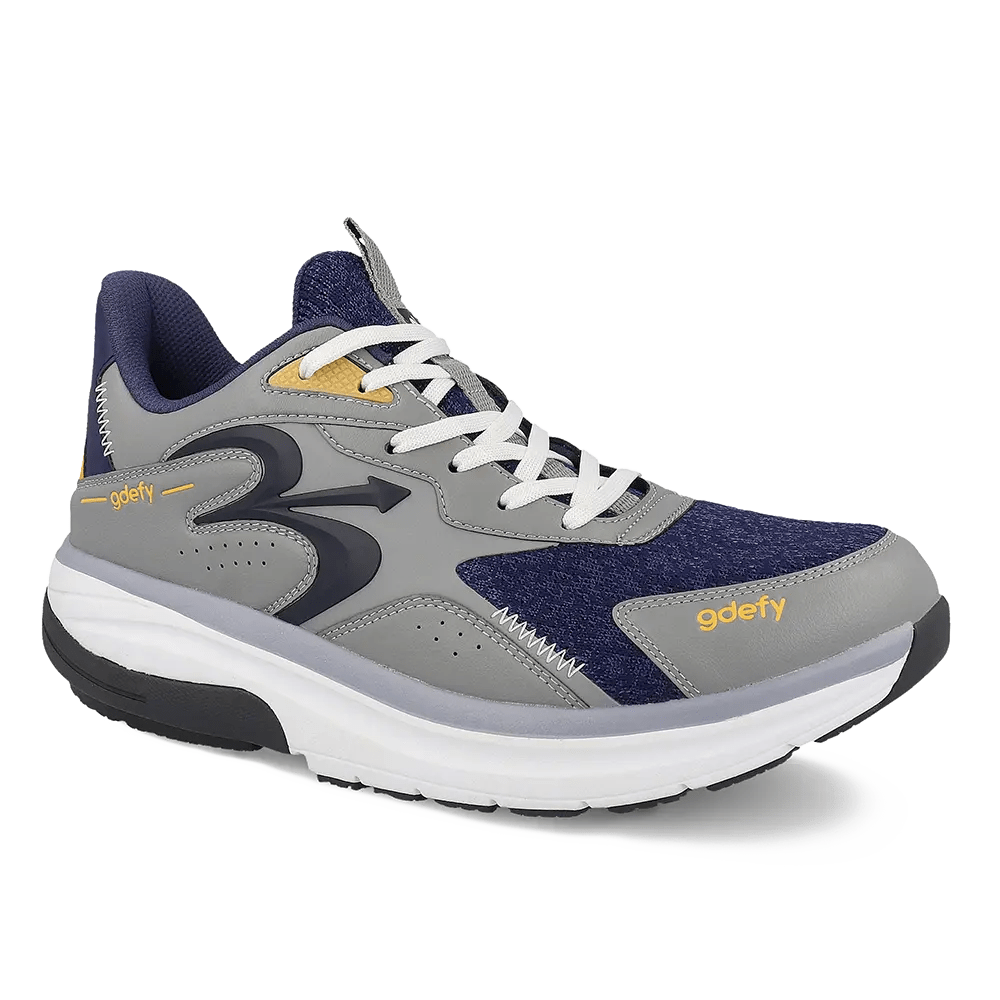
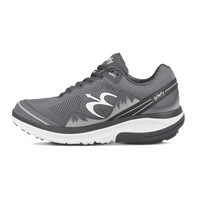
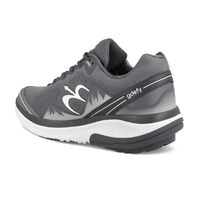
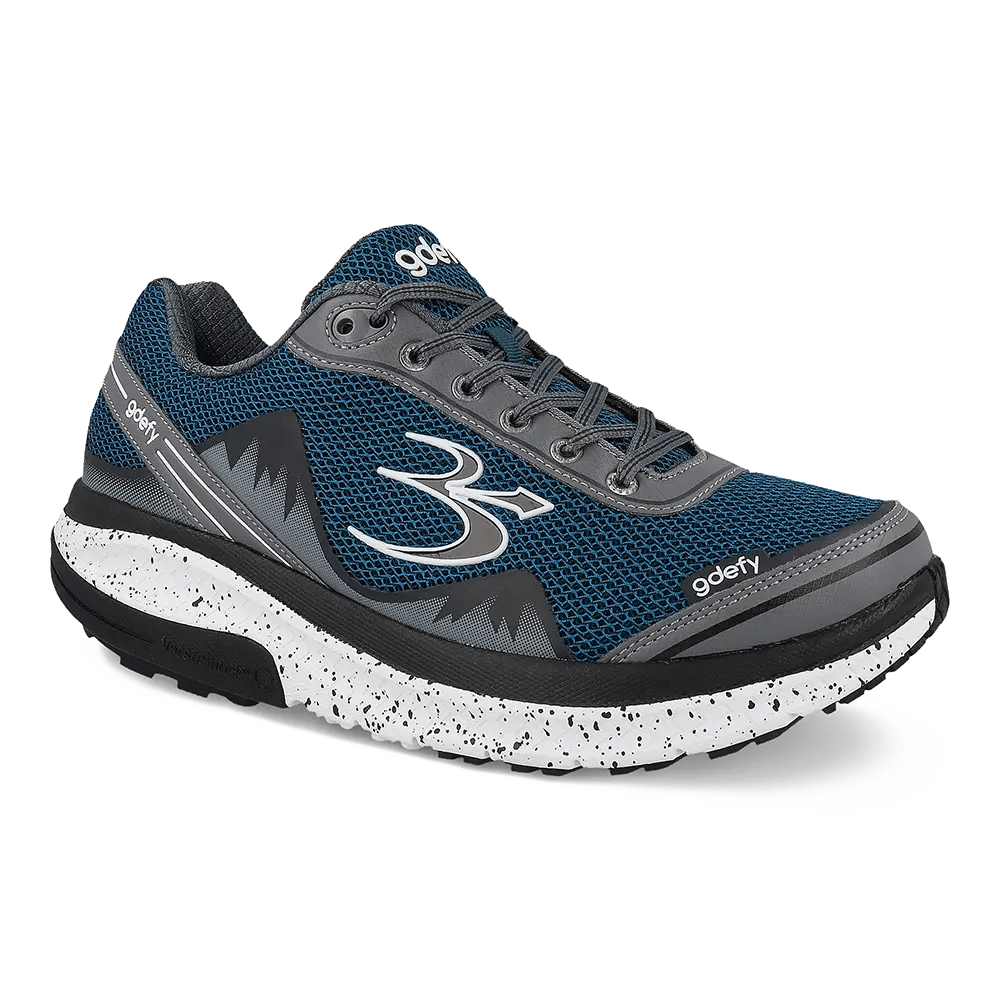
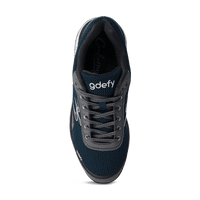
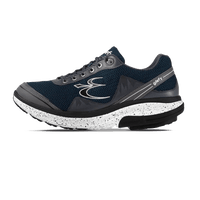
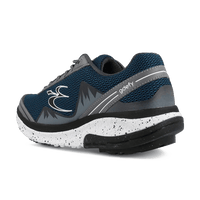
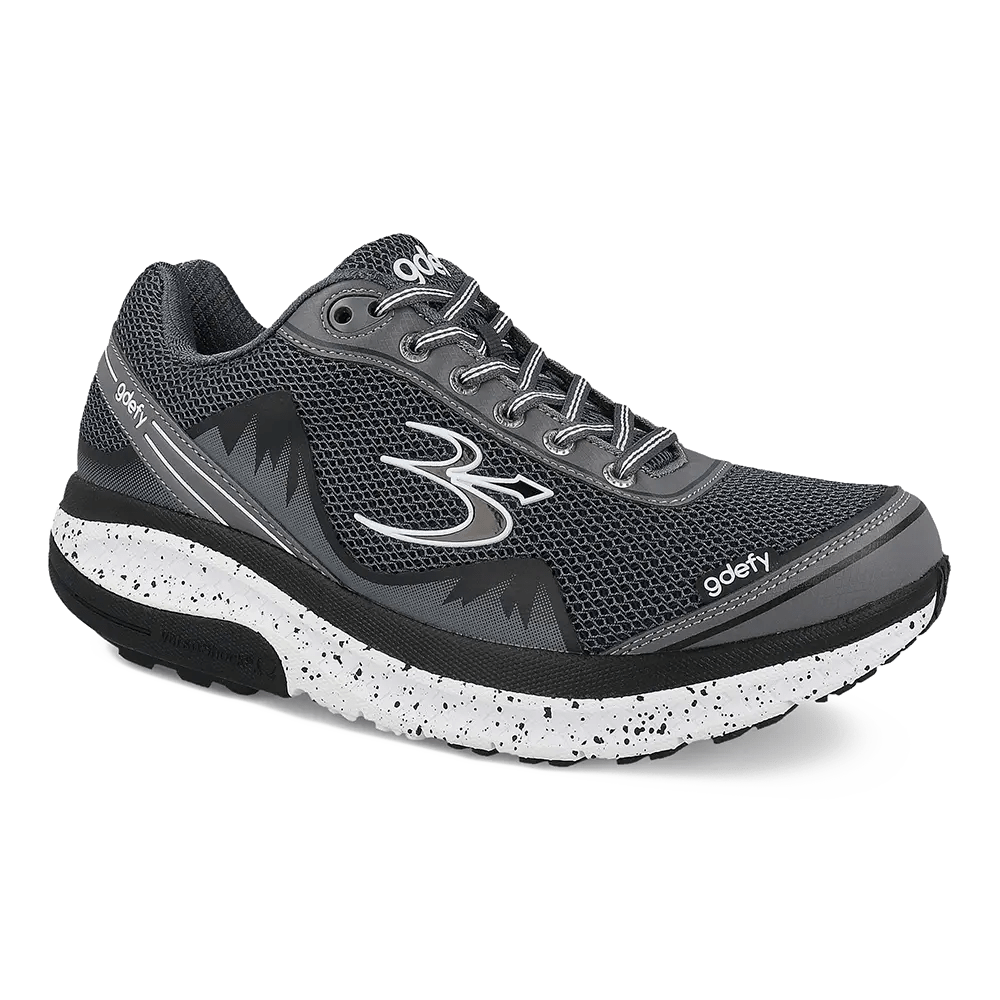
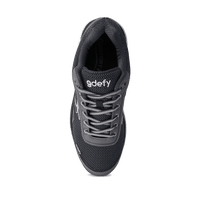
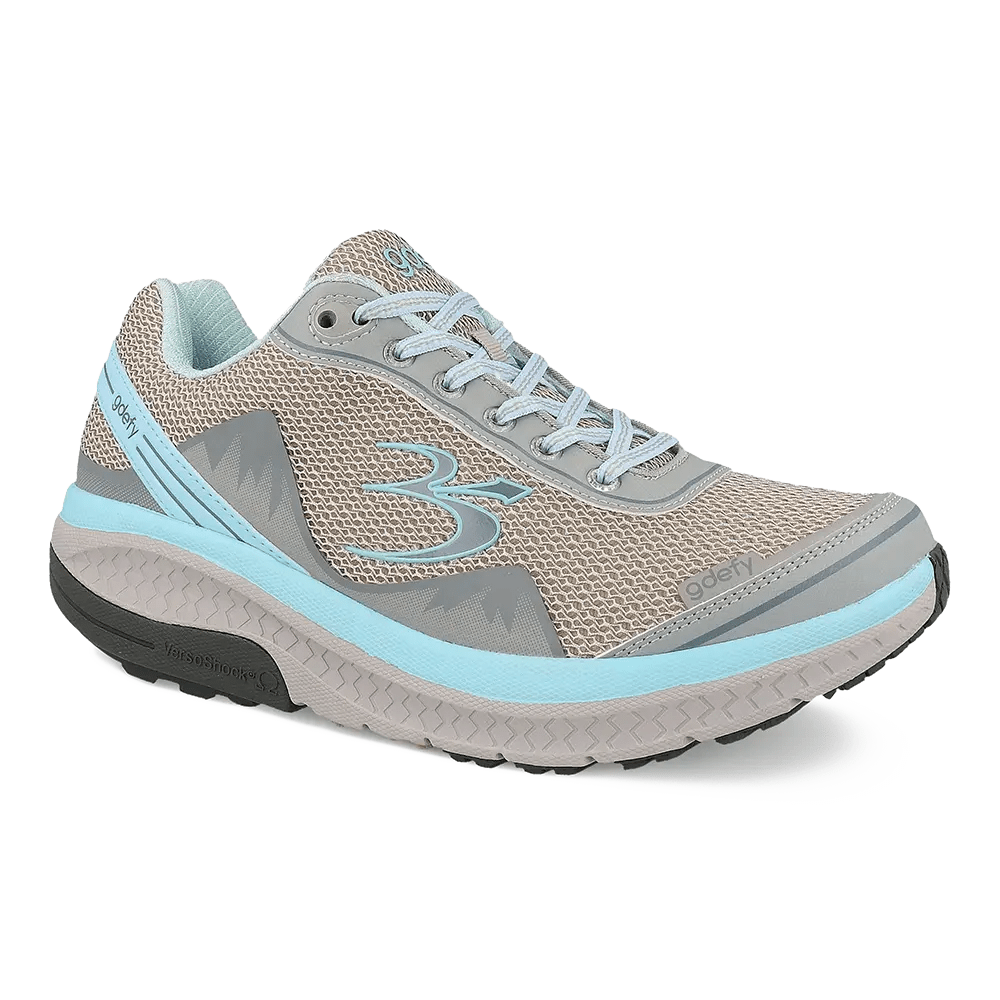
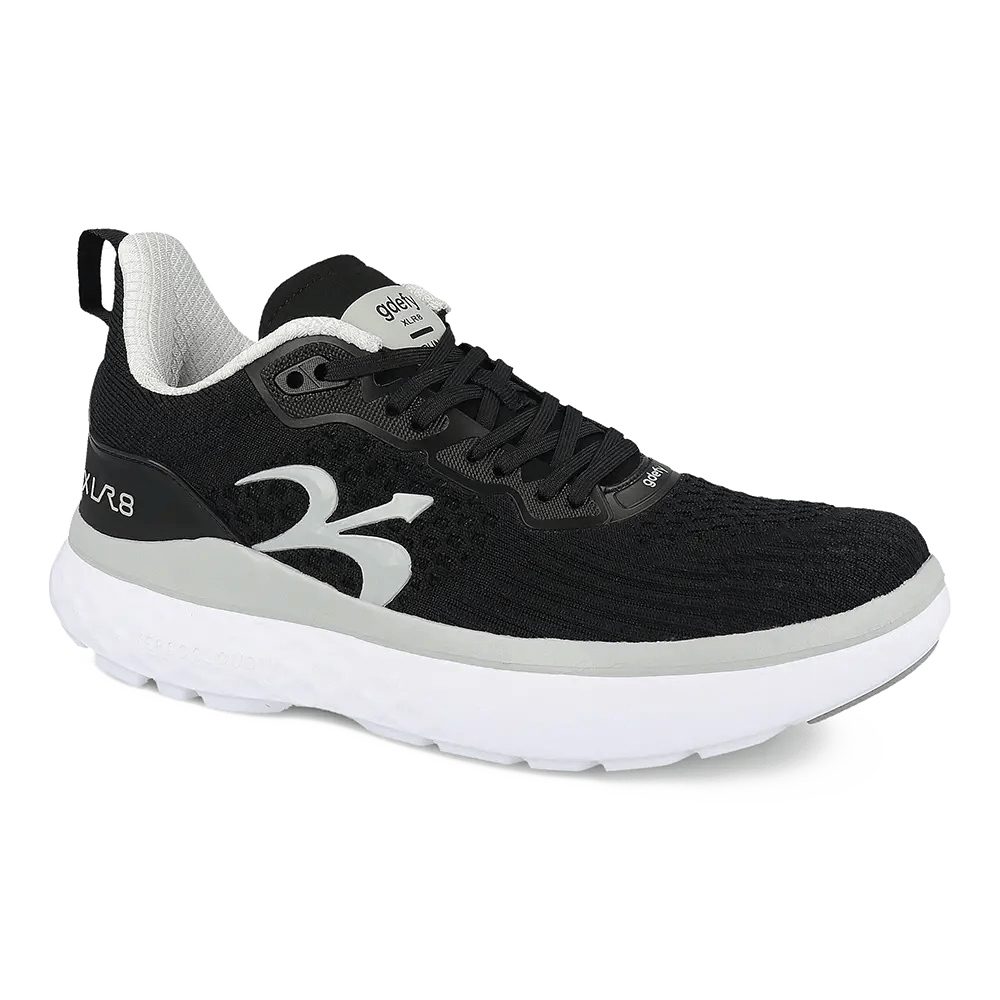
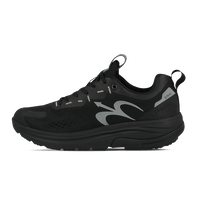
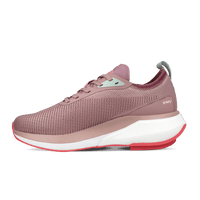
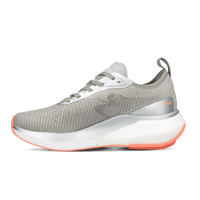
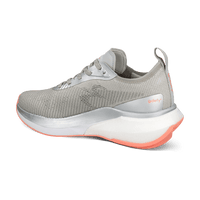
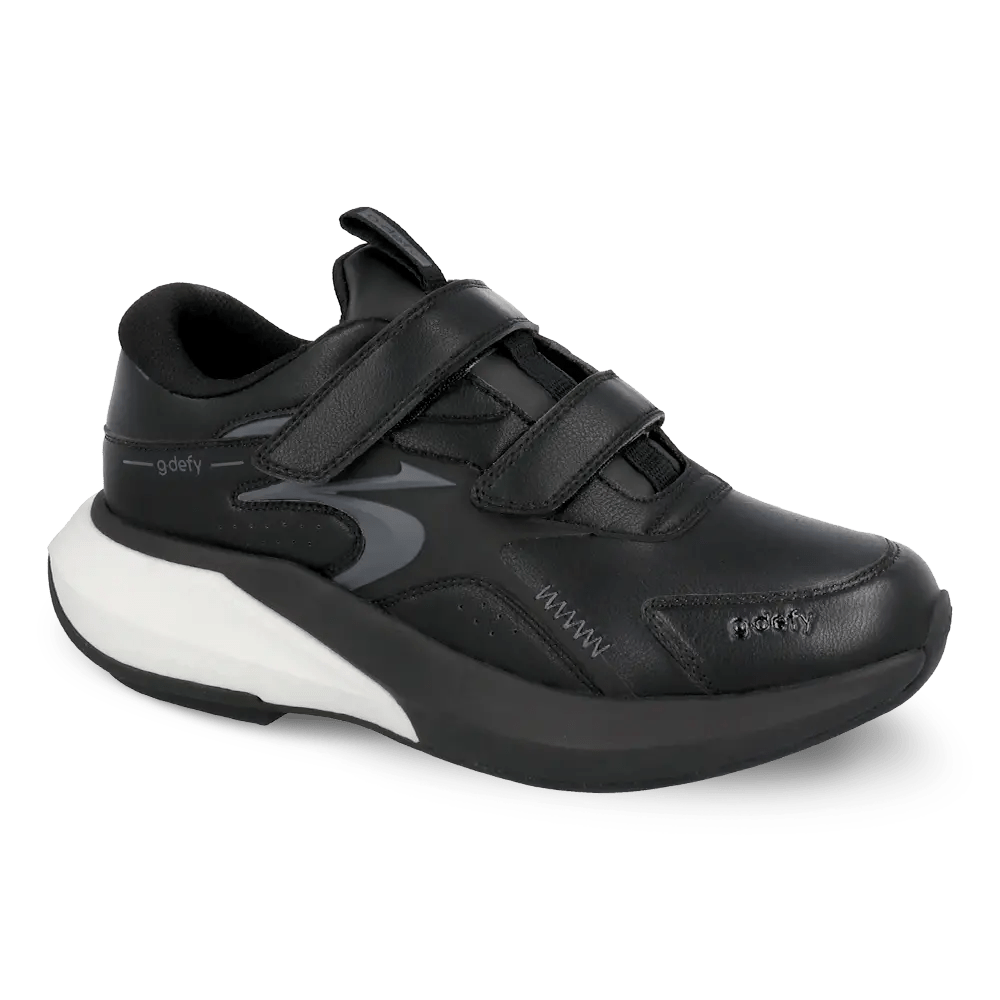
- Mighty Walk — G-Defy's flagship walking shoe, built for long days on your feet. Generous VersoShock® cushioning, a structured upper, and the dual-orthotic system make it a favorite for grocery runs, errands, neighborhood walks, and full days standing at work.
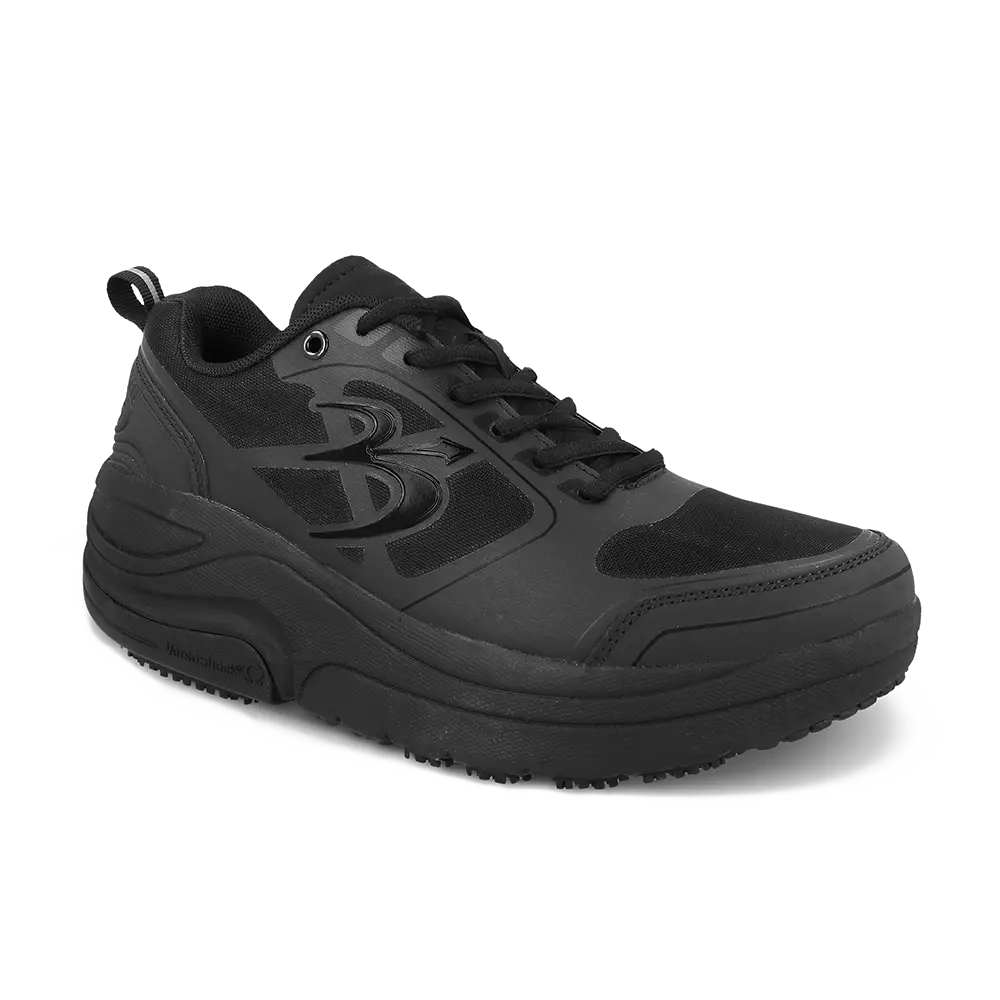
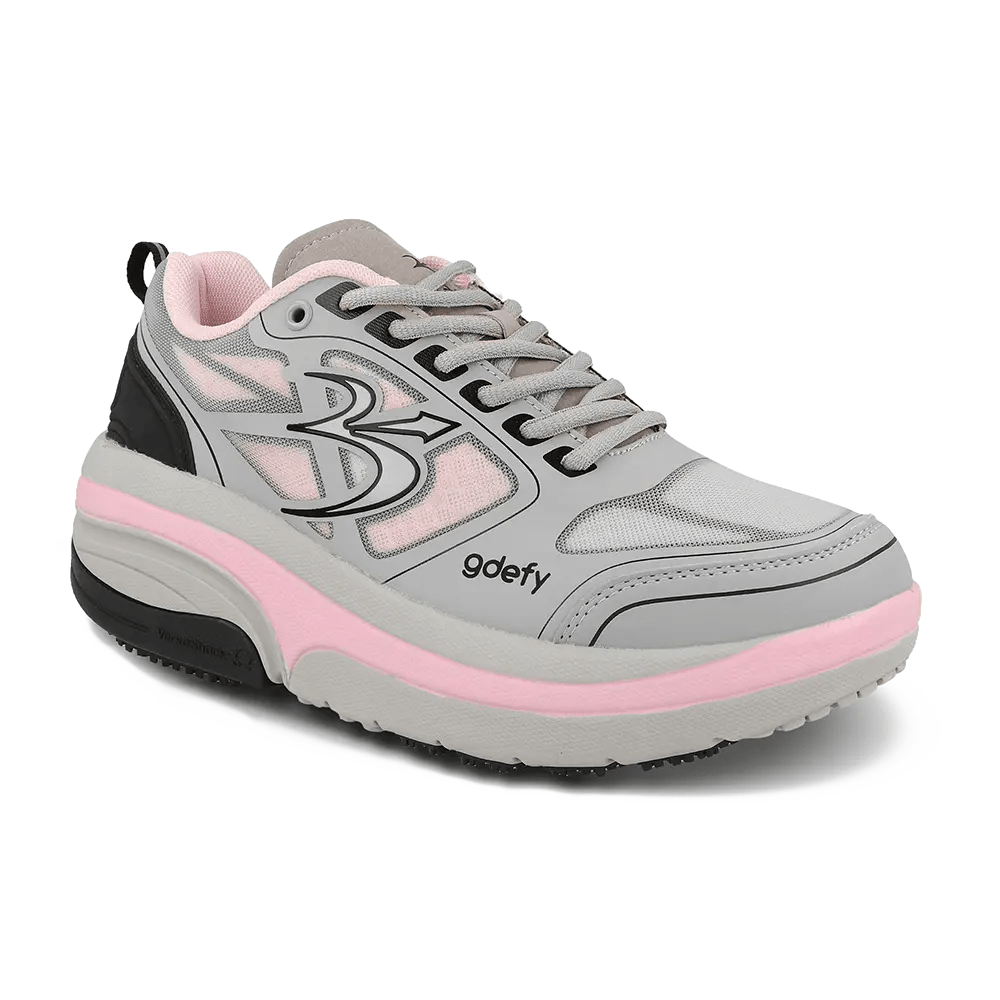
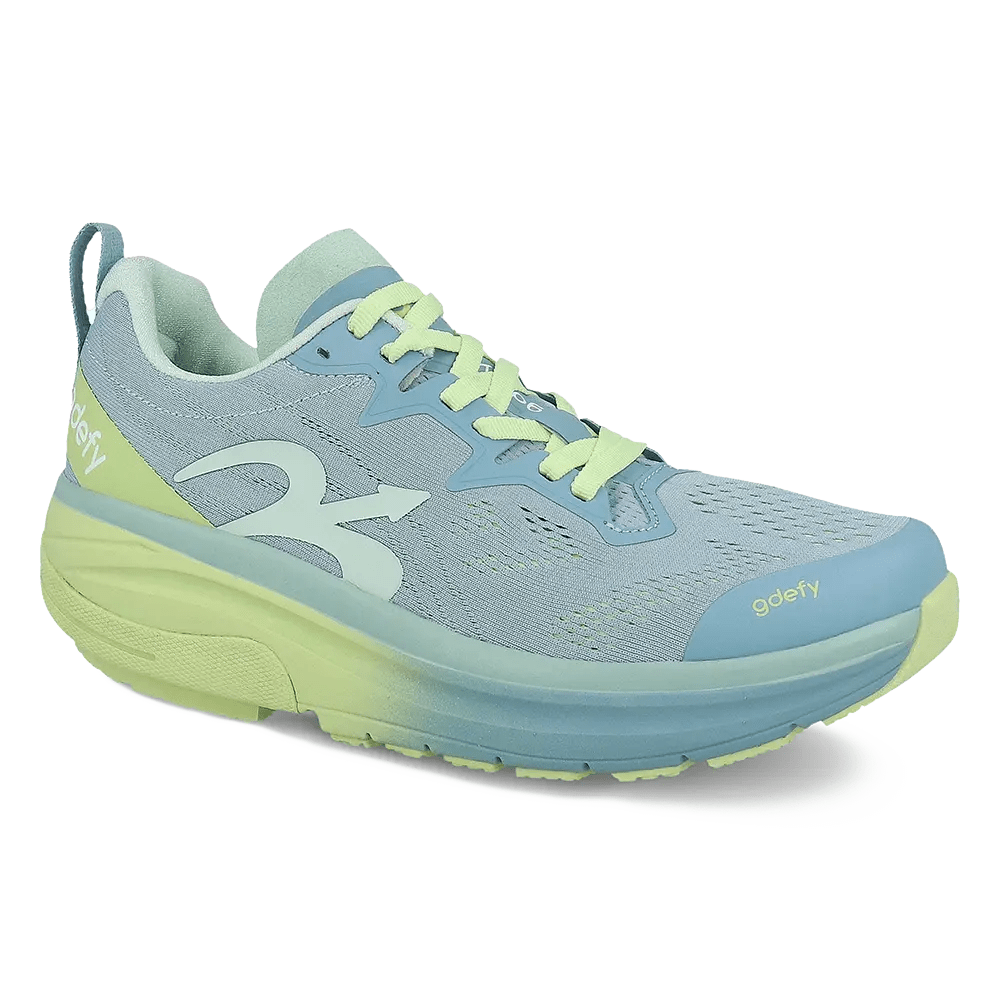
- G-Defy Ion — a lighter, more flexible option for people who want comfort without the structured feel. Same VersoShock® core and orthotic system, in a noticeably lighter package.
If you're not sure which one fits your routine, the men's collection and women's collection include dozens of styles in similar comfort-and-support builds. G-Defy offers a 60-day risk-free trial, so you can try a pair at home for several weeks before committing.
Looking for shoes built for comfort and support?
Try the Mighty Walk or G-Defy Ion with a 60-day risk-free trial. Free shipping and free exchanges.
Shop Mighty Walk Shop G-Defy Ion
Daily Habits That May Help Reduce Flare-Up Discomfort
Footwear is one piece of a much bigger picture. A few small daily habits — alongside whatever your healthcare provider recommends — may help you feel more in control of how your joints feel day to day.
- Rotate your shoes. Wearing the same pair every day compresses the cushioning unevenly. Two or three pairs in rotation can keep each pair feeling fresher for longer.
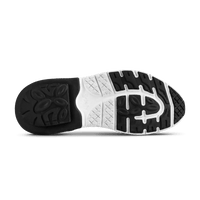
- Pay attention to wear. When the outsole tread thins, the heel collapses, or the midsole compresses noticeably, the shoe stops absorbing impact the way it should. Replace shoes before that happens.
- Match the shoe to the activity. Walking shoes for walks, supportive everyday shoes for errands, structured shoes for standing on hard floors. The wrong shoe for the day is a quiet contributor to flare-ups.
- Don't push through sharp discomfort. Soreness during activity is one thing; sudden sharp discomfort is your body asking you to rest. A flare-up is not the day to power through.
- Stretch and move gently. Gentle, regular movement — within whatever range your provider considers safe for you — tends to help joints stay more comfortable than long periods of stillness.
- Listen to the morning signal. If joints are stiff and sore first thing, that's information. Slip into supportive shoes early in the day rather than walking around in bare feet on hard floors.
Frequently Asked Questions
Can shoes really make a difference during an arthritis flare-up?
Shoes are not a medical product and do not address the underlying condition. But footwear designed for cushioning, support, and shock absorption may help reduce how much impact reaches the joints during walking, standing, and daily activity. Many people find that the right shoes feel meaningfully more comfortable on flare-up days.
Are flat shoes or barefoot styles a good idea during a flare-up?
For most people with arthritis, flat or minimally cushioned shoes tend to feel less supportive during a flare-up. Cushioned, structured footwear with shock absorption usually feels better when joints are tender. Your healthcare provider can give you guidance for your specific situation.
How often should I replace my comfort shoes?
A common guideline is every 300–500 miles of walking, or about every 6–12 months for daily wearers. If the midsole feels packed down, the outsole is worn smooth, or the heel collapses to one side, it's time to replace them — regardless of how recent the purchase was.
Do I need a different shoe for flare-up days versus regular days?
Not necessarily. A shoe that's comfortable and supportive on your best days will usually be the one you reach for on harder days too. Some people find they want a roomier, softer pair on flare-up days — which is part of why having two or three pairs in rotation is so useful.
Are G-Defy shoes a medical product?
G-Defy shoes are designed for comfort and support, not as a medical product. They help reduce pain from walking, running, and prolonged standing. For arthritis-specific care, please consult your healthcare provider.
Can shoes prevent arthritis flare-ups from happening?
Footwear cannot prevent flare-ups, and shoes are not a medical product. But cushioning, stable support, and shock absorption may help reduce some of the daily impact that can contribute to discomfort.
A Final Word
Arthritis flare-ups are unpredictable, and managing them is a layered, personal process. Footwear is not a medical solution — but the shoes you wear every day affect how impact, weight, and motion travel through your body. Cushioning, stable support, shock absorption, a smooth rolling sole, a roomy toe box, customizable arch support, and lightweight construction are the features that tend to make the most difference on tender joints.
For some people, the right comfort shoes are a small change that adds up over weeks and months. If you'd like to explore comfort-and-support footwear designed around shock absorption and a more controlled stride, the Mighty Walk and G-Defy Ion are good places to start. The 60-day risk-free trial gives you time to find out whether a pair works for your routine — without committing up front.
For ongoing care, always talk with your healthcare provider. They know your situation best, and footwear is one piece of the picture, not the whole of it.