
May 08, 2026
Arthritis Awareness Month: What to Look for in Comfort Walking Shoes
By Gdefy

Summary

Why Arthritis Awareness Month Matters
Every May, Arthritis Awareness Month draws attention to one of the most widespread sources of joint discomfort in adults. According to the CDC, more than 58 million adults in the United States live with some form of diagnosed arthritis — and many more experience joint stiffness or discomfort that has not yet been formally evaluated.
The goal of Arthritis Awareness Month is simple: to encourage people to pay closer attention to joint health, explore what daily habits affect comfort, and make better-informed decisions about movement and footwear. For people who experience stiffness in their feet, ankles, or knees, shoe design is one of the most practical and immediate factors within their control.
This article walks through exactly what to look for — not as a medical guide, but as a practical footwear-engineering guide — so you can shop with more confidence and walk with greater ease.
How Walking Mechanics Change With Joint Stiffness
Walking is a complex chain of movements. Each step involves your heel striking the ground, your arch absorbing load, your ankle flexing forward, your toes pushing off, and your entire body weight transferring from one foot to the other. When joints are stiff or inflamed, this chain gets disrupted.
People who experience arthritis discomfort in the feet or ankles often unconsciously alter their gait — shortening stride length, reducing push-off at the toes, or shifting weight to less affected areas. Over time, these compensations can place additional stress on other parts of the lower body, including the knees and hips.
Understanding this connection is important when choosing footwear. The right shoe does not just add cushioning — it supports the mechanics of walking in a way that makes the whole chain work more smoothly. That is why features like rocker soles, shock-absorbing midsoles, and stable heel cups matter far more for someone with joint stiffness than for the average casual walker.
Our article on how your feet affect your entire body through the kinetic chain goes deeper into this topic if you want to understand the full picture.
Key Shoe Features That Affect Walking Comfort
When you are evaluating a walking shoe for joint stiffness or arthritis-related discomfort, these are the engineering factors that matter most.
1. Cushioning Depth and Material Type
Standard foam midsoles compress under body weight and then slowly spring back — but over time and through repeated compression, foam degrades and loses responsiveness. For someone who walks daily, this means the cushioning that felt great in week one may feel noticeably firmer by month six.
Spring-based or polymer-based shock absorption systems maintain their responsiveness far longer than traditional foam. They absorb the impact of heel strike more gradually, which reduces the jarring force that travels up through the ankle, knee, and hip with each step. For people with joint sensitivity, this consistency matters.
2. Rocker Sole Design
A rocker sole has a curved profile — typically highest at the heel and tapering toward the toe — that encourages a rolling, forward motion rather than a flat foot strike. This design naturally reduces the flexion demand on the toe joints and ankle, making each step feel less effortful.
This is especially relevant for people who experience stiffness in the metatarsal joints (the ball of the foot) or the ankle. A well-designed rocker sole essentially does some of that bending work for you.
3. Wide Toe Box
Joint stiffness and swelling in the forefoot are common experiences for people with arthritis. A narrow toe box compresses the toes, increasing pressure on already sensitive joints. A wide or extra-wide toe box allows the toes to spread naturally and reduces friction against the sides of the shoe.
Width options matter here. Many comfort-focused footwear brands offer shoes in standard, wide (2E), and extra-wide (4E) widths. Getting the right fit is as important as the features built into the shoe itself.
4. Arch Support and Foot Alignment
The arch of the foot serves as a natural shock absorber. When the arch is unsupported, the foot collapses inward (overpronation) or outward (supination) with each step, which can add stress to the ankle and knee joints. Built-in arch support helps maintain a more neutral foot position throughout the walking stride.
Customizable arch support — such as removable orthotics that come in different profiles — is ideal for people with arthritis, since foot structure and support needs vary significantly from person to person.
5. Lightweight Construction
Every gram of shoe weight adds to the effort required to lift your foot with each step. When joints are stiff or fatigued, a lighter shoe noticeably reduces effort. For daily wear, shoes in the 8–12 oz range per shoe are generally well-tolerated by people who experience joint sensitivity.
Lightweight construction does not mean sacrificing structure — modern materials allow brands to build supportive, well-cushioned shoes that are also genuinely light.
6. Stable Heel Cup and Rear-Foot Control
A deep, firm heel cup keeps the foot centered within the shoe and prevents the heel from rolling side to side during push-off. This rear-foot stability is important for people whose ankle joints feel less stable due to stiffness or reduced range of motion.
Ready to explore walking shoes designed for all-day comfort?
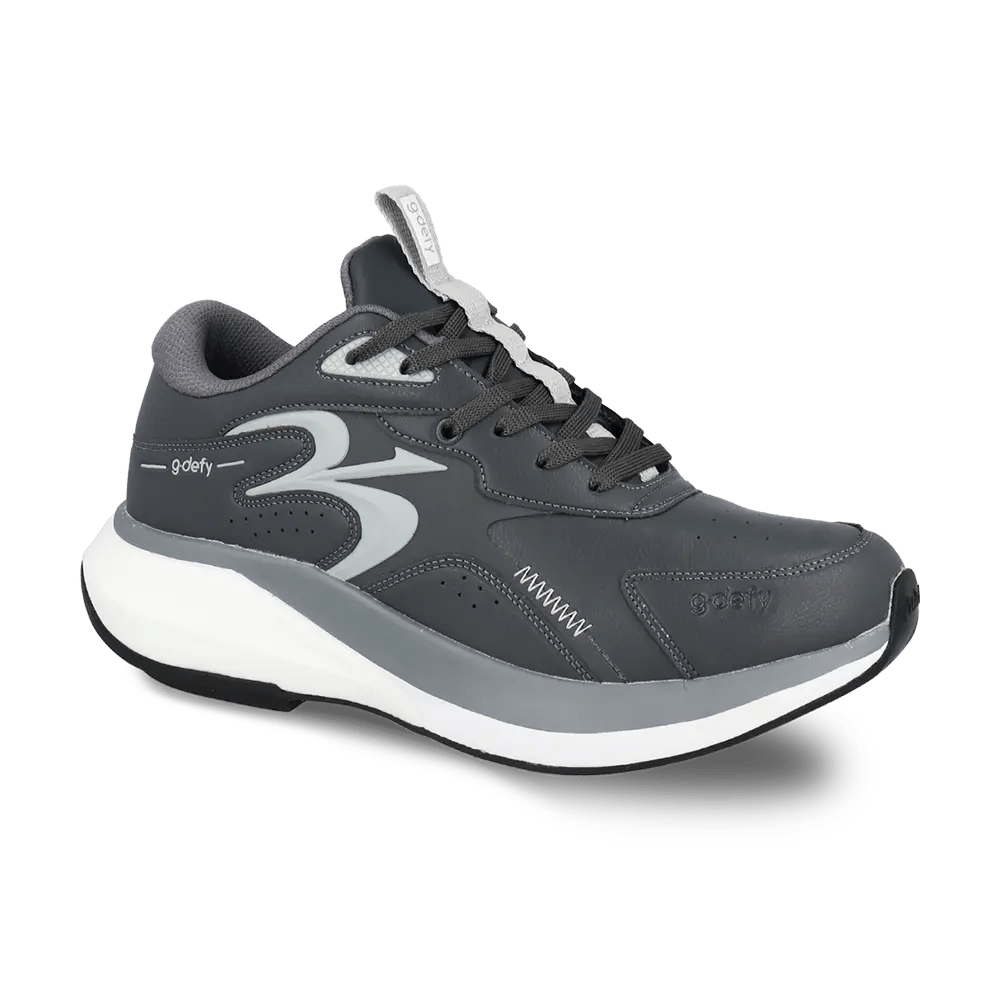
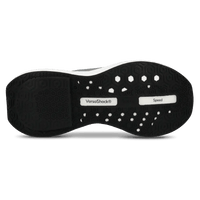
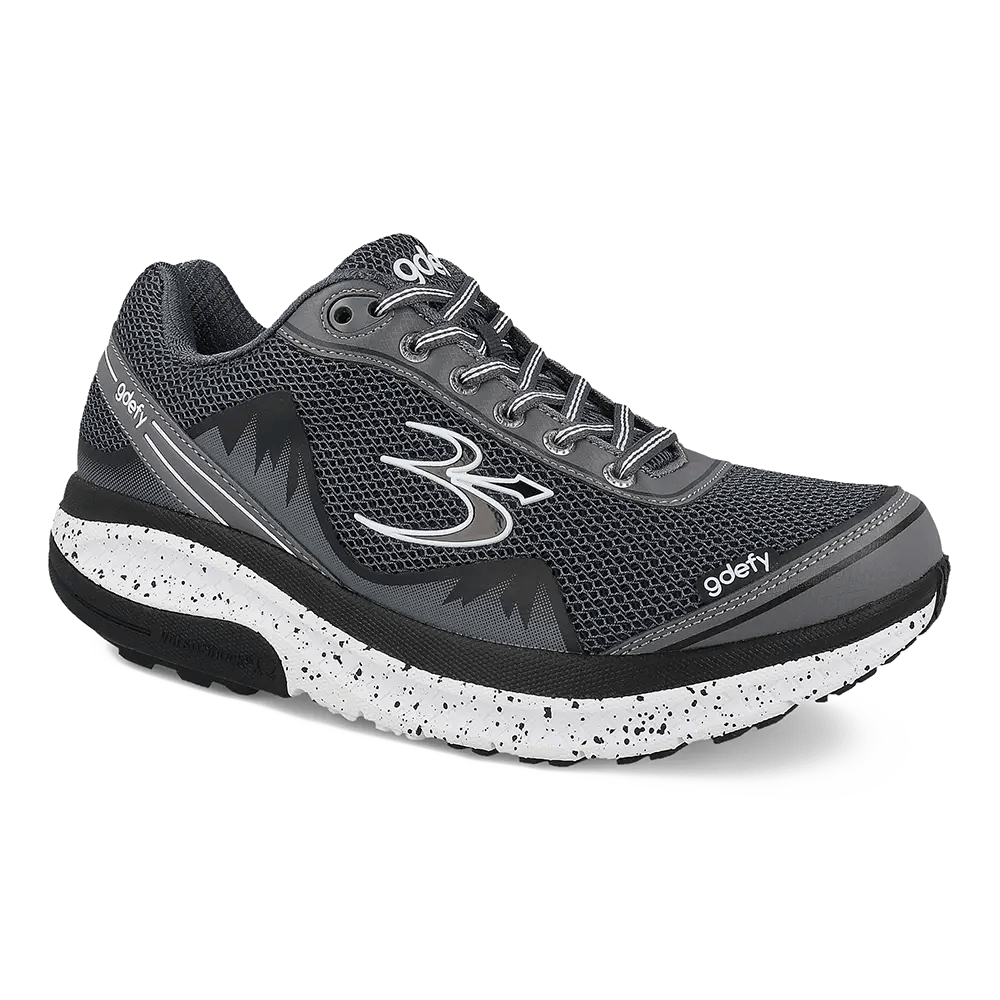
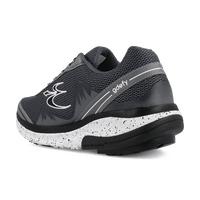
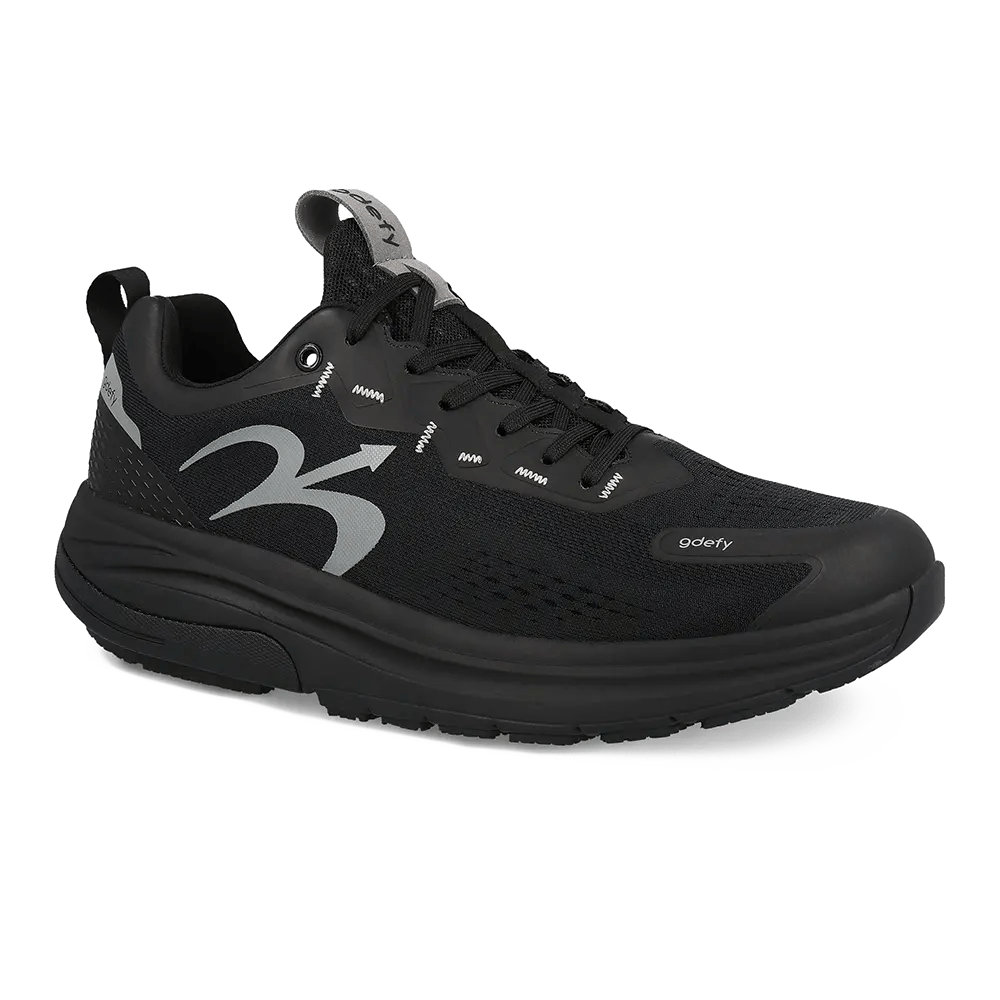
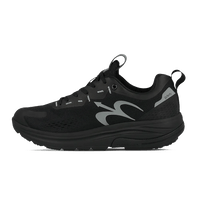
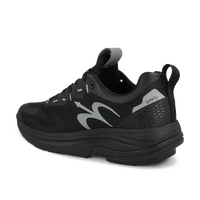
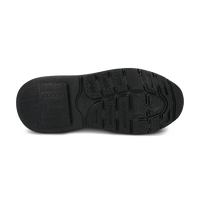
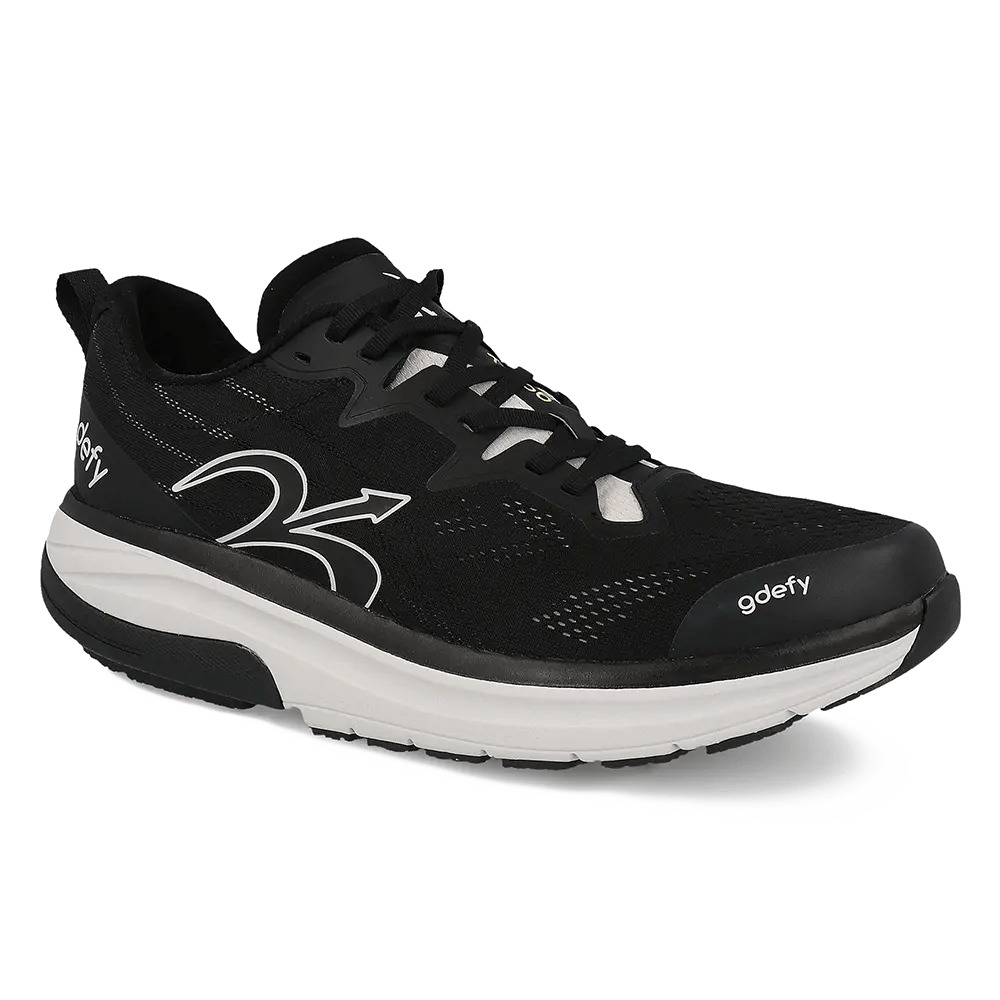
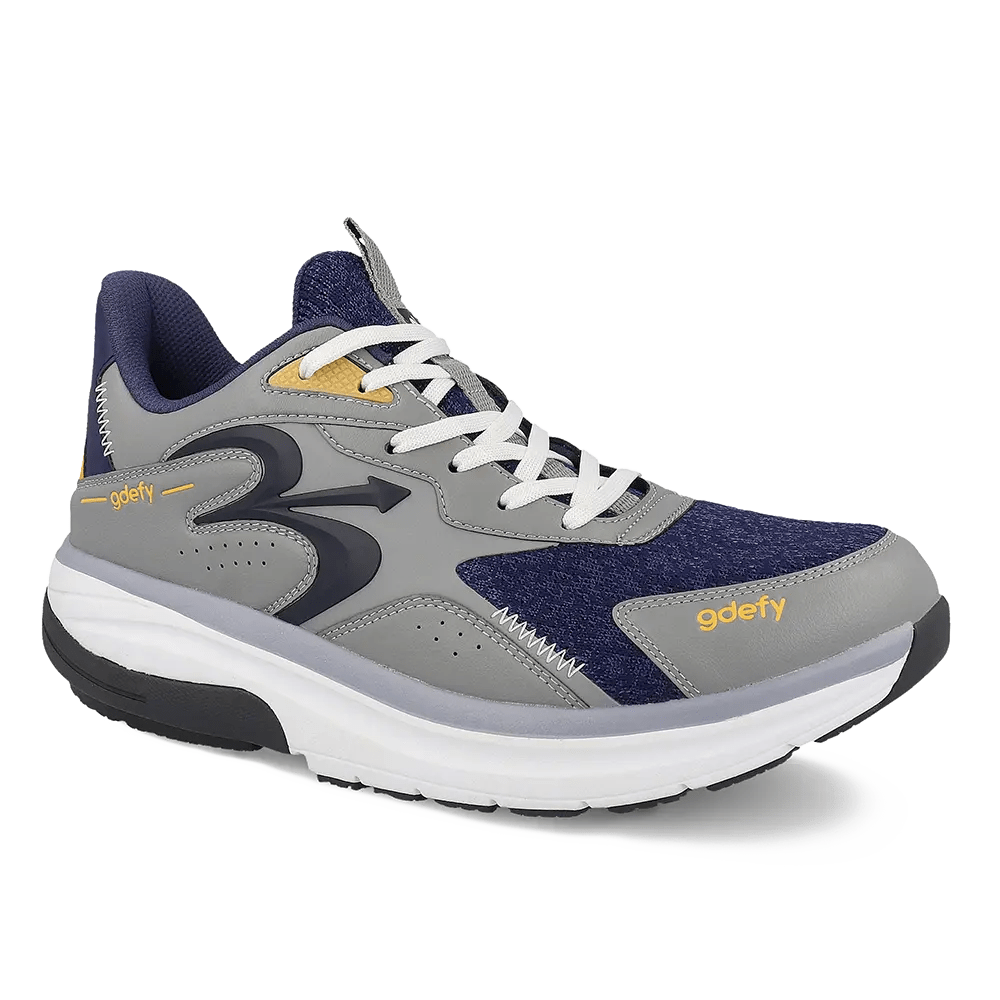
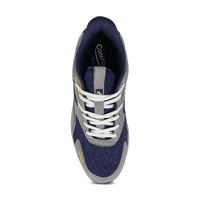
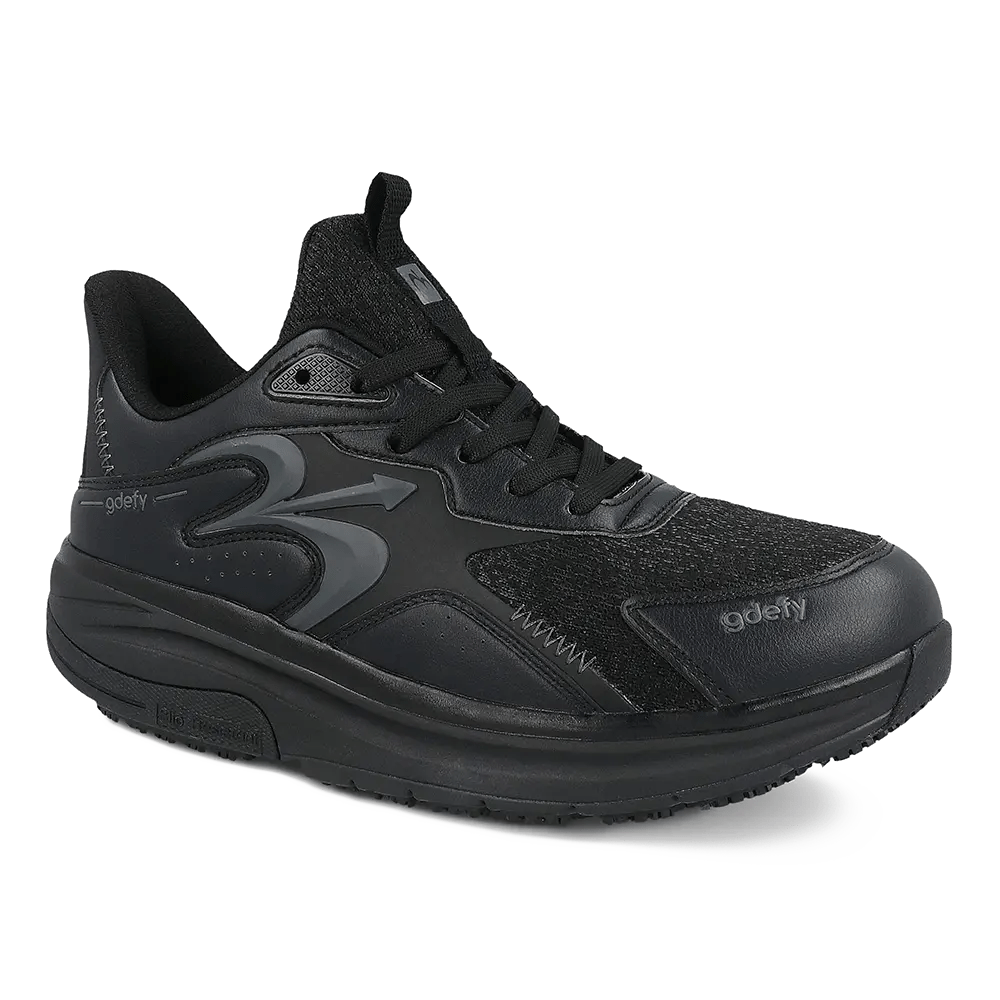
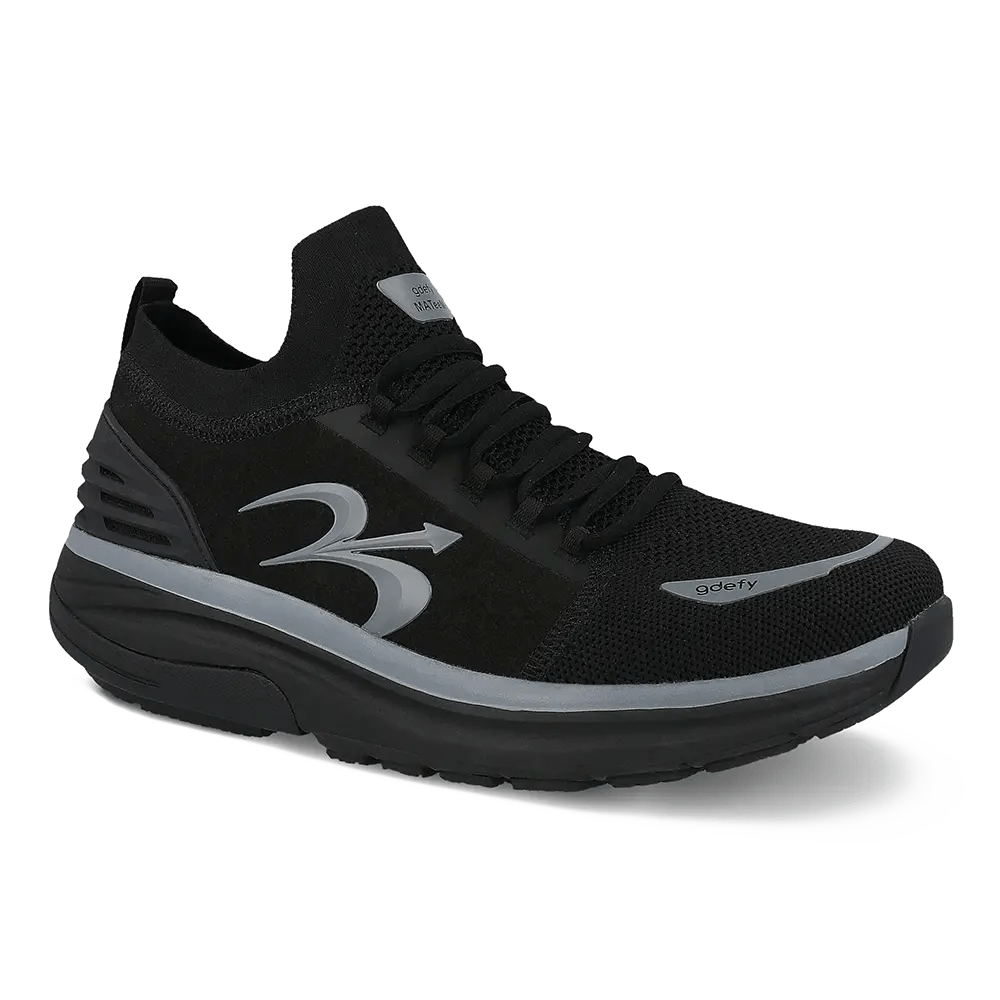
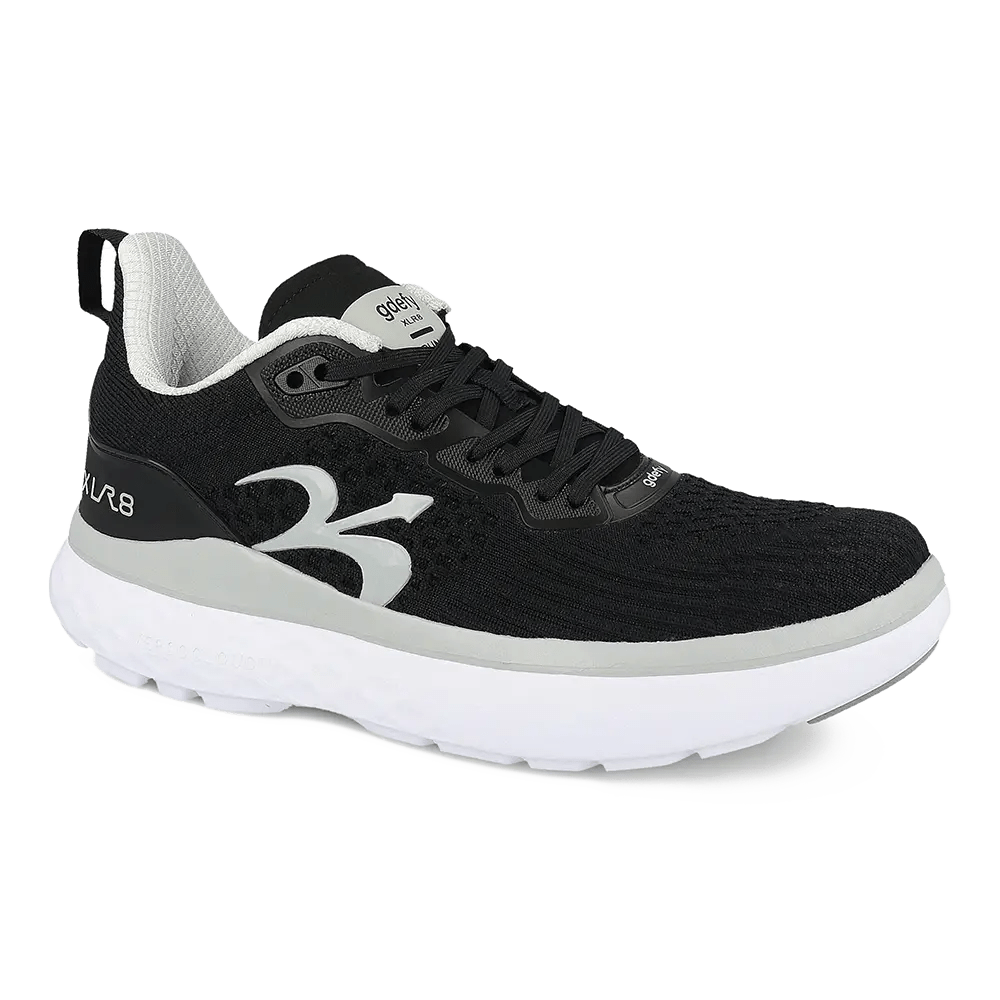
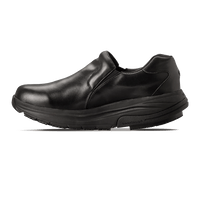
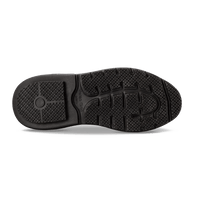
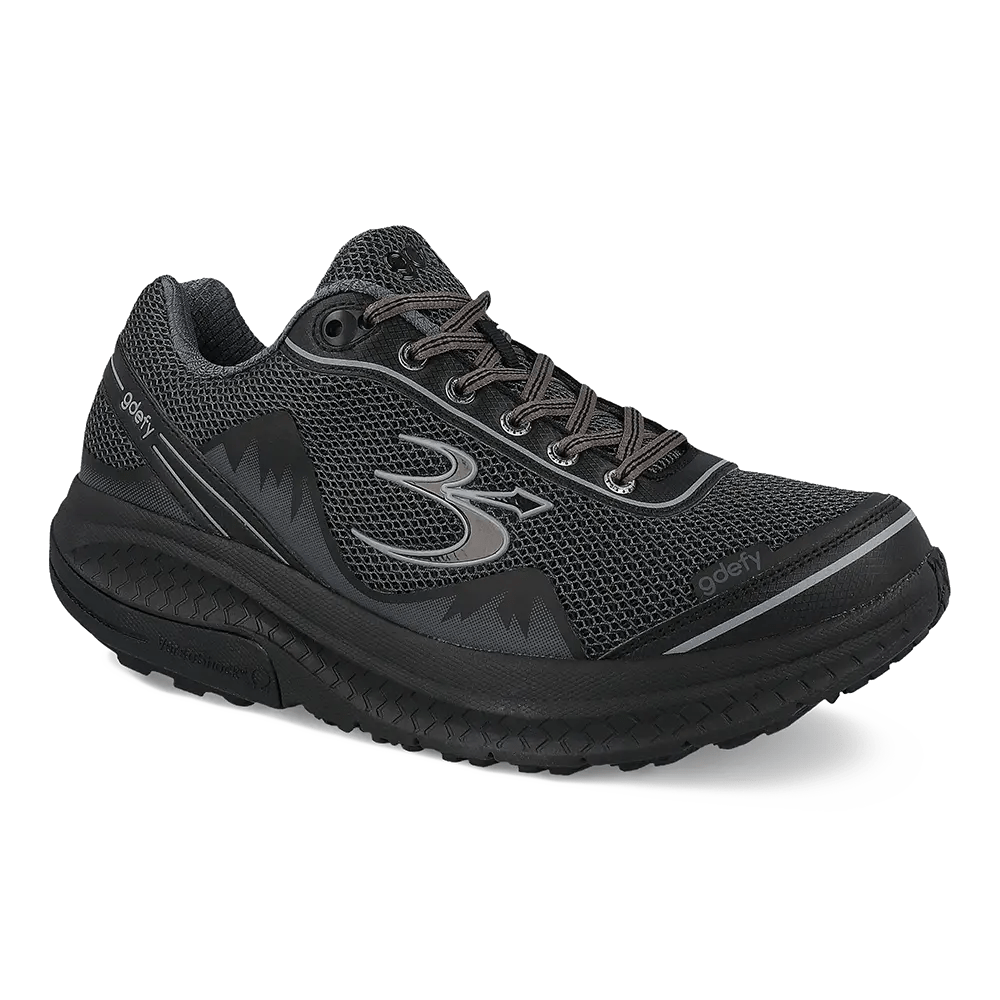
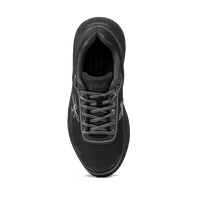
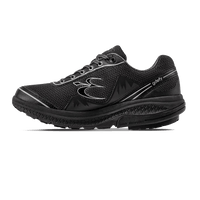
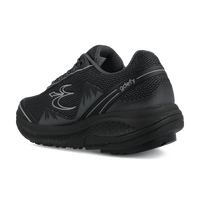
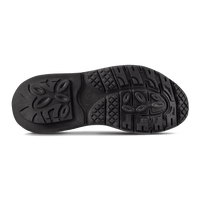
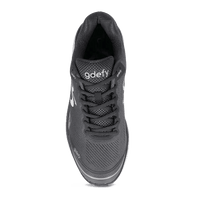
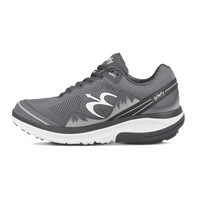
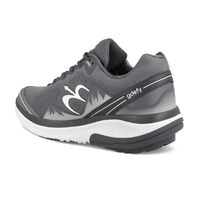
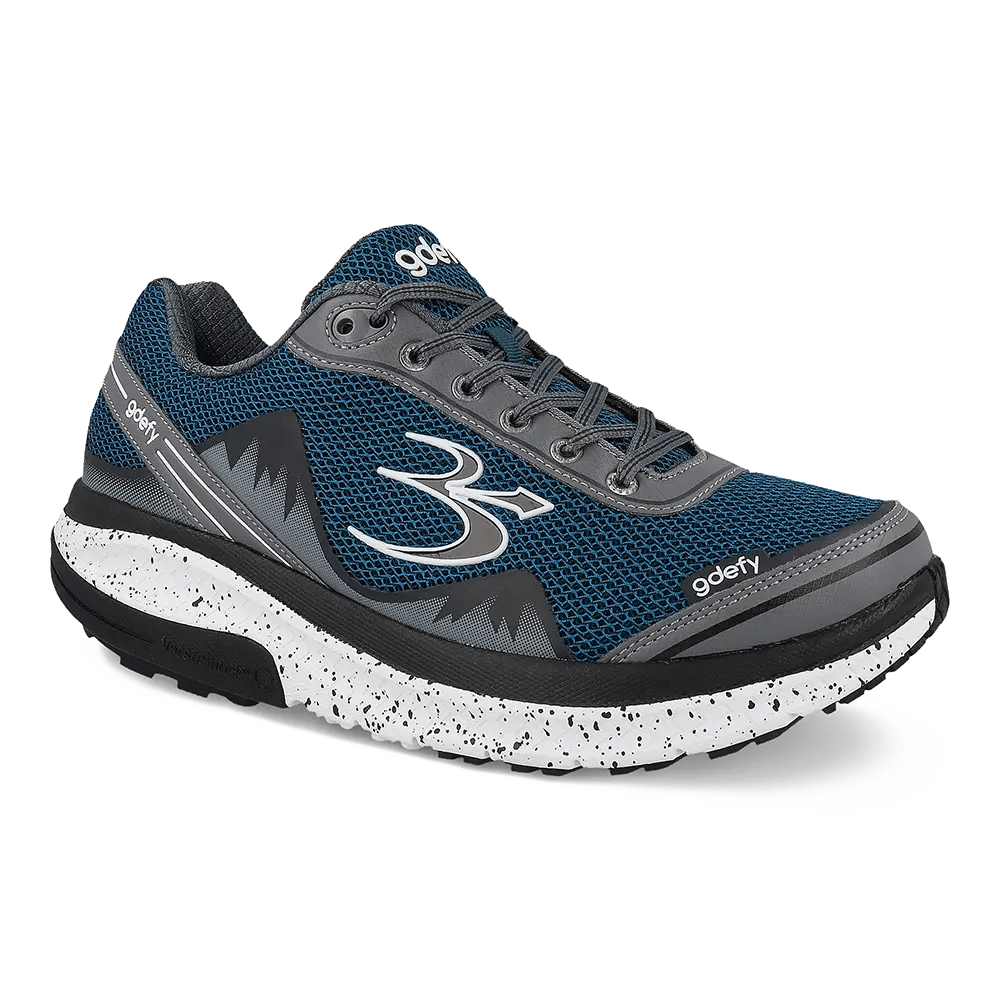
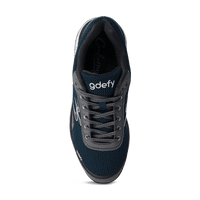
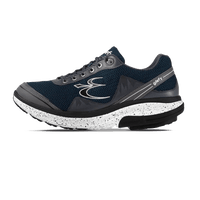
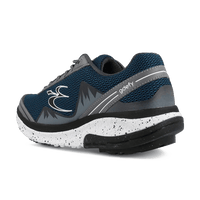
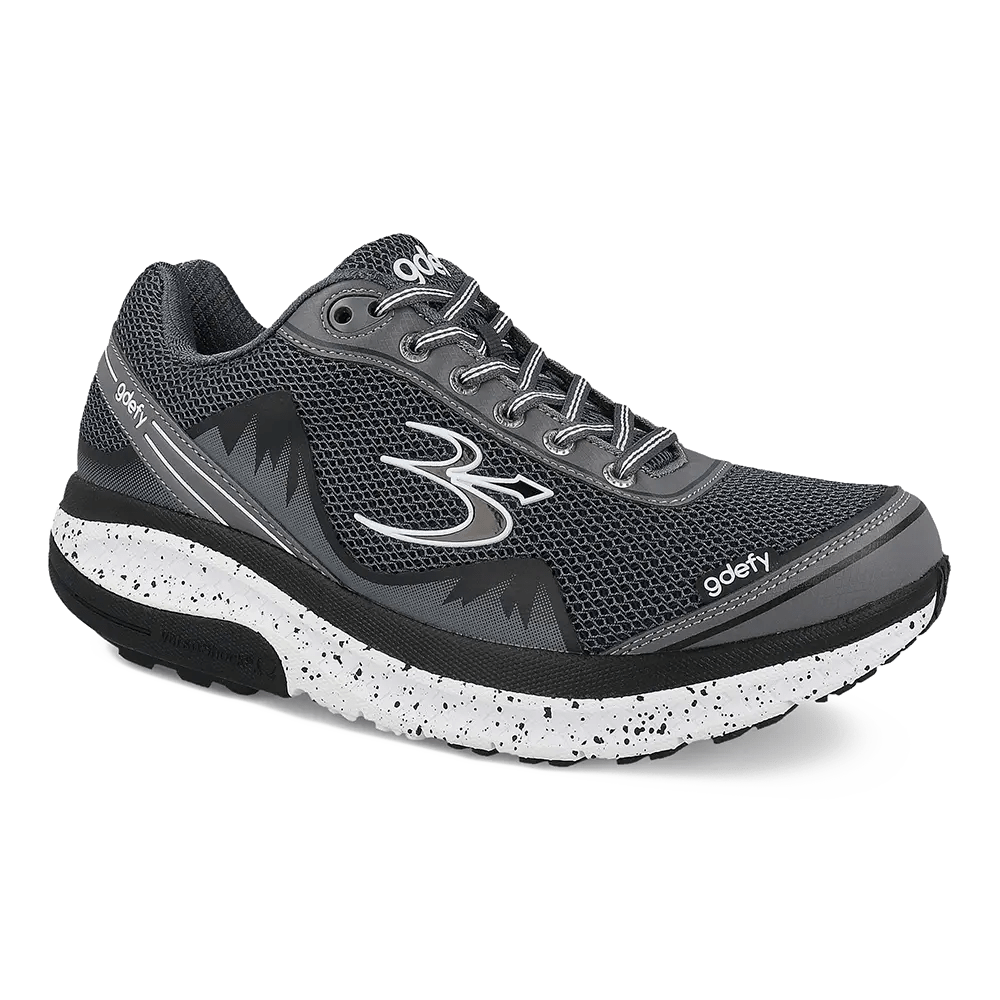
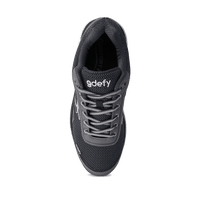
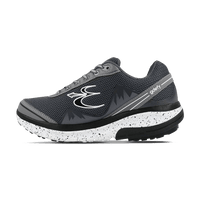
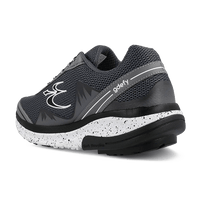
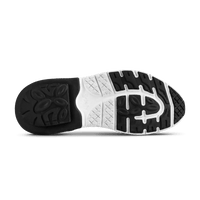
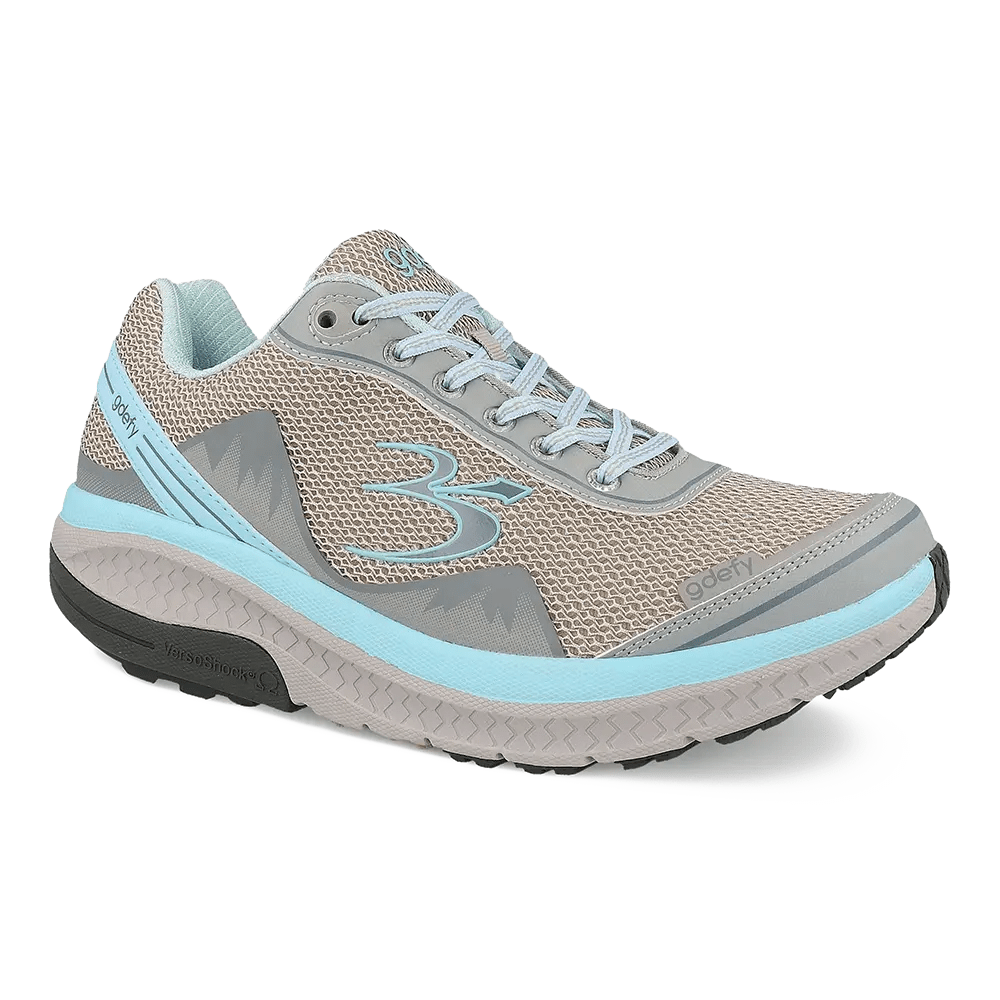
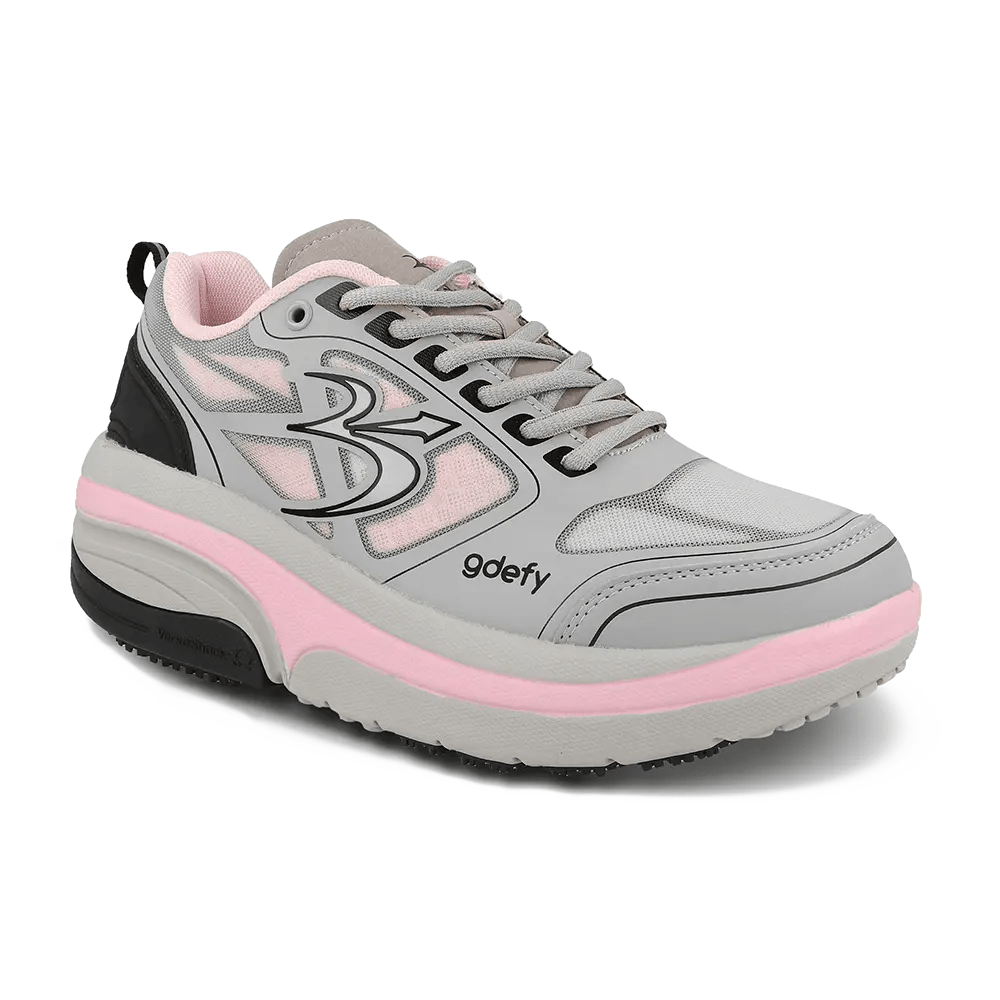
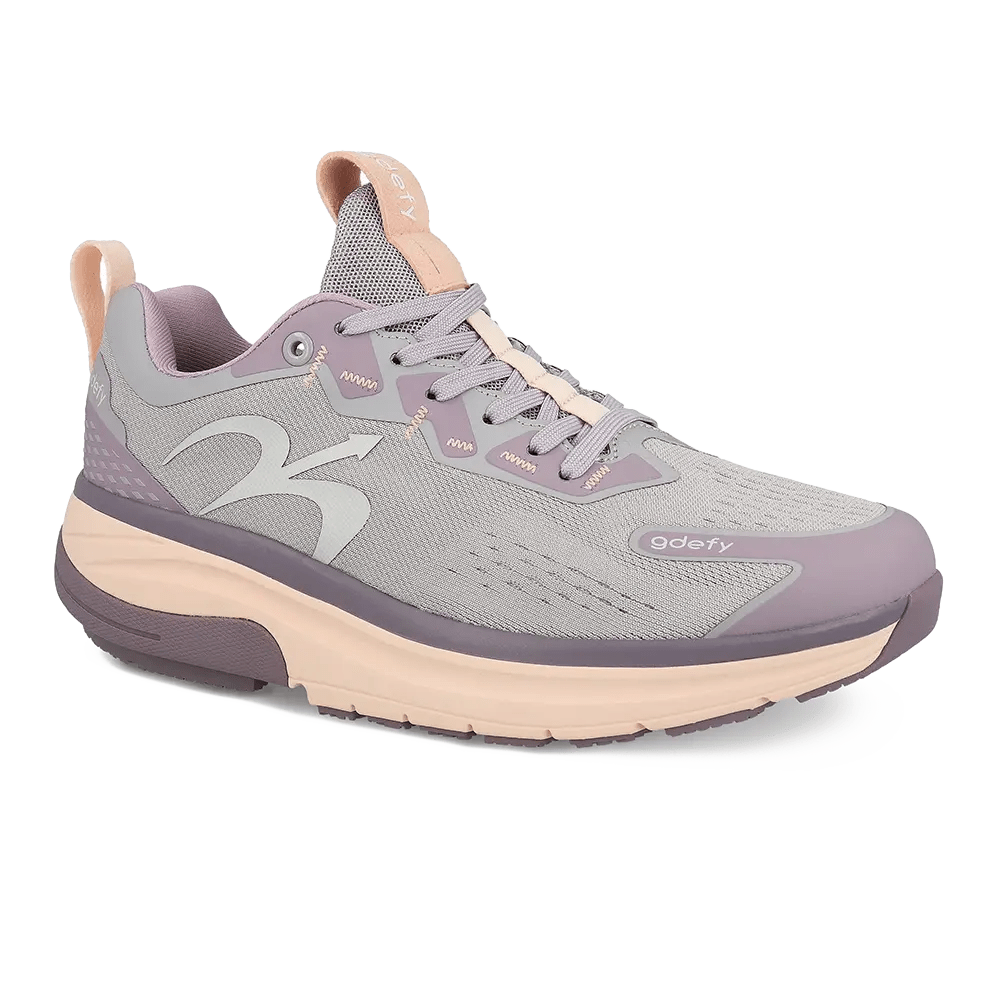
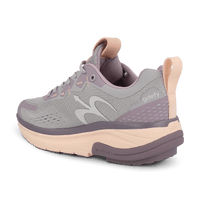
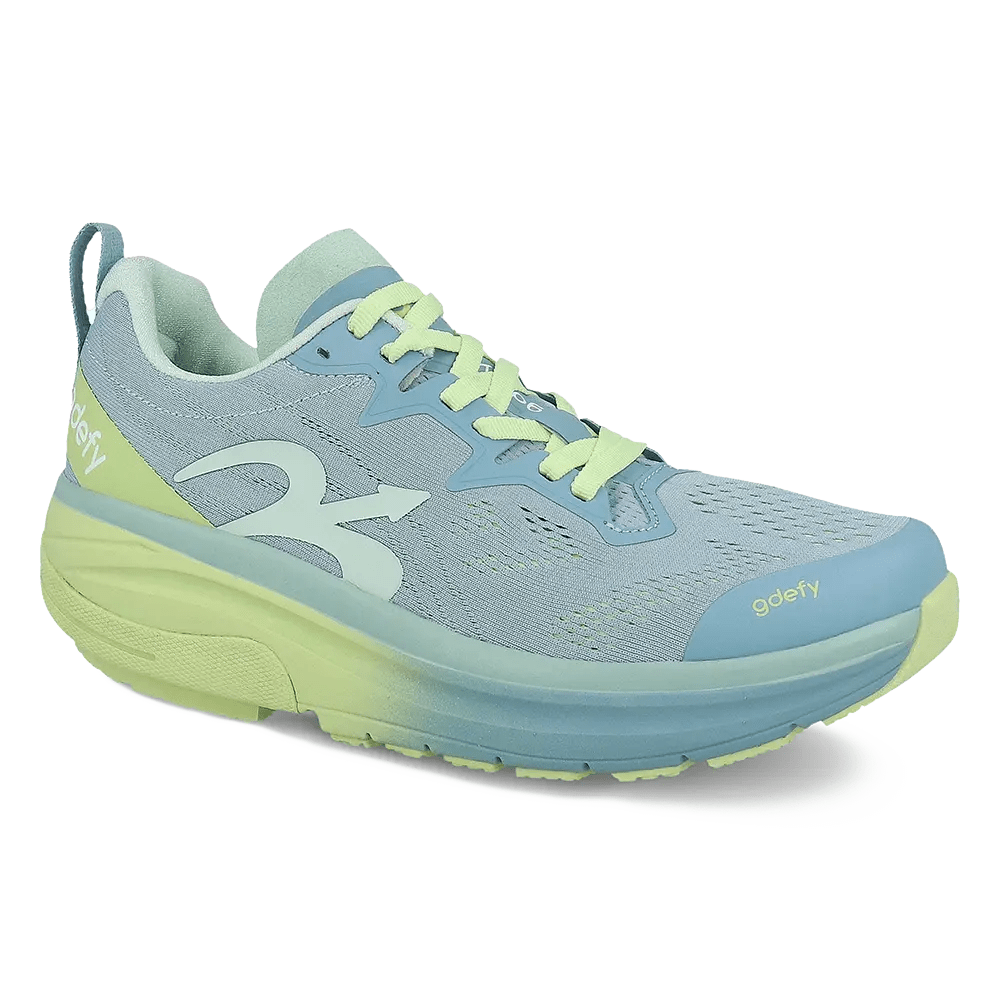
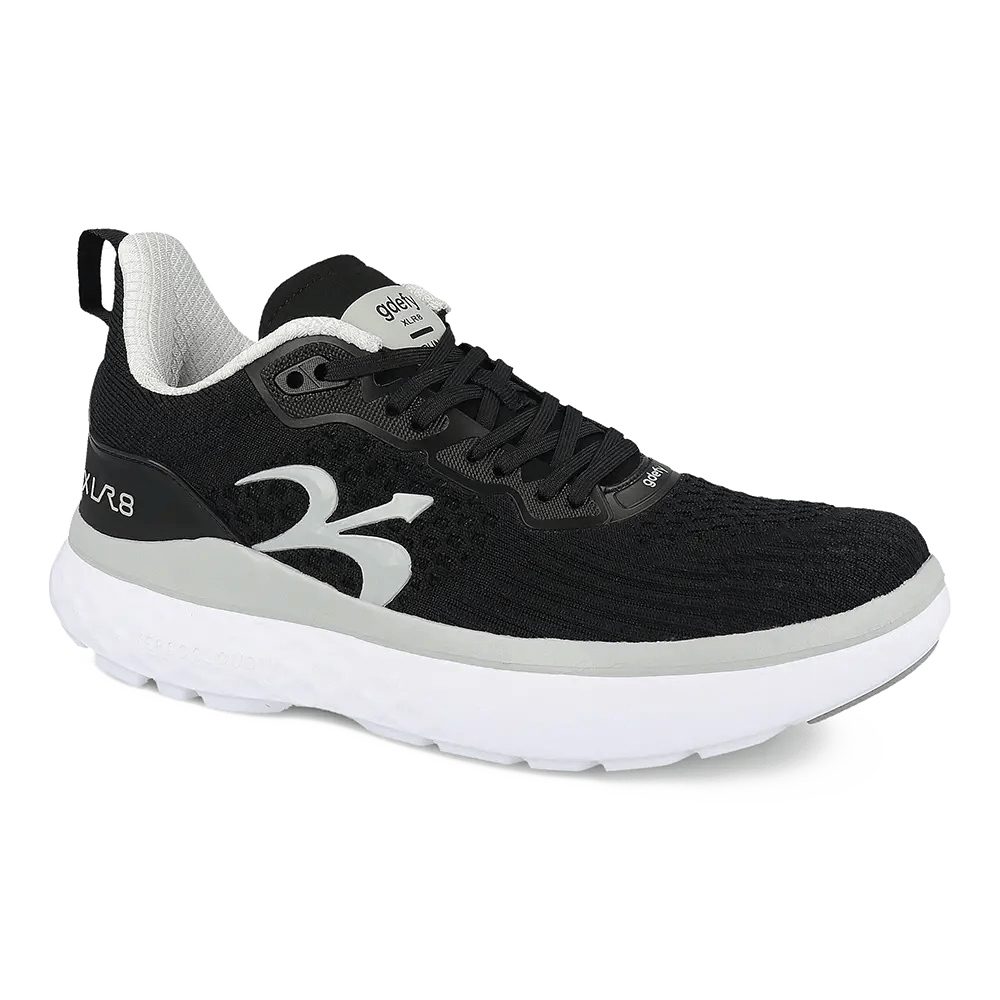
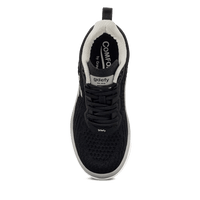
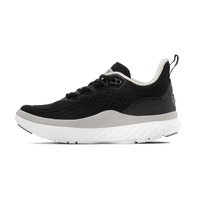
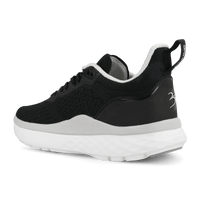
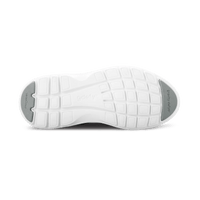
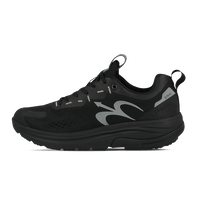
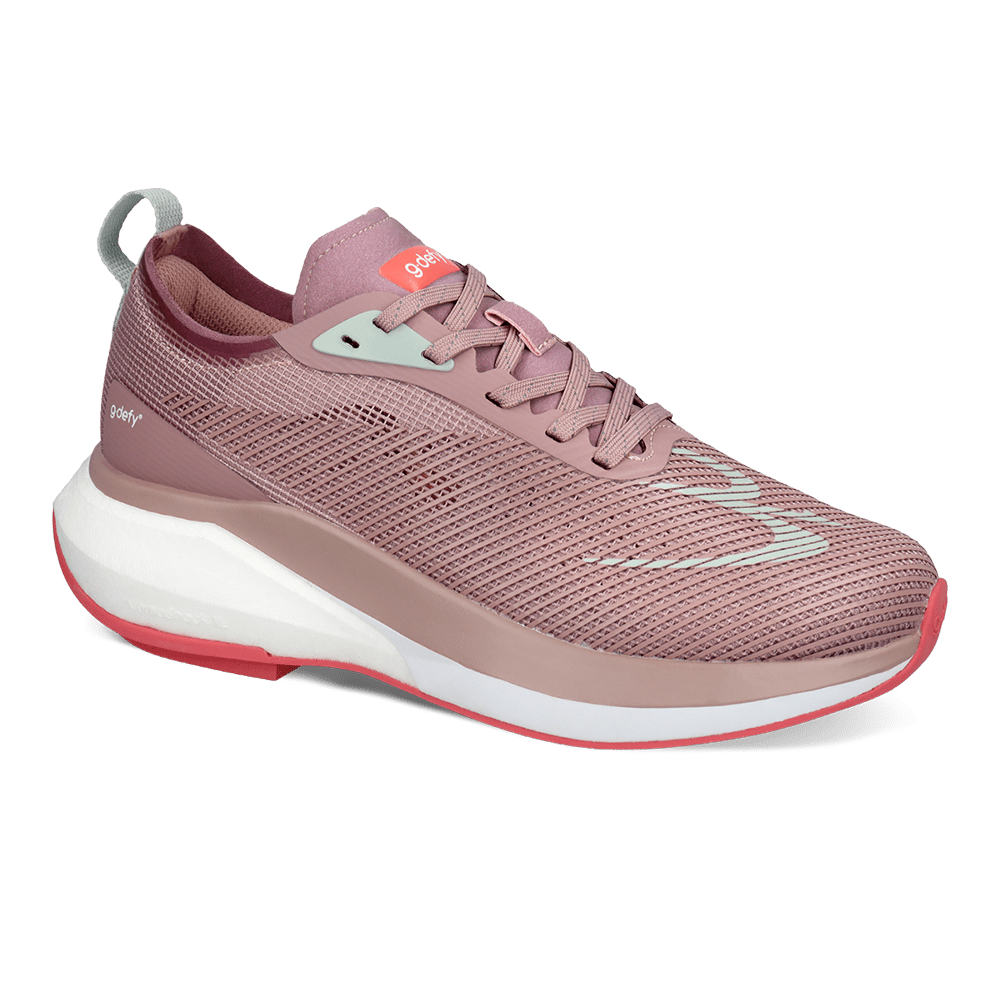
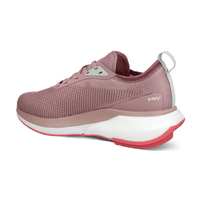
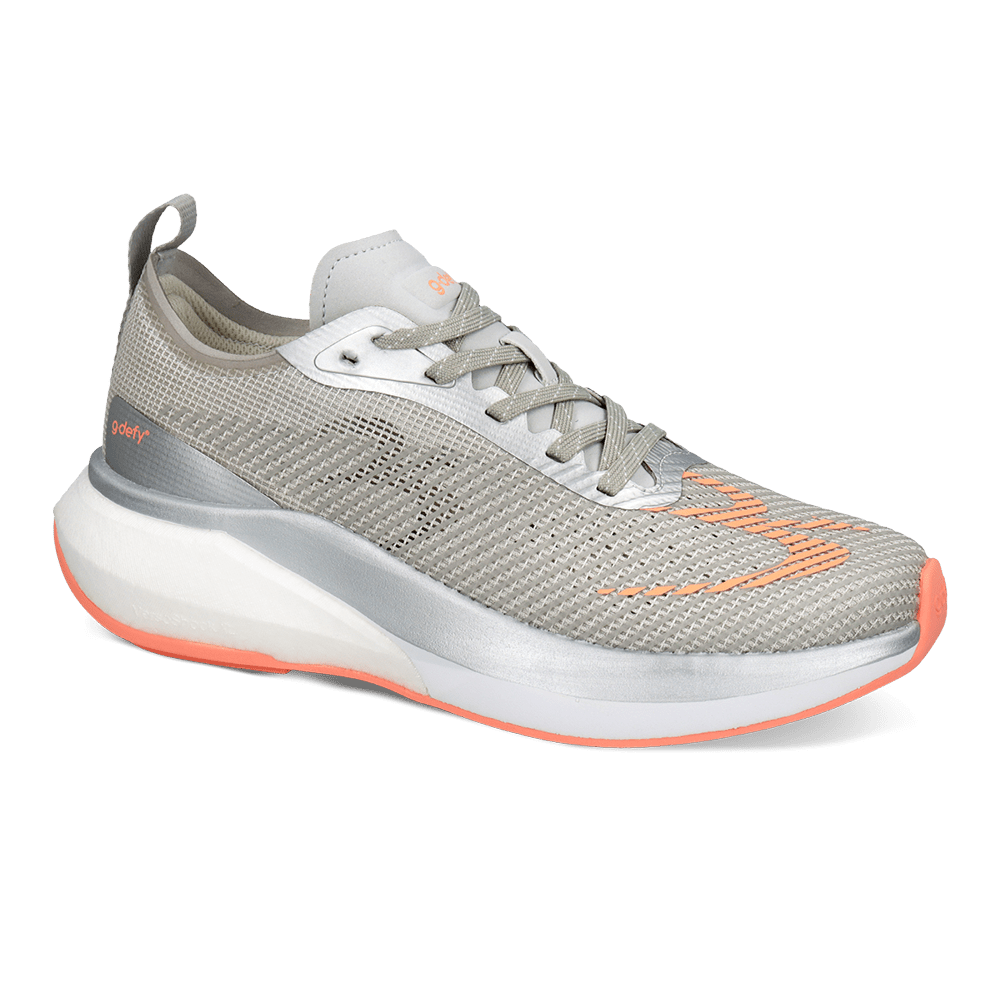
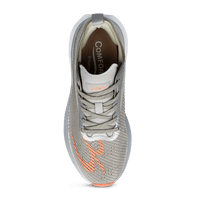
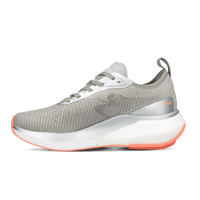
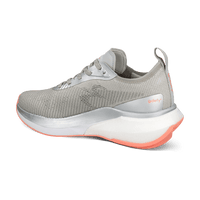
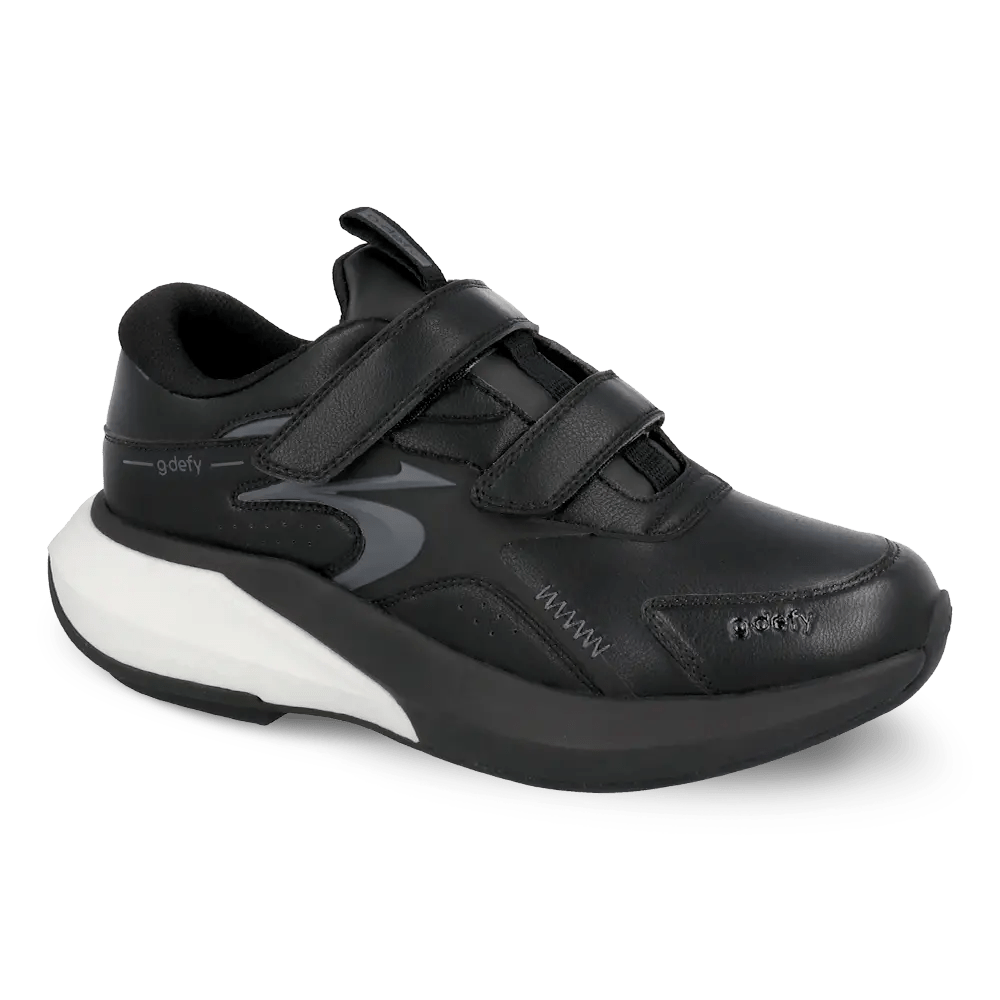
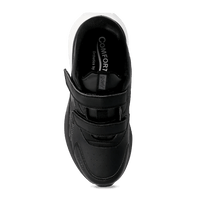
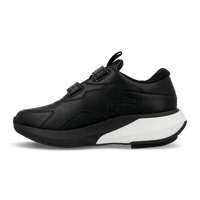
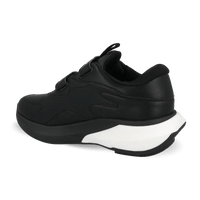
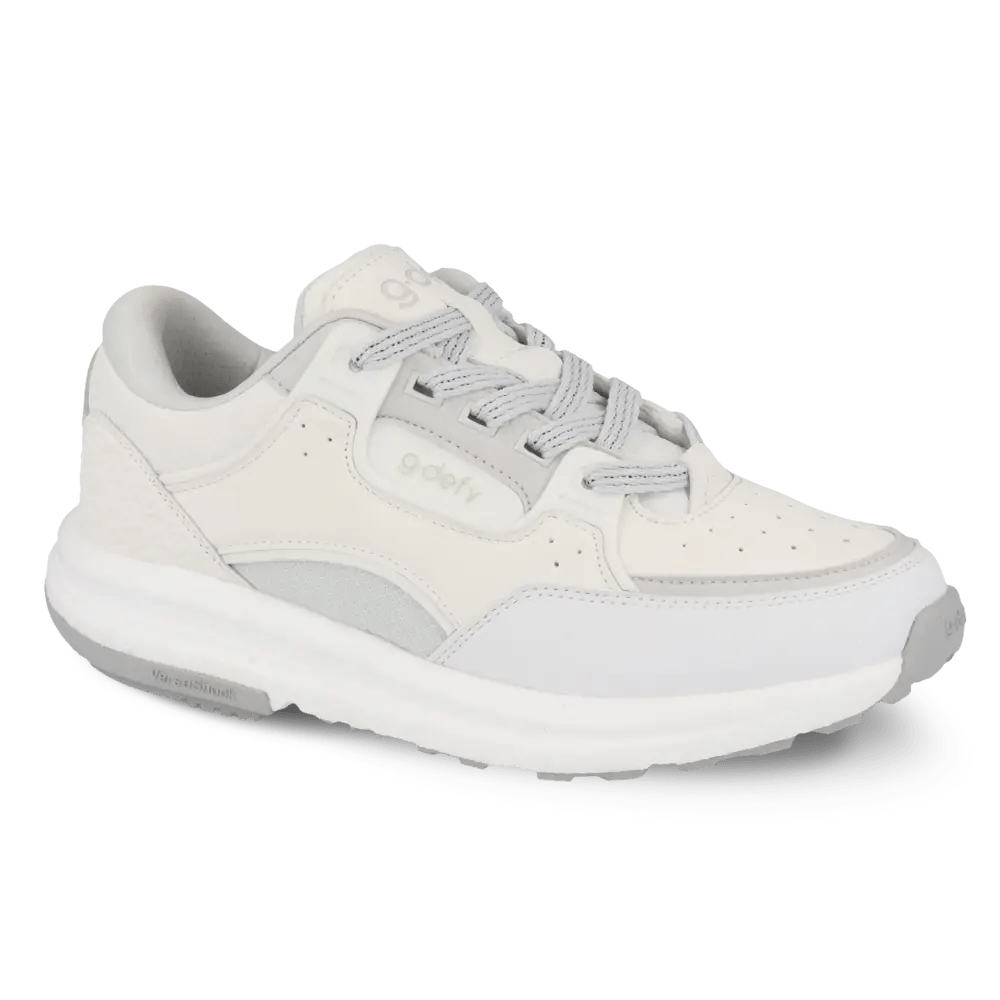
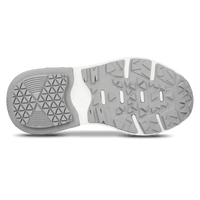
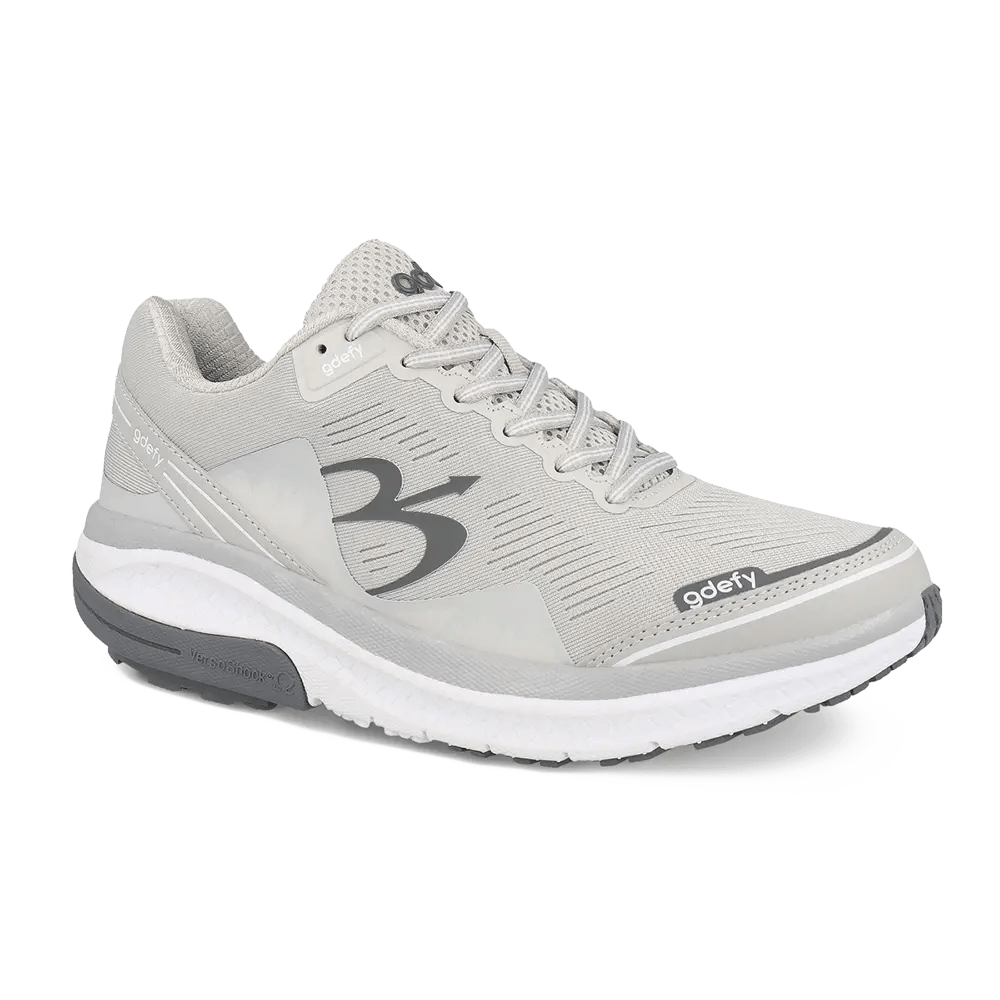
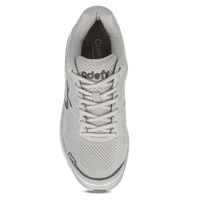
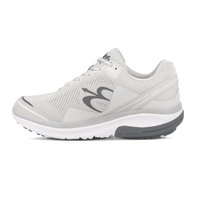
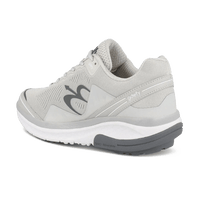
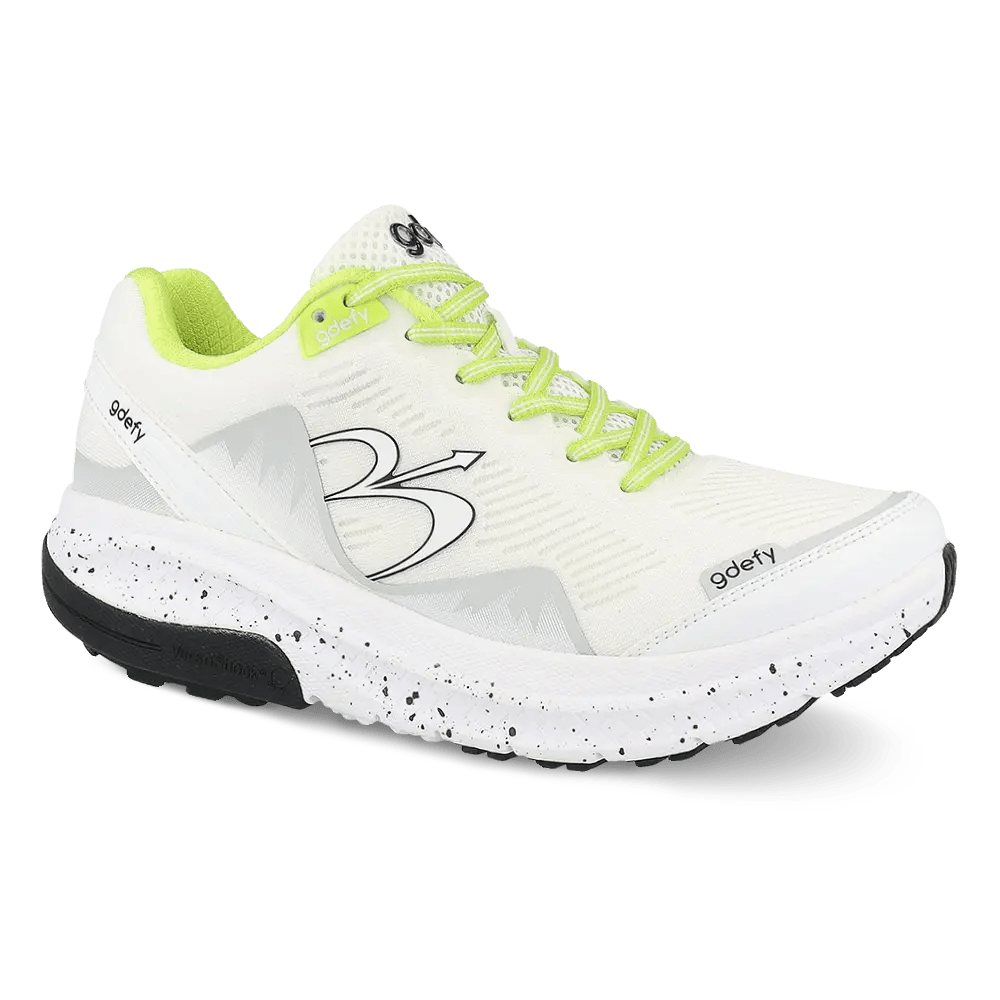
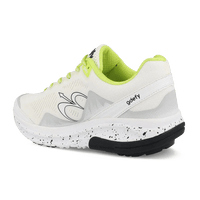
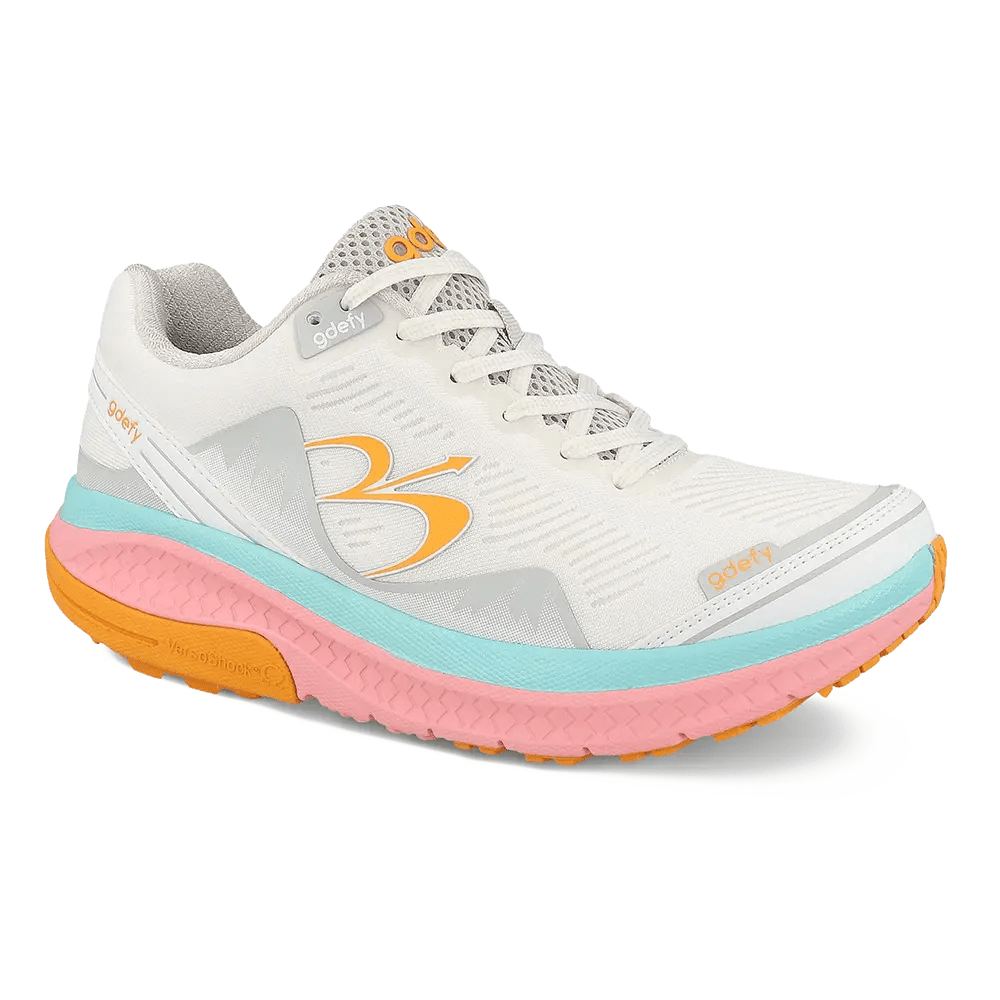
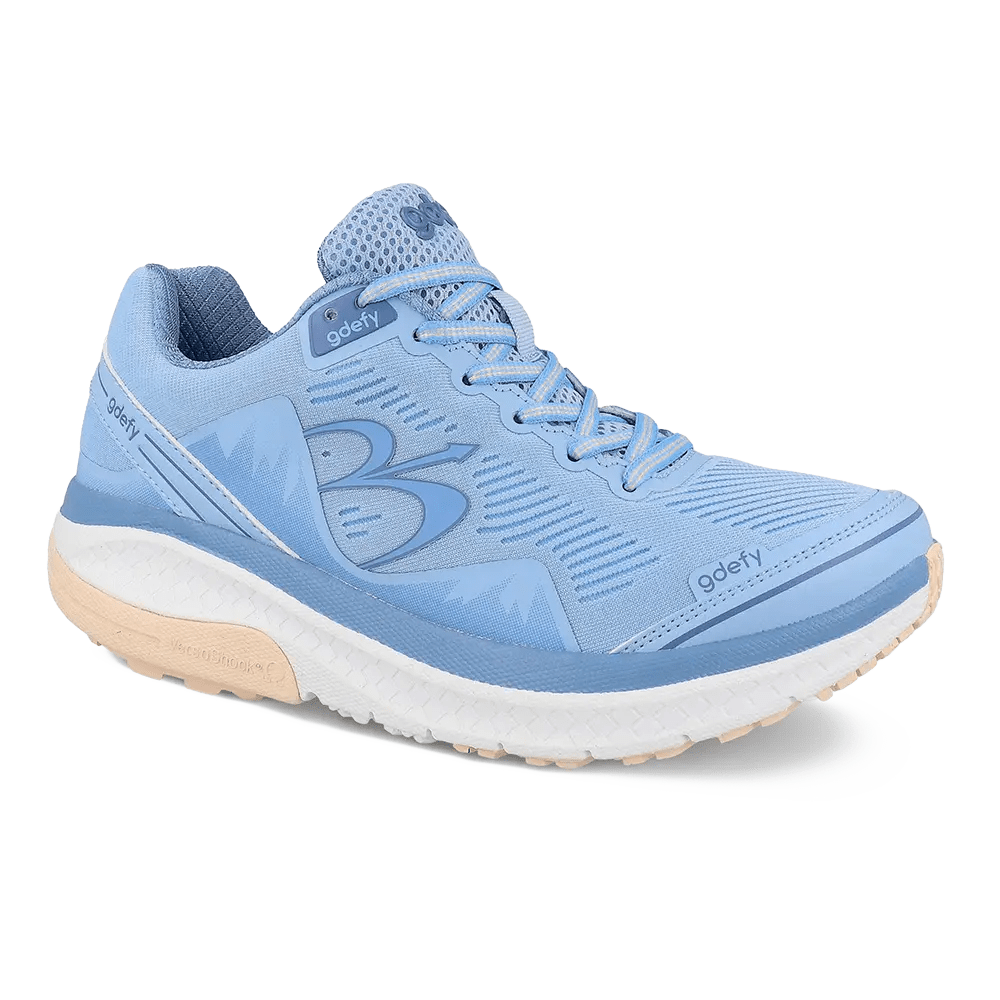
G-Defy's Mighty Walk is built with spring-based shock absorption, a wide toe box, and dual included orthotics — engineered for the kind of walking comfort that lasts from morning to evening.
Shop Men's Mighty Walk Shop Women's Mighty WalkHow G-Defy's VersoShock® Design Addresses These Factors

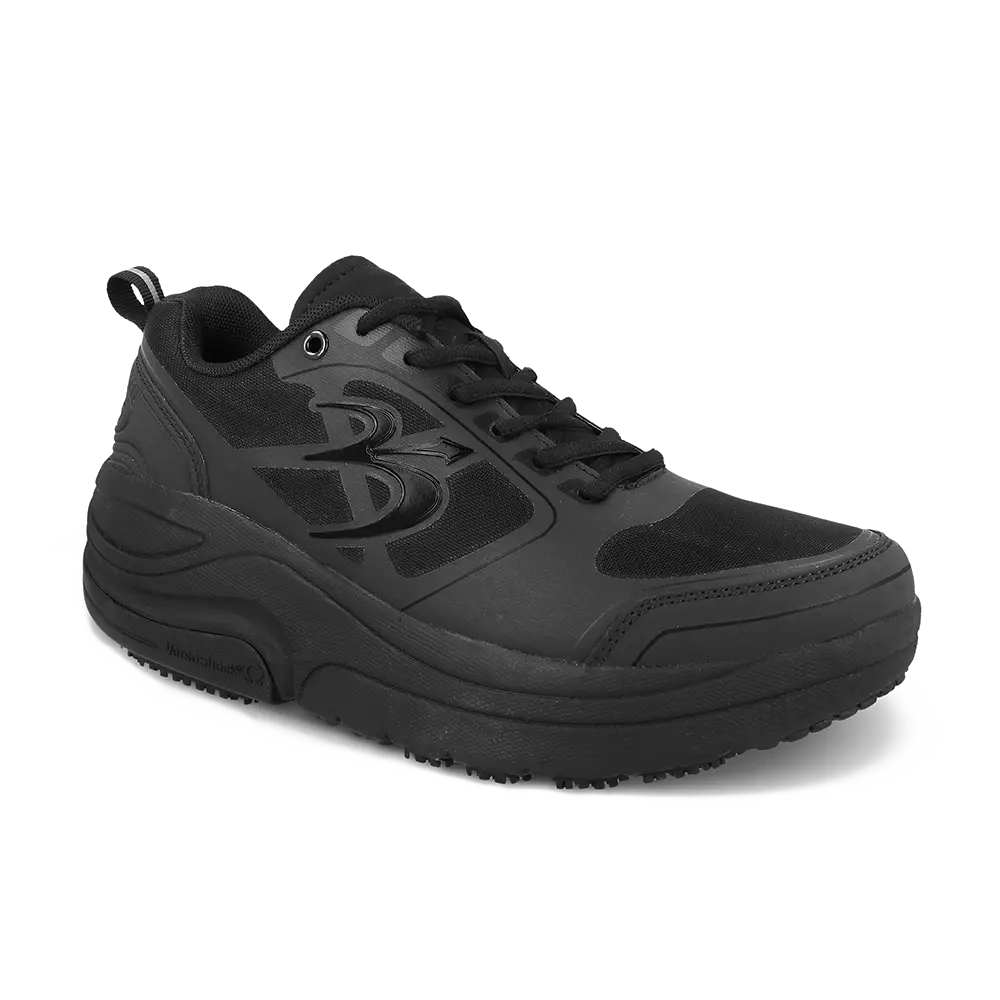
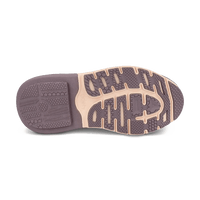
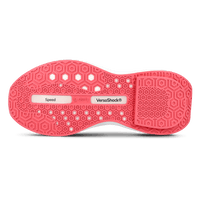
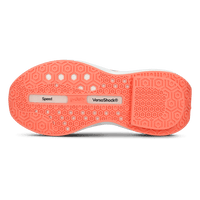
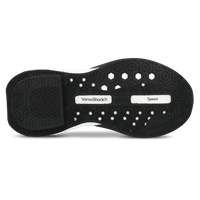
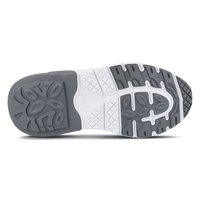
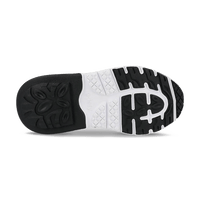
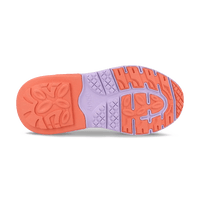
G-Defy shoes are built around VersoShock® technology — a spring-based shock absorption system that works differently from traditional foam. Rather than simply compressing under body weight, the VersoShock® system is designed to absorb impact gradually and return energy with each step. This gives the shoe a more responsive, consistent feel that does not flatten out over months of daily wear.
The four pillars of the VersoShock® system align directly with the footwear features that matter most for people who experience joint stiffness:
- Spring-based shock absorption: Designed to reduce the harsh impact force of heel strike, promoting a softer landing with each step.
- Energy return: Helps propel you forward rather than requiring your joints to generate all the force of push-off themselves.
- Built-in stabilizer: A shank system that prevents excessive bending in the middle of the shoe, supporting a more stable and controlled stride.
- Front rolling design: Encourages a smooth heel-to-toe transition — similar in effect to a rocker sole — reducing the flex demand on toe joints with every step.
Every pair of G-Defy shoes also includes two removable orthotics: the ComfortFit® Orthotic (designed for low to medium arches) and the CorrectiveFit® Orthotic (designed for medium to high arches). This dual-orthotic system allows you to customize the level of arch support based on your own foot structure — an important option for people whose arch support needs differ from the average.
Learn more about how the system works at the VersoShock® technology page.
Width Options and Why Fit Matters for Arthritic Feet
People who experience joint stiffness or swelling in the forefoot often find that standard-width shoes become uncomfortable as the day progresses — particularly in the late afternoon when feet naturally swell slightly due to hours of standing and walking.
G-Defy offers shoes in multiple widths, including wide and extra-wide options for both men and women. Choosing the right width is not just about comfort at purchase — it is about maintaining comfortable fit throughout the day when joint sensitivity tends to be highest.
A few practical tips for finding the right width:
- Try shoes on in the afternoon or evening, when feet are naturally at their largest.
- There should be roughly a thumb's width of space between your longest toe and the front of the shoe.
- The widest part of your foot should sit in the widest part of the shoe — not pressed against the sides.
- If you wear custom orthotics, try them in the shoe at time of fitting, since they add volume and can affect fit.
Browse the full men's collection or women's collection to see available width options across styles.

Tips for Shoe Shopping When You Experience Joint Discomfort
Choosing shoes when you have joint stiffness or arthritis-related discomfort involves a few extra considerations beyond the usual size and style questions. Here is a practical checklist to bring to your next shoe-shopping trip — or to apply when evaluating options online.
- Prioritize function over fashion first. Once you have identified shoes that meet your comfort and support needs, then narrow down by style. Starting with style and hoping it is comfortable rarely works well for people with joint sensitivity.
- Test the flexibility. Hold the shoe at the heel and bend the toe upward. The shoe should flex at the ball of the foot — not in the middle of the arch. A shoe that bends in the middle offers poor support. A shoe that will not flex at all may put excessive stress on toe joints.
- Check the heel counter. Press on the back of the shoe. It should be firm, not collapsible. A firm heel counter keeps your foot centered and prevents the heel from rolling side to side.
- Assess cushioning quality, not just thickness. Thick foam that feels squishy under compression may actually bottom out during real walking. Look for midsoles with a responsive, spring-back quality rather than ones that feel soft but compress flat under your body weight.
- Try walking, not just standing. Many people try shoes standing still. Walk across the store. Notice how the heel-to-toe transition feels. Notice whether you have to work to push off. The walking test reveals far more than the standing test.
- Take advantage of trial periods. G-Defy offers a 60-day risk-free trial with free shipping. This is especially valuable for people with joint sensitivity, because comfort may improve as the shoe breaks in slightly over the first few weeks of wear. A real-world trial is more meaningful than a 10-minute in-store test.
If you experience knee discomfort in addition to foot or ankle joint stiffness, our guide on knee discomfort and footwear support provides additional detail on what to look for in that context.
Frequently Asked Questions
What type of walking shoe is best for someone who experiences joint stiffness?
Look for shoes with deep cushioning, a rocker sole or rolling design, a wide toe box, and built-in arch support. These features work together to support a smoother, more comfortable walking stride when joints feel stiff. Width options — including wide and extra-wide — are also important if you experience forefoot swelling.
Does shoe weight matter when you have arthritis discomfort?
Yes. A lighter shoe requires less energy to lift with each step, which can make a meaningful difference in walking comfort — especially during longer outings or on days when joints feel less mobile. Look for shoes in the 8–12 oz range per shoe without sacrificing structural support.
Can G-Defy shoes help people who experience arthritis discomfort?
G-Defy shoes are designed for comfort and support, not as a medical solution. That said, G-Defy shoes help reduce pain from walking, running, and prolonged standing — which many people who experience joint stiffness find meaningful for their daily routine. Individual results vary. G-Defy shoes are designed for comfort and support, not as a medical solution.
Why does toe box width matter for arthritic feet?
Joint stiffness and swelling in the toes and forefoot can make narrow shoes uncomfortable as the day progresses. A wide or extra-wide toe box allows the toes to spread naturally, reducing pressure on sensitive joints and giving swollen forefoot room to move without restriction.
What is the benefit of a rocker sole for walking comfort?
A rocker sole has a curved profile that promotes a smooth heel-to-toe rolling motion with each step. This design reduces the amount of bending work the foot and ankle joints need to do — many people who experience joint stiffness find it significantly more comfortable than a flat sole, particularly for longer walks.
Try G-Defy Risk-Free for 60 Days
Every G-Defy order ships free. If the shoes are not right for you within 60 days, return them for a full refund — no questions asked. For people with joint sensitivity, a real-world trial period matters more than anything you can assess in a store.
Men's Mighty Walk Women's Mighty WalkThe Bottom Line
Arthritis Awareness Month is a reminder that joint health is worth paying attention to — and that small daily decisions, including what shoes you wear, can add up to meaningful differences in comfort over time.
When looking for walking shoes as someone who experiences joint stiffness or arthritis discomfort, focus on these engineering factors: deep and responsive cushioning (preferably spring-based rather than standard foam), a rocker or rolling sole design, a wide toe box, customizable arch support, and lightweight construction. Together, these features support a smoother walking stride and reduce the workload placed on sensitive joints with every step.
G-Defy's VersoShock® technology is built specifically around these principles — and with a 60-day risk-free trial and free shipping on every order, there is no cost to finding out whether it makes a difference for you.
Note: This article is for informational purposes only and does not constitute medical advice. For persistent joint discomfort or arthritis symptoms, consult your healthcare provider.