
May 26, 2026
What Is Arthritis and How Does Footwear Play a Role?
By Gdefy

Summary
Many adults experience joint stiffness, swelling, or aching in their feet, knees, hips, or back as they move through their day. Arthritis is one of the most common reasons for this kind of discomfort. While footwear is not a medical solution, the shoes you wear can play a meaningful role in how comfortable you feel during walking, standing, and everyday activity. This guide is an educational overview — what arthritis is, why footwear matters, and what features to look for when comfort is the goal.
What Is Arthritis?
Arthritis is a general term for joint inflammation. It is not a single condition but a category that covers more than 100 different forms. The shared experience for most people who live with arthritis is that one or more joints feel stiff, sore, swollen, or harder to move smoothly during daily activity.
Two of the most commonly discussed types are osteoarthritis and rheumatoid arthritis. They affect the body in different ways, but both can change how a person walks, stands, and chooses footwear.
Osteoarthritis
Osteoarthritis is often described as the "wear-and-tear" form. It develops gradually over time and tends to affect joints that bear weight, such as the knees, hips, and feet. People who have spent years on their feet — at work, in caregiving roles, or in active lifestyles — may notice it first in the morning as stiffness that eases with movement.
Rheumatoid Arthritis
Rheumatoid arthritis is a chronic condition where the body's immune system affects the lining of joints. It can be unpredictable, with periods of flare-ups and periods of calmer activity. Joint swelling, warmth, and stiffness are often more pronounced and may appear in symmetrical patterns on both sides of the body.
How Arthritis Affects Walking
Whatever the type, arthritis often changes the mechanics of walking. People may shorten their stride, shift weight away from a sore joint, or favor one side. Over time, these small adaptations can spread discomfort to other joints — a sore knee may lead to a stiffer hip, and a stiffer hip may load the lower back differently. This is why footwear is worth thinking about: the foot is the first point of contact with the ground, and what happens there influences everything above it.
What Causes Arthritis Foot and Joint Pain to Worsen
Even when arthritis is part of daily life, certain everyday factors can make joints feel more sore, swollen, or fatigued. None of these factors cause arthritis on their own, but they can make a tough day tougher.
Daily Impact and Repetitive Stress
Every step sends a small impact force up through the foot, ankle, knee, hip, and spine. Over thousands of steps a day, that adds up. For joints already affected by arthritis, repeated hard impact — walking on concrete, climbing stairs, hopping off a curb — can leave them feeling more tender by the end of the day.
Poorly Designed Footwear
Shoes that are flat, thin-soled, or overly stiff in the wrong places offer little help when a joint is already irritated. Worn-out cushioning, broken-down arch support, or shoes that simply don't fit the shape of the foot can amplify discomfort during walking.
Long Hours on Hard Surfaces
Standing or walking for long stretches on hard floors — kitchen tile, retail floors, hospital corridors, factory concrete — places repeated pressure on the joints in the feet and lower limbs. Many people first notice arthritis foot discomfort during or after long shifts on these surfaces.
Carrying Extra Loads
Joints carry whatever the body carries. A heavy bag, a child on the hip, a full grocery run, or simply the day-to-day load of the body all add force through the joints. Supportive footwear cannot change the load, but it can change how that load is distributed and cushioned at the point of contact with the ground.

How Footwear Plays a Role
Footwear is not a medical solution, and it cannot change what is happening inside a joint. What footwear can do is influence the mechanical experience of walking — how much impact reaches the joints, how stable the foot feels under load, and how naturally the foot moves through each step.
A shoe that absorbs more impact at the ground reduces the harsh force that travels upward. A shoe that supports the arch and stabilizes the foot can reduce the small wobbles and side-to-side strain that an irritated joint resents. A shoe that allows a smooth heel-to-toe roll can make walking feel more natural rather than forced.
In short, footwear influences the quality of movement. For people living with arthritis, that influence can make a meaningful difference in daily comfort even when the underlying condition is unchanged.
What to Look for in Shoes
When comfort during walking is the priority, certain shoe features tend to matter more than others. These are not medical features — they are mechanical ones, and they apply to most active adults seeking everyday comfort.
Cushioning
Cushioning is the layer of material between the foot and the ground that absorbs impact. Look for a midsole that feels firm enough to support the foot but soft enough to take the edge off each step. Cushioning that is too soft can feel unstable; cushioning that is too firm transmits more impact upward.
Shock Absorption
Shock absorption goes beyond simple cushioning. The most effective shock-absorption systems are designed to absorb impact gradually and return some of that energy to help propel the foot forward. Spring-based and engineered foam systems both aim for this, with varying results.
Arch Support
A supportive arch helps maintain the natural alignment of the foot during walking. For people who experience knee, hip, or back discomfort related to arthritis, arch support can help reduce the side-to-side strain that can travel upward through the leg.
Stability
A stable shoe resists excessive twisting or flexing in the middle of the sole. A stabilizer or shank built into the midsole keeps the foot supported during the push-off phase of walking, encouraging a more controlled stride.
Roomy Toe Box
Arthritis can affect the small joints in the toes and forefoot. A roomy toe box allows the toes to spread naturally and reduces pressure points that can develop in a narrow shoe. Wide and extra-wide widths can be helpful for adults with swelling or bunions.
Lightweight Construction
A heavier shoe asks the legs and hips to lift more weight thousands of times a day. Lightweight construction reduces fatigue and makes it easier to stay active without feeling weighed down.
Proper Fit
Even the best-designed shoe will feel uncomfortable if it does not fit. Measure both feet (they are often slightly different sizes), shop later in the day when feet are slightly larger, and leave about a thumb's width between the longest toe and the front of the shoe.

The G-Defy Approach
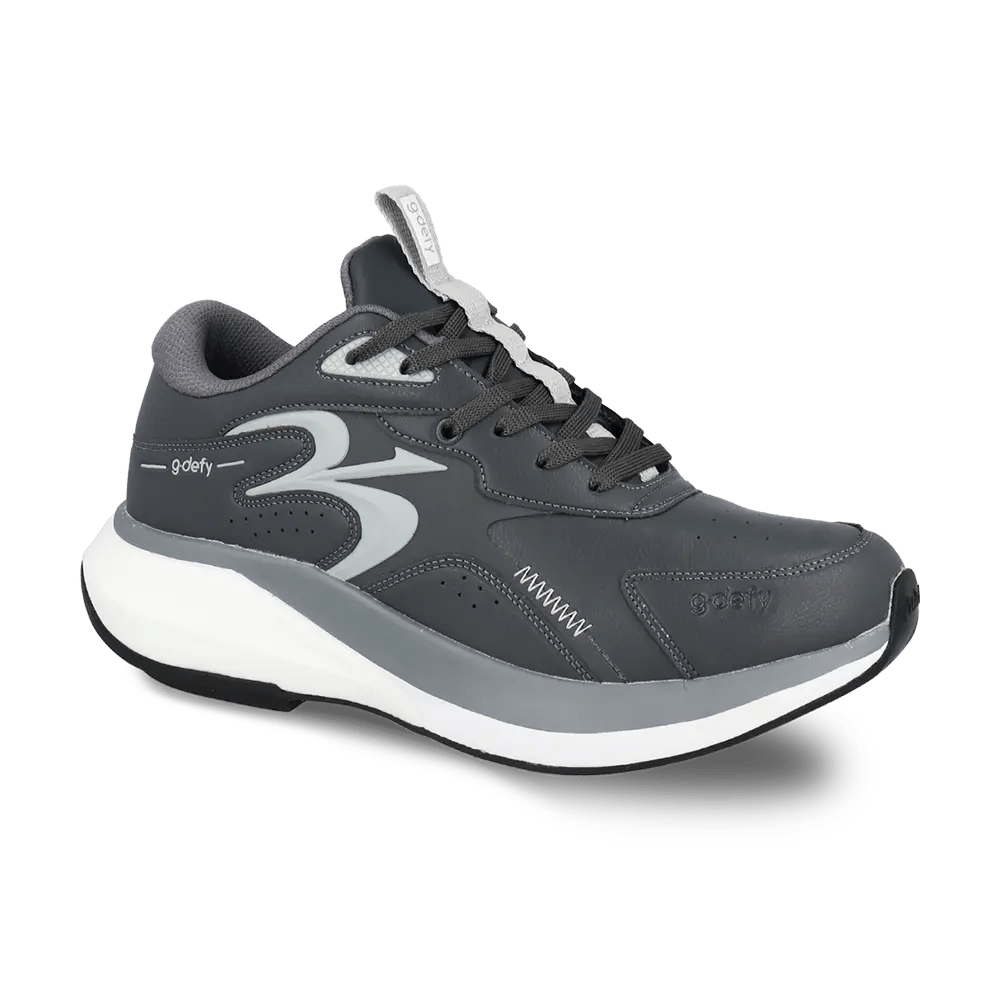
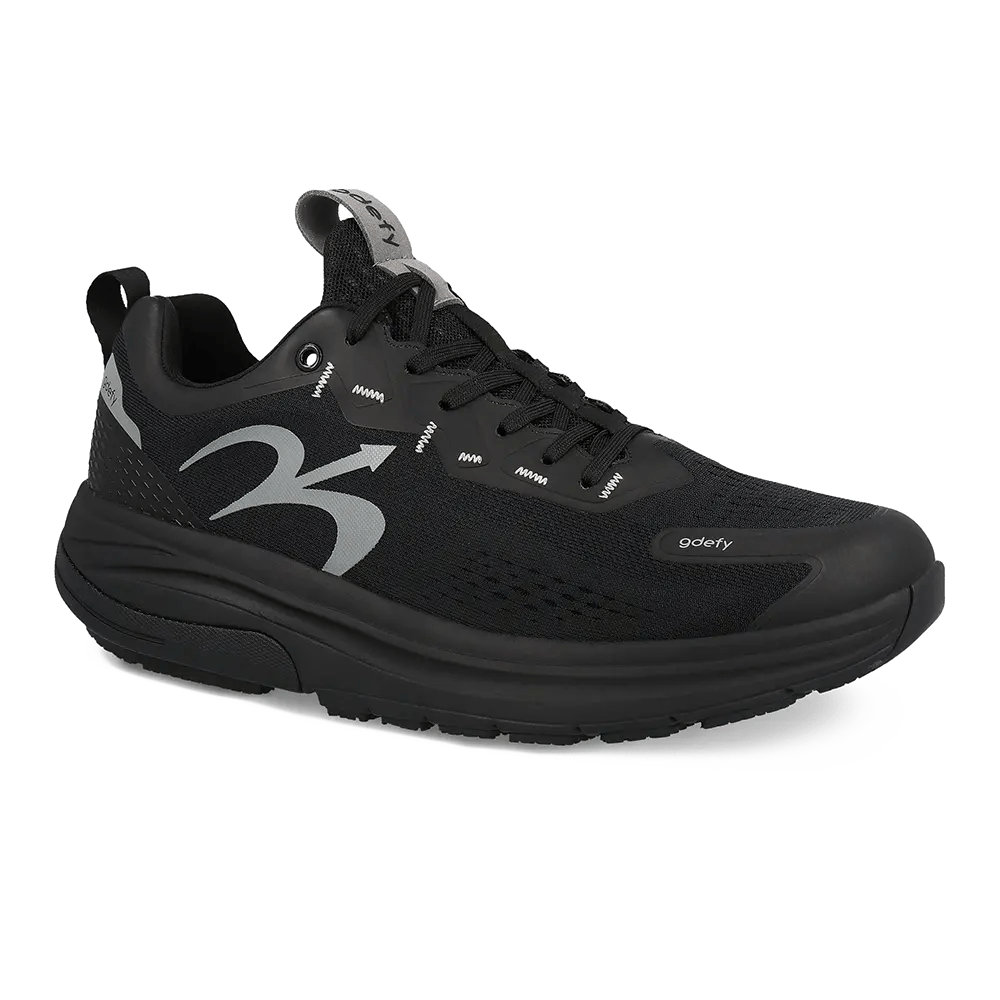
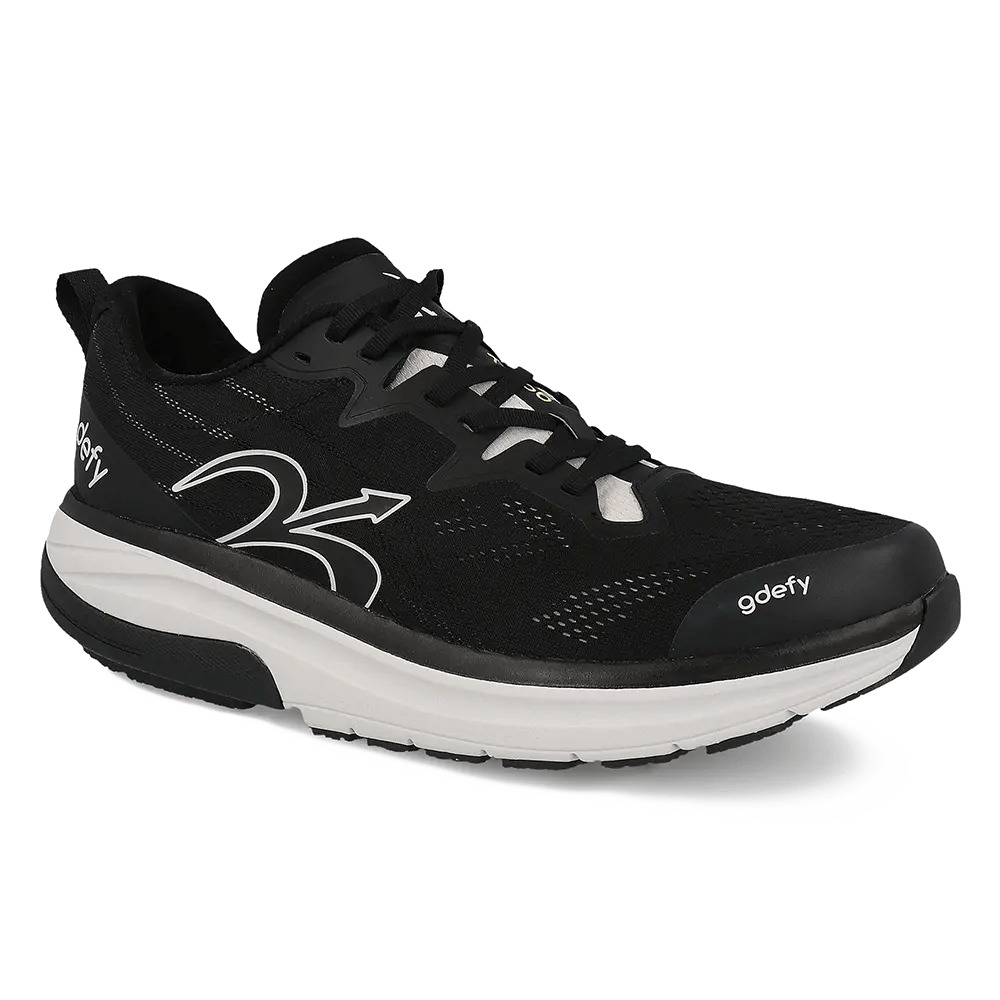
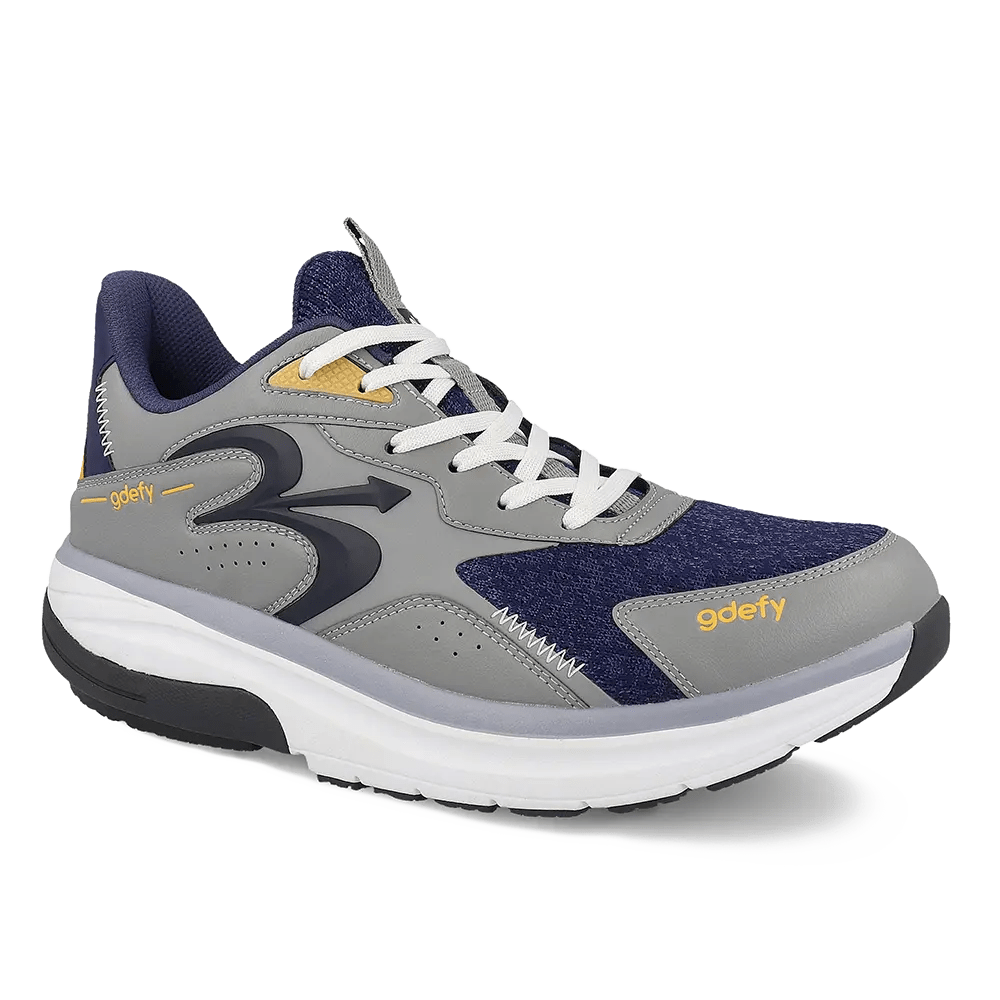
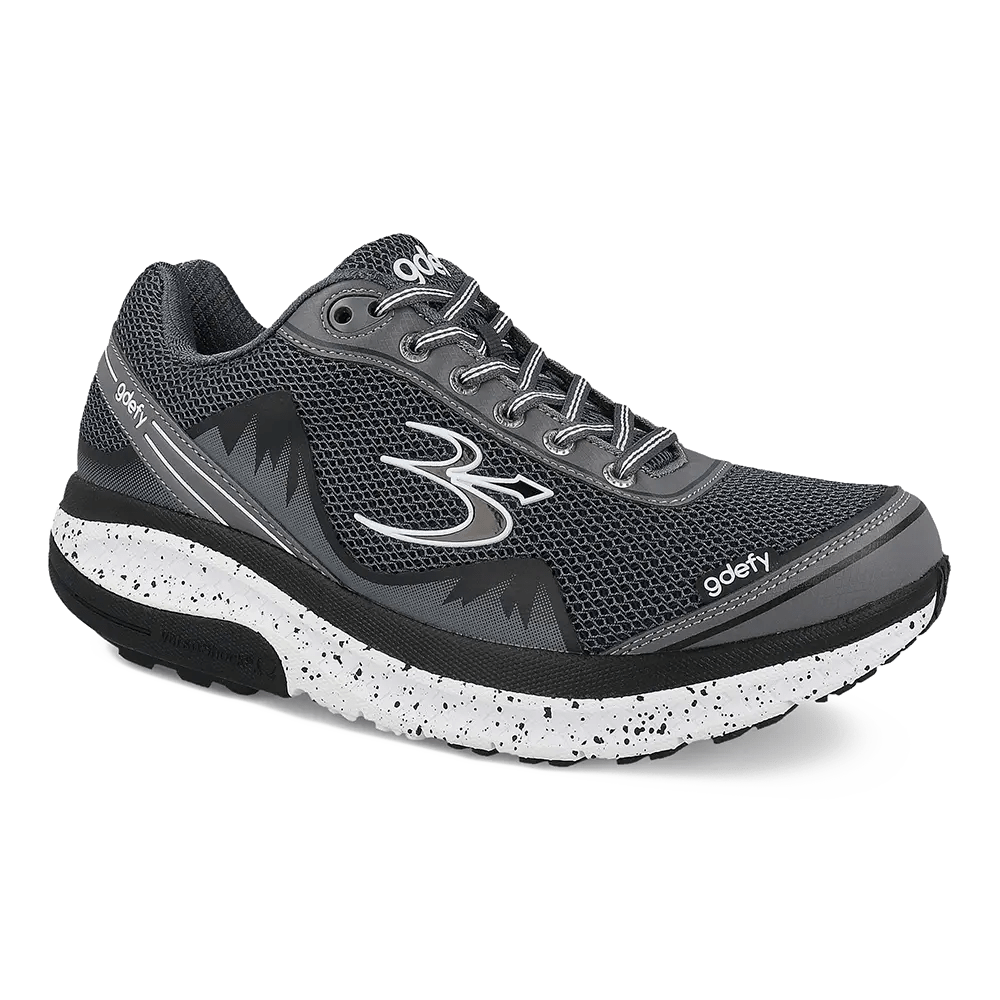
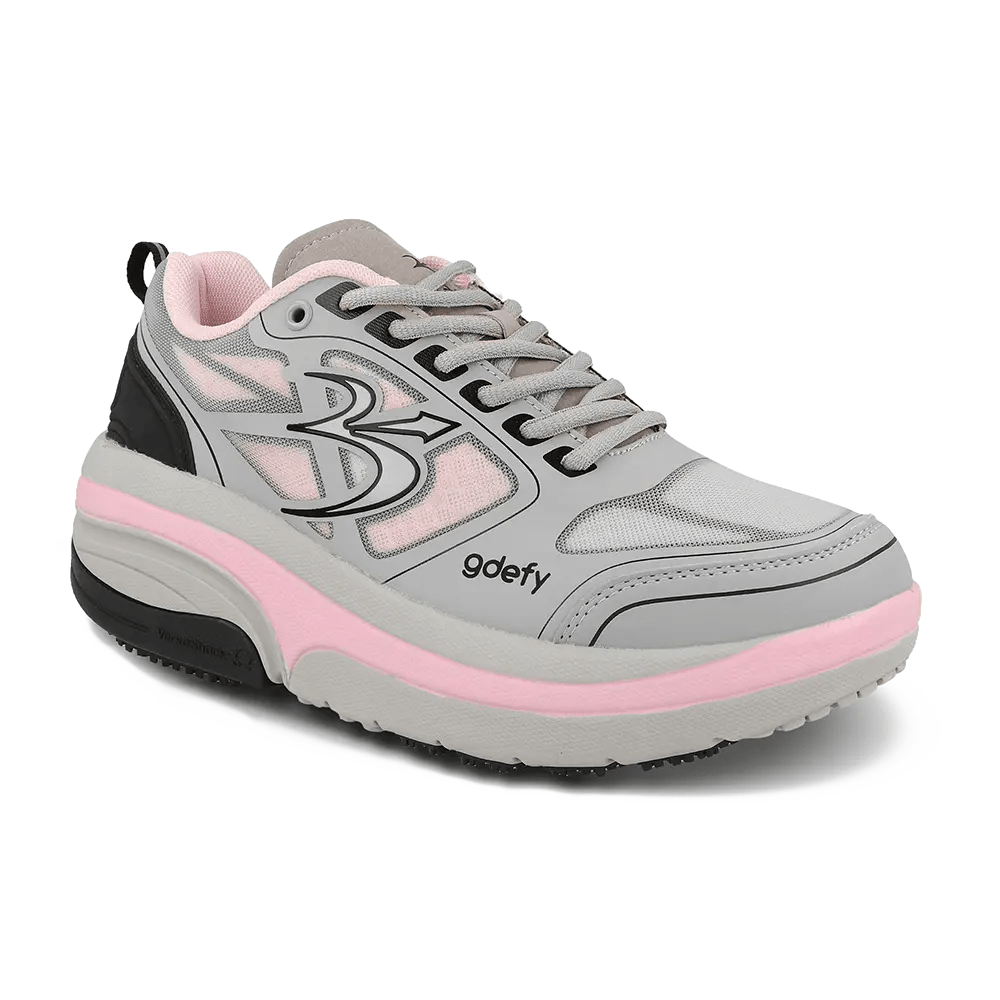
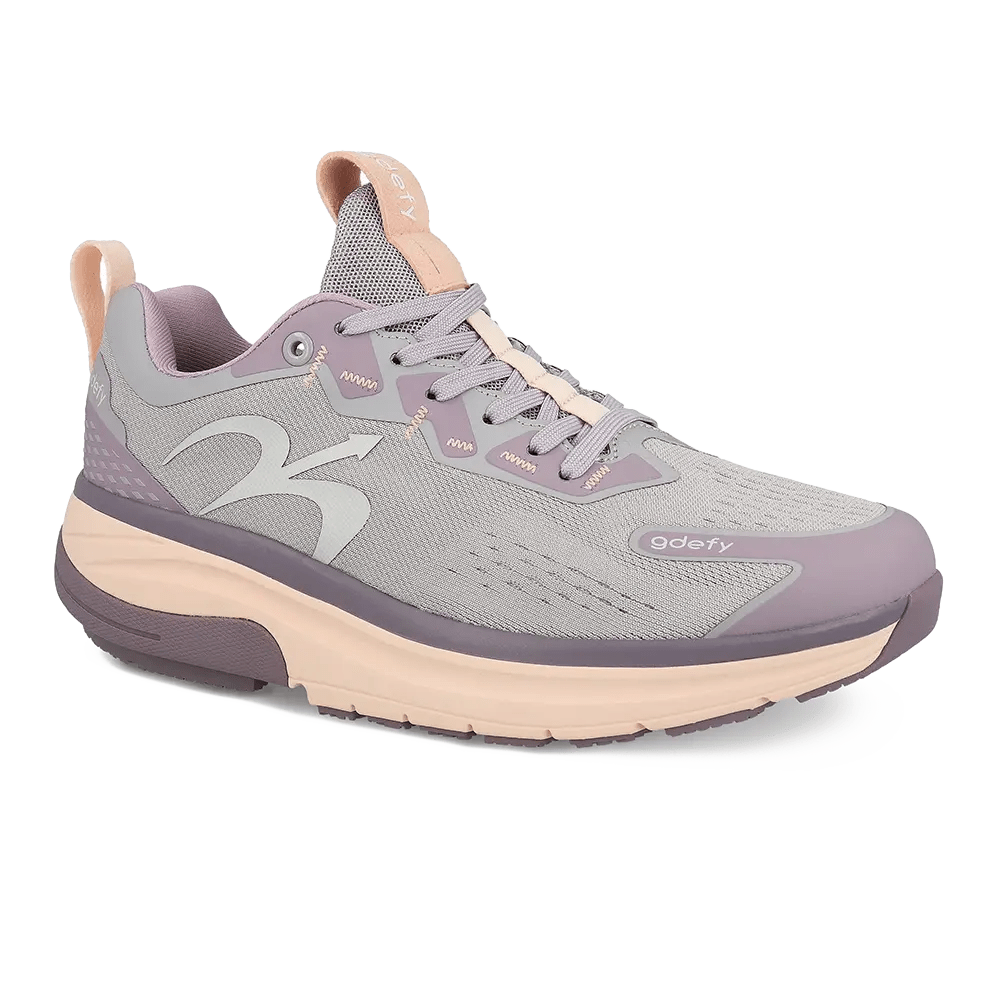
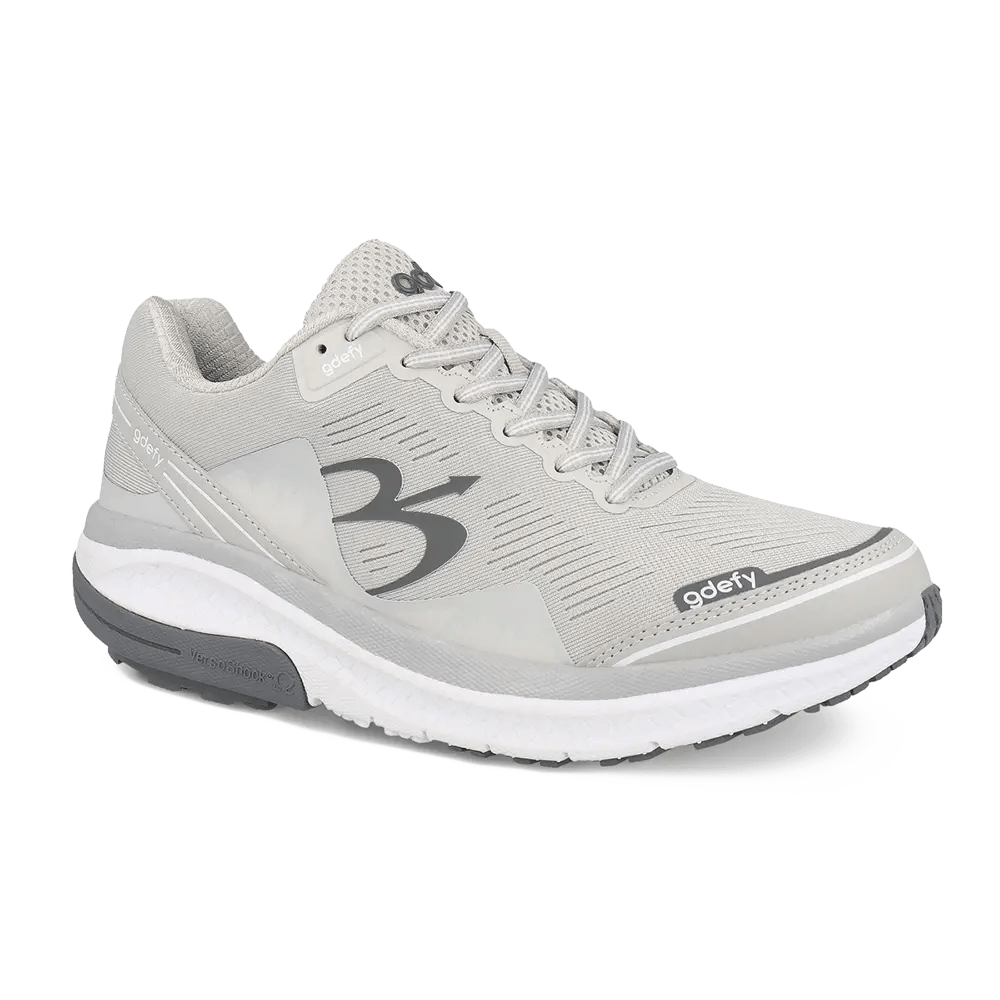
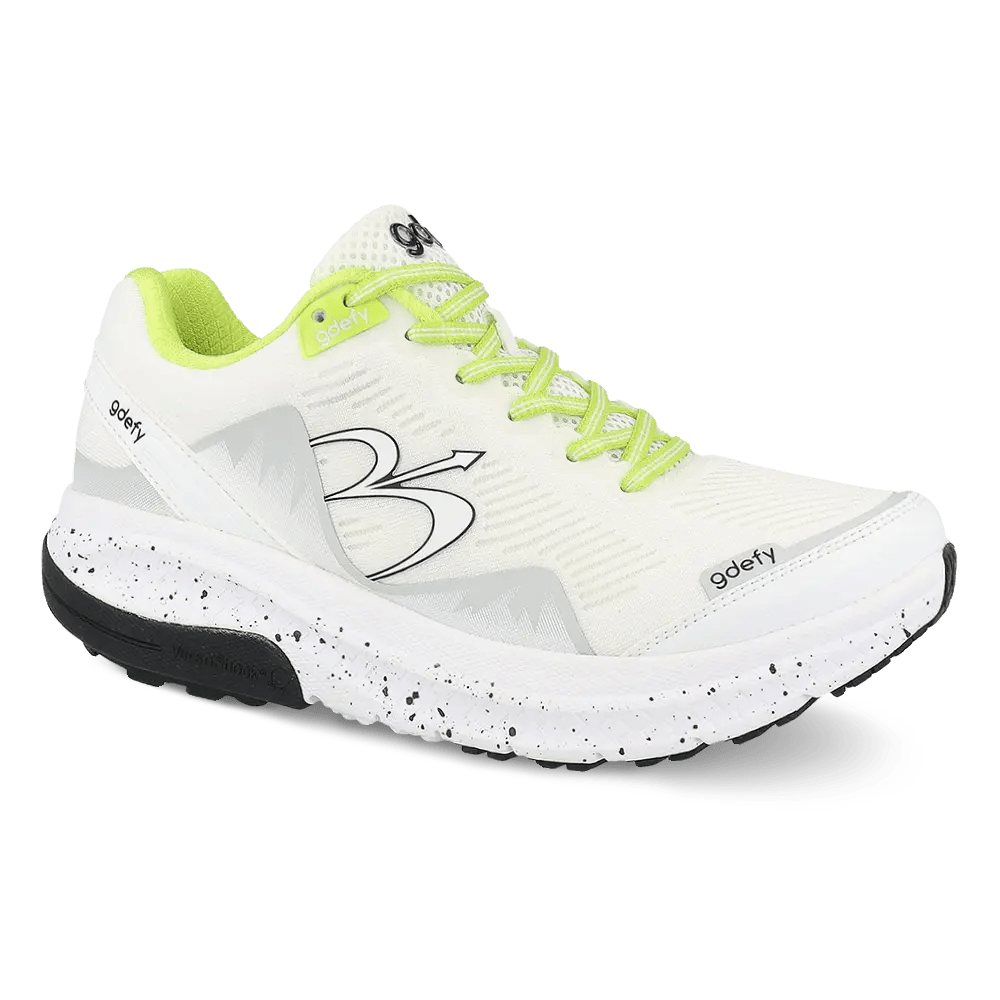
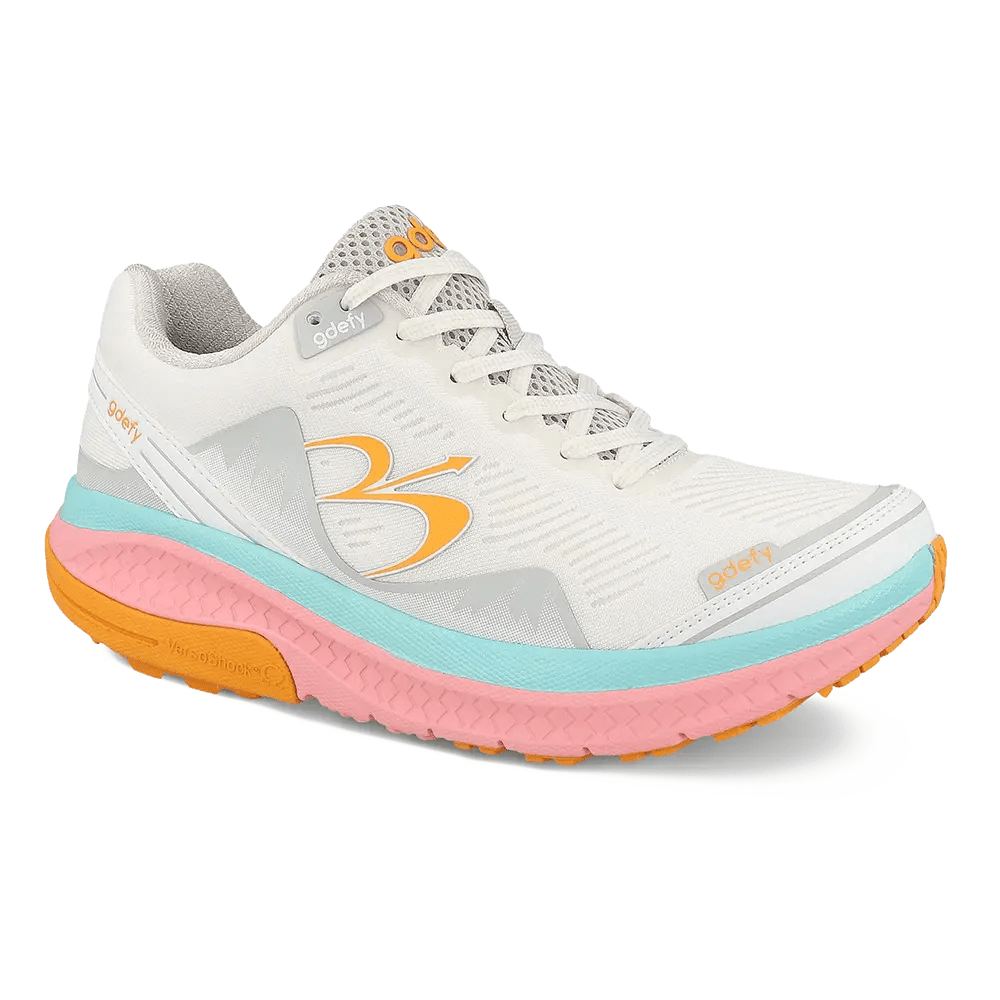
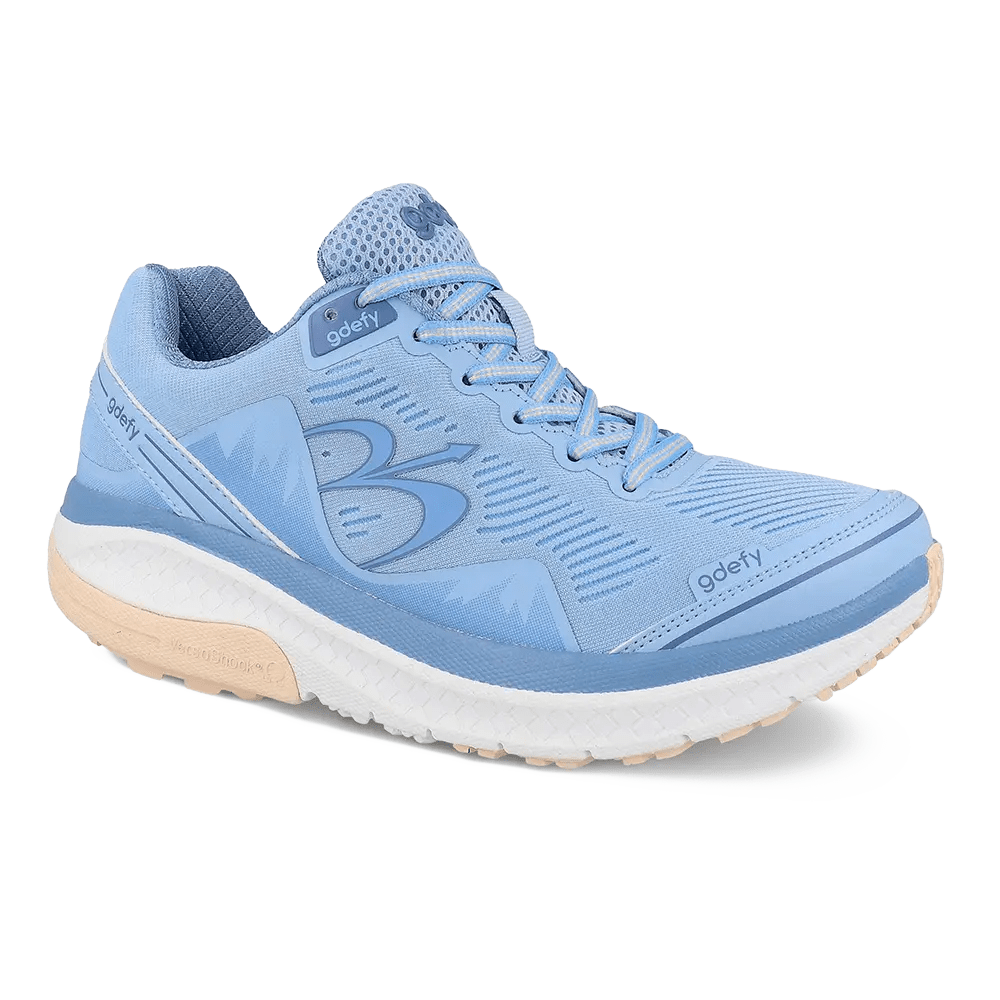
G-Defy shoes are designed around four core mechanical features that work together to support comfort during walking, standing, and daily activity. The approach is engineering-focused: the goal is to influence the mechanical experience of every step. G-Defy shoes are not a medical device and are not a substitute for medical care.
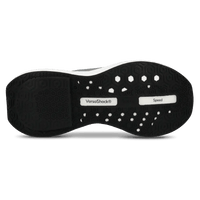
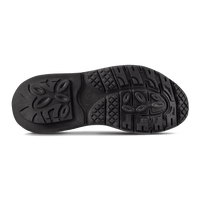
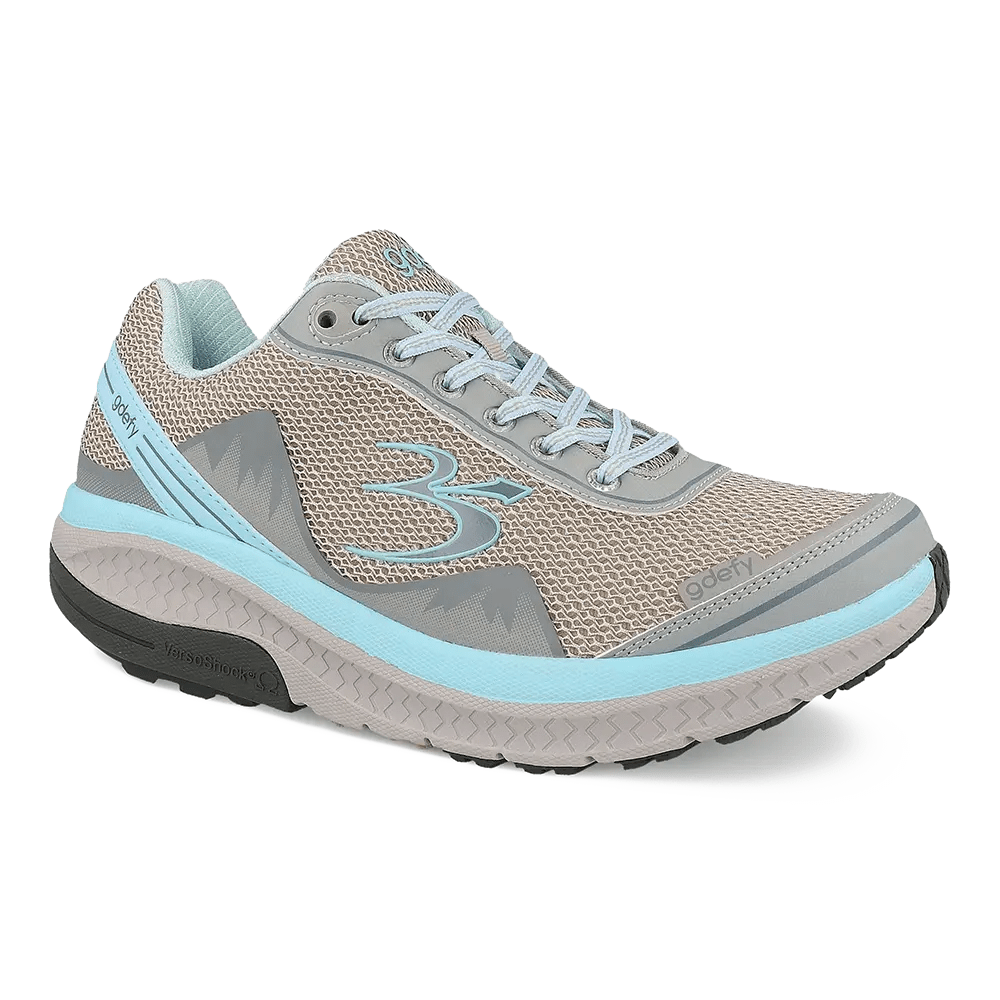
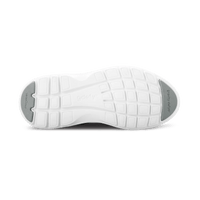
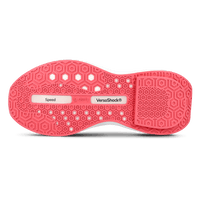
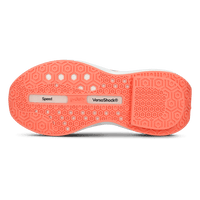
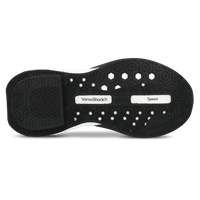
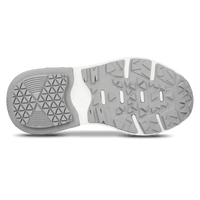
1. VersoShock® Spring-Based Shock Absorption. VersoShock® is a spring-based system built into the midsole. It is designed to absorb impact softly and return energy to support forward movement. Compared with traditional foam midsoles that compress and lose energy, VersoShock® aims to give back some of what each step asks of the body.
2. Built-In Stabilizer. Each G-Defy shoe includes a stabilizer system that resists excessive bending in the middle of the sole. This is designed to support the foot through each step and encourage a more controlled, balanced stride.
3. Front Rolling Design. The forefoot is shaped to encourage a smooth heel-to-toe transition. This rolling design promotes a more natural walking motion and helps the foot move efficiently from initial contact to push-off.
4. Dual Orthotic System. Every pair includes two removable orthotics — the ComfortFit® orthotic for low-to-medium arches that emphasizes cushioning, and the CorrectiveFit® orthotic for medium-to-high arches that adds support. This dual system lets each wearer customize the level of comfort and support to their foot.
Together, these four pillars are designed to deliver comfort, support, and shock absorption. G-Defy shoes help reduce pain from walking, running, and prolonged standing.
Featured Styles for All-Day Comfort
Two G-Defy styles are commonly chosen by active adults looking for everyday comfort:
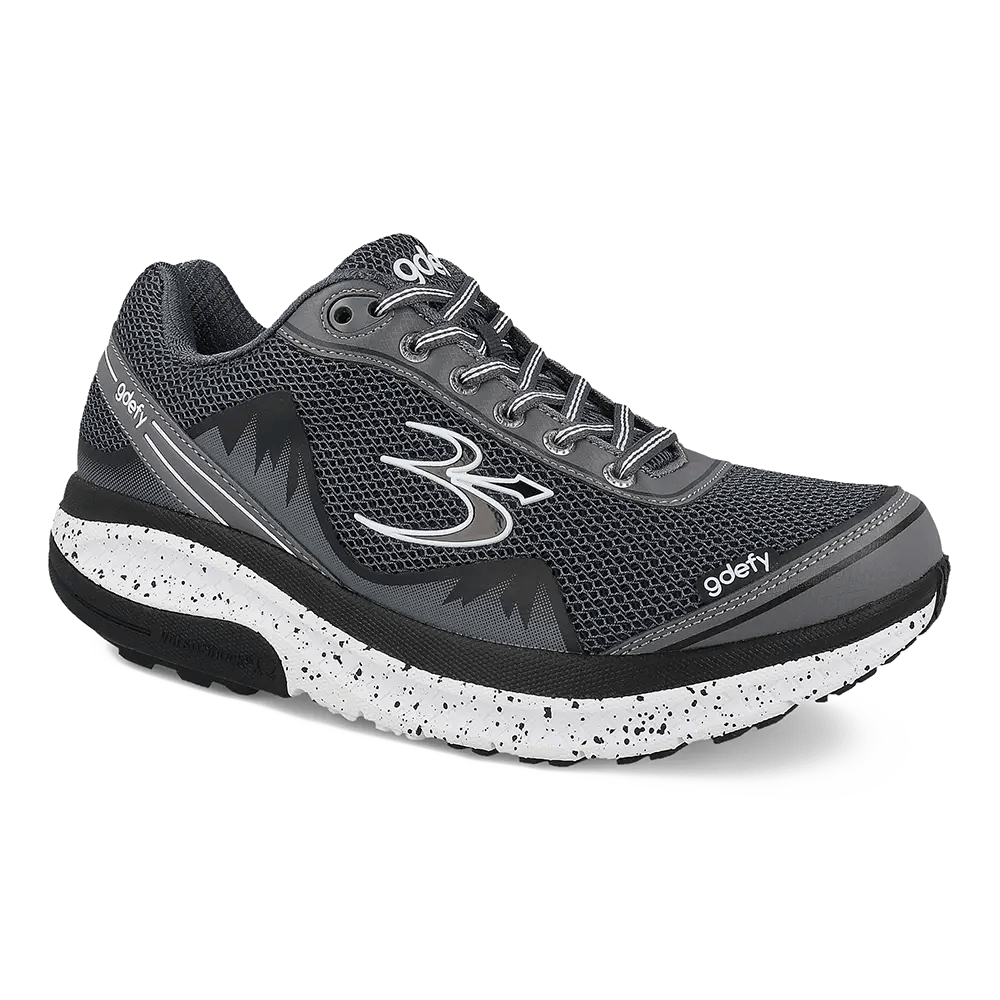
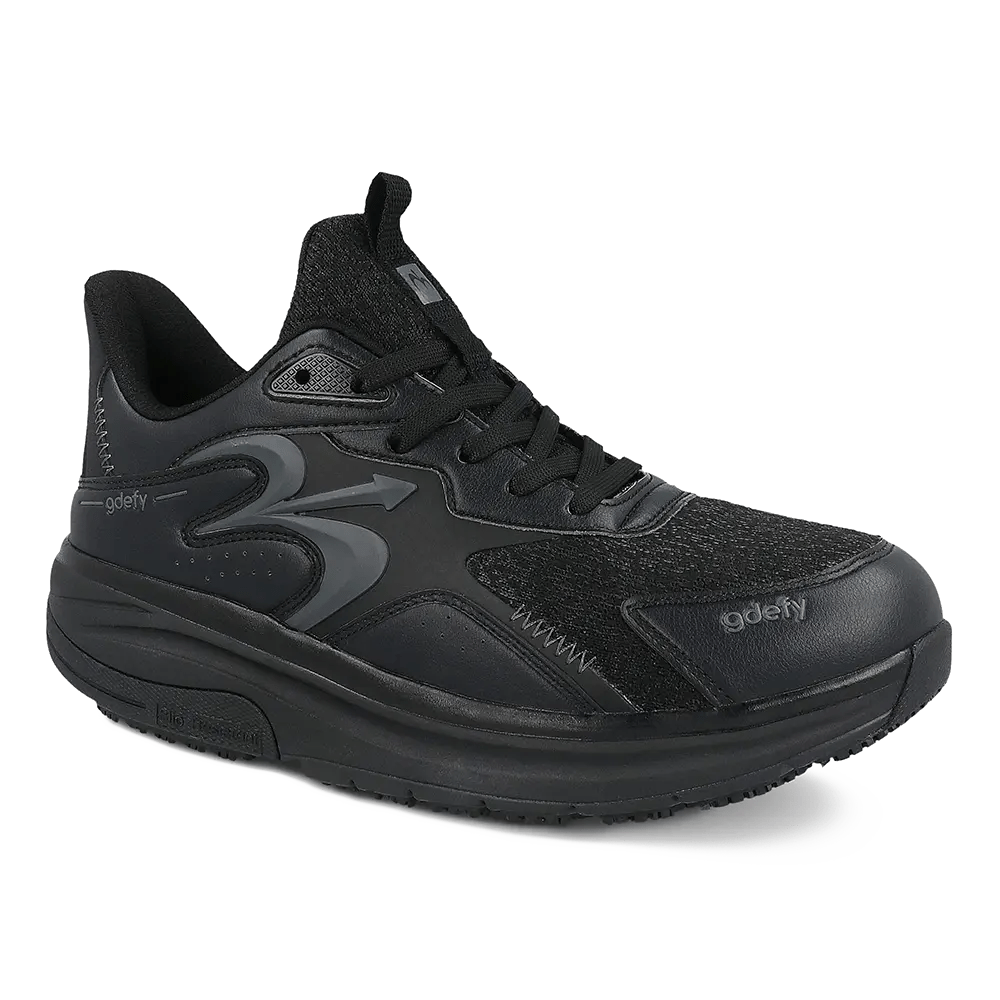
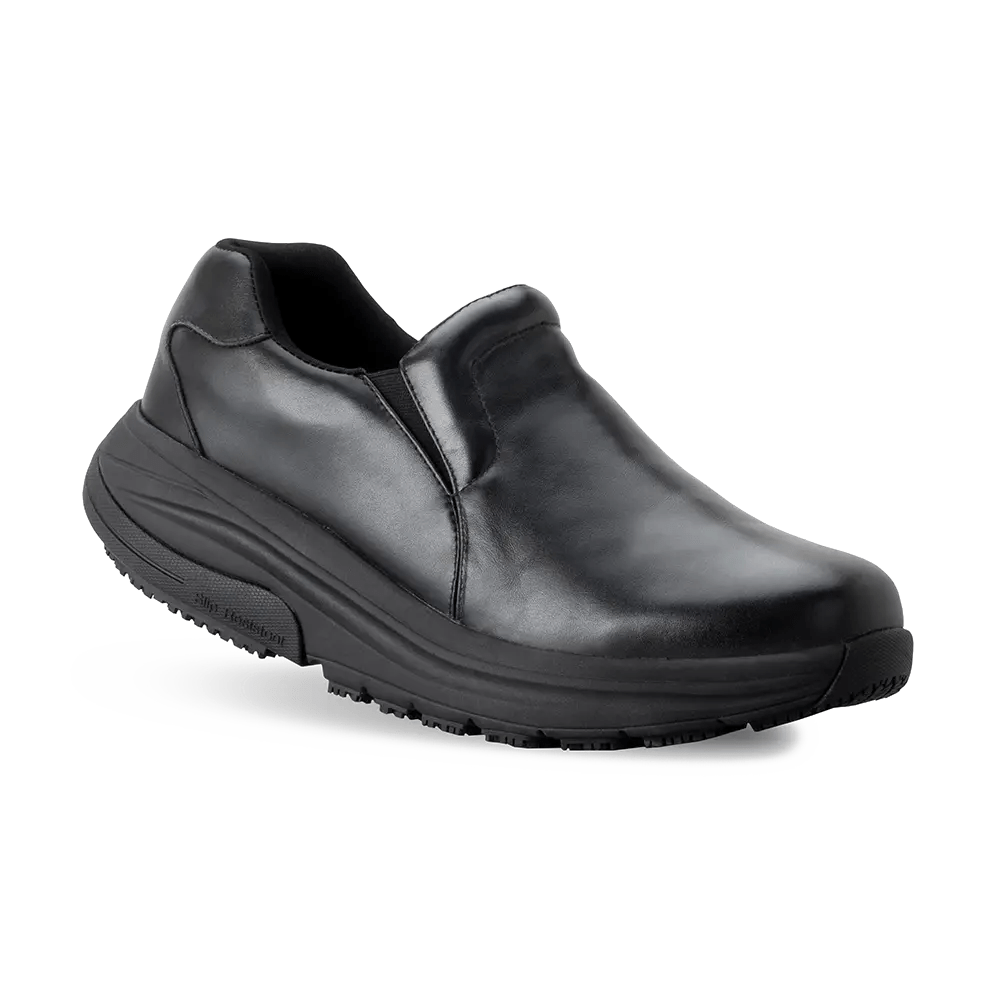
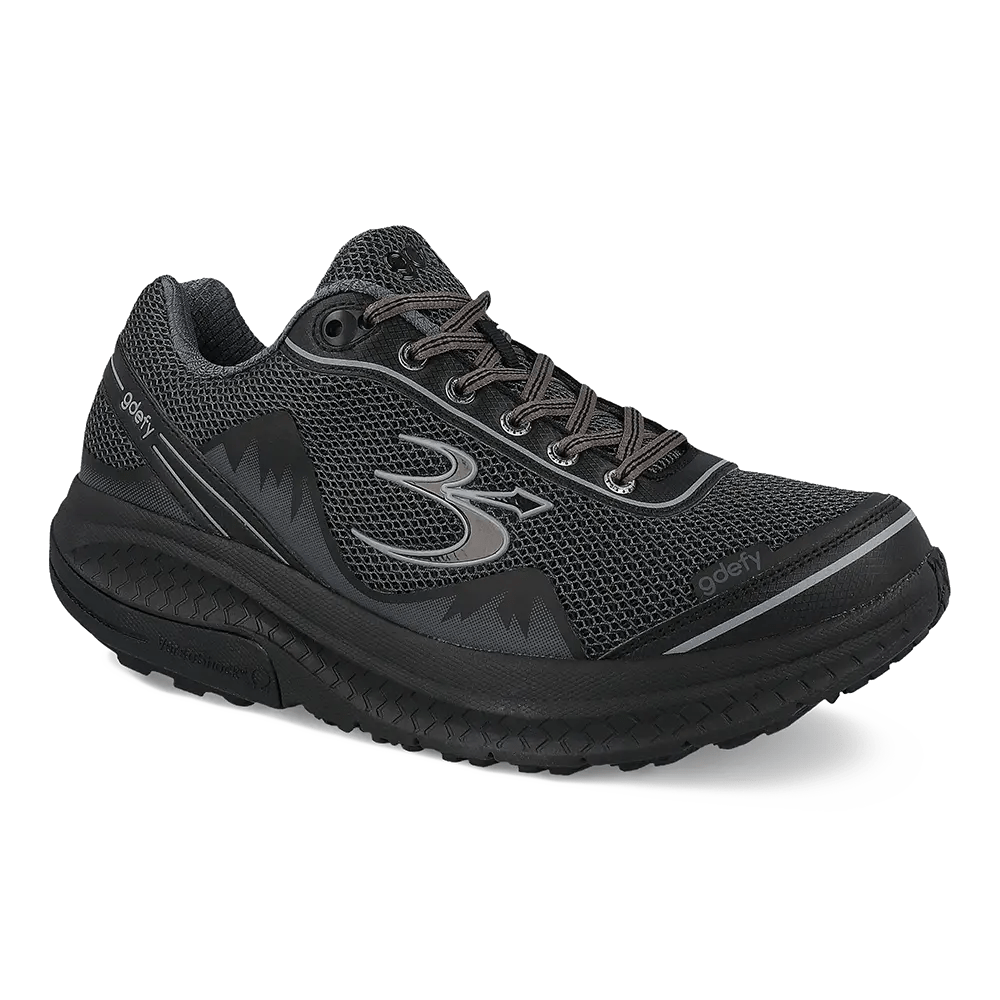
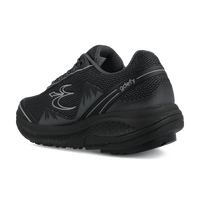
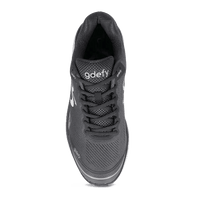
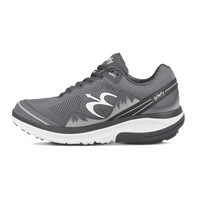
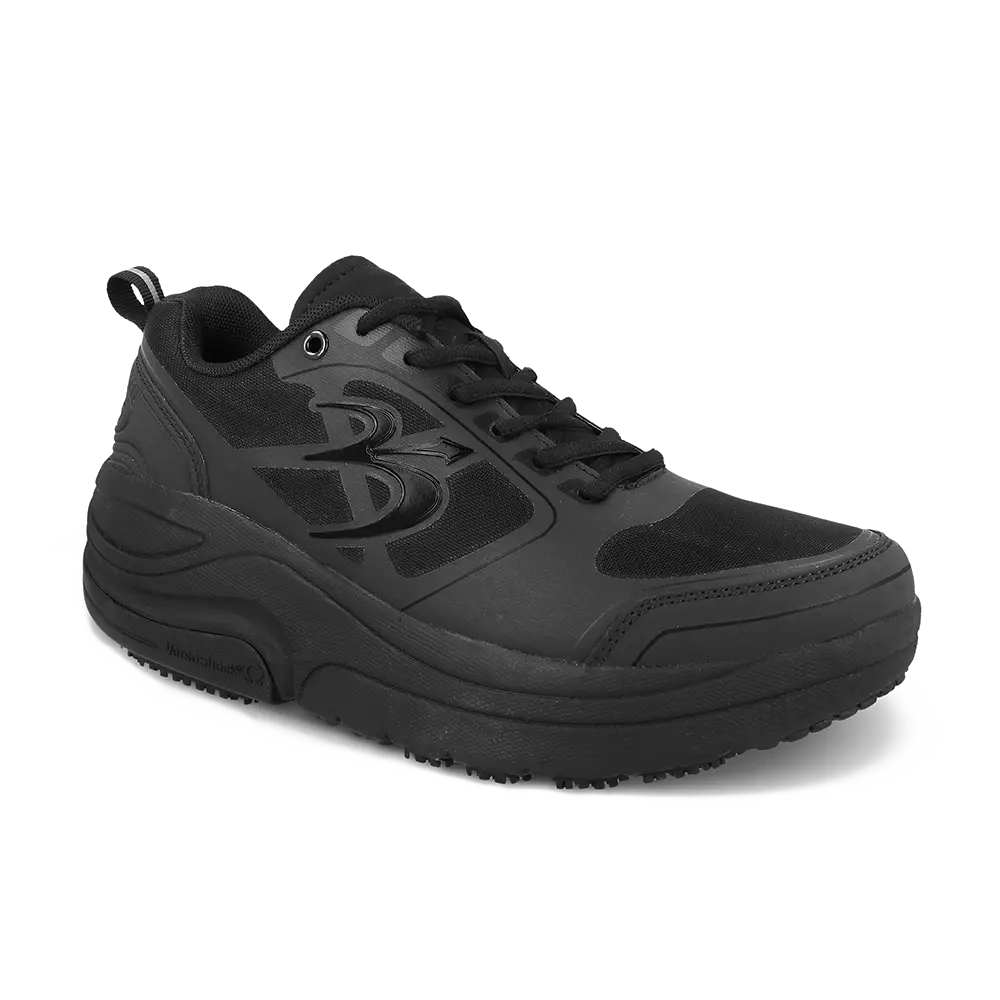
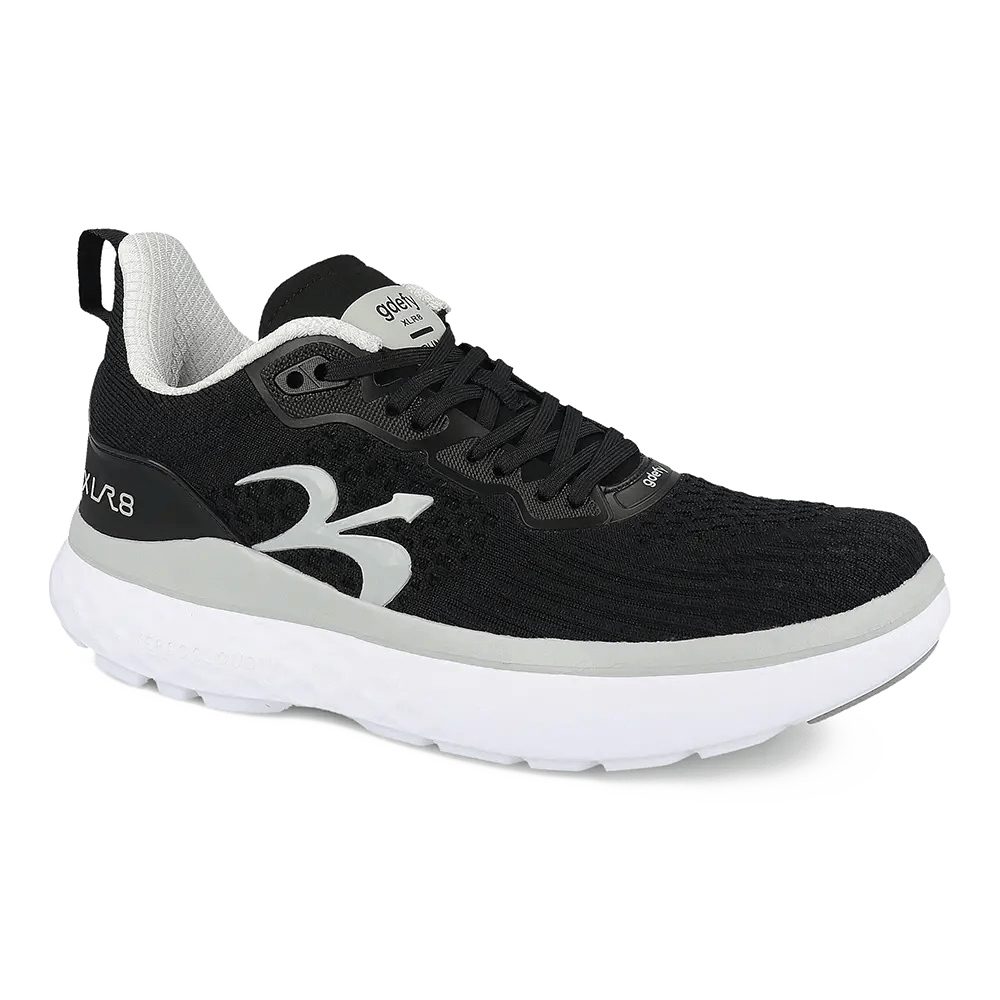
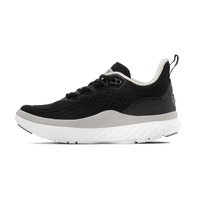
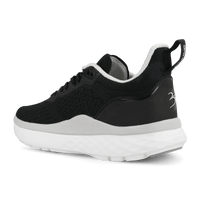
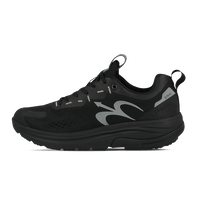
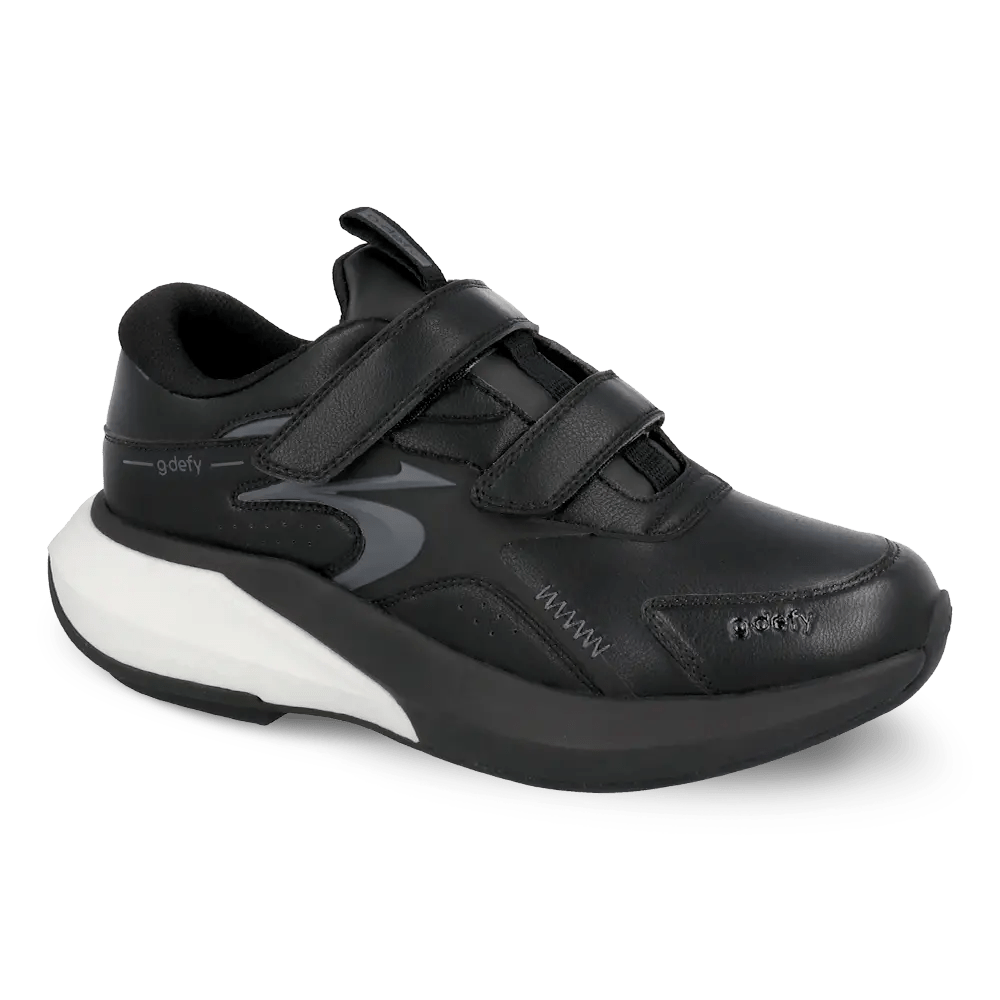
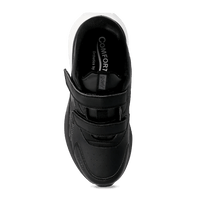
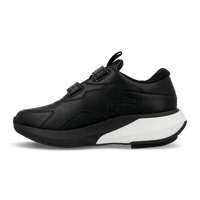
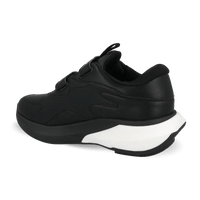
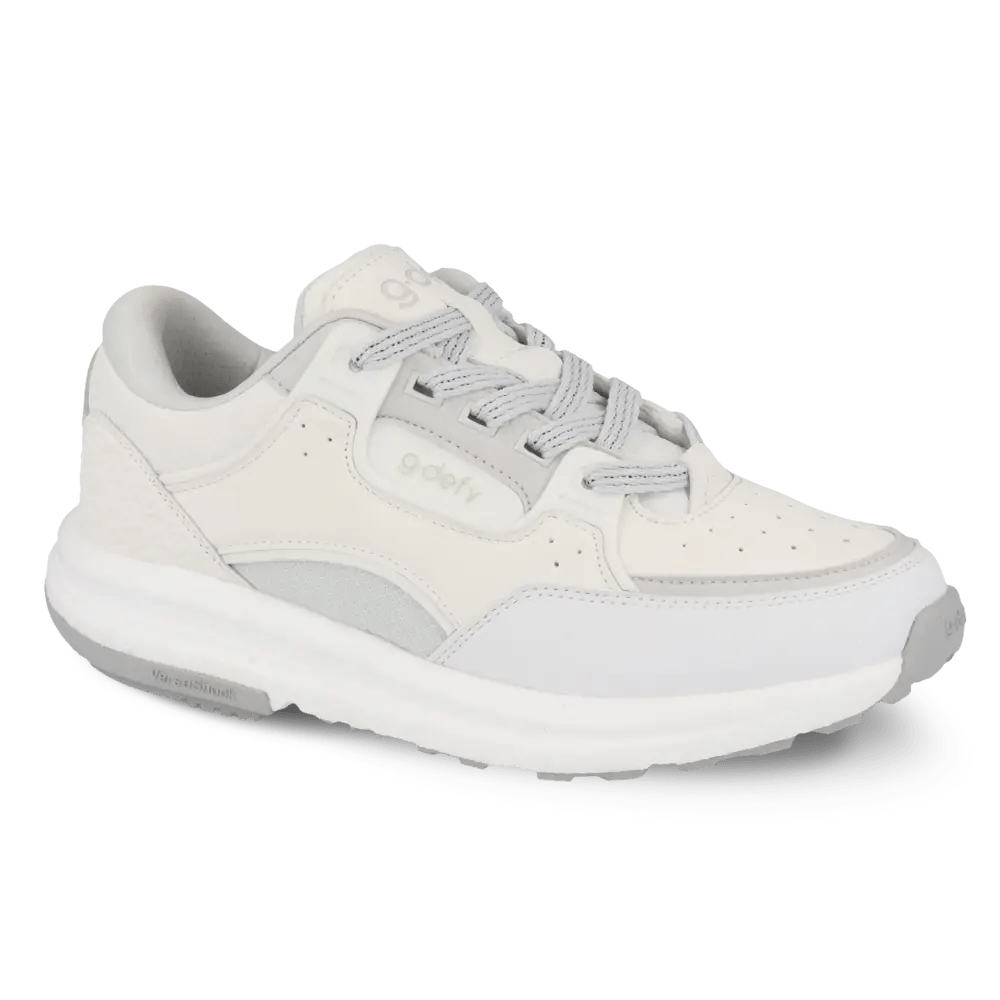
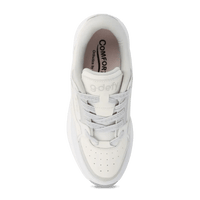
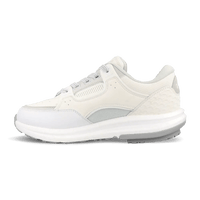
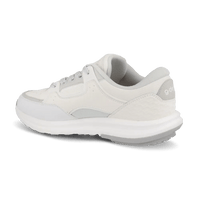
- The Mighty Walk is built for daily walking and standing, with a roomy toe box and the full VersoShock® system underfoot. It is a popular choice for long shifts on hard floors and for active adults who want a supportive everyday walking shoe.
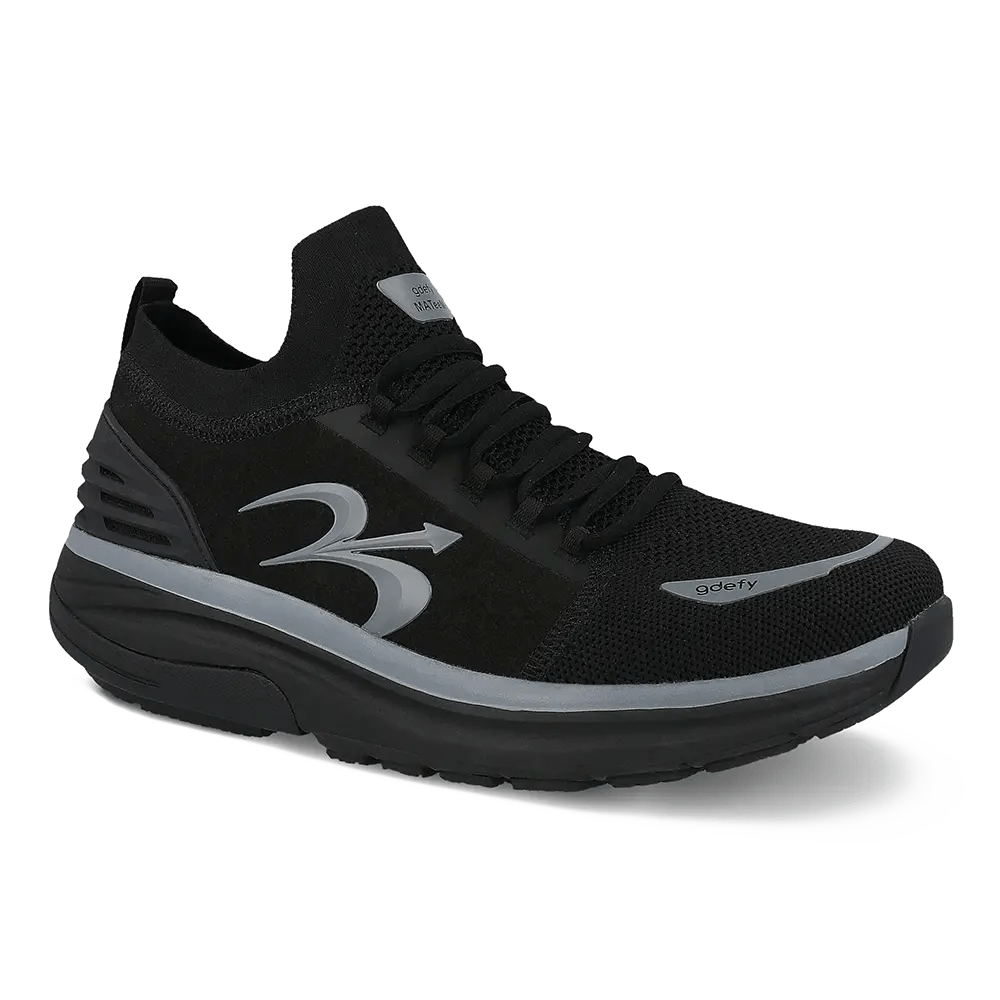
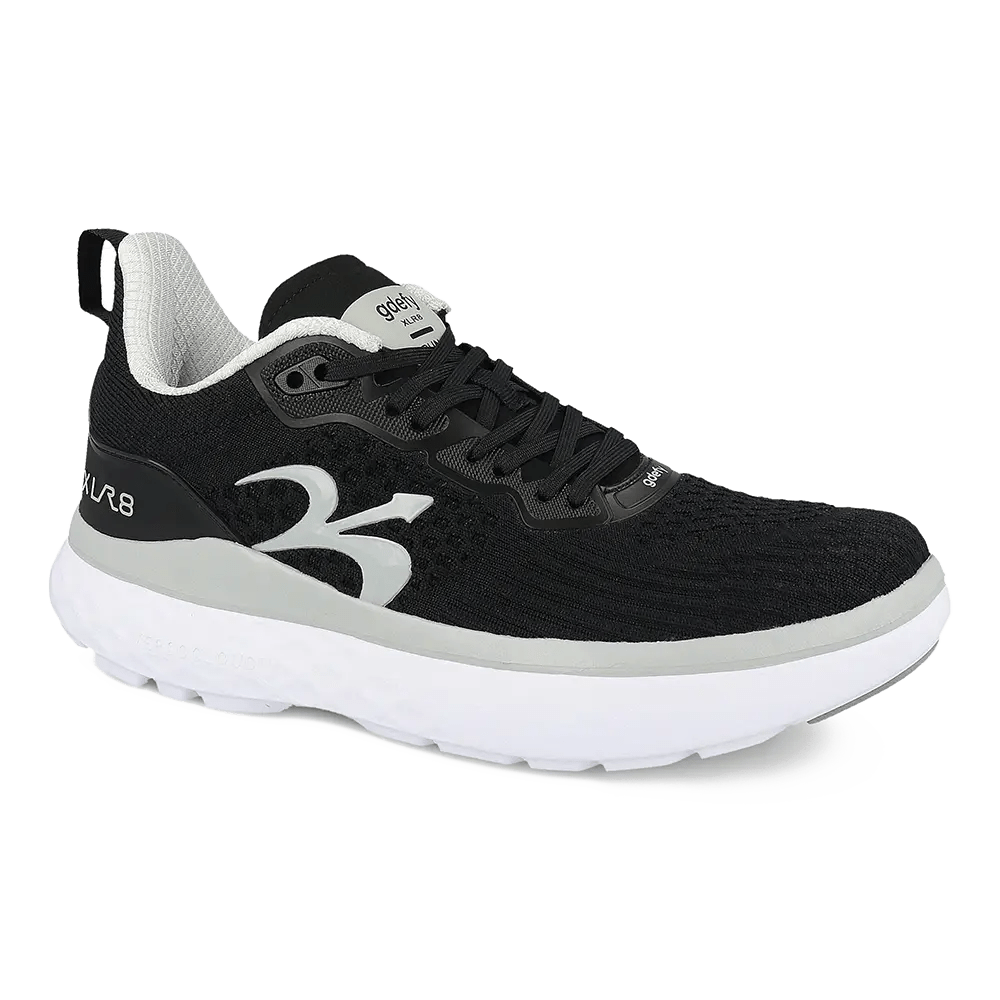
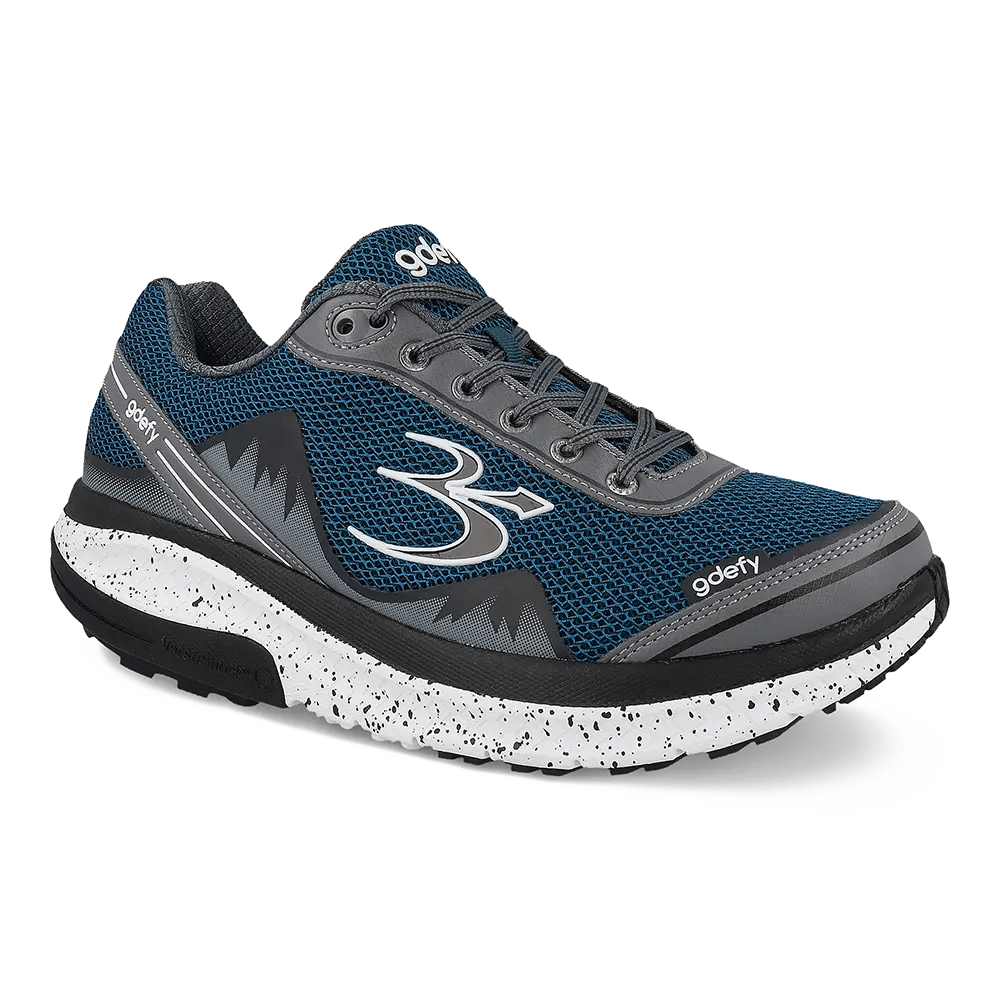
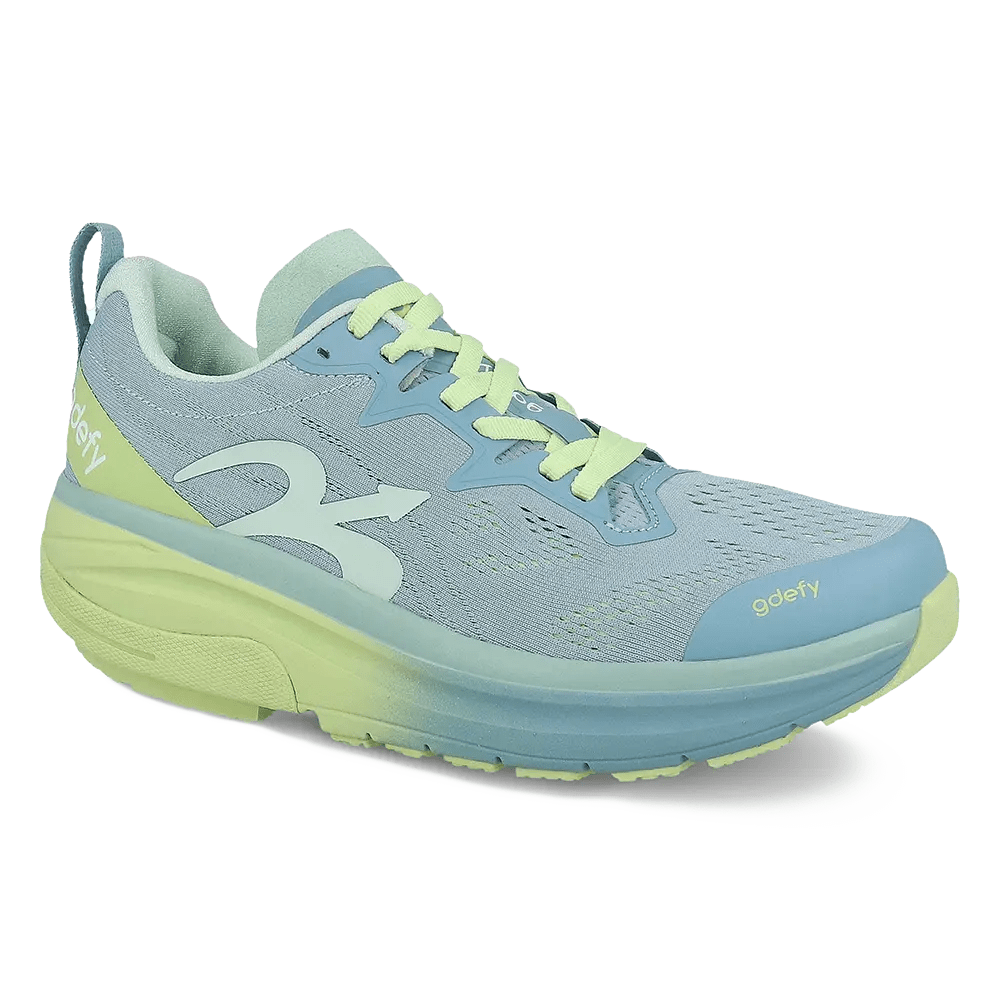
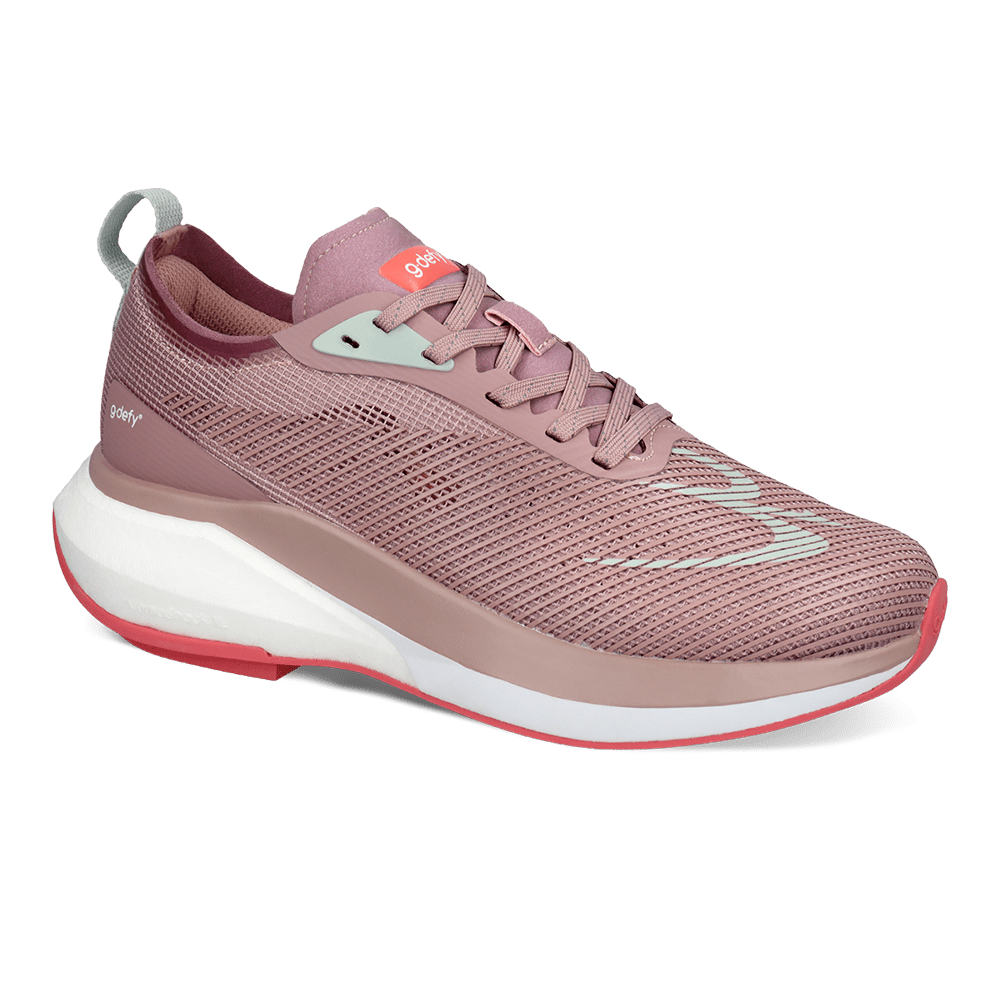
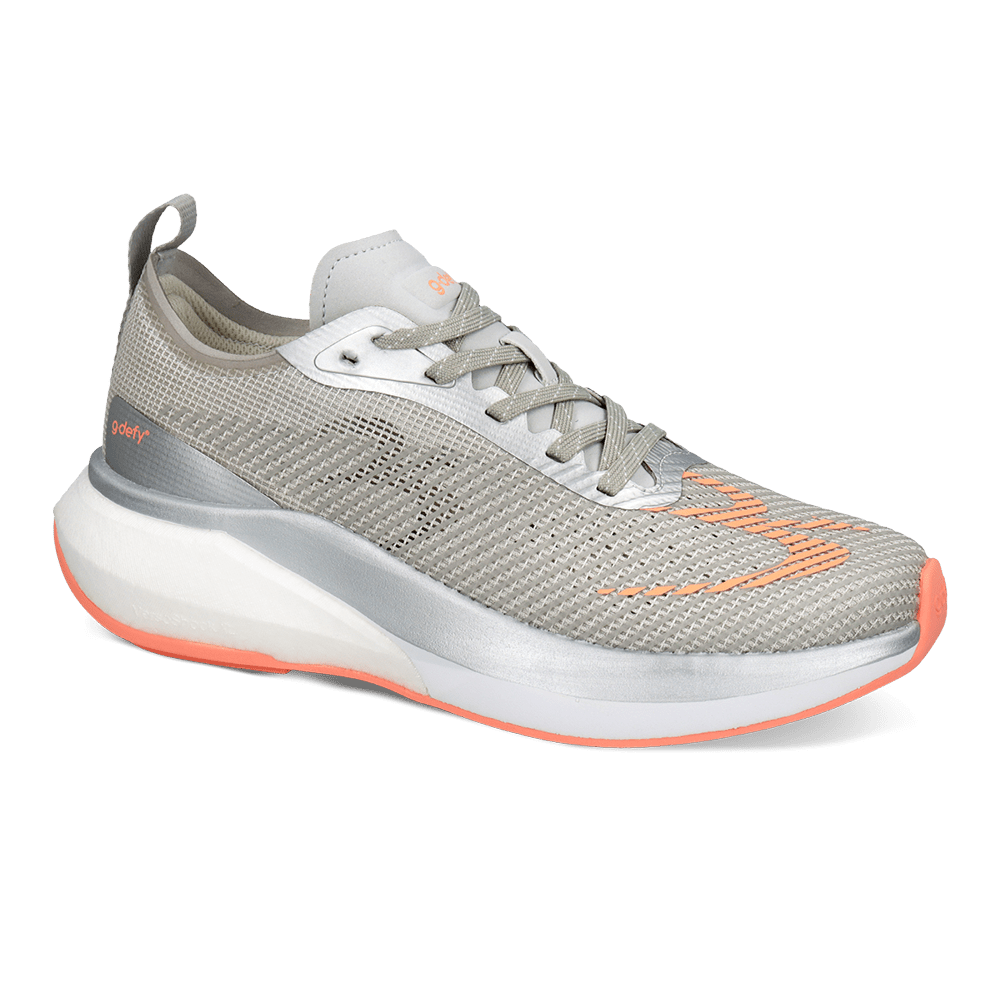
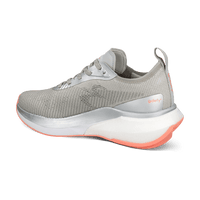
- The G-Defy Ion is a lighter athletic style that pairs the same VersoShock® system with a breathable, lower-profile build. It is often chosen by adults who want a more athletic feel for walking, casual running, and travel.
Both shoes are part of the broader men's collection and women's collection, and both include the dual orthotic system. Visit the VersoShock® technology page for more on how the system is engineered.
Try G-Defy Risk-Free for 60 Days
Walk in them, work in them, see how your feet feel. Free shipping and returns on every pair.
Shop Mighty Walk Shop Ion
Daily Habits That Support Comfort
Footwear is one part of a broader set of daily habits that can support overall comfort for people living with arthritis. These are common-sense practices, not medical advice.
- Rotate your shoes. Wearing the same pair every day compresses the cushioning faster. Alternate between two or three pairs so each shoe has time to decompress between wears.
- Replace worn shoes. Cushioning and support break down over time. When the sole looks compressed, the upper has stretched, or the shoe simply doesn't feel the way it used to, it is likely time to replace it.
- Move gently and often. Many adults find that gentle movement throughout the day — short walks, light stretching, standing breaks — leaves joints feeling less stiff than long periods of sitting still.
- Pay attention to fit. Feet can change size with age, swelling, or weight fluctuations. Re-measure occasionally rather than assuming last year's size still fits.
- Mind the surfaces. Hard surfaces like concrete, tile, and uncushioned floors are tougher on joints. When possible, choose softer surfaces — grass, dirt trails, cushioned mats — for longer walks.
- Use the orthotic that fits your foot. Switching between the ComfortFit® and CorrectiveFit® orthotics that come with each G-Defy pair lets you adjust support to how your foot feels on a given day.
What Footwear Can and Cannot Do
It is worth being honest about what footwear can and cannot do for adults living with arthritis.
What good footwear can do:
- Absorb more of the impact at each step
- Support the foot and reduce side-to-side strain
- Encourage a smoother, more natural walking motion
- Improve comfort during walking, standing, and daily activity
- Help reduce fatigue at the end of a long day on your feet
What footwear cannot do:
- Change what is happening inside an arthritic joint
- Replace medical care, physical guidance from a healthcare provider, or any prescribed program
- Make every day feel the same — arthritis comfort varies, and even the best shoe will feel different on a flare day than on a calm day
A shoe is a tool for comfort and support during movement. For anything beyond that, the right step is a conversation with a healthcare provider who knows your situation.
Frequently Asked Questions
Can shoes help with arthritis?
Shoes are not a medical solution for arthritis, but supportive, cushioned footwear may improve overall comfort during walking and prolonged standing. The right combination of cushioning, shock absorption, arch support, and stability can make daily movement feel more comfortable for many adults.
What features should I look for in shoes if I have arthritis?
Look for shoes with effective shock absorption, a supportive arch, a stable midsole, a roomy toe box, and lightweight construction. A removable orthotic system is helpful because it lets you adjust the level of support to your foot. Proper fit is equally important — even the best-designed shoe will not feel right if it does not fit.
Are G-Defy shoes good for arthritis?
G-Defy shoes are designed to provide comfort, support, and shock absorption. With VersoShock® technology, a built-in stabilizer, a front rolling design, and a dual orthotic system, they help reduce pain from walking, running, and prolonged standing. G-Defy shoes are not a medical device and are not a substitute for medical care, but many active adults find them comfortable for everyday wear.
How often should I replace my walking shoes?
Cushioning and support break down with use. As a general guide, walking shoes worn daily often need replacing every 6 to 12 months, depending on use, body weight, and walking surfaces. If the cushioning feels noticeably flatter than it once did, or the shoe is no longer comfortable for a typical day, it is time to replace it.
Should I see a doctor for arthritis foot pain?
Yes. Persistent joint pain, swelling, or changes in how you walk are reasons to speak with a healthcare provider. They can help identify what is happening and recommend a plan. Footwear can support comfort during daily movement, but it is not a substitute for medical guidance.
Can I wear G-Defy shoes for both walking and standing all day?
G-Defy shoes are engineered for daily wear during walking, running, and prolonged standing. The combination of shock absorption, support, and the dual orthotic system is designed for all-day comfort, including long shifts on hard surfaces.
Find Your Pair of G-Defy Shoes
Designed for comfort, support, and shock absorption — backed by our 60-day risk-free trial.
Shop Men's Shop Women'sPutting It All Together
Arthritis is a daily reality for millions of active adults. The joints may not always cooperate, the mornings may not always be easy, and the right pair of shoes will not change those facts. What footwear can do is influence how every step feels. Good shock absorption, a stable platform, a supportive arch, and a roomy fit can make walking and standing feel meaningfully better — not because the shoe is medicine, but because the shoe is doing its mechanical job well.
If you live with arthritis, talk to your healthcare provider about a plan that fits your situation. And when you choose footwear, look for the features that match how you actually live and move — long hours, hard floors, daily walks, weekend errands — and give yourself room to find what feels right for you.
For more on G-Defy's approach, see the VersoShock® technology page, our recent posts on knee and hip arthritis, arthritis flare-ups, and arthritis foot care tips.